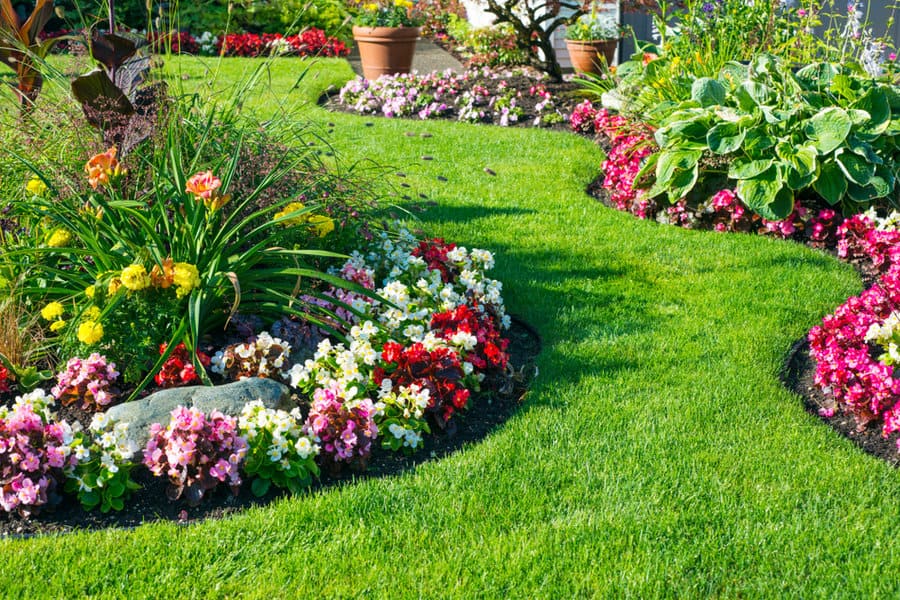
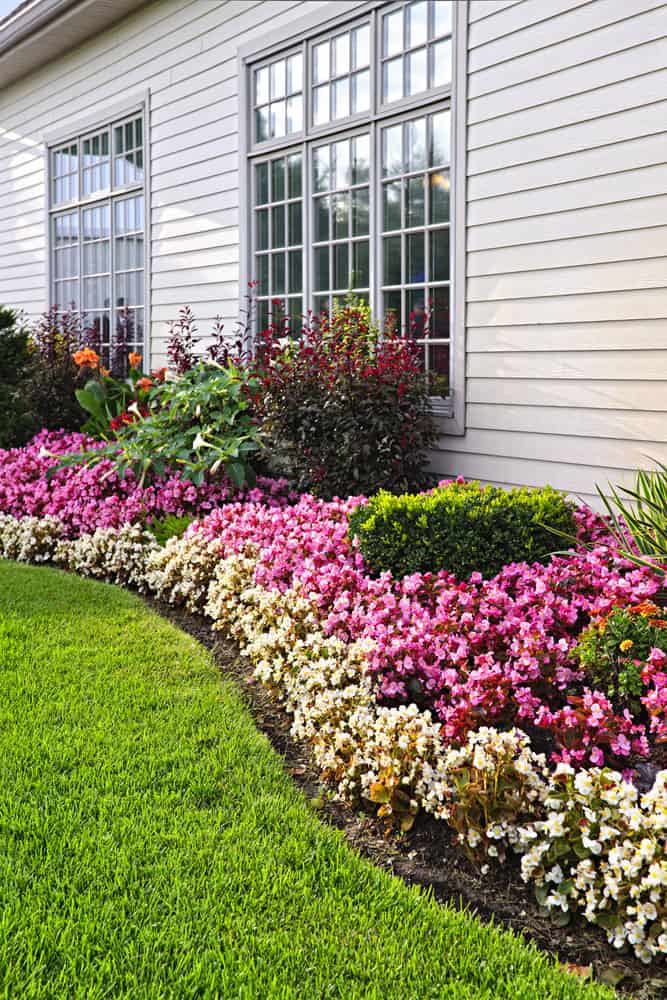
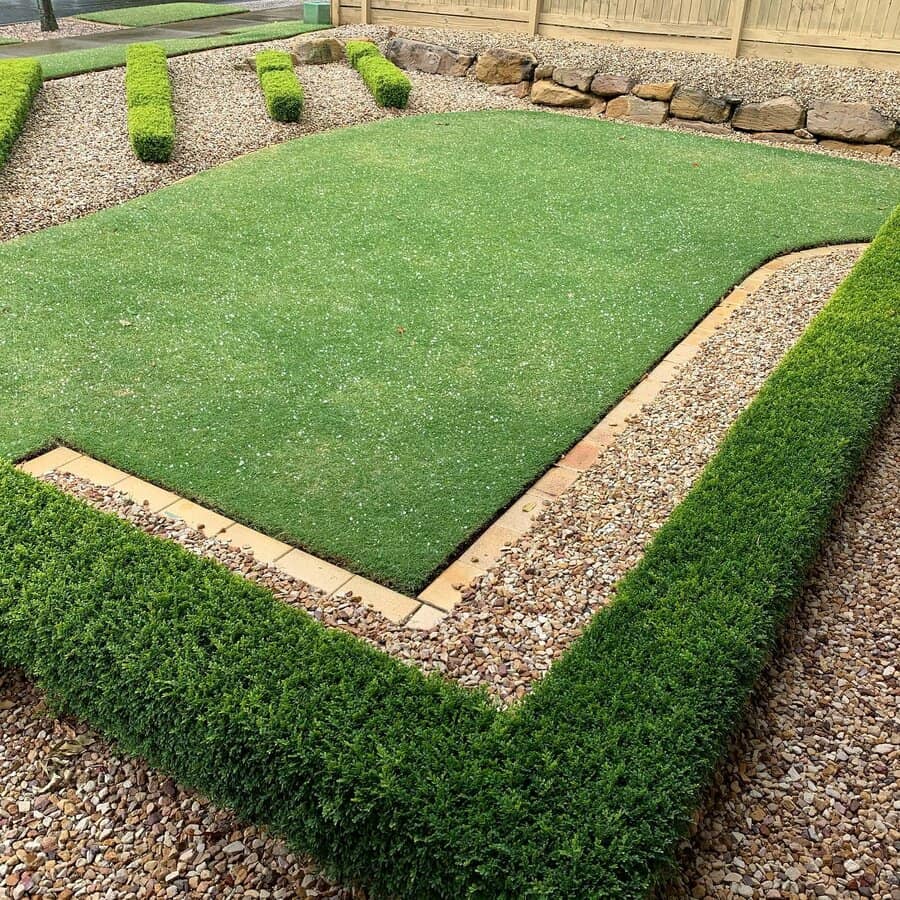
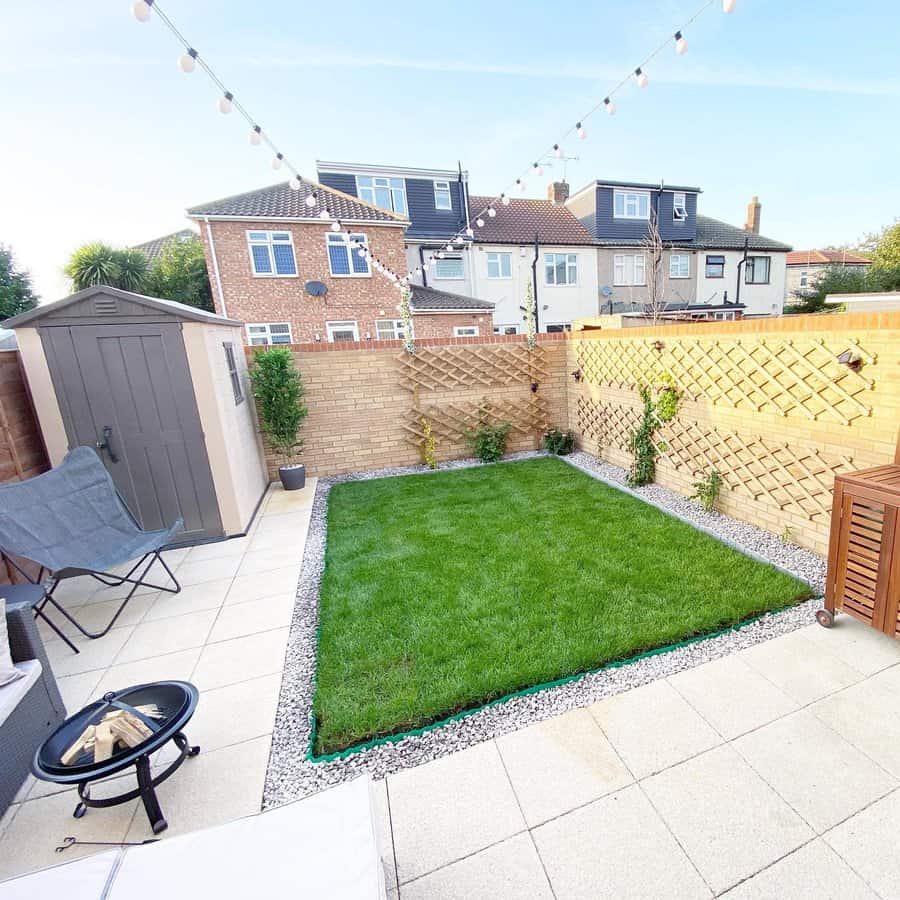
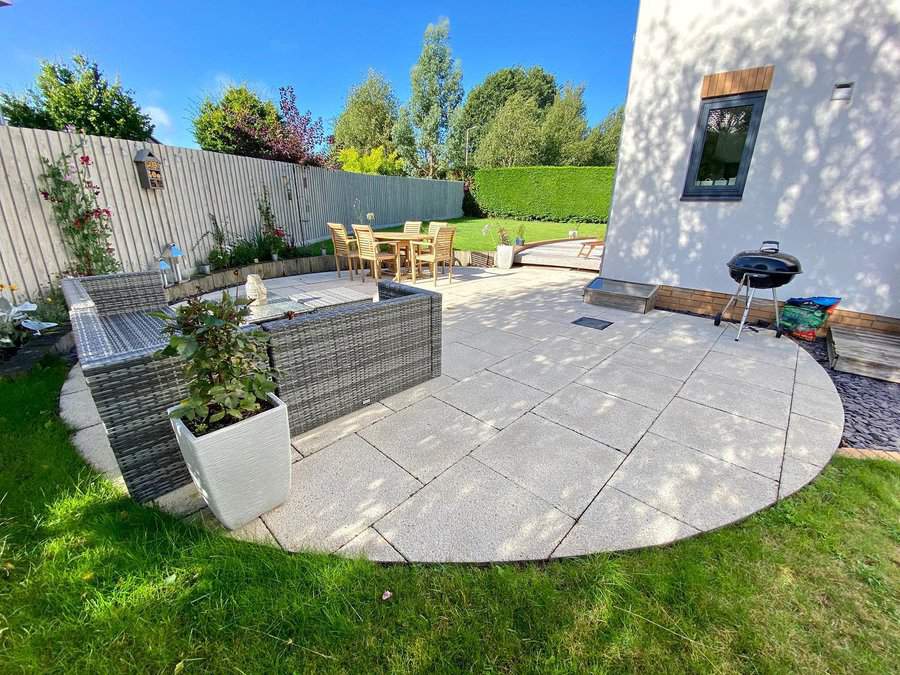
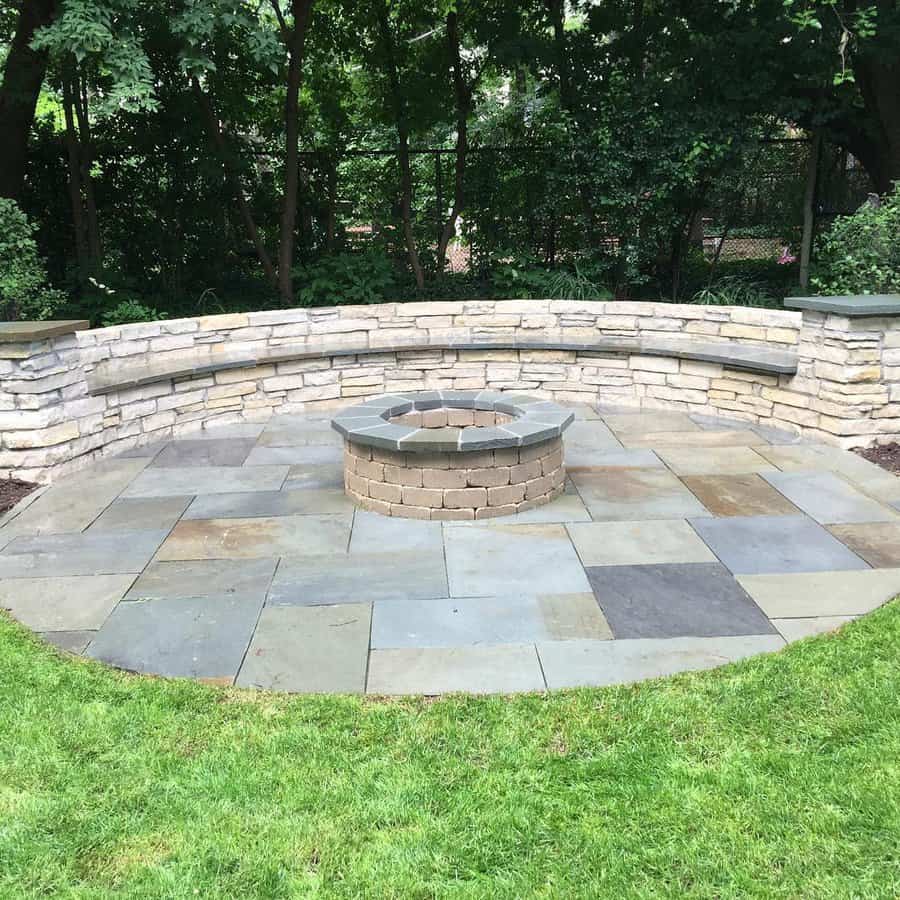
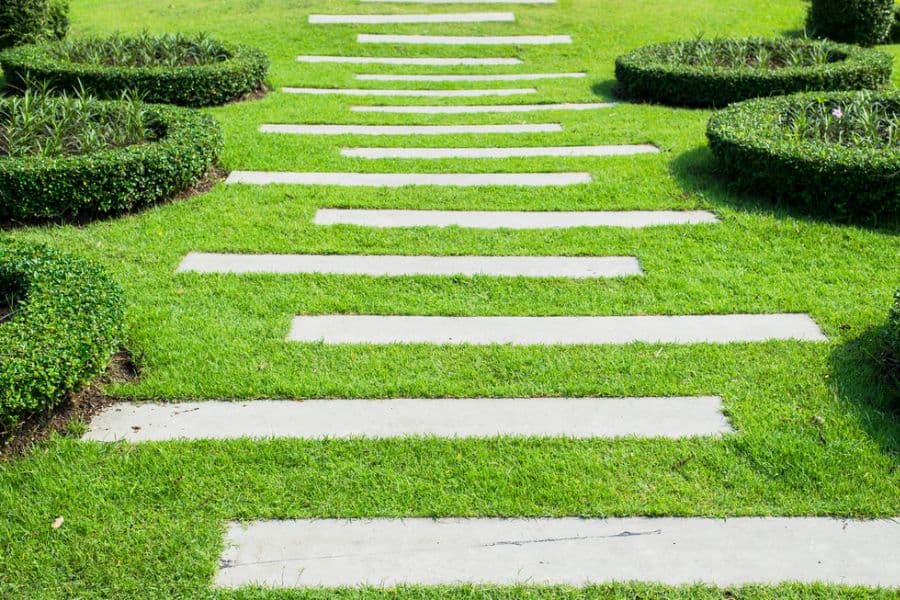
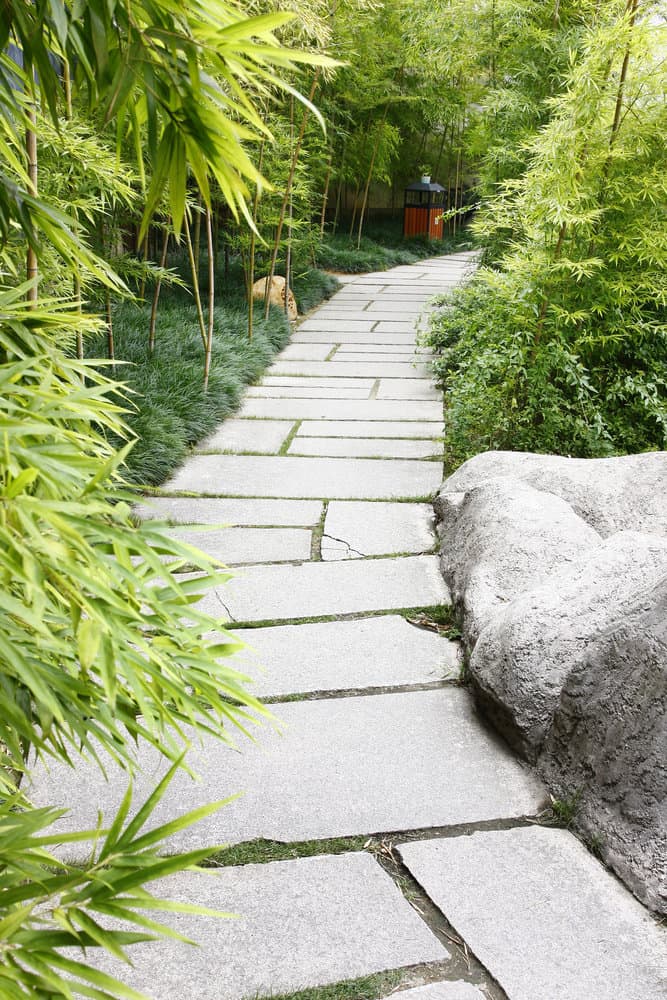
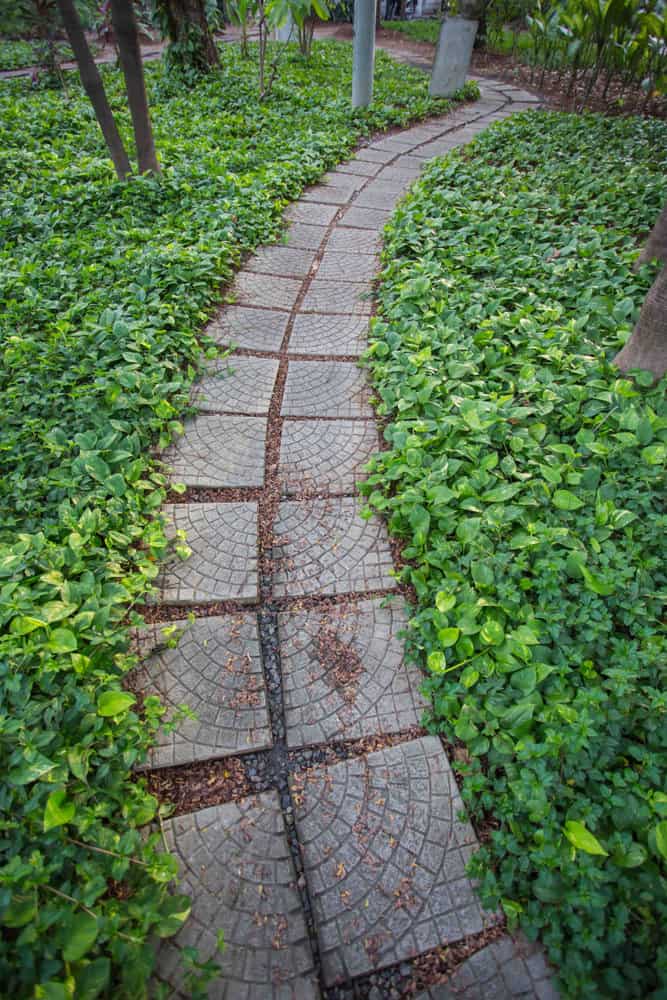
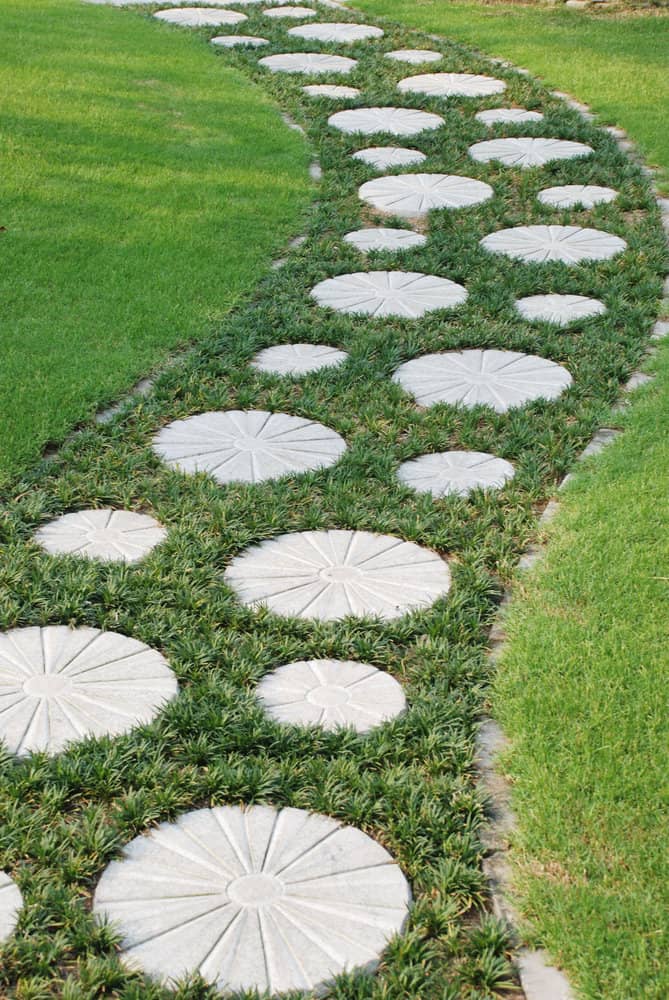
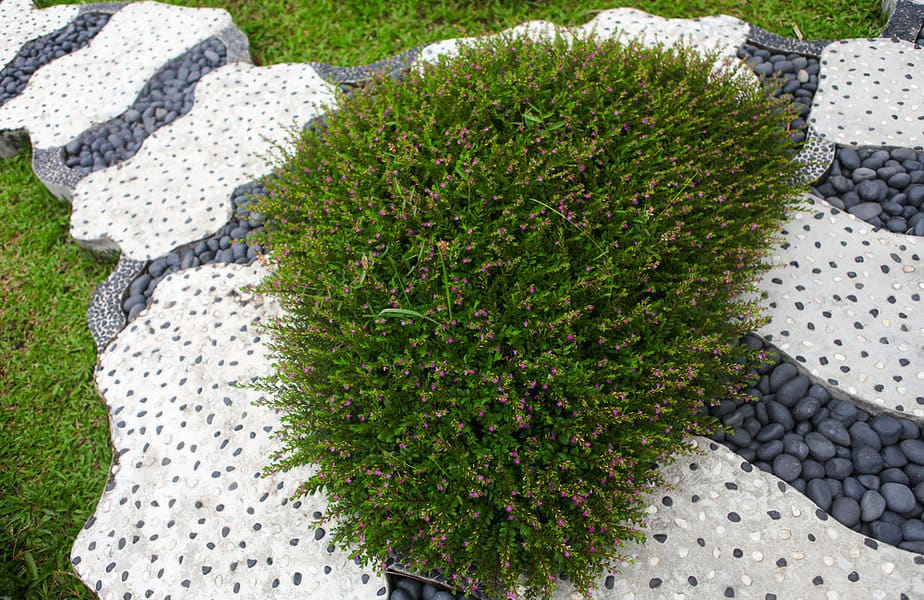
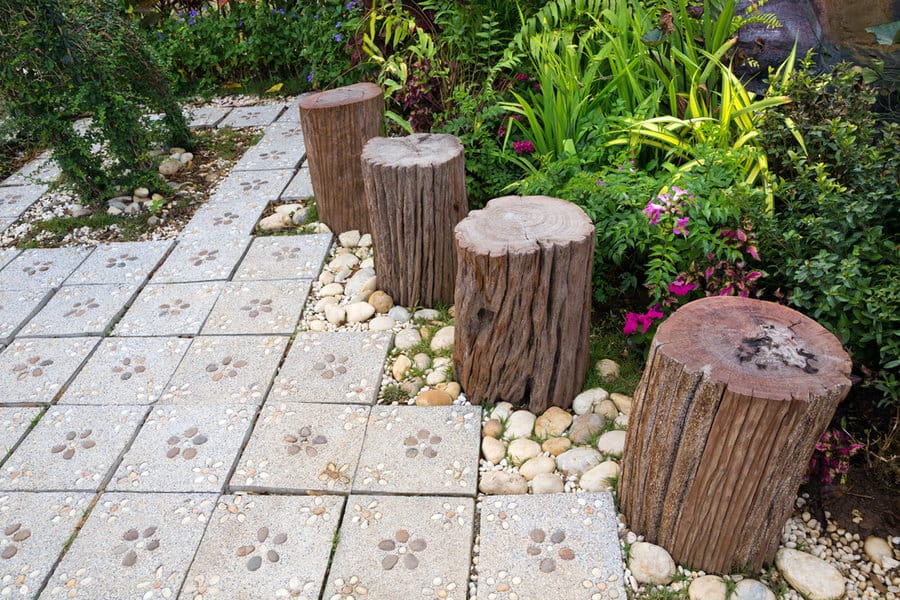
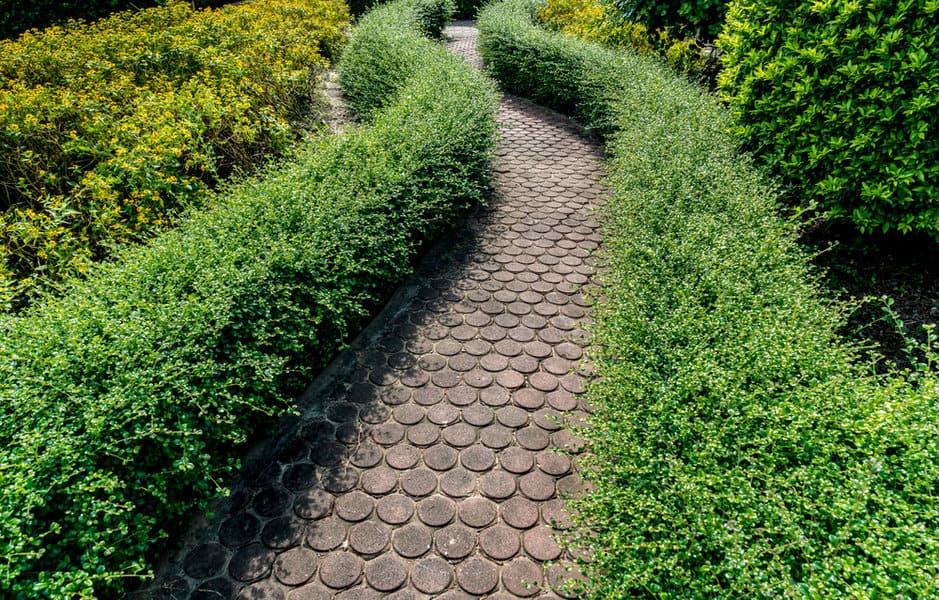
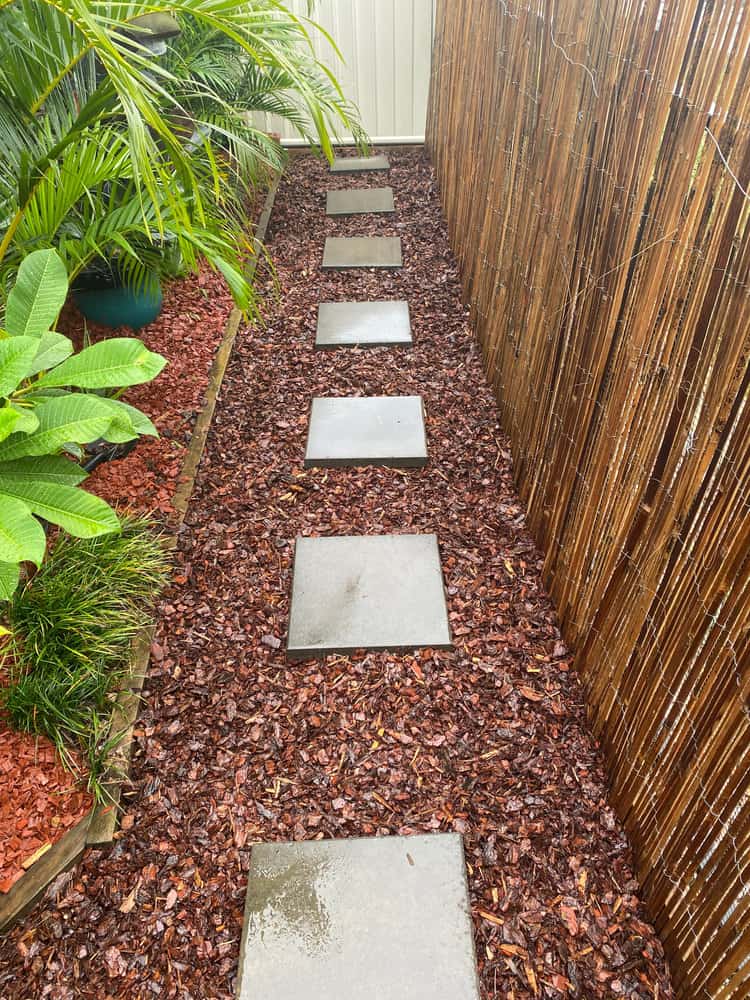
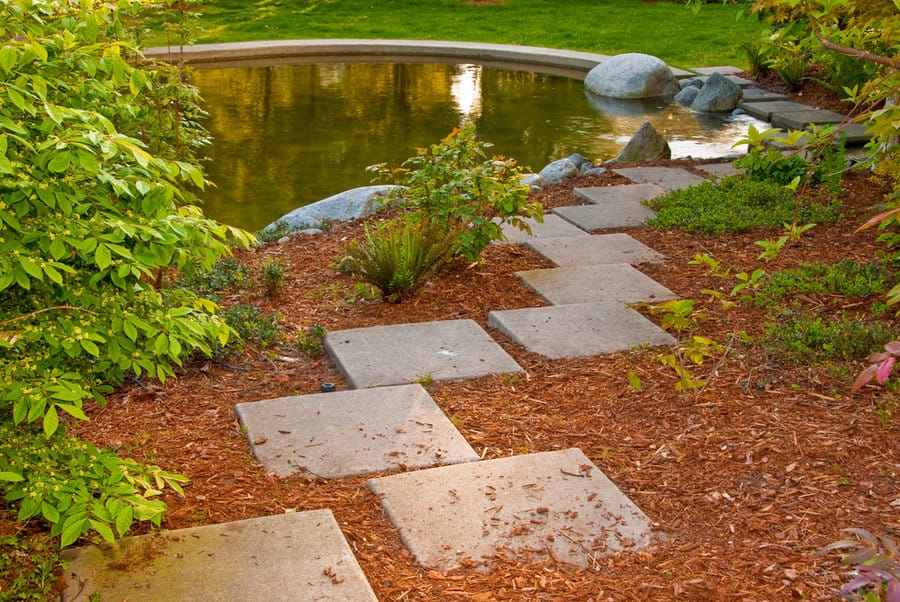
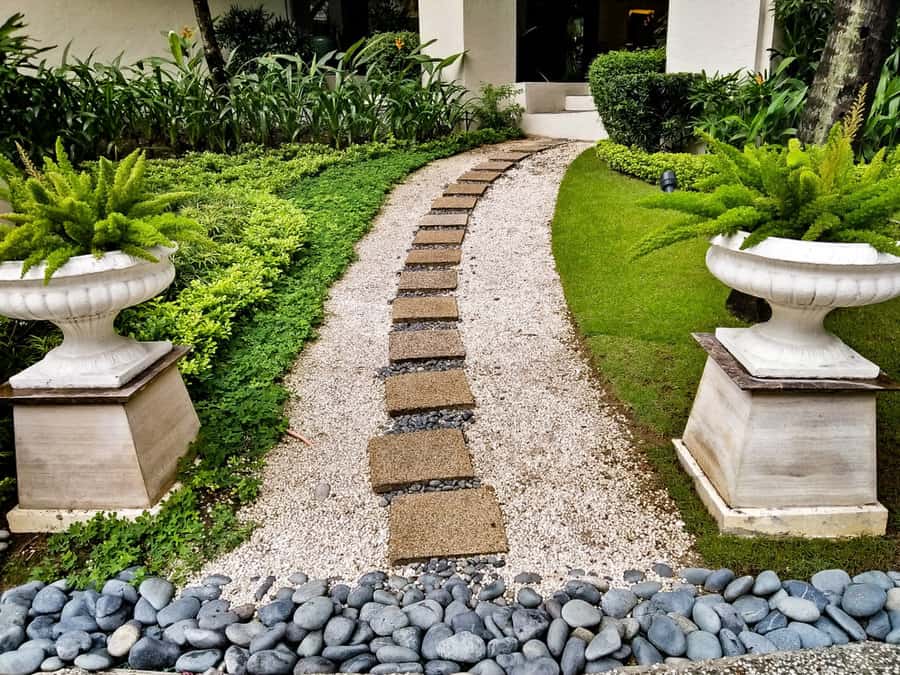
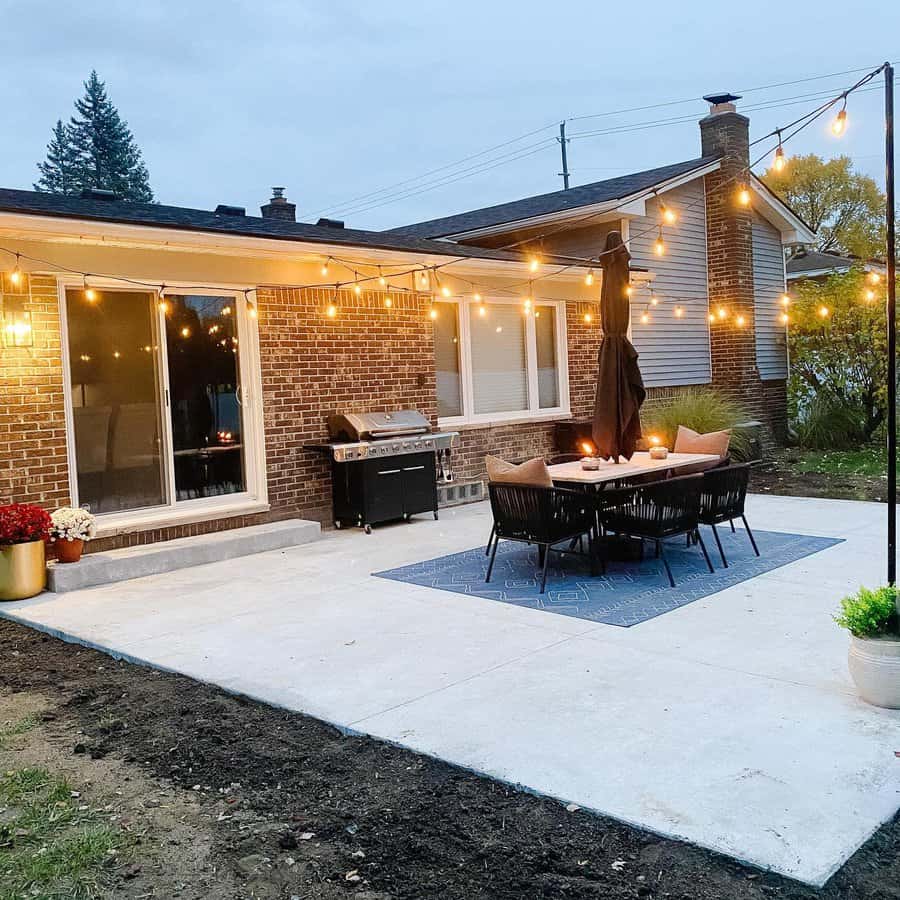
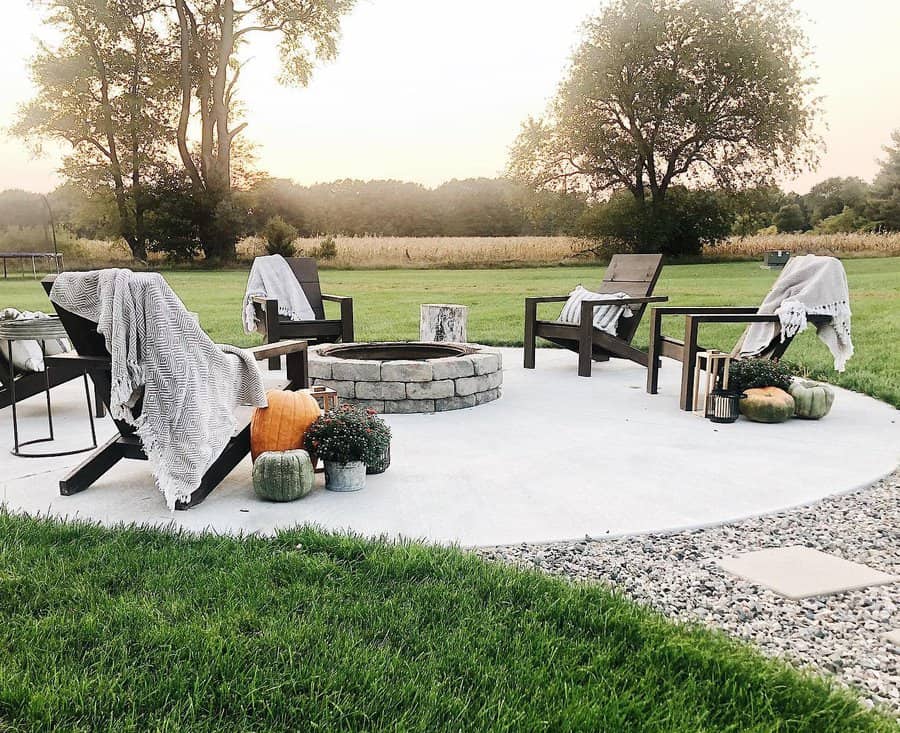
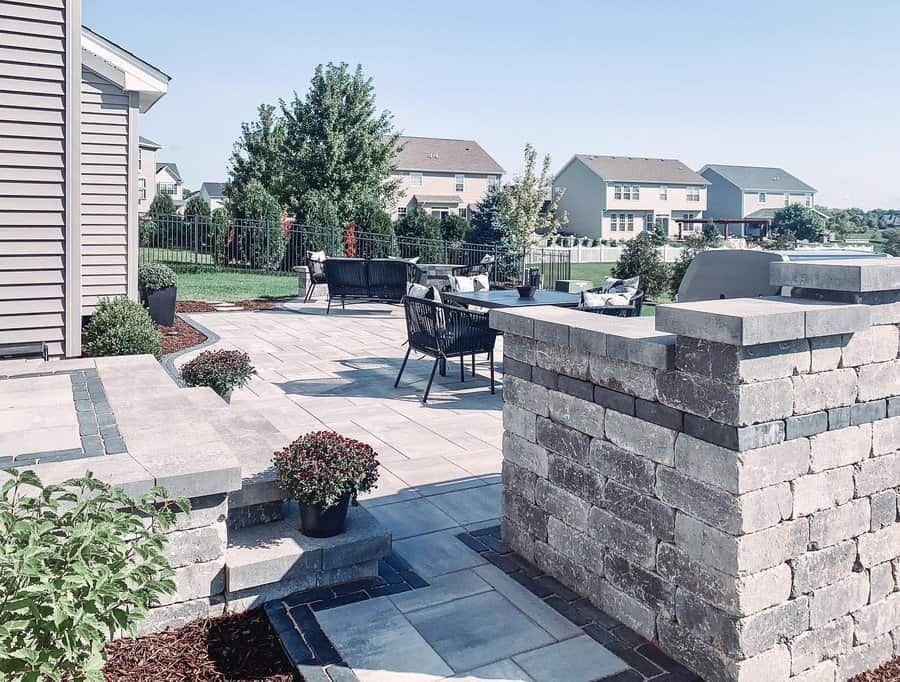
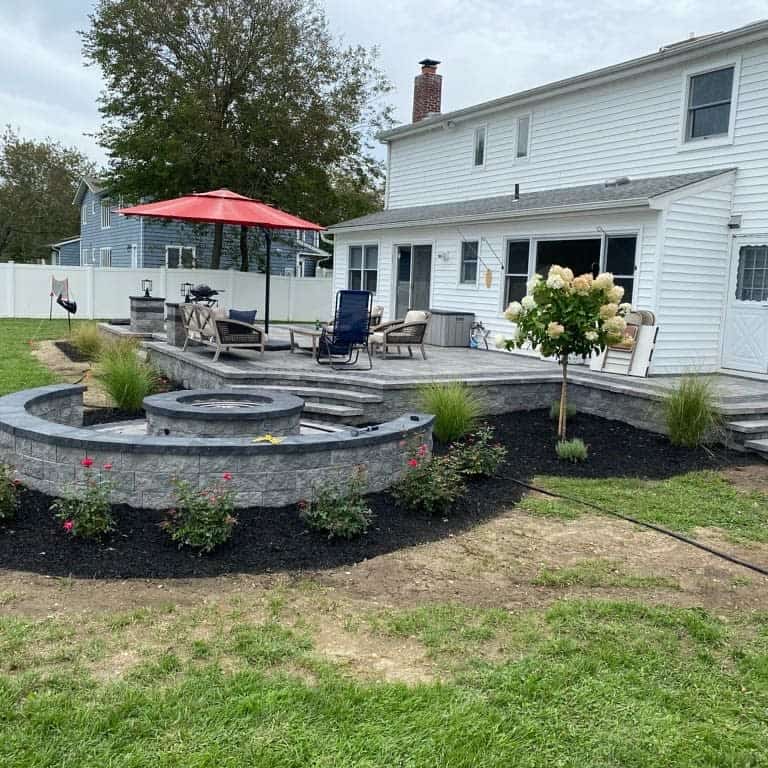
Do you have grass growing around your single-family home? Then you aren’t alone. You also aren’t alone in your struggle to maintain it. Sure, most people focus on getting it to grow evenly while avoiding brown spots or dirt patches. However, there’s another unspoken struggle.
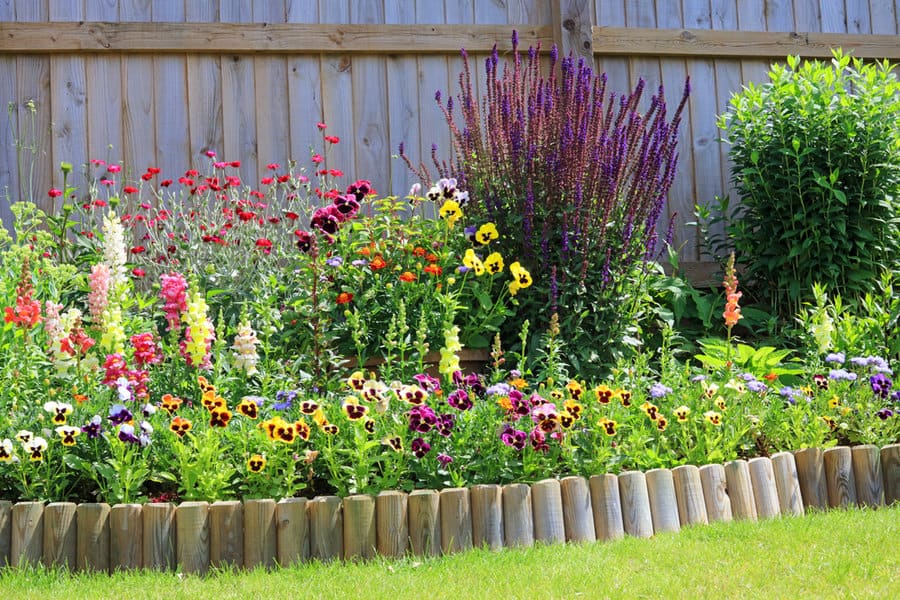
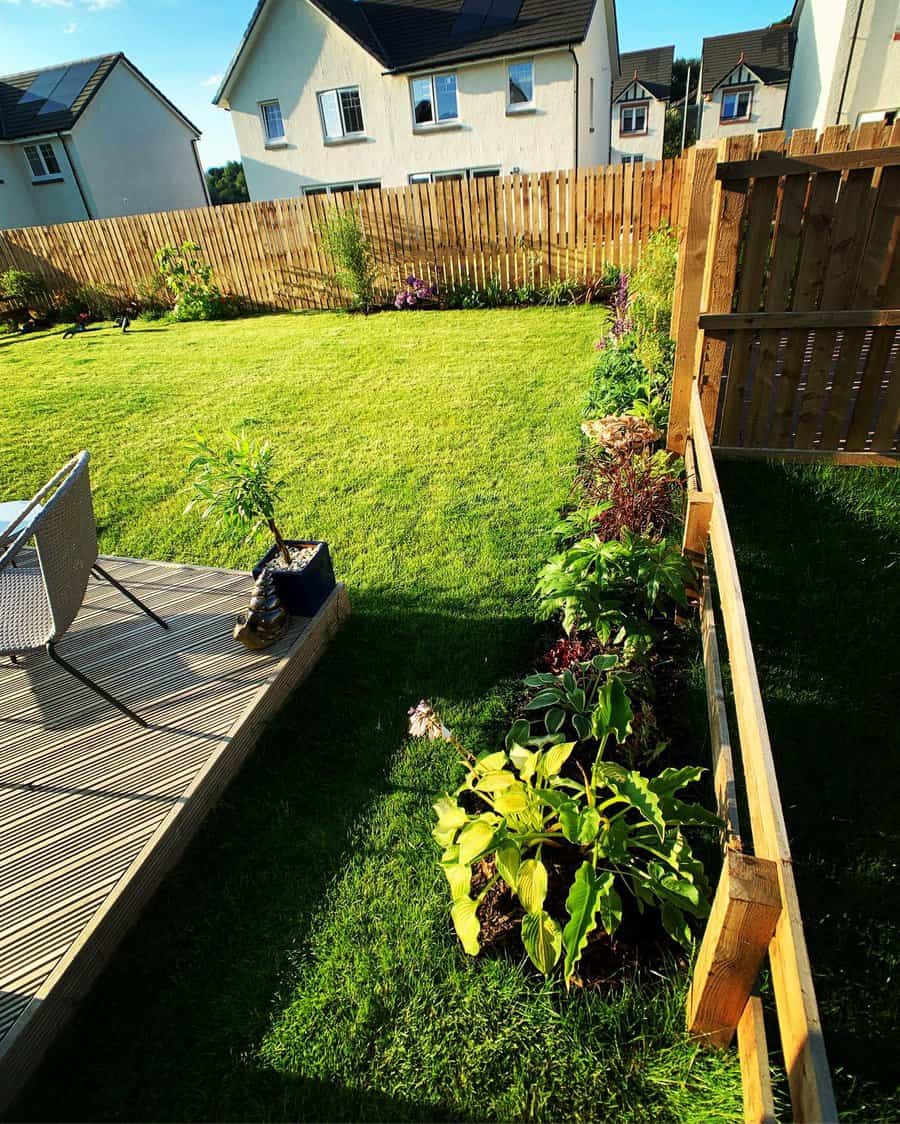
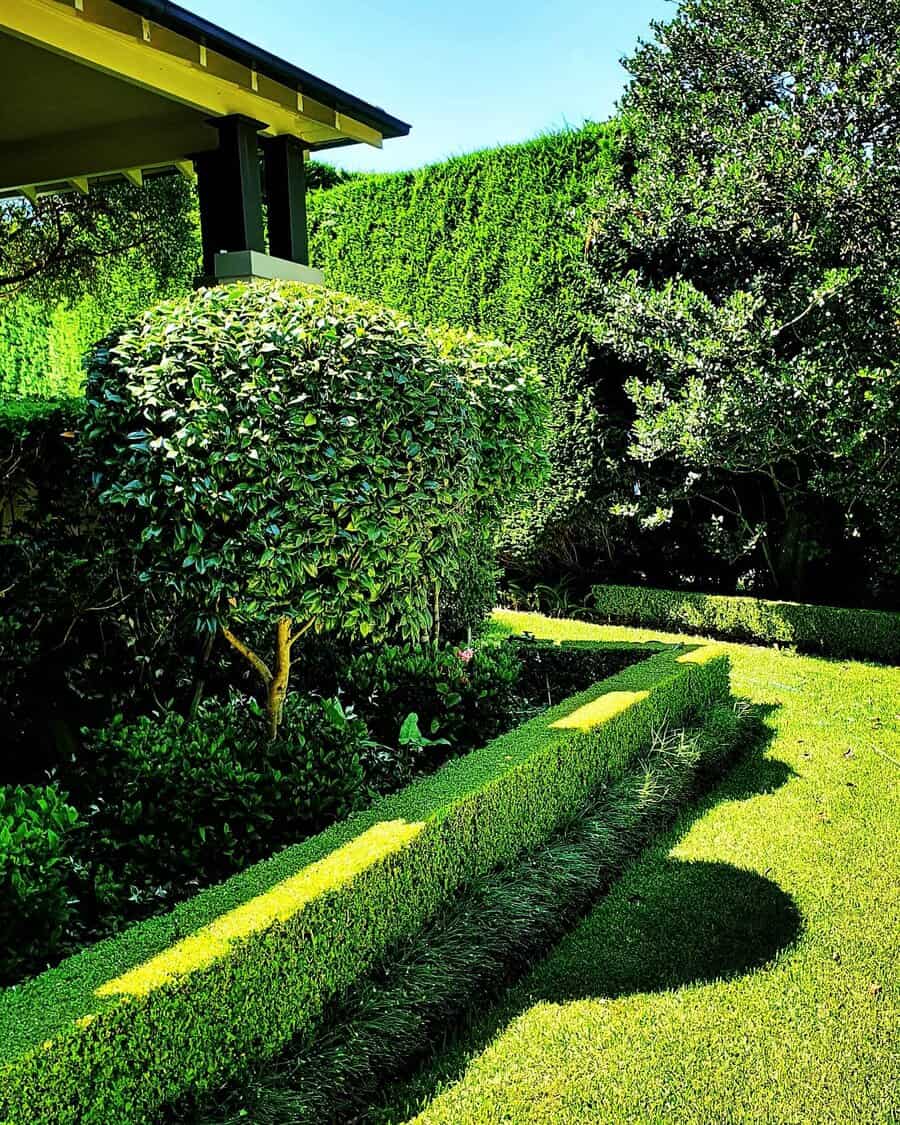
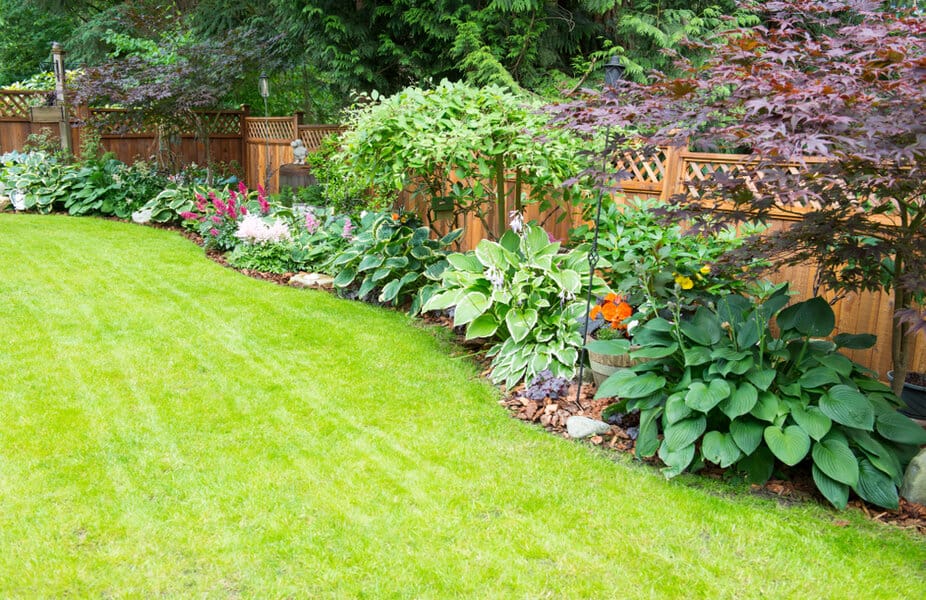
You need edging around your lawn to keep it contained. Most people resort to plastic garden edging, but this doesn’t always have the best curb appeal.
These lawn edging ideas will help you contain your lawn while also improving the look of your property.
[view_toc]
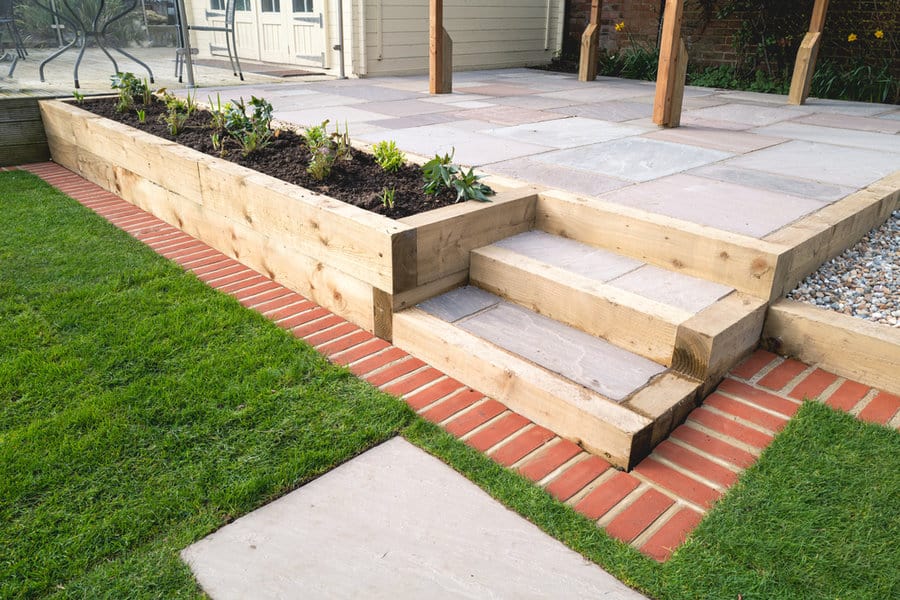
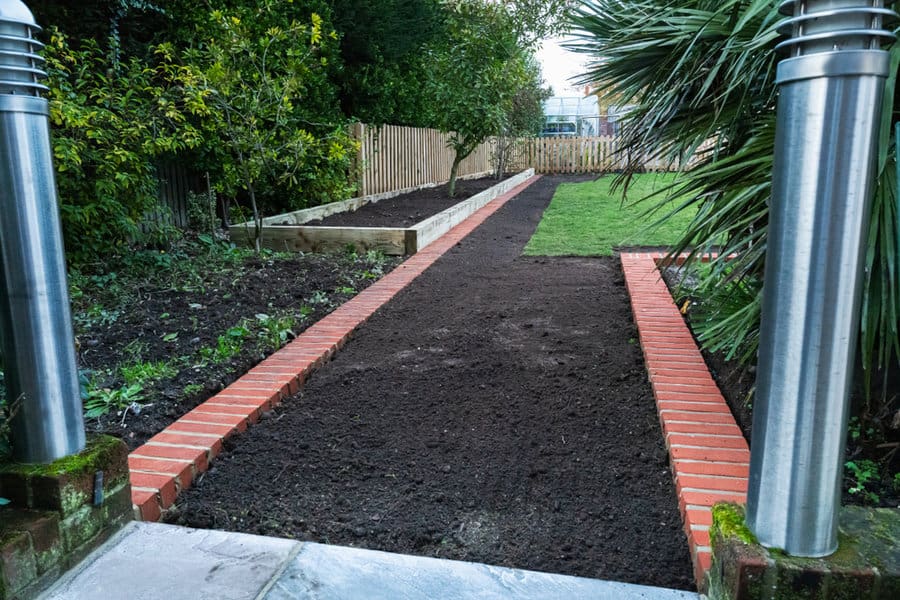
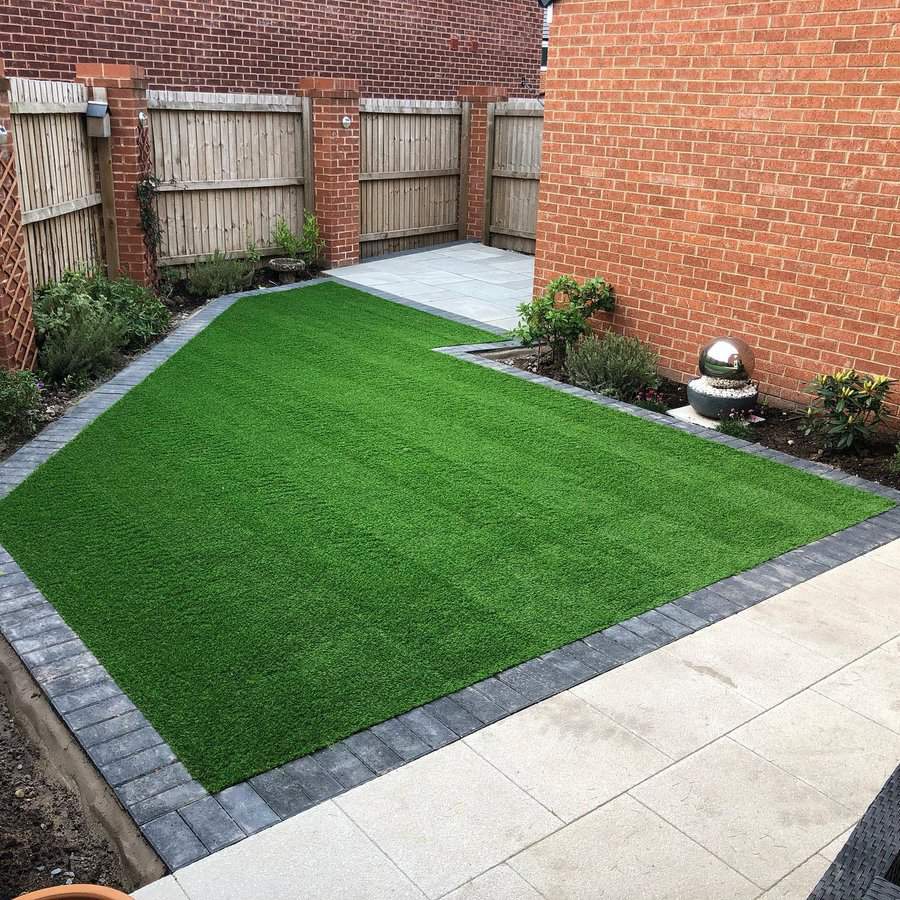
1. Brick Edging
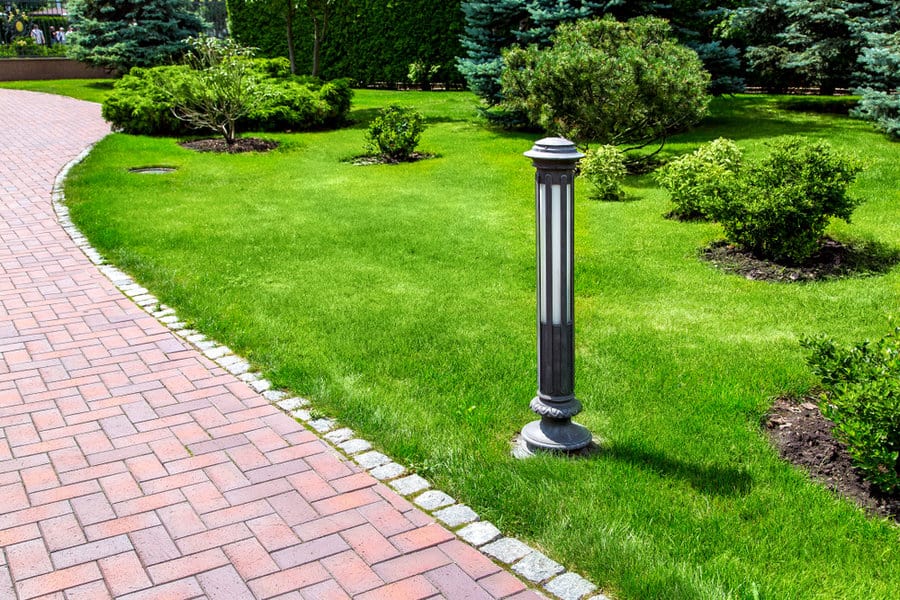
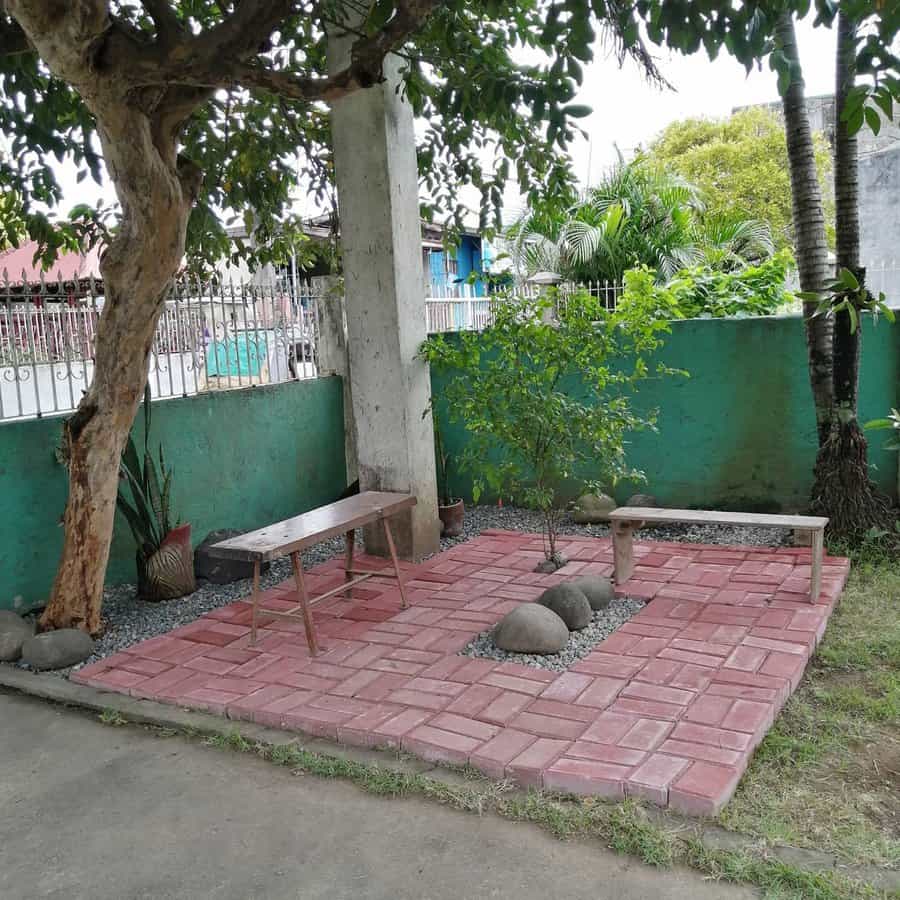
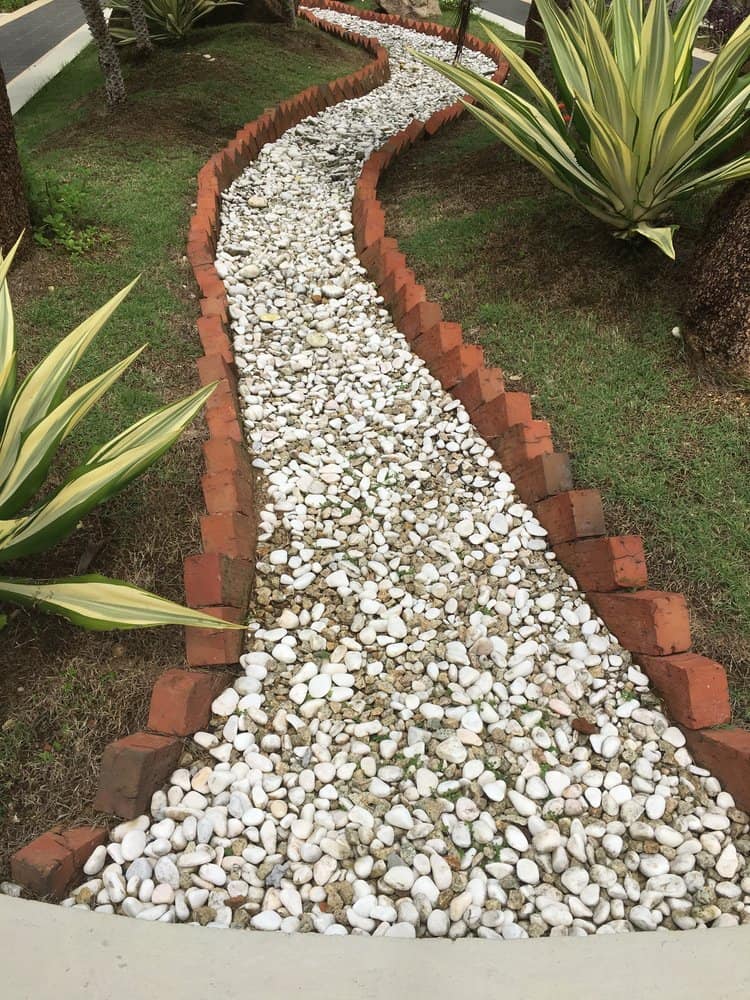
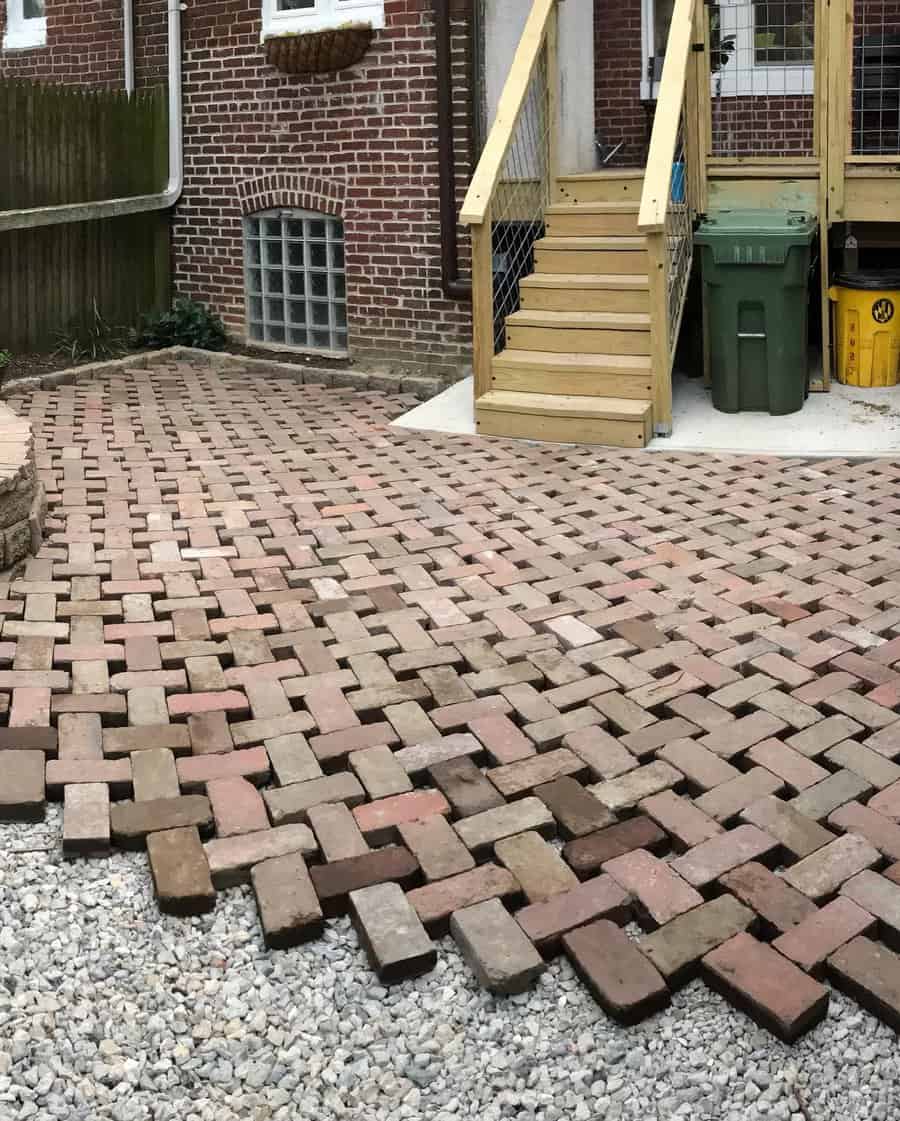
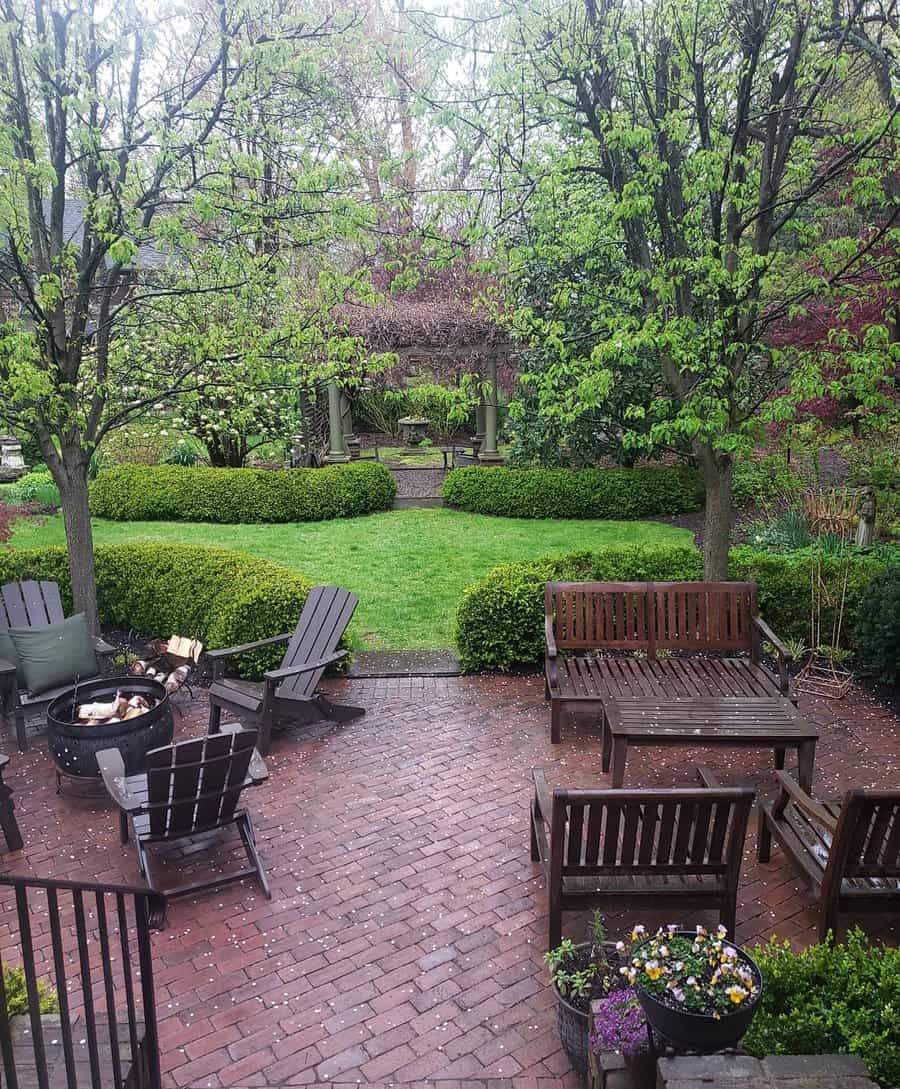
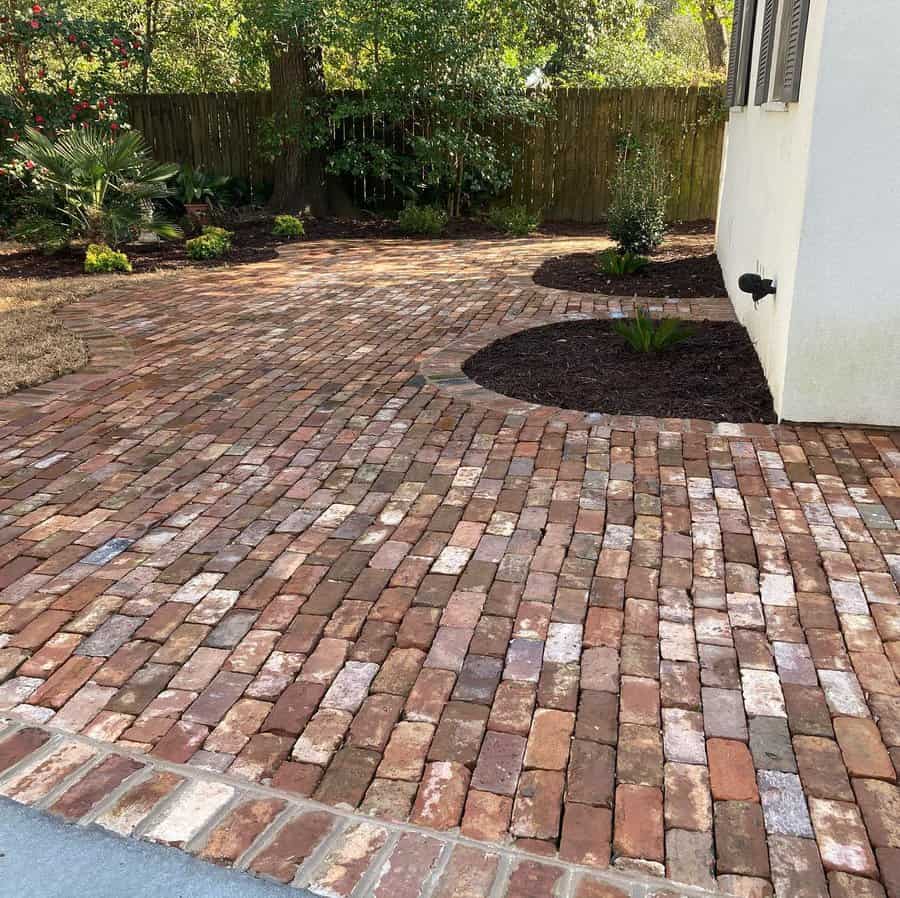
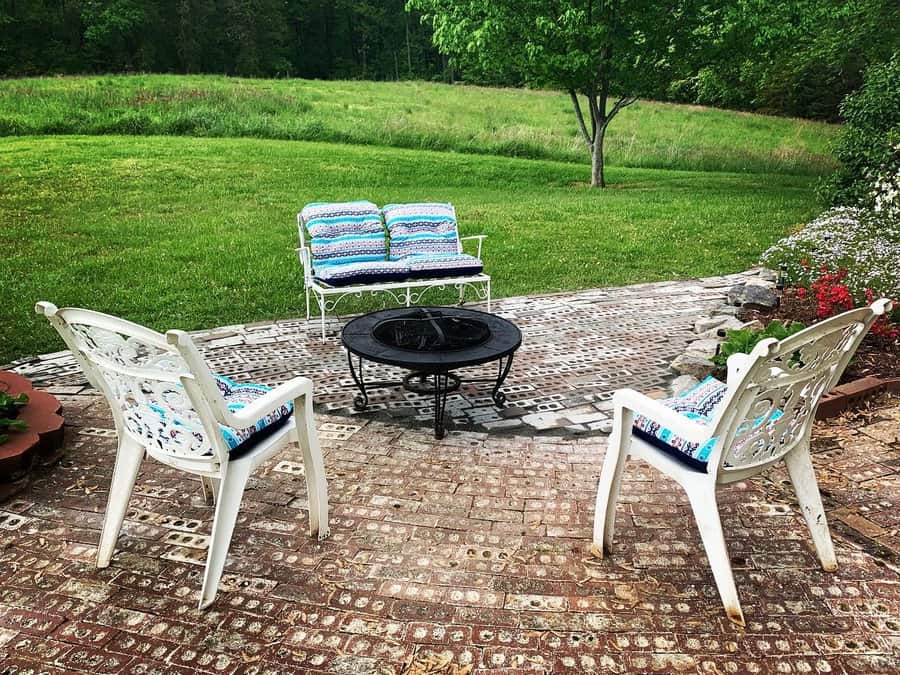
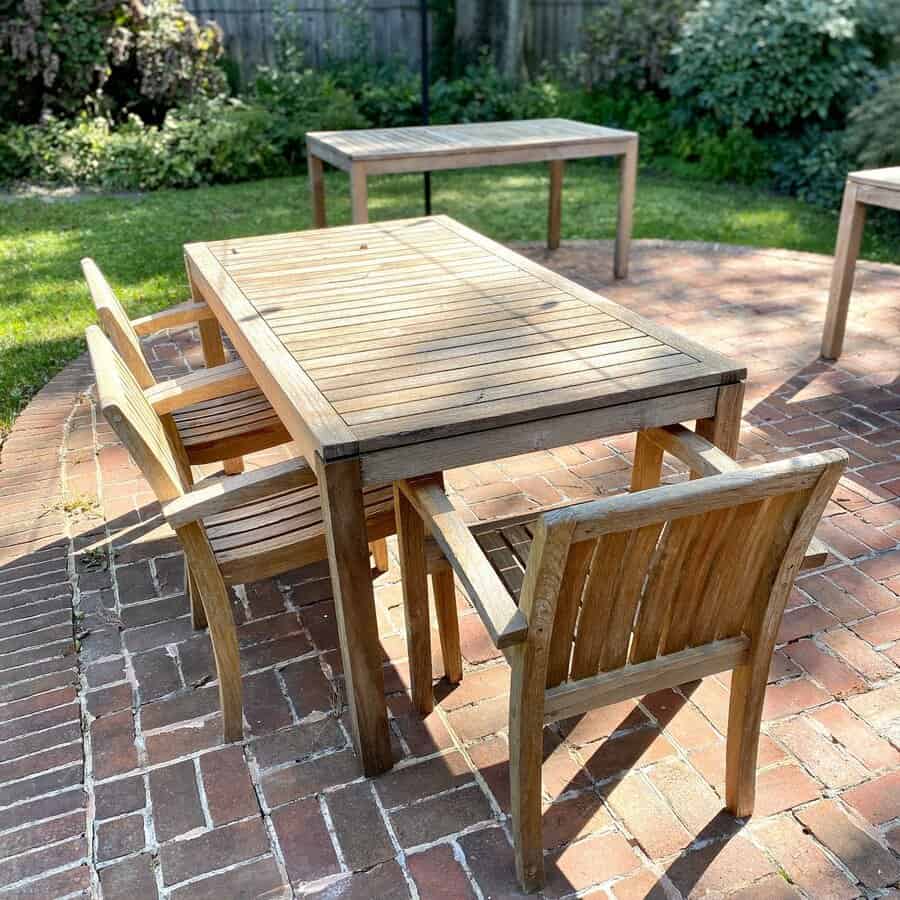
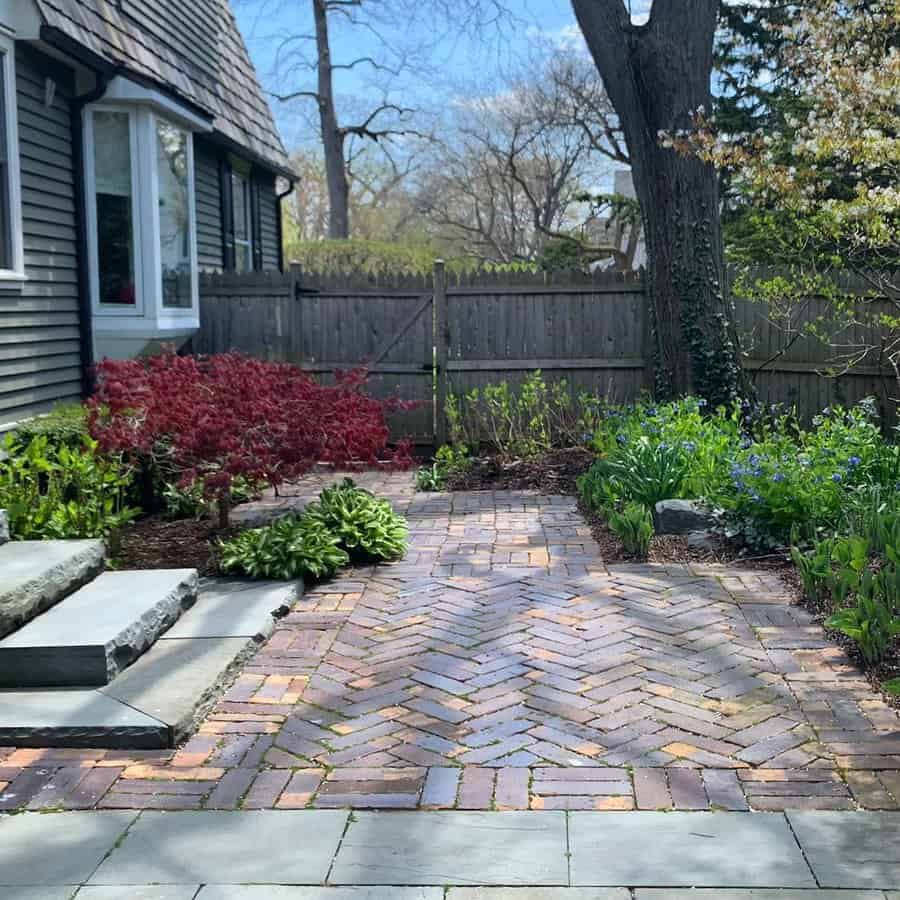
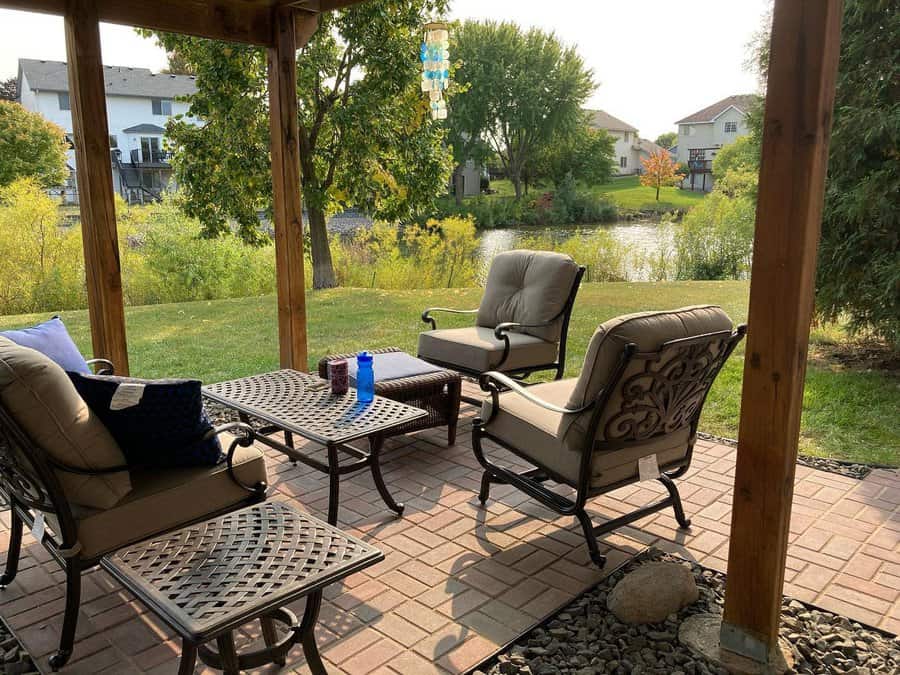
Brick edging is a classic look that will give your home a traditional feel. They have a deep red hue that will stand out among the neutral colors of nature.
If your home already has a brick facade, they will complement the house and create an intentional design.
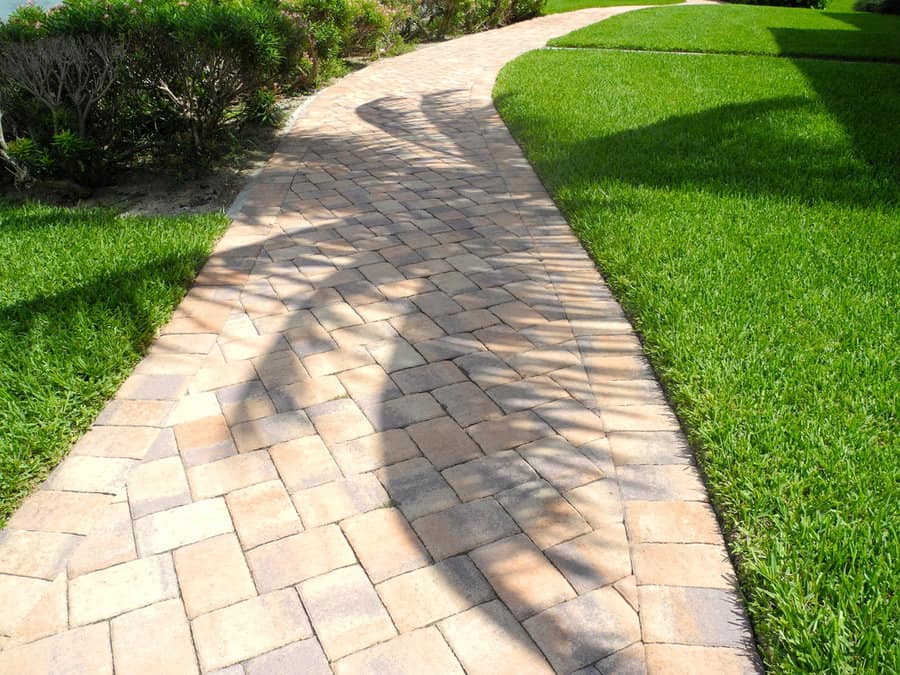
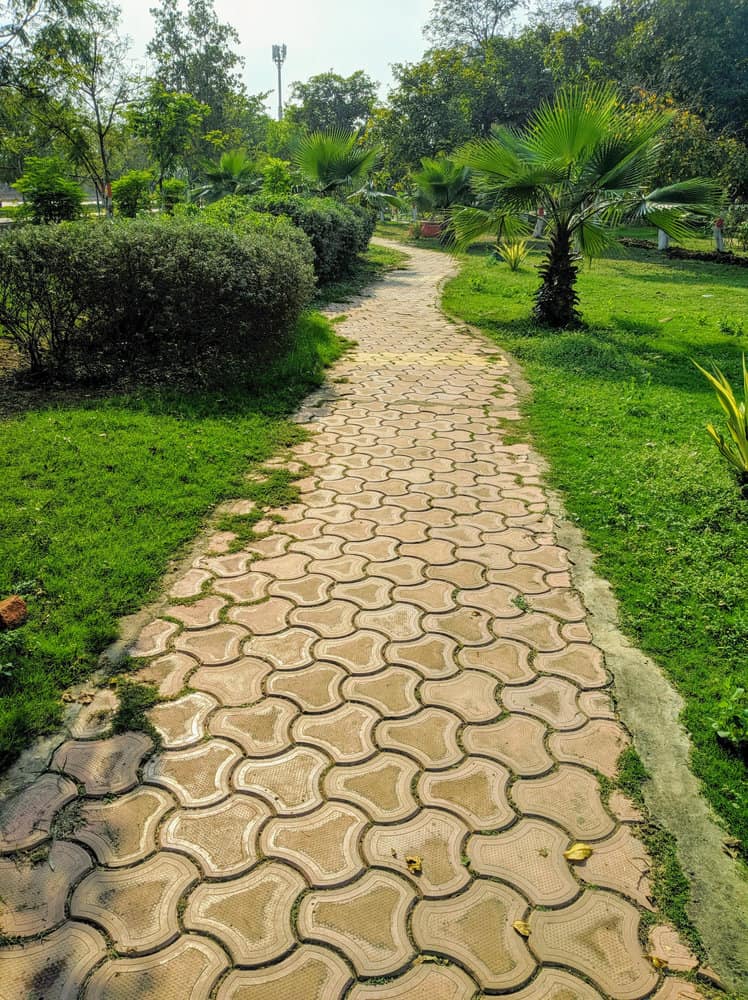
However, if your home doesn’t already have a traditional design, then it’s best to look for brick pavers. These are similar to bricks but have a more modern and contemporary feel. While traditional bricks come in one shape, rectangle, modern pavers come in various shapes and sizes.
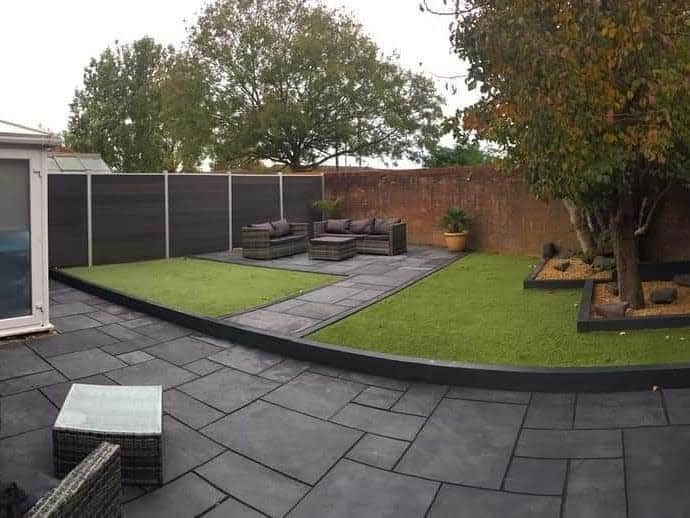
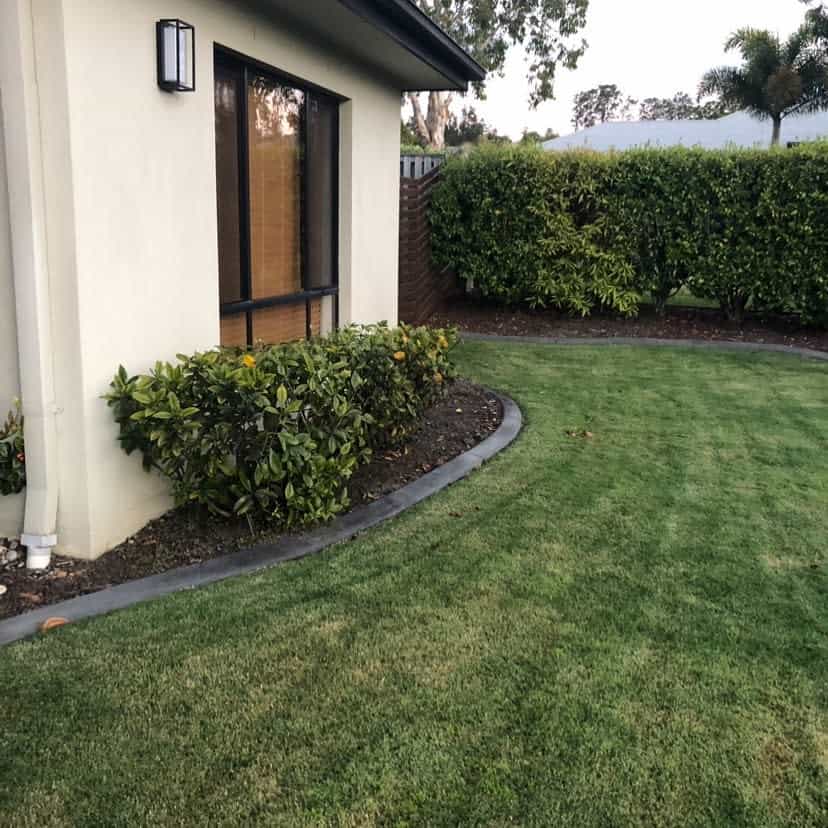
2. Concrete Edging
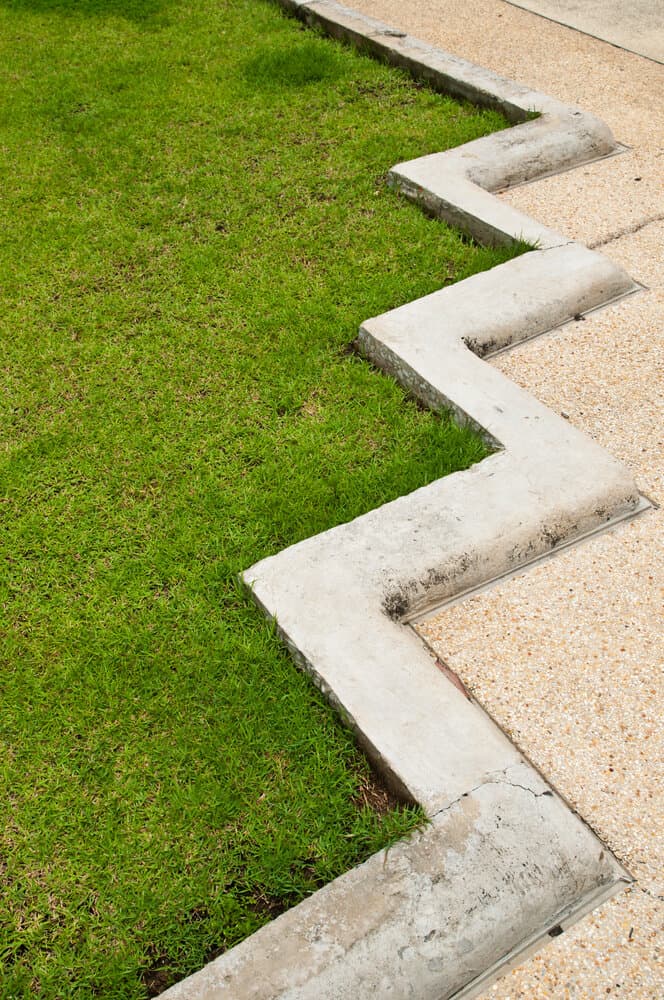
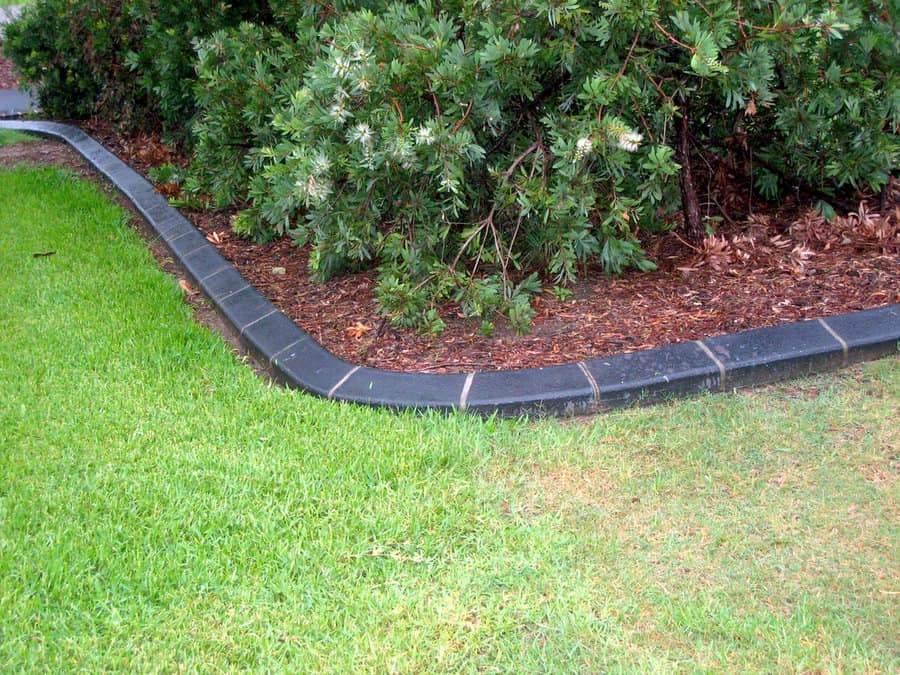
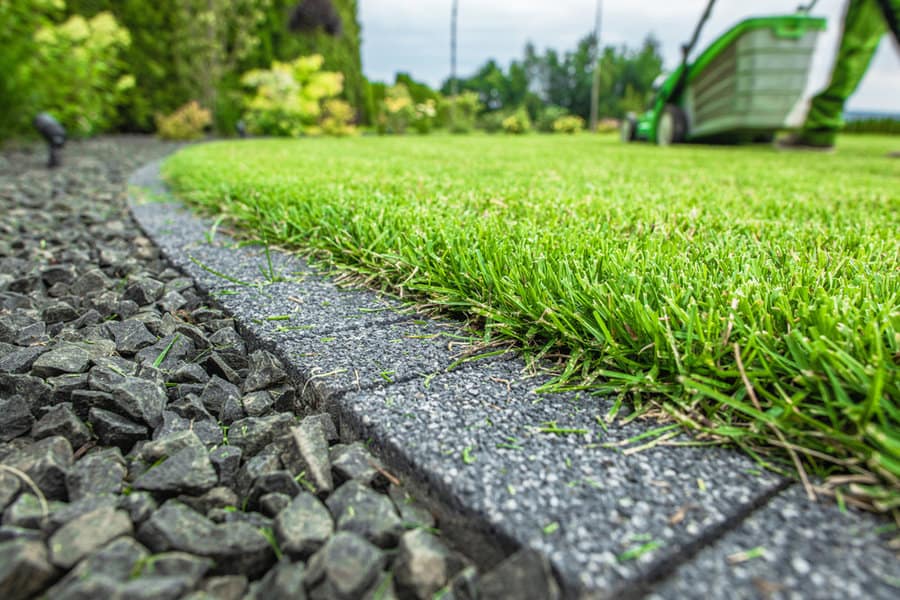
There’s a reason concrete is one of the most widely used commercial construction materials. It’s strong, durable, corrosion-resistant, affordable, and low maintenance. This makes it a smart choice for your edging material.
Source: @rina_wills_86 via InstagramSource: @robleslawncareservices via Instagram
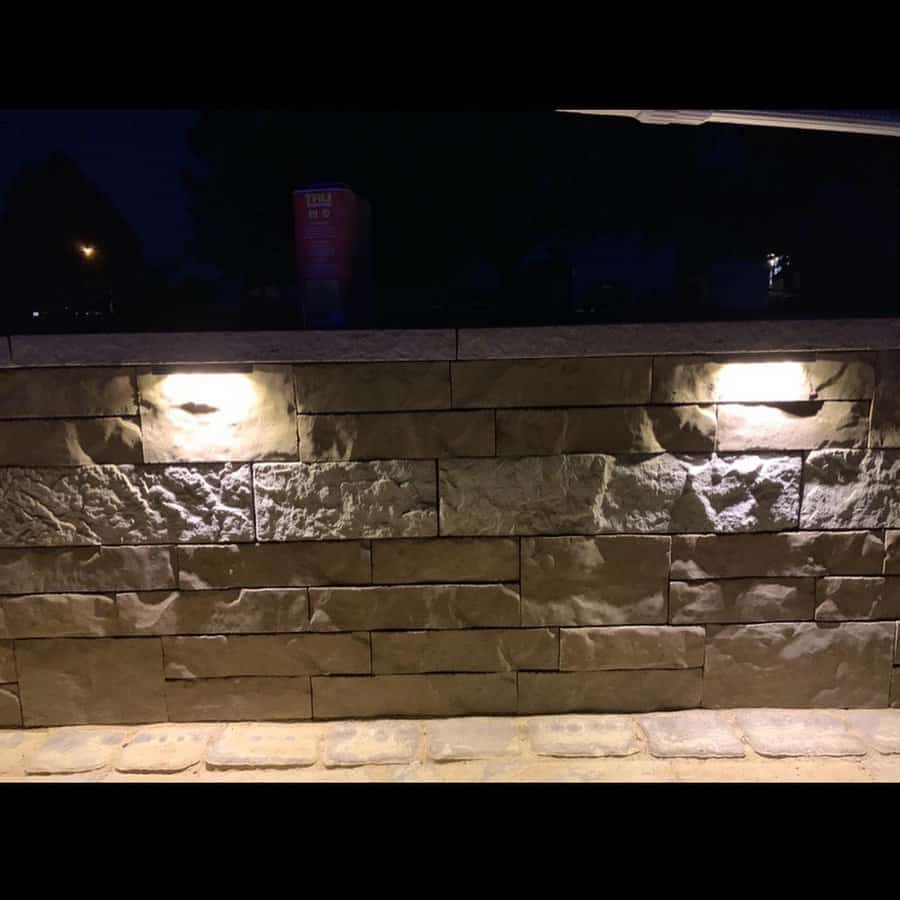
While you could use cinder blocks, this isn’t the most attractive option. Instead, look for concrete edging that’s poured and formed into shapes. It could be a simple decorative scallop design or one that mimics natural stone. Either way, you can enjoy the benefits of concrete slabs without having to accept your home’s landscaping looking like a commercial site.
3. Decorative Fence
While your landscape edging is there to serve a purpose, there is so much more to it. A beautiful option is terra cotta. It has a bold orange-red color and pairs perfectly with terracotta pots. This edging idea is perfect for creating an eclectic or bohemian feel to your home’s exterior.
The natural color of the terracotta adds a natural touch of color and can boost curb appeal. If the earthy red doesn’t appeal to you, other decorative options include glass, wood shingles, stamped metal, or bamboo shoot sheeting. All of these add a stylistic appeal to your landscaping.
4. Landscaping
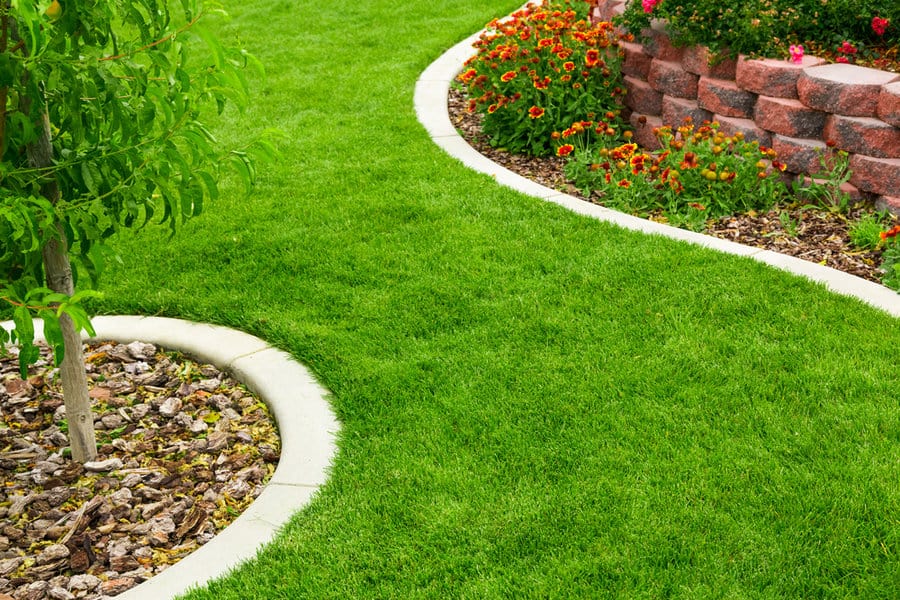
When adding a landscape border, look beyond your lawn. Continue the border along your flowerbeds, garden bed, or vegetable garden. This creates a cohesive look to all of your garden edging and improves the overall look of your property.
Source: @gardenologyke via InstagramSource: @lbpromedia via InstagramSource: @southerncrosslawnsandgardens via Instagram
If you add a border to your flower bed, you can then cover this area with mulch and not worry about it floating or blowing away.
Check out garden edging ideas for options that are slightly raised. This will help create a border that prevents the spread of grass while also containing your garden ground cover. For example, paver stones and concrete can both be built up to create a raised garden bed effect.
5. Rocks and Pebbles
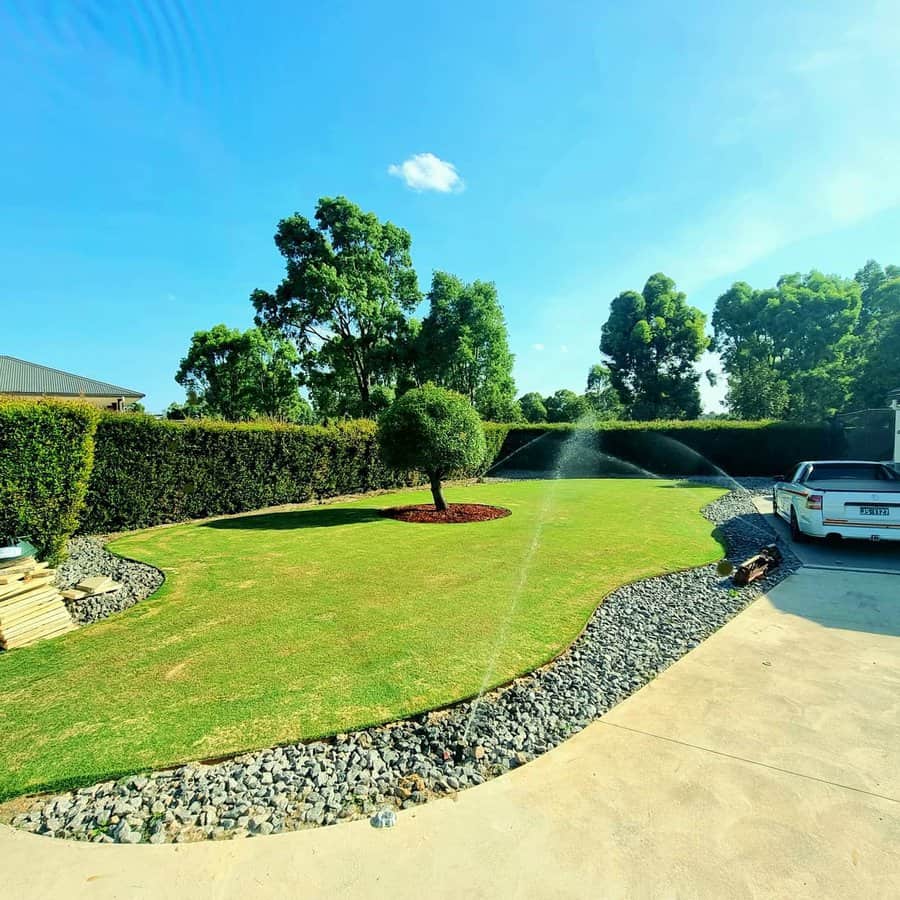
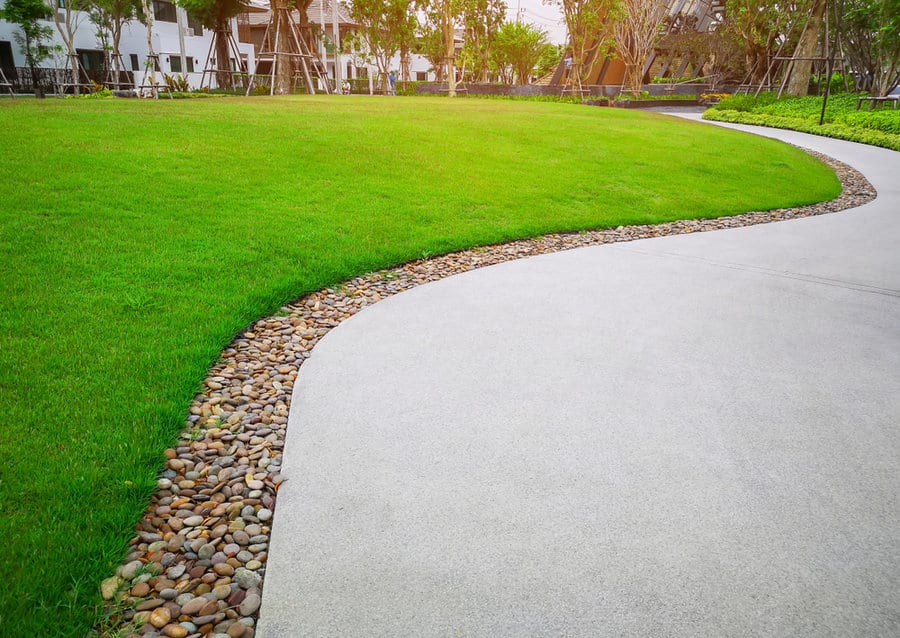
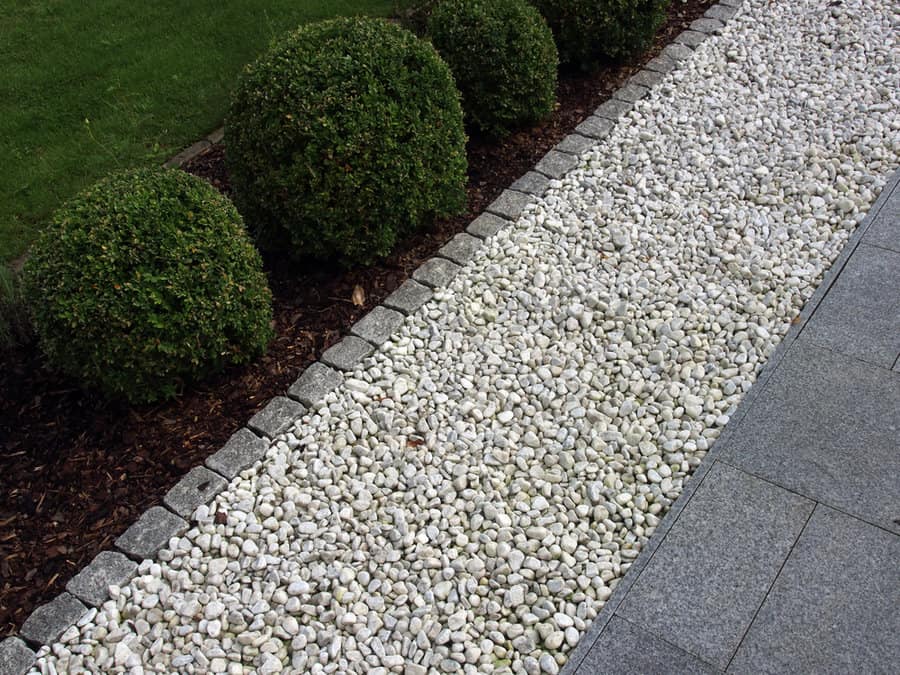
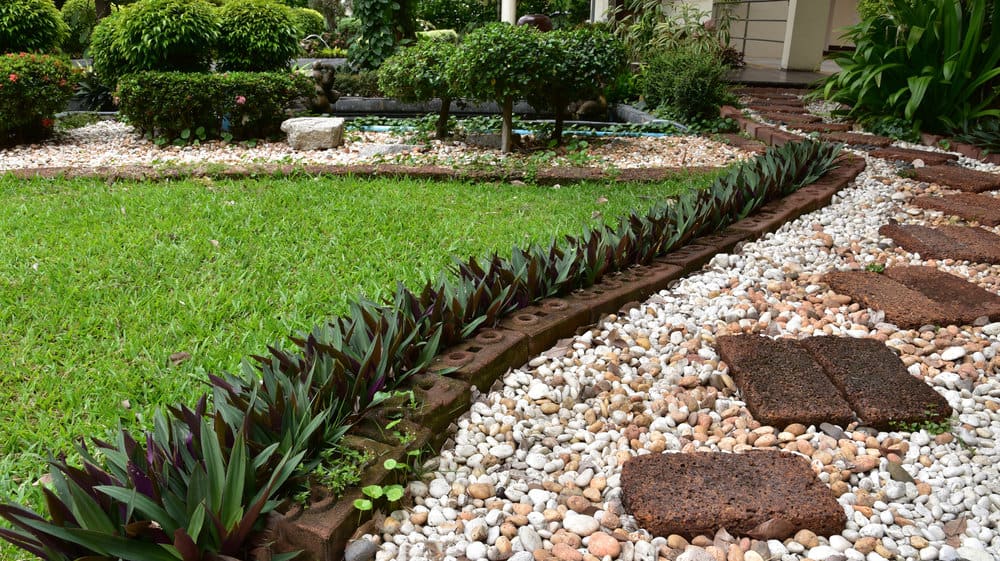
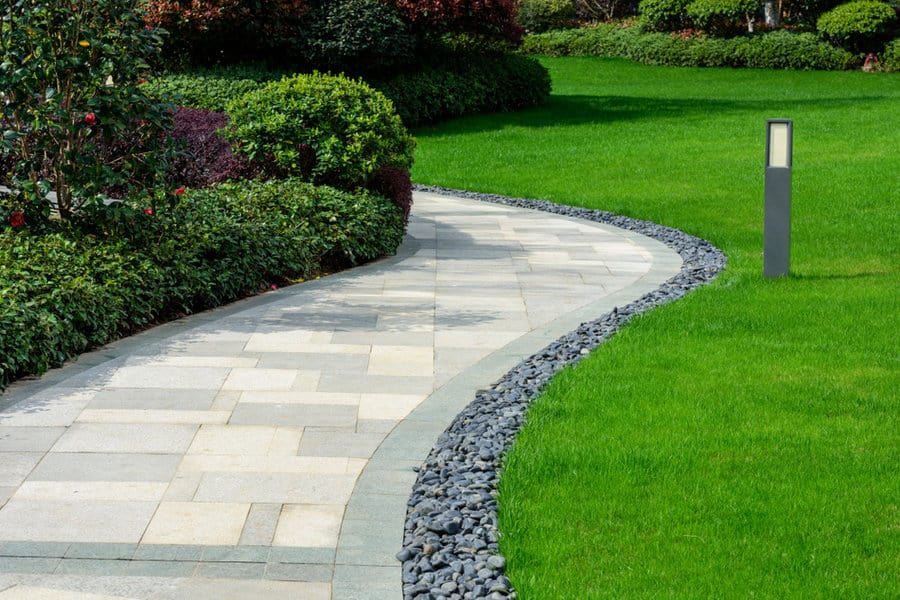
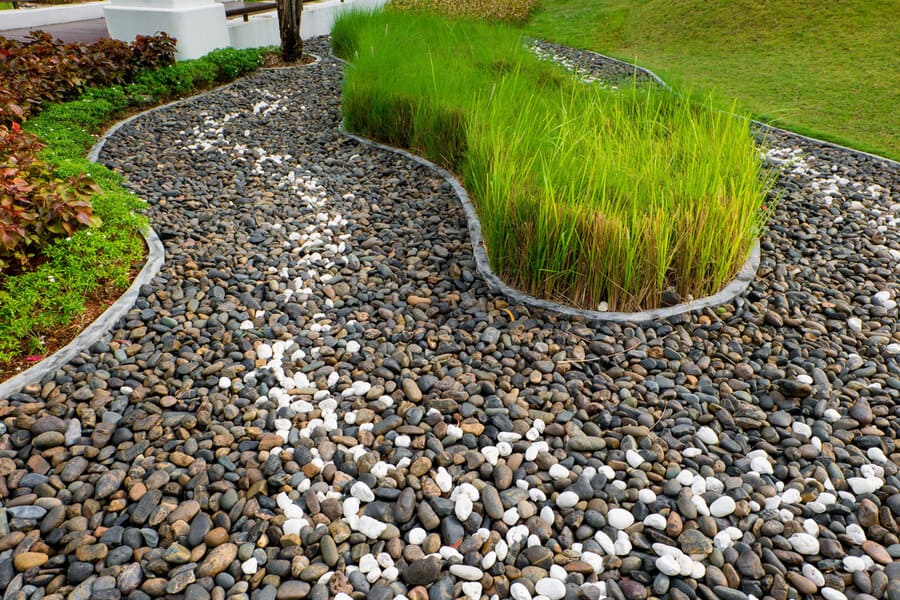
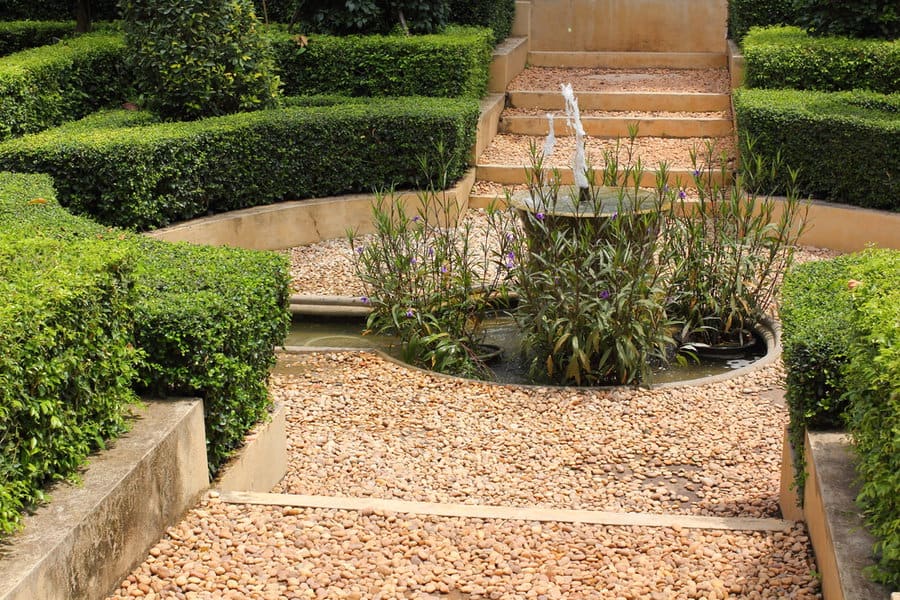
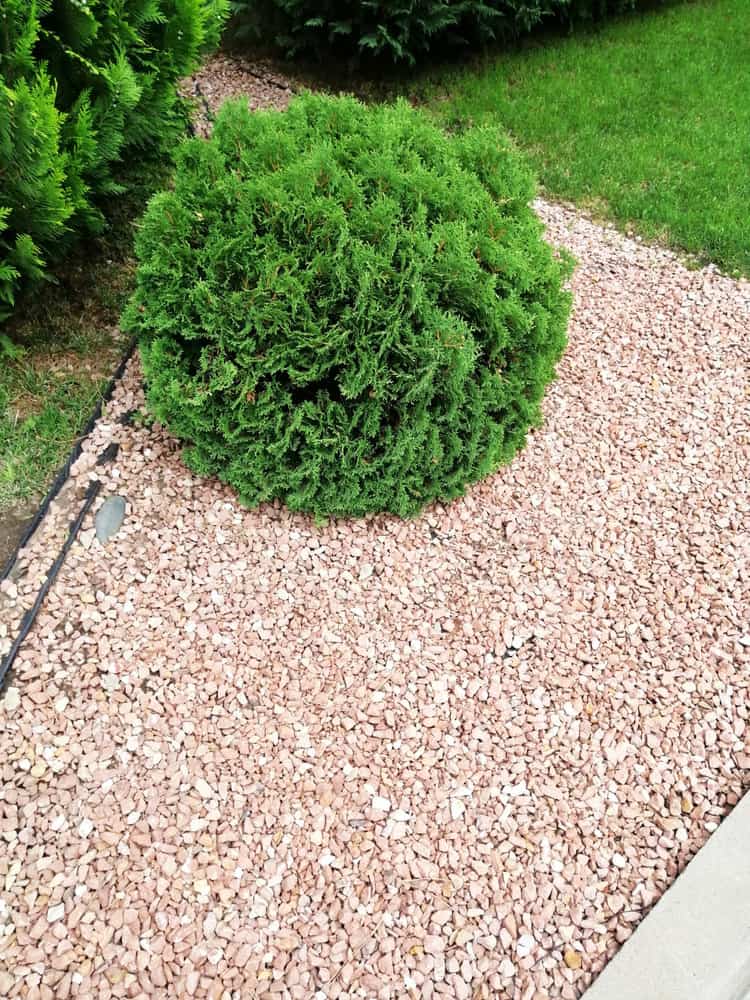
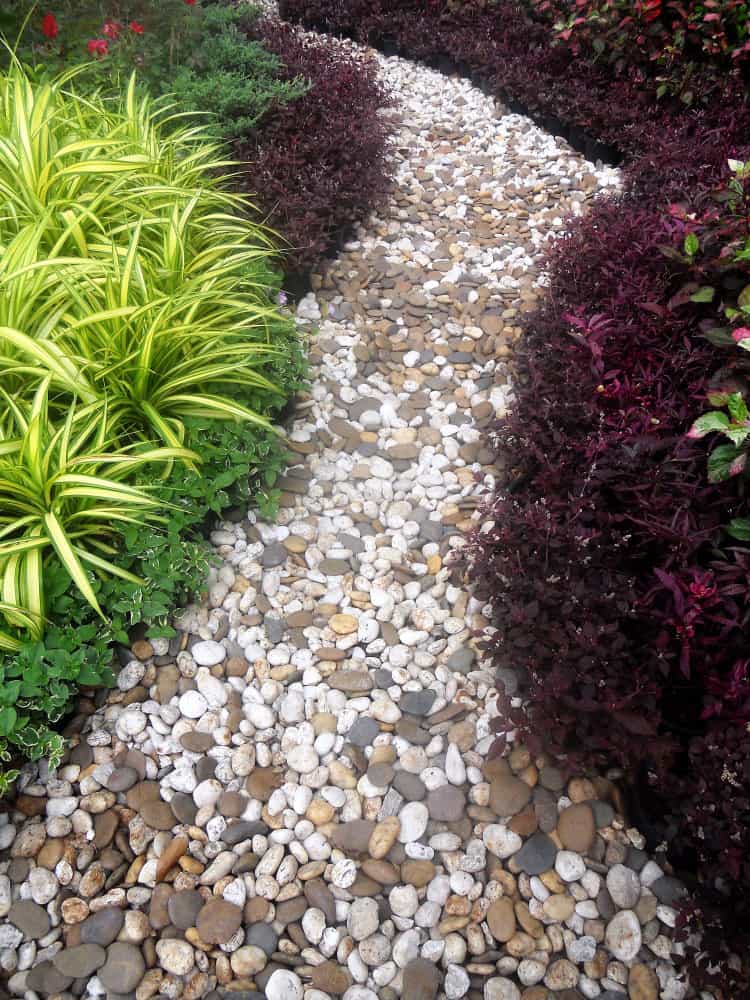
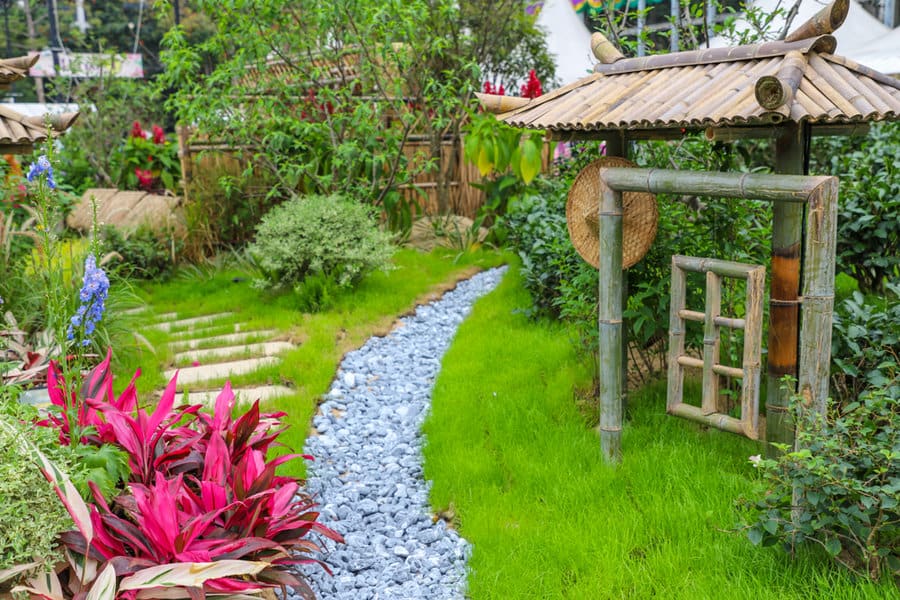
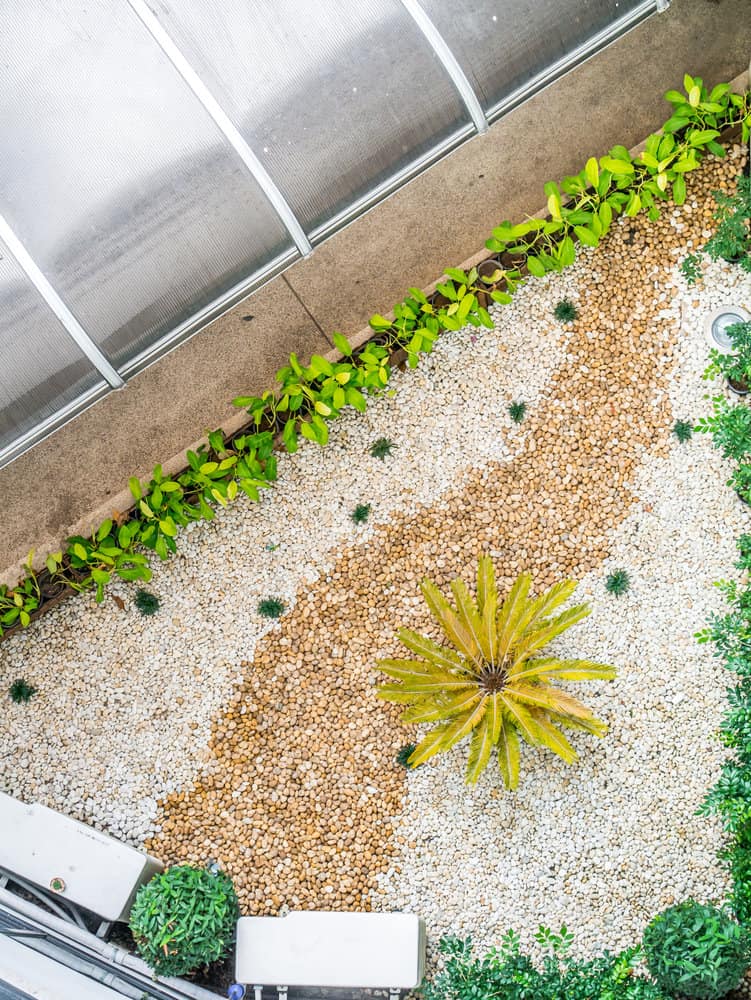
River rocks are a natural stone edging solution that gives your landscaping a unique look. The smaller stones have a smooth texture and uniform color, making them perfect for creating a border. Their smaller size makes them ideal for filling your trench edging.
What’s nice about this border is that they allow water to filter through. This helps with proper drainage and to keep your lawn adequately watered. The stones are also durable, making them low maintenance.
Source: @brandon_lawn_whisperer via InstagramSource: @athomewithaysha via InstagramSource: @showtimelawns via Instagram
Depending on where you live, river rocks may not make sense. Crushed shells look good in a tropical climate or homes that are near the shore. Other options are lava rock, brick chips, marble chips, pea gravel, or crushed granite.
6. Railway Sleepers
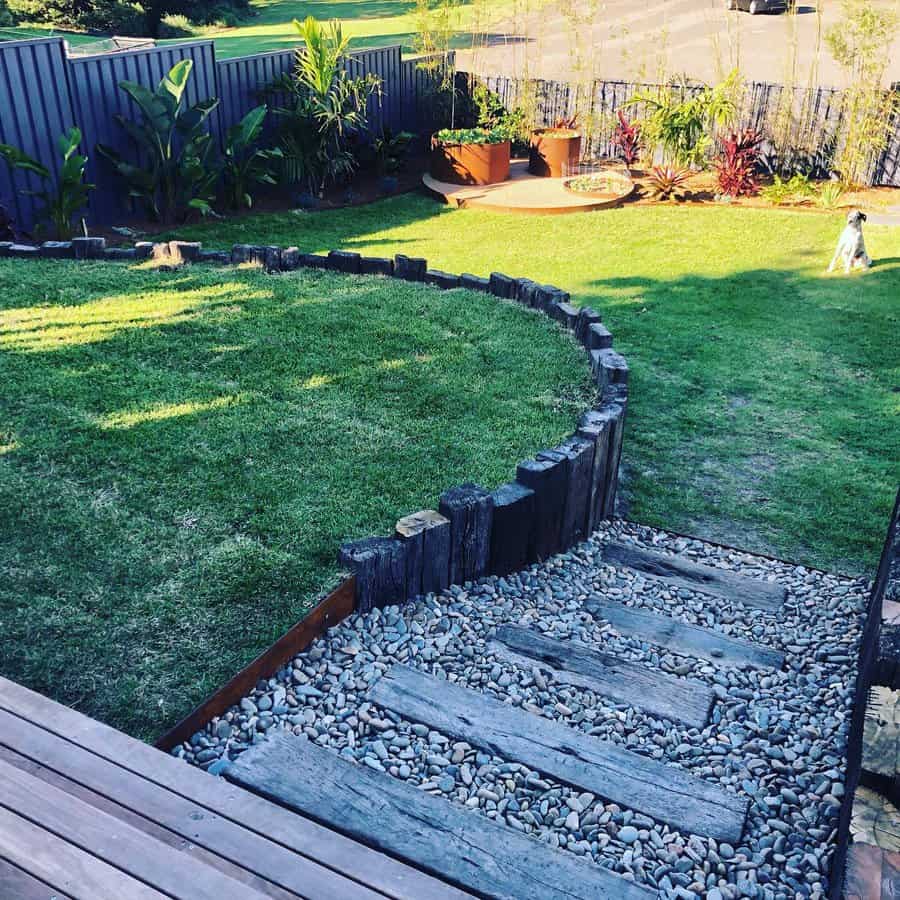
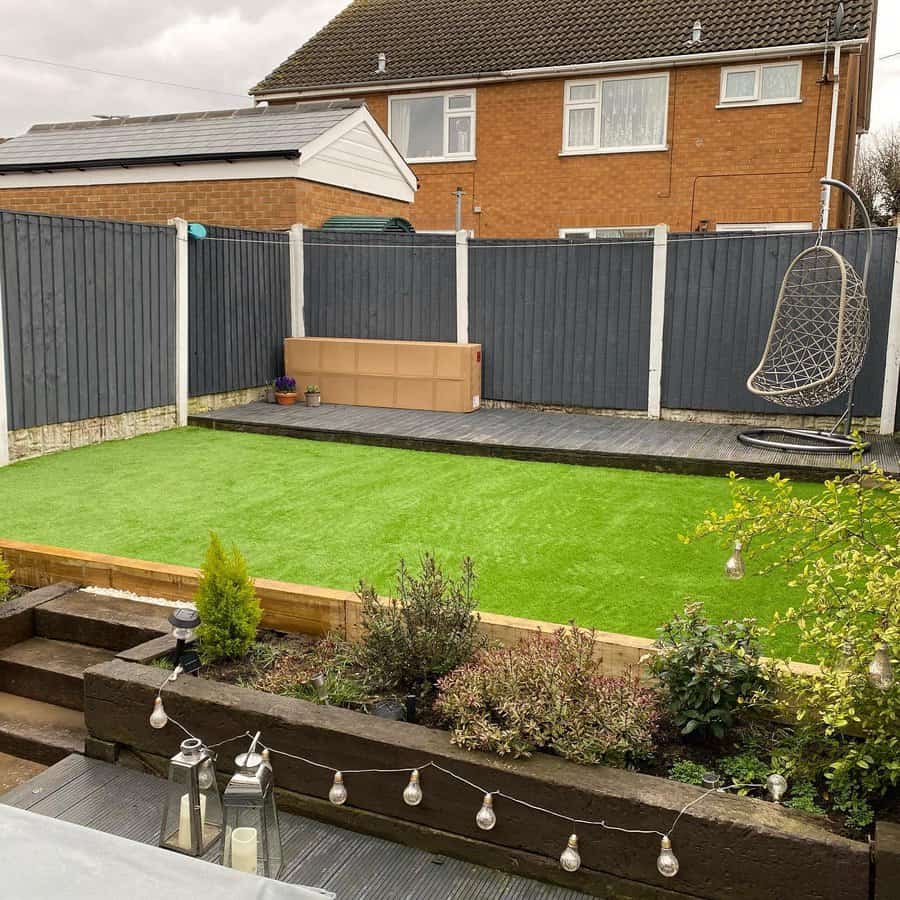
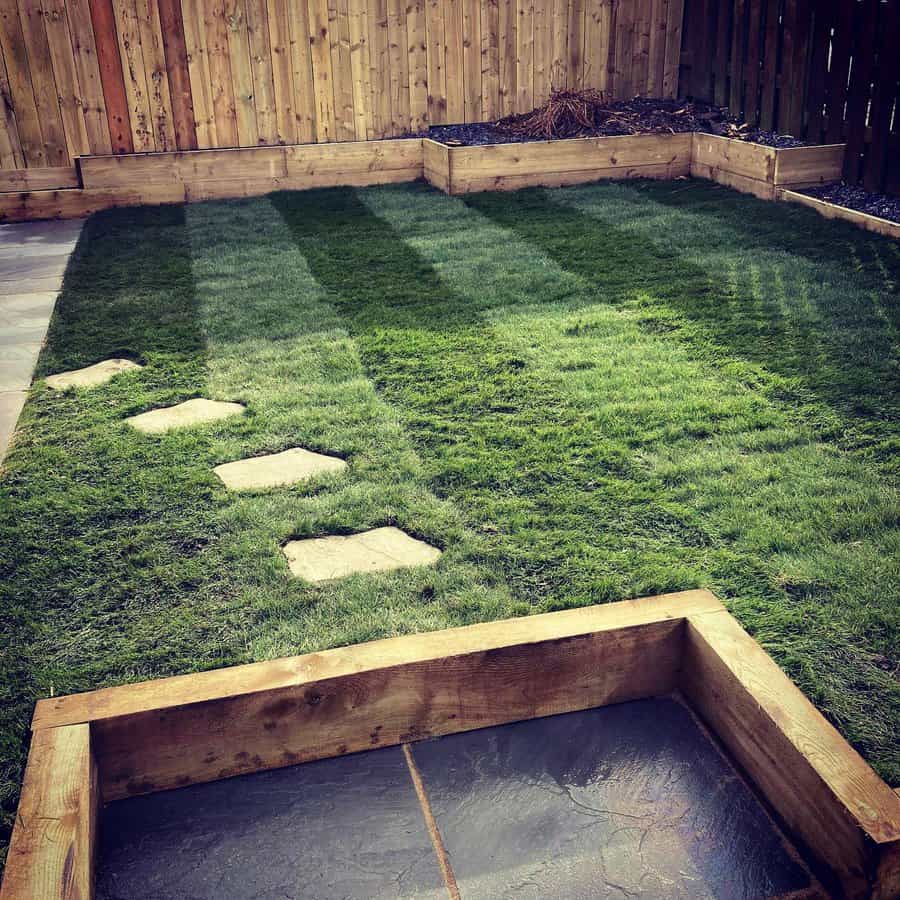
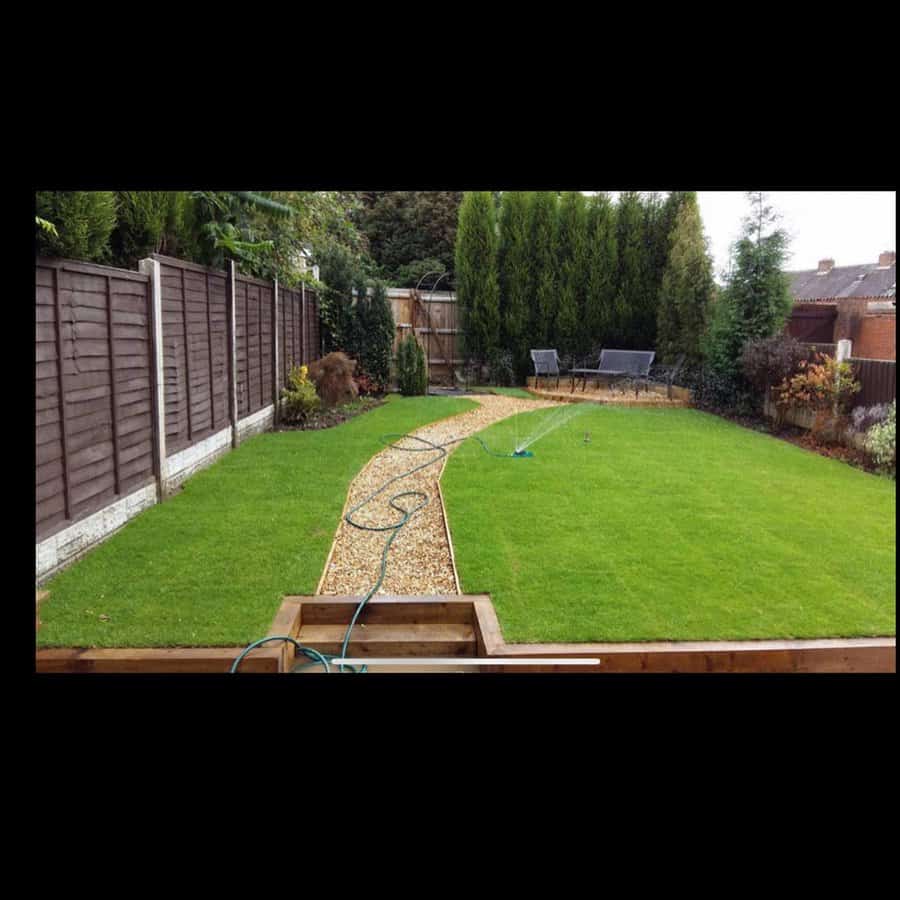
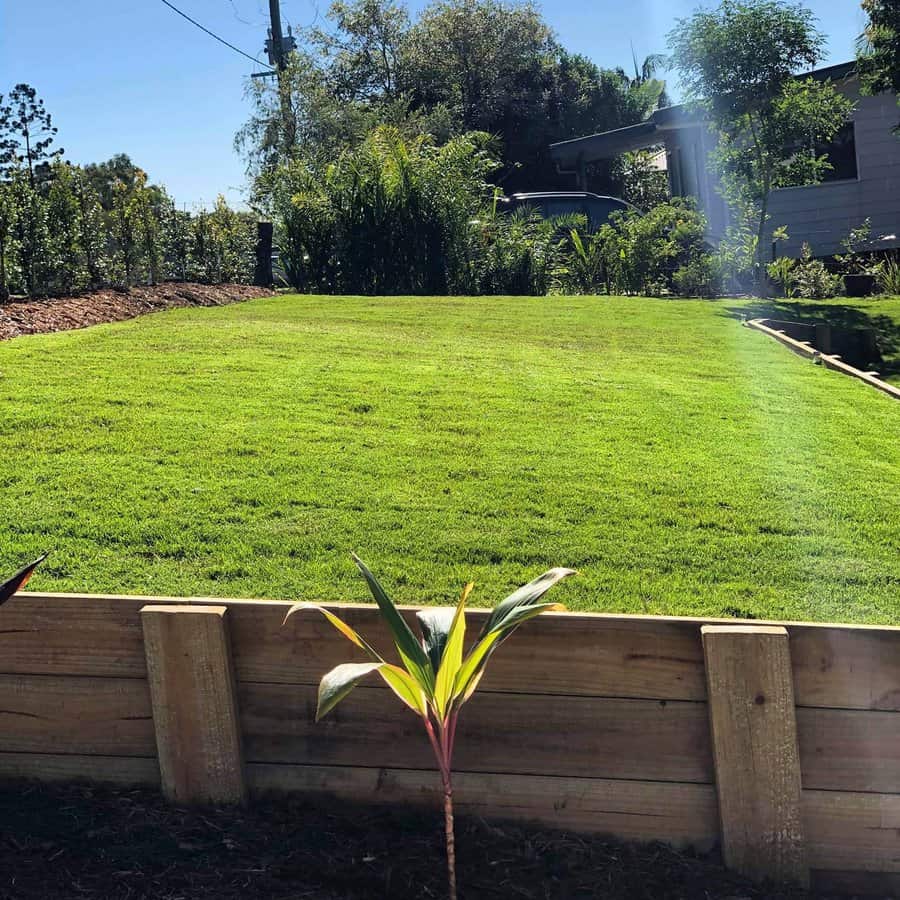
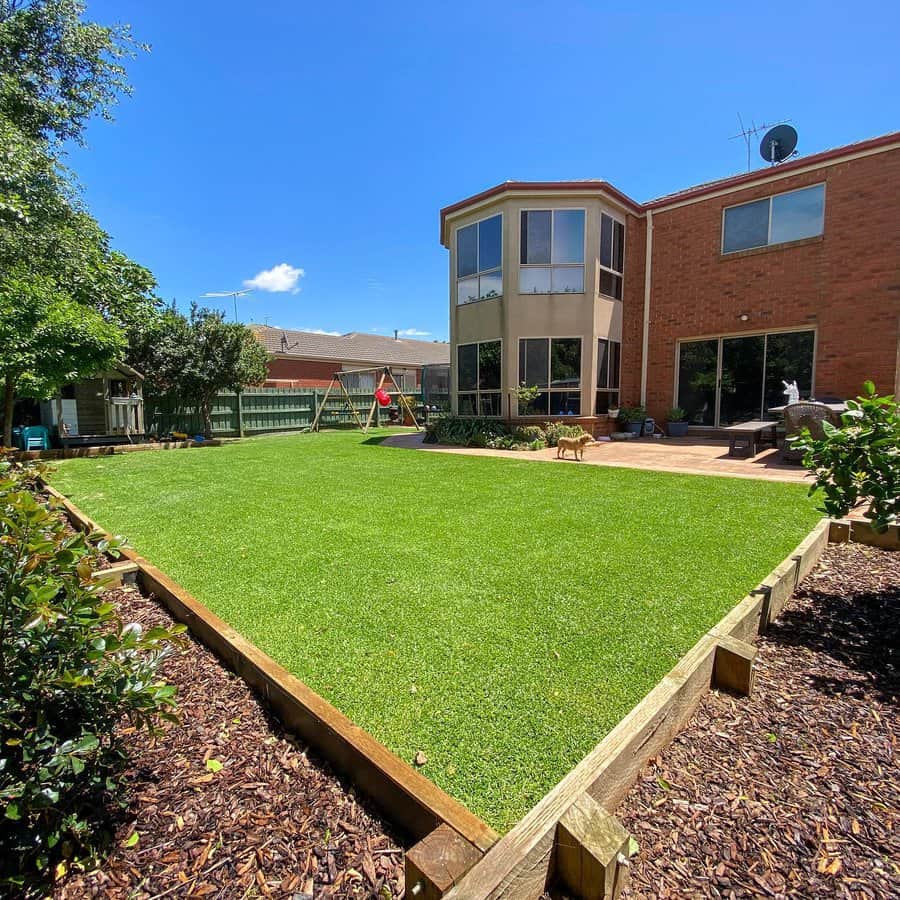
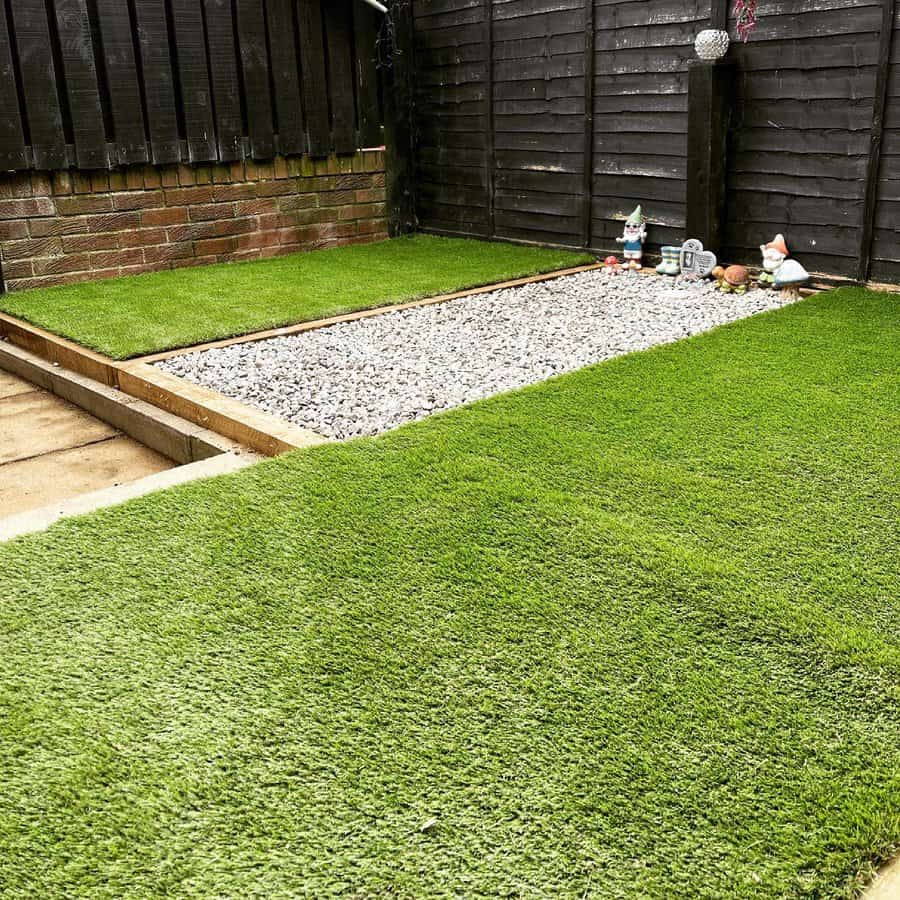
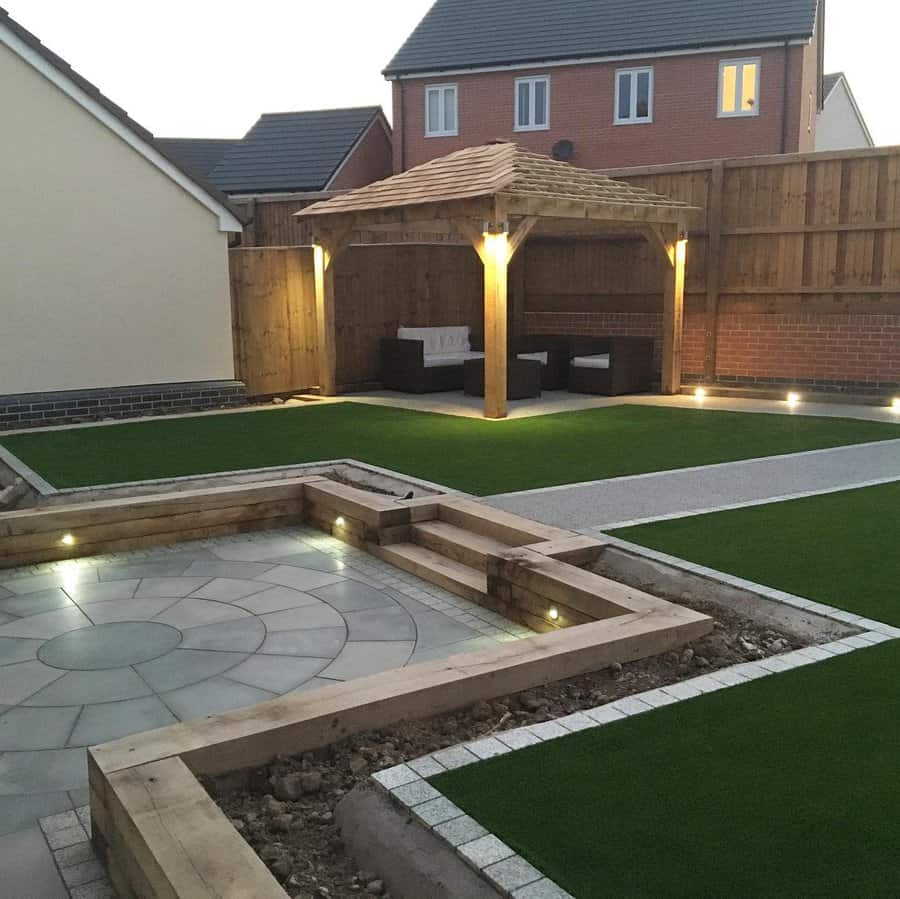
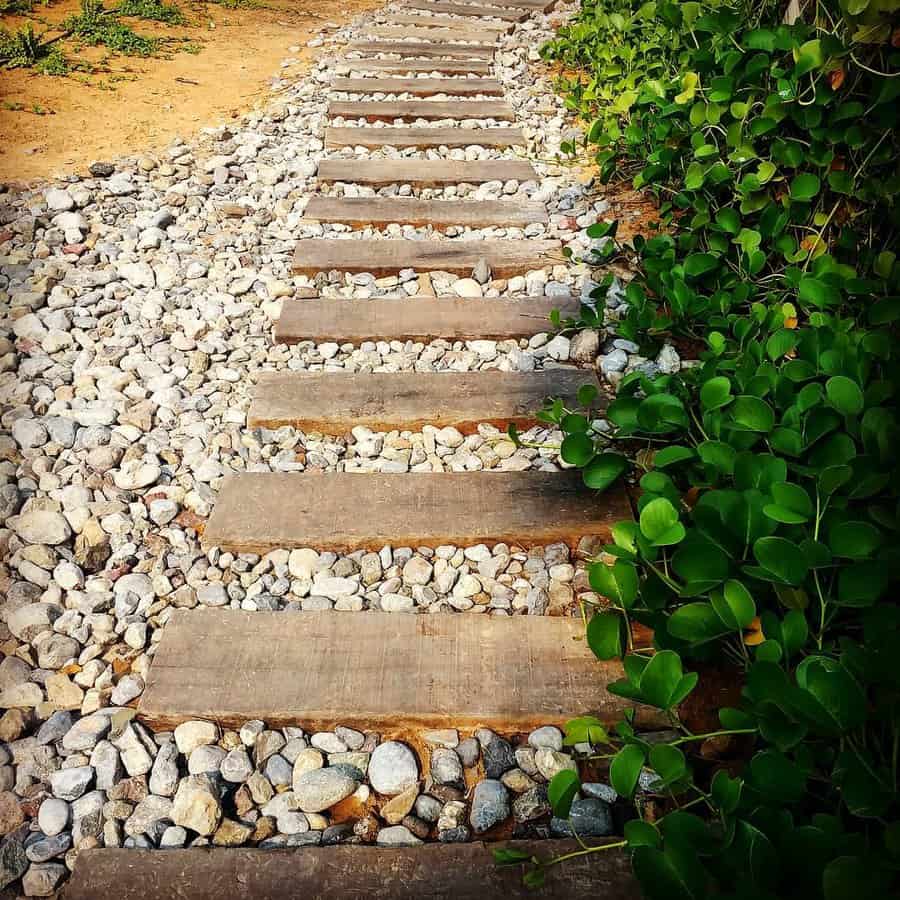
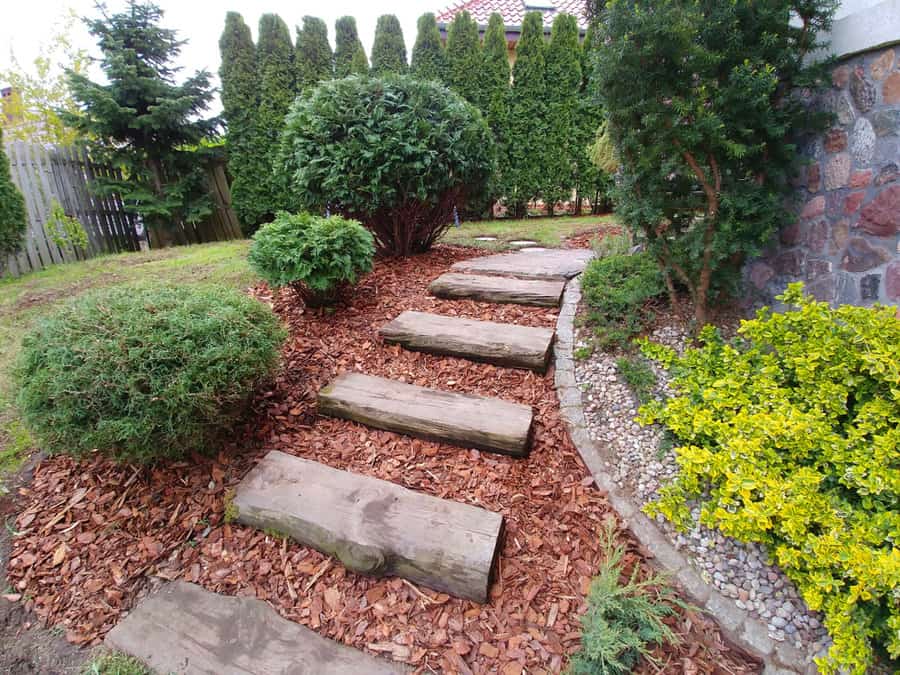
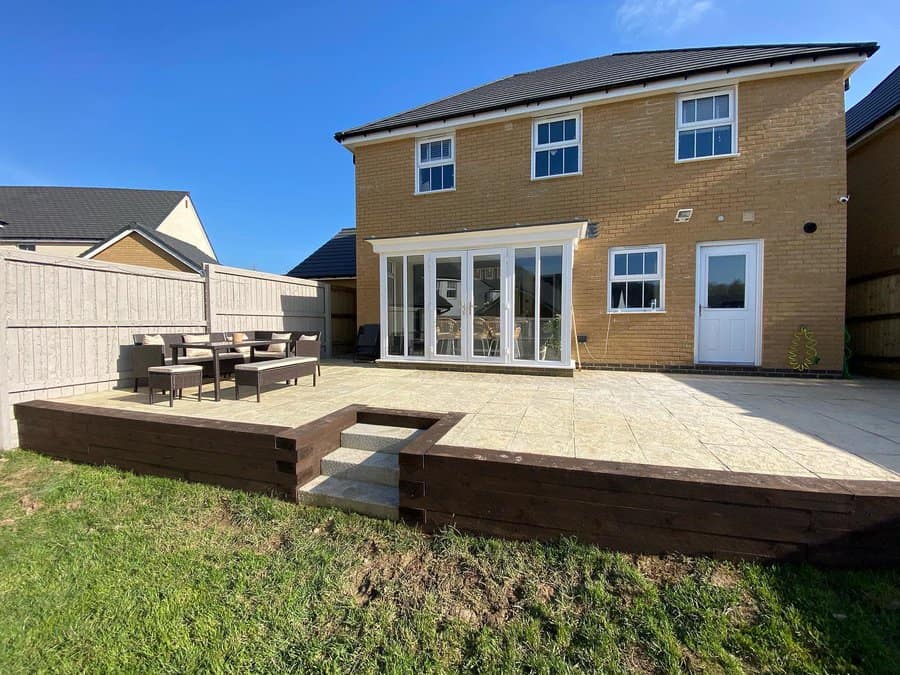
Sleepers create a garden edge that’s both functional and attractive. The hallmark of a sleeper is that it gets sunk down into the ground. This is a simple DIY project that you can do yourself over the course of a weekend.
Source: @detailedlandscapes via InstagramSource: @grassrootslandscapeshq via InstagramSource: @michaelpotter88 via InstagramSource: @rose_wood_31 via InstagramSource: @landscapehub13 via InstagramSource: @suburbanlawngeek via InstagramSource: @malcolm_hulk_cochrane via Instagram
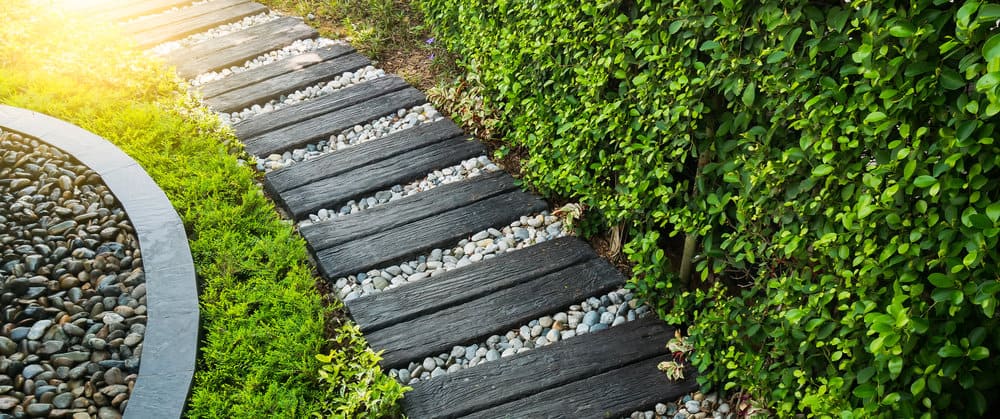
You can construct your sleepers out of almost any material. Wood railroad ties are popular. They are wide, making a broad board for your lawn. Another perfect option is river rocks, pavers, and bricks.
The trick is digging a deep and wide enough trench. Then line the trench with landscaping fabric to prevent weeds from growing up through.
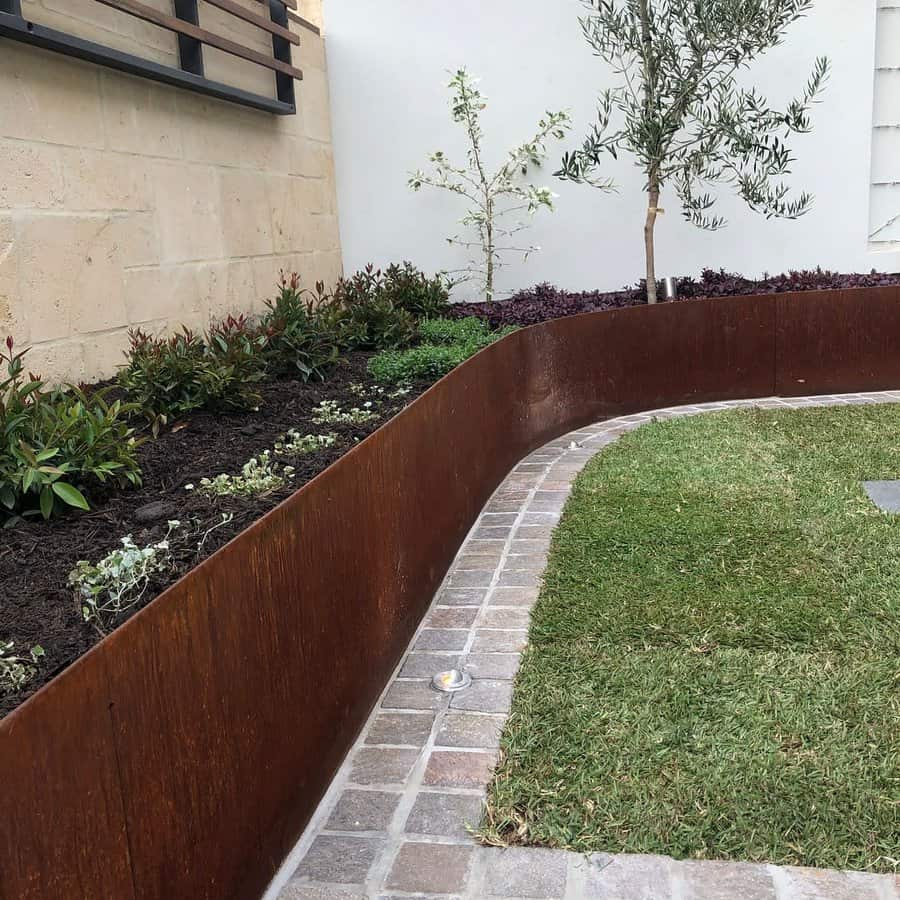
7. Metal Edging
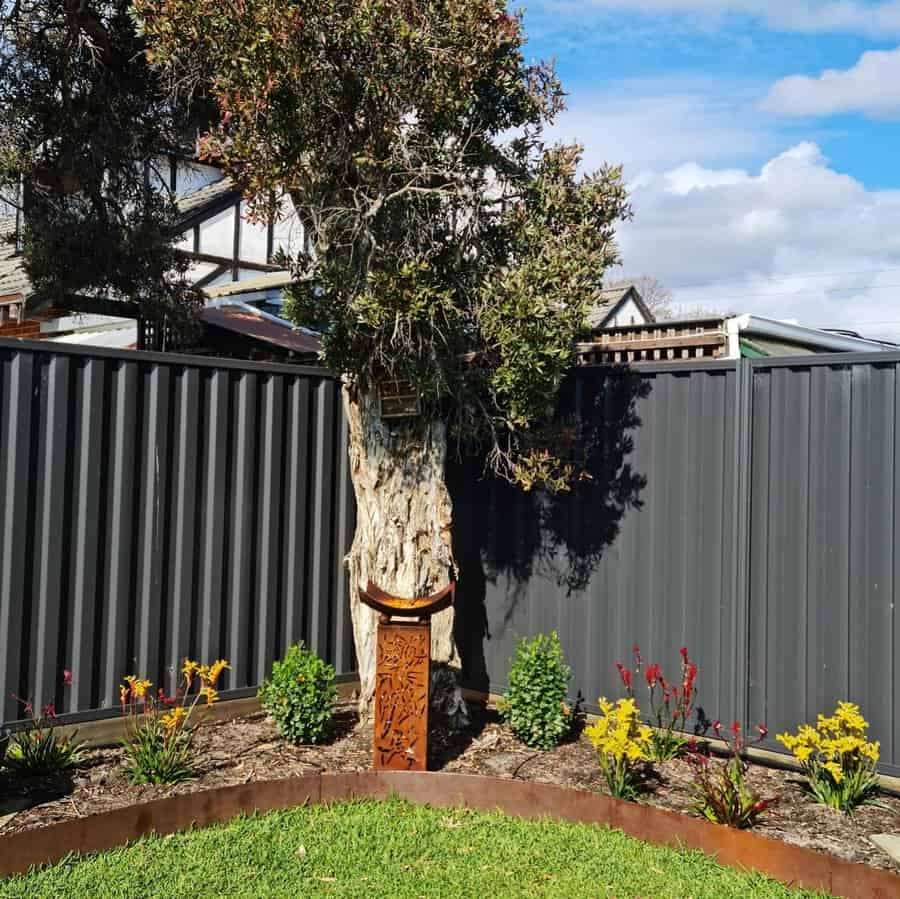
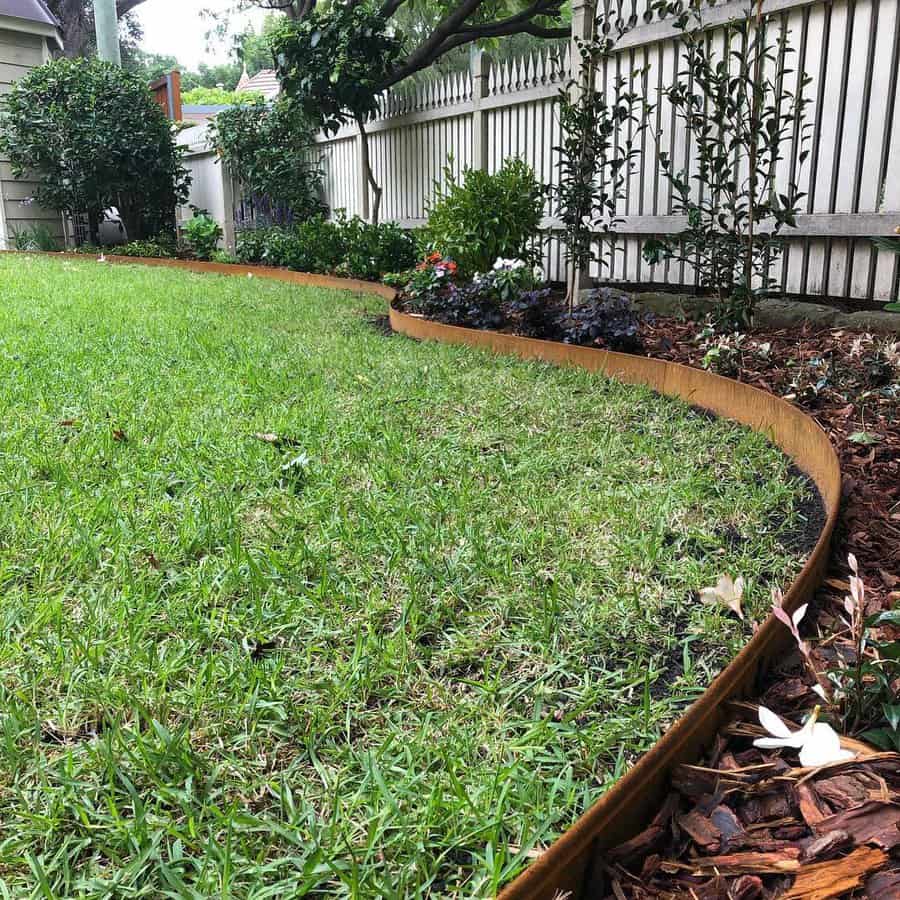
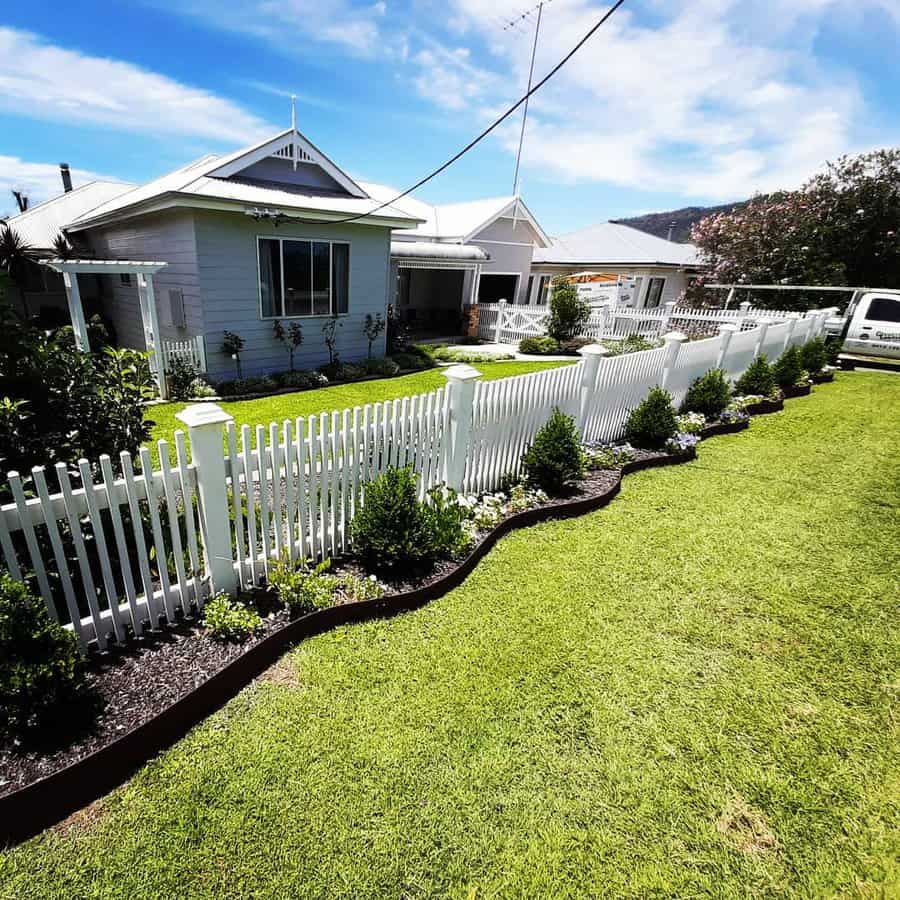
If you’re looking for a modern touch, then consider using metal. These are long metal strips that create a thin and crisp border. Steel edging is the most popular metal garden edging because it’s strong and durable. It’s also either painted or chemically treated to prevent corrosion.
Source: @pennie90 via InstagramSource: @appleseedgardening via InstagramSource: @gloucester_landscapes via InstagramSource: @naturalcraftlandscapes via Instagram
Metal edging is a smart option to use with other types of borders. For example, add a metal edge on the grass side, and then a border of sleepers or river rocks. This makes it easier to maintain the river rocks by creating a strong border for the grass.
8. Stone Edging
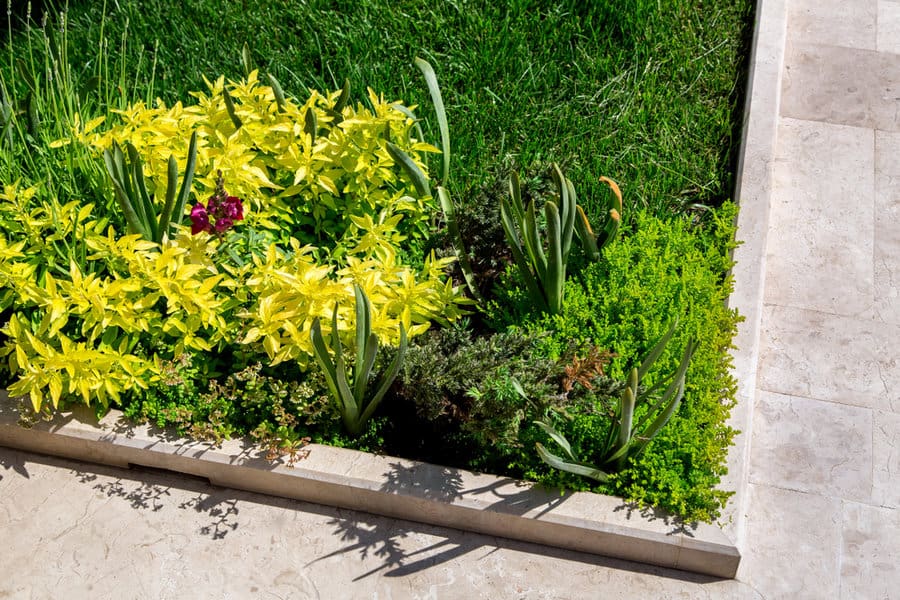
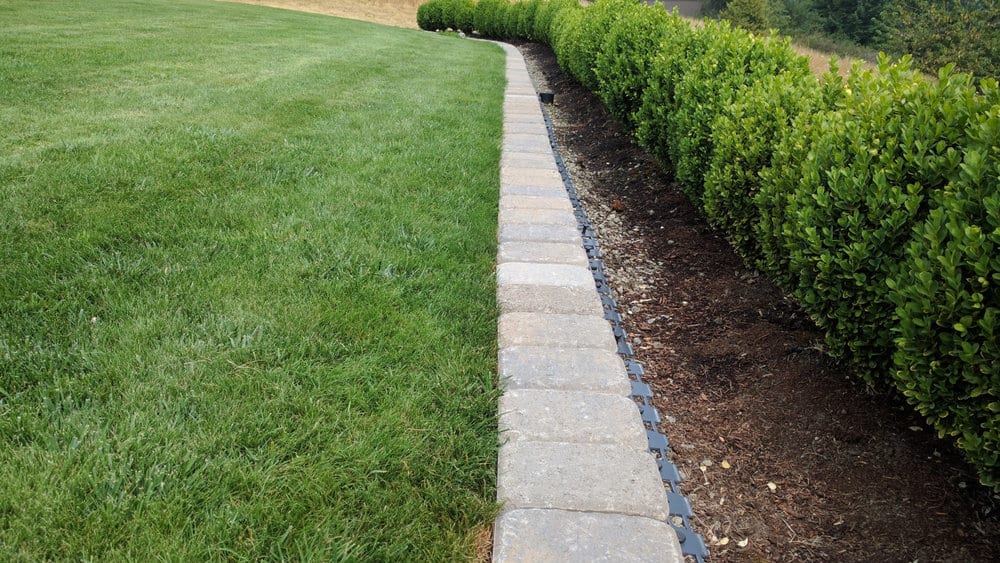
Give your landscaping a natural look by using stones. The type of natural stone you use will define how you want your home to look. For example, paving stones will give your lawn a finished and contemporary look. These uniform stones look more refined than plastic edging.
Source: @inex_pro_outdoor_living_ via InstagramSource: @jph_groundworkers via InstagramSource: @midlandshousetohome via Instagram
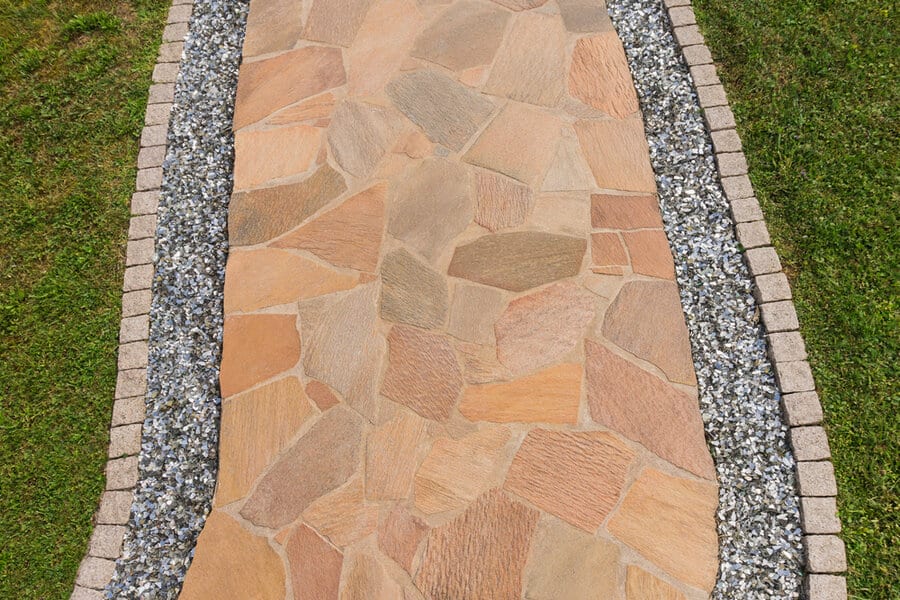
For a vintage, farmhouse, or country feel, use natural stones. They lack uniformity in size and shape, making for a more visually interesting border. It’s also smart to use stones naturally found in the local area. This prevents your home from looking out of place.
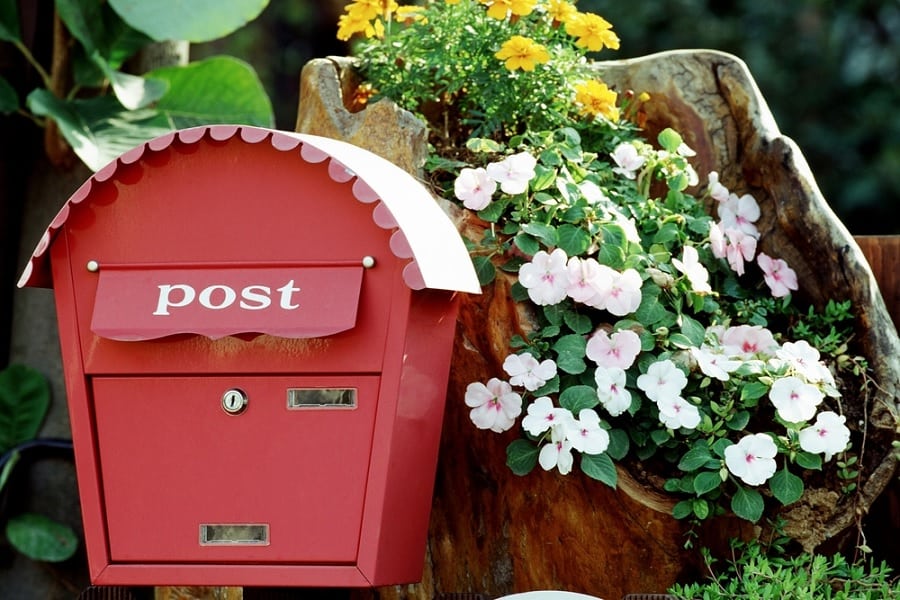
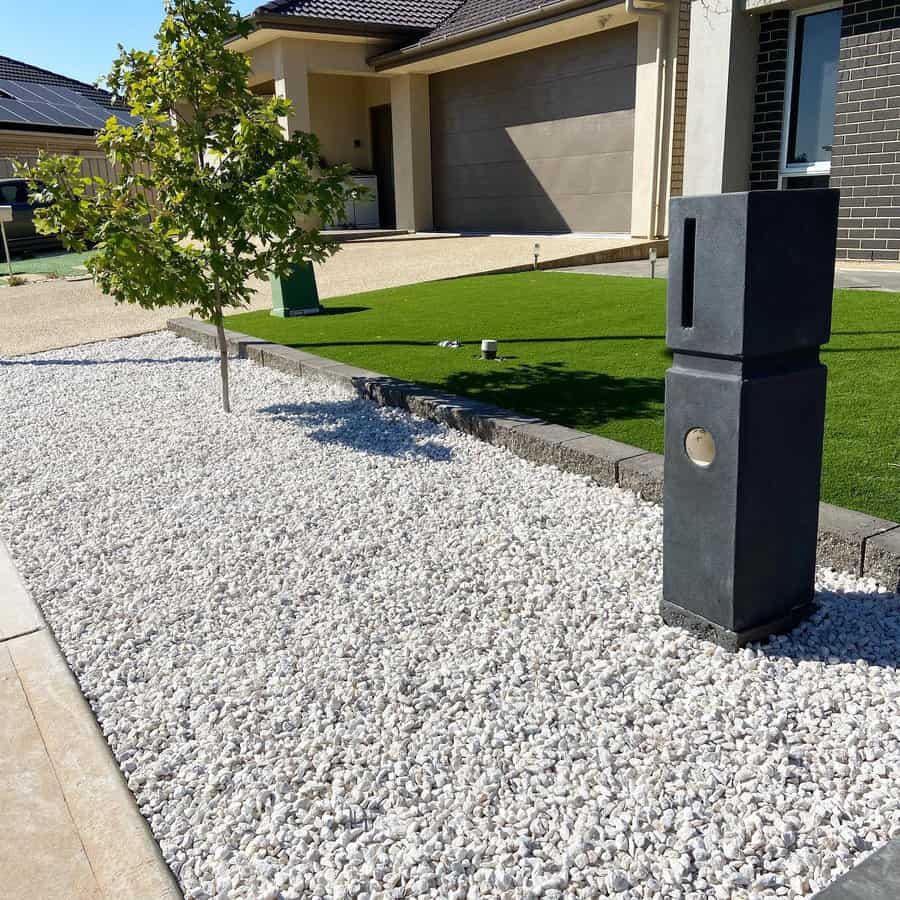
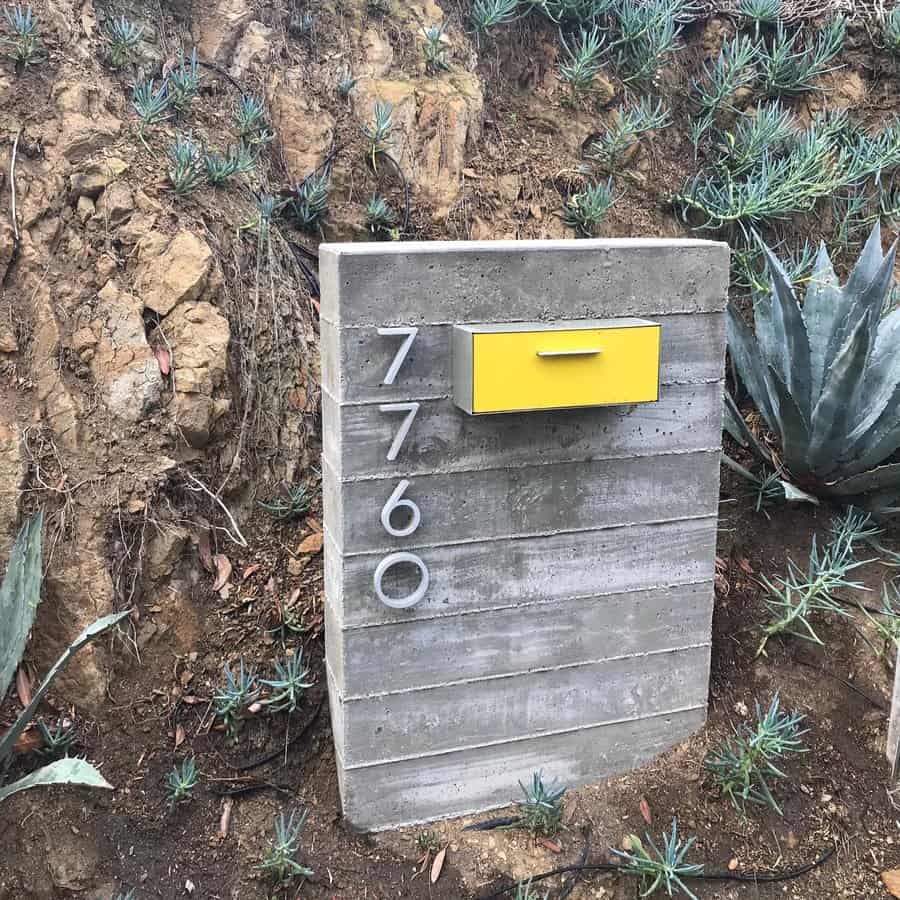
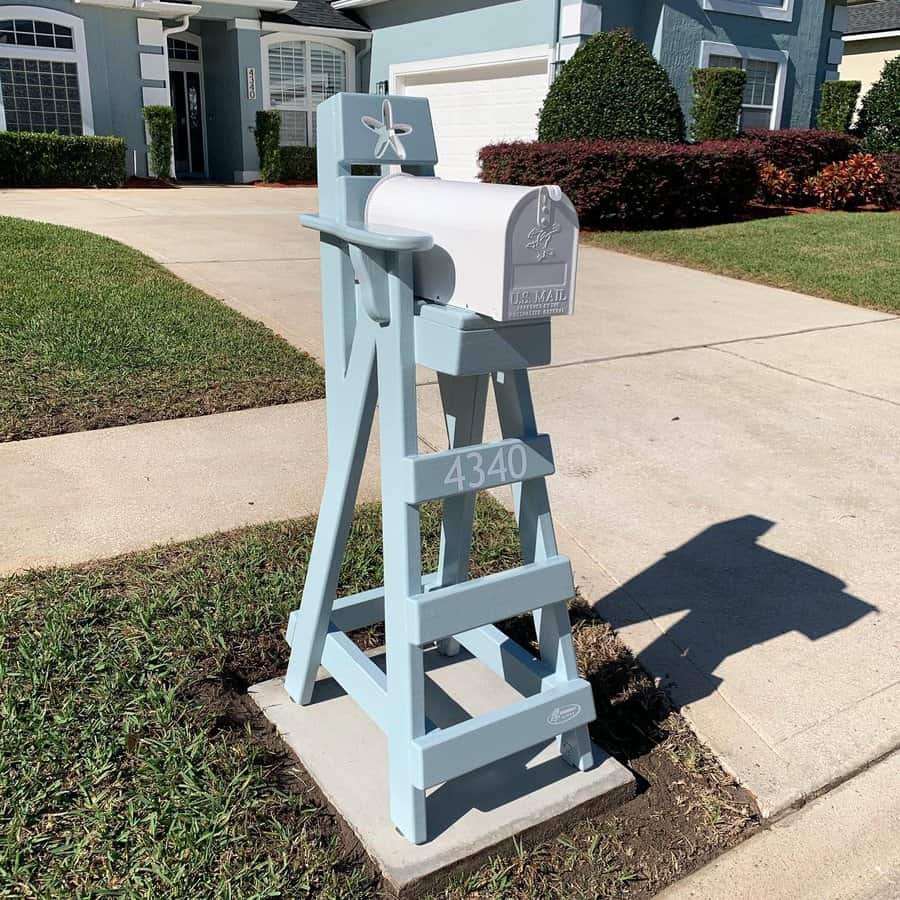
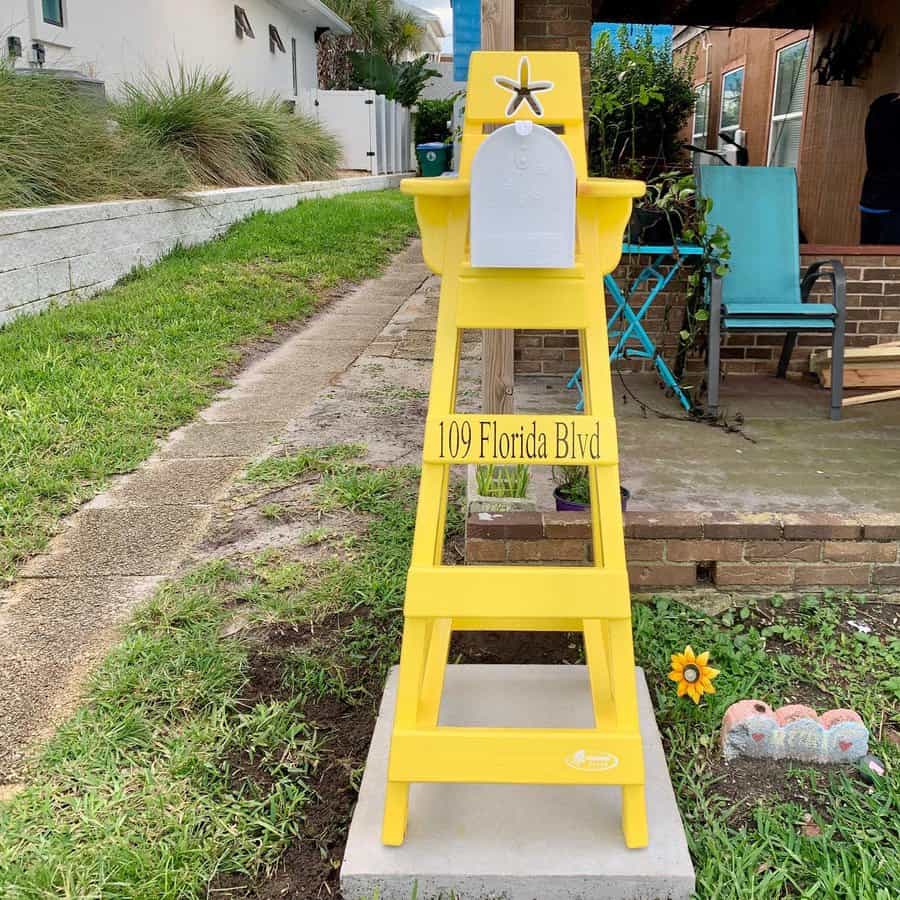
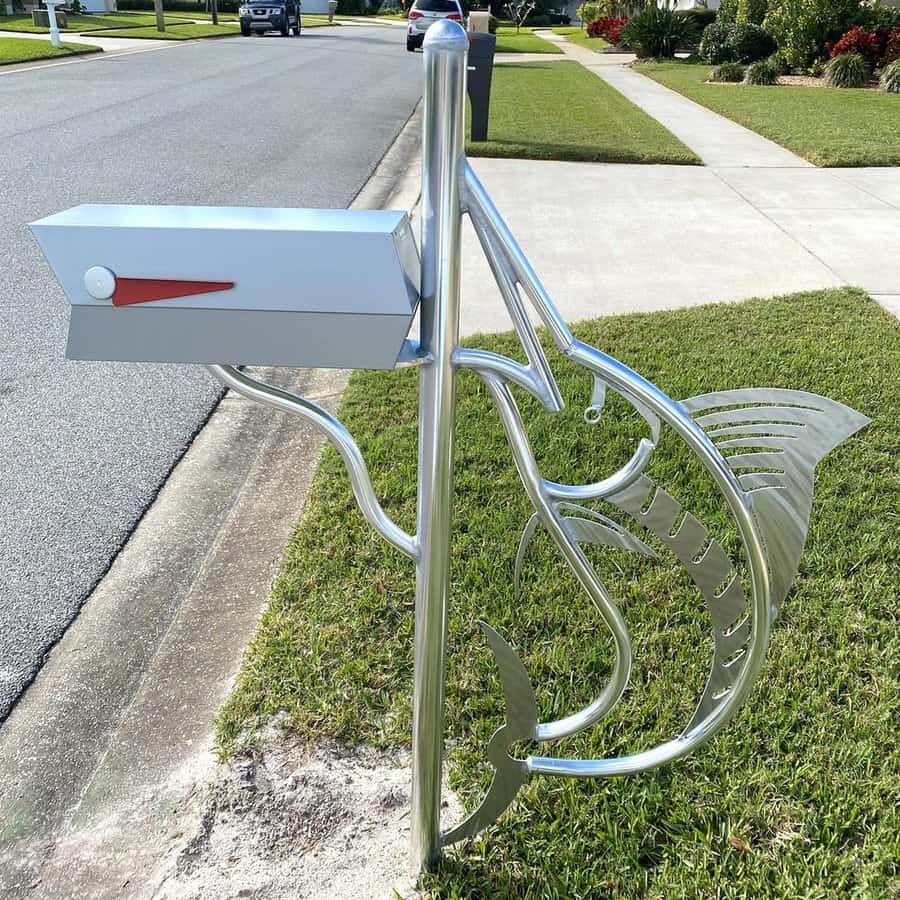
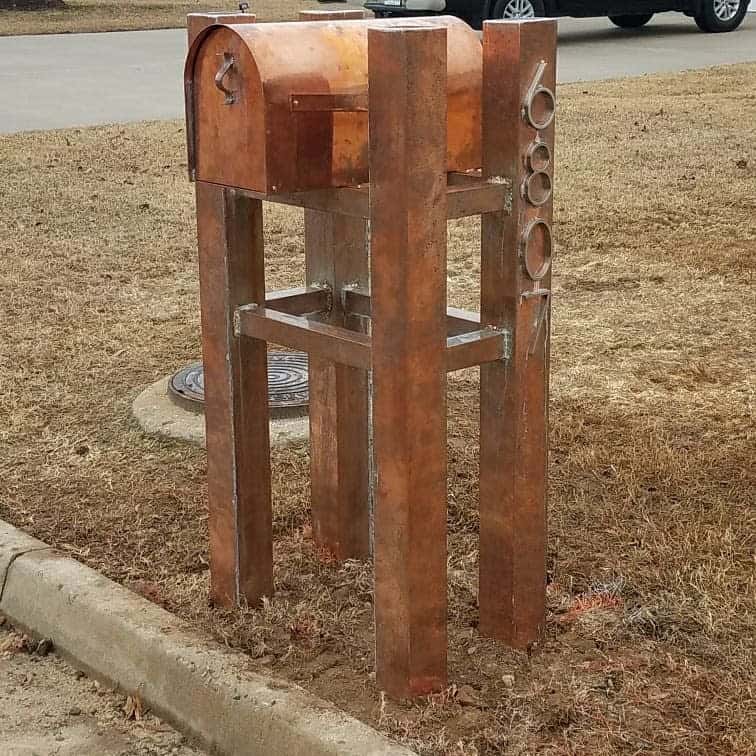
For a typical home, the mailbox is one of the few items that bridge the gap between private and public property. So, it’s no surprise that countless homeowners choose to use their mailbox as a canvas for self-expression!
With the right approach, it’s 100% possible for a mailbox to be both fun and functional. Keep reading for our favorite mailbox ideas worth trying yourself.
[view_toc]
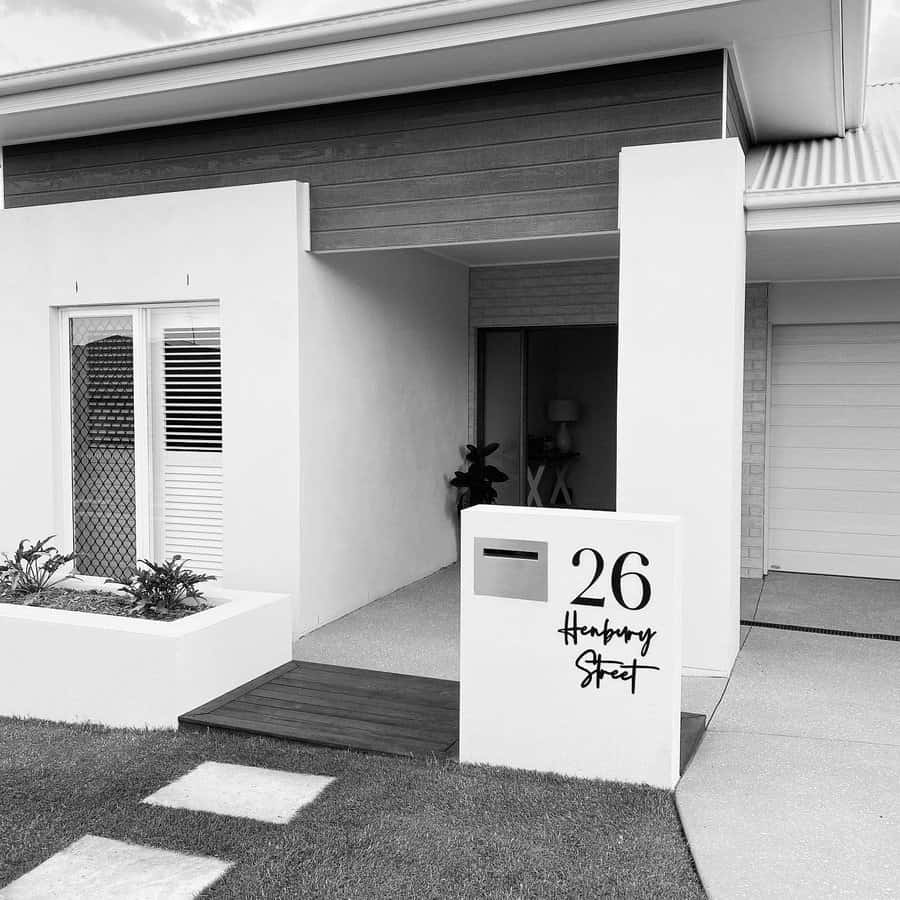
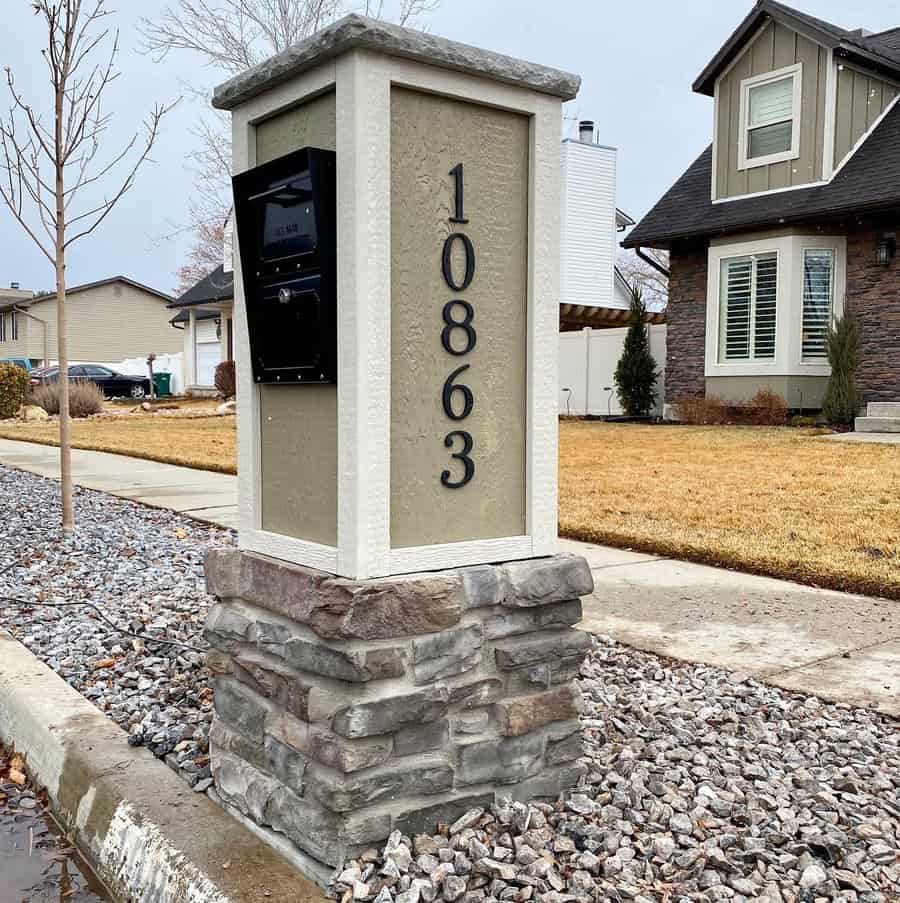
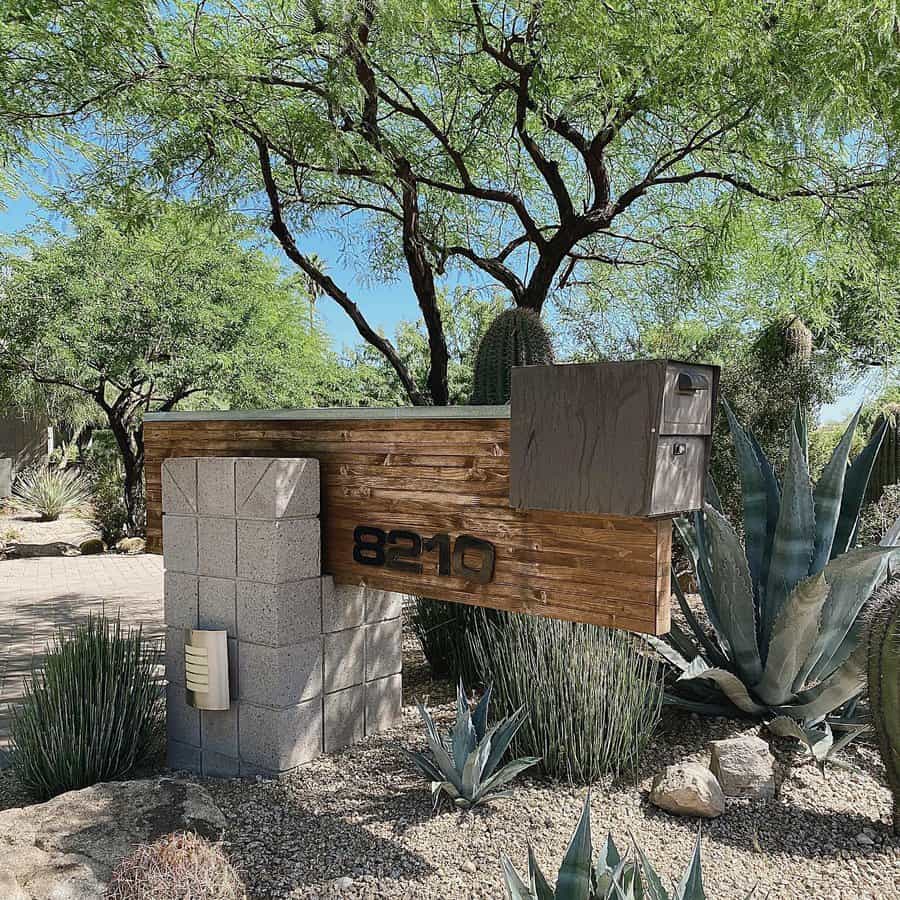
1. Durable and Elegant Concrete or Stone Mailboxes
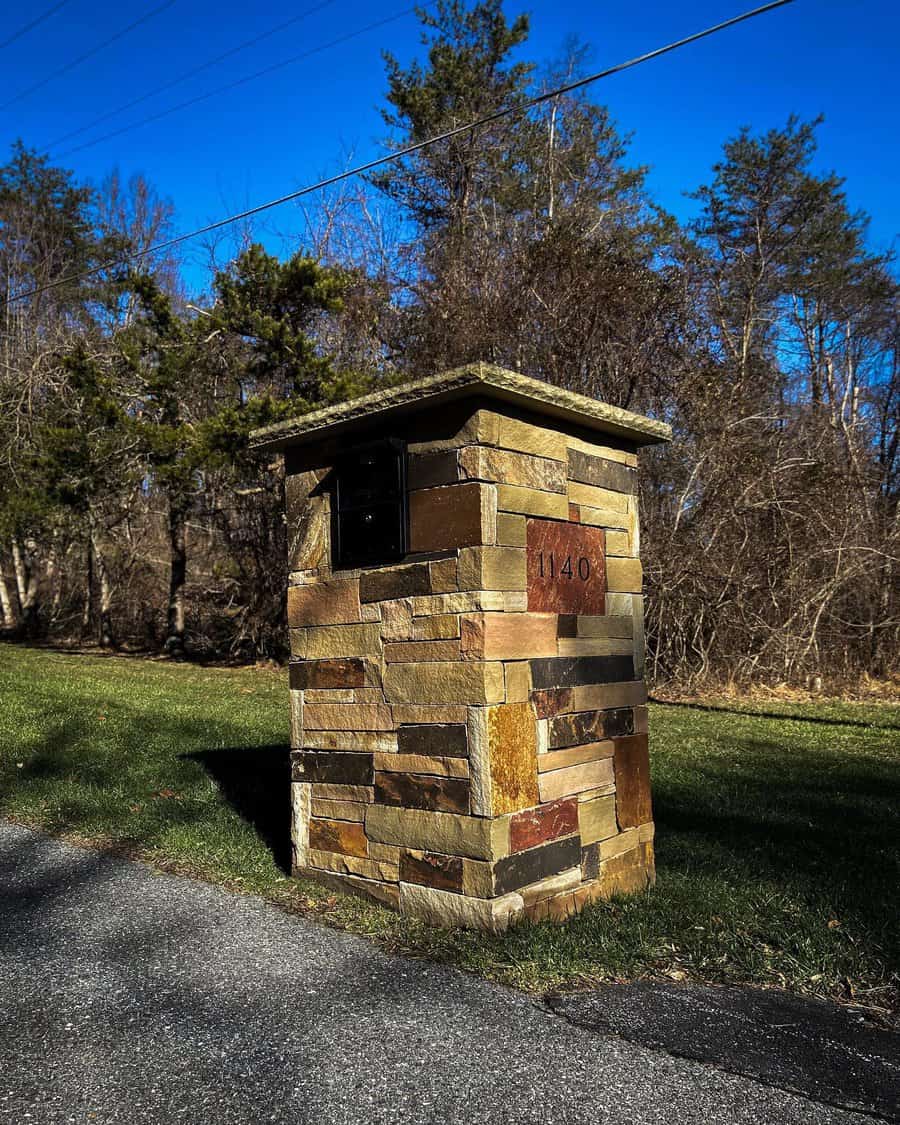
Constructing a mailbox out of concrete or stone is a wonderful way to give your home curb appeal that is guaranteed to last!
Source: @home_withjess via InstagramSource: @horizonoutdoordesign via InstagramSource: @jtclasercutting via InstagramSource: @modboxusa via InstagramSource: @ourburbankbuild_hampshire238 via InstagramSource: @summitmailbox via Instagram
Concrete and stone mailboxes boast all different shapes, sizes, and styles. If you want to enjoy the look of stone without the heavy lifting, consider applying a thin veneer to your existing mailbox structure.
Many areas have regulations regarding which materials can be used for streetside mailboxes. So before embarking on your own mailbox-building journey, be sure to check with the local postmaster or similar authority!
2. Artistic and Personalized Mailbox Designs
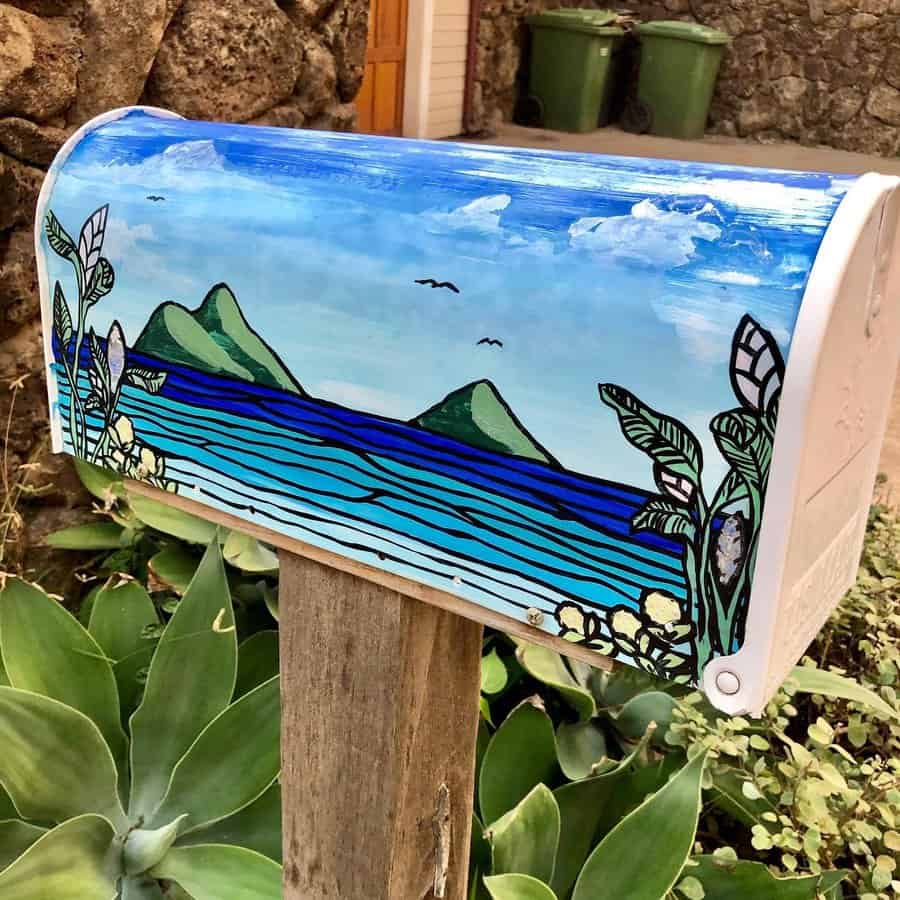
A unique mailbox can help your home stand out from the rest of the neighborhood. And you don’t need to spend more than a few hours to make your vision a reality.
Source: @anini808 via InstagramSource: @jibiz.art via InstagramSource: @letterboxnames via InstagramSource: @scottpantkeartworks via Instagram
With the right paint formula, any plastic or metal mailbox can be updated to suit your individual personality. Some artists even sell mailboxes decorated with their creations!
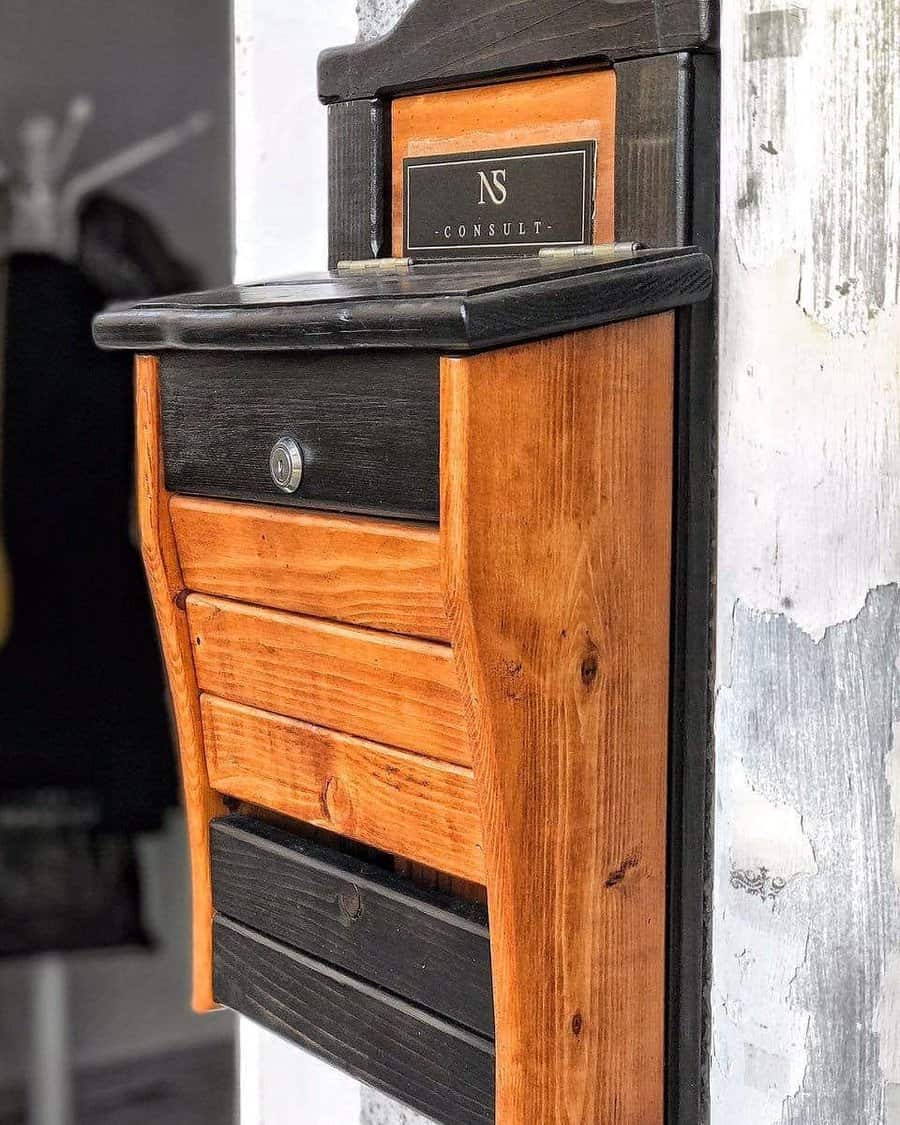
For those with a knack for DIY, designing a one-of-a-kind mailbox out of wood can be a great project. Or, for the less-crafty out there, consider investing in a handmade mailbox on a platform like Etsy.
3. 3D Decorative Mailboxes as Lawn Art Pieces
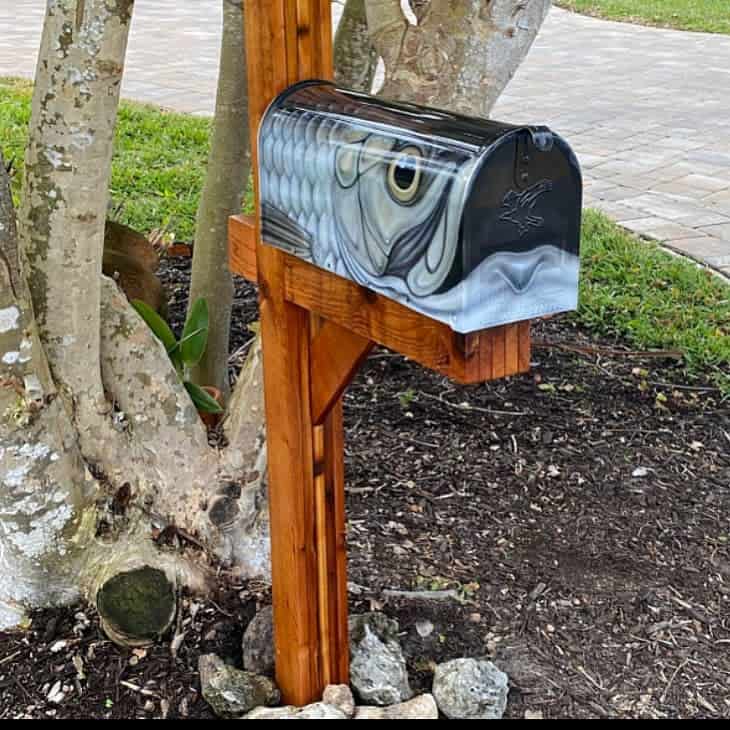
Every home needs a mailbox of some kind. So why not let your mailbox double as a piece of lawn art?
Source: @gina.guilford via InstagramSource: @jtsortofbored via InstagramSource: @letterboxnames via Instagram
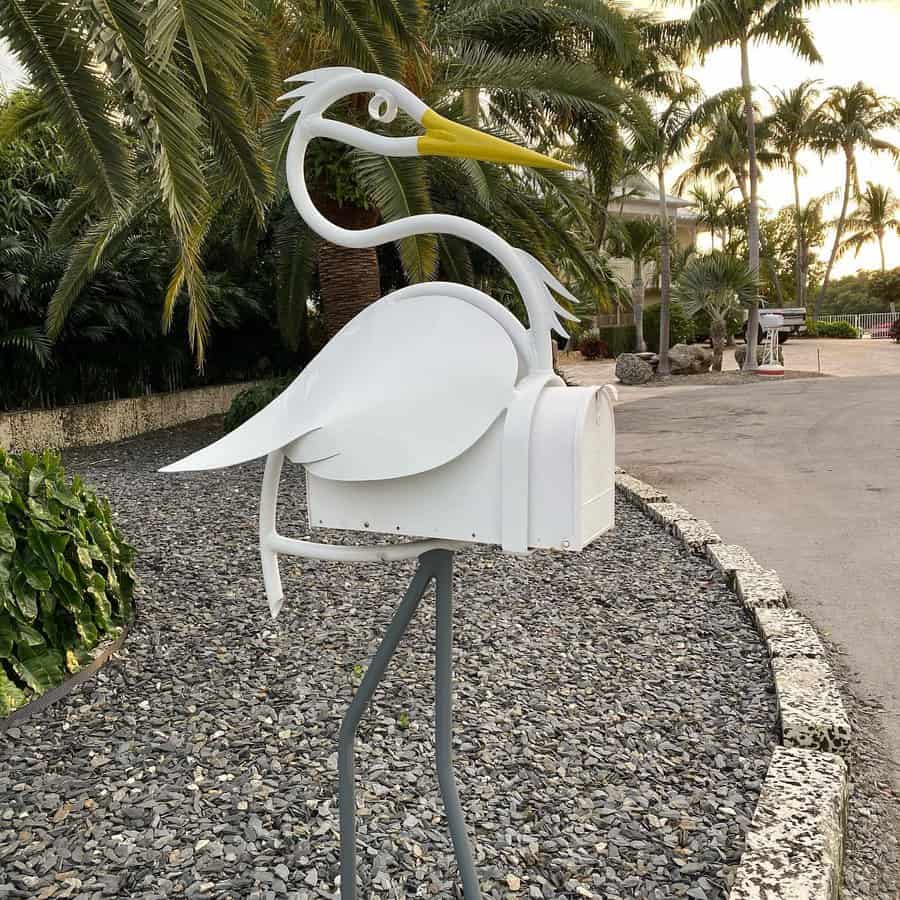
There’s no shortage of innovative mailbox designs crafted after various plants and animals. Take a look around your local lawn and garden center or online for a mailbox post inspired by your favorite wildlife.
Of course, your creative vision shouldn’t overshadow the practical role of your mailbox. Ensure labeled house numbers are clearly visible and that your mailbox can be accessed without issue. Your route’s postal workers will thank you!
4. Miniature House-Styled Mailboxes
No one really knows where the trend started. But house-style mailboxes can be found nearly anywhere the post is delivered.
Source: @lifeonthewestside via InstagramSource: @mail.inabox via InstagramSource: @merakilous_designs via Instagram
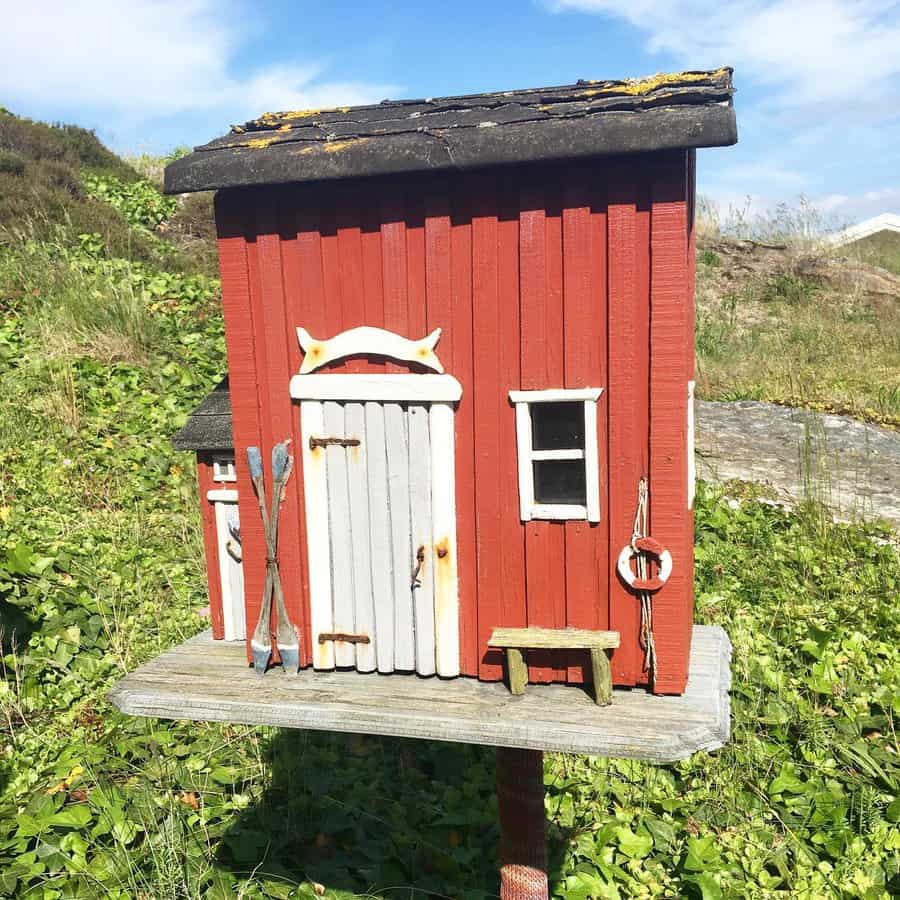
There are two types of house-shaped mailboxes: The first looks like a generic house or another building (like a lighthouse). The second is a tiny replica of the life-size home it belongs to.
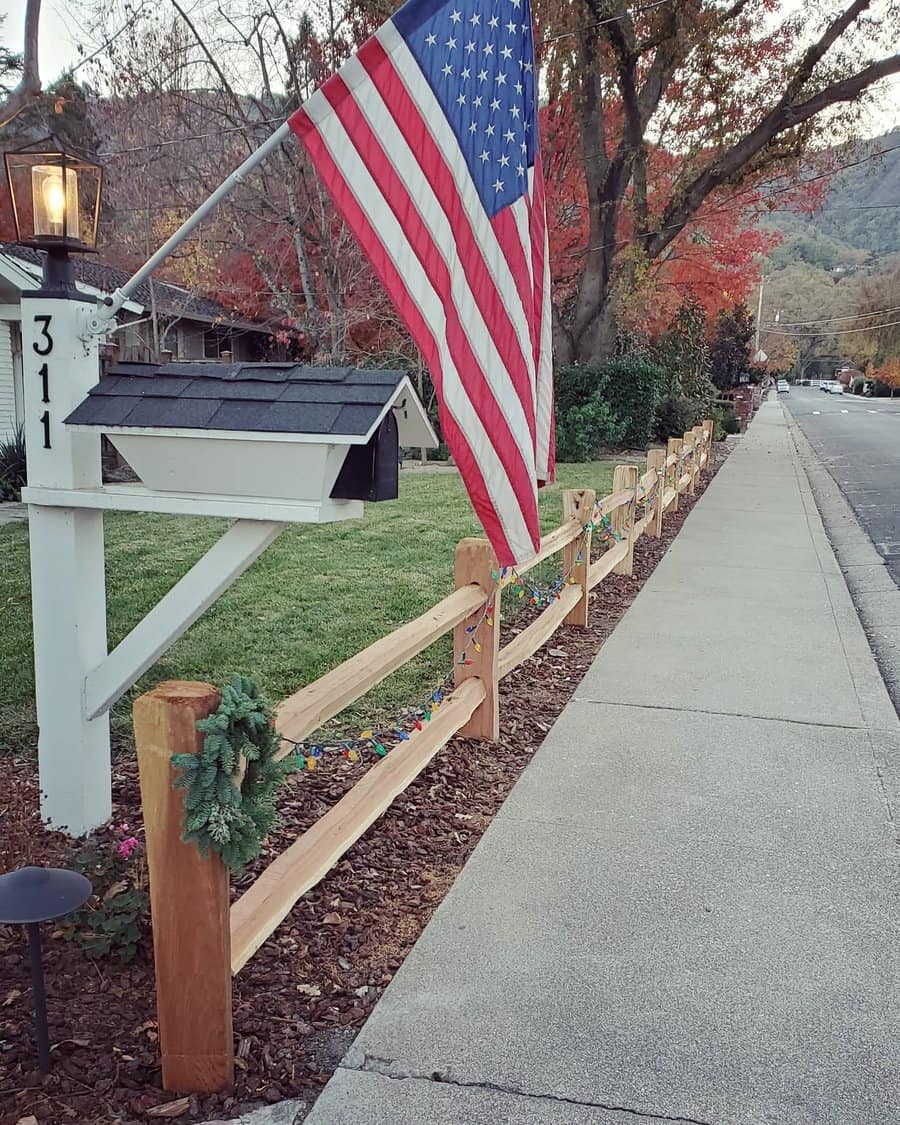
Designing a house-inspired mailbox can be as simple as applying a coat of spray paint or as intricate as installing battery-powered lights! Some homeowners even decorate their mailbox “houses” for the holidays.
5. Stylish and Functional Mailbox Posts
Getting the most out of any design project requires looking at the big picture. In other words, you shouldn’t ignore the supporting post when completing a mailbox makeover.
Source: @dunavantdecor via InstagramSource: @harrisonandsons615 via InstagramSource: @lacherfabco via InstagramSource: @omahamailboxmayhem via InstagramSource: @dunavantdecor via InstagramSource: @dunavantdecor via Instagram
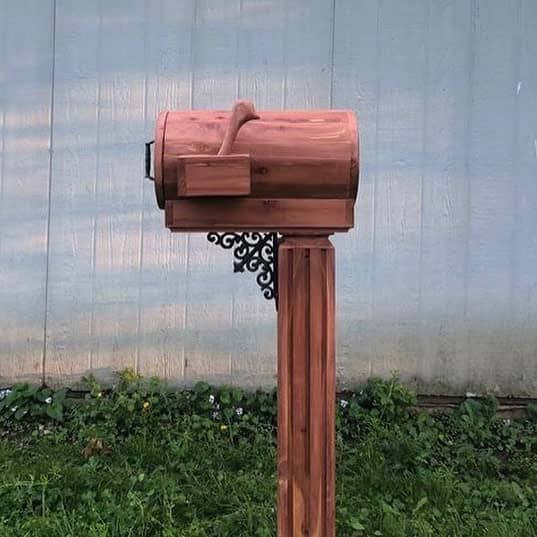
The right mailbox post can completely transform your home’s front landscaping. A sleek cedar post is the ideal finishing touch for a mid-century modern mailbox design. Or you can use reclaimed pallet wood to construct a rustic-inspired DIY mailbox post.
Many regions have their own mailbox post trends that residents partake in. Investing in one of these trends is a great way to feel like a part of the local community!
6. Sleek and Secure Metal Mailbox Options
A metal mailbox is a long-lasting solution that can be customized to suit your style in a variety of ways.
Source: @barb1962 via InstagramSource: @designexplores via InstagramSource: @letterboxnames via InstagramSource: @modboxusa via InstagramSource: @nicodemussheetmetal via InstagramSource: @nightscapingusa via Instagram
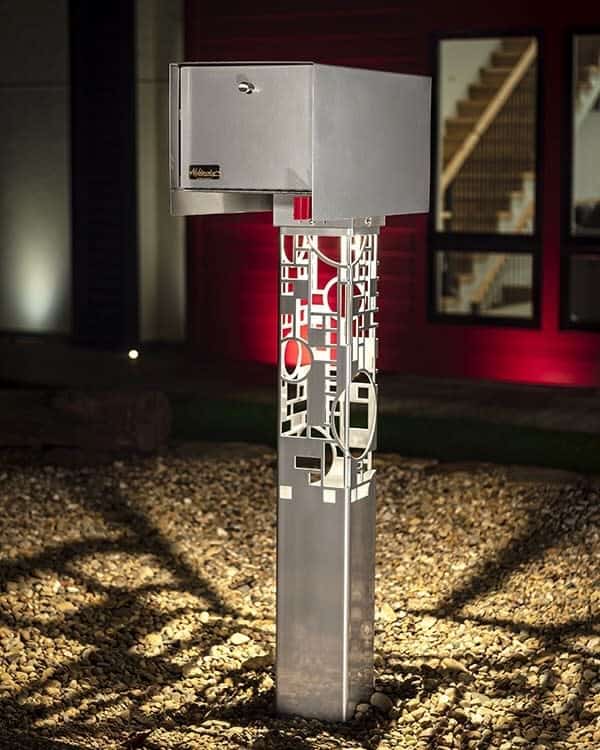
If you’re on the hunt for a sleek design, consider investing in a stainless-steel mailbox in your favorite color.
A locking mailbox is a great option for those in need of a little extra security for incoming letters and packages. Metal is also a wonderful sculpting medium.
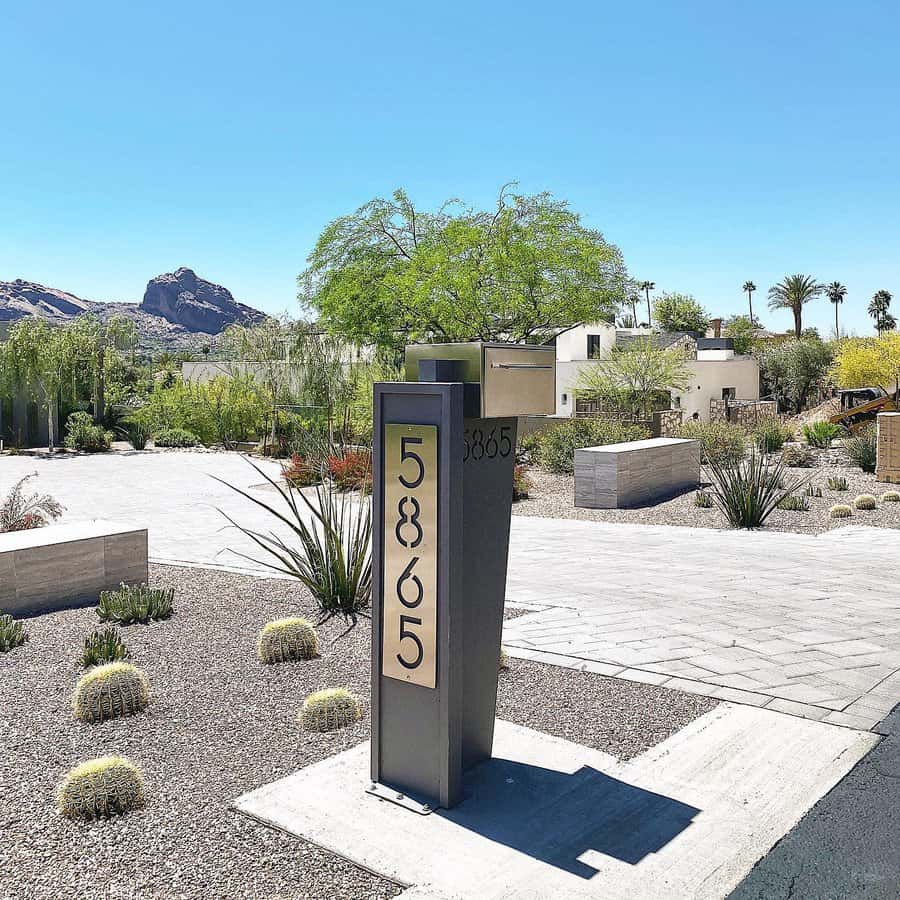
7. Contemporary and Geometric Modern Mailboxes
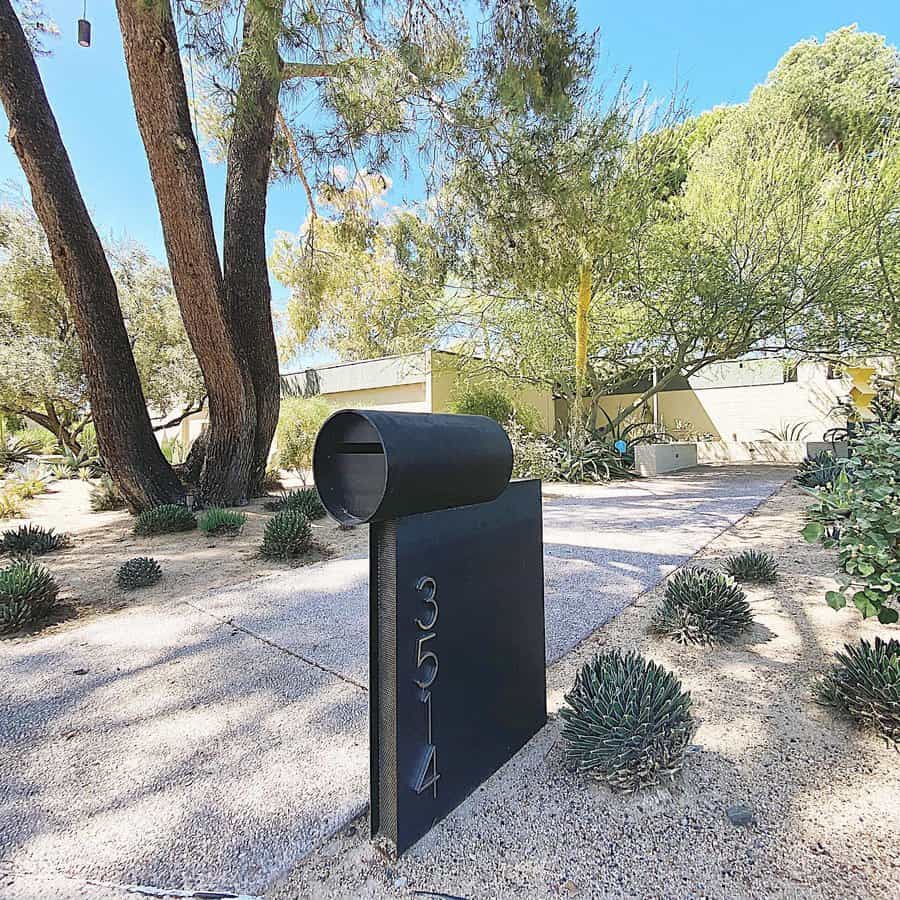
How do you bring a modern design to life with a canvas as small and simple as a mailbox? Incorporating strong geometric shapes in your mailbox silhouette is a great place to start.
Source: @jjrscorp via InstagramSource: @mailboxes_fordays via InstagramSource: @trimblebree_home via InstagramSource: @mailboxes_fordays via InstagramSource: @mailboxes_fordays via Instagram
Many modern mailboxes boast an industrial touch. Materials like reclaimed wood or brushed metal frequently accompany this style of mailbox.
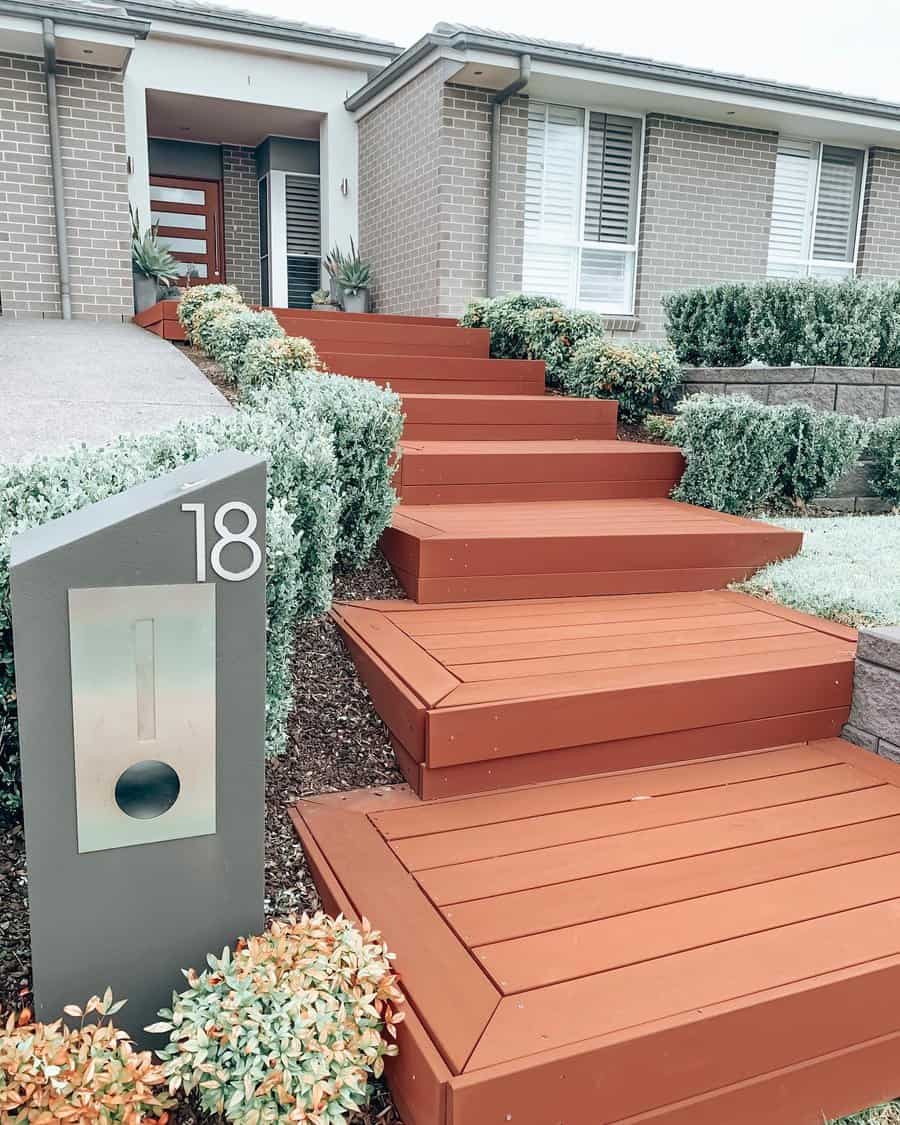
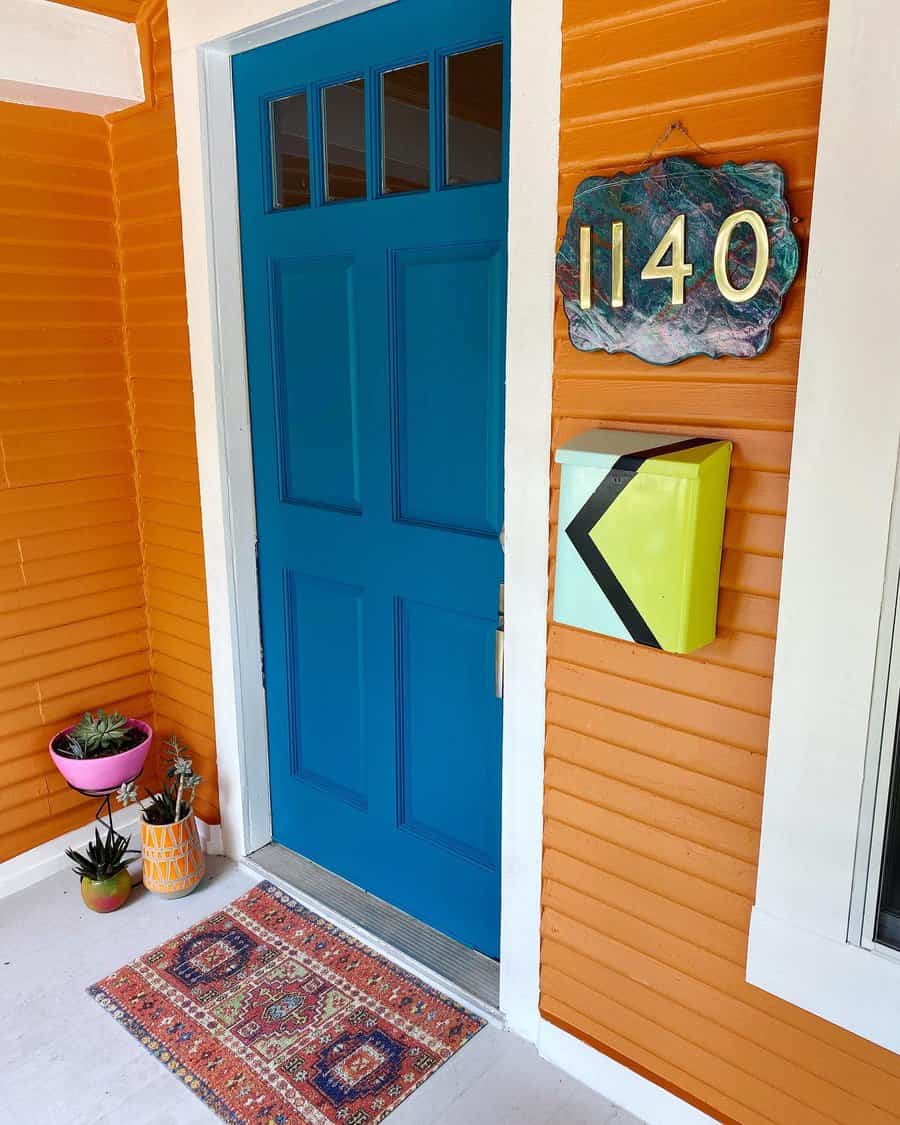
Bold, minimalist house numbers make great additions to a modern mailbox. Mount numbers in a contrasting color or material for optimal visibility and a standout aesthetic.
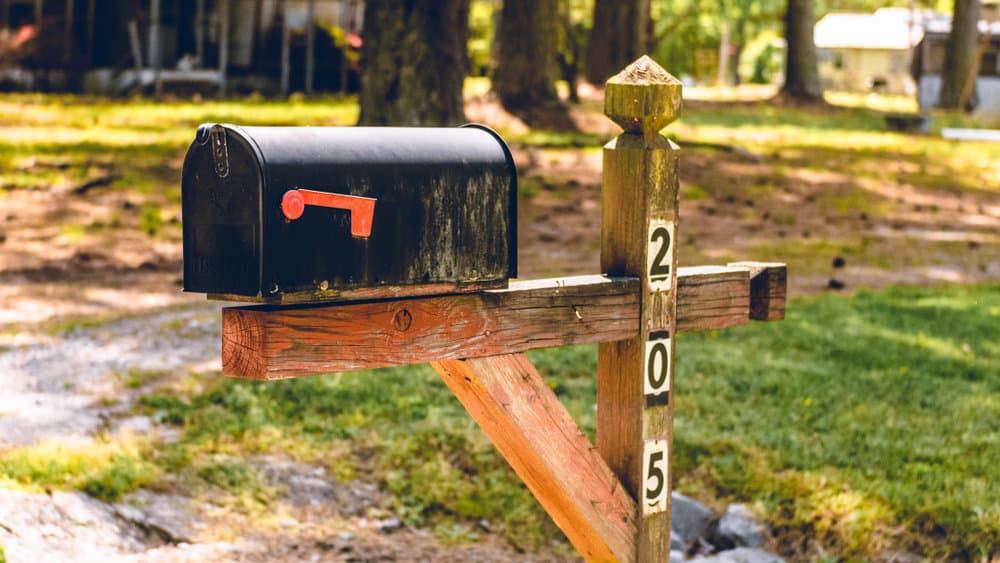
8. Charming Rustic Mailboxes for a Country Feel
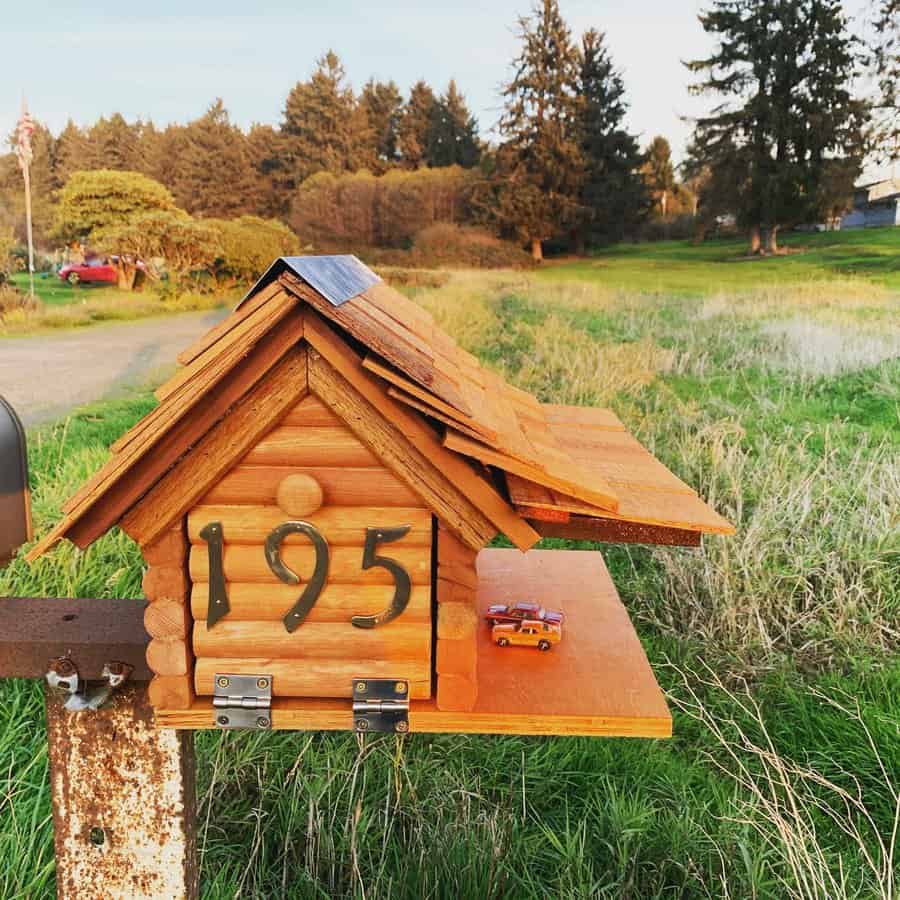
The ideal mailbox for a backwoods cabin or quaint farmhouse probably won’t look much like your average suburban mailbox! But there are many ways to flex your creative muscles while staying true to your home’s rustic charm.
Source: @letterboxnames via Instagram
It’s okay for a rustic mailbox to appear a bit rough around the edges. Actually, it’s often preferred.
Lumber and stacked river stone is the perfect pairing for creating a rustic DIY mailbox. Or you can put the materials inside your barn or shed to good use by crafting a one-of-a-kind mailbox out of scrap metal and spare tractor parts!
9. One-of-a-Kind Mailboxes for a Distinctive Touch
Swapping out the existing mailbox is a cherished rite of many new homeowners. What better way is there to make a home feel 100% your own than with a mailbox no one has ever seen before?
Source: @mdmilano via InstagramSource: @southwestandtropical via InstagramSource: @the_2hour_circle via Instagram
Depending on the area, what constitutes a unique mailbox could be as simple as an interesting paint job or as intricate as a life-size sculpture.
Not all neighborhoods are keen on unique curbside decor. If your nearest neighbors are only a stone’s throw away, it’s common courtesy to consult with them before installing any truly outlandish mailbox ideas!
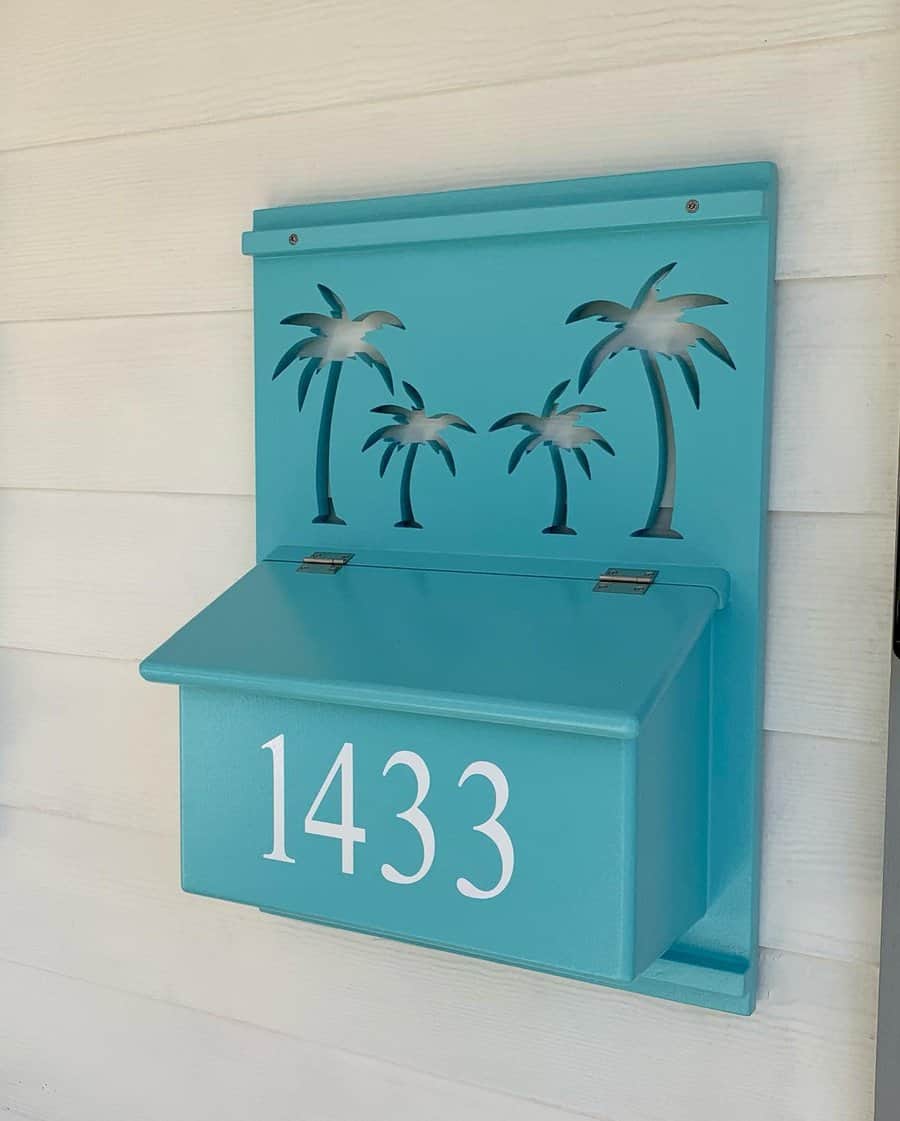
10. Space-Efficient Wall-Mounted Mailboxes
While a large number of homes receive their mail via truck, there are still countless neighborhoods that get their letters and packages delivered by someone on foot. In these areas, wall-mounted mailboxes tend to be the norm.
Source: @artsabroad via InstagramSource: @dunavantdecor via InstagramSource: @inrstylist via InstagramSource: @mailboxes_fordays via InstagramSource: @modboxusa via InstagramSource: @monicahealyphotography via InstagramSource: @pourlymadebymina via InstagramSource: @seymoursigns via InstagramSource: @towercocarpentry via Instagram
Whether it is mounted to a fence or your home’s exterior siding, there are many ways to express yourself through your mailbox. And wall-mounted mailboxes tend to be subject to fewer rules and regulations than roadside ones.
Don’t forget to think about adjacent details like your house numbers or built-in lighting!
11. Versatile and Customizable Wooden Mailboxes
We tend to associate wooden mailboxes with rustic or modern design. Yet there’s really nothing this versatile material can’t do!
Source: @banakdoo via InstagramSource: @summitmailbox via InstagramSource: @thoburn_woodworking via Instagram
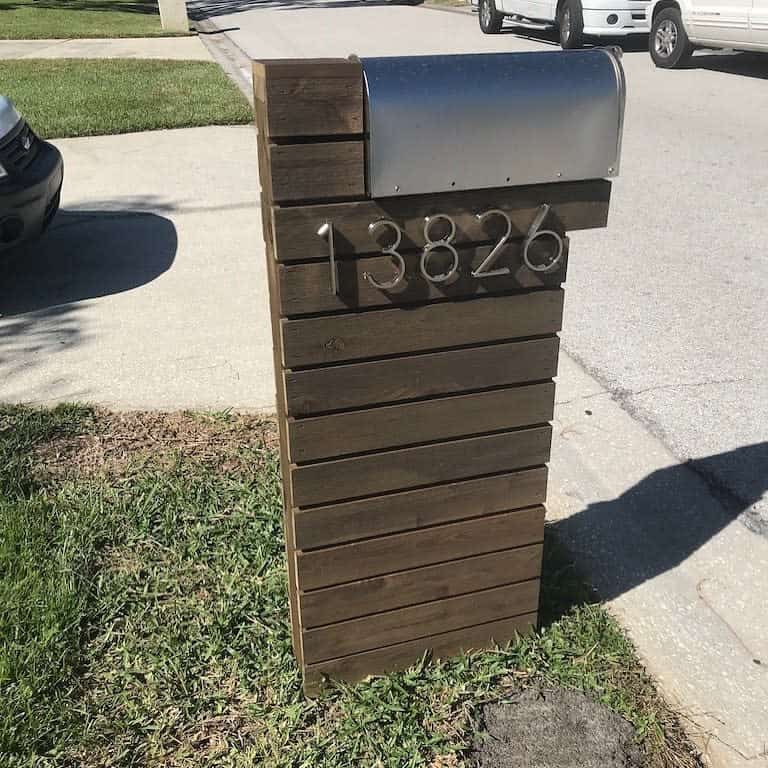
Wood is extremely flexible — both in terms of design and the actual building process — and couldn’t be easier to customize. All you need is a quality coat of paint to match your new wooden mailbox to your home’s exterior.
Even if wood is the star of your mailbox idea, there’s no need to use it alone. Wood pairs beautifully with all kinds of metal, stone, and more.
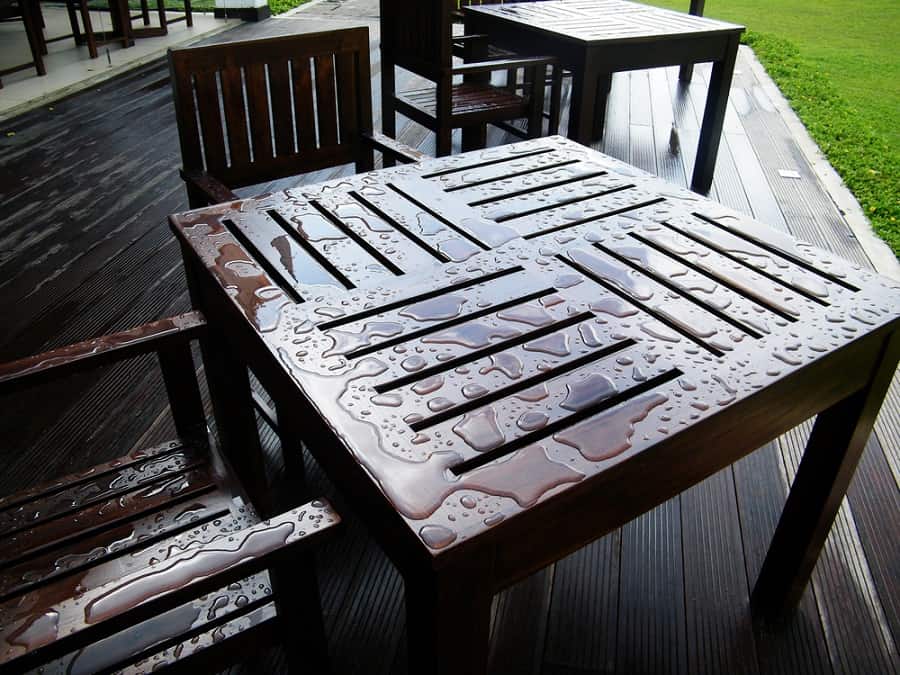
Do you have outdoor wooden furniture? If you have not waterproofed it, you wasted your money. Without the proper protection, your wood furniture is susceptible to water that will cause it to rot, splinter, and crack. This will ruin the wood’s look and shorten its useful life.
Follow this guide and learn how to waterproof wood furniture for the outdoors.
Rely on a Hand-Rubbed Oil Finish
There are two types of wood oil that you can use to waterproof your wood furniture, linseed and tung oil. These oils are the least toxic method and do not have VOCs. The oil soaks into the wood to prevent moisture from getting into the wood.
Their downfall is that they are not as protective as synthetic sealants. This makes it a good option for sheltered wood surfaces, such as covered patio furniture or indoor furniture.
If you have light wood furniture like white oak, stick with tung oil that will not yellow over time like linseed oil. Some hardwoods, like teak wood, have an abundance of oils naturally, making it unnecessary to oil them.
Darker woods like mahogany and walnut benefit greatly from an oil treatment because they can bring out the deep luster and color of the wood.
Tools Required
To oil your wood, you will need 80-grit sandpaper, a stiff-bristled scrub brush, a natural bristle paintbrush, mineral spirits, cleaning rugs, and your chosen oil.
Process
If your wood already has a finish or is visibly weathered, you will need to start by sandpapering the surface to remove the top layer. Then thoroughly wash the wood to remove the dust and allow it to dry.
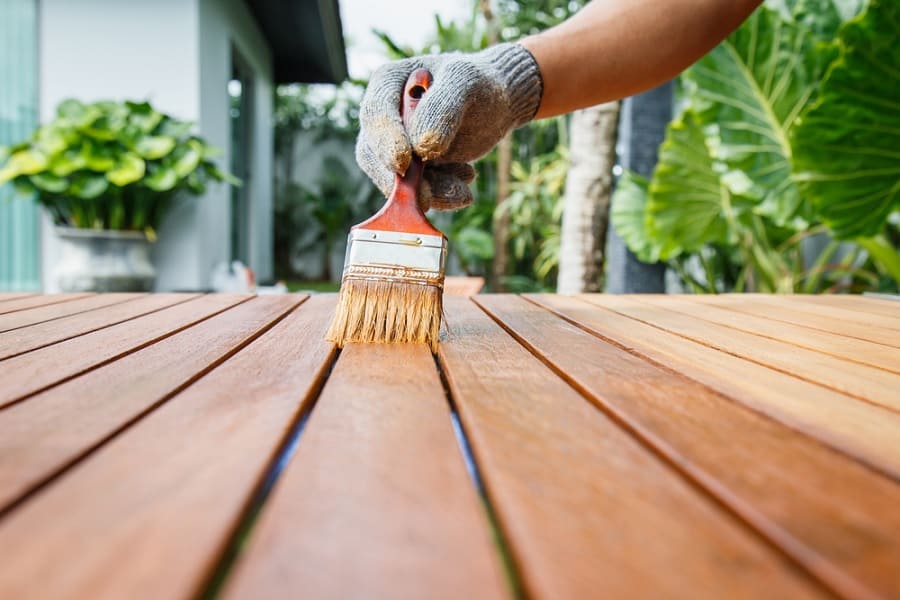
Once the wood is dry or if the wood is unfinished, you are ready to apply the oil. Use your paintbrush to apply a thin coat of oil over the entire surface of the wood.
Try to saturate the wood without overapplying. Use your rag to wipe off excess oil. Place your oily rags in a bucket of water to prevent them from spontaneously combusting.
Use the mineral spirits to clean the paintbrush. Leave the furniture to dry overnight. If your furniture needs more than one coat, wait at least 30 minutes between each layer. `
How Often Should You Oil Wood Furniture?
How often you need to apply oil to your wood furniture will depend on the level of abuse the wood experiences. Wood furniture out in the elements needs oiling about twice a year.
Wood that is indoors can go longer with an oil application once a year. However, neither of these are hard-set rules. If you see that your wood furniture looks dry and weathered, then it is time for a coat of oil.
Apply a Sealant
There are three types of wood sealant, varnish, lacquer, and polyurethane. These products create a shiny hard shell on the surface of the wood that protects it from the outdoor elements.
It is great at creating a solid seal for waterproofing wood and can prevent scratches in the wood. If you have Adirondack chairs, the smooth surface that sealants create is good because they prevent your clothes from snagging on the wood.
The downside of sealant is that it will eventually peel up from the wood’s surface. You will also need to completely sand it off before applying a fresh coat. Oil-based varnishes will make wood look darker than it really is. Be aware of this if you do not want to change the look of your teak or eucalyptus patio furniture.
Lacquer
Wood lacquer will give you a stunning high gloss shine and will protect your wood from scratches. Unfortunately, it eventually discolors, and you will have to remove it and reapply to restore its beauty. The consistency is thinner than varnish and polyurethane, making it easier to apply with a sprayer than a paintbrush. However, lacquer does contain high levels of VOCs.
Varnish
You cannot beat the protective qualities of varnish. Marine-grade varnish is even more protective because it is specifically meant for high moisture environments and has UV blockers. In addition, the cured varnish is flexible and will not crack when put under stress.
However, its biggest drawback is the incredibly time-consuming application process. It also only lasts two to three years before you will need to lightly sand the surface and reapply a topcoat.
Polyurethane
A polyurethane wood coating is a type of plastic and is not the same as varnish. It comes in both oil and water-based formulas. However, only the oil-based formulas are effective at protecting outdoor furniture. If you are trying to protect light-hued woods, this is a good option.
Once applied, oil-based polyurethanes look similar to varnish. Their big advantage is that you only need two coats, making for a faster application process. However, they will expose you to higher levels of VOCs.
Tools Required
Because sealants contain VOCs, you will need a respirator or N-95 mask. You will also need an orbital sander and 80-grit sandpaper to remove the old sealant. Other required materials include deck cleaner, stiff-bristled brush, oil-based varnish, polyurethane, or lacquer, paintbrush, and mineral spirits.
Process
Start by putting on your mask before you start any work. Use the orbital sander to clean off the old sealant, and then wash and scrub the wood with your cleaner and a stiff-bristled brush.
Let the wood dry completely before trying to apply sealant. While wearing your mask, use the paintbrush to apply thin coats of sealant.
Do not aggressively shake or stir the sealant, or you will create air bubbles that will stick around and ruin the surface of your sealant when applied to the wood. Clean your brush with mineral spirits and let it dry overnight.
You can apply a second coat the following day. You will need two to three coats of lacquer or polyurethane and eight coats of varnish. This makes for a lengthy and time-consuming application process.
How To Prevent Yellowing and Darkening Sealant
If you want to prevent yellowing or darkening, you will want to use water-based sealants. It will give you the same shiny shell but will not change colors the way oil-based formulas will. Oil-based formulas also tend to bring out the natural colors in the wood. Such light woods like pine tend to look more yellow.
Use a Stain-Sealant Combo
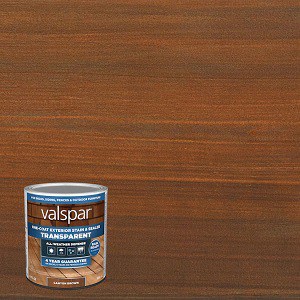
If you want to enhance the color of your wood while protecting it, then a stain and sealant combo is perfect. It is a single liquid that combines wood stain with a polyurethane wood sealer. This gives you a beautiful wood finish that will last.
What is nice about this product is that it comes in a wide variety of color tints and finishes. It could be a rainbow of colors, have a matte, satin, or high gloss finish, or be opaque to transparent or somewhere in between. This lets you customize the look of your garden furniture.
They also have an advantage over sealants because they will not yellow or otherwise discolor over time. In addition, they do not create a hard shell on the surface of the wood like other sealants, so you don’t have to worry about it eventually pealing. Unfortunately, they are high in VOCs because the formula contains polyurethane.
Tools Required
To apply your stain and sealant combo, you will need a respirator or N-95 mask, orbital sander, 80–grit sandpaper, cleaner, stiff-bristled brush, paintbrush, all-in-one stain and sealer, and mineral spirits.
Process
As with the other products, you will need to sand off the previous treatment before applying a new coat. Then, when your wood furniture is ready for a new application, put on your mask and get to work painting the furniture with your brush.
Give it 24 hours to dry, and then you can apply another coat. You will need at least two coats to achieve the full desired color and protection level.
How to Waterproof Painted Wood Furniture for Outdoors
If you want to waterproof painted wood furniture, you need to remove the paint first. While latex paint creates a seal, exterior paint can’t protect your wood as well as sealants. Use a scraper, sandpaper, or steel wool to remove the paint so that you have bare wood. Then, use one of the above methods to seal the untreated wood.
Can Paint Protect Your Wood?
Some paint can protect your outdoor wood furniture. Paint specifically designed for exterior use protects the wood from moisture. For the best protection, always apply a primer first. Then you can apply two to three layers of exterior paint. You can use latex or oil-based paint for this.
As long as you are using the correct paint, you will not need to treat the wood with another waterproofing product before painting the outdoor wood furniture. However, you should completely cover the wood so that there are no exposed wood areas that moisture could get into.
How to Naturally Protect Wood
If you do not want to use chemicals or potentially hazardous formulas, there are some natural options. However, keep in mind that these options will not protect as well as the solutions mentioned above and will not last as long.
For the best protection, create a reapplication schedule so that your wood has routine care. Do not wait until your wood is struggling and desperate for some maintenance.
You could use a damp rag to work coconut oil into the wood. The coconut oil will moisturize and protect the wood. Plus, it will smell wonderfully tropical with the subtle scent of coconut.
Another natural protectant is a mixture of oil and vinegar. Mix three parts canola oil to one part vinegar. Wipe it onto the wood and protect it from water, insects, and wear.
Importance of Waterproofing Your Outdoor Wood Furniture
It is crucial that you weatherproof wood if you plan to leave your outdoor furniture outside throughout the year. Wood is ideal for outdoor use because it looks great and is durable.
However, you need to help protect it from the elements so that it does not swell, warp, discolor, or rot. For example, teak or eucalyptus furniture is extremely durable but will patina over time from a rich wood color to a weathered grey.
Using stone to build the external structural elements around your home elevates the look and increases the value of your home. Having a brick patio encourages you to embrace the outdoor living lifestyle.
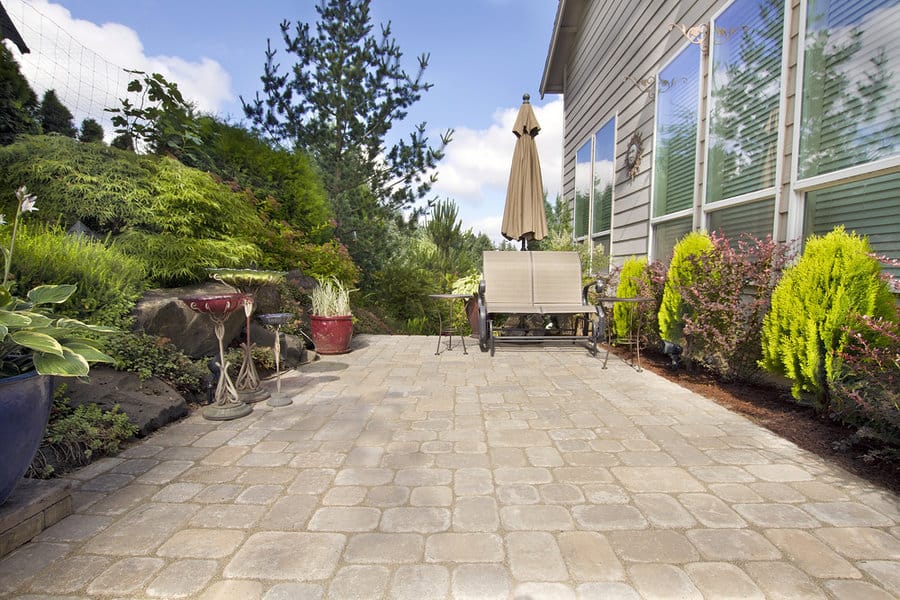
If bricks aren’t your style, you can modernize the look with paver stones. They come in endless shapes and sizes for complete customization of your new patio.
Check out these stone patio ideas and start planning your brick patio home improvement project.
[view_toc]
1. Increase Your Home’s Value with Brick Patio Pavers
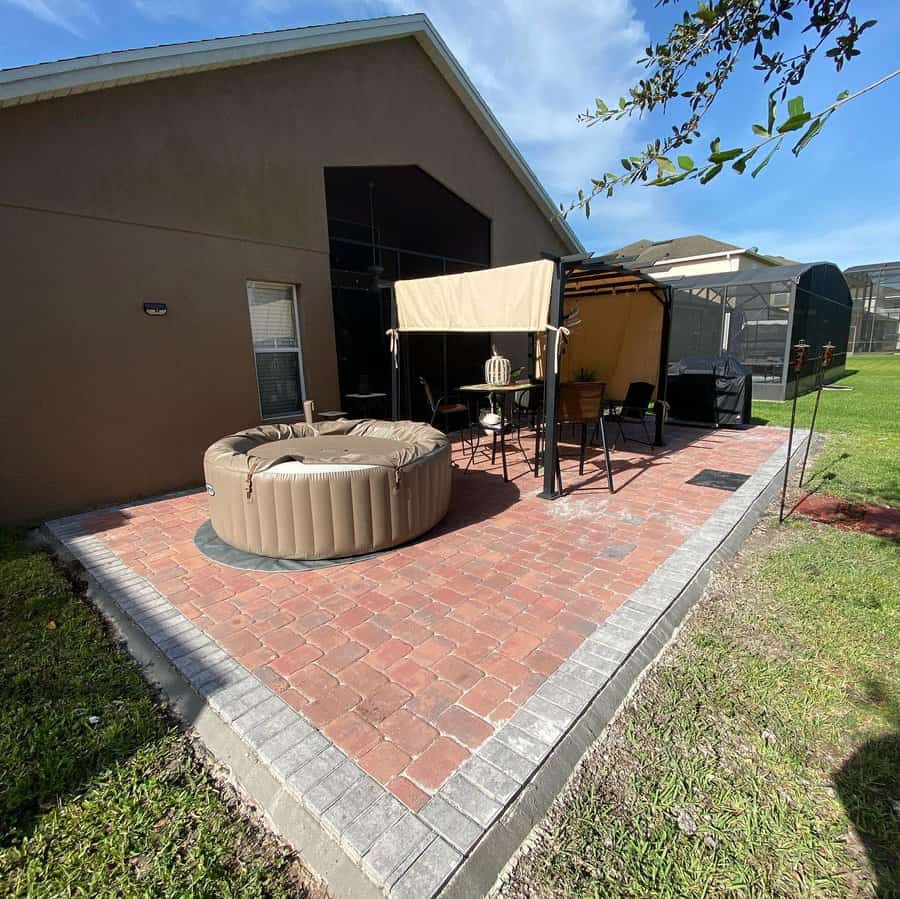
Brick pavers are the traditional building block. Thousands of red bricks go into building walkways, front entryways, building facades, walls, and patios. A brick patio attached to your house can increase your home’s value by adding elegant outdoor living space.
Source: @upper.mountain.landscaping via Instagram
Using reclaimed or salvaged bricks is a great way to make your new brick patio look older than it really is. These are bricks that were previously used in other building projects. When those buildings are no longer needed, the building elements are then salvaged and repurposed for new projects.
2. DIY Steps for Installing Concrete Pavers in Your Patio
You don’t have to hire a contractor to lay your concrete pavers. This is a home improvement project that you can do yourself. Plan to spend some time on this project because it isn’t a fast improvement. Start by clearing out the landscaping where you plan to build your patio. It needs to be level but also able to direct water away from the patio for adequate drainage.
Source: @lifetohug via InstagramSource: @redbarn_resto via InstagramSource: @thediyeverythingwifey via Instagram
Spread landscaping fabric down to prevent weeds from growing up between your stones. Even out sand and arrange the stones in your desired pattern. Finish by filling in the gaps with more fine grit sand. This secures the stones and keeps them from shifting.
3. Elevate Your Stone Patio with Firepit
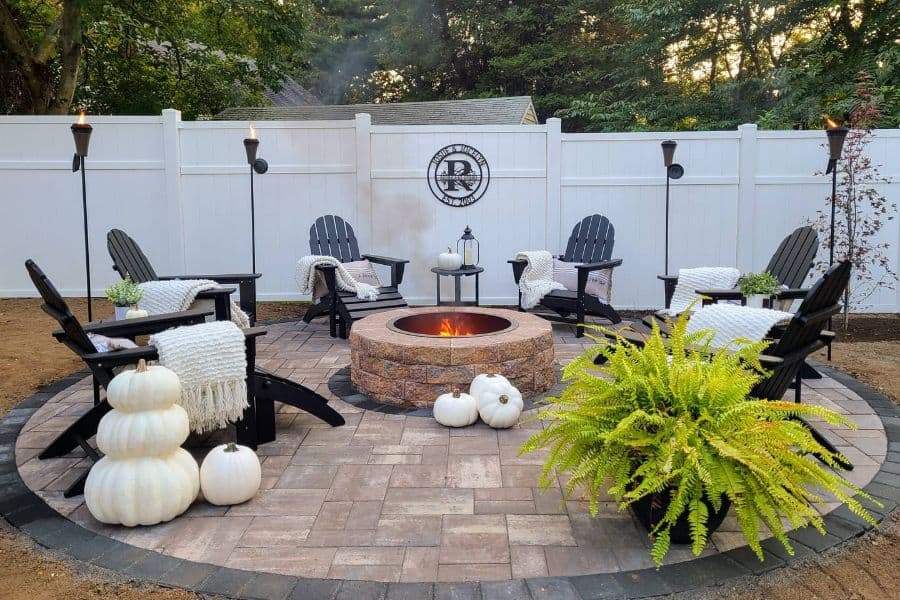
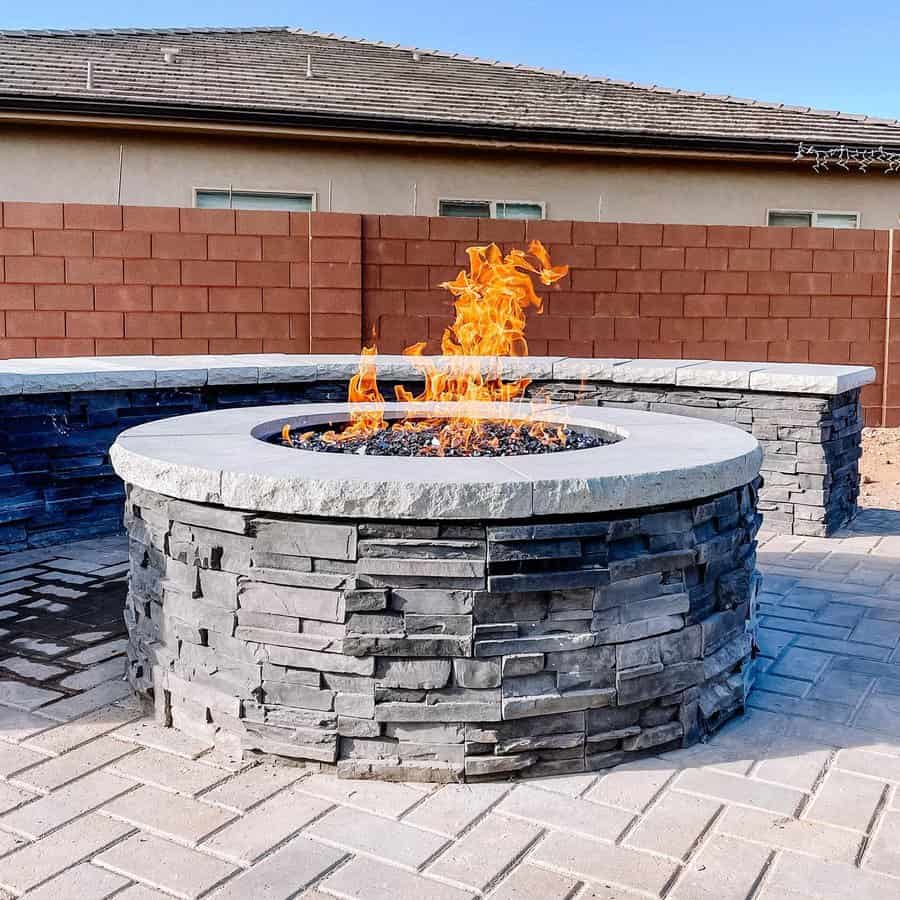
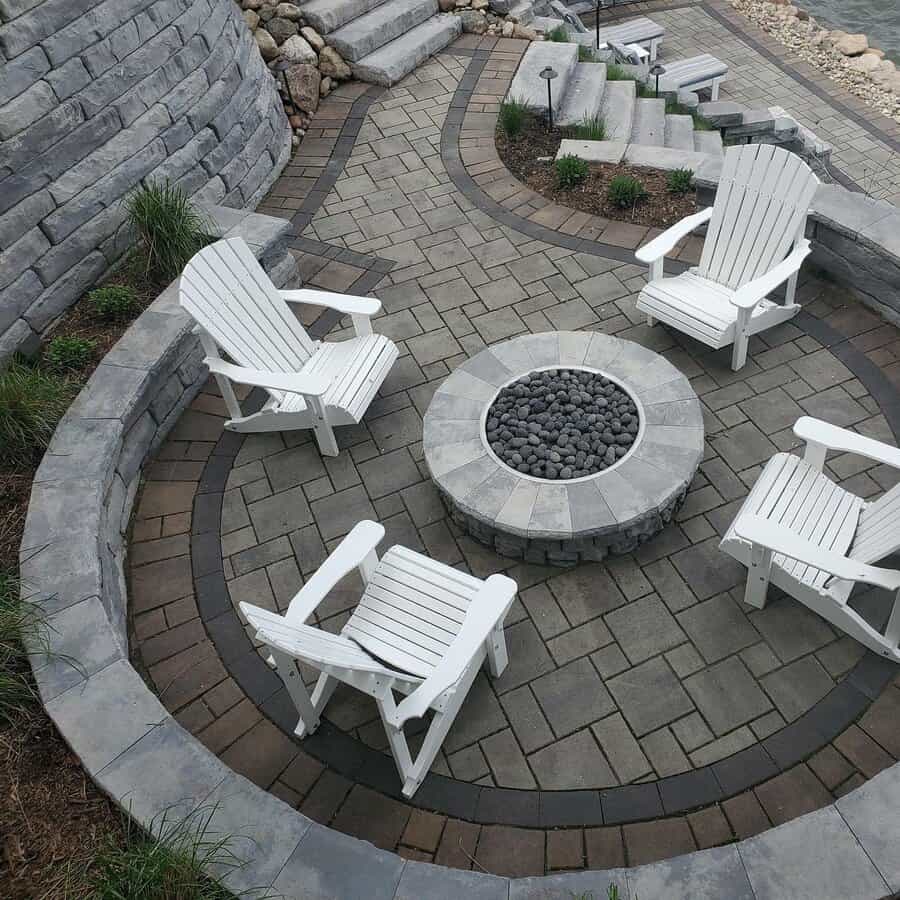
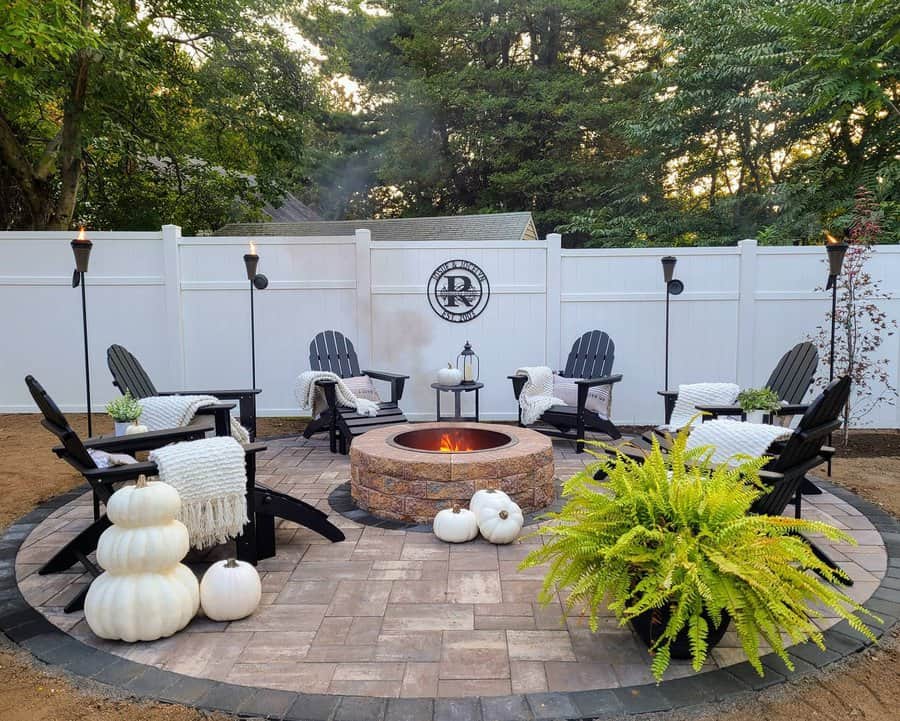
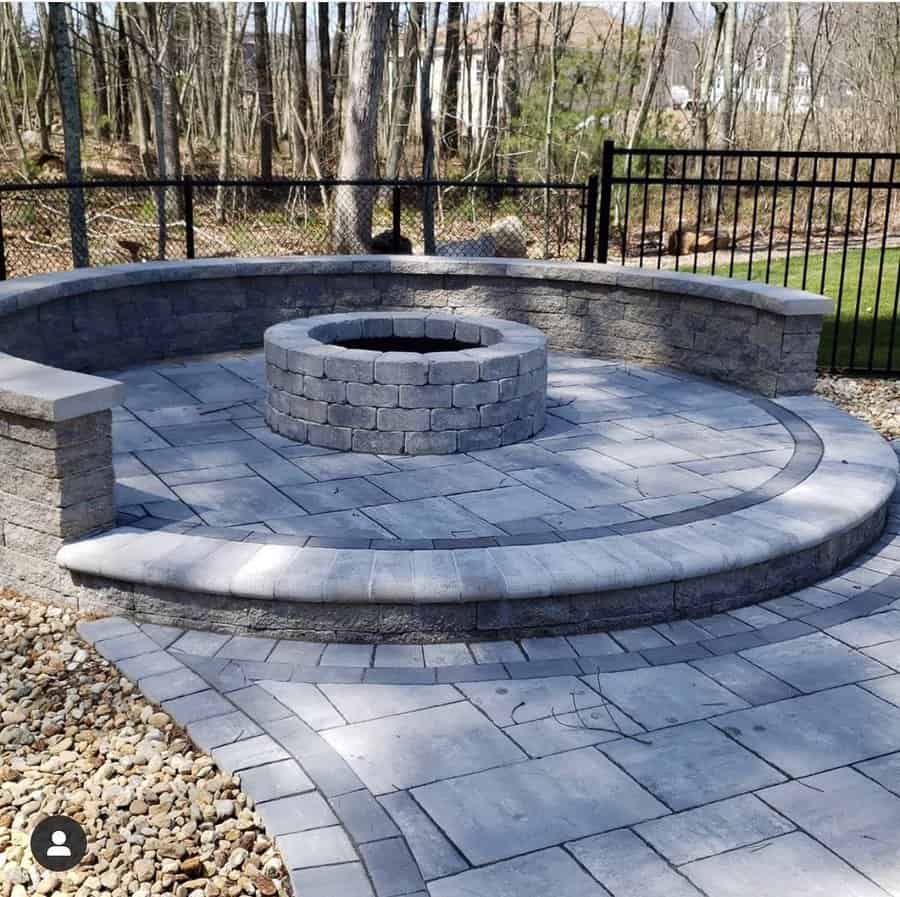
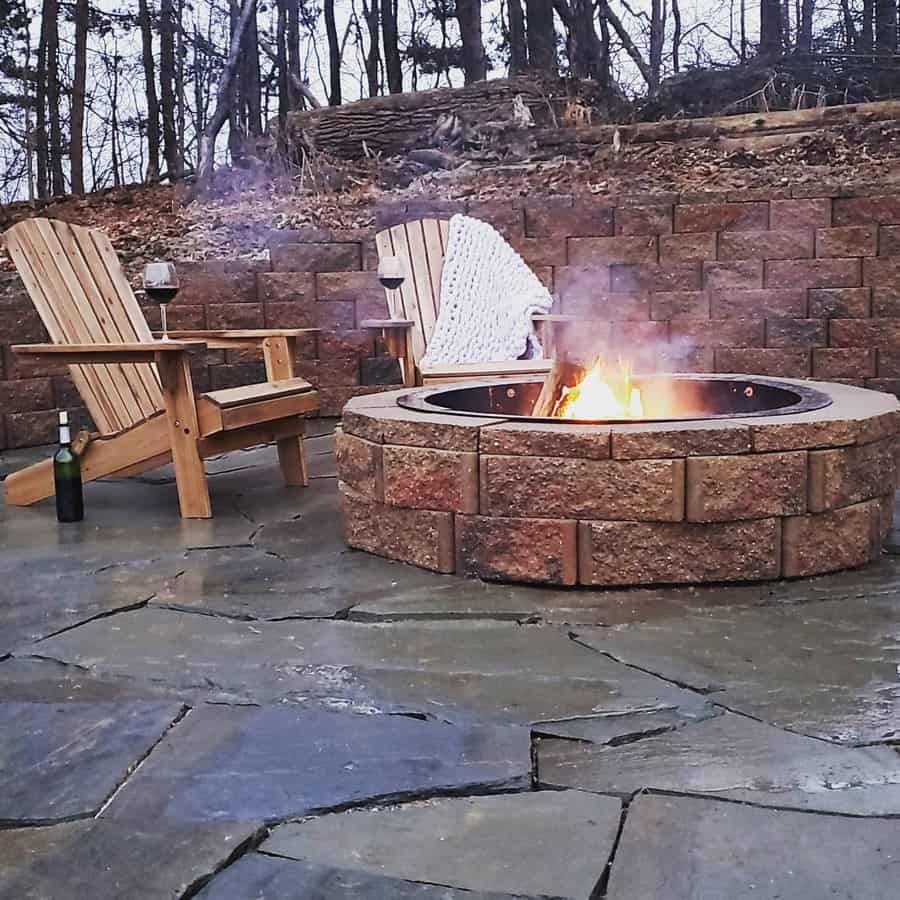
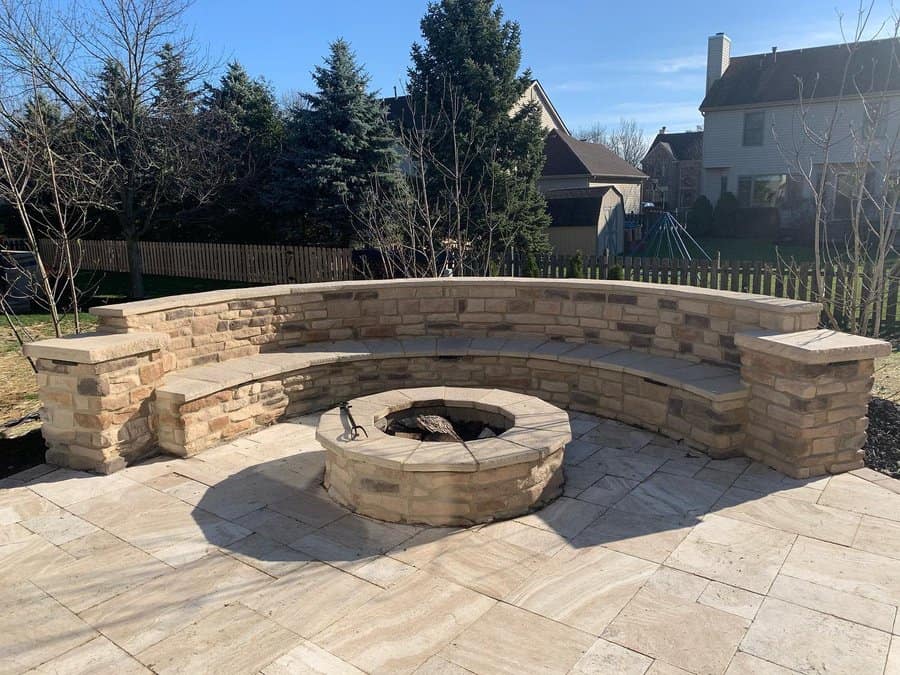
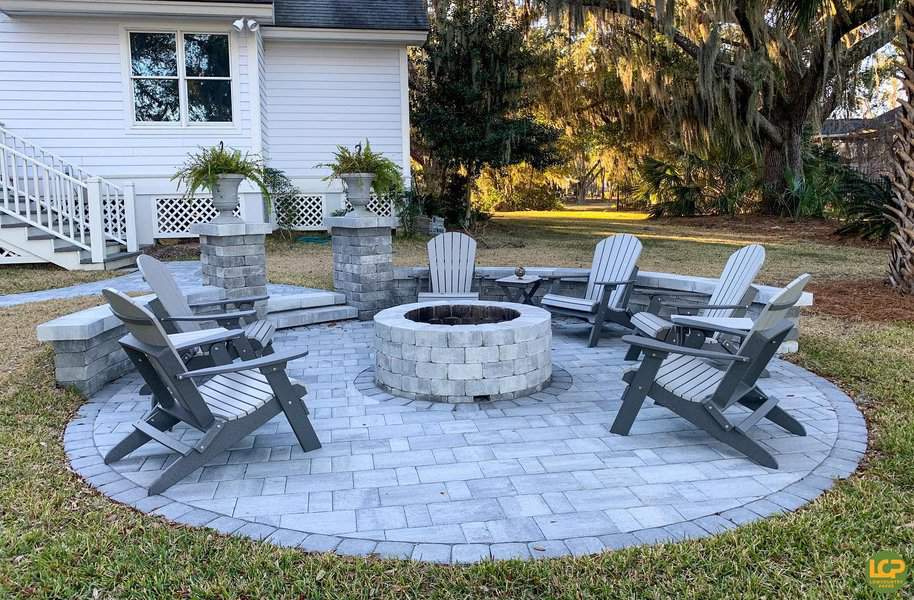
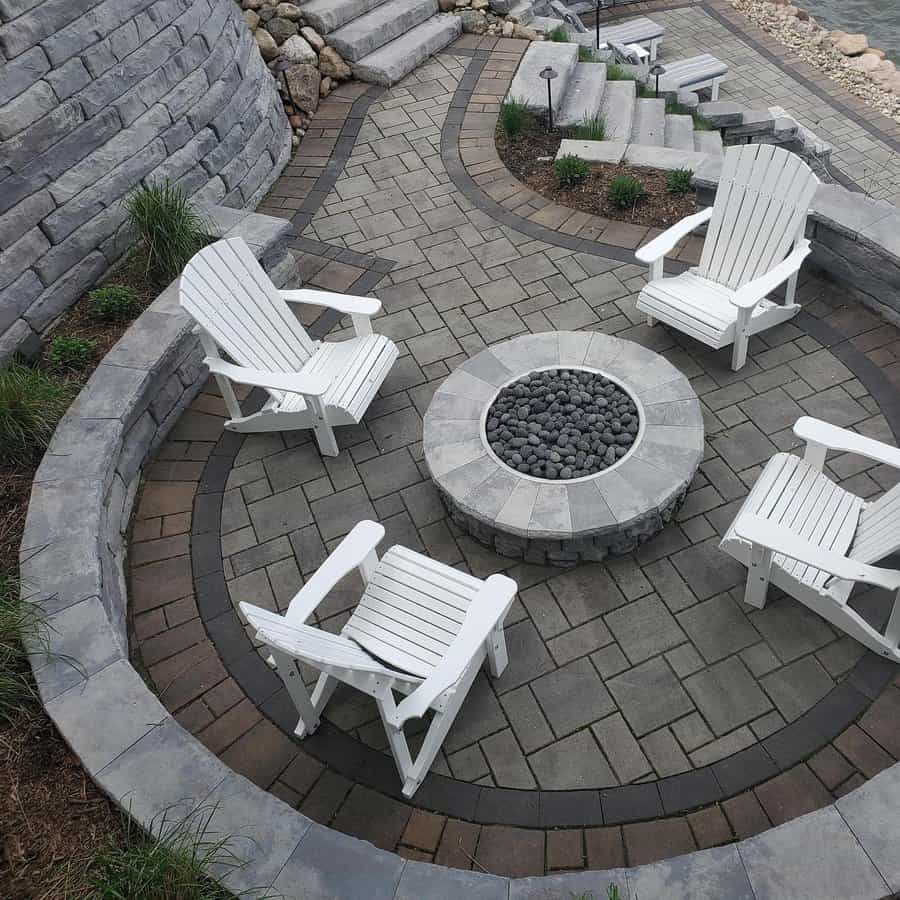
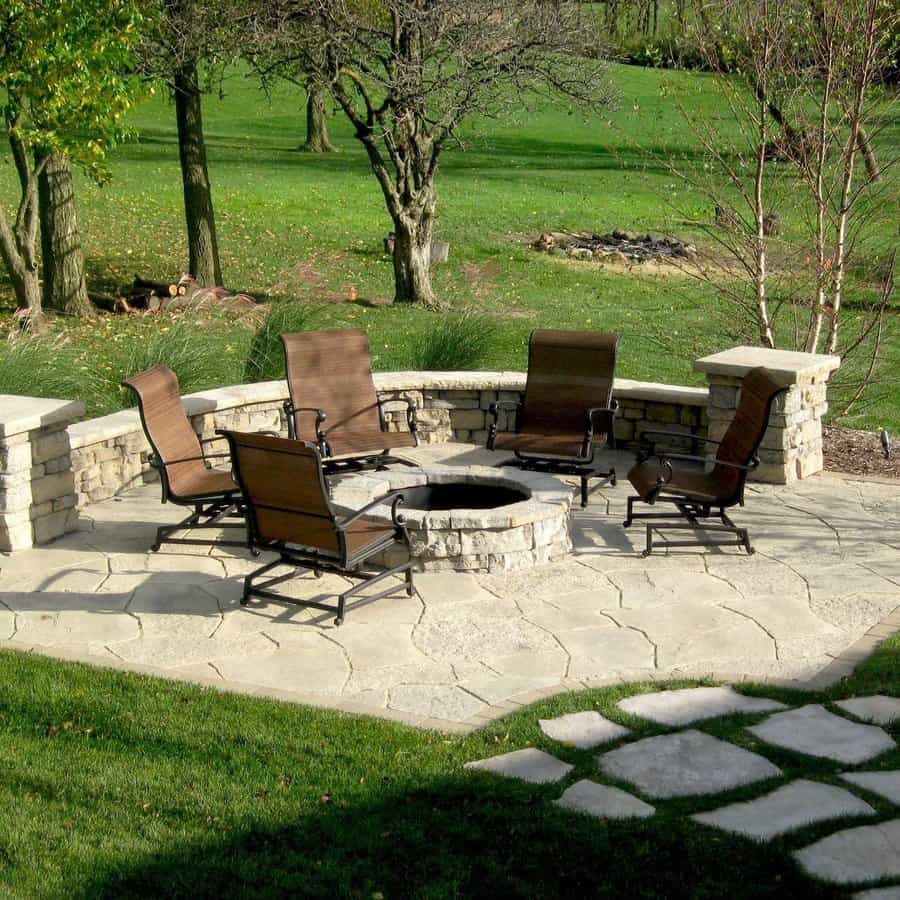
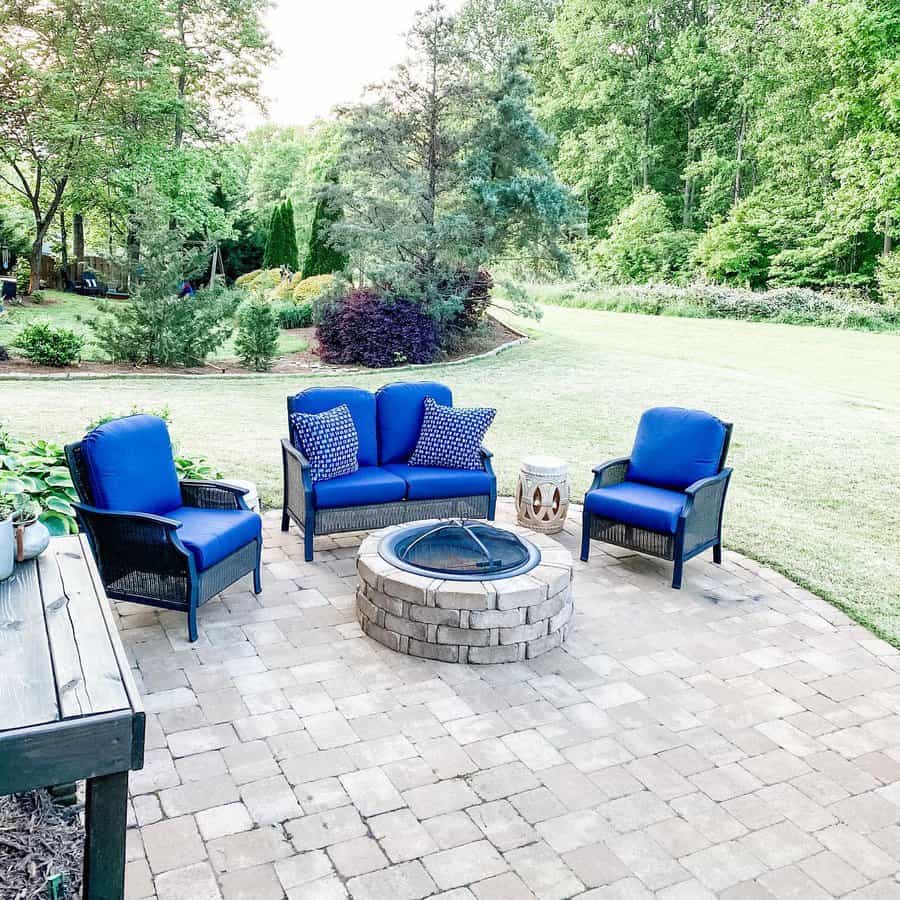
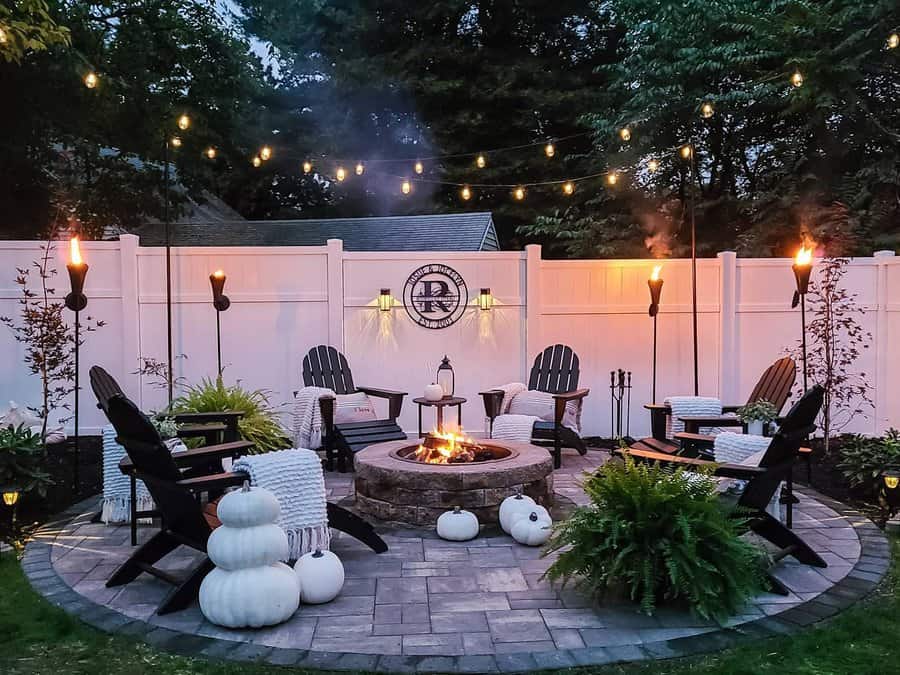
Adding a firepit to your stone patio area gives you a centralized focal point to gather around. If it’s round, you can position patio furniture around the fire pit for easy communication among people. Another modern option is to skip the round fire pit on all sides and instead build an outdoor fireplace. You can then arrange living room inspired furniture around the fireplace.
Source: @bakerhomeinteriors via InstagramSource: @countrylandscapesinc via InstagramSource: @from_hatfield_to_home via InstagramSource: @jenndeyoung via InstagramSource: @jocelyn_jujess via InstagramSource: @rurallegendstudio via Instagram
If you have enough room on your outdoor patio, you can add an outdoor kitchen. This lets you do more with your patio than just toast marshmallows and roast weenies. With an outdoor kitchen, you can prepare full meals and entertain all of your friends and family. The durability of the stone makes them a smart choice for the flooring underneath your fire pit or kitchen.
4. Bluestone and Flagstone for Your Patio
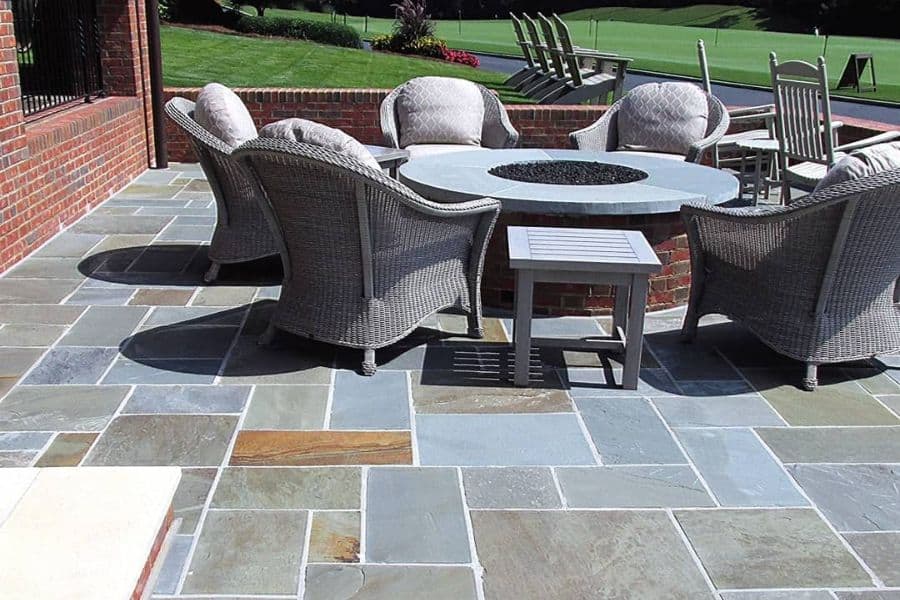
Bluestone and flagstone patios are popular stones for building natural stone patios because they are durable like tile but have a more natural look and feel. You can buy flagstone pavers in a cut square shape for a refined look and feel. These are also easier to place because they cleanly fit together like traditional tile.
Source: @imattpaversandbrick via InstagramSource: @jj_best_stone_inc_ via InstagramSource: @robslawnandpoolwater via InstagramSource: @sangiacomo_landscapes via Instagram
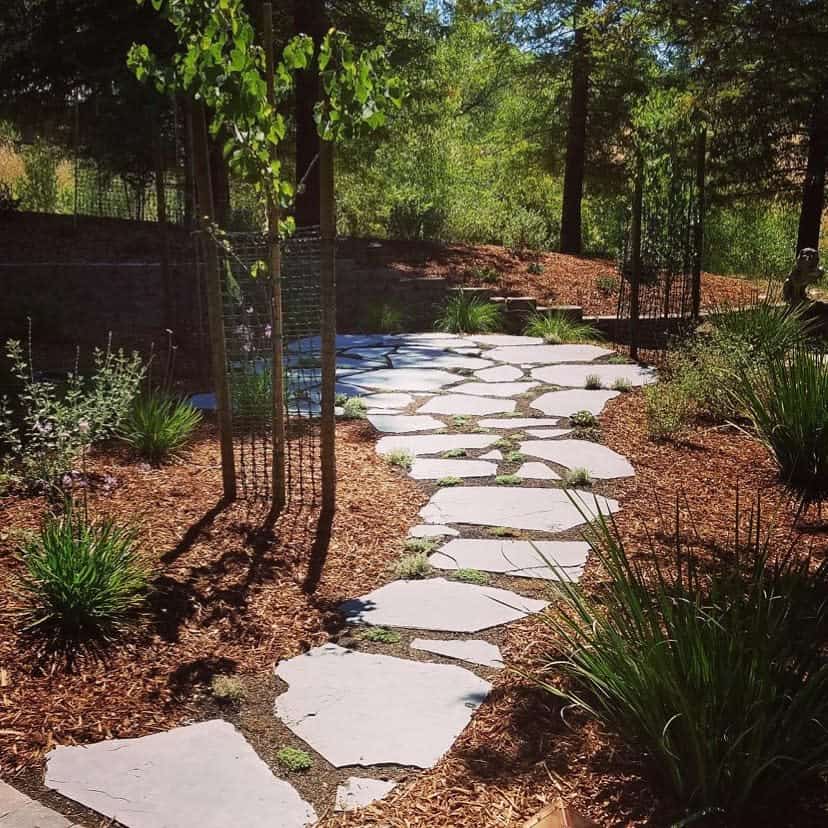
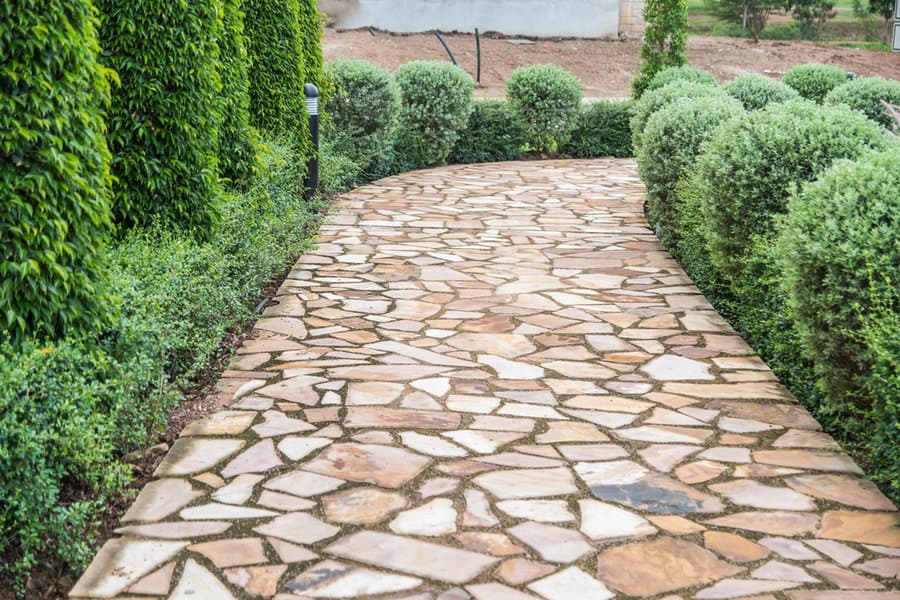
For a rustic look, opt for natural stone pavers. These stones are flat but have irregular shapes around the outside. They are harder to fit together, but when done correctly, they have a rustic appeal.
5. Achieve an Outdoor Oasis with a Tranquil Fountain
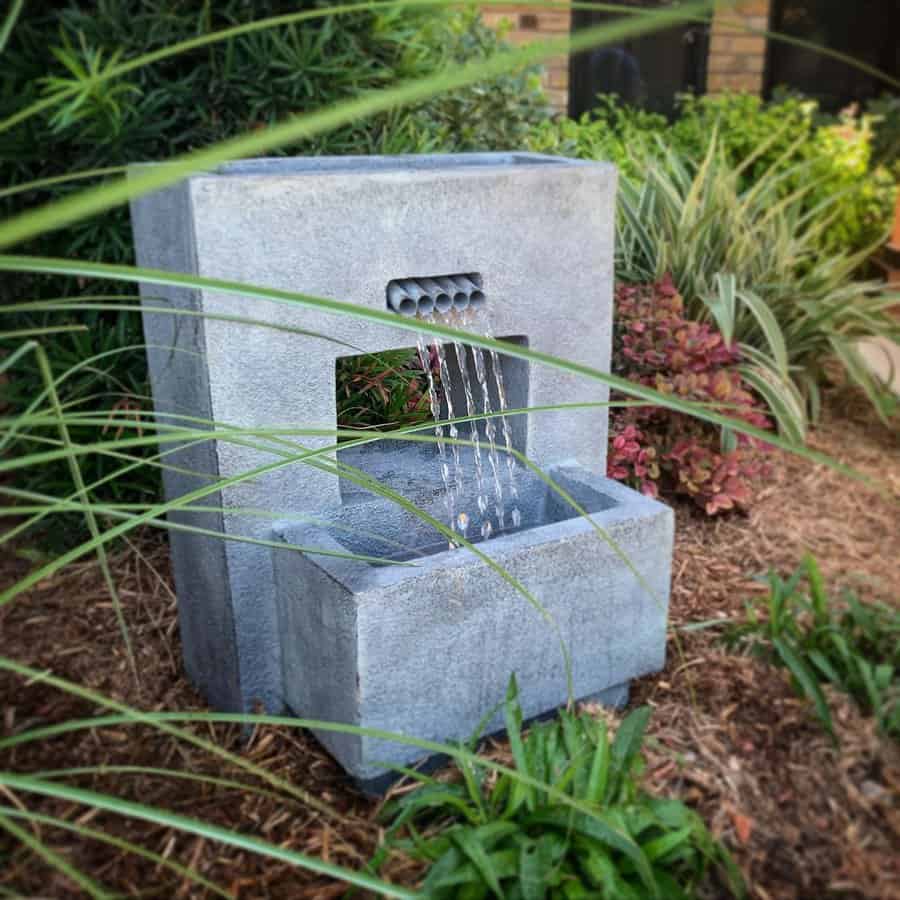
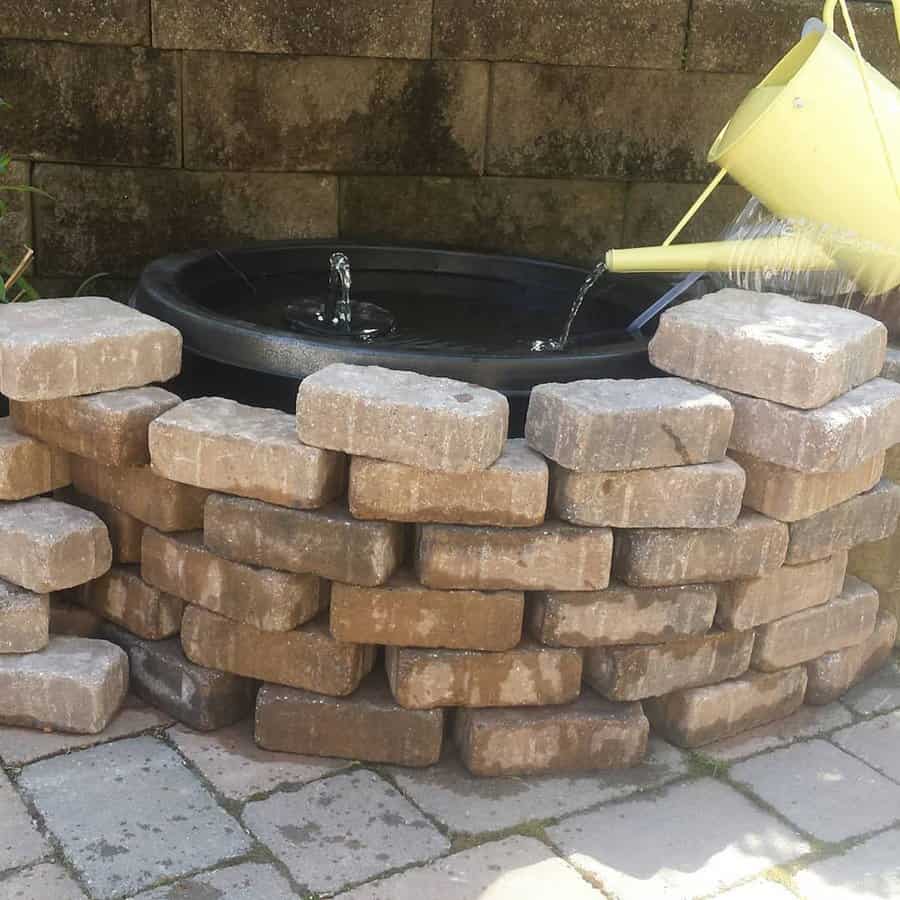
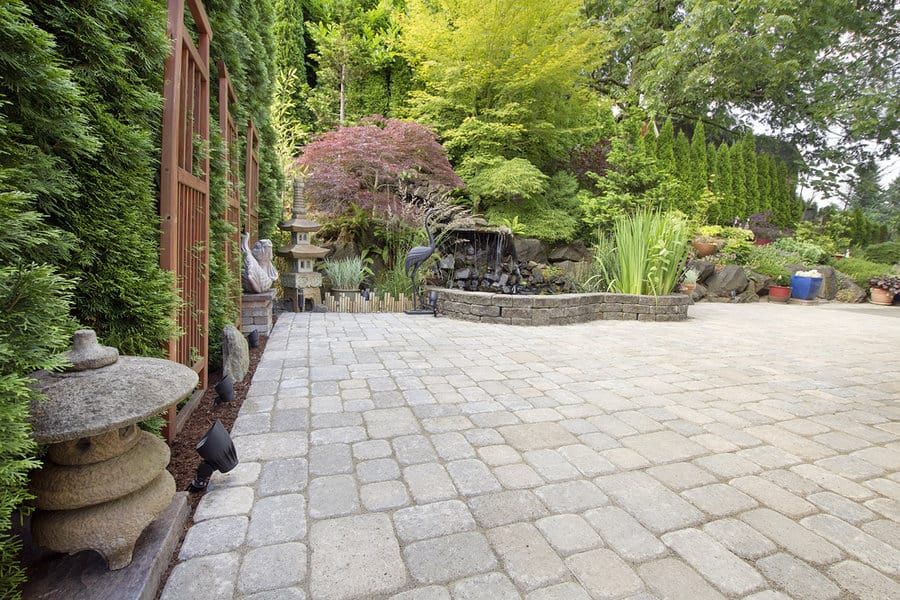
Adding a fountain to your backyard gives it a natural soundtrack that is calming and drowns out the outside sounds of the world. Try placing a pond or fountain liner and then using stone pavers to build a fountain around the outside. Using the same patio material for your fountain blends everything together and creates a cohesive design for your backyard.
Source: @fpatrane via InstagramSource: @sunflower_ember2021 via Instagram
If you have a concrete patio, you can build any type of fountain you want. The easiest option is to place a premade fountain on your concrete patio. Buy one that is scaled to the size and shape of your patio. Don’t be afraid to add height by choosing a tall fountain.
6. Maximize Your Outdoor Space with Multi-Level Patios
Larger property can support multi-level patios. Start with a flat patio space that leads directly off of the house. You shouldn’t have to step up or down when walking out your back door. Then add steps that lead up or down from your main patio level to other levels. You may need to build retaining walls to create the necessary support for the varied levels.
Source: @artechlandscaping via InstagramSource: @moorebrotherslandscaping via InstagramSource: @tlc_gardens via Instagram
You often see this with wooden deck designs. The multiple levels are perfect for creating different use zones. One area could be for your fire pit or fireplace. Another area could be for your outdoor kitchen. Then a third area could be for your outdoor dining table. With these three zones, you can host a complete event where you prepare food and refreshments, serve, and hang out all while staying outside.
7. Elevate Your Patio Design with Creative Paving Patterns
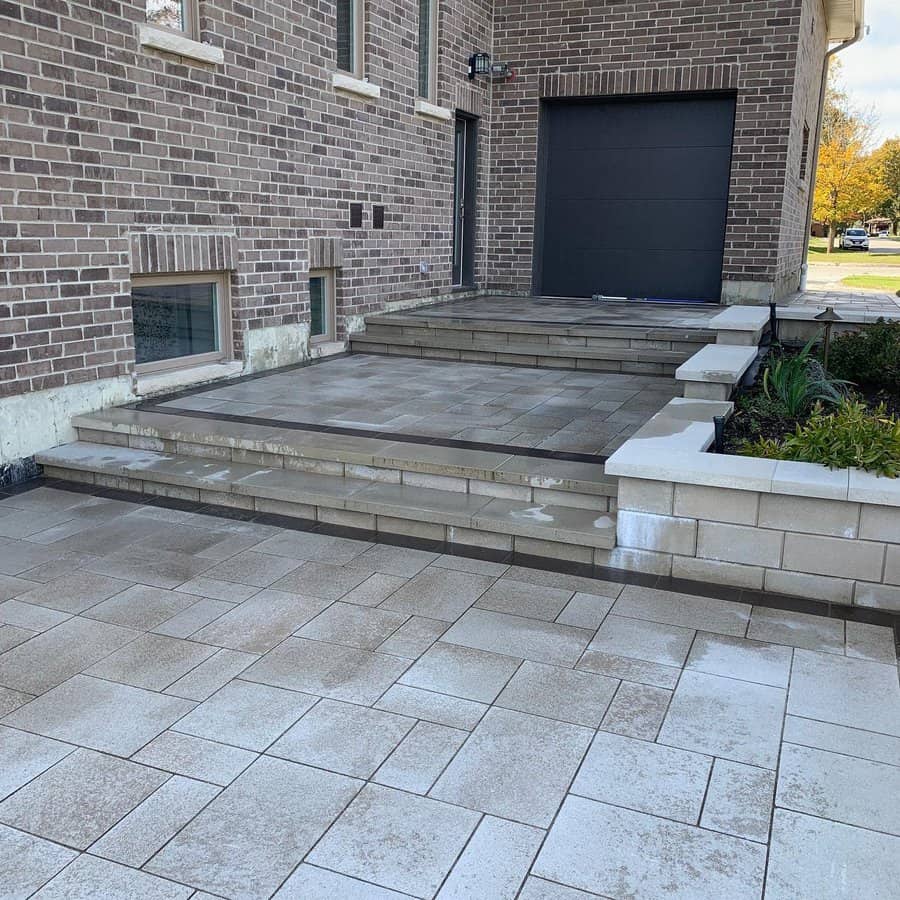
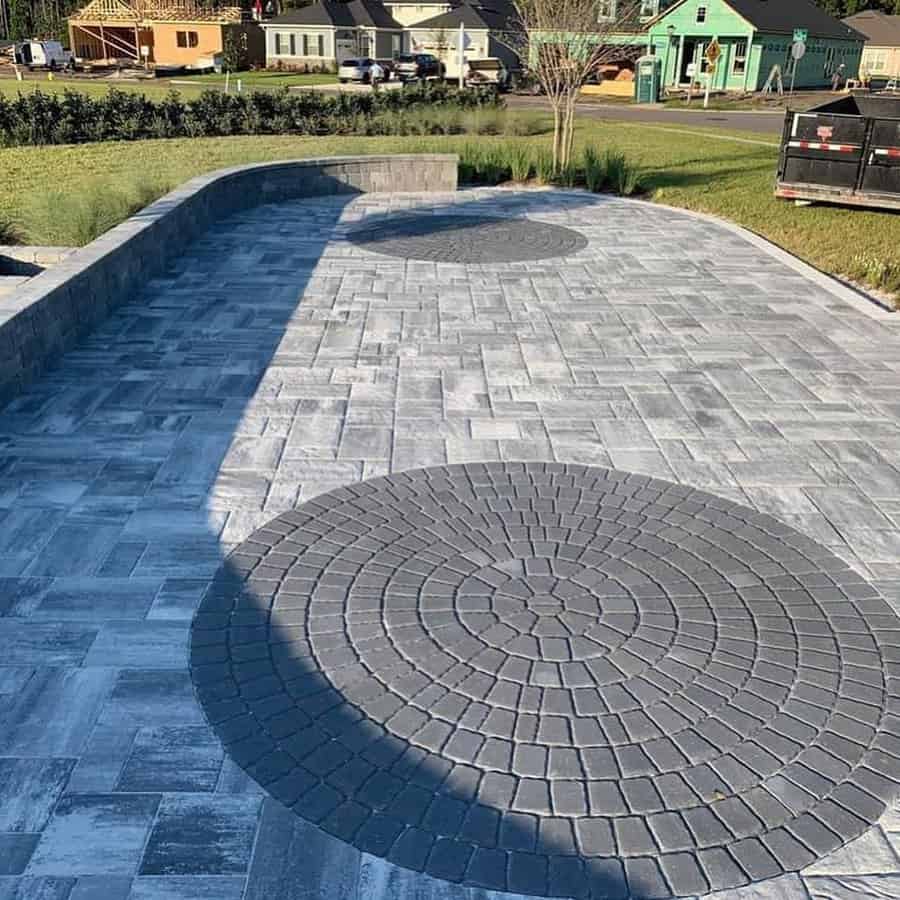
Using patio pavers is a smart choice when you want to create a unique patio design. Simple paving stones come in basic geometric designs like squares, rectangles, and hexagons. But these are not your only options. Some are specially shaped to interlock with the surrounding stones. When placed, the stones create a larger pattern.
Source: @ballingoutdoordesign via InstagramSource: @creeksidenwi via InstagramSource: @limastoneworks via InstagramSource: @lowcountry_paver via Instagram
It may not be unique, but you can buy plain rectangular pavers and then create a herringbone pattern. Lay the stones at a 45-degree angle and offset from the stone before it. This adds stability to the patio and creates more visual interest than laying the pavers in straight lines.
8. Seamless Poolside Elegance: Combining Pavers and Pool Design
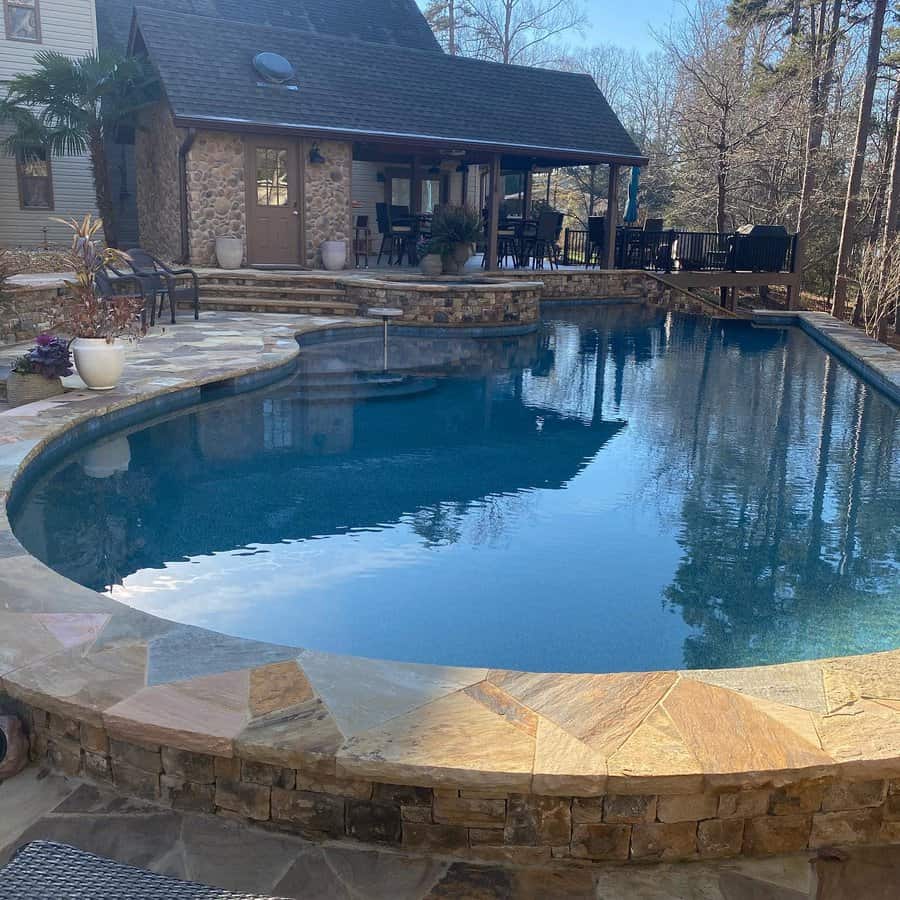
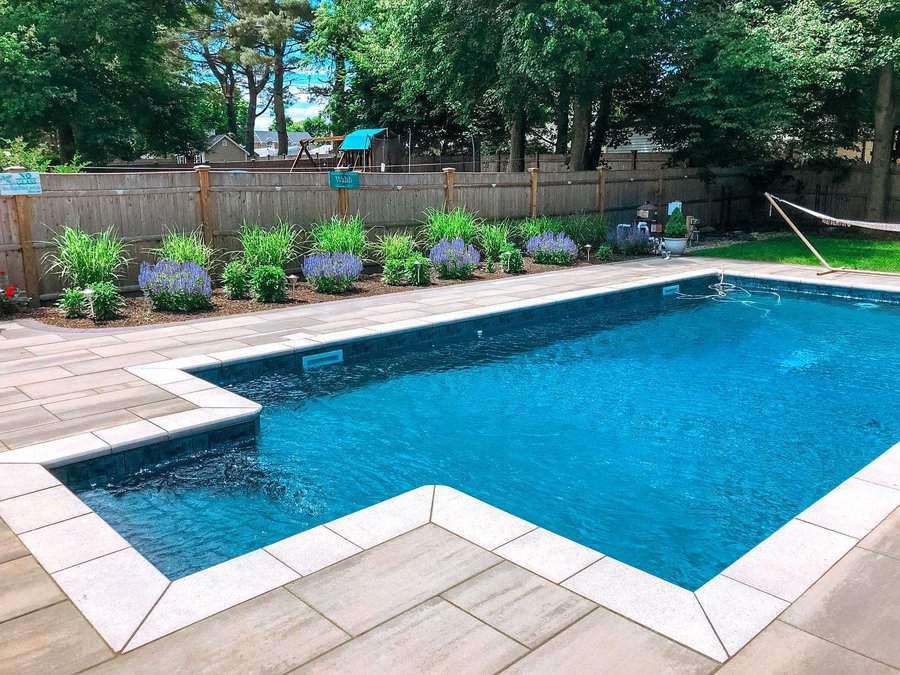
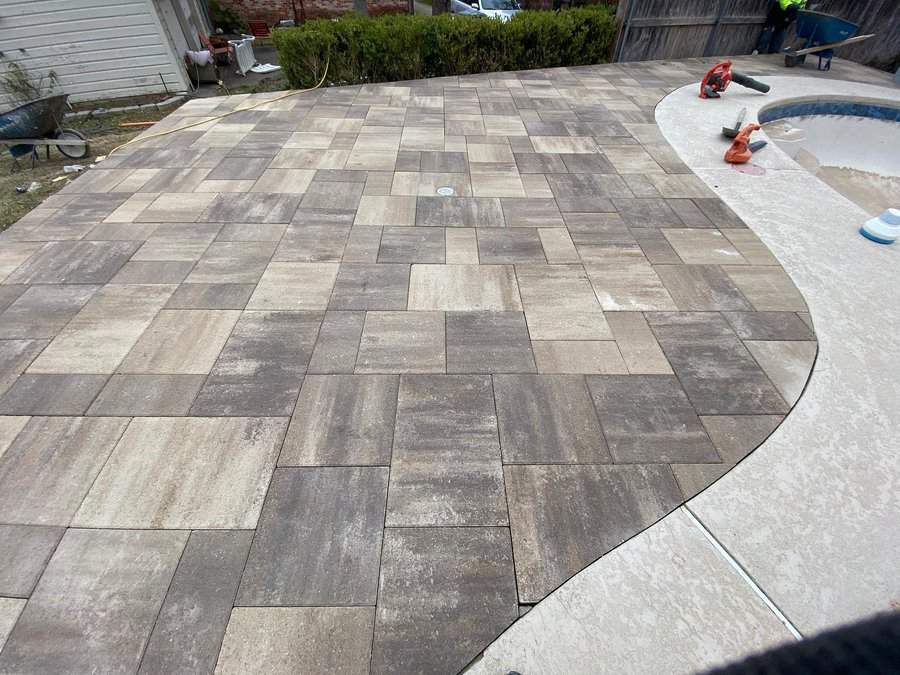
Build a patio around your pool and keep your pool cleaner. This patio idea combines paver patio design ideas with pool designs. Doing this ties the design of the pool in with the design of your patio and home. You can extend the patio out further beyond the pool, creating more space for adding lounging chairs.
Source: @m.j._nicholls via InstagramSource: @signaturepools.tx via Instagram
For a clean design, plan to use a larger stone for the edge around your pool. This creates a finished edge and helps to secure the smaller pavers better. If you have oversized stone tiles, then you may not need this decorative edge because the stones are heavy enough to stay in place.
9. Elevate Your Stone Patio Design with Curved Elegance
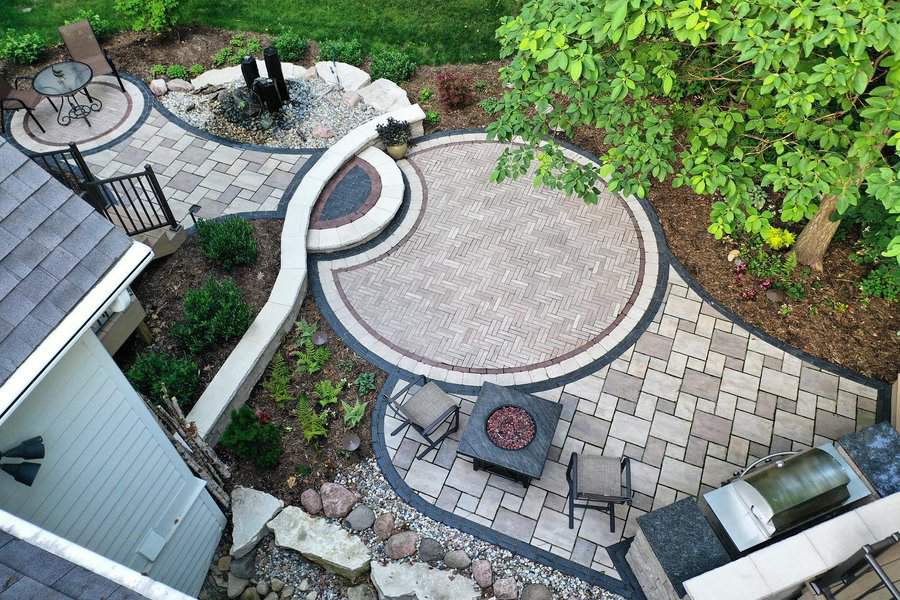
Adding rounded elements to your stone patio design elevates the look of your backyard patio and makes it seem more expensive. Rounded designs are more expensive because they are harder to build than simple straight lines.
Source: @craftedlandscapes via InstagramSource: @gardenangelhexham via InstagramSource: @homefifteena via InstagramSource: @plot.with.a.plan via InstagramSource: @taylormadelandscape via Instagram
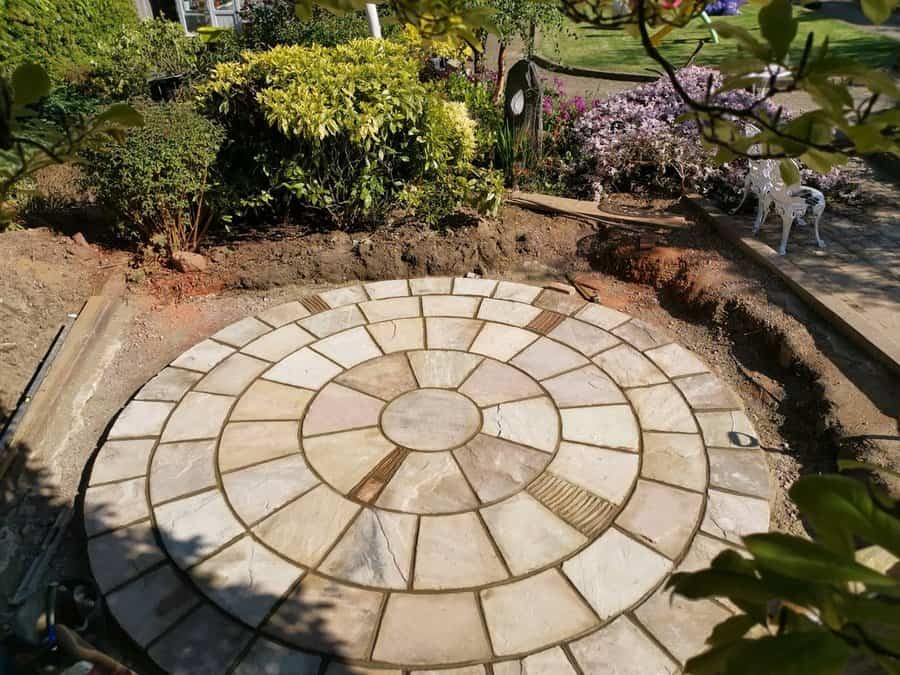
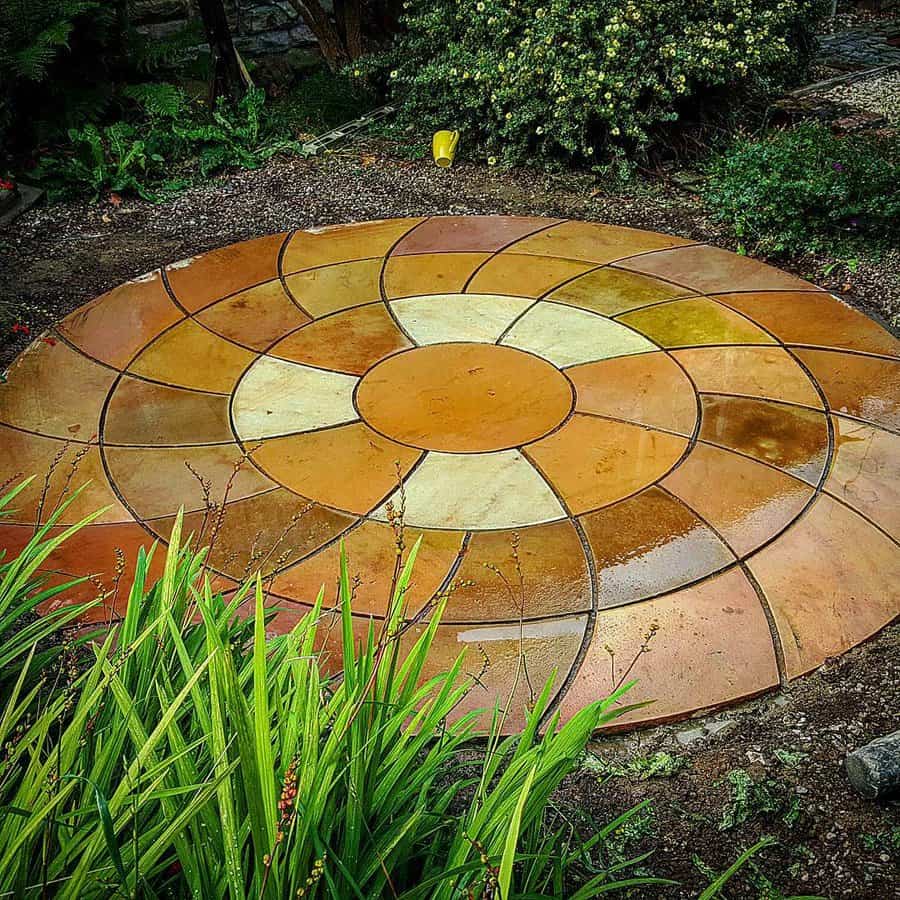
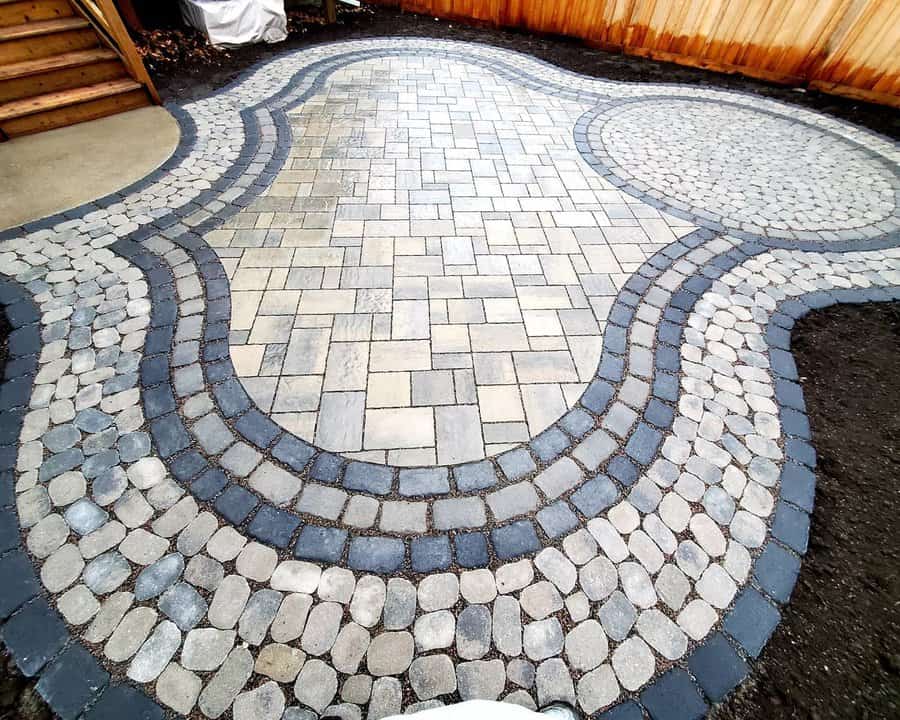
Cobblestones are good for this because they are round in shape. They are easier to form into curved lines and rounded shapes. Try placing them into scalloped shapes. Another option is to use wedge-shaped patio stones. They are perfectly shaped to make curved lines naturally. You can form them into a complete circle or make interlocking arches.
Having a beautiful garden in your backyard is pointless if you can’t walk through and appreciate it. A garden walkway makes it possible to admire your flowers, marvel at your greenery, and harvest your produce. Your garden design should include a garden path that makes it easy to get from one side of your garden to the other. From romantic winding paths to functional straight lines, a garden path keeps your feet off the plants.
These garden path ideas will help you build a walkway through your garden so you can start enjoying the fruit of your labor.
[view_toc]
1. Grass Pavers
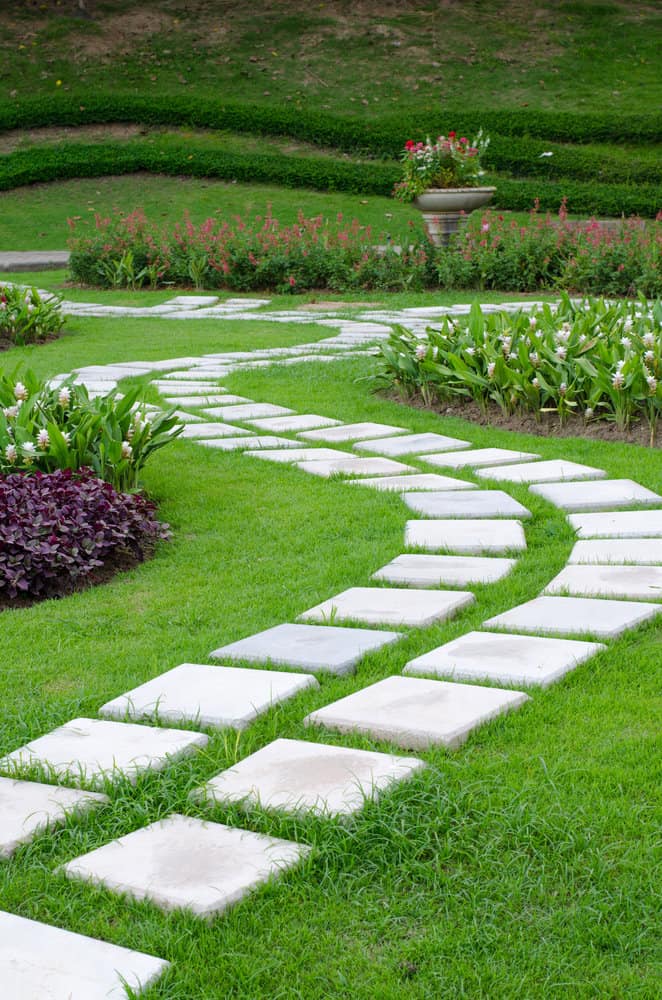
Grass pavers merge durability with eco-friendliness. Perfect for those who want a green look without sacrificing stability, these pavers allow grass to grow through them, creating a harmonious blend of natural and structured elements.
2. Pebble Pavers
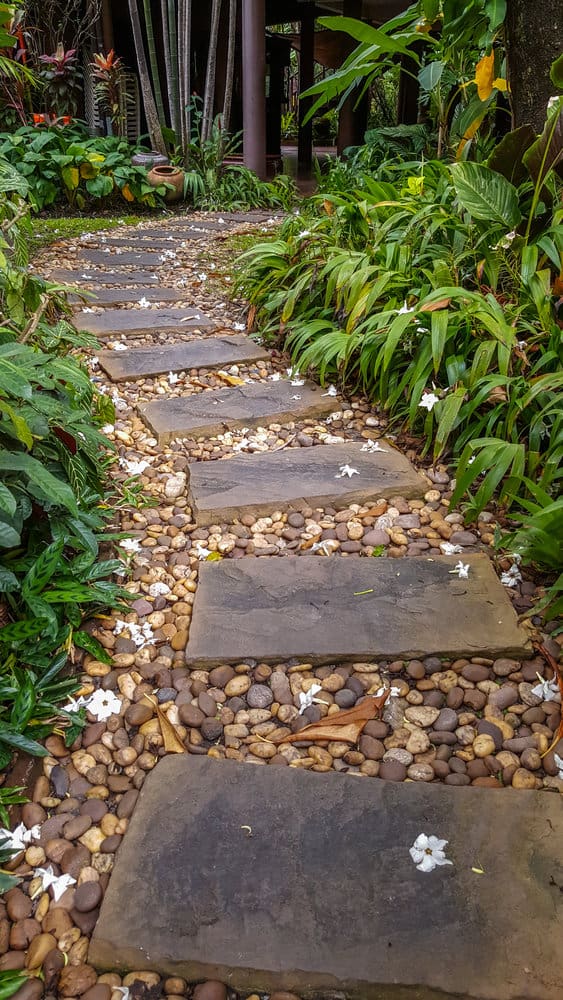
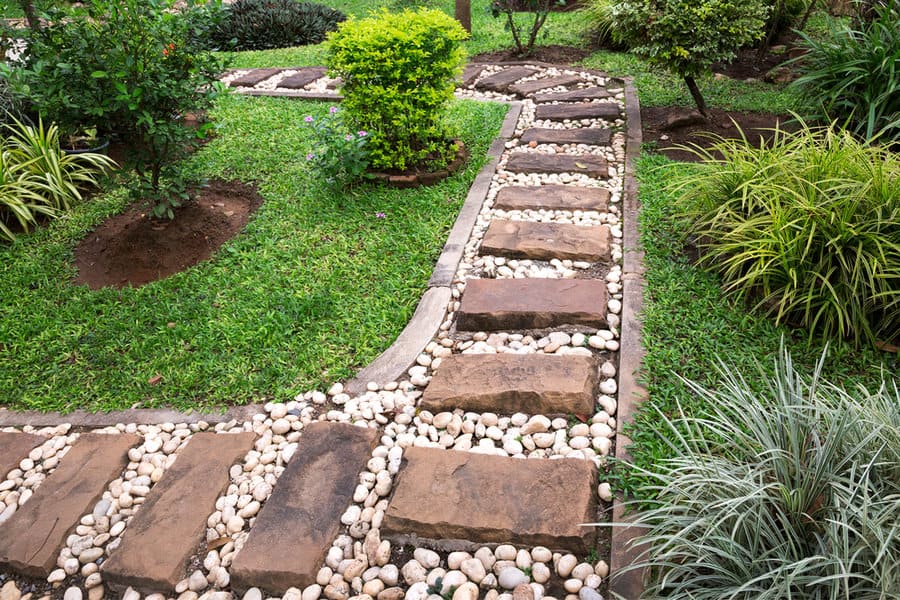
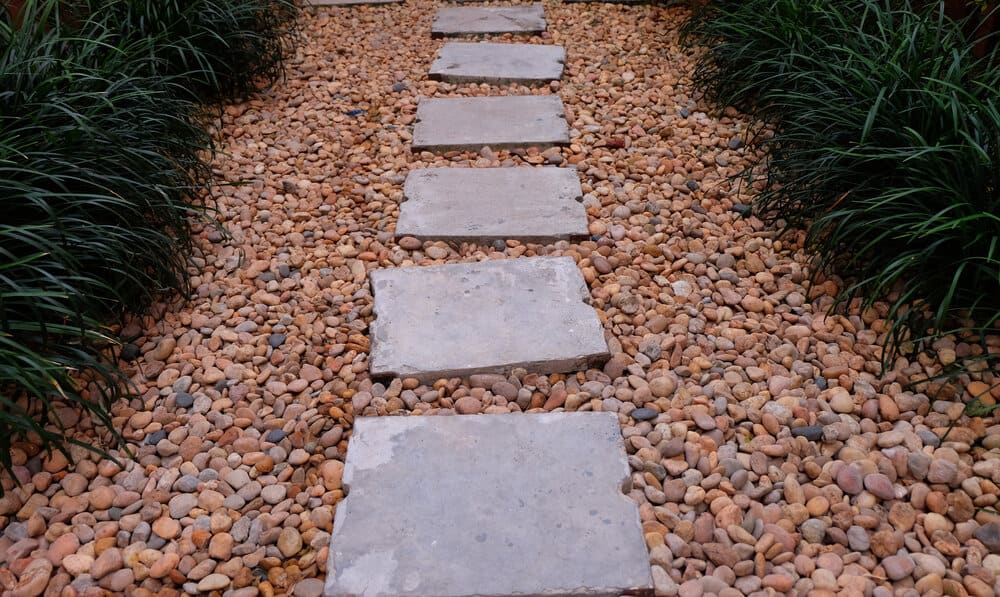
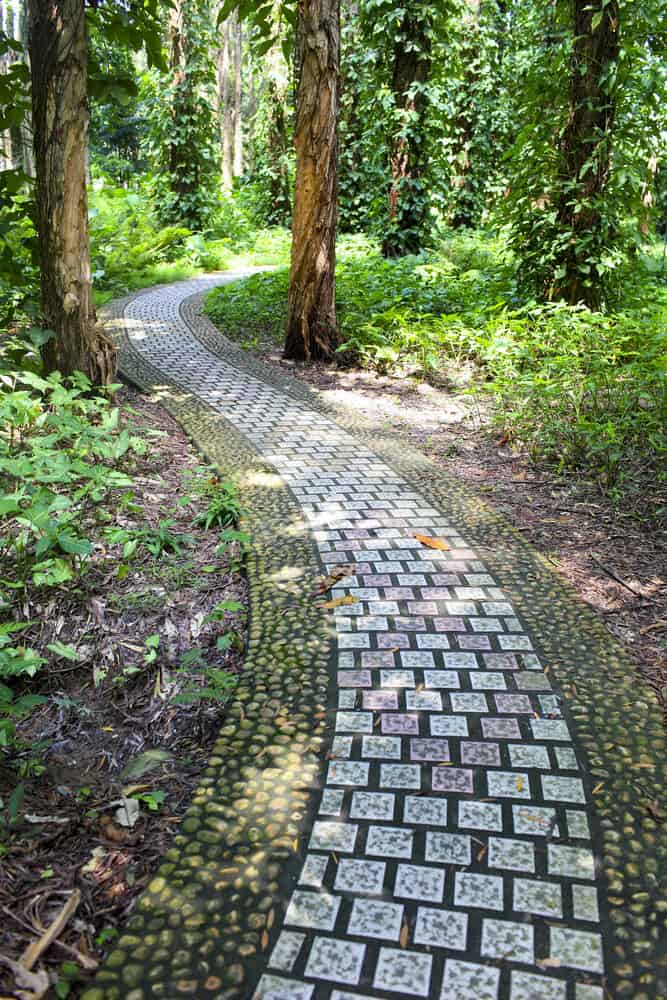
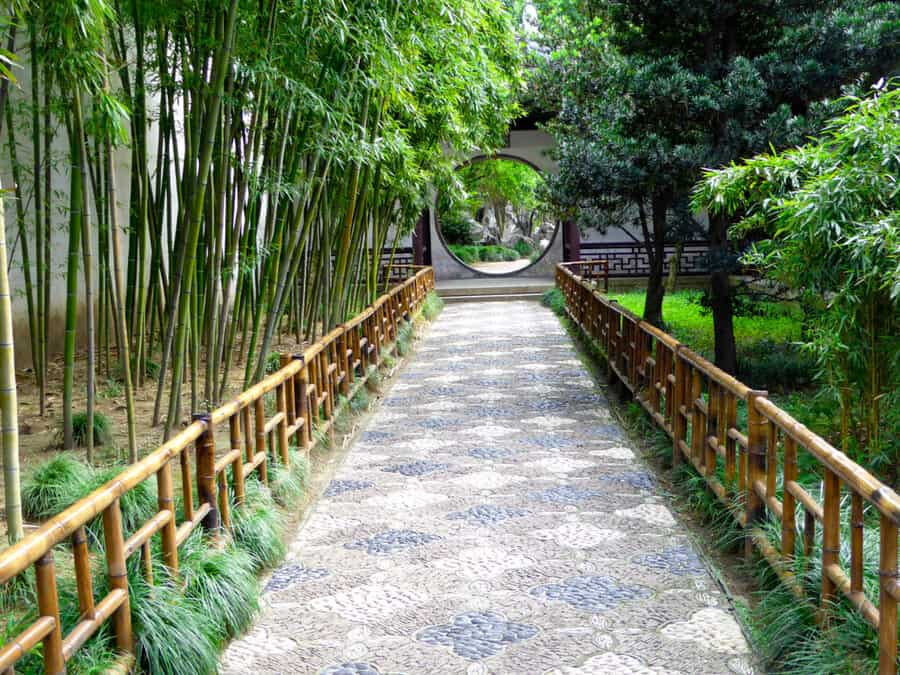
Ideal for creating a relaxed, beachy feel in your garden. Pebble pavers offer a tactile and visual texture, creating a sense of movement and fluidity that contrasts beautifully with more structured elements in your garden.
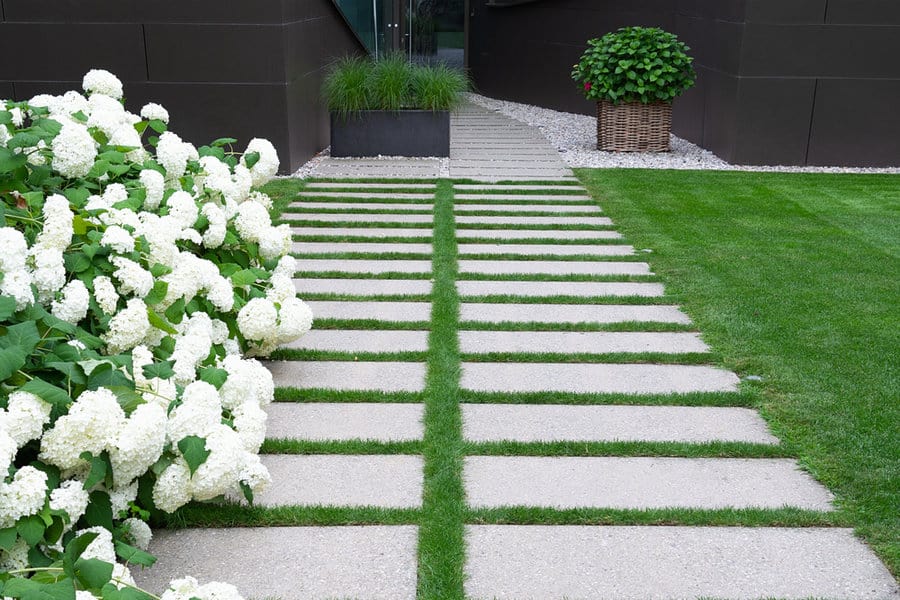
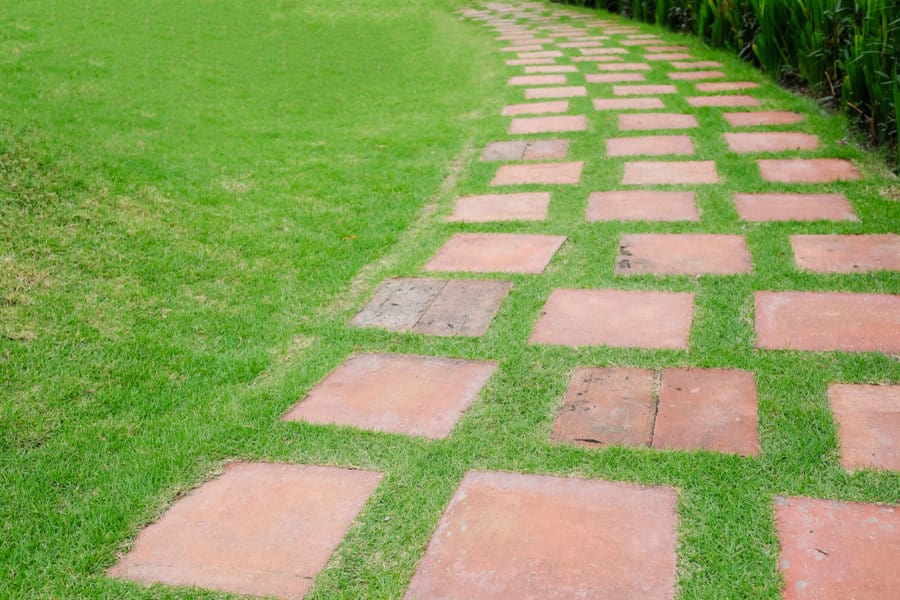
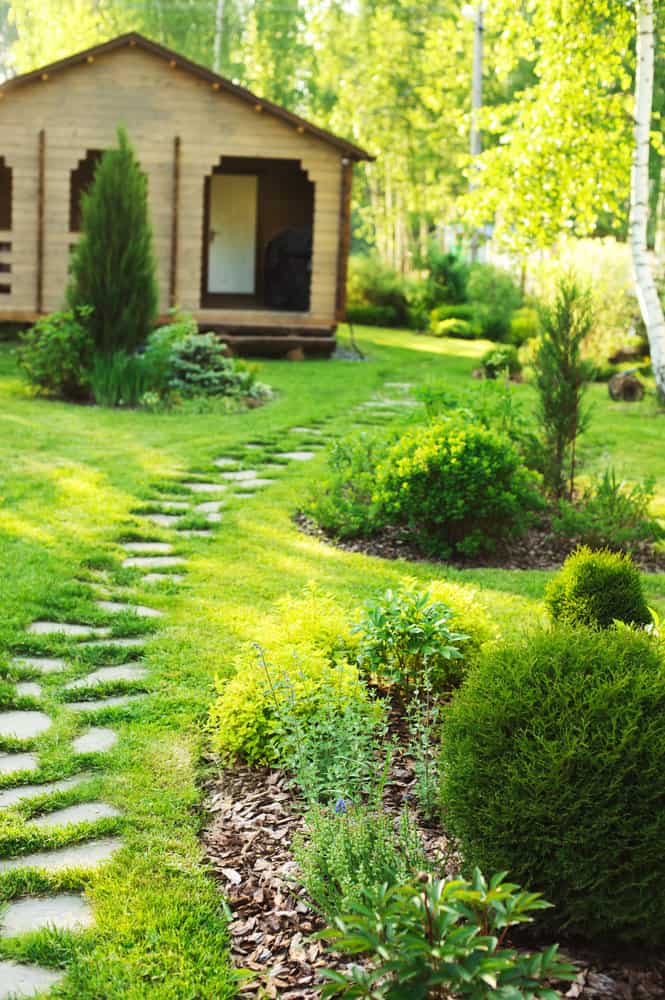
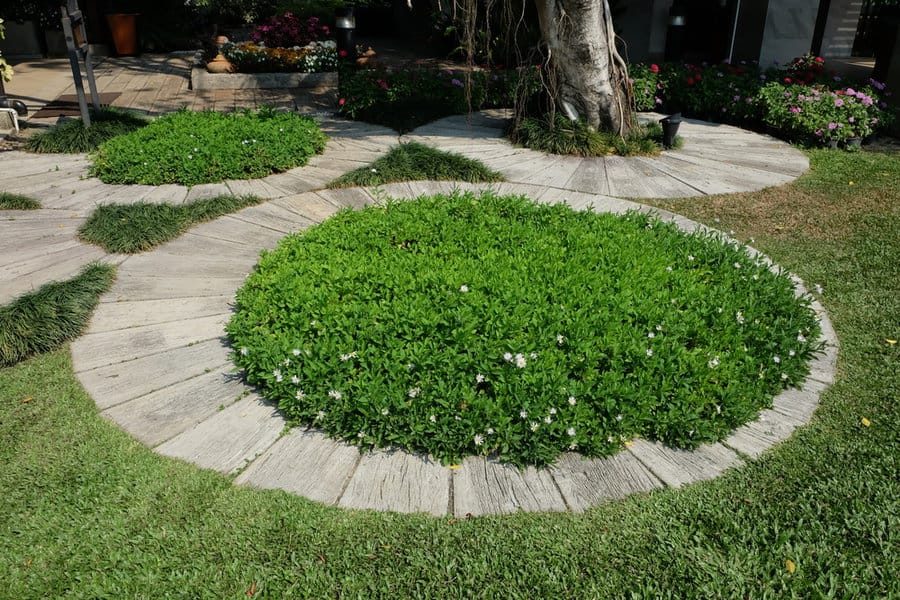
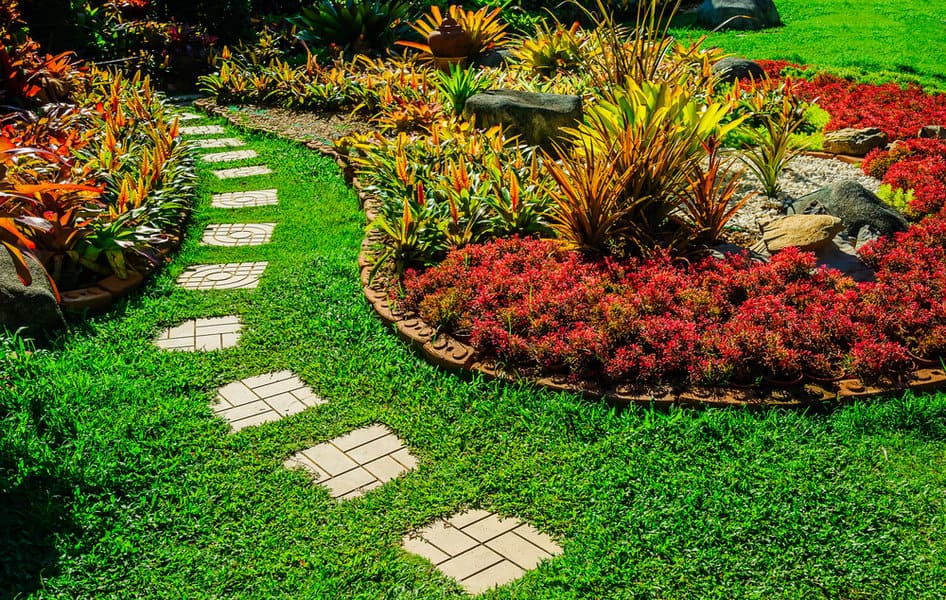
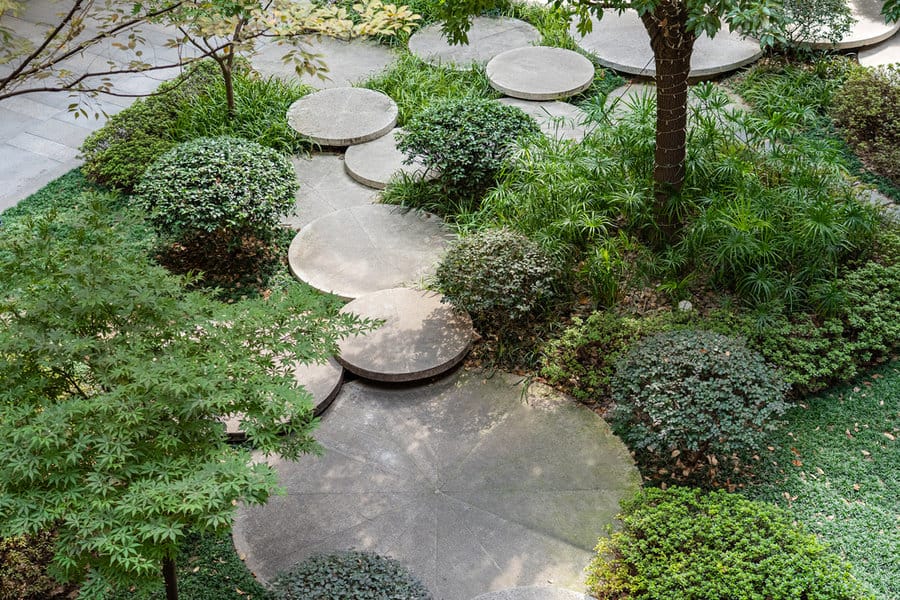
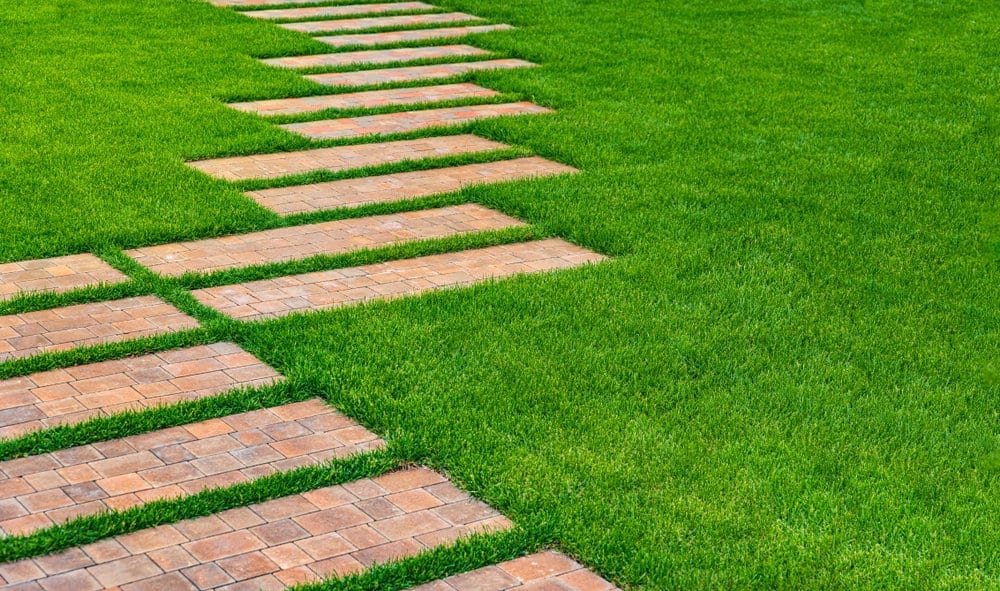
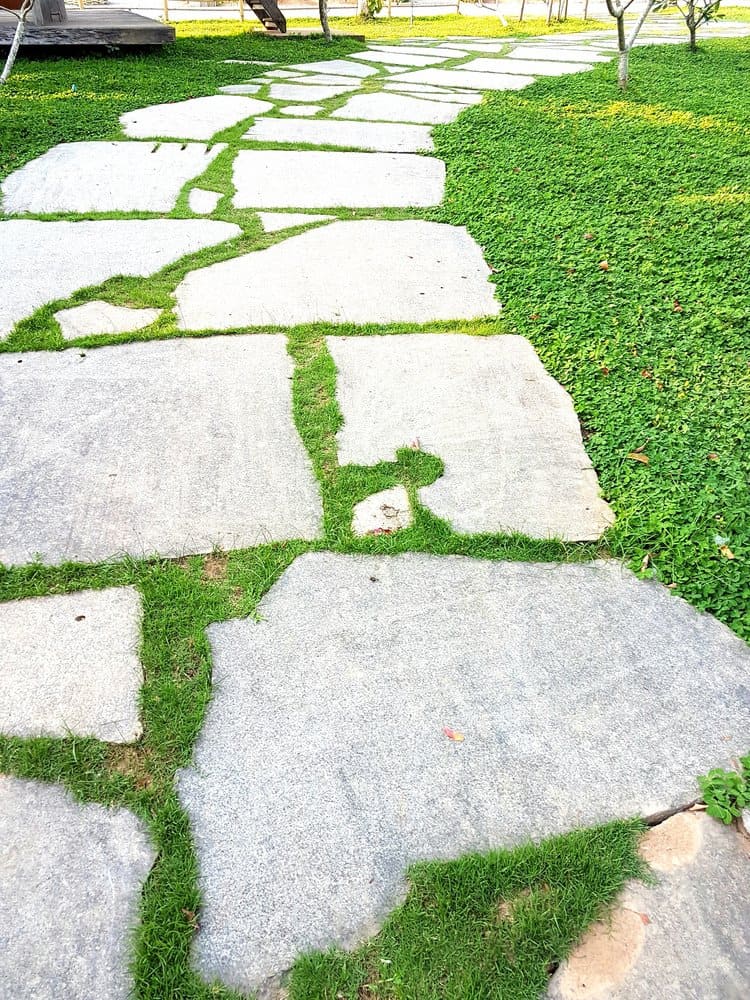
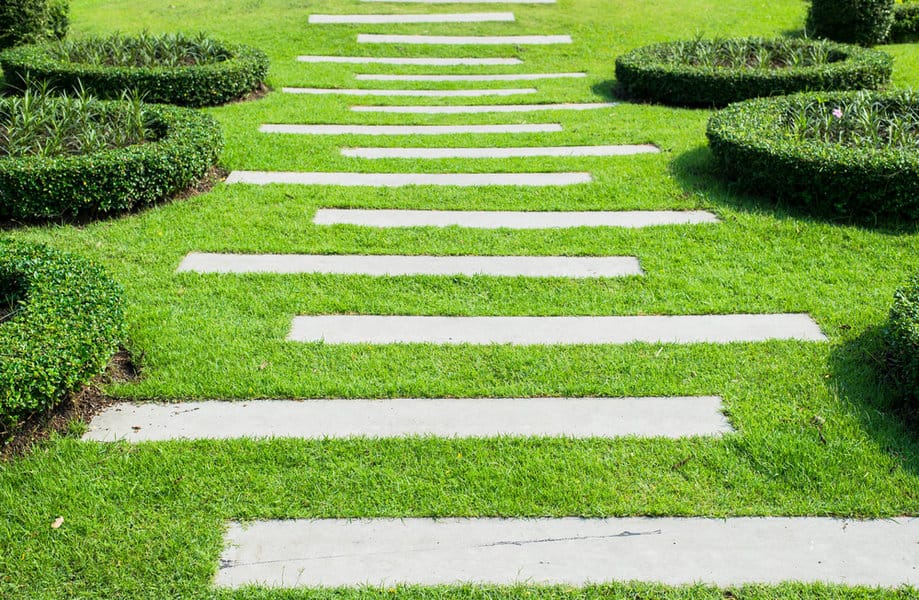
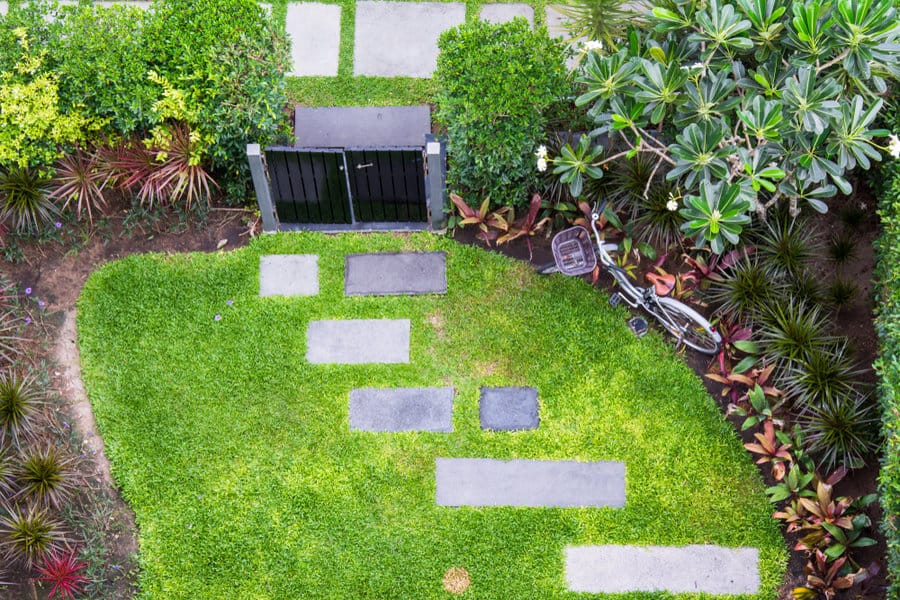
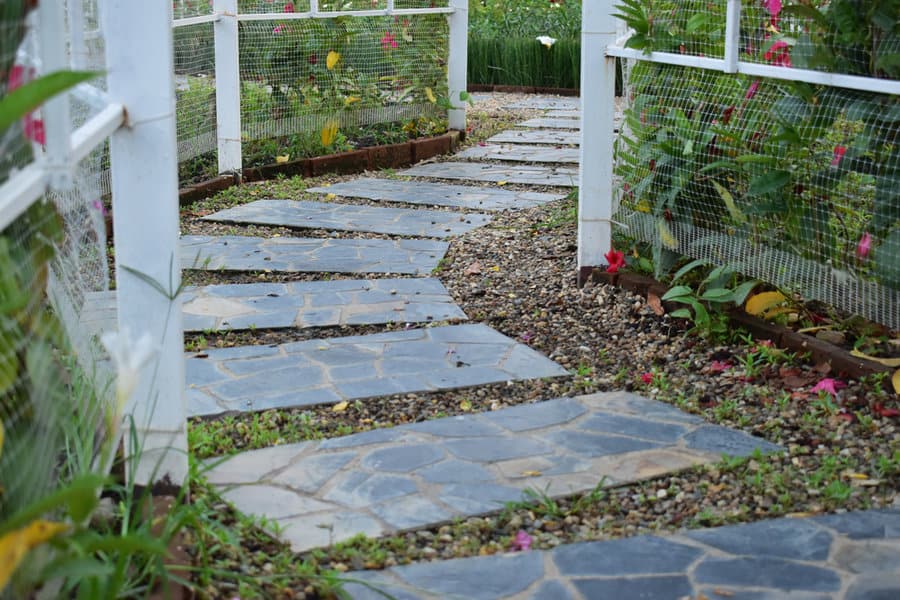
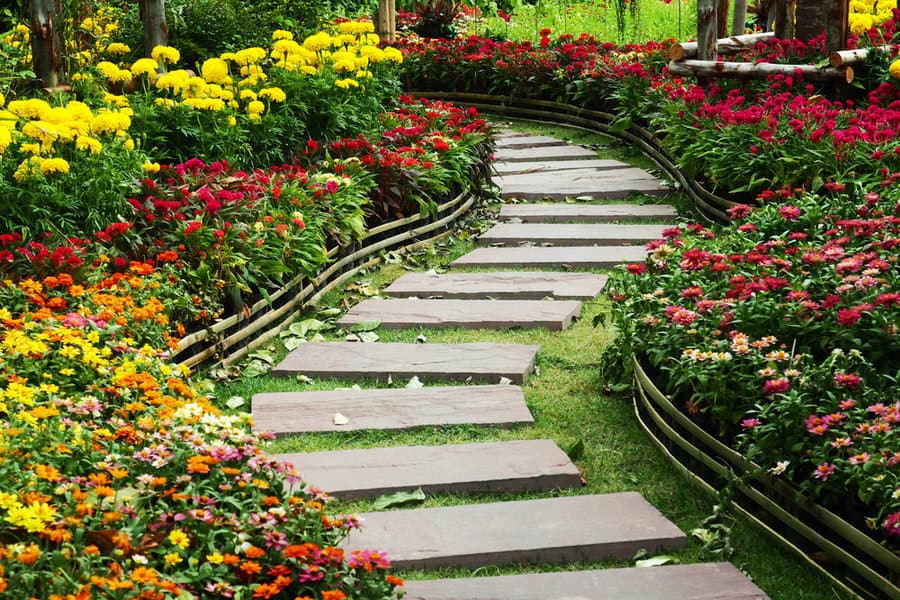
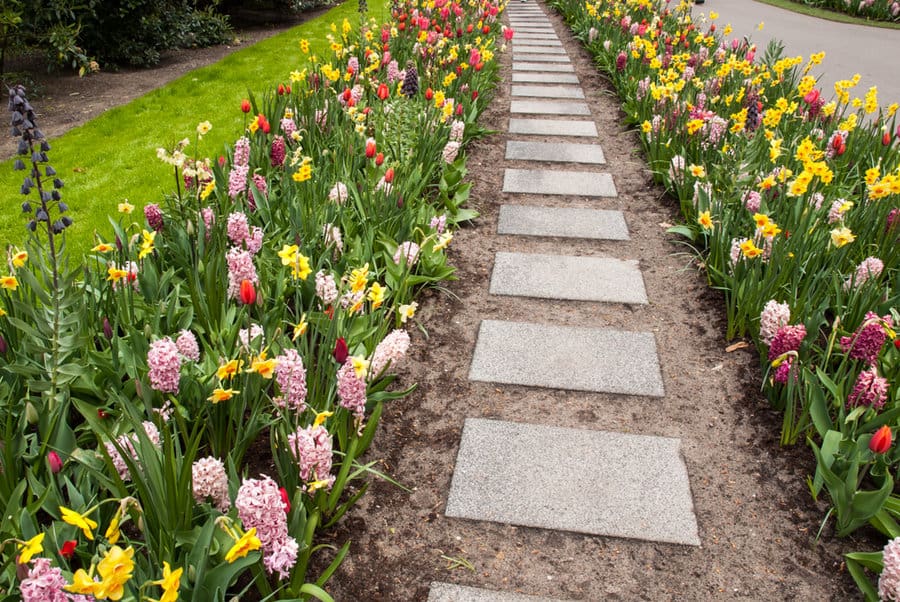
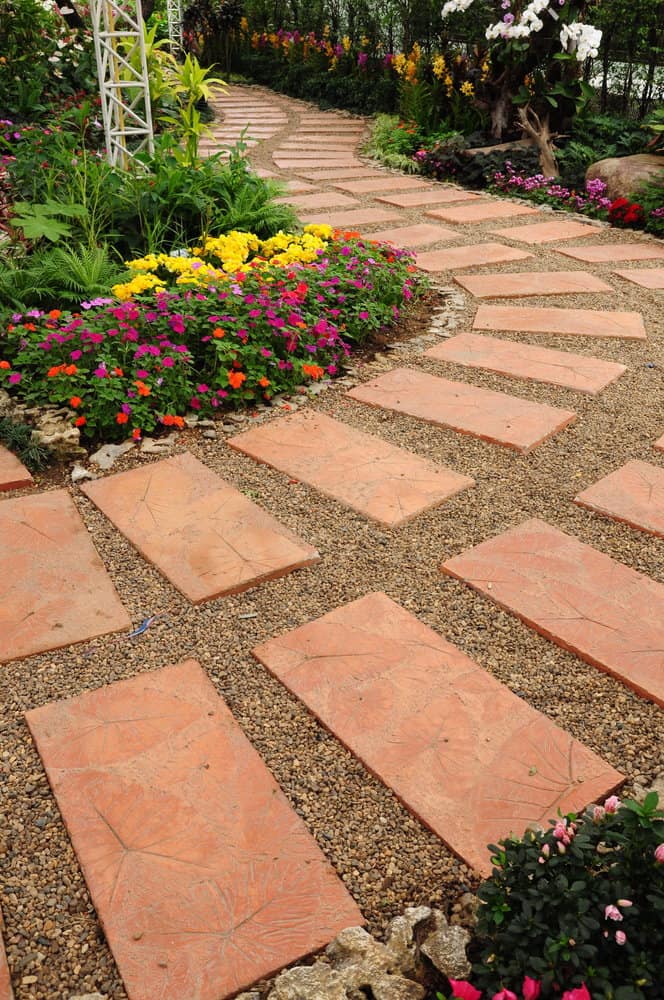
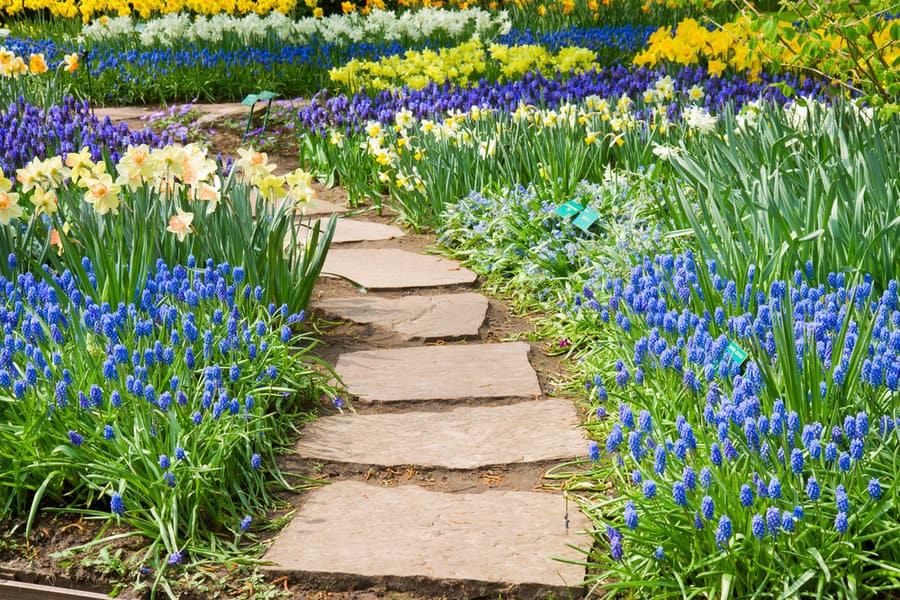
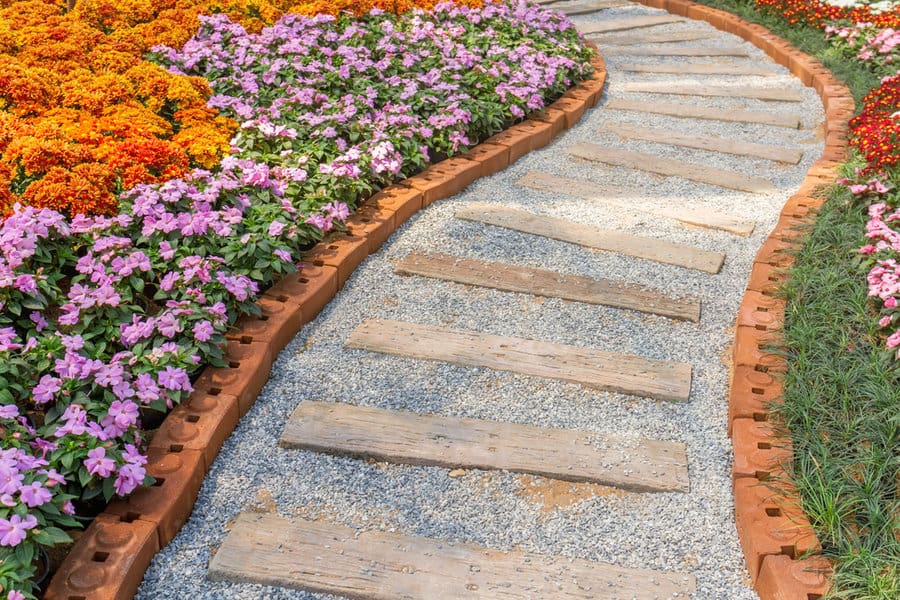
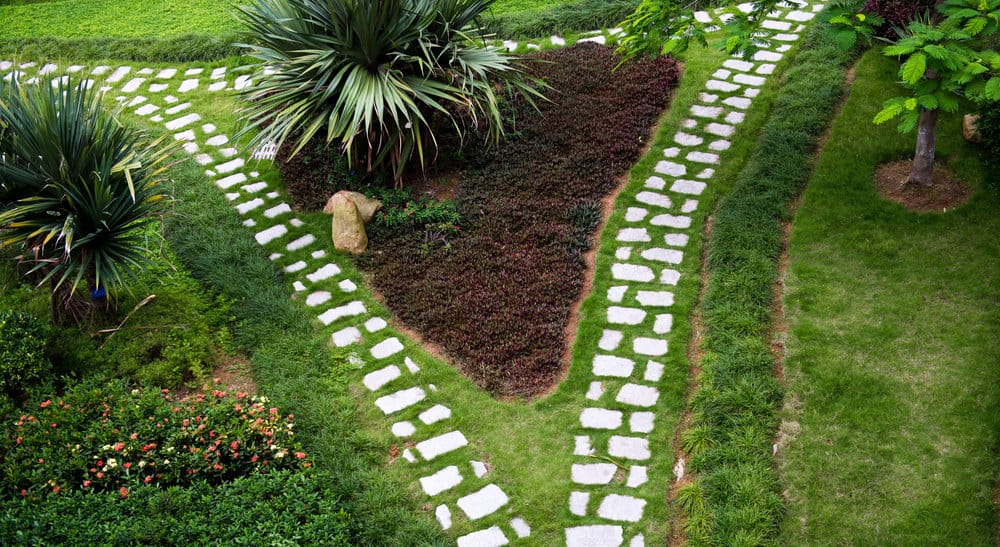
3. Alternating Stone & Grass Path
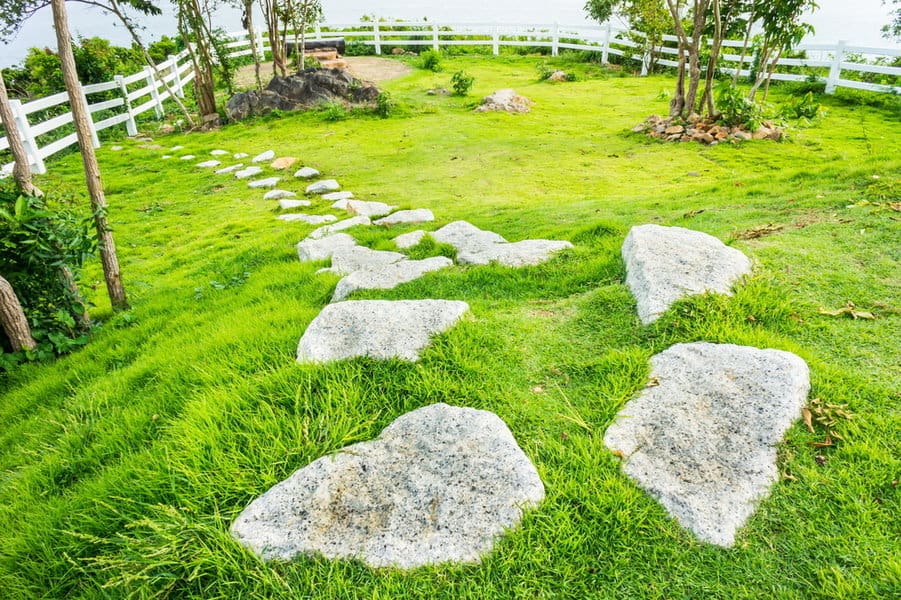
Combine the elegance of stone with the lush green of grass. This pathway alternates between stone slabs and grass, offering a rhythmic, natural aesthetic that is both visually appealing and practical underfoot.
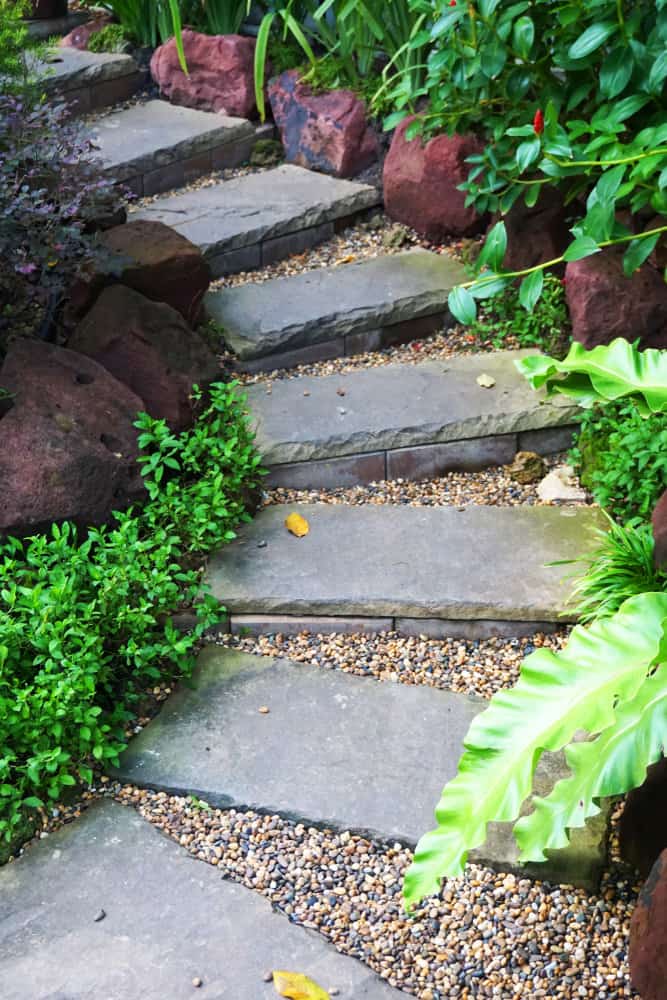
4. Patterned Stone Steps
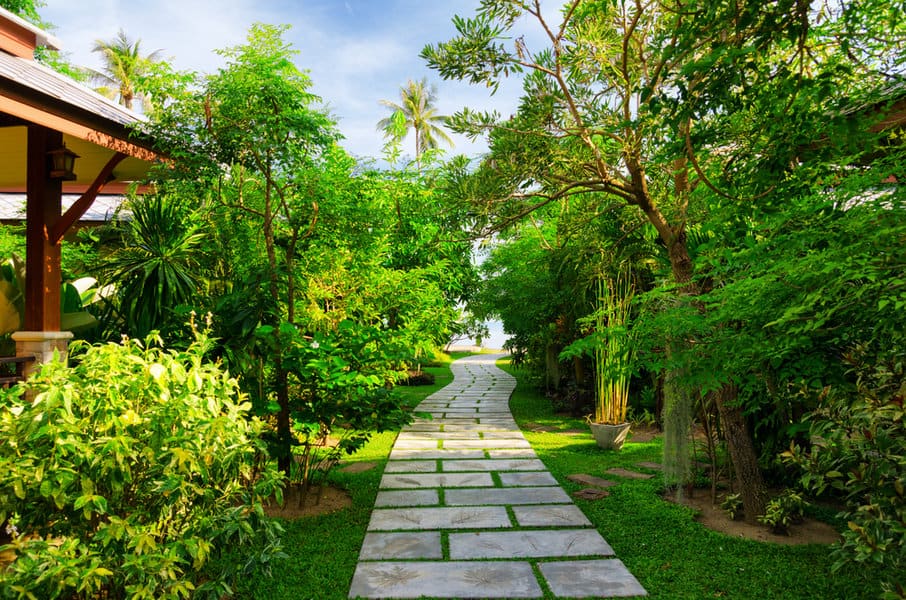
Elevate your garden’s style with patterned stone steps. Whether in swirling designs or geometric shapes, these steps add a sophisticated touch and serve as a focal point in your landscape design.
5. Landscape Buffer Steps
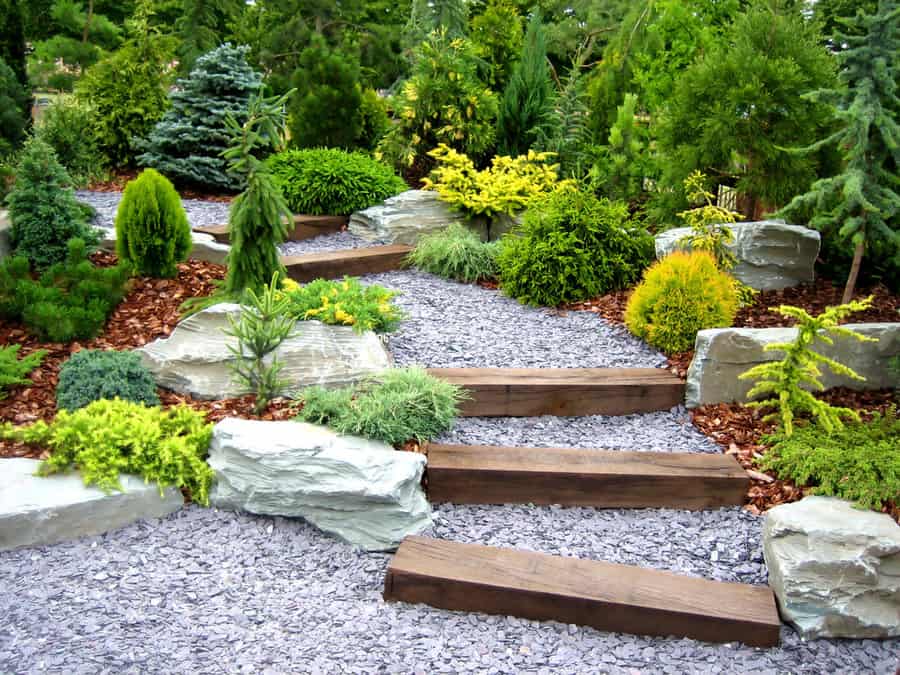
Landscape buffer steps blend seamlessly into your garden, offering both functionality and aesthetic appeal. They create a gentle transition between different levels in your garden, incorporating natural elements like stone and wood.
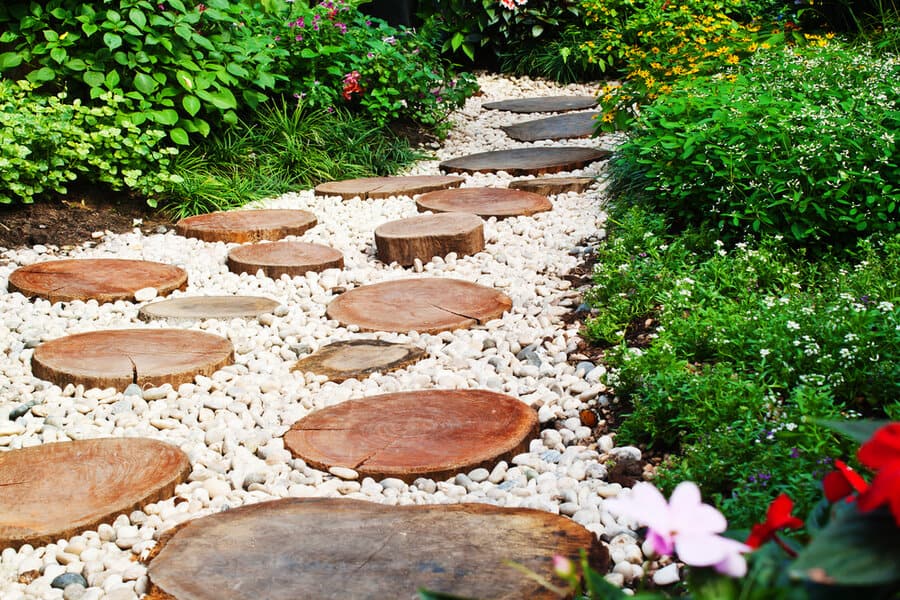
6. Wood Slab Steps
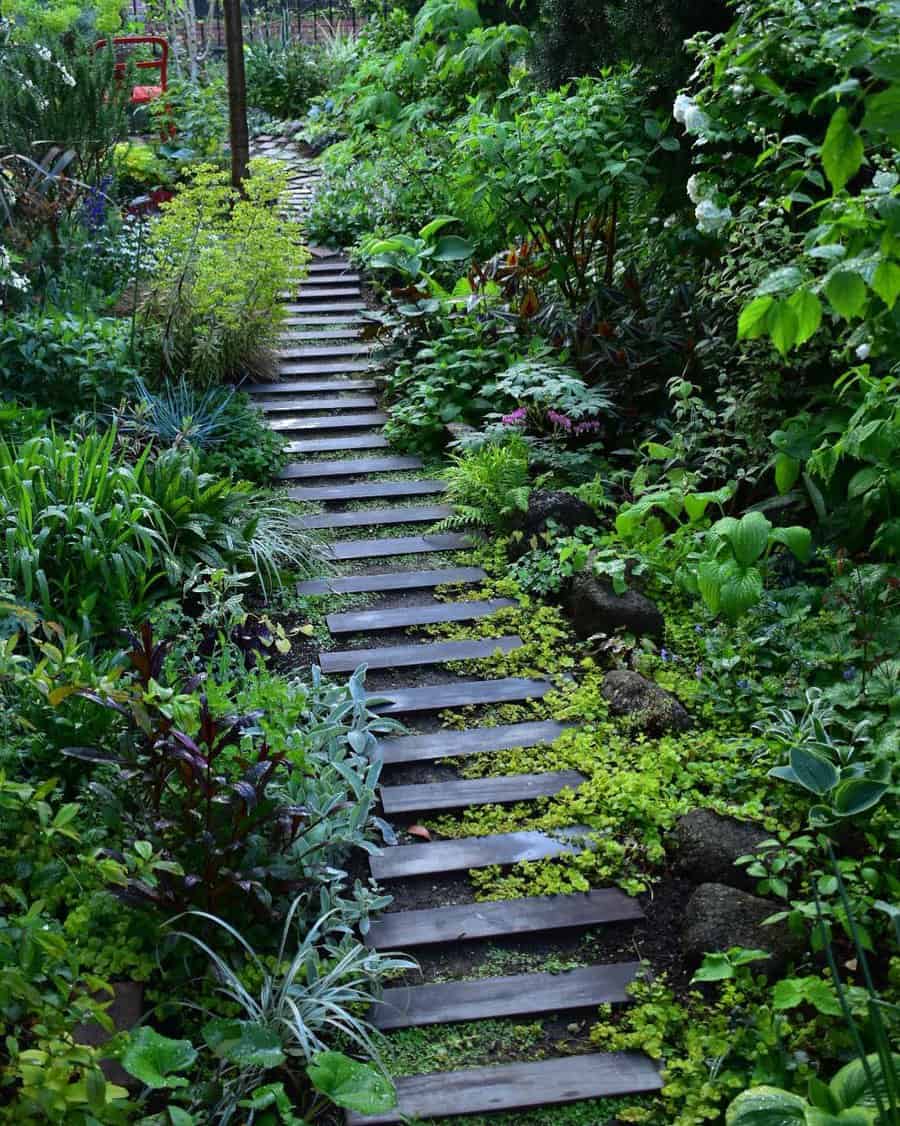
For a rustic touch, wood slab steps are a natural choice. These steps bring a warm, organic feel to your garden, beautifully aging over time and blending with the surrounding greenery.
7. Square Steps
Square steps offer a modern, clean look. Perfect for contemporary gardens, they provide a sharp, defined path and can be made from various materials like concrete or stone to suit your style.
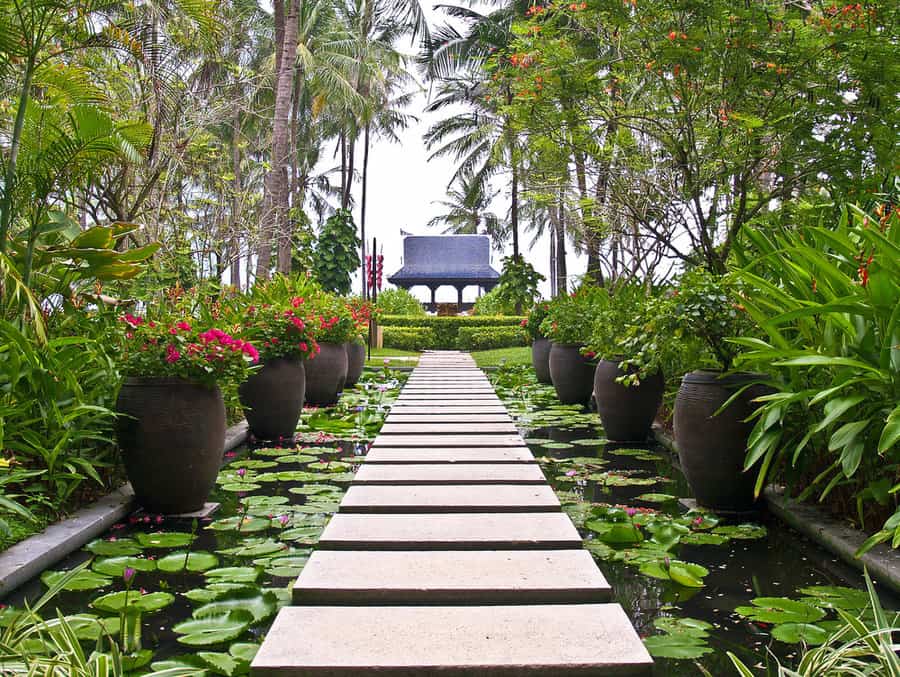
8. Pond Concrete Walk Path
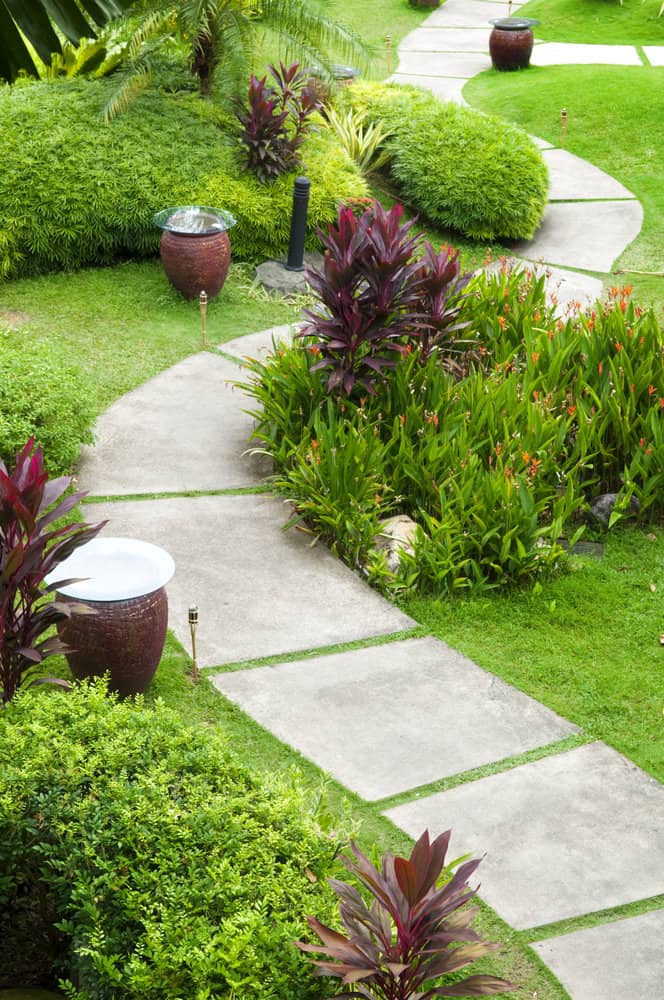
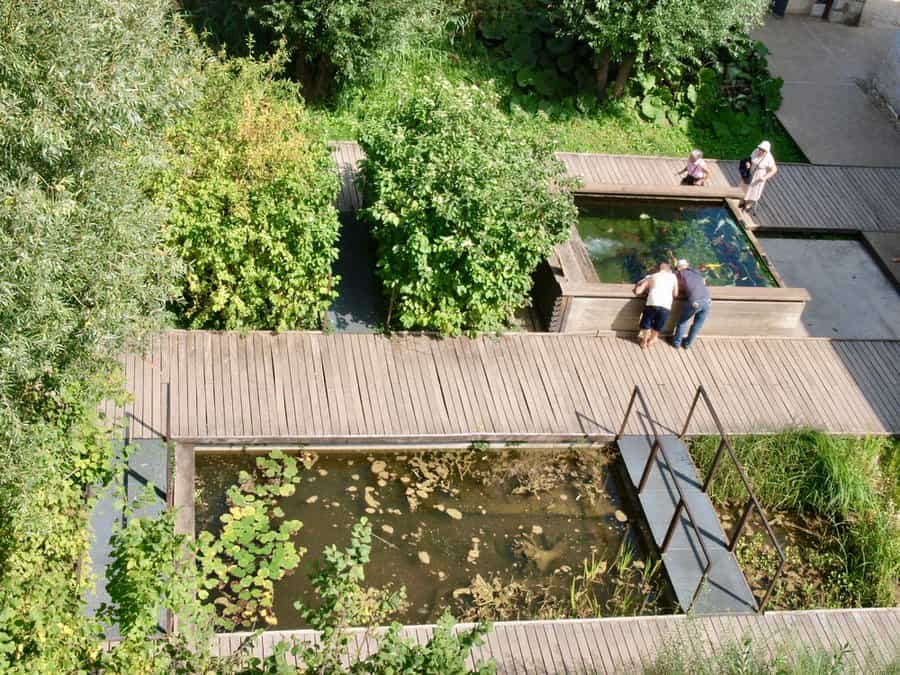
A pond concrete walk path is both functional and decorative. It curves gracefully around water features, providing a stable and visually appealing walkway that enhances the water’s tranquil beauty.
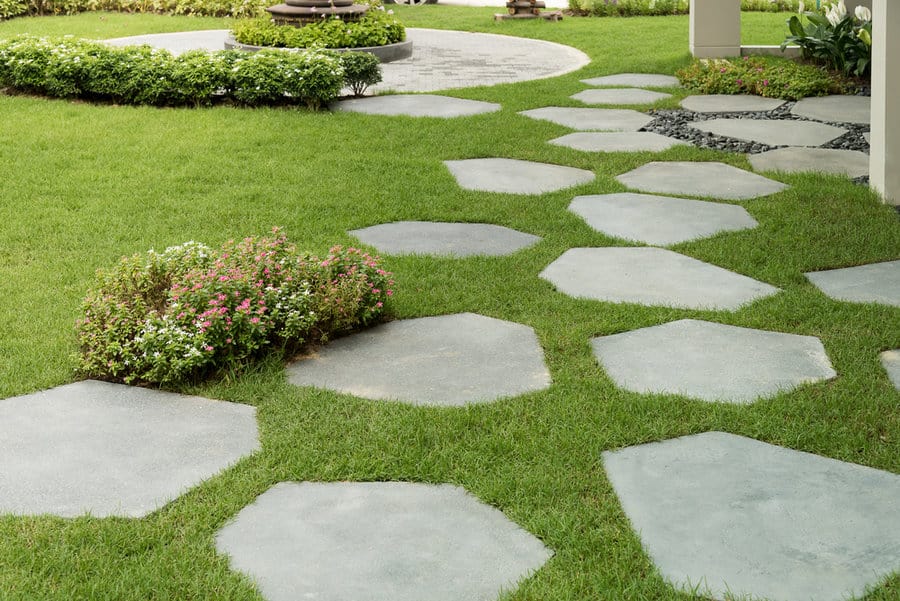
9. Scattered Freeform Steps
These steps are ideal for a whimsical, natural garden. Placed irregularly, they mimic the randomness of nature, inviting exploration and curiosity in your garden layout.
10. Black Garden Steps
Black garden steps make a bold statement. They contrast strikingly with the greenery and other elements in your garden, offering a modern twist and a touch of elegance.
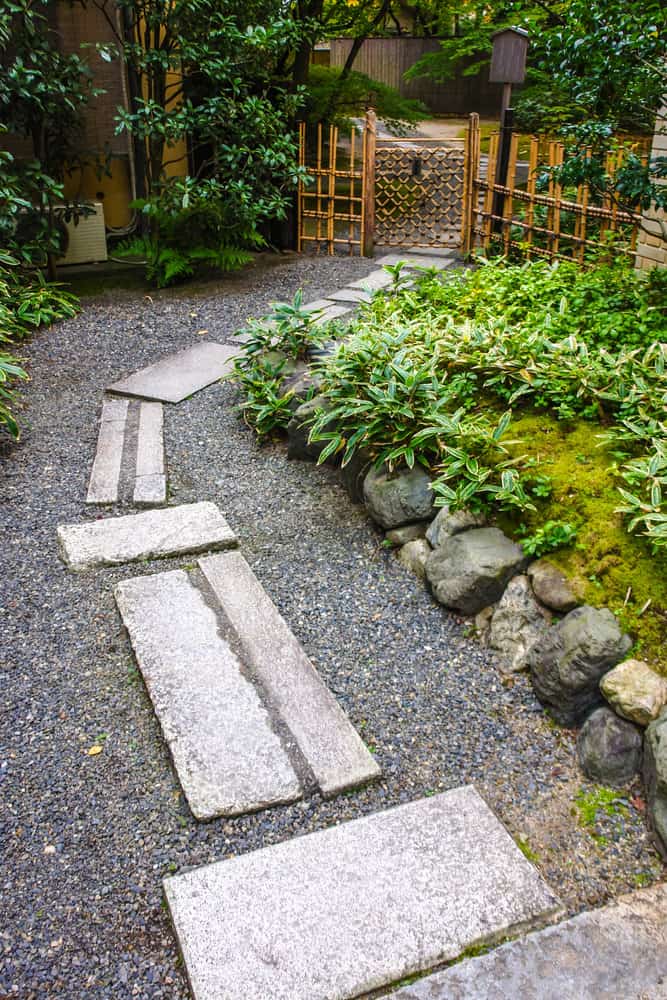
11. Zen-Style Layered Steps
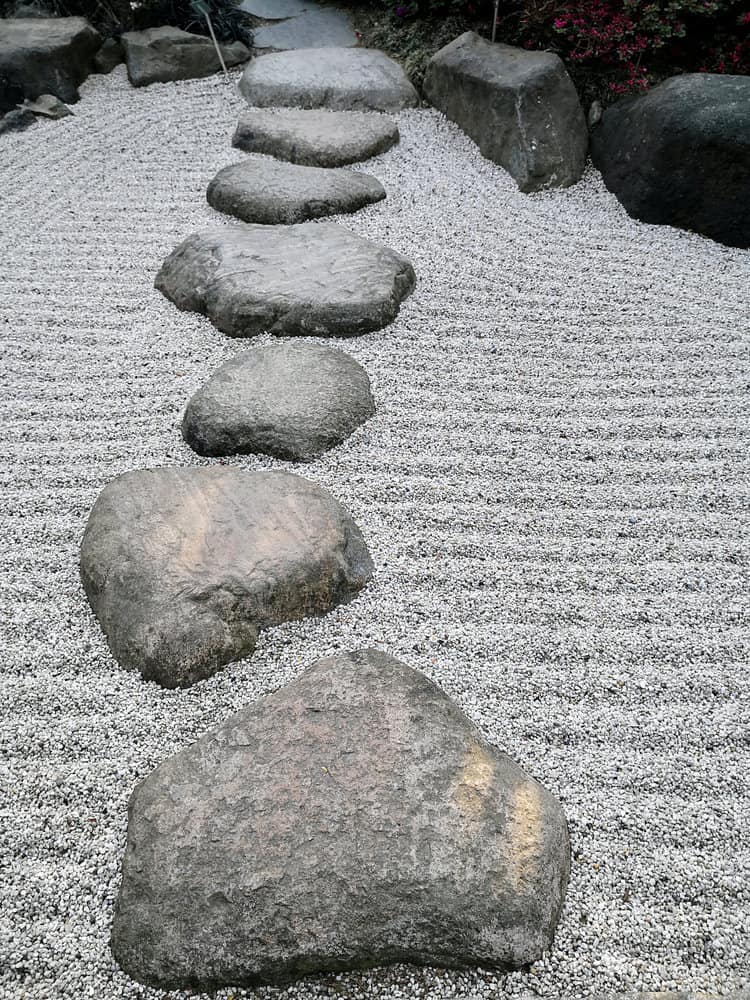
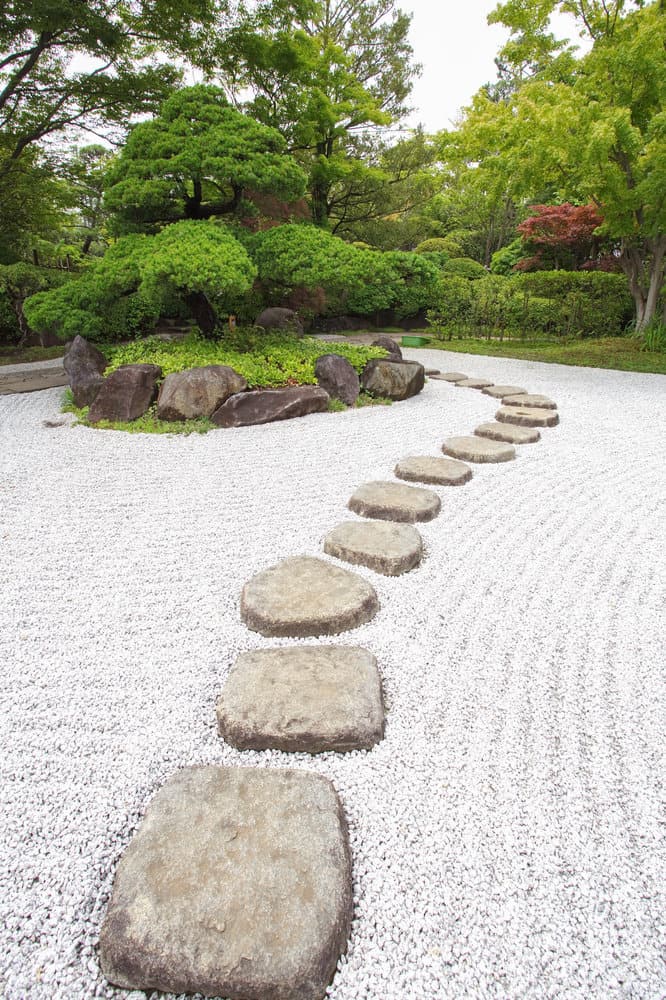
Reflecting the tranquility of Zen gardens, these layered steps are perfect for creating a peaceful retreat. Their simple, clean lines promote a sense of calm and order in your garden.
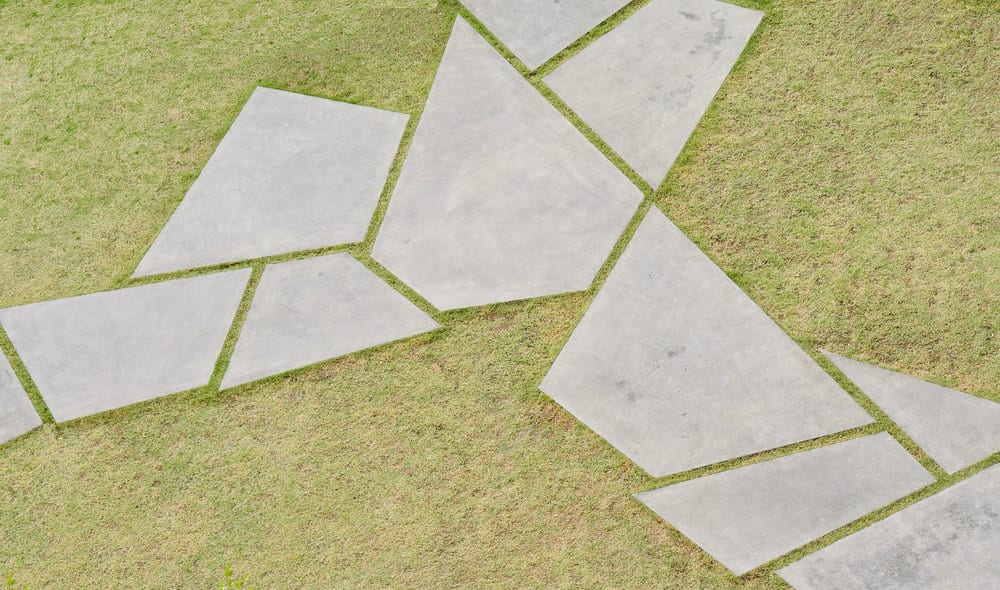
12. Geometrical Steps
Geometrical steps bring a touch of modern art to your garden. Their sharp lines and shapes create a visually stimulating path that can become a central design feature in your outdoor space.
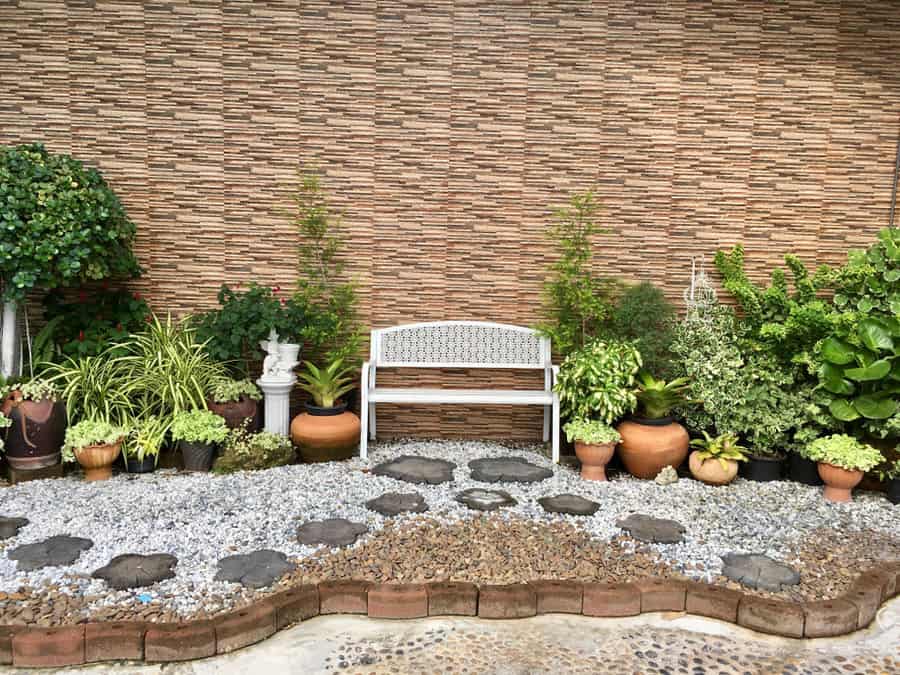
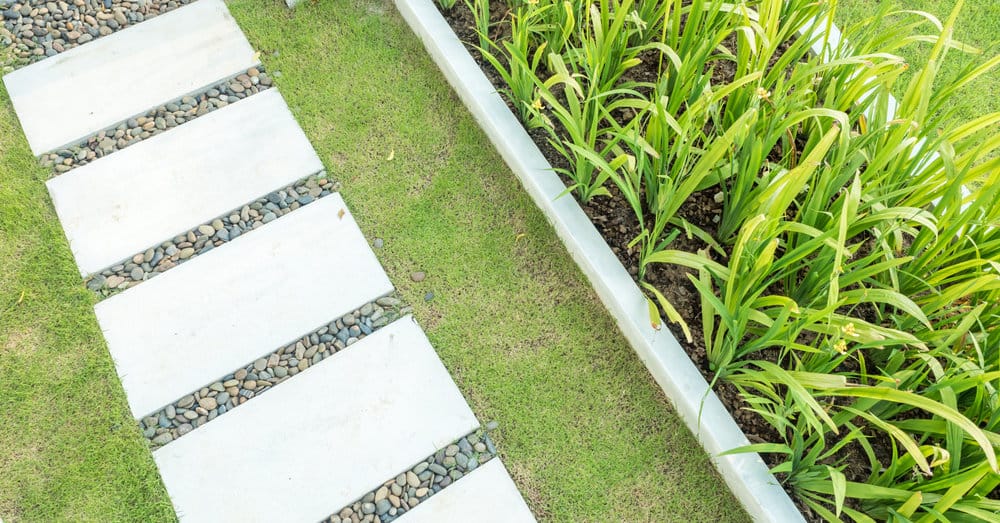
13. Pebble & Grass Islands
This design features small islands of pebbles surrounded by grass, creating a ‘stepping stone’ effect. It’s perfect for a playful yet natural look, encouraging a light, meandering walk through your garden.
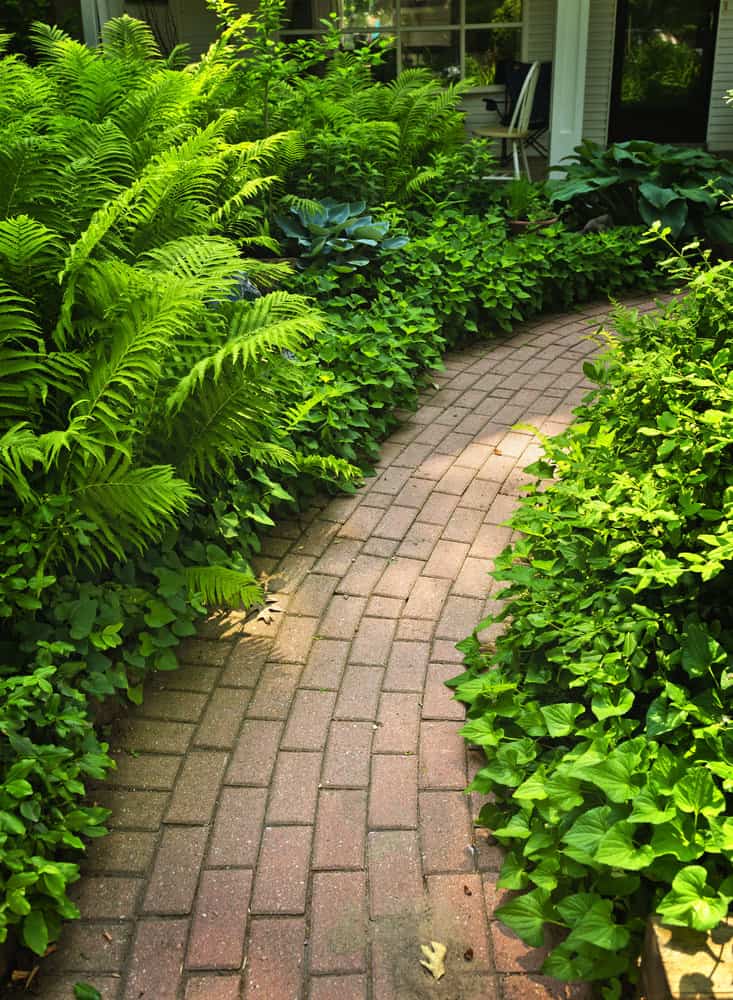
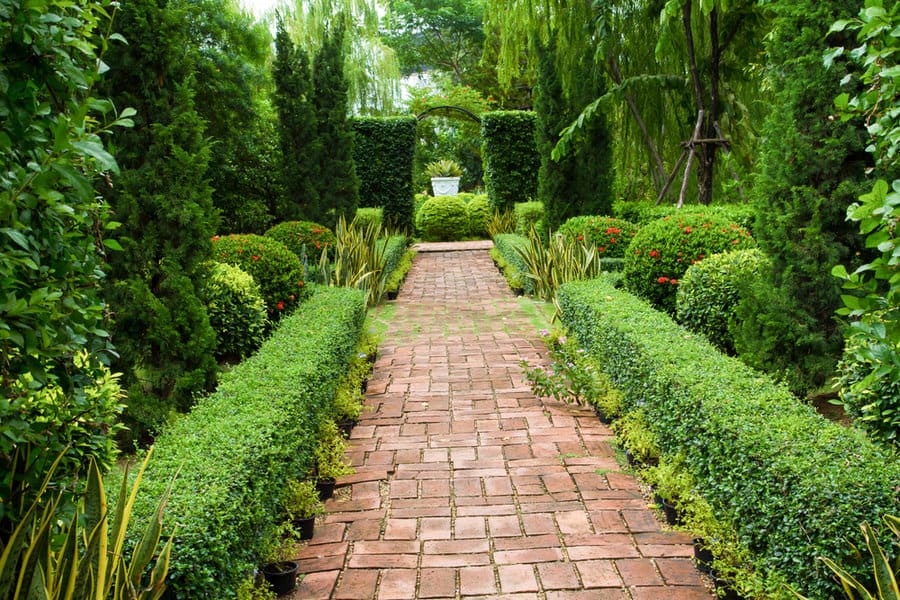
14. Red Brickstone Path
Classic and timeless, a red brickstone path adds warmth and charm. Its rich color stands out against the greenery, evoking a sense of tradition and nostalgia.
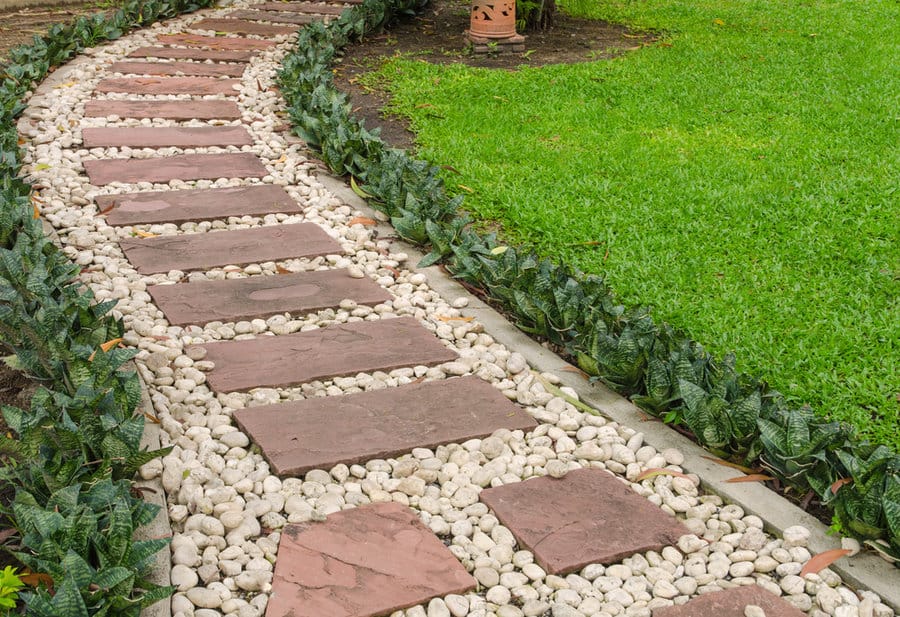
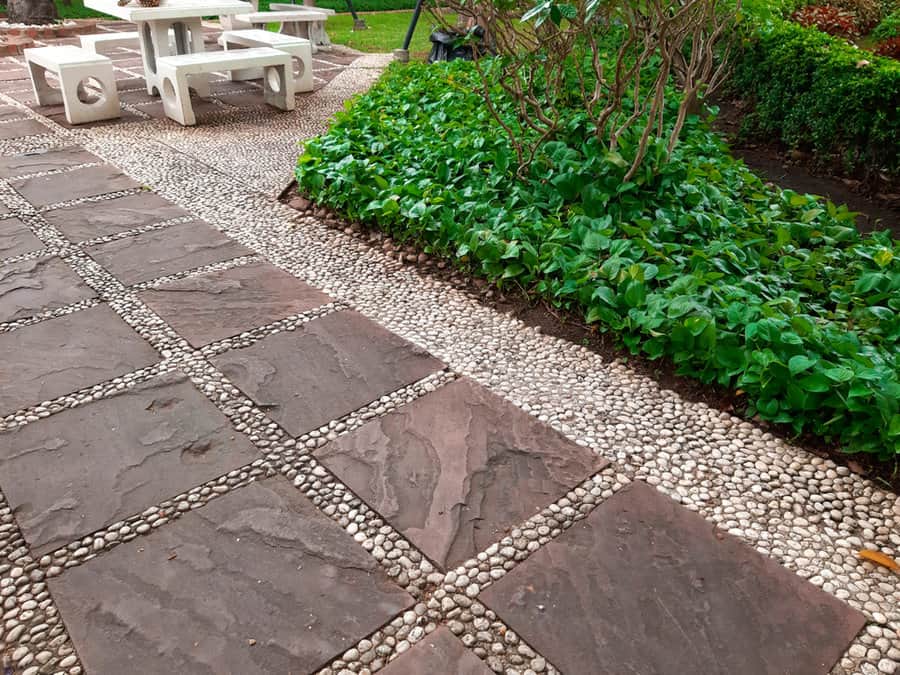
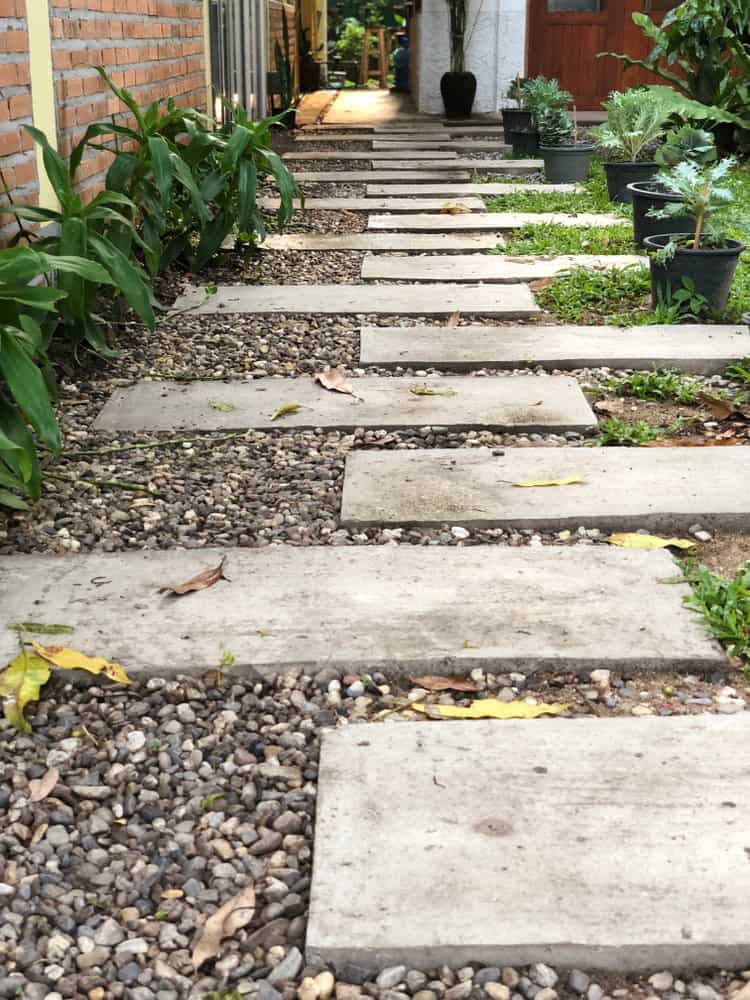
15. Pebbled Floor With Concrete Stone Path
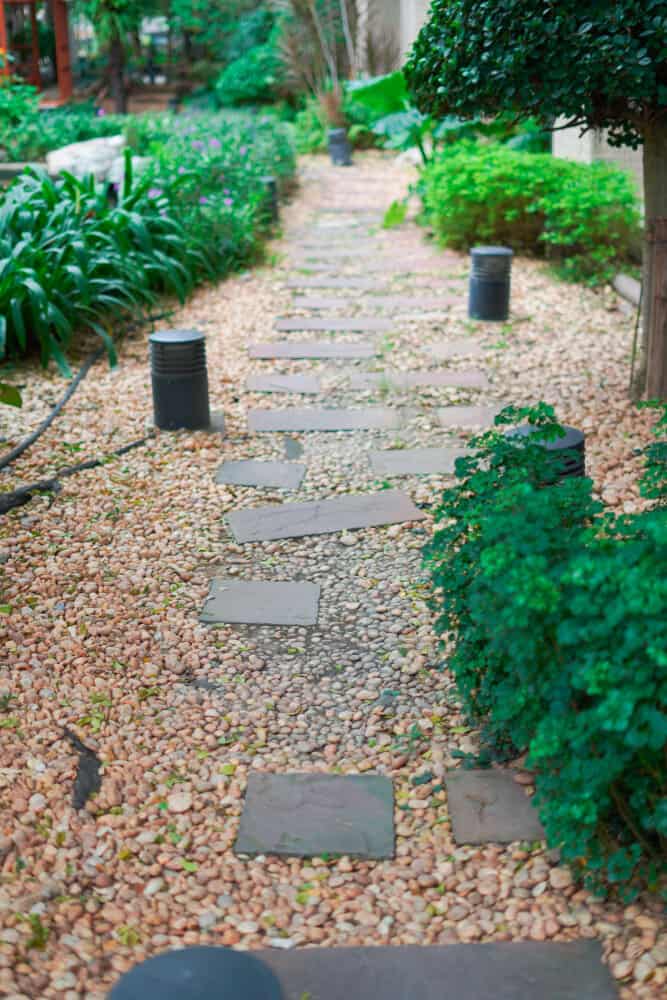
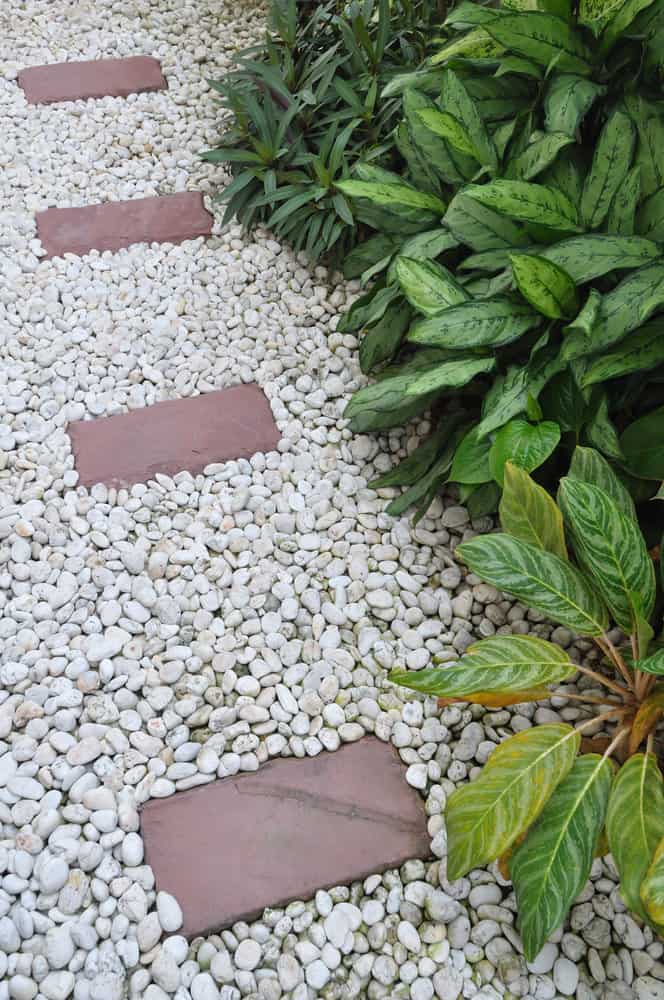
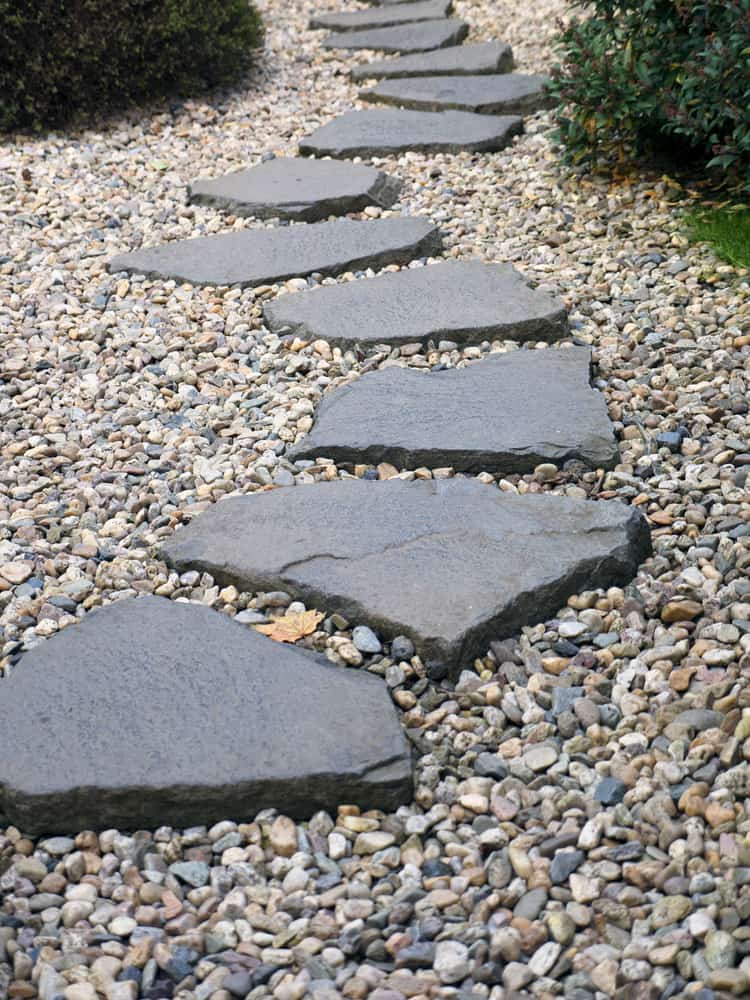
This design combines the loose texture of pebbles with the solidity of concrete stones. It’s ideal for those who appreciate a mix of textures and a balance between structured and natural elements.
16. Tiled Walk Path
Tiled walk paths bring color and pattern to your garden. They can be customized to fit any style, from Mediterranean mosaics to modern geometric designs, offering a unique and personal touch.
17. Herringbone-Patterned Walk Path
The herringbone pattern adds a classic and sophisticated touch. This intricate design is not only visually appealing but also provides a durable and stable walking surface.
18. Interlocking Paving Stone
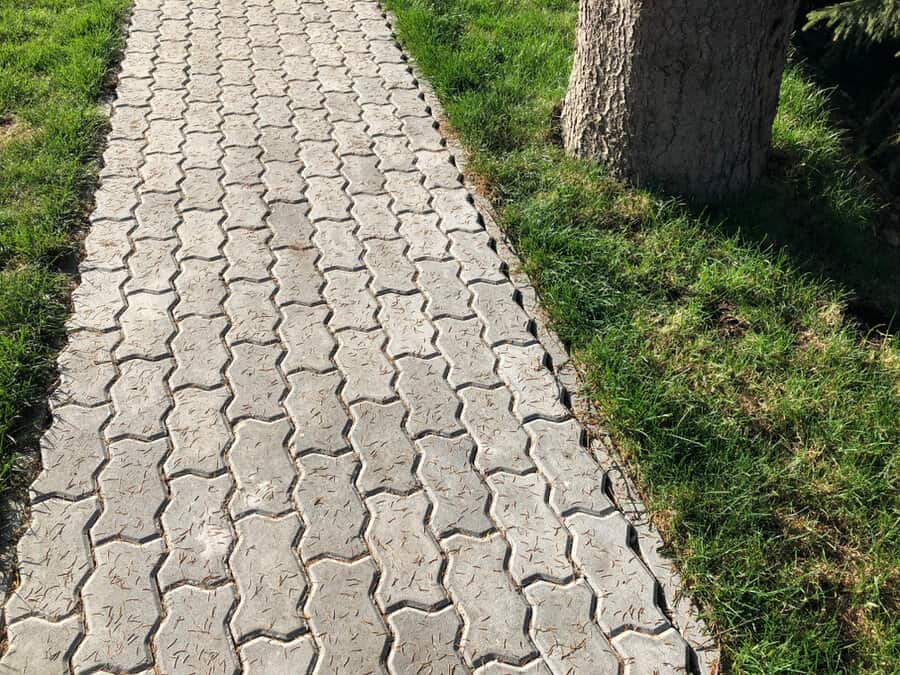
Interlocking paving stones are versatile and durable, perfect for creating a cohesive look. Their interlocking nature makes them a stable and low-maintenance choice for any garden path.
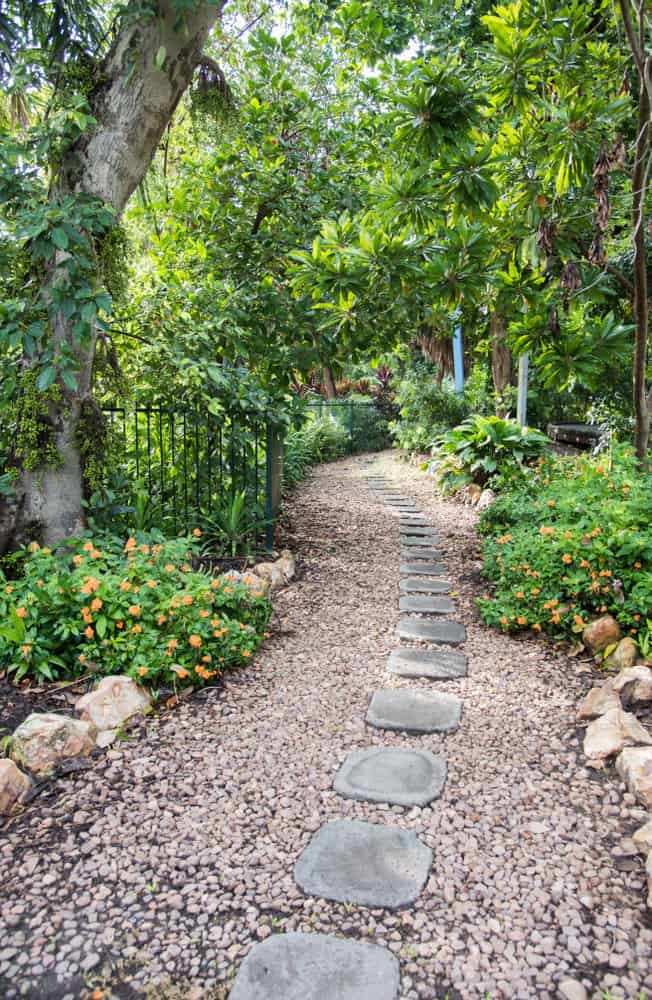
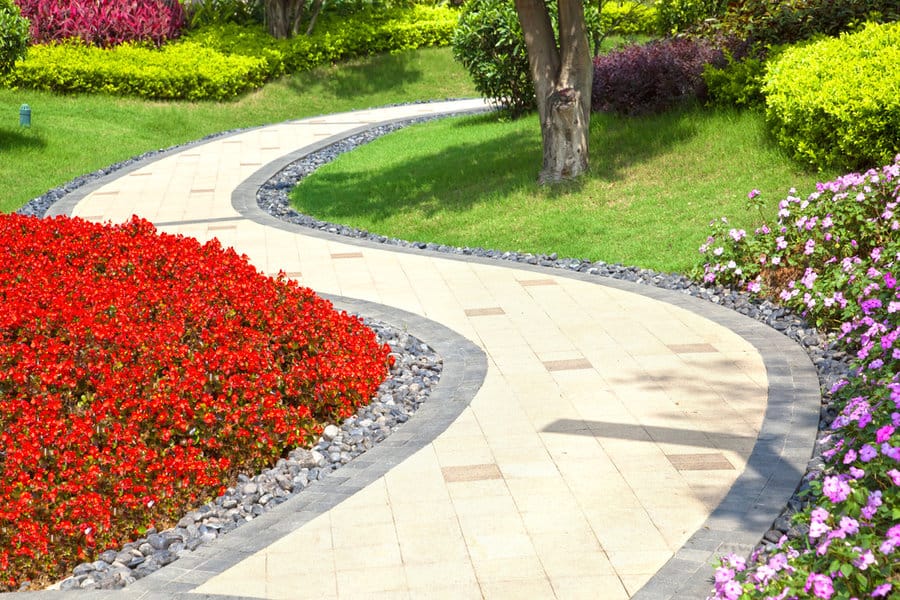
19. Pebbled Path
A pebbled path is simple yet elegant. The sound of pebbles underfoot adds a sensory experience to your garden stroll, and the natural look integrates seamlessly with any garden style.
20. Oversized Rocks
Oversized rocks can create a bold, sculptural path. They add a dramatic, natural element to your garden, ideal for those looking to make a strong visual statement.
21. In-Out Walk Path
This path design alternates between indoor and outdoor elements, perfect for gardens that connect with indoor spaces. It blurs the line between the home and the garden, creating a seamless transition.
22. Stamped Concrete
Stamped concrete offers the look of natural materials with the durability of concrete. It can be shaped and colored to mimic stone, brick, or other textures, offering a customizable and robust pathway solution.
23. Ascending Walk Path
An ascending walk path adds a dynamic element to your garden, guiding visitors through different elevations. It can be both a practical solution for sloped gardens and an opportunity to create stunning views.
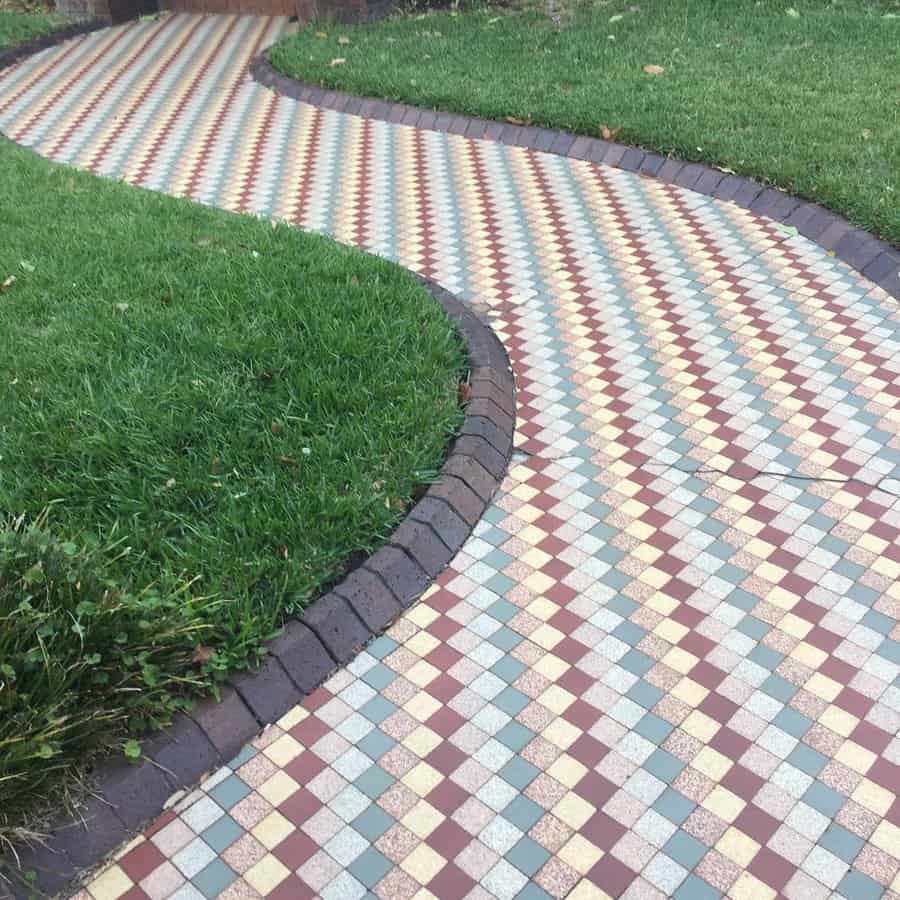
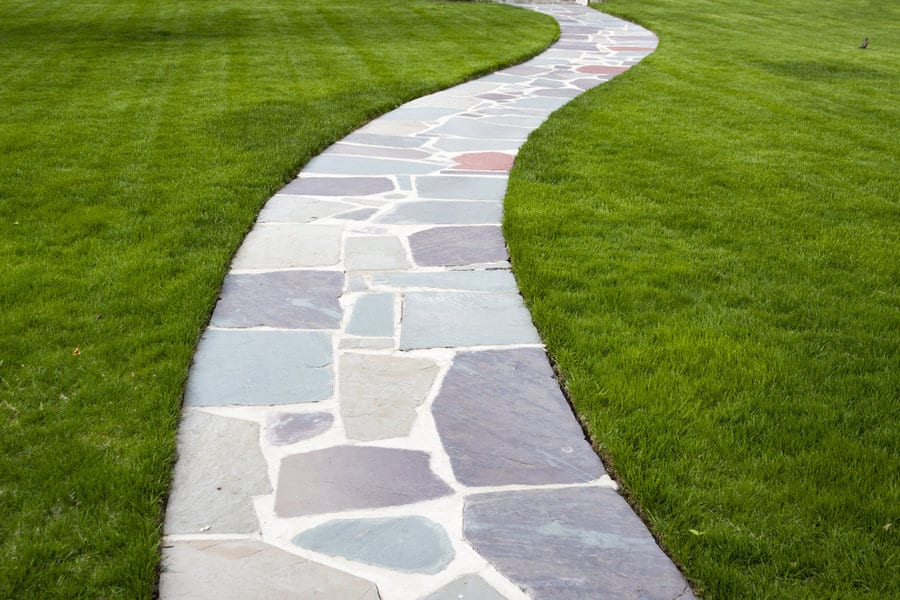
24. Multi-Colored
A multi-colored path can be as subtle or as bold as you like. Whether it’s a blend of natural stone hues or a vibrant mosaic of tiles, it adds a playful and artistic touch to your garden.
Source: @bee_atlarge via Instagram
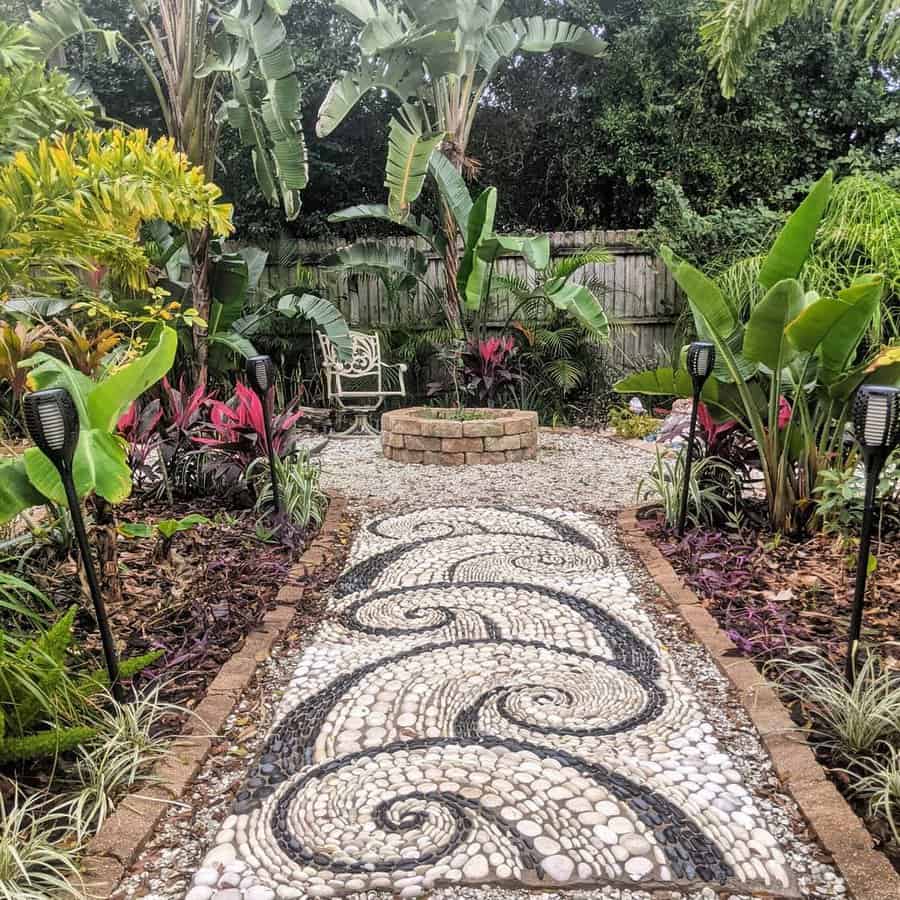
25. Creative Pebble Walk Path
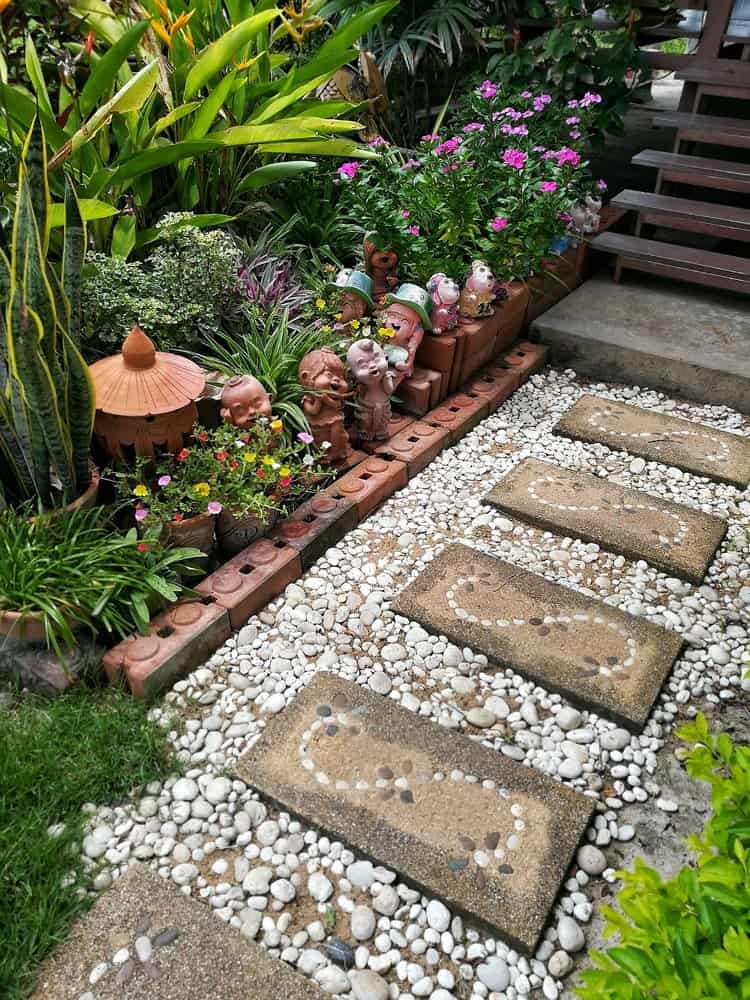
Unleash creativity with a pebble walk path that features artistic patterns or motifs. This path not only serves as a functional walkway but also as a piece of art in your garden.
Source: @kab0130 via Instagram
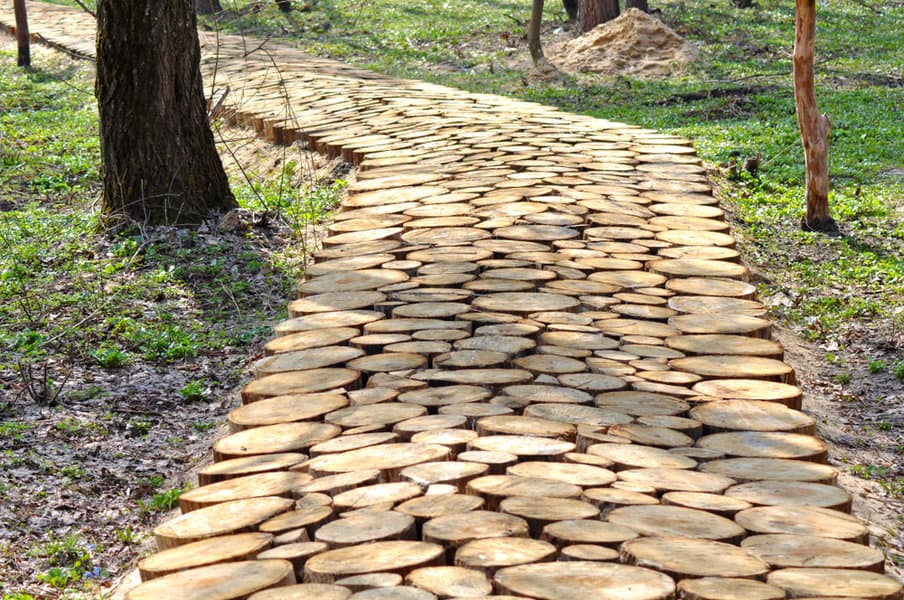
26. Wooden Walk Path
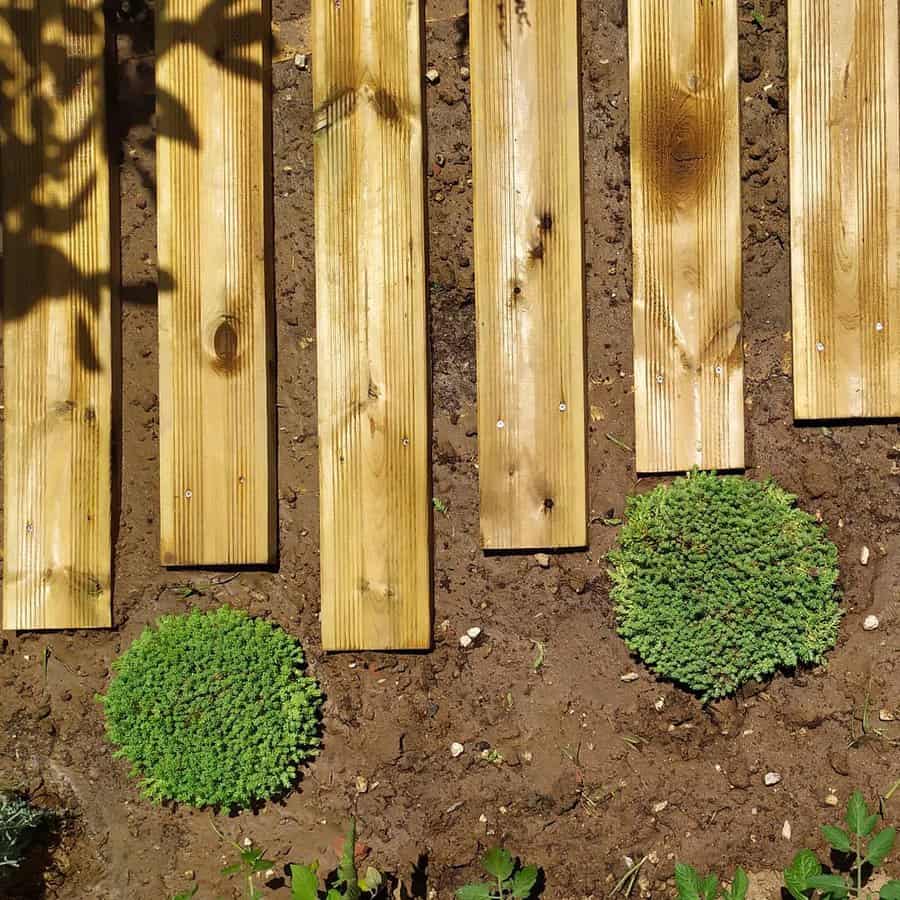
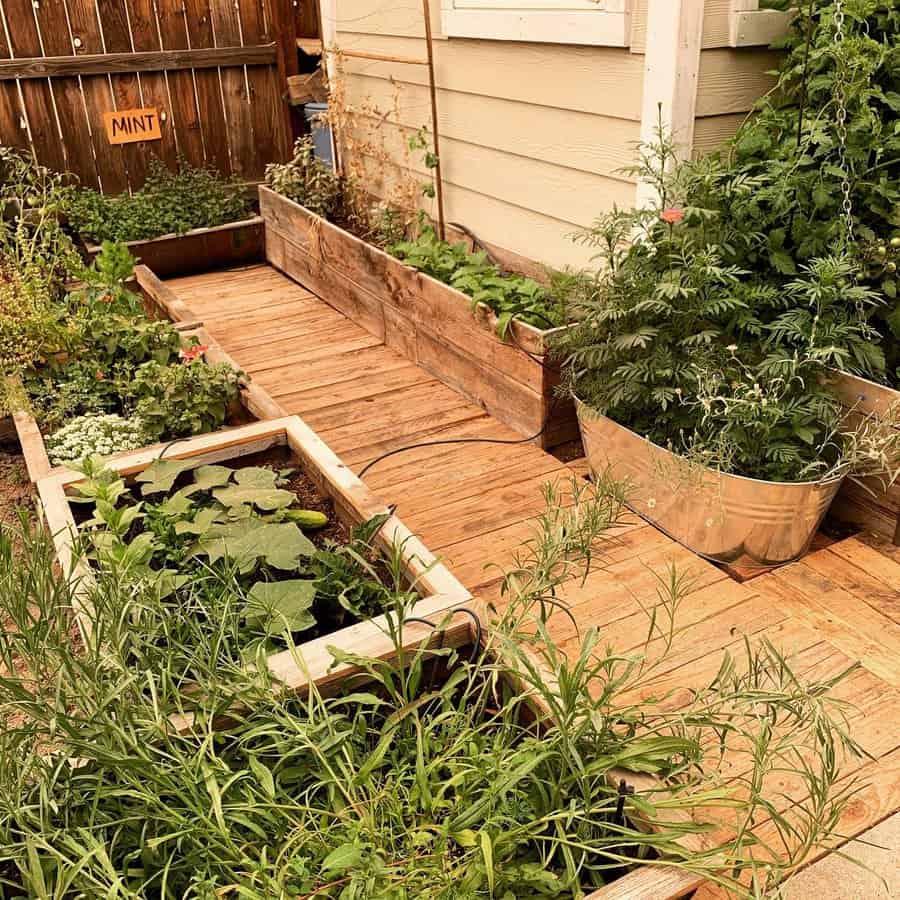
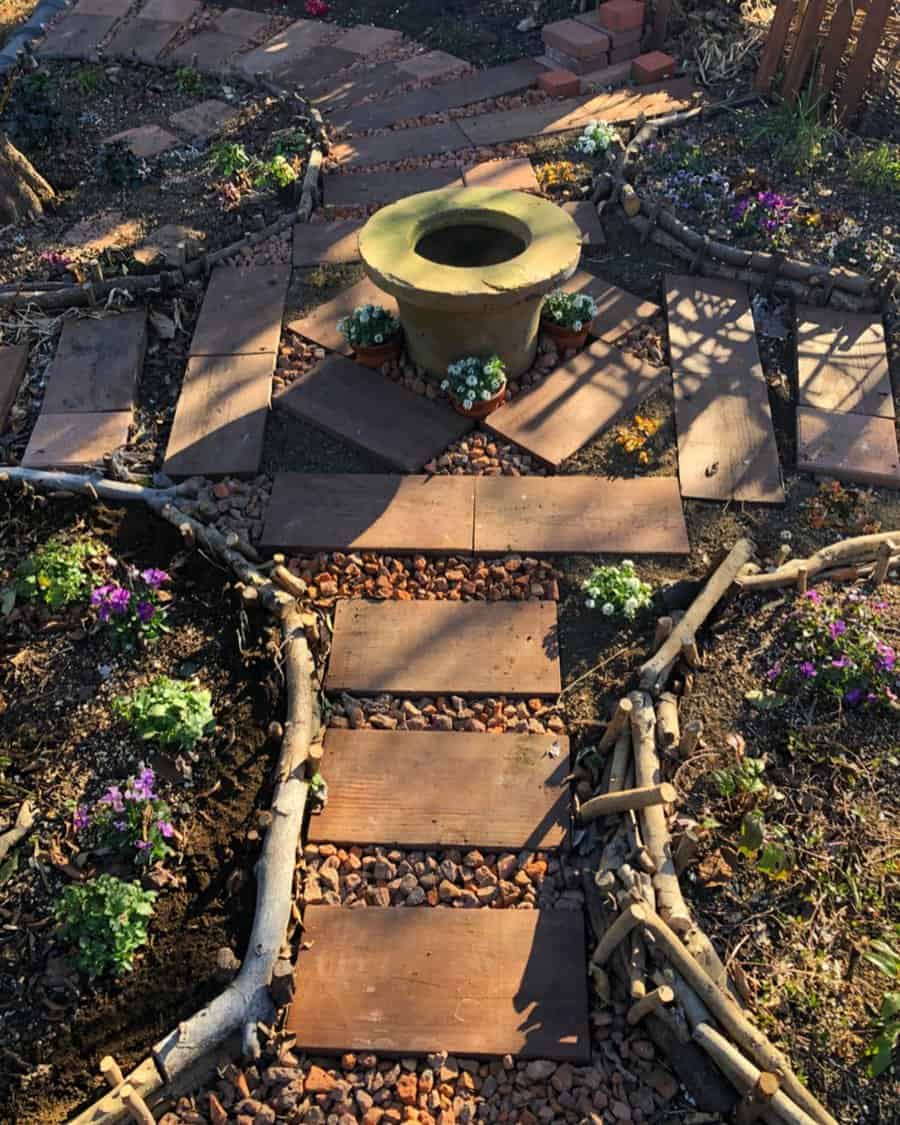
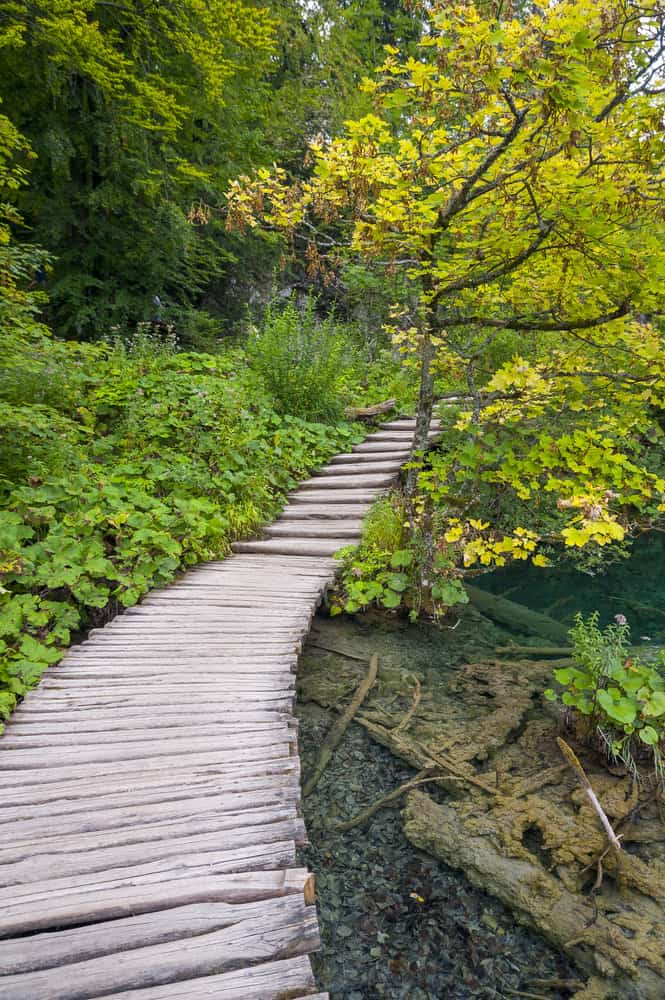
A wooden walk path adds warmth and a natural feel. It’s particularly fitting for gardens with a rustic or cottage-style theme and can be designed to meander gently through your outdoor space.
Source: @hushamami via InstagramSource: @barbarabentley_properties via InstagramSource: @dimit_kar via InstagramSource: @maricha_nara via InstagramSource: @myfairygarden79 via InstagramSource: @omnigardenjournal via Instagram
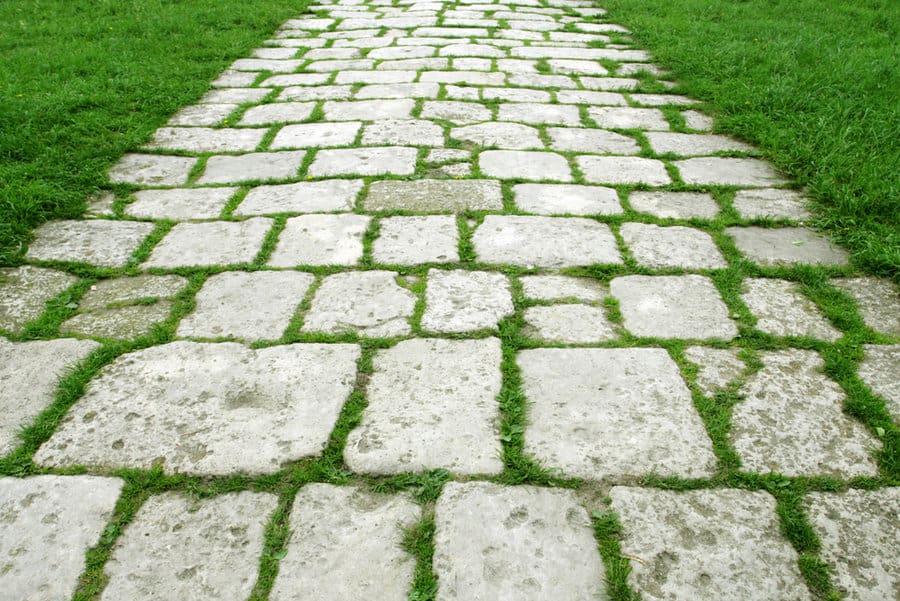
27. Cobblestone Path
Cobblestone paths evoke a sense of old-world charm. Their uneven surface and varied shapes add character and a timeless appeal to your garden, perfect for creating a storybook look.
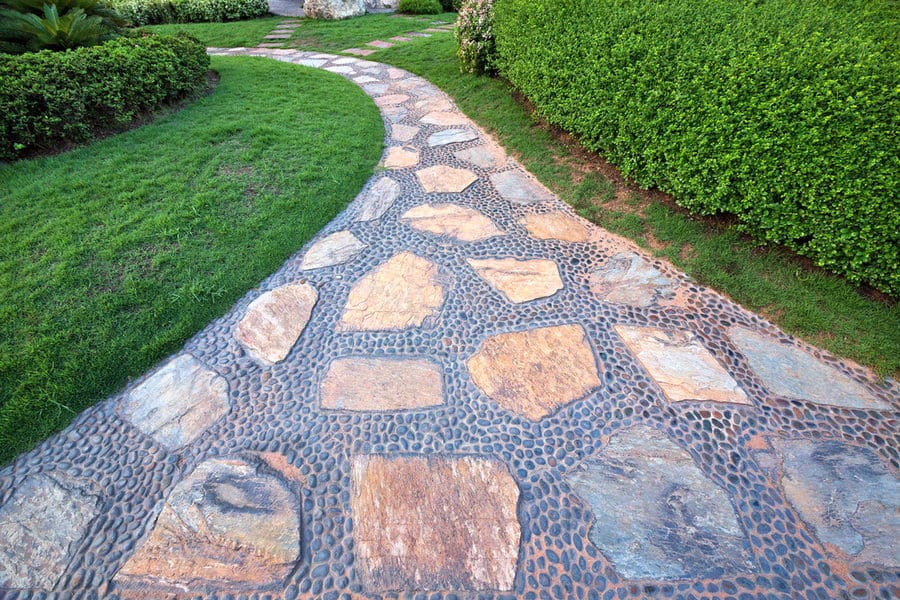
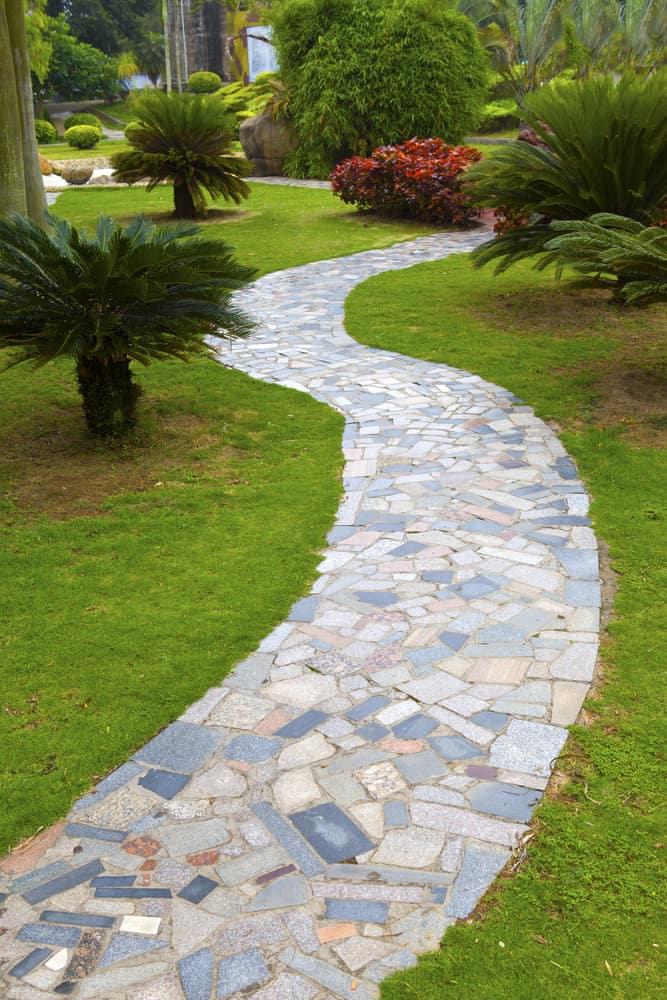
28. Granite Scraps
Using granite scraps is an eco-friendly and unique approach. This path will have a mosaic-like effect, each piece telling its own story, perfect for an innovative and sustainable garden design.
“This life is like a swimming pool. You dive into the water, but you can’t see how deep it is.” – Dennis Rodman
Having a swimming pool in your backyard is a perfect way to enjoy the warm weather and make the most of your backyard. However, your pool also presents a risk. It’s enticing to others, and without a fence, you could end up with uninvited visitors enjoying your backyard oasis.
Even if you don’t have people coming over for a dip, you could attract the attention of your neighbors. What you need is a fence. Building a fence around your pool keeps people out and creates a sense of privacy.
These pool fence ideas will help you improve the look of your backyard and add privacy so that you can enjoy your property without the intrusive prying eyes of your neighbors.
[view_toc]
1. Bamboo Pool Fence
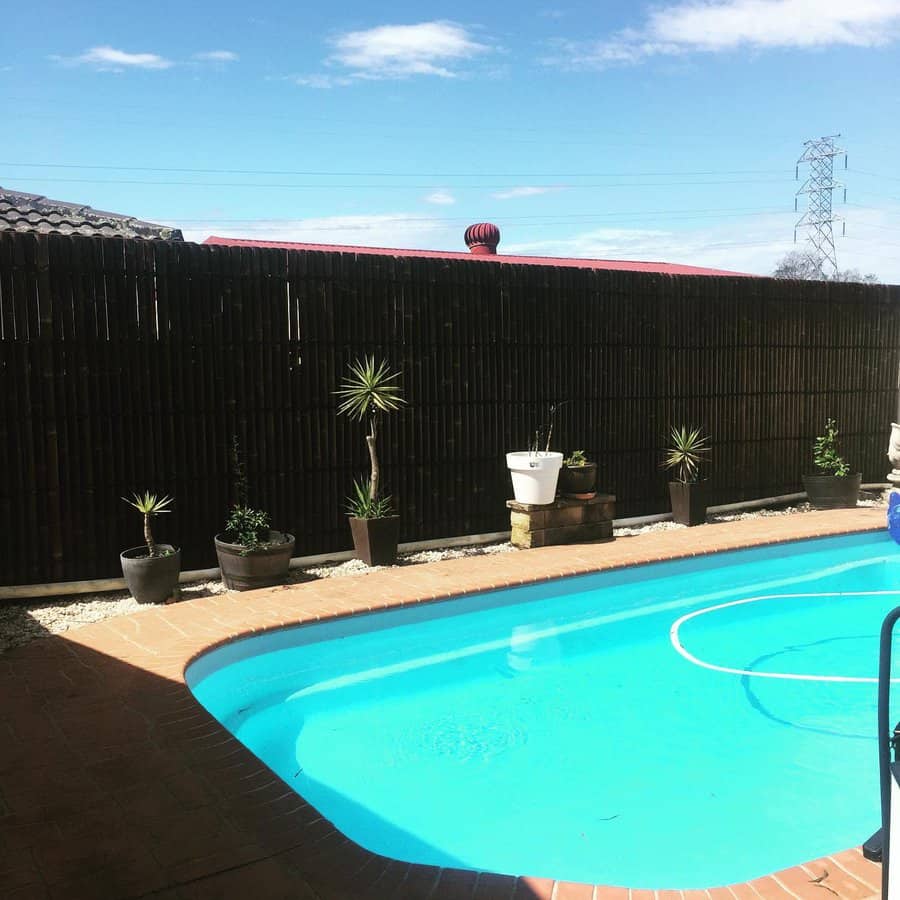
Give your backyard pool a tropical feel by using bamboo to build a privacy fence around your pool deck. This type of pool fencing can be built in one of two ways. The first is to plant bamboo plants. The bamboo shoots grow fast and dense to create a natural living wall. Plant your bamboo far enough away from your inground pool so that the living plants don’t interfere with the underground structure of the pool.
Source: @exoticbamboofencing via Instagram
If you prefer having a removable pool fence, then use bamboo sheeting. It’s made from thin bamboo shoots that are strapped together to create a solid sheet. You can then mount it on stakes to turn it into a wall.
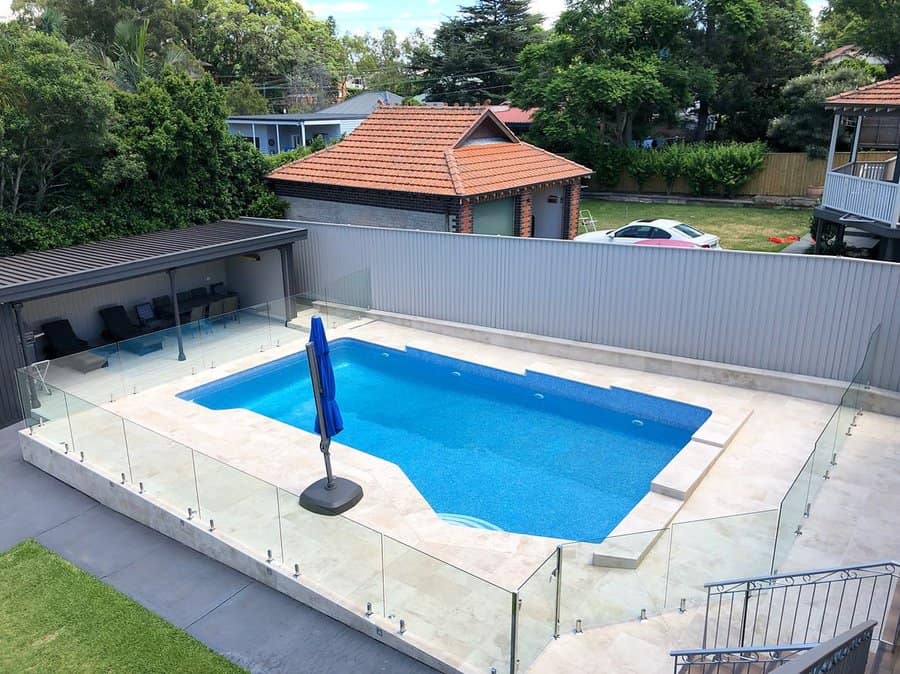
2. Glass Pool Fence
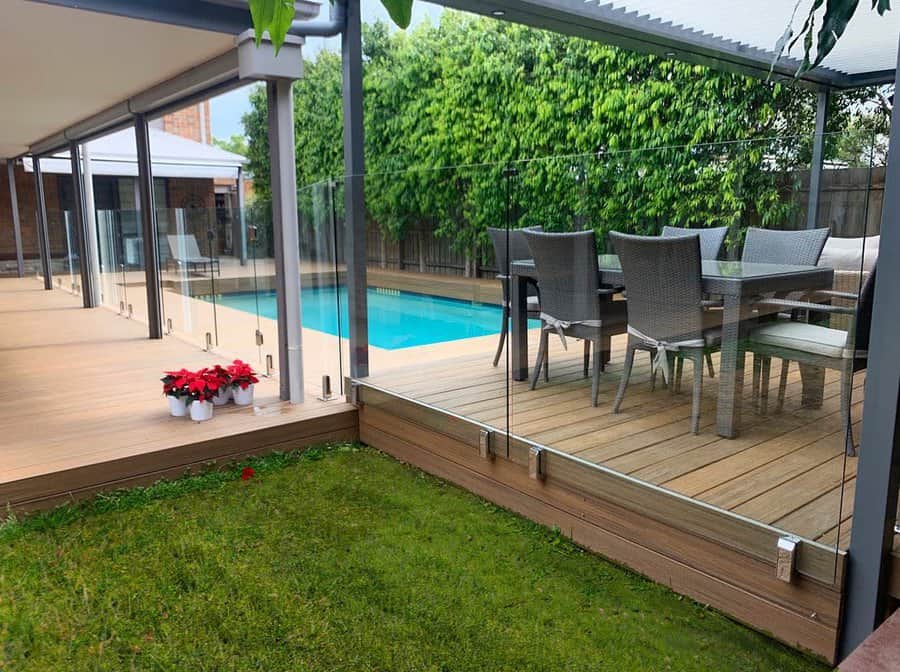
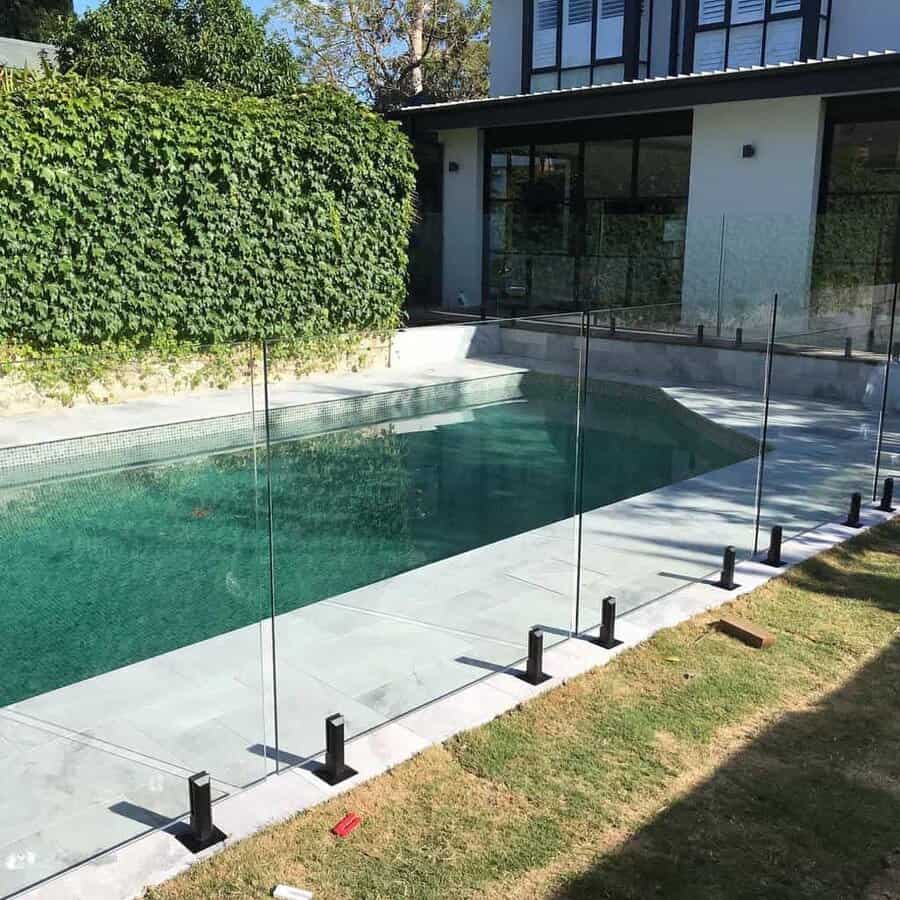
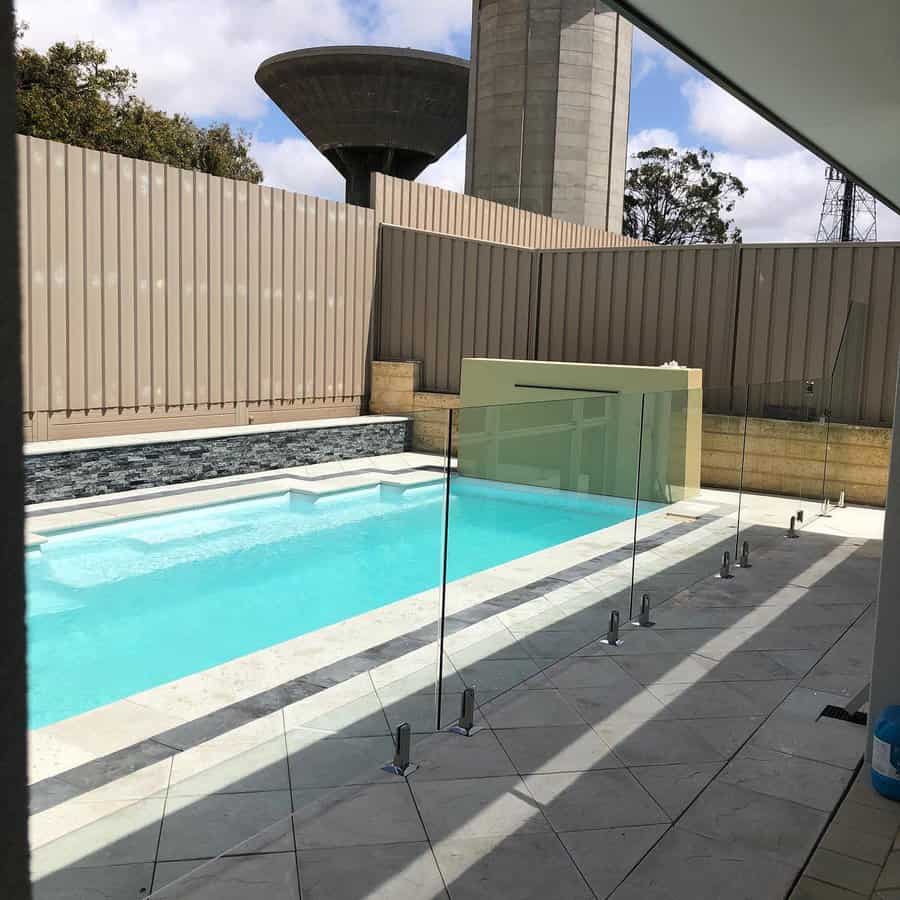
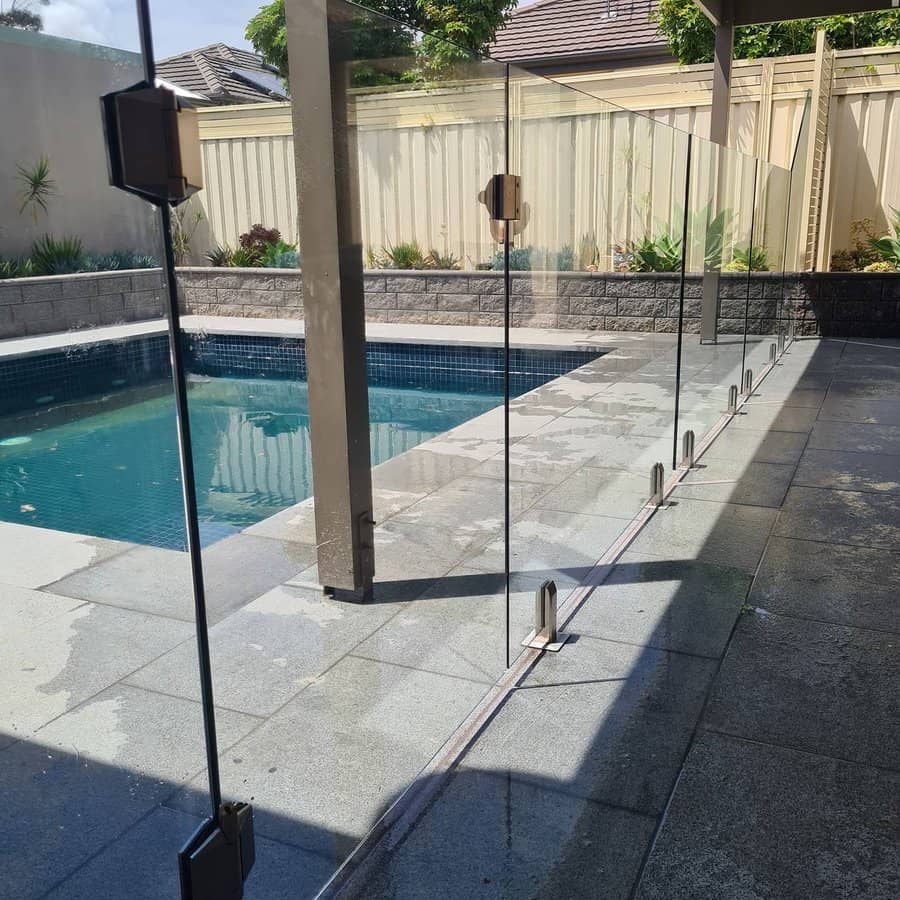
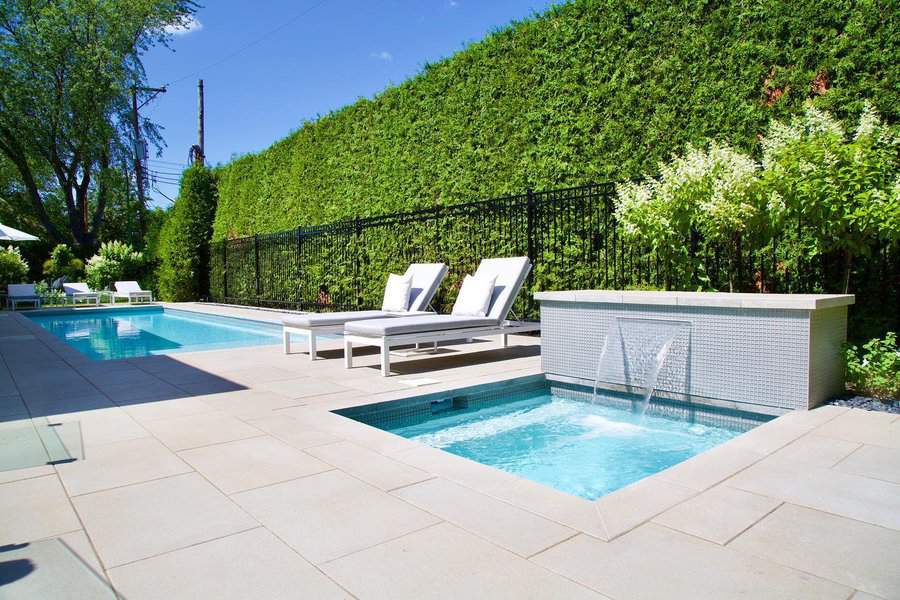
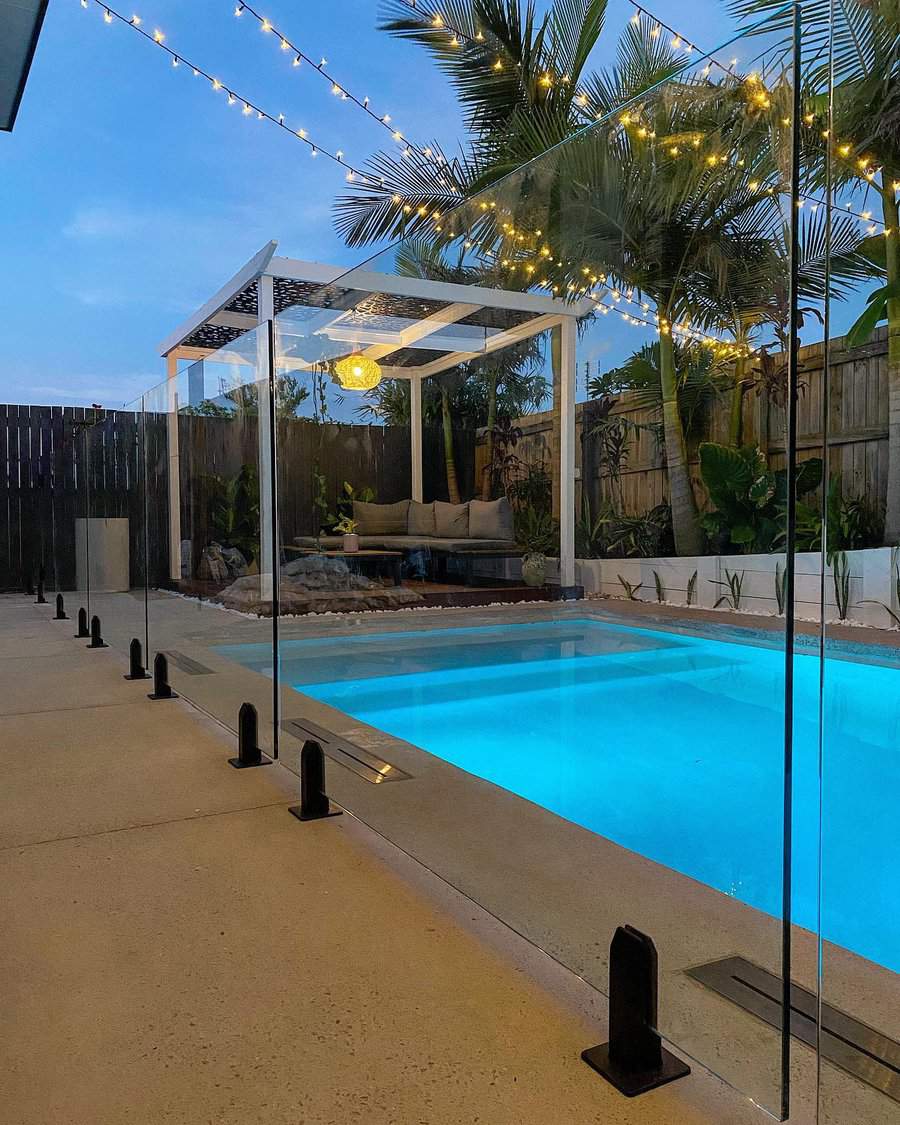
A glass pool fence is a must for a modern look that doesn’t block your view. Glass fencing uses large sheets of glass that are thick and durable. The fence could have a black frame around the glass or have a frameless floating look.
Source: @aklasspoolfencing via InstagramSource: @sgabalustrades_ via InstagramSource: @diamondglasspool via InstagramSource: @superior_pool_fencing via Instagram
Only specific types of glass should be used for this type of fencing. It needs to be durable enough to not shatter or crack with changing temperatures or impacts with debris. Glass used for a glass fence also tends to be thicker to give it more strength.
3. Metal Pool Fence
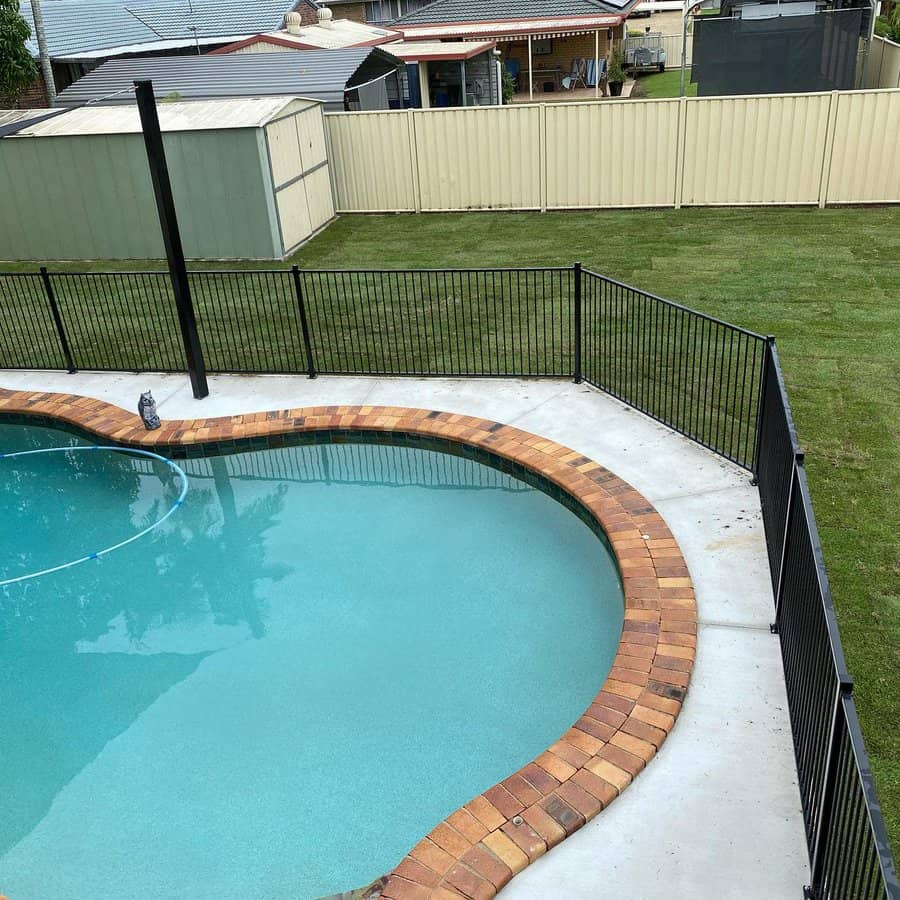
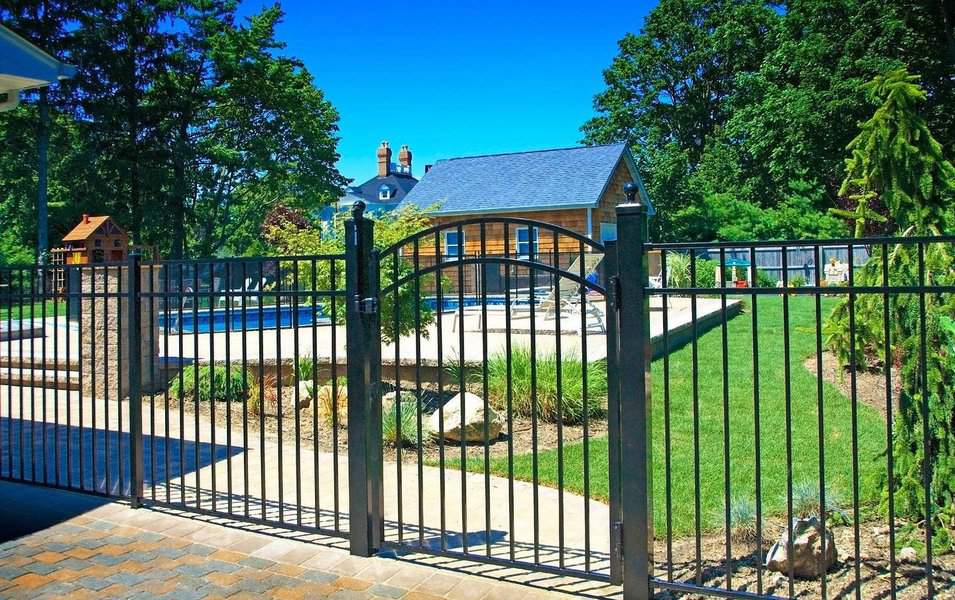
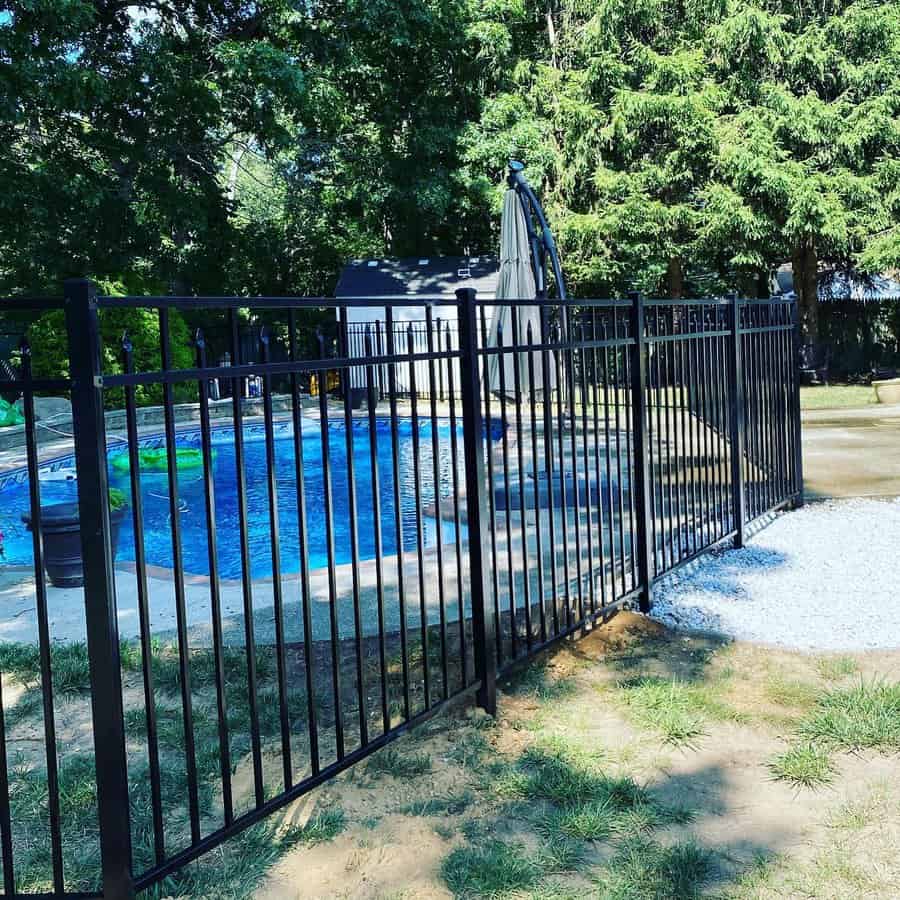
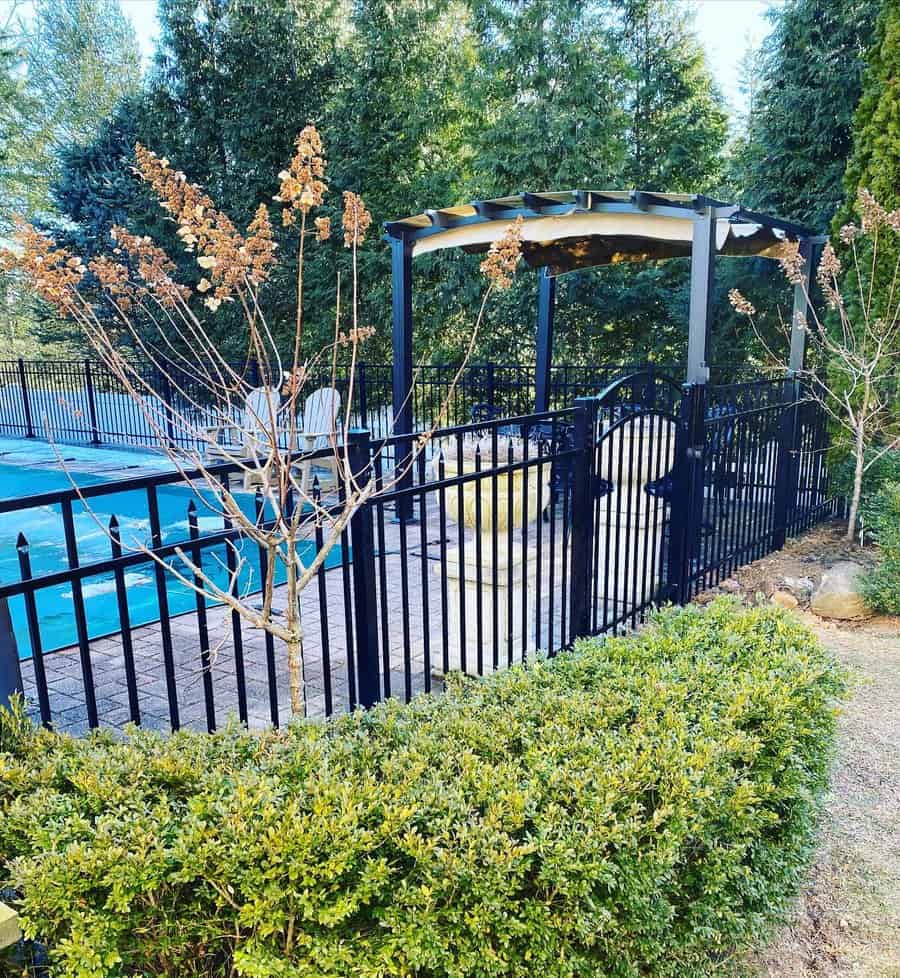
Wrought iron fences are strong and solid, helping it to be a secure and long-lasting method for securing your pool. However, wrought iron fencing is heavy and expensive. If you want to add a wrought iron pool fence to your property, make the most of it by choosing one with decorative detailing at the top. This will give your fence an elegant and traditional feel.
Source: @boldlandscapeconstructions via InstagramSource: @mrcfence via InstagramSource: @phenixsolutionsinc via InstagramSource: @sgabalustrades_ via InstagramSource: @phenixsolutionsinc via Instagram
If you need a more budget-friendly metal fence, then consider an aluminum pool fence or a chain-link fence. These are both made of metal but lighter weight and easier on your wallet. Aluminum fencing is nice because it’s also corrosion-resistant, helping it to be more durable. The downside of this type of fencing is that it’s less attractive, which can take away from the appeal of your property.
4. Combine Tall Hedge with a Metal Fence
Transform your backyard into a private oasis by merging the natural beauty of a tall hedge with the sleekness of a metal fence. This ingenious combination offers the best of both worlds, providing privacy, security, and aesthetic appeal. Planting the hedge close to the metal fence creates a seamless transition, softening the harsh lines of the metal while adding greenery and texture.
Source: @groupeparamount via Instagram
Opt for fast-growing hedge varieties like Leyland cypress or privet for quicker results, and ensure proper maintenance to keep your fence-line looking pristine year-round. With this fusion, you’ll enjoy a stylish and secure outdoor space that’s sure to impress guests and enhance your property’s value.
5. Combine Glass Fence with a Metal Privacy Fence
Achieve a modern and sophisticated poolside sanctuary by seamlessly integrating the transparency of a glass fence with the privacy provided by a metal fence. Even when positioned on different sides, these elements can work together harmoniously to create a stunning visual effect while ensuring security and seclusion.
Source: @framelessglassspecialist via Instagram
Position the glass fence around the pool perimeter to maintain unobstructed views and a spacious feel, while the metal privacy fence on the neighboring side acts as a solid barrier, shielding your oasis from external distractions. This combination not only enhances safety but also adds a touch of contemporary elegance to your outdoor space.
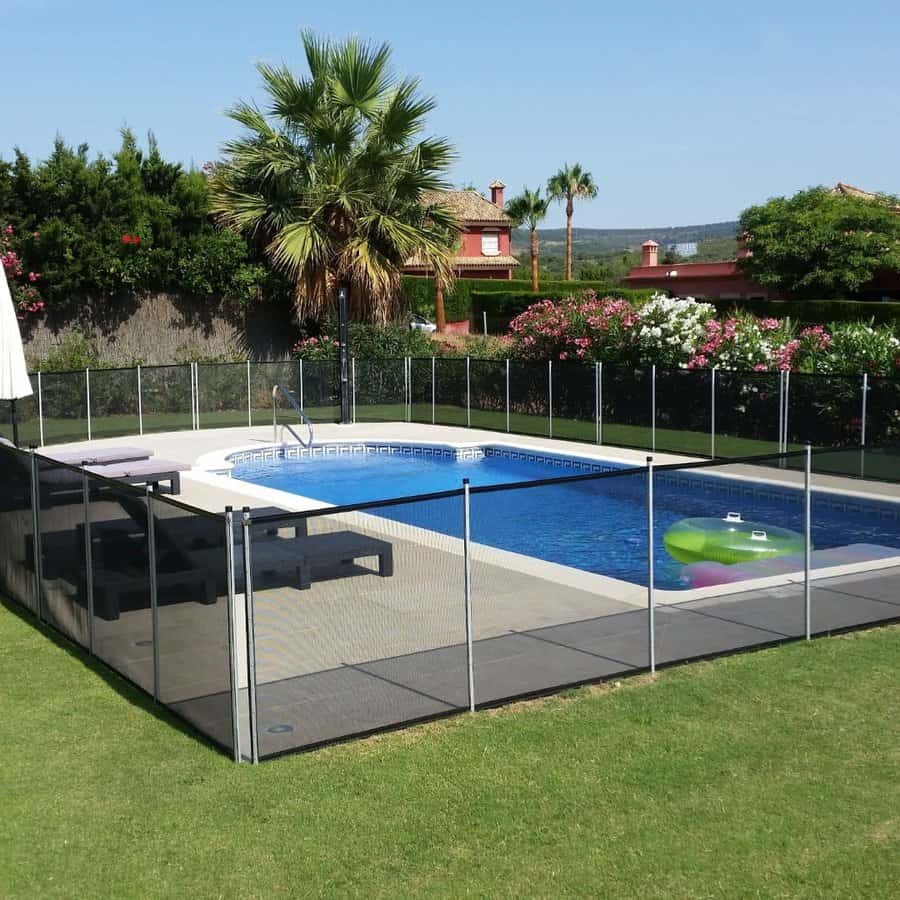
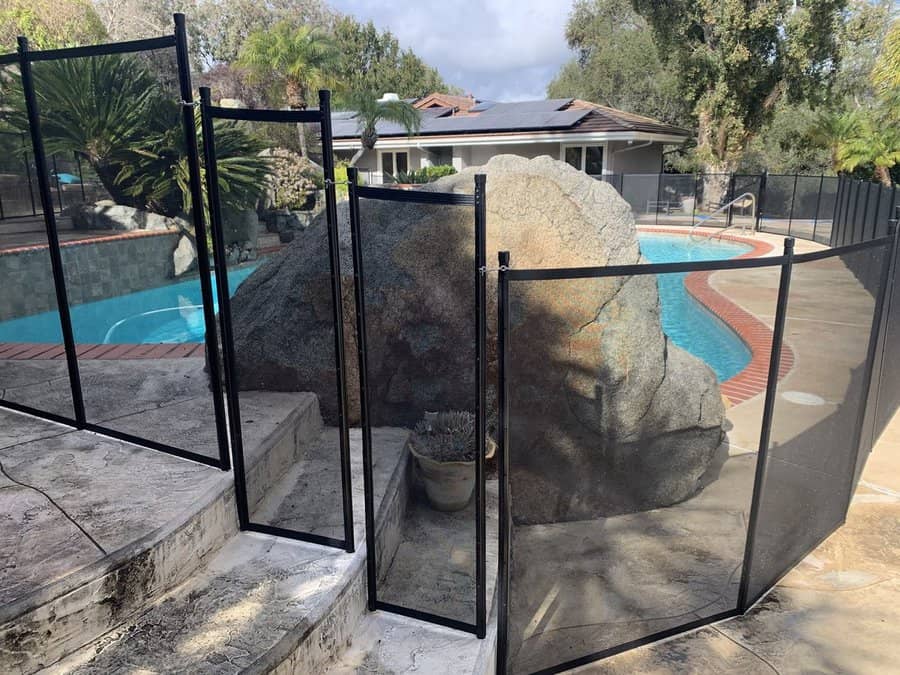
6. Pool Safety Fence
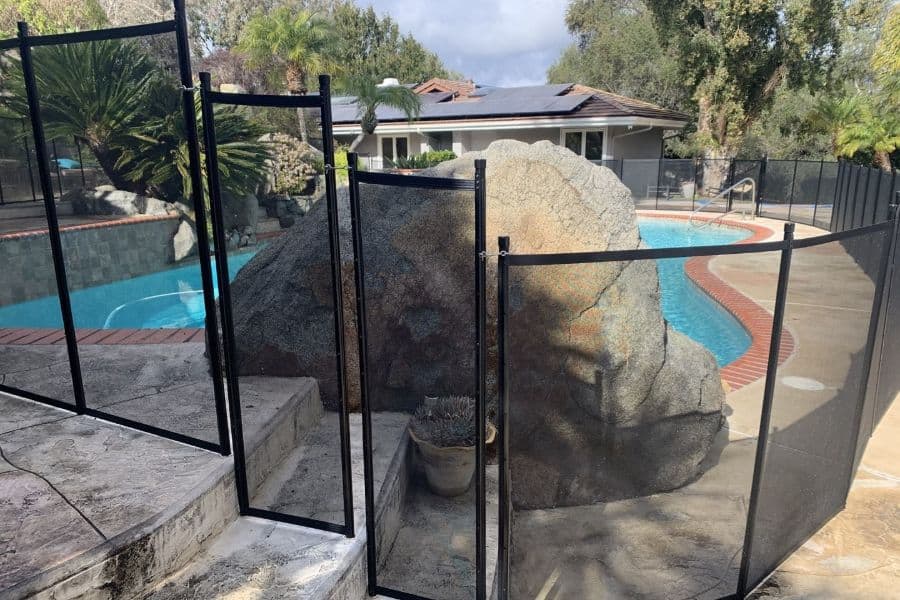
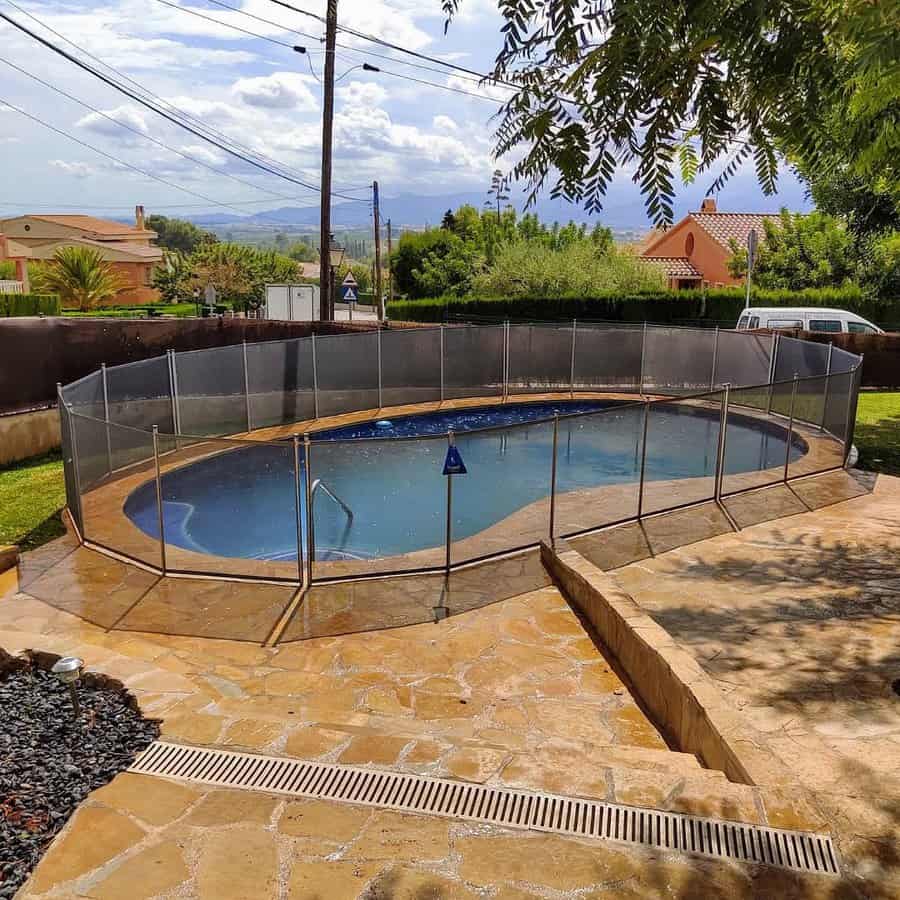
You are responsible for ensuring the safety of your backyard pool. In many places, it’s considered an attractive nuisance, which means it can be enticing for people. Instead of adding a safety fence just around the pool, you can build a perimeter fence around your entire property. This keeps people well far away from your pool, reducing the risk of an accident.
Source: @babysecurandalucia via InstagramSource: @katchakidinc via InstagramSource: @vallasdesmontablesvalencia via Instagram
Another risk to think about is the general landscape of your property. If it’s on a hill or cliff, then you have more than just your pool to think about. Your fencing also protects people from getting injured on the sudden drop in the landscape. A railing on a low fence can give you a beautiful place to admire the landscape from.
7. Solid Pool Fence
A solid stone fence is the most secure and permanent fence that you can build around your inground swimming pool. Unfortunately, it also happens to be the most expensive. Thankfully, once your stone fence is built, it’s incredibly durable and can last for decades. They’re also relatively low maintenance, requiring an occasional cleaning.
Source: @authenticlandscaping via Instagram
Building your solid fence out of bricks will give your fence a traditional look with a beautiful red hue. Modern pavers that are more beige will create a contemporary look. Natural stones are more rustic in appearance with their wide variation in sizes and shapes.
8. Vinyl Pool Fence
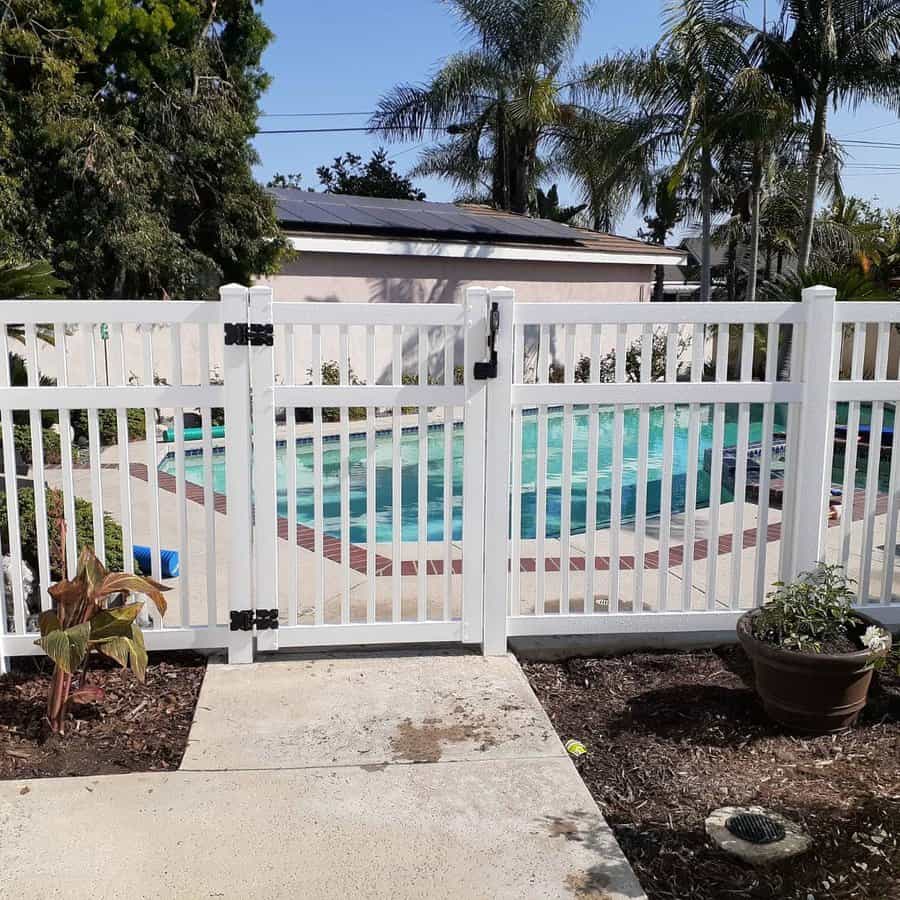
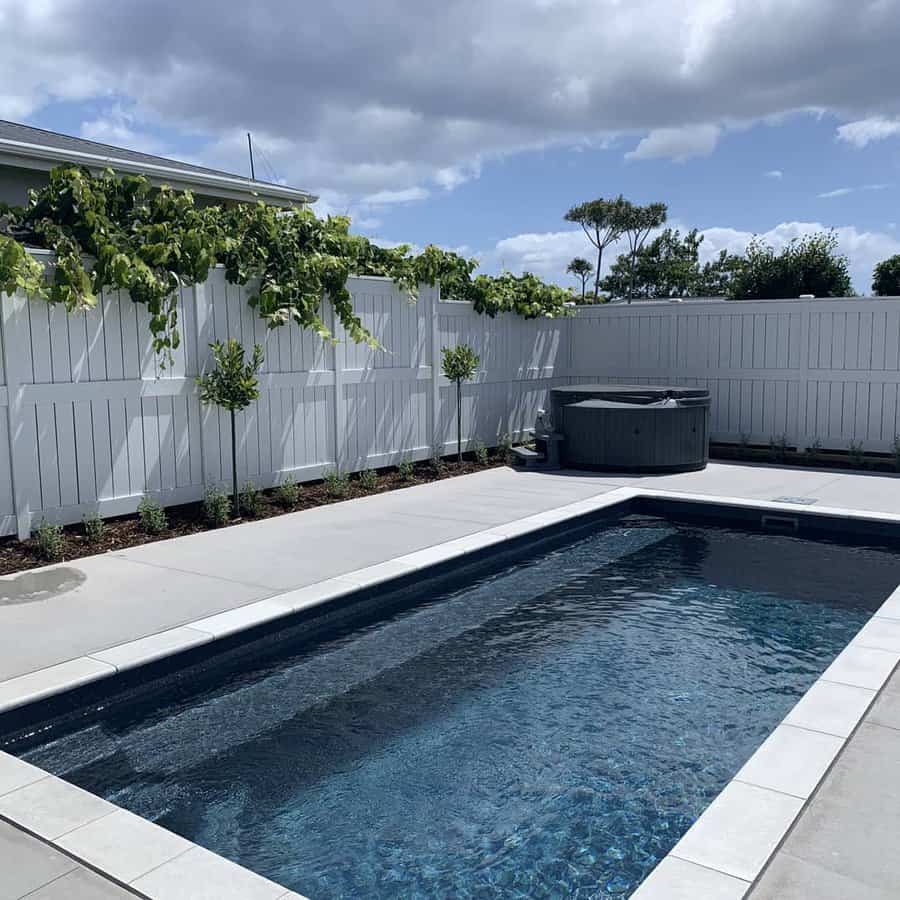
When you want a fresh and contemporary look, consider adding a vinyl pool fence. They are a crisp, bright white, adding brightness to your backyard. They are durable and can last a long time. The biggest drawback of a vinyl fence is that it can stain easily. If you mow the lawn right next to the fence, the grass clippings will eventually stain the fence green, or hard water can stain the fence reddish-orange.
Source: @irvinefence via Instagram
A post and rail fence won’t give you the privacy and security that you need for a pool fence. Instead, look for a vinyl fence that either has a solid panel or rails that are positioned close together. This prevents people from slipping through the fence and getting onto your property.
9. Wood Pool Fence
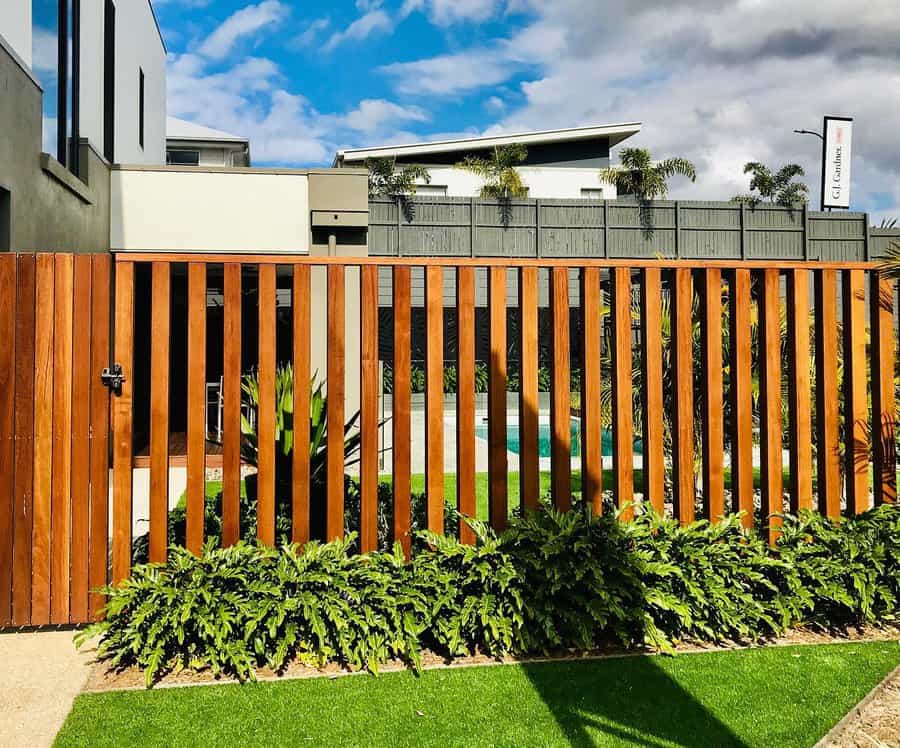
A classic fencing material is wood. It’s durable, attractive, and affordable. You can also choose from a wide variety of designs, making it easy to customize the look of your wooden fence. You could hire a contractor to install your swimming pool fence, but you could also purchase fence panels and do your own fence installation.
Source: @queenslandstyle_homes32 via InstagramSource: @timberkraftlimited via InstagramSource: @glaze_it_glassandscreens via Instagram
A picket fence will give your backyard a country garden feel but won’t provide you with much privacy. A lattice fence can create more privacy while also allowing for plenty of airflow. You could plant vine plants along the base of the fence and allow them to grow across the fence. If you aren’t ready to commit to a full lattice wood fence, then you could have a solid wood panel for the lower part and a decorative lattice topper.
“You’re only one swim away from a good mood.” – Unknown
Being a swimming pool owner is a dream that many of us share. Not only does it provide the mood-boosting effect that follows a good swim, a beautiful pool area enhances any backyard.
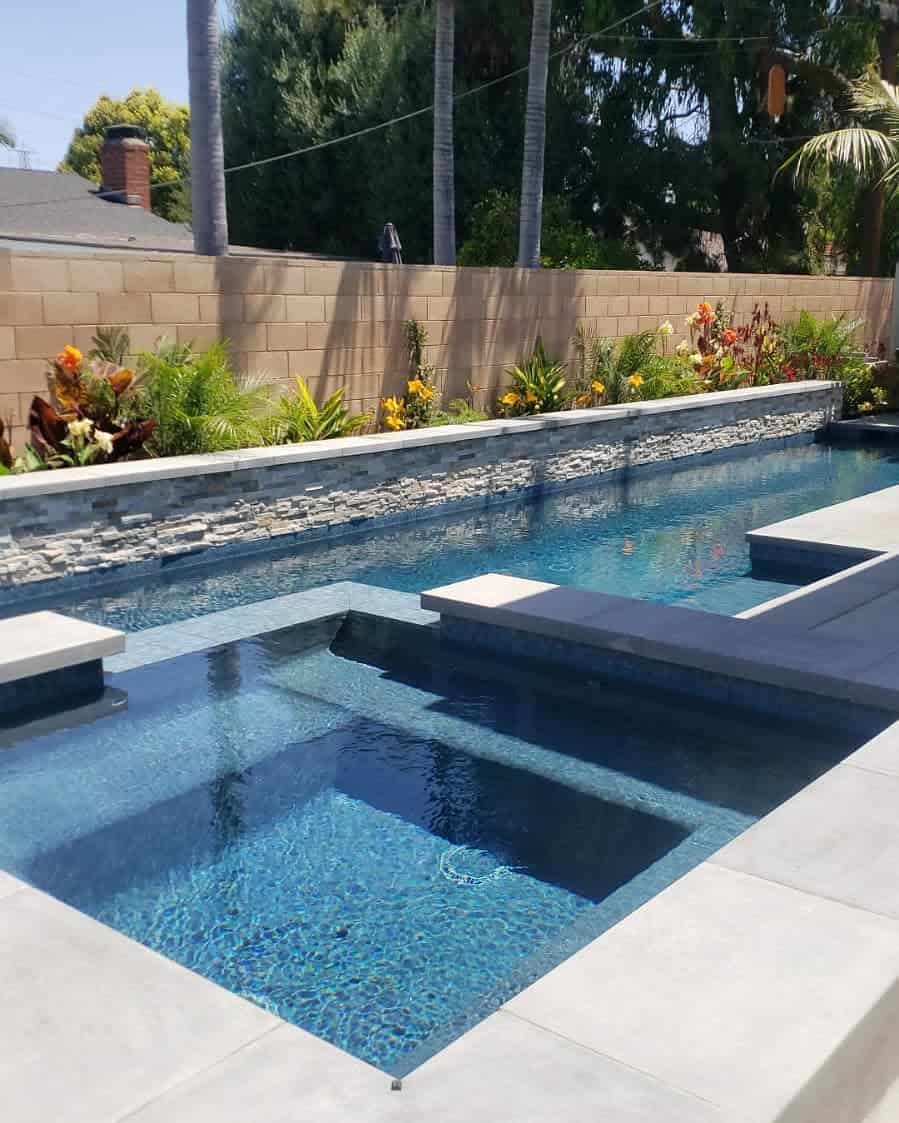
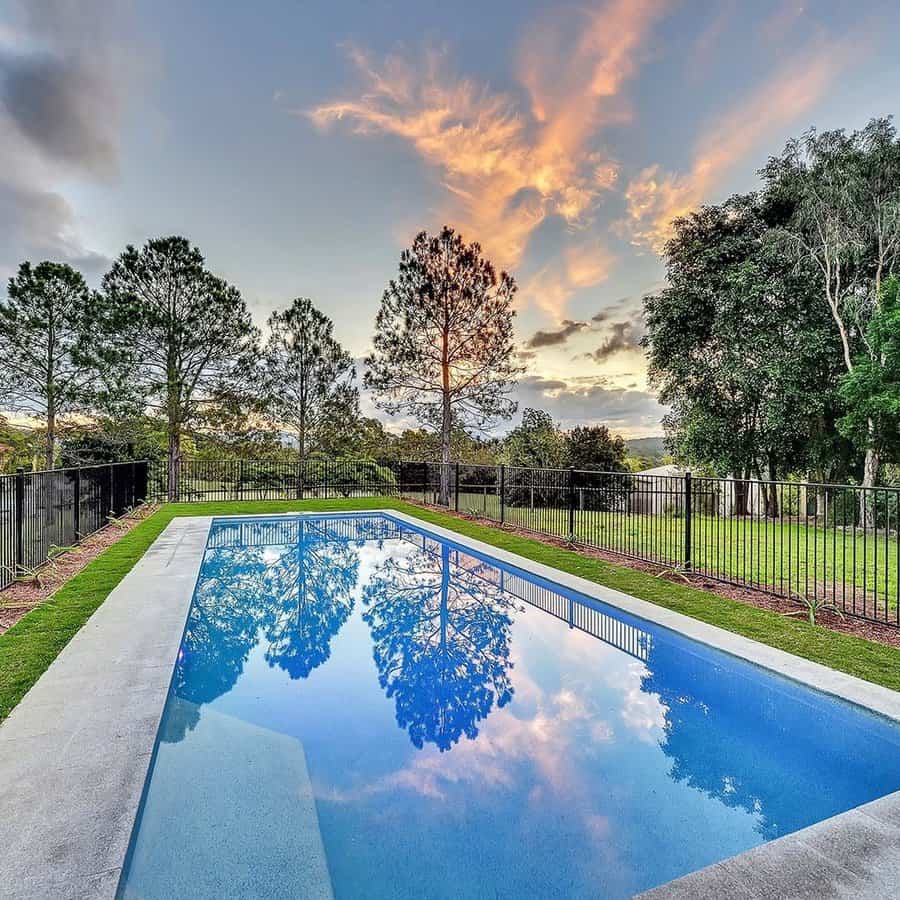
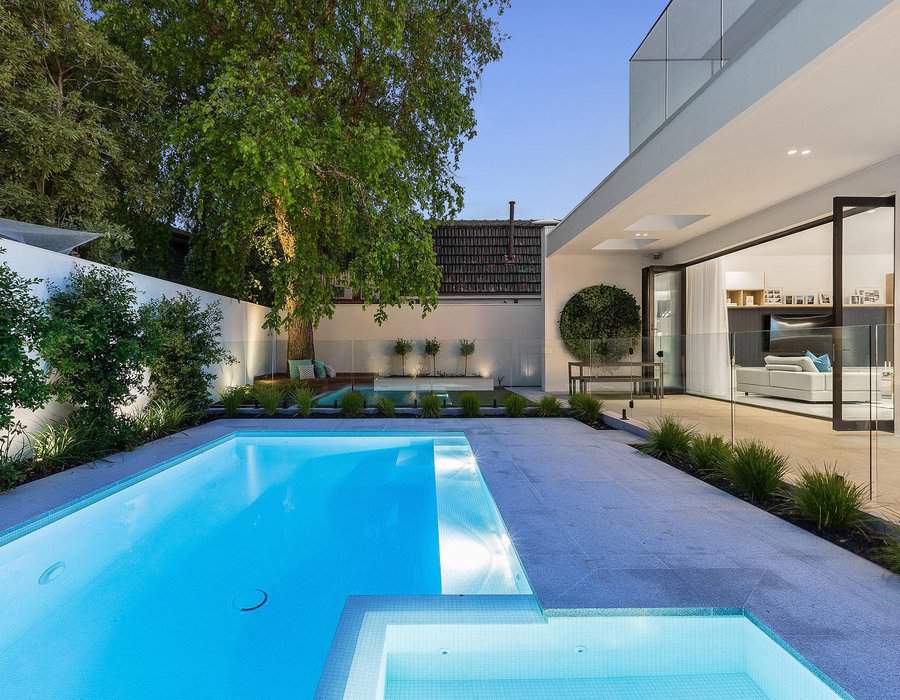
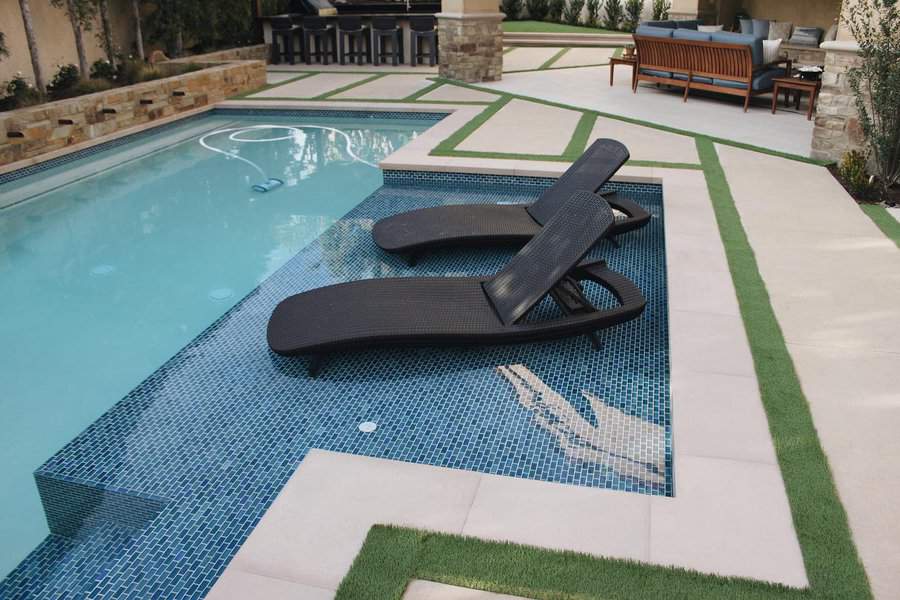
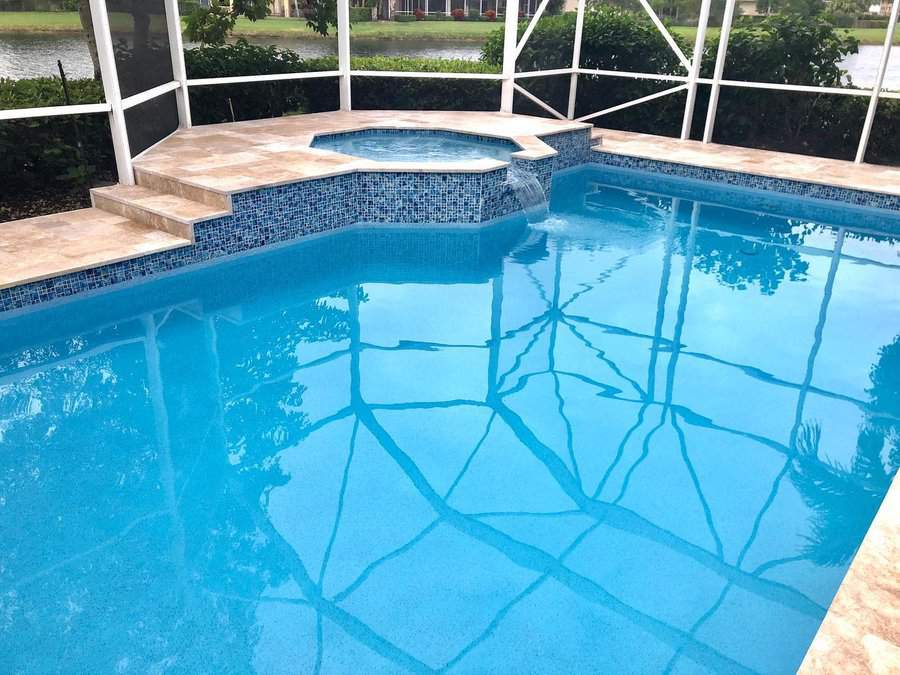
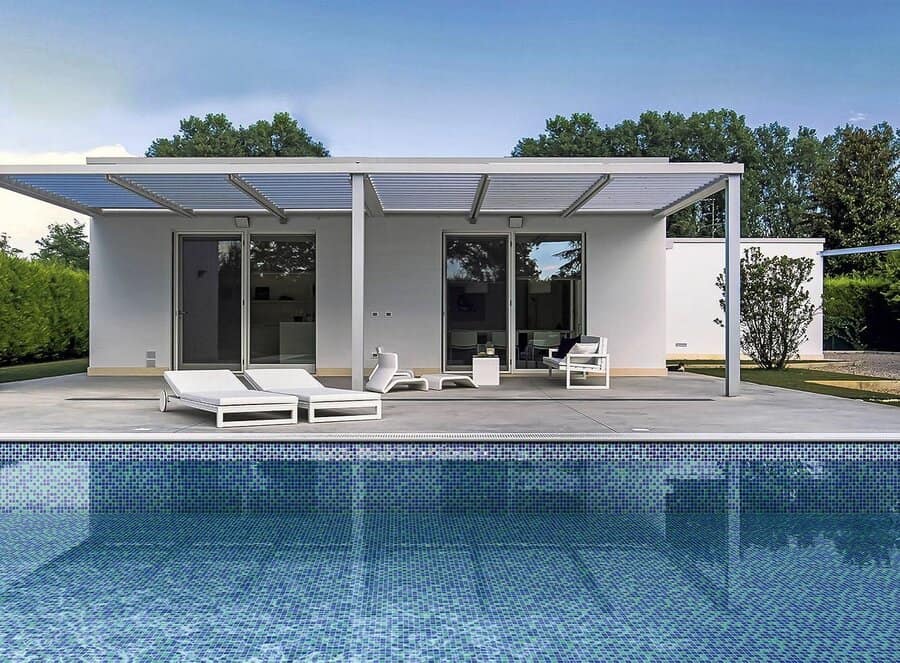
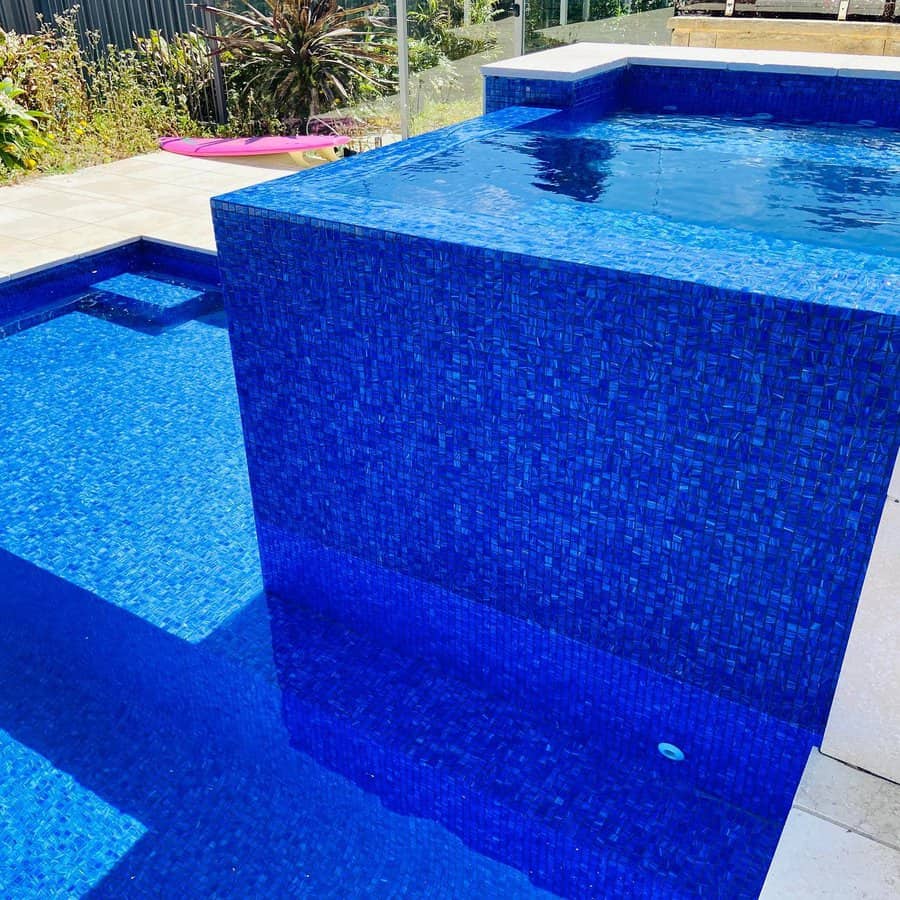
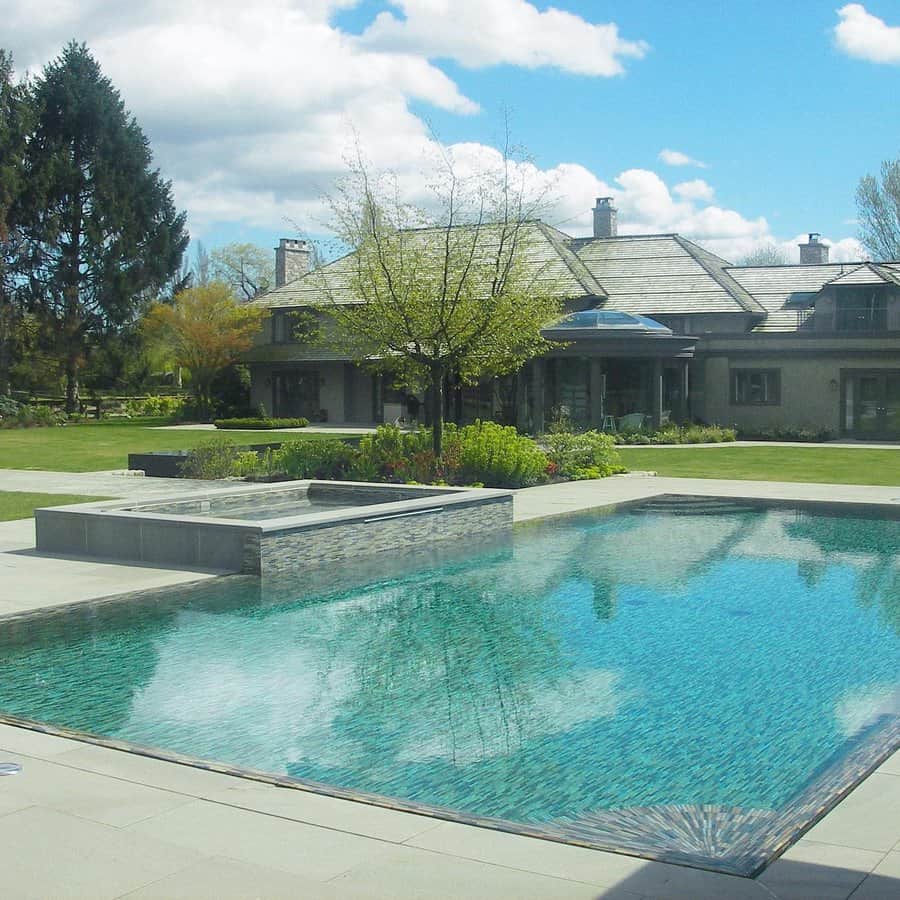
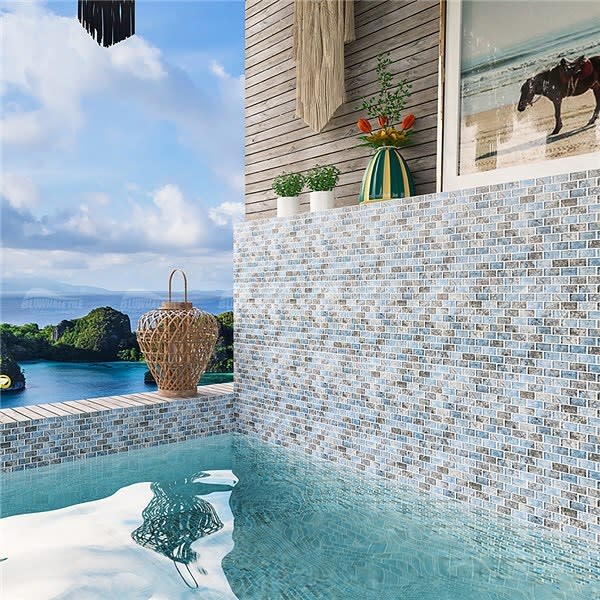
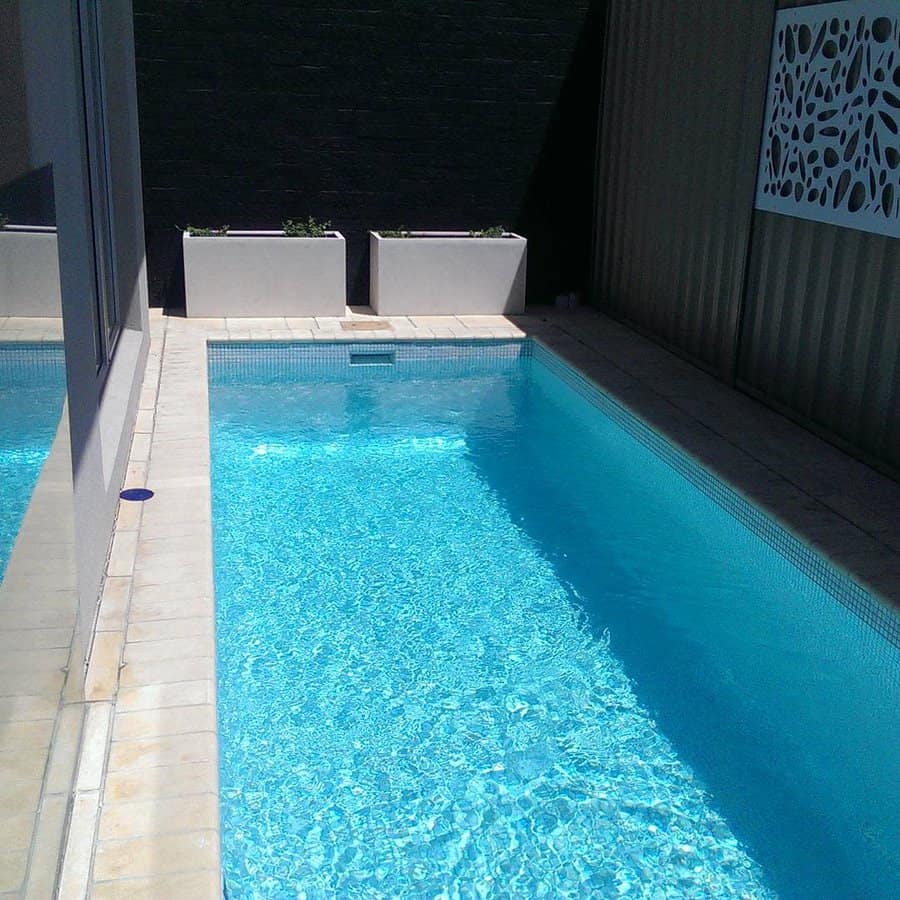
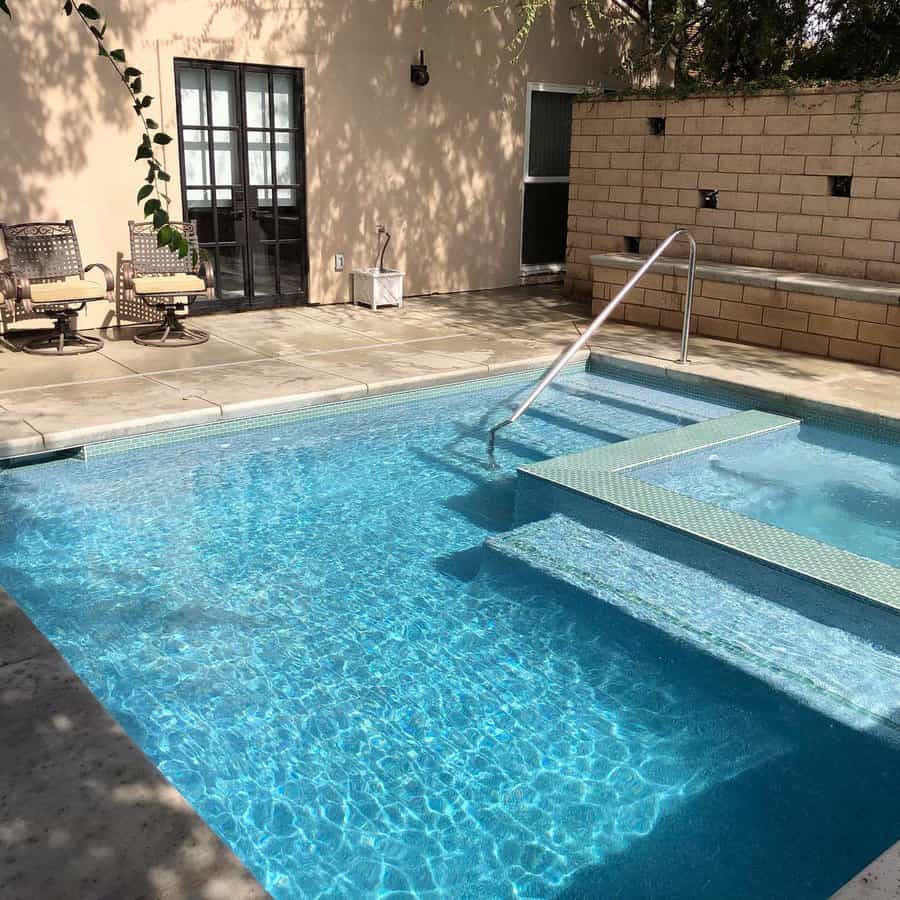
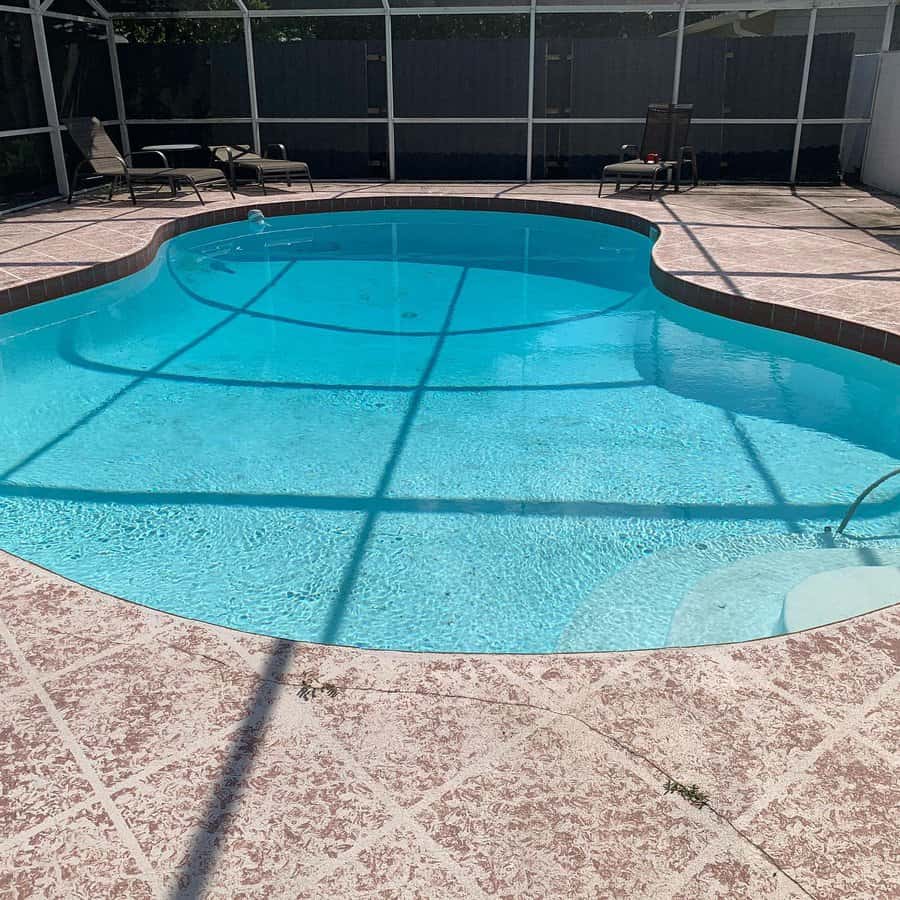
Swimming pool tile is an important factor in creating the perfect backyard pool oasis. The colors, textures, and sizes of tile you choose can make or break your pool design. Before settling on a particular type of tile, scroll through our best pool tile ideas and see which ones stand out to you. From natural stone to iridescent glass tile and everything in between, there’s never been a better time to design the perfect pool.
[view_toc]
1. Grey Pool Tiles
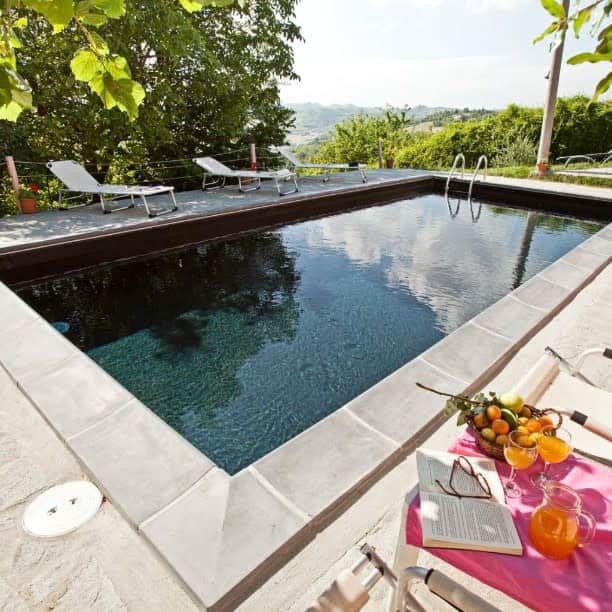
Grey tiles bring a modern edge to your aquatic oasis, effortlessly blending with various design schemes. You can go with textured grey tiles to add depth and dimension to your pool or go for smooth, glossy tiles for a contemporary finish.
Their neutral hue complements surrounding elements like lush greenery or vibrant pool furniture, creating a harmonious retreat in your backyard. Plus, their versatility extends beyond aesthetics; grey tiles are known for their durability and resistance to fading, ensuring your pool remains a stylish centerpiece for years to come.
Source: @cascinarosa33 via InstagramSource: @frameworkconstructioninc via InstagramSource: @environpools via InstagramSource: @firstavenuehomesmelbourne via Instagram
2. Classic Mosaic Blue Tiles
Clasic mosaic blue tiles evoke a sense of tranquility and elegance, turning your pool into a captivating aquatic masterpiece. Whether you choose deep navy hues for a dramatic effect or opt for lighter shades to mimic the shimmering surface of a tropical lagoon, mosaic blue tiles infuse your pool with undeniable charm. Their intricate patterns add visual interest and can even create optical illusions, making your pool appear larger or more dynamic.
Source: @pacificstonedesign via InstagramSource: @oasispoolsandpavers via InstagramSource: @tileofspainusa via InstagramSource: @recepali.betsan via InstagramSource: @poolsofdistinction via Instagram
3. Patterned Blue Tiles
These tiles offer a unique blend of artistry and functionality, transforming your pool into a mesmerizing focal point. From intricate Moroccan-inspired motifs to bold geometric patterns, the options are endless when it comes to infusing your pool with personality. Patterned blue tiles effortlessly capture the essence of coastal living, inviting you to unwind in style amidst their captivating designs.
Source: @keratiles_ceramic via Instagram
4. Mosaic Natural Stone Tiles
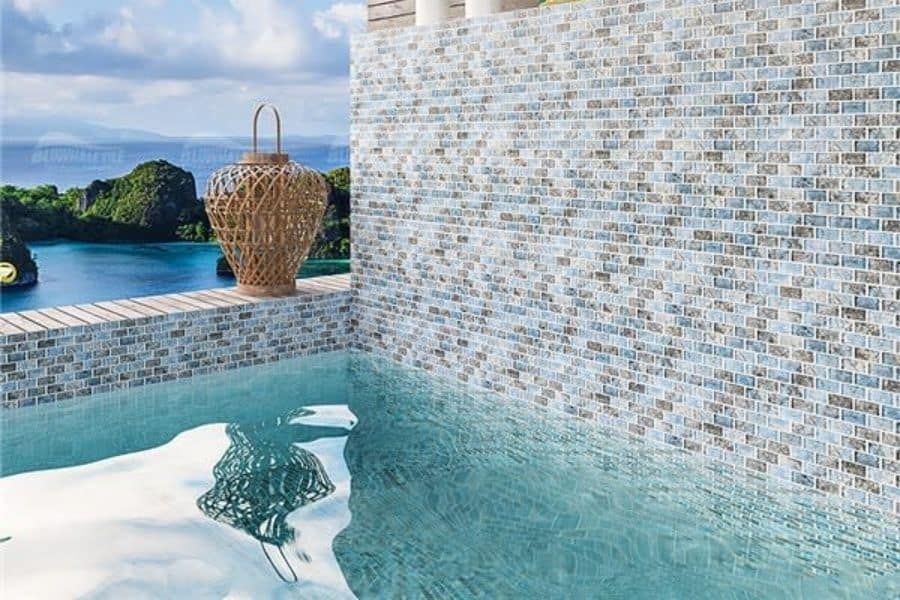
These exquisite tiles effortlessly blend rustic charm with contemporary elegance, creating a stunning visual impact. Each tile boasts unique textures and earthy tones, adding warmth and authenticity to your pool design. Whether you choose slate for its rugged appeal or travertine for its subtle elegance, natural stone tiles infuse your pool with unparalleled sophistication.
Source: @trasolinipools via InstagramSource: @bluwhaletile via Instagram
5. Beige Porcelain Tiles
These versatile tiles offer a perfect balance of style and functionality, enhancing the beauty of your pool while providing practical benefits. Their neutral hue effortlessly complements a variety of design aesthetics, from modern minimalism to rustic chic. Beige porcelain tiles create a seamless transition between your pool and surrounding landscape, enhancing the overall visual cohesion of your outdoor space.
Source: @directpooltiles via InstagramSource: @sparkspools via Instagram
6. Patterned Poolside Tiles
Patterned poolside tiles offer a refreshing departure from traditional pool designs, infusing your outdoor space with personality and flair. From vibrant geometric patterns to intricate floral motifs, the options are endless when it comes to creating a unique poolside retreat. Patterned tiles not only add visual interest but also serve as a functional element, providing a non-slip surface for added safety.
Source: @tatninovrenovations via Instagram
7. Hexagon Tiles
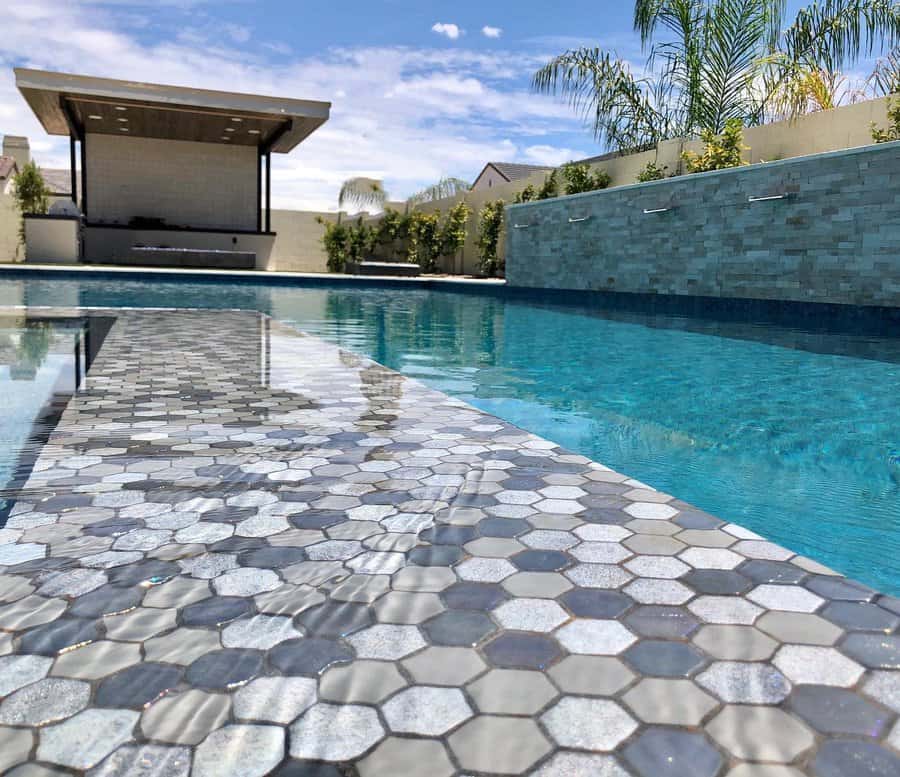
If you’re looking to make a splash with your pool design, consider exploring the exciting and unique possibilities of hexagon tiles. An eye-catching tile shape, hexagons create a honeycomb pattern that exudes both creativity and functionality when outfitted on the walls or floors of a pool space.
Whether you go for a bold blue color or choose something more subtle, like white or gray, these tiles act as an artful addition to any swimming area. Whatever your style may be, adding hexagon tiles to your pool provides endless possibilities for customizing and cleverly decorating any backyard oasis.
”Spending time outdoors makes you feel great.” – Elizabeth Hurley
What does your backyard look like? If you have a dull and bland-looking outdoor patio, then you are overdue for a glow-up. The best way to approach it is from the floor up. Once you have your patio flooring handled, you can decide how you want to use the space. Start by comparing different patio design ideas to find the one that will look best on your patio. Perhaps your patio could benefit from tiles, wood flooring, or a fresh coat of paint. Consider the look and feel of your home’s exterior architecture and what will complement it best.
Which one of these patio floor ideas will improve the floor of your patio?
[view_toc]
1. Red Bricks
Brick pavers are a perfect patio floor for your outdoor kitchen. A brick or paver patio is durable and easy to clean should you drop food or grease. If you have a traditional home, then a brick patio will add to the look. A natural stone patio will create a more rustic look that’s perfect for blending in with the countryside. For a contemporary look, flagstone is a perfect option.
Source: @jjbrickpavers via InstagramSource: @knapsteindesign via InstagramSource: @kylejbauer via InstagramSource: @mciandella via InstagramSource: @sweetbriargardens via InstagramSource: @brianlikestolift via InstagramSource: @blakeandsons_design via InstagramSource: @milieulandscape via InstagramSource: @a_tribe_called_chris_81 via Instagram
The biggest choice you’ll have to make with your brick patio is how you’ll lay the bricks. You could lay them in straight lines. This could create an optical illusion in your favor that the patio is wider or longer than it really is. An interlocking design like a herringbone pattern can add visual interest to your patio.
2. Carpet
Cover your patio or porch floor with outdoor carpet and give your patio a living room feel. These modern carpets look beautiful and are durable enough to stay looking beautiful. Skip the carpet tiles and opt for a single large carpet for an elegant look and feel. You also won’t have to struggle with carpet tile corners lifting or the adhesive giving way when exposed to moisture, extreme heat, or cold.
Source: @and_marquis via InstagramSource: @hattieintheattic via InstagramSource: @thethriftyteacherlady via InstagramSource: @couristan via InstagramSource: @haycocreative via InstagramSource: @levibuilds via InstagramSource: @theprettylittlehome via InstagramSource: @west_and_co via Instagram
While you could cover your entire patio in carpet, you don’t have to. Covering the entire patio will mimic the look of the interior carpet. However, leaving the patio bare around the perimeter will create an area rug feel. This will be easier to keep clean, create more defined space, and be more affordable.
3. Concrete
The majority of patios have a concrete floor. This is because it’s easy to extend the home’s concrete slab out beyond the house’s exterior. It’s also easy to add concrete flooring should you not already have a patio built onto your home.
Source: @itshoneydone via InstagramSource: @west_and_co via Instagram
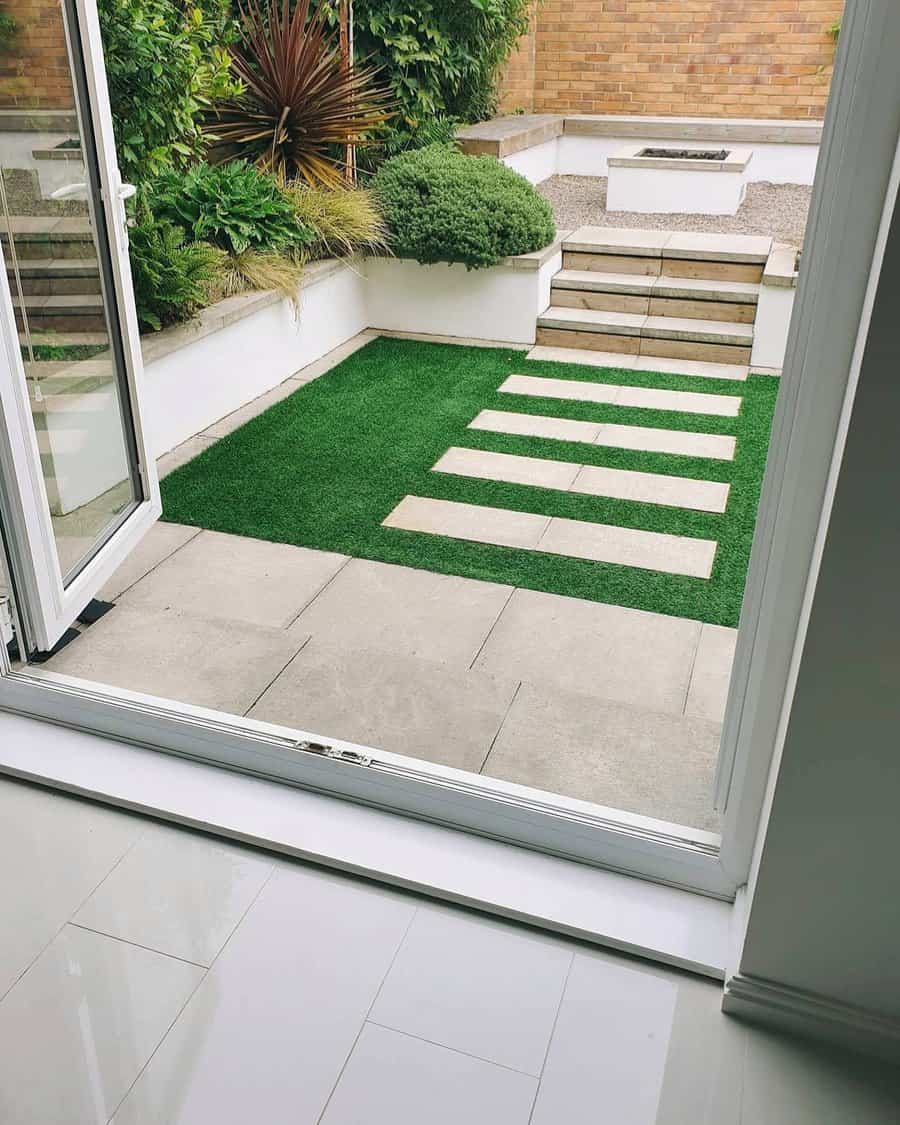
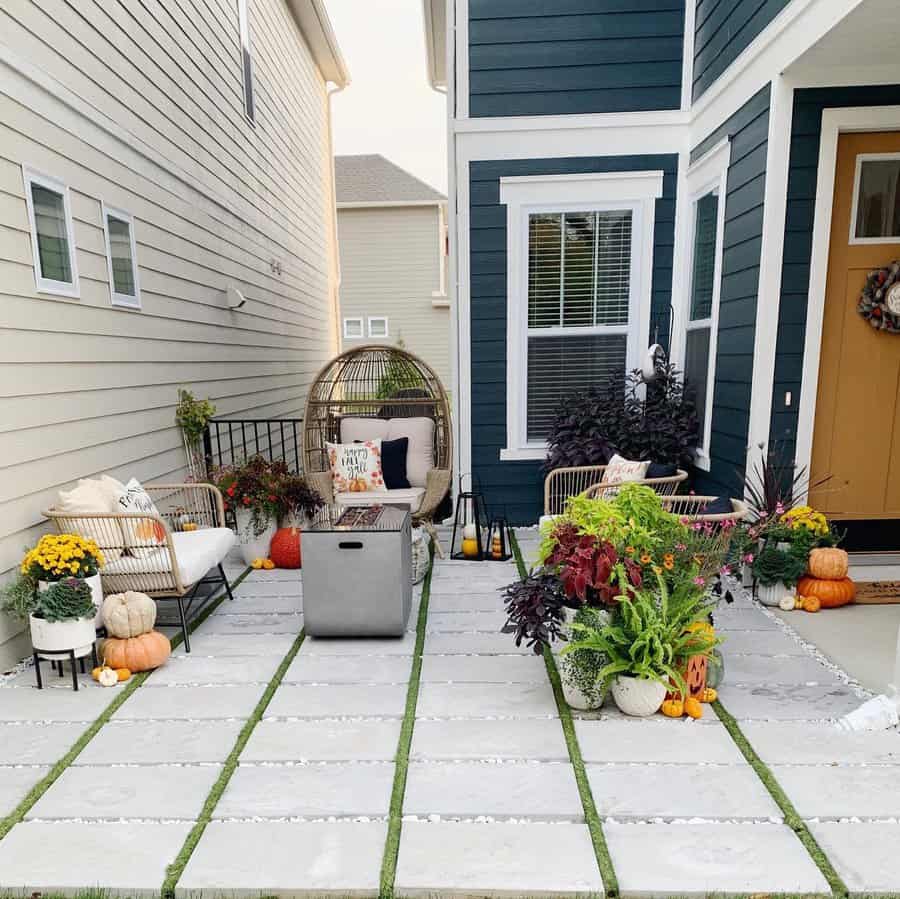
While poured concrete is the most affordable, it isn’t your only option. Concrete pavers can give your patio a modern feel. Innovative concrete patio ideas lean towards using large square or rectangle pavers. Space them apart slightly and grow moss or use artificial turf between the pavers. This adds texture and greenery to what would be a plain concrete patio.
4. Concrete Pavers
Concrete pavers offer a blend of durability and aesthetic appeal, making them an ideal choice for patio flooring. Their versatility allows for a variety of designs, from sleek, modern looks to more traditional patterns. The key is in the installation; a well-laid concrete paver patio can resist weathering and heavy traffic.
Source: @mymodernwarmth via InstagramSource: @royalstonemasonry87 via InstagramSource: @simplyheatherz via Instagram
Maintenance is straightforward, usually involving regular cleaning and occasional sealing. Plus, with the ability to mimic more expensive materials like stone, concrete pavers provide a cost-effective solution that doesn’t sacrifice style.
5. Stone Pavers
Stone pavers bring a touch of natural elegance to any patio. Each piece’s unique texture and color variations create a rich, organic look that’s hard to replicate. When choosing stone pavers, consider the local climate and the stone’s susceptibility to weathering. For instance, slate and bluestone are great for cooler climates, while limestone and travertine fare better in warmer areas.
Source: @dbnlandscaping via Instagram
Remember, proper installation and drainage are crucial to prevent shifting and cracking. The initial investment might be higher, but the timeless beauty and longevity of stone pavers are well worth it.
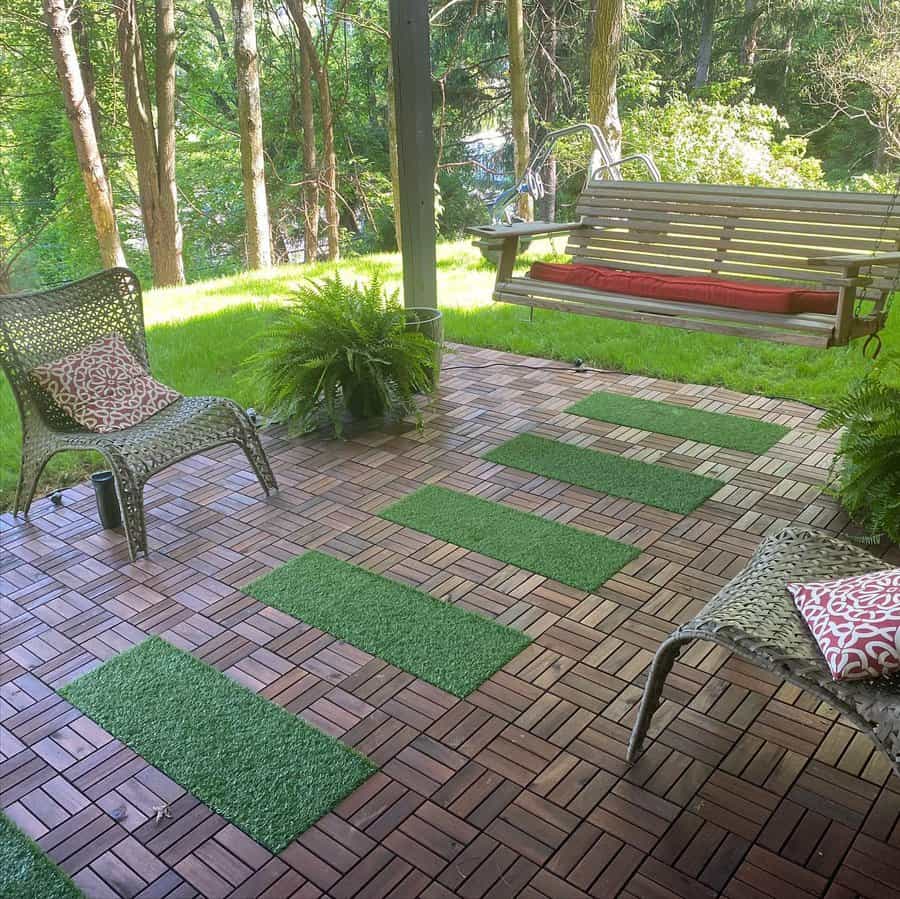
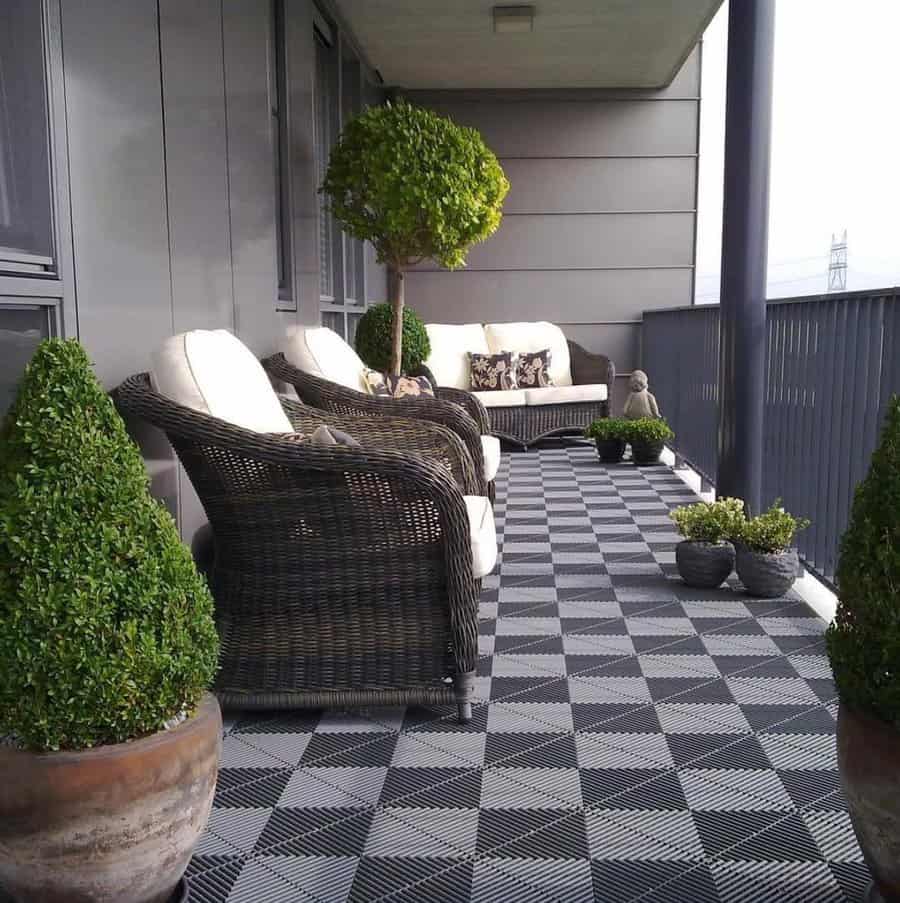
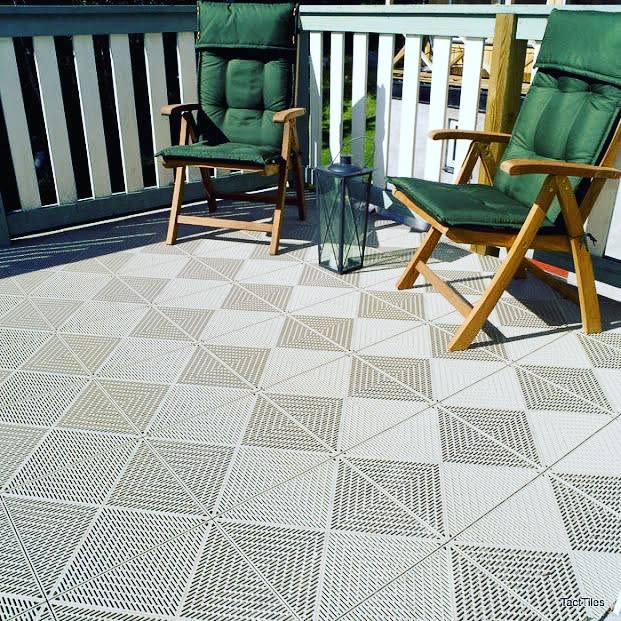
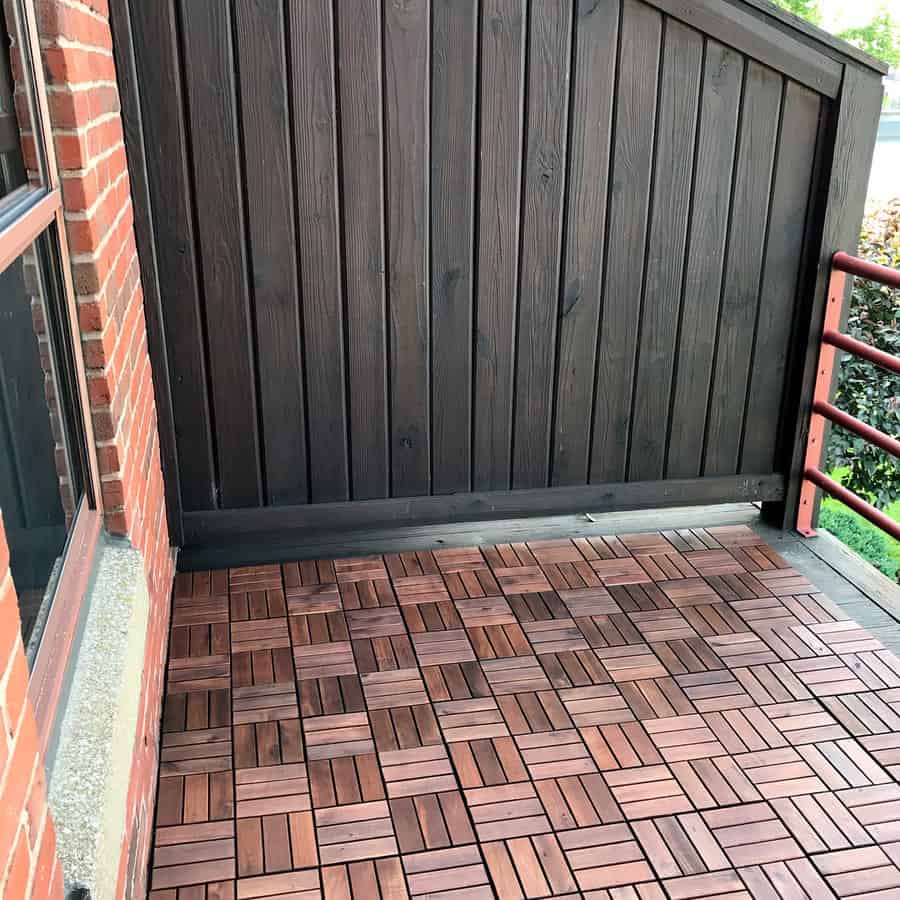
6. Interlocking Deck Tiles
Interlocking deck tiles are a fantastic solution for homeowners seeking a quick and straightforward patio upgrade. These tiles snap together effortlessly, making installation a breeze without needing professional help. They come in various materials, including wood, composite, and stone, allowing for customization to suit any design preference.
Source: @tracilipple via InstagramSource: @ietailoredliving via InstagramSource: @garagestyleltd via InstagramSource: @recyclester via InstagramSource: @greatmats via Instagram
Interlocking deck tiles are especially appealing for renters or those who anticipate future moves, as the tiles can be easily disassembled and taken along. Their ease of installation and versatility make them a popular choice for transforming patio spaces efficiently.
7. Outdoor Tiles
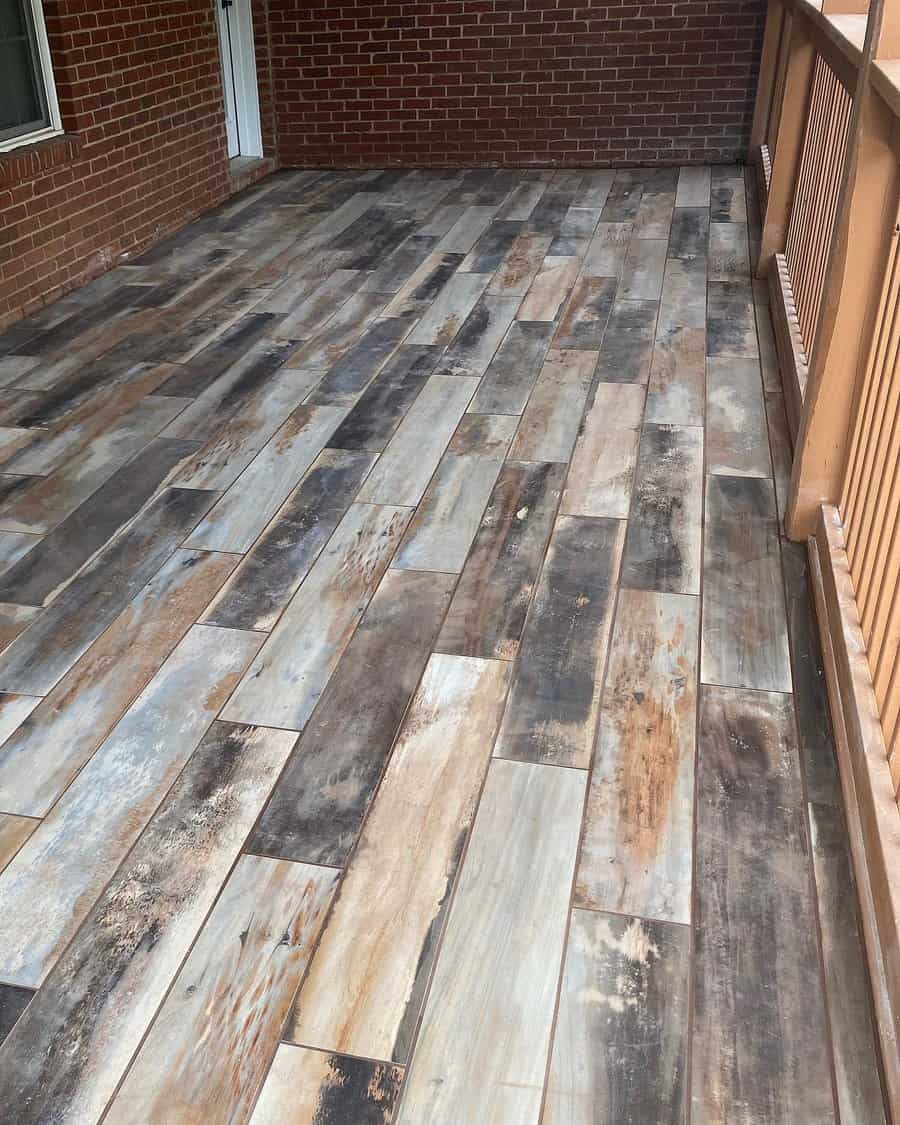
If you already have a poured concrete patio, then consider covering it with outdoor tile. A tile flooring like porcelain tile is colorful and durable, making it a long-lasting option for your backyard space. Choose a patio tile that isn’t glazed or polished, as these become very slippery when wet. This creates a dangerous surface to walk on. Consider the size of the tile and the width of the grout, as this can also impact how much non-slip resistance there is.
Source: @aperfectpichome via InstagramSource: @creativelandscapeslytham via InstagramSource: @dcocommercialfloors via Instagram
If permanent tiles aren’t in your budget, a more affordable solution is to use interlocking deck tiles. They come in a variety of materials, including wood, carpet, plastic composite, and rubber flooring. The tiles you choose need to be meant for outdoor use. These tiles are designed to withstand changing temperatures, UV rays, rain, snow, and ice.
8. Mosaic Tiles
Mosaic tile arrangements are colorful, detailed, and simply stunning. Typically, they use small tiles of varying colors that are arranged into a large design. The designs range from simple to incredibly complicated. A well-done mosaic design takes a long time to plan and install. Because of this, they can be expensive.
Source: @lowalisa92 via InstagramSource: @thestencilstudio via Instagram
Most homeowners don’t try to cover their entire patio with a mosaic. Instead, you can use a mosaic design as an accent or a way of visually defining a portion of the patio. Try adding a mosaic design in the center of your patio or as a border around the perimeter. If you want the entire patio to be a mosaic design, consider using larger stones to scale the size of the design up.
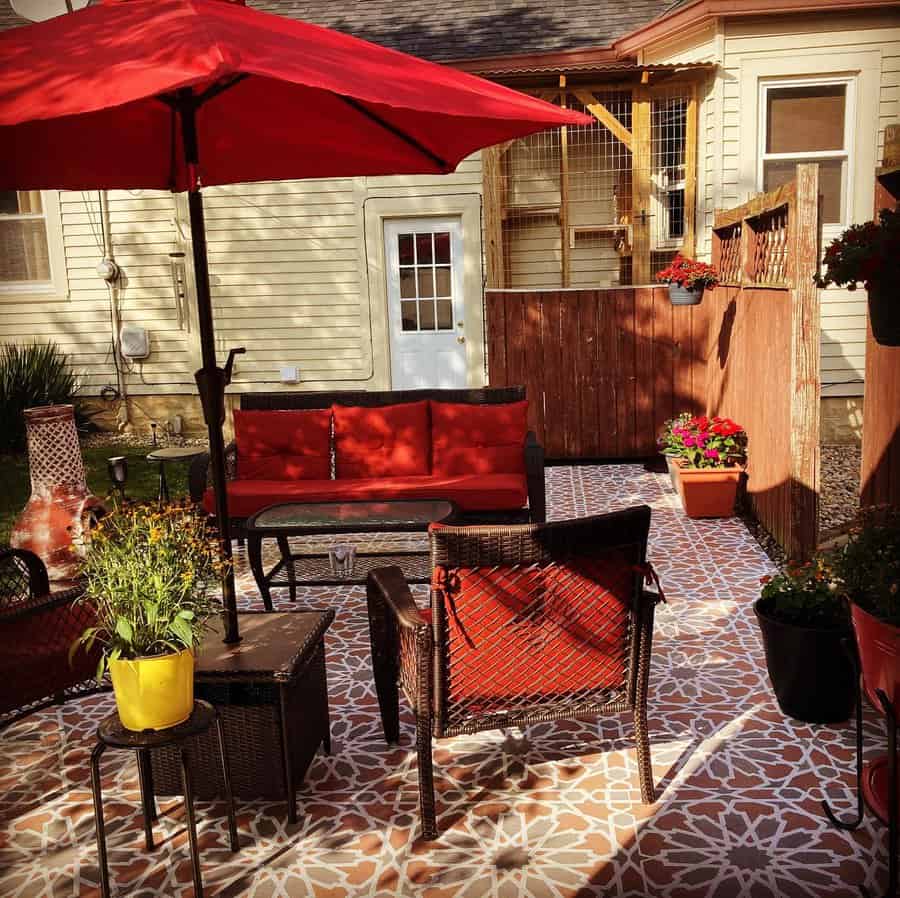
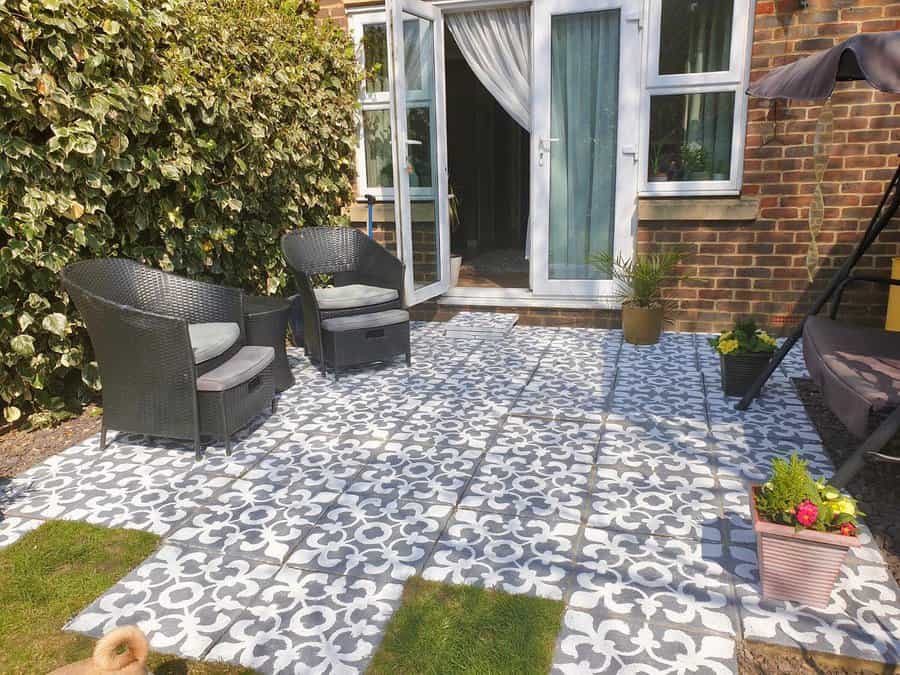
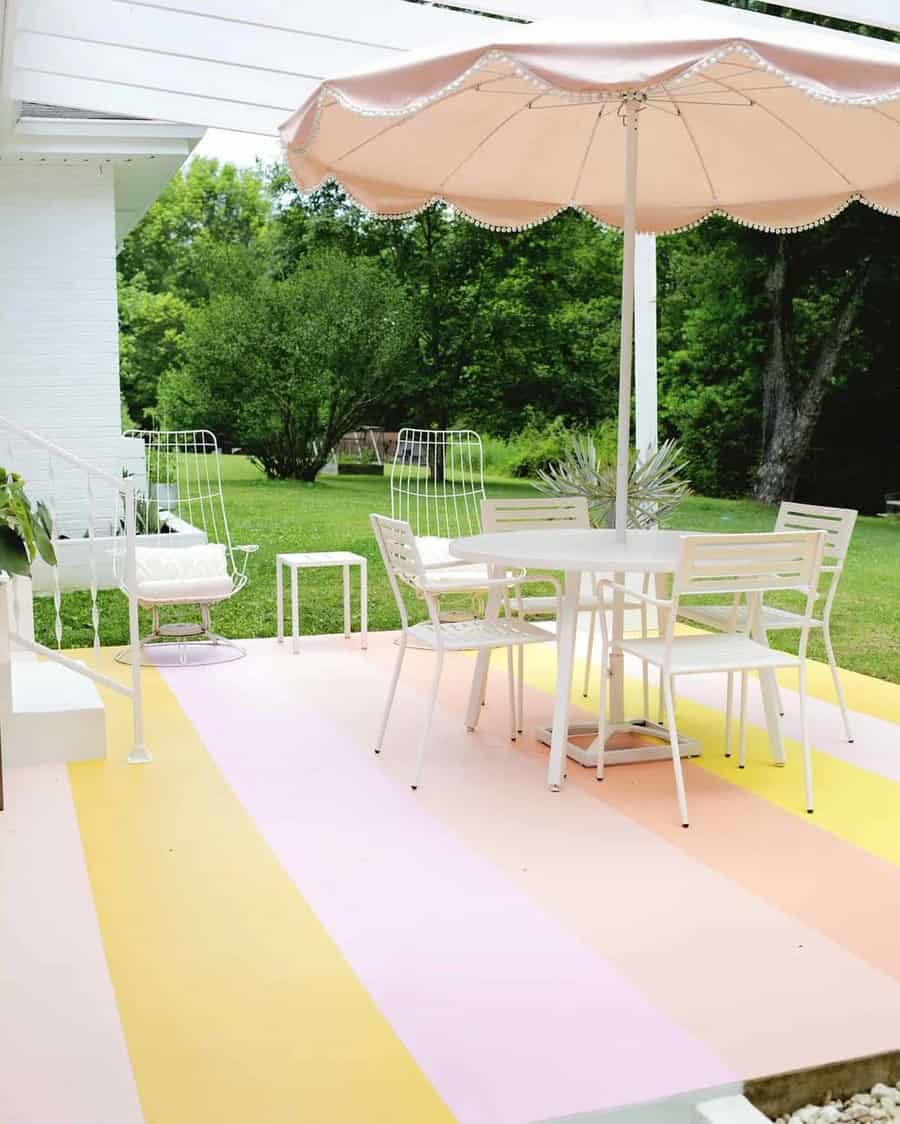
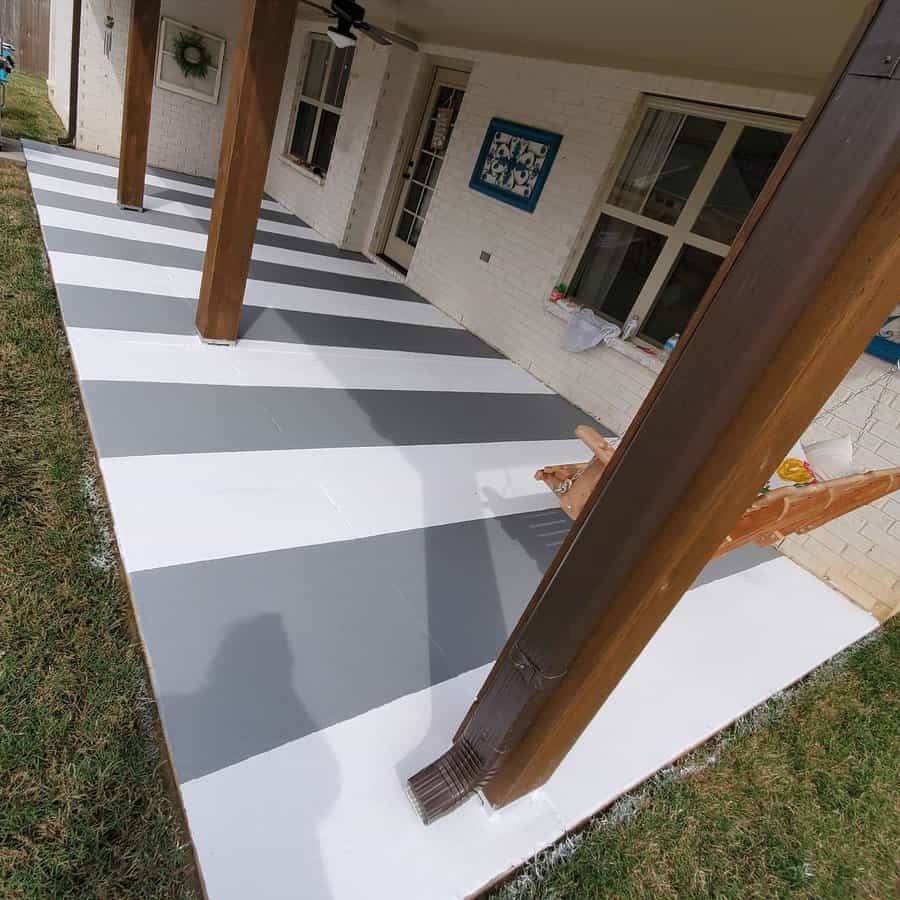
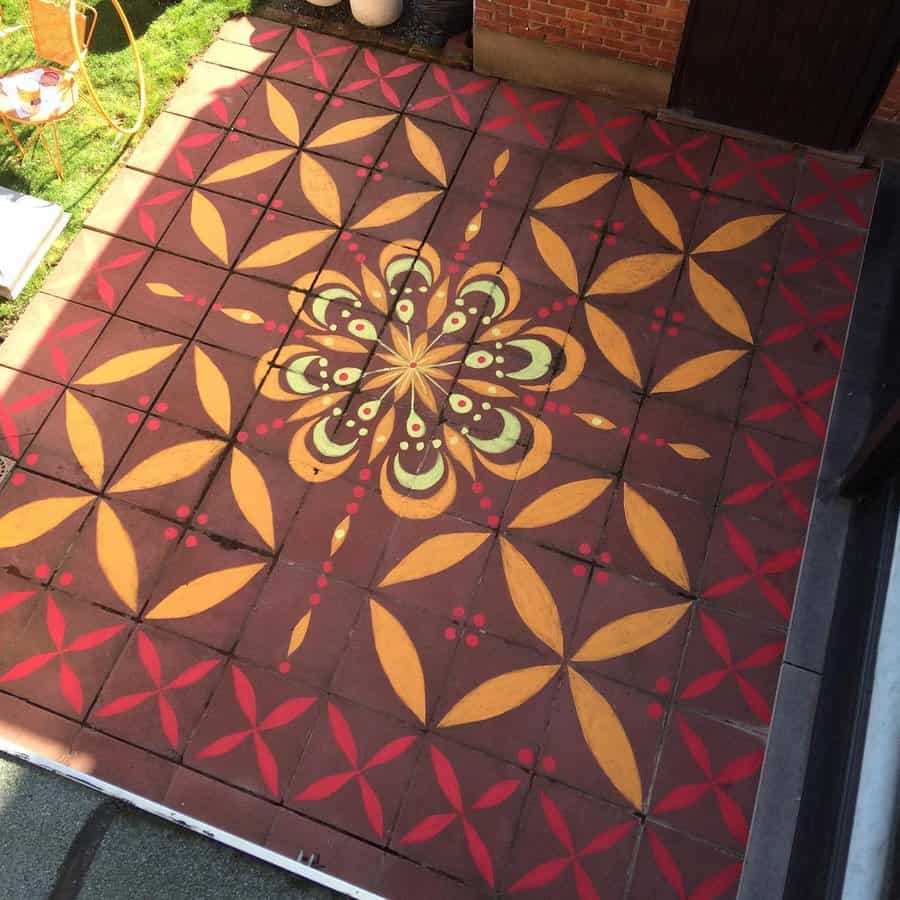
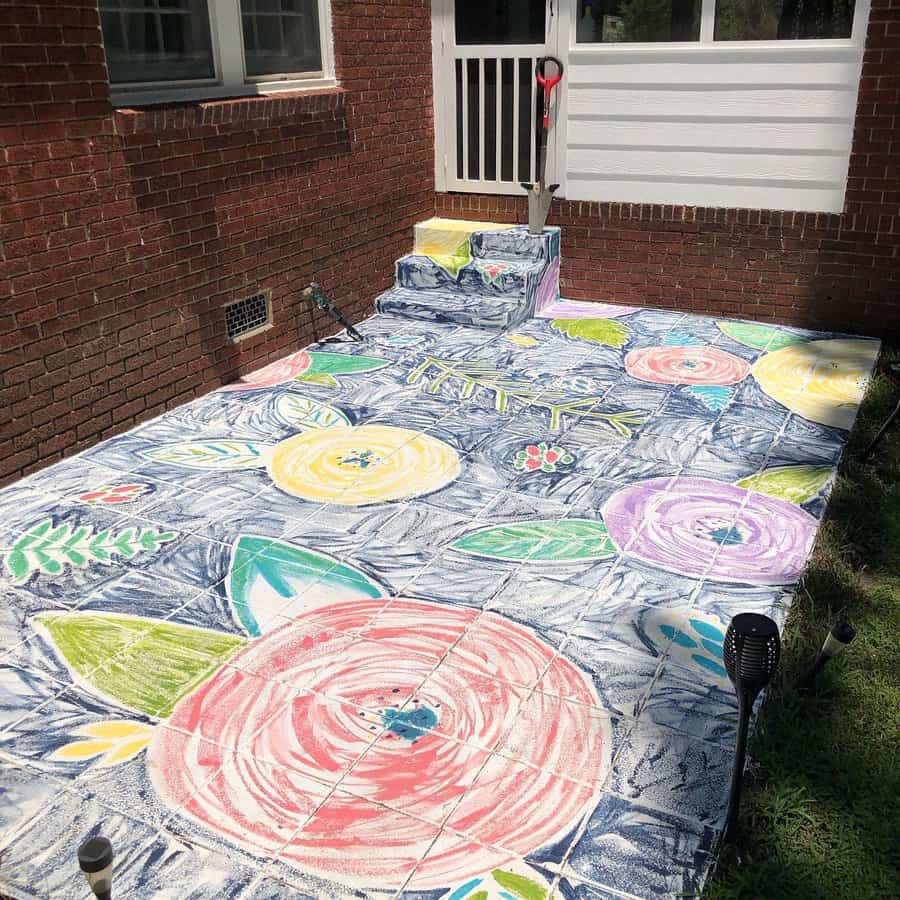
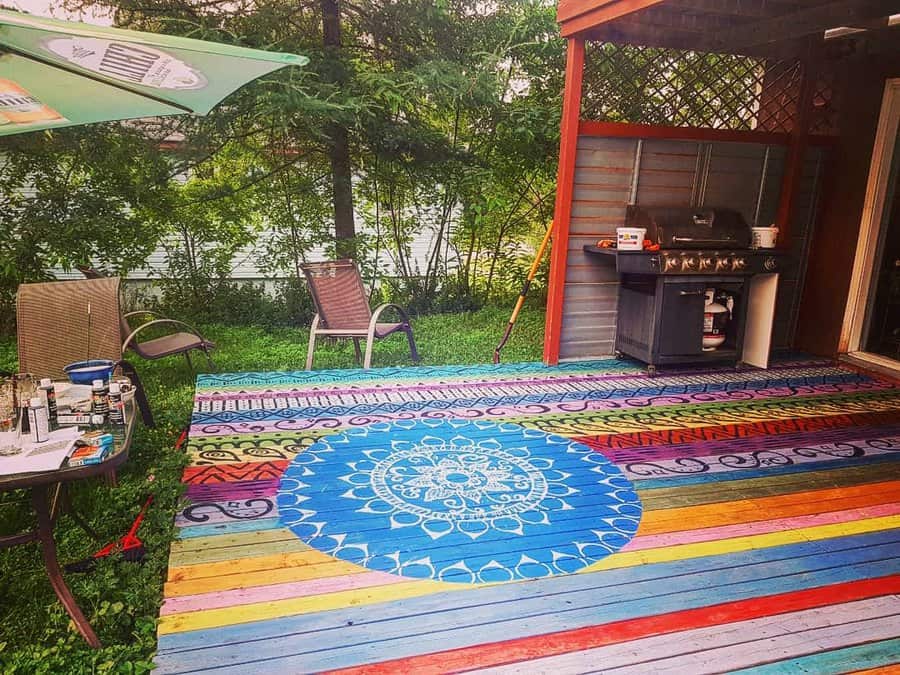
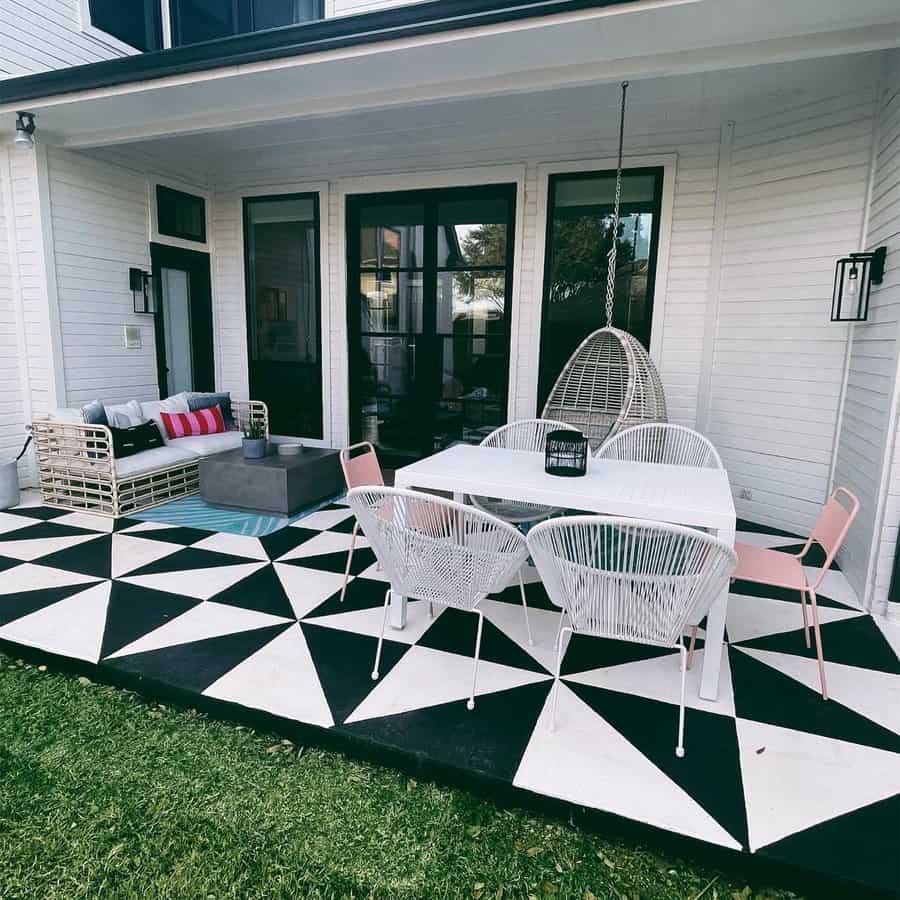
9. Painted
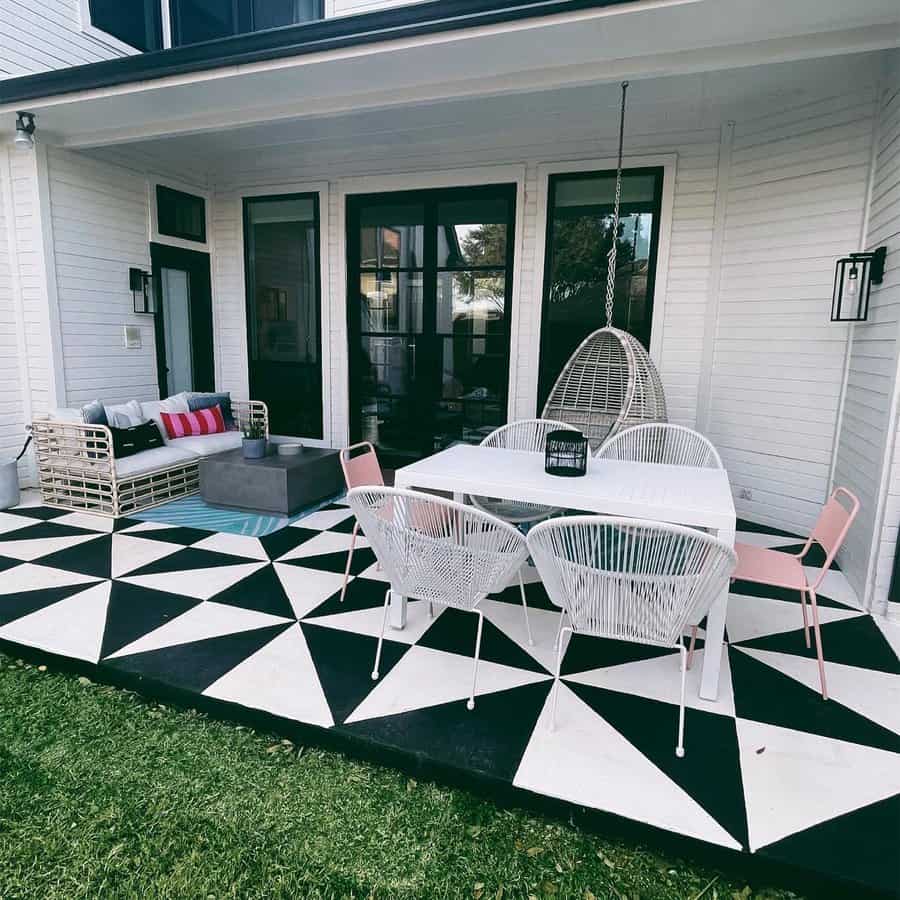
If you’re looking for the ultimate in cheap patio design, look no further than paint. You can choose any color you want and have it mixed at your local home improvement store. Be sure to pick an exterior paint and one that’s designed to be used on the material your patio is made out of. Apply thin coats and allow to dry between each application.
Source: @abeautifulmess via InstagramSource: @emily.scott093 via InstagramSource: @heatherhunt.art via InstagramSource: @lauraannterp via InstagramSource: @rose_child666 via InstagramSource: @sellingyourdwelling via Instagram
For the best results, clean your patio really well before you start painting. This will help your paint get the best adhesion and have a more polished finished product. If your patio is made of concrete and has a smooth finish, you may need to etch it first. You can do this with a chemical bath that will rough up the surface to help the paint stick better.
10. Concrete and Brick
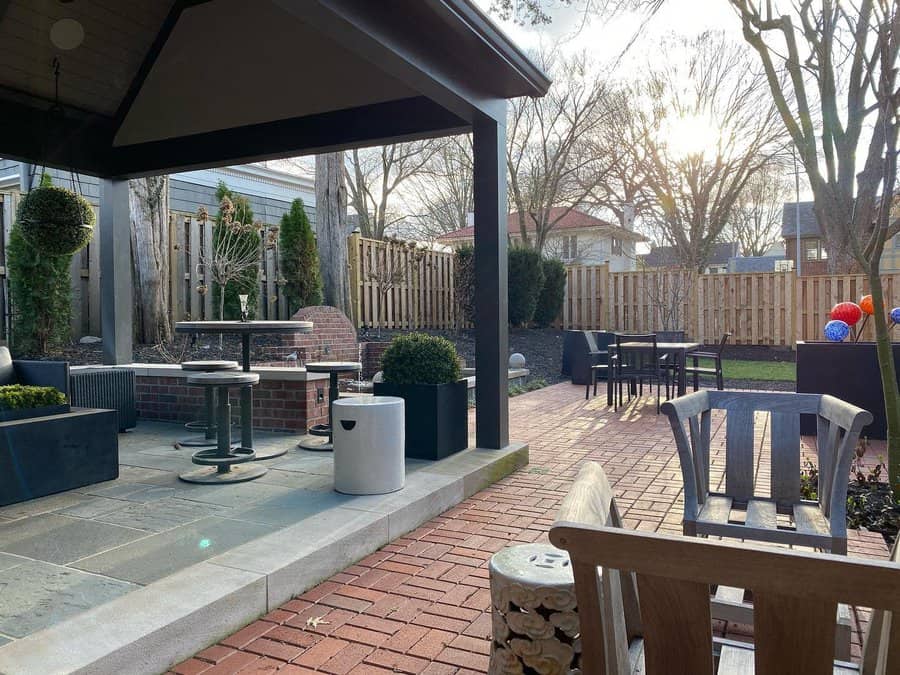
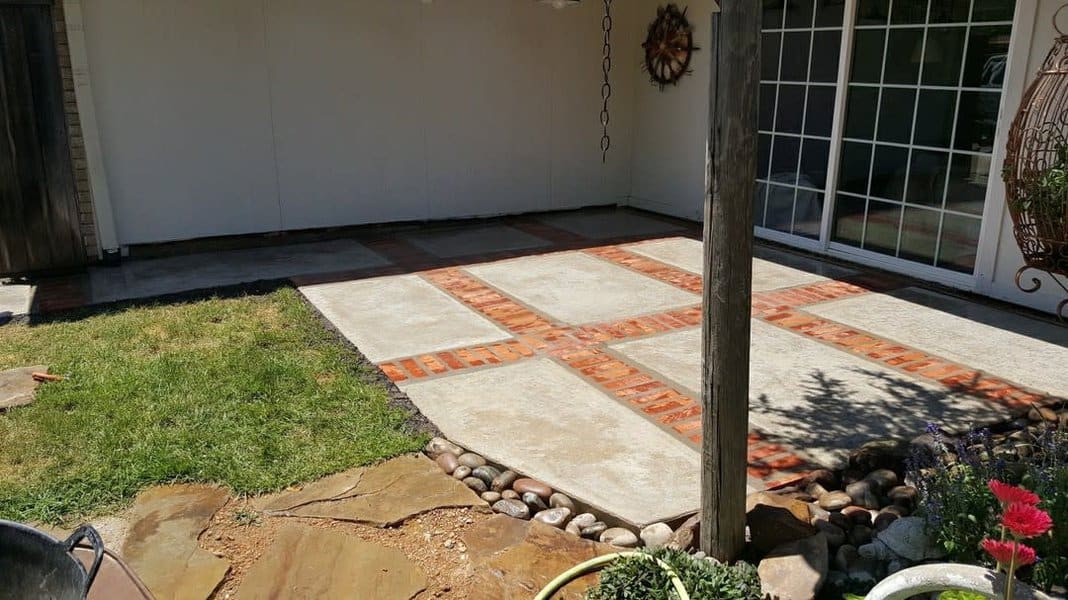
Combining concrete and brick in patio flooring creates a visually striking and functional outdoor space. This approach allows homeowners to play with contrast – the smooth, consistent surface of concrete pairs beautifully with the textured, varied hues of brick. This combination not only offers aesthetic appeal but also provides practical benefits.
Source: @highlandlandscapingllc via Instagram
Concrete areas can define dining or seating zones, while brick pathways can guide foot traffic through the garden. This blend is not only visually appealing but also durable and relatively low-maintenance, making it a practical choice for busy homeowners.
11. Wood
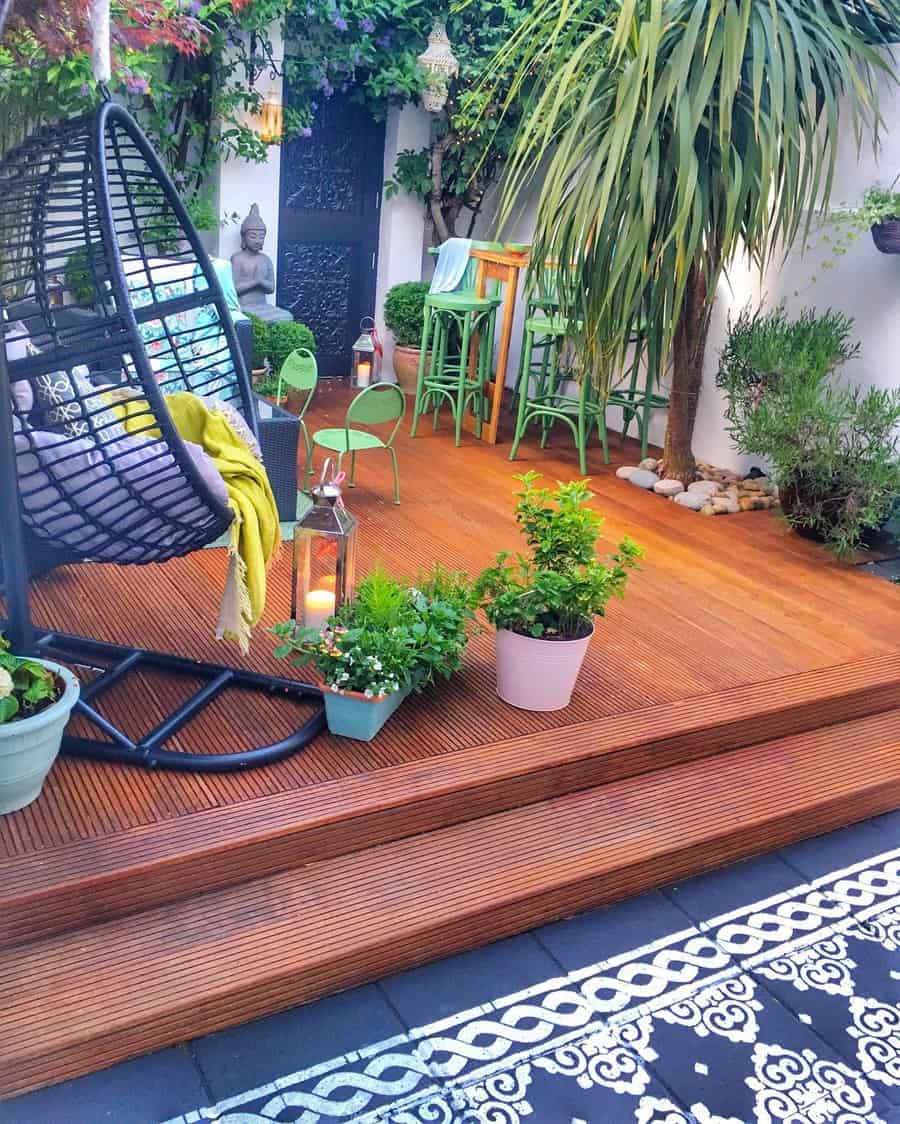
Covering your concrete patio with wood will give it a deck feel. The rich color and natural material will give your backyard living space a warm and welcoming feeling. You could use real wood flooring for a natural look to your decking. However, a modern and low-maintenance alternative is composite decking. It can have the look of a wood floor or be any color you want.
Source: @doxyinterior via InstagramSource: @floorsbyanton via Instagram
Composite materials are made from recycled plastics, which makes them eco-friendly and durable. However, be careful where and how you use it; some varieties can get incredibly hot when exposed to the sun for extended periods. You could lay down a large outdoor rug to cover the majority of the decking and give your backyard a more living room feel.
We all know the importance of a good first impression. But have you ever thought about what kind of impression your house gives to guests and passersby?
Some aspects of your home’s exterior can’t be easily changed. Fortunately, high-quality landscaping can do wonders for your home’s curb appeal!
From installing a simple flower bed to overhauling your entire front yard, fresh landscaping can help you see your home in a brand new light. (And, if you’re thinking about selling, could add value to the property!)
Keep reading to be inspired by our favorite landscaping ideas for the front of the house!
[view_toc]
1. Incorporate Asian-Inspired Modern Landscaping
Asian-inspired landscaping offers a sleek, modern aesthetic. While this look is best paired with angular architectural styles, the right design can work with almost any home exterior.
Source: @mrrumputmy via Instagram
Many Asian-inspired landscape designs are ideal for climates where a traditional grass yard just isn’t sustainable. Replacing your front yard with a rock garden can reduce irrigation needs without sacrificing curb appeal.
When selecting plants for your front landscape, opt for species that are structured and low-maintenance. Evergreens thrive in this type of landscaping and can be pruned into a wide variety of shapes!
2. Transform with Creative Landscape Design
Landscaping is one of the best ways to add dimension and movement to your front yard. From digging garden beds to installing a walkway, a few simple changes could make your home’s facade unrecognizable!
Source: @greenworksats via InstagramSource: @pavestoneplus via Instagram
Before making any such changes, take a step back and look at your home’s exterior from a distance. It’s important to maintain balance in your landscape design overall.
Be sure to consider long-term maintenance when selecting landscaping ideas for the front of your house. A foundation bed or gravel walkway that is not well-maintained could end up detracting from your home’s curb appeal in a year or two.
3. Enhance with Stylish Driveways and Walkways
A well-planned walkway or driveway is both functional and fashionable. And you should do everything in your power not to sacrifice one aspect for the other.
Remember to look beyond the driveway or walkway itself. Some simple plantings along the perimeter can add much-needed shape and color to the path. Exterior lighting can boost safety while improving the property’s nighttime curb appeal.
These changes can even bring new life to an existing walkway or driveway. Repaving is expensive — if the surface is still in good condition, consider changing the surrounding landscape instead.
4. Choose Drought-Resistant Plants for Sustainability
There are several reasons to install a drought-resistant landscape. Not only are drought-tolerant plantings better for the environment. Opting for this type of front landscape can also lower your monthly water bills.
Source: @lloydsgardensldn via Instagram
Those living in arid climates are likely already familiar with this type of landscaping — also known as xeriscaping. But drought-resistant plants are great options no matter where you live!
One of the best things you can do to drought-proof your yard is to swap out regular turf grass for a different ground cover. Gravel, sand, and broken shells are a few hardscaping alternatives to consider as well.
5. Beautify with Flower Beds and Blooms
Everyone can appreciate the natural beauty of a flower. Yet not everyone knows how to incorporate blooming plants in a landscape of their own.
Understanding your climate is a crucial first step. If you’re not sure where to start, consult your neighbors (or observe their gardens from a distance) to determine which species thrive in the area.
Don’t plant a flower bed independent of your home’s exterior. Think about how the colors and shapes of different blooms will complement the architecture and palette of your home’s facade.
6. Create a Vibrant Grass-Free Front Yard
There’s no rule stating that a front lawn has to include grass! And, in many regions, opting for a grass-free landscape can be both fashionable and practical.
Source: @darkleylodge via Instagram
Look for ways to include greenery — shrubs and ornamental trees are both wonderful solutions. Be sure to apply gravel, mulch, or another material to the soil to prevent erosion.
If giving up a lush green lawn is something you just can’t fathom, there are alternatives to traditional grass. Artificial turf is a popular choice in some areas. Clover and other low-maintenance ground covers work great as well.
7. Enhance with Dynamic Hardscaping Elements
Hardscaping is anything within a landscape that is not alive — furniture, retaining walls, walkways, etc. Effective hardscaping is often the difference between a bland front lawn and one that turns heads.
Source: @hometransformationwithclare via Instagram
One of the best uses of hardscaping is to add levels to an existing landscape. Different paths and platforms can make an otherwise boring front lawn unique and intriguing.
Most hardscaping starts out by solving a problem. Stone steps may be installed in a sloping yard while a fence may be built to keep out trespassers. With a keen eye, these elements can simultaneously improve your home’s curb appeal.
8. Achieve Affordable and Attractive Landscaping
Landscape design is a worthwhile investment for any front yard. However, you shouldn’t need to break your budget to enjoy a functional and beautiful outdoor space.
Source: @hometransformationwithclare via Instagram
One of the best ways to cut landscaping costs is by working with what you already have. Look for inspiration in garden and yard designs that are similar to your property’s size, layout, and existing elements.
Take a minimalist approach with your landscaping ideas as well. Invest in perennial plants that require little maintenance yet will live for many years. Embrace the look of open space.
9. Opt for Easy-Care Landscape Solutions
The secret to a low-maintenance yard is selecting plants that are naturally adapted to your local climate.
Source: @our_build via InstagramSource: @thewalmsleyhomestead via Instagram
Often, but not always, the best plants for a low-maintenance garden are native species. These plants already have all of the necessary tools to survive in your yard — all you have to do is put them in the ground.
Even a grass lawn can be relatively low-maintenance if you think strategically. Again, choose a grass species adapted to your region. Low-growing grasses are ideal. You can mix in hardy clover to cut down on mowing and irrigation needs even further!
10. Modernize with Minimalist Landscaping
A modern front landscape should be simple but never boring! (While minimalism plays a big role in modern design, you can do a lot with just a small number of details.)
Source: @dmgconcretedesign via Instagram
Look for ways to incorporate geometric shapes throughout your yard. Angular walkway pavers or a globular planter are two great examples.
Opt for landscape plants with interesting shapes and textures. Many palm tree species look right at home in a modern front yard. Evergreens are also wonderful options in less-temperate climates.
11. Landscape Sloped Yards with Flair
A hilly front yard may not be ideal for playing ball or setting up an outdoor seating area. But it’s an incredible asset when designing a head-turning landscape or garden.
With a sloped yard, there’s no need to worry about the end result looking flat or one-dimensional! This is true whether you opt to design around the natural curvature or build tiered flower beds into the hill.
While a sloped front yard offers tons of design opportunities, there are some practical considerations you’ll want to make. Invest in retaining walls to prevent unwanted erosion. A layer of mulch will prevent valuable topsoil from washing down the hill as well.
12. Add Elegance with Topiary Artistry
Low-maintenance hedge plants have taken over the world of residential landscaping. But there’s no replacing the beauty of a well-manicured topiary garden!
Source: @heritageoaks via InstagramSource: @murrayboissery via InstagramSource: @murrayboissery via Instagram
The art of topiary often brings to mind ornate animal-shaped shrubbery. In reality, topiary involves a wide range of plant species and shaping techniques (if your property has ornamental evergreens, you may already be dabbling in this practice without realizing it!).
While topiary definitely isn’t for the busiest of homeowners, most people can care for a single planter or landscape tree without issue. If your budget allows, professional hedge-trimming services are always an option!
A set of wicker chairs or an outdoor dining set is only the first step of designing a stylish patio space.
Creating a cohesive patio design is no different than decorating one of the interior rooms of your home. If you really want your outdoor living area to shine, you need to take a look at the big picture.
Outdoor patio decor is the secret to breathing life and personality into your backyard seating area or balcony. Keep reading for our favorite patio decor ideas and how to customize them to meet your needs!
[view_toc]
1. Maximize Comfort with Bench Seating
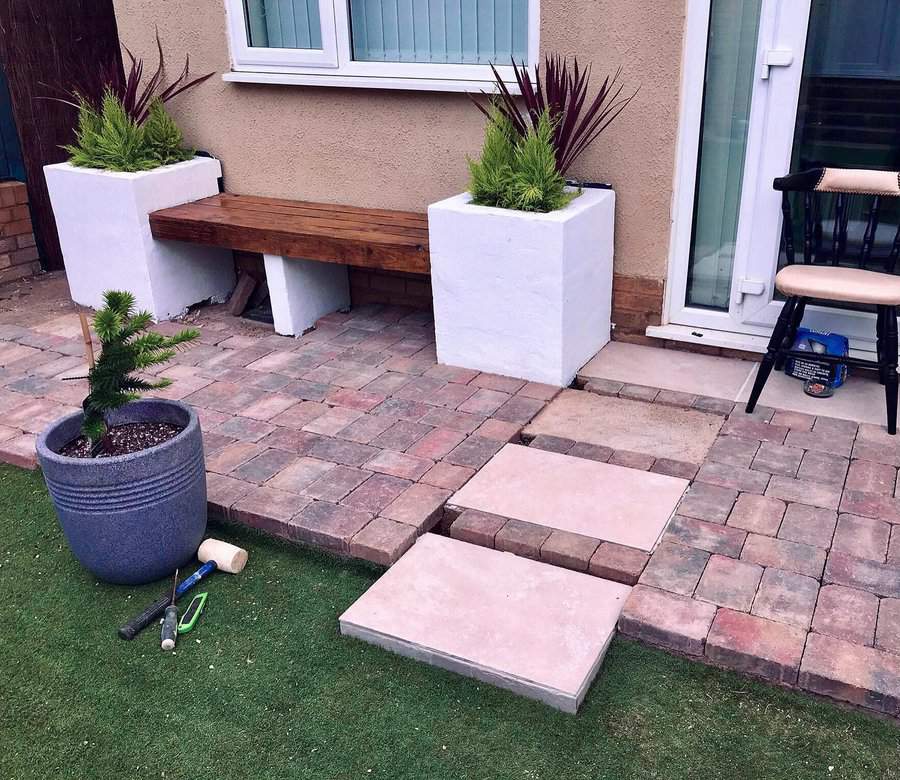
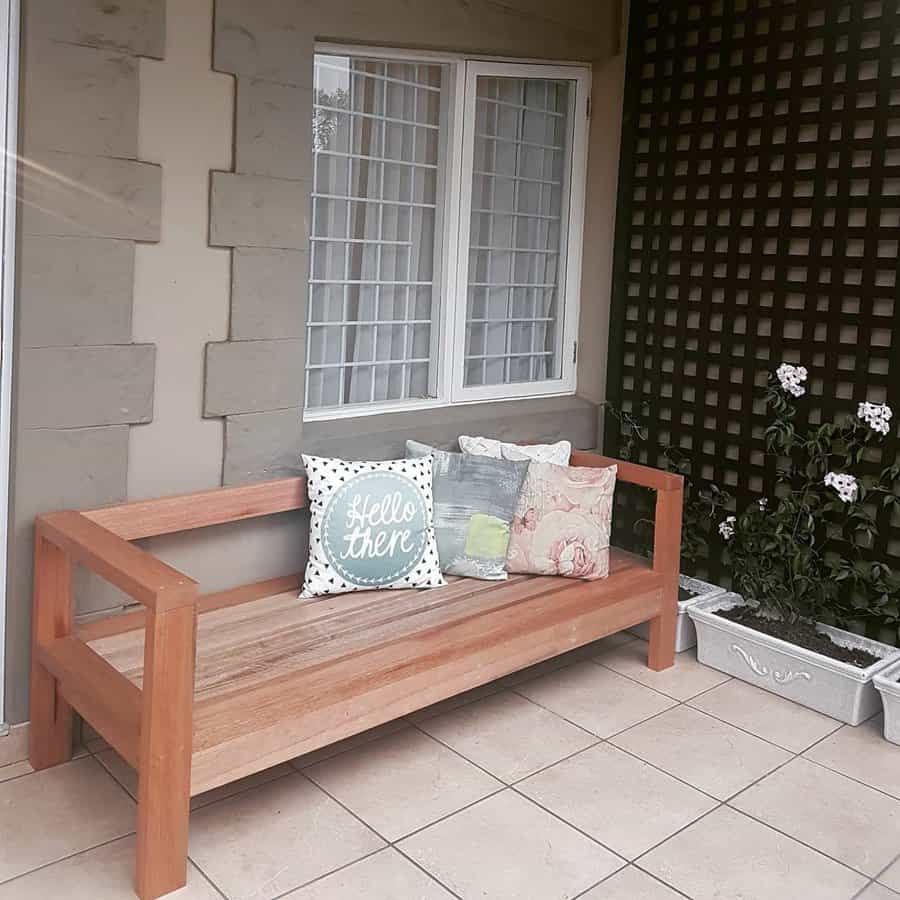
Bench seating is simple, versatile, and all-around perfect for nearly any outdoor living space. It’s also really easy to DIY.
If you’re handy with a set of tools, you can build a bench in a matter of a weekend. You can even include special features — built-in planters, hidden storage, etc. — in your custom bench design.
Of course, you don’t need to be a carpenter to create your own bench. Refinishing a used bench seat or constructing one out of reclaimed pallets or crates are a couple of easy options for DIY beginners!
Source: @the_sawmill_co via Instagram
2. Elevate Outdoor Dining with Patio Sets
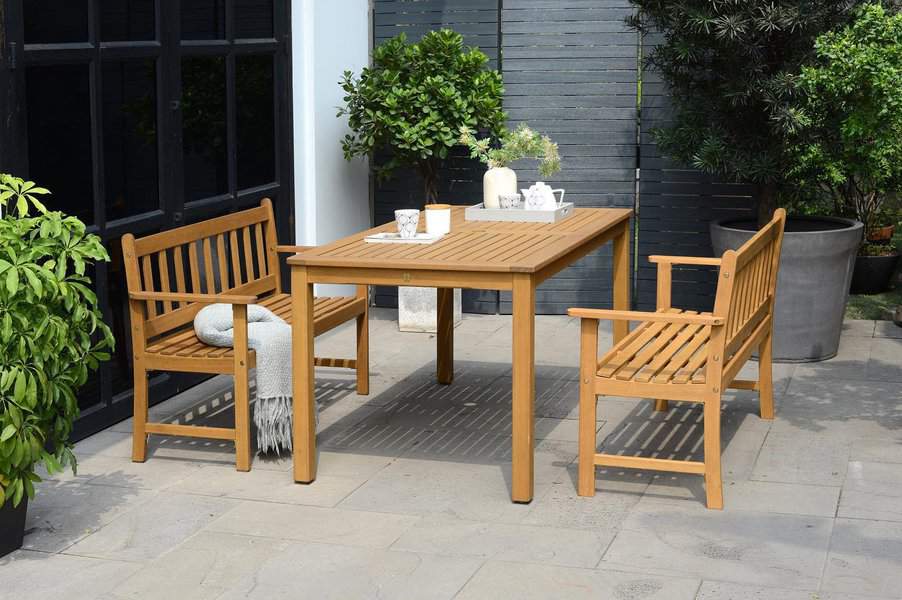
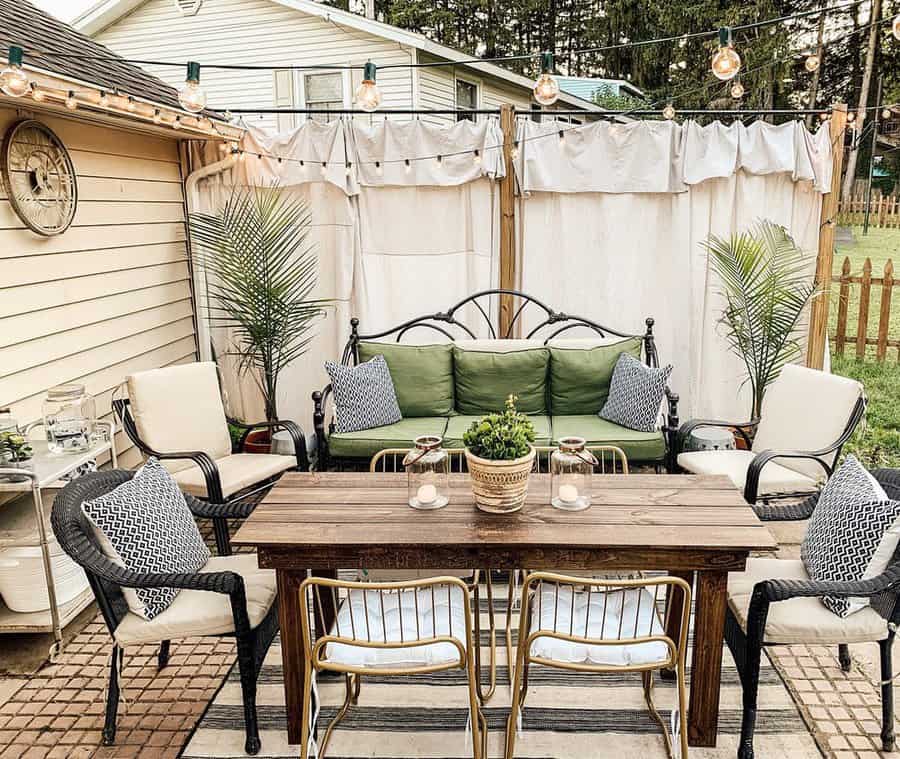
Transform your patio into a dining haven with a well-chosen patio dining set. Select a set that complements the size of your patio and your home’s architectural style. Consider durable materials like wrought iron, teak, or aluminum, and add cushions for comfort.
A patio dining set not only provides a perfect spot for meals but also enhances your outdoor ambiance.
Source: @lifestylegarden_usa via InstagramSource: @sellingyourdwelling via InstagramSource: @at_home_with_clo via Instagram
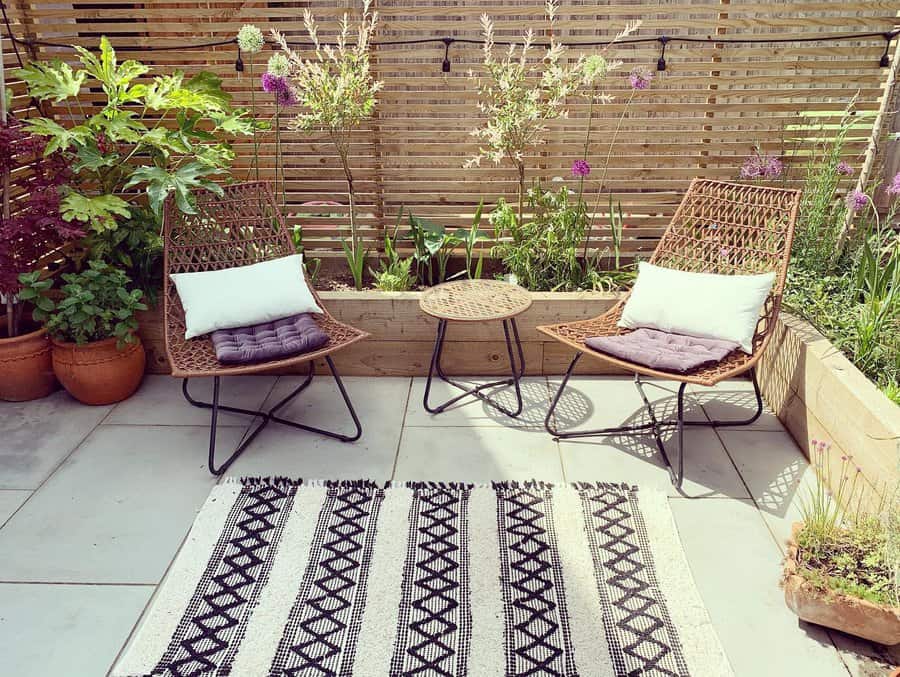
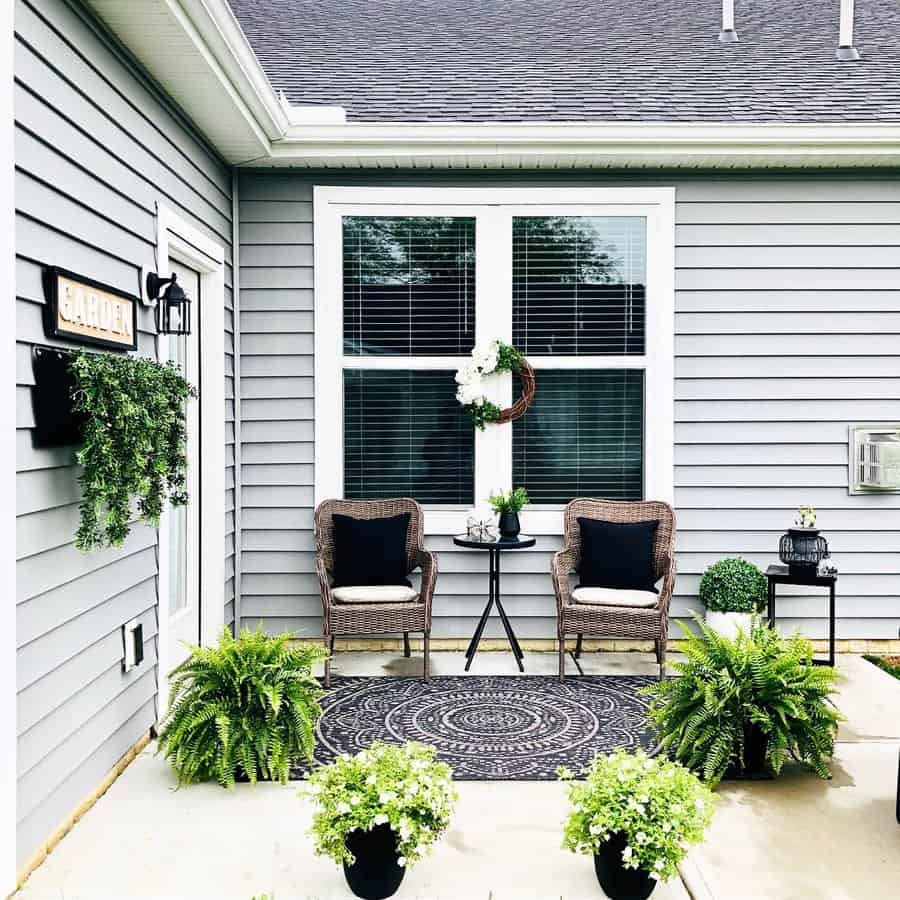
3. Create Intimacy with a Two-Person Patio Set
Ideal for small patios or intimate corners, a two-person patio set can create a cozy retreat.
Choose sets with comfortable chairs and a compact table, perfect for morning coffee or evening chats.
Opt for foldable or stackable furniture if space is limited, and add soft lighting and planters to create a romantic atmosphere.
Source: @hattieintheattic via InstagramSource: @carmensmakingthishouseahome via InstagramSource: @everyday.elyssa via Instagram
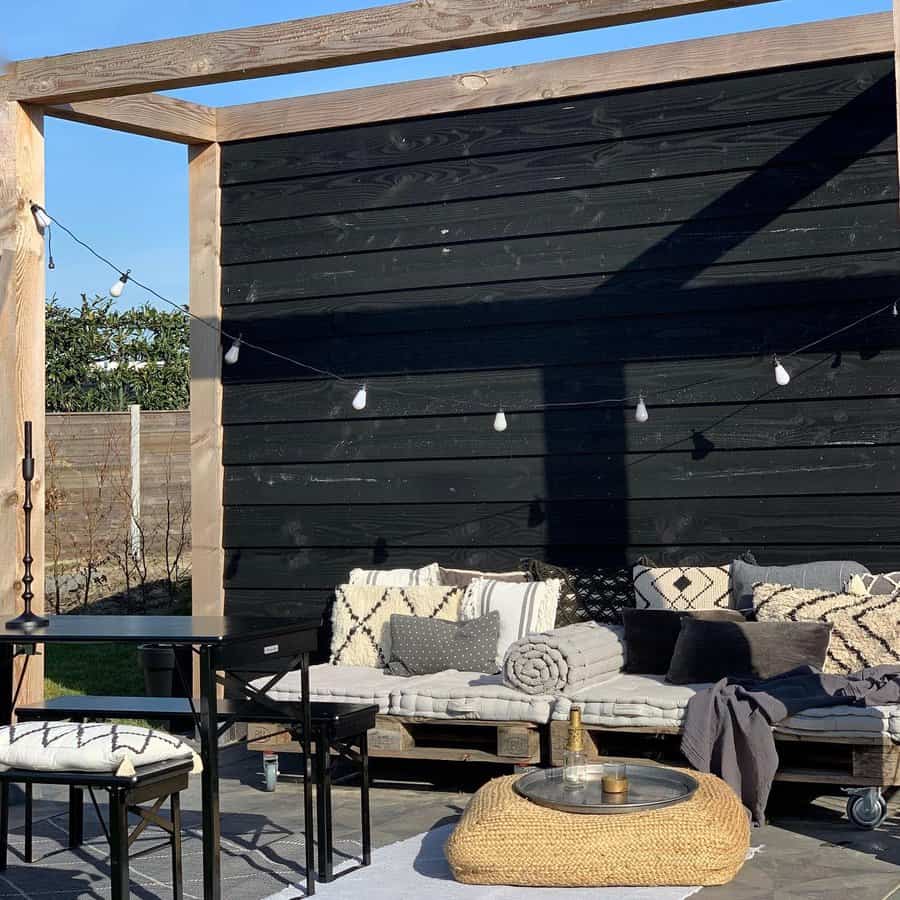
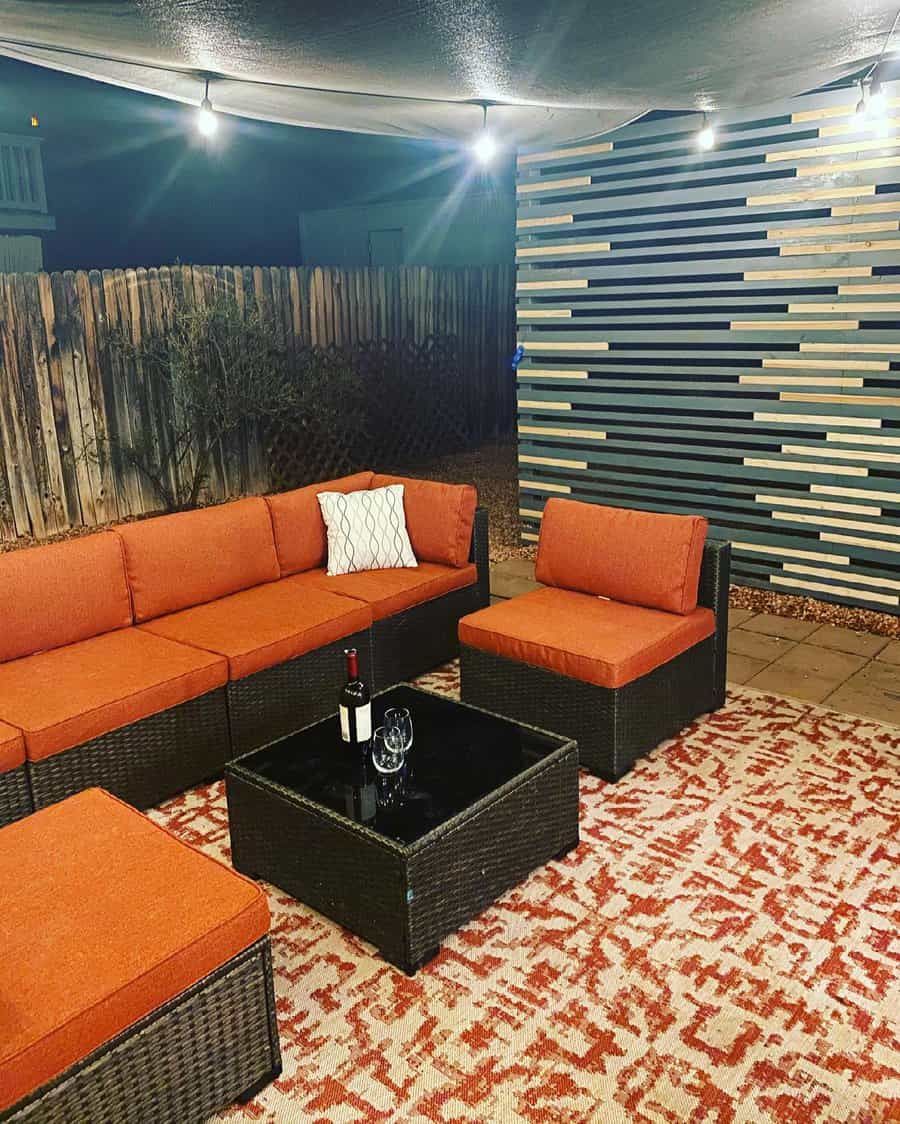
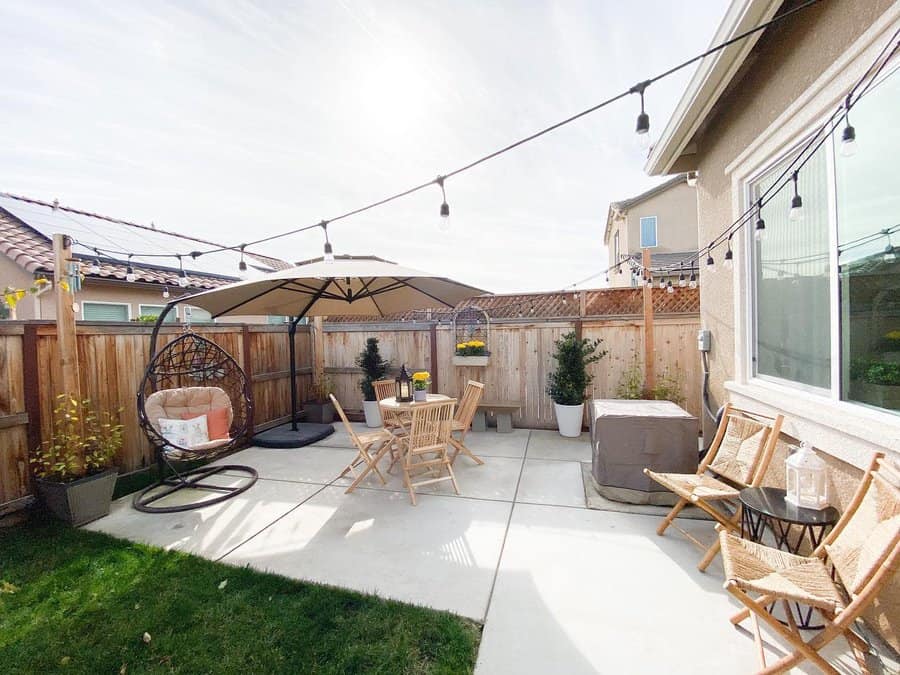
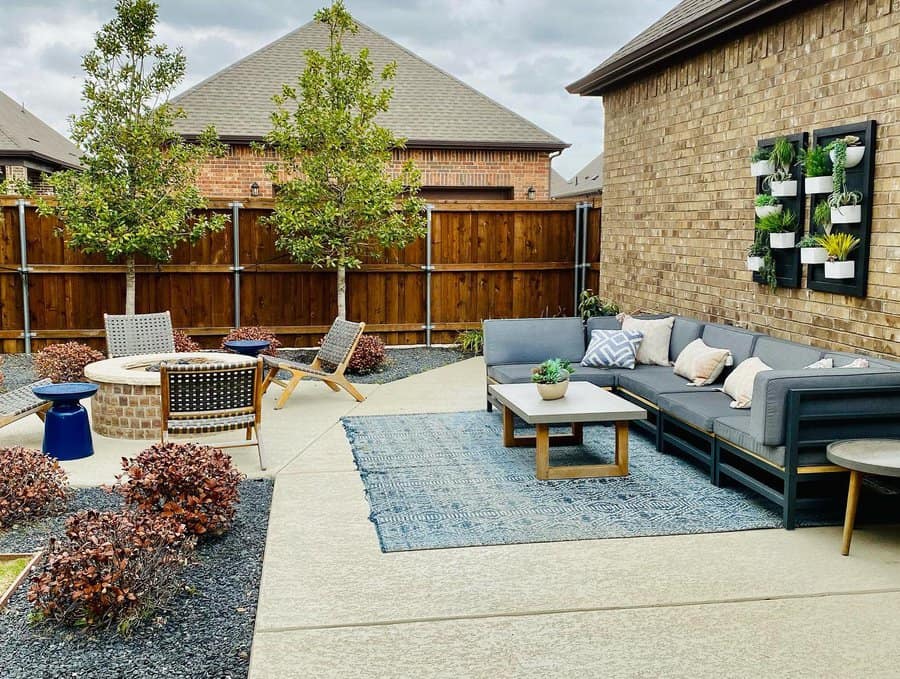
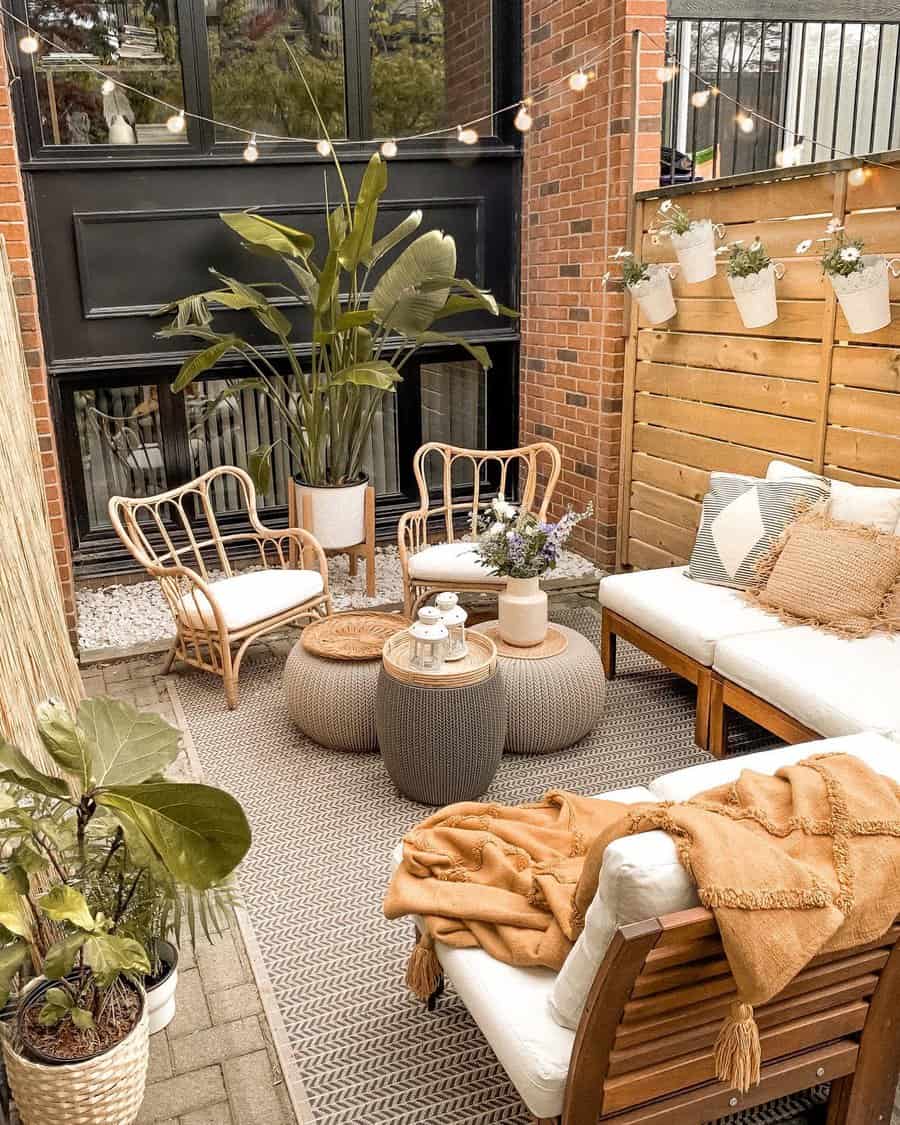
4. Illuminate Evenings with String Lights
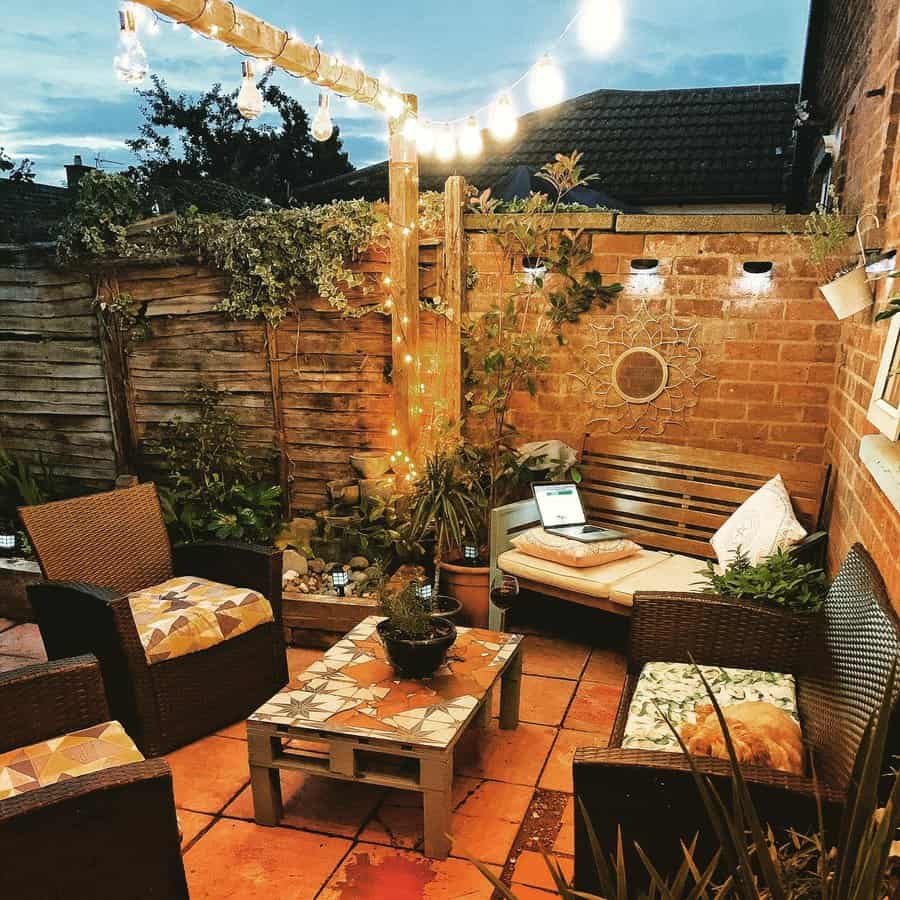
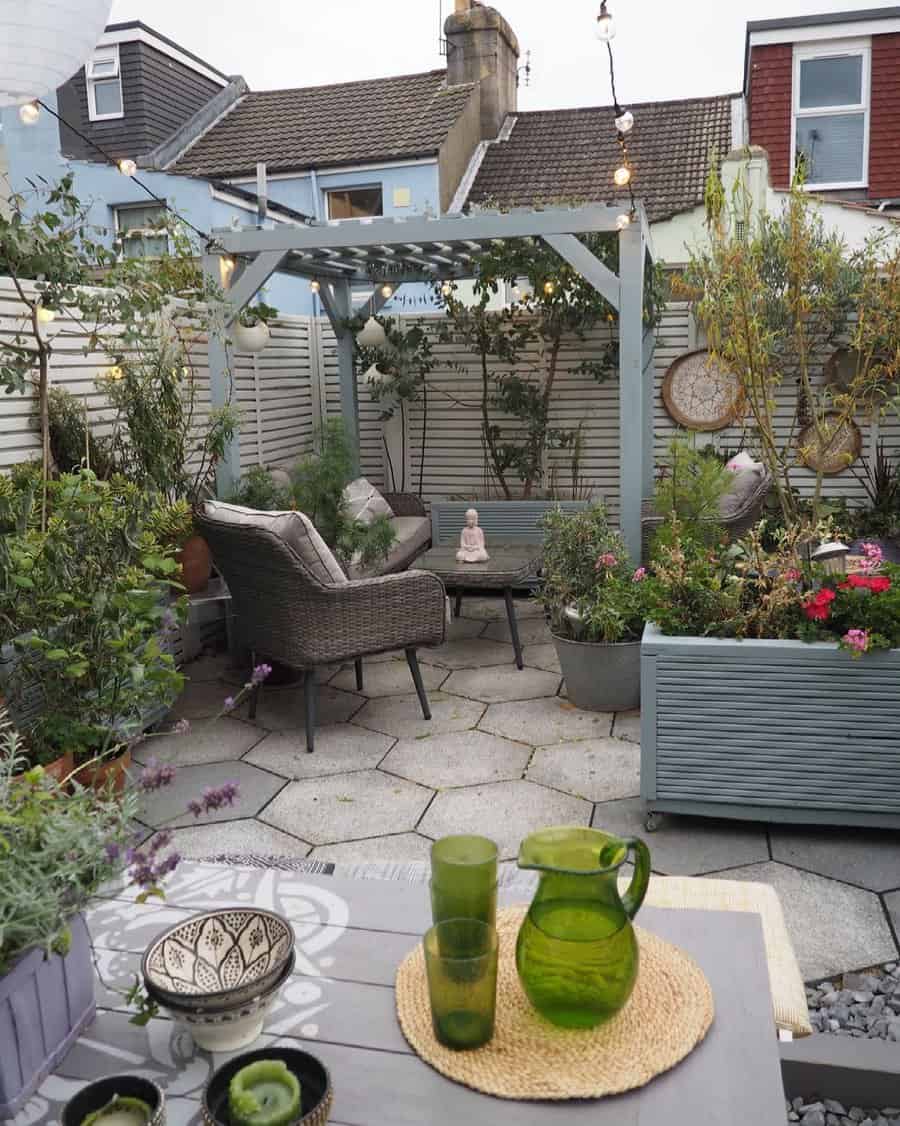
String lights can add a magical touch to your patio, creating a warm and inviting atmosphere. Wrap them around railings, drape them overhead, or string them along fences.
Choose LED lights for energy efficiency and longevity. For a unique touch, pick lights with different shapes or colors to reflect your personal style.
Source: @melmakesamess via InstagramSource: @ingvildlith via InstagramSource: @palmetto_haven via InstagramSource: @livingatno.16 via InstagramSource: @retrobirdhouse via Instagram
5. Enhance Privacy with Outdoor Curtains
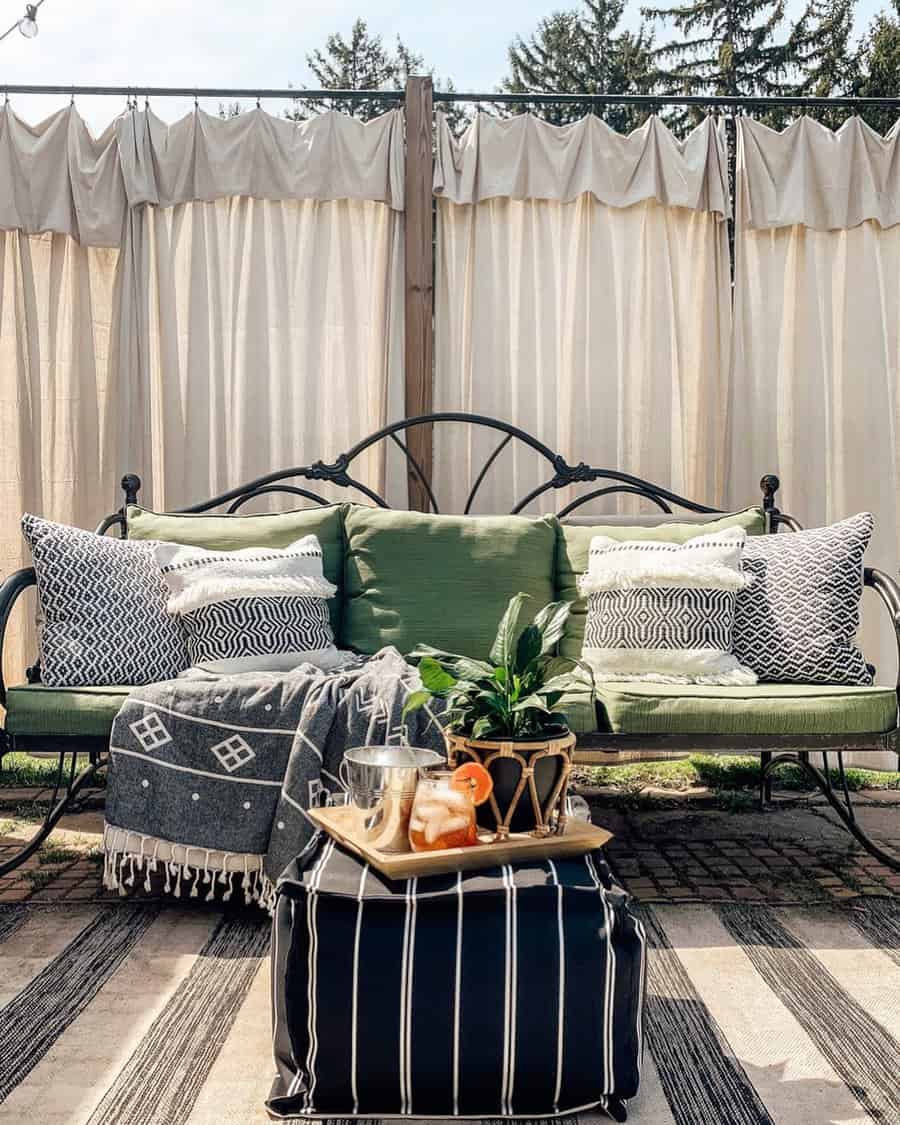
Outdoor curtains can provide privacy and shade while adding an elegant touch to your patio. Choose weather-resistant fabrics in colors that complement your outdoor decor.
Curtains can be hung from a pergola, gazebo, or a curtain rod installed on your patio. They can be tied back for an airy feel or closed for intimate gatherings.
Source: @updatemycape via InstagramSource: @updatemycape via Instagram
6. Stay Cool Under a Patio Umbrella
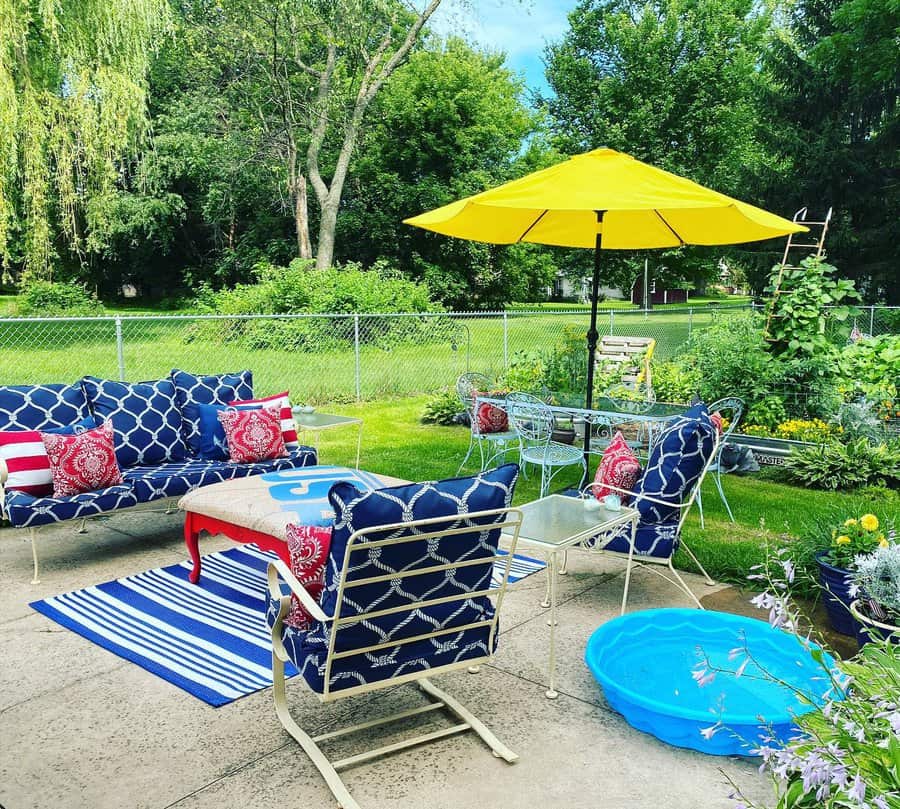
A patio umbrella is not only functional, providing shade and protection from the elements, but it can also be a stylish addition.
Choose umbrellas that match your patio’s color scheme and consider features like tilt mechanisms for optimal sun protection. An umbrella with a sturdy base ensures stability even on windy days.
Source: @nd.woodwork via InstagramSource: @leta.ramataylor via InstagramSource: @meadowcreekmagnolias via Instagram
7. Build a Paver Patio Oasis
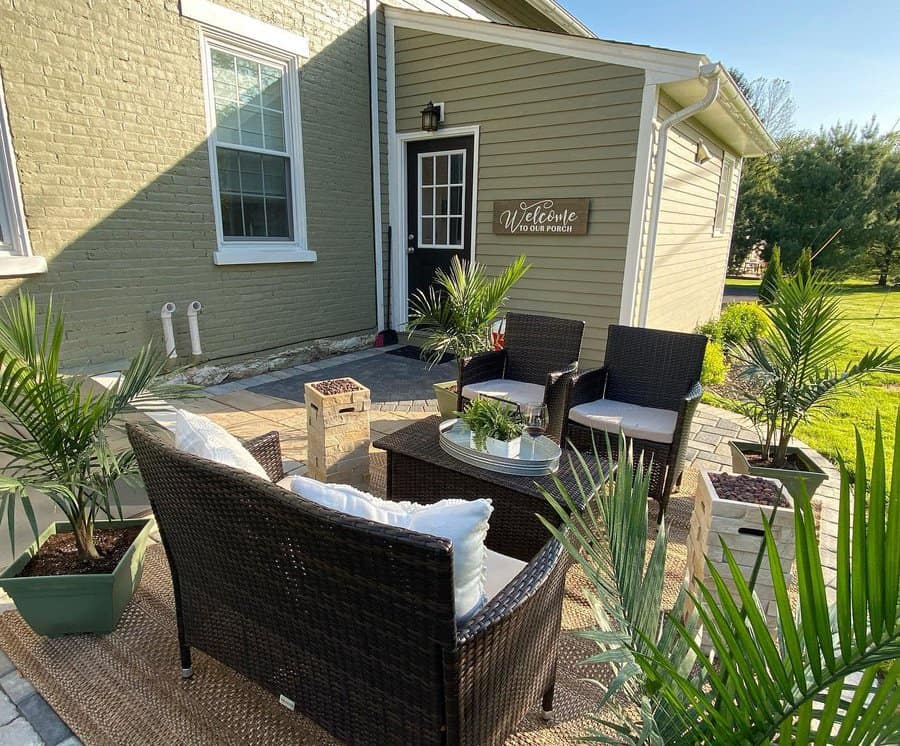
Paver patios offer endless customization options to fit any style. Choose from various materials like concrete, stone, or brick, and play with patterns and colors for a unique design.
Paver patios are durable and low maintenance, perfect for creating an elegant outdoor living space that blends seamlessly with your garden.
Source: @pagesturningpages via Instagram
8. DIY Plant Wall Patio
A DIY plant wall can turn a bland patio into a vibrant, living space. Select a mix of hanging and potted plants, and arrange them on shelving or a trellis. Consider a combination of perennials and annuals for year-round interest.
This vertical garden not only saves space but also adds a refreshing, natural element to your patio.
Source: @jengabron via Instagram
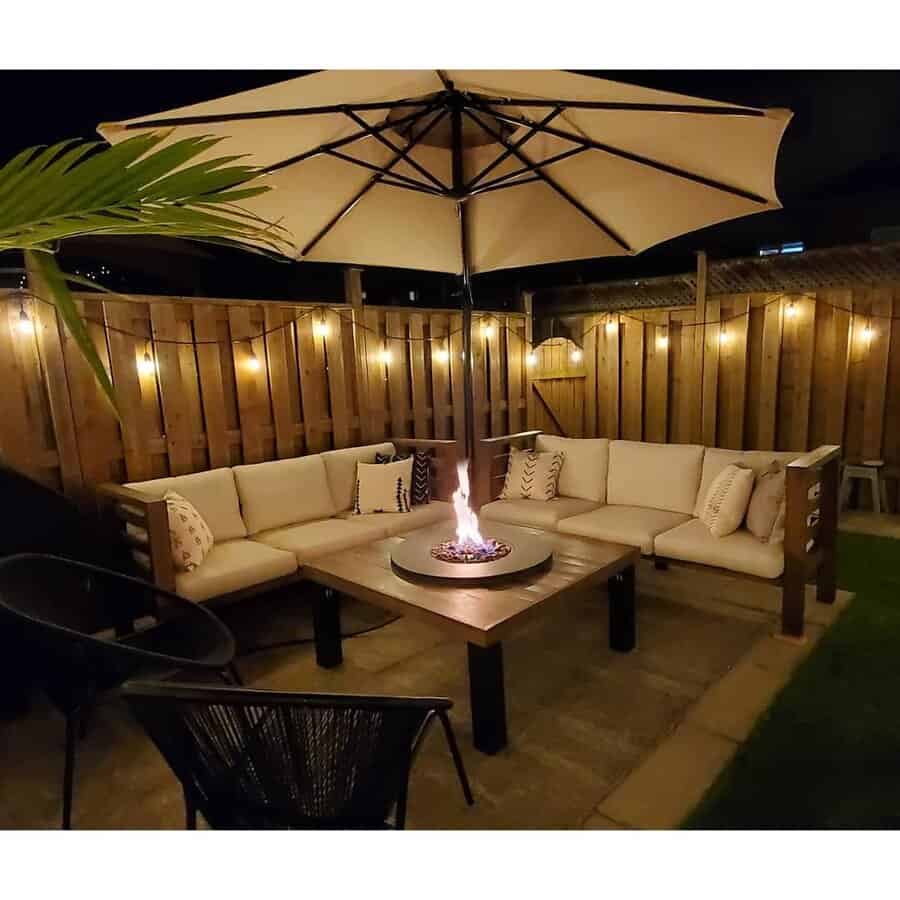
9. Warm Up Nights with a Cozy Firepit
If there’s one thing most backyard patios could benefit from, it’s a fire pit.
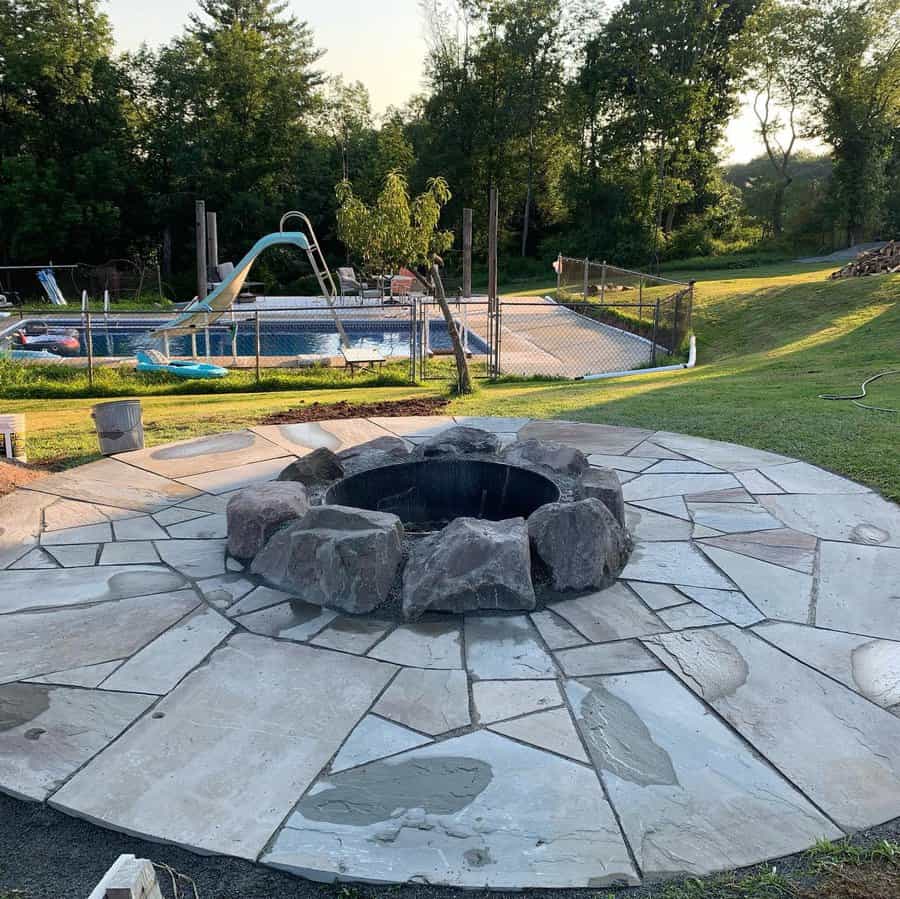
It doesn’t take much to make a DIY fire pit. A ring of large stones will suffice in many cases. Or you can invest in an affordable but durable metal fire pit.
Along with offering a wonderful place to gather and keep warm when the sun sets, a fire pit can also be used for roasting marshmallows or as a makeshift light source. All you need are a few comfortable seating options scattered around the perimeter.
Source: @countrylandscapesinc via InstagramSource: @earthscapesupply via InstagramSource: @immeasurablymorehomes via InstagramSource: @jocelyn_jujess via Instagram
10. Transform Patio with Gravel
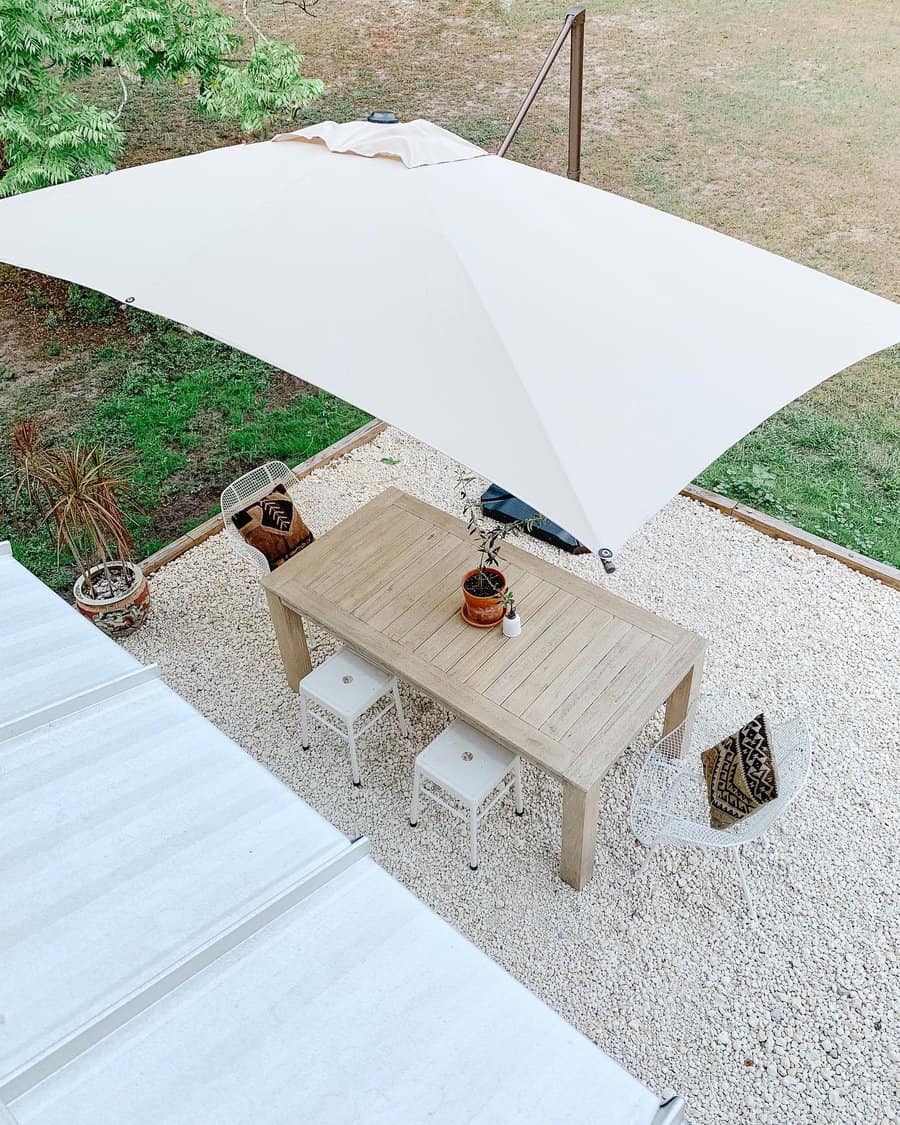
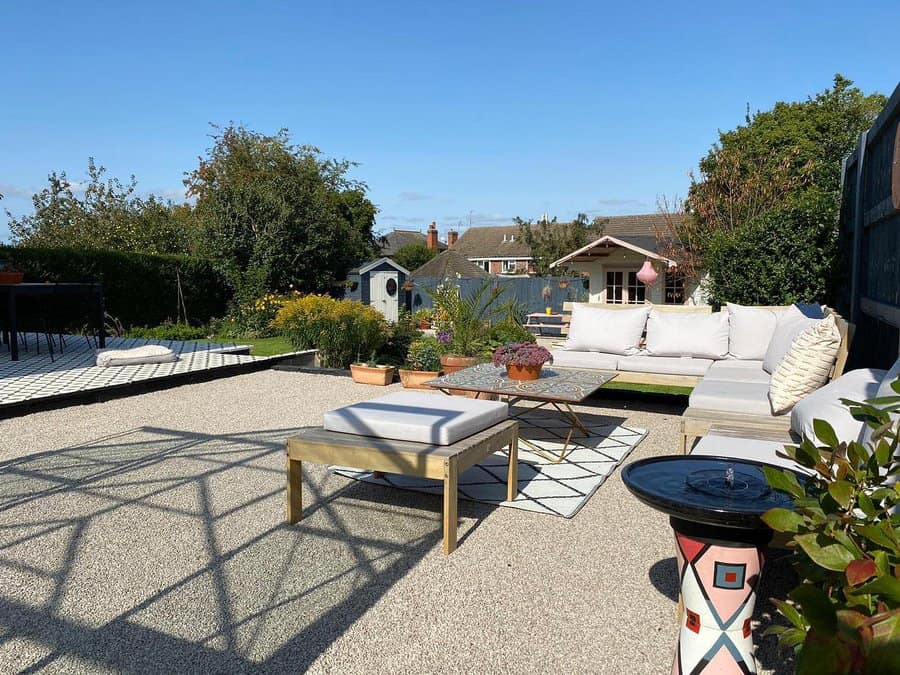
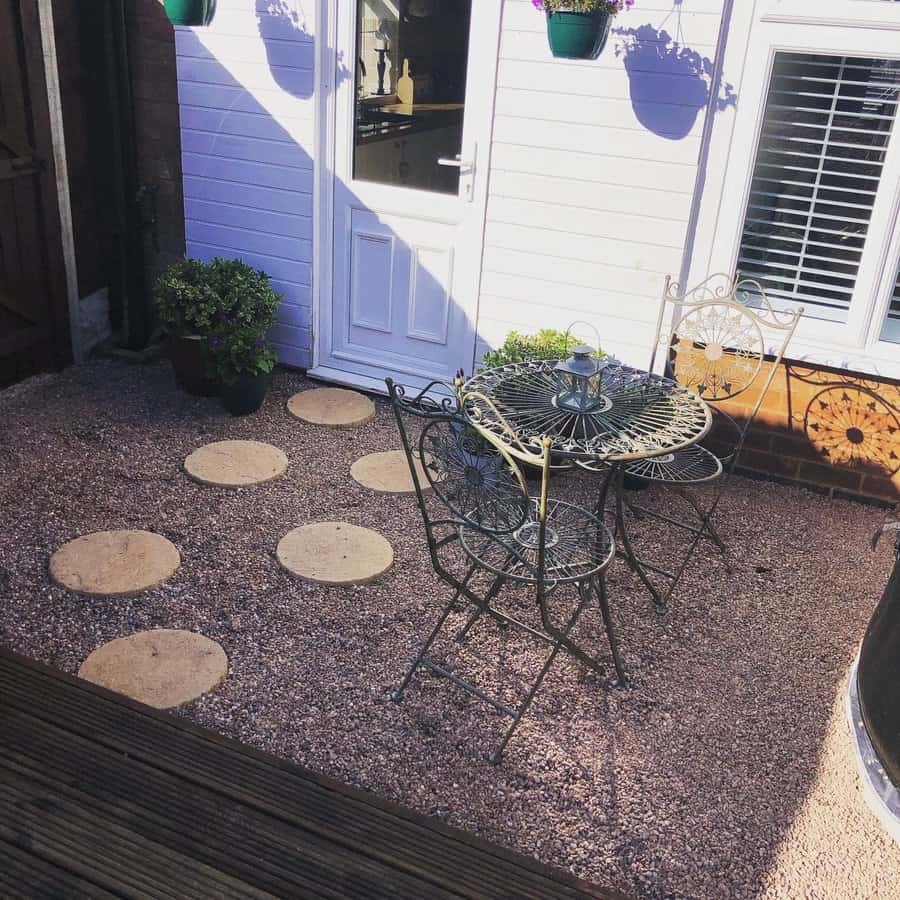
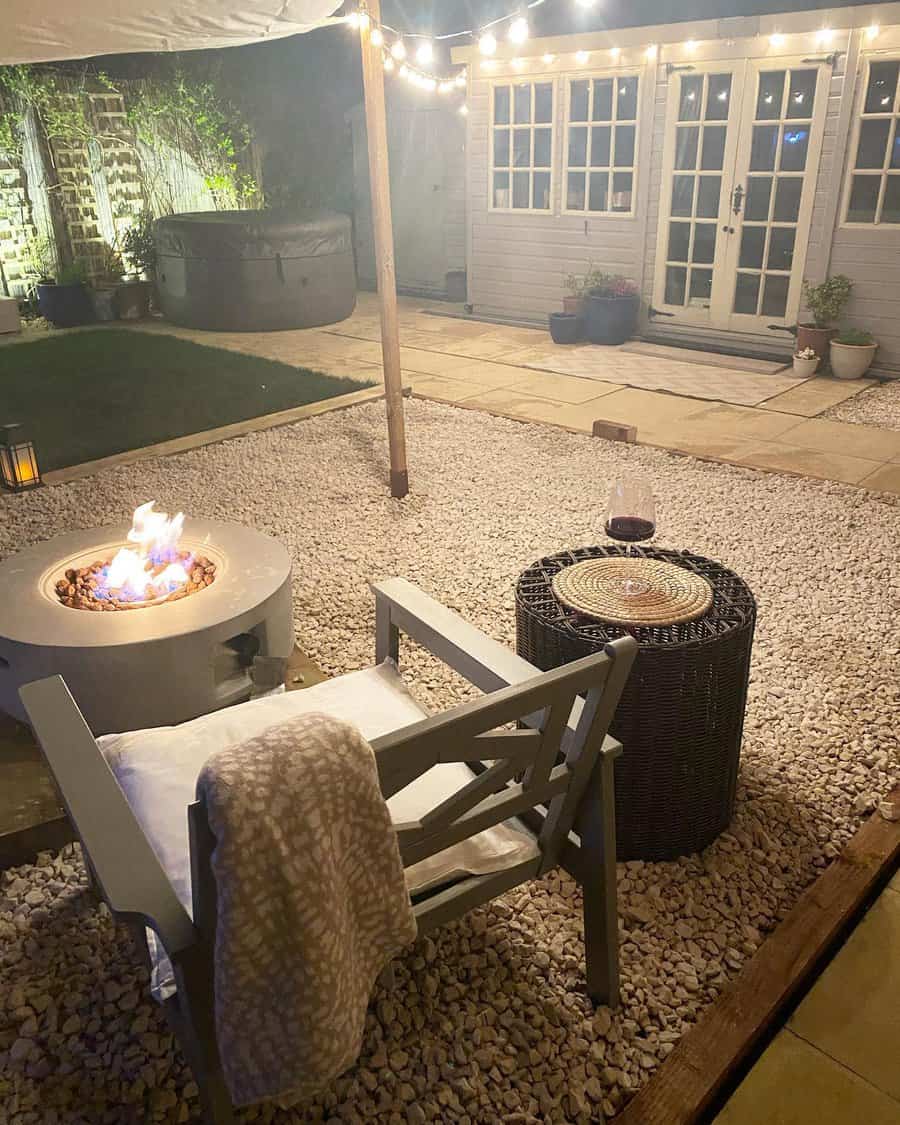
Differentiating one section of your yard from another can have a huge impact on the design overall. While pavers and poured concrete can cost a pretty penny, gravel can be sourced for surprisingly cheap.
Use gravel to create a makeshift patio slab for furniture and a fire pit. Or use it to fill the gaps between larger stone pavers.
Gravel is also ideal for filling in areas where grass struggles or completely fails to grow. Eliminating unsightly patches is a great way to make your outdoor living space instantly more attractive.
Source: @dalydigs via InstagramSource: @elliethompo via InstagramSource: @emmaramsey29 via InstagramSource: @mikhilaathome via InstagramSource: @the_interior_lens via Instagram
11. Relax in Style with Comfortable Patio Furniture
Selecting the right furniture can turn your patio into a haven of relaxation. Look for weather-resistant materials and comfortable, durable cushions.
Mix and match different furniture pieces like sofas, armchairs, and ottomans to create a welcoming and versatile outdoor living area.
Source: @vibrant.vice.styling via InstagramSource: @trophywifenovice via InstagramSource: @bluegrasscgy via Instagram
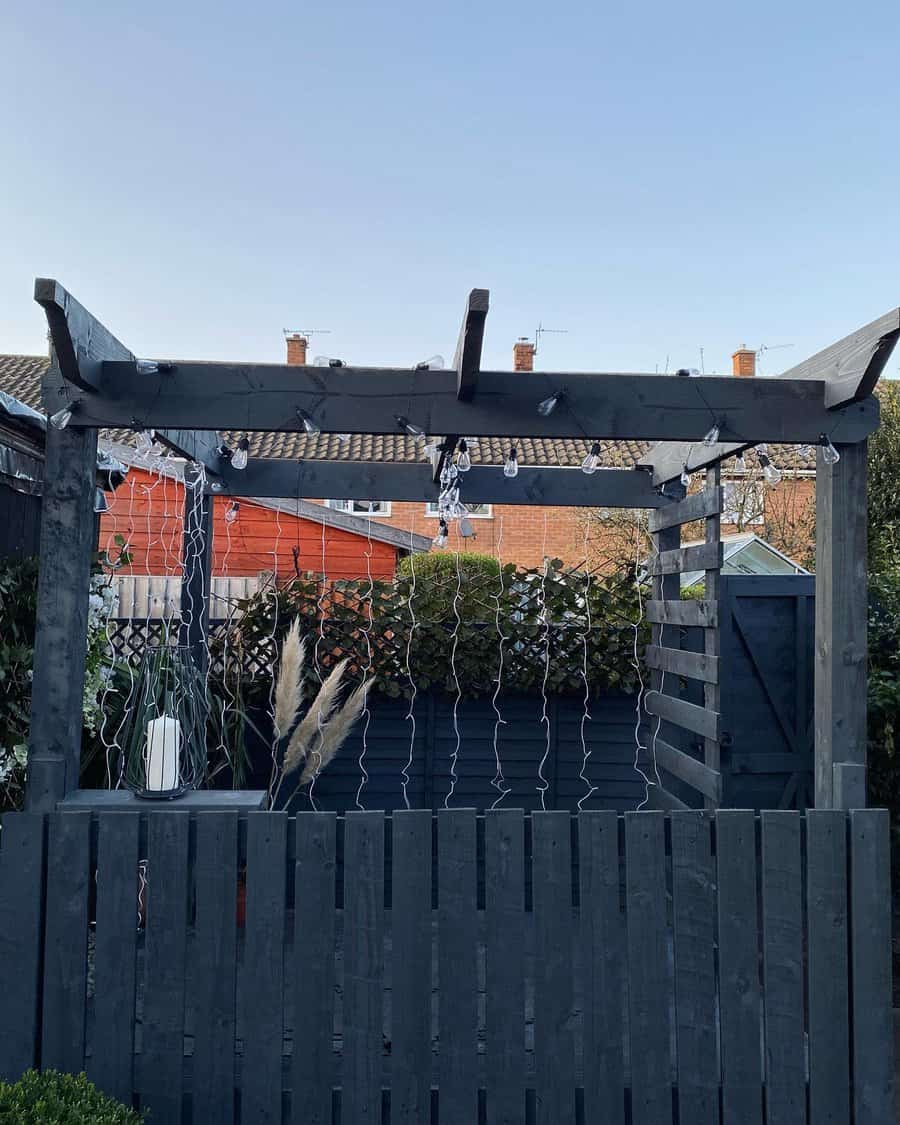
12. Add Elegance with a Classic Pergola
New or old, a pergola can bring a touch of luxury to any backyard patio. But there are also many ways to upgrade this backyard structure on your own.
String lighting is remarkably easy to hang from a standard pergola. Use a nearby outlet or solar panels to power your patio lights.
Keep out wind and prying eyes by mounting curtains or trellises around your pergola’s perimeter. You can do the same with the roof of your pergola to block out some of the sun’s scorching rays.
Source: @chez_ornella via InstagramSource: @ourdreamhomeno14 via InstagramSource: @wildwood.creates via Instagram
13. Unwind in a Stylish Swing Chair
There are a couple of ways to go about adding a swing to your patio. The one you choose will largely depend on your engineering skills and confidence with a basic set of tools!
If decorating under a pergola or a covered porch, you may be able to hang the swing right from the structure overhead. Uncovered patios can also benefit from this seating option. You’ll just need to invest in a freestanding swing design instead.
Finish off your porch swing with custom throw pillows, a seat cushion, or even a full-size blanket for colder nights.
Source: @tayashomepaige via Instagram
14. Separate Spaces with a Wall Divider
Create distinct areas on your patio with a stylish wall divider. This can be a lattice, a vertical garden, or a decorative screen. It’s ideal for separating dining and lounging areas, or for adding privacy. Choose materials and designs that harmonize with your overall patio decor.
Source: @lakepowell_leisurehomes via Instagram
15. Ensure Privacy with a Wooden Wall
A wooden privacy wall can shield your patio from neighbors and passersby. It can be a simple fence or a more elaborate design with shelves for plants or integrated seating. Stain or paint the wood to match your home’s exterior for a cohesive look.
Source: @_coachgus via InstagramSource: @christinenbutt via Instagram
16. Embrace Boho Vibes in Patio Design
Bohemian-inspired decor is one of the most popular trends in porch and patio design. With a relaxed look that can be customized to fit almost any space, it’s hard to say no to including some boho charm in your patio decor.
Natural materials are a must-have when styling a Bohemian space. Reach for furniture and accent decor made of wicker, rattan, bamboo, or other organic textiles.
Boho design really shines as a way to mix and match various colors, textures, and aesthetics in one space. Take advantage of local yard sales, consignment shops, and antique dealers when outfitting your patio.
Source: @everyday_eve_ via InstagramSource: @happy.succs via InstagramSource: @lulusheartandhome via InstagramSource: @miri6guez via Instagram
17. Relax in Iconic Adirondack Chairs
Adirondack chairs are classic and comfortable, perfect for lounging on the patio. Made from wood or plastic, they come in various colors and styles.
Pair them with a side table and a soft outdoor blanket for a cozy reading spot or a place to enjoy sunset views.
Source: @realwoodfurnitureofvirginia via InstagramSource: @mayfair__modern via InstagramSource: @homemade_in_az via Instagram
18. Enjoy Flexibility with a Retractable Canopy
A retractable canopy offers versatile shade options for your patio. It can be extended to provide full coverage on sunny days or retracted for stargazing at night.
Choose a canopy that matches your patio’s aesthetic and ensure it’s made of durable, weather-resistant material.
Source: @by_tine_home via Instagram
19. Stay Shaded with a Modern Shade Sail
Shade sails are a contemporary, artistic way to provide sun protection. They come in various shapes, sizes, and colors, and can be arranged in creative ways to add visual interest.
Ensure they are properly anchored for safety and adjust them seasonally for optimal shade.
Source: @comeonindesigns via Instagram
20. Define Your Space with an Outdoor Rug
An outdoor rug can tie together your patio’s decor, adding color and comfort underfoot. Choose a rug that’s durable, easy to clean, and resistant to the elements.
It can anchor your seating area, add warmth to the space, and reflect your personal style.
Source: @haycocreative via InstagramSource: @greeneacresfarmhouse via Instagram
21. Celebrate Autumn with Pumpkin-Themed Decor
Embrace the fall season by decorating your patio with pumpkins and autumnal accents. Arrange pumpkins of different sizes and colors, add fall-themed pillows, and incorporate seasonal plants like mums.
Source: @simplyheatherz via Instagram
23. Combine Style with a Deck and Patio Combo
A backyard deck offers a ton of space for grilling, entertaining, or just relaxing. While the sheer square footage can feel overwhelming at first, it’s no different than decorating any other type of patio.
Many of the best decor additions will be the ones you don’t expect to see outdoors! Plush cushions and unique patio lighting can make the space feel particularly warm and cozy.
Consider splitting your deck into multiple areas using furniture and outdoor decor. Strategically placed tables, seating areas, and tall decor can divide the space without a need for walls. An outdoor rug can be used to differentiate one part of your deck from another.
Source: @gandm_interiordesign via InstagramSource: @housinginfo via InstagramSource: @marta.fromsparta via InstagramSource: @organizationbeautynation via InstagramSource: @theperfectporchga via Instagram
24. Channel Rustic Charm with Farmhouse Patio Decor
Do you want your backyard patio to feel as warm and inviting as possible? You really can’t go wrong drawing inspiration from the farmhouse interior decor trend.
All you need to do is invest in outdoor-safe versions of your favorite farmhouse decor to bring this aesthetic to life. Many items, like furniture made of wicker or reclaimed wood, are already popular in patio design anyway.
Potted greenery is a must-have on any farmhouse-inspired patio. While it might not be your first instinct, tropical plants like palm trees and ferns work particularly well with this outdoor decor style!
Source: @_melihaomic_ via InstagramSource: @caligirlinasouthernworld via Instagram
25. Experience Comfort in a Hanging Egg Chair
Hanging egg chairs can be a cozy nook for reading or a unique seating option for guests. Ensure it’s securely installed and add cushions for extra comfort. Its distinctive design can serve as a focal point for your patio.
Source: @insidemyhome84 via Instagram
26. Opt for Classic Elegance with Red Brick Pavers
Red brick pavers offer a timeless look for your patio. They’re durable, easy to maintain, and can be laid in various patterns. Complement the red brick with neutral furniture and greenery for a classic, elegant outdoor space.
Source: @thailinekolb via Instagram
27. Green Up Your Patio with Beautiful Plants
Adding plants to your patio can create a serene, natural environment. Choose a mix of potted plants, hanging baskets, and even a small herb garden.
Consider plants that repel insects, provide fragrance, or add color. Arrange them at different heights for visual interest.
Source: @croftshomereno via InstagramSource: @danisdomain via InstagramSource: @hilaryandflo via InstagramSource: @uaskigyrl via InstagramSource: @granarquitectura via InstagramSource: @maxinebradystyling via InstagramSource: @the.wild.hen via InstagramSource: @mymoderndom via InstagramSource: @chrissohar via InstagramSource: @red.barn_farmhouse via Instagram