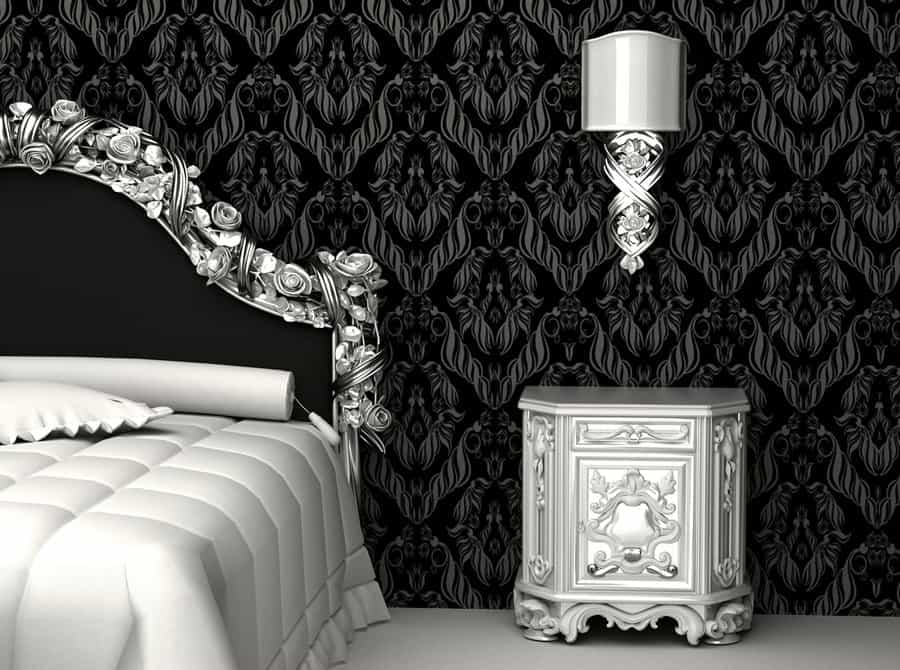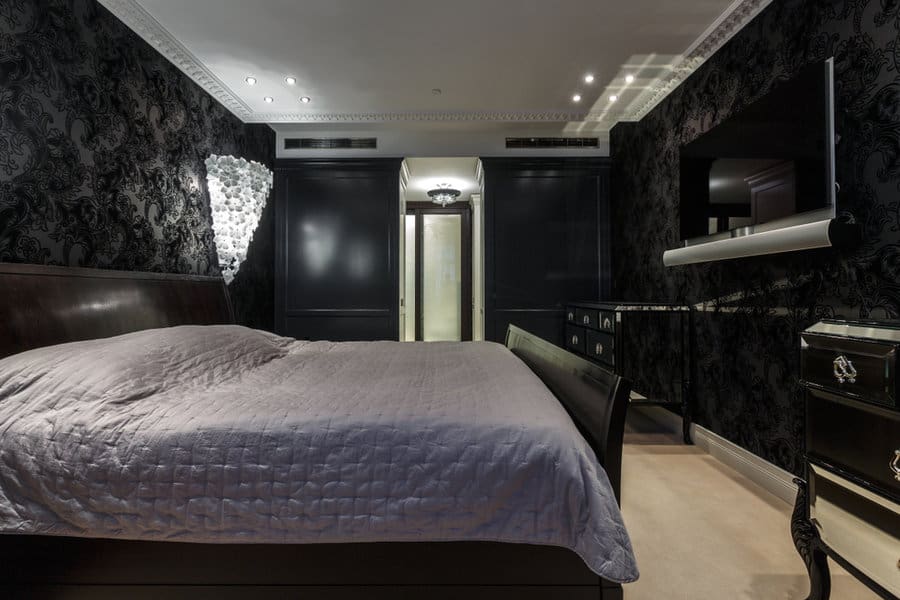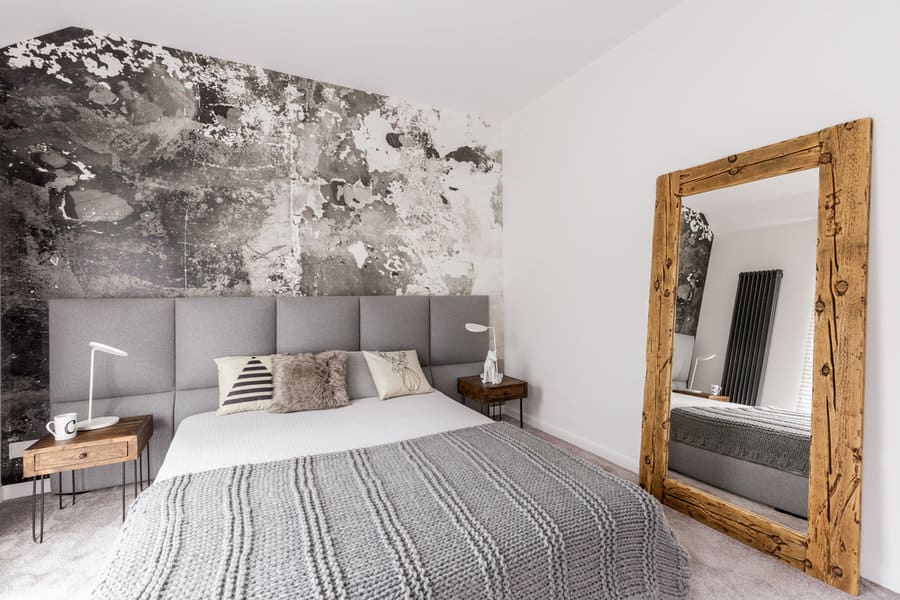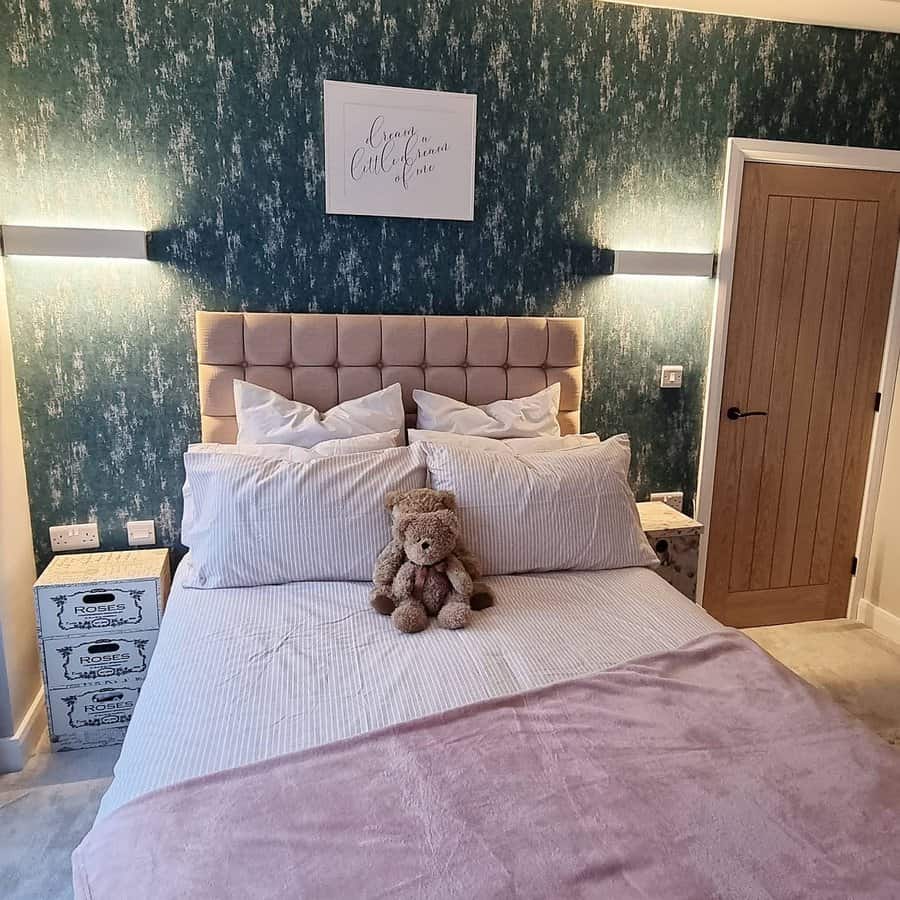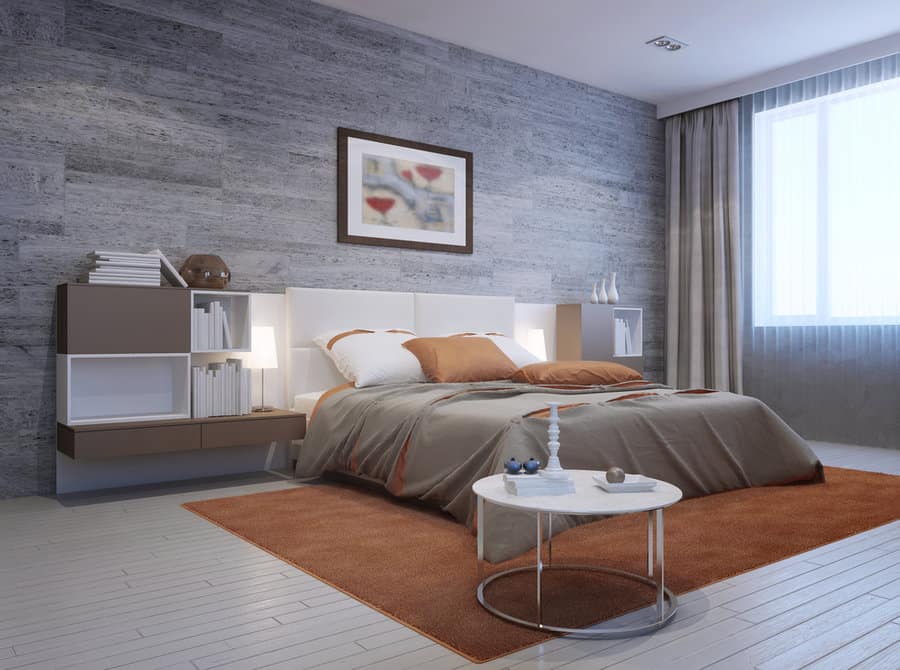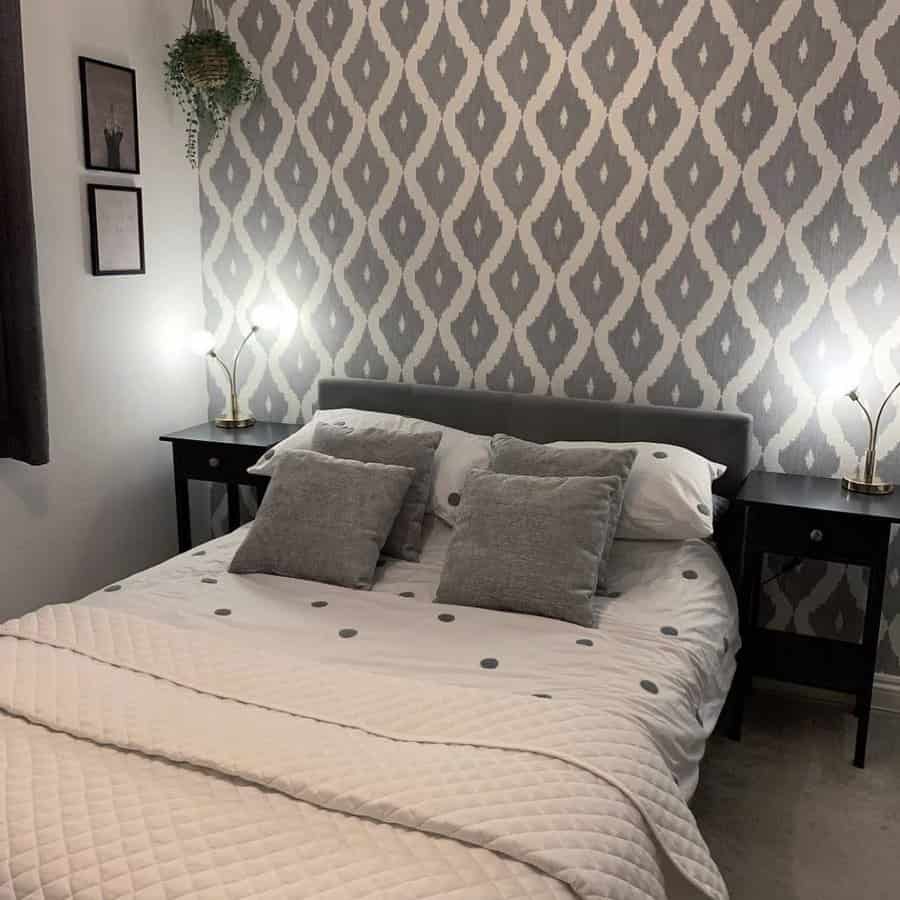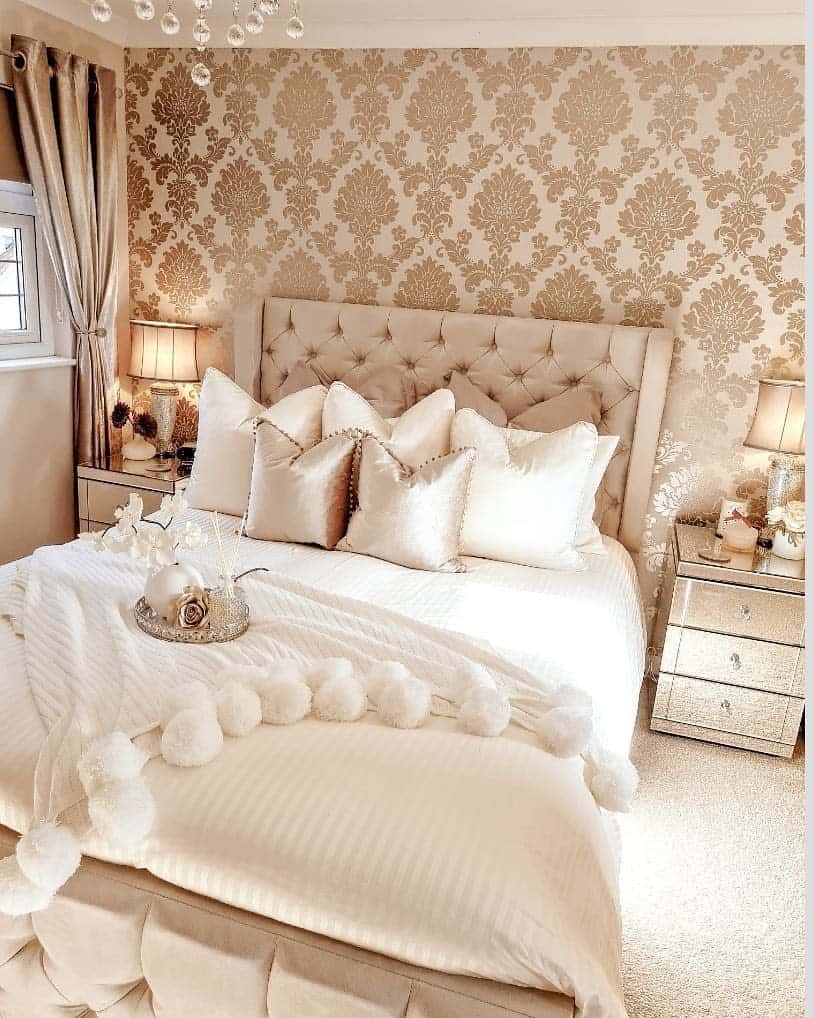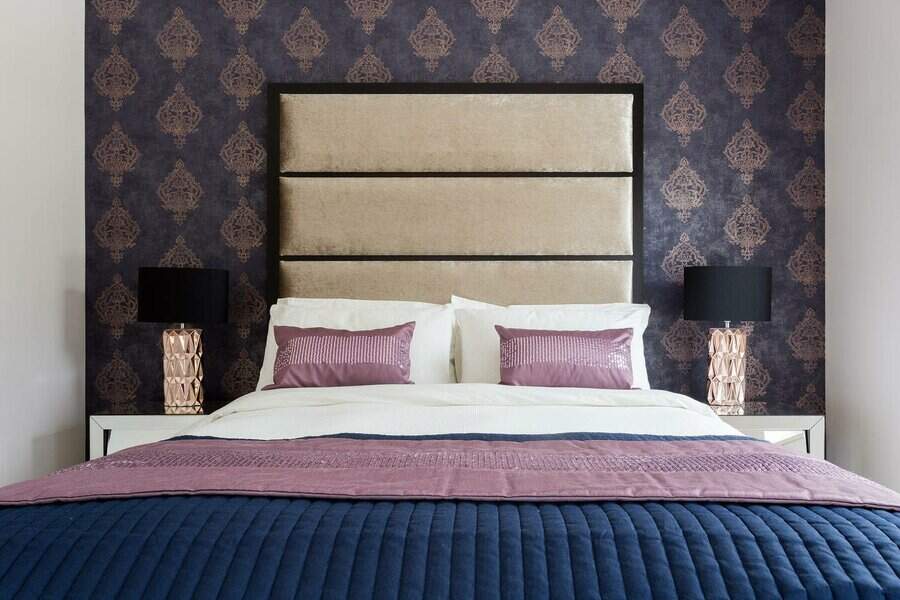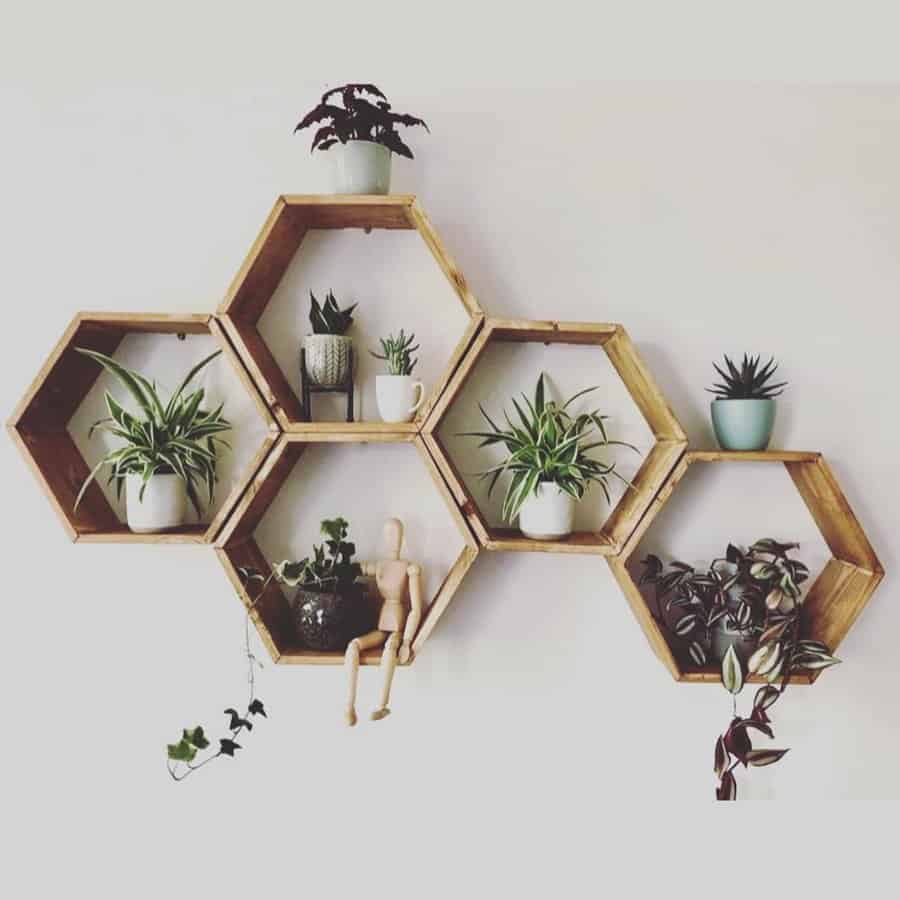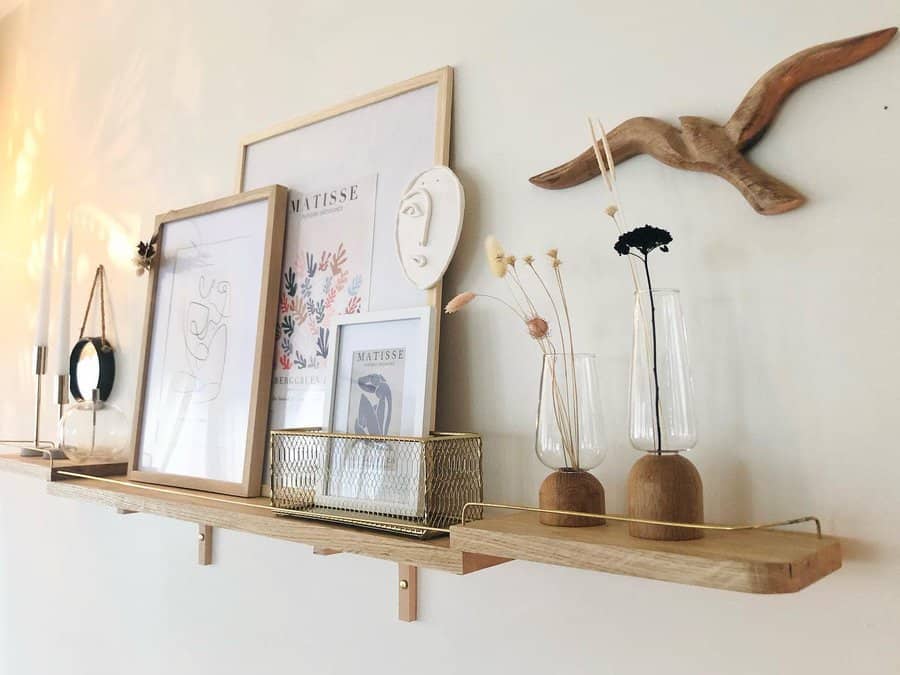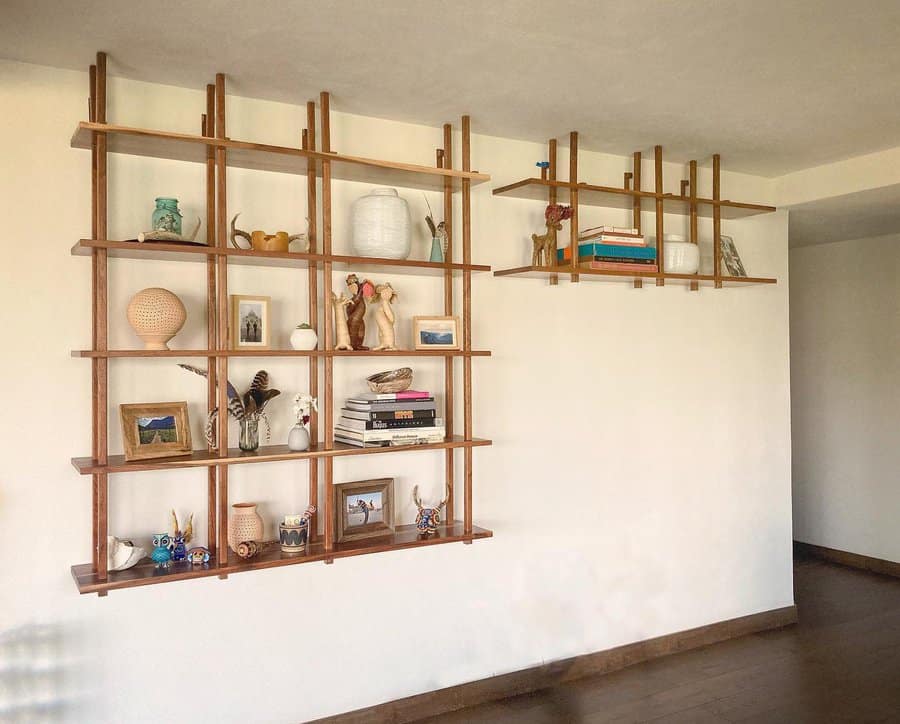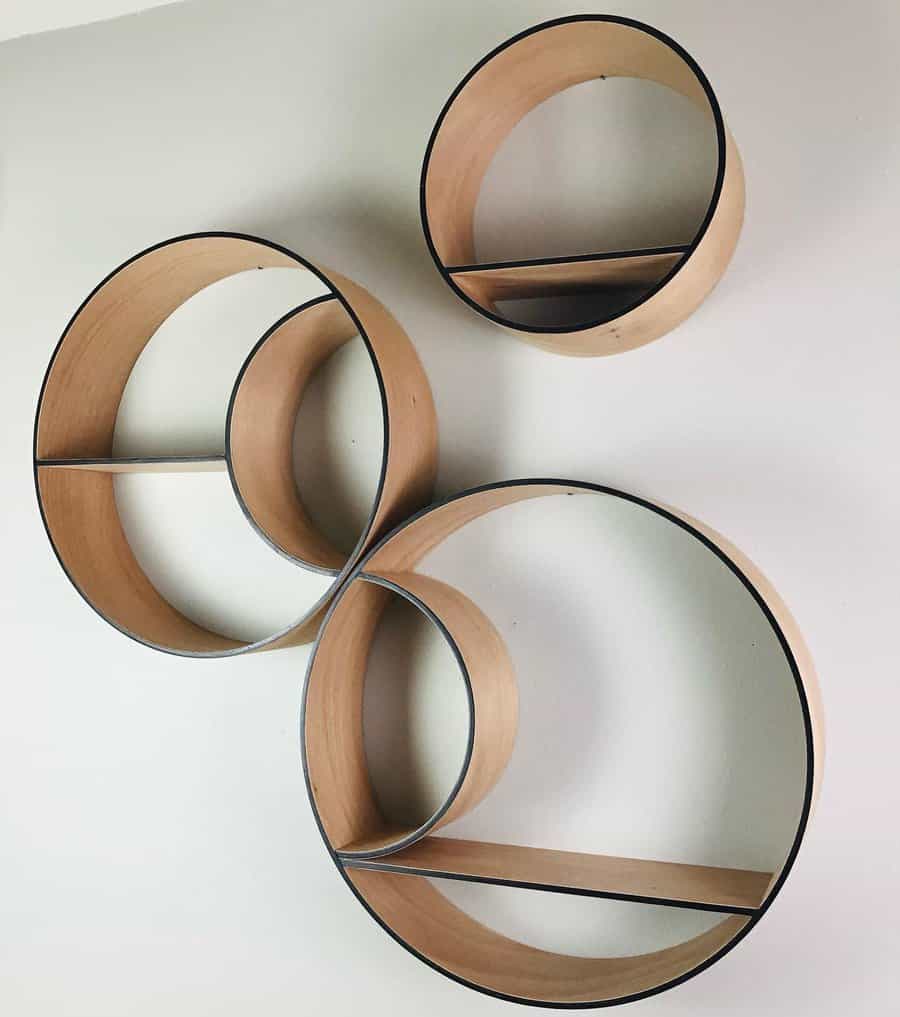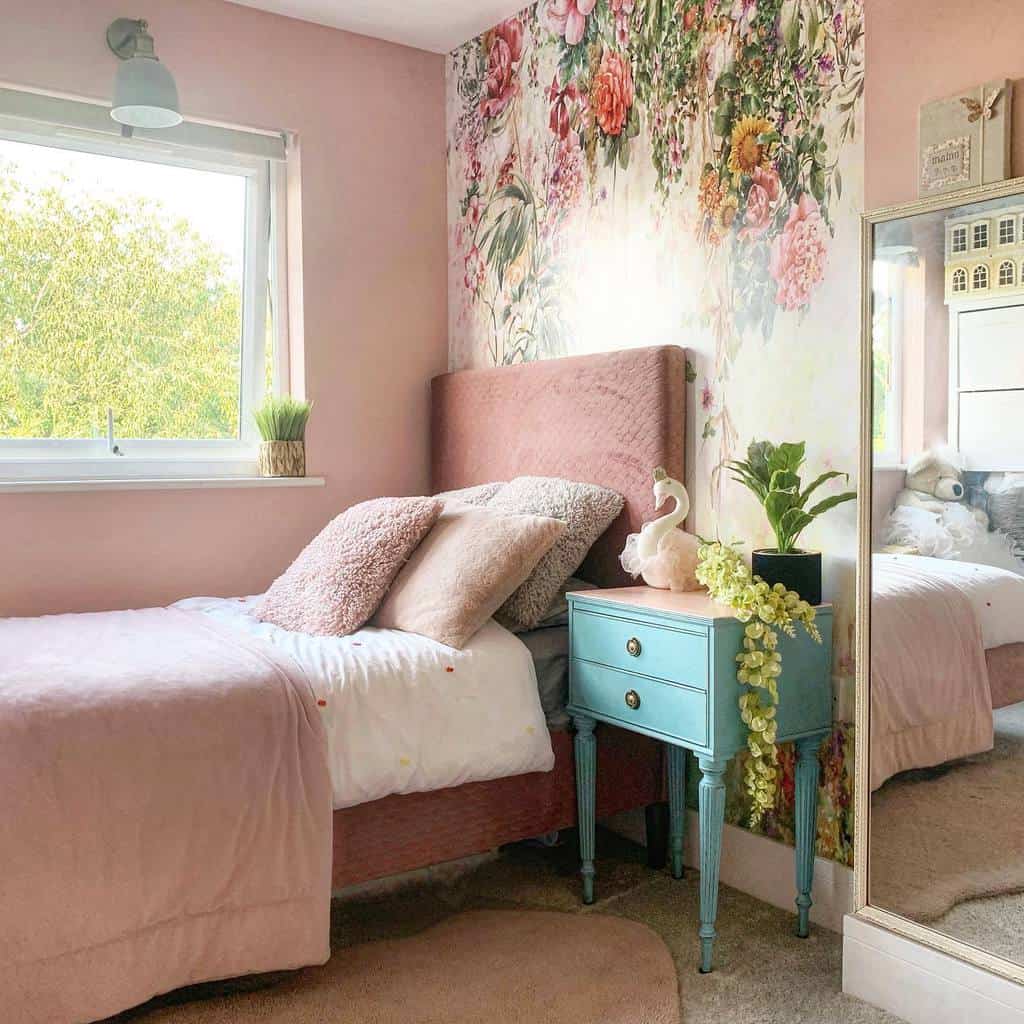
Category: Wall Décor

  • 10 Best Accent Wall Colors

    10 Best Accent Wall Colors

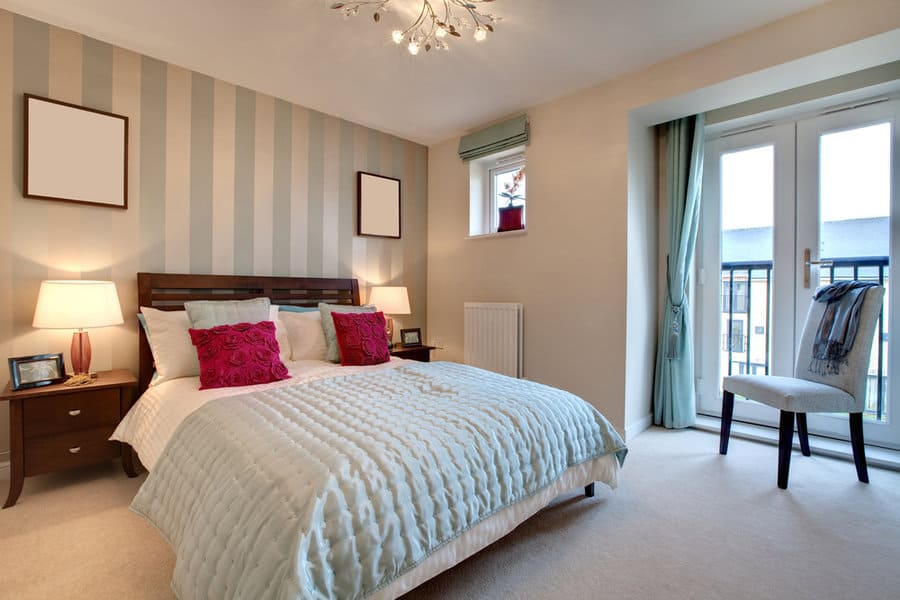
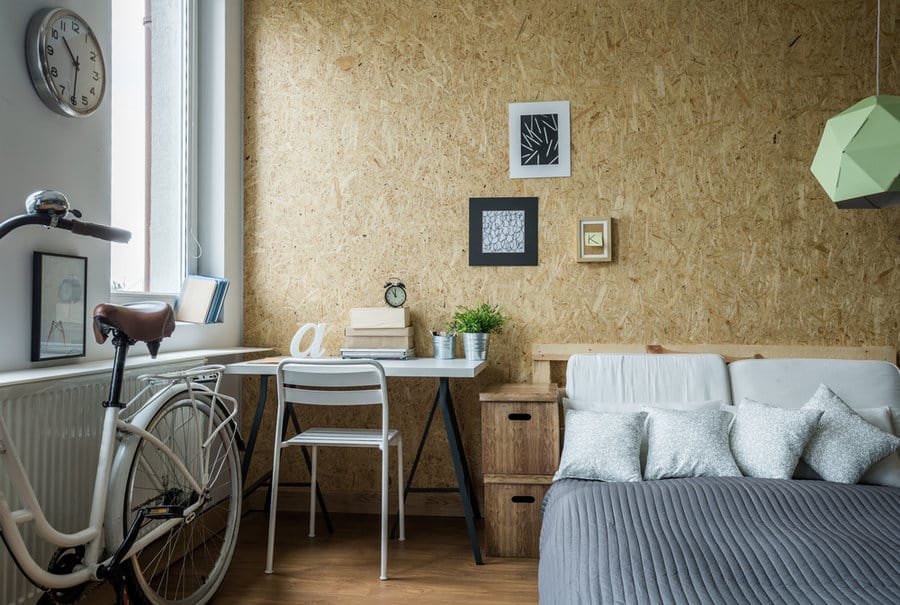
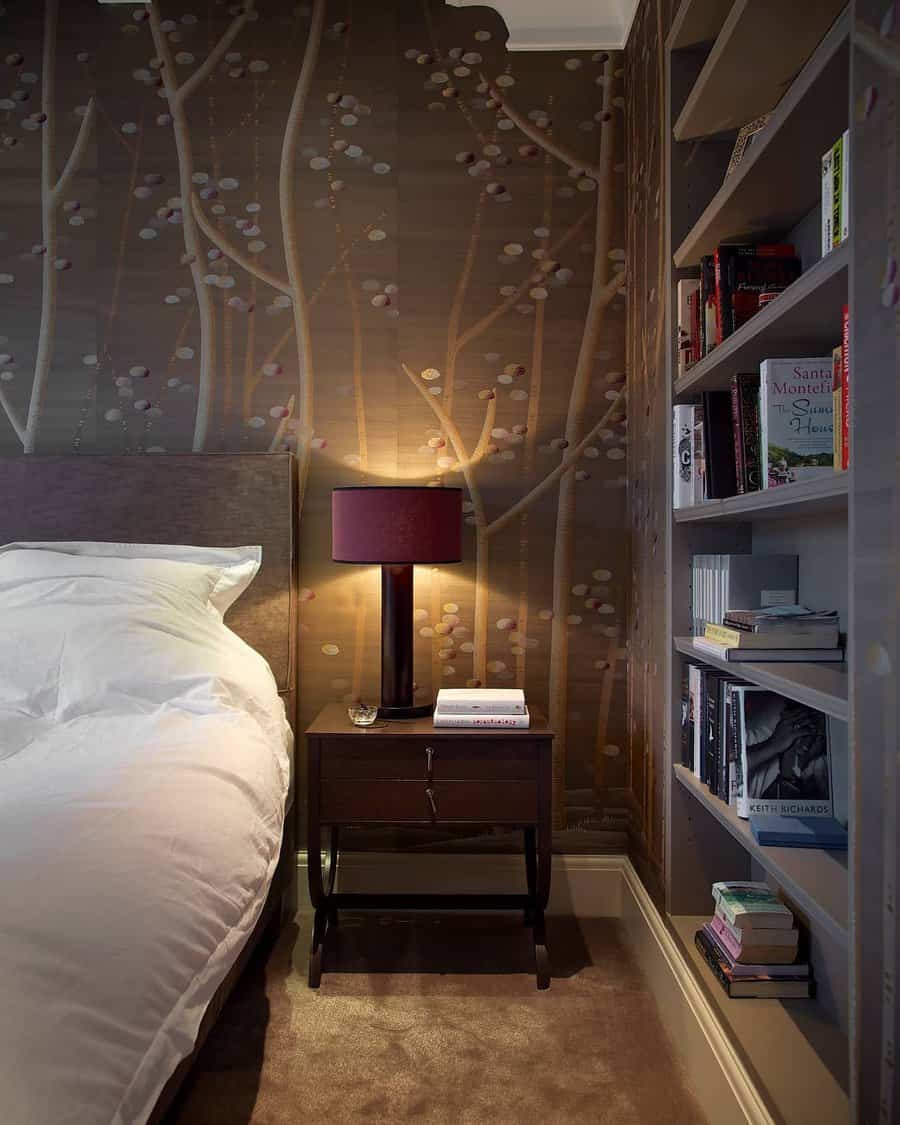
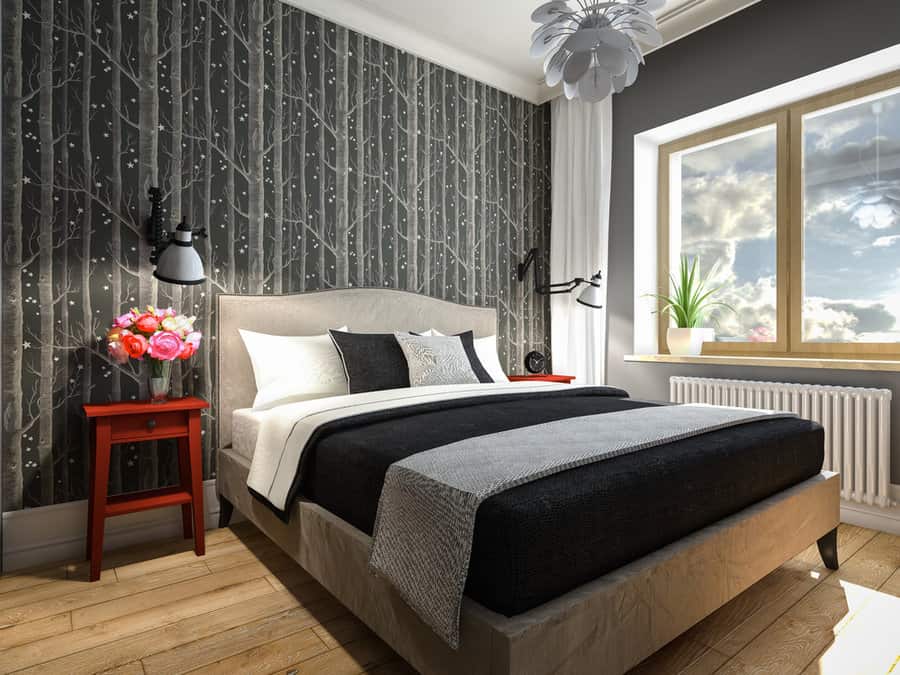
    Adding an accent wall to a room in your home is a perfect option for adding a bit of color to your room. But if you’re going to paint one wall a different color, it needs to be the right color. The color should enhance the room by adding to the aesthetic and helping it to feel bigger. Using color to your advantage can improve a room that would otherwise fall flat. 

    Try one of these stunning accent colors for your accent wall. 

    [view_toc]

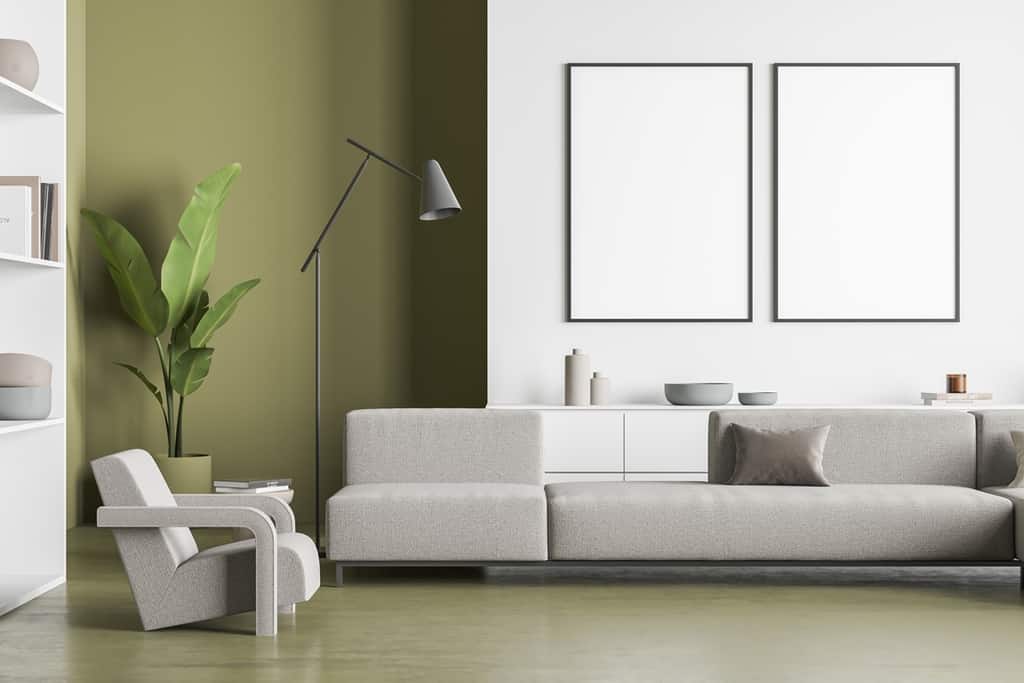
    Olive Green 

    living room interior with olive green accent wall

    This earthy shade of green is popular because it brings a touch of nature without looking overly styled. It also blends well with a wide range of other neutrals. Its more muted tone helps it to keep your room’s design soft and welcoming without becoming too intense or overbearing. When paired with other soft neutrals, you can easily create a warm and welcoming aesthetic. This color works well in rustic, farmhouse, country, and contemporary styles. It can also look beautiful in a neutral bohemian room. 

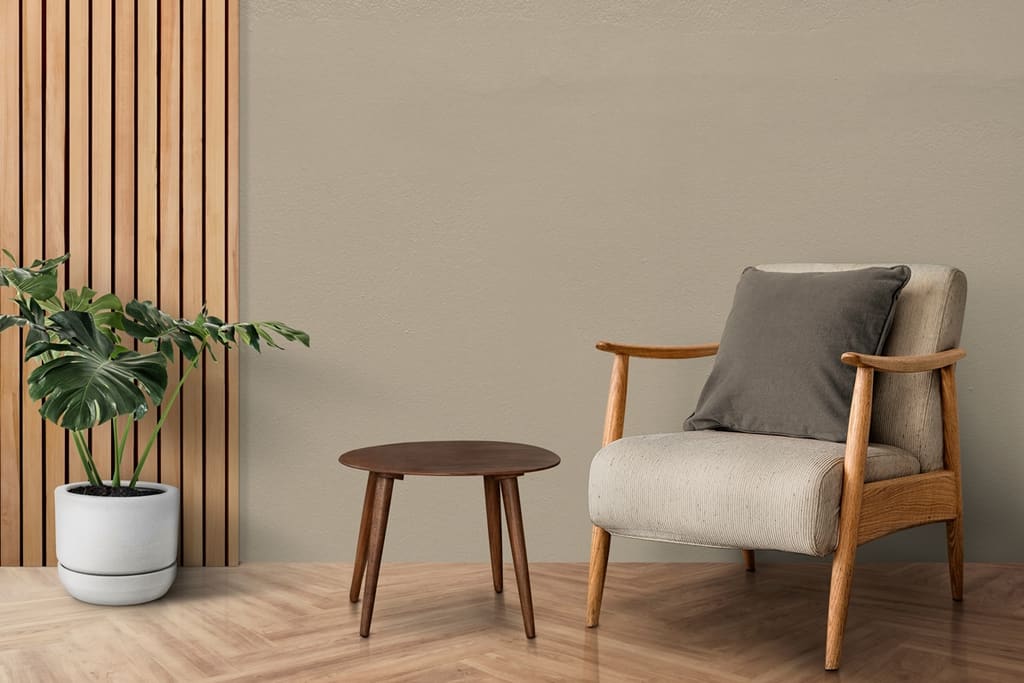
    Greige 

    living room interior design with greige color accent wall

    Depending on how you style this color, it can look more gray or beige. It’s the unique color flexibility of this color that makes it perfect for your accent wall. Depending on the color scheme in the rest of the room and the amount of natural light, the color will change and transform. This adds visual interest, but it can also make it easier to change up your decor without having to repaint. Greige is considered the modern neutral that feels more serious and mature than plain light gray or beige. This makes it perfect for contemporary interior design styles. 

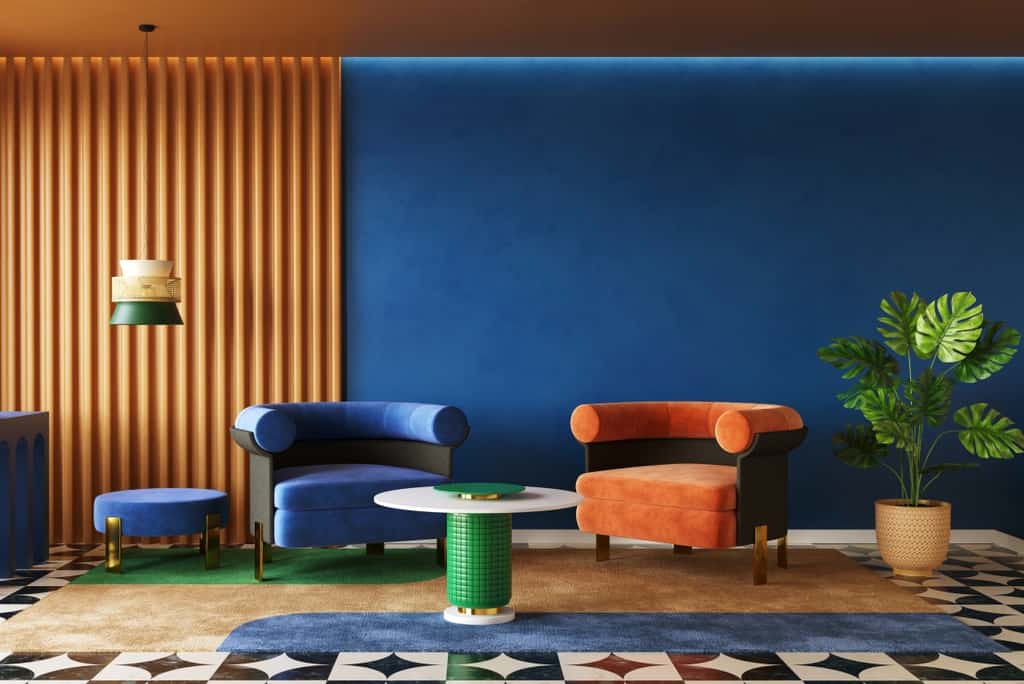
    Jewel Tones 

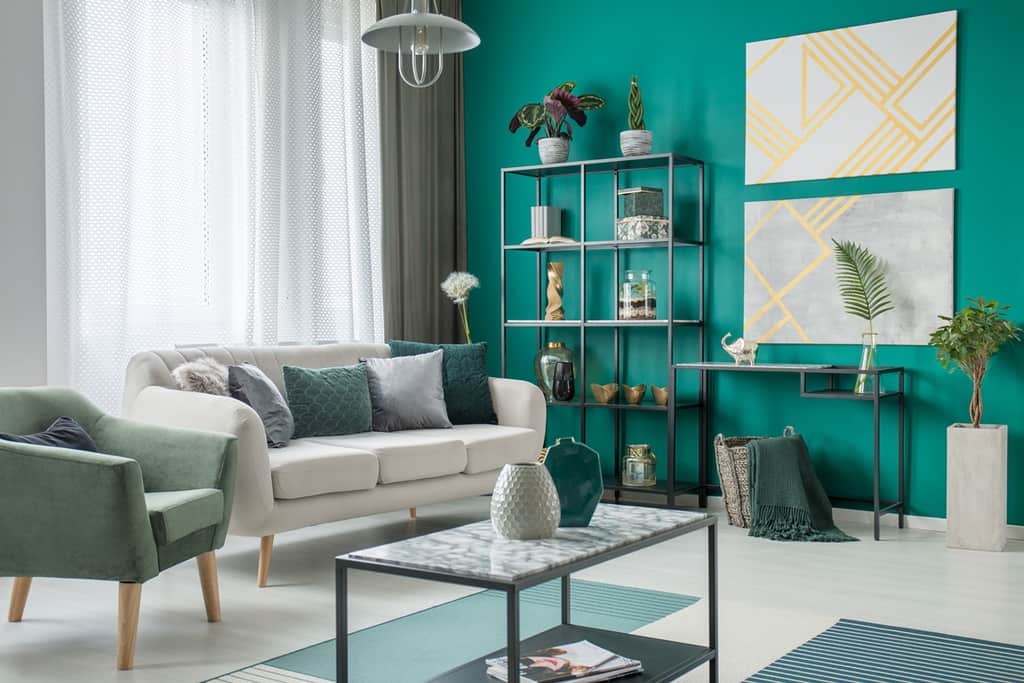
    bedroom interior with jewel tone color accent wall

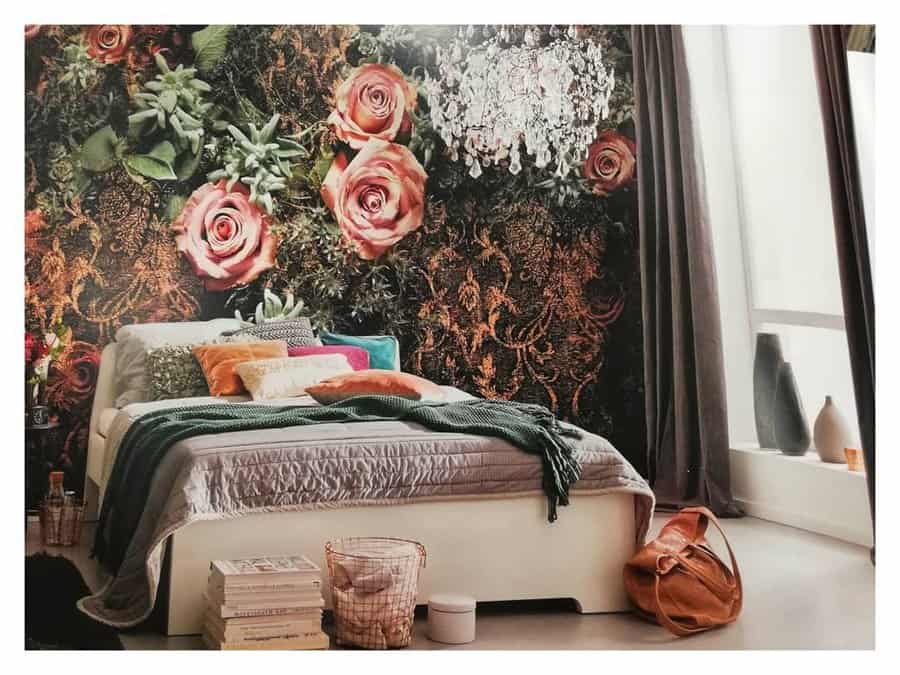
    Instead of choosing just one color for this category, we are going to talk about all jewel tones. These highly saturated colors add a touch of luxury and sophistication to your room. This is because they are taken from the original colors of expensive jewels. Colors in this category are ruby red, emerald green, sapphire blue, amethyst purple, and citrine yellow. You can use them together or pair them with neutrals for a wall that commands attention. Glam and traditional design styles are the most popular aesthetics for using jewel tones, but they aren’t your only options. You could also successfully use jewel tones in vintage, bohemian, art deco, or even mid-century modern design styles. Highlight the use of jewel tones by using polished metal accents to highlight the luxurious feel. 

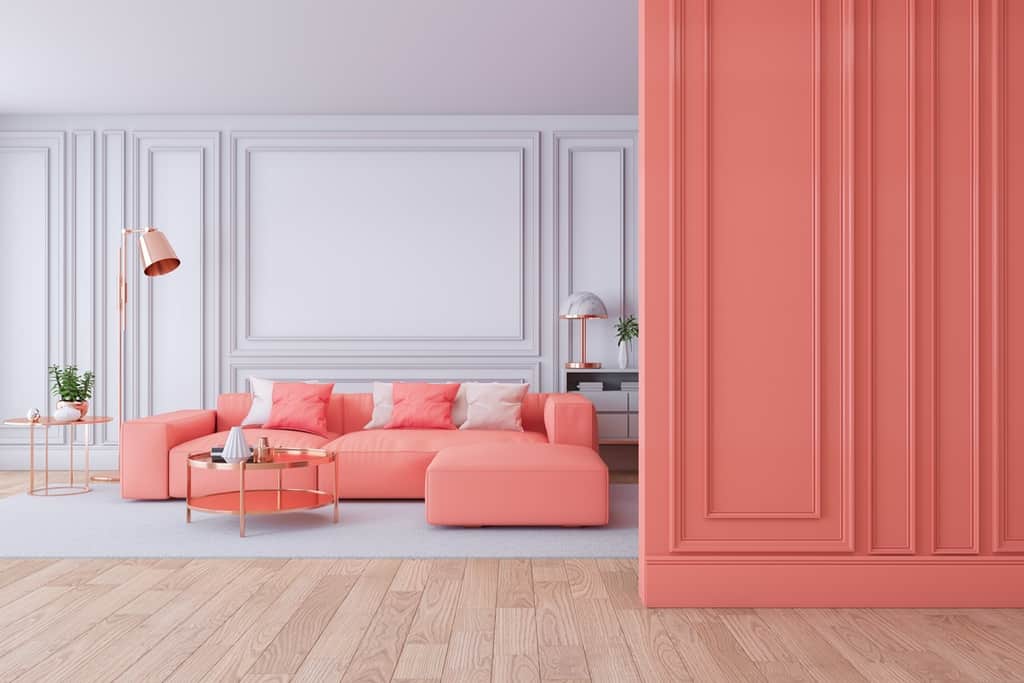
    Coral Pink 

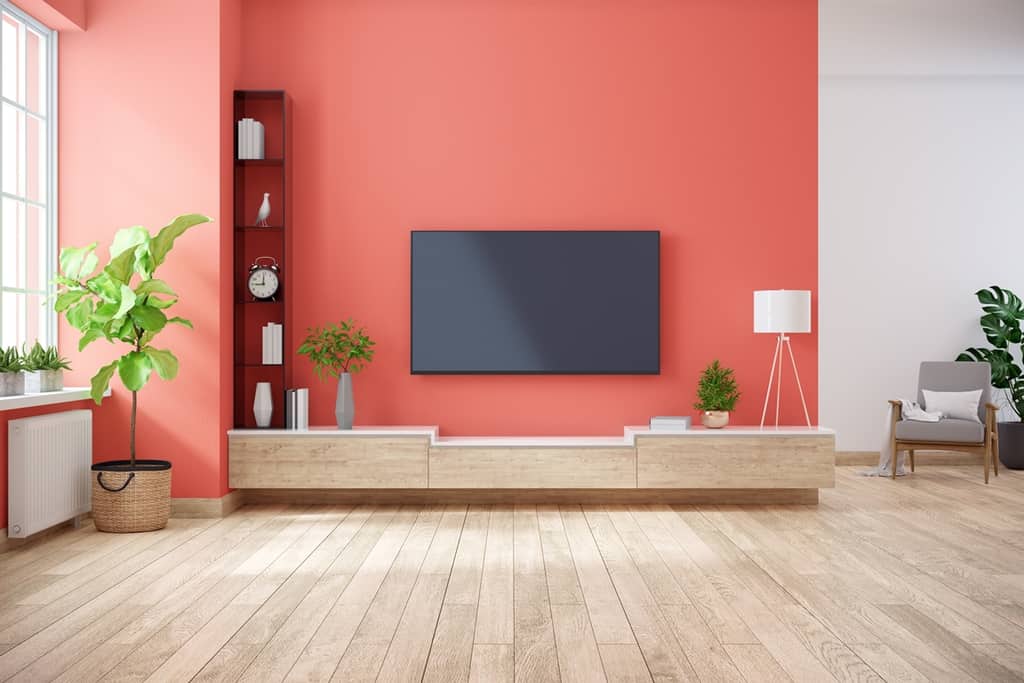
    living room interior with coral pink accent wall

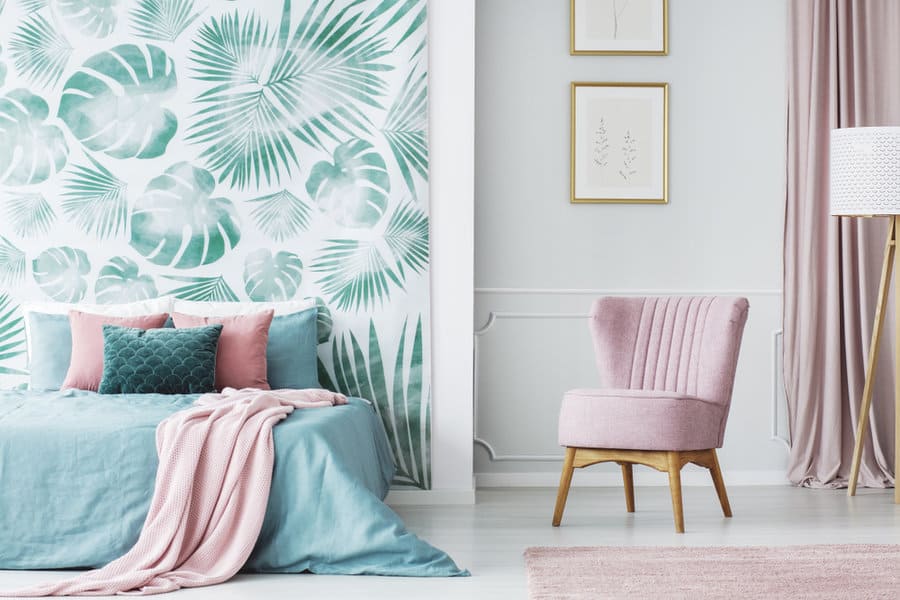
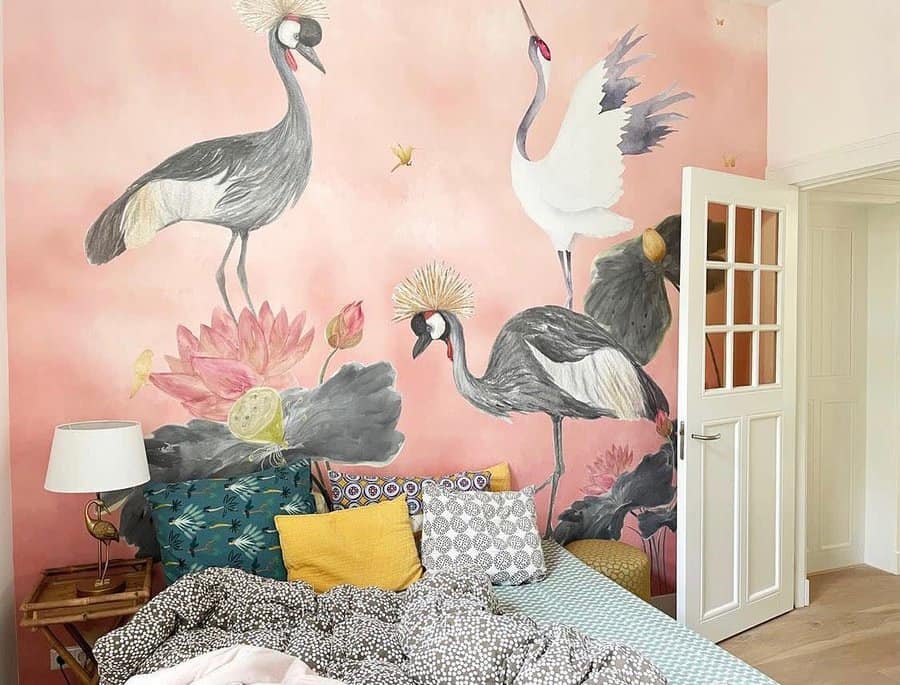
    Soft pink can look too feminine and juvenile. Mauve can look too dark or dowdy. Coral pink is a perfect alternative. It’s a predominantly pink color but has hints of orange and coral undertones. This gives your accent wall a bright and fresh feeling. In addition, the orange hues bring warmth into the room, creating a more comfortable atmosphere. What’s nice about this flexible color is that you can pair it with other warm colors, including cream, red, pink, orange, and yellow. It’s also perfect for bringing contrast to a turquoise or blue room. This cheery shade works well in a coastal, shabby chic, or bohemian-designed room. 

    Coastal Blue 

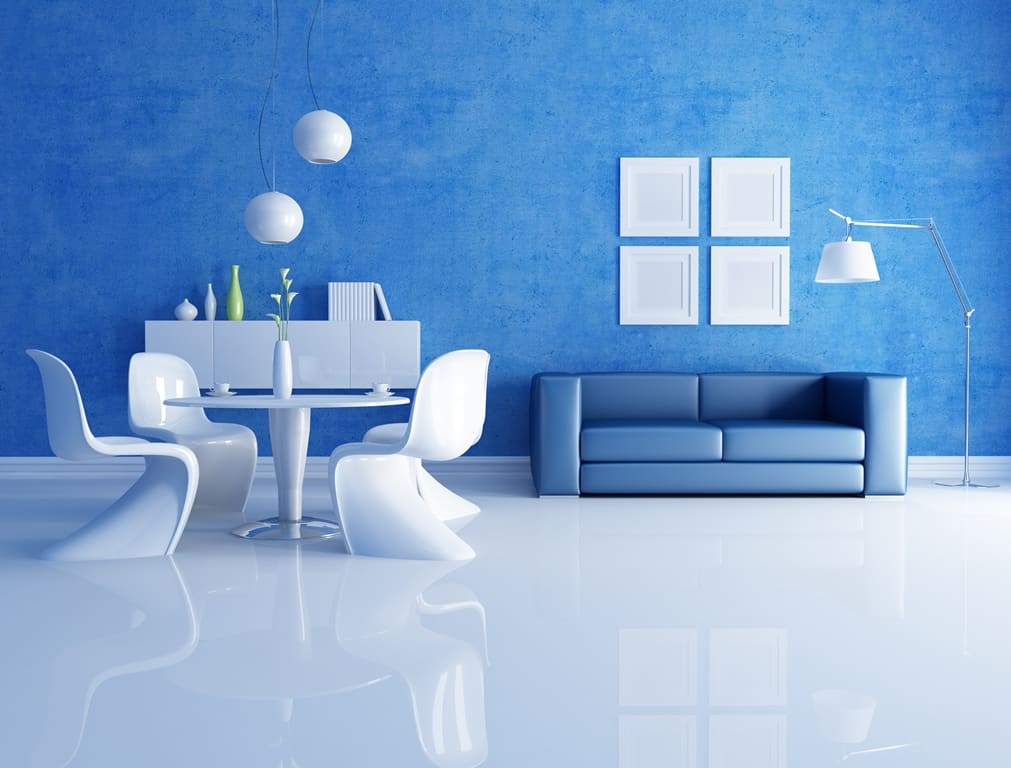
    living room interior with coral blue accent wall

    Embrace the colors of the ocean by painting your accent wall a bright and breezy blue. It adds a soothing feel to your room that can create a calming atmosphere that fosters a relaxing and welcoming vibe. Consider slight variations of the color to keep the color from looking too beachy. It could be a slightly muted version or have green undertones. Be careful not to choose a color that’s not too light. You don’t want to use a pale blue. Coastal blue is perfect in a shabby chic decor design style, rustic, and coastal styles. 

    Butter Yellow 

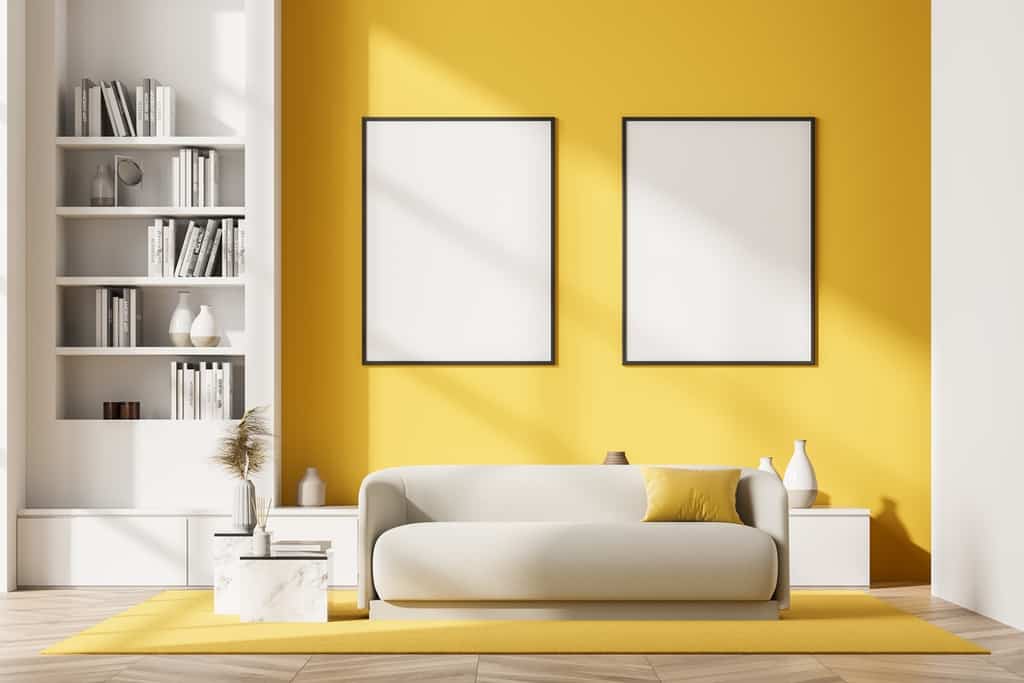
    living room interior with butter yellow accent wall

    A soft butter yellow can add a sunny accent to your room. The gentle brightness of this color makes it perfect for helping a room feel brighter without it becoming overwhelming. The white undertones of this yellow help to reflect more light, increasing the light and helping the room feel bigger. Unlike lighter yellow shades, this yellow is more intense than a pale yellow, adding color and avoiding the aged yellow-white look that can look dingy. This delicate yellow is versatile, looking right at home in a shabby chic, French country, farmhouse, contemporary, rustic, or transitional styled room. 

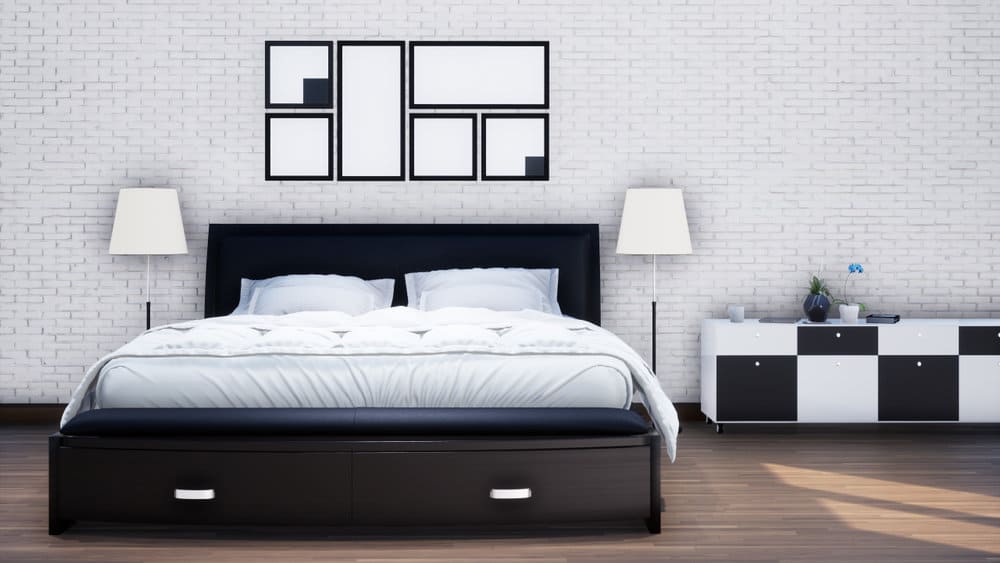
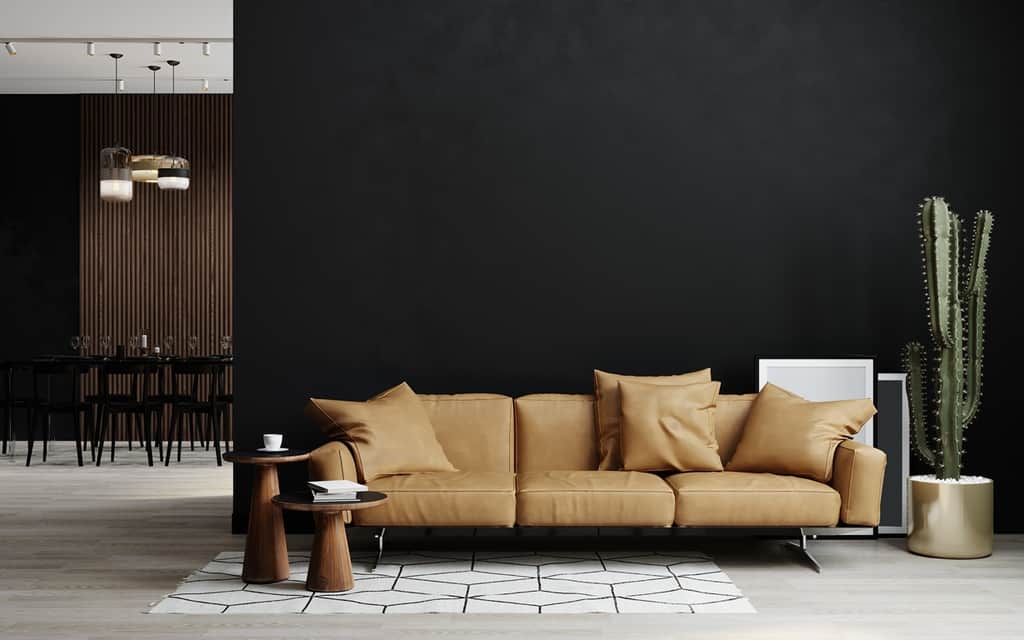
    Blackest Black 

    living room interior with blackest black accent wall

    Painting all of the walls in a room black can look overwhelming and turn the room into a dark cave. Instead, paint only one of the walls black. Then you get the benefit of the black wall without the drawbacks. A black accent wall works best in a larger room that has plenty of natural light. It can also help to use paint that has a slight sheen to it. Using a black feature wall can look elegant and sleek in an industrial, minimalist, urban modern, or art deco style.  

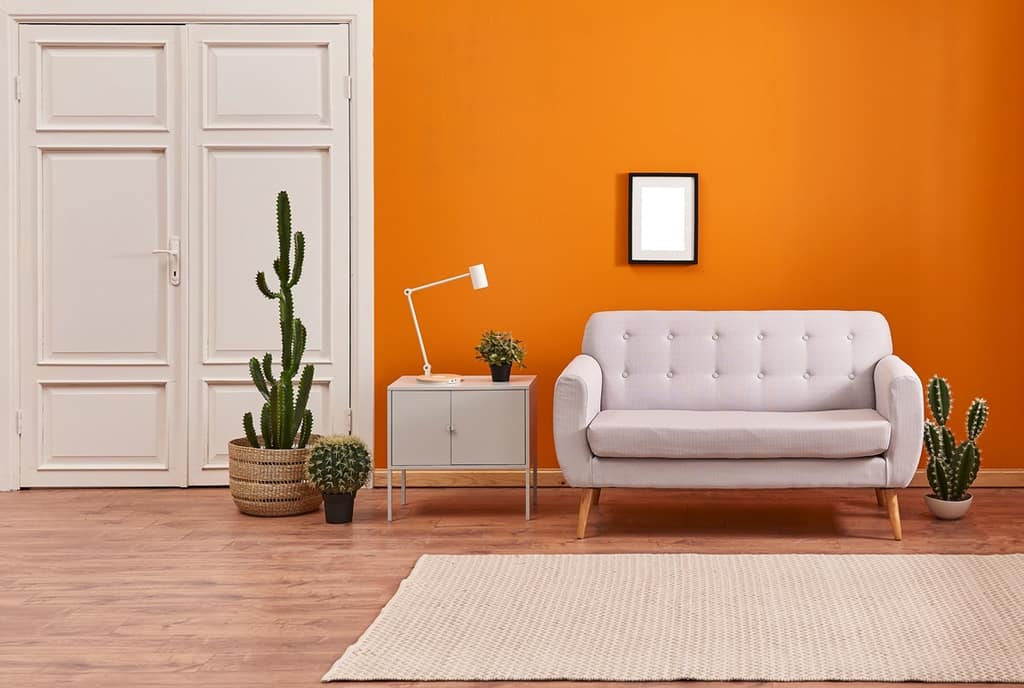
    Persimmon Orange

    living room interior with persimmon orange accent wall

    This richly colored orange is bright but not too bright. It’s close to true orange but has a more mature feel that elevates it from the primary version of the color. Painting an accent wall this color can give you the perfect backdrop for your white and neutral decor. You can easily add it to an all-white room that you are looking to update and bring color into. Because an actual fruit inspires it, you can use it in an earthy neutral decor design to make the room feel brighter. This warm and welcoming color can look beautiful in a room that’s styled in Asian zen, mid-century modern, or coastal design style. 

    Deep Blue

    living room interior with deep blue color accent wall

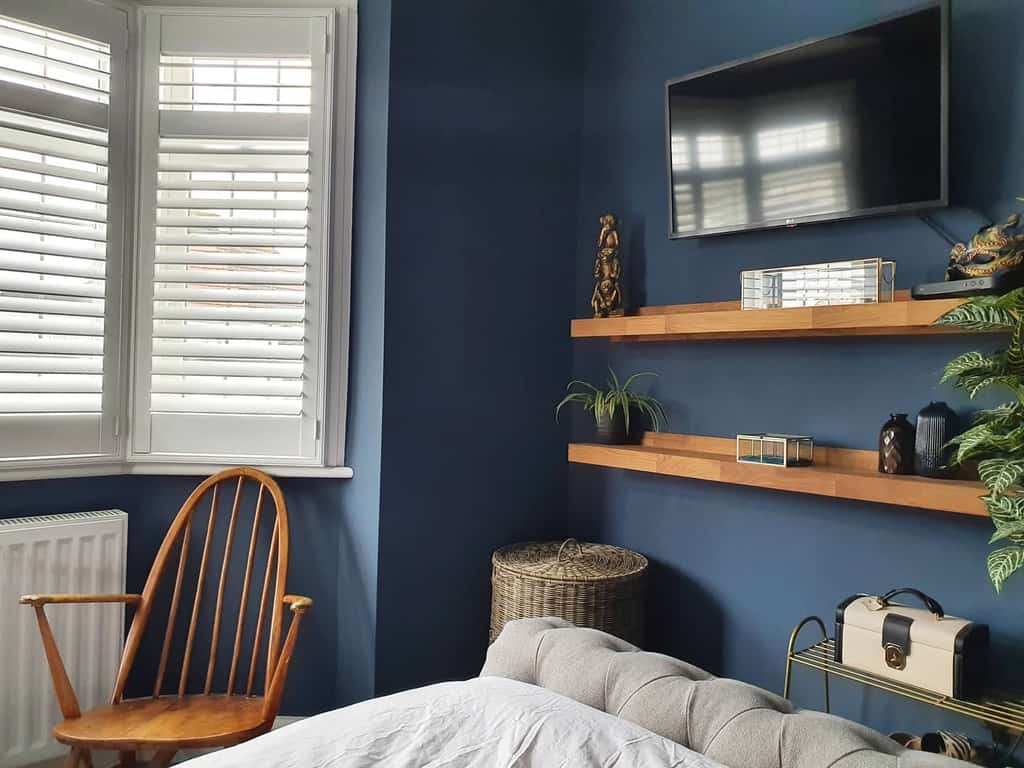
    A deep navy or indigo blue adds depth and sophistication to a room. It’s like adding drama without going over the top. Navy is closer to black, making it better for more traditional design styles like Victorian and art deco design. Indigo, while similar to navy in that it’s dark, is slightly more eclectic. Indigo has purple undertones that make it perfect for creative design styles like bohemian, worldly, and maximalism. Both colors can be quite dark, so to keep your room from feeling too much like a cave, make sure that is plenty of natural light. 

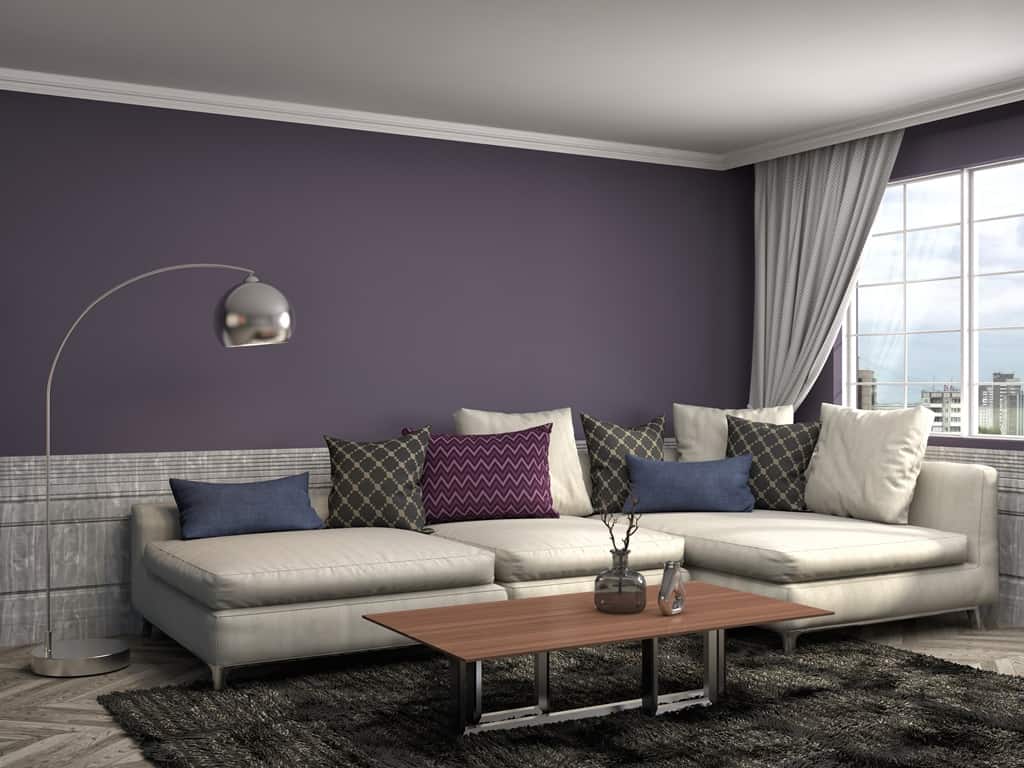
    Blackberry Wine 

    living room interior with blackberry wine color accent wall

    This rich and dark purple color is more complex than just standard purple. It has dark hints and raspberry undertones to create a color with more depth and complexity. It’s perfect for when you want to use purple and avoid a juvenile color similar to a certain large dinosaur. Embrace the moodiness of this color by using it in an industrial interior style. It’s also perfect when giving your room a glam design. Gold metal will contrast elegantly against the purple wall to create a look of luxury. 

  • How to Choose an Accent Wall

    How to Choose an Accent Wall

    Read enough home improvement and decorating blogs, and you will quickly realize that adding an accent wall is one of the most commonly recommended home improvement projects. They’re perfect for adding color, pattern, or texture without overwhelming the room. The problem is that everyone is happy to provide examples of accent walls, but no one tells you how to choose a wall that should be the accent wall. Take the plunge and add an accent wall in your home with this helpful guide that will help you choose the perfect wall. 

    [view_toc]

    The Basics of Choosing an Accent Wall 

    choosing accent wall in a room

    There are three basic rules to follow when choosing a wall to turn into an accent wall:

    1. Focal point 
    2. Symmetry 
    3. Inside Corners 

     Following these three rules will help you choose the right wall and avoid choosing the wrong wall. Adding an accent wall should be purposeful and enhance the room’s design. Choosing the wrong wall will either have no impact or a negative impact on the visual design of the room. 

    Focal Point 

    Typically, the best wall in a room to be the accent wall is the first wall you see when entering a room. This is the front and center wall and usually the focal point. This ensures that your work doesn’t go to waste because the accent wall is the feature in the room.  However, this isn’t always the case. Sometimes, the focal wall in the room isn’t the first wall you see when entering the room. Instead, it’s the wall your eyes naturally travel to when standing in the room. This could be the wall with the fireplace in a living room. It could be the wall behind the bed’s headboard in a bedroom. 

    Symmetry 

    The wall that you choose should have symmetry to it. Sometimes, this is the focal point wall, and sometimes it isn’t. If the focal point wall doesn’t feel quite right, it is probably because the symmetry is off. Draw an imaginary vertical line down the center of the wall. The left and right sides should mirror each other. There shouldn’t be an odd placement of doors or windows. The top of the wall could have an angled slope from a vaulted ceiling. There could also be an uneven geometric shape to the wall.  

    Keep in mind that symmetry is not a hard rule. Sometimes, a non-symmetrical wall looks great as the accent wall. Therefore, it’s best to consider each wall on a case-by-case basis. 

    Inside Corners 

    If you want your accent wall design to look purposeful, stick with a wall that’s bordered by two inside corners. It’s easier to transition from one color to another or from a wallpaper to paint when it is on an inside corner. This is why a nook makes a perfect accent. 

    Homes with open floorplans present a challenge with this rule. It’s significantly harder to transition an accent wall when one side has an outside corner. It can be done, but it’s significantly more challenging to create a professional finish on the outside corner side. 

    Consider the Size of the Room 

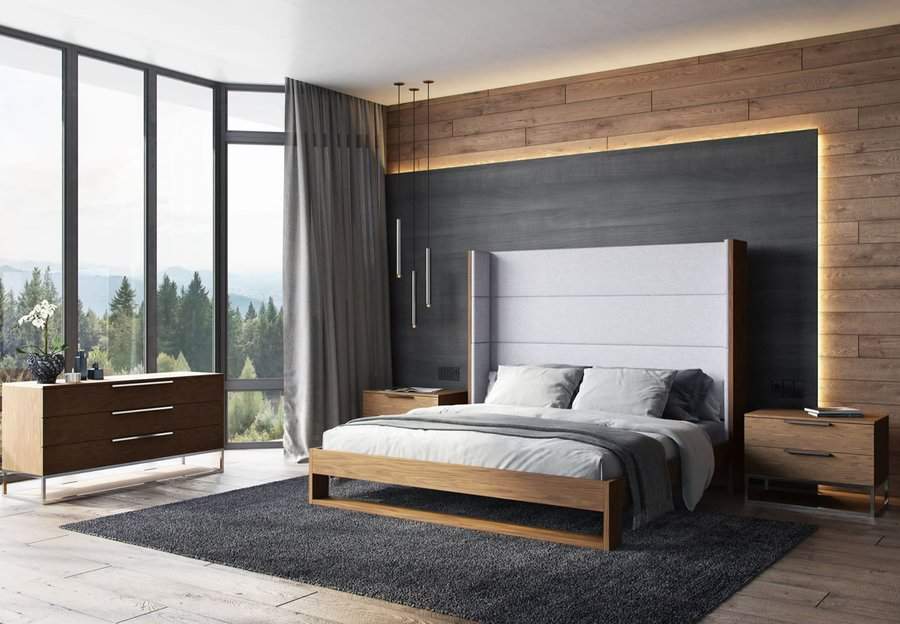
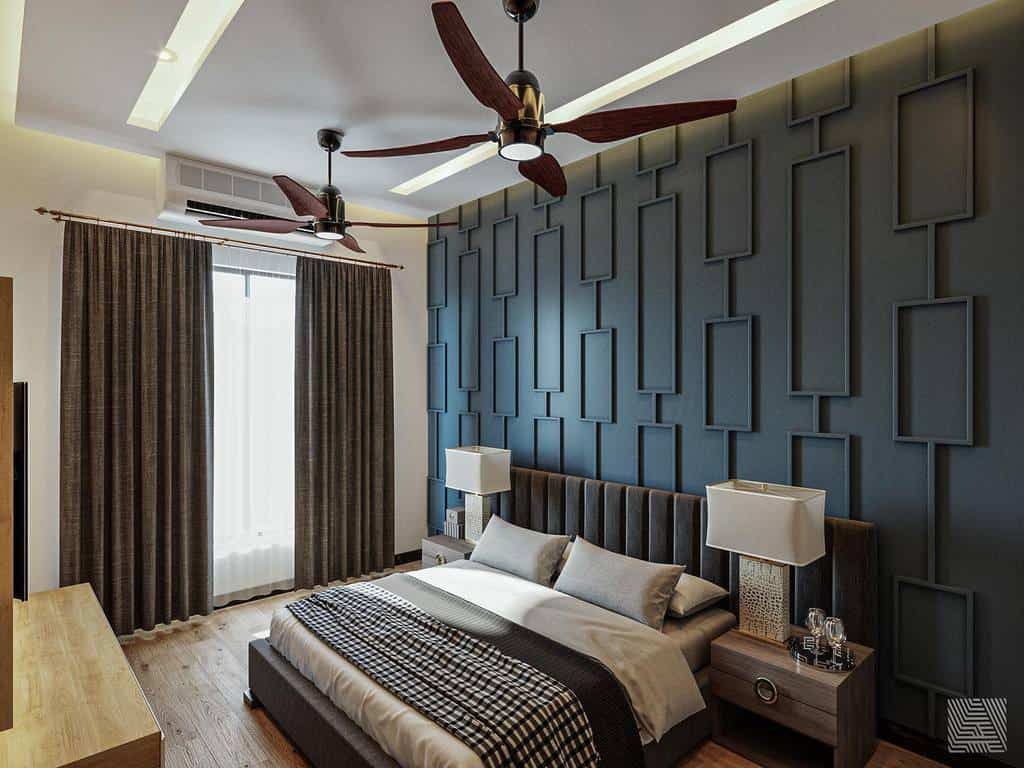
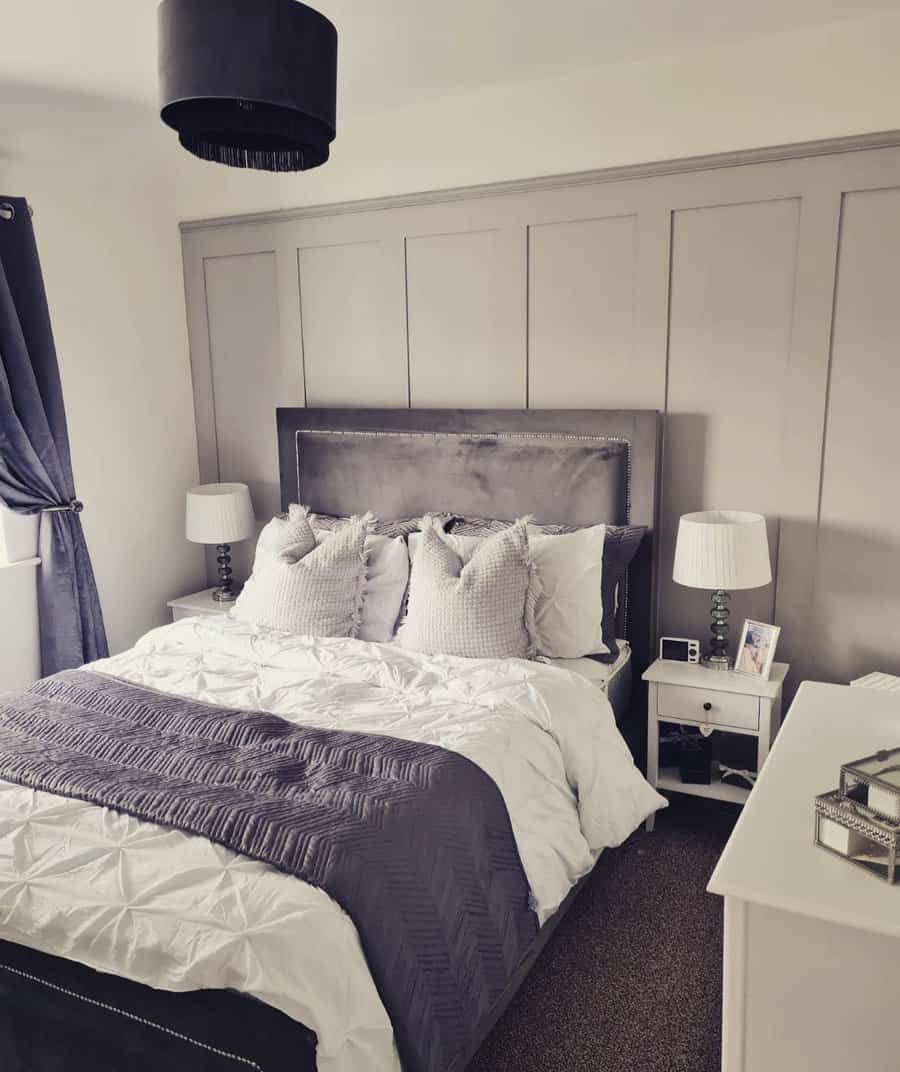
    bedroom with accent wall panelling

    Adding an accent wall breaks up the visual lines of the room, so adding one to a small room can make the room feel even smaller. This means that accent walls are best done in larger spaces that can support the visual weight of an accent wall. 

    In addition to size, you also should consider the shape. For example, if you have a long and narrow rectangle-shaped room, turning the furthest short wall into the accent wall will visually shorten the room, helping it to feel more balanced. Conversely, making one of the long walls the accent wall will accentuate the length, making it feel even longer. 

    Look For Architectural Details 

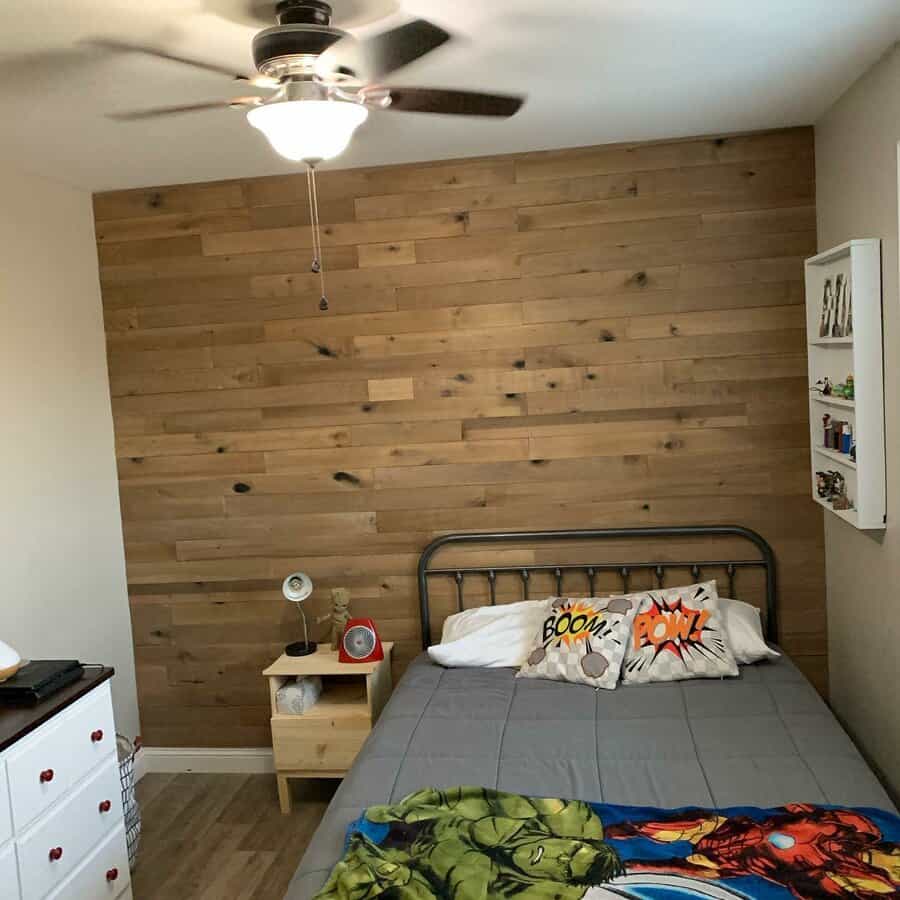
    luxurious bedroom with wooden accent wall

    An accent wall should be as solid as possible. This means it’s not broken up by doors and windows. These break up the wall and reduce your accent wall’s impact on the rest of the room. This is why the wall behind a bed or sofa are popular.  

    While looking for architecture to avoid, you should also look for details that signal the ideal wall. For example, if a wall has a fireplace or is a nook, these are details that signal you are on the right track for choosing the best wall in the room to be an accent wall. 

    Think About Furniture Placement 

    contemporary bedroom with green accent wall

    If you have a large piece of furniture covering most of a wall, this isn’t a great option for an accent wall.  Walls that are already covered by the decor, furniture, and window treatments won’t benefit from being an accent wall. If you’re going to go through the investment and trouble of adding an accent wall, it should make an impact on your room. Instead, look for a wall that’s mostly open, allowing you to clearly see the accent wall. 

    What Is the Room’s Function?

    dark grey color accent wall with molding

    If your home has an open floorplan, you can use an accent wall to visually define the space. Look at the different areas of the open space and how you use each area. Adding an accent wall visually breaks up the space. This creates a subtle signal to the eye that each space has a different use. Now you have more of a zoned space that helps each space to feel more intimate. 

    Accent Ceiling Instead of Wall 

    bedroom with accent ceiling instead of wall
    Hendrickson Photography / Shutterstock.com

    If all else fails and you can’t figure out a suitable wall for your accent wall, you have one option left. Instead of choosing one of the walls, consider the ceiling. This is considered the fifth wall by some interior designers. Painting the ceiling is a perfect option for a room that doesn’t have a natural focal point or isn’t symmetrical. 

    Painting the ceiling of a room a bright and bold color can transform the space while also creating the illusion that the ceiling is taller than it really is. You can paint the ceiling in large or small rooms. A light or bright color in a small room can help the room to feel bigger. A darker color in an extra-large room can help it to feel more comfortable and cozy. 

  • 29 Wall Covering Ideas

    29 Wall Covering Ideas

    The walls are part of the decor. They can be used for storage, with shelving units that can also be part of the decoration. But walls can be more than that: they can be the accent piece in the room. Feature walls with wall murals or decorative panels, wall art, or photo galleries add a lot of character and make a difference in any space. 

    There is so many wall covering options in the market, that makes it is a difficult task to choose from. So, take a look at the design ideas and options we have selected for you. They will surely inspire you to give your walls an awesome facelift!

    [view_toc]

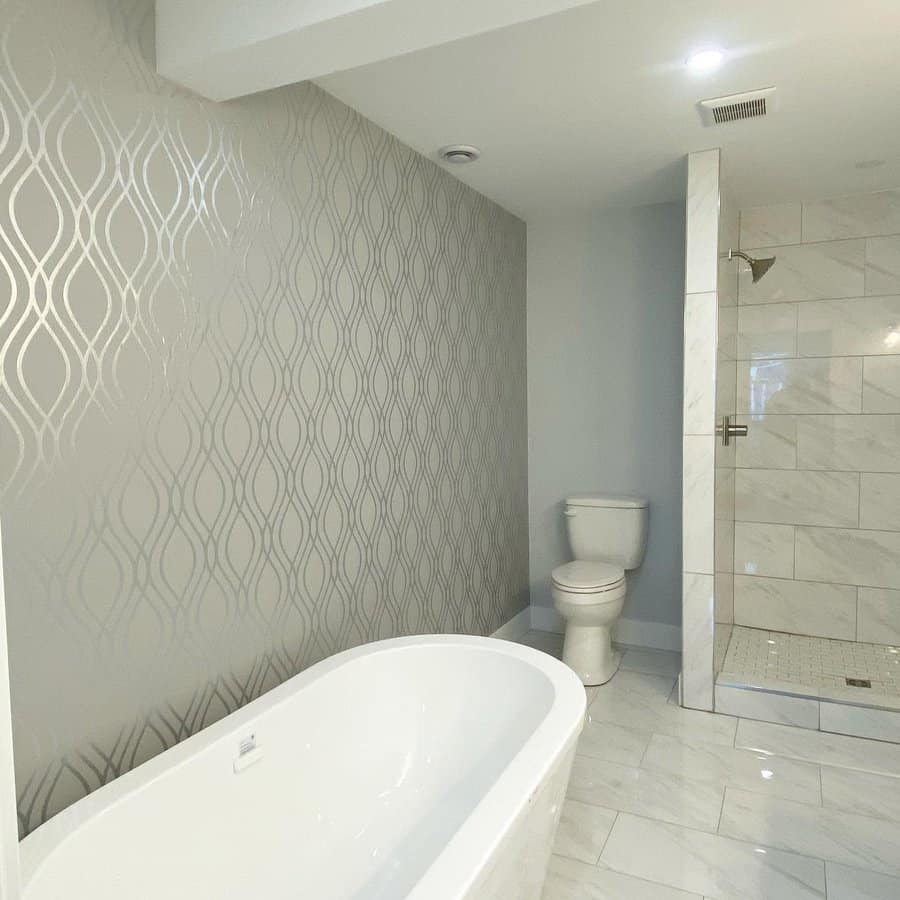
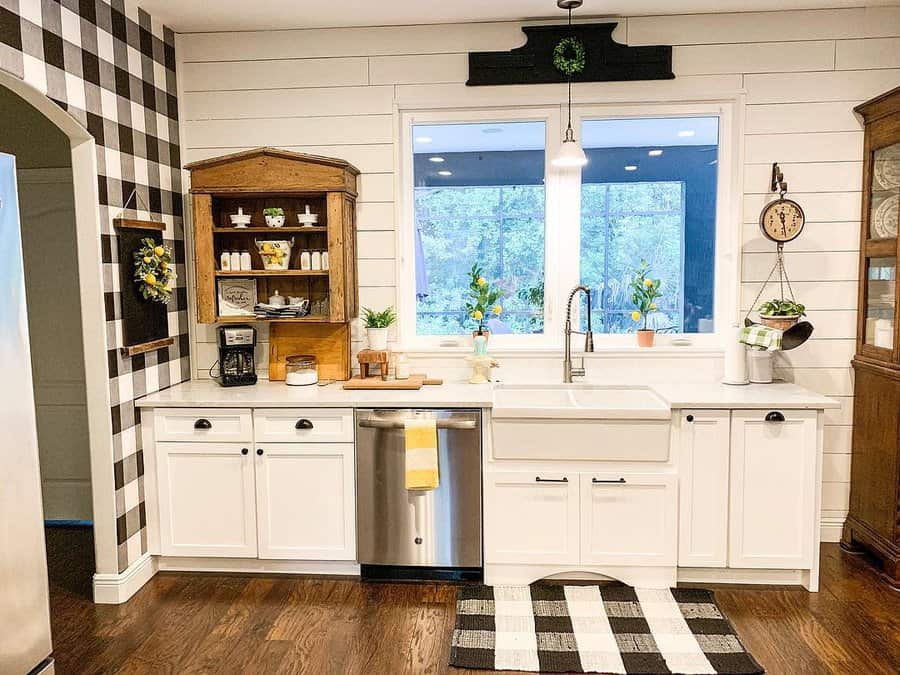
    Source: @basementbuilderuk via Instagram
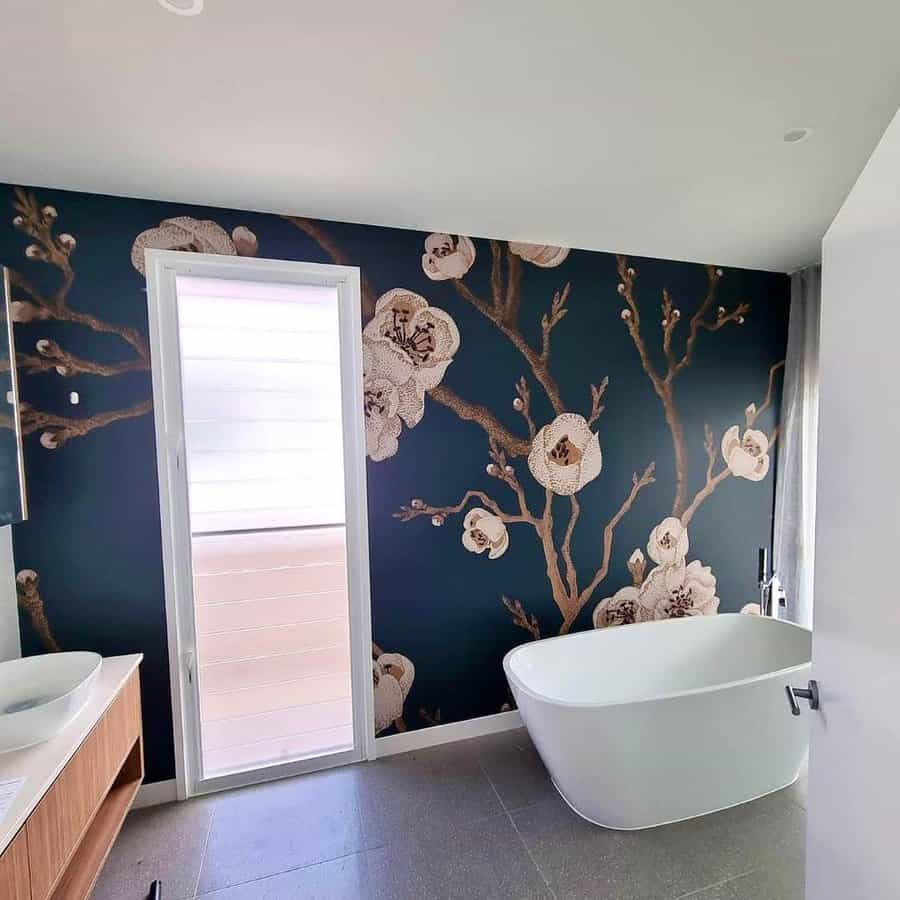
    Source: @jerryshomes via Instagram
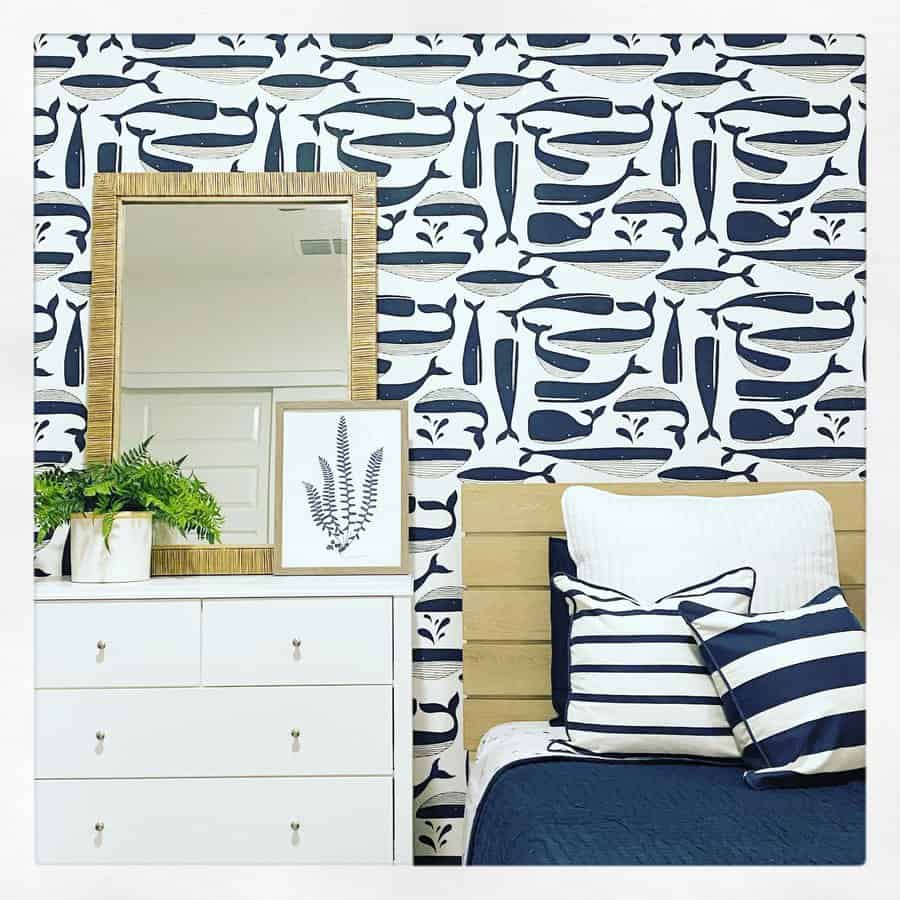
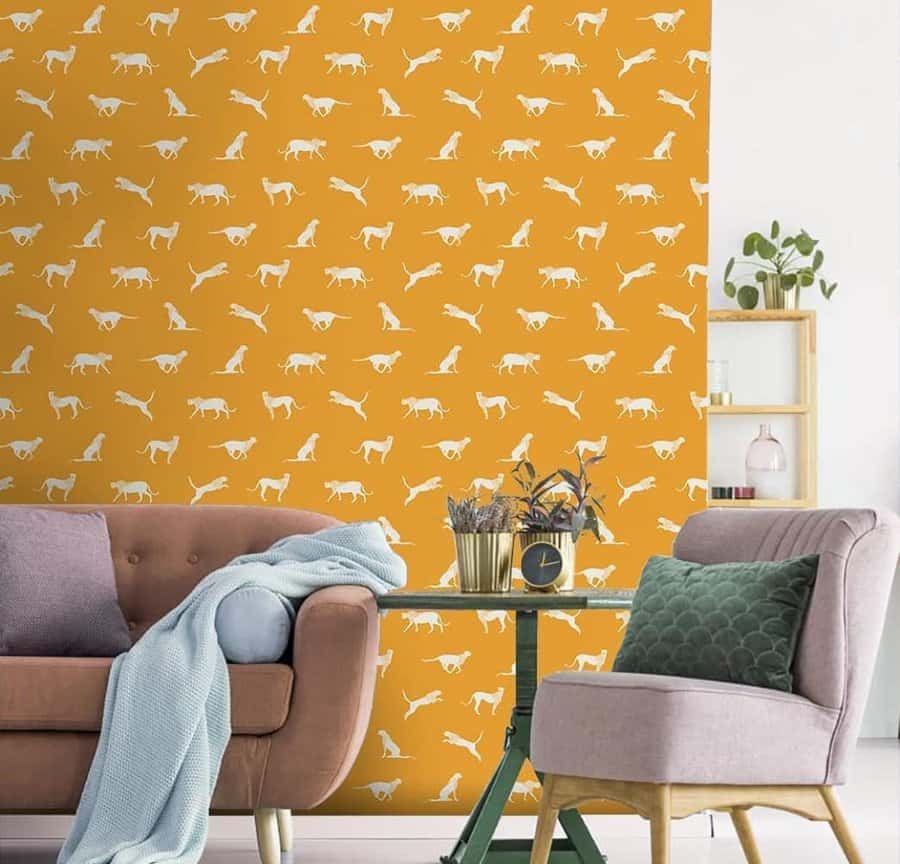
    Source: @halifaxpapertrails via Instagram
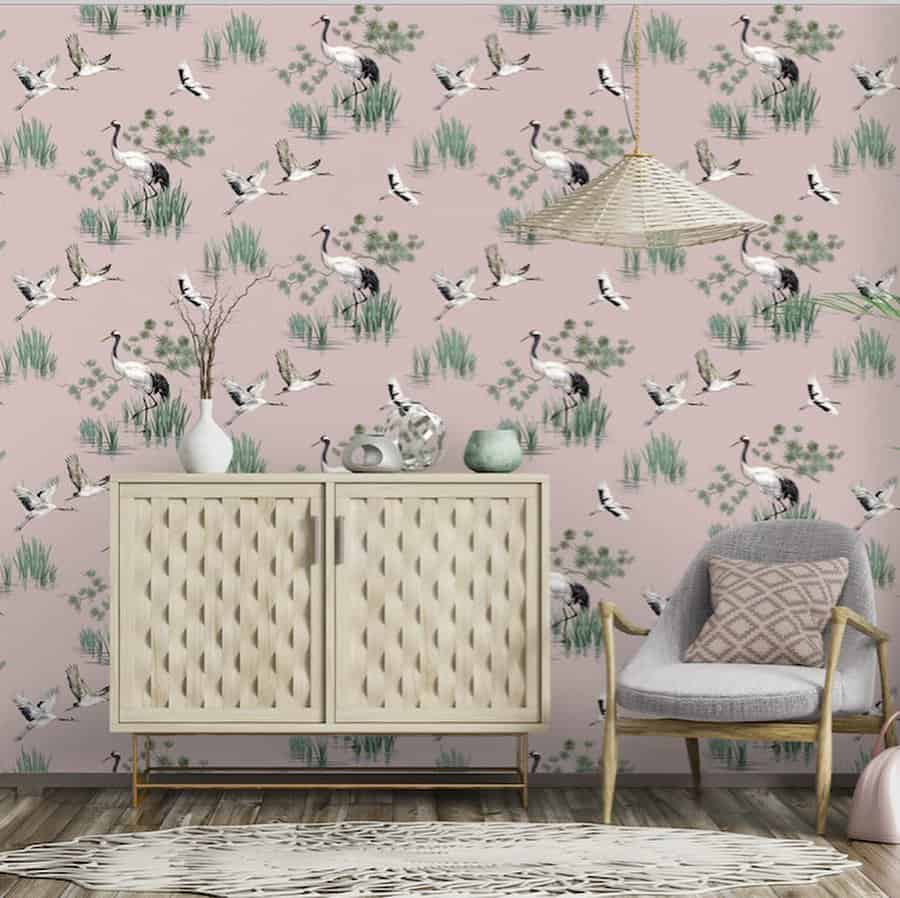
    Source: @kelliehobbsinteriors via Instagram
    Source: @modernmiami via Instagram
    Source: @nicoleyeeinteriors via Instagram
    Source: @clairelouise_home via Instagram
    Source: @deco_paperie_wallpapers via Instagram
    Source: @lisabatsongoldberg via Instagram
    Source: @smartcolordesign via Instagram
    Source: @thefinishedproject via Instagram
    Source: @decorapapel212 via Instagram
    Source: @fancifywallmurals via Instagram
    Source: @nencinidesign via Instagram
    Source: @pinnwallcoverings_ via Instagram
    Source: @wallsaucecom via Instagram
    Source: @york_wallcoverings via Instagram
    Source: @york_wallcoverings via Instagram
    Source: @my_house_mirror via Instagram
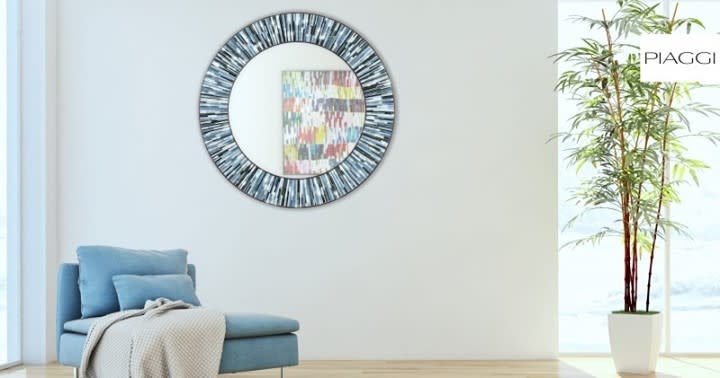
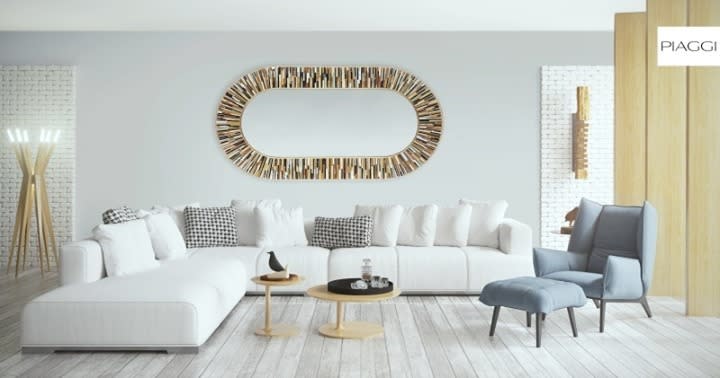
    Source: @piaggi_official via Instagram
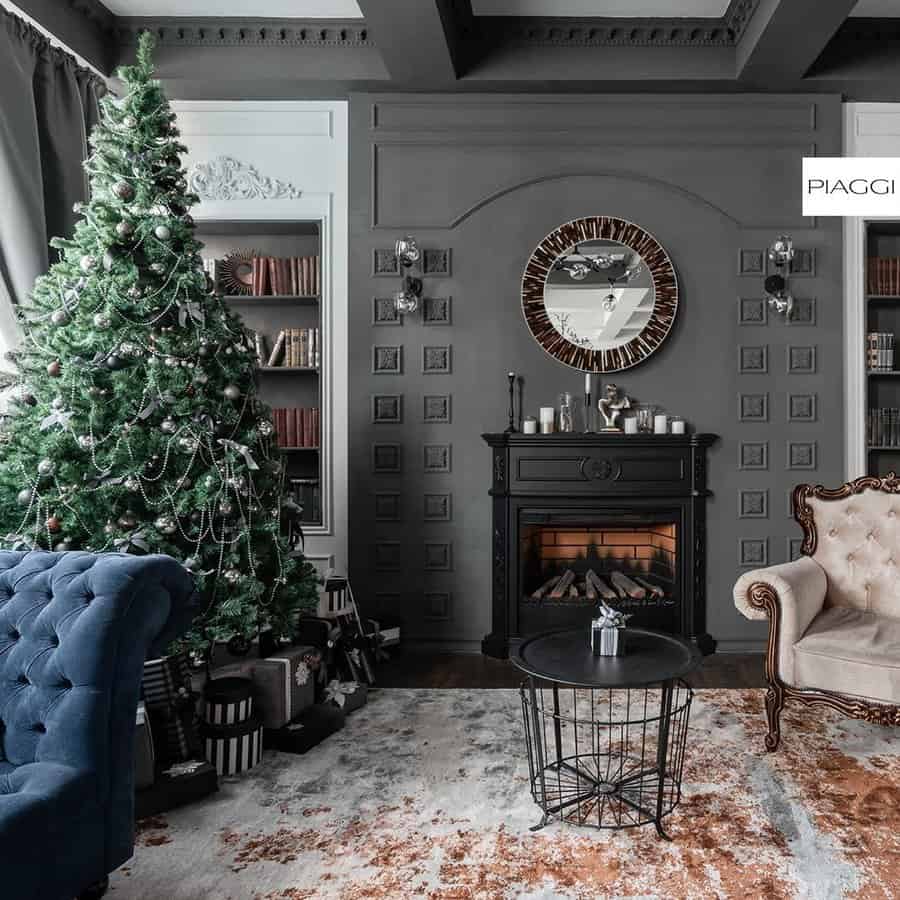
    Source: @piaggi_official via Instagram
    Source: @piaggi_official via Instagram
    Source: @novinskiy_interiors via Instagram
    Source: @york_wallcoverings via Instagram
    Source: @domek.pani.rozi via Instagram

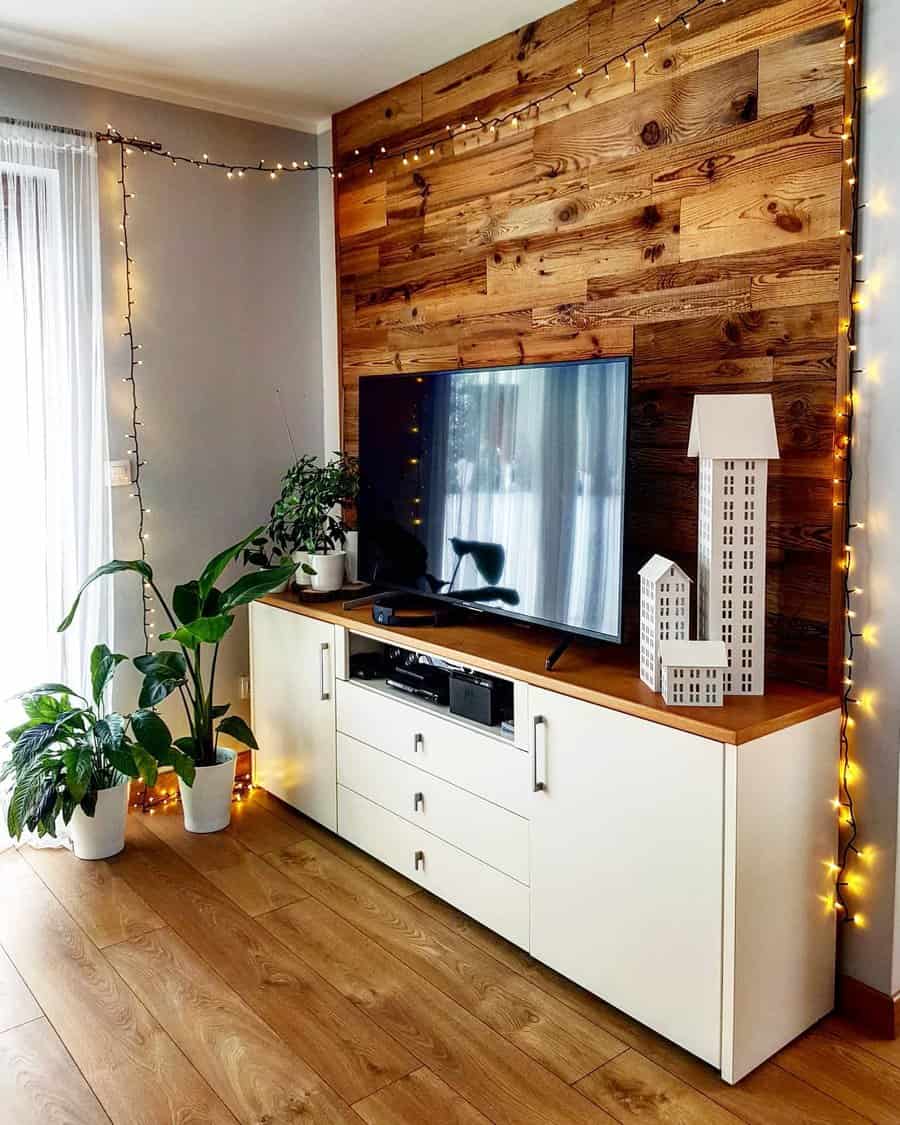
    Brick walls will bring that industrial-chic vibe to your space, as well as barn wood and reclaimed wood wall paneling.

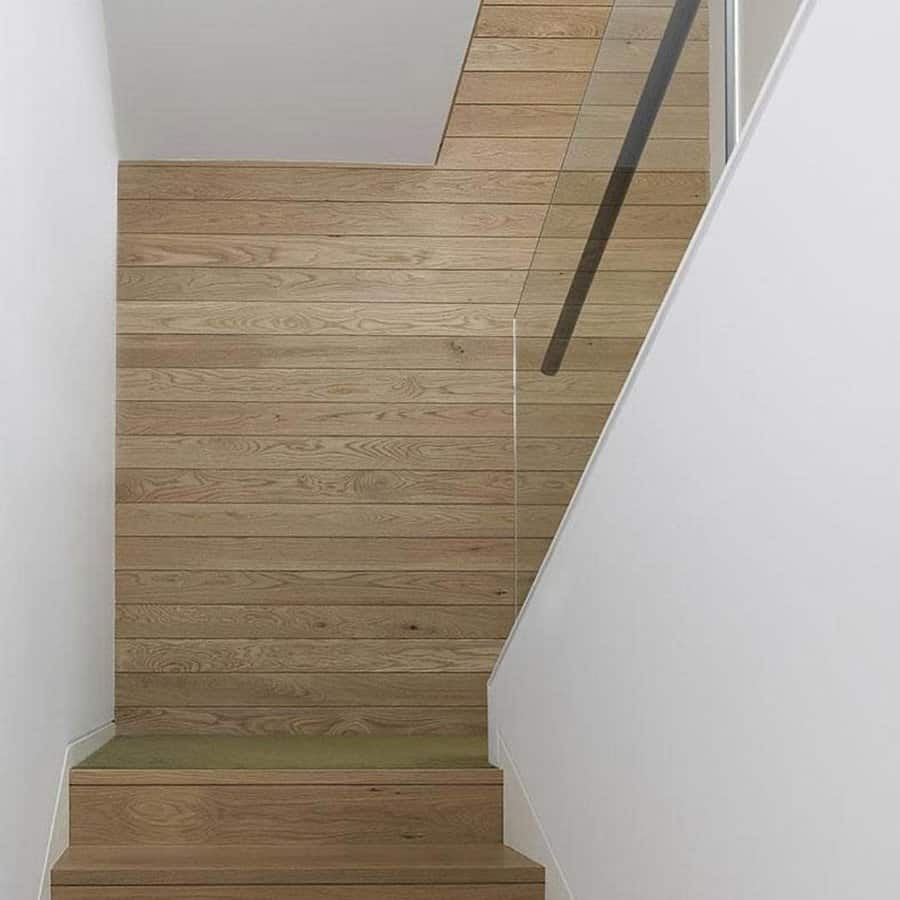
    9. Stairs

    Plywood walls are used in place of plasterboards, and they are an affordable option for stairs, playrooms, and any room that calls for fresh and contemporary décor.

    Source: @mcproplastering via Instagram
    Source: @theboyswhosew via Instagram
    Source: @desirebasements via Instagram
    Source: @vet_knight27 via Instagram

  • 16 Creative Wall Shelf Ideas

    16 Creative Wall Shelf Ideas

    Adding one or more wall shelves to the rooms of your homes can give you extra storage space and a convenient place to display wall decor. All you need is a shelf that fits your available wall space. You could have several short and shallow shelves for a wall arrangement or one deep shelf that extends the entire length of your kitchen. 

    These wall shelf ideas will help you choose the perfect wall shelving ideas for each room in your home.

    [view_toc]

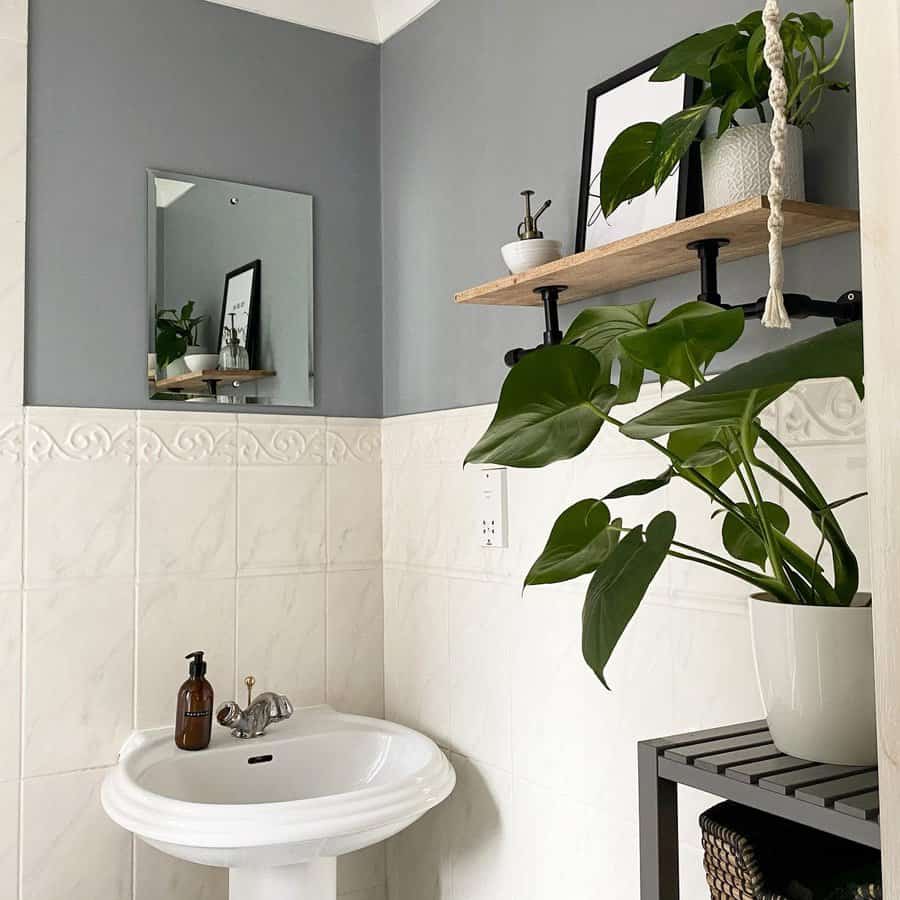
    1. Floating Bathroom Wall Shelves

    Who knew a simple floating bathroom wall shelf could be such an easy way to dramatically upgrade your bathroom? Not only does it give easy access to toiletries, but it can also be a styling shelf for items such as candles, succulents, and other accessories.

    This easy-to-install shelving option adds just the right accent to your space, making it modern and inviting. Plus, it offers storage in unexpected places, creating a pleasing aesthetic with zero effort.

    Floating bathroom wall shelf wIth plants and mirror
    Source: @interior_obsession19 via Instagram

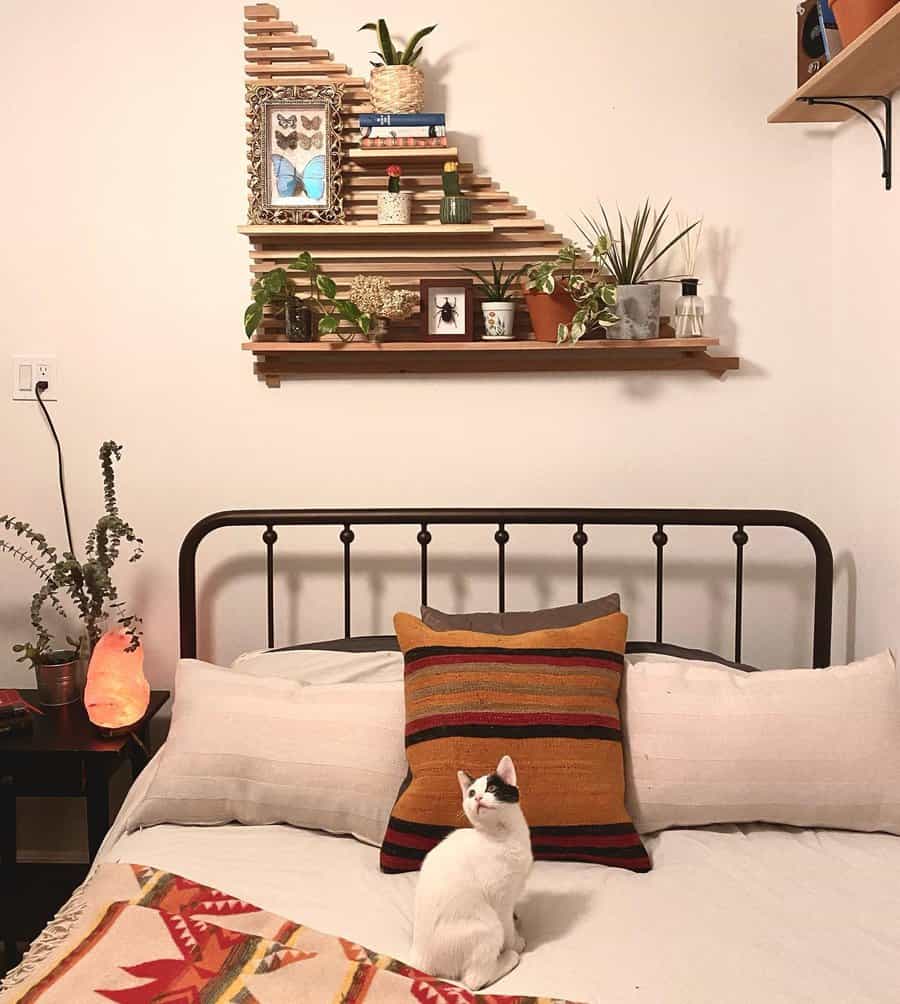
    2. Overhead Bedroom Wall Decor Shelf

    If you’re looking for a new way to express your creativity, look no further than an overhead bedroom wall shelf! Not only is this solution functional and practical, but it also counts as wall art in its own right. With the range of available options nowadays, finding one that tickles your fancy should be a piece of cake.

    Choose carefully to make sure it fits the overall aesthetic of your bed space; from styles made of tropical wood or bamboo to those with chic glass shelves, they all add much-needed visual interest to any room!

    Overhead bedroom wall shelf with paneling detail
    Source: @clambdesigns via Instagram

    3. Recessed Wall Shelves

    Ever get frustrated at the lack of storage space you have in your home and wish for more? Look no further than a recessed wall shelf, perfect for adding much-needed storage capacity while taking up absolutely no additional floor space.

    This sleek shelf can be placed snugly inside a hollowed wall, letting you use the area of your walls that would otherwise be wasted. You can store linens, books, knick-knacks, and more with ease, all without sacrificing any of your living area’s style or design aesthetic.

    The recessed wall shelf saves space without looking like you’ve saved space – check it out today!

    Recessed wall shelves with home decor
    Source: @little_edwardian_semi via Instagram

    4. Height-play Shelves

    Height-play wall shelves are the perfect way to bring dimension and visual interest to any space. Embrace the combination of taking a practical item and turning it into a statement piece – literally.

    These unique shelves can be used to display books, photographs, planters, or anything else you’d like to make stand out. Experiment with combining different colors, textures, and heights, and watch as you create a dynamic look that adds unexpected flair to your home decor.

    Height-play wall shelves
    Source: @woodkind_home via Instagram

    5. Metal-framed Wall Shelves

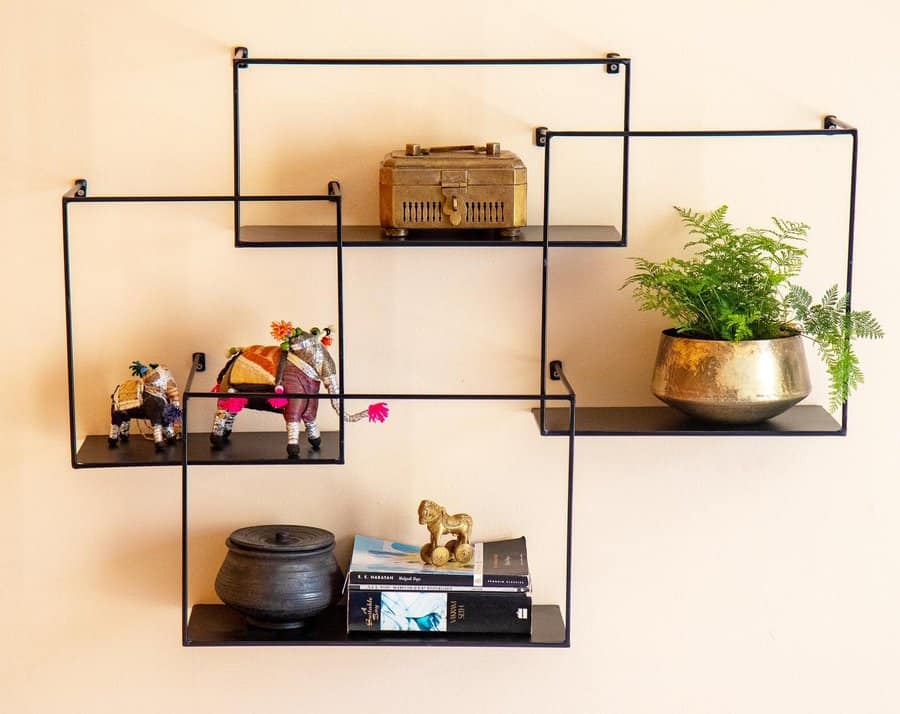
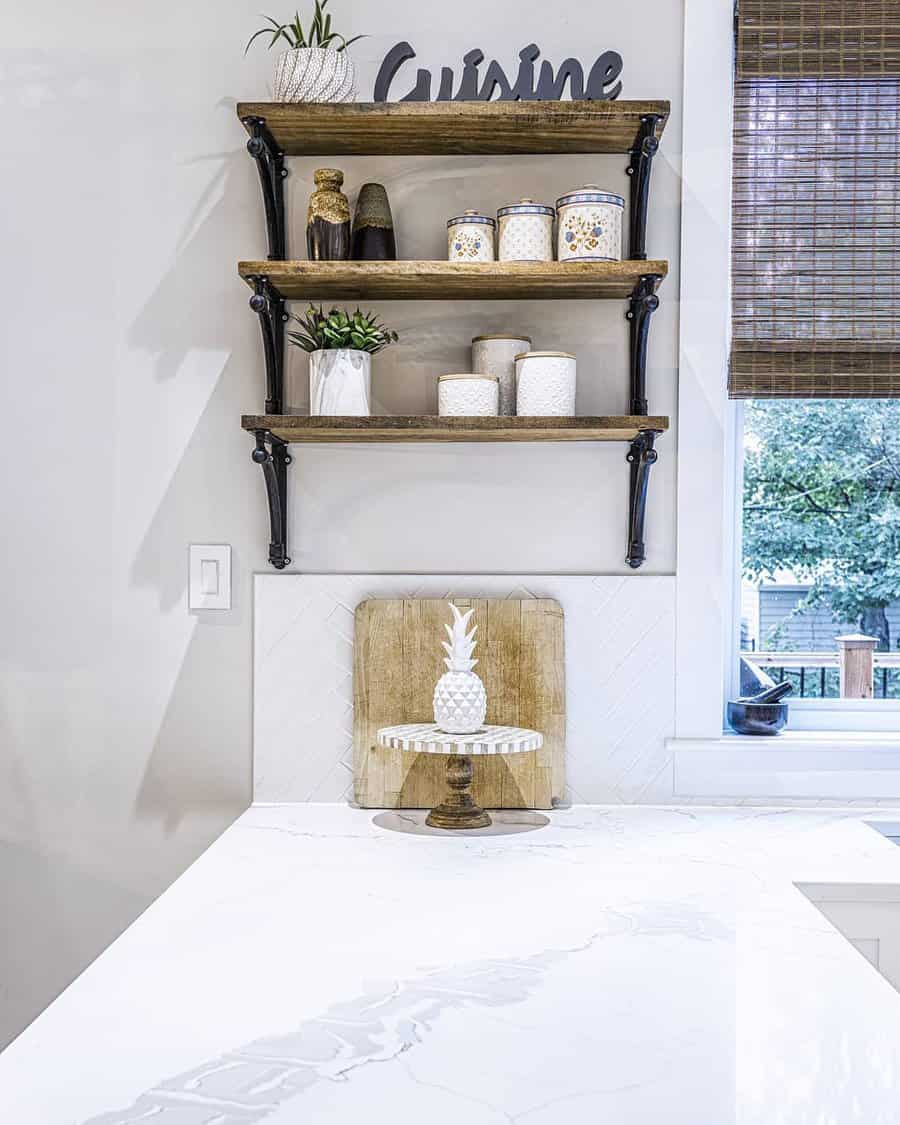
    Metal-framed wall shelves provide a great way to showcase your small collections while adding a touch of modernity to any room. From rustic iron frames to sleek and contemporary designs, these shelves come in a variety of shapes and finishes, so there’s sure to be one that fits your style.

    They are easily installed and take up minimal space in your room, giving you the ultimate storage solution. With metal-framed wall shelves, it’s never been easier to stylishly show off what matters most.

    Metal-framed wall shelves
    Source: @desimeetsdesign via Instagram
    Metal-framed wall shelves
    Source: @happy_by_rachel via Instagram

    6. Styling Shelf

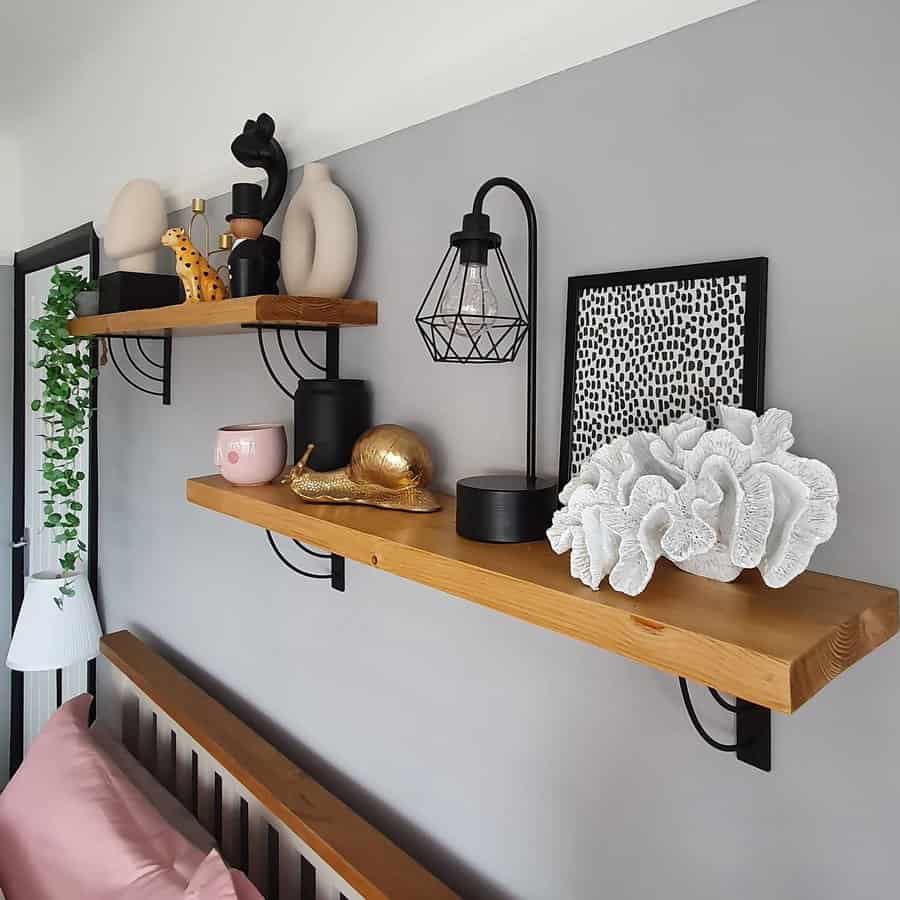
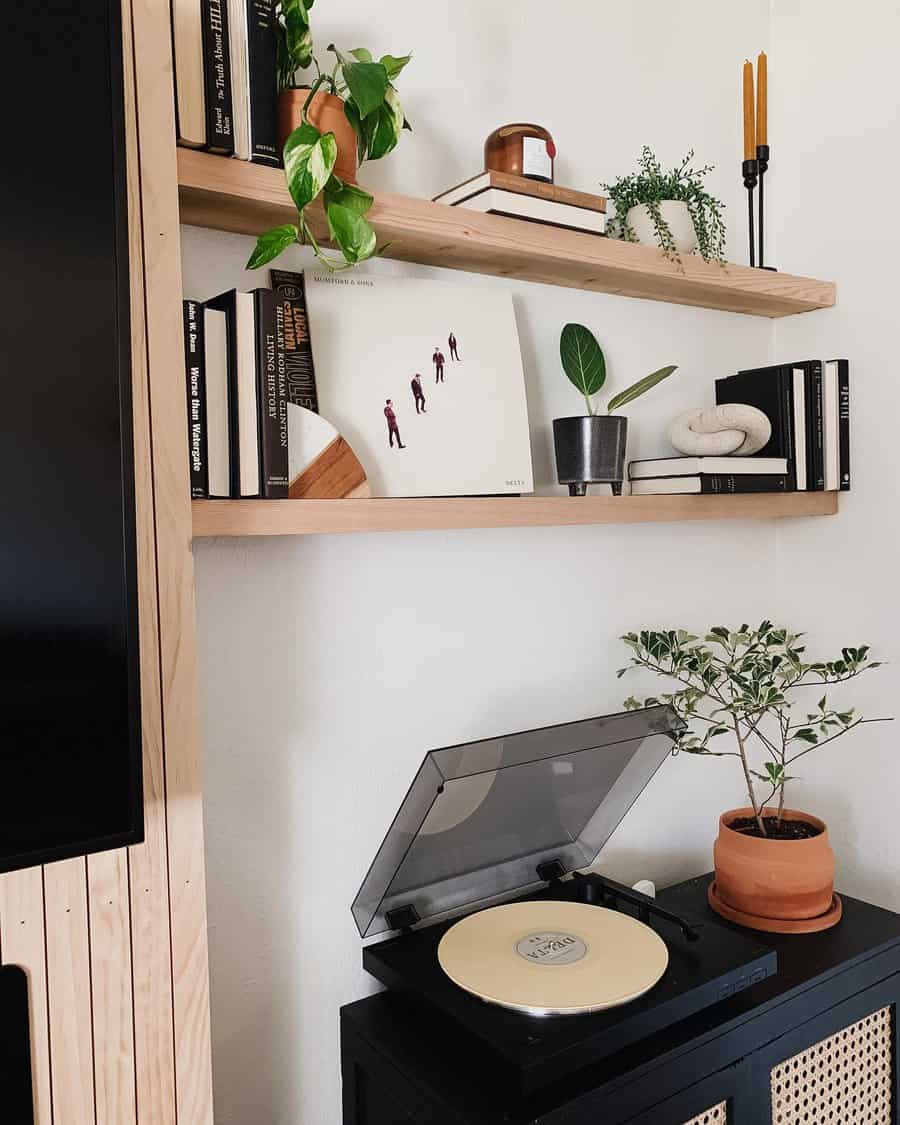
    Wall shelves are an easy way to set the vibe for any room. Whether it’s a living room, bedroom, or even an office, shelves can give your space a touch of style. For the most impactful result, try adding in vases, books, and other relevant decors to set off the shelf unit even further.

    You may find that doing so, adds character to any area you choose to style. With wall shelves available in a variety of shapes, sizes, and colors there’s a perfect fit for any pallet or interior needs.

    Styling wall shelf
    Source: @clemwood_design via Instagram
    Styling wall shelf
    Source: @casalawson via Instagram

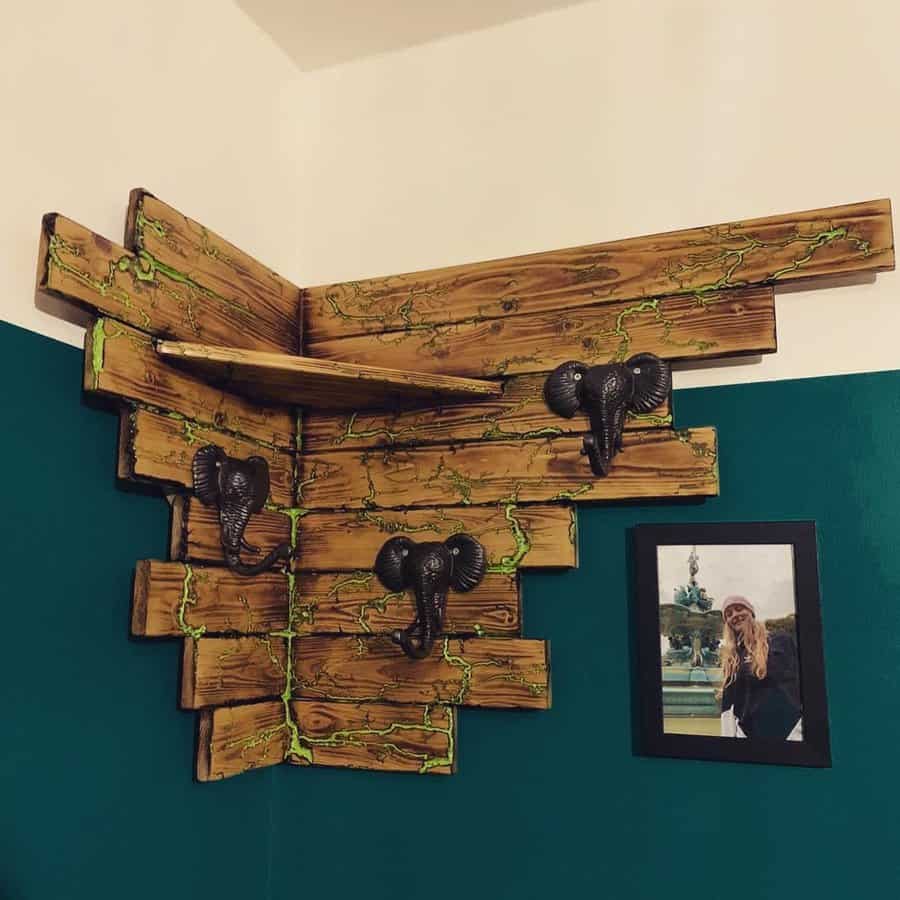
    7. Corner Shelves

    Corner wall shelves can be an incredibly useful and stylish way to utilize otherwise neglected space in your home. By adding corner wall shelves to a room, you can create the illusion of a larger, more open space by keeping items organized off the floor and out of the way.

    The shelves can also be used for a variety of purposes such as displaying art, organizing books, or as an added catch-all for items like remotes and small collectibles.

    With so many shapes, sizes, colors, and styles to choose from, there’s sure to be something that will perfectly fit into your décor. With corner wall shelves you don’t have to sacrifice style for storage!

    Corner wood-framed wall shelf
    Source: @cast_londonjoineryco via Instagram

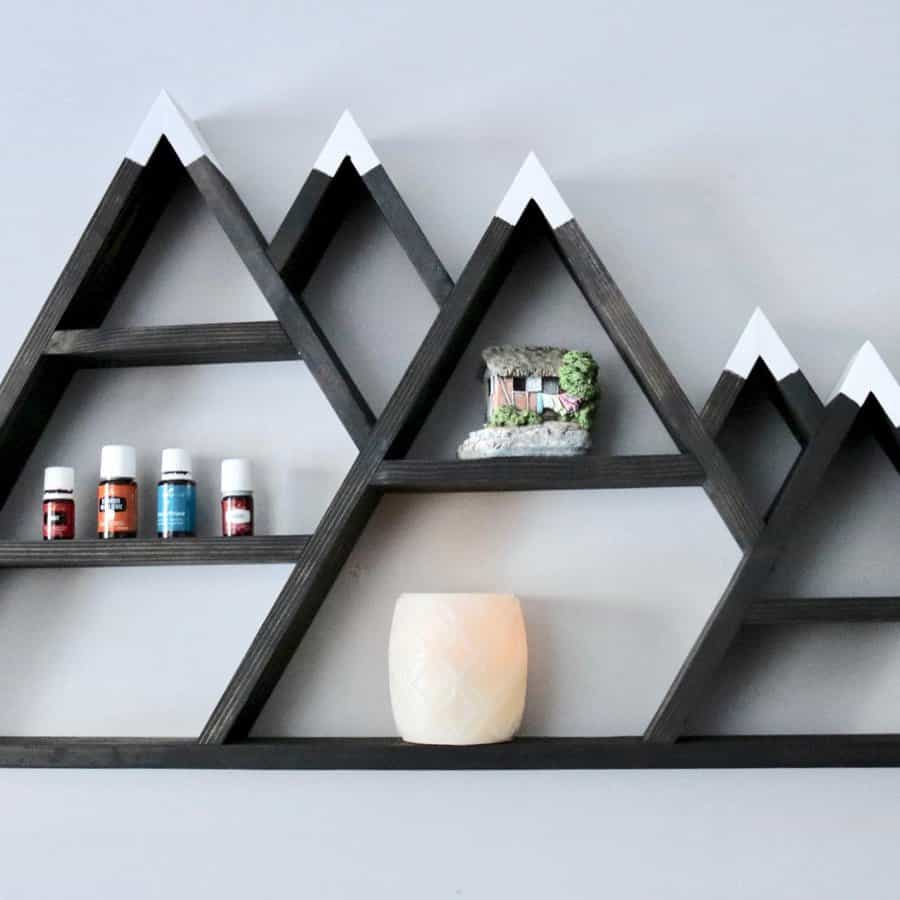
    8. Wood-framed Shelves

    Wood-framed wall shelves are the perfect way to instantly elevate any room with a rustic and bohemian interior. They can easily help to create an inviting and cozy home vibe, while also providing extra storage space.

    Even better, you can really customize these shelves to your liking by decorating them with photographs, little decorations, or even adding a few plants – the options are almost endless! These rustic wall shelves are sure to draw all eyes in and transform any room, no matter the size.

    Mountain wood-framed wall shelf
    Source: @james_and_co_woodworks via Instagram

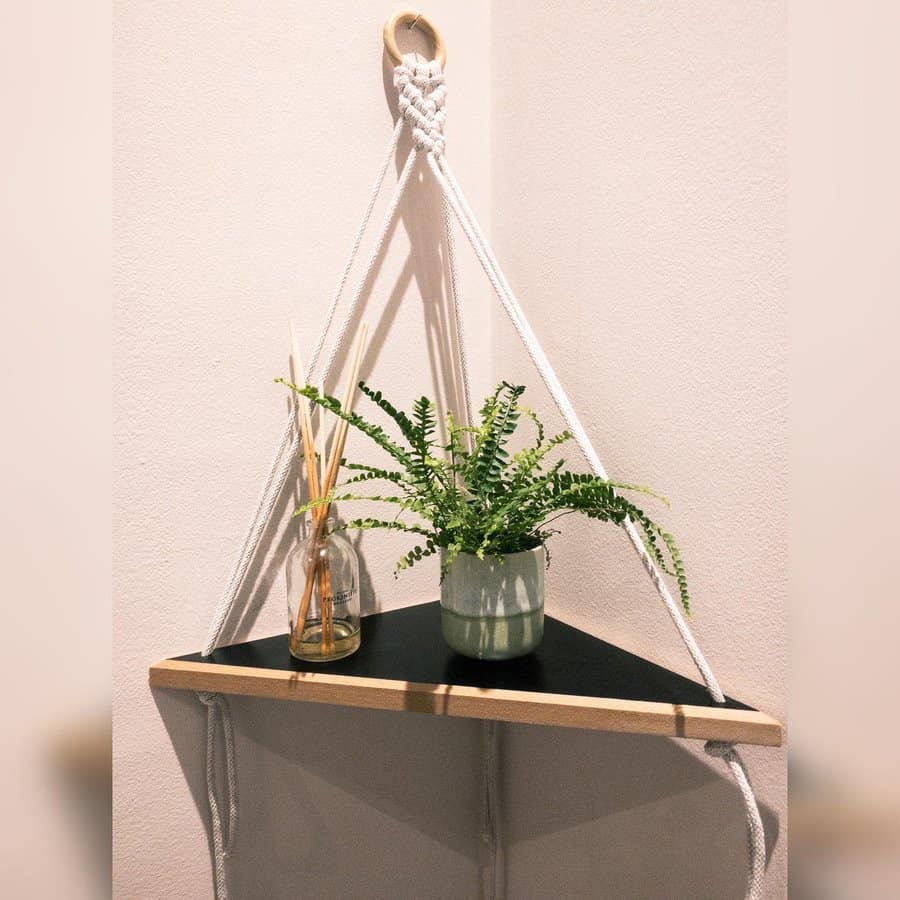
    9. Macrame Wall Shelf

    Macrame wall hanging shelves are an affordable, easy DIY solution for adding movable shelf space to any room. From a handful of simple materials, anyone can create their own unique wall-hanging shelf and enjoy the charm and coziness that macrame brings to a room.

    The beauty of these movable shelves is that they can easily move up or down the wall as your display needs change throughout the year, giving you the versatility to brighten up any area year-round!

    Macrame wall hanging shelf
    Source: @just_my_little_creations via Instagram
    Macrame wall hanging shelf
    Source: @lovejoyworkshop via Instagram

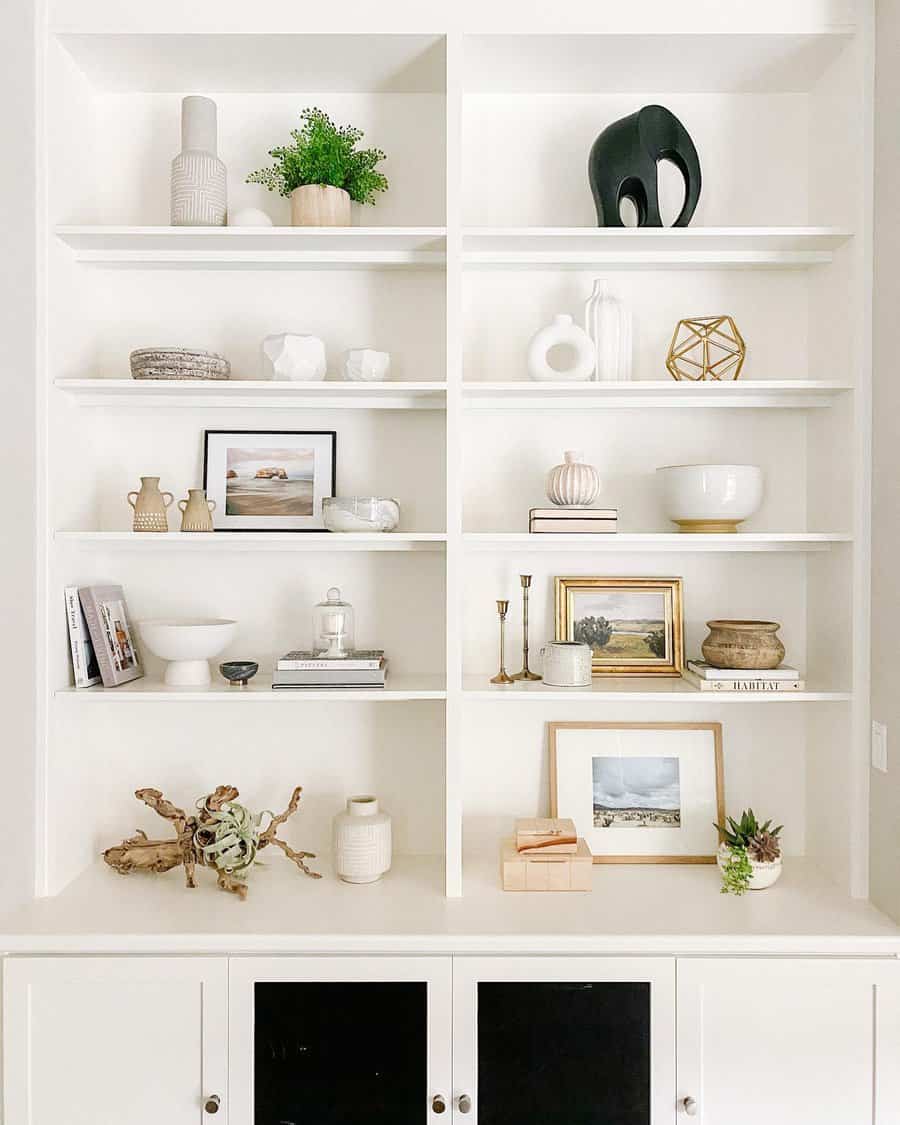
    10. All-White Shelf

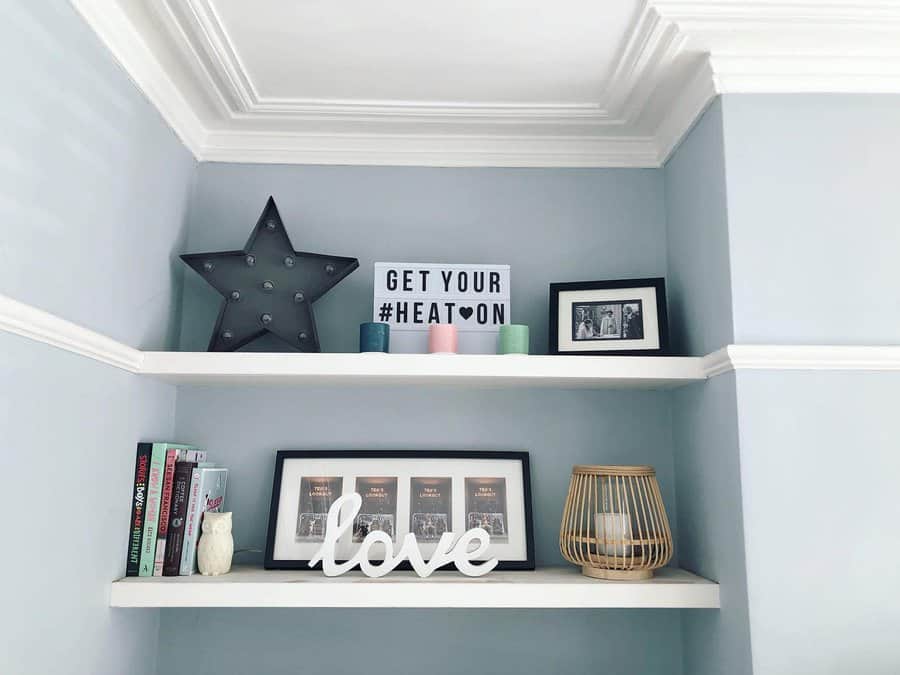
    This all-white wall shelf goes perfectly with any room needing an extra storage option. It complements existing white walls creating an overall seamless look, and offering extra space for decor and items in a clean, minimalist way.

    This versatile shelf can be used in multiple ways, from displaying books and trinkets to storing kitchenware that would otherwise take up more room. With its simple yet lasting design, this all-white wall shelf is the perfect affordable addition to any home.

    All white shelf
    Source: @ling.interiors via Instagram

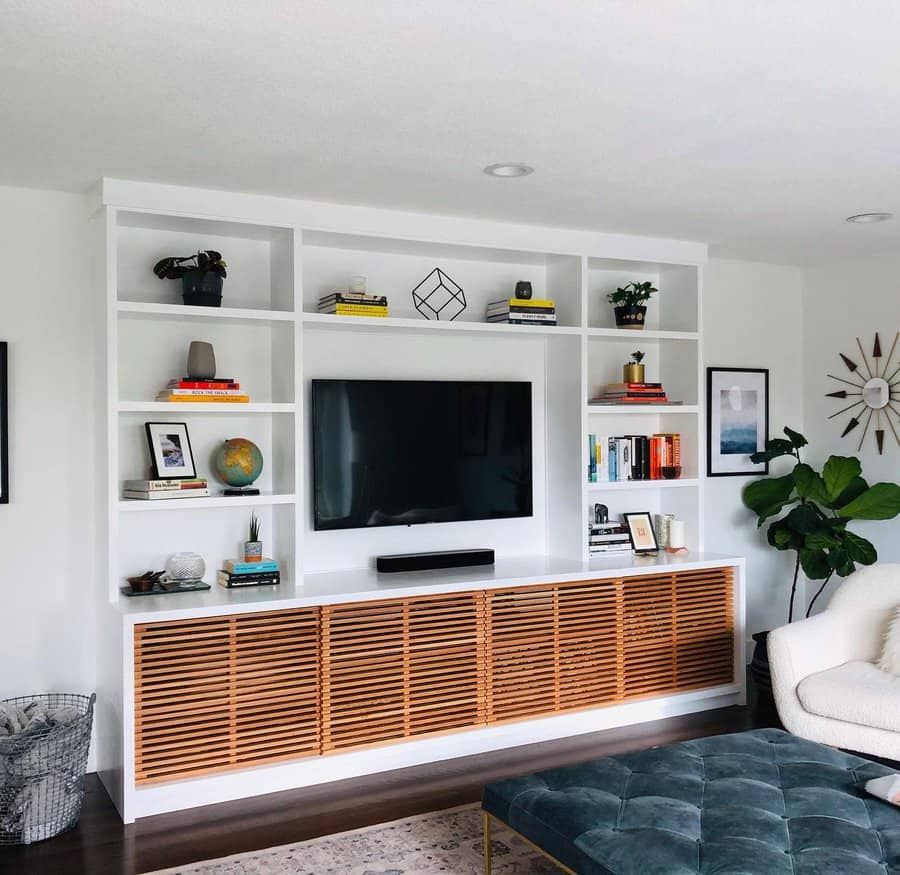
    11. TV Wall Shelf

    A TV wall shelf adds a unique touch to a living room with its stylish and contemporary design. Not only does it provide an accent to otherwise neutral-colored walls, but it also adds a new sense of character. It’s the perfect way to draw attention away from electronics, thus further enhancing the atmosphere in any area of the home.

    Moreover, installation is easy and straightforward, making this product ideal for those who want to spruce up their space quickly and conveniently.

    TV wall shelf
    Source: @madeinbobland via Instagram

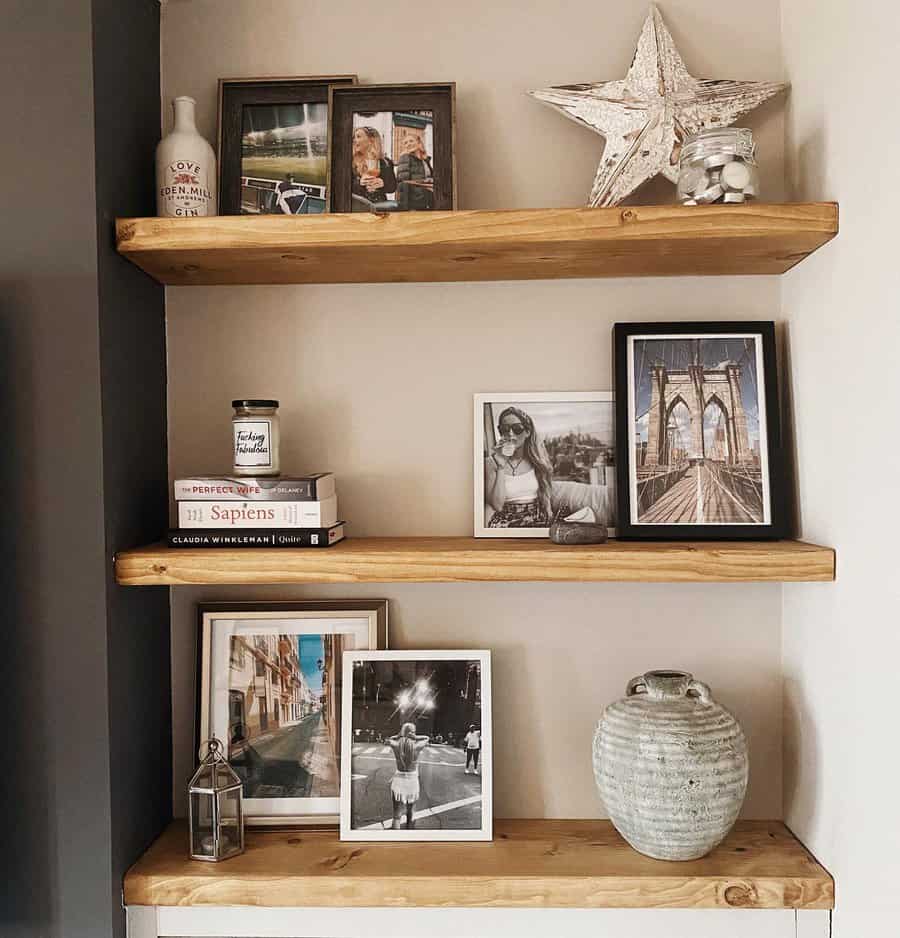
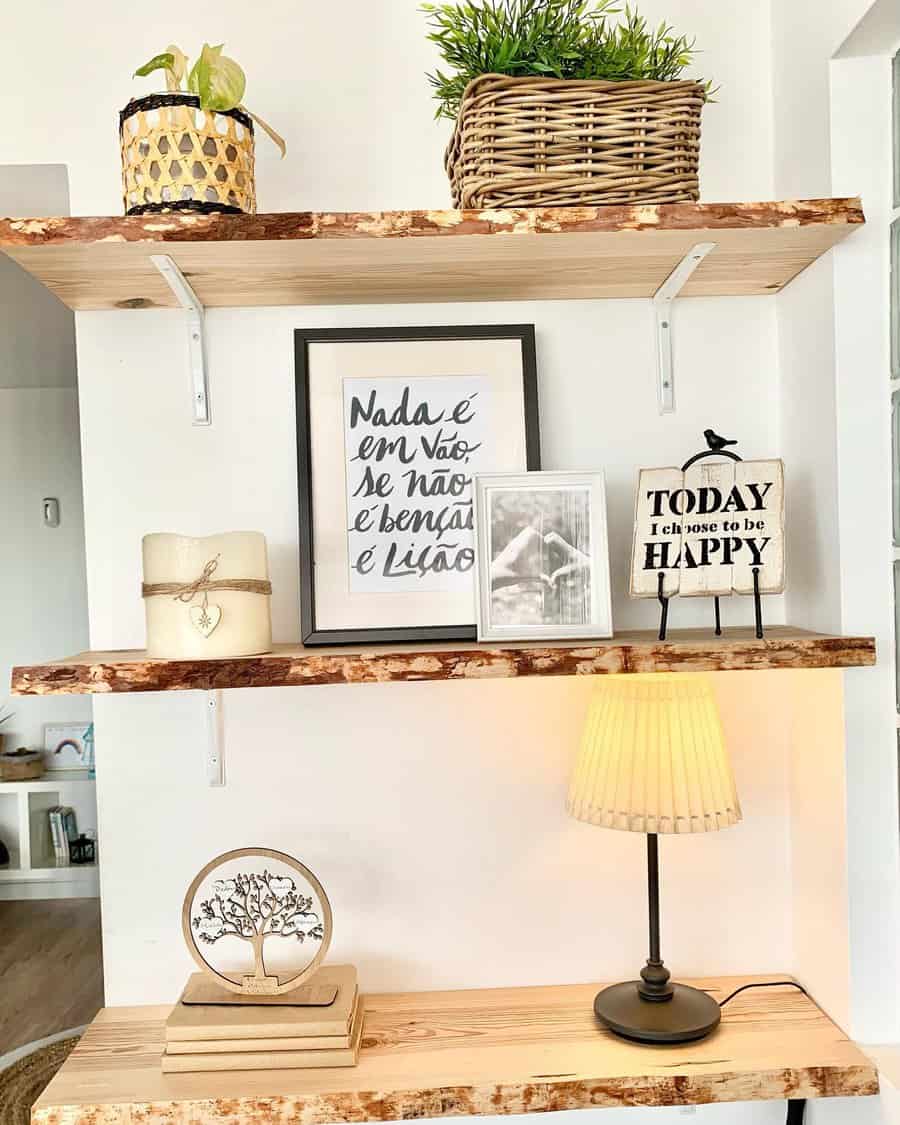
    12. Layered Wall Shelves

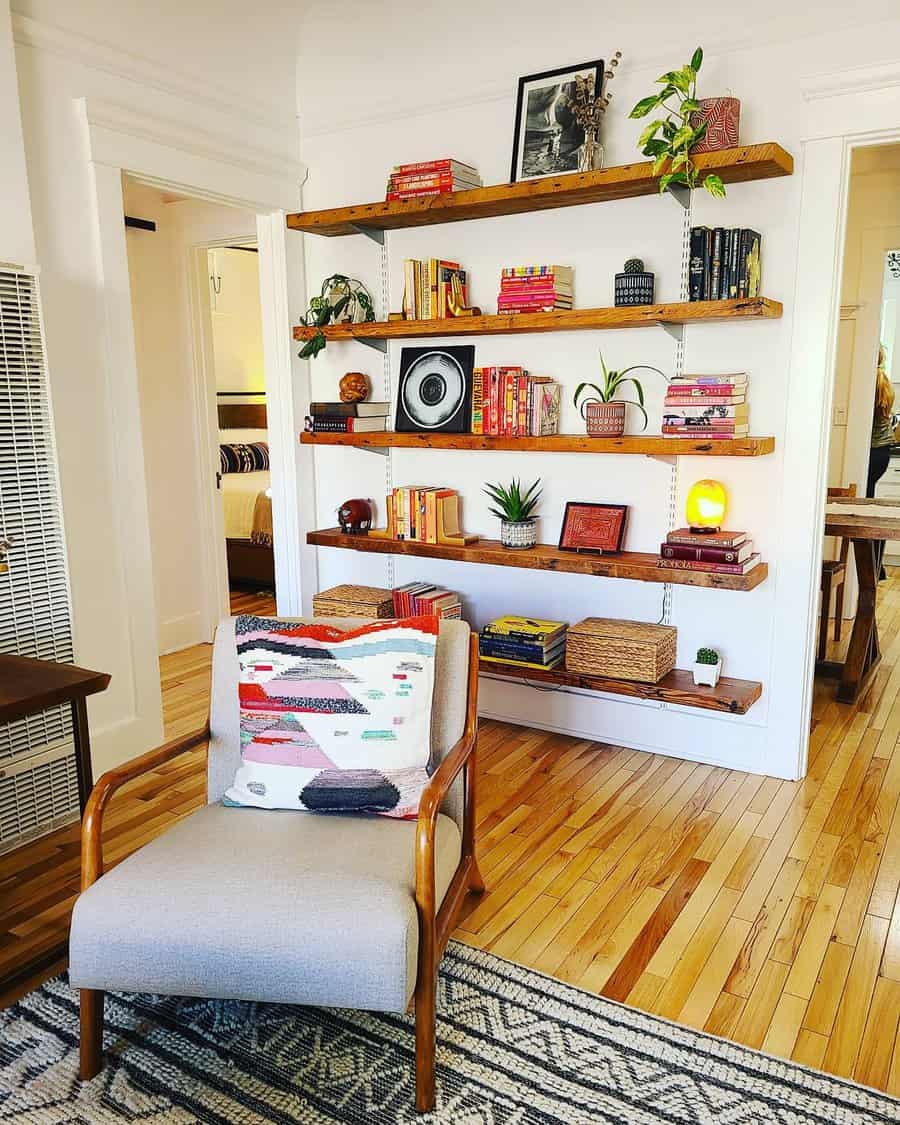
    Utilize your walls to their fullest potential with a stunning layered wall shelf! This height-play gives depth and dimension, transforming your room into a vibrant and lively atmosphere. Get creative by displaying statues, plants, vases, or books in adding the perfect decorative touch.

    This trendy piece adds flair to any room while also utilizing the wall’s height vertically. With a seamless installation process and a smart design, it’s never been easier to improve your living space!

    Layering wall shelf
    Source: @natalina.dicesare via Instagram
    Layering wall shelf
    Source: @thehomeset via Instagram

    13. Mini Knicknack Shelf

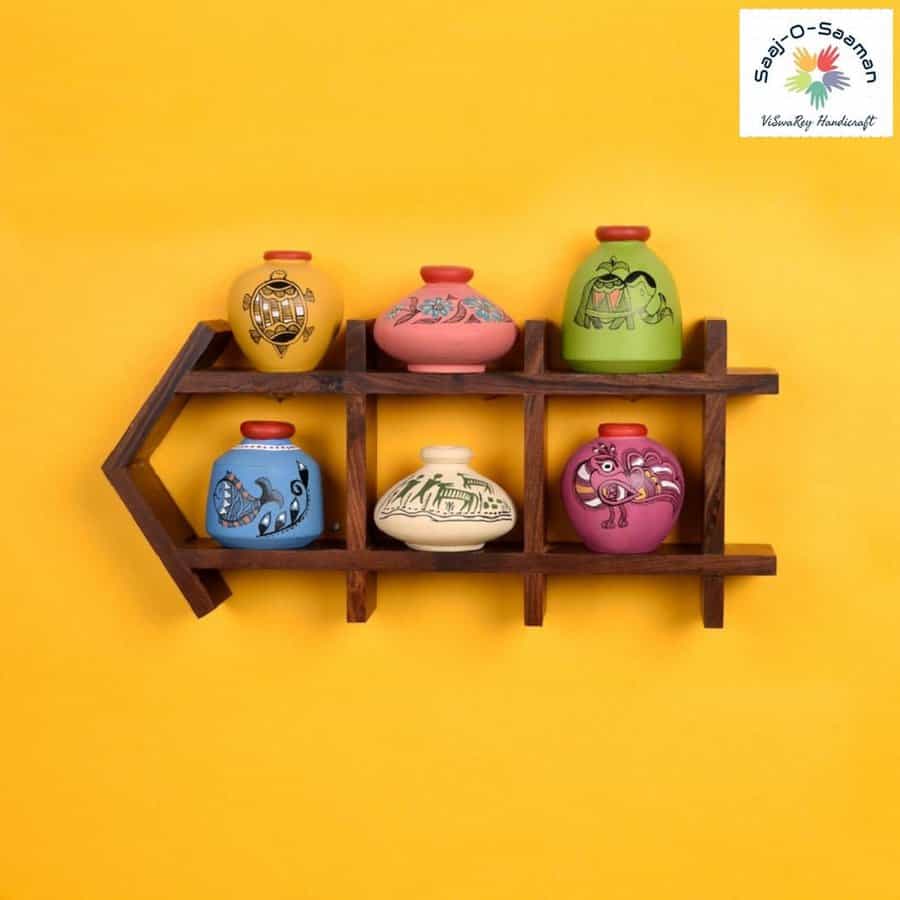
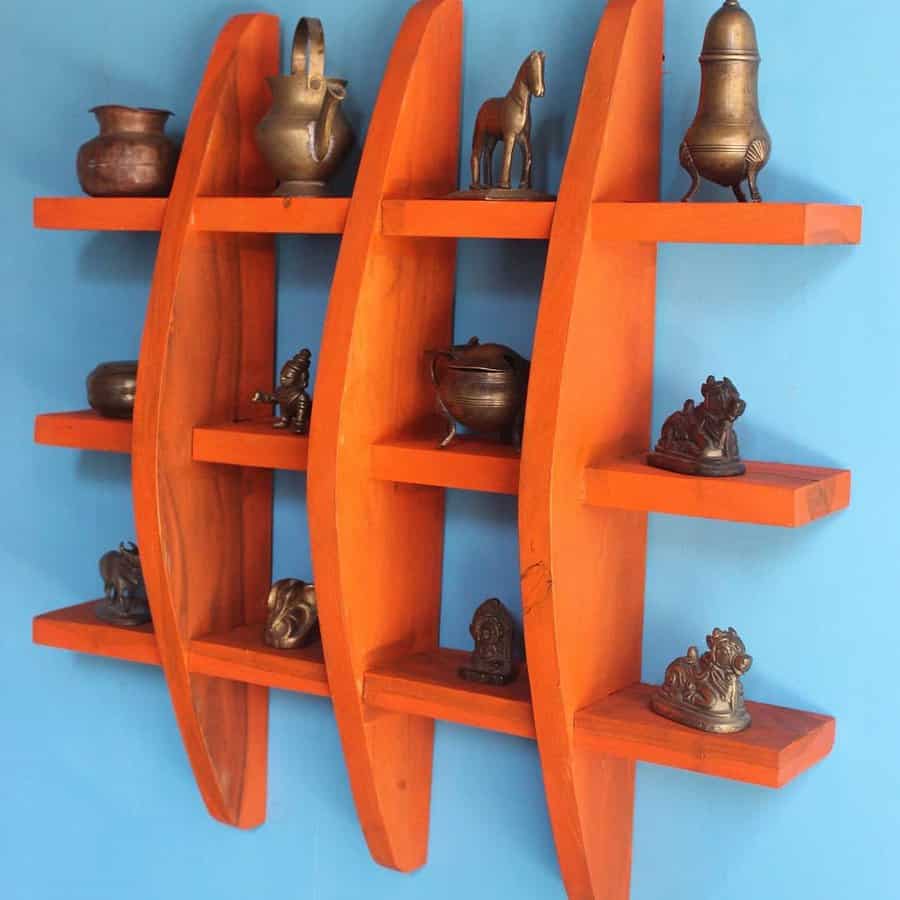
    If you’re someone who loves to show off their collection and get creative with their décor, a mini wall shelf is for you! Perfect for displaying all your favorite knickknacks, this piece of shelving can be used for more than just decorative items.

    Store craft materials for your next project, organize keepsakes for the family, or use them for everyday storage – the possibilities are endless!

    With an eye for detail and the ability to showcase your collection of small decorative items, this mini wall shelf is sure to be a welcome addition to any room you choose.

    Mini wall shelf with small vases
    Source: @saajosamaan via Instagram
    Mini wall shelf with copper figures
    Source: @samsartexport via Instagram
    Mini wall shelf with plants
    Source: @alexia.crafty.hands via Instagram
    Mini wall shelf with decor and frames
    Source: @betty.hawk via Instagram

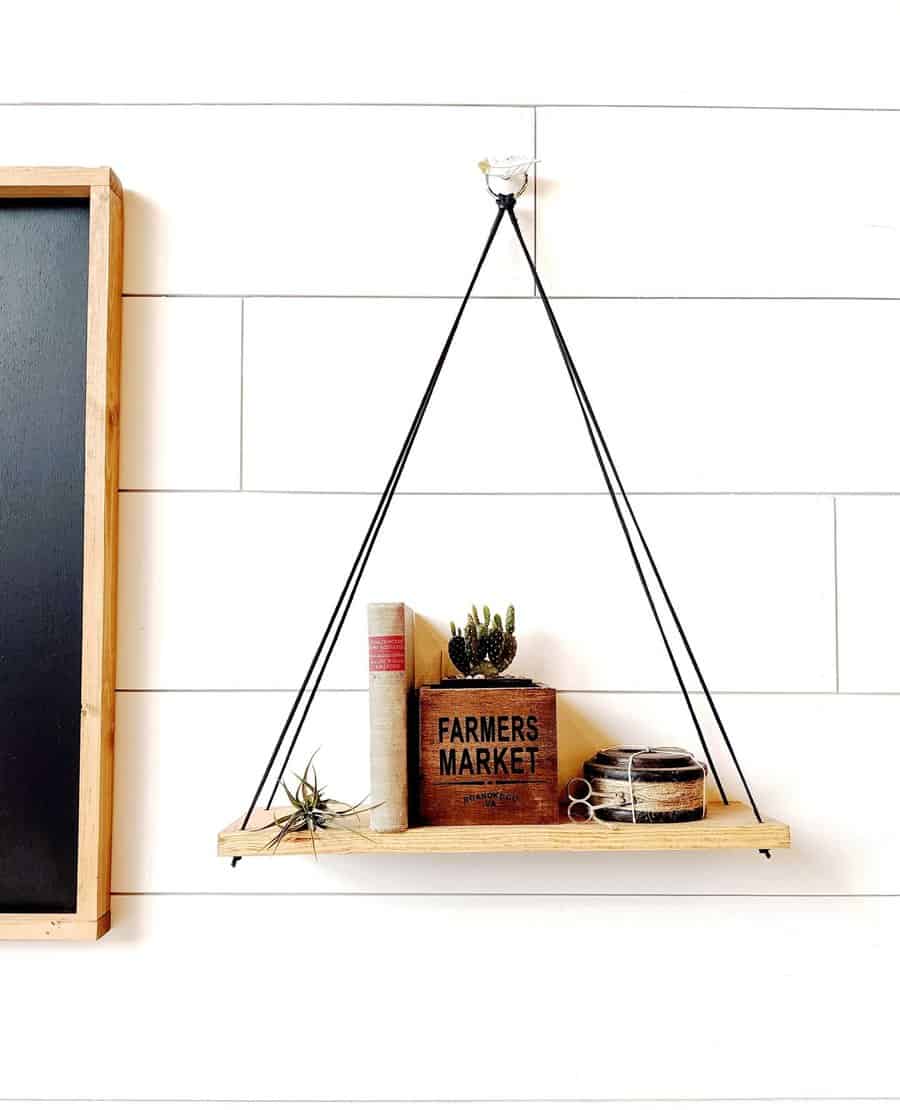
    14. Wood Hanging Shelf

    A wood hanging shelf is a unique and easy way to display your favorite items and accentuate your home décor. This eye-catching addition is easy to install, easy to clean, and light on the eyes. Whether you’re looking for an unconventional storage solution or extra shelf space, a wood hanging shelf provides a modern twist that enhances any room.

    Not only is it a great conversation piece, but it also serves as the perfect platform for showcasing collectibles or holding plants. Instantly transform the look of your room with this easy addition – you won’t be disappointed!

    Hanging wall shelf
    Source: @amora.arquitectura via Instagram

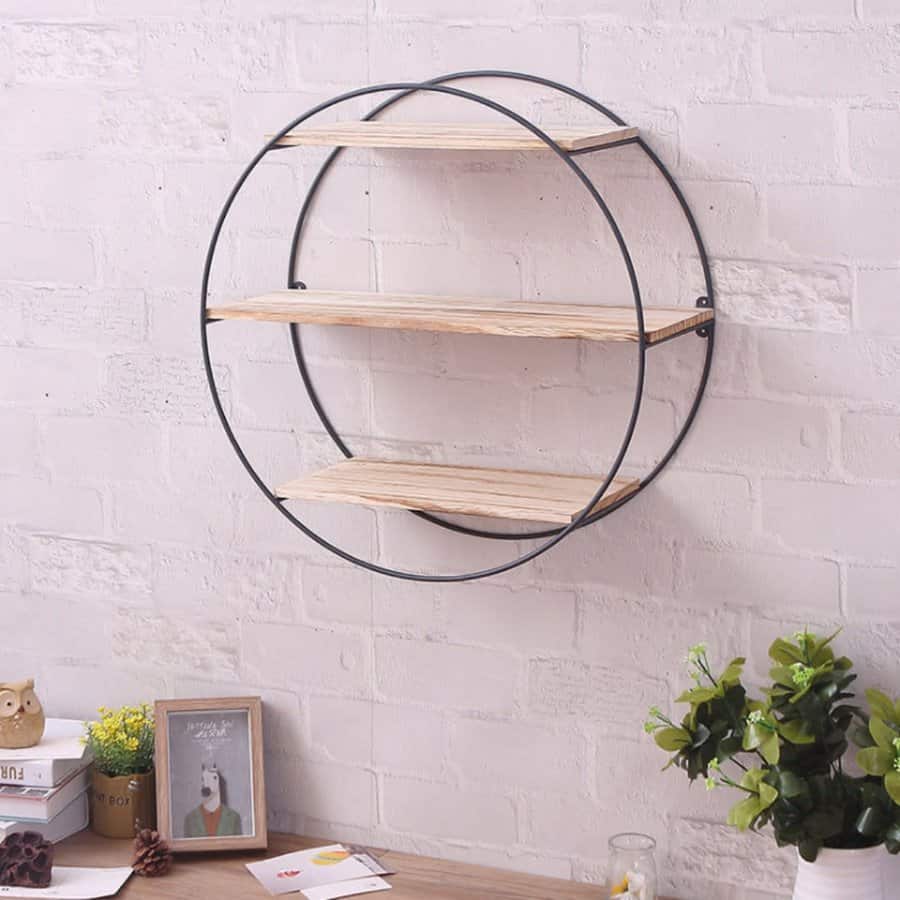
    15. Circular Shelves

    When you think of a shelf, soft elements are not usually the look you are trying to accomplish. Introducing the circular hanging shelf adds a stylish and modern aesthetic to any room; more of an accent than a functional shelf, it adds texture and tone in unexpected places.

    This unique piece adds character while providing visual intrigue that adds unmistakable creativity to any space. Its unique shape brings an interesting and poetic vibe that adds exquisite charm and adds soft elements to the room in unexpected ways – making it unlike anything else you’ll find for your decorating needs.

    Circular wall shelf
    Source: @hkndesignkc via Instagram
    Circular wall shelf
    Source: @woodshelfs via Instagram

    16. Distressed Shelf

    Distressed wall shelves are the perfect rustic accent for any room. Whether placed in a formal or informal setting, these rustic shelving units add charm and an old-timey feel to your space.

    Made of reclaimed wood, these rustic shelves can be stained or painted for an extra-special touch to match the overall decor. Not only is it eco-friendly, but it also helps save money.

    With distressed wall shelves, you get the rustic design you love with the convenience of modernism.

    Distressed wall shelf
    Source: @my_fav0rite_place via Instagram
  • 13 Wall Paneling Ideas for Any Room

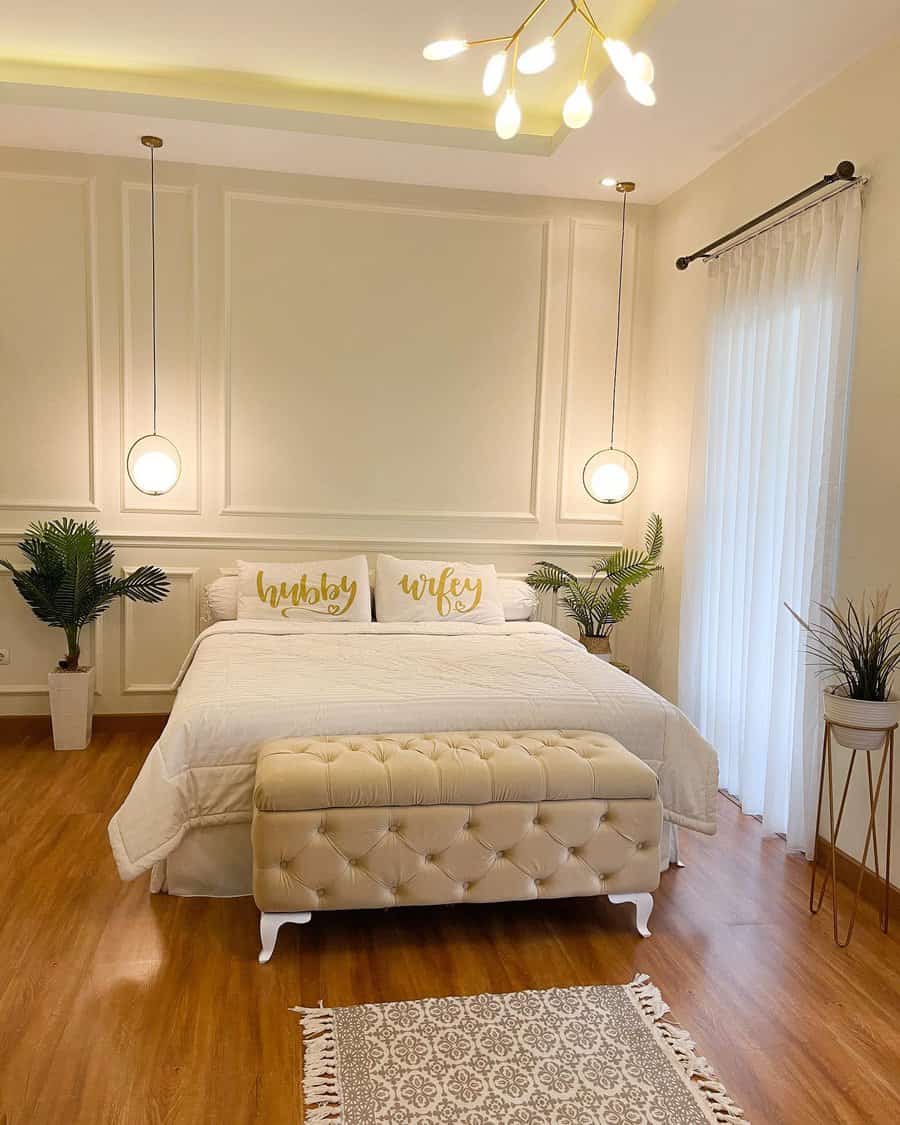
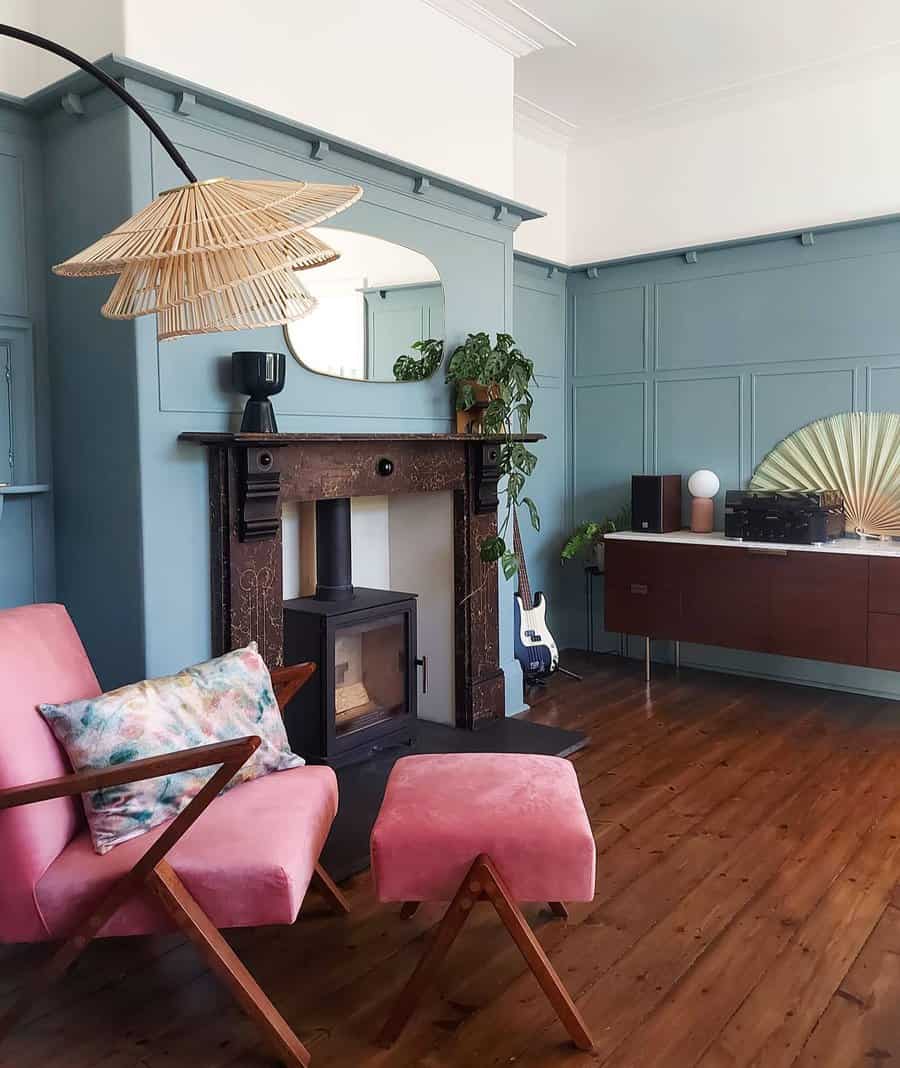
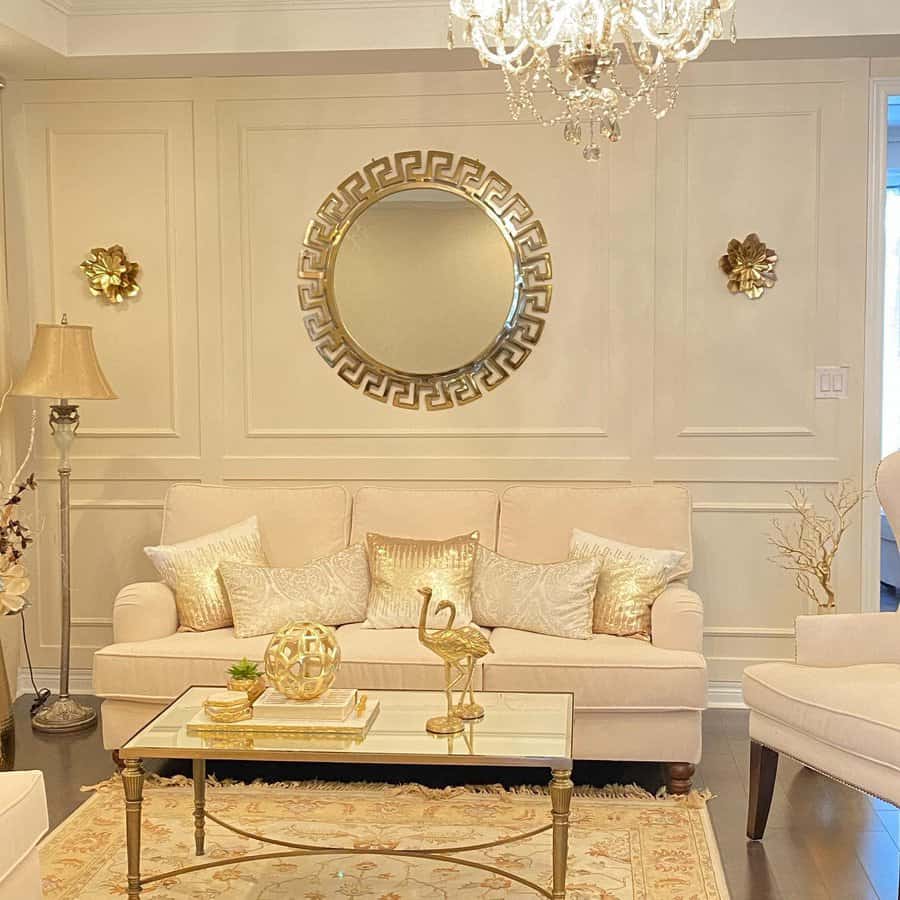
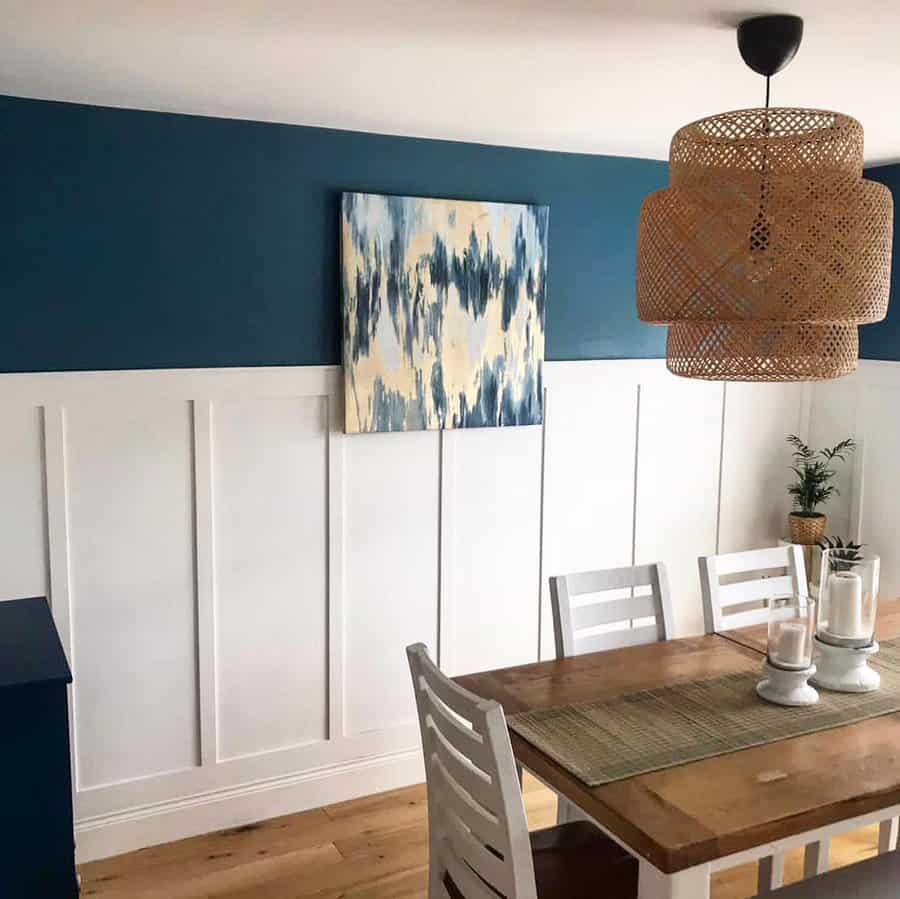
    13 Wall Paneling Ideas for Any Room

    If you find yourself craving a change to your living space, the first instinct may be to reach for a can of paint. But what if color isn’t the problem?

    Wall paneling is a versatile way to add character and dimension to a room without other major changes. Keep reading for our favorite wall paneling ideas to try in your home!

    [view_toc]

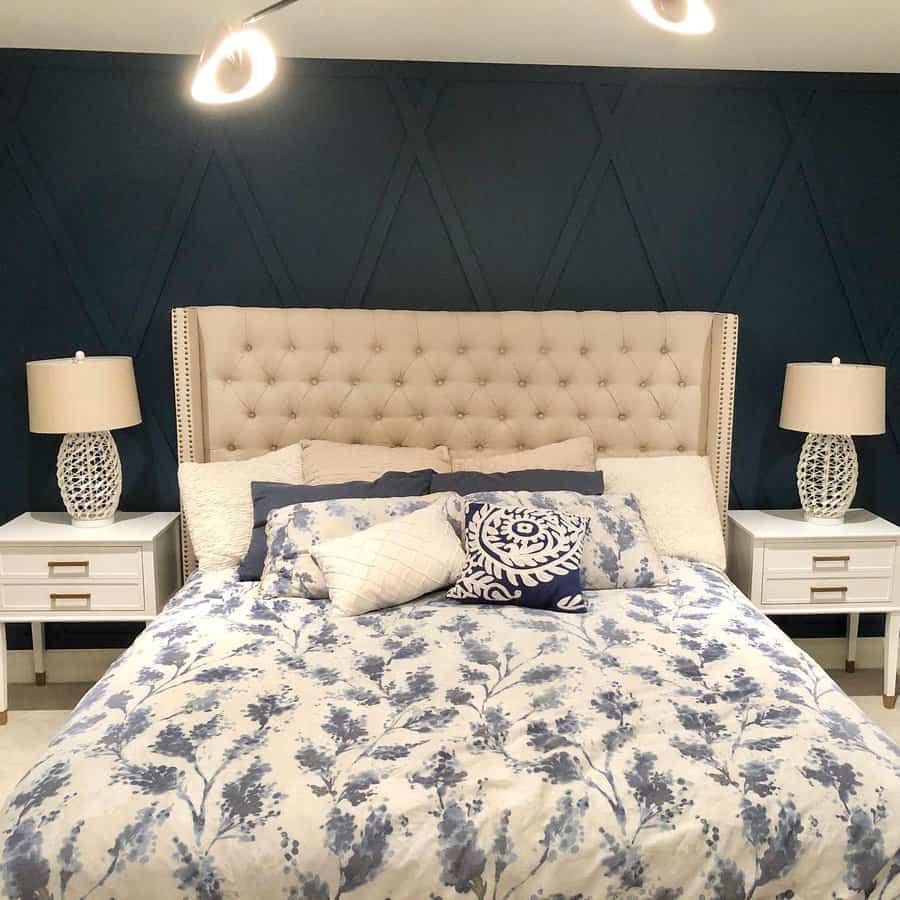
    1. Diamond Wall Paneling

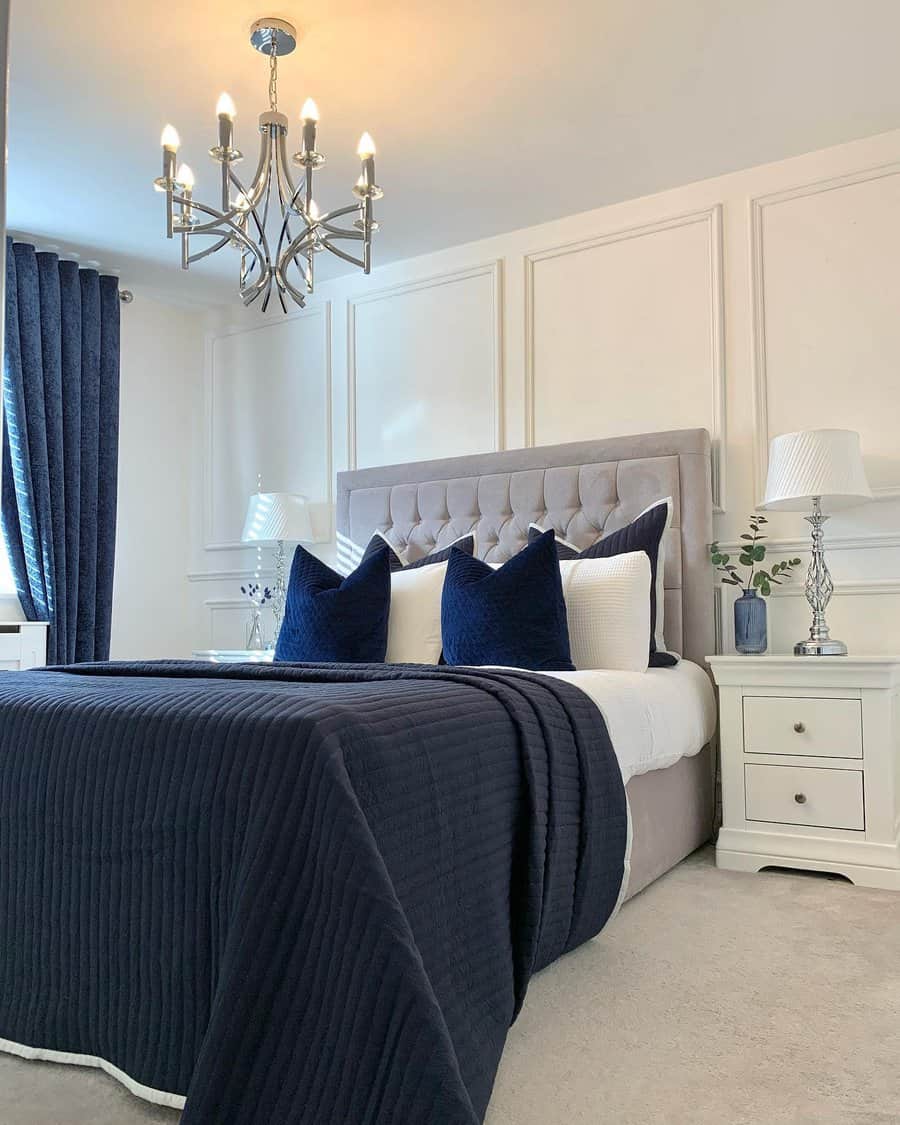
    Elevate your space with diamond wall paneling, a luxurious and dynamic choice. This pattern, consisting of diamond-shaped panels, adds a touch of sophistication and can be used to create a focal point in any room. Ideal for bedrooms, this style pairs well with both contemporary and classic décor, enhancing the room’s aesthetic appeal.

    Diamond wall paneling
    Source: @designedbyaspra via Instagram

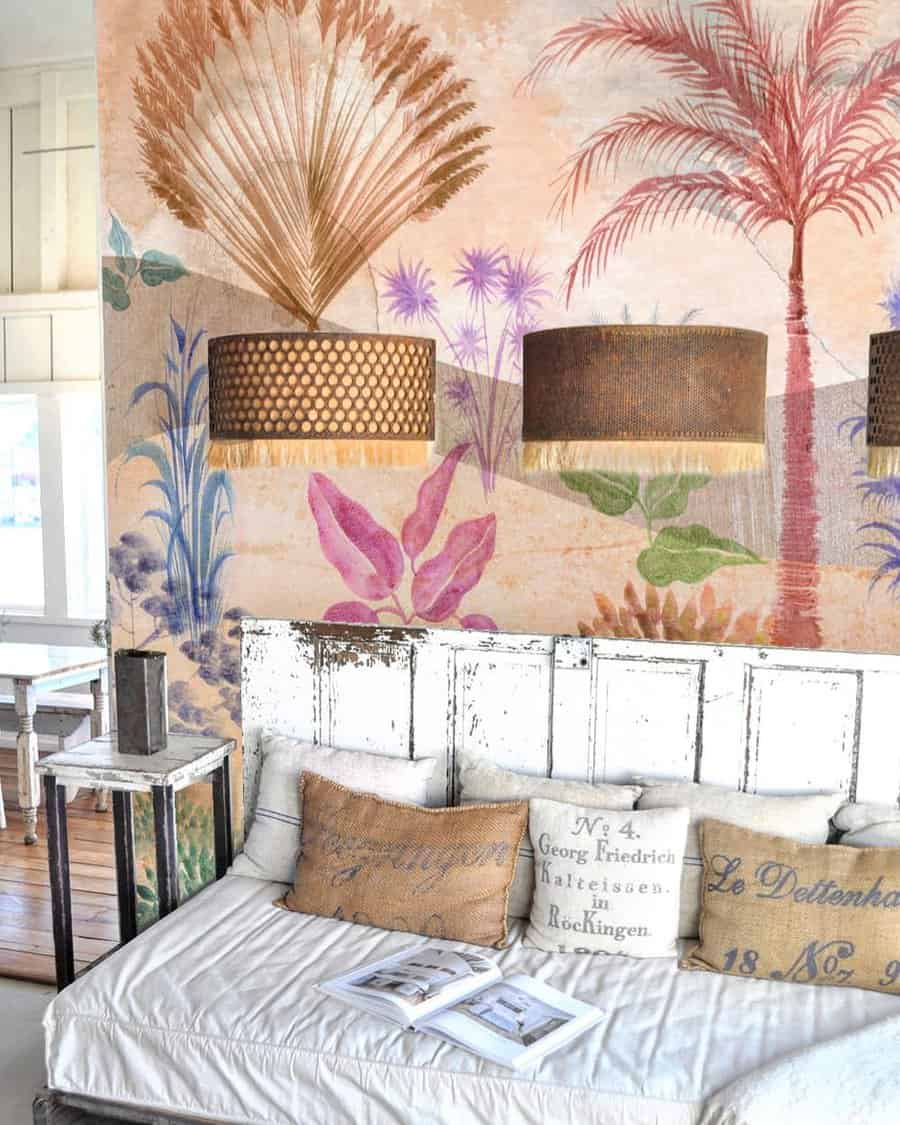
    2. Board & Batten

    This style involves vertically arranged boards separated by battens, creating a clean, linear look. It’s perfect for adding a rustic charm or a minimalist touch to your bedroom, depending on the color and finish you choose.
    Board and batten headboard wall paneling
    Source: @dmjoinery_doors_and_flooring via Instagram
    Board and batten headboard wall paneling
    Source: @home_on_churchmeadows via Instagram
    Board and batten headboard wall paneling
    Source: @a.k.hay via Instagram

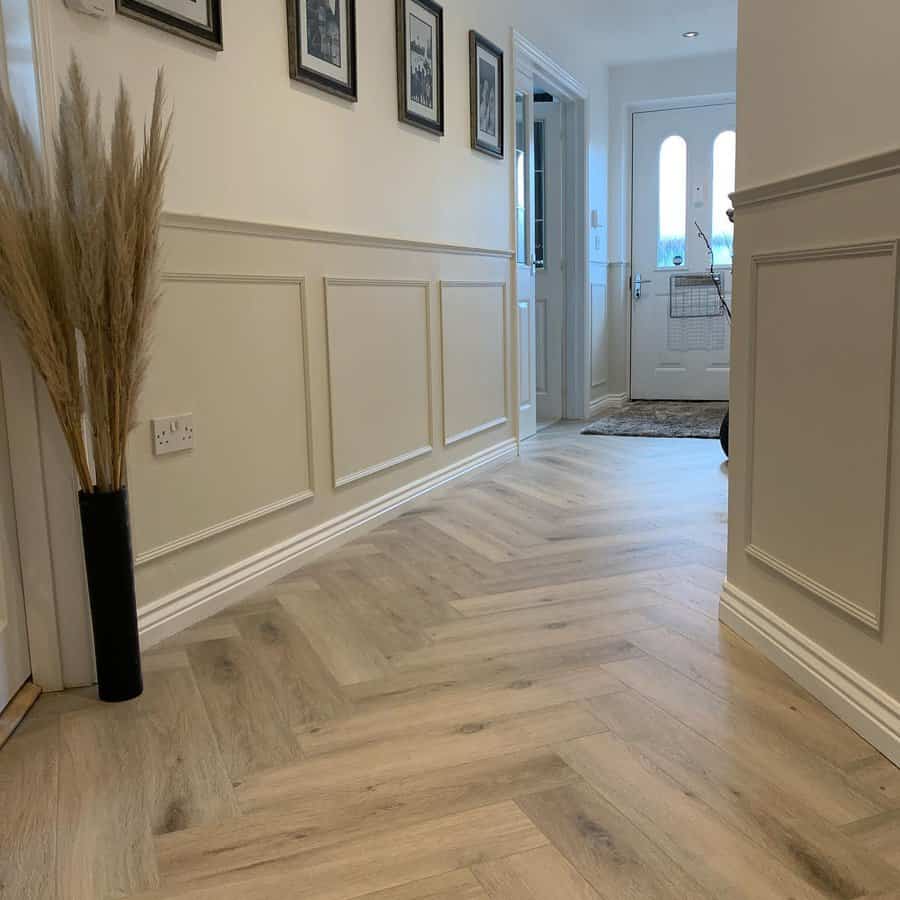
    3. Traditional Decorative Wainscoting

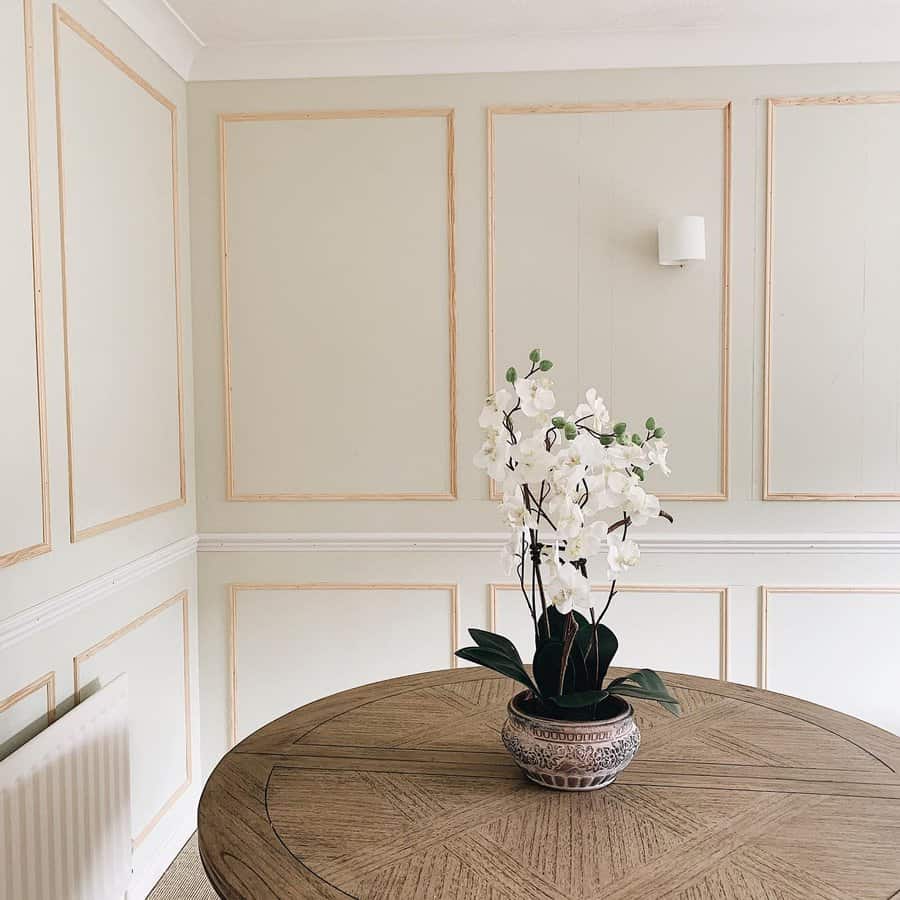
    This design, typically covering the lower third of a wall, features intricate molding and paneling details. It’s ideal for adding character to dining rooms, hallways, or living spaces, and can be painted to complement your existing décor.

    Traditional wainscoting
    Source: @theweston_2019 via Instagram
    Traditional wainscoting
    Source: @dekor_roemah via Instagram
    Traditional wainscoting
    Source: @ahomeinthetropics via Instagram
    Traditional wainscoting
    Source: @design.consept via Instagram

    4. Half Wall

    The half wall paneling idea is a versatile and modern approach to redefine your space. It involves paneling only the lower or upper half of a wall, creating a striking visual contrast. This technique is great for separating areas in an open-plan space or adding a decorative touch to otherwise plain walls.

    Half wall paneling
    Source: @alifebythelough via Instagram
    Half wall paneling
    Source: @homedecorinspirations2021 via Instagram

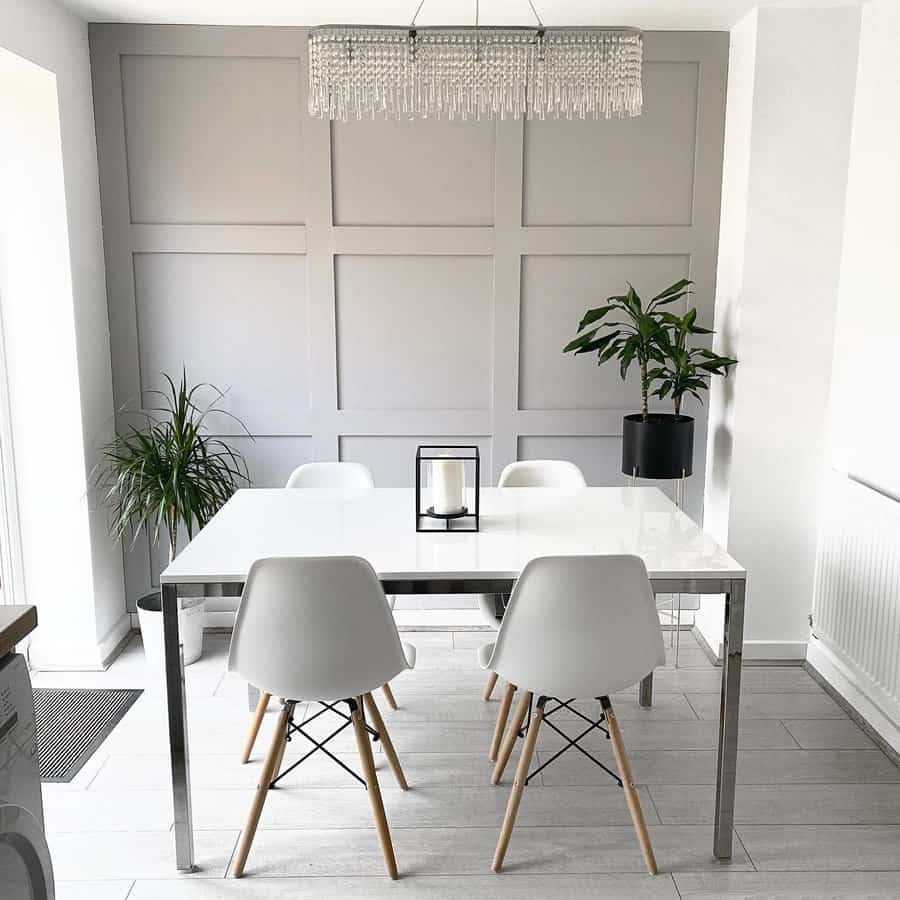
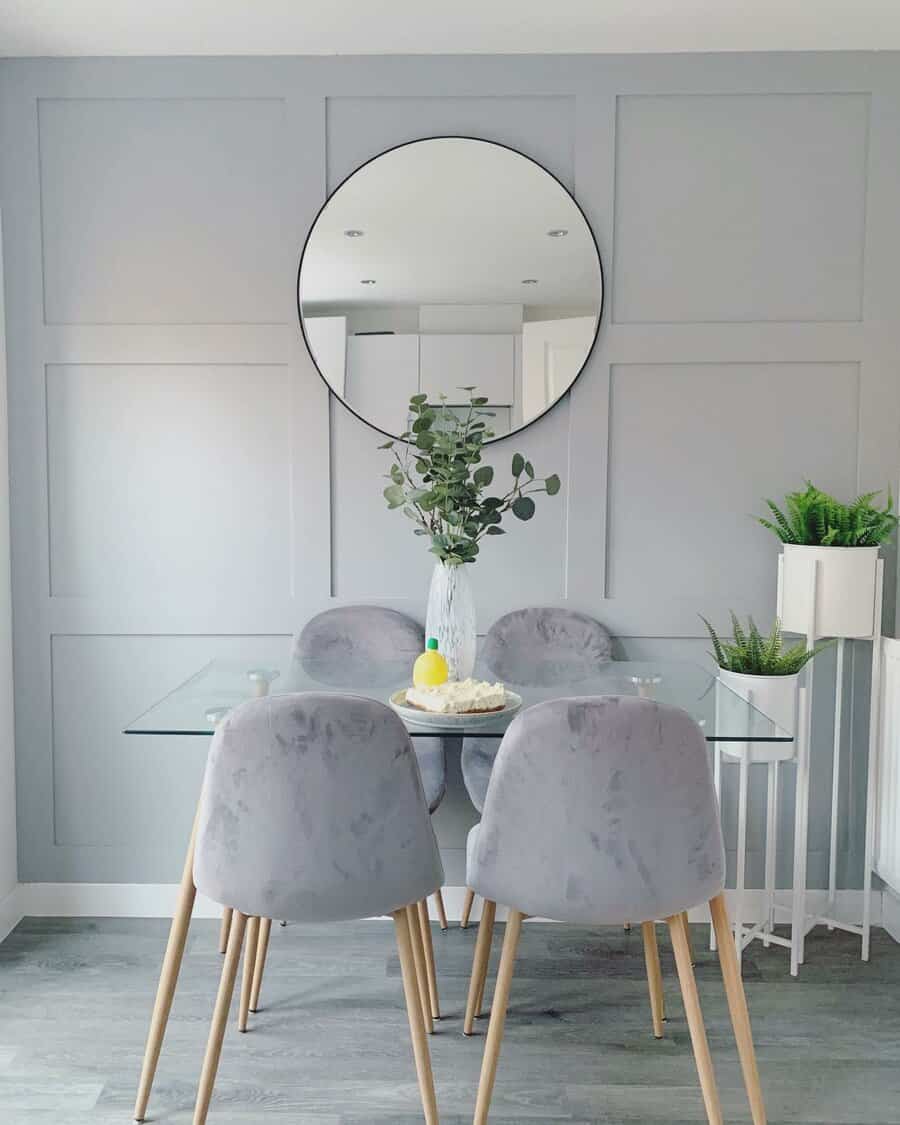
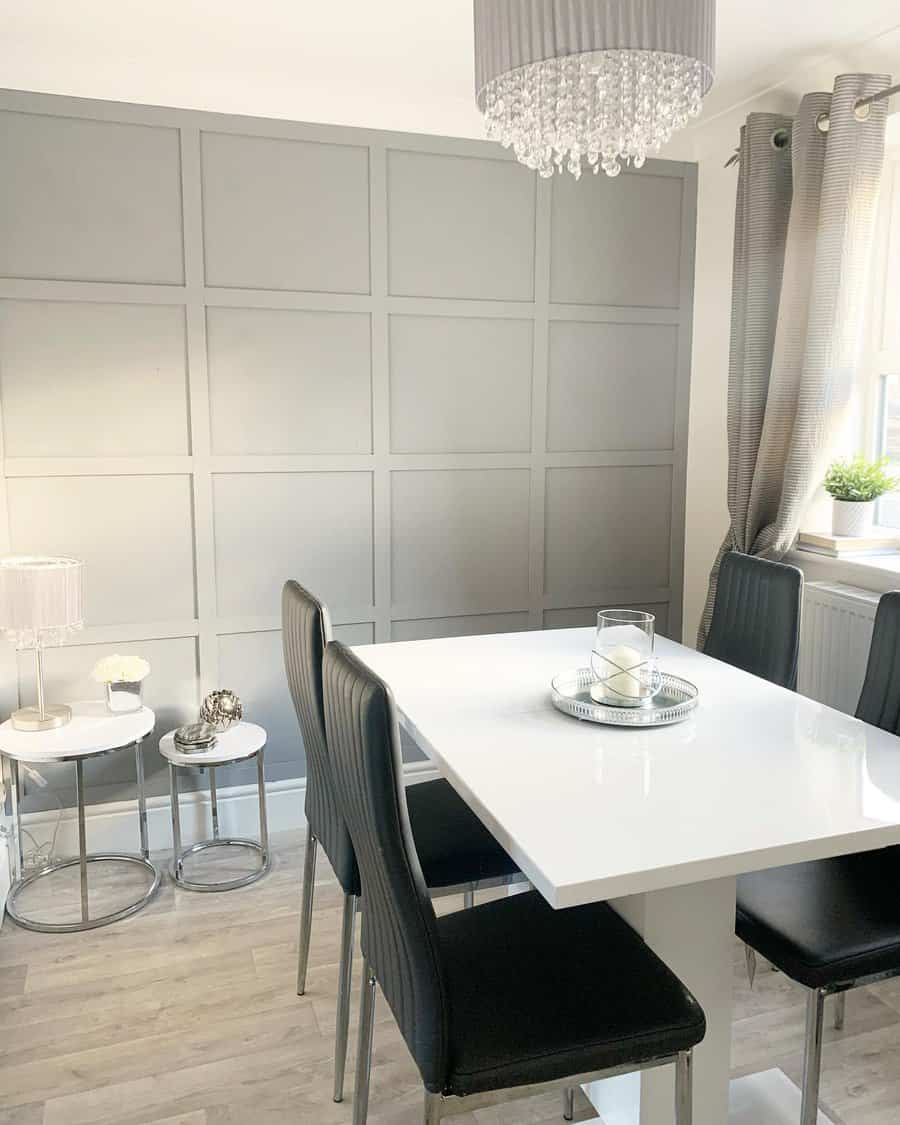
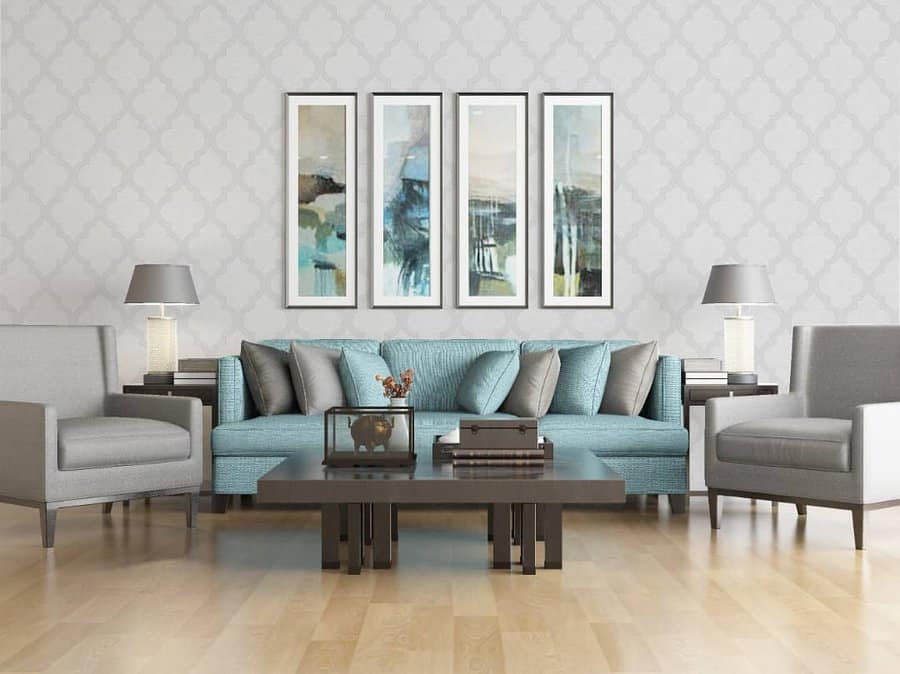
    5. Box Paneling

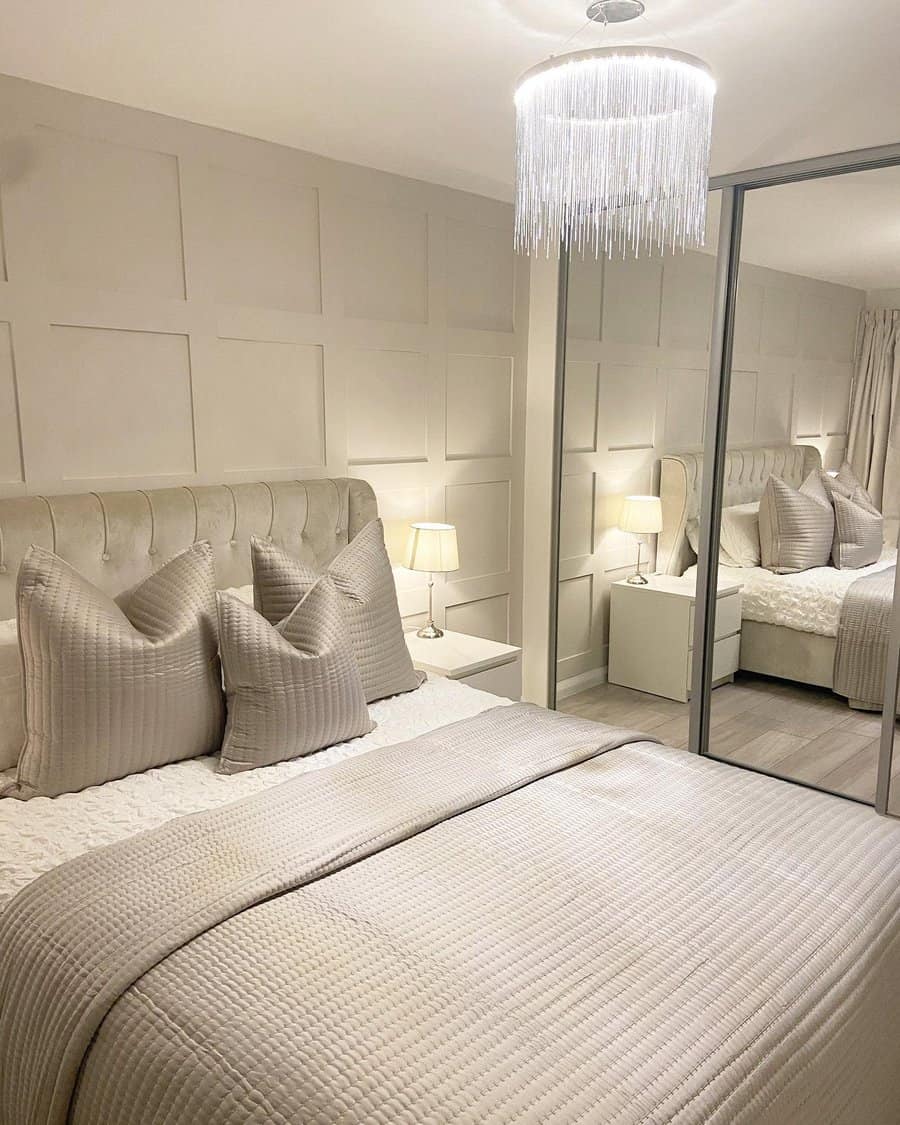
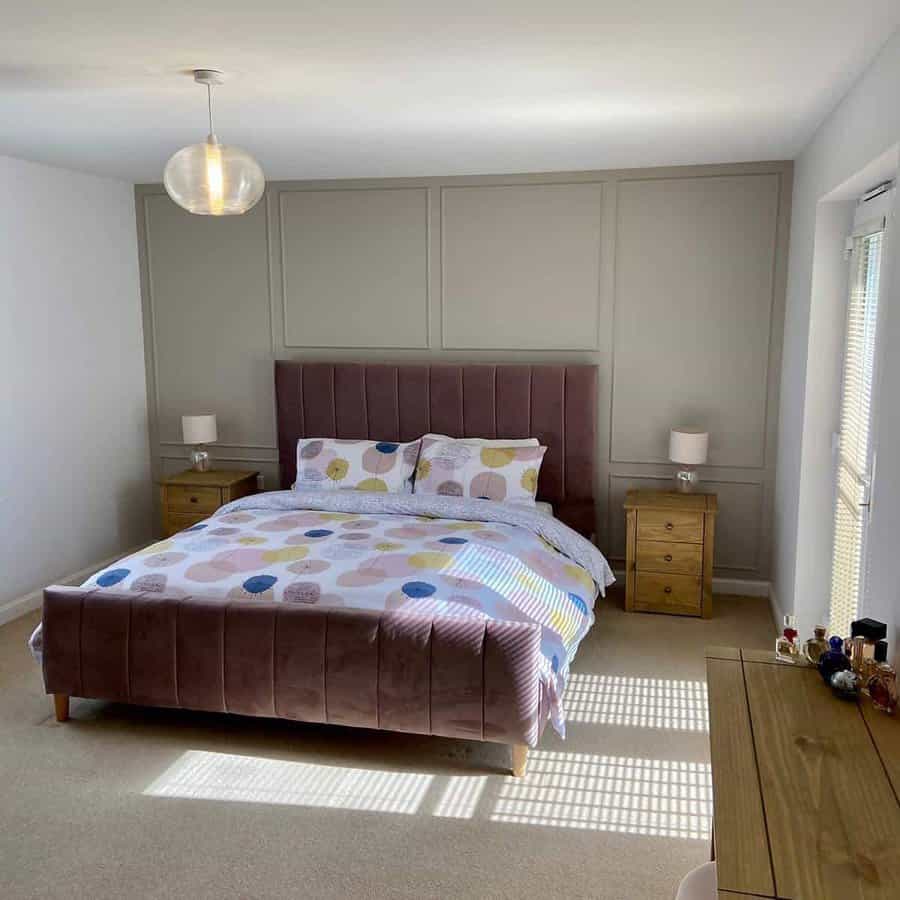
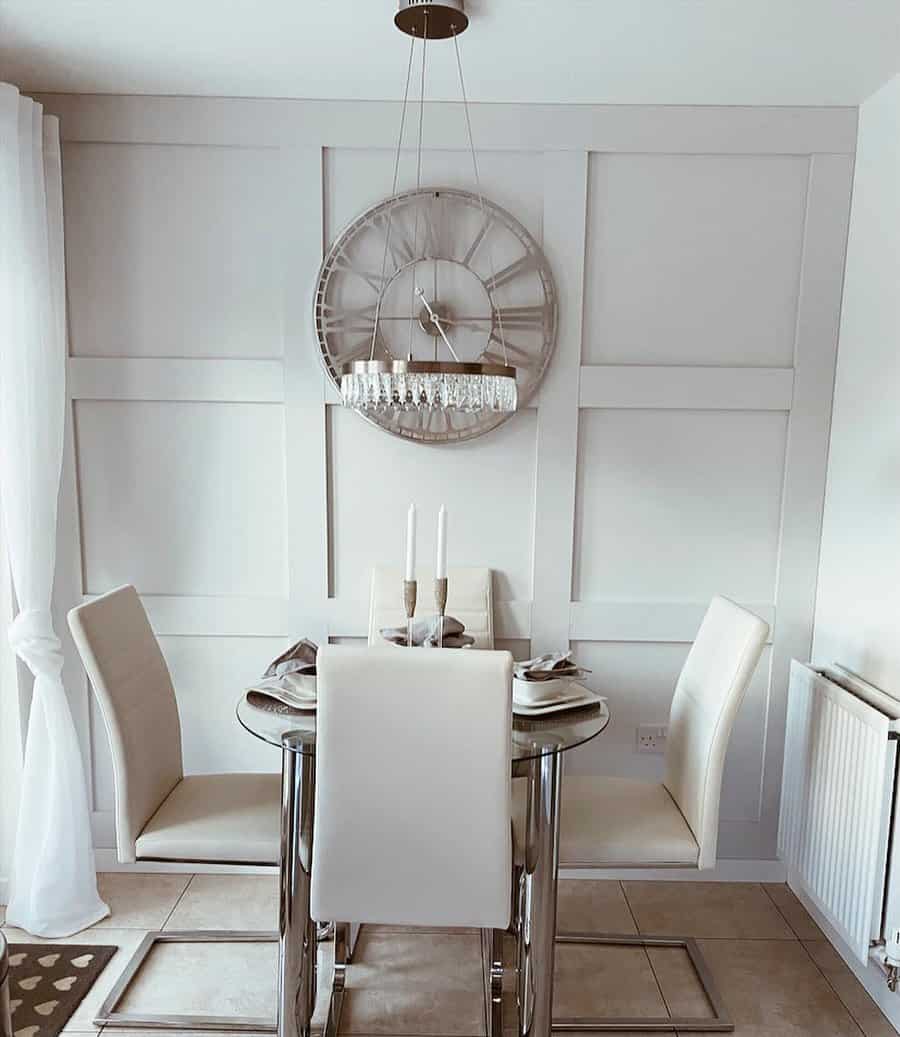
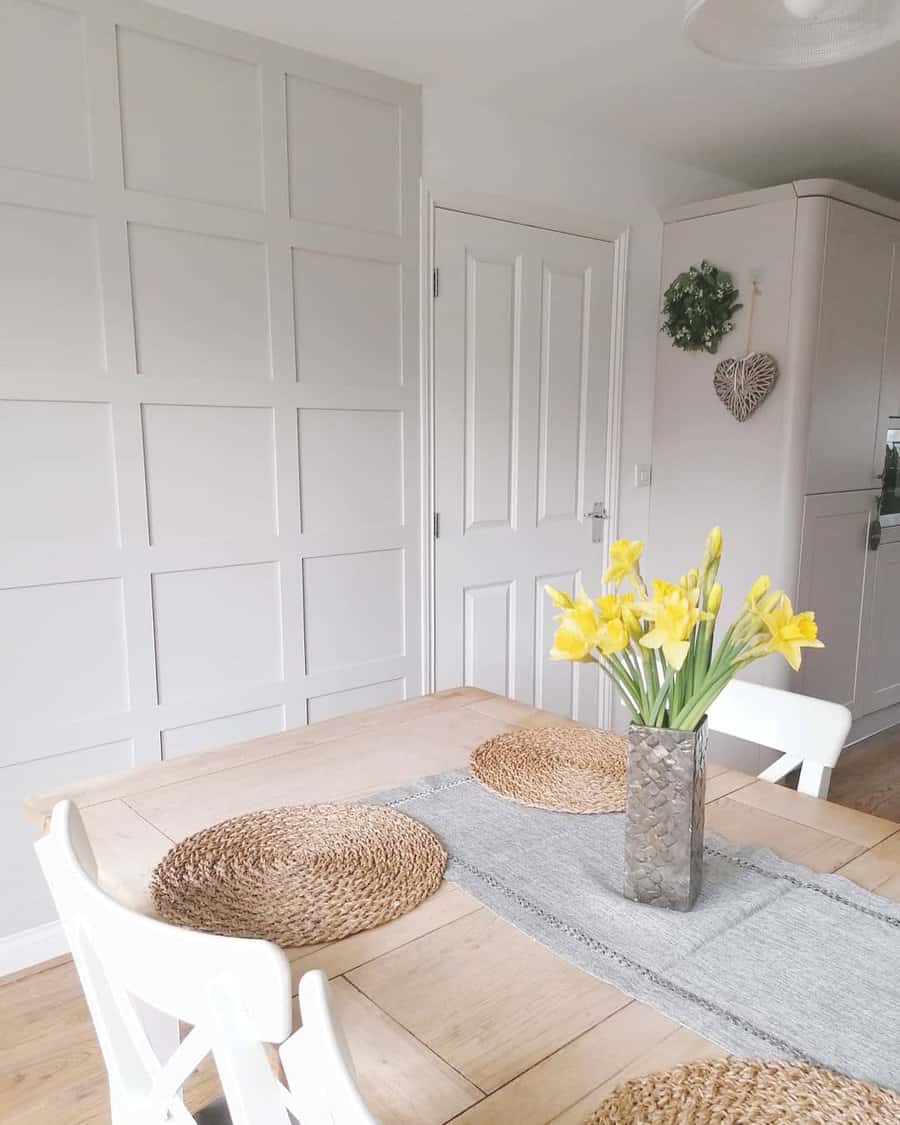
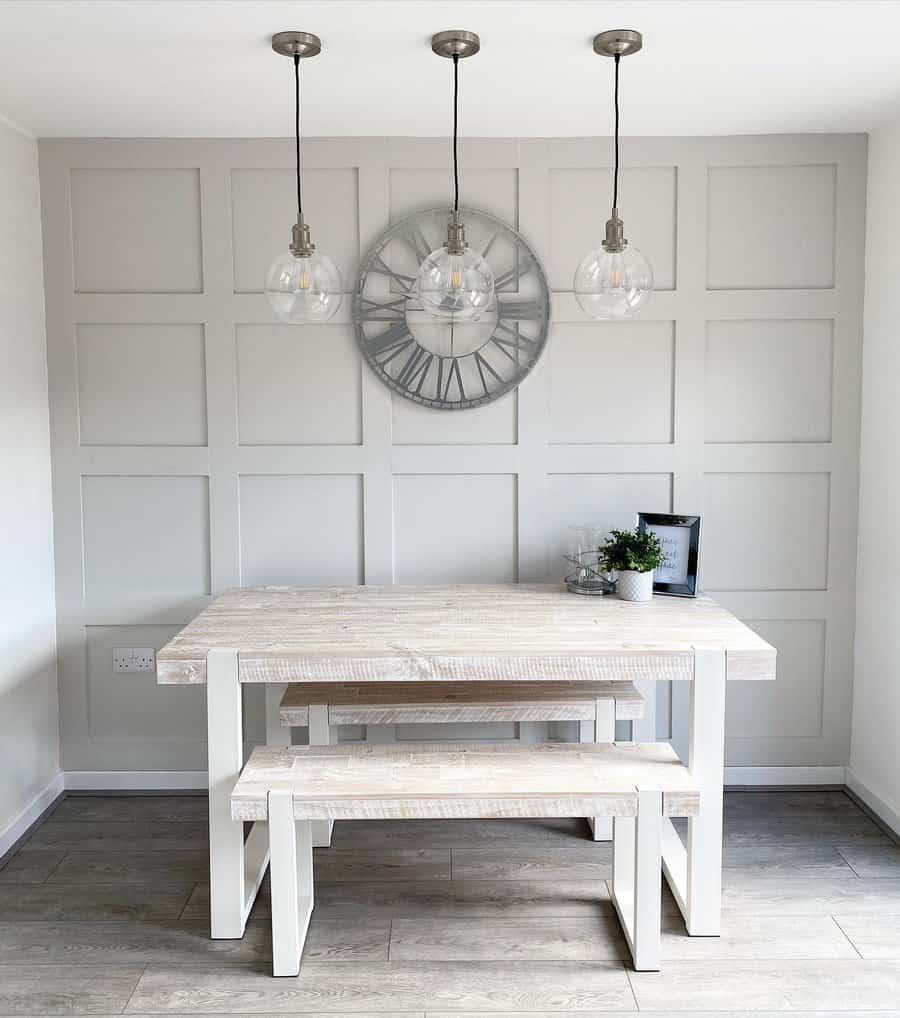
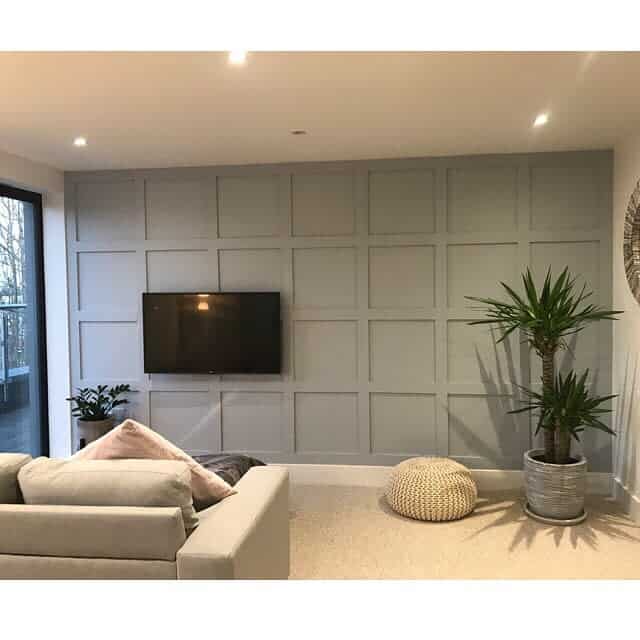
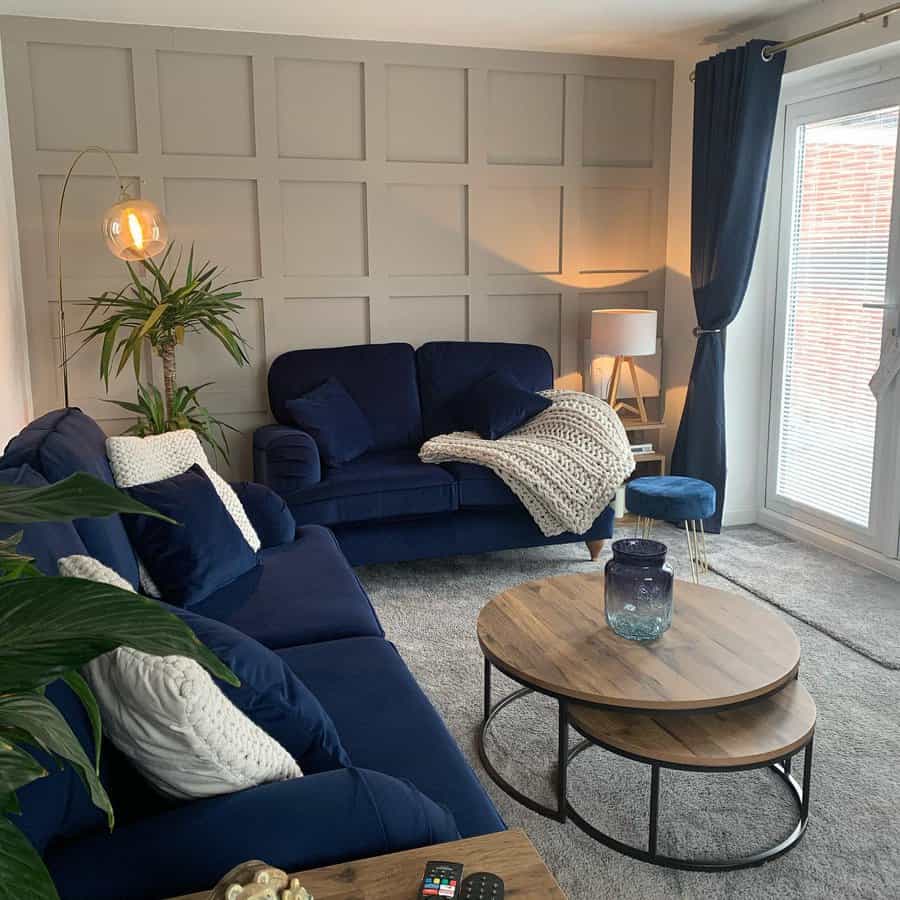
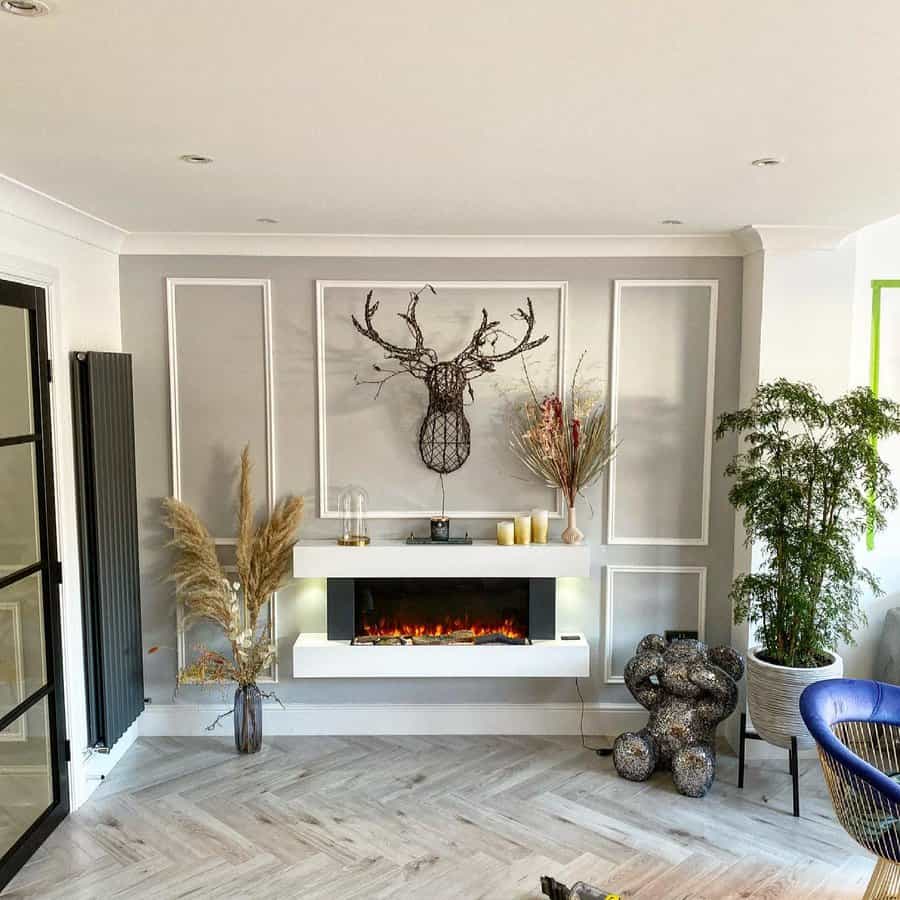
    Box paneling offers a sleek and geometric aesthetic for contemporary spaces. This style features square or rectangular panels arranged in a grid pattern, providing a clean and structured look. It’s a versatile choice for any room, allowing for creative paint and finish options to match your personal style.
    Box paneling
    Source: @caitsfamilyhome via Instagram
    Box paneling
    Source: @inside_no_13 via Instagram
    Box paneling
    Source: @life_at_number50 via Instagram
    Box paneling
    Source: @newbuild_ourhome151 via Instagram
    Box paneling
    Source: @ourburfordhome via Instagram
    Box paneling
    Source: @ourhatfield__ via Instagram
    Box paneling
    Source: @philippa_claire_ via Instagram
    Box paneling
    Source: @claytoncorner_beauchampgrange via Instagram
    Box paneling
    Source: @midlandshousetohome via Instagram
    Box paneling
    Source: @johnwalsh_property_maintenance via Instagram
    Box paneling
    Source: @ourhappycheshirehome via Instagram

    6. Rectangular Wall Panel

    Embrace the simplicity and elegance of rectangular wall paneling. This design, featuring long, narrow panels, lends a sense of height and structure to any room. It’s particularly effective in creating a modern, streamlined look, and works well in both living areas and offices.

    Rectangular wall paneling
    Source: @ourfirsthome_no49 via Instagram
    Rectangular wall paneling
    Source: @holly_does_homeimprovements via Instagram
    Rectangular wall paneling
    Source: @enwinteriors via Instagram

    7. Doorframe Wainscoting

    This style frames doorways with decorative paneling, enhancing architectural details and adding a sense of grandeur. It’s perfect for creating an inviting and polished look in your home’s entrances and hallways.

    Door Frame wainscoting
    Source: @fixingthirtytwo via Instagram

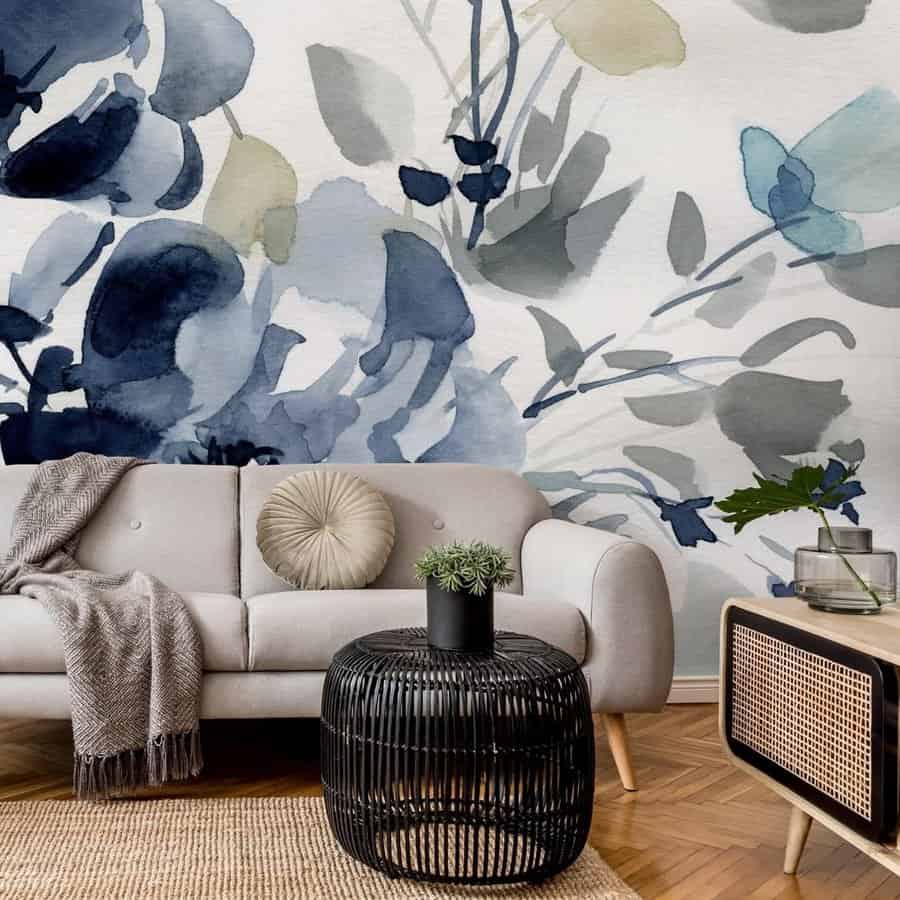
    8. Dual-Toned Wall Paneling

    Dual-toned wall paneling is a striking and contemporary design choice. This idea involves using two contrasting colors or finishes within the same paneling design, creating a bold and modern look. It’s an excellent way to add depth and interest to a room, and can be tailored to suit any color scheme.
    Dual toned wall paneling
    Source: @diytwins.official via Instagram
    Dual toned wall paneling
    Source: @oursurreycorner via Instagram

    9. TV Wall Paneling

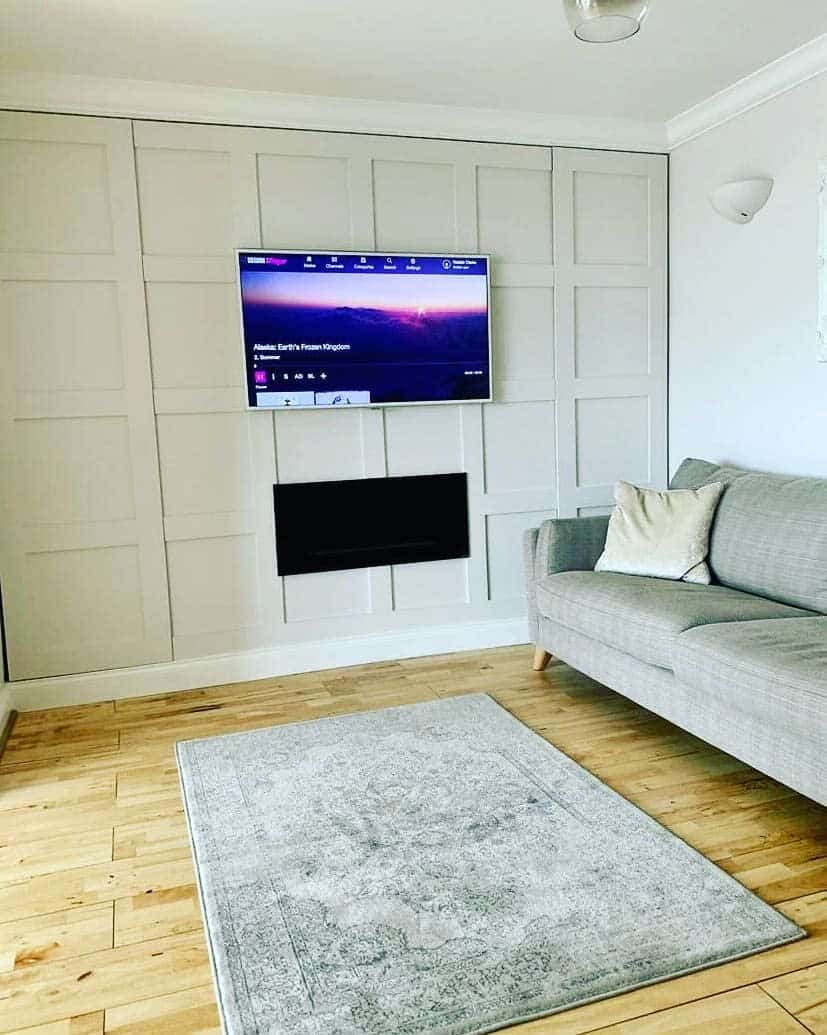
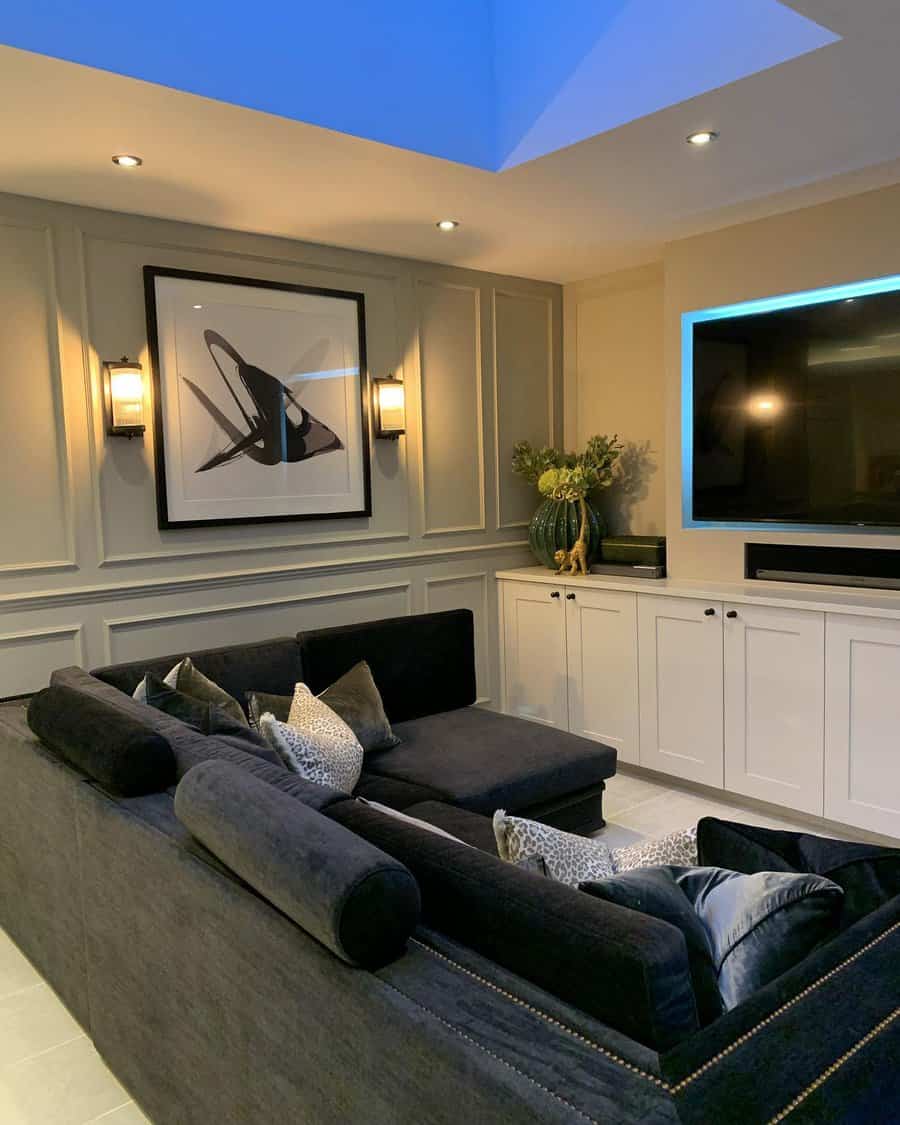
    You can integrate your entertainment setup with TV wall paneling. This design creates a dedicated space for your television, often incorporating shelves or cabinets for a clean and organized look. It not only enhances the viewing experience but also adds a stylish element to your living room or media room.
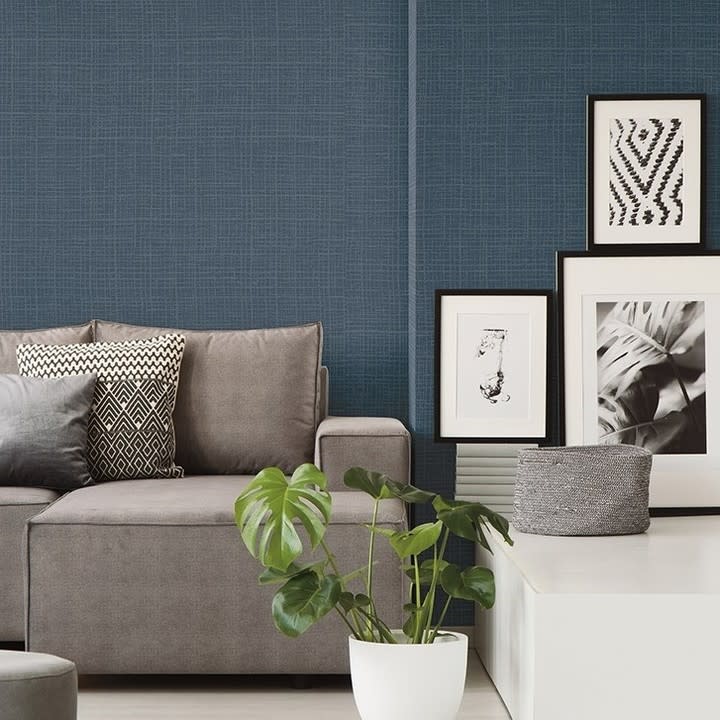
    TV wall paneling
    Source: @superiorcarpentryjoinery via Instagram

    10. Geometric Wall Paneling

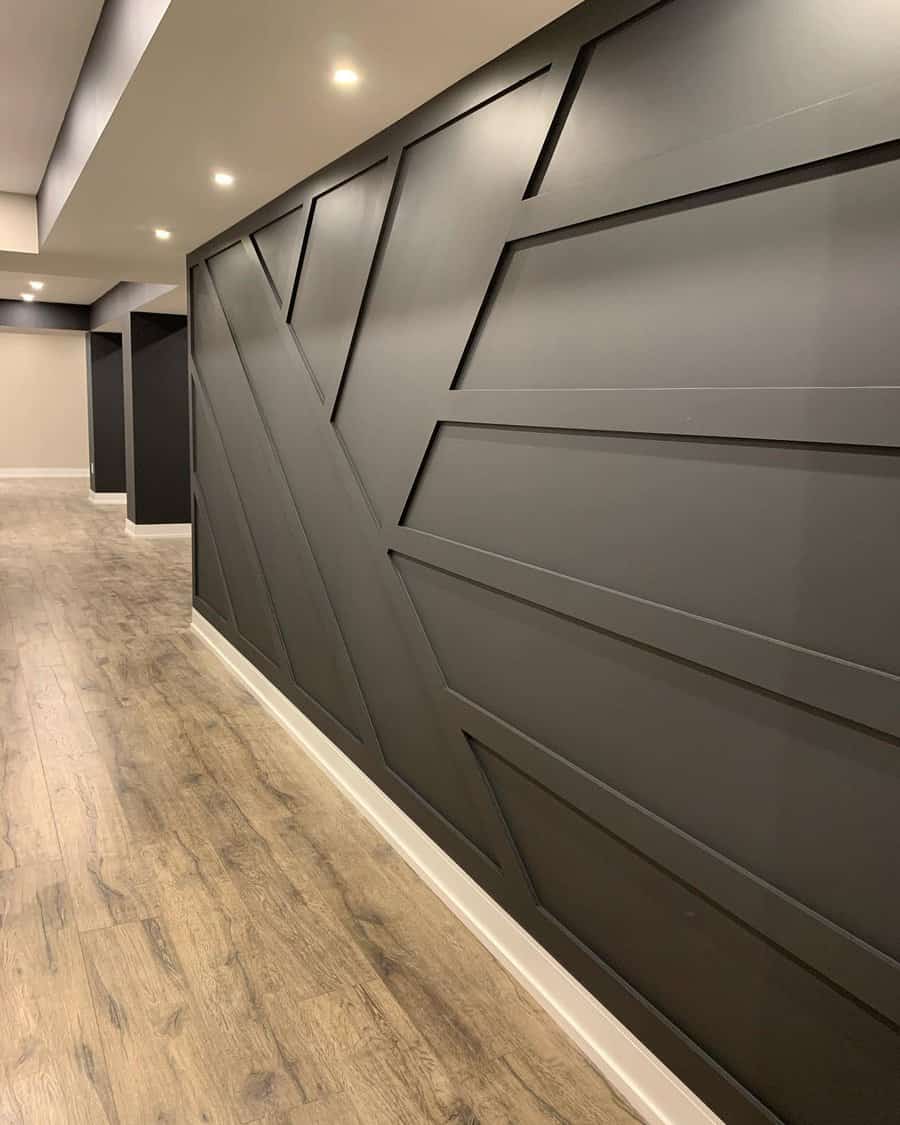
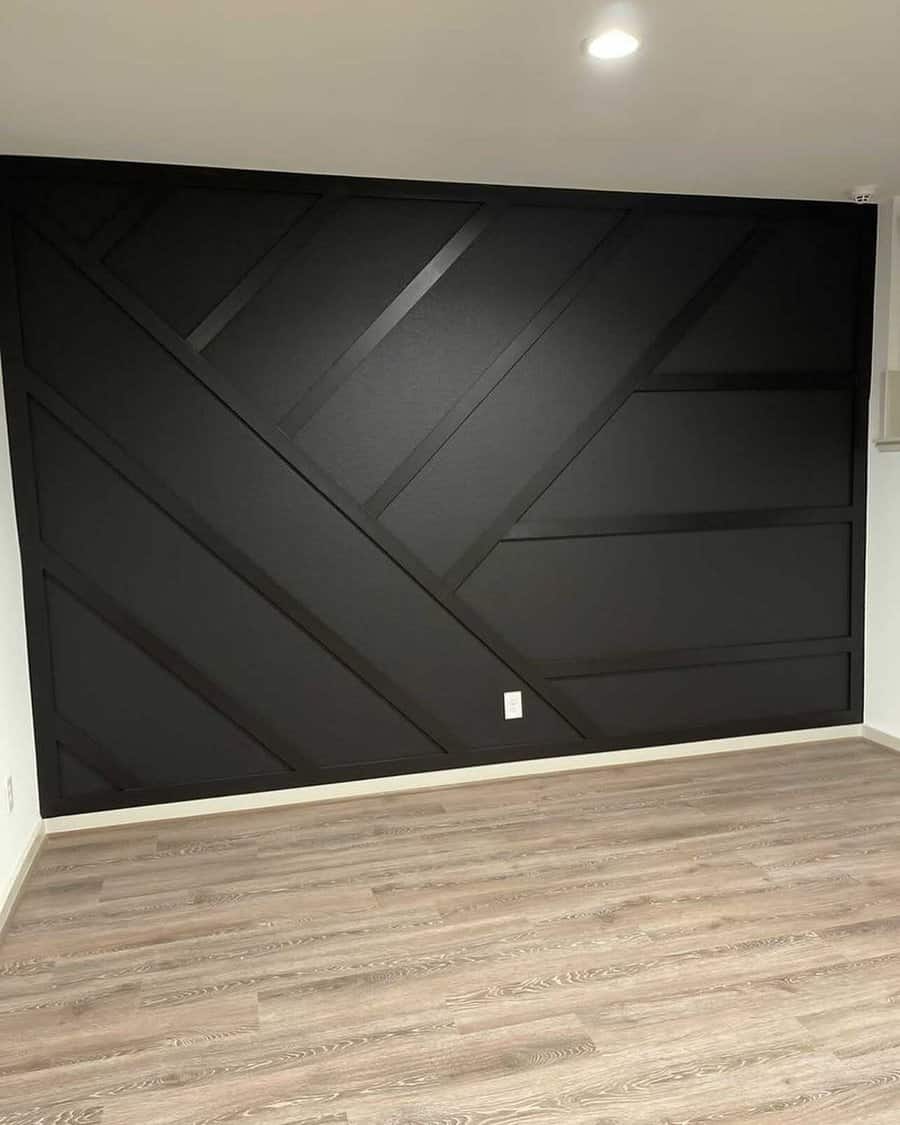
    Geometric wall paneling is all about bold patterns and shapes. This style uses various geometric shapes to create a visually engaging and dynamic wall surface. It’s a great way to add a modern, artistic touch to any room and works well in spaces where you want to make a statement.

    Geometric wall paneling
    Source: @handymanfelipe1 via Instagram

    11. 3D Wall Paneling

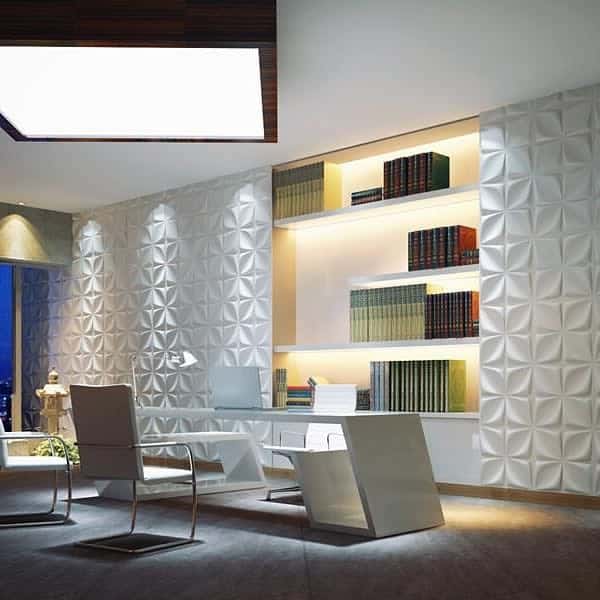
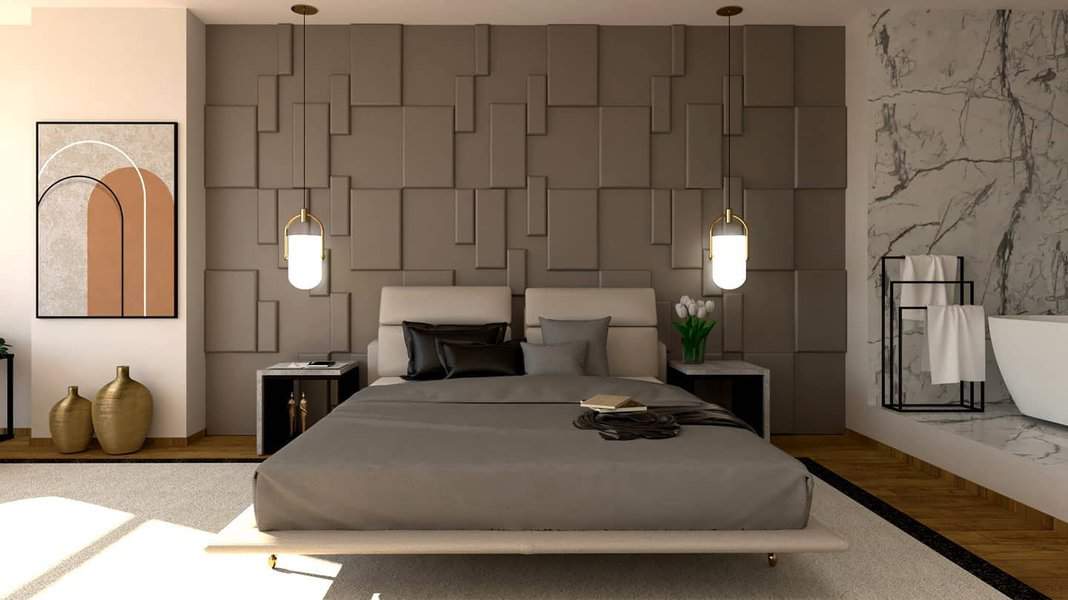
    Bring your walls to life with 3D wall paneling. This design adds texture and depth, creating an immersive and tactile experience. It’s particularly effective in contemporary spaces and can be used to create an accent wall that is both visually stunning and conversation-starting.

    3D wall paneling
    Source: @joedoninteriors via Instagram
    3D wall paneling
    Source: @olta_hasimaj via Instagram

    12. Attic Wall Paneling

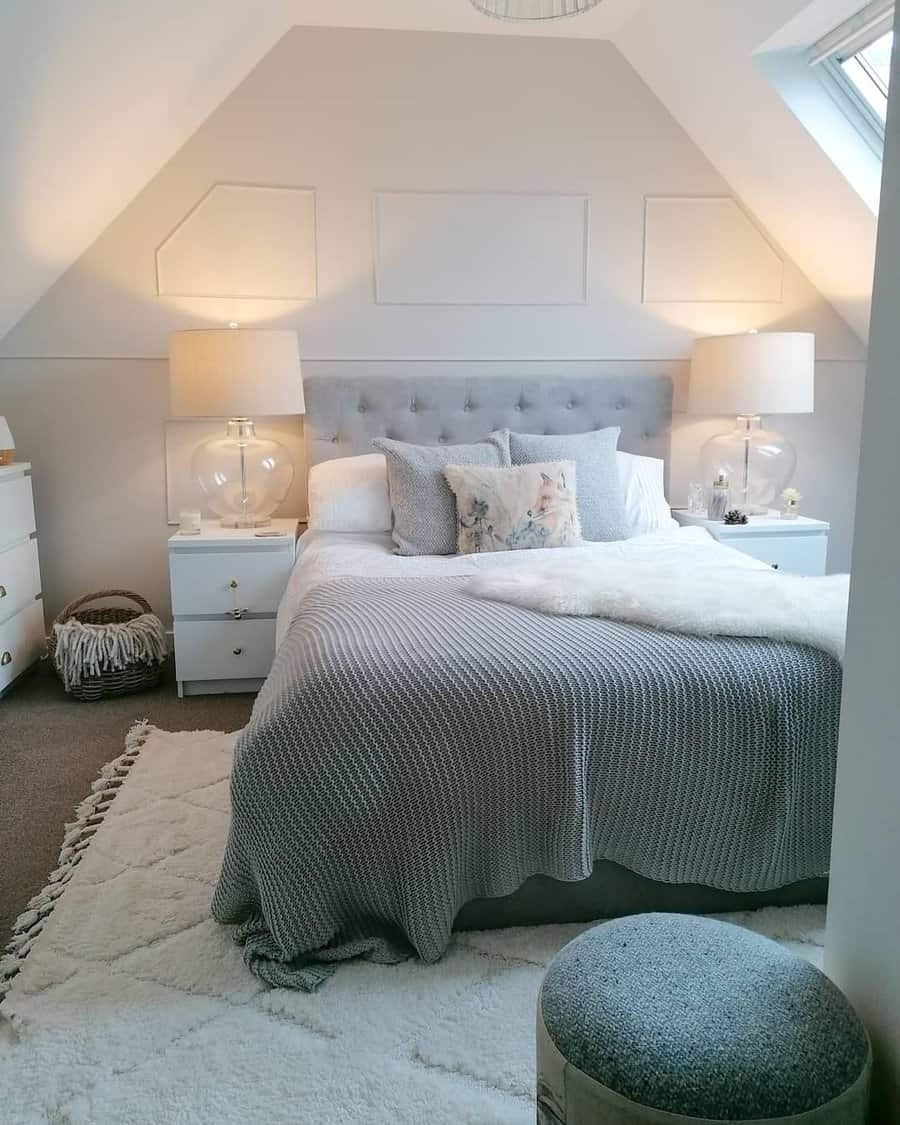
    Attic wall paneling is a charming way to enhance the cozy and unique angles of attic spaces. This style can be adapted to fit the sloped ceilings and irregular shapes of attics, adding warmth and character. It’s ideal for creating a comfortable retreat or maximizing the aesthetic potential of underused attic spaces.

    Attic wall paneling
    Source: @ourhome_insideandout via Instagram

    13. Modern-Style Wood Wall Paneling

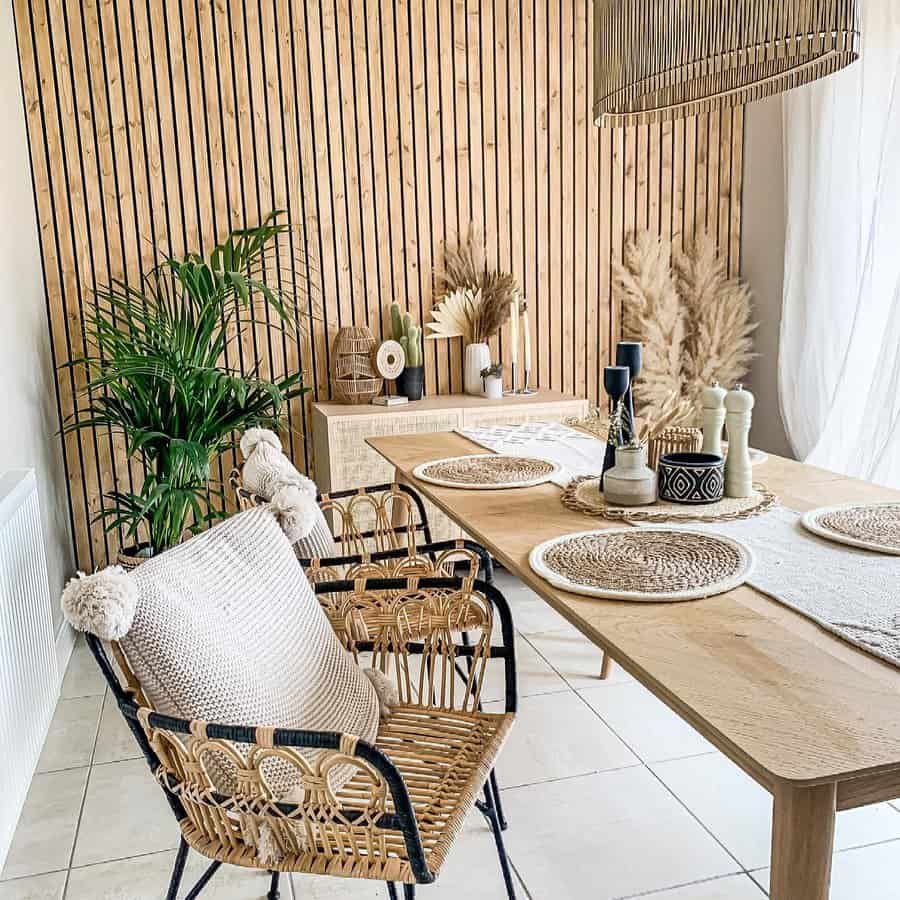
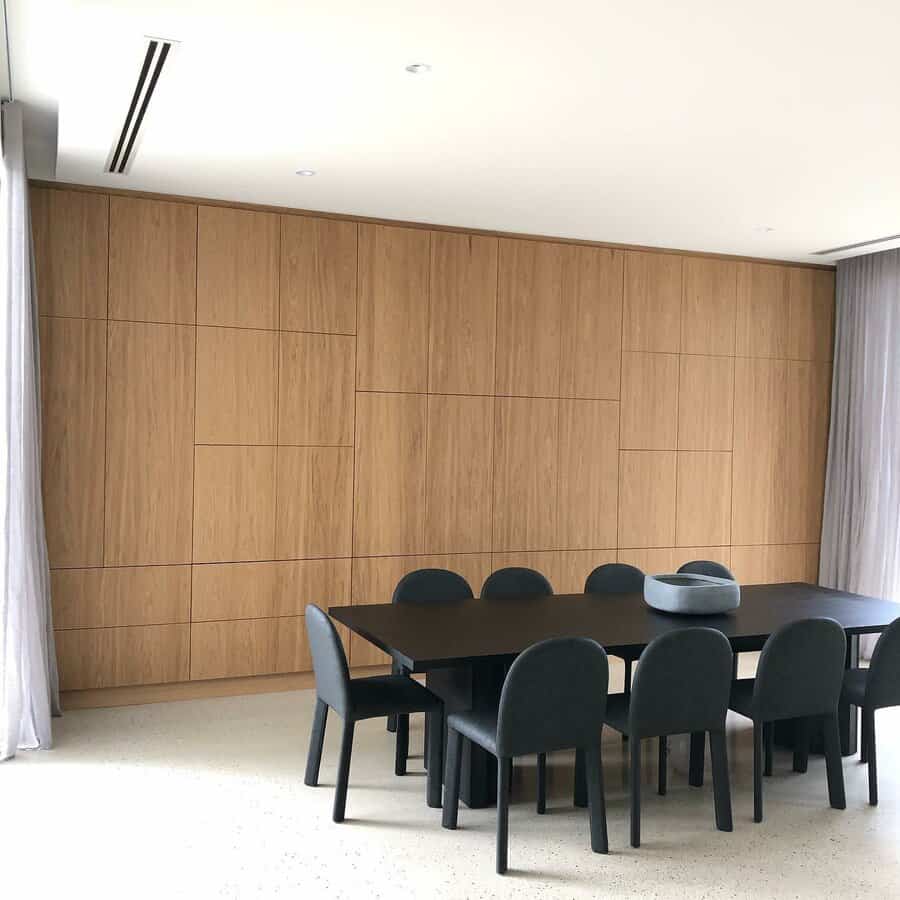
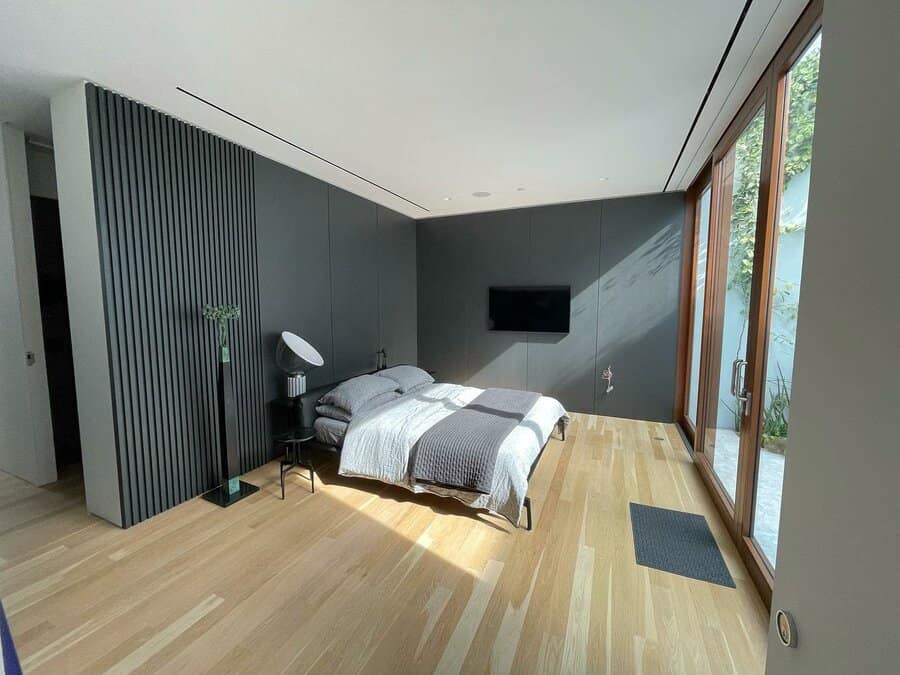
    Wood wall paneling brings a warm, natural element to contemporary design. This approach combines the beauty of wood with clean, minimalist lines, creating a balance between rustic and modern aesthetics. It’s perfect for adding a touch of nature-inspired tranquility to any modern living space.

    Modern wood wall paneling
    Source: @home.caffeine.cacti via Instagram
    Modern wood wall paneling
    Source: @mrcabinets via Instagram
    Modern wood wall paneling
    Source: @sawoodworkdesign via Instagram
  • How to Match Your Wall Color With a Wood Floor

    How to Match Your Wall Color With a Wood Floor

    Your floors have as big of an impact as the walls in your house. This is because these two surfaces take up the majority of the visual space. Because of this, it is important that the two coordinate and complement each other.

    So, this leaves you with a dilemma; how to match wall color with wood floors. Knowing how colors interact and look with different types of wood floors will help you choose the most flattering wall paint color for your room.

    Keep this guide in mind when choosing your color palette and you will have a room that showcases the beauty of the wood and feels comfortable to be in.

    Light Hardwood Floors

    Light floors significantly brighten a room because they reflect the natural light coming in back up. Using a color palette with white, off-white, and cream pairs beautifully with light wood floors because it creates an all-white aesthetic but is softer, warmer, and more welcoming.

    Not all white wall paint is the same, though. If your light wood floors have honey hues, then choose whites with yellow, pink, or peach hues. If your light wood floor looks more grey, then choose a cooler white with blue, purple, or even slight green tones.

    Light wood also looks fresh and bright with neutral wall colors. This gives your interior design mass appeal. Stick with shades of tan, beige, brown, or grey. These neutral colors pick up the natural colors in the wood. Do not choose all light colors, though.

    This can make your design fall flat. Add highlights or accents of dark neutrals like chocolate brown or slate grey. This breaks up the space and helps define the different elements in the room.

    You are also safe using light shades of any other color. The trick is using the right color for the type of wood and the room’s intended purpose.

    For example, reds work well in kitchens and dining rooms because it stimulates appetite. However, it is a terrible choice for a bedroom because it’s stimulating, which is exactly the opposite of what you want when trying to go to sleep.

    Similarly, reds will look beautiful with honey-colored woods like light red oak, beech, or hickory. However, it may not look as nice with white, ash, or maple.

    Dark Colors With Light Wood Floors

    Some designers will tell you not to use dark walls with a light wood floor. Do not listen to them. You can make a bold statement with dark navy or charcoal walls and a light wood floor. Pair it with a clean minimalist or Scandinavian design and you have a room that is welcoming but with a mature and slightly subdued tone. Dark forest green walls with warm light wood floors look like elegant country chic.

    Types of Light Woods

    Wood that you will see in light wood flooring includes bamboo, birch, beech, hickory, white oak, ash, and maple. These woods can range from almost white to blonde and honey hues.


    Medium Hardwood Flooring

    Most people forget about these in-between woods, but there are some that just do not neatly fit into the light or dark category. Oak and cherry hardwood floor are good examples of this.

    If you have these floors, you have a big advantage because you are free to use light and dark colors. Cherry is a reddish-brown wood floor color, so keep this in mind when choosing your color palette. Red, orange, yellow, and brown colors will look best with it.

    Because these woods are not too dark or light, you are free to use both light and dark shades of colors. You can use muted or highly saturated hues, also.

    A lighter color will help your room feel larger by making the darkest area in the room the floor. Darker colors can create a sophisticated feel and blend everything together.

    Types of Medium Woods

    Woods that make beautiful medium-toned flooring include oak, cherry, and maple. There are also some varieties of bamboo, ash, walnut, and mahogany that can fall into this category.


    Dark Wood Look

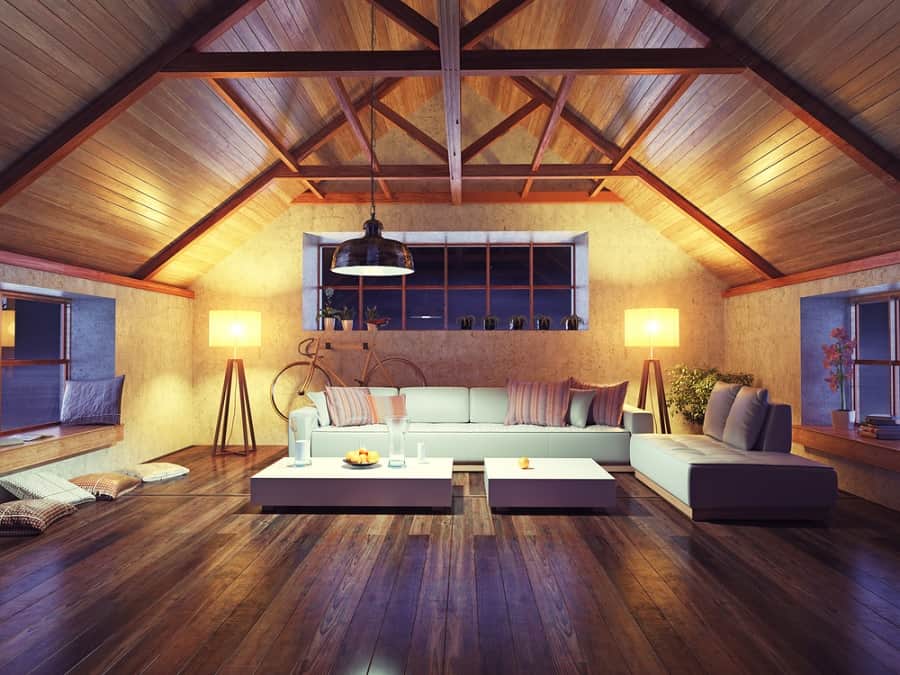
    Dark wood floor in loft

    Dark floors are an asset in your home because they are incredibly flexible when it comes to interior design. You can successfully pair your dark flooring with colors from both ends of the spectrum.

    Light colors are perfect for creating a lot of contrast between light and dark. White walls help your room look larger by lightening up the space at eye level, while your dark hardwood floors bring down the weight of the room to the floor.
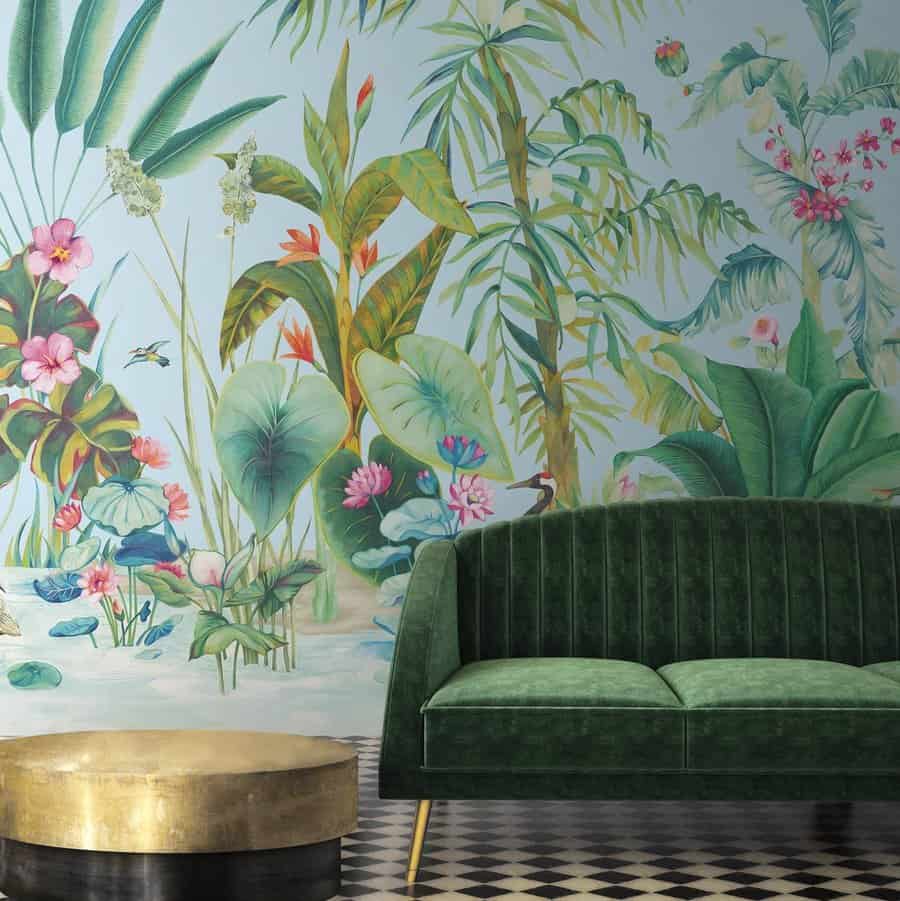
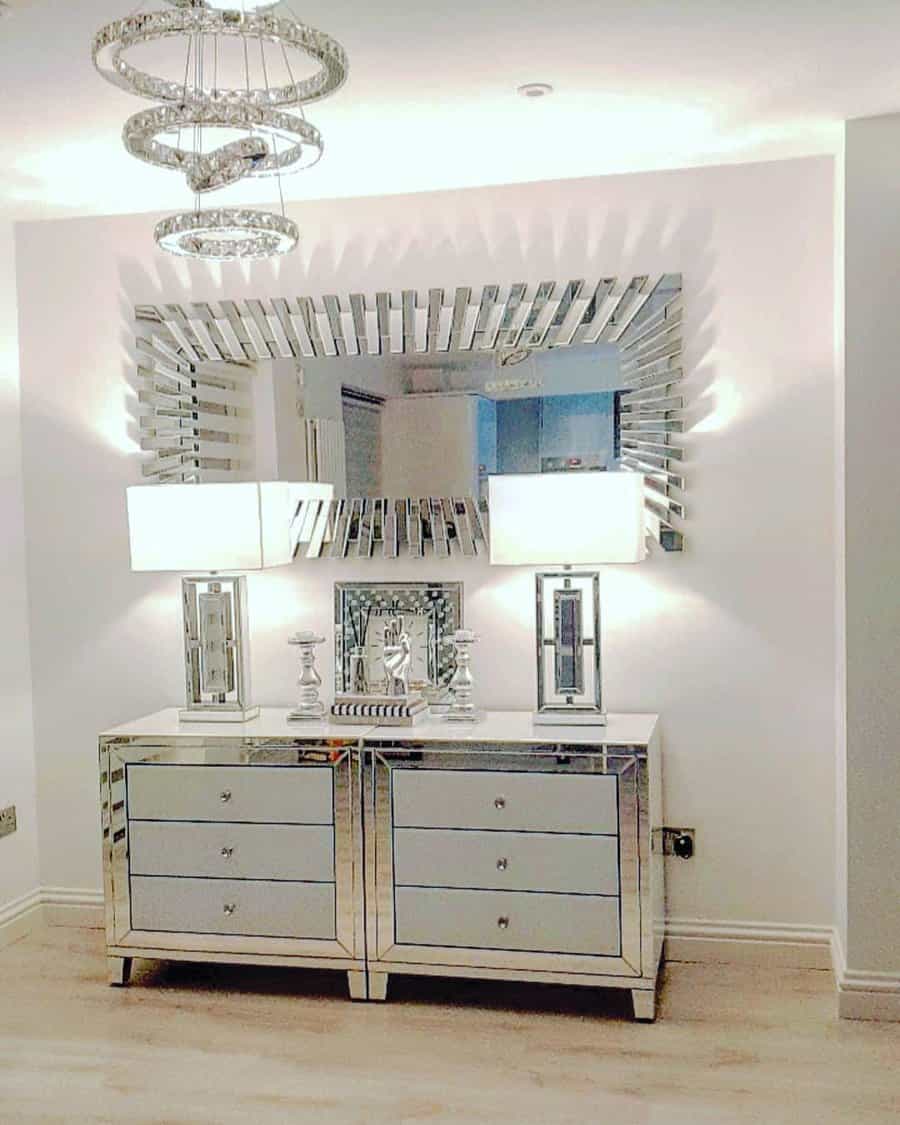
    Pair your dark floors with dark wood trim and warm tones, and you have a color palette that is cozy and sophisticated.

    Light Colors

    Light colors will soften the richness of the dark wood and help brighten the room. Classic color choices are white, cream, and beige.

    These light neutrals add a lightness to your room while helping it to feel larger. The warm undertones can bring out the warm tones in the wood, bringing out its full beauty. These colors help your home to feel modern or contemporary.

    Soft greys can create a dramatic effect that adds dimension to your room. In addition, the combination of the dark and light creates a versatile base for more creative decor choices.

    Dark Colors

    Earthy greens and browns can complement your dark wood flooring for a traditional feel. Deep jewel tones add a sense of opulence when paired with rich, dark-hued wood. These colors are highly saturated and can stand up to the deep hues of the dark wood.

    Types of Dark Woods

    Woods that make beautiful dark wood flooring are walnut, mahogany, rosewood, red oak, and ebony. There are also some dark species of teak.


    Grey Wood Flooring


    Grey flooring has cool undertones, so you are safe pairing these floors with blue, green, purple, black, white, or grey walls.

    Grey wood tends to be multidimensional, so you can safely pair it with any shade of grey, from the palest of greys that are practically white to deep charcoal greys that are almost black. A blue and white combination will give your room a soothing coastal vibe where the grey floors channel the look of driftwood.

    Don’t be afraid to paint your walls a dark color. It has a similar effect as the light wood floors. A charcoal grey like this could give your room a sleek and modern feel.

    Jewel tone teal and blues can give your room life and elegance. If you want to use a warm tone, try a muted mauve that will blend a bit better with the light grey tones.

    Types of Grey Wood

    You will find grey flooring in various wood varieties, including ash, hickory, oak, and maple. These woods are not naturally grey, but you can find laminate flooring that features the grains of these woods with a grey hue.


    Do Not Overlook Undertones

    While considering light, medium, and dark is a good start, it is not the end of your analysis of your wood flooring. Look beyond this superficial quality and pay attention to the undertones of your floor.

    No variety of wood is a plain brown color. There is a base, shadows, and highlights throughout. Look at these and figure out the wood tone as a whole. There could be hues of golden yellow, beige, pink, orange, and red.

    Knowing what these undertones are can help you decide on the best color combination for your floors. Warm colors look perfect for red and pink undertones. Cool floors will look better with blues and greens.

    To figure out what the undertones are in your wood floor, hold colored objects up to it. Work your way through the color wheel and you will find one that closely resembles it. You will know the undertone color when you see it.


    Take the Color Contrast Approach

    Not being afraid of contrast is what makes your interior design stand out. To choose the right paint colors for this, start by knowing the wood’s undertone. Then, choose a color that is on the opposite side of the color wheel.

    For example, if your floors have red tones, then use greens on your walls or decor. If your wood floor has yellow undertones, you can contrast that with purples. This is not about choosing between light and dark walls and instead focuses on color theory.


    Use Analogous Colors

    Instead of choosing colors that are opposites sides of the color wheel, choose colors that are next to each other. You will choose a group of three colors. For example, you could have a combo of red, orange, and yellow or a combo of yellow, green, and blue.

    Let the undertones in the wood direct you to which three colors you should use. For example, if your wood has yellow undertones, then you can start with a yellow wall paint like this.

    Doing this ties the room together and ensures the wood flooring blends with the rest of the colors in the room.


    Accent Walls Can Create Balance

    The best wall color balances with the wood floor. Think beyond the actual color to whether it is light or dark. If you have a light grey wood floor and you choose light grey for the walls and furniture, then you have a room that blends together and behind to look flat.

    Create a balance between light and dark to create depth and dimension. Adding light and dark visually breaks up the space and adds layers to the room.


    Consider Your Furniture

    So far, we have focused on the floor and wall color. However, there is more to your room than just these two elements. There is the other furniture and the decor. If you have wood furniture in addition to your wood flooring, then you have to consider this wood in addition to your floor.

    You could choose the perfect colors for your dark wood floor, but they clash with your light wood furniture. You may need to rethink the light furniture, not your color choice. Typically, people choose either light or dark wood and then stick with it for the entire room.

    Another consideration is if you choose to use an area rug. If you have light wood floors and you place a large dark-colored area rug over them, you are changing the dynamics of the room.

    Similarly, dark floors with a large light-colored area rug like this instantly become lighter. The dark color that you originally thought would make the room too dark is now balanced well with the light rug.


    Should Floors be Darker or Lighter Than Walls?

    There is no hard-set rule for this. Light walls with dark floors keep your room from feeling too heavy and weighted. However, dark walls paired with dark floors create a moody feel that can be a bit masculine.

    Light floors and light walls look bright and airy for a welcoming design. However, dark walls and light floors is a unique combination that will create some serious depth.

  • How to Decorate a Staircase Wall – 13 Wall Decor Ideas

    How to Decorate a Staircase Wall – 13 Wall Decor Ideas

    If you have a staircase in your home, you have a prime wall space to add decor to your home.  Turn this plain wall into a place to feature your prized art collection, show off your beautiful home, or add some color to your home.

    How you decorate this empty space will depend on many factors, including how large the wall and staircase are, the amount of space you have to work with, your budget, and the architectural style of your home. You want to choose decorations that reflect who you are without detracting from the appeal of your home.

    Check out these creative ideas and learn how to decorate your staircase wall.

    [view_toc]

    1. Wallpaper

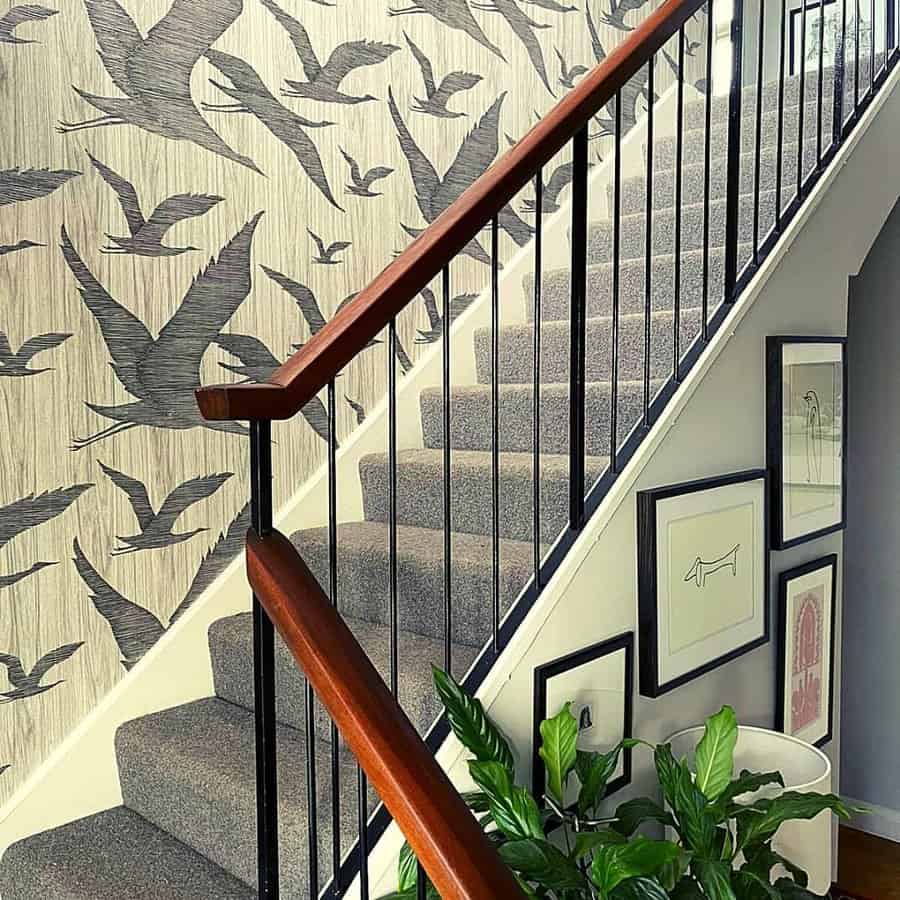
    Wallpaper is a traditional wall decoration and a perfect addition to turn your stairway wall into an accent wall.

    Cover the complete area of the wall from the base of the stairs to the top and from the floor to the ceiling. Consider the square footage of this space when choosing your wallpaper.

    A large or small-scale pattern can create an optical illusion of the wall being bigger or smaller than it really is. A large wall with a small pattern can quickly look overwhelming.

    An oversized pattern on a small wall will also look overwhelming and incomplete. You could keep the design basic with stripes or a floral pattern.

    There are also more modern designs like this that look like murals or large-scale designs painted on the wall. This can create a bold and pleasantly surprising feature in your home.

    2. Paint

    Painting staircase wall

    The easiest method for decorating your stair wall is to paint it. This injects color into your home’s interior design and defines the staircase as its own area. Choose a paint color that complements the rest of your home’s color pallet.

    Especially focus on the rooms that are adjoining the staircase. You want your design to flow smoothly from one area to the next, especially if you can see the staircase wall while standing in another room.

    If you feel creative, you can paint the wall with more than one color. Mark a diagonal line about halfway up that extends the entire length of the wall. Paint the bottom half one color, and the top half another. Choose a dark color for the button and a lighter color for the top for the most appealing aesthetic. A crisp line looks polished and elegant. Blending the colors for an ombre effect gives it an eclectic or bohemian feel.

    3. Family Photo Gallery Wall


    Do you have a large family? Turning your staircase wall into a photo gallery is a simple and easy solution. It gathers all of your family pictures together into one area that everyone commonly moves through.

    This puts your most treasured people in a high-traffic area where you can enjoy them every time you go up or down the stairs. This makes it one of the more popular decorating ideas for the staircase.

    Matching picture frames creates a clean interior design on the wall space. This can be difficult, as family pictures tend to vary in size and shape as they are taken over the years.

    Avoid using the large pre-design collage frames. These lack creativity and design. Instead, take a purposeful approach with frames that are not exactly the same but similar. For example, you could have all simple black square frames. Or you could have dark wood frames with scrollwork and detailing.

    You could even combine family photos with a wall decal like this family tree wall decal to create a more eye-catching display.

    4. Curated Artwork

    Do you have a curated collection of high-value art? Or perhaps you are an artist yourself and have several pieces you have created and are proud of. Use this art as your staircase wall decor. This keeps your living room from becoming cluttered and crowded with your many creations.

    The first step is deciding how you want to display your wall art. It could be a curated collection of framed pieces and sculptures that you hang on the walls.

    If you only have photography or paintings, you will have all framed pieces. Placing them all in frames of the same size, shape, and design will create a uniform and minimalist arrangement. Using frames that vary in size, shape, design, and color will create a more eclectic feel.

    To keep it from looking cluttered, try to make every frame have at least something in common. Having at least one feature or quality in common ties them together and makes the arrangement look purposeful.

    5. Shelf

    If you have a straight, flat wall and wide stairs, you have a prime spot for adding built-in shelves. You can then arrange books, pictures, and other home decor on them.

    You can add as many shelves as will fit and look good. This could be one or two floating shelves. Or it could be an entire built-in unit with cabinets down low and open shelves up high. This gives you hidden storage and a display place.

    When choosing and mounting your floating shelf, be careful with size and placement. You do not want to create a safety risk unintentionally. If you mount the shelf too low, you could risk someone walking into it and hitting their head.

    If the shelf is too deep, it will extend out too far, and people will bump into it when walking up the stairs. The safest approach is to choose a shallow shelf and mount it high up on the wall.

    6. Mirror

    You can hang a mirror anywhere in your house. They are perfect for reflecting light and brightening up darker spaces. If your enclosed staircase could use more light, try hanging a mirror on the wall.

    If you position it just right, you can reflect more light and brighten up the space. The mirror also has the added benefit of making the stairwell feel bigger. Mount it at eye level so that you will easily look into it as you walk up or down the staircase.

    For maximum effect in a small space, mount more than one mirror on the wall. The budget version is to buy mirrored squares and place them on the wall with adhesive on the back.

    You can make your own arrangement and have the design work its way down the wall for the entire length of the stairs. If you want to create a luxurious or upscale design, hang framed mirrors like these that look like a gallery wall.

    7. Mural

    If you have a large spiral staircase design with plenty of wall surface to work with, then you have a prime canvas for creating a mural. If you have some artistic ability, you can paint the mural yourself. Or you could hire a local artist to come in and create something one of a kind.

    If you want to do something easier, modern wallpapers come in murals. You measure the square footage of the wall and then buy the wallpaper to size. Apply the wallpaper to the wall in vertical strips, carefully lining up the seams for a continuous image that wraps around the staircase.

    8. Tiles

    If you have a lot of pets or children living in your home, then tile is a durable decorating idea for your stair wall.

    The stairs and wall will take a beating, and the tile will be easy to clean and keep the wall looking beautiful. Even if you do not have a large brood, tile can give your home a modern feel with a subtle texture. You could even continue the tile look on the stair risers. This is the front-facing part of the stairs. This will visually break up the look of wooden stairs.

    The type of tile you use will depend on your home’s style. Using tiles of different shapes will give it a mosaic and bohemian feel. A large-scale tile or one in a geometric shape will create a modern feel. Rectangular white subway tile has a vintage or antique feel.

    9. Tapestry

    Hanging a tapestry is a traditional wall decor and covering. They are delicately made and full of color. This is a great option if your staircase wall is in a central point in your home. The tapestry turns the wall into a feature wall that will be the focal point in the room.

    Traditional tapestries cover the entire wall from ceiling to floor. This is not really possible on a stair wall because the bottom is slanted. You will struggle to find a tapestry with an angled bottom to match your stairs. Instead, stick with a square or rectangle tapestry that can hang like a large piece of art positioned in the center of the wall.

    10. Board and Batten

    Create a subtle texture to your stairwell by using wood trim to add a board and batten design. This classic wall decoration is found in traditional colonials and is making a comeback.

    You can easily build your own by using rectangular-shaped pieces of wood trim. Cut them to size so that they run vertical and horizontal, crossing each other to make square or rectangle shapes.

    You can make the voids as small or as large as you like. If your staircase leads to a hallway, you can continue the pattern down the hallway.

    If the plain board and battens sound a bit plain, you can dress it up with a bit of custom flair. Try using wood trim that has a twist pattern. Or angle the cross beams so that they are at a 45-degree angle. Create squares that vary in width and height.

    11. Purposefully Bare

    Sometimes, you can make more of a statement by doing nothing. A minimalist staircase idea is to leave the wall completely blank. This retains the clean and bright design of your home. It also lets the stair tread become the focus.

    Stain and seal your stair treads to bring out the color and luster of the wood. If your staircase is small or tight, this staircase wall decorating helps to keep it feeling open and welcoming.

    10. Texture

    Instead of adding decoration to the wall, turn the wall into decoration. This adds subtle design and visual interest without being overwhelming. You can add texture by choosing a 3D tile. These tiles could be handmade with natural highs and lows. Or it could have a geometric design with angles and corners.

    If you’re looking for a bolder texture and design, you can mount panels on the wall. This creates more variation in the height and depths. There are also panels with a premade design, making it fast to add a decorative design over the entire wall.

    11. Faux Stone

    Give your home a rustic or farmhouse feel with faux stone wall panels. These are lightweight panels that are made to look exactly like real stone. A stacked stone design will give your home an elegant cabin or chalet feel. A raw stone design where they look more organic will give your home a rustic or country farmhouse feel.

    12. Collections

    Do you have a prized collection of items? Your staircase wall could be the perfect place for displaying your collection. This could be a collection of vintage wooden skis, jerseys from your favorite sports players, skateboards, fishing lures, or hand-painted China.

    13. Plants

    Bring nature into your home by using plants to decorate your stairway wall. This brings nature into your home and natural color. It can also help freshen the air through the plant’s natural photosynthesis.

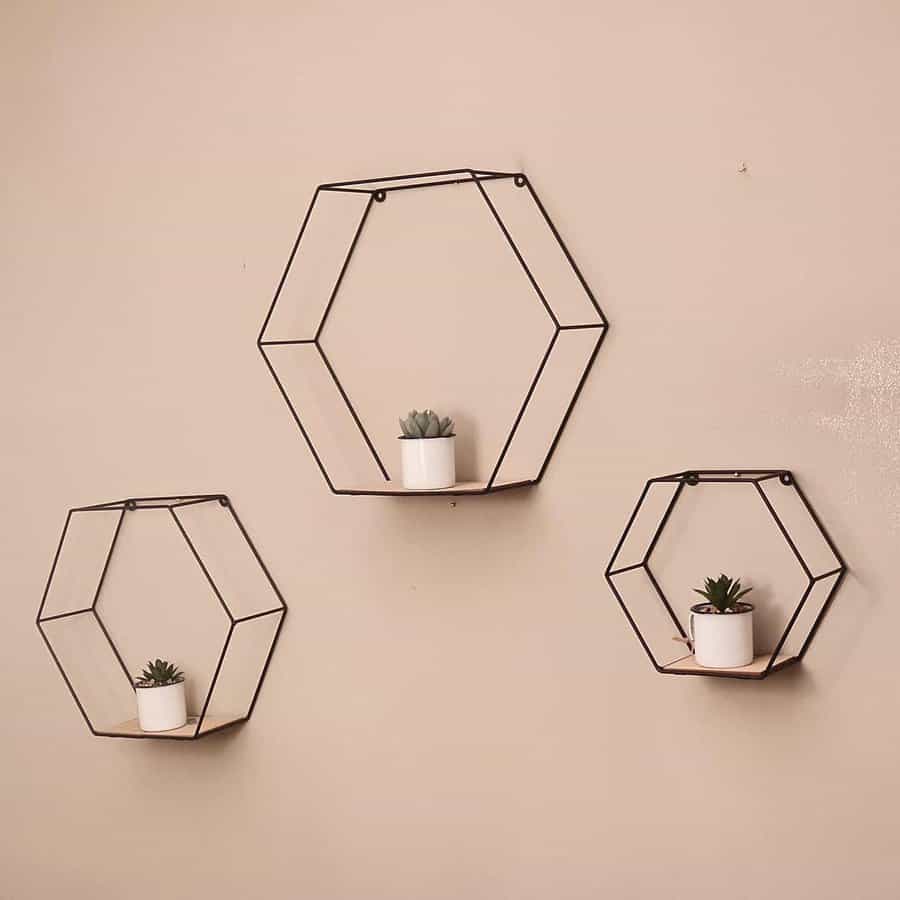
    Try mounting small geometric planters on the wall and place small succulents or air plants in them. Instead of mounting planters on the wall, string hanging planters from the ceiling, so the planters hang right in front of the wall. This lets you hang larger pots and can grow plants that vine and flower. This adds natural color to your home.

  • 14 Cheap Ways to Cover Walls

    14 Cheap Ways to Cover Walls

    Plain white walls are boring. So stop staring at those large blank walls in your home and finally do something with them. Turn some of them into accent walls or choose a wall treatment that you can do on all of the walls in a single room.

    Whatever you decide, it’s time to bring some life and color into your home. You don’t have to break the bank with a large budget, either. All you need is some creativity and DIY enthusiasm.

    Check out these cheap ways to cover walls and get inspired to upgrade the walls in your home.

    1. Traditional Wallpaper

    Let’s start with a traditional wall treatment, wallpaper. Skip your grandmother’s style of wallpaper and that awful wallpaper paste. It’s messy and clumsy.

    Choose a more affordable modern option called peel and stick wallpaper. You remove the back and press it onto the wall. Then when you are ready for a change or move, you can unpeel it, and the wall goes back to being boring and white.

    This temporary wallpaper doesn’t disappoint when it comes to style. You’ll find all of the colors and patterns that traditional wallpaper comes in.

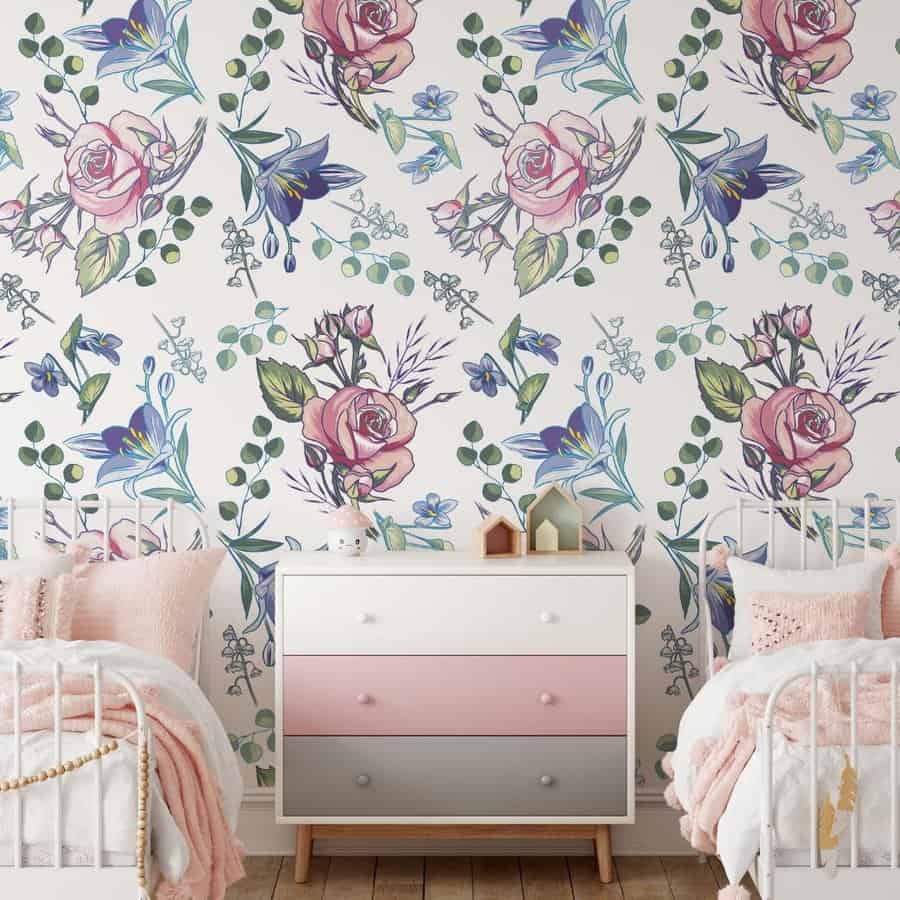
    A classic repeating floral pattern like this would look perfect in a grand millennial or French country interior design aesthetic. You could go bolder with a modern large-scale design that takes up the entire wall without any repeating.


    2. Fabric Wall

    Another classic wall treatment for plain walls is to use fabric. It’s similar to wallpaper, but the covering is made of fabric instead of paper. This used to be popular because it added an extra layer of texture and depth to the walls.

    These days, textured wallpaper can achieve a similar effect. However, using actual fabric adds warmth and sound dampening qualities that wallpaper can’t mimic.

    You can use almost any type of fabric, which lets you tailor your wall treatment to your budget. Quilting cotton is going to be the most affordable but velvet or upholstery fabric will give you the most luxurious look. You can also buy a specially made fabric wall with a particular effect such as brick, wood or a landscape.
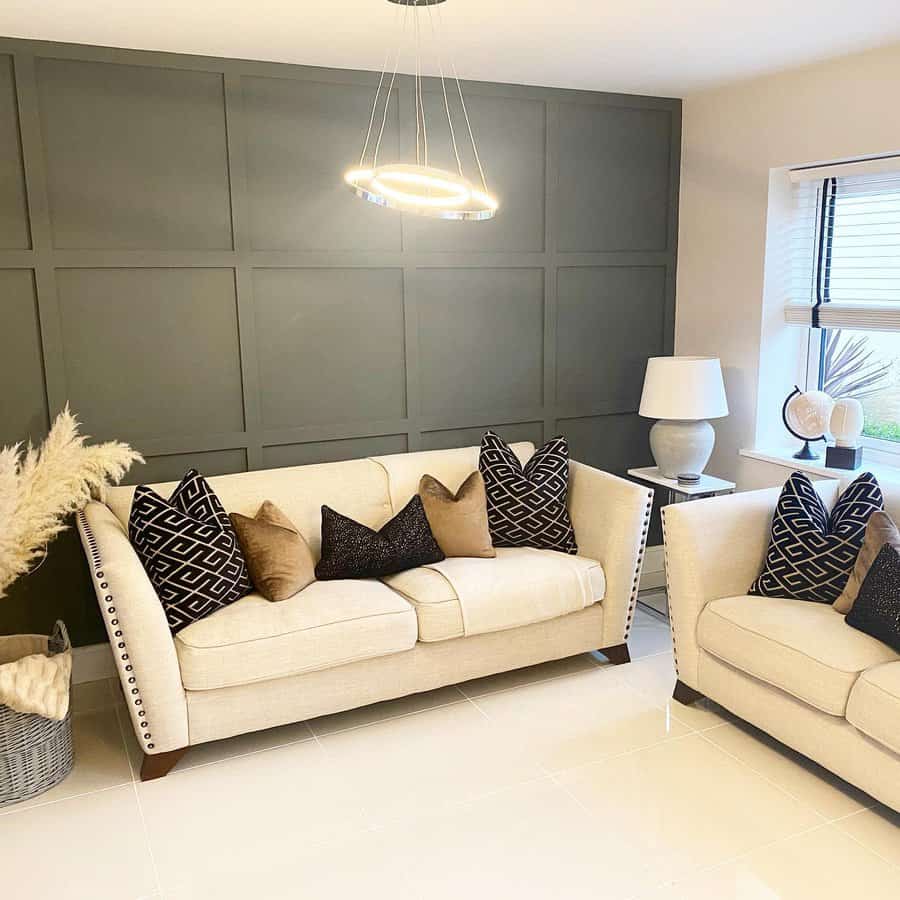
    Leather will have a sophisticated and slightly moody feel. Avoid fabrics with stretch, such as jersey, because it will be a nightmare to work with.

    Keep in mind that you’ll need to glue the fabric to the wall, making this idea less apartment-friendly than peel and stick wallpaper.


    3. Wood Paneling

    Cover your large wall with wood paneling to add texture and a touch of nature. This isn’t the dark wood paneling from the 70s, though.

    These days, you can buy wood paneling in light, medium, or dark wood tones. This lets you find the perfect shade of wood for the design aesthetic you’re trying to achieve.

    There are also a variety of patterns, from simple planks to a board and batten design. You could create your own design with wood trim strips arranged to create geometric shapes on the wall. You could cut your own diamonds or triangles from varying wood thicknesses to create depth.


    4. DIY Wall Art

    Gallery wall in home

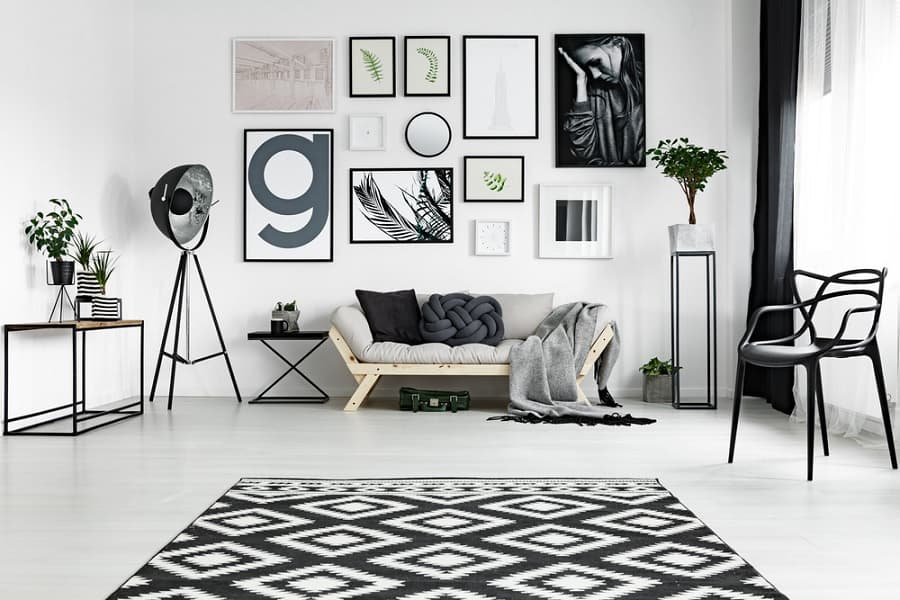
    Are you artistic or creative? Then why not make your own wall decor for a one-of-a-kind design? You could frame or hang your artwork on the wall to create a gallery wall design. The more you hang on the wall, the more wall you cover.

    Some DIY wall decor ideas skip the frames completely and plaster the art directly onto the wall like your own custom wallpaper. The trick to making this look work is to cover the entire wall from top to bottom and left to right.

    You don’t even have to use your own art for this approach. You could use your favorite magazine pictures, posters, or album art. Just be sure to fully adhere each piece to the wall and line everything up so that there are no gaps where the wall can peak through.


    5. Textured Wall

    Adding texture to your bad walls will hide imperfections and create depth in the room. The easiest textures to achieve on your own are orange peel and knockdown.

    You can buy the supplies at your local hardware store and do the application yourself. Plan to paint the wall as the texturizing material will be a different color from your wall, even if they are both white.

    You can also add texture with vinyl wall panels that have a texture to them. They typically have a geometric-inspired pattern like this that gives your wall a 3D effect.


    6. Tile

    Tile isn’t just for your bathroom walls anymore. Use it on the other walls in your home and have a durable wall treatment that will transform the look of your home. You could use it in your breakfast nook, on the wall around your fireplace, mudroom, or even your front entryway.

    Choose a large-scale tile to keep the design looking modern. Small scale tiles will create too much pattern, which can quickly look overwhelming on an entire wall.

    In some rooms, only use the tile on the bottom half of the wall. This gives you the benefit of the tile without making the room too cold or increasing echo.

    Use a bullnose or border tile along the top edge to give your tiled wall a professional finish. If traditional tile is still out of your budget, you can use peel and stick tile. It comes in sheets and is easy to cut to size.


    7. Wall Decals

    Woman applying wall decals

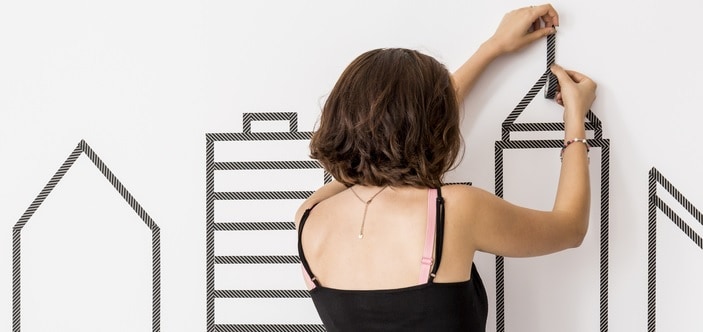
    You don’t have to cover all of your interior walls to give them an update. Vinyl wall decals are incredibly easy to peel and stick. These wall coverings could be a large sheet, text, or many small pieces.

    A single large sheet is typically a large-scale image. This will cover the most area on your wall. Text can look a bit cliche, but if it’s a saying that’s meaningful to you, go ahead and add it.

    Small pieces are typically meant to create a pattern on the wall, so scatter them throughout the wall. Be sure to fully press out the air bubbles so that your decals sit flush with the wall.


    8. Paint

    You don’t have to go crazy with an overly complicated wall covering. Paint is affordable, and you can easily buy as little as you need to paint the wall. You can paint almost any surface, from drywall to plaster walls.

    Choose one color or multiple colors. If you’re trying to hide imperfections in the wall, paint a pattern that will distract the eye. For example, you could do simple stripes, a modern geometric design, or even an ombre effect.


    9. Cork Panels

    Cork is affordable and environmentally friendly. This makes it ideal for use in your interior design. While you’re more likely to see it on a garage wall, you can also use it on your interior walls.

    Choose thick cork sheeting, and you can then hang wall art from the cork. This protects your walls from holes and creates warmth in the room. Cork is also a great option if you are trying to dampen sound.


    10. Foam Boards

    Foam boards are predesigned wall coverings that you mount on the wall. You can transform the look of your ugly walls and elevate the look of your home. High-end and luxury homes have custom trim work. You can mimic this look with these boards.

    Cover the entire wall with the boards for an elegant version of an accent wall. This more formal wall treatment idea if perfect for your dining room or home office.

    There are also modern versions that come in geometric shapes. They mount at varying depths. Add your own LED strip lighting to the back of them, and you have an innovative design at a fraction of the cost.


    11. Mirrors

    If the room you’re working in lacks natural light or is very small, then using mirrors can provide multiple benefits. Turn one wall into a feature wall that you cover in mirrors. This wall decoration will reflect what little natural light you have to work with.

    It also reflects the rest of the room, creating the illusion that the room is much larger than it really is. Single-piece large mirrors can be extremely expensive, so fake it with multiple small mirrors.

    You can copy DIY wall covering ideas and use peel and stick mirrors. Start by painting the wall black where you plan to place the mirrors. When the wall is dry, peel and stick the mirrors to the wall in a grid pattern, leaving a uniform amount of space between each one.

    Leave the same amount of space around the outside of the mirror to create a black border. The result is a finished framed mirror look that looks nicer than simply placing the mirrors right up next to each other.


    12. TapestryTapestry hanging in bedroom

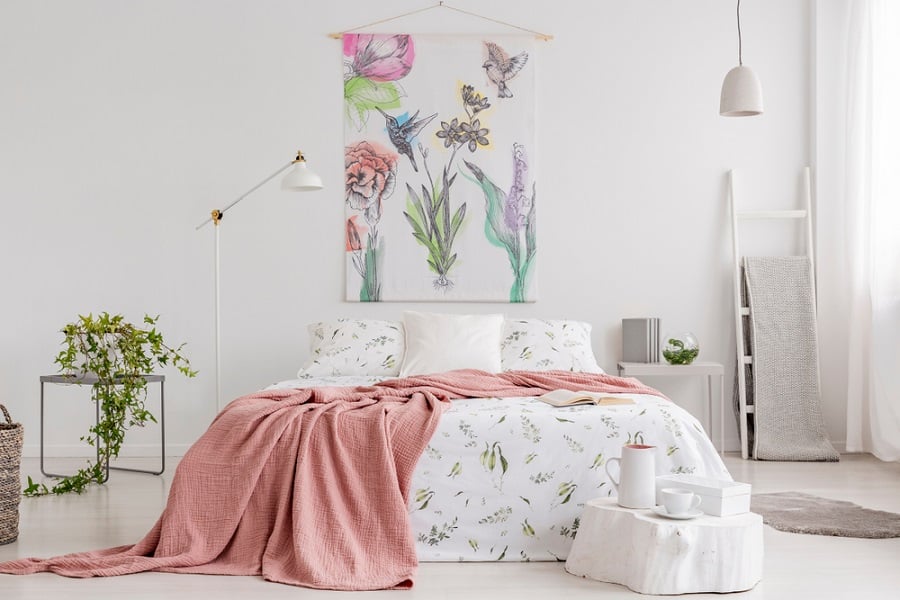
    Give your walls an artistic touch that’s perfect for a bohemian room by hanging a tapestry on the wall. Buy a curtain rod and add decorative finials. Hang your tapestry from the rod and let it be the focal point in the room.

    Tapestries don’t typically cover the entire wall, so try to center it on the wall. This solution is perfect for covering a damaged wall.

    Your tapestry could be a handwoven macrame piece that’s strung from a piece of driftwood. Or it could be a painted piece of fabric. Then there are traditional tapestries that have an authentic vintage appeal with delicate weaving.


    13. Curtains

    Similar to a tapestry, you can hang curtains to cover your walls. Unlike a tapestry, the fabric is standard curtain fabric that you’ll hang from a rod.

    Mount the rod at the top of the wall or even on the ceiling. Then hang curtains that are long enough to reach the floor. This is one of the easiest and most affordable cheap wall covering ideas, yet it will significantly elevate the look of your home.

    This wall decoration idea is nice because you can easily change out the curtains and transform the room’s look. Try layering a heavyweight curtain with a lighter-weight one for a layered look that brings more texture into the room.
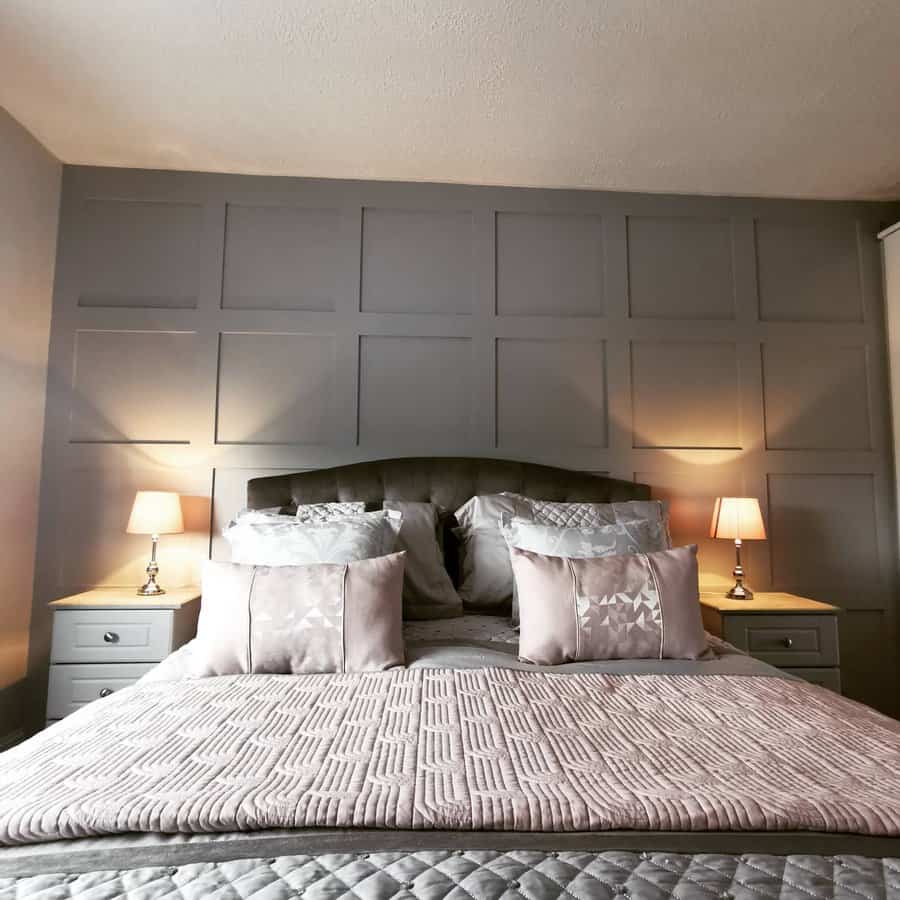
     

    14. Shelving

    Give yourself more storage and elevate the look of your room by building faux built-in shelving. You could buy a shelving unit kit or build one from scratch. Then place the floor to ceiling unit in front of the wall. Paint it the same color as the walls so that everything blends together.

    You now have additional storage and a place to display decor. This is a great option if your walls have suffered a lot of damage and there are plenty of visible patches.

    To really sell the look, try adding crown molding to the top and baseboards around the bottom and top of the shelving unit, and then carry that trim around the rest of the room.

  • How to Hang Pictures Without Nails

    How to Hang Pictures Without Nails

    Knowing how to hang pictures without nails will save you from unnecessarily damaging walls. It also makes your life significantly easier.

    No more trying to find a wall stud. No more getting a special bit to drill a hole in a concrete or brick wall. No more watching your plaster walls flake and powderize in front of your eyes.

    With this list of nail-free picture hanging ideas, your walls will remain blemish-free and beautiful, no matter how many pictures you display.

    1. Command Hooks

    The easiest and fastest solution that is also similar to using a traditional picture hook or nail is command hooks. These are plastic and adhesive hooks (check out these available at Home Depot) that you adhere to the wall and hang the picture on.

    They work best on smooth surfaces so that the sticky tape can make full contact with the wall. You’ll also need to check their maximum weight limit. These hooks come in different sizes and strengths, so get one that’s strong enough to hold well above your picture’s weight.

    Also, pay attention to the size of the hook. Some are bulky, making it difficult to hook a small picture frame to look over it.
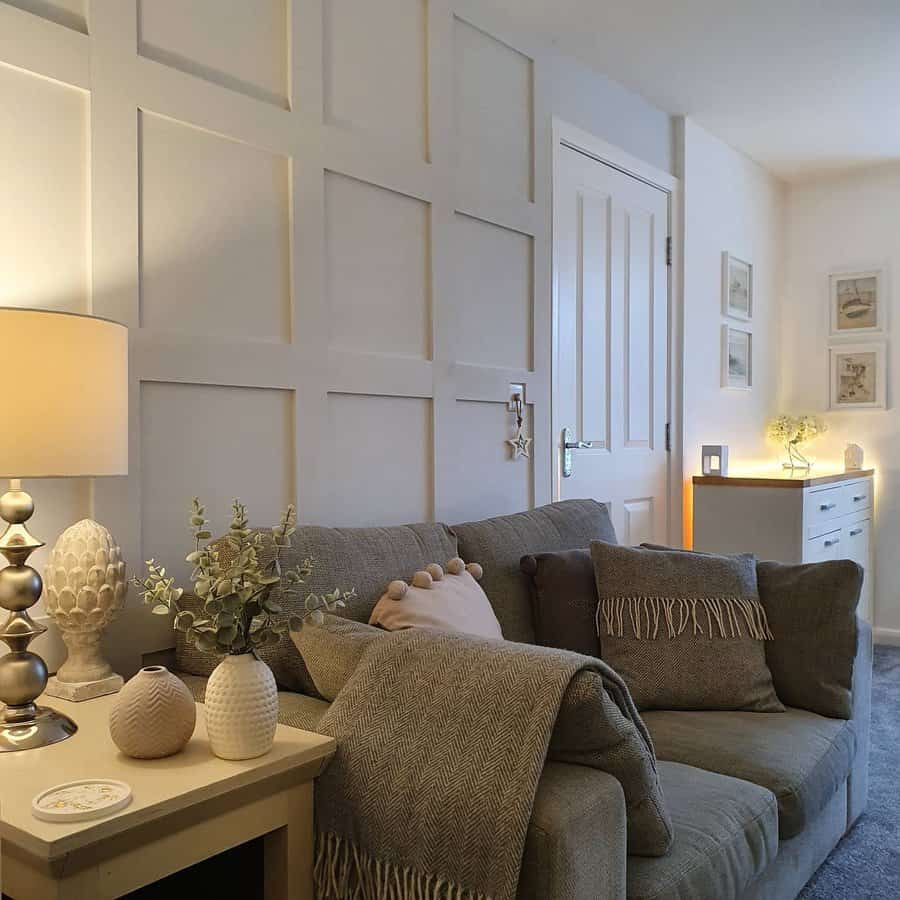
     

    2. Command Strips

    The second most popular solution for hanging pictures without nails is to use command picture hanging strips. Each strip comes with a paper cover on each side of the strip. You’ll peel one side off and adhere the strip to your picture frame. Then peel off the other paper backing and press the frame to the wall.

    The adhesive strip will grip the wall and the picture frame, holding the picture on the wall. Using these special mounting strips is better than using painter’s tape or another type of adhesive tape because they help prevent damage to the wall.

    Use Binder Clips

    If you like the idea of using command strips but don’t want the strips to adhere to your picture frames, then use binder clips. Place the command strip on the binder clip and then adhere it to the wall.

    Use the binder clip to grab onto the loop or hanging wire on the back of the picture frame. This is a nice solution if you want to create a gallery wall. You can easily move the pictures around on the binder clips without having to unstick and restick the command strips.


    3. Velcro Strips

    Velcro strips

    While command hooks and strips are great for lighter-weight pictures, they have their limits. If you have a heavy picture that you want to hang, you will want to up the holding power to hook and loop strips.

    Velcro brand is known for making high-quality Velcro strips that are perfect for hanging pictures. To use, peel off the backing and here the strip to your picture frame. Then peel off the other backing and press the frame to the wall so that the other side adheres.

    The Velcro will hold the picture in place to the wall. If you decide to move your pictures around, you can easily pull the picture frame off the wall and move it to another set of strips located elsewhere.

    Should you decide to remove the picture completely, you can easily and cleanly pull the strip off the wall.


    4. Suction Cup Hooks


    If you don’t trust adhesive or are afraid it will leave behind a residue, then you have an alternative. Suction cup hooks like these available at Amazon are great for hanging lightweight pictures. You press them against the wall, removing the air underneath. The suction cup grips the wall, and you can hang a picture from the attached hook.
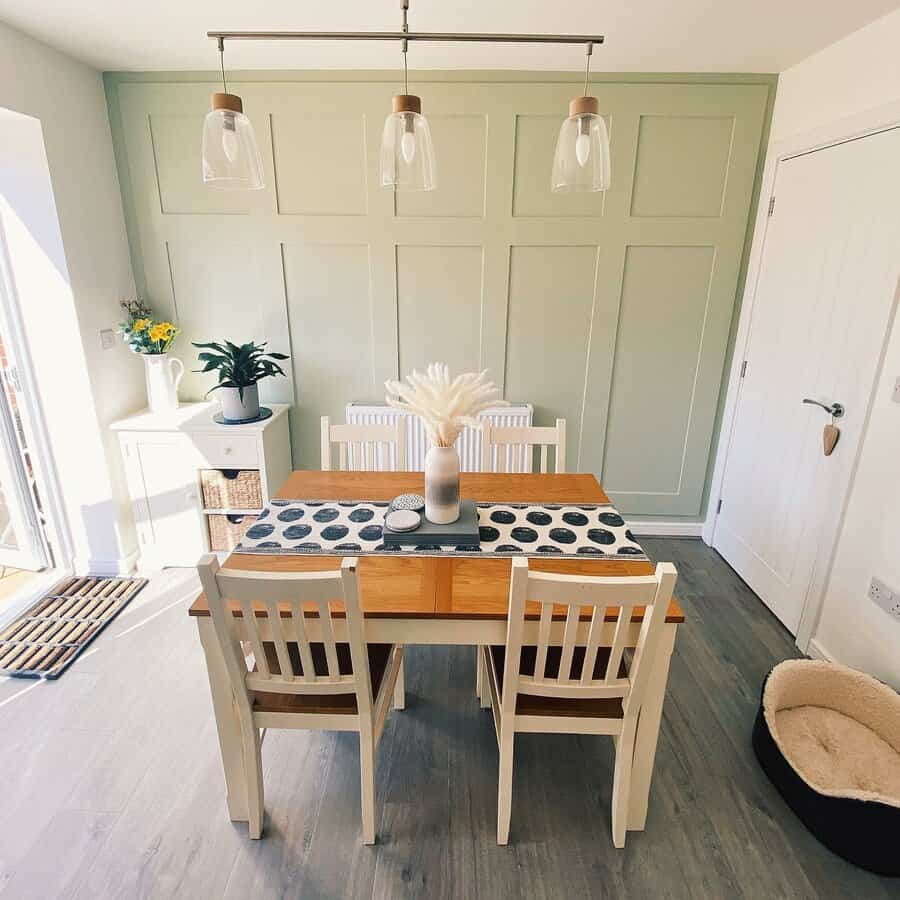
    This method works best on smooth walls. Textured walls can create gaps in the suction cup’s contact with the wall. This lets micro amounts of air back under the suction cup. Eventually, too much air enters, and the suction cup fails.


    5. Use a Shelf and Lean

    You can place your frames on the shelf if you already have shelves instead of hanging pictures. You could stick with just one or two as a focal point with other decor. You could also try layering them.

    Choose several pictures of different sizes and shapes. Start by placing the largest of frames on the shelf first. Then place the next largest and work your way through them as they get progressively smaller. The goal is to layer the pictures without completely blocking the ones in the back.
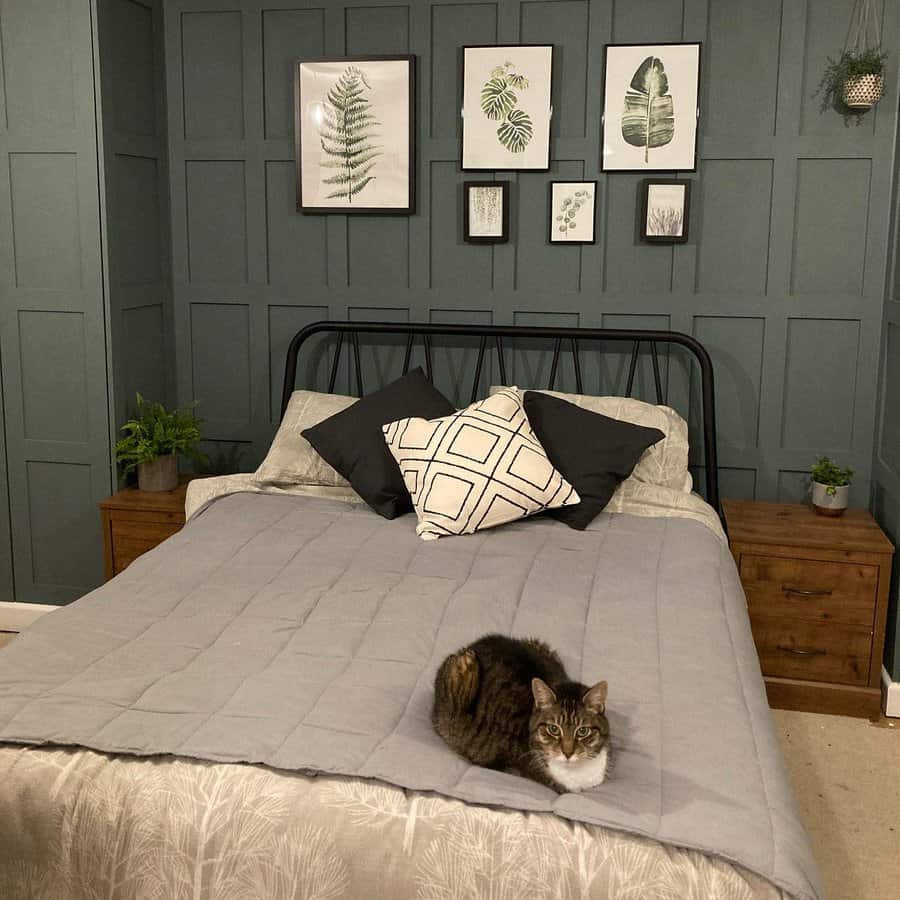
     

    6. Set Up an Easel

    If you have a picture worth a significant amount of money or is in a particularly heavy frame, you may want to avoid hanging it completely.

    Set up a picture display easel like this REALlWAY 63″ Folding Easel Stand that you can place the picture on. This is ideal for giving use to a dead corner. It also makes it easy to move the picture around as you rearrange your furniture and decor.

    The easel provides extra support, and there’s no risk of the picture falling when your nail-less hanging method fails. Try to match the style of the easel to the style of the picture frame and the rest of your decor.

    A simple black modern frame looks best on an equally simple black or wood easel. An ornate gold gilded frame with a lot of detailing will look best on an easel that’s equally detailed and ornate.


    7. Hang From the Mantle

    If your home has a fireplace, it likely also has a mantle. This is like a built-in shelf that’s just waiting for picture displays. Of course, you can place pictures on the mantel. However, you can also hang pictures from it.

    Use stocking hooks that are weighted to stay in place and are strong enough to hold a significant amount of weight. Then use picture hanging wire or ribbon to suspend multiple pictures from the hook in front of the fireplace.

    Keep in mind that this approach is best for unused fireplaces. You’ll want to remove the pictures if you plan to have a fire.


    8. Picture Rail Molding

    Modern homes aren’t typically built with picture rails. However, if you are lucky enough to live in a home that has them, then you have a built-in solution for hanging pictures without the use of nails. All you need are some hooks and picture wire.

    You’ll need two equal lengths of wire with a hook attached at each end. One set of hooks will hook over the picture rail, and the other will hook on the picture frame’s hanging loops.

    You can hang as many pictures as you like from the rail. Adjust their height on the wall by changing the wire length.


    9. Shower Curtain Rod

    If your wall has an alcove or place where it’s indented, then you have the perfect place for adding your own picture rail. Use a shower curtain rod as a picture hanger. Adjust the tension rod to have a secure hold. Then use picture wire, twine, or ribbon to hang your wall art.


    10. Use Nail Alternatives

    If you are ok with making one or two holes, there are a few nail alternatives. These methods can minimize holes while maximizing the number of pictures you can hang. They can also be a simpler display method if you frequently move around or change out your pictures.

    Hang a Display Board

    Instead of hanging art and pictures directly on the wall, you can hang a single board. Then hang art from the board. This makes it easier to move the pictures around on the board. You only make two holes in the wall, but you can hang several pictures on it. This method works best when you have several small frames that you want to hang.

    Press-In Hooks

    Press in hooks will create a hole for every picture you hang. They work like a wall anchor that you hand push into the wall and hang your picture from the attached hook. They are different from nails because you don’t need a hammer to push them in. In addition, the hole they make is much smaller than a nail. Because of their small size, these hooks are best for small or lightweight frames.

    Hang a Cork Wall

    If you want to create a gallery wall, mounting a board may not be feasible. Instead, try covering your wall with cork. It comes in sheets that are varying thicknesses. Use removable adhesive to adhere the cork to the wall. Then hang your artwork from the cork. The cork gets full of holes, but you can easily remove it when needed to reveal the damage-free wall underneath.

  • 15 Wall Art and Decor Ideas

    15 Wall Art and Decor Ideas

    “Art is unquestionably one of the purest and highest elements in human happiness. It trains the mind through the eye, and the eye through the mind. As the sun colors flowers, so does art color life.” – John Lubbock

    Every plain wall begs for a little something to bring it to life. Whether it’s a simple wall mirror or a giant canvas, wall art adds the finishing touch to your home decor.

    Are you facing a blank wall or two in your home? After looking through our curated collection of best wall art ideas, your only problem will be narrowing down all your excellent ideas!

    [view_toc]

    1. Abstract Wall Art

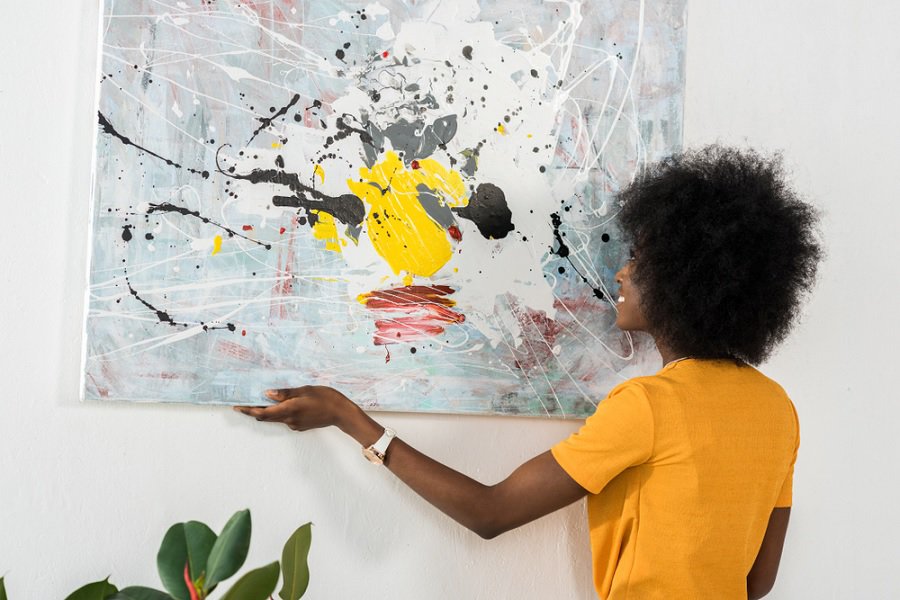
    Abstract art brings a sophisticated touch to any room with its emphasis on expression and form. Consider bold colors and intriguing shapes to create a focal point in your living space. These pieces often serve as conversation starters and can reflect the personality of the homeowner.

    Abstract wall art
    Source: @bsaabstract via Instagram
    Abstract wall art
    Source: @heideenzmann via Instagram
    Abstract wall art
    Source: @juneyt_elgun via Instagram
    Abstract wall art
    Source: @moellerjansenart via Instagram
    Abstract wall art
    Source: @rubycharlesdesign via Instagram
    Abstract wall art
    Source: @sara.surova via Instagram
    Abstract wall art
    Source: @taniachanter via Instagram
    Abstract wall art
    Source: @bgeclecticdesigns via Instagram
    Abstract wall art
    Source: @atlasartandliving via Instagram

    2. Stencil Art

    Stencil art offers a unique blend of creativity and precision, ideal for adding a personalized touch to your walls. You can create custom designs that complement your interior theme, whether it’s a geometric pattern in a modern space or a floral motif in a more traditional setting. This DIY-friendly option allows for a fun, hands-on approach to decorating.

    Stencil abstract wall art
    Source: @osharey.co via Instagram
    Stencil abstract wall art
    Source: @colour46art via Instagram
    Stencil abstract wall art
    Source: @nativevermont via Instagram

    3. Woven Wall Art

    Woven wall art adds a warm, textural element to interiors. Consider materials like wool, cotton, or jute for a tactile experience. These pieces work well in spaces that aim to be cozy and inviting. Play with different sizes and colors to suit your wall space and color scheme.

    Woven wall art
    Source: @32ellingtonlane via Instagram

    4. Botanical Prints

    Botanical prints breathe life into any space, infusing it with natural beauty. These prints, ranging from minimalist fern outlines to vibrant floral scenes, can suit various room styles. They’re particularly effective in areas that lack natural elements, providing a refreshing burst of nature-inspired art.

    Botanical print wall art
    Source: @banksia_bluestudio via Instagram
    Botanical print wall art
    Source: @calligraphybyct_prints via Instagram

    4. Mural Art

    Mural art transforms walls into a canvas for storytelling. Whether it’s a sprawling cityscape or an enchanting forest scene, murals create an immersive experience. Ideal for bold decorators, these large-scale artworks can dictate the mood and theme of a room.

    Mural art
    Source: @christineharrisnz via Instagram
    Mural art
    Source: @wallsstories1 via Instagram
    Mural art
    Source: @my___creations_ via Instagram

    5. Coastal Art

    Coastal art is perfect for creating a serene, beachy vibe in your home. Look for artwork featuring ocean scenes, sandy beaches, or nautical elements. This style is ideal for bathrooms or bedrooms where a calm atmosphere is desired.

    Coastal wall art
    Source: @kolor_photo via Instagram

    6. Wood Art

    Wood art adds a rustic, earthy charm to your decor. From intricate carvings to simple wooden planks arranged artistically, these pieces bring a touch of nature indoors. They pair well with a variety of decor styles, from farmhouse to contemporary.

    Wood art
    Source: @angelevanger via Instagram

    7. Macrame

    Macrame is a delightful way to add texture and a bohemian flair to your walls. These hand-knotted creations range from intricate wall hangings to simple, elegant designs. Perfect for adding a soft, crafty touch to bedrooms or living areas.

    Macrame
    Source: @hiddenbohemian via Instagram

    8. 3D Wall Art

    3D wall art is all about adding depth and dimension to your spaces. From sculptures that seem to emerge from the wall to layered pieces that play with shadows, this style is sure to draw the eye and intrigue the viewer.

    3D wall art
    Source: @macintish via Instagram
    3D wall art
    Source: @a.maxximized.life via Instagram

    9. Framed Quotes

    Framed quotes are a great way to personalize your space with words that inspire or amuse. Whether it’s a famous quote, a personal motto, or a humorous saying, these simple yet impactful pieces can set the tone for a room.

    Framed quotes wall art
    Source: @trish_kirkpatrick via Instagram
    Framed quotes wall art
    Source: @featherandbirch via Instagram
    Framed quotes wall art
    Source: @loaquantified via Instagram

    Framed quotes wall art
    Source: @shdigitalcreations via Instagram
    Framed quotes wall art
    Source: @zloteplakaty via Instagram

    10. Photographs

    Photographs add a personal and intimate touch to your walls. Whether it’s cherished family memories, stunning landscapes, or artistic black and white portraits, they make your space uniquely yours.

    Framed street photography
    Source: @shelbybaker__ via Instagram
    Photography wall art
    Source: @anniebaileyphotography via Instagram
    Photography wall art
    Source: @alexglassdesigns via Instagram
    Photography wall art
    Source: @fotocraft.co.za via Instagram
    Framed photography
    Source: @paddyandterry via Instagram

    11. Resin Art

    Resin art stands out for its glossy, polished finish and vibrant colors. Ideal for modern and sleek interiors, these pieces can be abstract or depict realistic scenes. Their luminous quality catches the light and adds a dynamic element to your wall decor.

    Resin art
    Source: @elendenart via Instagram

    12. Sculptural Wall Art

    Sculptural wall art breaks the boundaries of traditional wall hangings. From metal works to abstract wooden forms, these pieces add a dramatic and sophisticated element to your decor, perfect for those who love a bold, artistic statement.

    Metal sculptural art
    Source: @fabulouslyfit50s via Instagram
    Metal sculptural art
    Source: @interior_xpressions via Instagram
    Metal sculptural art
    Source: @jasonshaw66 via Instagram
    Metal sculptural art
    Source: @akers.of.art via Instagram
    Wall sculptural art
    Source: @karena4art via Instagram

    13. Tapestry

    Tapestries add a soft, historical charm to any room. Whether it’s a medieval scene, a modern abstract design, or a cultural motif, these fabric artworks bring color and warmth, ideal for large, empty walls that need a touch of coziness.

    Wall tapestry
    Source: @katherineelizabethquilts via Instagram

    14. Graphic Art

    Graphic art is a vibrant choice for contemporary spaces. Characterized by bold colors, clean lines, and often pop culture references, these pieces make a statement and add an energetic vibe to your room.

    Graphic wall art
    Source: @lilmoonhomeart via Instagram
    Graphic wall art
    Source: @mydoghasabeardallover via Instagram
    Graphic wall art
    Source: @sassy__souvenir via Instagram

    15. Collages

    Collages are a playful and creative way to display multiple images or themes on one canvas. This style allows for a mix of photographs, prints, and even small objects, creating a deeply personal and visually interesting display. Ideal for spaces where you want to showcase a variety of images without cluttering the wall.

    Art collage wall art
    Source: @edolbecoliveras_art via Instagram