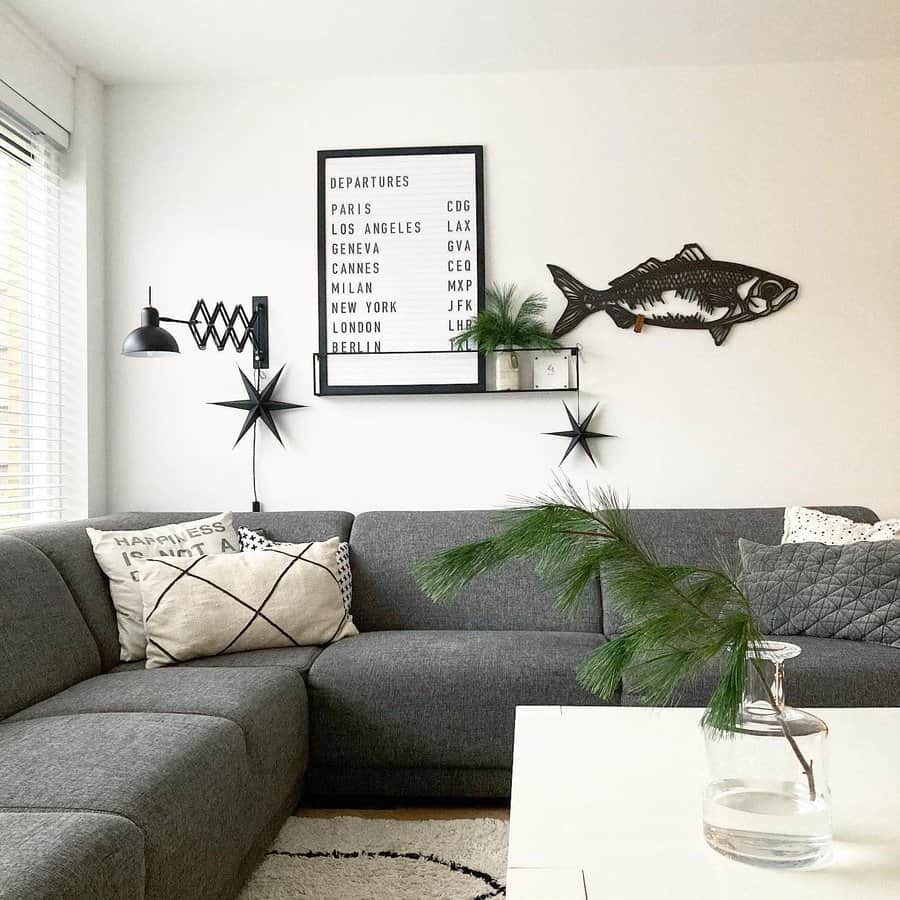
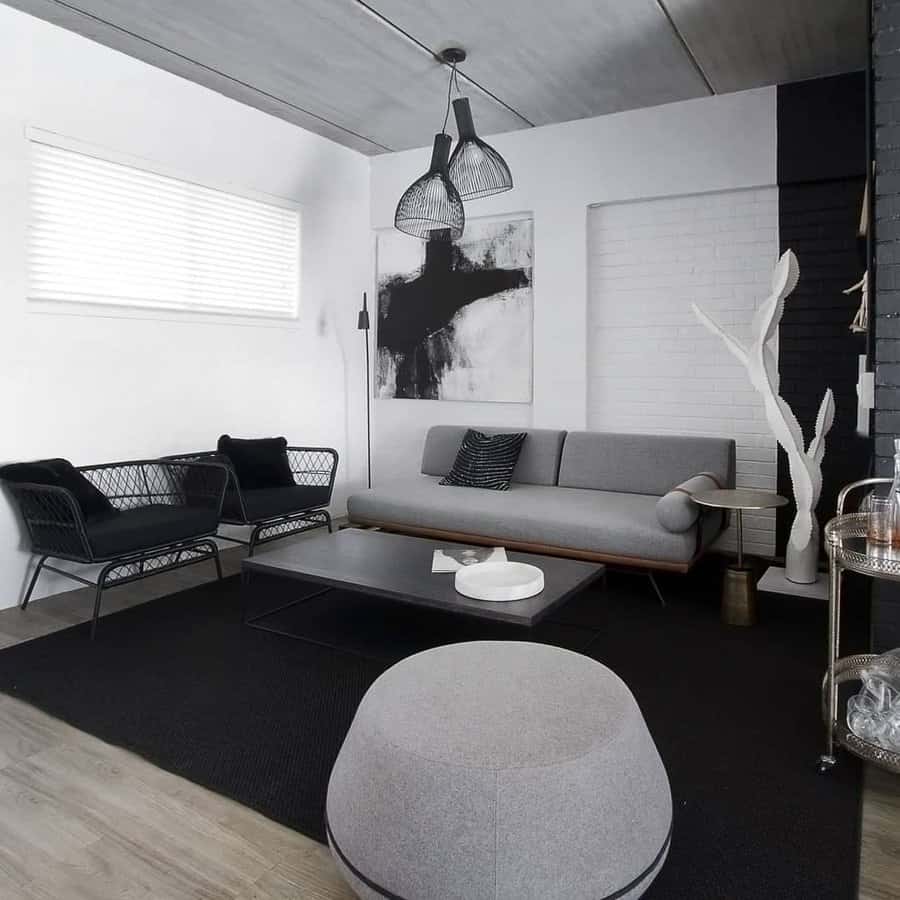
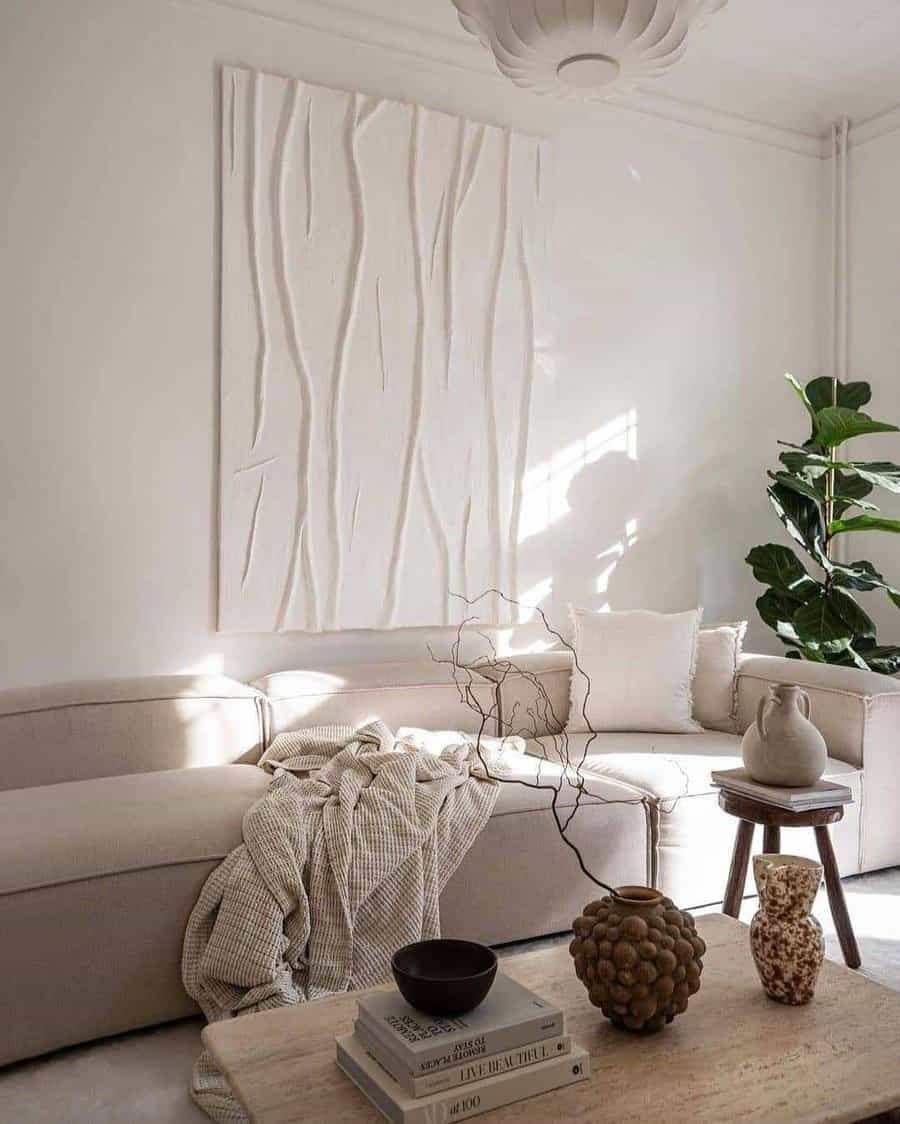
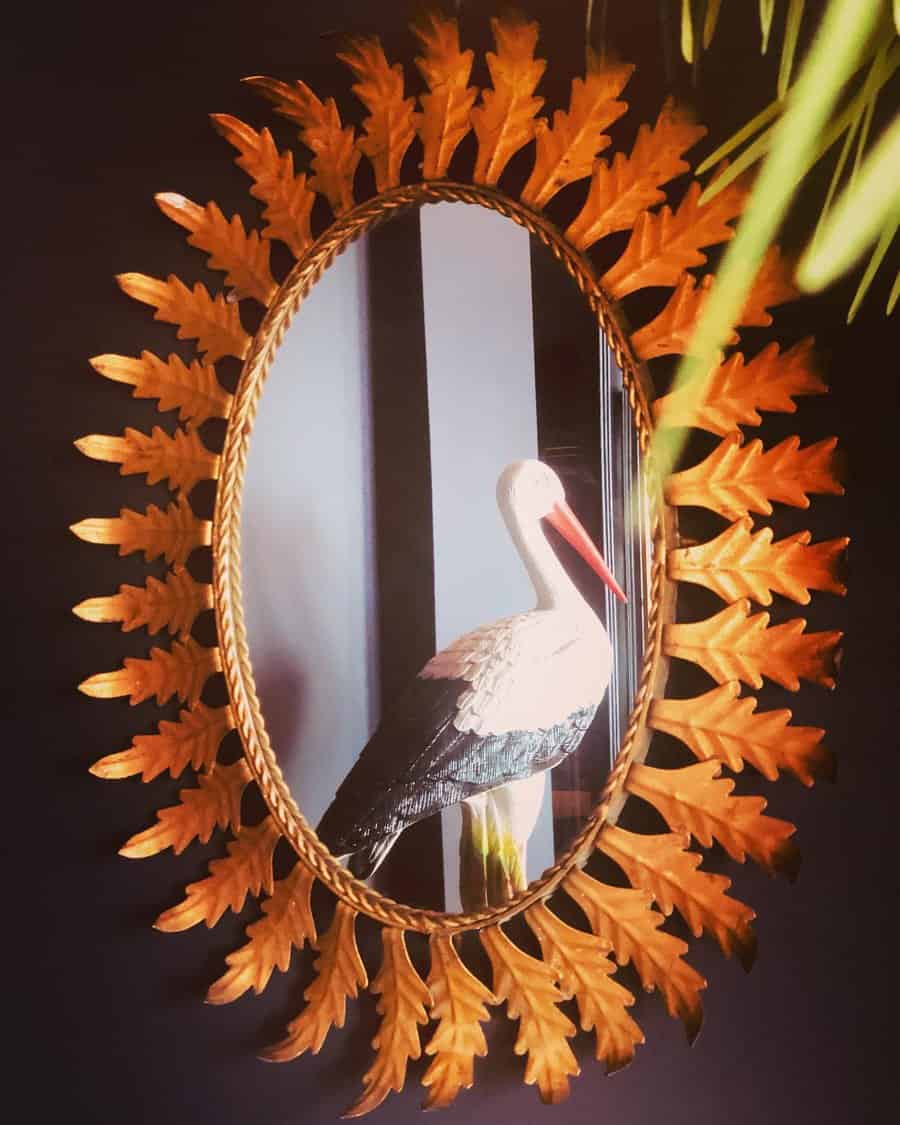
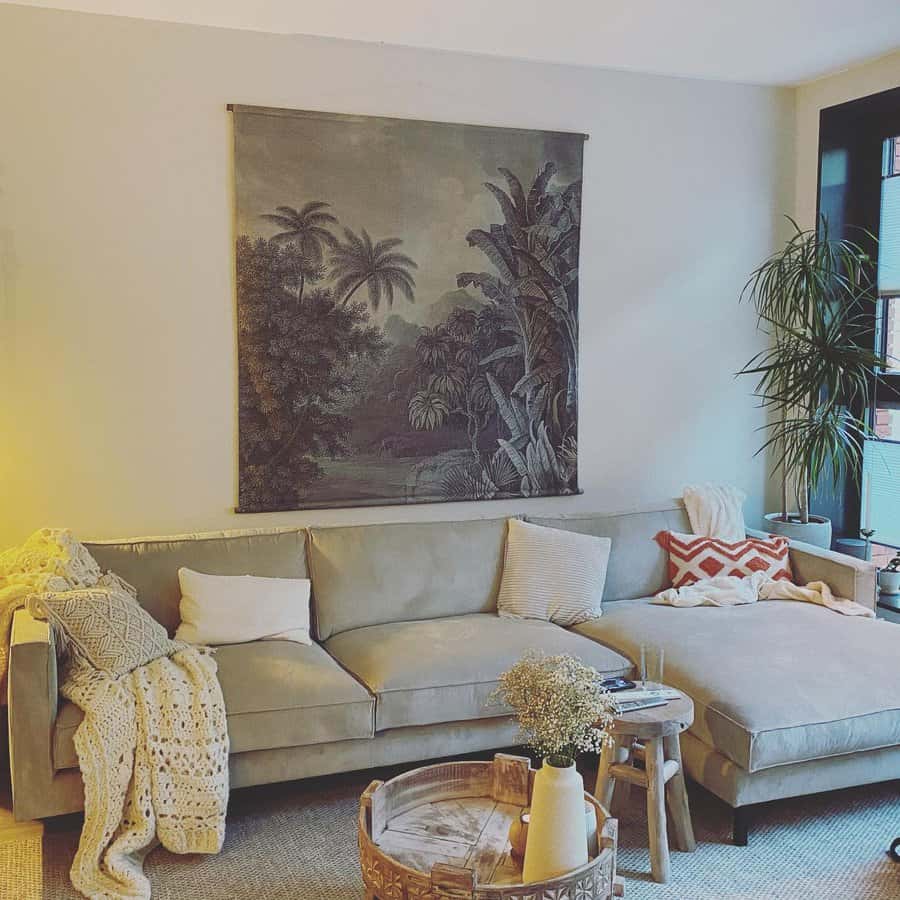
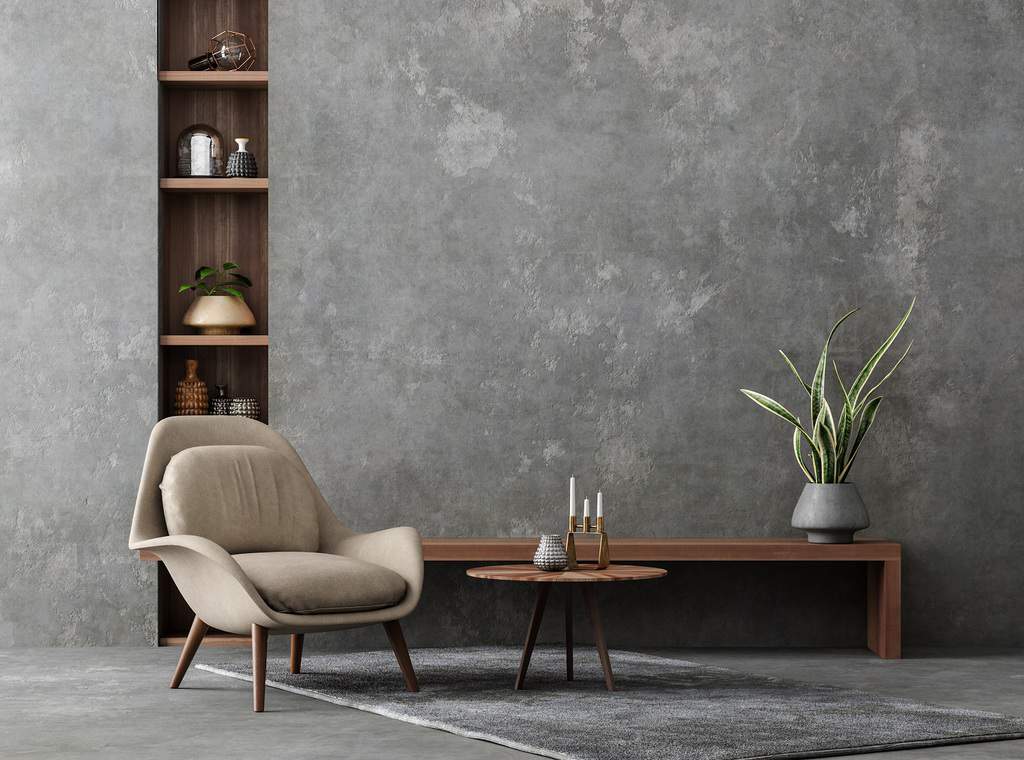
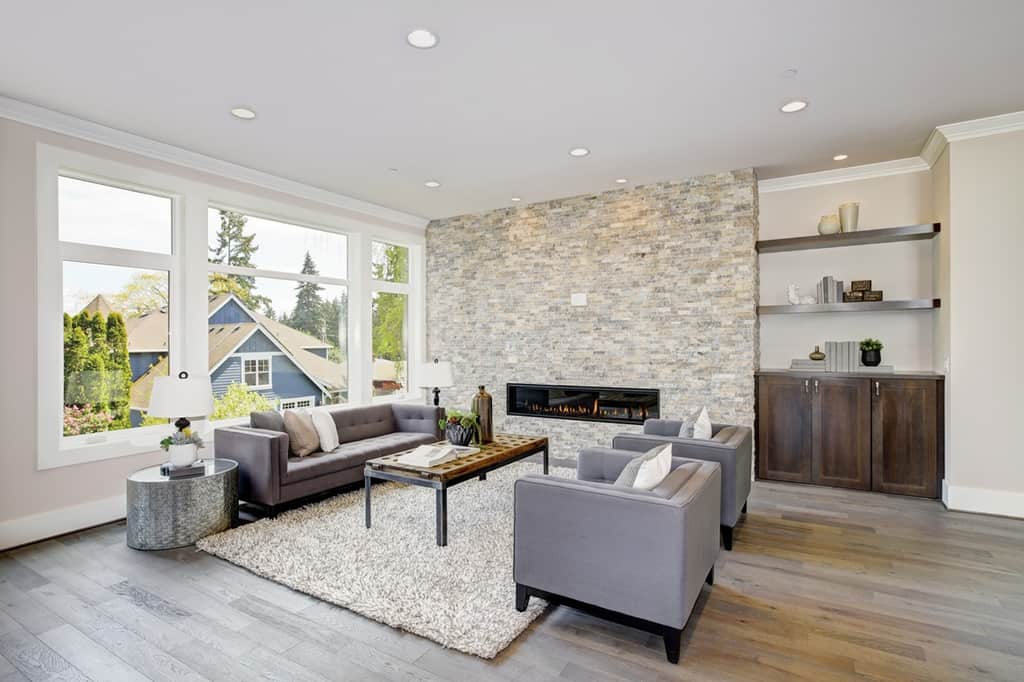
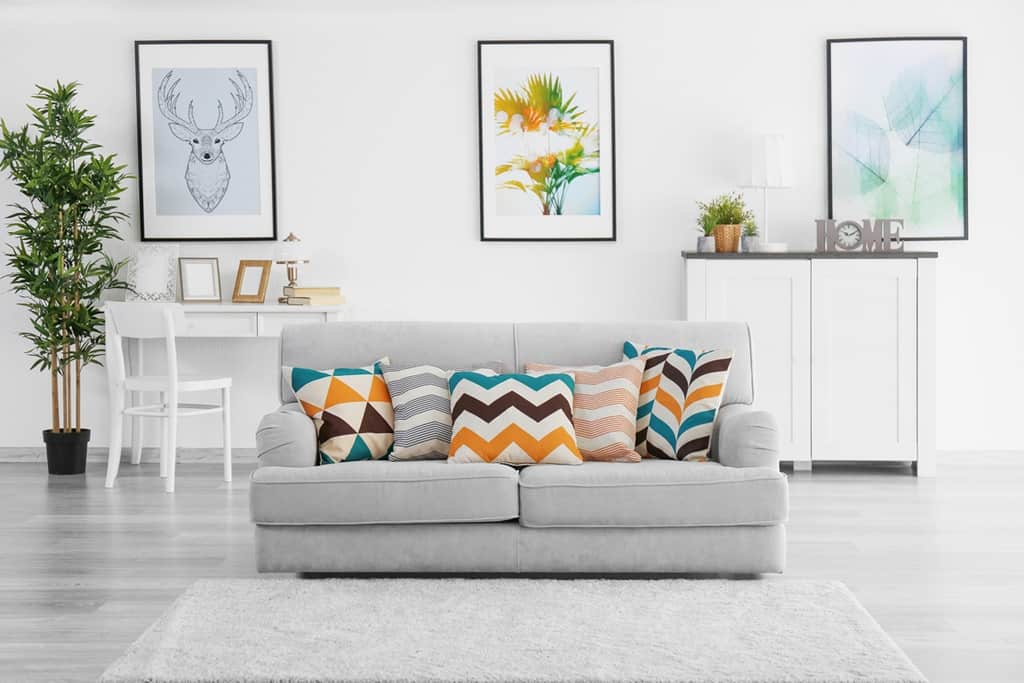
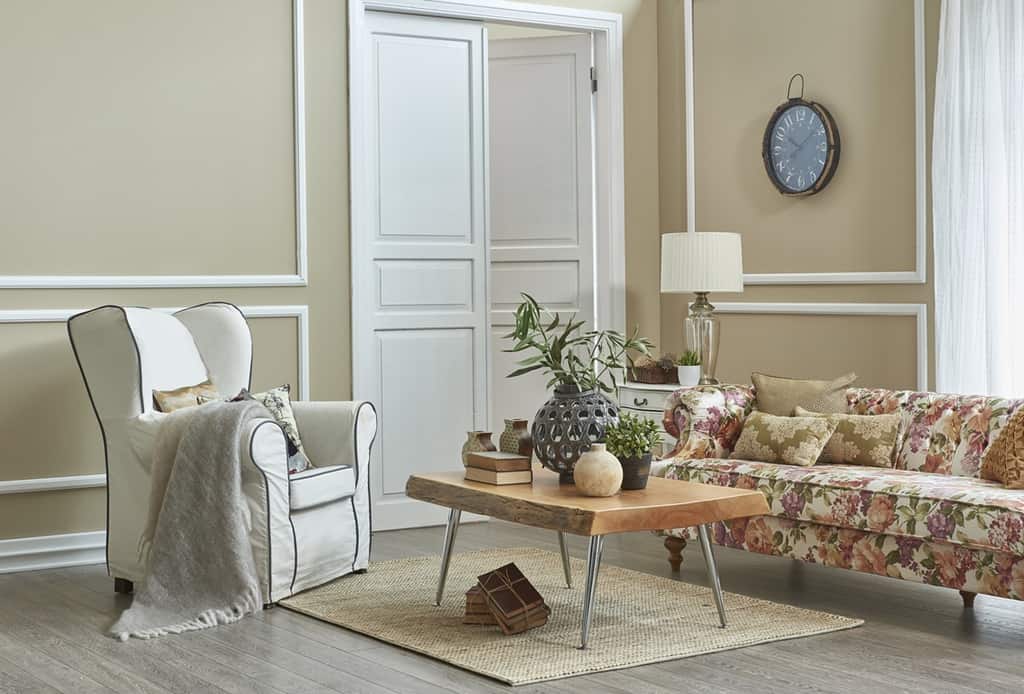
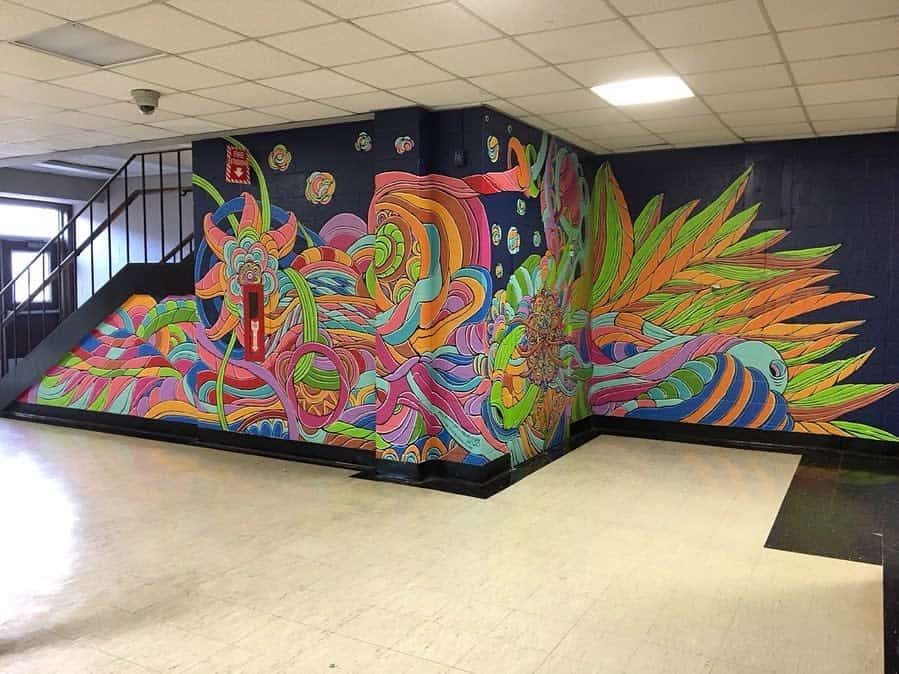
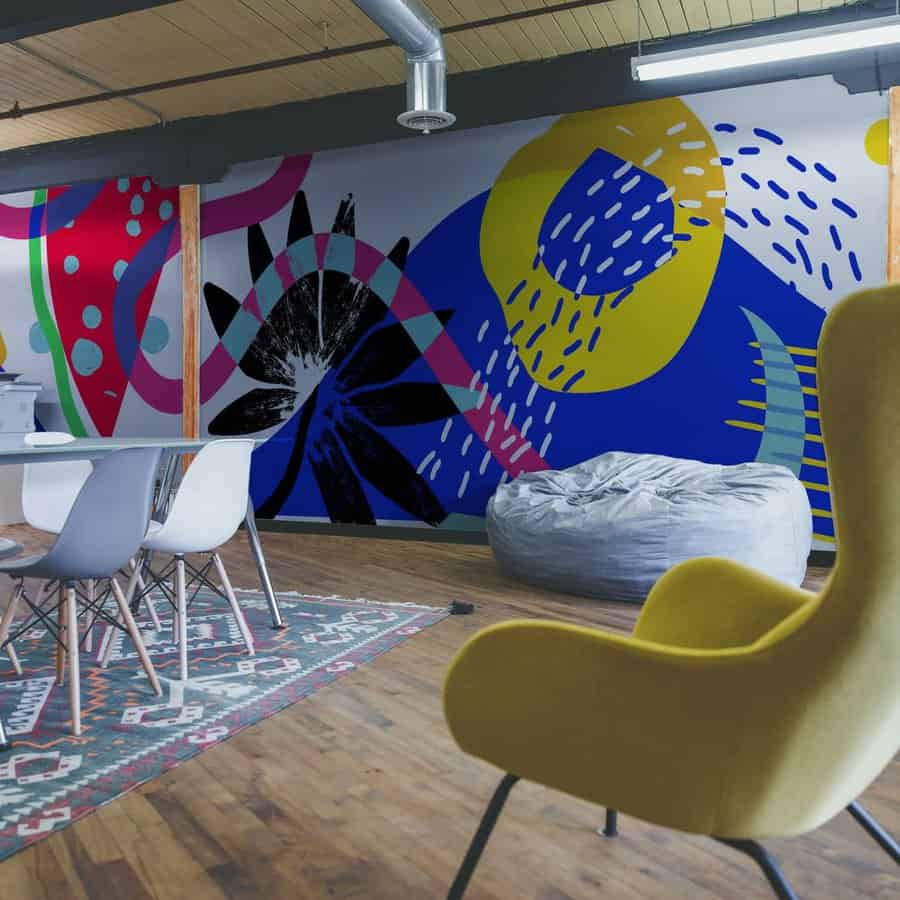
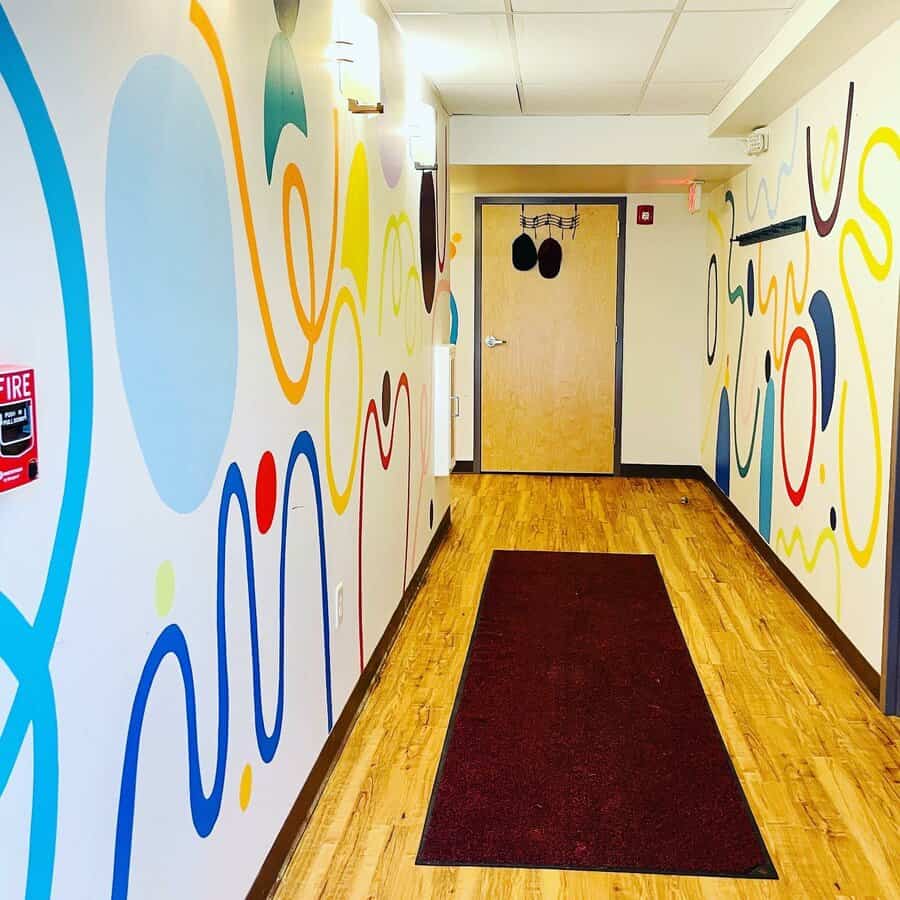
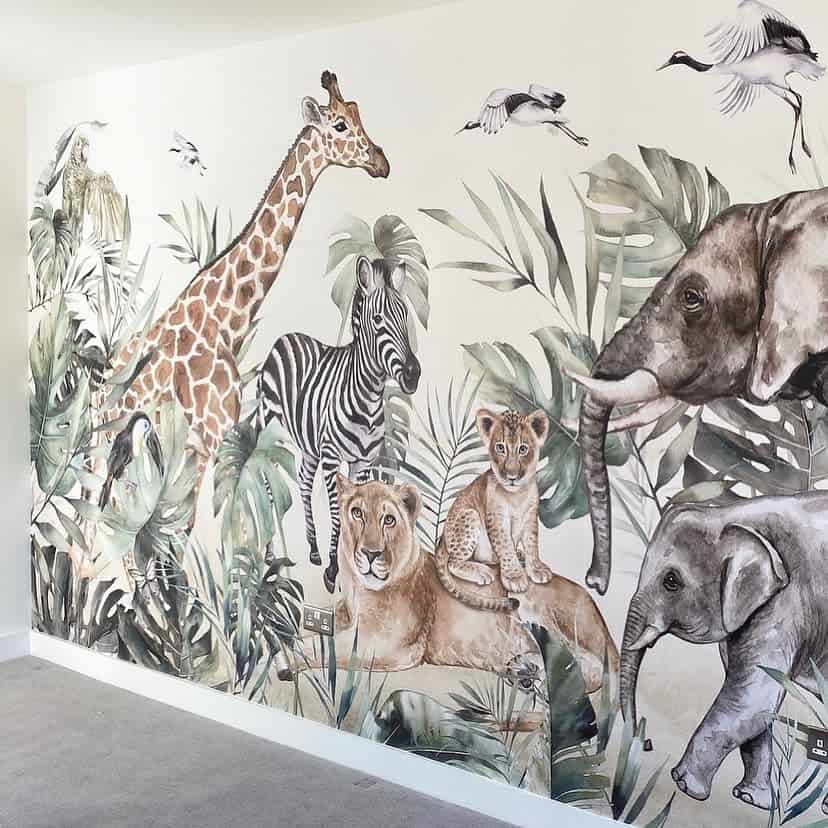
Rugs are not just for floors. In fact, hanging rugs on the wall is a popular trend in interior design that provides a unique way to showcase these pieces of art.
Wall-mounted rugs can instantly transform your living spaces, lending them a touch of warmth, texture, and character. Plus, it’s a great way to protect precious or antique rugs from wear and tear.
If you’re considering this approach, but are unsure how to hang a rug on the wall, don’t worry. We have compiled several methods, each with their own step-by-step guides, to help you securely display your rugs with style and grace.
[view_toc]
1. Using a Curtain Rod
This method provides a sturdy base for your rug while making it easy to remove or replace the rug whenever you want.
Steps:
Measure the width of the rug and buy a curtain rod that is slightly longer than this measurement. This allows the rod to stick out slightly on both sides of the rug.
Sew a casing, or a tube of fabric, along the top back edge of the rug. The casing should be large enough for the curtain rod to slide through easily. If you’re not comfortable sewing, a professional tailor can do this for you.
Attach the curtain rod brackets to the wall at the desired height, ensuring they are level and securely mounted into the wall studs.
Slide the curtain rod through the casing on the rug and rest the rod on the brackets.
2. Using Velcro
This method works well for lighter rugs. It provides a secure grip and makes it easy to remove the rug when needed.
Steps:
Measure the width of your rug and purchase a strip of Velcro (hook and loop fastener) that is the same length.
Sew the loop side of the Velcro along the top back edge of the rug. Again, if you’re not comfortable sewing, a tailor can assist.
Attach the hook side of the Velcro to a strong piece of wood cut to the width of the rug. Use a strong adhesive or small nails to secure it.
Mount the wood strip to the wall, making sure it’s level and attached to wall studs. The Velcro attached to the rug will adhere to the Velcro on the wood strip, holding the rug in place.
3. Using Carpet Tack Strips
Carpet tack strips are a sturdy and inexpensive way to hang heavier rugs.
Steps:
Purchase a carpet tack strip that matches the width of your rug.
Attach the strip to your wall where you want the top edge of your rug to be, ensuring it’s level and securely fastened into wall studs.
Place your rug on the tack strip, pushing it into the tacks. Be careful as the tacks are sharp. You might want to use a rubber mallet to help secure the rug onto the tacks.
4. Using a Rug Hanging Kit
These kits are readily available online or in craft stores and are designed specifically for hanging rugs.
Steps:
Purchase a rug hanging kit that suits the size and weight of your rug. The kit will typically include a flat bar and clips.
Attach the bar to the wall at the desired height, ensuring it’s level and secured to wall studs.
Attach the rug to the bar using the clips provided in the kit. Space the clips evenly for the best support and visual appeal.
Conclusion
With these methods in your toolkit, you are ready to transform any rug into a stunning wall hanging. Not only is this a great way to change up your decor, but it’s also a brilliant way to preserve and display your favorite rugs.
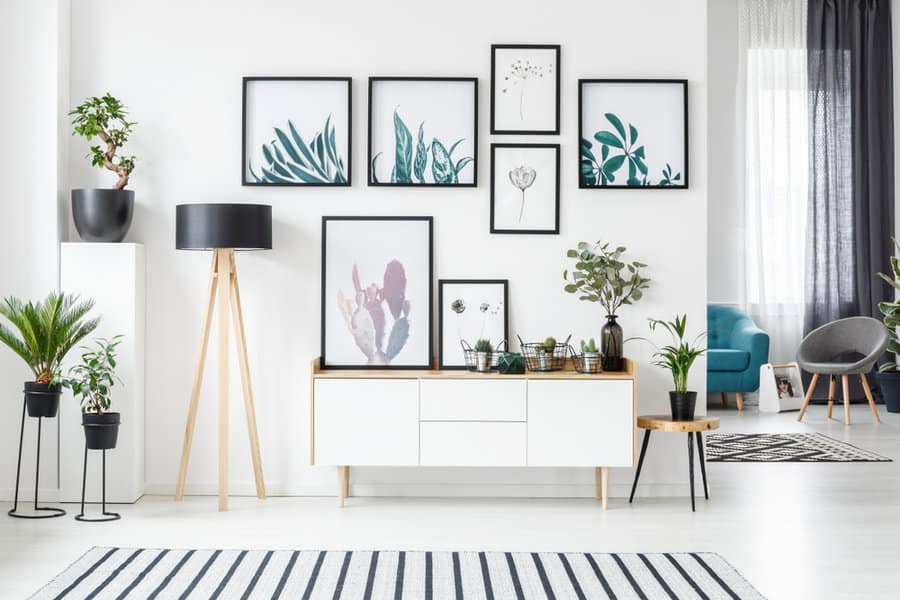
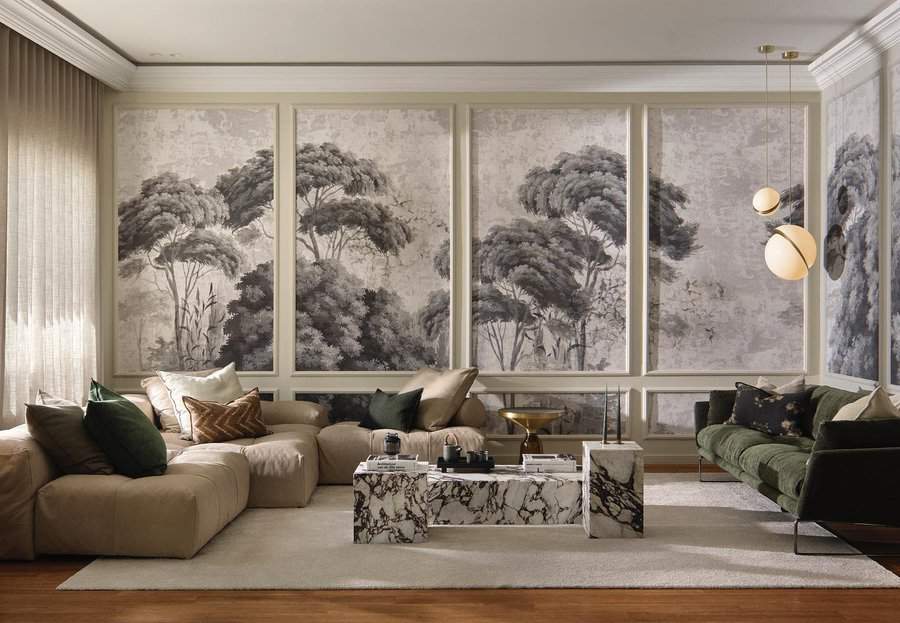
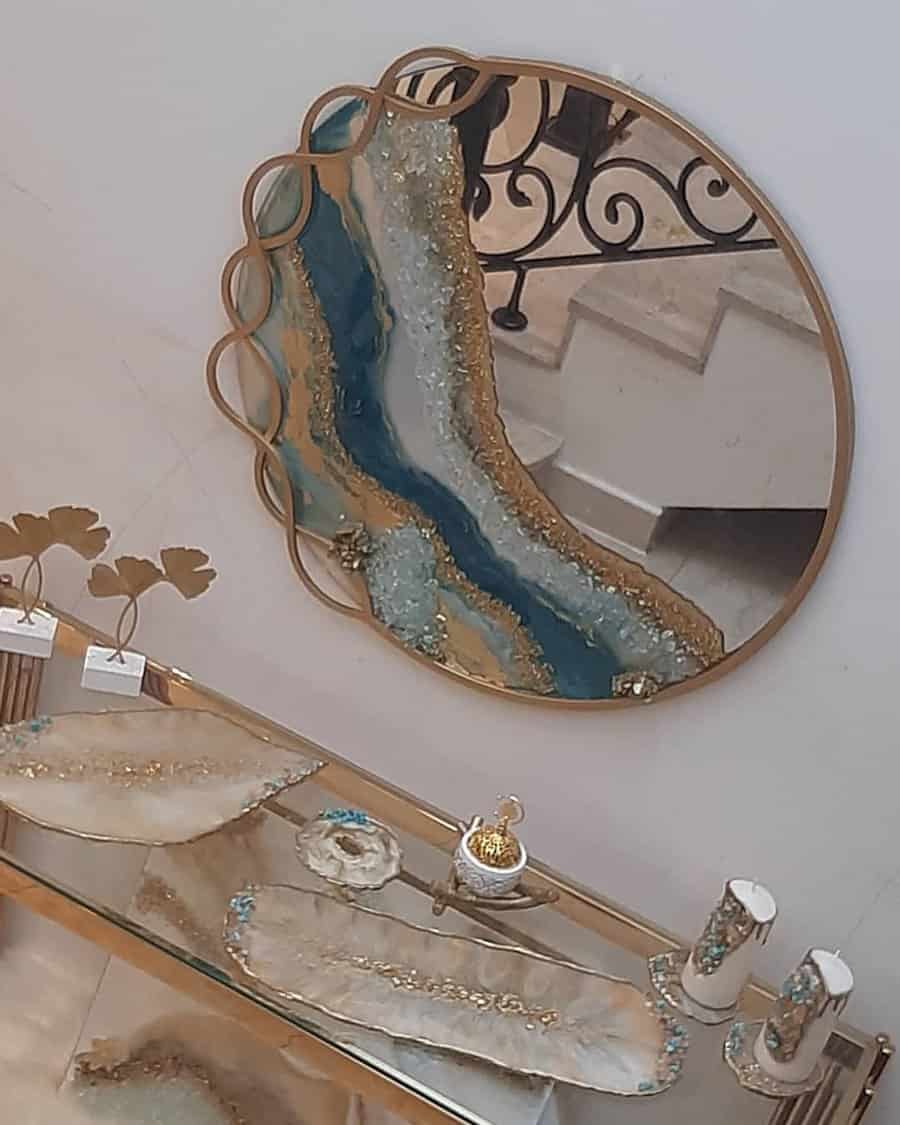
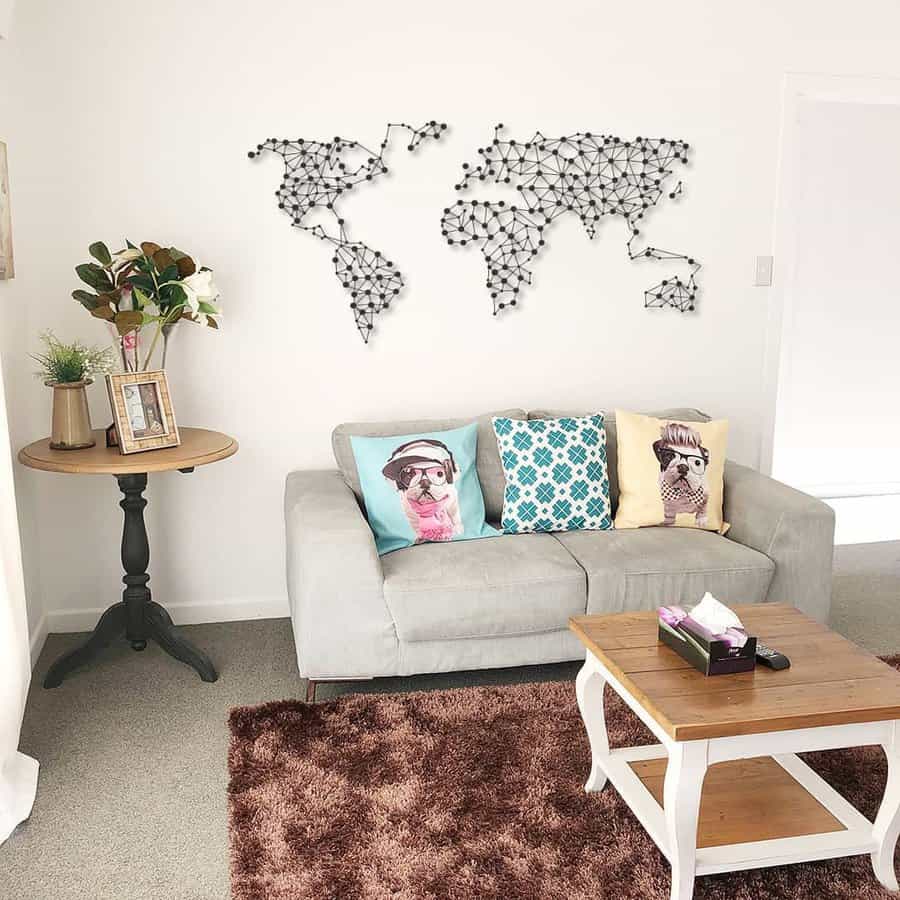
Living room wall decor helps define the overall aesthetic you want to convey. Choosing the best wall decor idea complements your living room’s existing furniture and provides inspiration for the rest of the room’s details.
We’ve put together 31 of the best wall art ideas for living room spaces. From simple DIY projects to creative gallery walls, these awesome concepts will help you beautifully fill your living room wall space.
[view_toc]
1. Embracing Bohemian Flair with Earthy and Multicultural Wall Art
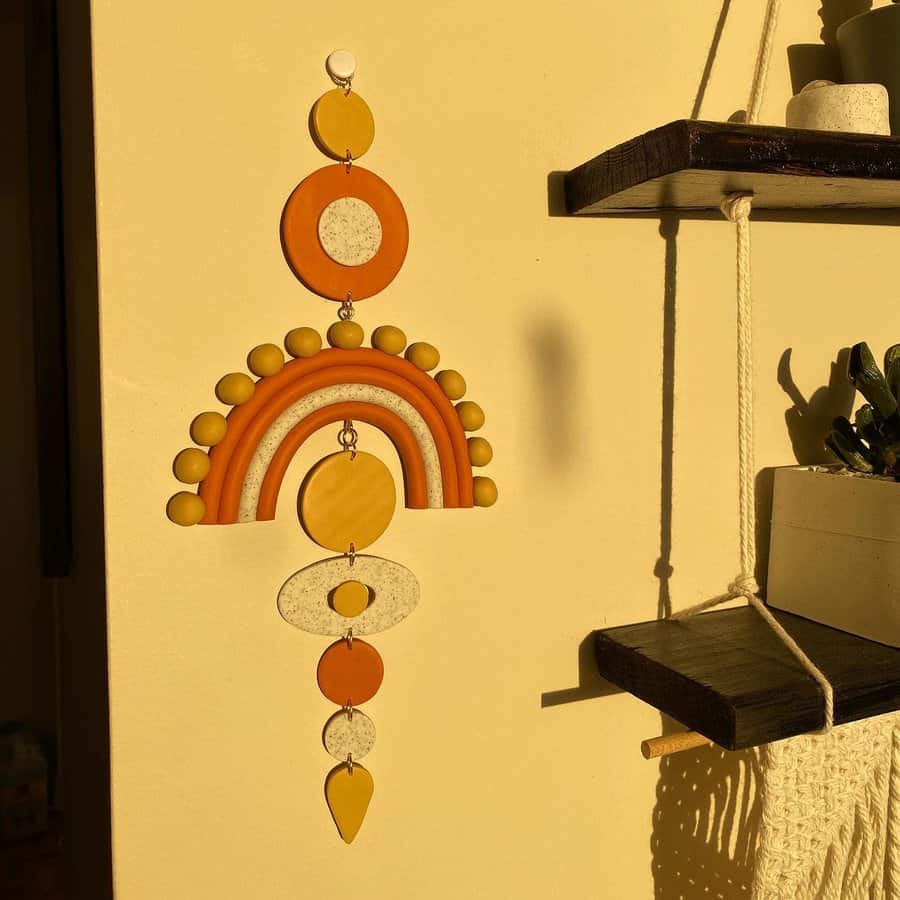
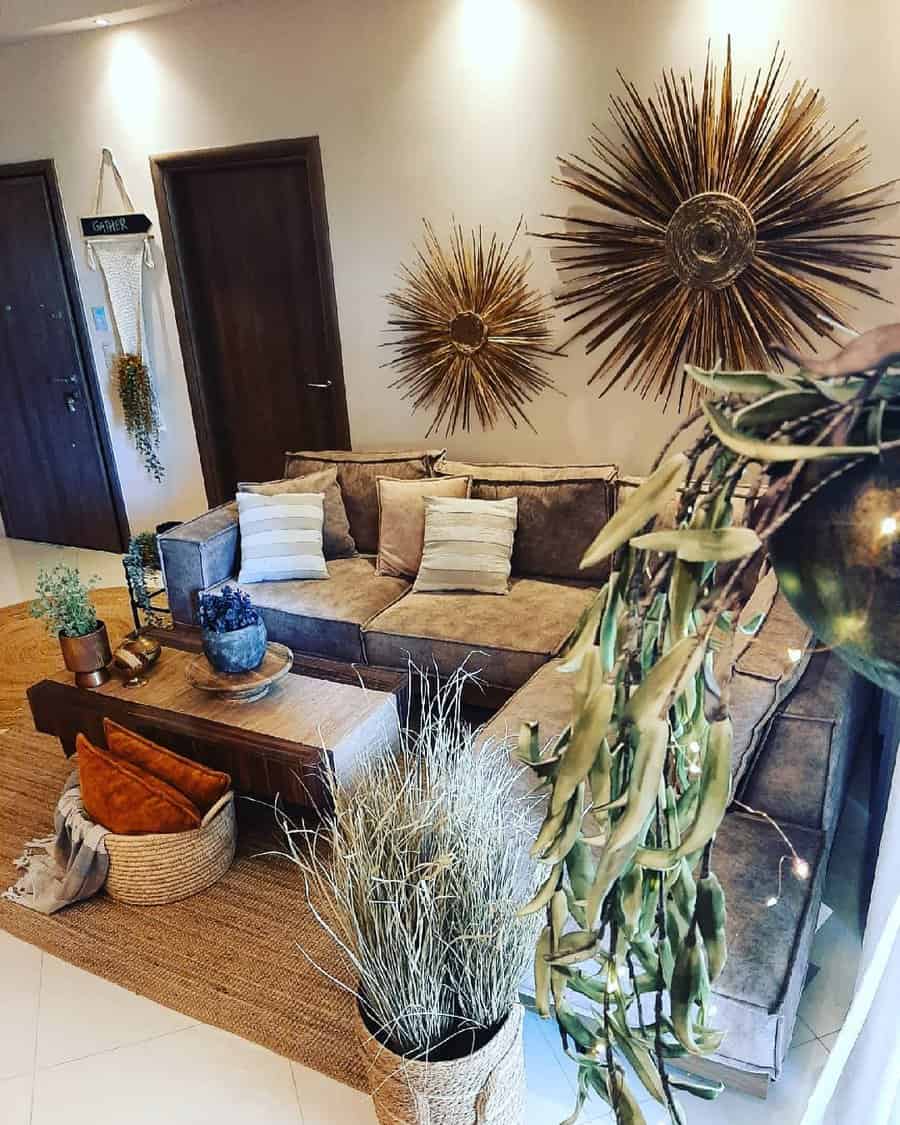
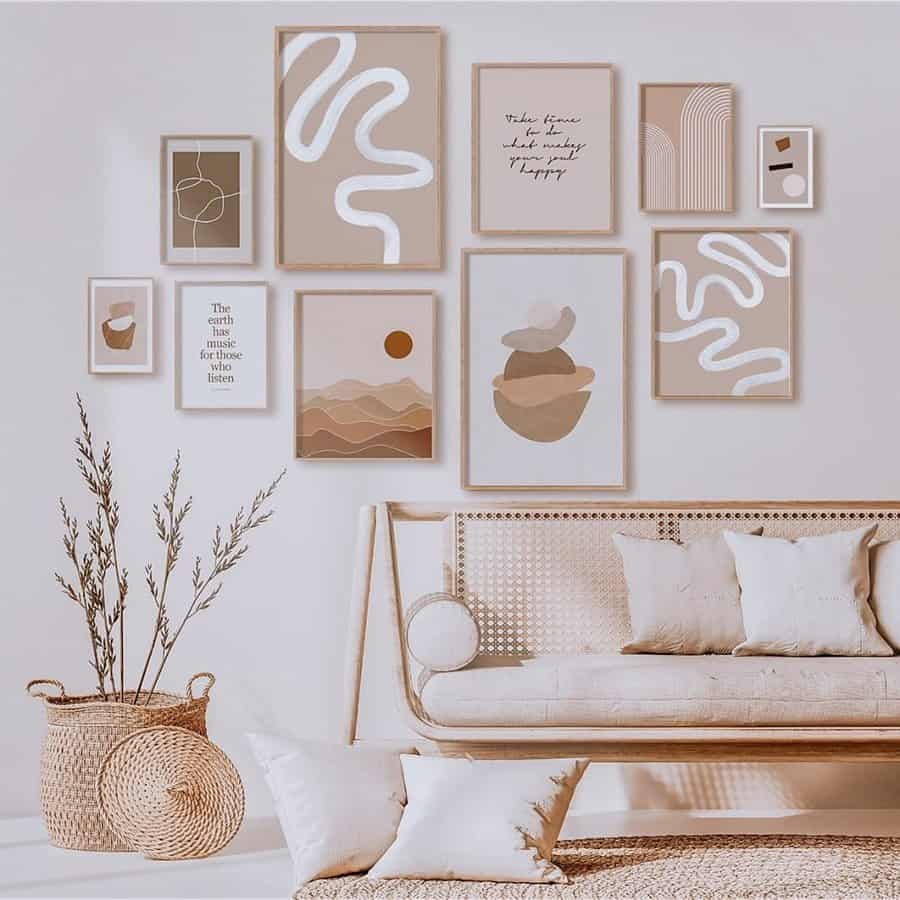
Boho, or bohemian wall decor should emphasize the overall casual and comfortable aesthetic of a bohemian-inspired space. “Earthy” and “multicultural” are good adjectives for describing boho artwork, but there are no hard rules when it comes to this style of home decor.
Source: @etheryprints via InstagramSource: @gigi_manuela via InstagramSource: @shopseiyna via InstagramSource: @vickys.home_ via Instagram
A boho wall art idea often includes layers of color, texture, and pattern displayed in an unconventional manner. Macrame wall hangings are practically a mainstay in boho living room wall decor. Flat woven baskets or mats also work as boho wall art ideas, whether hung as a collection or scattered among a larger living room wall art display.
2. Creative Lighting Ideas for Wall Ambience
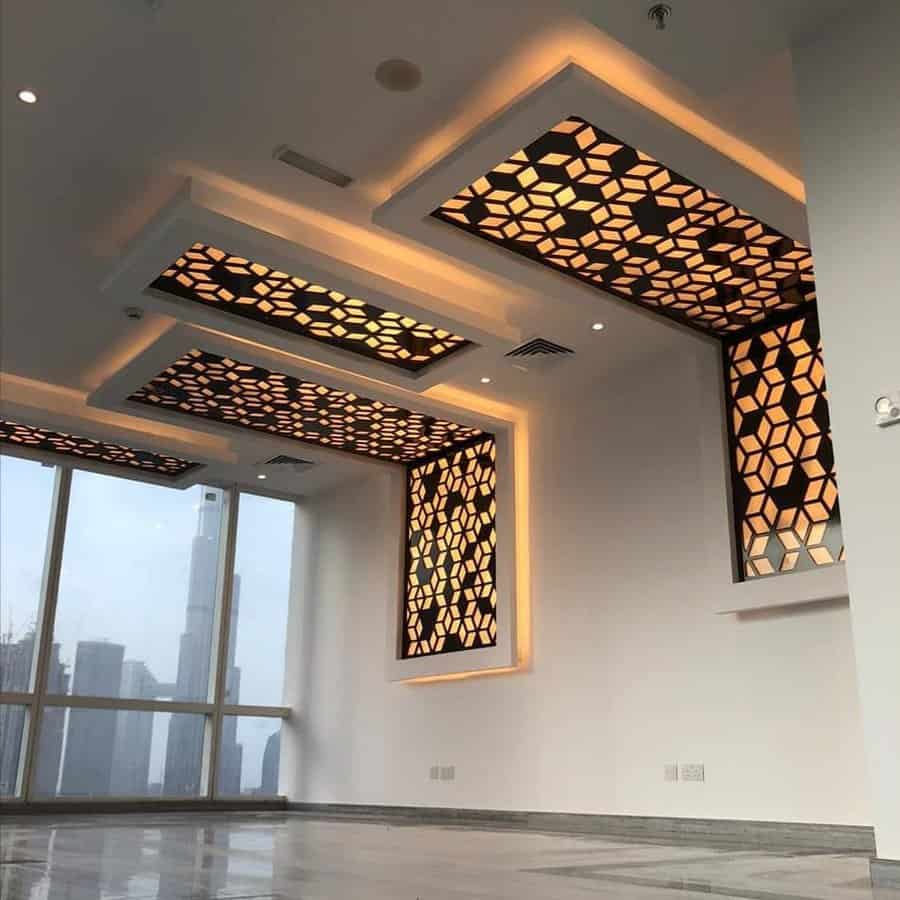
Few people think of lighting when it comes to wall decor ideas, but it’s one of the easiest ways to add a great deal of ambience to your room decor. Whether in the bedroom, dining room, or living room, decorative lighting is an excellent way to elevate your living space.
Source: @dragonmartwoods via Instagram
Wall sconces are great inclusions on a gallery wall. You can add LED light strips to the back of a large wall painting or framed draw attention to that piece at night. Fairy light strands add an inviting glow to a dark corner and help create a casual living room decor vibe. Backlit wall hangings are ever easier to find and will bathe the space with warm illumination.
3. Functional Art Pieces on Walls
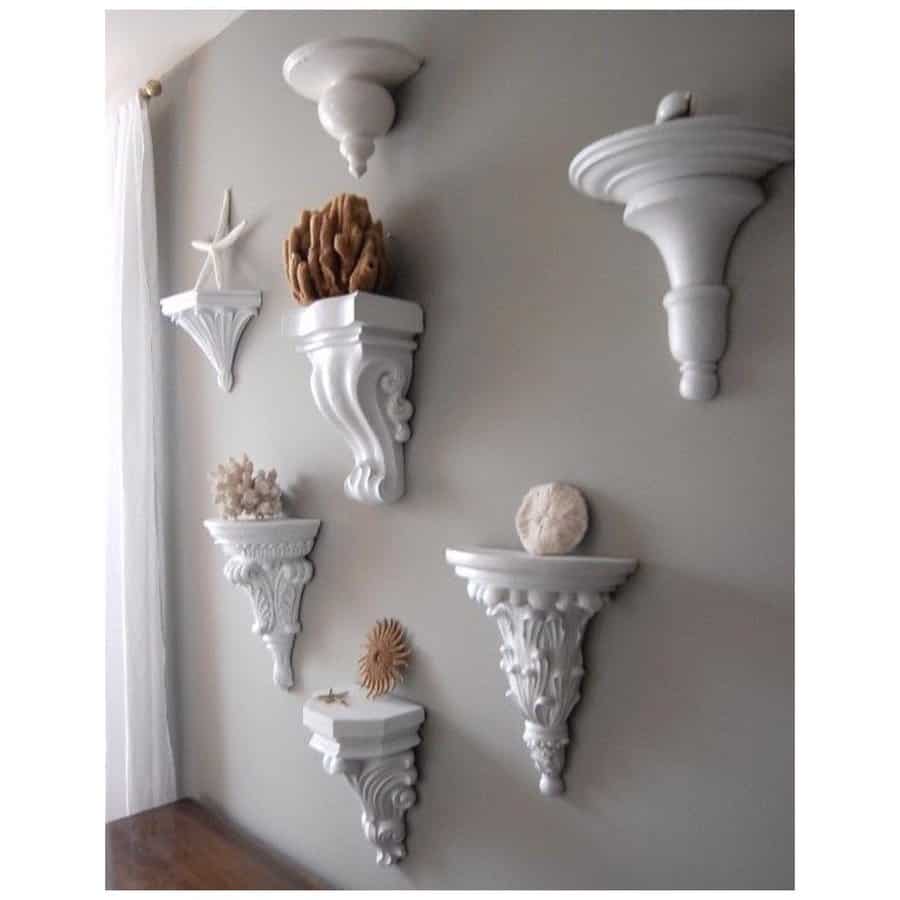
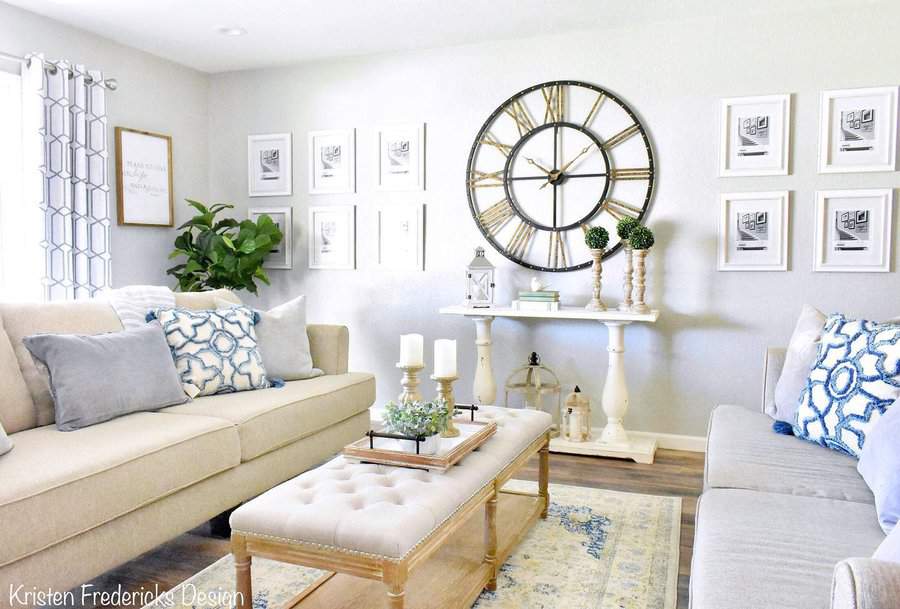
The term ”functional art” describes art that is both beautiful and functional. It refers to objects that we use for a purpose but also serve an aesthetic purpose, such as a vase or lamp. Furniture is a common example of functional art when it is well crafted and unique.
Source: @dropletfoldings via InstagramSource: @kristenfredericksdesign via InstagramSource: @the.shoppers.lane via InstagramSource: @vaedurshaexan via Instagram
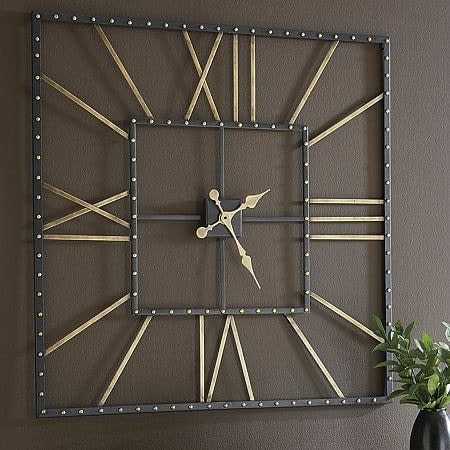
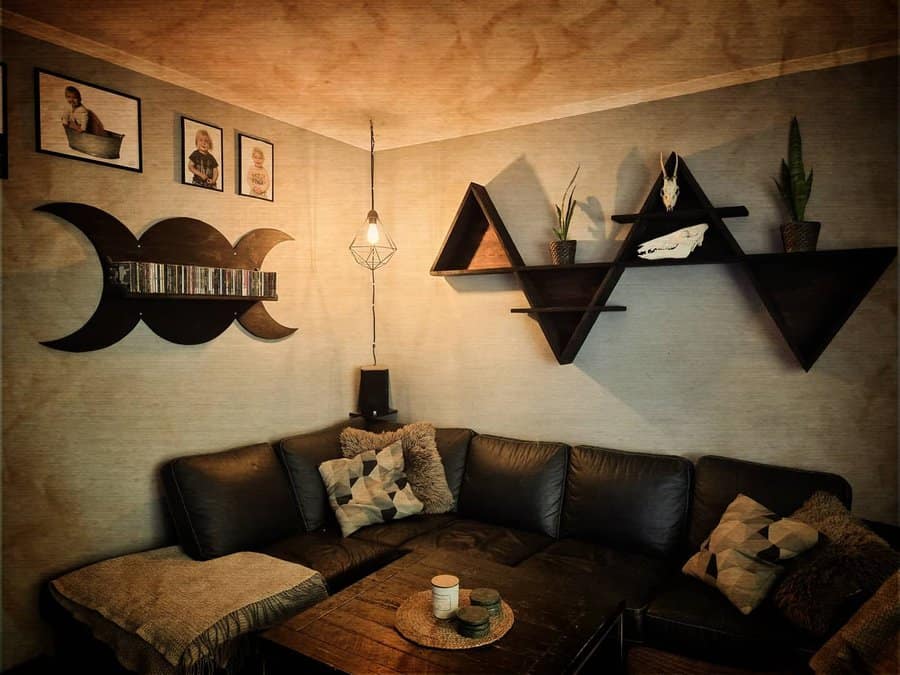
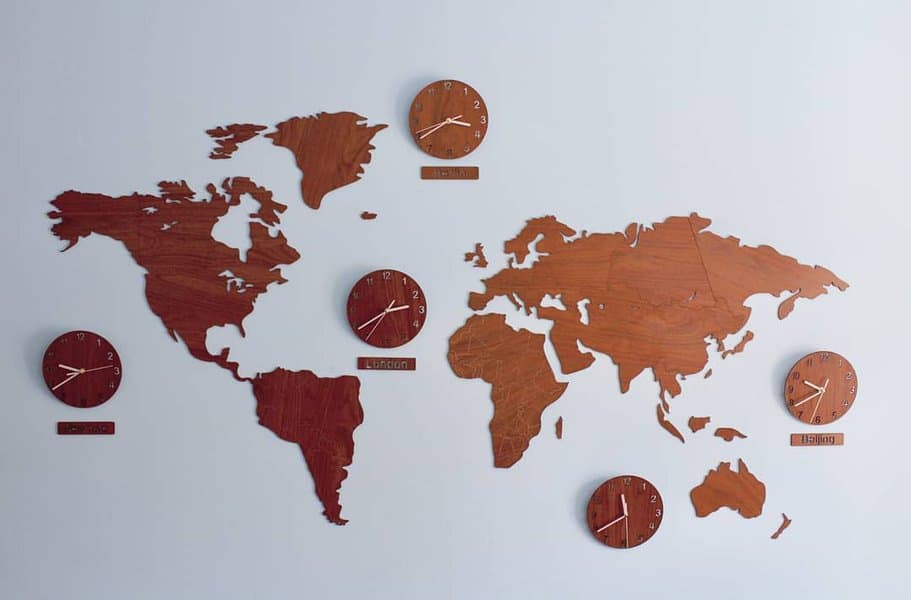
Artfully designed doors, door handles, and door knockers are highly collectible functional art pieces. Wall shelves become functional art when they step out of the basic linear design and become a focal point all their own. Designer clocks are another good example of functional wall decor ideas.
4. Creating a Cohesive Gallery Wall
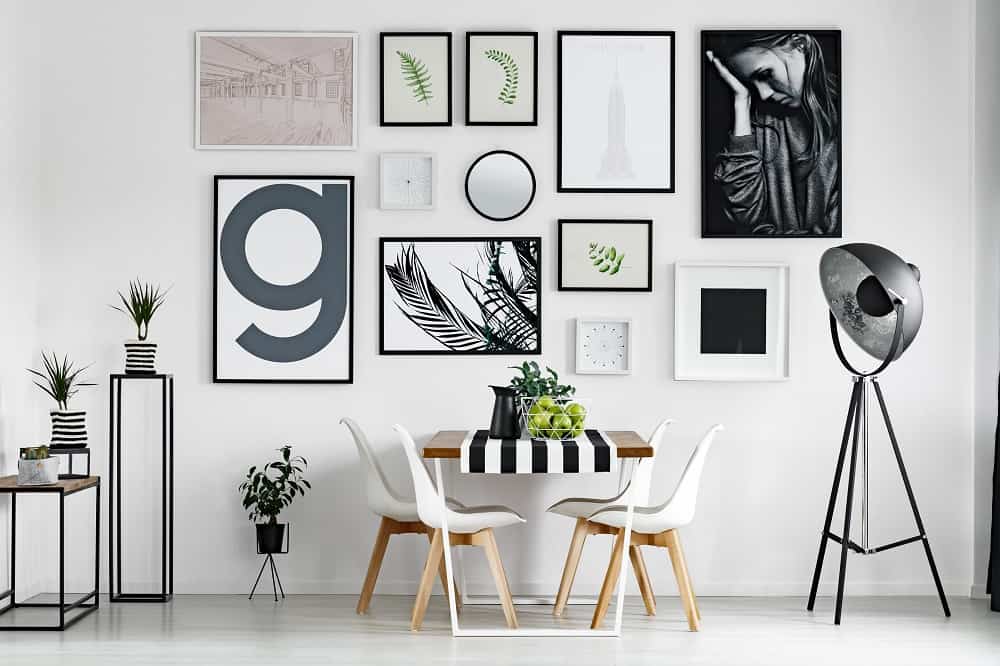
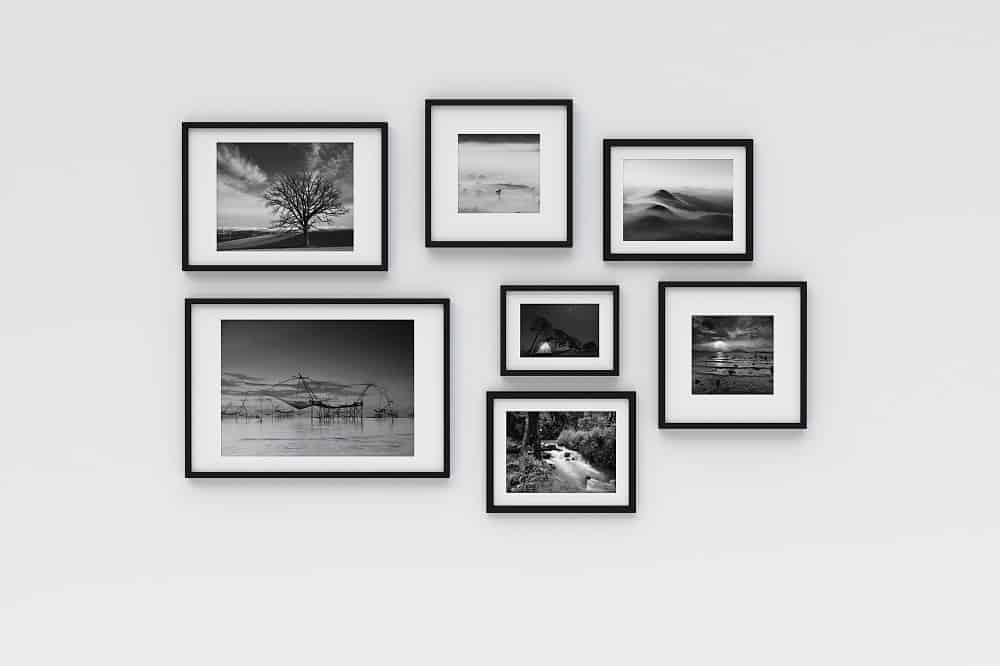
A gallery wall is a collection of photos, paintings, illustrations, or other pieces artfully arranged to fill a bare wall. Usually, the pieces have something in common, such as a collection of black and white family photos or perhaps artwork from a favorite holiday destination.
Source: @musingsofmeimei-20210314-dtnutj via Instagram
If you enjoy inspirational quotes or words, a gallery wall is a great place to insert one or two. Either include a wall decal, or put your favorite saying in a picture frame that coordinates with the rest of the design.
5. Luxury Aesthetic through Artwork
Artwork is one of the ways an interior designer creates a luxury aesthetic in a client’s living space. Anything gilded and glamorous is a suitable wall decor option in a luxurious home.
Source: @alilahlou via InstagramSource: @homey_gallery via Instagram
When money is no object, shop for high end artwork. This includes signed and numbered limited edition prints or original canvases painted by famous artists. Wall decoration sculptures and original functional art pieces also add sophisticated detail to luxury interiors.
6. Versatile Metal Art Blending
Metal art can work with any interior design style. Farmhouse style has brought many new metal wall art ideas to choose from—everything from windmill blade replicas to vintage signs and beautifully rusted metal stars.
Source: @espyworkscom via InstagramSource: @lucky_coins_home via Instagram
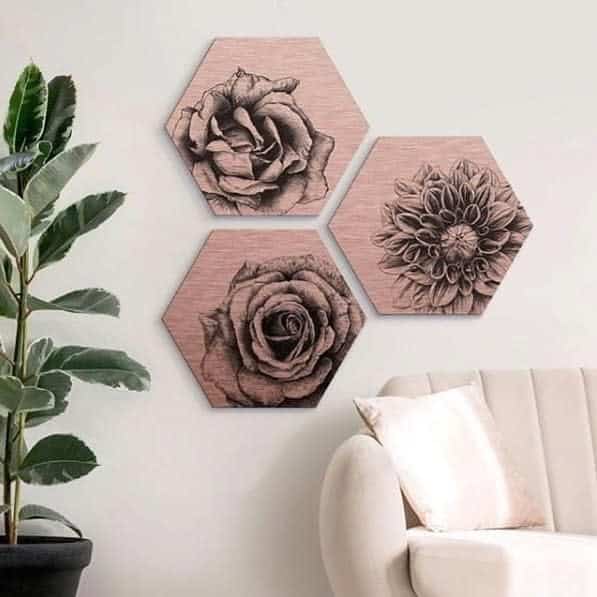
Etched metal living room wall decor is a more elegant type of wall feature, as is delicate metal flowers and other simple wall sculptures. Look for silver, bronze, gold, copper, or black finishes that complement the other metallic room accents.
7. Minimalist Wall Artwork for Contemporary Space
Minimalist artwork is exactly what it sounds like: an extreme form of abstract art that uses simple lines and shapes, usually with a monochromatic color palette. Because modern decor is often neutral, a minimalist piece of artwork may be the only place where a different color is introduced into the room.
Source: @kate_delfante via InstagramSource: @maisondamadera via Instagram
Minimalist paintings and wall sculptures are simple decorating ideas that can make your living room or dining room feel like a modern art gallery. It adds enough life and contrast to the space without distracting attention away from your contemporary furniture.
8. Brightening Up with Mirrored Wall Art
Adding a mirror—or several—to an empty wall is a great way to visually expand a small living room. Mirrors are also a type of living room wall art that brightens up the space by reflecting available light. Hang a large mirror over the sofa, or prop an oversized mirror against the living room wall.
Source: @20thcenturyfilth via InstagramSource: @houseofcovington via InstagramSource: @selfbuild_familyhome via Instagram
Smaller mirrors or mirrored tiles serve the same purpose without taking up as much of your open wall space. Hang wall shelves with a mirror above them instead of artwork, and make a colorful plant or other shelf decorations the focus of this display.
9. Embracing Simplicity with Modern Art
Modern art has gotten a bad rap for being too simplistic, but sometimes simplicity is the best option in modern decor. Group simple geometric shapes made of metal or wood into a gallery wall of sorts, adding a modern touch to the space. When planning the layout, focus as much on the negative space (the space between shapes) as on the shapes themselves.
Source: @rachelcqart via Instagram
Modern art options are also easy to DIY. This video shows how to replicate two glamorous contemporary pieces from a higher-end home decor store:
10. Creating Mood with Full-Wall Murals
Sometimes a full-wall mural is the best way to capture the mood you want your living room to convey. While hiring an artist will give you a truly unique living room art piece, there are more affordable and easier options for creating an impressive accent wall.
Source: @sarapaintsfaces via Instagram
If the design ideas are simple, you may be able to paint or stencil it yourself. There are also countless peel-and-stick mural designs you can apply yourself and remove when you want to update your room decor.
11. Selecting Paintings and Illustrations that Reflect Personal Stories
The colors in a painting can greatly influence the overall room’s decor. Artwork with strong colors should be balanced with touches of the same colors in other areas of the room, even if it’s just a vase or throw pillow.
Source: @rozmurphydesign via InstagramSource: @whitelinedesigns via Instagram
Paintings and illustrations also bring emotions into a space, so note how a piece of artwork makes you feel before deciding to buy it. Because your living room should represent the people who live there, consider commissioning a portrait of yourself, your family, or even your pet for a truly personal touch.
12. Affordable Elegance with Framed Prints and Posters
Prints and posters are affordable alternatives to an artist’s original canvas wall art. You can find a print or poster of just about any famous painting you love, and with professional framing, create your own Van Gogh or Renoir gallery.
Source: @janehandelsby via Instagram
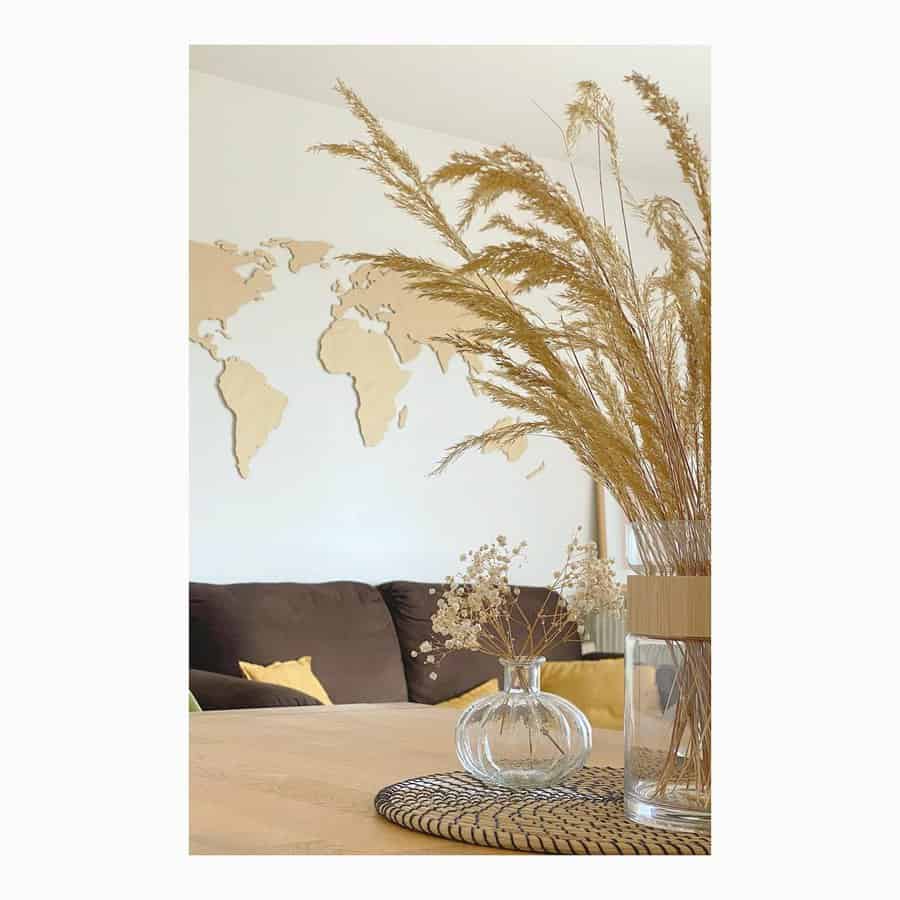
Maps are an often-overlooked wall decor idea. Frame a local map, or the map of your favorite vacation destination. A couple may wish to frame a map of each of their hometowns and connect them with a wooden ampersand or decorative cord. Antique maps can add gorgeous warmth to traditional home decor.
13. Tapestries Through Time Blending Ancient Art
Tapestry is an antiquated form of wall art that has been utilized around the globe for thousands of years. Most cultures have relied on tapestries for wall art purposes, from the ancient Egyptians to the Incas, to the medieval European designs familiar to many. Modern tapestries are often reproductions of originals that now hang in museums, but any beautiful rug or textile can be used as a wall decoration.
Source: @stadsflatje via Instagram
Wall hangings enjoy a similar long history and can be made from a wide range of materials. Woven macrame hangings are one of the most popular wall hanging art forms today. Other types of yarn, rope, or string-based art make great living room wall art in casual coastal or boho spaces.
14. DIY Modern Wood Art with Geometric Simplicity Using Reclaimed Wood
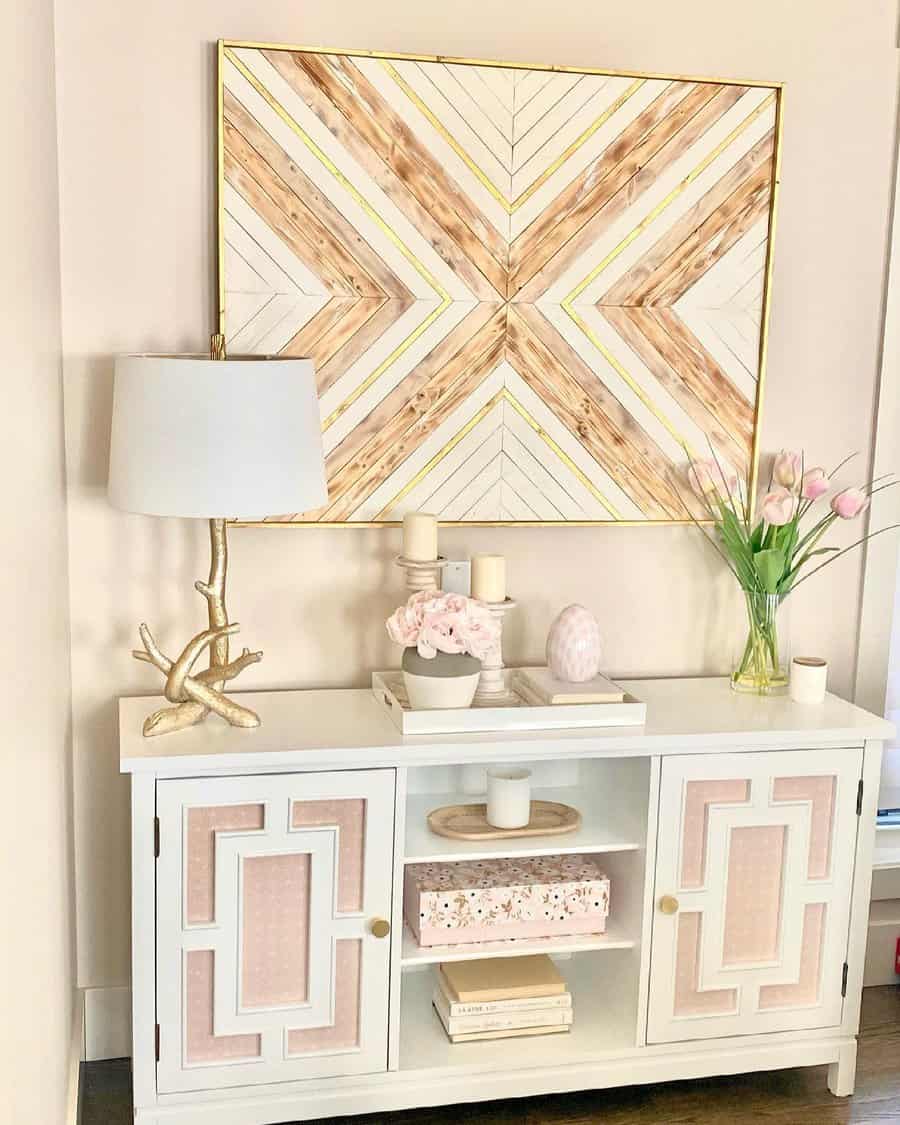
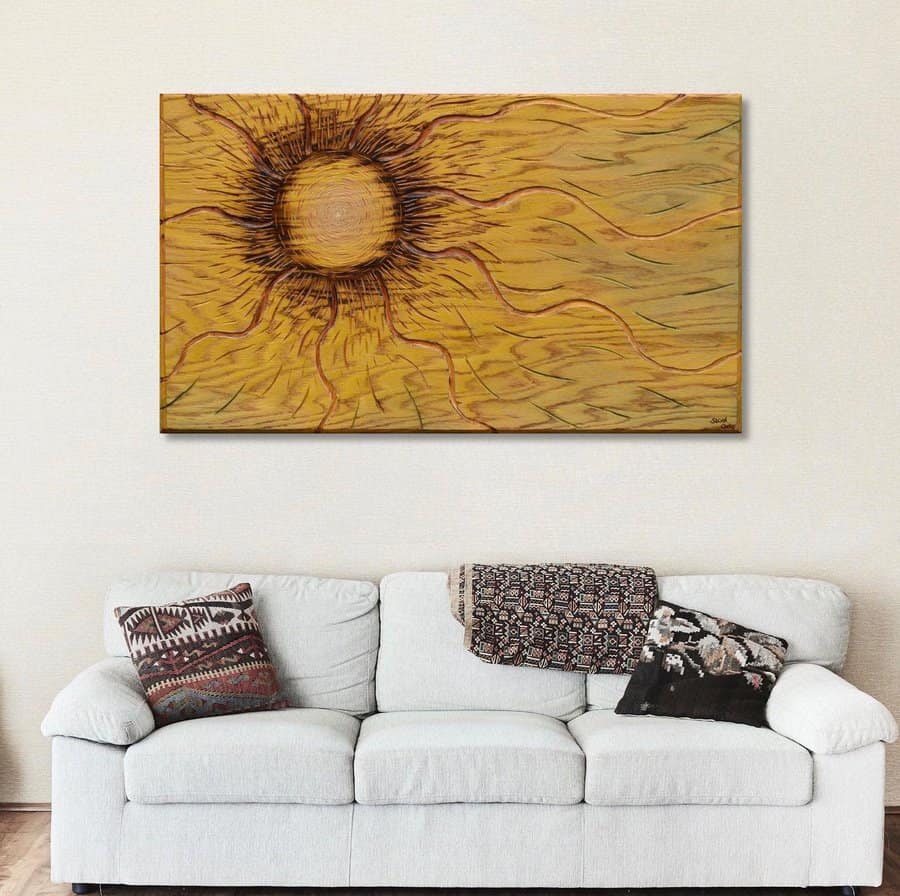
Wood art work is perfect in casual living room decor. Lace-like carved wood mandala panels are gorgeous in boho or shabby chic living rooms. For more rustic wood decor, hang a three-dimensional framed carvings on a cabin’s blank wall.
Source: @burntimberdesigns via InstagramSource: @inviaggioconmilena via InstagramSource: @ronn.kools.artist via InstagramSource: @sloanoaksstudio via InstagramSource: @v.a.n.i.j.a.d.e via Instagram
Create a textural modern art piece for your living room wall by gluing various sizes and shapes of reclaimed wooden blocks onto a board. Stain or paint them in two or three colors and enjoy the geometric simplicity it adds to your interior design.
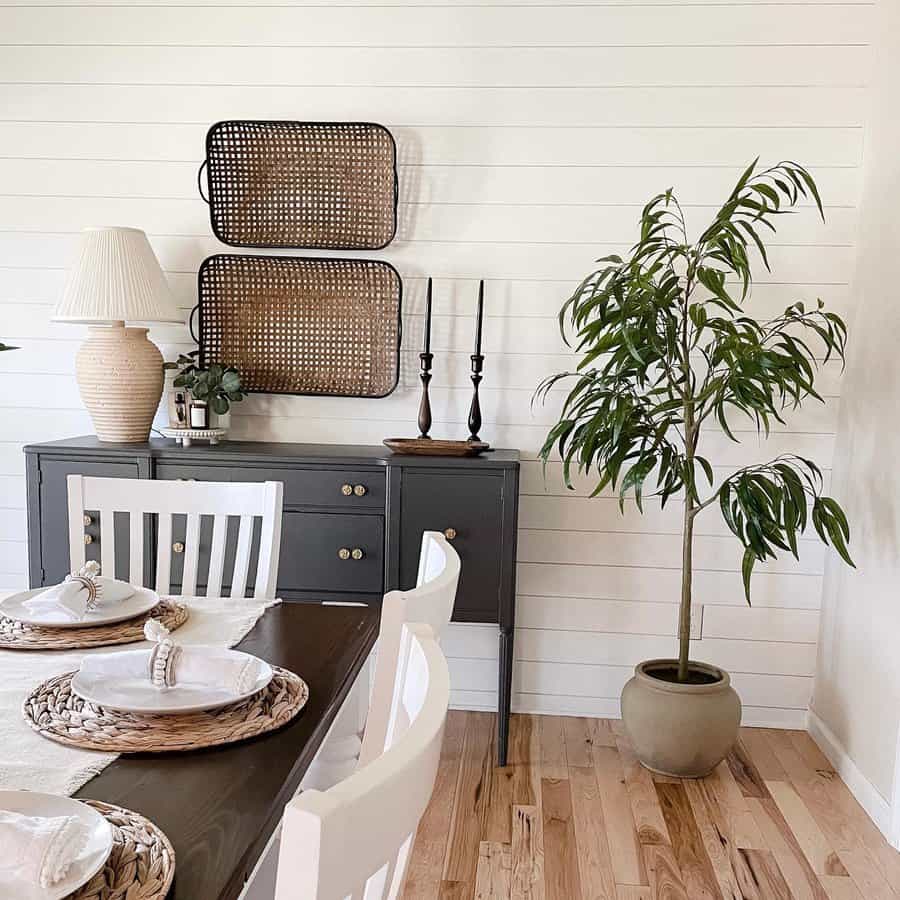
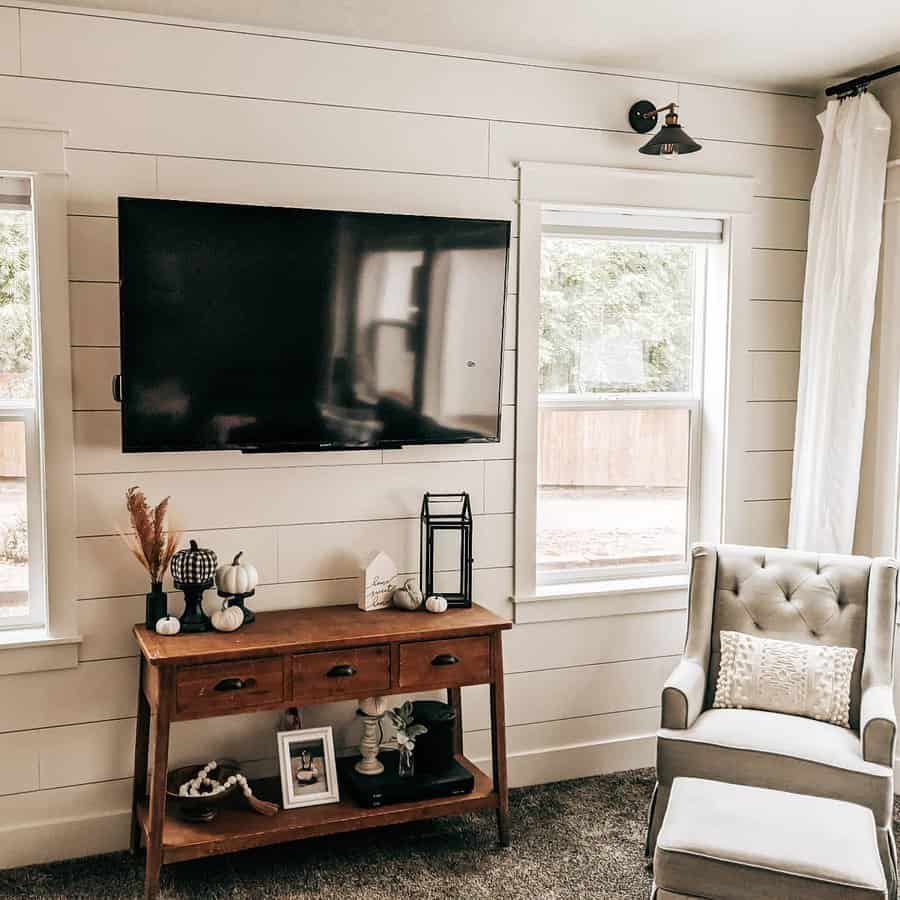
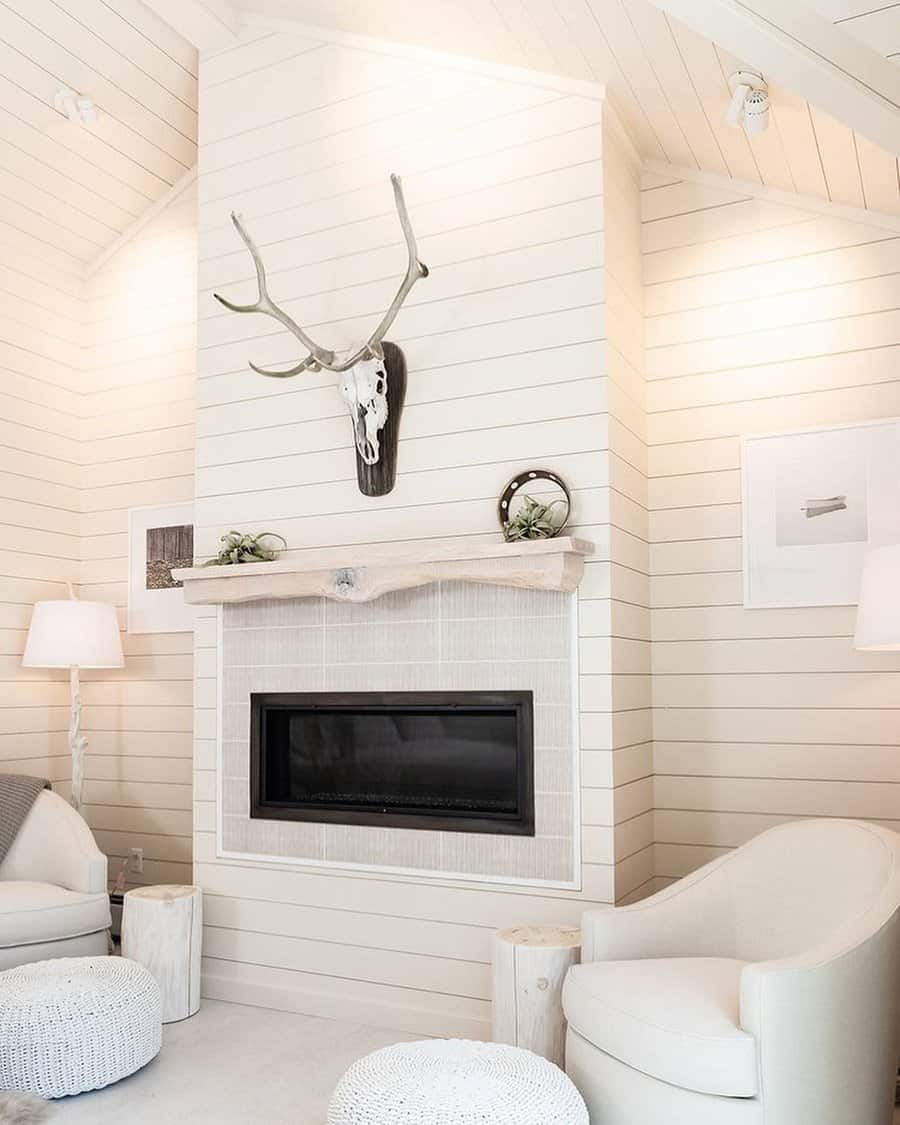
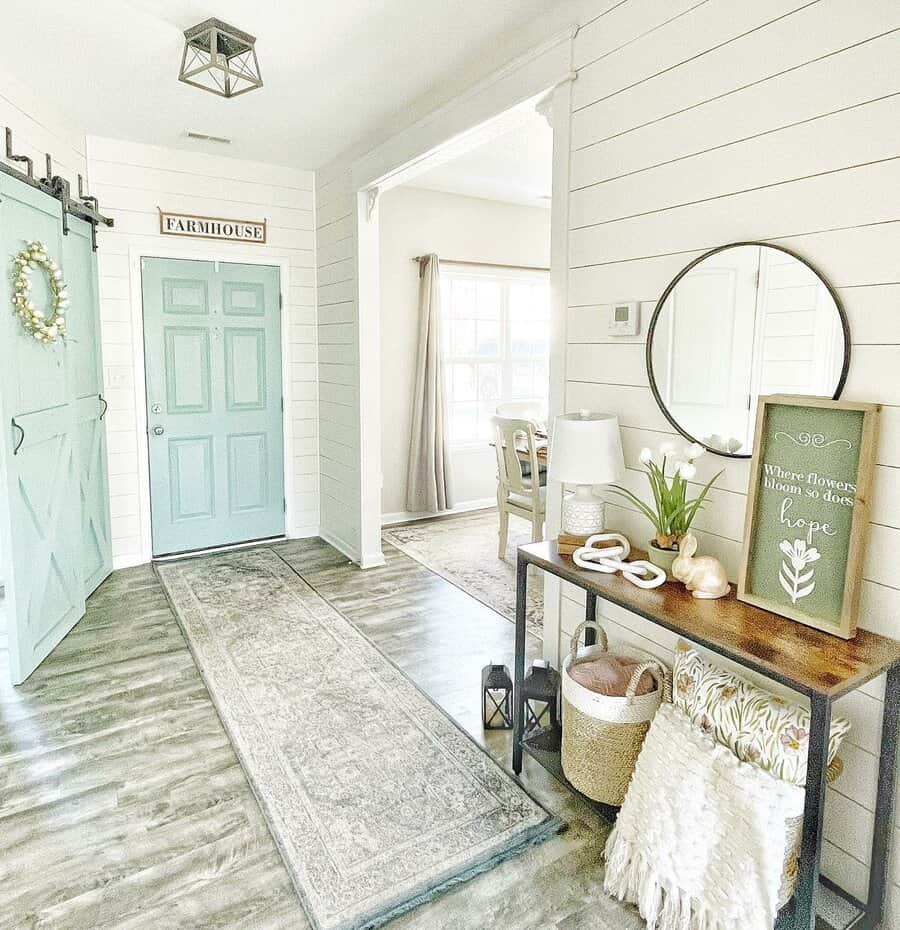
Shiplap is a traditional wall texture made from nailing wood planks in orderly rows. Originally designed to waterproof seacraft, shiplap paneling has grooves cut into its sides so that each piece connects tightly together.
Before the invention of sheetrock, shiplap was used to provide an even surface for applying wallpaper. Though it wasn’t originally intended to be seen, interior design experts discovered that exposed shiplap made a beautiful and unique wall treatment.
Made popular by “Fixer Upper” and other home decor shows, real and faux shiplap ideas are here to stay. Check out our favorite takes on this comfortable modern farmhouse accent wall idea.
[view_toc]
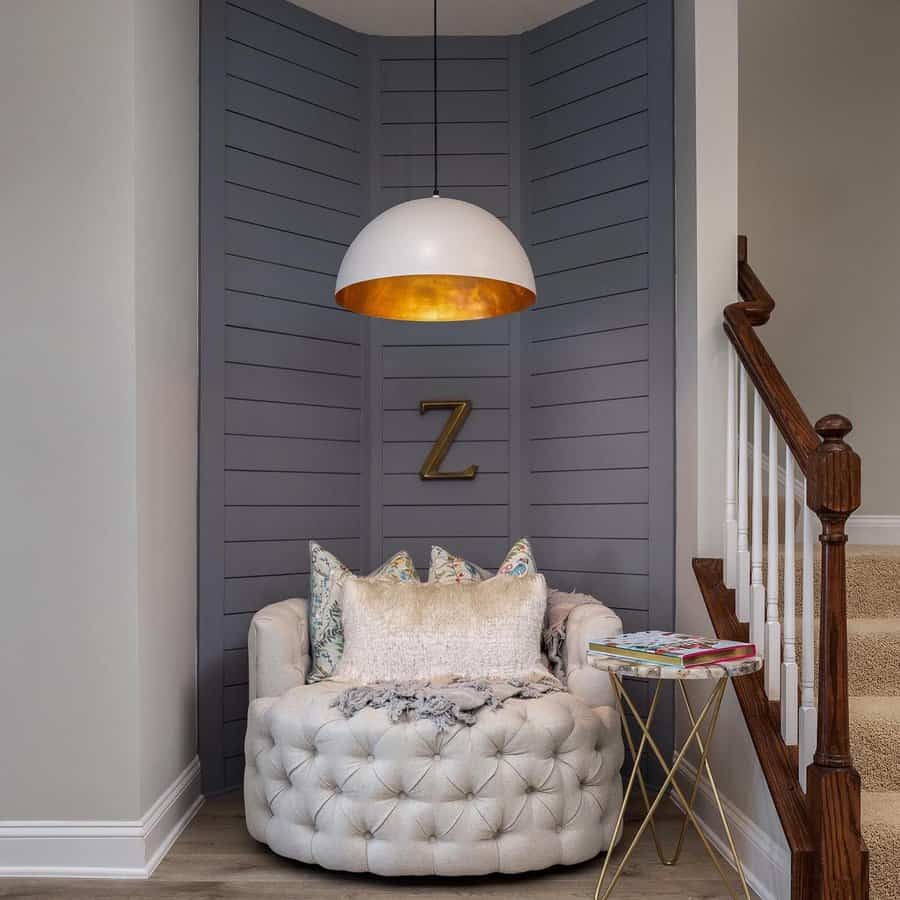
1. Versatile Shiplap Accent Walls for Vintage Charm and Texture
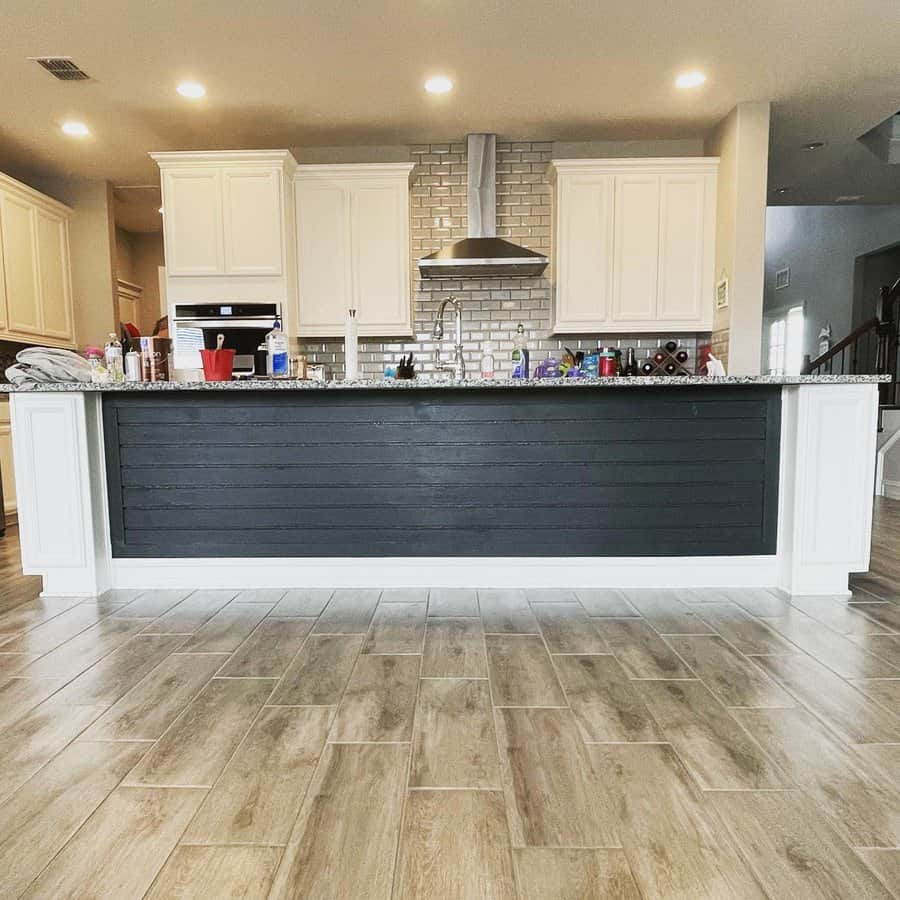
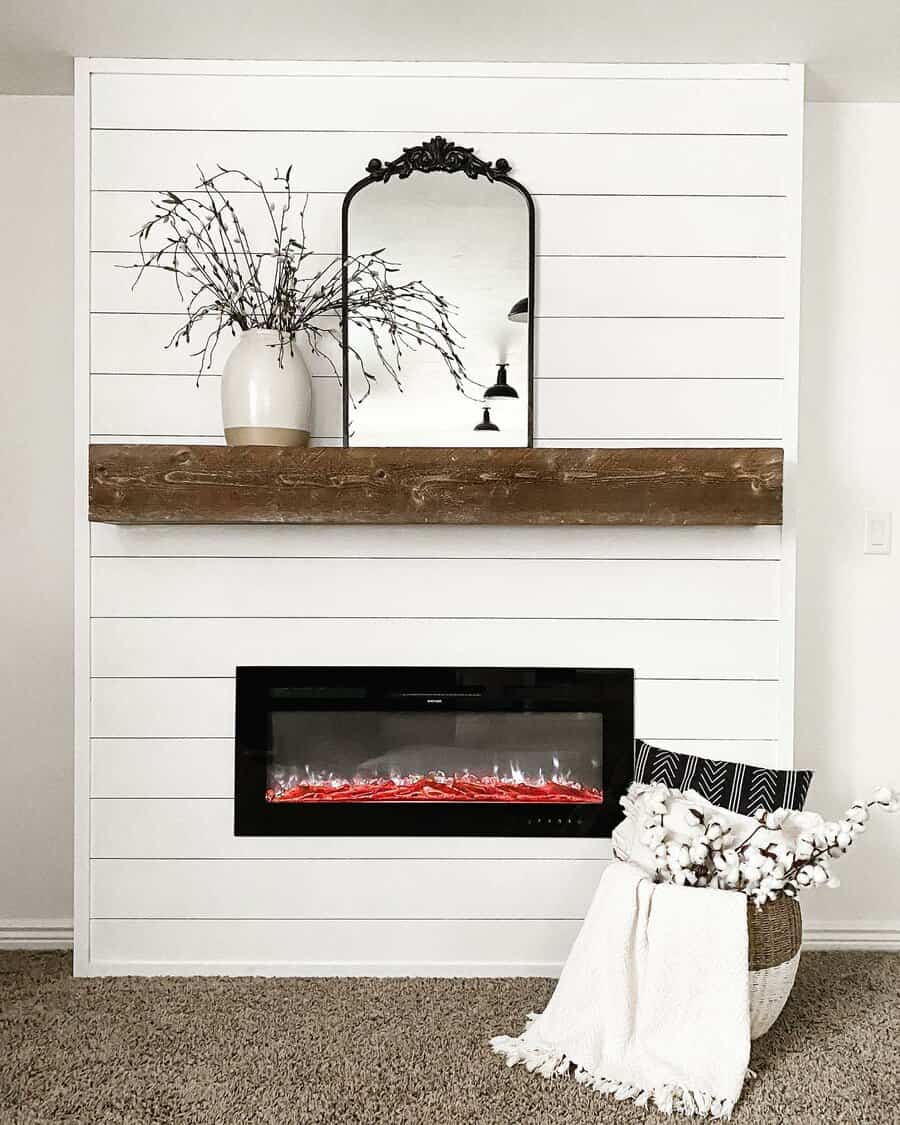
Although older homes may have shiplap in an entire room, it’s most commonly used as an accent wall material today. You may also see shiplap panels as an accent on kitchen islands or cabinet fronts. It’s also found on fireplaces, built-in bookshelves, and hallways.
Source: @jennseung via InstagramSource: @maryb_bohostyling via InstagramSource: @thesuiteshoppe via Instagram
Beloved for its ability to create definite shadow lines, a shiplap accent wall adds vintage charm to cottage, costal, and farmhouse dwellings. However, it’s a great way to add texture to any room, from the living room to the bathroom.
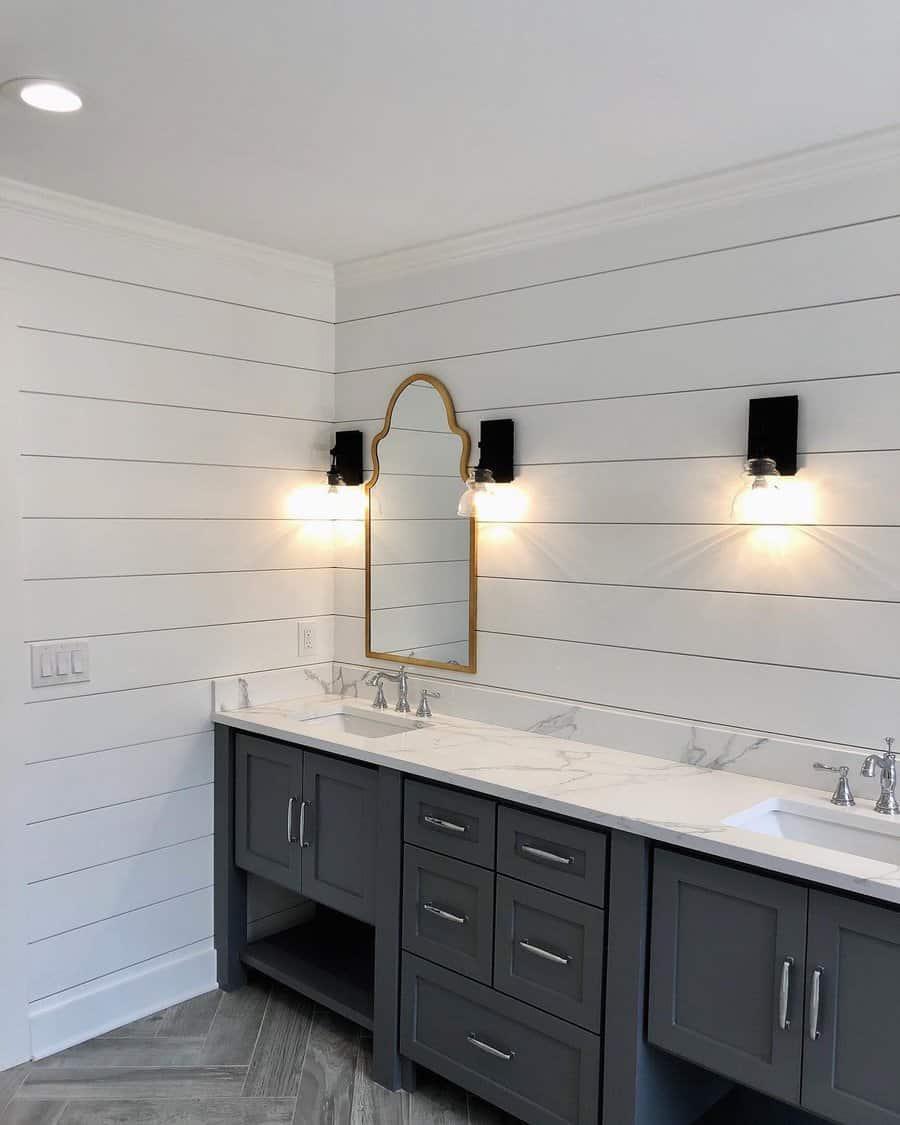
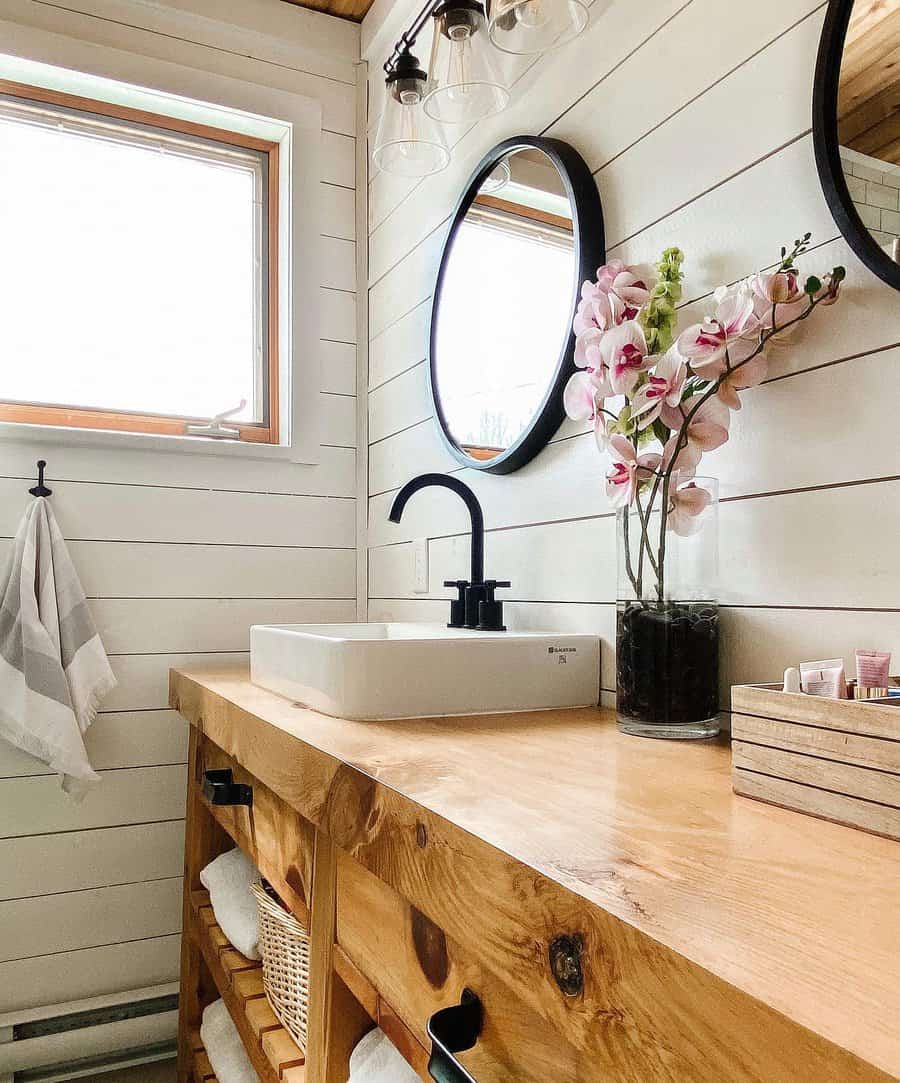
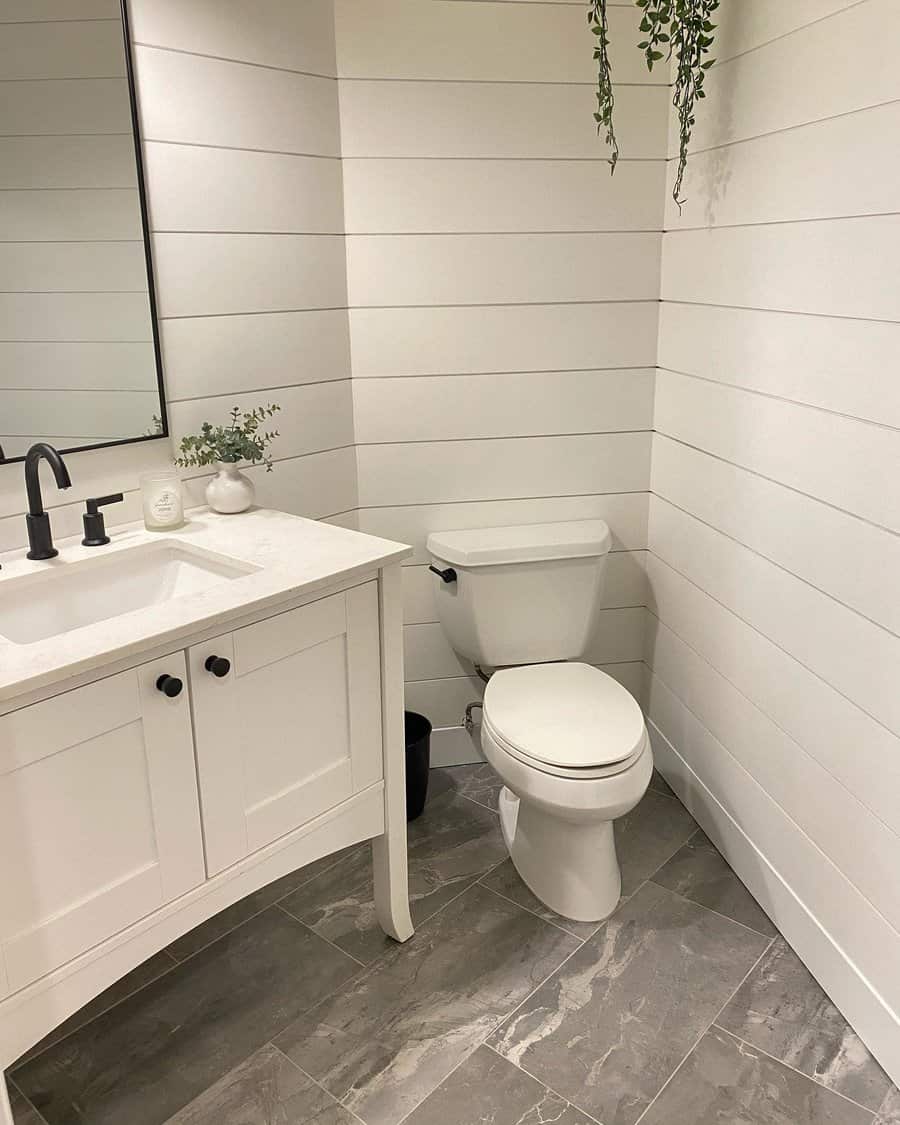
2. Enhancing Bathroom Space with Stylish Shiplap Wall Ideas
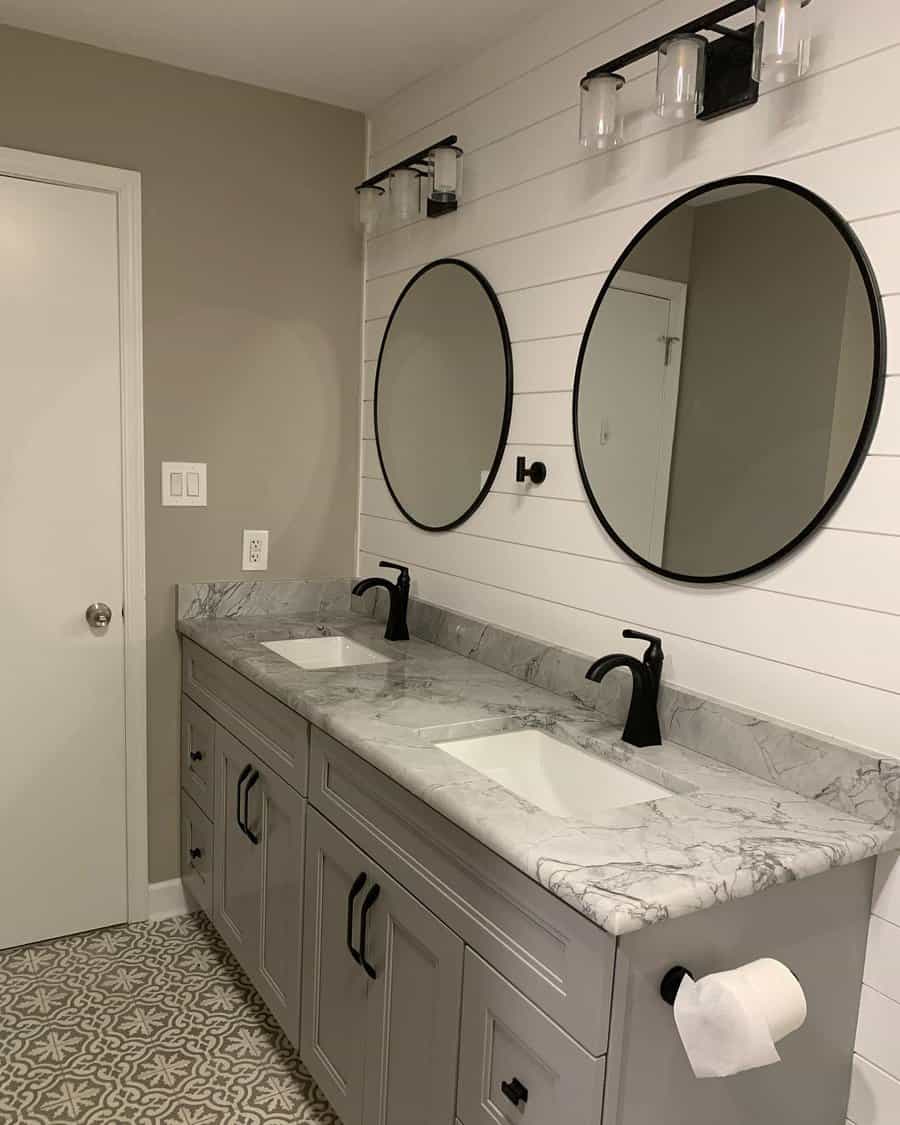
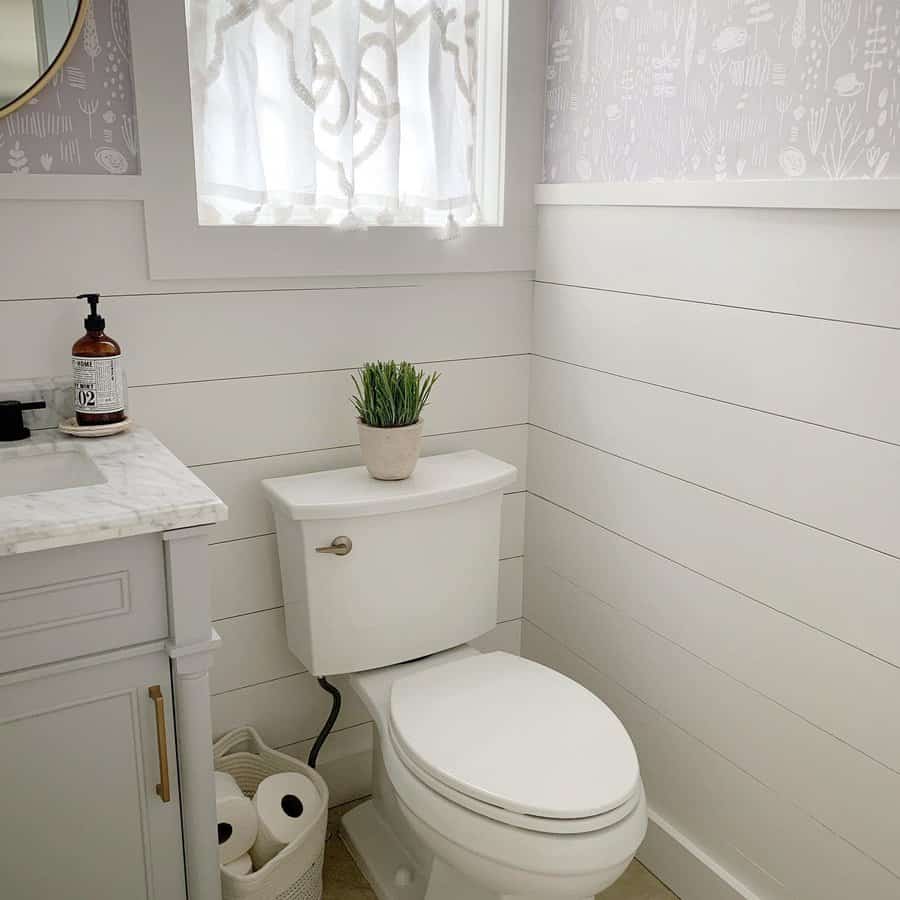
Shiplap is an excellent bathroom wall treatment. Not only does it add welcoming texture and style, its horizontal lines can make a small bathroom look bigger. Top a white shiplap wall with a round vanity mirror to soften the strong lines created by the wooden plank surface.
Source: @bcmlondon via InstagramSource: @unicawallsnc via InstagramSource: @yonagohome via Instagram
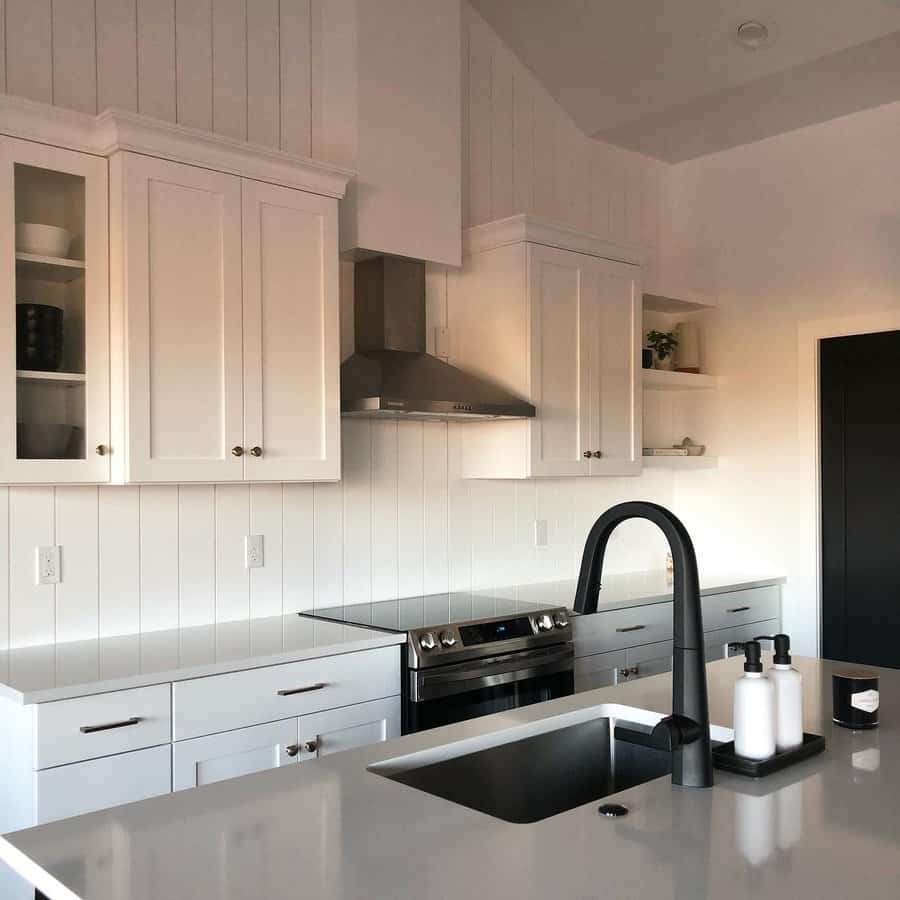
Subway tiles look great in a bathroom featuring shiplap wall ideas. Either enjoy the continuity of subway tile and horizontal shiplap lines, or mix it up by installing a vertical shiplap wall instead.
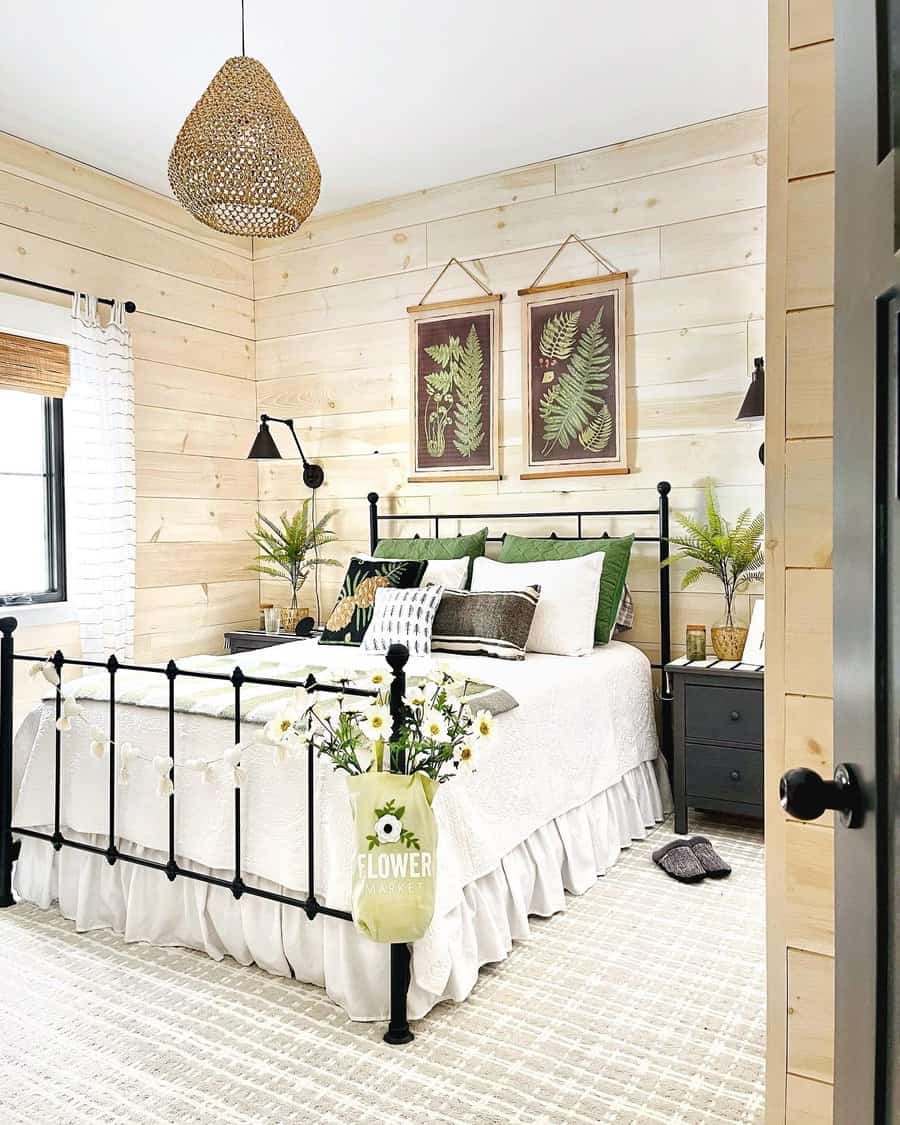
3. Creative Shiplap Bedroom Design Ideas
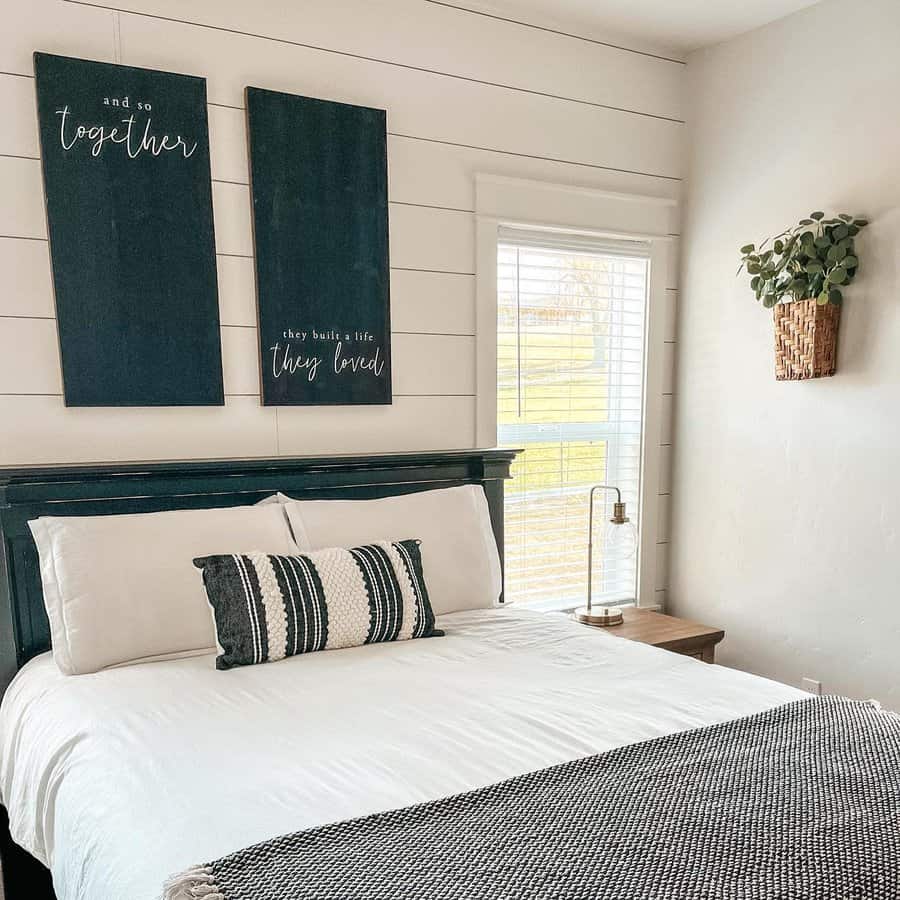
The logical place for a bedroom shiplap accent wall is behind the bed, but you can add this architectural detail anywhere in the room. Horizontal shiplap and vertical shiplap work equally well in the bedroom, and many love the effect so much, they install shiplap on the ceiling as well.
Source: @quinnlayneliving via Instagram
If an entire shiplap wall is too much for your personal aesthetic, shop for a shiplap headboard instead. It will provide just enough of that casual texture you love while freeing up your walls for other home decor accents.
4. Exploring Diagonal Shiplap: A Modern Twist on Classic Wall Design
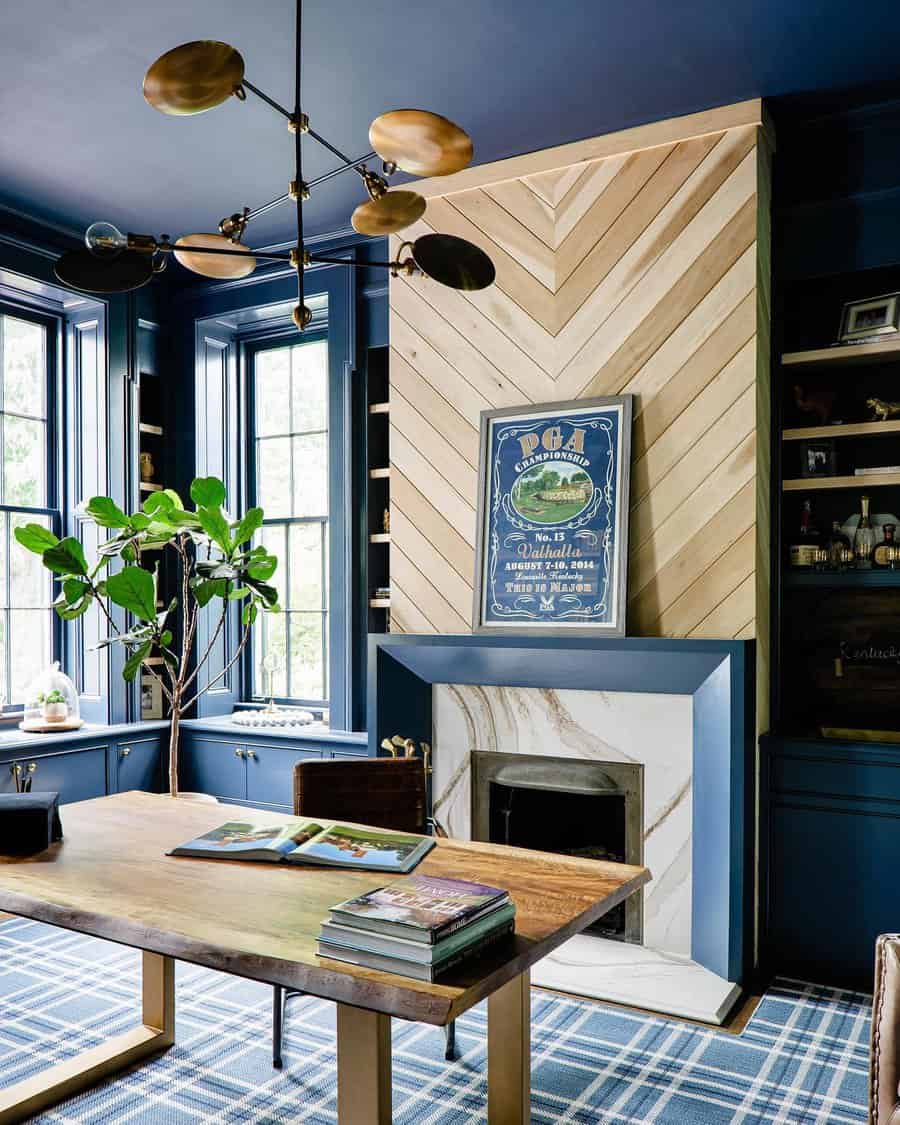
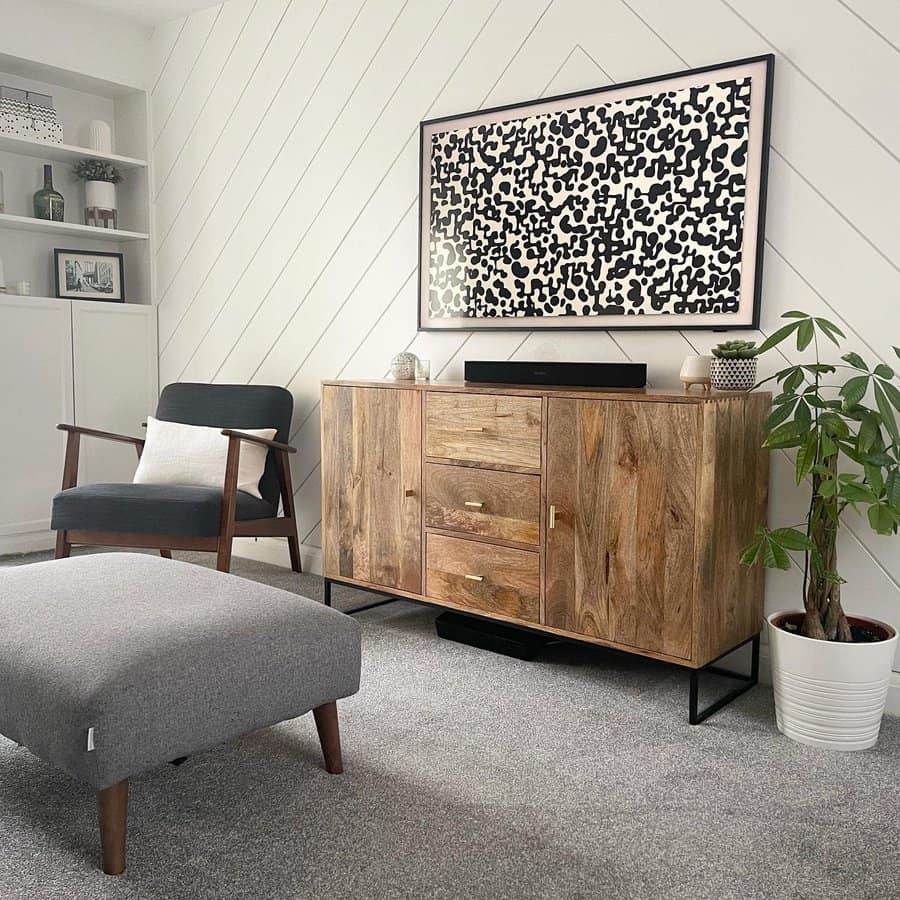
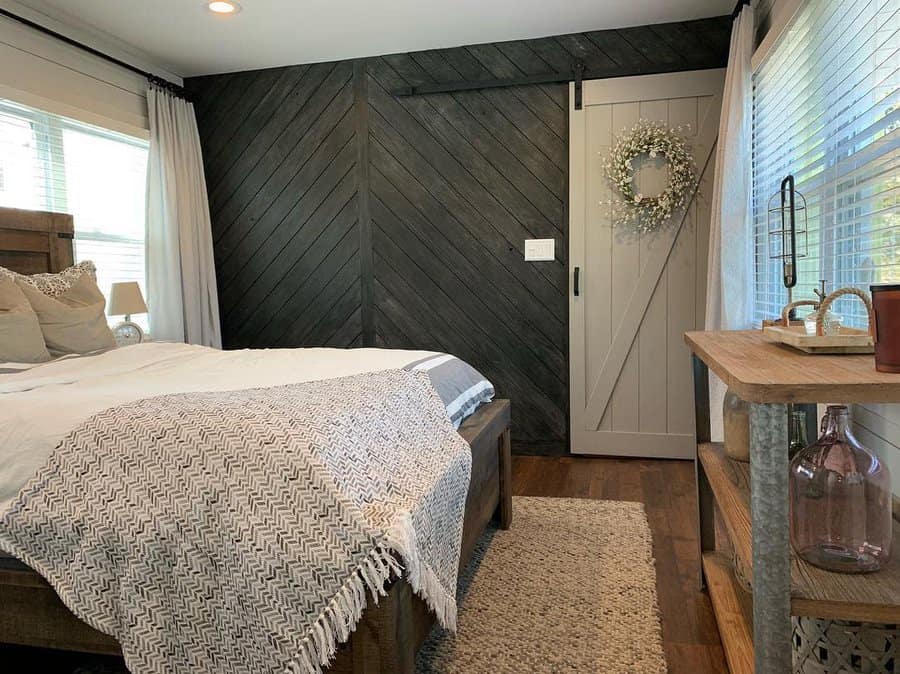
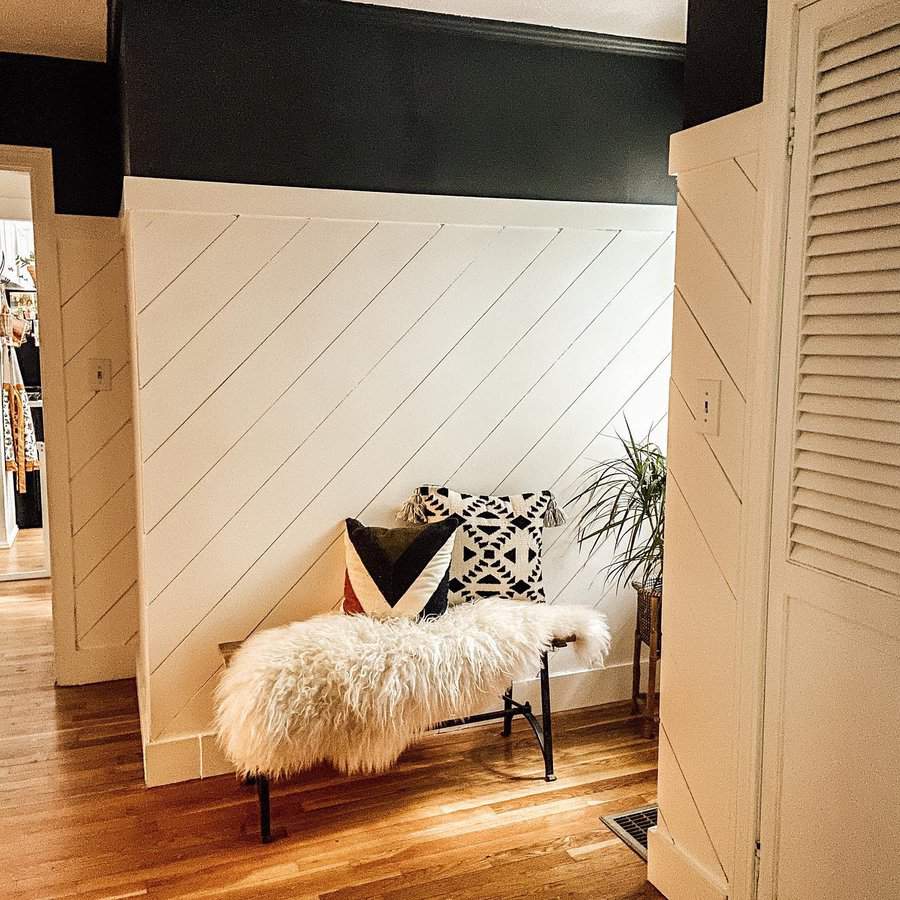
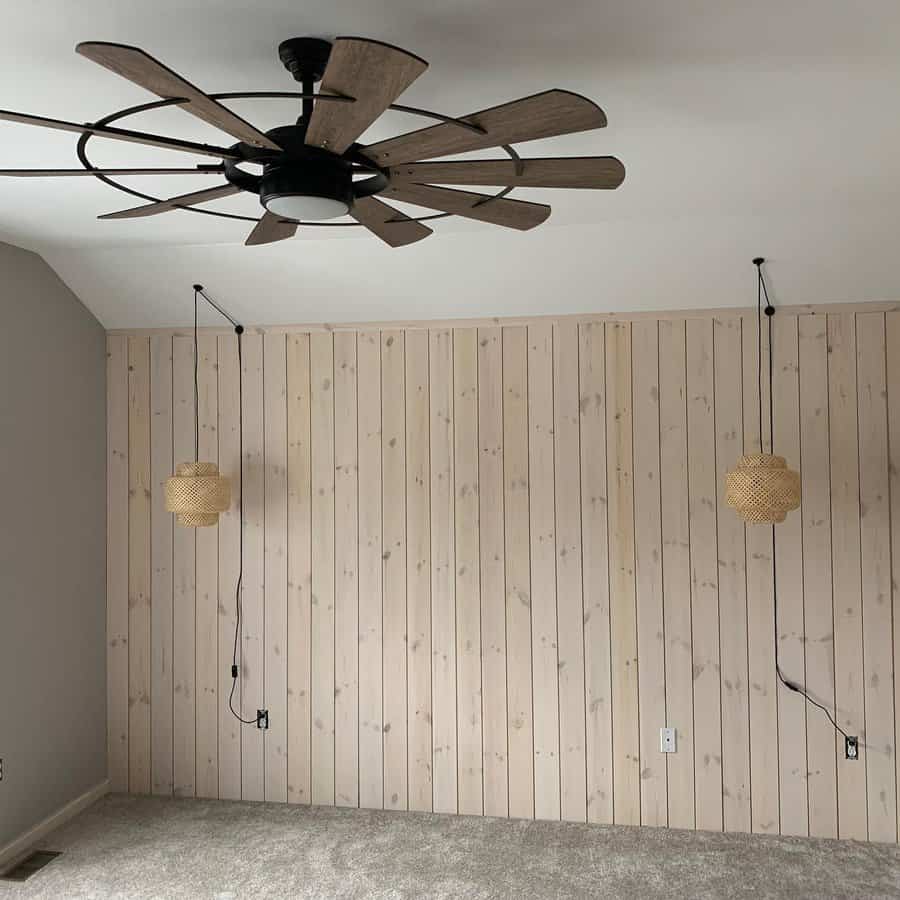
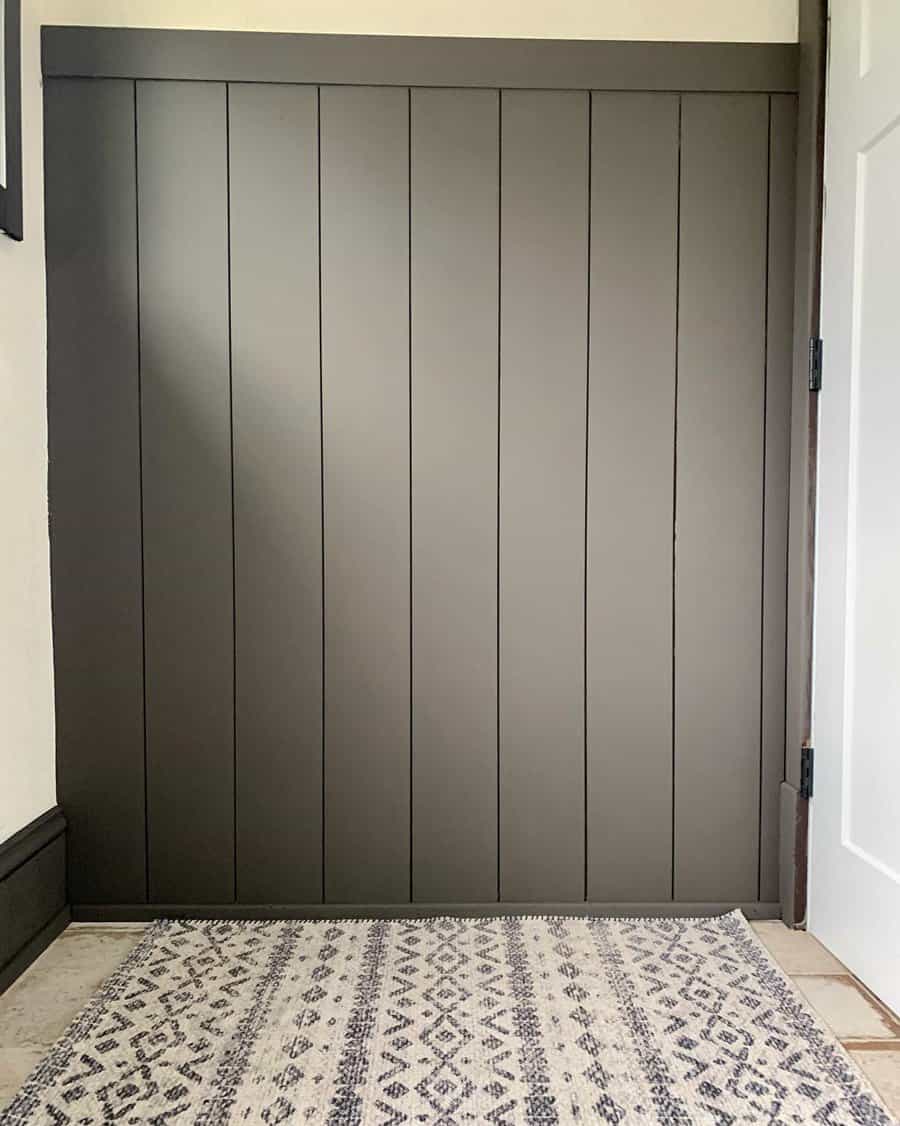
Traditionally, a shiplap wall would be installed in a horizontal pattern. Now, it’s common to see vertical shiplap, chevron shiplap, and diagonal shiplap configurations. Diagonal wood shiplap is particularly attractive as an accent feature, such as on a kitchen island or a set of sliding barn doors.
Source: @artisansignaturehomes via InstagramSource: @claytoncorner via InstagramSource: @irehabhomes via InstagramSource: @vintagethreshold via Instagram
Some designers install shiplap in two patterns on one wall. For example, one half will feature vertical planks, while the other half has them set on the diagonal. This adds a modern twist to classic shiplap wall ideas and is a particularly great backdrop for Scandinavian decor.
5. Elevating Farmhouse Kitchen Vibes with White Shiplap Walls
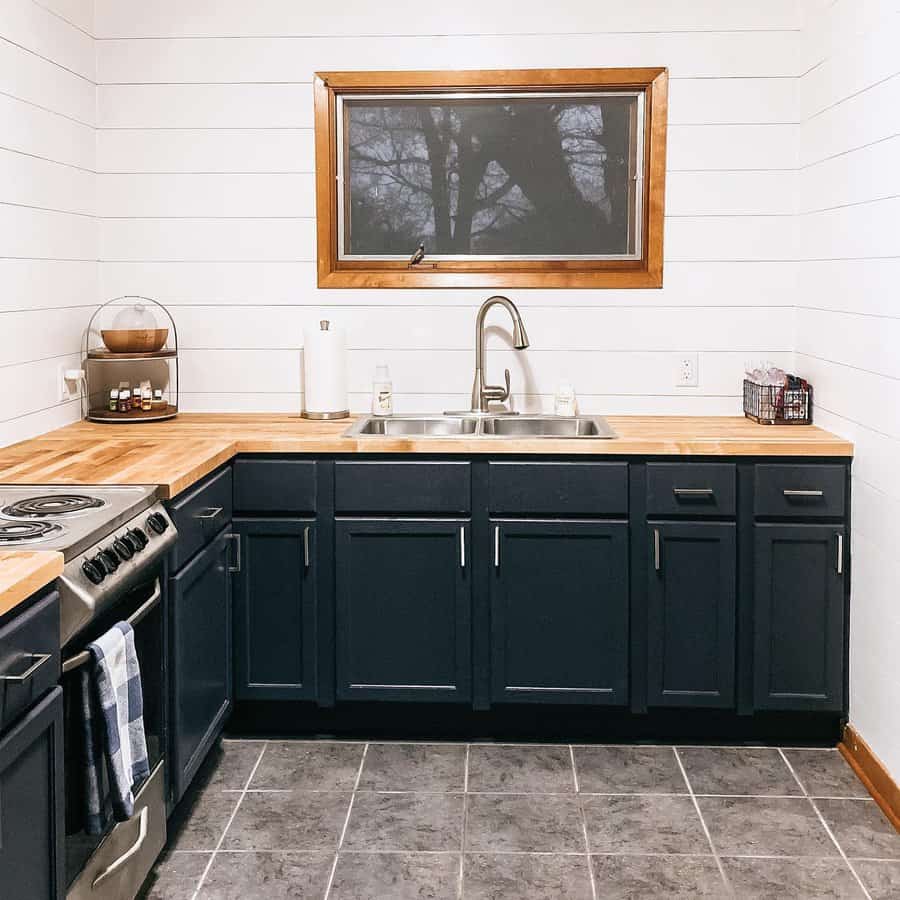
A white shiplap wall is a must if your kitchen is decorated in farmhouse style. No other wall ideas can beat it for creating that particular country vibe. It’s the perfect background for floating shelves, wire baskets, chalkboard art and other key farmhouse design components.
Source: @25thandbrick via InstagramSource: @potter.linda via InstagramSource: @winchester_woodcrafts via Instagram
If you don’t want to go full farmhouse in the kitchen, a smaller shiplap wall idea will do. Shiplap accent wall ideas are great behind a bench in a mudroom area, or to define the boundaries of your breakfast nook.
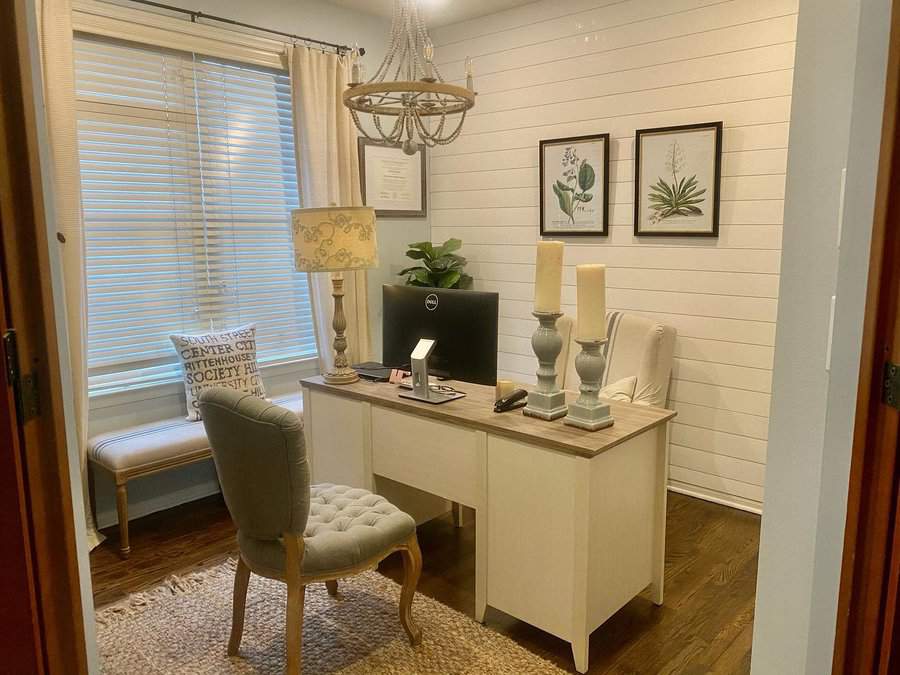
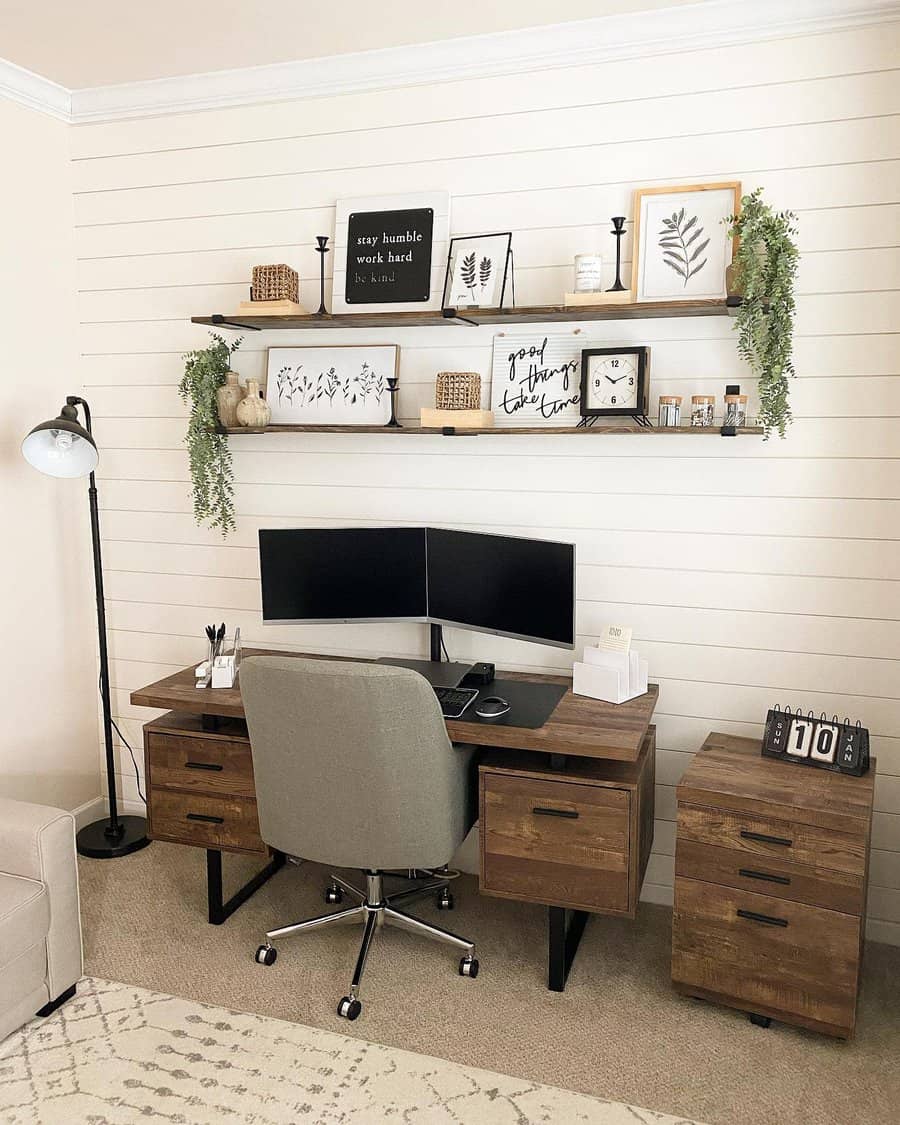
6. Balancing Functionality and Style with Shiplap Office Wall Design
People tend to focus more on functionality than style when designing an office space. But there’s no reason for you to stare at a blank white wall while working all day—especially in a home office where you have liberty to decorate as you please.
Source: @adorehousedecor via InstagramSource: @visionswithvic via Instagram
Define your desk area with shiplap and paint it a color that contrasts with the rest of the walls. Extend your horizontal shiplap wall paneling onto the ceiling for a unique design accent that will make a small office appear more spacious.
7. The Timeless Appeal of Southern Yellow Pine Shiplap
Back when shiplap was used as an interior wall foundation, southern yellow pine was the most popular material in Texas and the southeastern United States. Now pine is one of the most common shiplap woods across America.
Source: @plaids.and.poppies via InstagramSource: @spundesign via InstagramSource: @starryhollowranch via Instagram
Unpainted pine shiplap adds a pale, rustic flavor to any room. Pine wood shiplap must be sealed if used in high-moisture areas like kitchens and bathrooms.
8. Embracing the Beauty of Reclaimed Wood Shiplap
Reclaimed wood makes an excellent type of shiplap. Its natural variations and textures are beautiful as a wall covering in rustic or contemporary homes.
Source: @interior___addict via InstagramSource: @oldeworldhomestead via Instagram
If you cannot get real shiplap from an old house, other types of reclaimed wood can be cut into shiplap planks. You can also achieve a faux reclaimed finish by staining planks different colors before installation.
9. Elevating Home Decor with Stained Wood Shiplap Accents
Staining is an excellent way to add various wood tones to your home decor. An accent wall with varied shiplap planks can help tie together your decor when you already have several wood tones in the same space.
Source: @fullhousetohome via InstagramSource: @innovativeconcepts_const via InstagramSource: @mydiyhappyhour via InstagramSource: @tmhoriginal via InstagramSource: @ufpedge via Instagram
Most ceiling surfaces are covered in some variation of white plaster. But covering your ceiling in stained wood shiplap is a great way to make a room feel warmer and cozier.
10. Transform Your Interiors with Shiplap Wainscoting
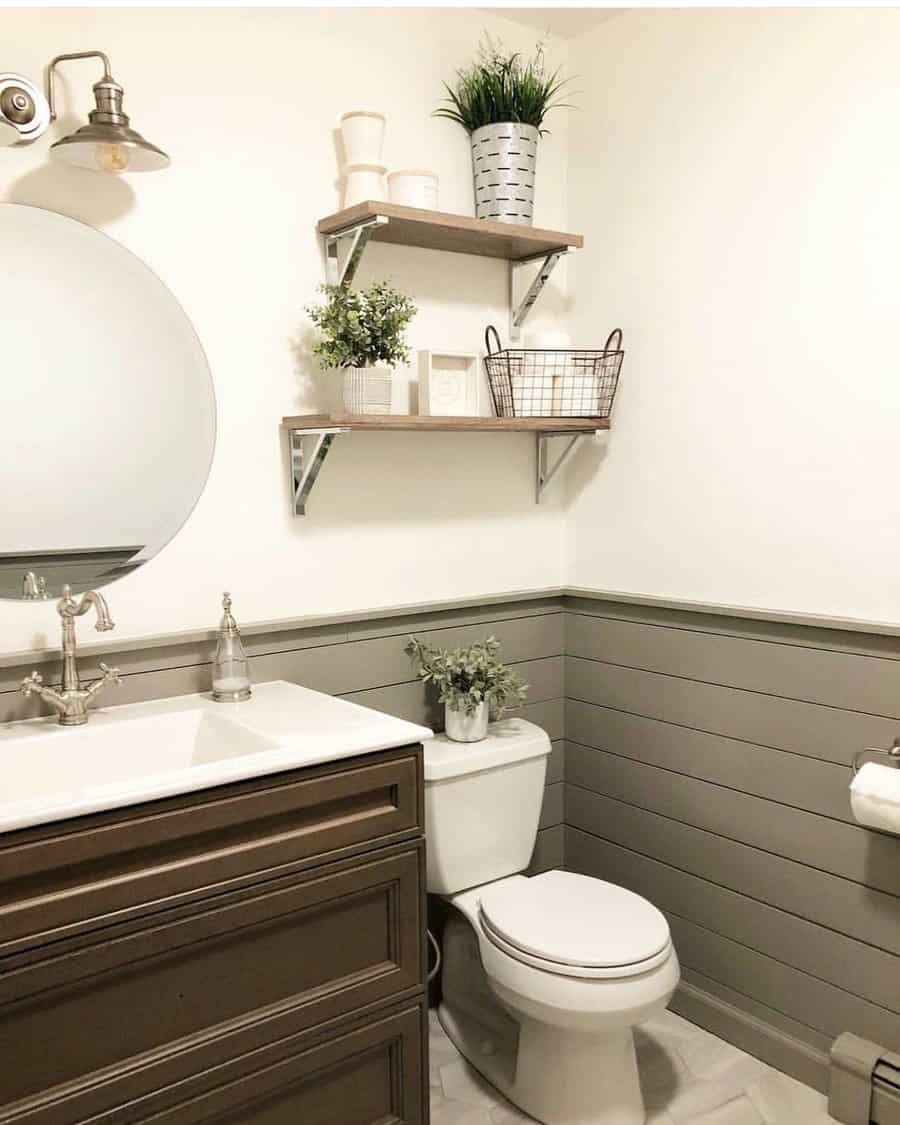
Sophisticated yet simple, wainscoting is decorative paneling installed along the lower half of a wall. Shiplap wainscoting is more casual than traditional types of wainscoting, but it’s still an excellent choice for a dining room, bathroom, or hallway.
Source: @house_of_7feathers via InstagramSource: @manymustardseeds via InstagramSource: @nextleveldesign_build via InstagramSource: @twineindesign via Instagram
Because wainscoting is meant to protect walls from scuffs and dings, choose a durable type of shiplap wood. Add a decorative strip of molding along the top.
11. The Timeless Allure of White Shiplap in Interior Design
White is the first color that comes to mind when most people hear the word “shiplap.” White shiplap has now transcended the boundaries of farmhouse and cottage style and can be found in just about any traditional or contemporary interior.
Source: @davenportfarmhouse_ via InstagramSource: @deep.roots.home via InstagramSource: @quinnlayneliving via InstagramSource: @sawteethcarpentry via InstagramSource: @shiplapshanty via Instagram
White paint is a classic finish for shiplap, but you don’t have to settle for a plain bright white. Cream, ivory, and barely-there grey are white-like paint choices that provide the same look but in a softer way.
12. Whitewash Shiplap: Blending Elegance and Natural Texture
Whitewash is an excellent choice for someone who loves the look of white shiplap but wants some of the natural wood grain to remain. It’s particularly lovely in a room that also has whitewashed exposed brick walls.
Source: @emilygriffin_designer via InstagramSource: @papas_pallets via Instagram
Traditional whitewash paint was made from a mixture of chalk and slaked lime, but now you can make an easier version by mixing one part white paint with three parts water. Whitewashed shiplap will need a sealer or glaze to protect the finish.
You love your neutral gray room, but it is starting to look a bit boring. It’s time to refresh your home with a new accent color.
Before you begin painting accent walls all over your home, take a step back and look at the gray wall colors you already have. First, you need to determine what type of gray you have. The easiest way to do this is by holding clothing items of different colors against the gray. You’ll find that some colors look better than others. This is because the color of the clothing is naturally picking up on the undertones in the gray. If the two colors look good next to each other, they match. If they just don’t look right, then they clash.
Follow this guide to figure out the best colors for your accent wall to match the gray paint colors in your home.
[view_toc]
Jewel Tones
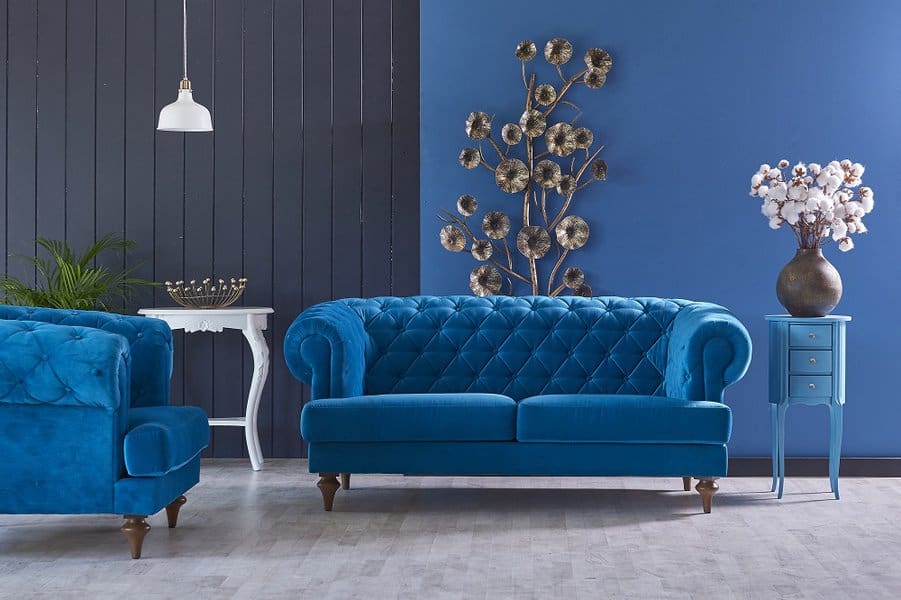
Jewel tones are the colors of jewels, hence their names. These colors would be ruby red, sapphire blue, emerald green, amethyst purple, and citrine yellow. They are highly saturated with a luster, and luxury feel that elevates the look of your room. The trick to making this type of color scheme work is to let the jewel tones shine. You don’t want to overuse them in the room, so pair your chosen jewel tones with a dark gray. Charcoal gray is perfect for this because it is strong enough to support the jewel tones while also being soft enough to keep the space feeling comfortable. Instead of using gray furniture, keep the gray on the walls. Then use the jewel tones for the furniture and other textiles in the room. Velvet is the perfect fabric that comes in all jewel tones, continuing the feeling of opulence in your jewel-toned room. Then finish the look with gold metal accents that bring warmth to the space.
You wouldn’t think that gray would coordinate well with warm colors, but it can be a beautiful color palette. A warm gray will have undertones in colors that are warm. This shade of gray paint color will look grayer in some light and more like a neutral color in other light. Putting this gray next to warm colors will bring out the undertones. Examples of warm gray include Chelsea gray, repose gray, Sherwin Williams agreeable gray, and Benjamin Moore gray owl. Use these colors with night beige neutrals, browns, rust, tan, red, orange, and yellow. Balancing your warm color scheme with gray gives your room a contemporary feel. It also prevents your room from looking dingy, old, and outdated. A room that equally balances the warm color with the gray tends to look the best. Paint an accent wall your warm color and leave the other walls gray. Then use the two colors throughout the room. Perhaps you have a gray sofa that you can arrange pillows in your warm neutral on.
Pastels
Using pastels in your home goes beyond neutral hues like having a beige wall. Lighter shades reflect more natural light while also bringing color into your home. You can choose any color in a pastel shade to bring subtle color and dimension into your rooms. However, to showcase those light colors, you need to add contrast. Instead of using light gray, which is just another light color, add a darker gray shade. This will add contrast and create definition. The darker gray shade creates depth and balance from the lighter pastel shade. To do this effectively, use the dark gray shade strategically in the room. Keeping it low in the room, such as on the floor or for the furniture, will keep the visual heaviness low, creating the illusion of the upper part of the room being lighter and bigger. Another method is to place the dark gray behind the pastel colors. This causes the gray to visually sink back, making the room feel bigger.
Cool Tones
Cool gray hues are some of the most popular. This is because most people associate gray with a cool color that pairs well with other cool colors, such as blue. However, there are different levels and shades of cool gray. Choose one that complements the shade and saturation of the cool colors in your room. Your gray accent wall shouldn’t blend into the other color so that they are almost the same. Instead, it needs to be different enough to clearly see the definition between the two colors. For example, don’t choose a sea fog gray with a pastel blue. They are too close to each other. However, sea fog gray would look beautiful with a deep navy or seafoam green. This color combination would make the perfect color scheme for a contemporary coastal room.
White and Black
Gray works as a beautiful accent to white and black because the color gray is a combination of white and black mixed together. This is basic color wheel theory. When you use gray as an accent wall color, it softens the look of both the white and the black. Gray walls are gentler on the eyes than white walls. Black can look too dark when there is too much of it in your home decor. Using gray with it brightens black. Your room goes from looking gothic to looking sophisticated and modern. Paint one wall your chosen gray color and then use it as a minor accent throughout the room.
Do Not Use Gray
Now that we have covered all of the colors that will look beautiful with gray let’s discuss the one color that you shouldn’t use. Gray walls in an all-gray room will create a bland and boring interior design. It doesn’t matter if it is dark or light gray. All gray looks bland and tends to fall flat. Sometimes, you can use a combination of light and dark gray to create depth in an all-gray room. However, this is difficult to get right and still looks dull and depressing.
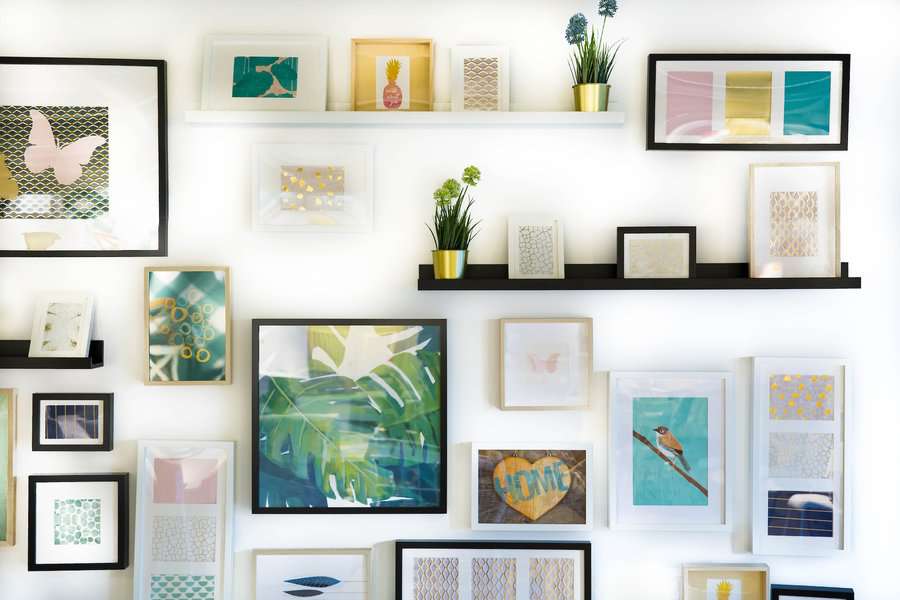
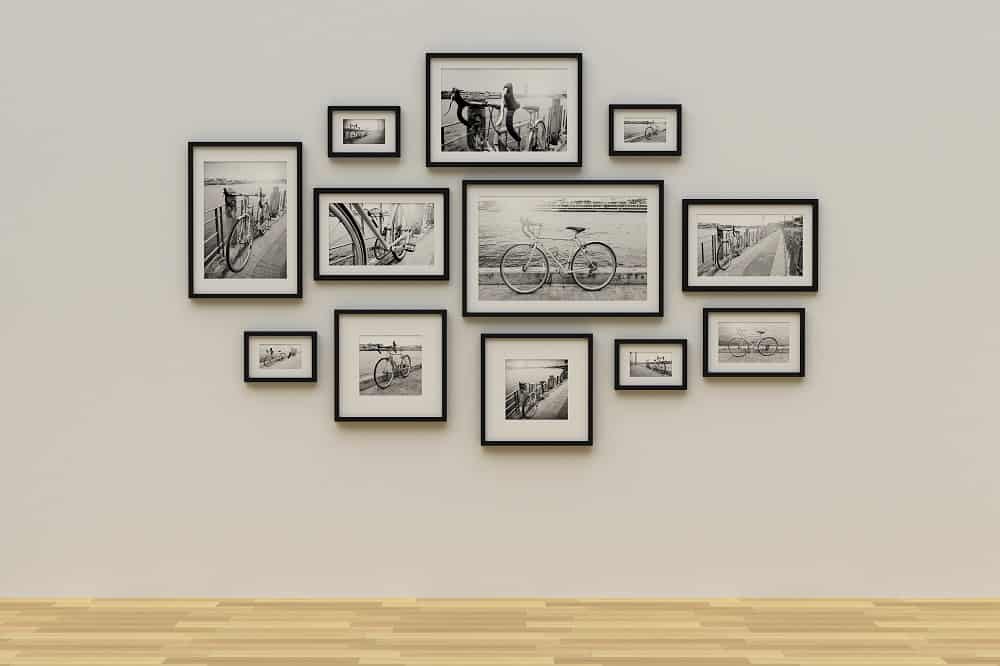
A gallery wall—or photo and artwork collection—is a great way to showcase your favorite memories. Although many gallery wall layout ideas include pictures that are all the same size, most have pictures of different sizes. Putting them together in a way that’s pleasing can feel like trying to solve a difficult puzzle.
If you’re wondering how to arrange pictures on a wall when they’re a mishmash of different shapes and sizes, certain techniques will help you out. Here are some of our favorite ways to create the perfect picture arrangement on your gallery wall.
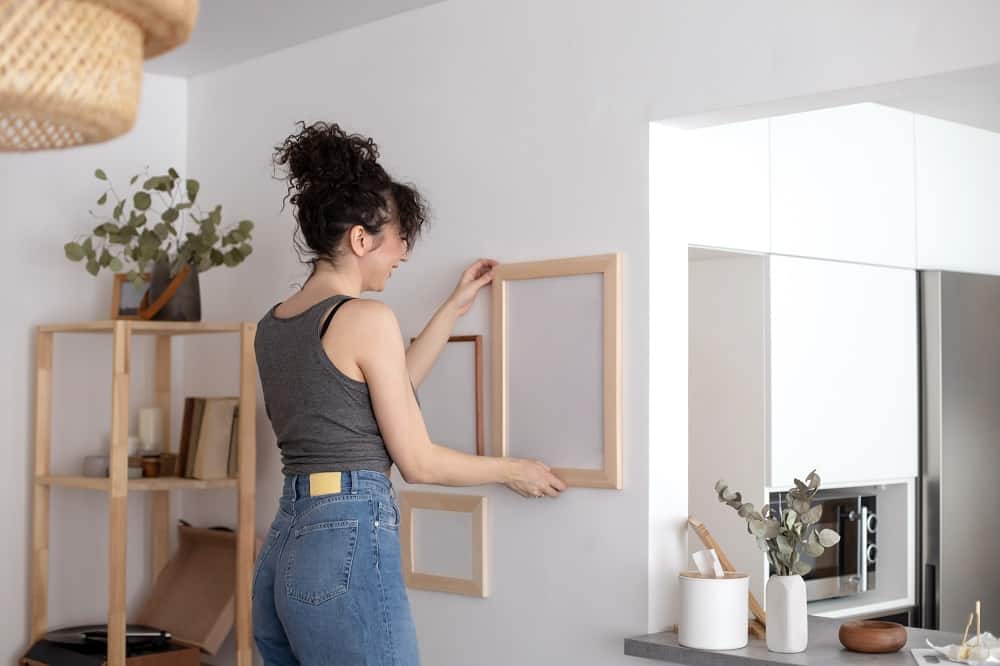
What type of wall is the best to arrange pictures on? Any bare wall is a good candidate for an impressive art display. Factor in the size of your artwork and the number of pieces you want to hang up. You may discover that you don’t need a large wall to display your artwork collection.
In the living room, over the sofa is a logical place to locate a gallery wall. Look for blank wall space over other pieces of furniture, and consider wrapping your picture display around a corner for an interesting effect.
Don’t forget the staircase wall when planning where to hang pictures. It’s a great idea to hang family photos in a timeline that you get to relive as you go up and down the stairs each day.
Remember that you don’t have to hang pictures on every bedroom or living room wall. In fact, it’s a good idea to leave some blank wall space in every room. This keeps the space from looking cluttered and gives your eyes a chance to rest.
Choose a Theme
While there are no hard rules for filling a space with picture groupings, adhering to one central theme per wall is often preferable. For example, a symmetrical grouping of botanical art prints adds traditional elegance to a space. For a more casual theme, choose family photos, perhaps mixing professional portraits with favorite casual shots.
As a rule, black and white family pictures look more formal than the color version of each photo. For landscape photo collections or even drawings, black and white conveys a more modern home decor style.
Keep in mind that virtually every visitor to your home will see the wall art in your living room, so keep the images professional and appropriate. While silly or low-brow artwork may accurately reflect your personality, it’s better to leave those images in your bedroom or another more private space.
Coordinate Frames
Depending on your home decor style, all the frames on a gallery wall don’t necessarily have to match. If you have a casual, bohemian style, each picture frame can be different. However, for a more refined look, go with frames that coordinate.
Matching frames makes it clear that all the images were meant to be displayed together. If you choose a simple frame design, it will be easier to find the same white or black frame in different sizes.
Whether you choose wood, metal, black, or white frames, make sure they look good with both the artwork and the rest of the room’s decor.
Practice Composition
Sketch out picture groupings before you commit to hammering nails into the wall. Creating a rough blueprint of your gallery wall is a good way to get an idea of how many pieces you want to include and exactly where each piece should go.
Focus on big pictures first. A larger picture deserves a prominent place in the gallery wall. Surround it with smaller picture frames and related articles that go with your theme. For example, intersperse metallic starburst wall medallions between photos of the night sky.
Making paper templates is an easy way to see how all your hanging pictures will look on the wall. Lay your pictures on a roll of craft paper and trace around each frame with a pencil. Cut them out and label them so you don’t get confused about which piece is which.
Using a loop of painters tape, attach the paper templates to your gallery wall in the same arrangement you sketched out earlier. If you don’t like the way it looks, it’s easy to reposition them until the arrangement suits you.
You can also have someone hold up each piece to the wall while you stand back and see how it looks. Make sure you cover the picture hook with masking tape first, to keep it from scratching the wall.
Seek Symmetry
Arranging pictures in perfect symmetry can be rather boring, but some degree of symmetry is necessary to keep the room from looking unbalanced. Think of each frame as carrying a weight related to its overall size. Especially with traditional or formal decor, you want to balance weights along each side of the wall.
For example, place a large piece in one of the lower corners of your gallery wall space. Put the second-largest picture in the upper corner diagonal from the biggest piece. Then arrange the remaining multiple pictures in the unoccupied corners to balance the overall space.
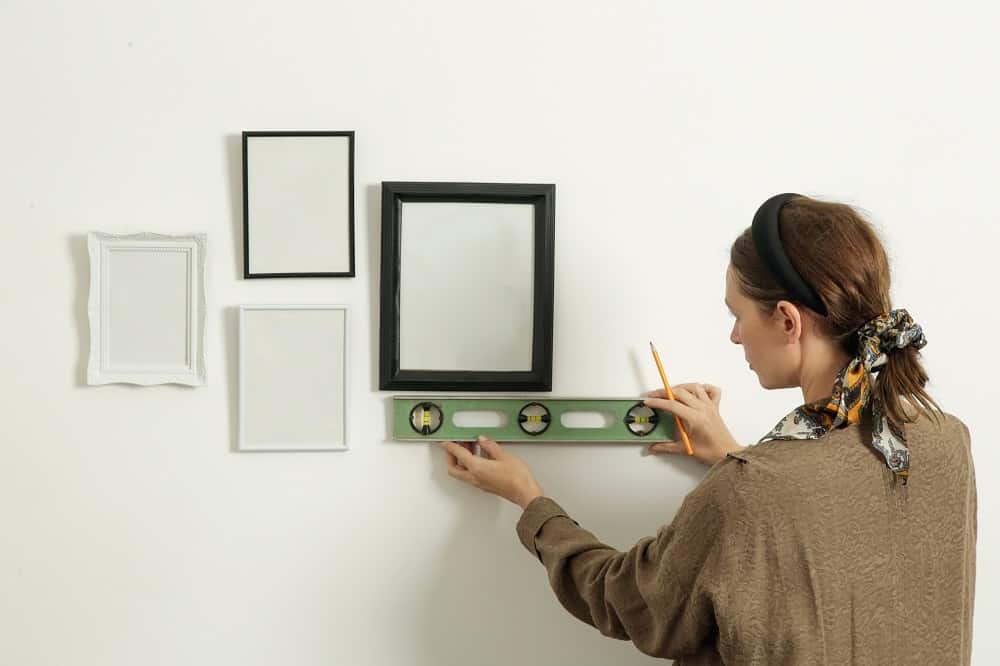
Another visually pleasing space for hanging pictures is a few inches above a chair rail. It may seem too low initially, but this positioning serves the dual purpose of showing off your artwork while drawing attention to the architectural trim. Use your carpenter’s level to ensure each piece is neatly aligned.
Gather Supplies
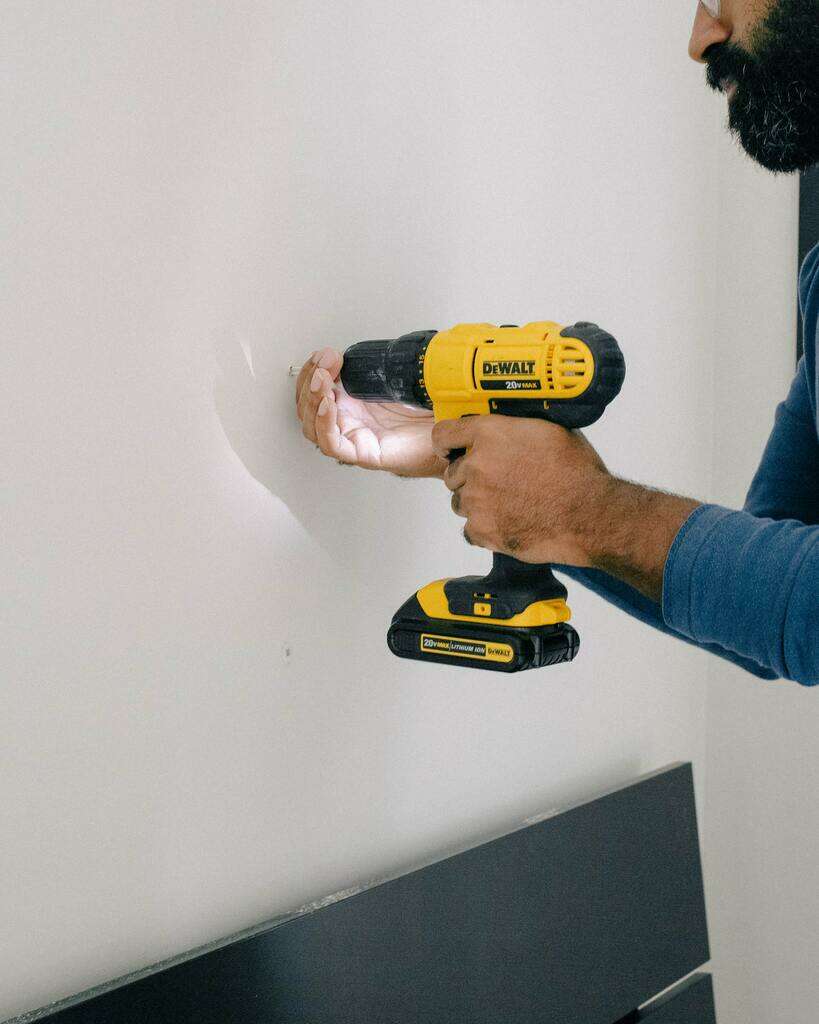
In addition to kraft paper, painters tape, and a pencil, you’ll need a measuring tape and a level to professionally hang your wall decor. You’ll need a picture hanger for each frame, screws and a screwdriver, and/or a hammer and nails.
Many interior designers recommend using two picture hangers on each piece—especially large artwork—to keep them from tilting or swinging. Wall plugs and drywall anchors provide extra support, especially in brittle drywall.
A wall anchor is better than an ordinary nail or screw for supporting heavier artwork and decorative wall art pieces. Drywall anchors are a screw that includes a spring-loaded winged nut that spreads open behind the drywall. Its “T-shaped” design keeps the weight of your art piece from pulling the screw out of the wall.
Unless your gallery idea is a freeform, organic layout, you shouldn’t leave measurements to guesswork. Accurate measurements are what makes your display look professionally installed. You must use measurements if you’re creating a grid or even row of frames.
Follow the instructions in the “Formula for Hanging Pictures” section below. Use a tape measure and a carpenter’s level to determine where each nail, screw, or wall anchor should go. Mark each spot lightly with a pencil.
A Formula for Hanging Pictures
Hanging pictures can feel like trying to solve a puzzle—especially if your wall art is in different shapes and sizes. If you bought a hanging art set from Pottery Barn or another retailer, it’s easy enough to just copy the way they had the pieces displayed. But if you’re creating your own photo wall from scratch, this formula can help ensure a balanced composition.
To hang artwork at average eye level, the center of the piece should be between 57 and 60 inches above the floor. Find the center by dividing the height of the frame by two. Then measure the distance from the top of the frame to the hanging hardware and subtract that from the first number.
Add that figure to 57, 58, 59, or 60. This final sum is the height where your nail or wall anchor should go, as measured from the floor.
How to Hang Eclectic Groupings
Although it’s recommended to have a common thread tying your gallery wall picture collection together, it’s not required. In fact, the beauty of your particular grouping might be its whimsical diversity. It’s perfectly acceptable for photos, sketches, paintings, macrame, wall sculptures, and baskets to occupy the same wall space.
It can be a bit more challenging to make an eclectic collection flow together harmoniously. Start by hanging pictures that mean the most to you at eye level—but feel free to move them higher or lower to work around your furniture and architecture. Extend your collection into the rest of the space by hanging a small picture or decoration above a door or window.
Remember that your instinct is the most important factor when it’s time to hang pictures—or do any type of home decorating. You live in the space. If your picture display makes you happy, that’s all that matters.
Grey might just be the ultimate neutral color. Dark enough for drama, but light enough to convey spaciousness, grey walls are the perfect background for just about any colour curtains.
Grey is a suitable color in everything from a modern condo to a sprawling farmhouse. It might be easier to ask what colors don’t go with grey than to ask, “What color curtains go with grey walls?” Here are a few of our favorite pairings of grey walls and colored curtains.
There are far more than 50 shades of grey when it comes to paint color choices. Grey is like its own rainbow, with warm brownish grey at one end and cool bluish grey at the other.
Grey also shows up in a wide value spectrum. There are pale shades just a notch above white, and deep charcoals just a few steps below black. So choosing grey curtains is a great option, especially if you’re into chic monochromatic decor.
Choosing a textured or patterned grey fabric is a good way to add sophisticated detail to the room. Look for a floral grey monochromatic window treatment, or a classic pattern like stripes or plaid. Silvery grey sheer curtains are a great choice to hang behind heavier curtain panels.
You can break up the grey a bit by including some white walls in the room. For example, install wainscoting up to chair rail height and paint that part of the room white.
Black
Black curtains are a classic choice when it comes to room decor. Not only is black a sophisticated hue that goes with anything, it is a popular color for blackout curtains and other thermal curtain options. Having black thermal curtains can help you save money on your air conditioning bill in the summertime.
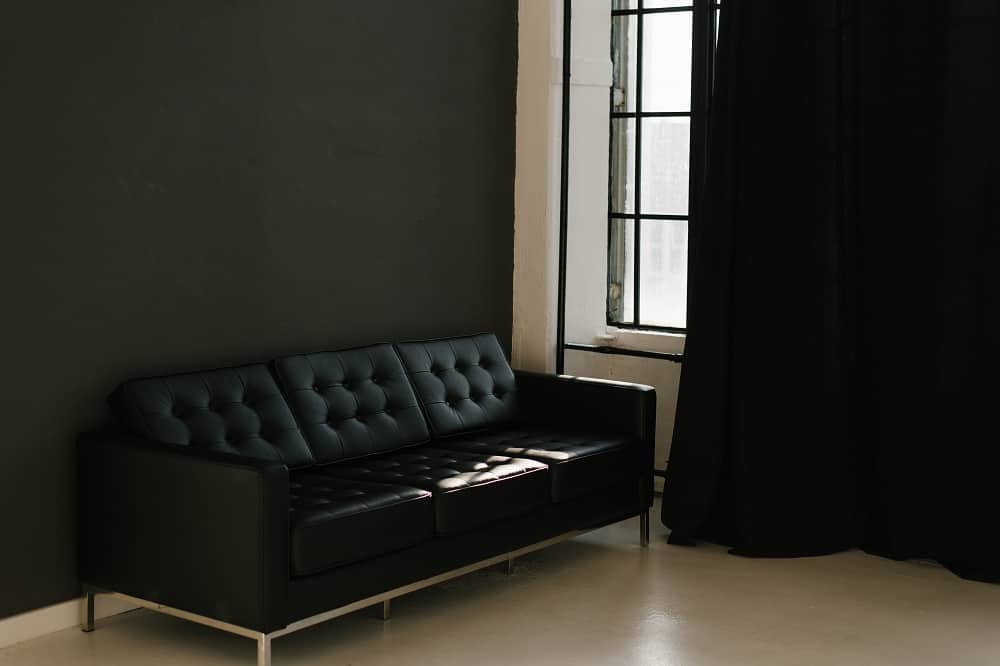
Matching curtains to furniture is a good idea for maintaining a balanced color scheme. Pair black curtains with a black leather sofa and a rug that incorporates all the grey and black hues in the room. If black colored curtains feel too harsh for your decor, go with dark charcoal grey curtains for a similar but less drastic vibe.
White
White curtains always carry a fresh, clean vibe. Hanging white curtains on a grey wall is a classic combination favored by many an interior designer. This particular combination allows the furniture to be the focal point in the room.
With grey walls and white curtains, you have the freedom to choose a couch and accessories in any color you wish. White textured curtains add subtle detail to the room without taking anything away from your other design elements.
Warm grey color paint looks better with a warmer shade of white. Pair it with a soft ivory curtain color instead of a bright white curtain.
Blue
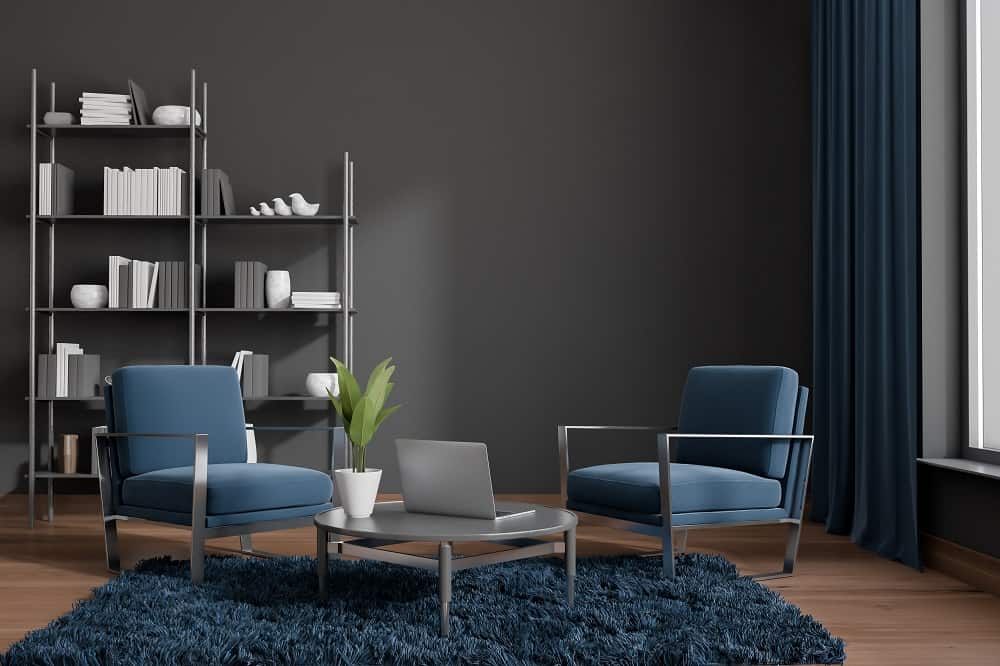
Blue colored curtains are a peaceful, impactful choice in just about any room with grey walls. Blue and grey are a classic color duo, whether you have blue curtain panels on grey walls, or blue walls behind grey curtains.
Navy or light blue curtain panels stand out against grey walls, especially when the room includes other blue accents. Teal curtains also look great against a medium grey wall, as its warm bluish-green looks extra brilliant against a solid neutral.
Light grey walls and pale blue curtains give the room the cooling ambience of a cloudy day. Brushed nickel curtain rods look amazing with this color combo.
Pink
Choose pink curtain fabric to add a soft warmth to a room with grey walls. Grey wall paint looks amazing with all shades of pink, especially blush pink or dusty rose. Hang sheer white curtains behind your pink drapes to soften daylight filtering through the window. This will look especially nice if your room has white furniture.
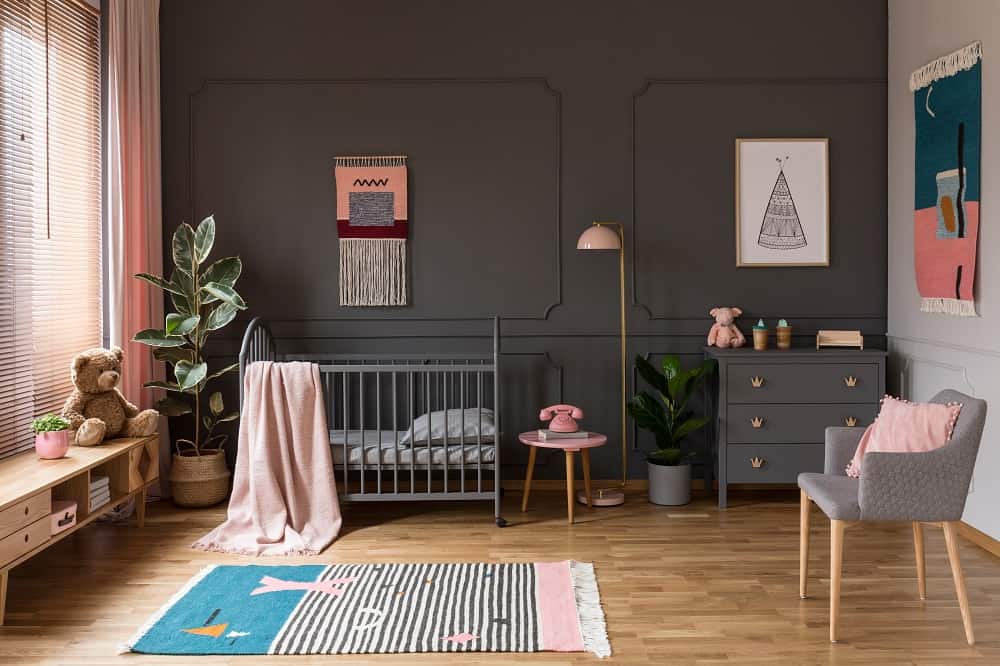
Light grey wall paint and pale pink decor has long been a favorite in a baby nursery or little girl’s room. However, this color scheme is also soothing in any room and can be quite sophisticated. Pink is one of the colors that will go equally well with warm or cool grey wall paint.
Green
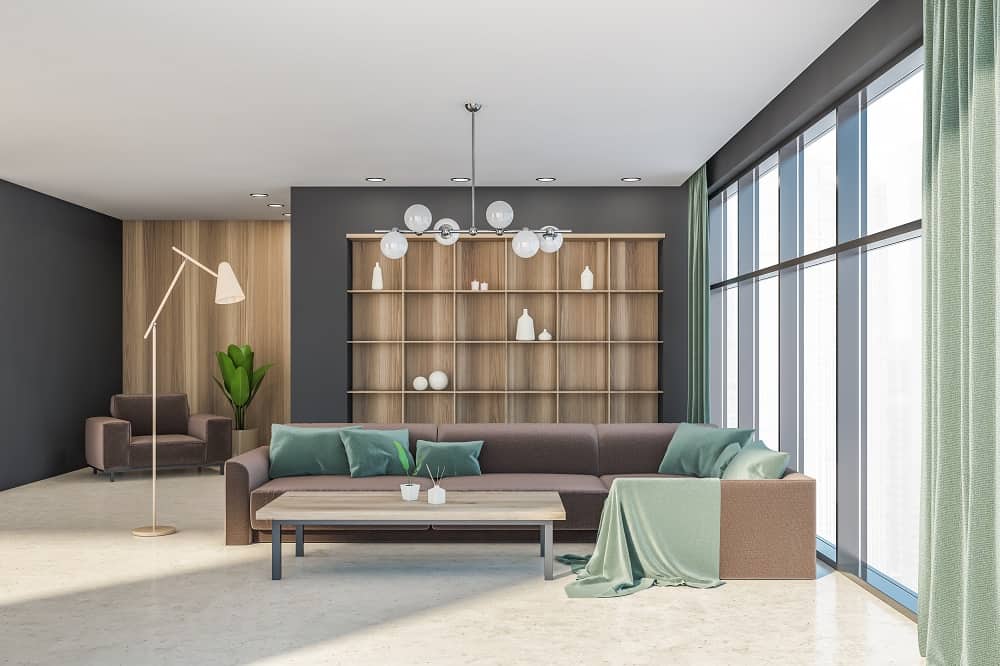
You can probably get away with any green color curtain against your grey wall, but earthy shades of green look particularly good next to grey. Olive green curtain panels merge well with a grey based wall color and adding brown and other warm neutrals completes the look.
Emerald, jade, and other brighter green curtain choices can also work well with grey, provided that the color is included in the room’s accessories, rugs, and wall decor.
Beige
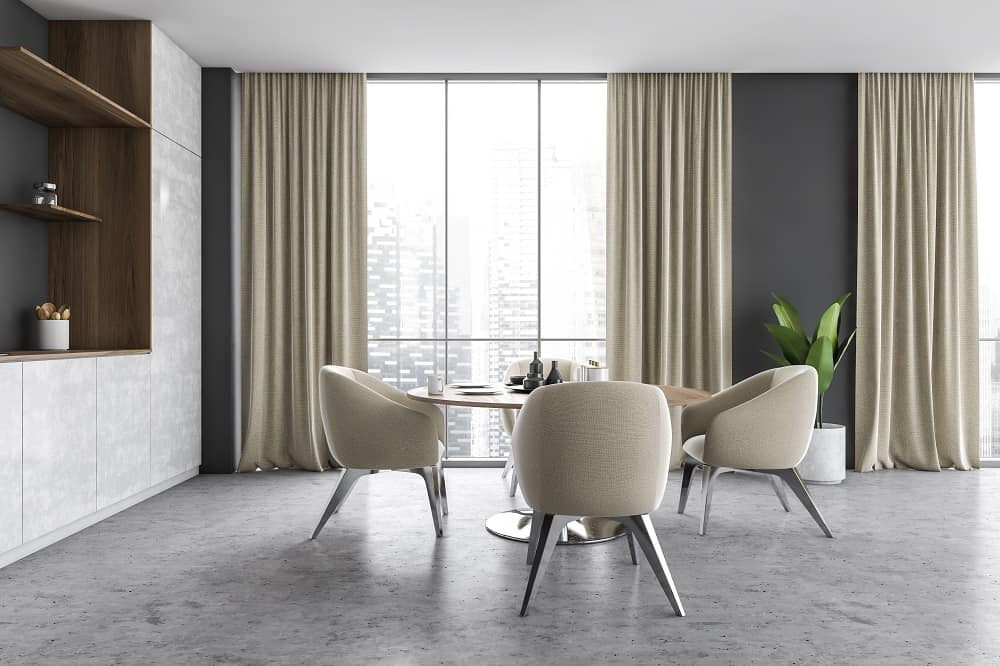
Like grey, beige has its own color spectrum. From pale oatmeal to deep tan, it’s one of the best curtain colors if you want a room that’s neutral but warm. Greige is a new color that combines the best of beige and grey and is a good companion to both.
Warm grey walls and beige curtains are a great background color scheme if you have a lot of brown furniture in the room. Warm grey walls and beige curtains go great with a brown leather sofa and natural wood finishes on tables and bookshelves.
Bright Colored Curtains
Most bright color options look great beside neutral grey walls, so don’t be afraid of this curtain and wall pairing. Purple, orange, hot pink, or red curtains add a cheerful, whimsical vibe to a room. Putting these brilliant hues next to calm grey makes them pop even more.
Yellow is another bright color that looks amazing with grey. While a soft, buttery yellow is a classic color to use with grey, brighter hues can work as well. Mustard yellow curtains or deep golden drapes stand out nicely against charcoal and other darker shades of grey.
Bright floral patterns, colorful plaids, and batik prints are also great in a grey room—especially if they include a bit of grey that goes with the wall color. Just be sure to use the printed fabric’s main color other places in the room, such as on throw pillows, rugs, and wall art.
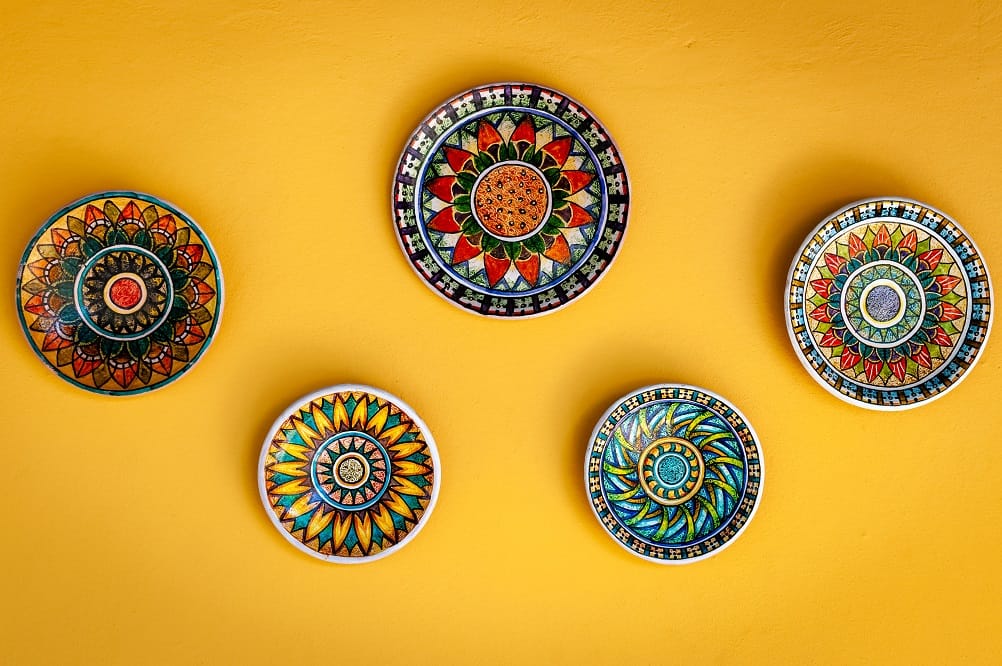
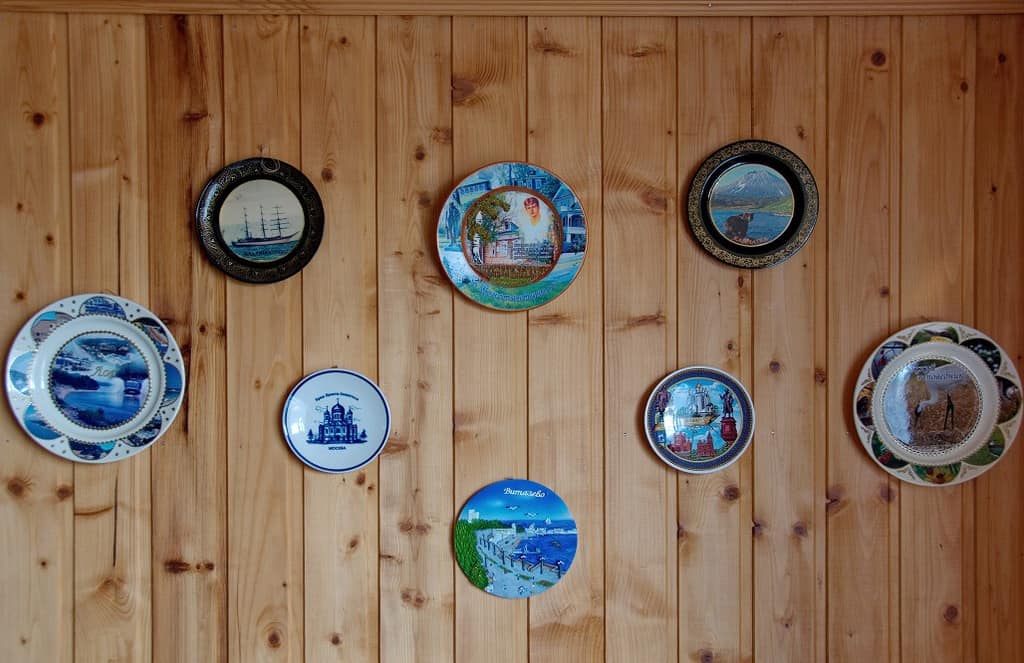
Adding decorative plates to your walls is an easy way of adding color and decor to your home. The three-dimensional nature of the plates allows them to protrude away from the wall, adding depth to the decor and space. There are plates for every taste, from traditional china to modern handmade designs. The real problem is, how do you get them on the wall?
Step 1: Choose the Plates
The first step is to decide which plates and platters you want to hang on the wall. Consider the size, shape, weight, and style of the plate. If you have a prized collection, this should be relatively easy because you already have plates you love. If you do not already have plates, you will need to buy some. For vintage plates, you can head to your local antique store. Local home design stores have contemporary plates with a broad appeal. Finally, check out local art fairs and websites like Etsy for handmade and one-of-a-kind art.
Try to choose plates that complement each other. They should fall in line with a chosen color scheme and style. This will help your final design to look cohesive and not cluttered. Also, selecting plates of different sizes and shapes can add interest to the final display.
Once you have your plates, it is time to decide how they will look on the wall. Do not blindly start making holes in the walls, as you will end up with a mess and a wall full of holes. Instead, get some craft or butcher paper and spread it out on a table or the floor. Place the plates on the paper in different arrangements until you find one you like. Keep in mind the available space on the wall, as your arrangement needs to fill the space but not look too cluttered. Do not be afraid of leaving some space between the plates. This is called allowing your design to breathe. The empty space creates a visual break, enabling each plate to shine.
Once you have the plates where you want them, trace around them with a pen, pencil, or marker. It can be easier to turn the plates over so that they are face down for this task. Then, you can take the template to your wall and use it as a guide for mounting the hanging hardware on the wall.
Alternative Design Arrangement Method
If you have a large wall or your hanging method won’t work with a single template, there’s an alternative. Lay out the paper and trace around the plates on the paper. Do not worry about the arrangement; you will cut out the tracings to have multiple round plate templates. Label the templates so that you can easily keep track of which template matches which plate. Then, tape the plates to the wall and design your arrangement on the wall.
Step 3: Choose the Hanging Method
YouTube/Therapy Art
The hanging method that you choose will depend on the plates’ size, shape, and weight. The method you choose needs to be strong and secure enough to hold the plates on the wall without the risk of them falling.
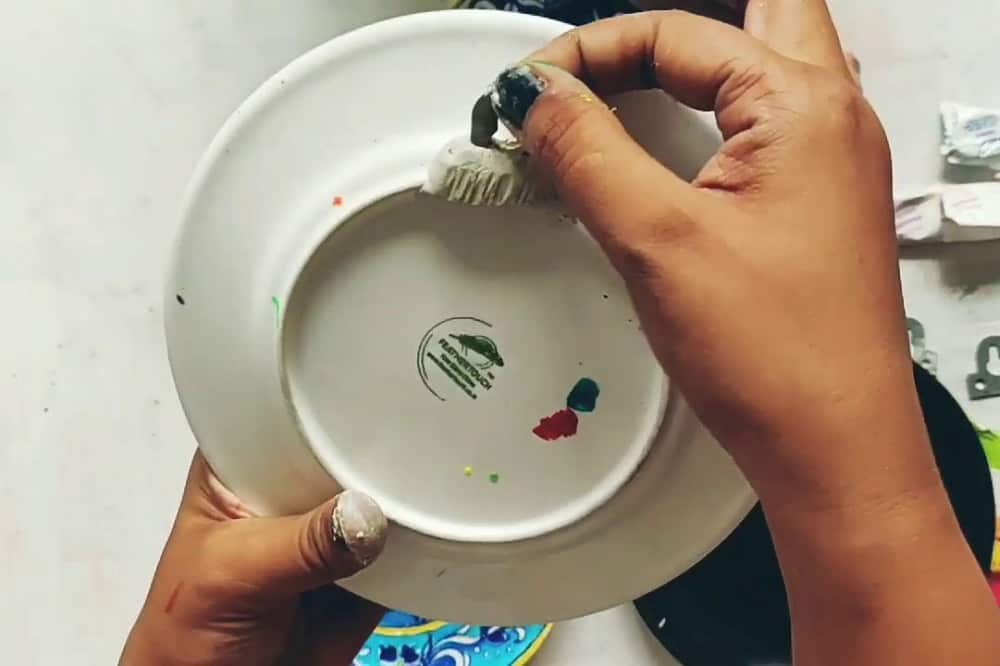
Adhesive Disk Plate Hangers
A popular method is to use an adhesive method. These are flat disks that adhere to the back of the plate and have a small metal loop. This method is popular because the plate will hang flat against the wall. The problem with adhesive disks is that they have weight limits, so large and heavy plates may be too much for the adhesive disk. You could use more than one disk per plate, but even this may not be enough. Another issue is that you need a flat surface for the disk to adhere to. If your plate has ridges, then this method won’t work. Finally, this method won’t work if you plan to take the plates down and occasionally use them.
What size hanging discs do you need for your plates?
1 1/4″ for plates up to 4 inches diameter
2″ for plates up to 6 inches diameter
3″ for plates up to 8 inches diameter
4″ for plates up to 12 inches diameter
5 1/2″ for plates up to 6.5 pounds in weight
Spring-Style Plate Hangers
The other most popular method is to use a spring-style plate hanger. These hangers have two metal holders that are connected by two springs. At each end, the metal holders have two hooks that will hook over the edge of the plate. There is a v-shaped metal piece that you will hook over a hook in the wall to hang the plate. These hangers come in a wide range of sizes, so you will measure the diameter of the plate to know which size hanger to use. You won’t have to worry about the hanger not being strong enough. You can also easily remove the hanger and use the plate. One thing to be careful of is potential damage to your plate. Look for a hanger that is coated with vinyl, rubber, or plastic on the hooks. This creates a cushion between the hooks and the edge of the plate to prevent scratching or chipping.
Command Strips
Be careful when using command strips to hang your plates. While they boast strong weight limits, they are not always reliable. On the other hand, their advantage is that you can remove them from the wall without leaving any damage or marks. If you have very small or lightweight plates, they might be an option, but use them with caution.
DIY Methods
There are some DIY plate hanging methods out there. While people claim that they are useful and creative methods for hanging their plates, many are more work than they are worth. For example, some use paperclips, but this is dangerous. Paperclips are not designed for holding the weight of plates and will eventually bend or break. Another uses hot glue, felt, and safety pins. This requires you to buy more materials, and the end result is not as stable. Ultimately, if you are going to hang cherished plates on the wall, invest in the proper equipment to hang them. This will prevent damage to your plates and give you a polished final display.
Step 4: Hang the Plates
When it is time to hang your plates, start by cleaning them. They could have dust or grease from your fingers on them. If you are using an adhesive method, these will prevent the adhesive from effectively sticking. If you are using another method, the dust and grease will make the plates look dingy.
Attach your chosen hanging method to your plates. First, confirm that you have your template where you want it on the wall. Then, begin adding the appropriate hooks where you need them.
Choose the Right Hook
The size of the hook you use will depend on the size of the plate. The larger and heavier the plate is, the larger and stronger the hook needs to be. Otherwise, the hook may not be able to hold the weight of the plate, and the plate will pull the hook out of the wall. If you have especially heavy plates, you may also need to use a wall anchor. This arm goes through the hole in the wall and braces the hook from the backside.
Hook Placement
When adding the hooks, keep in mind the hook’s location in relation to the edge of the plate. You do not want to put the hook at the top of the template, or your entire arrangement will ship upward. Instead, measure down from the top of the plate and then place the hook here. This will keep your plates from unintentionally shifting during hanging.
Few things in home decor can be as intimidating as a large empty wall. In fact, figuring out how to decorate a large wall can stump even a professional interior designer!
But really, an empty wall is open decor space, a blank canvas upon which you can manifest your best wall decor ideas. If you’re wondering how to decorate a large wall, the following ideas will make it easy to turn your biggest wall decor challenge into your favorite home feature.
[view_toc]
Gallery Wall
A gallery wall is a collection of artwork, photos, mirrors, and other decorative elements that coordinate to fill a blank wall space. A gallery wall might have one large mirror or painting in the center and several smaller satellite pieces. It could also be a collection of artwork in matching sizes and frames, neatly placed in a grid.
Gallery walls are equally wonderful in a large living room, dining room, or hallway. They’re also a great wall decor idea for a big blank wall behind your headboard. Go with a monochromatic color scheme for a more formal approach.
For a casual, bohemian gallery wall, hang a collection of flat baskets in an organic shape, or display a collection of whimsical plates. Intersperse them with macrame wall hanging pieces.
Wallpaper
Wallpaper is back in style and comes in a dizzying array of cool prints and patterns. A boldly printed wallpaper can be a dramatic statement on a large wall, turning it into the room’s focal point.
If a full large wall of wallpaper feels a bit too busy, put wainscoting on the bottom half of the wall and paint it the same color as the room’s other walls. Or choose a subtle wallpaper, one with a faux brick finish or a simple organic texture.
Renters—and homeowners who don’t want to commit to one look long-term—should shop for peel-and-stick wallpaper. Easy to remove when you tire of it or move out, it makes decorating large walls easy and temporary.
Paint
Paint is one of the most economical ways to create an accent wall in a living room, bedroom, or any large or small space. A common decor idea is to paint one wall a darker color than the rest of the room. This can be a great way to draw attention to the art and objects displayed on your wall.
You can also use paint to create a simple wall mural, perfect for creatively filling up an entire wall. If you aren’t particularly artsy, you can purchase a peel and stick wall mural instead.
Upcycling is all the rage, and salvaging beautiful architectural pieces is one of the best ways to repurpose items that have seen better days. Look online to find builder supply surplus stores and vintage dealers who sell pieces saved from old house renovations.
Old house trim, window frames, doors, and mantels are all examples of architectural pieces that make excellent wall decor ideas. Either keep the unique patina of its natural finish, or refinish to coordinate with the rest of your large wall decor.
Furniture
Furniture is another good way to fill a huge expanse of wall space. Buy an oversized living room console table and arrange your gallery wall above it. Top it with tall lamps and other pieces that suit the space.
Tall cabinets or shelving units can help balance the composition of your of large wall decor ideas. Having bigger pieces as part of your large wall decor also increases your living room storage and functionality.
Plants
Green plants bring the outdoors in. A tall green tree is an excellent way of filling up part of a large living room wall. If you have a green thumb and plenty of natural light, choose a real tree. If not, today’s faux plants are hard to differentiate from the real deal and are a suitable alternative to living plants.
Trailing plants are also good choices for large wall decor, placed on top of a cabinet or floating shelf. Hanging baskets and wall-mounted planters are also great large wall decor ideas, especially in boho decor. A large wall garden made of succulents is a colorful living large wall art display.
Trim and Molding
Decorative trim and molding turn the wall itself into a piece of art. Wainscoting, picture frame molding, wide crown molding and tall baseboards are all equally valid ways of adding detail to a blank space. For cottage or farmhouse style, look at shiplap or board and batten options.
This type of “wall sculpture” helps showcase the wall art on display and draws the eye to certain design elements. You can frame a large living room or kitchen opening with faux columns or hang a vintage mantel high above a door and use it as a shelf.
Mirrors
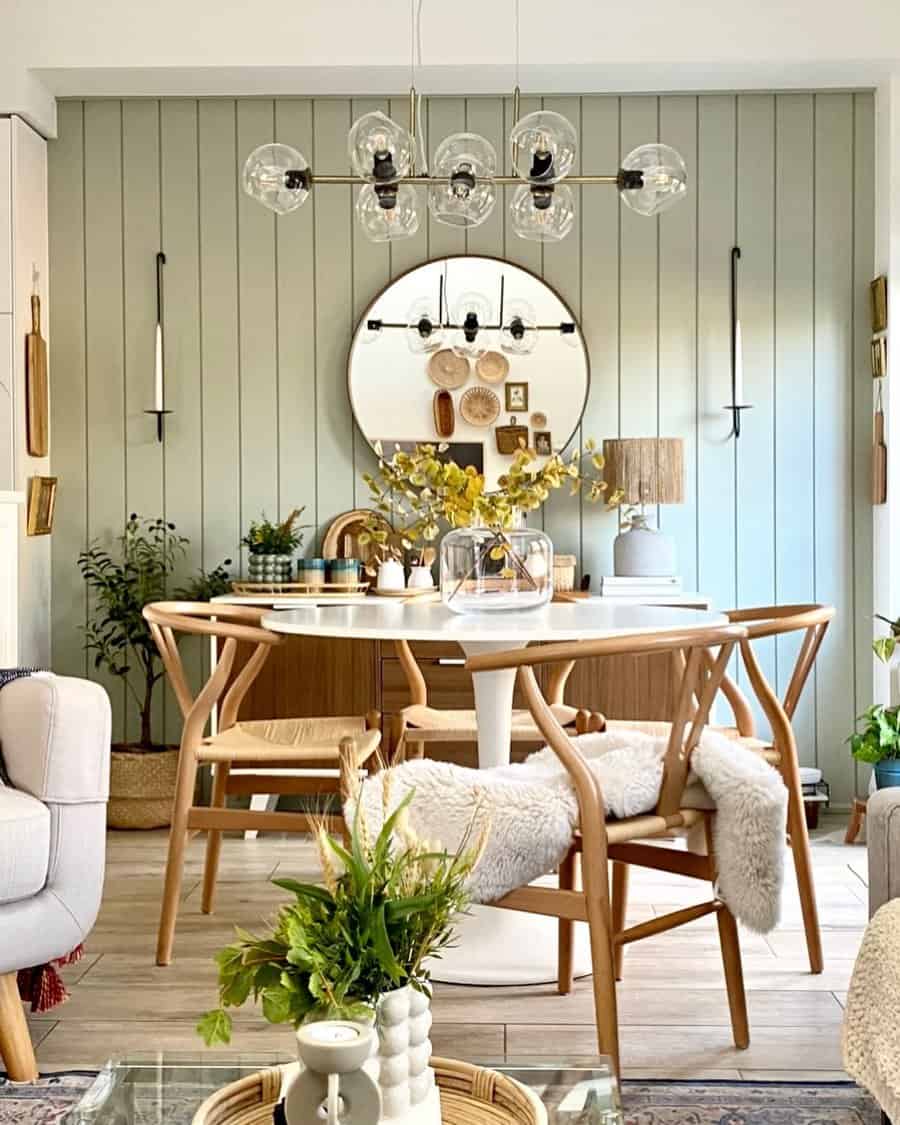
A big statement mirror is a fantastic centerpiece on a large blank wall. Hang a big round mirror in the middle of your other large wall decor, or lean an oversized framed mirror against the bedroom or living room wall.
Mirrors are one wall art idea where scale really matters, so go big—perhaps much bigger than you originally intended. Especially in a living room or small space, a big mirror not only fills up the wall, its reflection helps make the entire space look bigger.
Curtains and Textiles
Wide curtains can help fill the space between your large wall art ideas. Hang a long curtain rod over the window and add curtains on either side of the window opening. Not only does this occupy blank wall space, it makes it look like your windows are much larger than they actually are.
Whether in the living room or bedroom, choose curtains wide enough to draw closed over the window for privacy and light control.
Shelves
Built in shelves are an excellent way to fill up a long empty wall and add valuable storage and display space at the same time. Whether they frame a window or a fireplace, or simply surround a wall gallery, built-ins are a classic feature in many homes.
Floating shelves are a different type of shelf that looks great in a living room or kitchen. Their open, casual design provides a base for framed photos, potted plants, travel knick-knacks, and other items you want to display.
After you settle on how to decorate a large wall in your home, keep the following concepts in mind:
Scale: A large wall needs big enough pieces to fill the space, so choose a large piece of art, or a substantial collection of smaller pieces.
Decor: Make sure your choices go with the room’s overall decor. This is especially important with an open floor plan where your large wall space may extend through two or more designated living areas.
Layering: Layering pieces gives your decor a three-dimensional effect. Place a large antique window frame on a mantel, then stack a smaller painting, an urn, a box, and perhaps some books in front of it.
Personality: Incorporate your own special memories into your wall decor ideas. Include pictures from a vacation, or favorite vintage family photos. Ideally, your wall will tell your guests a little more about yourself and your personality.
Budget: Ah, the dreaded “b” word! Oversized artwork can be pricey, but there are budget-friendly alternatives. Visit thrift stores to find architectural decor pieces and artwork that can be repainted to suit your decor. If you simply have to have that signature art piece in a large size, save up for it or try to find a retailer that offers interest-free payments.
If you’re wondering what’s the best wall color for grey floors, you are in luck. Because grey flooring is such a trendy neutral, it’s not hard to find a wall color that will bring your room’s decor together. This is true whether you have grey tile, grey laminate, hardwood floors, or carpet.
One factor in choosing a wall paint color is to consider the colors that already exist in your furniture, curtains, rugs, and other decor elements. If you plan to purchase these items after you paint the walls, then virtually any shade on the color wheel can work with grey floors.
[view_toc]
White
The ultimate neutral, pure white really does go with anything. Paired with grey flooring, white paint will give you a clean, classic foundation to build upon.
Are you into farmhouse decor? Grey wood flooring and white shiplap is a perfect background for your natural wood tone furniture and rustic metal accents. Do you ascribe to modern minimalism? A sleek dark grey floor tile pairs beautifully with smooth white walls and angular black furniture.
Although one might assume that white is white, a glance at any paint sample display will show you how there are obvious color undertones in every white paint. Make sure you take paint swatches home to see which color of white looks best with your grey floor.
Beige
It may seem odd to pair two mid-tone neutrals in a single space, but the combination of a grey floor and a beige wall color can be quite elegant. This is especially true when the beige shade has a grey undertone, as in Sherwin William’s Accessible Beige, Repose Grey, or Worldly Grey.
This type of greige paint looks great with wooden furniture because it serves as a middle color between the grey floor and wood tone furniture. Greige or beige paint colors make a room feel warmer than one that’s primarily decorated in cool grey.
Blue
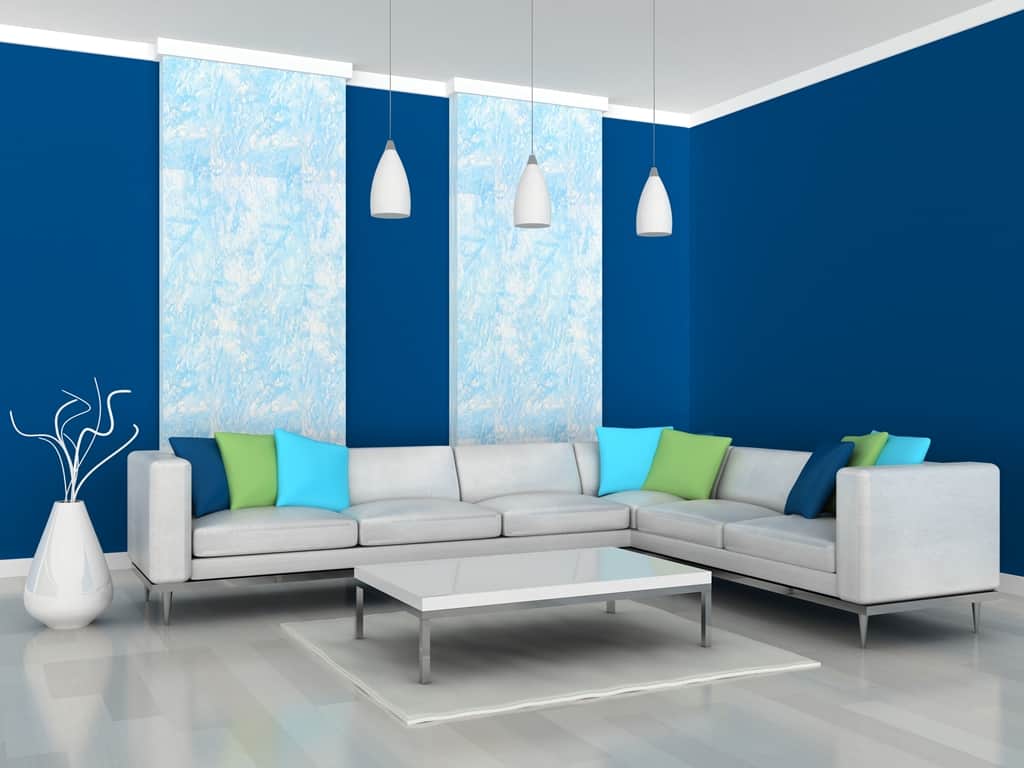
Blue—in all its shades and tints—works exceptionally well with grey flooring. This is true whether the floor is light grey or dark grey. Just like shadowy clouds on a sunny blue sky, grey and blue were made for each other.
Choose a pale, misty shade of blue paint if you are seeking a calm, Zen-like space. For something more cheery, go with a brighter blue, such as cobalt or turquoise. Navy blue wall paint creates a dark, dramatic space that looks amazing with grey color flooring, rich wood tone furniture, and brushed nickel accents.
Green
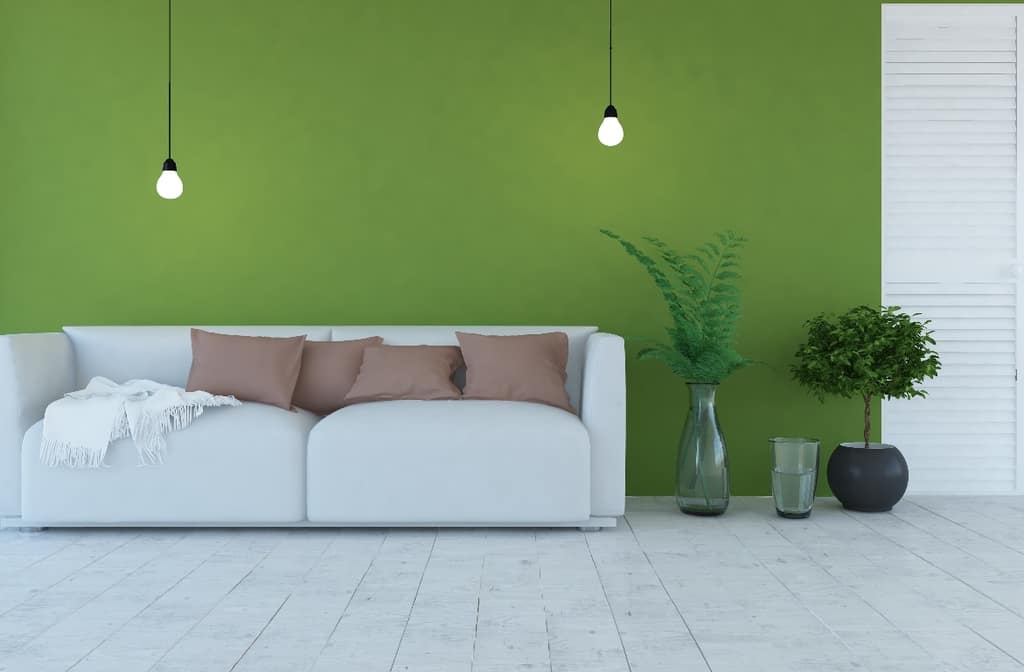
Dusty, grey-tinged greens look amazing next to any grey color, from pale smoke to deep charcoal. Think of how pretty moss looks on a grey rock, or how the fuzzy texture of a sage leaf casts a pale grey mist over its deeper shade of green.
Try to avoid yellow-based greens, such as olive green, and bright Kelly green when you have cool grey flooring. However, if your grey floor is a warmer, greige type color, those shades of green are perfectly acceptable. Just be sure that your throw pillows, knick-knacks, and artwork incorporate the same color palette.
Pink
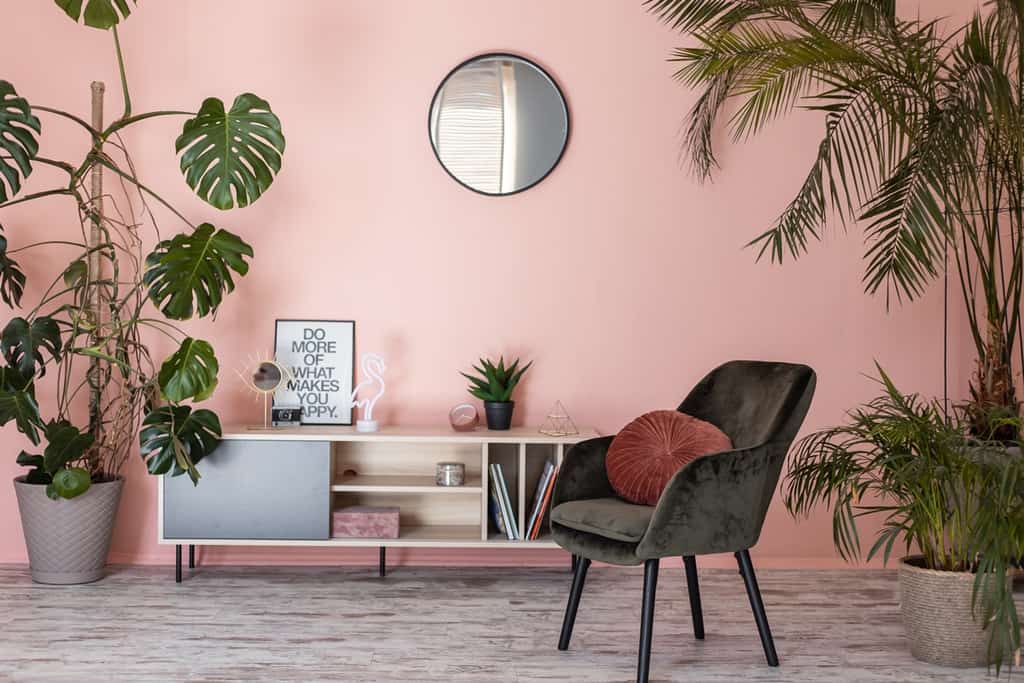
Just like misty blue and butter yellow, pale pink coordinates beautifully with grey flooring. Because pink is such a warm, inviting color, it pairs particularly well with warmer grey cabinets and floors.
Some pink hues—like dusty pink—have a slight grey undertone that is obvious when you look at paint samples. Try to stay close to these hues to avoid creating too much contrast in your color scheme. Even if your child begs for bubble-gum-pink walls in their grey-floored room, try to keep the color muted for a more relaxing space.
A background of a dark grey wood floor and dusty pink walls can carry a stronger accent color like maroon. It also looks amazing accented with rose gold or copper.
Lavender
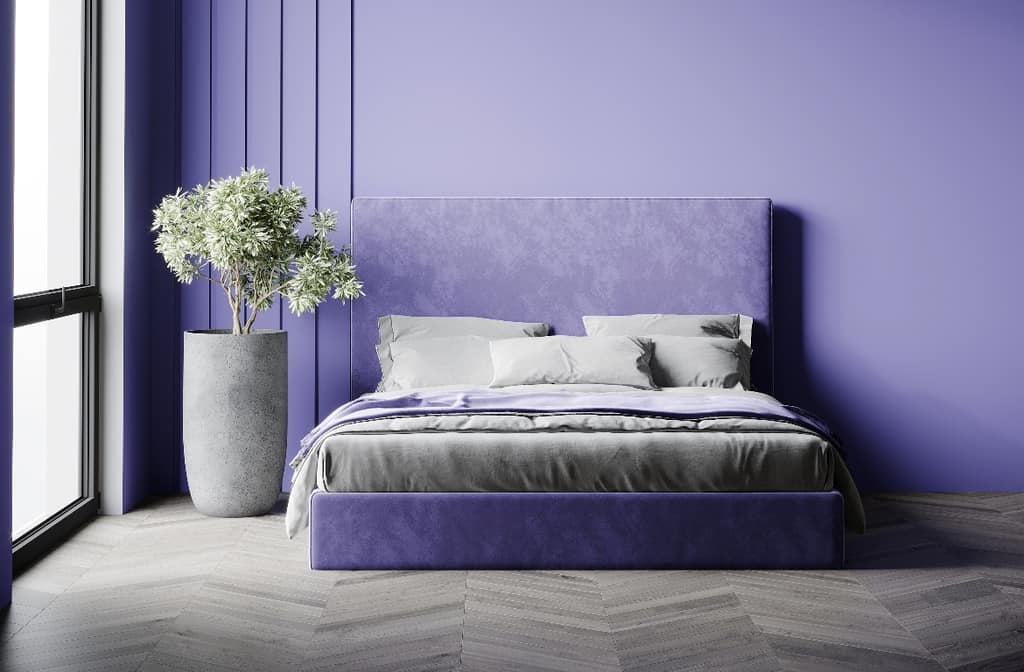
Lavender or pale purple is another pastel color that looks stunning beside grey flooring and walls. Like sage green, real lavender flowers have a grey undertone that makes them a natural pairing with grey.
Once you have a grey floor and lavender walls, it’s easy to incorporate bolder shades of purple into your textiles and accessories. Perhaps find wallpaper that incorporates grey, lavender, and the darker purple and apply it to an accent wall.
Teal
Teal is a great balance between green and blue, not quite turquoise, but with all the same richness. When teal is toned down a bit with a touch of grey, it becomes a dreamy, dramatic color that will add a relaxing vibe to whatever room it’s in.
As many paint and decorating color swatches show, grey and teal are quite harmonious, especially when there are multiple values of each color included in one room. Pair light grey flooring with three dark grey walls and paint the fourth wall teal. Then incorporate shades of grey and teal in your textiles and accessories.
Yellow
Bright yellow paint can make a grey floor look dull and lifeless, but a soft, buttery shade of yellow is beautiful on walls above a light grey floor. White furniture and white trim look great with this particular color combination, whether it’s in the living room or a baby’s nursery.
What wall paint color isn’t great with grey floors?
Believe it or not, it’s best to avoid covering your walls in grey paint when you already have a grey floor. Why? First, an all grey room is just plain boring from a design perspective. And although grey is a good neutral color, too much of it can give the room a depressing aesthetic.
Another reason to rethink grey walls is that it can be difficult to find a grey paint color that coordinates well with grey flooring. Each shade of grey has its own undertone and they can vary widely. There are warm greys and cool greys, and next to each other, the differences are quite obvious. If you don’t perfectly match the undertones, it can throw your entire color scheme off track.
However, if you’ve fallen in love with Dorian Grey, Agreeable Grey, or another paint swatch that looks great beside your floor—go for it! But keep in mind that grey walls and grey floors work best together when there’s a lot of contrast between the shades. Pair a dark grey floor with light grey walls, or vice-versa.
An accent wall becomes the focal point of any room. But simply painting one wall a different color is expected and overdone. Instead, stay ahead of trends and do something different for your accent wall. Add an accent wall mural to one of the walls in your home and have more than just an accent; you’ll have art.
These wall mural ideas will help you figure out how to add a statement piece to your home.
[view_toc]
1. Eye-Catching Abstract
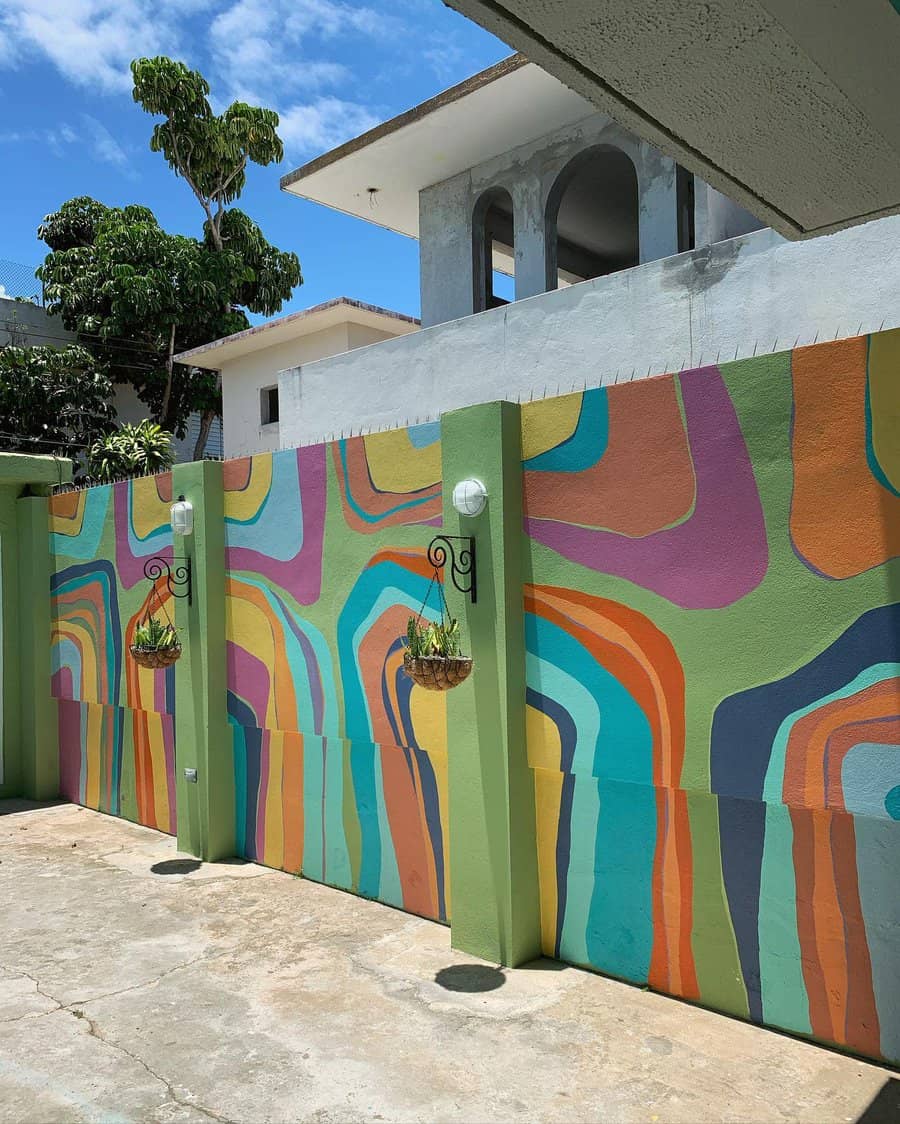
Wall murals can be a great way to liven up any room and make it more personal to you. Instead of settling for an abstract poster from a store, why not take the more creative route and create your own mural? You could use abstract art as a base, made with lines and circles shaped into figures, animals, and characters. Then take it up a notch by adding in some paint marks.
Choose bright colors for something upbeat, or go for rich hues for something more elegant. Whatever style you choose, with the right ideas and motivation you’ll have an eye-catching wall mural in no time!
Source: @livlargerart via InstagramSource: @mural_unique via InstagramSource: @create.design.enhance via InstagramSource: @naomibatts via InstagramSource: @sarapaintsfaces via Instagram
2. Doodle Art
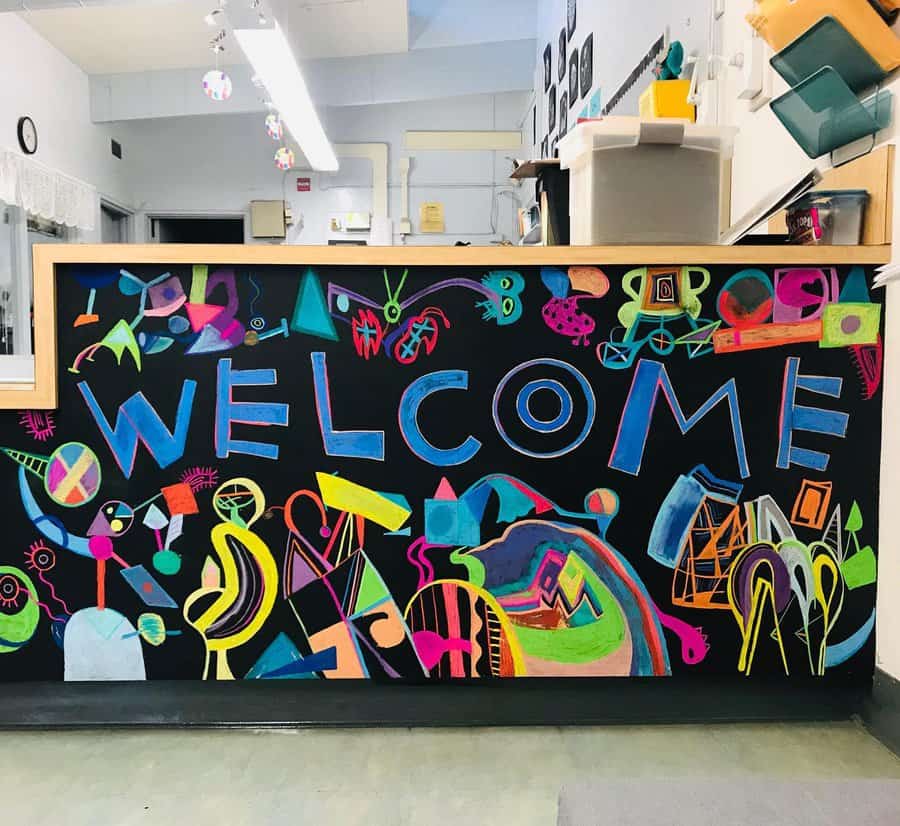
Showcase your creative flair with doodle art murals! To create a unique and eye-catching mural design, forget everything you know about conventional drawings, and just doodle randomly. Just draw something that comes to mind, while sprinkling it with random elements and geometric shapes here and there.
Use lines to connect the doodles, so they come together nicely in the form of a picture or story. Be spontaneous when designing your mural, as opposed to pre-planning each doodle. This will help bring unexpected vibrancy to your wall art that will elevate your room’s decor game!
Source: @joepimentelart via InstagramSource: @chulo.creative via InstagramSource: @isla_creative via InstagramSource: @mooreofthetobin via Instagram
2. Animal Kingdom
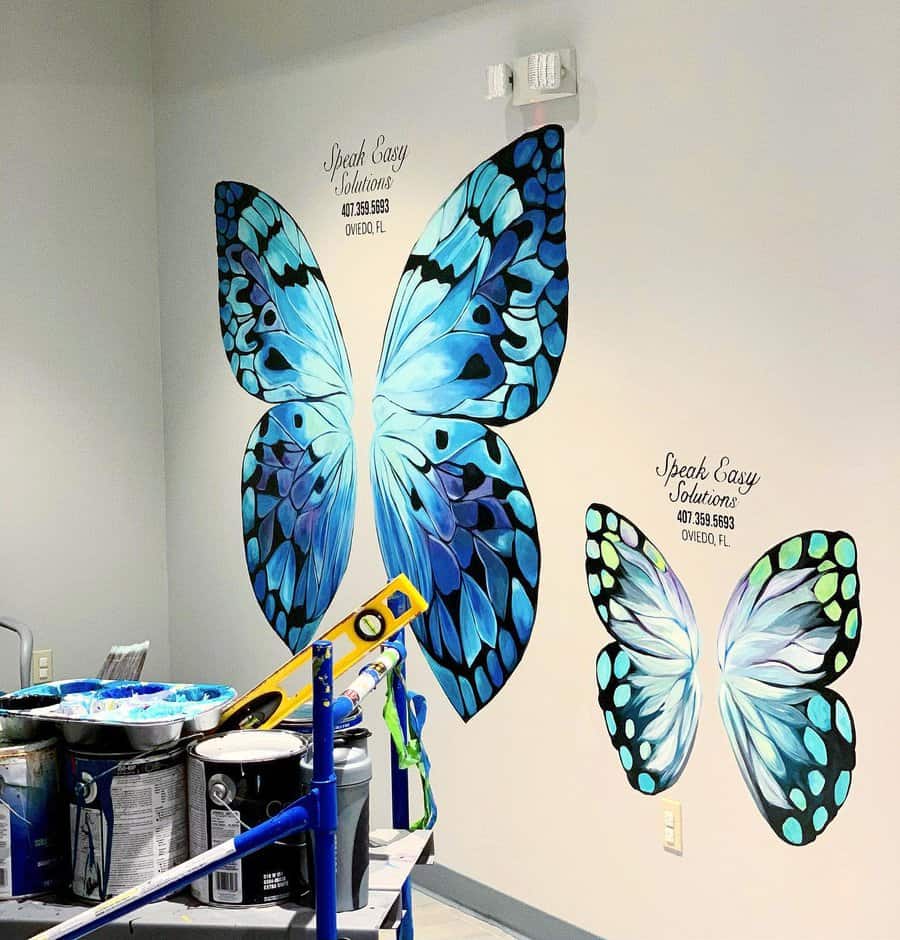
If you’re searching for a unique touch to add to your home, an animal wall mural is a way to go. For animal lovers, consider bringing some safari animals like zebras and giraffes into your living space. If you’d rather not involve animals, an array of vibrant butterflies can bring life and fun into any room.
Those with little ones may want to design their bedroom with a map + animal mural that will allow them to explore the world right in their own room. Whichever mural idea you plan on pursuing, make sure it reflects your taste while infusing personality into the room.
Source: @ellisinteriors80 via InstagramSource: @alloftheprint via InstagramSource: @kreamart via InstagramSource: @ktartistryllc via InstagramSource: @gtkate via Instagram
4. Sports-Themed
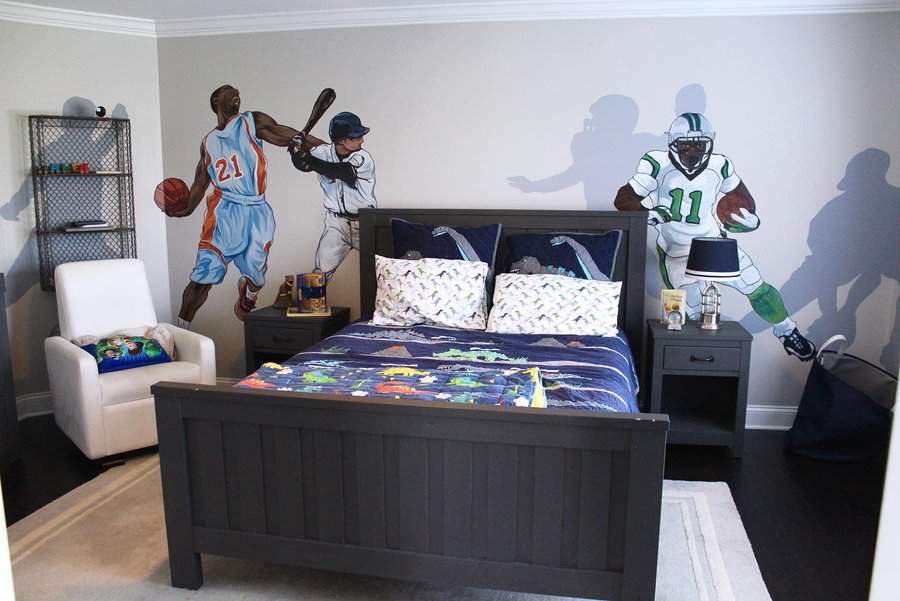
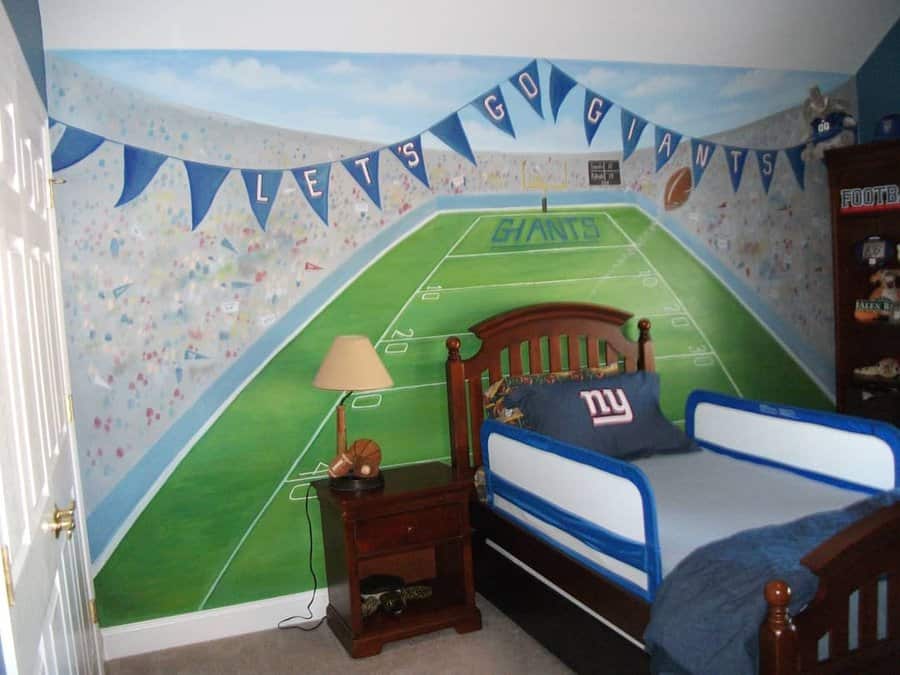
If you’re looking for sports-themed wall mural ideas that will make your sports fan’s room look amazing, why not start with a football field? Paint the walls to look like grassy sports turf and hang up some sports equipment or team colors. For the boys’ room, you could even go the extra mile and add goalposts.
Basketball fans would love to have a life-size playing court on their wall and baseball fans could have some batting practice right in their bedrooms! Whatever sports activities your kiddo is into, sports-themed wall murals are sure to bring big smiles to their faces.
Source: @chloesmithillustration via InstagramSource: @msfsports via InstagramSource: @runningrainier via InstagramSource: @limurals via Instagram
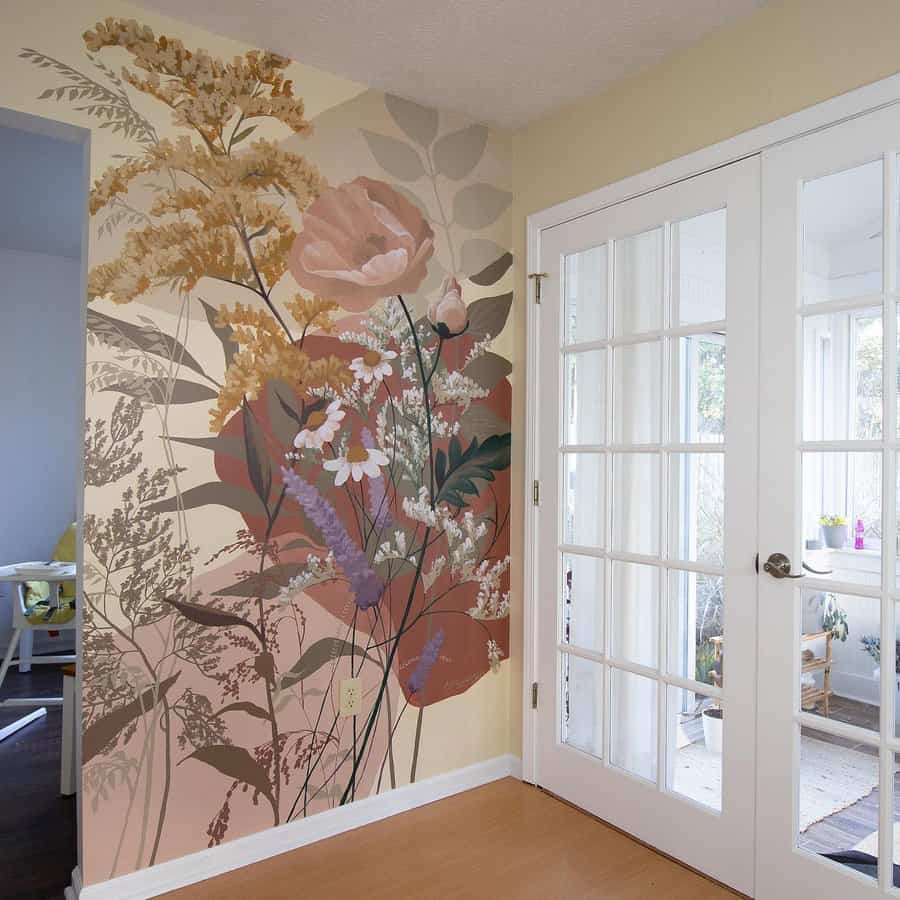
5. Feminine Floral
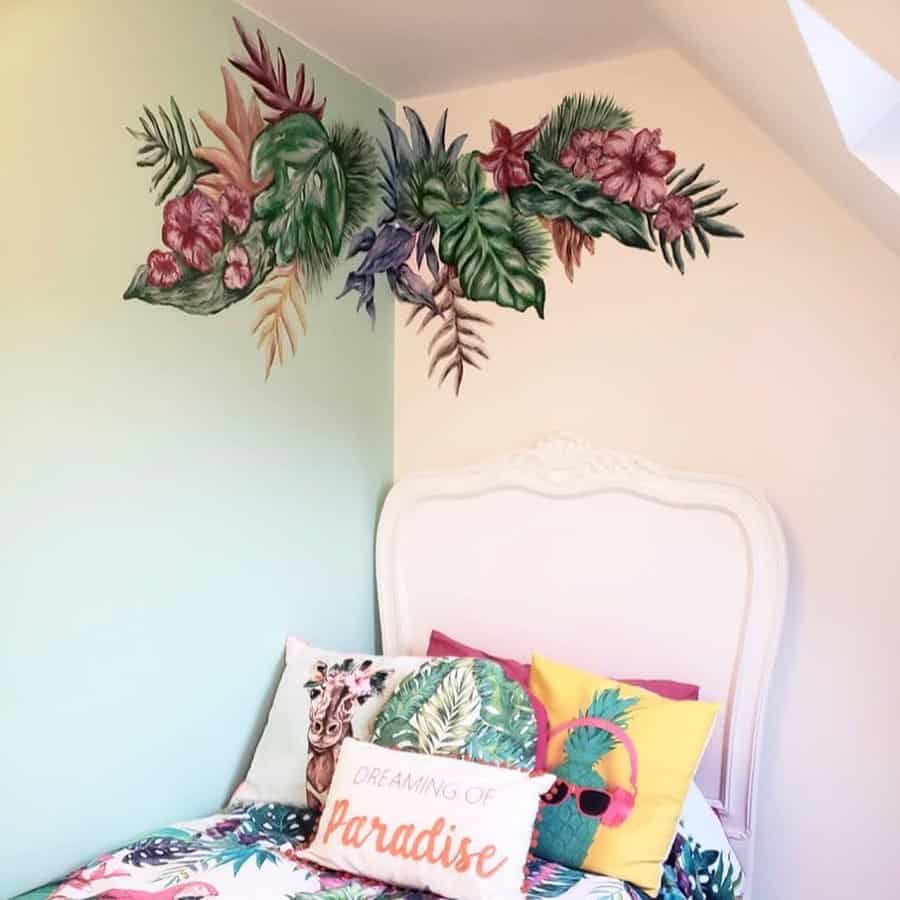
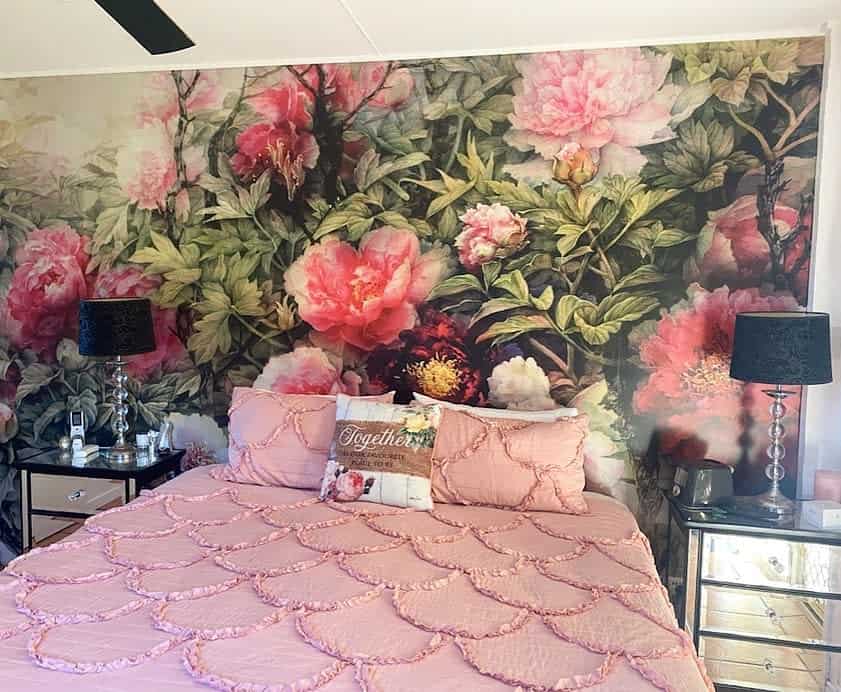
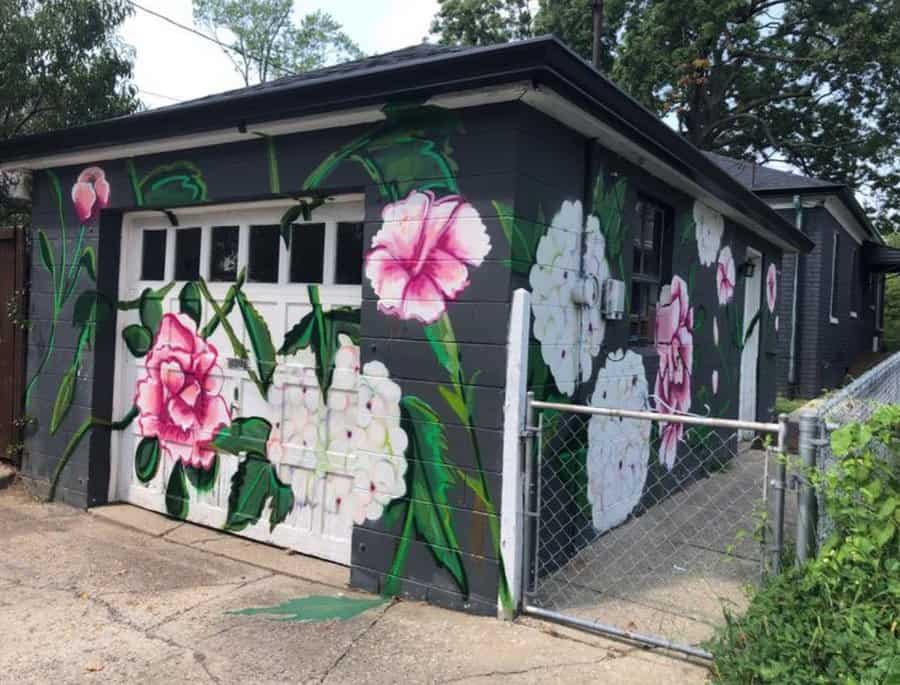
A floral wall mural is a great way to add a pop of lush color and femininity to any room. If you are looking for ideas to incorporate floral accents into your living quarters, consider one of these floral wall ideas. Create a soft and airy effect by painting clouds or abstract blobs of various feminine colors in the background, and then incorporate large floral illustrations that pop against the softer background.
Alternatively, use floral stencils or removable wallpaper for a more subtle floral look. If you’re looking for something specifically for a girls’ bedroom, try drawing a colorful bouquet of detailed flowers along the entire wall. With these creative floral wall mural ideas, there are plenty of fun ways to bring nature indoors!
Source: @spry_design via InstagramSource: @wowwallpaperhanging via InstagramSource: @megsj1art via InstagramSource: @paint_pixie via Instagram
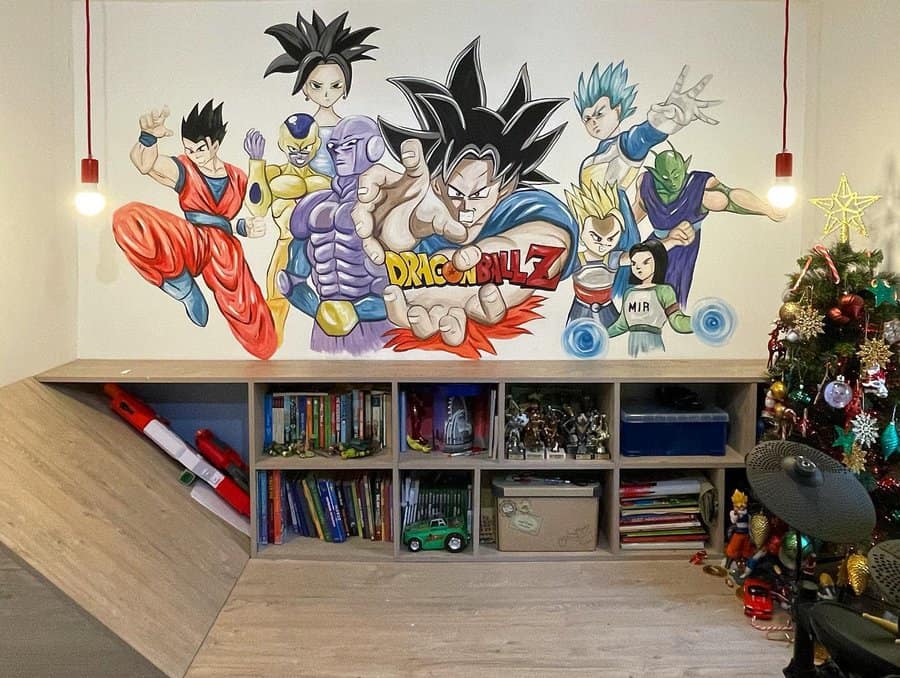
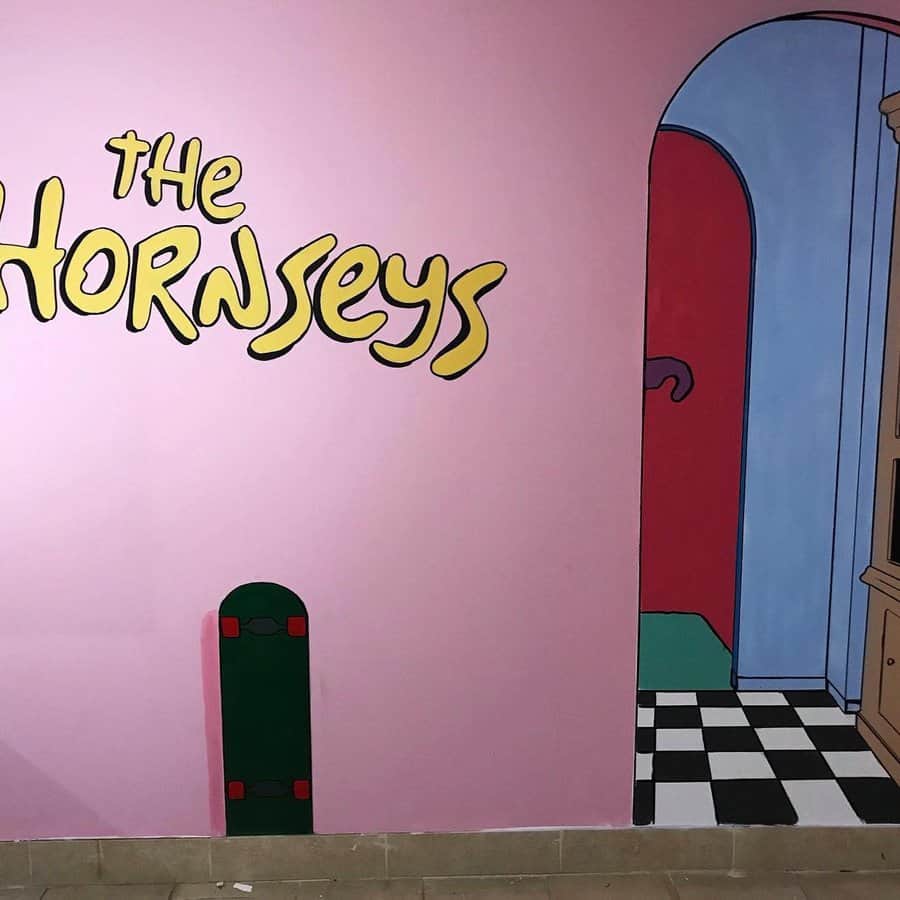
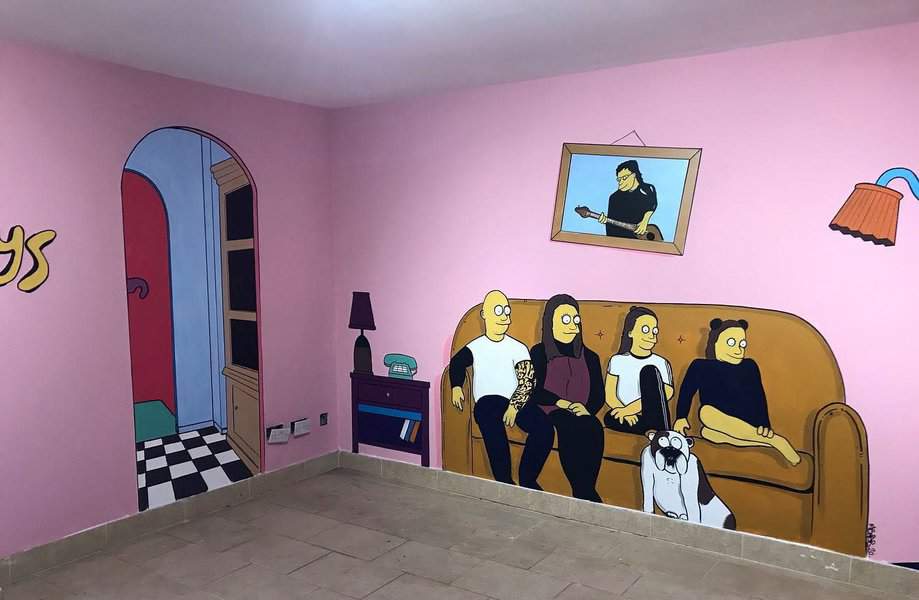
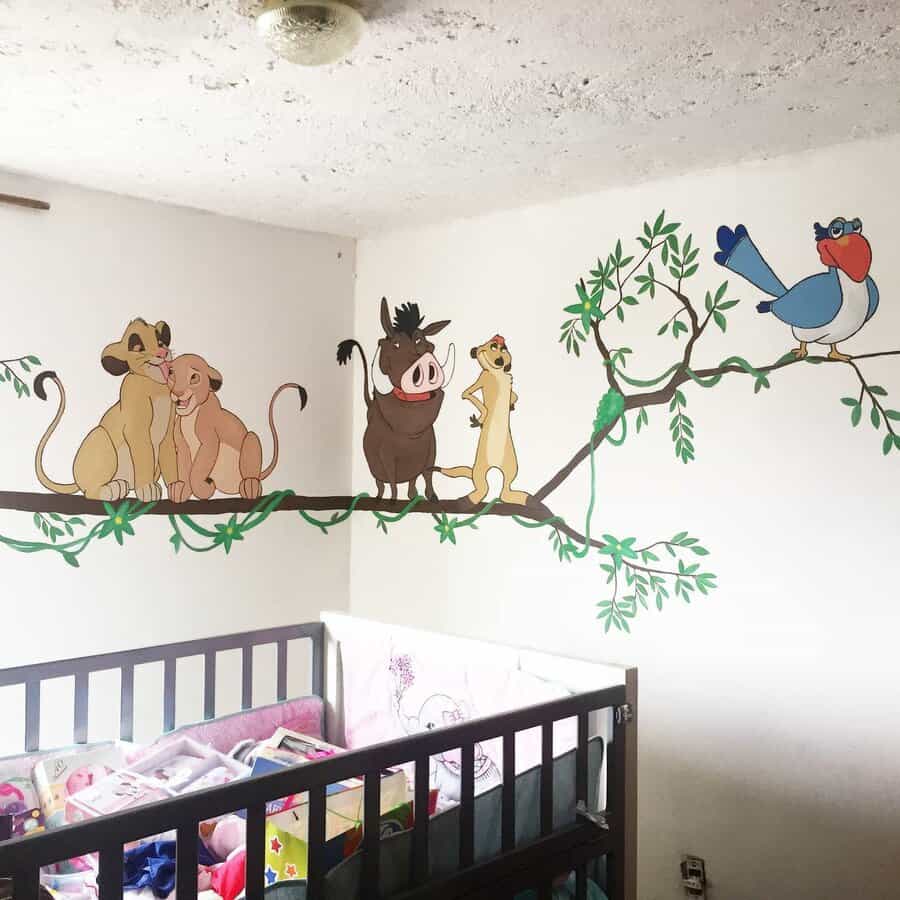
6. Cartoon-Themed
Adding cartoon-themed wall murals in your home can make a huge impact, especially if you have kids or are a kid at heart. Depending on the cartoon of choice, a cartoon wall mural could be whimsical and funny or express wise lessons for life. Consider cartoon characters that bring out the best in them like superheroes, classic cartoons, sci-fi characters, and more to get creative vibes from your wall.
The cartoon art could even be added as wallpaper on multiple walls for more impact or hang framed cartoon prints for personalized art that reminds you of the cheerful vibe cartoons often bring. Start embellishing with cartoon artwork today and get ready to enjoy some pop art décor in your space!
Source: @danksy_murals via InstagramSource: @murals_by_danny_bench via InstagramSource: @murals_by_danny_bench via InstagramSource: @kokoredecoracion via Instagram
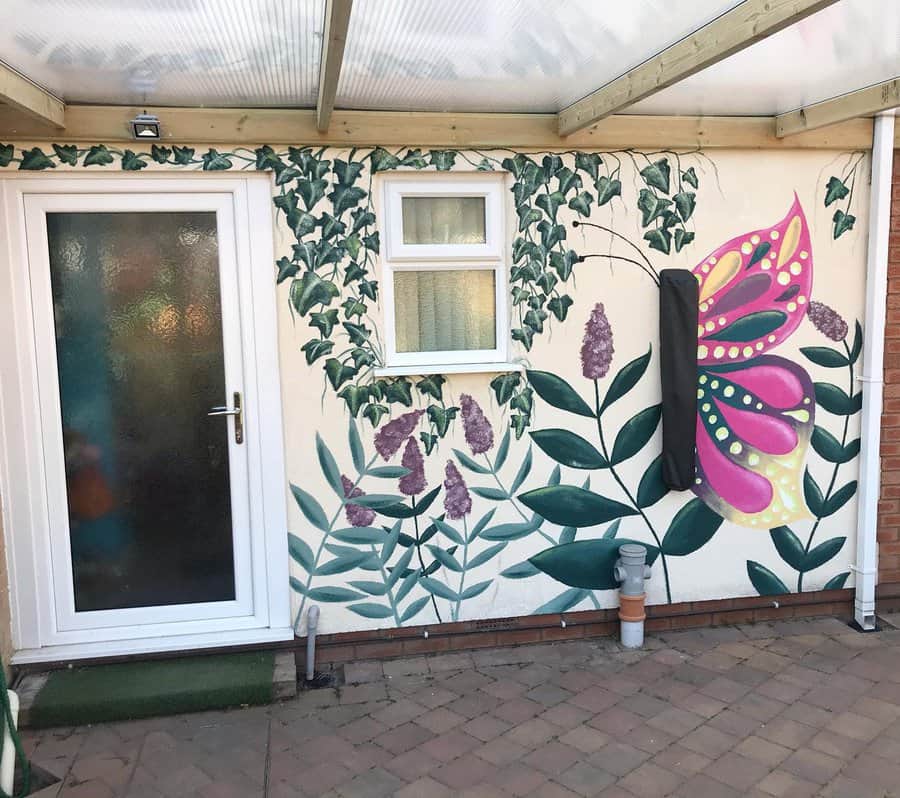
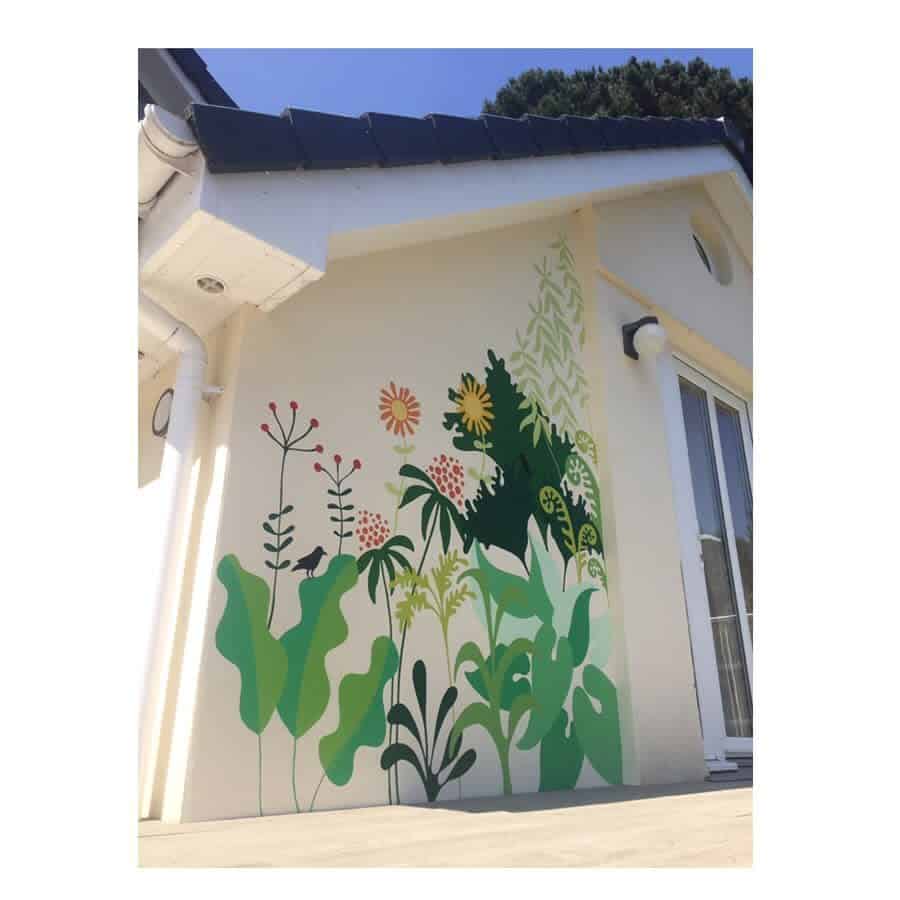
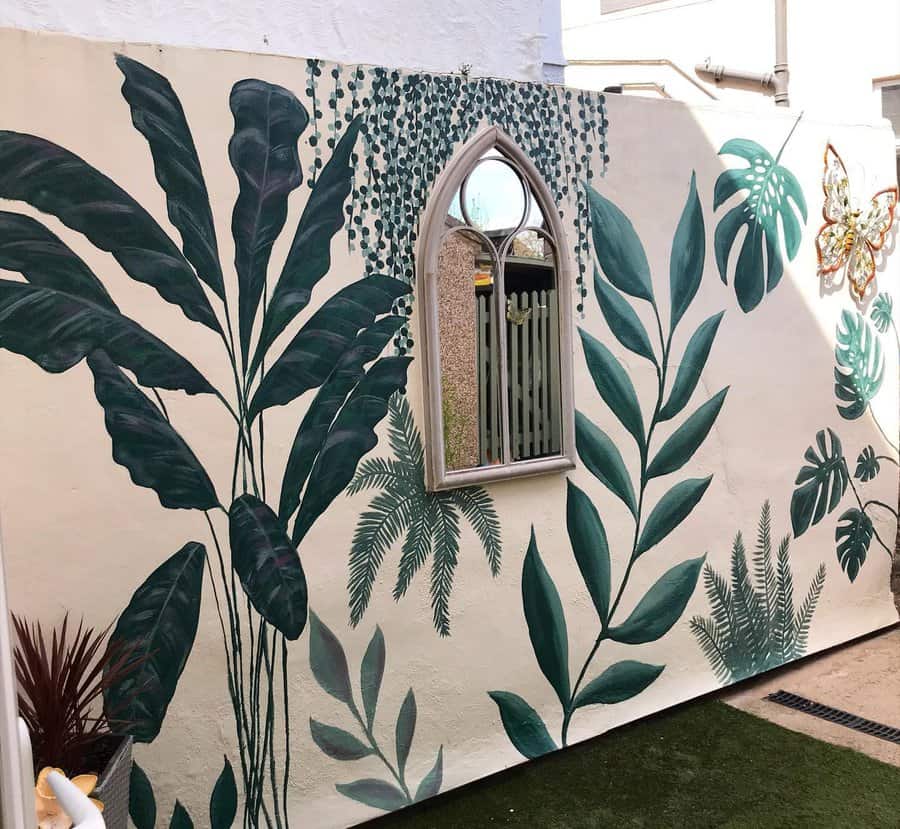
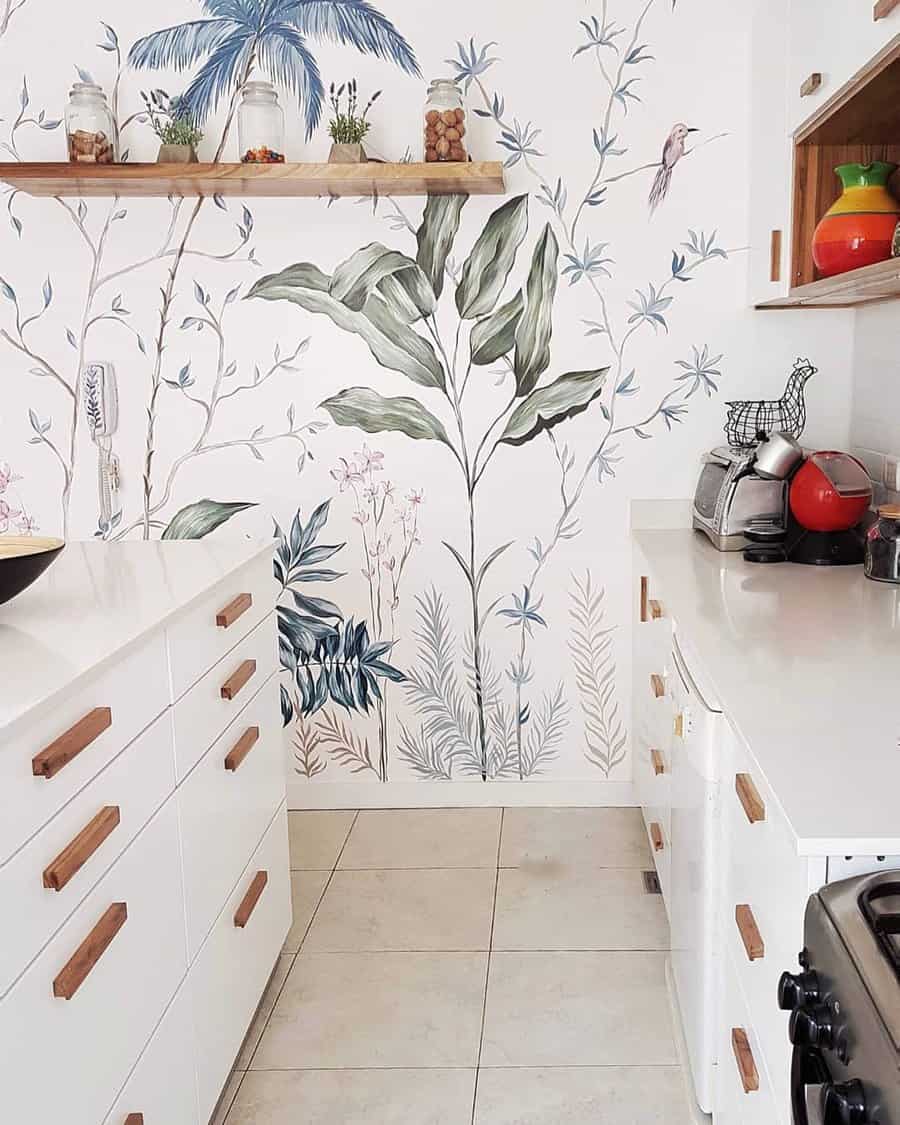
7. Fresh Tropical
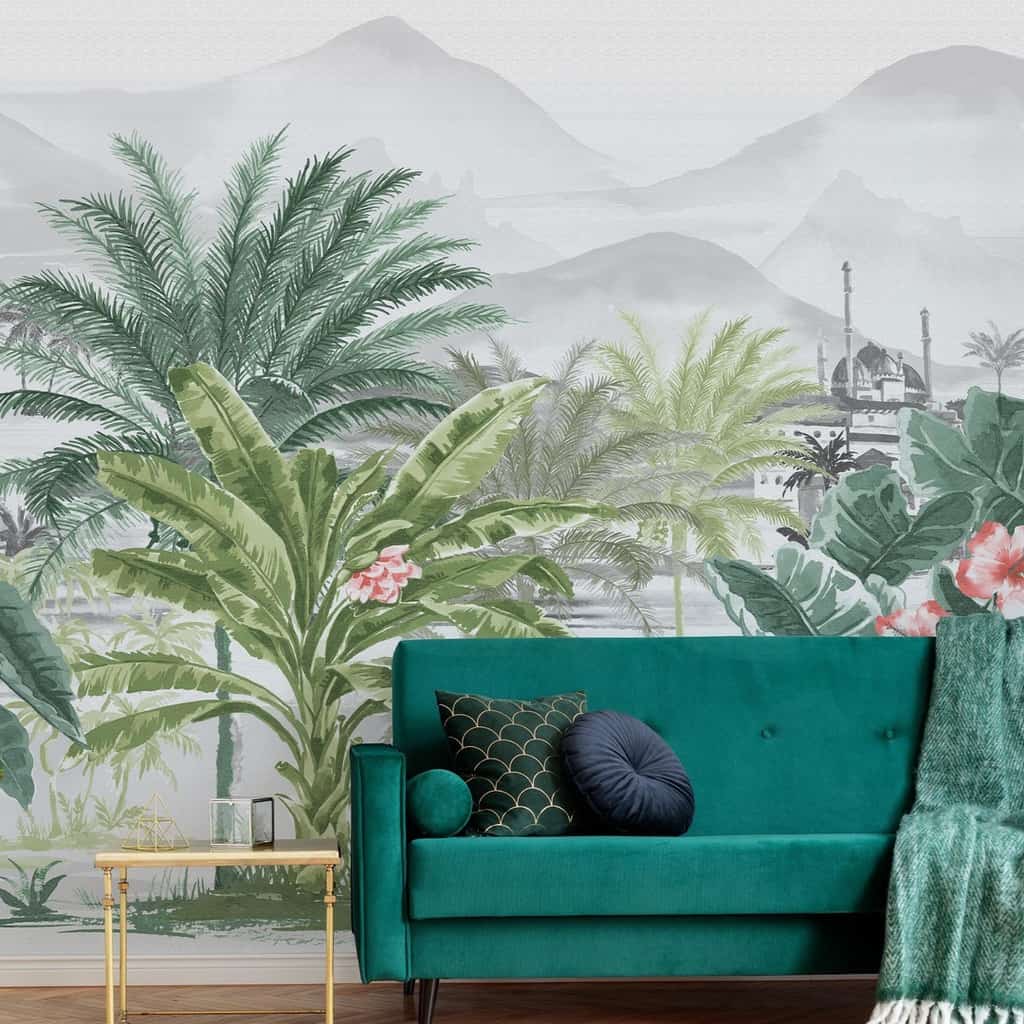
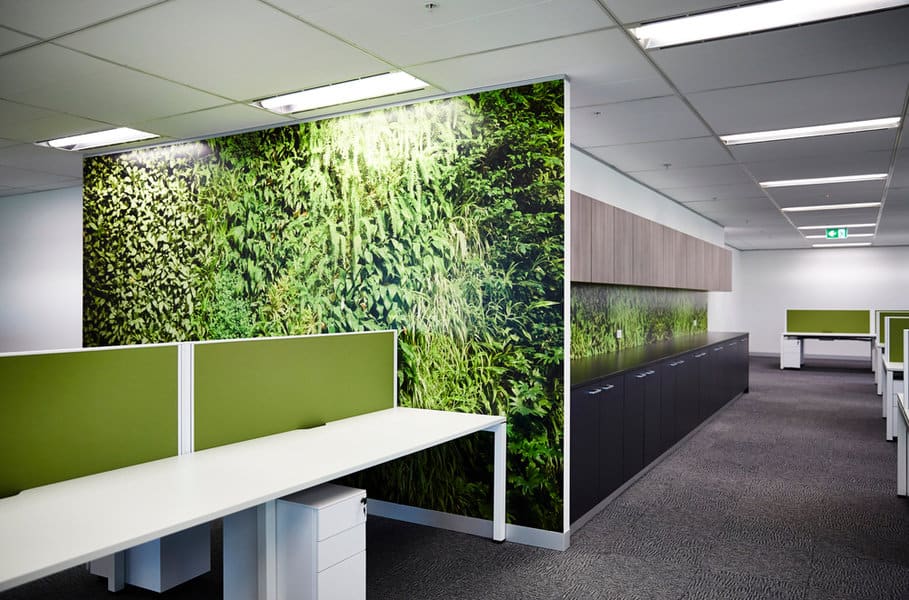
Transform any boring wall into a tropical paradise with a beautiful plant wall mural! There are so many amazing options: from tropical plants and birds to colorful butterflies fluttering through bright blue skies. Whether you are dreaming of tropical beaches or lush tropical jungles, you can find a tropical mural that perfectly captures what you have in mind.
Get creative and use stencils to design ferns or palm trees for an extra personalized touch. Whatever your vision is, get ready to take a virtual vacation right at home with an unforgettable tropical wall mural!
Source: @chloedymonddesign via InstagramSource: @lisa_made_it via InstagramSource: @chloedymonddesign via InstagramSource: @chloedymonddesign via Instagram
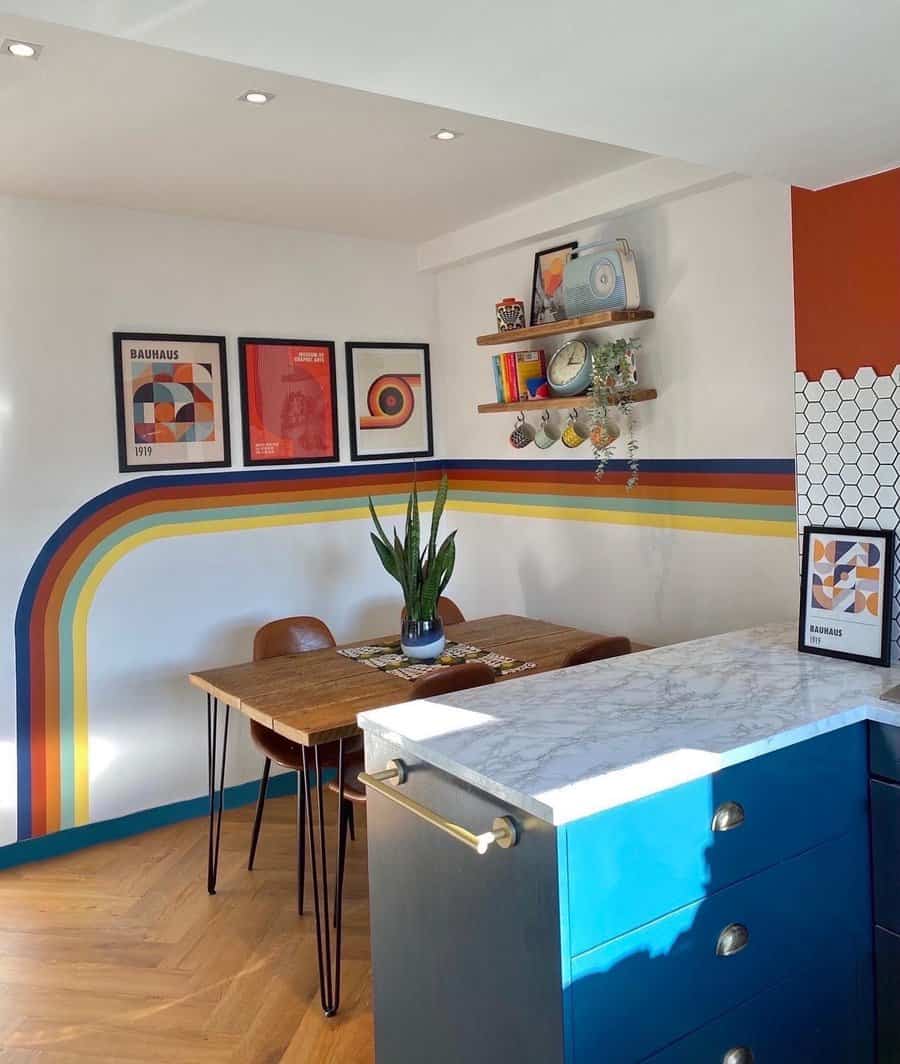
8. Retro-Style Art
Looking to find retro wall mural ideas? Bring retro-style art into your interior with an eclectic wall mural. Paint it yourself with bright colors and stark contrasts, or try print on print for the full retro experience in your home. Consider featuring retro-inspired characters or classic vintage objects for added character.
With all of these retro wall mural ideas, your abode will transform into a retro wonderland as you’ve never seen before. Have fun getting creative!
Source: @aliceincolour via Instagram
9. Muted Florals
If you are thinking of designing a floral wall mural for your interior, muted florals can be a perfect choice. They won’t overpower the rest of the decor, but provide just enough visual interest to create a unique vibe to your space. Muted florals also look great in a more rustic and nostalgic interior.
Additionally, muted walls such as greys and whites provide a great backdrop for muted floral murals to ensure that they don’t become too overpowering or distracting.
So if you’re looking for an interesting way to introduce some life into your interior while still keeping it muted and understated, these floral wall murals are definitely worth considering!
Source: @aliciazanonilawrence via InstagramSource: @florrossi_interioresvivos via Instagram
10. Vibrant Fruits
Creating vibrant, juicy wall murals using fruity elements is one way to make your home interiors more vibrant and colorful. Incorporate a mix of different fruits from vibrant oranges and lemons to exotic dragonfruits and guavas to add an extra dash of color.
You can even work with fruity stripes and vibrant floral details for a unique twist on traditional motifs. Finish off the look with lush greens sprinkled throughout the design.
From adding vibrant life to any kitchen to welcoming guests into entryways, fruity wall mural ideas are sure to freshen up your interiors no matter where they’re displayed.
Source: @happily_ever_archford via Instagram
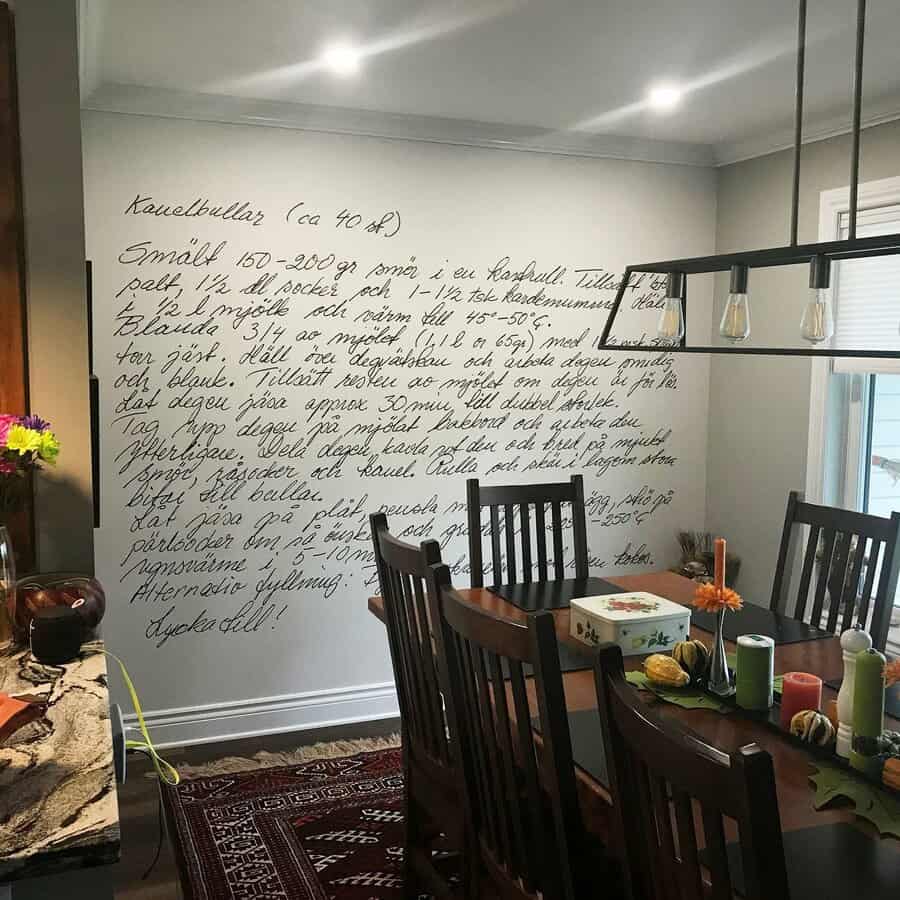
11. Word Play
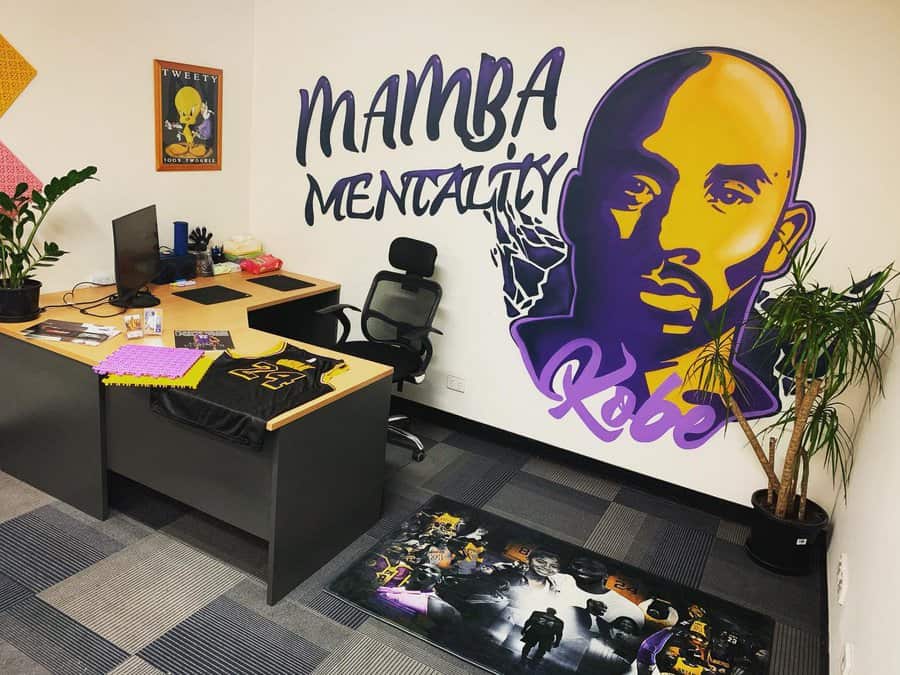
Invite creative wordplay into your decor with a word wall mural! Depending on the look you’re going for, explore word shapes, quotes, or perhaps even a handwritten journal-style approach.
Subtle or bold? Get creative and have fun exploring the options – think of words in different fonts and sizes, juxtaposed against vibrant colors, or black and white photographs to bring your wall murals to life.
Play around with different typefaces and colors that tell your unique story. Let words inspire you and create your own word-centric oasis at home.
Source: @mural_unique via InstagramSource: @a_plussignsandcreative via InstagramSource: @jarvjer via InstagramSource: @josephbrooksart via InstagramSource: @buckheadmurals via Instagram
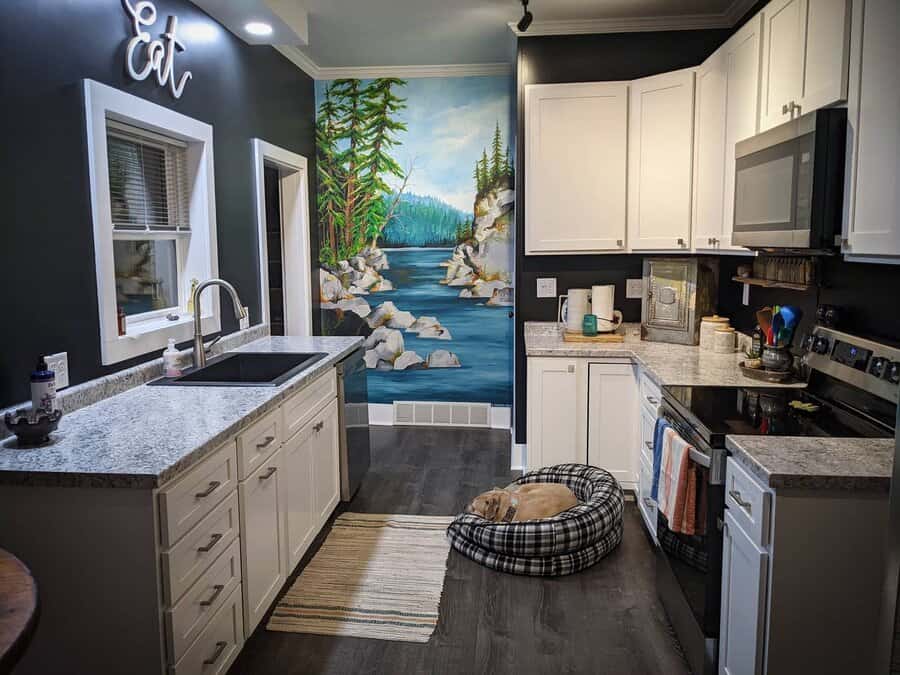
12. Nature Landscape
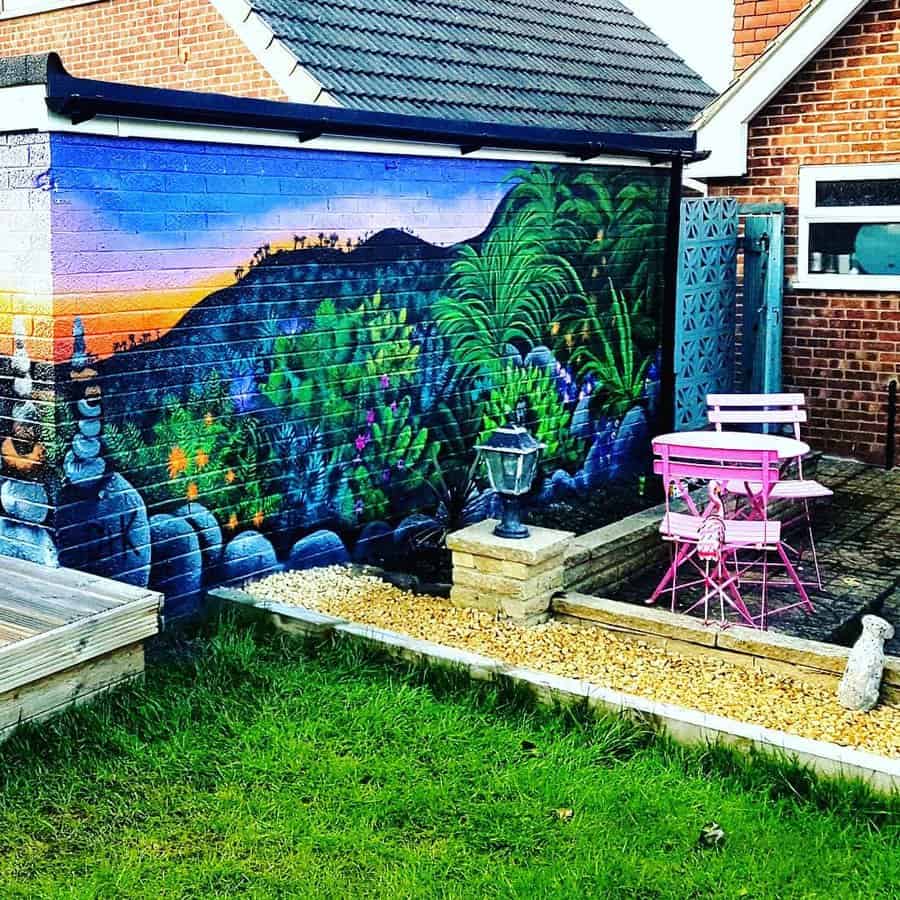
Bring nature into your home with nature wall murals. Whether you want to create a natural landscape, feature full-size plants, depict majestic mountains, or create a sunset scene – nature wall murals are the perfect way to bring your ideas to fruition.
You can customize it any way you’d like, from the colors of nature-inspired hues to having it span an entire wall. Additionally, nature wall murals don’t take up any interior space and can be changed easily – making them both a practical and creative choice for home decor.
Source: @oradei.art via InstagramSource: @anna_wheelhouse_artist via Instagram
13. 3D Art
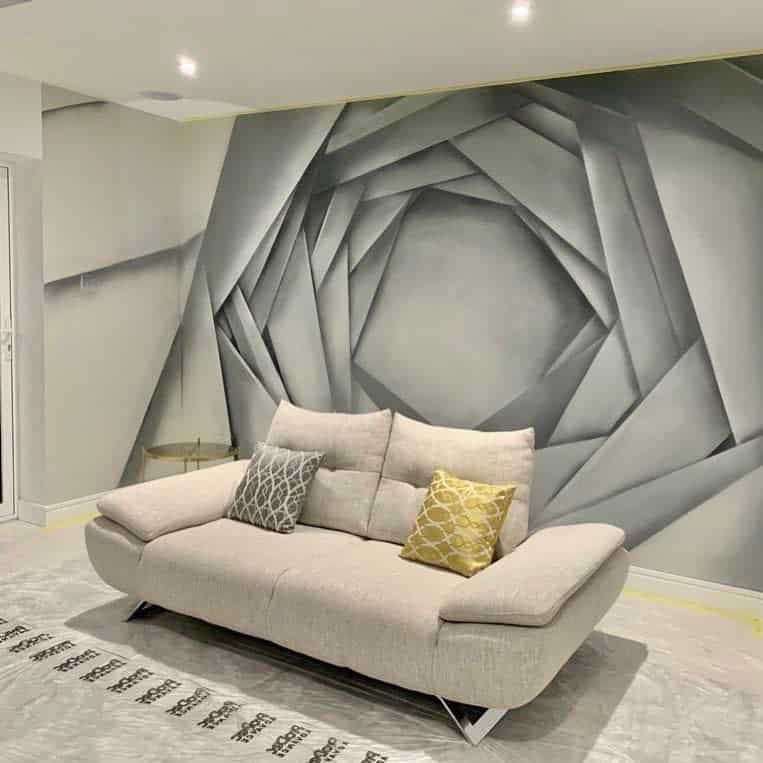
3D wall murals are a fun and creative way to add life and character to any space. Whether you’re looking for an eye-catching pop of color or an illusion of 3D art, 3D wall mural ideas can provide the perfect combination of visual interest and a dimensional statement piece.
From abstract shapes to images and patterns, 3D murals offer limitless possibilities when it comes to creating unique works of art in your home or office space.
Source: @gnashermurals via Instagram
14. Monochrome Sketch
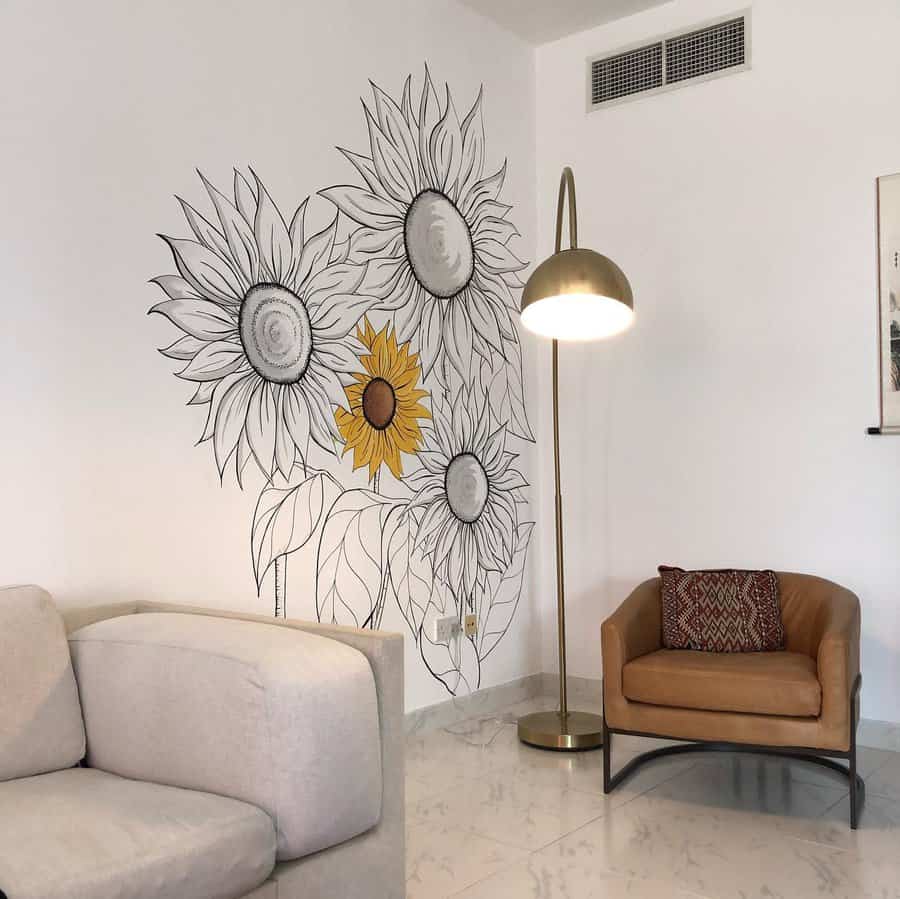
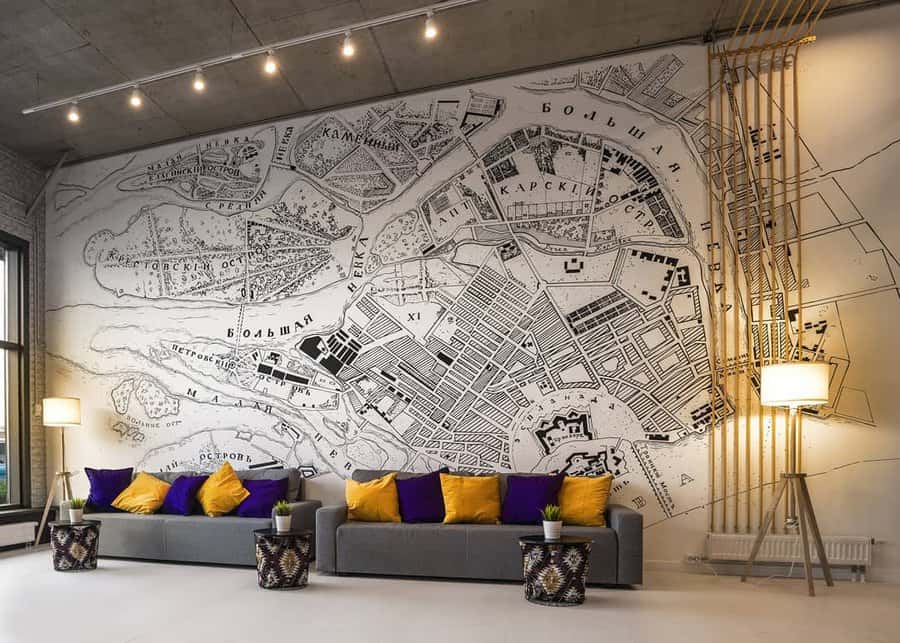
When it comes to sketch wall mural ideas, monochrome sketches offer a modern yet striking look that’s perfect for office spaces. For example, consider adding detailed maps or blueprints of a favorite city as an eye-catching decoration for waiting areas or conference rooms.
High-contrast monochrome images create an elegant atmosphere and draw visitors’ eyes to the wall from all around the room. With these timeless visuals, you can make any space stylish and classic.
Source: @atlbench via InstagramSource: @walldone.ru via Instagram
15. Educational
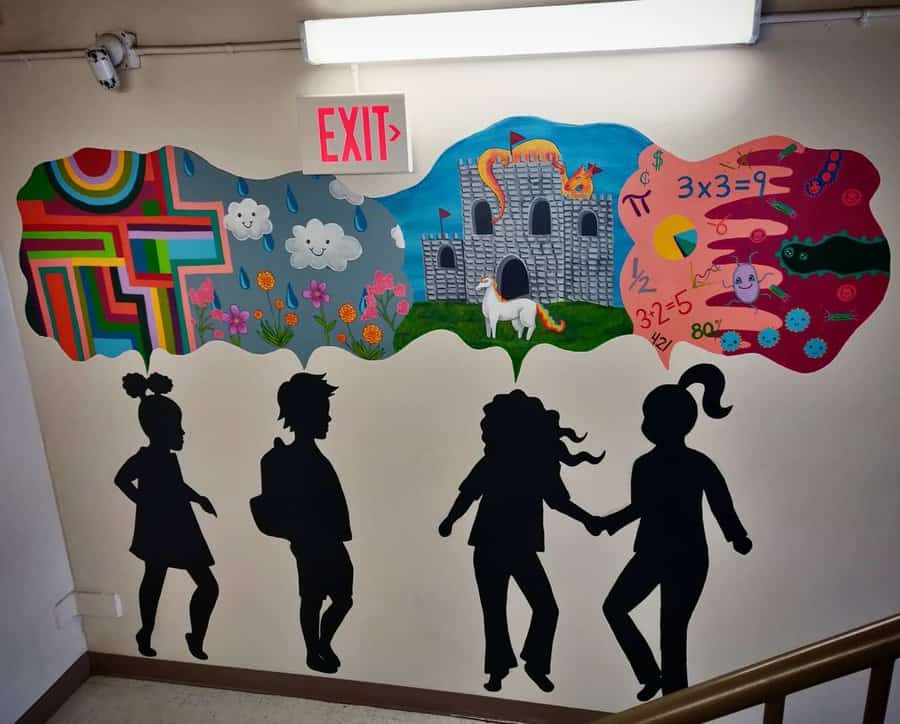
Brighten a learning environment with educational wall murals! Educational art is a great opportunity to engage students visually, and educational wall murals are sure to capture attention in the classroom or at home.
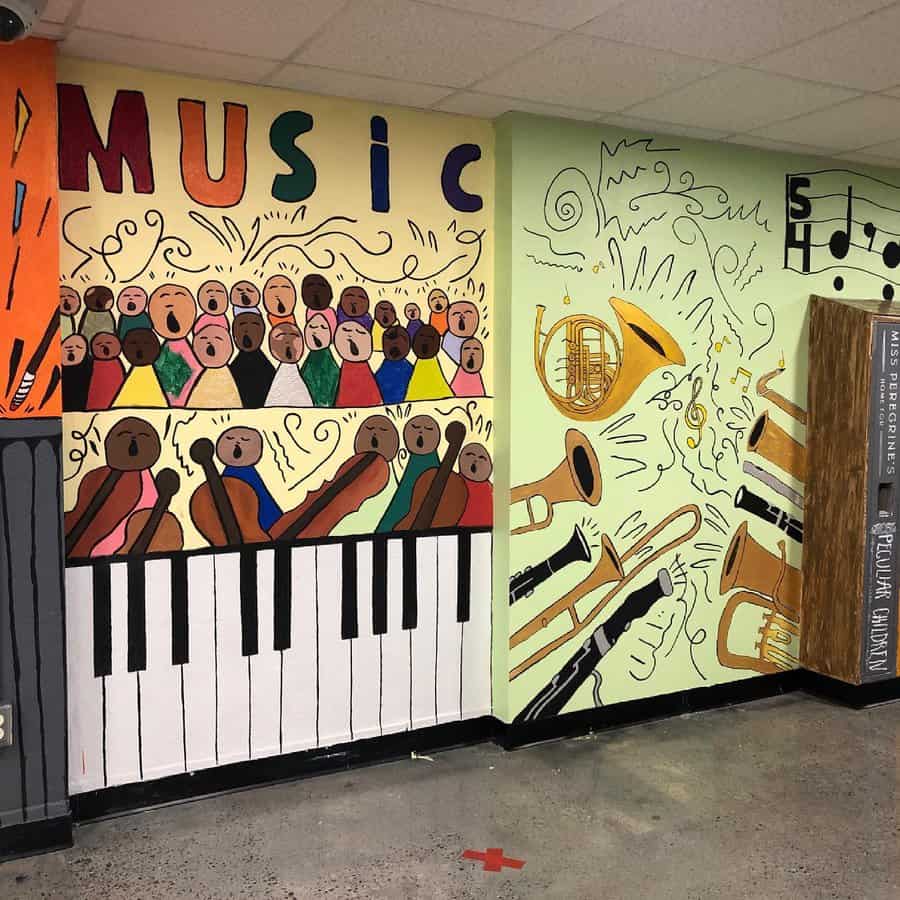
Consider adding math equations or symbols representing science and music for educational content that can stay up all year round. Wall murals come in all sizes, so you’re sure to find one that will fit the space perfectly. With educational wall mural ideas, the educational possibilities are endless!
Source: @katrinfaceart via InstagramSource: @lincolnk8artroom via InstagramSource: @msjelenasartclass via Instagram
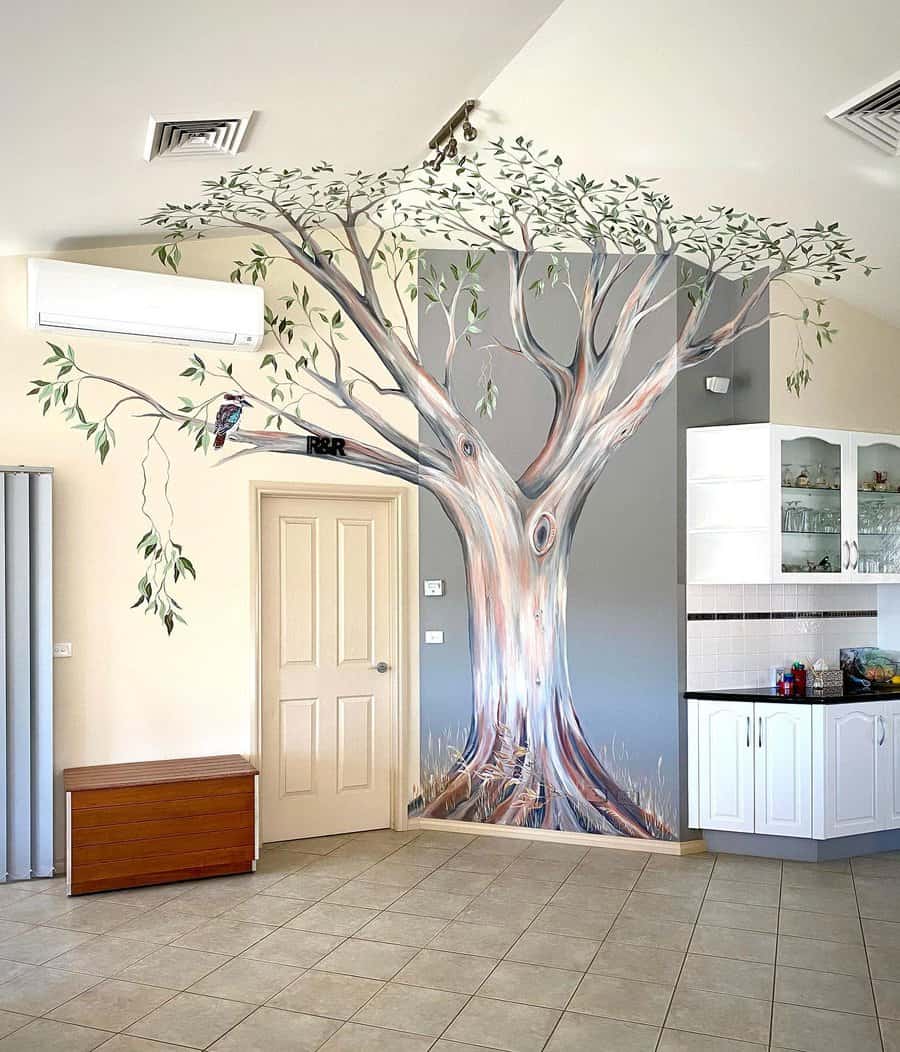
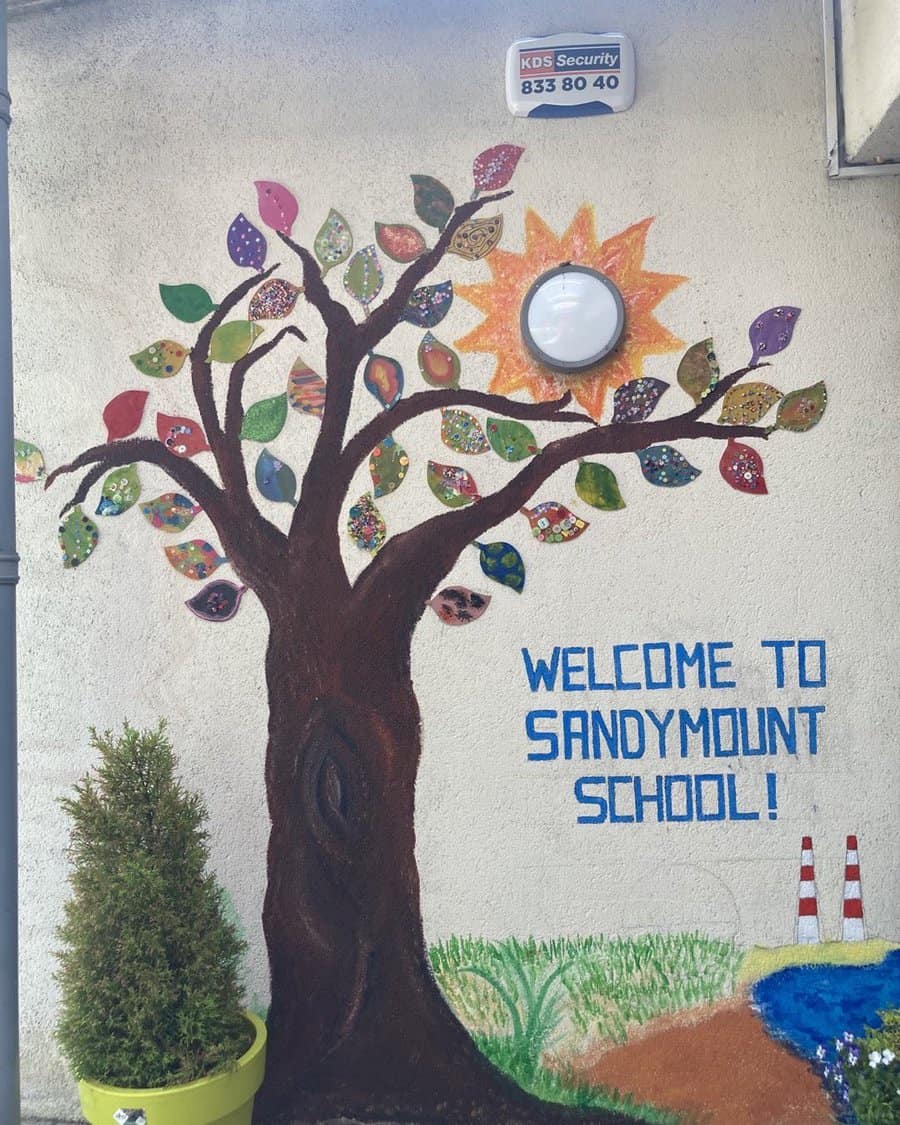
16. Mother Tree
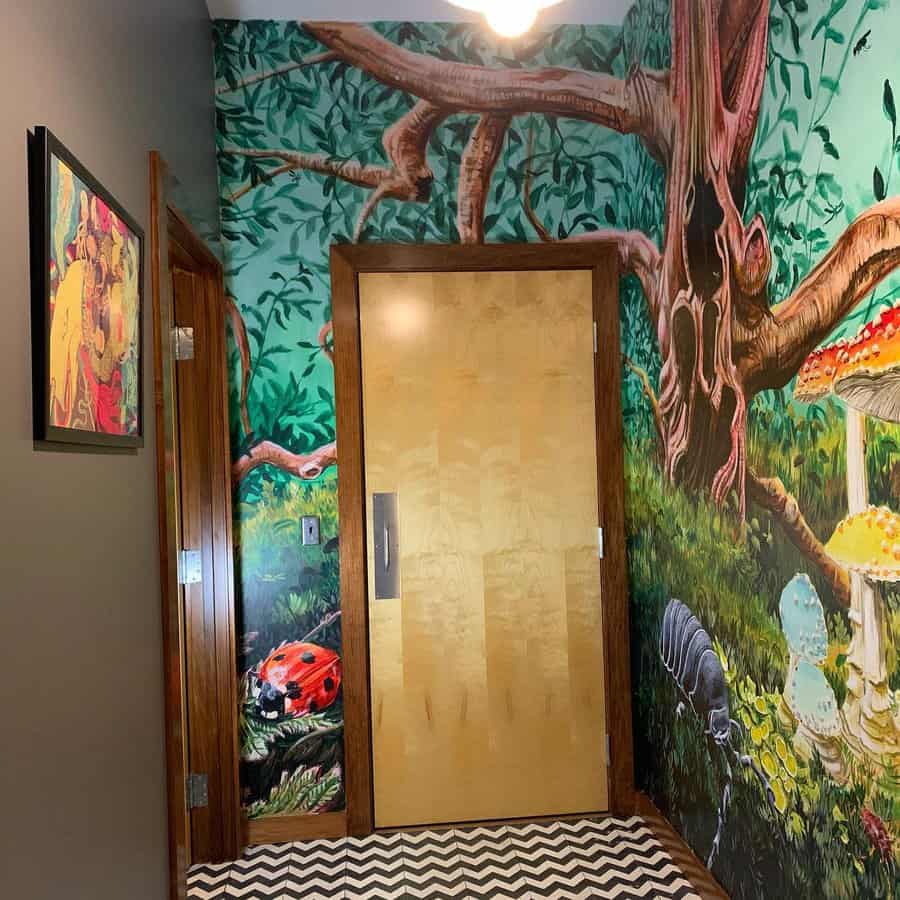
If you’re looking to create an eye-catching feature that’s sure to become the focal point of the room, a tree mural is a great way to go. Choose from a range of realistic, abstract, or even over-the-top artistic designs to capture your attention, no matter what you’re looking for in a nature-inspired feature wall.
Whether it’s for one of your living areas or your bedroom, tree wall mural ideas are sure to bring nature to your home.
Source: @anthonyrbrass via InstagramSource: @daringtodreamaustralia via InstagramSource: @sandymountschool via InstagramSource: @gussyland via InstagramSource: @roseart27 via Instagram