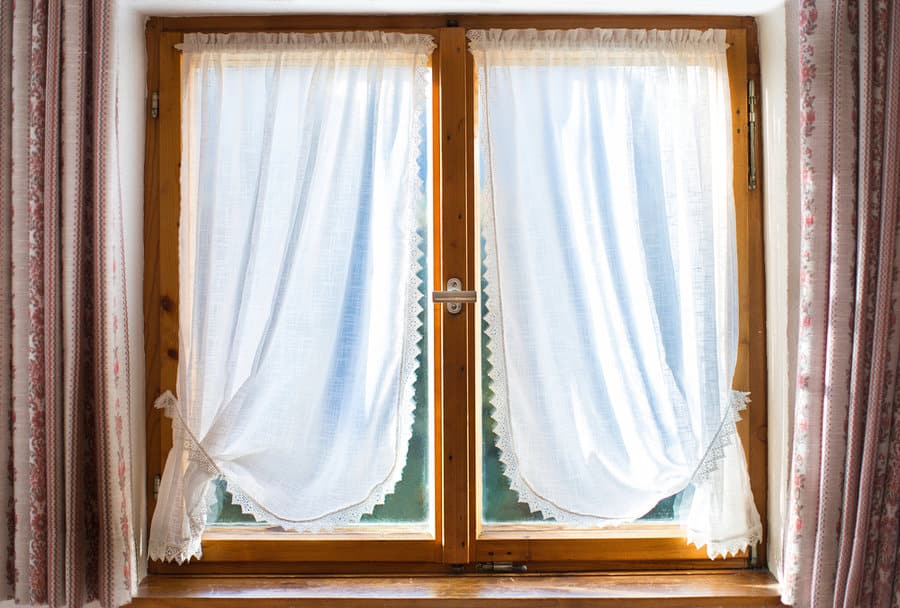
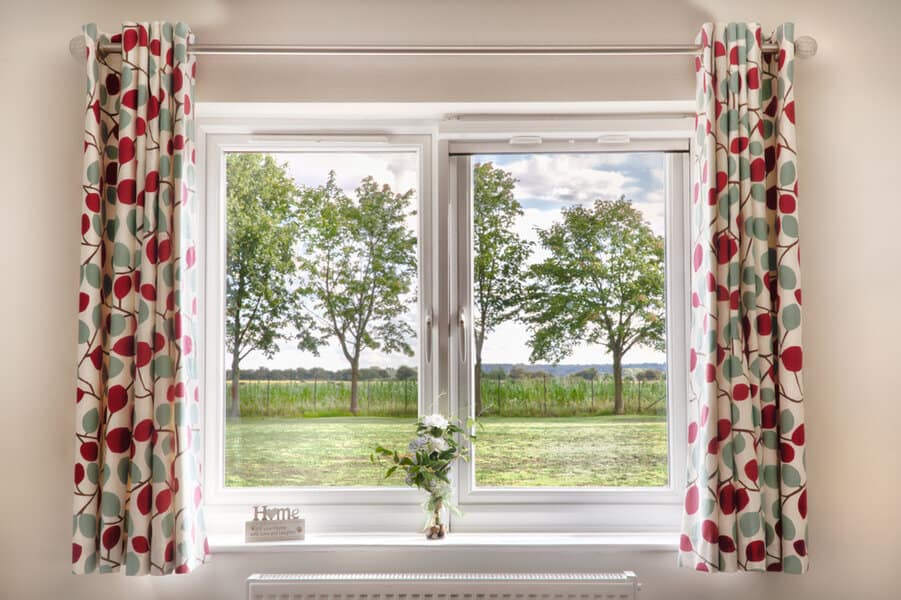
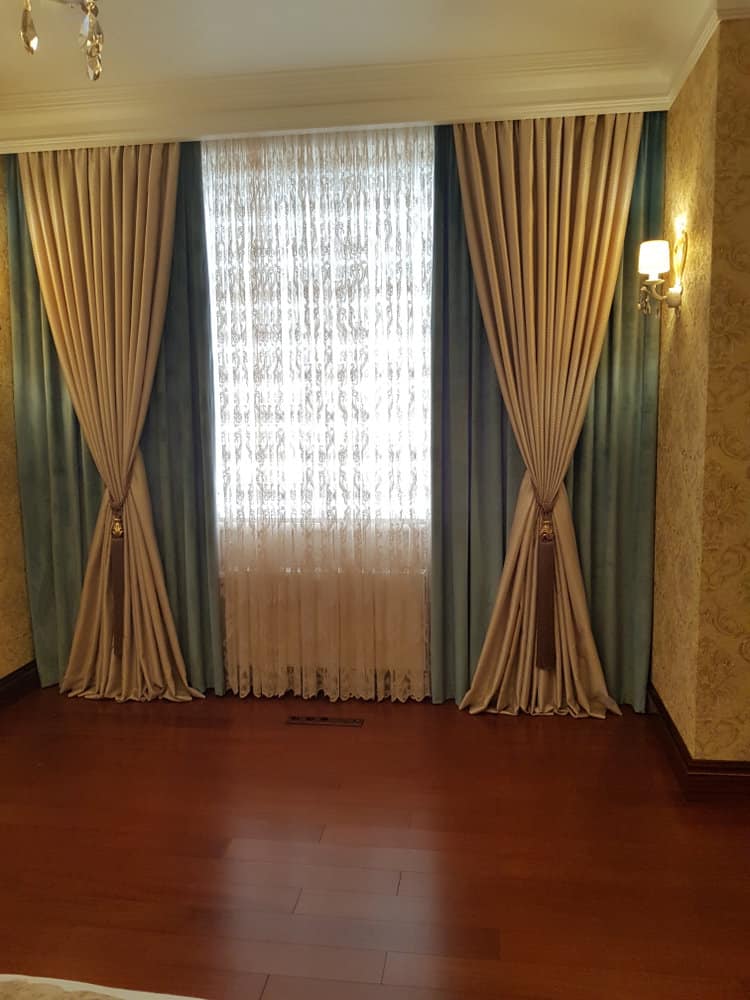
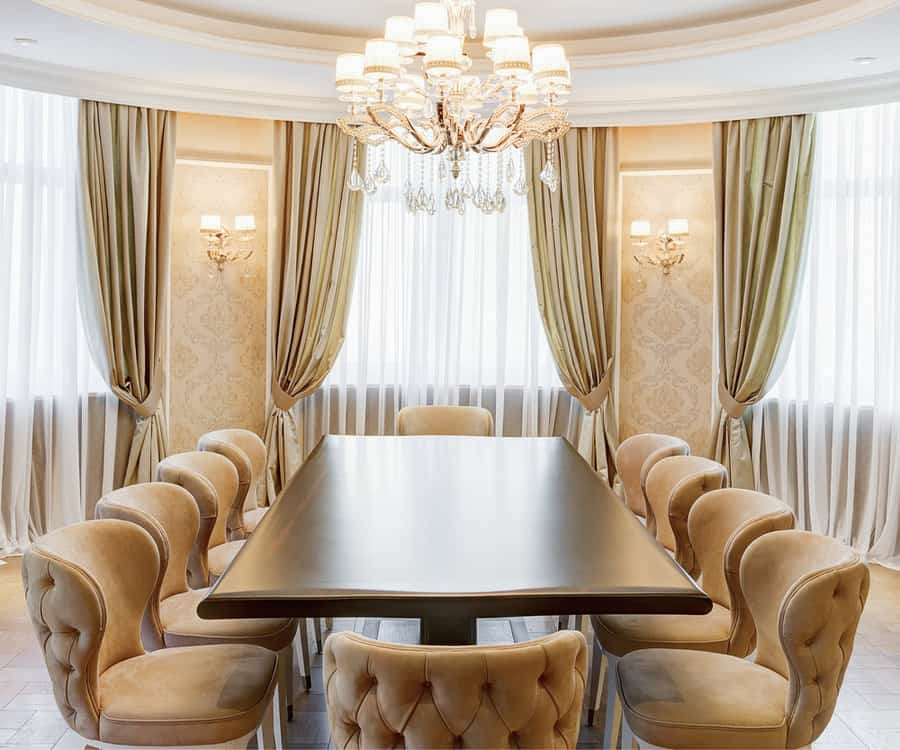
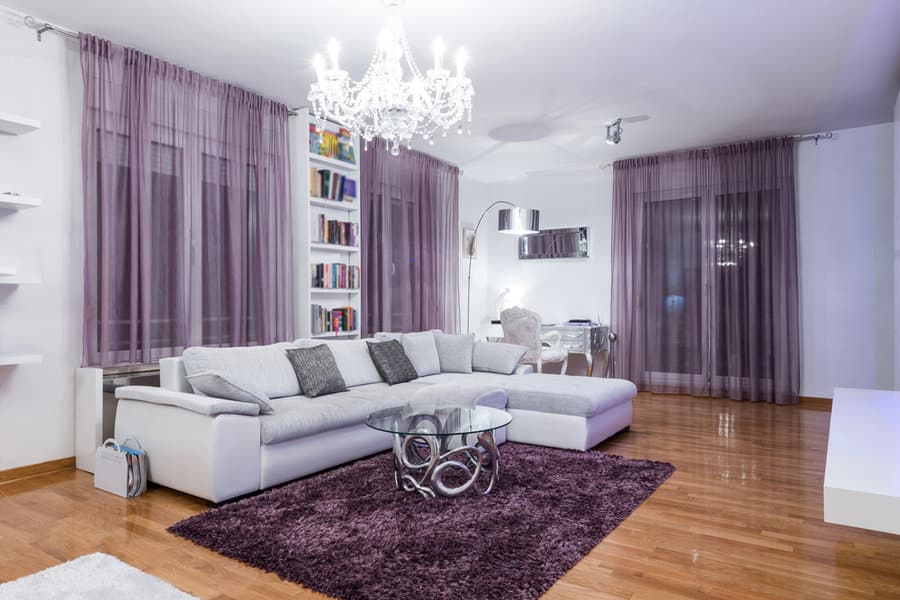
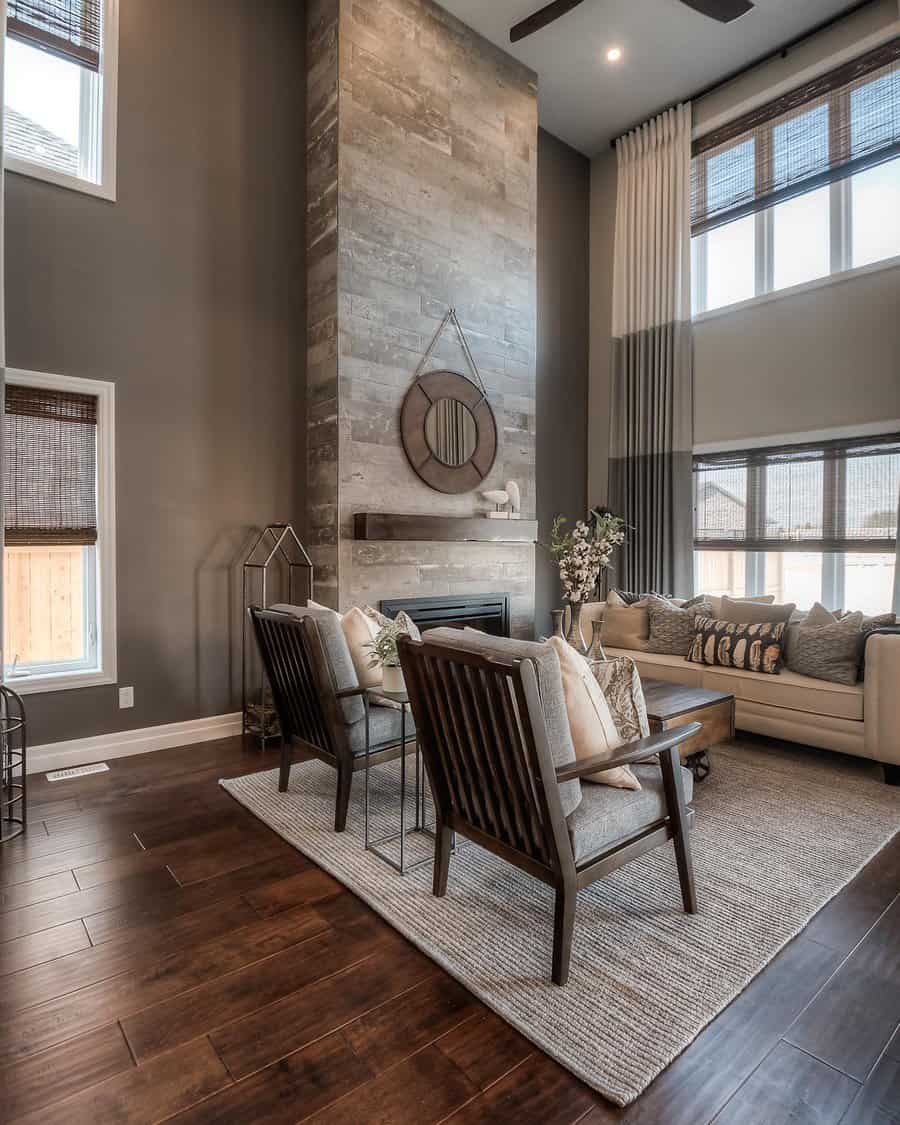
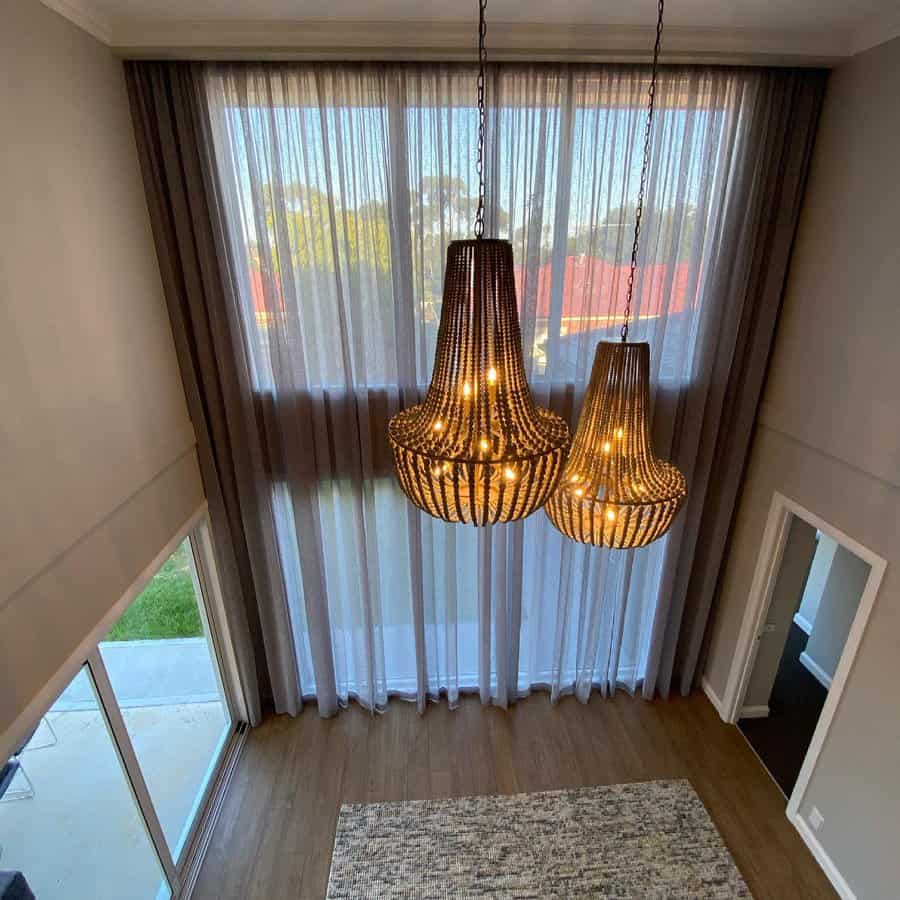
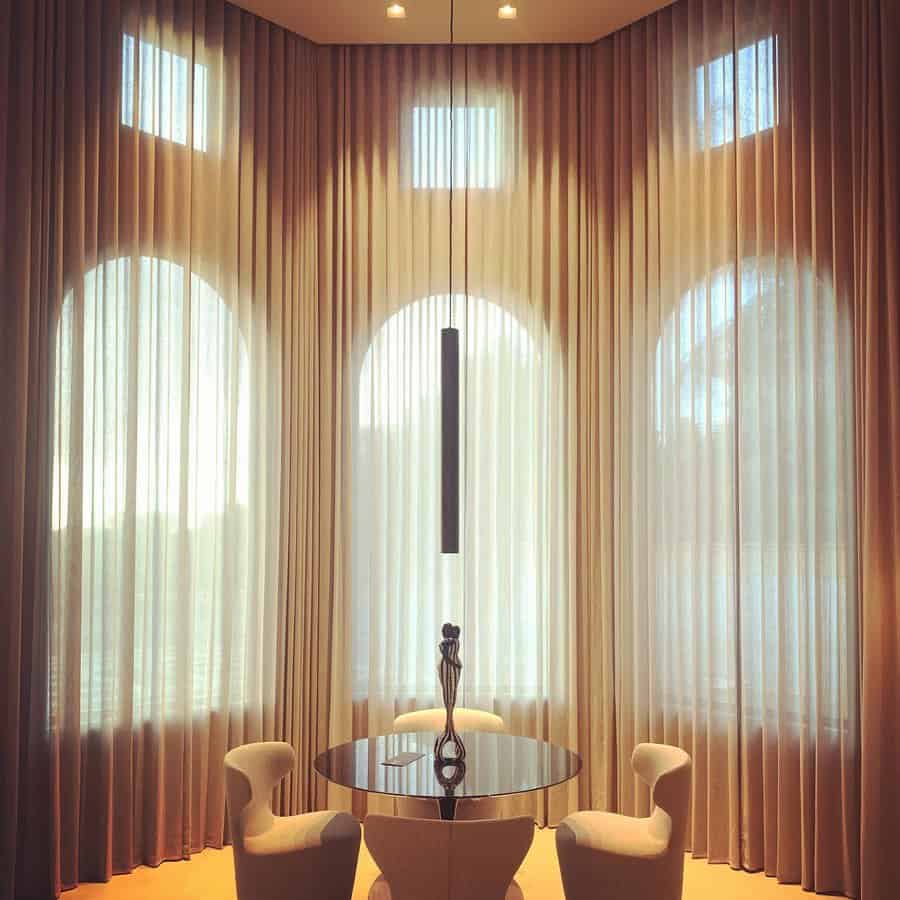
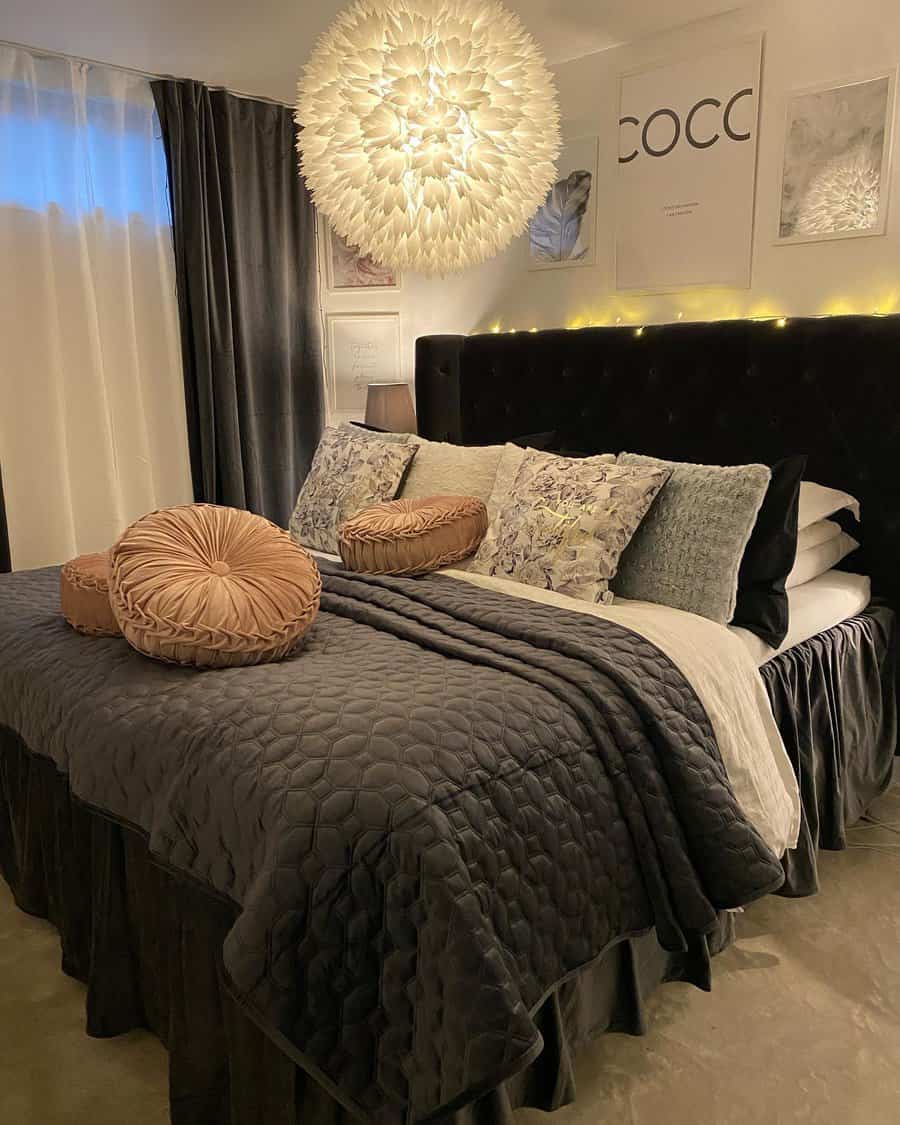
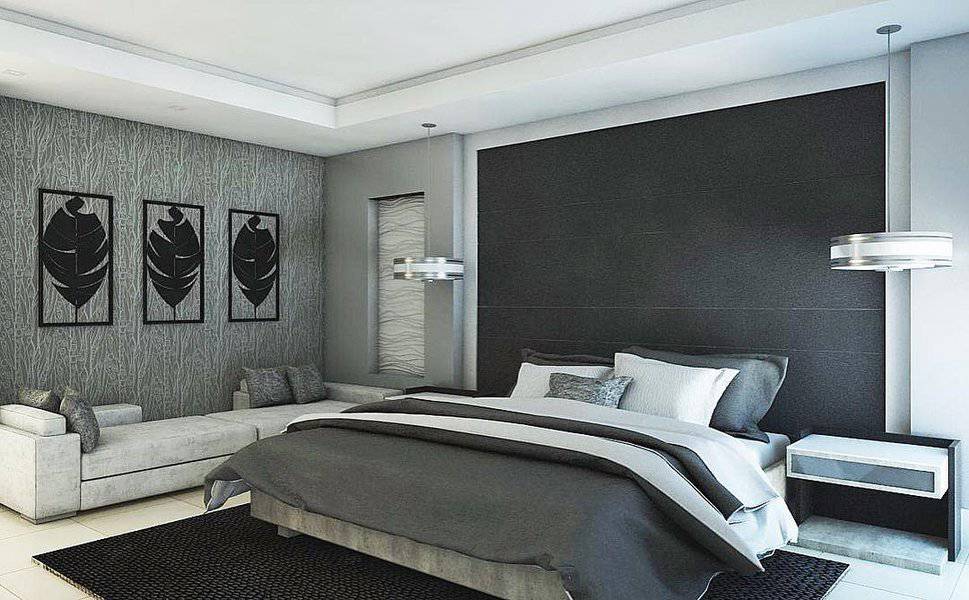
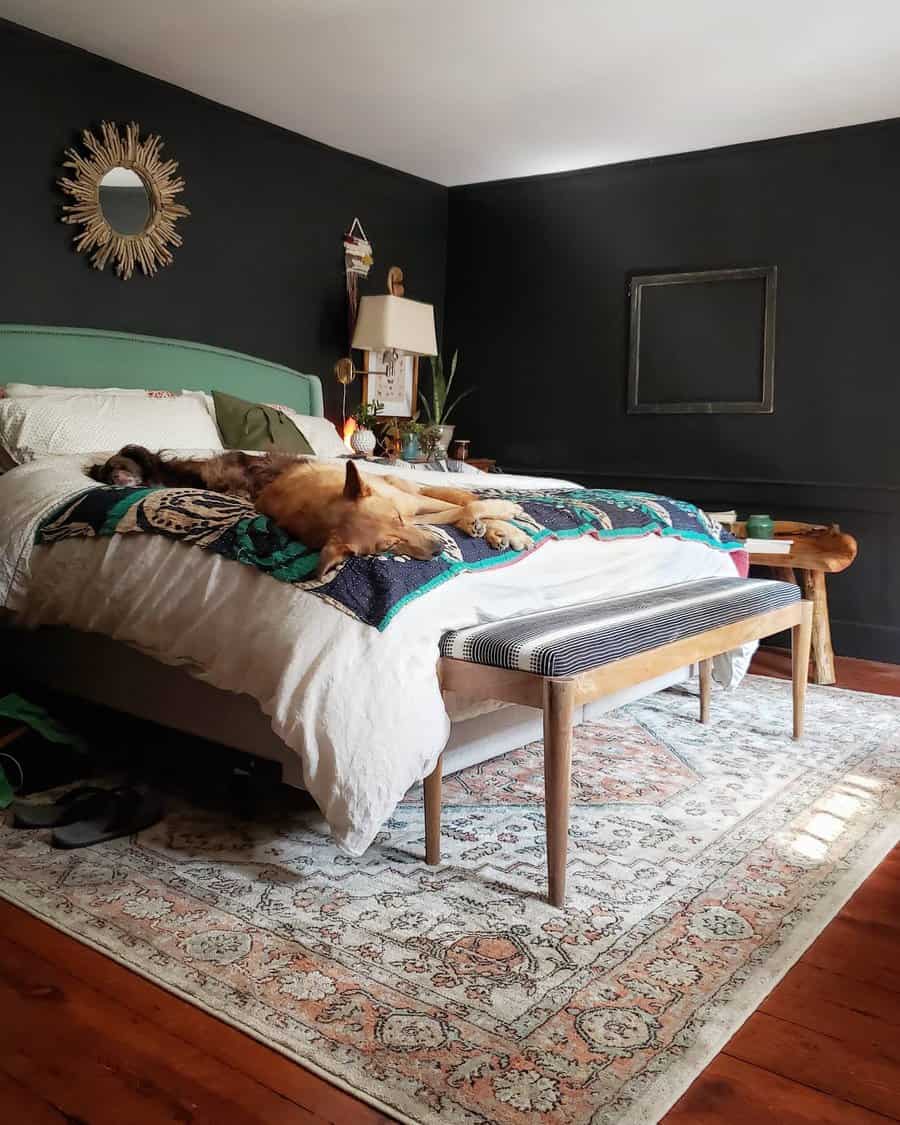
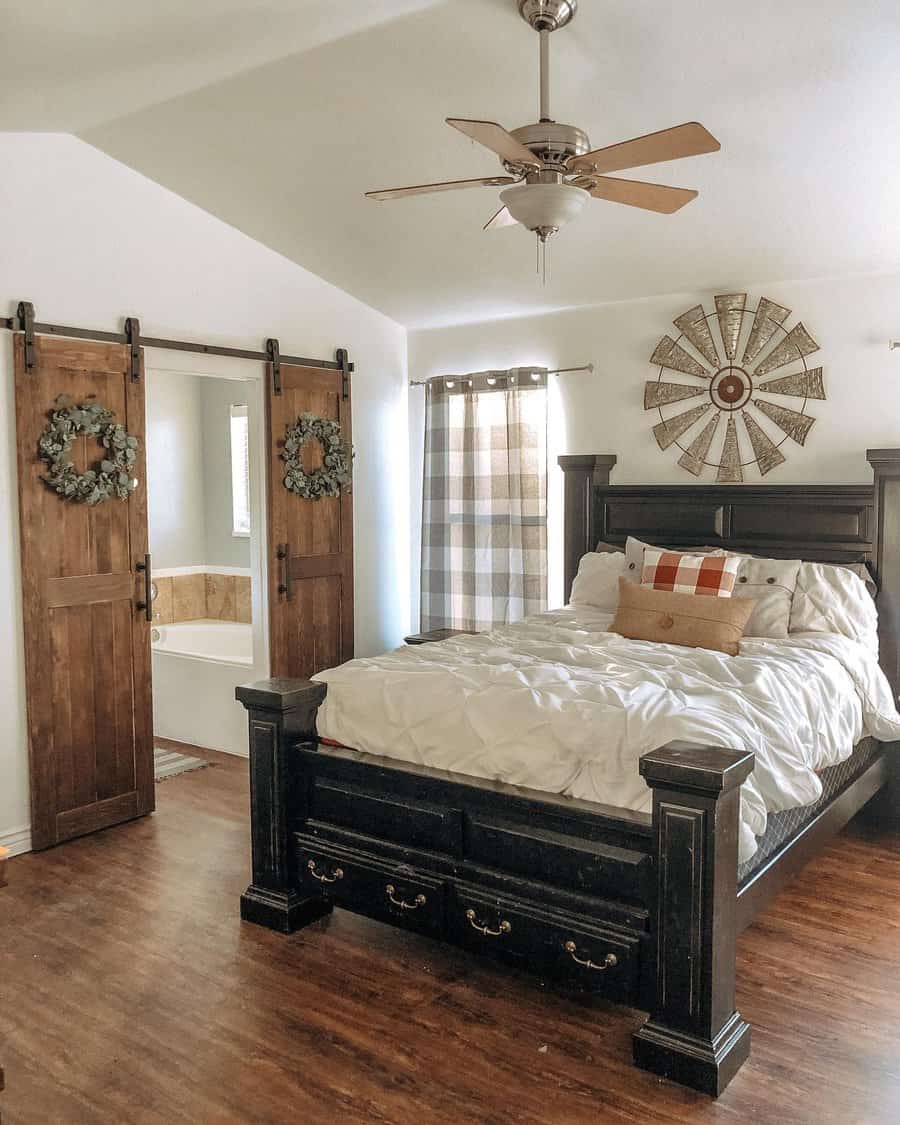
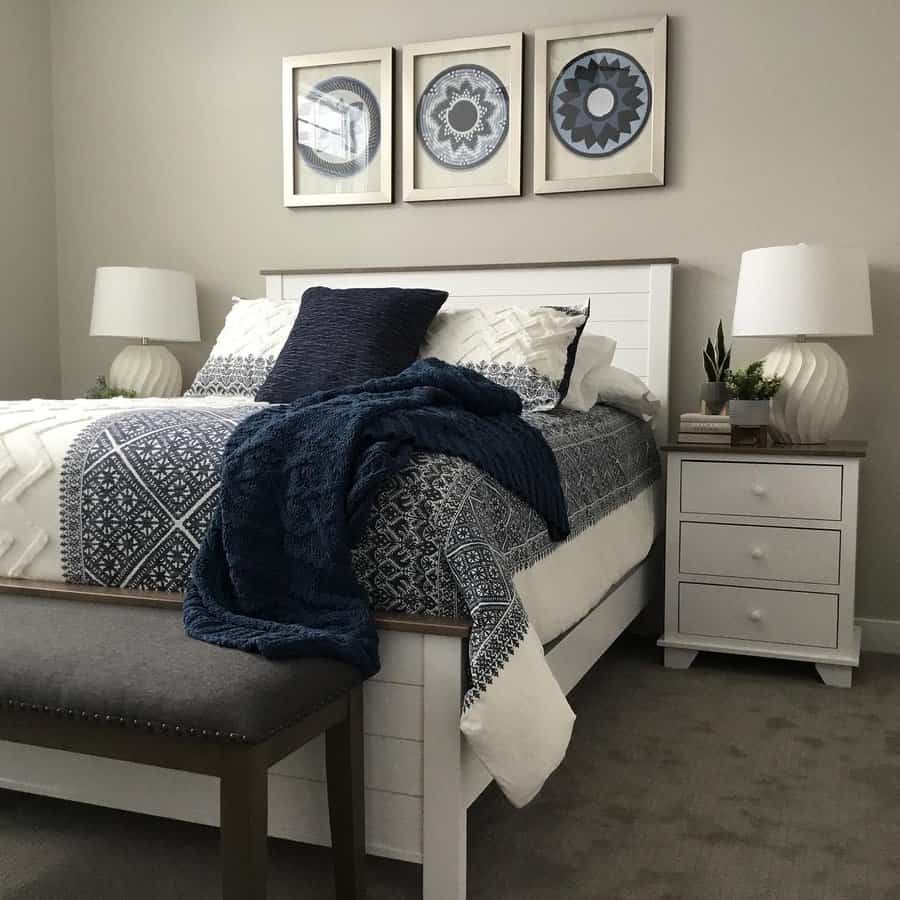
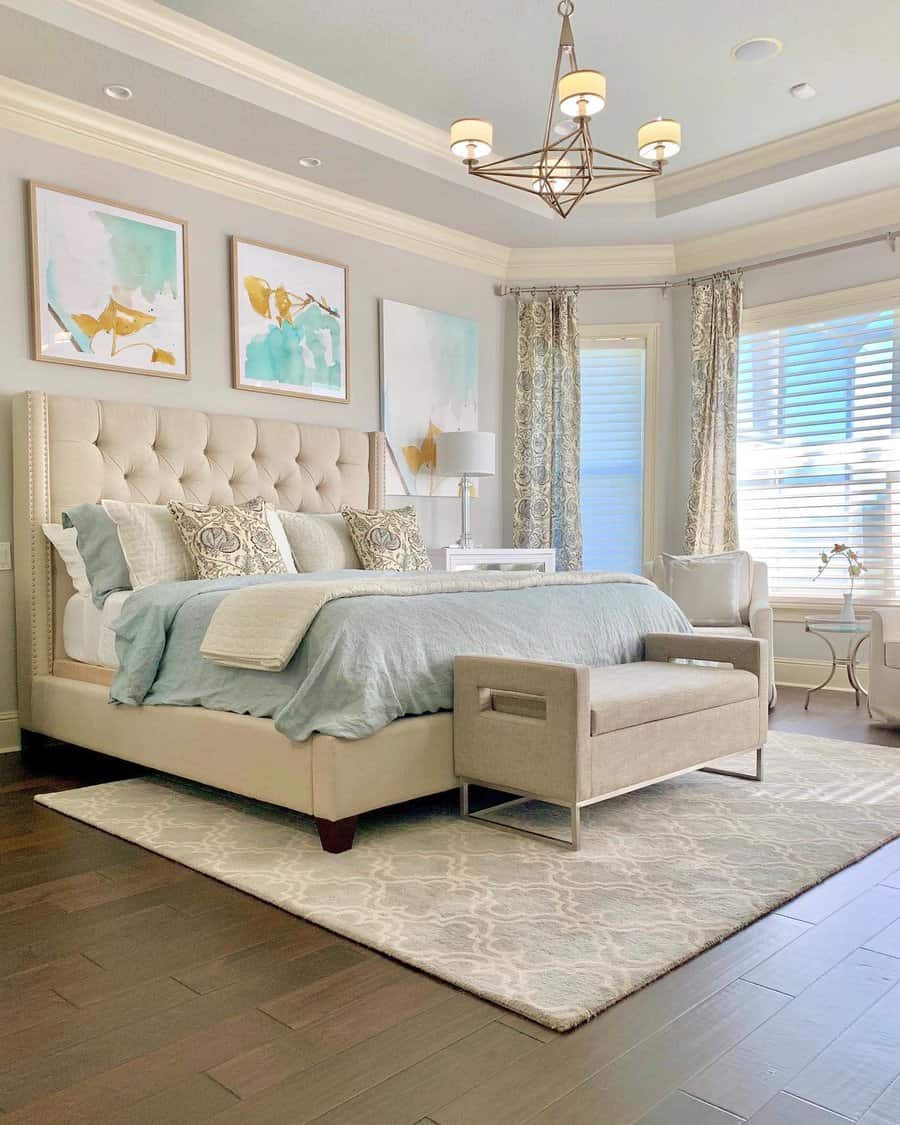
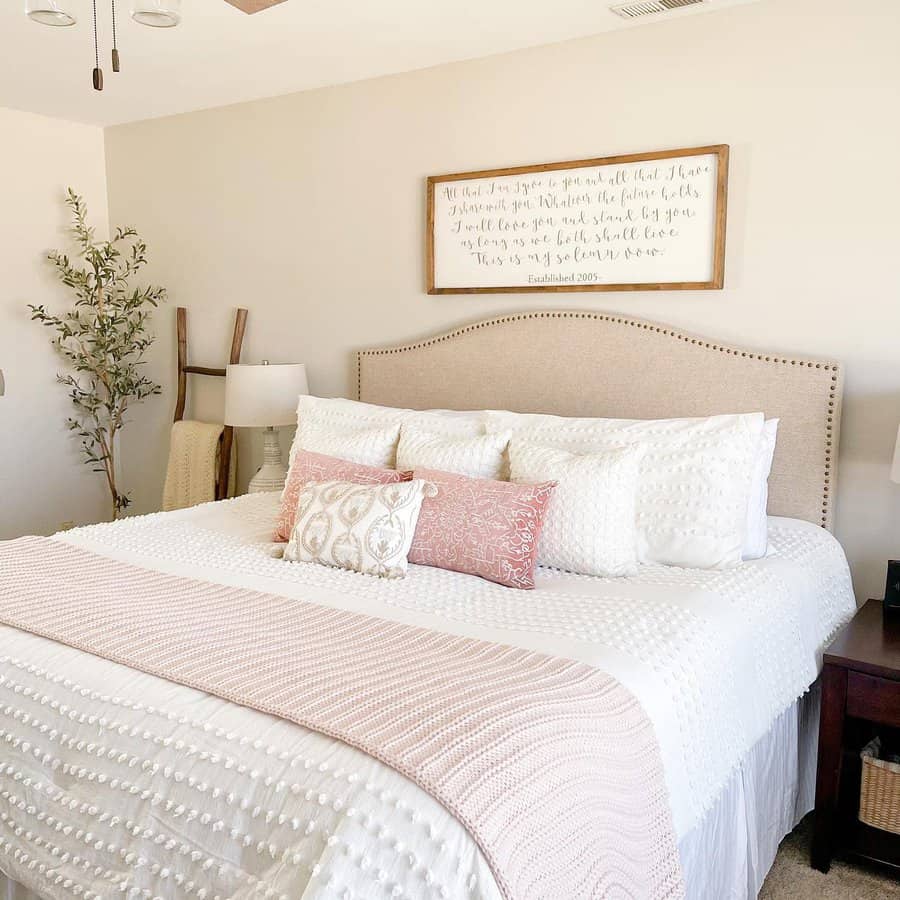
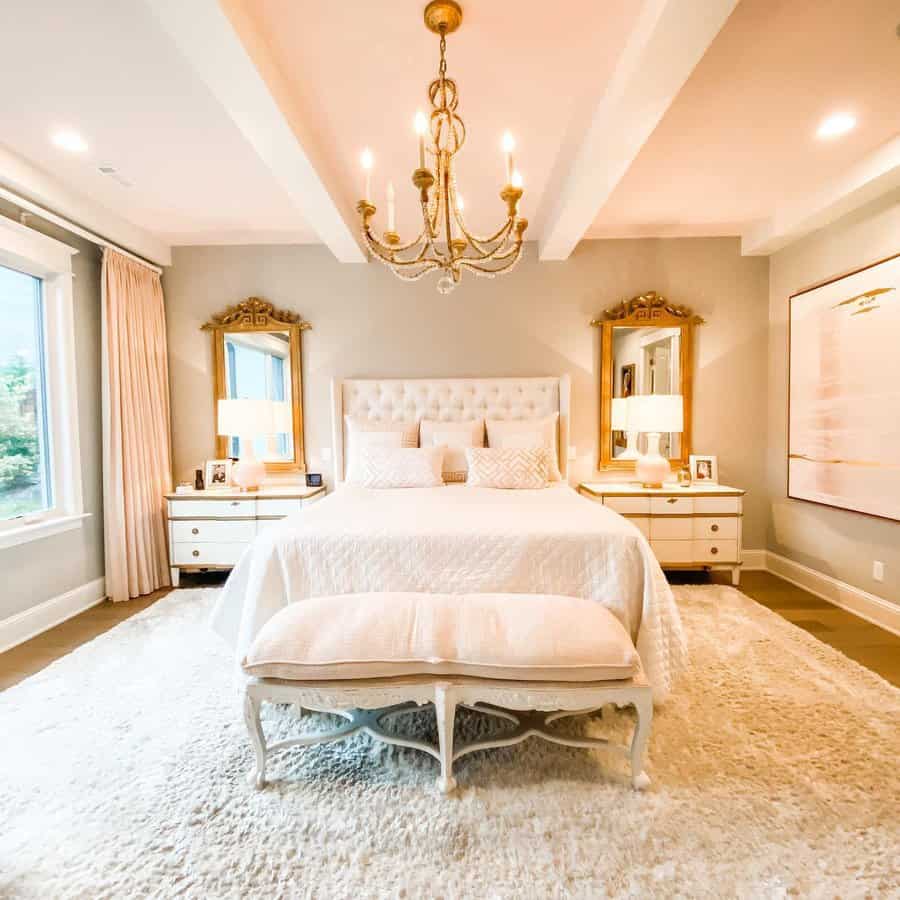
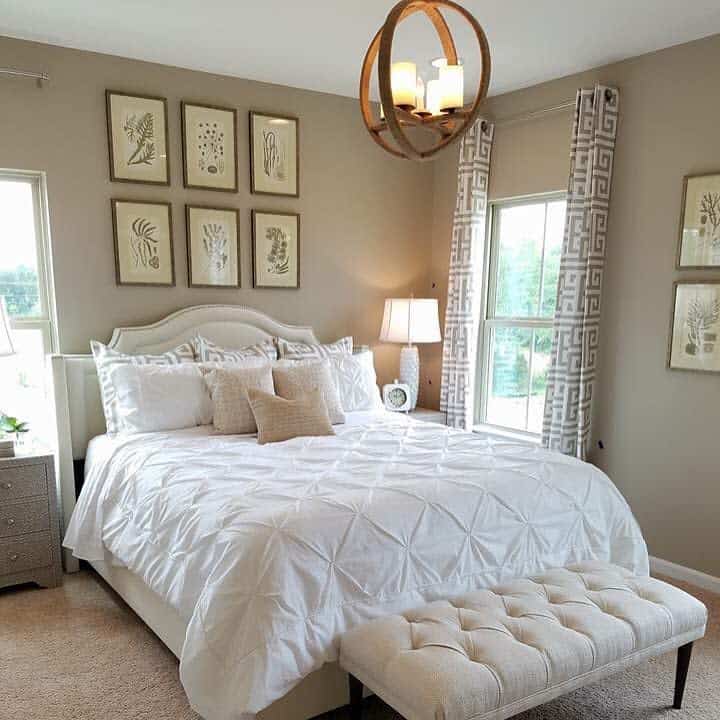
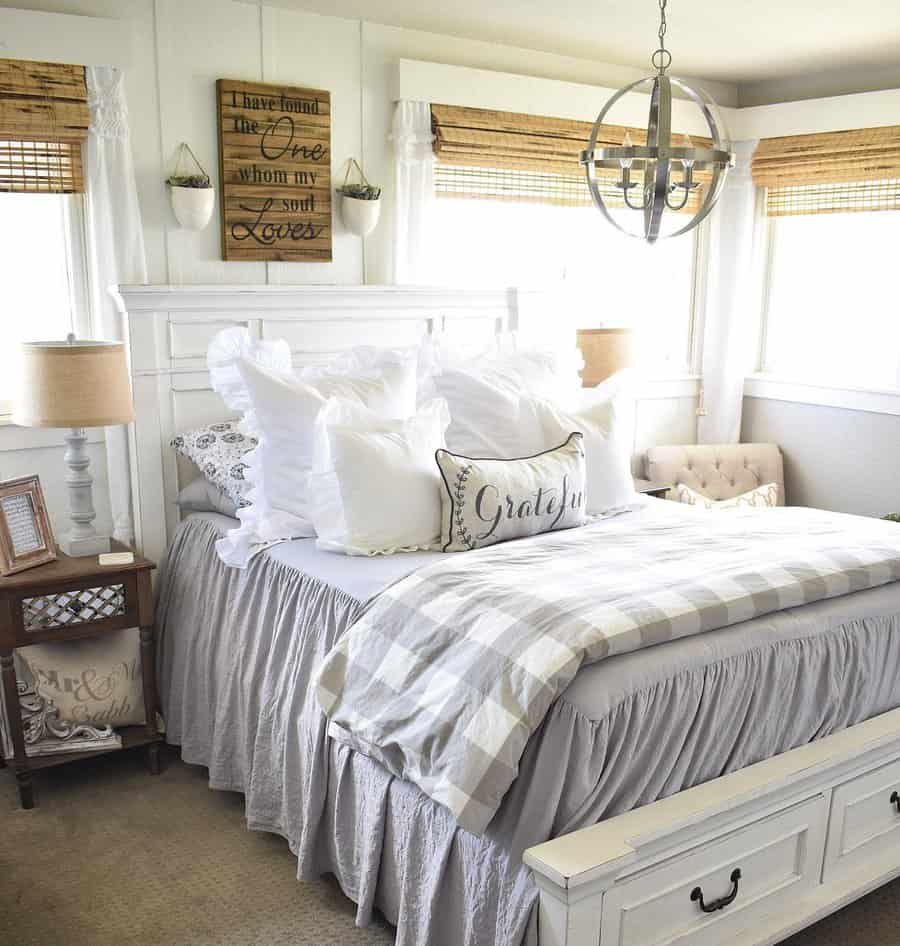
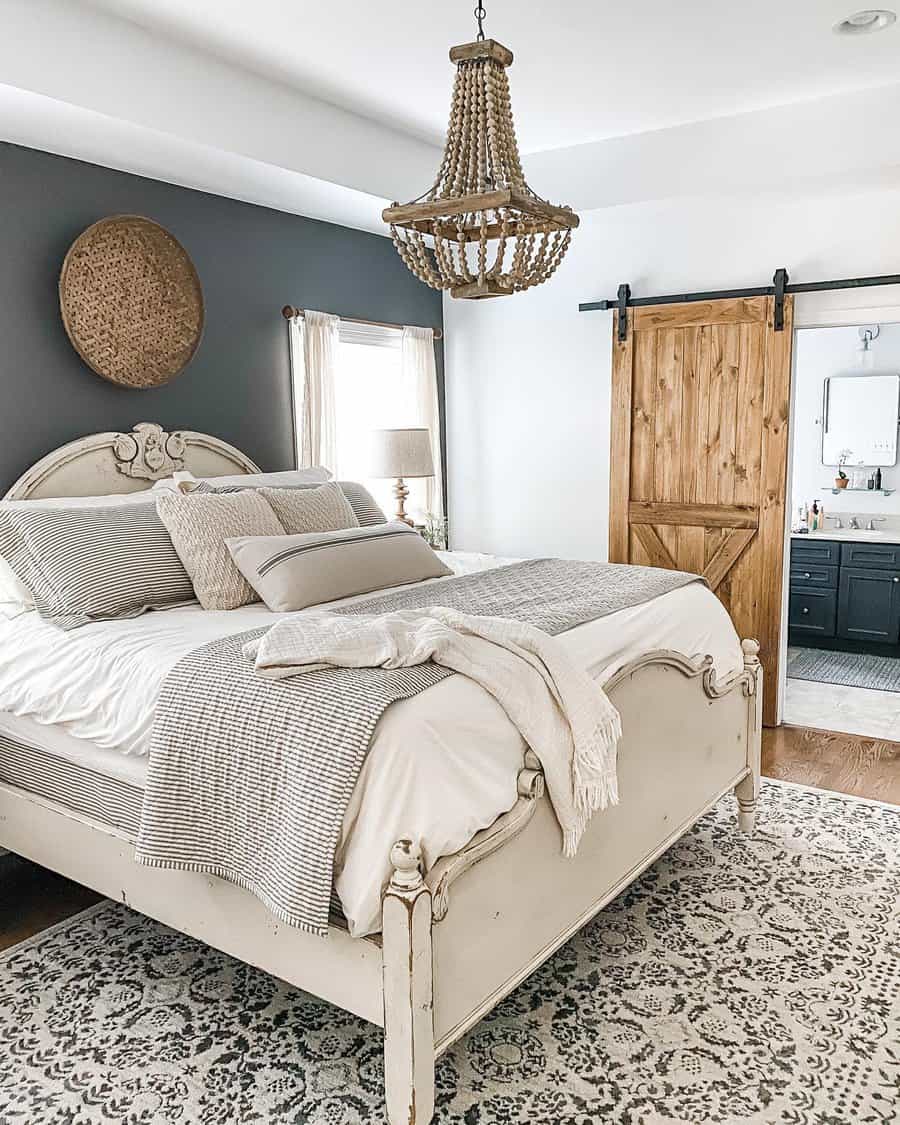
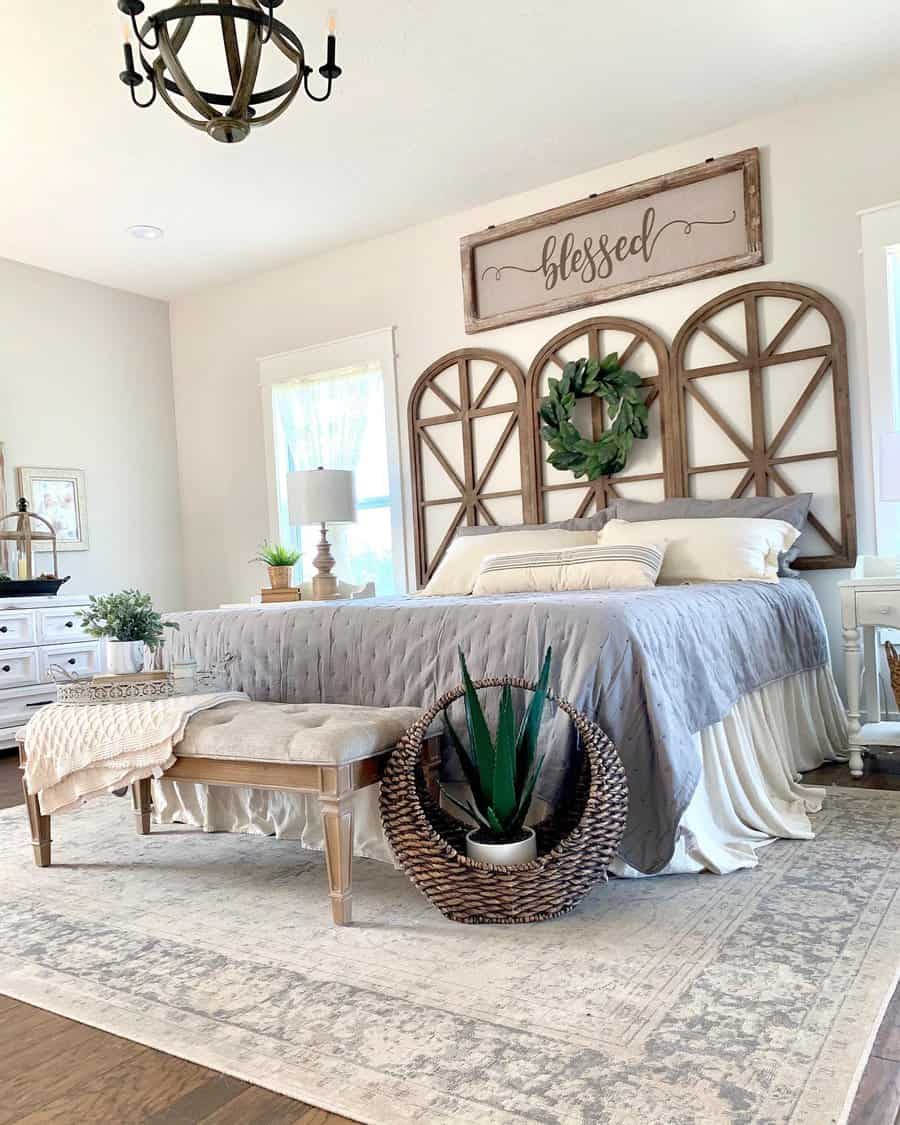
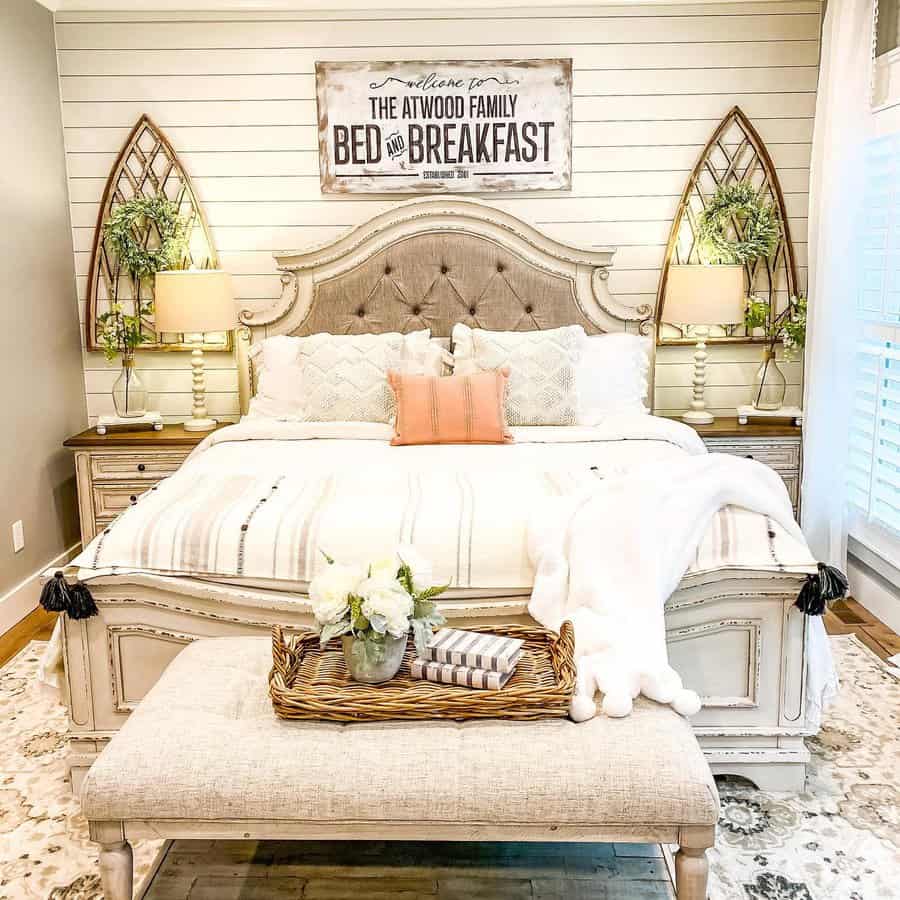
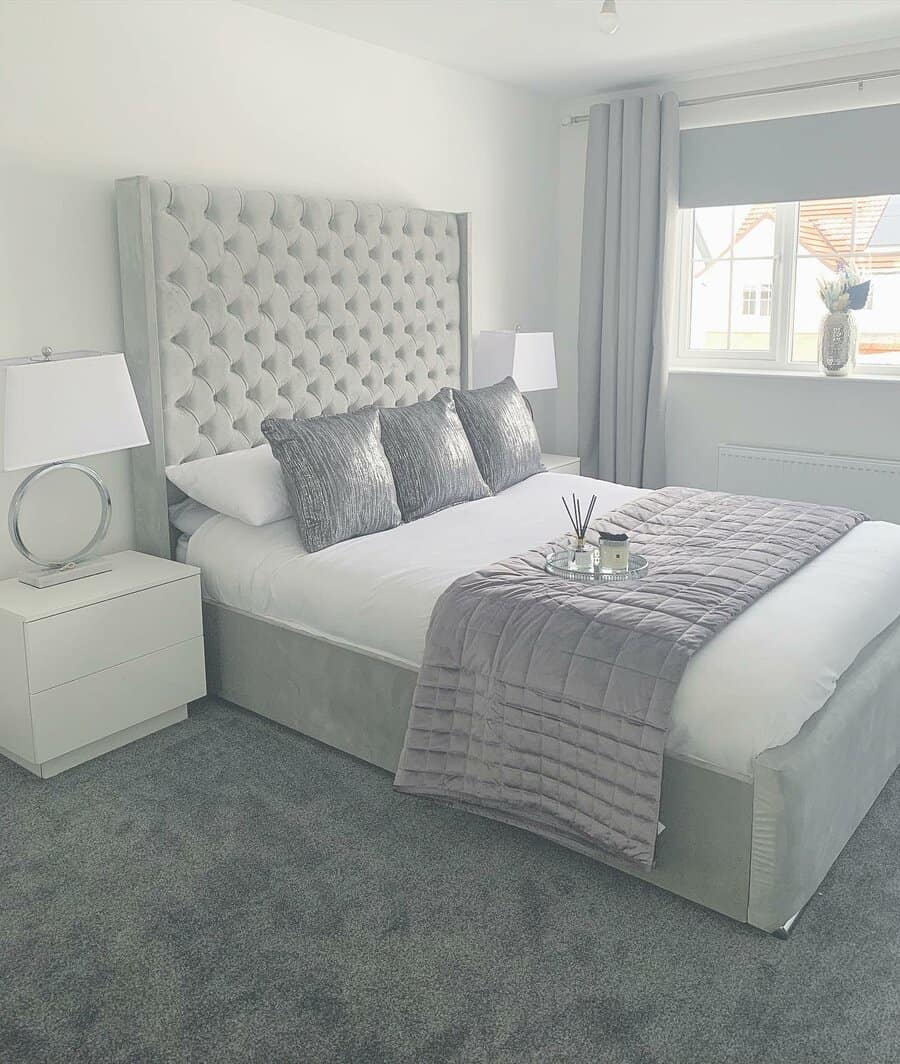
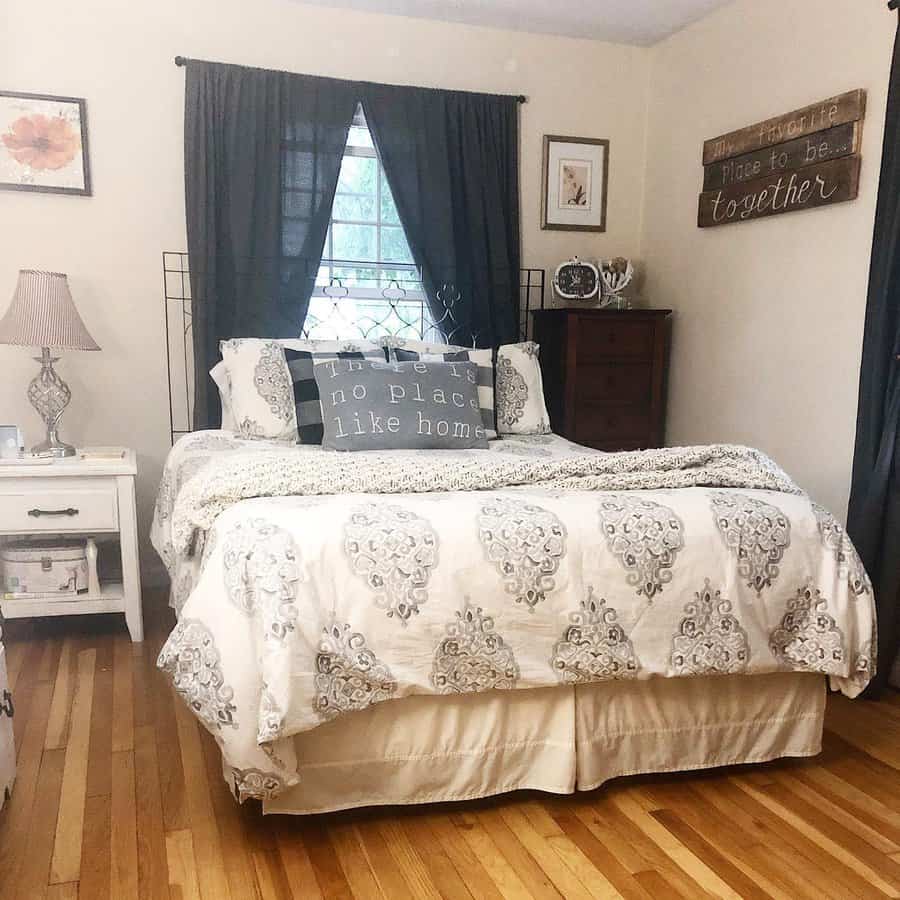
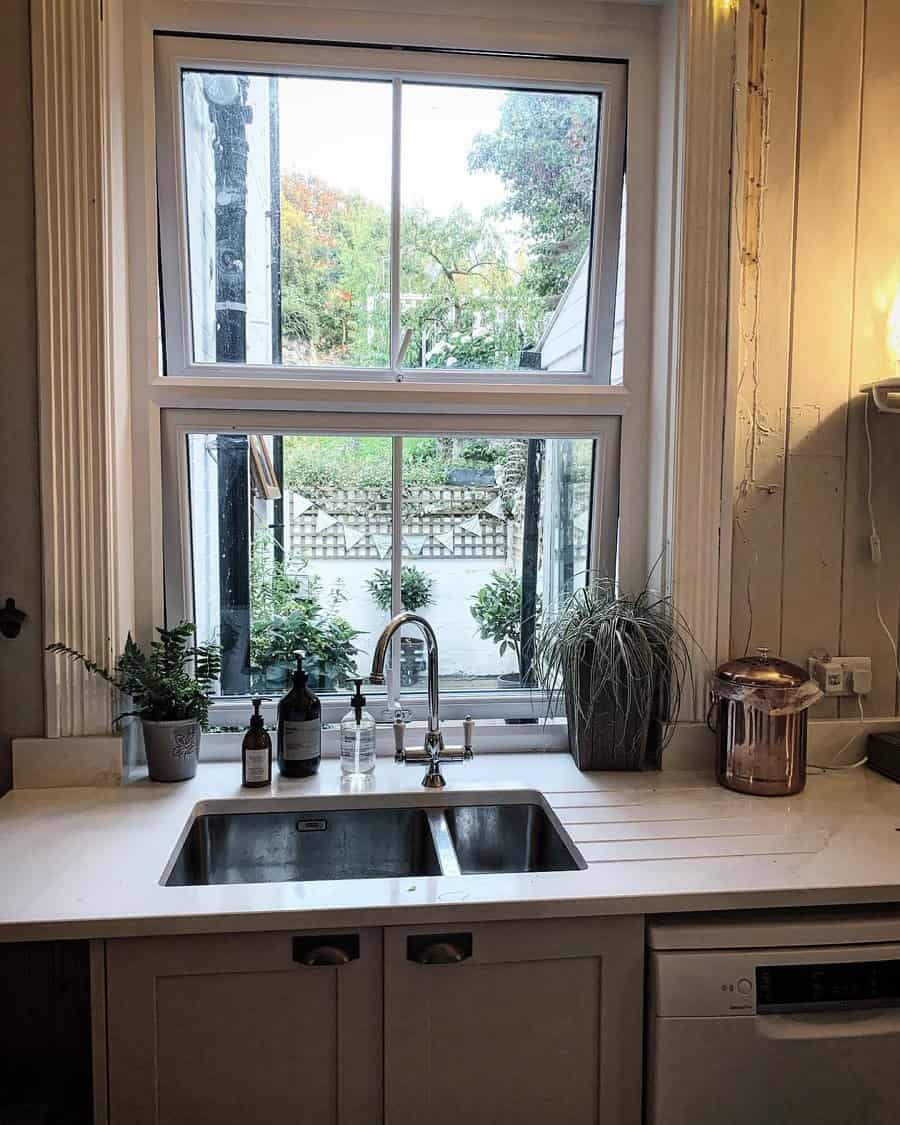
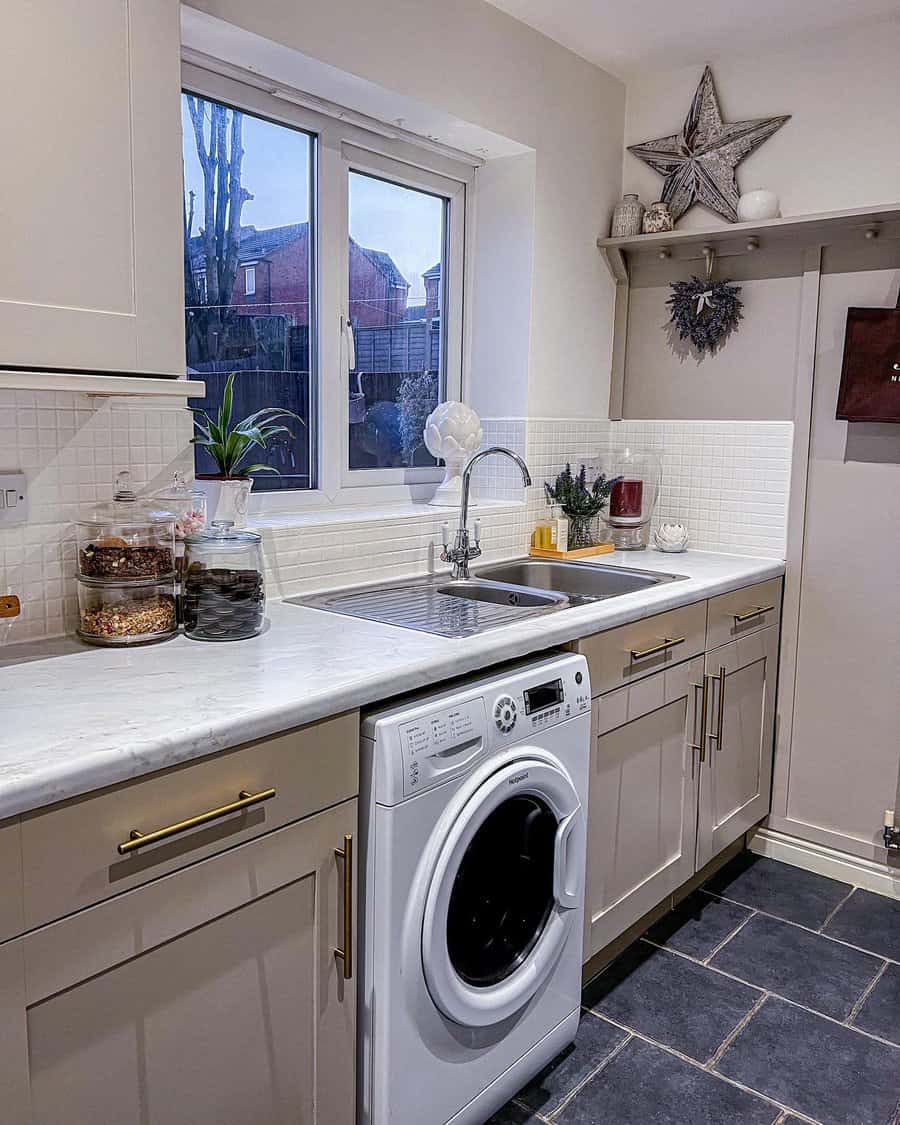
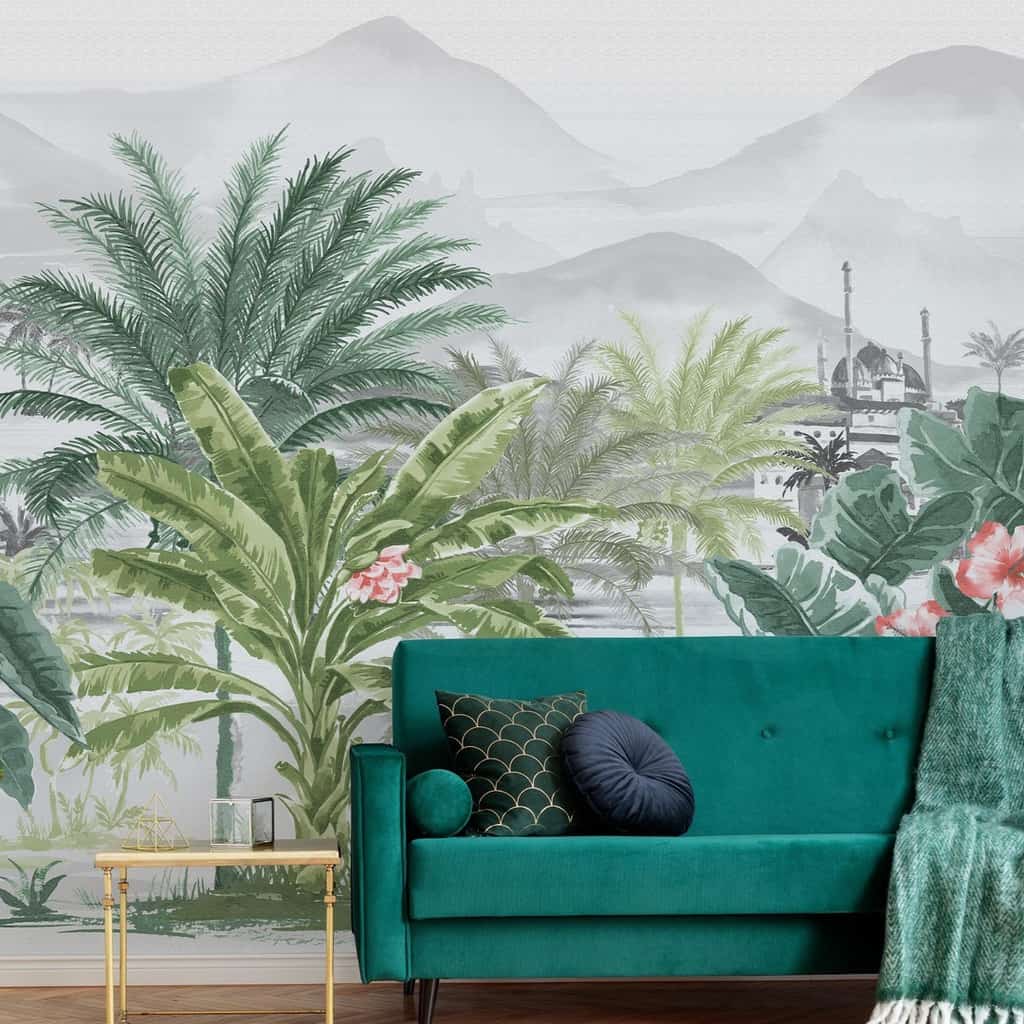
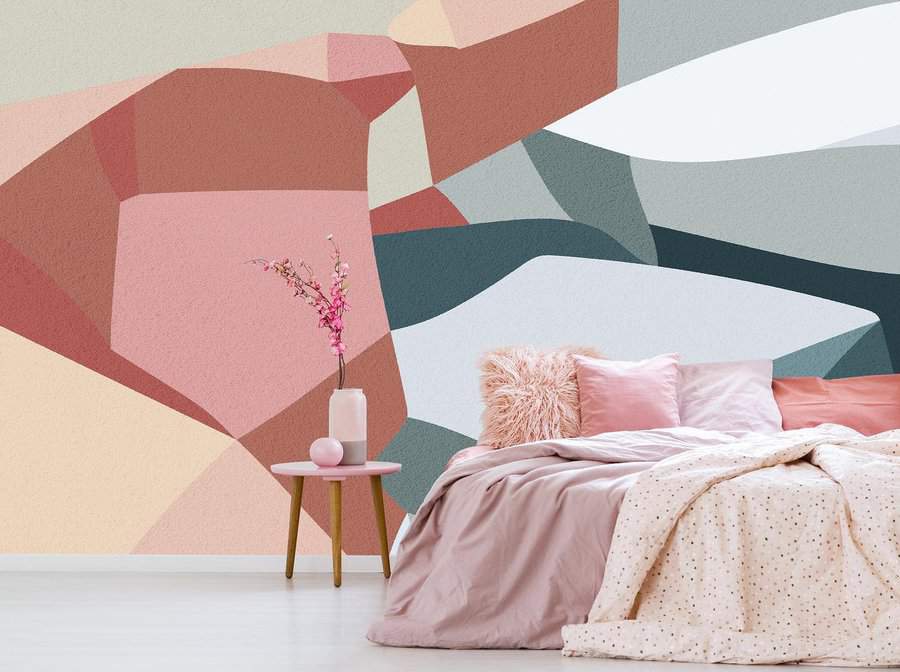
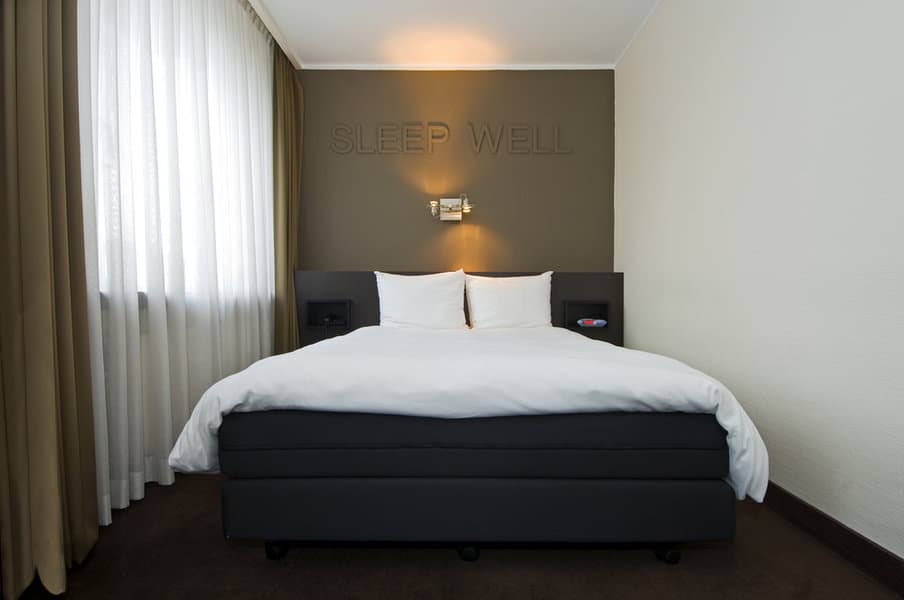
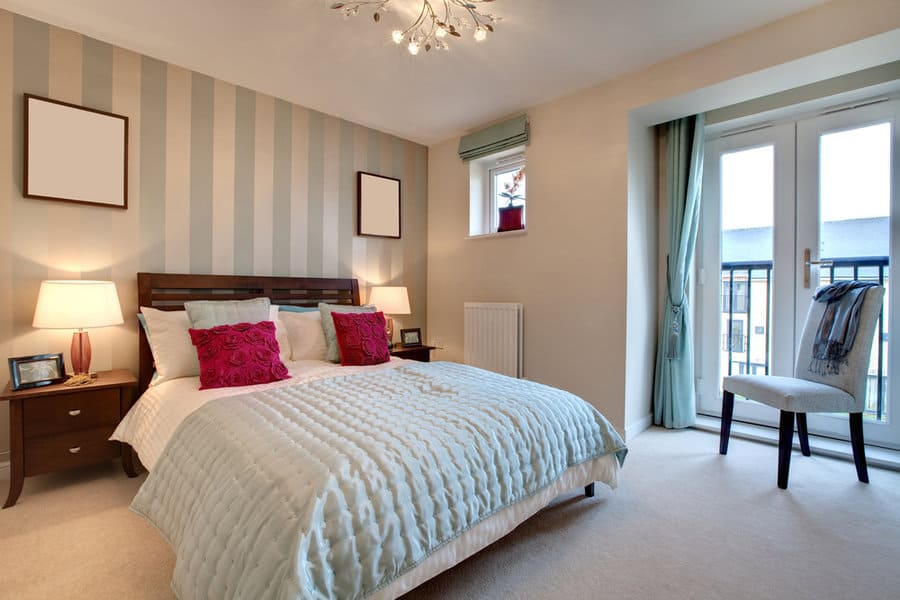
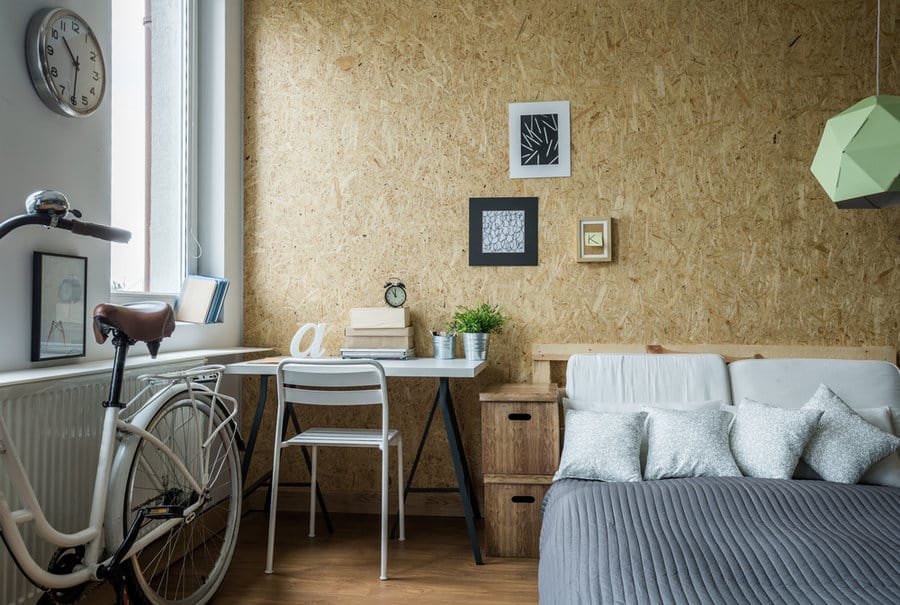
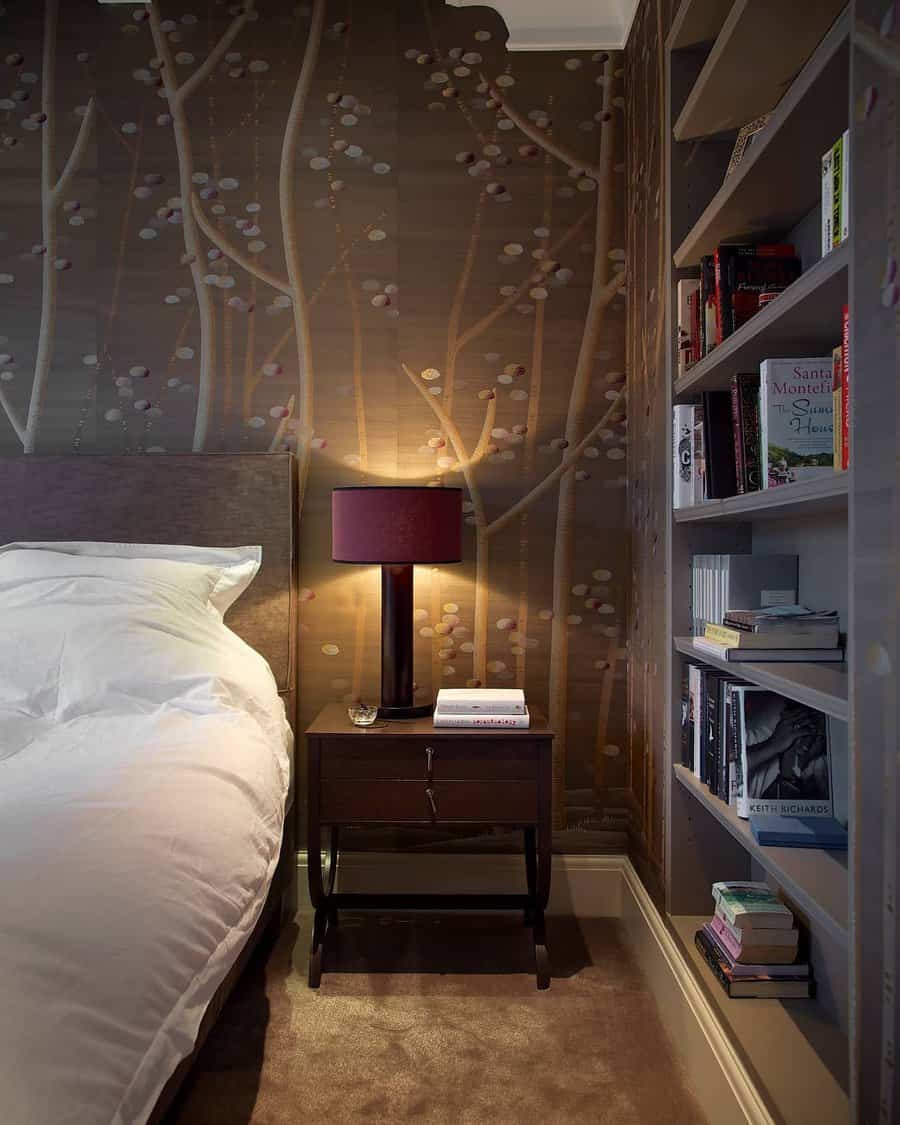
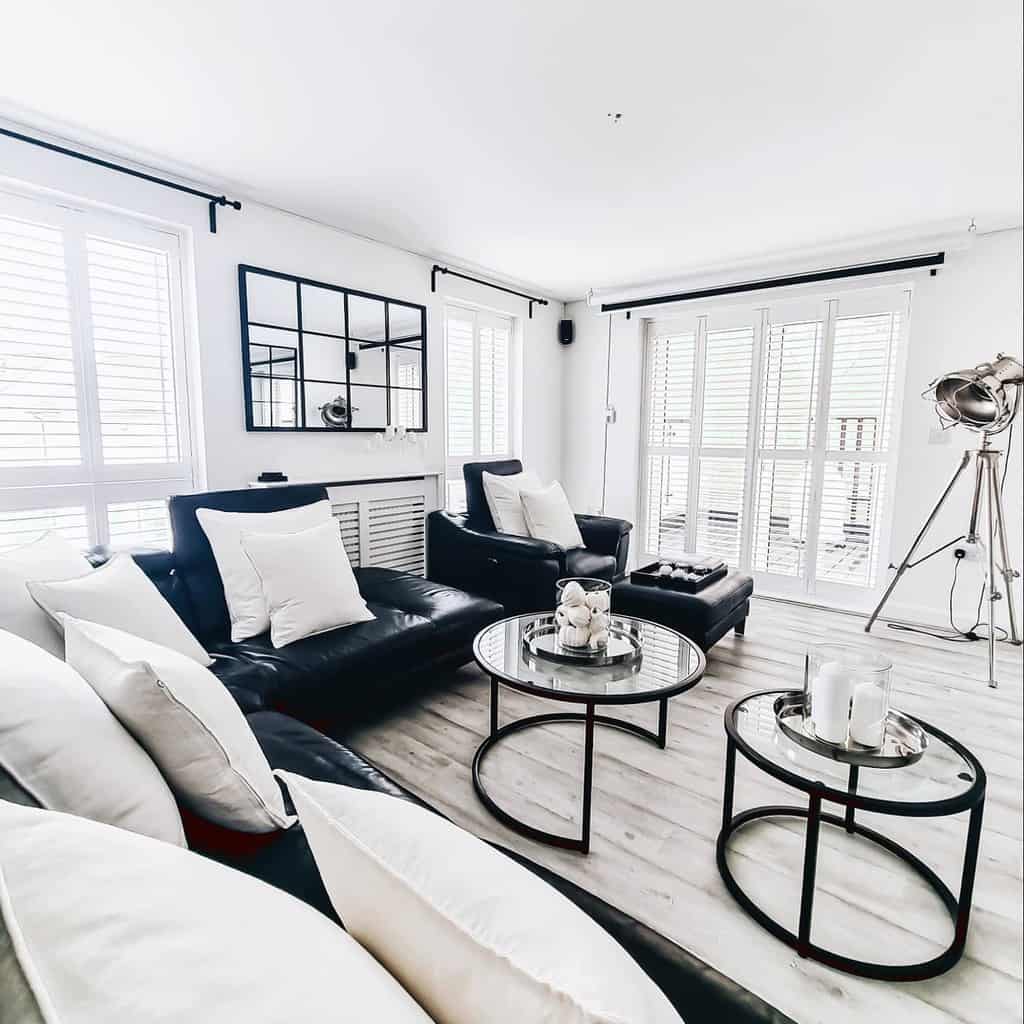
While you could leave your windows bare, this can leave your rooms feeling unfinished. Window coverings are like the jewelry of a well put together outfit. You could look nice without jewelry, but adding it gives you a finished and a polished look. If the windows in your home lack treatments, then it’s time to step up your interior design style by adding the finishing touch. Dress up the windows in your home with these window treatment ideas.
[view_toc]
1. Blinds for Light Control and Privacy
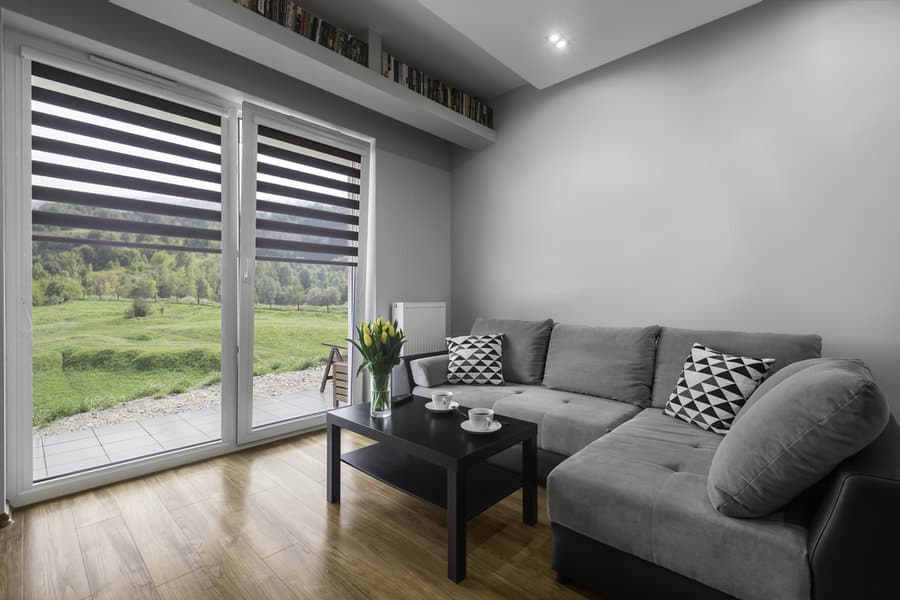
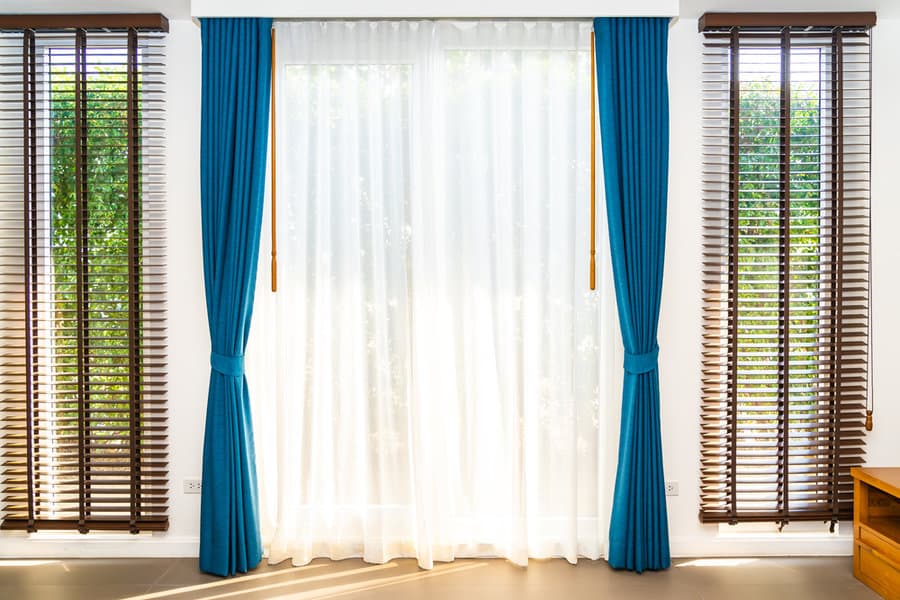
Adding blinds to your windows is a simple and affordable method for adding light filtering and privacy. You could invest in real wood blinds, but they can be quite expensive. You’ll likely need to custom order them.
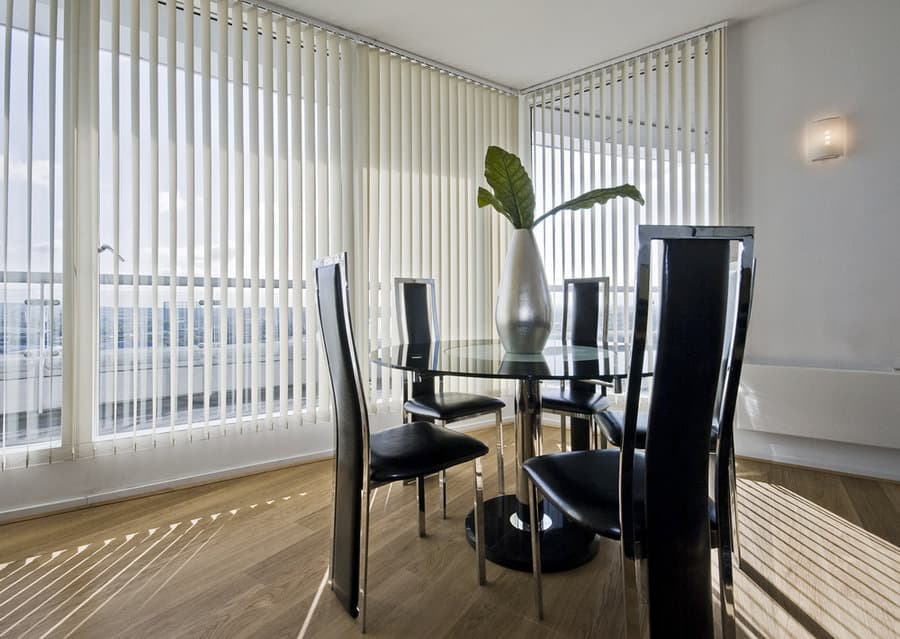
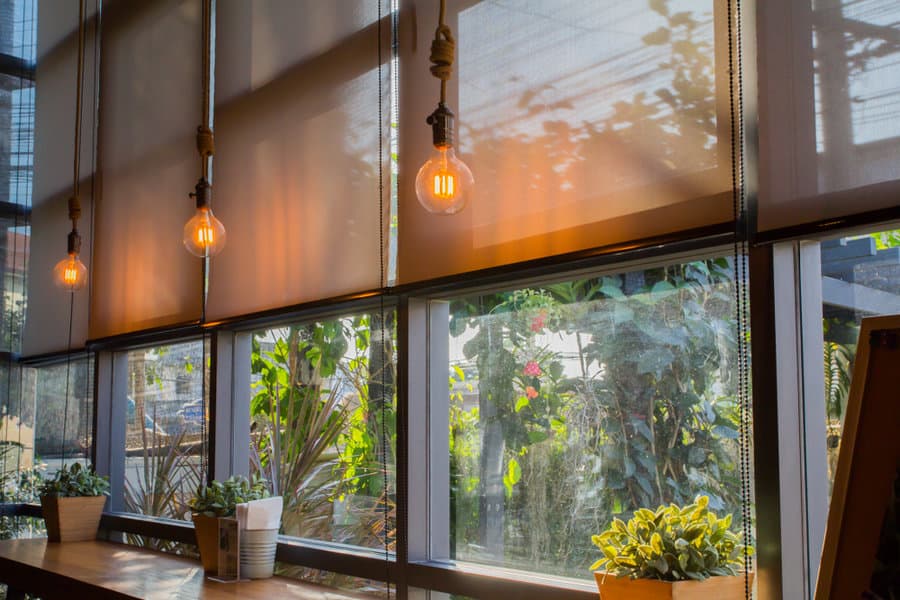
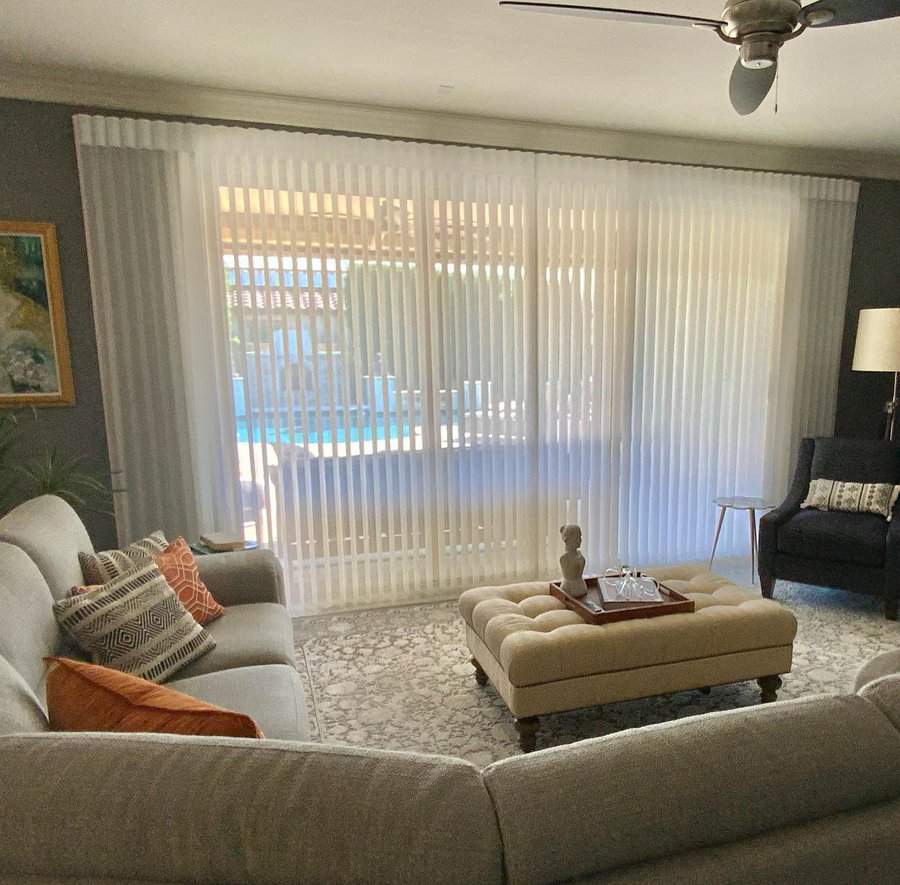
A more affordable and popular alternative is to order faux wood blinds instead. They look and feel like wood but are more durable and affordable. Other blinds options are vertical blinds or roller blinds. These give your window a different effect and work better on certain sized windows. For example, vertical blinds are better for oversized windows.
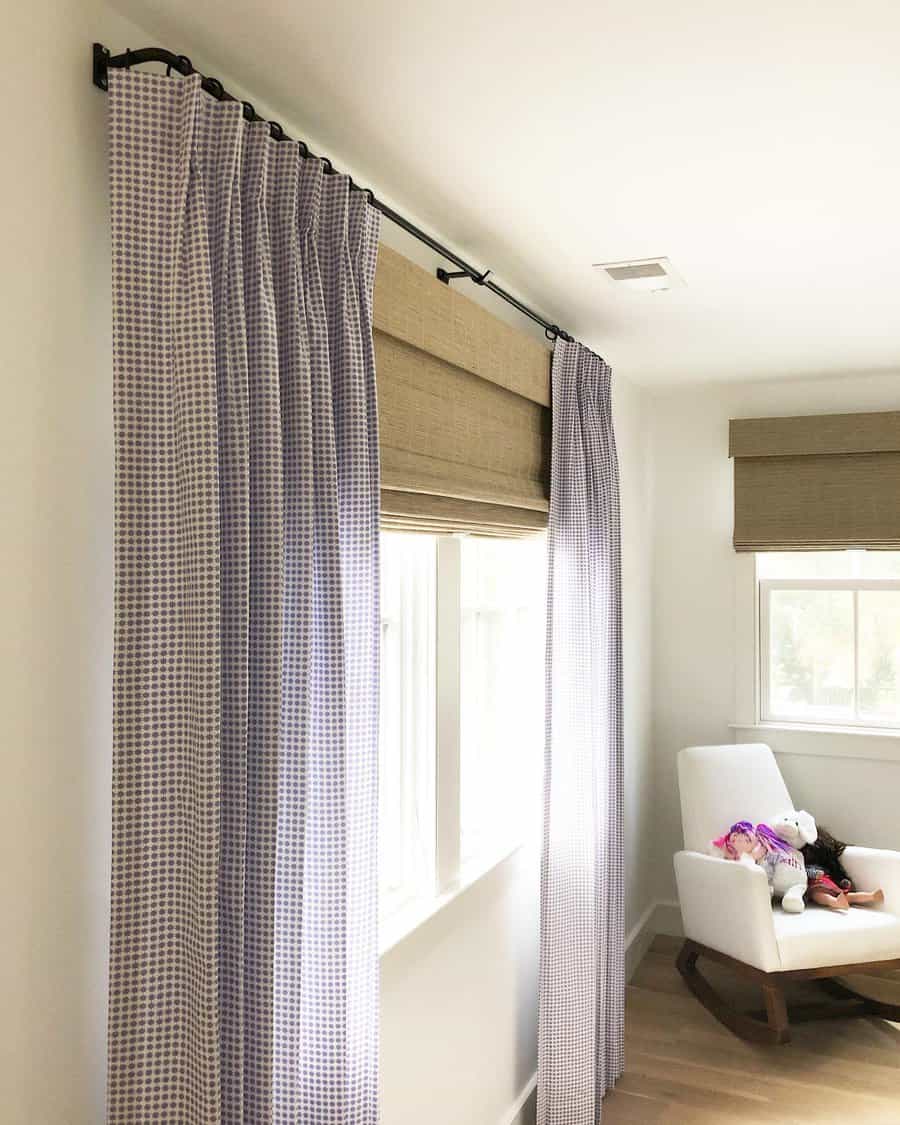
2. Versatile Curtains for Comfort and Style
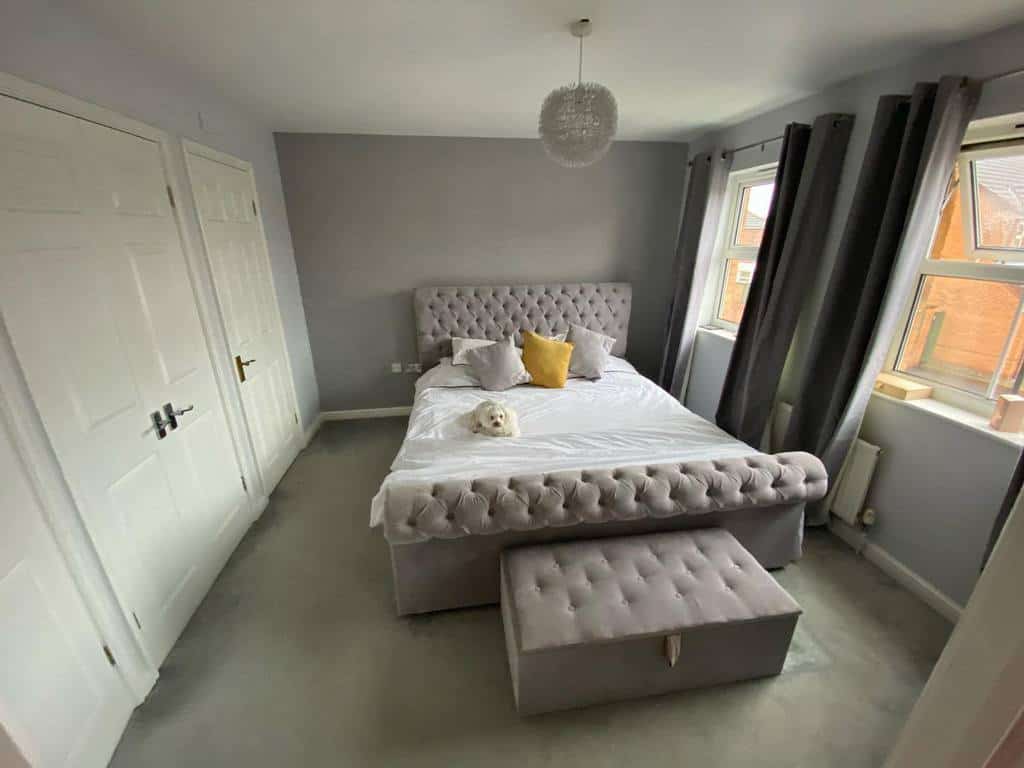
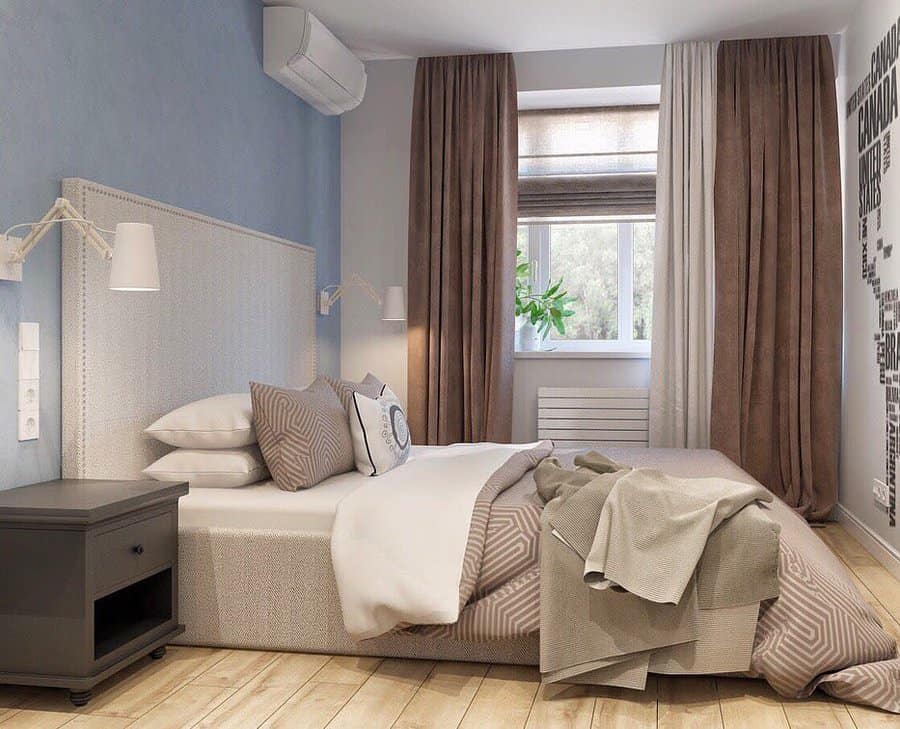
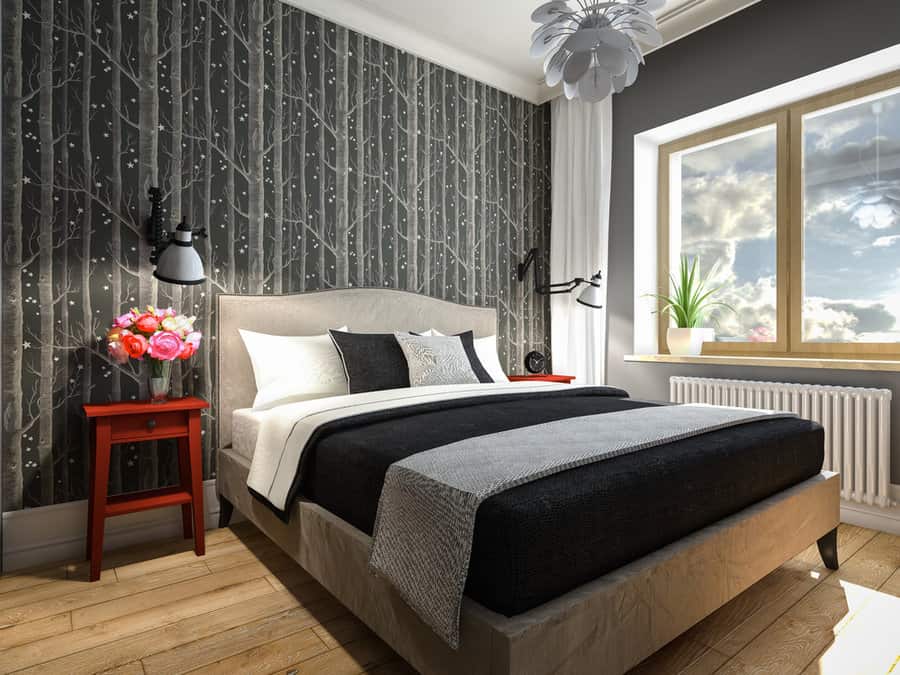
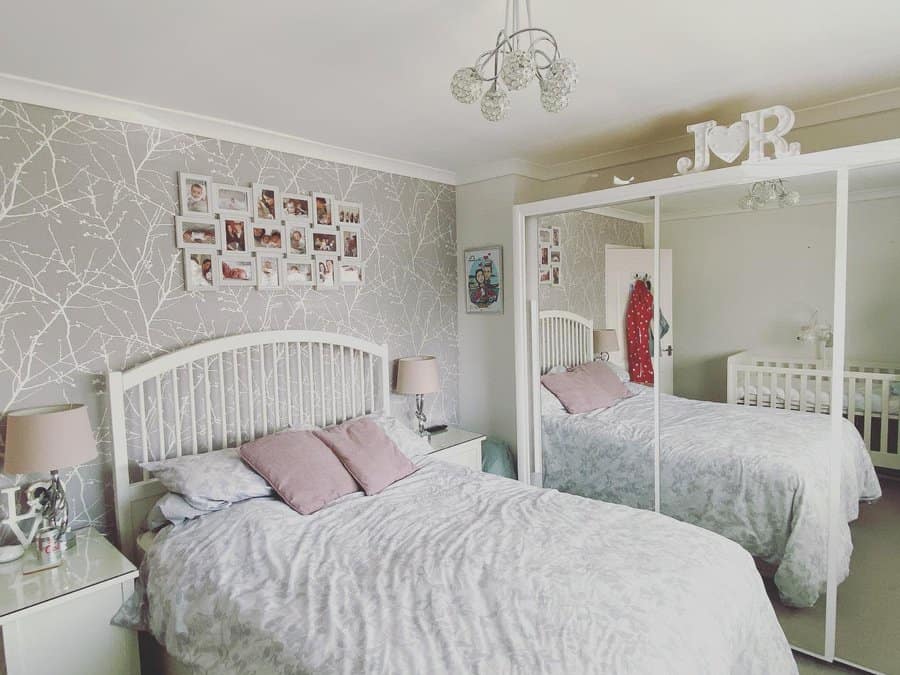
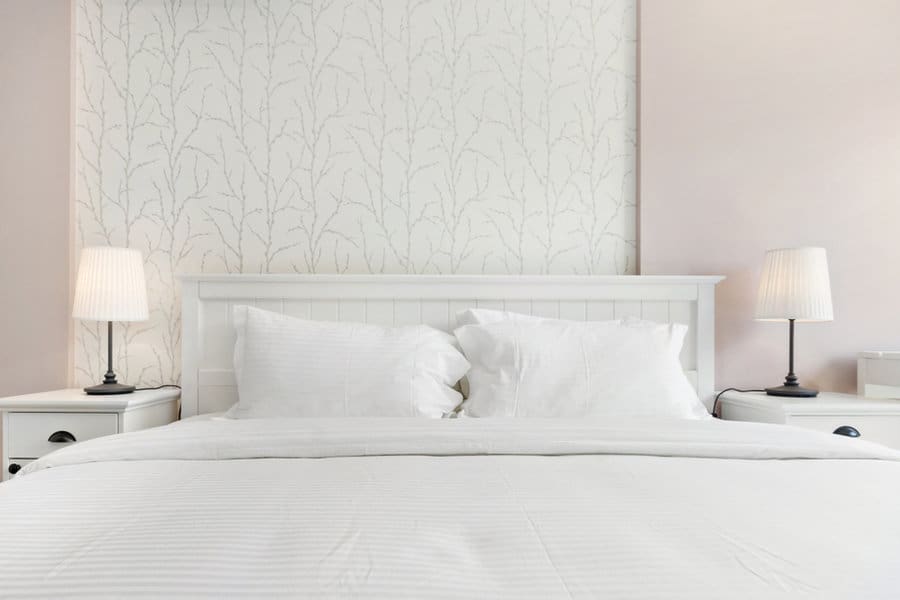
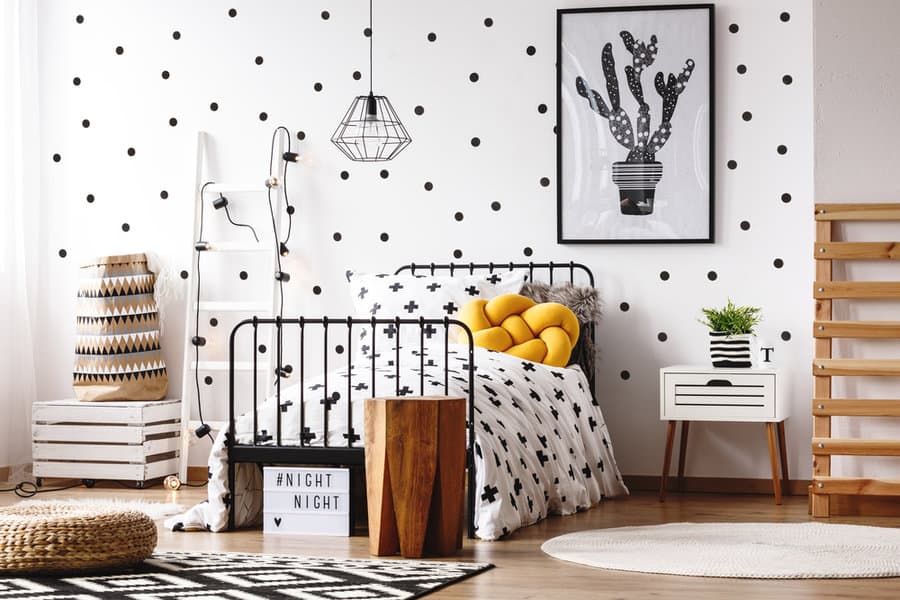
Blackout curtains are a must for your bedroom. These curtains have a special lining on the backside that helps to prevent the natural light from coming into the room. You can buy them in a variety of sizes and designs.
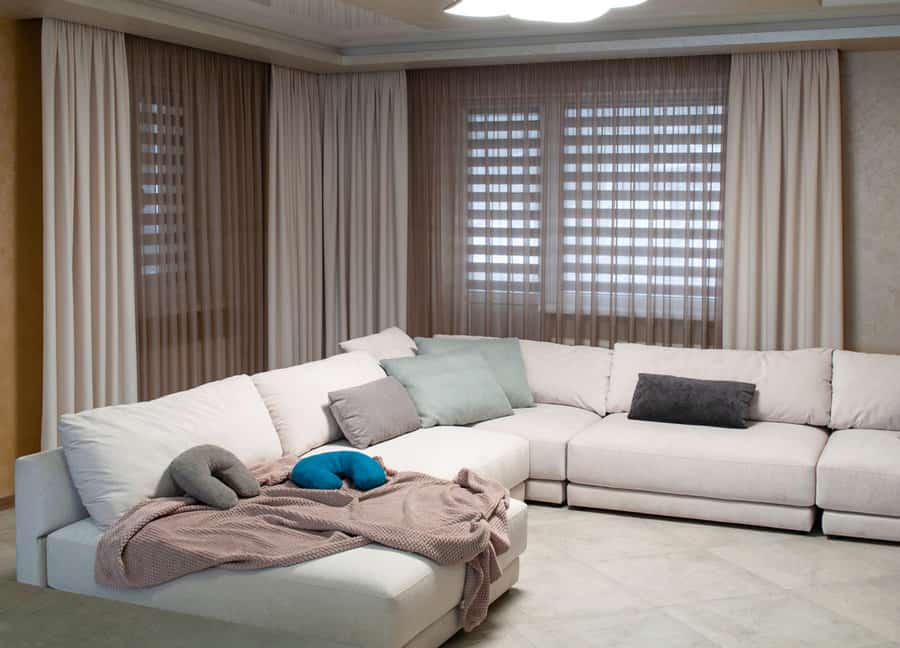
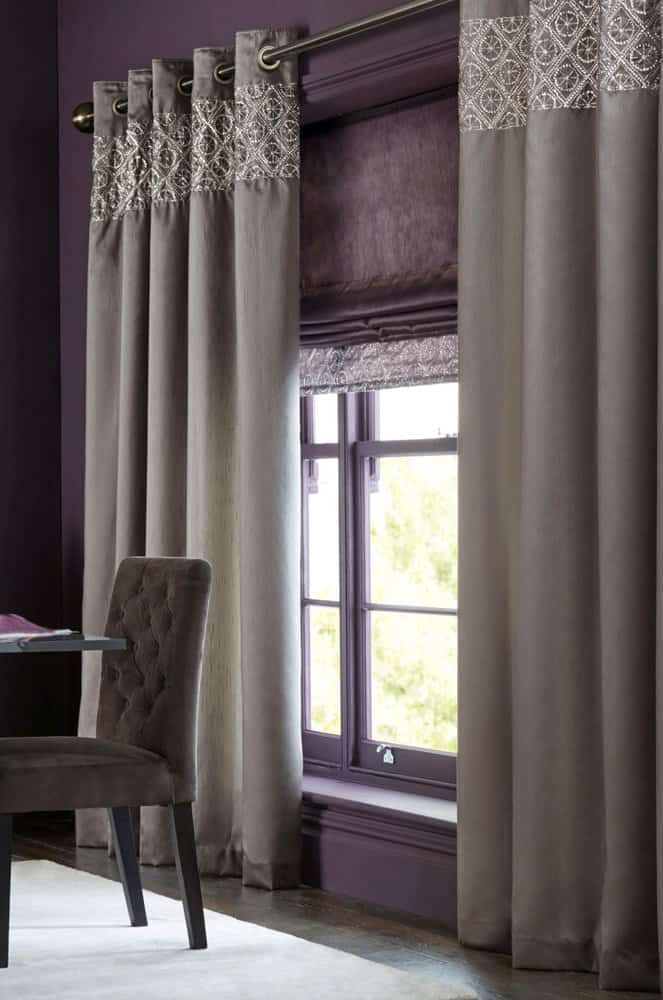
Source: @cindy_witmer_designs via InstagramSource: @kiawahislandshades via Instagram
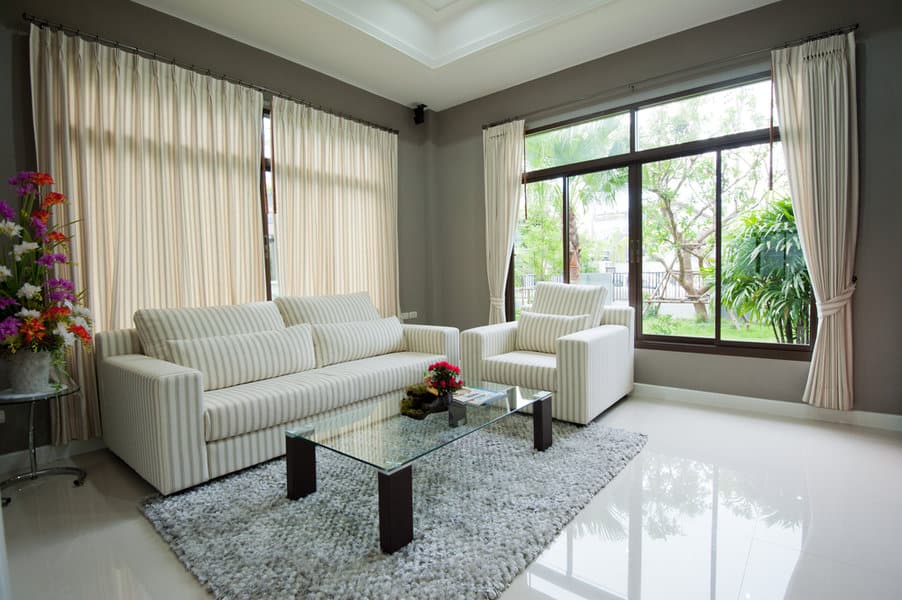
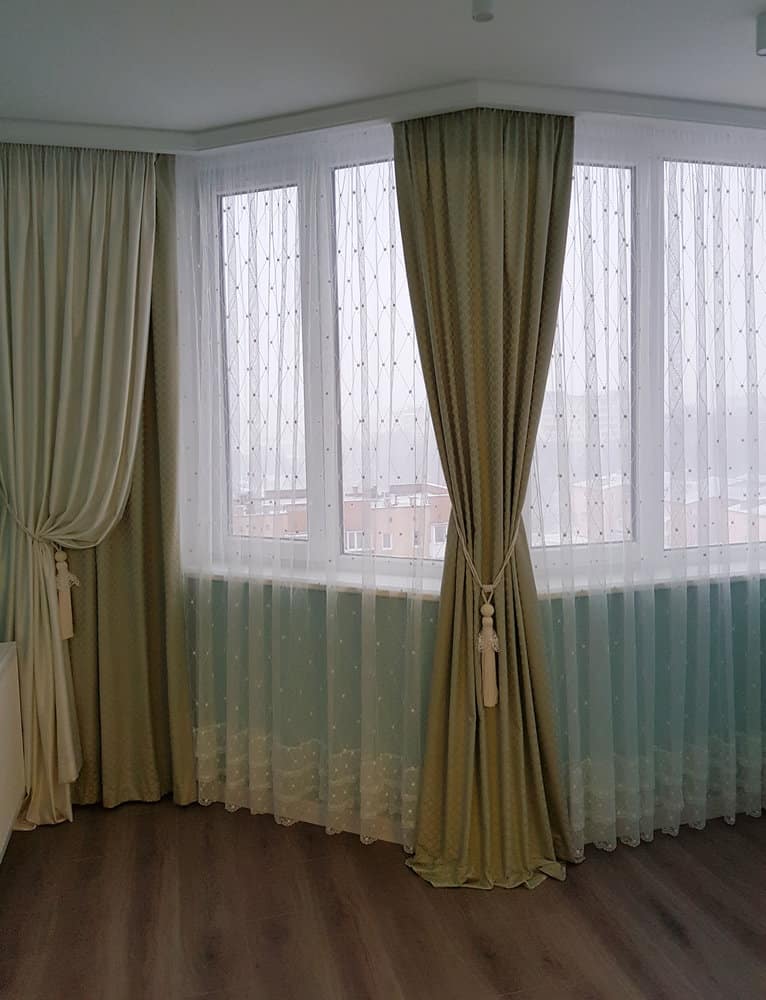
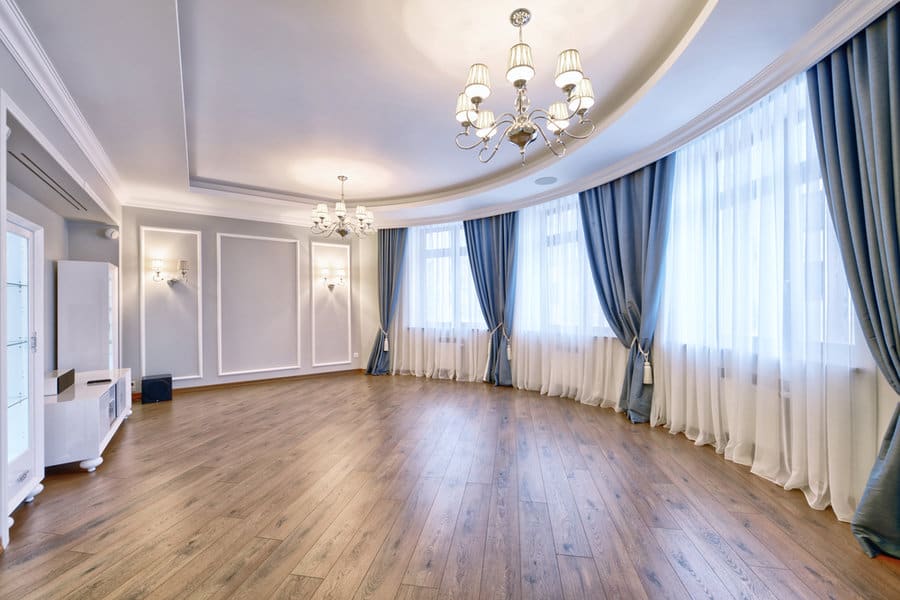
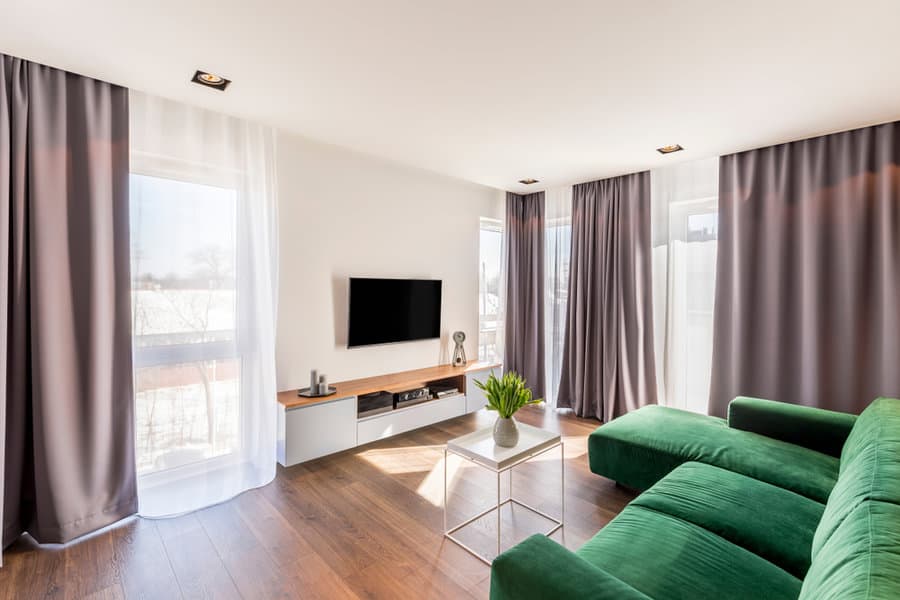
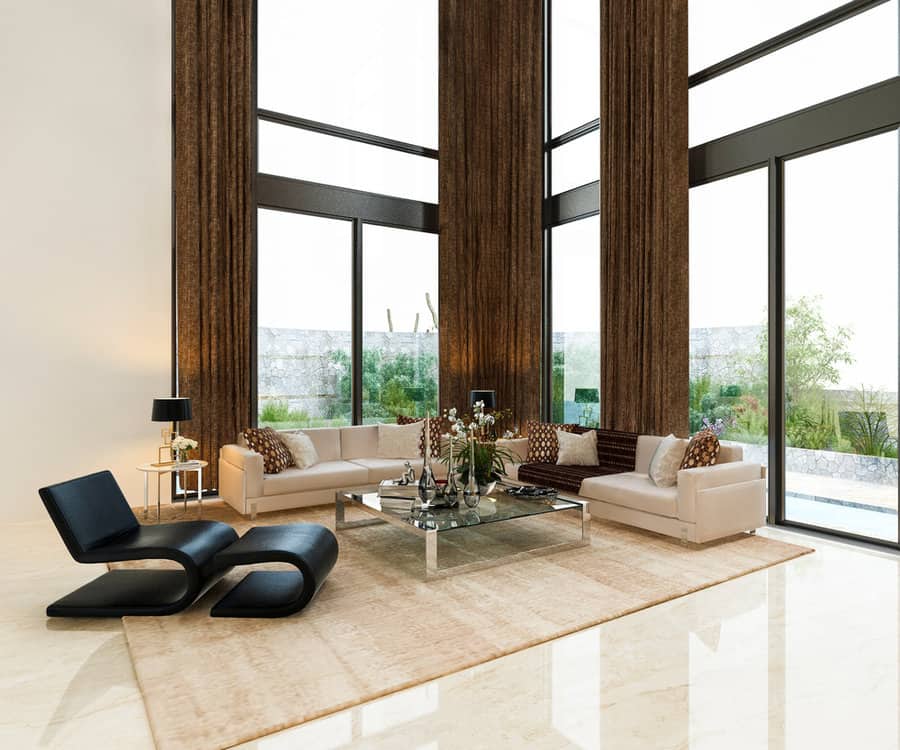
Curtains are also good for the large window in your living room. You may not need the light-blocking variety. However, these curtains can be useful when you have a window that receives a lot of hot afternoon sun. The light-blocking quality can help to keep the room cooler. You can also choose a thicker fabric that can help prevent heat loss in winter. While plain curtains are popular, don’t be afraid to make a statement with patterned curtains.
3. Decorative Drapery Panels for a Polished Window Aesthetic
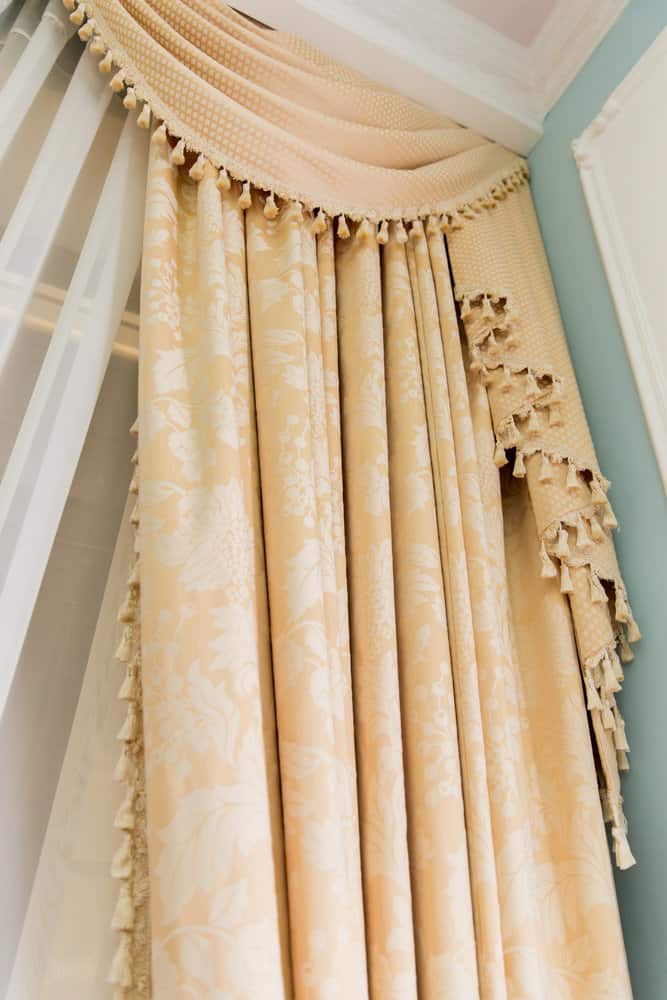
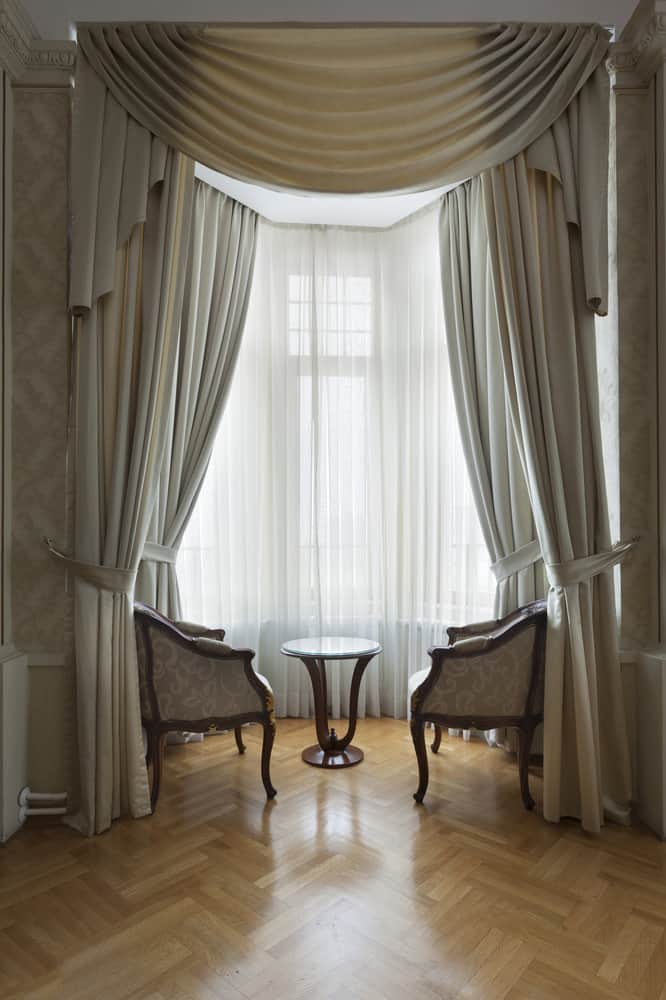
Similar to curtains, drapery panels dress up a window to give it a more polished and finished look. They are typically fabric panels that frame a window. Unlike curtains that you can pull close to cover the entire window, drapery panels frame the window. They aren’t meant for closing over the window. While they may be less functional, they are better equipped for dressing your window.
For looks and functionality, consider a multi-bar curtain rod. Then you can hang decorative drapes on the front bar and a functional curtain on the behind bar. This creates a multi-layered effect.
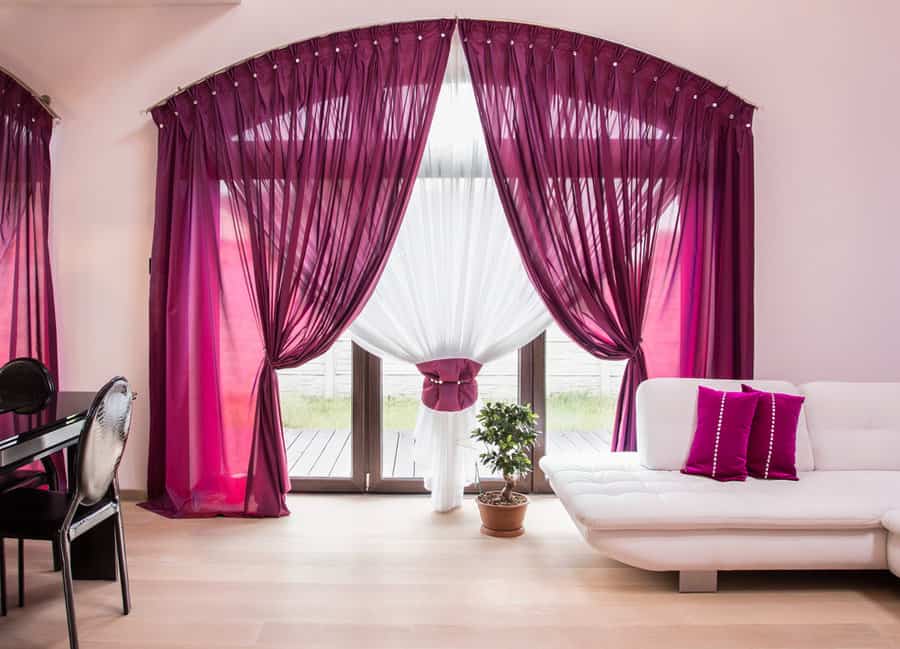
4. Luxurious Window Treatments for an Opulent Interior Decor
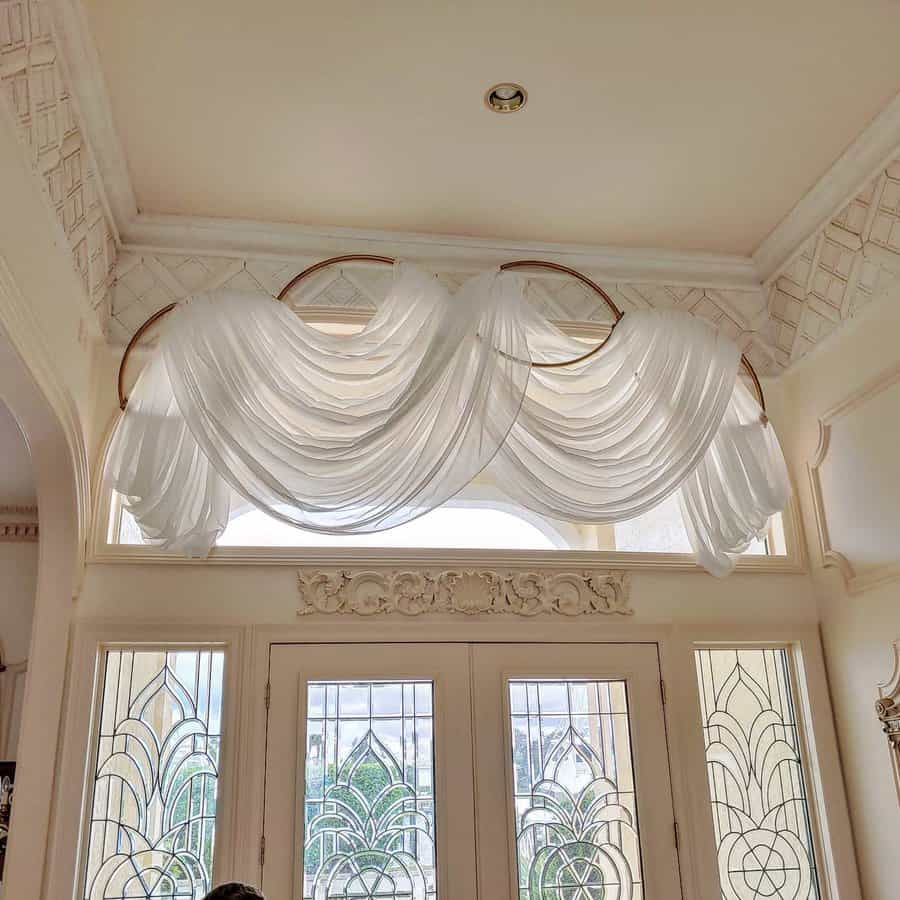
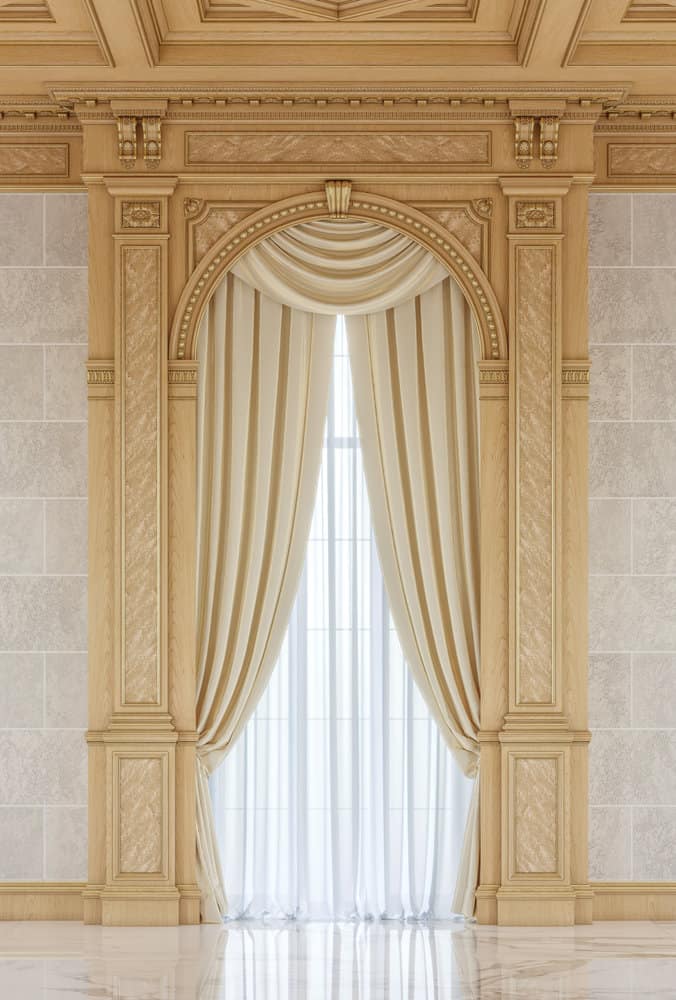
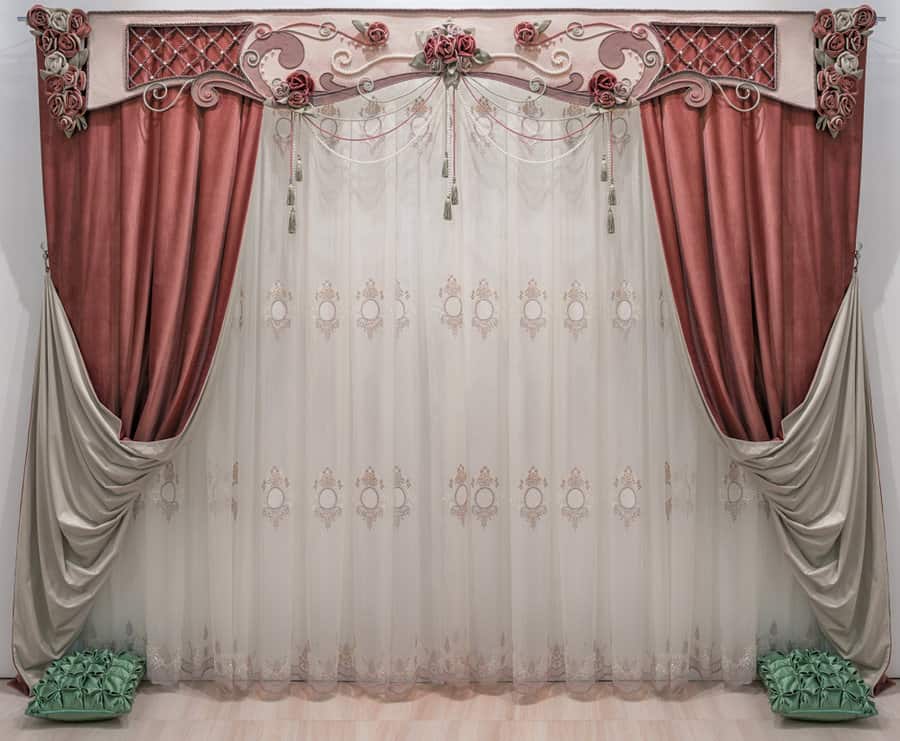
If you’ve taken a luxurious approach to your interior decor, your window dressings should match. Add luxurious custom window treatments to your windows and glass doors. This works well for French doors where they can look plain without the drapery panels.
Source: @designs.dmr via Instagram
Another look of luxury is to embrace modern window treatment trends that utilize technology. Motorized shades make it simple and easy to manage the amount of natural light you allow in. Some even have an app that lets you schedule their opening and closing.
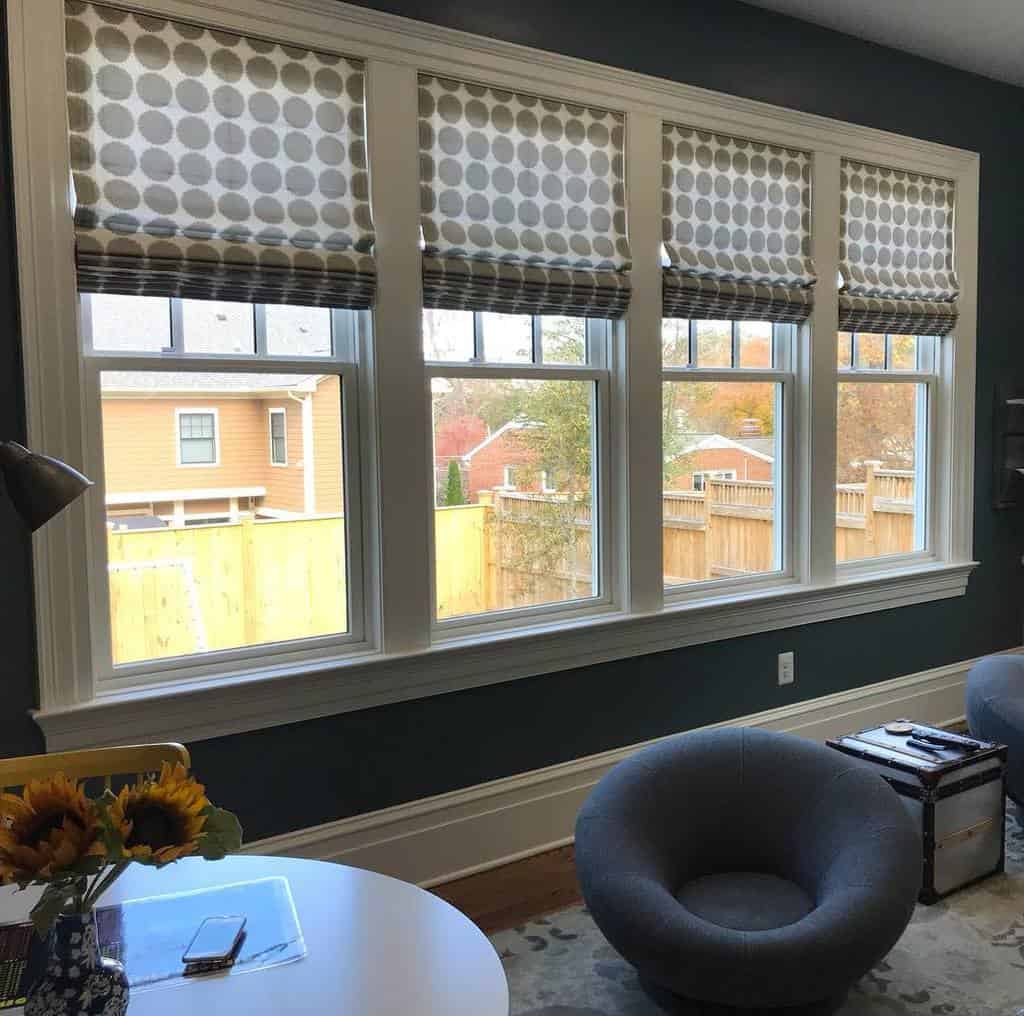
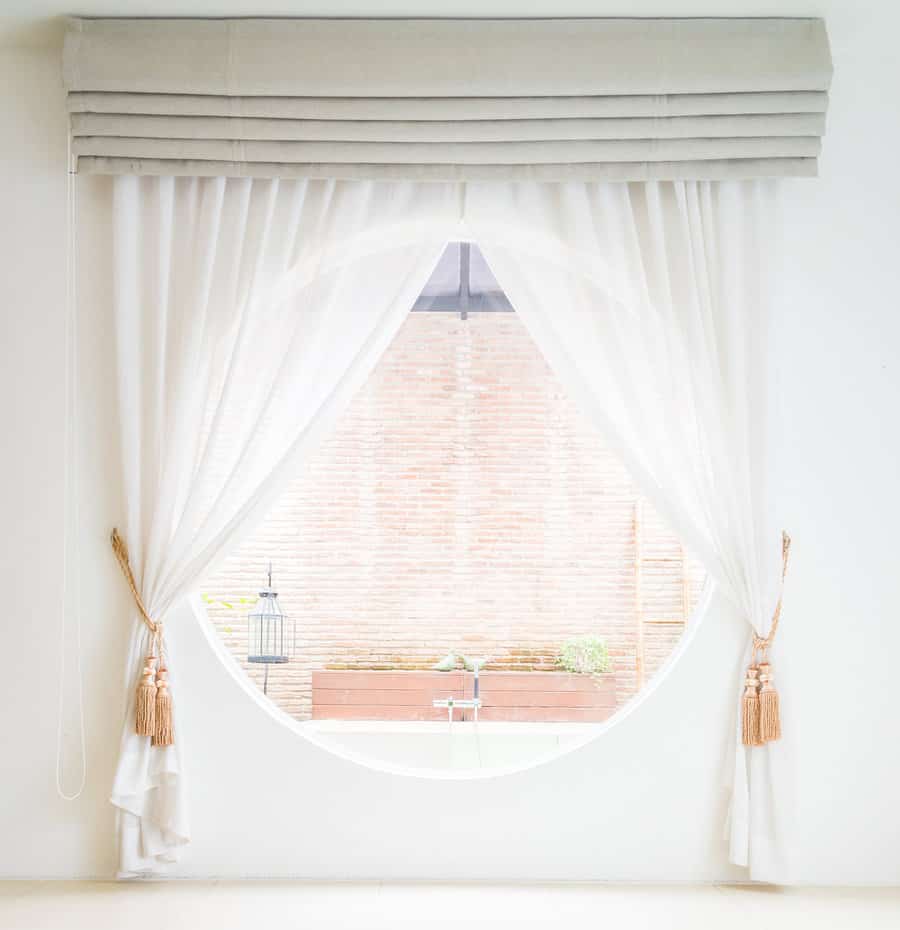
5. Elegant Roman Shades for Soft and Stylish Window Dressing
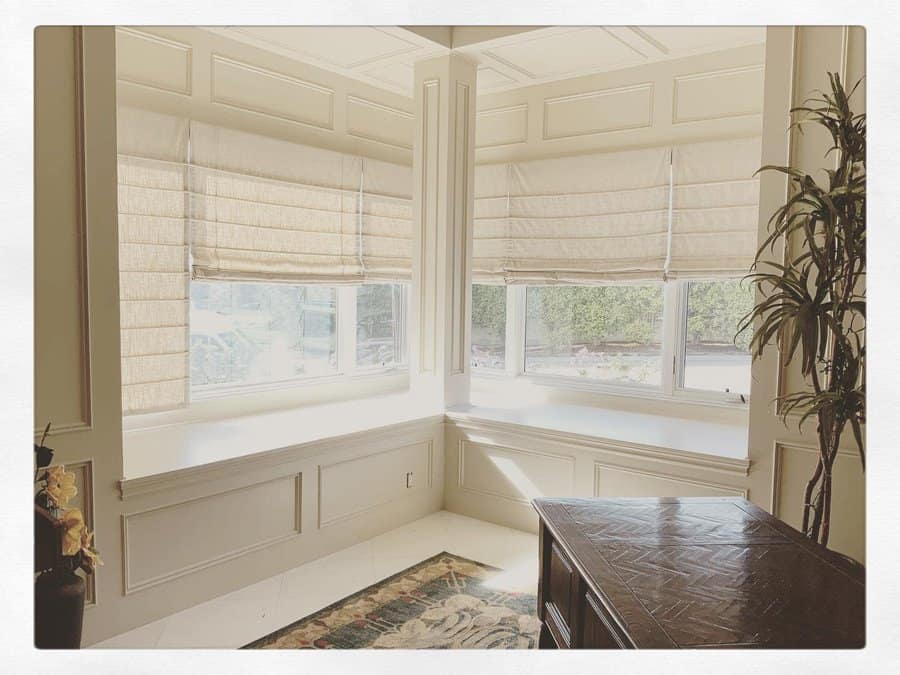
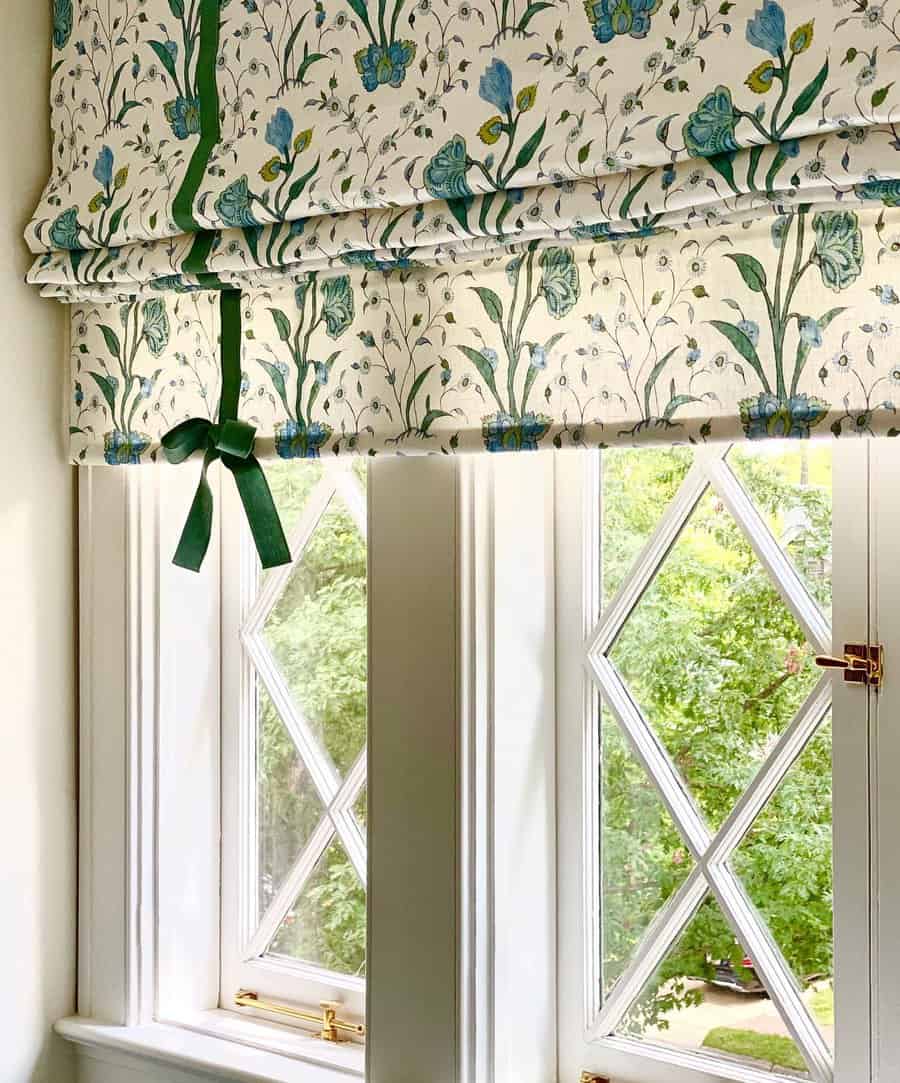
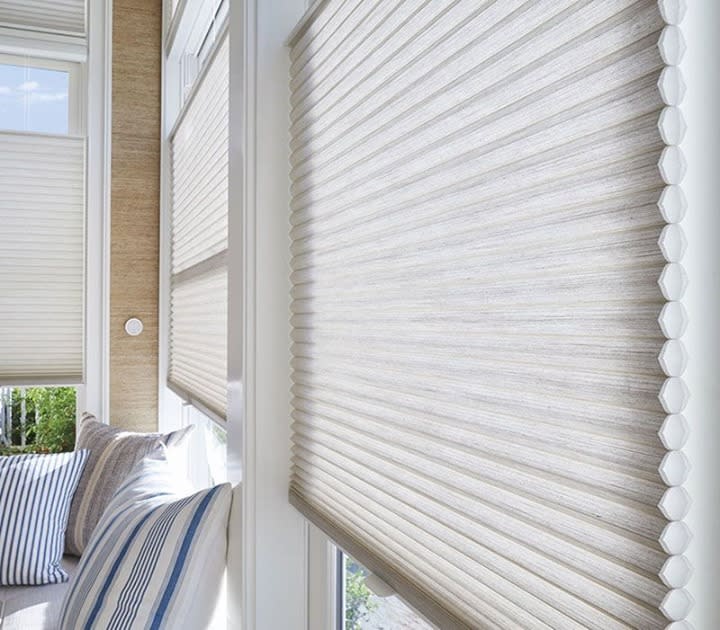
Roman shades or Roman blinds are a popular window covering option because they create a soft window covering. They are made from fabric that gently folds as you draw them up to open them. They are more elegant than cellular shades with a honeycomb structure. You commonly see cellular shades encased in two sheets of glass that are in a patio door.
Source: @designs_by_tania via InstagramSource: @katyandersoninteriors via Instagram
Roman shades can look elegant in a dining room. Choose a fabric that complements the rest of the textiles in the room. You could even choose bamboo shades that are made from sustainable and environmentally friendly materials.
6. Decorative Pleated Shades for Bedroom Windows
If you’re looking for a decorative bedroom window treatment, consider a pleated shade. These simple shades are made from a wide variety of decorative fabrics and fit inside of the window frame. Typically, this style of window covering isn’t the best at blocking light.
Source: @blindguyhelenamt via InstagramSource: @installedbyjeff via InstagramSource: @kiawahislandshades via Instagram
Shades are typically not made from thick material, so they will allow light to filter through. Even shades with a light-blocking backing don’t fully cover the window. This allows light to come through in the gaps on either side of the shade.
7. Sheer Shades in Delicate Weaves
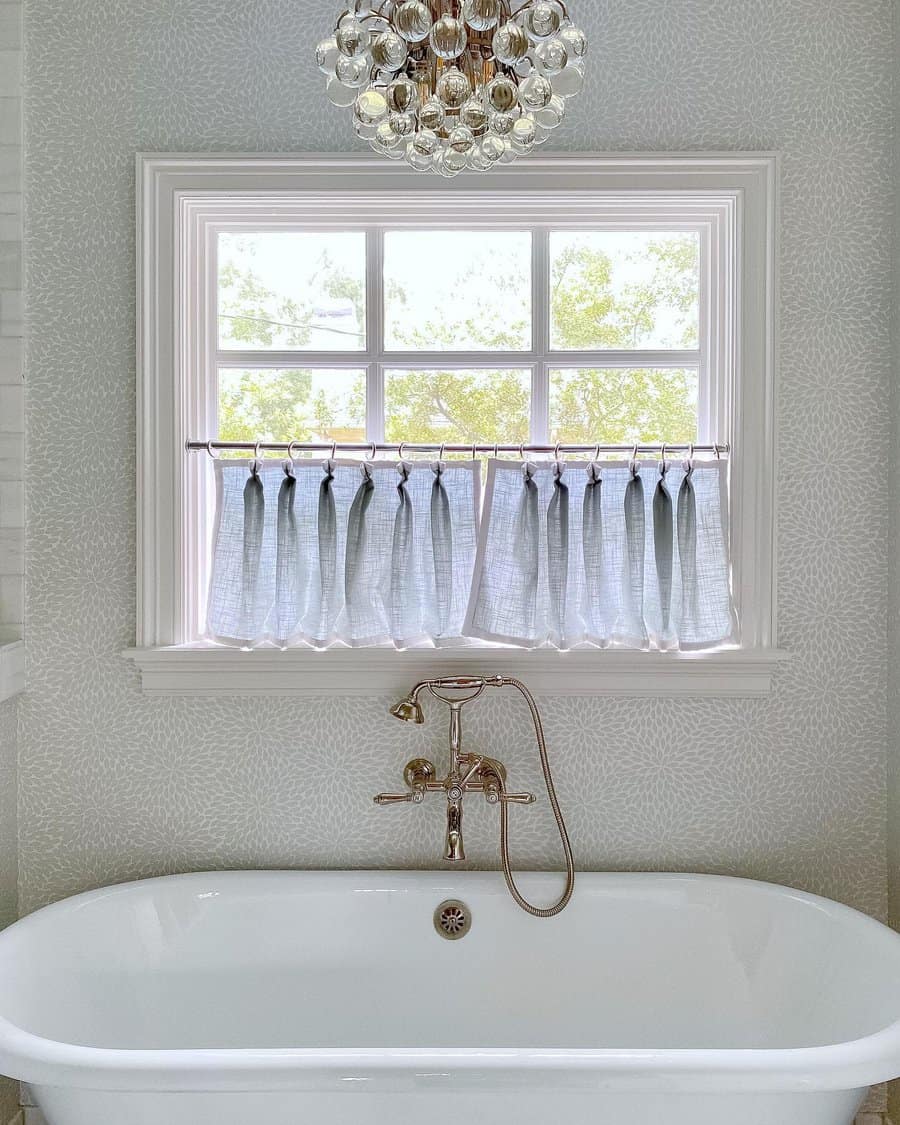
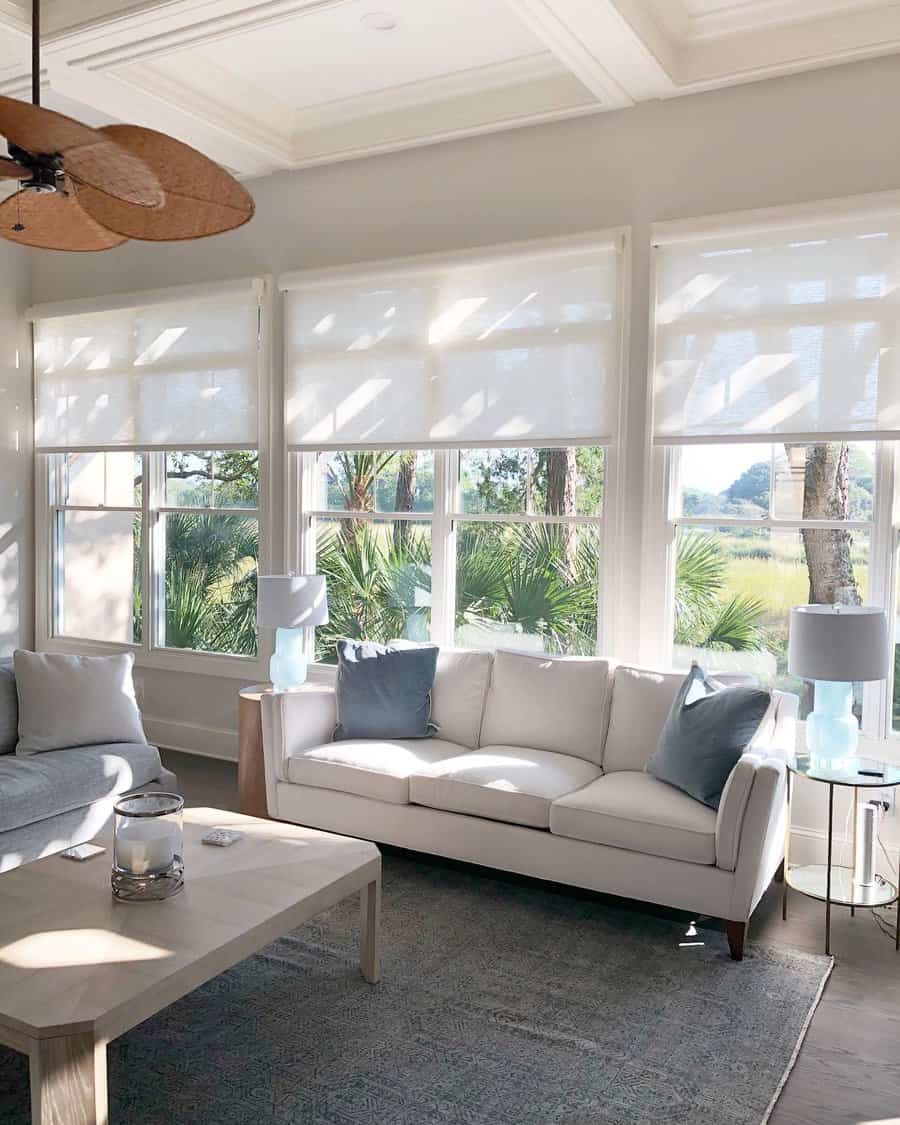
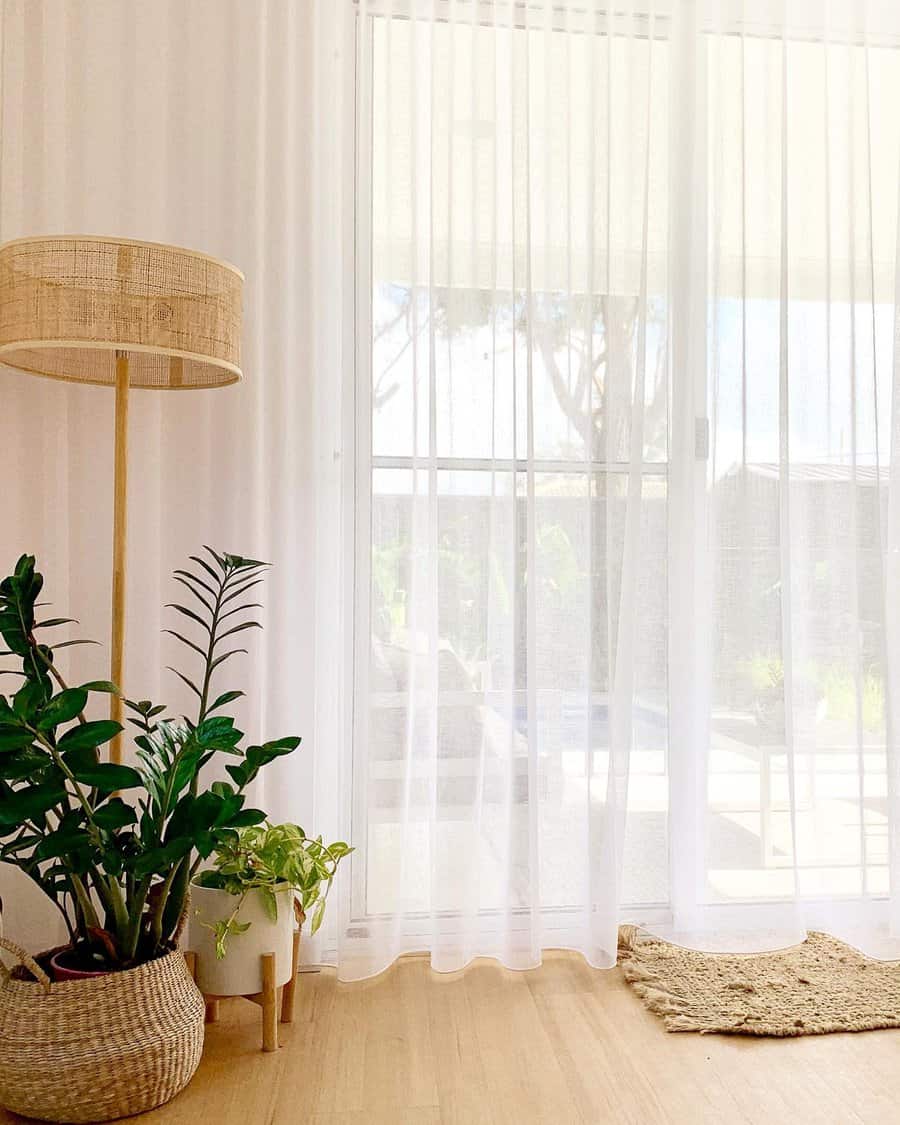
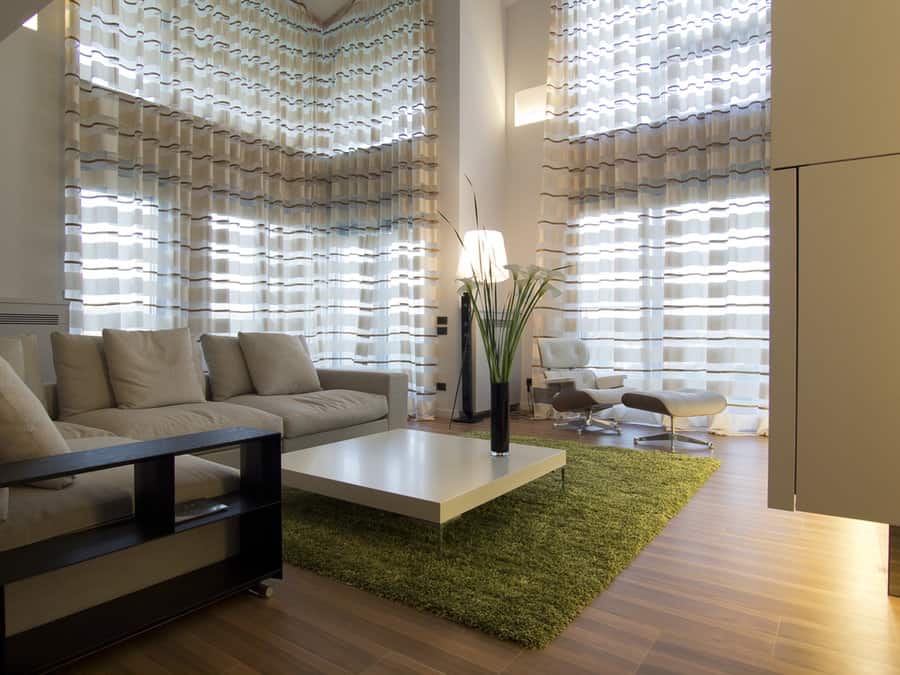
If you’re concerned about the amount of natural light coming into a room and want to create privacy, then sheer shades are ideal. These lightweight curtains are made from thin fabrics and have a delicate weave.
Source: @jillatelite via InstagramSource: @our.home.in.squares via Instagram
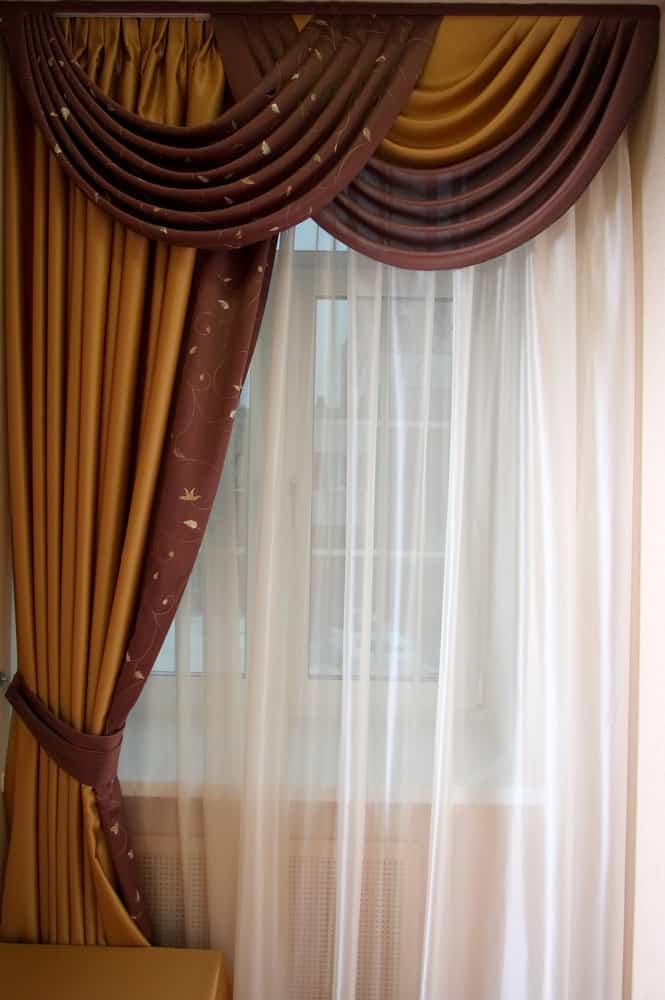
A sheer curtain is good in a bathroom where you don’t want to use heavy materials that dry slowly. You can also layer sheer curtains with heavier fabric curtains. This gives you more flexibility in how you cover your window.
8. Go with Window Film or Solar Shades for Big and Tall Windows
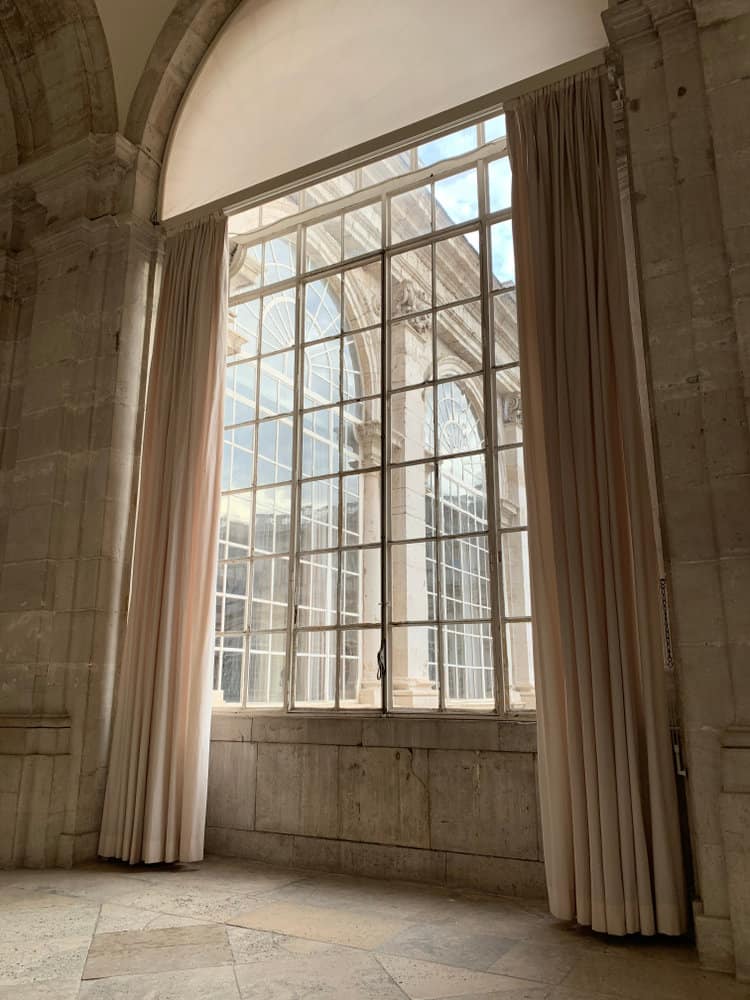
The tall windows in your home present a unique challenge. These oversized windows can be too tall to be able to use the typical window covering options. Unlike a bay window, you won’t be able to reach the top of the window. Additionally, trying to gather a window covering at the top of the window would become overwhelming.
Source: @arrisinteriorsinc via InstagramSource: @astorgrange via InstagramSource: @byjedison via Instagram
Alternative options are window film or solar shades. These window coverings are highly effective at blocking UV rays to help keep your rooms cooler. They are also effective at filtering the amount of light coming into the room without completely eliminating it.
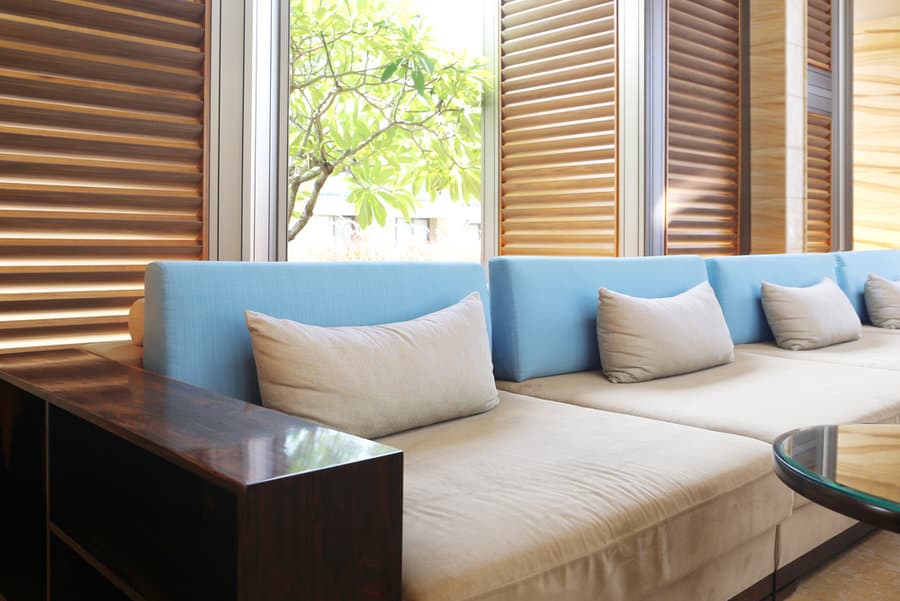
9. Louvered Shutters for a Charming Cottage-Style Home Decor
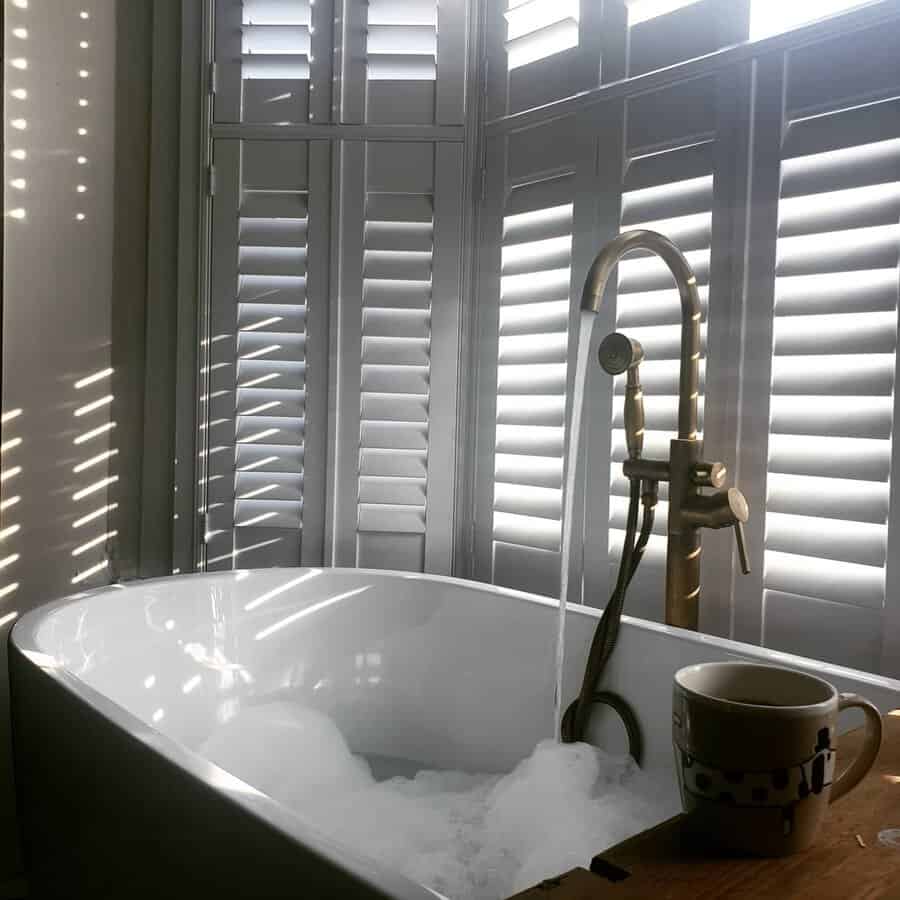
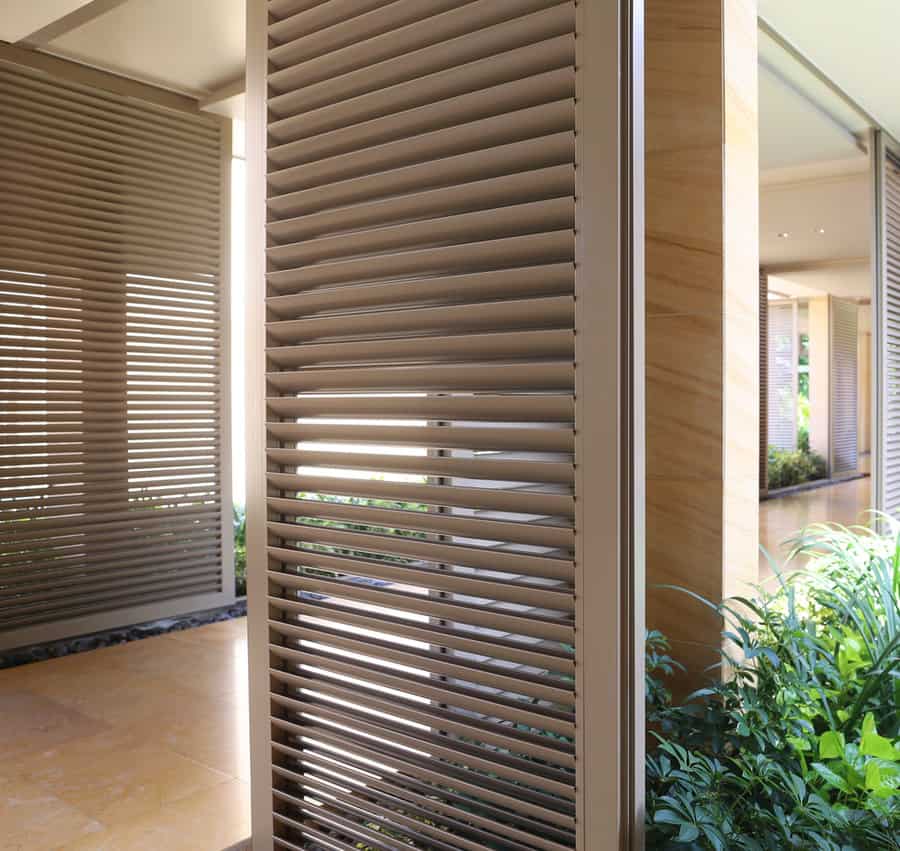
Louvered shutters give your home a cottage look. Depending on how you finish the shutter, this can give your home a farmhouse, country cottage, or coastal feel. These shutters could be mounted to the window frame on the inside or outside the house.
Source: @aspireshutters via InstagramSource: @e17_houseoflove via InstagramSource: @transforming.our.terrace via InstagramSource: @aspireshutters via InstagramSource: @aspireshutters via Instagram
Window shutters mounted on the inside of your window require a lot of space. This makes them less ideal for small spaces. They also aren’t great for large windows. The larger the window, the larger the shutter needs to be. This means the shutter will swing out further into the room, making them awkward to open and close.
10. Textured Woven Shades for Rustic and Coastal Interiors
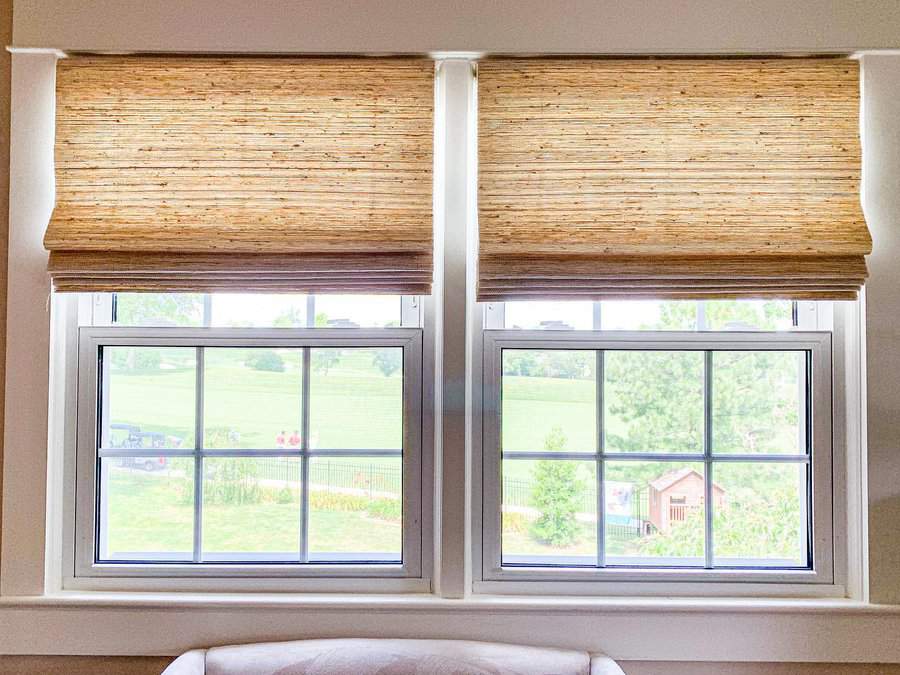
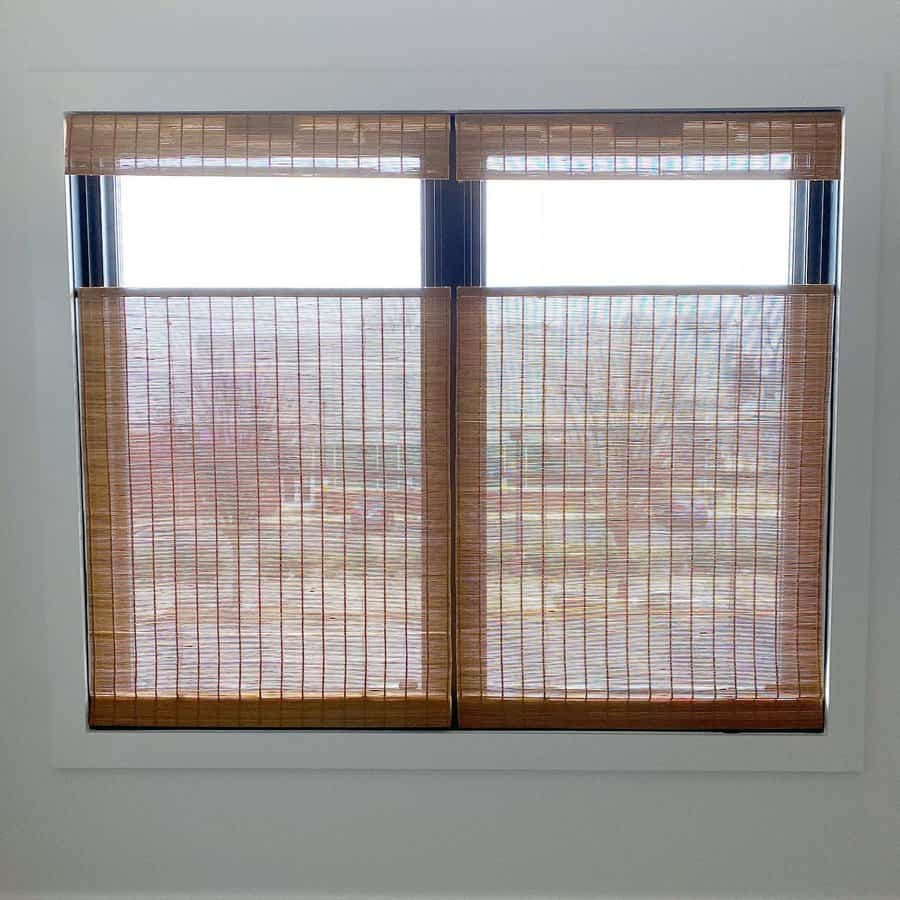
Add a touch of texture with woven shades. They could be made from fabric or be woven wood shades. They typically roll up to open and then unroll to extend down and cover the window. This type of window shade looks best in a rustic, farmhouse, tropical, or coastal interior design style.
Source: @perfectfitshutters via InstagramSource: @yorktownhouse via Instagram
You’ll typically find them in neutral colors, such as shades of brown, tan, beige, grey, and white. What’s nice about these woven shades is that they filter light for a gentle illumination throughout the room.
Choosing a master bedroom color is about more than picking out a shade that you happen to like. It’s about choosing the ideal shade that creates the right atmosphere in your bedroom to put you in the best mental state. Your bedroom should be a sanctuary where you relax and recharge from the day’s challenges. Looking at decorating ideas can be helpful but will only go so far in helping you decide what’s best for your bedroom. These master bedroom paint ideas will help you figure out the perfect paint color for your bedroom makeover.
[view_toc]
1. Black
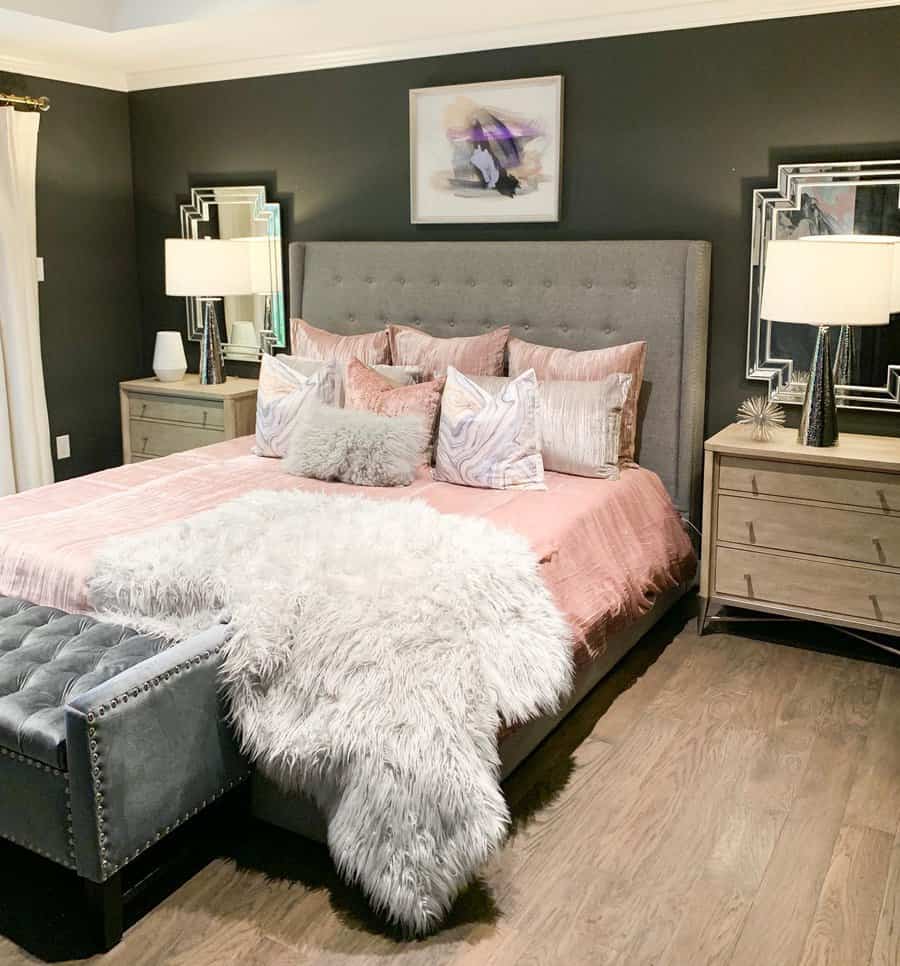
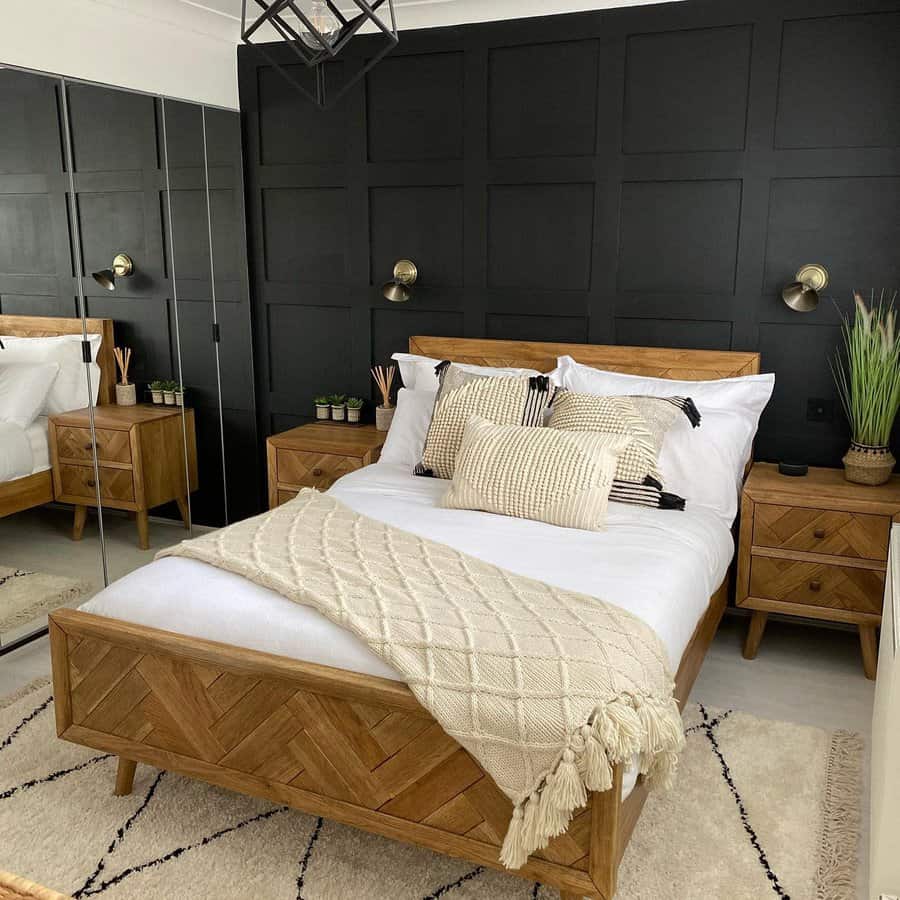
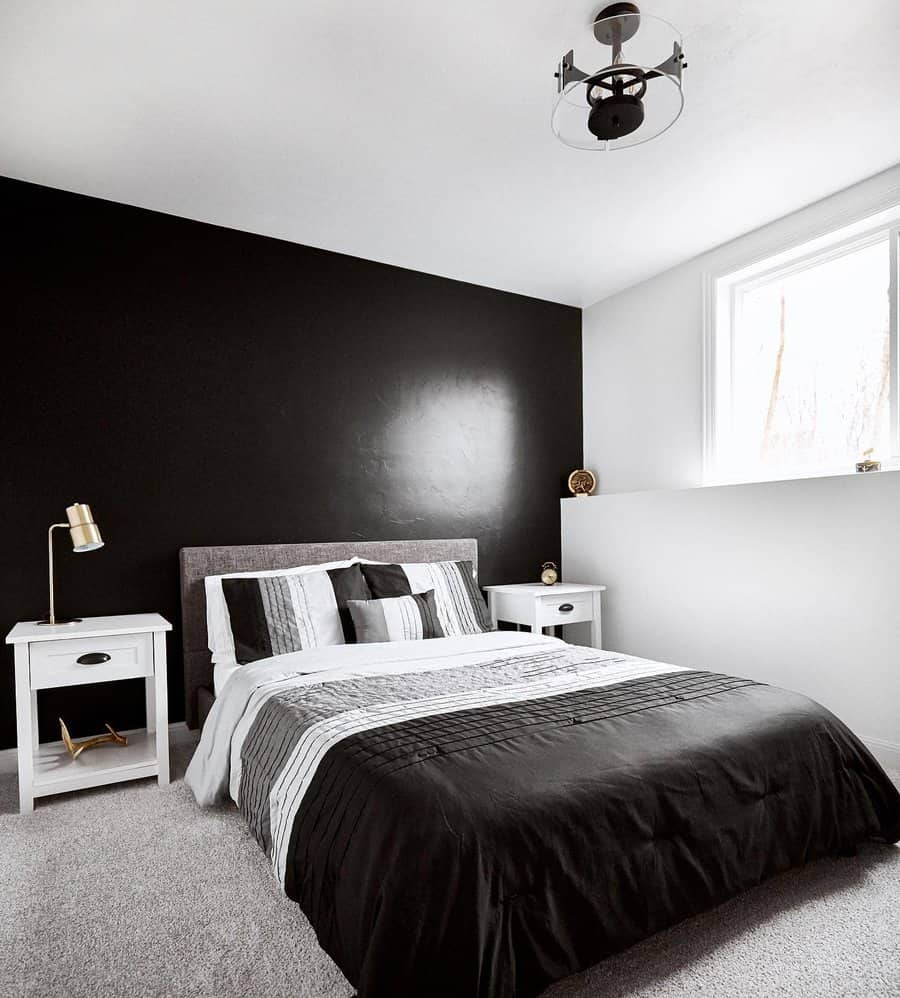
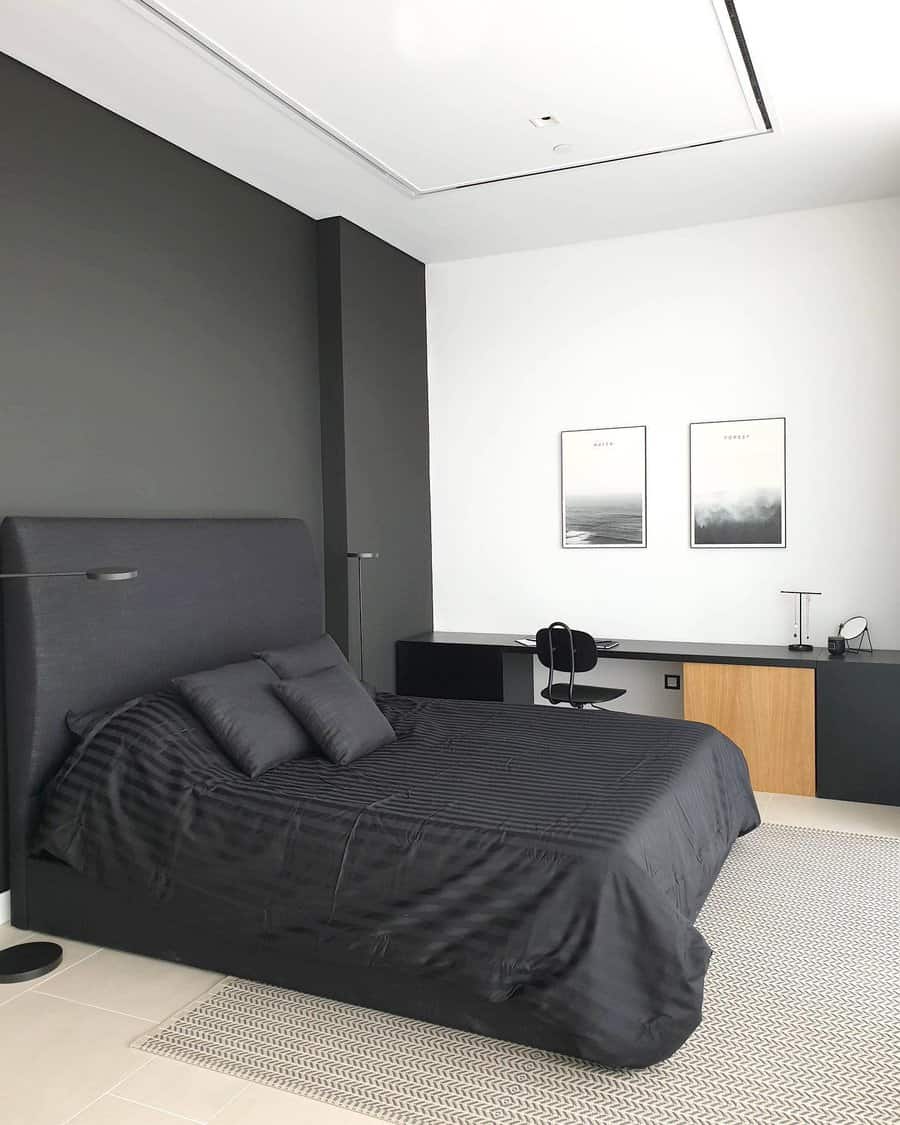
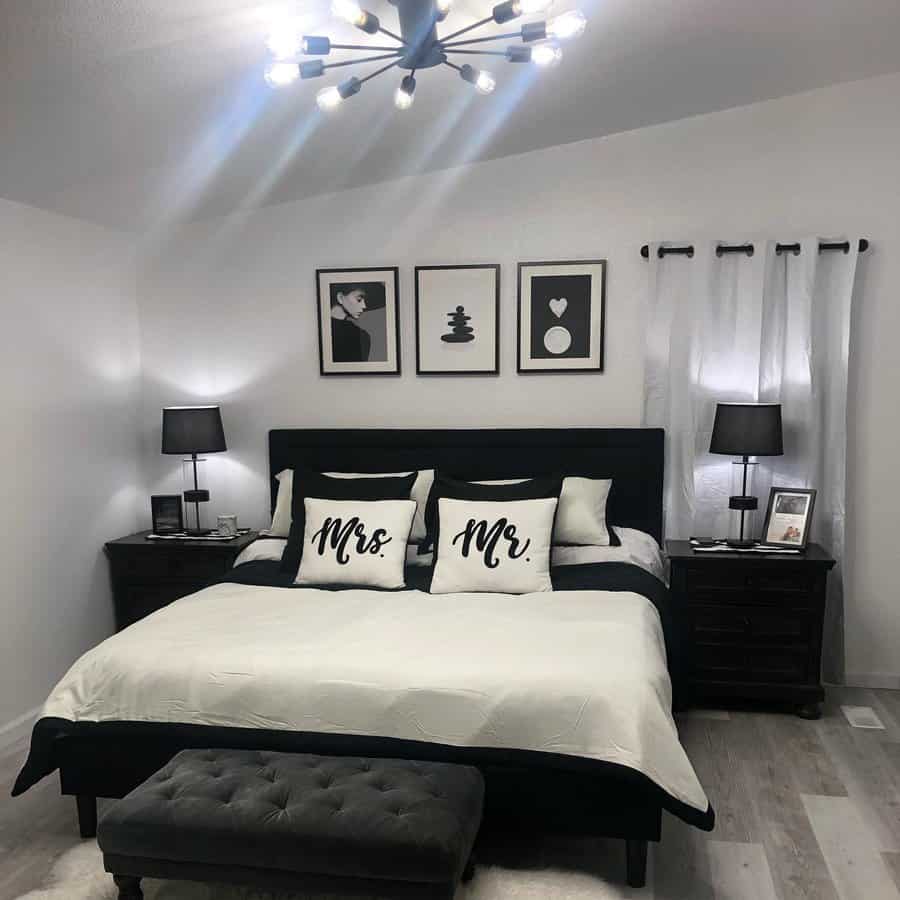
A black bedroom color scheme may not be your first choice, but it’s one that you should consider if you’re looking for a sleek and sophisticated design. If you’re afraid of an all black bedroom being too dramatic and intense for your tastes, consider using this dark color on an accent wall.
Source: @chic_interiors_by_shante via InstagramSource: @foodsafetymum via InstagramSource: @lauralynnrhode via InstagramSource: @my_personal_designer via InstagramSource: @theblackandwhite.home via InstagramSource: @misscasastyle via InstagramSource: @arq_erikalin via InstagramSource: @wilder_eden_design_company via Instagram
That way, you get all of the drama of the accent color without the overwhelming feeling of it being in the entire room. Choose a suede or matte finish to soften the look of the black.
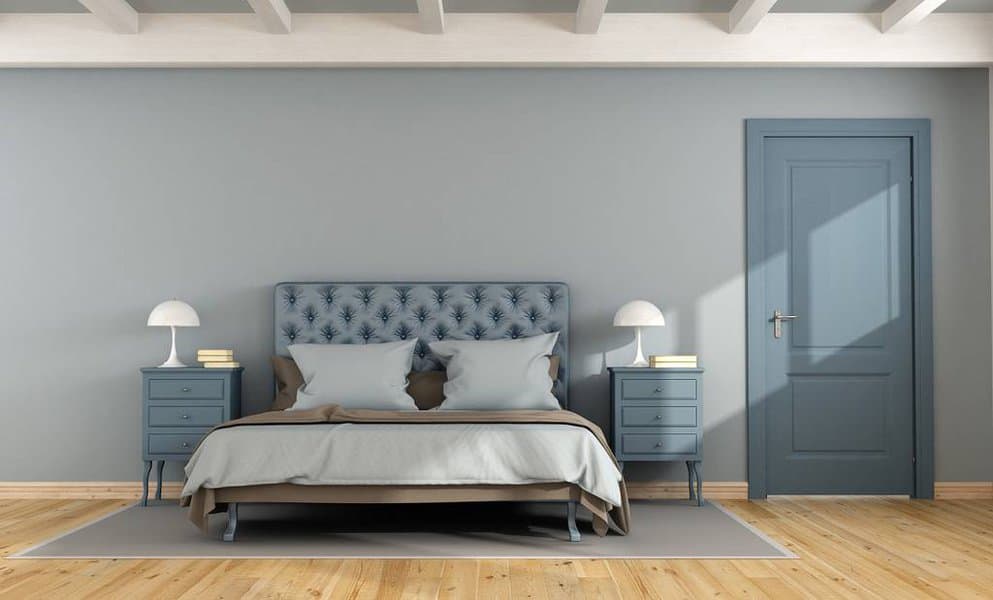
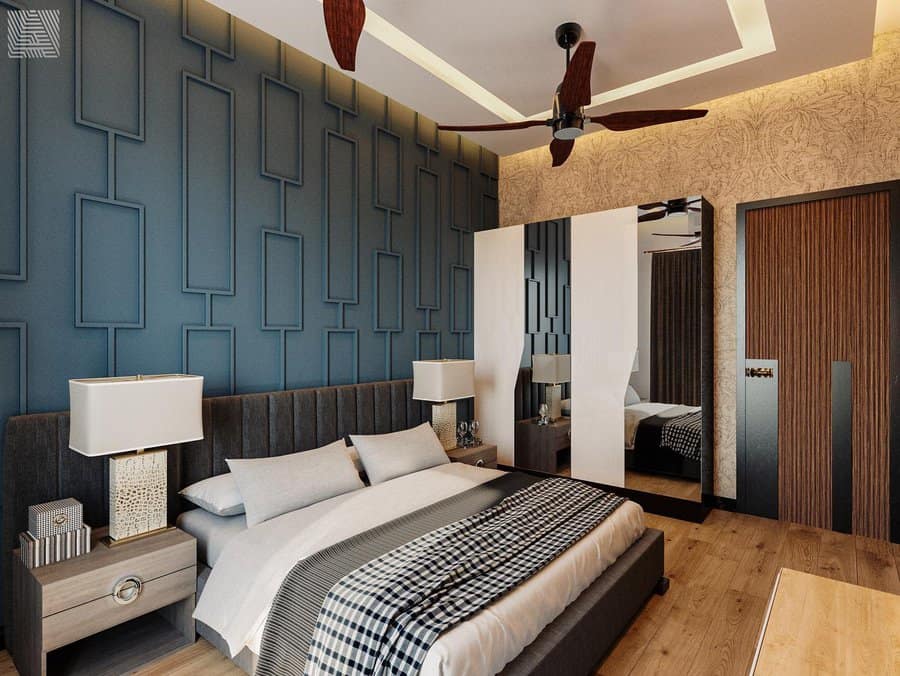
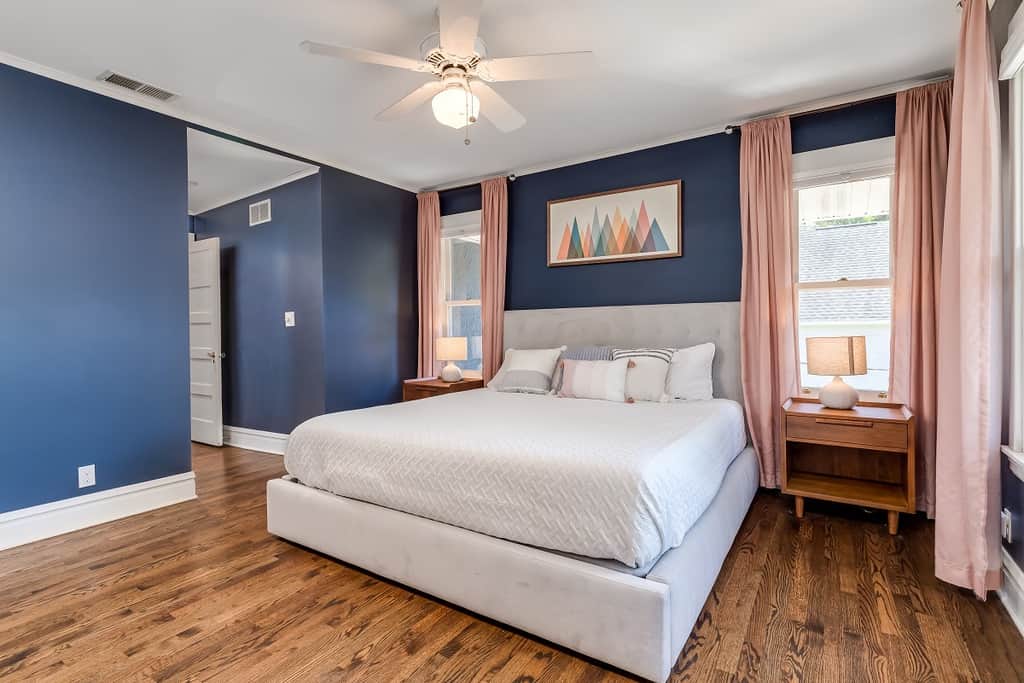
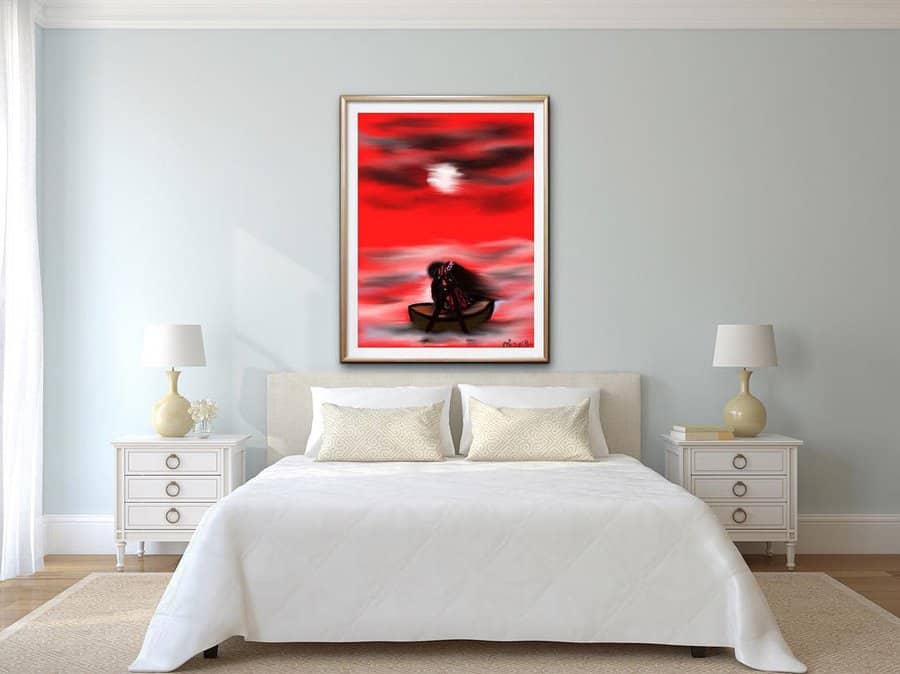
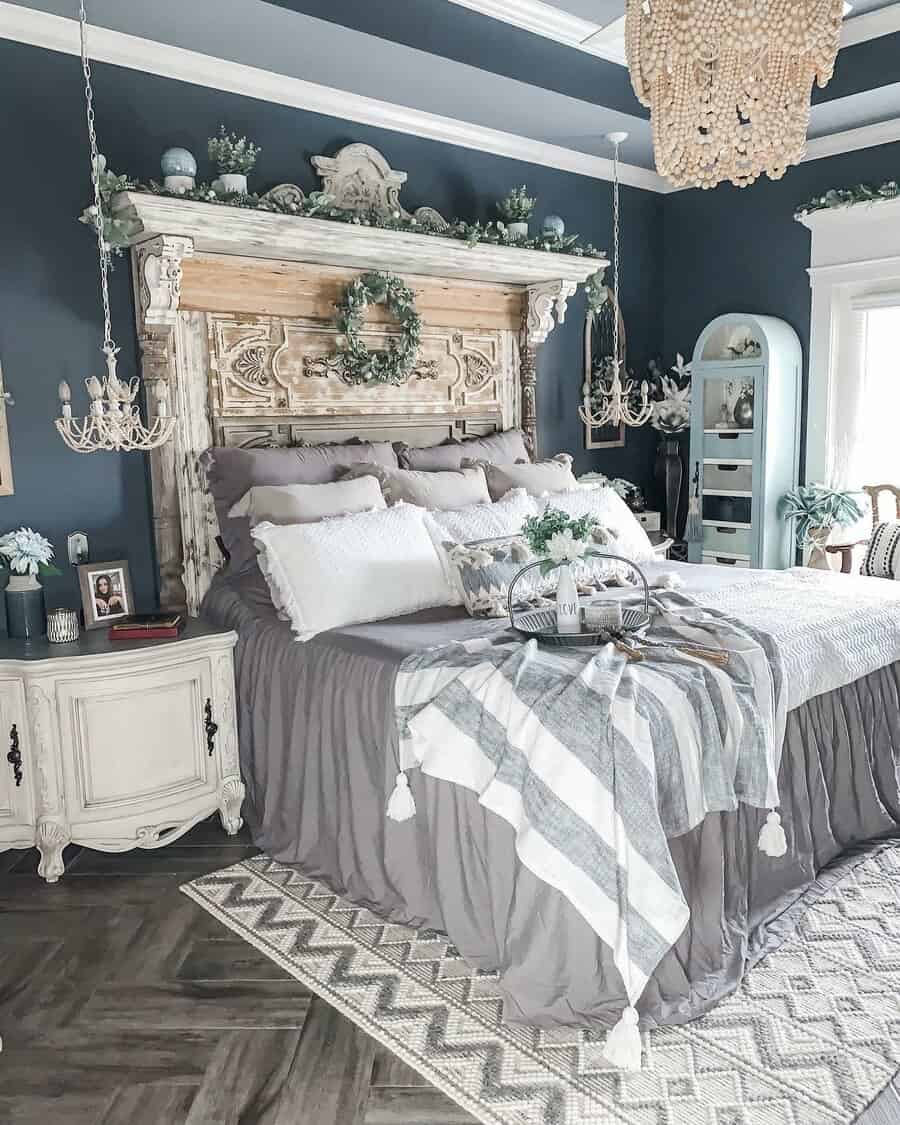
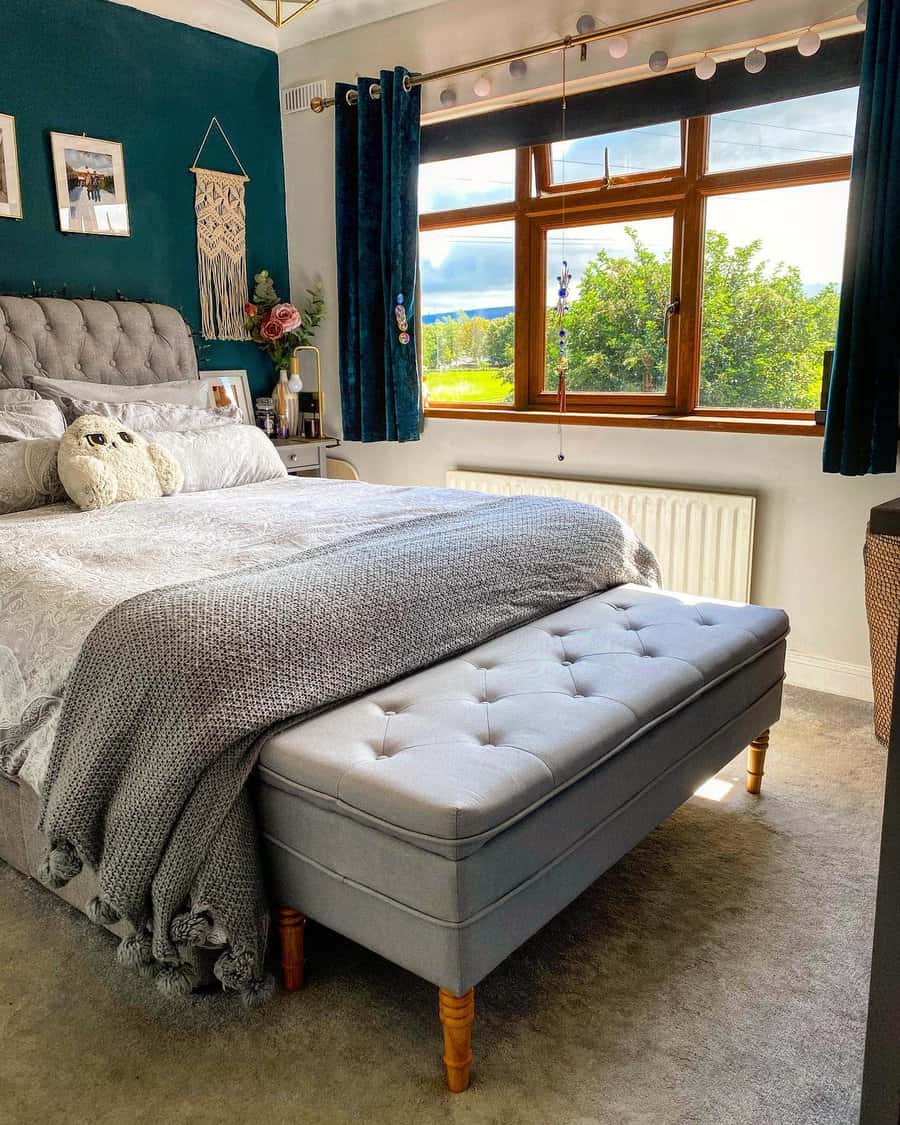
You can’t go wrong with a blue bedroom. Not only is it the most often picked favorite color, but it evokes the ideal feelings and mental state that you want to experience in your master bedroom. You can safely choose a bright color like a sky or royal blue. Alternatively, you could also choose a darker color such as navy.
Source: @deepica_reddy via InstagramHendrickson Photography / Shutterstock.comSource: @minasartworld via InstagramSource: @spaceforsoul_interiors via InstagramSource: @vintagevineanddesign via InstagramSource: @sprucingupthegaff via Instagram
Selecting a shade of blue for your bedroom wall color is about personal choice. Consider the size of your bedroom, the amount of natural light, and the interior design theme you’ve chosen when choosing your master bedroom paint color.
While grey can be a smart choice for your master bedroom, you’ll need to be careful about your color choice for your grey walls. The wrong wall paint color choice will have your bedroom looking dull and depressing, which is not what you want to feel in your master bedroom.
Source: @boldcitystaging via InstagramSource: @concept_interiors_ltd via InstagramSource: @crateno.8 via InstagramSource: @graceinmyspace via InstagramSource: @hostesstoday via InstagramSource: @ashleemmitchell via InstagramSource: @pattyatartsample via Instagram
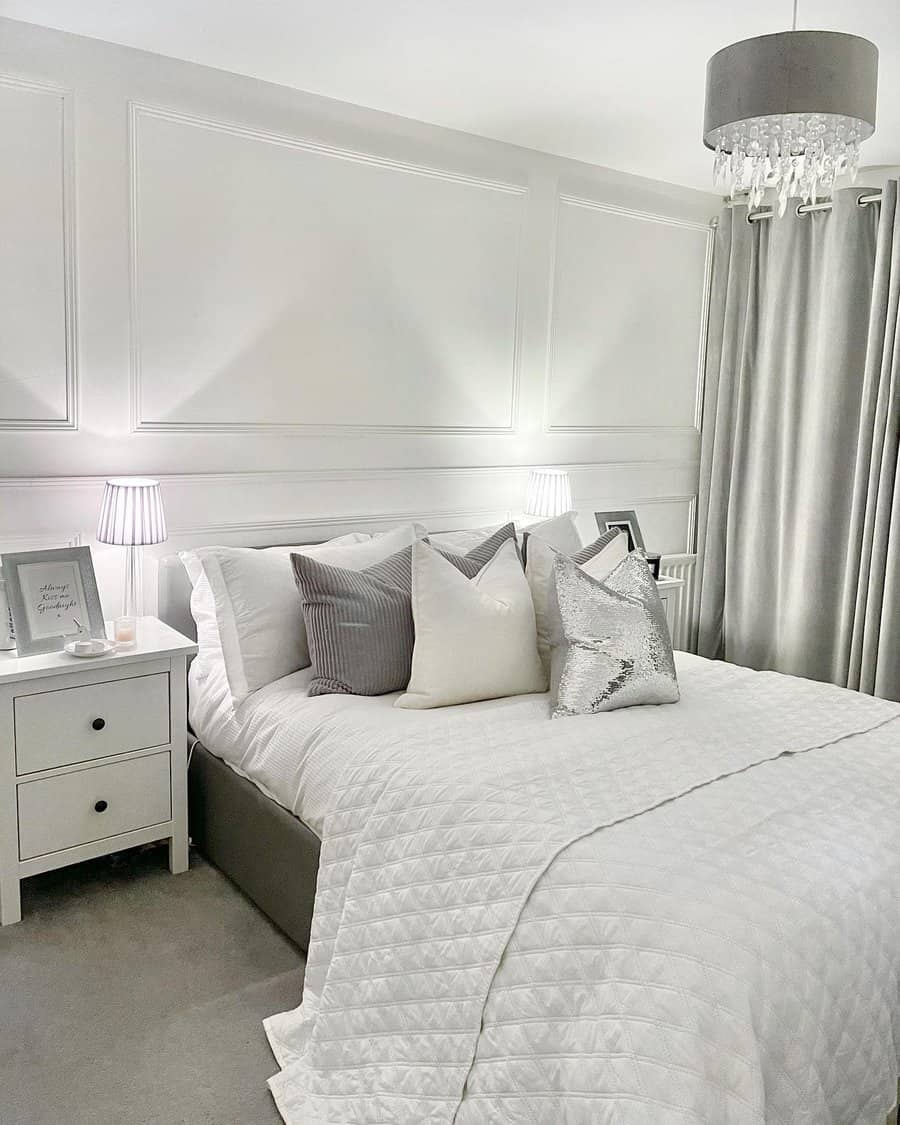
Instead, stick with either soft pastel or dark charcoal. These greys are at either end of the spectrum and prevent your grey bedroom ideas from falling flat. It’s also smart to use varying shades of grey. This creates depth and also prevents your bedroom from becoming a boring room to be in.
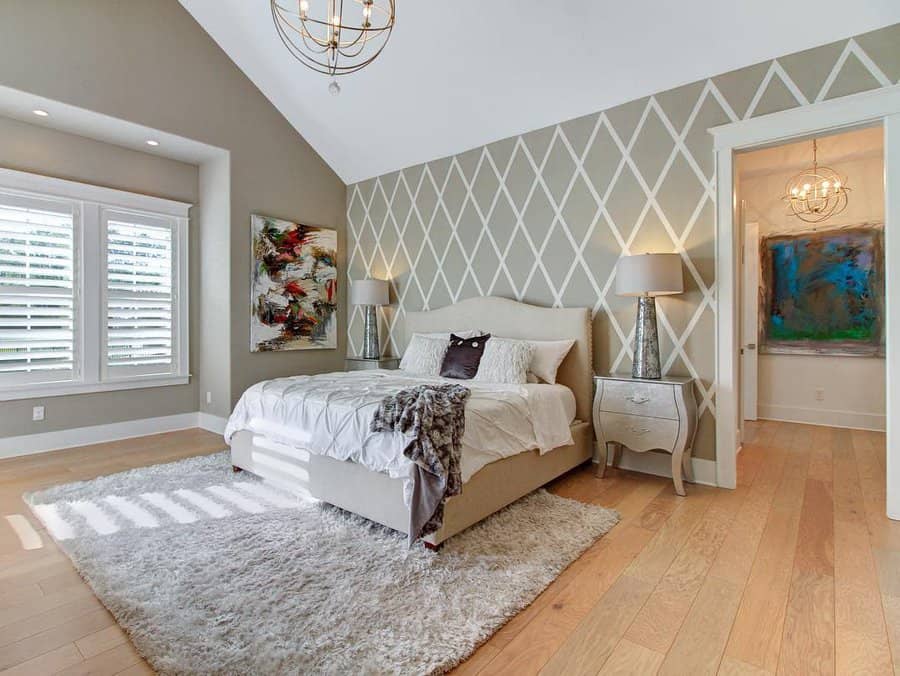
When it comes to decorating the master bedroom, beige could be your guiding star. This amazing shade is quietly versatile and can be used to create a warm, inviting atmosphere while still offering enough neutrality that you won’t be overwhelmed by the aesthetic choices you’ve made.
Match beige with simple wall art and modern furniture for a sleek combination or add bright blues or lush greens to warm up the room and make it feel uniquely yours. The possibilities for this particular paint color are truly endless!
Source: @kristenspencerinteriors via InstagramSource: @lifeonoakhill via InstagramSource: @jessi_mcd via InstagramSource: @lovestylishhomes via InstagramSource: @shabbytabbysalvage via InstagramSource: @shiplap.and.lilacs via InstagramSource: @southernsheltiehome via InstagramSource: @ubsmodels via Instagram
Choose a neutral that will contrast nicely with your headboard to prevent everything from blending together and becoming too boring and bland. Then you can add drama and life to your bedroom with the textiles. Choosing bold colors for your throw pillows, bedding, and curtains makes it easier to change the color when you are ready for something new.
5. Warm Color Tones
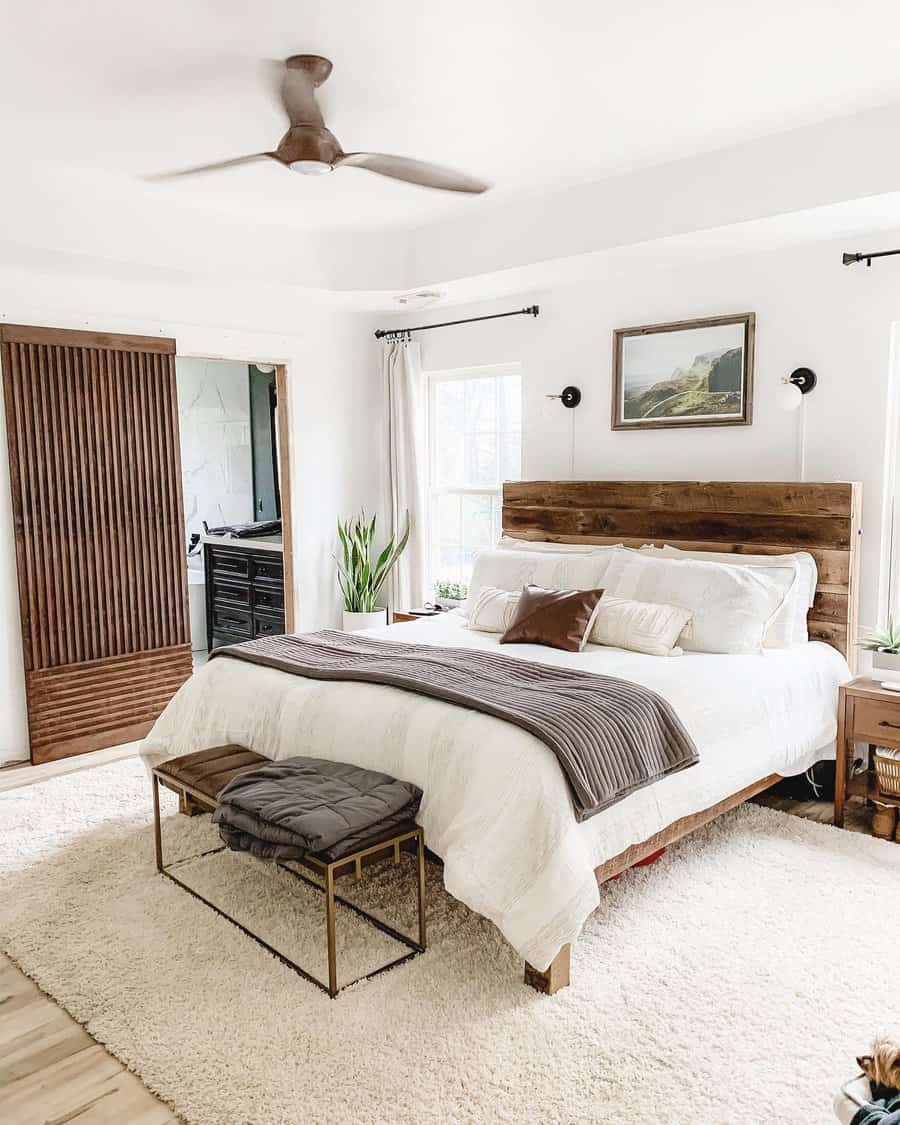
If you’re looking for a rustic chic vibe, then the perfect master bedroom designs are warm-tone ones! Start your design off with rustic wood furniture that will fit in perfectly with the cozy atmosphere. White walls will give you an added brightness and a feeling of relaxation — perfect for winding down after a day.
Source: @babbfarmlife via InstagramSource: @alittledoseofjen via InstagramSource: @farmhouse.down.grandview via InstagramSource: @mybeloved_home via Instagram
Go even further by adding wooden flooring to give your room an inviting look and feel. Lastly, use warm light to complete the rustic feel while enhancing your master bedroom’s visual interest. With this combination, you’ll have the perfect rustic master bedroom that oozes style!
6. White
Having white walls in your bedroom can sound like a stark and boring interior design theme. However, the all-white color trend proves that white can be the perfect color for your bedroom.
Source: @sunningdale_bellway via InstagramSource: @ourlittlewhitecottage via InstagramSource: @candlercreeksidecottage via InstagramSource: @christianleedesigns via InstagramSource: @laurenajamison via InstagramSource: @life.at.number.6 via InstagramSource: @re.vive.constructionxdesign via InstagramSource: @tiffanyazizinteriors via Instagram
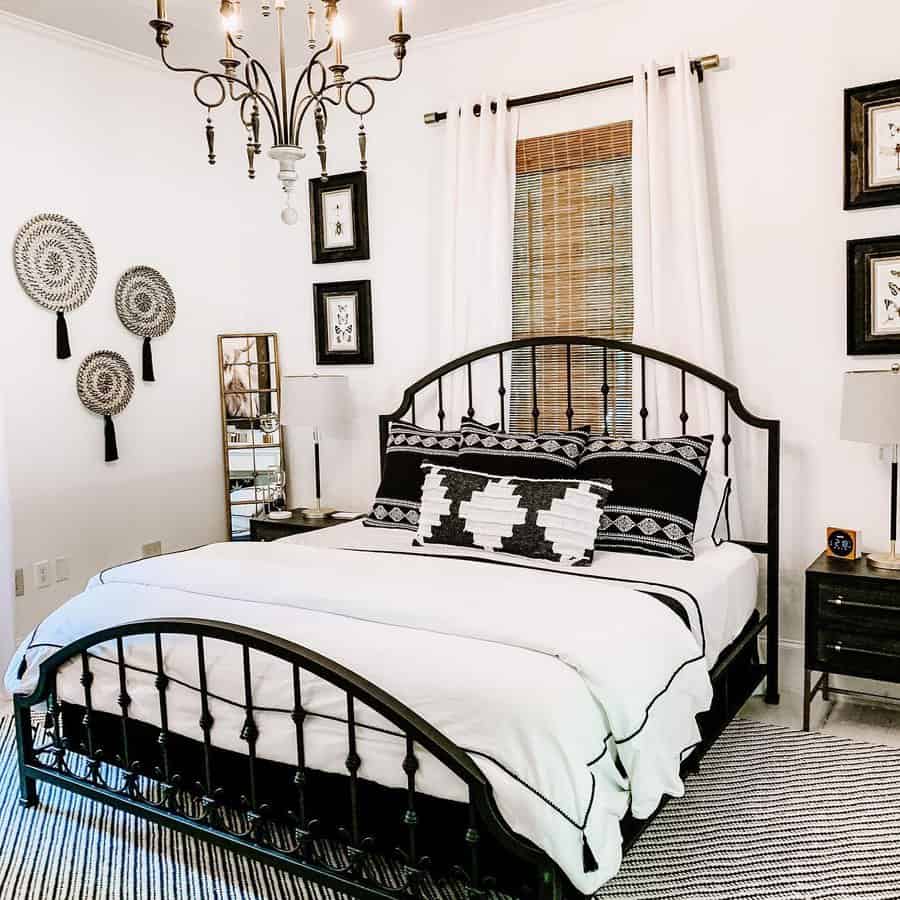
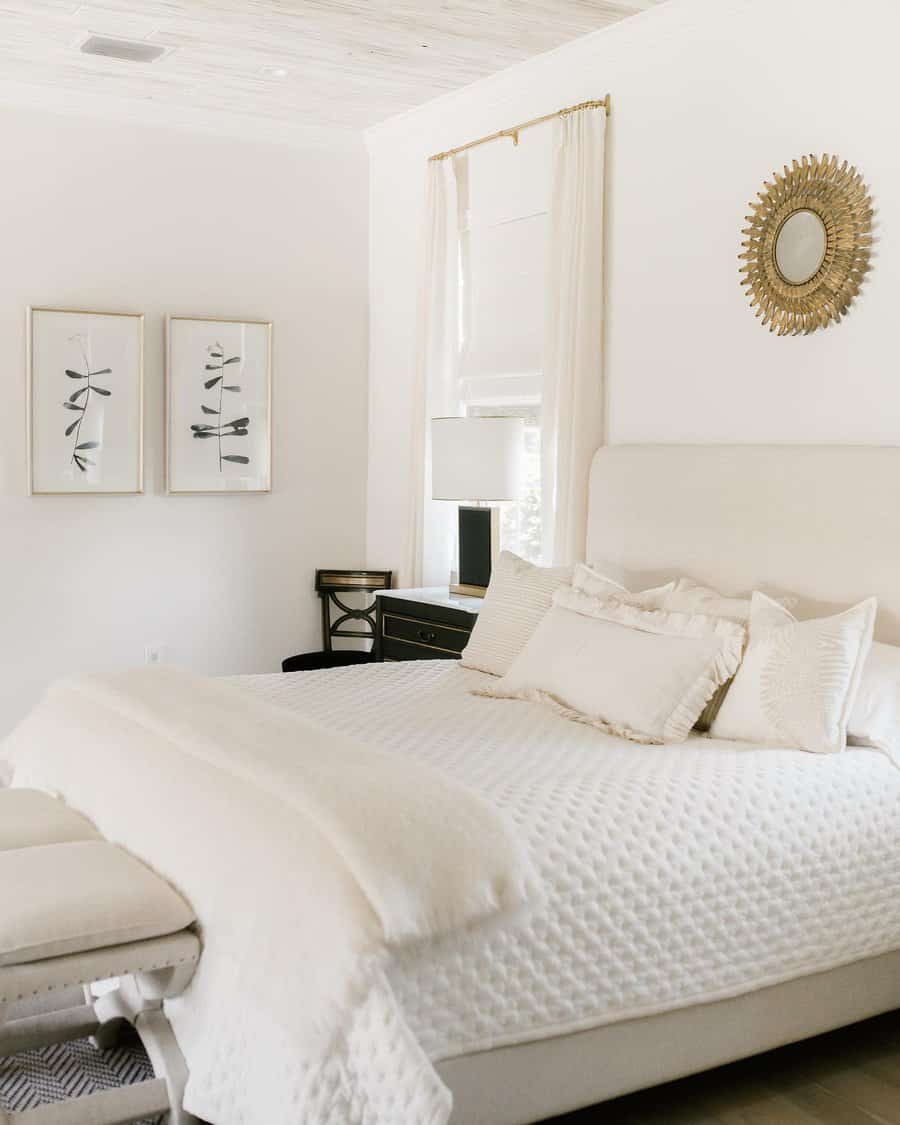
The trick to using white for your master bedroom walls is to add a complementary color combination. For example, paint the walls white and add black, natural wood, or neutral accents. These soften the look of the white walls while also keeping your bedroom feeling bright and fresh. It’s also helpful to add plenty of textured textiles. This makes the space cozier, which is perfect for your bedroom.
Man caves have gotten all of the attention over the years. It’s time for a change. Instead of letting the men have all the fun, why not claim the old shed in the backyard and turn it into a woman cave? Instead of a cave, turn it into a bright and inviting space, better known as a she shed. These she shed ideas will help you get started building a private space where you can do your favorite hobbies.
[view_toc]
1. Build A Cocktail Bar
Create a cocktail bar in your shed for the perfect girls’ night in! Ideal for cocktail enthusiasts or simply those who want to mix things up, a wet bar set up in the garden provides a unique twist for entertaining guests. Set the scene by incorporating some eye-catching accessories, like colored glassware and bar tools of varying shapes and sizes.
Then fill your mini-fridge with an array of cocktail ingredients as well as garnishes like olives, citrus wedges, pineapples, etc. With the right setup and supplies, your evening will be filled with surprise cocktails and loads of laughs.
Source: @allenbywalk via InstagramSource: @jennyjliving via InstagramSource: @mybelfasthouse via InstagramSource: @no24home via Instagram
2. Set Up A Contemporary Room In The Backyard
Now your garden isn’t just a space for weekend barbecues and having a catch, but also a contemporary-style lounge room where you can relax and escape the stresses of everyday life. If you’ve been looking for inspiration for your own yard getaway, why not consider transforming a corner of your outdoor area into a ‘she shed’?
Stick to neutral tones for maximum style points and find scatter cushions and modern furniture pieces that are going to elevate the ambiance. A few wall-mounted bookshelves will give you plenty of options for decorating, whether that’s with family photos on half shelves or literary favorites on the bottom shelves!
Source: @athomewithlisajane via InstagramSource: @fig_and_linen via InstagramSource: @shed4she via Instagram
3. Build A Garden Tea House
If you have been considering adding a she shed to your garden, there are many exciting ideas to explore! Imagine transforming a garden shed into an English-style tea room with open windows and bright décor.
Or picture setting up an area with soft chairs that are perfect for savoring the garden’s beauty on those sunny afternoons. Or why not go all out and build a traditional garden teahouse?
Whatever style suits you, adding a she shed to your garden will be the ideal area for relaxation, creativity, or simply enjoying time spent outside in nature.
Source: @2blessed_2complain via InstagramSource: @beyond.the.blue.front.door via InstagramSource: @3dottersvintage via InstagramSource: @lavendermarketplaceworkshops via Instagram
4. Create A Garden Room
If you’re looking for an escape from reality, or a creative garden room to enjoy lounging outside your home, then consider making a she shed! She sheds are becoming increasingly popular as a safe space for women to relax and blow off some steam.
They offer the perfect environment to escape from the hum-drum of daily life and take time out for yourself in a peaceful garden villa.
With this rapidly growing trend, it’s now easier than ever to find stylish she shed ideas on interior design blogs, Pinterest boards, and home decorating magazines so you can create your antidote to daily stress in no time.
Source: @life_in_the_pike via InstagramSource: @pelargonmormor1 via InstagramSource: @triciamakesanddesigns via Instagram
5. Set Up A Craft Room
Looking for a special place to craft, relax, and just hang out? Why not consider creating a she shed in your backyard? She sheds are perfect for all-purpose rooms that you can customize just the way you want so it serves your needs and style.
You don’t even need much space to make a cozy craft room—all you need is a little bit of landscaping, some accessories, and lots of creativity. For example, kids love having their own craft space too; add some colorful decor with craft supplies that kids can use to create homemade gifts or decorations.
Depending on the size of your she shed, you could even outfit it as an art studio, workshop, potting area or music room. So make sure to take the time and plan out the perfect she shed for you and your kids—it’s sure to be a secure hideaway where lots of fun memories will be made.
Source: @bevevans_artandprint via InstagramSource: @crazyhappyhomelife via InstagramSource: @cre8tively.me via InstagramSource: @shoes_to_shiplap via InstagramSource: @spacecraftgardenrooms via InstagramSource: @thejuniperseed via InstagramSource: @thethistleinthewind via Instagram
6. Set Up A Floral Shabby Chic Garden
Creating a floral Shabby Chic garden shed is a great way to express your love of gardening with your own unique style. You can design the interior and exterior with floral patterns for an idyllic air, as well as use natural elements like white wicker furniture and baskets of fresh-cut flowers to craft the perfect outdoor retreat.
An outdoor kitchen and living area can be transformed into a quaint nook that’s perfect for summer evening get-togethers, while a breathing space filled with comfy swings and chairs can serve as an ideal reading nook during the warmer months. It’ll truly become a wonderful joining of your passion for gardening and your love of cozy comfort!
Source: @bridgefieldcottage via InstagramSource: @touchesoftime_bydesign via Instagram
7. Set Up A Movie Room
Transform your outdoor space into an outdoor movie room she shed. Set up a flat-screen TV and movie projector to get the movie night experience any day of the week. Use plenty of comfy throw pillows and blankets, as well as a few boards for cards or other games to complete your movie room.
You can also turn this movie room she shed into a music nook complete with guitars and drums as a way to relax outside the home in an acoustic practice spot.
Let your movie room she shed be an inviting place for entertaining friends and family with some popcorn, classic movie titles, and plenty of appropriate tunes for hours of fun!
Source: @bigfoot_buildings via Instagram
8. Create A GNO Bedroom
The perfect designated room for a girls’ night out is a she shed! She sheds offer a designated space to relax and catch up with your friends while having all the amenities of home. With endless décor possibilities, you can create a personalized oasis and make it as beautiful, comfortable, and cozy as you like.
Add some greenery, decorate with plants or a fairy light curtain, pamper yourself with comfy pillows and relaxing soft music – whatever you need to feel relaxed is only as limited as your imagination. So why not build yourself that specially designated place for a girls’ night out and let fun and laughter be the mainstay?
Source: @mommymcmullen via Instagram
9. Assemble An Office Shed
Creating a she shed office space is perfect for those who are looking to get away from the hustle and bustle of their homes. Whether used as a workspace or simply a place of relaxation and self-care, the office shed provides maximum convenience and minimal distraction.
When not in use, it’s the perfect hideaway in your back garden! So if you’re looking for peaceful productivity—or just somewhere to escape the world—a she shed office might be the answer.
Source: @lifestyleholistictherapy via InstagramSource: @norabaileybruce via InstagramSource: @urbanpods via InstagramSource: @_sweetlikebeauty_ via InstagramSource: @someelbowroom via Instagram
10. Outdoor Coastal Lounge Room
If you’re looking for a space out of your house to relax and have some much-deserved “me-time,” why not add a touch of coastal style to your she shed? This adorable little lounge room is the perfect escape, creating beachy vibes without leaving home.
Feel the coastal breeze coming in from the open windows and set up cozy seating so you can unplug everything and take time for yourself. Whether you use it as a reading nook, crafting corner, or just to enjoy some peace and quiet — it’s always going to be your happy place!
Source: @backyard_pod via Instagram
11. Build A Library
She shed dreams that have come true for women everywhere and can be used as a creative escape from the hustle and bustle of everyday life. Transform your shed into a library, filled with bookshelves to showcase your most beloved books.
Create a work desk to manage any administrative tasks without being in the same space where you relax. She shed bliss will be achieved when you open the door and find yourself instantly transported to a peaceful, quiet place dedicated solely to you.
Source: @someelbowroom via InstagramSource: @beatrizchevez.re via Instagram
11. Designate A Shed For Potting Plants
Transform an old shed in your garden into a potting room and let your imagination take over! Change the insides to give it a cozy, garden-y vibe with potted plants for decoration. Make sure you include plenty of natural light by adding windows and skylights, as well as bringing in adequate lighting fixtures.
Utilize wall space by attaching hanging holders for potting supplies and other items like gardening books or decorations. You can also add a potting bench for potting up seeds and repotting plants – decorate it with little pots and succulents for an extra personal touch. Enjoy this special potting haven of yours and watch as your garden blooms from its efforts!
Source: @119houseonthehill via InstagramSource: @jen.leeman via InstagramSource: @life_in_the_pike via Instagram
12. Style With Rustic Elements
If you’re looking for an intimate space that oozes rustic charm, consider incorporating rustic elements such as exposed ceiling beams and wooden elements. From subtle updates like rustic textiles to more dramatic touches like a fireplace, these rustic details will add character and make your she shed a special retreat.
For the outdoors, rustic wooden furniture or even a rock garden will bring natural beauty to the space. With some imagination, you can transform any outdoor area into an inviting rustic she shed!
Source: @20220307-messismore via InstagramSource: @kinship_creativedc via InstagramSource: @pallet_perfect via InstagramSource: @stem_to_beauty via InstagramSource: @thepinkcottageadventure via Instagram
13. Create A Reading Nook
A she shed is an amazing space for you to unwind in – and your reading nook should be the coziest spot. Think of a comfy couch backed by pillows, lots of blankets to cozy up with (it’s no problem if these are all mismatched!), and shelves full of your favorite books.
A reading nook tailor-made for you is the perfect sanctuary for winding down after a long day. So gather some cozy reading materials, lay back with a cup of tea, and just relax!
Source: @coastalgardenbuildings via InstagramSource: @my_yorkshire_kitchenspiration via InstagramSource: @theresa_gromski via Instagram
14. Express Yourself With A Studio Hobby Shed
Having your own hobby room is a great way to carve out time for yourself and find a new hobby. Whether it’s a pottery studio, workshop shed, or anything else you dream up – the possibilities are endless! A hobby room can be whatever you want it to be – let your creativity shine through and create something that fits you and your hobby perfectly.
Investing in a she shed hobby room gives you the opportunity to really make something original and beautiful – with long-lasting utility as well. So start planning, dreaming about, and most importantly, enjoying the process of making something special just for yourself.
Source: @haithwaiteceramics via InstagramSource: @maisiejayebeauty via InstagramSource: @rev_jane_sheppard via Instagram
15. Summer House For The Guests
If you’re looking for a special retreat to escape to this summer, a summer house could be the perfect addition to your home. Not only will it add a stunning feature to your garden, but it will also provide extra space that can be tailored to suit whatever activity you please.
Whether that’s a she shed as an area of well-being and relaxation, or a spacious room for guests visiting during the warmer months; the possibilities are endless. When designing the interior, make sure there are lots of natural light with wide windows – after all, sunshine is key for the full enjoyment of this fabulous place!
Source: @cannscottage via InstagramSource: @homewithno2 via Instagram
16. Make A Room For Your Vintage Collection
If you’re a collector of vintage items, why not create your own room dedicated to those collections? A she shed is the perfect way to get some much-needed room for organizing and showcasing all those one-of-a-kind finds. She sheds provide a cozy atmosphere – think of it as a peaceful haven away from the hustle and bustle of everyday life.
To fully bring out the vintage aesthetic, go for a wabi-sabi style room, which brings together rustic elements, natural accessories, and creative decor. With such a room, you will have the ultimate personalized space where you can slow down, relax and admire your unique collections in peace.
Source: @3dottersvintage via InstagramSource: @loulovesvintage via InstagramSource: @thats_whatsheshed via Instagram
17. Make A Yoga or Gym Shed
Transform your she shed into the perfect yoga and fitness room! To get started, set up a yoga mat, some weights, and a yoga or Pilates block or two. You might also want to add mirrors so you can watch your yoga practice and check out your form while lifting weights.
If yoga isn’t really your thing, no worries—create a gym shed fit for an at-home workout! Invest in some strength equipment like an Olympic barbell and bench press. Then, add yoga balls and free weights to round out your arsenal of workout gear. No need to leave the comfort of your backyard to get fit!
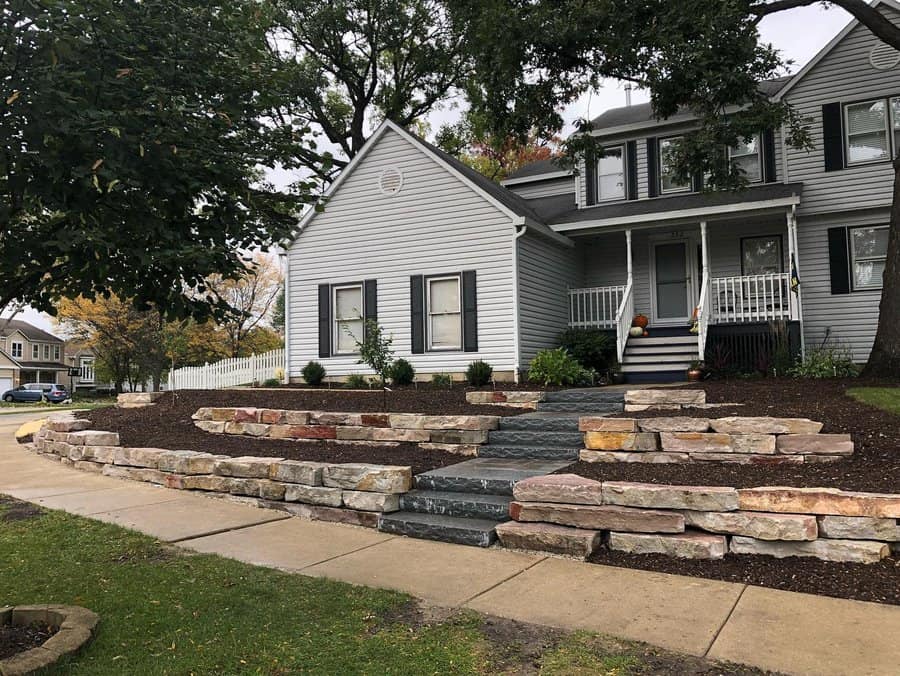
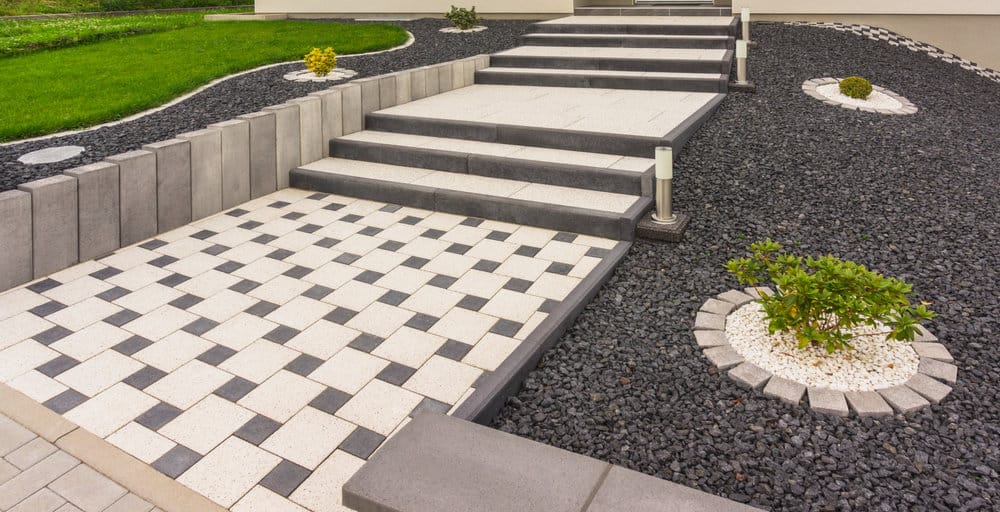
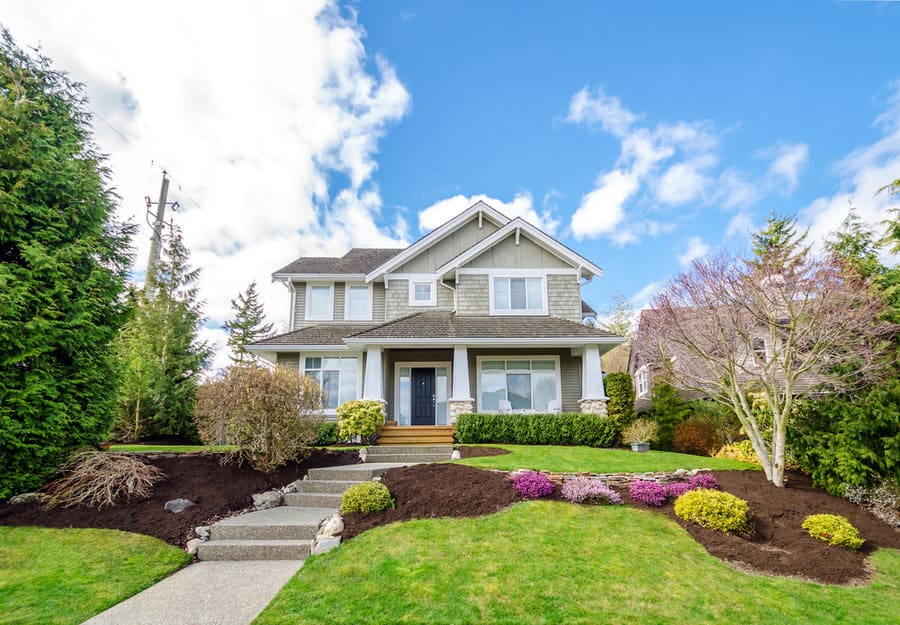
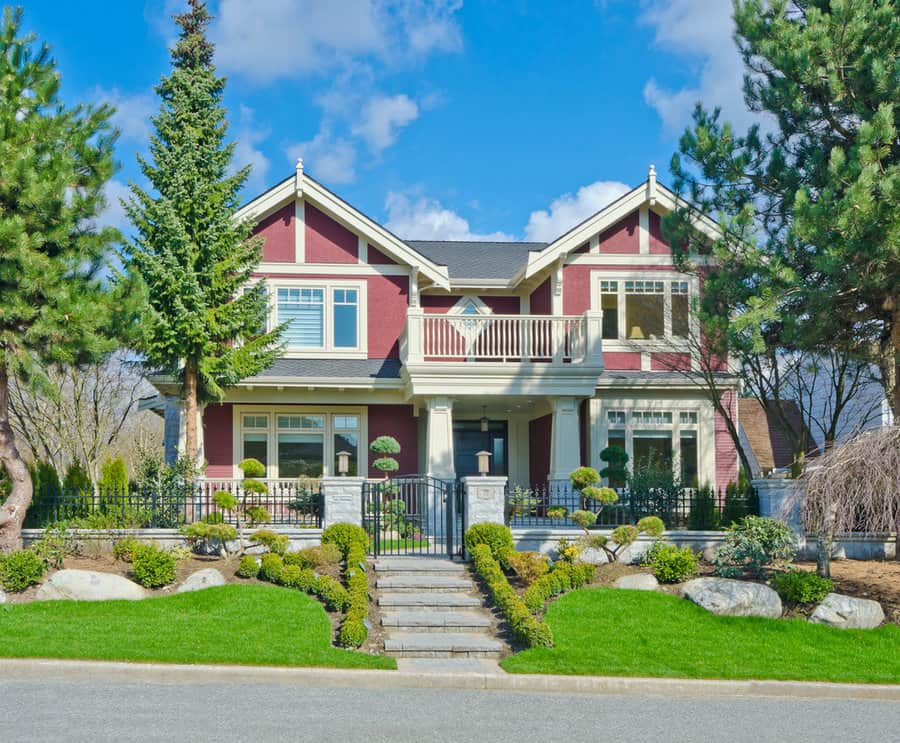
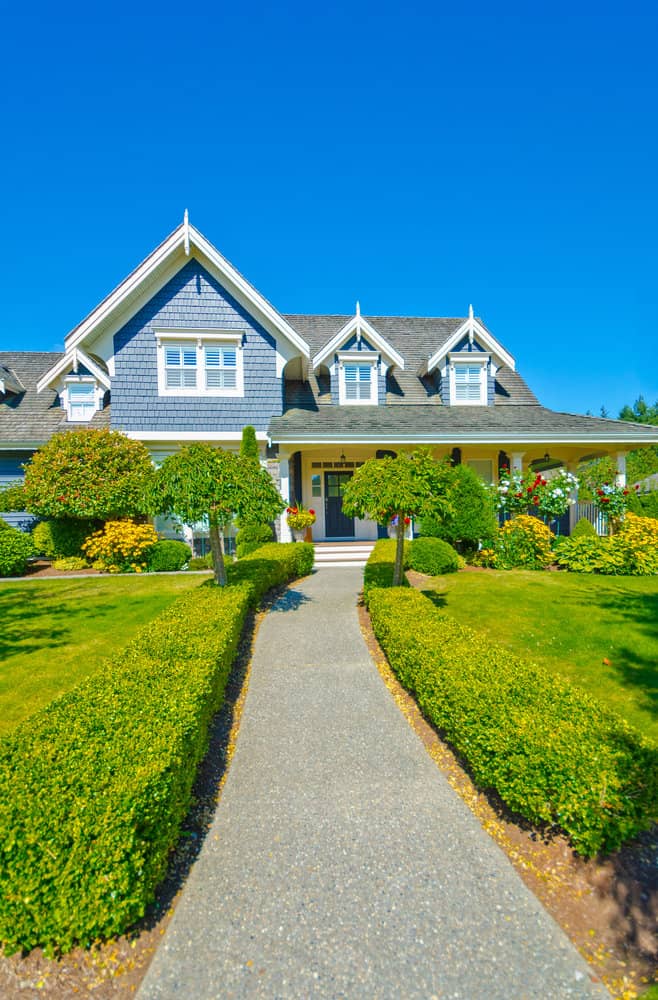
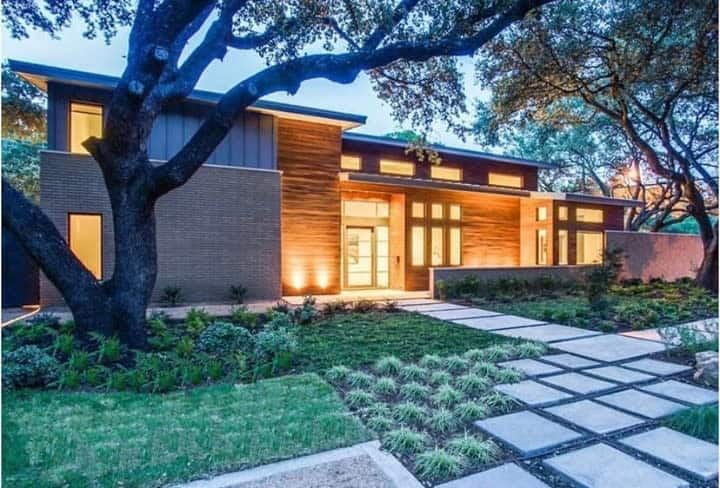
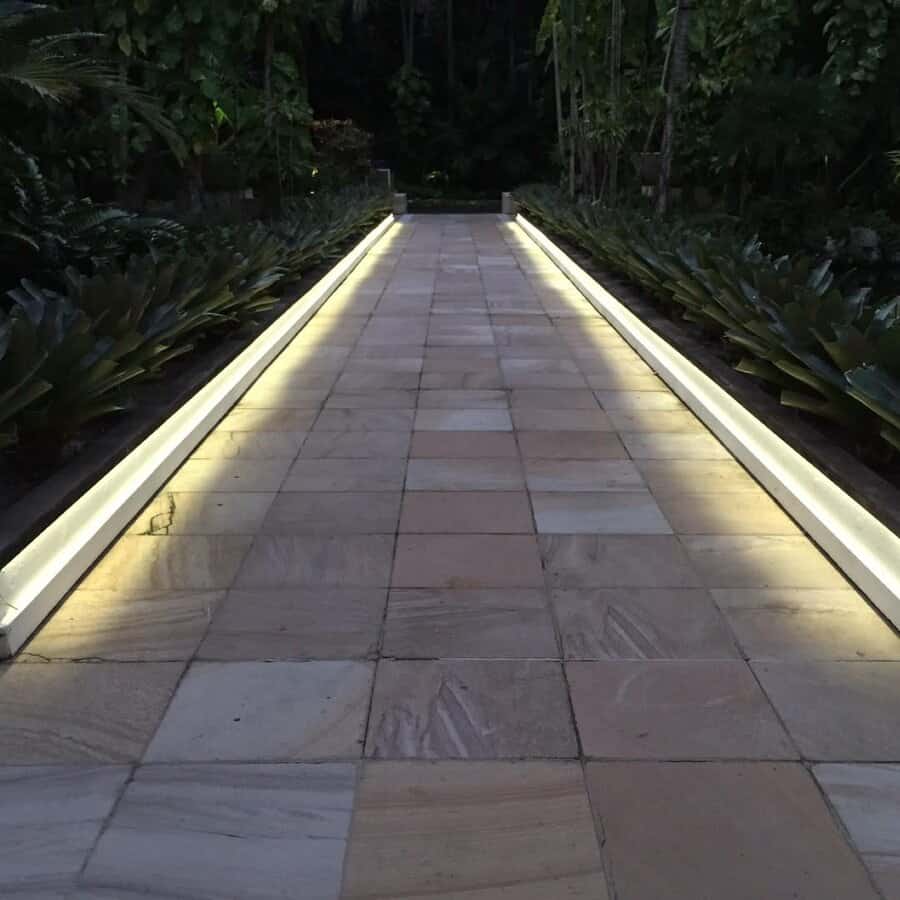
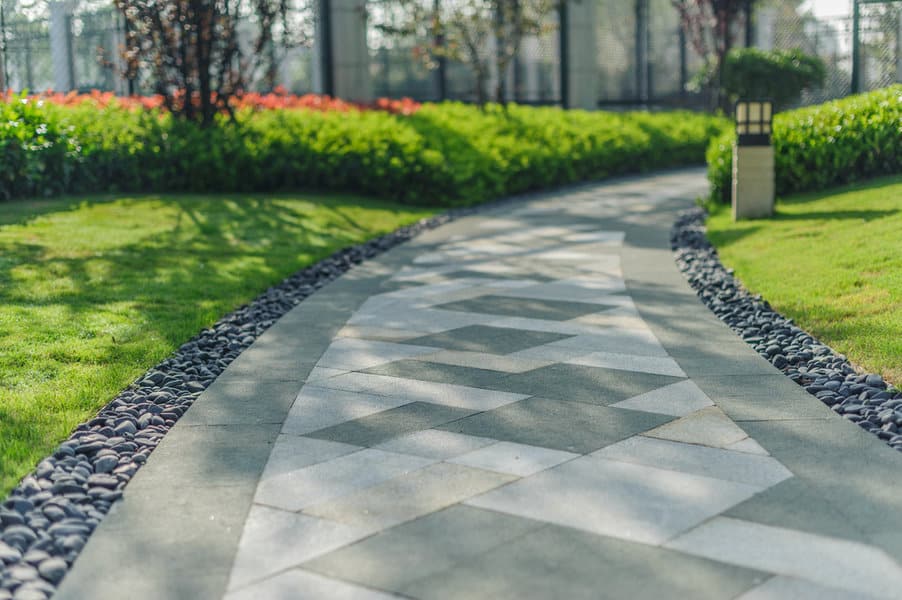
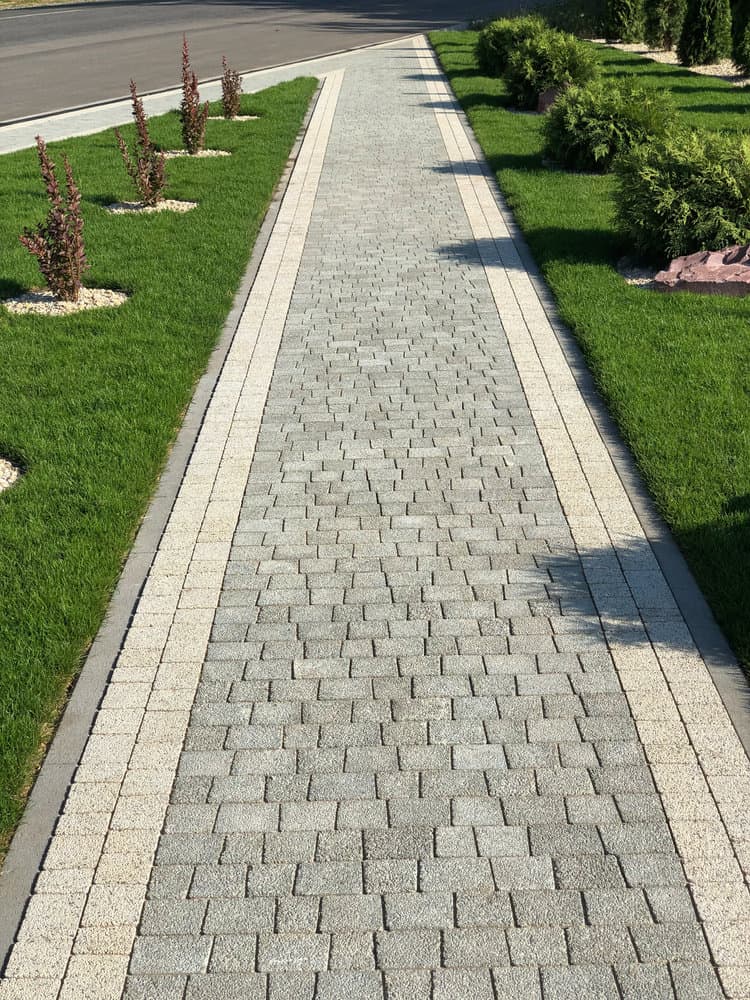
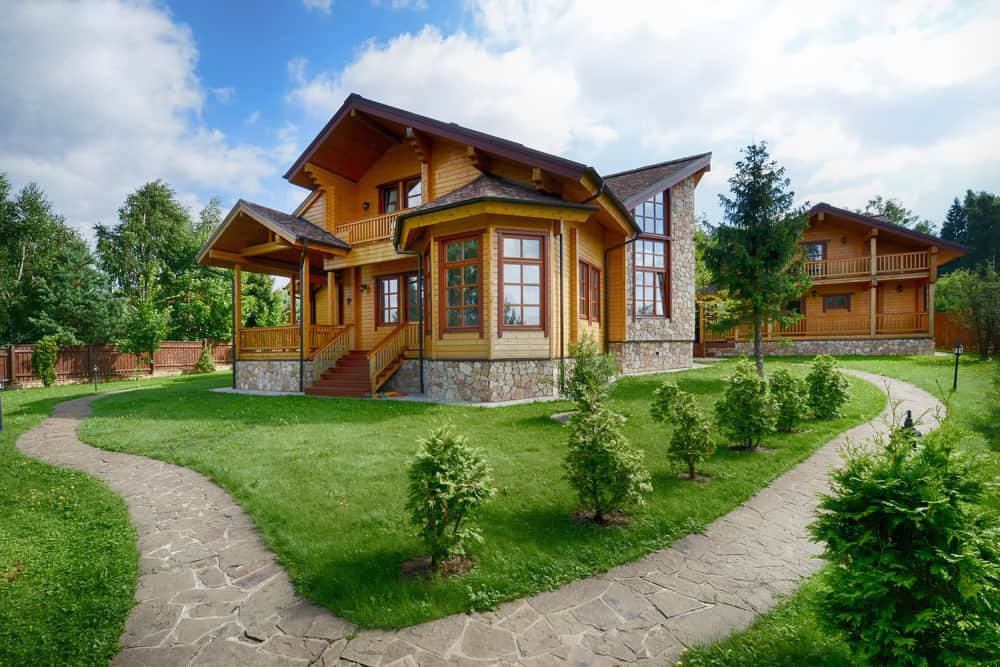
Adding a walkway to your property increases its curb appeal, functionality, safety, and usability. For example, you could build a sidewalk in front of your home, making it easier for people to walk up to your front door. Add another sidewalk around the side of your house to create a path around to the backside of your home. Then build one or more sidewalks on the backside of your house. Having one or more concrete walkways keeps people off your grass and out of your garden. Check out these sidewalk ideas and start building sidewalks on your property.
[view_toc]
1. Embrace Timeless Charm with Brick Pathways
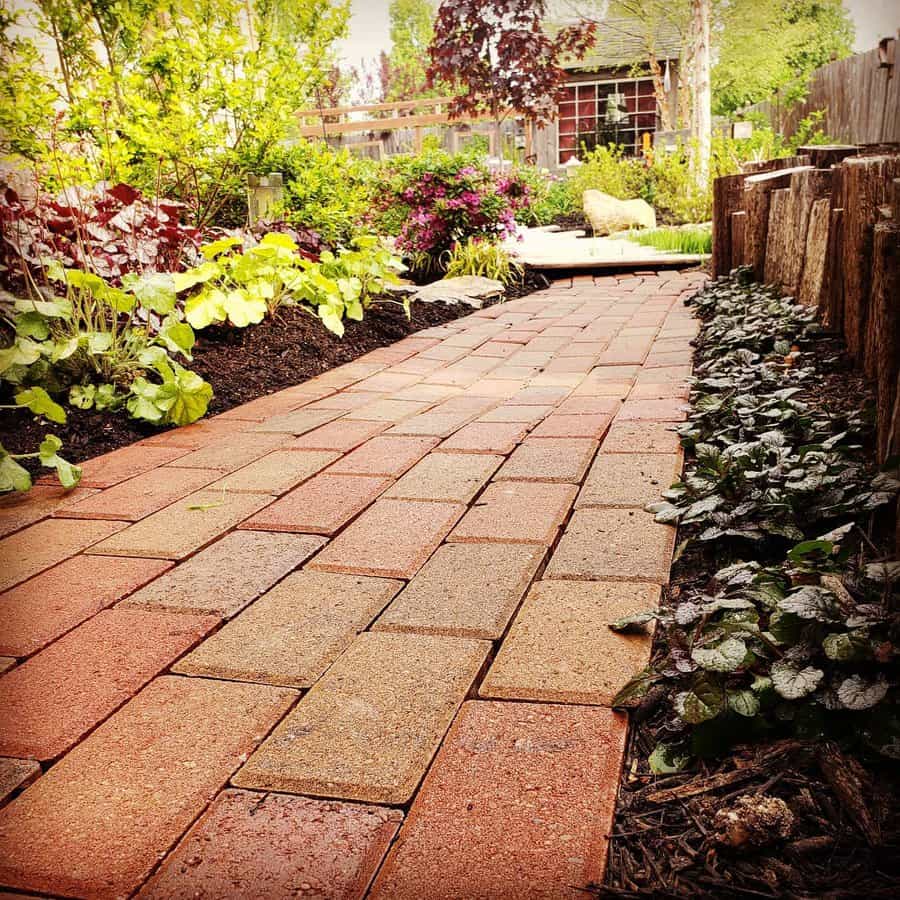
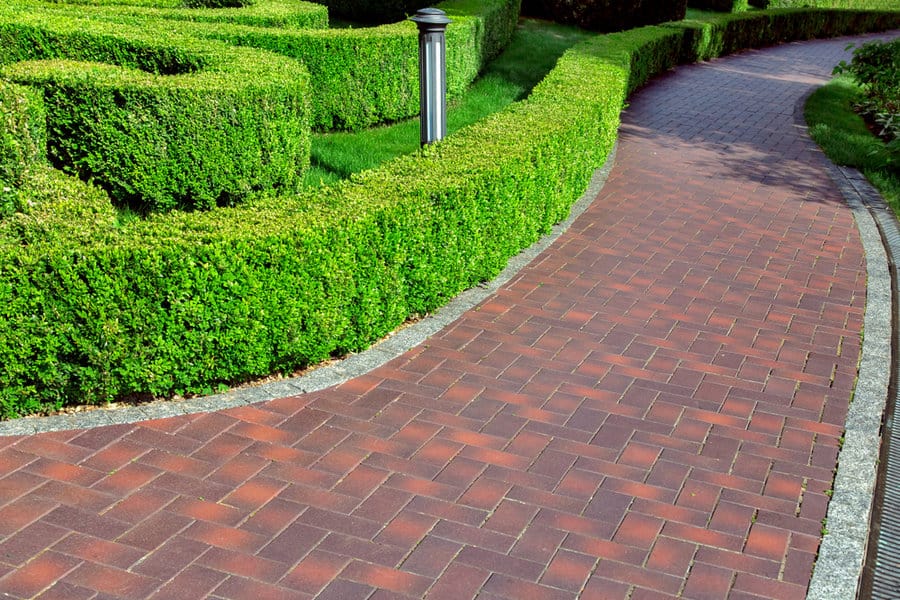
A brick pathway gives your property a traditional feel with the rich red coloring of the brick pavers. When planning your sidewalks, try to keep the paths as straight as possible with sharp, 90-degree corners. This will make laying your bricks easier with fewer cuts.
Source: @moxie_gardens via InstagramSource: @reddirtramblings via Instagram
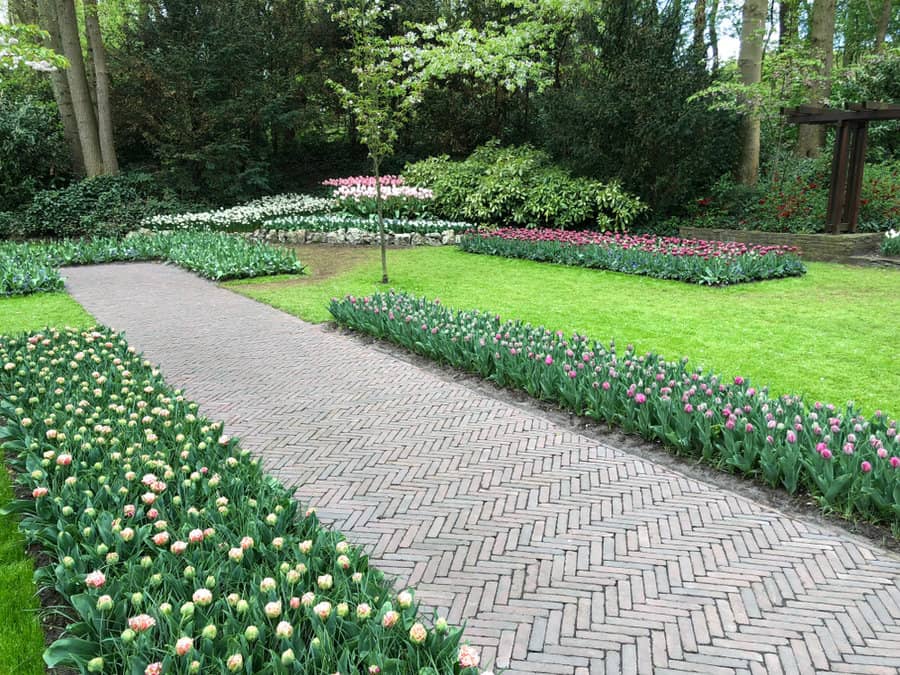
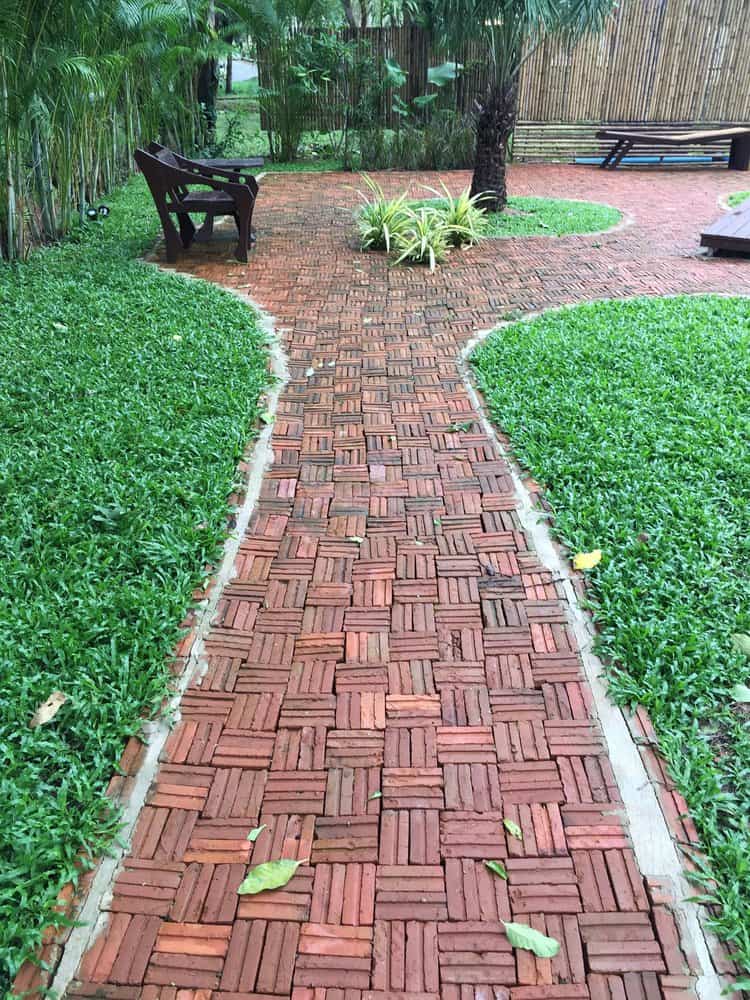
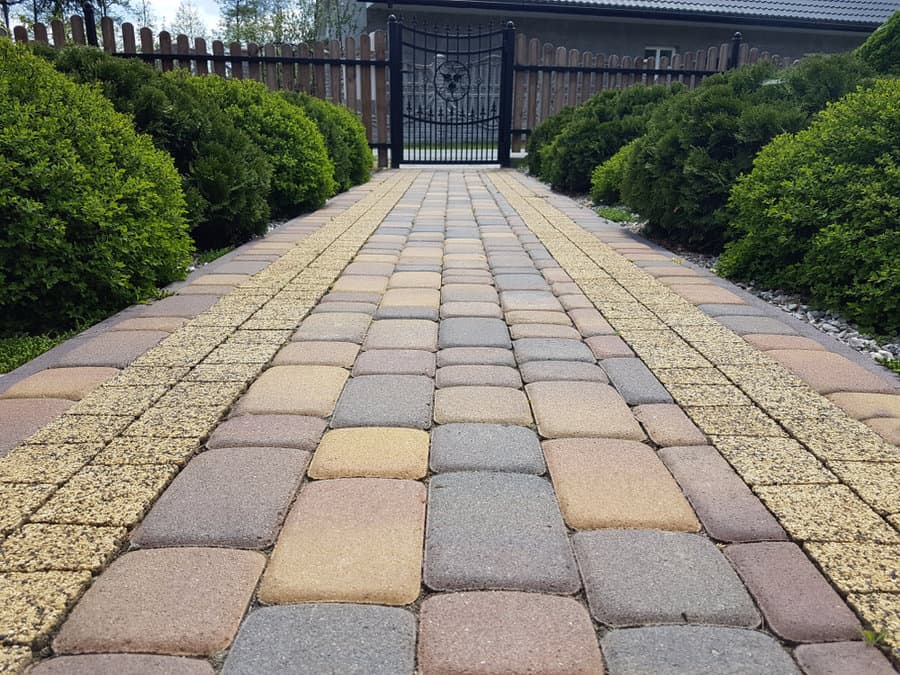
When looking at brick walkway ideas, pay attention to the brick pattern and edging. How you lay the bricks will affect the look of the sidewalk. Laying them lengthwise can make your sidewalk look longer. A horizontal design looks more traditional. A chevron or herringbone pattern will give it a fresh look. For the border, you can use the same brick in a different pattern or a different complimentary brick.
2. Elevate Your Space with Elegant Cobblestone
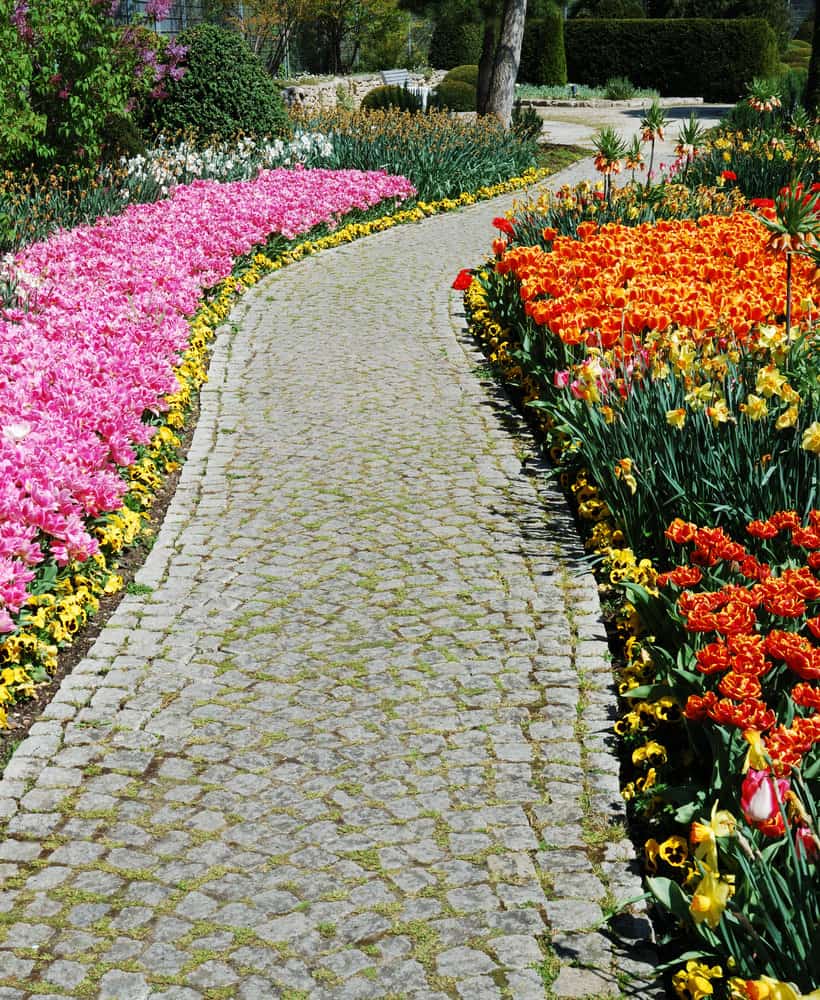
Give your sidewalks a historical feel with natural stones called cobblestones. They are most often associated with the oldest roads in England and other European countries. They are round stones that are uniform in size and shape. Because they are rounded in shape, your stone pathway is bumpy and uneven.
If you are worried about stability and safety, then it’s better to stick with smooth stone pavers. Cobblestones are best for your garden sidewalk where you’re trying to create a cottage aesthetic.
3. Sleek and Simple Modern Concrete Walkways
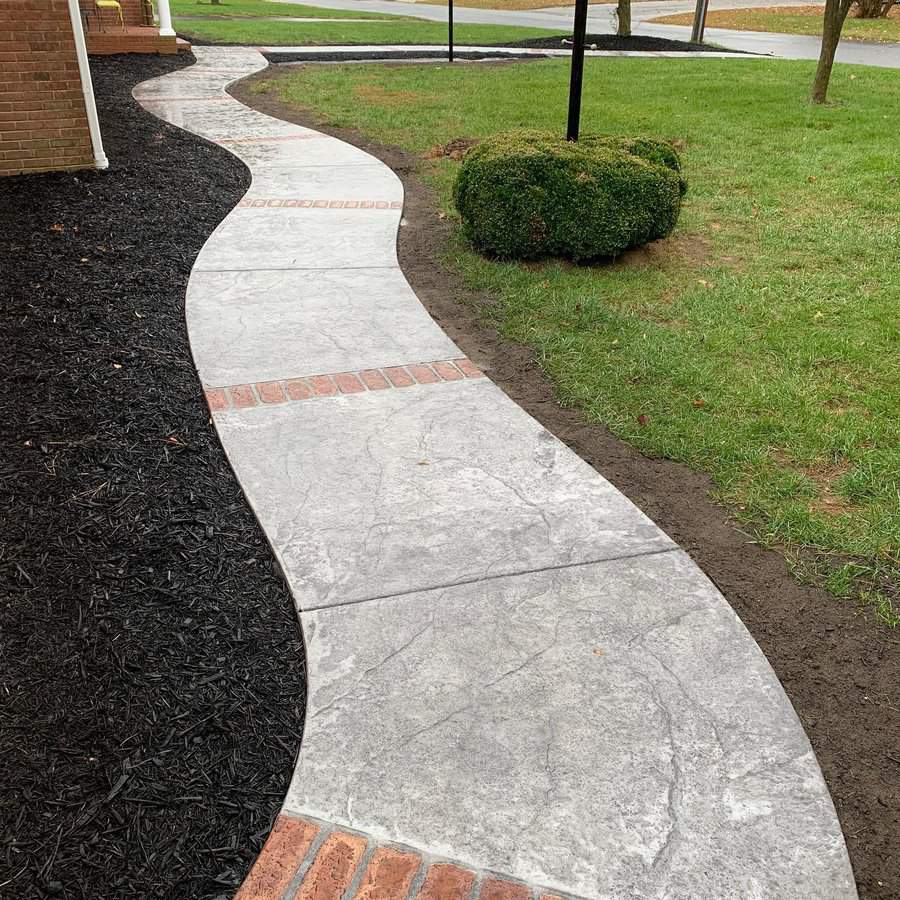
Concrete is affordable and durable, making it a popular option for many homeowners. There are two options for building your sidewalk. The first is to use concrete pavers that are premade and work like any other brick or paver option to build your sidewalk.
Source: @greenturfpro via InstagramSource: @melissagerstledesign via Instagram
Another option is to have your sidewalk poured. The result is a sidewalk that looks like the majority of public sidewalks in America. The large concrete slabs will have cuts to account for expansion. This method works best when you have a large amount of sidewalk to pour. Otherwise, it may not be cost effective.
4. Step Up Your Style with Elevated Walkways
Property that has a drainage or flooding problem can present a unique challenge. You’ll need to be careful about building up your property. This can cause the water to flow somewhere else unexpected, creating a bigger problem. Instead, consider building an elevated sidewalk.
Source: @gardenguychicago via Instagram
Construct a wooden walkway that floats above your property. This allows for the water to flow underneath while keeping you clean and dry while walking on the sidewalk. This type of sidewalk is perfect for allowing you to make the most of your property while creating the smallest impact on the environment.
5. Design a Walkway Garden Along a Path
While having a sidewalk around your house is helpful, you can also have decorative walkways. Garden path ideas can show you how to build a walkway around your plant beds. This makes it easier to care for and admire your hard work.
Source: @cathy_haskell via InstagramSource: @rangerstay via Instagram
Garden walkways can be smaller, more like a path than a large commuter sidewalk. Depending on the type of garden you have, your path could be curvy and winding or structured straight lines. When building your garden path, think about the overall design of your garden. The path should work with the plants, not against them. Work around the well-established plants that you already have.
6. Stunning Walks Lined with Elegant Hedges
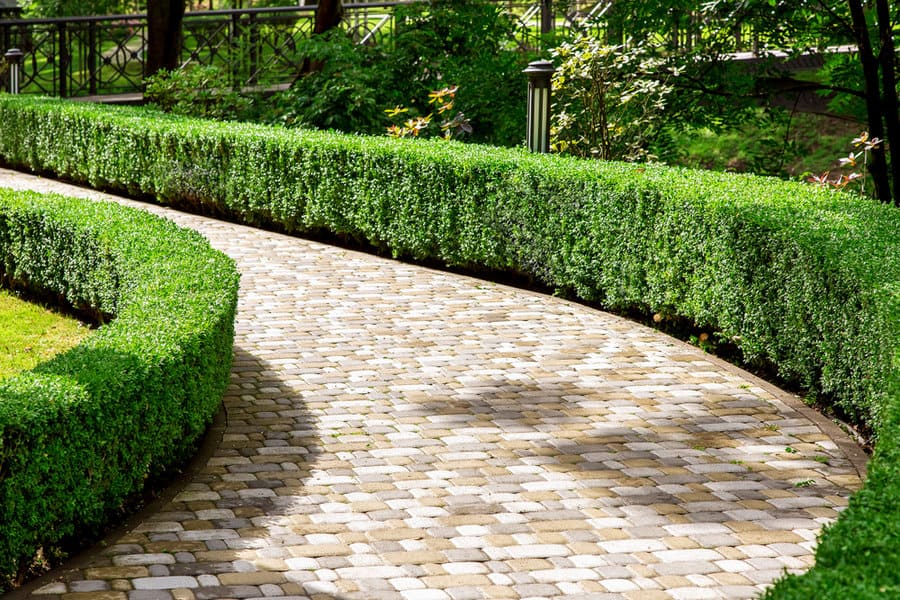
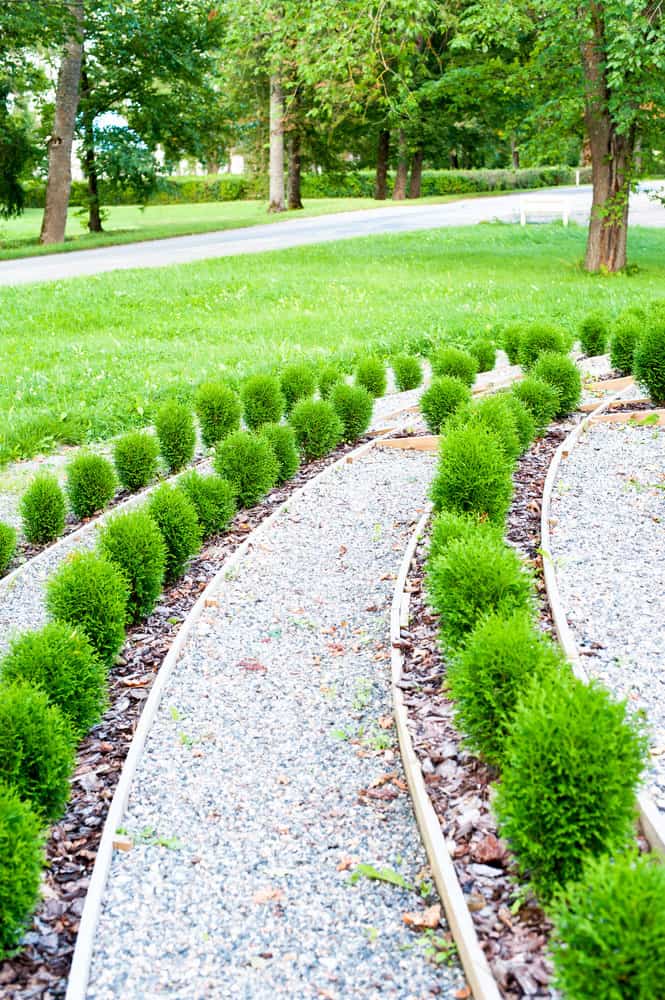
If you have a sidewalk on your property, people will be tempted to walk on it. This is especially true if your sidewalk creates a shortcut for others. While you could build a fence, there are other options. Instead, walkway landscaping ideas show you how to grow a hedge along the length of your sidewalk.
Source: @brandon_lawn_whisperer via InstagramSource: @defining_gardens via InstagramSource: @dettie_daisie via Instagram
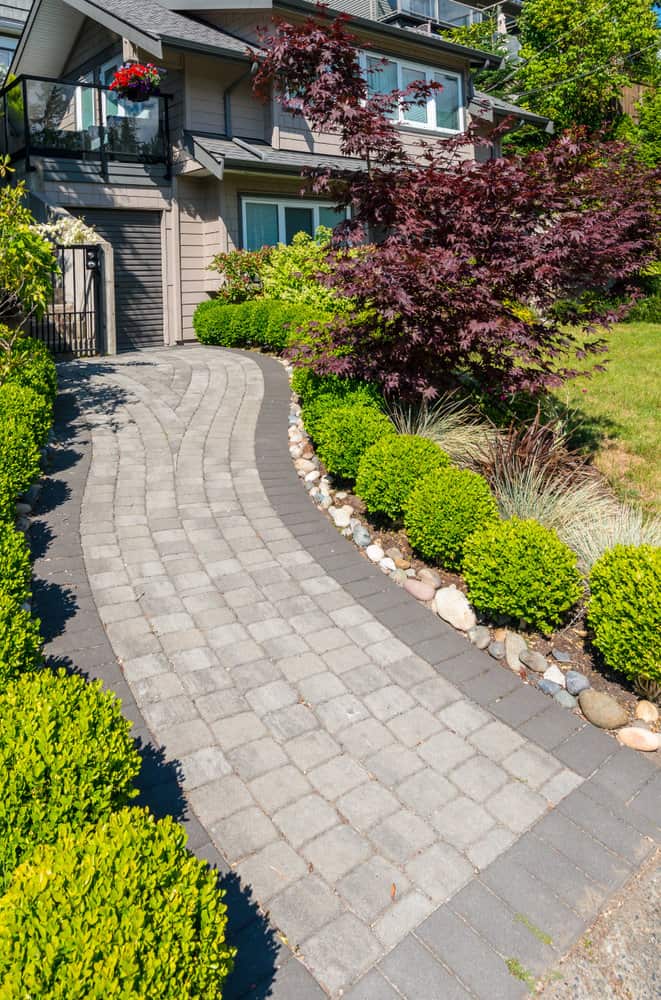
Choose a plant that will grow dense and require minimal maintenance. That way, you can enhance the look of your property while also preventing people from trespassing onto your property.
7. Transform Your Sidewalk with Creative Landscaping Ideas
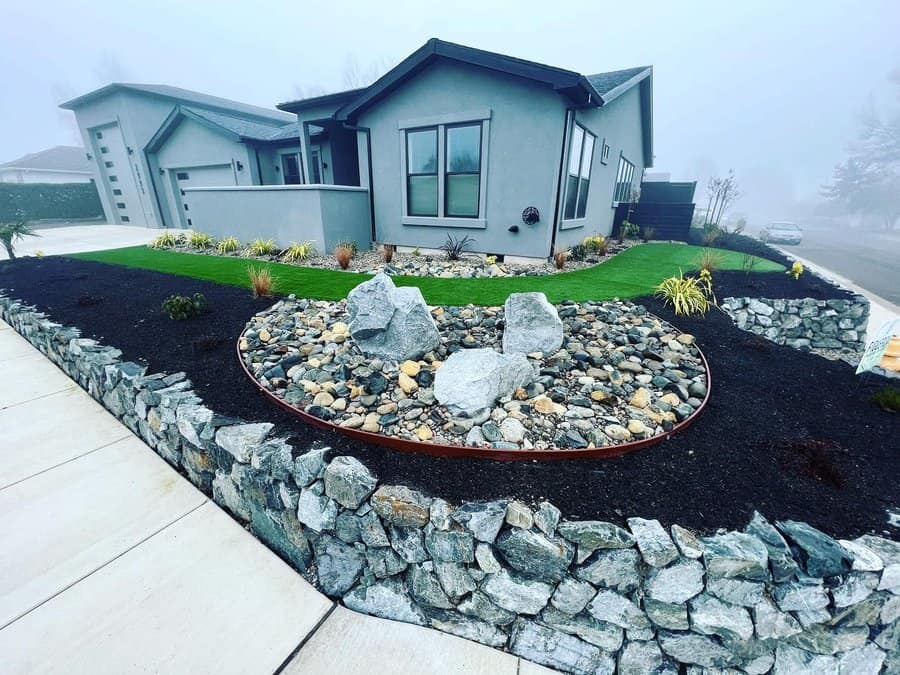
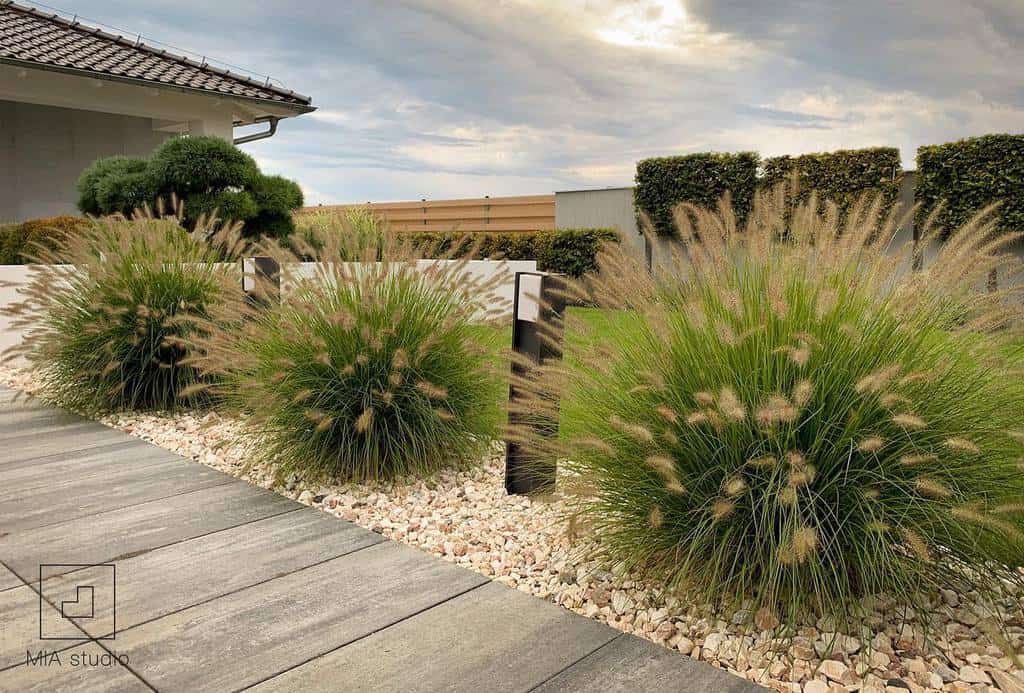
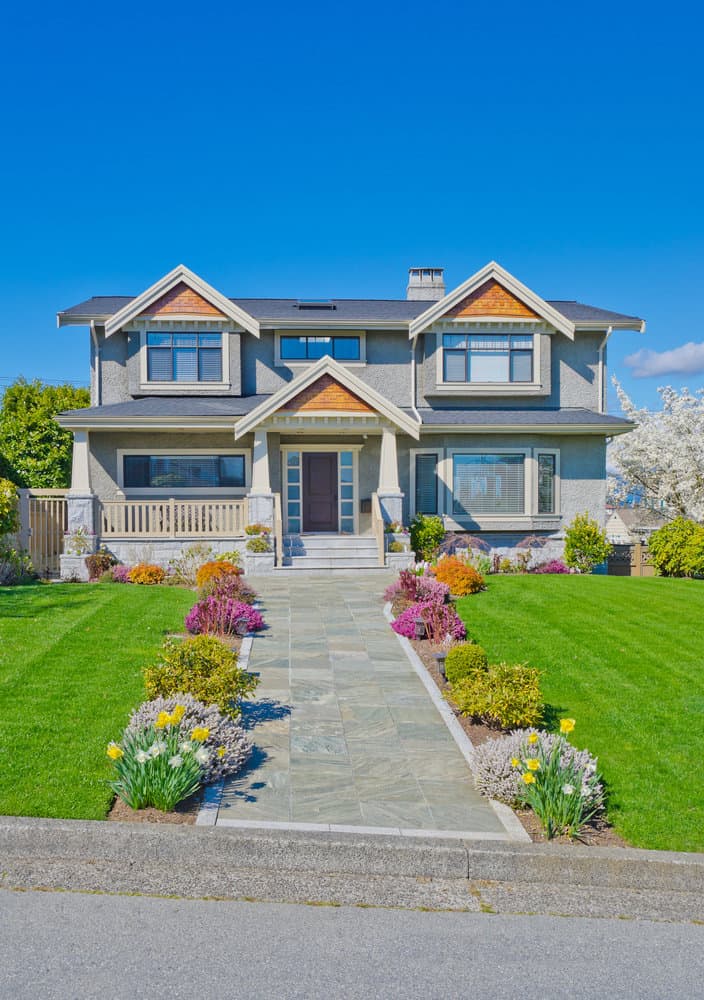
Once you have your sidewalk built, you aren’t done. Look at walkway landscaping ideas to get an idea of what you can do on either side of your sidewalk. This adds visual interest and detail to your property.
Source: @cobbscape via InstagramSource: @mia_studio_poland via InstagramSource: @plantae_global via InstagramSource: @synlawncentralcalifornia via Instagram
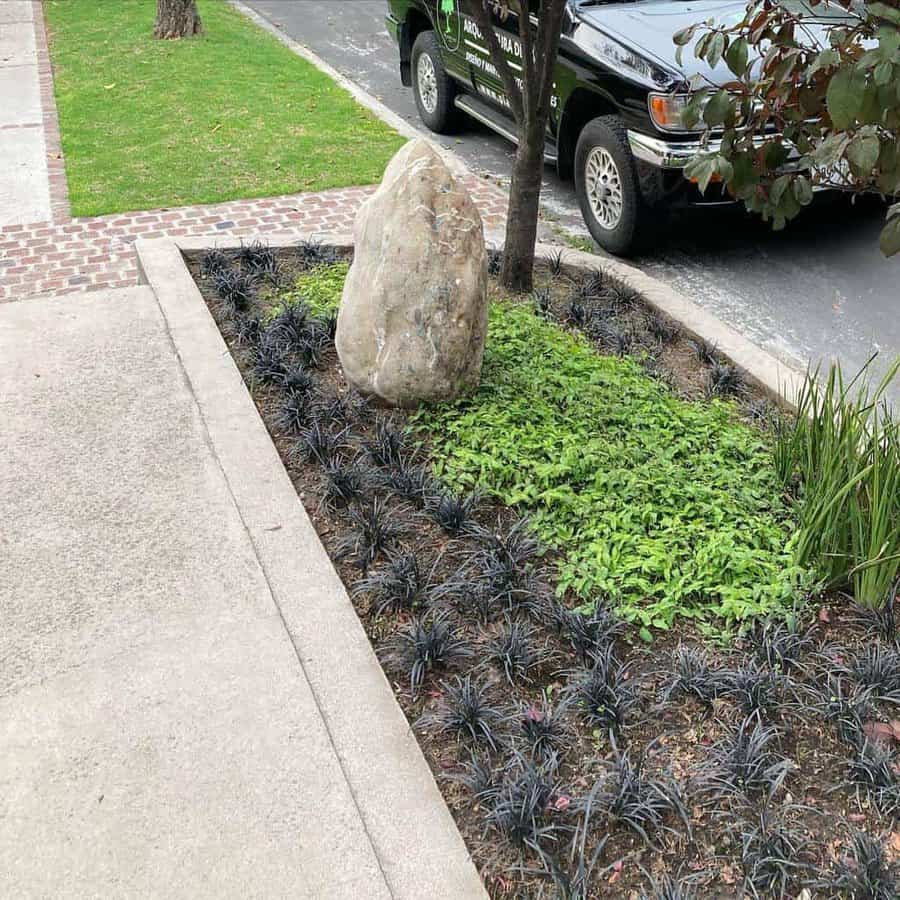
Perhaps you add small bordering plants like bushes or flowers. Or you could add tall trees that have branches that drape over the sidewalk to provide plenty of shade. Add a ground cover around the plants to help retain moisture and protect the roots. You could use lava rocks, mulch, pea gravel, or even a ground covering plant.
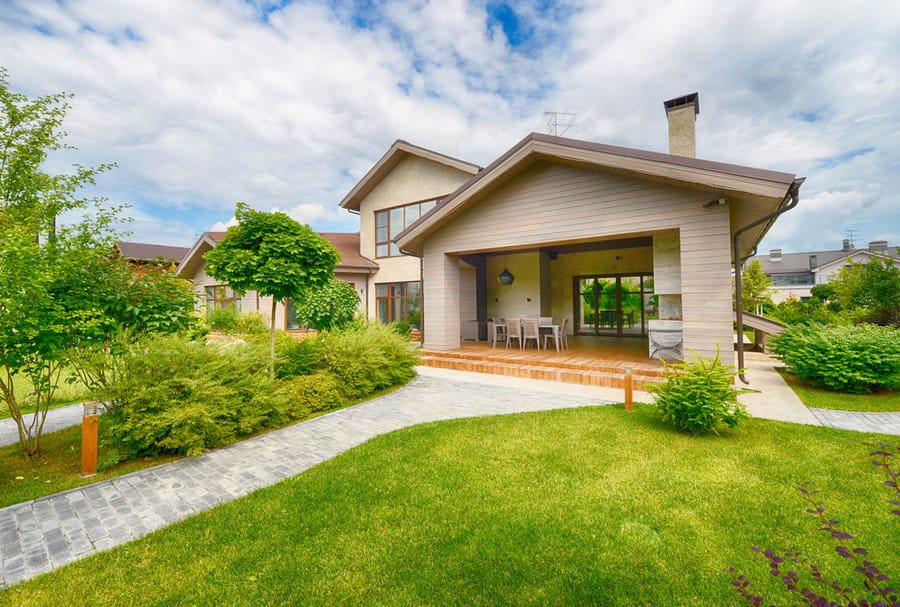
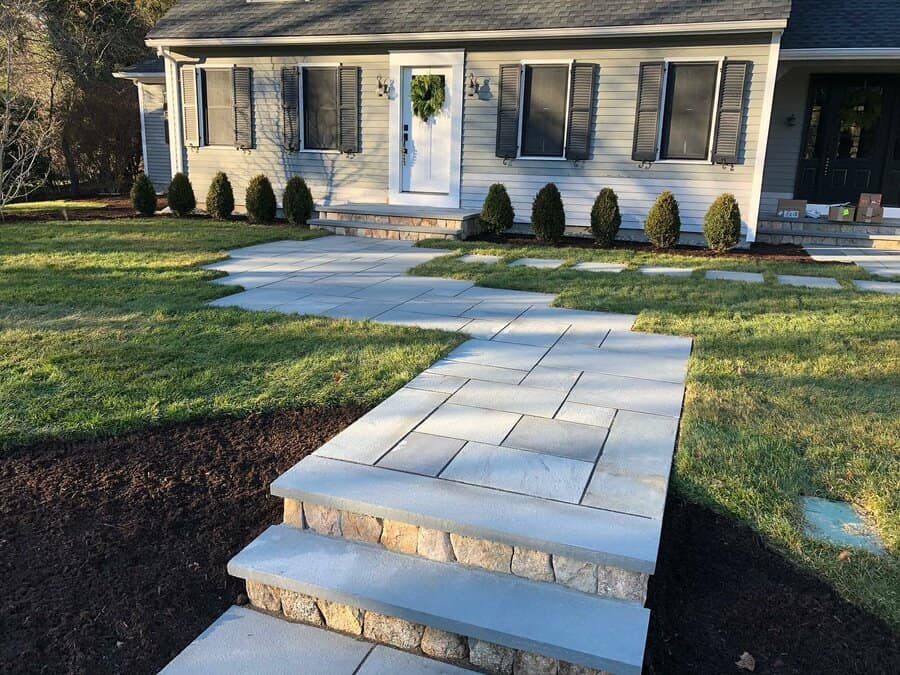
Building a modern sidewalk should look clean and styled. A bluestone walkway is a perfect option. You can buy the stones already cut in crisp squares or rectangles. Then place them into your walkway to create a uniform walkway.
Source: @melissagerstledesign via InstagramSource: @tecled_australia via Instagram
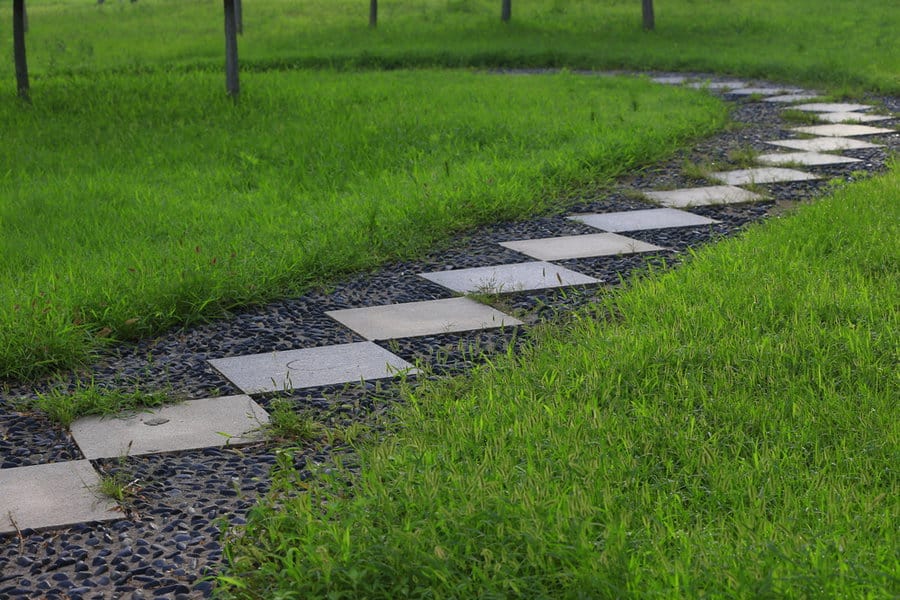
For a modern touch, consider using more than one material in the construction of your walkway. For example, space the stones out and grow a low pile grass between the stones. Plan out your walkway and place the stones as stepping stones with small stones round them as fill. Use metal as the edging to hold everything in place.
9. Artful and Durable Paths with Pavers
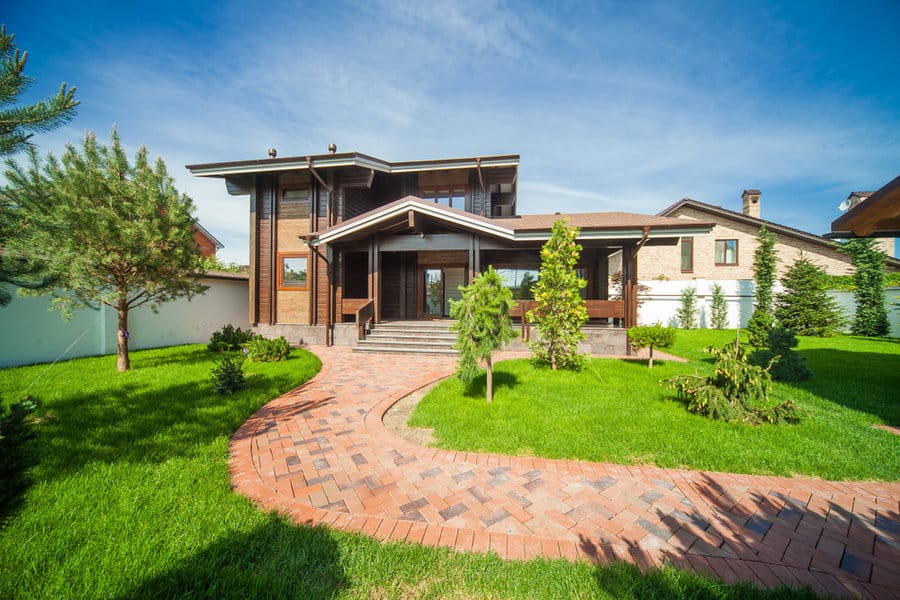
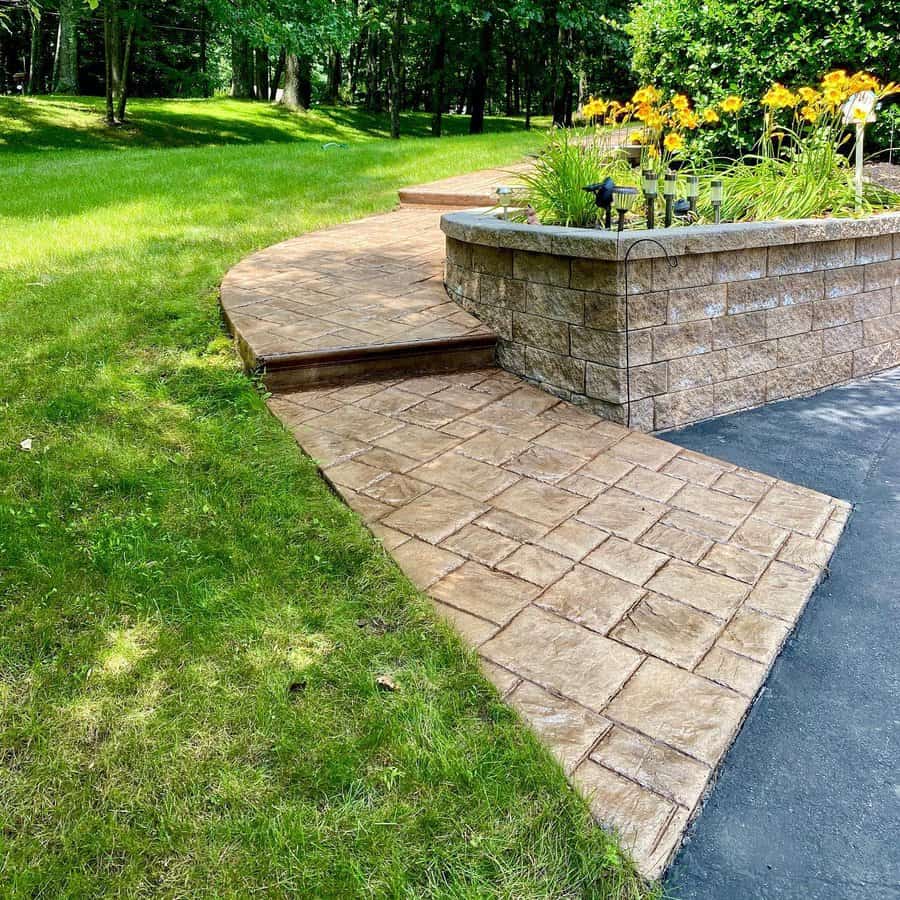
A paver walkway idea is a smart option if you already have a paver patio, driveway, or other area on your property. This creates a uniform look throughout the property, making it more visually appealing.
Source: @abcarrangedbycindy via InstagramSource: @blueclawassociates via Instagram
The best option is to stick with the pavers you already have. However, sometimes this isn’t possible if you’ve had your pavers for a while. If this is the case, look for pavers that are complementary. If you can’t match them exactly, don’t accept close enough, as they will always look slightly off. Instead, purposefully choose different pavers that complement your existing pavers. Adding a decorative border to your existing pavers and your new sidewalk can help tie everything together.
10. Natural Allure of Rocks and Pebbles
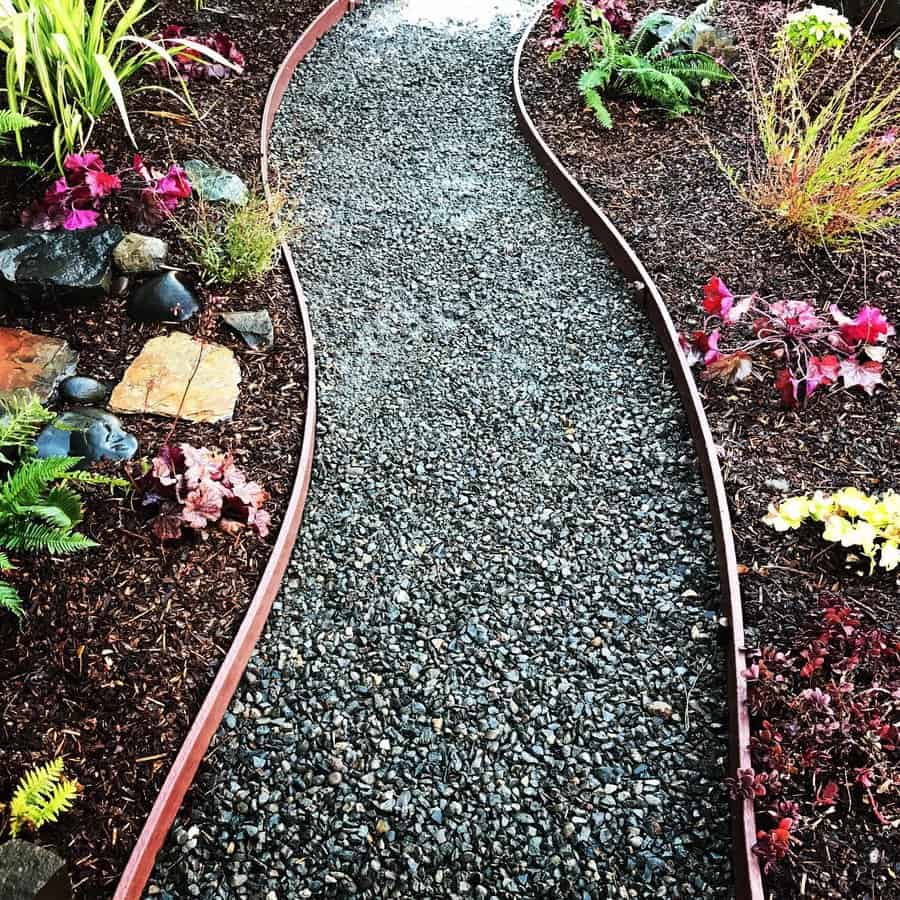
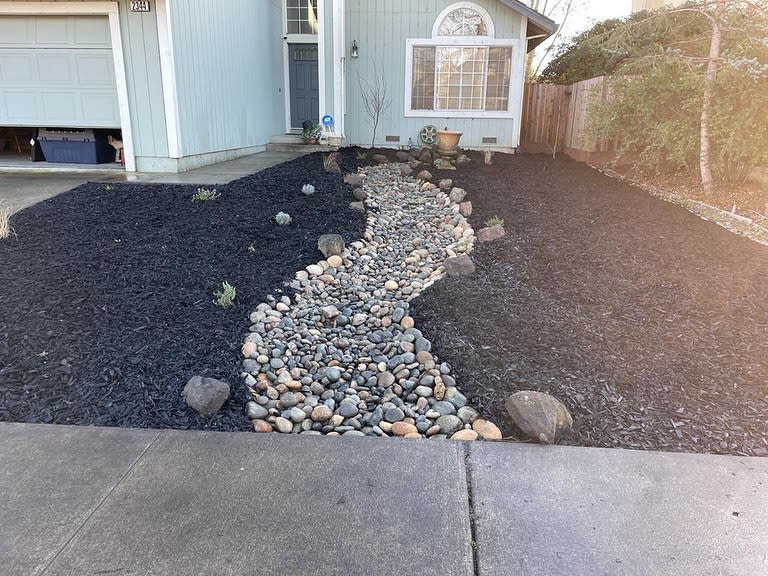
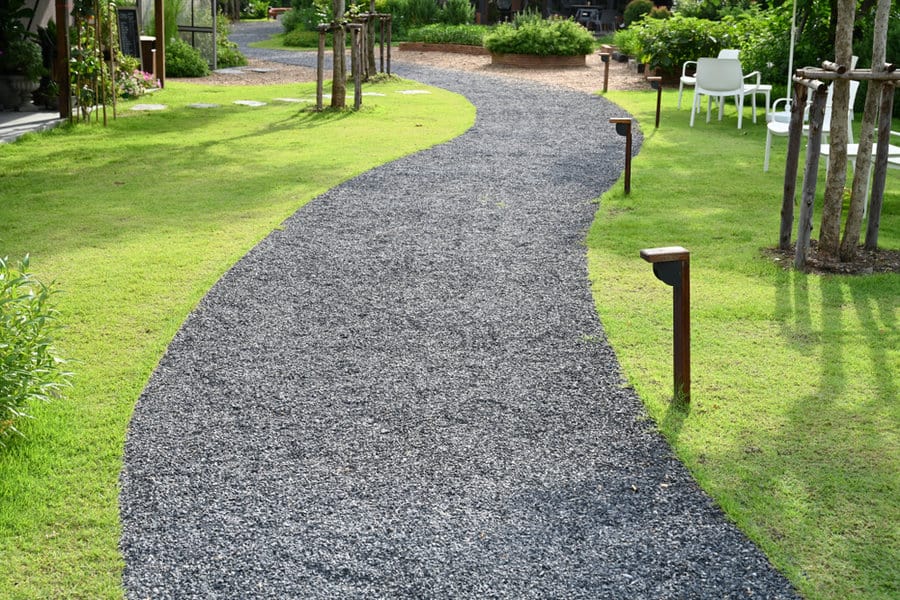
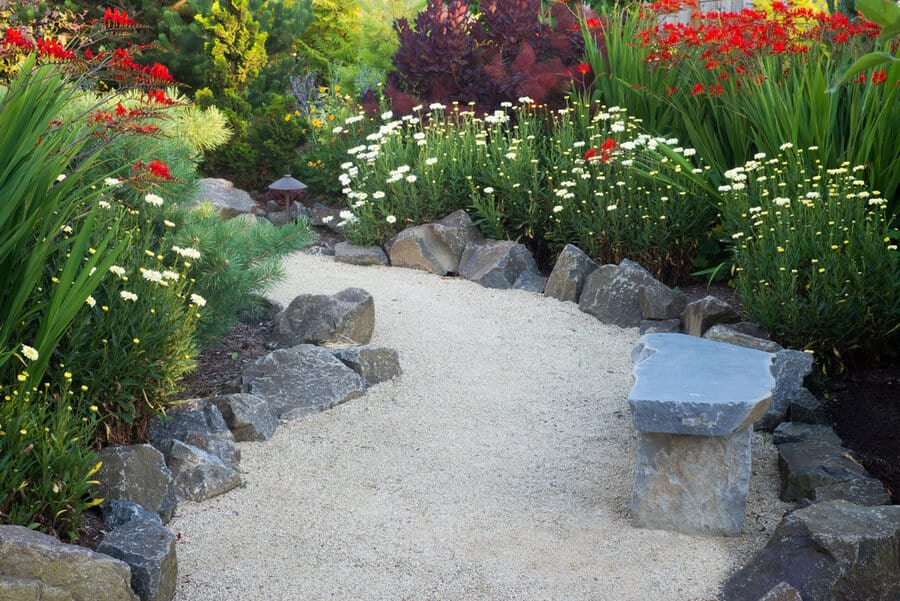
If you want to build your own sidewalk, consider adding a rock or pebble sidewalk to your property. A gravel walkway is one that anyone can do themselves and is easy to maintain. To build your DIY garden path, clear out the area where you plan to build your garden path. Spread landscape fabric down to prevent weeds and grass from popping up through your stones. Add a decorative edge to help contain the stones. Skip the edging to allow the stones to spread for a more organic feel. When choosing your rocks, stick with something smaller to make it easier to walk on.
Source: @cobbscape via InstagramSource: @guizarlandscaping via Instagram
Pea gravel is good because it is small and easy to walk on. Crushed stone can also be ok if the individual stones aren’t too large. Be sure to buy enough pebbles or rocks to create a path that’s a few inches thick. Measure the square footage of your sidewalk and then you can calculate how much stone to buy.
A concrete walkway is affordable but isn’t the most attractive or stylish. This makes concrete one of the less desirable cheap walkway ideas for those that are concerned about looks and design.
Source: @delawaredecorativeconcrete via InstagramSource: @maryellencosta via InstagramSource: @saleconcreteconstruction via InstagramSource: @w.a.snyderconcrete via Instagram
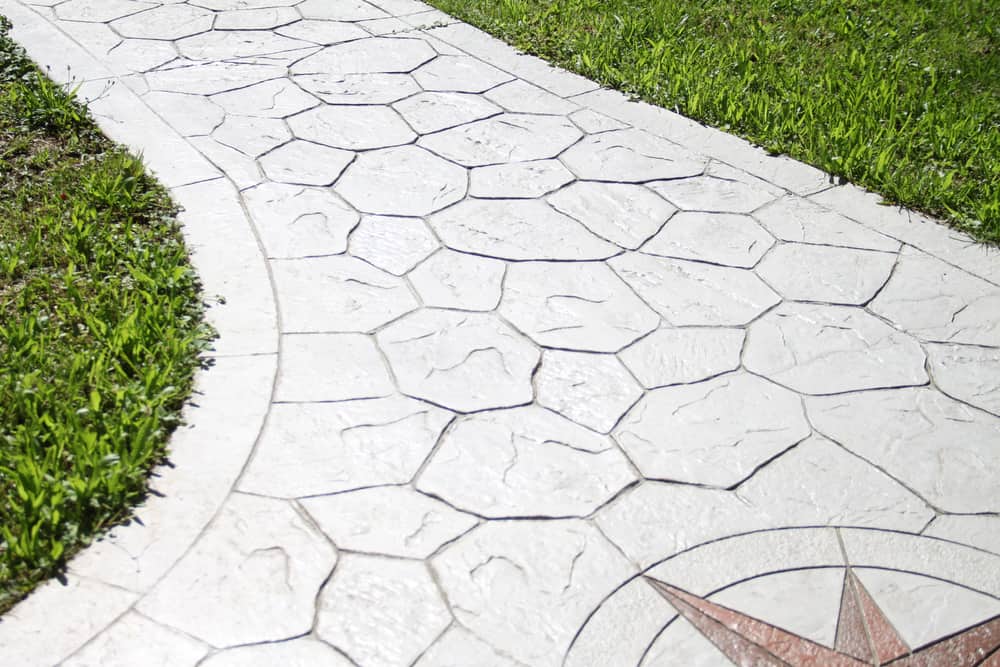
One method for dressing up your concrete sidewalk is to stamp it. To do this, you’ll use a template form that you press into the fresh and semi-cured concrete. The form will then create a design in concrete to give it a more decorative design. Popular ones add texture or create a faux stone effect.
12. Charming Solutions with Stepping Stones
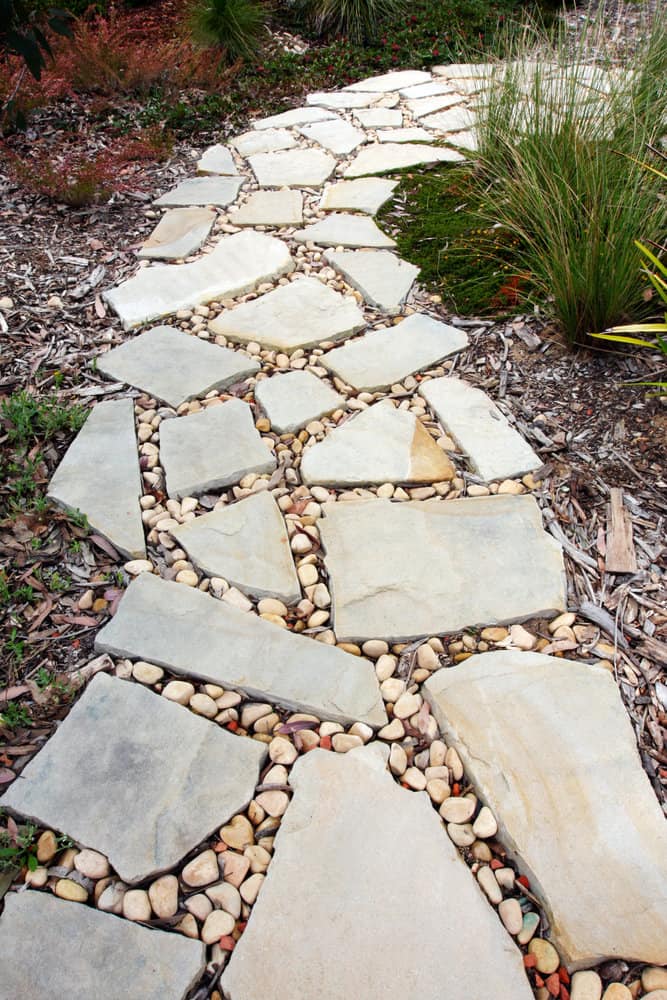
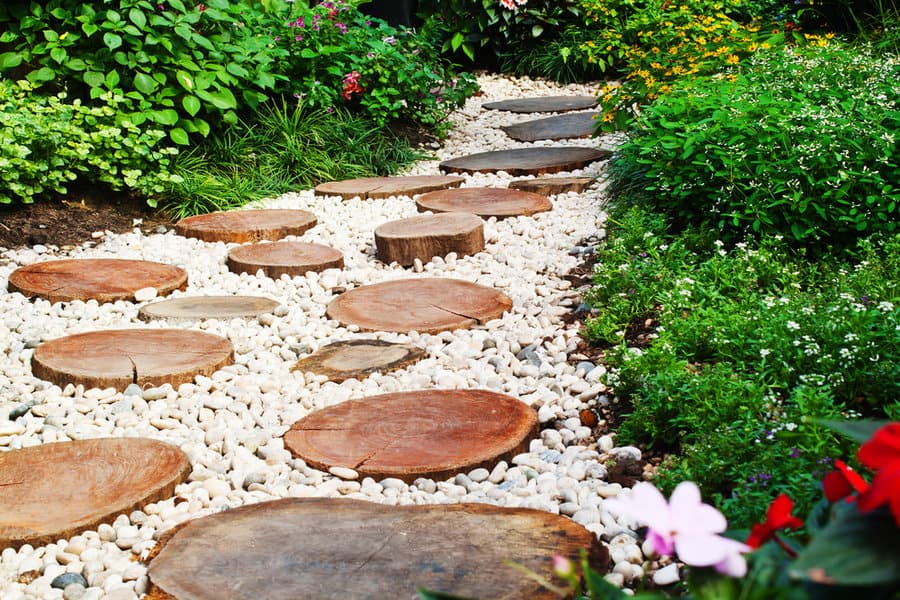
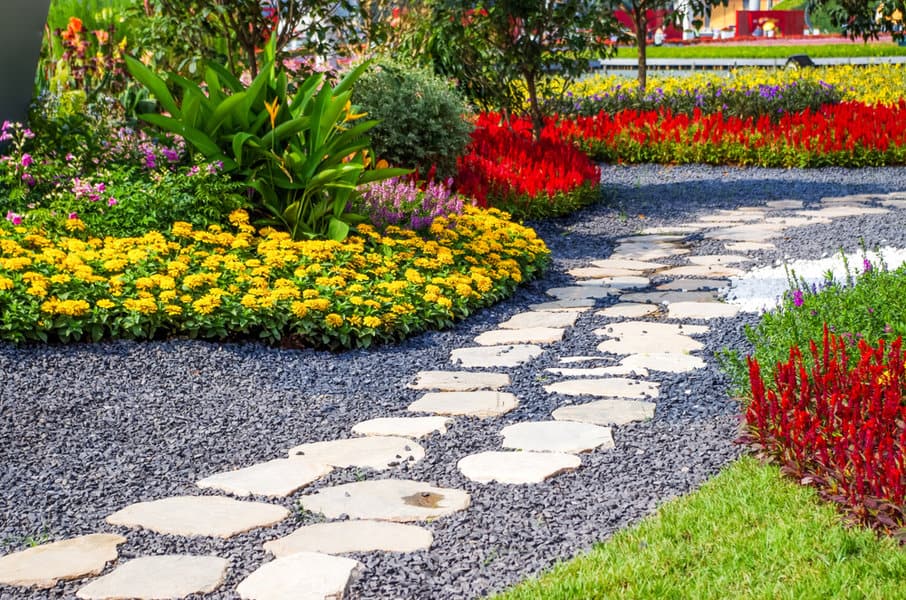
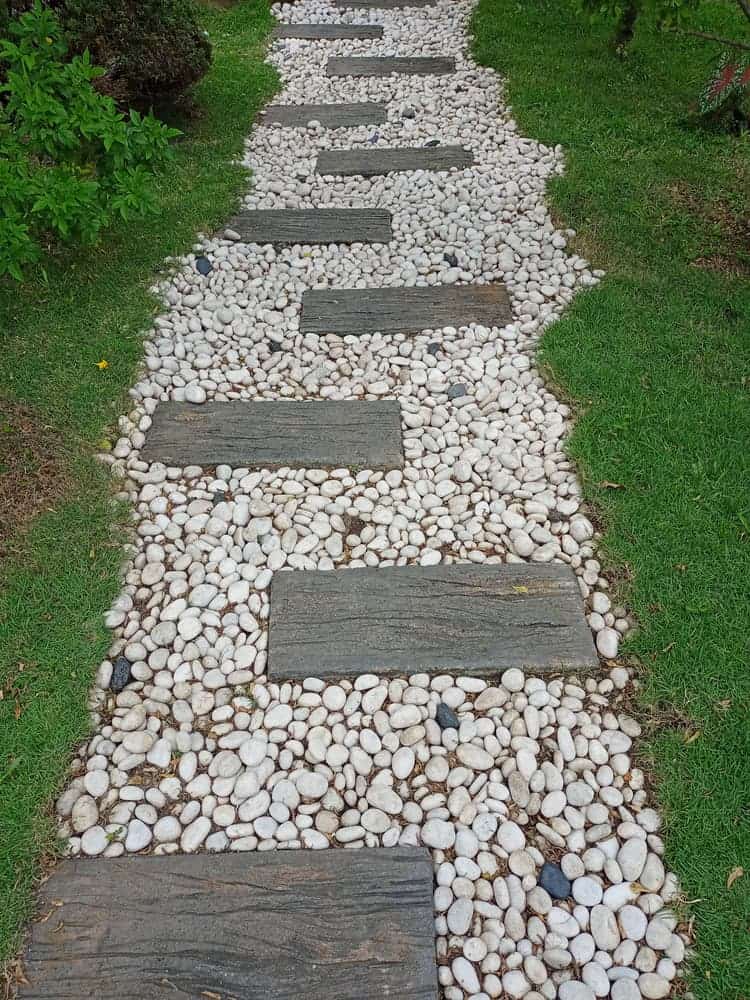
Instead of building a solid sidewalk path, you can reduce the construction cost by opting for a stepping stone path. Instead of placing pavers or stones next to each other to create a smooth and continuous path, space them out.
You’ll want to use larger stones so that someone could place their entire foot on each stone. Once you have the stepping stones placed, you’ll surround them with a filler material. Looking at stepping stone walkway ideas can give you an idea of how to design your walkway.
13. Rustic Appeal in Stone Walkway Designs
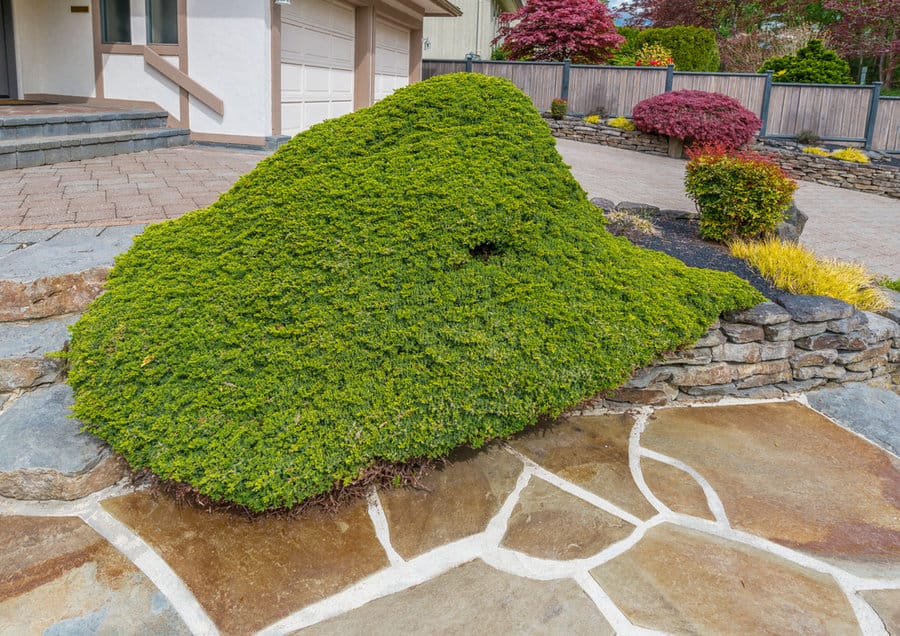
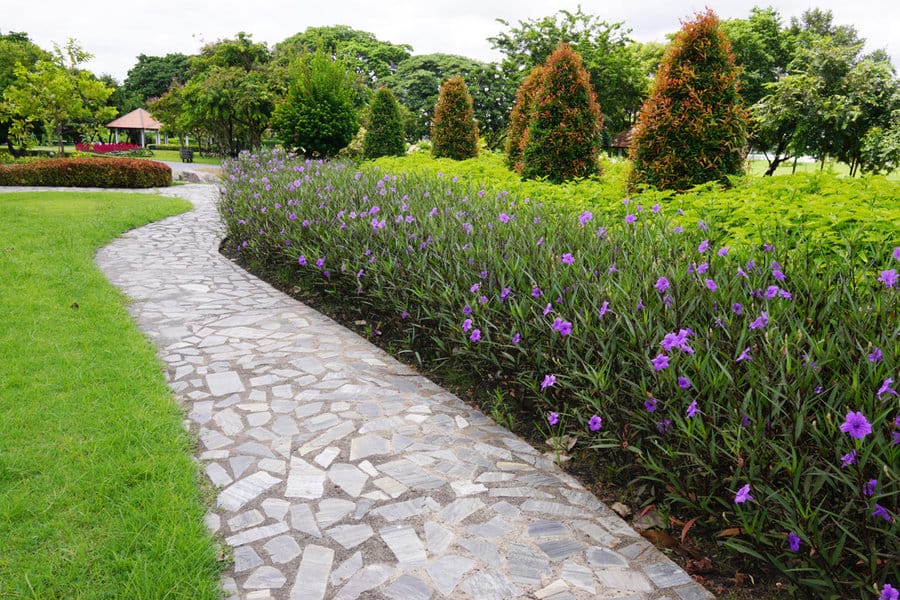
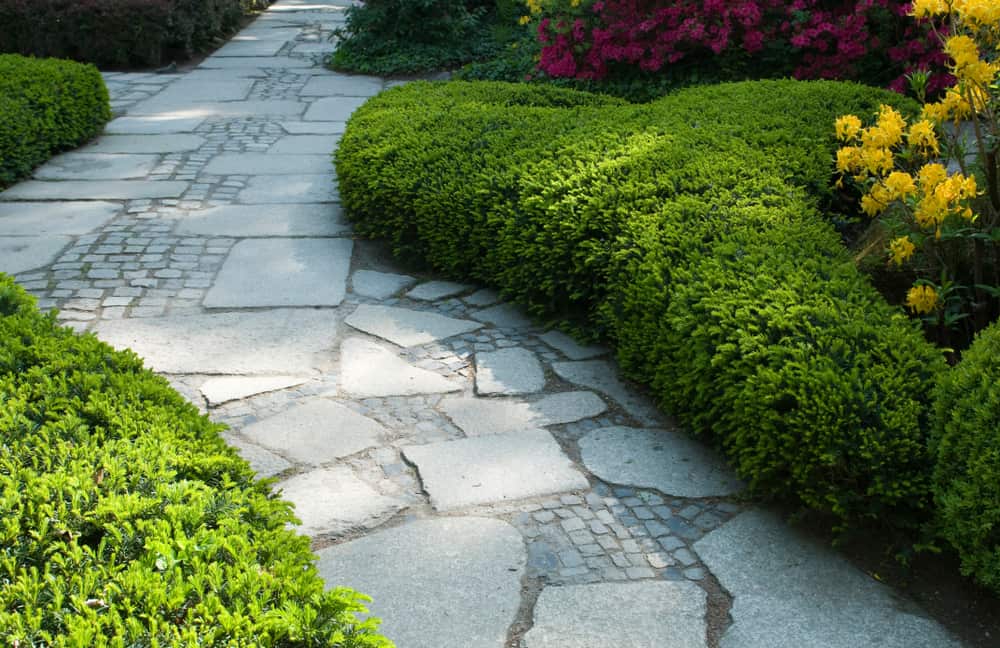
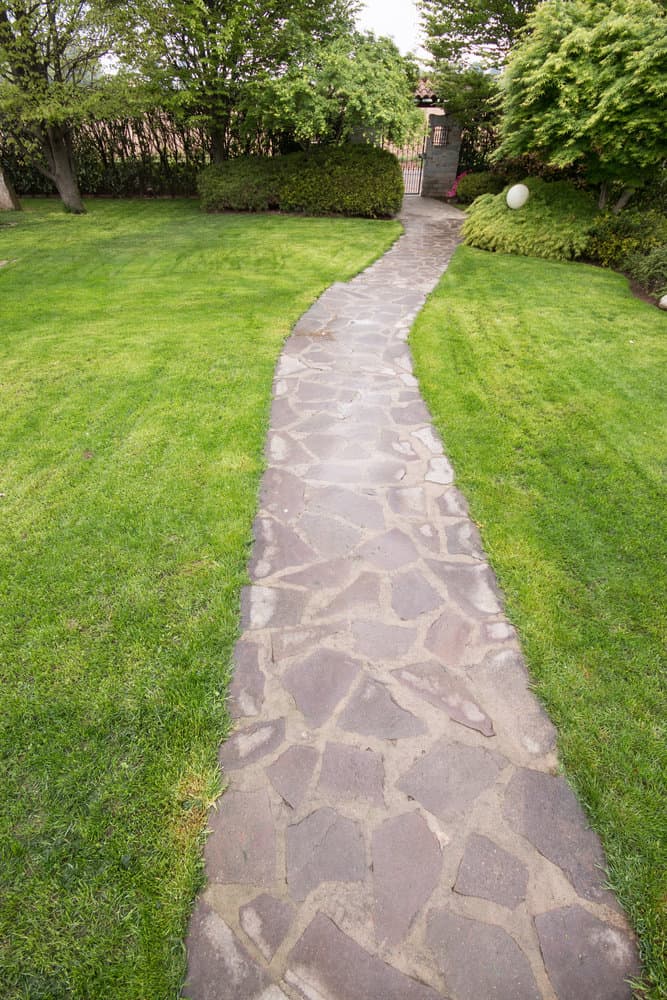
Depending on the type of stone you choose, you can give your sidewalk an elegant or rustic feel. A flagstone walkway will look rustic with smooth, flat stones that vary greatly in size and shape.
The stones should have a random shape, helping them to feel more rustic and organic. For a more sophisticated and elegant feel, stick with stones that are more uniform in color, size, and shape. Darker shades of gray or even black will give the stones a modern feel. Sticking with earthy neutrals that are shades of rust to brown will look more natural and rustic.
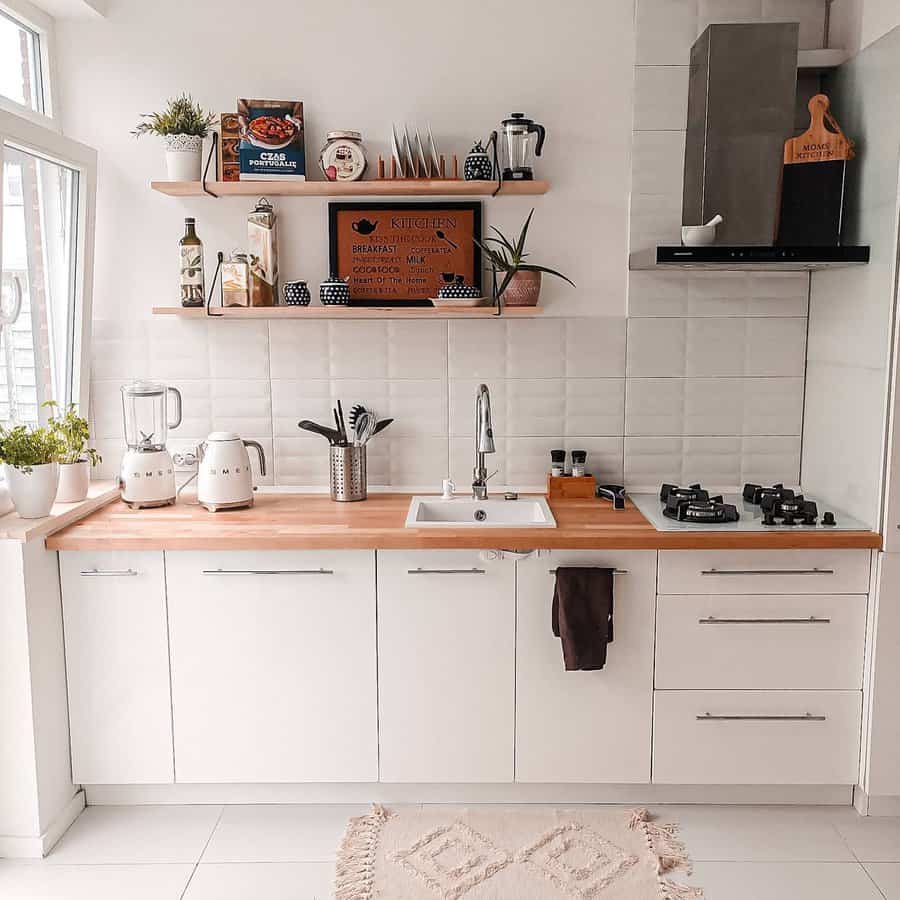
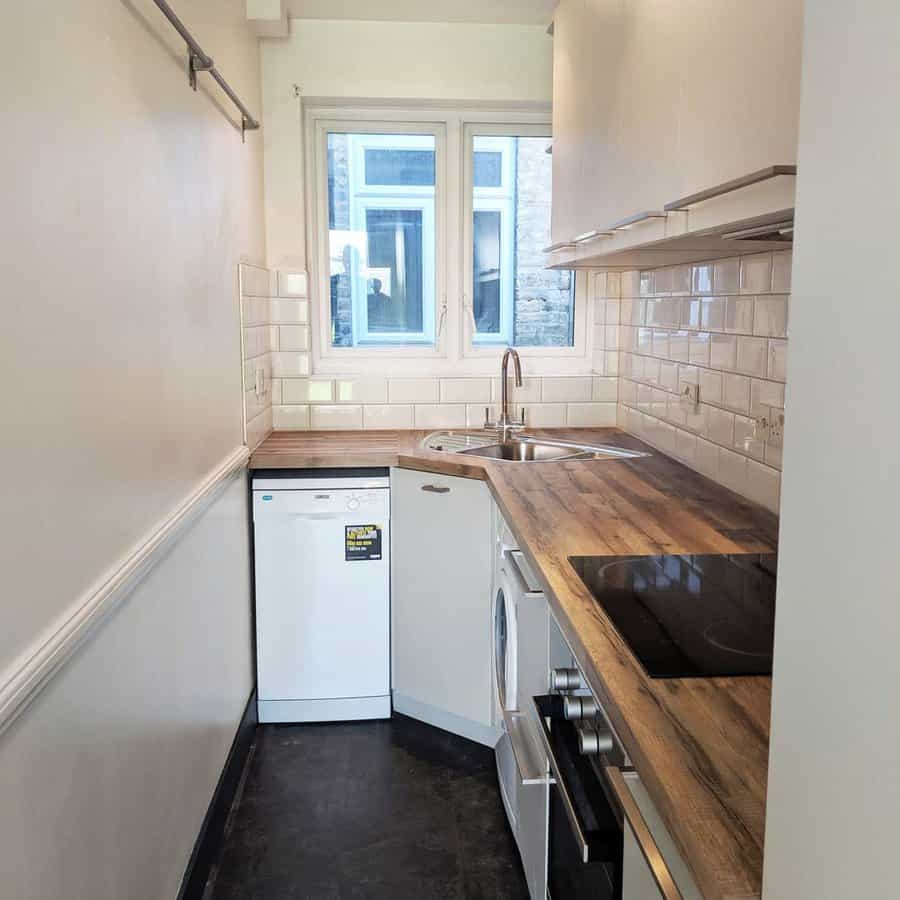
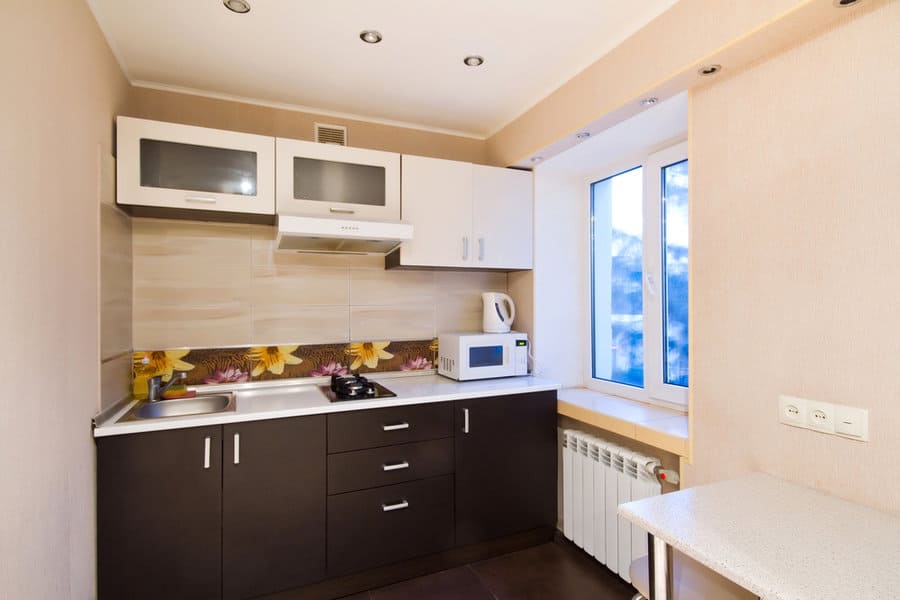
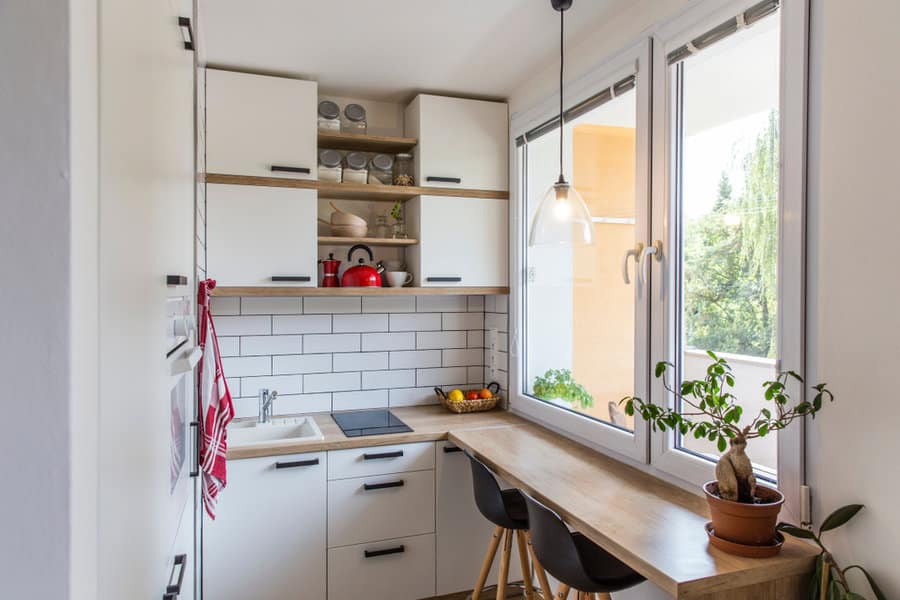
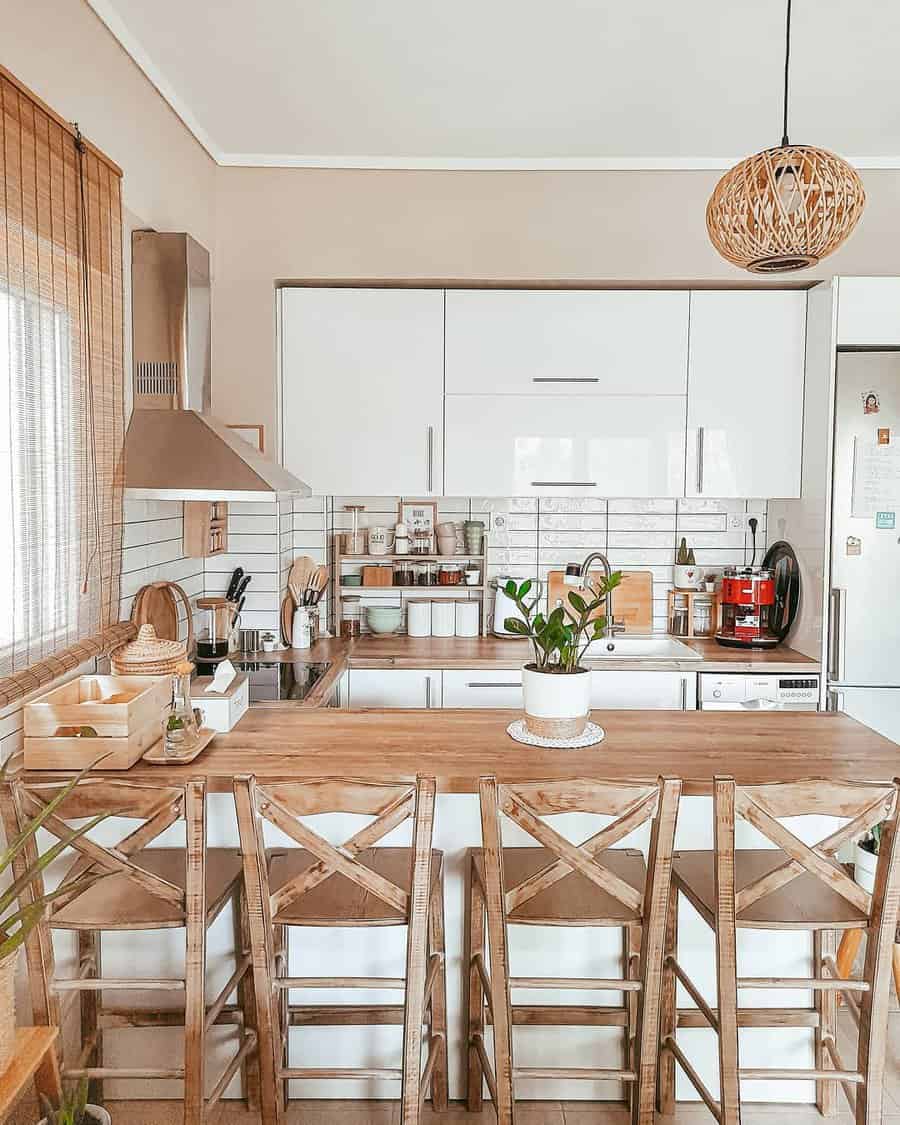
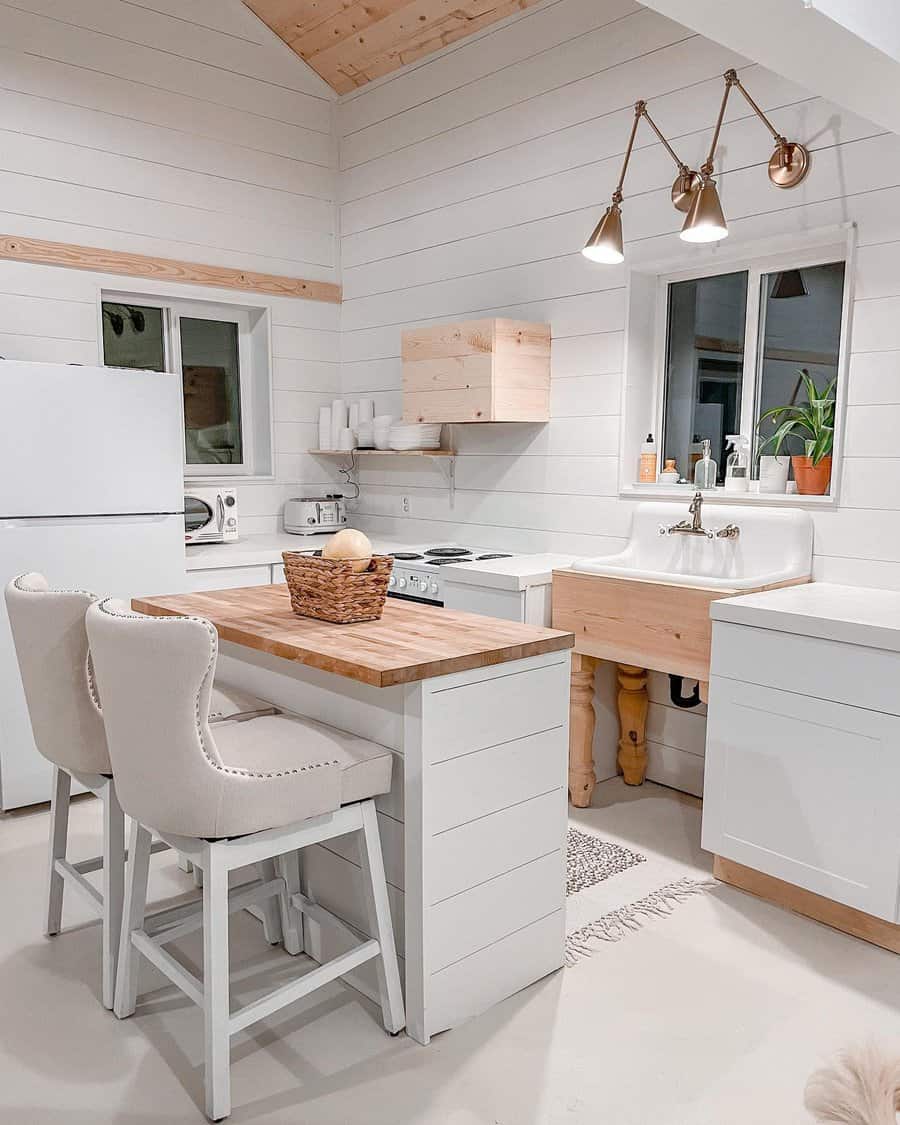
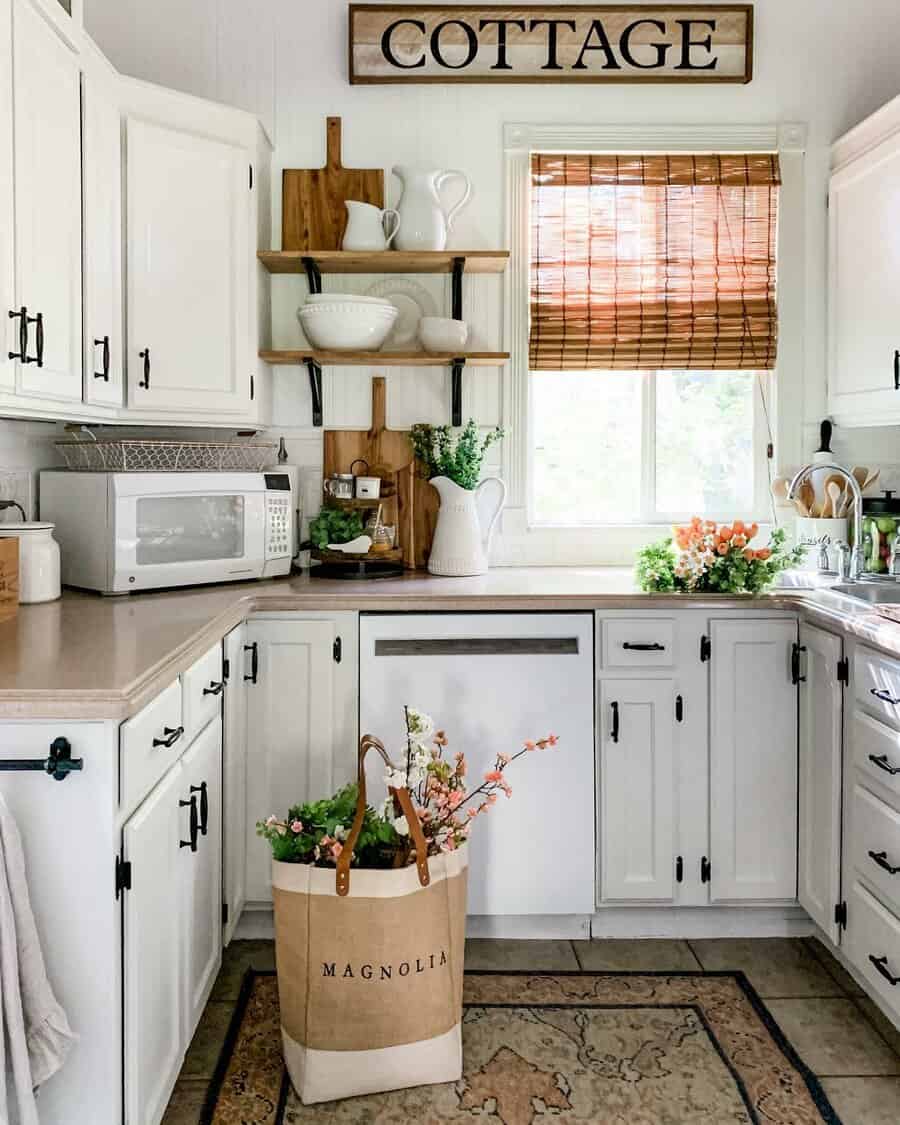
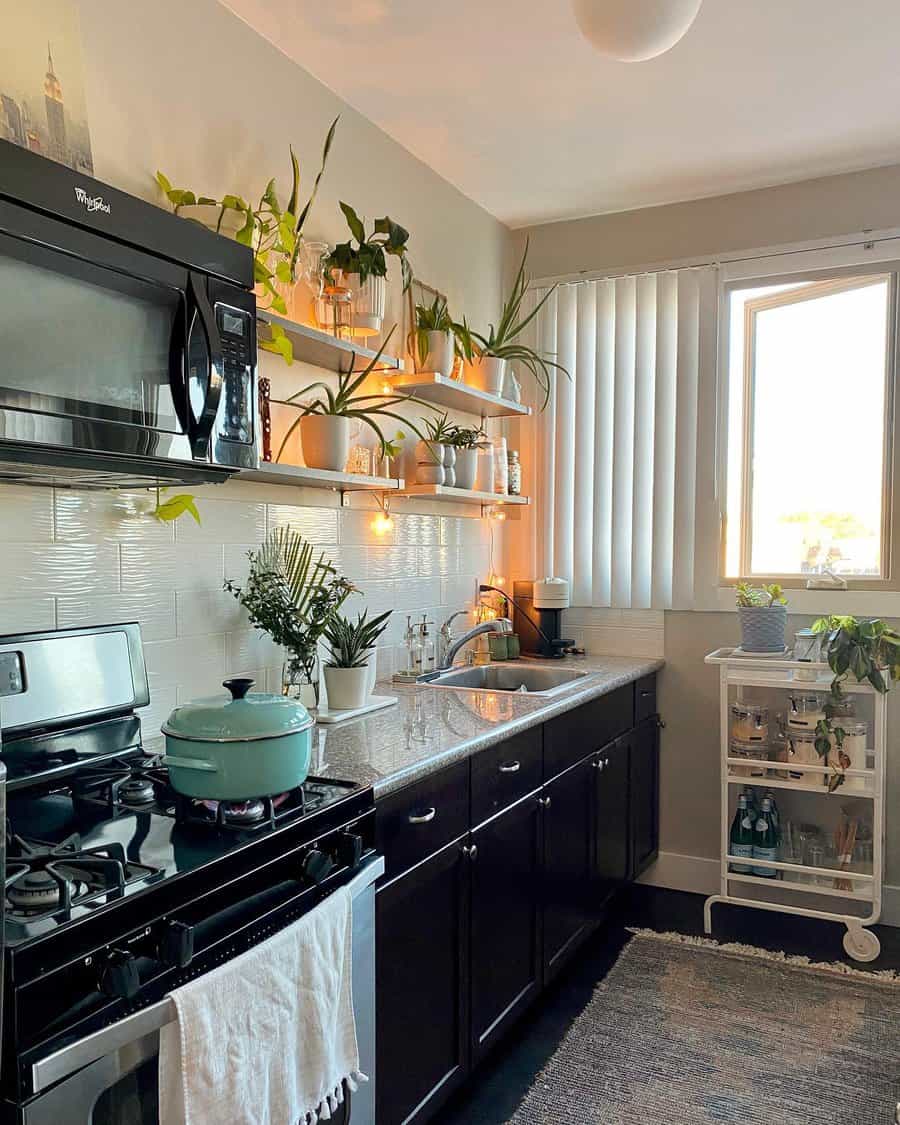
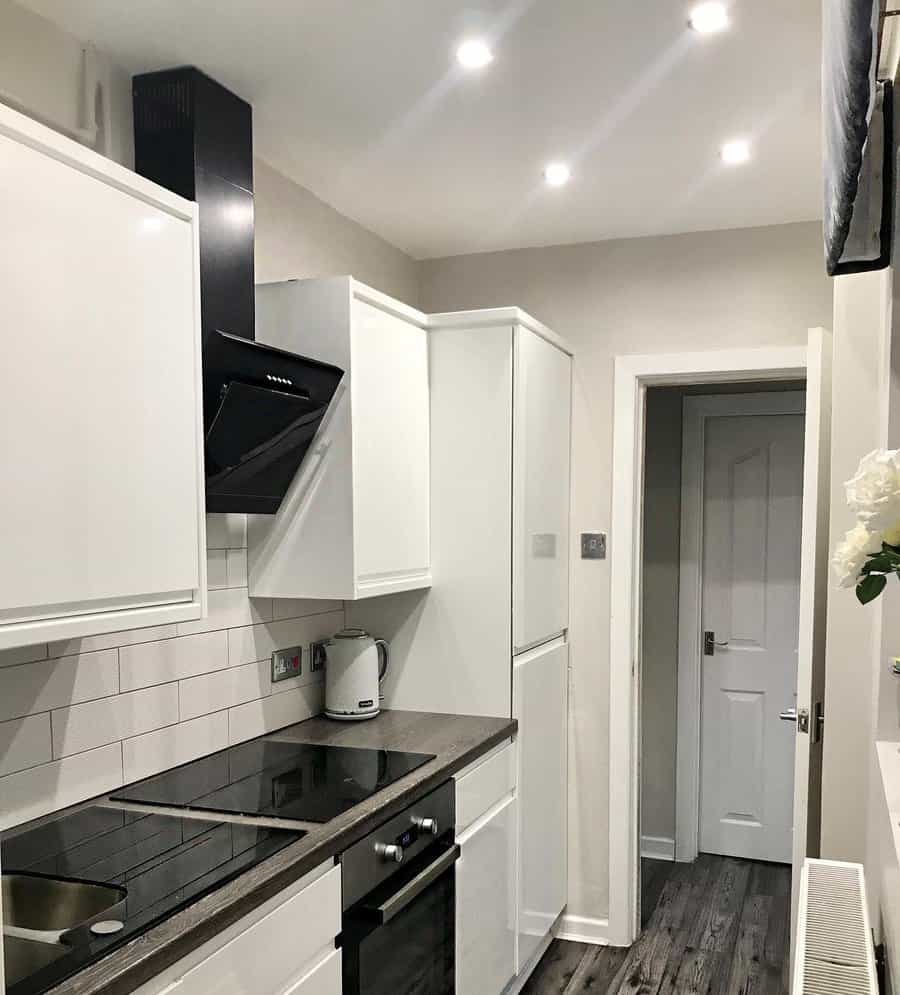
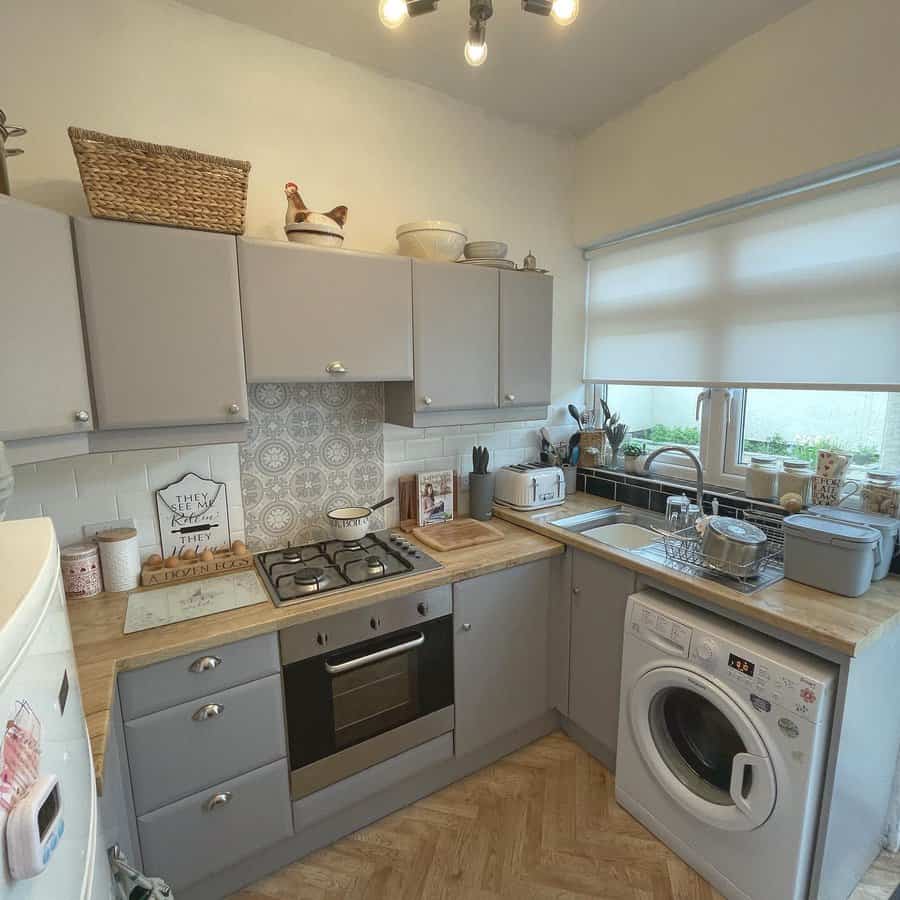
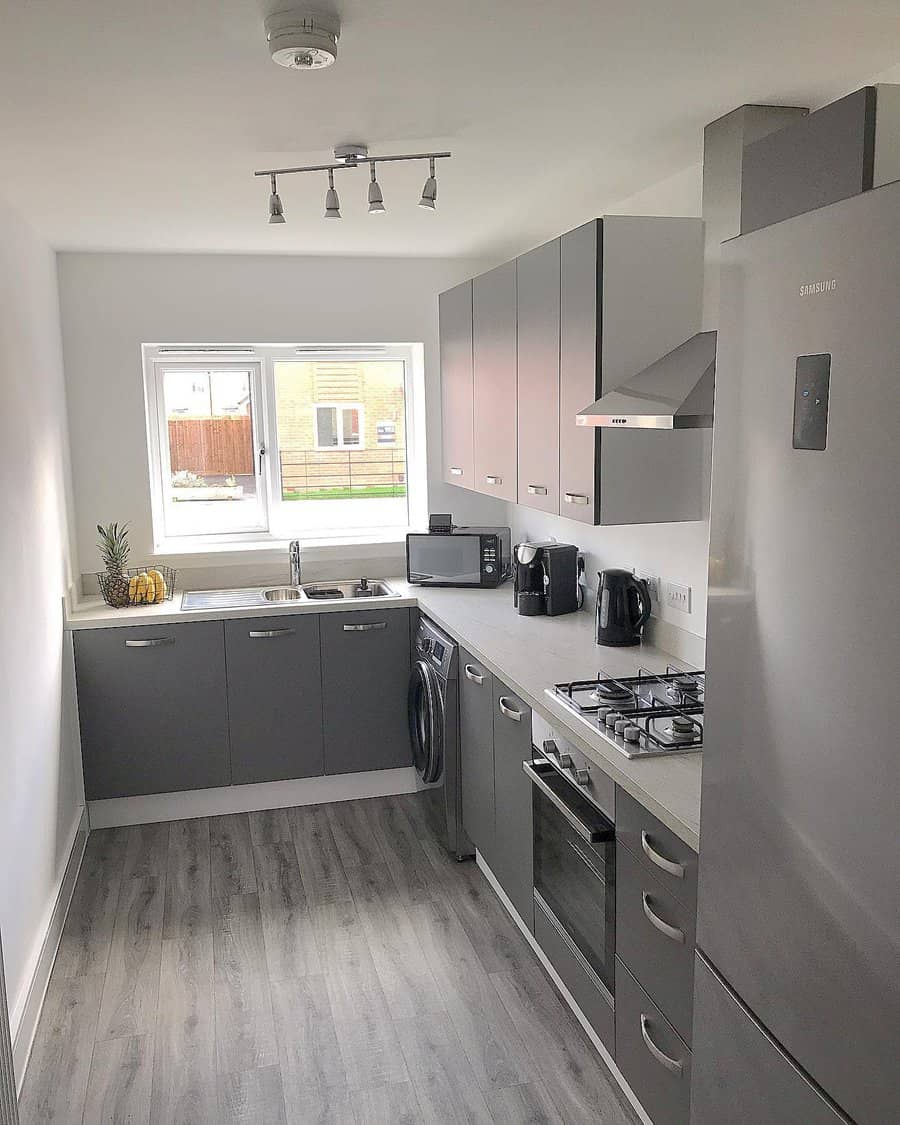
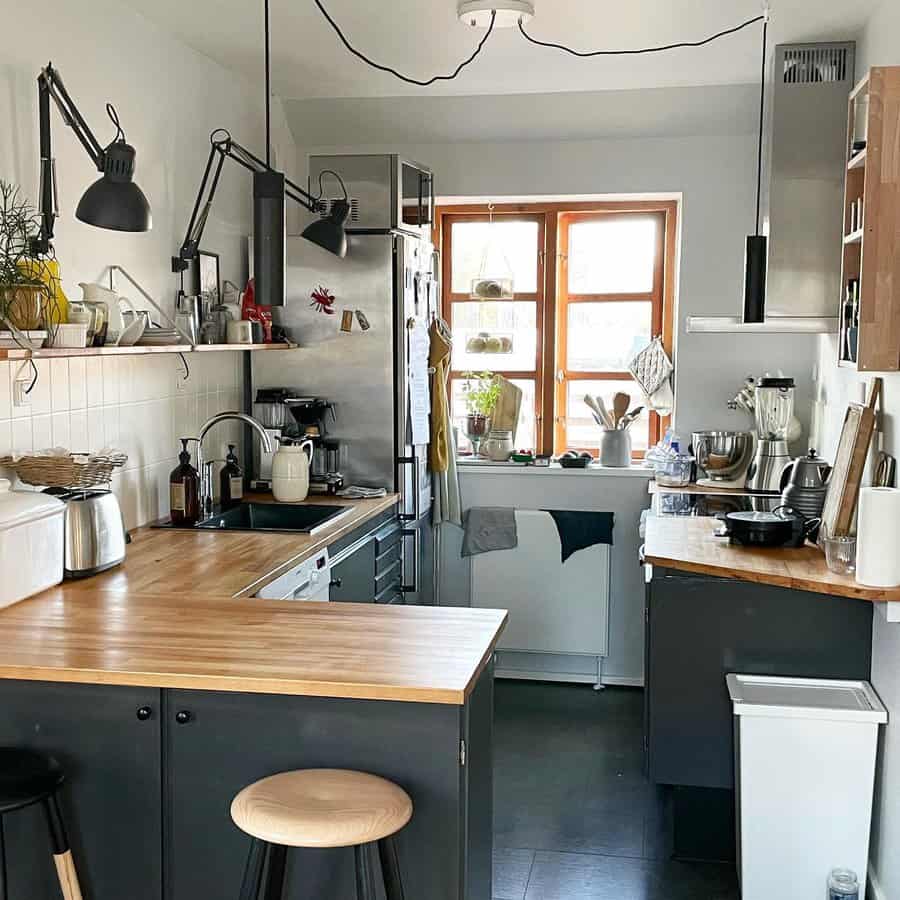
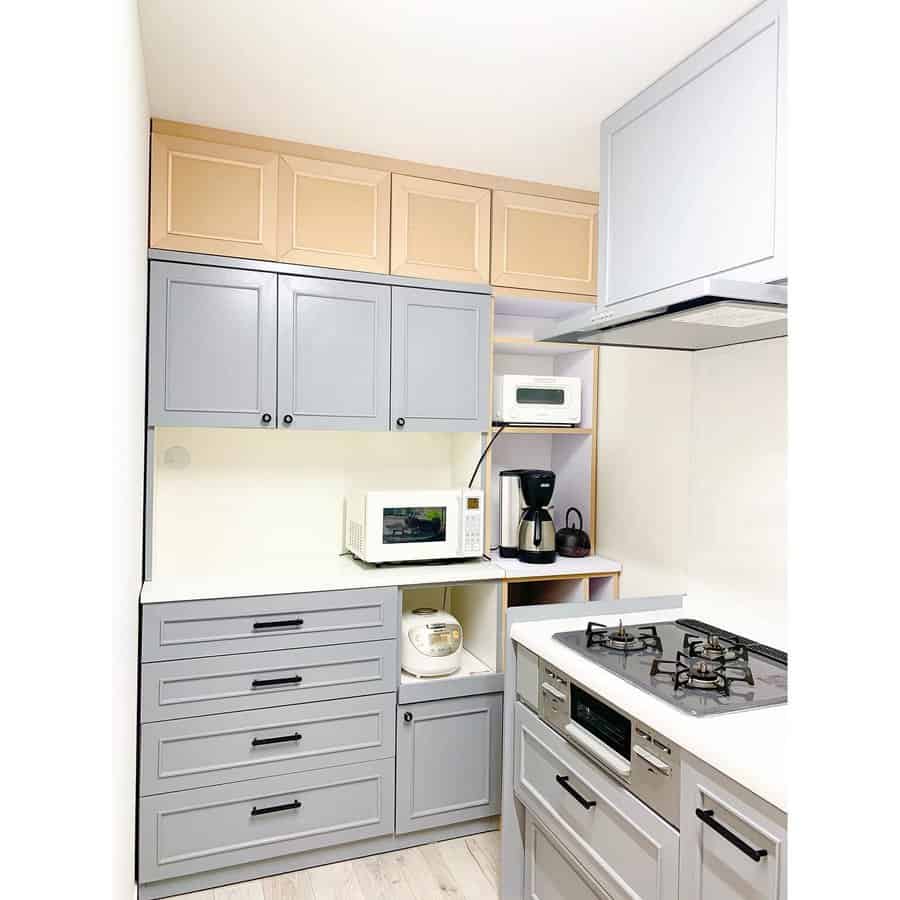
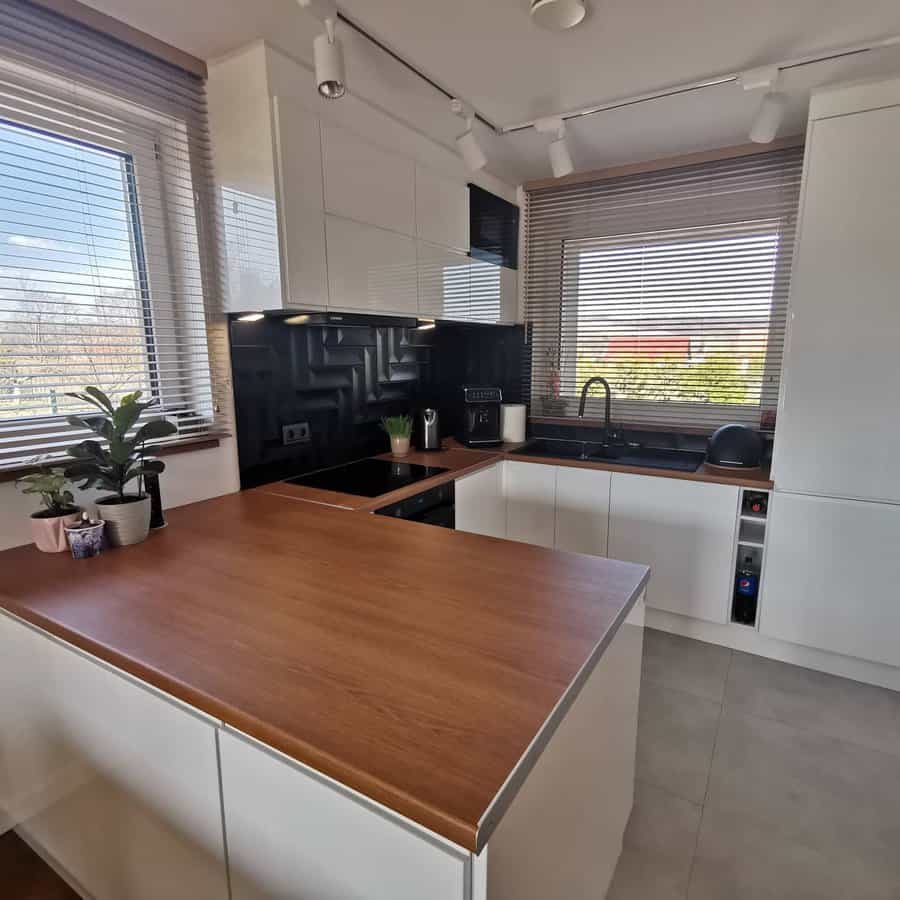
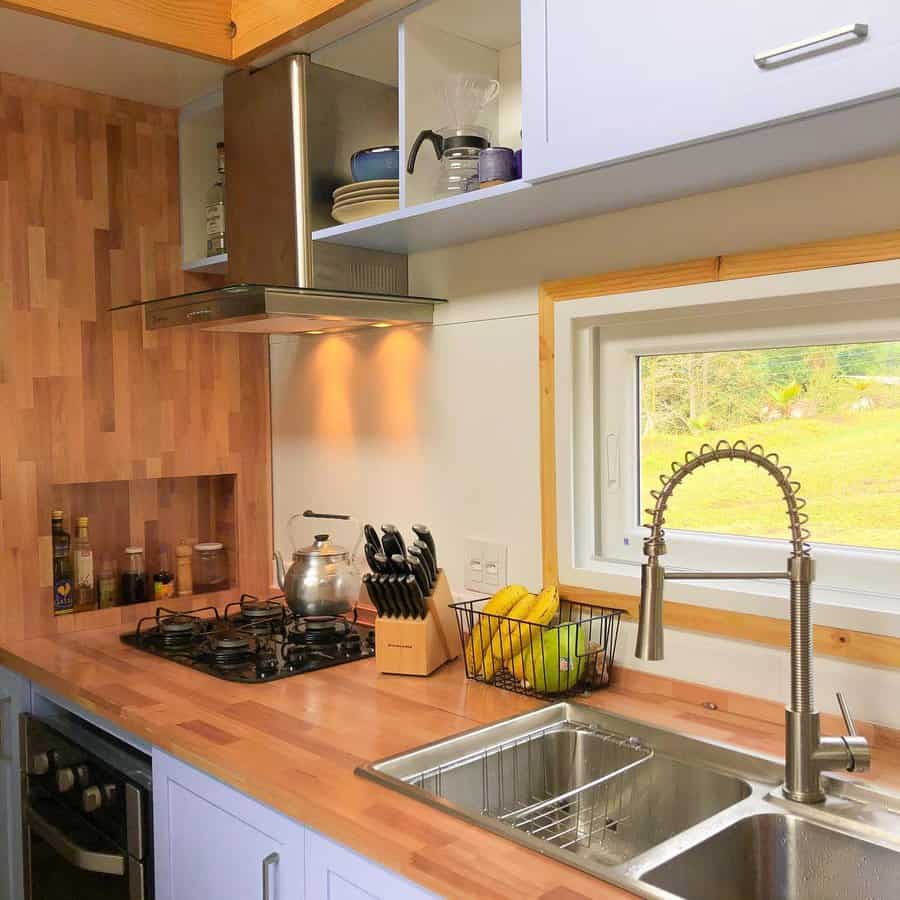
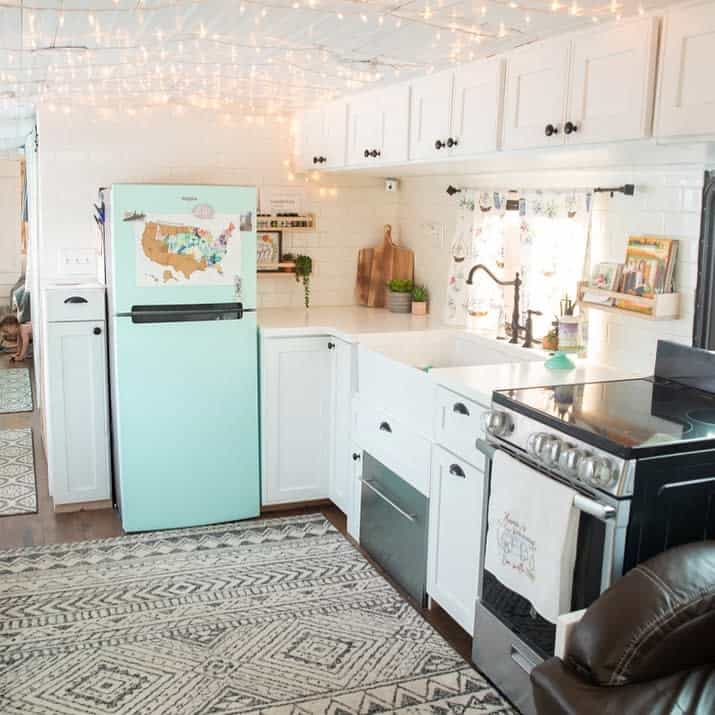
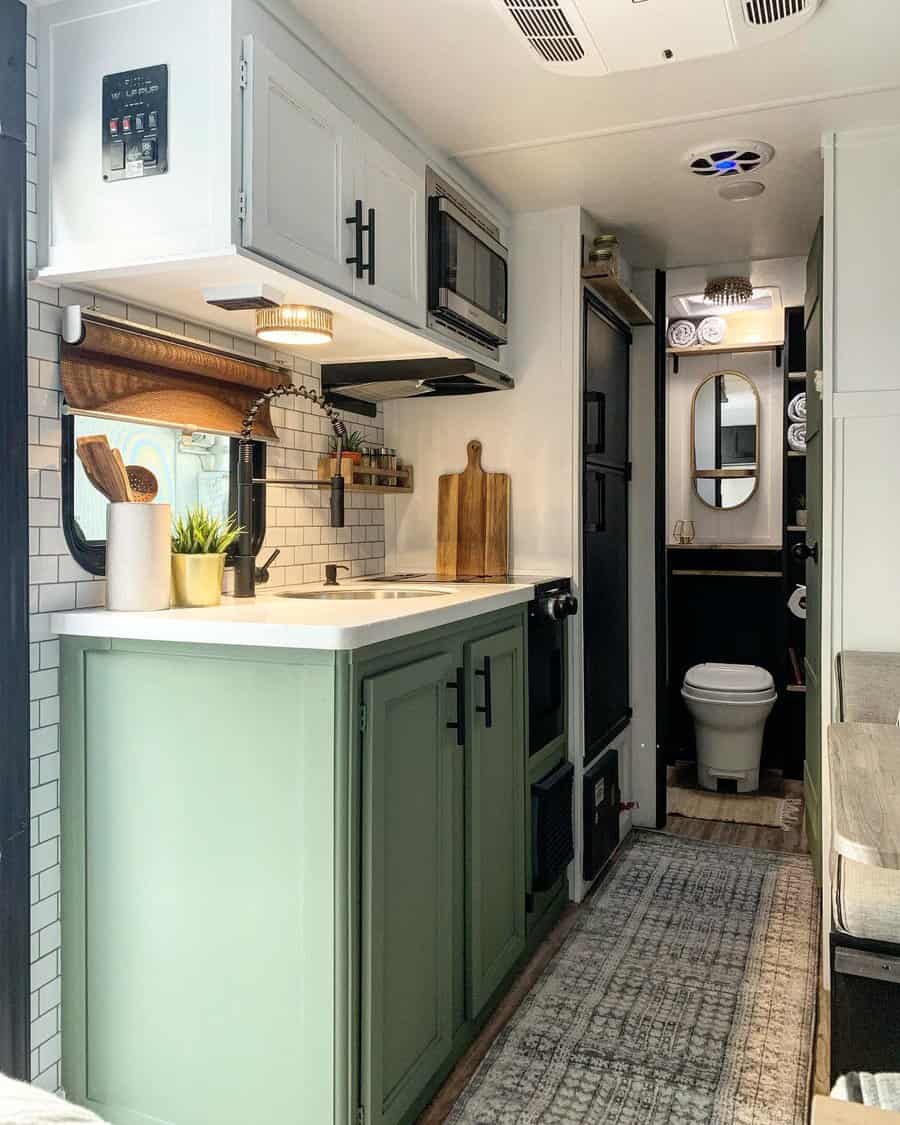
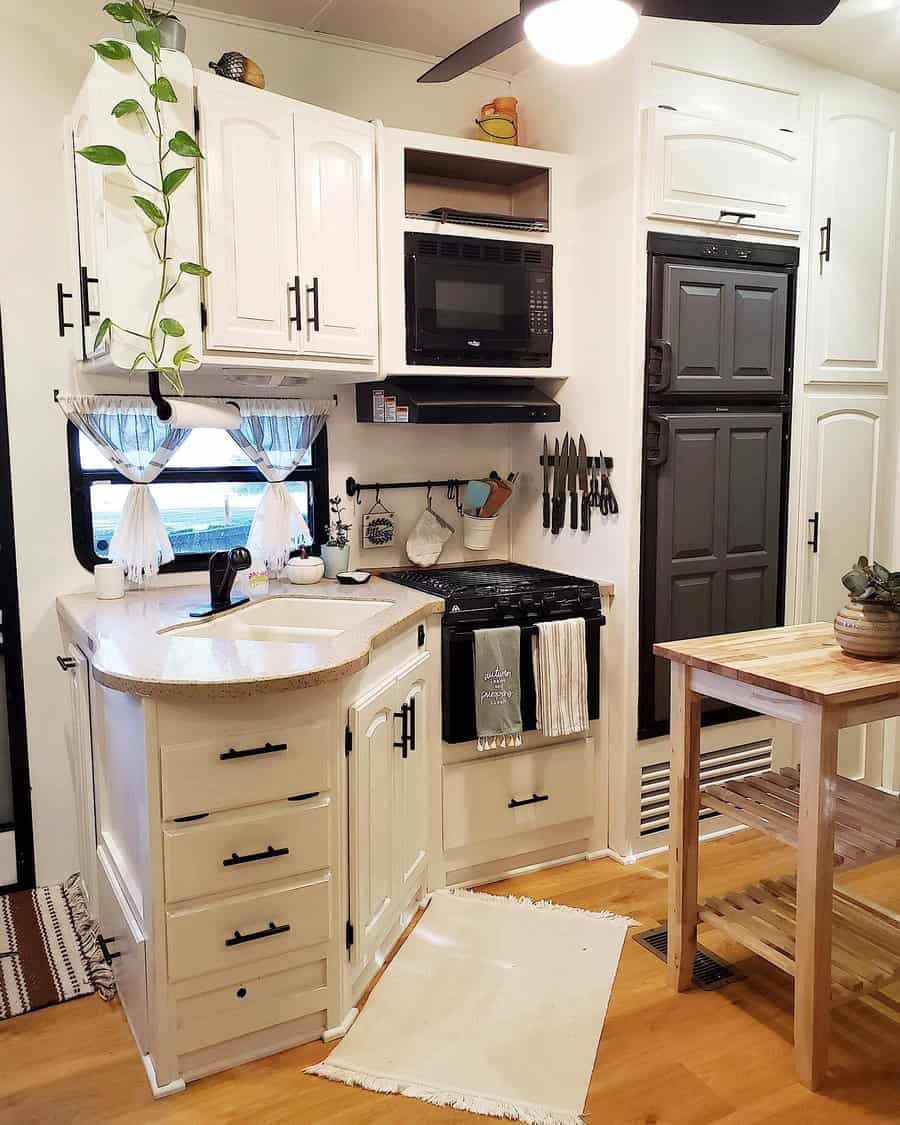
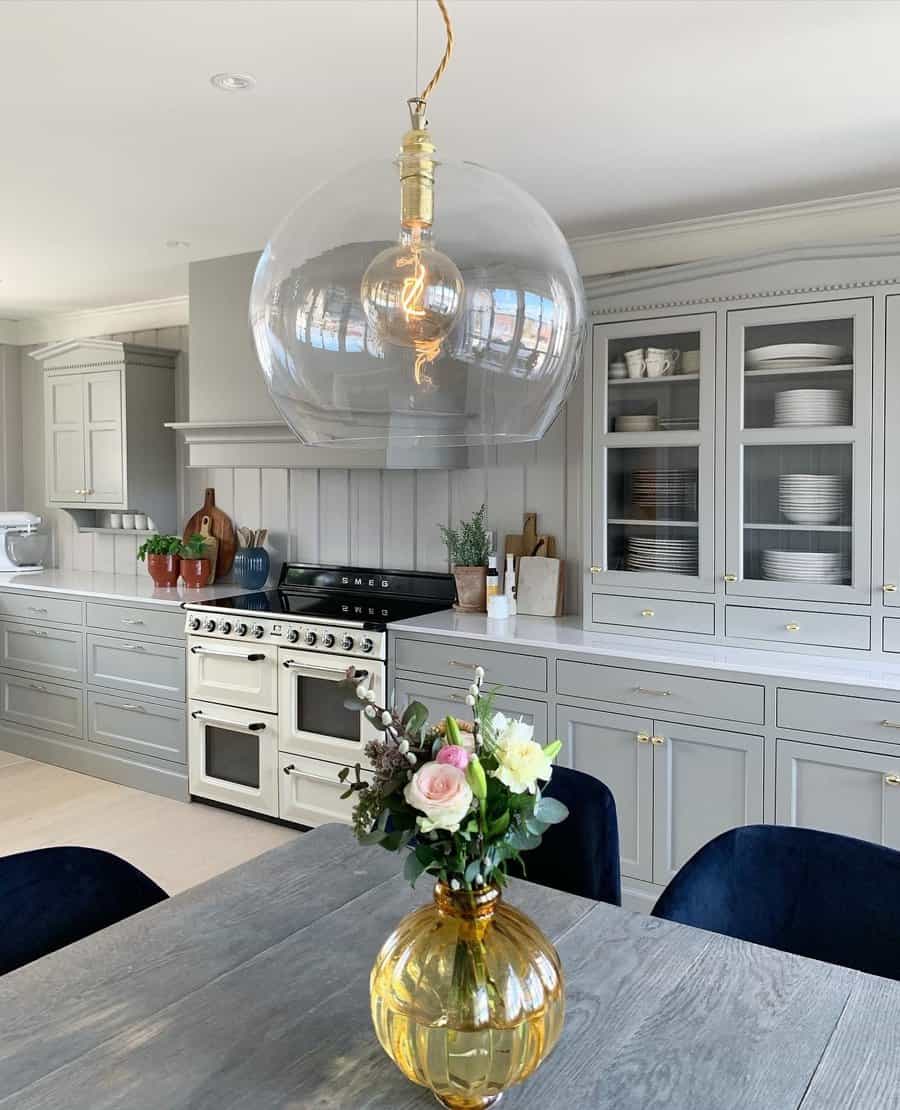
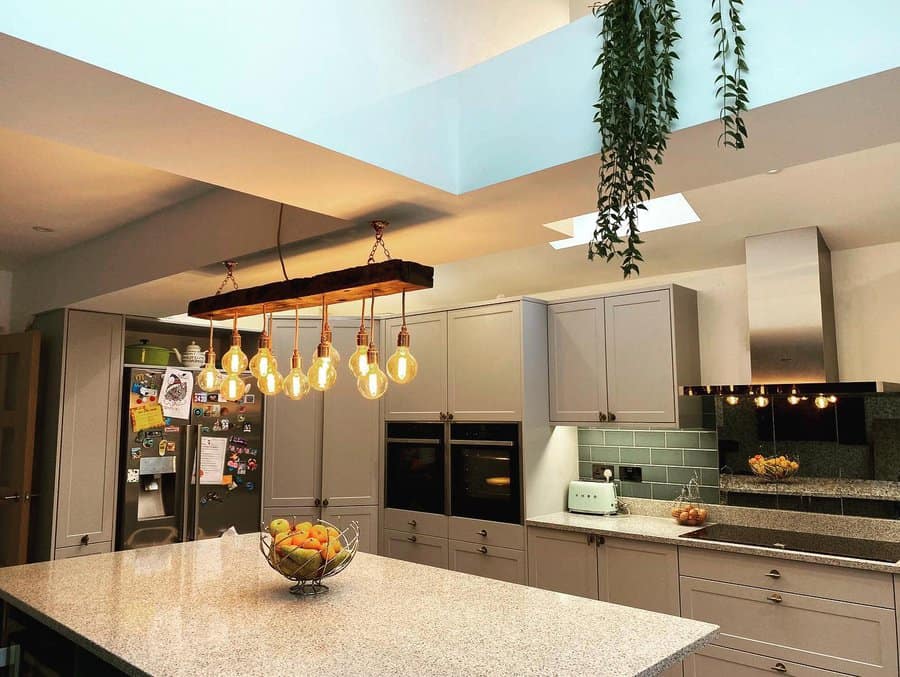
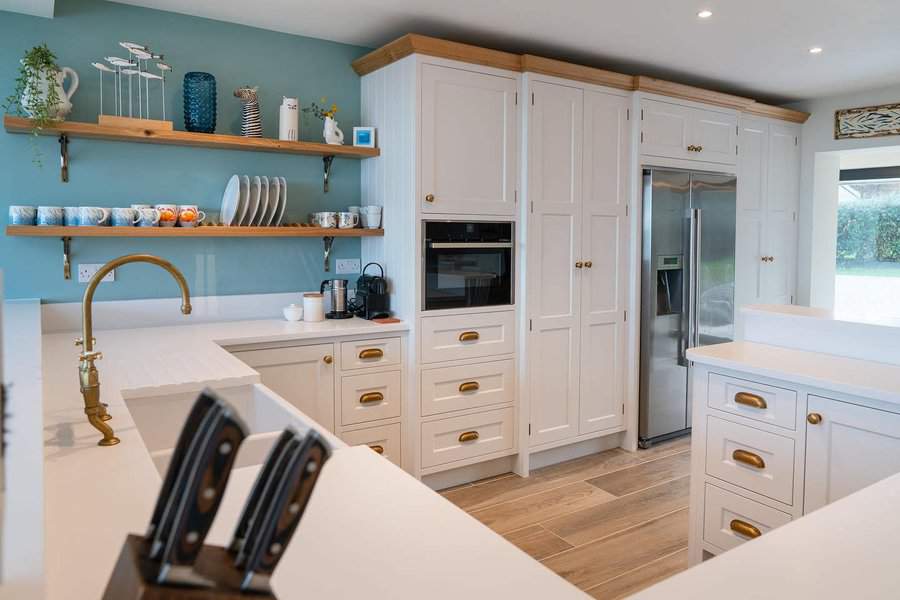
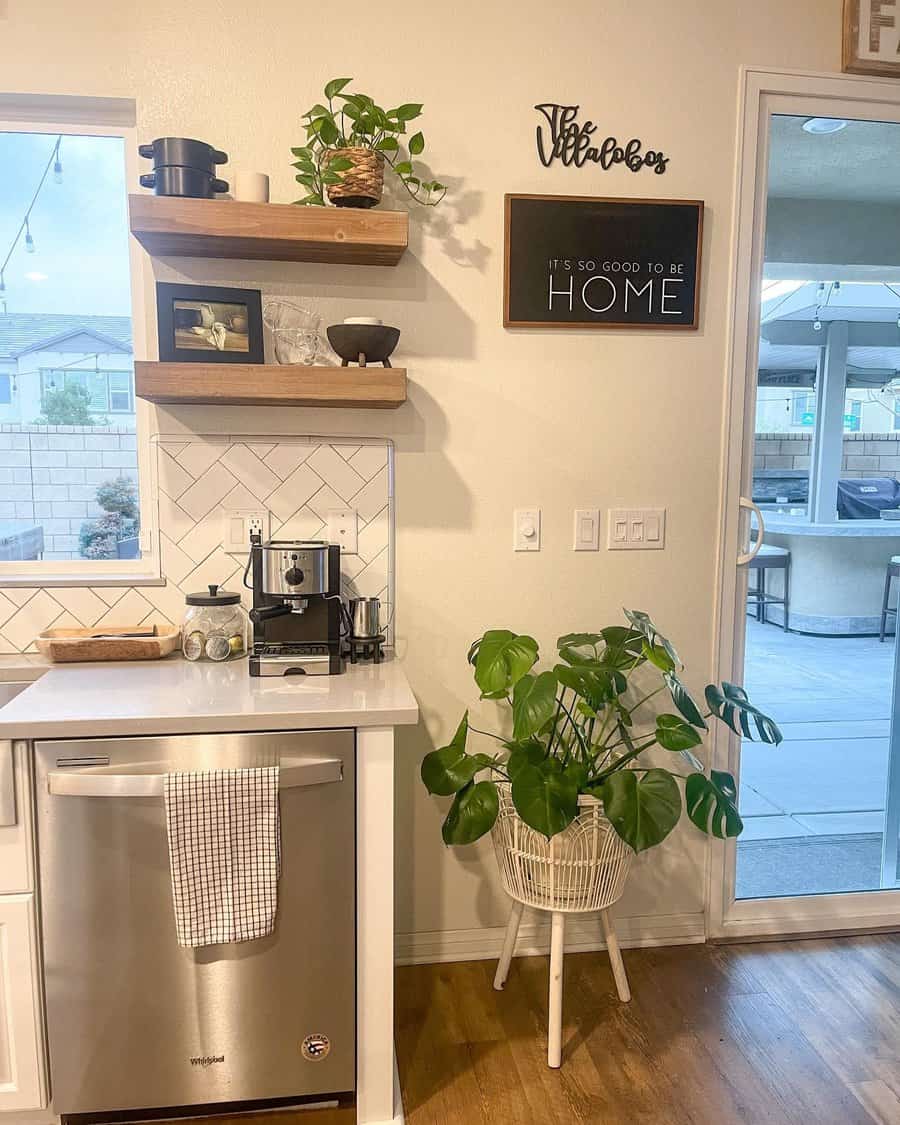
Living in a tiny kitchen can be frustrating. Its lack of storage and countertop space means you’ll need to get creative. By taking advantage of your kitchen’s features, you can make the most of your space. This could be adding shelving for more storage or giving it a cute theme to make it more inviting. Check out these tiny kitchen ideas and make the most of your small cooking space.
[view_toc]
1. Maximizing Kitchen Space in an Apartment
Apartments are known for having small kitchens, as builders tend to reserve the majority of the square footage for the living spaces and bedrooms. If you live in an apartment with a small kitchen space, you’ll need to look for ways to maximize the available space.
Source: @galazeczki via InstagramSource: @schmidtwimbledon via Instagram
Add shelves to the backside of the cabinet doors. Add a kitchen island on wheels that you can roll out when needed and tuck away when not. Add a shelving unit or freestanding cabinet that you can use as additional pantry space.
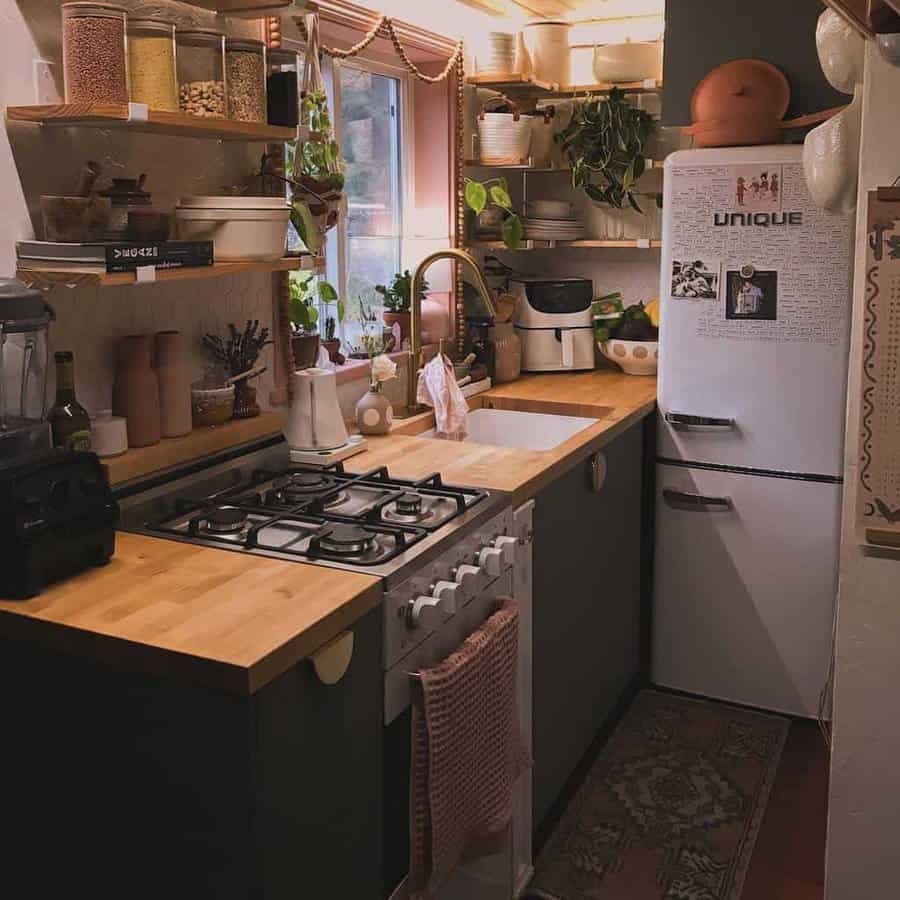
Embrace the intimate and cozy feeling of a tiny bohemian kitchen. Arrange fresh growing herbs in handmade pots on a floating shelf. Add home decor that you would normally place in other rooms to give it less of a kitchen feel and more of a homey feel.
Source: @layered.home via InstagramSource: @daughter_of_vision via Instagram
Emulate the kitchens of exotic places by hanging cooking pots from around the world. Spread a handmade area rug on the floor. Use cutting boards made from exotic woods. Display decorative jars that are full of spices that are used for preparing a variety of cuisines.
3. Contemporary Design Tricks
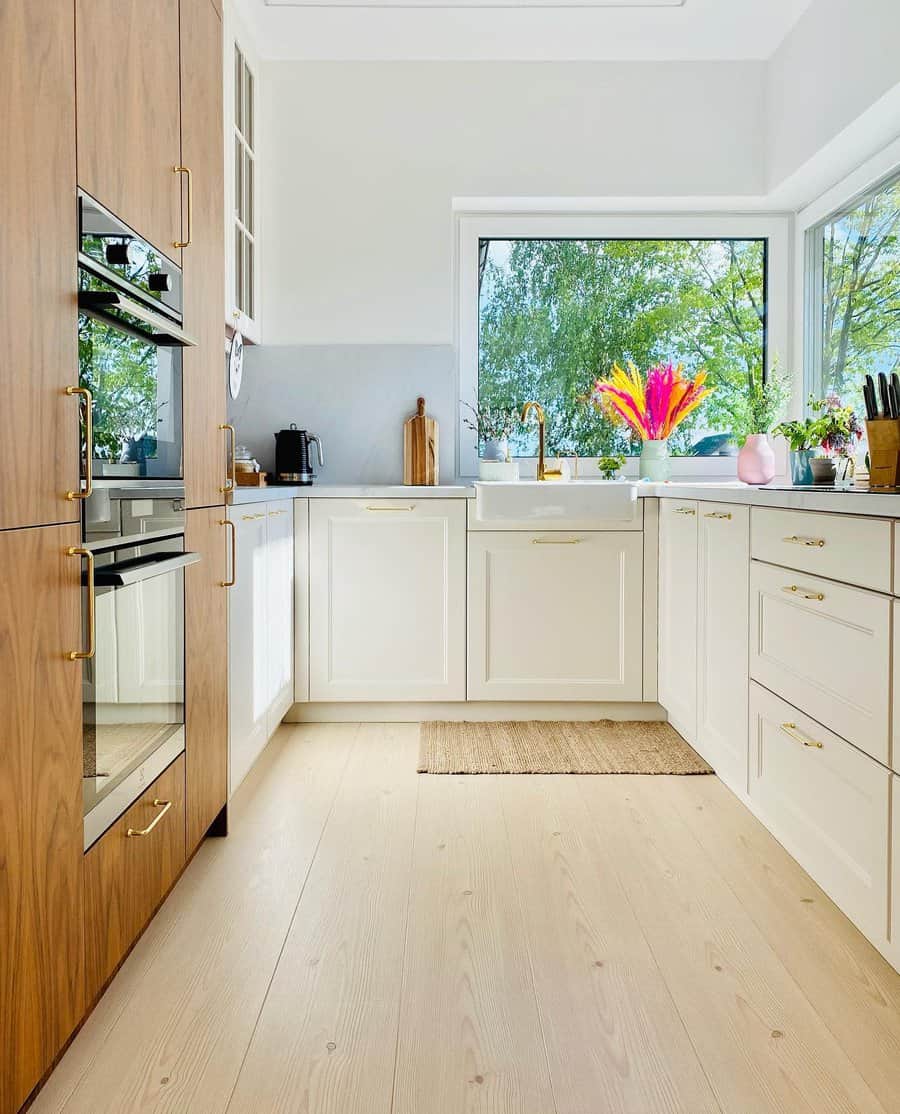
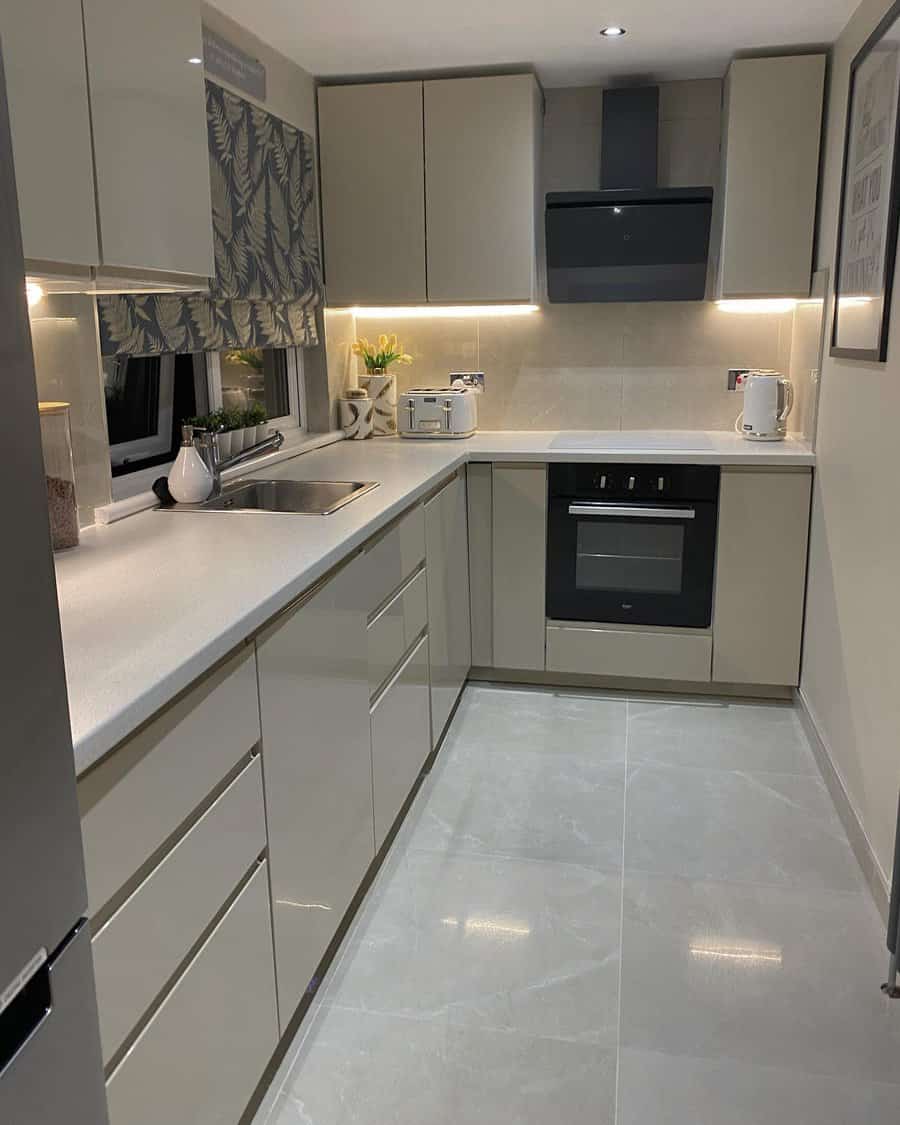
Creating a contemporary feel in your tiny kitchen is smart because it keeps the kitchen bright and clutter-free. Floating shelves, kitchen cabinets with organizational drawers, decorative lights, and marble countertops are common.
Source: @czajkahome via InstagramSource: @dappleanddecor via InstagramSource: @schmidtwimbledon via Instagram
Focus on using a mixture of materials, which creates depth and dimension. This helps trick the eye into thinking the kitchen is bigger than it really is. Don’t be afraid to use a combination of light and dark colors. Try to keep the dark shades low in the room to keep the heaviness low and help the upper half feel bigger.
4. Country Charm in a Compact Kitchen Space
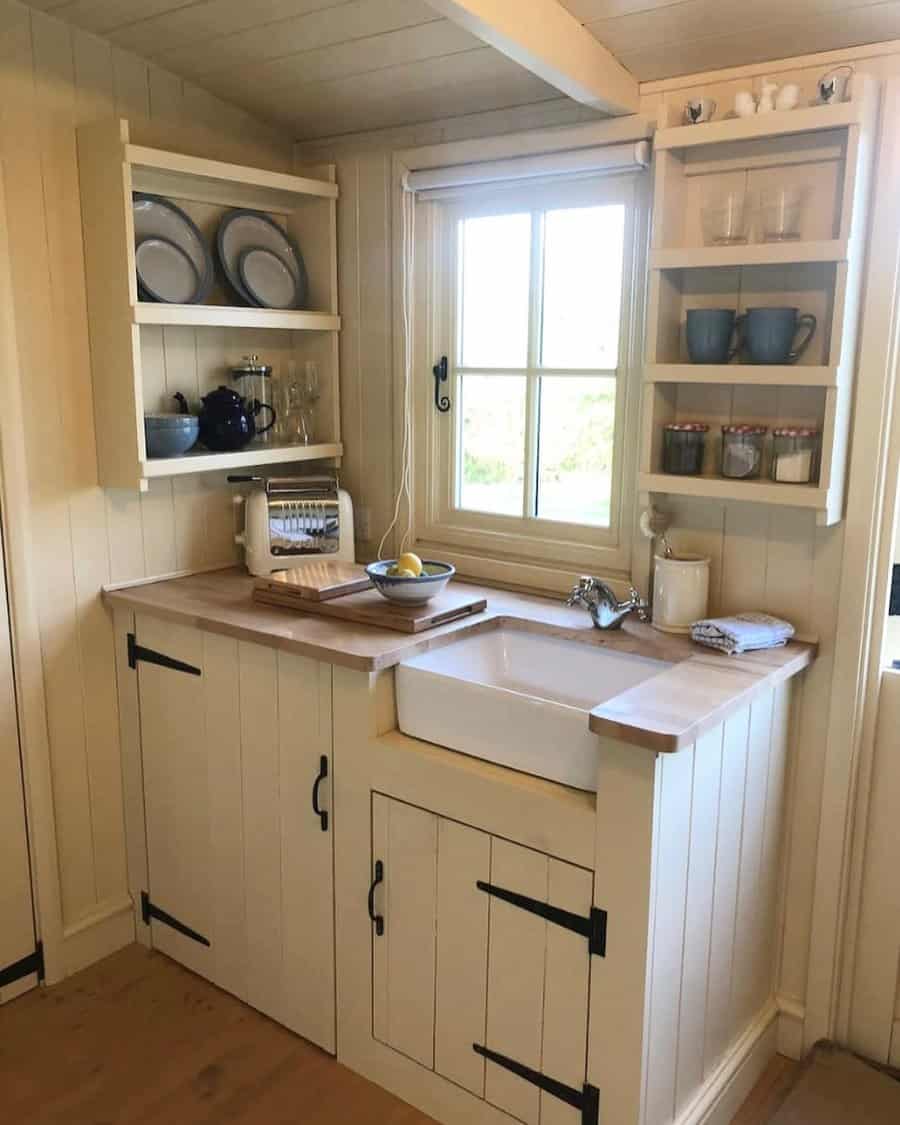
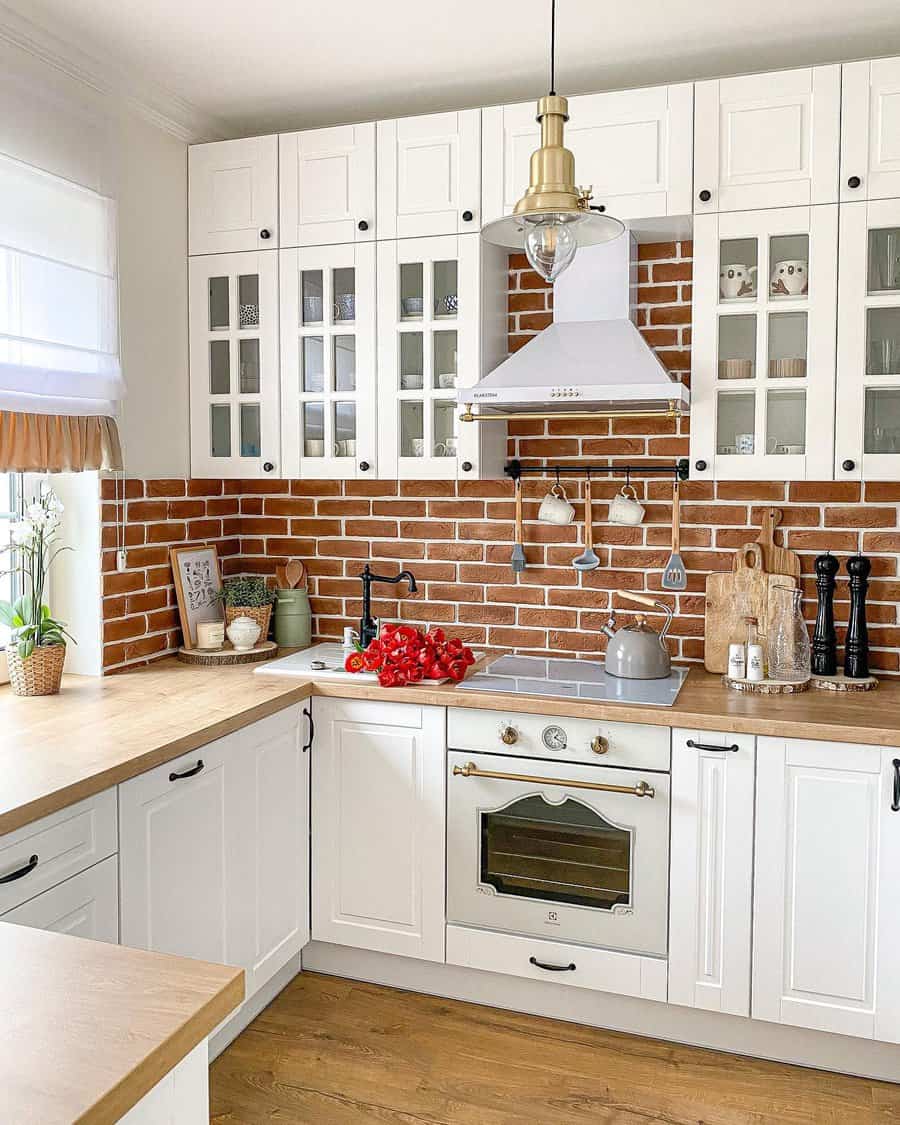
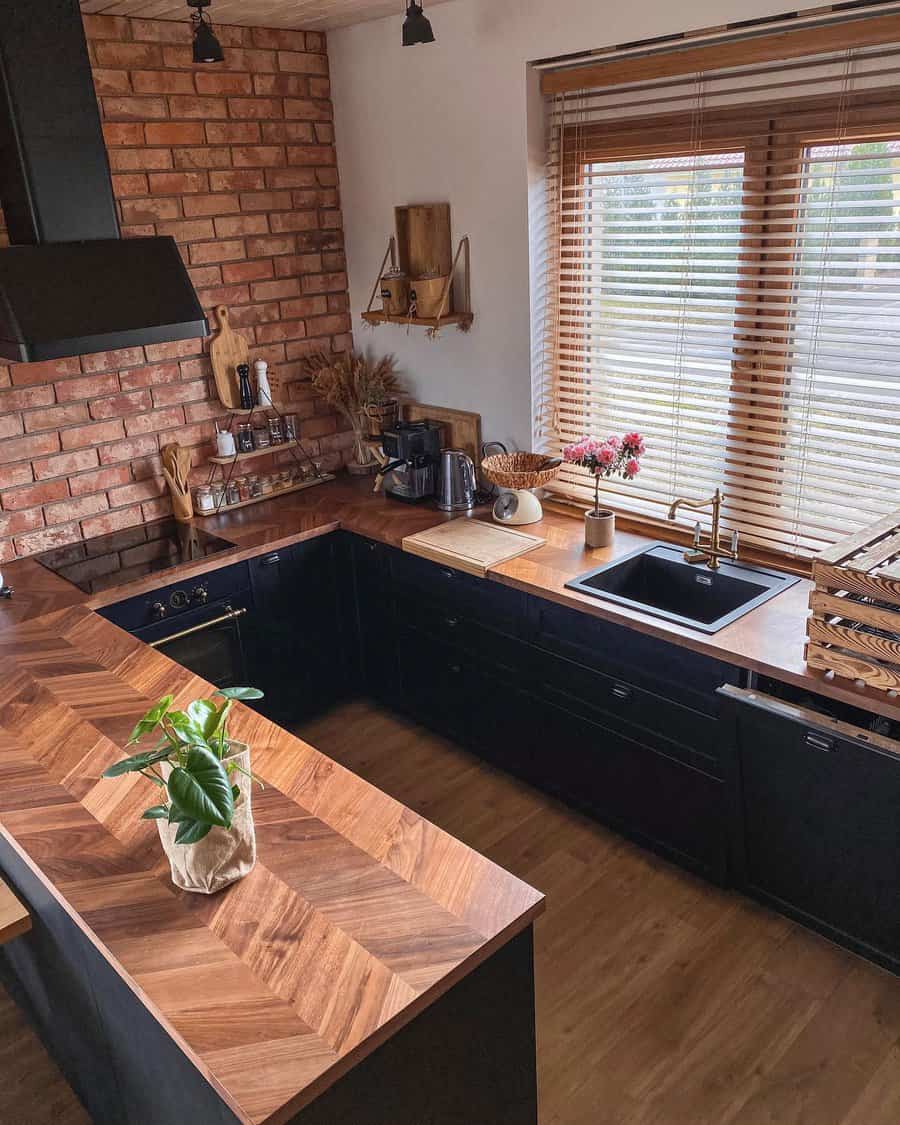
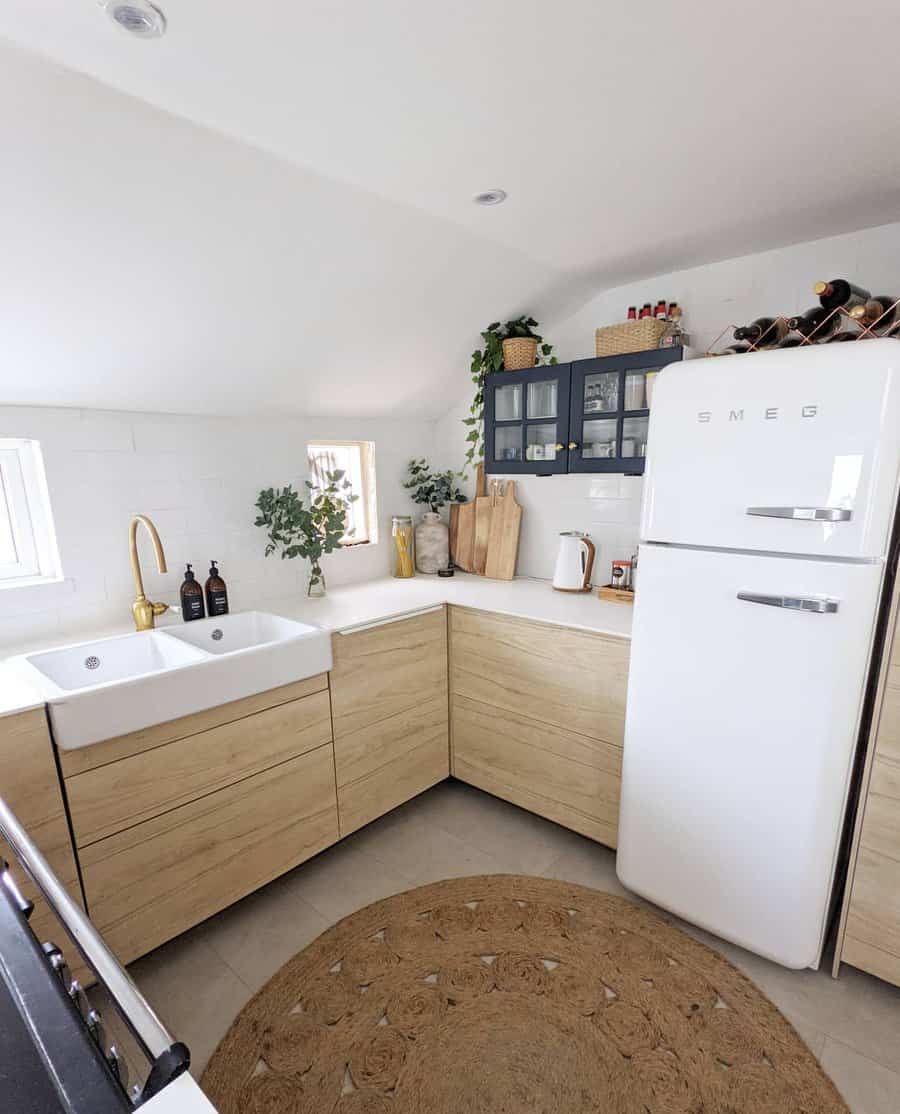
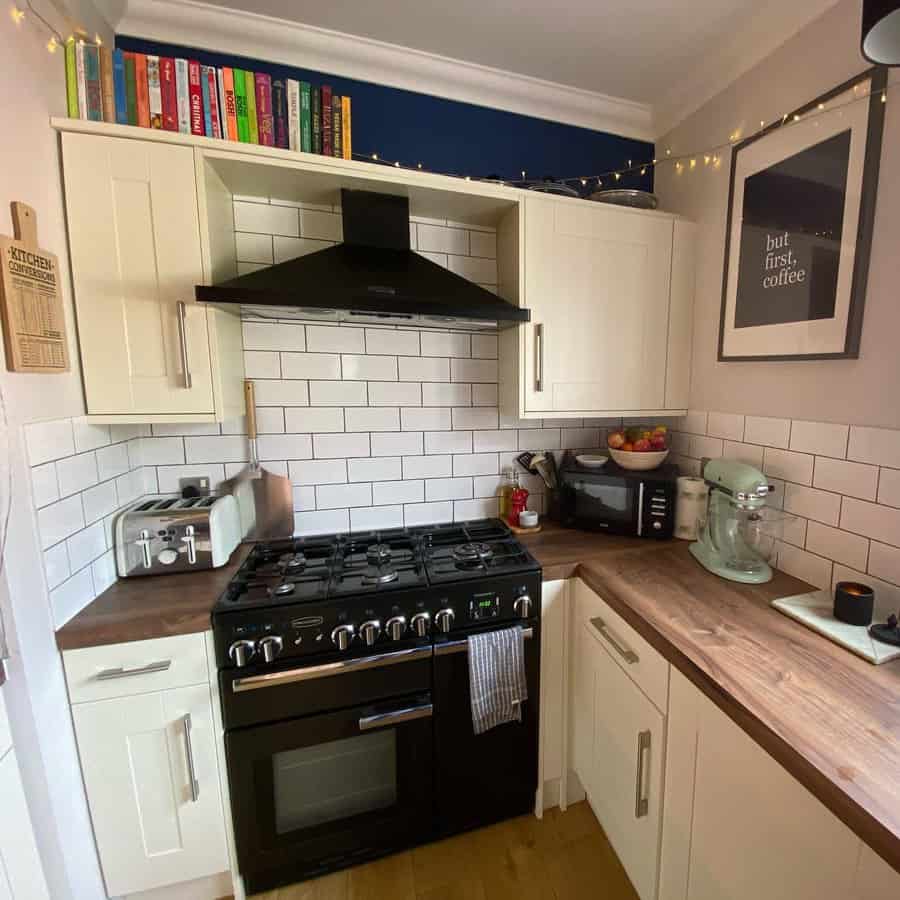
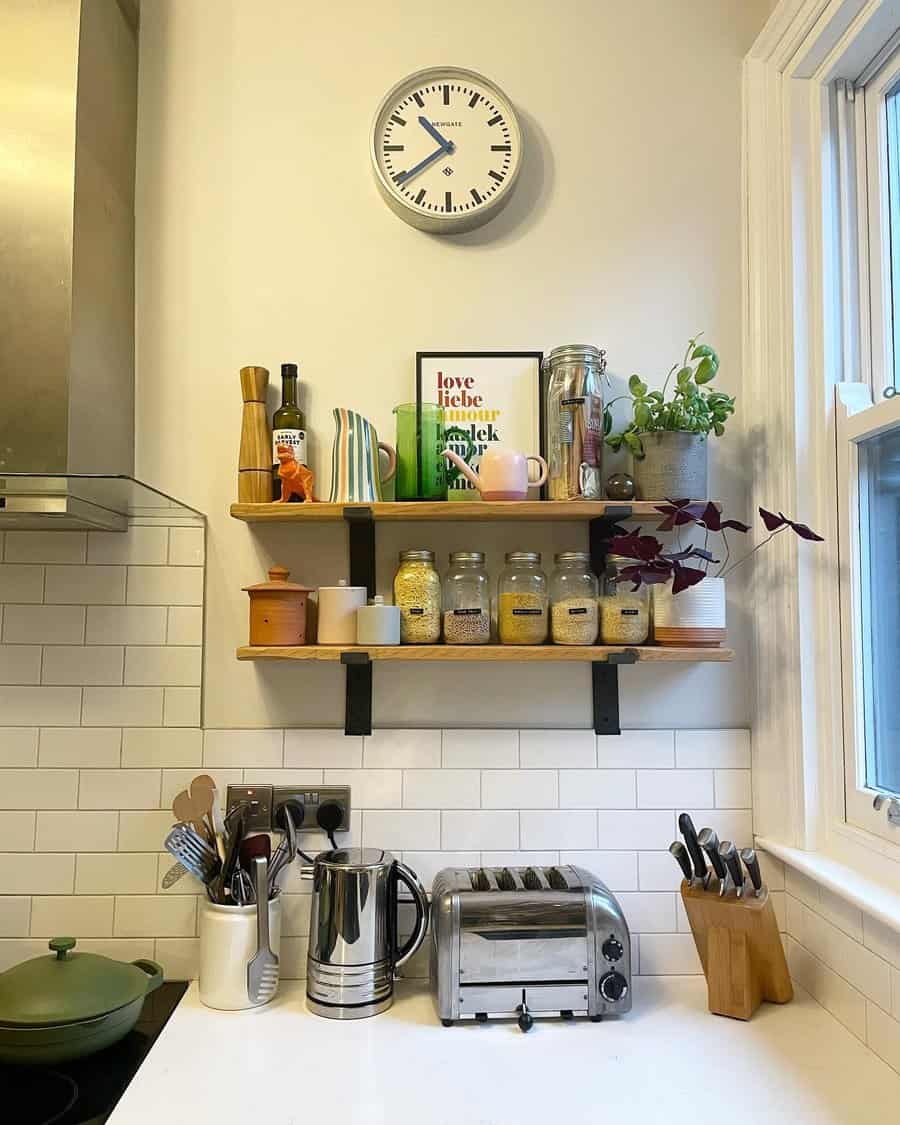
A tiny kitchen is perfect for embracing a country aesthetic. An open shelf gives you more storage and helps the kitchen feel spacious. Add a farmhouse apron kitchen sink that you can have storage underneath.
Source: @homewithsarah_ via InstagramSource: @my.bohemian.nest via InstagramSource: @ourlifeontheridge_ via InstagramSource: @theoldhouseonmain via Instagram
Add a shelf up high on the wall that gives you plenty of storage for less often used items like specialty appliances and serving dishes. Hang handwoven baskets from the ceiling that you can fill with produce. You could even hang a vintage produce scale with a large bin with plenty of space for storage.
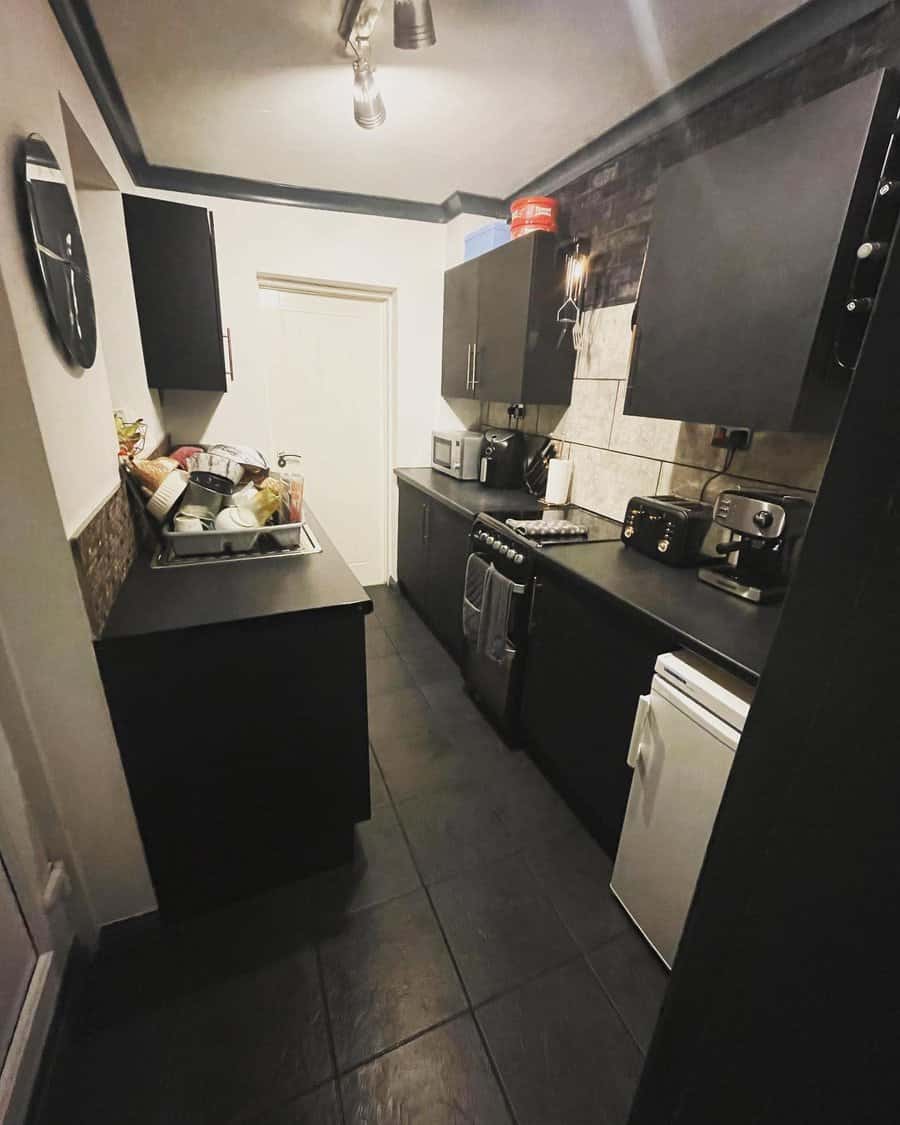
5. Balancing Dark Colors in a Small Kitchen Design
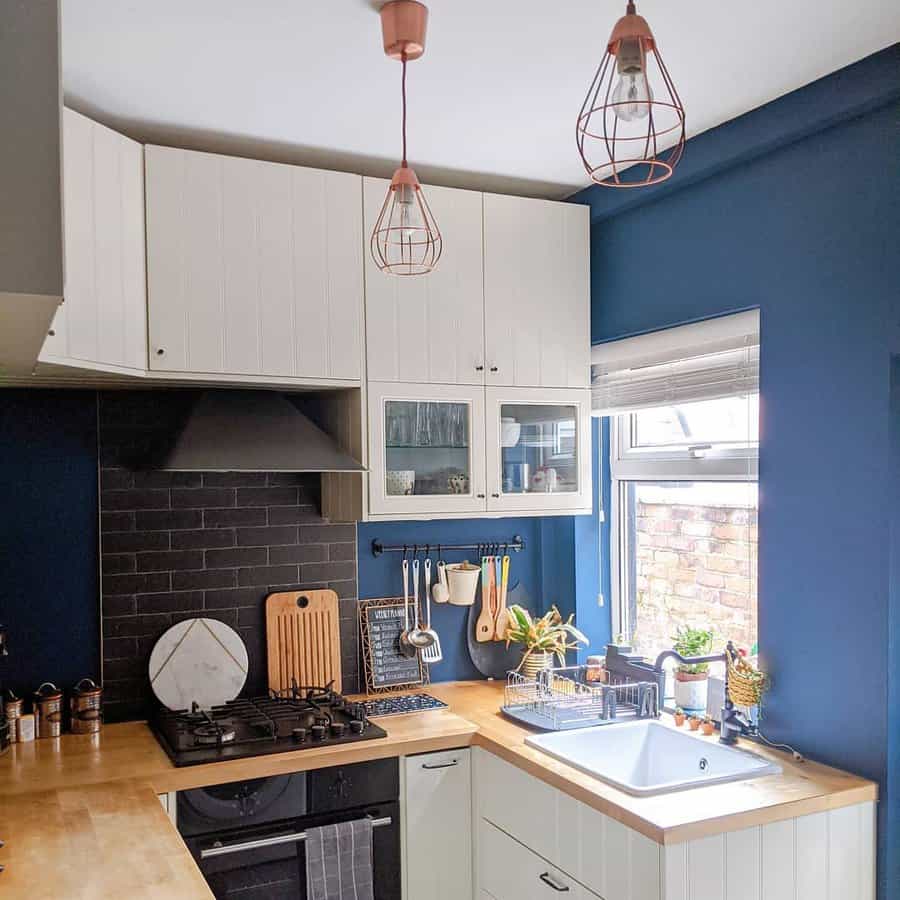
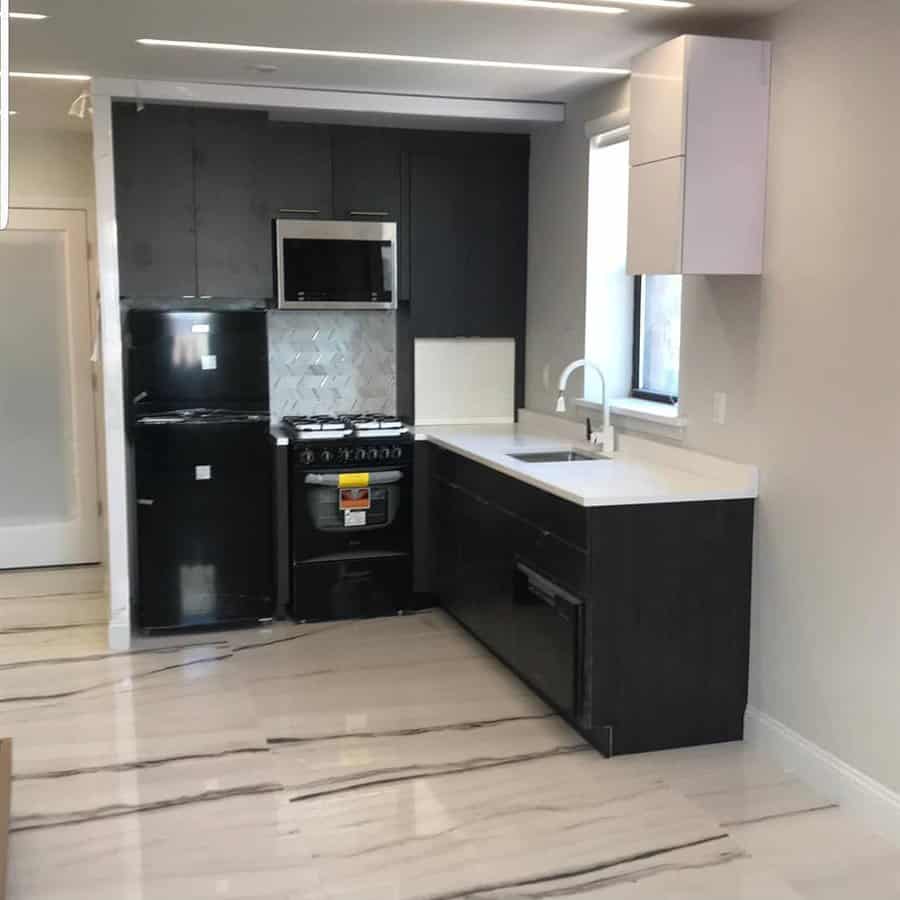
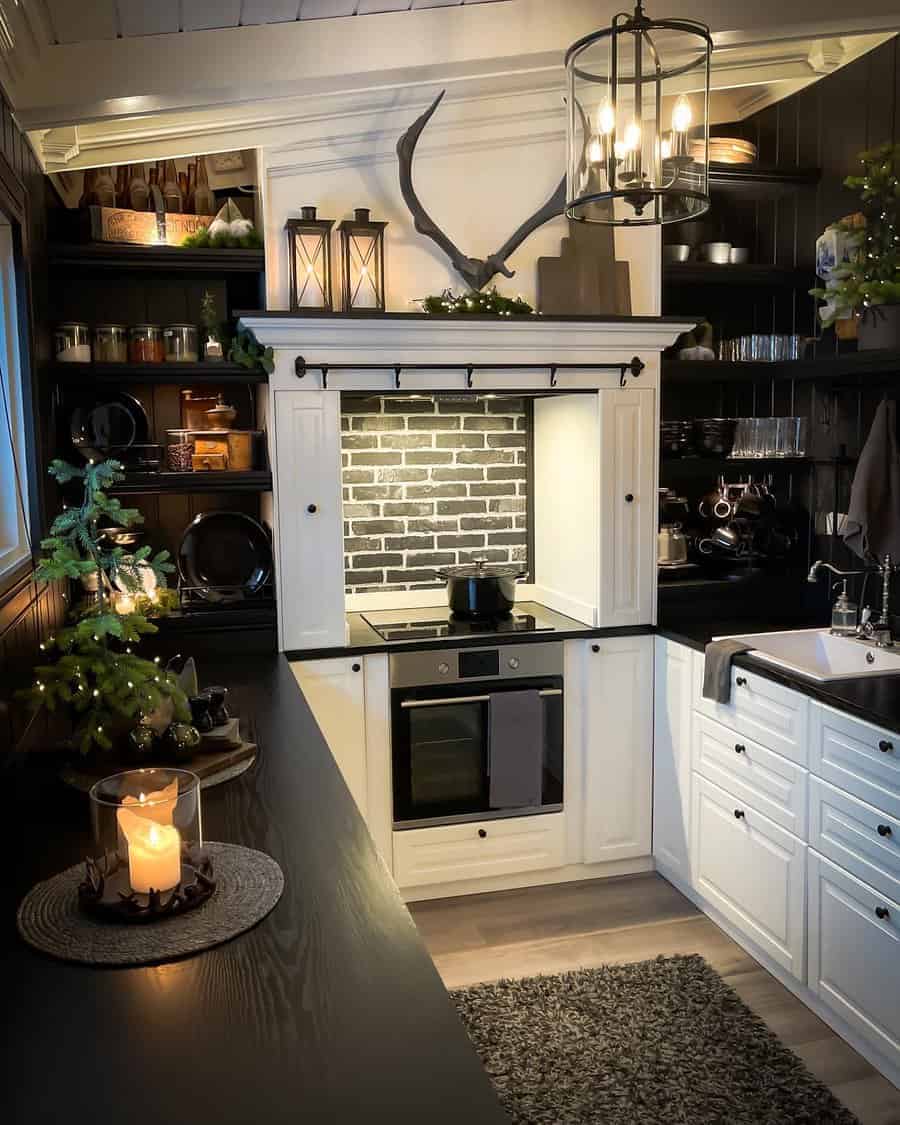
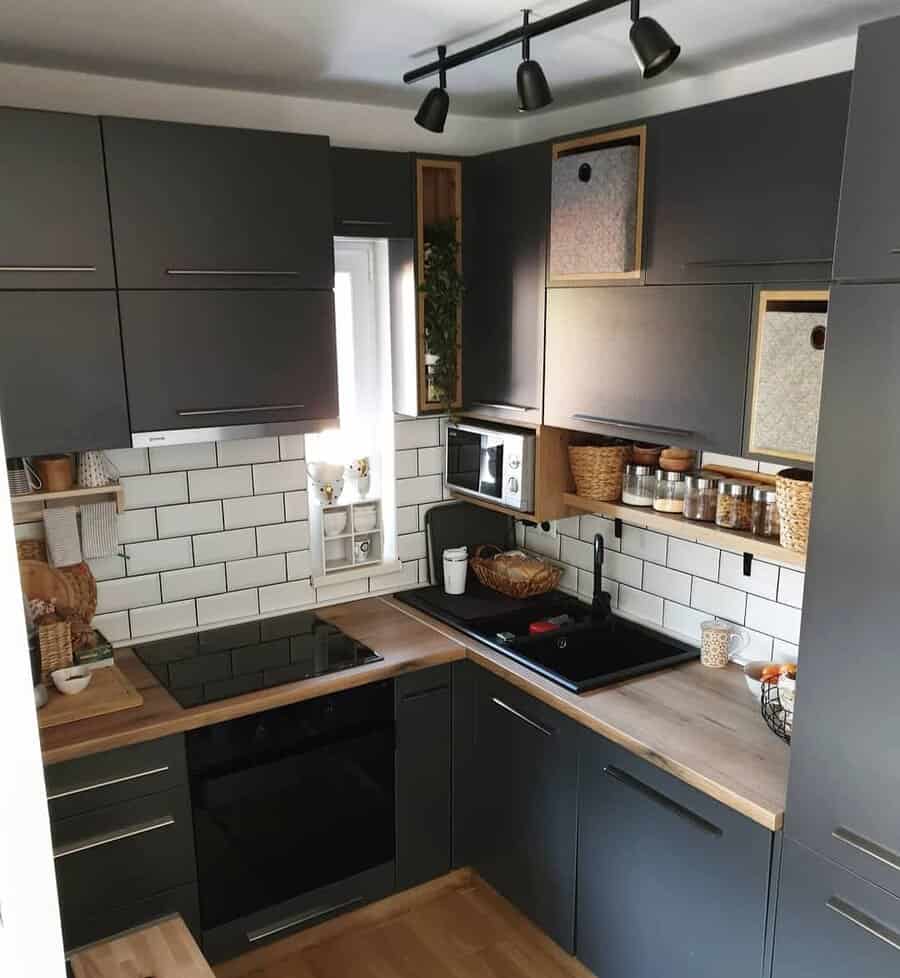
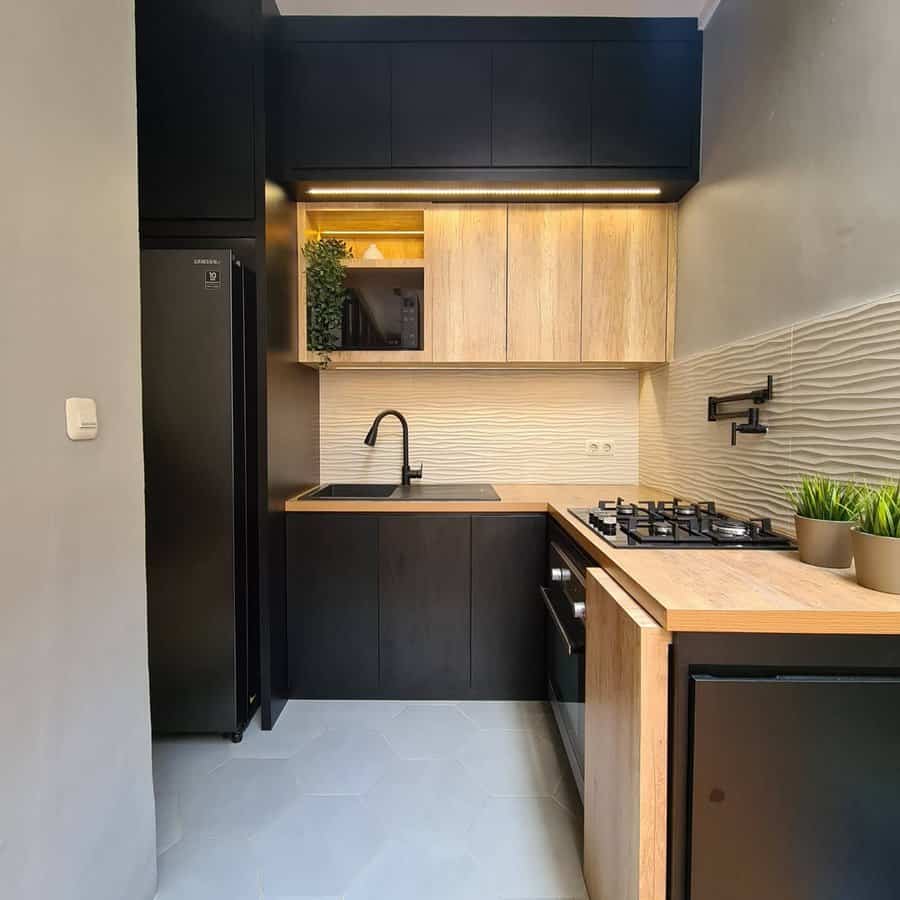
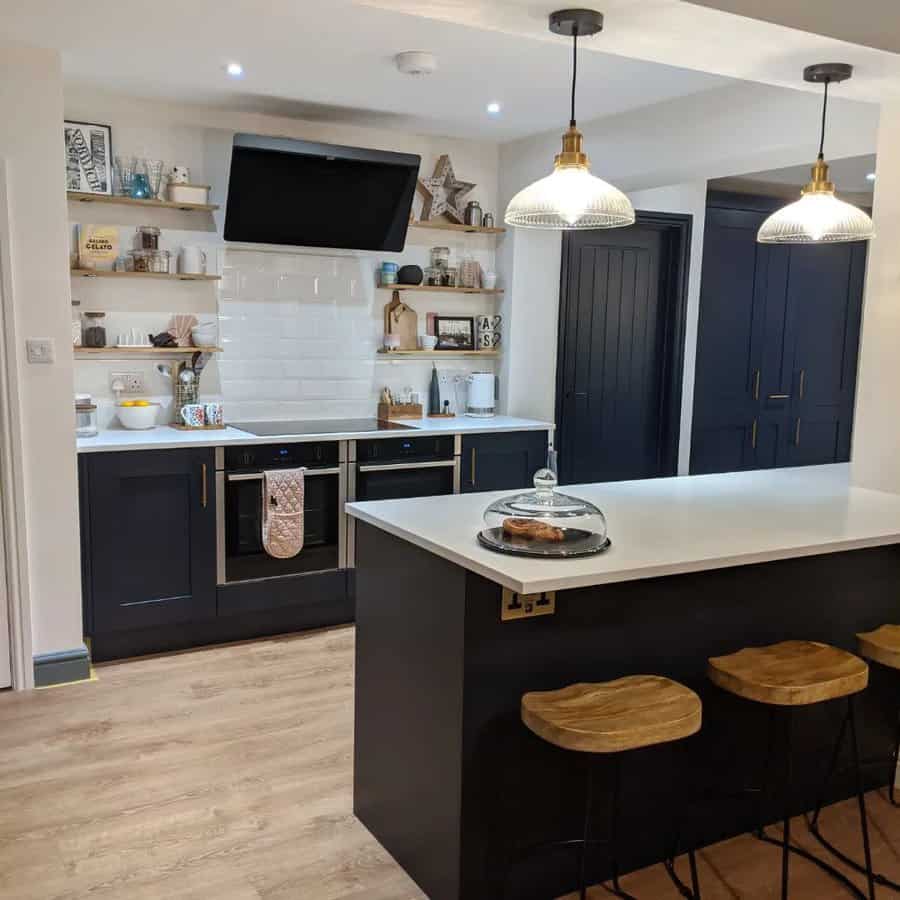
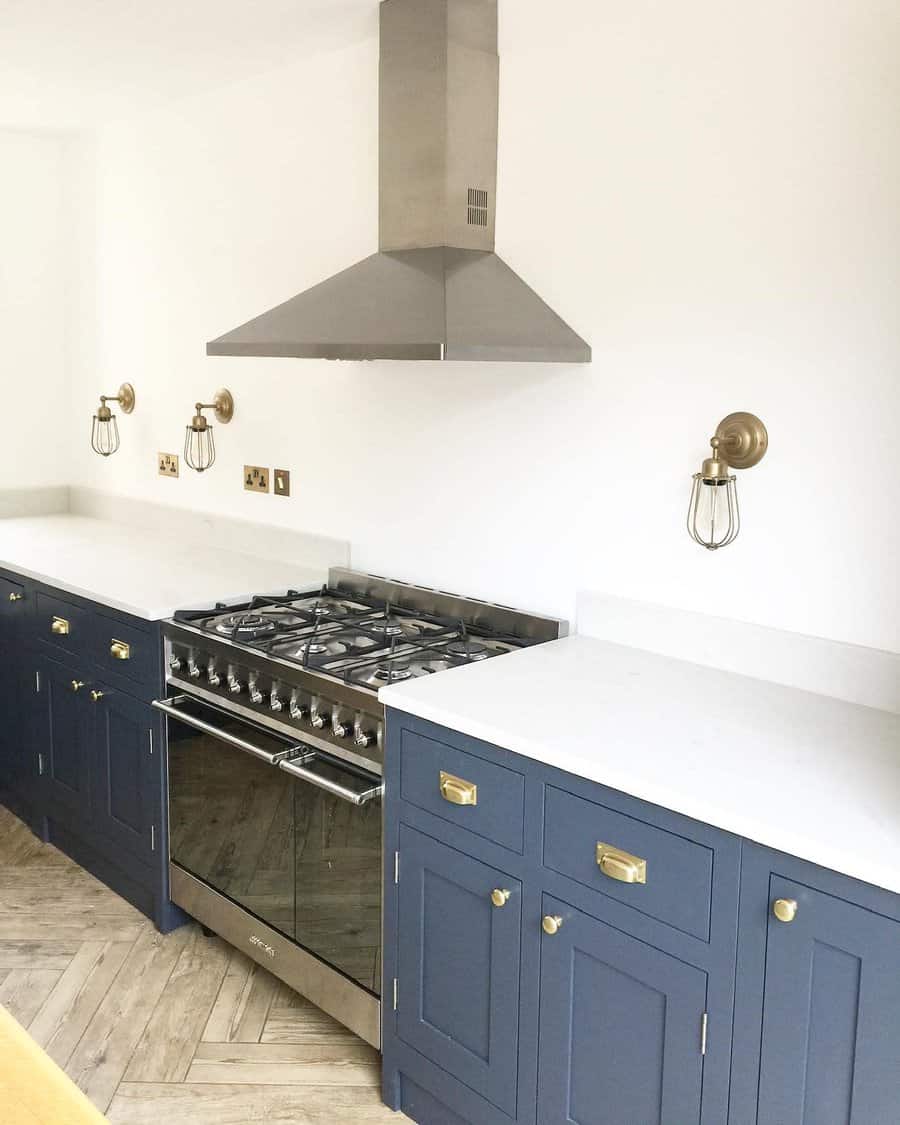
Be careful when creating a dark kitchen. While it’s possible, you need to choose the right shade and balance the dark colors with light or metallic accents. Dark small kitchen design ideas make a bold and polarizing statement, which also means that the design won’t be appealing to everyone.
Source: @concepts_by_design_ via InstagramSource: @adamwollertonwriter via InstagramSource: @villafurutun via InstagramSource: @home.next.door via InstagramSource: @kai.zuhause via Instagram
Instead of choosing a stark black color, soften the look by choosing another dark color. A deep navy, dark forest green, charcoal gray, or blood red are all good alternatives. Their deep hue and heavy saturation make them perfect for adding drama to your small kitchen.
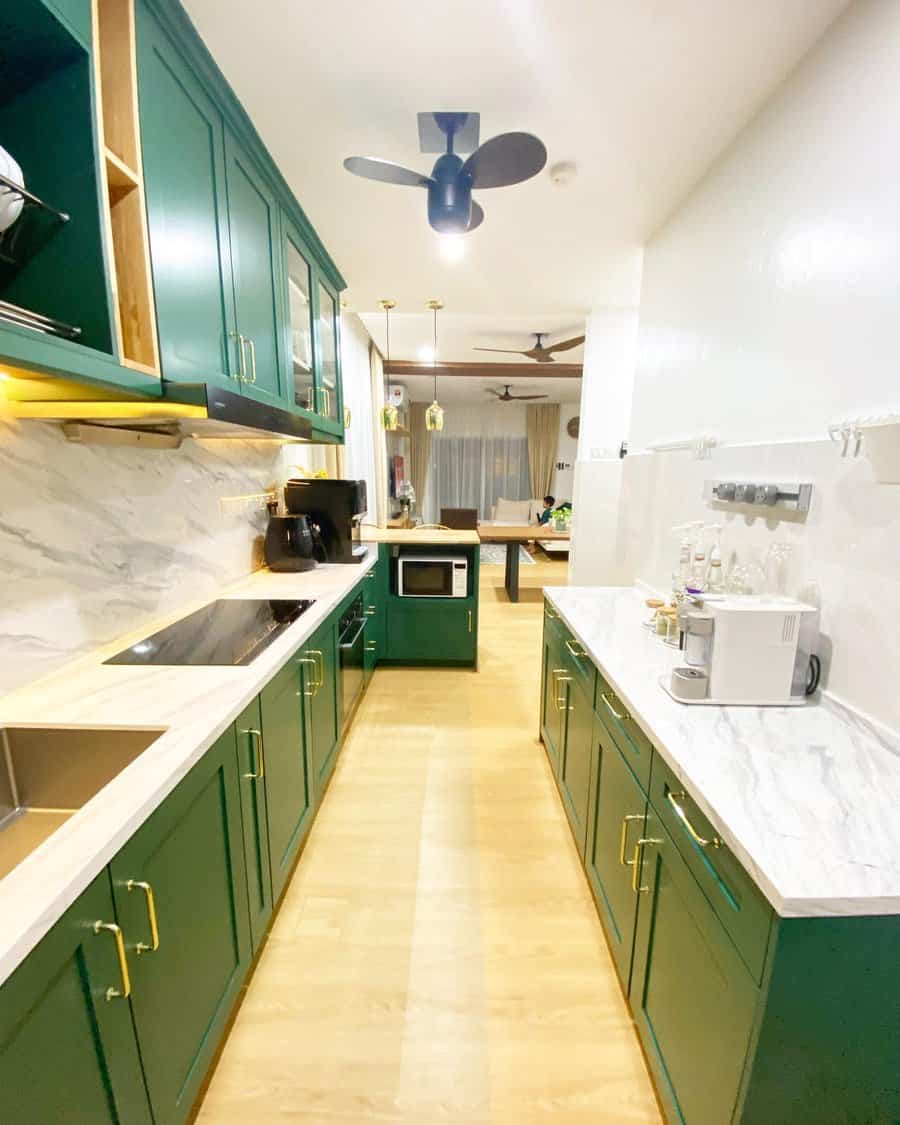
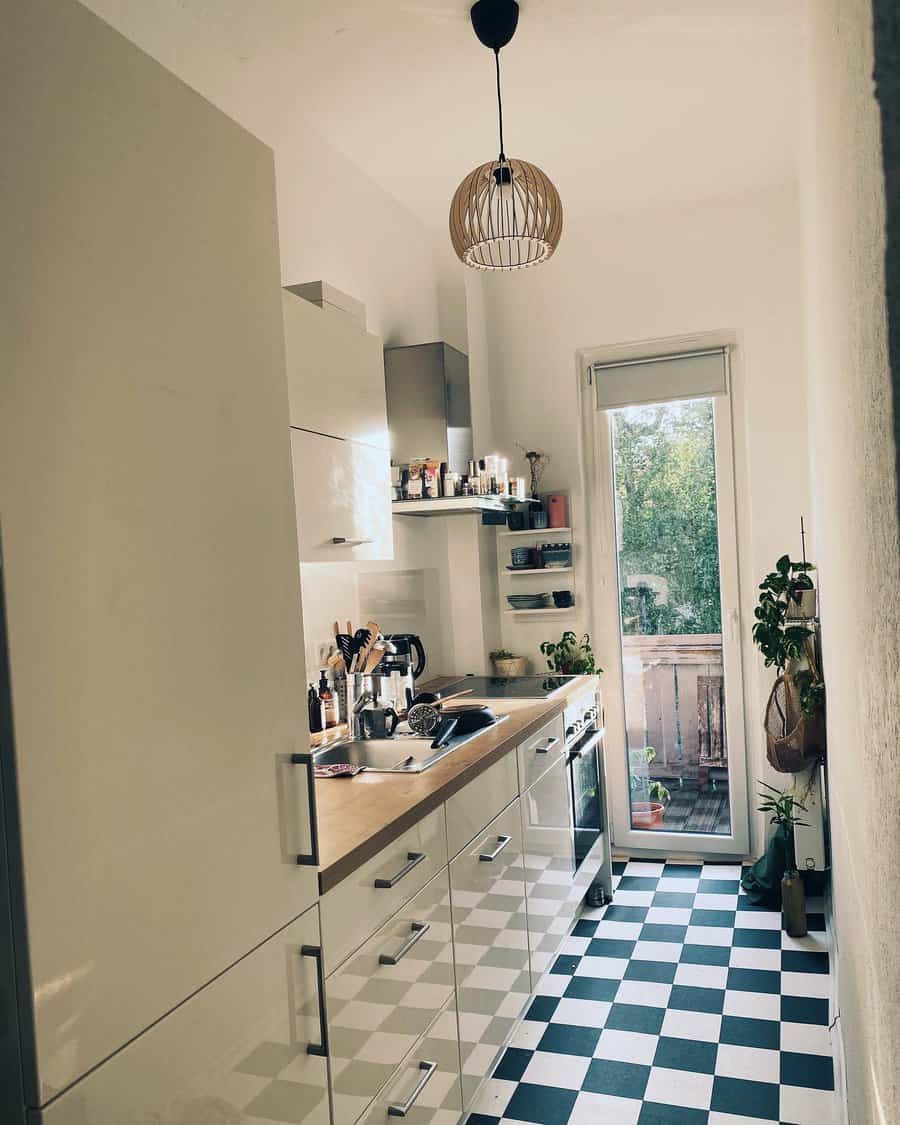
6. Optimizing Space in a Galley Kitchen Design
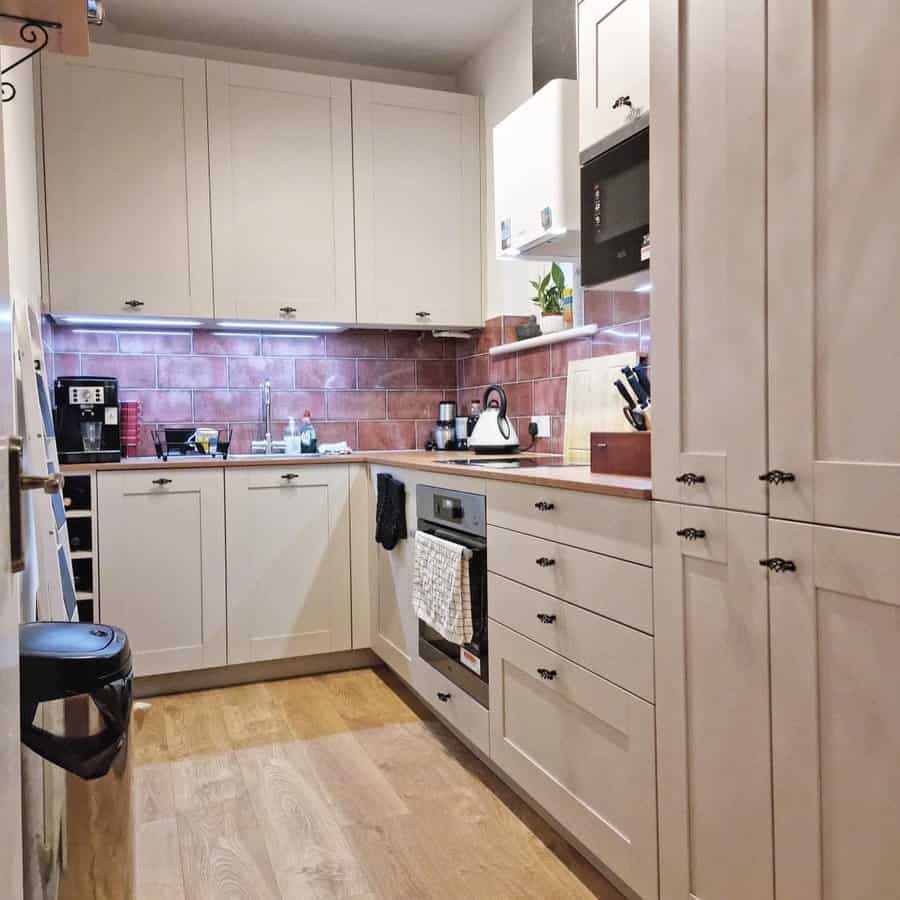
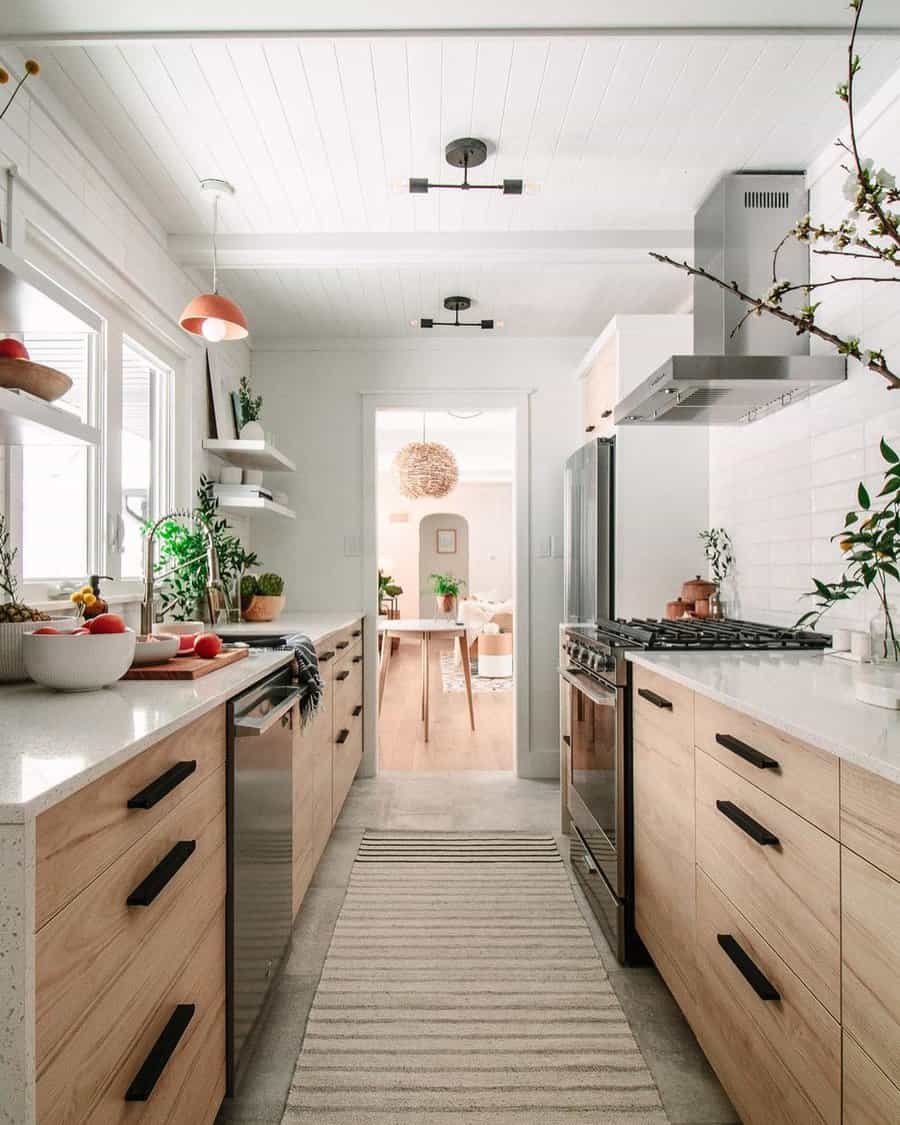
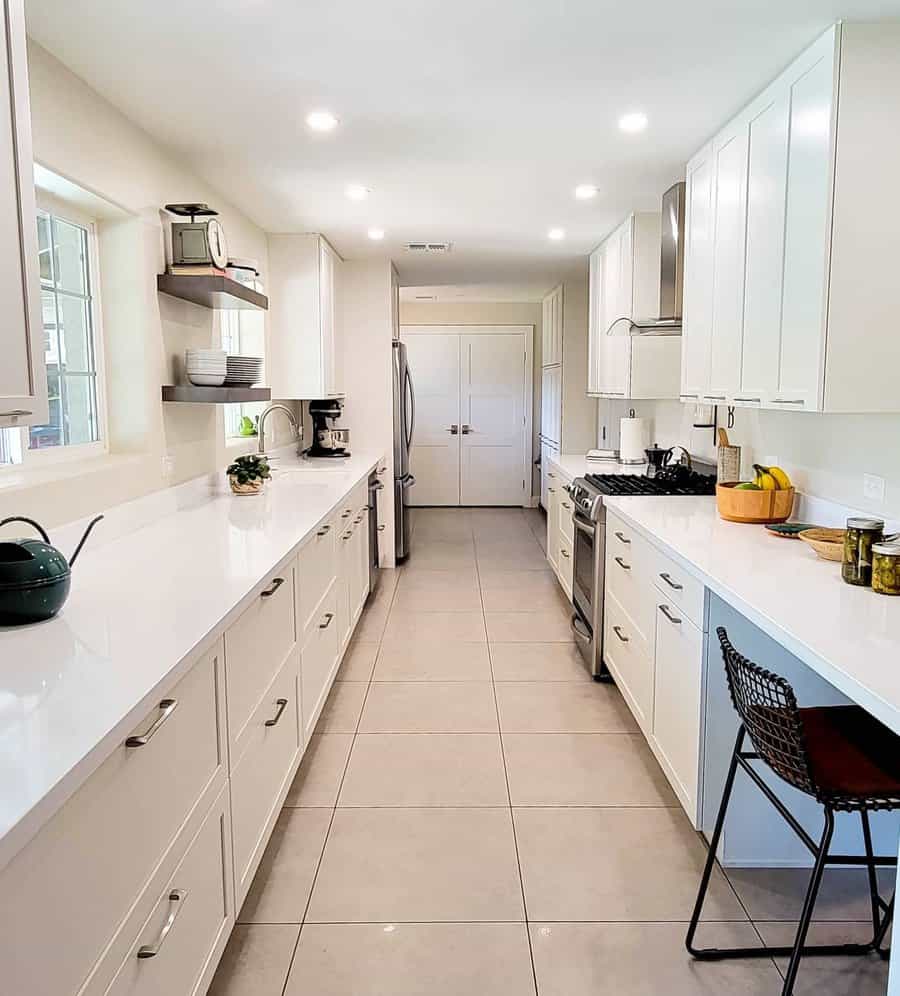
A galley kitchen is a typical setup for a tiny kitchen. They are long and narrow, like a ship’s galley, hence the name. The key to making a galley kitchen a comfortable space to be in is creating the illusion that it’s wider. While it may have limited floor space, you can make the upper half feel bigger.
Source: @american_cabinetry via InstagramSource: @claudialoveshomedecor via InstagramSource: @holtzmanhome via InstagramSource: @sophshepp via InstagramSource: @sshani31 via InstagramSource: @thehamptonyardsale via InstagramSource: @altbau_liebe_ via InstagramSource: @itskatiedickens via InstagramSource: @tinyhouse119 via Instagram
Paint the walls a darker color than the trim and cabinets. It doesn’t have to be a drastic difference; even a slight one will do. The darker color on the walls will cause them to visually sink back from the brighter and lighter cabinets in front of them. Another option is to paint a line down the center of the ceiling. This creates the illusion that the kitchen is longer and bigger than it really is.
7. Incorporating Gray for a Spacious Kitchen Feel
Gray has made its way throughout the entire home and is now making its presence known throughout the kitchen. The color works well in small kitchens because it’s soft and unassuming.
Source: @12nearthepark via InstagramSource: @hmhomejourney__ via Instagram
A light gray is best for a small kitchen because it still reflects plenty of light while being softer and less harsh than an all white kitchen. To create a well-designed gray kitchen, use more than one shade of gray. This creates depth and variation, which helps your kitchen feel bigger while also preventing it from falling flat.
Use the small size of your kitchen to your advantage by giving it an industrial makeover. Strip it down to the bare essentials by taking out the cabinetry and replacing them with open shelves made of metal.
Source: @hausnordic via InstagramSource: @szyndeninterior via Instagram
The bare-bones approach keeps the small space feeling bigger while also adding character. Replace your countertops with stainless steel to make them easier to clean. Install industrial lighting that is high and out of the way. This prevents a closed-in feeling from above. Add wood elements, such as bar stools or flooring, to bring some warmth into the space.
9. Minimalist Design Strategies for Tiny Kitchens
When working with a small space, a minimalist approach is one of the best decor ideas. Stick with a single color for the color scheme, preferably white or black. This creates a minimlist and uniform look throughout the space. Then accent the space with metal or wood.
Source: @heim.liebelei via InstagramSource: @isthisinteriordesign via InstagramSource: @neversay_foreverhome via InstagramSource: @satominariko via Instagram
The cabinets should create a smooth and continuous front. It’s also good to hide the fridge, stove, and any other major appliances. Elevate the minimalist design by using high-end materials, such as marble on the countertop. Use light fixtures that have a simple and slim design.
10. Modern and Sleek Design for Compact Kitchens
A sleek and modern small kitchen with its minimal clutter is perfect for a tiny space. Use accent lighting to highlight the long lines and sharp corners. Hide the kitchen appliances behind slab cabinet fronts that create a smooth and uniform front.
Source: @grotka via InstagramSource: @homeinteriors_tp via InstagramSource: @ideal_habitat_chabert_duval via InstagramSource: @tocaturquesa via Instagram
Replace cabinet doors that swing out on hinges with louvers or hydraulics that lift the doors out and up. This gives your kitchen a modern feel while also reducing the amount of required space needed for them to open. Stick with neutral colors that are a combination of light and dark.
11. RV-Inspired Space-Saving Ideas for Small Kitchens
Step inside an RV, and you will see an example of some of the smallest kitchens. Use RV small kitchen ideas to get inspired for the kitchen in your home. Add a pull-out counter space that expands the available workspace when you need it but tucks away when you don’t.
Source: @_tinyhouse_bigdreams_ via InstagramSource: @cedarbendtravels via InstagramSource: @el_massey via InstagramSource: @laceyautumnbrooke via InstagramSource: @reedsindeed via InstagramSource: @tinyrohmhome via Instagram
Additionally, look for multi-function small appliances. The more tasks a single appliance can perform, the more useful it will be. You’ll also need less storage space to hold all of your kitchen appliances.
12. Rustic Elements for Enhancing Small Kitchens
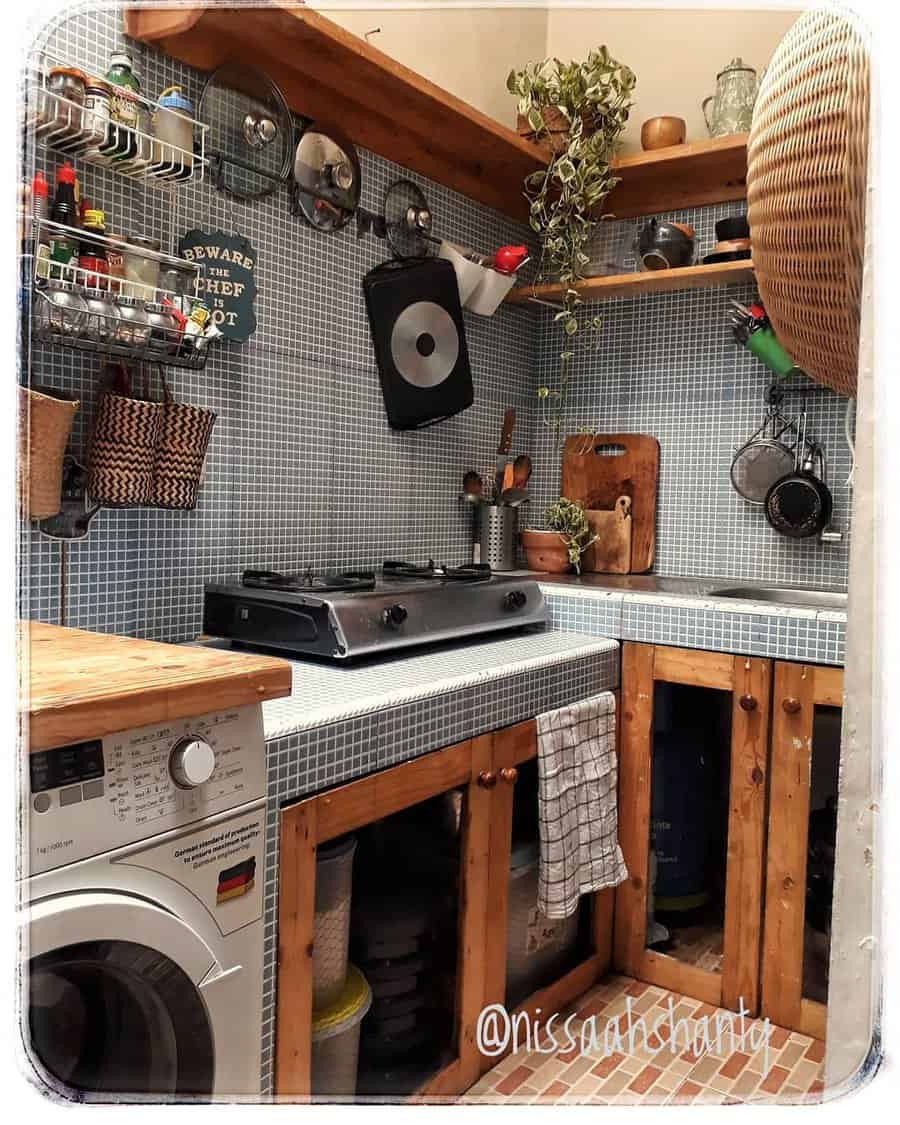
Add open shelving to your kitchen by using rough-hewn planks with a raw edge. This gives your kitchen a rustic aesthetic. Vintage appliances are perfect for your rustic kitchen. They have a worn and aged look that fits perfectly. They also tend to be smaller, helping them to fit perfectly into a tiny kitchen.
Source: @athomewithalice via InstagramSource: @nissaahshanty via Instagram
Add rustic touches to your kitchen by hanging vintage kitchen utensils on the walls as decor. Use more wood elements in your small kitchen than you would with other design themes. This could be wood beams in the ceiling, a wooden countertop, or furniture.
13. Scandinavian Simplicity for Tiny Kitchen Spaces
A Scandinavian design theme in your tiny kitchen is perfect because it embraces comfort and simplicity. The lack of clutter and over-styled details help your tiny kitchen feel comfortable and functional.
Source: @4doggo_and_boho via InstagramSource: @herzdeko via Instagram
You can still have usable countertop space, a kitchen island, or upper cabinets despite the limited space. Laying down light wood flooring, paint the walls white, and add black or gray accents. Maximize the available cabinet storage space by optimizing the shelving and drawers with organizers and pull-out units.
14. Timeless White Design for Small Kitchen Spaces
White kitchens have been popular for decades and have no sign of ever going out of style. People appreciate the bright and clean feeling that the color white creates. When using white in your tiny kitchen, be sure to use a true white. Avoid whites that have a color undertone, especially a white with yellow undertones. It will end up looking dingy and dirty in your kitchen.
Source: @_peace_corners_ via InstagramSource: @our_home_at_ribbbonfields via InstagramSource: @ramin_purheidar_design via InstagramSource: @swallowhollowco via InstagramSource: @my_house_my_mess via Instagram
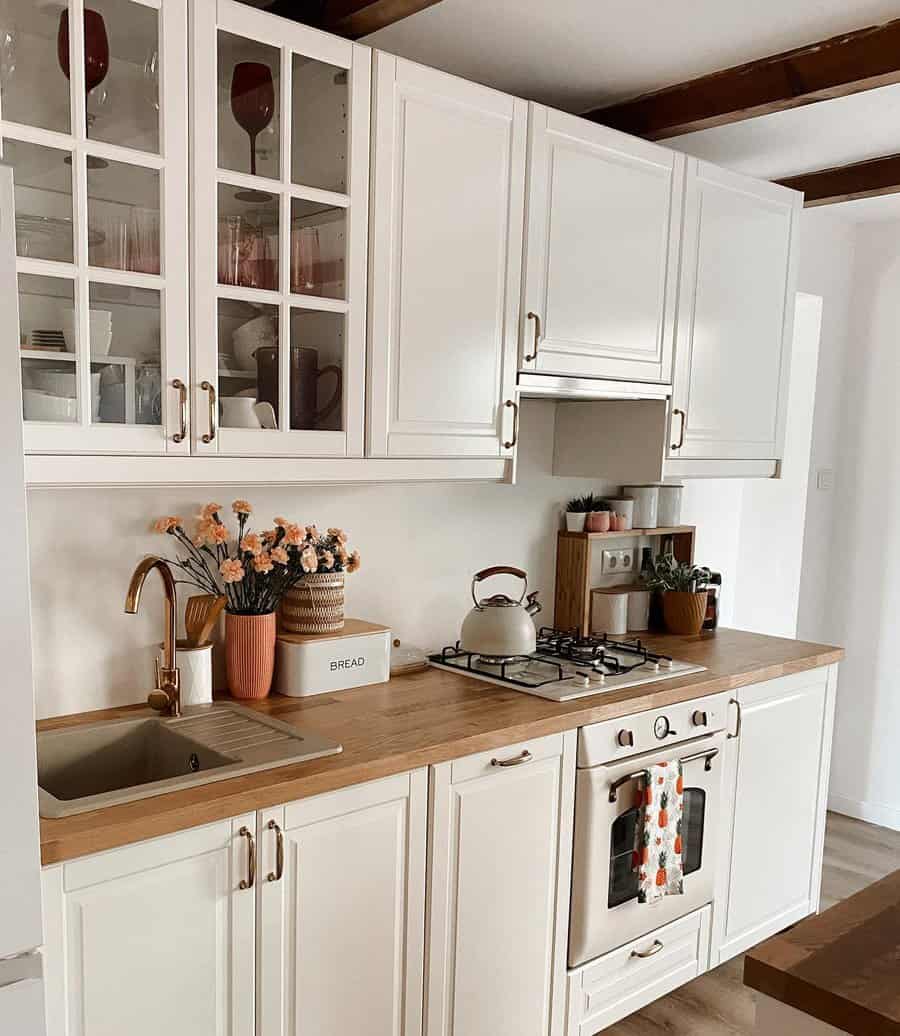
White cabinets look bright and reflect the most light. Because cabinets take up a large visual space in your tiny kitchen, making them white makes a big impact. Paint the inside and out of your cabinets white to prevent your cabinets from looking too dark.
15. Enhance Small Kitchens with Stylish Backsplash Solutions
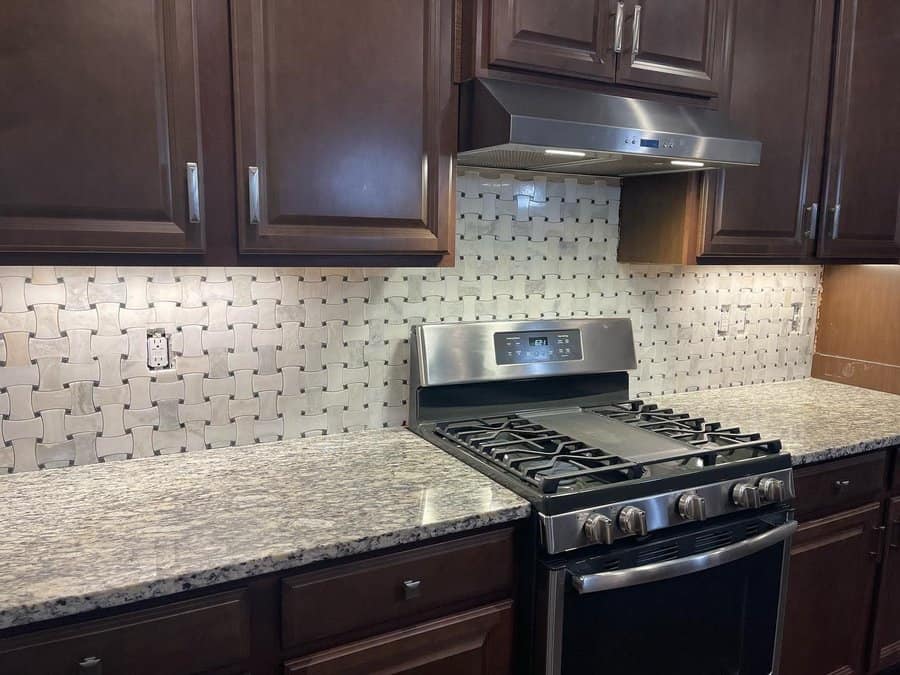
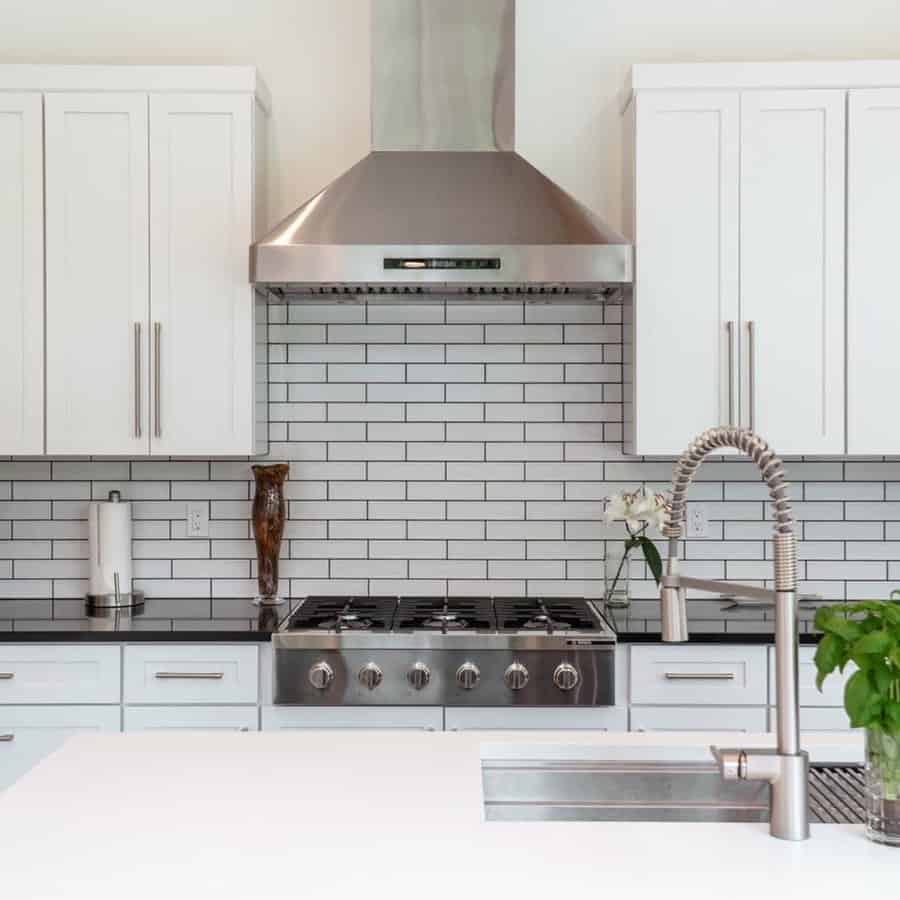
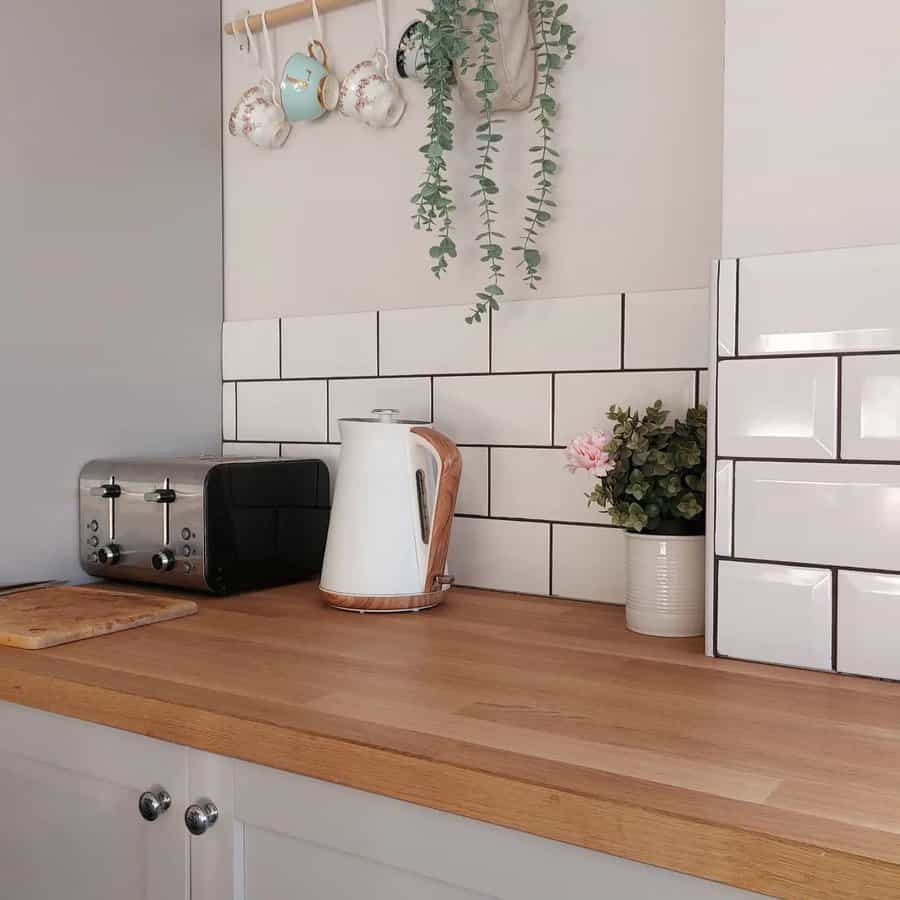
A kitchen backsplash is the area between your countertop and the bottom of your upper kitchen cabinets. It’s not the biggest area in a small kitchen, but it has amazing kitchen design impact.
Source: @gftlfan via InstagramSource: @heartmountainhome via InstagramSource: @lisajaneshouse via Instagram
Sometimes the backsplash area is bare but most are covered in some type of tile. Peel and stick backsplash panels are an inexpensive way to update this cabinet gap area. They can last around three to five years—or even longer—although it is fun to switch them out every couple of years for a quick kitchen update idea. Ideally, the kitchen sink area will have a waterproof or water-resistant surface.
16. Creating Airy Small Kitchens with Cabinet Upgrades
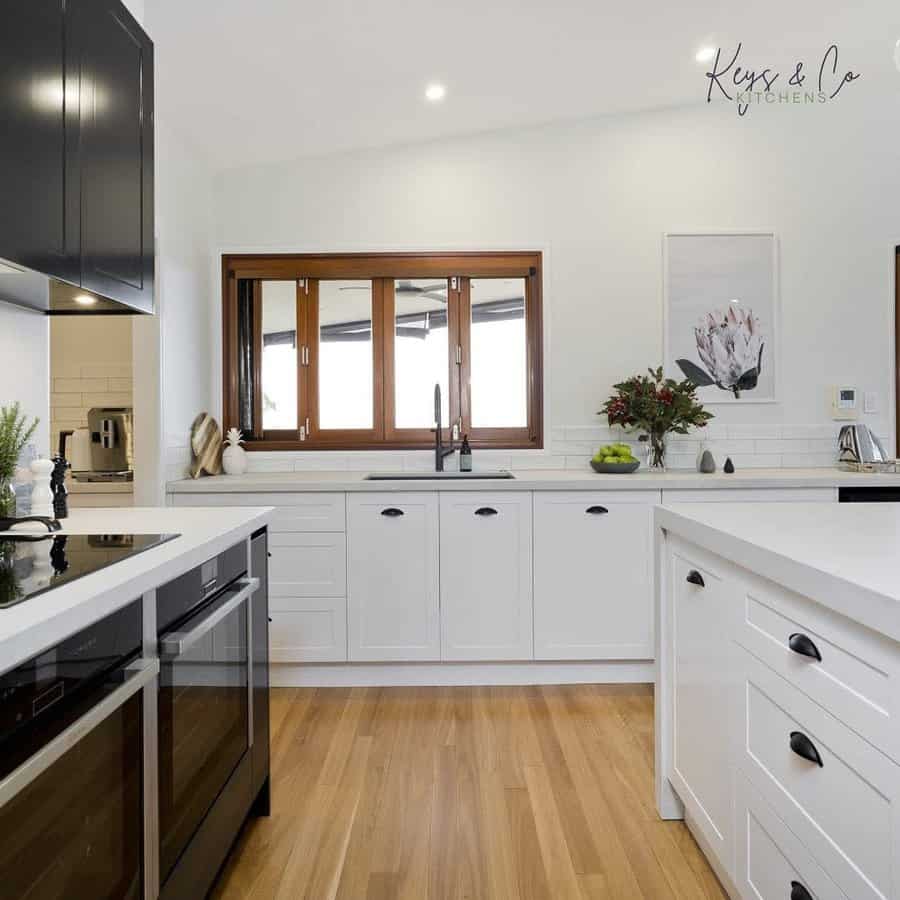
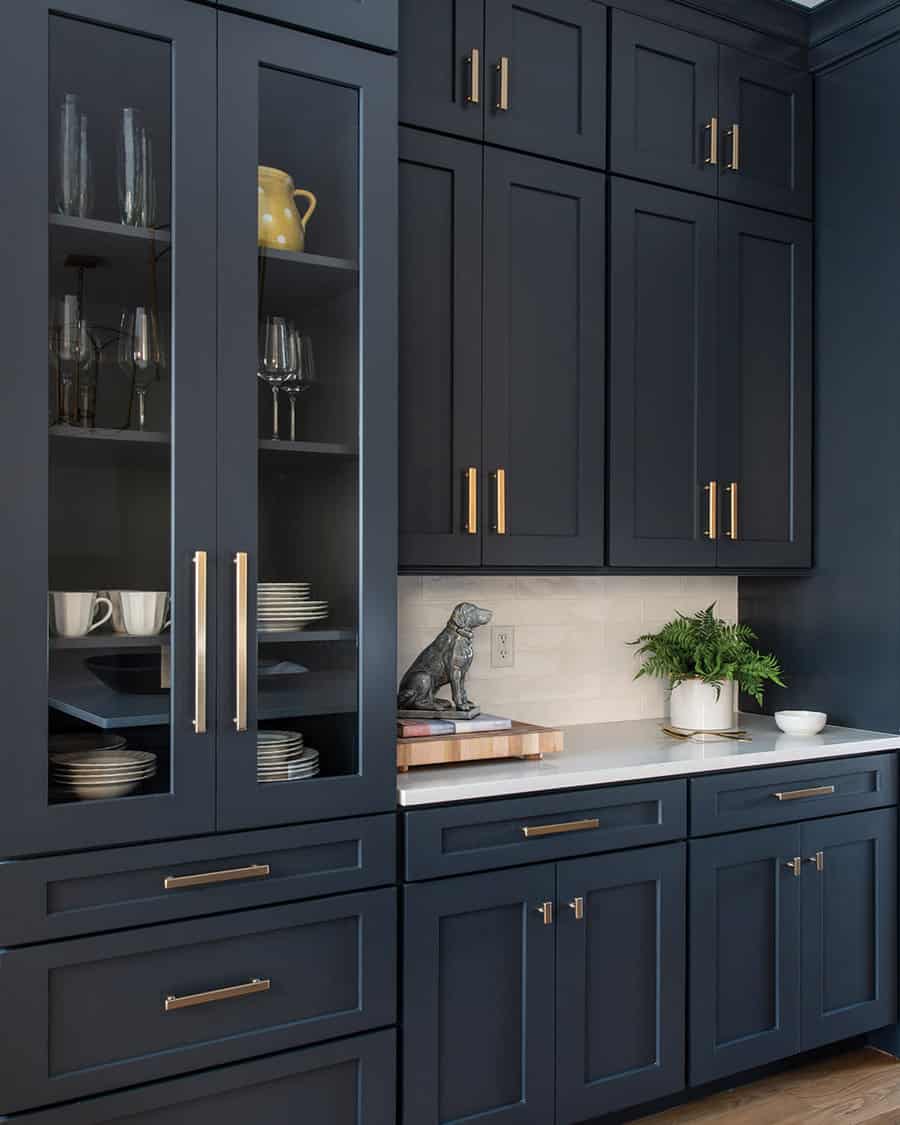
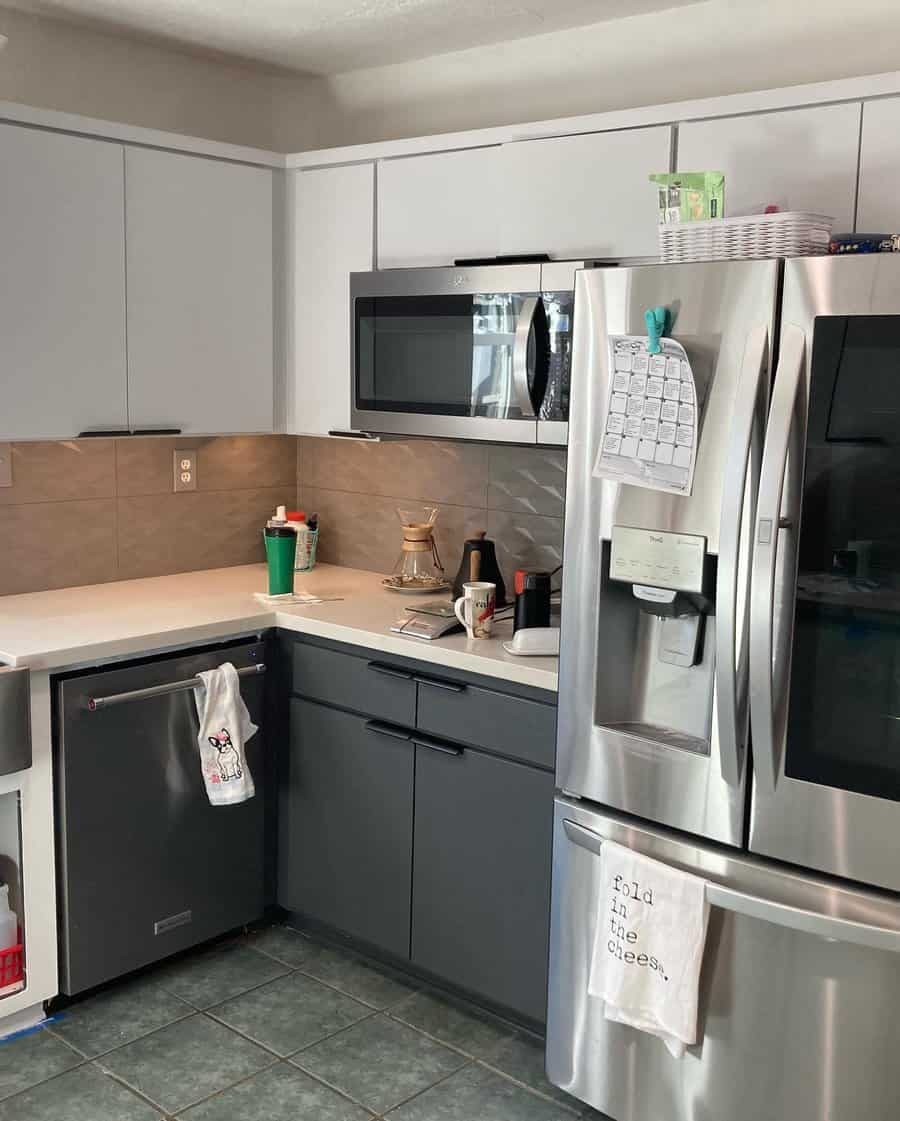
Painting your kitchen cabinets a light color is an idea that makes a small kitchen feel less cramped. Replacing a few solid cabinet door panels with glass is another way to visually open your kitchen design.
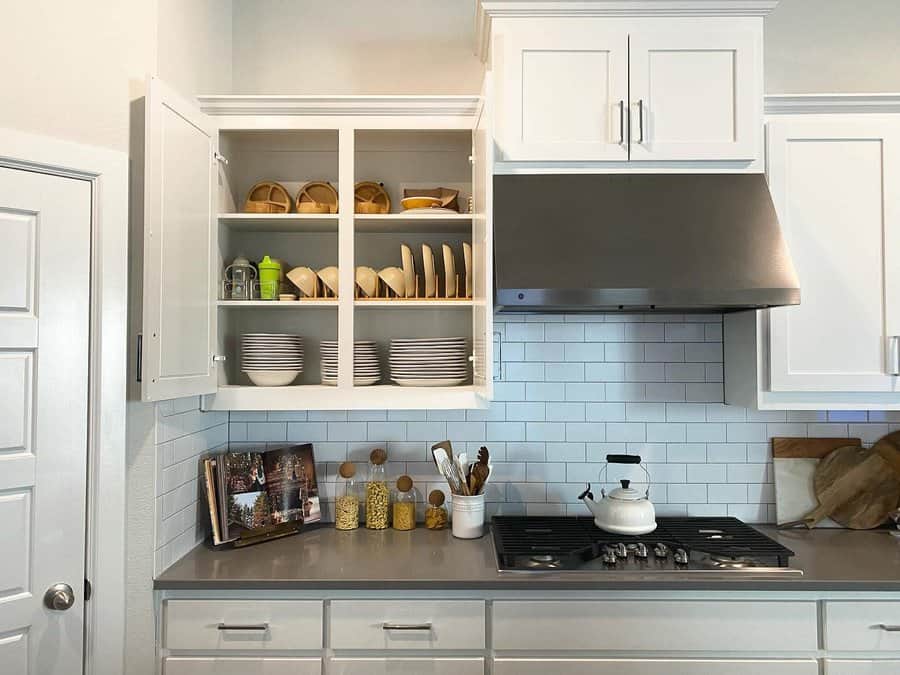
Inside your kitchen cabinet doors is another great hidden storage space. Hang hooks inside the doors and use them for towels, measuring spoons, or utensils. Another great storage hack is a wire basket that hooks onto the bottom of a cabinet shelf. This small kitchen idea makes use of the unused space above your dishes or glasses.
Source: @audrey__flo via InstagramSource: @keysandcokitchens via InstagramSource: @kithkitchens via InstagramSource: @tarynitupintexas via InstagramSource: @the_uncluttered_life via Instagram
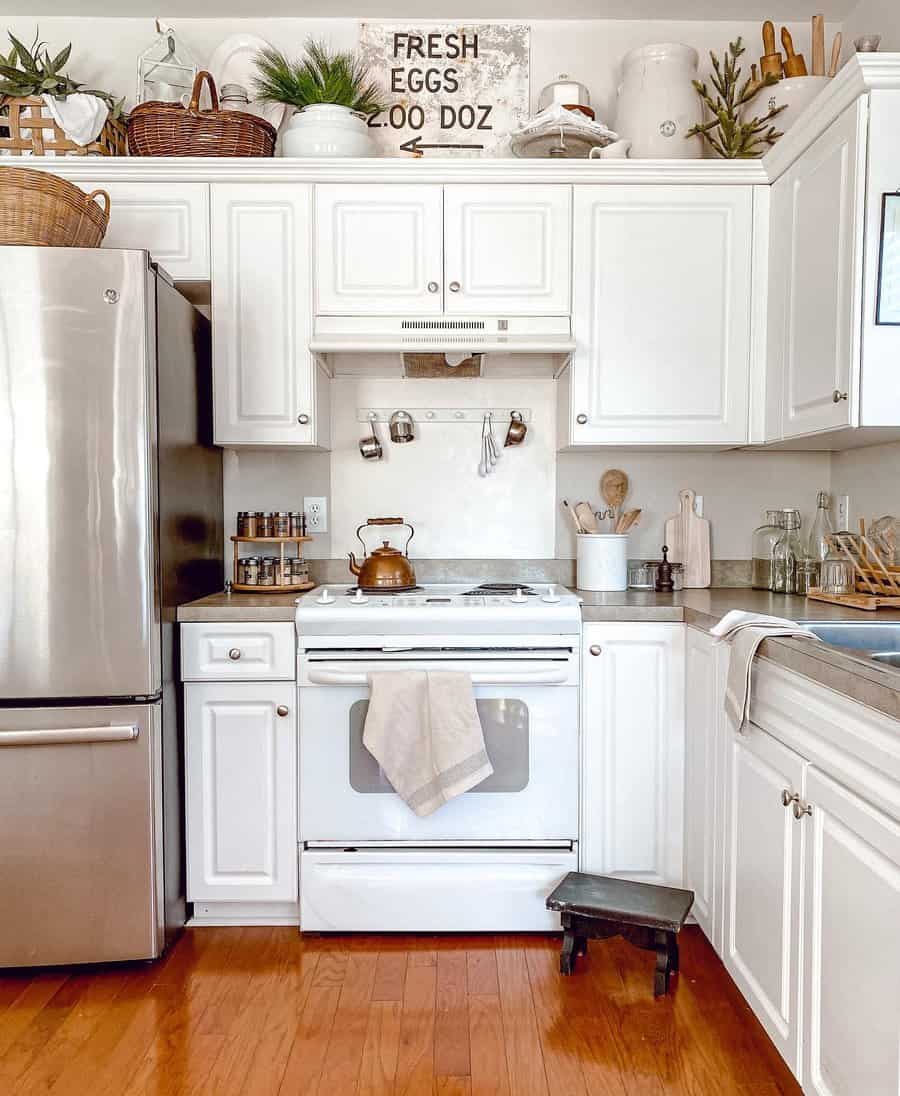
Make the most out of any open space you have above your kitchen cabinets. Treat this space as you would open shelving, using it to store platters and other equipment you only use occasionally. Make it a beautiful space by displaying trailing plants, antique kitchen signs, woven baskets, or other home decor touches.
17. Elevate Kitchen Aesthetics with Budget-Friendly Curtains and Accents
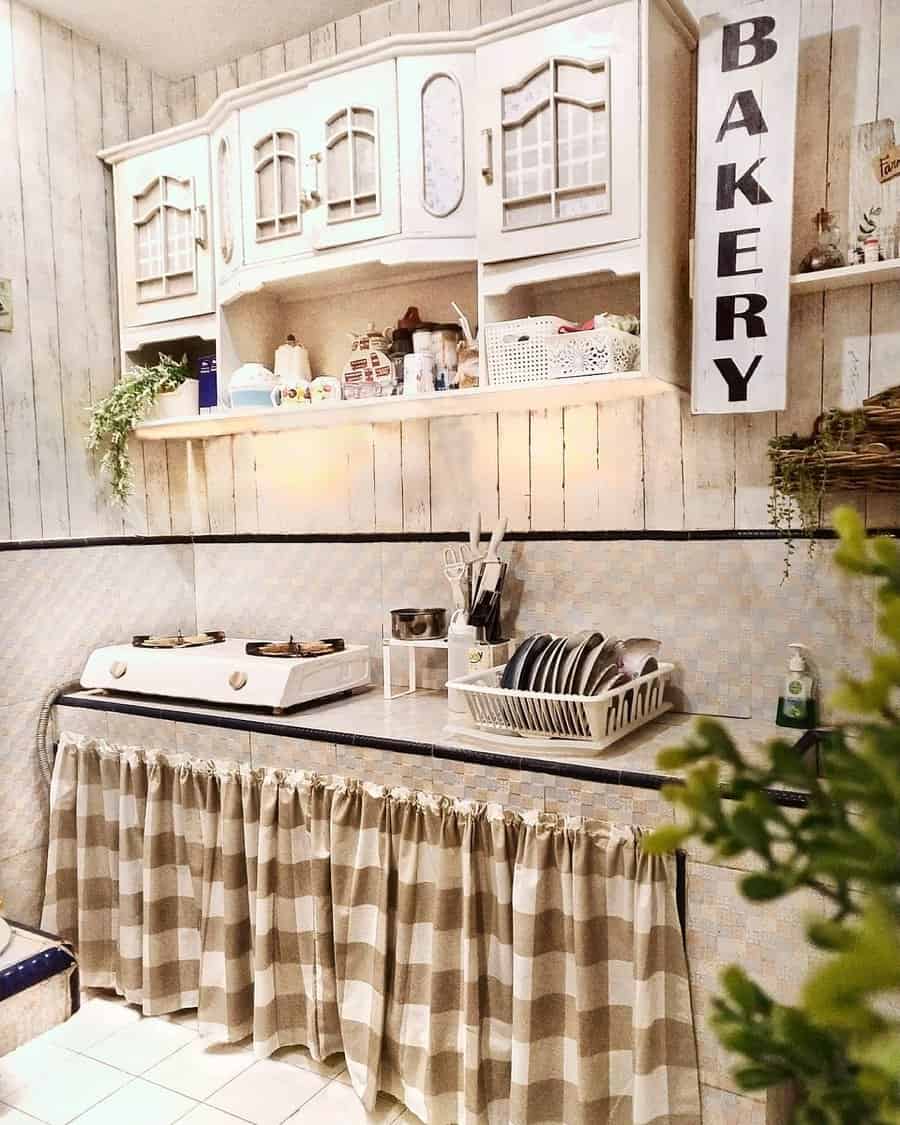
New curtains are a quick, inexpensive idea for sprucing up the kitchen. A bold buffalo check valance or café curtain adds a farmhouse vibe, while sheer kitchen curtains allow the most light to filter through. Curtains are a great way to introduce a new color or pattern to your kitchen design ideas.
Source: @umi__fitri via Instagram
After you choose your favorite new curtains, shop for coordinating kitchen or dining room chair cushions. Also, upgrade a boring kitchen mat with a non-slip rug in your chosen colors. These little splashes of color and texture are great affordable kitchen ideas.
Farmhouse style is a casual, welcoming way of decorating that’s perfect for a budget kitchen remodel. Farmhouse small kitchen ideas include white walls, reclaimed wood floating shelves, touches of black, and plenty of natural textures.
Source: @homespaceny via InstagramSource: @kitcheninterior_ via Instagram
Replace an ordinary sink with a small farmhouse sink, or put in a copper kitchen sink with copper faucets. Hang pots and pans from a wrought iron ceiling rack over the kitchen island. Not only is this a great farmhouse kitchen design idea, it also frees up extra storage space for other kitchen necessities.
19. Brighten Small Kitchens with Clever Lighting Choices
If your small kitchen space is low on natural light, it will look dark regardless of what kitchen design ideas you use. Mimicking the beauty of natural light is a must when kitchen space is limited—especially if the room doesn’t have a window.
Source: @asl.electric via InstagramSource: @ebbandflow_official via InstagramSource: @mooboohome via Instagram
A small kitchen often has just one light, so make it a statement piece. An oversized light fixture can look grand in a small space. Be sure to fit it with an LED bulb that mimics natural daylight.
Woven metal or rattan pendant lights over the kitchen island have an open, airy design that can help a small kitchen feel spacious. Add hidden task lights under the kitchen cabinet to help illuminate your worktop and brighten the space.
20. Opt for a Rustic Small Kitchen Oasis
Your dream kitchen makeover may include lots of rustic elements—especially if you live in an industrial loft or country cabin. Rustic design ideas that work well in a small kitchen include exposed brick, reclaimed wood, stone and concrete surfaces, burlap, and other natural textures. Add a faux exposed beam to the ceiling and you’ll instantly up the rustic ambience.
Source: @_phoenixhouse via InstagramSource: @sto_widokow via Instagram
If your budget includes appliances, choose industrial-style stainless steel surfaces. If those are beyond the budget, look for black appliances instead of white ones. Remember that your light fixtures and cabinet hardware choices can supply a lot of a kitchen’s rustic vibe.
21. Maximizing Storage in Small Kitchens with DIY Floating Shelves
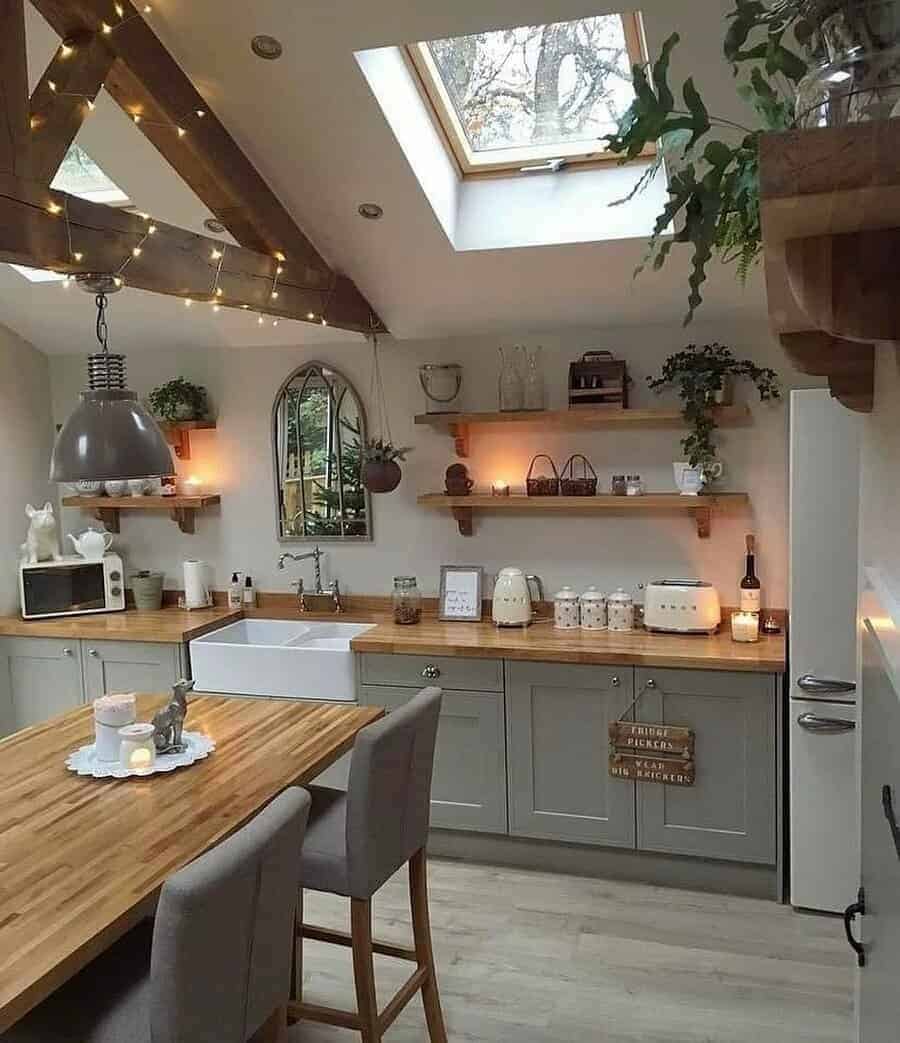
Open shelving is a fairly easy DIY kitchen design idea that modernizes the room while adding kitchen storage space. A floating shelf is basically just a wooden board attached to the wall with a special type of hidden bracket. Floating shelves can extend over windows, creating new storage space for beautiful glassware.
Source: @bedwynrees via InstagramSource: @blessed_and_farmhouse_obsessed via InstagramSource: @renovating_no_39_liverpool via InstagramSource: @the_gemini_renovation via InstagramSource: @tricks_and_mortar via Instagram
You can also buy decorative shelf brackets and simply lie a wooden board on top. If you want to double each shelf’s storage capacity, screw cup hooks into the bottom and hang your mugs there. Always keep your most-used items on your shelves, so they’re easy to grab when you need them.
22. Optimizing Natural Light in Your Small Kitchen Space
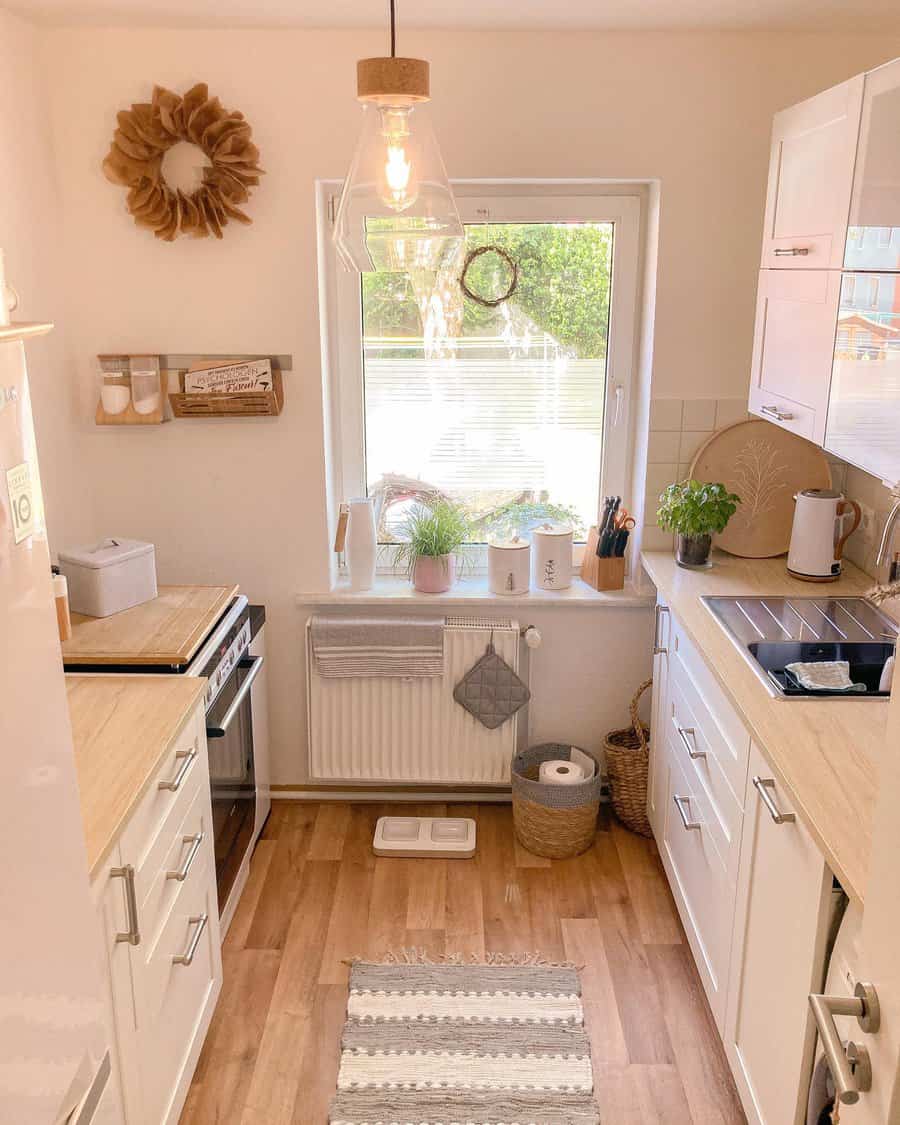
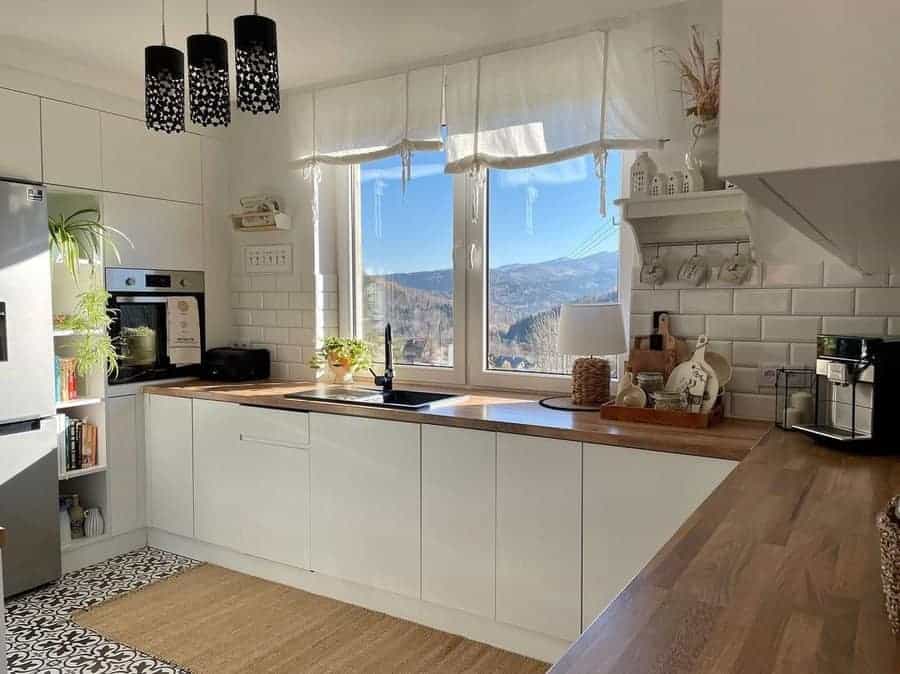
Allow as much natural light as possible to flow through your small kitchen. If light is limited, don’t exacerbate the problem with dark, heavy curtains. Replace drapes with light colored blinds or sheer fabrics to maximize the available light.
Source: @claudialoveshomedecor via InstagramSource: @drystonewalls.and.wellies via InstagramSource: @houseseacliff via InstagramSource: @myblackheartdecor via InstagramSource: @rentingtudorrose via Instagram
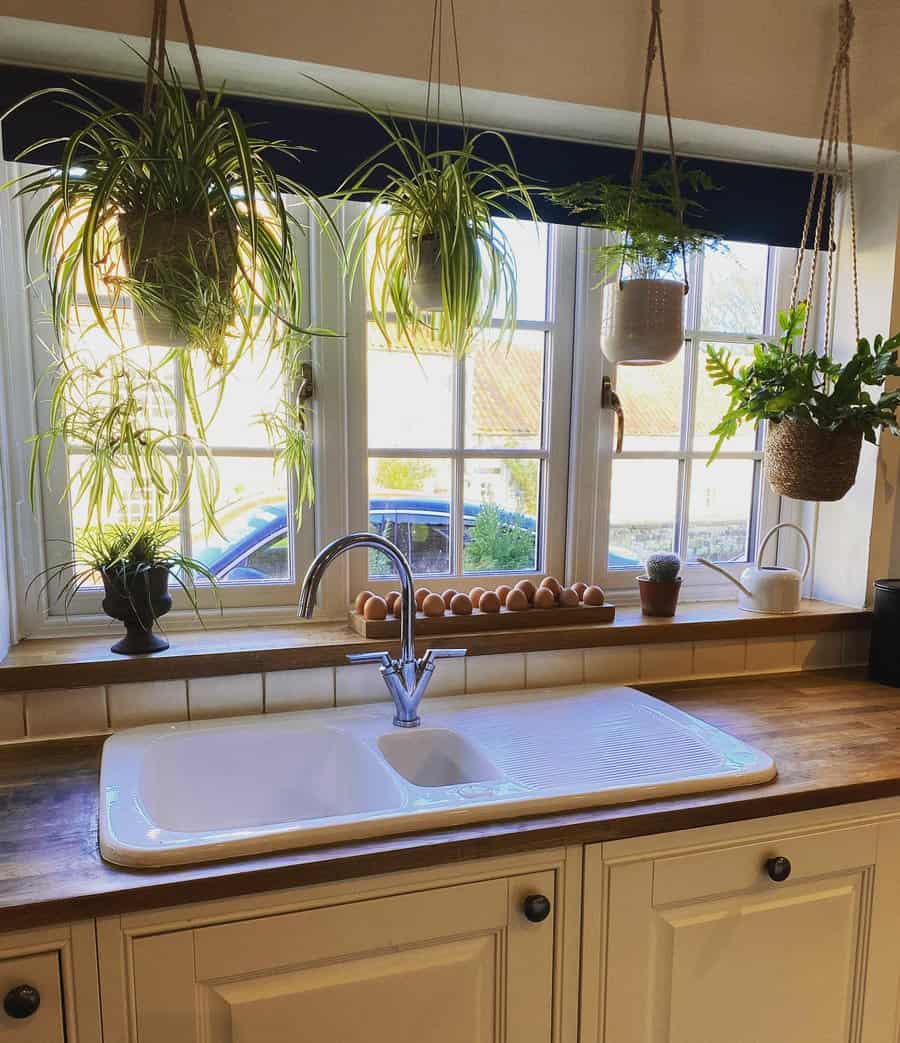
If your small kitchen budget includes enough for replacement windows, choose windows with large glass panes for a more open view. Windows with lots of small panes and wooden mullions can make a small room feel a bit claustrophobic.
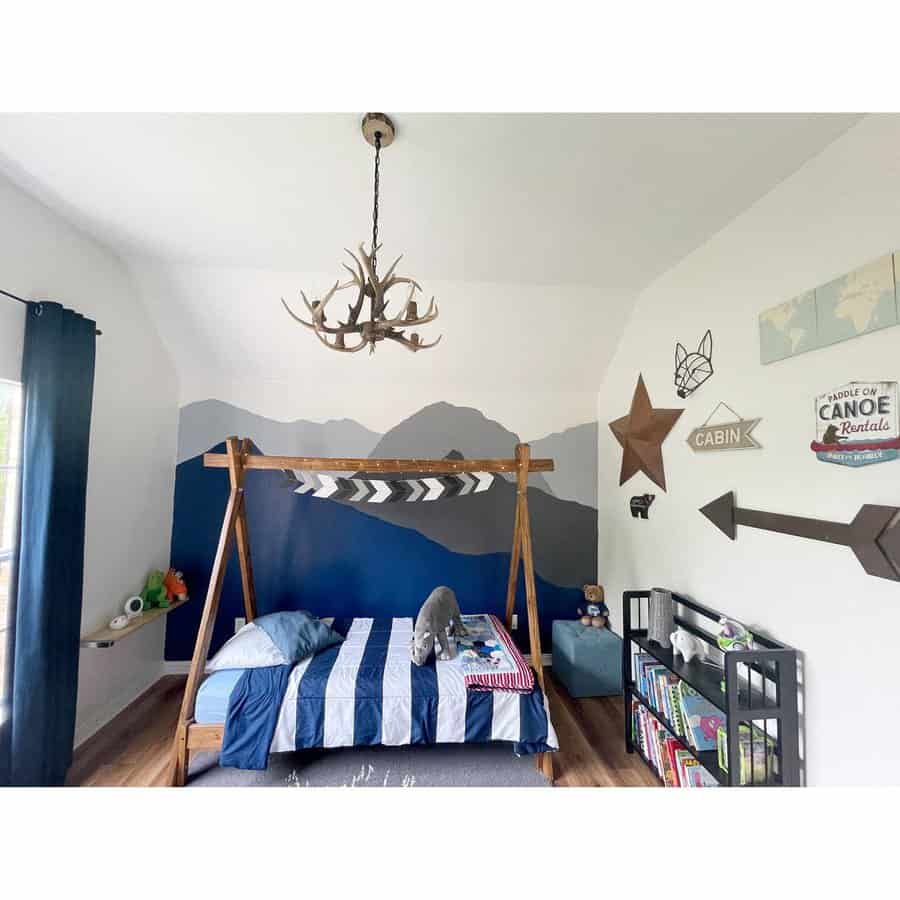
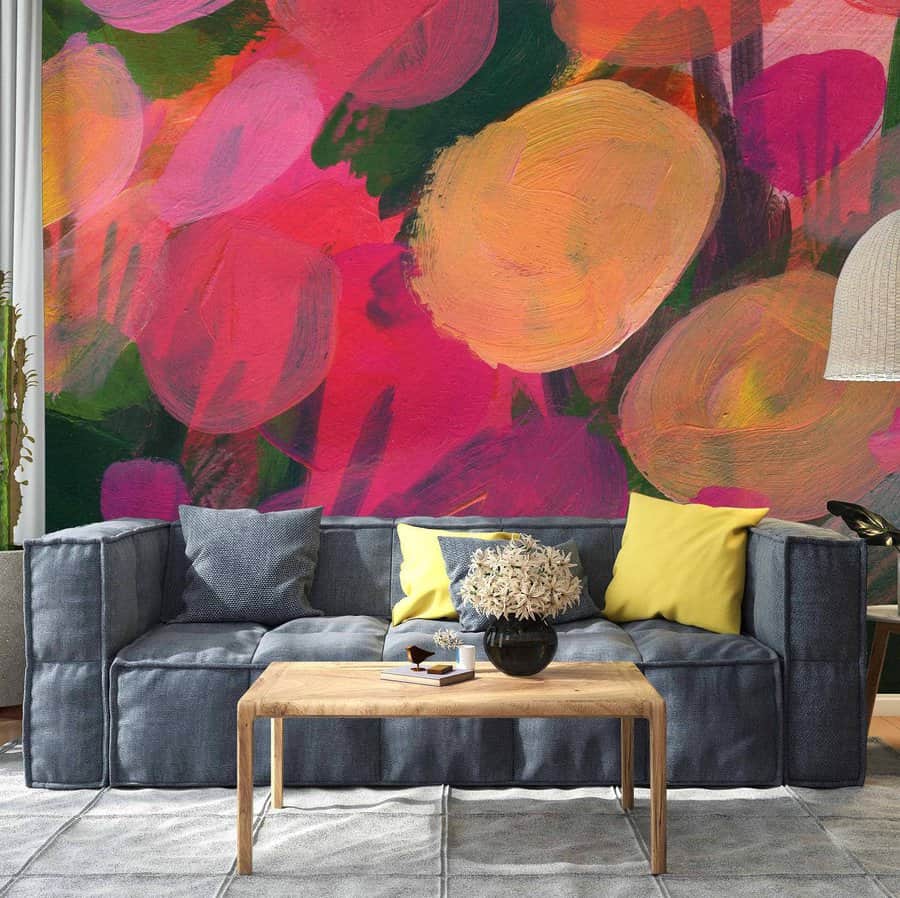
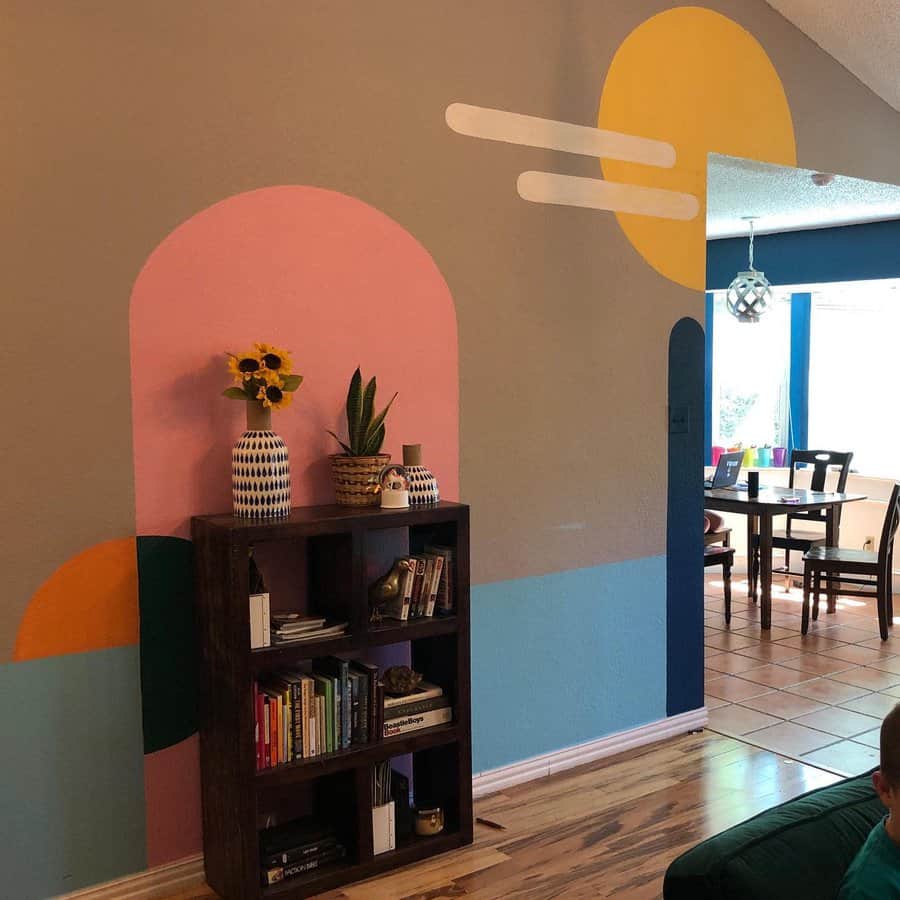
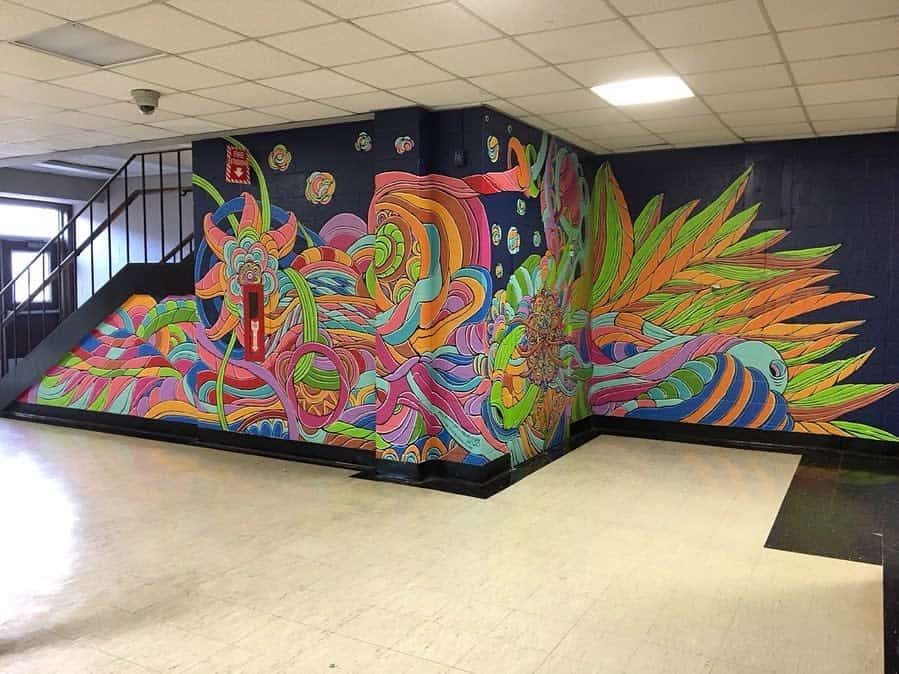
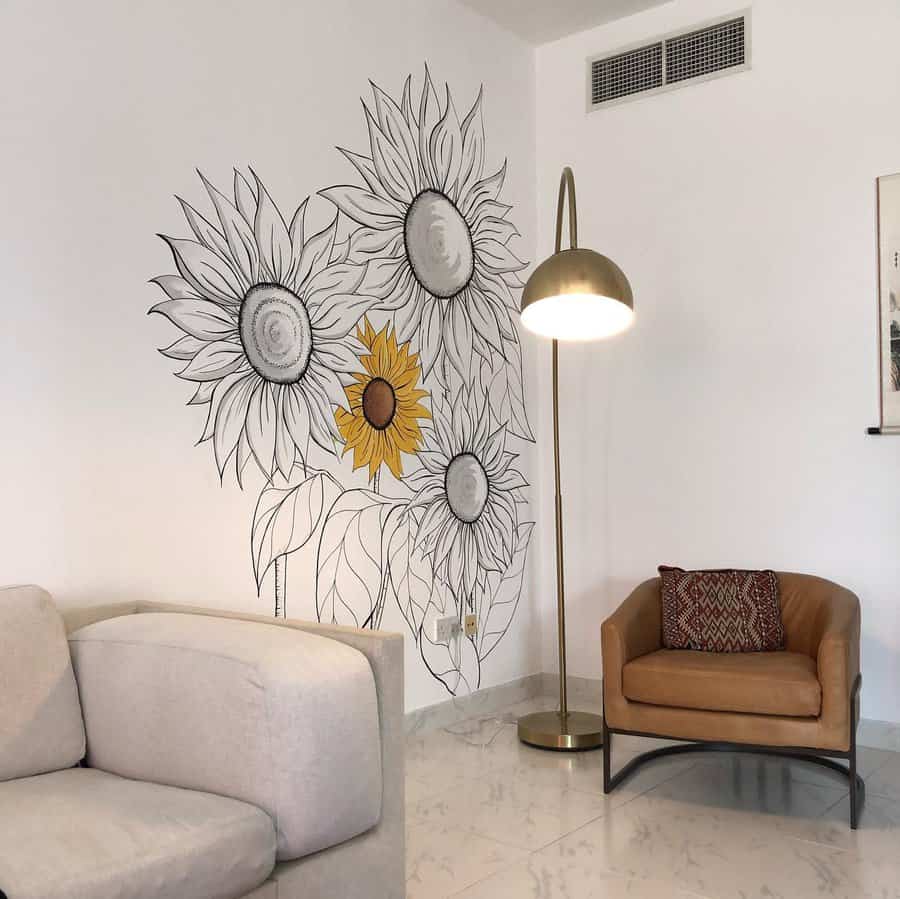
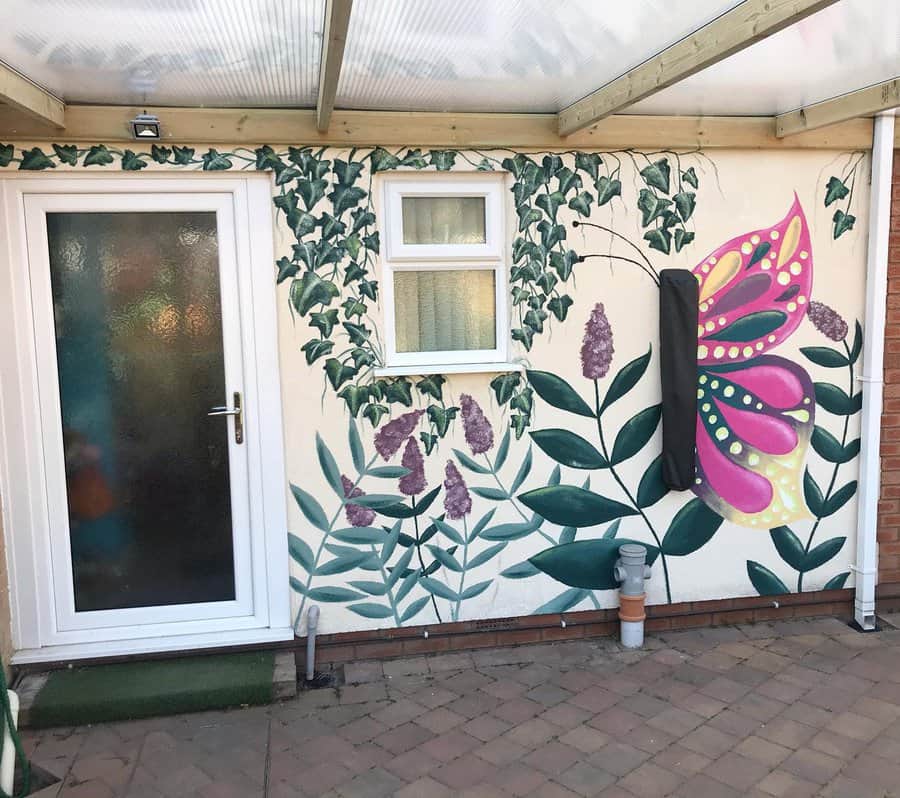
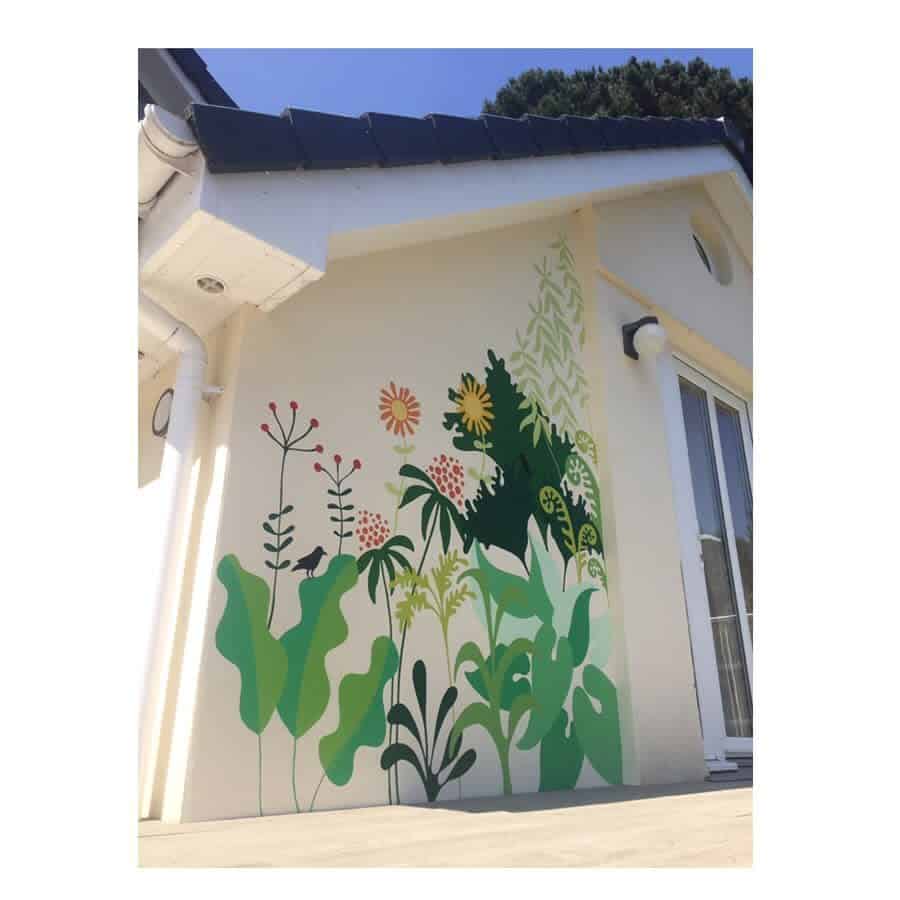
An accent wall becomes the focal point of any room. But simply painting one wall a different color is expected and overdone. Instead, stay ahead of trends and do something different for your accent wall. Add an accent wall mural to one of the walls in your home and have more than just an accent; you’ll have art.
These wall mural ideas will help you figure out how to add a statement piece to your home.
[view_toc]
1. Eye-Catching Abstract
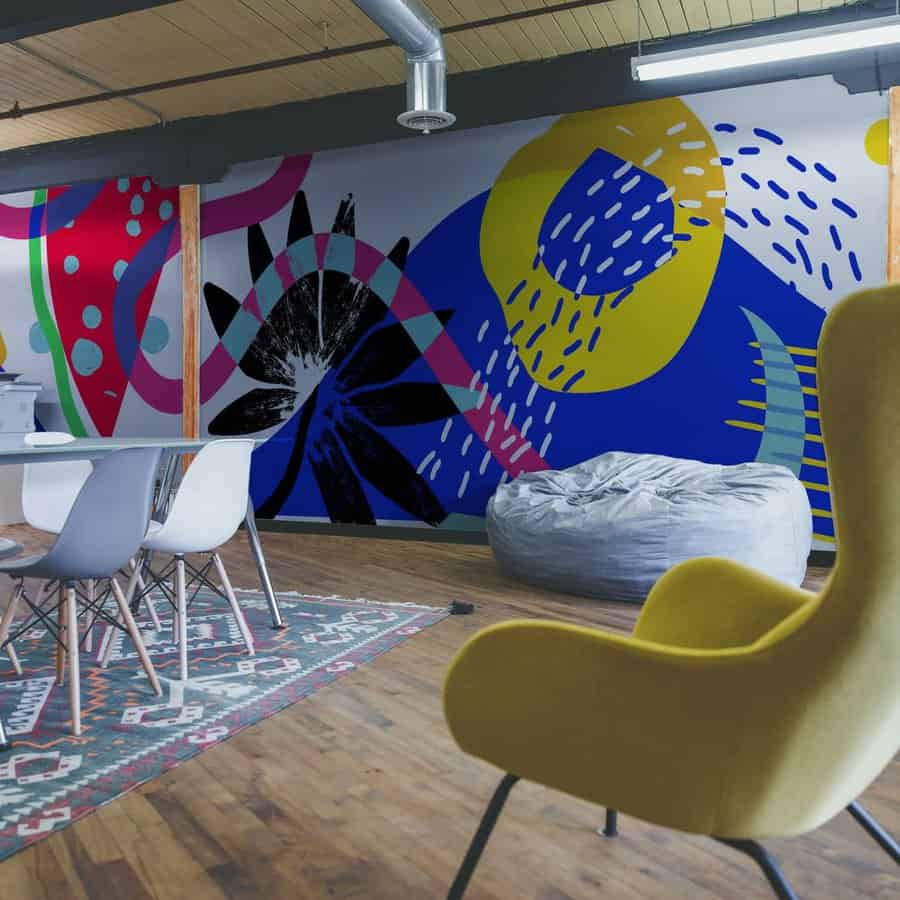
Wall murals can be a great way to liven up any room and make it more personal to you. Instead of settling for an abstract poster from a store, why not take the more creative route and create your own mural? You could use abstract art as a base, made with lines and circles shaped into figures, animals, and characters. Then take it up a notch by adding in some paint marks.
Choose bright colors for something upbeat, or go for rich hues for something more elegant. Whatever style you choose, with the right ideas and motivation you’ll have an eye-catching wall mural in no time!
Source: @livlargerart via InstagramSource: @mural_unique via InstagramSource: @create.design.enhance via InstagramSource: @naomibatts via InstagramSource: @sarapaintsfaces via Instagram
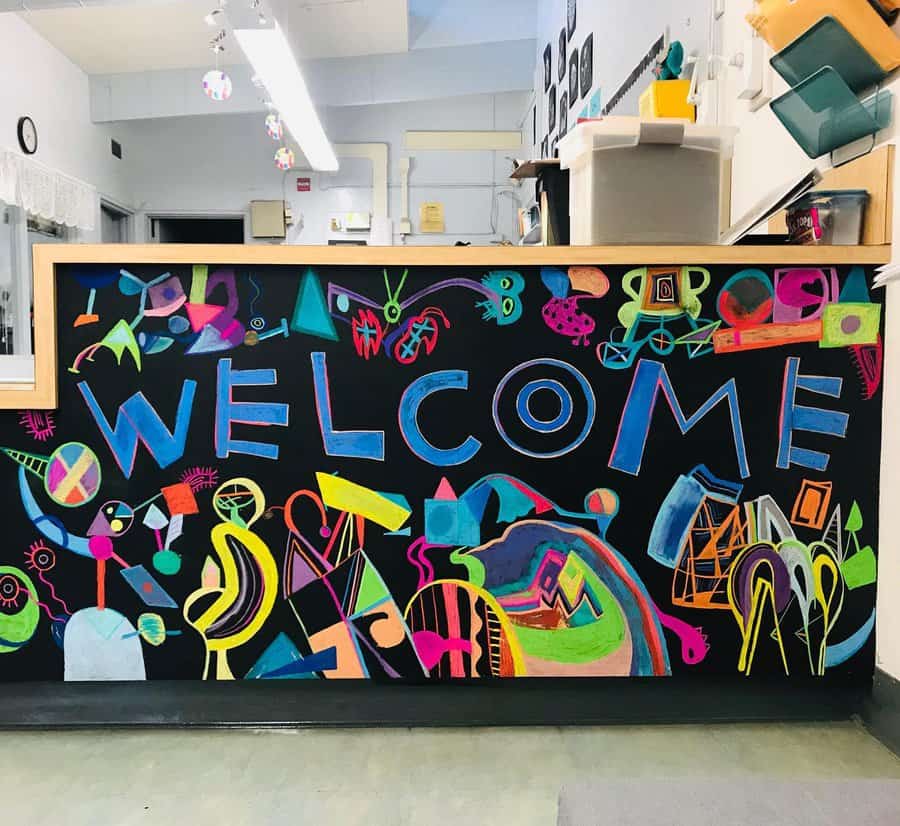
2. Doodle Art
Showcase your creative flair with doodle art murals! To create a unique and eye-catching mural design, forget everything you know about conventional drawings, and just doodle randomly. Just draw something that comes to mind, while sprinkling it with random elements and geometric shapes here and there.
Use lines to connect the doodles, so they come together nicely in the form of a picture or story. Be spontaneous when designing your mural, as opposed to pre-planning each doodle. This will help bring unexpected vibrancy to your wall art that will elevate your room’s decor game!
Source: @joepimentelart via InstagramSource: @chulo.creative via InstagramSource: @isla_creative via InstagramSource: @mooreofthetobin via Instagram
2. Animal Kingdom
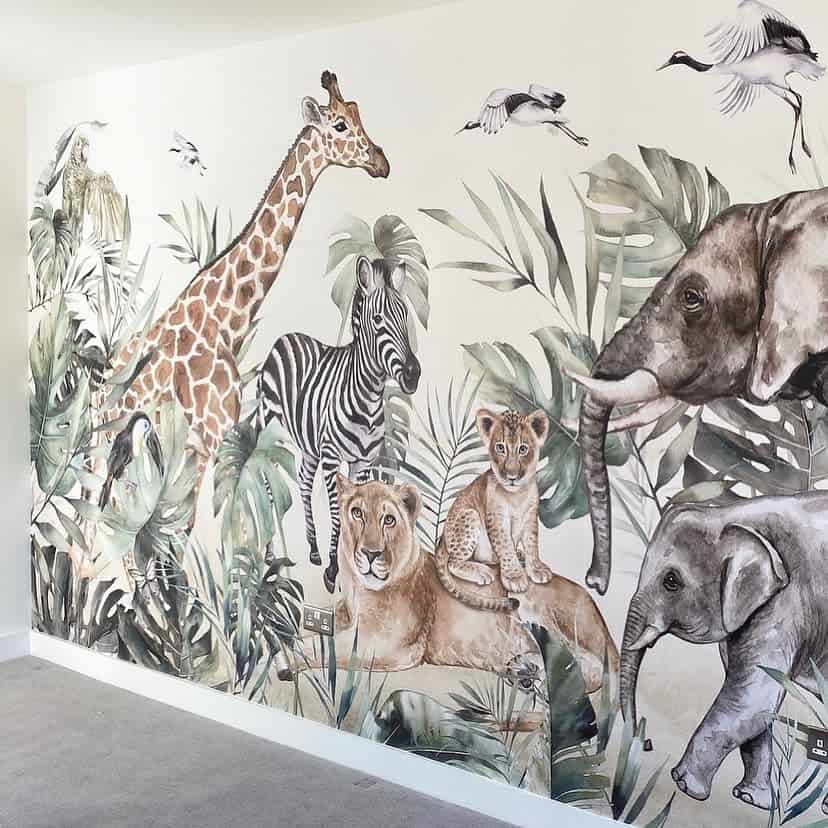
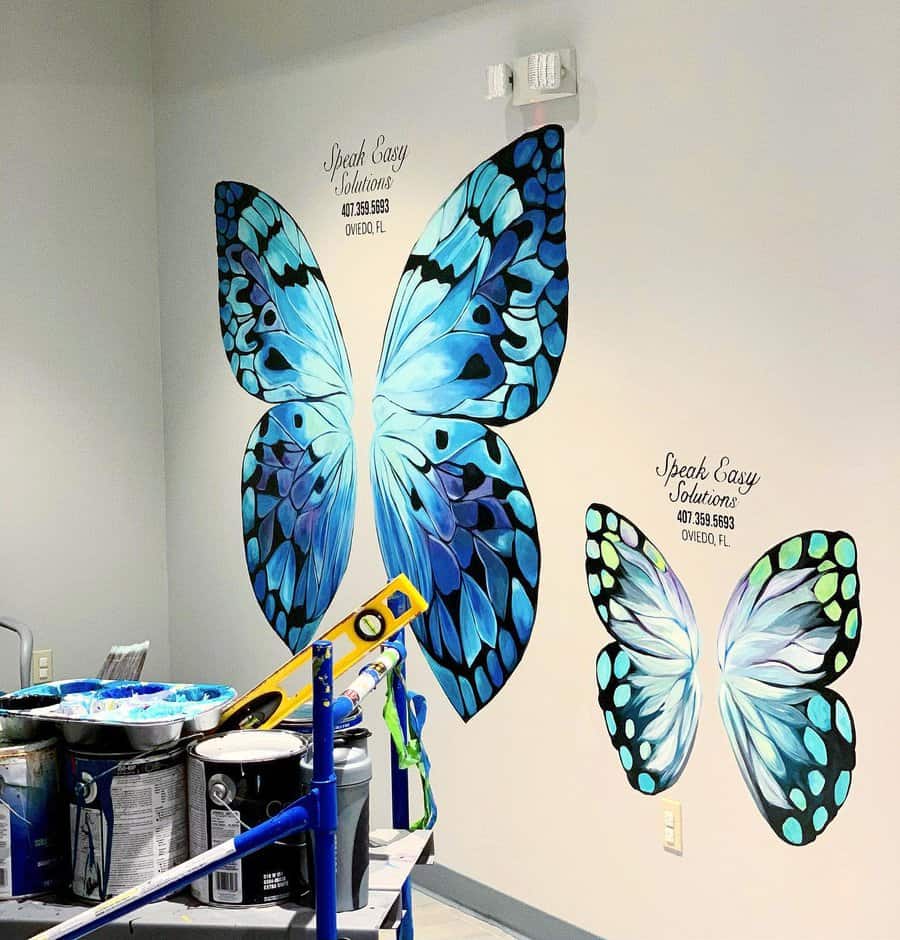
If you’re searching for a unique touch to add to your home, an animal wall mural is a way to go. For animal lovers, consider bringing some safari animals like zebras and giraffes into your living space. If you’d rather not involve animals, an array of vibrant butterflies can bring life and fun into any room.
Those with little ones may want to design their bedroom with a map + animal mural that will allow them to explore the world right in their own room. Whichever mural idea you plan on pursuing, make sure it reflects your taste while infusing personality into the room.
Source: @ellisinteriors80 via InstagramSource: @alloftheprint via InstagramSource: @kreamart via InstagramSource: @ktartistryllc via InstagramSource: @gtkate via Instagram
4. Sports-Themed
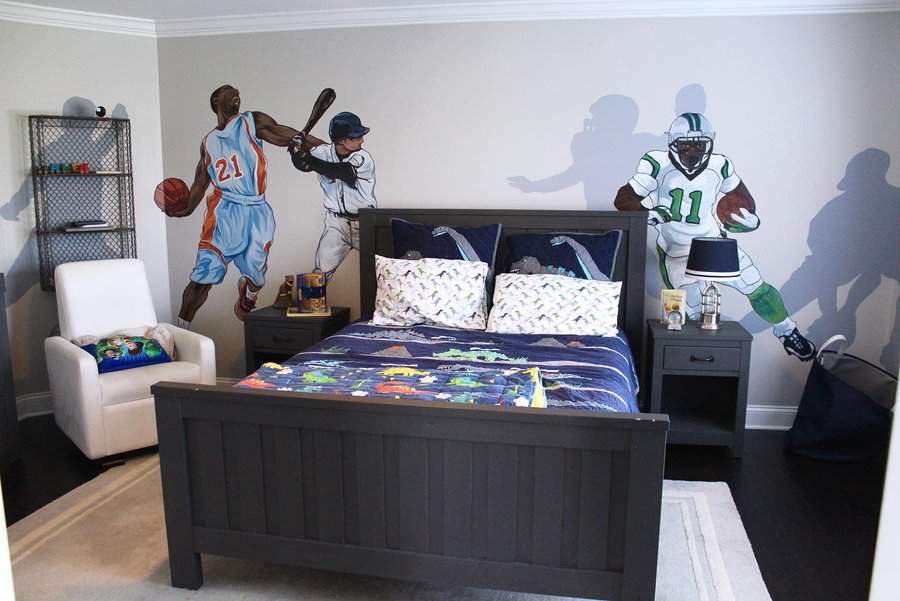
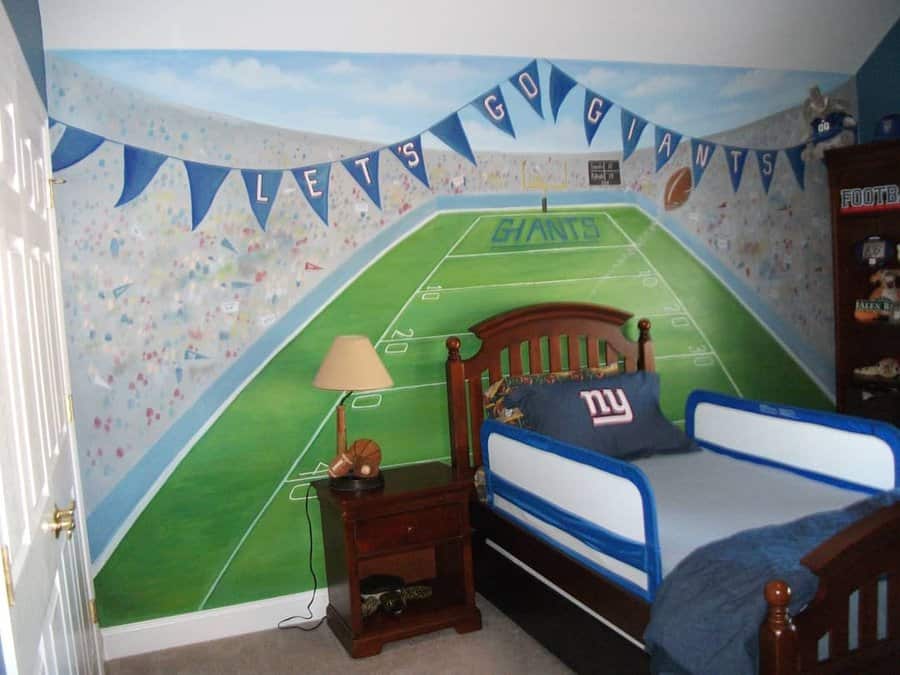
If you’re looking for sports-themed wall mural ideas that will make your sports fan’s room look amazing, why not start with a football field? Paint the walls to look like grassy sports turf and hang up some sports equipment or team colors. For the boys’ room, you could even go the extra mile and add goalposts.
Basketball fans would love to have a life-size playing court on their wall and baseball fans could have some batting practice right in their bedrooms! Whatever sports activities your kiddo is into, sports-themed wall murals are sure to bring big smiles to their faces.
Source: @chloesmithillustration via InstagramSource: @msfsports via InstagramSource: @runningrainier via InstagramSource: @limurals via Instagram
5. Feminine Floral
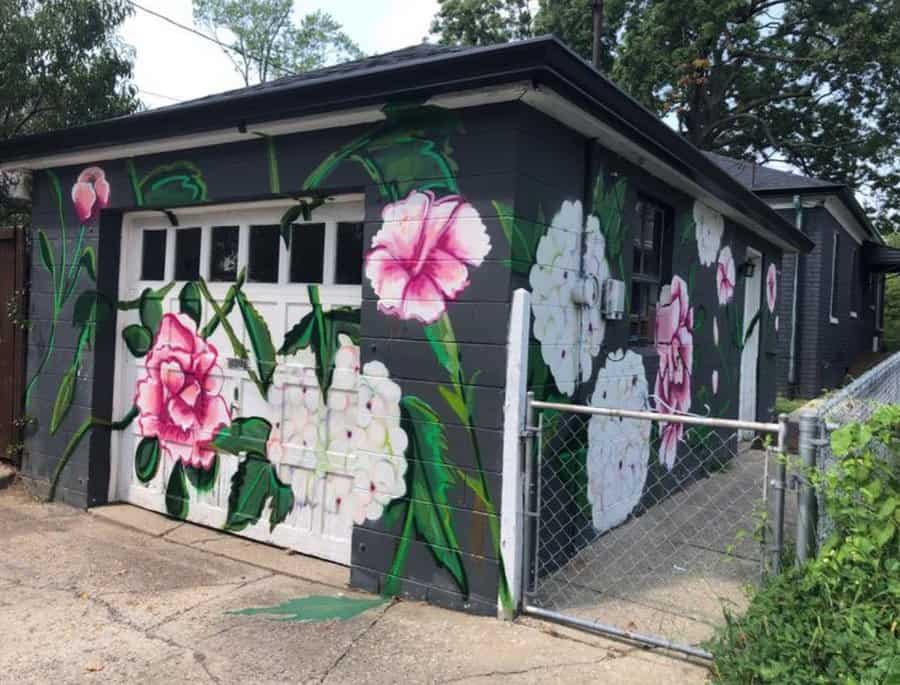
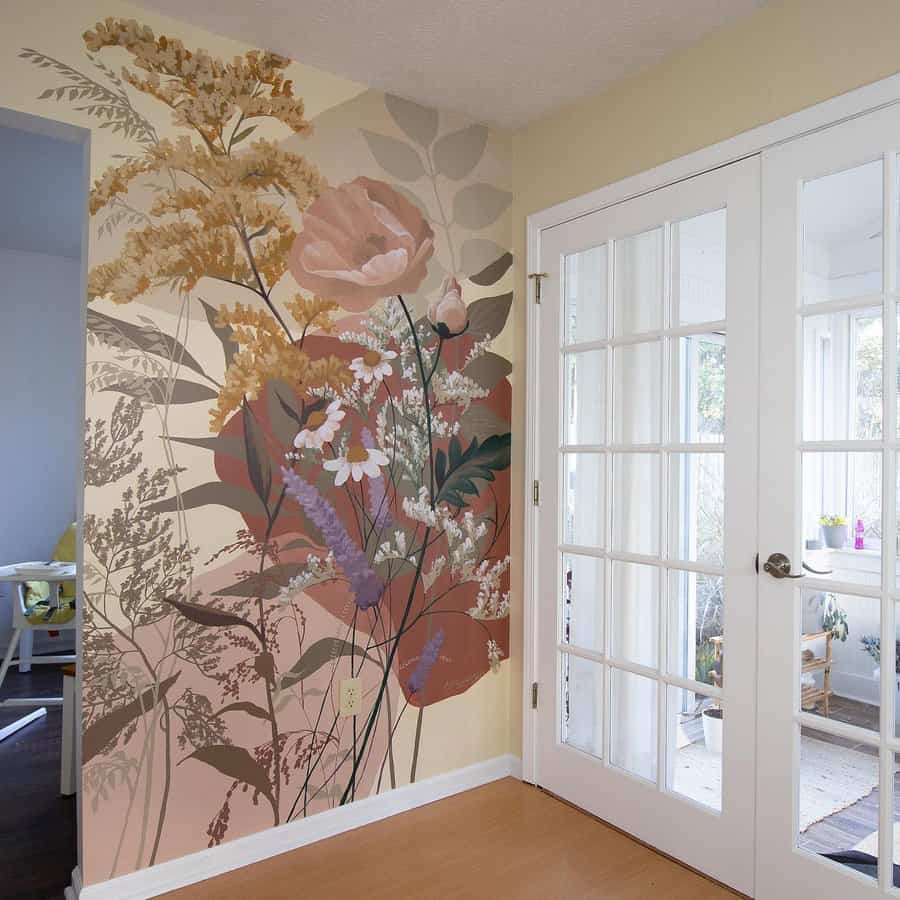
A floral wall mural is a great way to add a pop of lush color and femininity to any room. If you are looking for ideas to incorporate floral accents into your living quarters, consider one of these floral wall ideas. Create a soft and airy effect by painting clouds or abstract blobs of various feminine colors in the background, and then incorporate large floral illustrations that pop against the softer background.
Alternatively, use floral stencils or removable wallpaper for a more subtle floral look. If you’re looking for something specifically for a girls’ bedroom, try drawing a colorful bouquet of detailed flowers along the entire wall. With these creative floral wall mural ideas, there are plenty of fun ways to bring nature indoors!
Source: @spry_design via InstagramSource: @wowwallpaperhanging via InstagramSource: @megsj1art via InstagramSource: @paint_pixie via Instagram
6. Cartoon-Themed
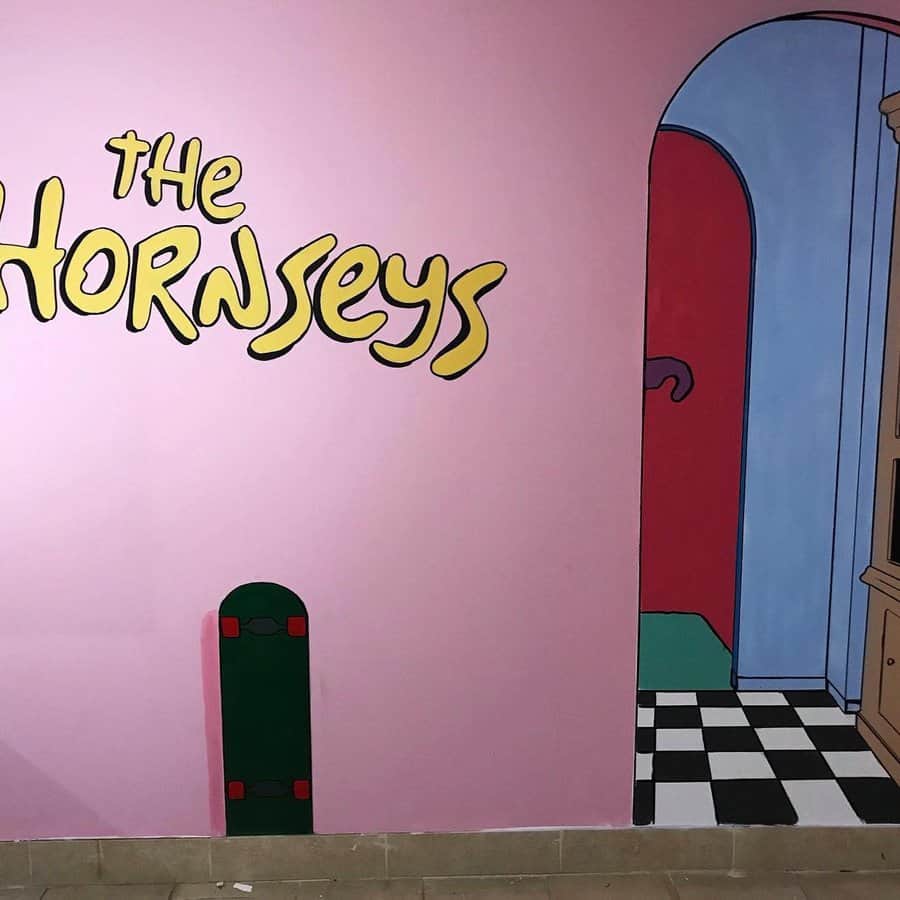
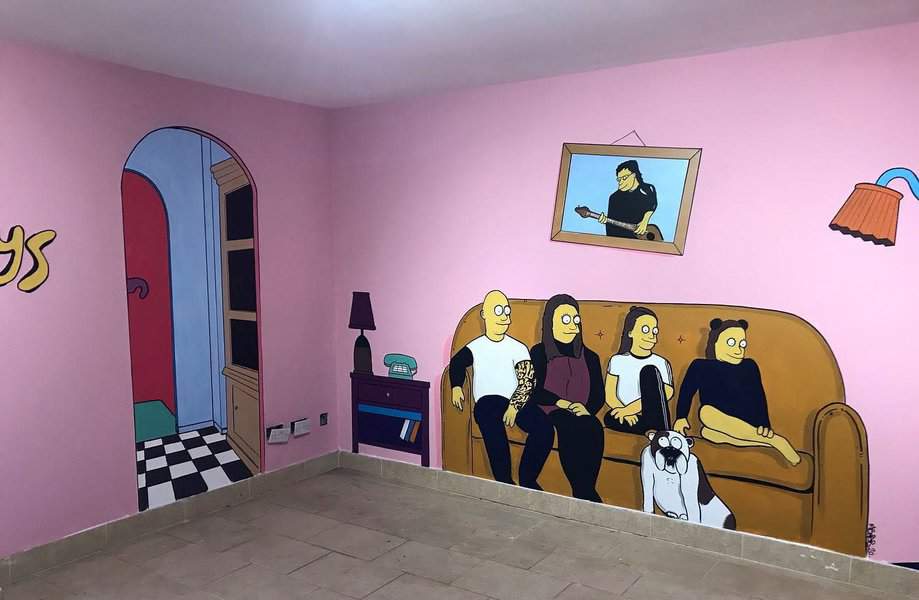
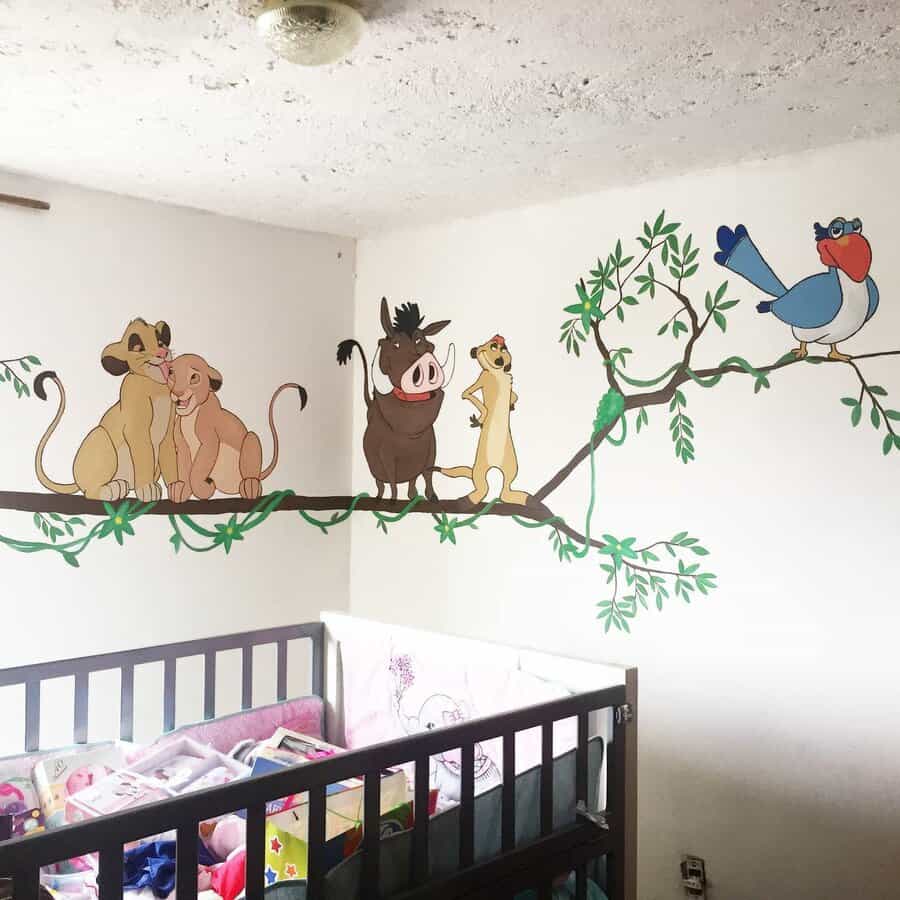
Adding cartoon-themed wall murals in your home can make a huge impact, especially if you have kids or are a kid at heart. Depending on the cartoon of choice, a cartoon wall mural could be whimsical and funny or express wise lessons for life. Consider cartoon characters that bring out the best in them like superheroes, classic cartoons, sci-fi characters, and more to get creative vibes from your wall.
The cartoon art could even be added as wallpaper on multiple walls for more impact or hang framed cartoon prints for personalized art that reminds you of the cheerful vibe cartoons often bring. Start embellishing with cartoon artwork today and get ready to enjoy some pop art décor in your space!
Source: @danksy_murals via InstagramSource: @murals_by_danny_bench via InstagramSource: @murals_by_danny_bench via InstagramSource: @kokoredecoracion via Instagram
7. Fresh Tropical
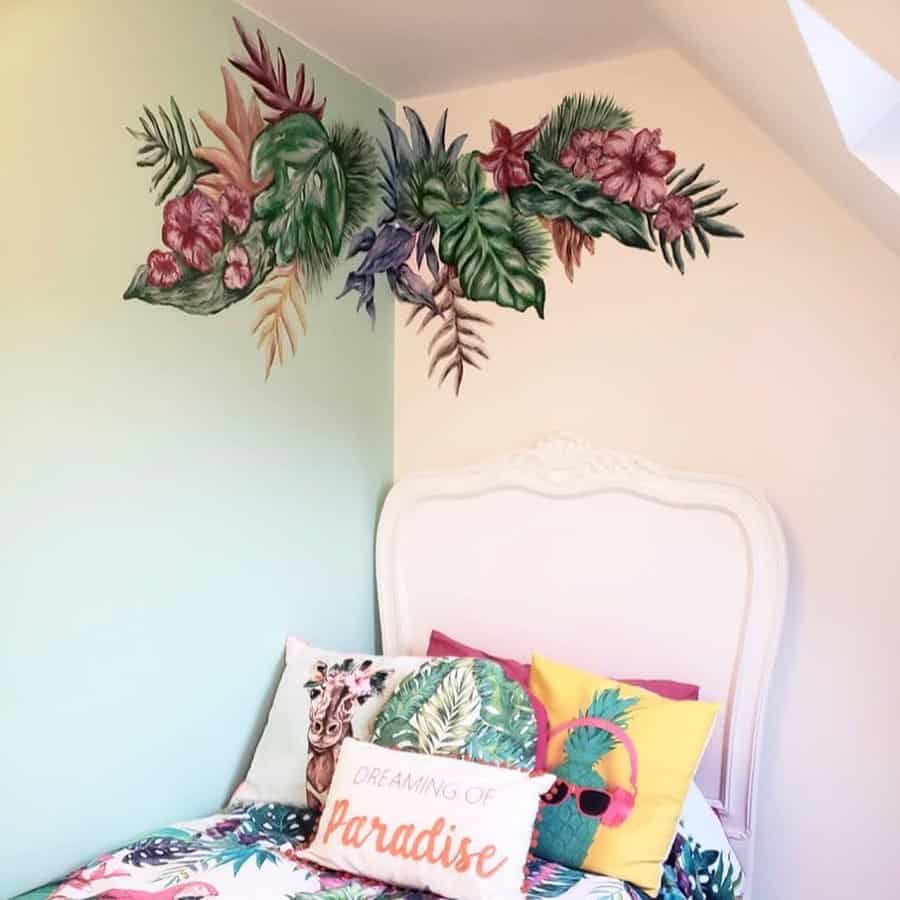
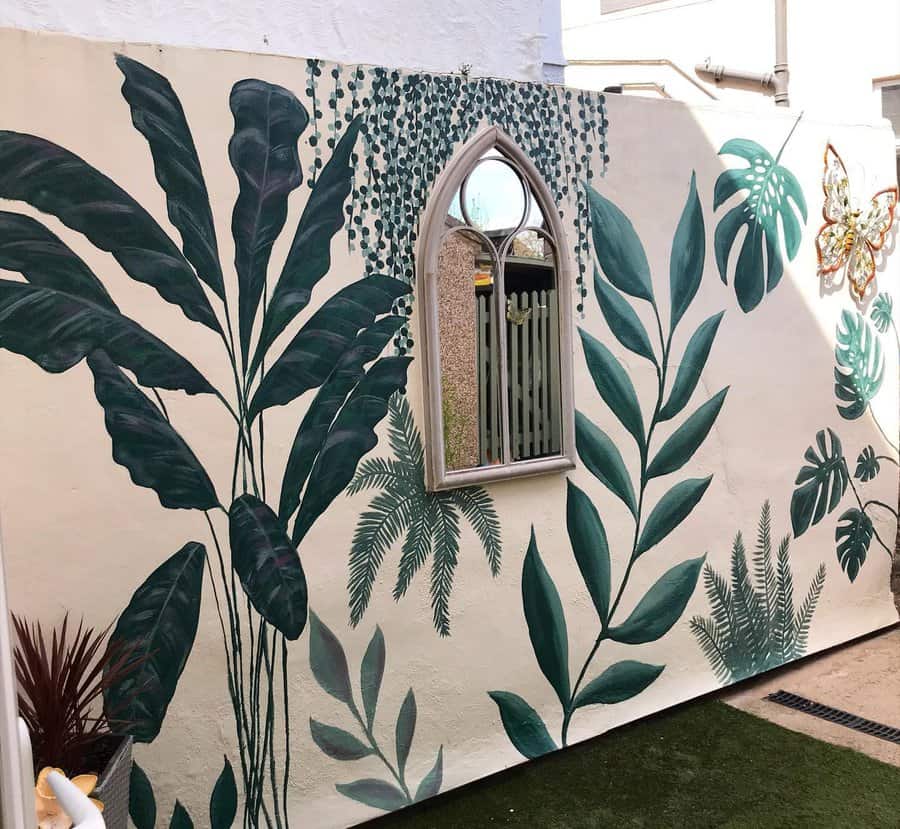
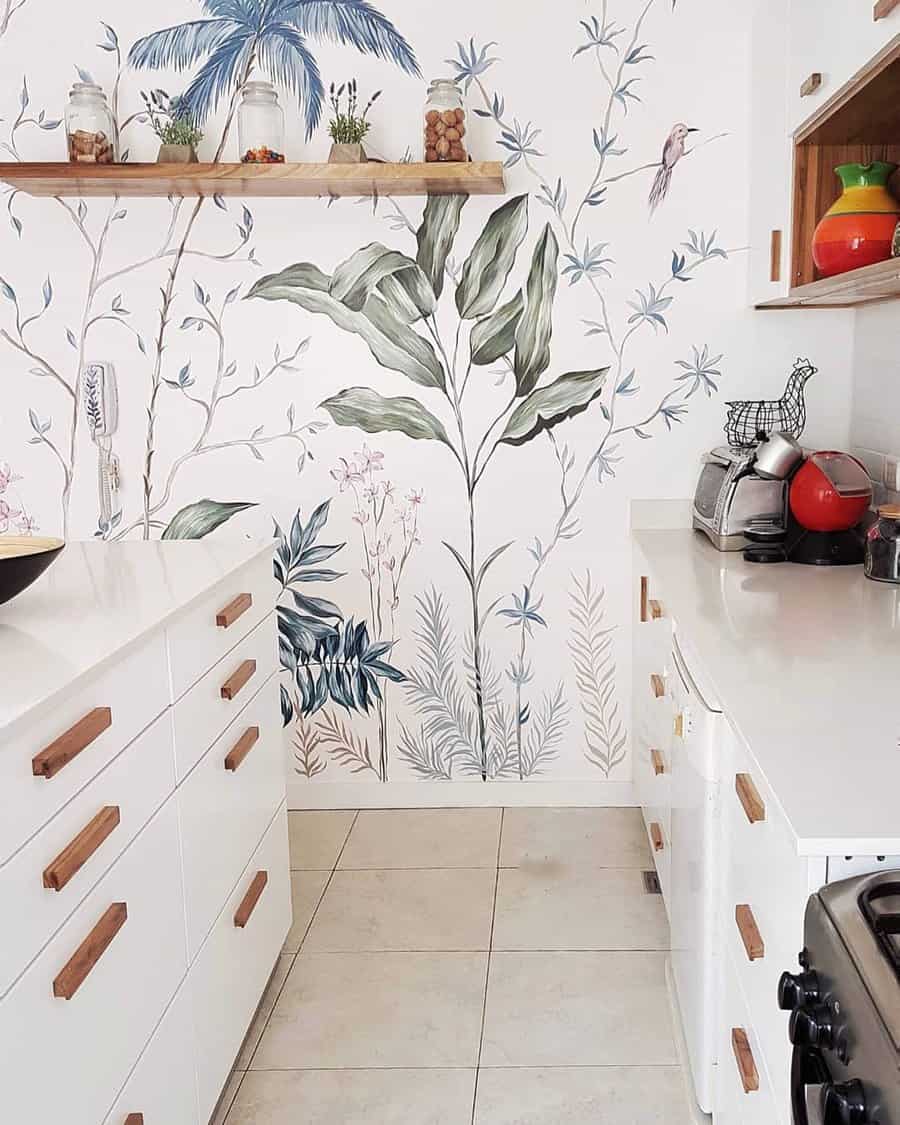
Transform any boring wall into a tropical paradise with a beautiful plant wall mural! There are so many amazing options: from tropical plants and birds to colorful butterflies fluttering through bright blue skies. Whether you are dreaming of tropical beaches or lush tropical jungles, you can find a tropical mural that perfectly captures what you have in mind.
Get creative and use stencils to design ferns or palm trees for an extra personalized touch. Whatever your vision is, get ready to take a virtual vacation right at home with an unforgettable tropical wall mural!
Source: @chloedymonddesign via InstagramSource: @lisa_made_it via InstagramSource: @chloedymonddesign via InstagramSource: @chloedymonddesign via Instagram
8. Retro-Style Art
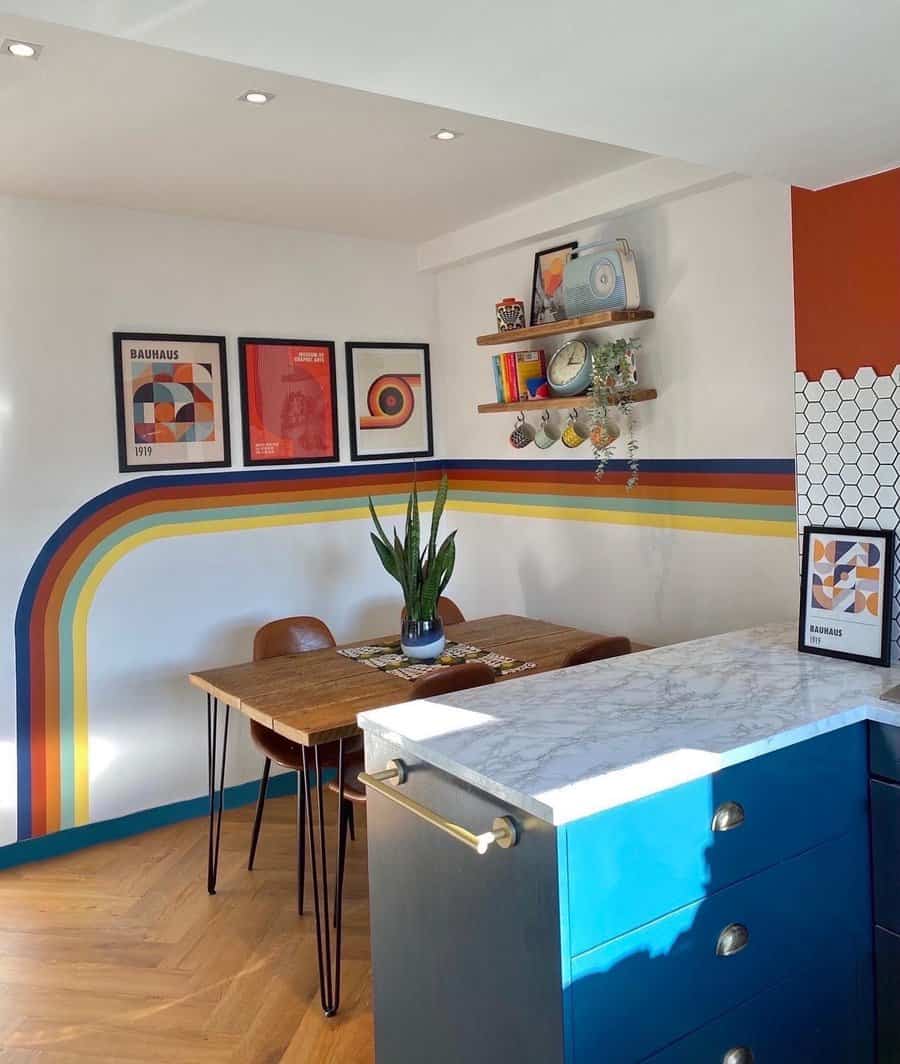
Looking to find retro wall mural ideas? Bring retro-style art into your interior with an eclectic wall mural. Paint it yourself with bright colors and stark contrasts, or try print on print for the full retro experience in your home. Consider featuring retro-inspired characters or classic vintage objects for added character.
With all of these retro wall mural ideas, your abode will transform into a retro wonderland as you’ve never seen before. Have fun getting creative!
Source: @aliceincolour via Instagram
9. Muted Florals
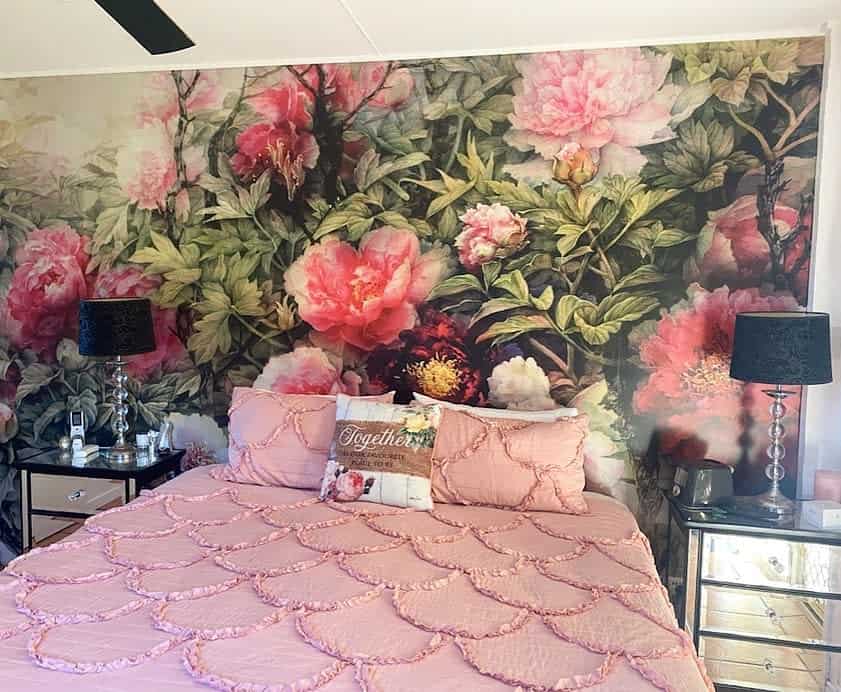
If you are thinking of designing a floral wall mural for your interior, muted florals can be a perfect choice. They won’t overpower the rest of the decor, but provide just enough visual interest to create a unique vibe to your space. Muted florals also look great in a more rustic and nostalgic interior.
Additionally, muted walls such as greys and whites provide a great backdrop for muted floral murals to ensure that they don’t become too overpowering or distracting.
So if you’re looking for an interesting way to introduce some life into your interior while still keeping it muted and understated, these floral wall murals are definitely worth considering!
Source: @aliciazanonilawrence via InstagramSource: @florrossi_interioresvivos via Instagram
10. Vibrant Fruits
Creating vibrant, juicy wall murals using fruity elements is one way to make your home interiors more vibrant and colorful. Incorporate a mix of different fruits from vibrant oranges and lemons to exotic dragonfruits and guavas to add an extra dash of color.
You can even work with fruity stripes and vibrant floral details for a unique twist on traditional motifs. Finish off the look with lush greens sprinkled throughout the design.
From adding vibrant life to any kitchen to welcoming guests into entryways, fruity wall mural ideas are sure to freshen up your interiors no matter where they’re displayed.
Source: @happily_ever_archford via Instagram
11. Word Play
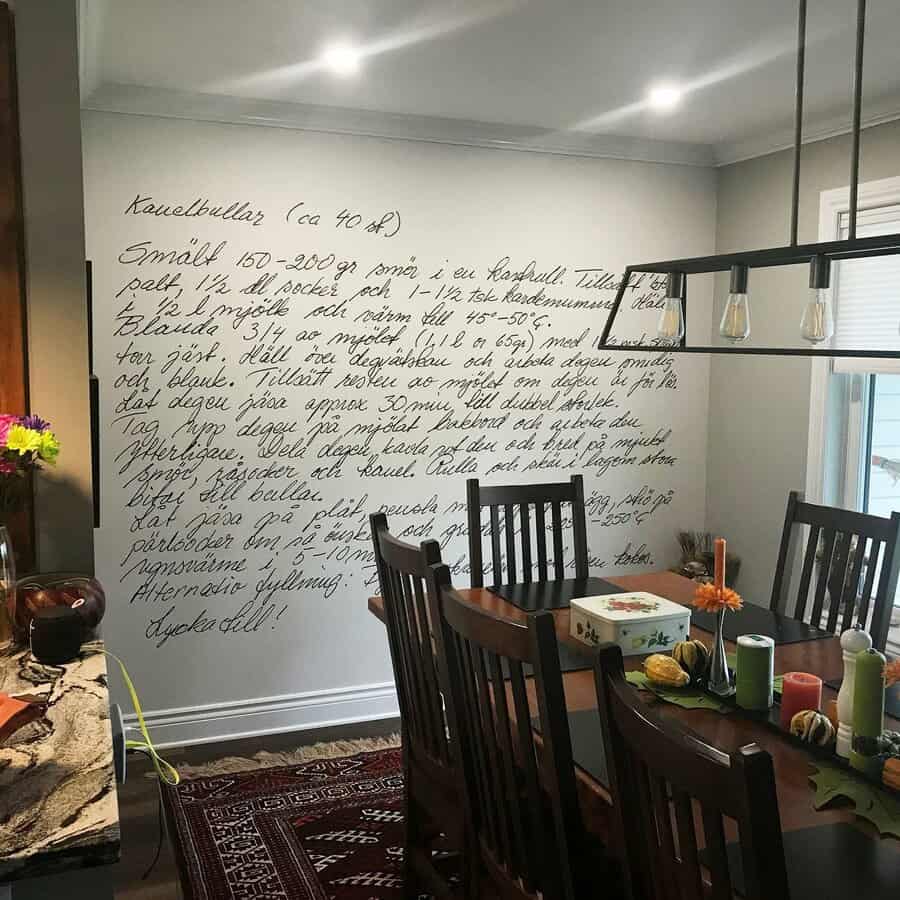
Invite creative wordplay into your decor with a word wall mural! Depending on the look you’re going for, explore word shapes, quotes, or perhaps even a handwritten journal-style approach.
Subtle or bold? Get creative and have fun exploring the options – think of words in different fonts and sizes, juxtaposed against vibrant colors, or black and white photographs to bring your wall murals to life.
Play around with different typefaces and colors that tell your unique story. Let words inspire you and create your own word-centric oasis at home.
Source: @mural_unique via InstagramSource: @a_plussignsandcreative via InstagramSource: @jarvjer via InstagramSource: @josephbrooksart via InstagramSource: @buckheadmurals via Instagram
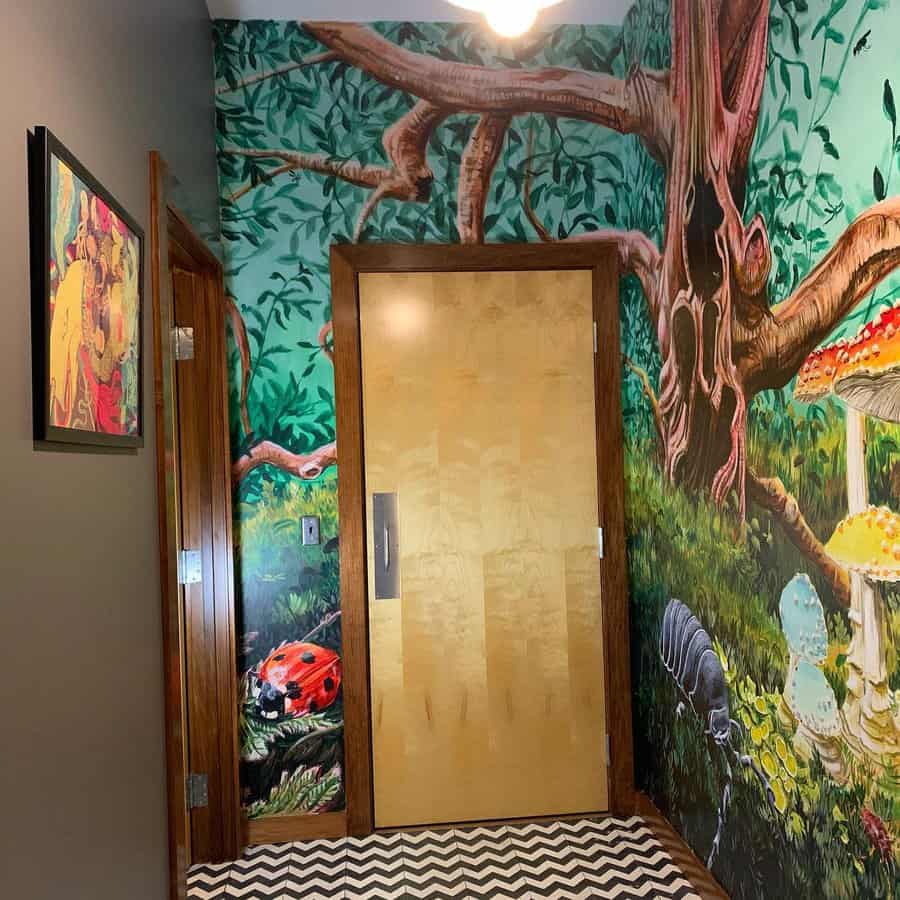
12. Nature Landscape
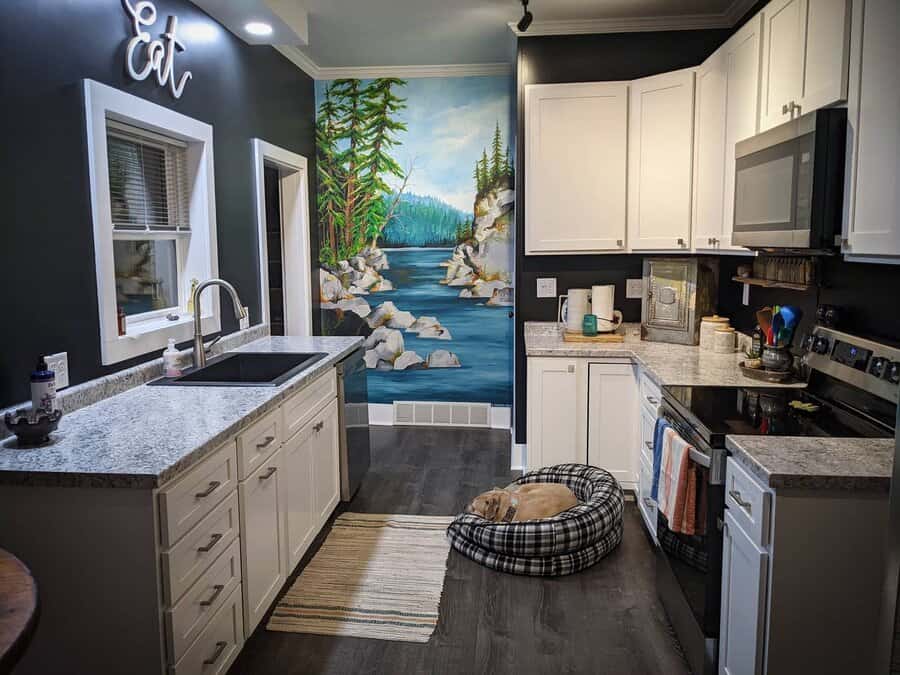
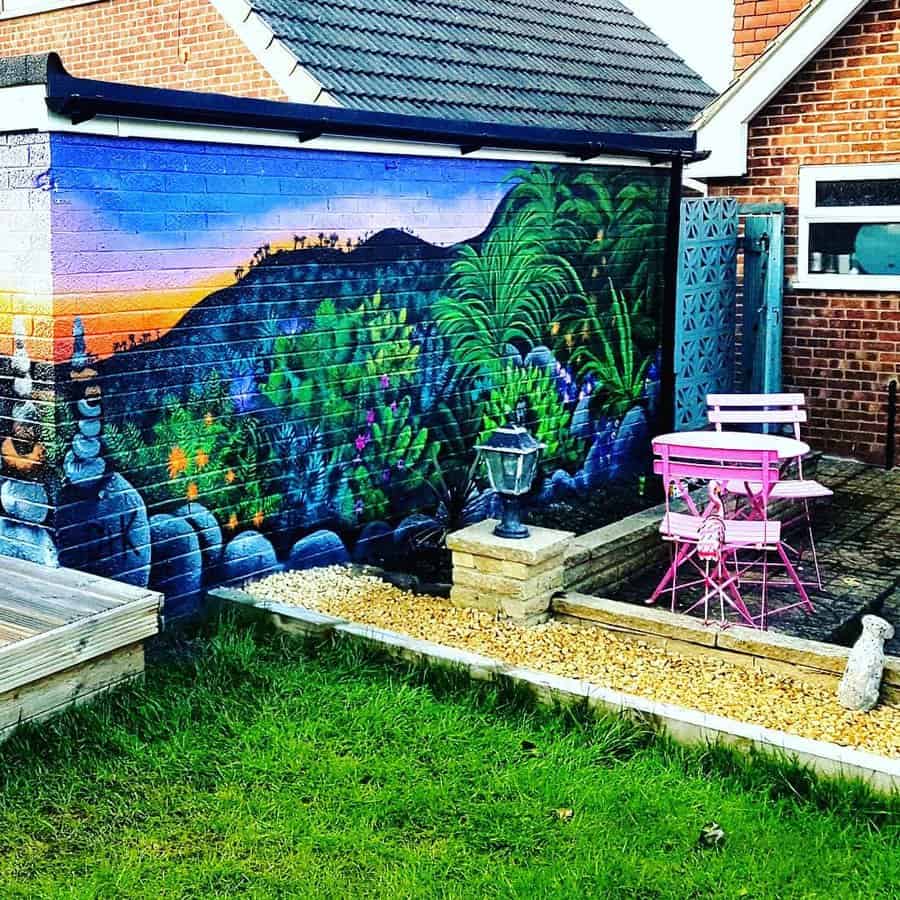
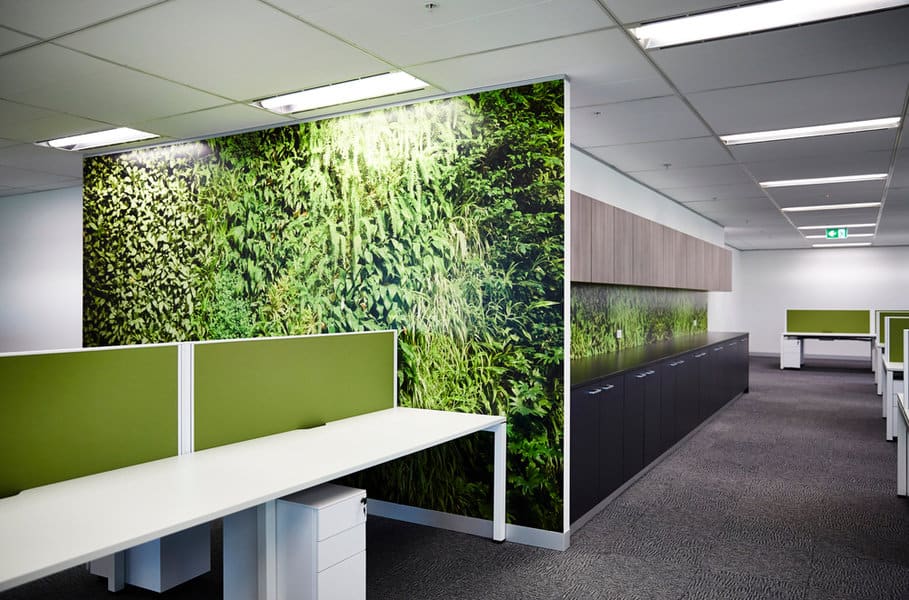
Bring nature into your home with nature wall murals. Whether you want to create a natural landscape, feature full-size plants, depict majestic mountains, or create a sunset scene – nature wall murals are the perfect way to bring your ideas to fruition.
You can customize it any way you’d like, from the colors of nature-inspired hues to having it span an entire wall. Additionally, nature wall murals don’t take up any interior space and can be changed easily – making them both a practical and creative choice for home decor.
Source: @oradei.art via InstagramSource: @anna_wheelhouse_artist via Instagram
13. 3D Art
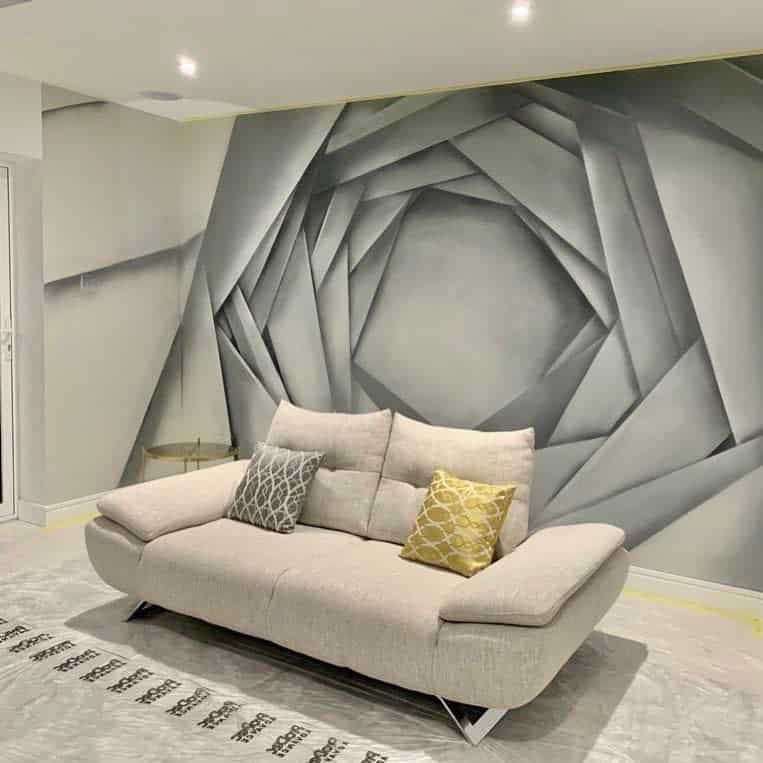
3D wall murals are a fun and creative way to add life and character to any space. Whether you’re looking for an eye-catching pop of color or an illusion of 3D art, 3D wall mural ideas can provide the perfect combination of visual interest and a dimensional statement piece.
From abstract shapes to images and patterns, 3D murals offer limitless possibilities when it comes to creating unique works of art in your home or office space.
Source: @gnashermurals via Instagram
14. Monochrome Sketch
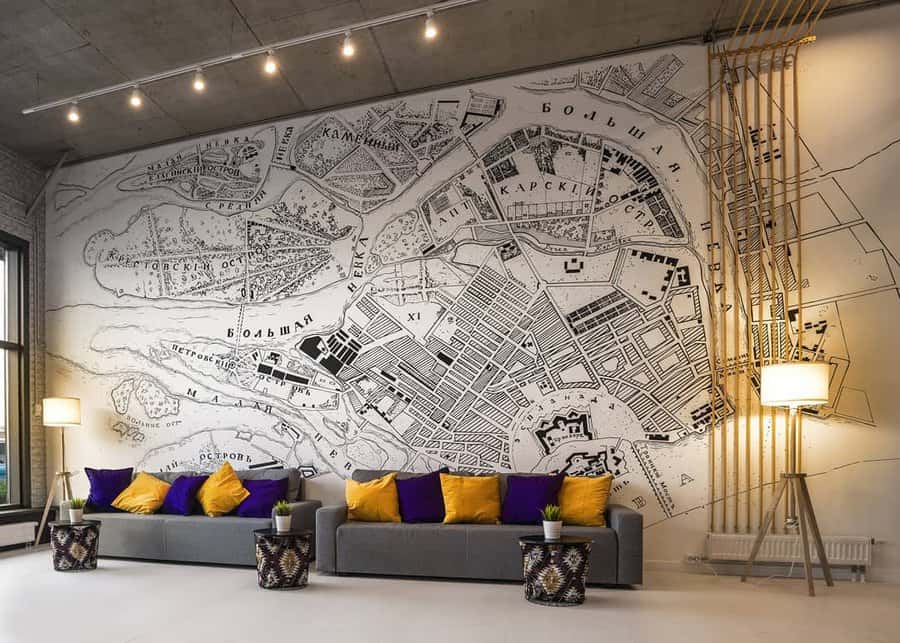
When it comes to sketch wall mural ideas, monochrome sketches offer a modern yet striking look that’s perfect for office spaces. For example, consider adding detailed maps or blueprints of a favorite city as an eye-catching decoration for waiting areas or conference rooms.
High-contrast monochrome images create an elegant atmosphere and draw visitors’ eyes to the wall from all around the room. With these timeless visuals, you can make any space stylish and classic.
Source: @atlbench via InstagramSource: @walldone.ru via Instagram
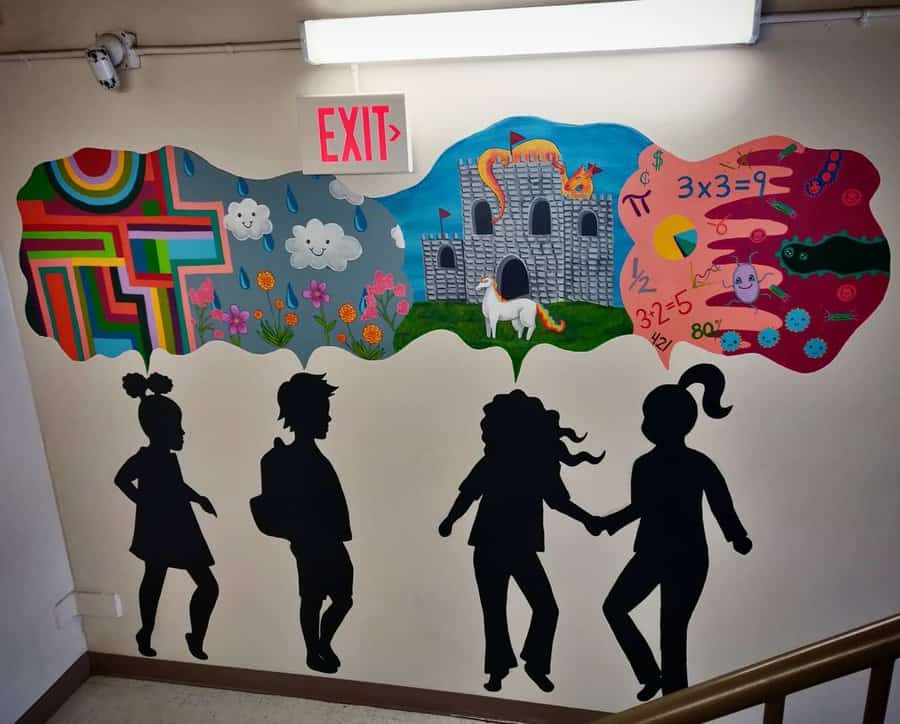
15. Educational
Brighten a learning environment with educational wall murals! Educational art is a great opportunity to engage students visually, and educational wall murals are sure to capture attention in the classroom or at home.
Consider adding math equations or symbols representing science and music for educational content that can stay up all year round. Wall murals come in all sizes, so you’re sure to find one that will fit the space perfectly. With educational wall mural ideas, the educational possibilities are endless!
Source: @katrinfaceart via InstagramSource: @lincolnk8artroom via InstagramSource: @msjelenasartclass via Instagram
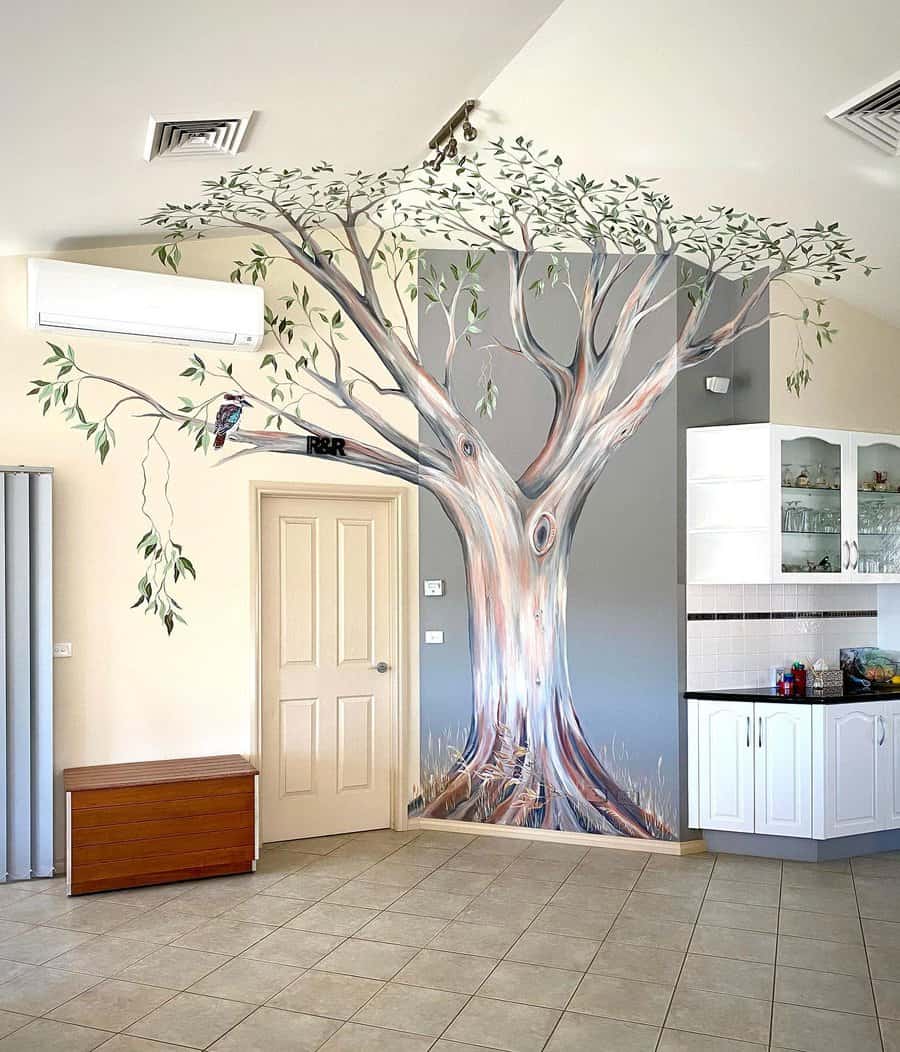
16. Mother Tree
If you’re looking to create an eye-catching feature that’s sure to become the focal point of the room, a tree mural is a great way to go. Choose from a range of realistic, abstract, or even over-the-top artistic designs to capture your attention, no matter what you’re looking for in a nature-inspired feature wall.
Whether it’s for one of your living areas or your bedroom, tree wall mural ideas are sure to bring nature to your home.
Source: @anthonyrbrass via InstagramSource: @daringtodreamaustralia via InstagramSource: @sandymountschool via InstagramSource: @gussyland via InstagramSource: @roseart27 via Instagram
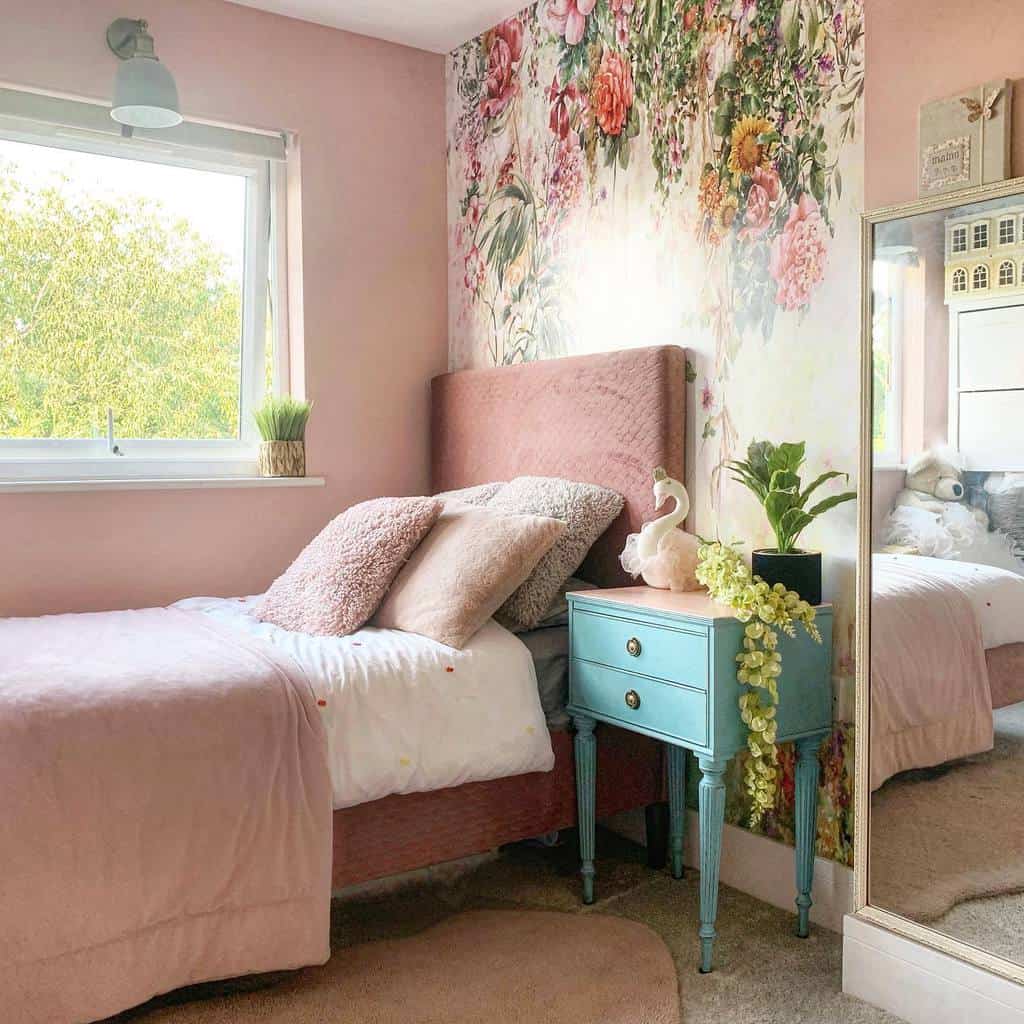
Modern home decor trends embrace the idea of turning your home into decor. Instead of hanging items on your walls or arranging them on the flat surfaces in your home, you could hang wallpaper on your walls. Removable wallpaper makes this easy because you can easily replace it as often as you’d like without worrying about damaging your bedroom walls. Wallpaper design ideas will show you how to creatively use wallpaper to dress up your bedroom walls. So say goodbye to boring paint and try one of these bedroom wallpaper ideas in your home.
[view_toc]
1. Dream With Van Gogh
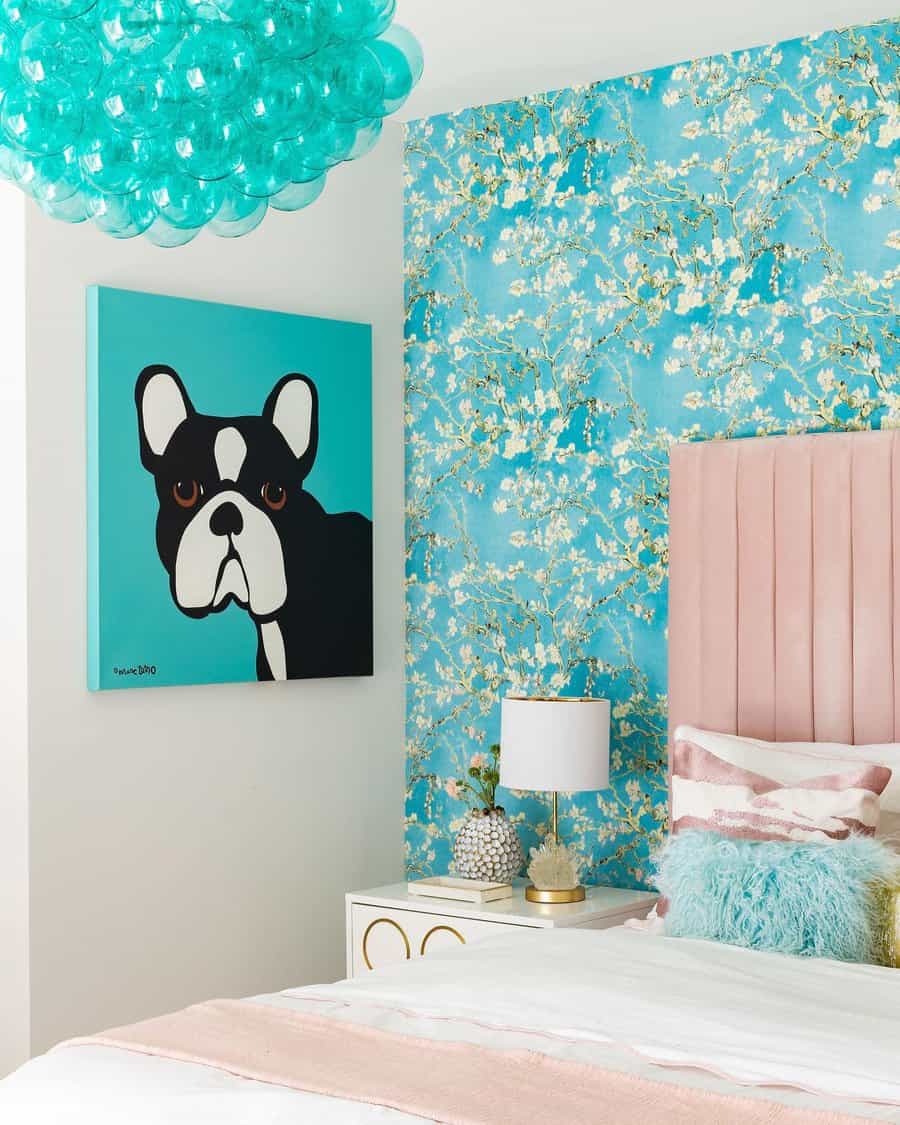
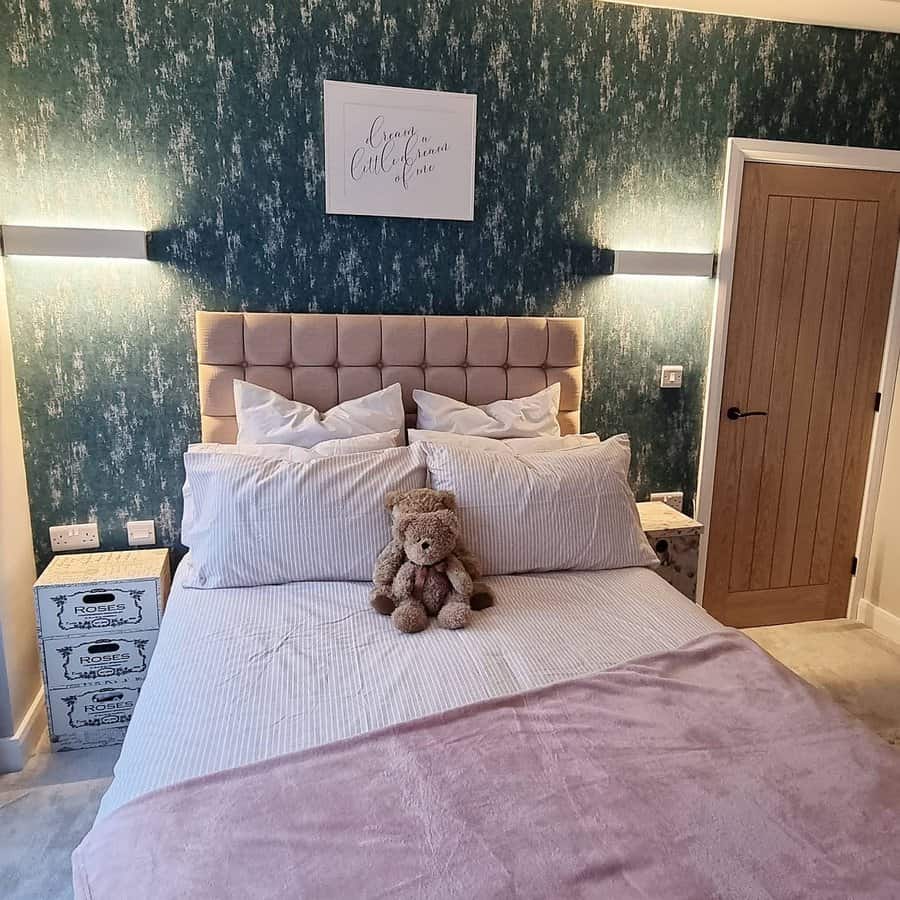
If you’re looking to spice up your bedroom walls with something new and creative, teal wallpaper inspired by Van Gogh’s “Almond Blossoms” could be exactly what you need. Vibrant teal combined with bright white blossoms is sure to turn any ordinary bedroom into a unique and eye-catching masterpiece.
The beauty of this design will add character while creating an uplifting atmosphere that won’t soon bore you. Upgrade your space with teal wallpaper and discover what a beautiful difference it can make in the look of your home.
Source: @macainteriors via Instagram
2. Float In Cloud 9
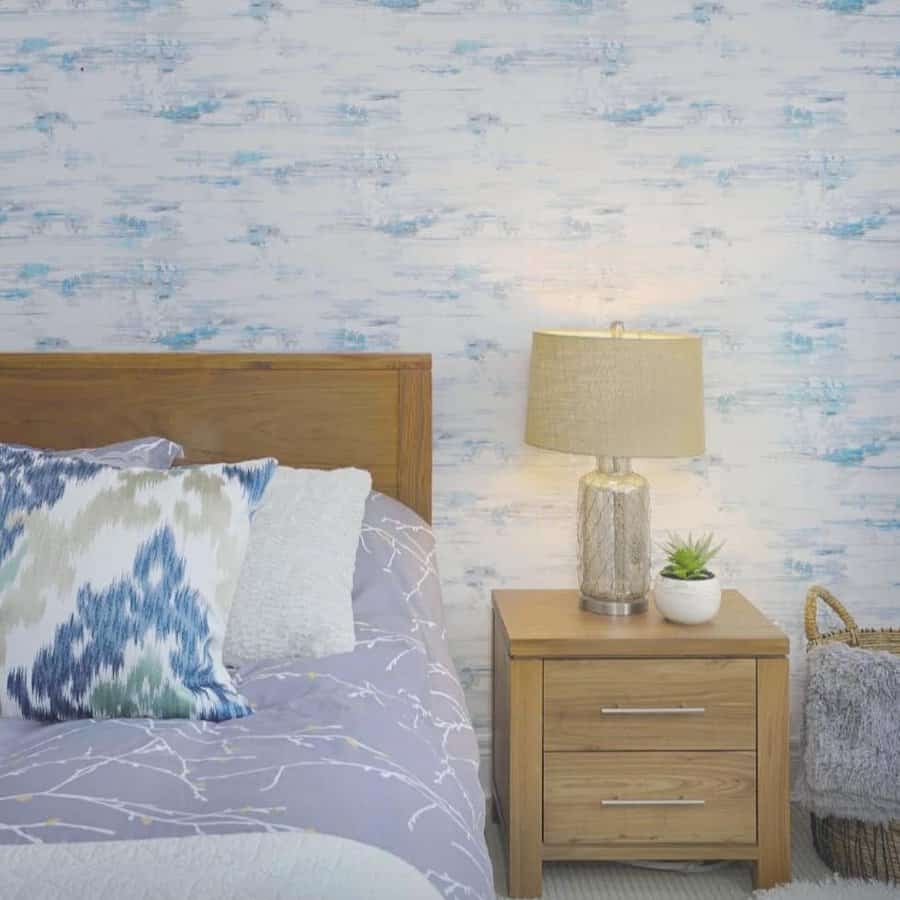
Give your bedroom the puffy cloud makeover it deserves with a blue and white abstract wallpaper. The airy design instantly adds a touch of whimsy to your abode, creating an ethereal atmosphere that invites daydreaming and relaxation.
Make a feature wall, or go bold and style every last inch of wall space for maximum impact; regardless, a cloud-like wallpaper will immediately whisk you away to a heavenly paradise.
Source: @nextleveldesigning via Instagram
3. Keep It Luxurious With Black
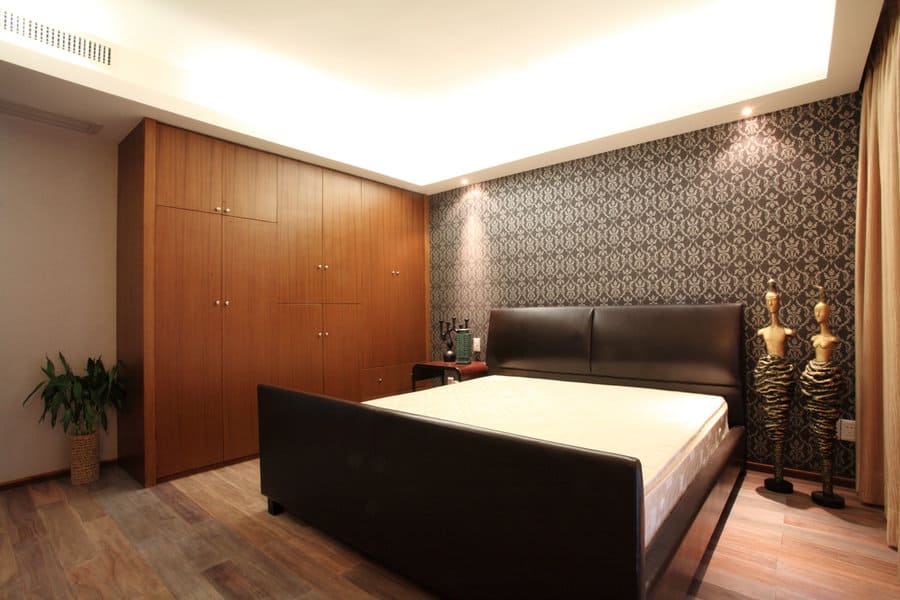
Bedroom wallpaper is an easy way to create a luxurious and sophisticated atmosphere in any home! With black wallpaper, for example, you can craft an edgy, modern feeling that complements a range of decor styles.
Installation is quick and simple, so you can immediately enjoy the monochrome prints around your room. Whether your style is sleek or cozy, black wallpaper will add a touch of sophistication while creating an inviting atmosphere that’s perfect for sleeping, relaxing, and dreaming.
4. Be Spontaneous With Abstract
Bringing abstract wallpaper into your bedroom will transform the look and feel of the space instantly. Whether you opt for abstract shapes, bold colors, or intricate designs, abstract wallpapers will create an industrial yet chic atmosphere.
To make your room even more unique, get creative and play around with different colors to create a color palette that suits your style. This combination of abstract wallpaper and carefully chosen hues will give your bedroom a one-of-a-kind vibe that you’ll love coming home to!
Source: @alotofwhatyoufancy via Instagram
5. Go Monochrome
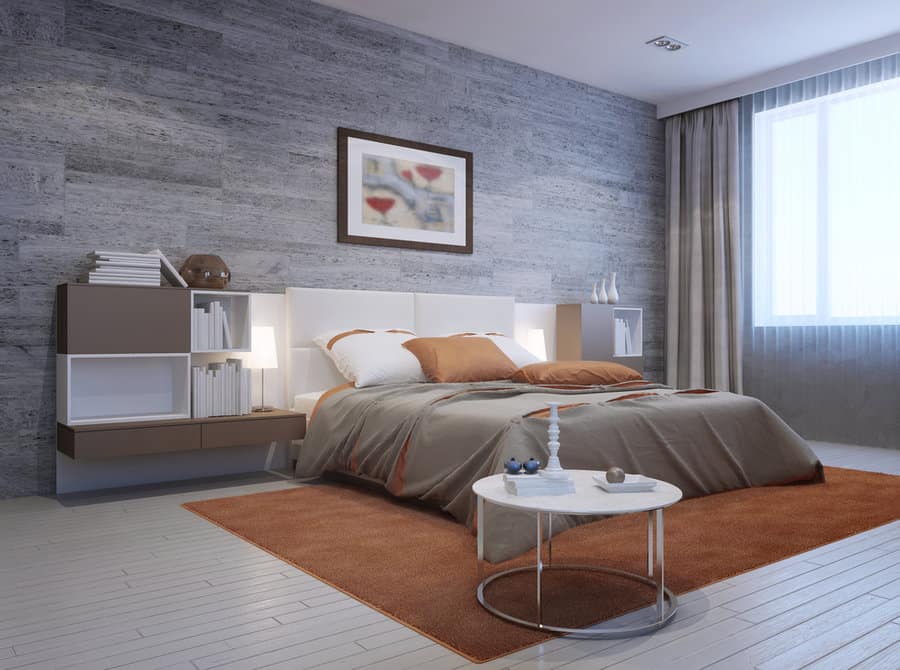
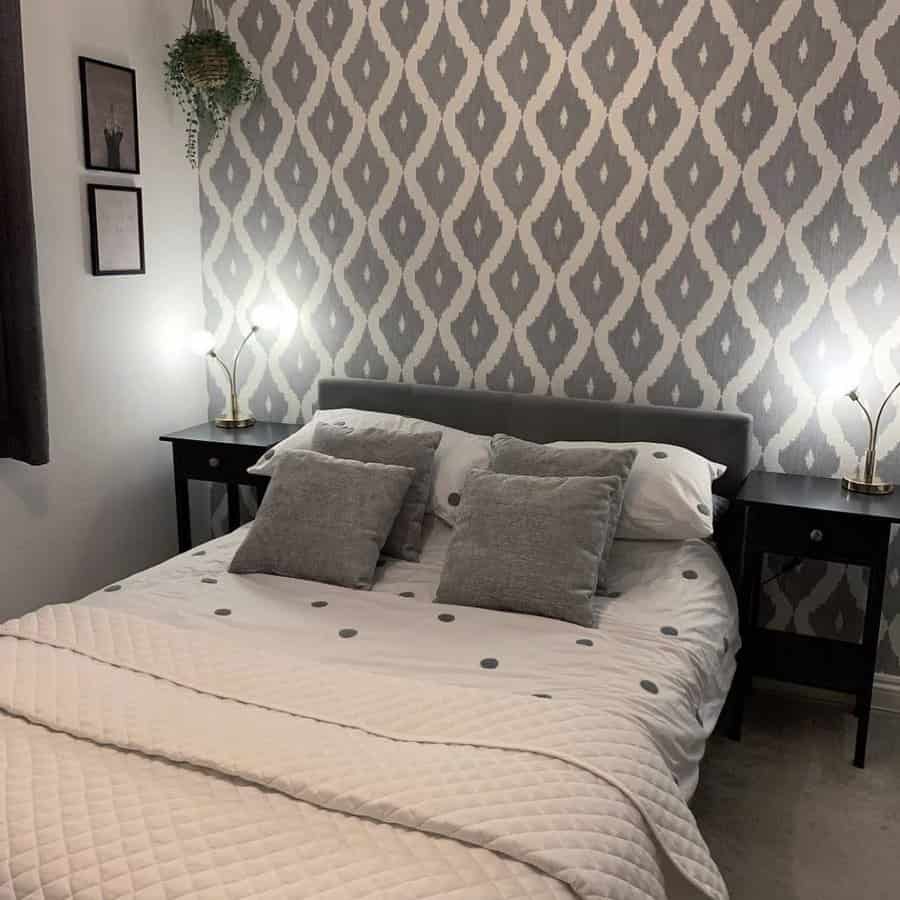
Change up the vibes of your bedroom with monochrome wallpaper that fits your own unique style. Whether you decide to go for a traditional printed wallpaper or opt for the more unusual tiled look, monochrome wallpaper gives an elegant and contemporary feel to the room.
You can also transform a grey space into a beautiful area by creating a monochromatic base that can be decorated further with plants, artwork, and other home accents. With monochrome wallpaper in your bedroom, it can give off calming energy through its mix of light and dark tones.
Source: @littlesquaresof24 via Instagram
6. Nostalgic Victorian Patterns
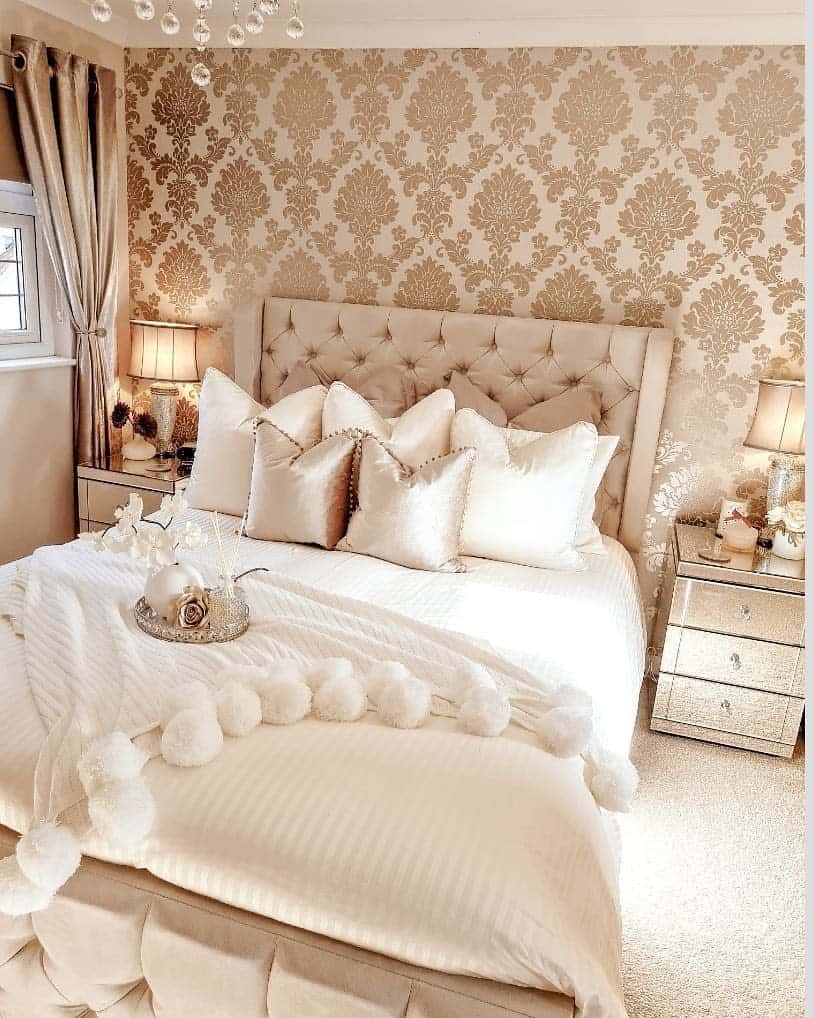
When it comes to sprucing up your bedroom, Victorian patterns in wallpaper can make all the difference. Whether you opt for an elegant damask print or an ornate floral pattern, Victorian wallpapers will bring a dreamy, nostalgic feel to any room.
If you are looking to give your bedroom a vintage look, Victorian wallpaper paired with furniture of similar age will add a touch of charm and sophistication.
Don’t be shy about experimenting; Victorian wallpaper comes in a variety of color palettes and textures that can bring warmth and character to any environment.
Source: @our_housebubble via InstagramSource: @roberts21stcenturydesign via Instagram
7. Keep It Minimal With Geometric Patterns
If you’re looking to upgrade your bedroom into a modern, eye-catching escape, then geometric patterns provide an effortless yet captivating option for your wallpaper. From celestial stars to bold geometric forms and repeating shapes – geometric patterned wallpapers offer limitless possibilities.
Perfect for statement walls in larger rooms or using smaller geometric drives and motifs as subtle accents; bedroom wallpaper with geometric designs is the ideal choice for giving any bedroom a simple, yet effective makeover.
Source: @grahamandbrown via Instagram
8. Keep It Dainty With Florals
The bedroom is a sanctuary within the home, a place for relaxation and rest. Imagine waking up in an oasis of floral patterns on your walls – beautiful micro floral murals that can create a peaceful and calming atmosphere in the room. Hang floral wallpaper to add instant charm, character, and peace – embracing every wall with floral motifs that can provide tranquility and well-being.
Whether you are choosing pastel colors with small dainty specks or deep teal hues, imagine seeing yourself surrounded by vibrant tones of nature in your cozy nook.
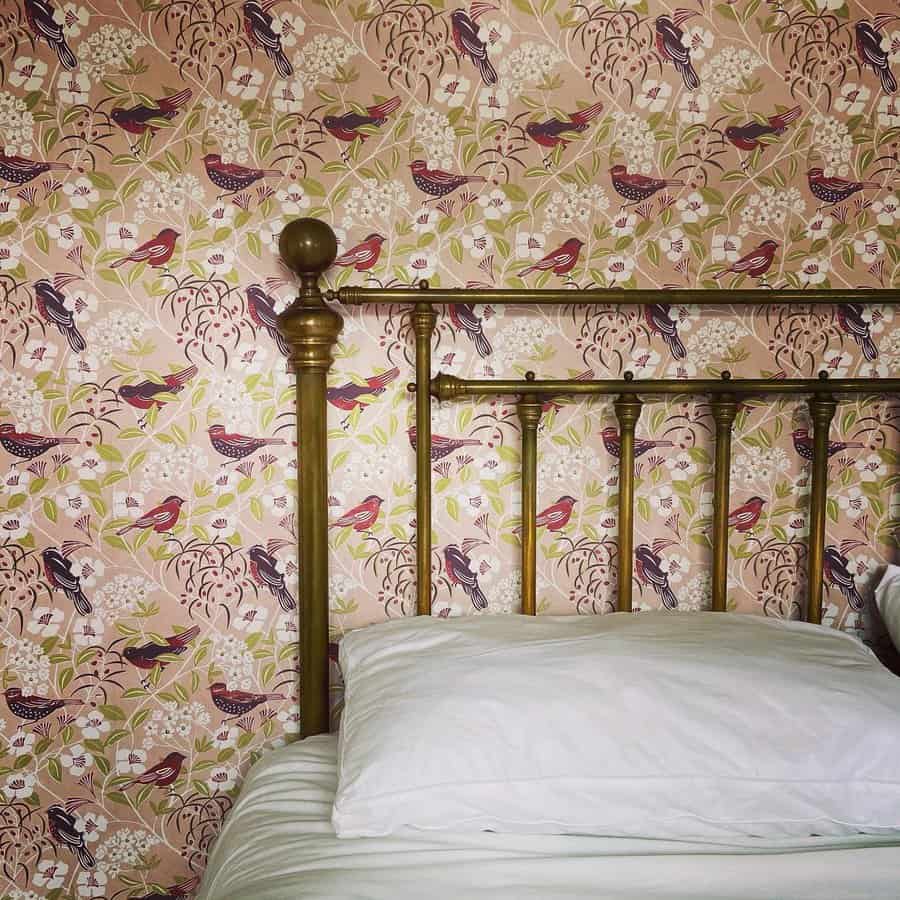
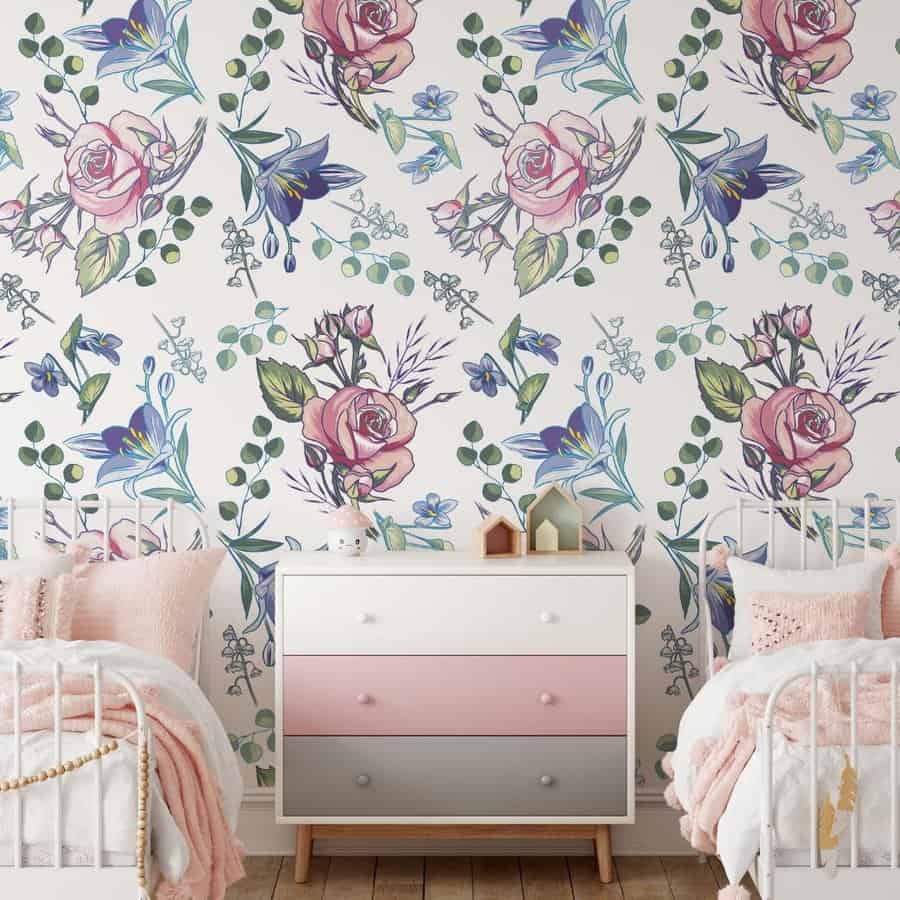
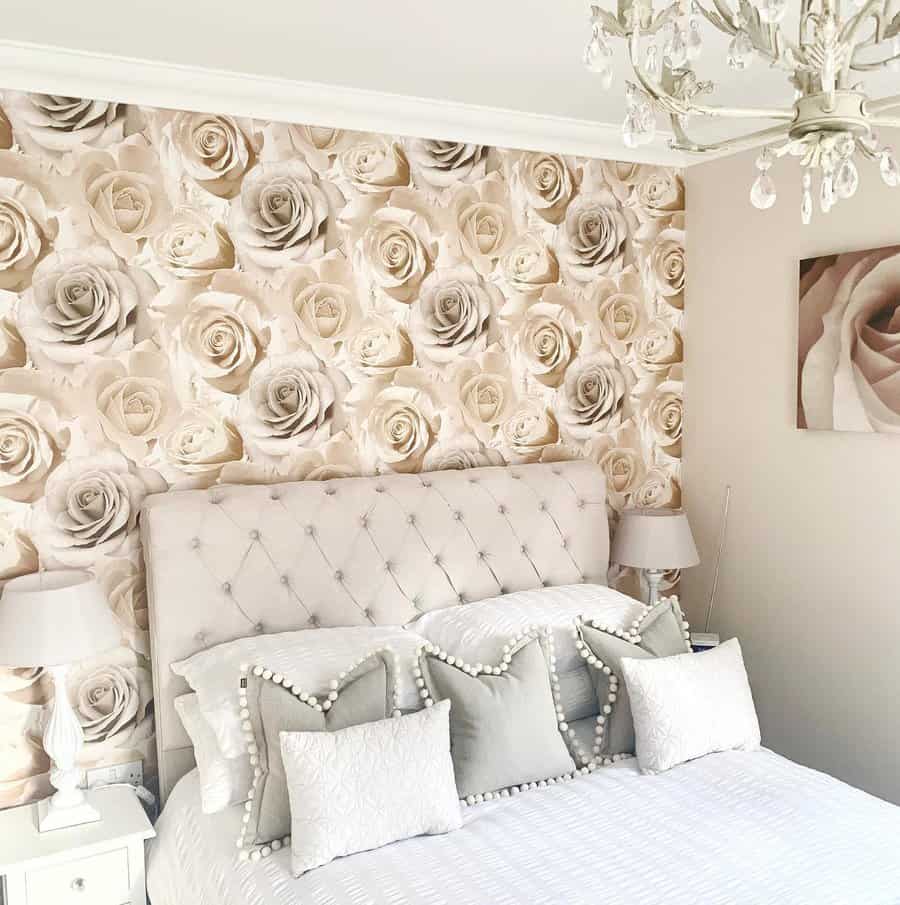
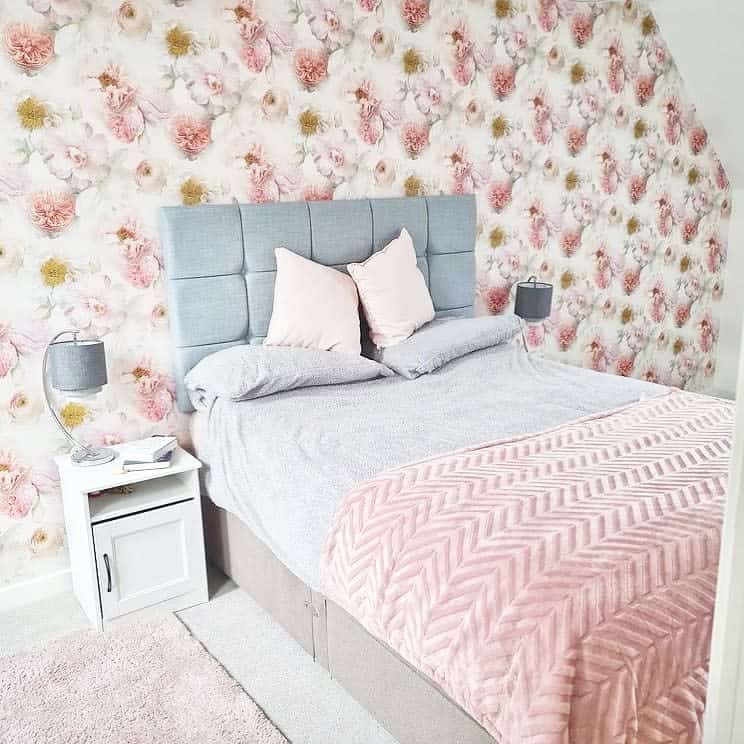
Source: @ashleighrosehome via InstagramSource: @fiona.howard.ltd via InstagramSource: @hammie__baby via InstagramSource: @ourhouse_to_home via InstagramSource: @wallpapershop.co.uk via InstagramSource: @etchdesigngroup via InstagramSource: @emmys_vintage_cottage via InstagramSource: @brass.bed.manor via Instagram
9. Bask In The Tropics
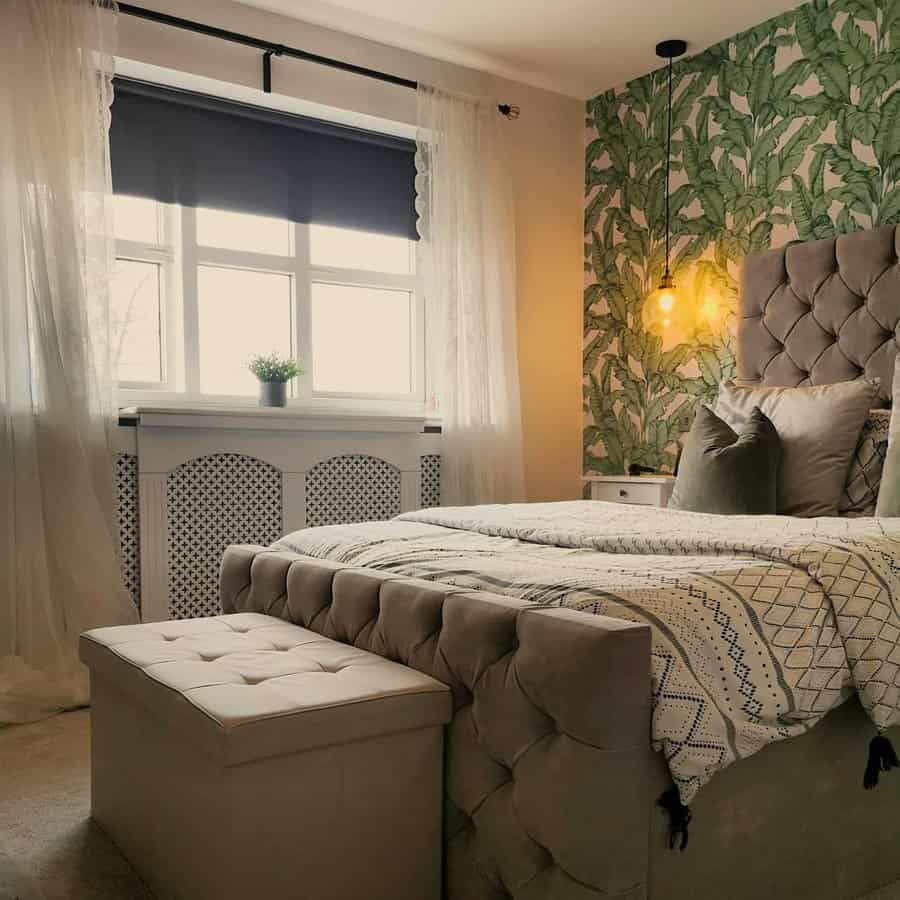
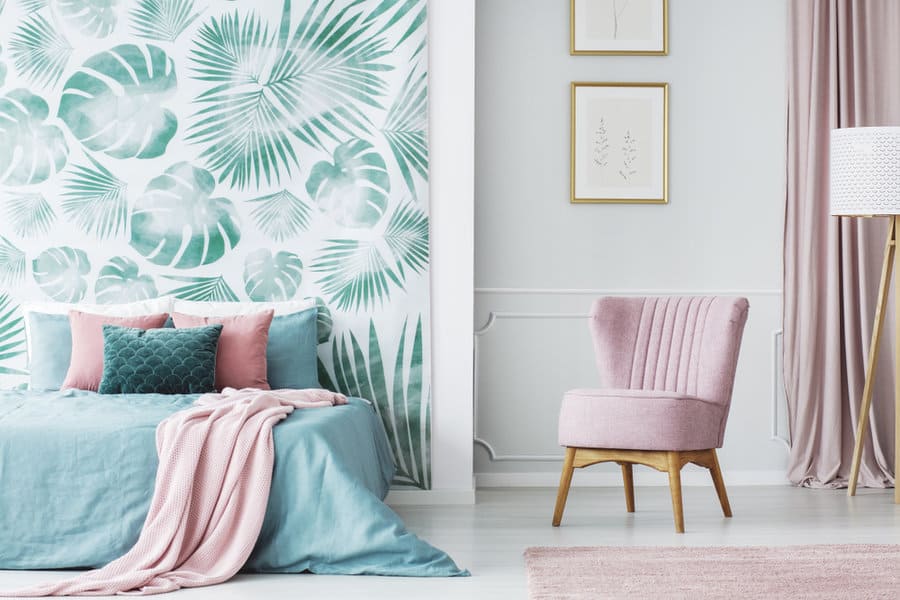
Create a green oasis right in your bedroom with green tropical wallpaper! Whether you choose to cover the entire room or just add an accent wall, you’re sure to be transported to far-away places. The vibrant green plants and leaves will naturally draw attention while giving off a calming vibe.
You’ll love relaxing in such a lush environment, adding a touch of nature to the comfort of your bedroom.
Source: @my_shade_of_style via Instagram
10. Be Maximalist With Animal Prints
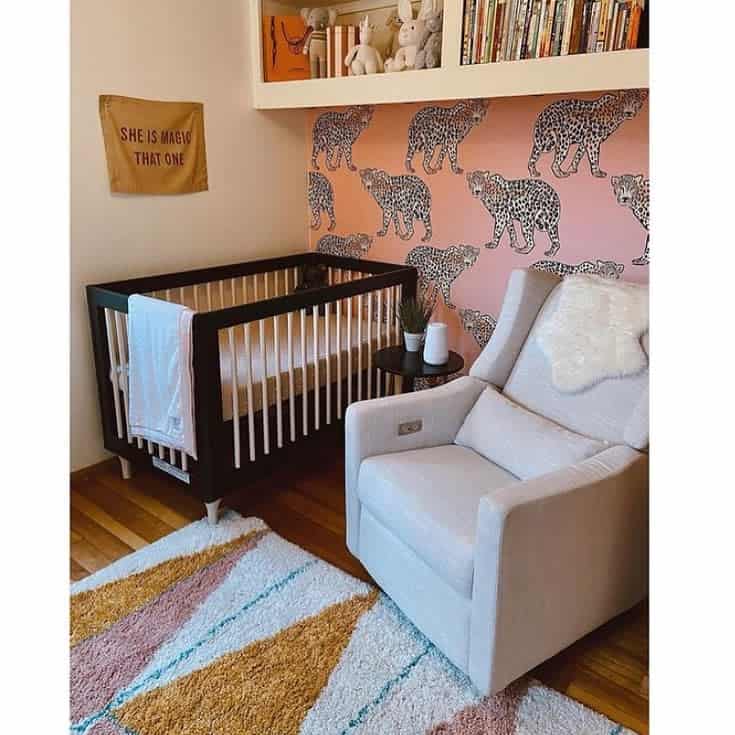
Animal prints and maximalist interiors are all the rage right now, and there’s no better way to embrace the trend than with some stylish bedroom wallpaper. Whether you opt for a bold leopard print or something a little more subtle, animal-themed wallpaper is a great way to add some personality to your space.
And if you’re really looking to make a statement, go for a maximalist design in bright colors and patterns. Either way, you’re sure to love the results!
Source: @carterandmain via Instagram
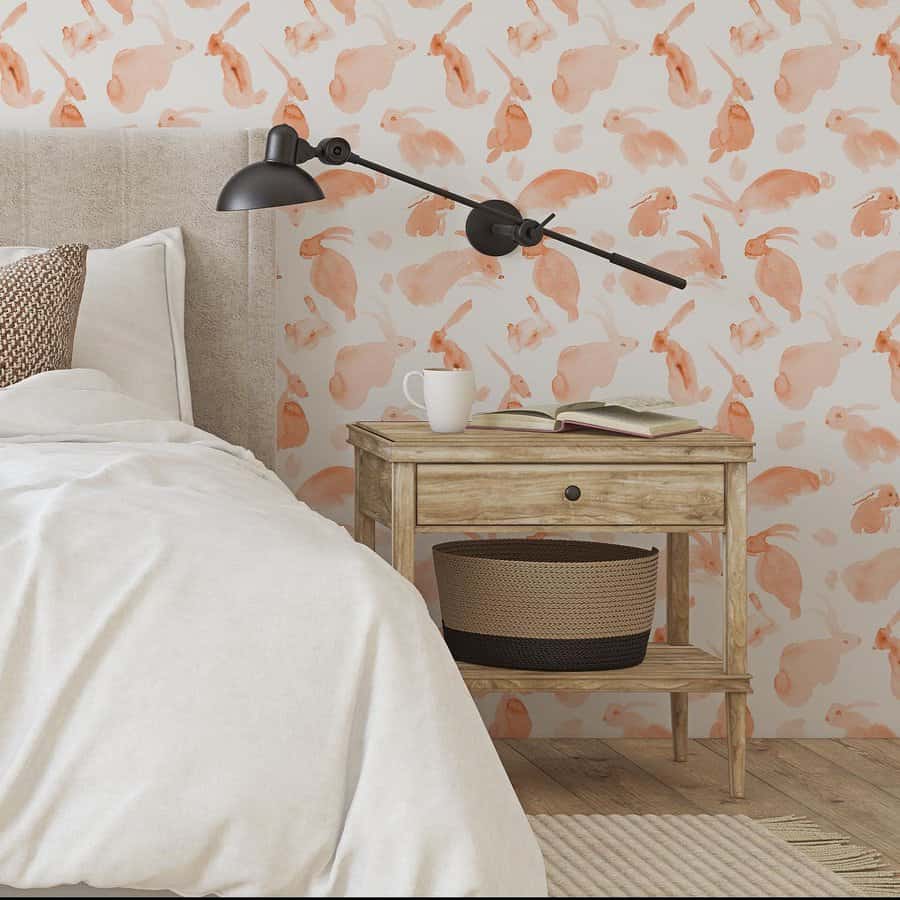
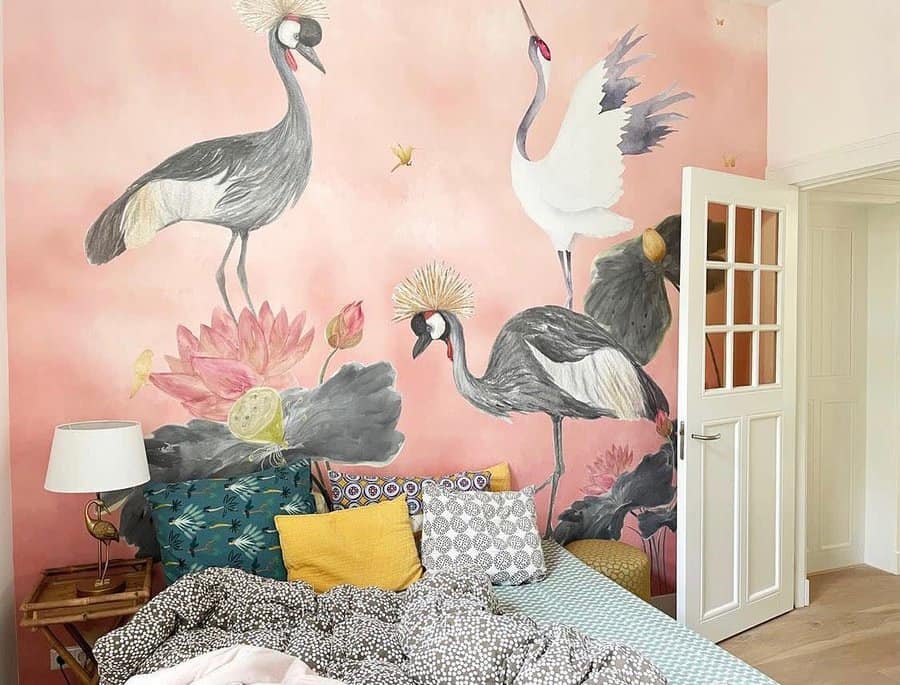
11. Soft Watercolor-inspired Murals
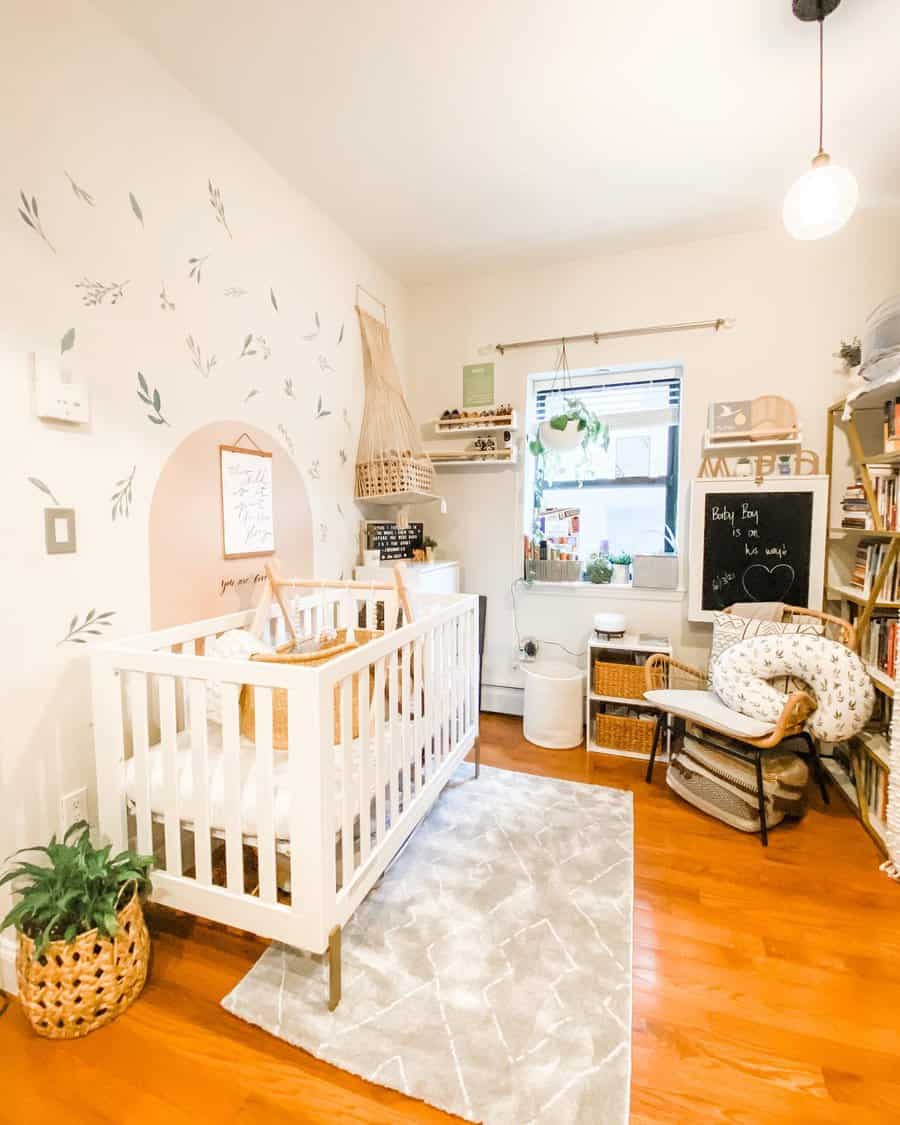
For those looking to bring a soft and calming feel to their bedroom, consider a soft watercolor-inspired mural with abstract plants and animals woven throughout. Not only will it add visual interest to your space—but you may even discover hidden scenes as you continue to admire it day after day.
Whether opting for a soft romantic palette or bolder accentuate pops of color, introducing wallpaper is an easy way to instantly transform your bedroom into a stylish dreamscape.
Source: @pricelispd via InstagramSource: @elambstudio via Instagram
12. Make A Statement With Murals
Get creative and explore oversized murals, customized prints, and even do-it-yourself wall art. With hundreds of modern designs available, your walls will jump to life with vibrant colors or calming sceneries that help you drift into dreamland each night.
Add an extra level of comfort and coziness to your space by curating unique textures and patterns through wallpaper – take the opportunity to express yourself from floor to ceiling!
Source: @fleurdesfleurs via InstagramSource: @bratishome_ via Instagram
13. Set The Mood With Solid Colors
Updating the décor of a bedroom need not be an expensive affair: adding or replacing bedroom wallpaper can instantly transform the look and feel of the room. Choose solid colors for walls, with a subtle minimal pop of color on one wall to anchor the room; this color could be anything from electric to neutral colors, depending on your taste.
Wallpaper helps to create an atmosphere that’s cozy, stylish, and relaxing, leaving you feeling more connected to your beloved space. Be bold – express yourself in wallpaper and discover how it can add depth and character to complete the look of your home.
14. Stripe The Walls With Color
For an original look and plenty of visual interest, striped walls are the perfect way to spice up any bedroom. Whether you’re going for a bright striped pattern or something more subtle, wallpaper offers an easy way to incorporate stripes into your space. Choose a striped design that is gentle on the eyes to achieve a restful atmosphere in your bedroom.
For an even greater effect, incorporate striped wallpaper on a single wall and pair it with complementary art or furniture pieces for a harmonious look. Whatever design aesthetic you’re trying to achieve, there’s absolutely no doubt that striped wallpaper is a great way to enliven and enhance your bedroom space.
15. Make It Hipster With A Wooden Palette Accent Wall
A wooden pallet accent wall is an instantly eye-catching way to inject some personality into your space, without committing to a daring shade or bold pattern.
Opt for a warm shade to create a cozy, inviting atmosphere any time you enter the room – perfect for snuggling down in after long days. A wooden pallet accent wall can truly transform the look and feel of your bedroom and make it your own.
16. Design A Sanctuary Of Trees
For those seeking a dreamy escape, tree, and zen wallpapers are the perfect way to transport any bedroom into an oasis of bliss. From tree silhouettes in the night sky to gentle waves within abstract foliage, these designs can create a tranquil atmosphere as soothing as if one were to step out into nature itself.
Put up your tree wallpaper and watch as your bedroom turns into a calming sanctuary from the hustle and bustle of daily life. It’s time to pause and take solace in nature-inspired designs that will remind you just how beautiful the world can be.
Source: @foxinteriordesign via InstagramSource: @our_newhome_ via Instagram
17. Dot The Walls Like Yayoi Kusama
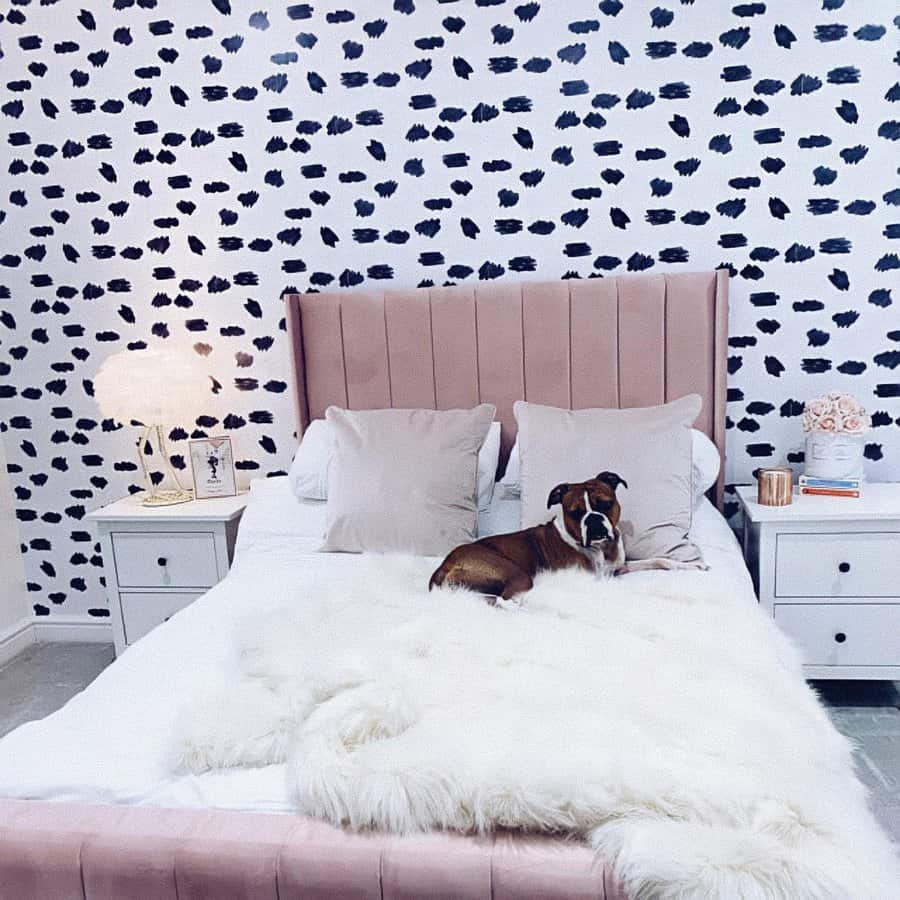
Wallpaper is a great way to instantly transform a bedroom. While polka dot wallpaper might not be the first idea that comes to mind, adding it in black and white can create a versatile look. Use it to brighten up an accent wall or add texture to the entire space – polka dot wallpaper is sure to make a big impact!
Whether used on all four walls or just one, polka dot wallpaper has endless possibilities and can provide the perfect balance between busy and simplistic, depending on your style. The best part about this look is that regardless of other color choices, polka dots have universal appeal.
Source: @fancywalls.eu via Instagram
18. Install Subway Tiles Wallpaper
Subway tiles wallpaper can instantly transform your bedroom into a chic and trendy space. Mimicking the classic subway tile design, this wallpaper adds a touch of urban sophistication to your walls.
Installation is a breeze – simply peel and stick. The versatility of subway tiles allows you to play with various patterns, such as herringbone or staggered layouts, to achieve a personalized and unique look.
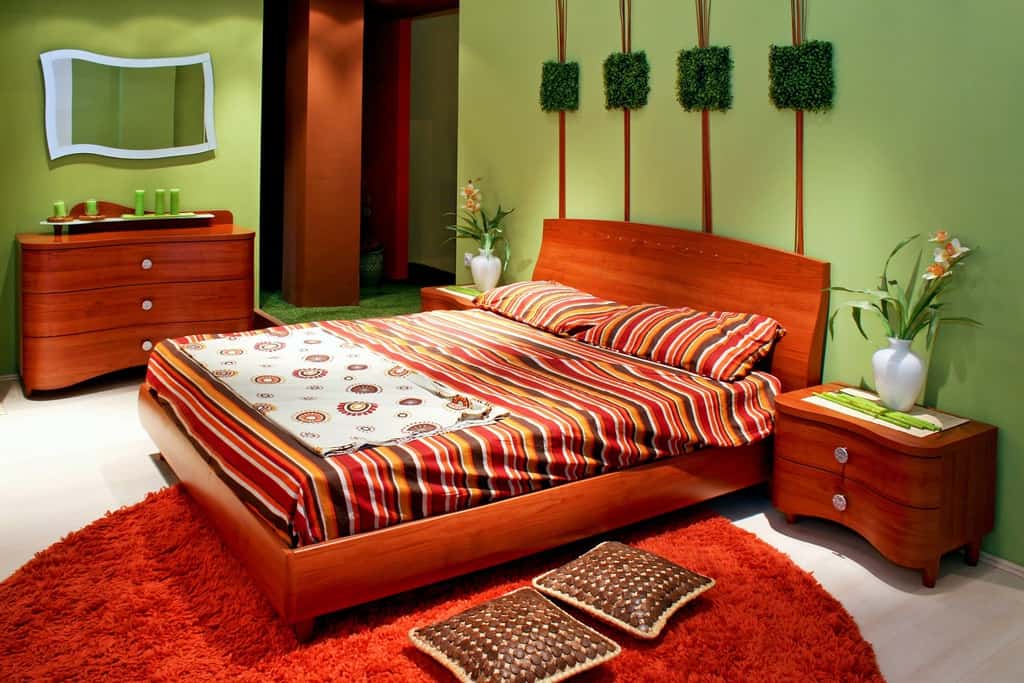
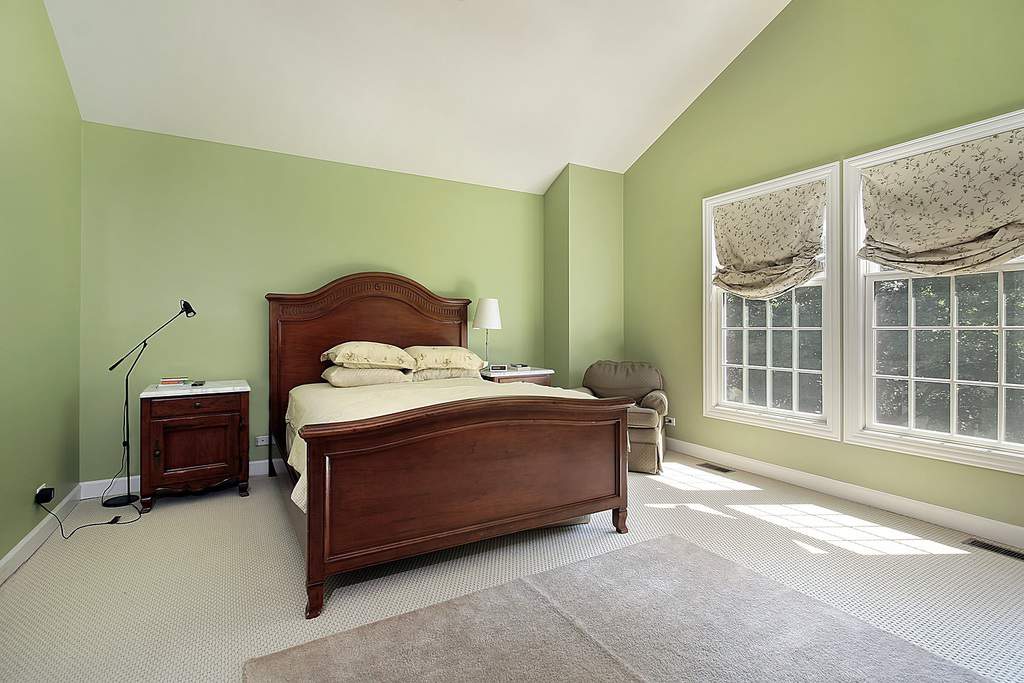
You have a beautiful cherry wood furniture set, and now you need to figure out what to do with it. Building your color scheme around the furniture ensures that you have a cohesive look where the colors don’t compete or clash with each other. Cherry furniture presents a unique challenge because it has strong red undertones. You need a color that either match that level of warmth or contrasts it for a balanced look.
Try one of these colors with your cherry furniture for a beautiful arrangement in your bedroom.
[view_toc]
Dark or Light Cherry Wood Furniture?
When you talk about cherry furniture, you need to acknowledge that there are two varieties, light and dark. The color you choose to coordinate with your cherry furniture will depend on whether your furniture is light or dark. The same color choice may work for both, but the shade and intensity will be different. For example, red can look good with both, but you’ll choose a brighter hue for light cherry and a darker for dark cherry wood.
If you have a light shade of cherry furniture, then you are in luck; both light and dark color shades can look good with your furniture. A light color will help to keep your bedroom feeling brighter and bigger. A darker shade with the light furniture will create a sophisticated feel, with the lighter furniture helping to keep the room from becoming too dark. Dark furniture with a light color will balance the amount of light and dark in the room. While using a dark color with dark furniture can create a room that is too dark and moody feeling. This is not necessarily a bad thing but is often too intense of a look for most people.
White
White is the ultimate neutral that can go with anything. Its crisp and clean look complements both light and dark cherry wood furniture. Paint the walls or add crisp white bedding to your cherry furniture. The clean and neutral aesthetic of the white will contrast with the cherry wood without competing with it. Be careful when choosing your white color. Because cherry wood has warm undertones, it will bring out the warm undertones of your white. Choose a color with strong color undertones, and it will look even more yellow, pink, or orange next to your wood furniture.
Sage
The earthy quality of sage makes it a perfect compliment to cherry furniture. The red undertones of the cherry wood contrast with the greens of sage. With the colors being on opposite sides of the color wheel, they contrast beautifully. Be careful about the shade of sage you choose. It needs to have a richness to it that balances the richness of the cherry. If the color is too pale or washed out, then the furniture will overpower the color. It also should not be too muted; this is when it has black undertones that make the color look a bit dull. Instead, choose a saturated shade. The deep pigments will balance the color of the wood.
Warm Gray
At first glance, you would assume that gray is a cool color that would clash with cherry furniture. However, this is not the case. Choose a warm shade that has earthy undertones. Stay away from gray hues that have blue or green undertones. Instead, look for a gray with brown, beige, or even purple undertones. The gray will have a warmer feel that will complement the cherry furniture. Greige is another good option. It is a gray that can look both gray and beige depending on the lighting and other colors close to it.
Deep Blue
Give your bedroom a classic look with a deep blue shade on the walls or textiles. Deep blue has some flexibility in the color you choose. It could be a brighter blue like royal blue or a deep shade like navy blue. Both shades of blue are able to meet the color saturation and intensity of the cherry furniture. Paint the walls blue for a balance of the two colors. Then add accents of white for a clean and classic design. Blue is a perfect color for your bedroom. It is a calming color and triggers your body to release stress. This will help you fall asleep faster and sleep deeper.
Mint Green
Using mint green with your cherry furniture gives your bedroom an unexpected contrast. The green brings out the red undertones of the wood, helping your cherry furniture to be even more red and rich looking. Mint is also a perfect color for your bedroom. Green is a soothing and calming color, helping you decompress from the day’s stress. Mint green is also a soft color that isn’t too intense, helping it to fade into the background and not overwhelm the senses. If you have dark cherry furniture, the lightness of the mint green will balance the dark furniture, preventing your bedroom from becoming too dark.
Merlot
Designers will tell you that red isn’t the best color for your bedroom. However, this is typically said about bright or vibrant reds. A deep merlot color will look beautiful and sophisticated in your bedroom. It will also blend beautifully with your cherry furniture. Because the furniture has wood undertones, the dark merlot walls and dark furniture will blend together for an almost monotone look. When everything blends together, it can make your bedroom feel larger. In addition, the dark on dark reds can have a regal look that can make your bedroom feel more elegant and expensive.
Rust Orange
A rust orange color is earthy and warm, keeping in line with modern interior design trends. It works well with light cherry wood furniture that has orange undertones. Paint the walls with this orange color to create a rich and warm atmosphere that feels comforting in your bedroom. The color shouldn’t be too bright, like orange fruit. It also shouldn’t be too rustic with too strong of brown shades. Instead, stick to an earthy color that resembles clay.
Pale Yellow
A soft pale yellow is a perfect accent for both light and dark cherry shades. This delicate shade balances the seriousness and heaviness of the wood by brightening up the room. While pale yellow isn’t a popular color for a bedroom, it creates a classic color combination that keeps your bedroom from becoming too dark and depressing. Choose a soft yellow that isn’t too pigmented or primary. You don’t want a harsh contrast with this color combination.
Blackberry Purple
This rich purple color isn’t a true purple. It’s deeper than that with rich black undertones. The darkness of the color helps to highlight the lighter cherry shades. The red undertones of the wood contrast beautifully with the purple hues of the blackberry purple. The black undertones of the purple help to bring out the richness of the blackberry color. The two colors give your bedroom a rich and slightly moody feel. While you could paint your walls this dark color, it might make your bedroom too dark. Instead, try using this color for the textiles in the room. This could be deep purple bed linens or plush rug.
You can add a decorative touch to your bathroom without adding any additional decor. Use the elements that are already present in the bathroom to create a decorative touch. The bath towels are perfect for this. Instead of just throwing them on a hook or draping them over a towel bar, give them some style. Doing this mimics the look of high end spas and resorts. It is the perfect little accent that turns your guest bathroom into a professionally designed space that welcomes people to your home.
Try these creative ideas for decorating your bathroom towels.
[view_toc]
Arrange Towels in a Basket
Give your bathroom a spa-like feel by arranging bath towels in a basket. Place a small basket on the bathroom vanity counter with washcloths or hand towels. You could arrange the towels so that the ends stick out like the petals of a flower arrangement. If you prefer a more uniform and neat look, fold the towels and stick the towels ends side down so that the folded sides neatly line up in the basket. The trick to making this look work is buying the right size basket. The towels need to fit snug but not be cramped in the basket when folded.
How to Choose a Bathroom Basket
You can’t go wrong with a natural material when it comes to choosing a basket for your bathroom. Wood bins or woven raffia are both great options. They add a touch of nature and color variety without competing with your chosen color palette. However, be careful when choosing cloth baskets. The cloth material tends to be thick, which is slow drying. This can lead to mold and mildew growth. Baskets that are made from thin material may lack the structure and support necessary to hold towels. Metal baskets can add a cool industrial or modern look. However, they need to either be painted or made from rust-resistant metal to prevent them from corroding in the moisture rich environment of the bathroom.
Use Ribbon to Tie With a Bow
Adding ribbon and bows to your towels goes them a soft and feminine look. Your display’s level of femininity will depend on the type of ribbon you choose. A satin, silk, or lace ribbon will look soft and delicate. Velvet can add a bit of drama and traditionalism. Twine, rope, raffia, or burlap will give your towels a farmhouse or rustic look. Nautical lines will give your bathroom a coastal feel.
To use your ribbon, fold your towels and hang them over the towel bar. Then use your ribbon to wrap around the entire towel and pull it slightly tight to bring in the edge of the towels. It needs to be tight enough that the ribbon won’t fall down. However, you can pull it very tight to bring in the sides of the towel if you prefer that look. Tie the ends of the ribbon together in a decorative bow. You can cheat if you aren’t good at tying bows like this. Create your bow first with a separate piece of ribbon. Then use a second piece of ribbon to wrap around the towels and tie the bow to the front.
Roll and Stack Towels
You don’t have to do anything fancy to make your towels look nice. Simply making the extra effort to neatly and uniformly fold or roll them will go a long way. Additionally, fold or row them to fit the space you plan to put them. For example, if you have a wall hanging towel rack, then you’ll want to fold or roll the towels to neatly fit into each space. The towels should all be uniform in size and shape once on the rack. There should not be any loose corners poking out. You should also display them in a way that prevents them from coming undone. For example, if you roll your towels and then place them on end in a basket, you don’t want the towels coming loose and unrolled when someone pulls a towel out to use.
Use Rope and Tassel Decor
Use a braided cord or rope with tassels on the end to decorate your towels. Wrap the cord or rope around your towels once or twice and then tie the ends and let the excess hang with tassels. You can do this on towels that are hanging on the towel bar or ones that are folded and lying on the vanity counter or a shelf. Each end of the cord or rope should have a tassel on it. Coordinate the color of the cord and tassels to match the rest of the bathroom’s color scheme.
Intricate Towel Folding
If you have extra time and like to fold towels, then why not create an elaborate display with your towels by intricately folding them? You can use towels of multiple sizes and contrasting colors to showcase your folding ability. Intricately folded towels have a wow factor that impresses anyone.
Decide where you plan to display the towels in your bathroom. This will help you narrow down your options. There are folding techniques that work well with a towel bar, on the bathroom counter, or in a basket.
Decorate Your Bathroom Towels
Instead of coming up with a creative arrangement, you could decorate the towels. Popular choices are adding decorative embroidery, trim, or dye. Whatever you choose, be sure it is washing machine and dryer safe. Don’t sacrifice ease of care for pretty decor. You could buy already embroidered towels or use a service that will add custom embroidery to your favorite towels. This option is nice because you aren’t limited in the towels that you choose. When choosing embroidery, you could keep it simple with your initials in a monogram. Or you could choose something elaborate. Consider the theme and design style of the bathroom when choosing your embroidery. Trim is the decorative element that is added to the towel. This could be beadwork, ribbon, or tassels. Typically, these decorative elements are added to the short end of the towel.
Drape Towels on a Ladder
If you love the rustic or farmhouse look, then add a wooden ladder to your bathroom and drape towels. You don’t need anything too elaborate. A simple lean-to with three to five rungs is all you need. For a more rustic look, stick with one that is imperfect with hand carving marked and a lack of uniformity. For a more polished look, stick with one that has a more professional finish. You could even choose one with a metal and wood combination construction. Just be sure the metal is corrosion resistant so that it does not rust.
When draping your towels, there is an art to it. Do not just pile the towels on reach rung. This will look messy and trap moisture between the towels. When you go to use them, the towels will have an unpleasant musty smell. To avoid this, avoid hanging towels on top of towels. Limit your placement to one to two towels on each rung. Instead, place the ladder with enough of a lean that there is space between each towel hanging on the rungs. It doesn’t need to be a lot of space, but enough for air to flow between each towel. This ensures the towels have a chance to dry between uses.
Arrange Towels in a Planter
If you have a lot of guests using a single bathroom, then you won’t have enough room to hang everyone’s towel on the bar, and placing a huge stack of towels on the counter is unattractive and inconvenient. Instead, place a floor planter next to the tub or shower. Instead of putting a plant it, roll towels and stand them on end in it. You can fit several towels in a single planter and conveniently place them for people getting out of the shower. Then, when the towels are not being used, you will have an arrangement that resembles a plant but is actually made of towels, adding to the bathroom decor.
Add a Flower Arrangement
Embrace nature and give your bathroom a seasonal touch by decorating your towels with a fresh flower arrangement. It could be as simple as a single flower or greenery stem or as elaborate as a full arrangement. The size you use will depend on the size of the bathroom, design style, and personal taste. If you have a small bathroom, large arrangements will overwhelm the space. If you have an elegant and traditional design theme, then a single flower bud may look lackluster compared to the rest of the ornate and elaborate decor and architectural elements.
While you could stick the flowers right into the folds of the towels, this won’t be convenient. If someone goes to use the towels, they will have to contend with the mess of flowers they create. To avoid this, use ribbon, cord, or floral tape to hold the flower arrangement together in a bundle. Then it can easily be taken out and placed again as the towels get used.
Should you use real flowers or faux ones? Some people argue that faux flowers look fake and should be avoided. However, faux flowers only look unnatural when you buy low quality versions. Invest in high quality, and you will have a realistic arrangement that could fool anyone. Fake flowers are nice because you do not have to worry about them having a competing smell to your diffuser or candles. They also do not require upkeep and won’t bother anyone’s allergies. In contrast, real flowers look and feel natural. They have a subtle scent that will spread throughout the bathroom.
Despite their impracticality, all-white rooms aren’t going away. Homeowners can’t resist decorating their home with this ultimate neutral. White gives your home a clean and bright design that helps it to feel larger and brighter. All white designs are more complicated than painting the walls and adding white furniture, though.
These white living room ideas will help you create a beautiful interior design in your home that won’t fall flat or be boring.
[view_toc]
1. Enhancing Natural Light with White
The standard color scheme for apartments is to have white walls and a light-colored neutral carpet. Instead of painting the walls or doing a lot of work to restyle your apartment, embrace the white interior.
Source: @cotosalla via InstagramSource: @lbinteriorno9 via InstagramSource: @thewhitehome via Instagram
Leaving the walls white makes it easier to move out and helps to reflect the natural light. All you need to do is add white furniture, rug, and textiles. Because apartments tend to have smaller square footage than single-family homes, using mainly white will help the small space feel bigger.
2. Merging Bohemian and Minimalist Styles
The bohemian home decor style is typically associated with bright color schemes. However, recent trends have merged bohemian and minimalist styles to create a more subdued design style. Gone are the bold colors, and in their place are whites and neutrals. The style features plenty of handmade items curated from all over the world.
Source: @koditarj via InstagramSource: @moodiezz_stijl via InstagramSource: @our.home.trio via InstagramSource: @koditarj via Instagram
The wood tones add warmth and richness to the room without taking away from the white color scheme. To bring life into the design, use house plants. Place an indoor plant in a dead corner, on the coffee table, or anywhere else you’d like to accent. Use handmade pots made from white clay, porcelain, or white glaze to continue the white color scheme while also adding texture and depth.
3. Coastal Elegance with White Hues
Typically, coastal themes feature shades of blue and green. However, you can create a successful coastal look using a white color scheme. This approach will keep your living room from feeling too nautical or tropical, which may not make sense for all homes that aren’t located in these geographical regions.
Source: @annicksimons via Instagram
Instead of using pure white, stick with cream shades that are softer and warmer. Add wood accents but focus on using weathered wood. It could have a slightly grey hue and worn paint as if it was left on the beach and suffered sun, sand, and salt exposure. Additionally, use driftwood in your decor for a touch of authenticity.
4. Clean and Contemporary Living Space
If you’re looking for a simple and clean design that looks timeless, then it’s time to consider a white color scheme for your contemporary living space. Arrange a plush sofa that is in a white color and upholstered with durable yet comfortable material.
Source: @simplywhitedesignsyyc via Instagram
Mix neutrals in with your white furniture. The different shades won’t detract from the white aesthetic but will help with adding depth and definition to the room. A contemporary approach to your living room is a good idea if you also have a home office in the space. The timeless design works well in an office for a professional look.
5. Embracing the Delicate Country Cottage Design
A country cottage design is soft and delicate, as if you could walk out of your living room and into a beautiful English country garden. Use white textiles that have a subtle floral motif. Choose wood furniture that has a whitewash treatment. Add delicate accents like lace trim.
Source: @georgiasattic via InstagramSource: @heartofharlow via InstagramSource: @landhausliebe_2203 via InstagramSource: @minniepetersdesign_ via Instagram
Furniture pieces should be simple but not plain. It should like humble but not worn and used. Country design is more elegant than farmhouse and higher quality than rustic. Don’t be afraid of a bit of clutter, as this is the perfect room for displaying your collection of figurines, vintage plates, or teacups.
Instead of rustic, give your white living room a farmhouse design. This unassuming and almost humble design style is perfect for someone who wants a comfortable living room that makes anyone feel welcome in your home.
Source: @chelsealynnsullivan via InstagramSource: @our_sweet_haven via InstagramSource: @the.dcruz.casa via Instagram
Focus on practicality and reuse. Farmhouse decor is often the tools used around the property. While furniture items can look well-loved and lived with, they shouldn’t be as beaten up as rustic designs. Instead of living plants, add season produce, grains, or wildflowers for a pop of color.
7. Elevate Your White Living Room with Glamour
Just because you choose a white color scheme doesn’t mean your living room has to be plain or boring. Your white living room will be anything but dull with a glam approach. Add luxurious fur accent pieces. Embrace polished metal accents. Highlight the space with crystals to add maximum drama.
Source: @paula_silvagni_interiors via InstagramSource: @stepinto22 via Instagram
Glam is Hollywood excess that takes sophisticated elegance and makes it slightly over the top and tacky in a delightful way. Perhaps you have clear acrylic chairs that have Swarovski crystal trim. There could be a faux fur rug with extra long fur that feels deep when you walk on it.
8. Brightening Up Industrial Design with White
When you see industrial design, it’s typically dark and moody looking with a lot of gray and black. However, this isn’t your only option. A white industrial living room can look brighter and more approachable.
Source: @homeinteriors_tp via Instagram
Keep the same style, and don’t be afraid to use black accents. Just inject more white elements. It won’t be an all-white living room like some other design styles, but it will be brighter than traditional industrial. An easy approach is to paint the walls white and fill the space with black, gray, concrete, metal, and wood elements.
White is often associated with luxury, and you can easily achieve this look in your living room. This is a perfect approach if your living room and dining room share a common space. Stick with the white color scheme, but use elevated materials and construction. Gold is often associated with a more expensive design, so use it for the fixtures.
Source: @levelgroup via InstagramSource: @jmarkinteriors via Instagram
Replace concrete and stone with marble or granite. Replace white cotton curtains with window treatments made from velvet or silk. Train the curtains to have perfect folds and decorate the curtains with opulent trim.
10. Embracing Openness and Simplicity with White
Taking a minimalist approach to your living room will help your living room feel bigger because it will have more open space and less furniture. Instead of having a large wrap-around sofa, you could have a few accent chairs.
Source: @ltwdesign via InstagramSource: @xoxofei via Instagram
Choose a white paint color that is as pure as possible. This is not the design style to be using cream or white with a yellow, peach, pink, or orange undertone. Use high-quality materials like expensive stone, leather, or handwoven rugs to keep your minimalist living room from looking cheap.
11. Sleek and Clean: Modern White Living Room Design
If you love the sleek and clean aesthetic of modern interior design, you’ll be happy with a modern living room. Embrace open space by using a limited number of furniture pieces. Choose furniture pieces that aren’t overstuffed and instead have a structured design.
Source: @ooaa_arquitectura via InstagramSource: @scandinavian.interior via Instagram
Instead of wood, it could have a metal frame or legs. Don’t feel obligated to fill the space and keep the clutter to a minimum. Whether you embrace straight or curved lines, they should be long and elegant with minimum design or ornamentation.
While an all-white living room sounds clean and beautiful, it does have its drawbacks. When you have white paint on the walls and white furniture arranged, it can look cold and sterile. What you need are texture and layers. This adds softness and depth, making the space feel more welcoming and comfortable.
Source: @ourhumblehaus via Instagram
Add natural accents to the room, such as wood, stone, plants, and fabric textiles. Place a few plants, choose accent furniture made of wood, and add soft textiles made from cotton, linen, mohair, or wool. This could be throw pillows, blankets, curtains, or an area rug.
13. Achieving Scandinavian Elegance in Your White Living Room
Scandinavian interior design is about creating a clean and minimal design that blends beauty and functionality. For your living room, focus on creating a well-lit space that’s more than just a white room. For example, interior designers may add a gray sofa but pair it with a wood or stone coffee table.
Source: @jeanetjose via InstagramSource: @kaatjes_home via Instagram
If you’re unsure how to create a clutter-free Scandinavian design, you can look at living room ideas that feature this design style. Then model the elements that you see.
14. Elevating Rustic with Shabby Chic Decor
For some, rustic decor can look too run-down and drab. To give rustic an upgrade, consider using shabby chic. This is a blend of rustic charm and chic modern design. Use living room furniture that’s slightly worn and antique-looking. Then add feminine and elegant touches that are beautiful but also unassuming.
Source: @farmhouse507 via Instagram
The space should look comfortable, lived in, slightly feminine, and a little country. Add delicate materials like lace and fine materials like porcelain. Just choose vintage and worn pieces instead of perfect and brand new.
15. Maximizing Space with a Monochromatic White Living Room
If your living room is small, sticking with a monochromatic white color scheme is smart. Using only white helps everything blend together, preventing the room from feeling closed in or cramped.
Source: @babe_vivi_only via InstagramSource: @kusuma.tari via InstagramSource: @the617farmhouse via Instagram
White is also excellent at reflecting light, helping your small room to feel brighter and thusly bigger. Hang a mirror on the wall and bounce the natural light around, making the room feel more spacious. To help your small white living room feel bigger, arrange furniture that is low in height and scaled down to fit the room.
Using a white color scheme for your traditional living room can give a traditional aesthetic a fresh and approachable take. Style your living room with traditionally designed furniture but uses white or cream upholstery.
Source: @a_devon_home via InstagramSource: @amarantedesignstudio via InstagramSource: @marandamccallister via InstagramSource: @superiorconstruction via Instagram
Pair the white furniture with a white rug, curtains, and wall decor. Soften the look with classic elements, such as a chandelier, natural wood accents, and greenery. Traditional furniture typically has a wood frame and is on legs. The upholstery will be tufted. Place armchairs on the other side of a coffee table to create an intimate conversation space.