“The best measure of a man’s honesty isn’t his income tax return. It’s the zero adjust on his bathroom scale.” – Arthur C. Clarke
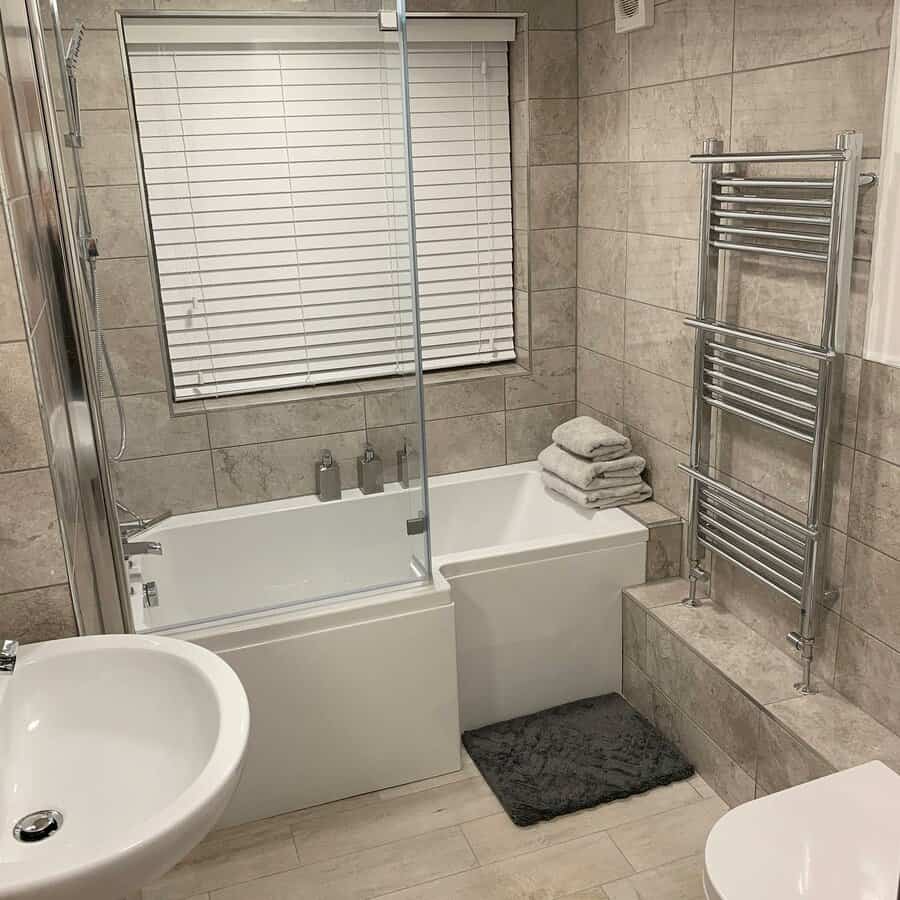
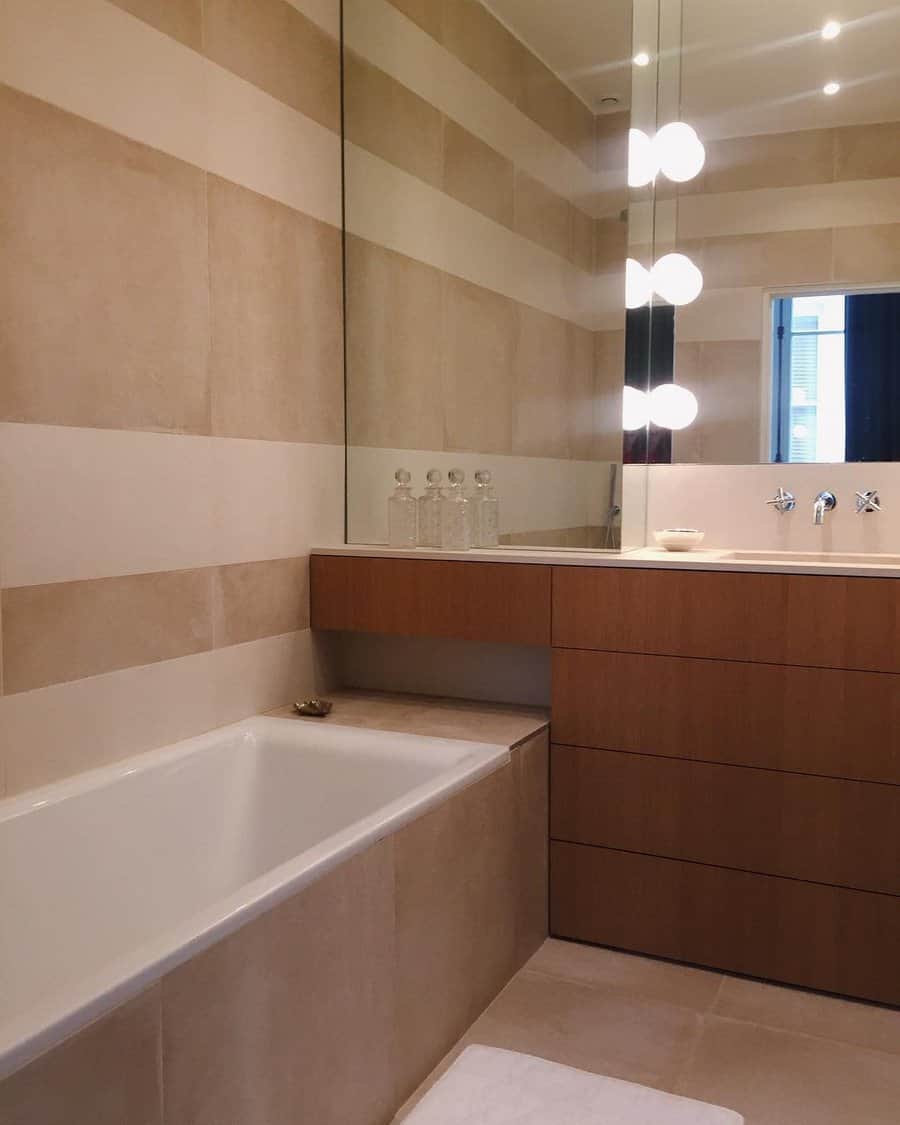
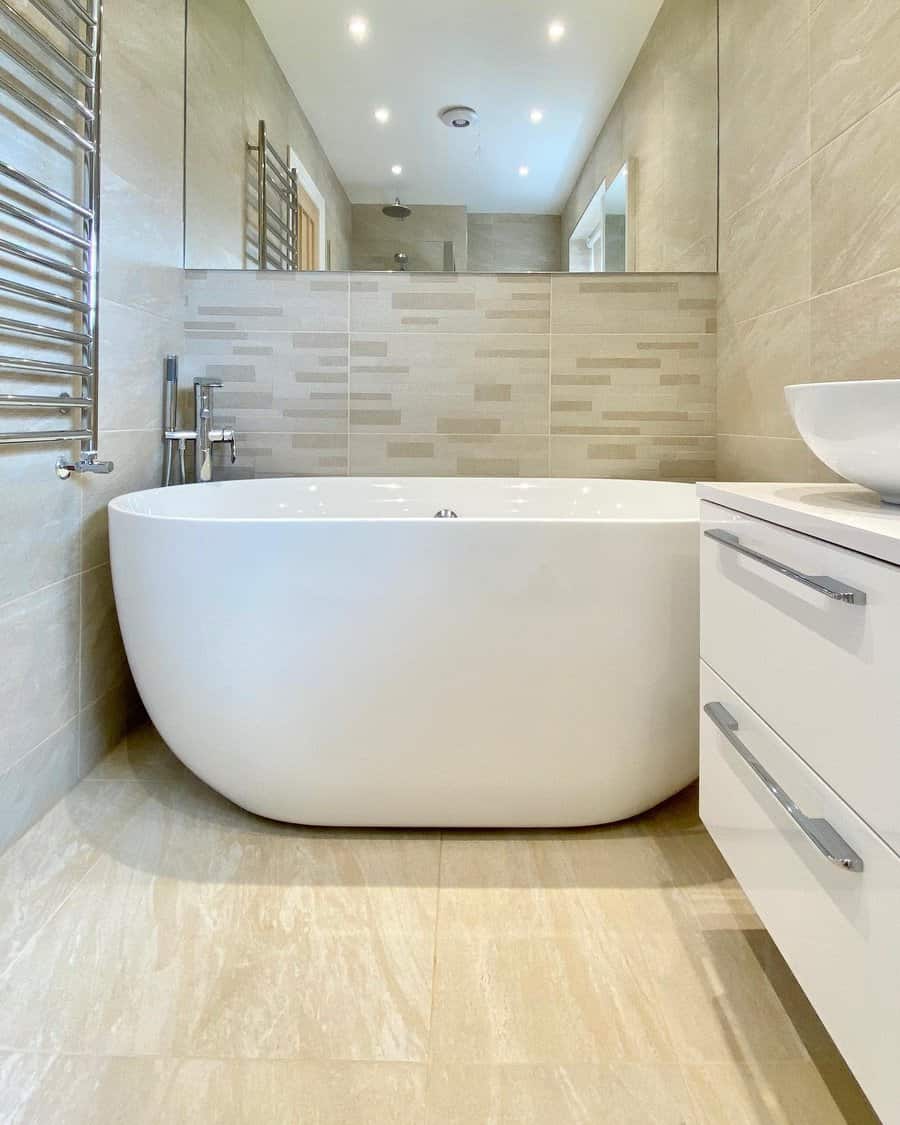
Every time you walk into your bathroom, you groan. The colors are off, the decor is outdated, the tile and grout look dingy, and the overall floorplan is awkward. All of this becomes more frustrating when you have a tiny bathroom that limits the space you have to work with.
Thankfully, you can make a lot of improvements yourself with DIY ideas. There are small changes you can make that will have a big impact on the overall appeal of your bathroom.
These DIY bathroom ideas will help you improve the look of your bathroom.
[view_toc]
1. Minimalist Bathroom Design
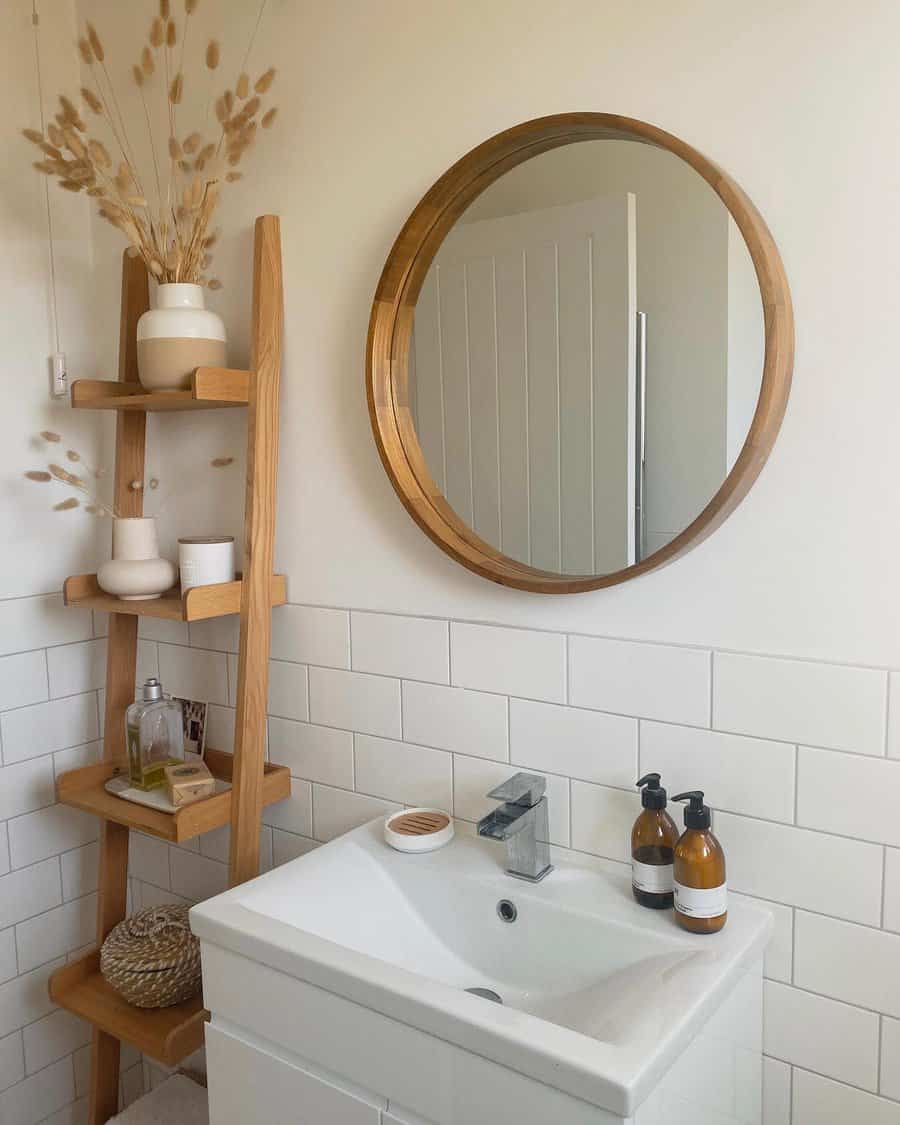
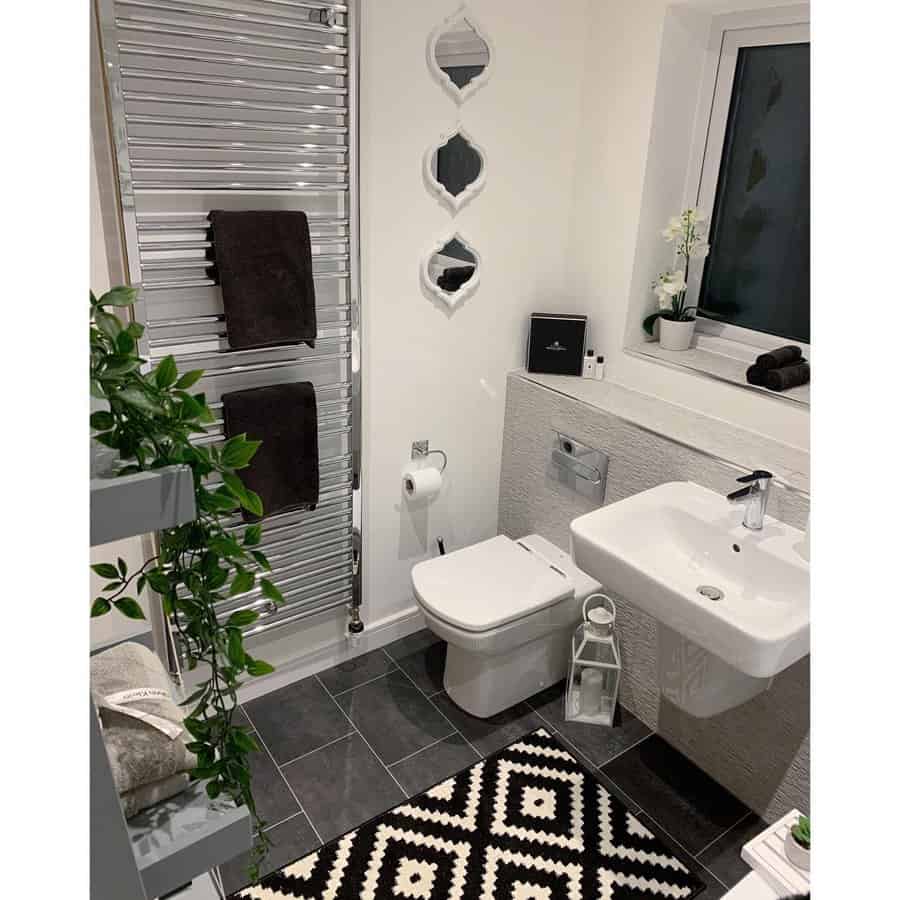
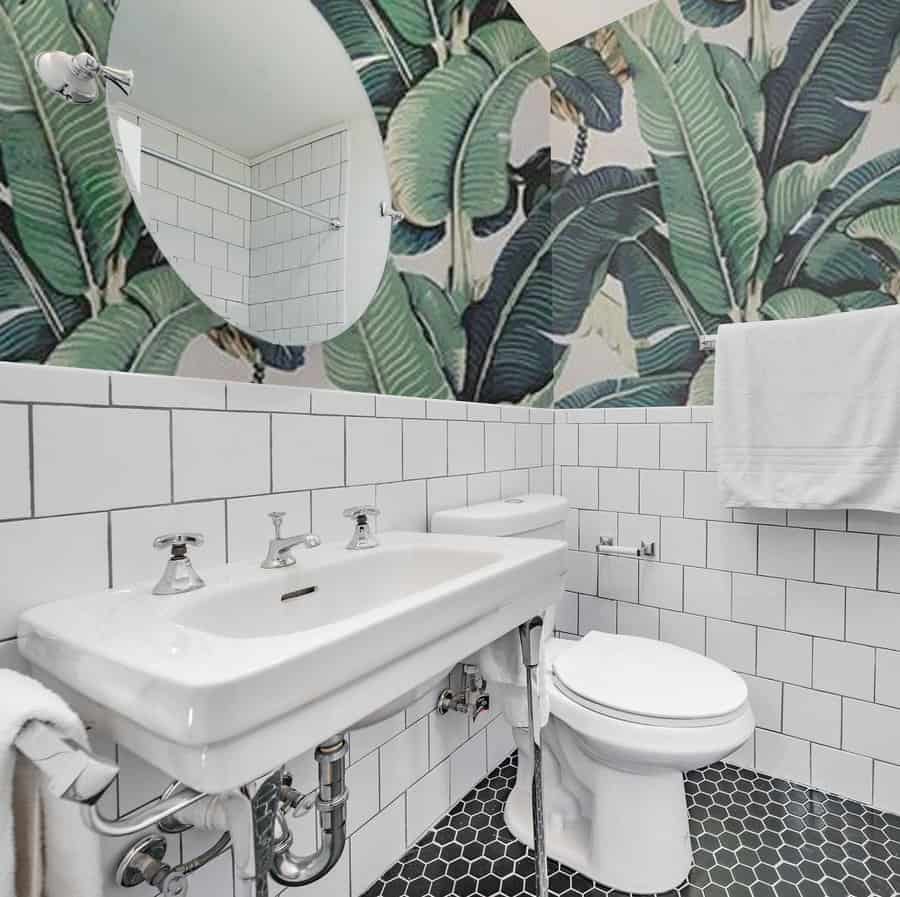
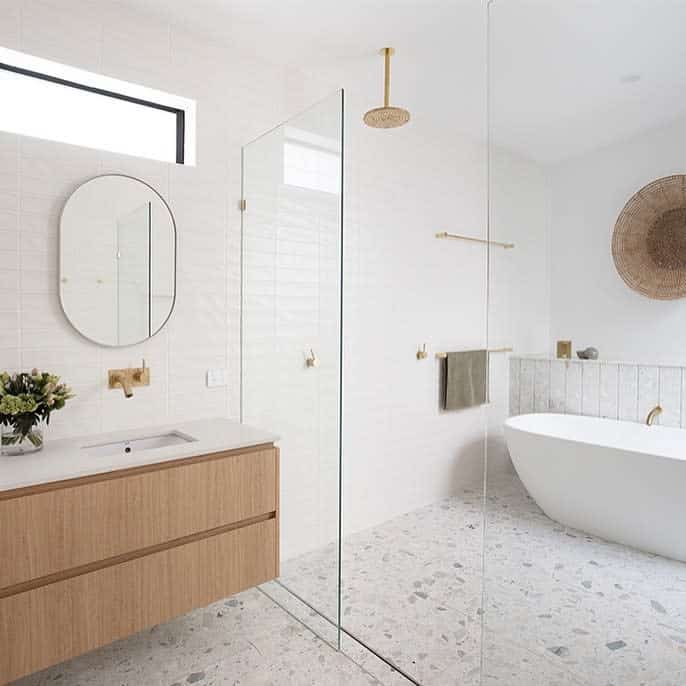
Just because you have an old bathroom doesn’t mean you can’t achieve a minimalist design. Focus on removing any clutter and unnecessary furniture.
The goal is to have the bare minimums and keep the space open and airy feeling. This works well for a small space where too many decorative elements and the bathroom will feel cramped and confined.
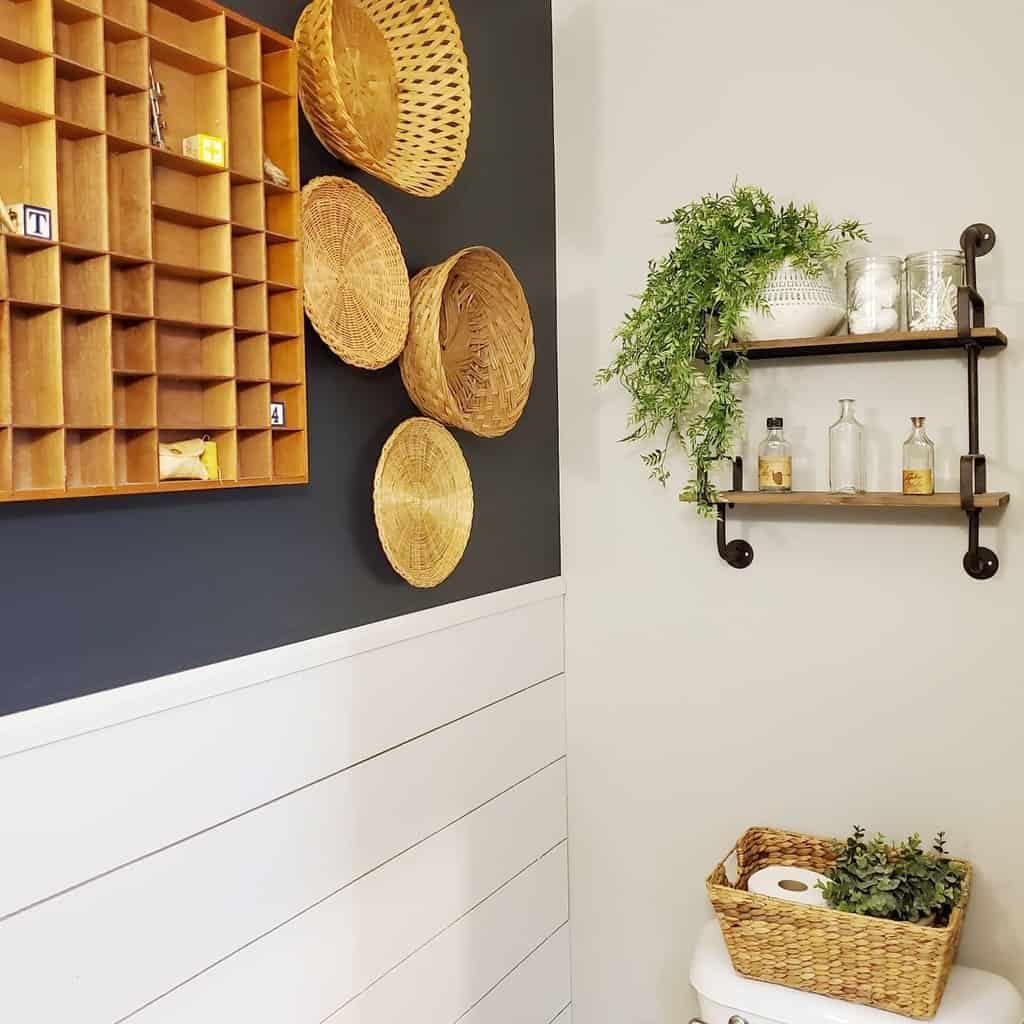
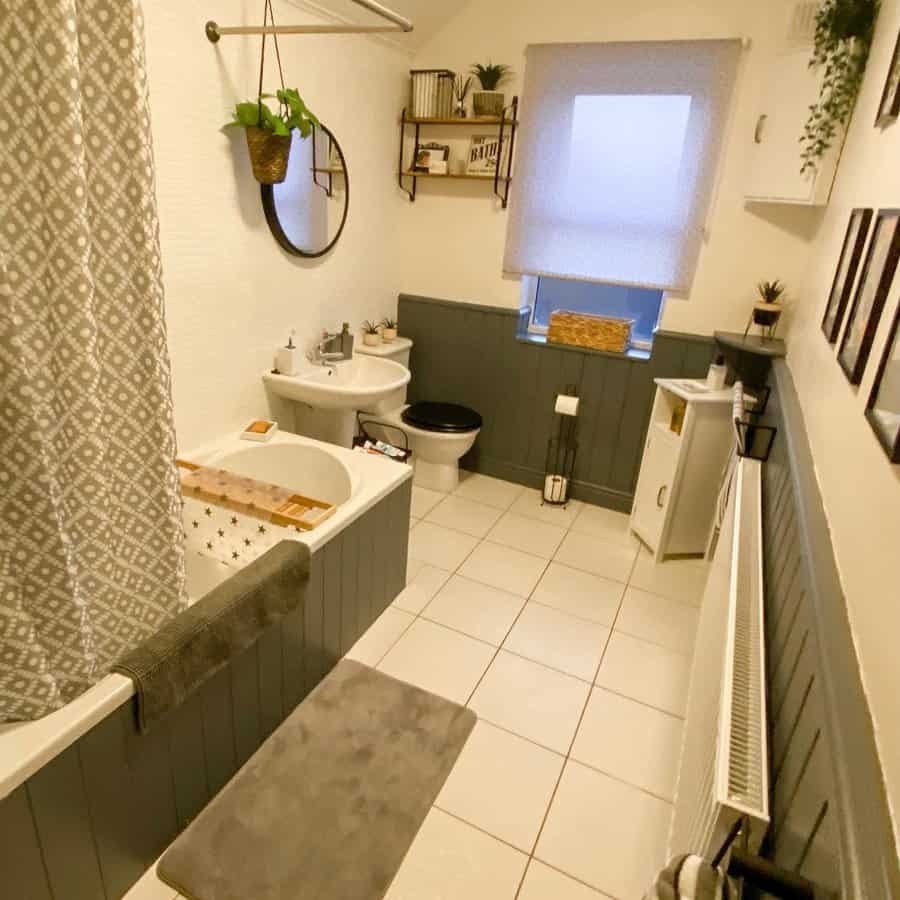
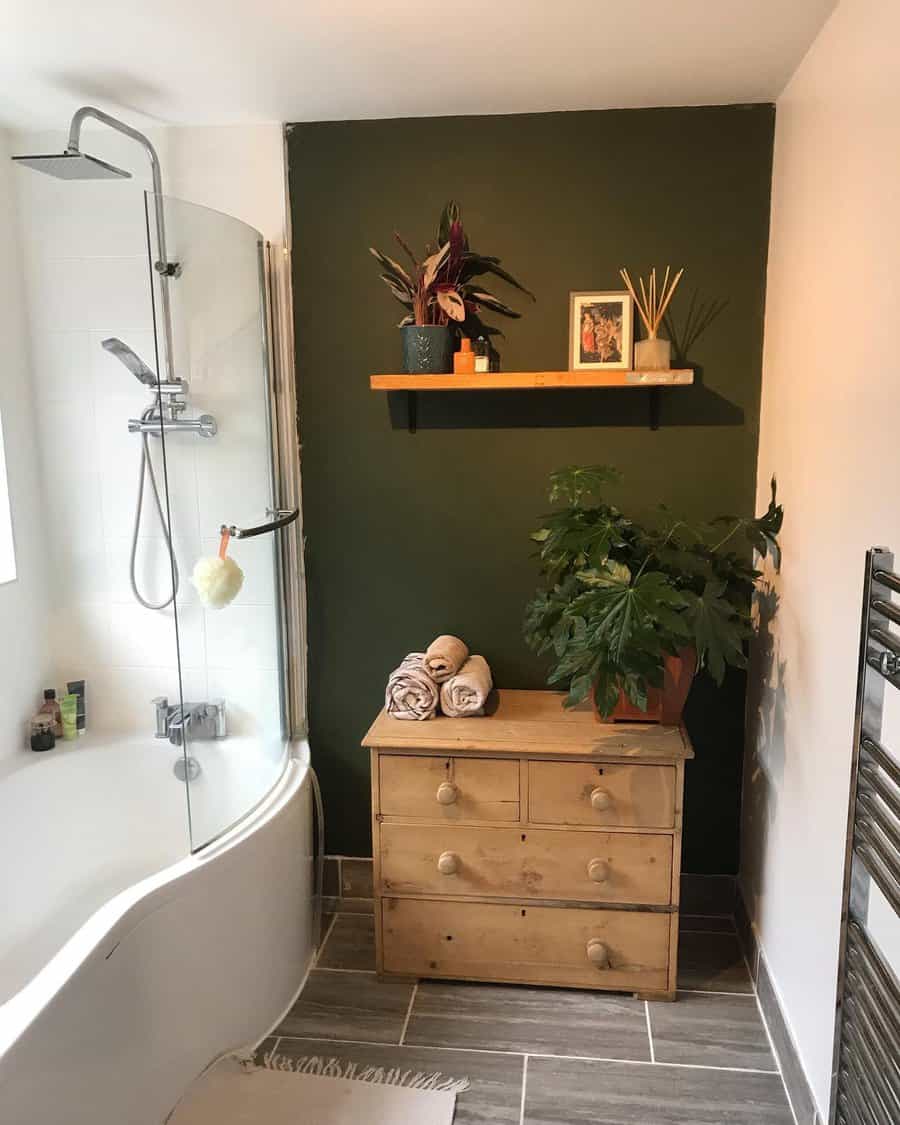
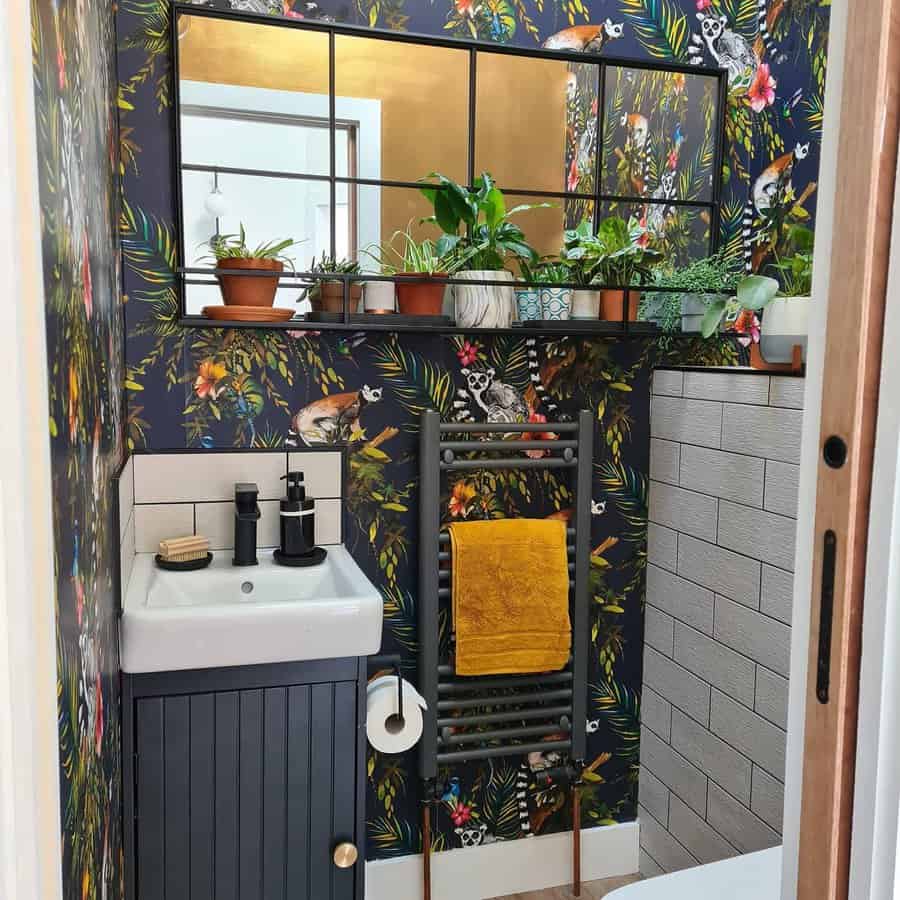
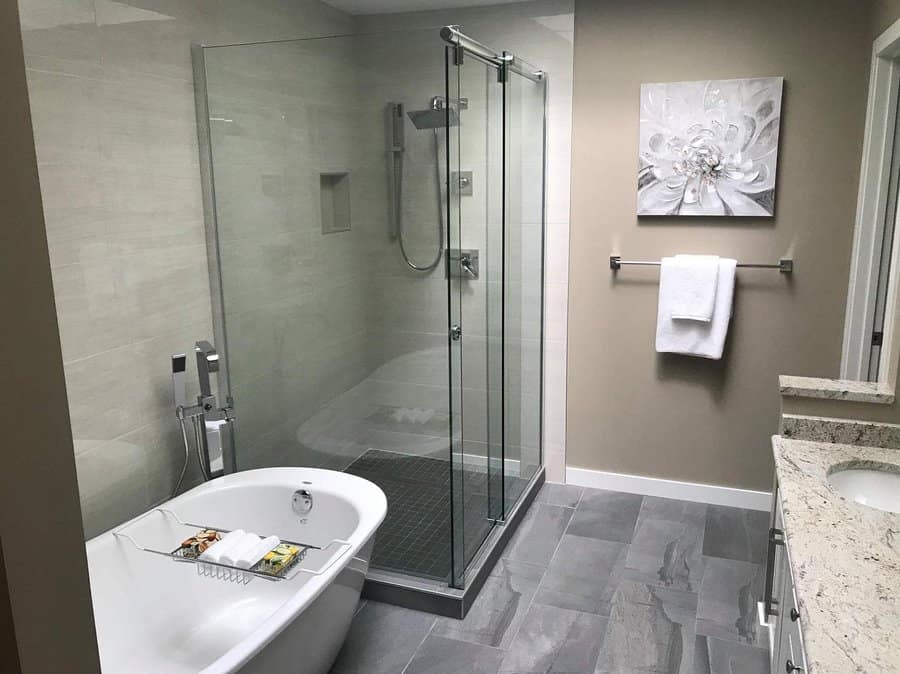
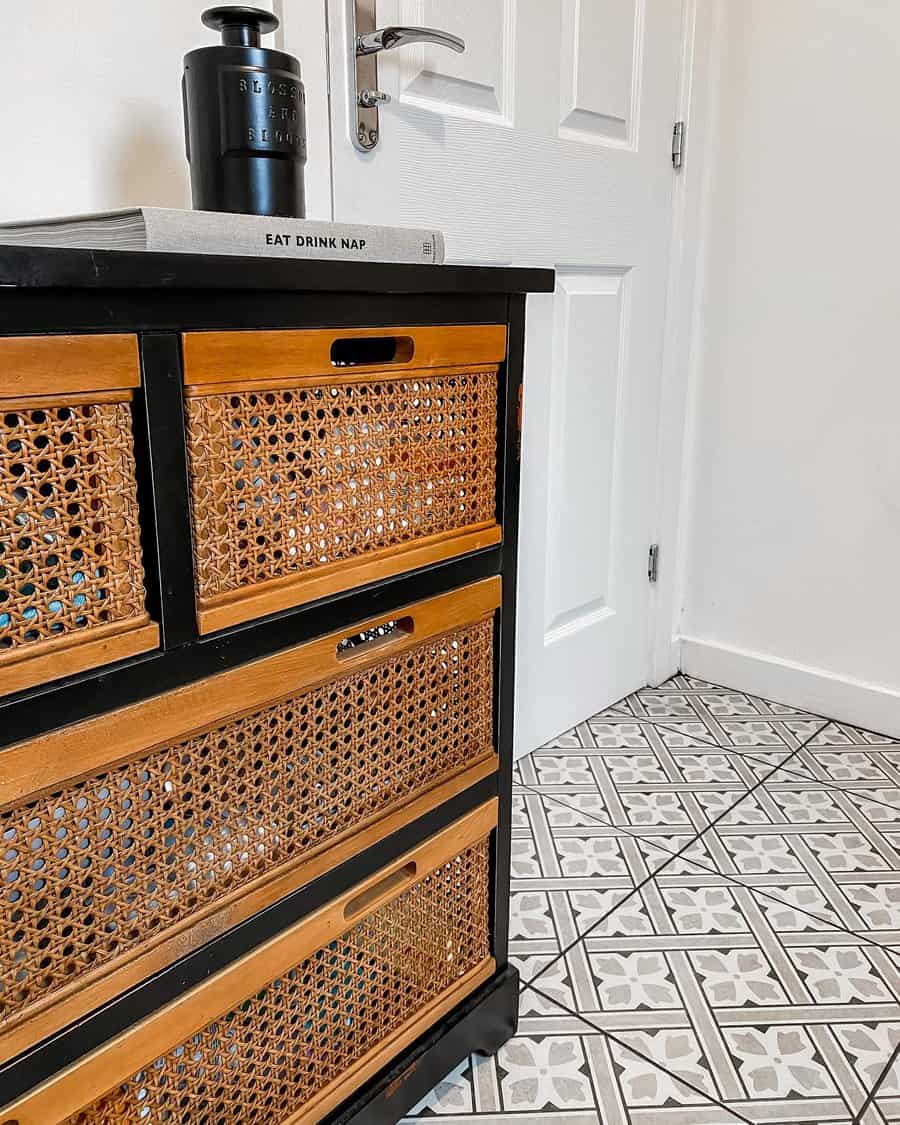
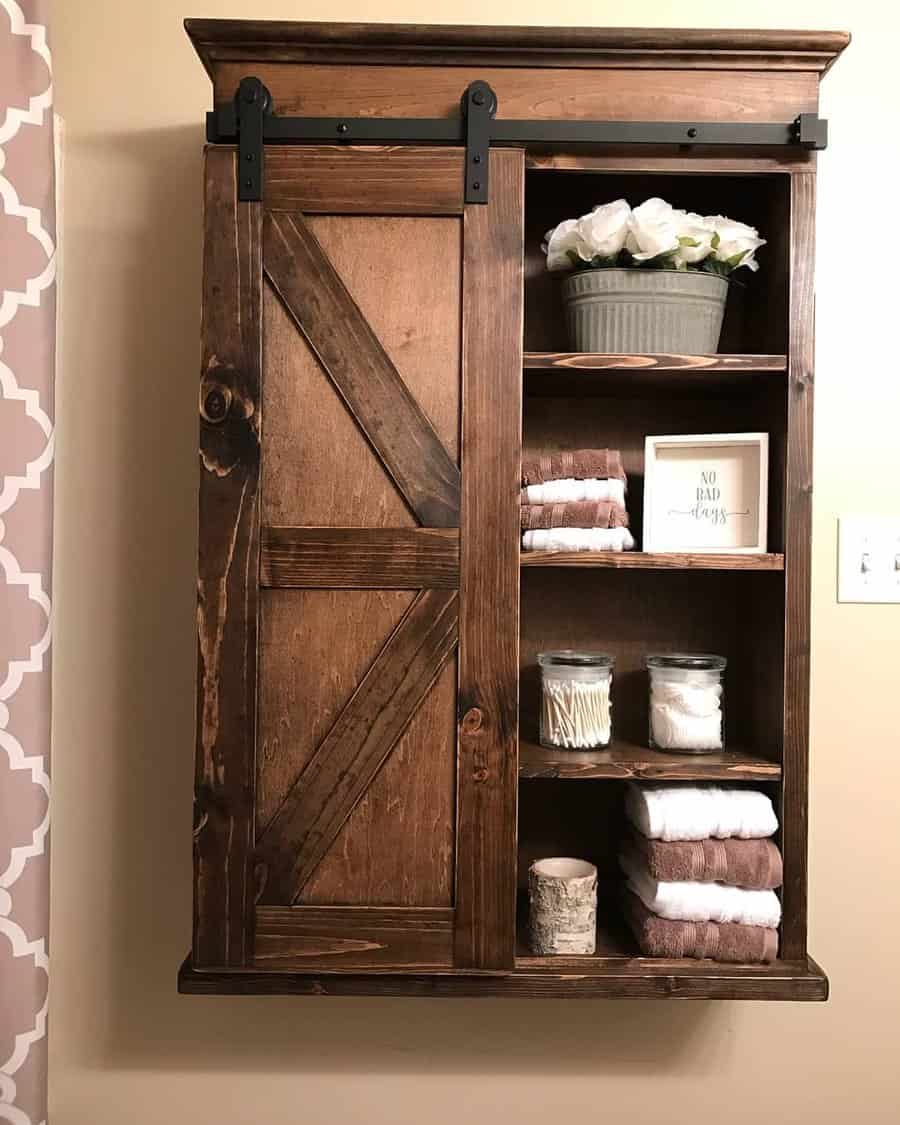
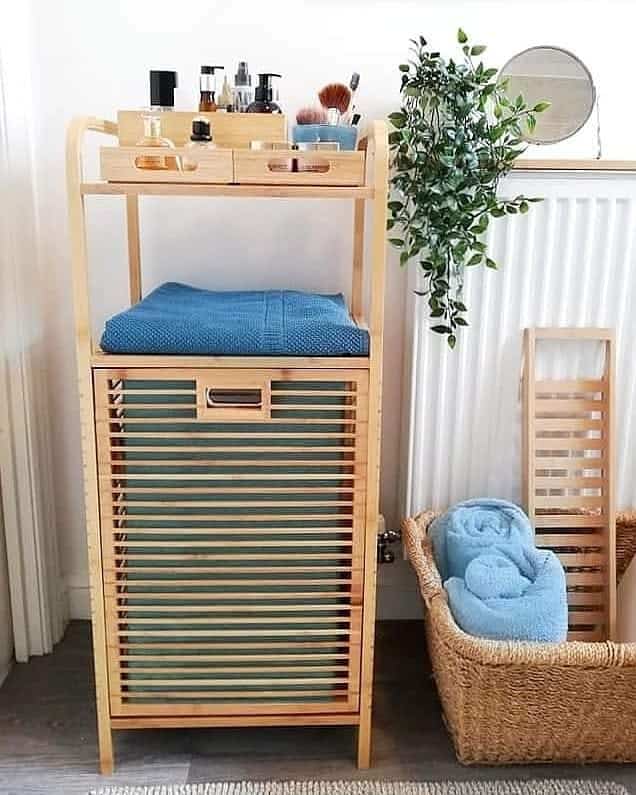
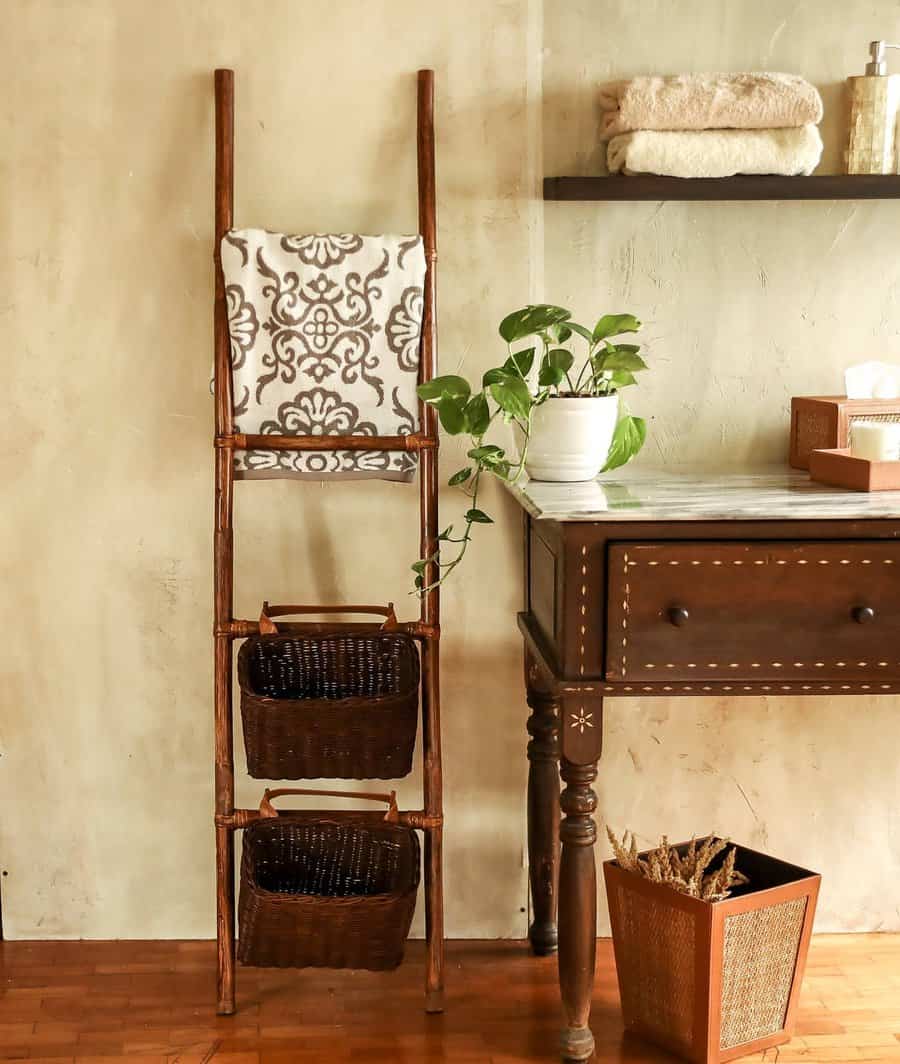
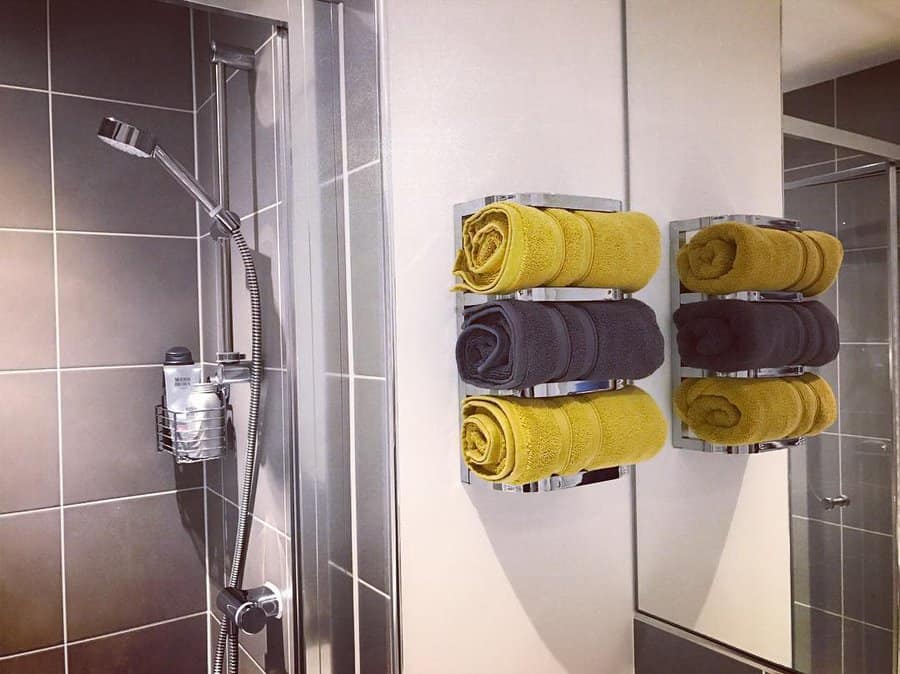
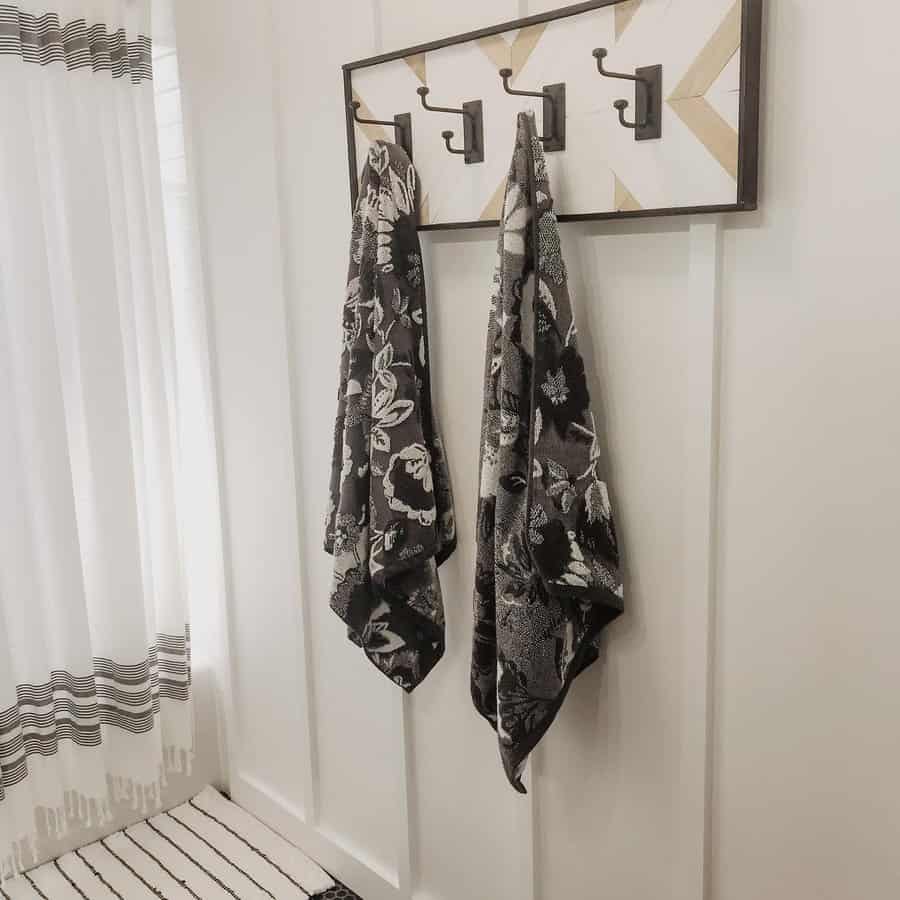
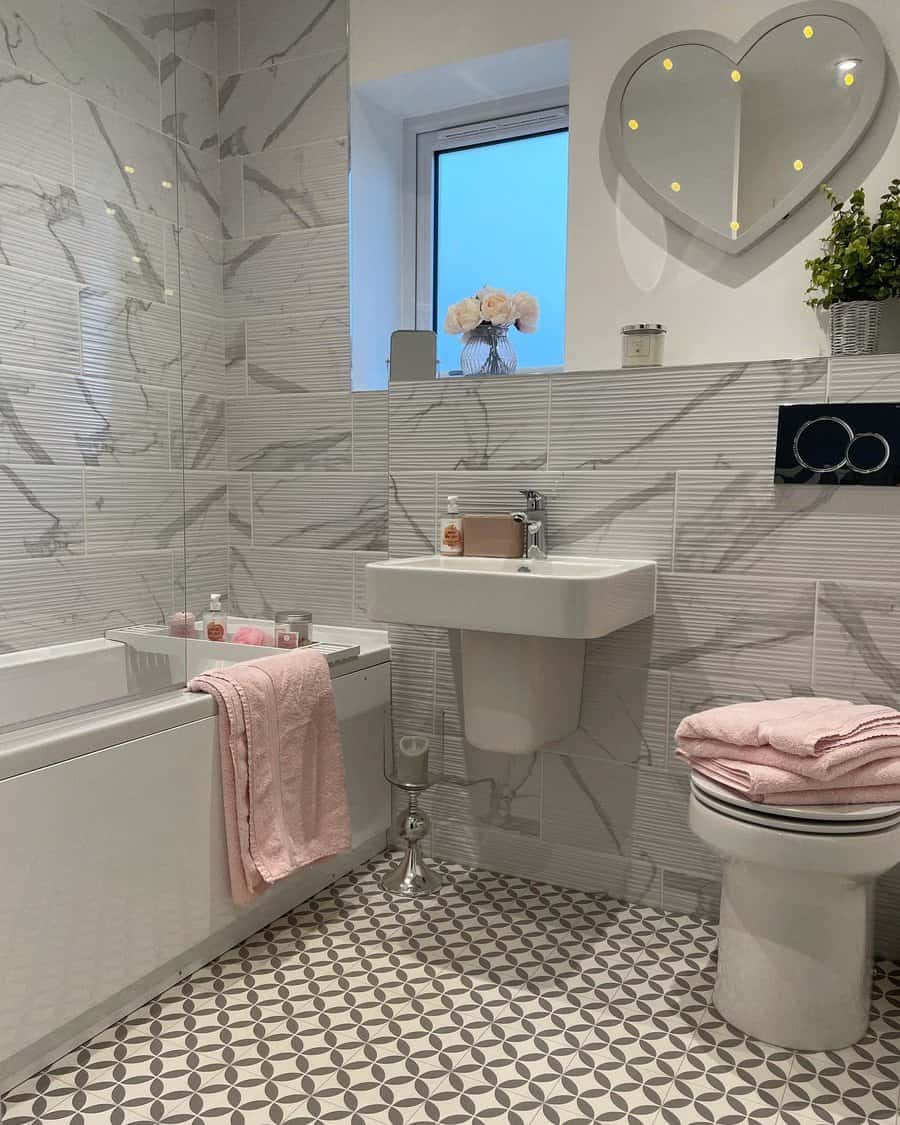
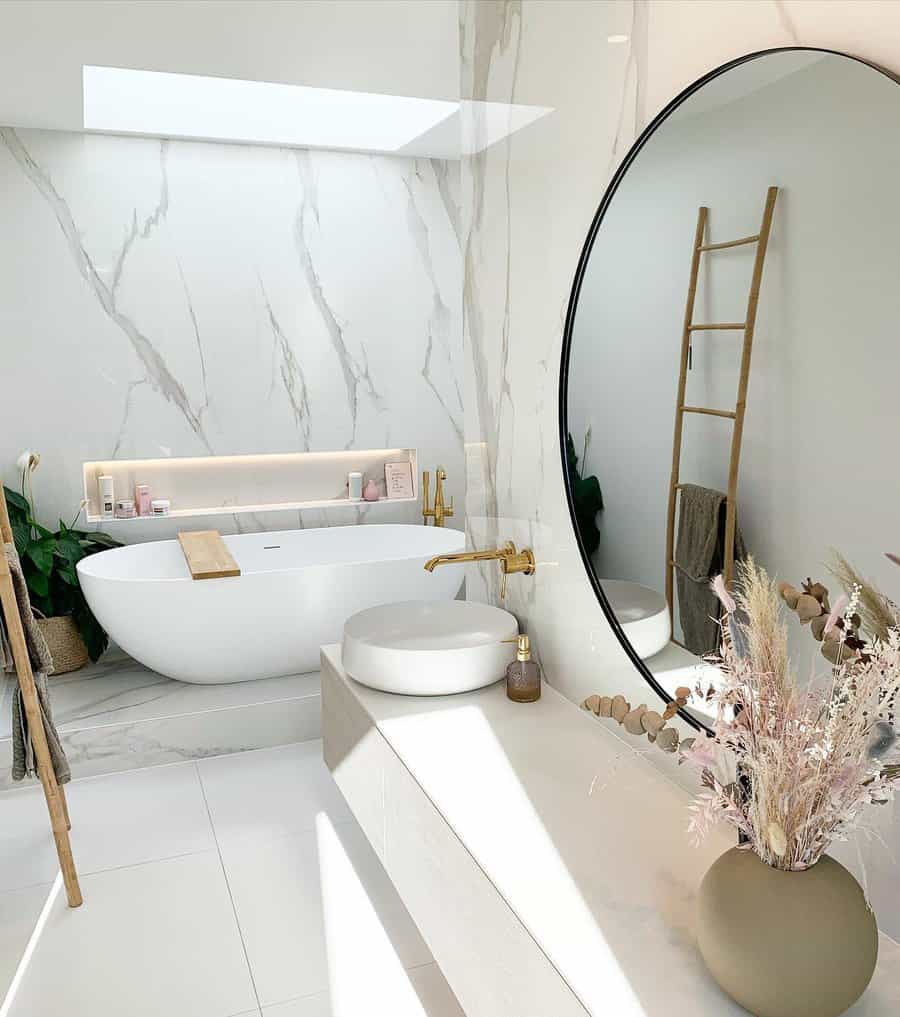
26 DIY Decor Bathroom IdeasSource: @miss_beffers via InstagramSource: @newbricks_at66 via InstagramSource: @yas.wyatt.home via Instagram
Check out white bathroom ideas because minimalist bathrooms tend to embrace a simple color palette. If you can’t avoid getting rid of items, then buy a cabinet to place everything in and hide it.
2. Set up a Mirror Above Vanity
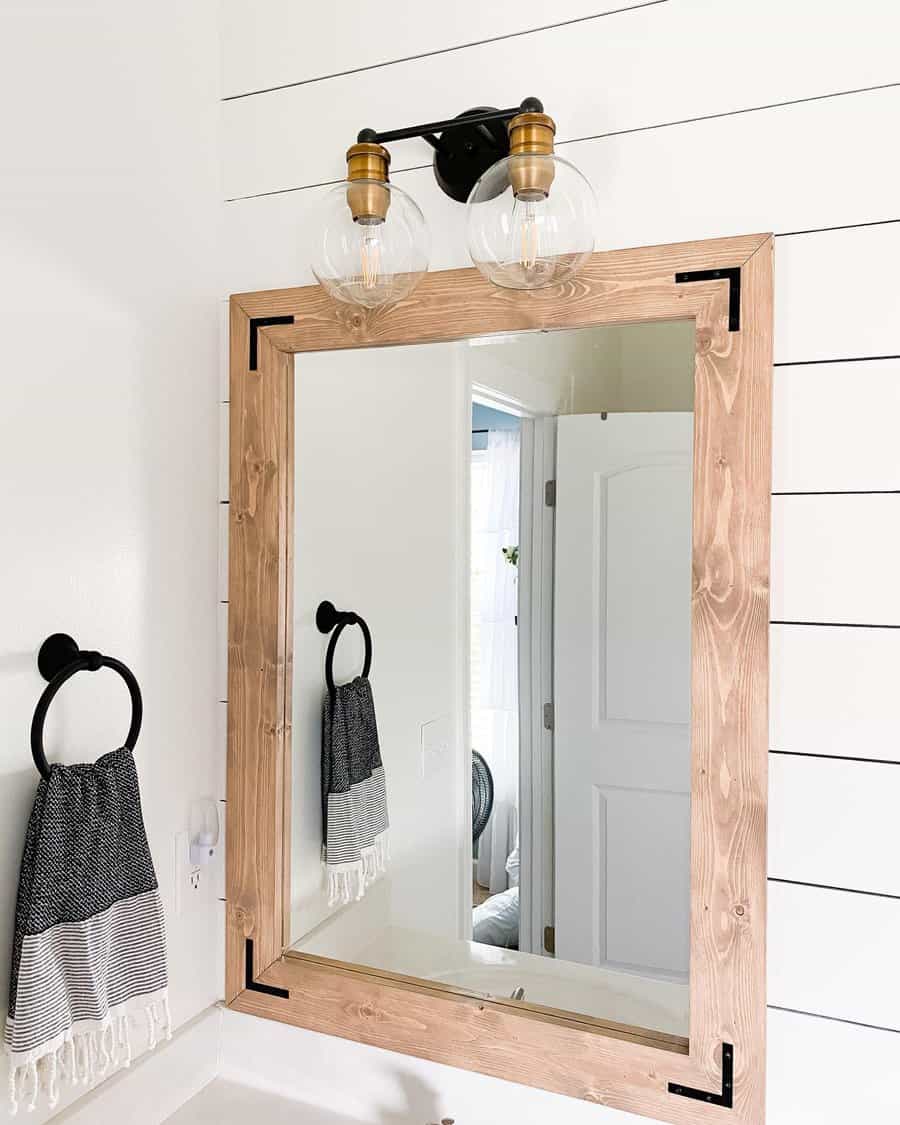
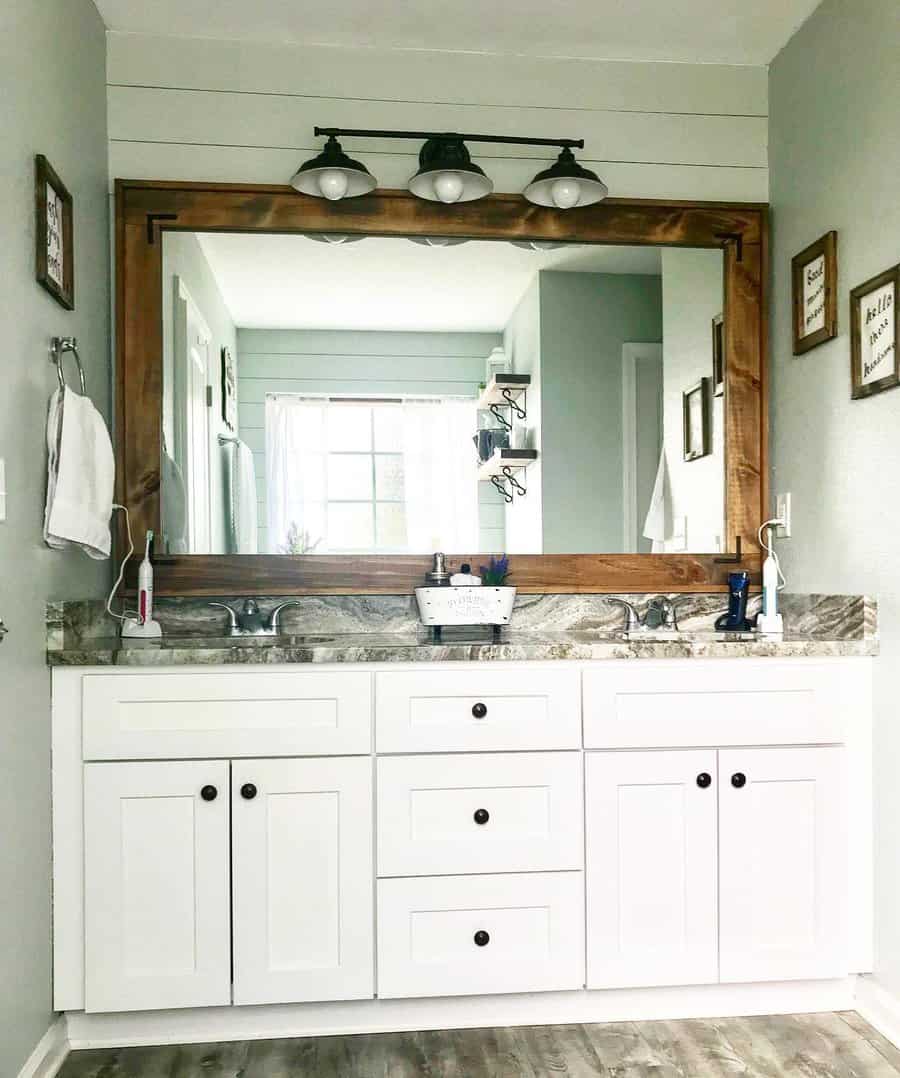
When in doubt and not sure what to do, hang a mirror. This simple piece of wall decor can elevate your DIY bathroom design.
Mirrors are popular in small bathroom ideas because they reflect light and make a space feel bigger. They are also a simple decor piece so that they won’t take away from the rest of the bathroom fixtures and furniture.
Source: @annabruceblog via InstagramSource: @shiplapshanty via Instagram
Choose a mirror that’s a size proportioned with the available space. Then decide if you want a frame on it. If you decide you want a frame, its style should blend with the rest of the bathroom design.
Art doesn’t only have a place in the living room or bedroom. A well-decorated bathroom often features artwork that should reflect the overall style of the bathroom.
Source: @duke_painting_company via Instagram
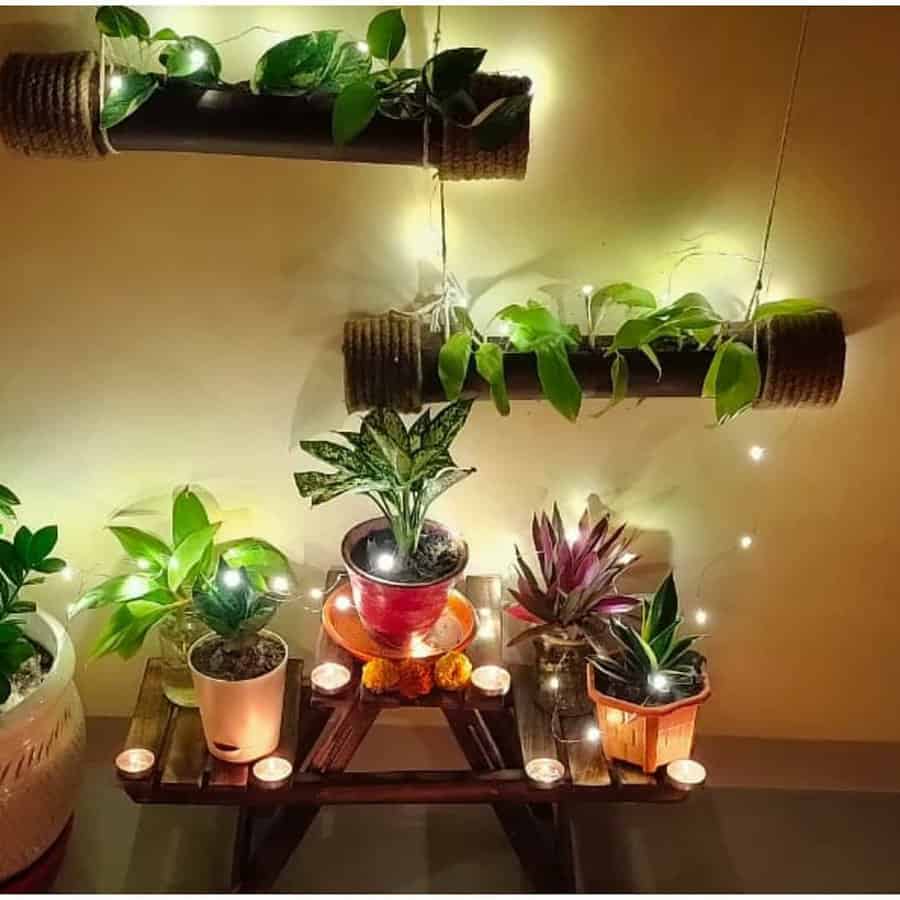
5. Consider Putting Plants to Your Bathroom
It’s time you brought some nature into your home. The easiest way to do this is by adding a plant to your bathroom. You don’t have to put any effort into this. Buy an air plant and put it in a decorative planter. The natural moisture in the air will be plenty for the air plant to thrive. If you want more greenery, consider the amount of light that comes into your bathroom.
Source: @our_first_home_newbuild via Instagram
Snake plants are good if you want a low-maintenance potted plant. A vine plant is good if you want a free-growing feel to your plant. Encourage the plant to grow around a shelving unit or around the shower.
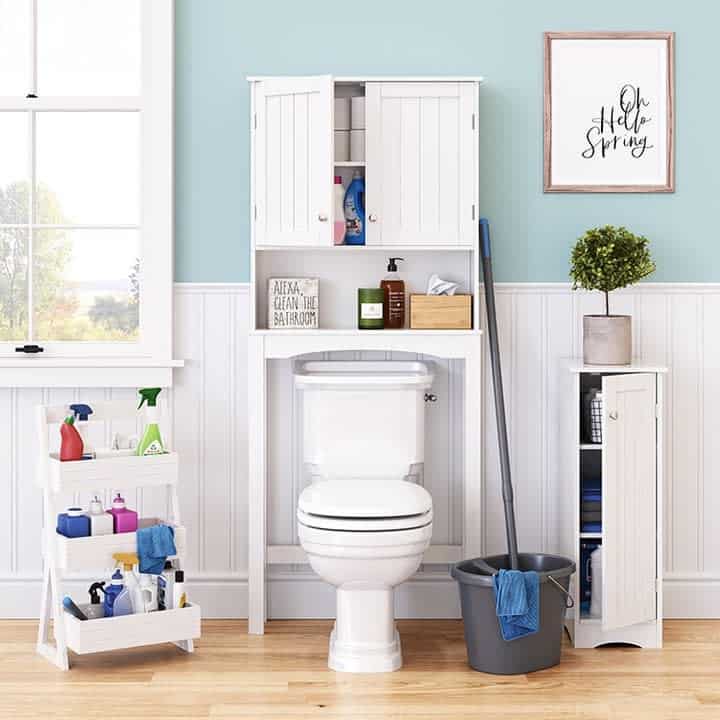
Due to the small nature of bathrooms, it seems like there’s never enough extra storage space. Create more storage in your bathroom by adding a small bathroom cabinet. This gives you hidden storage for holding personal items or extra bathroom supplies.
Source: @chedworthonthefarm via InstagramSource: @kraigs_diy_creations via InstagramSource: @simplymyabode via InstagramSource: @riverridgehome via Instagram
It’s also helpful to add extra storage to the vanity countertop. You can have mason jar bathroom storage if you have a rustic or farmhouse-themed bathroom. The glass jars are easy to clean and sanitize. Tie a ribbon or twine around the top to give them a decorative accent.
Where do you keep the toilet paper in your bathroom? Is it on a hook next to the toilet? Perhaps you just place it on the back of the toilet and call it a day. A decorative tissue holder can add to the decor of your bathroom.
Source: @redcandyuk via Instagram
A freestanding holder is nice because you can move it around to where you need it. If you want to install a permanent holder, plan carefully when placing it. You need to be able to reach it when sitting down. A wood holder will look nice in a rustic theme. Black metal or iron holders can give your bathroom a vintage feel.
9. Install a Towel Holder
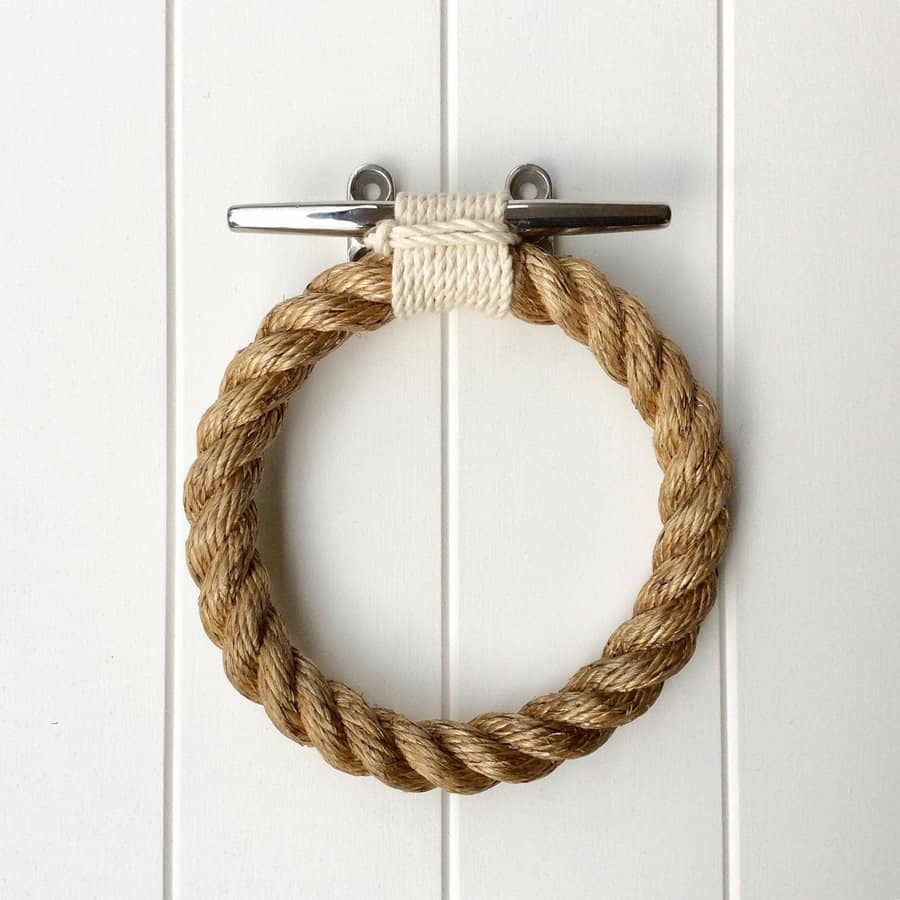
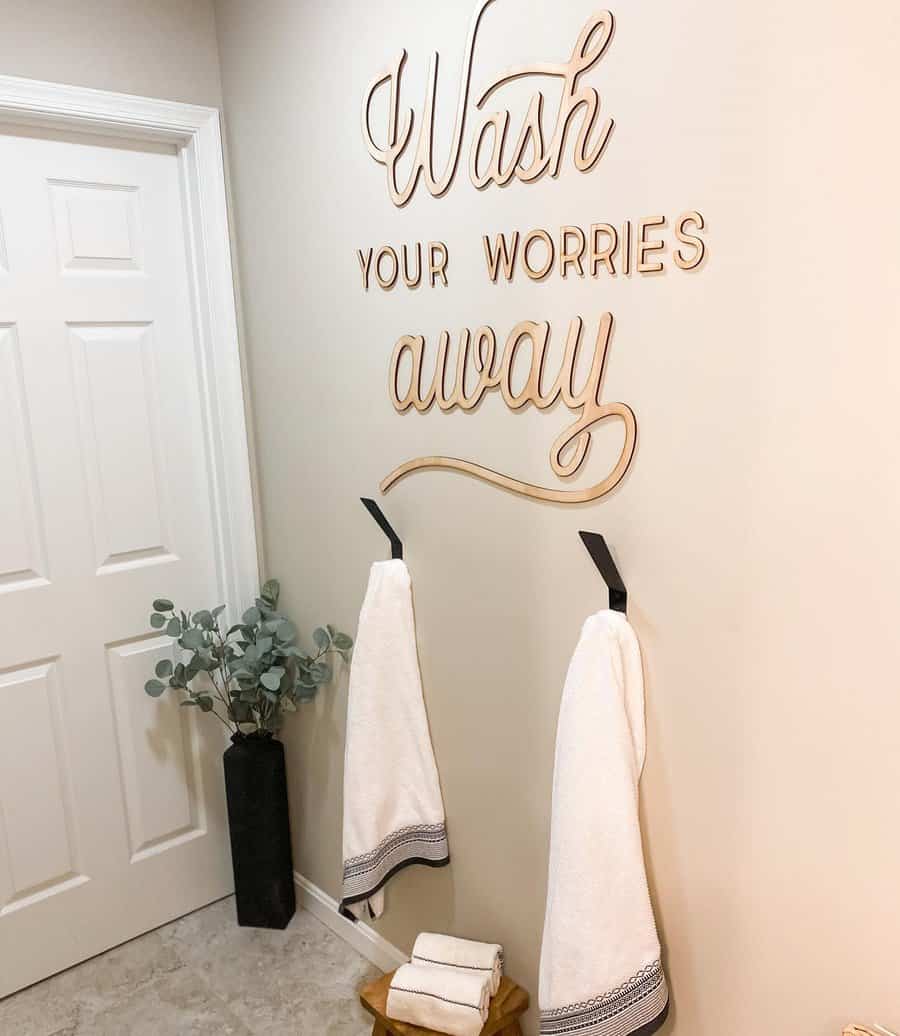
Say goodbye to your builder-grade towel bar and replace it with a rack that can hold several towels. Build a DIY towel rack that fits your space and holds the number of towels you need it to.
Source: @ambearphotos via InstagramSource: @jacktarslocker via InstagramSource: @msnightsdream via InstagramSource: @mydomesticityph via InstagramSource: @newbuildagain via InstagramSource: @trudimcd via Instagram
Think beyond the towels currently in use and plan for it to hold clean towels also. Hooks or pegs are good for hanging wet used towels on. Then a shelf is suitable for holding clean towels. Space your hooks or pegs far enough apart so that there’s plenty of air circulation for the towels to dry.
10. Install Wallpaper in a Bathroom
Adding wallpaper to your bathroom is a simple and easy way of transforming the design. You could add wallpaper to all of the walls, but this isn’t necessary. You could add it to just the vanity wall or another accent wall.
Source: @heightsrestoration via Instagram
Because bathrooms are smaller spaces, you can splurge with a slightly more expensive wallpaper. To make a bolder statement, try using a wallpaper that has a 3D effect or texture to it. This will elevate the look of your bathroom. Don’t place the wallpaper in a high moisture area, like in the shower. This will cause it to peel off of the wall.
11. Wall Words and Decals
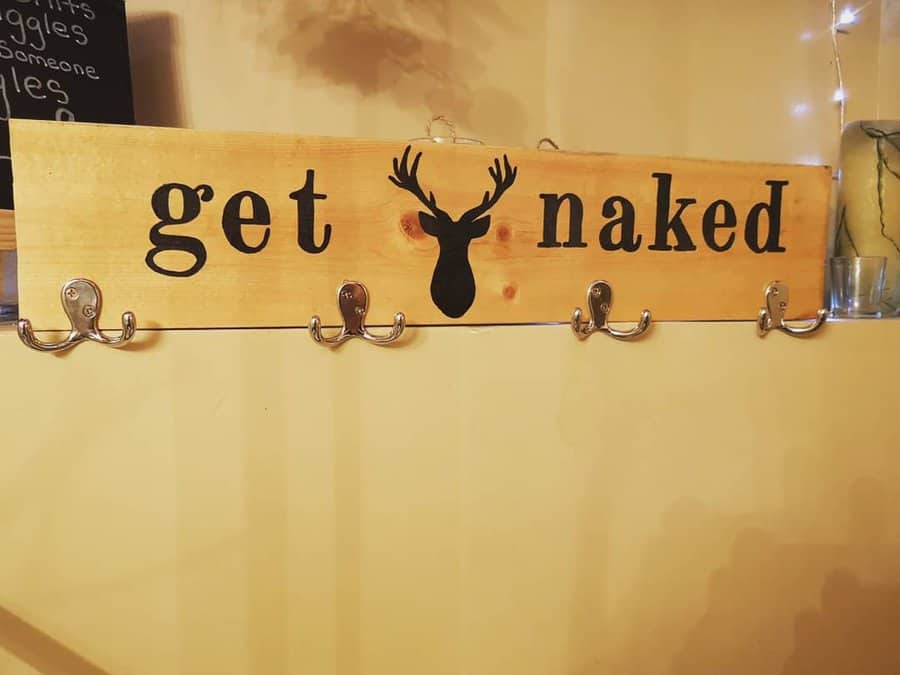
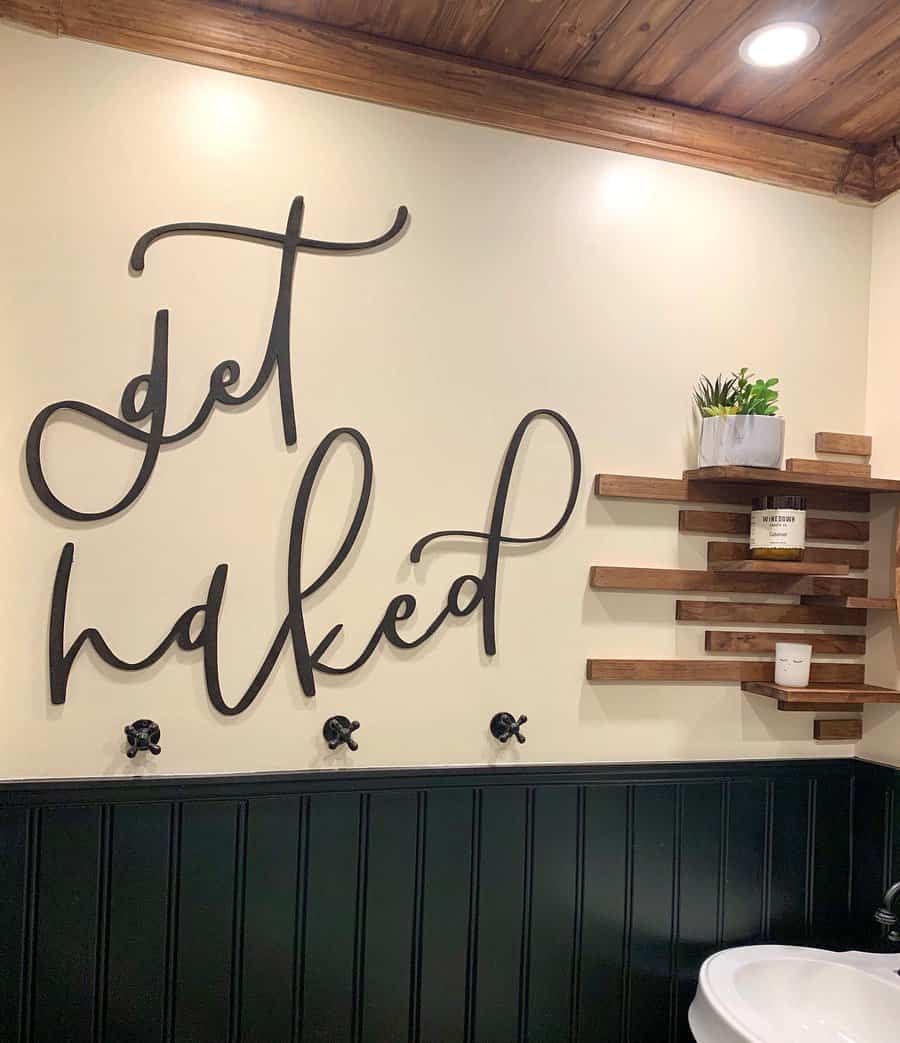
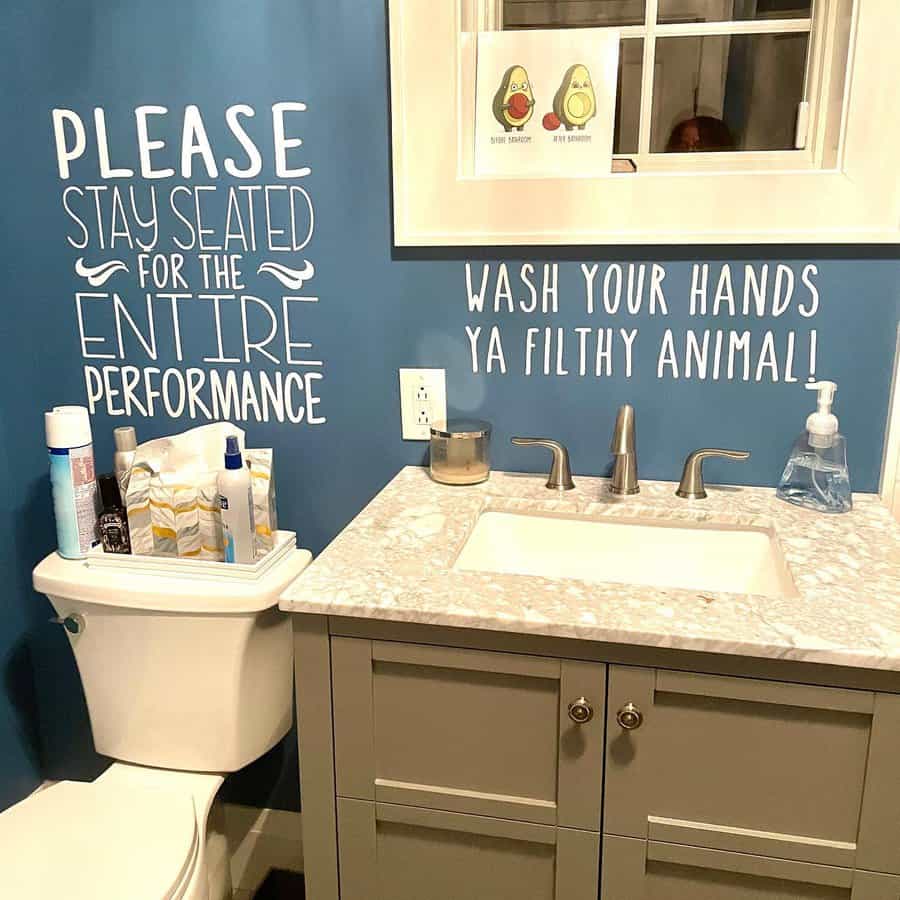
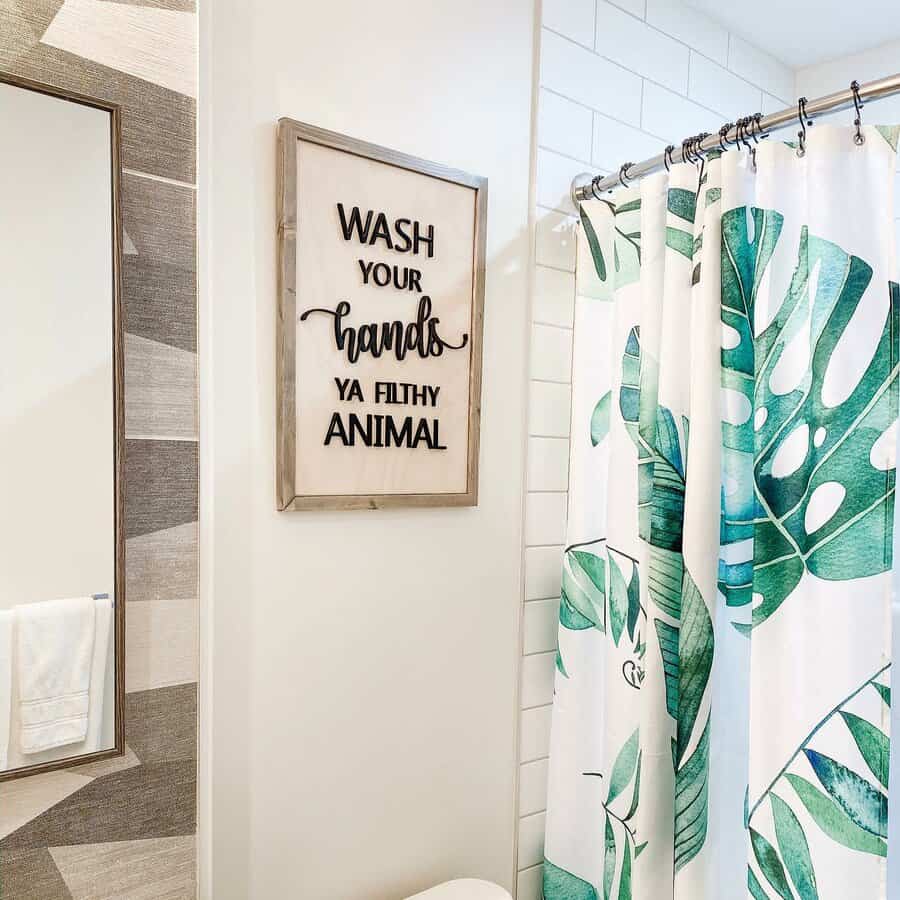
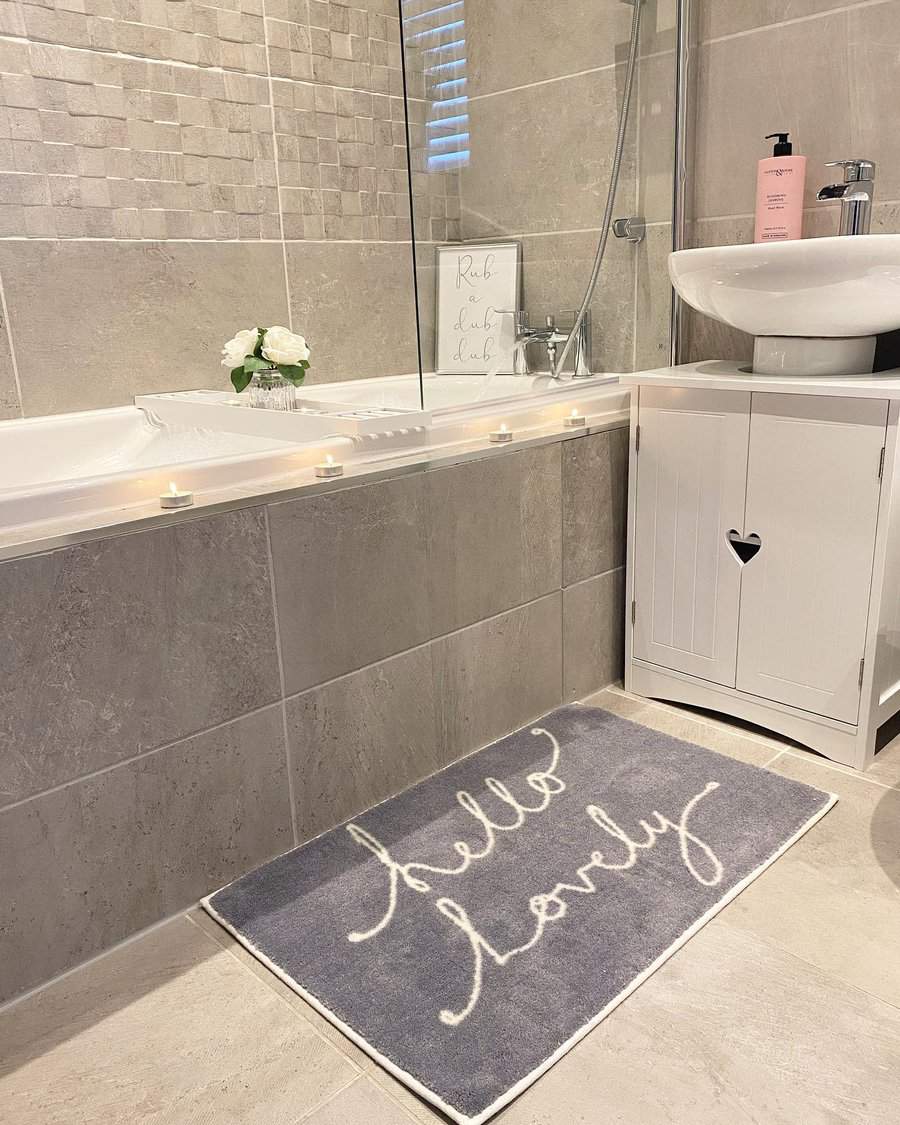
One of the most common DIY bathroom décor ideas is to add an inspiration phrase or sign to the walls. Changing up the wall art is a simple approach to a bathroom makeover. Buy a sign or piece of art that speaks to you.
Source: @brooklyn_rustics via InstagramSource: @dddesignsnj via InstagramSource: @shelbyandjun via InstagramSource: @thehamptonfarmhouse via Instagram
You could use vinyl stickers that you adhere directly to the wall. You could hang a sign made from reclaimed wood boards with a decorative design painted on it for a rustic look. If you want to create a luxurious or glamorous touch, try a piece of art that’s painted or printed and then set in an elegant frame.
“I noticed every time I spent a lot of time in the bathtub, I would just get fantastic realizations about myself, and they were so valuable and liberating.”– Leonard Orr
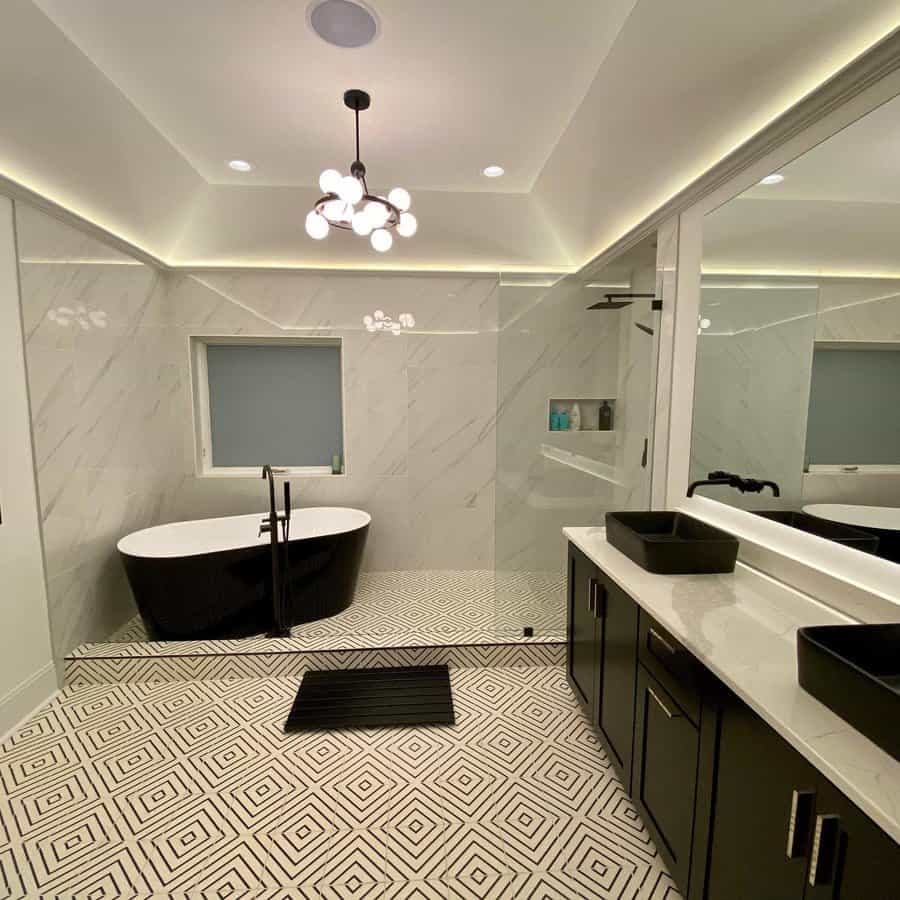
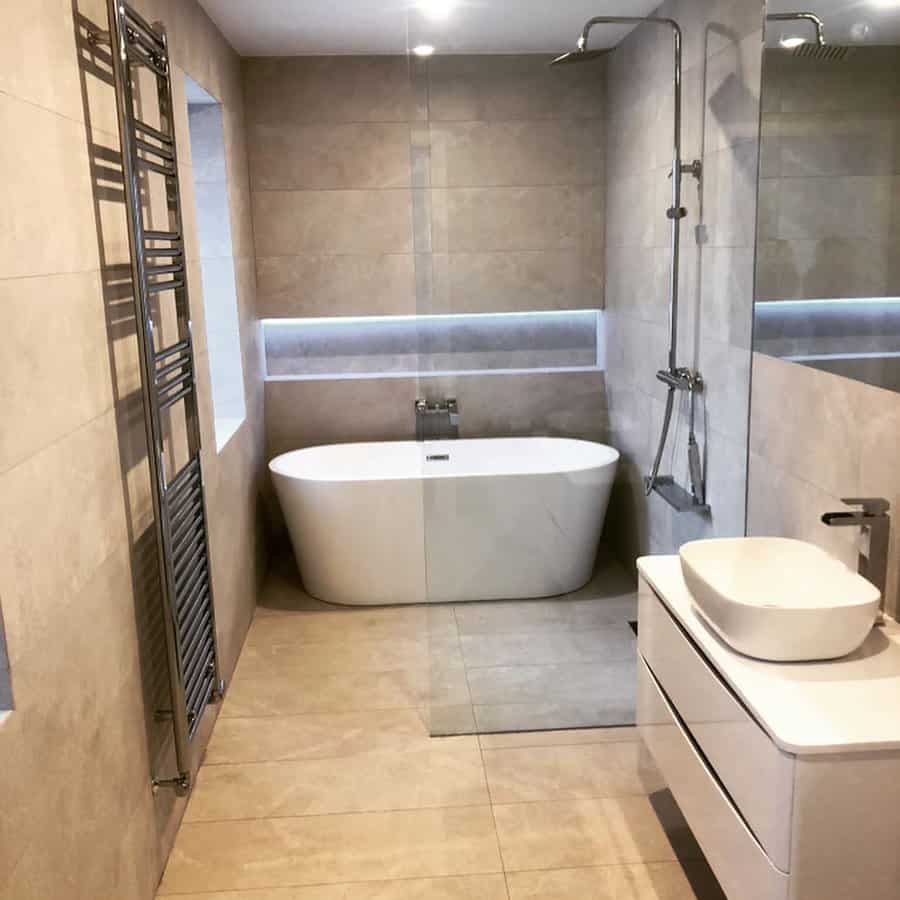
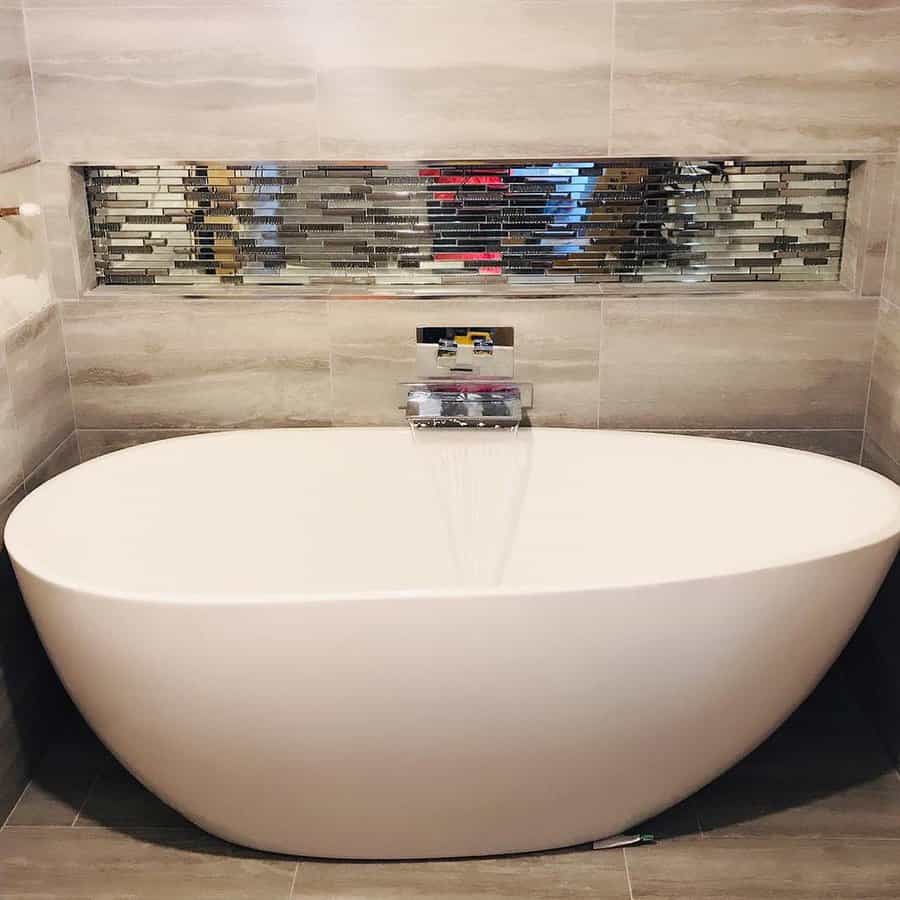
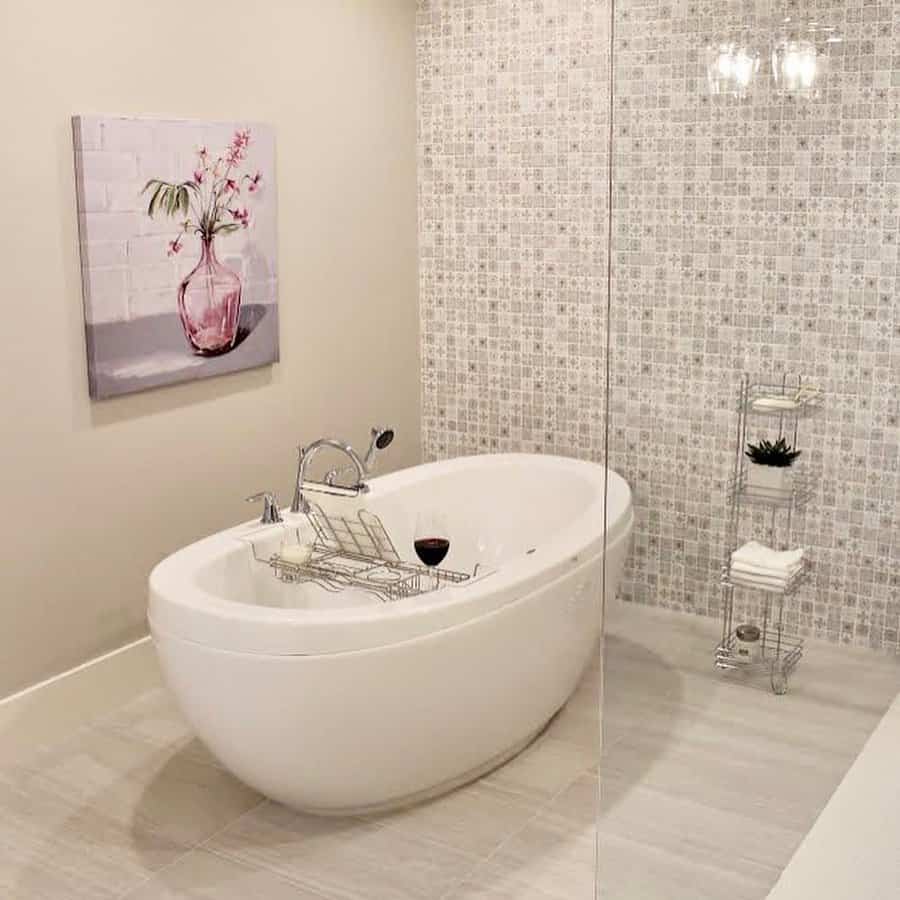
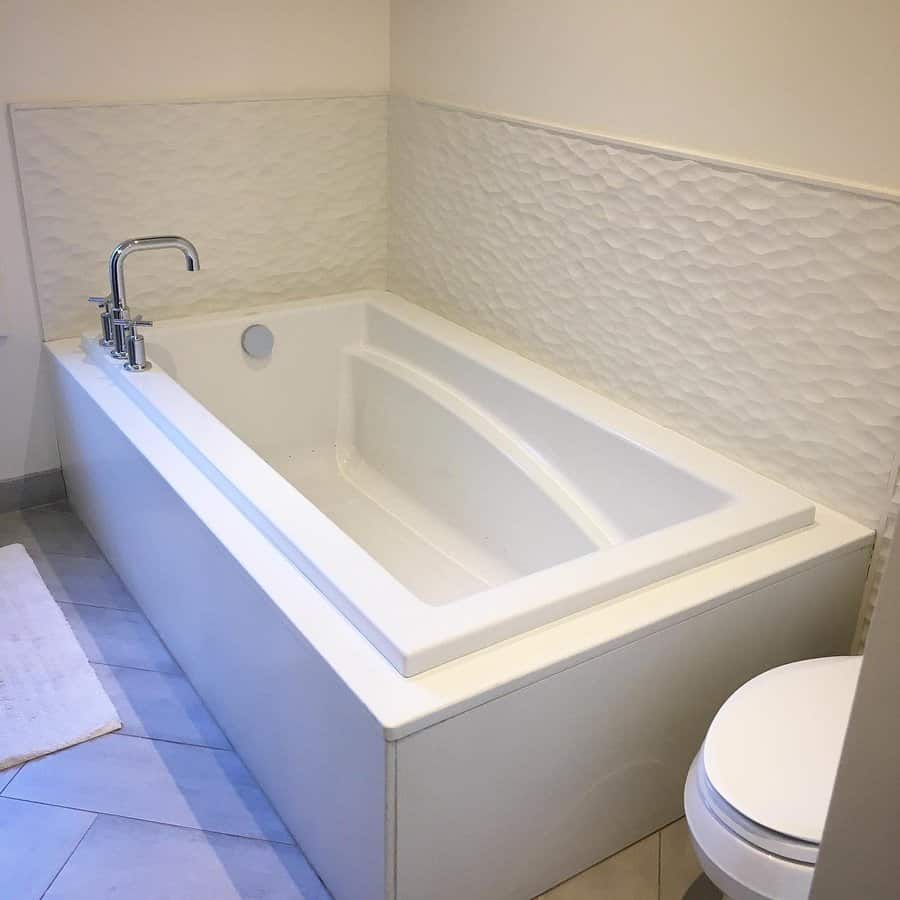
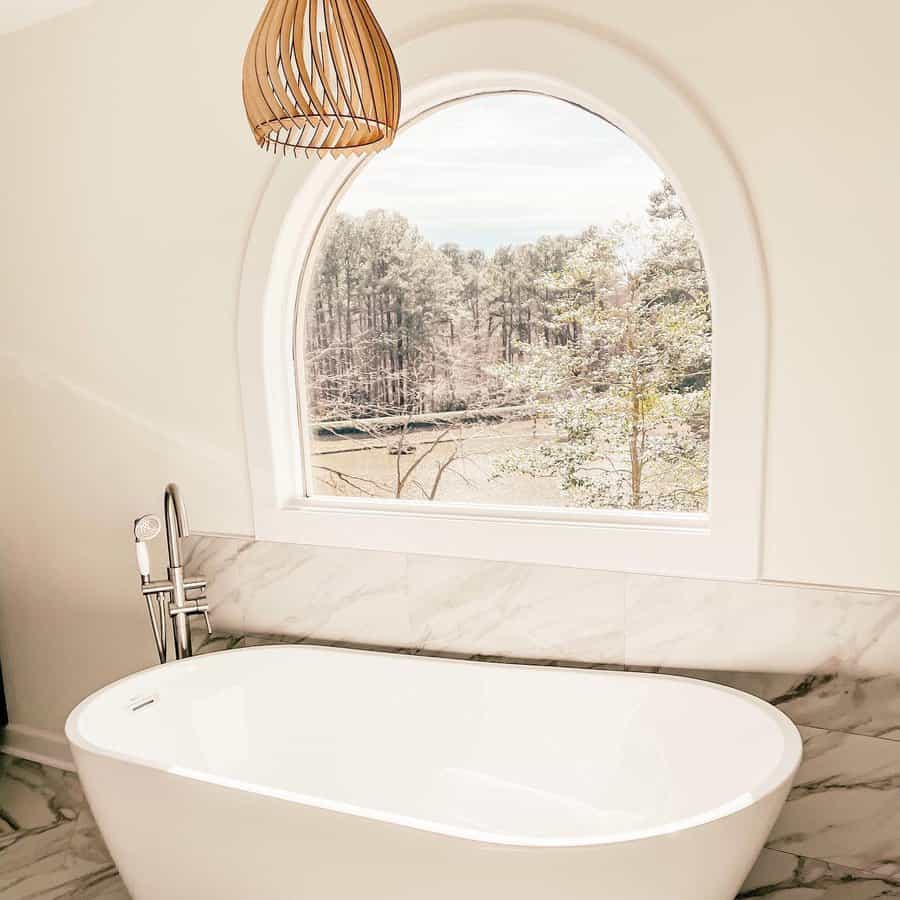
Say goodbye to that boring builder-grade drop-in bathtub. It’s small and ugly in that basic white. You can’t really do much with these tubs other than take them out and replace them with something better.
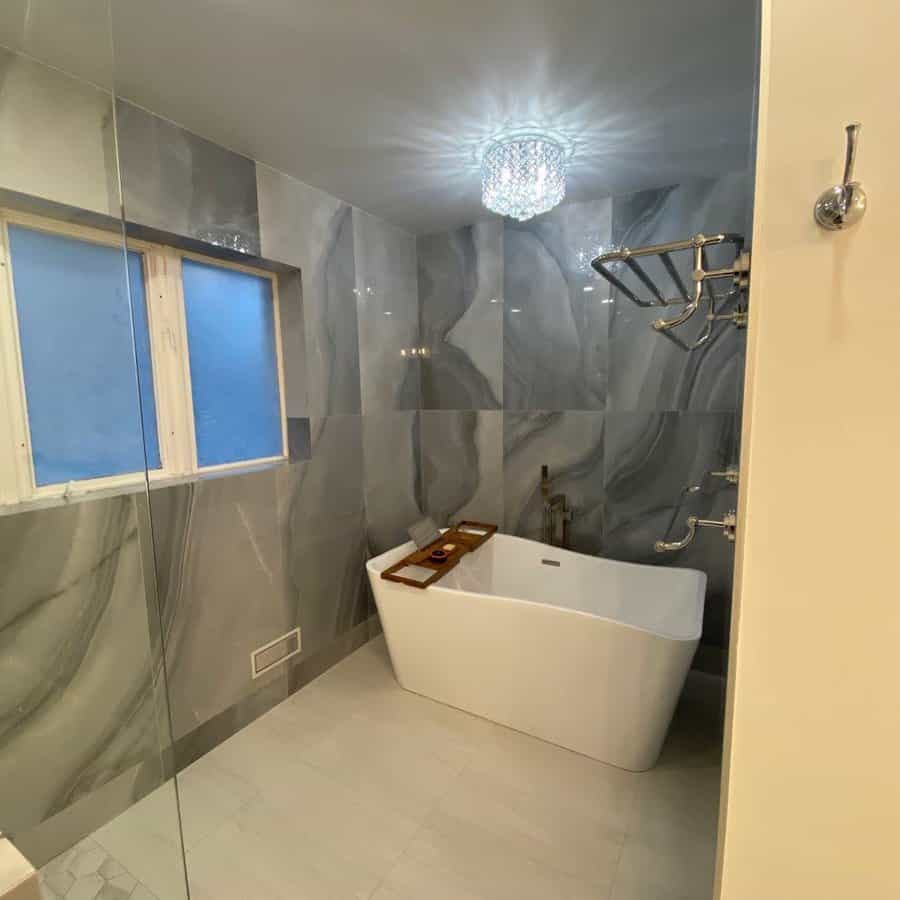
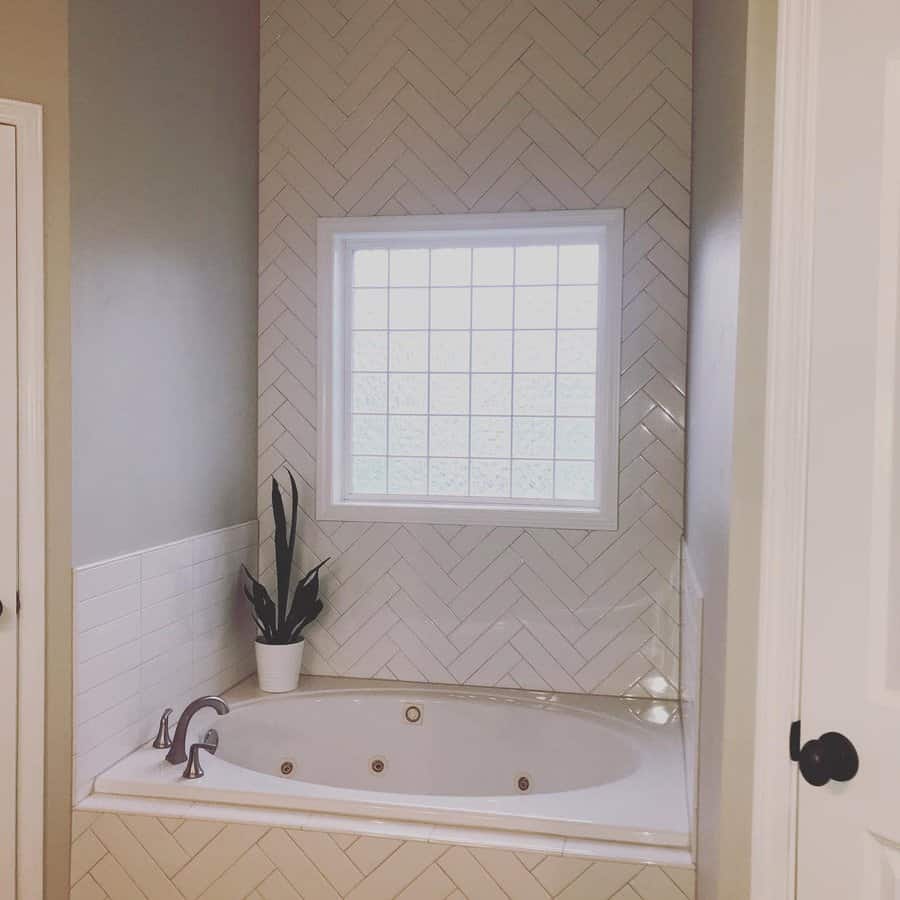
You could have a freestanding tub or another built-in that has tile surrounding it. Even if you add a freestanding tub, you need tile on the walls around it. Once you decide on your dream tub, your next step is to choose just the right tile.
These bathtub tile ideas will help you plan a bathroom remodel that features an upgraded tub.
[view_toc]
1. Color Coordination in Bathtub Tiles
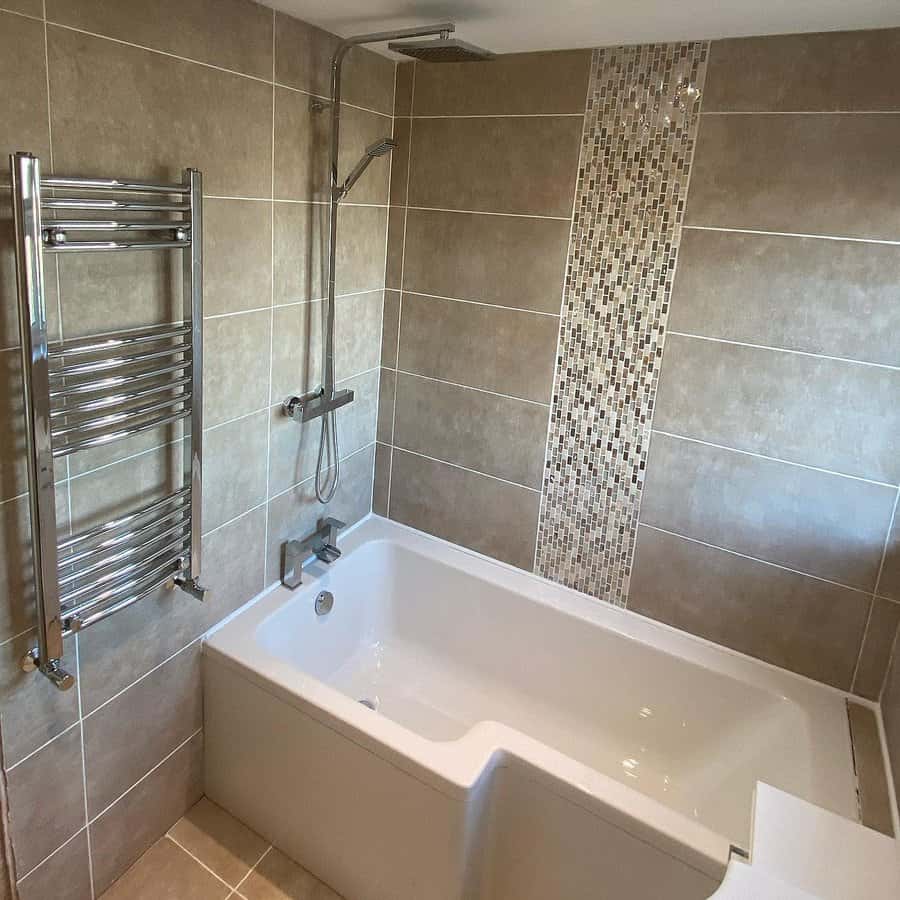
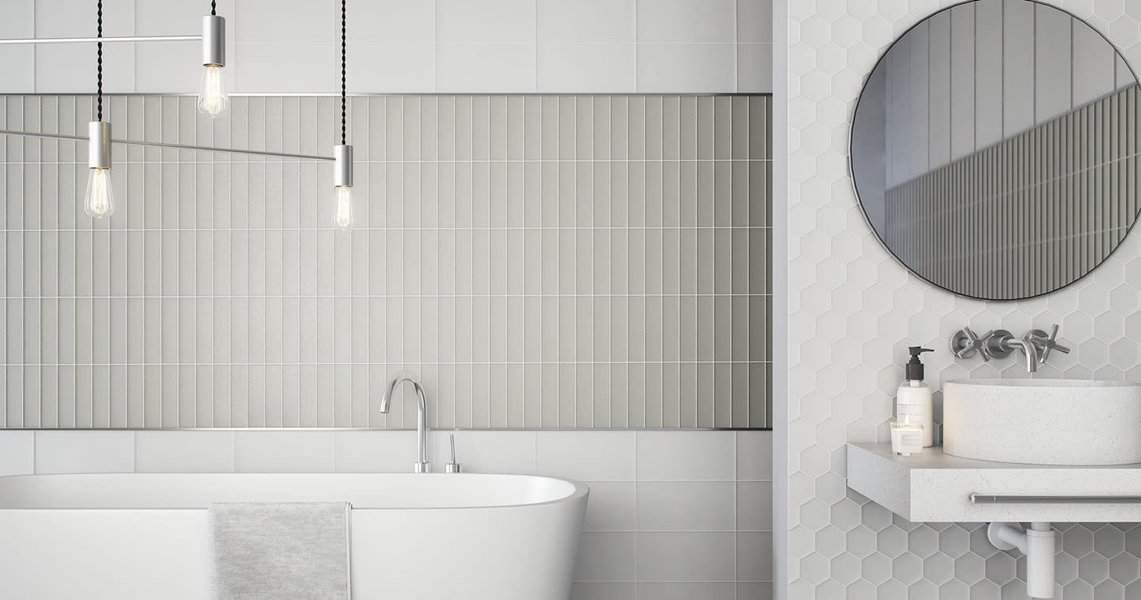
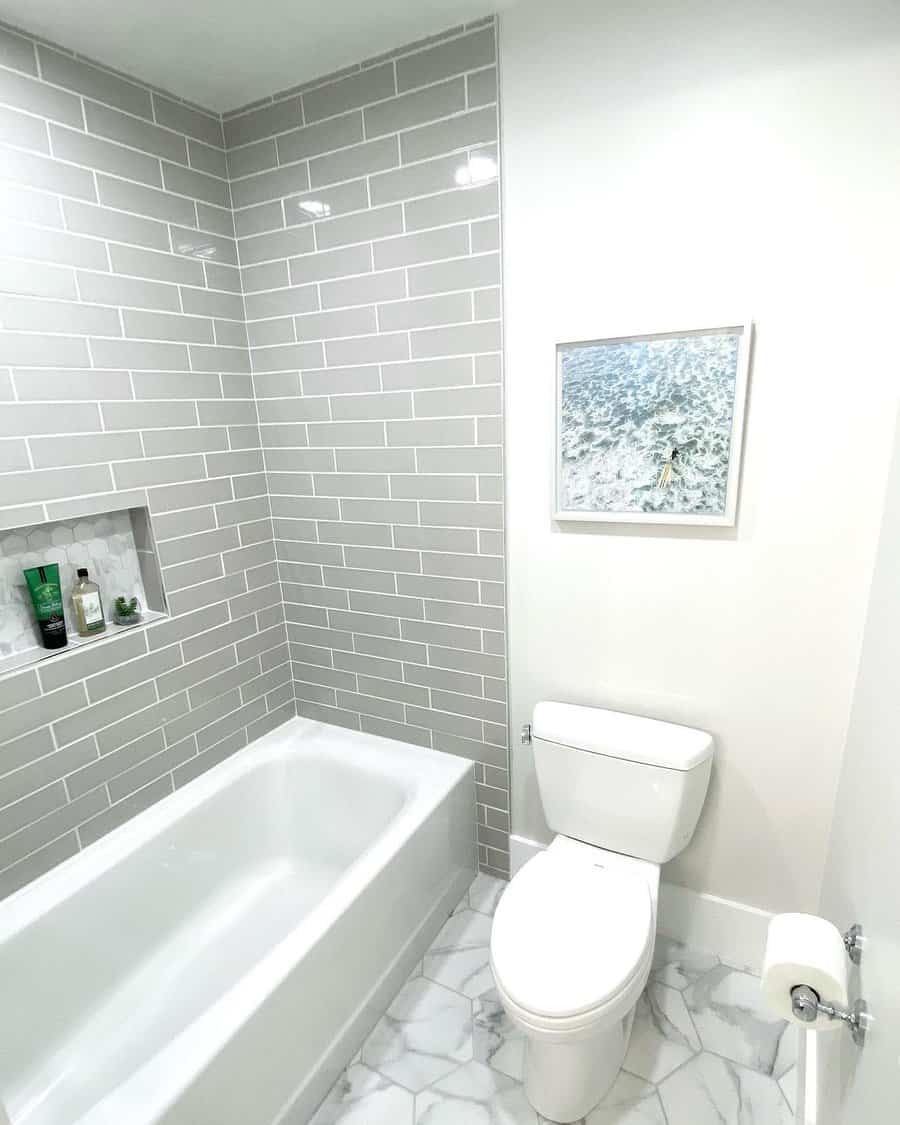
You can’t go wrong with white tiles in your bathroom. White looks clean and bright. It’s also easy to tell if you got your bathroom clean or not. However, white can also look boring and sterile. Instead, consider another neutral color.
Source: @formyfuturehome via InstagramSource: @tsreno via Instagram
Beige or brown can look gross and inspired thoughts you don’t want to have associated with your bathroom. Try a shade of grey instead. This gives you a nice neutral backdrop that you can pair with a range of colors in your decor.
2. Contemporary Bathtub Tile Trends
Contemporary bathrooms embrace tiles that don’t look like tile. Tile the area around your bathtub with a tile that looks like wood. This gives you the visual warmth of wood but the durability of tile. It costs more than wood but will also last significantly longer in the wet environment of your bathroom.
Source: @abettercontractor via InstagramSource: @housetohome_themeadows via InstagramSource: @island_stone via Instagram
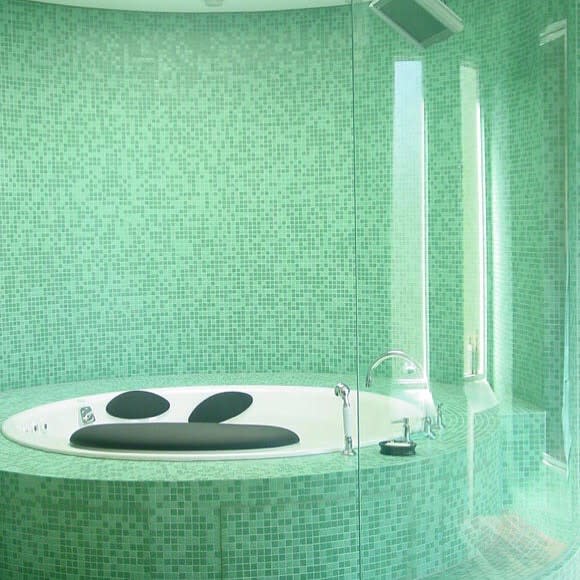
Another popular contemporary tile is glass tile. It has a soothing blue-green color that will give your bathtub a spa-like feel. Choose a tile that has a modern shape and size to keep your bathroom feeling contemporary and not outdated.
3. Embracing Dark Tiles for Bathtubs
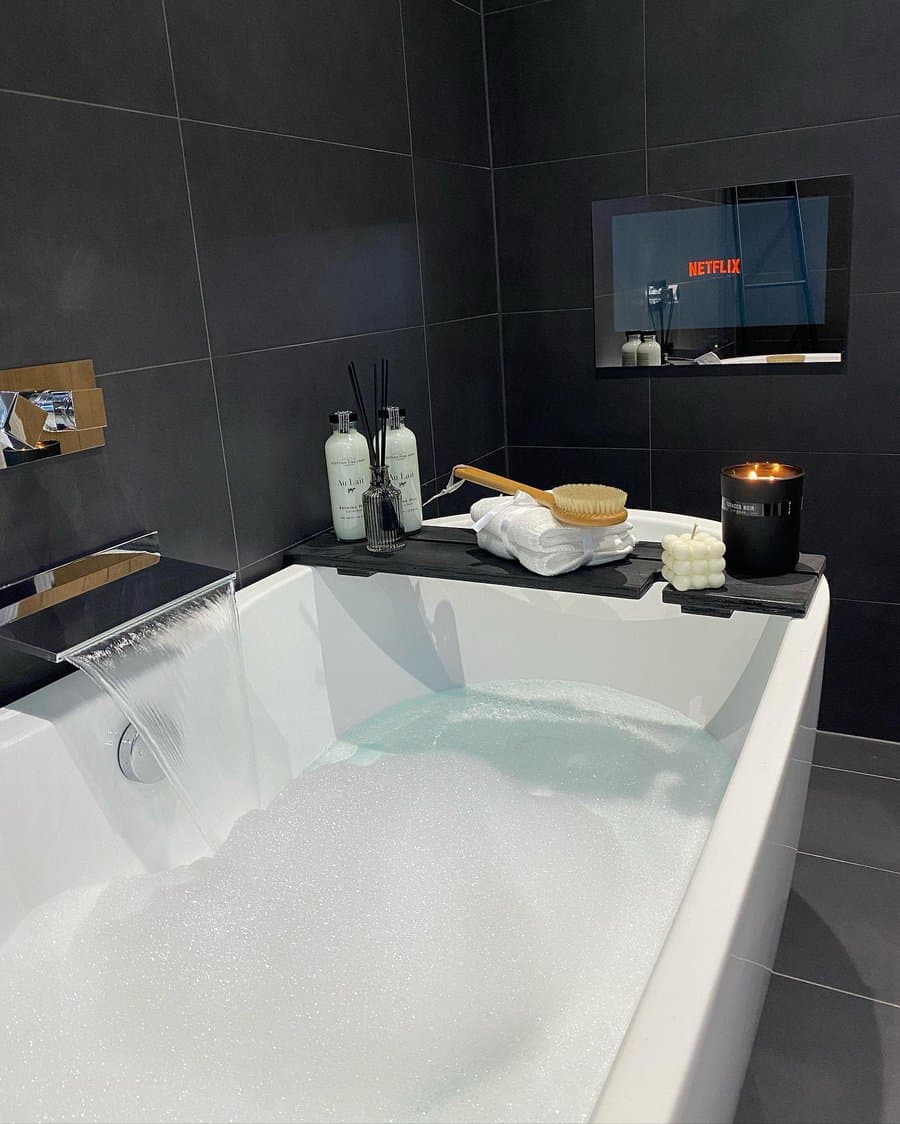
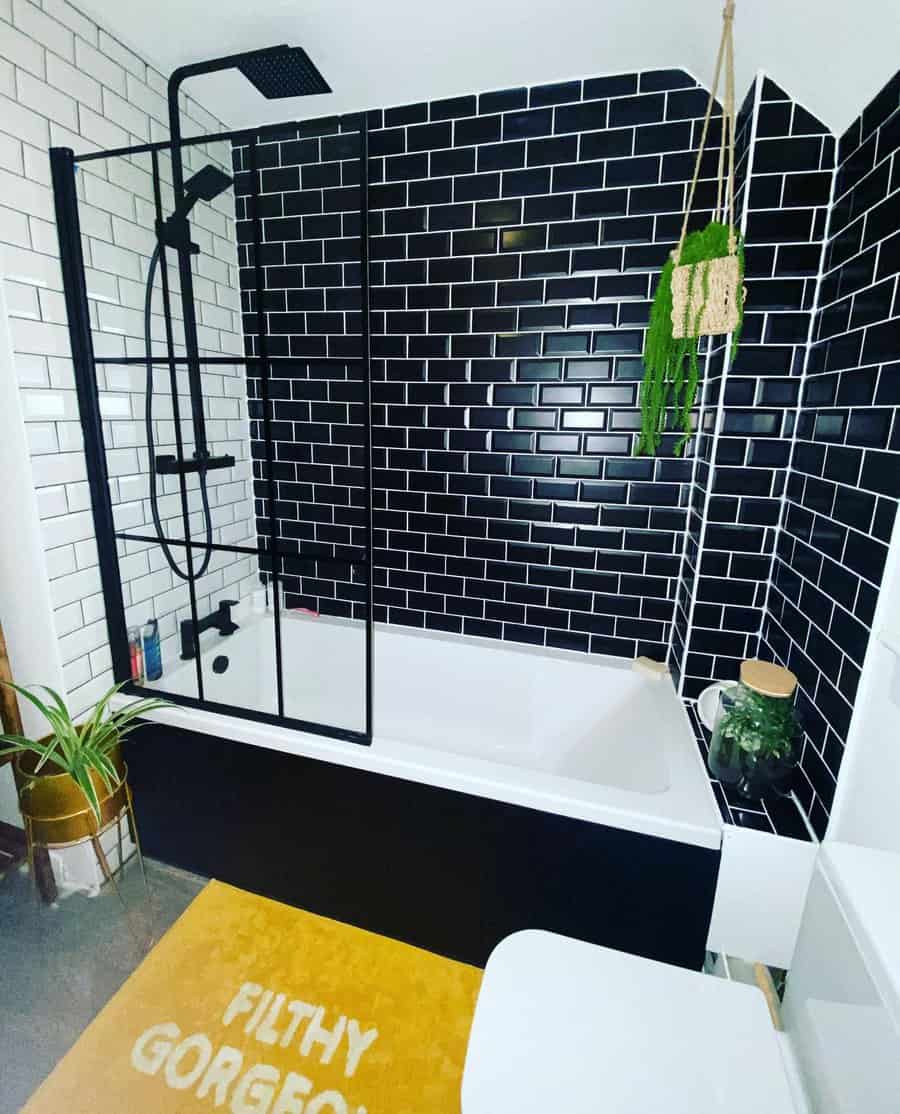
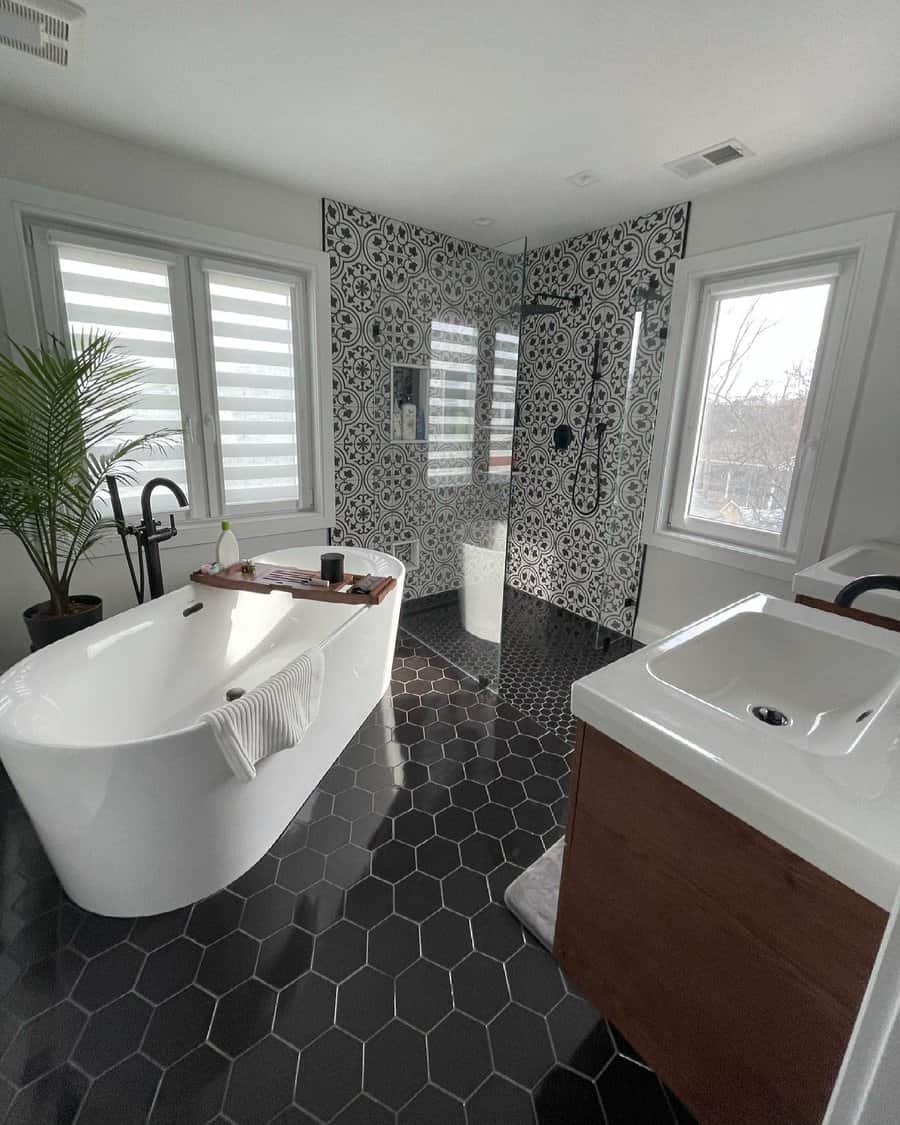
Dark tiles make a bold and sophisticated statement. They are perfect for surrounding a bathtub in a master bathroom. You could use black subway tile for a unique take on the vintage tile. Or you can use black marble or granite for a luxury take on dark tile.
Source: @hillcrest_townhouse via Instagram
If you have a small bathroom, the dark tile can actually make your bathroom feel bigger. Pair your dark tile with a metal tub for a beautiful and elegant balance between light and dark.
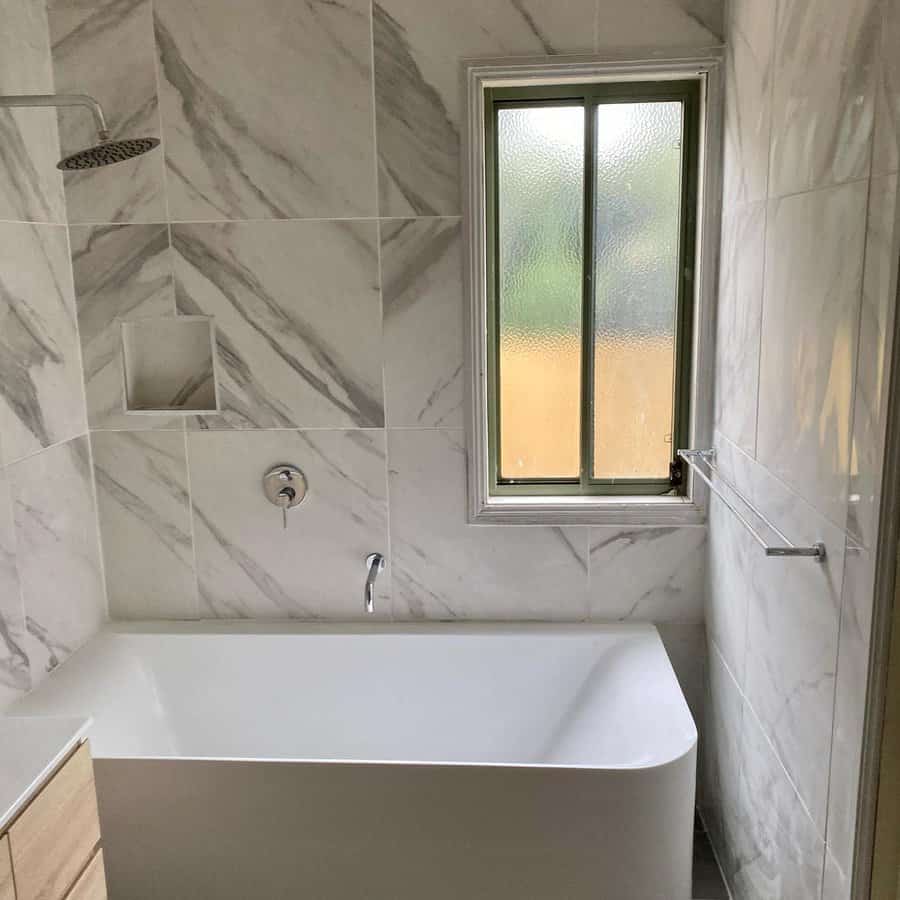
4. Marble Tile Elegance in Bathrooms
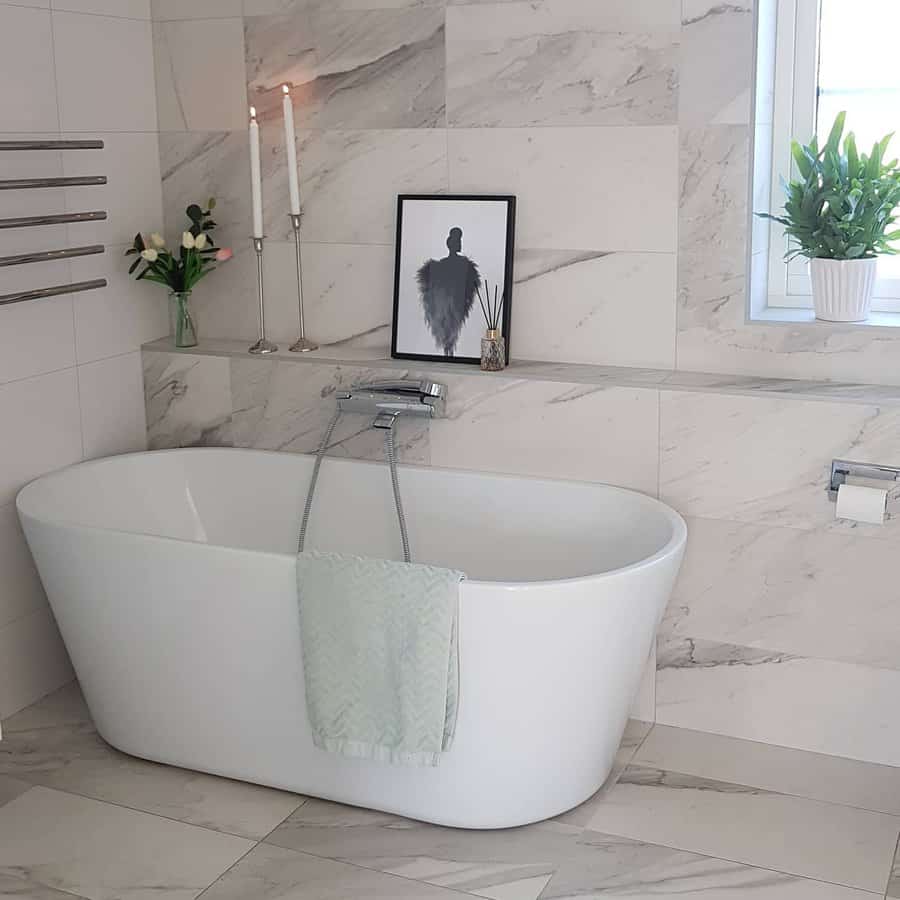
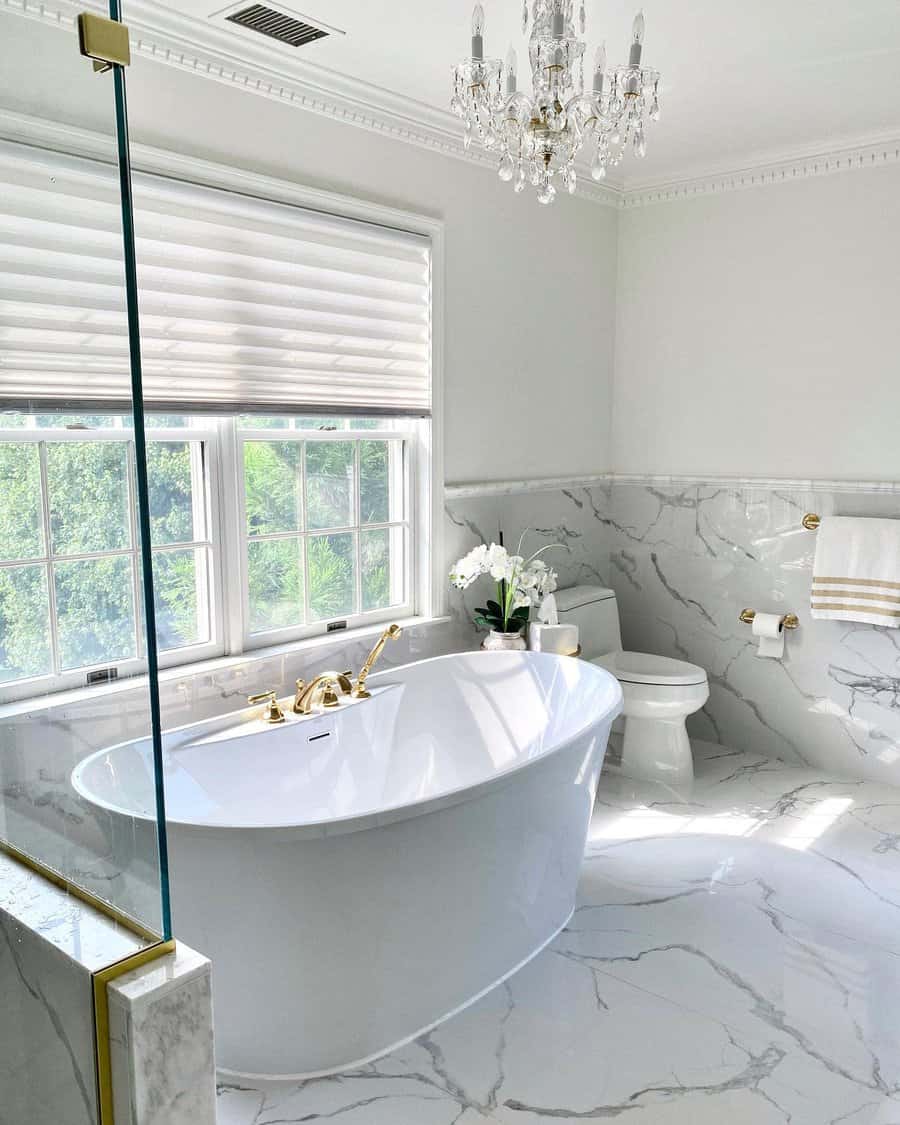
Using marble tile as a part of your bathroom tile ideas will elevate the look of your bathtub. This tile is typically used as shower tile or floor tile. However, that doesn’t mean you can’t also use it for your bathtub.
Source: @carro_inspo via InstagramSource: @mrn_carpentry via InstagramSource: @raydjay via Instagram
Large marble sheets look beautiful as they can feature the graining that’s prized in this type of stone. However, if your budget can’t support this, you can opt for smaller tiles. These are less likely to break or crack, making it easier to install them around your tub.
5. Modern Bathtub Tile Inspirations
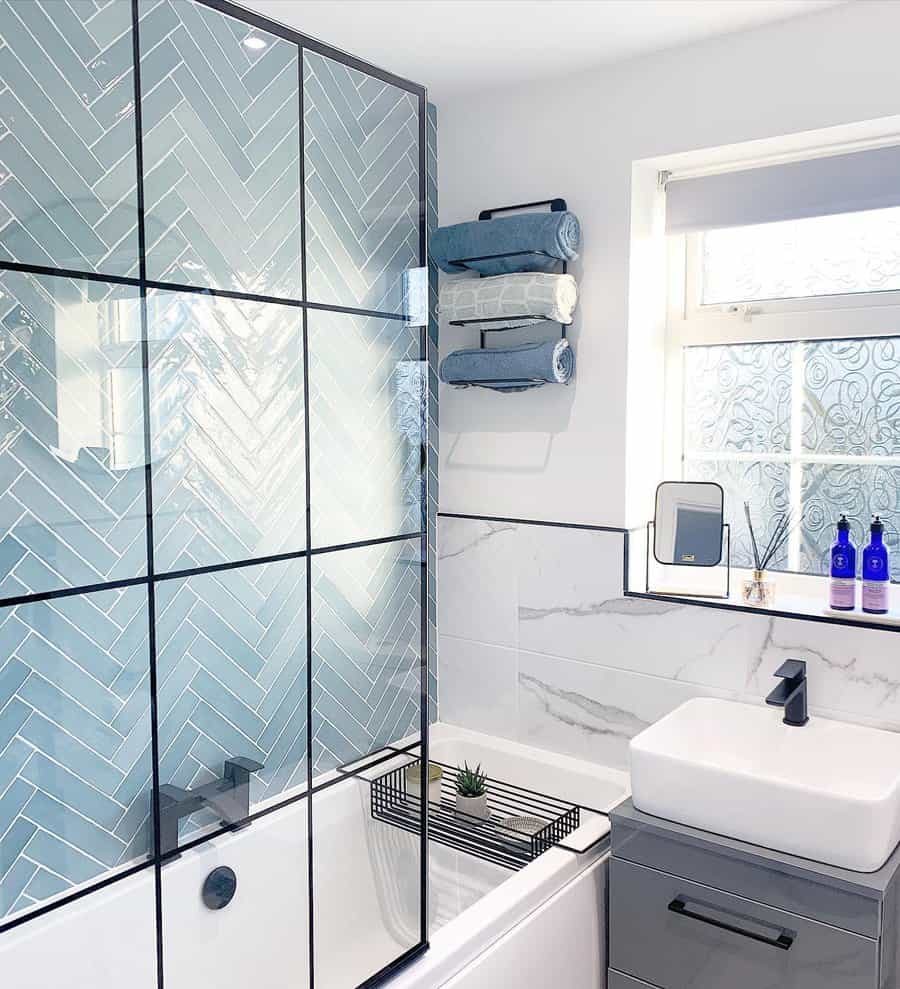
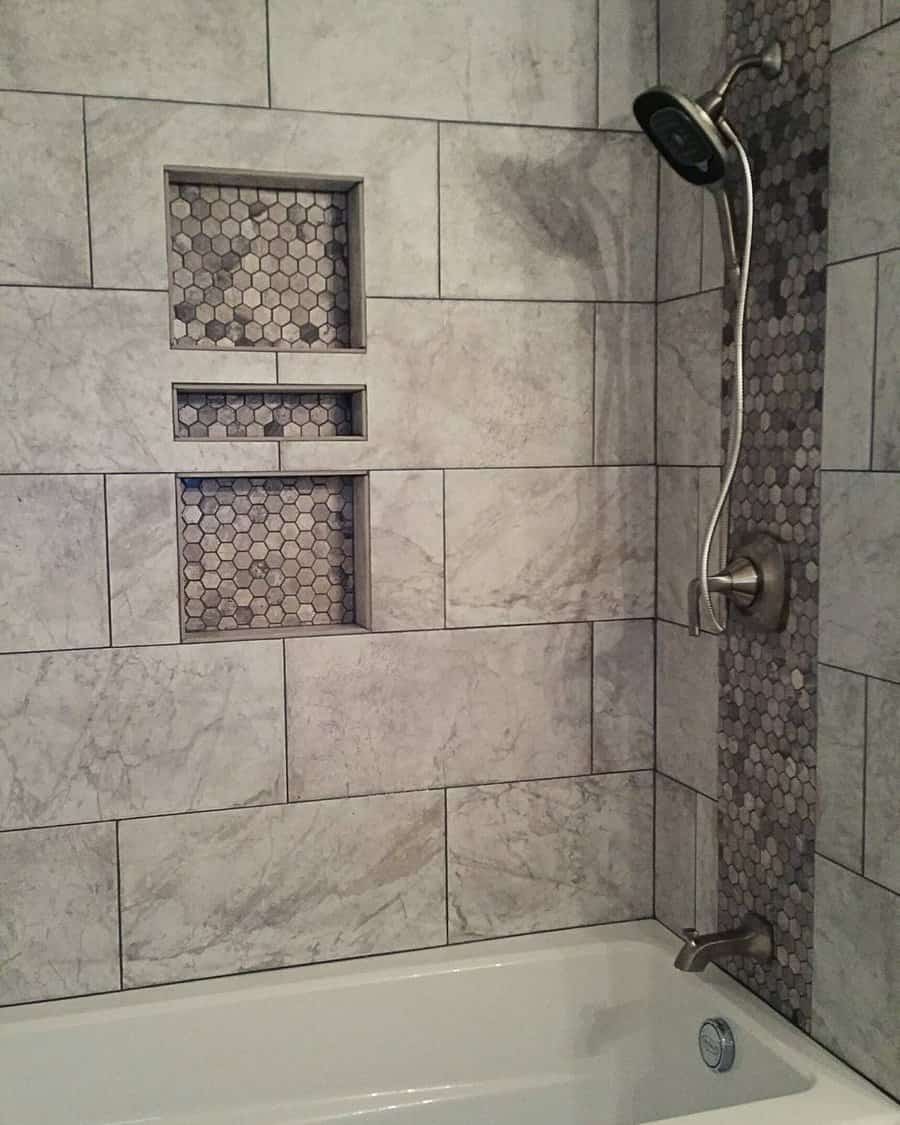
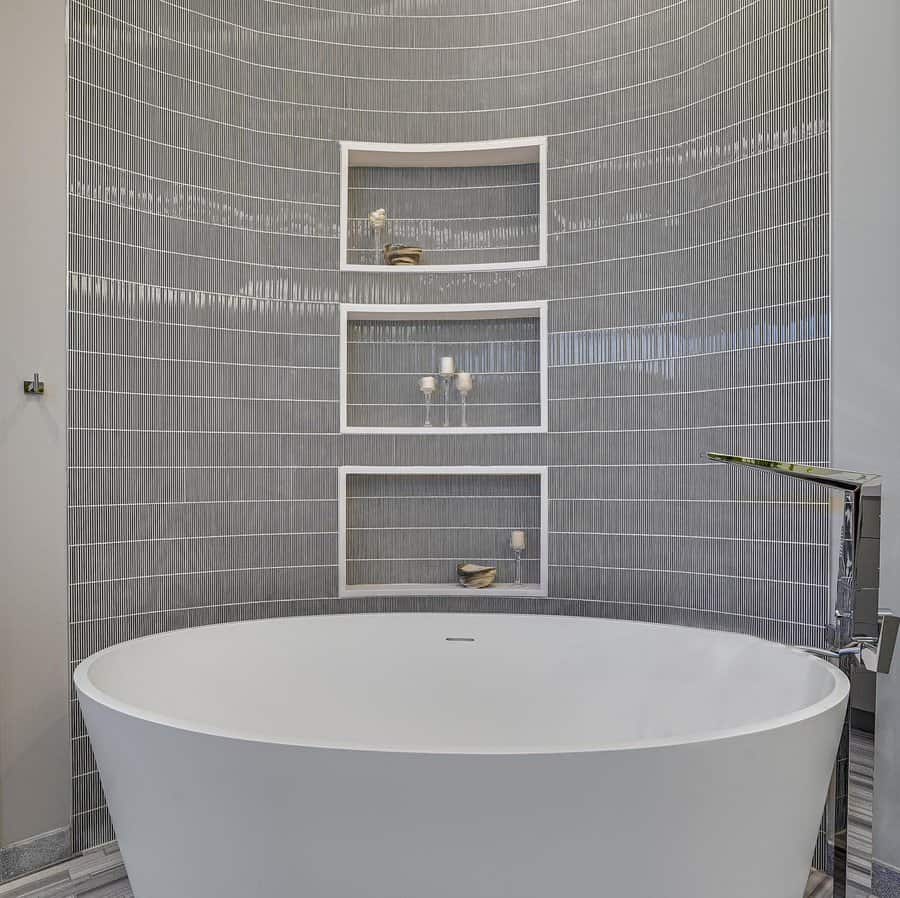
Modern bathrooms feature large-scale tiles. You can do this in your bathroom when adding tile to the walls around your bathtub. Opt for thin grout lines that minimize their look, so they don’t break up the look of the tile.
Source: @cronin_carpentry via InstagramSource: @ourforeverhomeatno17 via InstagramSource: @summitcontractorss via Instagram
Choose a tile that has a subtle pattern but nothing too bold. It should also be in a soothing white, grey, or beige. If you want a stronger statement, you could use a tile that’s charcoal grey. Then it’s dark and moody like black but not as harsh.
6. Neutral Tile Shades for Serenity
A popular small bathroom tile idea is to use neutral natural tiles. This brings an earthy feel to your bathroom tile designs. Instead of using crisp and pristine porcelain tile with a uniform color and shiny finish, neutral tile design features slight variations in color and finish.
Source: @emilyjanehome_ via InstagramSource: @pourtalesdesign via InstagramSource: @thetapend.design via Instagram
These wall tiles are good to use when you want another area in your bathroom to be the focal point. Use these tiles around the bathtub to create a backdrop that doesn’t draw attention. They are subtle shades of white that will blend with a white tub.
7. Patterned Tiles
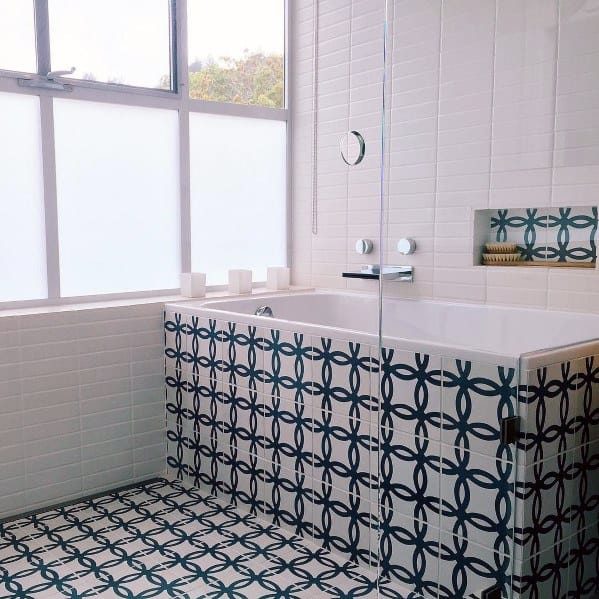
Patterned tile adds texture and dimension to your bathroom. You can create a pattern with your tile by using penny tile or mosaic tile. Penny tiles get their name because they are small, round tiles that resemble pennies.
Source: @thetapend.design via Instagram
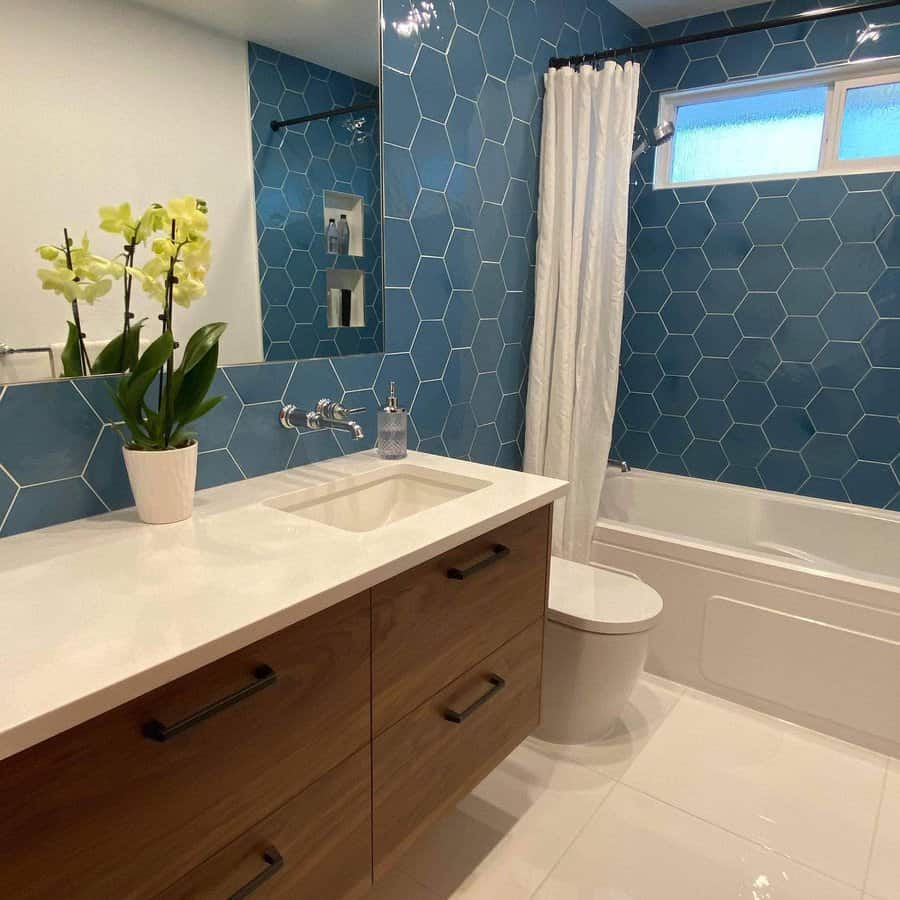
Mosaic tiles are typically square and have patterns on them. You then arrange them randomly or use the tile to create a larger picture. A modern take on penny tile is hexagon tile. These are small tiles that are a similar size to penny tile but are a hexagon shape instead of round.
8. Rustic Bathtub Tiles
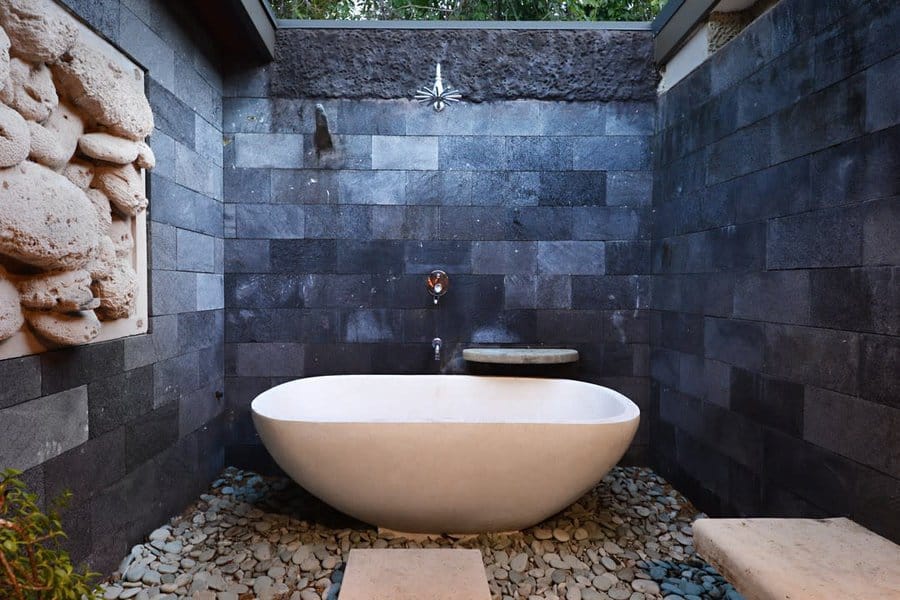
Rustic bathroom tile design uses tiles that are made out of stone or are handmade. Covering your bathroom wall in natural stone brings nature into your home. Use tiles that are imperfect. You can then finish your rustic design with handmade bathroom decor.
Source: @villabotanicawhitsundays via Instagram
Using river rocks gives your bathroom a built-in foot or body massager. Line the bottom of your tub and feel the stones gently massage your body as you relax in hot water. Using rocks or boulders to build out around your tub gives the illusion that your tub was built out of the stone or even carved out from them.
9. Stone Tile Designs for Bathrooms
Natural stone tile brings nature and warmth into your bathroom. Instead of using rustic stones, use refined tiles that are cut from high-end stones. These are the stones that are smooth and uniform enough to use on the bathroom floor.
Source: @theforrestfamilyhome via Instagram
The stone material doesn’t have to be rustic either. Elevate your bathroom design by using tile that’s made from travertine, marble, slate, granite, limestone, basalt, or quartzite.
Check out shower tile ideas to get a feel for how each of these stones look. Then you can choose the stone that will fit the interior design style you want to achieve.
10. Subway Tile Classics for Bathtubs
It doesn’t matter if you call them subway or metro tile. These white tiles have been used in design for over a hundred years. While tile trends come and go, subway tiles never seem to go out of style.
Source: @mymarkonit via InstagramSource: @scoochinteriors via InstagramSource: @therusticreno via Instagram
These ceramic tiles have a clean design that complements a variety of interior design themes and home architectural styles. You can use them in your bathroom tile idea to surround your bathtub. Extend them beyond the tub area to cover the shower walls and the rest of the bathroom.
11. Artful Bathtub Surround Tile Concepts
The tub surround is the wall immediately around the tub. You need to tile this area because the wall gets splashed while you are in the tub. If it were just backer board or drywall, it would absorb the water and eventually rot or grow mold.
Source: @hakatai_glass_tile via Instagram
Look at bathroom ideas to find a style or design that you like. You could use one large tile to cover the entire area. You could add a board or edge that’s the same tile but cut smaller. Or you can get fancy and use an accent tile that’s a different size, color, and shape.
12. Textured Tiles for Bathtub Appeal
Textured tile is the tile trend of the future. You will see it is commonly used as wall tile, but depending on the texture, it can also work well in bathroom floor tile ideas. A textured tile will be safer to walk on when it’s wet because you can gain traction that prevents you from slipping.
Source: @designmatters.design via InstagramSource: @haworth_home via InstagramSource: @liquidstonestudios via Instagram
If you don’t want your entire bathroom to have texture tile, you can use it on your shower floor. A 3D tile won’t be comfortable to walk on but can look beautiful around your bathtub. There are design ideas that will show you how to use the texture to your advantage to elevate the look of your bathroom.
“A single rose can be my garden… a single friend, my world.” – Leo Buscaglia
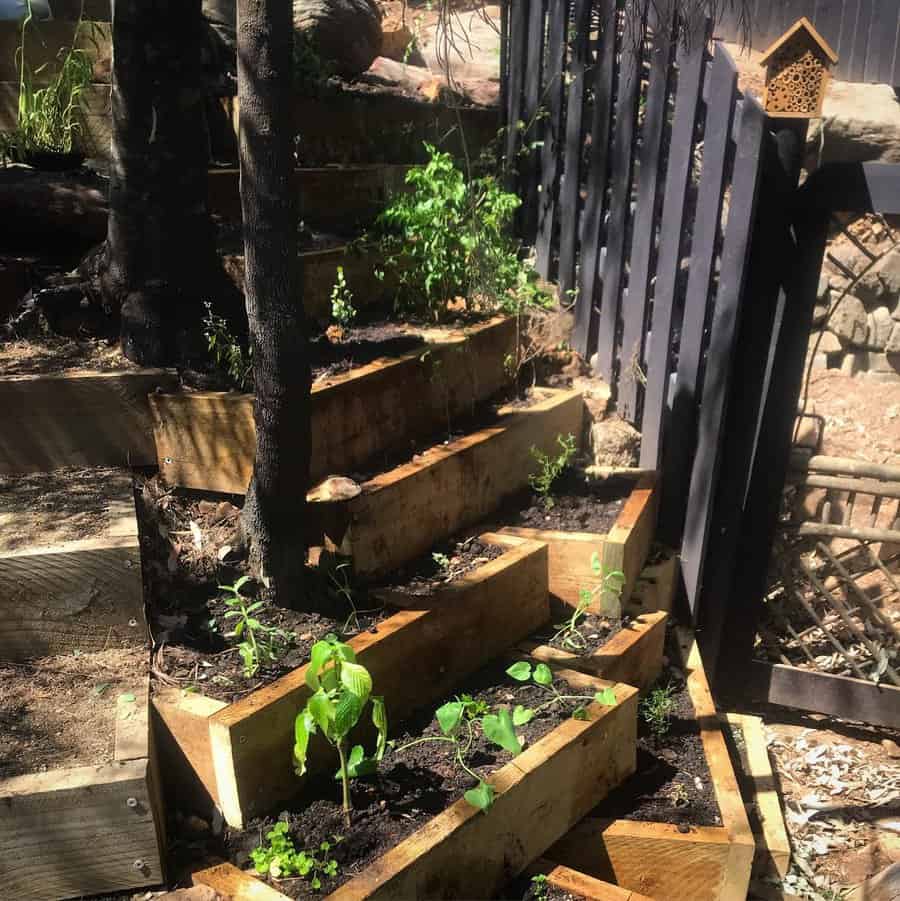
Building a garden in your backyard can be a rewarding experience. There’s nothing more satisfying than heading out into your backyard, picking your vegetables, and preparing a fresh meal with ingredients from your garden.
You don’t need to have an extensive farm; you just need a small garden with a few different types of vegetables. So set aside a weekend and get your garden started.
Whether you have a small or large space available, these DIY garden ideas will help you get started on your DIY garden.
[view_toc]
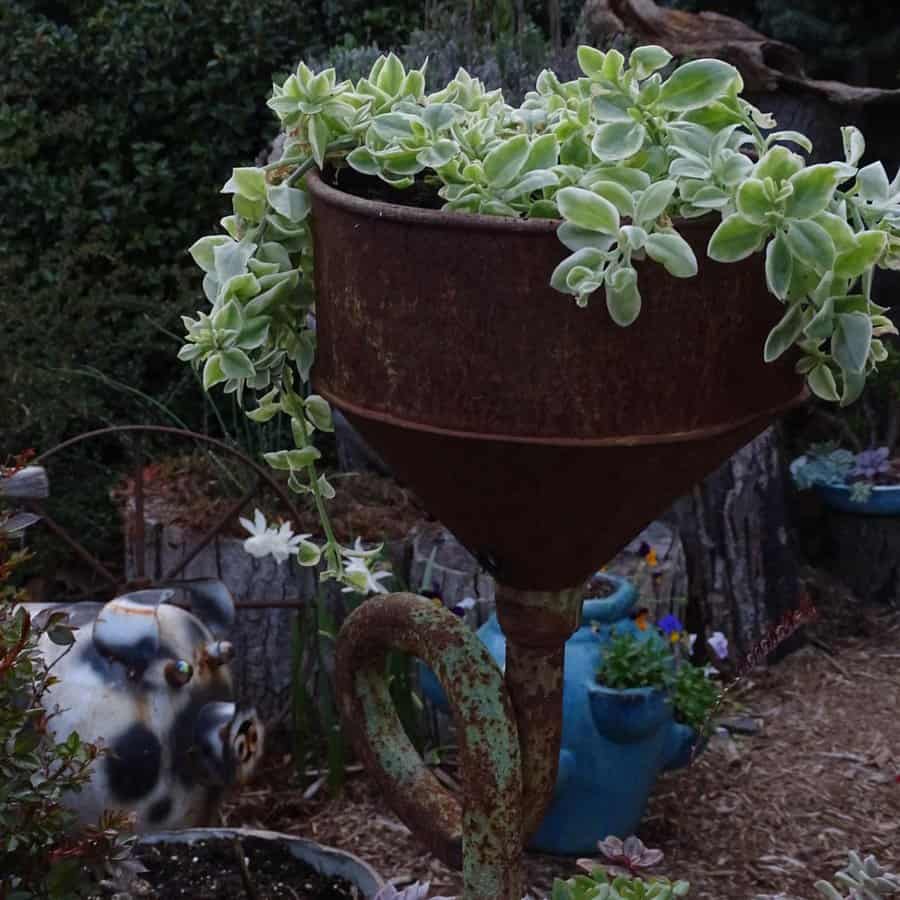
1. Repurpose Rusty Items for Planting
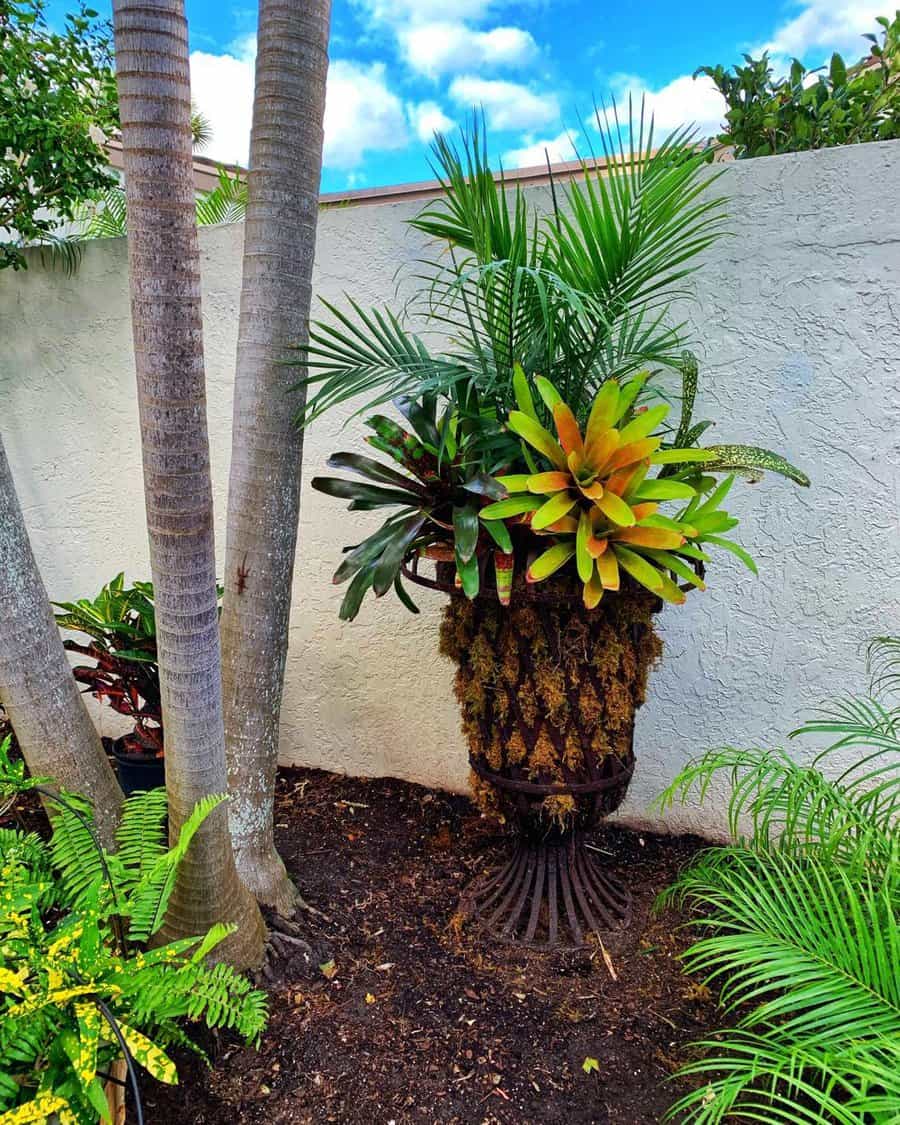
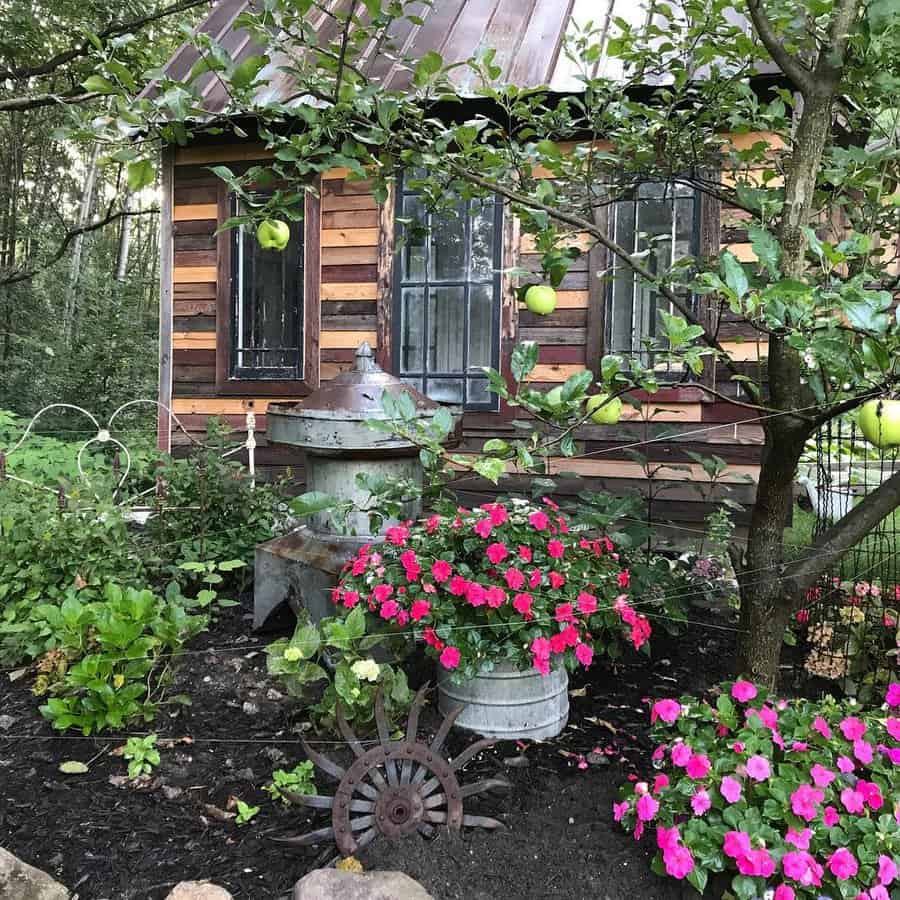
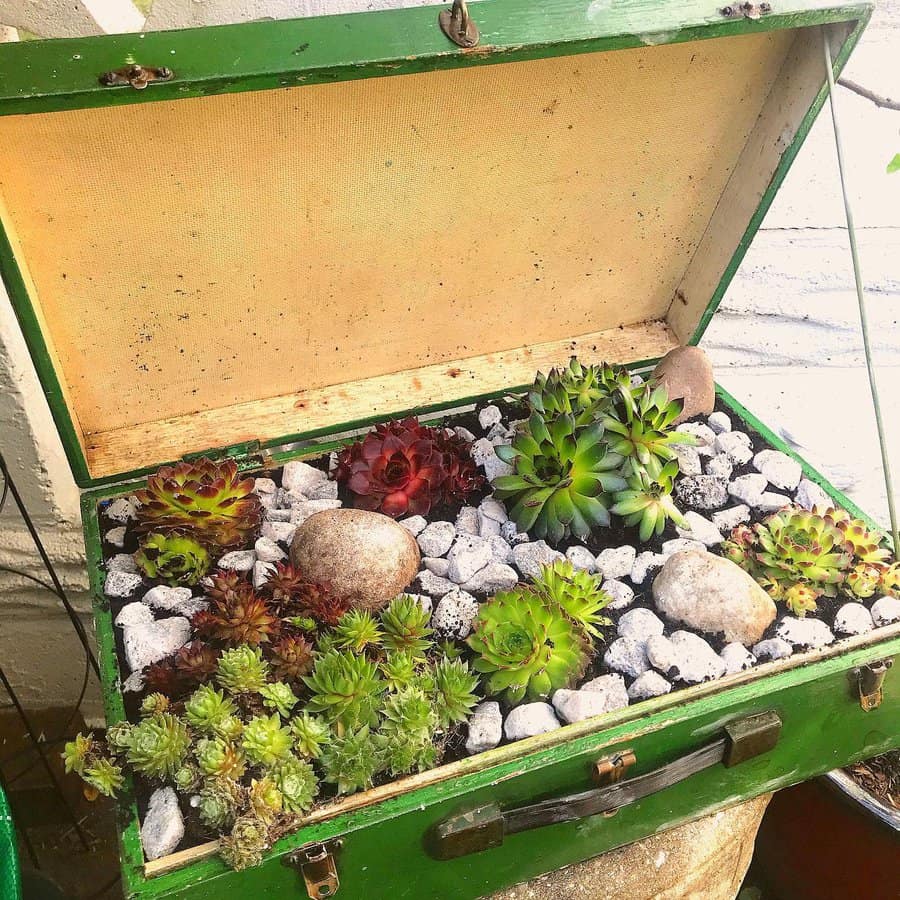
For budget-friendly garden projects that blend creativity with resourcefulness, repurpose rusty items into charming plant displays. An old chair can become a striking statement piece with a fresh coat of paint, while collections of repurposed cans or stone sculptures add unique character to your garden.
Explore unconventional plant containers by turning kitchenware like old mop buckets or cut milk jugs into quirky pots for your plants. Embrace the beauty of repurposed goods to create a cost-effective and enchanting garden that showcases your green thumb and artistic flair.
Source: @crystaltrojek via InstagramSource: @dragonflyfinds via InstagramSource: @vintagethruthyme via Instagram
2. Create Container Gardens with Egg Trays
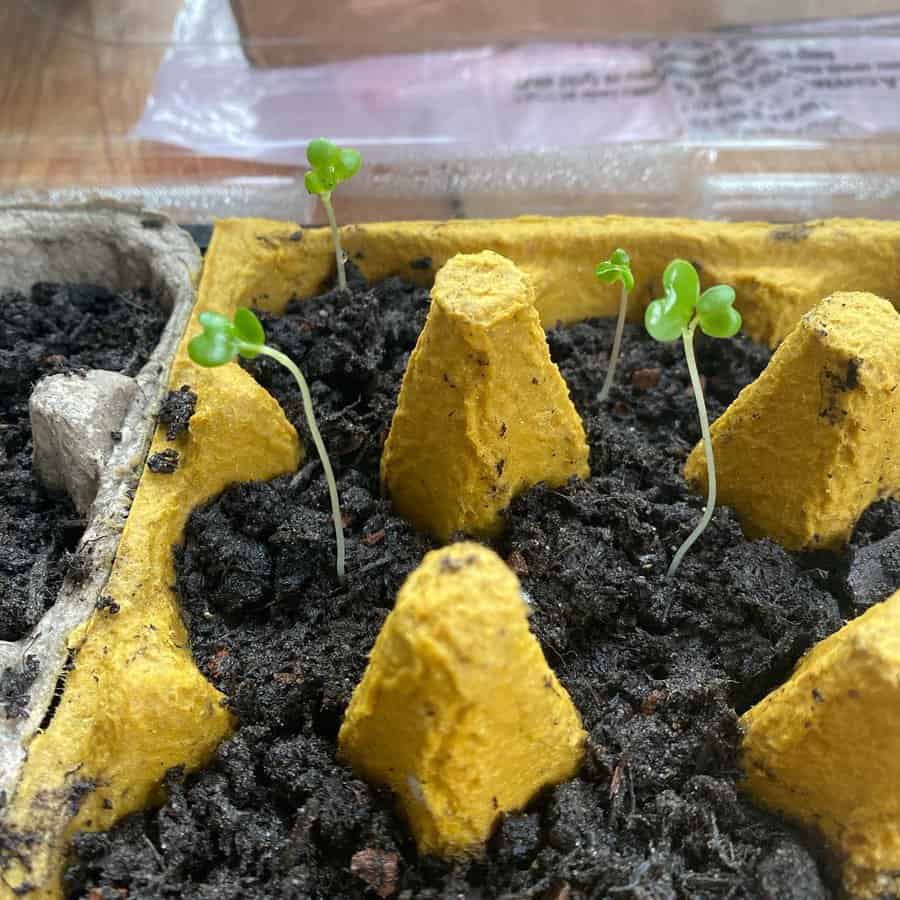
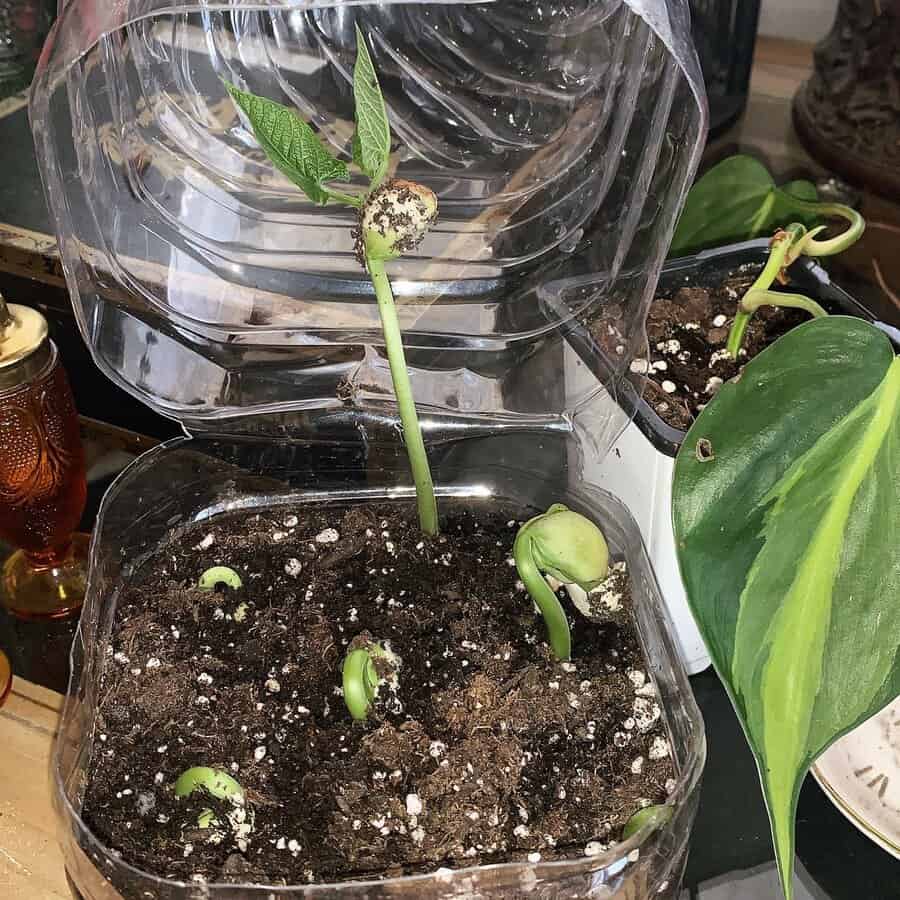
Kickstart your garden by using egg trays to create budget-friendly seedling containers. Cut out individual egg-shaped compartments, providing excellent drainage for your budding plants.
For a touch of eco-friendliness, repurpose old bottles or cans into charming planters. These creative ideas not only maximize limited space but also stretch your budget while infusing your garden with a unique and resourceful aesthetic. Consider grouping these containers on a wooden shelf or a repurposed pallet for an organized and visually appealing garden display.
Source: @ffiffiflowertots via Instagram
3. Craft a Budget-Friendly Bird Feeder
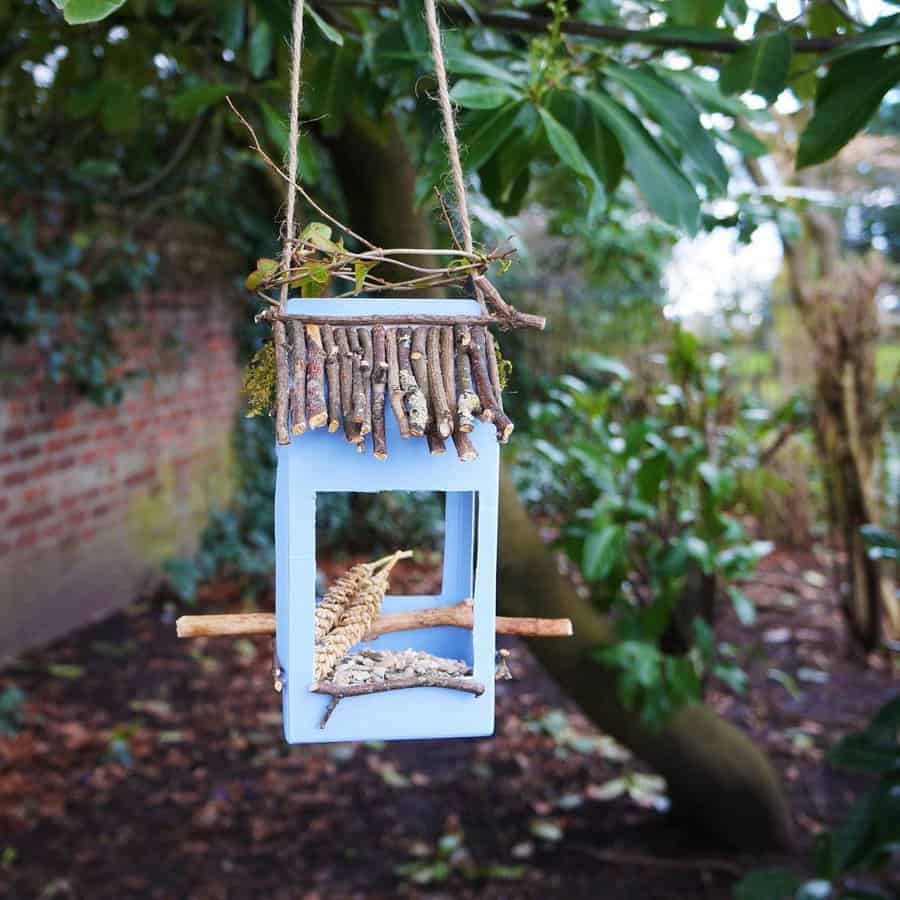
Maximize your small outdoor space by crafting a budget-friendly DIY bird feeder. Whether you have a balcony or a tiny garden, transform it into a wildlife haven with simple supplies like cardboard boxes or twigs, glue, and scissors. This project not only enhances your garden’s aesthetics but also nourishes local wildlife, bringing a touch of nature right to your doorstep.
To complement this bird feeder, consider adding potted plants or colorful flowers to create an inviting oasis for both you and your feathered friends.
Source: @galina_gnv via InstagramSource: @what_up_gnomes via Instagram
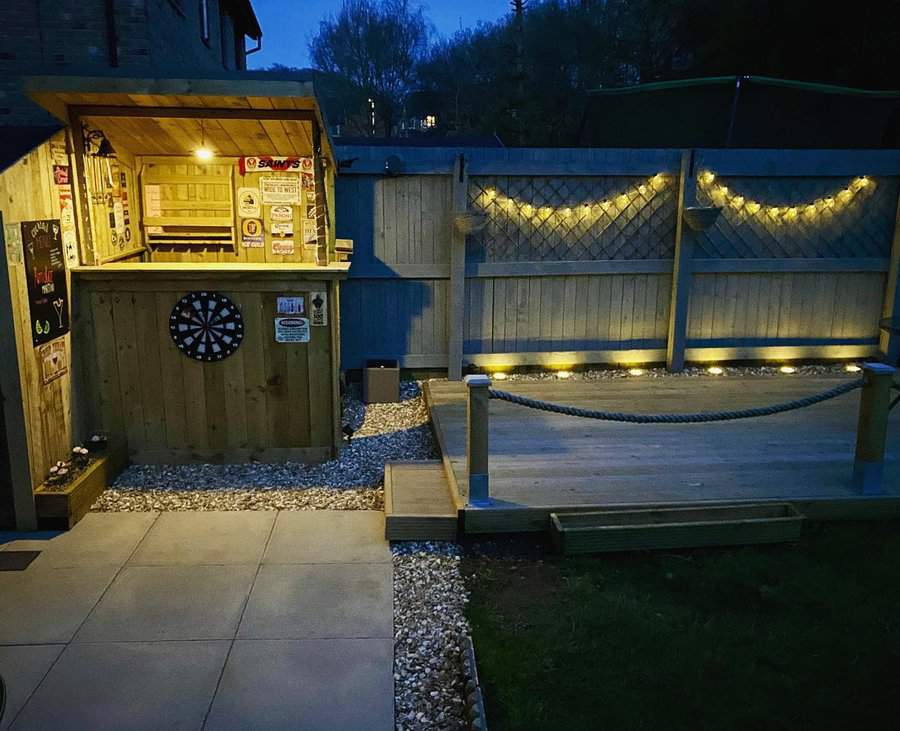
4. Build an Outdoor Garden Bar
Enhance your outdoor gatherings with a charming DIY garden bar, a surprisingly simple project with a big impact. With basic DIY skills and readily available materials, you can craft an inviting al fresco hangout for friends and family.
Elevate the atmosphere by adding string lights or vintage wall art, transforming your garden into a memorable gathering spot. Don’t hesitate—start creating your perfect outdoor space today! To complement the garden bar, consider adding comfortable seating, potted plants, and an outdoor speaker system for a complete entertainment experience.
Source: @_inside_no_17 via Instagram
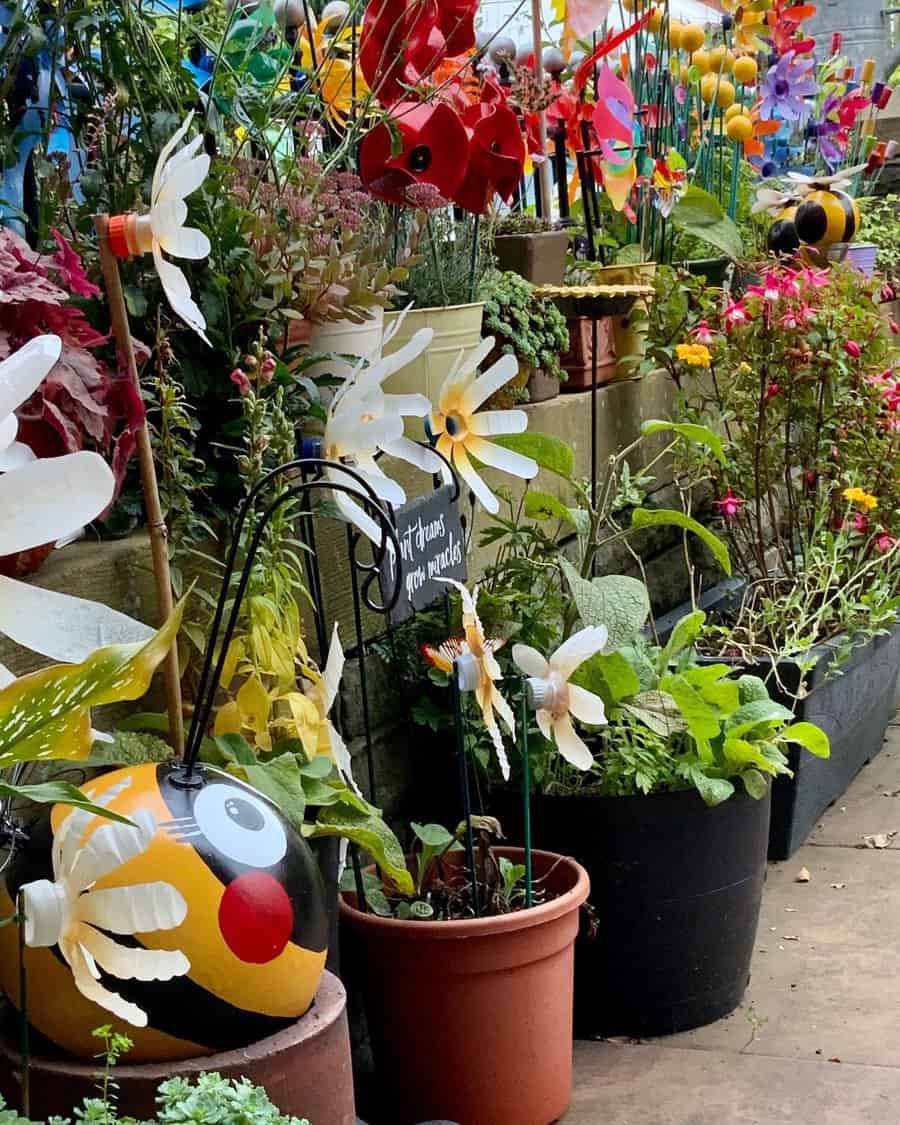
5. Craft Recycled Material Flowers
Crafting flowers from recycled materials such as craft paper, bottle caps, and fabric scraps is a budget-friendly way to add charm to your garden. For a pop of color, paint small terracotta flower pots and use them as planters to achieve a vibrant garden-like atmosphere in your outdoor spaces.
Embracing creative recycling allows you to enjoy unique foliage and blooms while keeping costs in check. With a touch of creativity and resourcefulness, you can set up an affordable garden, perfect for enjoying summer evenings in the beauty of nature. Consider adding complementary elements like mulch, pathway stones, and garden borders to enhance the overall look of your budget-friendly garden.
Source: @andreaelleray via Instagram
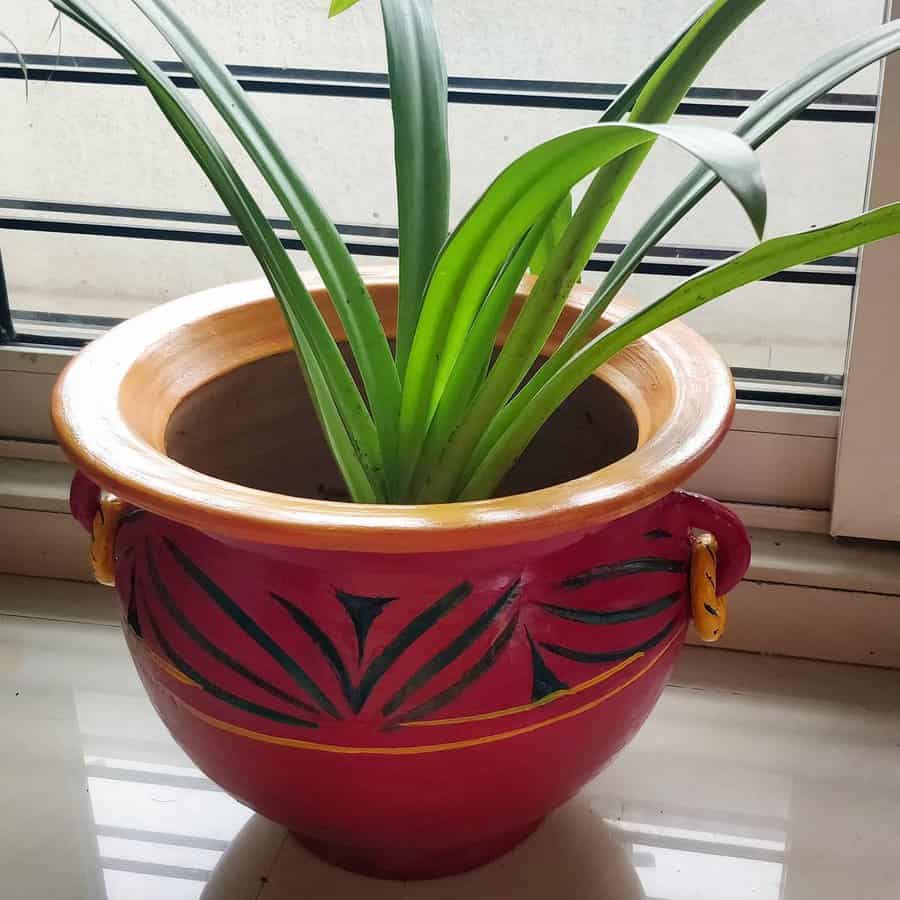
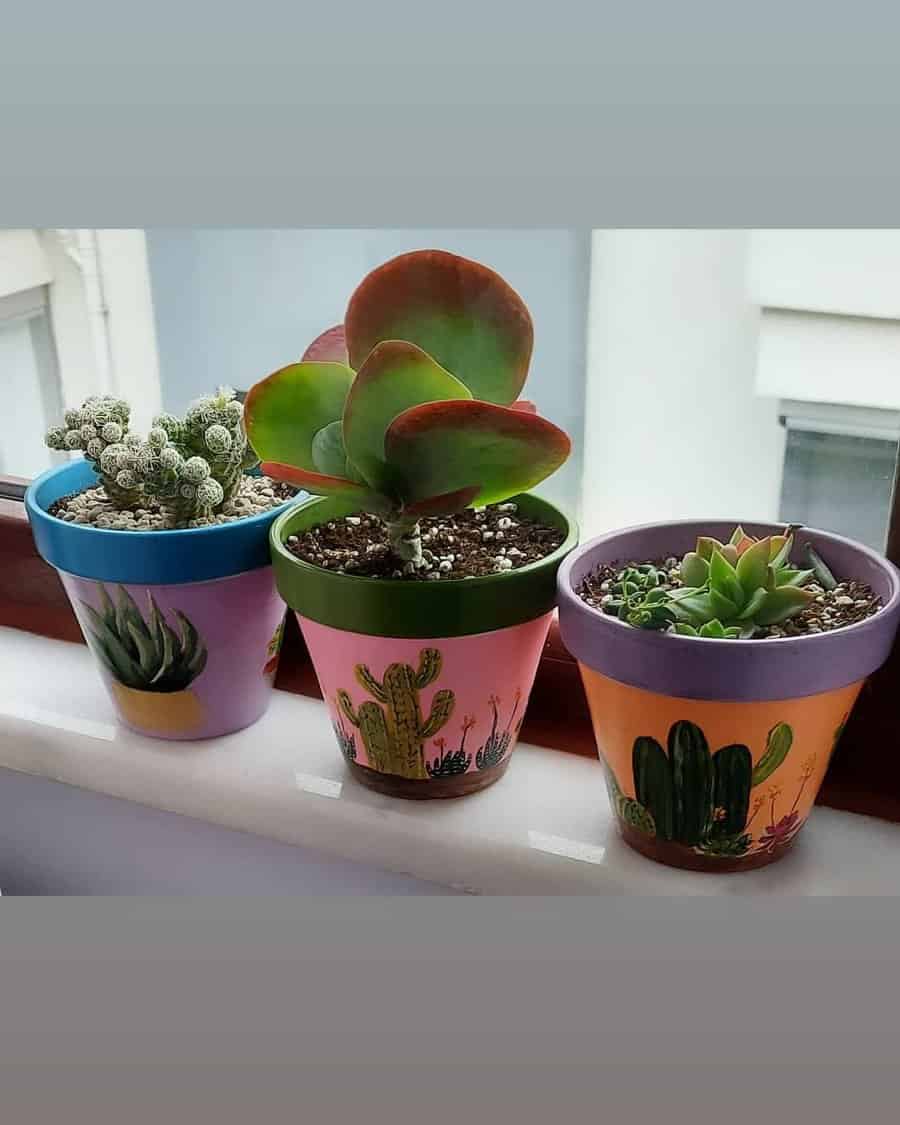
6. Painted Pots for Stylish Planting
Transform ordinary plant pots into stylish, personalized pieces of art by adding your creative touch with paint and doodles. Customize each pot to match your garden’s theme or your personal style, giving your greenery a charming and unique home.
This budget-friendly DIY project not only adds a touch of personality to your garden but also creates a cohesive and visually appealing look when you group these painted pots together. To complement your painted pots, consider choosing plant varieties that harmonize with the colors and designs you’ve used, creating a harmonious and eye-catching garden display.
Source: @nellytanguycreations via InstagramSource: @i.ckreate via InstagramSource: @cigdemcolberber via InstagramSource: @thefishinghamlife via Instagram
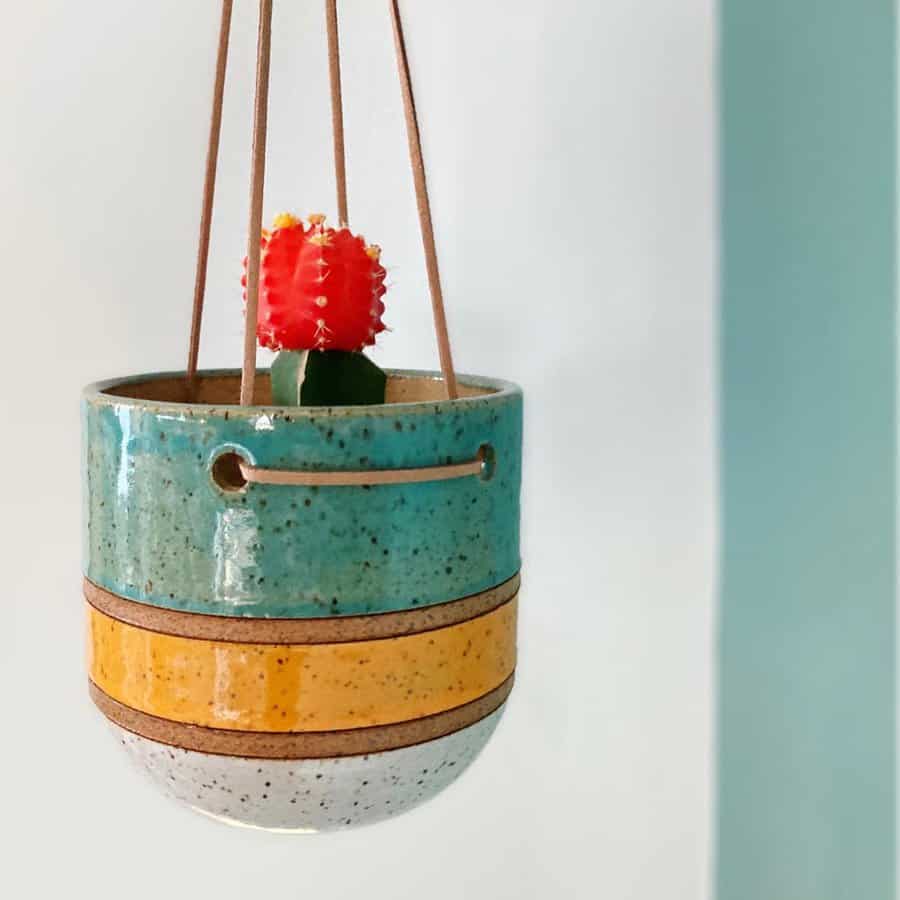
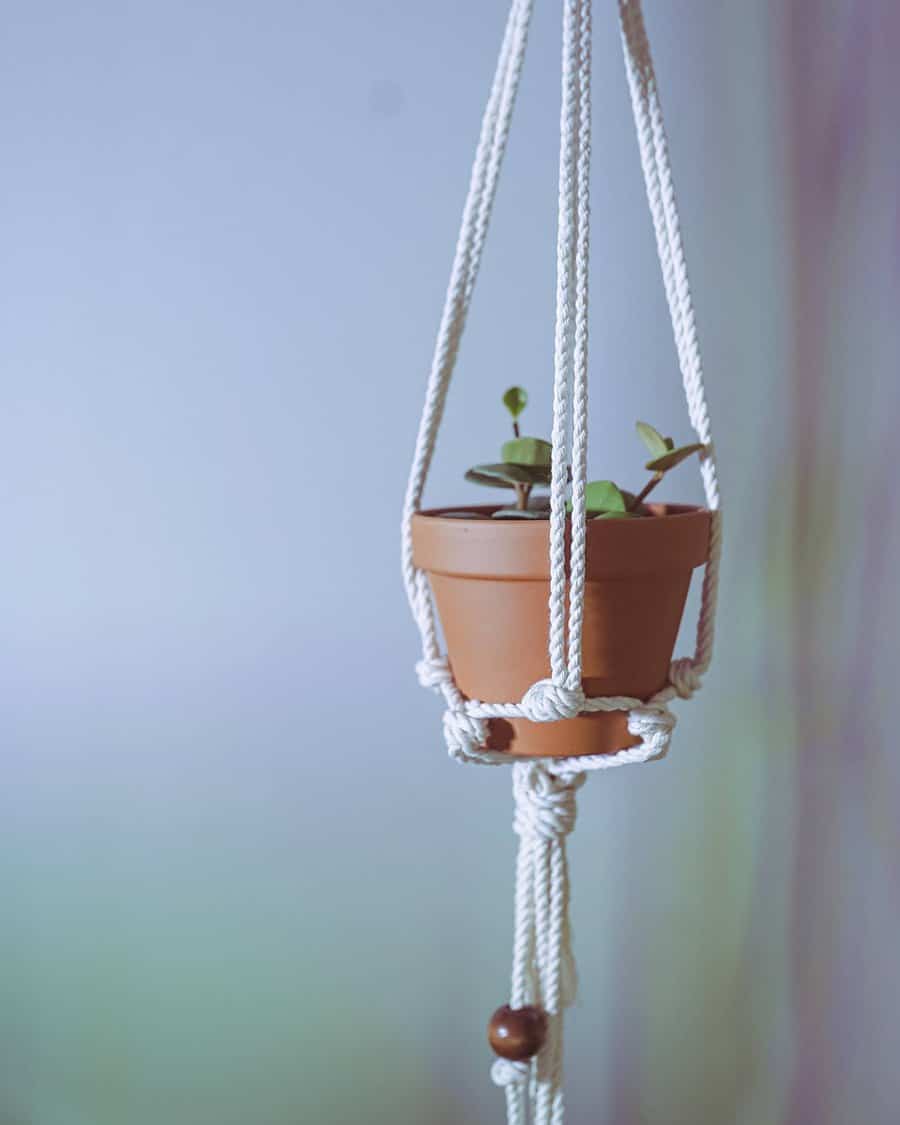
7. Craft Macrame Plant Hangers
Add a touch of creativity and boho-inspired charm to your garden without breaking the bank by crafting your own macrame plant hangers. These hangers are customizable in size, making them perfect for pots of all dimensions. Hang them outdoors to replace traditional planters or bring them inside for a whimsical, stylish display.
Incorporating macrame plant hangers is an easy and cost-effective way to enhance your garden’s aesthetics. To complement these hangers, consider using a variety of plant types and colors to create a lush and inviting garden space.
Source: @lizcohenceramics via InstagramSource: @thisisjoz via Instagram
8. Create Hanging Bamboo Planters
For an effortlessly picturesque budget garden, consider crafting your own hanging bamboo planters for trailing plants. Utilize thin and flexible branches from an old bamboo tree and readily available string, twine, or recycled wool to create your unique design.
Once you’ve constructed your basket-shaped planter, fill it with your favorite plants and flowers, enhancing the beauty of your garden space. To complement this DIY project, choose trailing plants with vibrant colors or cascading foliage to create an eye-catching display that adds character to your garden.
Source: @momdadnkiddo- via Instagram
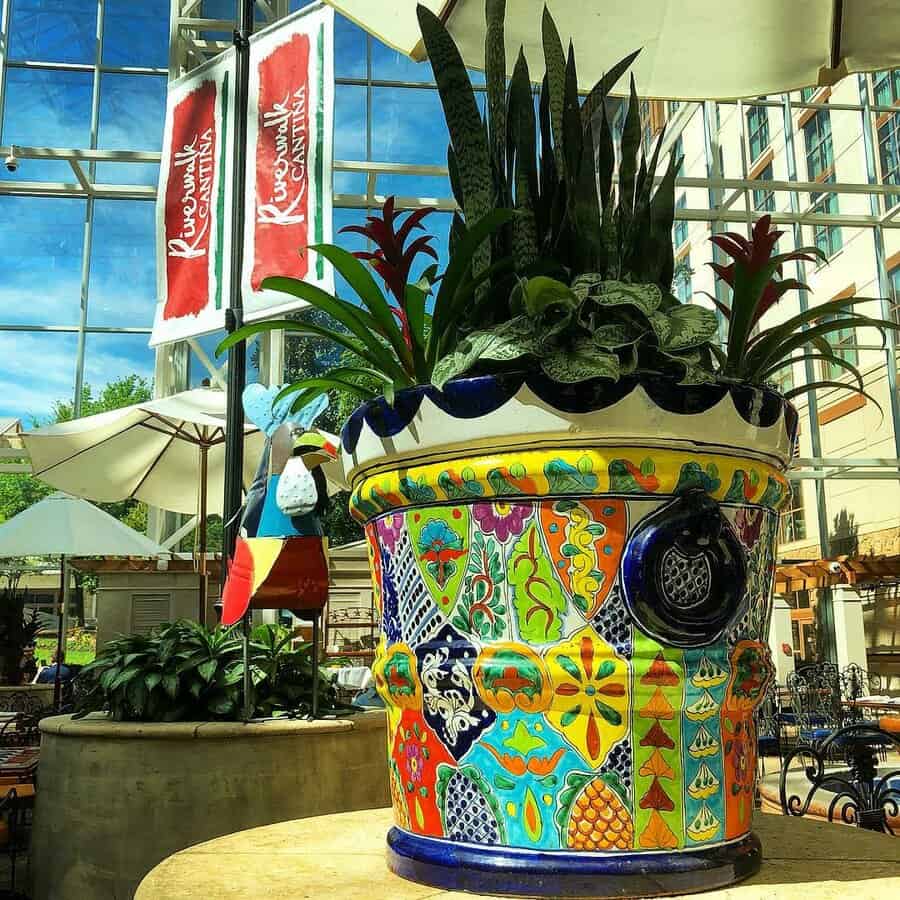
9. Coordinate Your Garden Pots
Don’t settle for a bland budget garden! Get creative by coordinating your terra cotta pots with a vibrant color palette that includes pinks, blues, and violets. Whether you’re enhancing an existing landscape or starting from scratch, these colorful pots can serve as captivating centerpieces for your garden makeover.
To maximize impact and personality, mix pots of different sizes and textures. These affordable decor pieces have the power to transform an ordinary outdoor area into a visually stunning garden retreat. Complement this design by adding colorful garden furniture or decorative garden stakes for a cohesive and inviting garden space.
Source: @sewwhatsupdoc via Instagram
10. Design a Stone Path Landscape
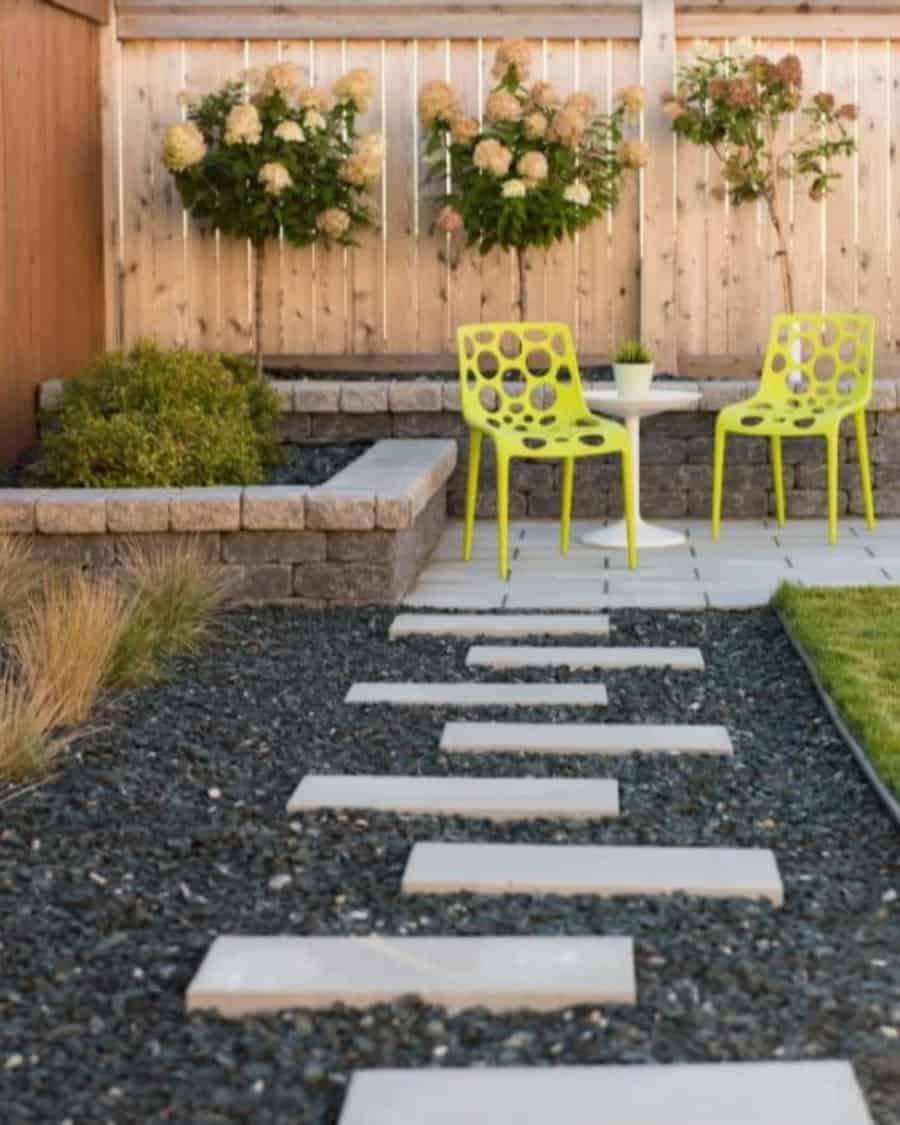
One budget-friendly DIY garden idea is to incorporate a charming stone path into your landscape. This can be achieved by laying down stones or pavers to create a walkway that adds both functionality and aesthetics to your garden space. To complement this design, consider planting small trees or shrubs around the path to create a cozy atmosphere.
Additionally, adding mulch can give your garden a rustic and inviting feel. For a touch of elegance, adorn your patio area with window boxes and hanging plants, transforming it into a tranquil oasis. With thoughtful planning and a willingness to experiment, you can achieve a truly stunning garden space without breaking the bank.
Source: @clslandscape via Instagram
11. DIY Brick Fire Pit Setup
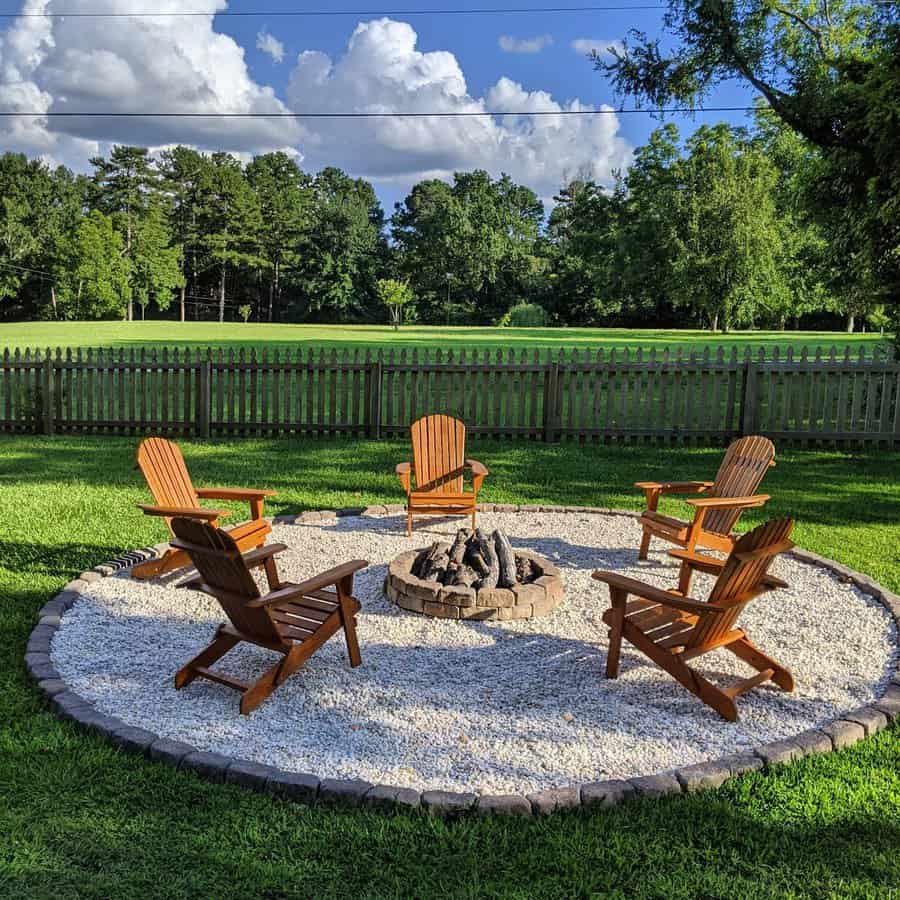
Crafting a budget-friendly garden can be incredibly rewarding. Begin by planning an inviting outdoor space with a brick fire pit as the centerpiece, surrounded by comfortable patio chairs. To set the mood, hang string lights or place lanterns around the area.
Enhance the garden’s atmosphere with strategically placed potted plants and small shrubs. Mix and match various types of tables and chairs to infuse personality into your outdoor oasis. Your budget garden will become a delightful retreat where you can relax and connect with nature. To complement the brick fire pit setup, consider adding cozy outdoor cushions, blankets, and a small table for snacks or drinks, ensuring your garden is both inviting and functional for gatherings and relaxation.
Source: @joynerathome via Instagram
12. Install a Budget-Friendly Water Fountain
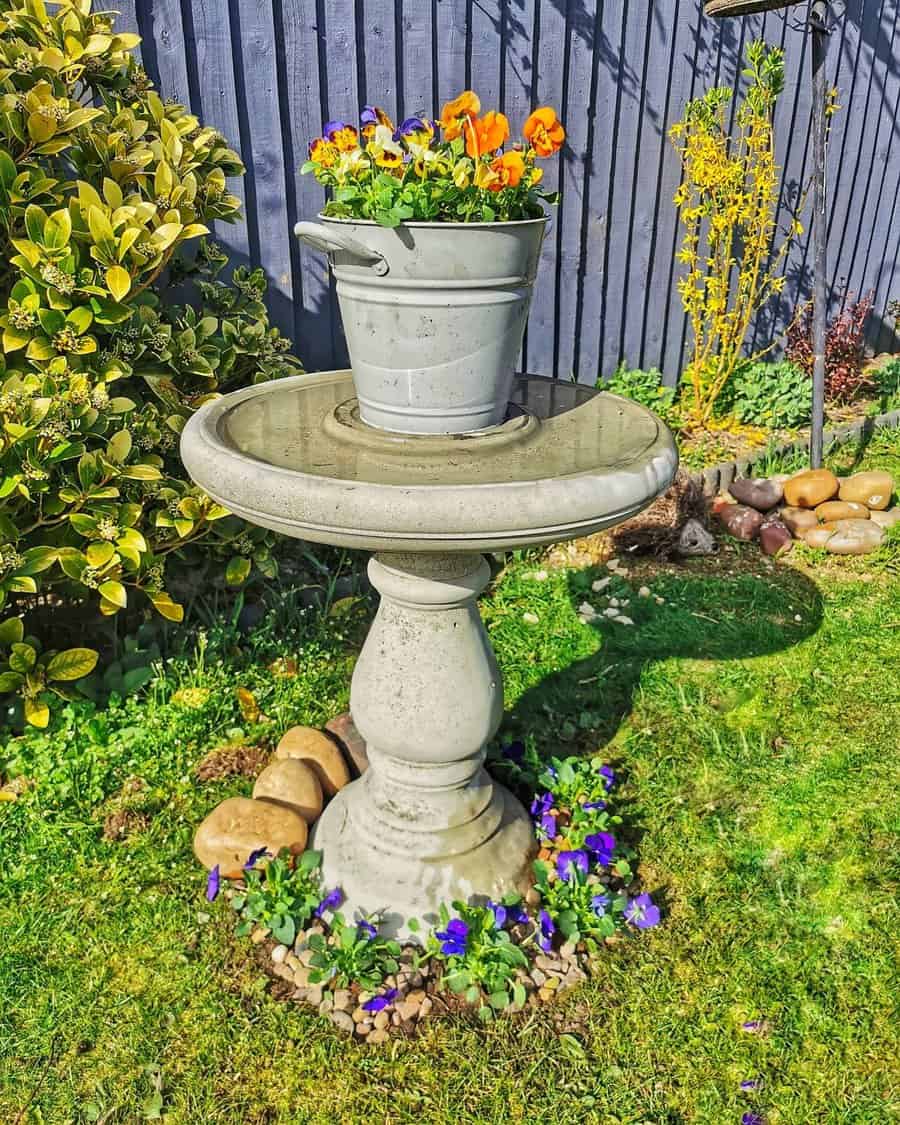
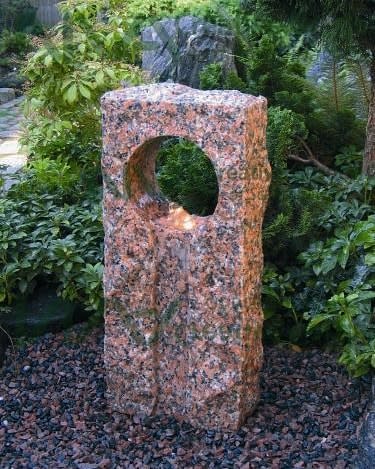
Add a touch of serenity to your garden by installing a budget-friendly water fountain. You can create a beautiful and tranquil space by choosing the right location for your fountain. Place it near a bird feeder to attract birds and make your garden come alive with their presence.
To further elevate the ambiance, consider planting colorful wildflowers around the fountain and strategically placing decorative stones for added visual appeal. By blending natural elements with your DIY fountain, you’ll not only be delighted with the outcome but also enjoy the influx of wildlife it brings to your garden.
Source: @ajgoold via InstagramSource: @raamaz_naturalstone via Instagram
13. Craft Tin Garden Sculptures
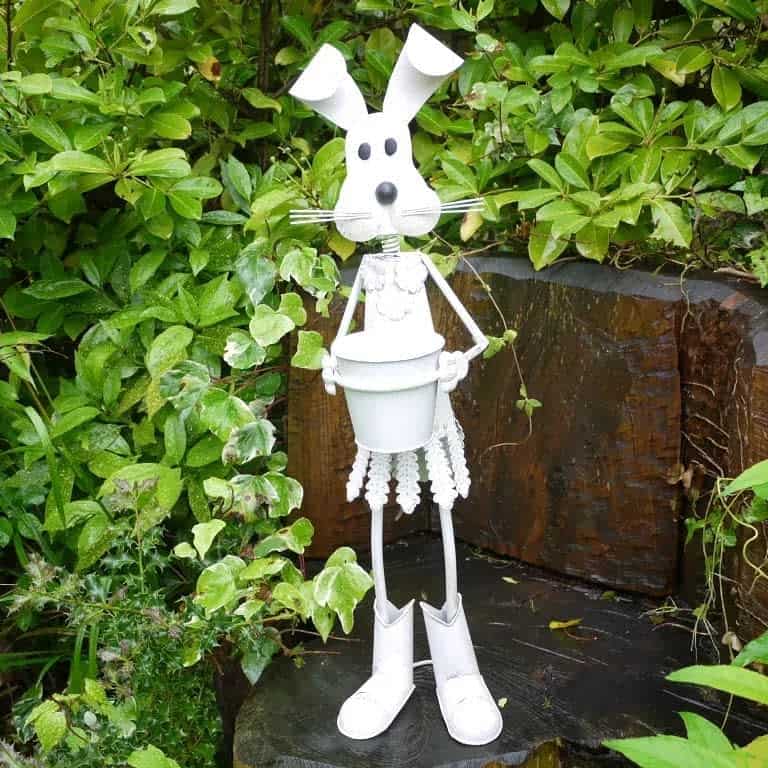
Revamp your garden without overspending by crafting your own tin garden sculptures. Give your garden a distinctive touch by repurposing tin materials to create unique sculptures, such as charming rabbit figurines made from soda cans and wire.
These handmade sculptures not only add artistic flair and character to your garden but also provide a budget-friendly way to personalize your outdoor space. Embrace your creativity and enjoy the satisfaction of crafting something one-of-a-kind for your garden without straining your finances.
Source: @sageandserenityhomeinteriors via Instagram
14. Revive Vintage Garden Statues
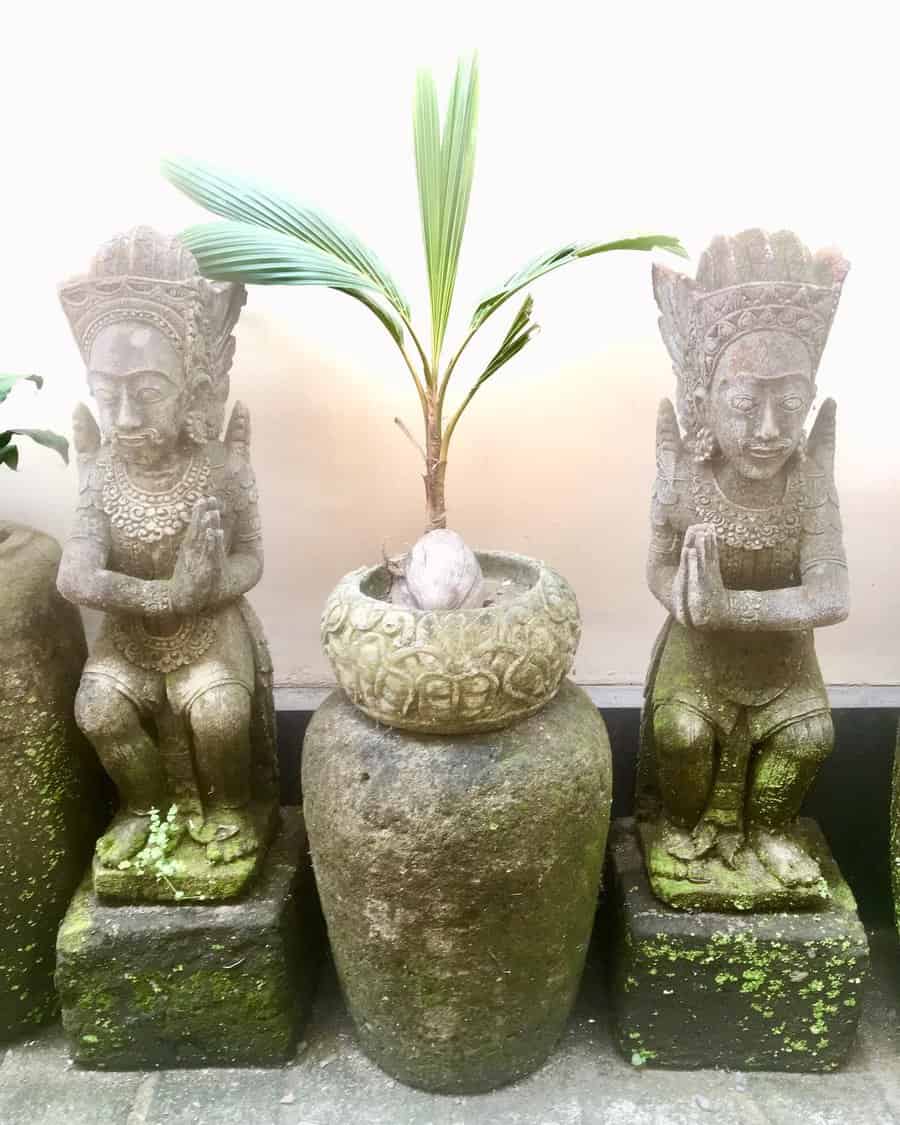
Creating a dreamy garden on a budget is entirely possible by incorporating vintage garden statues into your design. Explore flea markets, antique stores, or thrift shops to discover unique and budget-friendly pieces that infuse your garden with an antique, timeless ambiance. Mix and match these vintage finds to infuse your outdoor space with character and sophistication without exceeding your budget. Remember, a budget-friendly garden can be both inspiring and whimsical when you find the perfect vintage elements to complement your vision.
Source: @shima_antiques via Instagram
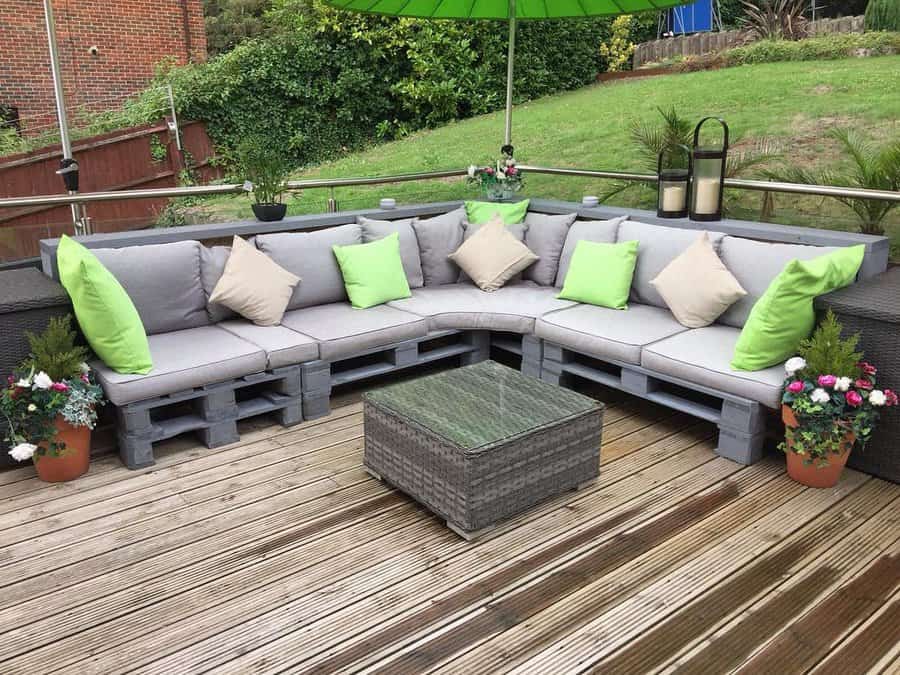
15. Make Lounge Seating with Pallets
Enhance your budget garden by crafting stylish lounge seating using wooden pallets as a base, and then layering on comfortable pillows and cushions for ultimate comfort. This DIY project not only adds a touch of style to your outdoor space but also offers an economical way to maximize your garden’s functionality.
Your newly created seating area becomes the perfect spot for enjoying breakfast in the summer or hosting backyard dinner parties with friends. To complement the pallet lounge seating, add a small coffee table, potted plants, and outdoor lighting for a cozy and inviting atmosphere, making your garden the go-to place for relaxation and social gatherings.
Source: @tooposhfor via Instagram
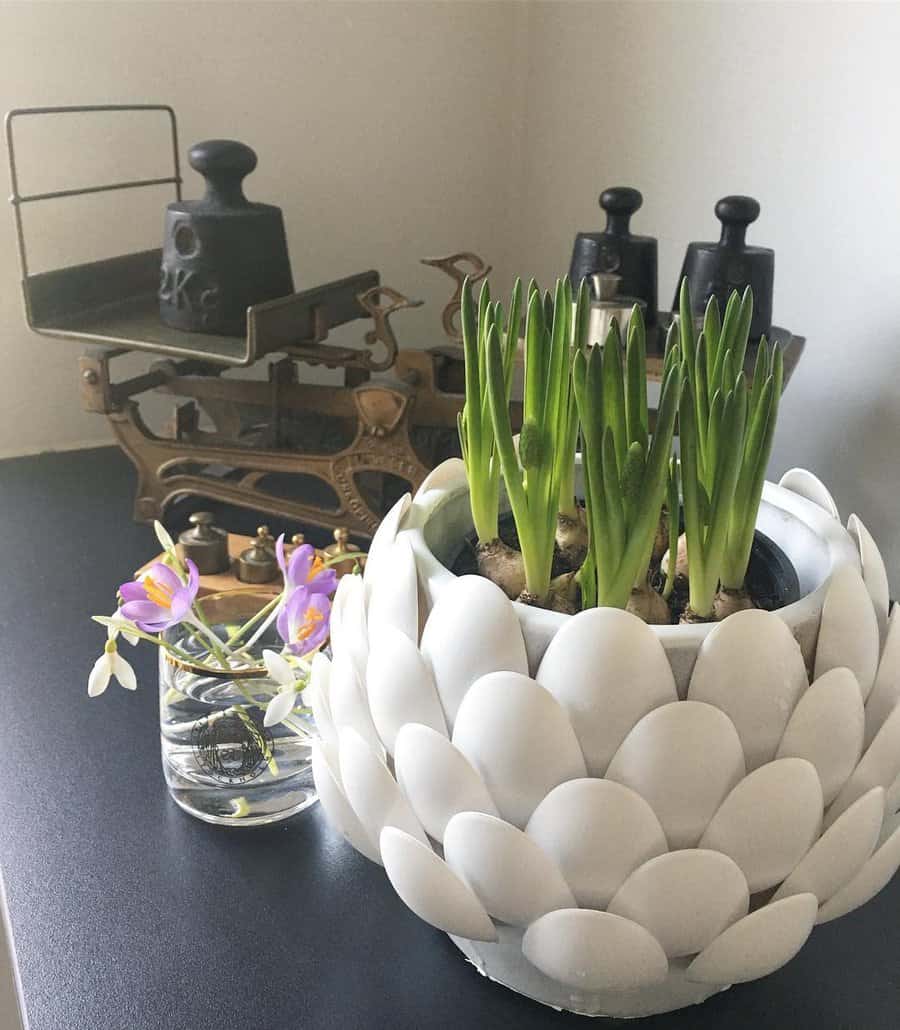
16. Create a Unique Plastic Spoon Vase
Unleash your creativity in budget gardening by crafting a unique vase using disposable plastic spoons, clips, glue, and string. This DIY project showcases the endless possibilities for creative crafts in budget gardens.
Consider repurposing old ceramic glassware, boxes, or furniture found at flea markets to add character to your garden space. By letting your imagination run wild, you can transform ordinary items into delightful garden accents. To complement the plastic spoon vase, place it amidst a cluster of potted plants or use it as a centerpiece for your outdoor table, adding a whimsical and eco-friendly touch to your garden design.
Source: @my.2.homes via Instagram
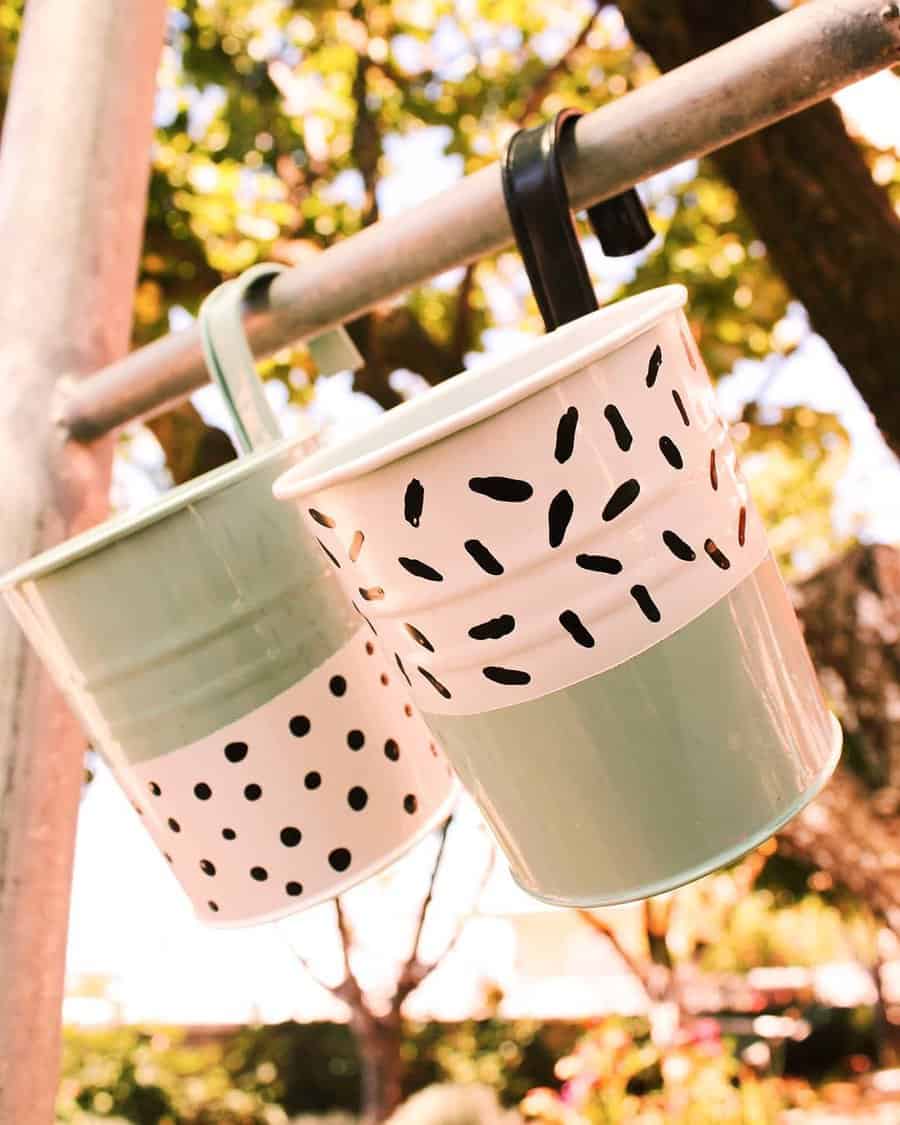
17. Add Hooks to Hang Potted Plants
A budget garden can be both beautiful and enchanting with the addition of hanging potted plants. Craft your own unique tin pots with hooks, add a string of fairy lights, and experiment with DIY paint designs to instantly transform your outdoor space. This creative project is not only enjoyable but also budget-friendly.
Personalize your DIY tin pots with hand-painted designs or fill them with vibrant blooms for a burst of color. In the evening, the fairy lights will cast enchanting shadows, creating a magical atmosphere in your garden. To complement the hanging potted plants, consider adding a cozy seating area nearby and incorporating other decorative elements such as outdoor rugs and wind chimes, making your budget garden a delightful retreat.
Source: @patriciabaradic via Instagram
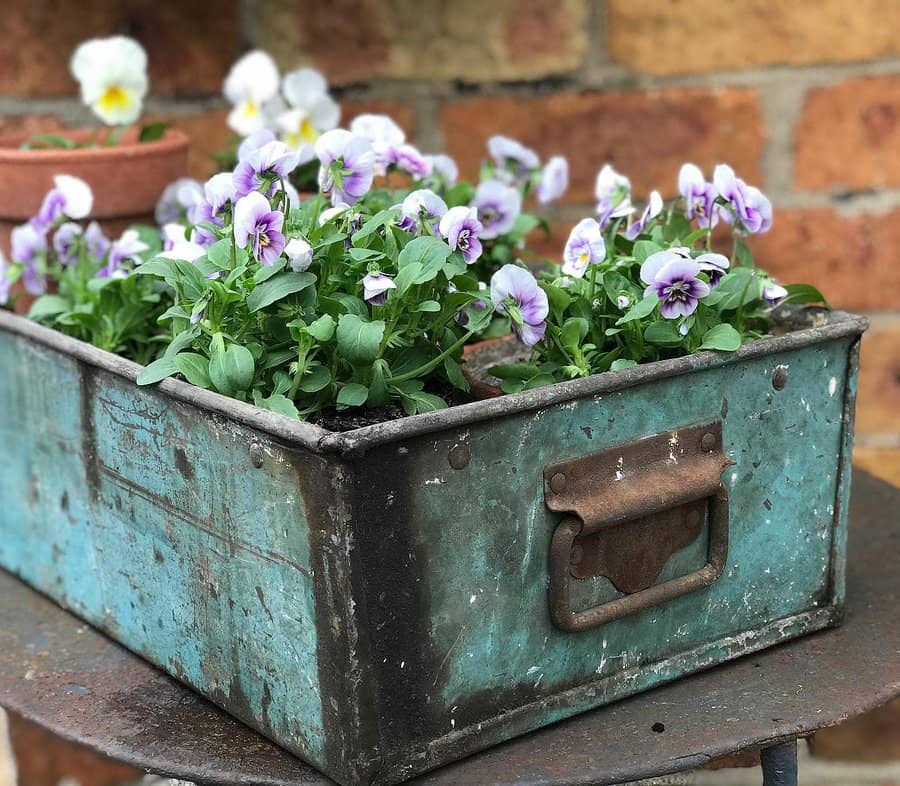
18. Repurpose Box Containers for Plants
Budget gardening can be both inventive and affordable. Opt for container gardening to maximize limited outdoor space, and consider repurposed box containers as an opportunity for creating a unique garden.
Utilize materials like repurposed cardboard boxes or wooden crates to unlock endless design possibilities for your budget-friendly garden. With a dash of creativity, you can easily craft an attractive garden by repurposing boxes. Whether you find an old box in your garage or source one online, repurposing it for container gardening allows you to personalize your garden economically, adding a touch of character without straining your budget.
Source: @fionacumberpatch via InstagramSource: @pommykiwi via InstagramSource: @greengardensoul via Instagram
19. Utilize Large Water Jugs for Gardening
Unlock your garden’s potential on a budget by repurposing large plastic or glass containers into sizable plant pots. Fill these containers with soil from your local nursery to create an affordable and versatile gardening solution. Consider planting beans, peas, or colorful flowers and herbs to make the most of your newfound garden space. With a touch of creativity, you can transform these containers into thriving pockets of greenery, resulting in a vibrant garden that blooms beautifully during the summer months.
Source: @homegnomegardens via Instagram
20. Transform Old Tires for Rustic Decor
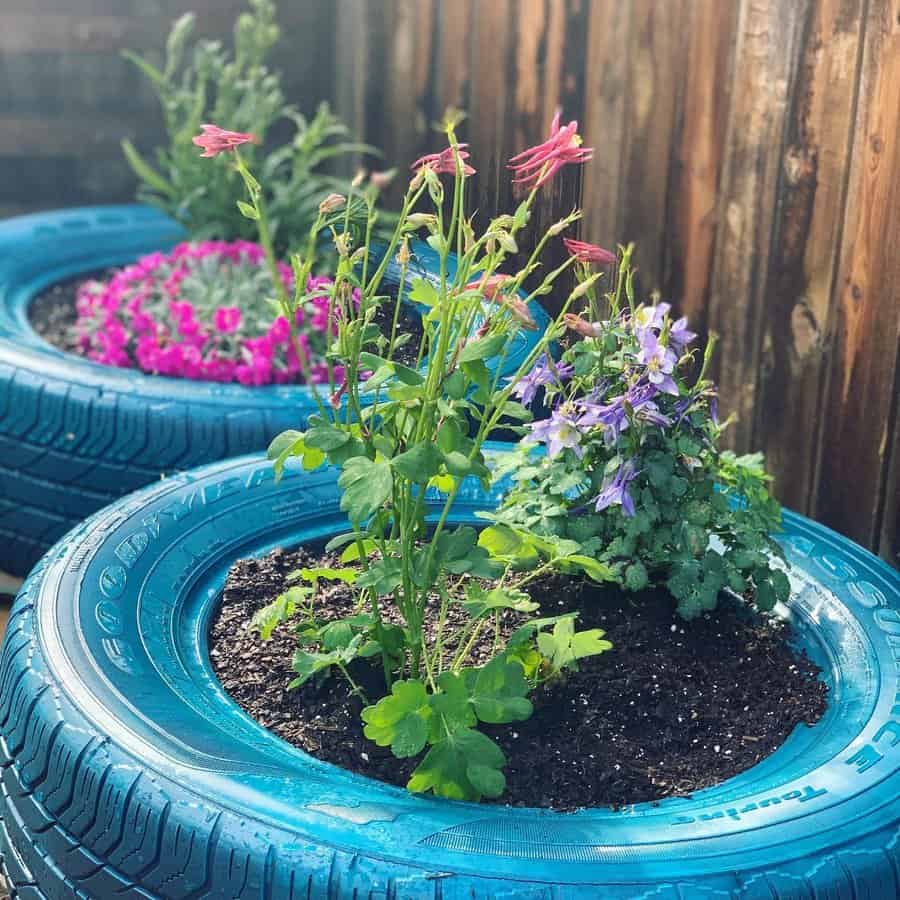
Don’t let budget constraints hold back your gardening dreams. Get creative by repurposing old tires into charming rustic planters. Paint these tires in your choice of colors to match your garden’s theme and use them as unique flower pots. Their excellent drainage properties make them a practical choice, while adding a fun and eco-friendly touch to your outdoor space. Whether in your front yard or backyard, upcycled tire planters can transform an ordinary budget garden into a standout showcase of creativity and sustainability.
Source: @homesteadingindenver via Instagram
21. Painted Rocks for Garden Art
Creating a budget-friendly garden provides an excellent opportunity for creativity and family involvement. Whether you’re growing veggies, flowers, or potted plants, there’s no need to overspend. Incorporate painted rocks as charming garden decor; it’s a simple and cost-effective method to introduce vibrant colors and a playful touch to your outdoor space.
Engage your children in the process by encouraging them to paint their own rock designs, fostering a sense of ownership and fun. With a dash of imagination and some colorful rocks, your budget garden will shine brightly in the sunlight, bringing joy to both adults and kids alike.
Source: @dizzy_eyed_fillmore via Instagram
22. Assemble a Succulent Tray Garden
Transforming your garden into a budget-friendly, yet aesthetically pleasing haven is easily achievable with a succulent tray garden. Incorporate succulent cuttings into a variety of containers with varying shapes and depths to craft a captivating and conversation-worthy garden feature. To maintain these charming plants, simply water them when the leaves appear slightly wrinkled and the soil looks dry. In no time, your budget garden will thrive with the allure of succulent beauty.
Source: @konishi.yoshihiro via Instagram
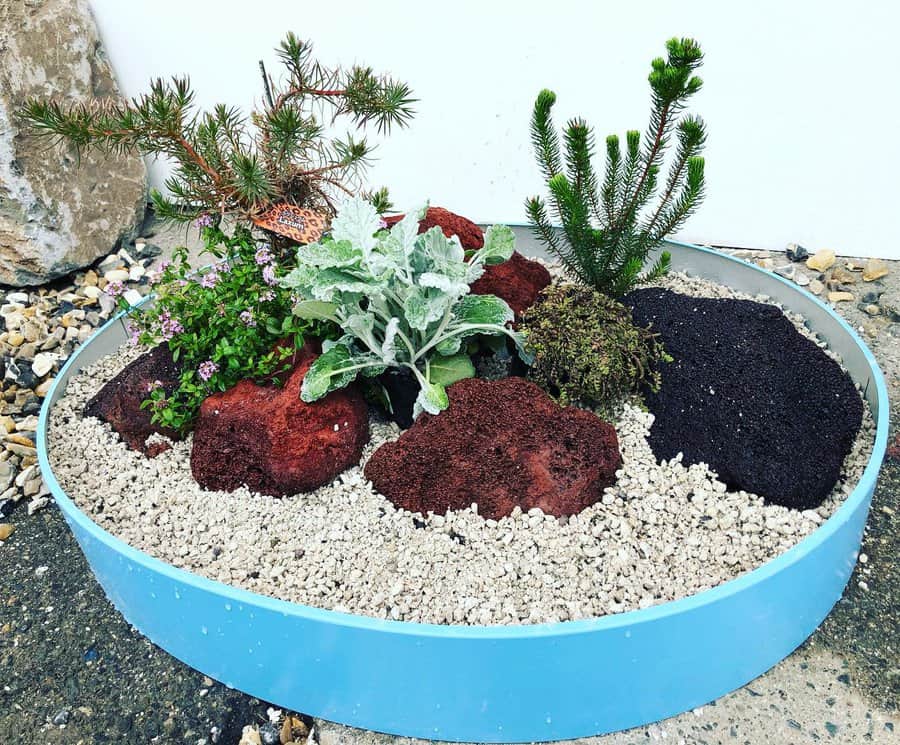
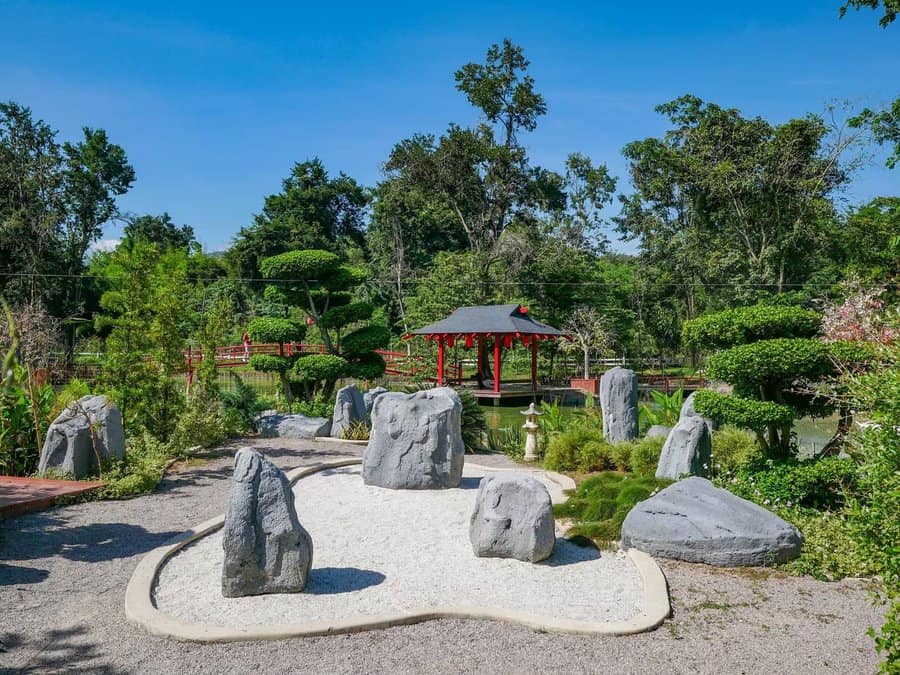
23. Build an Attractive Rock Garden
Crafting an appealing rock garden is an excellent choice for budget-conscious gardeners. Collect large stones, embracing their natural crevices and cracks that add character. Secure them in place with smaller pebbles to both complement the rocks and provide interesting texture.
A rock garden is an affordable way to breathe life into your backyard, offering a distinctive and captivating focal point that won’t break the bank.
Source: @maneekam via Instagram
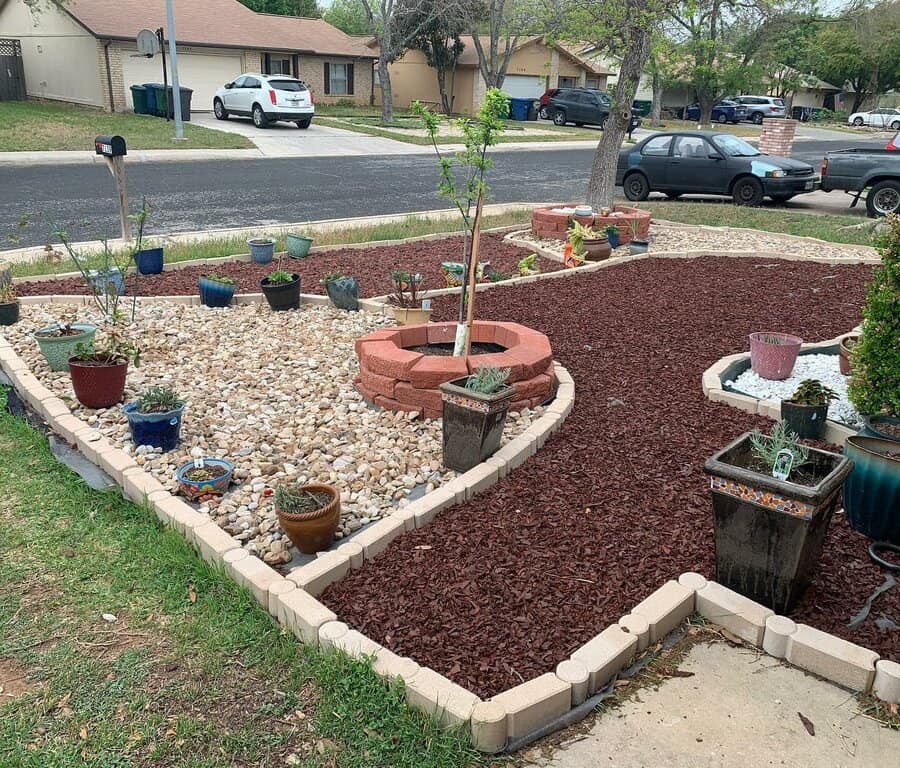
24. Landscape with Pebbles on a Budget
Creating an inviting garden on a budget is now within your reach. Incorporate pebbles for a charming walkway or repurpose bricks to build terrace walls. These affordable landscaping ideas can inject color and vibrancy into your garden space without breaking the bank. Transform your backyard into a budget-friendly oasis by carefully selecting materials and unleashing your creative flair.
Source: @senorjuanton via Instagram
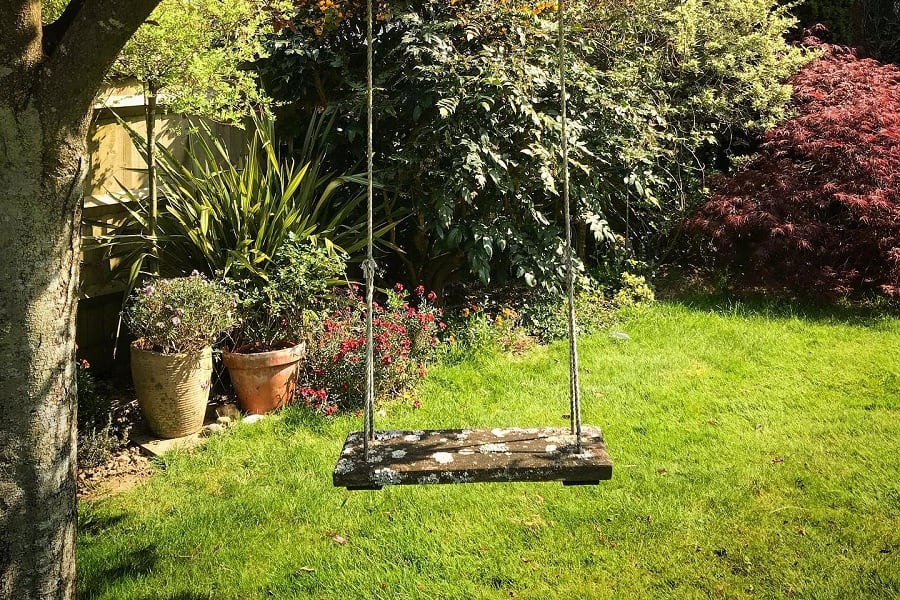
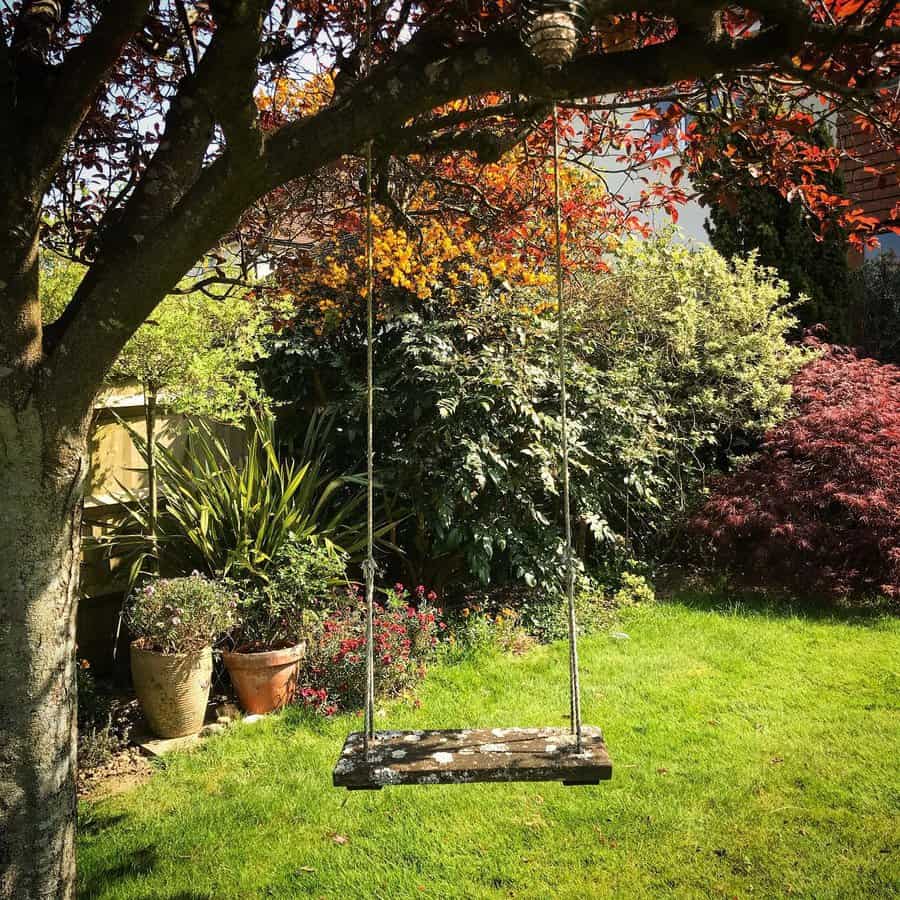
25. DIY Tree Swing from an Old Plank
Turning your outdoor space into a budget-friendly oasis is easier than you think. With creativity and a bit of time, you can create a charming garden without draining your wallet. Consider repurposing an old plank into a delightful tree swing for added backyard entertainment. Whether you’re looking to expand seating or introduce shade curtains, there are numerous cost-effective ways to enhance your garden’s allure.
Source: @boburke1 via Instagram
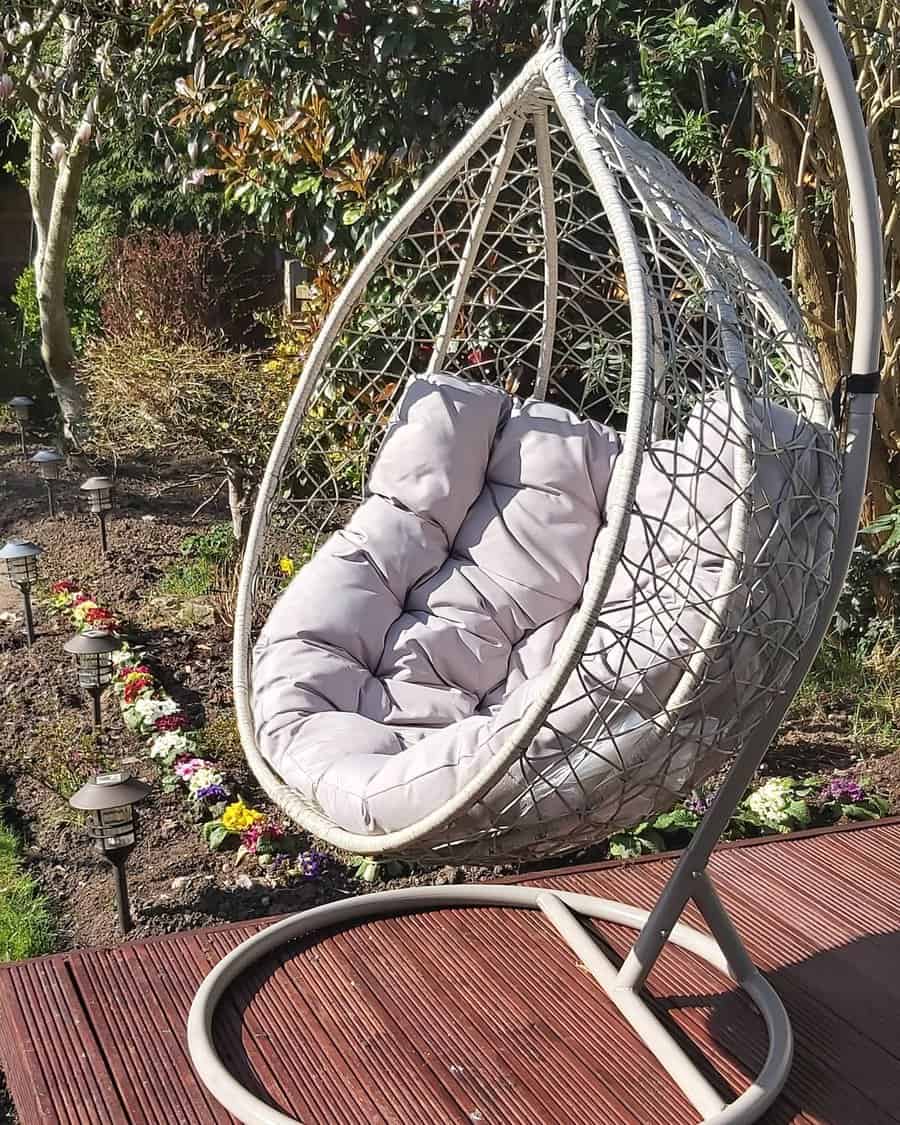
26. Install an Egg Chair for Outdoor Relaxation
Don’t let a tight budget deter you from enjoying the finer things in your garden. An egg chair can bring a touch of luxury to your outdoor oasis without breaking the bank. Whether suspended in a cozy corner or hovering above your garden blooms, this stylish furniture piece elevates the overall ambiance, creating a serene and elegant outdoor retreat.
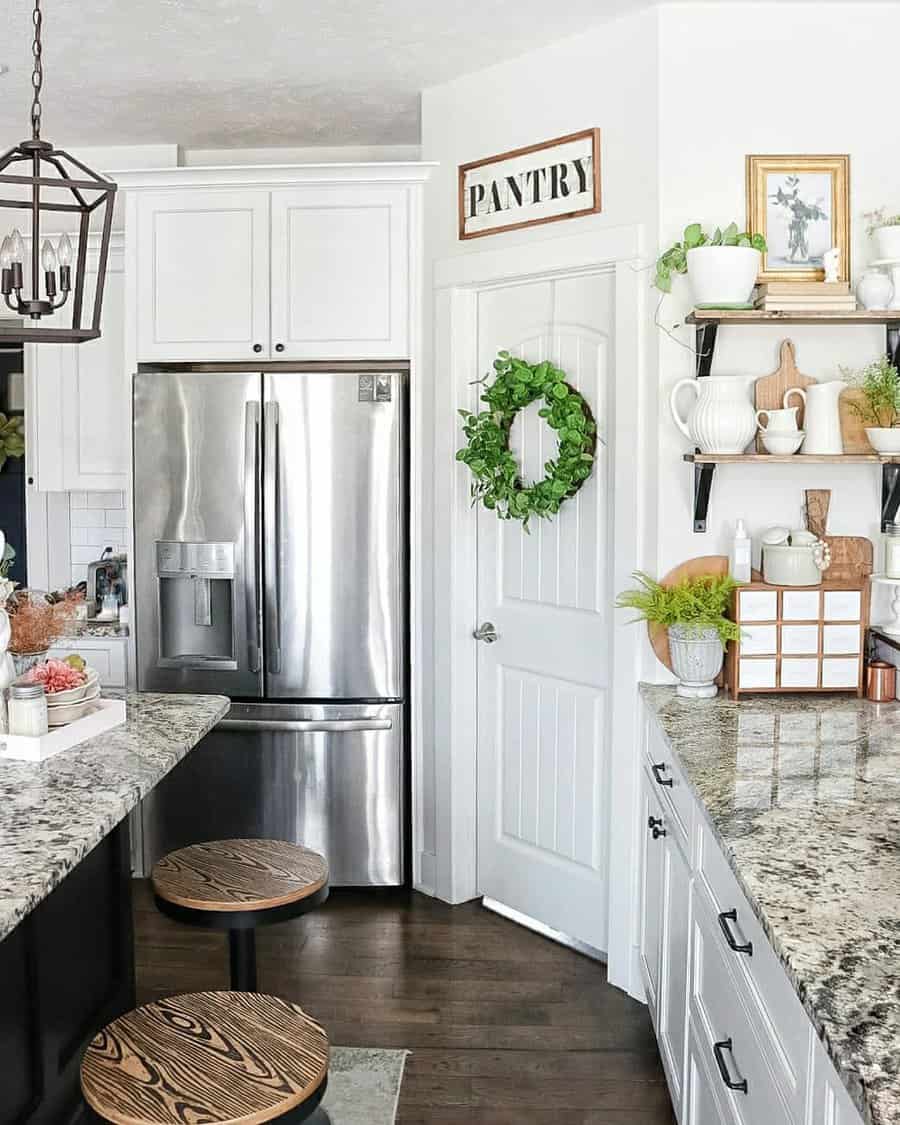
You’re redoing your kitchen, and you’ve forgotten one crucial element, the pantry door. It may seem like just another door in your home, but it’s so much more than that.
Because its located in the kitchen, this door will get significantly more use than any other door in the house. It’s also an opportunity to add a personal touch to your home because it’s in a common area of the home.
These pantry door ideas will help you say goodbye to that boring white builder-grade door and upgrade it to something better.
[view_toc]
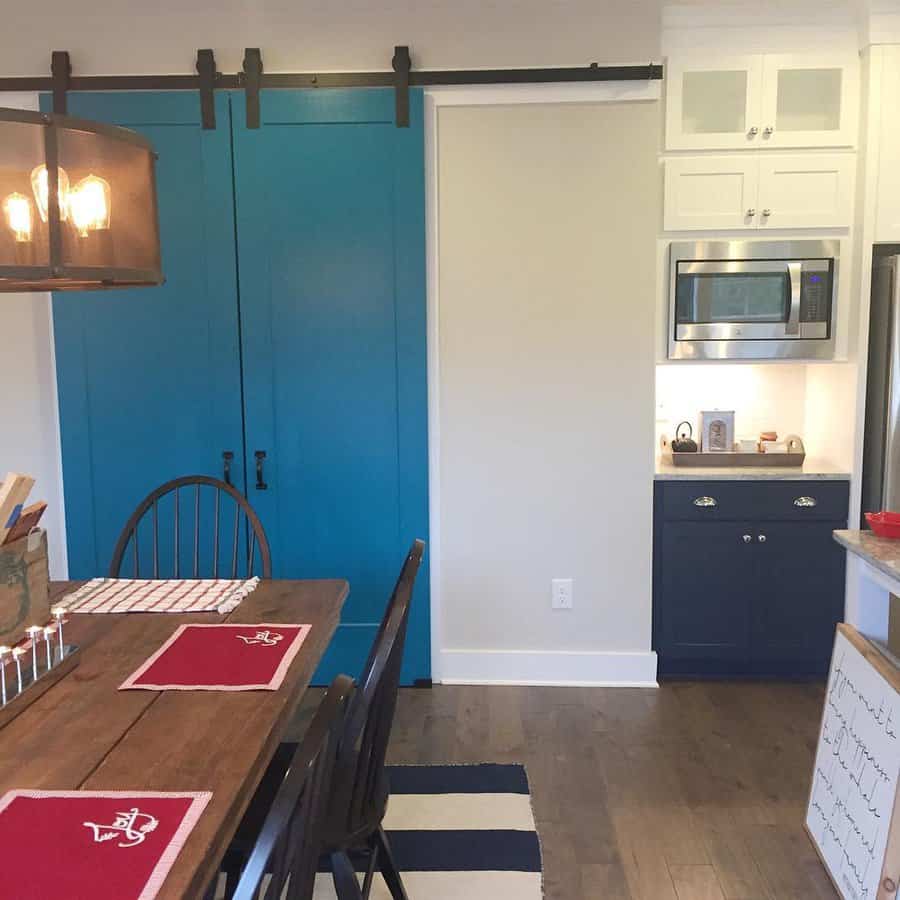
1. Barn Door
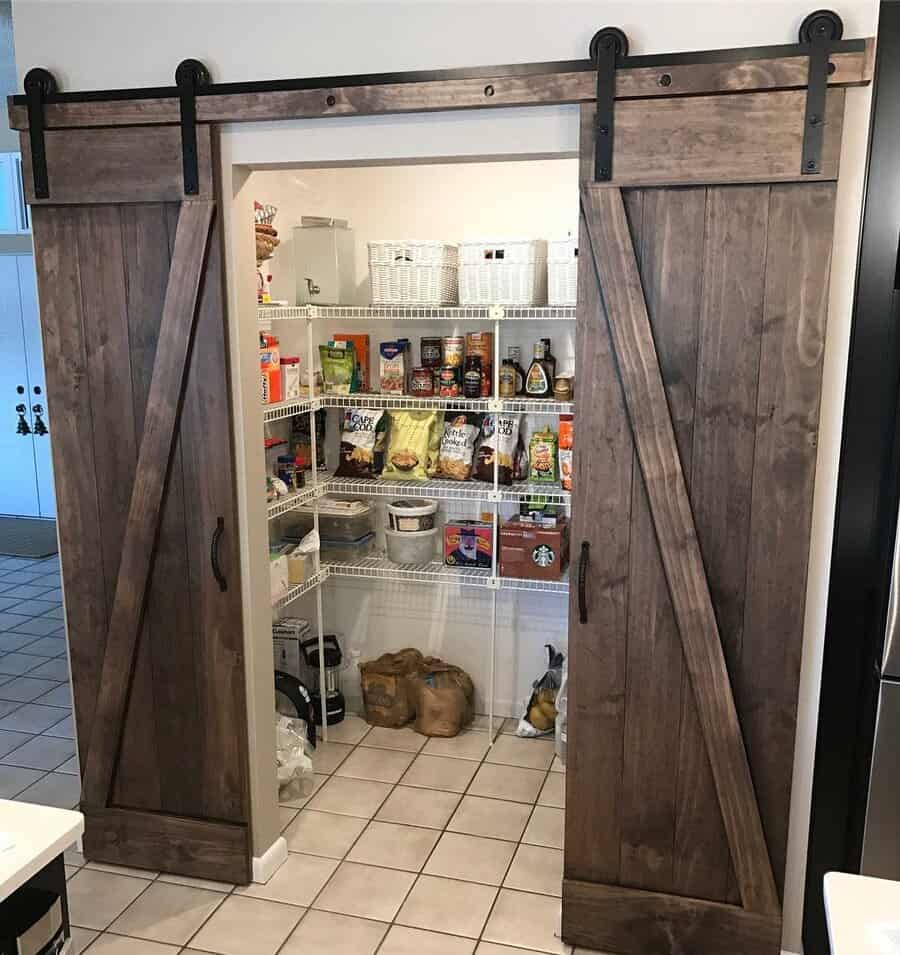
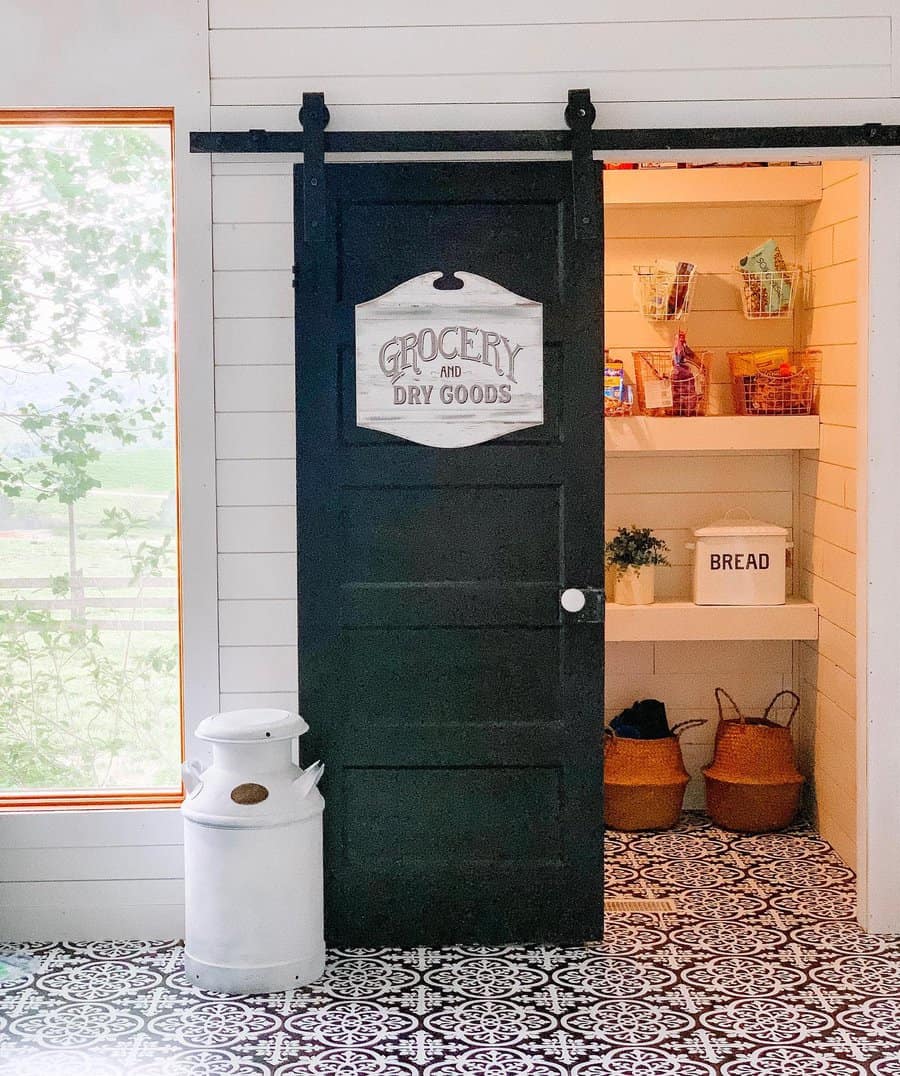
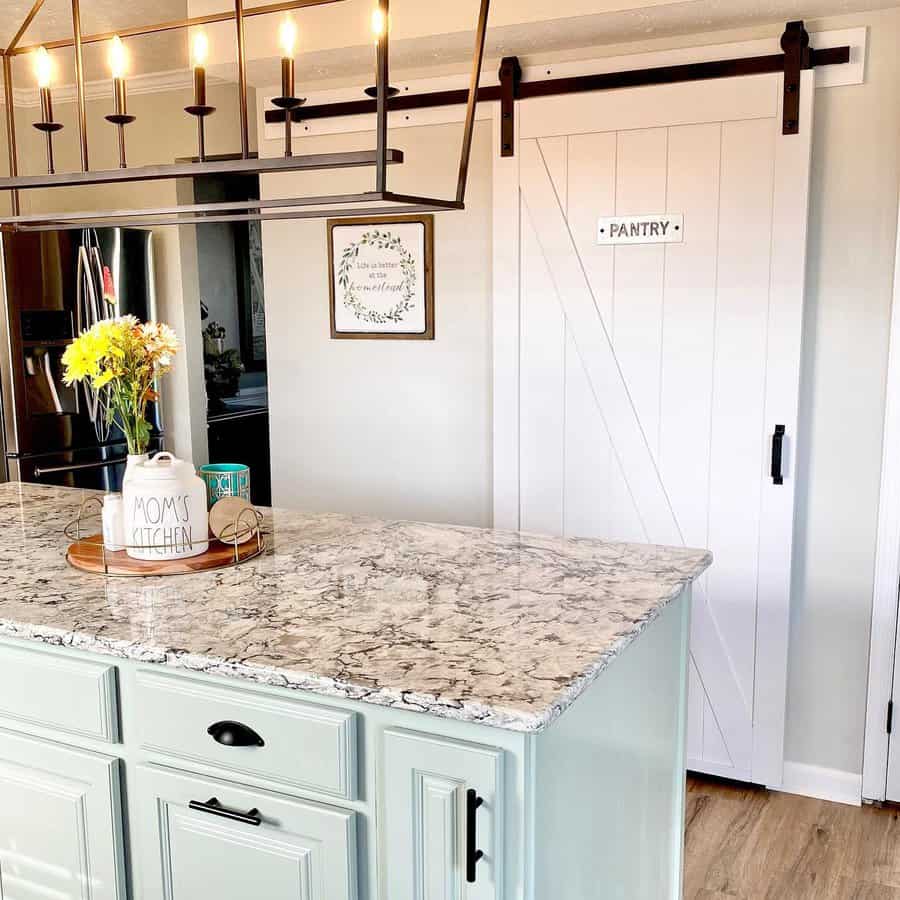
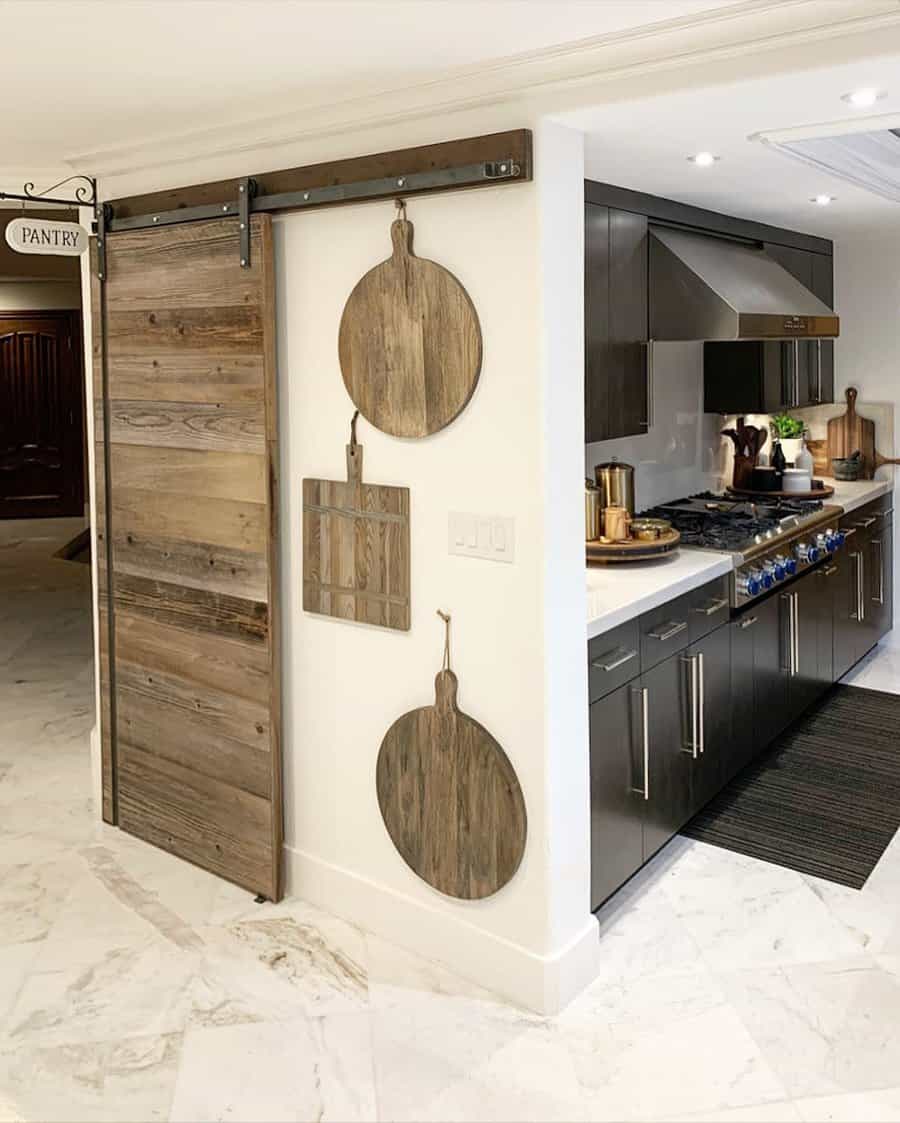
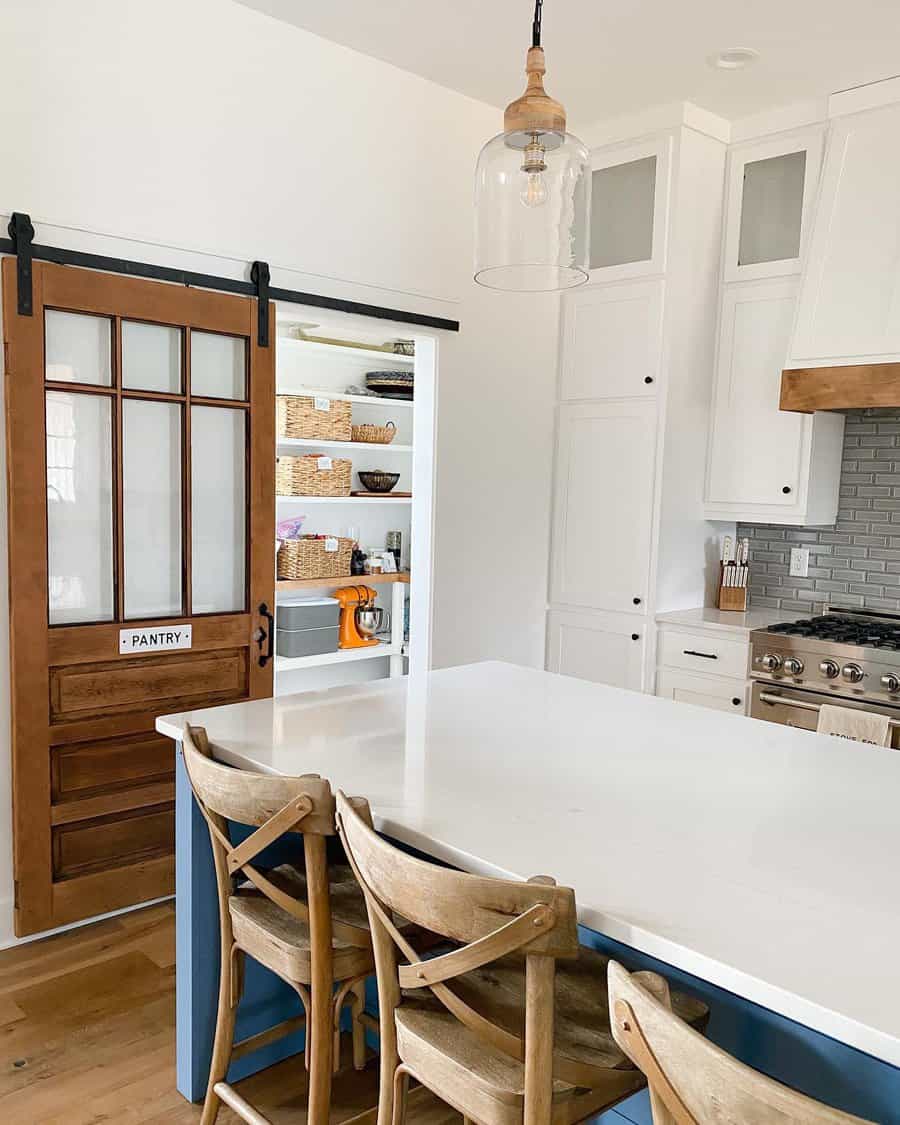
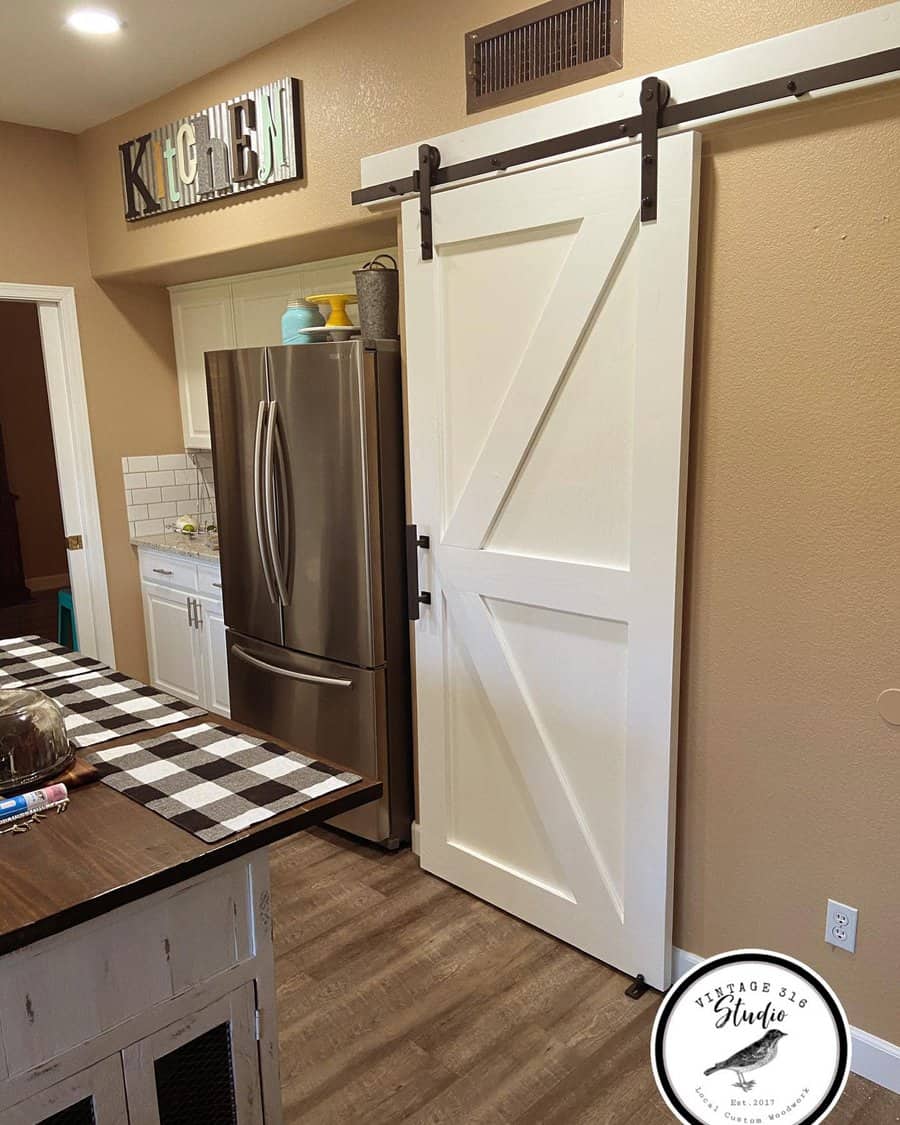
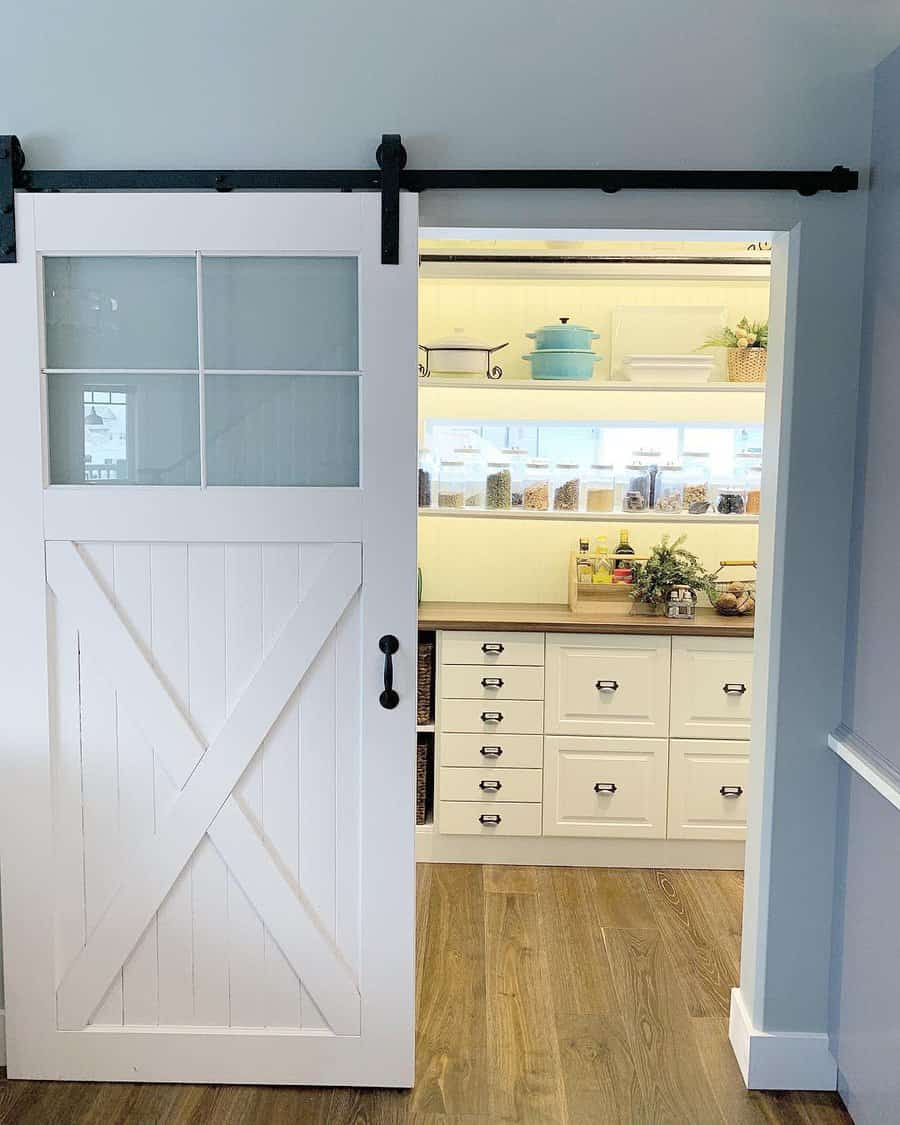
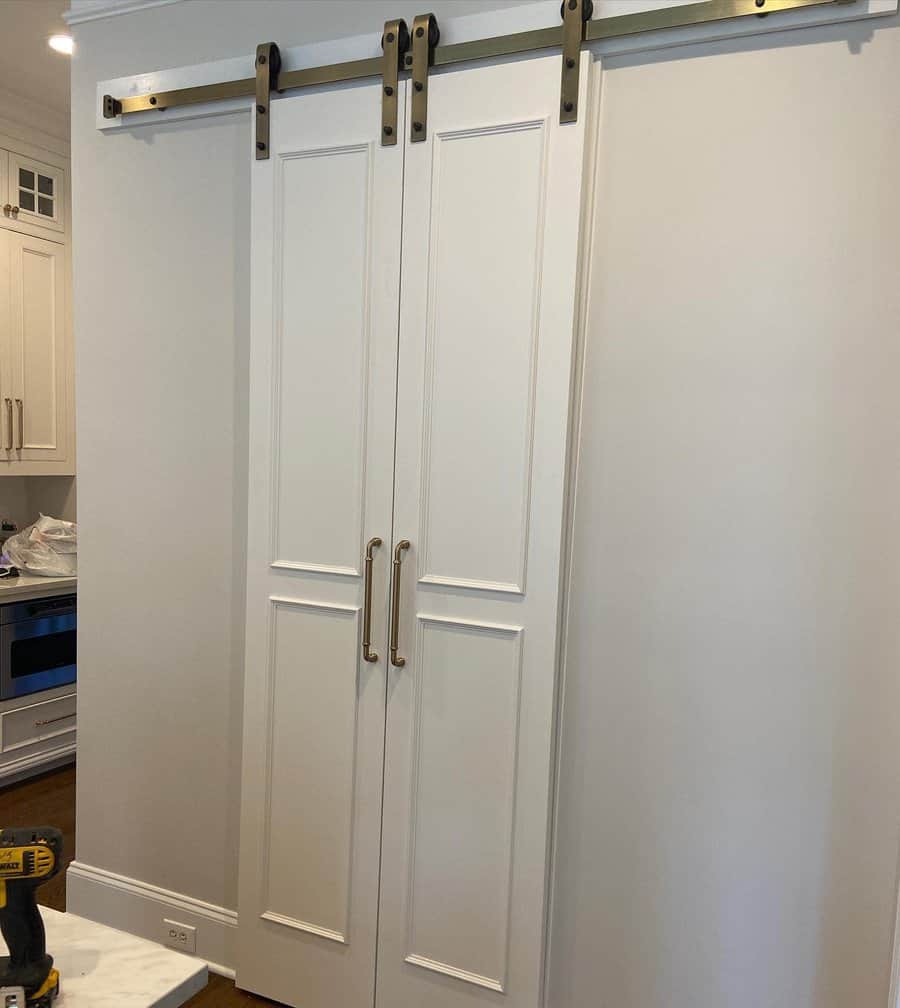
A sliding barn door is a hallmark design element of the farmhouse style. These doors aren’t great if you want to create privacy, but they work just fine for a pantry. Barn doors are similar to pocket sliding doors, but they sit on the outside of the wall.
Source: @kkddesignco via InstagramSource: @marcottesdesign via InstagramSource: @rustyrosefarm via InstagramSource: @the_decorating_chambers via InstagramSource: @statuswood via InstagramSource: @heather_bright629 via InstagramSource: @vintage316studio via InstagramSource: @wainwrighthousetohome via Instagram
These doors immediately create a rustic and farmhouse feel, making them great if this is the look you are going for. However, they aren’t suitable for every home.
You need to have enough empty wall space for the door to slide open and out of the way. If you decide that this door style works for your pantry, you can add a DIY barn door. Purchase a reclaimed or salvaged door and mount the tracks on the wall. Then you can hang the door on the track, and you’re ready to go.
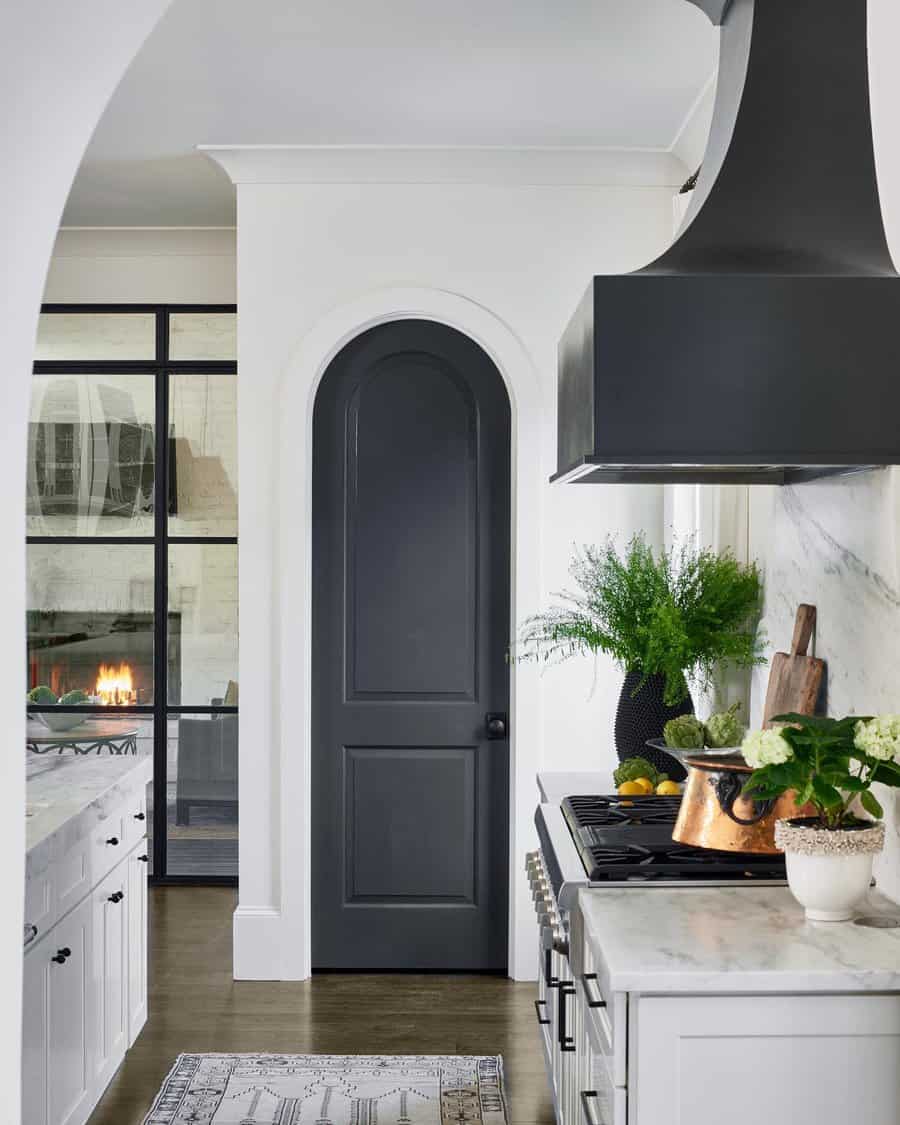
2. Blue
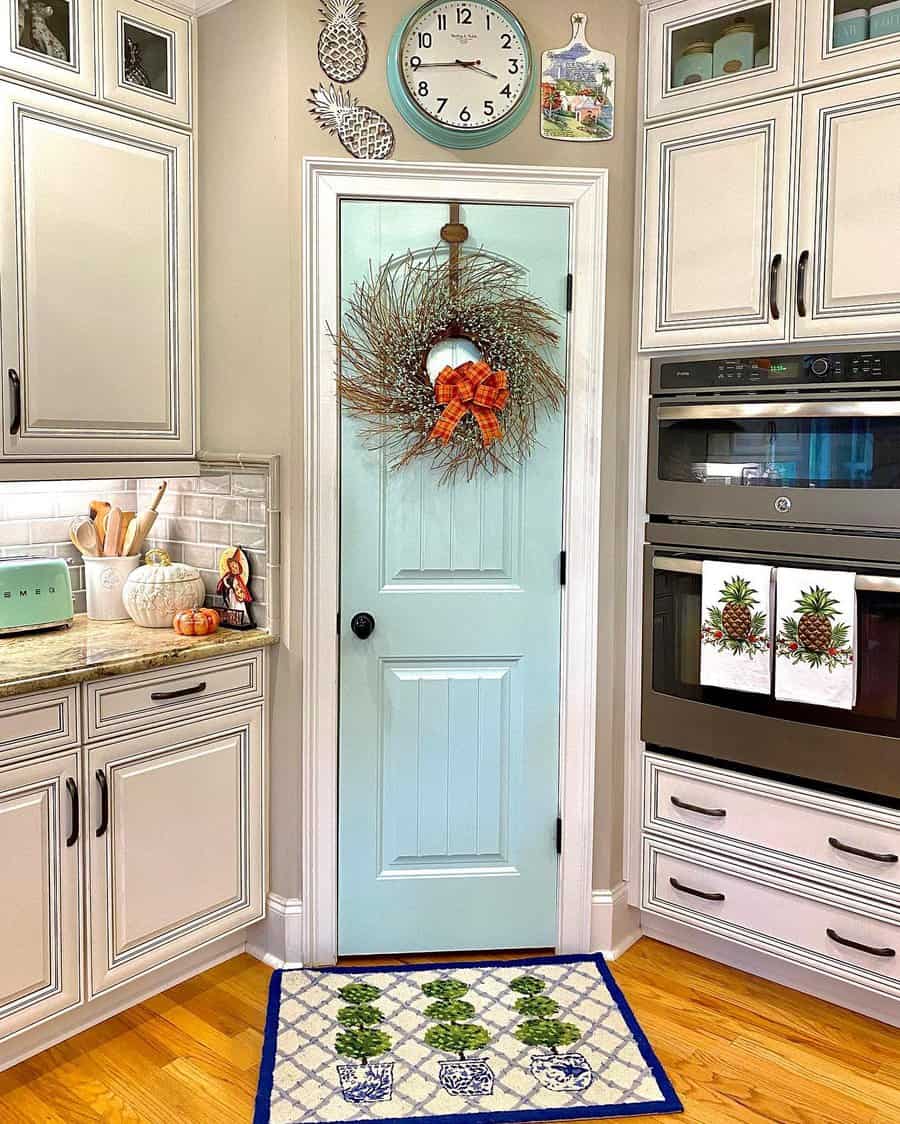
Adding color is a big trend in kitchen design. You don’t have to stop with your cabinet doors. Blue is a popular color for kitchen cabinets. Both light and dark blue shades are great choices.
Source: @kimpossibles317 via InstagramSource: @new_oldfarmhouse via InstagramSource: @paintandcheerinteriors via Instagram
Once you choose this color, it’s time to turn towards your pantry door. Paint this door too for an additional accent that will balance the look of your kitchen. Now that you have this base color down, you can add home decor that accents this color. If your current pantry door is a standard wood door, then you can tackle painting the door as a DIY home project.
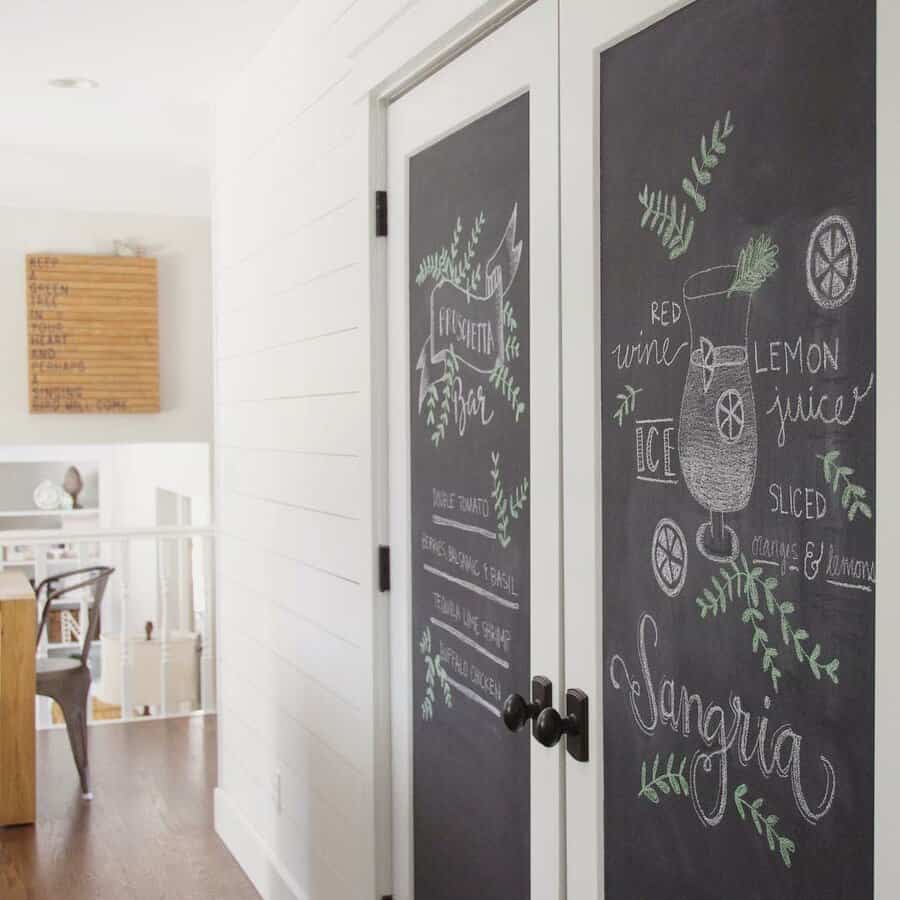
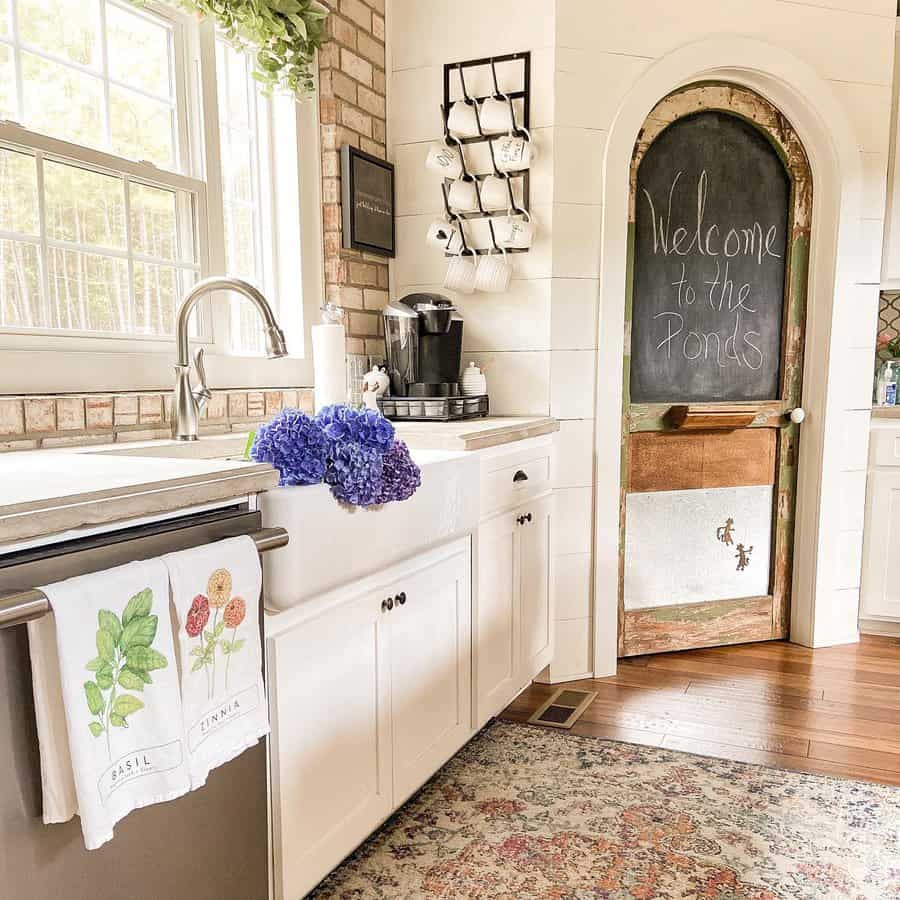
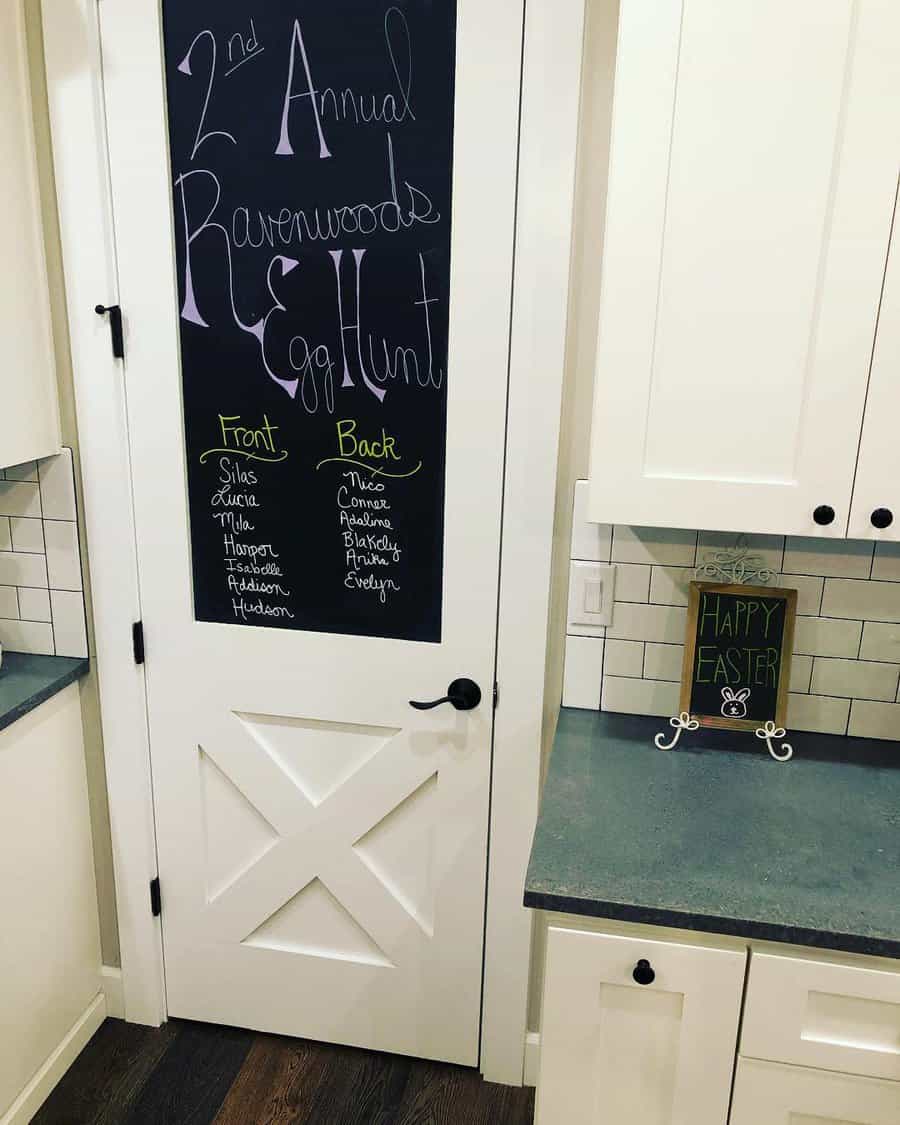
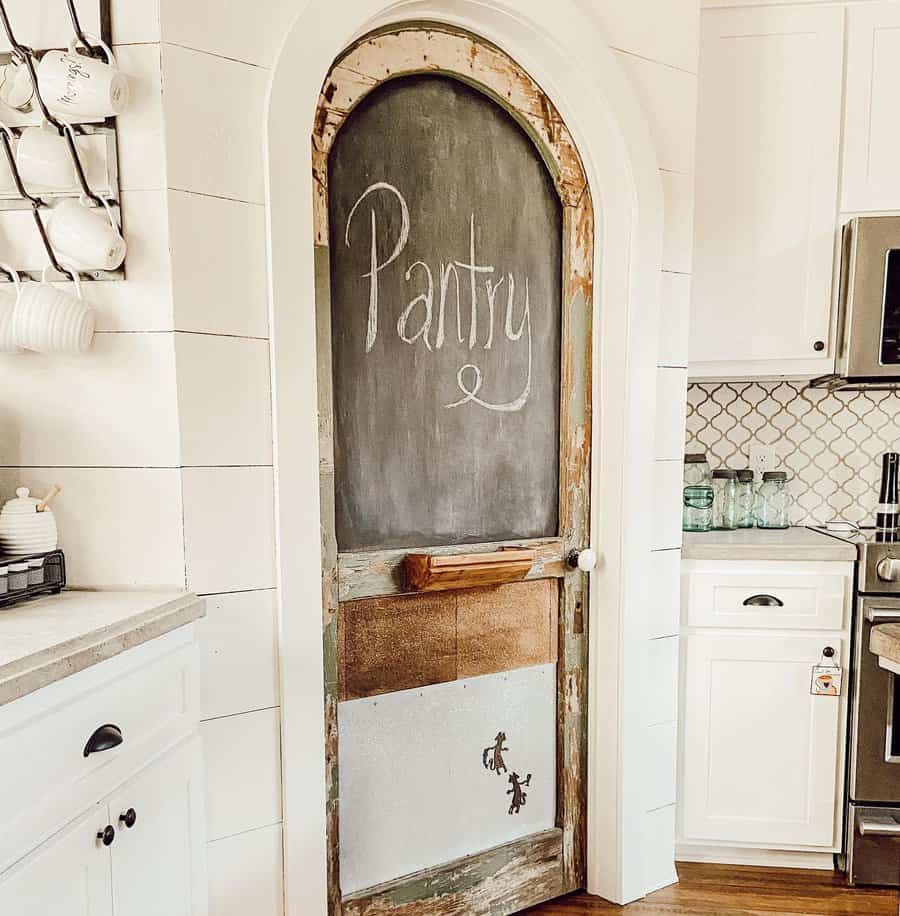
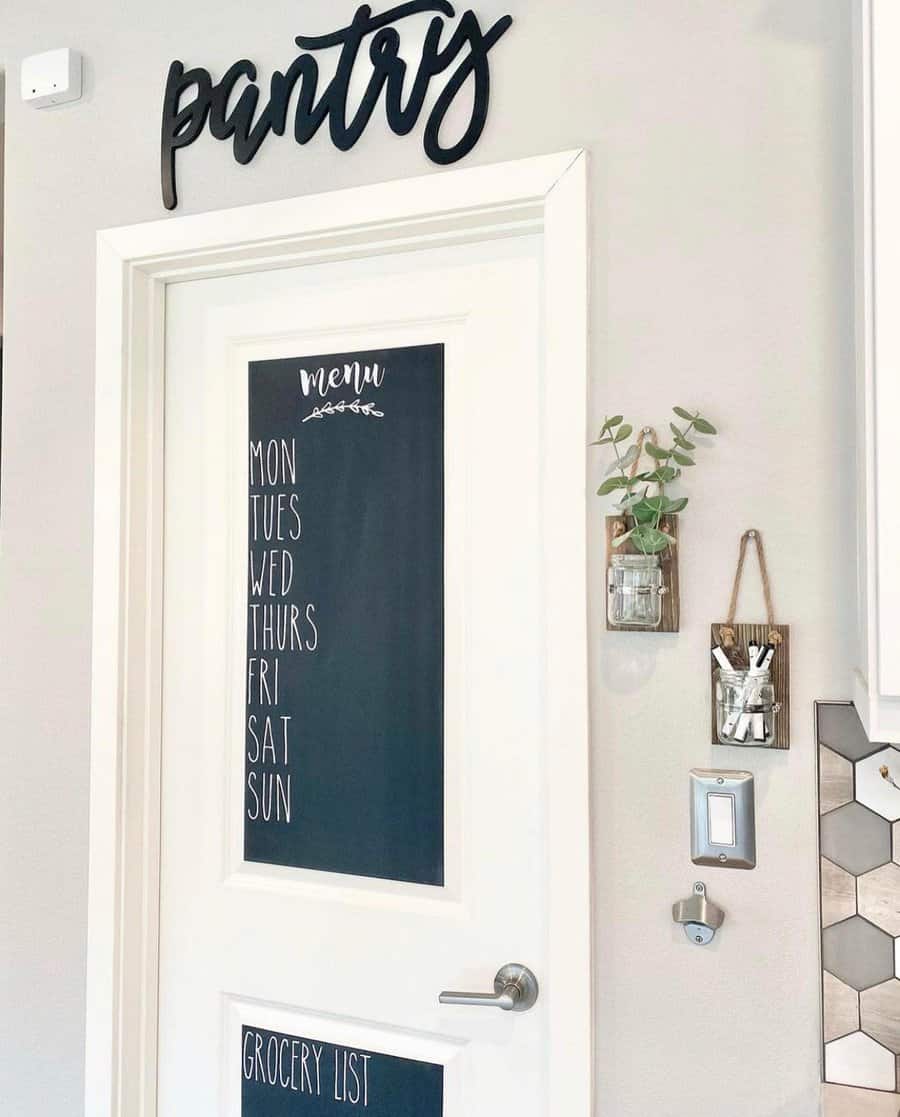
3. Chalkboard Door
Adding a chalkboard to your laundry room or home office makes sense. However, it can also be a perfect addition to your pantry for kitchen organization.
Source: @basilandtate via InstagramSource: @rachel_thepondsfarmhouse via InstagramSource: @ravenwoodsfarm via Instagram
While you could paint your entire pantry door, this is a bit excessive. Instead, tape out a square or rectangle on the door. Then add a picture frame to finish the look.
You should also add a shelf or cup to hold chalk. Use your chalkboard to add notes or make a grocery list. If you don’t want this to be visible outside your pantry door, you could put it on the inside. Then you can close the door and hide it when guests come over.
4. Contemporary
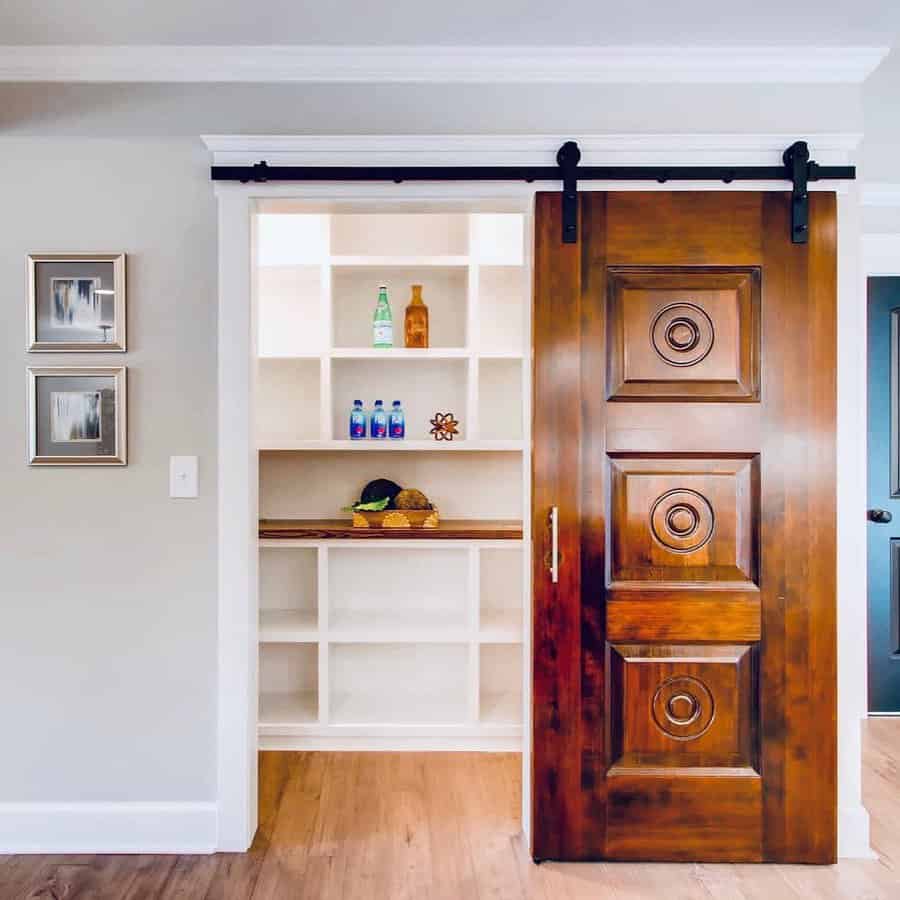
For a contemporary kitchen, you have more options. You could have a pocket door that neatly tucks away into the wall. This unique interior door hides away and is ideal for kitchens that don’t have a lot of floor space.
Source: @blacksuburbanfarmhouse via InstagramSource: @the.cambridge.whitehouse via InstagramSource: @kristanandcompany via Instagram
Because sliding doors stay inside or next to the wall, you don’t have to make room for it to swing out. This means you can have more storage space inside the pantry because you don’t need the room on the outside. Choose a door with a bit of design, such as raised or sunken panels.
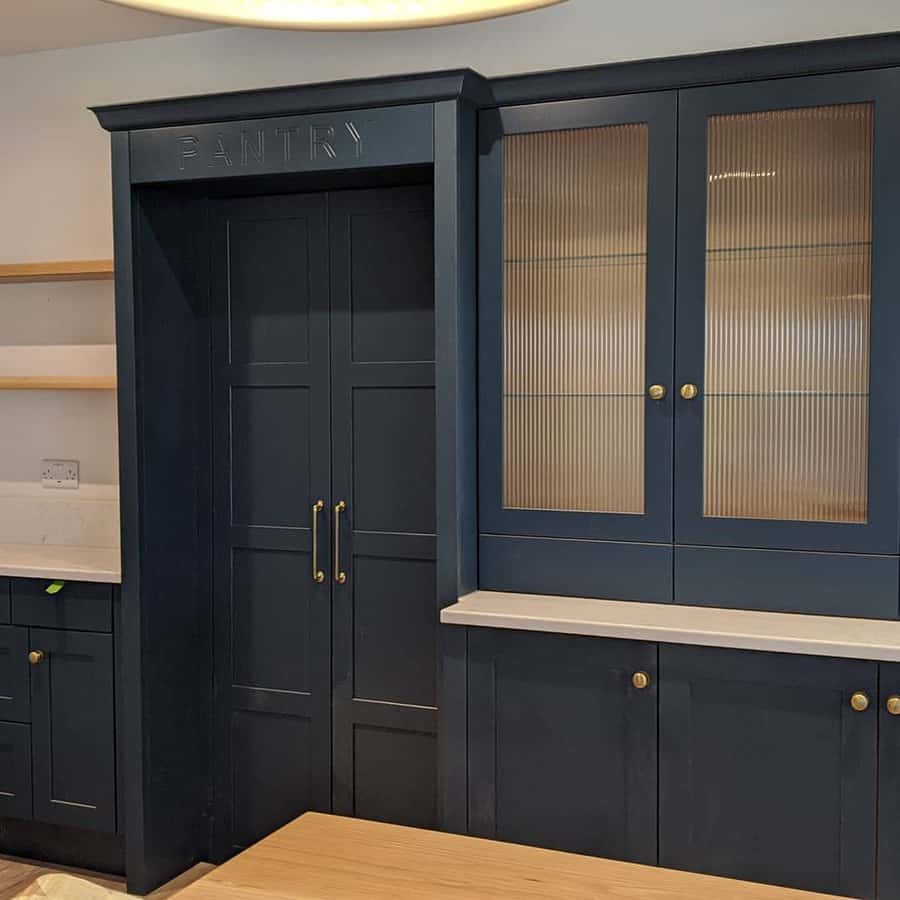
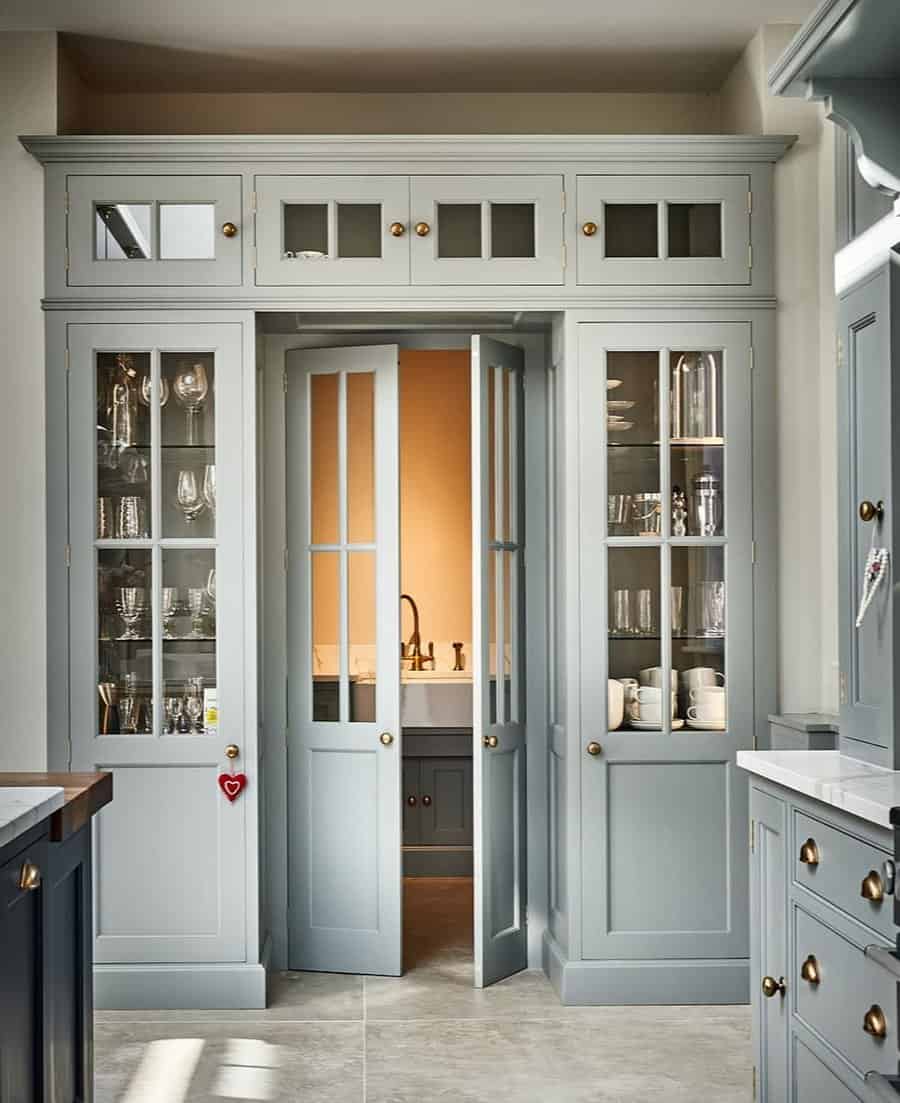
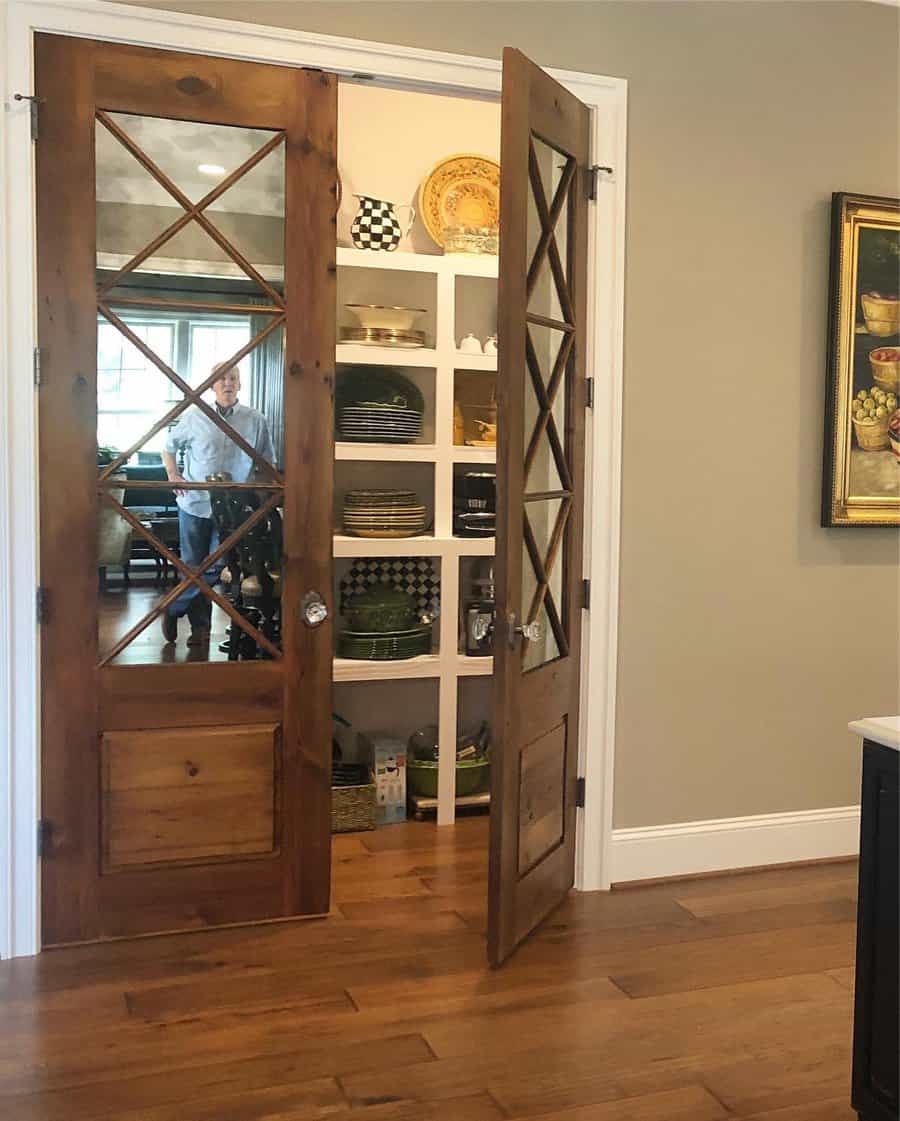
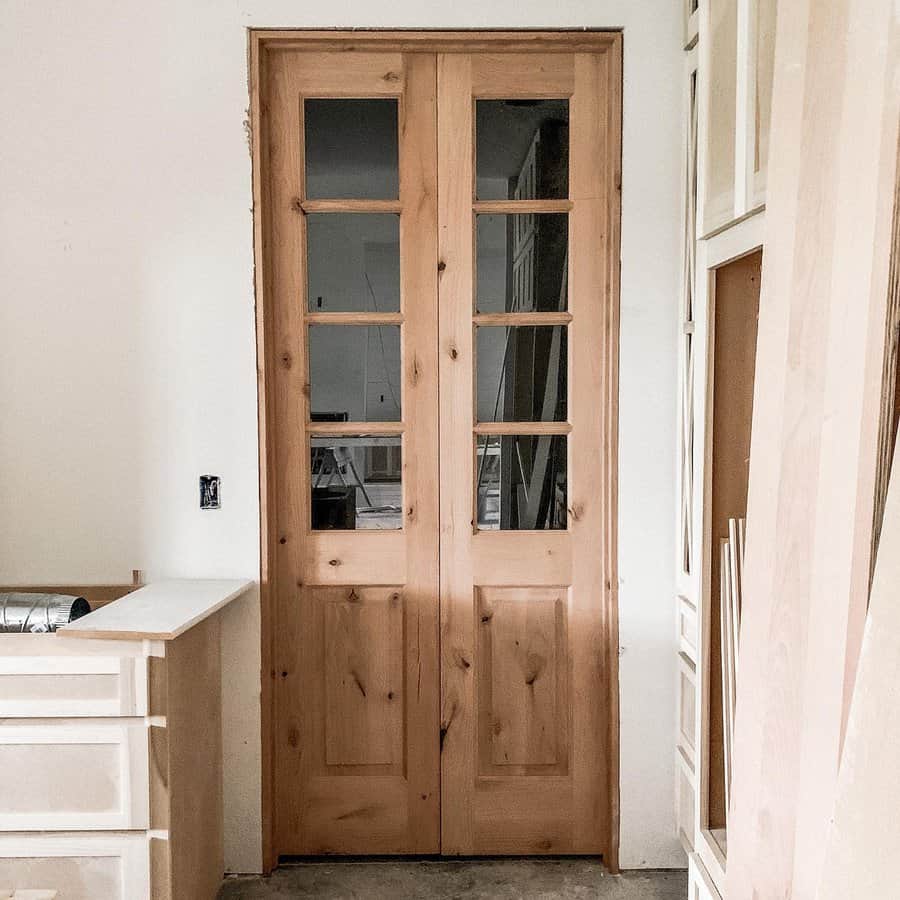
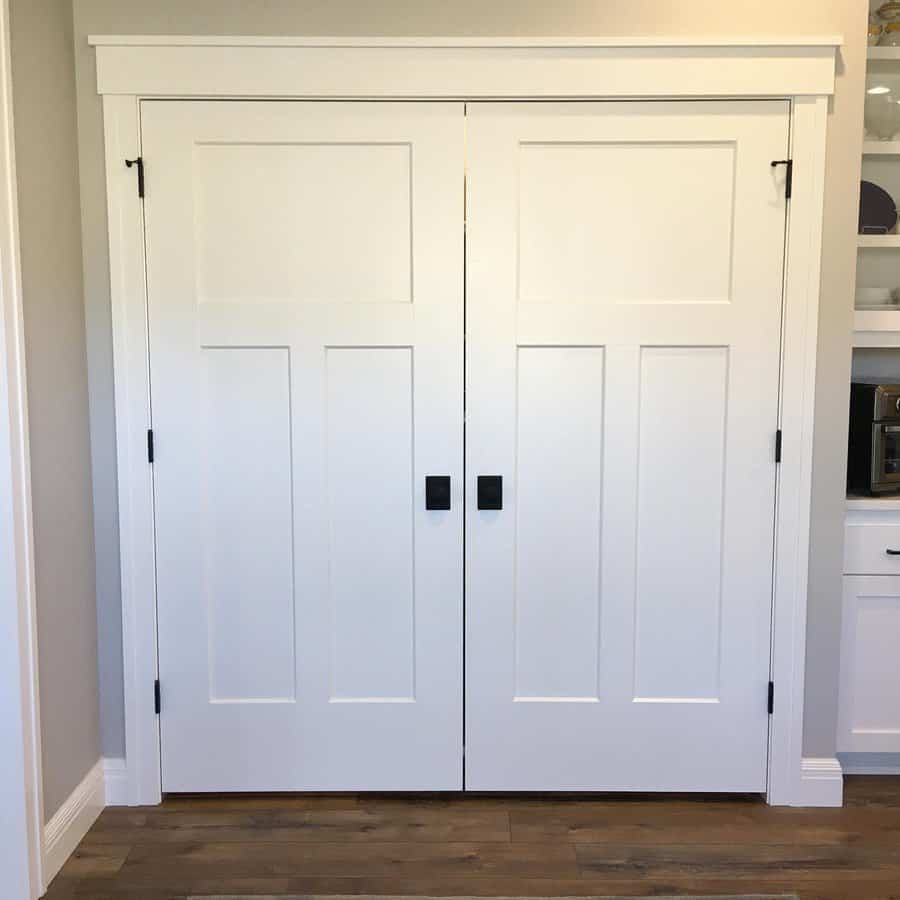
5. Double Door
Source: @hillfarmfurniture via InstagramSource: @martin_custom_woodworking via InstagramSource: @martin_custom_woodworking via InstagramSource: @teamskyxo via Instagram
Using French doors for your pantry means you have to have a wide opening. This is much bigger than the standard pantry opening. It also means you need a lot of floor space for both doors to swing open.
An alternative is to have bi-fold doors. These doors slide on a track to open and close. They also fold in half vertically. This means you can have double doors without them taking up too much room.
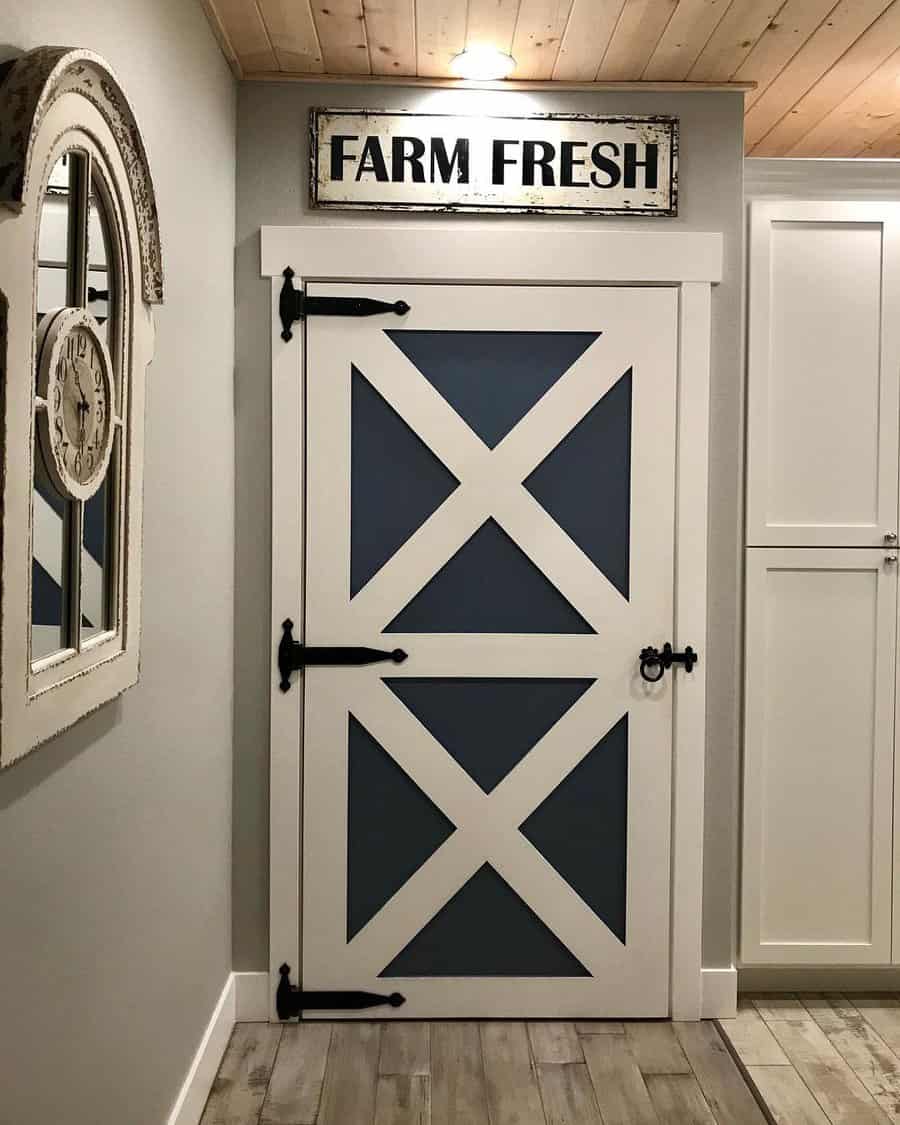
6. Farmhouse
Instead of having thee over-done sliding barn door, consider another style of farmhouse door. A split door will give you a farmhouse look and be unique.
Source: @heidischnellercook_ via InstagramSource: @our_home_on_the_ridge via InstagramSource: @rusticbutterfly via Instagram
When closed, these doors look like any other typical door. There’s a latch that holds the top and bottom half of the doors together on the inside. This allows you to open and close the door like any other in your house.
However, you can undo the latch and move the top and bottom half of the door separately. This lets you open just the top half or the bottom half of the door. With the top open, you can quickly lean over the bottom half and put something on the bottom shelf.
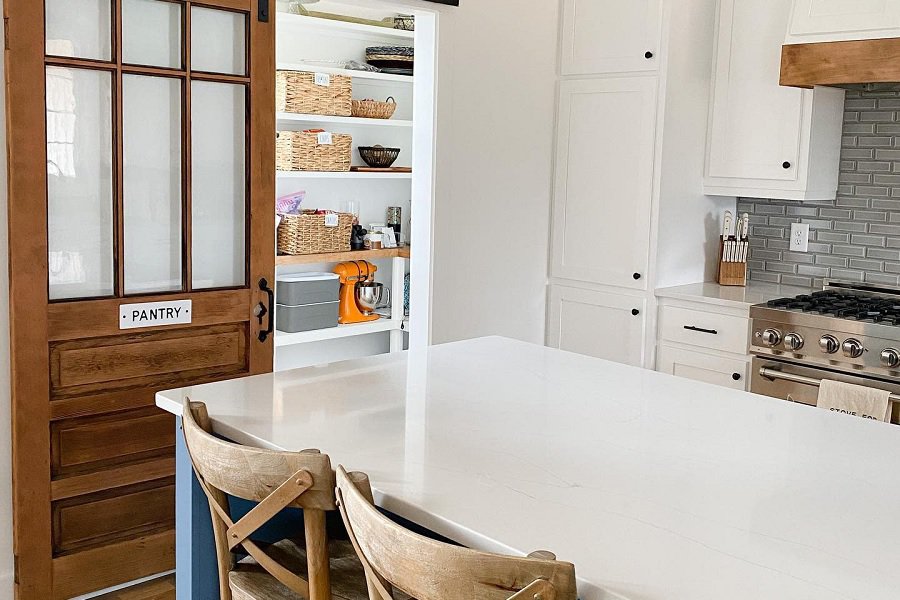
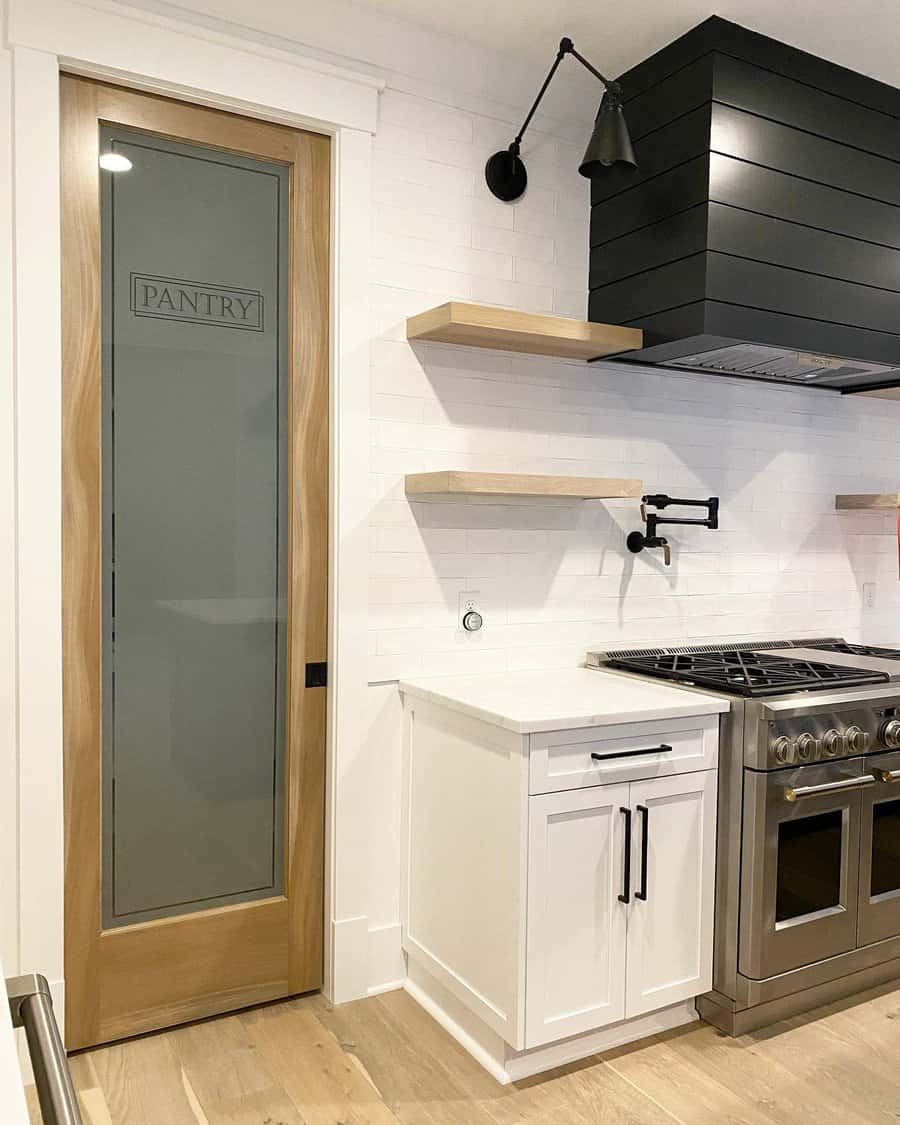
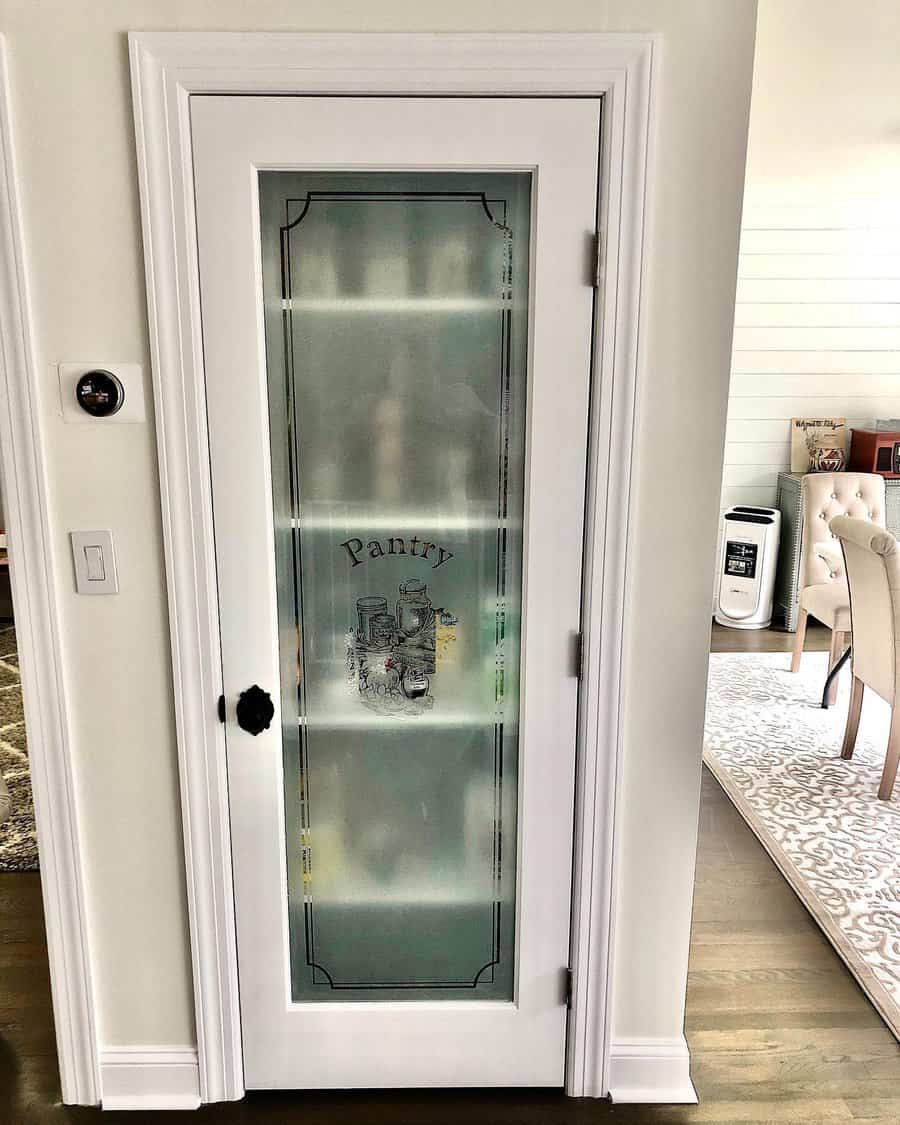
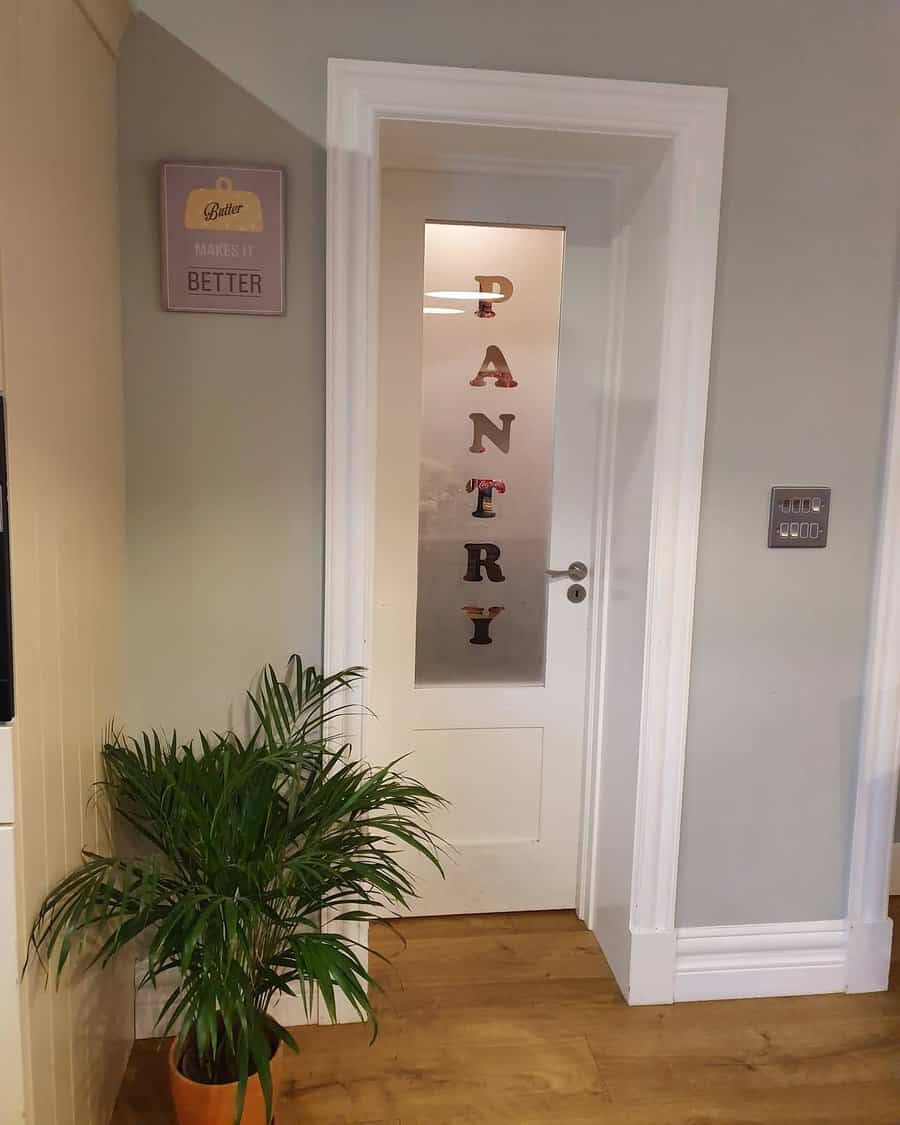
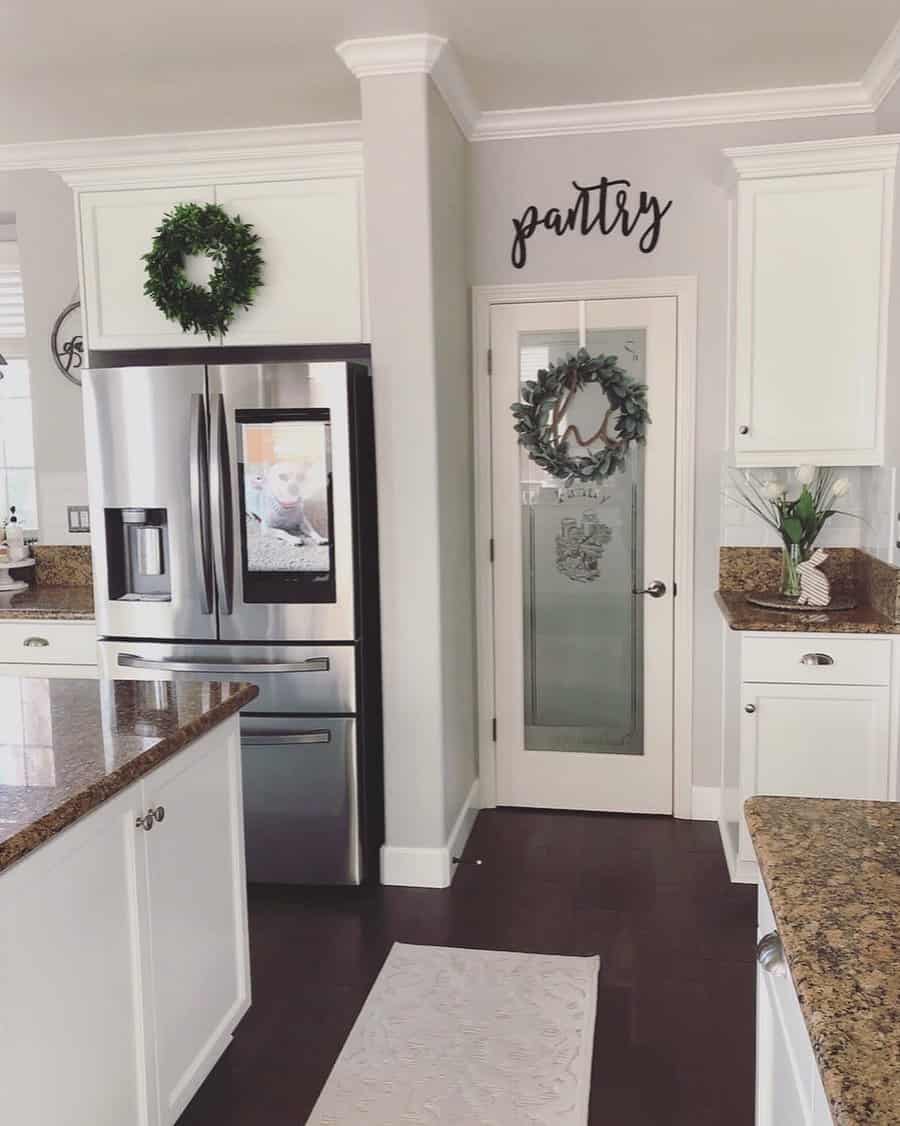
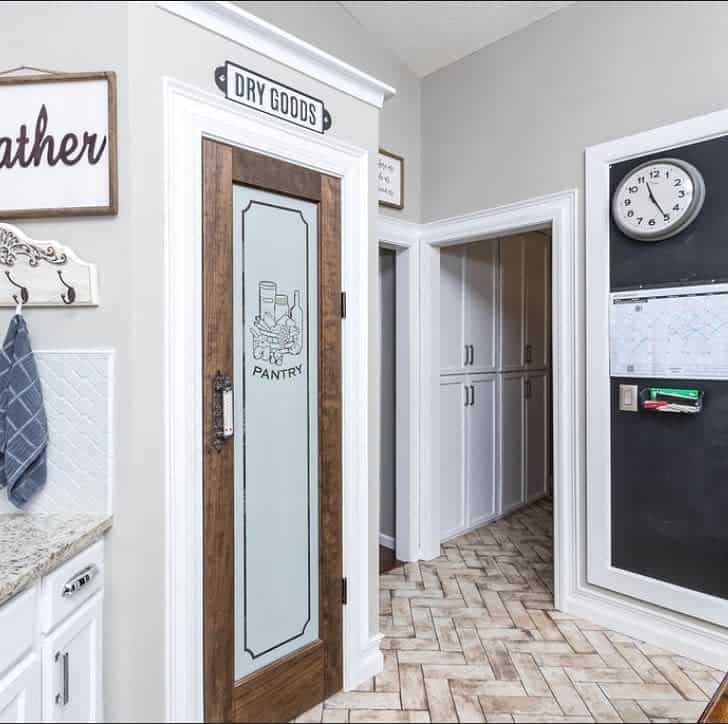
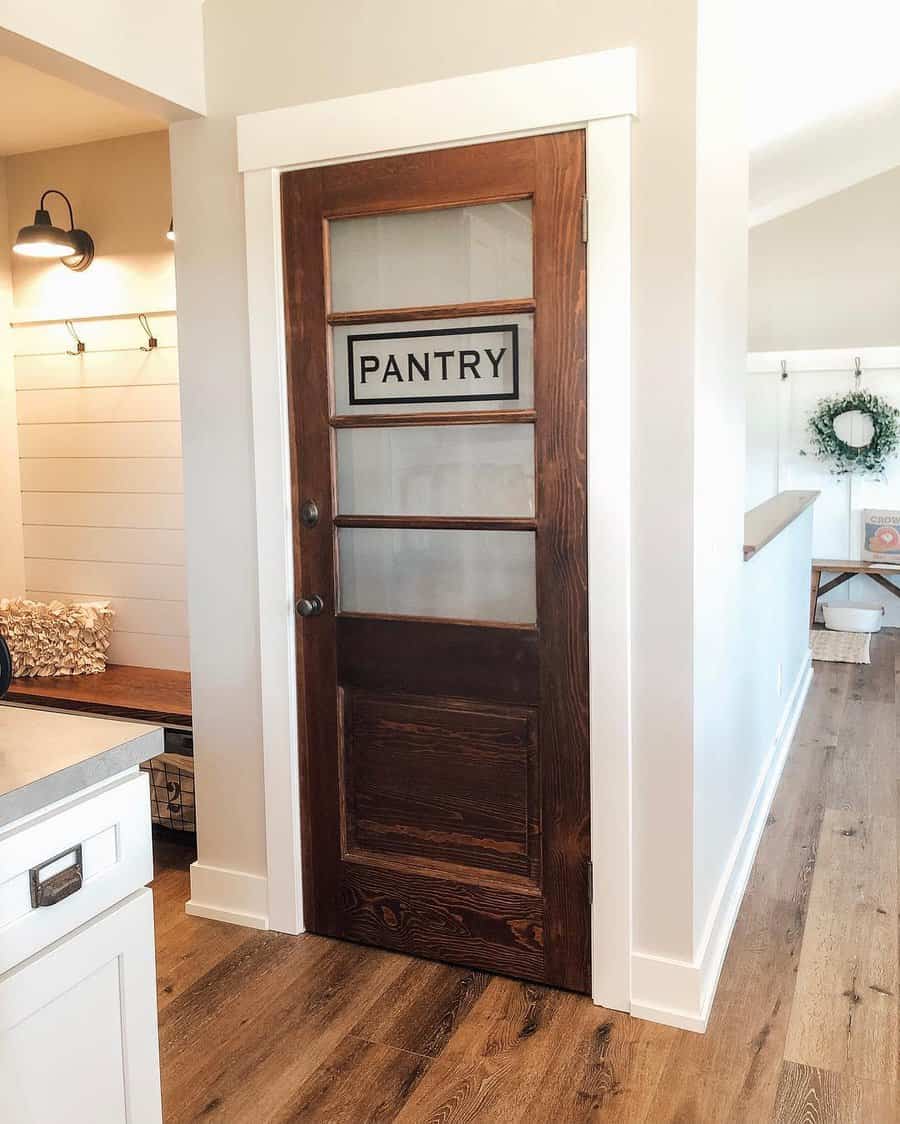
7. Frosted Glass
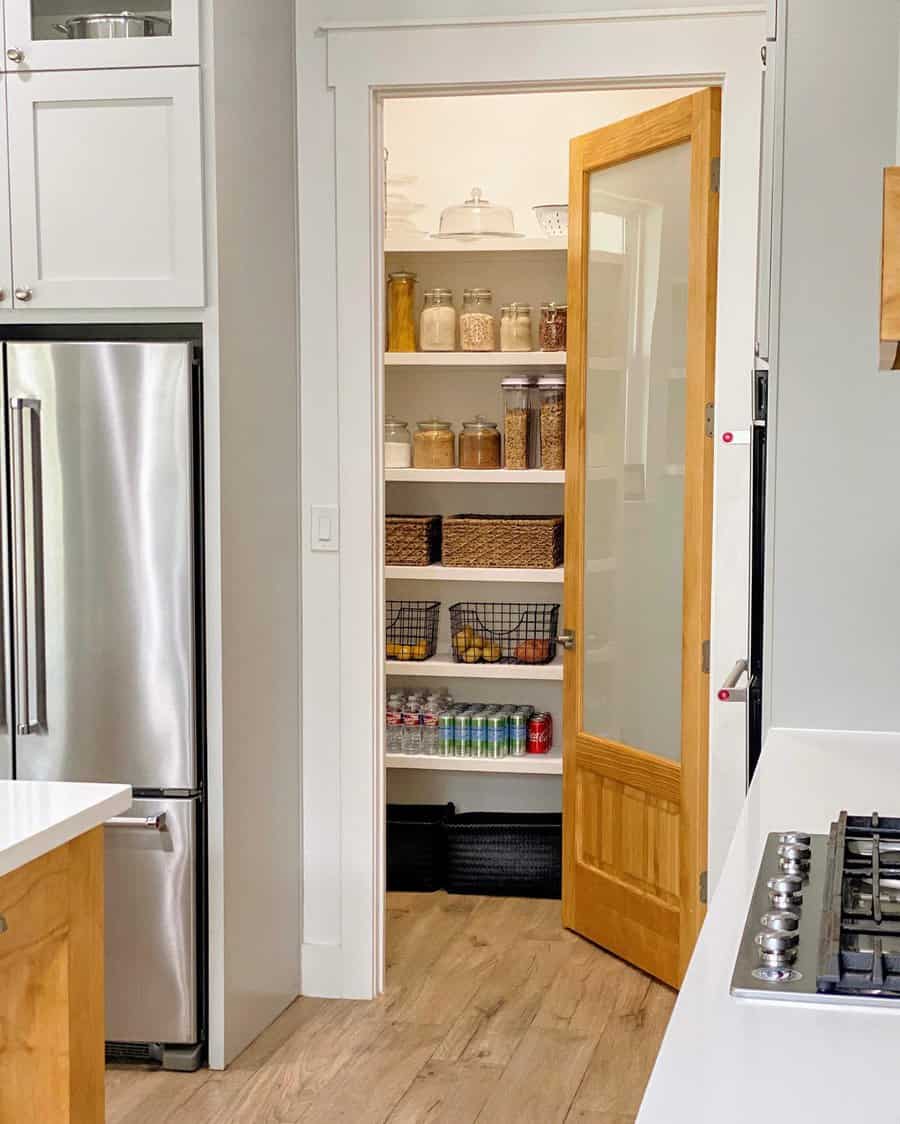
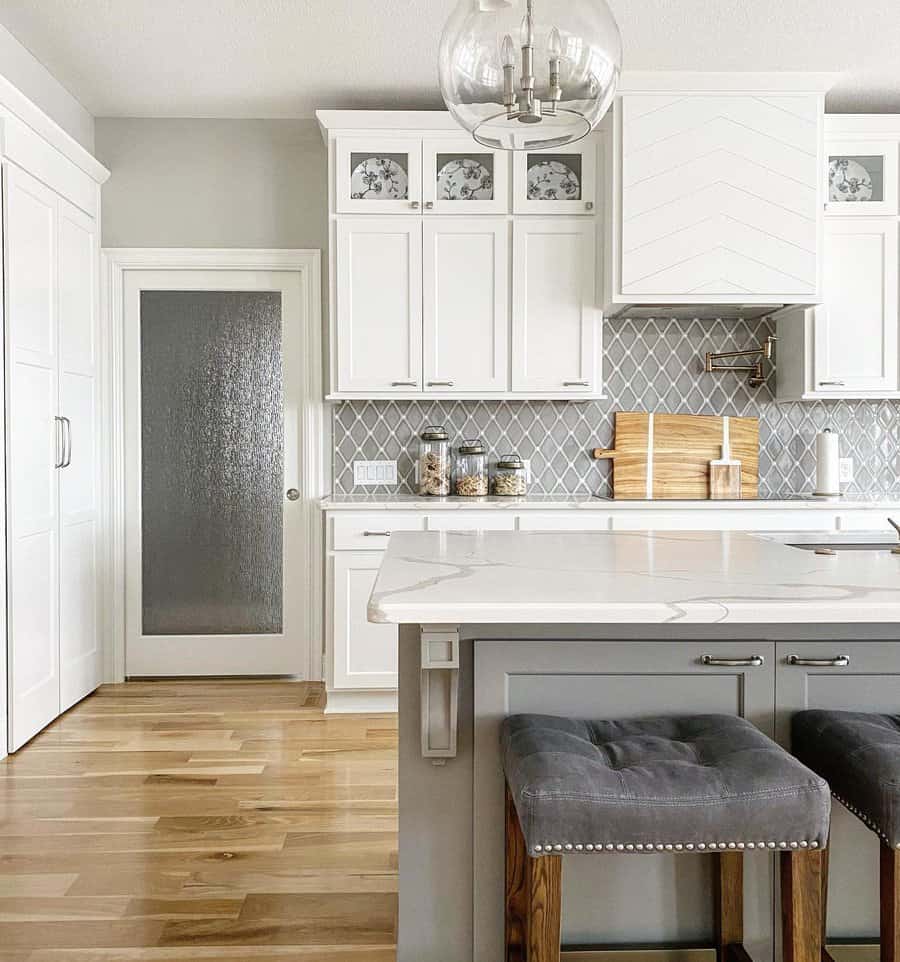
Replacing your wood door with a frosted glass door upgrades the look of your kitchen. This door style gives your pantry a modern feel without letting people see into your pantry. The benefit of this is that you don’t have to have an organized pantry all of the time.
Source: @happilyeverafterinrosharon via InstagramSource: @homeonparkssummit via InstagramSource: @on.point.improvements via InstagramSource: @riverwoodliving via InstagramSource: @silveirasfarmhouse13 via Instagram
While the entire door could be frosted, you could also choose one with a design, such as a framework, scrollwork, or custom design. Frosted glass has an advantage over transparent because it won’t show fingerprints.
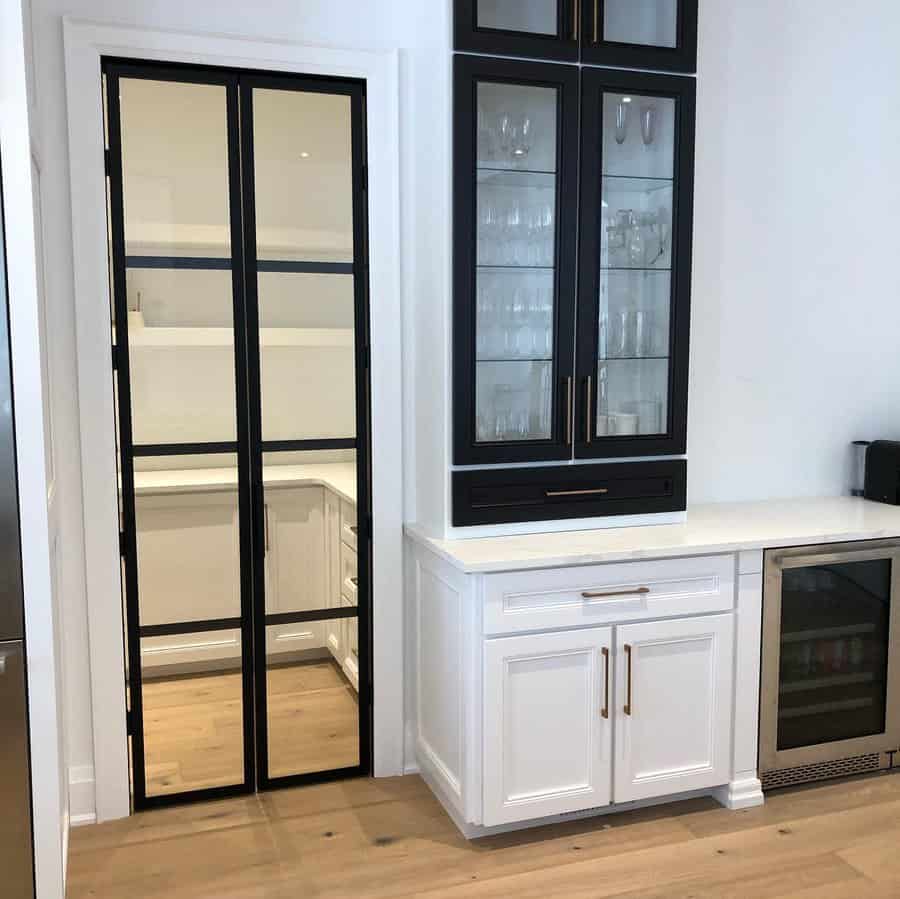
8. Modern
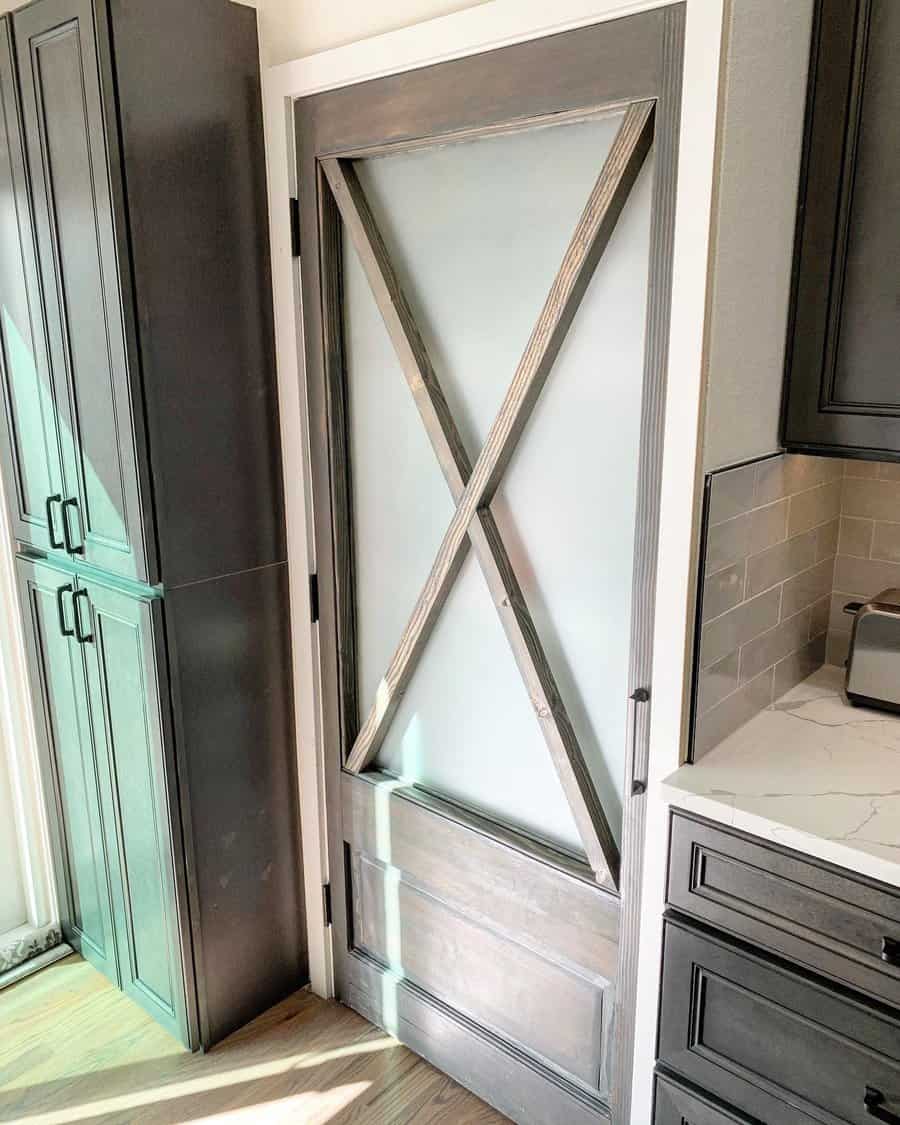
Modern interior design is all about clean lines and opening a space up. There’s no better way to do this with your pantry door than replacing the solid flat panel door with one that has glass panels. Glass doors put your pantry on full display, kind of like the showpiece in your modern kitchen.
Source: @ghellermetalworks via Instagram
You could keep the design minimal with a frameless setup or give it a bit of structure with a black frame on it. Be aware that a glass door on your pantry may not be a good option if you have little ones living in your home. You will have to accept the smear marks and fingerprints or constantly clean the door.
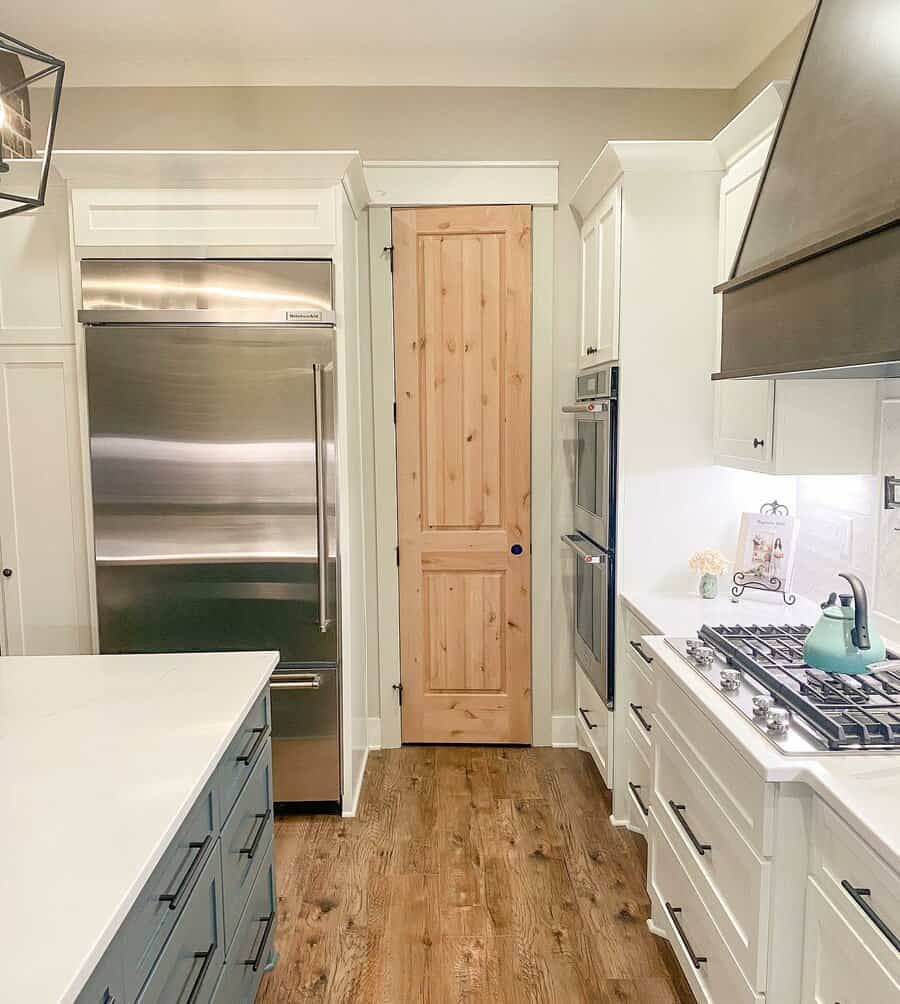
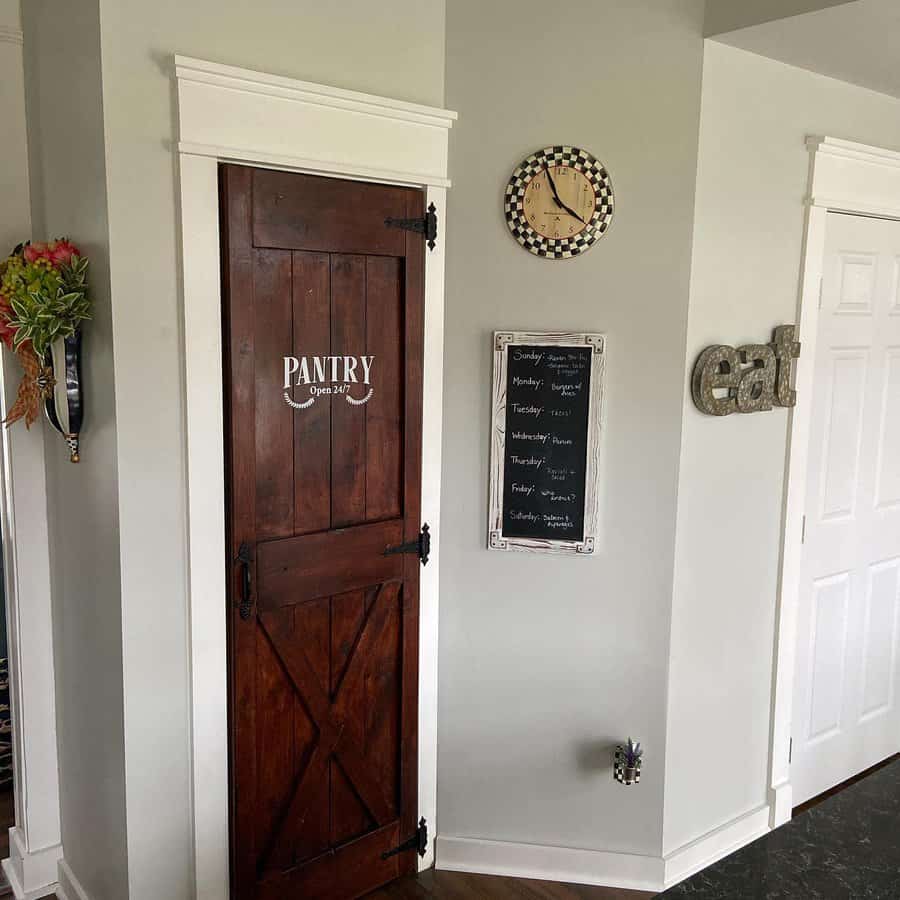
9. Rustic
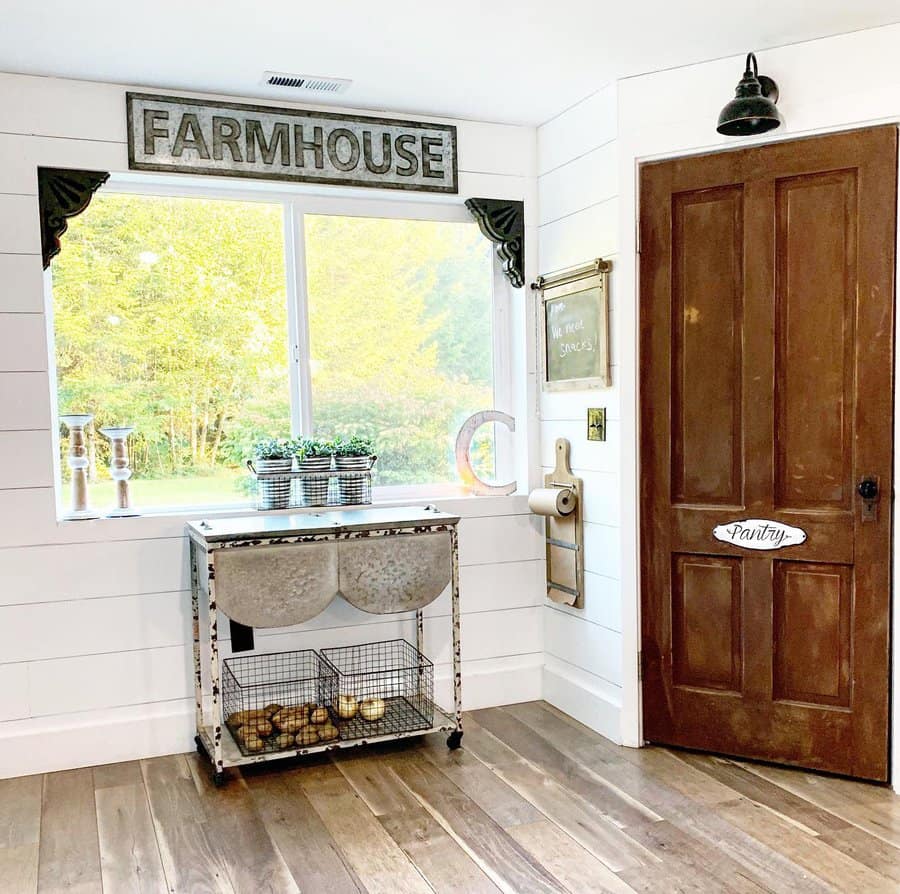
You can have a rustic door on your pantry to add to the overall rustic or farmhouse aesthetic in your kitchen. Look at closet door ideas to get inspired for something different.
Source: @cammiscountry via InstagramSource: @fromtrialtostyle via InstagramSource: @rachel_thepondsfarmhouse via InstagramSource: @thelifeoftheposeys via InstagramSource: @west_and_co via Instagram
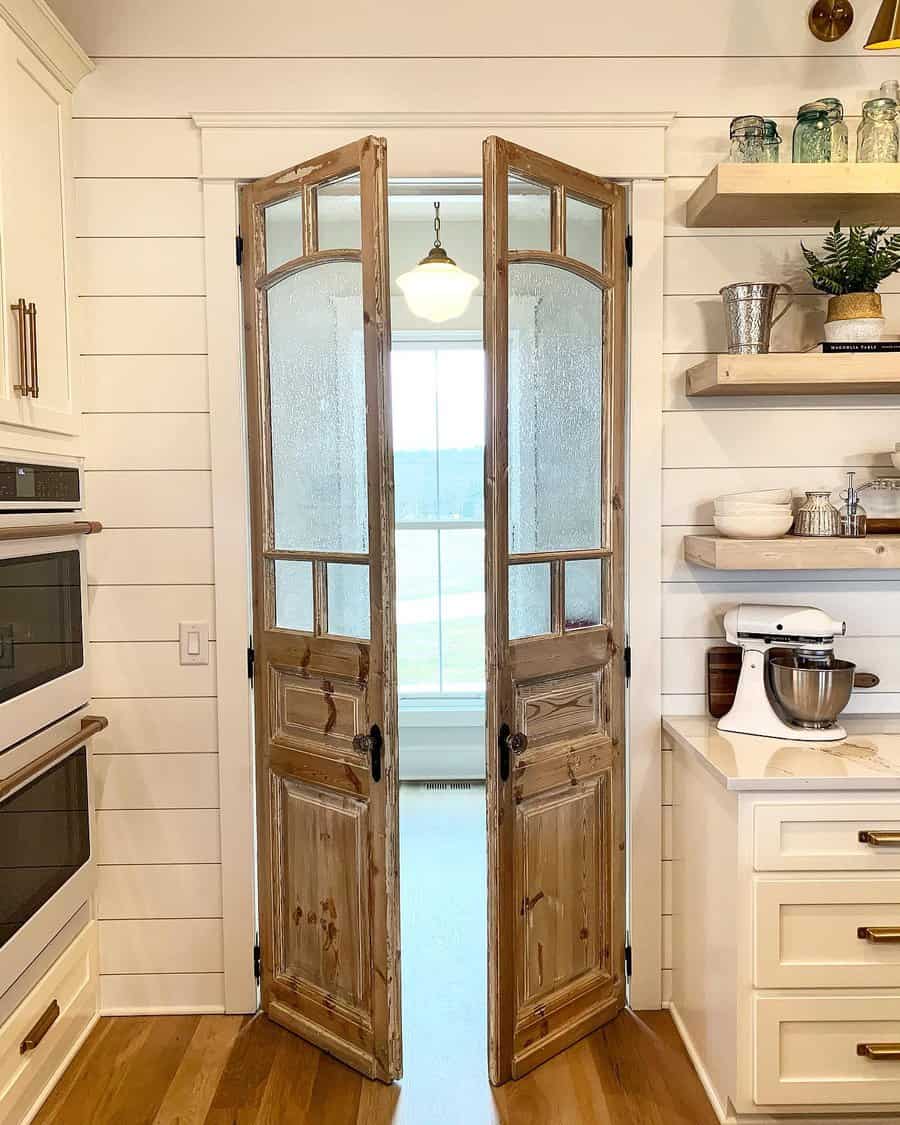
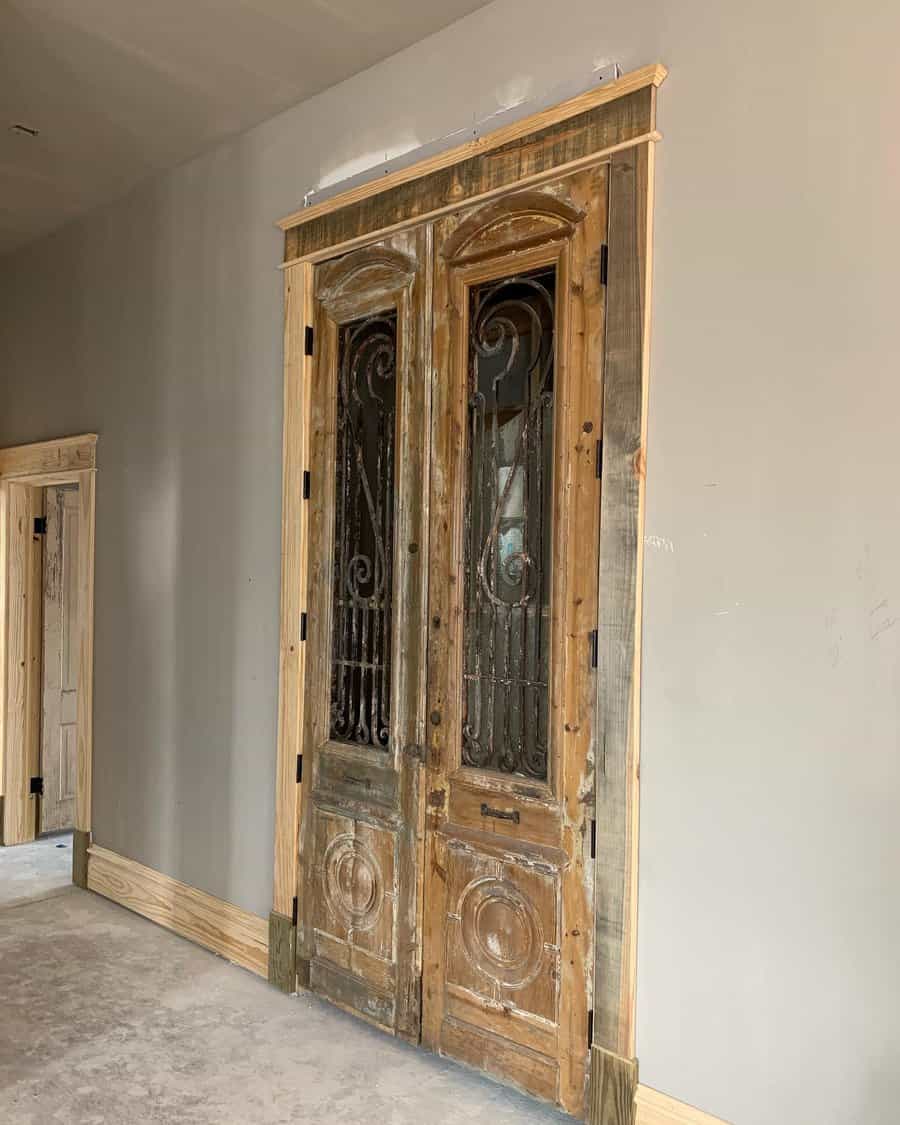
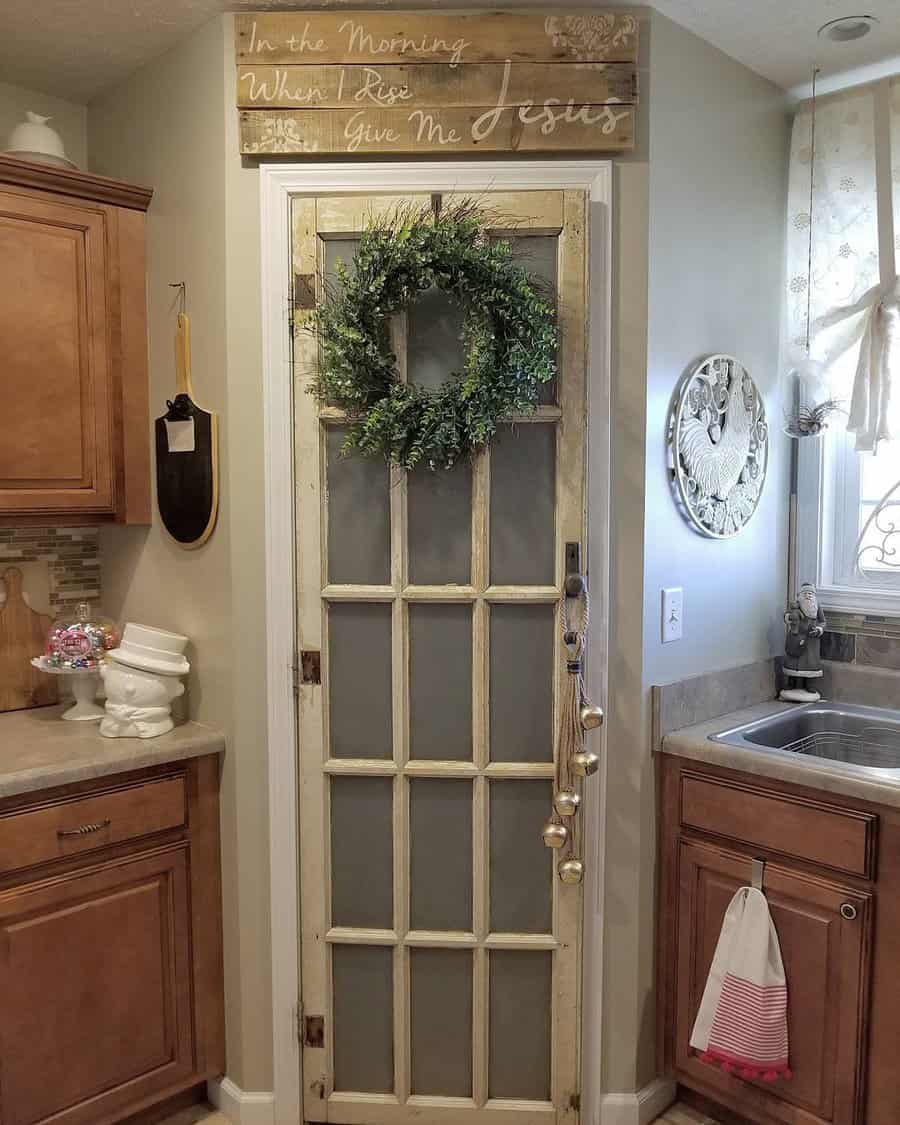
Head to your local antique or salvage shop and look for a reclaimed door. These are wood doors that were taken from other buildings. They have a vintage charm to them and show the wear and tear that happens over the useful life of the door. Embrace these imperfections as they will give your kitchen an authentic feel.
10. Vintage
A vintage door can give your kitchen personality and character. There are doors with unique carvings, inlays, or even a painted design.
Source: @fwheritage via InstagramSource: @wifemompainter via Instagram
What’s nice about vintage doors is that you can find them for any interior design style you want to have. There are stunning art deco doors that have intricate metal geometric shapes.
American craftsman doors have beautiful artistry in their construction. An art nouveau door will have beautiful stained glass set into the wood door. Vintage Chinese doors will have intricate carvings with holes throughout, making them good for a pantry where you need airflow.
11. White
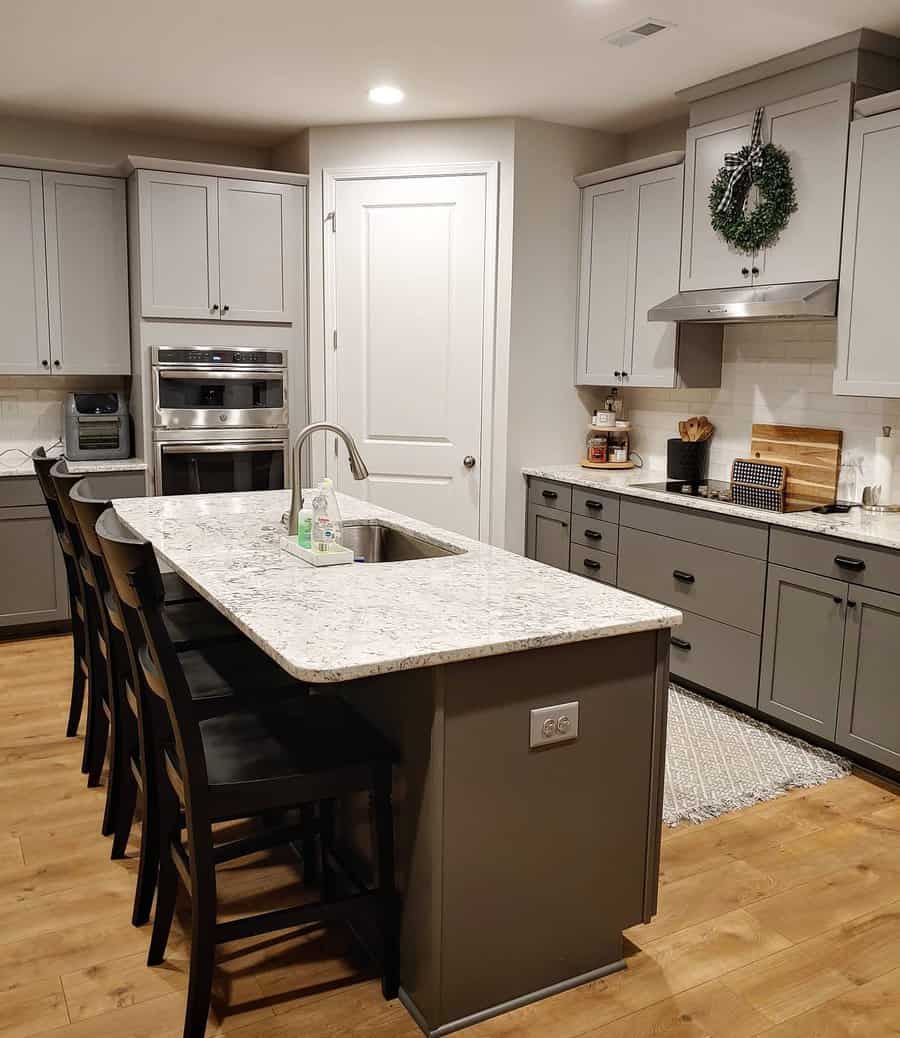
If you have an existing door on your pantry, you may not want to make any changes. You know the door works in your small space, and you don’t want to mess with something that already works.
Source: @brickhausdesignco via InstagramSource: @creative_sights_n_sounds via InstagramSource: @designedwithgraceandjoy via InstagramSource: @ourfarmhouseinparadise via InstagramSource: @truemanstreasures via Instagram
Instead of trying to get overly creative, head to your local Home Depot or other home improvement store and buy some bright white paint. Then paint your kitchen pantry door and give it a fresh and clean feel. This will make your entire kitchen look and feel brighter because the bright white reflects more light and looks cleaner.
Over time, white paint yellows, so even if you think your pantry door is white, if it has been a few years, it probably isn’t as white as you think it is.
“Luxury must be comfortable, otherwise it is not luxury.” – Coco Chanel
Your master bathroom should be a beautiful place where you can relax from a long day. It should be a pleasant place to start your day in as you shower and get ready.
You don’t have to live in a mansion to enjoy luxury. All it takes are some simple changes to your current bathroom to upgrade its features. This could be adding upscale decor, changing the tile, or moving the placement of the shower.
These luxury bathroom ideas will take your boring bathroom and turn it into a luxury design that will impress.
[view_toc]
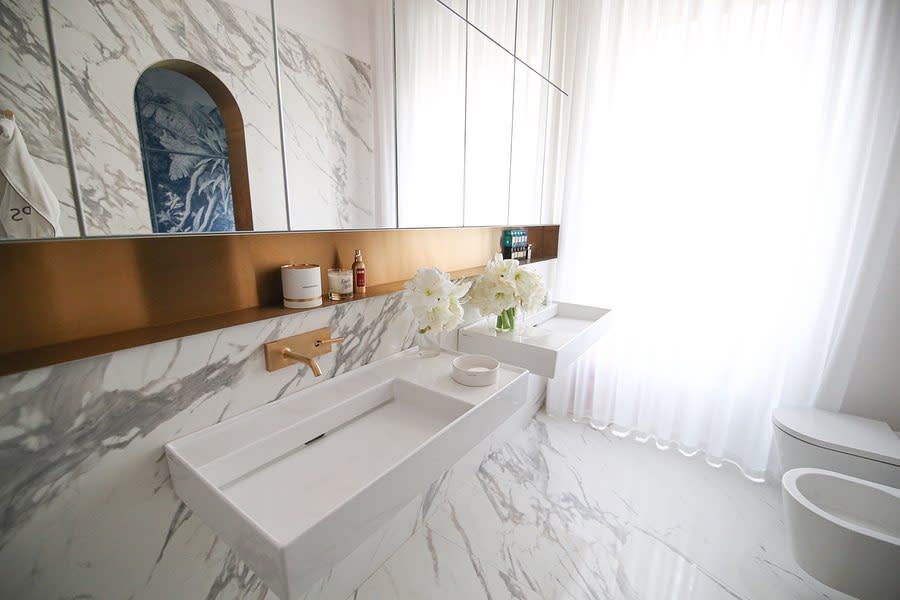
1. Contemporary Luxury Bathroom
A contemporary bathroom is a perfect backdrop for turning your bathroom into a luxury space. The neutral color palette and clean design blend beautifully with high-end materials and sophisticated accents.
Source: @kanstruktgroup via Instagram
Try adding a marble tile backsplash to the wall behind the vanity. Add luxury towels and floor mats to the bathroom. Switch up the standard textile rug and replace it with a teak mat.
Arrange your new towels to create a display in the bathroom. Try rolling them and placing them in a basket, as you would see in a spa or luxury resort.
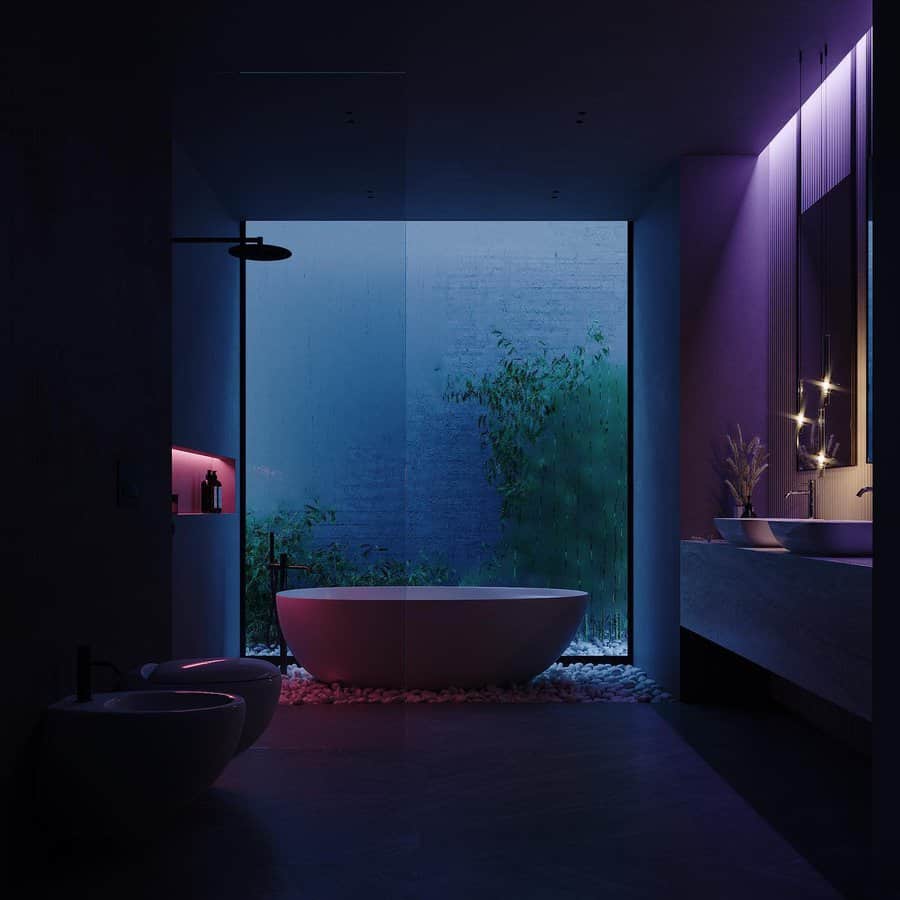
2. Dark-Coloured Bathroom
Dark bathroom design ideas are bold and sophisticated. It takes the right type of bathroom to support a dark color palette.
Look at the bathroom architecture of dark luxury interior design projects to determine if your bathroom would look good with a dark color palette. It isn’t about size because even small bathrooms can look sleek and sophisticated in all black.
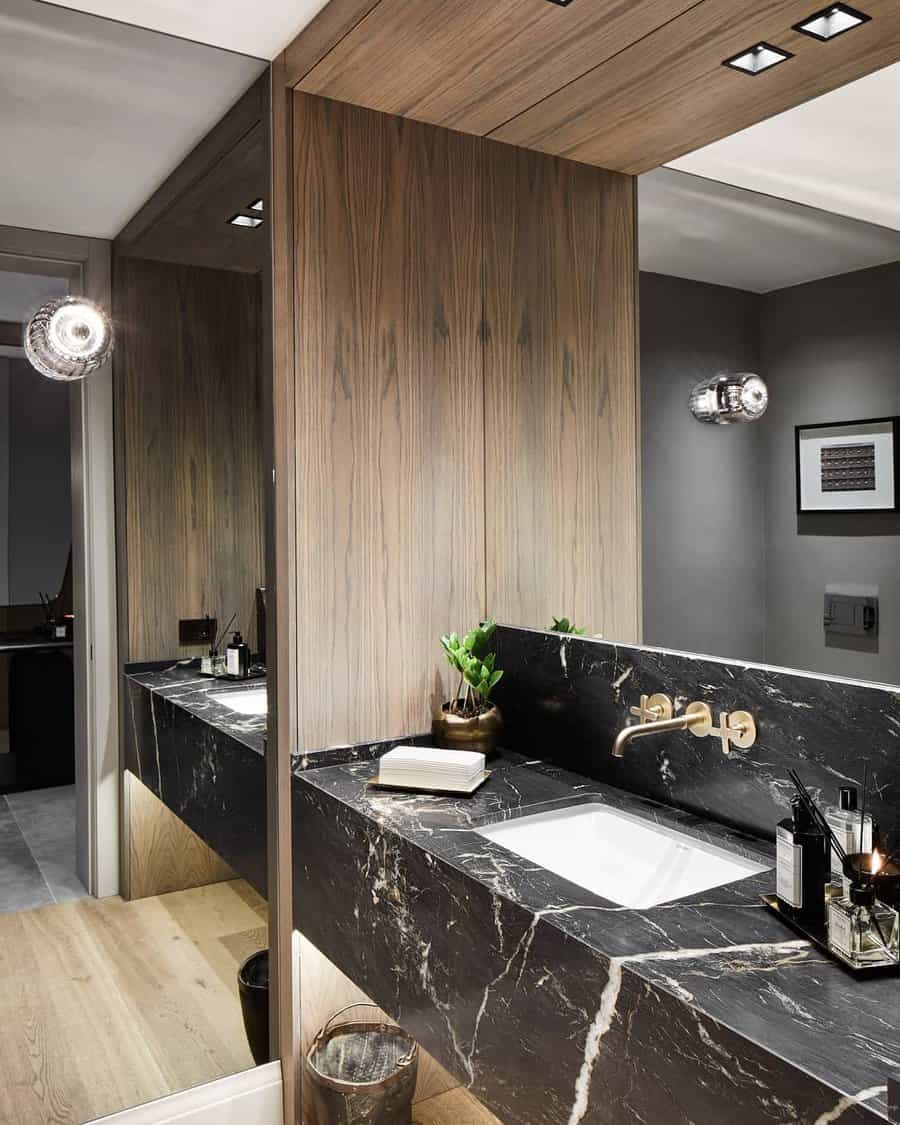
Source: @esrakazmircimimarlik via Instagram
Try adding textures to keep your design from looking flat or gothic. Instead of plain black tile, use black marble. Instead of painting the walls black, you could add black wallpaper with the texture of leather or alligator skin.
3. Make a Living Wall Vertical Garden in Your Bathroom
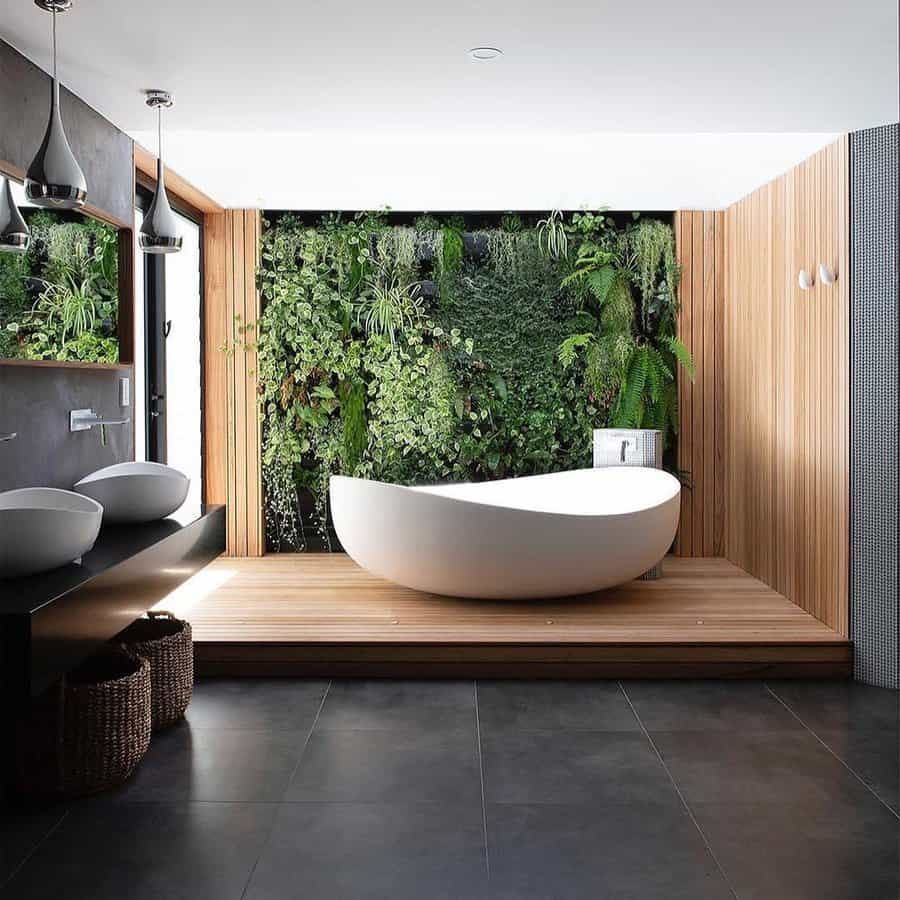
Stepping into a luxurious bathroom is like stepping through the door of paradise. From living walls of lush vertical gardens that welcome you in to find peace and relaxation, to elegant floor tiles that bring a touch of timeless beauty to every corner, there’s something truly captivating about the experience.
Imagine being surrounded by living pieces of art, living walls with pops of vibrant colors growing up towards the high ceilings – this could be your reality with a luxury bathroom. Perfect for those who appreciate living plants, a living wall also improves air quality with its fresh oxygen and purifying properties.
There’s no denying that spending time in such an oasis will make you feel like royalty without breaking the bank!
Source: @treetops_byron via Instagram
4. Open Bathroom
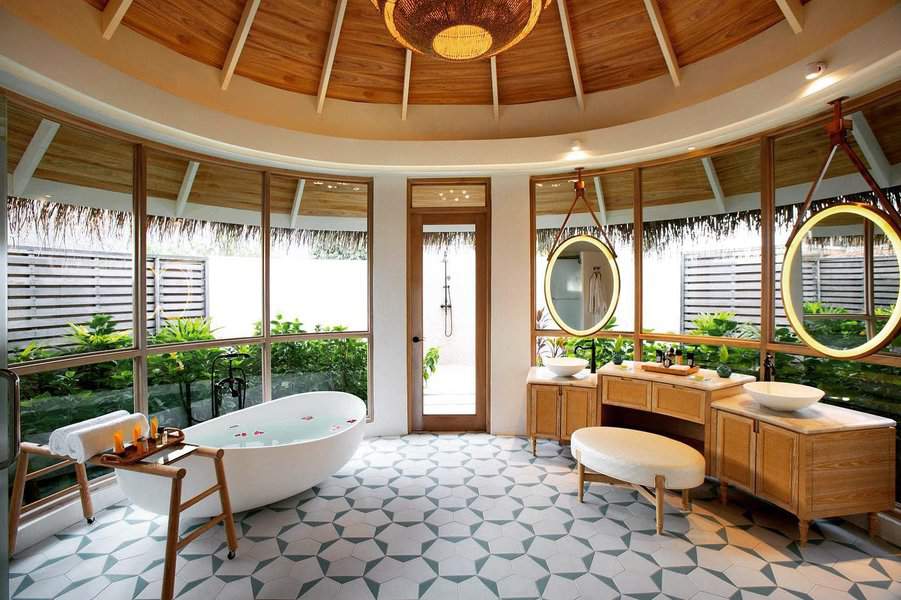
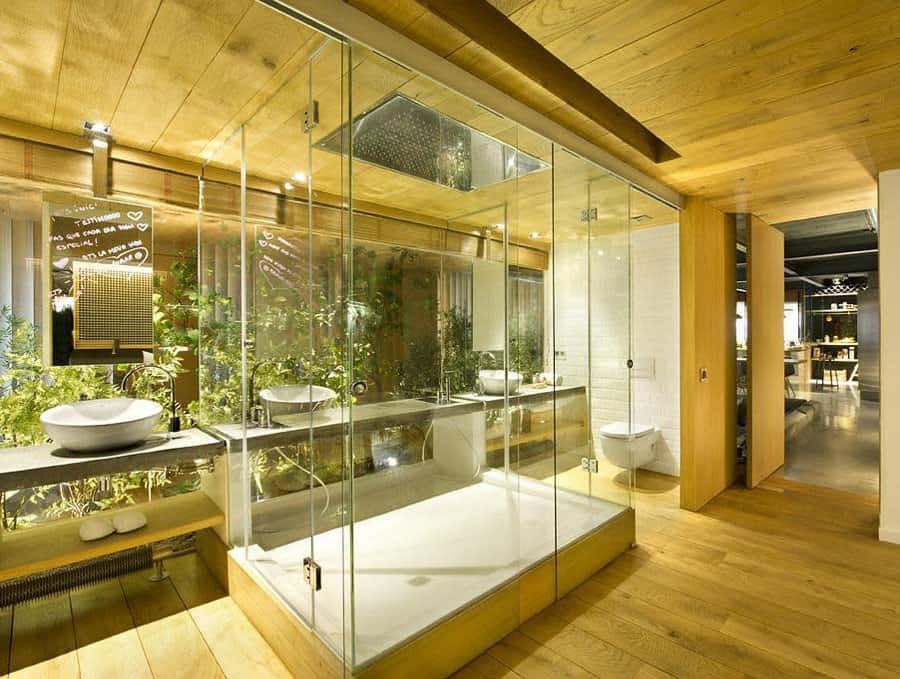
Picture a place of relaxation. A luxuriously open bathroom with warm wooden accents, crystalline white tiles and the scent of sandalwood – the perfect tranquil escape.
Imagine having a beautiful wooden vanity with impeccable storage and extra-large open mirrors providing the perfect stage for your daily self-care rituals.
It’s easy to transport to a blissful retreat each time you step foot in this luxurious open sanctuary, inviting total relaxation for body, mind and soul.
Source: @design_rbl via Instagram
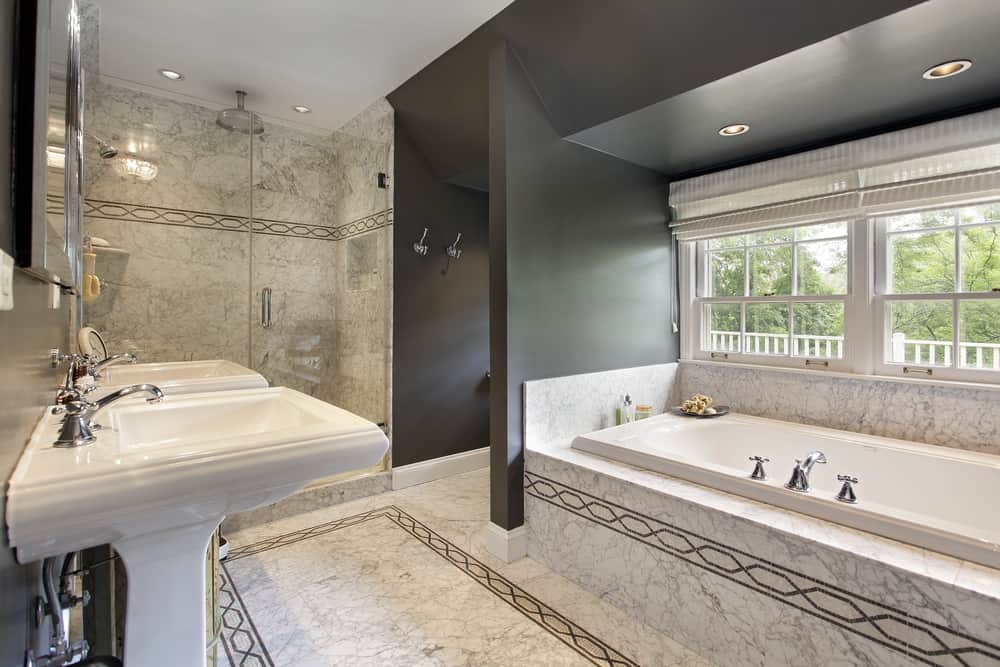
5. Marble Tile Bathroom
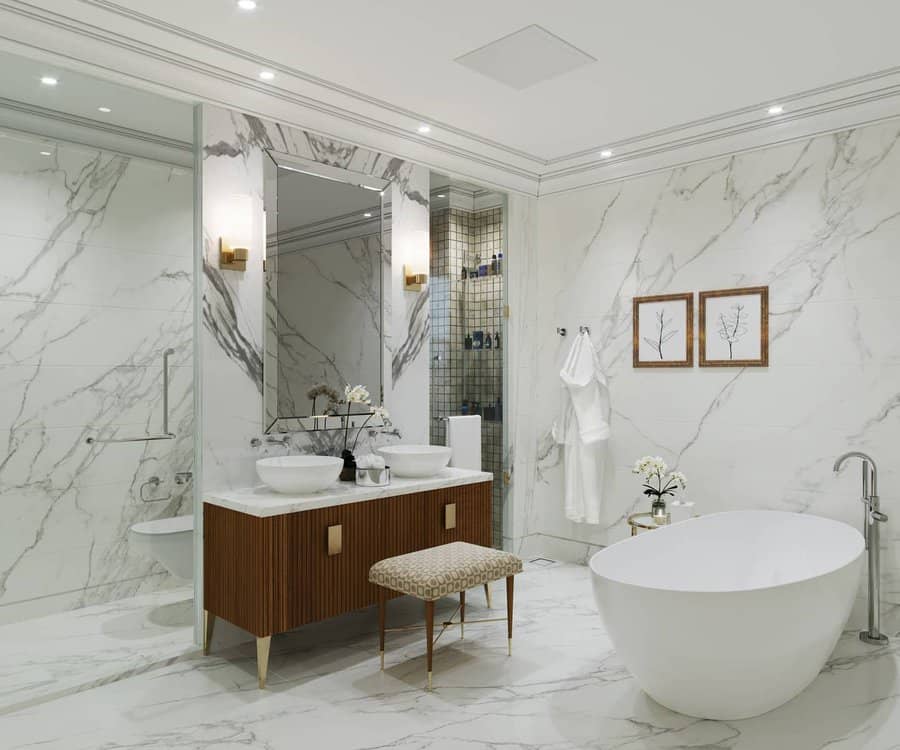
A luxurious marble tiled bathroom is a beautiful addition to any home. The marble’s polished finish gives off a regal, decadent feel that sets the room apart from the rest of your house. From the gloss of marble tiles on the walls and floors to marble countertops, soaking tubs and stylish fixtures – there are so many ways to customize your marble-inspired retreat.
Whether you go all out with opulent accents or keep it simple and elegant, adding marble elements to your bathroom can instantly boost its beauty and comfort. With soft indirect lighting and cool, inviting colors palette, you can create an oasis of serenity right in the heart of your home.
Source: @bysaramatar via InstagramSource: @davispropertiesoftn via InstagramSource: @kkidmose via InstagramSource: @parklanedecor_ via InstagramSource: @suonarestella via Instagram
The larger the piece of marble, the more delicate and harder it is to work with. This makes it more expensive, and thus, more luxurious.
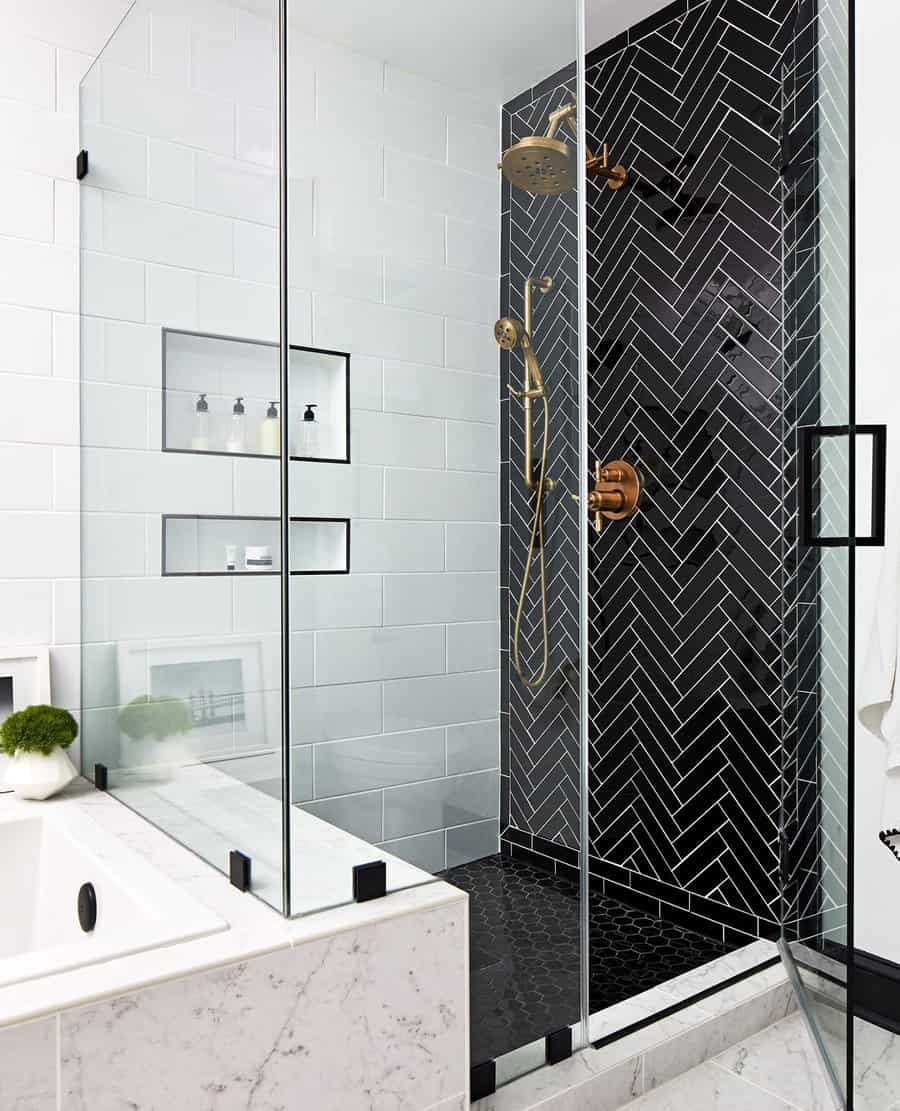
If your budget doesn’t allow for this, you can still use marble; just choose a smaller tile size. A common choice in modern bathrooms is to use a subway tile shape on the floor in a herringbone pattern.
6. Modern Minimalist Style
People assume that luxury means opulence with overly ornate furniture and decor. This isn’t true. You can have a minimalist bathroom that still feels luxurious. Focus on showcasing the materials and the clean lines in the space.
Source: @elledeseegn via Instagram
Instead of choosing a marble that’s seen everywhere, choose a more exotic stone for the countertop. Add lighting, so it glows through. Add technology to the shower like accent lighting or a state-of-the-art shower head.
Keep the decor in the bathroom to a minimum by only having a single experience on display or a piece of art on the wall. Modern bathroom design embraces the less is more approach.
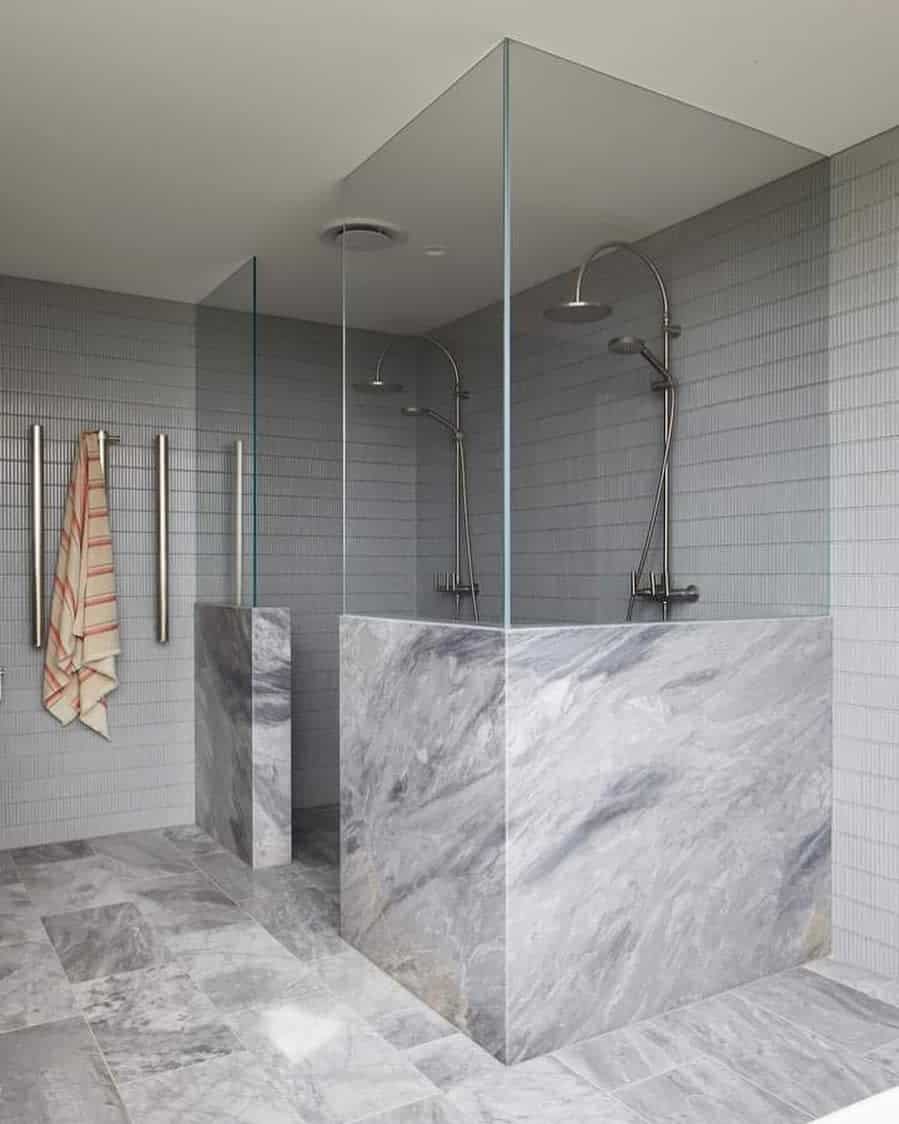
7. Luxury Walk-In Showers
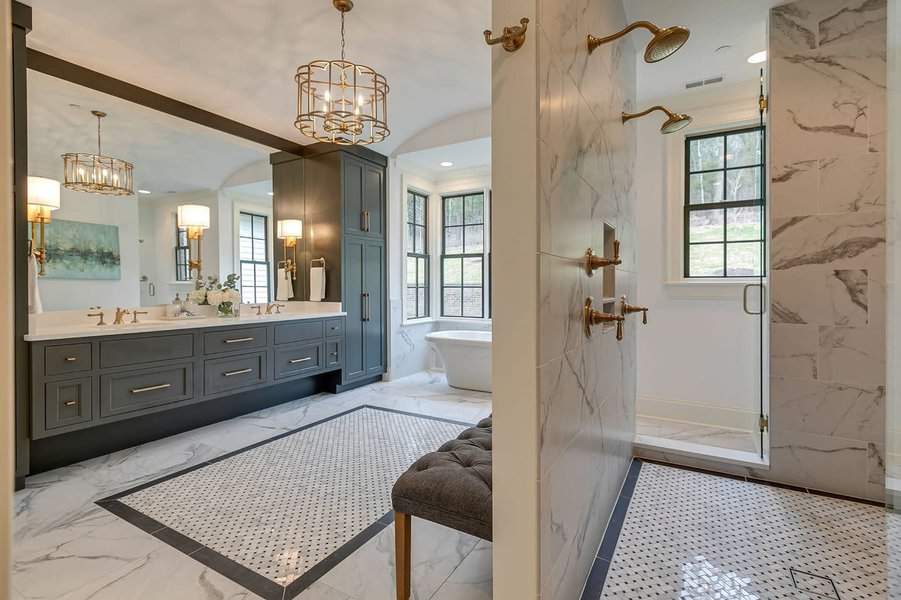
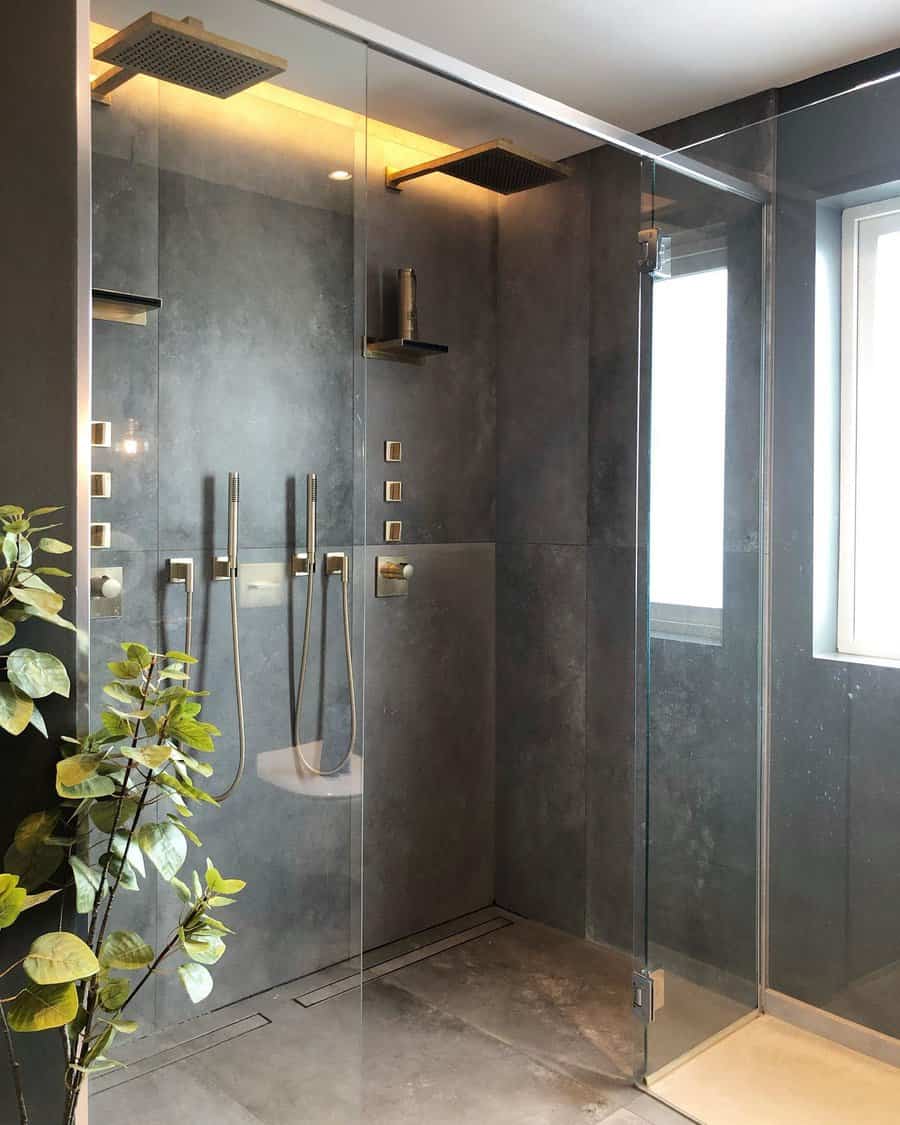
Your shower is an opportunity to go all out to create an authentic luxury experience. Replace the standard showerhead with a rain shower one. If you have a large bathroom, you can add multiple showerheads.
If you are remodeling and can sacrifice some storage space, expand your shower into a neighboring linen closet or vanity area. A contractor and architect can help you reorganize your standard bathroom into a luxe bathroom.
Source: @christina.interiordesign via InstagramSource: @egueyseta via InstagramSource: @katewalker_design via InstagramSource: @reyhuntinteriors via Instagram
Look at pictures of completed bathrooms to gather ideas for your bathroom’s inspiration. An interior designer can then help you add the final decorative touches necessary to complete your new shower, such as adding a bench, stool, decorative mat, or even bathroom fittings.
8. Luxurious Bathroom Designs for Small Spaces
You can still have a luxurious bathroom, even if it’s small. It doesn’t matter if it’s a guest water closet or your master bathroom; focus on filling the space with high-quality materials.
Source: @mjhousetohome via InstagramSource: @whitstable_view via Instagram
You’re actually at an advantage with a small bathroom because you don’t need as large of a budget. This means you can make bolder interior design choices.
For example, cover an entire wall in a single sheet of marble, cover the whole floor with an intricate custom-designed mosaic, or splurge on the fancy light fixture. Instead of buying mass-produced wallpaper, you could buy a hand-painted design.
Not all of us have the luxury of having a freestanding bath in our master bathroom. If you are like most Americans, you have a builder-grade drop-in tub. They require you to step over the edge and stand in it. They aren’t very deep or long, so a part of your body is always stuck out of the water.
Source: @hykal_homes via Instagram
If you have a larger budget and are ready to do a bathroom remodel, rip out the tub and replace it with a diamond bathtub that’s freestanding and deep enough to fully relax under the water. Turn your bathtub into a statement piece with a lapiaz bathtub or one carved from a single piece of stone.
10. All-White Bathroom
An all-white bathroom looks brighter and feels fresh. A bright bathroom feels bigger, making it seem more expensive and luxurious. Be careful, though; white can easily look cheap when you choose the wrong approach.
Source: @divinerenovations via Instagram
To create a beautiful bathroom, add visual layers and textures to your luxury bathroom design. Instead of painting the walls white, try a white wallpaper with a subtle texture.
Add natural elements like wood to bring some warmth into the space. Skip the raw or rustic finishes and opt for a stained or varnished instead. This elevates the look of the wood and brings out its rich colors.
You can choose an ornately carved piece for a traditional look or keep it simple for a modern bathroom.
Space is something we could all use more of. It seems that no matter how big your home is or how many closets you have, you can always use more storage.
This becomes even more challenging when you have a small space to work with. Take matters into your own hands by creating more storage with DIY solutions.
These DIY storage ideas will give you workable solutions for creating more storage in your home or small apartment.
[view_toc]
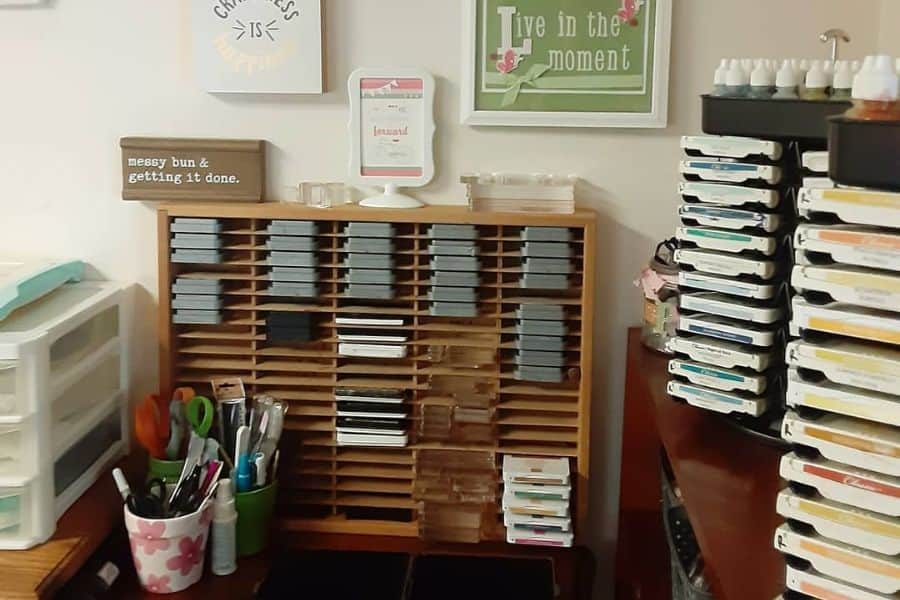
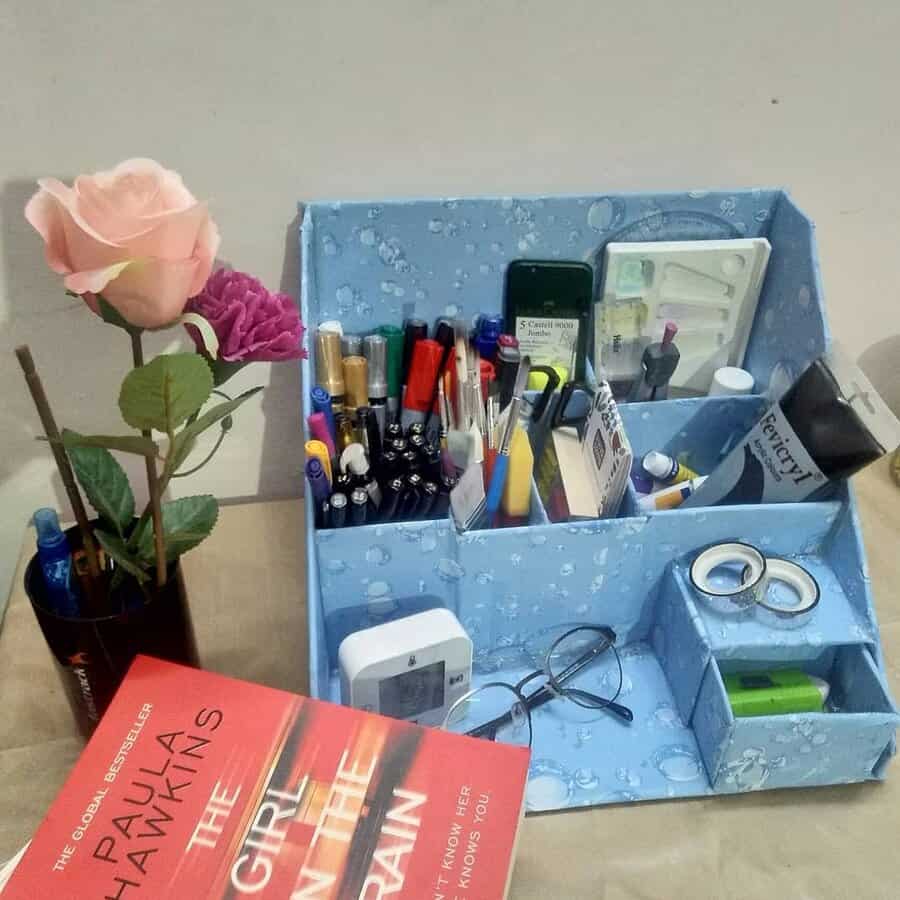
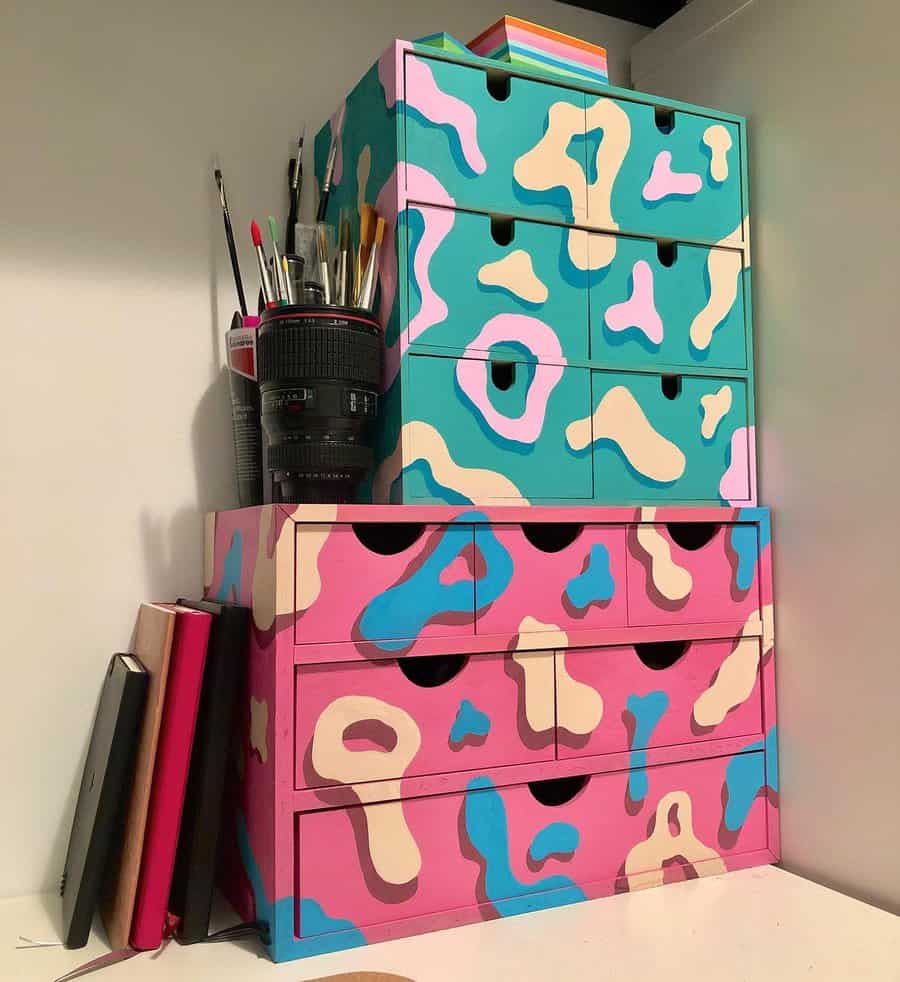
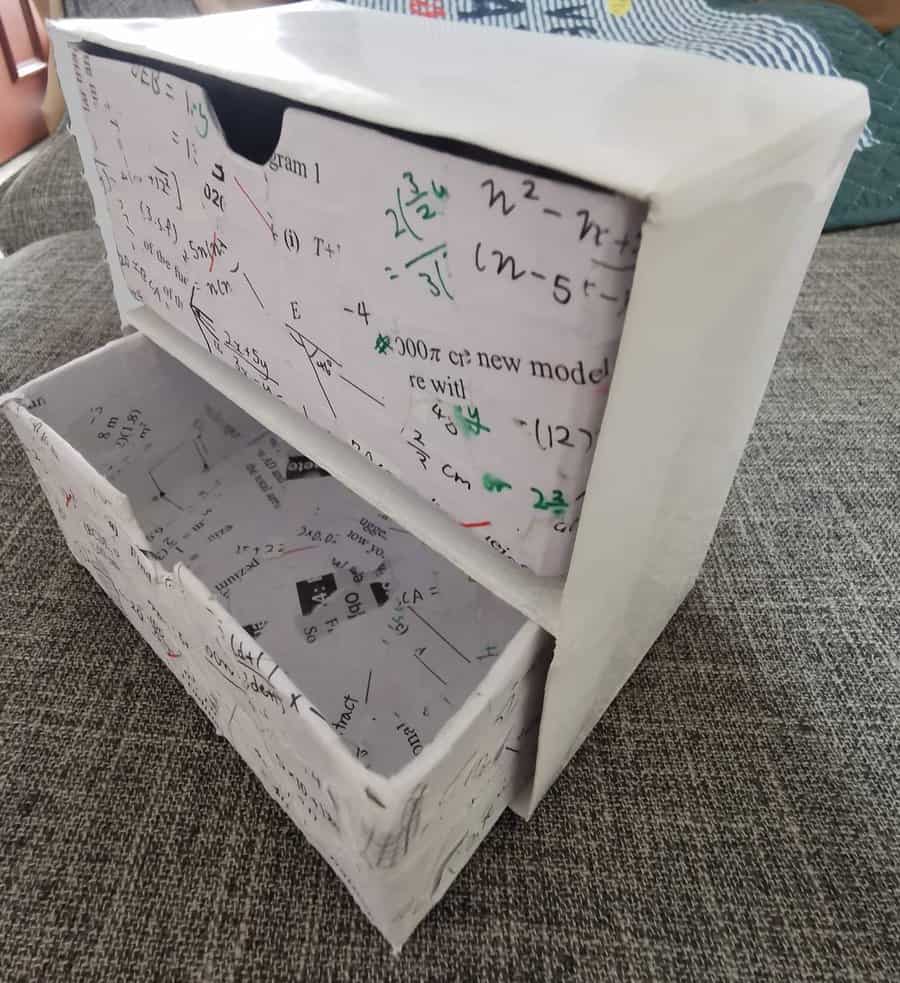
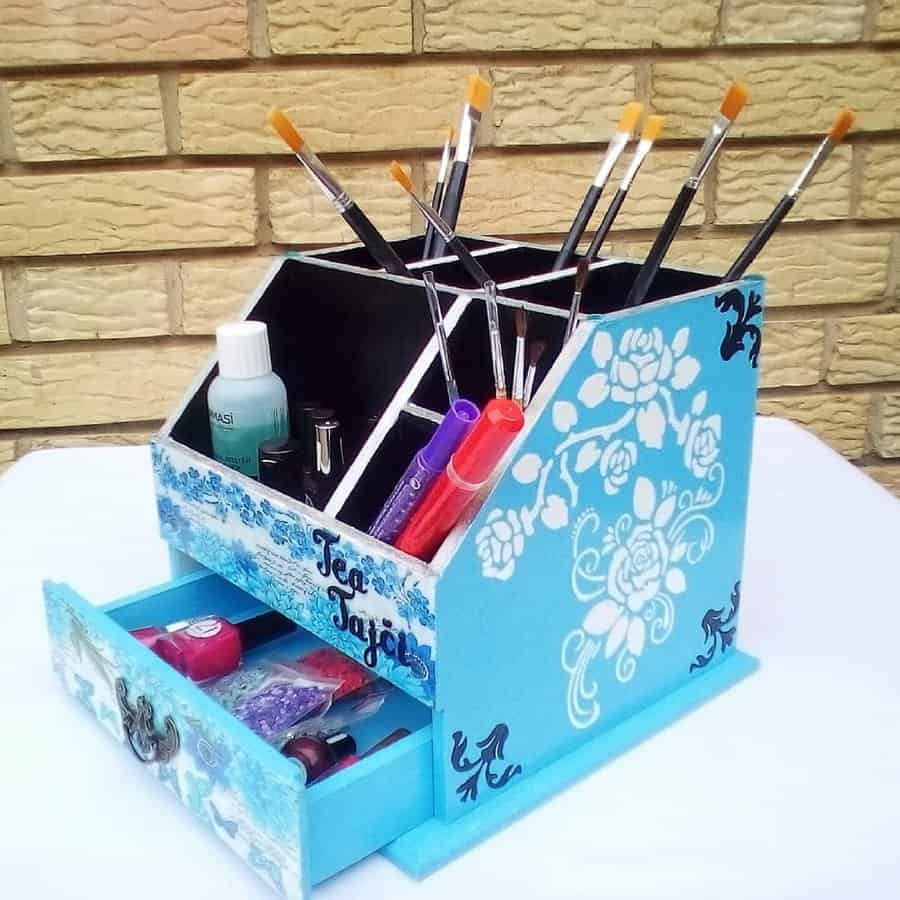
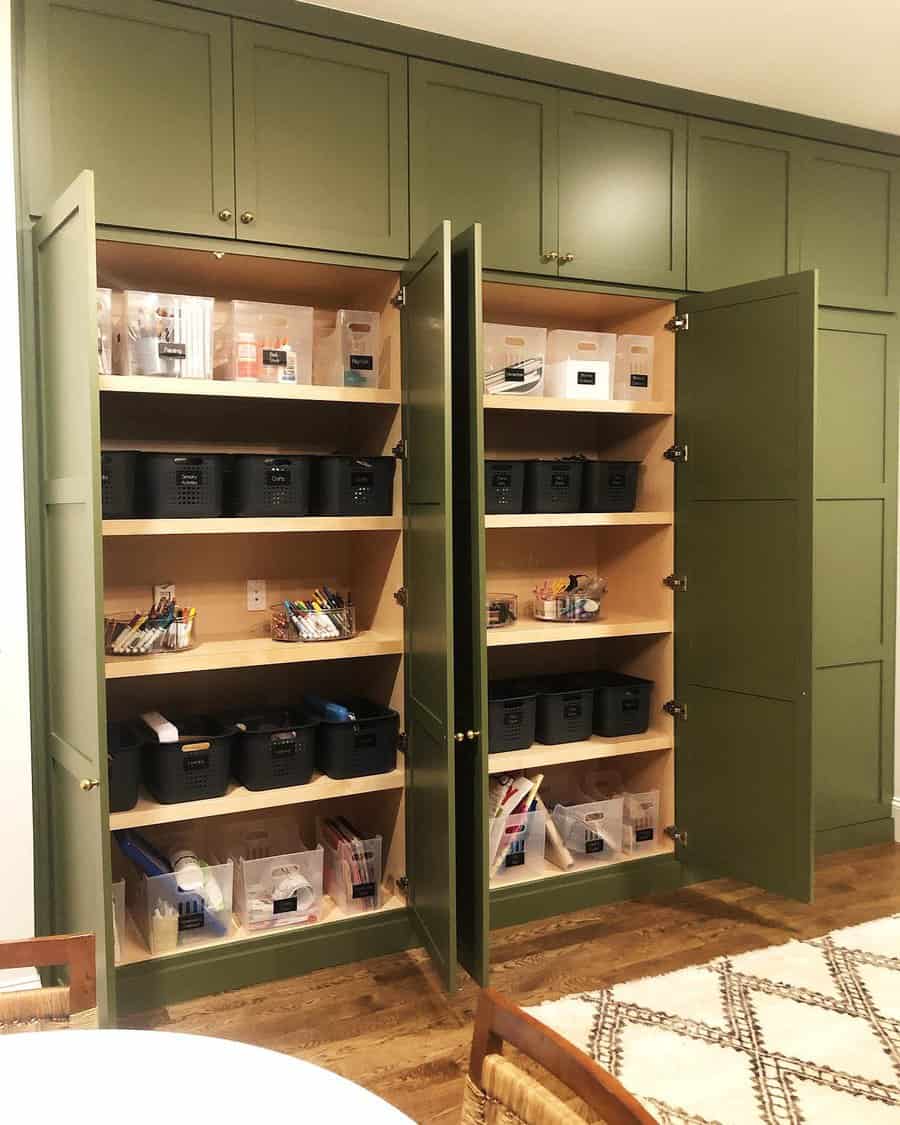
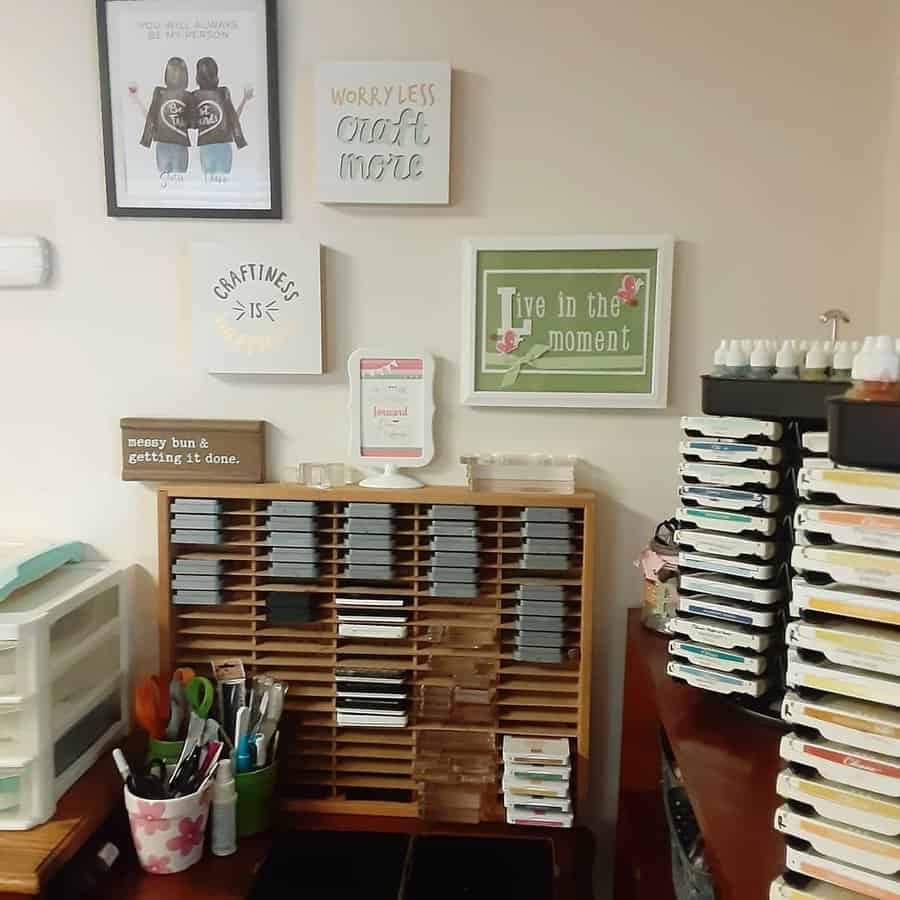
1. Create Your Own Craft Desk Organizer
Create a multifunctional craft desk organizer using simple materials like plywood and small bins. This desk organizer provides a dedicated space for all your crafting tools, ensuring they’re neatly arranged and easily accessible. It’s a great way to keep your workspace clutter-free and your supplies in order.
Source: @art_siate via InstagramSource: @miquel.caldentey via InstagramSource: @pawsandsketches via InstagramSource: @kreativna_radionica_monika via Instagram
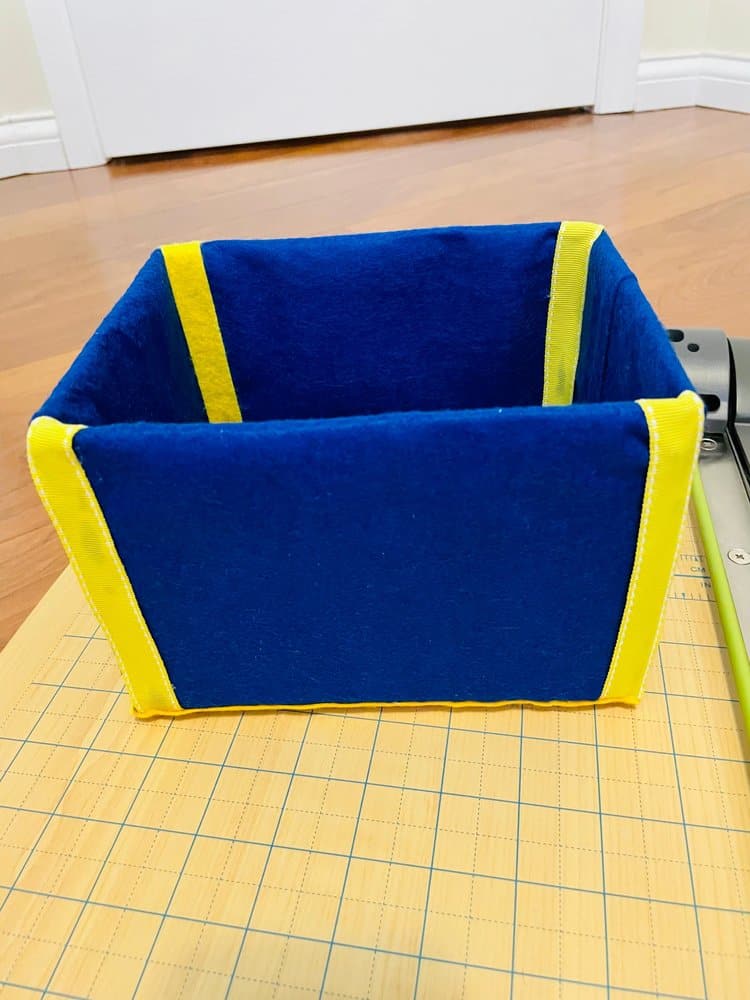
2. Sew Simple Fabric Storage Bins
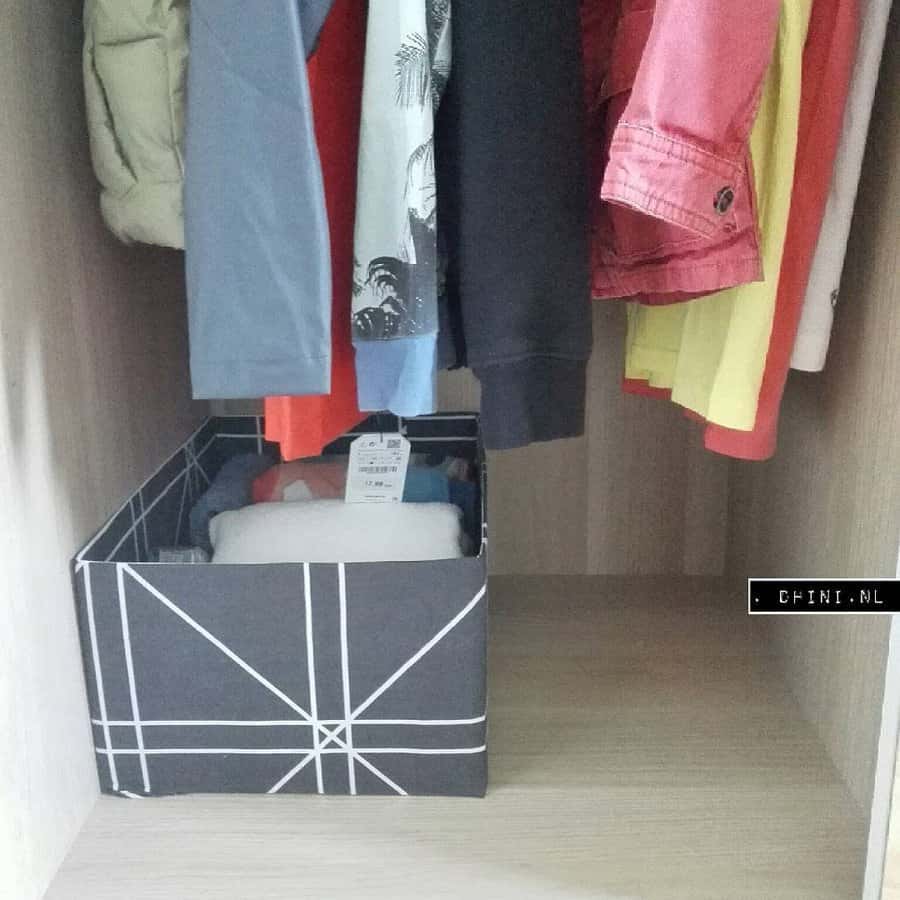
Fabric storage bins are a stylish and versatile solution for decluttering any room. You can make them from durable materials like canvas or burlap for a long-lasting use. These bins are perfect for storing everything from toys and books to clothes, and they can be easily customized to match your room’s decor.
Source: @dhininl via Instagram
3. Turn Wood Pallets into Shelves
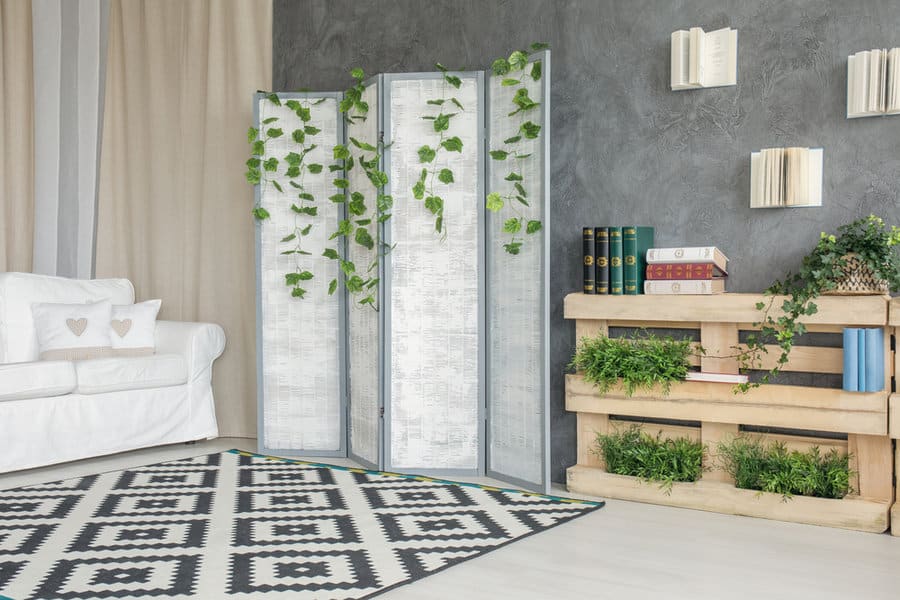
Transform a wooden pallet into a rustic and charming shelf. This project involves sanding and staining a pallet, then mounting it on a wall. It’s ideal for displaying books, plants, or collectibles, adding a warm, natural touch to any room.
4. Craft a Hanging Shoe Organizer for Closets
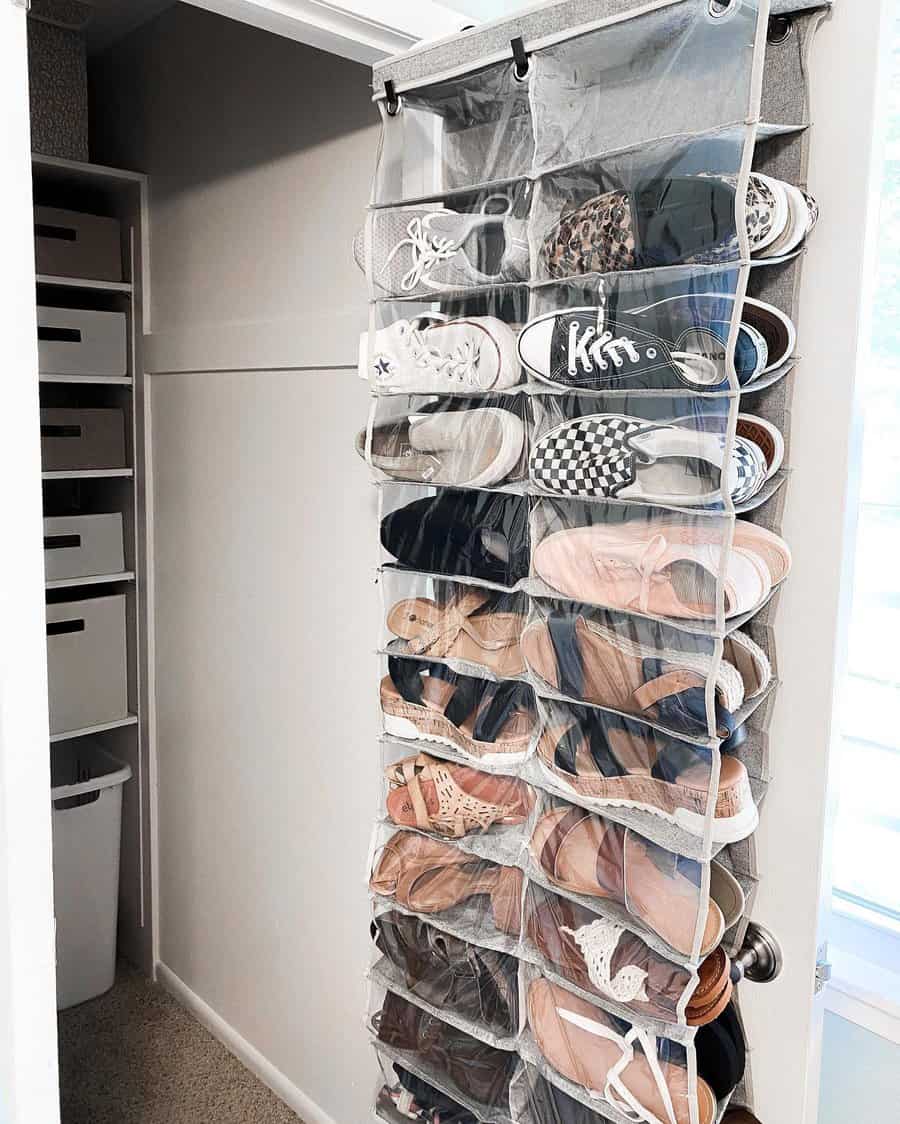
A hanging shoe organizer maximizes closet space and keeps footwear in view. Make one with fabric pockets or use a pre-made organizer. It’s a simple, space-saving solution for keeping shoes organized and floors clear.
Source: @a.simple.start via Instagram
5. Weave Personalized Storage Baskets
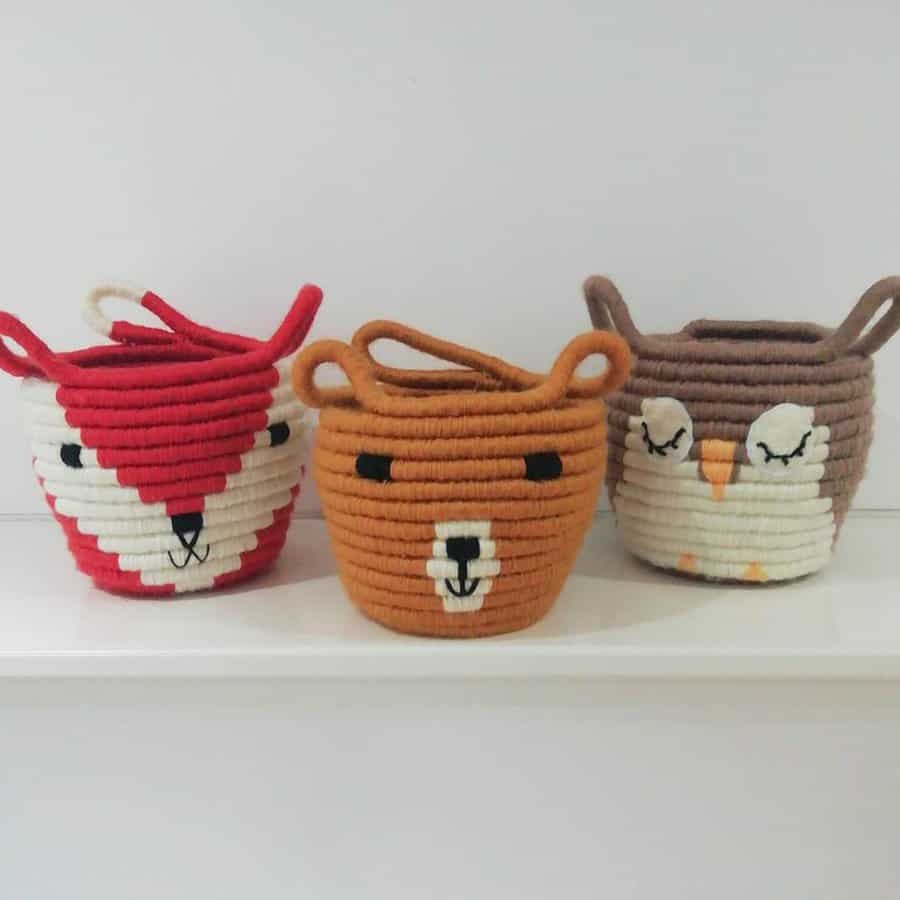
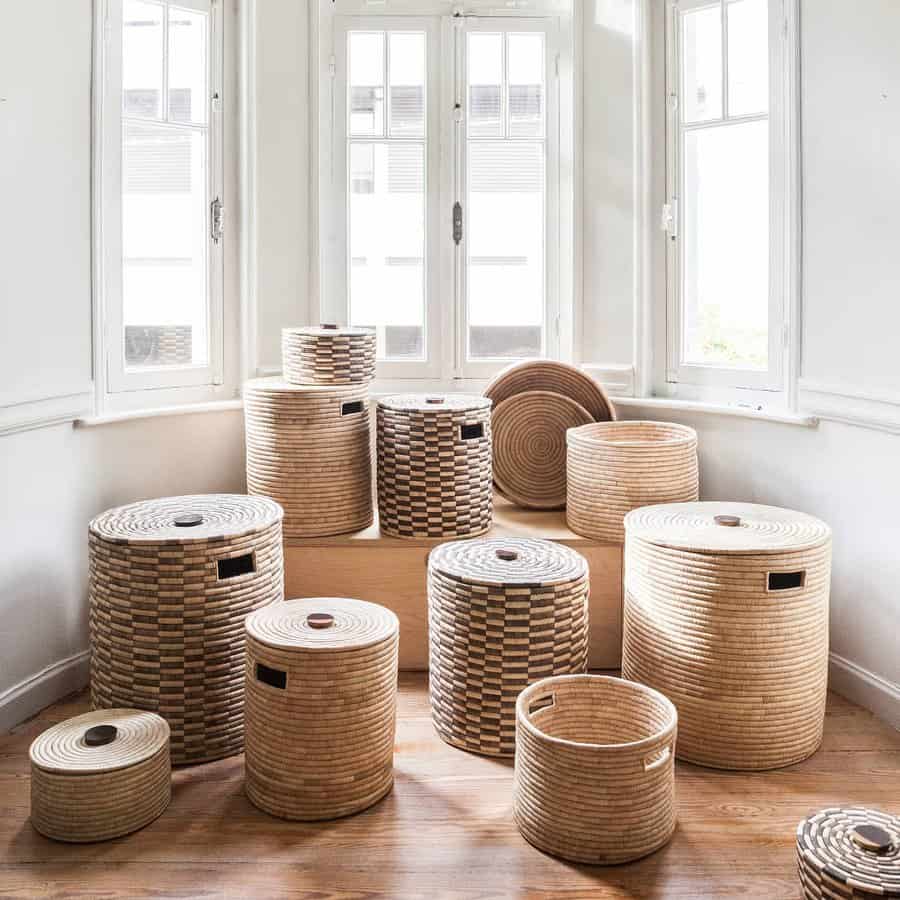
Woven baskets add texture and warmth to any room while providing practical storage. They can be handcrafted from materials like wicker or seagrass. Use them to store blankets, magazines, or toys, blending functionality with aesthetic appeal.
Source: @mummieslovetomake via InstagramSource: @dwellwiththewrobels via InstagramSource: @peopleofthesunconnect via Instagram
6. Assemble a Chic Paper Metal Rack
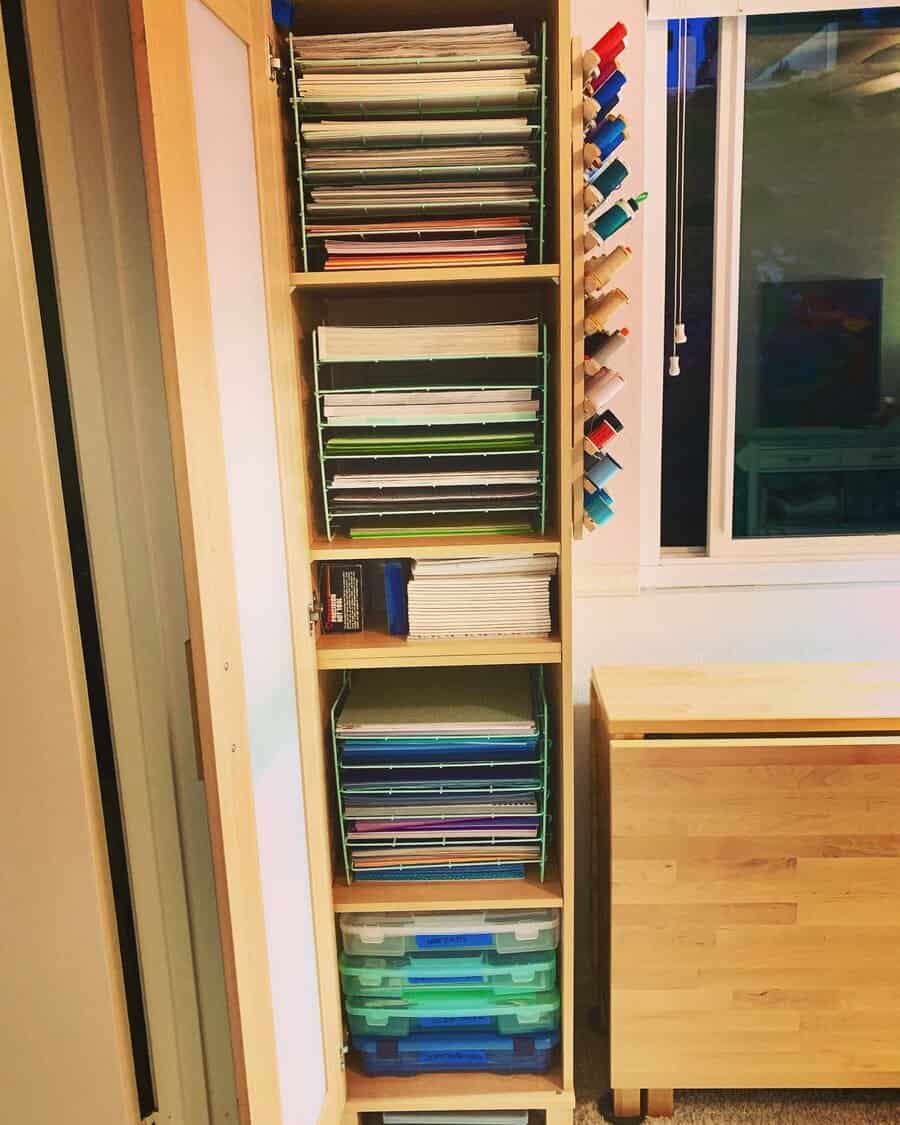
Construct a metal rack to organize papers and documents. This project can involve bending and cutting metal rods into a frame with shelves. It’s a sleek, modern way to keep important papers sorted and within reach.
Source: @aclearmindorganizer via Instagram
7. Refresh a Shelf into Stylish Storage
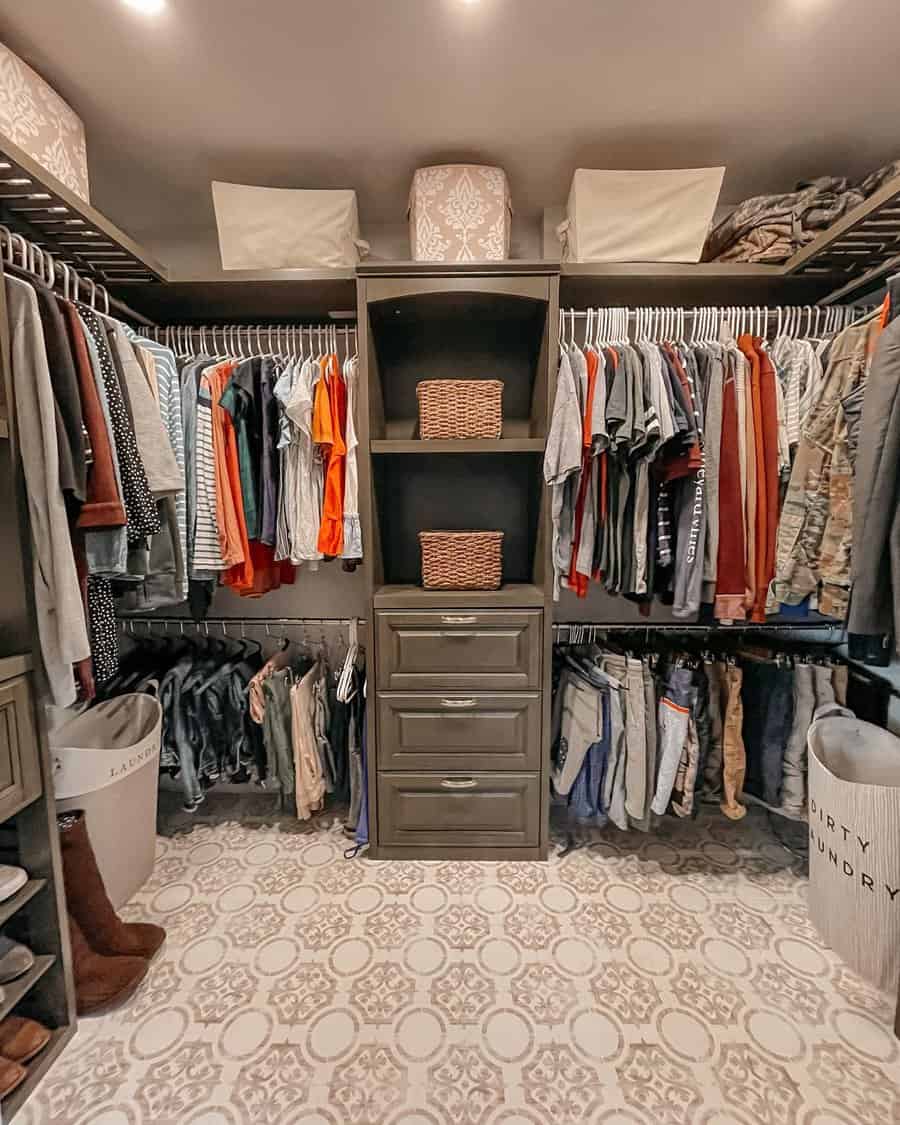
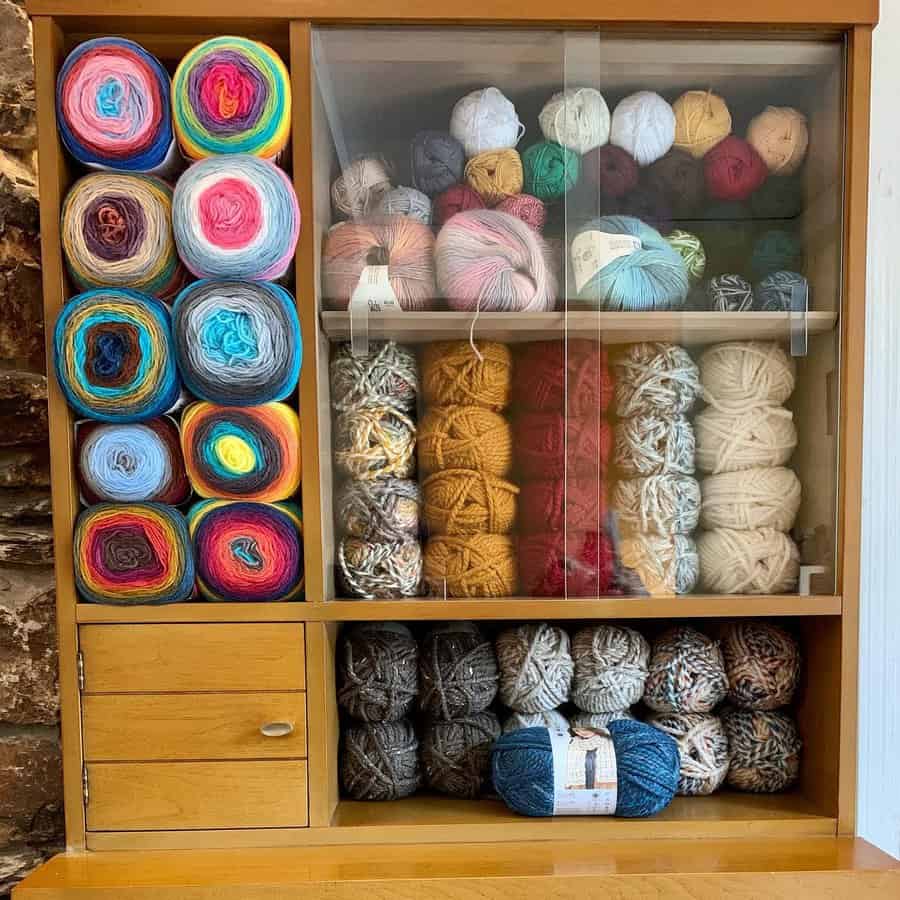
Give an old shelf new life by repainting and modifying it to suit your storage needs. Add hooks, bins, or additional shelves to make it more functional. This is an eco-friendly way to add storage without buying new furniture.
Source: @cozyrosiecrochet via Instagram
8. Stack and Customize Plastic Crates
Plastic crates can be stacked or mounted on walls to create versatile storage units. They are ideal for storing anything from books to garden tools. Customize the arrangement to fit your space and needs, and consider painting them for a more personalized look.
Source: @seattleneat via InstagramSource: @soshomeorganization via Instagram
9. Build a Bespoke Wood Craft Organizer
Build a wooden organizer specifically designed for your craft supplies. Include compartments and drawers tailored to the size and shape of your tools and materials. This not only keeps your supplies orderly but also adds a personalized touch to your craft area.
Source: @stsloma via InstagramSource: @sannnndraaad via InstagramSource: @suejachimiec via Instagram
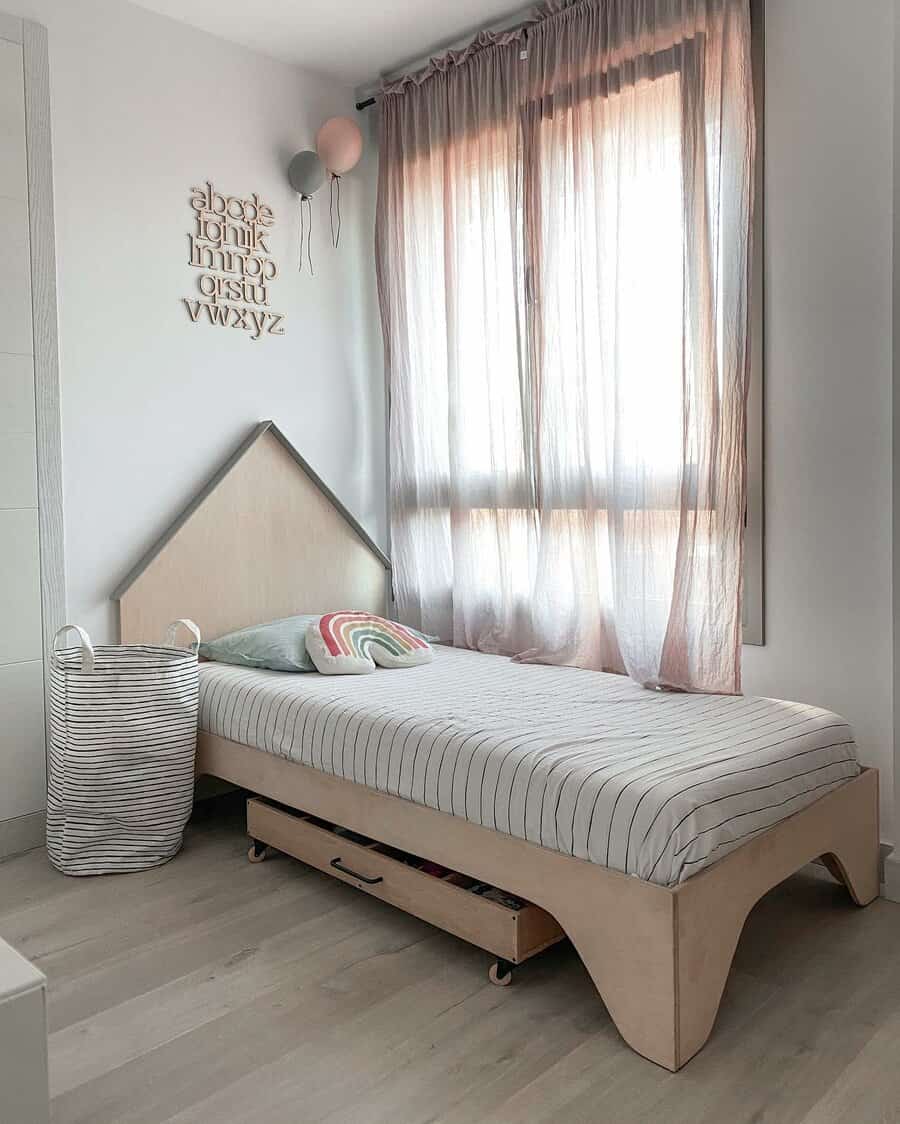
10. Design Rolling Storage for Under the Bed
Utilize the space under your bed with rolling storage bins. These can be made from wood or repurposed drawers with casters. They’re perfect for storing seasonal clothing, extra bedding, or items not frequently used.
Source: @albermaker via Instagram
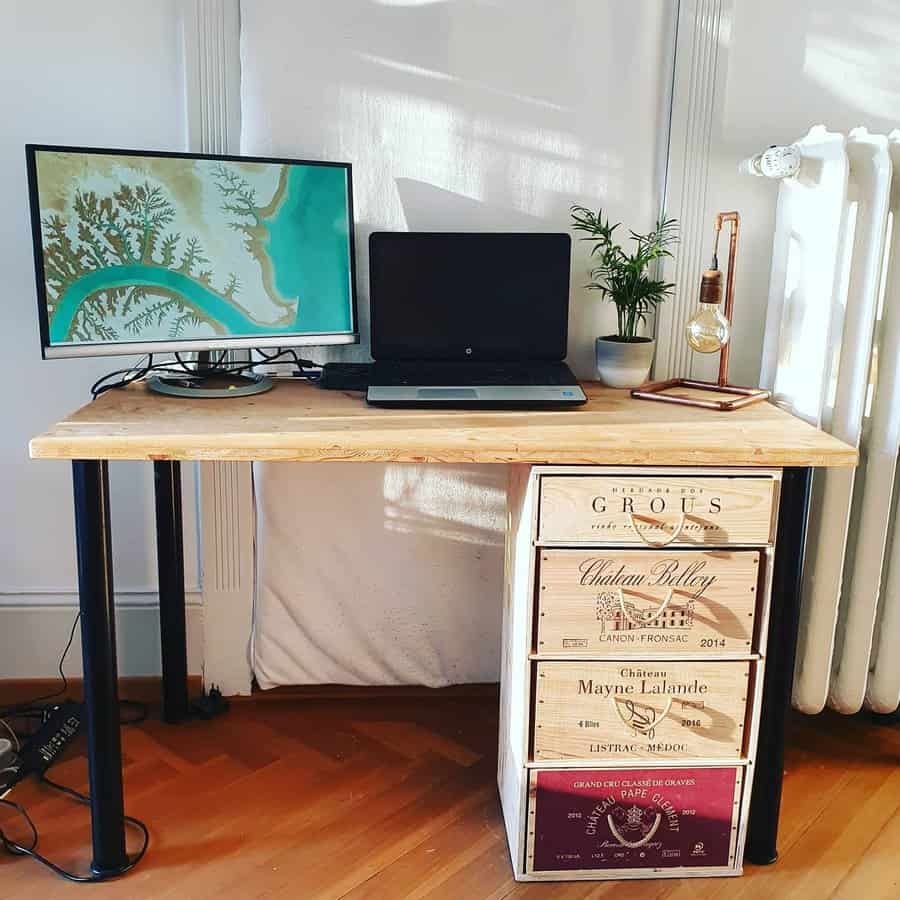
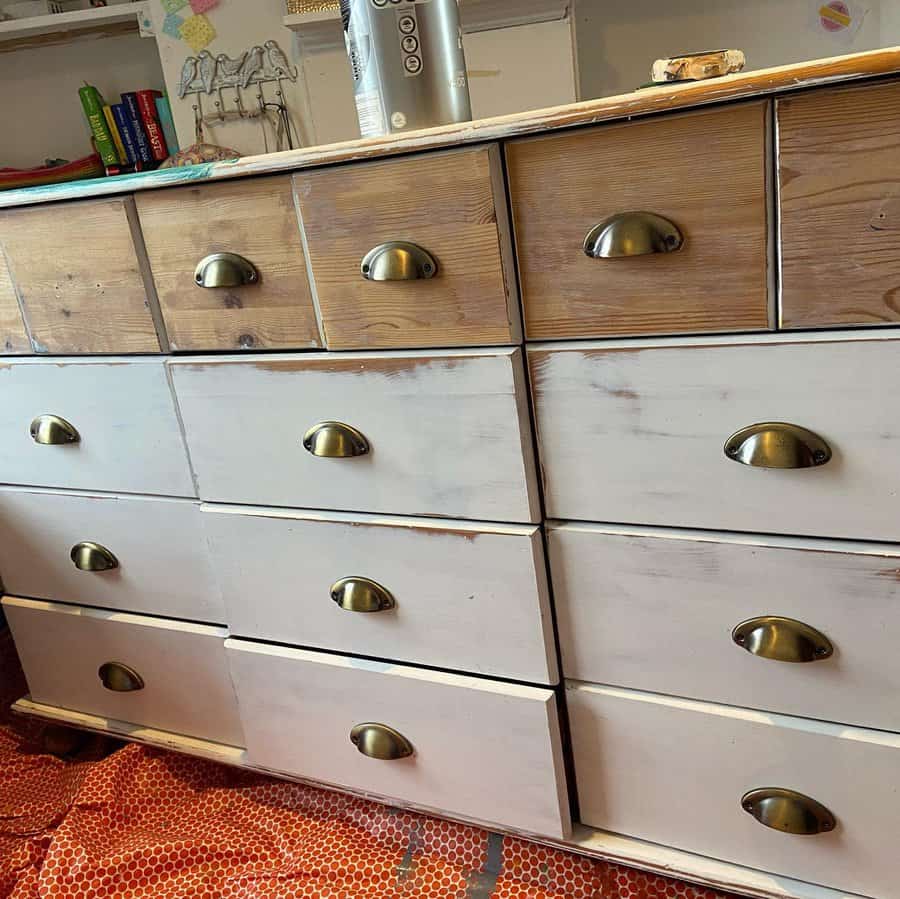
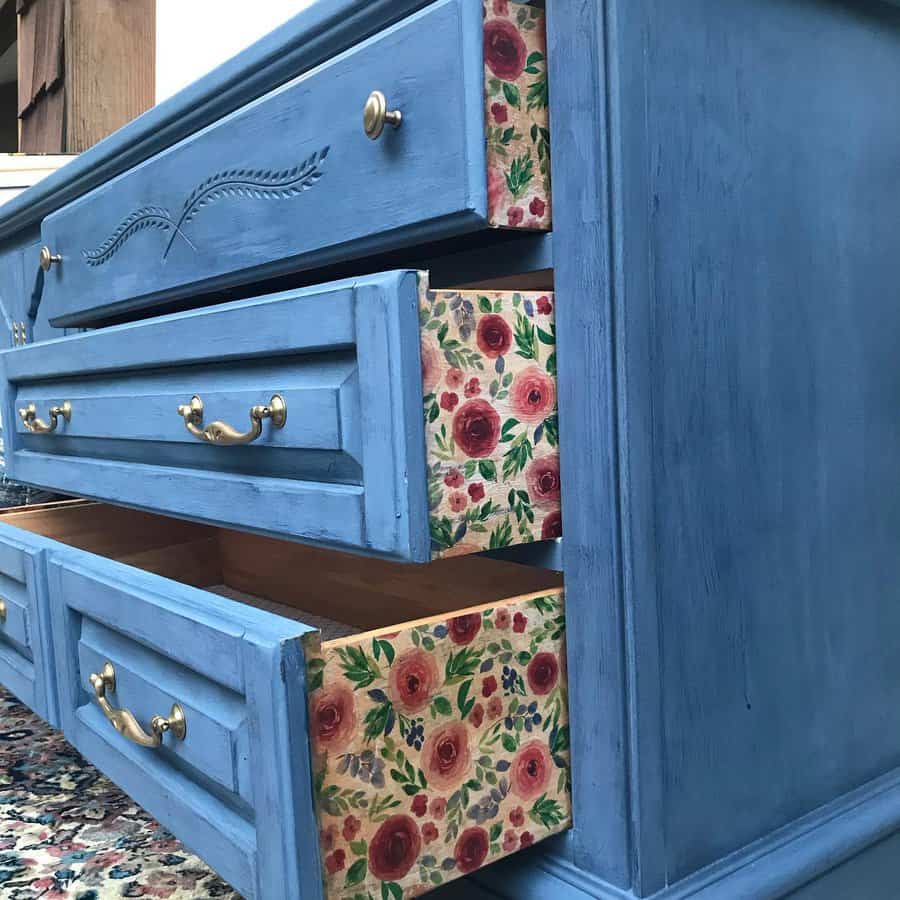
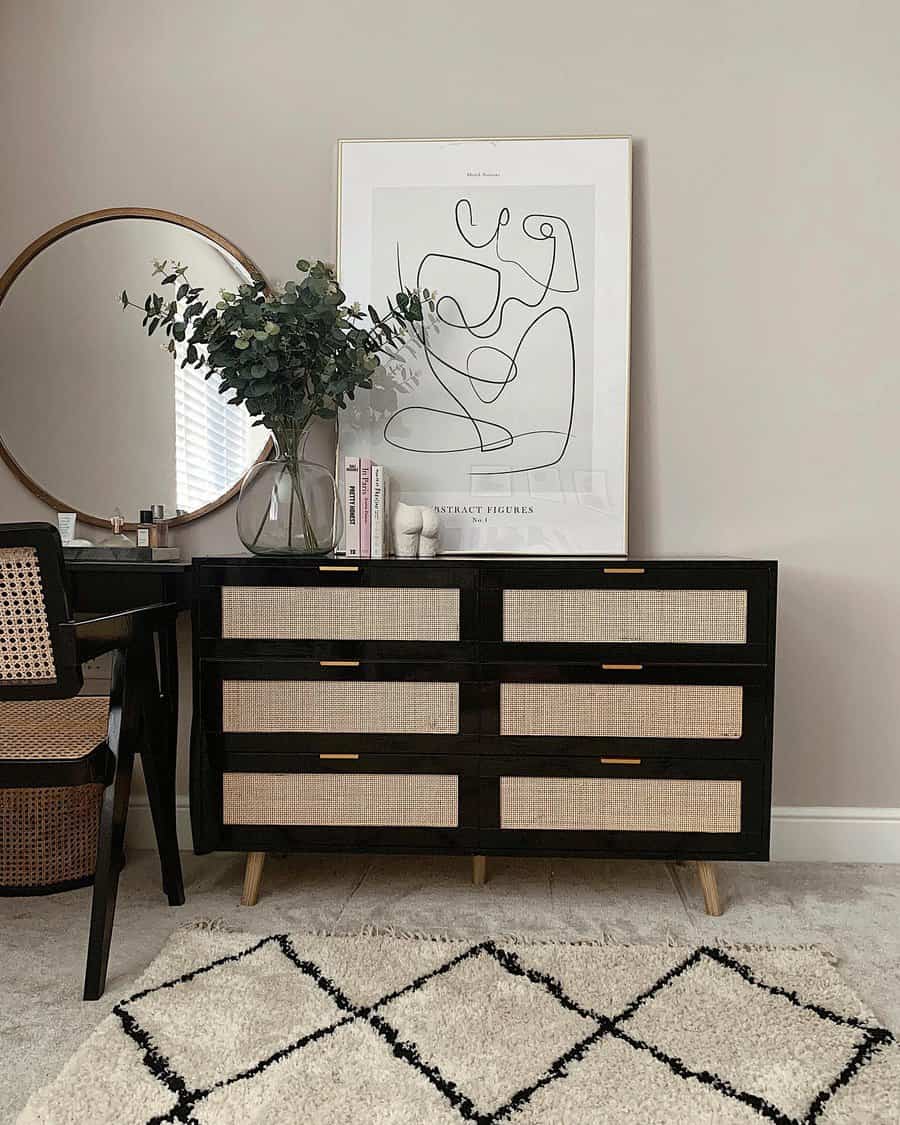
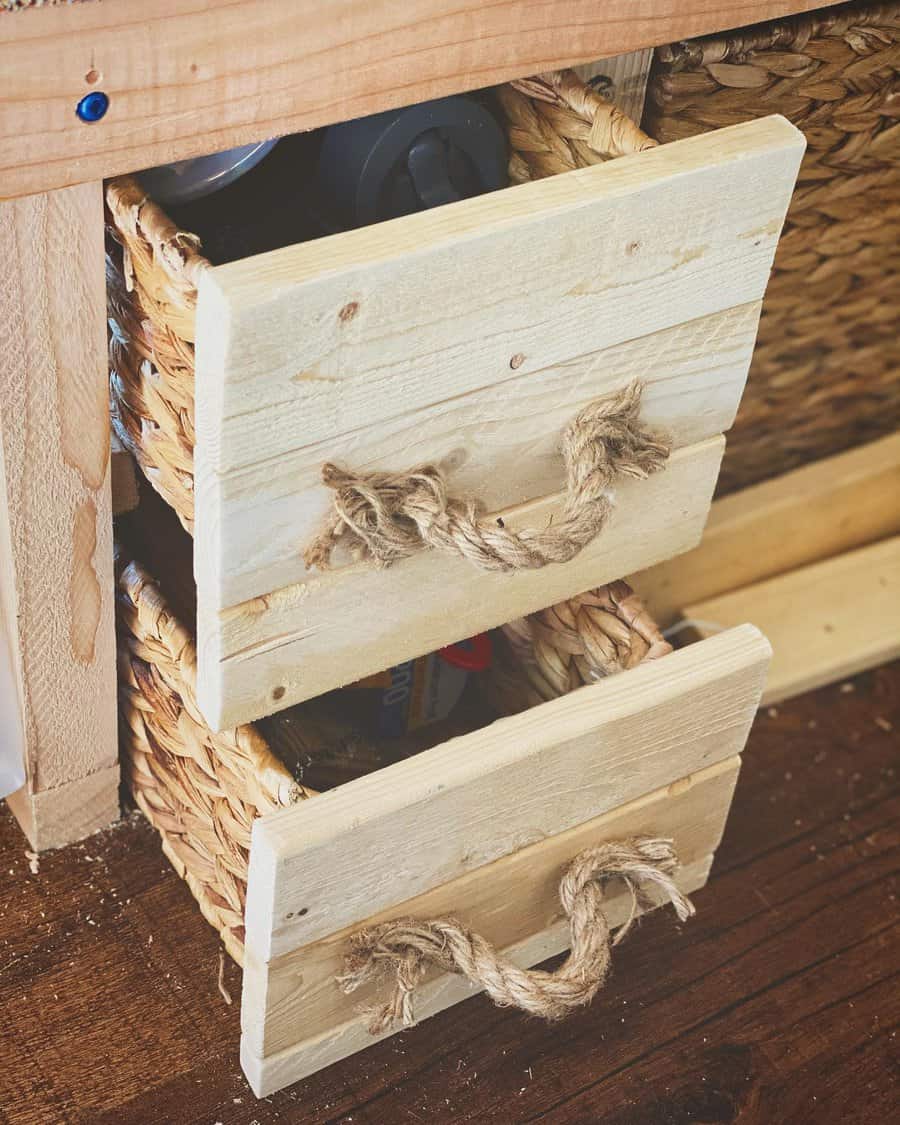
11. DIY Custom Drawers
Build cabinet drawers using old wine crates or plywood to fit unique spaces in your home, such as under the office desk. Include dividers for better organization. This approach offers a tailored storage solution, efficiently utilizing underused areas.
You can also repurpose old dresser drawers and paint them.
Source: @auto_graf via InstagramSource: @esmepowles via InstagramSource: @designsbynazz via InstagramSource: @thevictorian.home via InstagramSource: @van.gypsies via Instagram
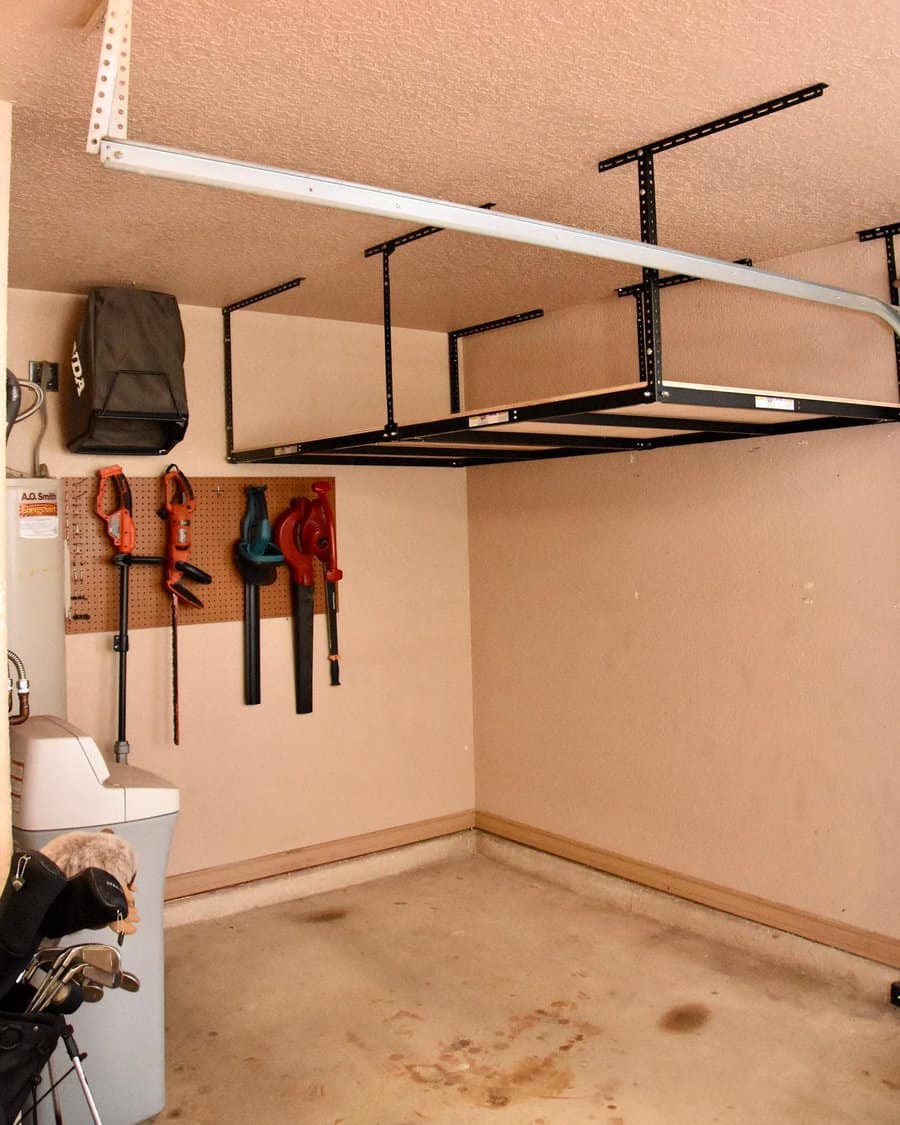
12. Install a Ceiling-Mounted Storage Rack
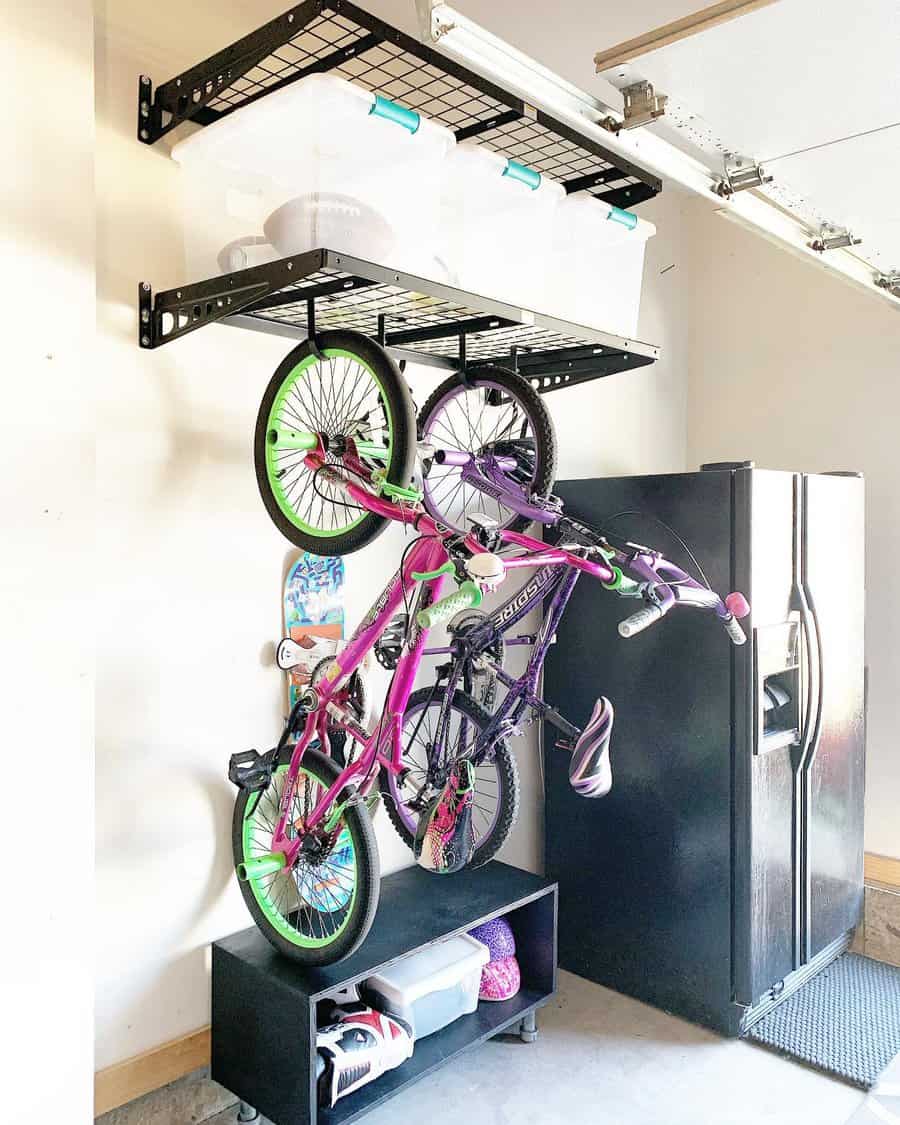
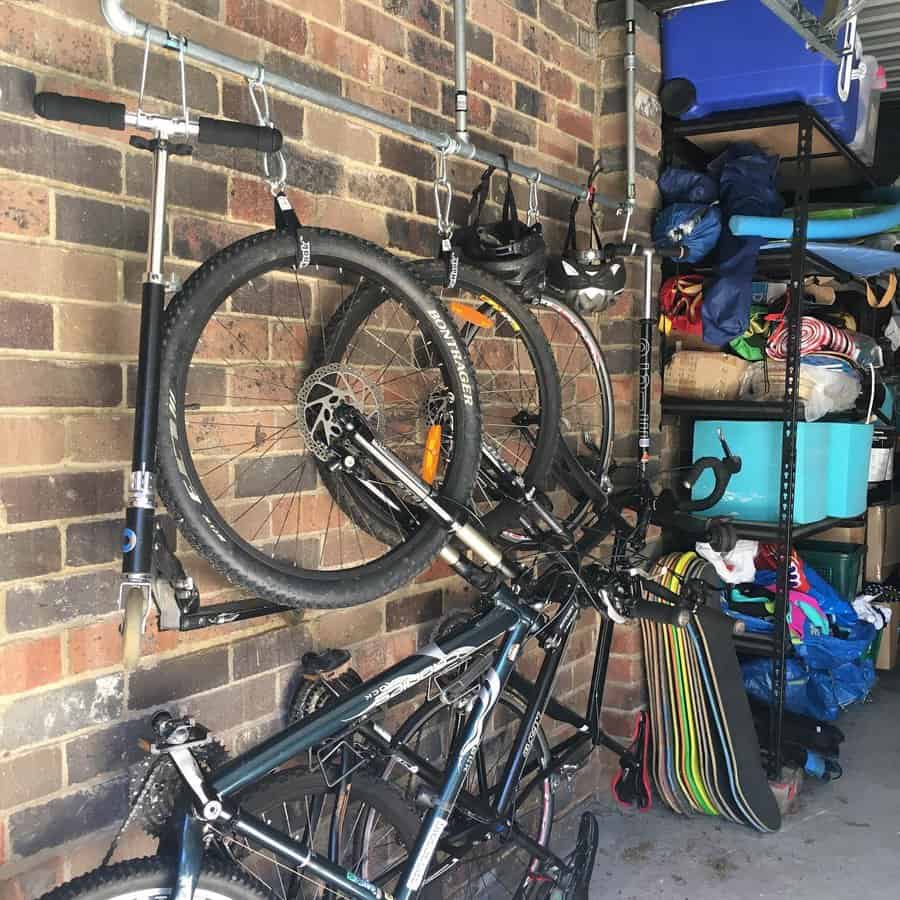
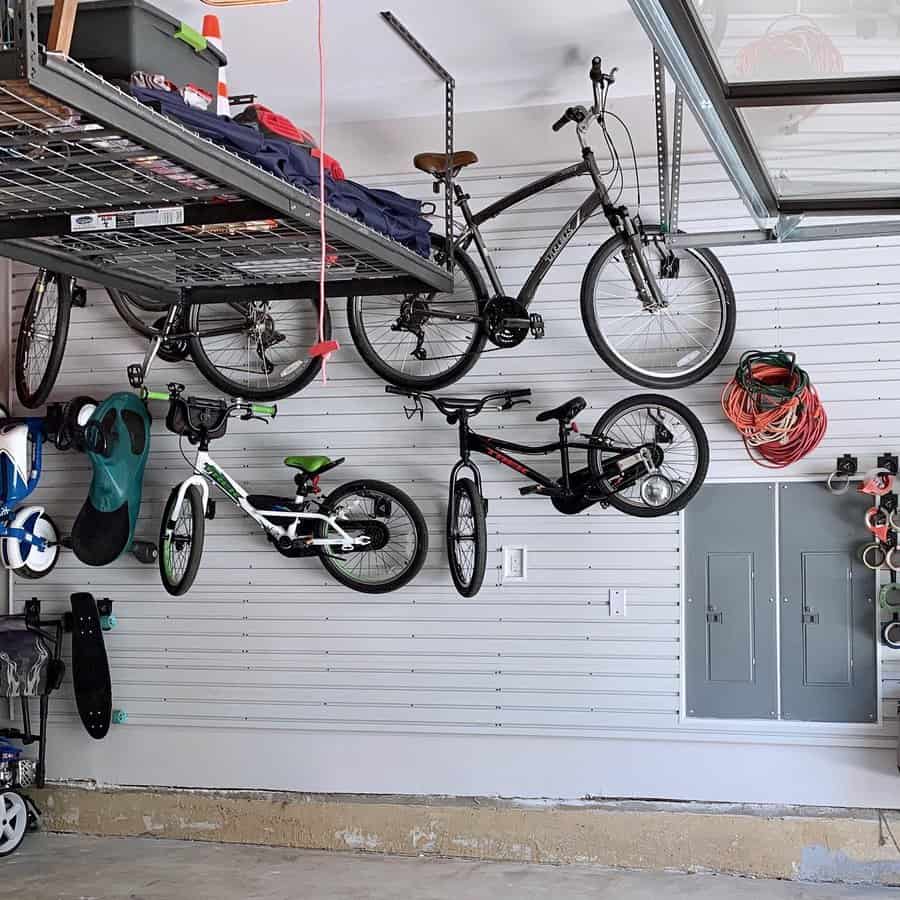
Create a ceiling-mounted rack to use overhead space for storage. Ideal for garages or kitchens, this rack can hold items like pots, pans, or bicycles, freeing up valuable floor space.
Source: @missjunkin via Instagram
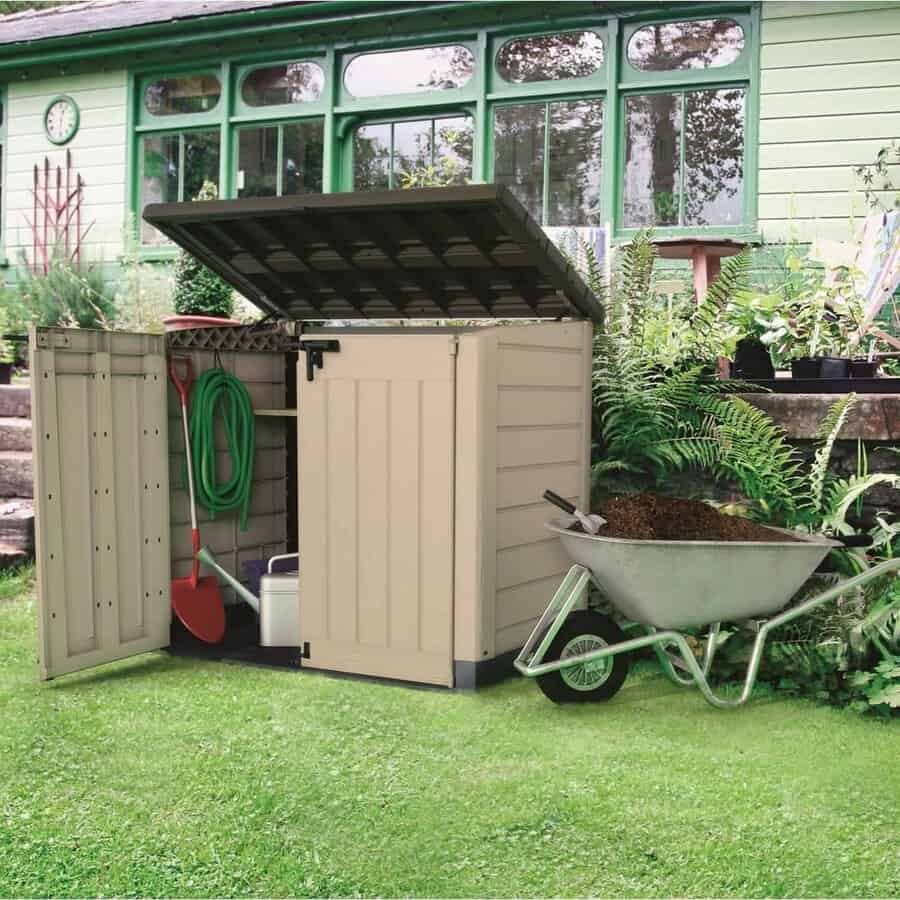
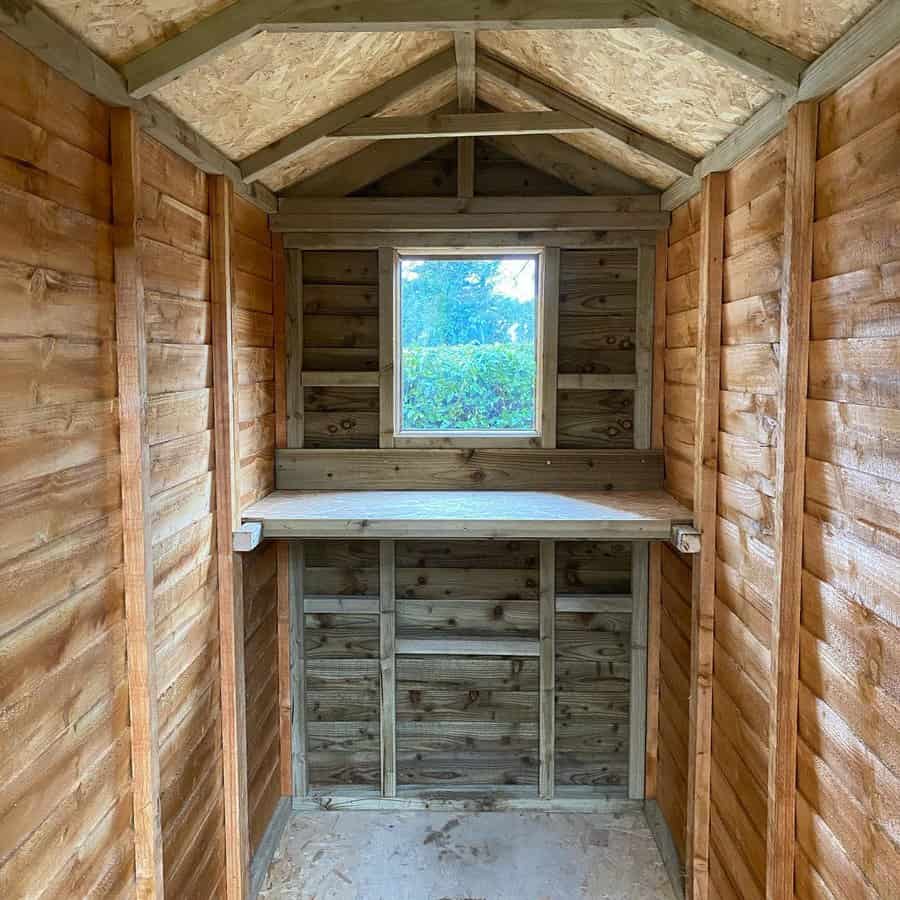
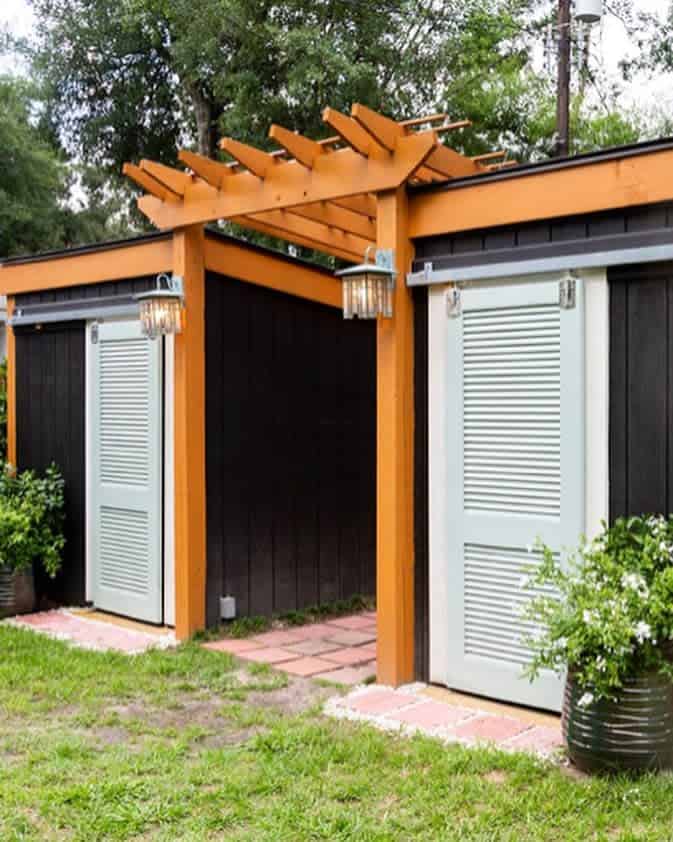
13. Build a Simple Shed for More Storage
Maximize your outdoor storage by constructing a straightforward shed in your yard. This project can involve using weather-resistant materials to create a durable space for garden tools, lawn equipment, and seasonal items. A simple shed design allows for an organized and accessible way to store and protect these items from the elements.
Source: @keter_amazingspaces via InstagramSource: @ldandc.co.uk via InstagramSource: @provenanceinteriors via Instagram
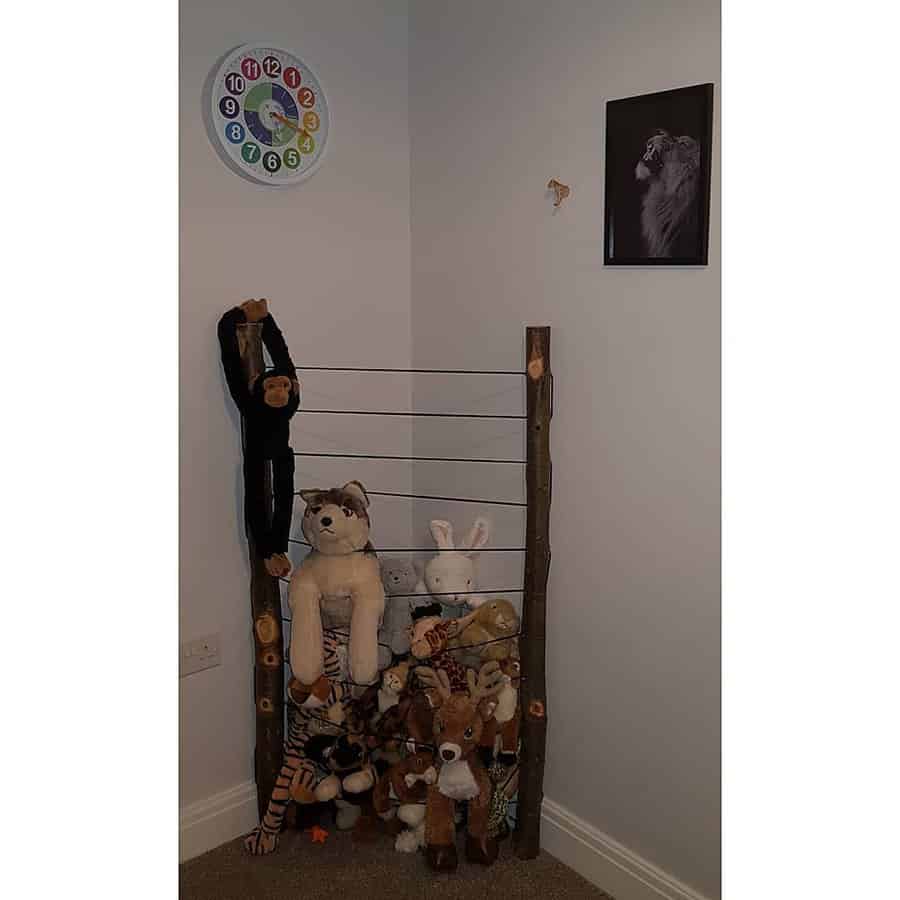
14. Make Driftwood and Strings Toy Storage
Craft a unique toy storage unit using driftwood and strong strings. Hang the driftwood on the wall and use the strings to create hanging baskets or nets for lightweight toys, adding a playful and natural element to children’s rooms.
Source: @lifeattherosedale via Instagram
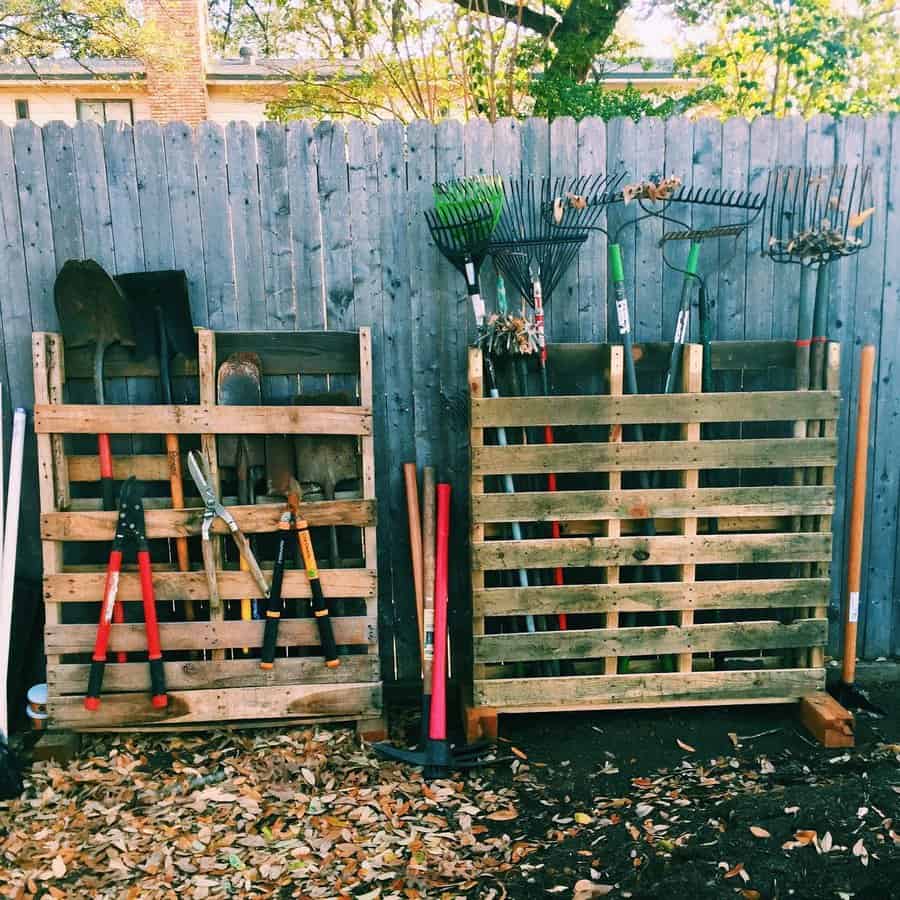
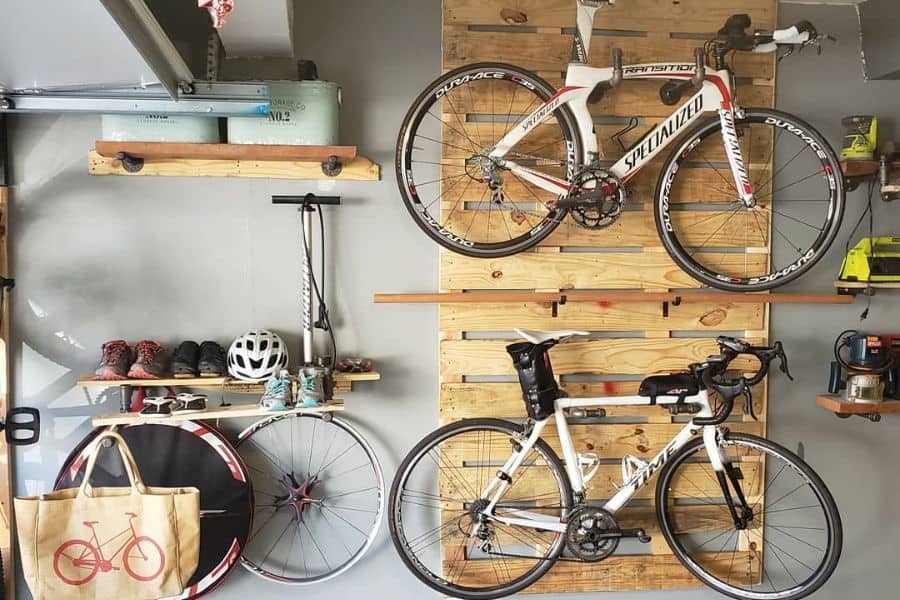
15. Repurpose a Pallet into a Tool Rack
Convert a wood pallet into a tool rack for your garage or workshop. Sand and treat the wood, then add hooks and holders for tools. This is a sturdy, cost-effective way to keep tools organized and within easy reach.
Source: @motherdaughterearth via Instagram
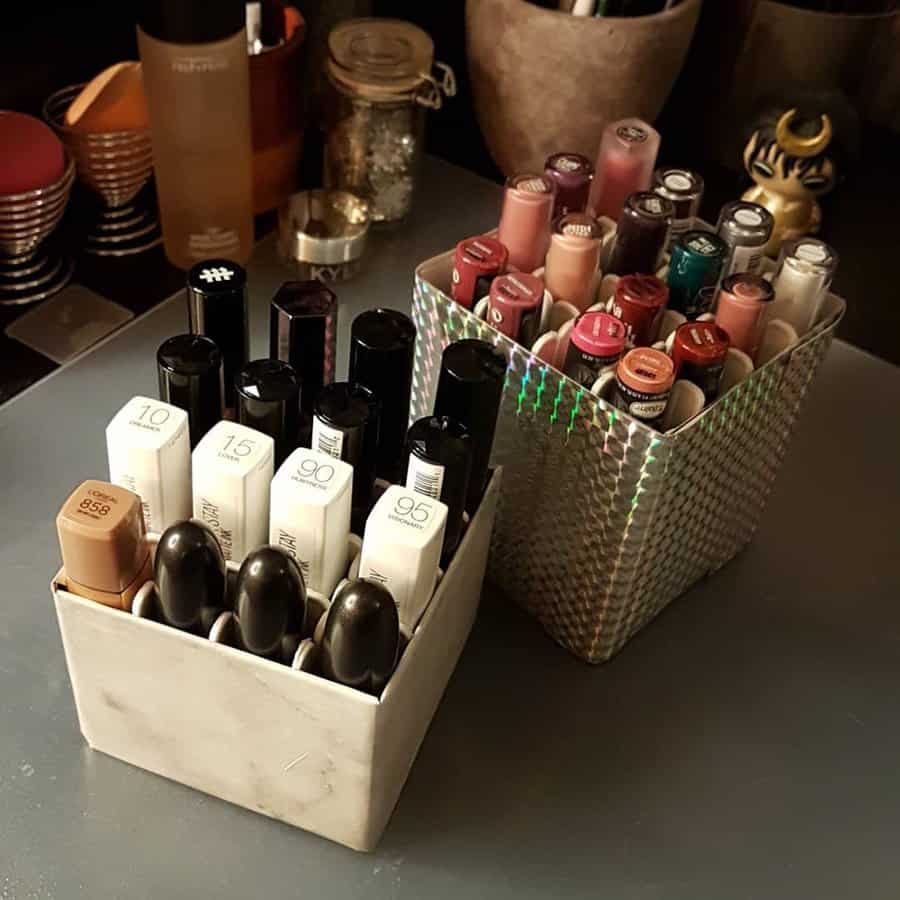
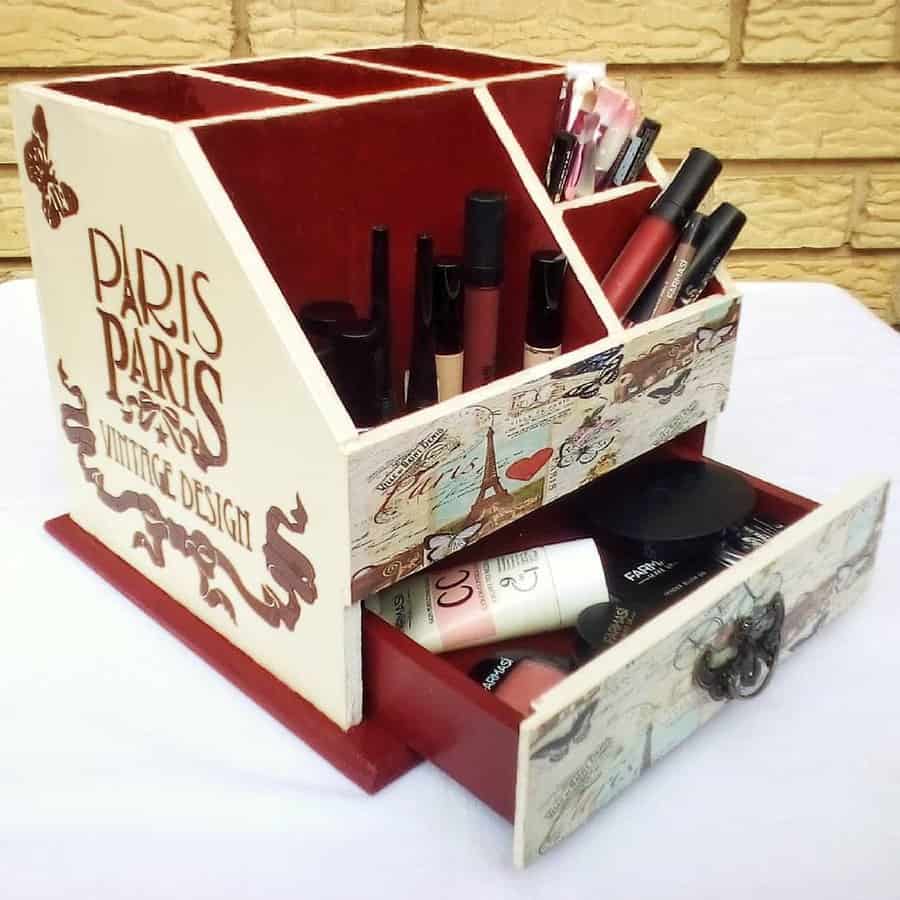
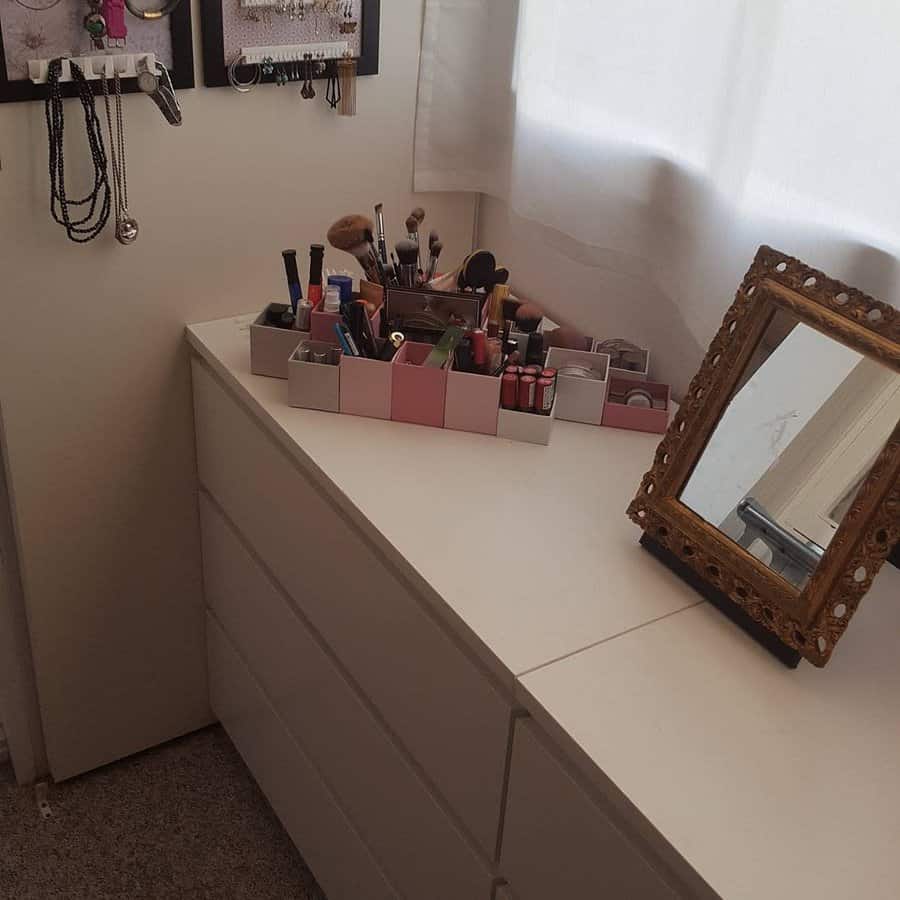
16. Enhance Your Vanity with DIY Storage
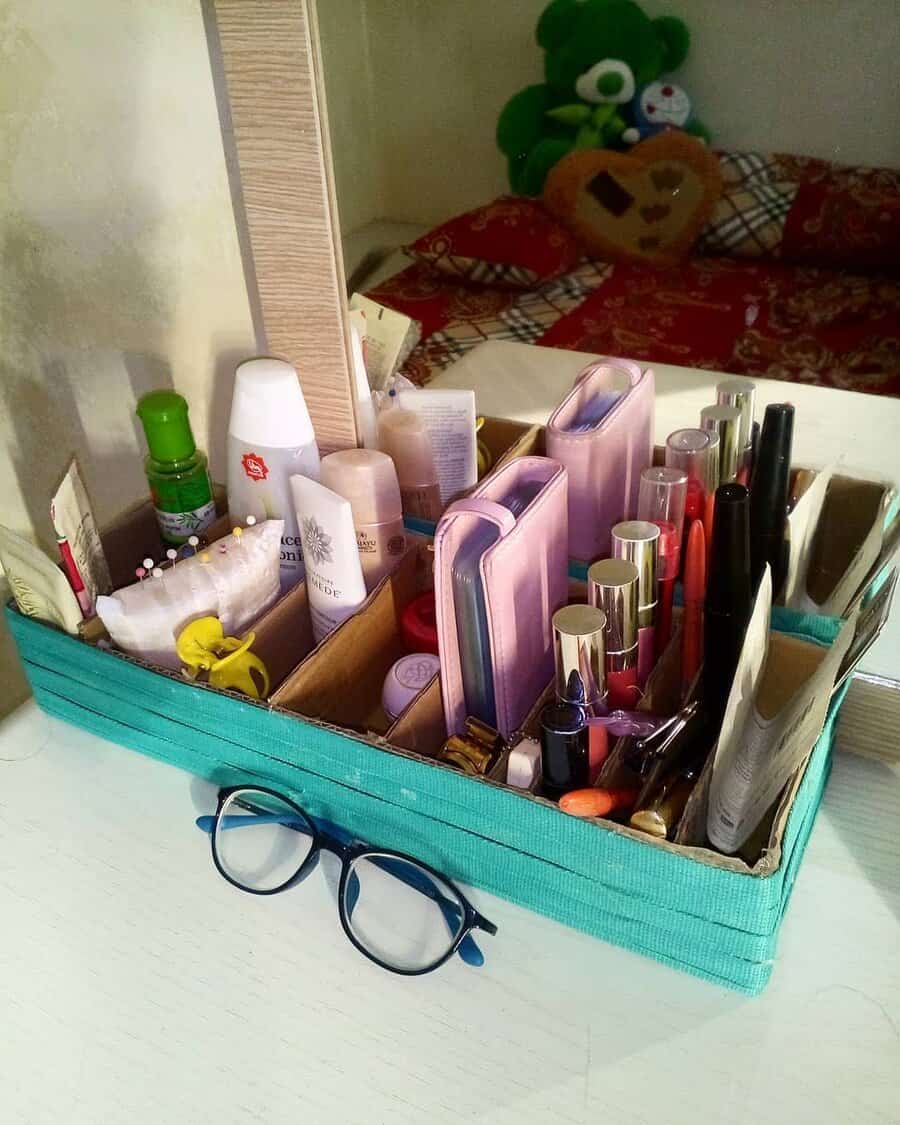
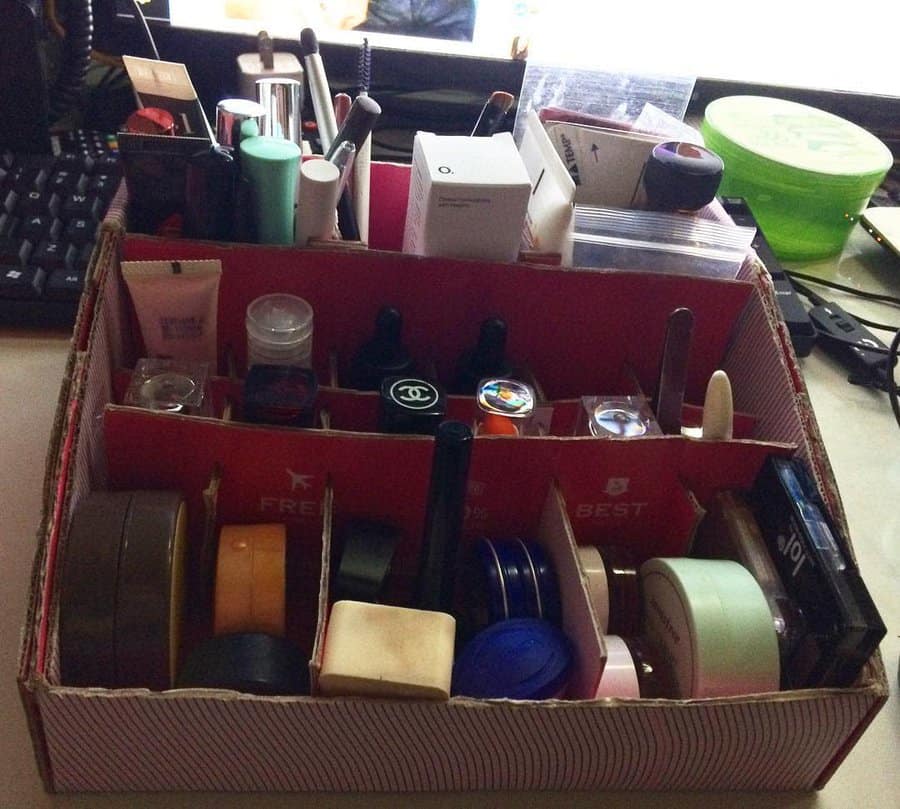
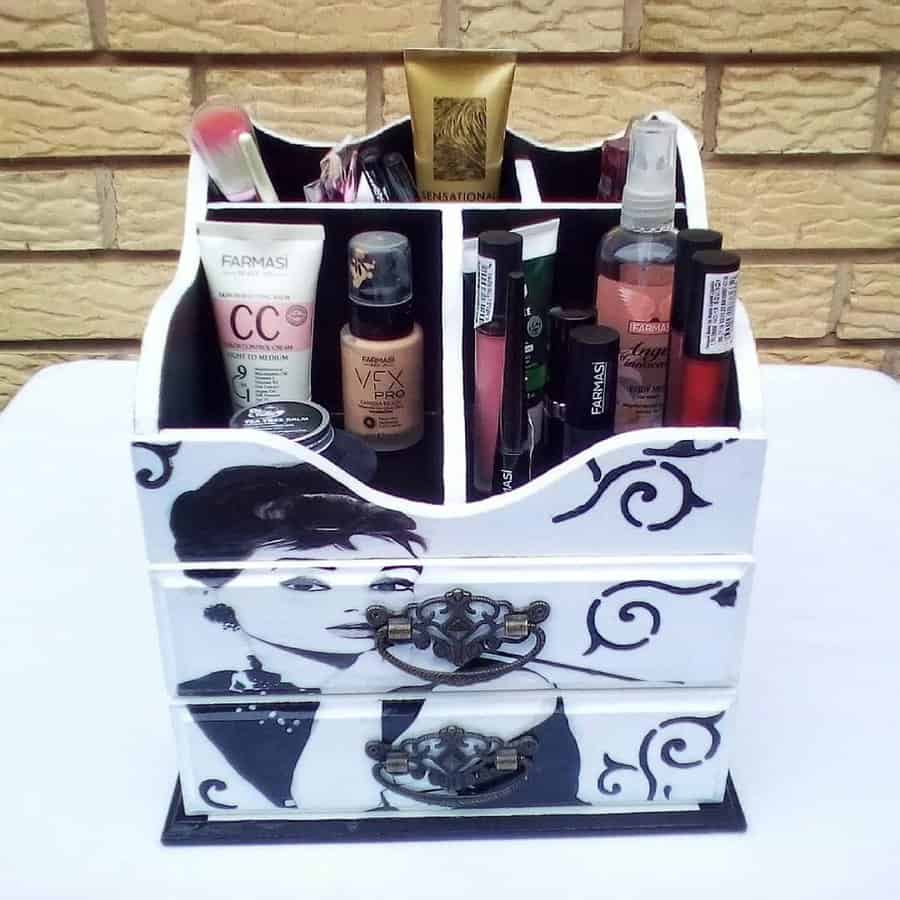
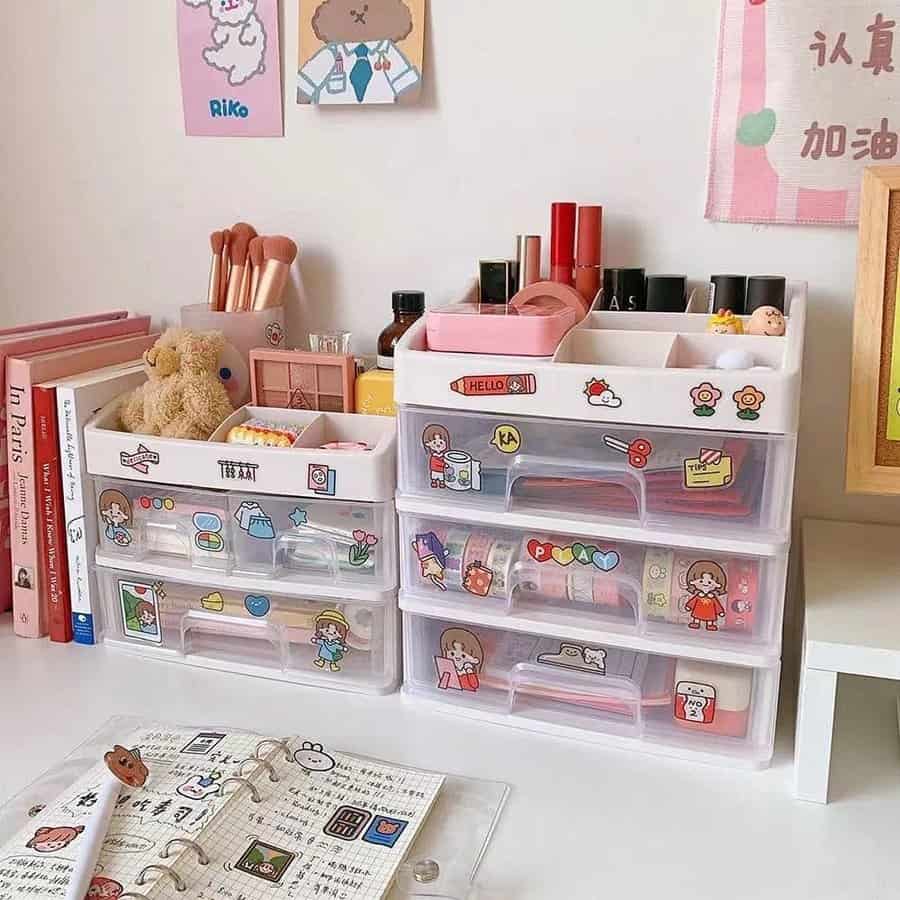
Create custom storage solutions for your vanity to organize makeup, jewelry, and other personal items. Use small boxes, jars, and trays to keep everything neatly arranged and easily accessible, enhancing your daily routine.
Source: @azranailmakeup via InstagramSource: @kreativna_radionica_monika via InstagramSource: @chreastina via InstagramSource: @lina_sujiana via InstagramSource: @nailpolishaddict90 via InstagramSource: @ponvas via InstagramSource: @kreativna_radionica_monika via Instagram
17. Construct a Plastic Desk Drawer Divider
Build a plastic desk drawer organizer using sheets of acrylic or repurposed plastic containers. Design compartments to fit your specific needs, keeping desk supplies tidy and systematically arranged.
Source: @chicminimalisthome via Instagram
18. Craft a Chic Floating Shelf
A floating shelf adds a sleek, minimalist storage solution to any room. Build it from wood or buy a pre-made one, and use it to display books, plants, or decor items. It’s a simple yet effective way to add storage without taking up floor space.
Source: @created_by_a_gemini via InstagramSource: @trentdbfit via InstagramSource: @nordicdwell via Instagram
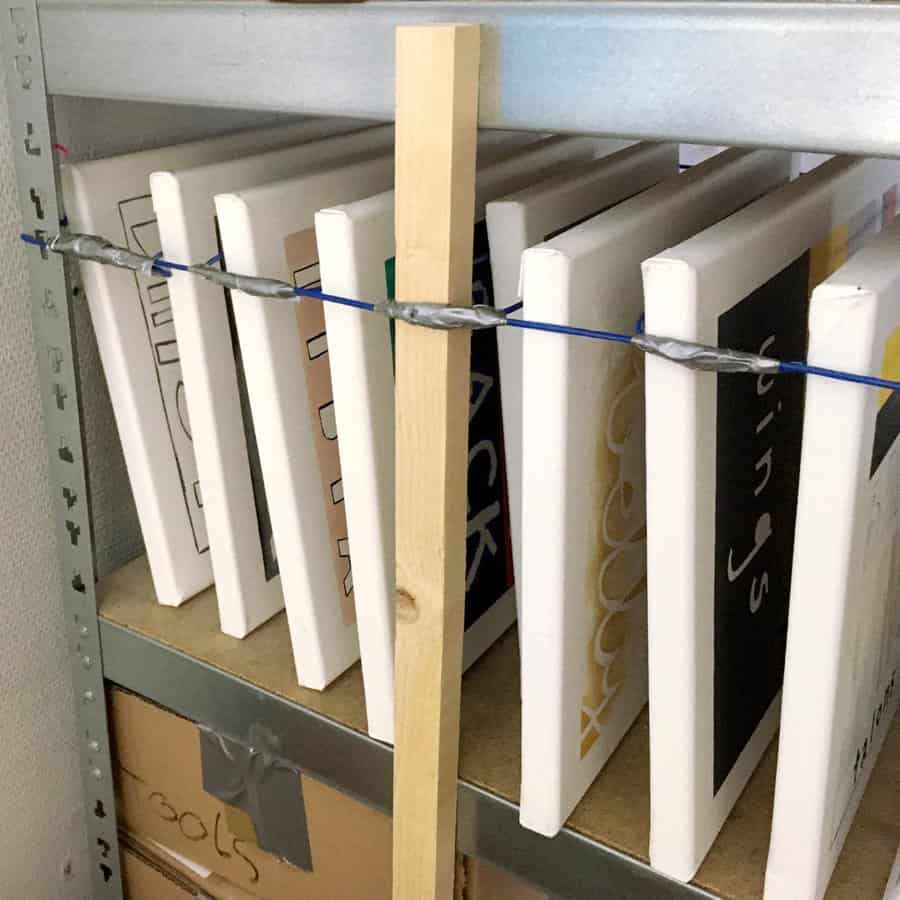
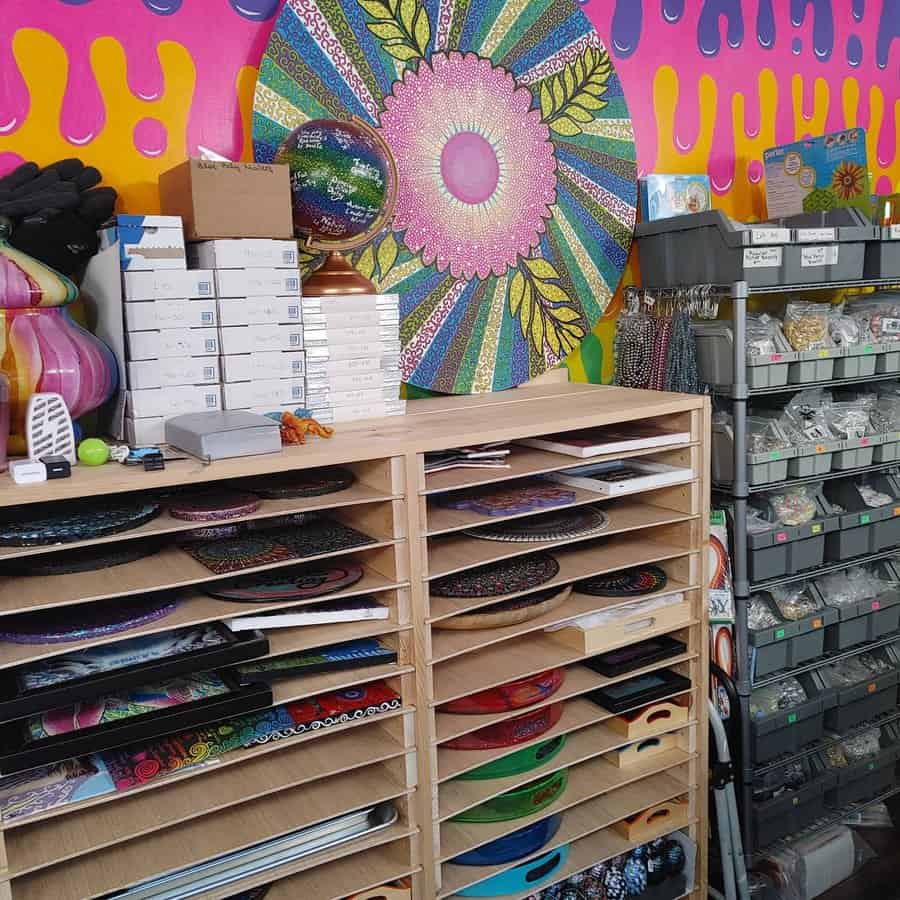
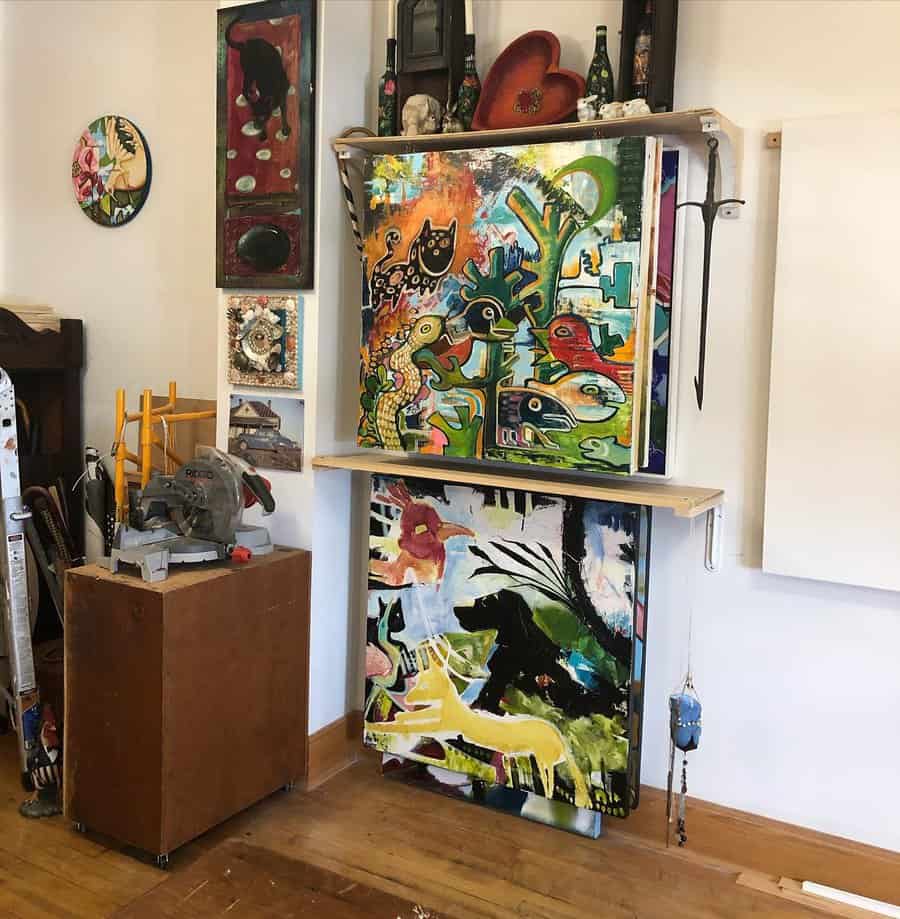
19. Set Up a Creative Art Canvas Rack
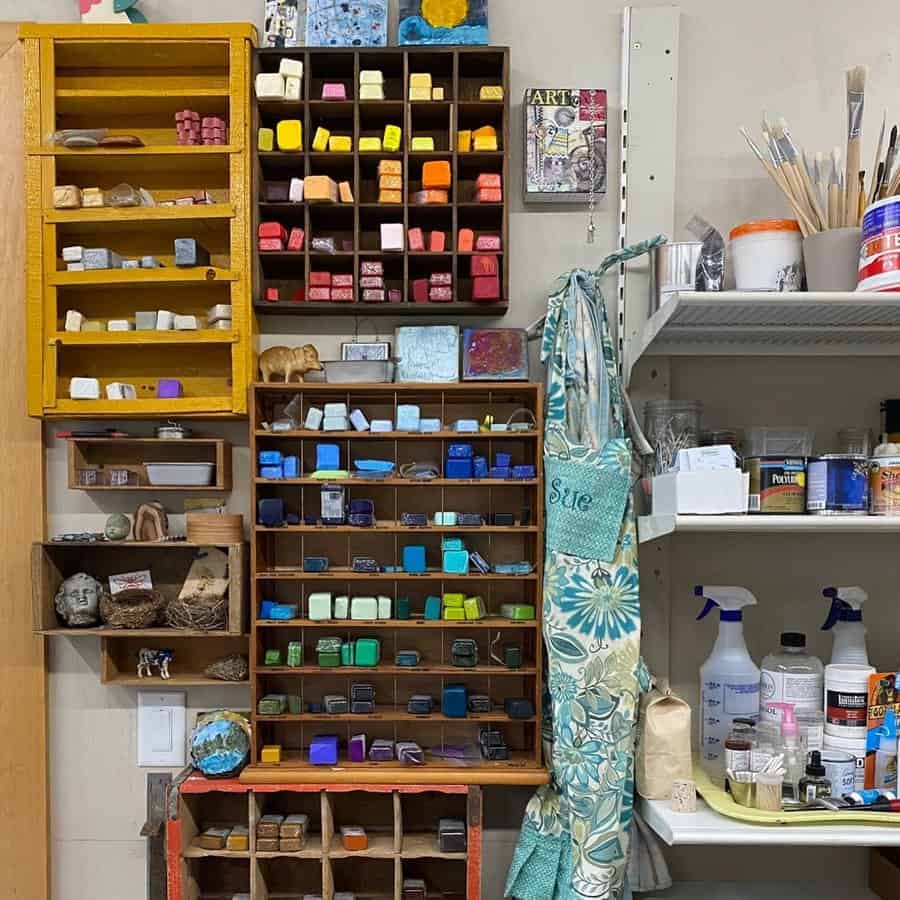
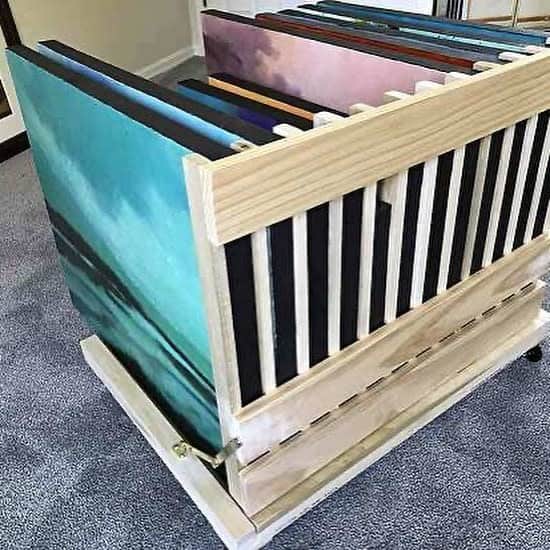
Create a rack for storing art canvases and supplies. Use wood or metal to build a frame with dividers, providing safe and organized storage for your art materials. This is ideal for artists or anyone with a collection of canvases.
Source: @filomenaboothart via Instagram
Source: @inge.marleen via InstagramSource: @jmlartstudio via InstagramSource: @robin__case_artist via Instagram
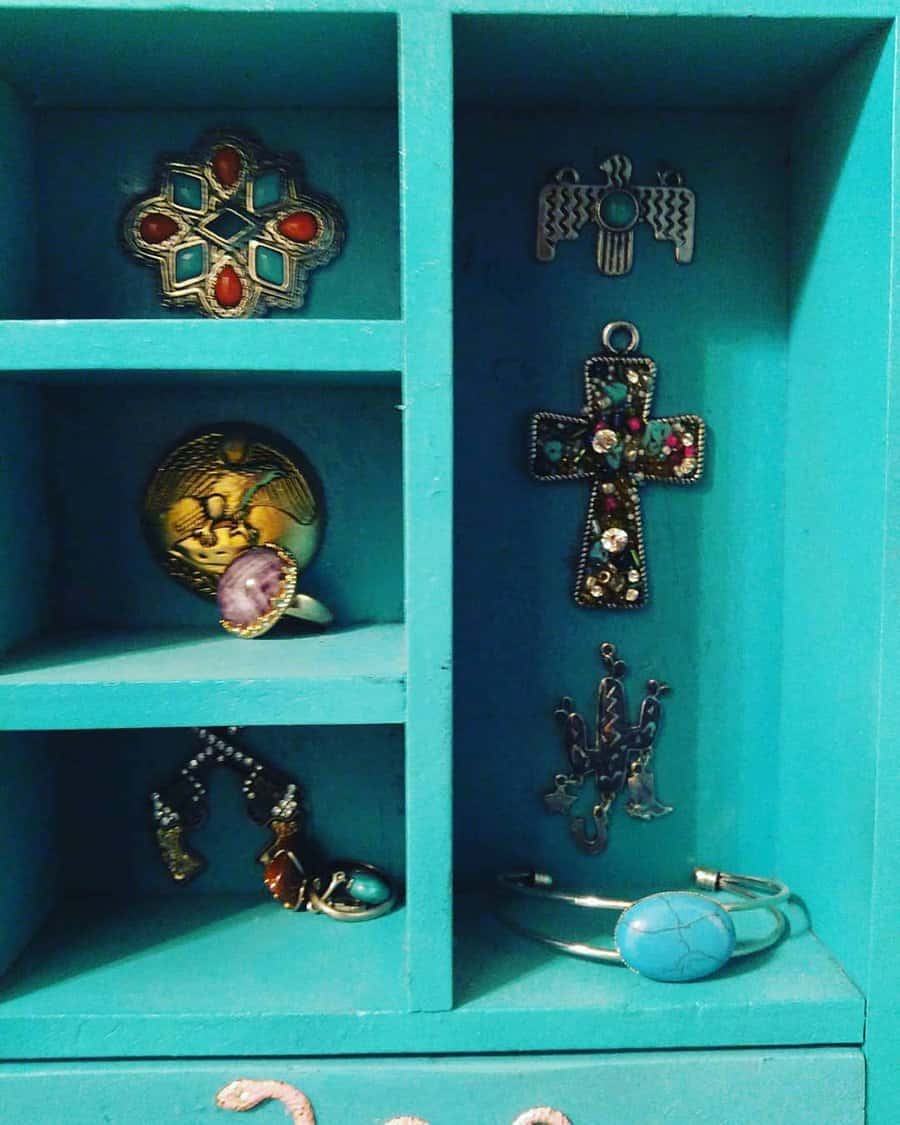
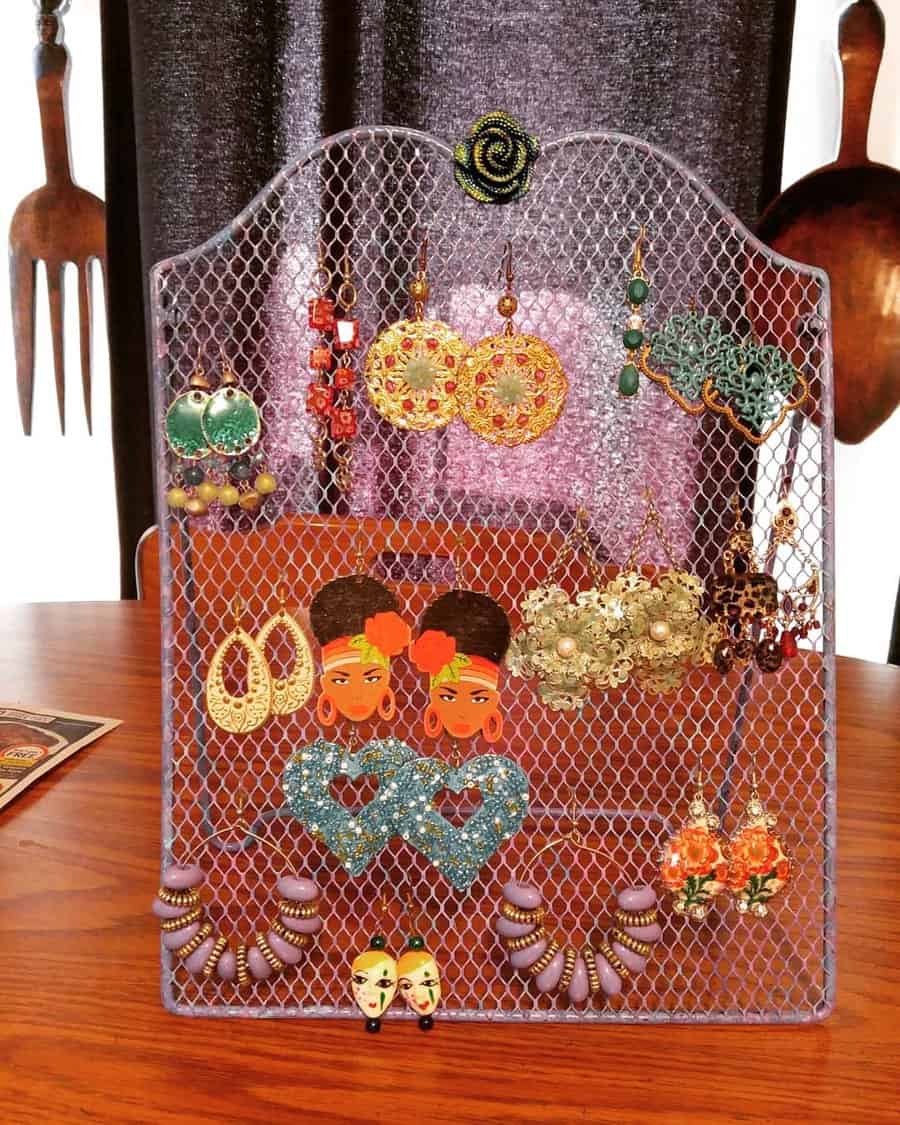
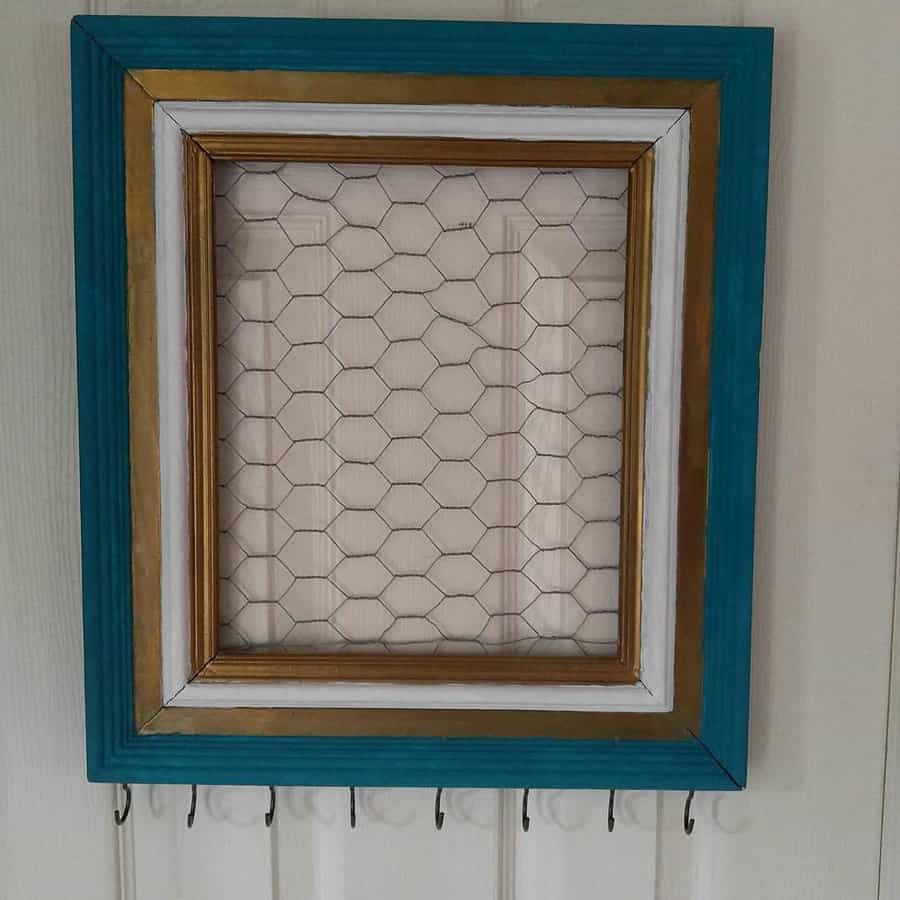
20. Fashion a DIY Jewelry Organizer
Design a jewelry organizer tailored to your collection. Use a picture frame and add hooks, mesh, or velvet-lined trays to store and display your jewelry in a way that prevents tangling and makes selection easier.
Source: @jhobbs1267 via InstagramSource: @jhobbs1267 via InstagramSource: @jhobbs1267 via Instagram
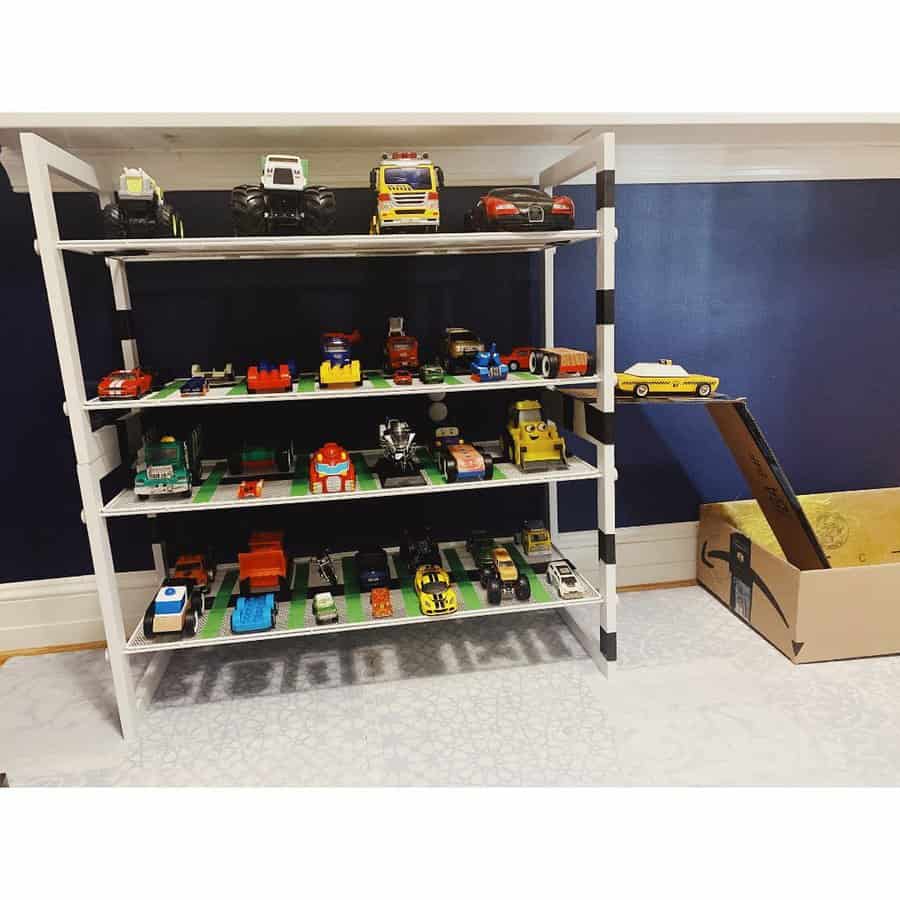
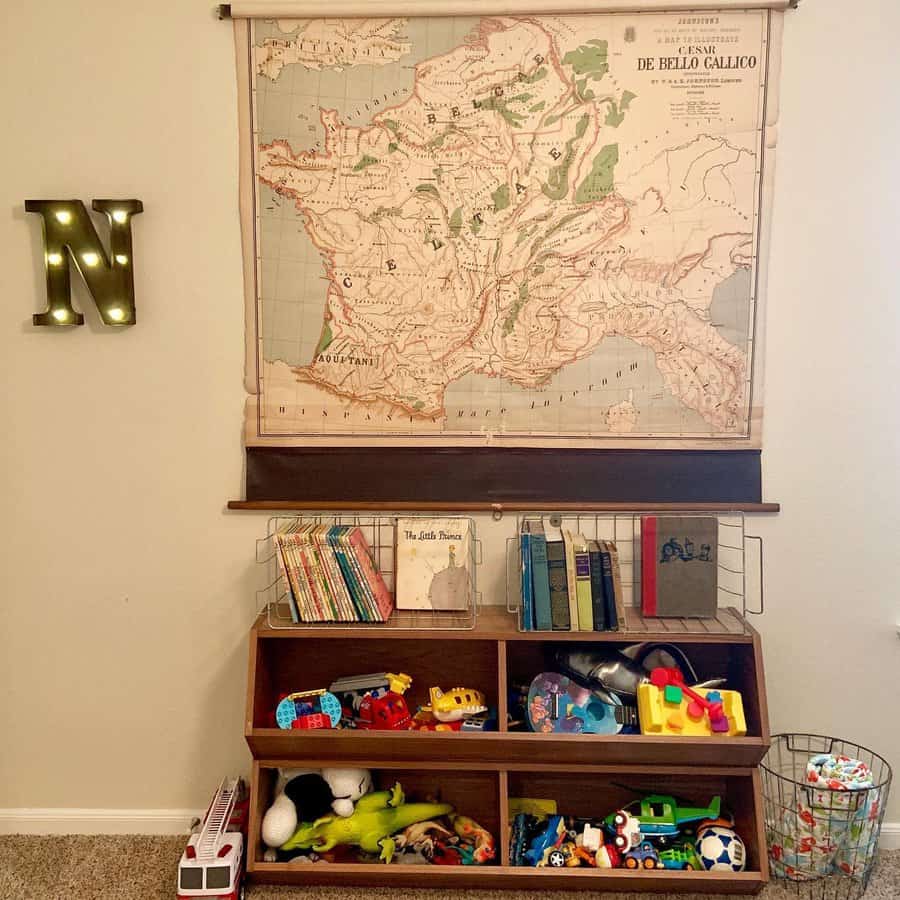
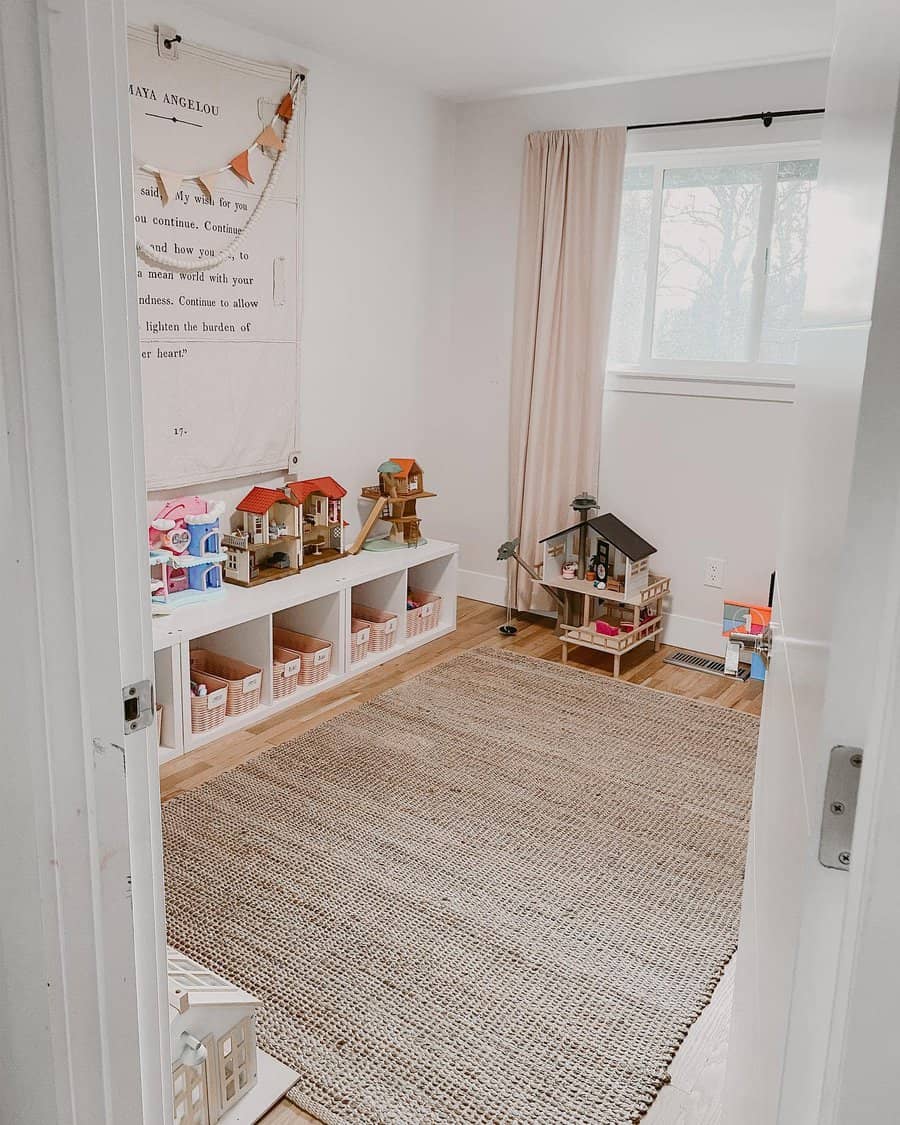
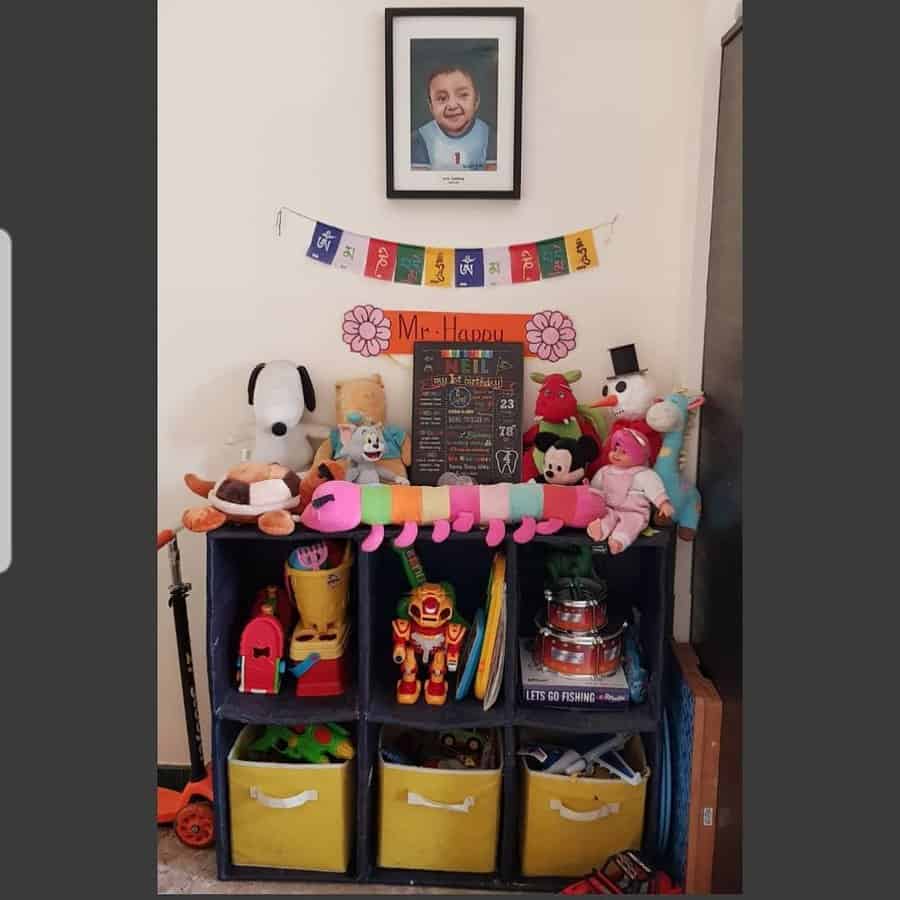
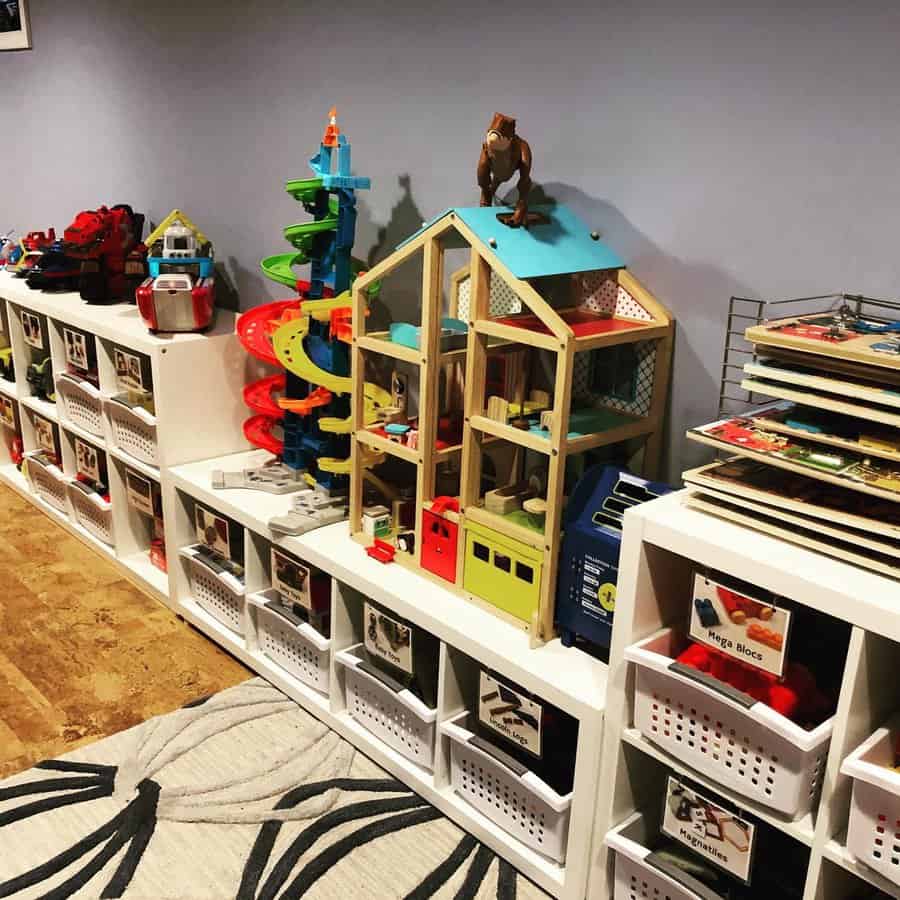
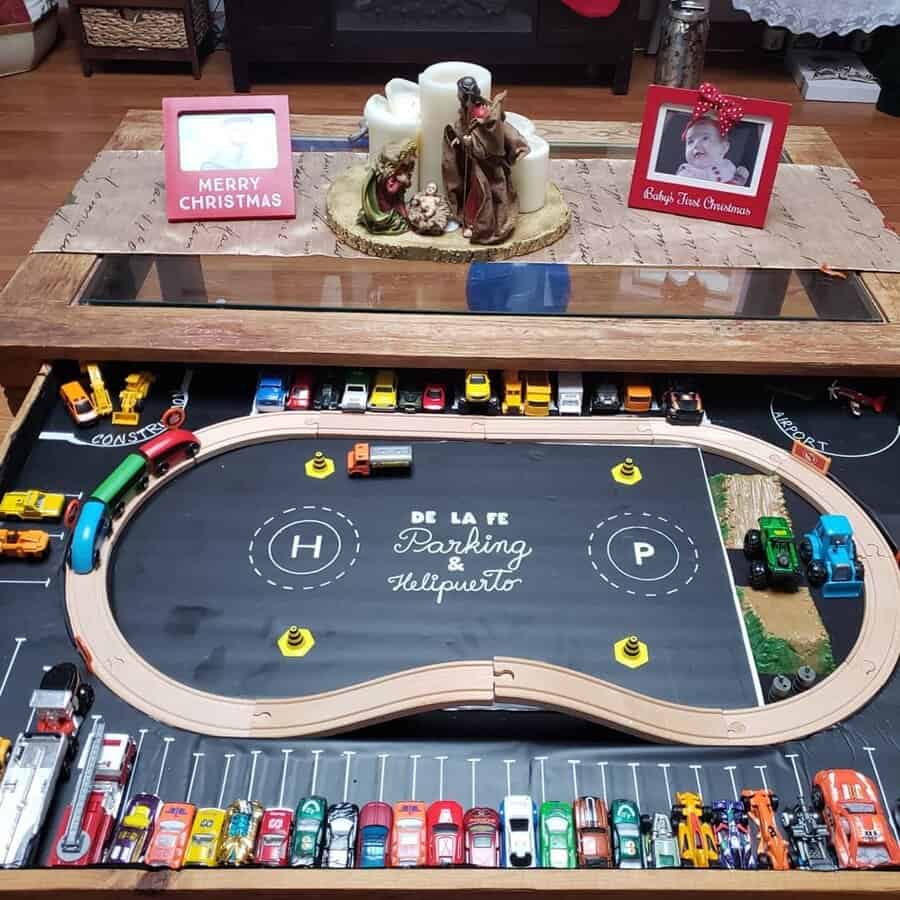
21. Build a Fun and Functional Toy Shelf
Construct a durable toy shelf tailored to the size and type of toys you need to store. This can be a simple wooden structure with open shelves or bins, making it easy for kids to access and tidy up their toys.
Source: @apracticalspace via InstagramSource: @chicantiquebymel via InstagramSource: @finding.order via InstagramSource: @indira.bhullar via InstagramSource: @thetoytamer via InstagramSource: @marylurdysh via Instagram
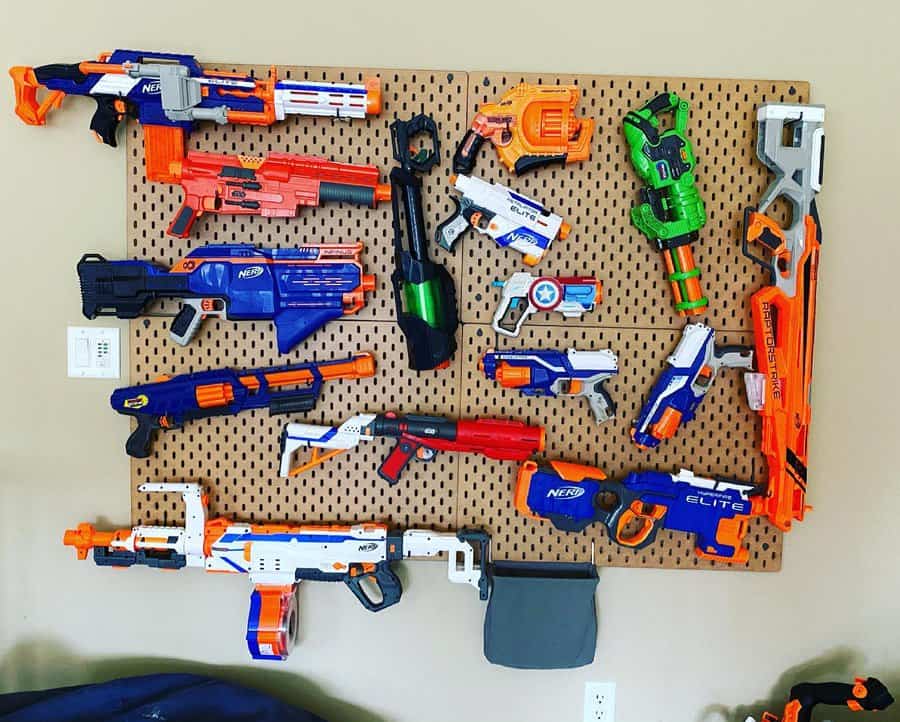
22. Arrange a Versatile Pegboard Storage Wall
Install a pegboard to create a flexible storage wall. Add hooks and shelves to hold tools, craft supplies, or kitchen utensils. This allows for customizable and easily changeable storage solutions.
Source: @organizestlouis via Instagram
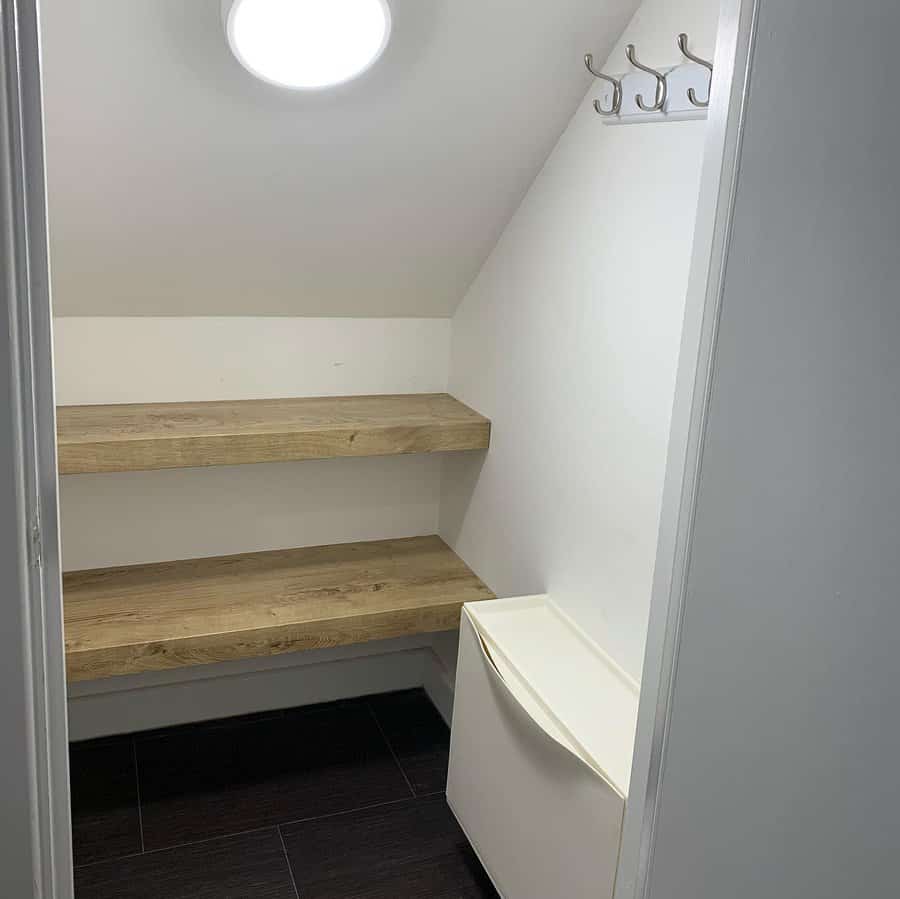
23. Install Custom Mudroom Shelving
Build or install shelves in your mudroom to organize shoes, coats, and outdoor gear. Consider adding baskets or hooks for smaller items to keep the space tidy and efficient for everyday use.
Source: @inside_plot_35 via Instagram
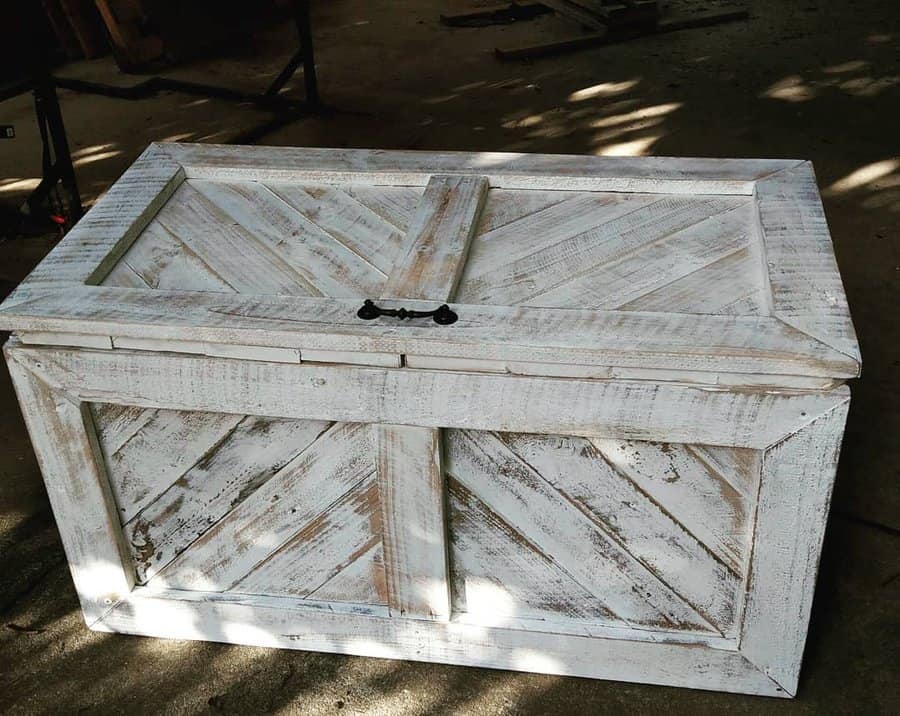
24. Convert a Chest into a Storage Bench
Transform an old chest into a storage bench or coffee table with added functionality. Refinish or paint it to match your decor and use it to store blankets, books, or games, making the most of your living space.
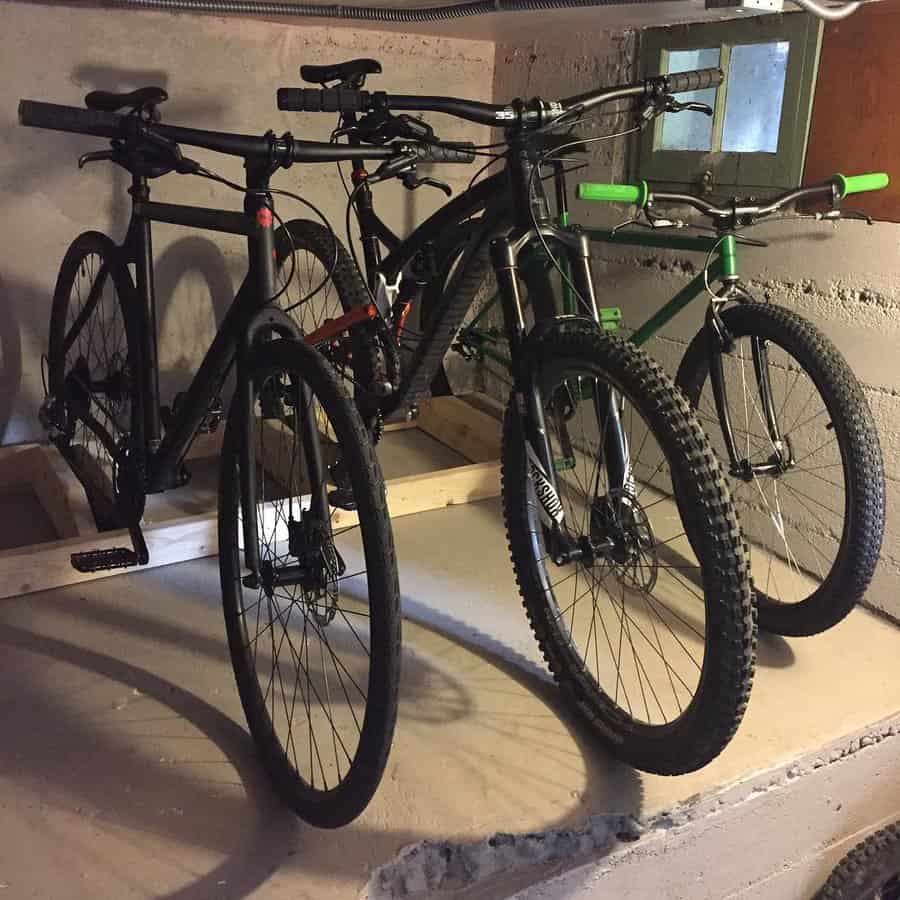
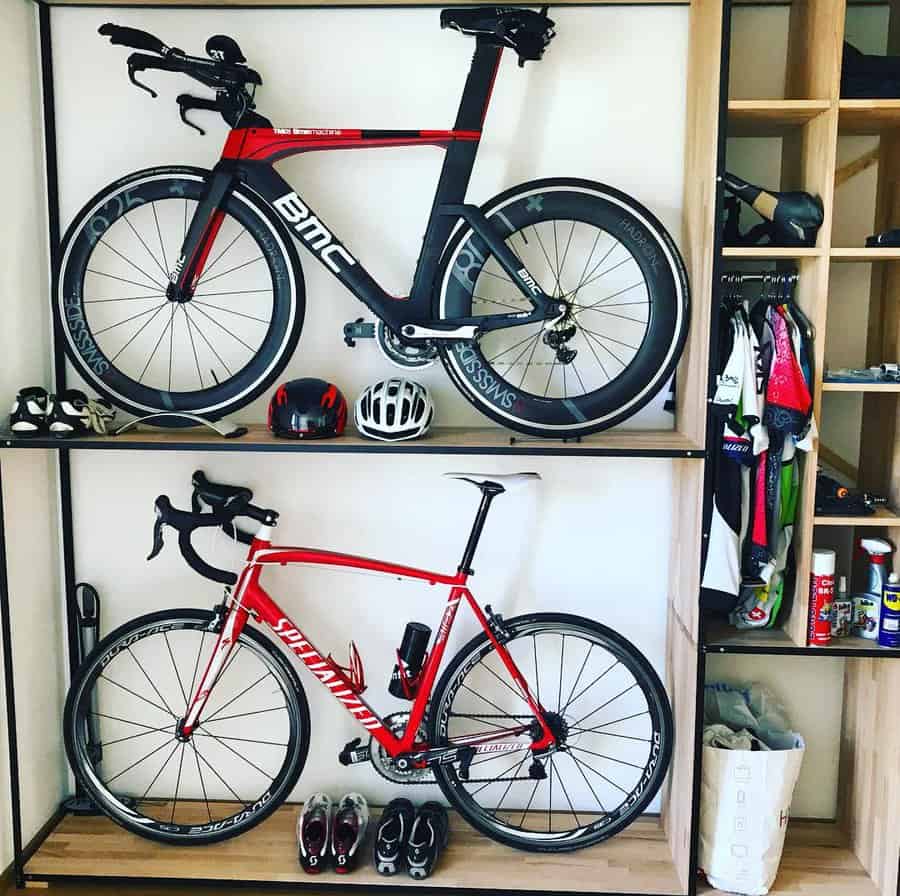
Riding a bicycle is not only fun, but it’s perfect for short commutes or getting some exercise. The only problem is, they take up a lot of room when they’re not in use.
It doesn’t matter what type of bike you ride, it could be an electric bike with a heavy battery, a sleek road bike, a hybrid bike that’s ready for anything, or a rugged mountain bike, you need a safe place to keep your bike.
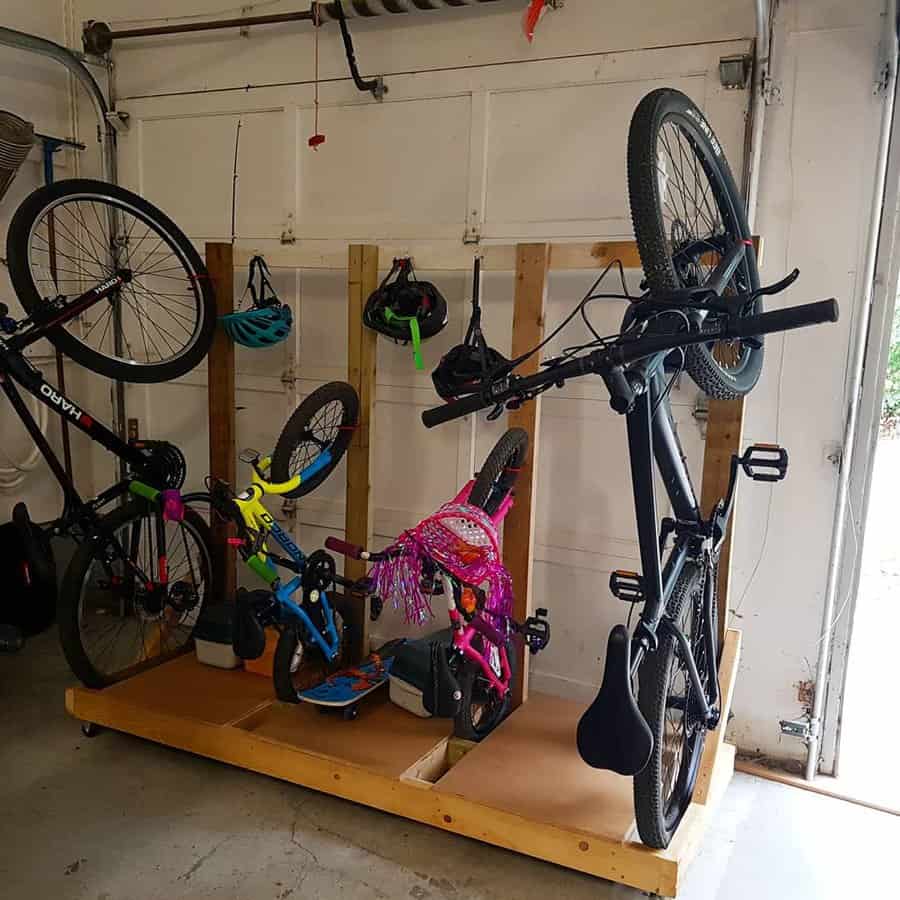
If you have multiple bikes, now you need compact storage that won’t take up your entire garage or apartment entry.
These bike storage ideas will help you find the right storage solution for your bikes.
[view_toc]
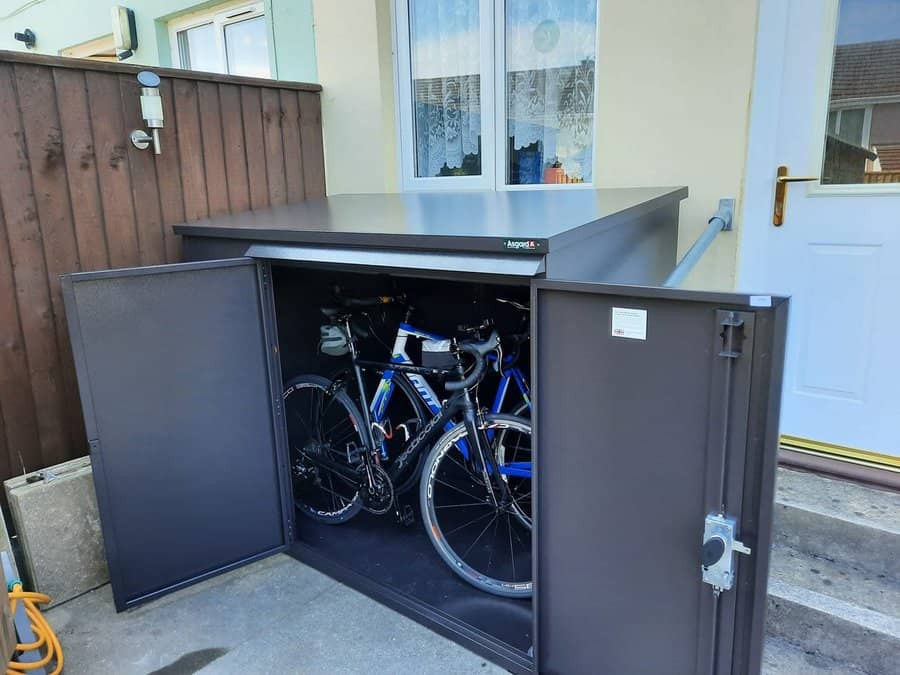
1. Bike Locker
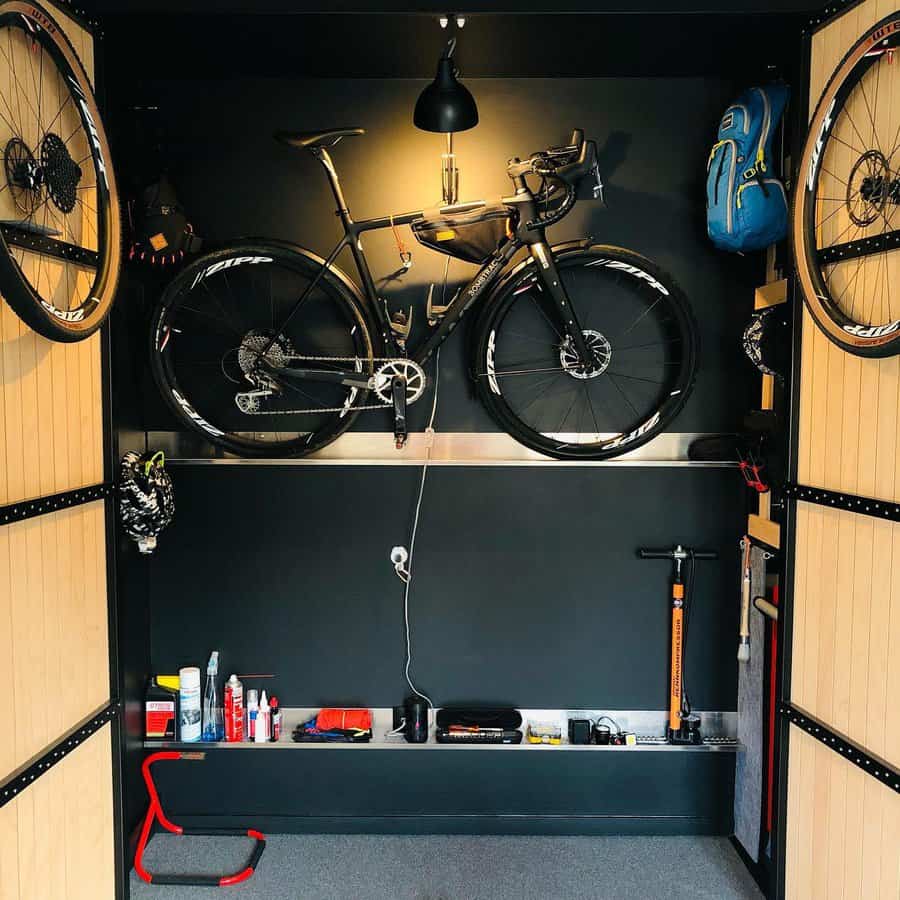
A bike locker is a compact and secure solution, ideal for safeguarding your bicycle against theft and weather elements. Think of it as a mini garage, exclusively for your bike. Its sturdy construction deters theft, while its sleek design can blend seamlessly with your home’s exterior. Bike lockers work well for those with limited space, offering peace of mind without consuming much room.
Source: @asgardstorage via Instagram
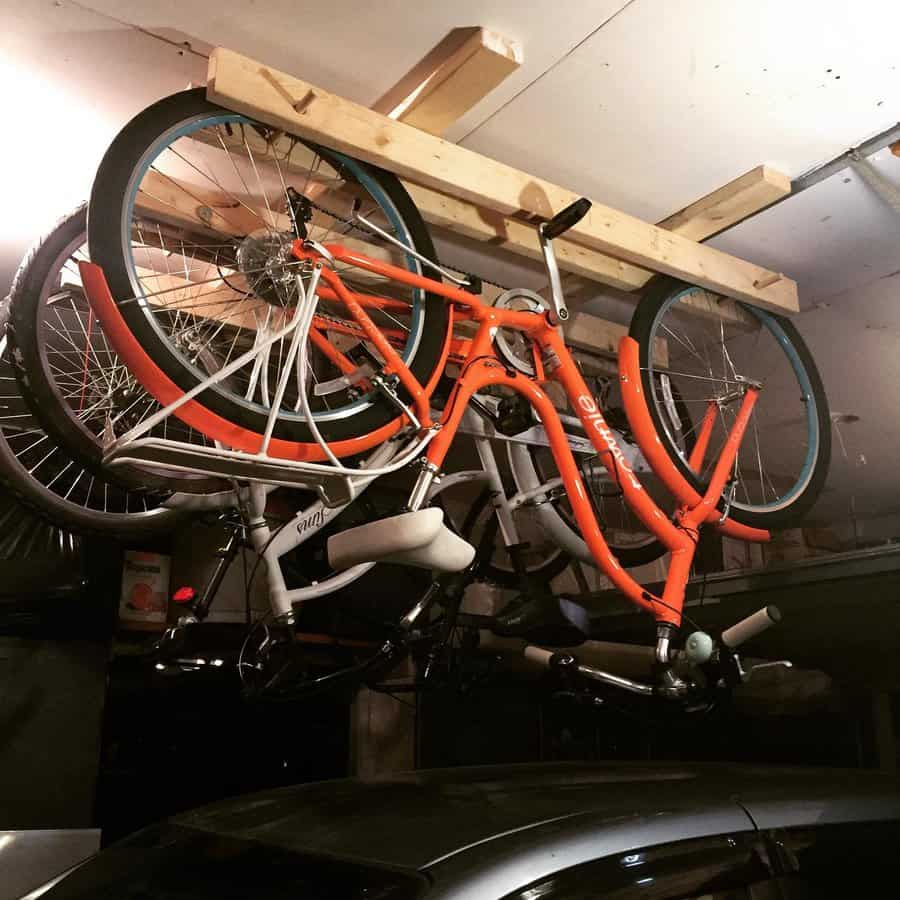
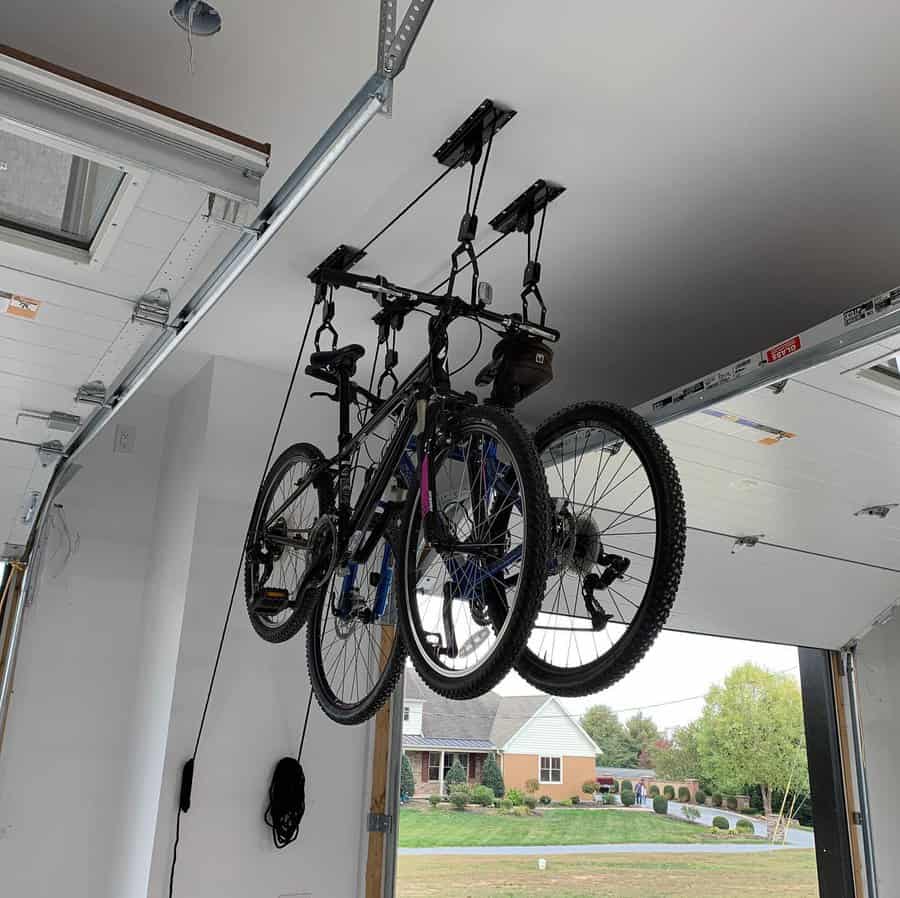
2. Ceiling-Mounted System
Utilize your ceiling space with a ceiling-mounted bike storage system. This approach is perfect for high-ceilinged homes, keeping bikes off the floor and out of the way. The pulley system simplifies lifting and lowering the bike, making it an excellent choice for those who value convenience and space efficiency. It’s not just a storage solution; it’s a statement piece that says you value both form and function.
Source: @glendwelder via InstagramSource: @busydadsworkshop via InstagramSource: @handypaulo via Instagram
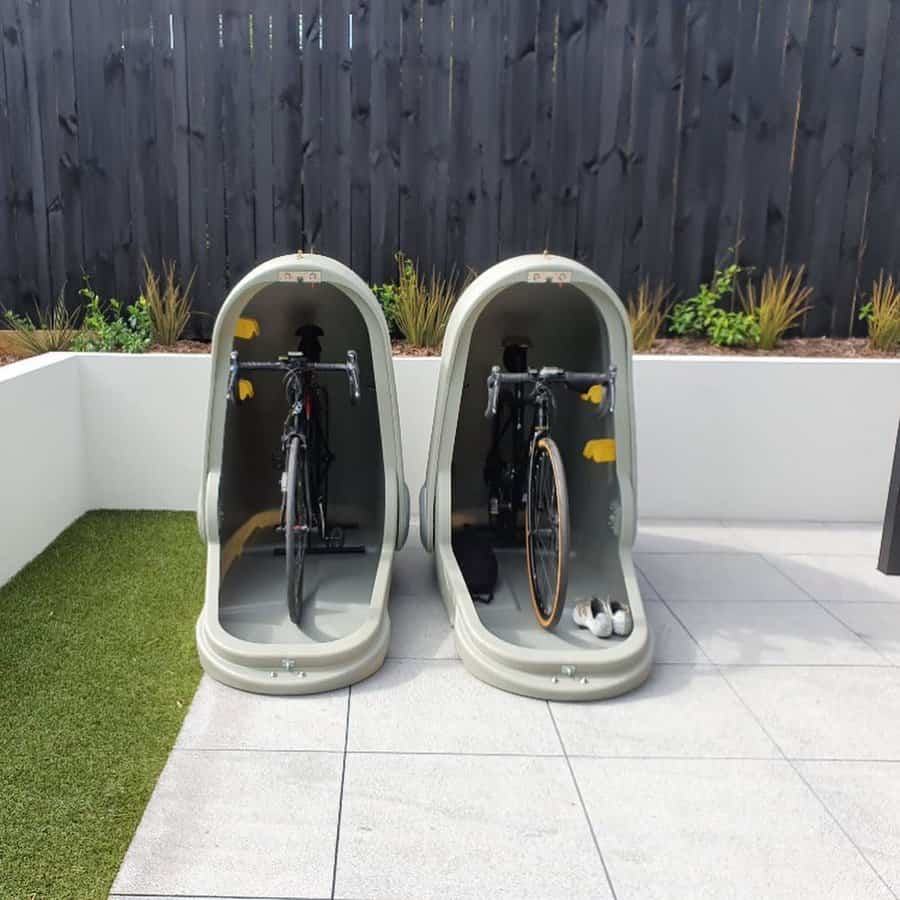
3. Bike Capsule
Envision a futuristic bubble safeguarding your bike – that’s a bike capsule. It’s a unique, innovative option for urban cyclists with a flair for modern design. Weatherproof and tamper-resistant, it protects your bike from the elements and theft. Its transparent or semi-transparent material also allows for easy visual access, making it a striking feature in any contemporary home setting.
Source: @alpenbikecapsule via Instagram
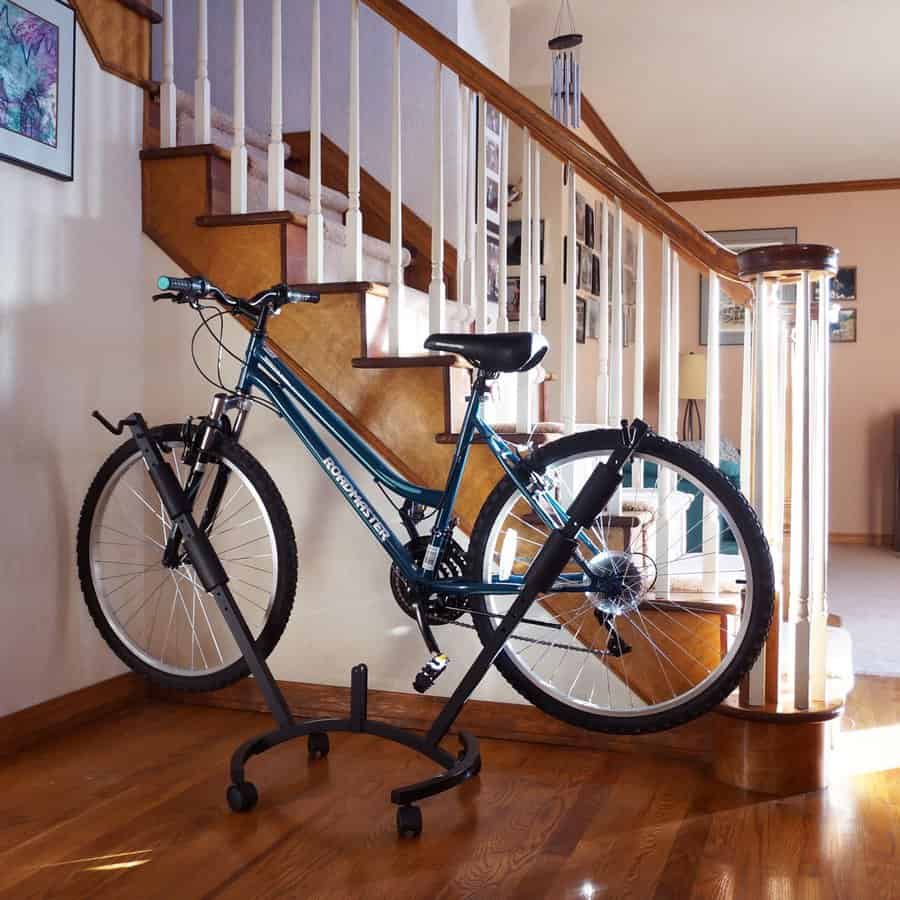
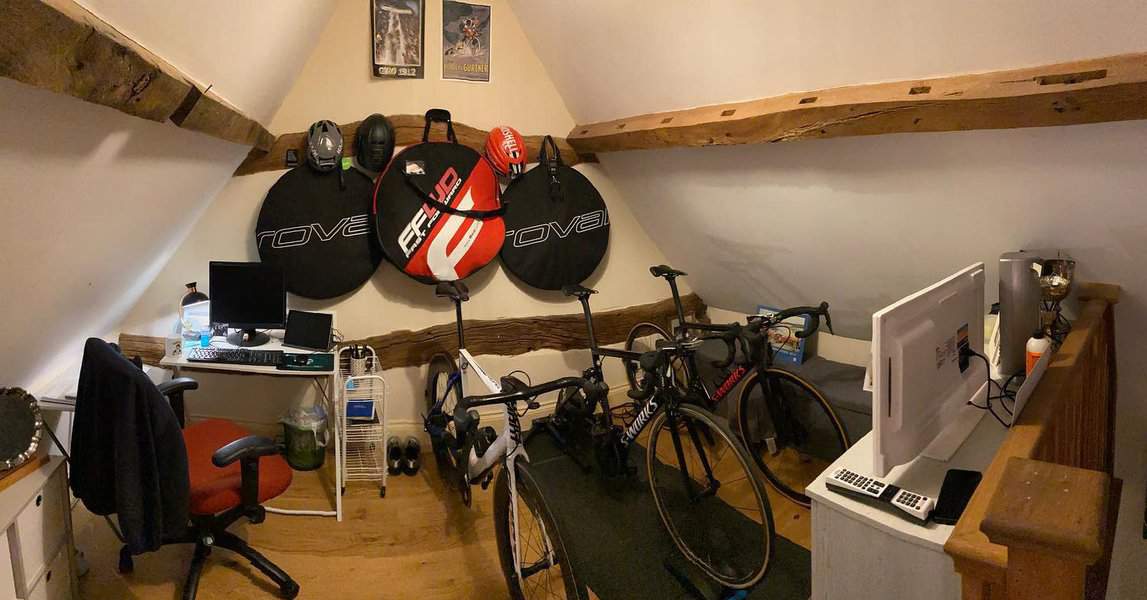
4. Bike Racks & Stands
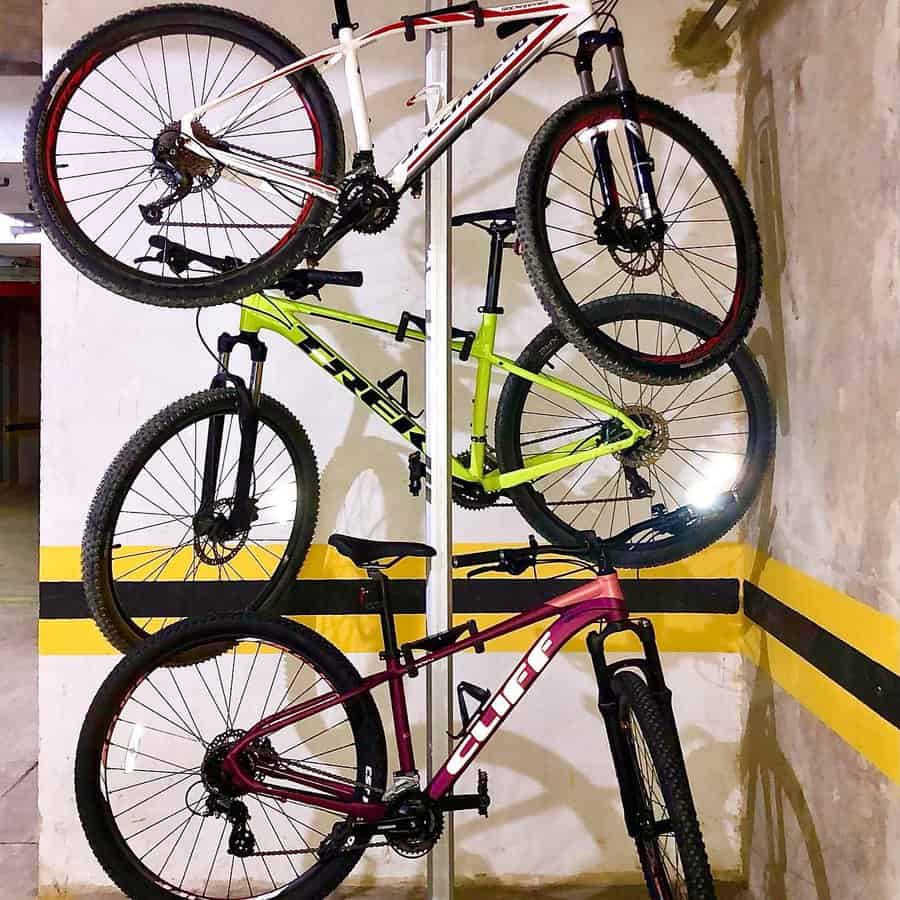
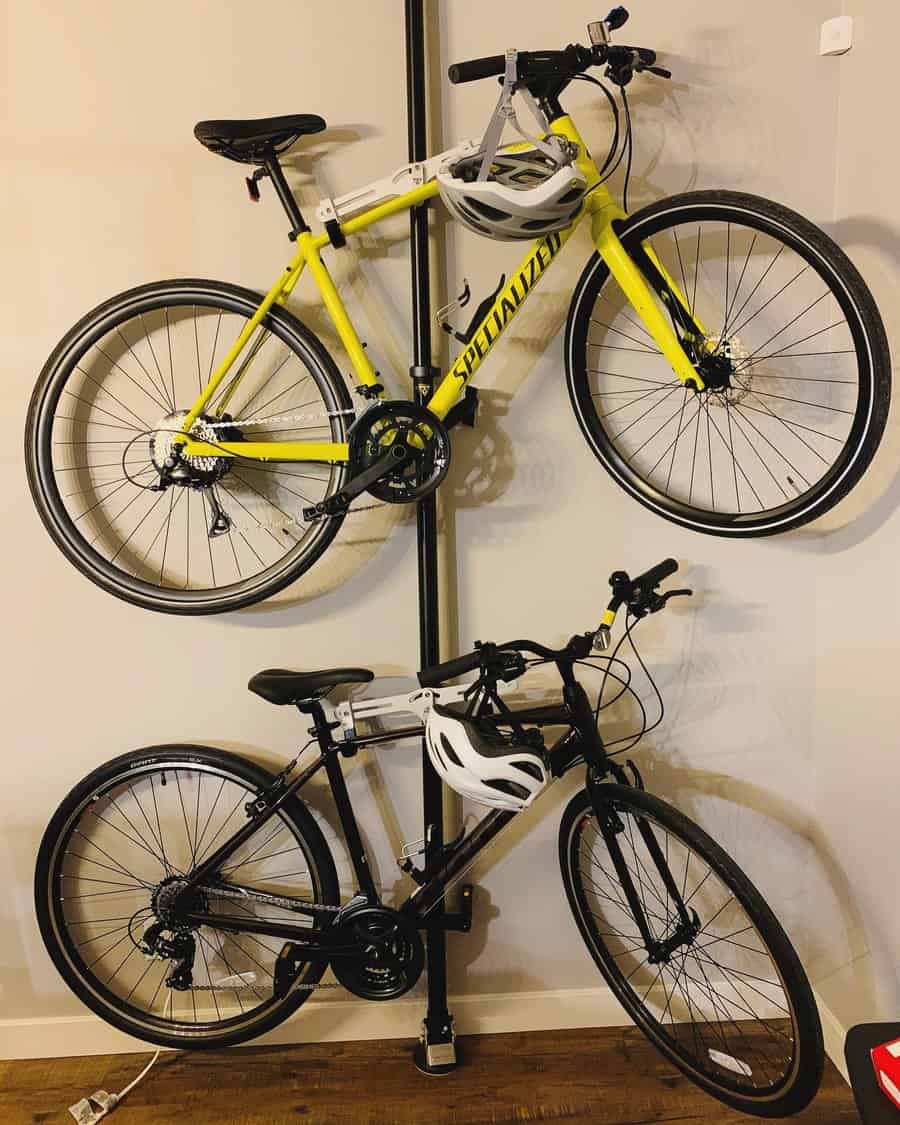
Bike racks and stands offer versatile and straightforward storage solutions. Freestanding or floor-mounted, these are perfect for renters or homeowners who prefer not to drill walls. From minimalist designs to more elaborate ones, they cater to various aesthetics, making them a functional and decorative addition to any space. Plus, they’re readily accessible, making them ideal for daily cyclists.
Source: @letsgoaero via InstagramSource: @theshoponcrewest via InstagramSource: @aipolyak via InstagramSource: @azsteelman1 via InstagramSource: @morgz1979 via InstagramSource: @chol1_cl via InstagramSource: @erinr79 via Instagram
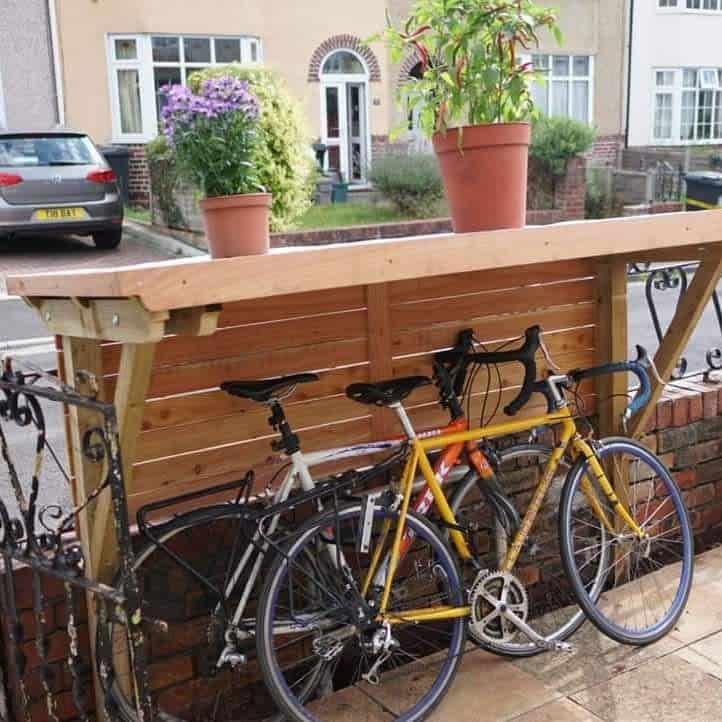
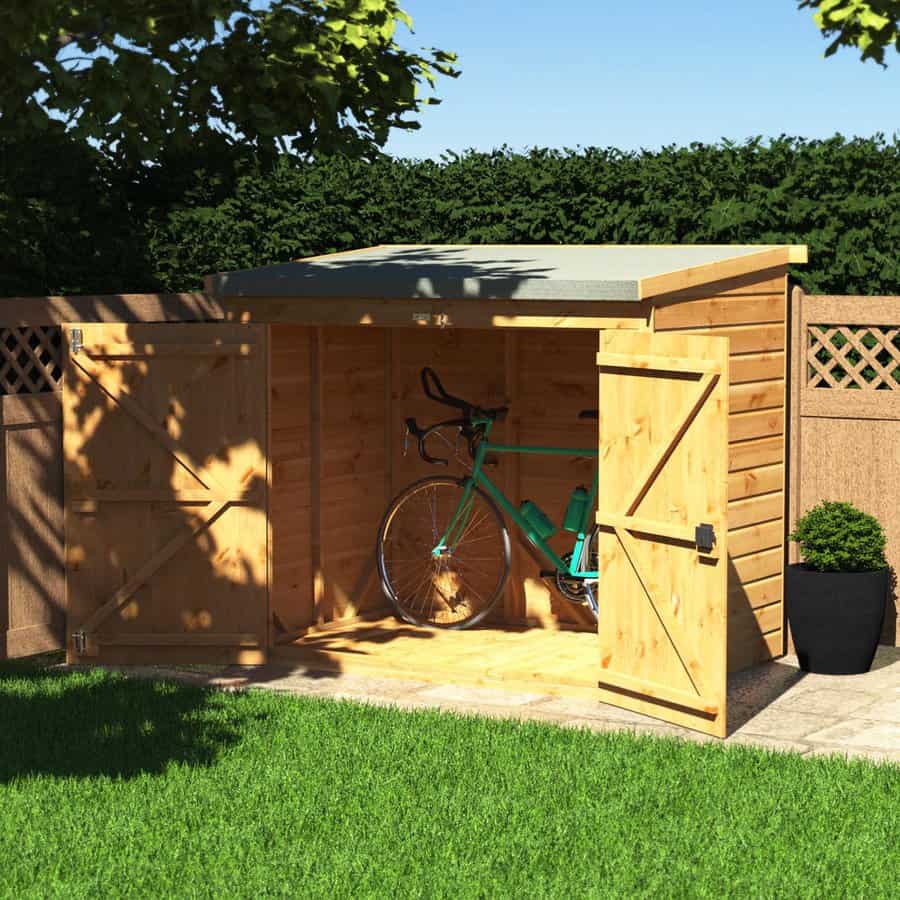
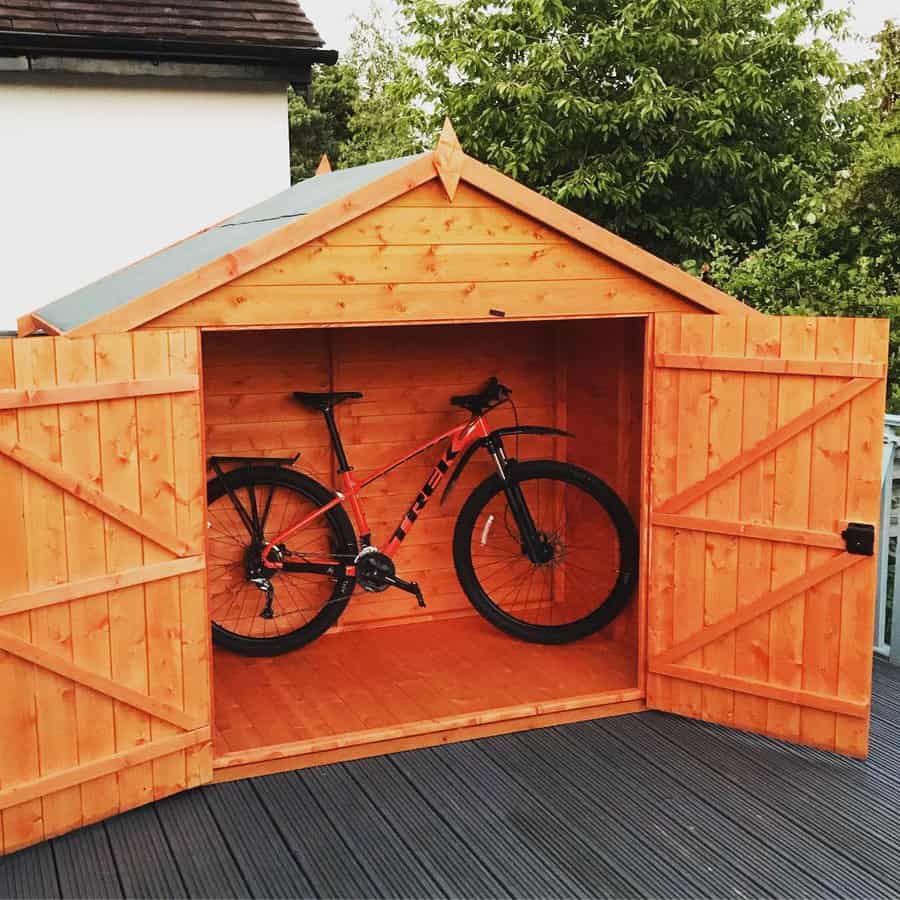
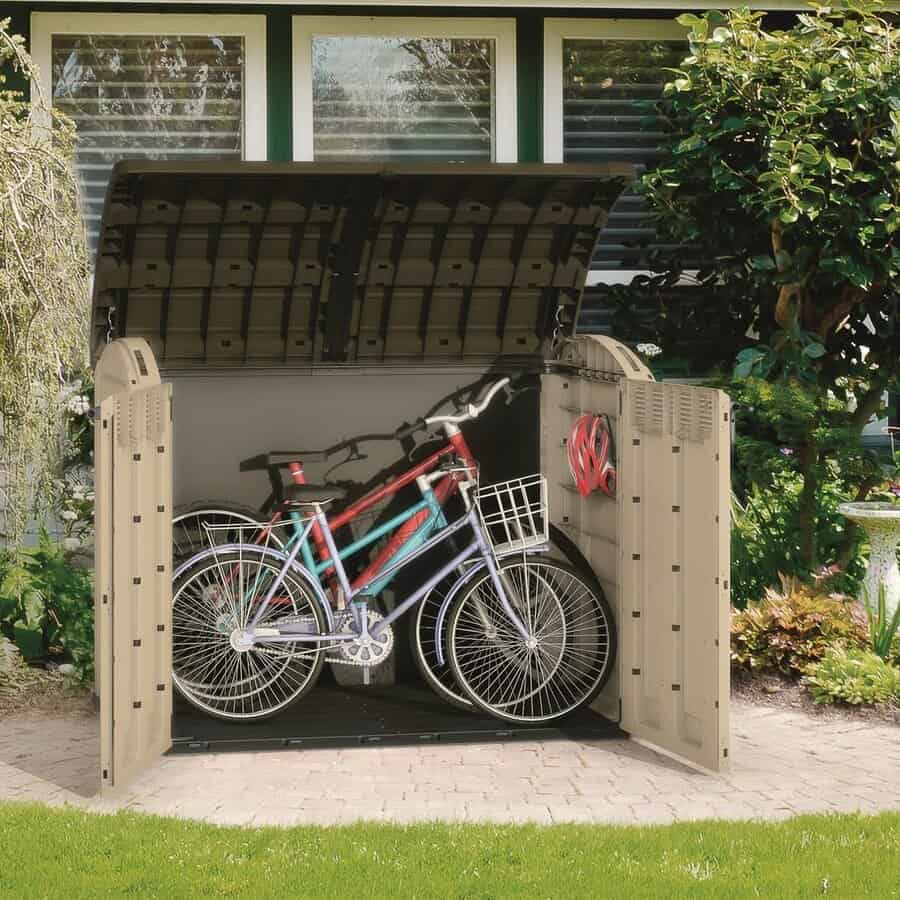
4. Bike Storage Shed
For those with outdoor space, a bike storage shed is a practical and secure option. It’s like a sanctuary for your bikes, providing ample space for multiple bicycles and cycling gear. Tailor it to match your home’s style – rustic, modern, or traditional. Its robust construction offers excellent protection from weather and theft, making it a wise investment for avid cyclists.
Source: @peddlerandtheroof via InstagramSource: @powersheds via InstagramSource: @suburbanrunner_ via InstagramSource: @keter_amazingspaces via Instagram
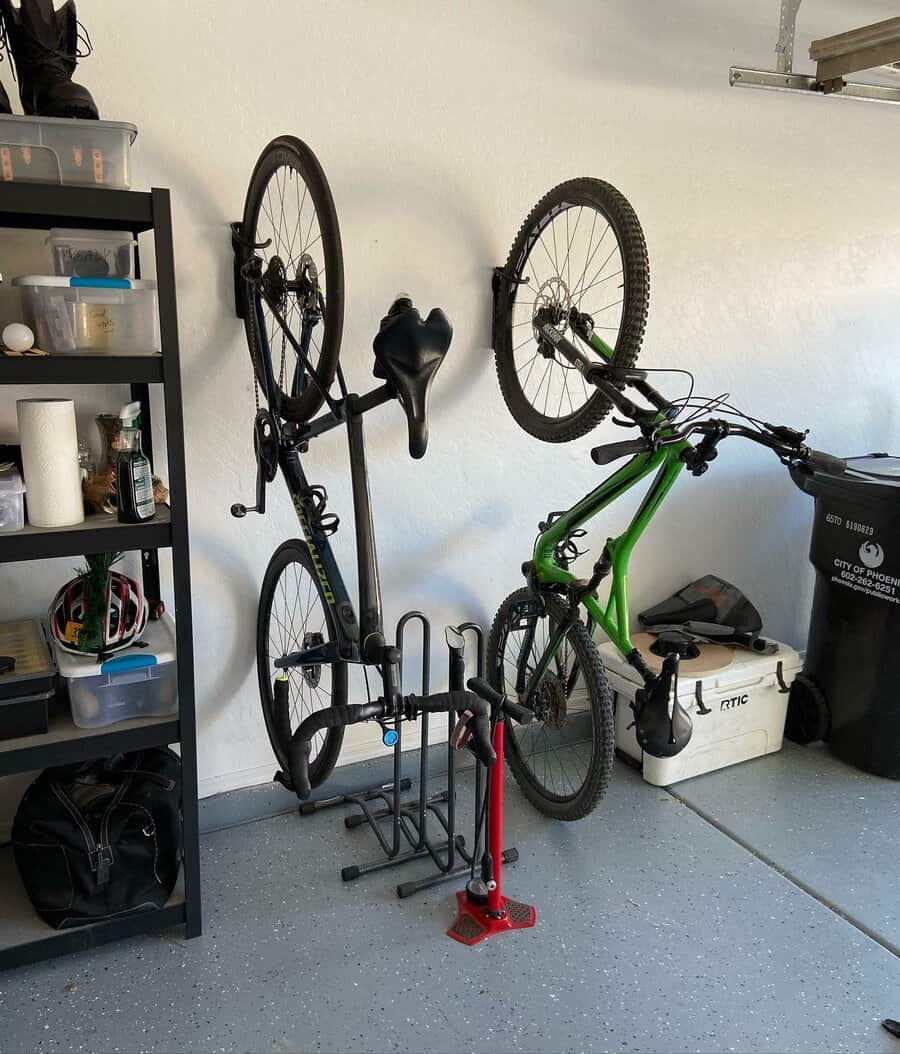
5. Wall-Mounted Metal Bike Rack
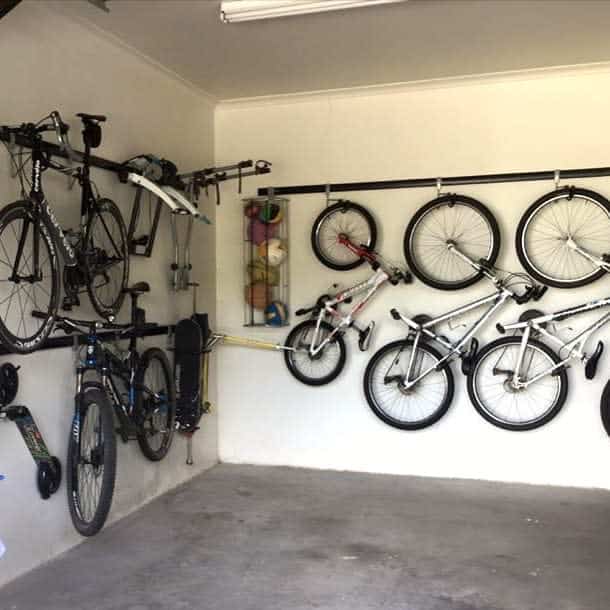
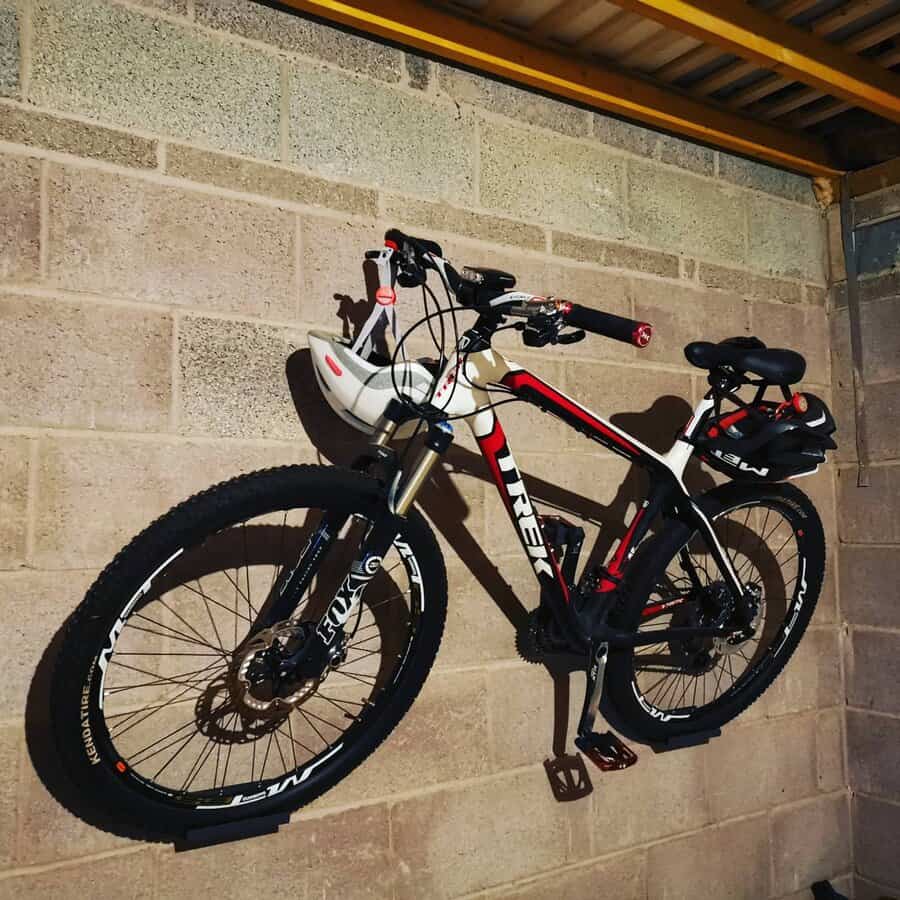
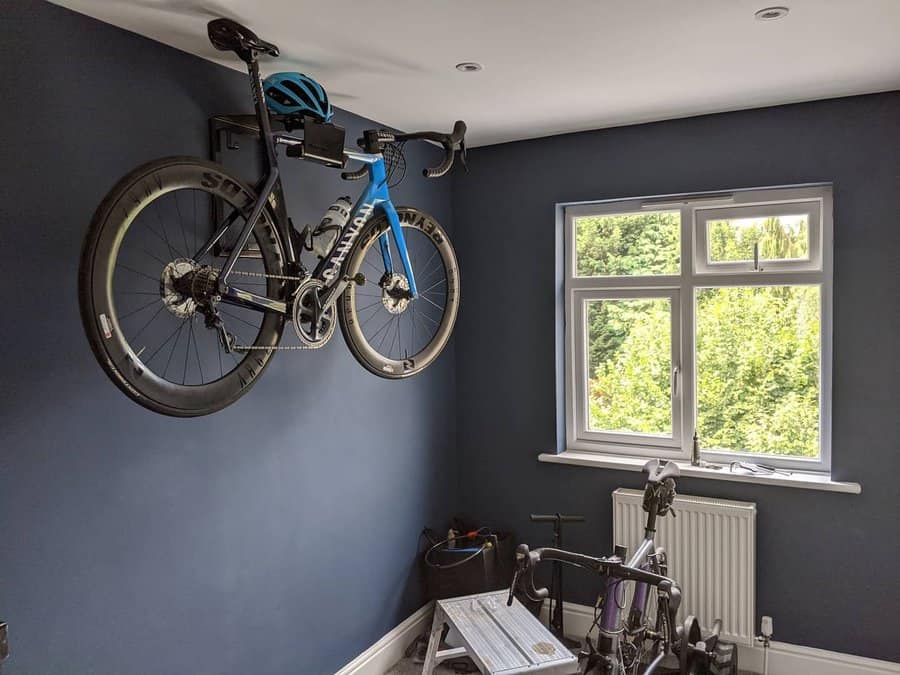
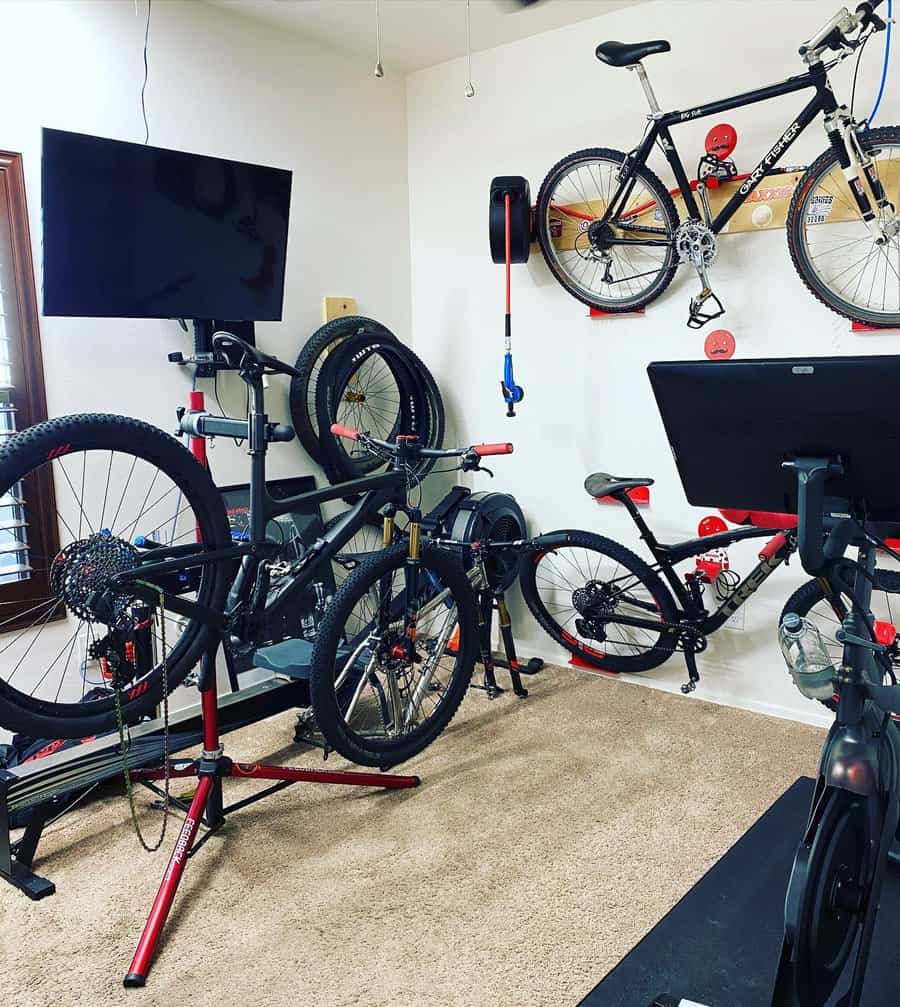
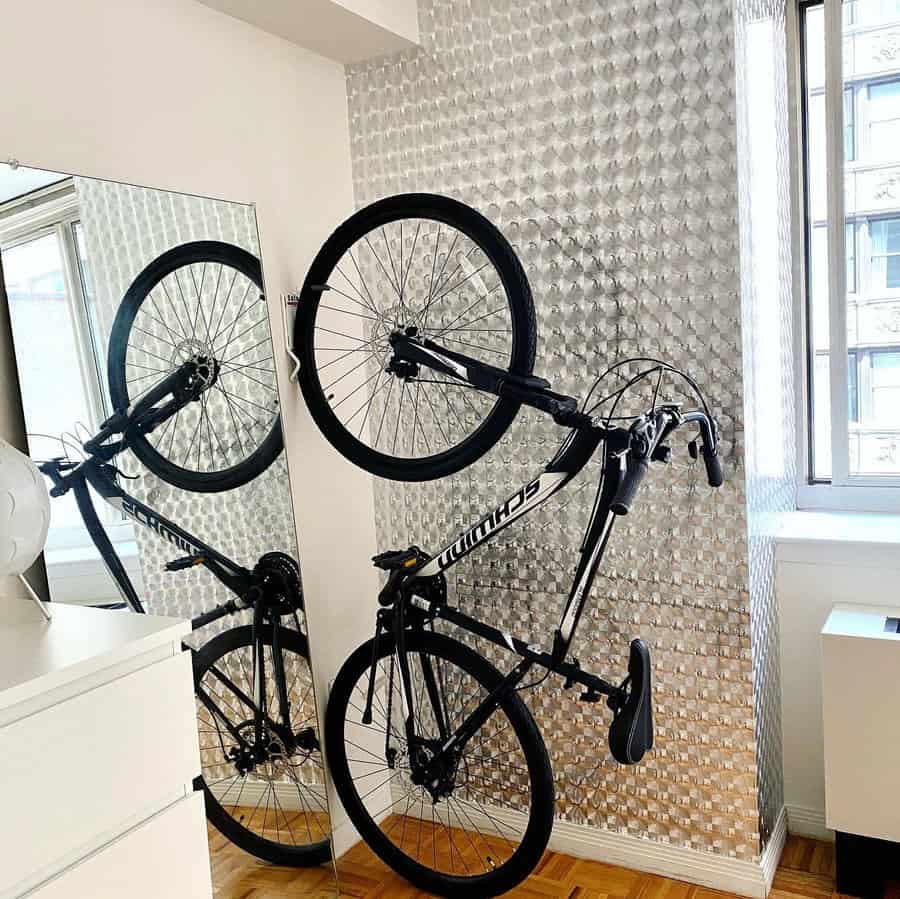
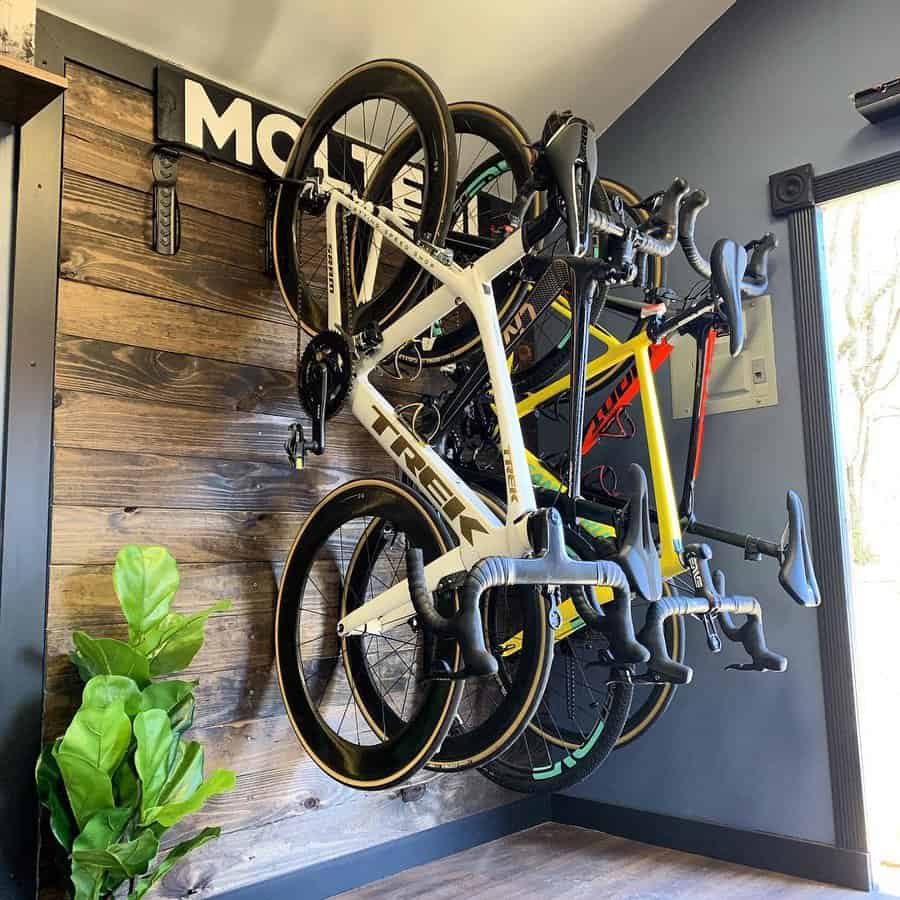
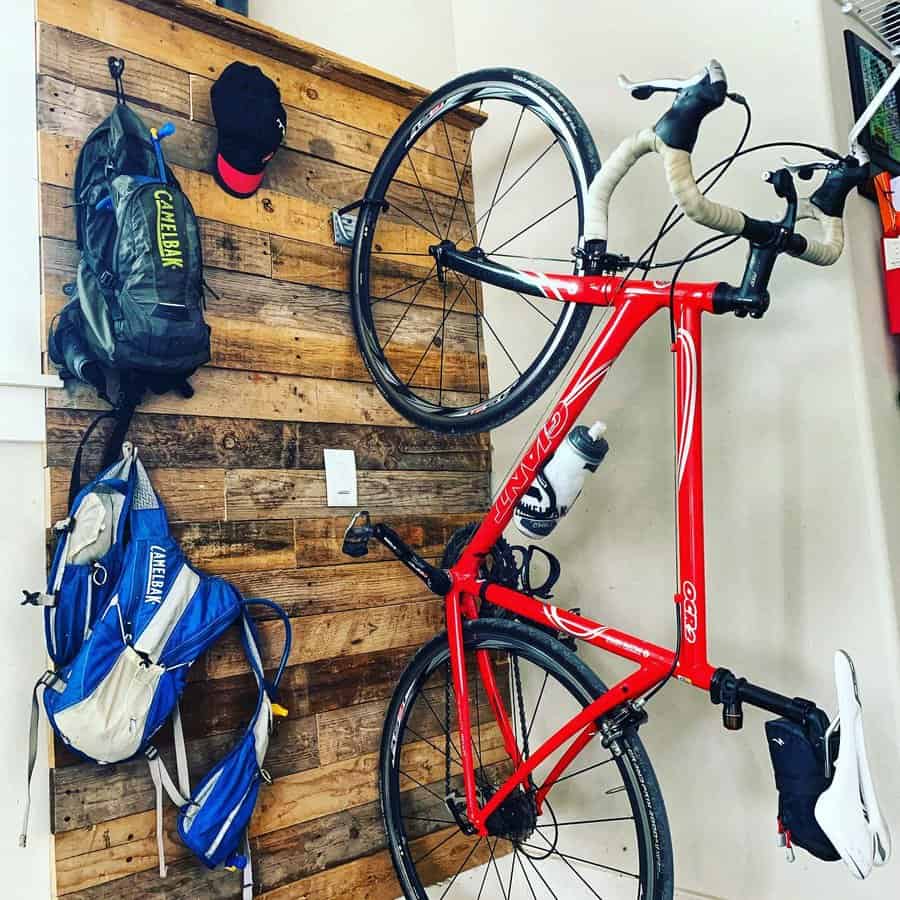
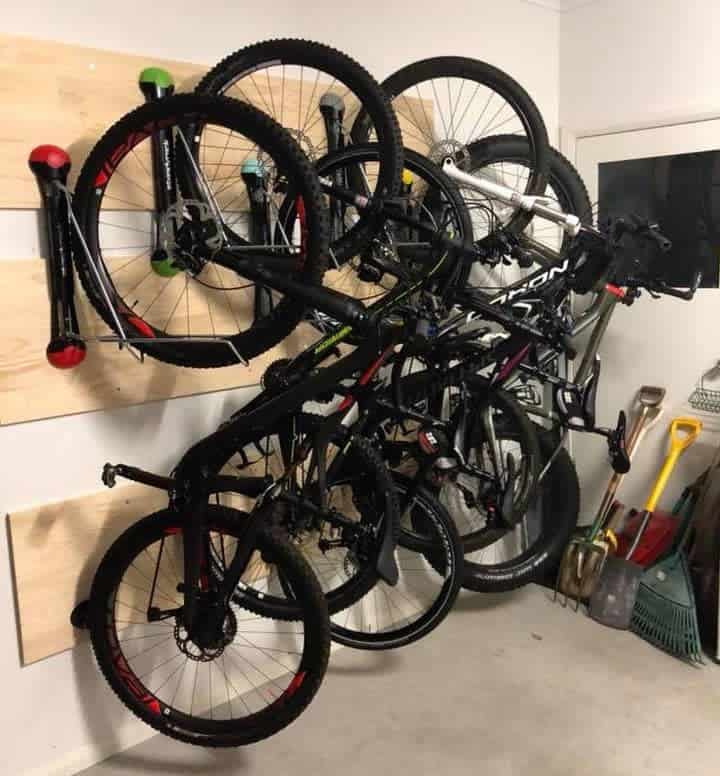
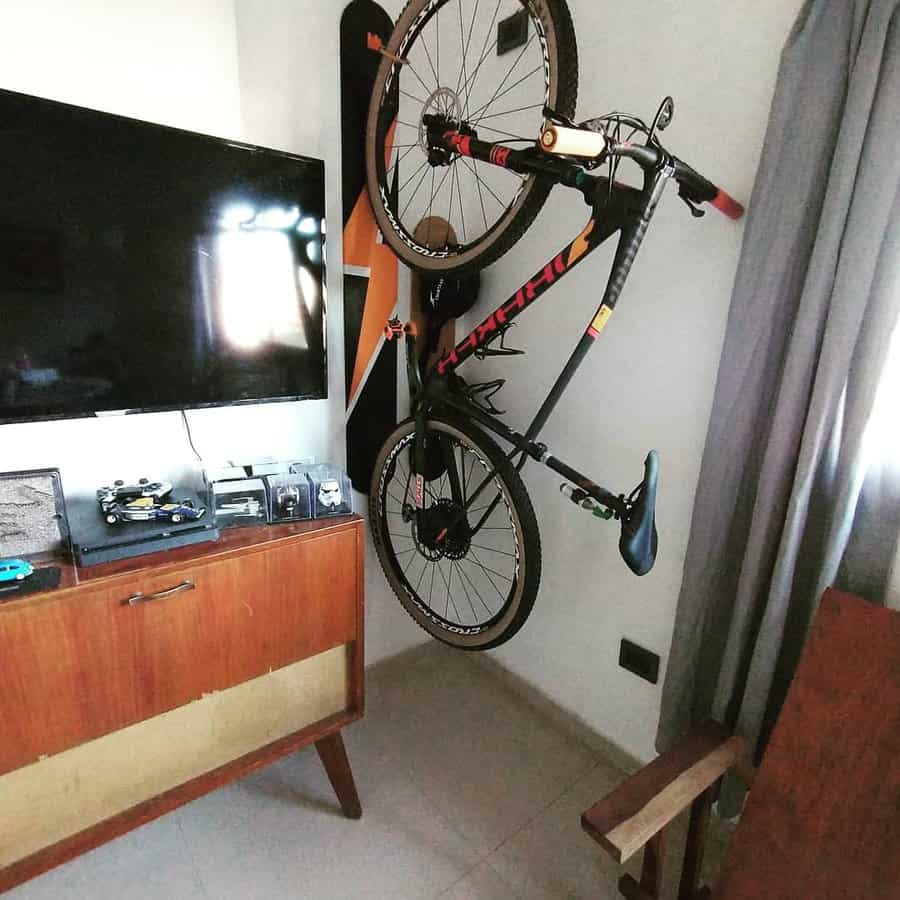
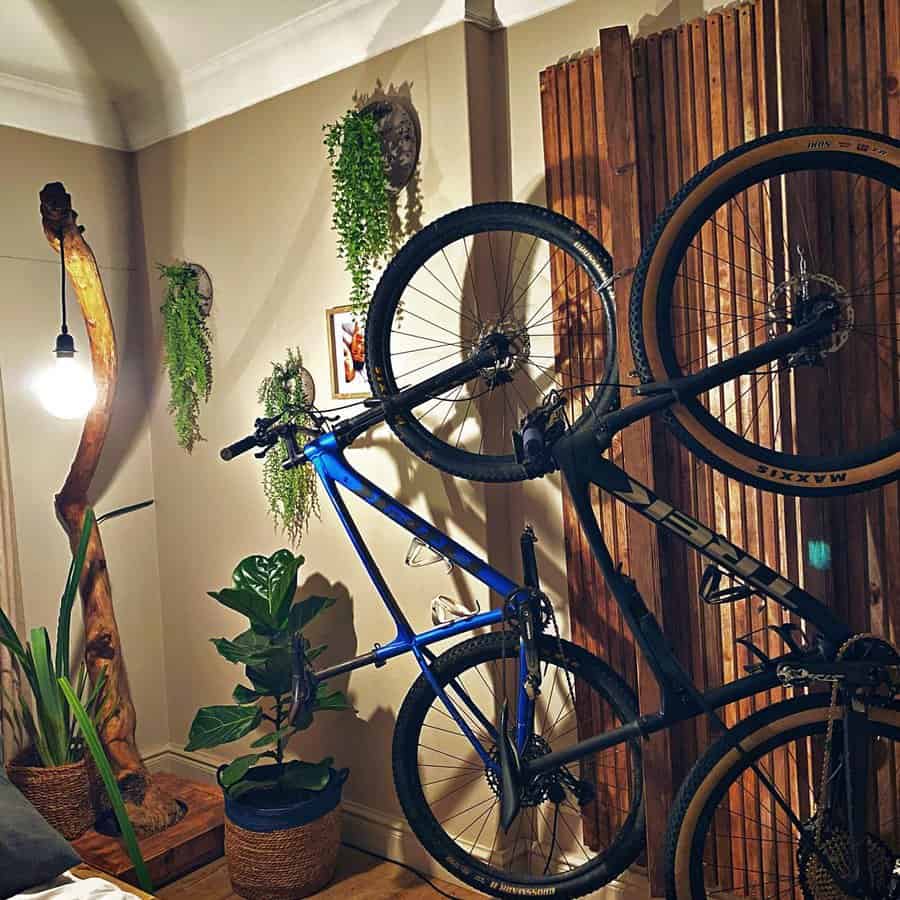
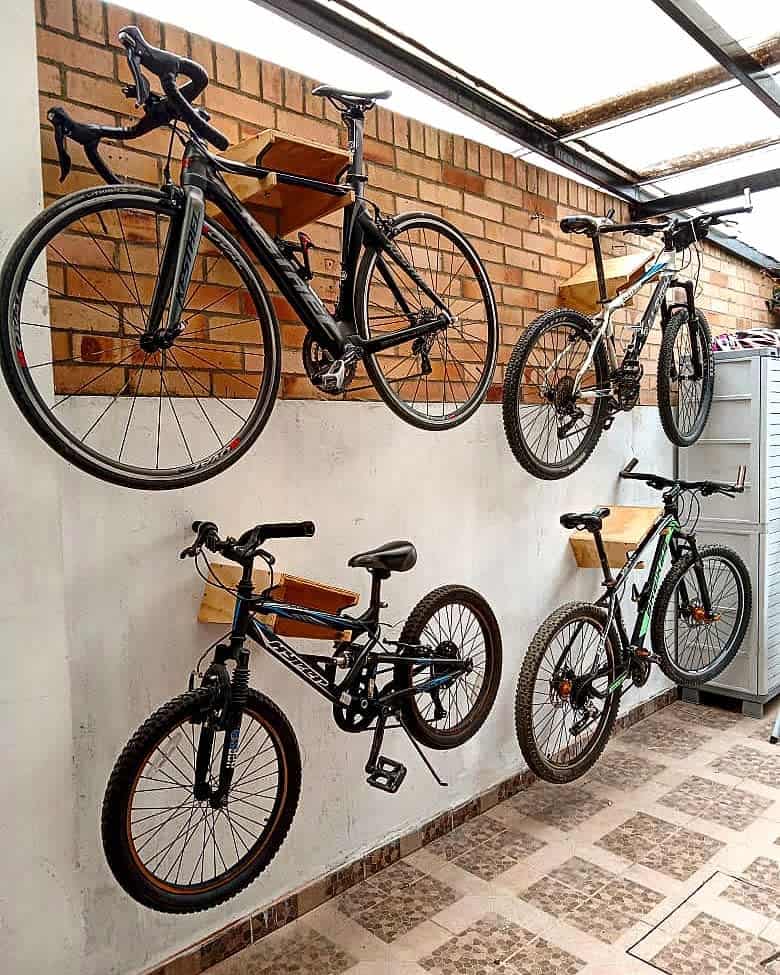
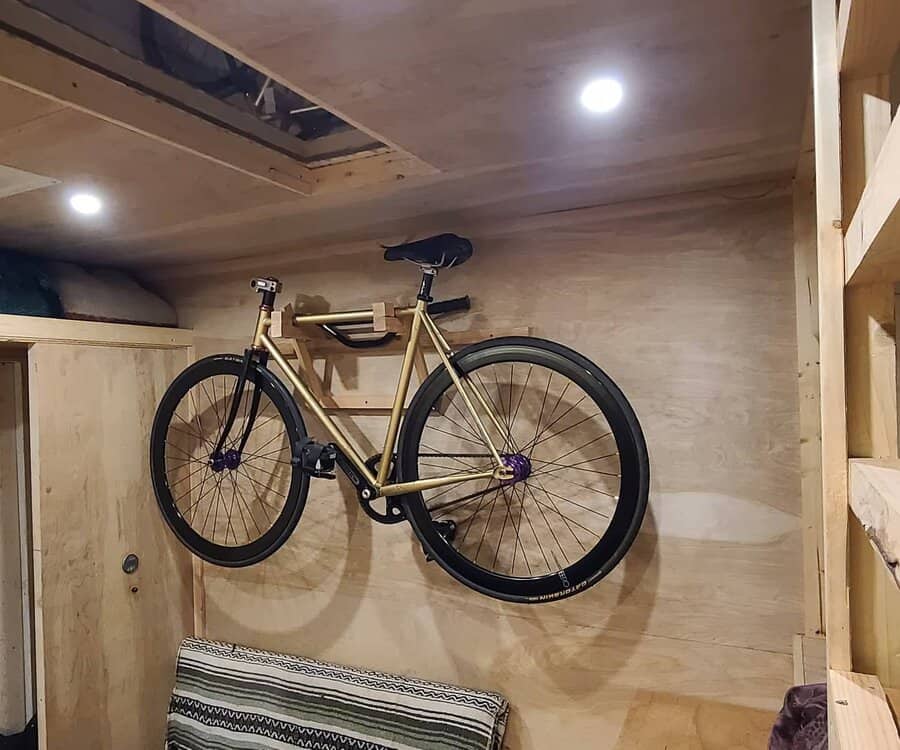
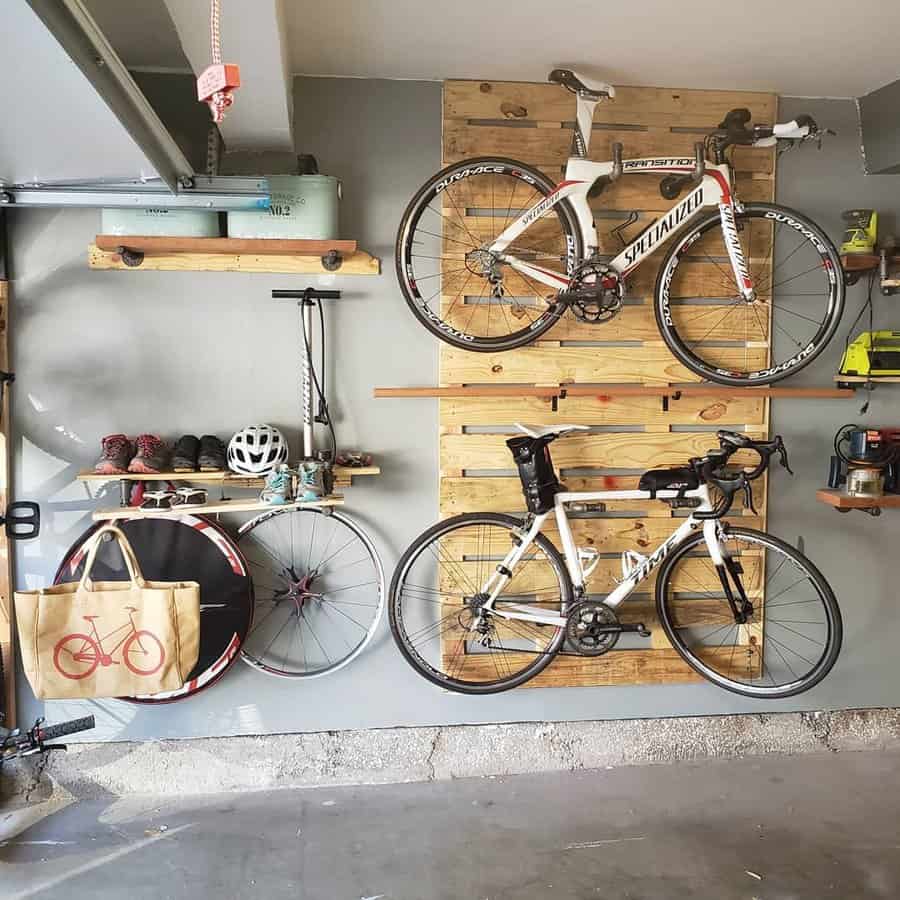
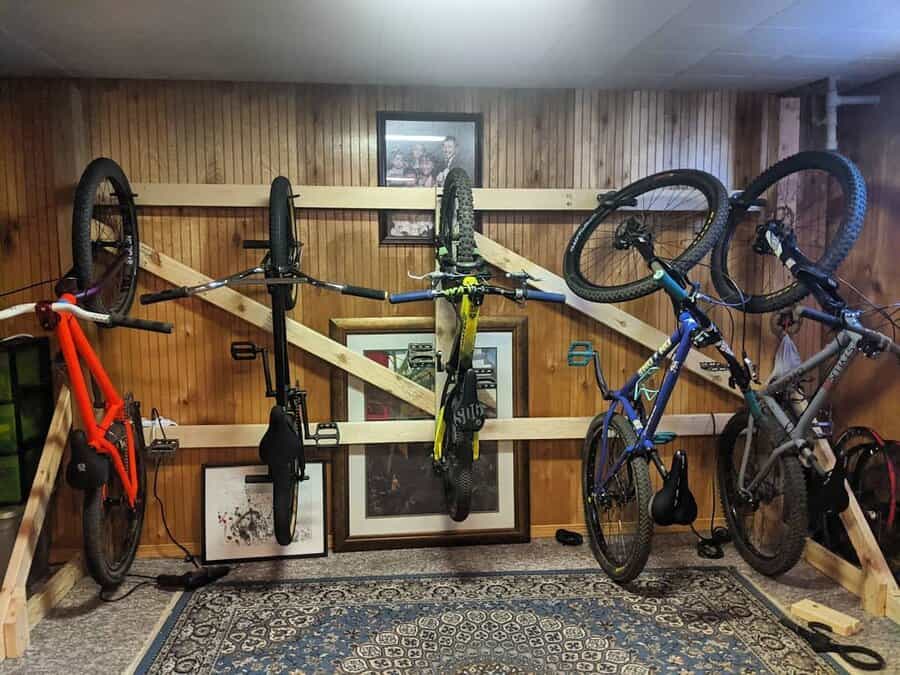
A wall-mounted metal bike rack is both a space-saver and a stylish addition to your home. Its durable construction ensures your bike’s safety, while its sleek design can be a visual highlight. Ideal for small apartments or homes, it elevates your bike into a piece of wall art. This solution is perfect for showcasing your bike and reclaiming valuable floor space.
Source: @sweethomeuzarraga via InstagramSource: @superchewfly via InstagramSource: @gettingitdoneorganizing via InstagramSource: @mygarage_sa via InstagramSource: @girafebike via InstagramSource: @msvivian0605 via InstagramSource: @cat4tattoo via InstagramSource: @mtblfe75 via InstagramSource: @project_anderson via Instagram
6. Indoor Bike Cabinet
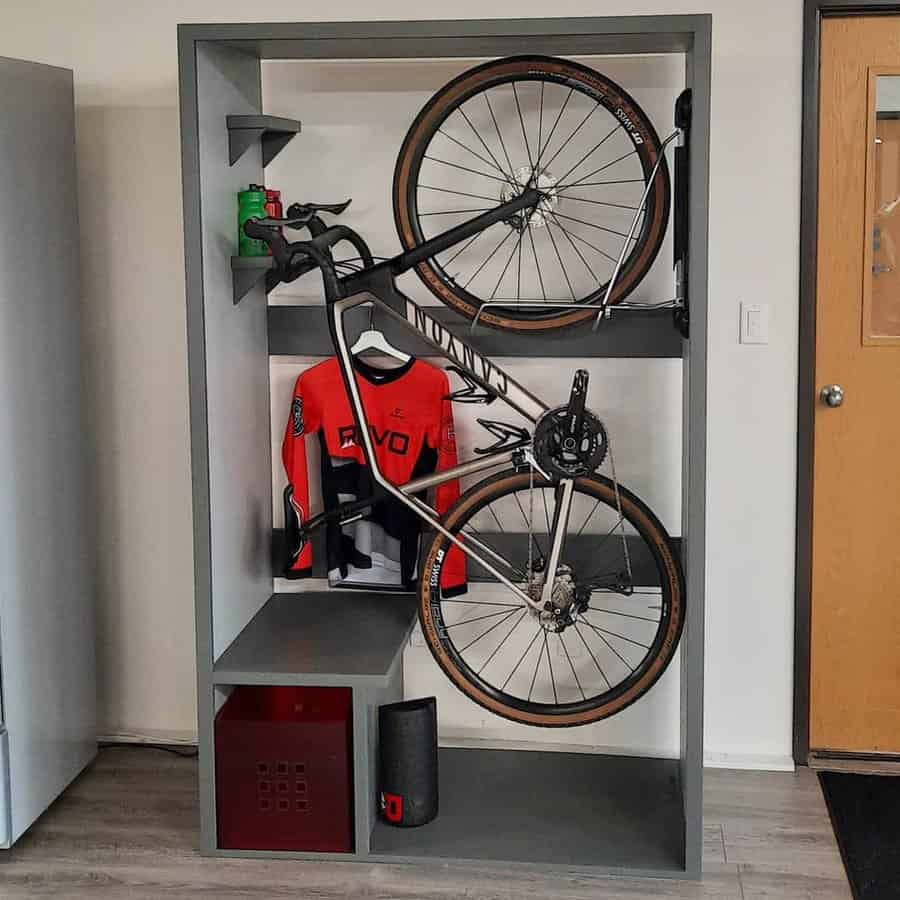
An indoor bike cabinet is an elegant and discreet way to store your bike. It’s a furniture piece that doubles as bike storage, blending seamlessly with your home decor. Ideal for those who prefer to keep their bikes indoors without compromising on style. With customizable designs and finishes, it can be a sophisticated focal point in your living space.
Source: @nickd268 via InstagramSource: @p.e.t.e.r.s.t.o.n.e via InstagramSource: @swimfunrun2014 via Instagram
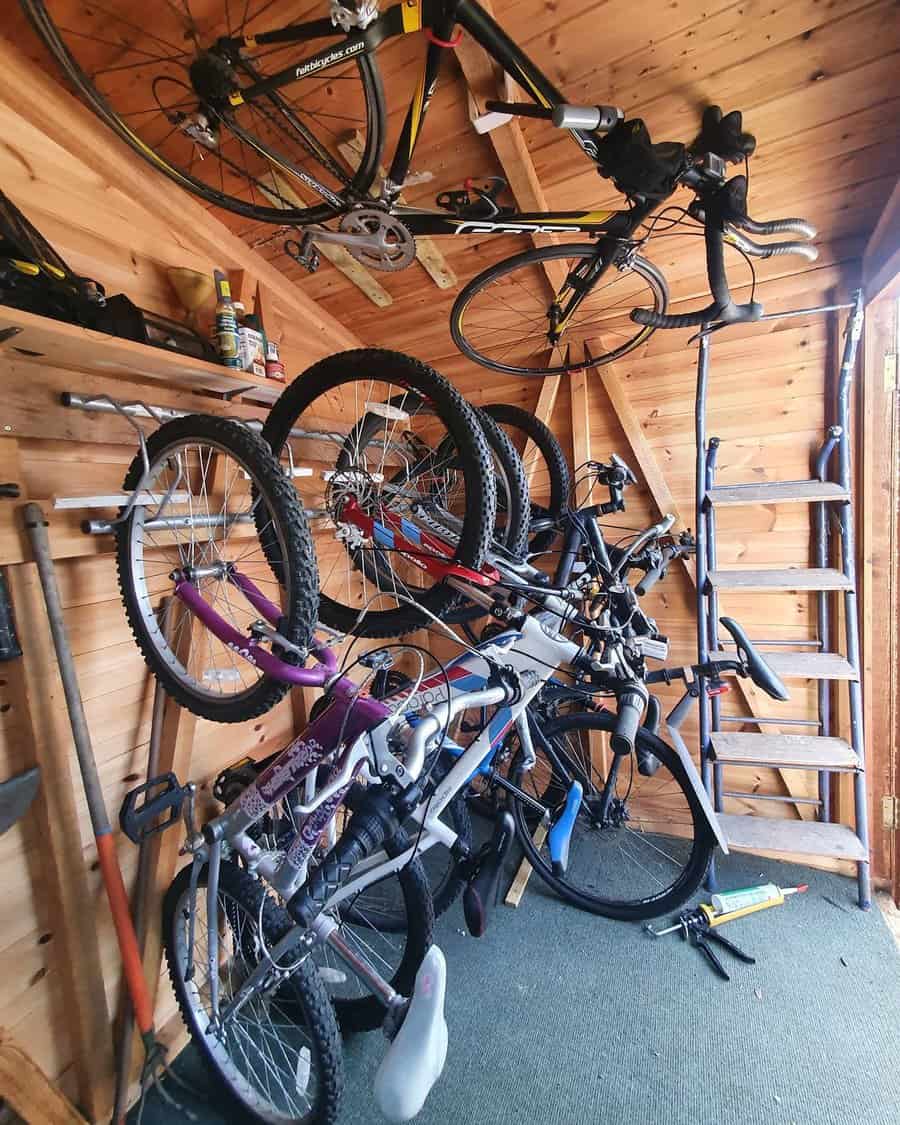
7. Bike Storage Hook
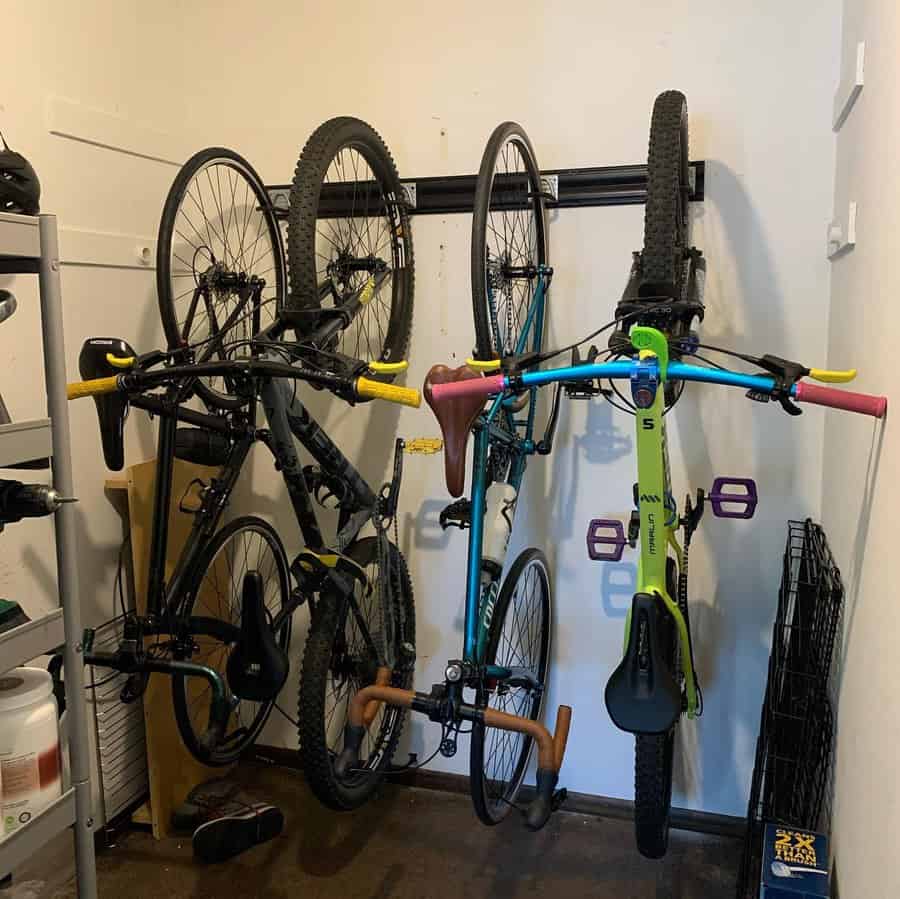
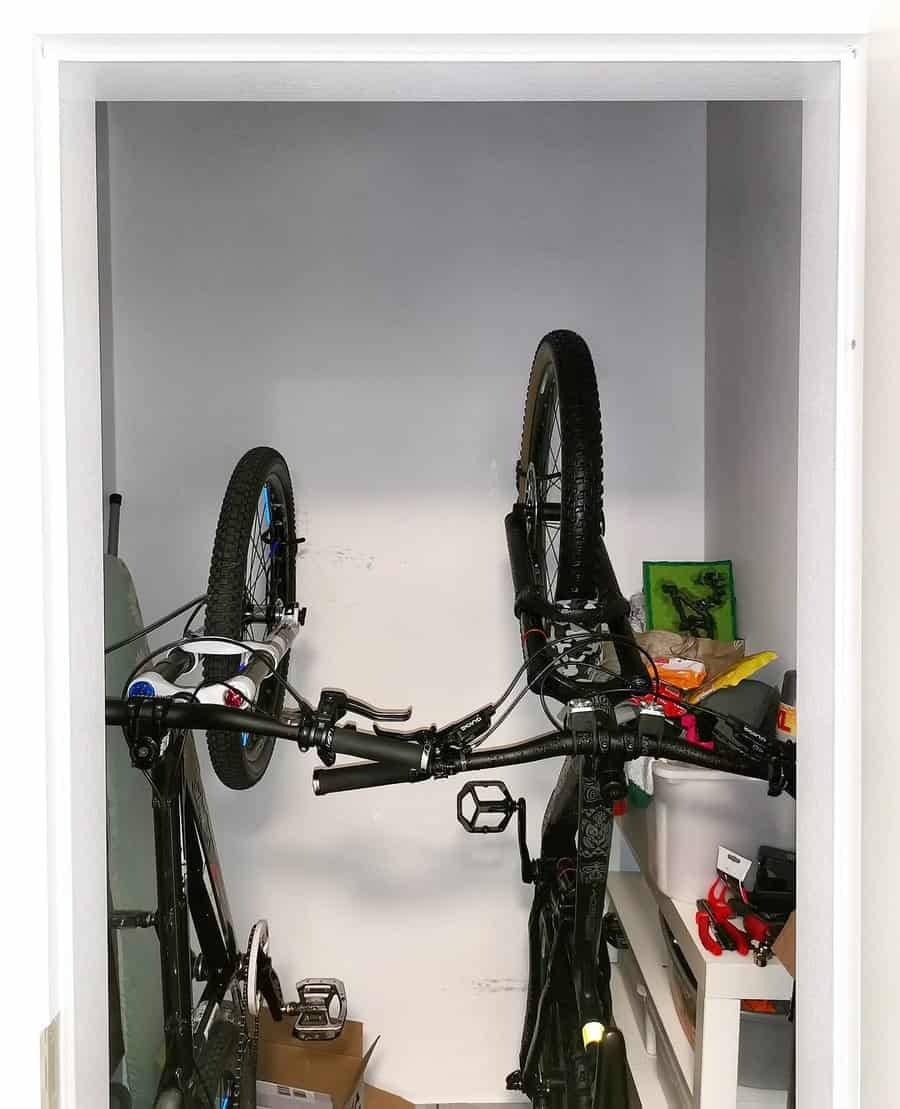
A bike storage hook is a simple yet highly effective solution for storing bikes in tight spaces. It’s a minimalist’s dream – just a hook that mounts to your wall or ceiling, holding your bike securely by the wheel. Ideal for small apartments, garages, or even hallways, this option maximizes vertical space, leaving your floor clutter-free. The installation is straightforward, making it a popular choice for DIY enthusiasts.
Source: @davidj_martin via InstagramSource: @tommi_02051983 via InstagramSource: @lattingspeedshop via InstagramSource: @runbikemike via InstagramSource: @steadyrack via InstagramSource: @thehoppycarnivore via InstagramSource: @urwood via InstagramSource: @chorleyswoodwork via Instagram
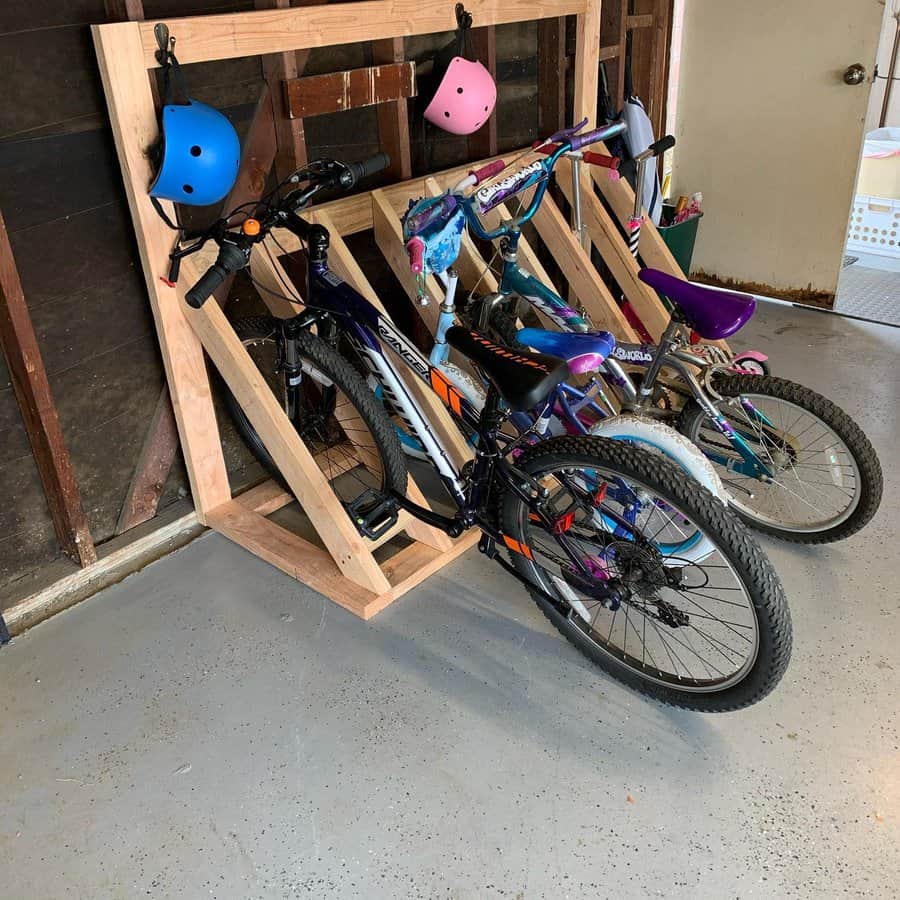
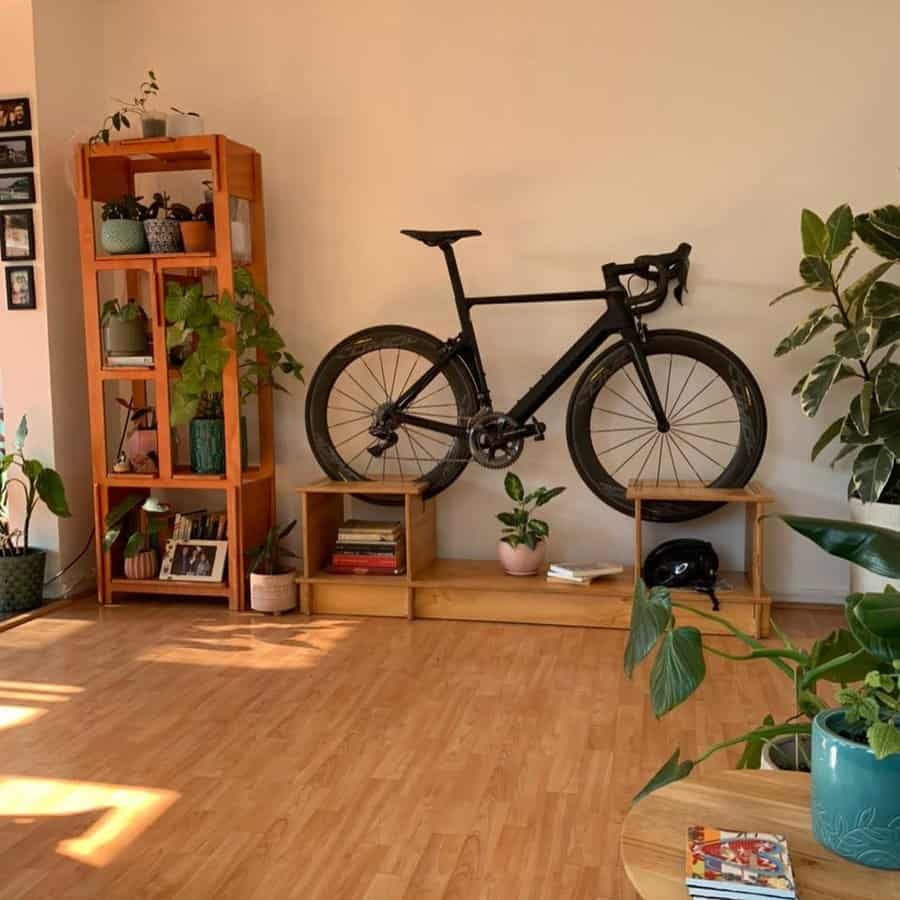
8. Wooden Bike Wall Rack
A wooden bike wall rack brings a touch of organic elegance and warmth to any room. It’s not just a practical storage solution but a piece of artisanal craftsmanship that complements your home’s aesthetic. Perfect for those who appreciate natural materials and clean lines, this rack turns your bike into a part of your home’s design narrative.
Source: @bikeyourlife1 via InstagramSource: @kyler_travels via InstagramSource: @taintedpepperleather via InstagramSource: @cxiong22 via Instagram
“I’m an old-fashioned guy… I want to be an old man with a beer belly sitting on a porch, looking at a lake or something.” – Johnny Depp
Having a back porch on your property can give you an outdoor space to enjoy. Done well, and it can add value to your home.
Your back porch doesn’t need to be large, but it should be big enough to hold a decent amount of furniture. Then you need to think about the rest of the features, like lighting, shade from the sun, privacy, and air circulation.
These back porch ideas will help you create the perfect back porch for your home and lifestyle.
[view_toc]
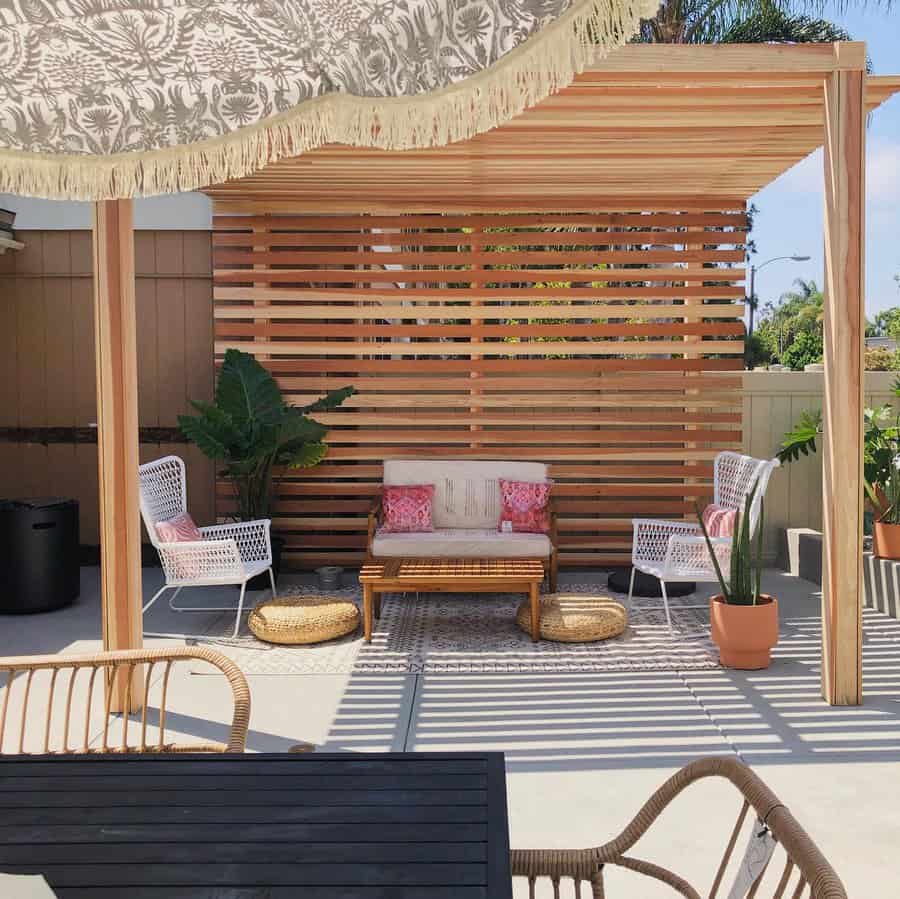
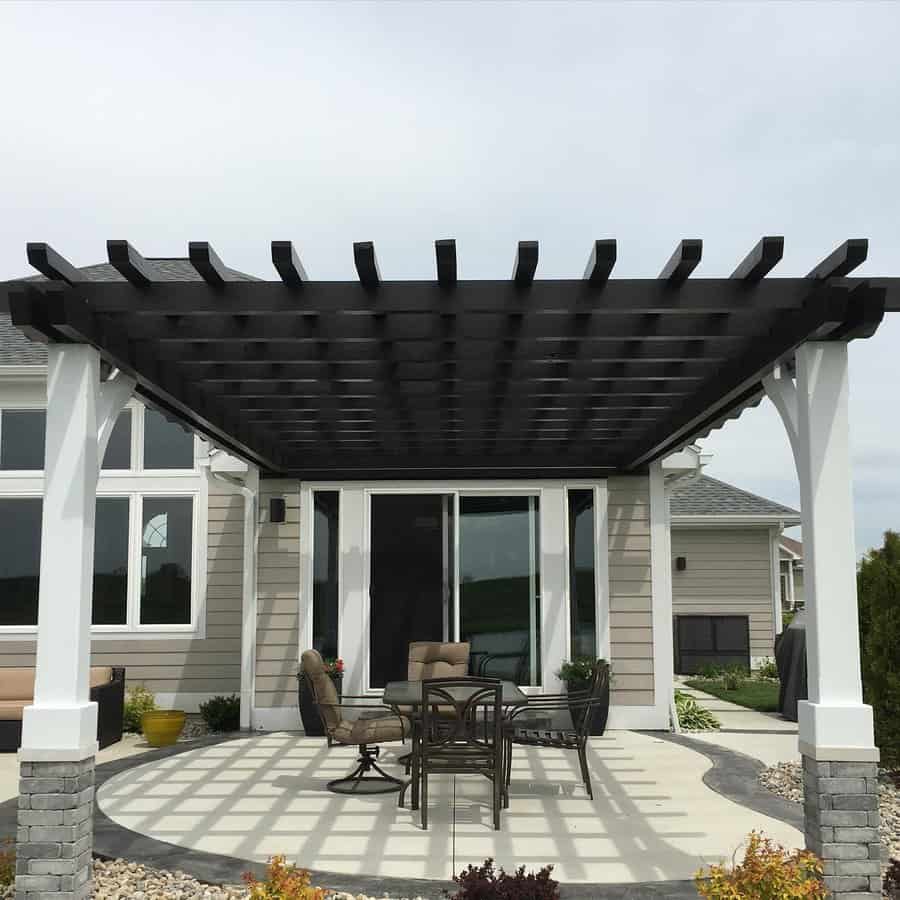
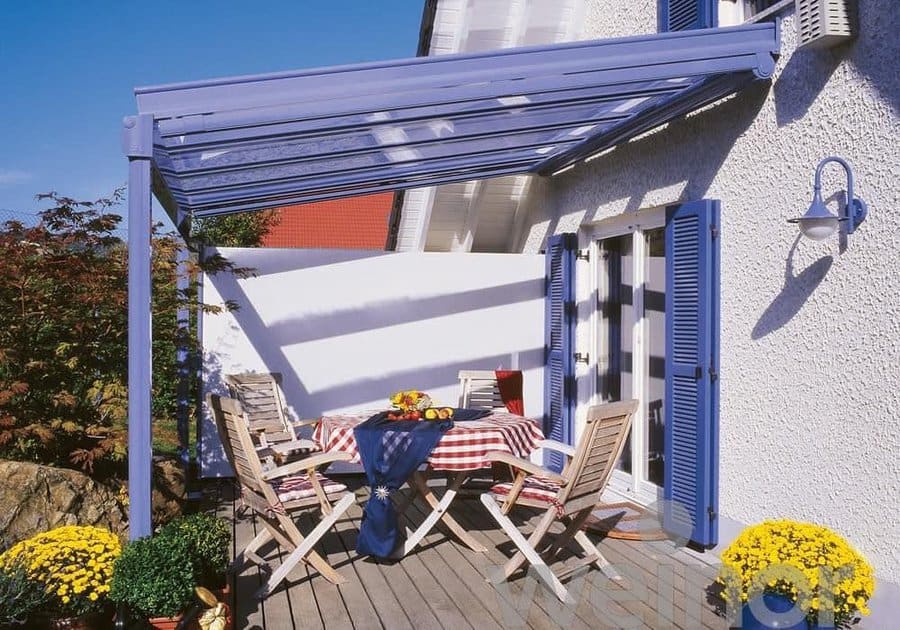
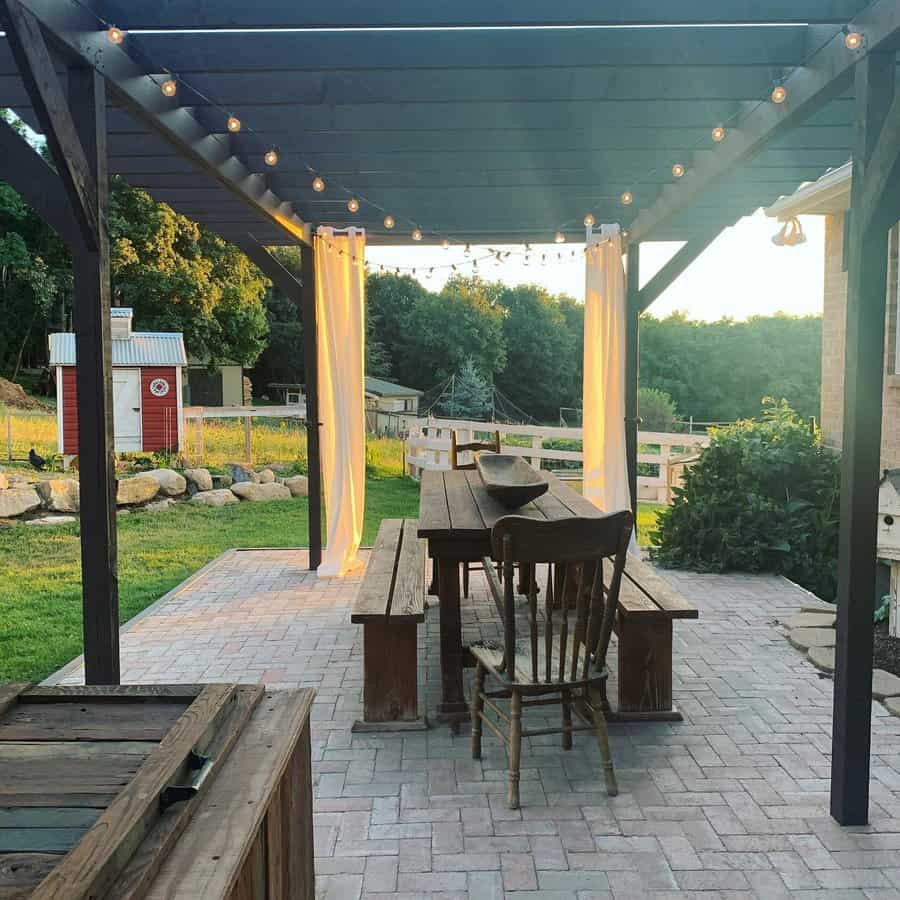
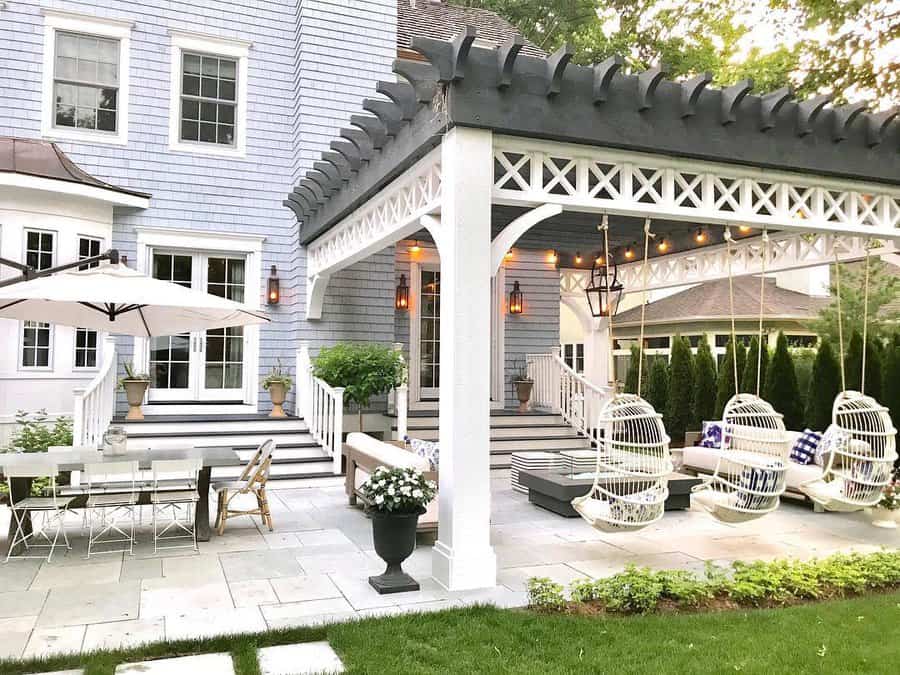
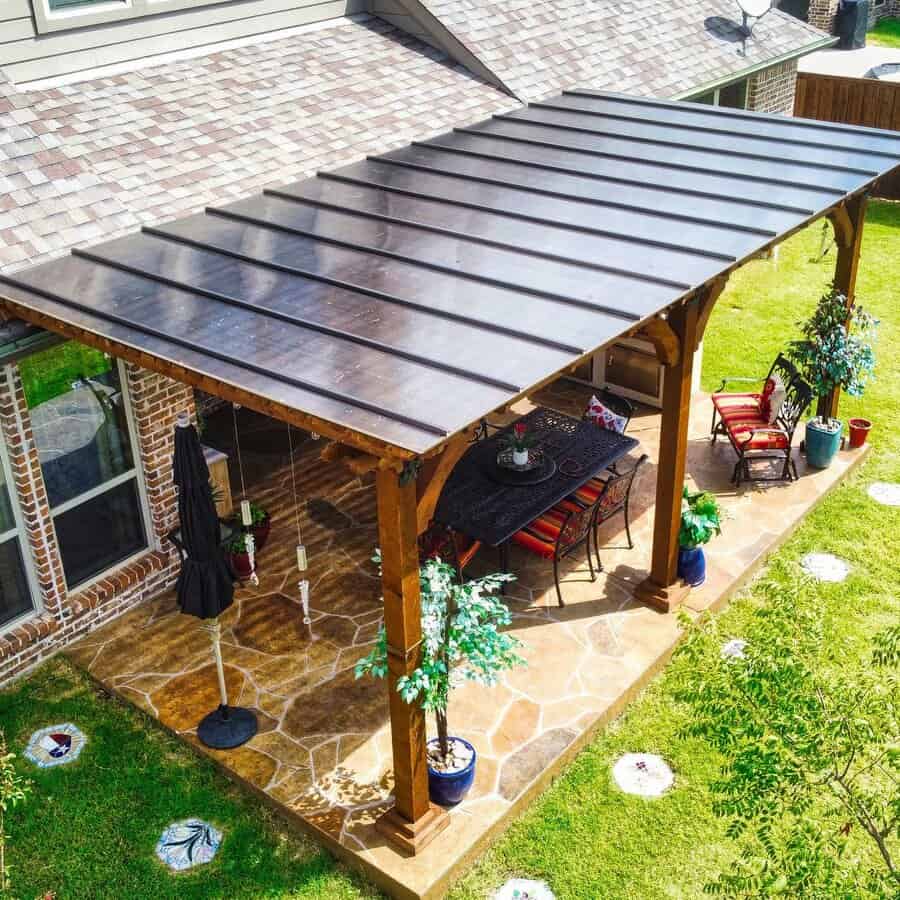
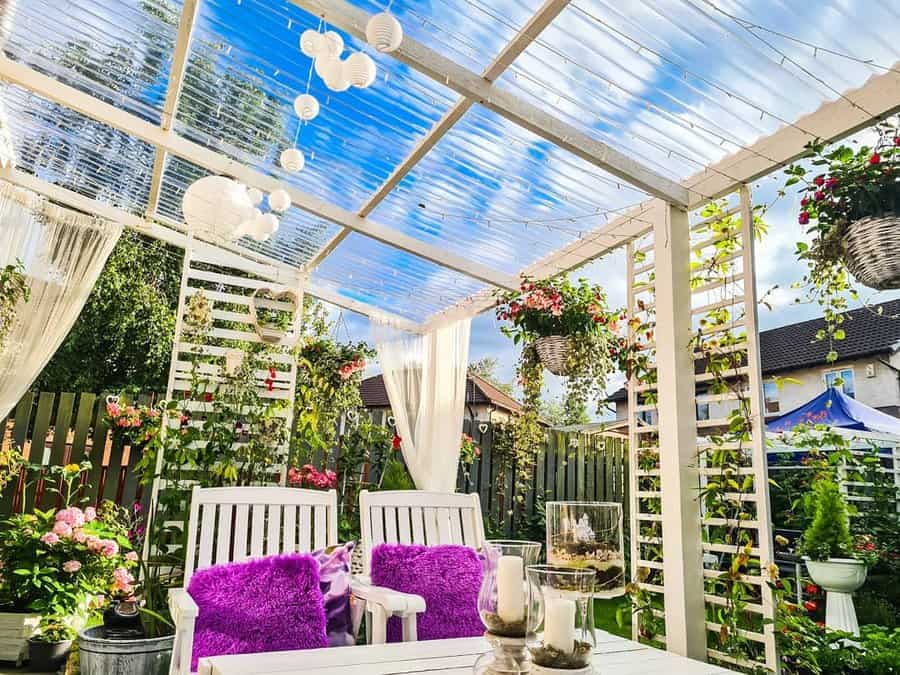
1. Attached Pergola
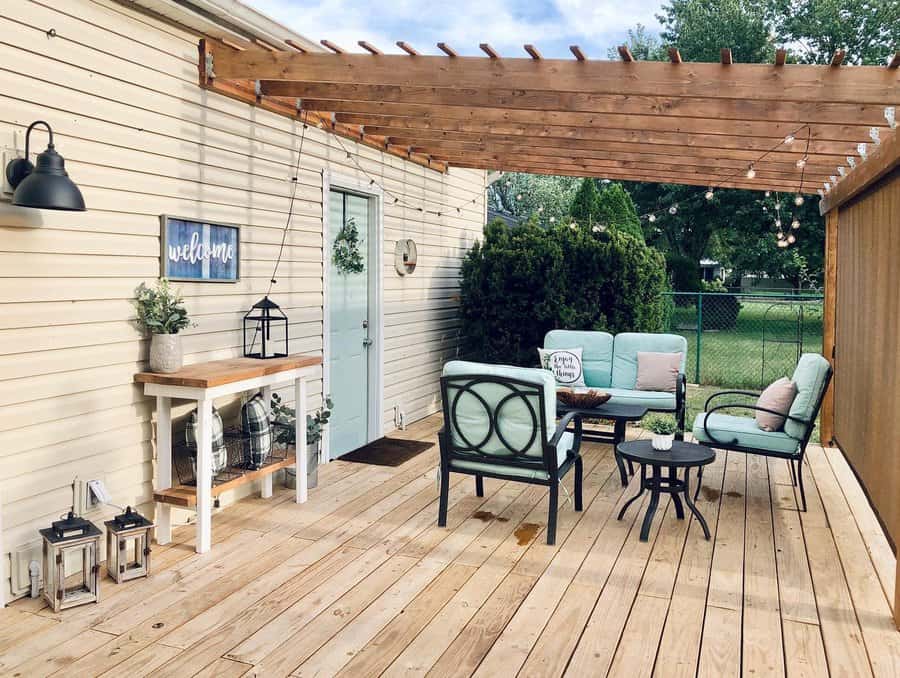
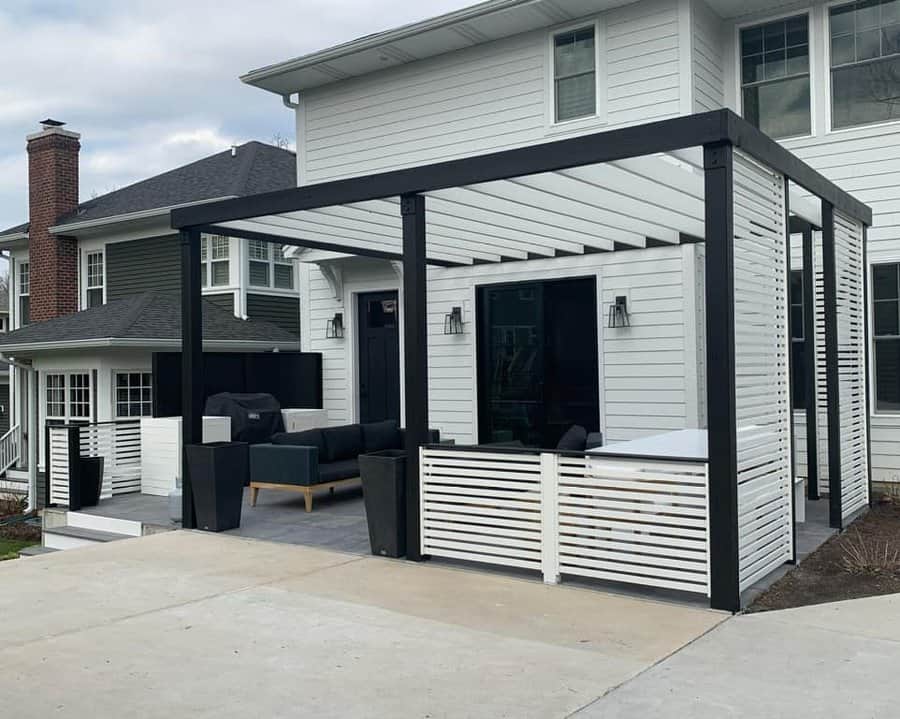
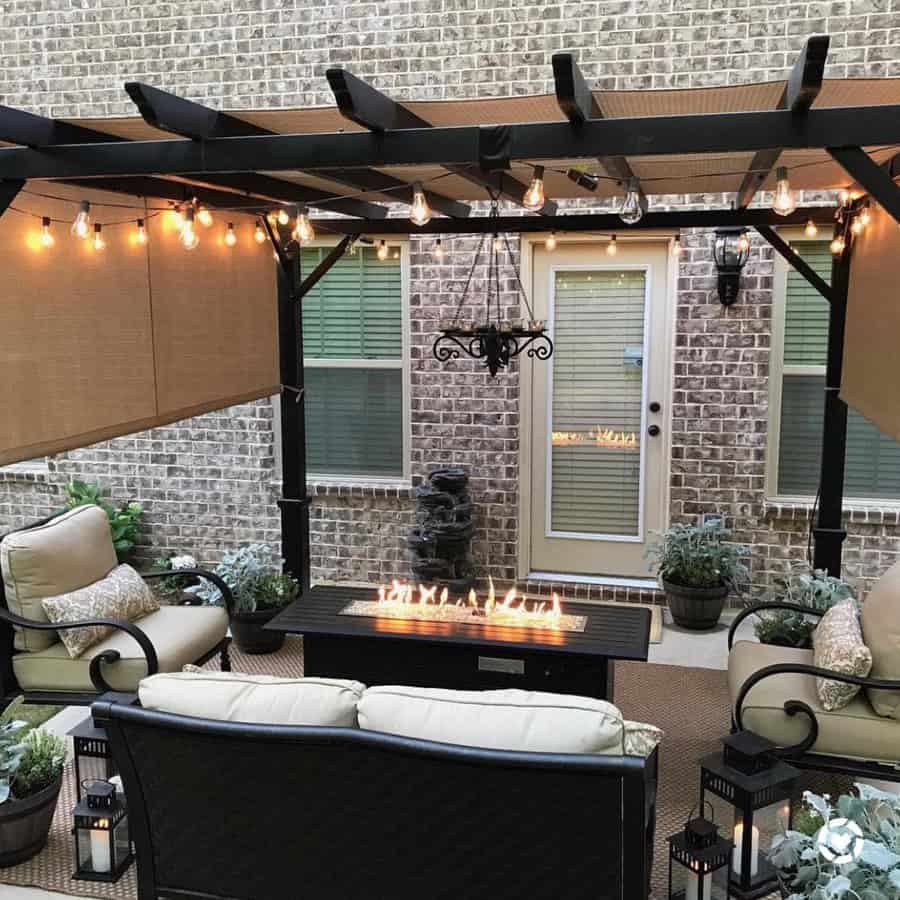
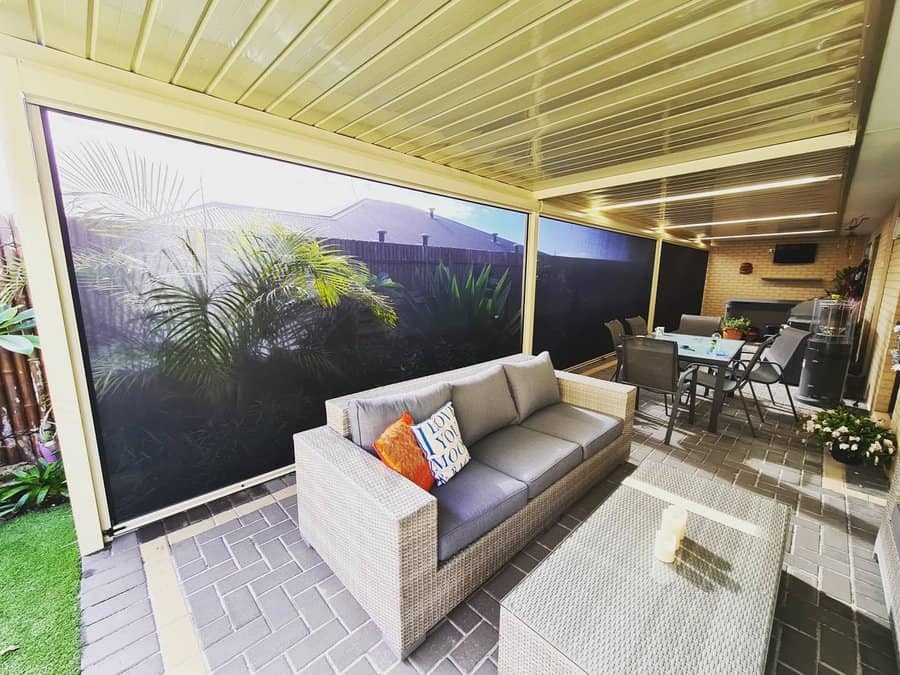
A pergola offers both style and shade, transforming your back porch into a chic outdoor living space. Consider a wooden structure with climbing plants for a natural, airy ambiance, suitable for both relaxation and entertainment.
Source: @abadconstruction via InstagramSource: @outdoorliving.life via InstagramSource: @broadviewshadingsolutions via InstagramSource: @triveras_brightwoodlife via InstagramSource: @tweakedstyle via InstagramSource: @lifewithlaurenann via InstagramSource: @gossoutdoor via InstagramSource: @indigoawnings via InstagramSource: @thetweetledeedesignco via InstagramSource: @stephmusur via InstagramSource: @cover_your_pergola via Instagram
2. Sail Canopy Shade
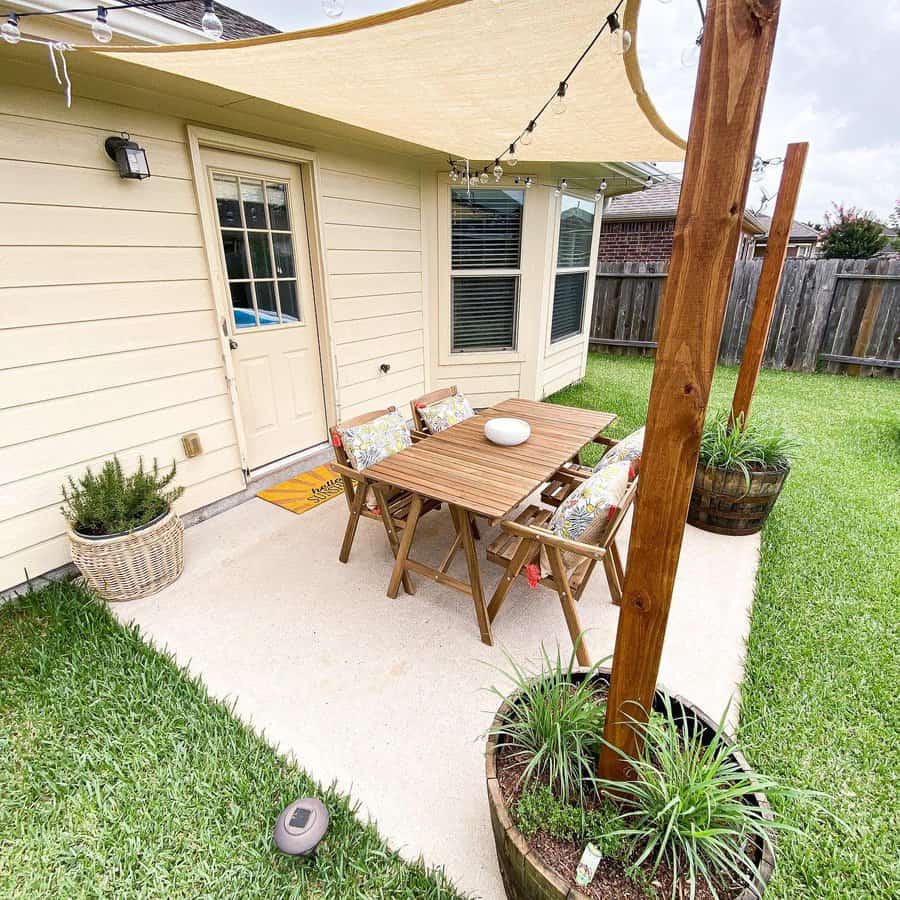
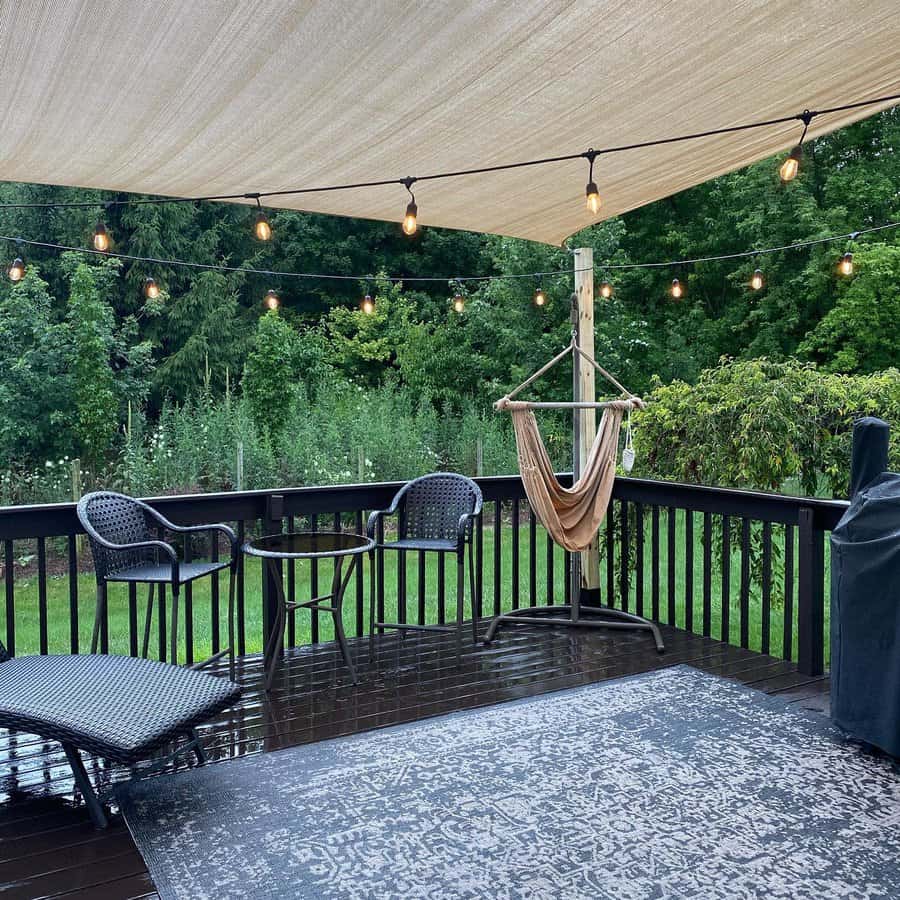
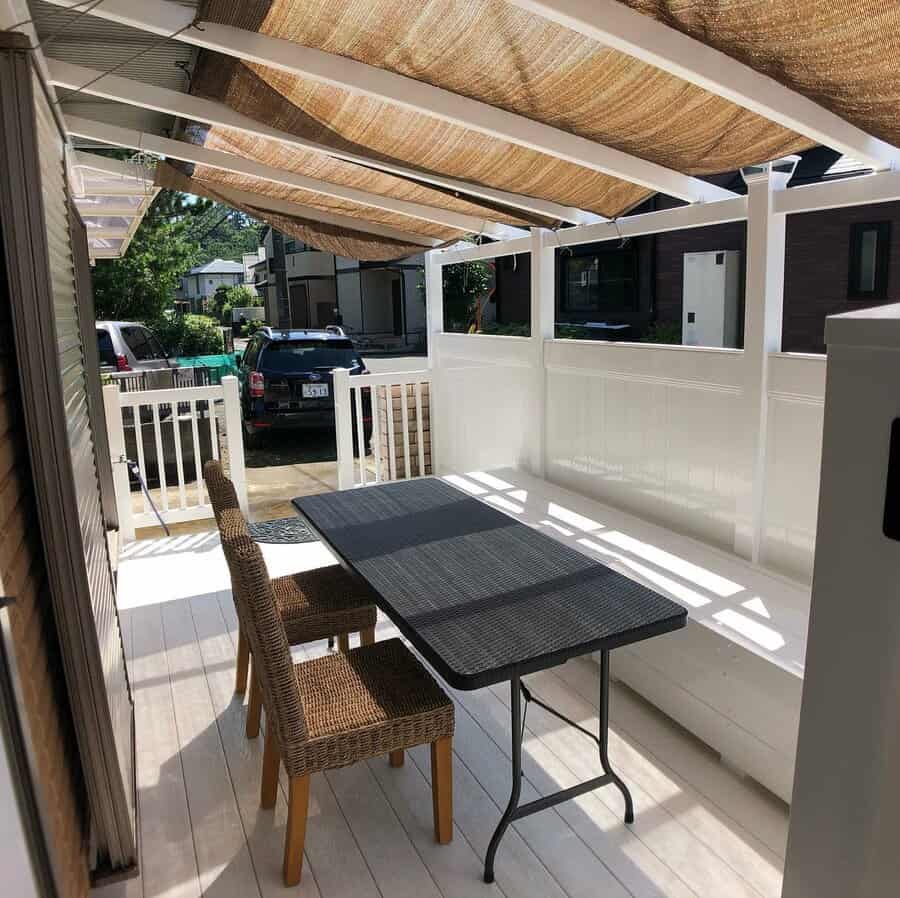
Introduce a sail canopy for a modern, minimalist aesthetic. Its geometric shapes provide ample shade while creating a visually striking element. This feature is perfect for contemporary homes seeking a blend of function and design.
Source: @devanpaig3 via InstagramSource: @s_a_songer via InstagramSource: @sealink_vinylfence via Instagram
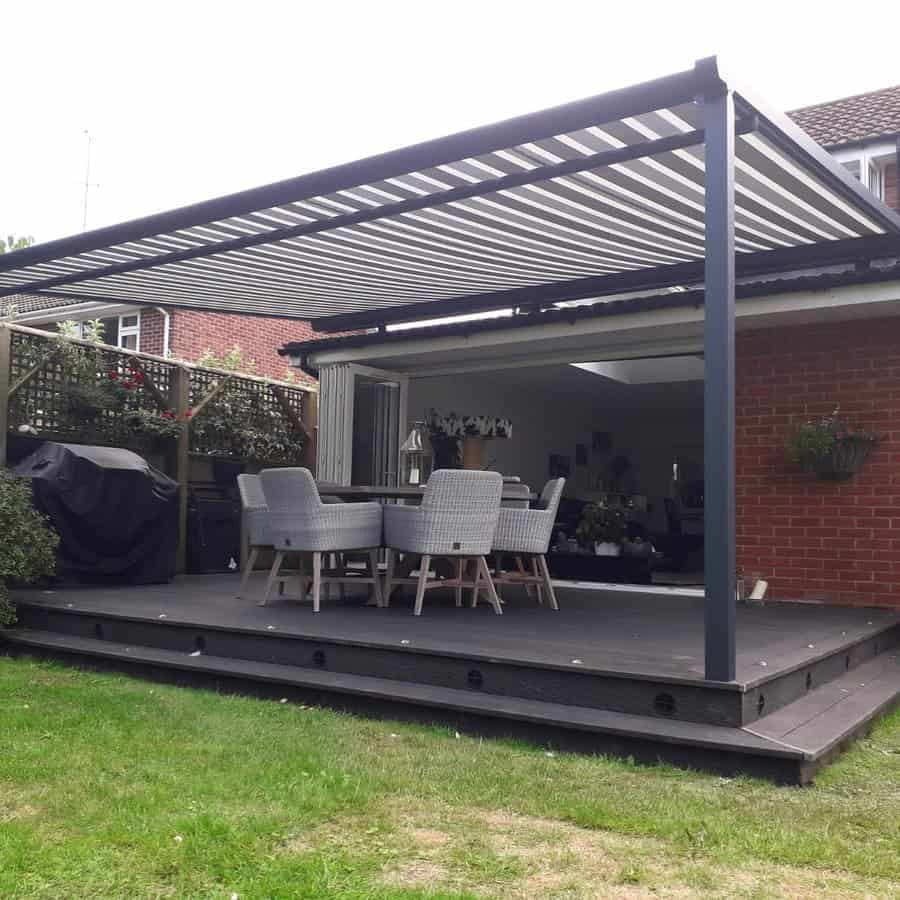
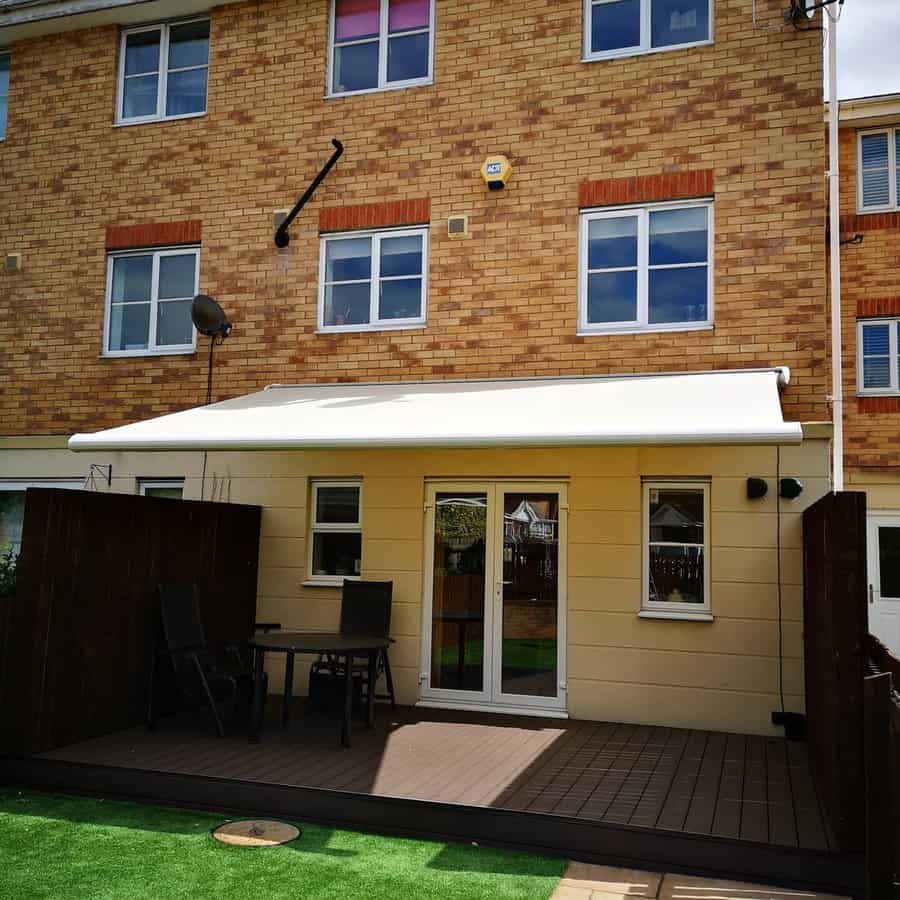
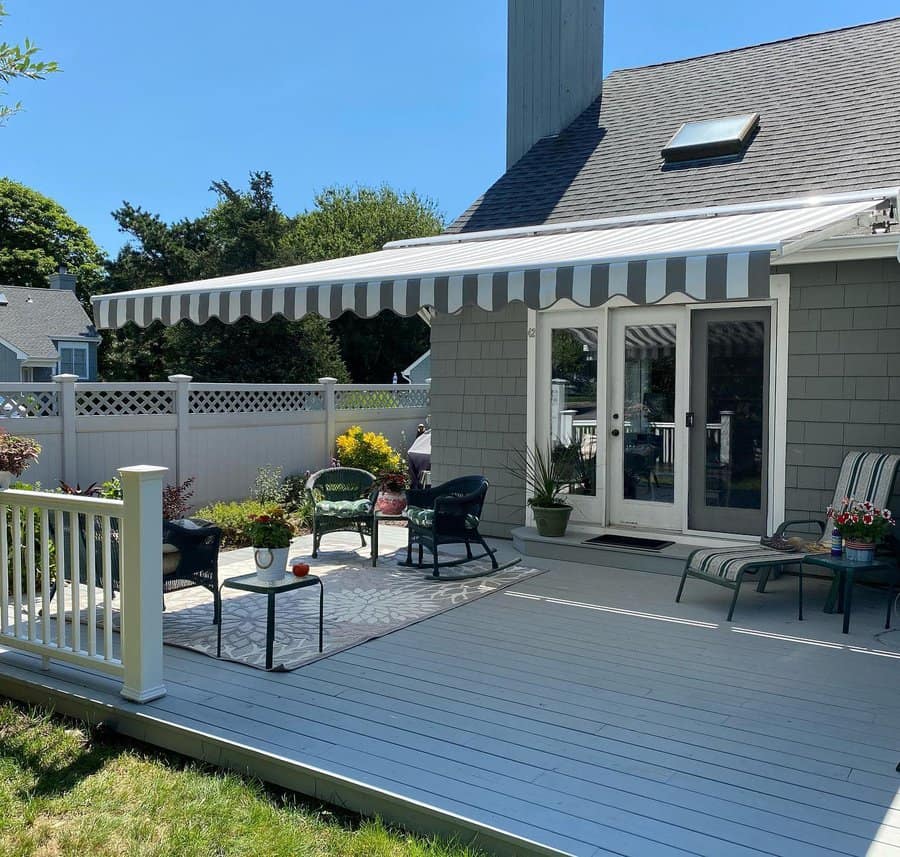
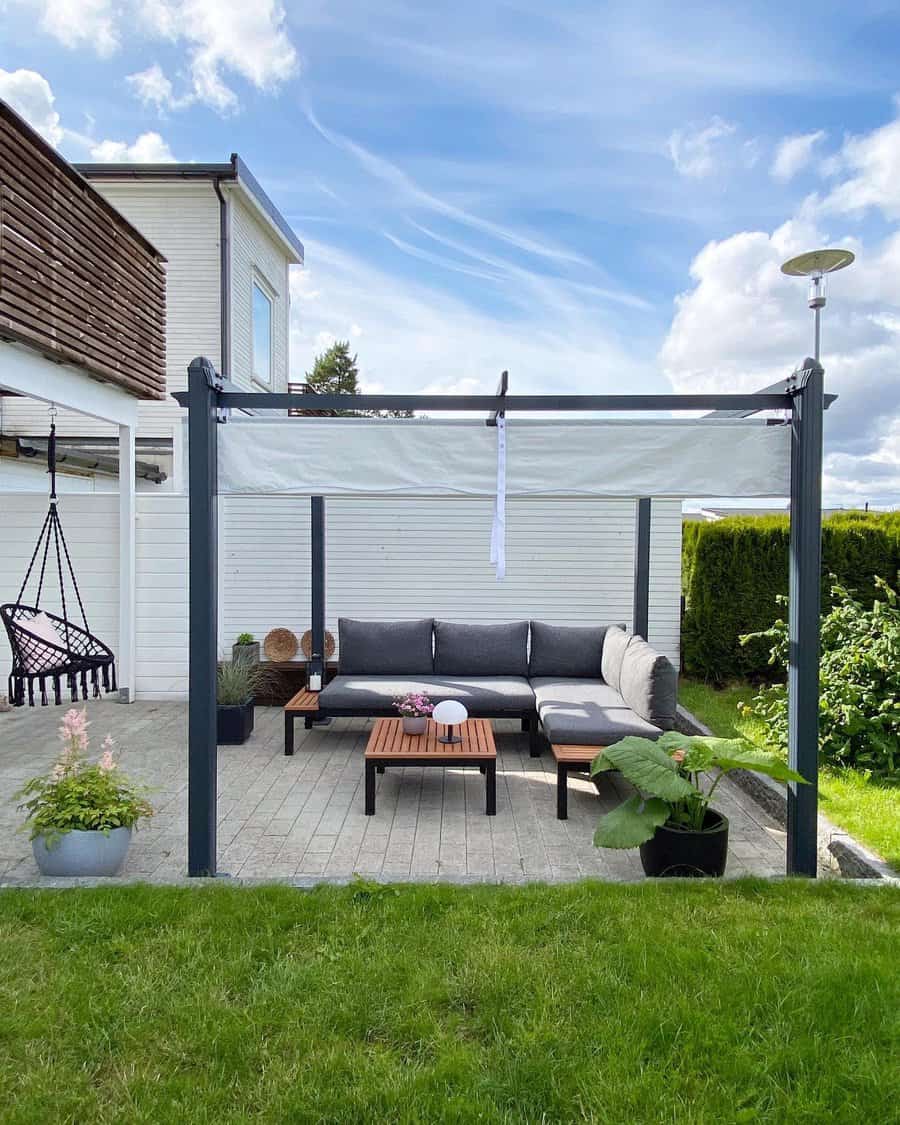
3. Retractable Canopy Flexibility
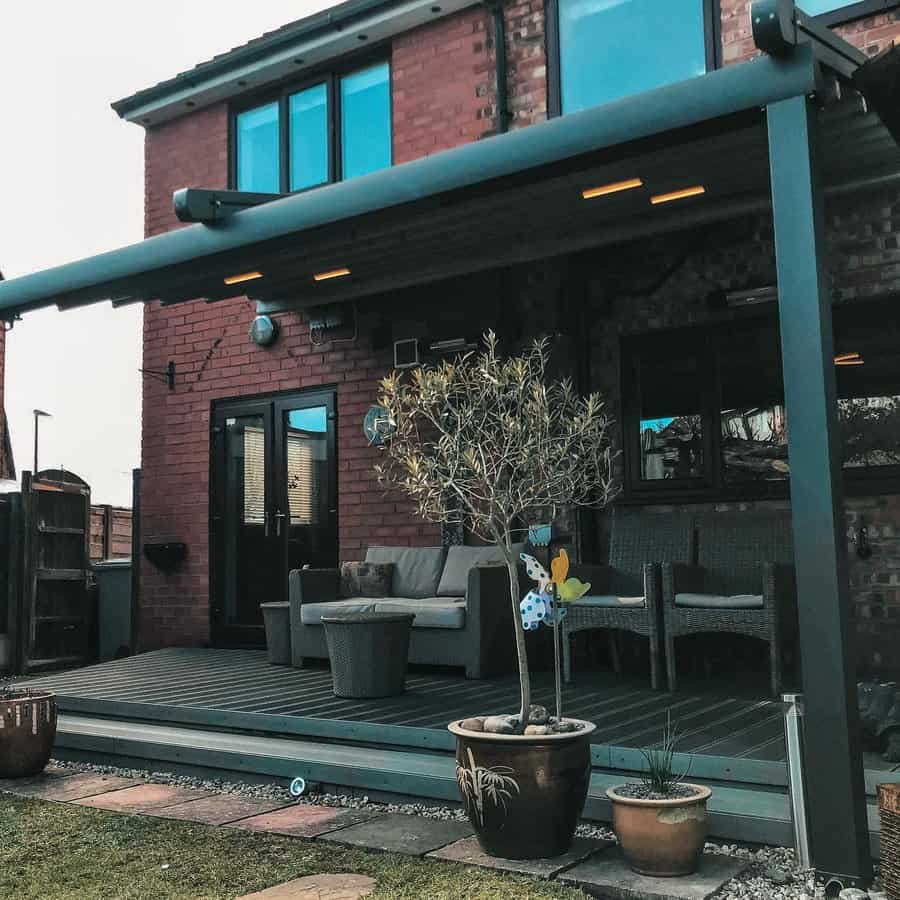
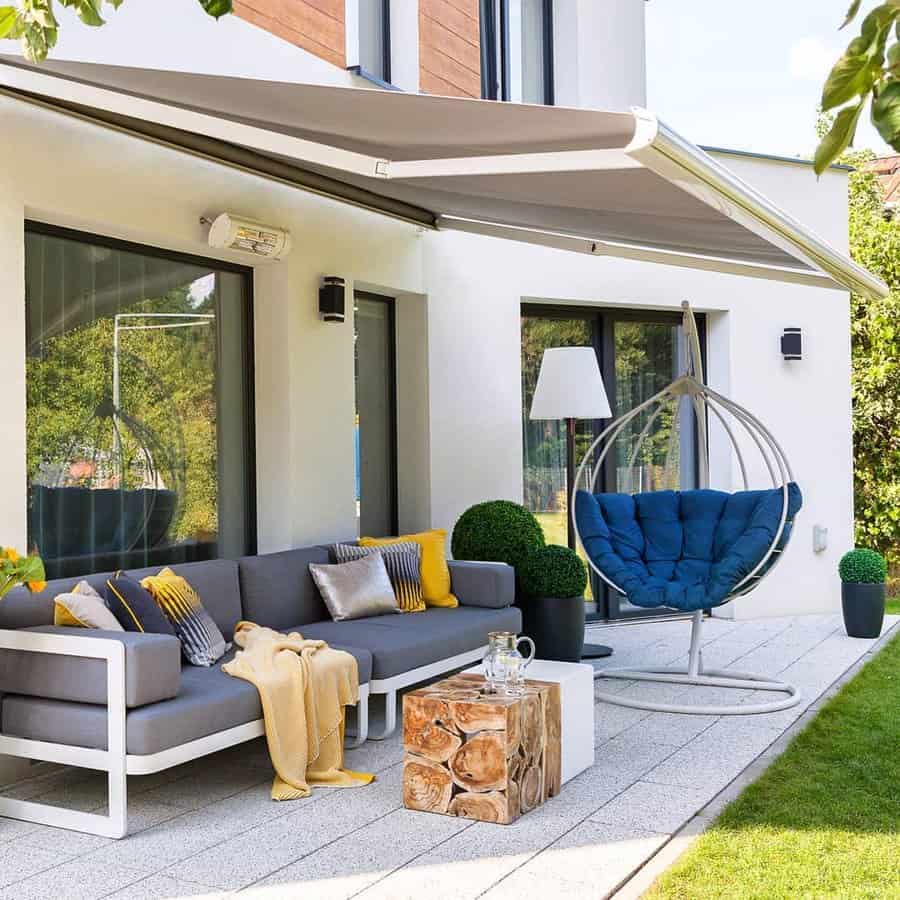
For versatility in outdoor living, a retractable canopy is ideal. This allows you to adjust sunlight exposure and provides a sleek, clean look that suits a variety of architectural styles.
Source: @gossoutdoor via InstagramSource: @amoawnings via InstagramSource: @liawnings via InstagramSource: @by_tine_home via Instagram
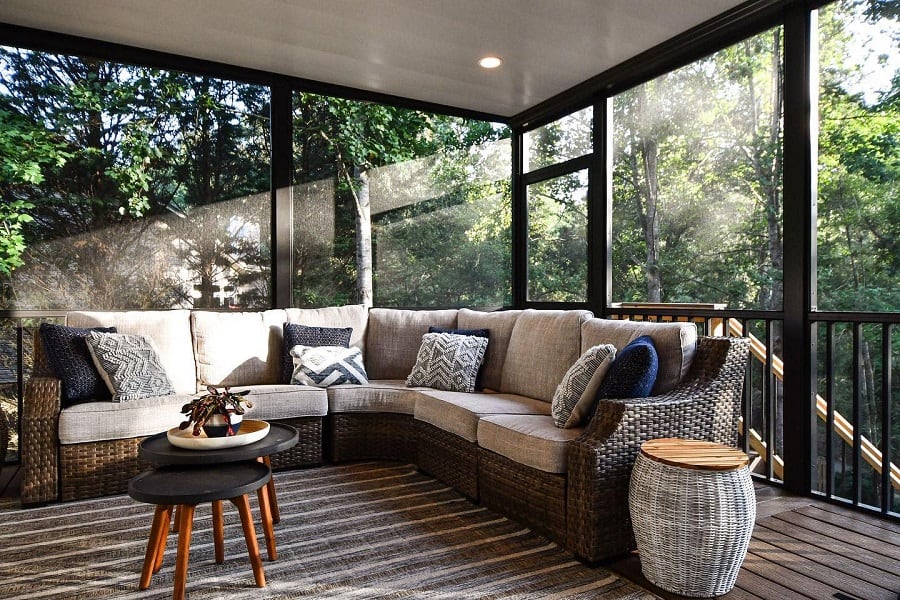
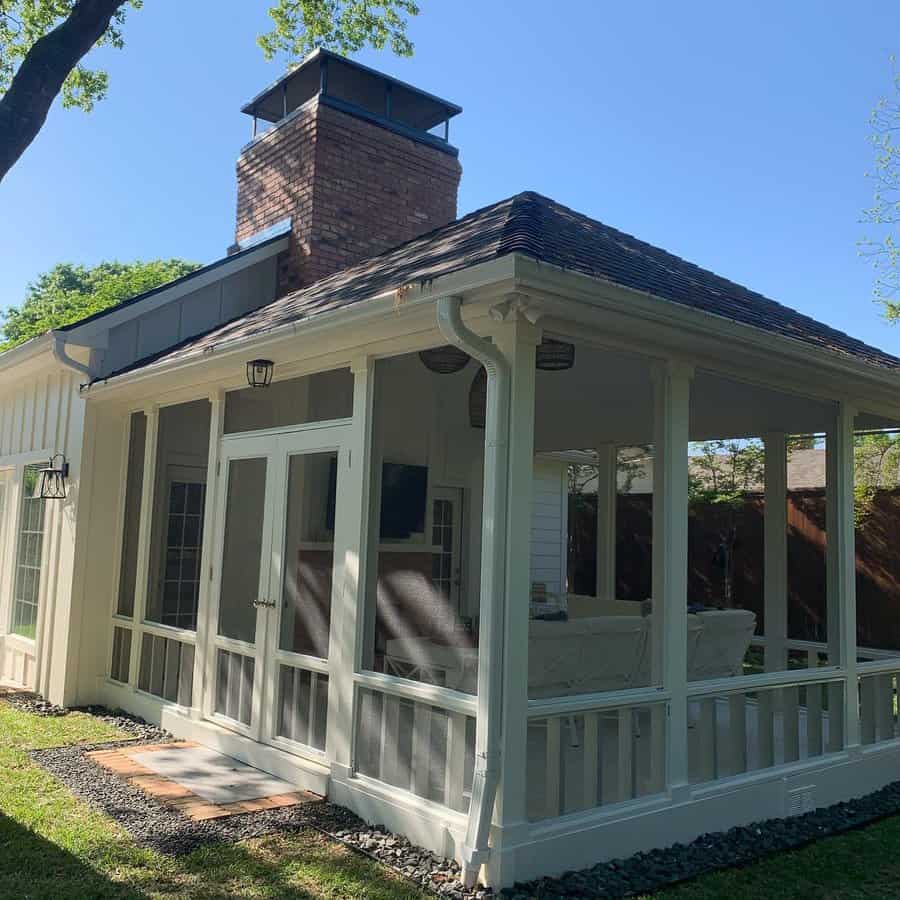
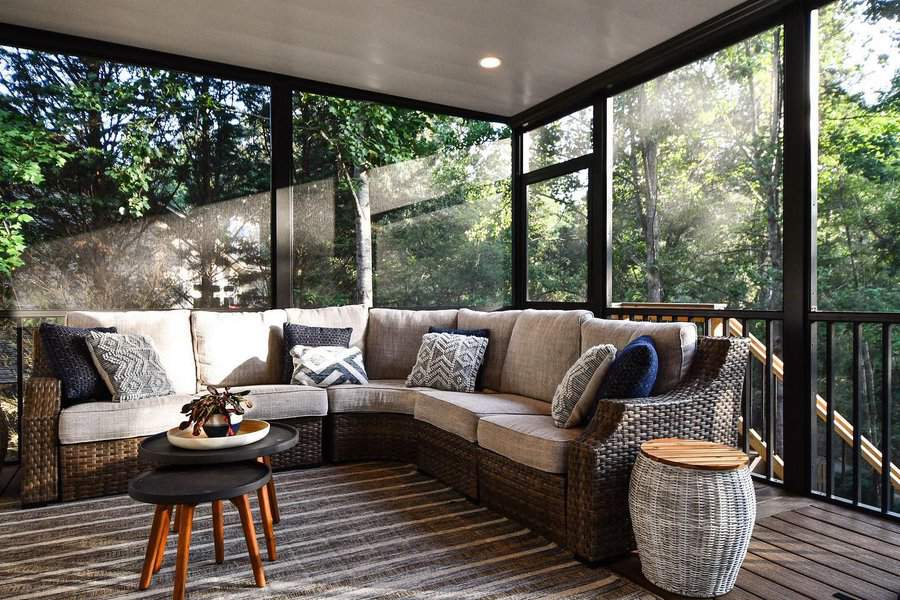
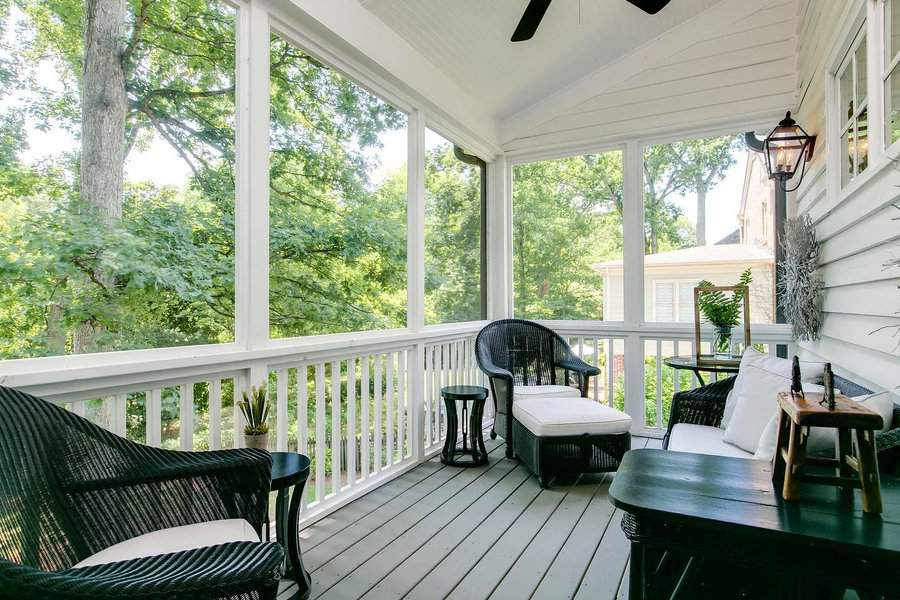
4. Cozy Screened-In Style
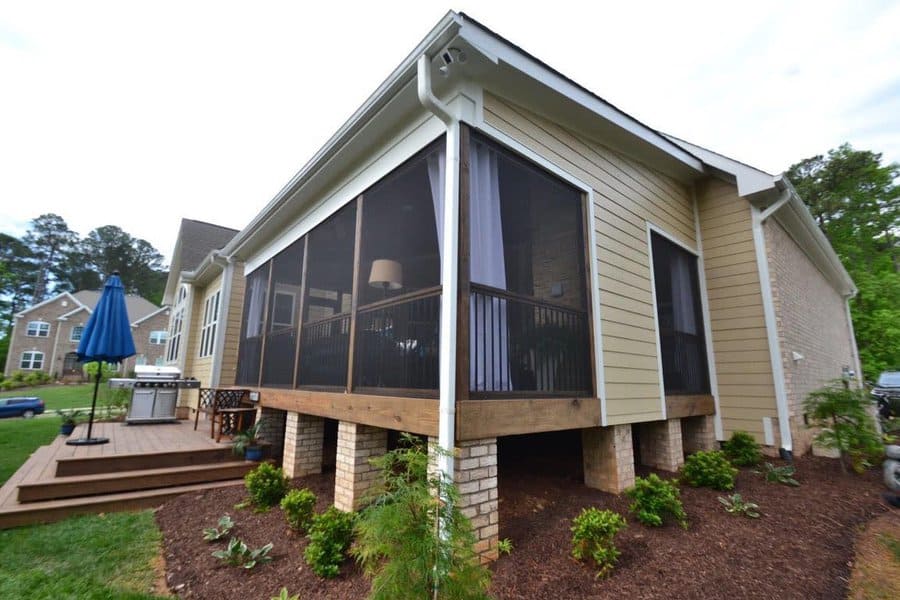
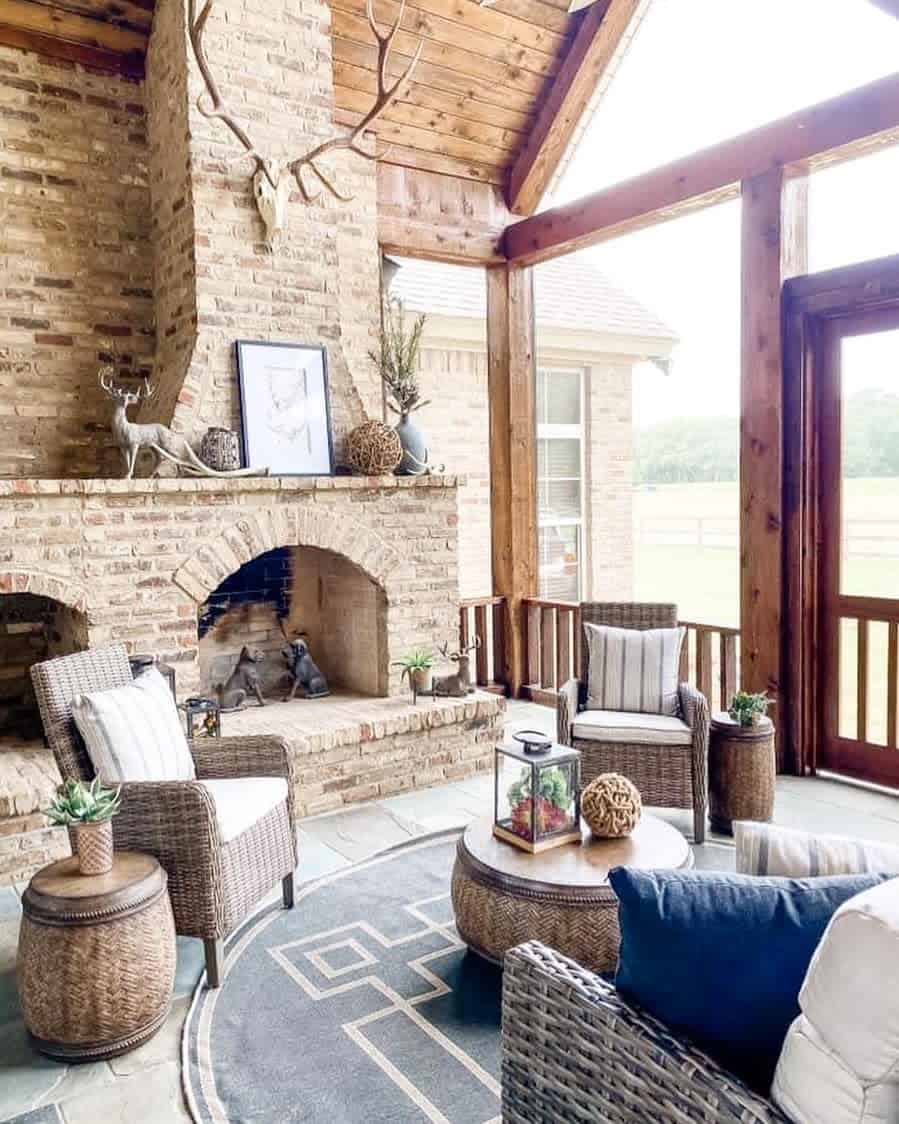
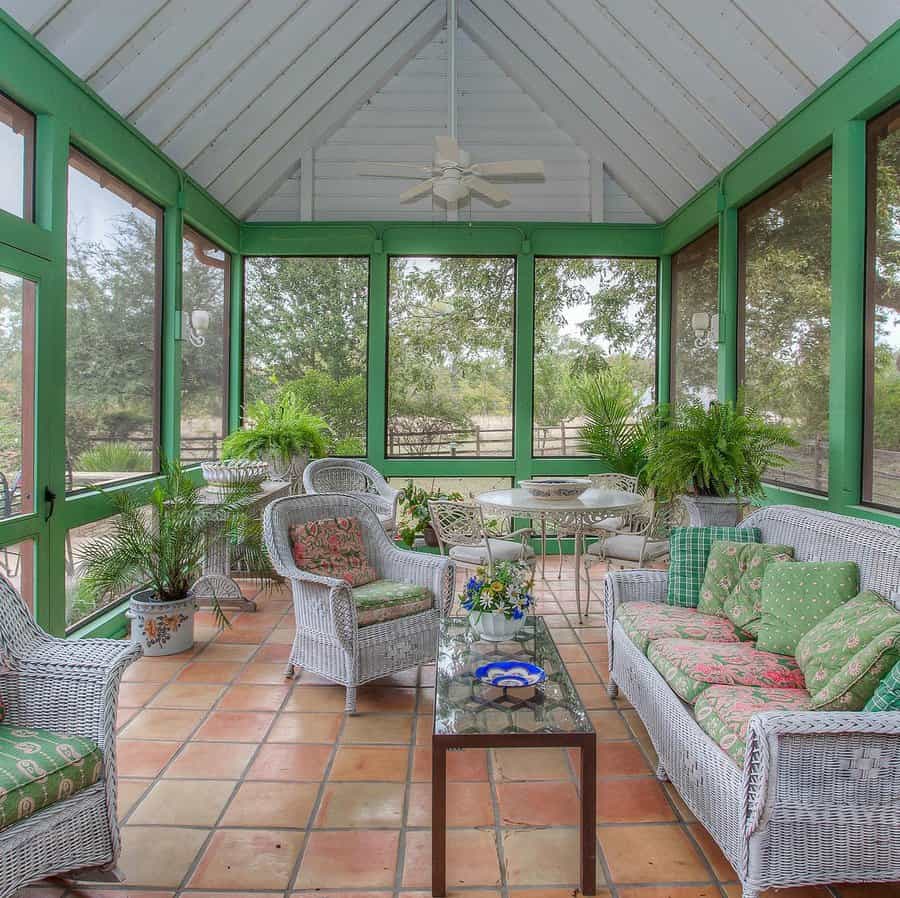
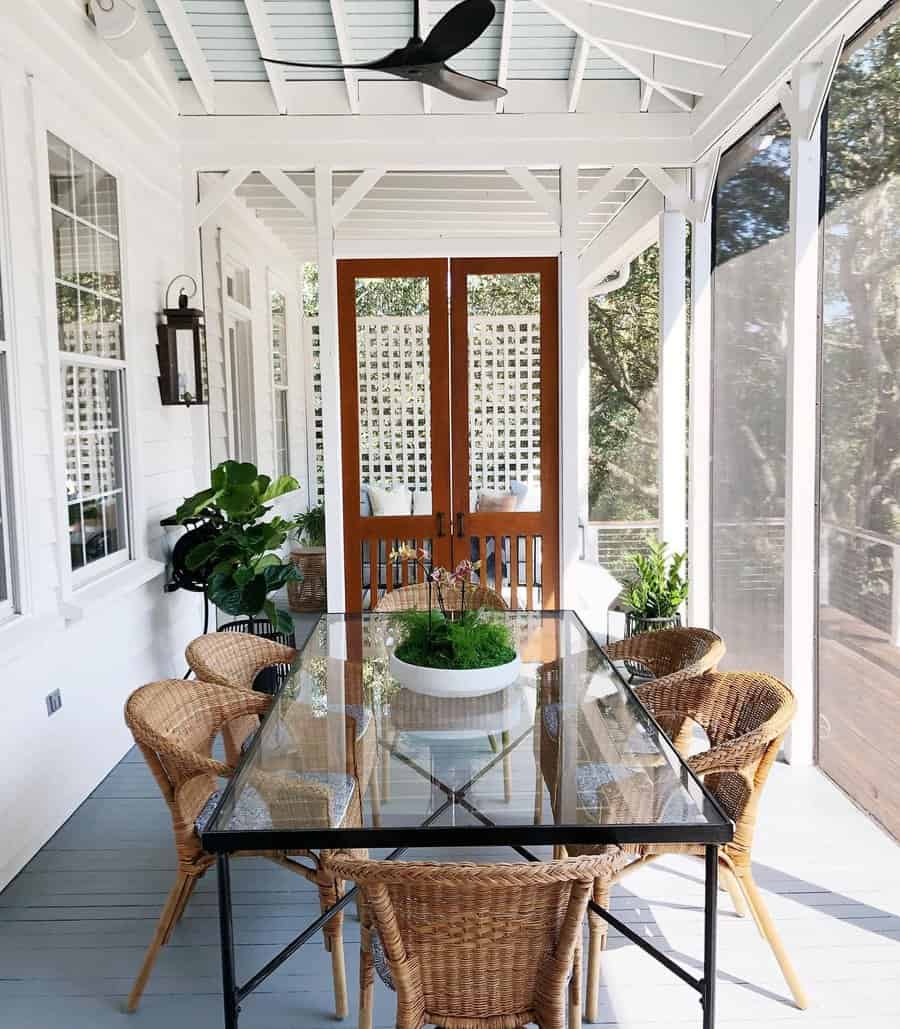
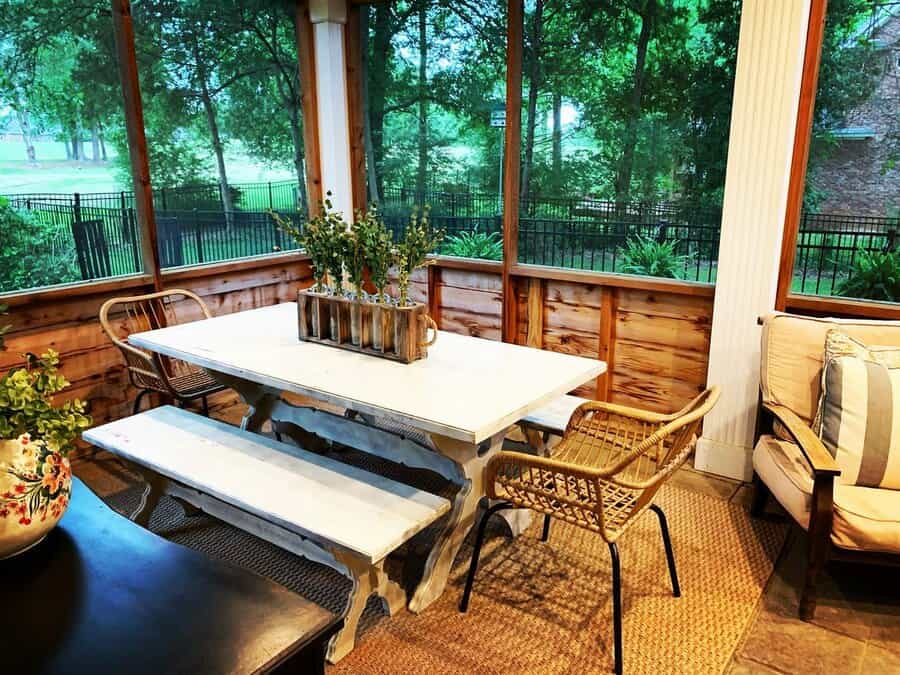
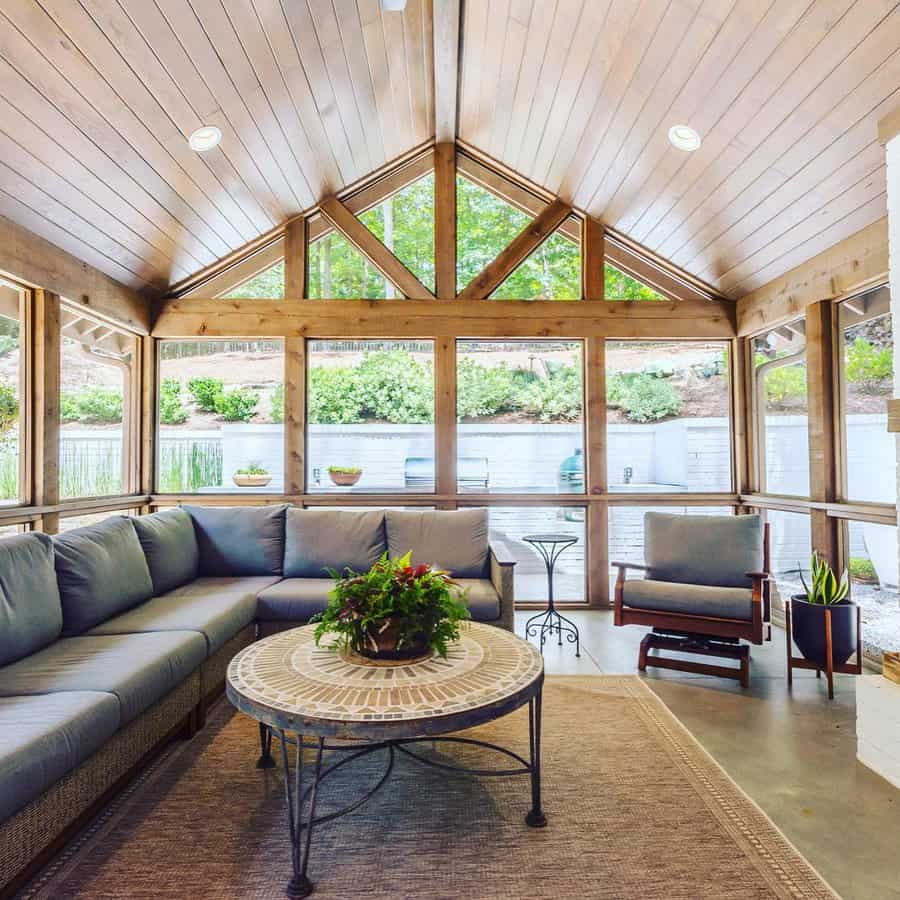
A screened-in porch offers a bug-free zone while maintaining an outdoor feel. Ideal for homes in areas with lots of insects, this design choice also adds an element of coziness and privacy.
Source: @gibsoncontracting via InstagramSource: @purestyleconstruction via InstagramSource: @vafaconstruction via InstagramSource: @dg_builders via InstagramSource: @chinteriors via InstagramSource: @freysbuildingremodeling via InstagramSource: @stricklandinteriors via InstagramSource: @jfy_designs via Instagram
5. Privacy with Wooden Fence
Installing a wooden privacy fence around your back porch not only adds seclusion but also introduces a warm, natural element. The fencing can be customized in style and stain to complement your home’s exterior.
Source: @houseoflean via InstagramSource: @chaletchevrefeuille via InstagramSource: @deb_at_no_70 via InstagramSource: @thepinkfrontdoor via InstagramSource: @hannah.athome via Instagram
6. Charming Wrap-Around
A wrap-around porch provides extensive outdoor space, perfect for homes with panoramic views or large yards. This design encourages fluid movement around the house and offers multiple areas for seating and decor.
Source: @nvelop.photography via InstagramSource: @raiseurroof via InstagramSource: @thechampagnepatio via Instagram
7. String Lights Ambiance
String lights create an inviting, intimate atmosphere. This simple addition is cost-effective and can instantly transform your back porch into a magical evening retreat, perfect for entertaining or relaxing.
Source: @maple.and.dickerson via InstagramSource: @mylittleredhouse via InstagramSource: @rachelleighsergent via InstagramSource: @sixat21 via InstagramSource: @skovbon via Instagram
8. Bungalow-Inspired Styling
For bungalow-style homes, a back porch that mirrors the home’s architectural charm enhances its character. Use period-appropriate materials and detailing to create a seamless transition from indoor to outdoor spaces.
Source: @nealsdesignremodel via InstagramSource: @mapleridgelandscapes via InstagramSource: @carajoyc via Instagram
9. Area Rug Decor
Adding an area rug defines the outdoor living space, bringing color, texture, and comfort underfoot. Choose durable, weather-resistant materials to maintain a fresh look throughout the seasons.
Source: @decorkateky via InstagramSource: @dg_builders via InstagramSource: @swoon_designs via InstagramSource: @oldsaltfarm via InstagramSource: @renee.amochaev via Instagram
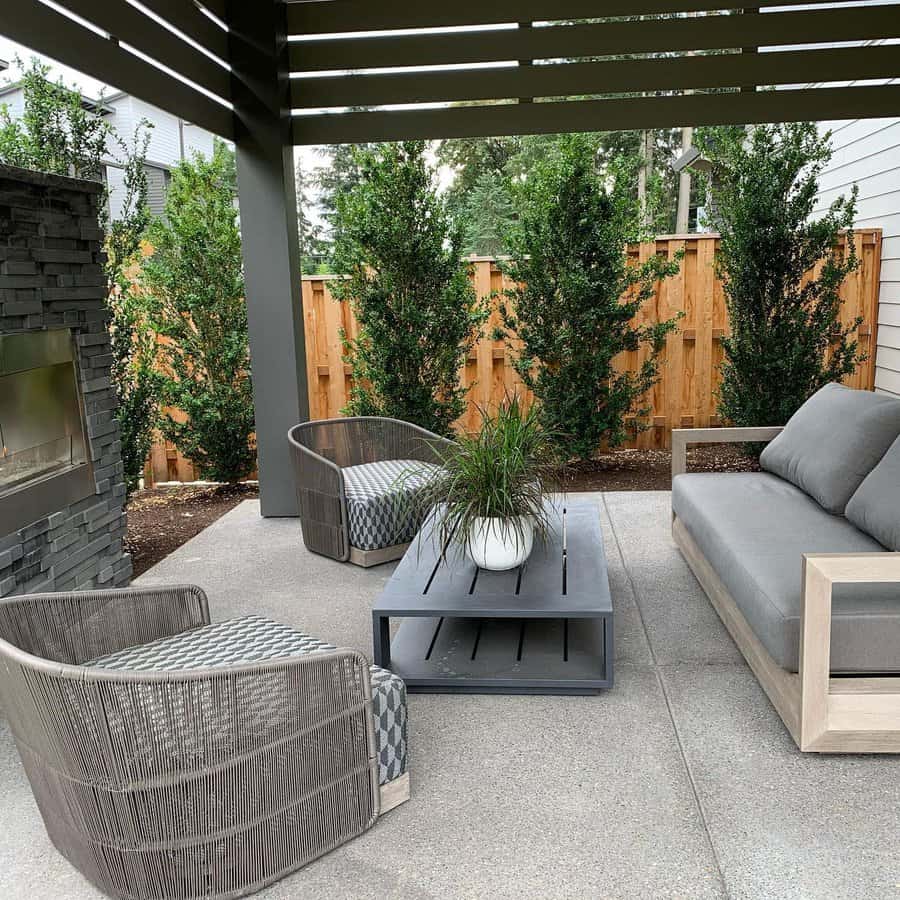
10. Concrete Paver Flooring Upgrade
Concrete pavers are both durable and versatile, offering numerous design possibilities. Their clean lines and varied patterns suit contemporary outdoor spaces and are low-maintenance.
Source: @pdxreguy via Instagram
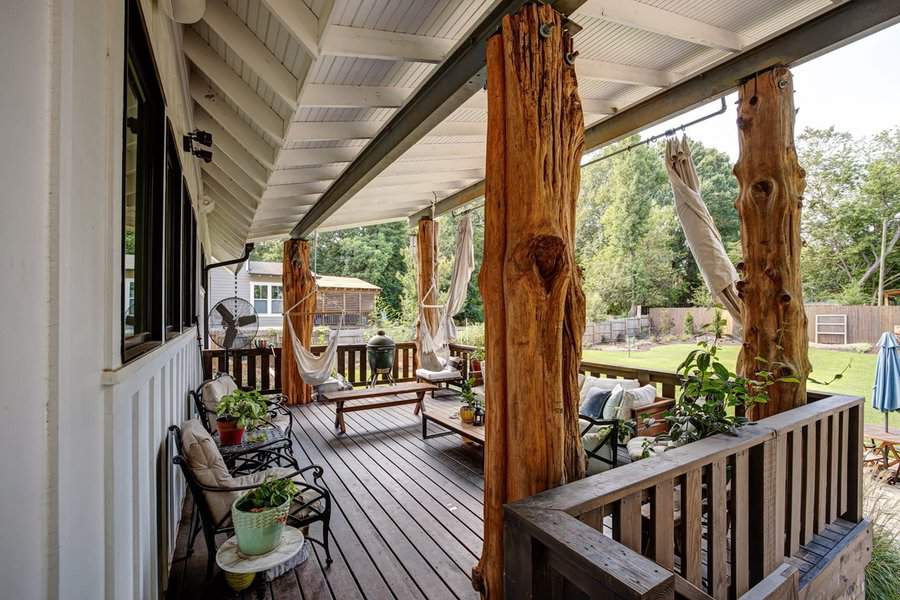
11. Rustic Trunk Post Features
Utilize trunk posts for a rustic, robust look. This design choice is particularly fitting for homes in wooded or rural settings, adding a touch of natural, rugged beauty to the outdoor space.
Source: @romahomes via Instagram
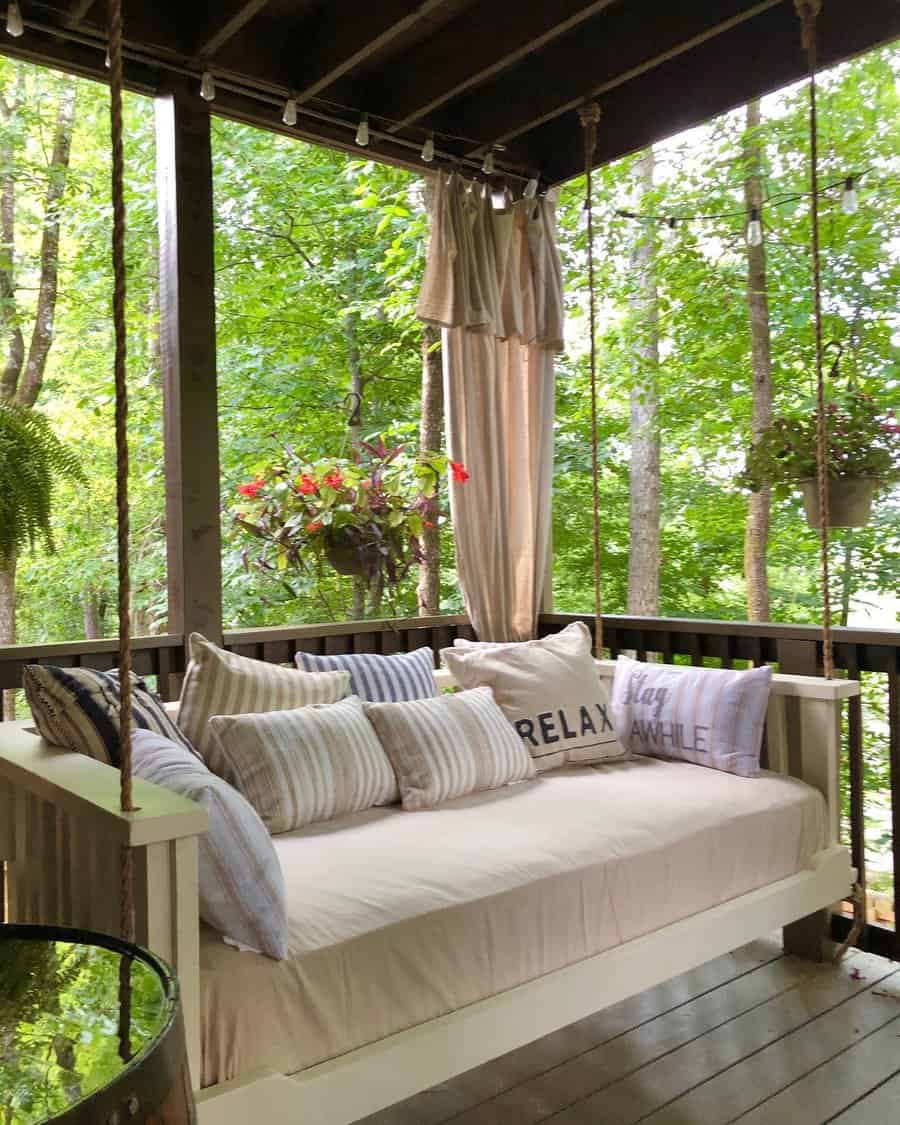
12. Relaxing Porch Swing
A porch swing adds a playful, relaxing element. Whether opting for a classic wooden design or a modern hanging seat, it’s a charming addition that invites leisure and comfort.
Source: @waterhousemarket via Instagram
13. Trellis Beautification
A trellis provides a structured yet decorative element. Climbing plants like ivy or roses can be trained over it, creating a lush, green backdrop and a sense of privacy.
Source: @garden_by_nat via InstagramSource: @layladudley via InstagramSource: @my.humble.homestead via Instagram
14. Outdoor Lounge Setup
Transform your back porch into a luxurious outdoor lounge. Furnish with weather-resistant sofas and accent tables for a space that’s as comfortable as it is stylish, ideal for hosting or unwinding.
Source: @shulashouse via Instagram
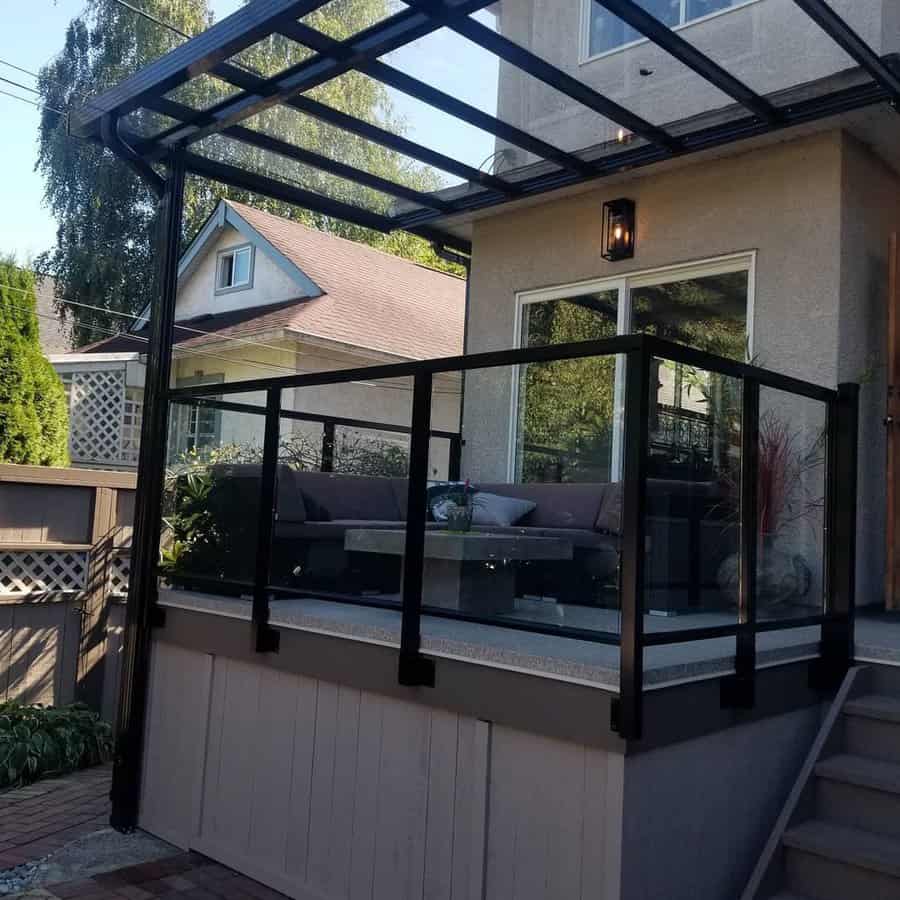
15. Modern Glass Railing
Glass railings offer a sleek, modern look while maintaining an unobstructed view. This choice is particularly effective for porches overlooking scenic landscapes or gardens.
Source: @horizonvinyl via Instagram
16. Expansive High Ceiling
A high ceiling on your back porch gives a sense of grandeur and openness. This architectural feature allows for dramatic lighting installations and enhances air circulation, ideal for hot climates.
Source: @houseintheboro via Instagram
17. Greenery Enhancements
Integrating plants creates a lush, verdant oasis. Mix and match planters with a variety of foliage for texture and color. This not only beautifies the space but also improves air quality.
Source: @firstthomasvillerealty via InstagramSource: @kellymclean.ftwtx via InstagramSource: @wendymaurodesign via InstagramSource: @wrightbydesign via InstagramSource: @wrightgardnerarchitect via InstagramSource: @haus.of.kerr via InstagramSource: @sassa_mila via InstagramSource: @sherylsantos via Instagram
18. Brick Oven Addition
A brick oven is not just a cooking feature but a focal point. It’s perfect for those who enjoy outdoor entertaining and cooking, adding a rustic, gourmet touch to your back porch.
Source: @selinadacey via Instagram
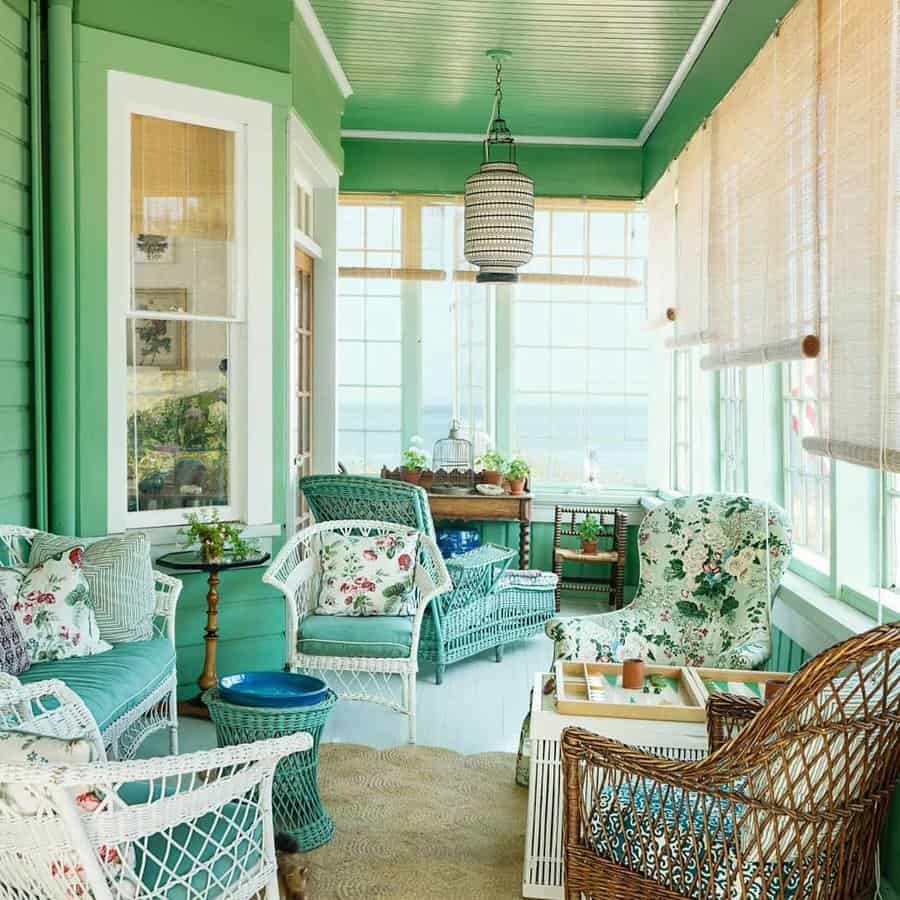
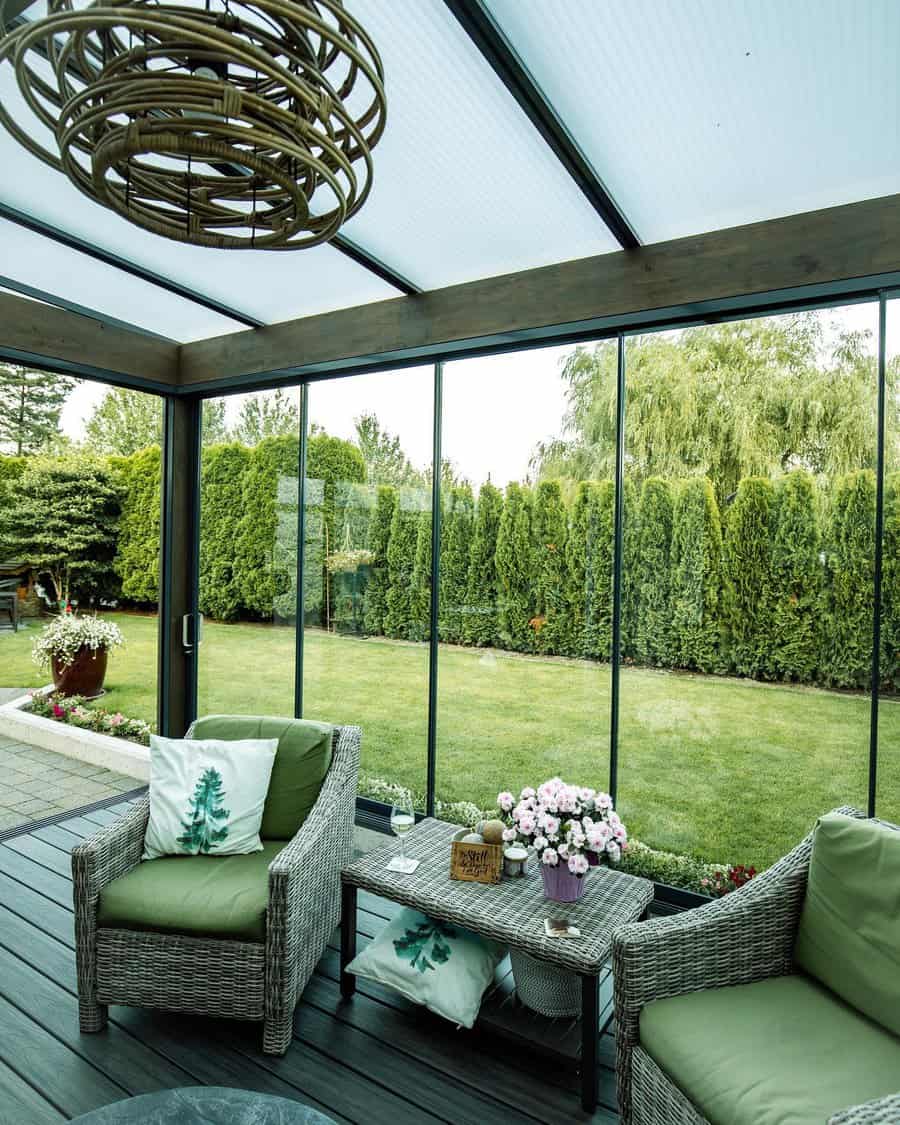
19. Sunroom Transformation
Converting your back porch into a sunroom allows for year-round enjoyment. It’s an excellent way to extend your living space, offering a sunny spot for relaxation, dining, or simply enjoying the view.
Source: @larissa_arch via InstagramSource: @lumoncanada via Instagram
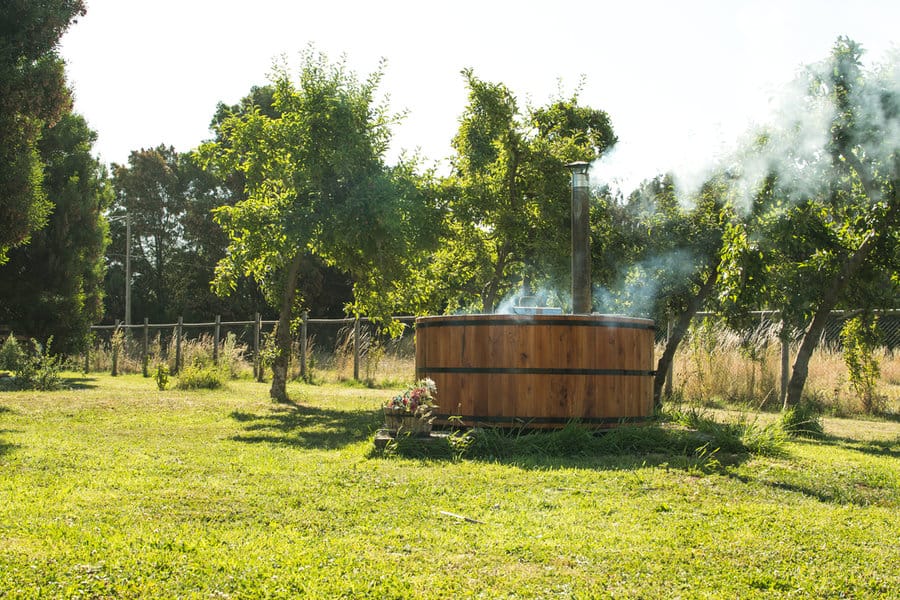
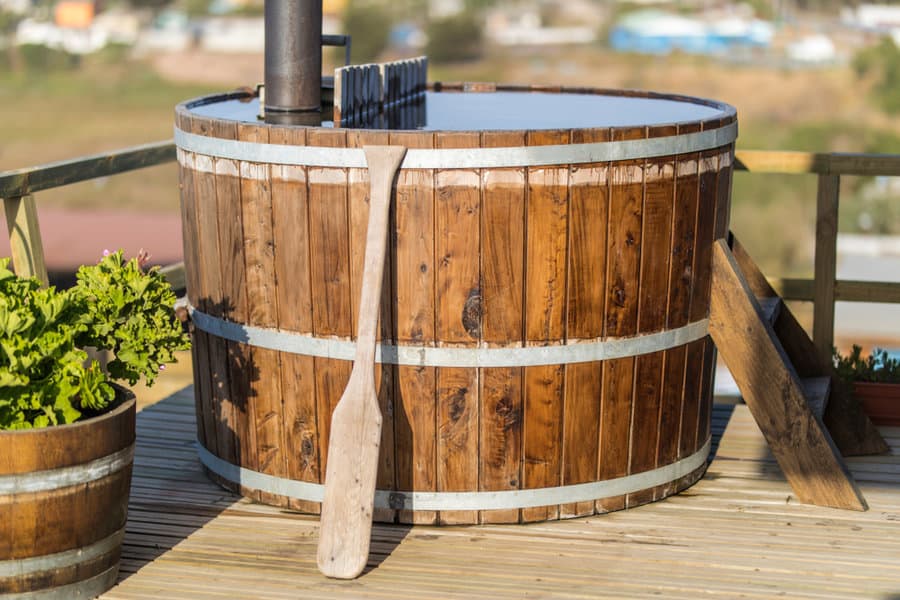
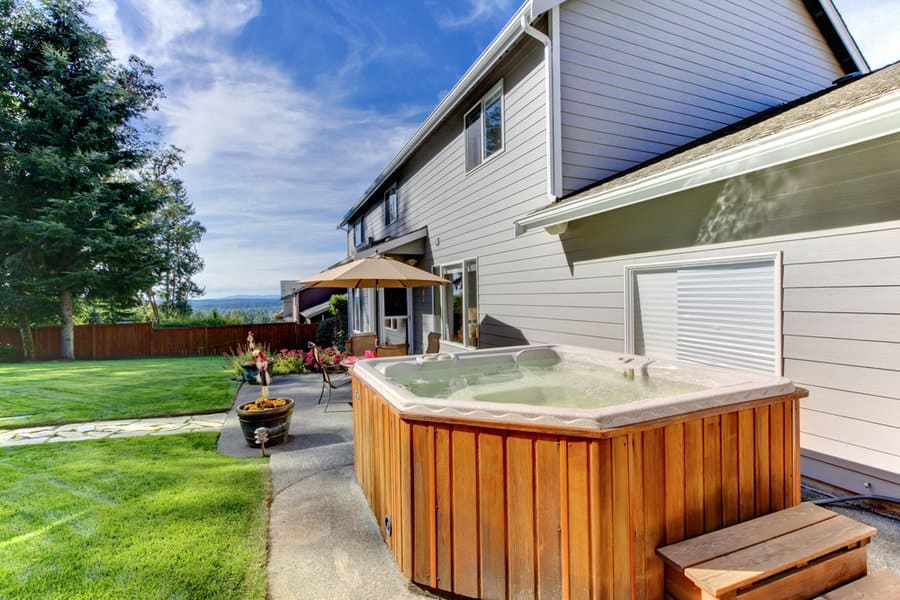
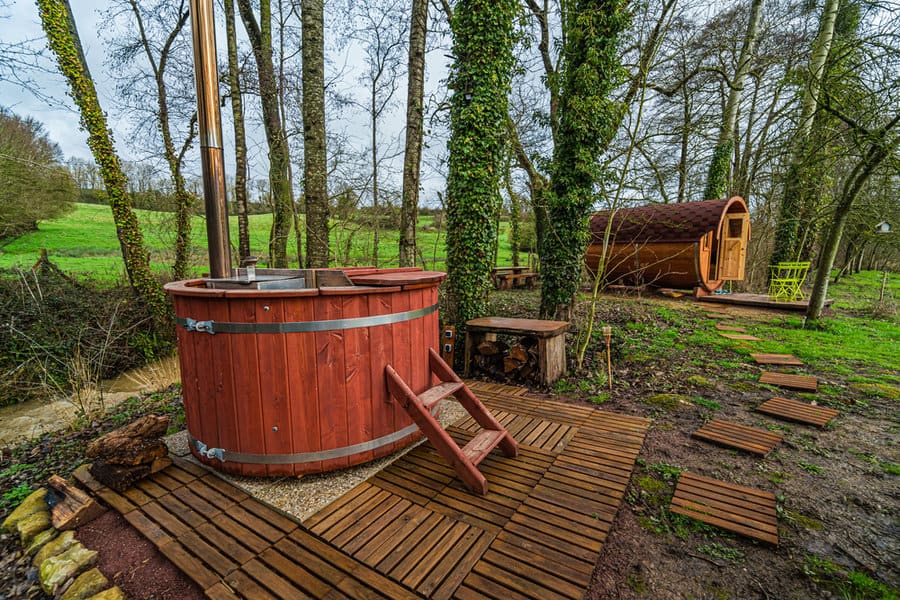
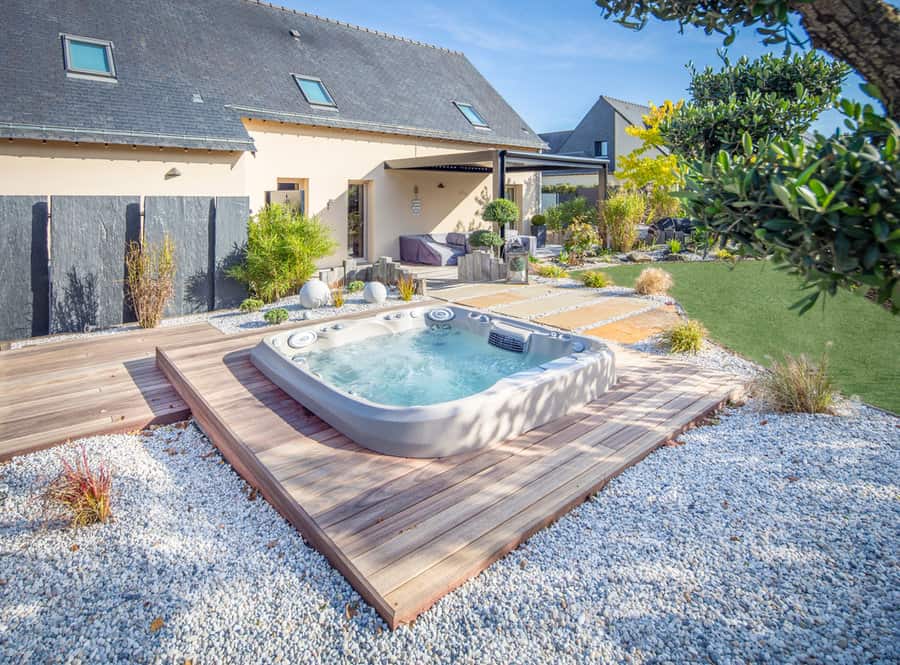
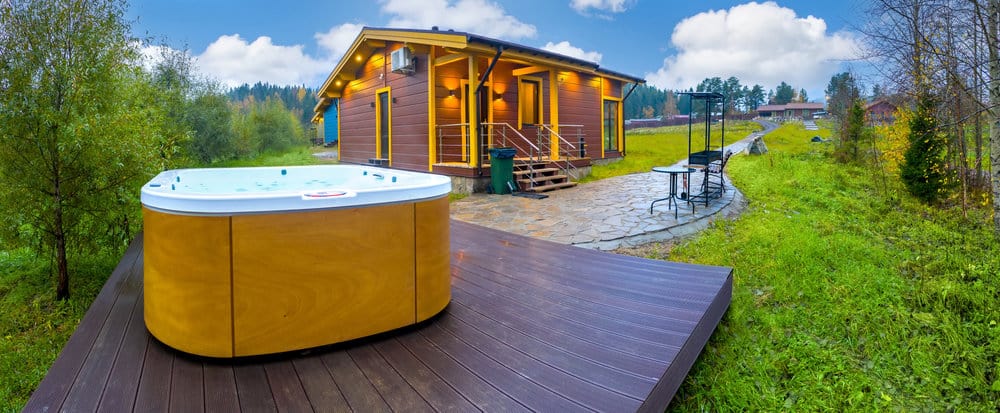
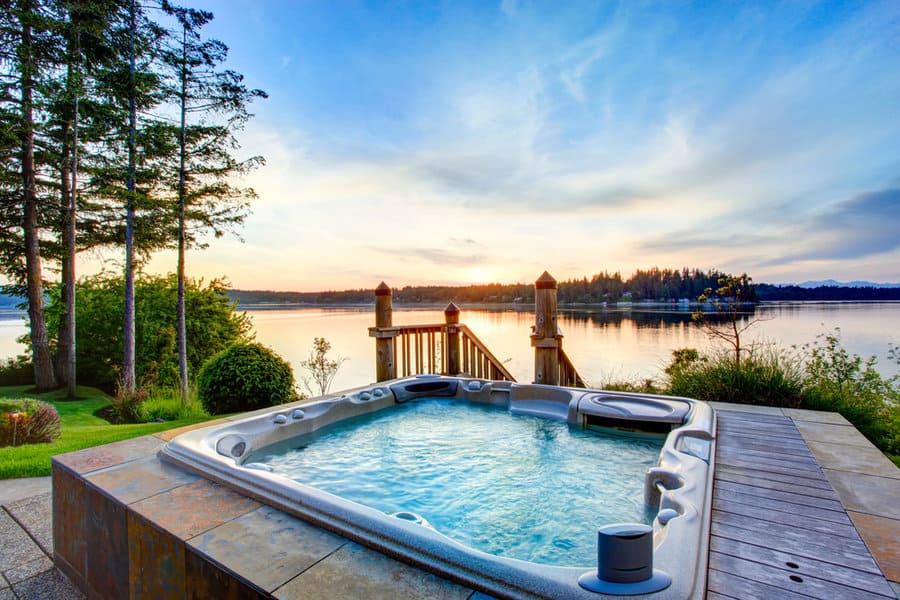
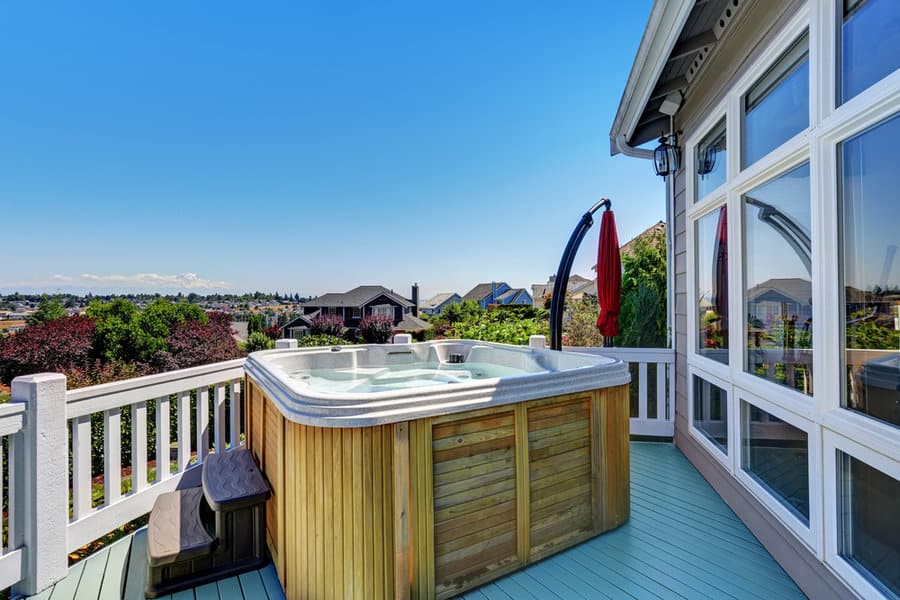
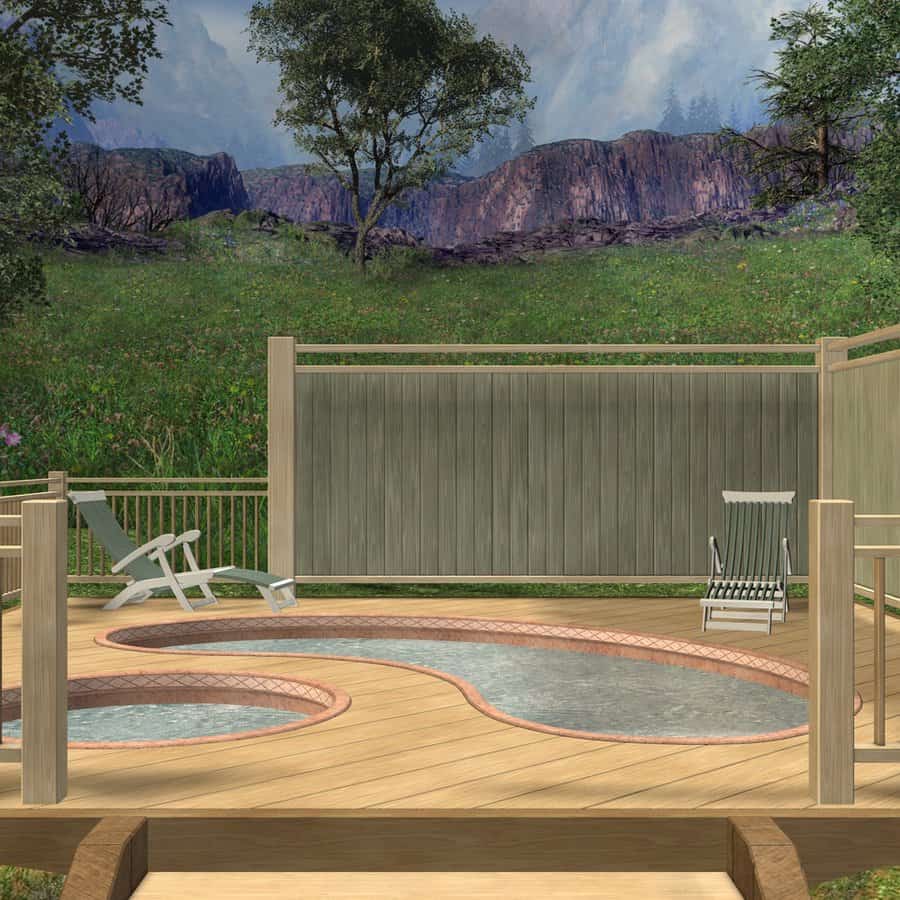
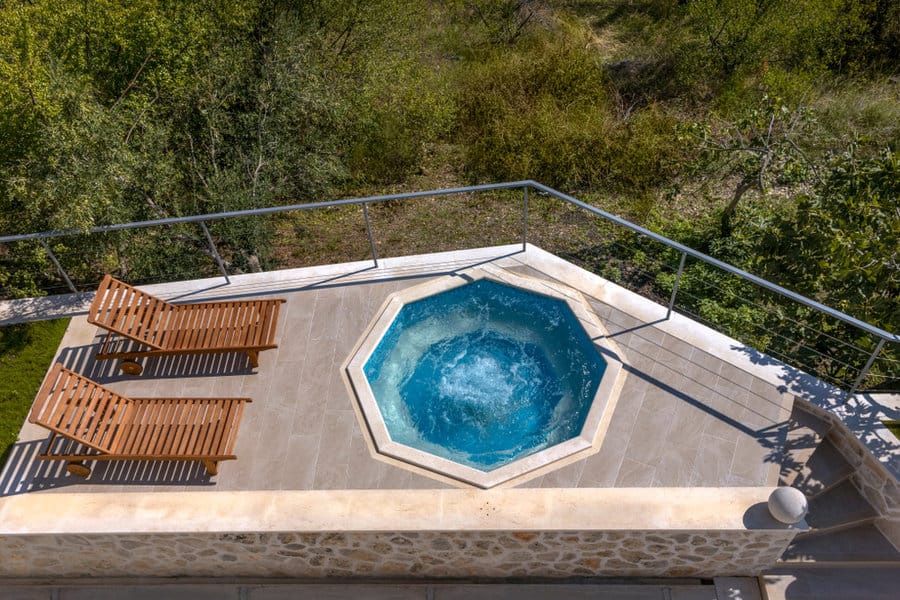
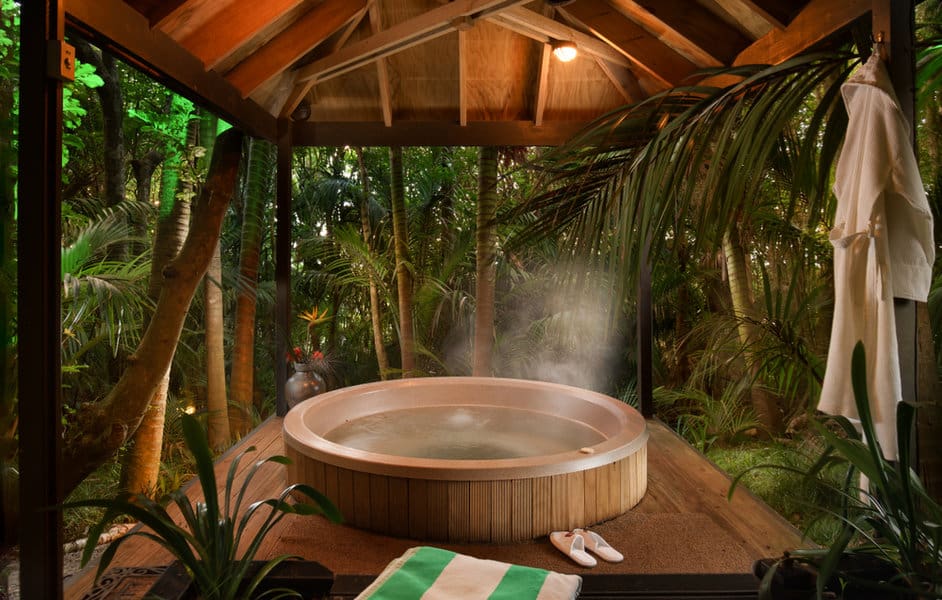
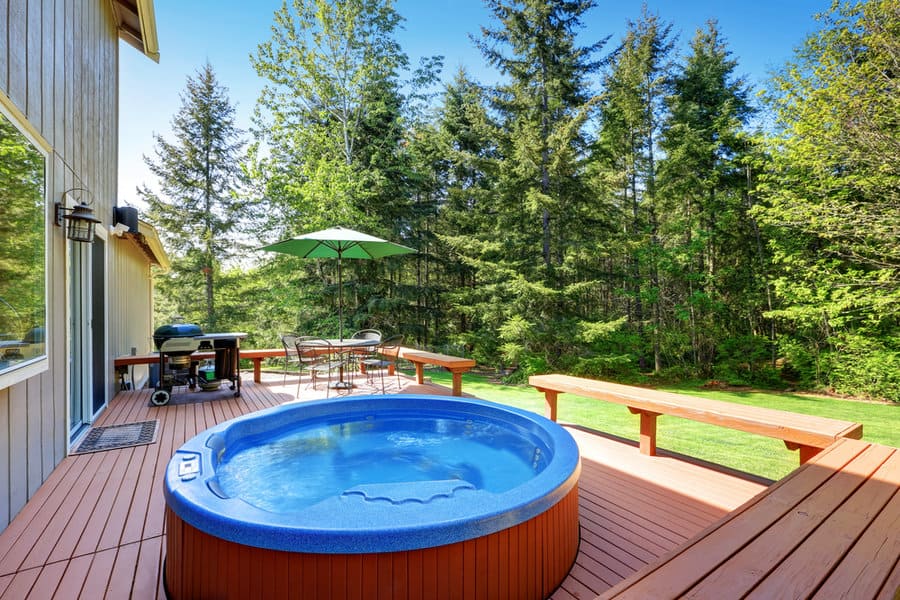
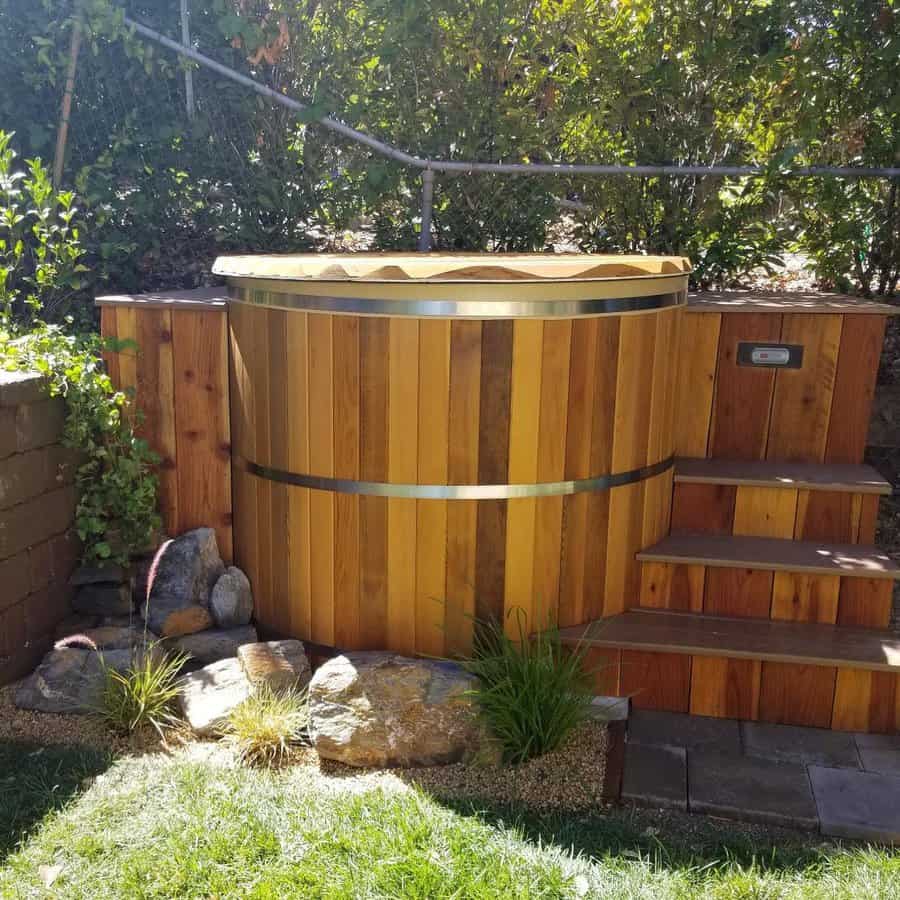
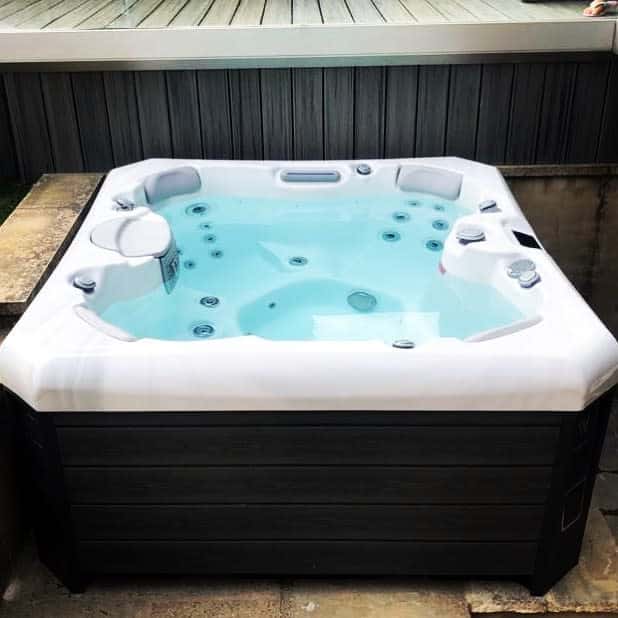
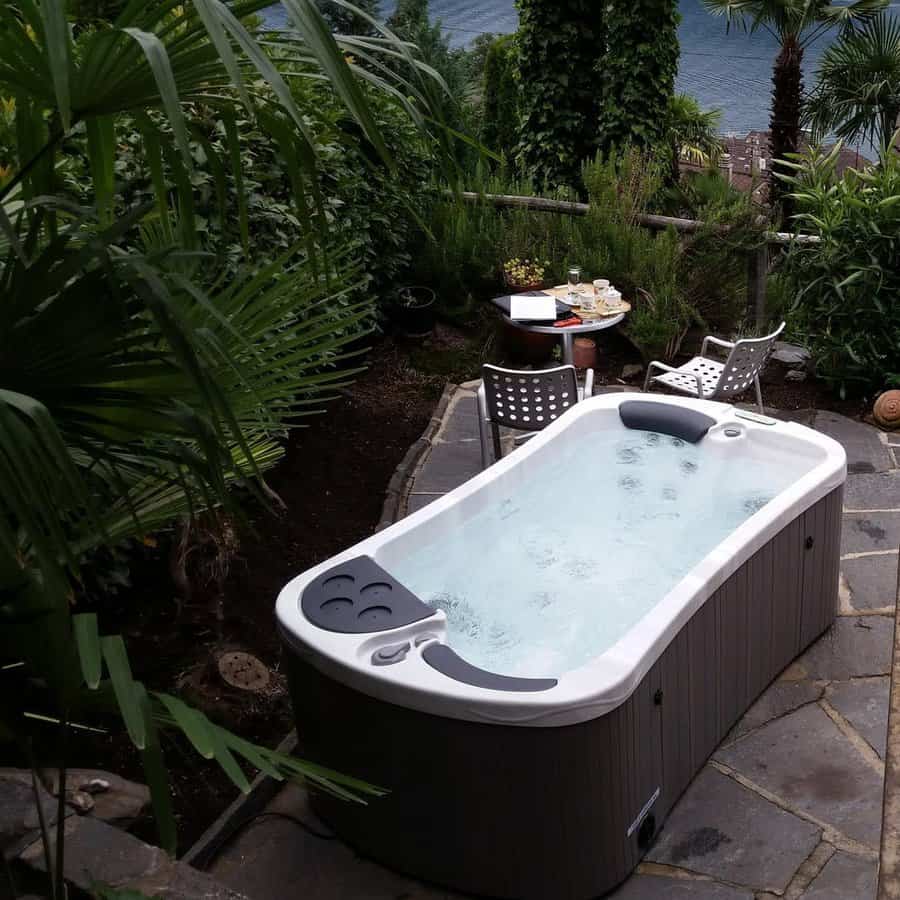
Having an outdoor living room or kitchen is great for the outdoor living lifestyle. However, if you want to take your outdoor enjoyment up a notch, what you need is a hot tub. They are better than a swimming pool because their small size makes them easier to fill and maintain.
They also don’t take up as much room, so you can fit them in places where a pool wouldn’t normally fit. Once you have your hot tub location chosen, you need to think about the deck you’ll have around it. This will make using your new backyard addition more enjoyable.
These hot tub deck ideas will help you design a backyard that will be the envy of your neighborhood.
[view_toc]
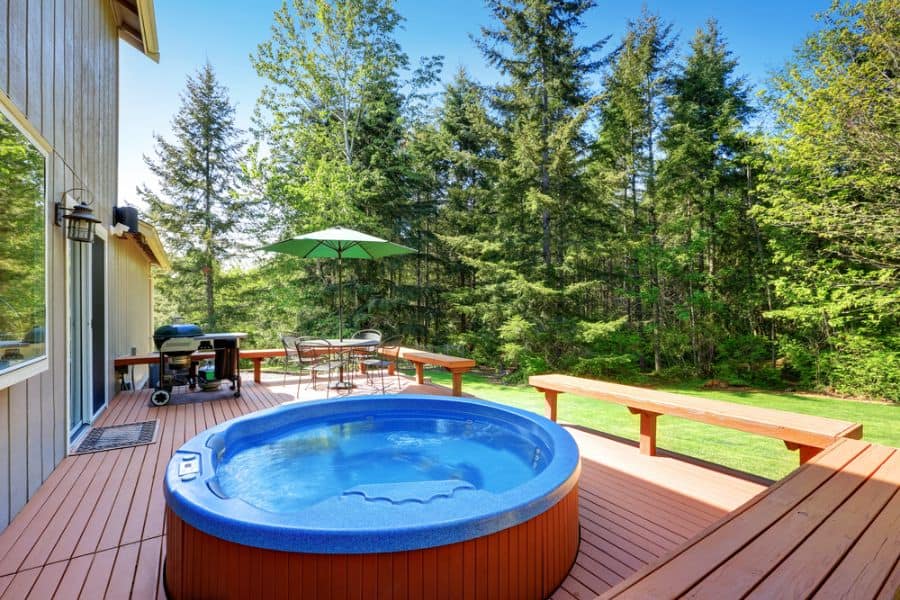
1. Transform Your Backyard with a Hot Tub Deck
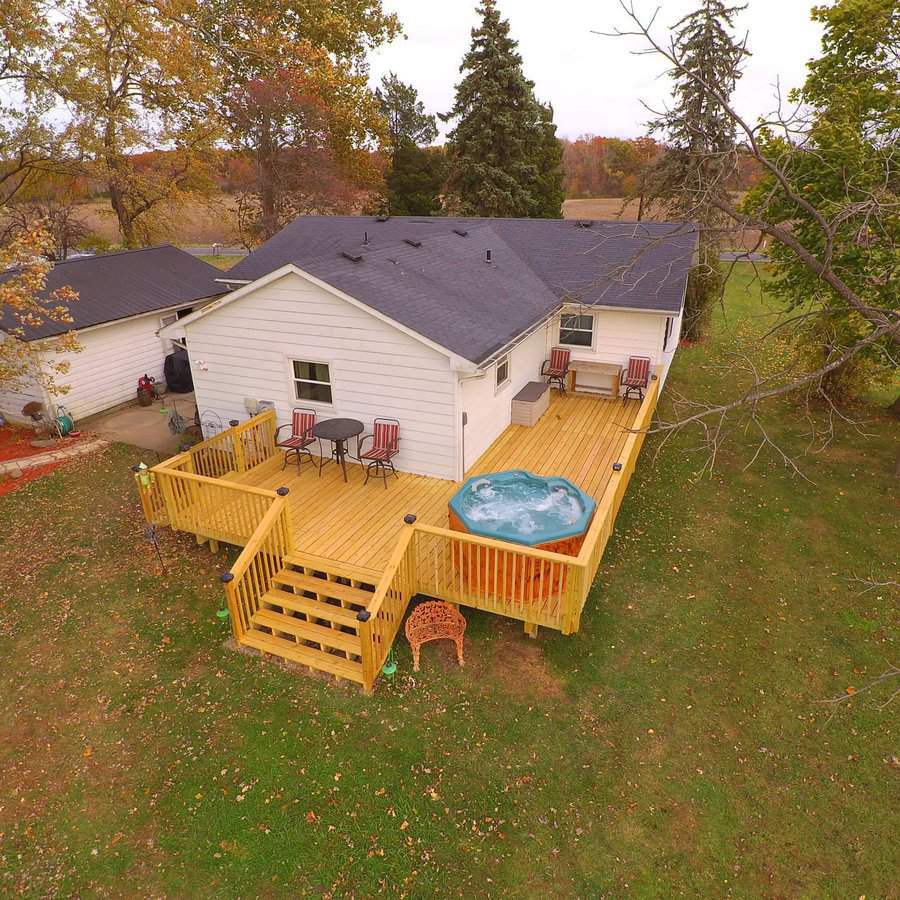
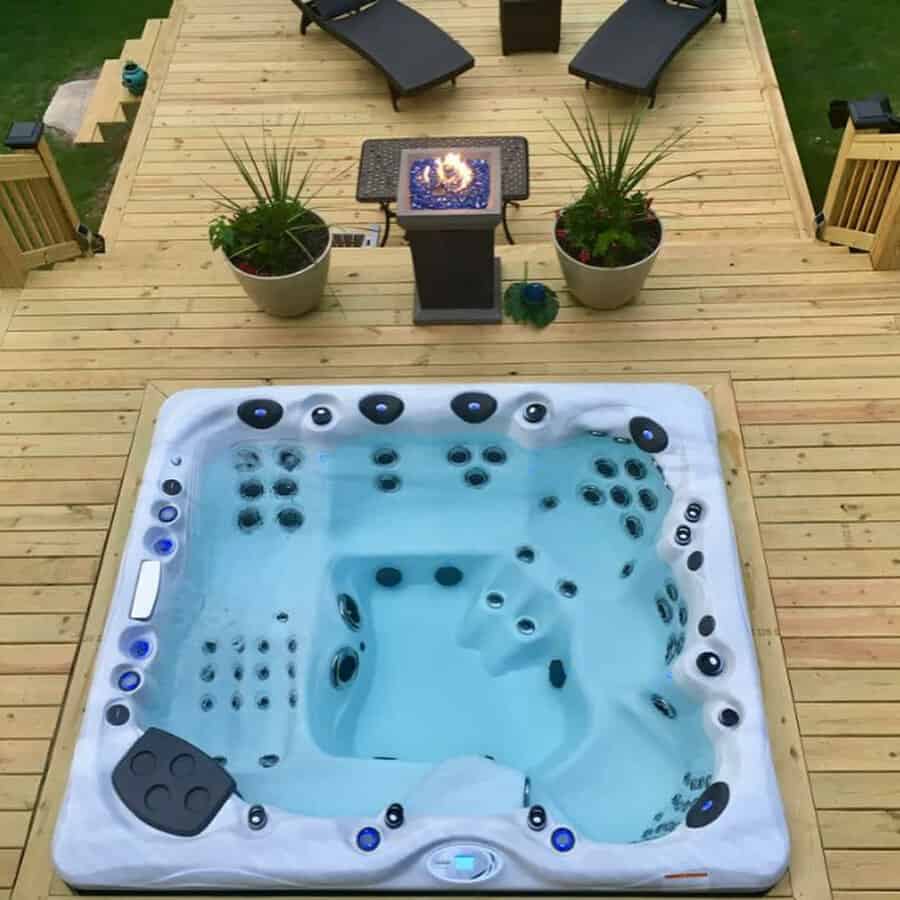
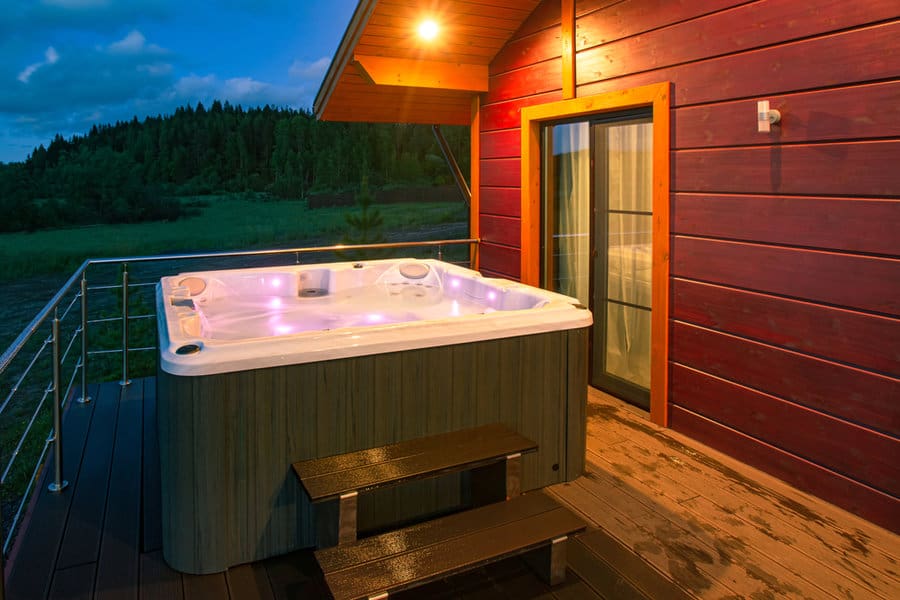
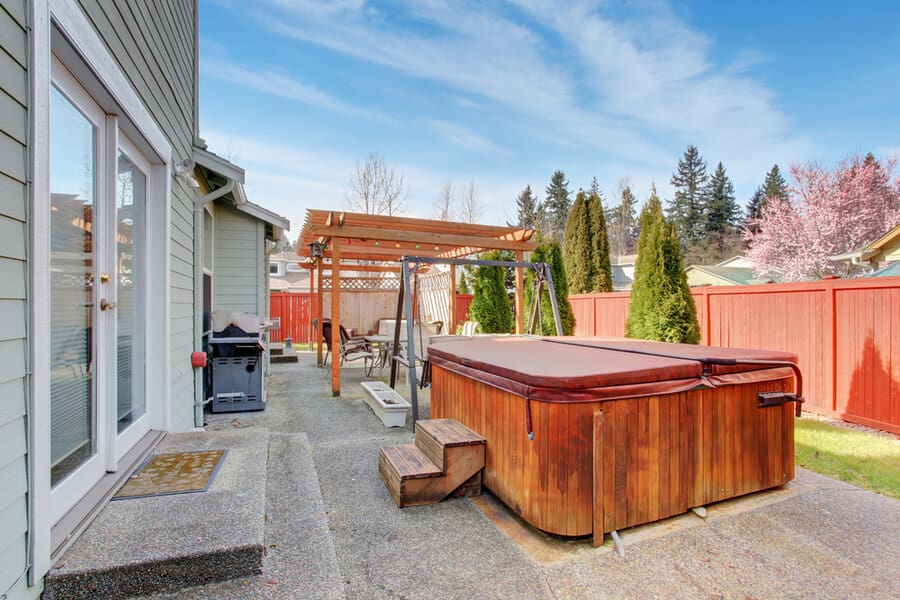
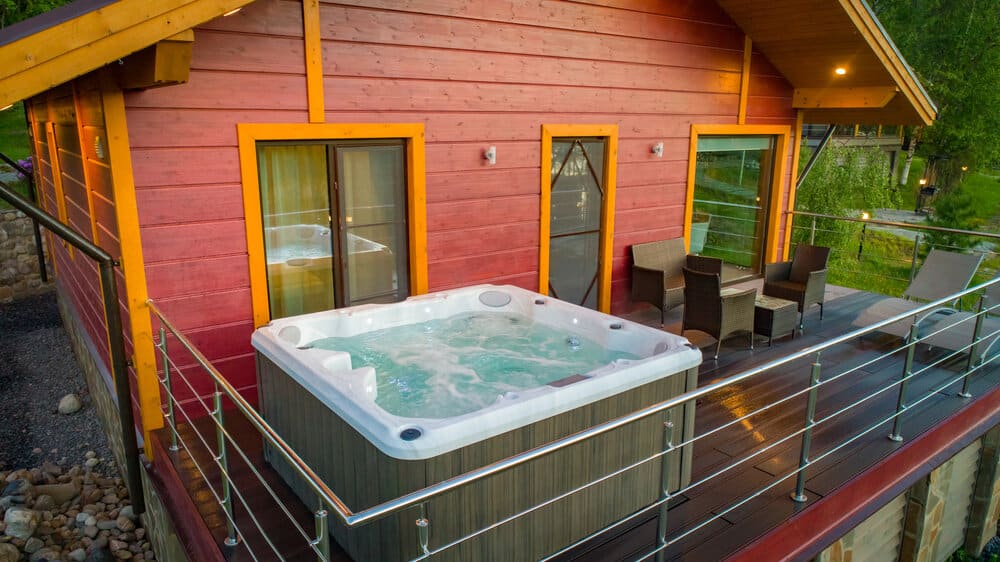
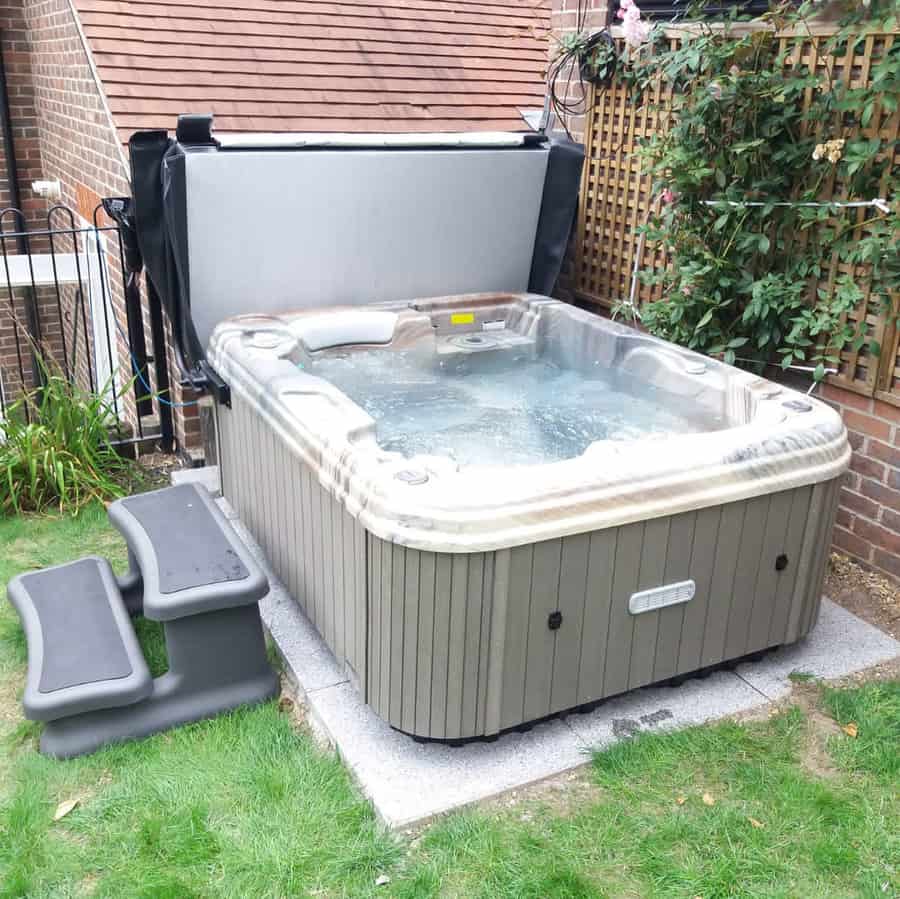
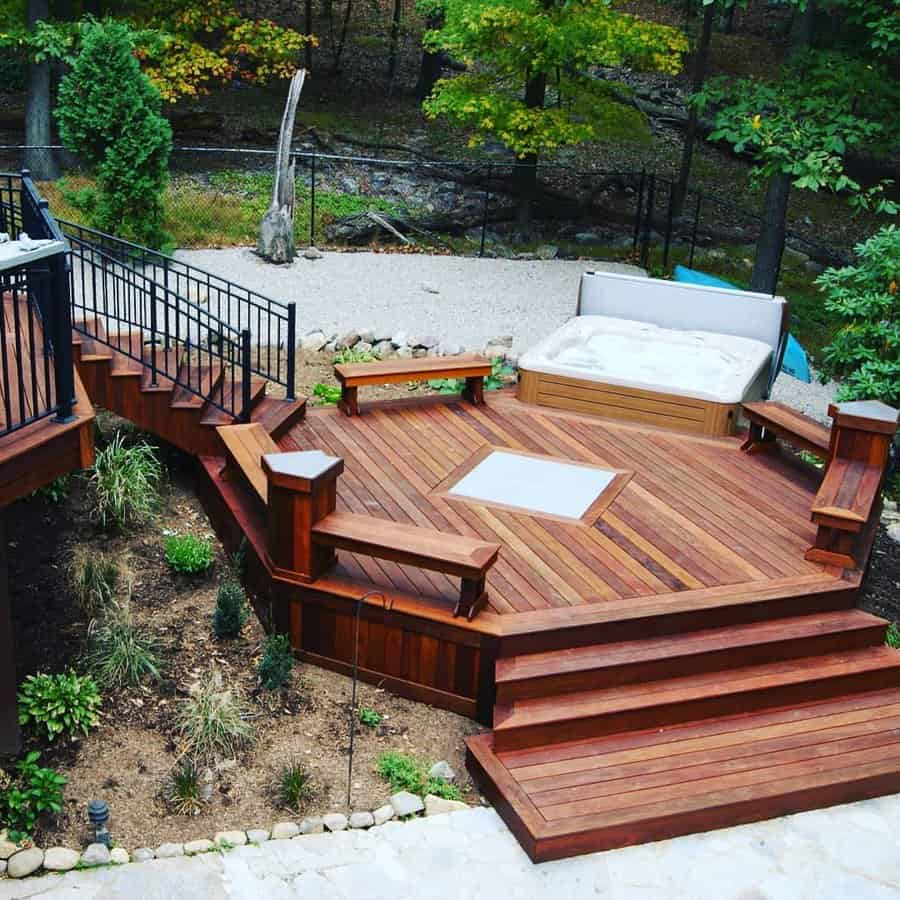
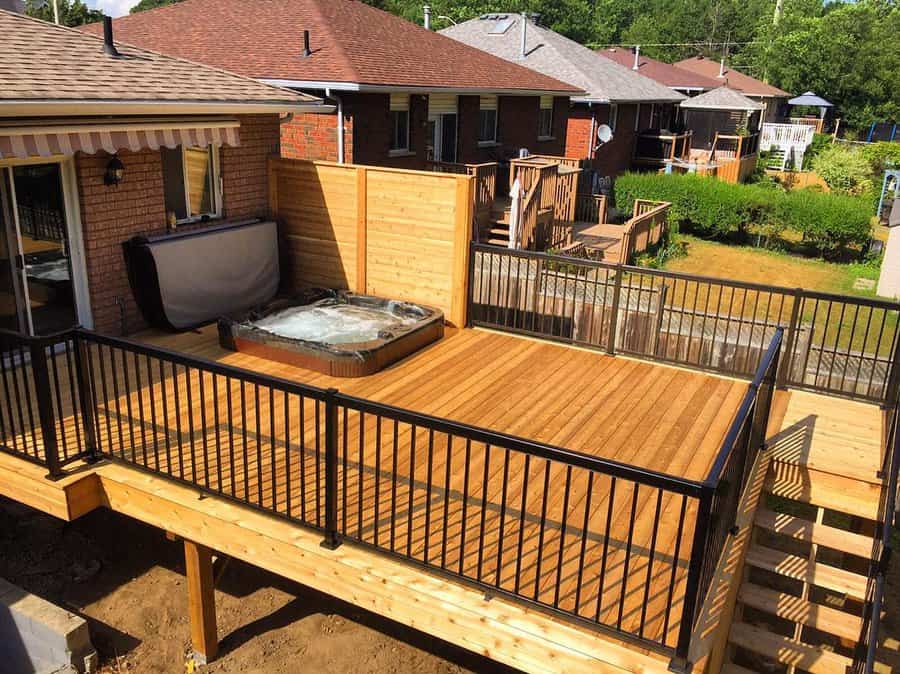
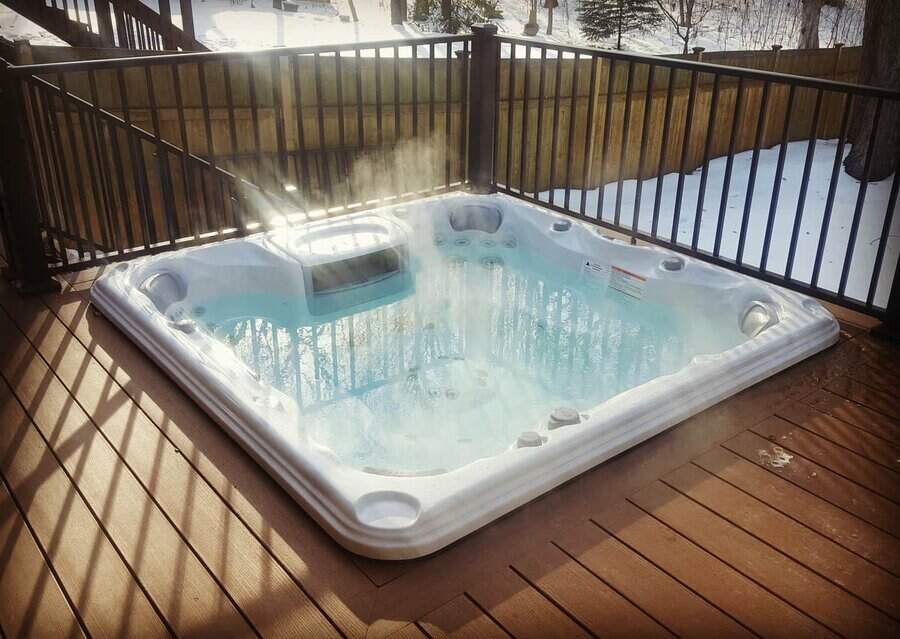
Having a hot tub in your backyard means you have a natural focal point. The sheer bulky size and shape of your hot tub mean it will draw attention.
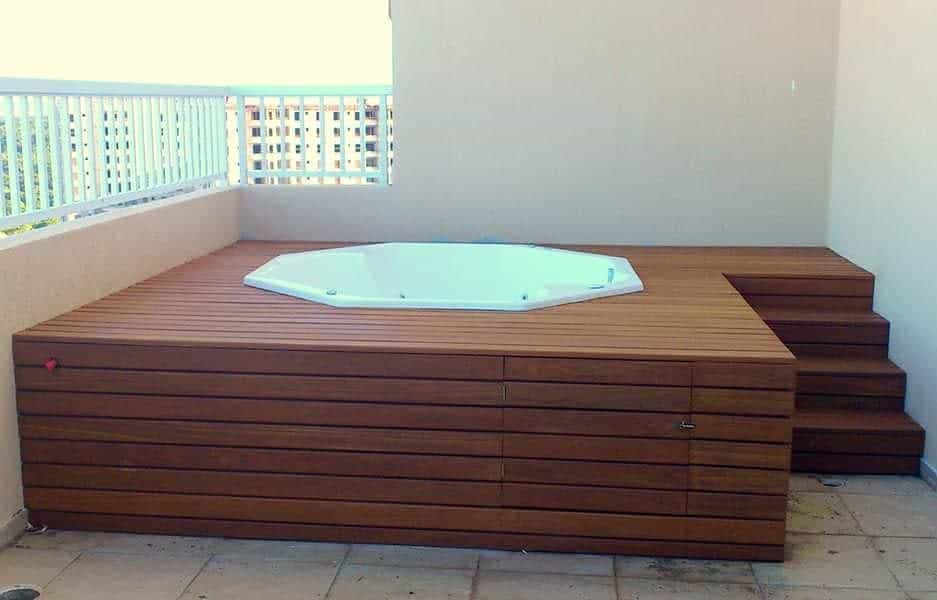
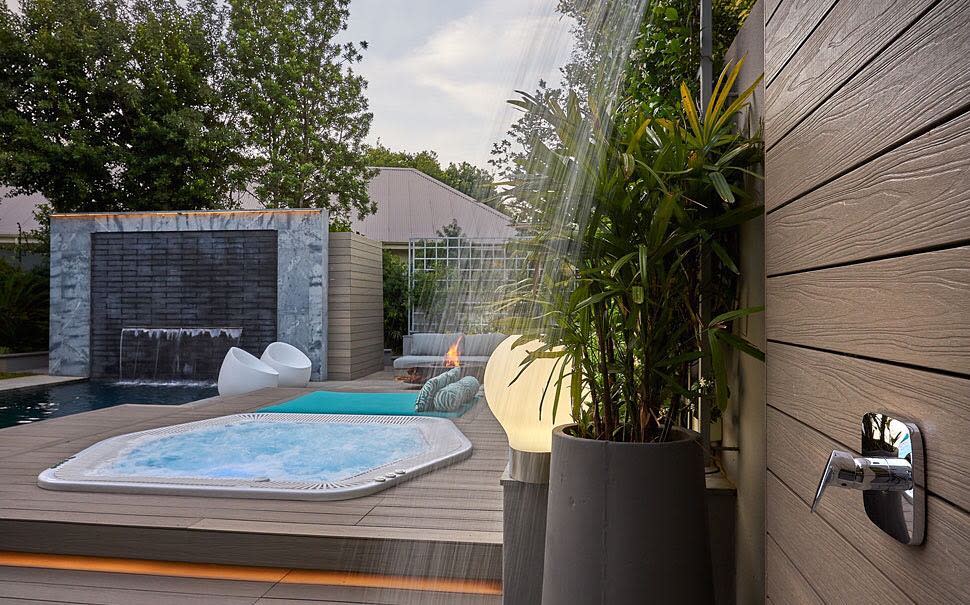
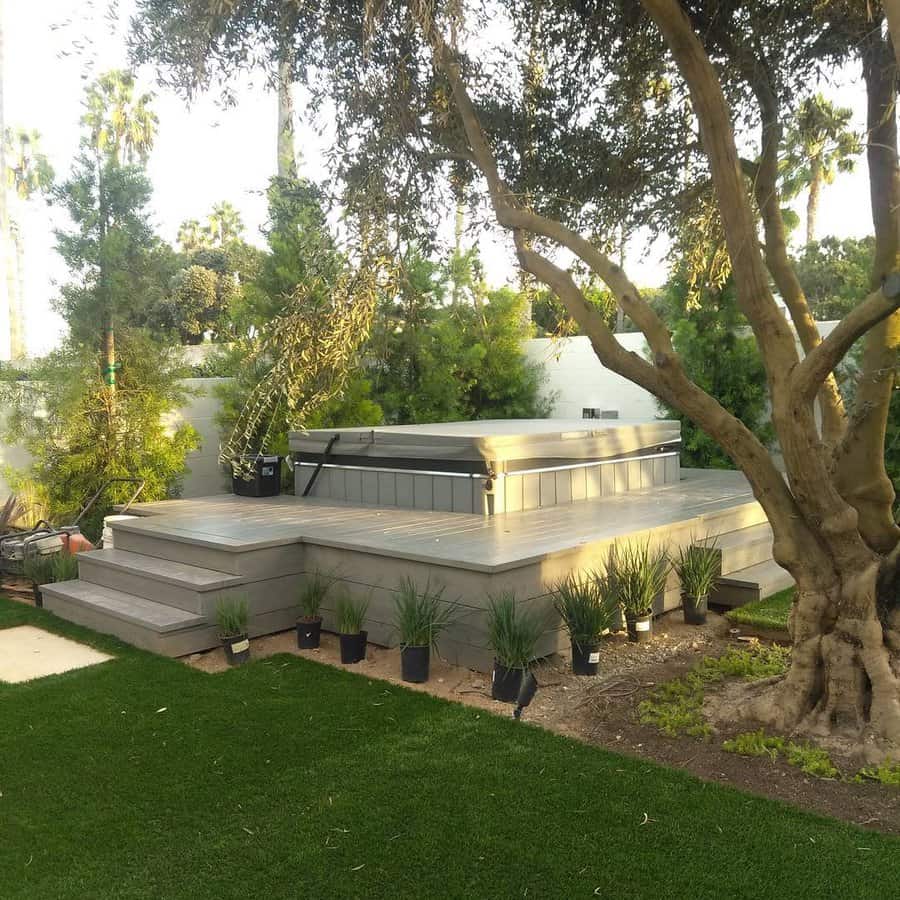
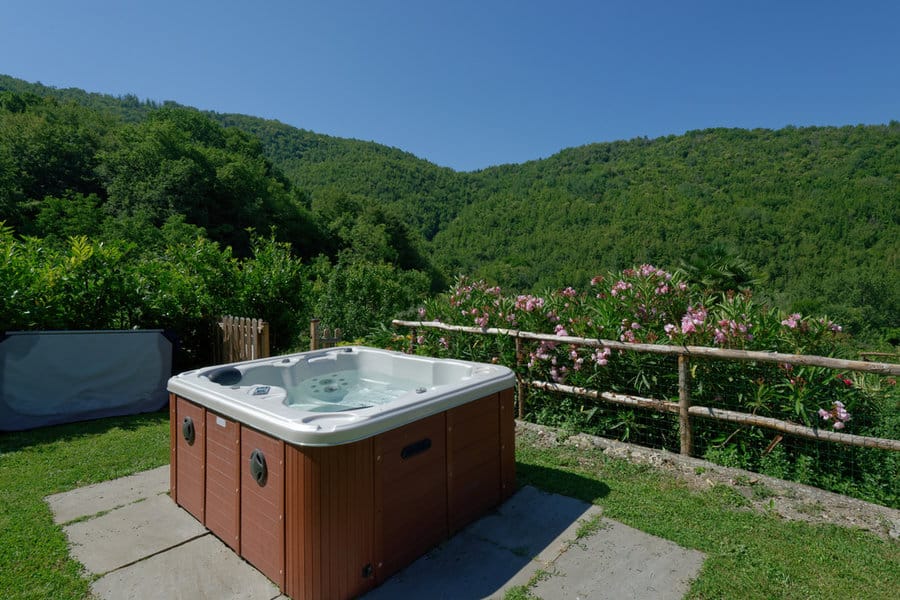
Source: @formpoolsandspas via InstagramSource: @tresslerdrone via InstagramSource: @turnerblairservices via Instagram
You have two options. You can embrace this and make the hot tub the shining star of your backyard design. String lights over it, have a path leading to it and add benches around the outside for setting towels on.
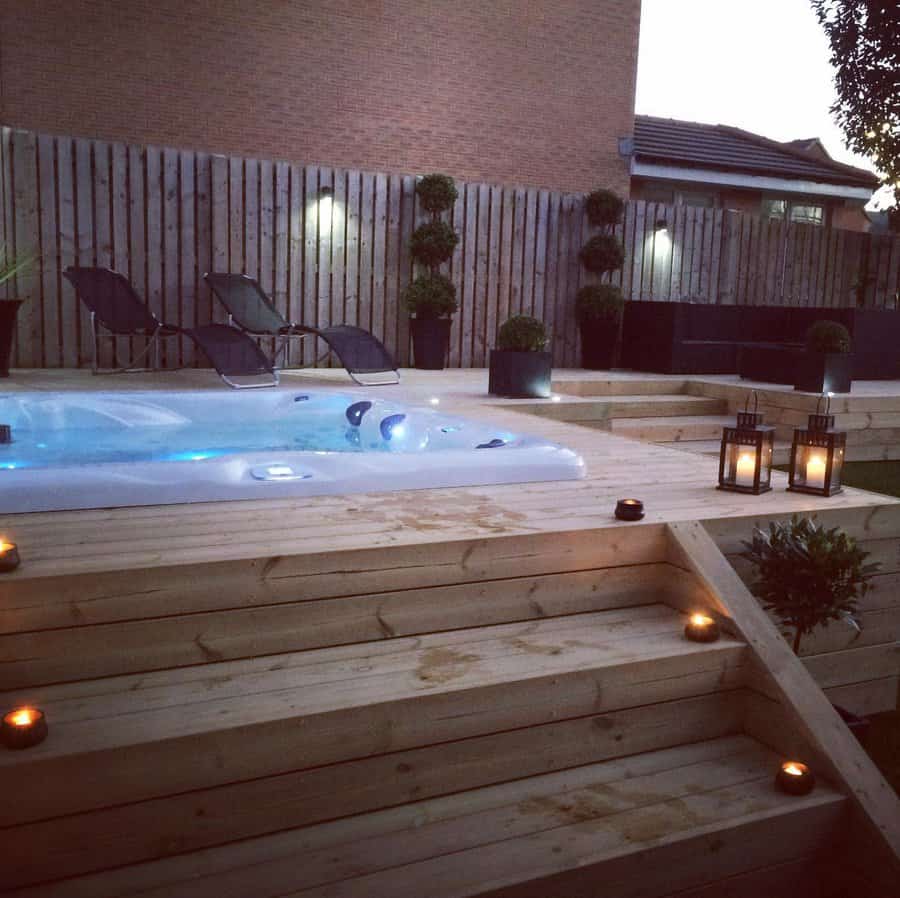
Your other option is to use your backyard design to hide the hot tub. Build a deck around your hot tub to be flush with the top of it. Plant trees or place large potted plants around it. Camouflage the hot tub so that it isn’t immediately obvious.
2. Enhance Privacy with a Gazebo Cover
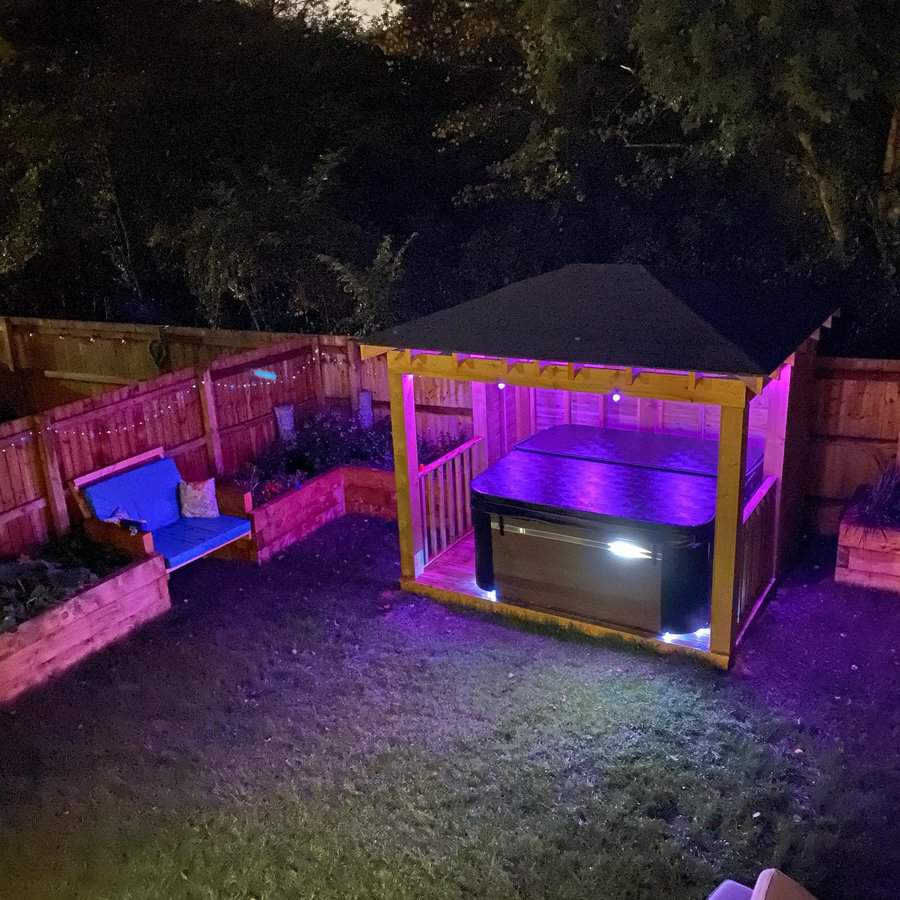
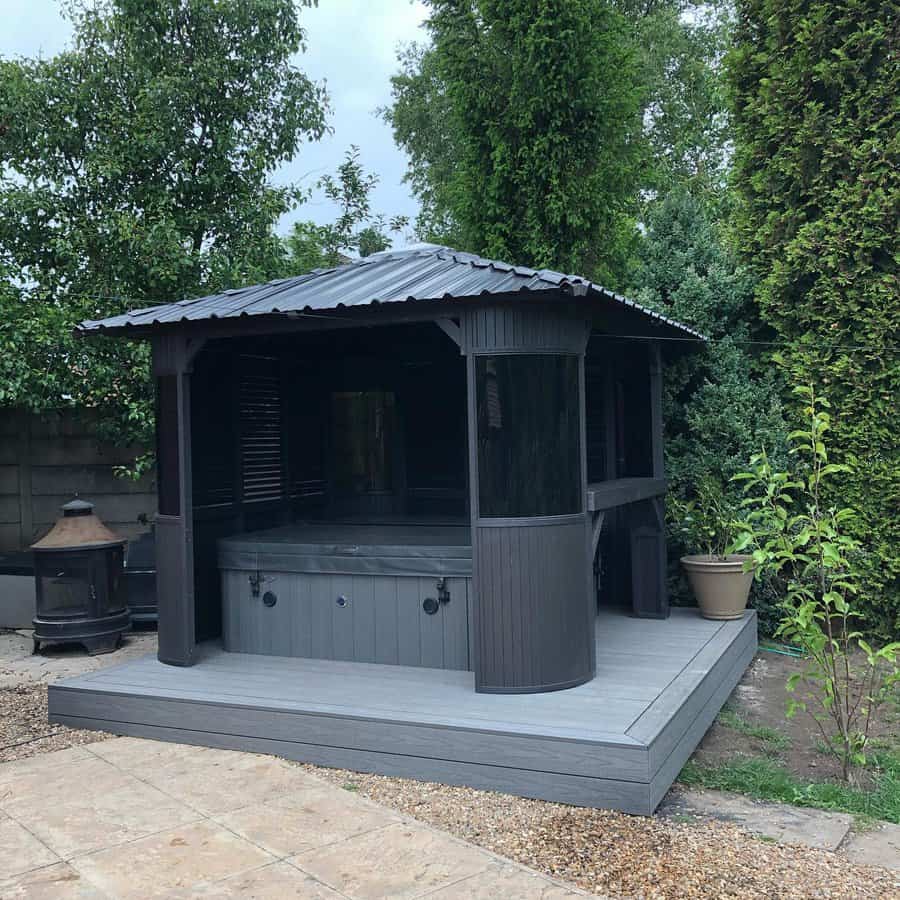
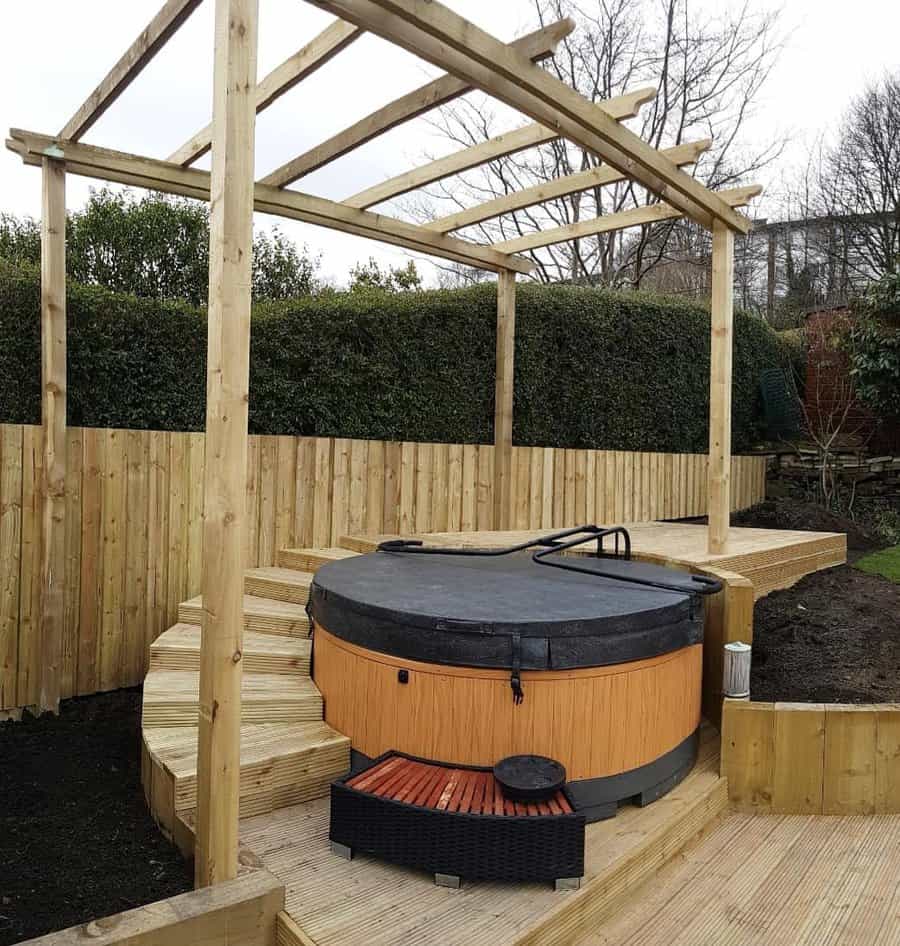
Building a gazebo or pergola over your hot tub can add privacy and give you some protection. If you already have an existing deck, then adding a large gazebo can give you space to create a seating area next to the hot tub.
Source: @home.garden.pup.life via InstagramSource: @innerliving.mcr via Instagram
The gazebo gives you a framework to work with when adding decor. String cafe lights from the top for a soft, mood-setting glow. Hang plants from pots or allow a vine plant to grow over the gazebo.
The plants will create a natural barrier that’s perfect for filtering the sunlight or creating more privacy.
3. Jacuzzi: More than Just Hot Tubs
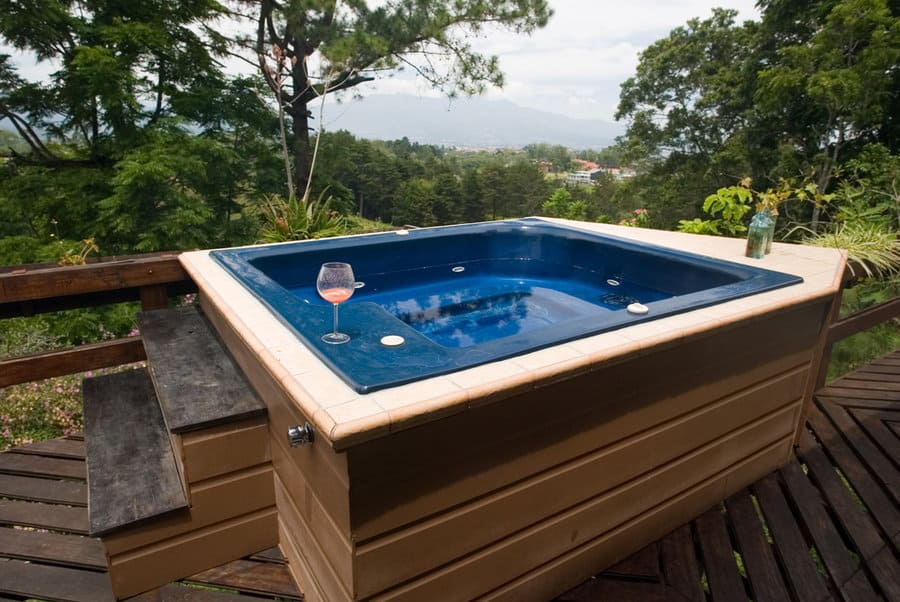
While the majority of these ideas are focused on hot tubs, they aren’t limited to just traditional tub designs. You can also use them with a jacuzzi, swim spa, or inflatable hot tub.
Source: @eefcoberturas via InstagramSource: @newtechwoodsa via InstagramSource: @the___works via Instagram
Create a personalized backyard spa by doing more than just placing your new jacuzzi or swim spa in your backyard. Think about how you’ll get to and from your new addition.
You don’t want to leave your home’s backdoor only to step outside and have to work through dirt or grass. You also need to have somewhere to place your towel while you are in the water.
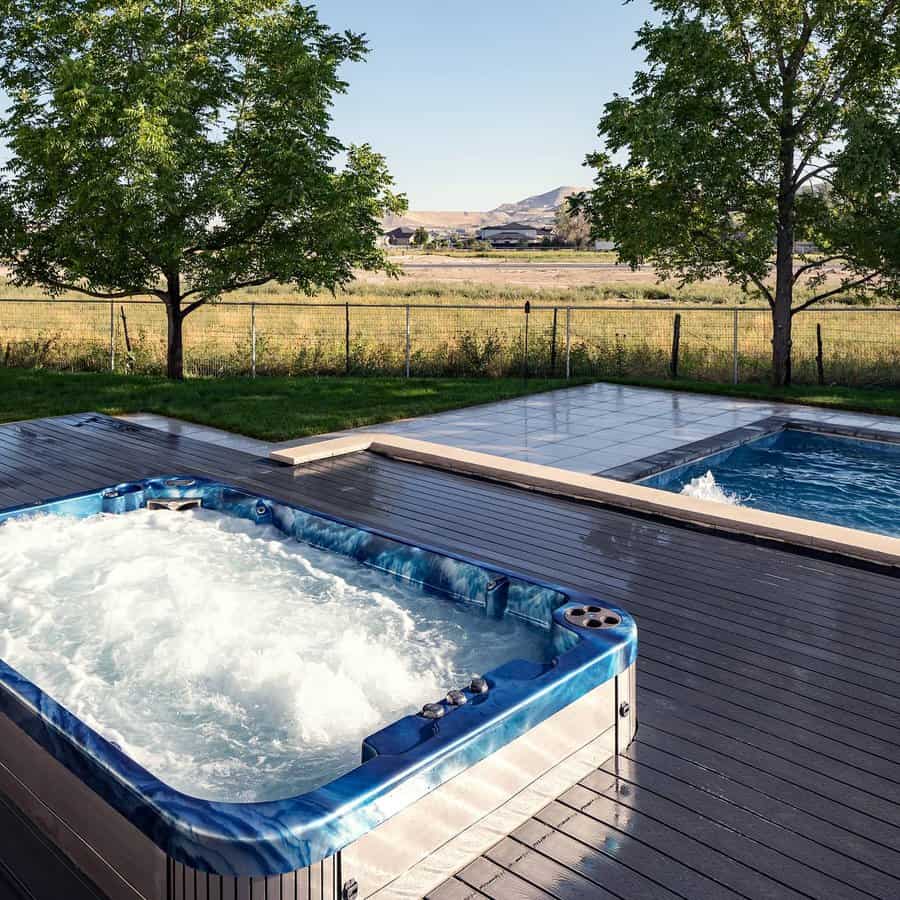
4. Sleek Minimalist Hot Tub Decks
The minimalist works well with your hot tub. Use composite decking to build the pool deck. Make it a separate space from your immediate patio by creating an outdoor extension.
Keep the design clean and simple. Then limit the amount of decor and furniture you place on your patio and deck. When you do add furniture, keep it simple with long straight lines.
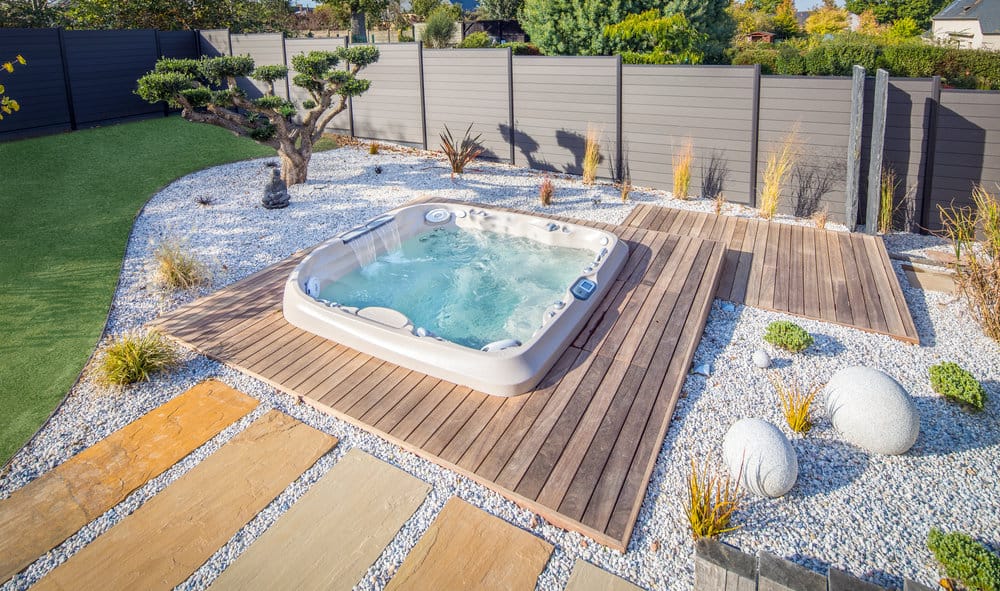
Sink the hot tub into the deck so that it has a low-profile design. This will minimize the visual breaks and keep the minimalist feel.
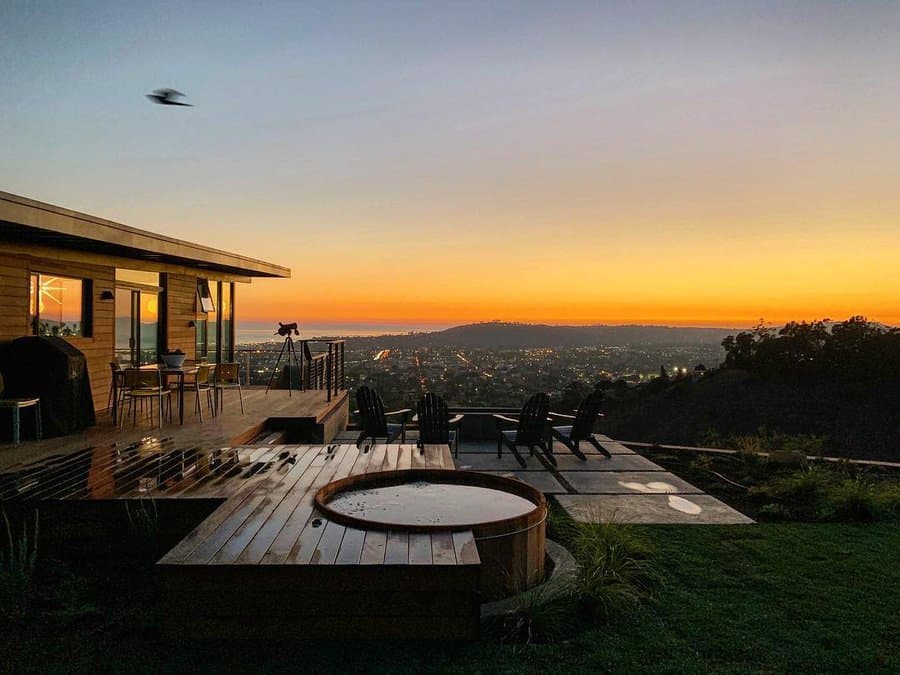
5. Maximize Views with Strategic Tub Placement
If you plan to spend some serious time soaking in your outdoor hot tub, then you’ll want something interesting to look at while you sit. If you have a decent view, then consider this when placing your hot tub. You don’t want to position the tub in such a way so that the view is behind you.
If you don’t have the luxury of a stunning view, then it’s time to get creative. Mount an outdoor TV on a protected wall. Then you can enjoy a show or music while soaking in the tub.
6. Create a Backyard Oasis Around Your Hot Tub
Your hot tub can be just one element of your backyard oasis. Build out an entire deck design that includes outdoor space for your hot tub, fire pit, and even an outdoor kitchen. Explore backyard designs that work with the space and budget you have available.
Source: @vasiliki_official via Instagram
Add plenty of greenery to give your backyard a lush feel. If you can plant thick greenery to separate each space, even better. Add a winding walkway from one area to another to mimic the setup of a tropical resort.
7. Luxury Redwood Decks for Your Hot Tub
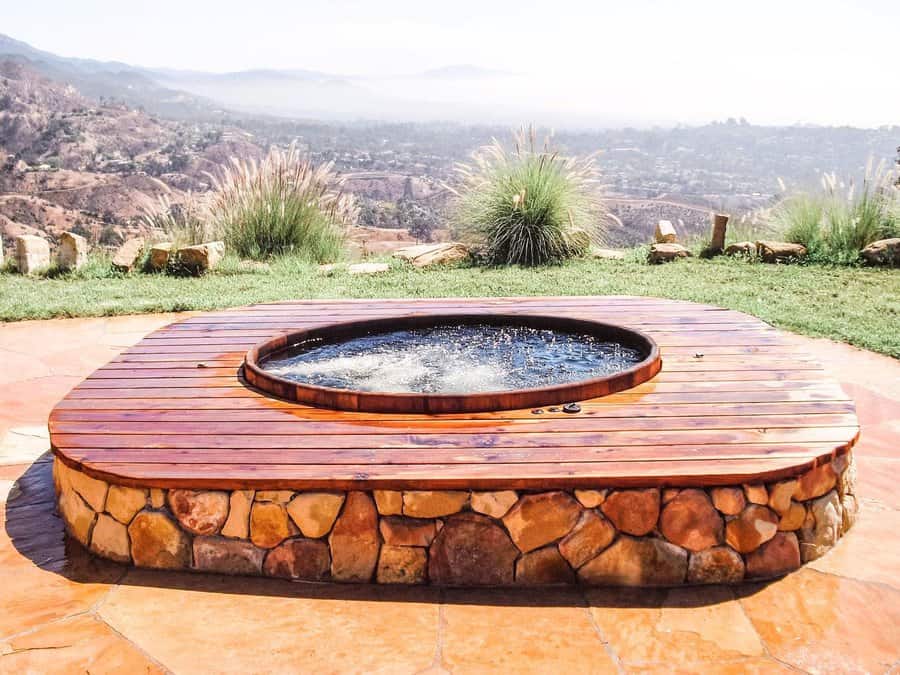
If you have a sizable budget, then you can use exotic hardwood or premium hardwood like redwood. This stunning wood is perfect for use as decking material in almost every way. It has a natural resistance to weathering and insects. It’s also the most fire-resistant decking there is.
Source: @gordon_and_grant_sb via InstagramSource: @gordon_and_grant_sb via InstagramSource: @gordon_and_grant_sb via Instagram
If you want to create a spa deck that’s worthy of the top spas and resorts in the world, then choose redwood. When choosing between cedar and redwood, keep in mind that redwood is stronger than cedar, making it more durable.
8. Curved Decks for Round Hot Tubs
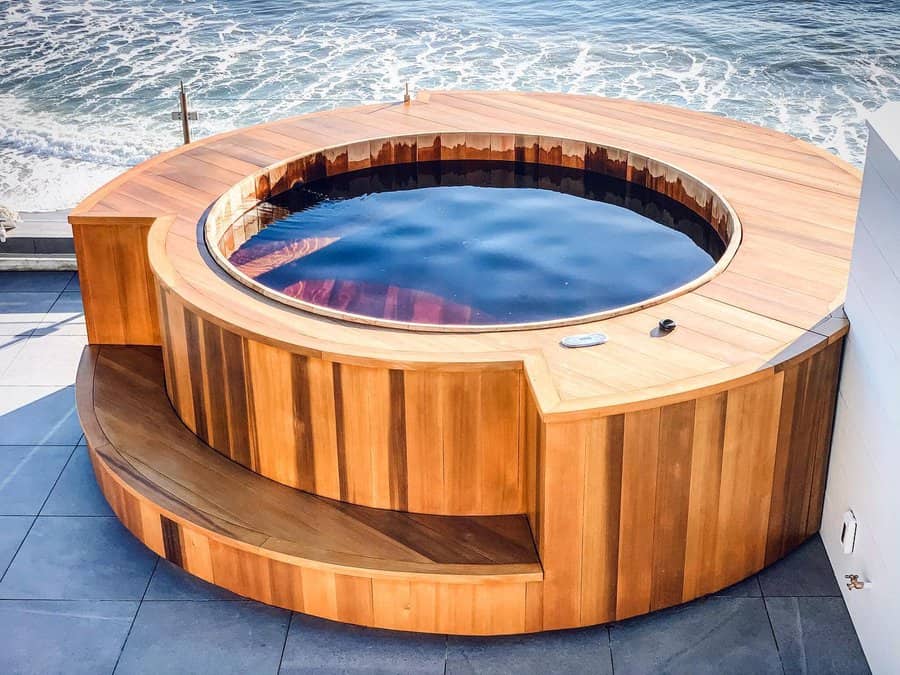
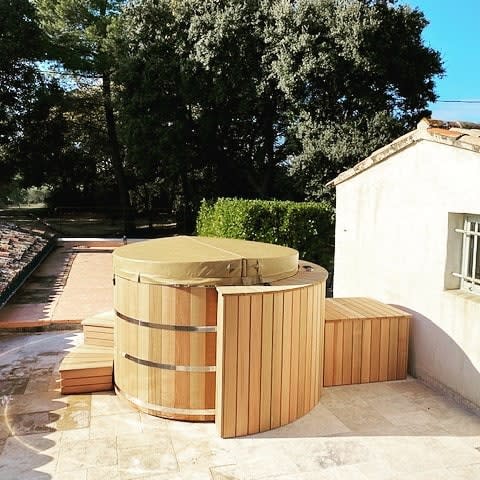
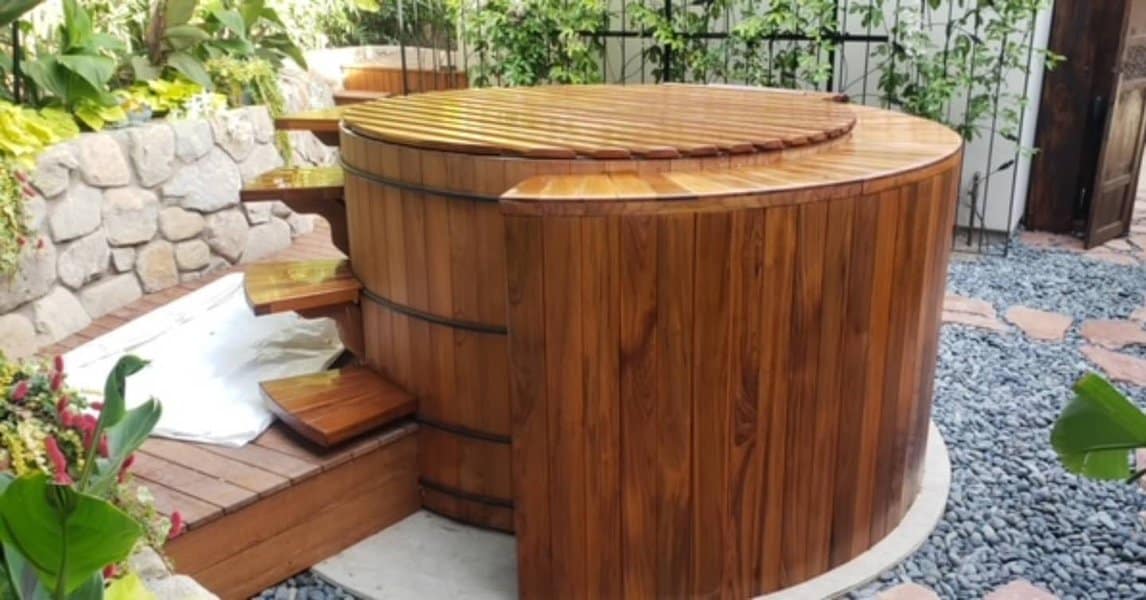
If your hot tub is round, then follow this line with your deck. Build a curved deck around the outside of the hot tub, creating a platform that makes it easy to walk around the outside. The curved line creates an elegant and custom look to your decking.
Source: @can_hot_tub via InstagramSource: @hopton.landscaping via Instagram
It’s easier and more affordable to build in straight lines, so by having a curved deck, you are elevating the look of your backyard. The curved lines also add visual interest to your backyard. You can have multiple curves throughout for an entire design theme.
9. Space-Saving Ideas for Small Hot Tubs
Similar to swimming pools, hot tubs come in a range of sizes. There are some that are so small they only hold one person.
Source: @hottub_house via InstagramSource: @hydropoolstaffs via InstagramSource: @miamispas via Instagram
If you plan to have a rooftop deck, you may not have very much space to work with. In this case, you need a hot tub with a small square footage footprint. That way, you can add the hot tub and still have space to move around it.
Additionally, consider the depth of your hot tub. Some have shaped seating that puts your body into an ergonomic position that’s entirely under the water.
Others simply have bench-style seating that leaves your upper body out of the water. Your entire deck doesn’t have to be one level, though.
You could have one area that’s higher or lower and then have a couple of steps that take you up or down to the hot tub level. This creates visual zones.
10. Elegant Integration with Sunken Hot Tubs
Doing a hot tub deck integration elevates the look of your backyard and gives it a custom build design. This turns a generic hot tub into an outdoor spa.
Source: @deckremodelers via InstagramSource: @jake_mathias_official via InstagramSource: @phidecks via InstagramSource: @scottishbordershome via Instagram
Build the deck around the hot tub so that it sits just under the top edge of the hot tub. That way, you don’t see the sides of your hot spring spa and won’t need stairs to get in and out of the spa. You would step down into it instead.
11. Classic Charm of Wooden Hot Tub Decks
You have a couple of options when pairing your hot tub with a wood deck. Your first option is to build your wooden deck and then place the hot tub on top of it. Another option is to place the hot tub and then build a raised deck around the hot tub. This creates an inground effect where the hot tub is sunk down to the level of the hot tub.
Source: @cleannclearspa via InstagramSource: @gordon_and_grant_sb via InstagramSource: @nadders via InstagramSource: @obiozz via InstagramSource: @rhtubs via Instagram
With either of these options, consider building the deck out to create additional outdoor living space. You can then hang out on your backyard deck or use the hot tub spa.
“Spending time outdoors makes you feel great.” – Elizabeth Hurley
You’ve worked hard to turn your boring concrete patio into a lovely outdoor living space. Perhaps it’s an outdoor kitchen or a cozy outdoor room designed for entertaining with sofas, a coffee table, and a fireplace. There’s just one thing missing, a roof.
There are patio cover ideas that can help you turn your new outdoor space into a covered outdoor room that you can use year-round.
These covered patio ideas are durable, protective, and will improve the look of your patio.
[view_toc]
1. Aluminum Patio Cover
Aluminum patio covers are the most popular of the flat cover ideas. It’s affordable, lightweight, and corrosion-resistant. This helps your new roof investment to be a long-lasting one.
Aluminum patio covers require minimal maintenance and come in various colors and finishes to match your home’s exterior. Additionally, they are resistant to rust and rot, making them a long-lasting choice for any climate.
Source: @builtrightpatios via Instagram
2. Glass
If you want to turn your concrete slab into an enclosed patio, then consider glass. It’s a much bigger investment than the other patio cover options. It requires a solid structural frame to be built around your patio.
You’ll also want to consider the amount of sun your area experiences. An all-glass roof in Florida or Arizona will result in you creating a heat box that will be insufferable to be in.
A skylight in the roof with all glass walls is a better glass patio idea. Then you can add patio furniture and turn your enclosed patio into a sunroom or day room.
Source: @scandiacanadaltd via Instagram
3. Pergola
Pergolas look elegant and are freestanding outdoor structures. This makes it possible to erect one next to your house or out in the middle of your yard. While most pergolas are square, you could build yours in a triangle or rectangle. Then you have a pergola that’s just the right size and shape to cover your outdoor furniture.
A wood pergola will give your patio a traditional look. However, you can also have a solid patio cover that’s built out of vinyl or PVC. These are bright white and require less ongoing maintenance.
Source: @4kaluminum via InstagramSource: @decker_patio via InstagramSource: @rocknroll_stoneworks via InstagramSource: @littlelunaloft via InstagramSource: @egconstruction_ via Instagram
4. Plastic Sheeting
If you have a tight budget or want to do the roof addition project yourself, then consider using plastic sheeting. This isn’t the most elegant of the patio shade ideas, but it’s definitely effective.
The plastic comes in translucent or with a color tint. There are also opaque options if you want to completely block the light. However, if you block too much light, your patio can feel dark and depressing, even when it’s sunny out.
To prevent your backyard patio from getting too dark, try using a combination of translucent clear and opaque plastic corrugated sheets.
Source: @scandiacanadaltd via InstagramSource: @scandiacanadaltd via Instagram
5. Retractable Awning
If you have an outdoor space that’s connected to the side of your home, then a retractable awning will give you flexibility in your patio design.
When you don’t need the cover, you can retract it back. Then when you do need it, you can extend it out and have full coverage. With the push of a button, the awning will retract back and roll up and out of the way.
What’s nice about awnings is that they come in a range of colors and patterns. This lets you pick a custom design that will match your home and patio design perfectly.
Source: @awningscanada via InstagramSource: @seattleshadeandawning via Instagram
6. Solid Wood Patio Cover
Wood is a durable material that’s easily adaptable. This makes it a perfect solution for building your wood patio cover. First, choose the type of lumber you want to use.
Hardwoods are best because they are the most durable and beautiful. However, they are also more expensive. Treated softwood is an acceptable, more affordable alternative. Regular treatment and maintenance are necessary to protect the wood from weathering and pests.
Source: @dc_cruz_construction via InstagramSource: @helensroyalteahouse via InstagramSource: @studio_ddiseno_7 via InstagramSource: @thecheshiregreyhome via Instagram
7. Covered Pergola
Combining the charm of a traditional pergola with the practicality of a full cover, covered pergolas offer the best of both worlds.
Covered pergolas provide more substantial protection from sun and rain while retaining the pergola’s open, airy feel. This option is great for those who love the pergola look but need more shelter.
8. Shutter Panel
Shutter panels add a dynamic and flexible covering option for your patio. These panels can be adjusted to control light and ventilation, offering a balance between privacy and openness. Their sleek design suits various architectural styles, and they are particularly suitable for areas with changing weather conditions.
9. Jute Deck Shade
Jute deck shades offer a rustic and eco-friendly shading solution. Made from natural fibers, these shades bring an organic texture and warmth to your outdoor space. They are ideal for creating a cozy, shaded nook, perfect for relaxation while adding a touch of bohemian flair.
10. Sail Shade
Sail shades are a contemporary and artistic approach to patio covers. Resembling the sails of a ship, these shades are made from durable, weather-resistant fabric stretched across anchor points. They provide excellent UV protection and are perfect for adding a modern touch to your outdoor area. Their unique shape and design possibilities make them an eye-catching feature.