Category: Décor Ideas

  • 14 Window Trim Ideas for Every Home

    14 Window Trim Ideas for Every Home

    Windows, the “eyes” of a home, not only allow in light and provide views but can also be transformed into striking architectural features with the right trims.

    This guide delves into the array of styles, materials, and colors available for window trims, offering ideas to complement any home decor, from traditional to modern, rustic to chic.

    More than just aesthetic, the right window trim reflects your taste, suits your home’s style, and can even boost your property’s value. Discover how to choose the perfect trim to enhance your windows and elevate your home’s overall design.

    [view_toc]

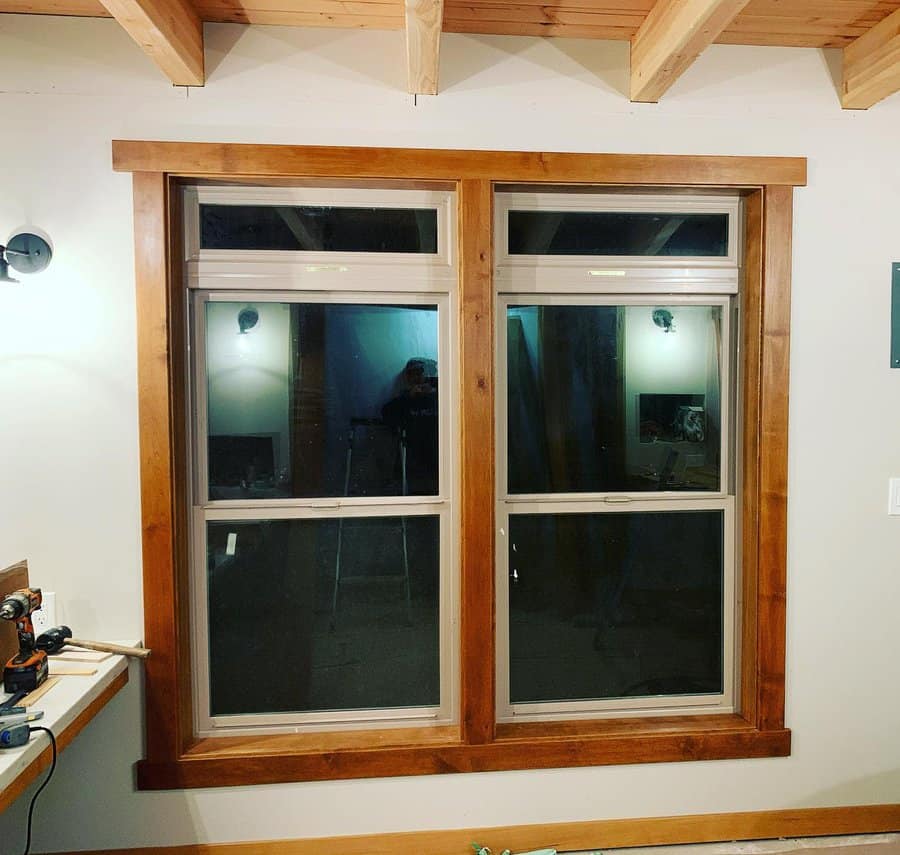
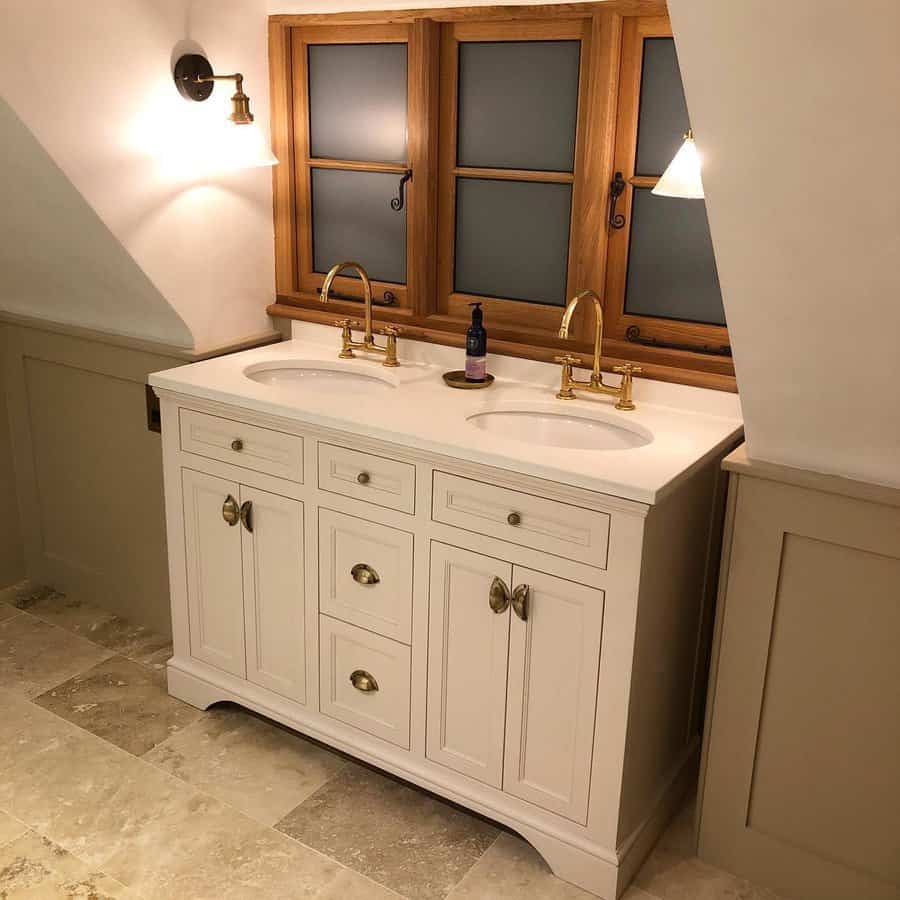
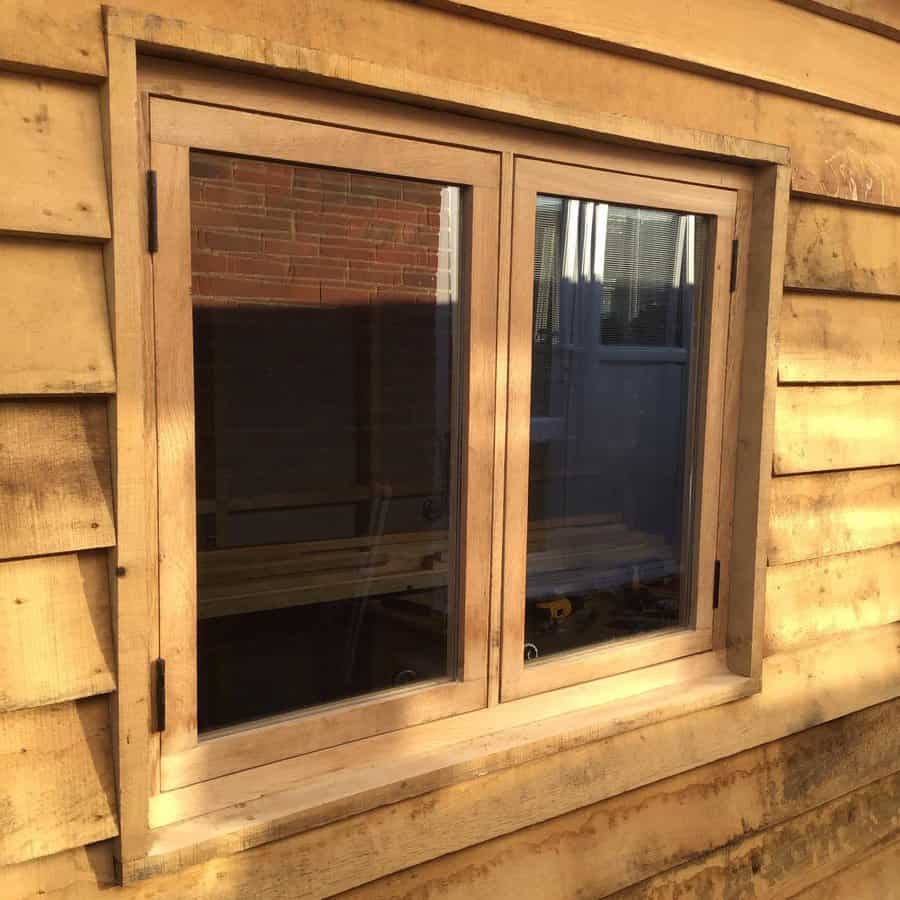
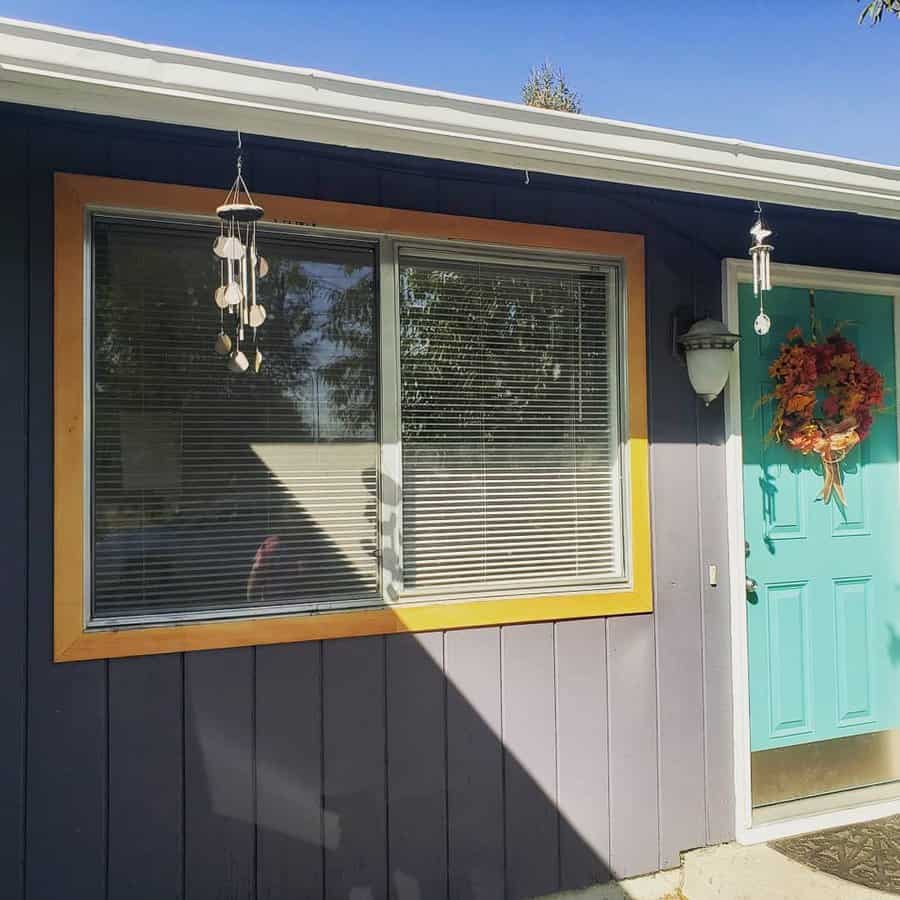
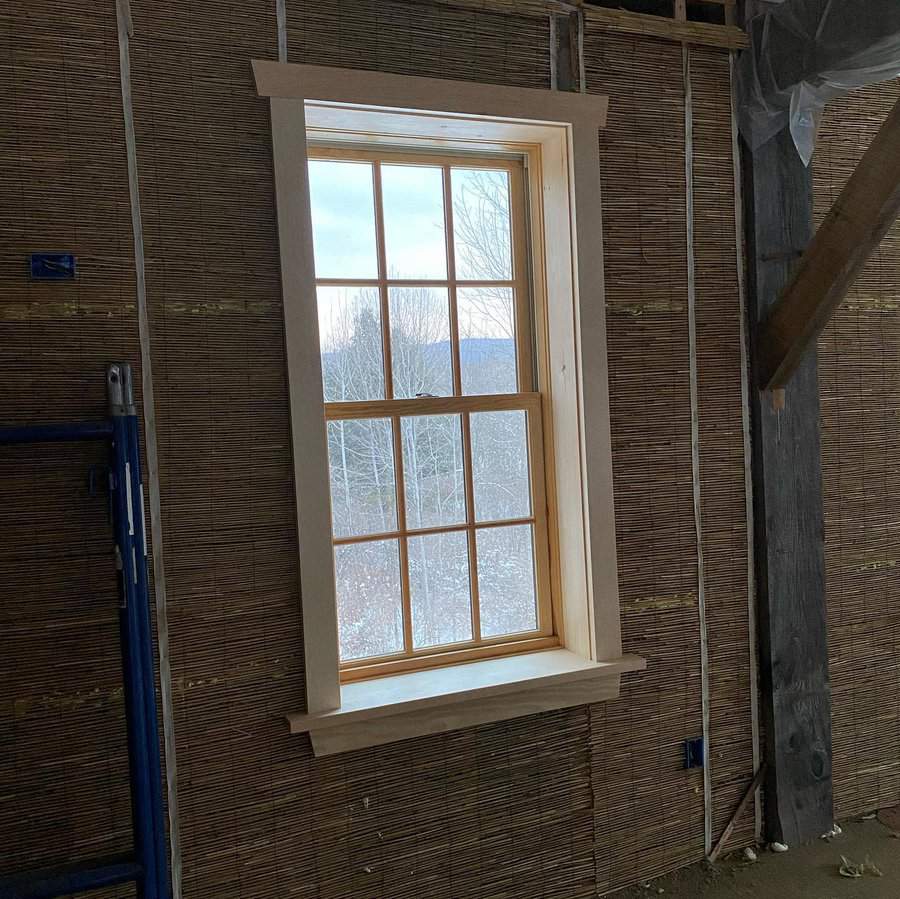
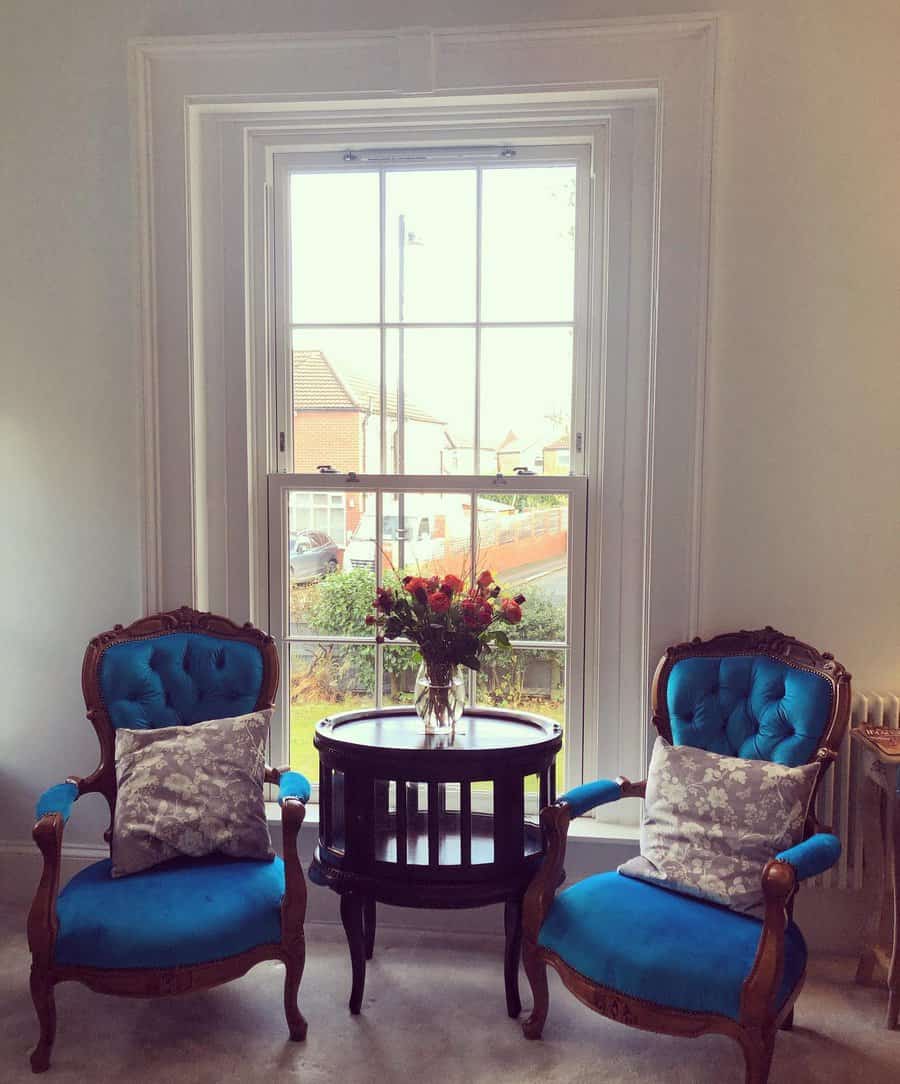
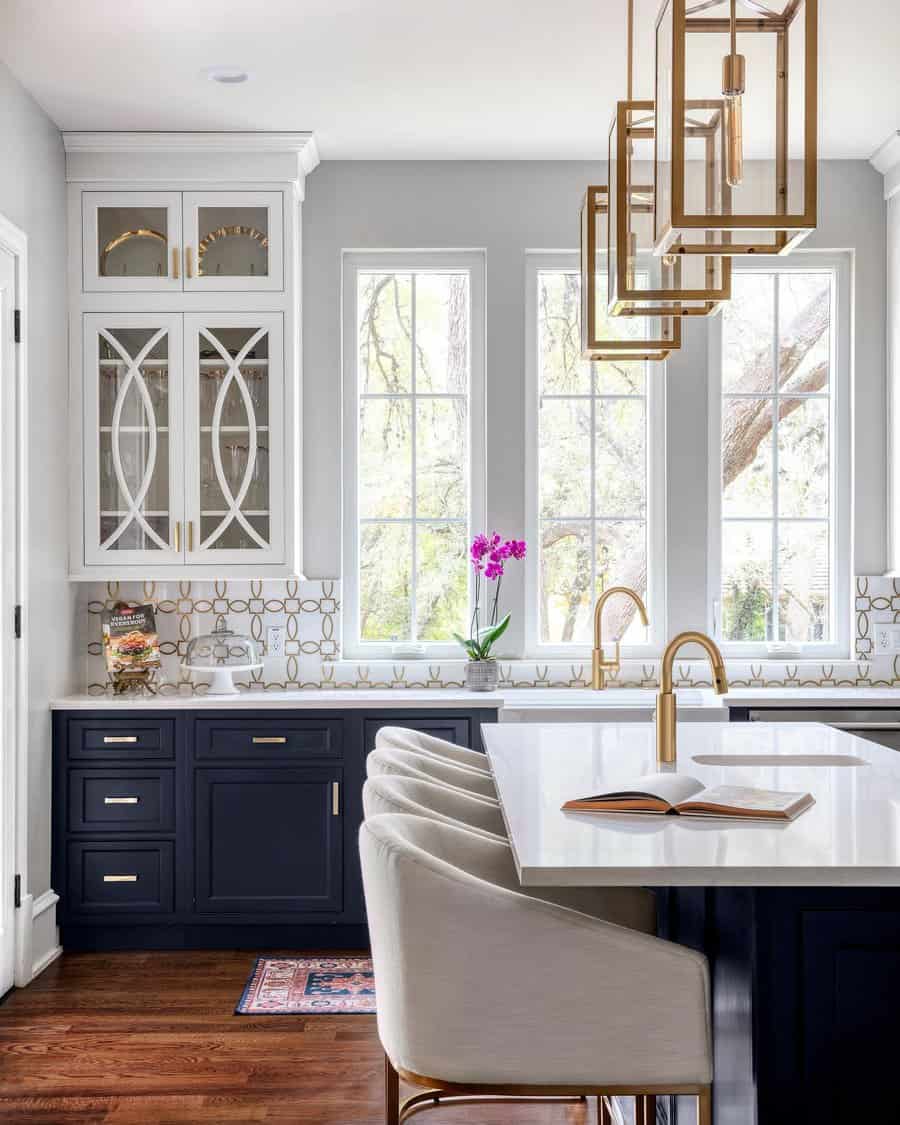
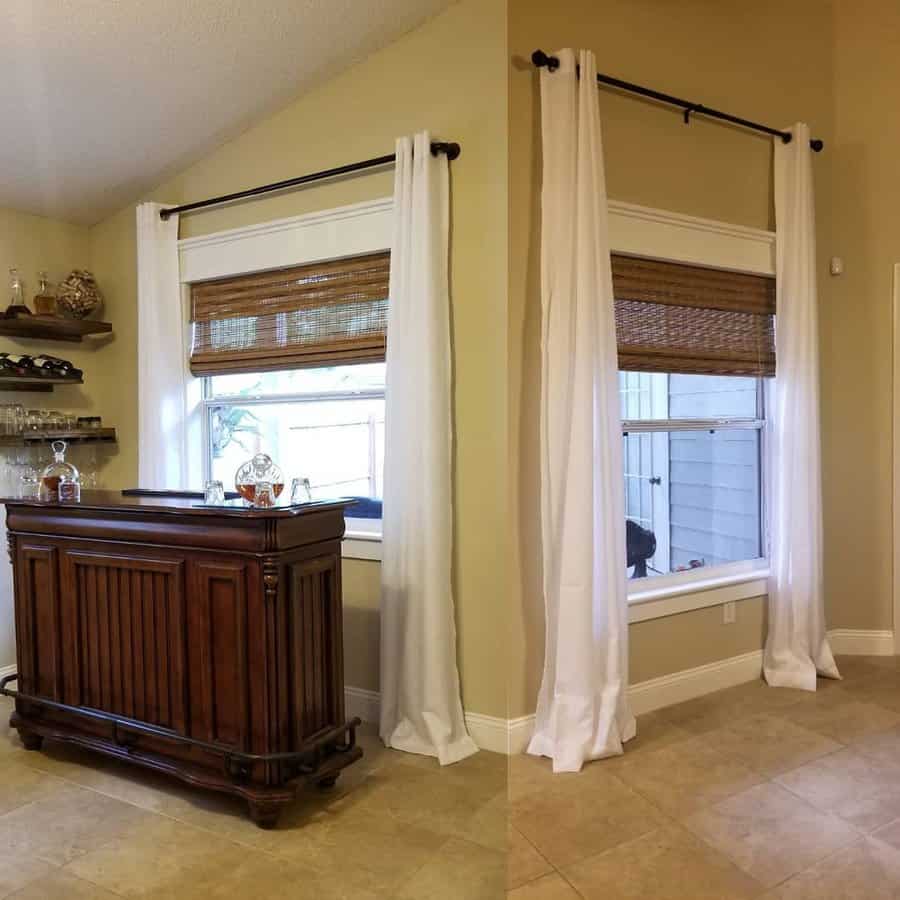
    1. Wooden Window Trim

    Wooden trims provide a warm, natural look to a room, effortlessly creating a rustic or traditional feel. Consider using dark-stained wood for a more formal setting or lighter shades for a breezy, Scandinavian touch. This style pairs well with earthy wall colors and hardwood floors.

    Wood window trim
    Wood window trim
    Wood window trim
    Wood window trim
    Wood window trim
    Wood window trim
    Wood window trim
    Wood window trim
    Wood window trim
    Wood window trim

    2. Board & Batten Window Trim

    This trim style lends a charming, cottage-like appeal to windows. Use wide boards flanked by narrow battens to give a structured yet simplistic look. It’s ideal for homes aiming for a farmhouse or country aesthetic and works well with pastel or neutral wall colors.

    Board and batten window trim

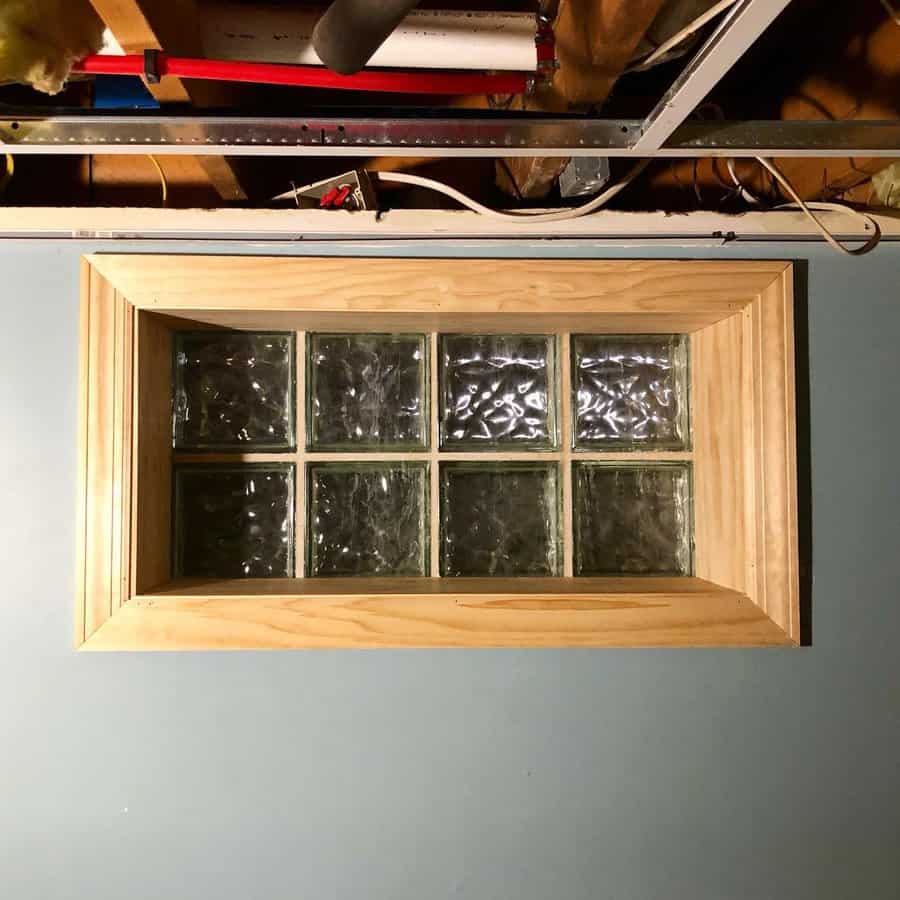
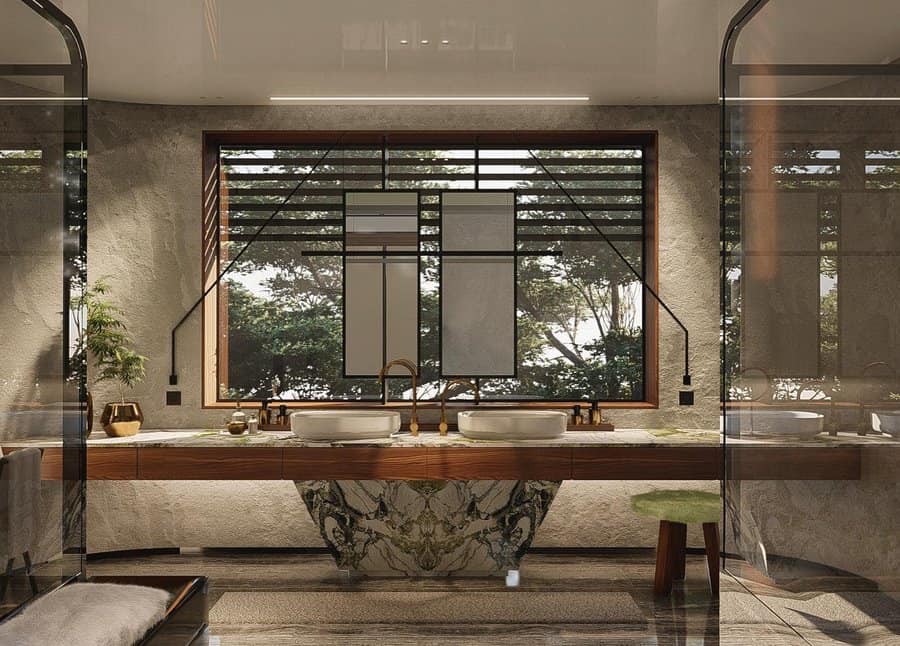
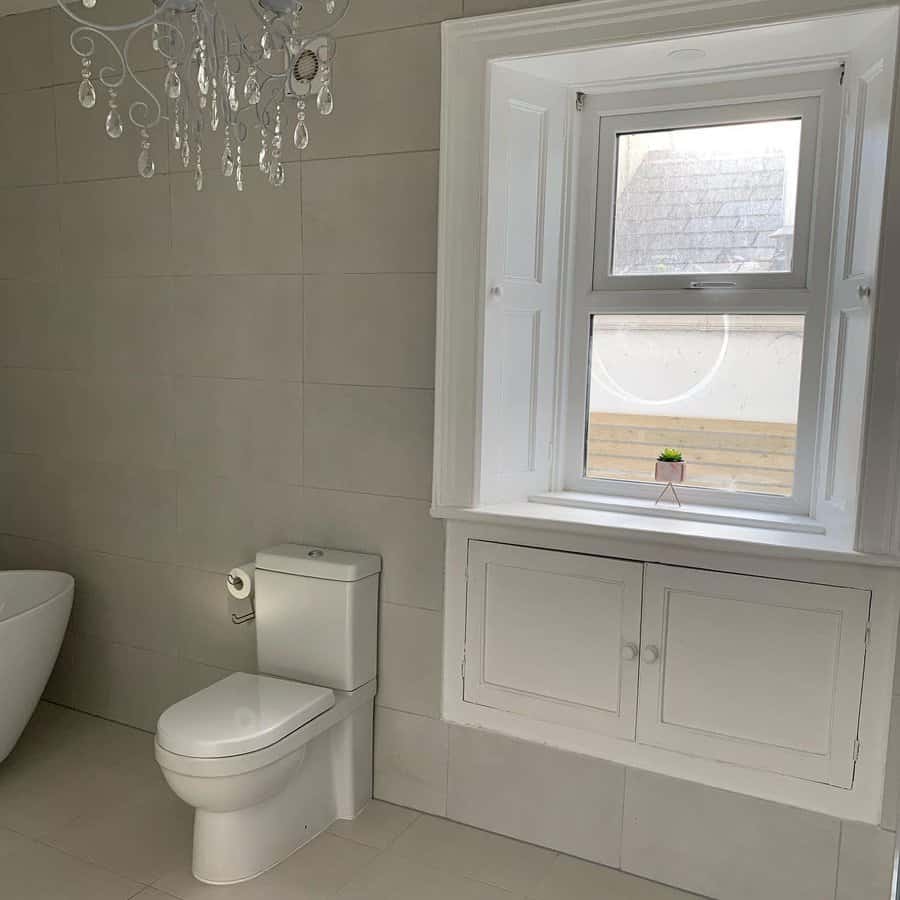
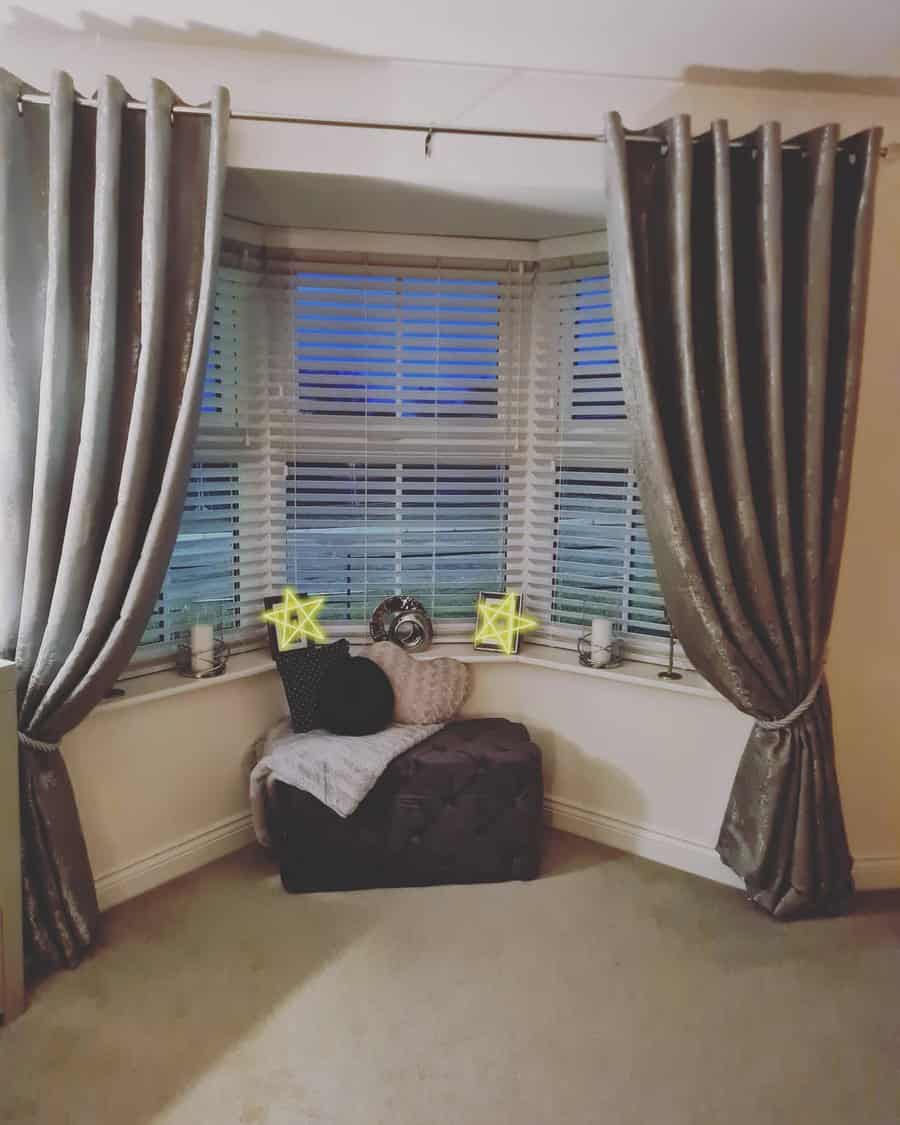
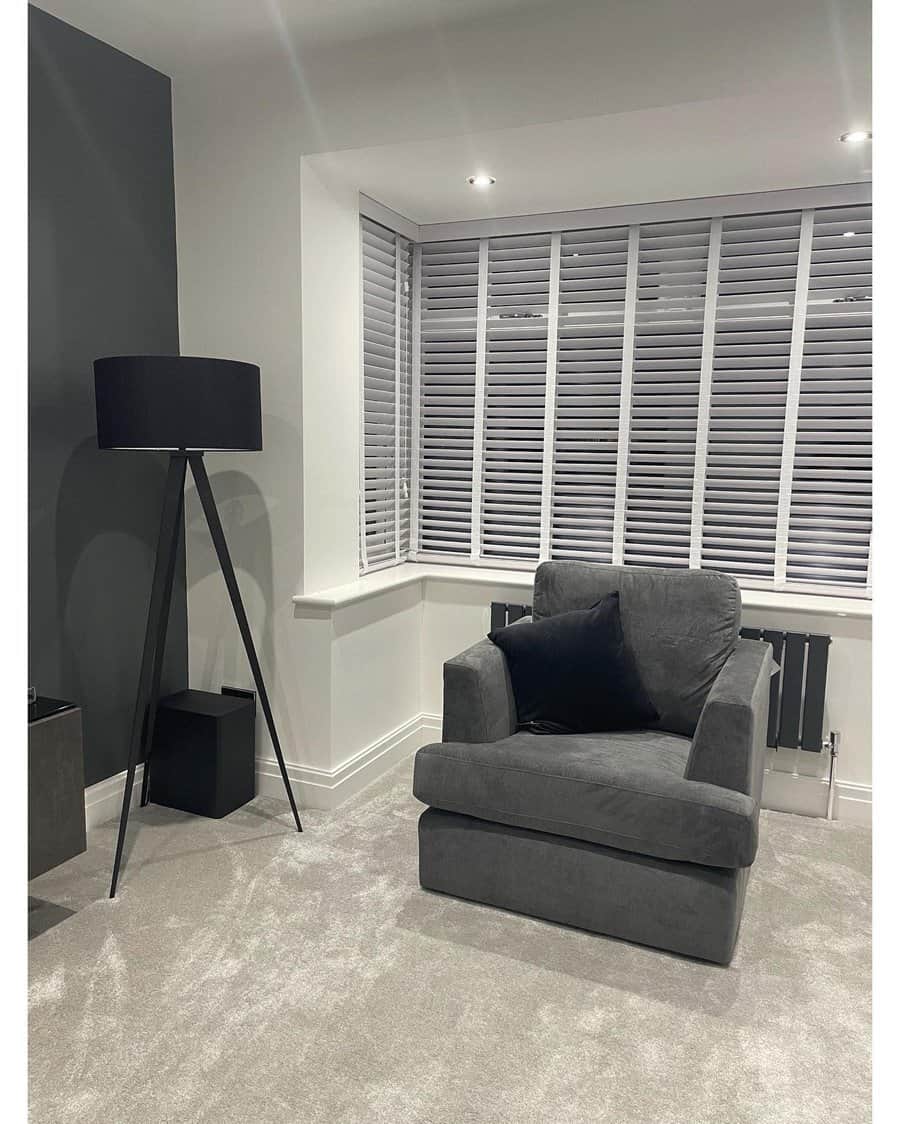
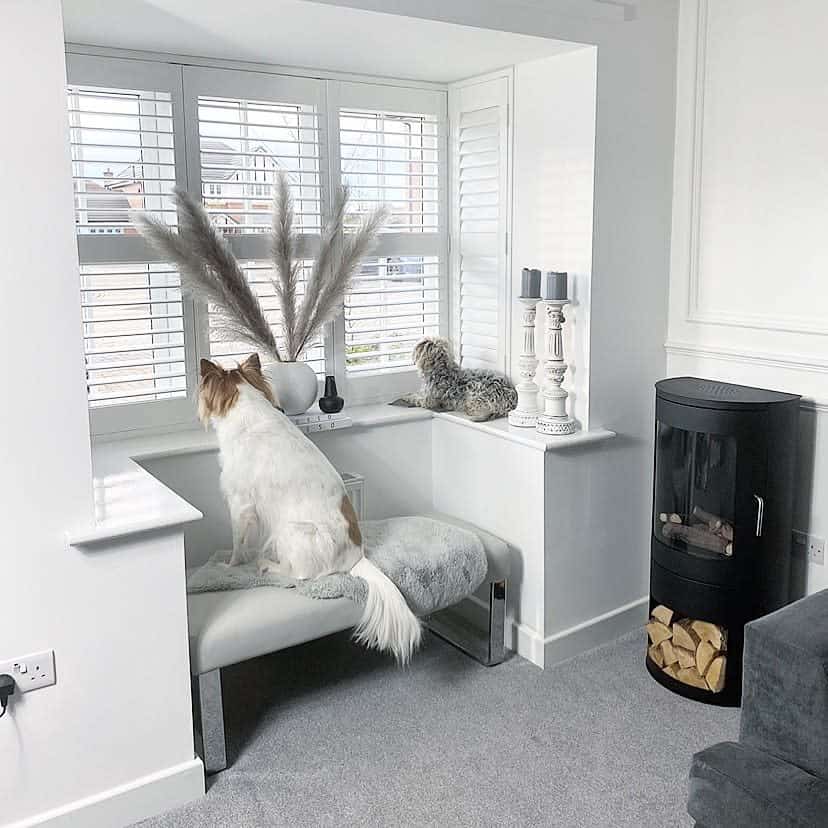
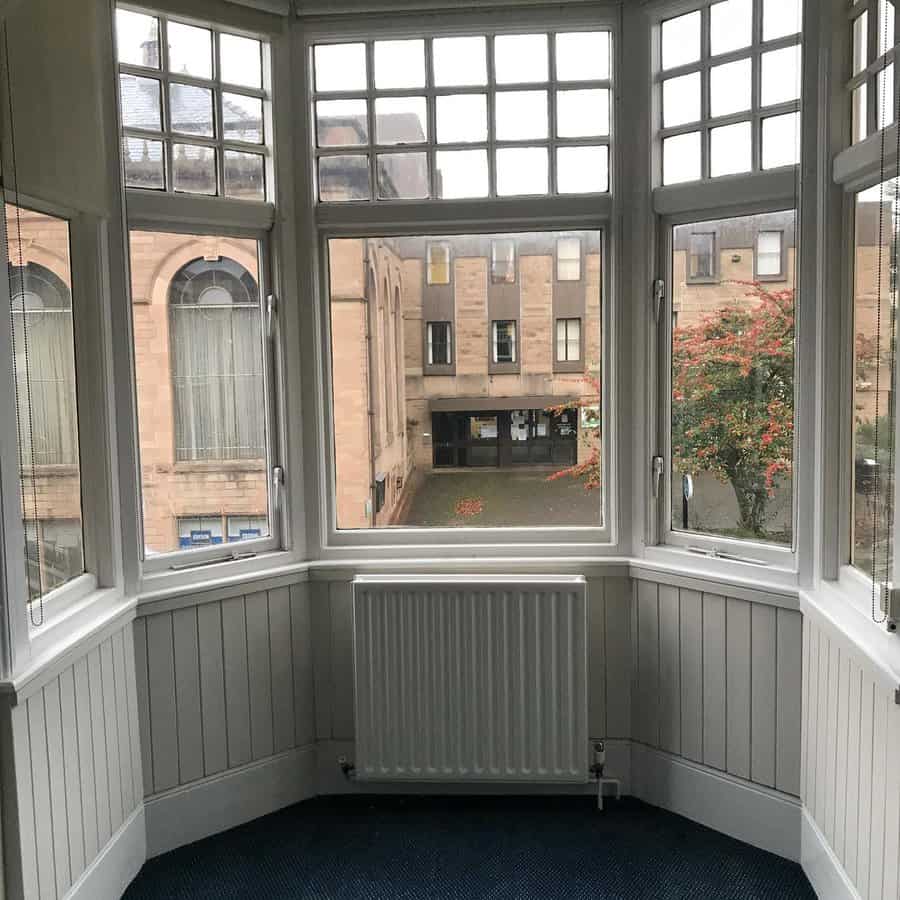
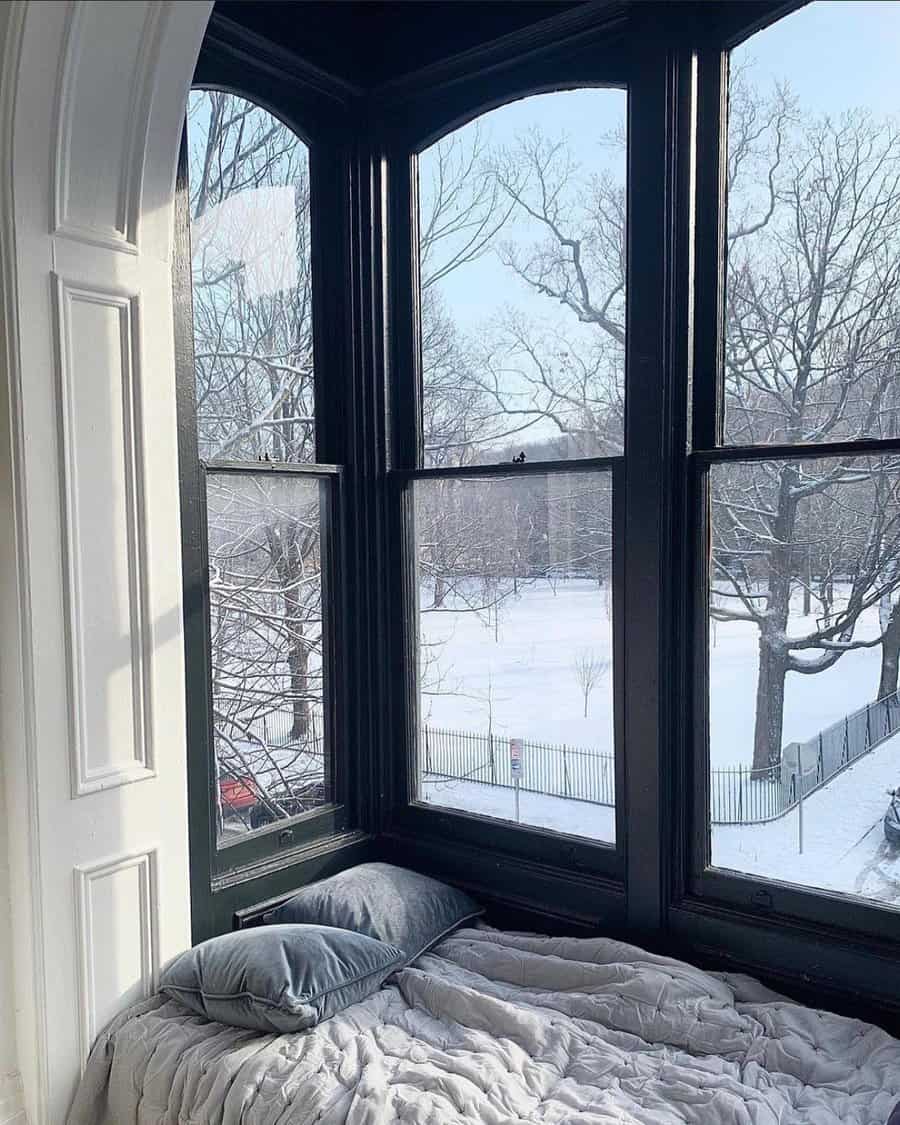
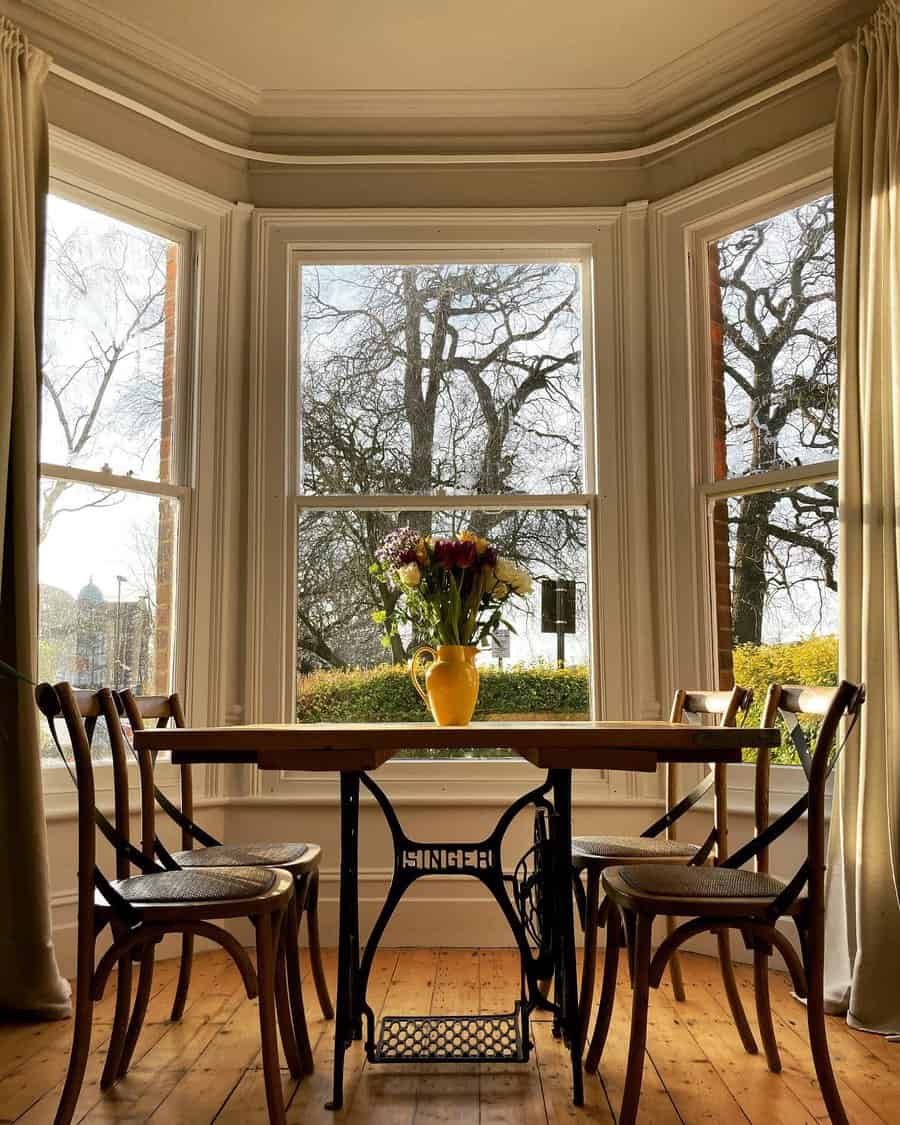
    3. Bay Window Recessed Window Trim

    For bay windows, a recessed trim can create a sense of depth and elegance. Paint the recess in a contrasting color to the wall to draw attention to the window area. This design suits modern and minimalist decors, emphasizing the architectural feature of the bay window.

    Recessed window trim
    Recessed window trim
    Recessed window trim
    Recessed window trim
    Recessed window trim
    Recessed window trim

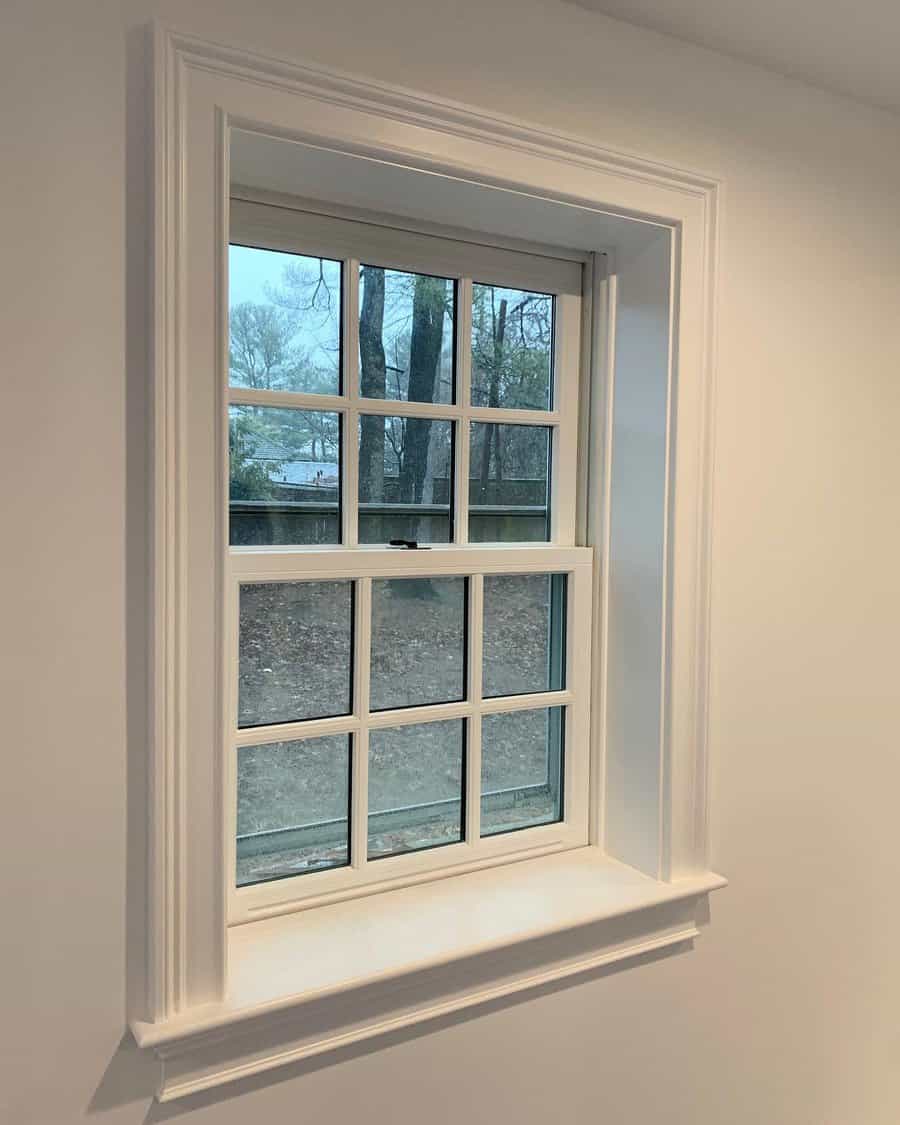
    4. Colonial Window Trim

    A colonial trim, characterized by its clean lines and symmetrical form, suits both historical and contemporary homes. To achieve this look, use a combination of wide lower sills and narrow side casings. This trim complements traditional furnishings and classic color schemes.

    Colonial window trim
    Colonial window trim
    Colonial window trim
    Colonial window trim
    Colonial window trim

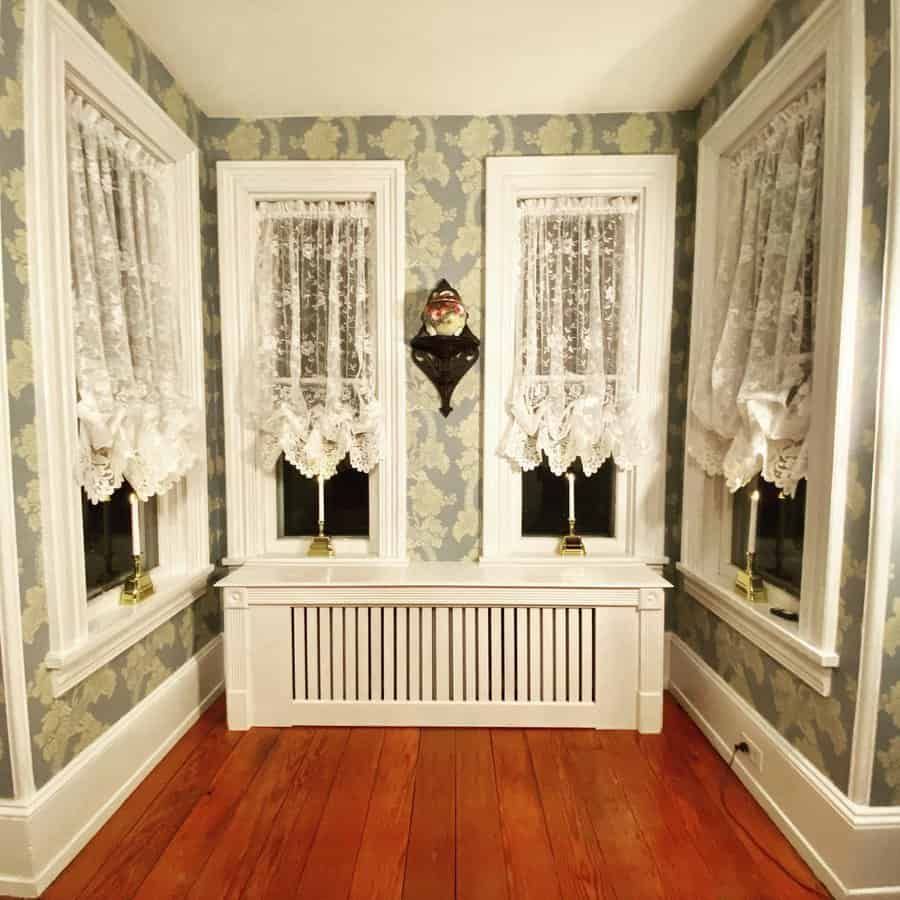
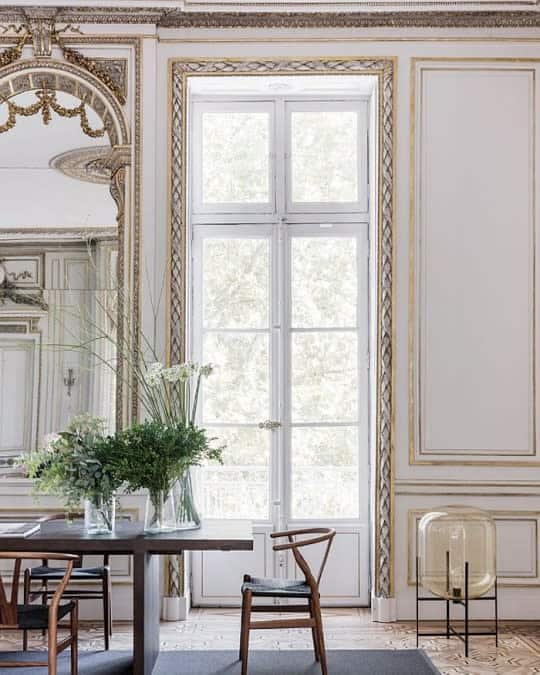
    5. Decorative Window Trim

    Use ornate trims to add character and detail to windows, ideal for period homes or spaces wanting a touch of sophistication. Select designs with intricate molding patterns and pair with elegant drapery. Works well in rooms with high ceilings and detailed architectural features.

    Decorative window trim

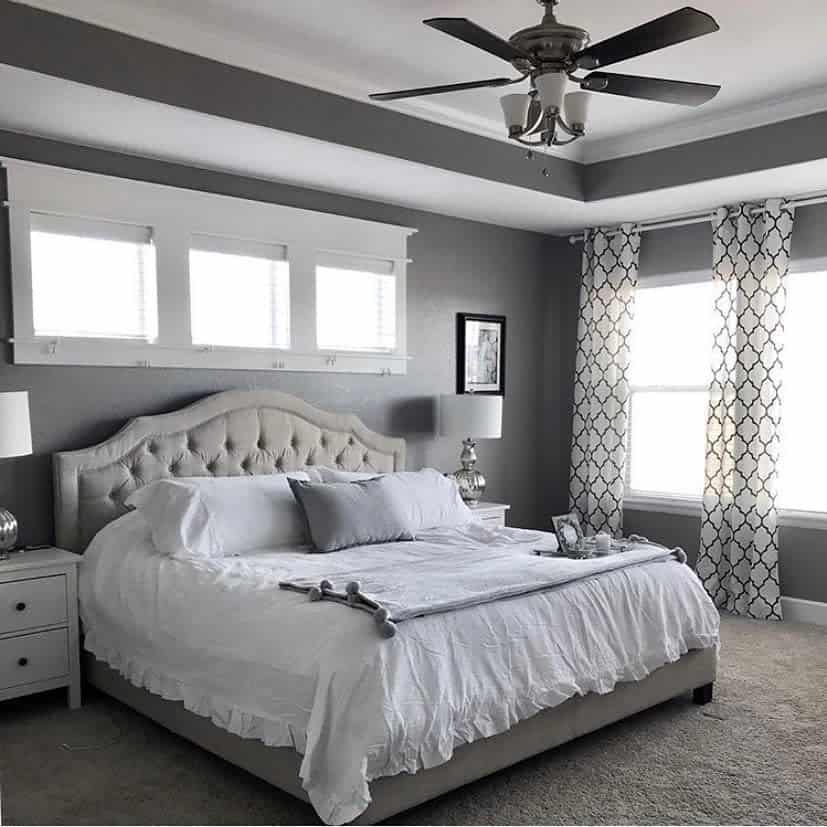
    6. Layered Window Trim

    Layered trims, combining different molding styles, create a rich, textured look. Start with a simple base trim and add additional layers with varying profiles. This approach suits eclectic interiors, allowing for a mix of modern and classic elements.

    Layered window trim
    Layered window trim
    Layered window trim
    Layered window trim

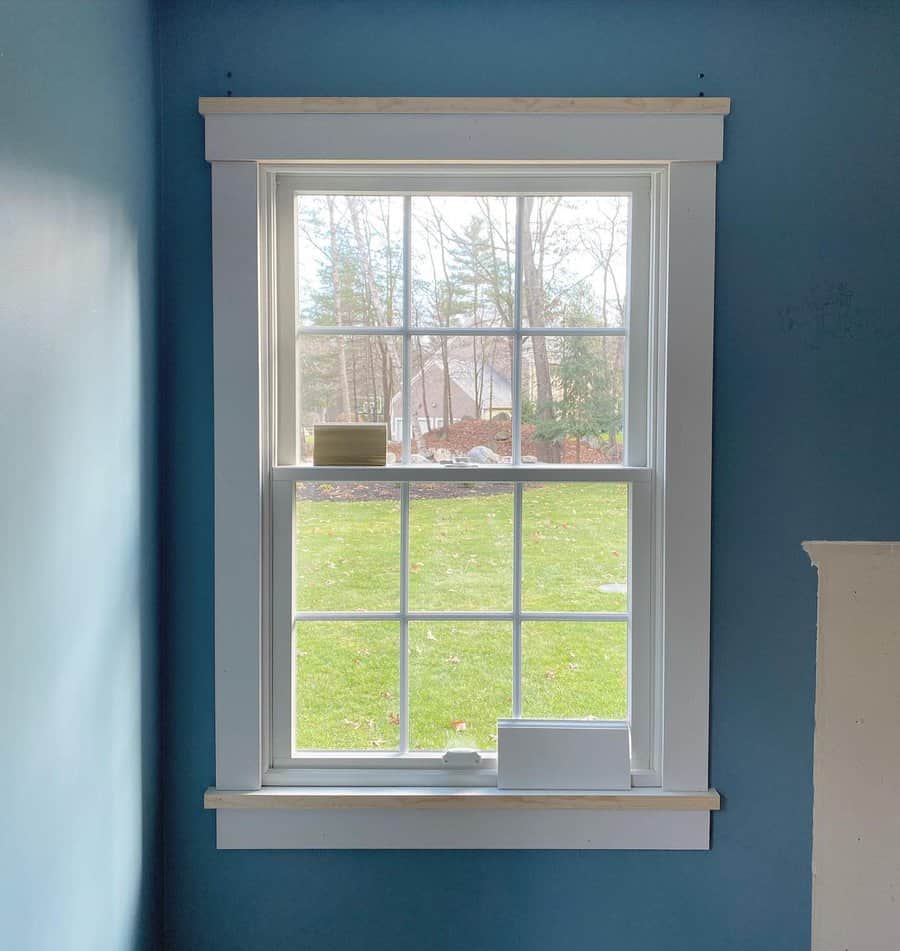
    7. Craftsman Window Trim

    Characterized by its sturdy and straightforward design, Craftsman trim is perfect for adding a touch of artisanal quality. Use natural wood or earth-toned paints, and pair with handcrafted furniture for a cohesive Craftsman style home.

    Craftsman window trim
    Craftsman window trim
    Craftsman window trim
    Craftsman window trim

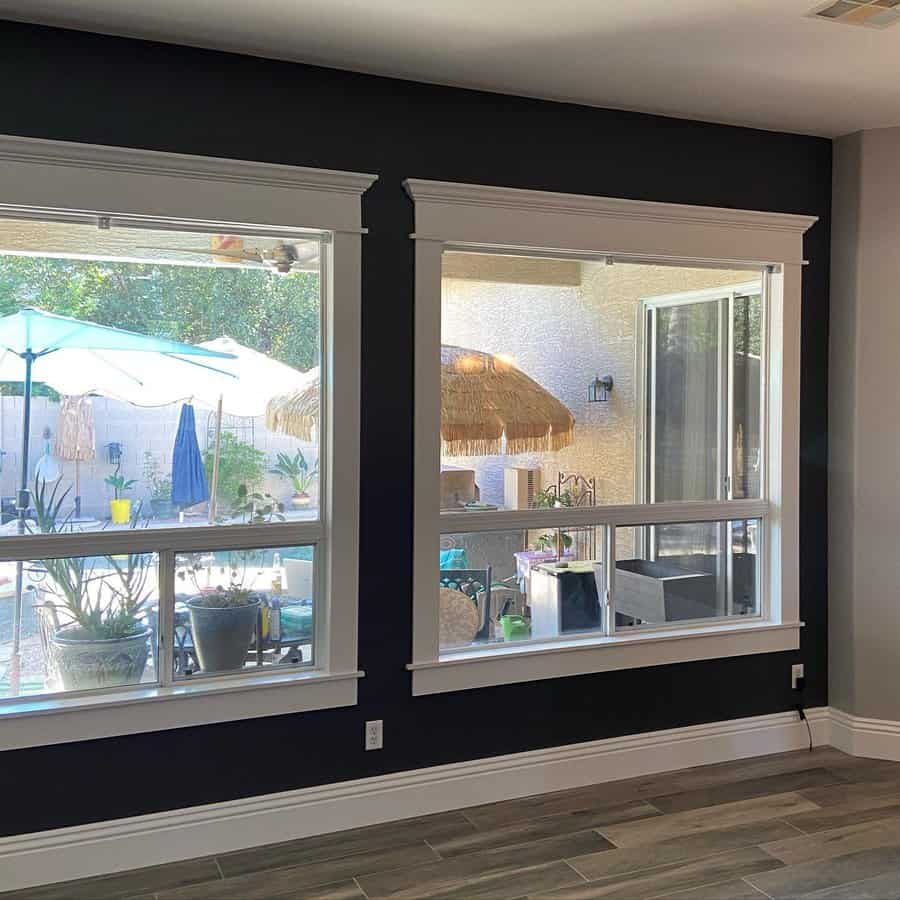
    7. Crown Window Trim

    Crown molding at the top of window frames adds a luxurious touch. Painted in a contrasting color to the wall or the same color for a subtle effect, it works best in formal or traditional settings and complements high ceilings and grand decor.

    Crown window trim
    Crown window trim
    Crown window trim

    8. Recessed Exterior Trim

    This trim style gives depth and dimension to exterior windows. Paint in a bold color to contrast with the home’s exterior, adding visual interest. Ideal for modern and contemporary homes, this trim adds sophistication without overwhelming the facade.

    Recessed exterior trim
    Recessed exterior trim

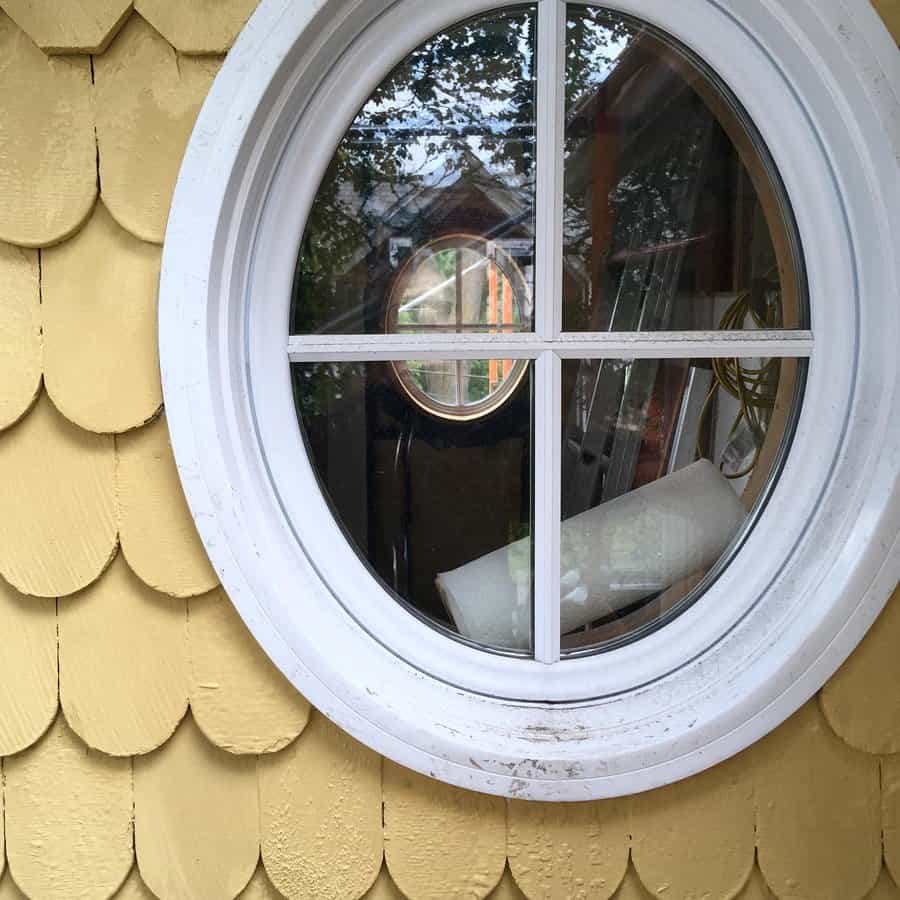
    9. Round Window Trim

    Round windows are a unique architectural element. Frame them with a simple, streamlined trim to maintain focus on their shape. This trim style is particularly suited to nautical or whimsical-themed rooms.

    Round window trim

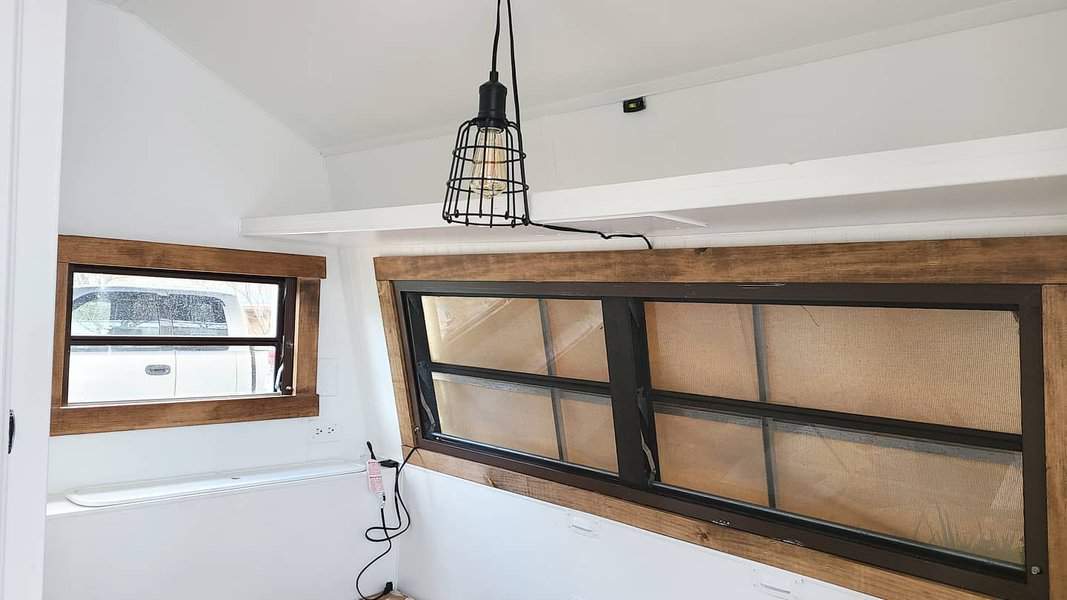
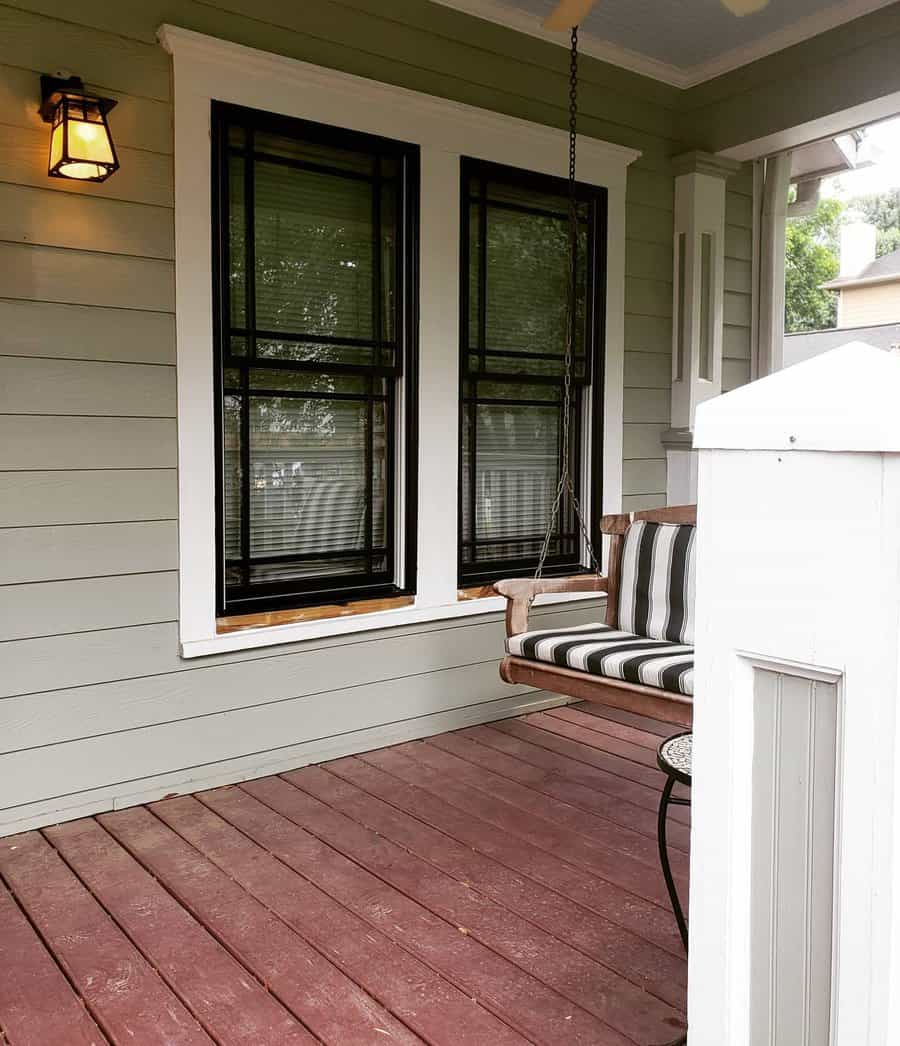
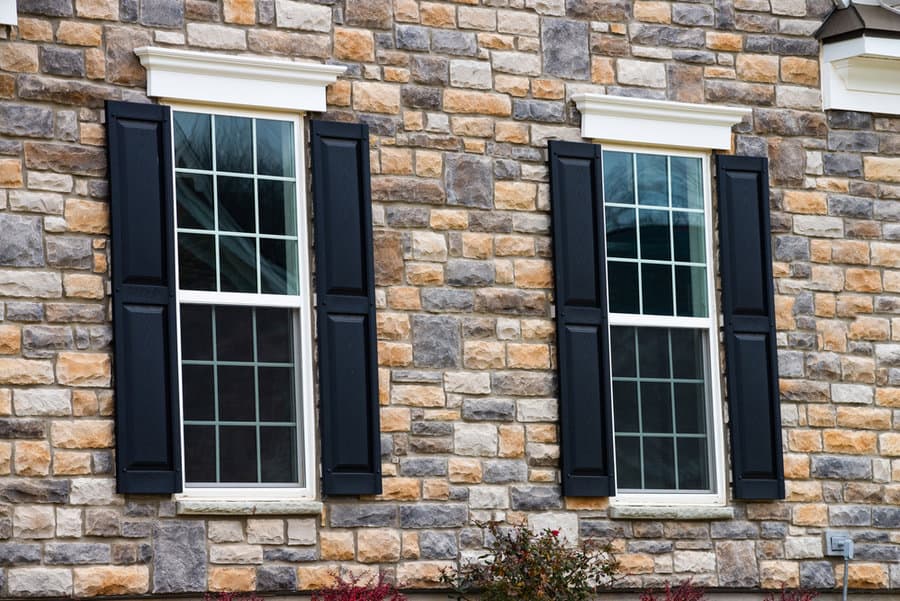
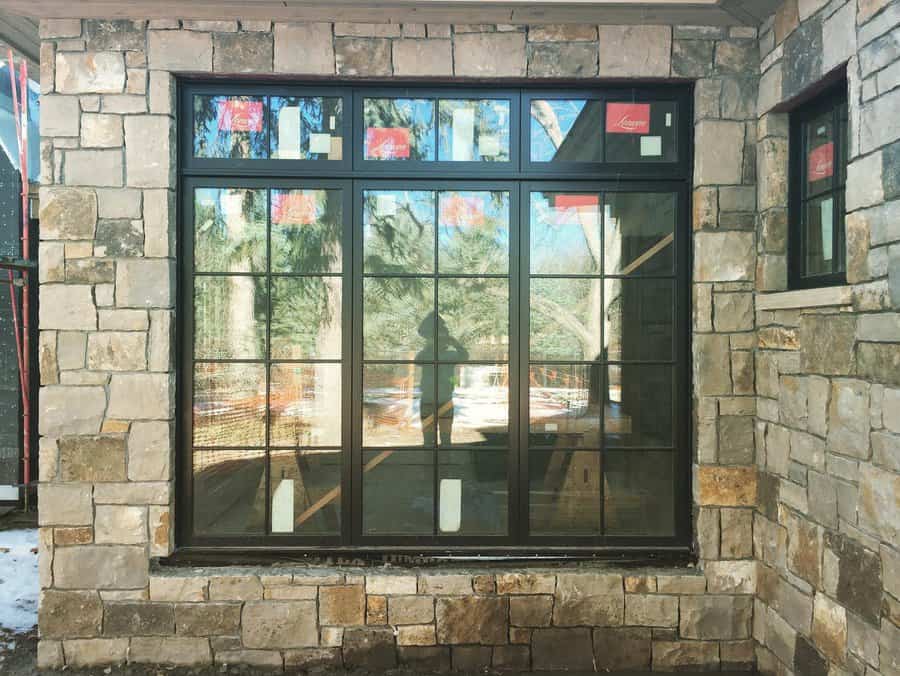
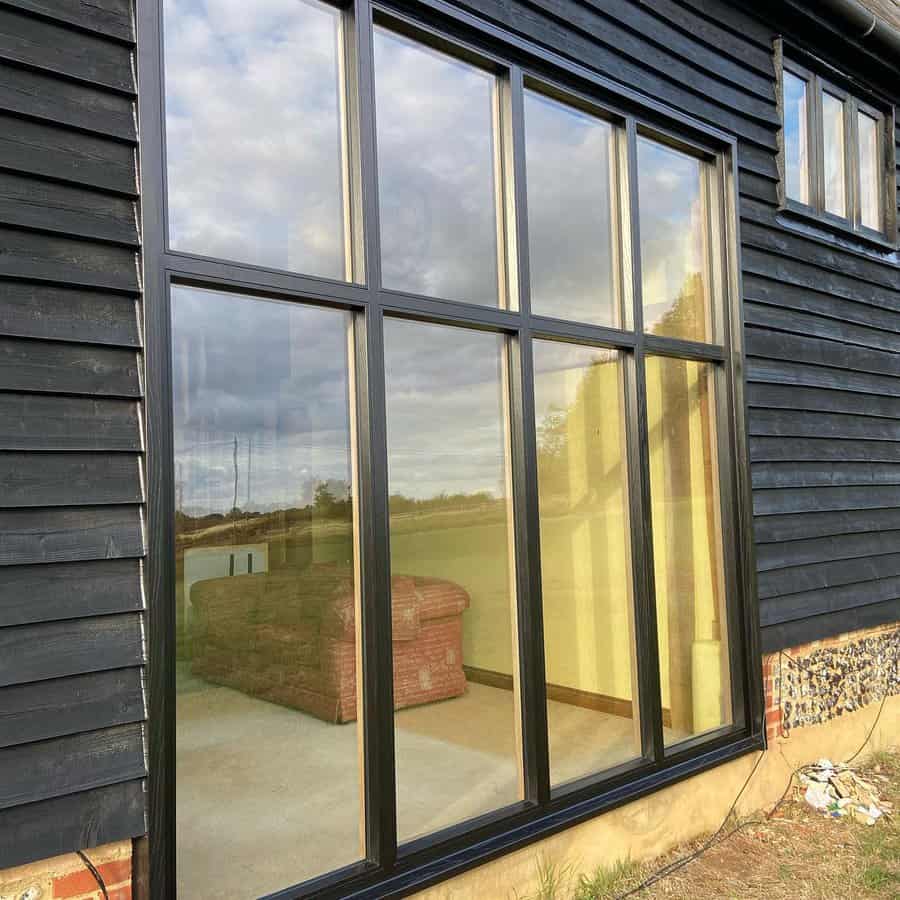
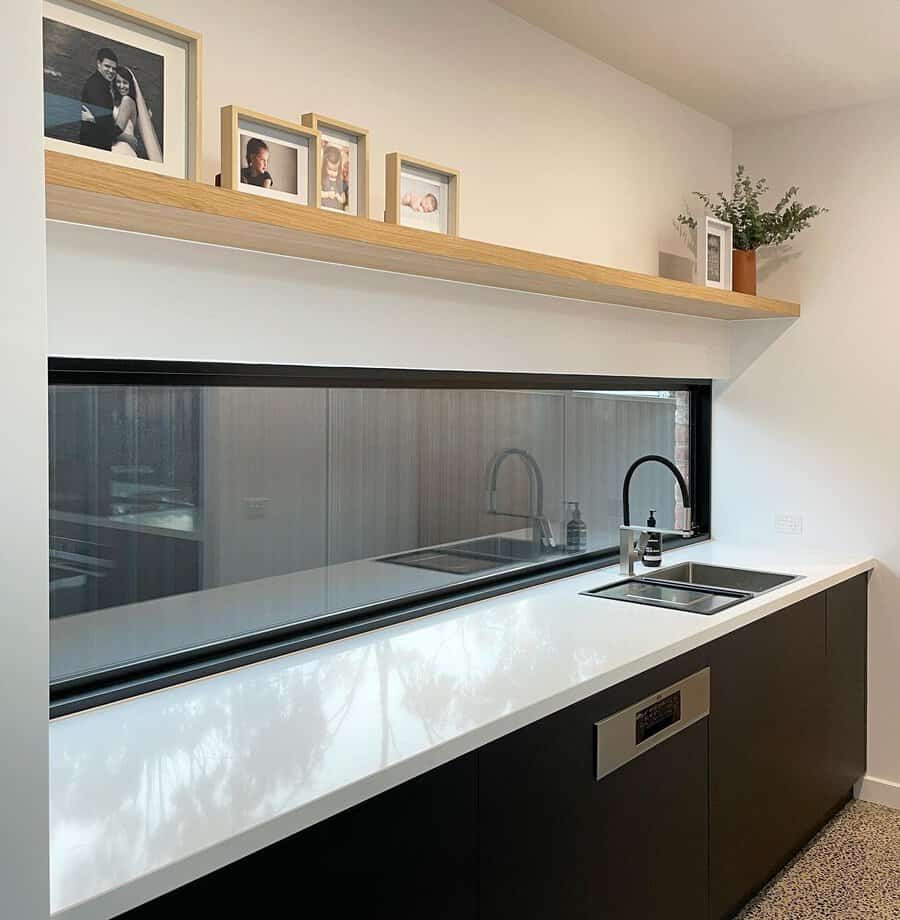
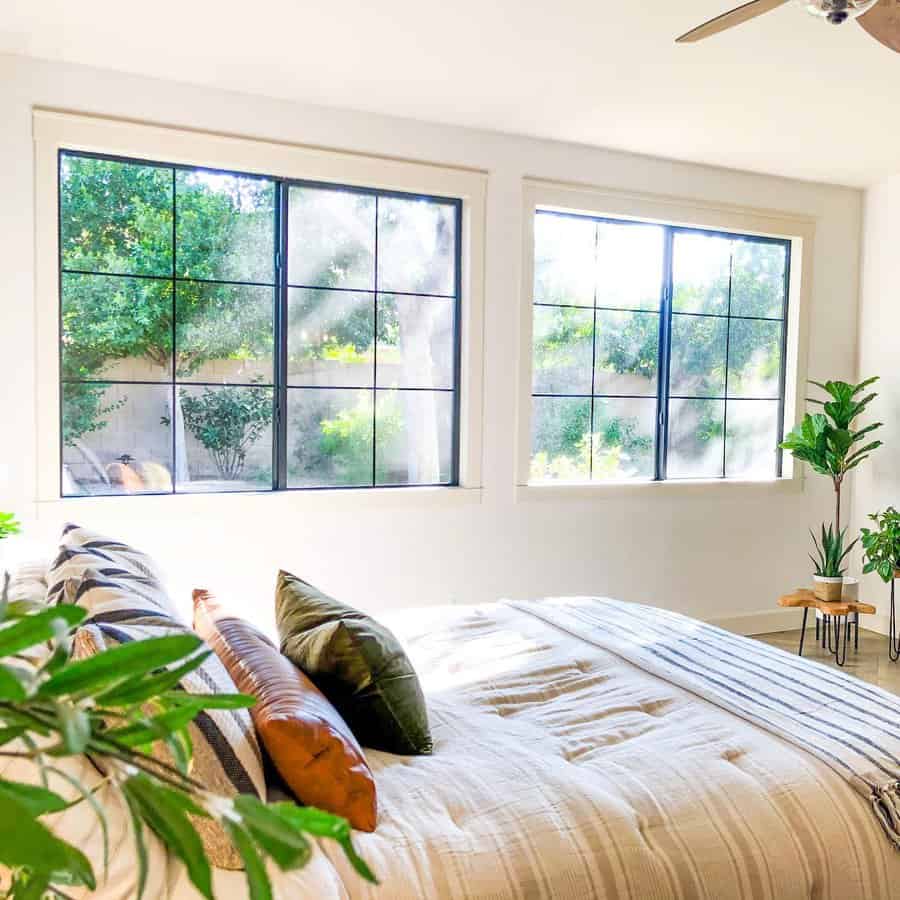
    10. Black Window Trim

    Black trim frames a window with striking contrast, particularly against light-colored walls. It’s a bold choice that suits industrial or modern decors, and pairs excellently with metallic accents and minimalist furniture.

    Black window trim
    Black window trim
    Black window trim

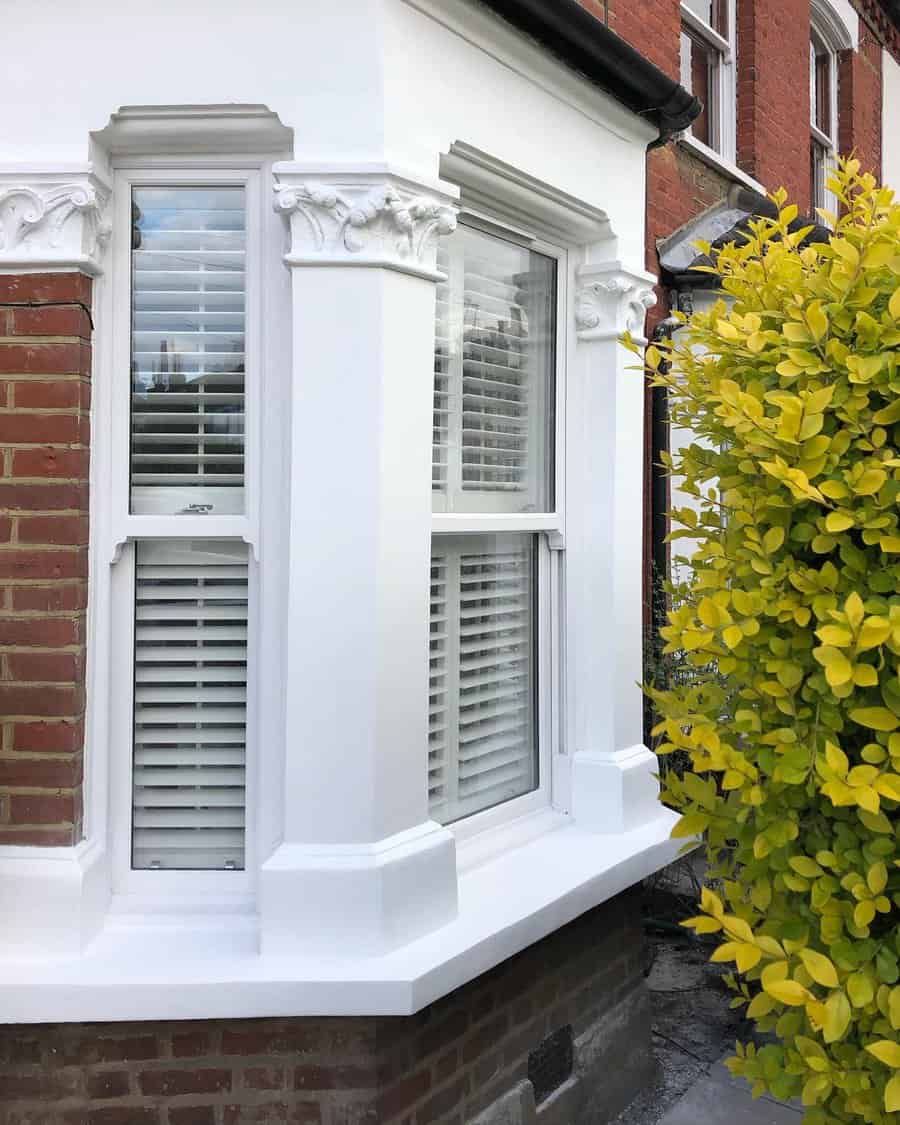
    11. Victorian-Style Window Trim

    This ornate trim style, with intricate designs and elaborate moldings, suits period homes or those seeking a vintage look. Paint in rich, deep colors to highlight the detailed craftsmanship.

    Victorian style window trim
    Victorian style window trim
    Victorian style window trim

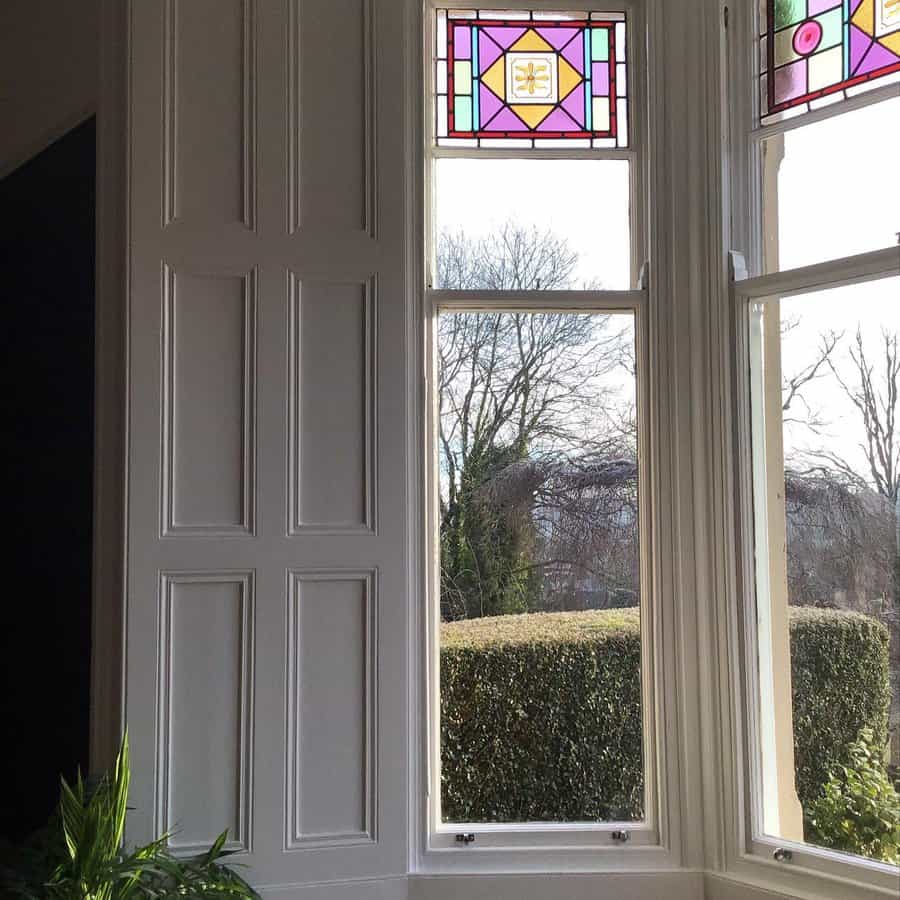
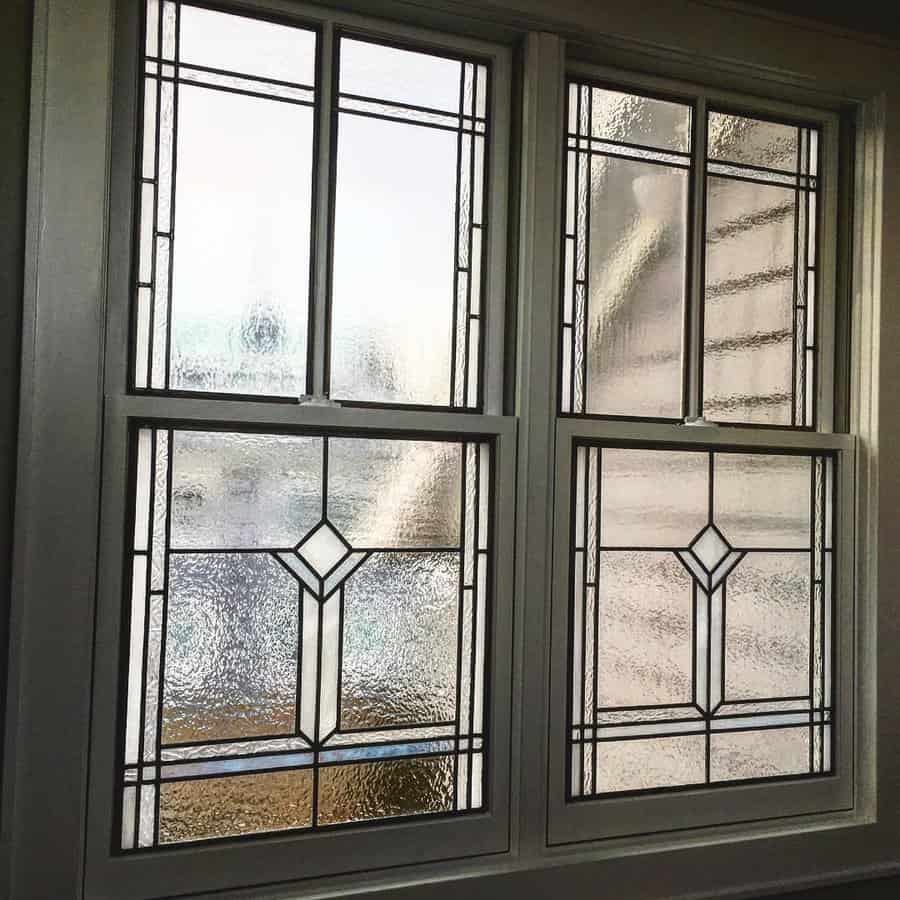
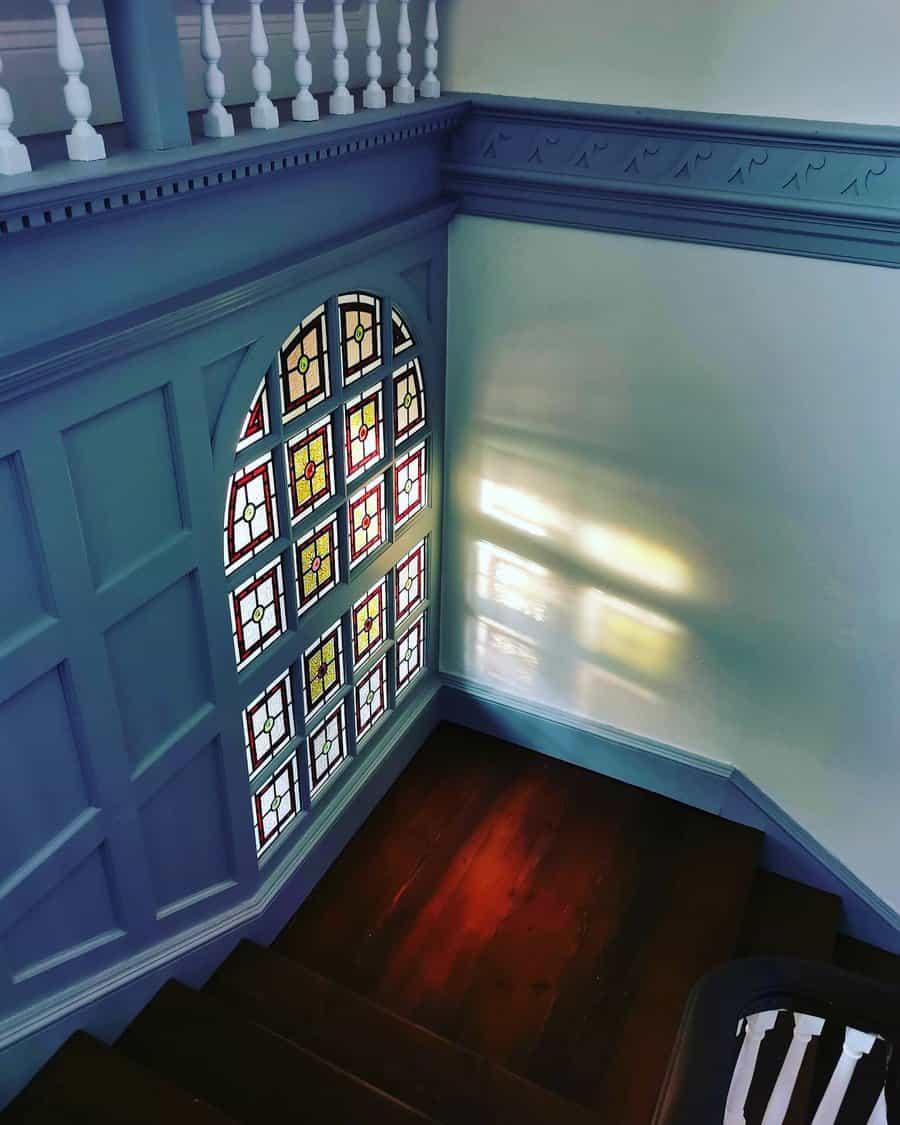
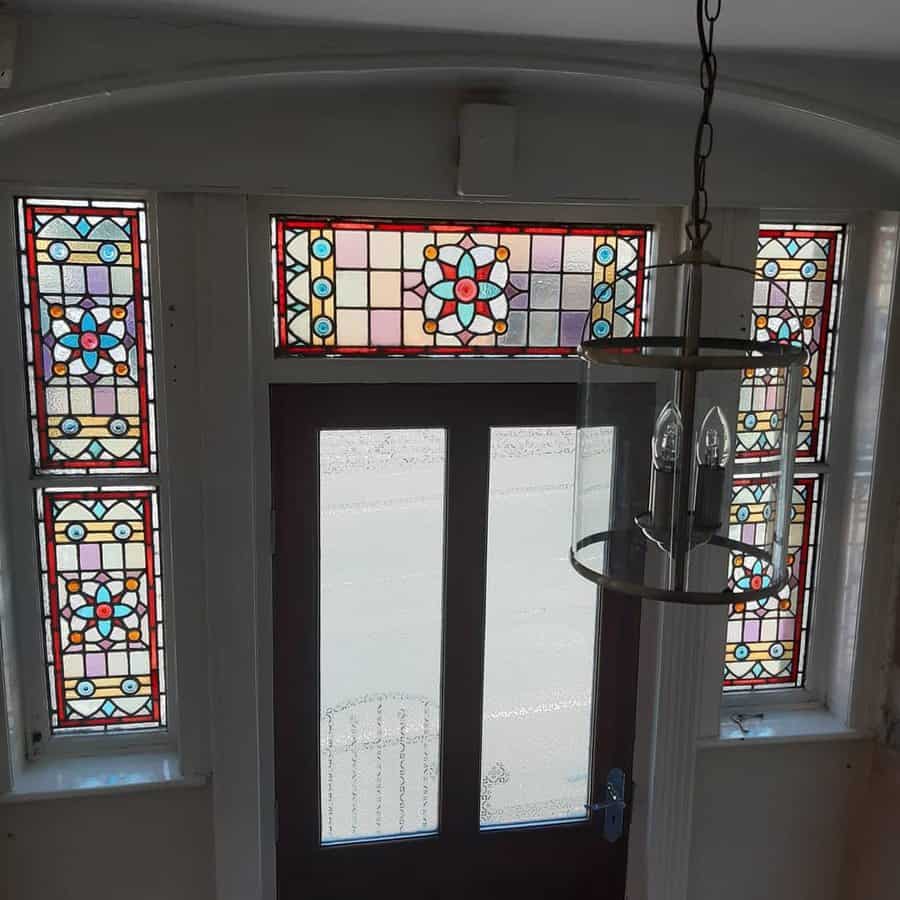
    12. Stained Glass Window Trim

    Stained glass windows are a focal point in themselves. Frame them with a minimal trim to avoid competing with the glass design, letting the colors and patterns stand out. This style suits both traditional and contemporary homes.

    Stained glass window trim
    Stained glass window trim

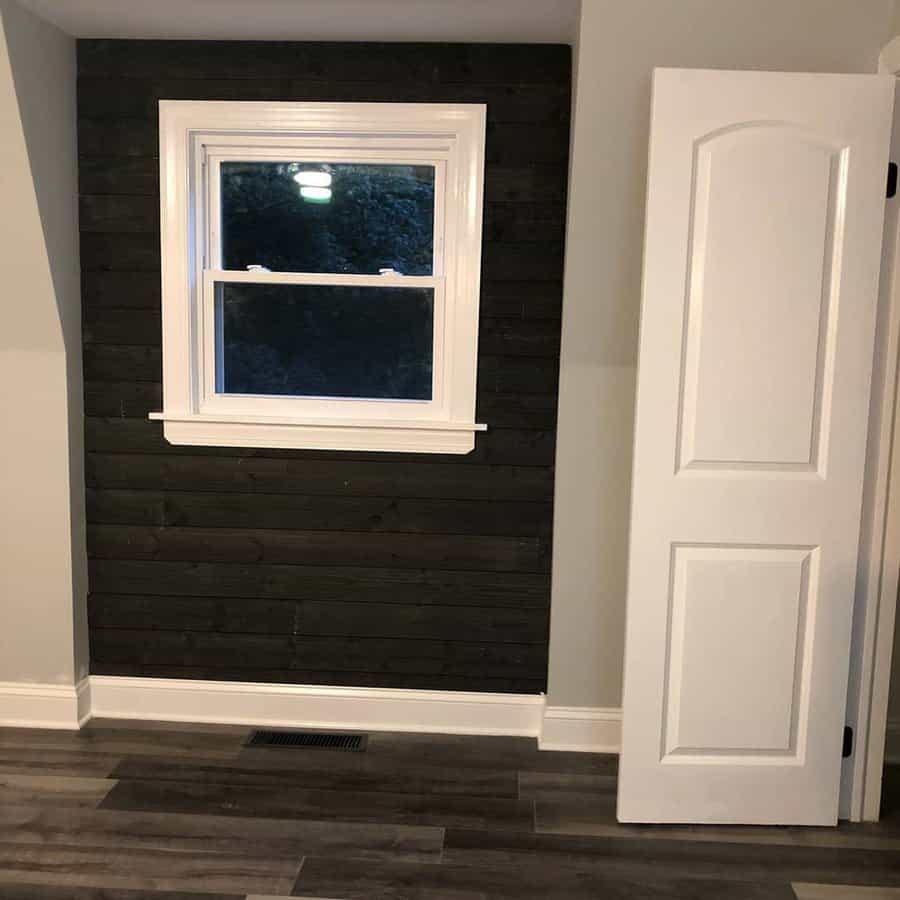
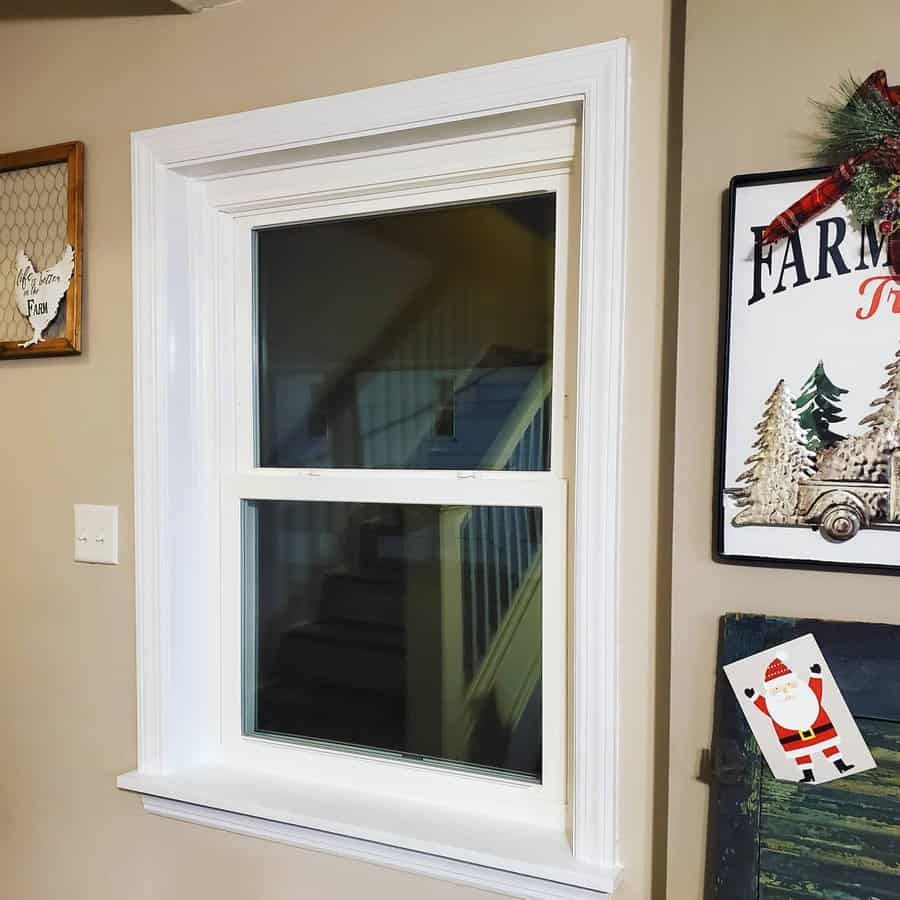
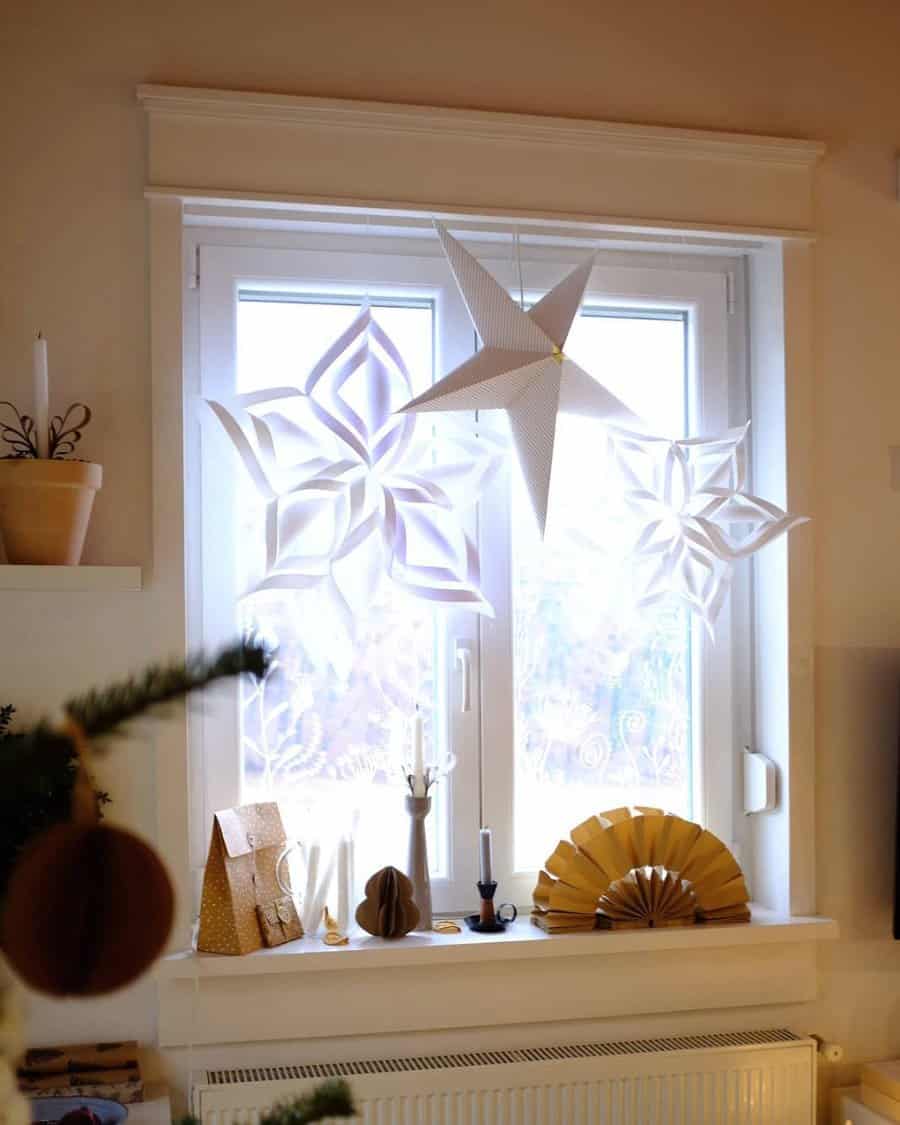
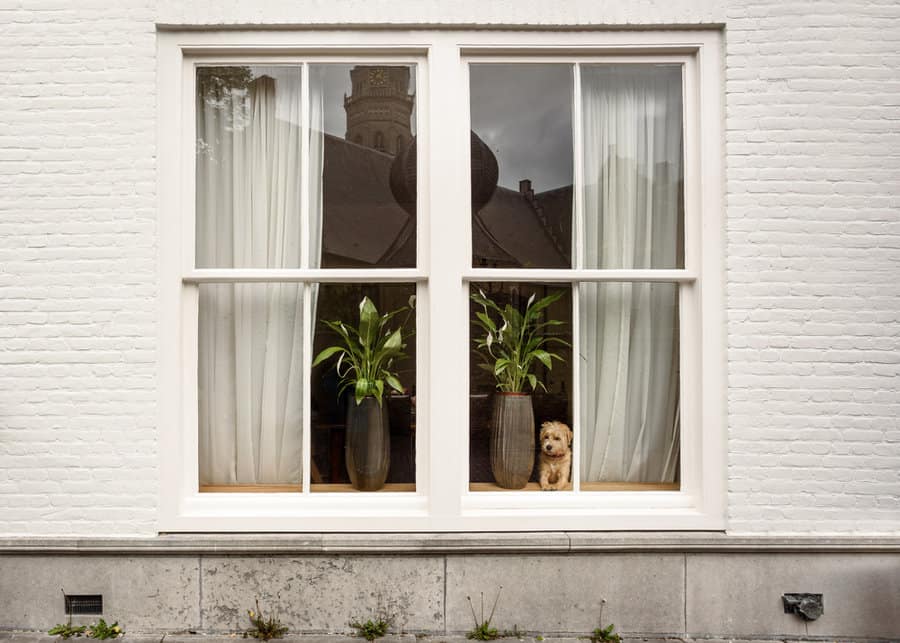
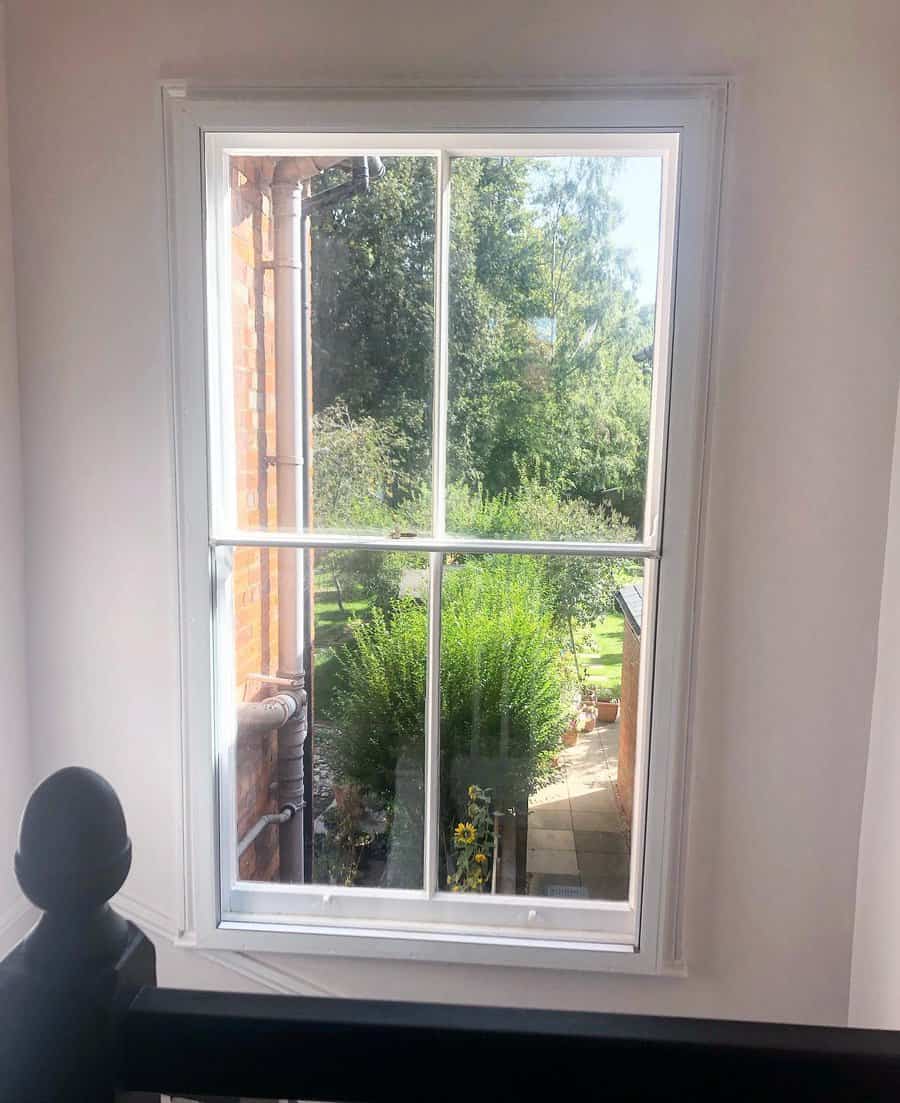
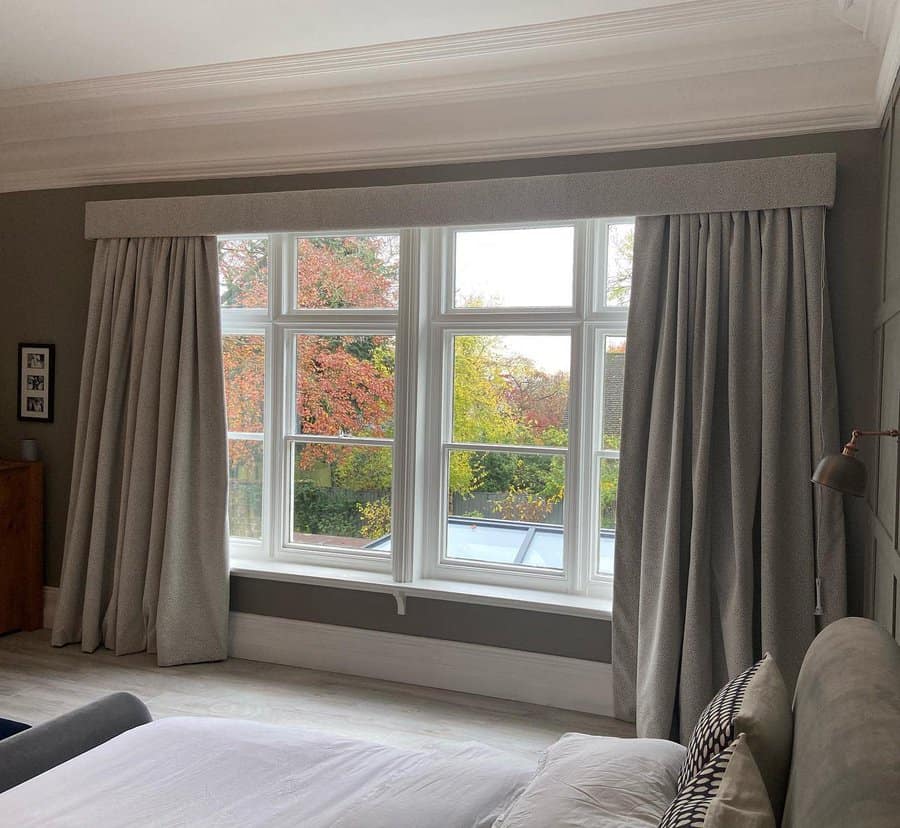
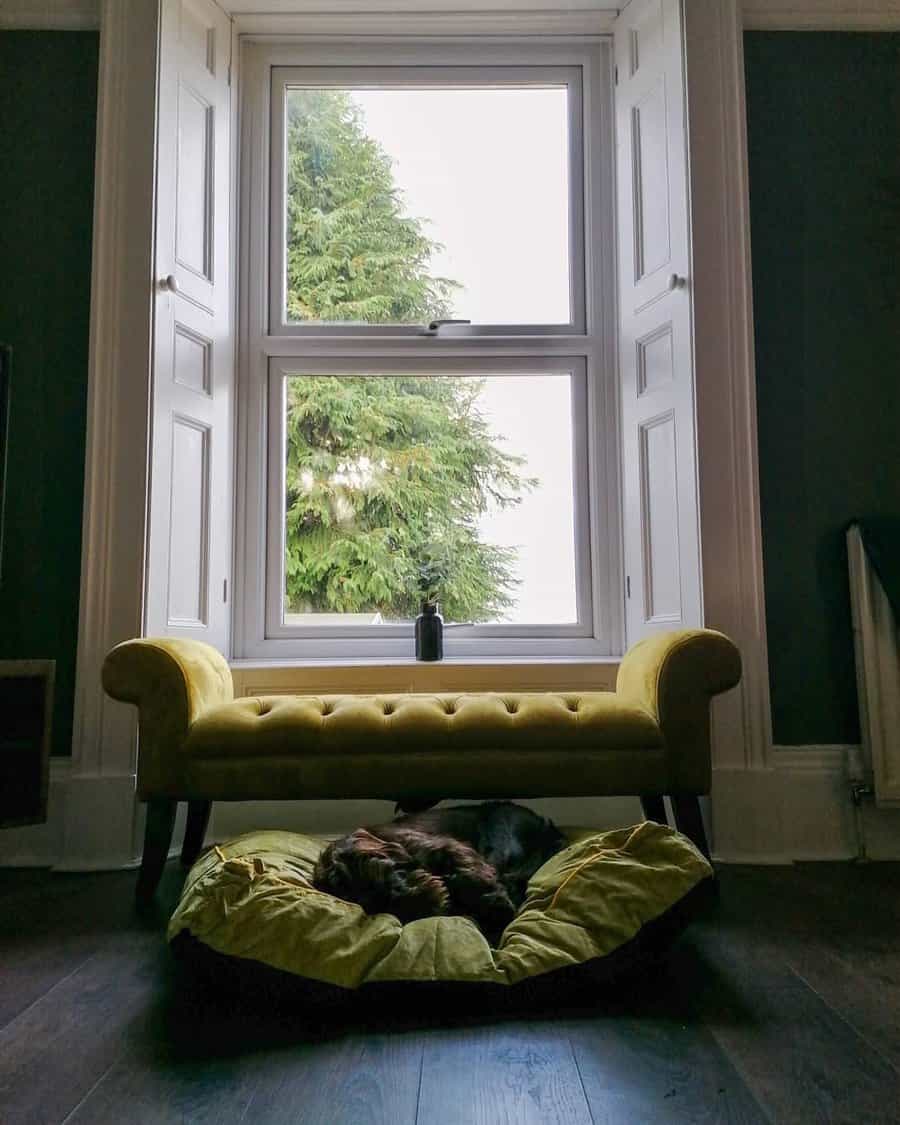
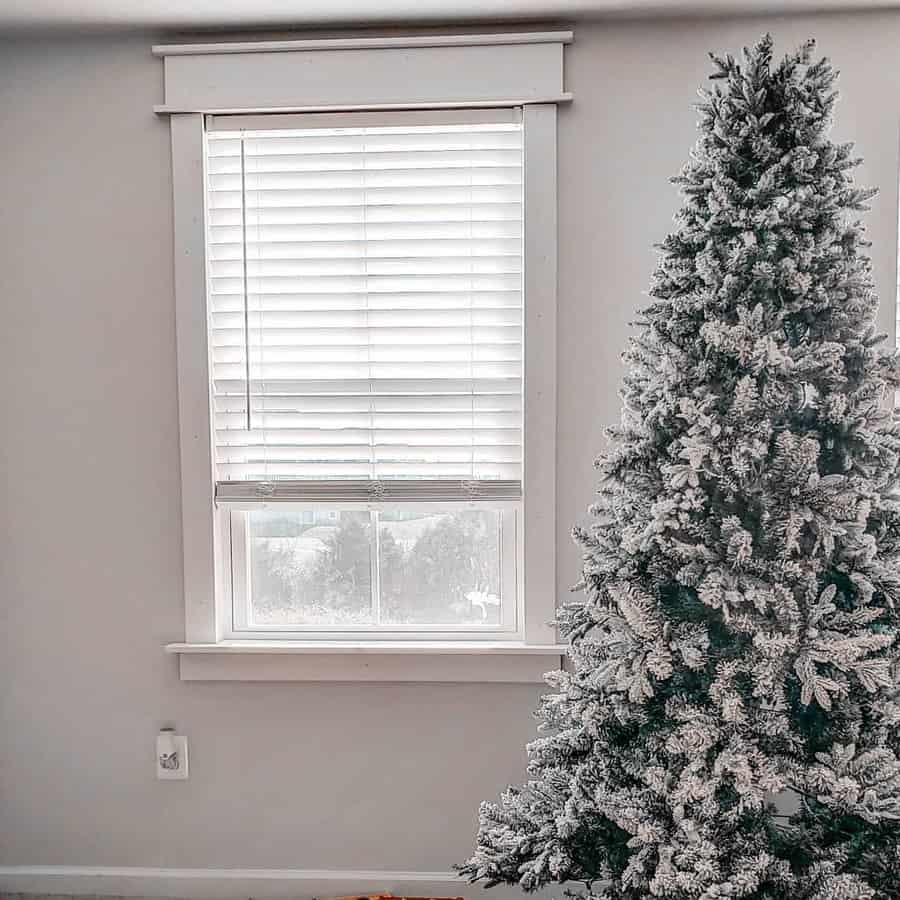
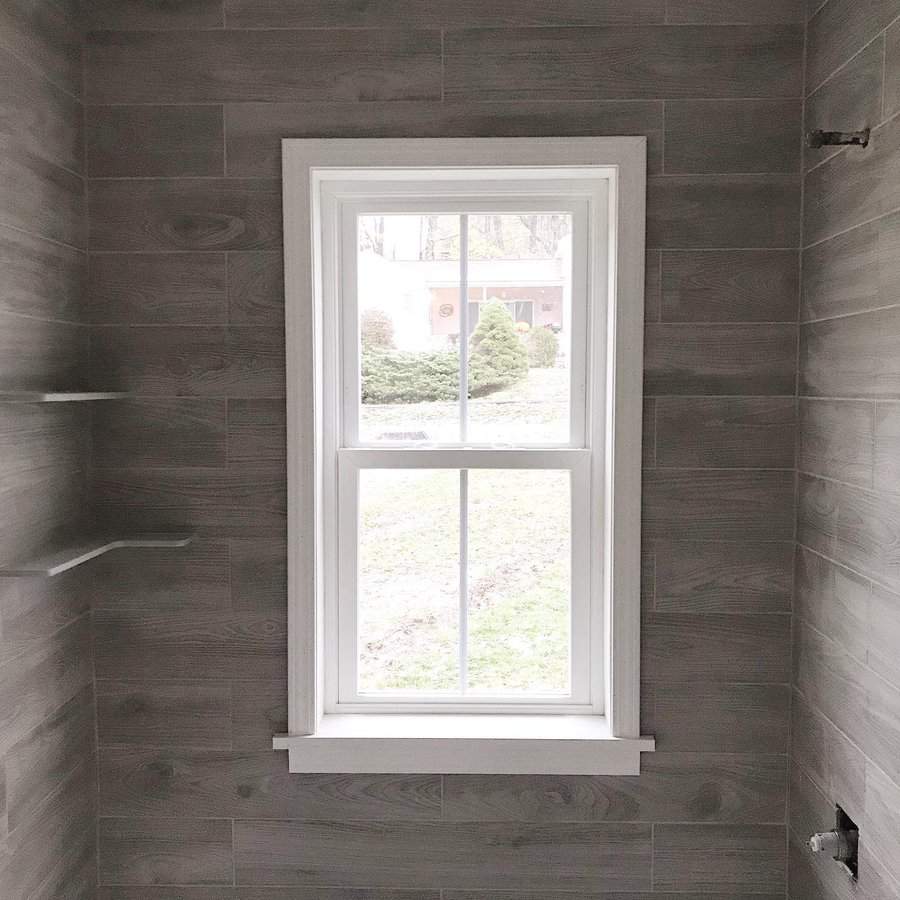
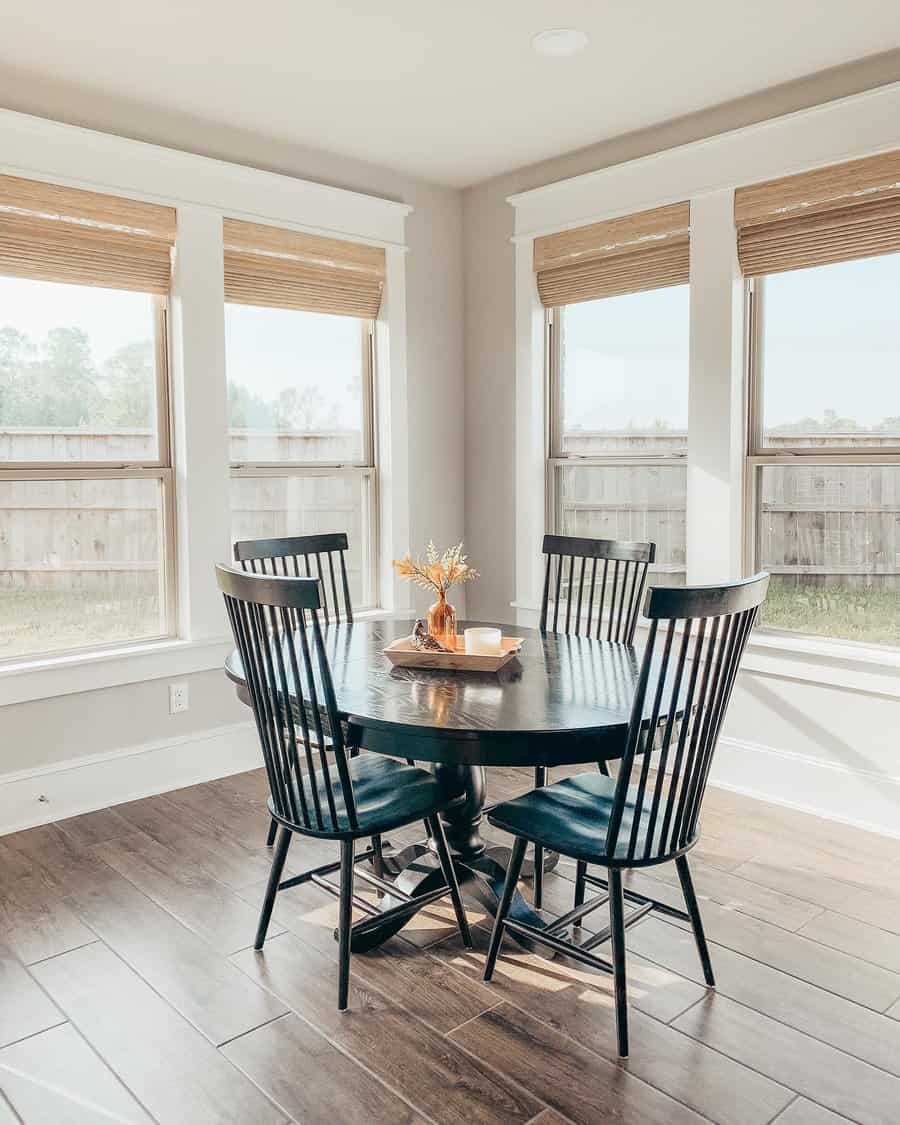
    13. White Window Trim

    White trim offers a timeless, clean look that can brighten and open up a space. It’s versatile, working with any wall color and in any room, from kitchens to bedrooms. It’s particularly effective in coastal or Scandinavian-themed interiors.

    White window trim
    White window trim
    White window trim
    White window trim
    White window trim

    14. Minimal Window Trim

    For a sleek, modern look, use a minimal trim or even a flush finish with the wall. This style suits contemporary homes, emphasizing clean lines and uncluttered spaces. Pair with simple window treatments or bare windows for a minimalist aesthetic.

    Minimal window trim
  • 12 Shiplap Wall Design Ideas for Interior Walls

    12 Shiplap Wall Design Ideas for Interior Walls

    Shiplap is a traditional wall texture made from nailing wood planks in orderly rows. Originally designed to waterproof seacraft, shiplap paneling has grooves cut into its sides so that each piece connects tightly together.

    Before the invention of sheetrock, shiplap was used to provide an even surface for applying wallpaper. Though it wasn’t originally intended to be seen, interior design experts discovered that exposed shiplap made a beautiful and unique wall treatment.

    Made popular by “Fixer Upper” and other home decor shows, real and faux shiplap ideas are here to stay. Check out our favorite takes on this comfortable modern farmhouse accent wall idea.

    [view_toc]

    1. Versatile Shiplap Accent Walls for Vintage Charm and Texture

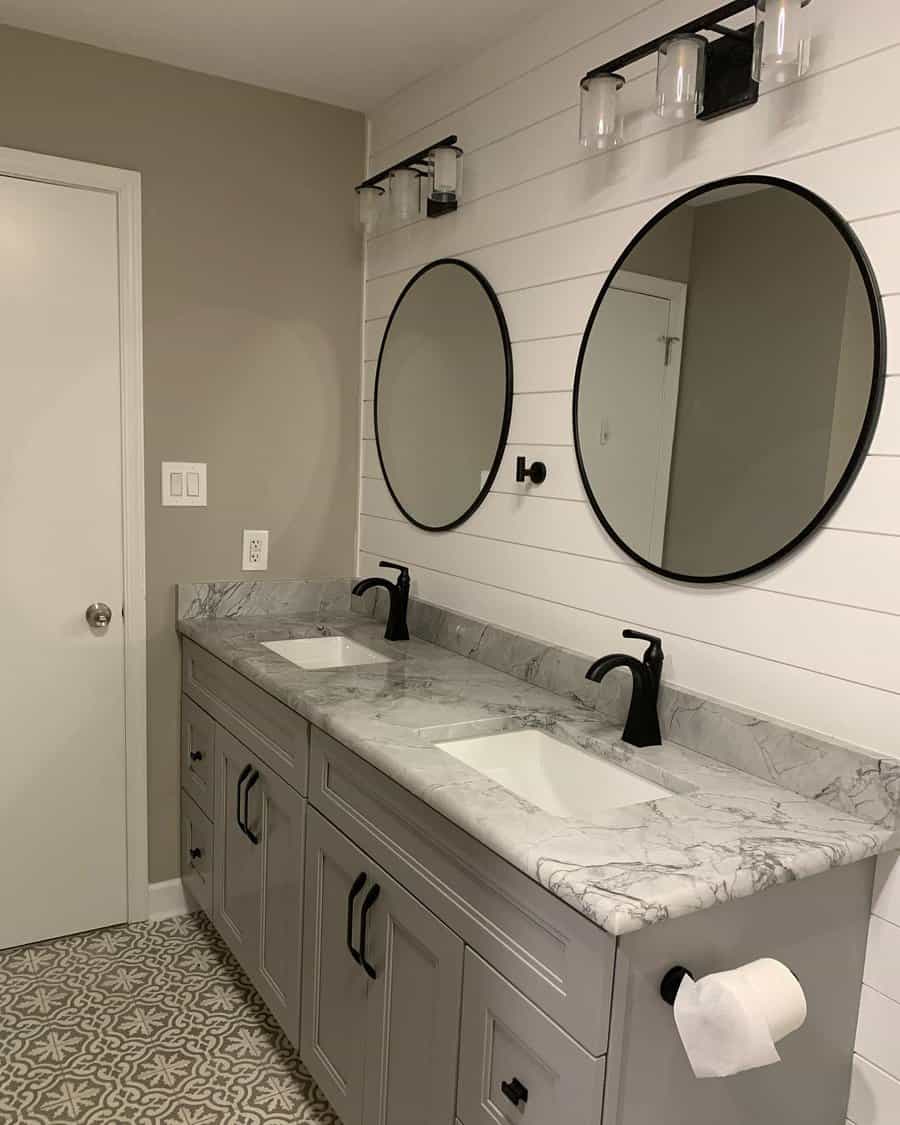
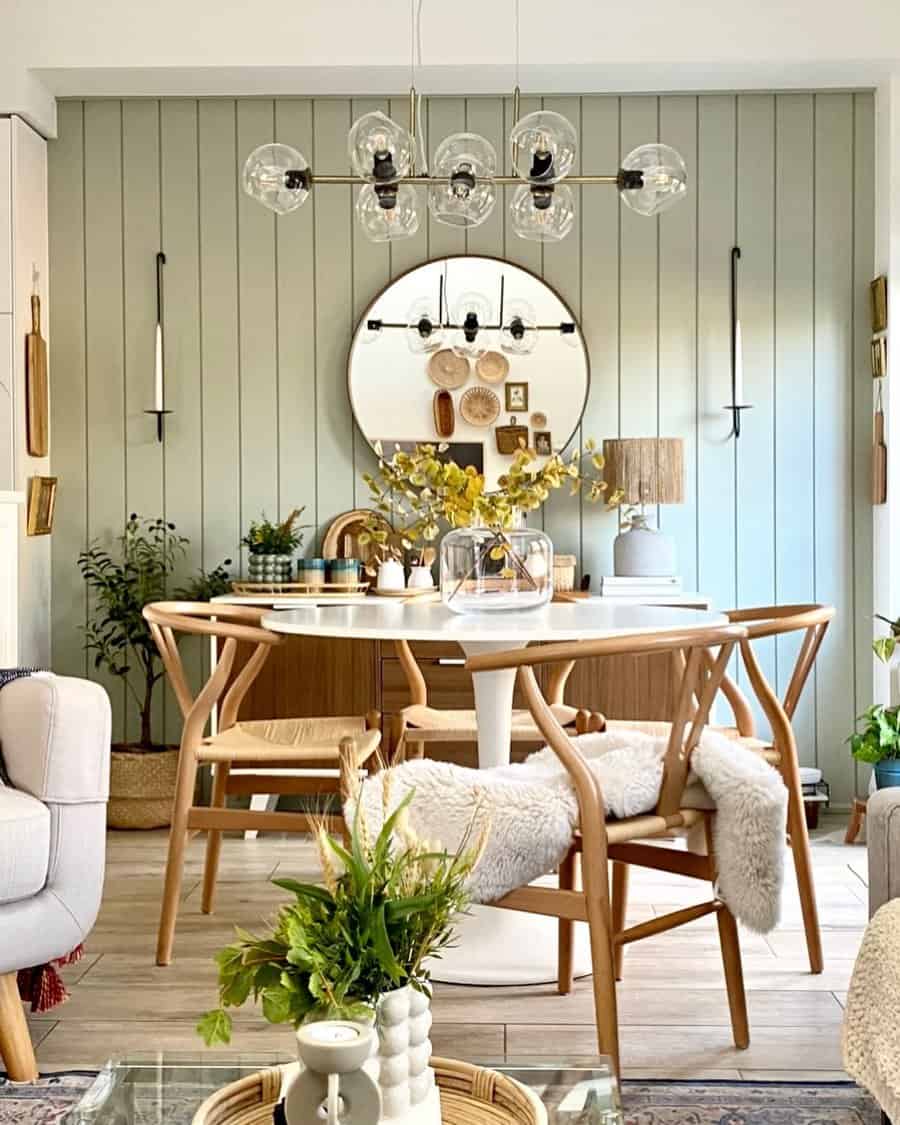
    Although older homes may have shiplap in an entire room, it’s most commonly used as an accent wall material today. You may also see shiplap panels as an accent on kitchen islands or cabinet fronts. It’s also found on fireplaces, built-in bookshelves, and hallways.

    Dual vanity bathroom with round mirrors and patterned floor
    Source: @jennseung via Instagram
    Cozy dining area with modern decor and green accent wall
    Source: @maryb_bohostyling via Instagram
    Nook with tufted sofa and shiplap walls
    Source: @thesuiteshoppe via Instagram

    Beloved for its ability to create definite shadow lines, a shiplap accent wall adds vintage charm to cottage, costal, and farmhouse dwellings. However, it’s a great way to add texture to any room, from the living room to the bathroom.

    2. Enhancing Bathroom Space with Stylish Shiplap Wall Ideas

    Shiplap is an excellent bathroom wall treatment. Not only does it add welcoming texture and style, its horizontal lines can make a small bathroom look bigger. Top a white shiplap wall with a round vanity mirror to soften the strong lines created by the wooden plank surface.

    Bathroom with shiplap walls and gold framed mirror
    Source: @bcmlondon via Instagram
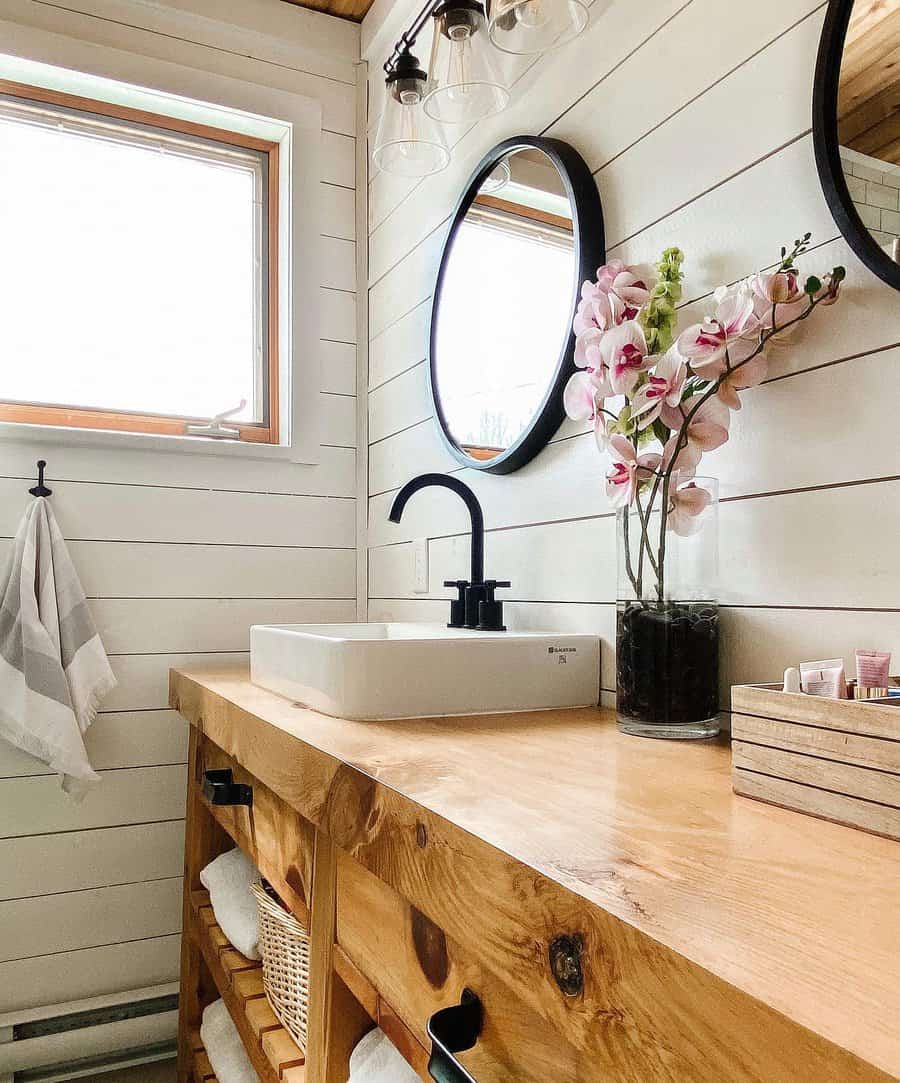
    Rustic bathroom vanity with shiplap wall and oval mirror
    Source: @unicawallsnc via Instagram
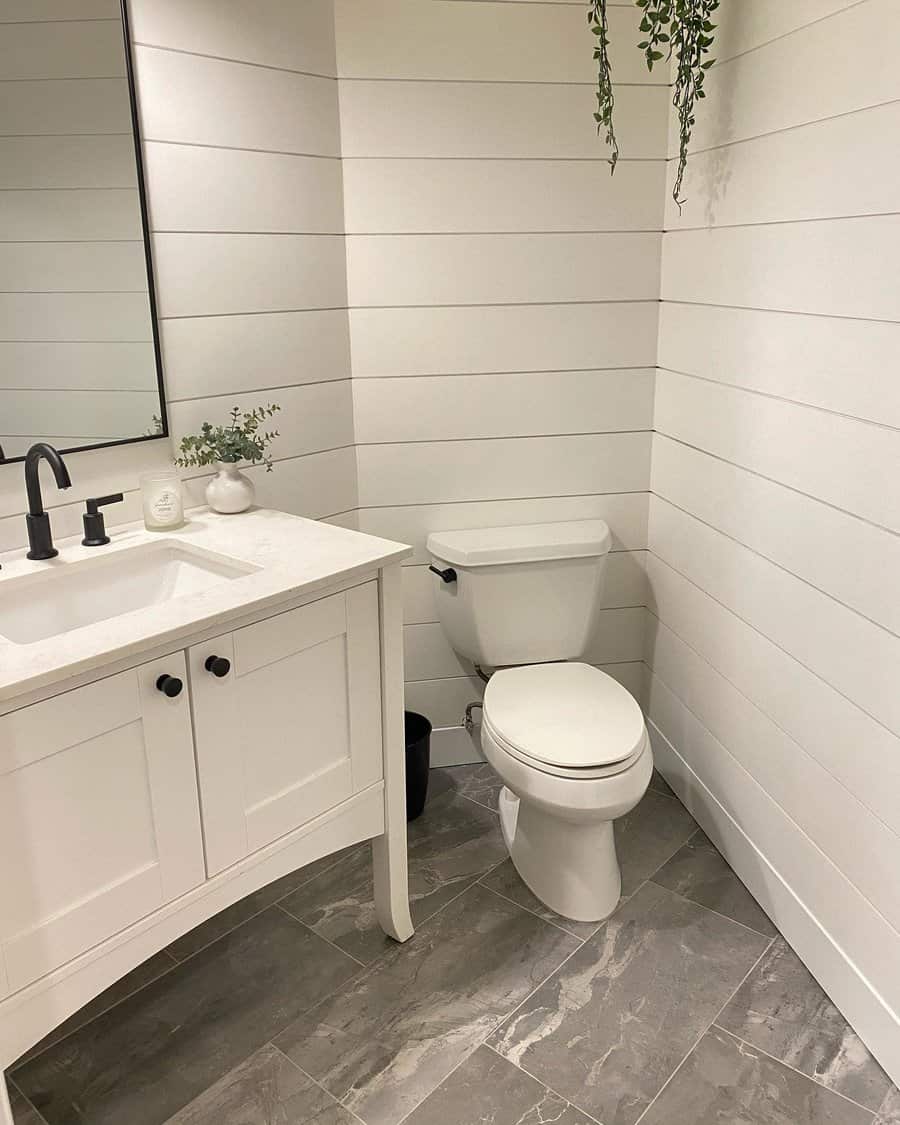
    Modern bathroom with shiplap walls and grey floor tiles
    Source: @yonagohome via Instagram

    Subway tiles look great in a bathroom featuring shiplap wall ideas. Either enjoy the continuity of subway tile and horizontal shiplap lines, or mix it up by installing a vertical shiplap wall instead.

    3. Creative Shiplap Bedroom Design Ideas

    The logical place for a bedroom shiplap accent wall is behind the bed, but you can add this architectural detail anywhere in the room. Horizontal shiplap and vertical shiplap work equally well in the bedroom, and many love the effect so much, they install shiplap on the ceiling as well.

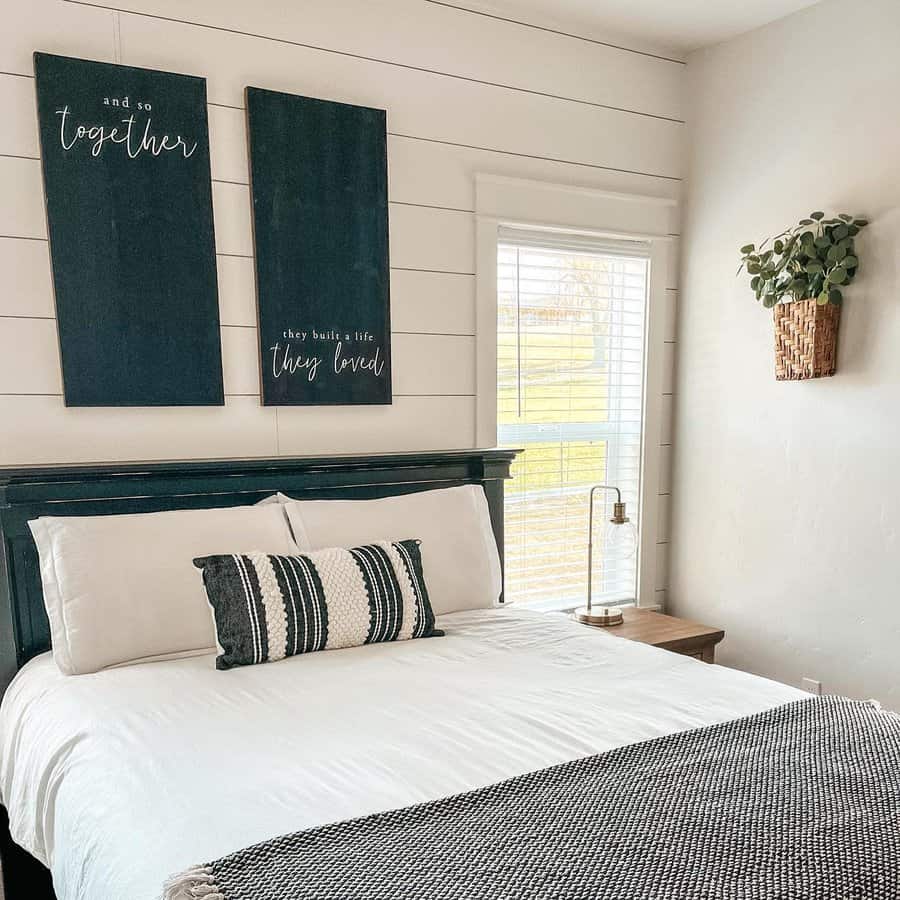
    Bedroom with shiplap wall and inspirational art
    Source: @quinnlayneliving via Instagram

    If an entire shiplap wall is too much for your personal aesthetic, shop for a shiplap headboard instead. It will provide just enough of that casual texture you love while freeing up your walls for other home decor accents.

    4. Exploring Diagonal Shiplap: A Modern Twist on Classic Wall Design

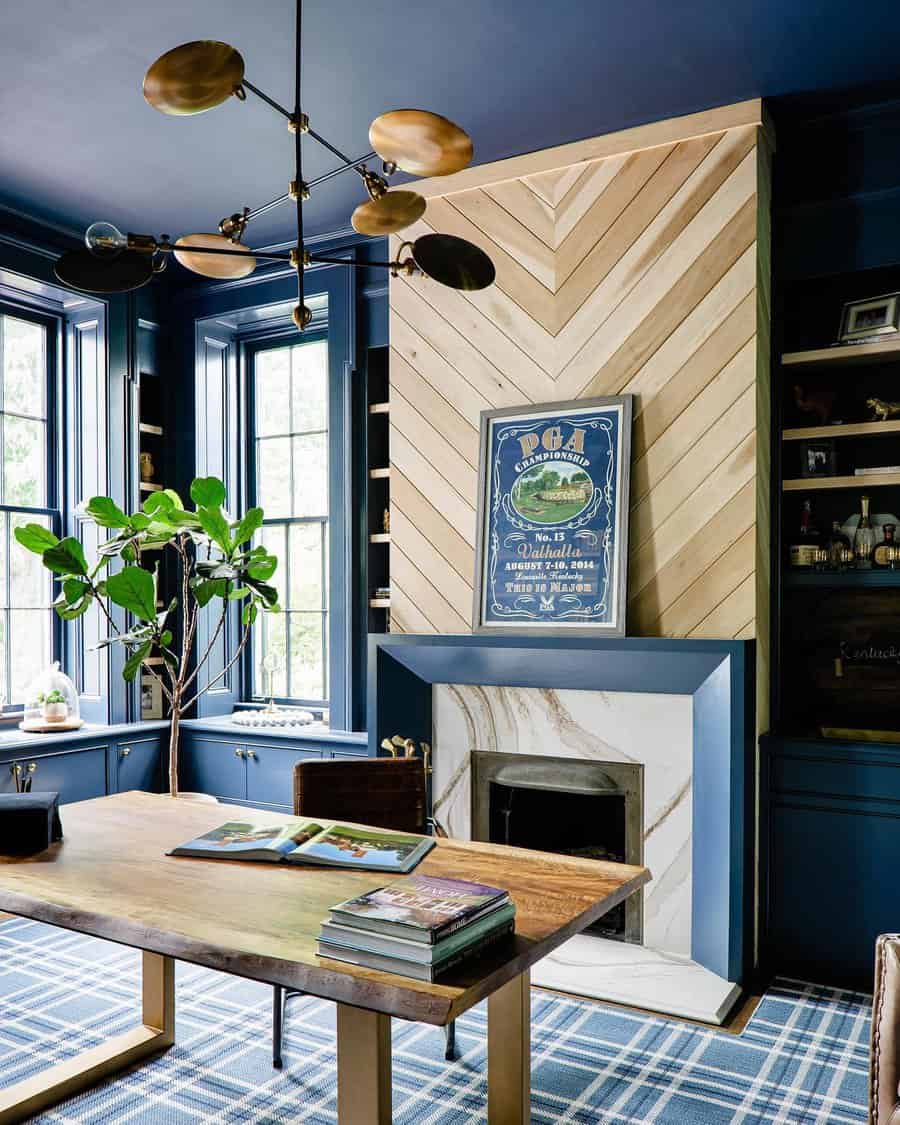
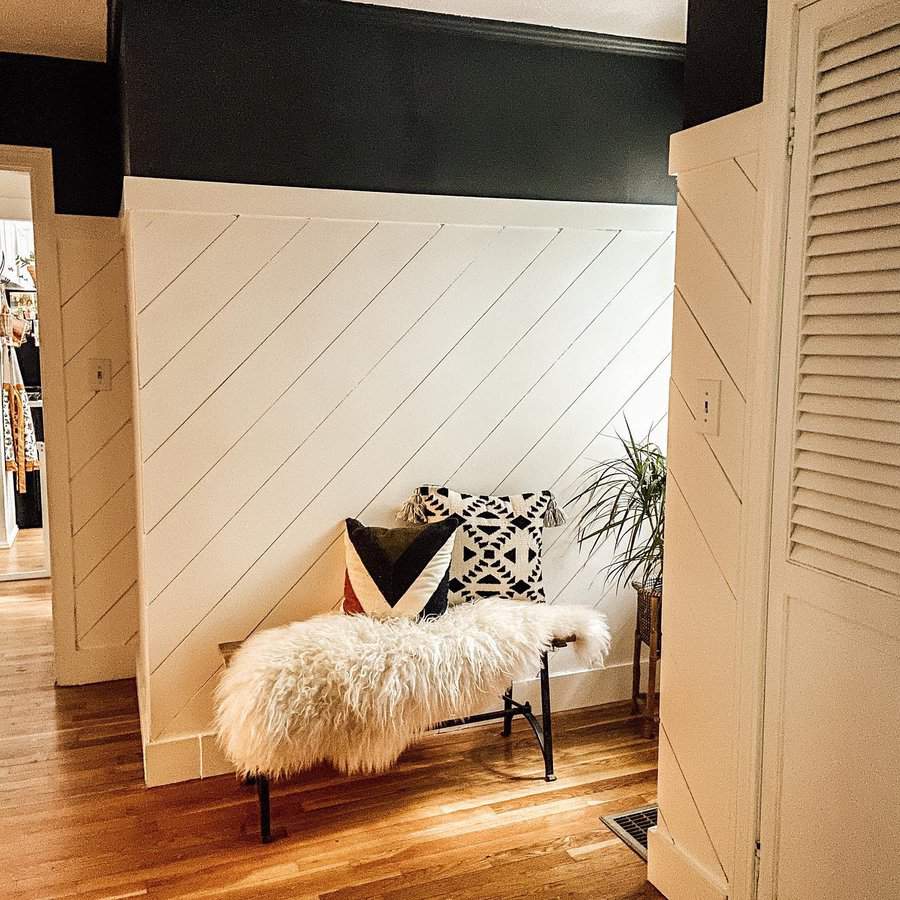
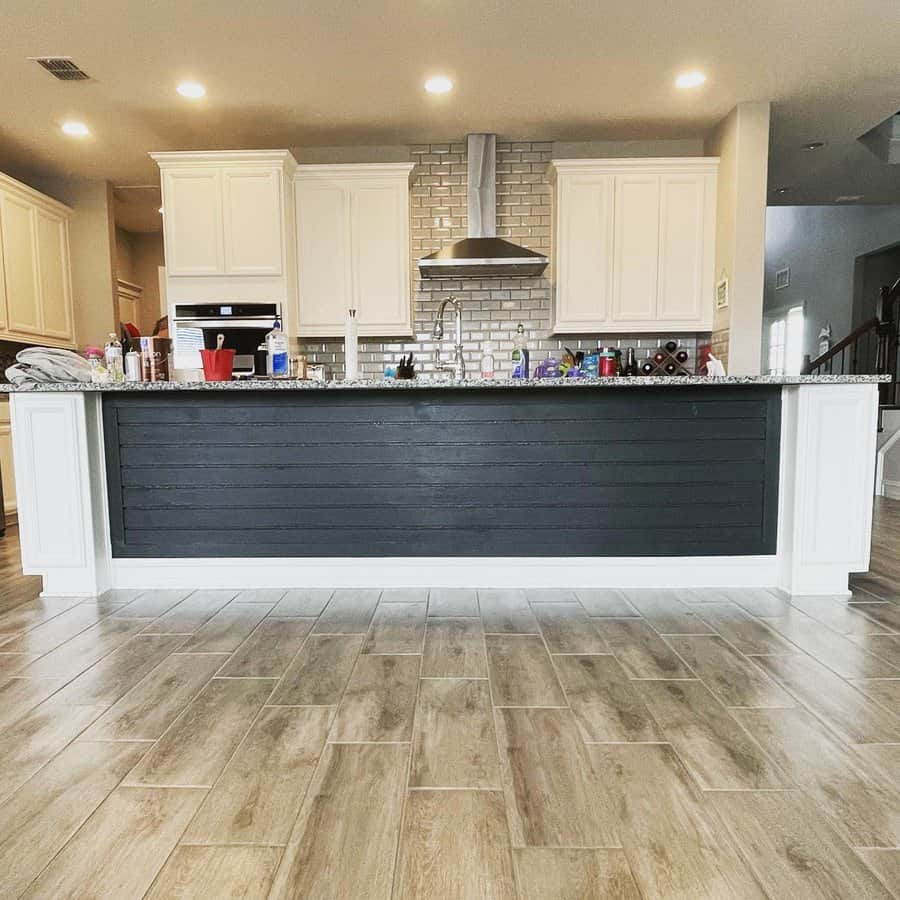
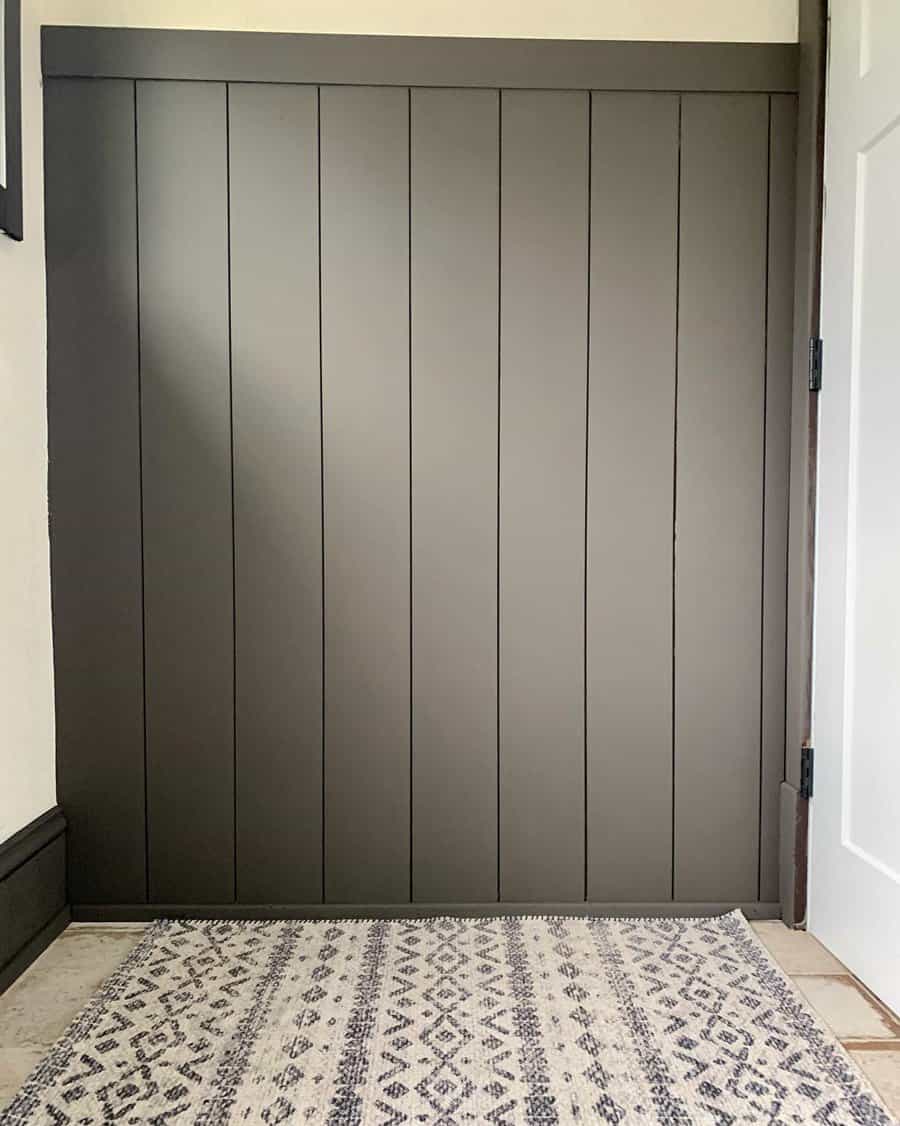
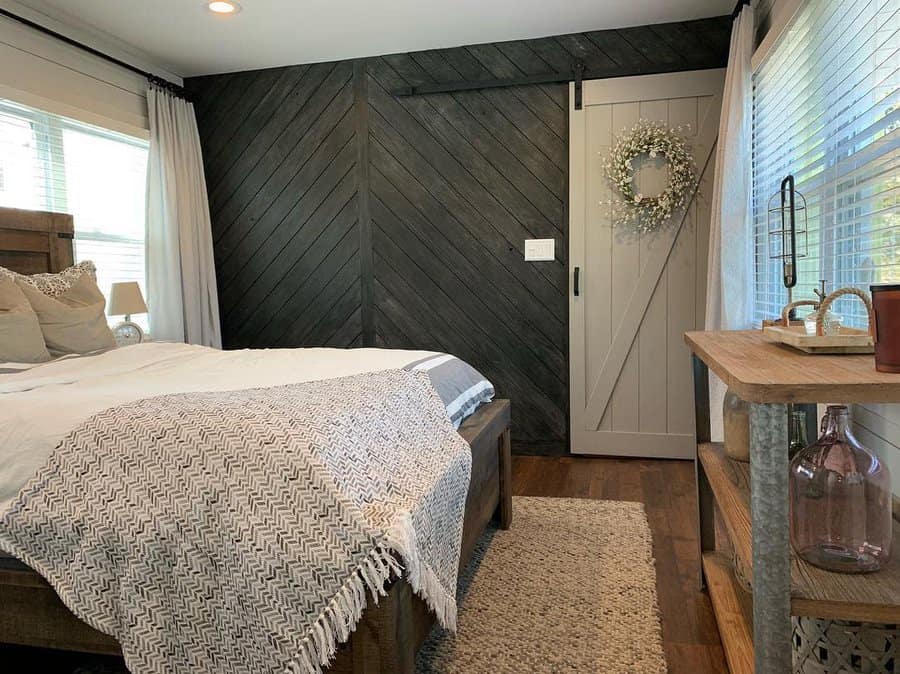
    Traditionally, a shiplap wall would be installed in a horizontal pattern. Now, it’s common to see vertical shiplap, chevron shiplap, and diagonal shiplap configurations. Diagonal wood shiplap is particularly attractive as an accent feature, such as on a kitchen island or a set of sliding barn doors.

    Office with blue walls and chevron shiplap fireplace
    Source: @artisansignaturehomes via Instagram
    Living room with diagonal shiplap wall and modern decor
    Source: @claytoncorner via Instagram
    Bedroom with black chevron shiplap wall and barn door
    Source: @irehabhomes via Instagram
    Corner nook with diagonal shiplap and plush bench
    Source: @vintagethreshold via Instagram

    Some designers install shiplap in two patterns on one wall. For example, one half will feature vertical planks, while the other half has them set on the diagonal. This adds a modern twist to classic shiplap wall ideas and is a particularly great backdrop for Scandinavian decor.

    5. Elevating Farmhouse Kitchen Vibes with White Shiplap Walls

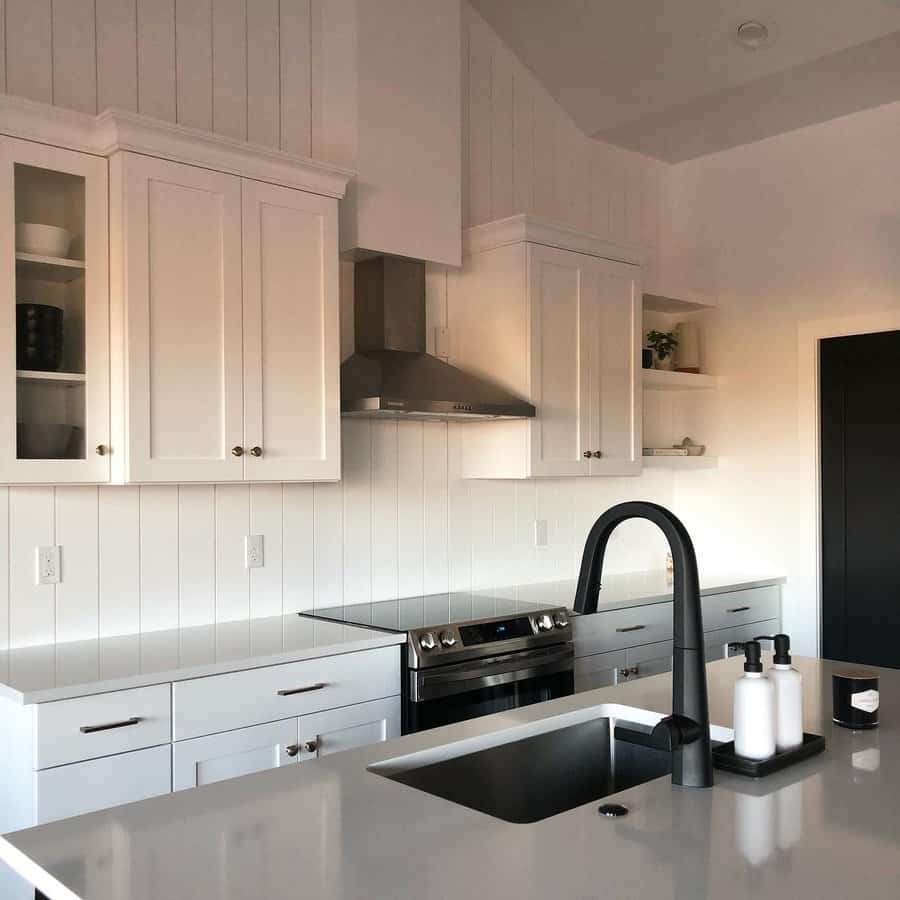
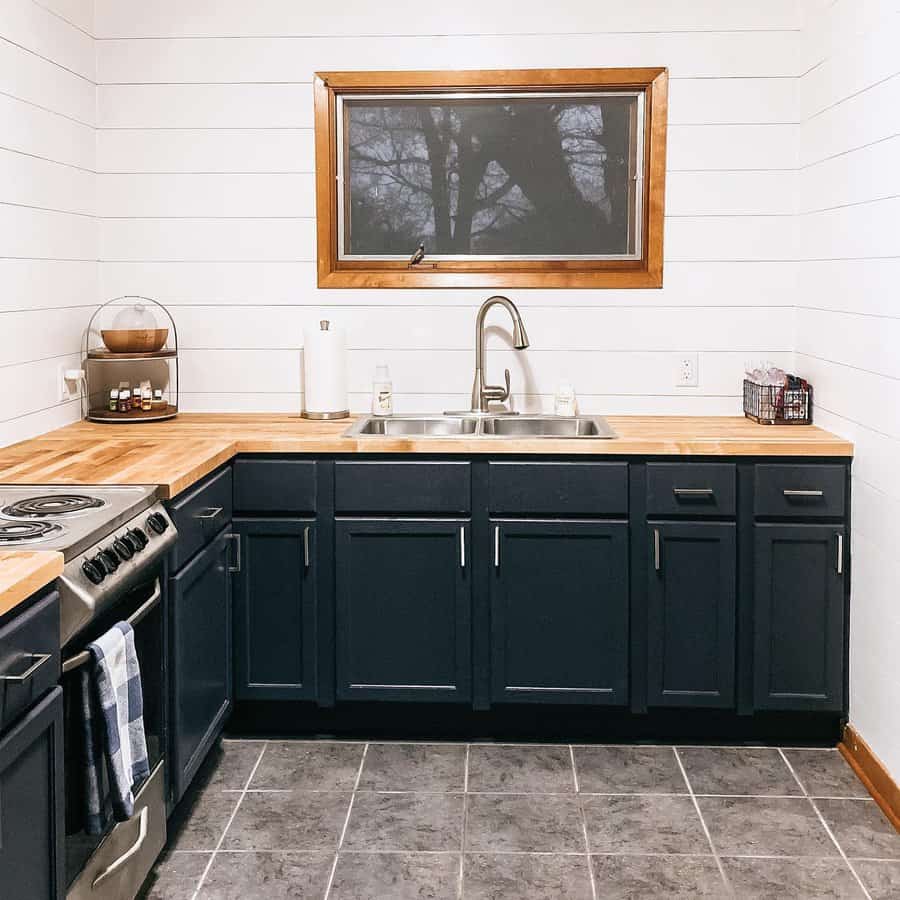
    A white shiplap wall is a must if your kitchen is decorated in farmhouse style. No other wall ideas can beat it for creating that particular country vibe. It’s the perfect background for floating shelves, wire baskets, chalkboard art and other key farmhouse design components.

    Modern kitchen with white shiplap walls and black accents
    Source: @25thandbrick via Instagram
    Kitchen with white shiplap walls and dark cabinets
    Source: @potter.linda via Instagram
    Spacious kitchen with shiplap island and brick backsplash
    Source: @winchester_woodcrafts via Instagram

    If you don’t want to go full farmhouse in the kitchen, a smaller shiplap wall idea will do. Shiplap accent wall ideas are great behind a bench in a mudroom area, or to define the boundaries of your breakfast nook.

    6. Balancing Functionality and Style with Shiplap Office Wall Design

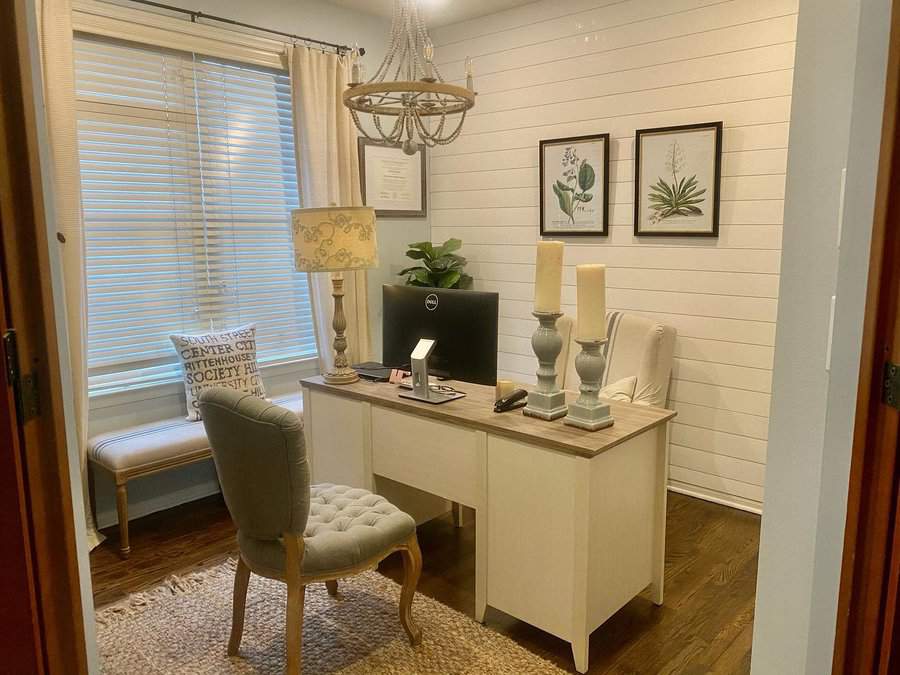
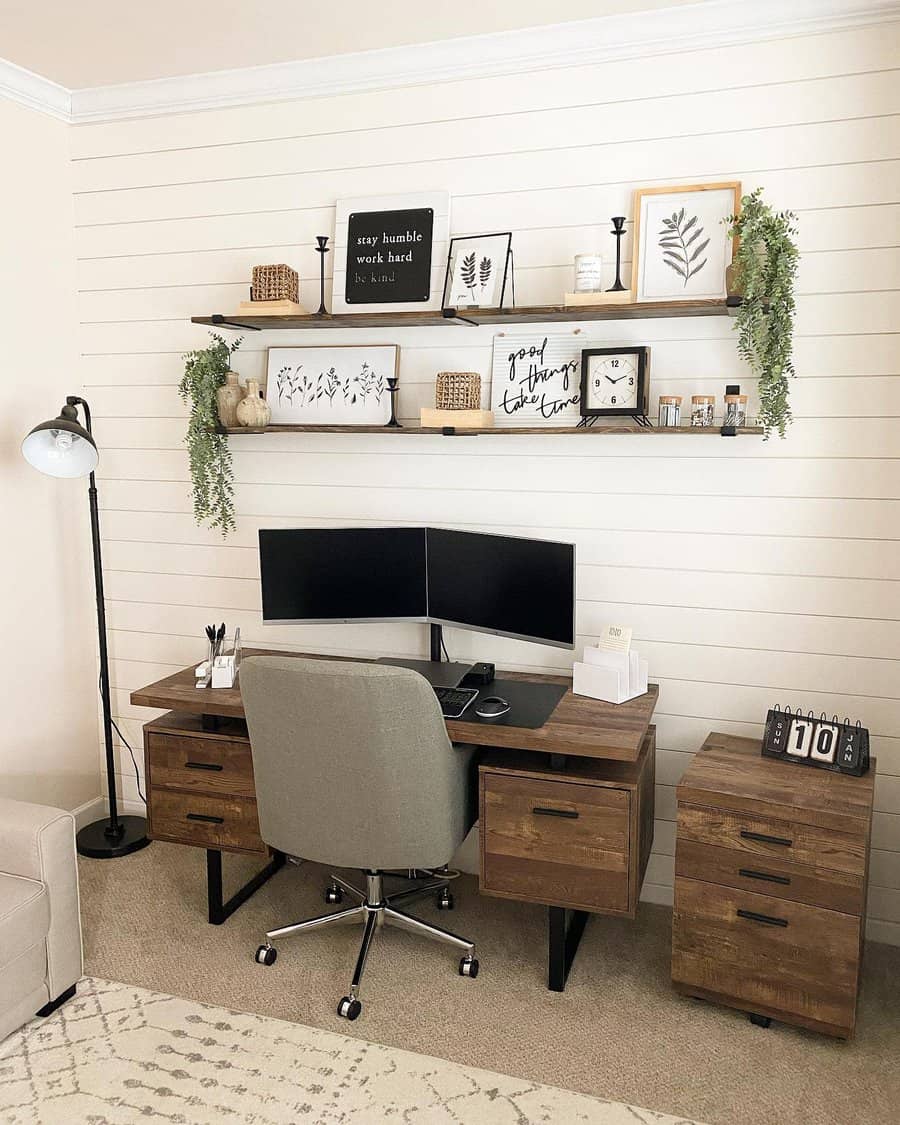
    People tend to focus more on functionality than style when designing an office space. But there’s no reason for you to stare at a blank white wall while working all day—especially in a home office where you have liberty to decorate as you please.

    Home office with white shiplap walls and elegant decor
    Source: @adorehousedecor via Instagram
    Cozy office with shiplap wall and inspirational shelf decor
    Source: @visionswithvic via Instagram

    Define your desk area with shiplap and paint it a color that contrasts with the rest of the walls. Extend your horizontal shiplap wall paneling onto the ceiling for a unique design accent that will make a small office appear more spacious.

    7. The Timeless Appeal of Southern Yellow Pine Shiplap

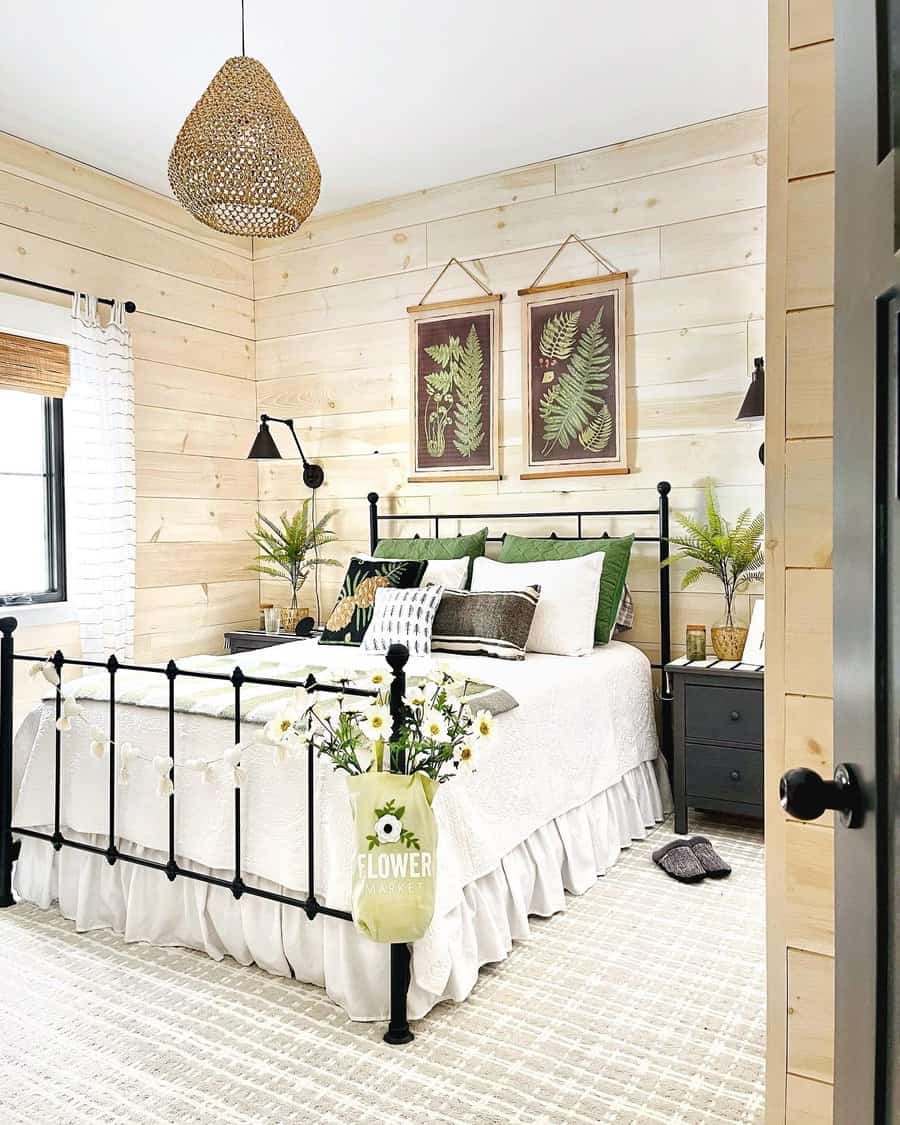
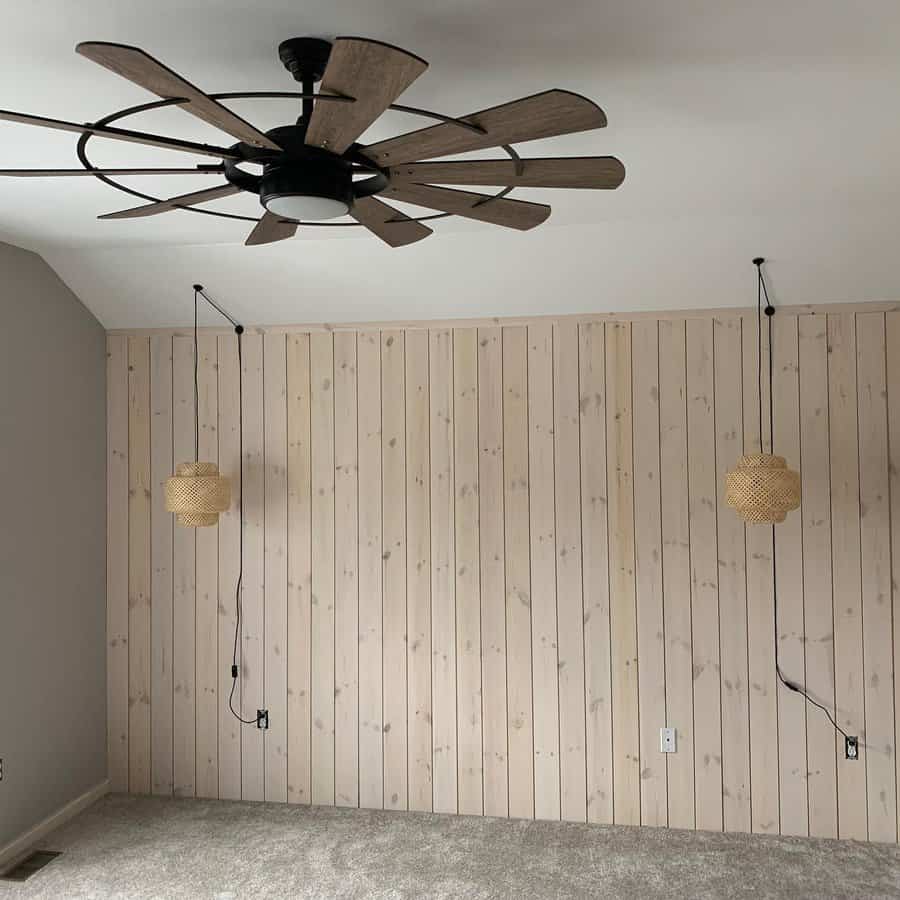
    Back when shiplap was used as an interior wall foundation, southern yellow pine was the most popular material in Texas and the southeastern United States. Now pine is one of the most common shiplap woods across America. 

    Bright bedroom with natural pine shiplap and botanical art
    Source: @plaids.and.poppies via Instagram
    Minimalist room with pine shiplap wall and hanging wicker lamps
    Source: @spundesign via Instagram
    Rustic bathroom with natural wood shiplap and patterned tile floor
    Source: @starryhollowranch via Instagram

    Unpainted pine shiplap adds a pale, rustic flavor to any room. Pine wood shiplap must be sealed if used in high-moisture areas like kitchens and bathrooms.

    8. Embracing the Beauty of Reclaimed Wood Shiplap

    Reclaimed wood makes an excellent type of shiplap. Its natural variations and textures are beautiful as a wall covering in rustic or contemporary homes.

    Small bedroom with reclaimed wood shiplap headboard and modern decor
    Source: @interior___addict via Instagram
    Compact bedroom with shiplap headboard and striped rug
    Source: @oldeworldhomestead via Instagram

    If you cannot get real shiplap from an old house, other types of reclaimed wood can be cut into shiplap planks. You can also achieve a faux reclaimed finish by staining planks different colors before installation.

    9. Elevating Home Decor with Stained Wood Shiplap Accents

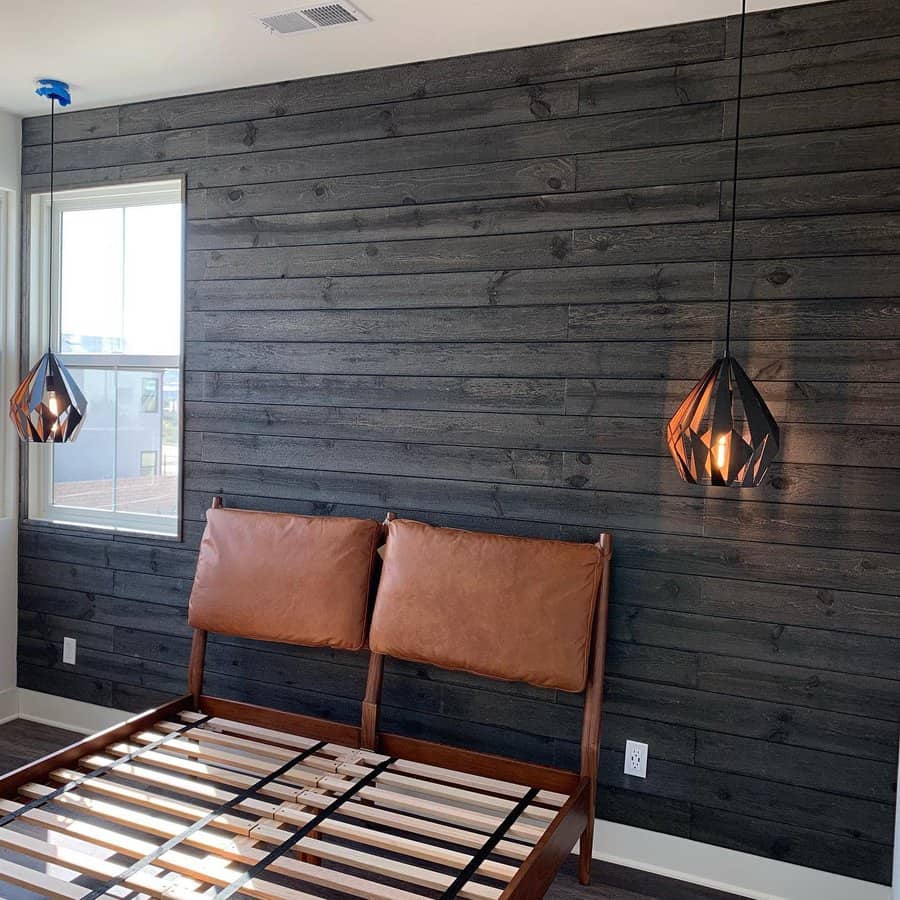
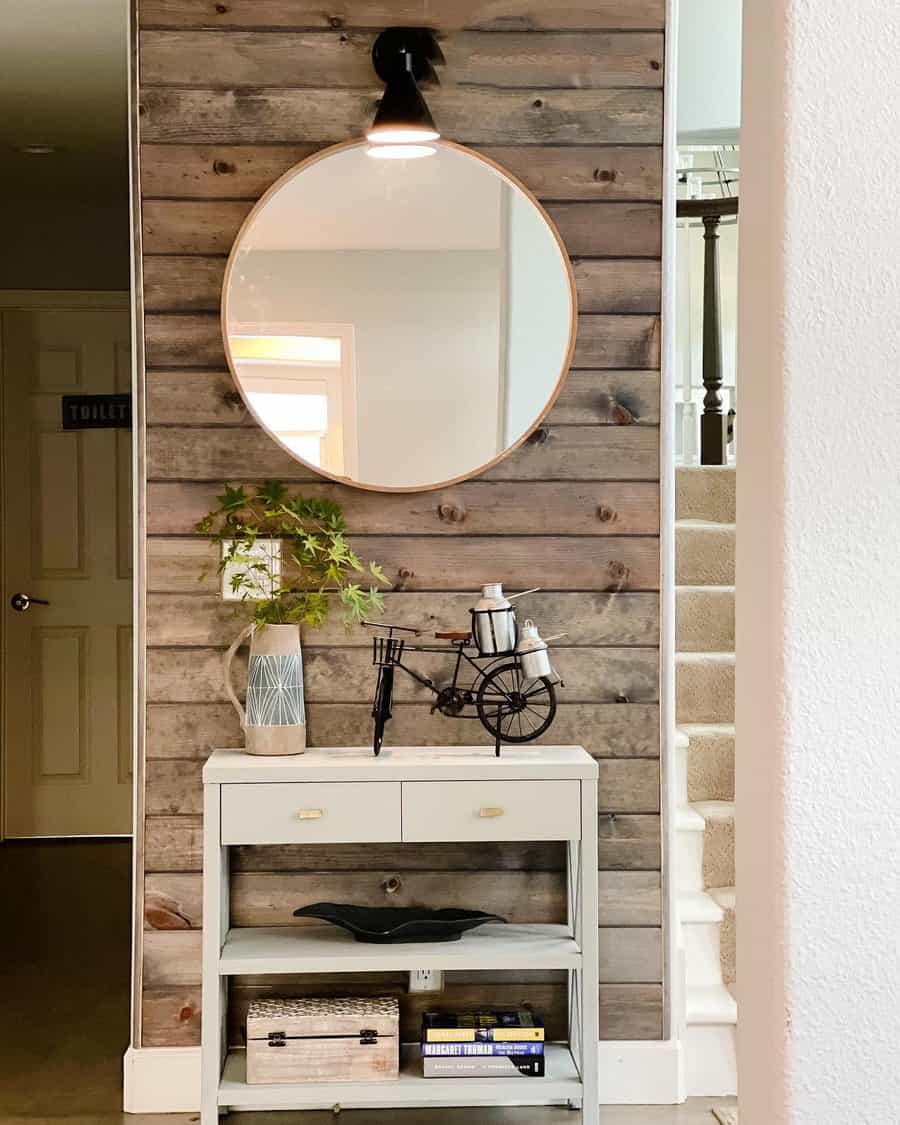
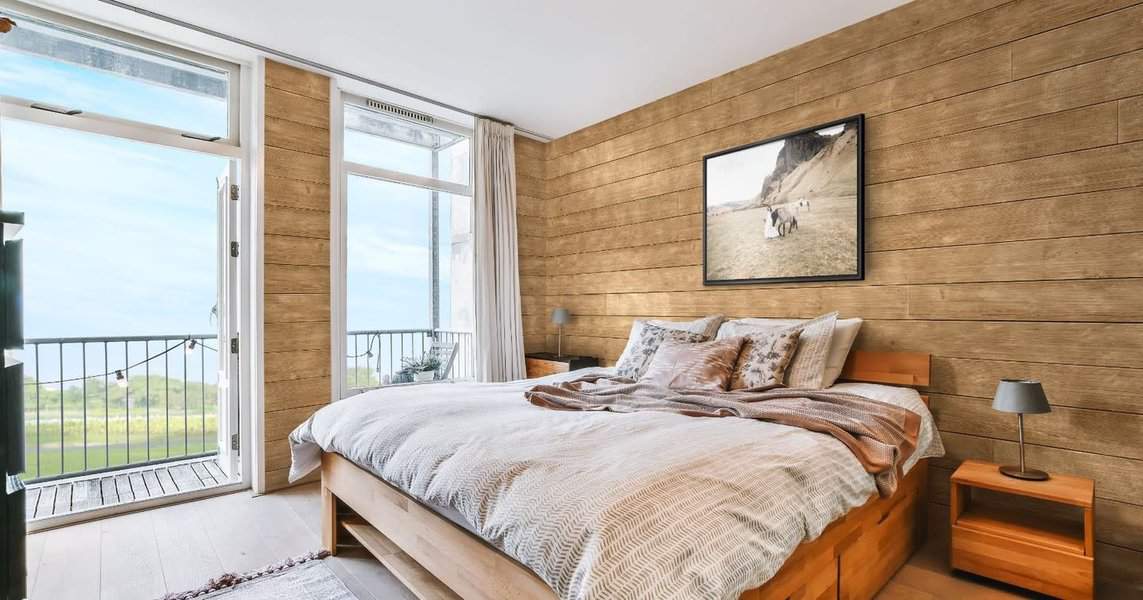
    Staining is an excellent way to add various wood tones to your home decor. An accent wall with varied shiplap planks can help tie together your decor when you already have several wood tones in the same space.

    Bedroom for kids featuring a dark shiplap wall and oversized alphabet art
    Source: @fullhousetohome via Instagram
    Modern bedroom with black shiplap wall and geometric pendant lights
    Source: @innovativeconcepts_const via Instagram
    Hallway with rustic shiplap wall and round mirror
    Source: @mydiyhappyhour via Instagram
    Living room with dark shiplap accent wall and mounted TV
    Source: @tmhoriginal via Instagram
    Bedroom with balcony view and wooden shiplap walls
    Source: @ufpedge via Instagram

    Most ceiling surfaces are covered in some variation of white plaster. But covering your ceiling in stained wood shiplap is a great way to make a room feel warmer and cozier.

    10. Transform Your Interiors with Shiplap Wainscoting

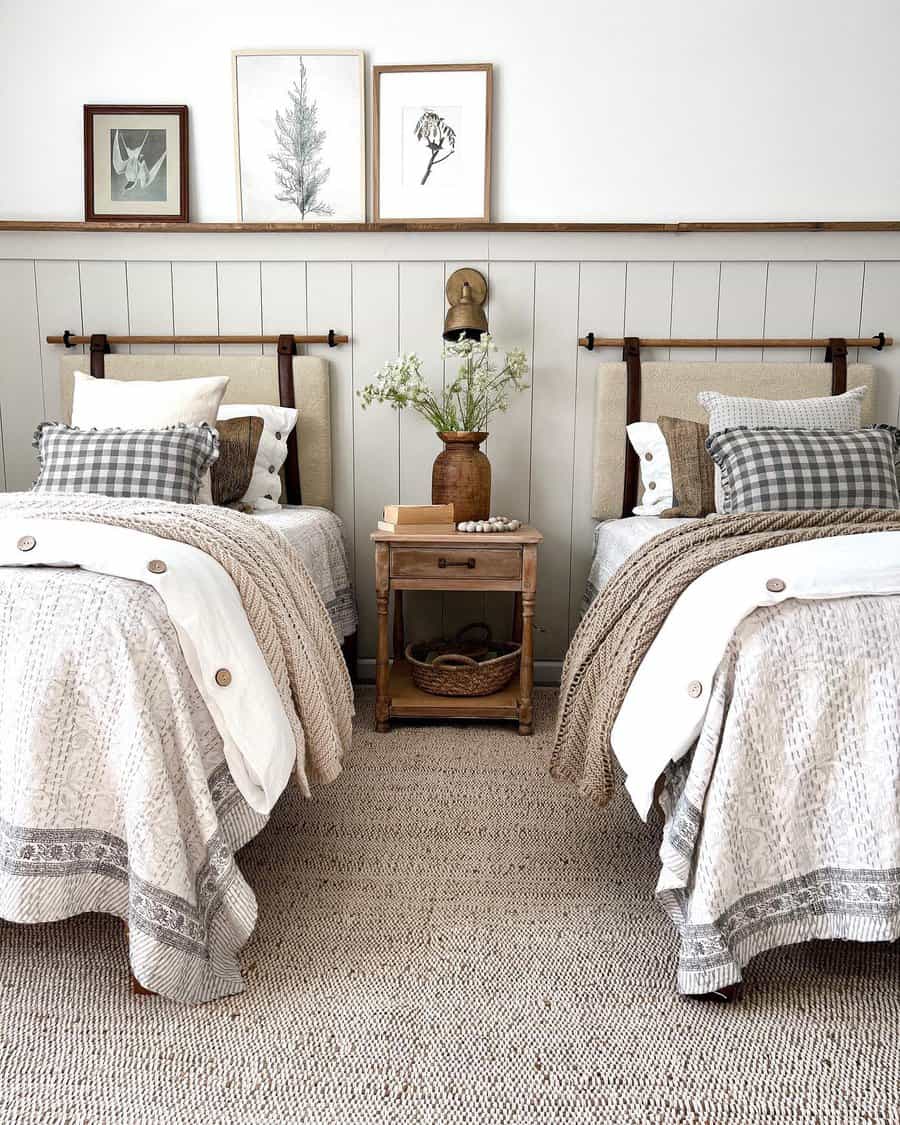
    Sophisticated yet simple, wainscoting is decorative paneling installed along the lower half of a wall. Shiplap wainscoting is more casual than traditional types of wainscoting, but it’s still an excellent choice for a dining room, bathroom, or hallway.

    Twin beds in a cozy room with shiplap wainscoting and botanical prints
    Source: @house_of_7feathers via Instagram
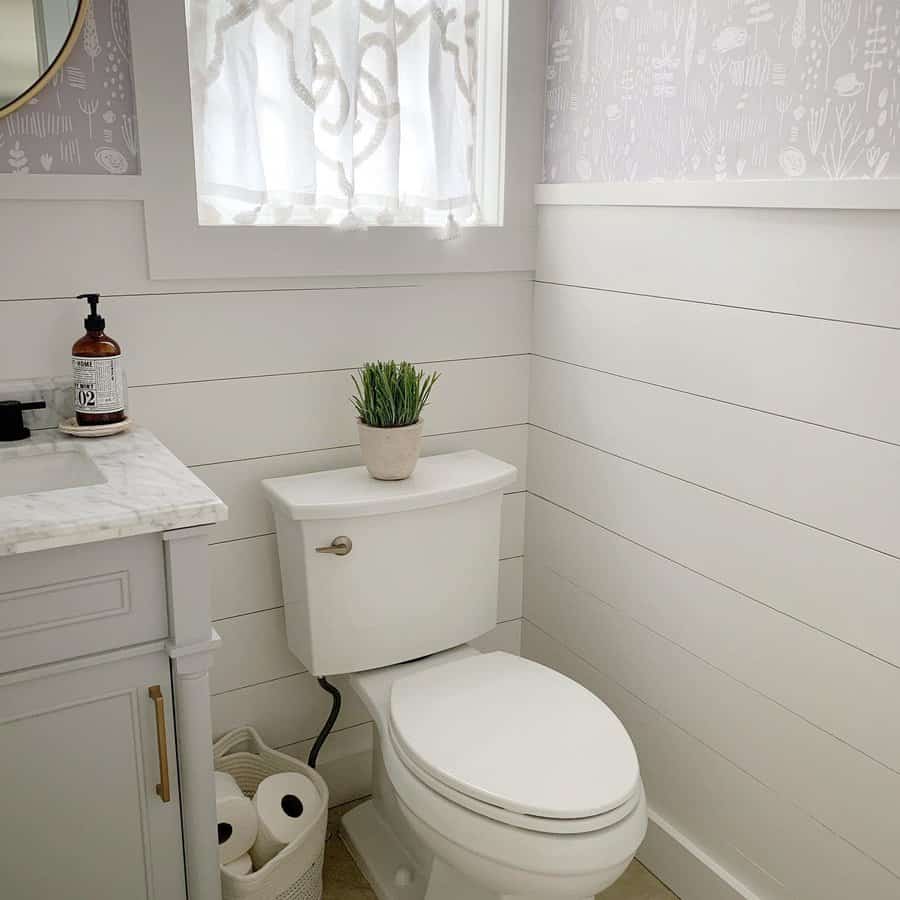
    Fresh white bathroom with shiplap wainscoting and patterned window
    Source: @manymustardseeds via Instagram
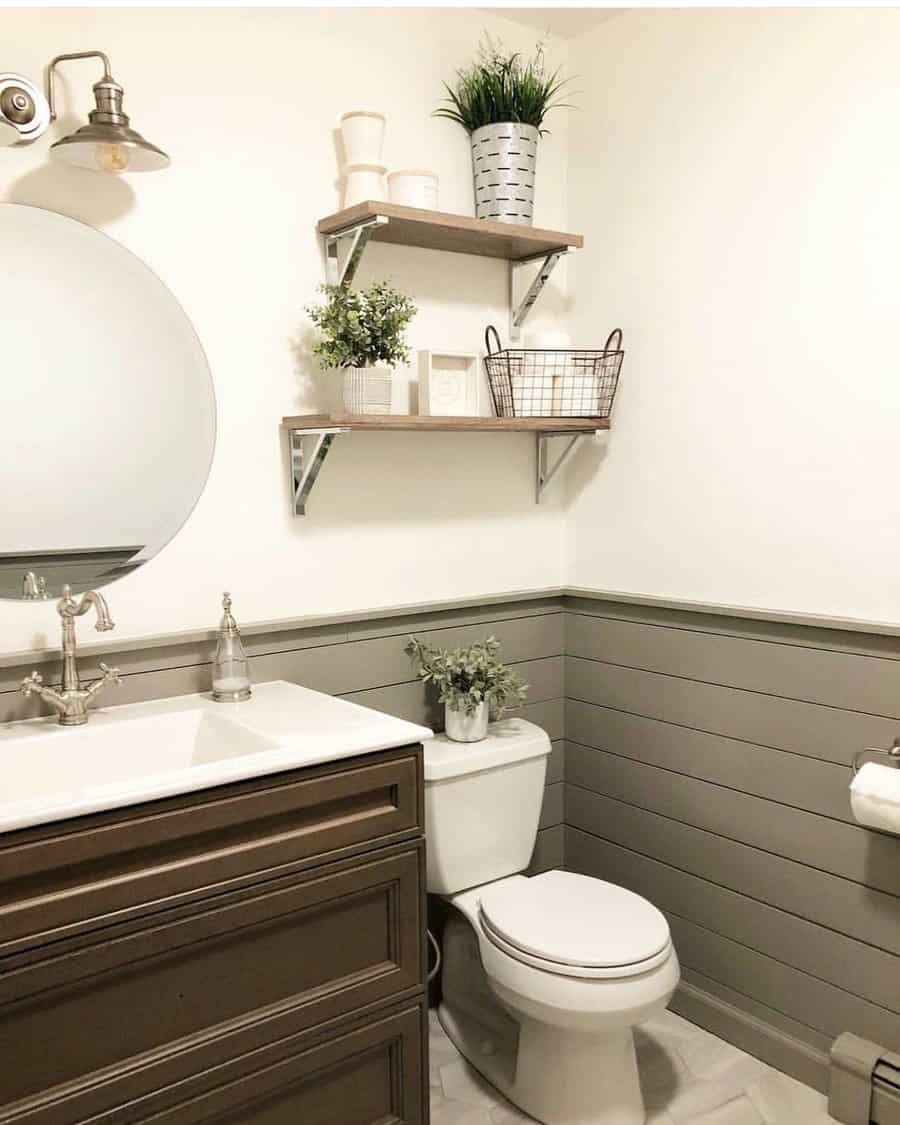
    Chic bathroom with grey shiplap wainscoting and open shelving
    Source: @nextleveldesign_build via Instagram
    Dark grey shiplap accent wall with patterned floor rug
    Source: @twineindesign via Instagram

    Because wainscoting is meant to protect walls from scuffs and dings, choose a durable type of shiplap wood. Add a decorative strip of molding along the top.

    11. The Timeless Allure of White Shiplap in Interior Design

    White is the first color that comes to mind when most people hear the word “shiplap.” White shiplap has now transcended the boundaries of farmhouse and cottage style and can be found in just about any traditional or contemporary interior.

    Living space with white shiplap wall and rustic decor
    Source: @davenportfarmhouse_ via Instagram
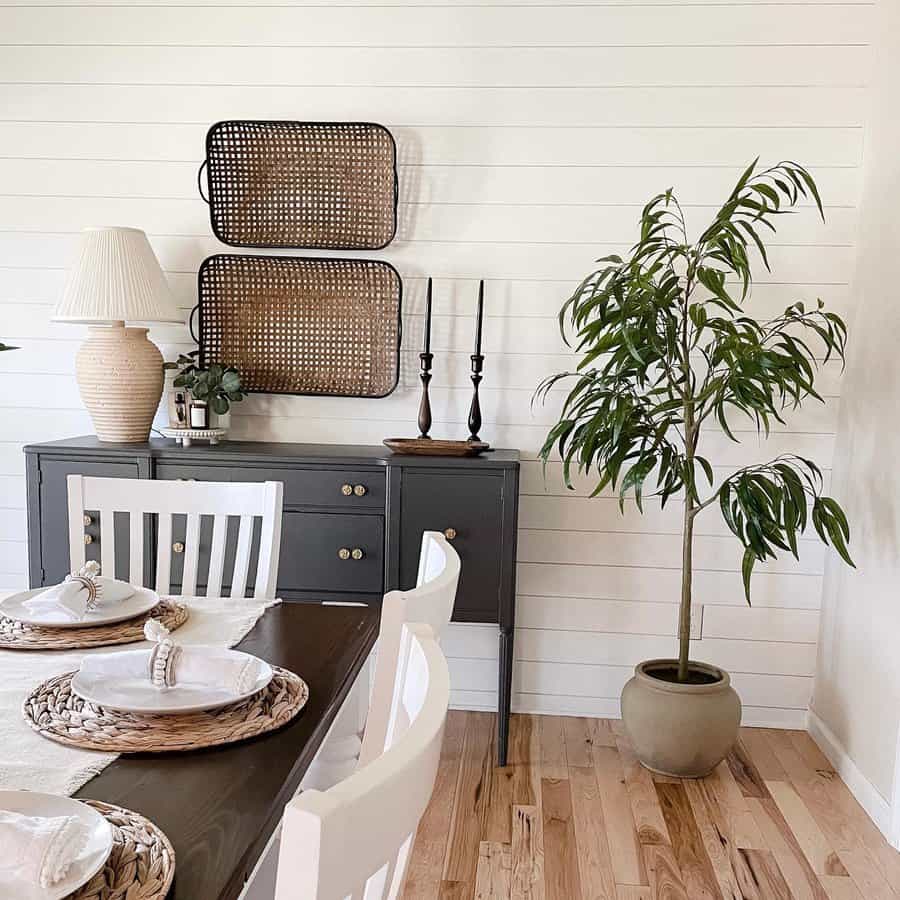
    Dining area with white shiplap walls and natural wood accents
    Source: @deep.roots.home via Instagram
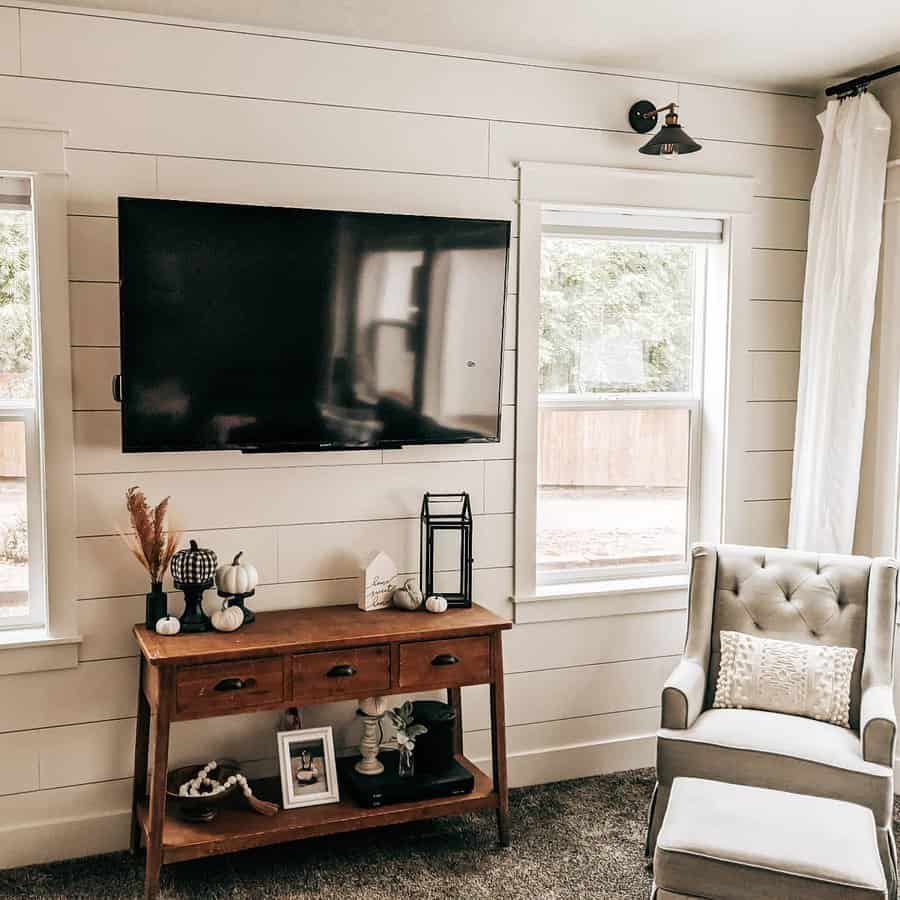
    Living room with mounted TV on white shiplap wall and cozy decor
    Source: @quinnlayneliving via Instagram
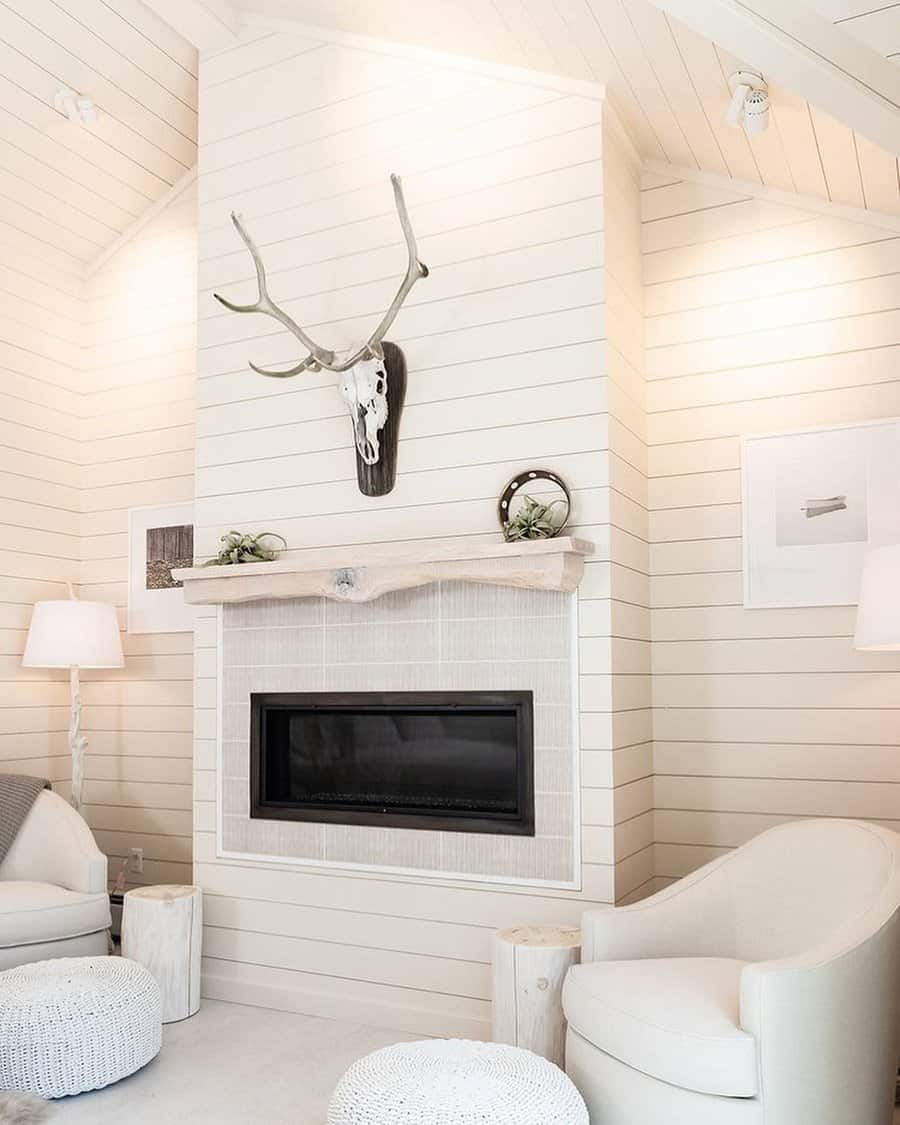
    Bright living space with white shiplap and antler decor
    Source: @sawteethcarpentry via Instagram
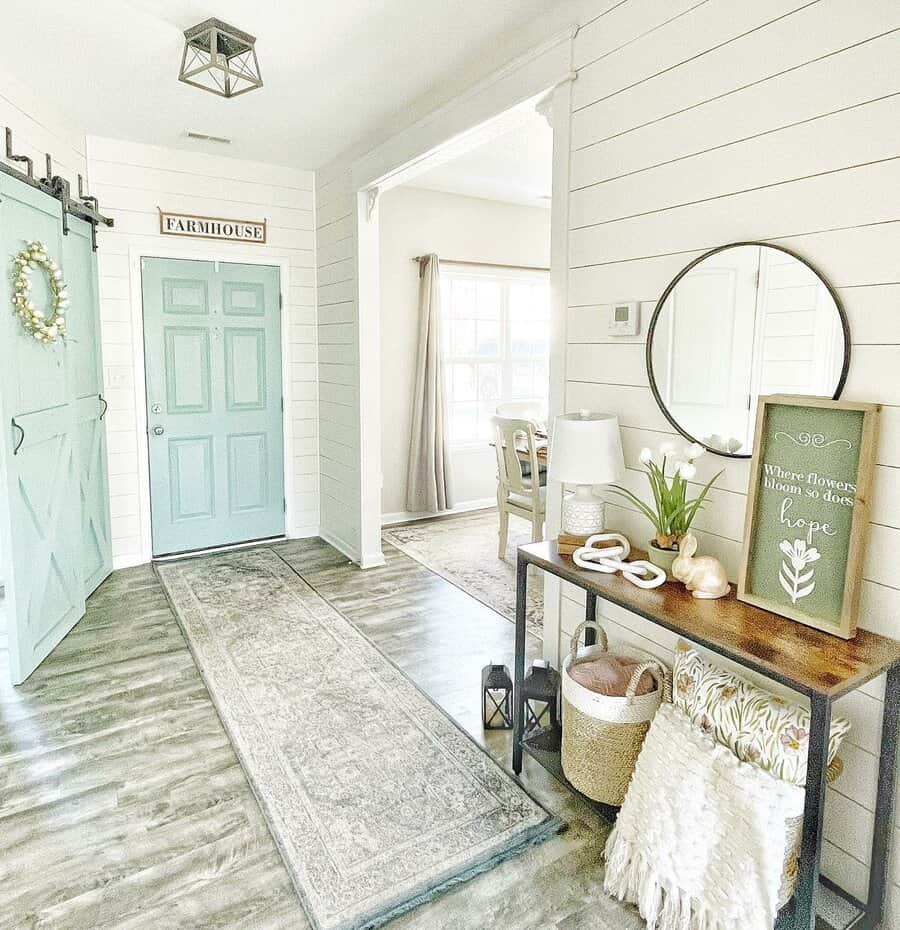
    Entryway with white shiplap walls and light blue door
    Source: @shiplapshanty via Instagram

    White paint is a classic finish for shiplap, but you don’t have to settle for a plain bright white. Cream, ivory, and barely-there grey are white-like paint choices that provide the same look but in a softer way.

    12. Whitewash Shiplap: Blending Elegance and Natural Texture

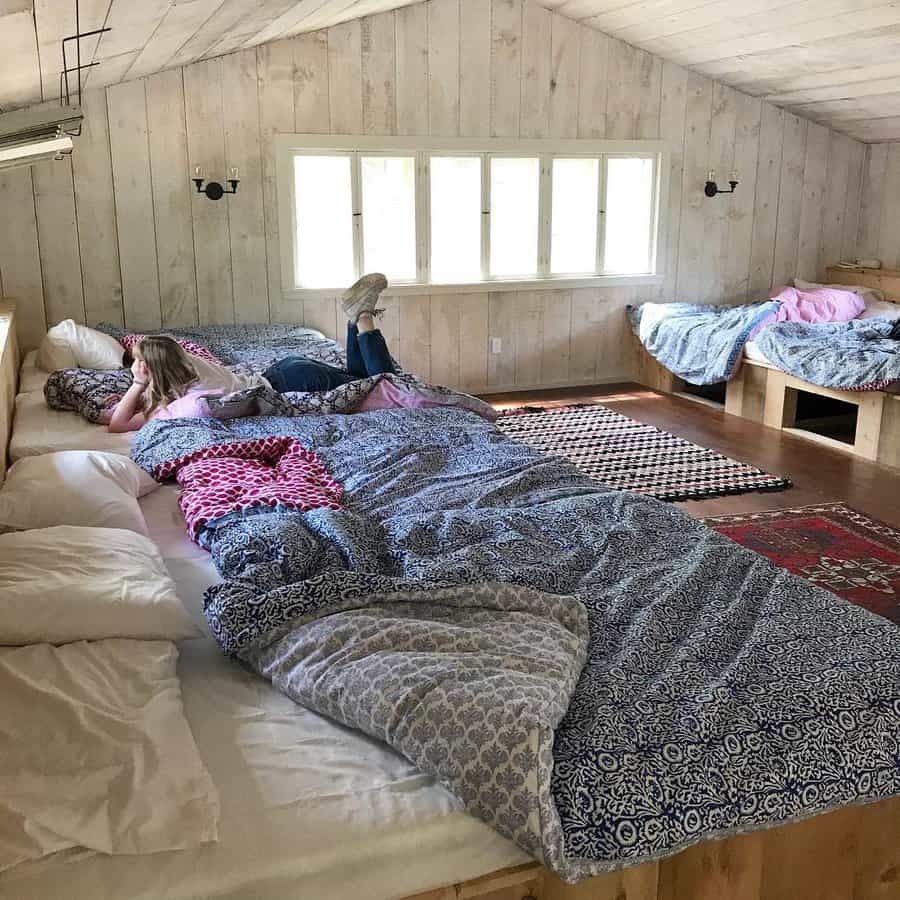
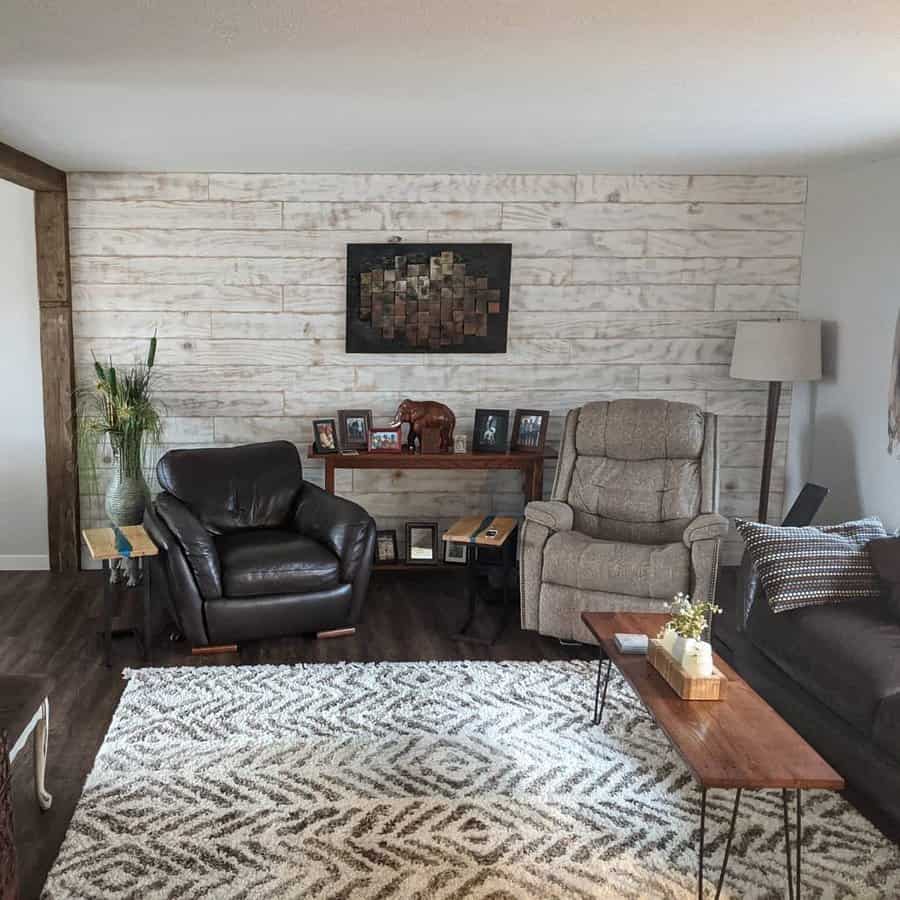
    Whitewash is an excellent choice for someone who loves the look of white shiplap but wants some of the natural wood grain to remain. It’s particularly lovely in a room that also has whitewashed exposed brick walls.

    Spacious attic bedroom with whitewashed shiplap walls and multiple beds
    Source: @emilygriffin_designer via Instagram
    Cozy living room with whitewashed shiplap wall and rustic accents
    Source: @papas_pallets via Instagram

    Traditional whitewash paint was made from a mixture of chalk and slaked lime, but now you can make an easier version by mixing one part white paint with three parts water. Whitewashed shiplap will need a sealer or glaze to protect the finish.

  • 14 Rustic Home Decor Ideas and Designs

    14 Rustic Home Decor Ideas and Designs

    Few living room interiors are more welcoming than those featuring rustic decorating ideas. Rustic style is cozy, comfortable, and casual—the perfect combination for everyone’s favorite room.

    Rustic interior design has evolved from its simple origins into modern, traditional, and farmhouse versions. We’ve compiled 72 of our favorite rustic decor ideas to illustrate how natural it is to include this friendly style in your living room and beyond.

    [view_toc]

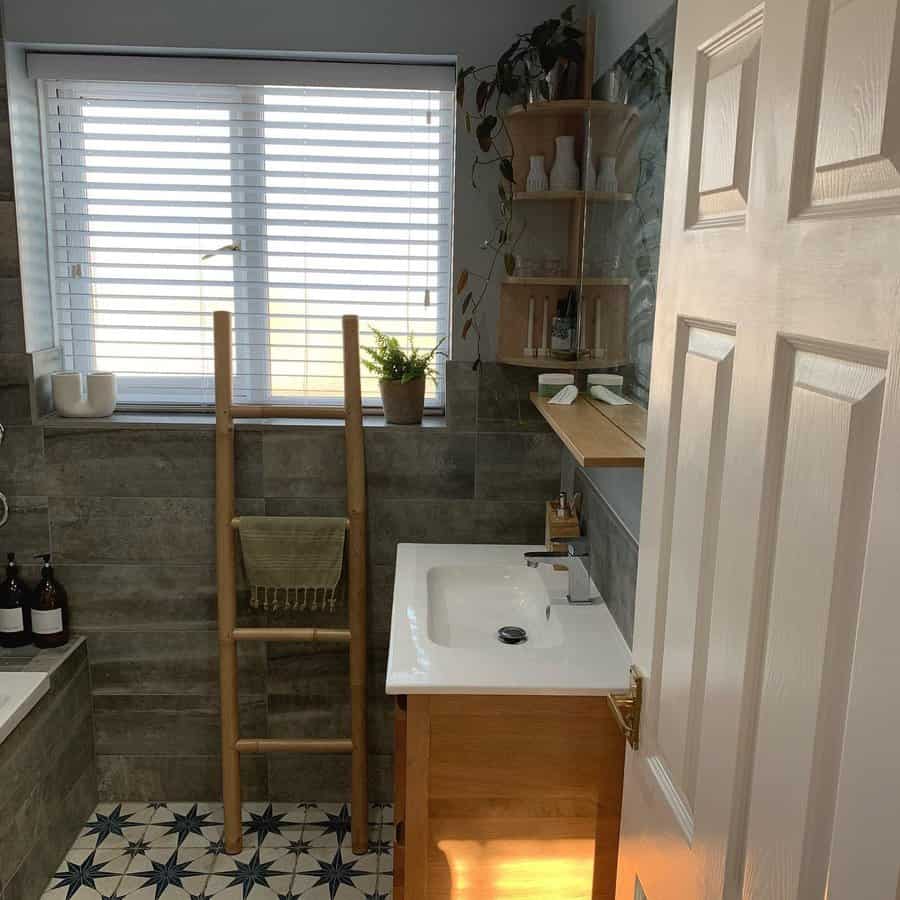
    1. Elevate Your Bathroom with Rustic Charm

    The bathroom is a good place to try out rustic home decor since it’s such a small space. Try replacing standard doors with sliding barn doors, and put shiplap or wood paneling on an accent wall. Replace standard tile and flooring with tile that looks like stained or whitewashed hardwood.

    Source: @bushdesignco via Instagram
    Source: @grzedorinspiracje via Instagram
    Source: @halvana_forest_shed via Instagram

    Look for rugs and window treatments that have strong rustic textures, such as burlap rolling shades and chunky sweater knit rugs. Rustic wall decor like animal skulls and wrought iron candle sconces complete the look.

    See more rustic bathroom ideas here.

    2. Cozy Up Your Bedroom with Rustic Touches

    Your bedroom will instantly feel warmer when you introduce rustic style elements into your decor. Wooden beams on the ceiling add a strong dose of rustic charm. If your home doesn’t have exposed beams, you can have someone install hollow prefabricated beams that provide the same rustic look.

    Source: @ascott817 via Instagram
    Source: @atjelde via Instagram
    Source: @hyttelivifjellet via Instagram
    Source: @my_vintage_barn via Instagram

    A rustic bedroom needs a country style headboard as the room’s focal point. Look for an antique metal bed frame or a headboard made of reclaimed barn wood. Any type of reclaimed wood can be transformed into a gorgeous headboard for rustic decor, as shown in this DIY video:

    3. The Perfect Blend: Boho and Rustic Home Decor Fusion

    Boho and rustic home decor share a lot of similarities. They are both warm, casual, relaxed approaches to interior design. Both rely on natural textures, warm wood finishes, and repurposed pieces.
    Source: @carinasinterior via Instagram
    Source: @sisustusunelmia_kodissa via Instagram

    Bohemian home decor includes cultural design touches, so look for global decor that has a rustic flair. This could be an antique metal globe, or a pair of carved elephant candlesticks. Macrame wall hangings are a mainstay of boho decor that also help soften the sometimes harsh edges of classic rustic design.
    4. Embrace the Casual Charm of Country Living

    Rustic country style doesn’t mean making your home feel like a barn’s interior. Country living is casual at its heart and rustic touches have always been part of this interior design style. Walk into any Hobby Lobby store and you’ll see plenty of decor that will work in a rustic country living space.

    Source: @num_ber79 via Instagram
    Source: @oldhouse_newbeginnings via Instagram
    Source: @olives_and_vines via Instagram

    Color is one of the main differences between rustic and country home decor. While rustic color palettes focus on earth tones, neutrals, and muted hues, a country color palette eliminates no color option. Pinks, blues, yellows, and reds frequently appear on textiles, furniture, and accessories. A lace table runner and floral or plaid fabrics work great in country-rustic decor.

    5. Rustic Decor Essentials: Lanterns, Crates, and Wood Slices

    Your table, shelf, and wall decor choices all help bring your home decor together into one cohesive voice. Rustic decor ideas include metal lanterns, wooden crates, and stacked wood slices. On the walls, metal words, chalkboard art and quotes, and framed bucolic scenes all mesh well with rustic style.

    Source: @soberstoerenmij via Instagram
    Source: @zebrauthemma via Instagram

    At the holidays, keep true to your home decor style by sticking to rustic Christmas decorating ideas. A live tree is a must. Replace glitzy garland with simple strands of wooden beads. Buy rustic Christmas ornaments, such as galvanized steel cutouts, plaid ribbons, painted wood slices, and twine balls.

    6. Reclaimed Wood and Industrial Flair in Your Dining Space

    The dining room is an excellent space to showcase rustic and farmhouse decor. A big reclaimed wood dining room table grounds the center of the space, especially when surrounded by mix-and-match dining chairs. Hang a large metal industrial chandelier over the table, but soften the look with a twig basket centerpiece overflowing with fresh lavender.

    Source: @hyttelivifjellet via Instagram

    Replace a couple of your dining room chairs with a long bench for a rustic farmhouse vibe. Use a vintage dresser in place of a traditional buffet and consider adding faux brick or shiplap to an accent wall. Merge modern and rustic decor by placing velvet midcentury modern chairs around your rustic table.

    7. Embrace the Urban Aesthetic in Rustic Decor

    Industrial style is a trend inspired by abandoned factories turned into city loft apartments. As such, it’s based heavily on giving new life to salvaged and recycled materials. Industrial decorating ideas turn mechanical and functional parts, such as gears and copper pipes, into creative decor elements.

    Source: @interior_state_of_mind_dominee via Instagram
    Source: @marrs_rustic_design via Instagram
    Source: @odunz.home.decor via Instagram
    Source: @interior_state_of_mind_dominee via Instagram
    Source: @interior_state_of_mind_dominee via Instagram

    Industrial metal light fixtures are an excellent rustic home decor idea. They provide a dash of edginess that doesn’t take anything away from your warm rustic wood or other natural element textures. Metal fixtures against exposed brick walls create an industrial foundation softened by rustic wooden furniture.

    8. Elevate Your Kitchen with Rustic Farmhouse Charm

    Rustic farmhouse decor is an excellent choice for many kitchens. Combine white walls and natural wood cabinets with dark metal accents. Install textured wall decor, such as beadboard or faux brick wallpaper to add an instant rustic flavor to the kitchen.

    Source: @agnesphelps_ via Instagram
    Source: @crafterkaa via Instagram

    Extend the casual rustic vibe with wicker chairs around your wooden kitchen table and top it with woven rattan placemats. Although white is the classic wall color for farmhouse style, the rustic element means you can use deeper wall color choices. Think sage green or slate blue for a cool, rustic farmhouse decor touch.

    See more rustic kitchen ideas here.

    9. Transform Your Living Room with Rustic Comfort

    A rustic living room will feature some of the most comfortable decor ideas, such as weathered leather sofas and chairs, a stone fireplace, and plenty of warm wood furniture. If you can install wooden beams on the ceiling, try to as they add so much rustic ambience to the living room.

    Source: @hyttedesigneren via Instagram
    Source: @lbkbdesign via Instagram
    Source: @madeinthemeadows via Instagram

    Wainscoting or chair rail paneling is another great architectural element that adds rustic or farmhouse charm to the living room. If your rustic living room is more industrial, consider corrugated metal for your wainscoting material. Otherwise, shiplap or beadboard are excellent living room wall additions.

    See more rustic living room ideas here.

    10. Create Rustic Ambiance with Reclaimed Barn Wood

    Anything made of reclaimed wood will fit into your rustic farmhouse decorating ideas. Whether it’s a vintage trunk turned into a living room coffee table or a distressed-finish wood window frame hung over the porch rail, these highly-textured accents are the epitome of rustic decor.

    Source: @applecratecontainer via Instagram
    Source: @grzedorinspiracje via Instagram
    Source: @leanneandthecottage via Instagram

    Reclaimed barn wood or siding makes an exceptional accent wall covering. Leave each plank its natural color or lightly whitewash the finished wall, depending on whether you want a more rustic cabin vibe or a white farmhouse feeling. Use reclaimed wood posts to build a simple console table or shelf unit—it’s  a great decorating idea for a rustic living room or office.

    11. Add a Touch of Rustic Beauty to Your Scandinavian Space

    Rustic Scandinavian decorating ideas merge the two design styles into a clean, welcoming interior. Traditional Scandinavian decor conveys a simplicity mindset through minimalism and functionality. Adding rustic design ideas means mixing old and new pieces together, opting for reclaimed wood instead of highly polished surfaces, and including natural textures such as wicker and rattan.

    Source: @elinsdesign_ via Instagram
    Source: @jerve_hiet via Instagram
    Source: @villalumeblog via Instagram

    A classic Scandinavian color palette relies heavily on light neutrals, with smaller pops of color. Pale blues and greens dominate. But when you add rustic ideas to this design style, warmer rustic hues are welcome. Try to include gold, dusty pink, or coral along with darker hues of blue and green.

    12. Infuse Vintage Charm into Your Rustic Decor

    At its heart, rustic interior design is already somewhat vintage. It focuses on comfortably worn items and reclaimed pieces that convey a welcoming vintage aesthetic. You can increase the old-fashioned vibe by displaying any antique collections you may have, such as plates, metal signs, or farm tools.

    Source: @ericleins.epicartware via Instagram
    Source: @estacasaeraunaruina via Instagram
    Source: @foundfurnishings via Instagram

    If your rustic style has a cottage or boho flavor, vintage macrame or lace will feel at home, displayed as wall hangings, plant holders, or framed art. Old doors and windows are other great vintage pieces to incorporate where you can. For instance, an old door makes a charming headboard. Prop an antique window frame on the mantel for a dimensional background behind your favorite knickknacks.

    13. Create Intimacy and Simplicity with Wabi-Sabi Rustic Design

    Wabi-sabi decor has been around since the 15th century when the Japanese philosophy arose to contradict the dominant tendency for lavish overdecorating. “Wabi” is defined as being one with nature and living with simplicity and humility. “Sabi” refers to accepting things in life as they are—flaws included.

    Source: @homefourteen via Instagram
    Source: @soberstoerenmij via Instagram

    Wabi-sabi’s focus on finding the beauty in imperfection is one that many people embrace, and it fits in well with overall rustic design concepts. Intimacy, simplicity, and warmth are created through the use of warm wood tones, interesting textures, and natural elements.

    14. Start Decorating Your Walls in Rustic Style

    Rustic wall decor is often the finishing touch any rustic room needs. From framed photos to woven tapestries, from candle sconces to wire baskets, rustic wall decor options abound. Real mounted animal skulls—or paper mâché versions—add an instant rusticity to any space.

    Source: @backtothefutureinteriors via Instagram
    Source: @lamaisonnomade.fr via Instagram
    Source: @madeinthemeadows via Instagram
    Source: @num_ber79 via Instagram
    Source: @lamaisonnomade.fr via Instagram

    Some types of wall decor bridge the gap between traditional farmhouse and rustic style. Examples include floating shelves, antiqued wooden signs, and vintage architectural elements such as windows and doorknobs.

  • What Color Accent Wall Goes With Gray?

    What Color Accent Wall Goes With Gray?

    You love your neutral gray room, but it is starting to look a bit boring. It’s time to refresh your home with a new accent color.

    Before you begin painting accent walls all over your home, take a step back and look at the gray wall colors you already have. First, you need to determine what type of gray you have. The easiest way to do this is by holding clothing items of different colors against the gray. You’ll find that some colors look better than others. This is because the color of the clothing is naturally picking up on the undertones in the gray. If the two colors look good next to each other, they match. If they just don’t look right, then they clash. 

    Follow this guide to figure out the best colors for your accent wall to match the gray paint colors in your home. 

    [view_toc]

    Jewel Tones 

    white and black color accent wall goes with grey

    Jewel tones are the colors of jewels, hence their names. These colors would be ruby red, sapphire blue, emerald green, amethyst purple, and citrine yellow. They are highly saturated with a luster, and luxury feel that elevates the look of your room. The trick to making this type of color scheme work is to let the jewel tones shine. You don’t want to overuse them in the room, so pair your chosen jewel tones with a dark gray. Charcoal gray is perfect for this because it is strong enough to support the jewel tones while also being soft enough to keep the space feeling comfortable. Instead of using gray furniture, keep the gray on the walls. Then use the jewel tones for the furniture and other textiles in the room. Velvet is the perfect fabric that comes in all jewel tones, continuing the feeling of opulence in your jewel-toned room. Then finish the look with gold metal accents that bring warmth to the space. 

    Read also: 52 Accent Wall Ideas for the Living Room

    Warm Colors

    warm color accent wall goes with grey

    You wouldn’t think that gray would coordinate well with warm colors, but it can be a beautiful color palette. A warm gray will have undertones in colors that are warm. This shade of gray paint color will look grayer in some light and more like a neutral color in other light. Putting this gray next to warm colors will bring out the undertones. Examples of warm gray include Chelsea gray, repose gray, Sherwin Williams agreeable gray, and Benjamin Moore gray owl. Use these colors with night beige neutrals, browns, rust, tan, red, orange, and yellow. Balancing your warm color scheme with gray gives your room a contemporary feel. It also prevents your room from looking dingy, old, and outdated. A room that equally balances the warm color with the gray tends to look the best. Paint an accent wall your warm color and leave the other walls gray. Then use the two colors throughout the room. Perhaps you have a gray sofa that you can arrange pillows in your warm neutral on. 

    Pastels

    pastels color accent wall goes with grey

    Using pastels in your home goes beyond neutral hues like having a beige wall. Lighter shades reflect more natural light while also bringing color into your home. You can choose any color in a pastel shade to bring subtle color and dimension into your rooms. However, to showcase those light colors, you need to add contrast. Instead of using light gray, which is just another light color, add a darker gray shade. This will add contrast and create definition. The darker gray shade creates depth and balance from the lighter pastel shade. To do this effectively, use the dark gray shade strategically in the room. Keeping it low in the room, such as on the floor or for the furniture, will keep the visual heaviness low, creating the illusion of the upper part of the room being lighter and bigger. Another method is to place the dark gray behind the pastel colors. This causes the gray to visually sink back, making the room feel bigger. 

    Cool Tones

    cool tones color accent wall goes with grey

    Cool gray hues are some of the most popular. This is because most people associate gray with a cool color that pairs well with other cool colors, such as blue. However, there are different levels and shades of cool gray. Choose one that complements the shade and saturation of the cool colors in your room. Your gray accent wall shouldn’t blend into the other color so that they are almost the same. Instead, it needs to be different enough to clearly see the definition between the two colors. For example, don’t choose a sea fog gray with a pastel blue. They are too close to each other. However, sea fog gray would look beautiful with a deep navy or seafoam green. This color combination would make the perfect color scheme for a contemporary coastal room. 

    White and Black 

    white and black color accent wall goes with grey

    Gray works as a beautiful accent to white and black because the color gray is a combination of white and black mixed together. This is basic color wheel theory. When you use gray as an accent wall color, it softens the look of both the white and the black. Gray walls are gentler on the eyes than white walls. Black can look too dark when there is too much of it in your home decor. Using gray with it brightens black. Your room goes from looking gothic to looking sophisticated and modern. Paint one wall your chosen gray color and then use it as a minor accent throughout the room. 

    Do Not Use Gray

    Now that we have covered all of the colors that will look beautiful with gray let’s discuss the one color that you shouldn’t use. Gray walls in an all-gray room will create a bland and boring interior design. It doesn’t matter if it is dark or light gray. All gray looks bland and tends to fall flat. Sometimes, you can use a combination of light and dark gray to create depth in an all-gray room. However, this is difficult to get right and still looks dull and depressing.
  • How to Arrange Pictures on a Wall

    How to Arrange Pictures on a Wall

    A gallery wall—or photo and artwork collection—is a great way to showcase your favorite memories. Although many gallery wall layout ideas include pictures that are all the same size, most have pictures of different sizes. Putting them together in a way that’s pleasing can feel like trying to solve a difficult puzzle.

    If you’re wondering how to arrange pictures on a wall when they’re a mishmash of different shapes and sizes, certain techniques will help you out. Here are some of our favorite ways to create the perfect picture arrangement on your gallery wall. 

    Read also: 29 Wall Covering Ideas

    [view_toc]

    Choose a Wall

    interior with photo frames in the wall interior concept

    What type of wall is the best to arrange pictures on? Any bare wall is a good candidate for an impressive art display. Factor in the size of your artwork and the number of pieces you want to hang up. You may discover that you don’t need a large wall to display your artwork collection. 

    In the living room, over the sofa is a logical place to locate a gallery wall. Look for blank wall space over other pieces of furniture, and consider wrapping your picture display around a corner for an interesting effect. 

    Don’t forget the staircase wall when planning where to hang pictures. It’s a great idea to hang family photos in a timeline that you get to relive as you go up and down the stairs each day.

    Remember that you don’t have to hang pictures on every bedroom or living room wall. In fact, it’s a good idea to leave some blank wall space in every room. This keeps the space from looking cluttered and gives your eyes a chance to rest.

    Choose a Theme

    picture frames in the wall

    While there are no hard rules for filling a space with picture groupings, adhering to one central theme per wall is often preferable. For example, a symmetrical grouping of botanical art prints adds traditional elegance to a space. For a more casual theme, choose family photos, perhaps mixing professional portraits with favorite casual shots. 

    As a rule, black and white family pictures look more formal than the color version of each photo. For landscape photo collections or even drawings, black and white conveys a more modern home decor style.

    Keep in mind that virtually every visitor to your home will see the wall art in your living room, so keep the images professional and appropriate. While silly or low-brow artwork may accurately reflect your personality, it’s better to leave those images in your bedroom or another more private space.

    Coordinate Frames

    blank photo frames hanging in the wall interior

    Depending on your home decor style, all the frames on a gallery wall don’t necessarily have to match. If you have a casual, bohemian style, each picture frame can be different. However, for a more refined look, go with frames that coordinate.

    Matching frames makes it clear that all the images were meant to be displayed together. If you choose a simple frame design, it will be easier to find the same white or black frame in different sizes. 

    Whether you choose wood, metal, black, or white frames, make sure they look good with both the artwork and the rest of the room’s decor. 

    Practice Composition

    woman hanging photo frames

    Sketch out picture groupings before you commit to hammering nails into the wall. Creating a rough blueprint of your gallery wall is a good way to get an idea of how many pieces you want to include and exactly where each piece should go.

    Focus on big pictures first. A larger picture deserves a prominent place in the gallery wall. Surround it with smaller picture frames and related articles that go with your theme. For example, intersperse metallic starburst wall medallions between photos of the night sky.

    Making paper templates is an easy way to see how all your hanging pictures will look on the wall. Lay your pictures on a roll of craft paper and trace around each frame with a pencil. Cut them out and label them so you don’t get confused about which piece is which.

    Using a loop of painters tape, attach the paper templates to your gallery wall in the same arrangement you sketched out earlier. If you don’t like the way it looks, it’s easy to reposition them until the arrangement suits you. 

    You can also have someone hold up each piece to the wall while you stand back and see how it looks. Make sure you cover the picture hook with masking tape first, to keep it from scratching the wall. 

    Seek Symmetry

    couple arranging photo frames in the wall

    Arranging pictures in perfect symmetry can be rather boring, but some degree of symmetry is necessary to keep the room from looking unbalanced. Think of each frame as carrying a weight related to its overall size. Especially with traditional or formal decor, you want to balance weights along each side of the wall. 

    For example, place a large piece in one of the lower corners of your gallery wall space. Put the second-largest picture in the upper corner diagonal from the biggest piece. Then arrange the remaining multiple pictures in the unoccupied corners to balance the overall space. 

    Another visually pleasing space for hanging pictures is a few inches above a chair rail. It may seem too low initially, but this positioning serves the dual purpose of showing off your artwork while drawing attention to the architectural trim. Use your carpenter’s level to ensure each piece is neatly aligned.

    Gather Supplies

    Drilling a hole in the wall

    In addition to kraft paper, painters tape, and a pencil, you’ll need a measuring tape and a level to professionally hang your wall decor. You’ll need a picture hanger for each frame, screws and a screwdriver, and/or a hammer and nails. 

    Many interior designers recommend using two picture hangers on each piece—especially large artwork—to keep them from tilting or swinging. Wall plugs and drywall anchors provide extra support, especially in brittle drywall.

    A wall anchor is better than an ordinary nail or screw for supporting heavier artwork and decorative wall art pieces. Drywall anchors are a screw that includes a spring-loaded winged nut that spreads open behind the drywall. Its “T-shaped” design keeps the weight of your art piece from pulling the screw out of the wall.

    Related read: How to Hang Pictures Without Nails

    Measure Carefully

    woman measuring display photo frames

    Unless your gallery idea is a freeform, organic layout, you shouldn’t leave measurements to guesswork. Accurate measurements are what makes your display look professionally installed. You must use measurements if you’re creating a grid or even row of frames.

    Follow the instructions in the “Formula for Hanging Pictures” section below. Use a tape measure and a carpenter’s level to determine where each nail, screw, or wall anchor should go. Mark each spot lightly with a pencil.

    A Formula for Hanging Pictures

    photo frames hanging in the wall interior concept

    Hanging pictures can feel like trying to solve a puzzle—especially if your wall art is in different shapes and sizes. If you bought a hanging art set from Pottery Barn or another retailer, it’s easy enough to just copy the way they had the pieces displayed. But if you’re creating your own photo wall from scratch, this formula can help ensure a balanced composition.

    To hang artwork at average eye level, the center of the piece should be between 57 and 60 inches above the floor. Find the center by dividing the height of the frame by two. Then measure the distance from the top of the frame to the hanging hardware and subtract that from the first number.

    Add that figure to 57, 58, 59, or 60. This final sum is the height where your nail or wall anchor should go, as measured from the floor. 

    How to Hang Eclectic Groupings

    photo frames interior

    Although it’s recommended to have a common thread tying your gallery wall picture collection together, it’s not required. In fact, the beauty of your particular grouping might be its whimsical diversity. It’s perfectly acceptable for photos, sketches, paintings, macrame, wall sculptures, and baskets to occupy the same wall space.

    It can be a bit more challenging to make an eclectic collection flow together harmoniously. Start by hanging pictures that mean the most to you at eye level—but feel free to move them higher or lower to work around your furniture and architecture. Extend your collection into the rest of the space by hanging a small picture or decoration above a door or window. 

    Remember that your instinct is the most important factor when it’s time to hang pictures—or do any type of home decorating. You live in the space. If your picture display makes you happy, that’s all that matters.

  • What Color Curtains go With Grey Walls?

    What Color Curtains go With Grey Walls?

    Grey might just be the ultimate neutral color. Dark enough for drama, but light enough to convey spaciousness, grey walls are the perfect background for just about any colour curtains.

    Grey is a suitable color in everything from a modern condo to a sprawling farmhouse. It might be easier to ask what colors don’t go with grey than to ask, “What color curtains go with grey walls?” Here are a few of our favorite pairings of grey walls and colored curtains.

    Read also: Should Curtains Touch the Floor?

    [view_toc]

    Grey on Grey

    living room on grey wall with grey curtains

    There are far more than 50 shades of grey when it comes to paint color choices. Grey is like its own rainbow, with warm brownish grey at one end and cool bluish grey at the other. 

    Grey also shows up in a wide value spectrum. There are pale shades just a notch above white, and deep charcoals just a few steps below black. So choosing grey curtains is a great option, especially if you’re into chic monochromatic decor. 

    Choosing a textured or patterned grey fabric is a good way to add sophisticated detail to the room. Look for a floral grey monochromatic window treatment, or a classic pattern like stripes or plaid. Silvery grey sheer curtains are a great choice to hang behind heavier curtain panels.

    You can break up the grey a bit by including some white walls in the room. For example, install wainscoting up to chair rail height and paint that part of the room white.

    Black

    living room on grey wall with black curtains

    Black curtains are a classic choice when it comes to room decor. Not only is black a sophisticated hue that goes with anything, it is a popular color for blackout curtains and other thermal curtain options. Having black thermal curtains can help you save money on your air conditioning bill in the summertime.

    Matching curtains to furniture is a good idea for maintaining a balanced color scheme. Pair black curtains with a black leather sofa and a rug that incorporates all the grey and black hues in the room. If black colored curtains feel too harsh for your decor, go with dark charcoal grey curtains for a similar but less drastic vibe.

    White

    living room on grey wall with white curtains

    White curtains always carry a fresh, clean vibe. Hanging white curtains on a grey wall is a classic combination favored by many an interior designer. This particular combination allows the furniture to be the focal point in the room.

    With grey walls and white curtains, you have the freedom to choose a couch and accessories in any color you wish. White textured curtains add subtle detail to the room without taking anything away from your other design elements.

    Warm grey color paint looks better with a warmer shade of white. Pair it with a soft ivory curtain color instead of a bright white curtain.  

    Blue

    living room on grey wall with blue curtains

    Blue colored curtains are a peaceful, impactful choice in just about any room with grey walls. Blue and grey are a classic color duo, whether you have blue curtain panels on grey walls, or blue walls behind grey curtains.

    Navy or light blue curtain panels stand out against grey walls, especially when the room includes other blue accents. Teal curtains also look great against a medium grey wall, as its warm bluish-green looks extra brilliant against a solid neutral. 

    Light grey walls and pale blue curtains give the room the cooling ambience of a cloudy day. Brushed nickel curtain rods look amazing with this color combo.

    Pink

    living room on grey wall with pink curtains

    Choose pink curtain fabric to add a soft warmth to a room with grey walls. Grey wall paint looks amazing with all shades of pink, especially blush pink or dusty rose. Hang sheer white curtains behind your pink drapes to soften daylight filtering through the window. This will look especially nice if your room has white furniture.

    Light grey wall paint and pale pink decor has long been a favorite in a baby nursery or little girl’s room. However, this color scheme is also soothing in any room and can be quite sophisticated. Pink is one of the colors that will go equally well with warm or cool grey wall paint.

    Green

    grey walls with green curtains living room interior

    You can probably get away with any green color curtain against your grey wall, but earthy shades of green look particularly good next to grey. Olive green curtain panels merge well with a grey based wall color and adding brown and other warm neutrals completes the look.

    Emerald, jade, and other brighter green curtain choices can also work well with grey, provided that the color is included in the room’s accessories, rugs, and wall decor. 

    Beige

    living room on grey wall with beige curtains

    Like grey, beige has its own color spectrum. From pale oatmeal to deep tan, it’s one of the best curtain colors if you want a room that’s neutral but warm. Greige is a new color that combines the best of beige and grey and is a good companion to both.

    Warm grey walls and beige curtains are a great background color scheme if you have a lot of brown furniture in the room. Warm grey walls and beige curtains go great with a brown leather sofa and natural wood finishes on tables and bookshelves. 

    Bright Colored Curtains

    living room on grey wall with red curtains

    Most bright color options look great beside neutral grey walls, so don’t be afraid of this curtain and wall pairing. Purple, orange, hot pink, or red curtains add a cheerful, whimsical vibe to a room. Putting these brilliant hues next to calm grey makes them pop even more. 

    Yellow is another bright color that looks amazing with grey. While a soft, buttery yellow is a classic color to use with grey, brighter hues can work as well. Mustard yellow curtains or deep golden drapes stand out nicely against charcoal and other darker shades of grey. 

    Bright floral patterns, colorful plaids, and batik prints are also great in a grey room—especially if they include a bit of grey that goes with the wall color. Just be sure to use the printed fabric’s main color other places in the room, such as on throw pillows, rugs, and wall art. 

  • How to Make an Electric Fireplace Look Built In

    How to Make an Electric Fireplace Look Built In

    Adding an electric fireplace to your living room or bedroom is a perfect way to create ambiance and add a bit of extra warmth to the space. Electric fireplaces are easy to add to an already built home because you do not have to add a chimney or make any other major home remodeling projects. Electric fireplaces are also much more affordable to run and have many more options than a traditional fireplace. However, their biggest drawback is that electric fireplaces tend to not look realistic. This can take away from the cozy feel that you are trying to create by adding the fireplace. Use these tips to make your electric fireplace look more realistic and built into the wall. 

    Read also: 60 Must-See Fireplace Wall Ideas

    Choose the Right Electric Fireplace 

    You will quickly realize that electric fireplaces come in a wide range of dimensions. While the long and narrow fireplaces look cool and modern, they are not the best choice for creating a realistic-looking built-in fireplace. Instead, you will want to purchase an electric fireplace that has more height. A square shape will look more realistic because it will mimic the look of a traditional firebox. The size of the electric fireplace does not matter too much when it comes to creating a built-in look. It is better to tailor the size based on the size of the room. 

    Add a Mantel 

    electric fireplace built in with mantel

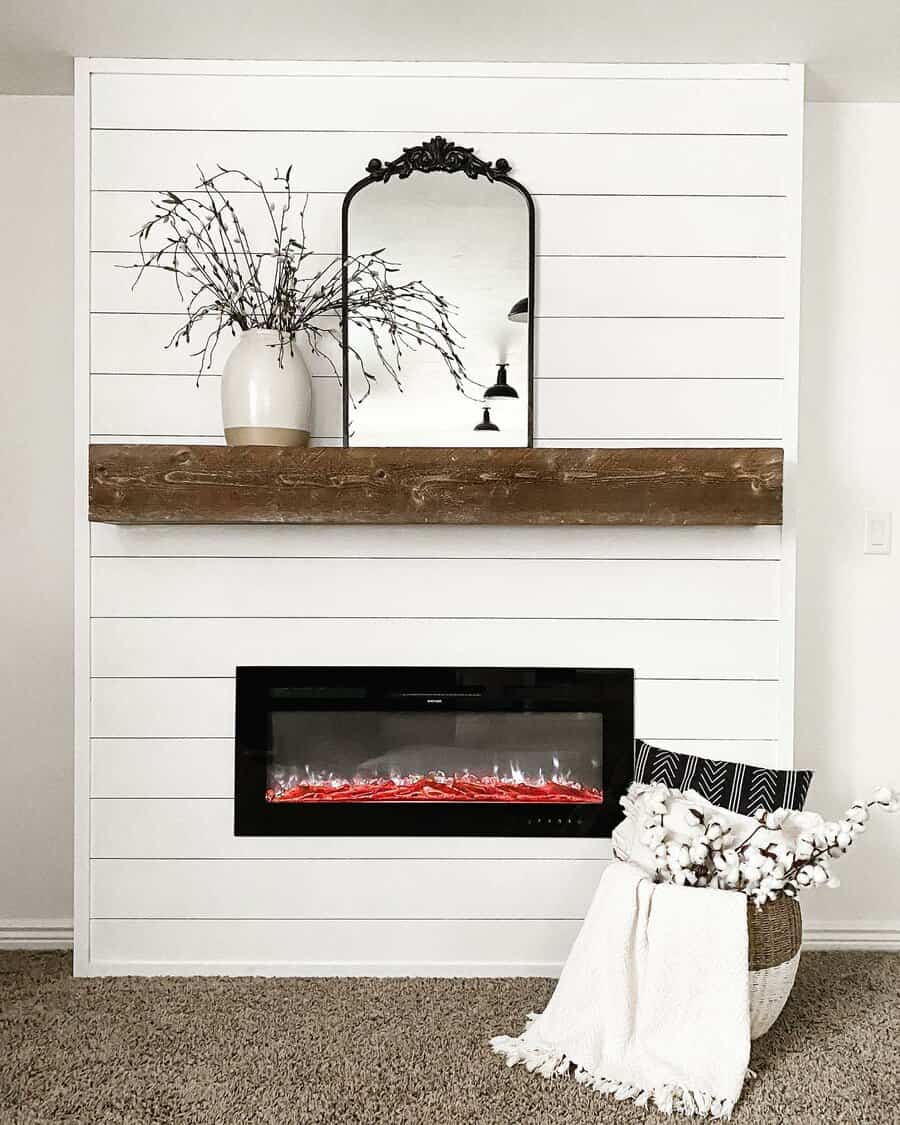
    The hallmark of a traditional fireplace is the mantel. If you want your electric fireplace to look built-in, then you need to add a mantel to the wall above the fireplace. Once the mantel is in place, people will notice the fireplace but focus on the mantel. They will assume the fireplace is real and spend more time looking at the decor you have arranged on the mantel. 

    Just like a real fireplace, the mantel you install needs to be proportional to the size of your electric fireplace and be in a similar style. The average mantel is 60 inches long, so this is a good place to start. However, the mantle should be 3-6 inches longer than the firebox on each side. Because electric fireplaces come in a wide range of sizes, take the width of your fireplace and add 6-12 inches for the length of your mantel. The face height of the mantel will depend on the size of the room. The bigger the room, the taller the face height can be. A face of 6 inches will look nice in a large room but overpower a small room. The depth should be about 7 inches so that you have enough room to arrange decor on it. Do not let the mantle be deeper than 12 inches or you risk people accidentally walking into it. 

    If your electric fireplace is low on the wall, then you should place the mantel at a standard height of 4.5 feet from the floor. However, this can change if you have chosen to install your fireplace at a nontraditional height on the wall. 

    Related: 59 Fireplace Mantel Ideas

    Build a Surround 

    electric fireplace with adding surround decorative pieces

    If you are looking to add more than just a mantel, then consider adding an entire surround. These would be the decorative pieces that are on the sides and above the fireplace box. Traditional Victorian fireplaces are a good example of this. You can use a reclaimed or salvaged surround that is full of ornamentation or build a new one with a simplified contemporary feel. Adding a surround helps your electric fireplace to blend in and look more real. 

    Here are interesting fireplace surround ideas.

    Consider Your Materials 

    Real fireplaces produce a lot of heat, so the materials used to build them and the surrounding structures are heat resistant. To make your fireplace look authentic, use these same materials around your fireplace. Instead of using a flammable building material, use stone to build a hearth, surround, or mantel. Stacked stones create a modern feel, randomized stones look more rustic, and cut marble looks elegant. Tiles are also commonly used because of their heat resistance. Stick to these materials around your fireplace: 

    • Masonry 
    • Stone 
    • Concrete 
    • Tile 
    • Metal 
    • Hardy backer board 
    • Some woods 
    • Cement board 
    • Calcium silicate board 
    • Certain types of glass 

    Use Bigger Dimensions 

    Portability is associated with a smaller size. If your electric fireplace is on the smaller side, it will be viewed as less permanent, making it look less realistic. This doesn’t mean you have to upgrade to a bigger fireplace. What you can do instead is to increase the dimensions and proportions of the elements around it. Build a slightly larger hearth. Add an extra inch to the thickness and length of the mantel. Make the surround take up more visual space. Do not lose sight of your proportions when enlarging the features. All of your increased proportions need to stay in line with each other. Increasing the size of one element significantly more than others will create an unbalances design. The hearth should stick out further than the mantle to keep a realistic look. 
    Add Built-Ins 

    electric fireplace with built in shelves

    One way to make an electric fireplace look built-in is to add actual built-ins around it. Build cabinets that cover the wall. Leave a space where you plan to add the electric fireplace. These bookcases and cabinets should extend from the floor to the ceiling. Add decorative molding to give the built-ins a custom touch. You can also use molding to close the gap around the fireplace. For a balanced display, try to match the units on either side of the fireplace. This creates symmetry, which is a classic interior design rule. 

    Hang a TV 

    electric fireplace in a decorative wall with tv

    One of the most common design choices you will see in modern homes with a fireplace is to hang the TV over the fireplace. Copying this choice in your home with an electric fireplace will make yours look more realistic. The idea is that you place the faux fireplace in a setting where people expect to see a real one. Instead of focusing on the electric fireplace, the brain “fills in the gaps” and assumes the fireplace is real. The height and size of the fireplace you choose will depend on the size of the room. Typically, people mount the fireplace 60-68 inches from the

  • What Color to Paint Fireplace Surround?

    What Color to Paint Fireplace Surround?

    If you have a fireplace in your home, you are lucky enough to have a natural focal point. You can use the fireplace to set the tone for the rest of the room. Part of this is the design and style of the fireplace surround. Another part is the color you choose. The color you choose will influence your room’s entire design and feel. Choose the wrong color, and your fireplace design will fall flat. Choose the right color,, and it will become an eye-catching design. We will help you choose the right color for your fireplace surround. 
    [view_toc]

    What Is the Fireplace Surround?

    fireplace surround

    The fireplace surround is the decorative part of the fireplace that protrudes out from the wall that is above and on either side. Sometimes, it also includes a piece on the bottom, called the hearth

    Back in medieval times, the mantel served a functional purpose, to catch the rising smoke. However, over time, innovation and technology have made the mantle more of a decorative piece and less of a functional element of the fireplace. As a part of this development, people have added on to the mantlepiece to include the legs and hearth. 

    What Paint Do You Use on a Fireplace Surround?

    The paint that you use on your fireplace surround needs to be able to withstand high heat. Look for a paint that is safe for use in areas that experience around 500 degrees Fahrenheit. Wood combusts at 300 degrees, which means your wood-burning fireplace can get much hotter than this. The paint you use needs to be safe for high heat because you are using it on an area that is right next to the flames in the firebox. 

    The type of paint that you use to paint your fireplace surround will depend on the material it is made out of. If your surround is made out of wood, then use an oil-based paint instead of latex. The oil-based paint won’t soak into the wood like water-based paint. This helps it to stick better and dry faster. It is also more durable, making it easier to maintain. If your fireplace surround is made out of stone or concrete, this is not an issue,, and you can safely use water-based paint. Vintage cast iron fireplace surrounds will get very hot, requiring them to be painted with a paint that has an even higher temperature tolerance. 
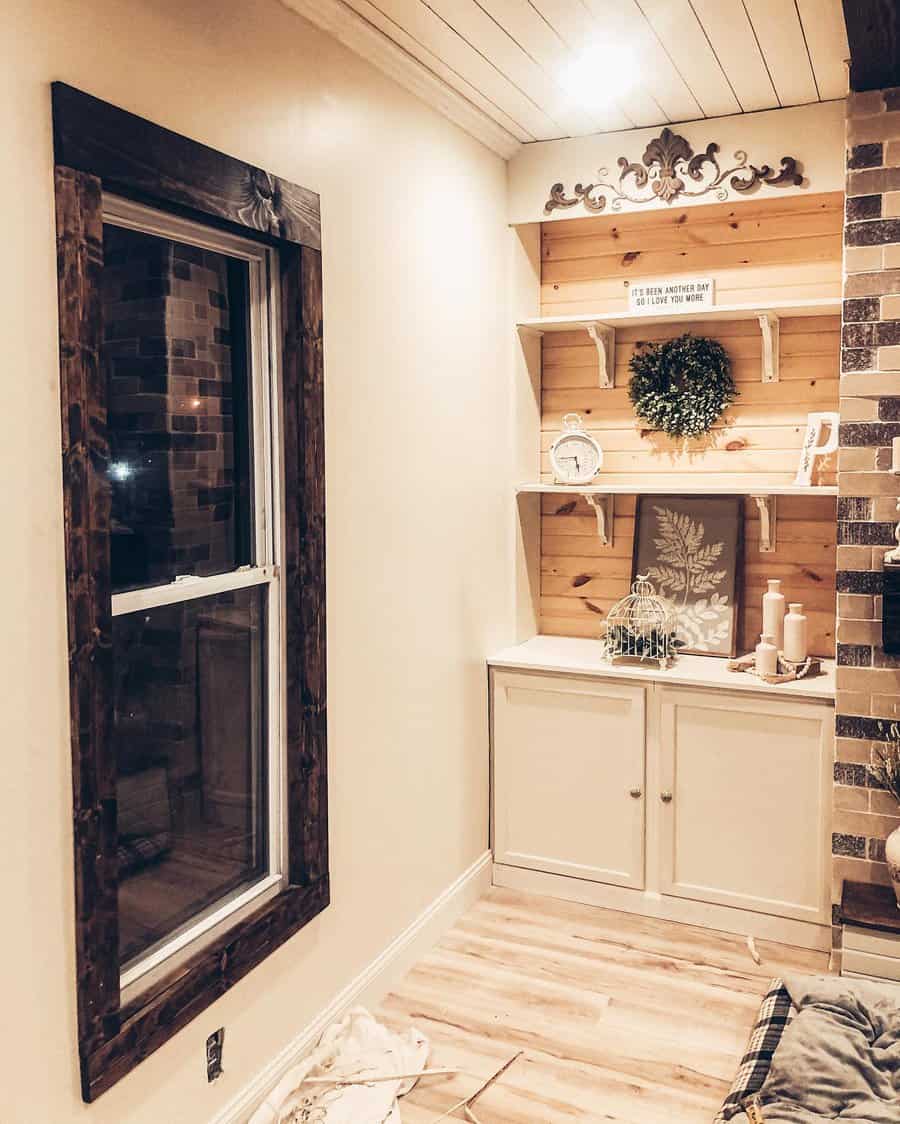
    If you use paint that is not specifically designed for use on fireplaces, you risk bubbling, cracking, melting, peeling, or even lighting on fire. The wrong paint can also emit harmful fumes when it gets too hot, which can endanger you and your family. 

    Color Ideas For Your Fireplace Surround 

    The color you choose for your fireplace surround will depend on its size, style, room color scheme, and room design style. You should choose a color that makes sense for all of these elements and the rest of the room. There is no one correct answer because everyone’s personal taste and home are different. 

    Neutrals 

    living room interior with fireplace

    When talking about neutrals, we are referring to white, black, gray, and shades of tan or beige. These colors pair well with a wide range of colors, making them versatile. Choosing white is smart because you are probably already using white for the baseboards, crown molding, window trim, and door frames. Painting the surround with white creates a uniform look in the room by matching it to the rest of the accent trim pieces. 

    The opposite of this is using black, which, just like white, you can pair with any color. Black makes a stronger statement, and for many people, it makes a contemporary statement. For others, black is too harsh. The perfect alternative is to choose a shade of gray. Dark charcoal softens the look of black while still having a sophisticated feel. 

    Beige and tan are not colors that you will typically paint the fireplace surround. If these are a color that you’d like to use, consider creating the look with wood or stone instead. Then you get the color shade plus the added benefit of texture, color variation, and nature. 

    Contrasting

    fireplace in a contrasting color surround

    If you want your fireplace to take center stage in the room, choose a contrasting color. A common approach is to choose a contrast of light and dark colors. This creates a striking contrast while drawing the eye. If your walls are light or bright, choose a darker color for the fireplace surround. If your walls are darker, choose a lighter shade for your fireplace surround. 

    Contrasting can also be a difference in saturation. This is the amount of pigment the color has. For example, you could paint your walls a muted sage color that does not have a lot of color saturation. Then paint the fireplace surround a highly saturated plum purple, navy blue, or maroon. Not only are the two colors different, but the contrast in saturation makes a stronger contrast. 

    Monochrome  

    minimalist style fireplace

    Taking a monochrome approach means that you will use the same color on the fireplace surround that is on the walls. Everything blends together because it is all a similar color. You can fully commit to this idea and literally paint everything the same exact color. However, this can make your wall fall flat as you lose the depth and dimension of the fireplace surround. To fix this, try using the same color but in varying shades of tint, shade, or tone. The fireplace surround can be the same color but slightly lighter or darker than the wall. This creates depth and subtly highlights the fireplace surround. It is a way of simplifying a busy design without completely losing it. 

    A monochrome design choice makes sense in a modern, minimalist, or even a Scandinavian-styled room. These design styles embrace simplicity and streamlined design. A monochromatic color choice highlights this by reducing the visual clutter and artfully blending the fireplace’s architectural feature into the rest of the room. 
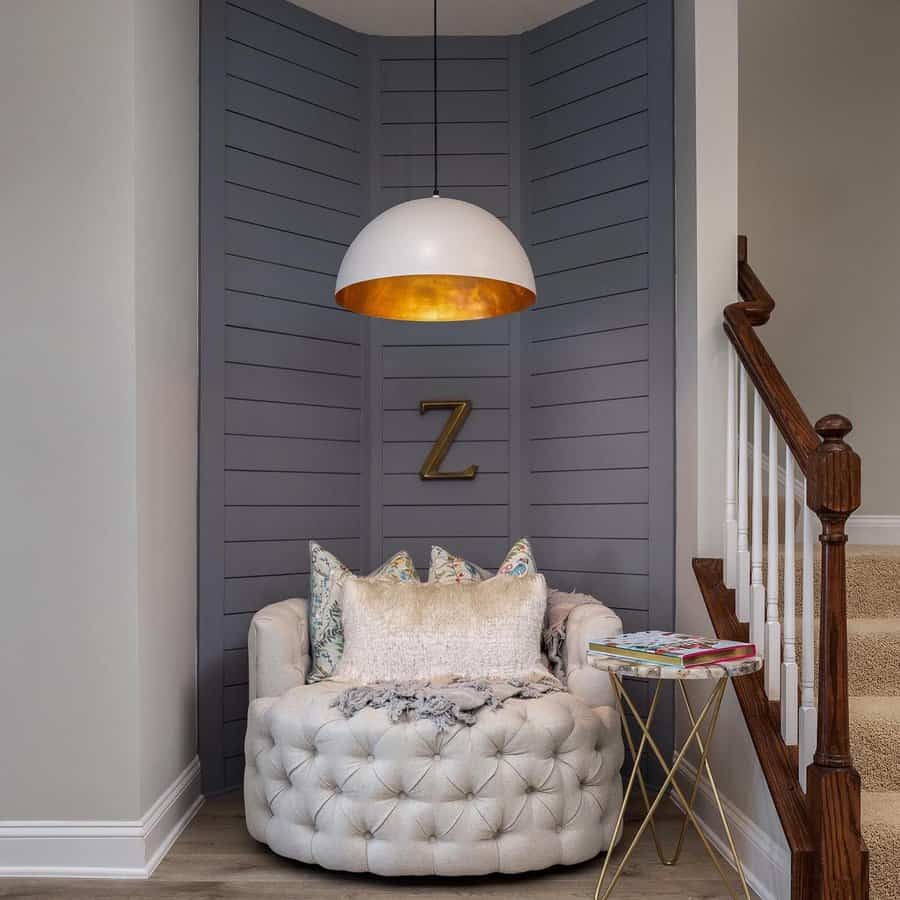
    Complementary

    living room interior with red color fireplace

    Choosing complementary colors means you choose two colors that are on opposite sides of the color wheel, such as red and green. The strategy works well for your fireplace surround because you do not want to use complementary colors equally in your interior design. Use one colors for the walls as the primary color in the room. Then use the complementary color on the fireplace surround as the accent color. Here are some complementary color combinations. 
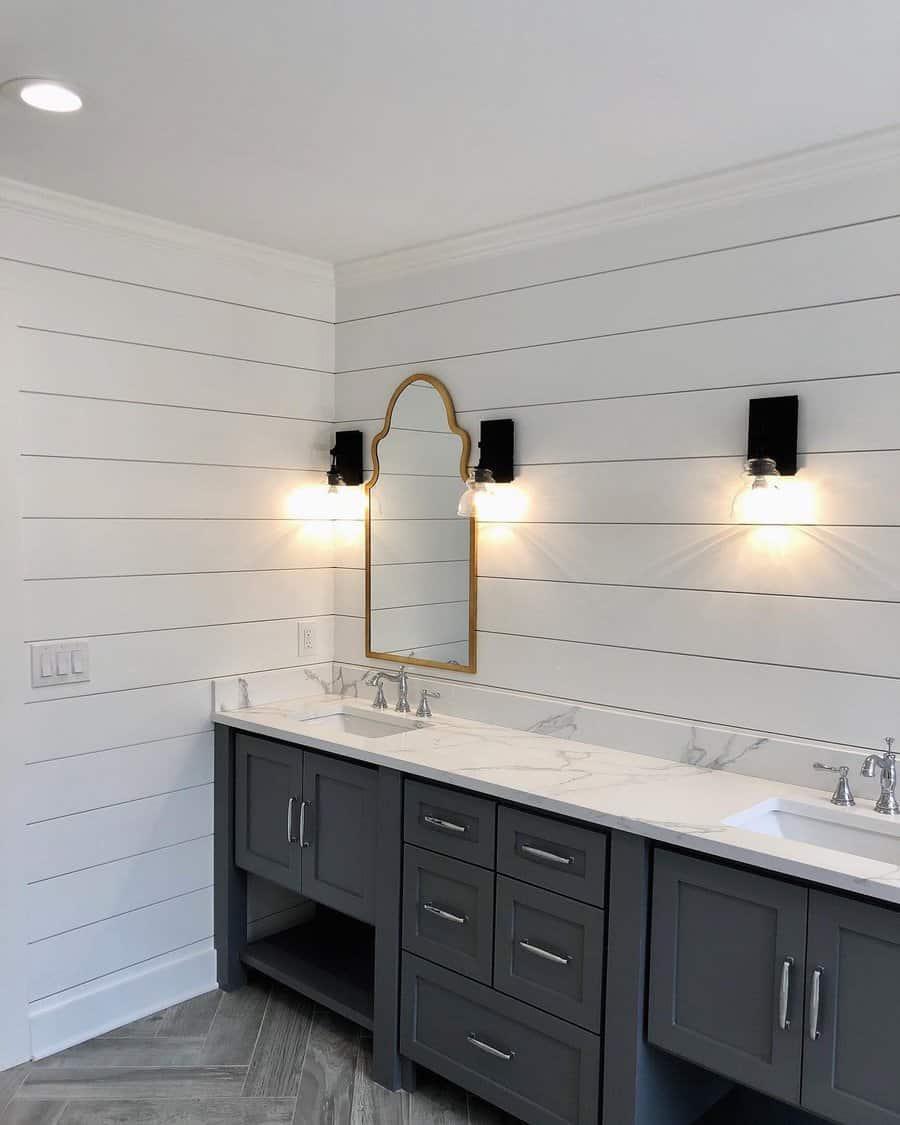
    • Yellow and Purple 
    • Blue and orange 
    • Red and Green 
    • Red-orange and blue-green 
    • Yellow-green and red-purple 

    Consider the hue, vibrancy, tone, and saturation of each color. They need to balance each other, so try to use colors where these qualities are the same. That way, one color doesn’t overpower the other because one is more saturated or vibrant than the other. 

    Using a complementary color scheme is so popular because it can work in almost any interior design style. The key is choosing the right color scheme for the interior design style that you want to create. From farmhouse, rustic, and industrial to contemporary, bohemian, and maximalism, you can find the two complementary colors that will work in your room. 

  • How to Hang Plates on the Wall

    How to Hang Plates on the Wall

    Adding decorative plates to your walls is an easy way of adding color and decor to your home. The three-dimensional nature of the plates allows them to protrude away from the wall, adding depth to the decor and space. There are plates for every taste, from traditional china to modern handmade designs. The real problem is, how do you get them on the wall? 

    Step 1: Choose the Plates 

    african adult choosing plates for wall

    The first step is to decide which plates and platters you want to hang on the wall. Consider the size, shape, weight, and style of the plate. If you have a prized collection, this should be relatively easy because you already have plates you love. If you do not already have plates, you will need to buy some. For vintage plates, you can head to your local antique store. Local home design stores have contemporary plates with a broad appeal. Finally, check out local art fairs and websites like Etsy for handmade and one-of-a-kind art. 

    Try to choose plates that complement each other. They should fall in line with a chosen color scheme and style. This will help your final design to look cohesive and not cluttered. Also, selecting plates of different sizes and shapes can add interest to the final display. 

    Related read: 45 Wall Art Ideas

    Step 2: Design the Arrangement 

    Arrangement of the Plates Hanging on the Wall
    VOGUL / Shutterstock.com

    Once you have your plates, it is time to decide how they will look on the wall. Do not blindly start making holes in the walls, as you will end up with a mess and a wall full of holes. Instead, get some craft or butcher paper and spread it out on a table or the floor. Place the plates on the paper in different arrangements until you find one you like. Keep in mind the available space on the wall, as your arrangement needs to fill the space but not look too cluttered. Do not be afraid of leaving some space between the plates. This is called allowing your design to breathe. The empty space creates a visual break, enabling each plate to shine. 

    Once you have the plates where you want them, trace around them with a pen, pencil, or marker. It can be easier to turn the plates over so that they are face down for this task. Then, you can take the template to your wall and use it as a guide for mounting the hanging hardware on the wall. 

    Alternative Design Arrangement Method 

    If you have a large wall or your hanging method won’t work with a single template, there’s an alternative. Lay out the paper and trace around the plates on the paper. Do not worry about the arrangement; you will cut out the tracings to have multiple round plate templates. Label the templates so that you can easily keep track of which template matches which plate. Then, tape the plates to the wall and design your arrangement on the wall. 

    Step 3: Choose the Hanging Method 

    Choose the Hanging Method 
    YouTube/Therapy Art

    The hanging method that you choose will depend on the plates’ size, shape, and weight. The method you choose needs to be strong and secure enough to hold the plates on the wall without the risk of them falling. 

    Adhesive Disk Plate Hangers 

    A popular method is to use an adhesive method. These are flat disks that adhere to the back of the plate and have a small metal loop. This method is popular because the plate will hang flat against the wall. The problem with adhesive disks is that they have weight limits, so large and heavy plates may be too much for the adhesive disk. You could use more than one disk per plate, but even this may not be enough. Another issue is that you need a flat surface for the disk to adhere to. If your plate has ridges, then this method won’t work. Finally, this method won’t work if you plan to take the plates down and occasionally use them. 

    What size hanging discs do you need for your plates?

    • 1 1/4″ for plates up to 4 inches diameter
    • 2″ for plates up to 6 inches diameter
    • 3″ for plates up to 8 inches diameter
    • 4″ for plates up to 12 inches diameter
    • 5 1/2″ for plates up to 6.5 pounds in weight

    Spring-Style Plate Hangers

    The other most popular method is to use a spring-style plate hanger. These hangers have two metal holders that are connected by two springs. At each end, the metal holders have two hooks that will hook over the edge of the plate. There is a v-shaped metal piece that you will hook over a hook in the wall to hang the plate. These hangers come in a wide range of sizes, so you will measure the diameter of the plate to know which size hanger to use. You won’t have to worry about the hanger not being strong enough. You can also easily remove the hanger and use the plate. One thing to be careful of is potential damage to your plate. Look for a hanger that is coated with vinyl, rubber, or plastic on the hooks. This creates a cushion between the hooks and the edge of the plate to prevent scratching or chipping. 

    Command Strips 

    Be careful when using command strips to hang your plates. While they boast strong weight limits, they are not always reliable. On the other hand, their advantage is that you can remove them from the wall without leaving any damage or marks. If you have very small or lightweight plates, they might be an option, but use them with caution. 
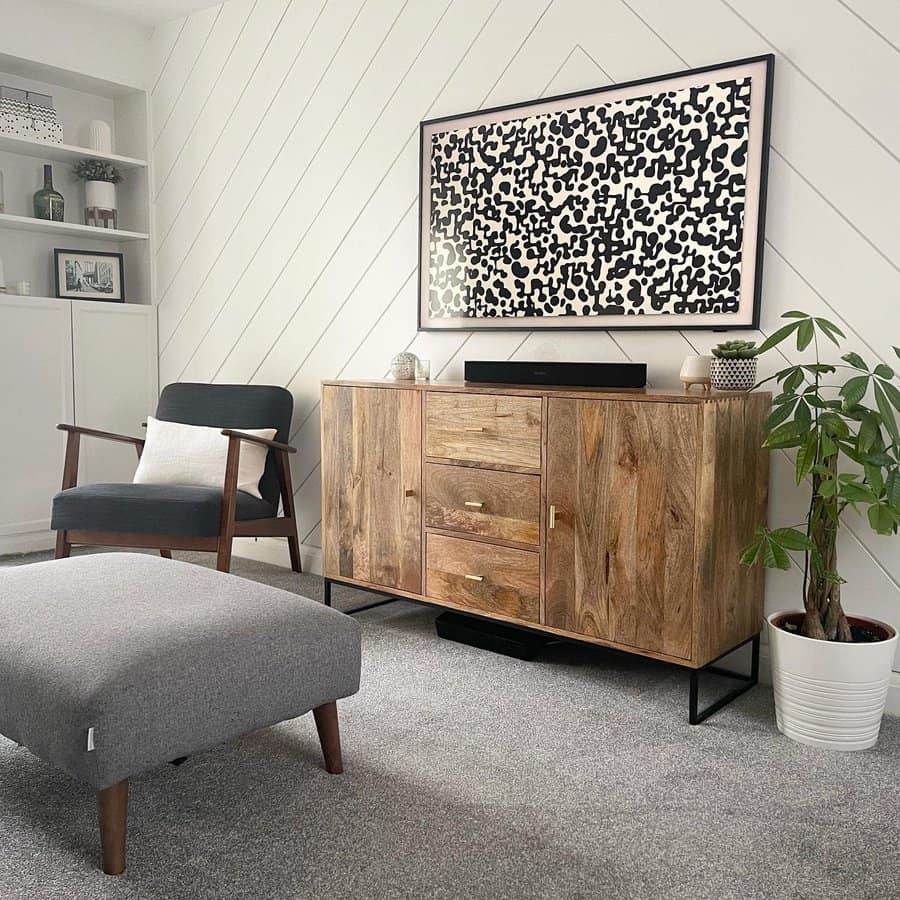
    DIY Methods 

    There are some DIY plate hanging methods out there. While people claim that they are useful and creative methods for hanging their plates, many are more work than they are worth. For example, some use paperclips, but this is dangerous. Paperclips are not designed for holding the weight of plates and will eventually bend or break. Another uses hot glue, felt, and safety pins. This requires you to buy more materials, and the end result is not as stable. Ultimately, if you are going to hang cherished plates on the wall, invest in the proper equipment to hang them. This will prevent damage to your plates and give you a polished final display. 
    Step 4: Hang the Plates 

    Hang the Plates 

    When it is time to hang your plates, start by cleaning them. They could have dust or grease from your fingers on them. If you are using an adhesive method, these will prevent the adhesive from effectively sticking. If you are using another method, the dust and grease will make the plates look dingy. 

    Attach your chosen hanging method to your plates. First, confirm that you have your template where you want it on the wall. Then, begin adding the appropriate hooks where you need them. 

    Choose the Right Hook 

    The size of the hook you use will depend on the size of the plate. The larger and heavier the plate is, the larger and stronger the hook needs to be. Otherwise, the hook may not be able to hold the weight of the plate, and the plate will pull the hook out of the wall. If you have especially heavy plates, you may also need to use a wall anchor. This arm goes through the hole in the wall and braces the hook from the backside. 

    Hook Placement 

    When adding the hooks, keep in mind the hook’s location in relation to the edge of the plate. You do not want to put the hook at the top of the template, or your entire arrangement will ship upward. Instead, measure down from the top of the plate and then place the hook here. This will keep your plates from unintentionally shifting during hanging. 

  • How to Decorate a Large Wall

    How to Decorate a Large Wall

    Few things in home decor can be as intimidating as a large empty wall. In fact, figuring out how to decorate a large wall can stump even a professional interior designer! 

    But really, an empty wall is open decor space, a blank canvas upon which you can manifest your best wall decor ideas. If you’re wondering how to decorate a large wall, the following ideas will make it easy to turn your biggest wall decor challenge into your favorite home feature.

    [view_toc]

    Gallery Wall

    gallery wall in a large wall

    A gallery wall is a collection of artwork, photos, mirrors, and other decorative elements that coordinate to fill a blank wall space. A gallery wall might have one large mirror or painting in the center and several smaller satellite pieces. It could also be a collection of artwork in matching sizes and frames, neatly placed in a grid.

    Gallery walls are equally wonderful in a large living room, dining room, or hallway. They’re also a great wall decor idea for a big blank wall behind your headboard. Go with a monochromatic color scheme for a more formal approach.

    For a casual, bohemian gallery wall, hang a collection of flat baskets in an organic shape, or display a collection of whimsical plates. Intersperse them with macrame wall hanging pieces.

    Wallpaper

    wallpaper in a large wall

    Wallpaper is back in style and comes in a dizzying array of cool prints and patterns. A boldly printed wallpaper can be a dramatic statement on a large wall, turning it into the room’s focal point. 

    If a full large wall of wallpaper feels a bit too busy, put wainscoting on the bottom half of the wall and paint it the same color as the room’s other walls. Or choose a subtle wallpaper, one with a faux brick finish or a simple organic texture. 

    Renters—and homeowners who don’t want to commit to one look long-term—should shop for peel-and-stick wallpaper. Easy to remove when you tire of it or move out, it makes decorating large walls easy and temporary.

    Paint

    mural painting in a large wall

    Paint is one of the most economical ways to create an accent wall in a living room, bedroom, or any large or small space. A common decor idea is to paint one wall a darker color than the rest of the room. This can be a great way to draw attention to the art and objects displayed on your wall.

    You can also use paint to create a simple wall mural, perfect for creatively filling up an entire wall. If you aren’t particularly artsy, you can purchase a peel and stick wall mural instead.

    Read also: 50 Wall Paint Ideas

    Architectural Pieces

    living room with architectural pieces in a large wall

    Upcycling is all the rage, and salvaging beautiful architectural pieces is one of the best ways to repurpose items that have seen better days. Look online to find builder supply surplus stores and vintage dealers who sell pieces saved from old house renovations.

    Old house trim, window frames, doors, and mantels are all examples of architectural pieces that make excellent wall decor ideas. Either keep the unique patina of its natural finish, or refinish to coordinate with the rest of your large wall decor. 

    Furniture

    living room interior furnitures in a large wall

    Furniture is another good way to fill a huge expanse of wall space. Buy an oversized living room console table and arrange your gallery wall above it. Top it with tall lamps and other pieces that suit the space.

    Tall cabinets or shelving units can help balance the composition of your of large wall decor ideas. Having bigger pieces as part of your large wall decor also increases your living room storage and functionality.

    Plants

    How to Decorate a Large Wall

    Green plants bring the outdoors in. A tall green tree is an excellent way of filling up part of a large living room wall. If you have a green thumb and plenty of natural light, choose a real tree. If not, today’s faux plants are hard to differentiate from the real deal and are a suitable alternative to living plants.

    Trailing plants are also good choices for large wall decor, placed on top of a cabinet or floating shelf. Hanging baskets and wall-mounted planters are also great large wall decor ideas, especially in boho decor. A large wall garden made of succulents is a colorful living large wall art display.

    Trim and Molding

    living room home decor in a large trim and molding walls

    Decorative trim and molding turn the wall itself into a piece of art. Wainscoting, picture frame molding, wide crown molding and tall baseboards are all equally valid ways of adding detail to a blank space. For cottage or farmhouse style, look at shiplap or board and batten options.

    This type of “wall sculpture” helps showcase the wall art on display and draws the eye to certain design elements. You can frame a large living room or kitchen opening with faux columns or hang a vintage mantel high above a door and use it as a shelf. 

    Mirrors

    living room with a mirror in a large wall

    A big statement mirror is a fantastic centerpiece on a large blank wall. Hang a big round mirror in the middle of your other large wall decor, or lean an oversized framed mirror against the bedroom or living room wall. 

    Mirrors are one wall art idea where scale really matters, so go big—perhaps much bigger than you originally intended. Especially in a living room or small space, a big mirror not only fills up the wall, its reflection helps make the entire space look bigger.

    Curtains and Textiles

    living room with wide curtains in a large wall

    Wide curtains can help fill the space between your large wall art ideas. Hang a long curtain rod over the window and add curtains on either side of the window opening. Not only does this occupy blank wall space, it makes it look like your windows are much larger than they actually are. 

    Whether in the living room or bedroom, choose curtains wide enough to draw closed over the window for privacy and light control. 

    Shelves

    living room with furnitures in a large wall with shelves

    Built in shelves are an excellent way to fill up a long empty wall and add valuable storage and display space at the same time. Whether they frame a window or a fireplace, or simply surround a wall gallery, built-ins are a classic feature in many homes. 

    Floating shelves are a different type of shelf that looks great in a living room or kitchen. Their open, casual design provides a base for framed photos, potted plants, travel knick-knacks, and other items you want to display. 

    Read also: 41 Wall Shelf Ideas

    Additional Tips for Decorating Large Walls

    After you settle on how to decorate a large wall in your home, keep the following concepts in mind:

    • Scale: A large wall needs big enough pieces to fill the space, so choose a large piece of art, or a substantial collection of smaller pieces.
    • Decor: Make sure your choices go with the room’s overall decor. This is especially important with an open floor plan where your large wall space may extend through two or more designated living areas. 
    • Layering: Layering pieces gives your decor a three-dimensional effect. Place a large antique window frame on a mantel, then stack a smaller painting, an urn, a box, and perhaps some books in front of it.
    • Personality: Incorporate your own special memories into your wall decor ideas. Include pictures from a vacation, or favorite vintage family photos. Ideally, your wall will tell your guests a little more about yourself and your personality. 
    • Budget: Ah, the dreaded “b” word! Oversized artwork can be pricey, but there are budget-friendly alternatives. Visit thrift stores to find architectural decor pieces and artwork that can be repainted to suit your decor. If you simply have to have that signature art piece in a large size, save up for it or try to find a retailer that offers interest-free payments.