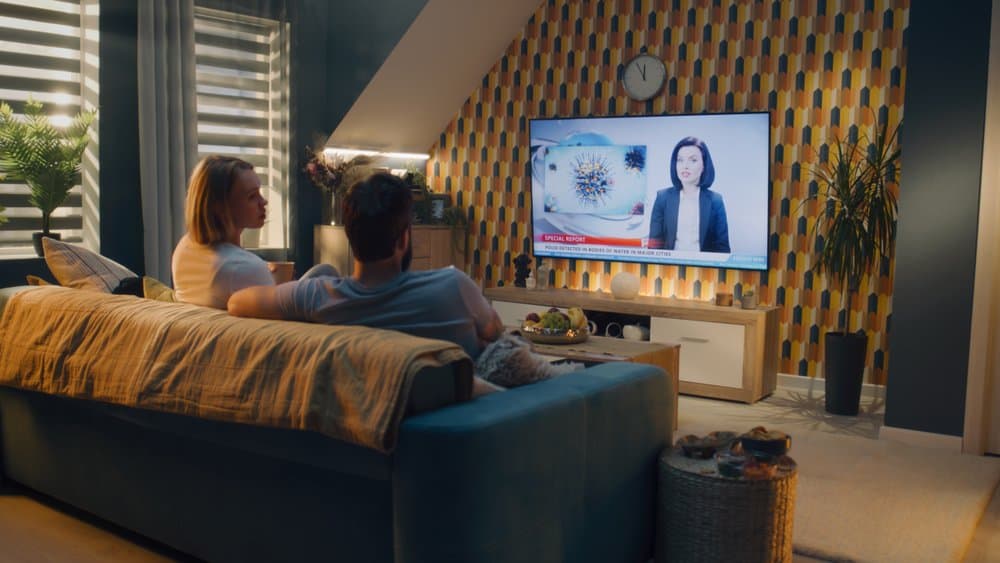
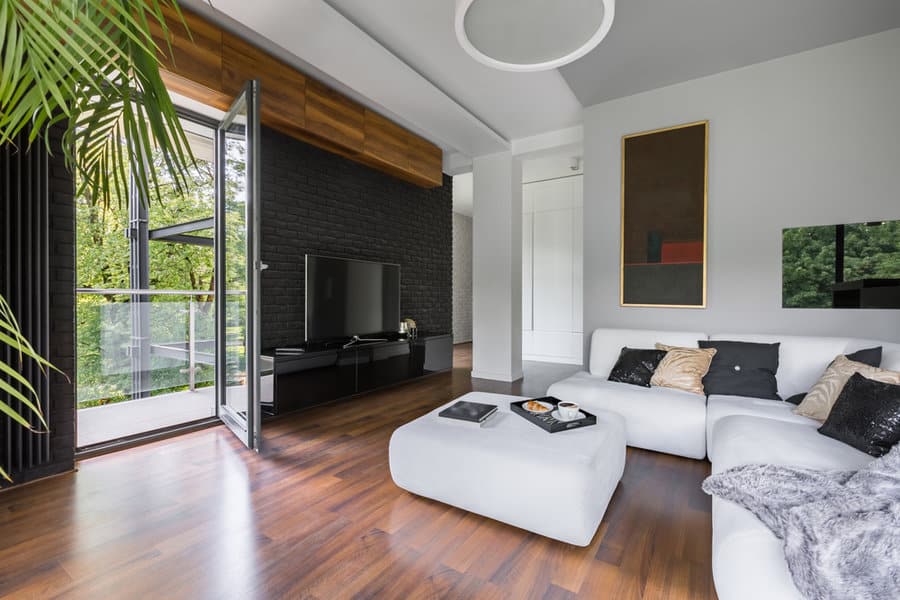
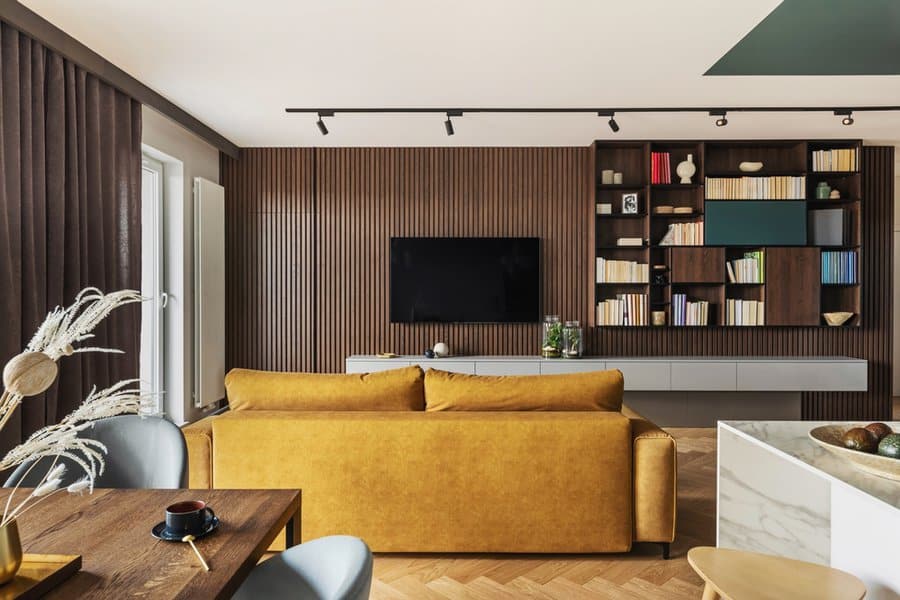
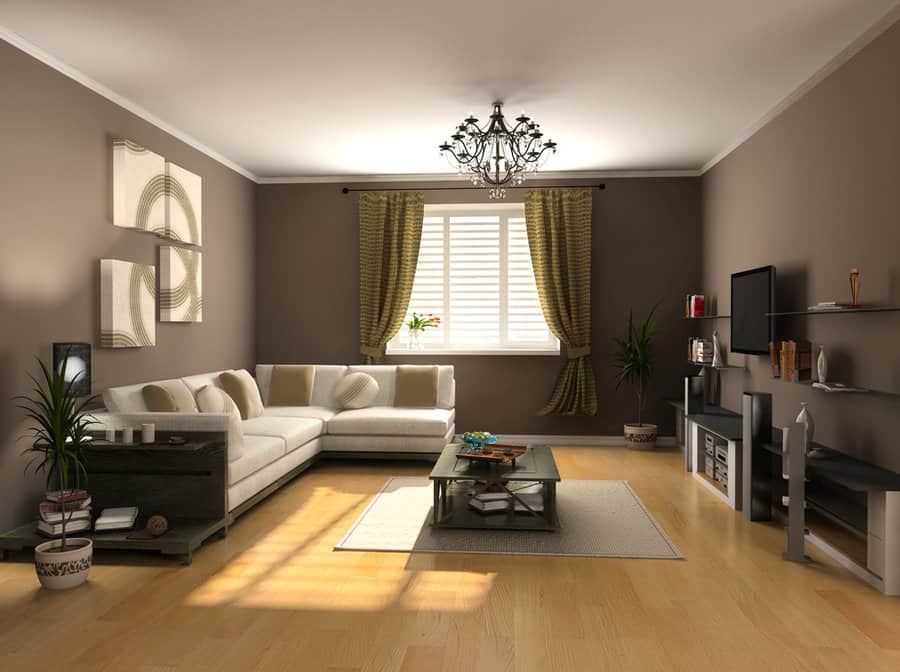
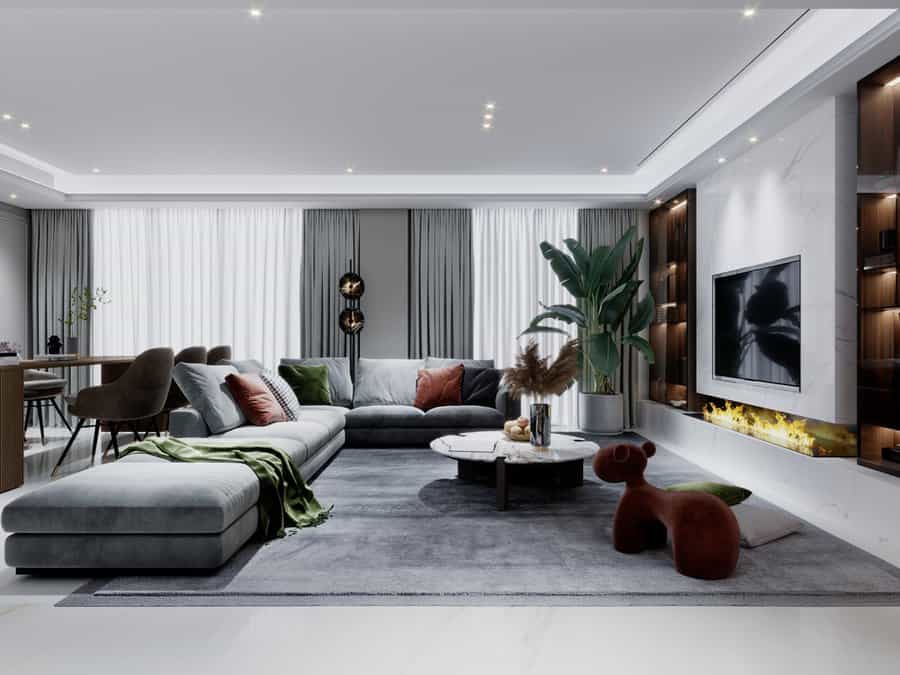
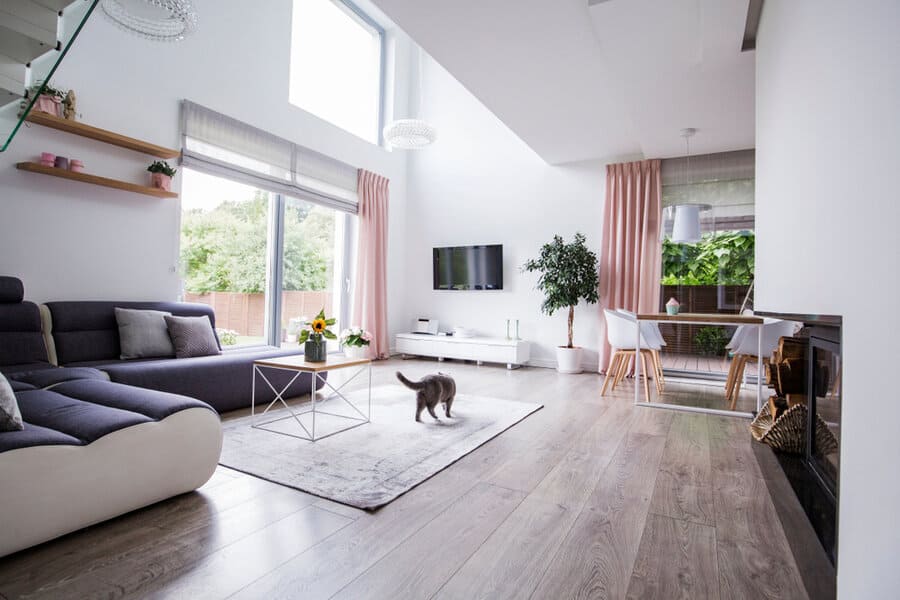
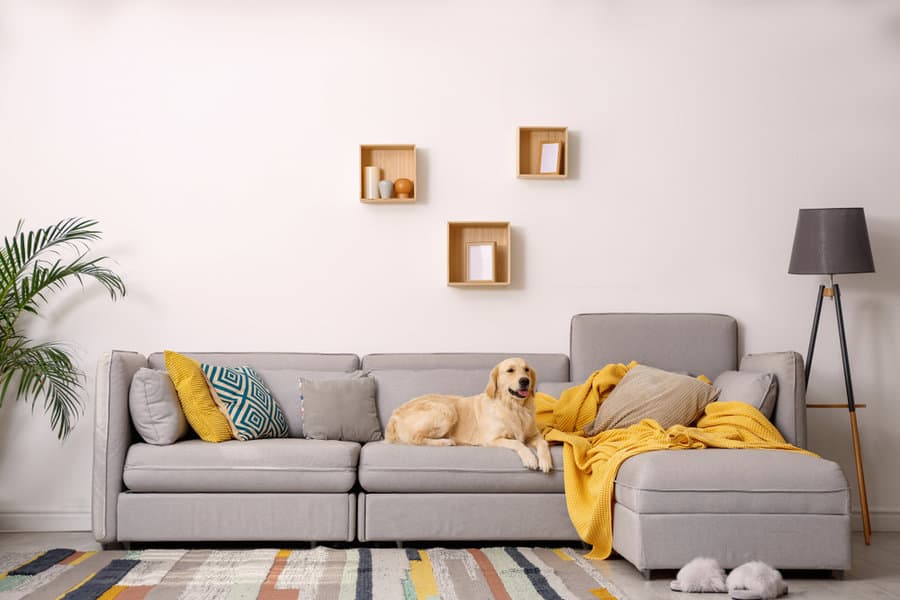
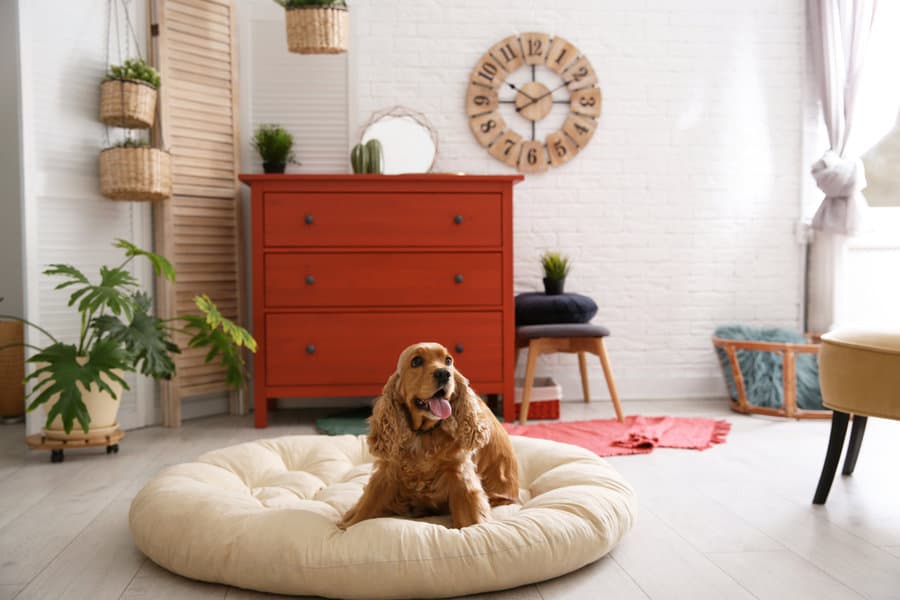
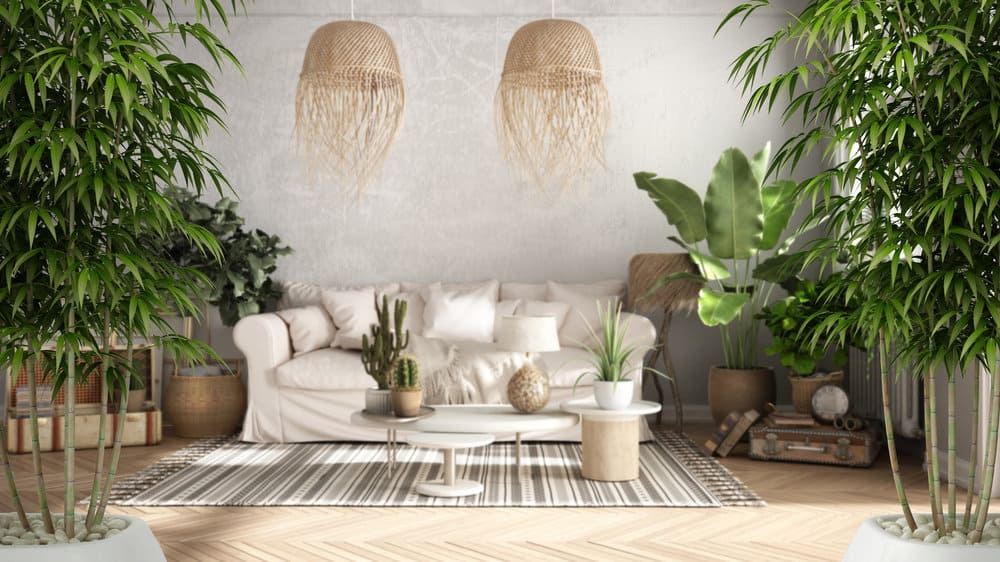
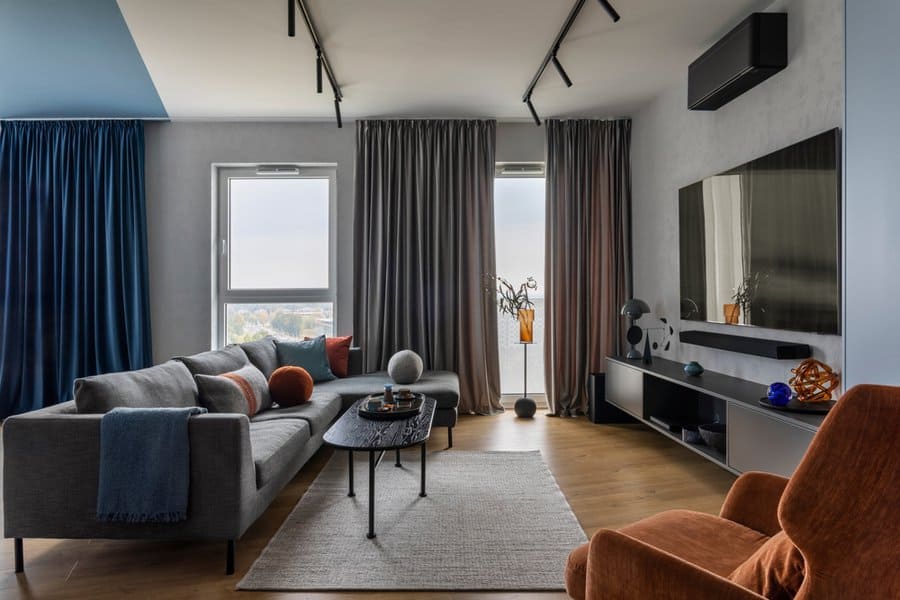
Picture this: You’re settling in for a movie night, only to find your neck craning awkwardly, or the sun’s glare wreaking havoc on your screen. The living room is the heart of your home, and the placement of your furniture – especially the TV – can make or break your relaxation haven.
This article will guide you on how to masterfully arrange your living room furniture to optimize your TV viewing experience. Dive in to discover practical steps, aesthetic considerations, and ergonomic principles that will transform your living room into a cinematic paradise.
1. Establish the TV as the Focal Point
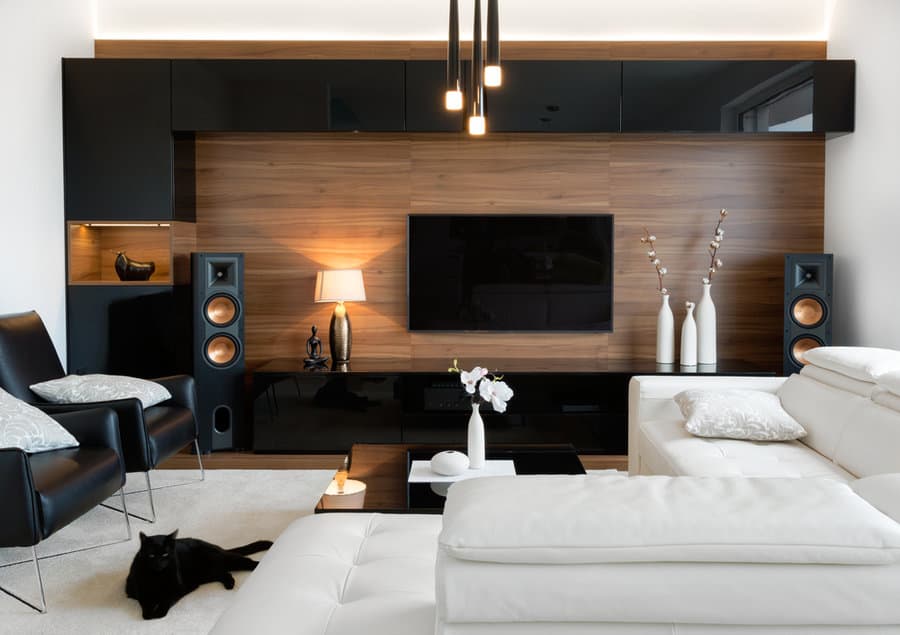
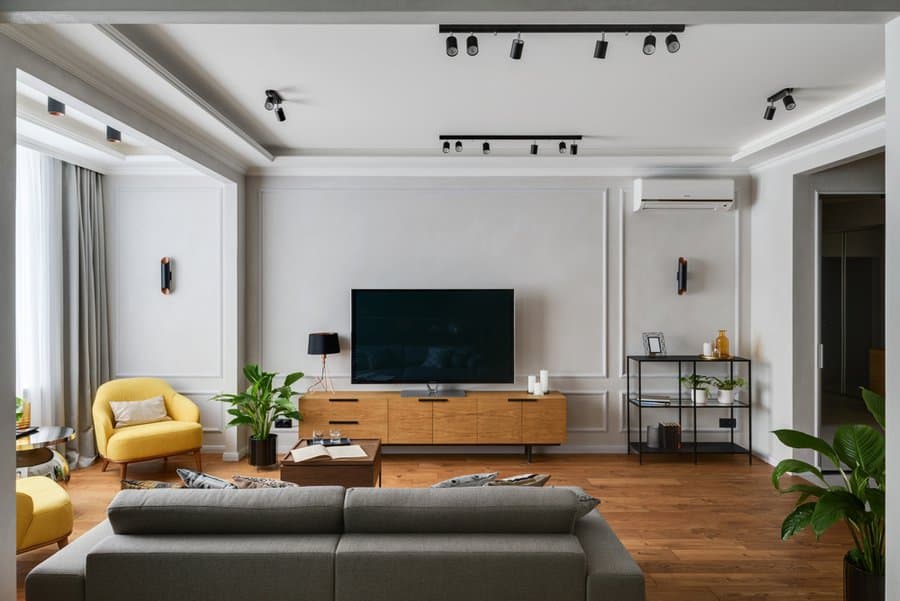
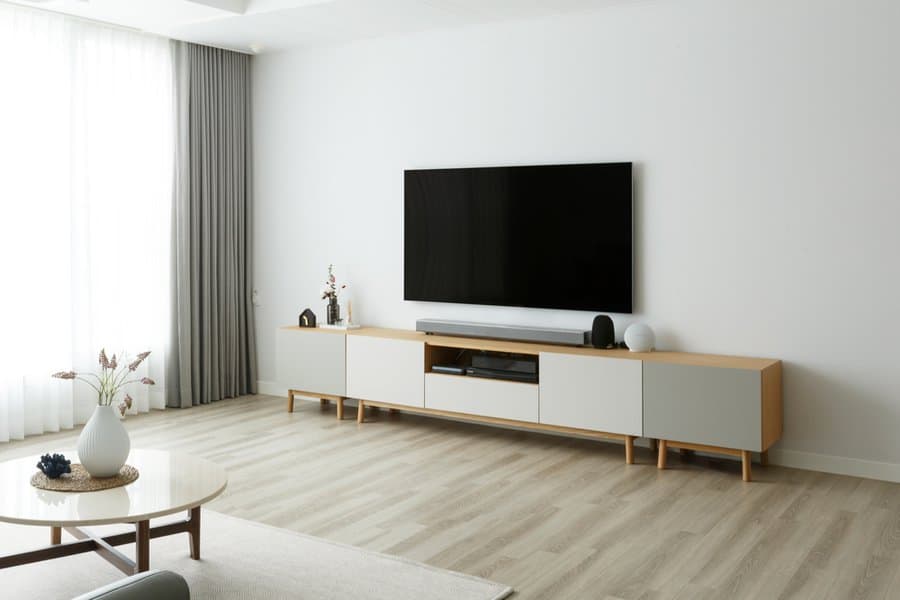
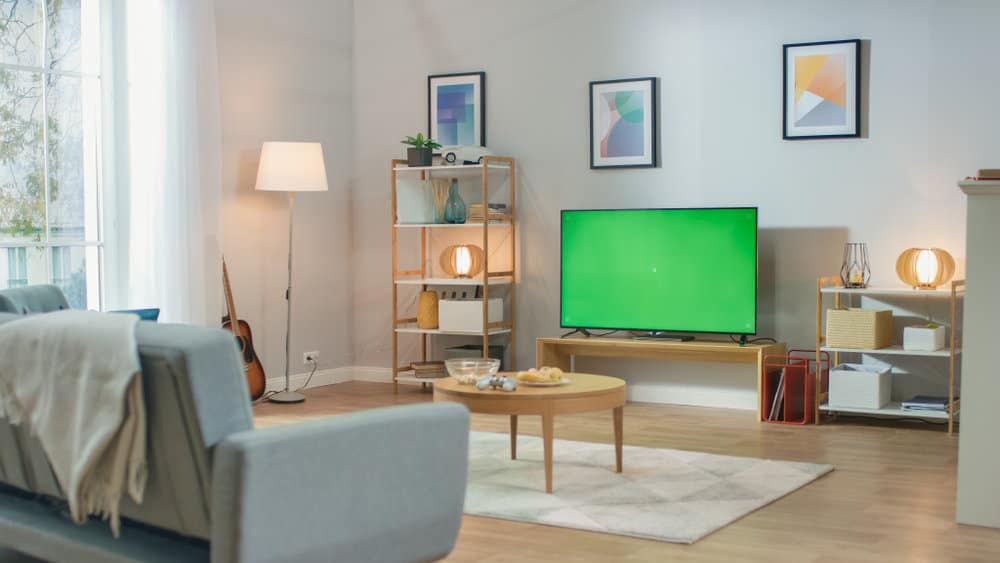
Ensure your TV is the central point of attention in your living room layout. This helps guide the rest of your furniture arrangement for optimal viewing and aesthetics.
2. Seating Arrangement
Your primary sofa or couch should be directly opposite the TV for the best straight-on view. Side chairs or smaller seating should angle slightly towards the TV to keep everyone comfortably engaged.
3. Mind the Distance
Ensure there’s a proper gap between your seating and the TV. A too-close sofa can distort the viewing experience, while a too-far one can make details hard to catch.
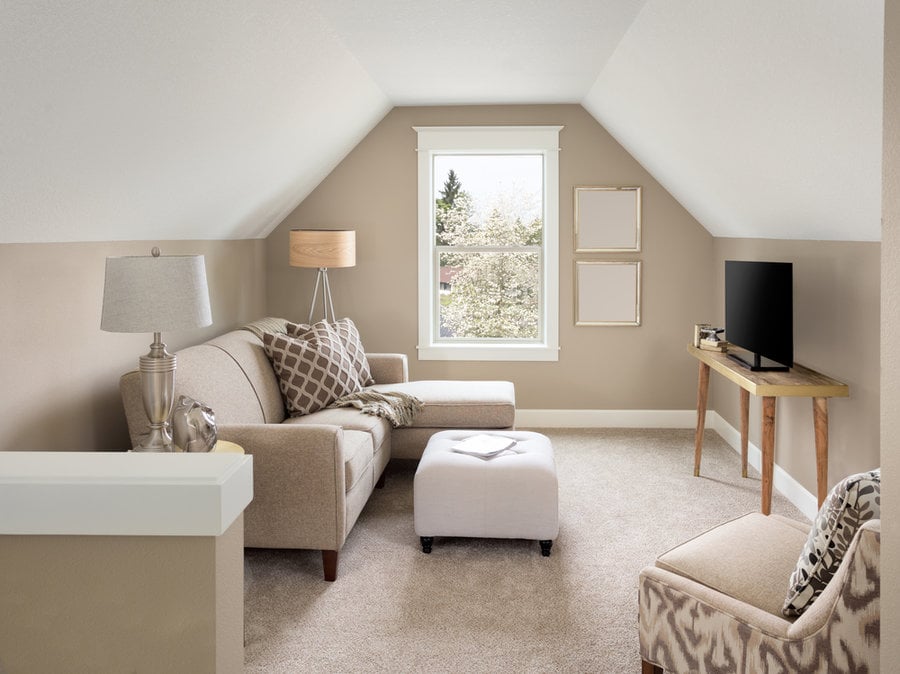
4. Coffee Table Placement
Position your coffee table centrally between your sofa and TV. This not only supports snacks and drinks but also bridges the gap between the main seating and the screen.
5. Side Tables for Convenience
Place side tables next to armchairs or the ends of your sofa. They’re perfect for holding remotes, drinks, and decorative items without having to reach far.
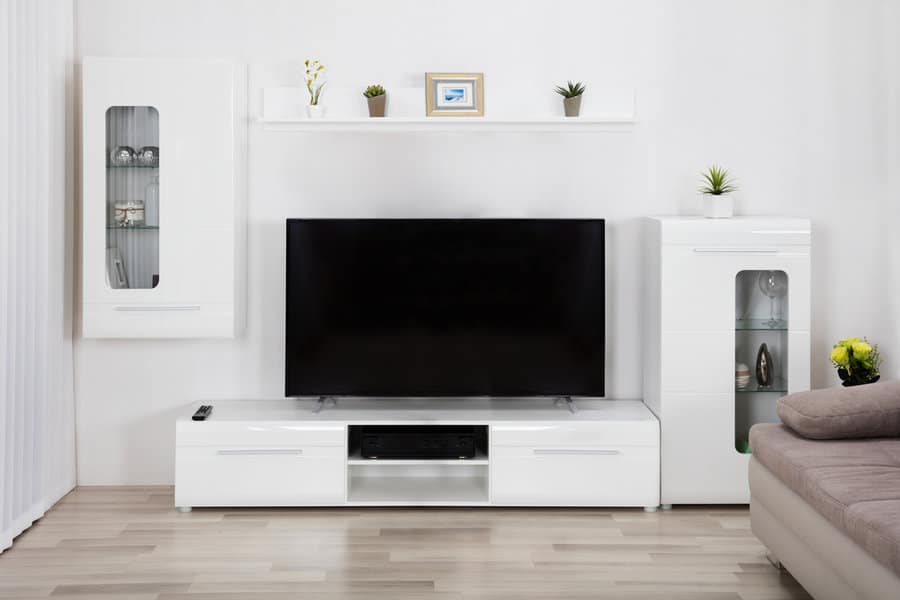
6. Shelving and Storage Units
If you have bookshelves or cabinets, place them perpendicular to the TV wall to avoid distractions. This can also provide a place to store media or display decorative items.
7. Use Rugs to Define the Area
A well-placed rug can delineate the TV watching area from the rest of the room, creating a cozy enclave for entertainment.
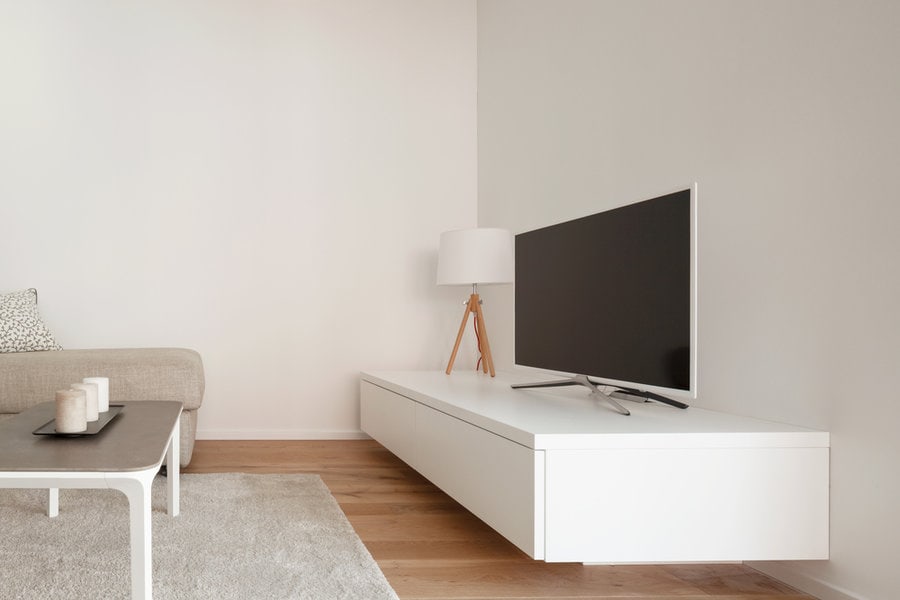
8. Opt for Slimline Furniture
If space is tight, choose slender furniture pieces that don’t overpower the room or obstruct viewing angles.
9. Multi-functional Pieces
Invest in furniture like ottomans or benches that provide storage. This keeps the room tidy, storing items like remotes, magazines, or blankets.
10. Leave Space Behind Sofas
Ensure there’s a bit of space behind your sofa, especially if it’s against a wall. This prevents the room from feeling cramped and allows for better air circulation.
11. Allow for Walking Paths
Arrange your furniture in a way that leaves clear paths for walking. This ensures the room remains functional and accessible.
12. Create Zones
If you have a particularly large living room, create zones. For instance, have a TV watching zone, a reading corner, and perhaps a gaming area. Use furniture to subtly demarcate these spaces.
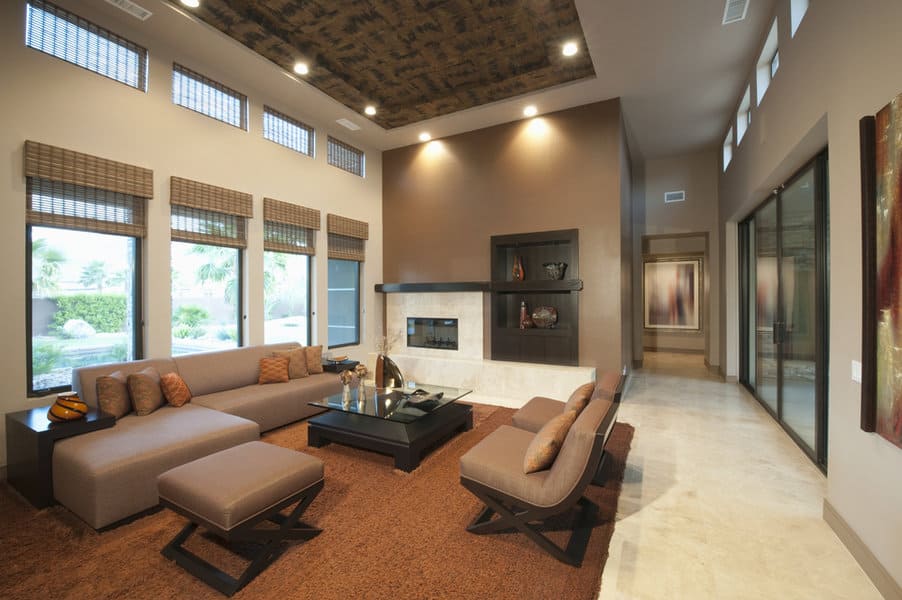
High ceilings, while breathtaking and luxurious, can present unique challenges in interior design. Most homeowners grapple with striking the right balance between warmth and grandeur in such spacious rooms.
If you’ve ever wondered how to transform your cavernous space into a cozy haven without losing its architectural charm, you’re not alone.
This article unveils insightful tips for designing a living room with high ceilings, ensuring that every inch, from floor to ceiling, resonates with style and purpose. Dive in to explore ways to maximize aesthetics, maintain functionality, and create an ambiance that harmonizes with your personal taste.
[view_toc]
1. Scaling Furniture to Match Ceiling Height
In a living room with towering ceilings, dainty furniture can look out of place. Opt for larger, bulkier pieces that hold their own in such voluminous settings.
Consider sofas with taller backrests, chunky armchairs, or even grand bookshelves that stretch upwards.
However, while scaling up, ensure there’s a balance. Your aim should be furniture that complements the ceiling height without making the room feel congested.
Lastly, remember that visual balance is key. If you have an oversized coffee table, for instance, pair it with substantial sofas or chairs to ensure harmony in the design landscape.
2. Strategic Lighting: Layers and Vertical Dynamics
High ceilings offer a splendid canvas for lighting experiments. Begin by layering light sources to cater to the room’s verticality.
Downlights, pendants, chandeliers, and uplights can all play a role. A cascading chandelier can bridge the gap between the ceiling and the primary living space, drawing the eye and filling the vertical expanse.
Wall sconces or vertical light installations can accentuate the height while providing ambient light. Multiple light sources, controlled individually, also allow you to set the mood — bright and airy for the day, cozy and intimate for the night.
In spaces graced with high ceilings, walls can seem expansive and intimidating. However, they’re also a golden opportunity to make a visual statement.
Start by considering tall pieces of art or tapestries that can anchor the space. These pieces shouldn’t just be broad but elongated, guiding the viewer’s eyes upward.
If one significant piece feels overpowering, consider a vertical gallery wall, stacking artworks or photographs from floor to ceiling. This arrangement can lend a dynamic, curated feel to the room.
Moreover, when selecting frames, colors, and themes, ensure they align with the room’s overall design language. You want the art to feel integrated, not isolated. Mixing textures, such as metal wall sculptures with painted canvases, can also add depth and intrigue to your vertical space.
4. Incorporating Tall Plants and Trees
High-ceilinged rooms provide an ideal setting for showcasing impressive indoor trees and plants. Embracing these natural elements can transform your space into an urban oasis.
The Bird of Paradise stands tall with its sculptural leaves, making it a perfect choice for vertical appeal. The Dracaena, with its long, slender trunk and tufted top, is another option that can reach considerable heights.
Palm trees, like the majestic Kentia Palm or the fan-like Lady Palm, introduce a touch of the tropics and can grow tall, filling in those vertical gaps nicely.
Don’t forget about the Bamboo plant which can add a touch of Zen while embracing the room’s height. And, if you’re looking for something a tad unconventional, consider the Norfolk Island Pine, an indoor-friendly tree that brings a hint of the forest into your living room.
5. Utilizing Statement Ceiling Fixtures
The vast expanse of a high ceiling provides a unique opportunity to make a bold statement with ceiling fixtures. When chosen thoughtfully, these elements not only serve their functional purpose but become show-stopping centerpieces.
First, think grand chandeliers. These aren’t just for classic or traditional spaces. From intricate crystal designs to sleek, modern geometric forms, there’s a chandelier to match every style.
Next, consider pendant lights. Grouping them in clusters or arranging them at varying heights can create a visually captivating cascade effect. Opt for designs that complement the room’s aesthetics, whether that’s minimalist cone pendants or opulent, globe-shaped ones.
Also, explore architectural fixtures like coffered ceilings or wooden beams. These not only add texture and depth but can also help visually segment and define the vast ceiling space.
6. Balancing Negative Space: Tips on Upper Wall Design
The upper sections of walls in rooms with high ceilings can sometimes feel barren or disconnected. Addressing this negative space is crucial for creating a cohesive and inviting atmosphere.
Floating shelves are a fantastic tool. When mounted higher up, they can house decorative elements, sculptures, or books, drawing the eye and providing visual interest in often-neglected areas.
Consider architectural moldings or trim work. These can segment vast wall expanses, creating zones or frames for art or other decorative elements. They also add layers of texture and sophistication to the room.
Wallpaper or wall decals can be employed strategically. Using patterns or murals that play with verticality can elongate the space further while filling it with engaging visuals. Consider designs that have gradients or upward-reaching motifs.
7. Eye-Level Interest: Keeping Cohesiveness from Bottom to Top
With high ceilings, there’s a risk of the design feeling disjointed, where the lofty heights steal the show and the immediate eye-level area feels overlooked. To maintain cohesiveness, it’s vital to bridge the gap between the floor and the ceiling.
Start with strategically placed mid-height furniture like credenzas, sideboards, or console tables. These pieces can anchor the room and offer surfaces for decorative elements like vases, sculptures, or photo frames.
Mirrors are invaluable tools in these spaces. Vertical or horizontally-oriented mirrors at eye level can reflect light, add depth, and tie together the room’s upper and lower regions.
Consider creating a focal wall, maybe with a fireplace, textured panels, or a large painting. This not only draws the eye but offers a grounding element in the midst of towering walls.
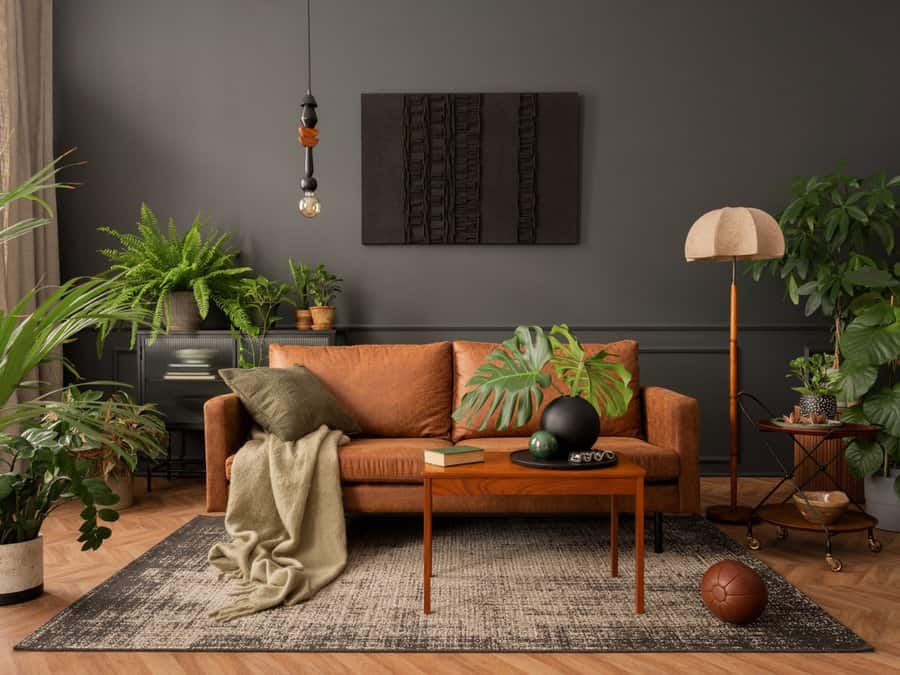
Utilize plants of varying heights. While we’ve discussed taller trees, don’t neglect medium-height plants like monstera, pothos, or snake plants. Positioned on stands or tables, they can seamlessly bridge the vertical design gap.
8. Multi-Level Shelving and Display
When dealing with high ceilings, multi-level shelving becomes a powerful design asset, effectively using vertical space while offering functionality and aesthetic appeal.
Start by considering floor-to-ceiling bookshelves. Not only can they house your literature collection, but they also provide niches for decorative items, framed photos, and potted plants. Varying the shelf heights or including cabinets can break the monotony and introduce rhythm.
Modular shelving systems are adaptable and can be customized to fit the room’s dimensions and design ethos. Whether you prefer a minimalist metal frame or a rustic wooden look, these systems can be tailored to your needs.
Display platforms or staggered shelving can create visual intrigue. By having some shelves protrude more than others or vary in width, you introduce depth and a dynamic quality to the space.
9. Drapery Solutions for Tall Windows
Tall windows are a hallmark of rooms with high ceilings, offering abundant light and a sense of grandeur. However, they demand special attention when it comes to drapery, ensuring both aesthetics and functionality are in harmony.
Selecting extended curtain rods that stretch wider than the window frame can create an illusion of even larger windows, further emphasizing the room’s verticality.
Floor-to-ceiling drapes are a must. Not only do they underscore the room’s height, but they also provide an elegant and continuous visual flow. Materials like velvet or heavy linen can offer a luxurious feel, while sheer, breezy fabrics can maintain an airy ambiance.
Layering is key. Using a combination of sheer drapes for daytime privacy and heavier, opaque curtains for night can ensure versatility. This dual approach also adds depth and texture to the window space.
10. Cozying Up: Textures and Materials for High Spaces
High ceilings, while majestic, can sometimes impart a feeling of coldness or detachment. Introducing varied textures and materials is key to warming up the space, making it feel intimate and welcoming
Rustic wooden beams or paneled ceilings can instantly add warmth. The raw, earthy texture of wood contrasts beautifully with the openness of a high ceiling, offering both visual and tactile comfort.
Wall textures, like exposed brick or decorative plaster, can elevate the cozy quotient. These tactile surfaces can reduce the starkness often associated with towering walls.
Incorporate plush rugs or carpets. Soft underfoot, they not only delineate spaces within the room but also introduce a snug and comforting layer.
Soft furnishings like velvet cushions, chunky knit throws, or tufted ottomans can break the room’s vastness, making it feel more approachable and cozy.
Lastly, natural materials like stone, rattan, or jute can be integrated through decorative items, furniture, or wall accents. Their organic feel can counteract the room’s imposing size, bringing it down to a more human scale.
Ever walked into a room only to find your prized sofa chewed up or a beloved plant knocked over by your furry friend?
Designing a space that’s both chic and pet-friendly might seem like chasing a tail, but it’s more attainable than you think. Many homeowners struggle to strike a balance between a stylish living room and one that can withstand the playful antics of their pets.
This article serves as your guide to creating a living room that’s not only visually appealing but also a haven for your four-legged family members. Dive in to discover design tips, durable materials, and creative solutions that harmonize style with the spirited nature of pets.
[view_toc]
1. Understand Your Pet’s Behavior and Needs
Each animal has its quirks, habits, and preferences, whether it’s a favorite lounging spot or a tendency to scratch certain surfaces. By recognizing these patterns, you can make informed choices about furniture placement, material selection, and other design elements. This proactive approach ensures that the room not only looks appealing but also aligns with your pet’s natural instincts and behaviors.
2. Choose Pet-Friendly Materials for Your Furniture
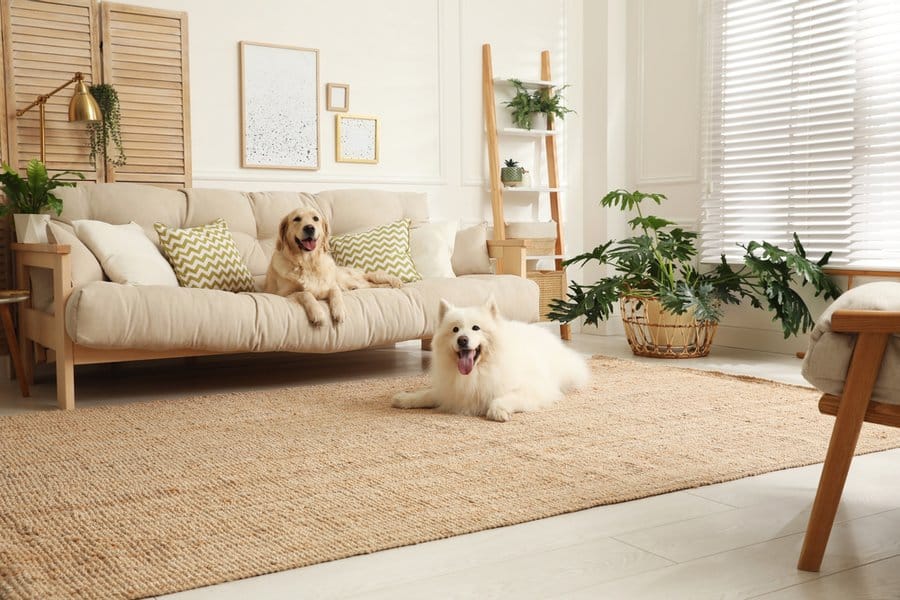
Choosing pet-friendly materials for your furniture is crucial in ensuring longevity and ease of maintenance. Opt for durable and easy-to-clean fabrics like microfiber or leather, which resist scratching and are simple to wipe down. Materials like tightly-woven fabric can prevent pet hair from sticking too easily. Additionally, selecting furniture with darker hues or patterns can help camouflage minor stains or pet hair.
3. Incorporate Easy-to-Clean Rugs and Flooring
Hardwood, laminate, and tiles are some of the best flooring options as they can be swiftly wiped down in case of spills or accidents. When it comes to rugs, consider those made from synthetic fibers like polypropylene or nylon; they are known for their durability and stain resistance. Additionally, low-pile rugs are easier to vacuum and less likely to trap pet hair compared to shaggy, high-pile rugs.
4. Opt for Functional and Stylish Storage Solutions
Multi-purpose furniture, like ottomans with hidden storage or built-in shelves, allows homeowners to store pet toys, leashes, and grooming tools without compromising on aesthetics. Wall-mounted cubbies or decorative baskets can serve as stylish storage spots, keeping essentials within reach yet out of sight. By integrating these smart storage solutions, you ensure that everything has its place, making the living space both orderly and pet-accommodating, while also adding an element of design sophistication.
5. Invest in Protective and Washable Throws
These throws act as a barrier, shielding sofas, chairs, and beds from potential stains, fur, and wear and tear caused by pets. Being washable, they can be easily cleaned, ensuring that any pet-related messes are dealt with swiftly. Moreover, throws come in various colors, patterns, and textures, allowing homeowners to choose options that complement their décor.
6. Select Non-Toxic Plants and Decor
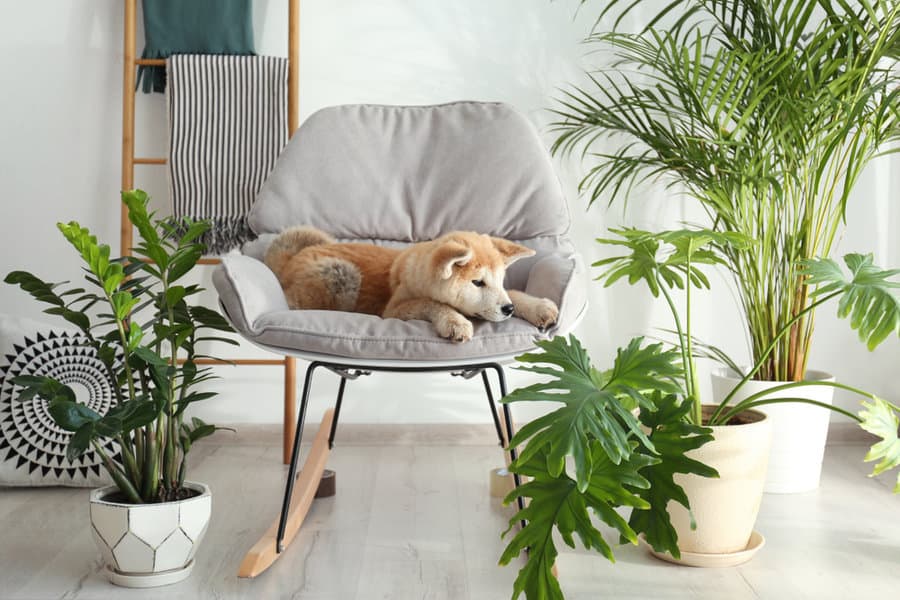
Many popular houseplants, although visually appealing, can be harmful or even fatal if ingested by curious pets. Harmful plants for pets include popular choices like poinsettias, lilies, and oleander, which can cause a range of symptoms from gastrointestinal upset to more severe reactions when ingested by pets, especially cats and dogs. On the other hand, pet-friendly plants that homeowners can safely incorporate into their living spaces include the rubber plant, haworthia, and the money tree.
It’s essential to cross-reference any plant additions with a trusted source or consult a veterinarian to ensure the well-being of pets in a plant-filled environment.
7. Prioritize Safe and Cozy Corners for Relaxation
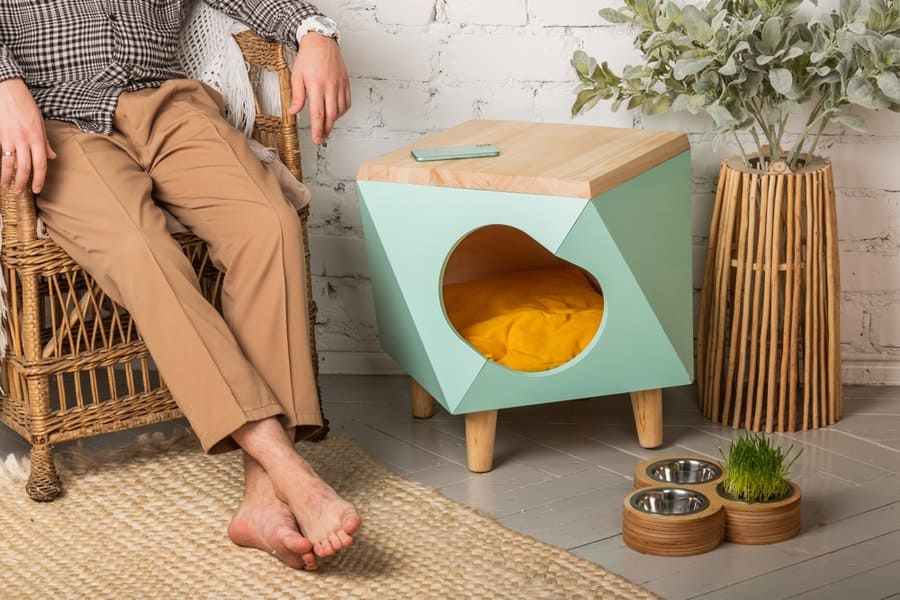
Pets, much like us, need their own designated spaces to retreat, relax, and feel secure. By setting up a dedicated pet nook with soft bedding, cushions, and perhaps a few favorite toys, you not only provide them with a sense of belonging but also minimize their temptation to claim other furniture. These corners can be stylishly integrated into the room’s design, using complementary colors and textures.
8. Keep Cables and Wires Out of Paw’s Reach
Keeping cables and wires out of paw’s reach is crucial to ensure both the safety of your pets and the functionality of your electronic devices. Here’s how:
Cable Management Boxes: These are containers designed to house power strips and tangled wires. They not only keep the cables organized but also hidden from curious pets.
Cable Sleeves or Wraps: Made from durable materials, these wraps encase multiple cables, consolidating them into a single, less tempting bundle. They can be particularly helpful in deterring pets from chewing.
Cable Concealers: These are typically plastic channels that adhere to walls or baseboards. They hide and protect cables from being bitten or tripped over.
Use Furniture Strategically: Arrange furniture in a way that hides cables behind or underneath them.
Taste Deterrents: There are sprays available that taste bitter or unpleasant to pets. Spraying these on cables can deter most pets from wanting to chew on them.
9. Use Elevated Shelves for Delicate Items
Elevated shelves, positioned above the jump or reach of pets, are ideal for displaying fragile decor, collectibles, or plants that might be toxic if ingested. By placing these items high up, you minimize the risk of them being knocked over by an energetic tail wag or a playful pounce. Wall-mounted or floating shelves can serve this purpose beautifully, blending functionality with aesthetics.
10. Embrace Furniture with Sturdy and Stable Bases
Energetic pets, particularly larger breeds, can unintentionally bump into or attempt to climb on furniture, risking toppling lighter pieces or causing breakage. Furniture with a solid, broad base, such as sofas with thick legs or coffee tables with a weighty foundation, are less likely to be moved or tipped over by your pet’s antics. Furthermore, opting for such robust designs ensures a longer lifespan for your furnishings, reducing the wear and tear that can come from the hustle and bustle of an active pet.
11. Implement Durable Window Treatments
Pets, especially cats, may be inclined to play with, climb, or even chew on flimsy curtains or blinds. To counteract this, opting for heavy-duty materials like thick drapes, or durable blinds and shutters, can withstand such behaviors. Additionally, cordless window treatments are a safer option, as traditional cords can pose a strangulation risk or become a tempting toy for pets.
12. Add Pet Amenities that Complement Your Décor
Consider selecting pet beds, toys, and feeding stations that match the color palette and aesthetic of your living room. Modern design trends even offer chic pet furniture that seamlessly blends with contemporary home décor, such as sleek cat towers or minimalist dog beds. Elevated feeding stations can double as stylish side tables, and woven toy baskets can complement rustic or boho themes.
The ancient Chinese art of Feng Shui suggests that the arrangement of objects and spaces can deeply affect our well-being, mood, and even our prosperity. This age-old practice emphasizes harmony between humans and their environment, and the living room, where we spend a significant amount of our time, is no exception.
In this article, we’ll delve into practical steps and insightful tips to Feng Shui your living room, ensuring it not only looks aesthetically pleasing but also resonates with positive energy and balance.
[view_toc]
1. Clear the Clutter
In Feng Shui, stagnant energy is often associated with clutter. A cluttered living room can disrupt the flow of chi (energy), leading to feelings of stagnation, confusion, and stress. Maintaining a clear, organized space promotes positivity, clarity, and a refreshing ambiance, essential for harmonious living.
To effectively declutter, start by systematically going through each item in your living room. Separate items into categories: keep, donate, recycle, or throw away. Once you’ve streamlined your belongings, invest in storage solutions that keep essentials accessible but out of sight. This could include decorative baskets, cabinets, or shelves. Committing to regular decluttering sessions—say, once every few months—ensures your living room remains an oasis of calm and balanced energy.
2. Prioritize Natural Light
In the realm of Feng Shui, natural light is a powerhouse. Sunlight not only revitalizes living spaces but also infuses them with positive energy. A well-lit room exudes warmth, optimism, and encourages an upbeat mood. It’s essential, then, to make the most of the daylight pouring into your living room.
To harness the full potential of natural light, consider sheer curtains or blinds that filter rather than block the sunlight. They provide privacy without creating a barrier to the sun’s nurturing rays. Additionally, positioning mirrors directly across from windows can reflect and amplify light throughout the room, making spaces seem brighter and larger. Regularly clean windows and mirrors to ensure they’re letting in and reflecting as much light as possible.
3. Position Your Furniture Thoughtfully
The arrangement of furniture plays a pivotal role in Feng Shui. A well-thought-out layout ensures the seamless circulation of chi, promoting a feeling of balance and relaxation. Conversely, haphazardly placed furniture can create blockages, causing energy to stagnate, which can lead to feelings of unease or restlessness.
The “command position” is a fundamental Feng Shui principle. In your living room, the main seating, like sofas, should ideally face the door but not be directly in line with it. This position offers a sense of security and control, allowing one to easily see the entrance. It’s also crucial to avoid creating barriers with furniture. For instance, don’t place a large sofa in the middle of the room, blocking the flow from the entrance. Instead, ensure there are clear pathways and open spaces, allowing energy to circulate freely and invitingly.
4. Incorporate the Five Elements
Feng Shui emphasizes the balance of five elements: Wood, Fire, Earth, Metal, and Water. Each brings unique energy, shaping the ambiance of a space.
Wood: Symbolized by wooden furniture or plants, it radiates growth. A simple wooden shelf or potted plant infuses vitality.
Fire: Exemplified by candles or red decor, it denotes warmth. A few red throw pillows or candles can evoke its essence.
Earth: Reflecting stability, it’s captured in earth-toned decor or ceramics. A beige rug or clay pot adds grounding energy.
Metal: Representing clarity, it’s highlighted with metallic items or white shades. Consider metallic frames or white vases.
Water: Mirrors or blue tones embody its emotional depth. A tabletop fountain or blue decor encapsulates its spirit.
Incorporating these elements is about harmony, ensuring no element overshadows another, resulting in a unified, positive space.
5. Choose Colors Wisely
Colors in Feng Shui are more than mere aesthetic choices; they’re channels of energy that can influence mood, well-being, and the ambiance of a space. Each hue resonates with a particular vibration and energy, making it essential to select colors that align with your intentions for the room.
Earth Tones (Beige, Light Yellow, Sandy Browns): These shades instill a sense of grounding, stability, and nurturing. They’re ideal for creating a calming environment, making them great choices for main wall colors or large furniture items.
Wood Colors (Green, Teal): Representing growth and vitality, green hues rejuvenate and bring a sense of renewal. Incorporate them through plants, wall art, or cushions to promote healing energy.
Fire Colors (Red, Bright Orange, Purple): Energetic and dynamic, these colors stimulate activity and passion. Use them sparingly, like in accent pieces, to invigorate the space without overwhelming it.
Metal Colors (White, Metallics, Pastels): Signifying clarity and joy, metal-associated colors bring a sharp, clean energy. Think of white walls, metallic fixtures, or pastel decor.
Water Colors (Blue, Black): These colors offer a deep, introspective energy, fostering wisdom and relaxation. Incorporate them in artwork, rugs, or throw blankets.
Remember, balance is key. Your living room should reflect a harmonious blend of colors that not only appeal to your aesthetic sense but also promote the desired energy flow.
6. Balance Yin and Yang
Feng Shui’s essence lies in the balance of Yin and Yang—representing life’s dualities.
Yin, characterized by softness and coolness, can be enhanced in a living room through plush rugs, muted colors, and ambient lighting. A cozy chair corner encapsulates this calming energy.
On the other hand, Yang, signifying brightness and warmth, shines through in vibrant colors, sharp-edged decor, and materials like glass or polished wood. Bright wall art emphasizes its dynamic nature.
When designing, gauge your room’s natural tone. If it’s brightly lit with hard surfaces, it may need Yin touches, and vice versa. The goal is a living room that’s both rejuvenating and serene.
7. Use Mirrors Strategically
In Feng Shui, mirrors are powerful tools for reflection and amplification. Properly placed, they can magnify positive energy, expand confined spaces, and redirect chi. However, when mispositioned, they might scatter good vibes or even magnify negatives.
To harness their positive potential, mirrors should reflect scenic views or attractive decor, like an indoor plant, thereby enhancing the room’s energy. Yet, it’s vital they don’t capture sources of negativity, such as clutter or bathrooms. Mirrors placed directly opposite each other can cause energy whirlwinds, leading to unease. In compact living rooms, mirrors can open up the space, offering an airy feel.
However, avoid mirrors reflecting the main door; they might push out positive energy. If light is limited, a strategically placed mirror can brighten the ambiance. Lastly, opt for round or oval mirrors, their gentle curves promote a smooth chi flow.
8. Introduce Living Plants
Living plants breathe life into indoor spaces, aligning with Feng Shui principles to radiate vibrant chi, health, and vitality. Beyond beautifying a room, they purify the air, absorbing toxins, and releasing oxygen. This natural filtration fosters tranquility, reduced stress, and a deeper connection to nature.
Among the plants that resonate with Feng Shui, bamboo stands out, symbolizing luck and resilience. The elegant Peace Lily not only purifies the air but exudes serenity. Snake Plant acts as a guardian against negative vibes, while the Rubber Plant’s round leaves are associated with wealth. The sturdy Ficus represents growth and prosperity. While integrating these green companions, ensure they get proper light and aren’t cramped or obstructing pathways. A flourishing plant, when placed thoughtfully, becomes a beacon of positive energy and aesthetic charm.
9. Avoid Sharp Corners and Edges
In the realm of Feng Shui, sharp corners and edges, dubbed “poison arrows,” are seen as conduits of disruptive energy, or sha chi. They can inadvertently introduce unease or even discord in a space. Think of chi as water: when it encounters sharp objects, its flow becomes disturbed, much like a stream hitting jagged rocks.
Addressing these “poison arrows” is about smoothing energy flow. Placing tall plants like bamboo near aggressive corners disperses sharp energy. If a furniture edge is problematic, a decorative screen or room divider can buffer its effect. Flowing drapes can cloak sharp architectural features, and furniture with gentler curves, such as a round coffee table, is preferable to its edgier counterparts. For dangerous corners, especially at head level, decorative or functional covers can be a stylish remedy. The goal isn’t an edge-free room but a space where energy flows undisturbed.
10. Incorporate Feng Shui Symbols
Traditional Feng Shui is rich with symbols that carry profound meanings and are believed to attract specific energies into a space. Icons like the laughing Buddha, dragon, or koi fish are not only decorative but also potent reminders of the values, aspirations, and energies they represent.
Laughing Buddha: A symbol of happiness, contentment, and prosperity, the Laughing Buddha is often placed facing the entrance of a home to welcome positive energy. However, in the living room, he can be positioned on a prominent shelf or table, always off the floor, to invite joy and abundance. Rubbing his belly daily is believed to bring good luck!
Dragon: Representing power, strength, and good fortune, the dragon is a powerful Feng Shui enhancer. It’s best to place the dragon in the east section of your living room for health or the southeast for wealth. Ensure it’s not positioned too high, and it should never face outwards directly from a door or window.
Koi Fish: Symbolizing abundance, perseverance, and success, the koi fish is often depicted in paintings or sculptures. A painting of koi fish in the living room, especially near the entrance, is believed to bring in waves of good luck and prosperity.
When integrating these symbols, it’s essential to place them with respect and intention. While they enhance the Feng Shui of a space, their placement should also resonate personally, ensuring that they harmoniously blend with the room’s aesthetics and your personal beliefs.
Have you ever walked into a room and felt an immediate sense of warmth and vibrancy, but couldn’t quite put your finger on why? The secret might just be in the greenery! A lifeless living room can easily be transformed into a serene sanctuary with the right choice of plants.
In this article, we will delve into the world of houseplants that not only thrive in living room conditions but also elevate its aesthetic appeal. Expect a curated list of plants that promise to bring your living space to life, coupled with care tips to ensure they flourish. Dive in and discover the power of green to redefine your living space!
[view_toc]
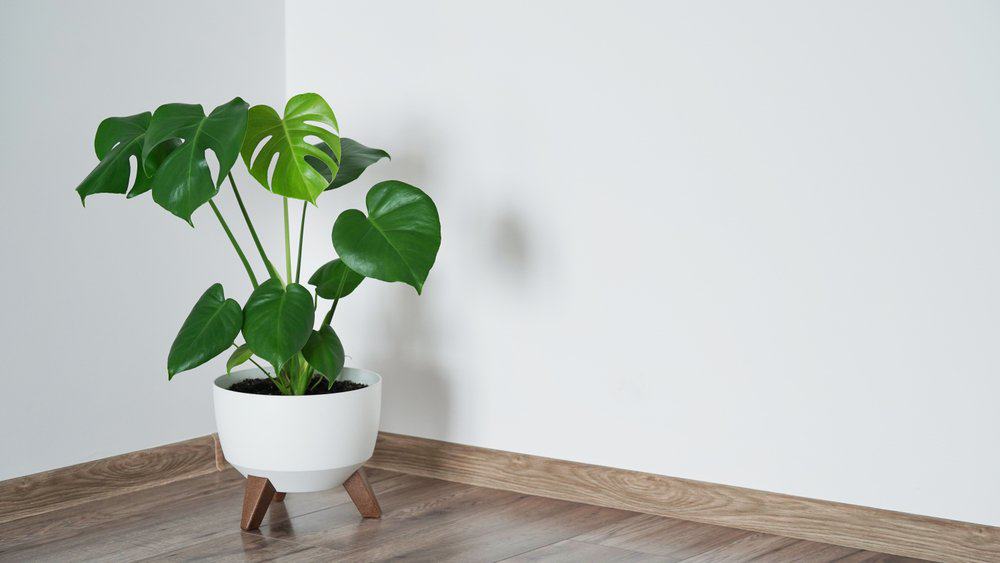
1. Monstera Deliciosa
Position: Place it near a window where it can receive indirect sunlight. It can handle some shade but thrives best with dappled sunlight.
Growth: Monstera is a fast grower, especially in its prime growing seasons of spring and summer. Mature plants can reach several feet in height, depending on the available space.
Complementing with Furniture: With its distinctive split leaves, the Monstera becomes a focal point. Position it next to a neutral-colored sofa or against a white wall for a pop of greenery. Its tropical vibe goes well with wooden or rattan furniture.
Maintenance and Care: Water once the top 1-2 inches of soil feels dry, typically once a week. Reduce watering in the colder months. It appreciates a well-draining potting mix. As for light, bright to medium indirect light is ideal. Direct sunlight can scorch its leaves.
Other Aspects: Monstera’s leaves tend to grow towards the light, so rotate the pot regularly for even growth. If it grows too large, consider staking or using a support to help the plant maintain its shape. Pruning older leaves or aerial roots helps to manage its size. Remember, this plant can be toxic if ingested, so keep it away from pets and children.
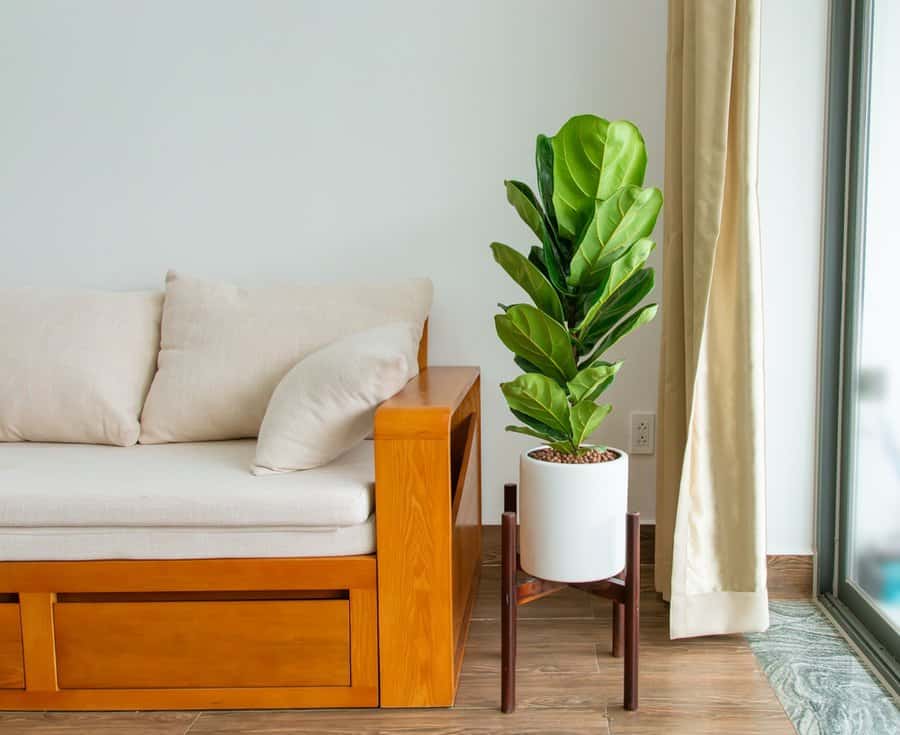
2. Fiddle Leaf Fig
Position: Choose a bright spot in your living room, preferably close to a window that receives consistent light. Avoid places with drafts or rapid temperature fluctuations.
Growth: Fiddle Leaf Figs can grow tall, with mature indoor plants reaching up to 10 feet or more. However, their growth rate is moderate, and their height can be controlled with occasional pruning.
Complementing with Furniture: Given its statement-making large, glossy leaves, it pairs beautifully with minimalist, modern furniture. Place it against a muted color backdrop or next to sleek furnishings to let its grandeur shine.
Maintenance and Care: These plants thrive in bright, indirect light. Direct sunlight can burn the leaves. Water when the top inch of the soil feels dry. Ensure adequate drainage to prevent root rot. A well-draining soil mix is ideal.
Other Aspects: Fiddle Leaf Figs are known to be a bit finicky. They don’t like being moved often and can drop leaves if exposed to draft, low light, or inconsistent watering. Dust the leaves occasionally to ensure they can photosynthesize efficiently. Like the Monstera, the Fiddle Leaf Fig can be toxic if ingested, so it’s wise to keep it away from pets and children.
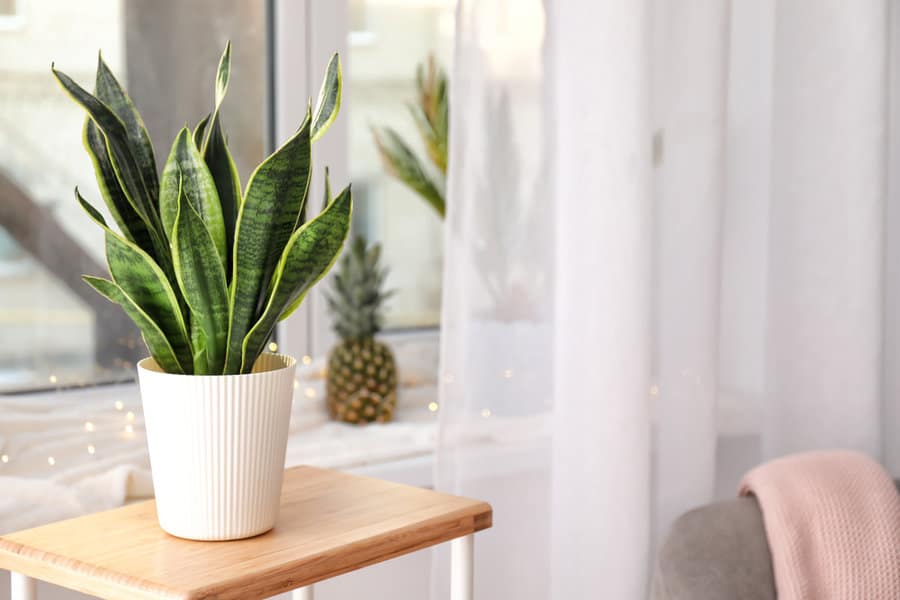
3. Snake Plant
Position: One of the most versatile plants in terms of placement. It can tolerate low light conditions, making it perfect for spaces away from windows or in dimmer corners. However, it also thrives in brighter spots.
Growth: Snake plants grow vertically, with some varieties reaching up to 4 feet. They have a moderate growth rate and can expand outward with new shoots at the base.
Complementing with Furniture: Its upright growth pattern and architectural leaves lend a modern touch. It complements both contemporary and traditional furnishings. Pair with metallic accents or geometric-patterned rugs for a sleek look.
Maintenance and Care: Water sparingly. The snake plant is drought-tolerant and prefers to dry out between waterings. Overwatering is its nemesis and can lead to root rot. Bright, indirect light is ideal, but as mentioned, it’s forgiving of lower light conditions.
Other Aspects: An added benefit of the snake plant is its ability to purify indoor air. It’s one of the few plants that convert CO2 into oxygen during the night, making it an excellent choice for bedrooms as well. Furthermore, its hardy nature makes it a favorite for beginners. However, it’s worth noting that snake plants can be toxic if ingested, so they should be positioned out of reach of pets and young children.
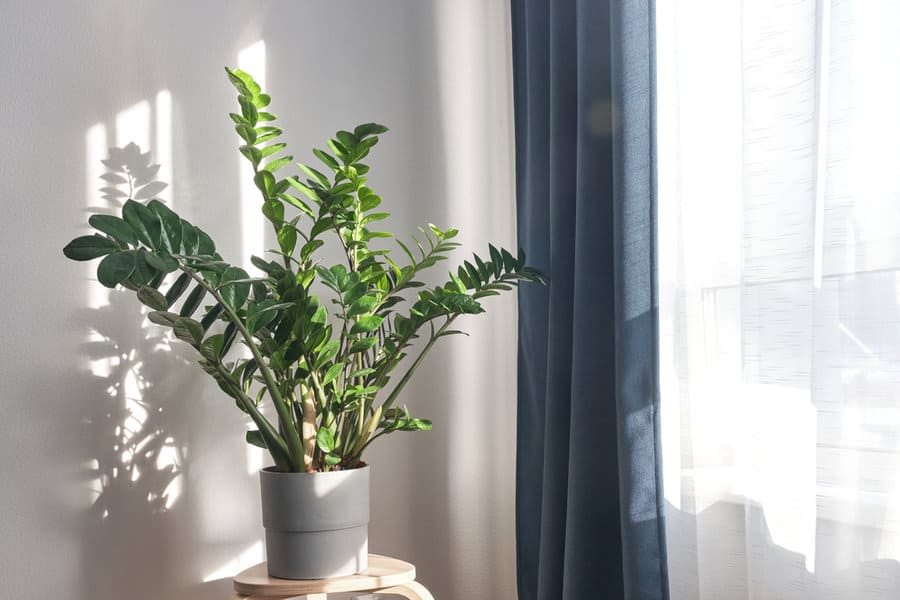
4. ZZ Plant
Position: ZZ Plants are adaptable and can be placed in a variety of locations, from low-light corners to spots with bright, indirect sunlight. Avoid direct sun, which can scorch its leaves.
Growth: The ZZ Plant has a moderate growth rate, usually reaching a height of 2-3 feet indoors. Its dense, dark green leaves grow on stems that can become thick and woody with age.
Complementing with Furniture: Its glossy leaves and upward growth add elegance to any space. The ZZ Plant pairs well with both contemporary and rustic furniture. Its shine contrasts beautifully with matte finishes or softer textiles.
Maintenance and Care: This plant is drought-tolerant, so it’s better to under-water than over-water. Let the soil dry out between waterings. As for light, it’s tolerant of a range but prefers bright, indirect light.
Other Aspects: The ZZ Plant is notorious for its resilience. It can thrive in challenging indoor conditions, making it perfect for those who might not have the greenest thumb. Its rhizomes store water, so occasional neglect won’t harm it. However, all parts of the ZZ Plant are toxic when ingested, so it’s important to keep it away from pets and children.
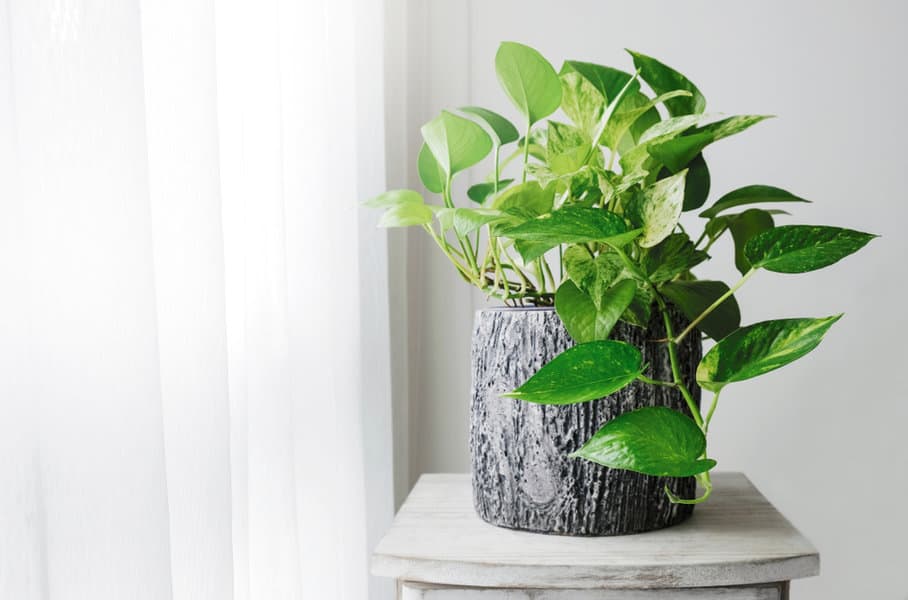
5. Pothos
Position: Pothos is flexible with its light needs. While it enjoys bright, indirect light, it’s also tolerant of low light conditions. Hang or position it near a window, or let it cascade from a bookshelf or high ledge.
Growth: Pothos is a trailing plant with vines that can stretch up to 10 feet or longer indoors. Its growth rate is quite vigorous, especially in favorable conditions.
Complementing with Furniture: Given its cascading nature, Pothos adds a soft touch to sharp-edged furniture. Drape its vines over shelves, or place it on top of a tall cabinet. Its green and yellow variegated leaves can break the monotony of monochrome spaces.
Maintenance and Care: Water when the top inch of soil is dry. Pothos isn’t too fussy about its watering schedule, but it doesn’t like sitting in water. Ensure the pot has proper drainage. As for light, it’s adaptable but thrives in medium to bright indirect light.
Other Aspects: One of the easiest houseplants to care for, Pothos is also known for its air-purifying qualities. It can help remove indoor pollutants like formaldehyde. However, it’s essential to note that Pothos is toxic when ingested, so keeping it out of reach from pets and children is advised. If you wish for a bushier look, pinch back the growing tips occasionally.
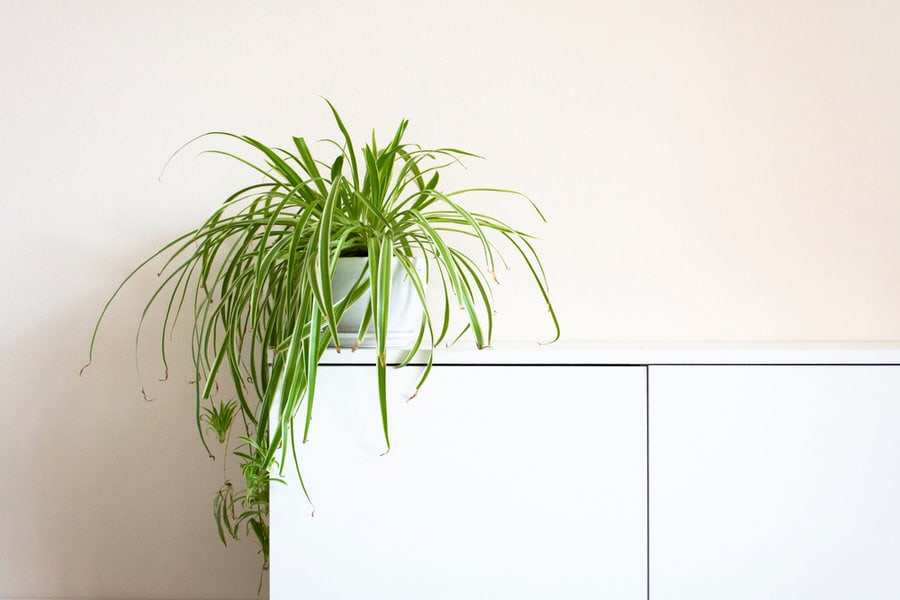
6. Spider Plant
Position: The Spider Plant prefers bright, indirect light, so placing it near a window but shielded from direct sunlight is ideal. It’s also well-suited for hanging baskets given its arching leaves and baby plantlets.
Growth: With slender, arching leaves, mature Spider Plants can span 2-3 feet. Their distinctive feature is the “baby” spiderettes that dangle from the mother plant, giving it a unique appearance.
Complementing with Furniture: Its playful, cascading growth makes it a lively addition to any room. Hang it above a reading nook, or place it atop a stand where its spiderettes can cascade freely. It pairs well with bohemian or casual decor styles.
Maintenance and Care: Water moderately, allowing the topsoil to dry out between waterings. Spider Plants prefer well-draining soil and pots. They can tolerate some degree of neglect, making them beginner-friendly. Bright, indirect light is ideal, but they can also survive in semi-shaded spots.
Other Aspects: Spider Plants are renowned for their air-purifying properties, especially in removing pollutants like formaldehyde and xylene. They’re non-toxic and safe around pets and children, making them a popular choice for family homes. If the tips of its leaves turn brown, it might be due to fluoride in tap water; using distilled or rainwater can help.
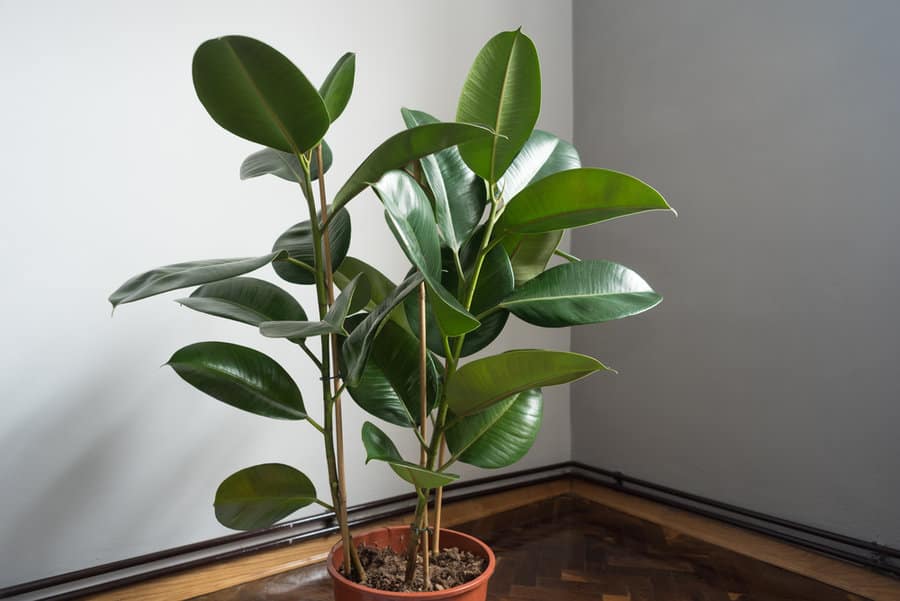
7. Rubber Plant
Position: The Rubber Plant prefers bright, indirect sunlight. A spot near a window with sheer curtains or a bit farther away from direct sunlight is optimal. They’re robust and can adapt to less light but may lose some of their vibrant colors.
Growth: This plant can become quite tall indoors, reaching heights of 6-10 feet. Its broad, shiny leaves can grow up to 12 inches long.
Complementing with Furniture: With its dark green, glossy leaves, the Rubber Plant offers a touch of sophistication. It works well in modern, minimalist settings or rooms with wooden furniture, providing a contrasting green backdrop.
Maintenance and Care: Water the Rubber Plant when the top inch of soil feels dry, usually once a week in the growing season and less often in winter. Ensure good drainage to avoid root rot. Bright, indirect light helps maintain its vibrant foliage.
Other Aspects: Rubber Plants can help improve indoor air quality by removing pollutants. To keep its leaves shiny and unobstructed from dust, it’s good to wipe them down occasionally with a damp cloth. It’s mildly toxic if ingested, so it’s recommended to place it away from pets and children. If the plant becomes too tall, you can prune the top to control its height and promote more branching.
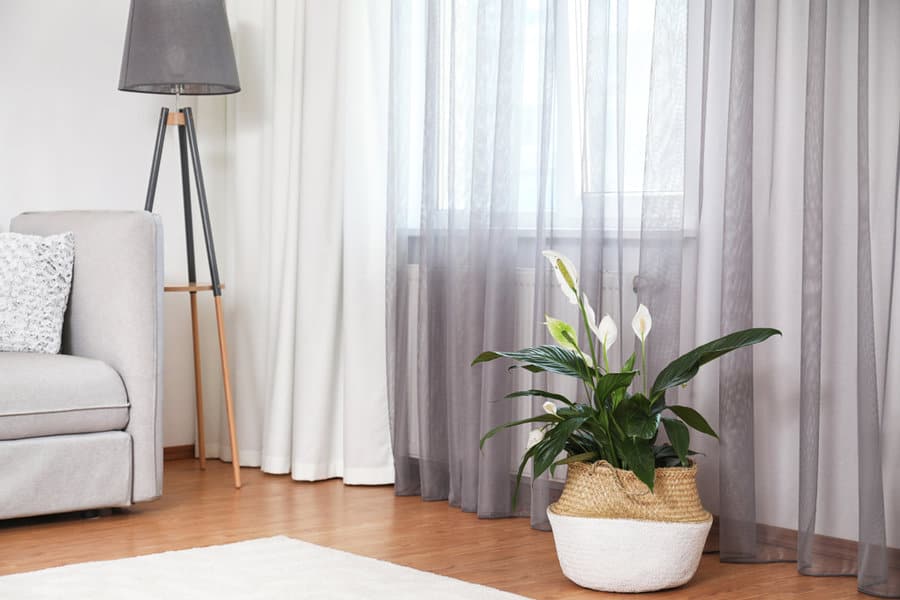
8. Peace Lily
Position: The Peace Lily appreciates bright, indirect light, but it’s also one of the few plants that can thrive in low-light conditions. Avoid direct sunlight, which can scorch its leaves. A spot away from windows or in a well-lit corner works well.
Growth: Generally, Peace Lilies stay compact, growing to a height of 1-4 feet, depending on the variety. They produce white, hood-like flowers which can appear at any time of the year, especially if they’re well-tended.
Complementing with Furniture: The elegant white blooms and lush green foliage make Peace Lilies a classic choice for any decor style. They’re particularly effective in softening spaces with metallic or glass furnishings. The plant’s graceful appearance complements both contemporary and traditional interiors.
Maintenance and Care: Water consistently, keeping the soil slightly moist but not soggy. It’s a good sign if the plant droops a bit when it’s thirsty. Bright, indirect light is preferred, though it’s forgiving of lower light. Ensure good drainage and consider a pot with a saucer to catch any excess water.
Other Aspects: Renowned for its air-purifying abilities, the Peace Lily can filter out several toxins from the air. While beautiful, it’s essential to note that all parts of the plant are toxic if ingested, making it vital to position away from curious pets and children. Brown leaf tips can indicate over-watering, while yellow leaves might suggest too much light.
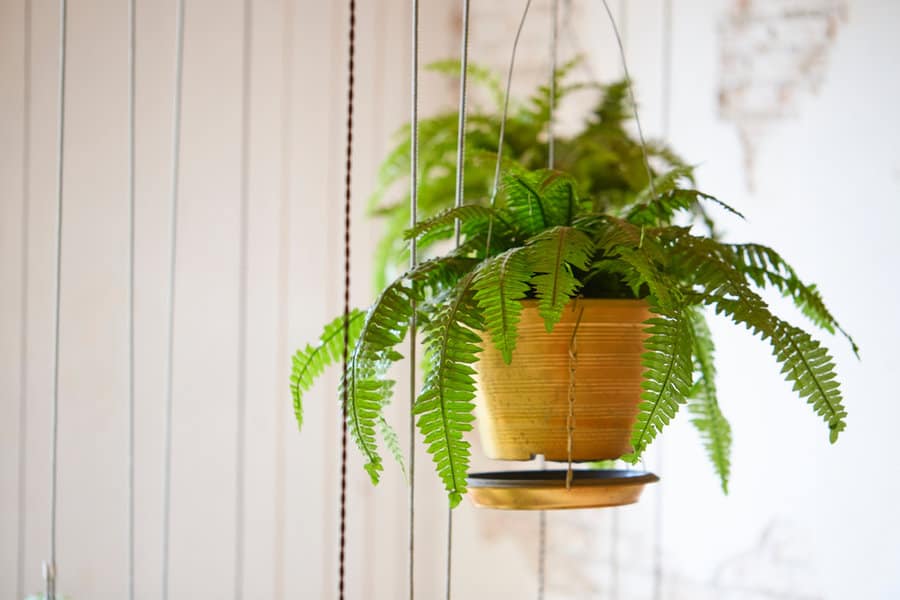
9. Boston Fern
Position: Boston Ferns thrive in indirect, filtered light. North-facing windows or spots with dappled light are ideal. They’re also popular choices for hanging baskets due to their cascading fronds.
Growth: A mature Boston Fern can reach a diameter of 2-3 feet, with delicate, arching fronds that can extend 2-3 feet long, creating a voluminous appearance.
Complementing with Furniture: Its feathery fronds add texture and a touch of wilderness to spaces. Boston Ferns look great against bare walls, or hanging in corners, where their fronds can drape gracefully. Their vintage charm pairs well with antique or rustic furniture.
Maintenance and Care: This fern loves consistent moisture but dislikes waterlogged soil. Water regularly, ensuring the pot provides good drainage. Bright, indirect light is best. They also appreciate higher humidity, so consider misting the plant or placing it on a tray with watered pebbles.
Other Aspects: Boston Ferns are known for their air-purifying qualities and can help to add humidity to dry indoor air. They’re non-toxic, making them safe for homes with pets and children. To maintain a lush appearance, regularly trim away any yellow or brown fronds.
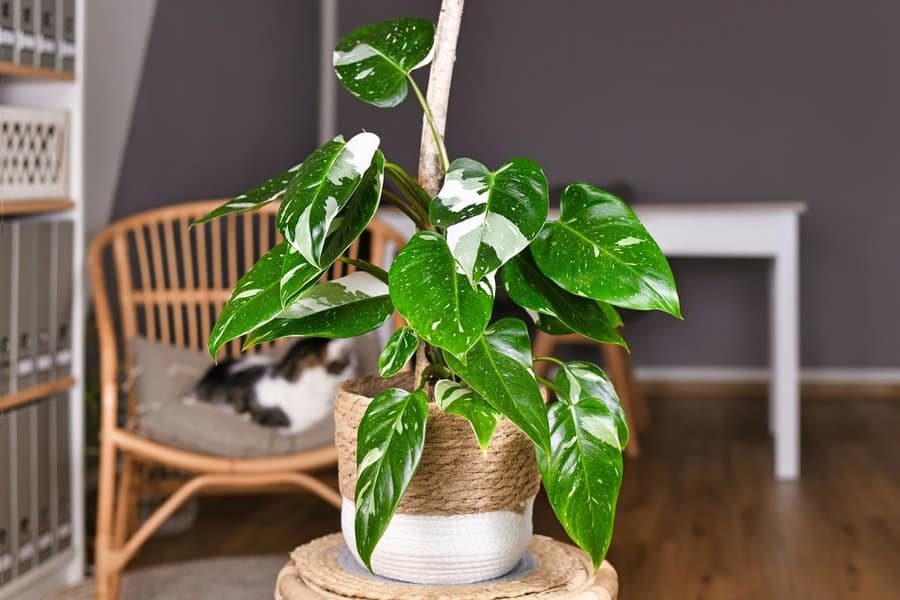
10. Philodendron
Position: Philodendrons are versatile in terms of light requirements. They prefer bright, indirect light but can also tolerate medium to low light conditions. Avoid placing them in direct sunlight, as this can scorch their leaves. They can be placed on shelves, hung, or even trained to climb depending on the variety.
Growth: Their growth varies depending on the specific type. Some philodendrons, like the vining Heartleaf, can trail or climb several feet, while others, like the Split-Leaf or Hope, can grow more upright and bushy.
Complementing with Furniture: Their lush greenery can soften spaces and add a touch of the tropics. Vining types can be draped over shelves or used in hanging planters, while larger varieties serve as floor plants, complementing taller furniture pieces.
Maintenance and Care: Water when the top inch or so of the soil feels dry. They don’t like to be overly wet, so ensure their pots have proper drainage. While they’re adaptable to various light levels, brighter indirect light will encourage more robust growth.
Other Aspects: Philodendrons are excellent at purifying indoor air, helping to remove formaldehyde. They’re relatively easy to care for, making them suitable for both novice and experienced plant enthusiasts. However, it’s essential to know that philodendrons are toxic if ingested, so they should be kept out of reach of pets and children. Regular pruning can help maintain a desired shape and promote fuller growth.
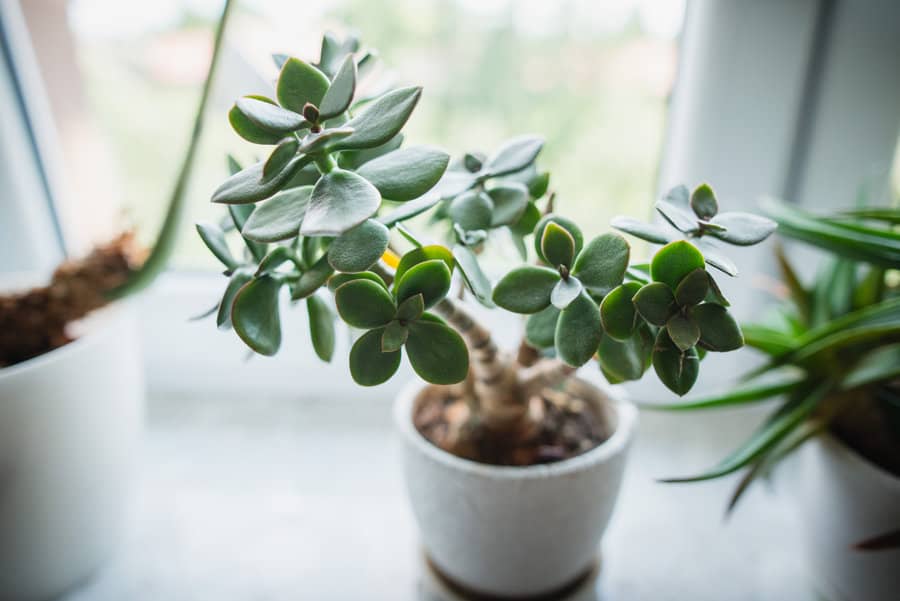
11. Jade Plant
Position: Jade Plants prefer bright light, so a spot near a south or west-facing window where they can receive a good amount of indirect sunlight is ideal. They can tolerate direct sunlight but ensure it’s not too harsh, especially during peak hours.
Growth: Known as the “money plant” in some cultures, Jades can grow to become large, bushy plants reaching up to 3-4 feet indoors. With time, their stems become thick and woody, resembling miniature tree trunks.
Complementing with Furniture: With its succulent, glossy, green leaves and tree-like growth pattern, Jade Plants add a touch of nature’s grandeur to indoor spaces. They work well on desks, tabletops, or as standalone specimens in rooms with wooden or rustic themes.
Maintenance and Care: Being a succulent, Jade Plants store water in their leaves, so they don’t require frequent watering. Allow the soil to dry out between waterings to prevent root rot. They thrive in bright light and can handle some direct sun, but be wary of too much direct sunlight, which can cause leaf scorching.
Other Aspects: Jade Plants are believed to bring good luck and prosperity, making them popular gifts. They’re relatively low maintenance and can live for many years with proper care. They are mildly toxic if ingested, so keeping them away from pets and children is advisable. For a bushier appearance, you can pinch back the growing tips.
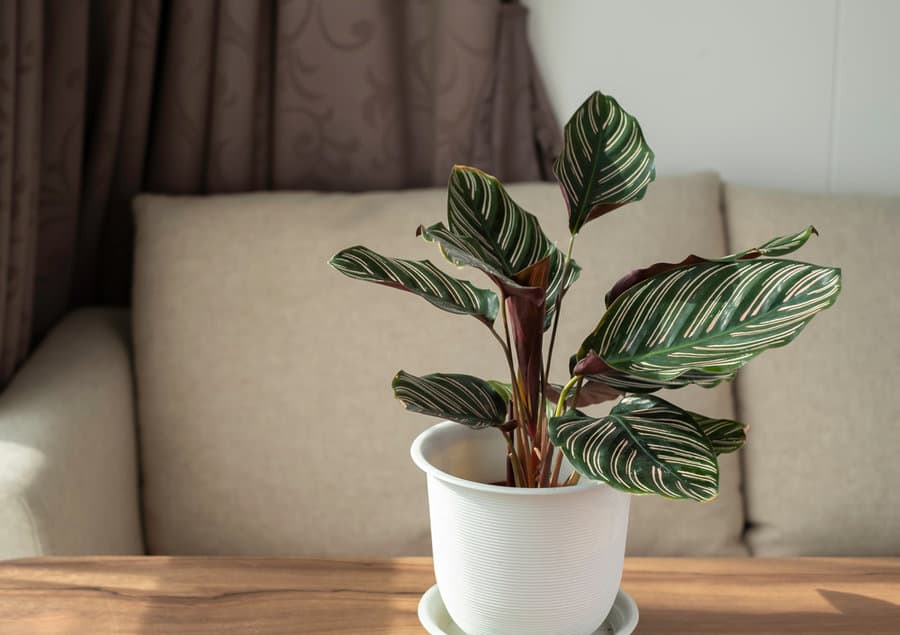
12. Calathea
Position: Calatheas thrive in bright, indirect light. Avoid direct sunlight, as it can fade the plant’s vibrant colors. They are best positioned away from windows with strong sun exposure, such as south or west-facing windows.
Growth: Calatheas typically grow to a height of 1-2 feet, but some species can grow larger. They are recognized for their beautiful, patterned leaves which can display various shades of green, purple, and even pink.
Complementing with Furniture: With their ornate foliage, Calatheas act as natural artwork, drawing attention and adding color to living spaces. They work well on side tables, plant stands, or as a centerpiece on a coffee table, especially in modern or eclectic decor.
Maintenance and Care: Keep the soil consistently moist, but avoid letting the plant sit in water. They thrive in higher humidity, so consider placing them on a tray with moist pebbles, using a humidifier, or misting them occasionally. Bright, indirect light is crucial to maintain their vibrant colors.
Other Aspects: Calatheas are known for their “dancing” leaves — they move up and down with the day-night cycle. This movement is a part of their circadian rhythm. They’re also pet-friendly, as they are non-toxic to cats and dogs. Brown leaf edges can indicate a lack of humidity or inconsistent watering. Regularly wiping the leaves can keep them dust-free and shiny.
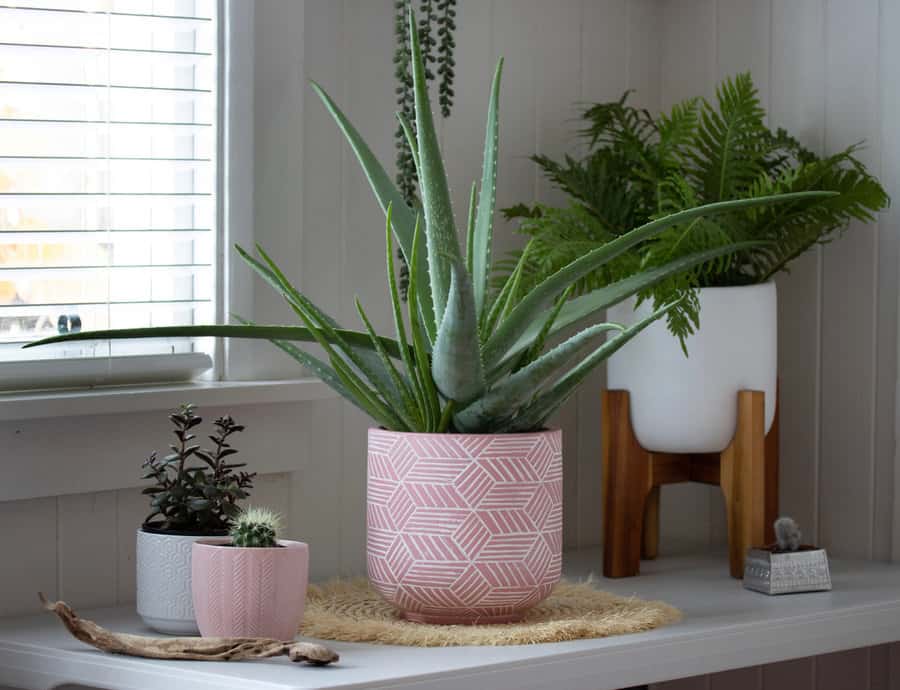
13. Aloe Vera
Position: Aloe Vera loves bright light, making it best suited for south or west-facing windows. While it can handle some direct sunlight, prolonged exposure, especially during the hottest parts of the day, can cause the leaves to turn brown or yellow.
Growth: A mature Aloe Vera plant typically stands between 1-2 feet tall, characterized by its thick, fleshy, green leaves that can grow up to 10 inches long. The leaves are filled with a clear gel that has numerous health and skin benefits.
Complementing with Furniture: Its sleek, modern look makes Aloe Vera a perfect fit for contemporary spaces, minimalist designs, or on work desks. Its green hue can provide a pop of color against white or neutral backgrounds.
Maintenance and Care: Aloe Vera is a succulent, which means it stores water in its leaves. It requires infrequent watering; let the soil dry out completely between waterings. Overwatering is a common issue, so ensure its pot has good drainage. Bright light ensures healthy growth, but shield it from intense direct sun.
Other Aspects: Aloe Vera has been used for centuries for its healing properties. The gel inside its leaves can be applied to burns, cuts, and other skin irritations for relief. It’s essential to be cautious, though, as the yellow sap (aloe latex) found just below the skin of the leaf can be an irritant. The plant is also toxic if ingested, so it’s best to keep it away from pets and children.
Did you know that the average person spends about 4 years of their life sitting on a sofa? That’s a significant chunk of time, making your sofa choice more important than you might think. Ever settled into what you thought was a plush sofa at a friend’s house, only to find yourself squirming uncomfortably moments later? Picking the right sofa isn’t just about aesthetics; it’s about crafting the perfect environment for relaxation and connection.
In this guide, we delve deep into the world of sofas, exploring the intricacies of design, materials, and ergonomics. From understanding the basics of frame durability to the secrets of cushion plushness, we’re going to ensure your next sofa isn’t just good—it’s perfect. Read on to unlock the secrets to sofa satisfaction.
[view_toc]
1. Measuring for Your Sofa
Before diving into sofa shopping, it’s essential to have a clear understanding of your room’s size. A sofa, while a significant piece, should harmoniously fit within its environment and not overpower the space.
Use a measuring tape to obtain precise room dimensions, taking into account windows, doors, and other significant elements. It’s not just about ensuring the sofa fits, but also about preserving the flow and functionality of the room.
The primary purpose of a sofa is seating, but remember that not all seating is created equal. You want to ensure ample space for every potential sitter. A common mistake is picking a sofa that’s too large, making the room feel cramped, or too small, rendering it inadequate for family gatherings or entertaining guests.
Visualize the space and consider other furniture items you might have or plan to acquire. A good tip is to use masking tape to outline the potential sofa space on your floor. This physical representation can give a clearer idea of how the sofa will interact with its surroundings.
2. Pick Your Sofa Style
Your sofa can be a statement piece, reflecting your personal style and the essence of your home. Classic sofas often boast elegant curves, plush backrests, and ornate wooden legs, resonating with a timeless appeal that complements a variety of decors.
On the other hand, modern sofas tend to favor cleaner lines, minimalist features, and are often seen in neutral palettes with occasional vibrant color splashes. These can be perfect for contemporary homes or those seeking a more streamlined look. When deciding, consider the existing décor elements in your room and what kind of ambiance you wish to establish.
The mid-century sofa design, popularized in the 1950s and ’60s, bridges the gap between classic and modern. With its vintage flair, tapered wooden legs, and functional form, it’s a versatile choice for both retro enthusiasts and those seeking a trendy, yet timeless appeal.
However, the sofa universe is vast, and other styles range from rustic, bohemian, industrial, to eclectic. It’s beneficial to explore various design catalogs or visit furniture showrooms to familiarize yourself with the plethora of styles available.
Remember, the key is to find a sofa that resonates with your aesthetic preferences and enhances your living space’s overall vibe.
3. Material Selection
Selecting the right material is as much about functionality as it is about aesthetics. Leather, a luxurious and durable choice, offers a sleek finish and is relatively easy to clean, making it a favorite for households with children or pets. Over time, it can develop a unique patina that adds character.
However, leather might not be ideal in extreme climates, as it can feel cold in winter and sticky in summer. Fabric sofas, conversely, come in a myriad of textures, patterns, and colors, allowing for more design flexibility. They can be cozier and more breathable than leather, but may require more maintenance, especially if they’re light-colored or delicate.
If you’re seeking a sofa for an outdoor setting, material selection takes on a new dimension. Outdoor sofas demand materials that can withstand varying weather conditions, from blazing sun to pouring rain. Think of solutions like synthetic resin, teak, or treated metal frames, paired with water-resistant and UV-protected cushions.
It’s also a good idea to invest in protective covers for off-season storage or unexpected weather changes. Remember, while outdoor sofas are built to be robust, periodic maintenance – such as cleaning and checking for wear – will significantly extend their lifespan and keep them looking fresh.
4. Cushion Comfort
When it comes to delivering consistent support and contouring to the body, memory foam stands out. Originally developed for astronauts, this material has found its way into our homes, offering a firm yet plush seating experience.
Memory foam cushions adapt to the sitter’s body shape, providing tailored comfort. They’re especially beneficial for those with back issues or who spend extended periods on the sofa. However, they can retain heat, so they might not be ideal for hotter climates or those who tend to run warm.
For those seeking the epitome of luxury and softness, down-filled cushions are a top choice. Filled with the fluffy undercoating of ducks or geese, these cushions offer a plush, sink-in feel that’s unparalleled. They’re incredibly comfortable and can give your sofa a relaxed, inviting look. However, they do require more maintenance, including regular fluffing to maintain their shape.
Additionally, for those with allergies, it’s essential to ensure that the down is hypoallergenic and encased in a tightly woven fabric to prevent feather escape.
5. The In-Store Test Drive
While online shopping offers convenience, there’s an irreplaceable value in physically testing a sofa in-store. The sit test goes beyond just a quick perch; it’s about truly experiencing the sofa. Sit down, lean back, and even lie down if that’s how you’d use it at home. Consider the depth of the seat, the angle of the backrest, and the height from the floor. Remember, what looks good might not always feel good, and the goal is to find a sofa that you can comfortably lounge on for extended periods.
A close inspection is crucial to ensure you’re investing in a durable piece. Examine the sofa’s stitching, looking for uniformity and tightness. Check the legs and frame for any signs of wobbling or instability. Feel the armrests and back for any lumps, sags, or irregularities. If it’s a recliner or has other moving parts, test those mechanisms to ensure smooth operation. Taking a few extra minutes to scrutinize the details can save you from potential hassles and added costs down the road.
6. Buying Smart: Questions to Ask
Purchasing a sofa comes with its set of logistics. Clarify delivery details in advance, including costs, timelines, and setup services. Consider challenges like tight spaces or stairways in your home. Some stores provide comprehensive ‘white glove’ services, while others might leave it at your door. Being prepared can stave off delivery day surprises.
When investing in a sofa, a clear understanding of its warranty is essential. Dive deep to know what’s covered, from frame to potential accidents. Some shops offer extended protections at an extra fee. Always weigh the costs and benefits and scrutinize the fine print.
Durability is paramount when choosing a sofa. Inquire about frame construction, cushion quality, and gather customer feedback. Such insights can give a clearer picture of the sofa’s longevity and overall performance.
7. Maintenance and Care
Prompt action can salvage a sofa from unexpected spills. For fabric sofas, understanding their cleaning codes is crucial; for instance, “W” suits water-based cleaners and “S” demands solvents. Leather requires immediate blotting of spills. Before using any cleaner, always test on an inconspicuous spot; for tough stains, consider professional cleaning solutions.
Proper maintenance prolongs a sofa’s lifespan. Regular vacuuming for fabric and periodic wiping for leather, complemented with annual conditioning, keeps them fresh. Protect your sofa from direct sunlight and, if possible, rotate its cushions to maintain even wear, ensuring it remains your living space’s focal point.
Have you ever walked into a living room and felt an inexplicable sense of calm, warmth, or even energy? Much of that reaction is influenced by the room’s color scheme. Believe it or not, 93% of consumers place visual appearance above other factors when making a purchase for their homes.
Choosing the right color palette for your living room isn’t just about aesthetics; it’s about creating an environment that resonates with your personal energy and comfort.
In this article, we’ll guide you through the process of selecting the perfect color scheme, helping to transform your living space into a true reflection of your personality. Dive in to discover expert tips, common mistakes to avoid, and the psychology behind your favorite hues.
[view_toc]
1. The Power of Color: How psychology shapes our reactions
Colors have a profound impact on our emotions and behavior. It’s not just a visual experience; it’s psychological.
Red exudes energy and passion. It can be invigorating, but in a living room setting, consider using it sparingly or in muted tones to avoid overwhelming the space.
Blue is calming and serene, often linked to tranquility and relaxation. It’s a top choice for creating a peaceful environment.
Green resonates with nature and renewal. It’s balanced, calming, and can rejuvenate a space. Think of soft mossy greens or deep forest tones.
Yellow brings warmth and cheerfulness. A splash of yellow can uplift a room, but a strong shade might be too intense. Pastel or mustard tones can be more soothing.
Remember, while these general associations exist, personal experiences also play a part. Your childhood home’s color or a memorable vacation spot might influence your reactions. It’s essential to choose colors that resonate with you personally. Before diving in, reflect on what you want your living room to represent emotionally.
2. Room Size & Light: Picking colors based on space and illumination
The size of your living room and the amount of natural light it receives can drastically influence how a color appears and feels.
Small Rooms: Lighter shades can make a living room feel larger and more open. If you’re dealing with a smaller space, consider soft neutrals or pastels to create an airy vibe.
Large Rooms: Darker colors can add warmth and make vast spaces feel cozier. Deep blues, greens, or even rich purples can bring a luxurious touch to expansive rooms.
Natural Light: Living rooms with abundant sunlight can handle darker shades without feeling closed in. The natural brightness will soften the hue and prevent it from being too overwhelming.
Limited Light: In spaces with less natural light, avoid overly dark colors, which can make the room feel dim and smaller. Instead, opt for mid-tones or lighter shades that reflect ambient light.
Angles matter too. If you’re unsure, paint swatches on different walls to see how the color changes throughout the day. It’s also worthwhile considering the type of artificial lighting you use. Warm bulbs can add a yellow tint, while cooler bulbs can lean towards blue, subtly shifting the paint’s appearance. Remember, it’s all about creating a harmonious balance that complements both the room’s dimensions and its lighting conditions.
3. Anchoring with a Base: Selecting your primary shade
Your primary color is the foundation of your living room’s aesthetic. It will cover the largest surface areas, so it’s vital to make this selection count.
Inspiration Sources: Begin by seeking inspiration. This could be a piece of artwork, a favorite rug, or even nature. Draw your primary color from something that resonates with you.
Neutral Foundations: Neutrals like beige, gray, or off-white are timeless and offer flexibility. They allow for easy changes in accent colors and decor in the future.
Bold Statements: If you lean towards bolder hues, ensure the color isn’t too overpowering. Remember, it’ll dominate the space. Consider muted versions of your favorite bold color for a balanced approach.
Mood Setting: Reflect on the ambiance you want. Cooler colors like blues or greens often create a calm atmosphere, while warmer tones like reds and oranges exude energy and coziness.
Consistency: If your living room is open to other areas of your home, consider the color flow. The primary shade should harmonize with adjacent spaces for a cohesive feel.
Lastly, take your time. Don’t rush the selection process. Once you have a few options in mind, invest in sample pots. Paint patches on your walls, observe them at various times of the day, and under different lighting to ensure you’re making a choice you’ll love long-term.
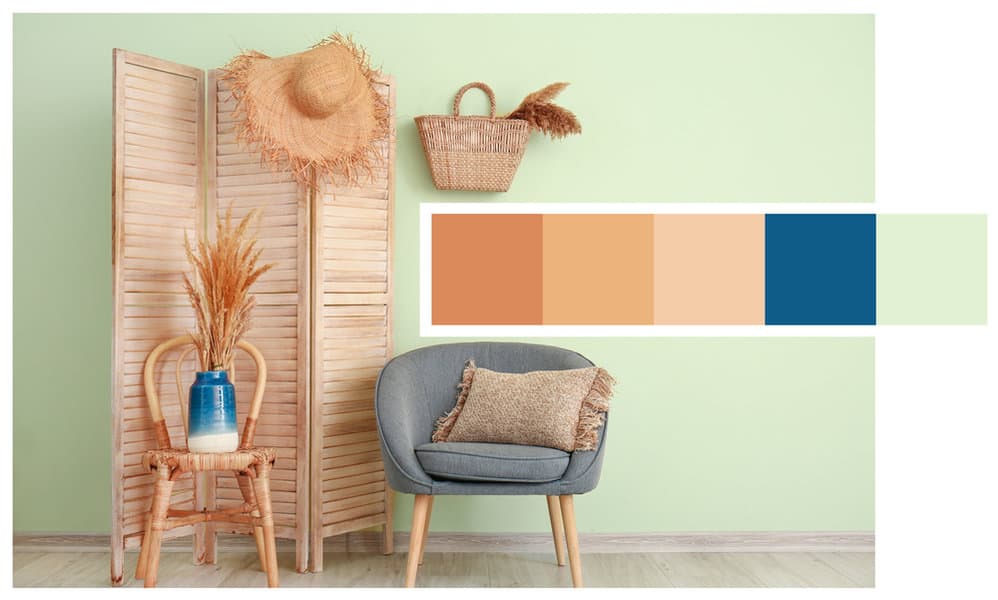
4. Accentuating with Flair: Two or three hues to elevate the look
Accent colors are the exclamation points of your living room, adding depth, contrast, and personality.
Rule of Three: A popular approach is the 60-30-10 rule. Your primary color covers 60% of the room, the secondary color 30%, and the accent color 10%. This creates a balanced and harmonious look.
Contrast and Complement: Choose accent colors that contrast with your base shade but are still complementary. If you have a cool primary color, a warm accent can add a touch of vibrancy, and vice versa.
Subtle or Bold: Depending on your preference, accents can be subtle additions or bold statements. Soft pastels can be soothing, while vibrant shades can inject energy.
Natural Inspiration: Nature is a fantastic source of complementary color schemes. Think of sunsets, forests, or seascapes for inspiration.
Functional Accents: Remember, accent colors aren’t limited to walls. They can be introduced through furniture, throw pillows, art, and other decor elements.
Always test before fully committing. Small swatches or incorporating temporary items like throw blankets in your chosen accent color can provide a glimpse of the final look. Adjust as needed, ensuring the accents harmonize with your primary color and the overall mood you aim to create.
5. Depth through Texture: Pillows, rugs, curtains, and beyond
While color is crucial, texture plays an equally significant role in defining and elevating a room’s ambiance.
Layering: Layer different textures to create depth. For instance, a silky-smooth curtain paired with a textured jute rug introduces a tactile dimension that’s visually appealing.
Material Matters: Fabrics like velvet, linen, or faux fur can provide luxurious softness, while materials like wood, metal, or glass can add sleekness and structure.
Pillows: Mix and match pillow textures. A suede pillow beside one with sequins or embroidery can make your sofa an inviting centerpiece.
Rugs: Don’t limit yourself to one type. A soft, plush rug can be layered over a flat-weave or a jute rug for a unique touch.
Curtains: Beyond color, consider the fabric’s weight and drape. Light, breezy sheers can bring in softness, while heavier drapes like brocade or chenille add gravitas.
Decorative Details: Even small decor elements, like a knitted throw, a beaded table runner, or a metal decorative bowl, can introduce varied textures.
Remember, texture not only enhances visual appeal but also invites interaction. It beckons one to sit down, touch, and truly immerse in the room’s environment. Balance is key: aim for a mix that feels cohesive, not cluttered, and always aligned with the mood you’re striving for.
6. Shades of Subtlety: Exploring variations within a hue
Utilizing subtle variations of a single hue can add sophistication and depth to a room without overwhelming it with contrasting colors.
Monochromatic Magic: Embrace a monochromatic palette. This doesn’t mean one flat color, but rather exploring the gradient: from the palest tint to the deepest shade of a particular hue.
Wall Variations: Consider painting one wall a slightly darker or lighter shade than the others. This can create a focal point and added interest without a stark contrast.
Furniture Hues: Choose furniture pieces in varying shades of your chosen color. A navy sofa, for instance, can pop against a backdrop of soft sky-blue walls.
Accent Details: Incorporate accessories like throw pillows, vases, or lamps in different shades of the base color. These details can tie the room together and add dimension.
Artistic Elements: Artwork can be a subtle way to introduce various shades. An abstract painting with varying tones of green, for example, can be both a centerpiece and a harmonizing element.
Watch the Undertones: Every color has undertones. For example, a gray might lean towards blue, green, or even purple. When playing with shades, ensure the undertones are consistent to maintain cohesiveness.
Subtle variations require a keen eye and a bit of experimentation. The beauty lies in the nuances, allowing you to craft a space that feels harmonious, layered, and uniquely reflective of your taste.
7. Simplicity is Key: Streamlining for a cohesive palette
In design, sometimes less truly is more. A refined and streamlined color palette can evoke elegance, clarity, and calm.
Limit Your Palette: While it’s tempting to incorporate many colors, narrowing down to a few that work harmoniously can create a more impactful design.
Neutral Grounding: Using neutrals as a foundation can simplify the palette. Colors like beige, gray, or taupe can provide a quiet backdrop, allowing other colors to shine without competition.
One Bold Statement: If you have a penchant for bold colors, consider using just one as a statement. A single vibrant hue, when set against neutrals, can become a room’s standout feature without overwhelming the senses.
Consistent Accents: Consistency in accent colors, whether through throw pillows, rugs, or decorative items, can tie the room together seamlessly.
Declutter: Beyond color, ensure your space isn’t overcrowded with decor. A clean, uncluttered space allows the chosen colors to take center stage.
Transition Smoothly: If your living room connects to other rooms, ensure a smooth color transition. A jarring change can disrupt the flow, so aim for complementary or analogous colors in adjacent spaces.
Remember, a simplified palette doesn’t mean a lack of character or style. It’s about creating a clear vision, reducing visual noise, and letting each chosen color play its part to the fullest. A cohesive and streamlined palette invites relaxation and appreciation for the nuances in your design choices.
8. Mistakes to Avoid: Ensuring your color choices stand the test of time
Color choices can deeply influence the ambiance of a space, but mistakes can lead to a room feeling off-balance or outdated quickly.
Trend Traps: While it’s tempting to adopt the latest color trends, remember that trends come and go. Opt for colors you genuinely love and resonate with, rather than what’s momentarily popular.
Forgetting Undertones: Colors, especially neutrals, often have undertones that can clash if not carefully coordinated. A beige with pink undertones might not work well with one that leans green.
Neglecting Lighting: As mentioned earlier, lighting can dramatically alter a color’s appearance. Testing colors under different lights, both natural and artificial, is essential.
Overwhelming Accents: While accent colors can elevate a space, too many can make a room feel chaotic. Stick to a select few that work well together.
Skimping on Samples: Investing in small paint samples before committing to gallons can save you from costly mistakes. Always swatch and observe for a few days.
Uniform Sheen: Different paint finishes (matte, satin, glossy) affect the final look. A high-gloss finish, for example, might not be suitable for large walls as it can highlight imperfections.
Not Considering the Whole Home: Your living room doesn’t exist in isolation. Ensure the colors flow seamlessly from one room to another for a cohesive home aesthetic.
The key takeaway is to be deliberate and thoughtful in your choices. With careful consideration, you can create a timeless space that remains fresh and inviting for years to come.
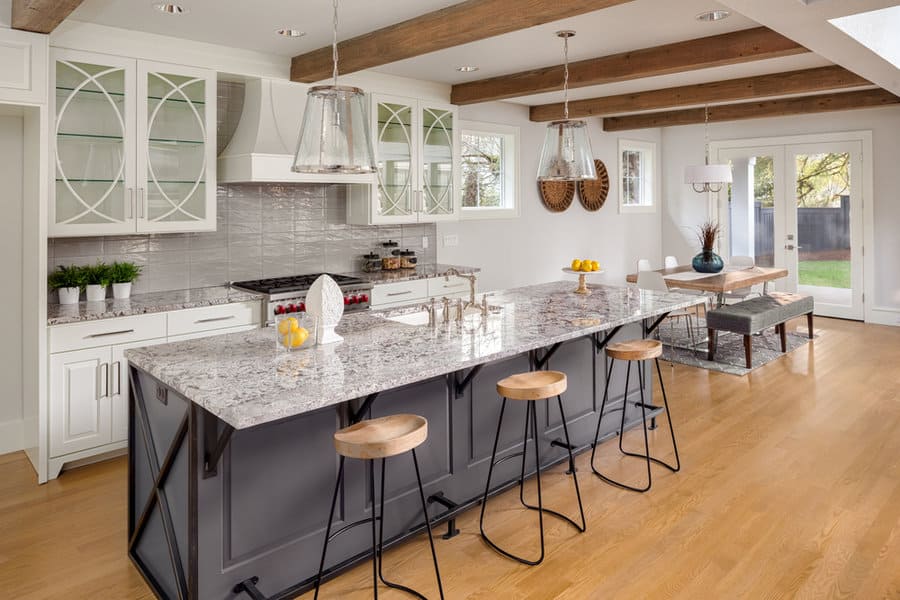
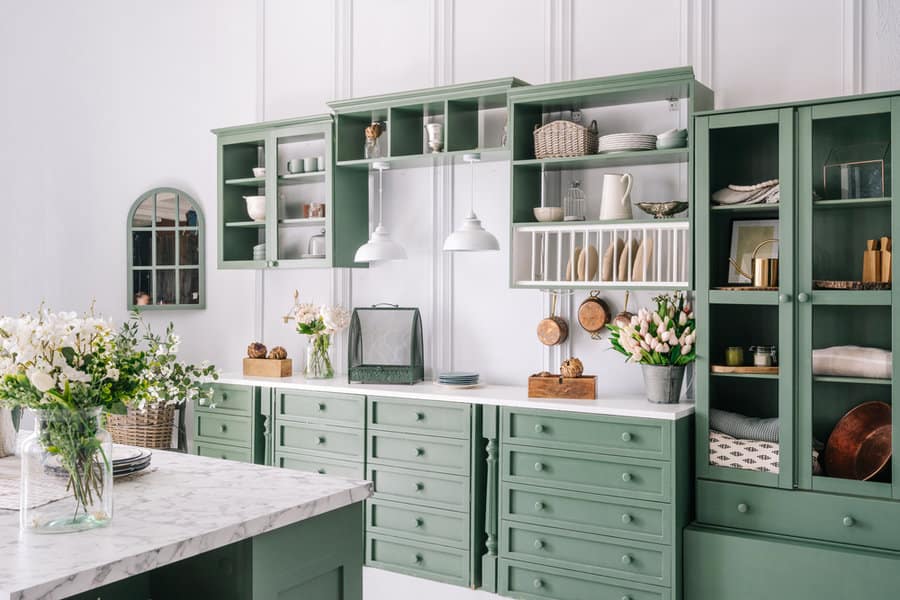
The kitchen, often considered the heart of a home, deserves as much attention and care as any other room. A significant part of it that often gets overlooked is the kitchen counter. These broad, open surfaces are not just meant for chopping vegetables or placing your mixer; they hold potential to be an attractive focal point in your culinary space.
In this article, we will dive into the world of kitchen decor, specifically focusing on how to adorn and style your kitchen counters. From minimalistic arrangements to bold, dramatic designs, we have got it all covered.
We will be exploring practical tips and innovative ideas that you can implement, regardless of your counter’s size or material. So let’s dive in and transform those functional surfaces into stylish showcases, setting the perfect ambience for your cooking and dining experiences.
[view_toc]
1. Use of Decorative Trays
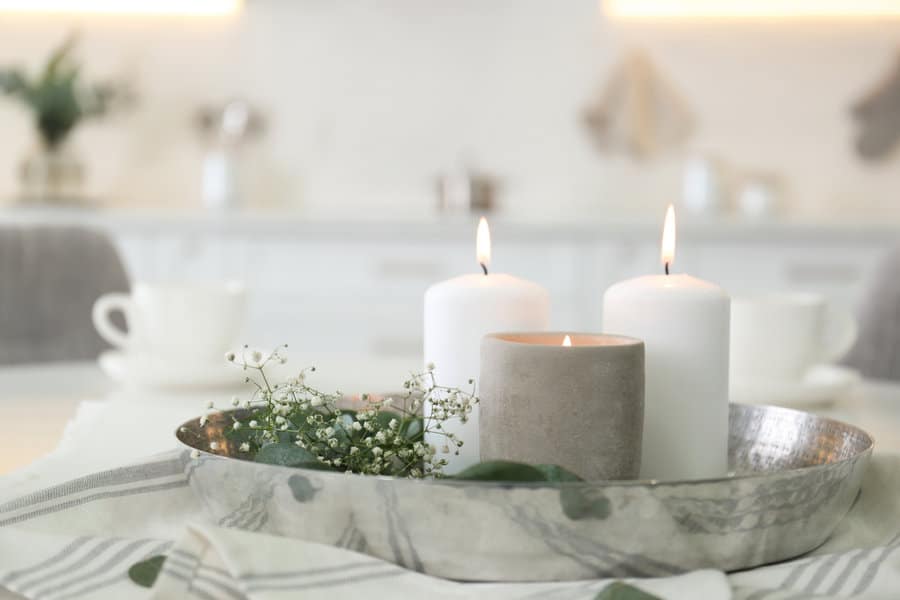
Decorative trays, available in various materials such as wood, metal, ceramic, and glass, can add charm and organization to your kitchen counters. The choice of tray can reflect your kitchen’s overall style, be it rustic, modern, or traditional.
Styling your tray with varied heights—tall items like spice grinders at the back and shorter ones like a butter dish at the front—can create a visually pleasing arrangement. Grouping similar items on a tray also reduces visual clutter, making your counter look more organized.
Beyond aesthetics, trays provide practical benefits too. They can be quickly moved when you need extra counter space, keeping your items intact and the area tidy. With a vast array of designs, from vibrant, patterned ones adding a pop of color, to sleek, minimalist trays for a more modern look, they offer a versatile and stylish solution to kitchen counter decor.
2. Houseplants and Fresh Flowers
Incorporating houseplants or herbs into your kitchen design is a great way to add a dash of freshness and vitality. Plants like basil, rosemary, or mint not only thrive in the kitchen environment but also serve a practical purpose in cooking. Place them in stylish pots or planters that complement your kitchen aesthetics for a pleasing look.
Fresh flowers, on the other hand, can bring an instant transformation to your kitchen counter. A carefully selected bouquet can provide a pop of color, lifting the ambiance of the whole kitchen. It’s best to choose flowers that blend well with the existing color scheme and overall design of your kitchen. Regularly changing flowers also provides an opportunity to switch up the look of your counter.
3. Functional Decor
Functional decor is the perfect marriage of style and utility, making everyday kitchen items double as attractive decor pieces. Objects like a set of wooden cutting boards, vintage salt and pepper shakers, or a sleek coffee machine can become focal points on your counter. These items, while being essential for your daily use, also add character and style to your kitchen.
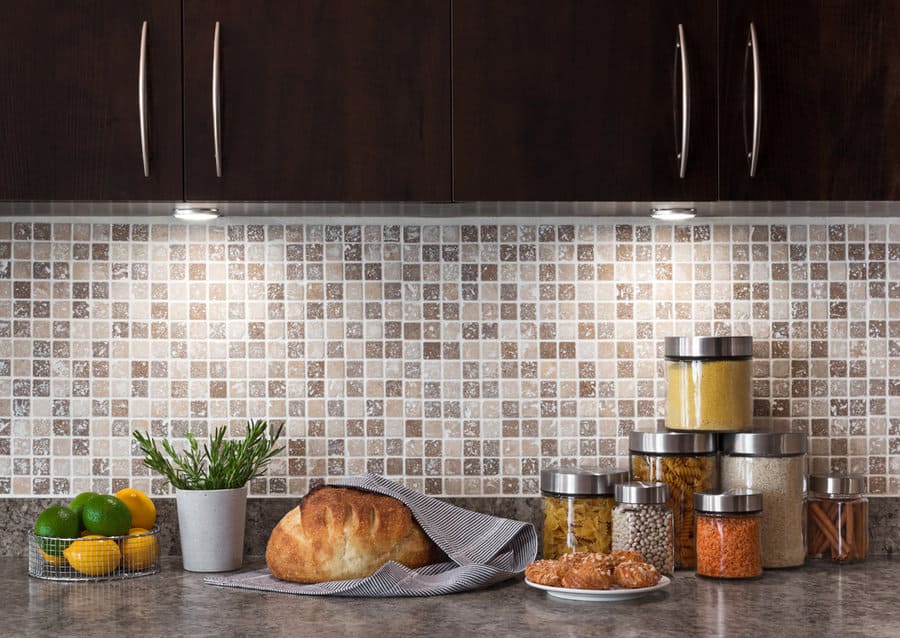
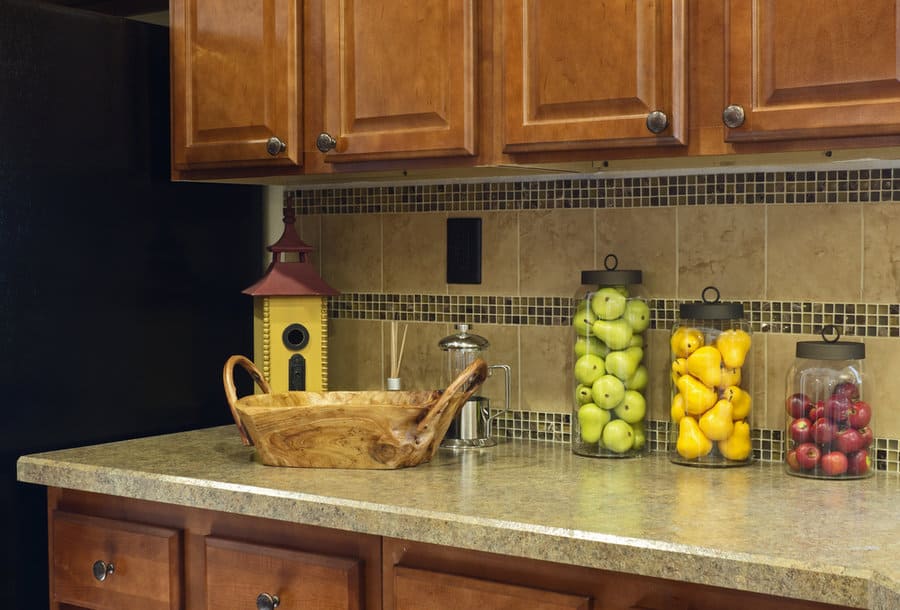
Another great way to add functional decor is by using beautiful storage solutions. Ceramic canisters filled with pasta or rice, color-coordinated spice jars, or a decorative fruit bowl can create visual interest while keeping essentials at hand. When styling your kitchen counter, remember that less is more—a carefully curated selection of functional decor can maintain balance between practicality and aesthetics.
4. Artwork and Personal Items
Incorporating personal items and small pieces of artwork into your kitchen counter decor can give the space a unique and homely feel. You might choose to display a small sculpture, a family heirloom, or a piece of ceramic art. These pieces not only serve as conversation starters but also bring a touch of your personality into the kitchen, making it feel more like your own.
Another way to personalize your kitchen counter is to display items that hold sentimental value. This could be a set of vintage spoons passed down through generations, a photo frame holding a cherished memory, or even your child’s latest craft project. However, it’s crucial to strike a balance here. While these items add a personal touch, they should not overwhelm the counter space or hinder its functionality.
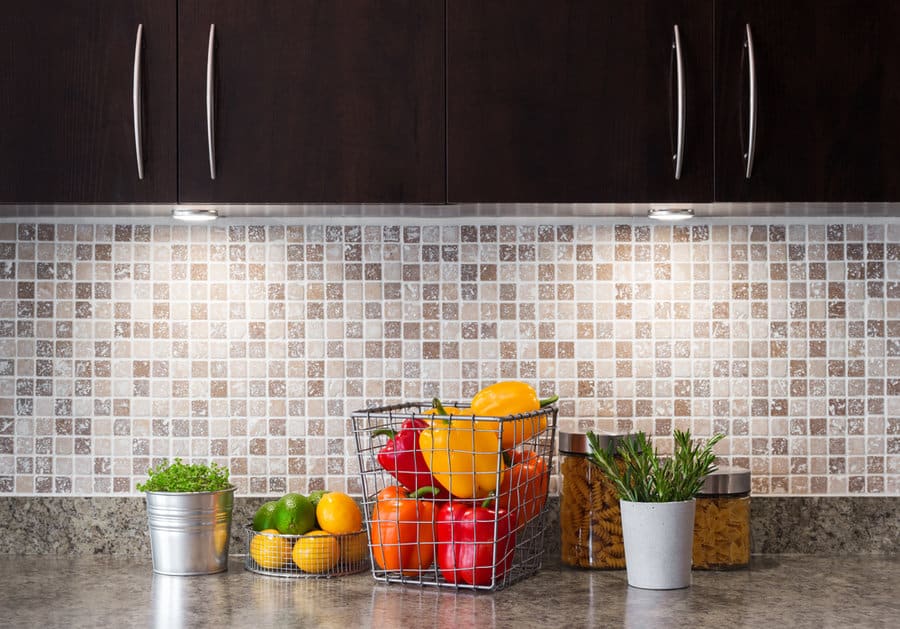
5. Lighting
Lighting plays a crucial role in setting the mood and highlighting the decor of your kitchen. One of the most effective ways to achieve this is through under-cabinet lighting. These lights are installed beneath the cabinetry, casting a soft glow on your counters.
Alternatively, a small, stylish table lamp can also make an excellent addition to your kitchen counter decor. This option adds a soft glow to the kitchen counter, providing enough light for casual tasks or late-night snacking while also serving as a decorative piece. When choosing a table lamp, consider one that matches your kitchen’s overall aesthetic.
6. High-Quality Jars and Canisters
High-quality jars and canisters serve as an ideal solution for storage that doesn’t compromise on style. Available in various materials like glass, ceramic, or metal, these containers offer a way to neatly store everyday items like pasta, rice, lentils, or even cookies and candies. When filled with colorful food items, they add visual interest and can act as vibrant focal points on your counter.
The beauty of using jars and canisters for storage is that they keep essentials within easy reach while making a decorative statement. Selecting containers that align with your kitchen aesthetic can enhance the overall design. For instance, sleek stainless steel canisters could complement a modern kitchen, while ceramic ones with vintage designs may suit a farmhouse style kitchen.
7. Textiles
Textiles, such as runners and mats, are often underutilized in kitchen counter decor, yet they can significantly contribute to the overall aesthetic. A runner can add a splash of color and texture, instantly elevating the look of your counter. For instance, a bold, geometric pattern can add a contemporary vibe, while a soft, floral print may contribute to a more traditional or country-style kitchen.
Beyond aesthetics, it’s important to consider the practicality of using textiles in the kitchen. Choose materials that are durable and easy to clean. Materials like cotton or linen are machine washable and can stand up to regular use. Some runners and mats also come with anti-slip backing, adding a safety feature.
Creating a harmonious, inviting and functional living space is all about the right arrangement of your furniture. Whether you’re moving into a new home, redesigning your current one, or just want to shake things up, understanding the basics of furniture arrangement can transform your living room into a place where you love to spend time.
This article aims to guide you on how to make the most out of your living space. We’ll delve into key aspects of layout planning, aesthetic considerations, and practical functionality. From balancing visual weight to optimizing for conversation and traffic flow, we will help you unlock the potential of your living room. Let’s start this journey to create a living room that not only looks great but also suits your lifestyle and needs perfectly.
1. Identify the Room’s Focal Point
In every living room, there’s usually a central element or feature that draws attention, also known as the focal point. This could be a feature inherent to the room like a fireplace, a large picture window offering a stunning view, a striking piece of artwork, or even a television. The focal point sets the tone and character of the room and often dictates the arrangement of furniture.
Identifying this element is the first crucial step in arranging your living room furniture. Once you have determined the focal point, you can start placing your furniture in a way that highlights and enhances it. For instance, if the focal point is a fireplace, you might place your main sofa facing it, with armchairs flanking either side, creating a cozy, inviting arrangement.
Remember that the furniture doesn’t need to align perfectly with the focal point. The goal is to make it stand out while providing a logical, aesthetically pleasing setup for the furniture. Consider the focal point as the ‘anchor’ for your arrangement, bringing balance and harmony to your living room.
2. Consider Traffic Flow
In the process of arranging your living room furniture, it’s crucial to keep in mind how people will move through and interact with the space. The arrangement should facilitate easy and intuitive movement, not hinder it. This idea is referred to as traffic flow.
Maintaining clear pathways around the room ensures that people can comfortably and safely navigate through the space. When you’re positioning your furniture, imagine the natural path someone might take from one doorway or entrance to another, or from a seating area to a bookshelf or entertainment center. These are your traffic lanes, and they should be kept unobstructed.
It’s essential to make sure that no piece of furniture juts out into a walkway or blocks access to another part of the room. Similarly, try to ensure that no one has to squeeze between furniture pieces or shuffle sideways to move around. This can feel awkward and disrupt the room’s comfort and functionality.
It’s not just about practicality; considering traffic flow also influences the feeling of openness in your living room. A room where movement is easy feels more spacious and welcoming.
3. Balance Visual Weight
The principle of balancing visual weight is fundamental to achieving an aesthetically pleasing and harmonious living room arrangement. Visual weight refers to how much an object draws attention in a space. This is influenced by its size, color, design, and placement in the room.
When arranging furniture, consider the visual weight of each piece. For instance, a large, dark-colored sofa has more visual weight than a small, light-colored armchair. If all your heavy pieces are on one side of the room, the space can feel unbalanced and disjointed.
To prevent this, aim to distribute large and small furniture pieces throughout the room. A well-balanced room might have a large sofa on one side, balanced by a pair of smaller chairs and a side table on the other. This not only helps to even out the visual weight but also creates an eclectic, engaging look.
It’s also worth noting that visual weight doesn’t only apply to furniture; it extends to decor as well. A large piece of wall art, a bright rug, or a striking light fixture all contribute to the overall balance.
4. Use Rugs to Define Areas
Area rugs are more than just decorative elements; they play a significant role in defining spaces within your living room, especially in open-concept homes where different functional areas merge into one large space. The use of rugs can create distinct zones while maintaining a cohesive look throughout.
For example, you might have a large, open living room that includes a seating area, a reading nook, and a dining area. Using different rugs in these areas can help distinguish one space from another. Each rug acts as a visual marker, signifying a separate functional area.
In your seating area, a rug can anchor all the furniture — the sofa, armchairs, and coffee table. Ideally, the rug should be large enough to at least accommodate the front legs of your seating furniture. This helps create a unified, cozy area where people can gather and socialize.
5. Leave Space for Conversation
One of the primary functions of a living room is to facilitate comfortable and engaging conversation. This purpose should be central to your furniture arrangement. The way you position your seating can greatly affect how people interact in the space.
A key principle here is proximity. If seats are too far apart, people may have to raise their voices to talk, which can disrupt the relaxed ambiance of your living room. On the other hand, seating that’s too close may make people feel cramped and uncomfortable.
A good rule of thumb is to position chairs and sofas no more than 8 feet apart from each other. This distance allows for easy conversation without having to shout or lean forward uncomfortably. In smaller living rooms, this gap may be reduced, but there should still be enough room for people to move around.
Consider arranging your sofas and chairs in a semi-circle or a U-shape. This type of arrangement encourages face-to-face conversation. If your living room is large enough, you might create multiple conversation areas – each providing a cozy, intimate space where small groups can chat.
Additionally, remember to place side tables within easy reach of each seat for guests to set down their drinks or books. This small detail adds greatly to the overall comfort and convenience of your living space.
6. Prioritize Proportion and Scale
When arranging your living room furniture, it’s important to consider both the size of the pieces and their proportion to each other, as well as to the room itself. This concept, known as proportion and scale, can greatly affect how a room feels and functions.
Proportion refers to the relationship between the size of one object in the room compared to another. For example, a large sofa next to a tiny coffee table may feel out of balance, while a pair of armchairs might be in perfect proportion with a modestly-sized side table.
Scale, on the other hand, deals with the size of an object compared with the size of the room. A room feels most comfortable when the furniture is scaled to its size. Large, bulky pieces can quickly overwhelm a small room, making it feel cramped and claustrophobic. Conversely, small furniture in a large room can feel lost and insignificant.
For instance, if you have a small living room, opt for furniture that fits the scale of the space. A loveseat or a sleek sofa may work better than a large sectional. Choose slimline armchairs over bulky ones, and consider using multipurpose furniture like a coffee table with storage or nesting side tables to maximize space without adding clutter.
If you have a large room, on the other hand, you have more flexibility to accommodate larger pieces. However, even in a big room, the furniture should still be in proportion to ensure a balanced look.
7. Utilize Multifunctional Furniture
When designing your living room, maximizing space and functionality is key, especially if you have limited square footage. One effective way to achieve this is by incorporating multifunctional furniture into your arrangement.
Multifunctional furniture serves a dual purpose, offering not only its primary function but also additional features that add convenience and versatility to your living space. These pieces are designed to save space and provide clever storage solutions.
For example, consider a sofa or sectional with built-in storage compartments underneath the seats. This allows you to store blankets, pillows, or other items out of sight, reducing clutter in your living room. Similarly, an ottoman with a removable top can serve as both a footrest and a hidden storage space for magazines, remote controls, or extra blankets.
Another option is a coffee table with adjustable or lift-top features. This type of table can transform into a dining surface, creating a convenient spot for eating or working from the comfort of your sofa.
Additionally, consider a daybed or a sofa bed that can serve as a comfortable seating area during the day and convert into a sleeping space for guests at night. This eliminates the need for a separate guest room, saving valuable space.
8. Reflect Personal Style
Your living room is a reflection of your personal style and taste, so it’s important to arrange your furniture in a way that truly represents who you are. While considering practical aspects of furniture arrangement, don’t forget to infuse your own personality and preferences into the design.
Start by identifying your preferred style. Are you drawn to a modern, minimalist aesthetic, or do you prefer a cozy, traditional vibe? Maybe you love eclectic, bohemian elements or sleek and contemporary designs. Understanding your style preferences will guide you in selecting furniture pieces and decor that align with your vision.
Consider the colors, patterns, and textures that resonate with you. These elements can be incorporated through upholstery, cushions, curtains, rugs, and artwork. If you’re passionate about a particular theme or have a collection of unique items, find ways to display and integrate them into your living room design.
Moreover, think about the activities and functions that matter most to you. If you love hosting game nights, ensure you have ample seating and a designated area for games. If you enjoy reading, create a cozy reading nook with a comfortable chair and good lighting. Your living room should be tailored to support your lifestyle and hobbies.
9. Leave Some Breathing Room
When arranging your living room furniture, it’s important to leave some breathing room and avoid the temptation to push all the furniture against the walls. Creating space between the furniture and the walls, even just a few inches, can make a significant difference in the overall feel of the room.
Leaving space between the furniture and the walls helps to create an open and inviting atmosphere. It allows the room to breathe and prevents it from feeling cramped or confined. This simple adjustment can make the space feel more visually balanced and spacious.
Instead of lining up all your furniture along the walls, try pulling some pieces away and creating conversational groupings in the center of the room. For example, position your sofa and chairs facing each other with a coffee table in the middle, forming a cozy gathering spot. This arrangement fosters a more intimate and engaging environment for conversations.
Additionally, leaving space between furniture and walls allows for better traffic flow. It makes it easier to move around the room and access different areas without feeling obstructed. It also provides an opportunity to incorporate other elements like floor lamps, plant stands, or accent tables to enhance the visual interest and functionality of the space.
10. Consider Lighting
Lighting plays a crucial role in creating the right ambiance and mood in your living room. When arranging your furniture, it’s important to consider both natural light sources and artificial lighting options to ensure an optimal lighting scheme.
First, take advantage of natural light by positioning your furniture in a way that allows the light to flow into the room. Place seating areas near windows to maximize the benefit of natural daylight. This not only enhances the overall brightness of the space but also creates a pleasant and inviting atmosphere.
However, it’s also important to consider the potential glare or excessive sunlight that might impact certain seating areas. You can address this by incorporating window treatments like curtains or blinds that allow for light control and privacy while still maximizing the natural light.
In addition to natural light, plan for artificial lighting to provide adequate illumination throughout the room, especially during the evening or in areas with limited natural light. Assess the different functional zones within your living room and determine the type of lighting required for each.
Consider a combination of ambient, task, and accent lighting. Ambient lighting provides overall illumination and can be achieved through ceiling-mounted fixtures, chandeliers, or track lighting. Task lighting, such as floor lamps or table lamps, is essential for specific activities like reading or working on a task. Accent lighting, like wall sconces or spotlights, adds depth and highlights architectural features or artwork.
Strategically position light sources near seating areas, side tables, or reading nooks to ensure optimal functionality. Additionally, use lighting fixtures to enhance the overall aesthetic of your living room, considering styles and designs that complement your decor and personal taste.
Choosing the right curtains for your living room can be a daunting task with the plethora of options available in terms of colors, fabrics, designs, and styles. However, the right set of curtains can instantly elevate the aesthetic appeal of your space and tie together all elements of your interior design.
In this article, we will guide you through the process of selecting the perfect curtains for your living room. We’ll help you understand how to balance functionality with style, ensuring that your curtains not only complement your décor but also meet your practical needs for light control and privacy. Let’s transform your living space, one curtain at a time!
[view_toc]
1. Consider Room Functionality
When it comes to choosing curtains for your living room, considering the functionality of the room plays a pivotal role in your decision-making process. This requires understanding how your living room is used on a day-to-day basis.
For example, if your living room is a high-traffic area—constantly bustling with activity, with kids or pets regularly on the move—you’ll need to opt for curtains made from durable and washable fabrics. These could include materials such as cotton, linen or synthetic blends. The reason being, these fabrics can withstand regular use without showing signs of wear and tear too quickly. Additionally, they can be easily cleaned either at home or through professional cleaning services, which is a must if your curtains are likely to get dirty frequently.
On the other hand, if your living room is more of a formal, low-traffic area used primarily for entertaining guests or special occasions, you might choose more delicate or luxurious fabrics like silk or velvet to add a touch of elegance and sophistication.
Remember, the functionality of the room is as important as the aesthetic appeal when choosing curtains. The right balance of the two will ensure your curtains not only look good but also last longer, providing value for your investment.
2. Light and Privacy
The degree of privacy and light control you need in your living room is a significant factor when choosing your curtains. If your living room is exposed to a lot of outside attention, perhaps facing a busy street or neighboring buildings, it’s important to consider curtains that offer a high degree of privacy. This is where thicker fabrics, or even specialized blackout curtains, come into play.
Thicker materials such as velvet, suede, or heavy cotton can obstruct prying eyes from the outside, providing your living room with the privacy you desire. However, it’s not just about blocking visibility. These fabrics also play a major role in controlling the amount of light that enters the room.
For instance, if your living room gets a lot of natural light, you might need to manage its intensity, especially if it causes glare on screens or fades your furniture. Thicker curtains, or blackout curtains, which are often lined with a light-blocking layer, can effectively dim the light, creating a cozy, subdued atmosphere. They can also offer insulation, reducing outside noise and helping maintain room temperature.
On the other hand, if your living room is a bit dark and could benefit from as much natural light as it can get, you may opt for lighter, sheer fabrics.
3. Fabric Choice
The way a curtain drapes or falls is directly related to the fabric from which it’s made. Heavier fabrics like velvet or heavy cotton tend to have a pronounced drape, creating a traditional, elegant look. They hang straight and are less likely to flutter with a breeze, which can provide a sense of stability and grandeur.
Lighter fabrics such as linen, on the other hand, drape in a more casual and flowing manner, contributing to a relaxed and laid-back ambiance. They move more freely in the wind, which can create a lovely effect but might also provide less privacy or light blocking.
Silk and faux silk curtains sit somewhere in between, offering a sophisticated, yet softer look. While they drape beautifully, be aware that real silk may fade in direct sunlight and may require a lining or a UV window film for protection.
In terms of longevity, heavier fabrics like velvet or specially treated faux silk tend to resist wear and tear better, making them suitable for rooms where the curtains will be drawn frequently. Lighter fabrics can work well in a low-traffic area or when used purely for decoration.
4. Color Selection
When choosing curtain colors, one approach is to pick hues that harmonize with your existing furniture and décor. This creates a visually cohesive and soothing atmosphere. For instance, if your living room predominantly features cool, understated colors like blues, grays, or greens, you might choose curtains in similar or complementary shades to maintain this calming aesthetic.
On the other hand, you might decide to make your curtains a standout feature by selecting a color that contrasts with your current décor. A vibrant, contrasting hue can serve as a striking focal point that draws the eye and adds an exciting pop of color. For example, ruby red curtains could offer a visually appealing contrast in a room with a primarily white and beige palette.
However, while color is an important element of your choice, you should also be aware of practical considerations. Bright colors can fade over time, particularly if your living room receives a lot of sunlight. This doesn’t mean you should avoid bright colors altogether, but you might need to consider UV-protective window films or linings, or be prepared to replace your curtains more frequently.
Remember, the choice of curtain color can set the mood and character of your living room. Whether you opt for a color that blends in or stands out, ensure it aligns with your personal style and the aesthetic you’re aiming to create.
The choice of pattern or print on your curtains can significantly influence the overall aesthetic of your living room, either by harmonizing with existing design elements or adding a new dimension of visual interest.
In a living room that’s already visually busy—with a variety of colors, patterns, and textures in the furnishings, carpeting, and artwork—solid curtains can provide a restful counterpoint. They offer a visual “break” and help prevent the room from feeling overwhelming or chaotic. For instance, if your living room features a patterned sofa, intricate rug, and colorful artwork, a set of solid-colored curtains can help balance out these busy elements, providing a calming influence and tying the room together.
Conversely, if your living room’s décor is relatively simple or monochromatic—with minimalist furniture and understated colors—a patterned or printed curtain can add an exciting element of visual interest. Bold stripes, playful polka dots, or an elegant floral or damask print can liven up the space, inject personality, and serve as a focal point.
While choosing patterns, consider the size of the room and its fixtures. Larger patterns may work better in a spacious living room, while smaller, more intricate designs may be a better fit for a smaller room.
Ultimately, whether you choose solid, patterned, or printed curtains, aim for a design that not only complements your living room but also reflects your personal style and the atmosphere you wish to create.
6. Size and Measurement
Before you buy curtains, it’s crucial to take accurate measurements of your windows. Measure the width of your window including any extra space you’d like the curtains to cover. For a fuller look, the total width of your curtains should be 2 to 2.5 times the width of the window.
The length of the curtains is equally important. Traditionally, curtains are hung about 6 inches above the window frame or even higher to create an illusion of a taller window. The length of the curtain should ideally extend from the rod down to just above the floor. This standard length gives the room a polished, elegant look.
However, trends do change, and you might prefer a different look. For instance, if you desire a more dramatic and luxurious feel, you could opt for ‘puddling.’ In this style, curtains are extra long and pool or “puddle” on the floor, which works best with heavier fabrics like velvet.
On the other hand, if you have radiators under the windows or the windows open inwards, you might prefer sill length or below-sill length curtains. These stop either at the windowsill or a few inches below it.
While often overlooked, the hardware elements of your window treatments, namely the curtain rods and holders (or finials), play a critical role in enhancing the overall look and feel of your living room.
Curtain rods are not just functional elements that hold your curtains in place; they can also be a significant aspect of your room’s décor. Consider the material and finish of your curtain rods. Brass, bronze, or matte black rods can add a touch of sophistication, while a wooden rod might lend a more rustic or traditional feel.
Similarly, curtain holders, also known as tiebacks or holdbacks, are another aspect of the hardware that can contribute to your room’s aesthetic. They are especially important if you plan to draw your curtains back during the day. The holders should match or complement the style of the rod and the curtain fabric. They can be simple hooks or elaborate tassels, depending on your style preference.
Finials, the decorative ends on your curtain rods, can also add a touch of elegance and complete the look. Choose a style that matches the rest of your room’s décor. If your living room has a modern minimalist style, consider sleek, simple finials. For a more classic or luxurious look, you might choose ornate, sculpted designs.
8. Seasonal Change
Changing your curtains with the seasons can help to refresh your living room’s look and enhance its comfort throughout the year.
During colder months, consider switching to heavier materials like velvet, suede, or tweed. These fabrics provide excellent insulation, helping to keep the chill out and warmth in, making your living room feel cozy and inviting. Darker colors or rich, warm tones can also contribute to this comforting atmosphere, adding depth and warmth to the room’s aesthetics.
As the weather warms up, replace the heavy curtains with lighter ones. Fabrics like cotton, linen, or sheer materials are more suitable for warmer months. They allow more natural light to filter through and promote better airflow, creating a bright, airy, and relaxed setting in your living room. Lighter colors or cool, refreshing shades can further enhance this summery feel.
Changing your curtains seasonally doesn’t only affect the room’s temperature; it can also refresh the space visually. It’s an easy and effective way to update your living room’s look, keeping it in harmony with the changing seasons outside your window.
9. Personal Style
While functional considerations and design principles are important when choosing curtains, the most crucial factor should always be your personal style. After all, your living room is a space where you spend a significant amount of time, and it should reflect your tastes, preferences, and personality.
Whether you’re drawn to minimalist aesthetics with clean lines and neutral colors, love the glamour of bold patterns and lush fabrics, or find comfort in a rustic style with earthy tones and natural textures, your curtains should align with your unique style. They should be a testament to your personality, transforming your living room into a space that feels truly ‘you.’
Don’t hesitate to experiment until you find a combination of color, pattern, fabric, and style that speaks to you. If a certain set of curtains makes you feel comfortable and happy in your living space, they’re likely the right choice.