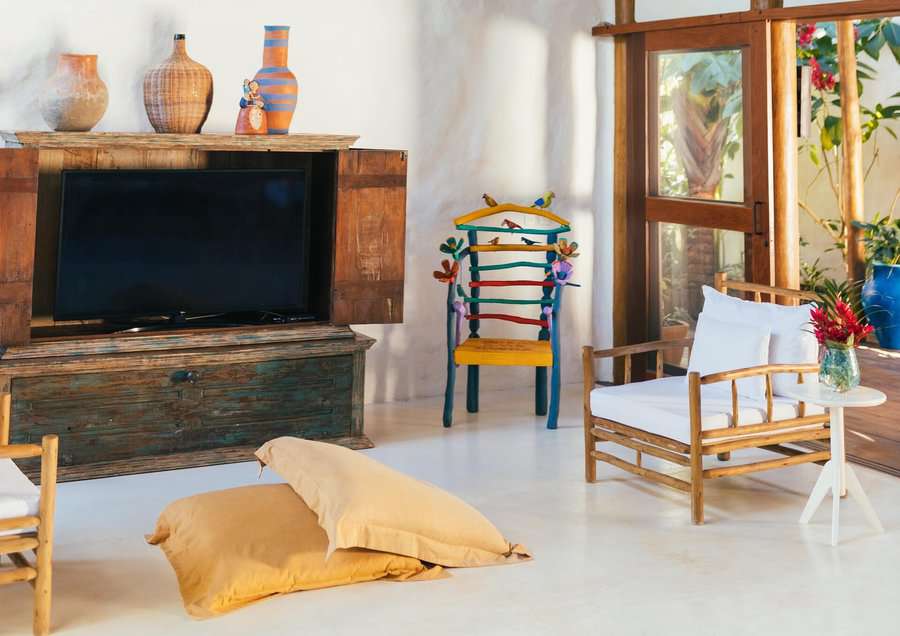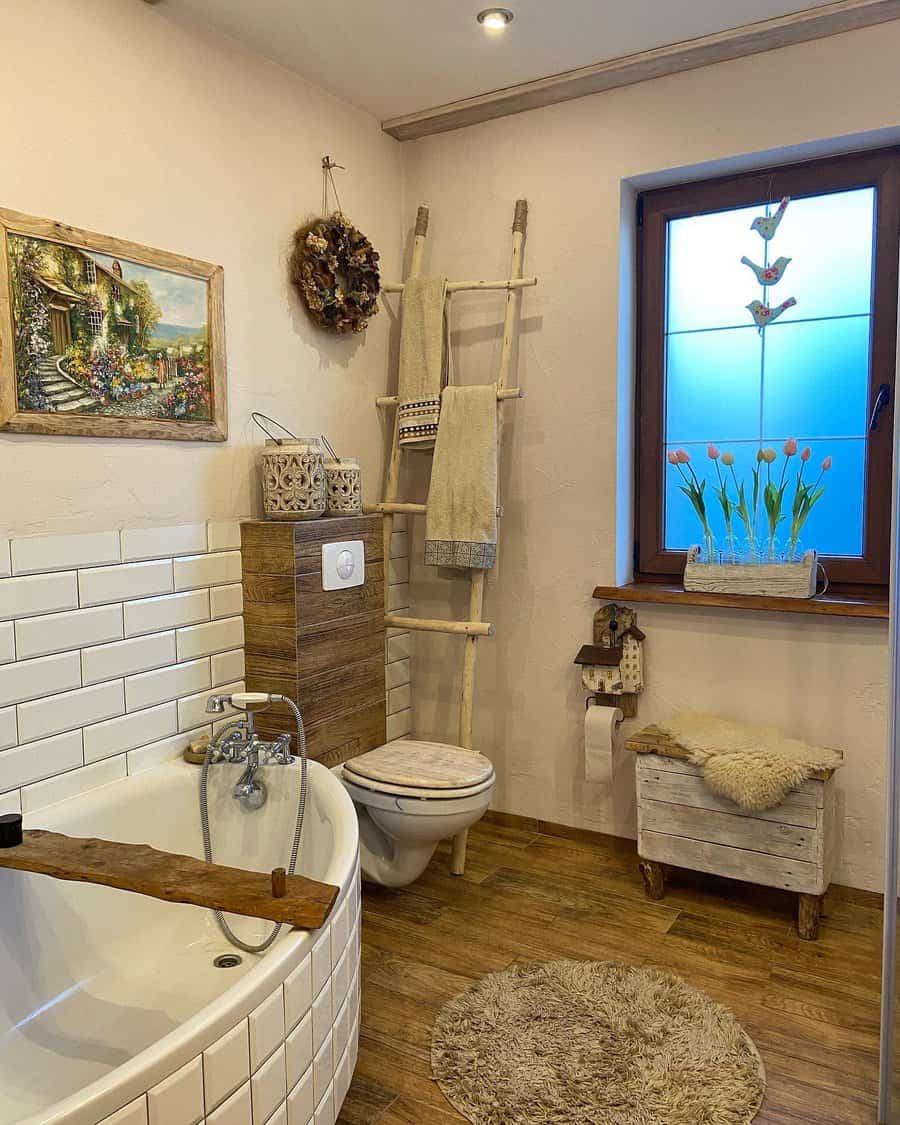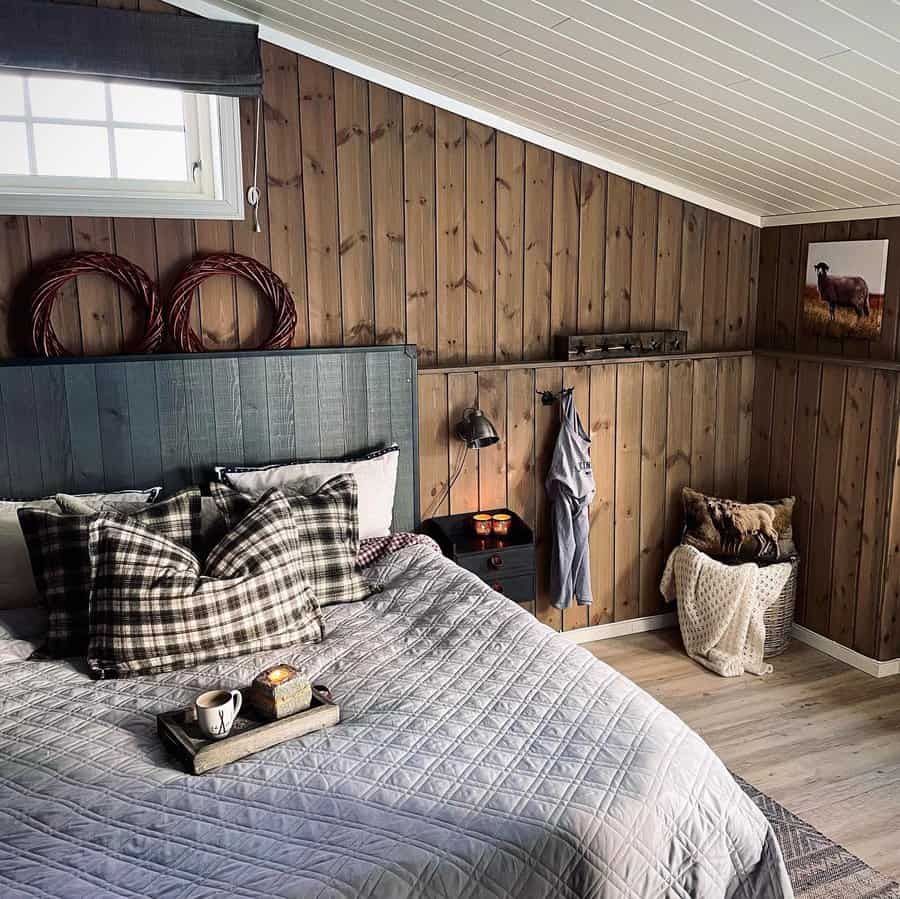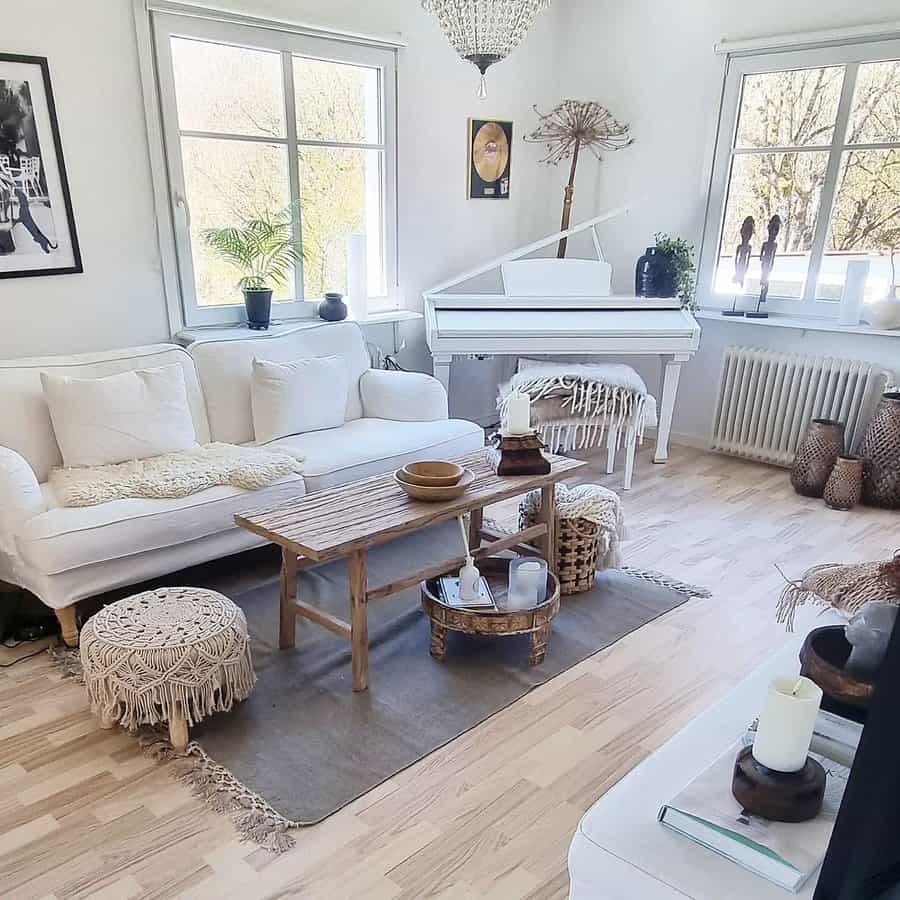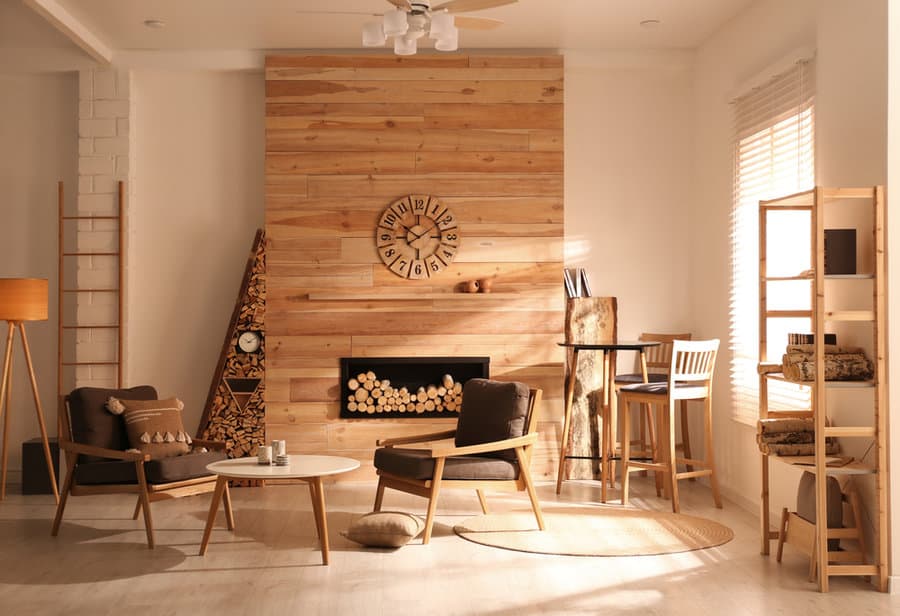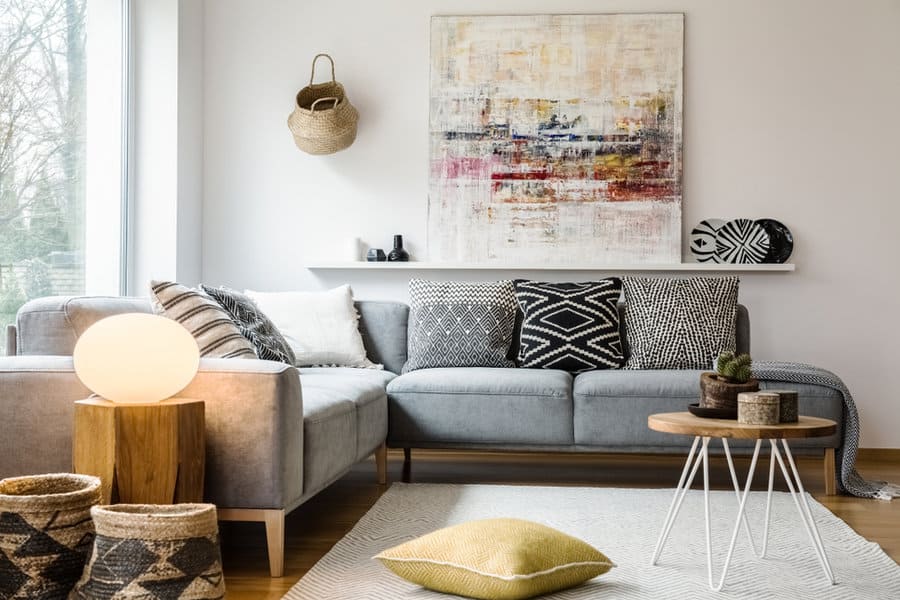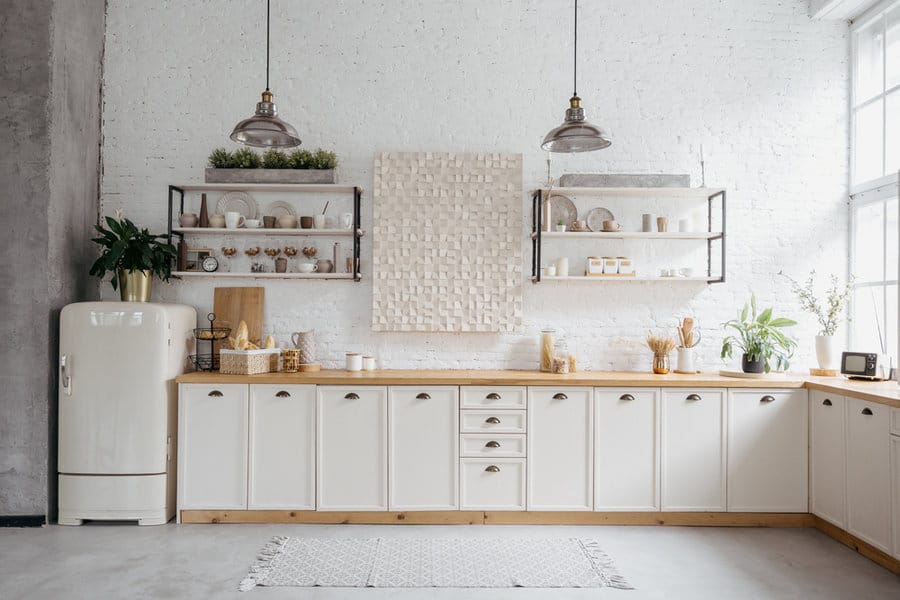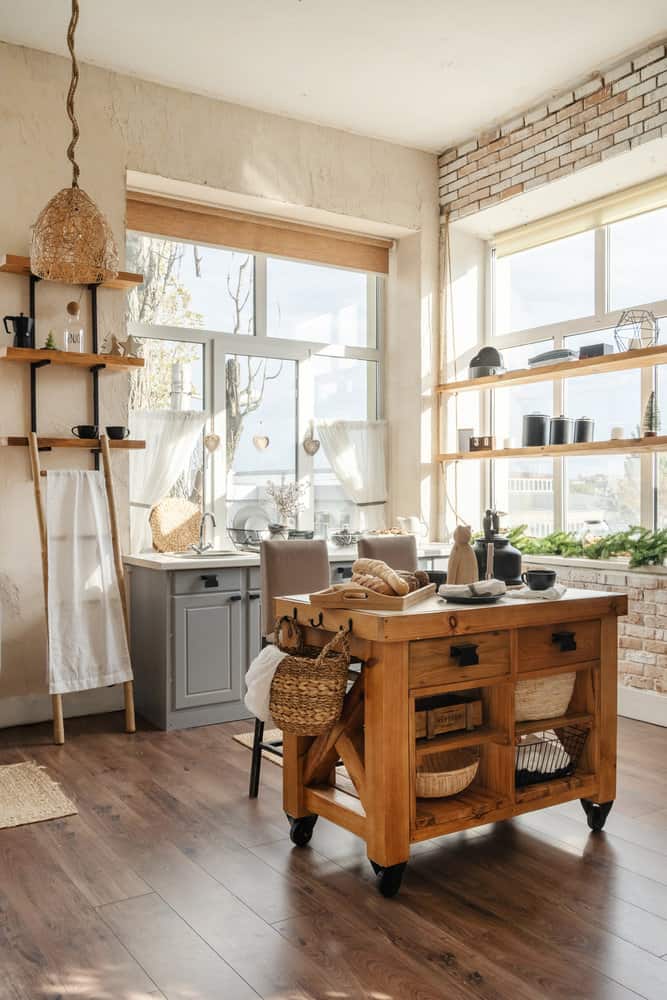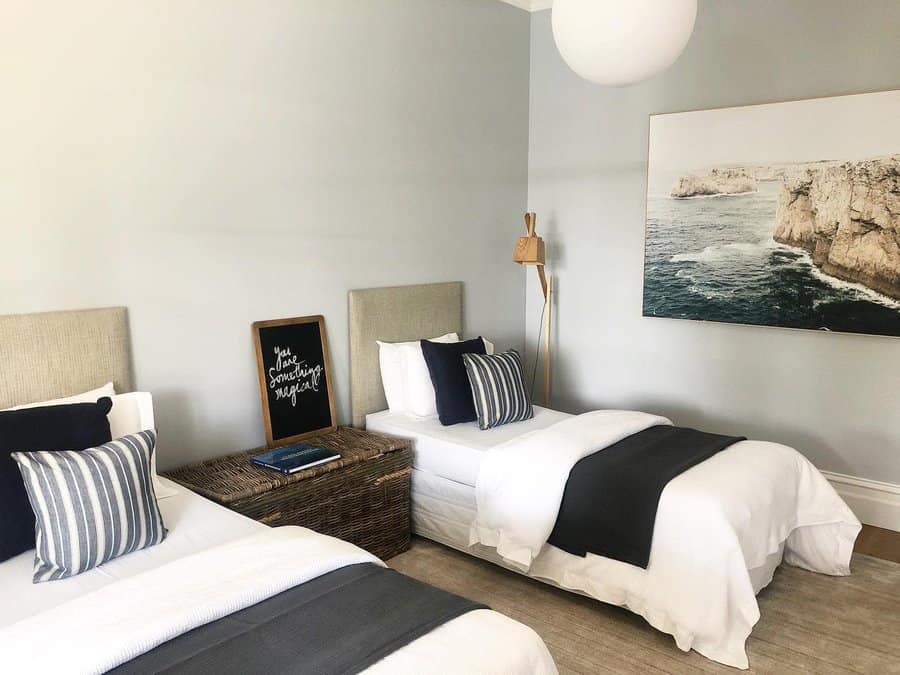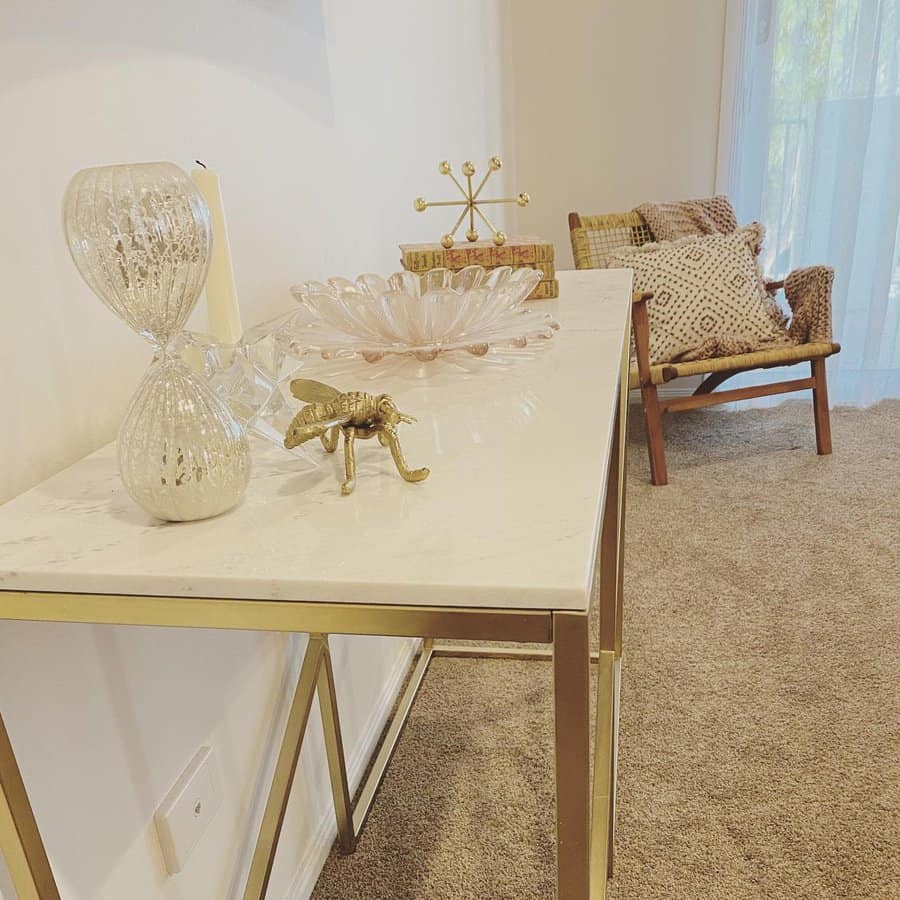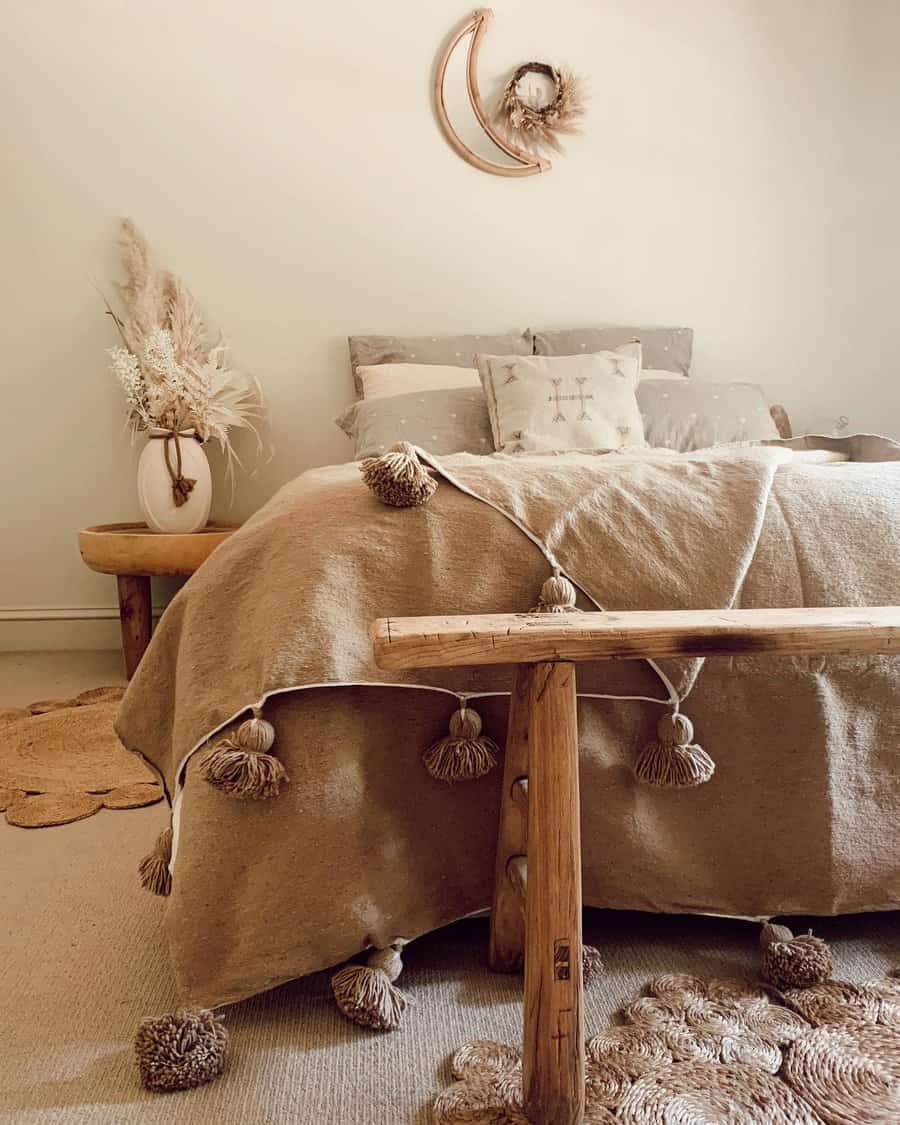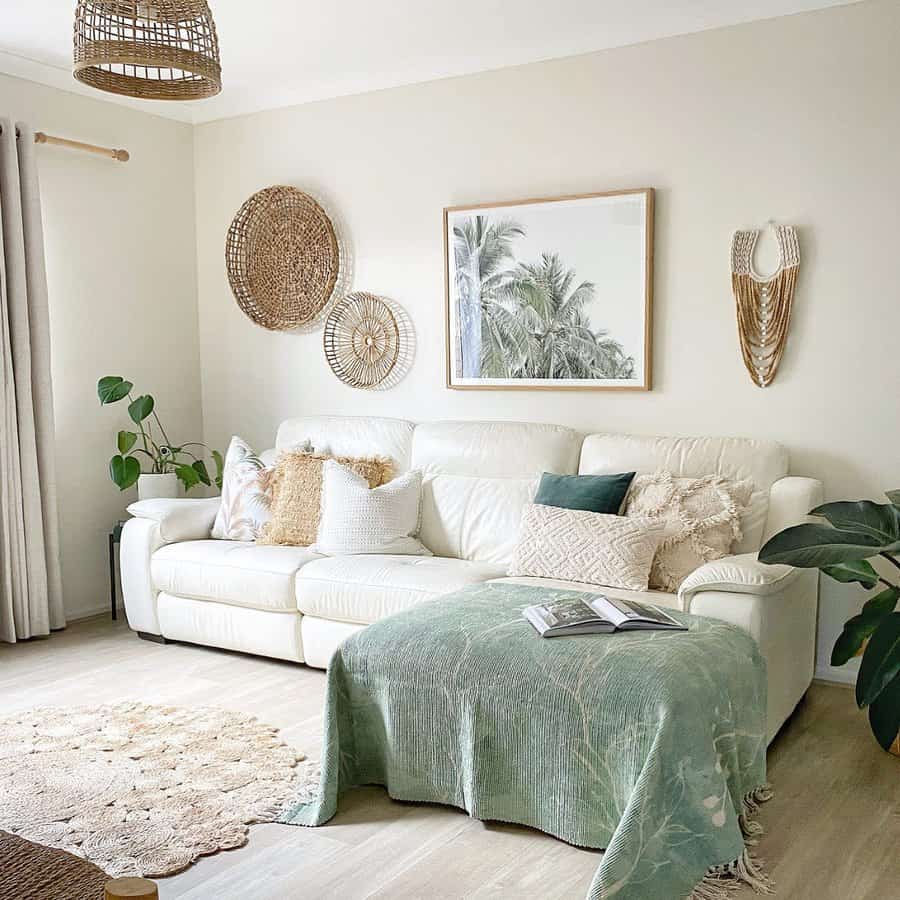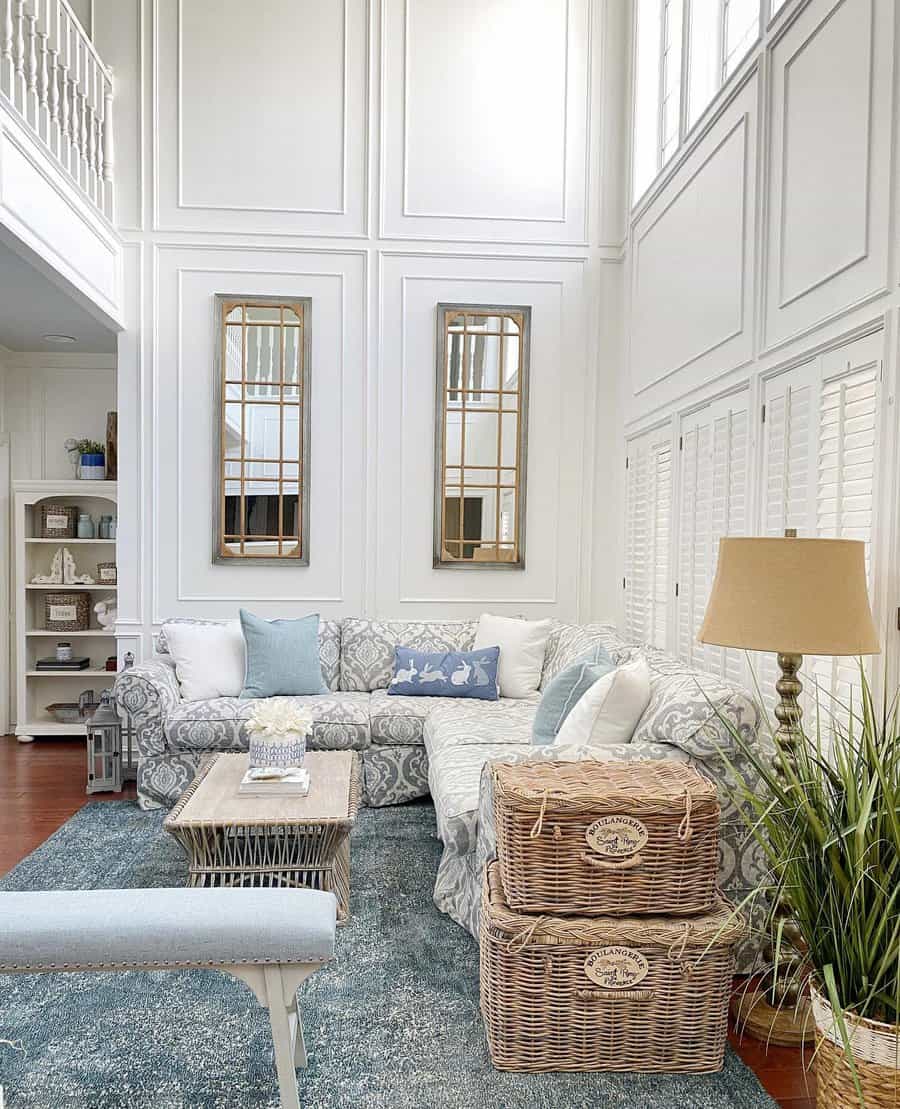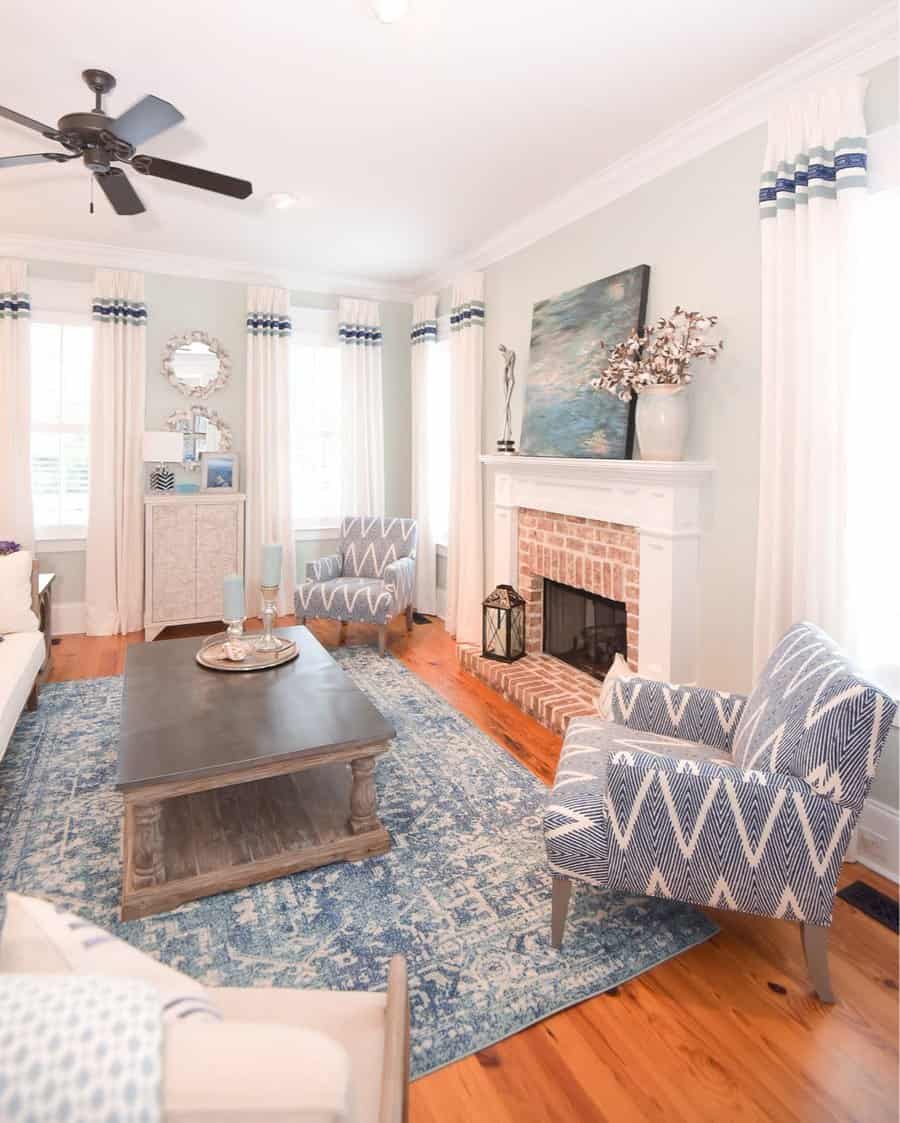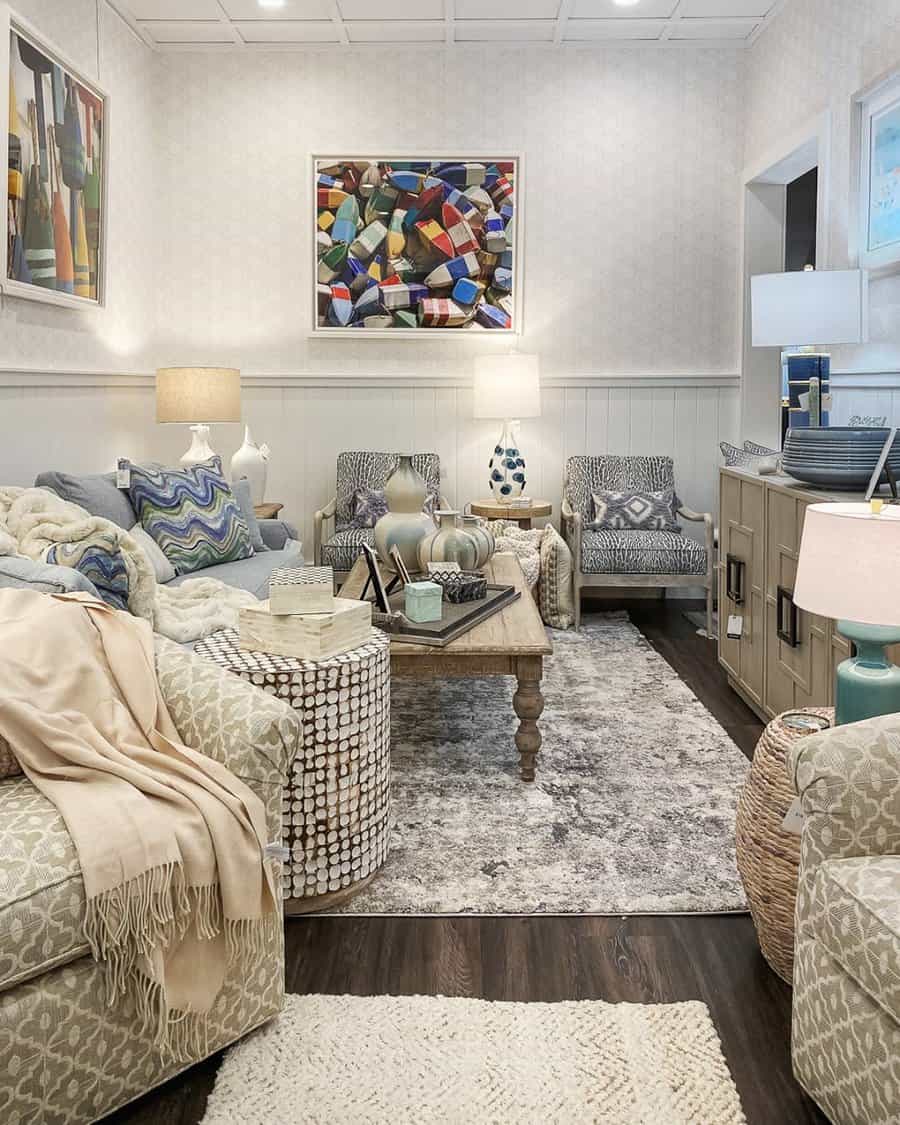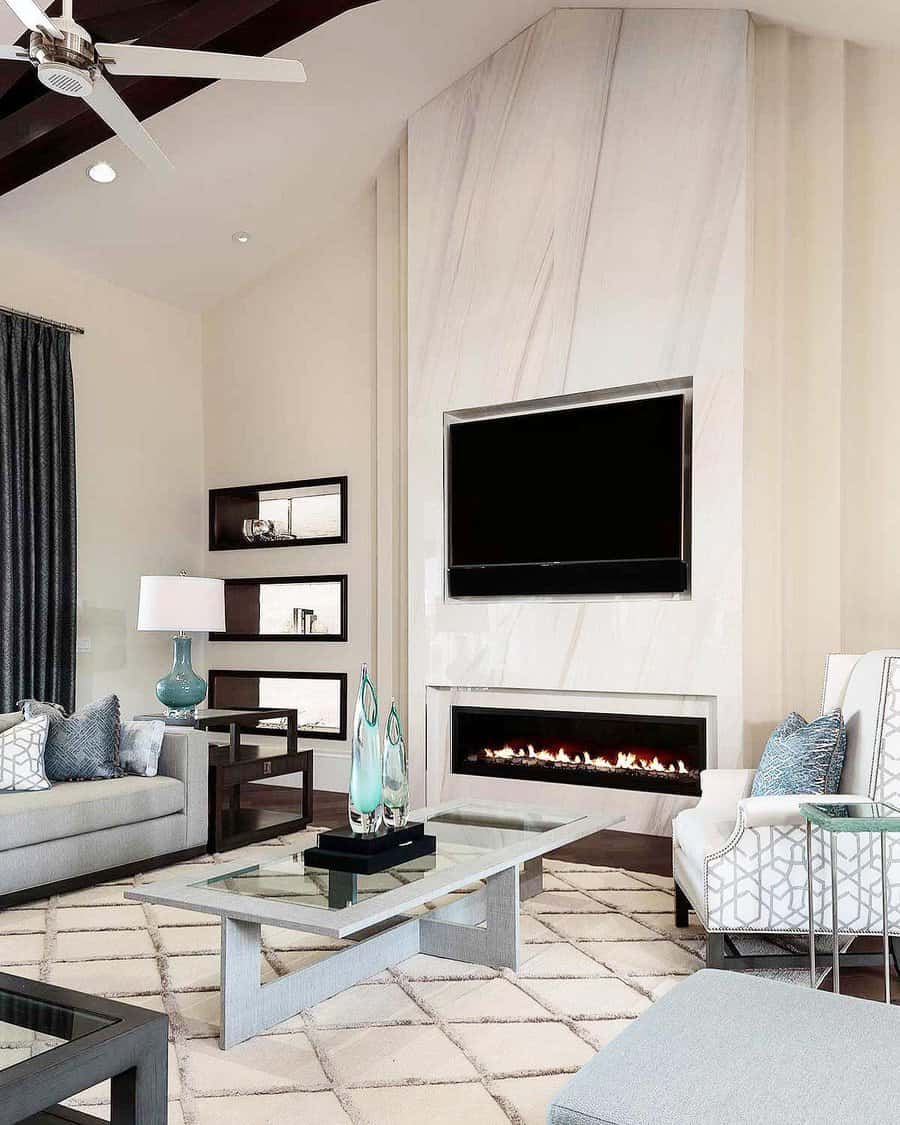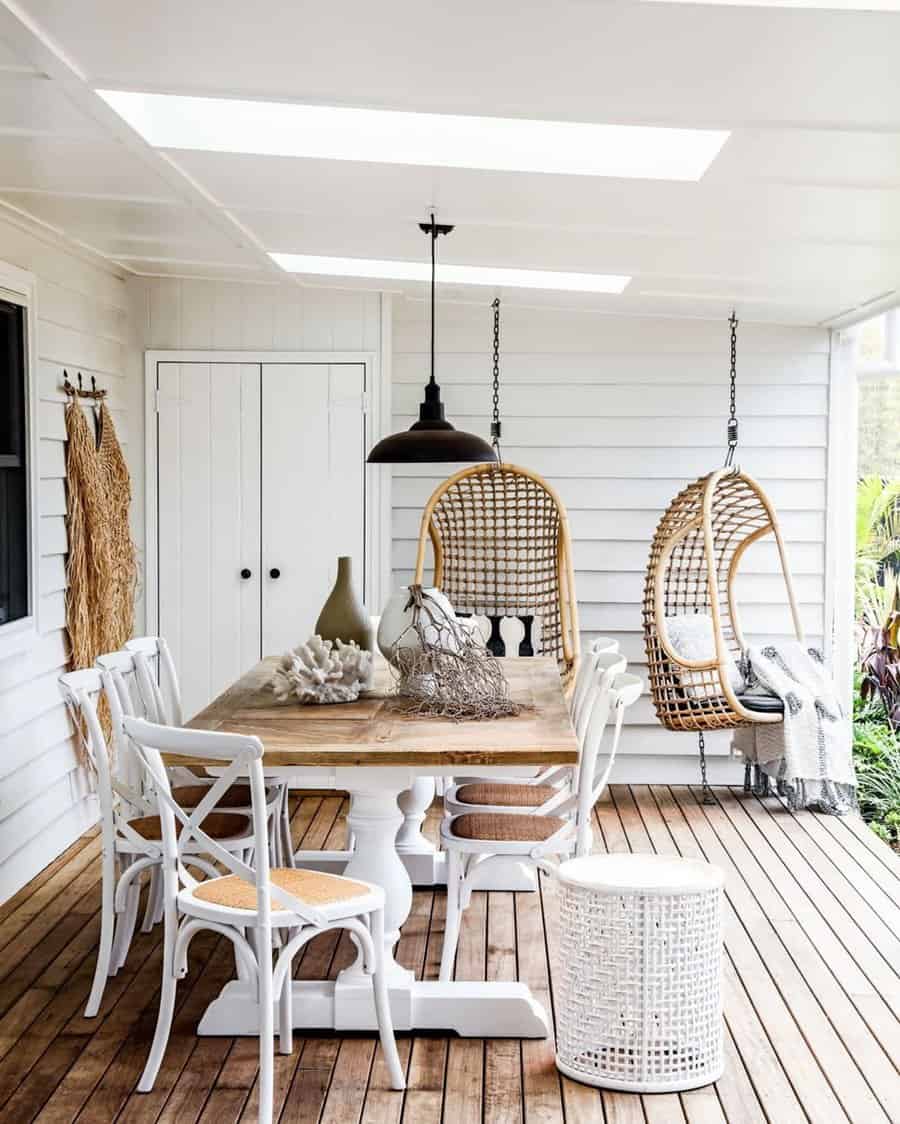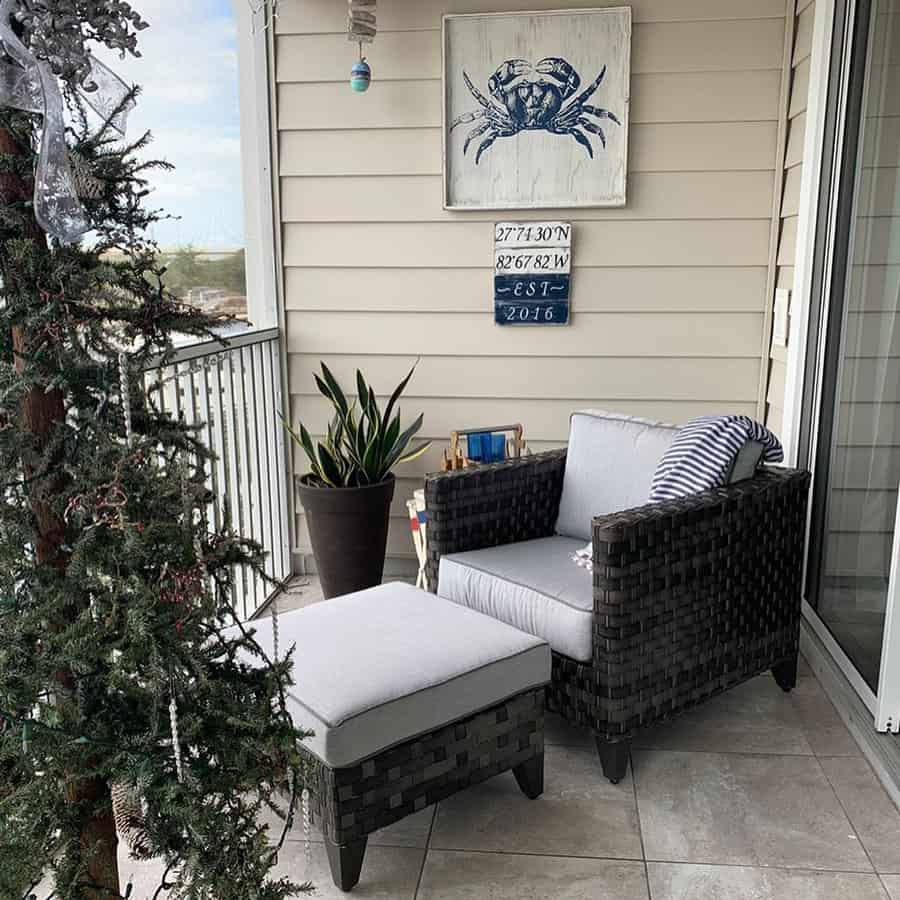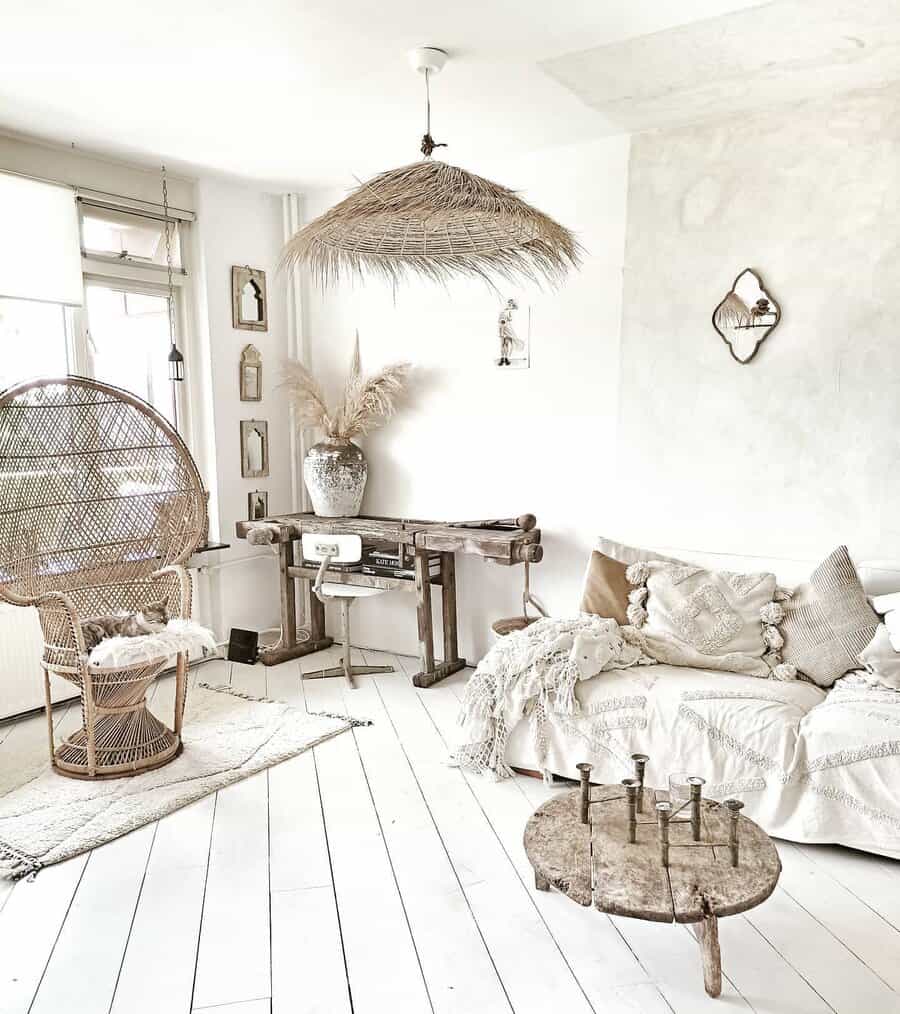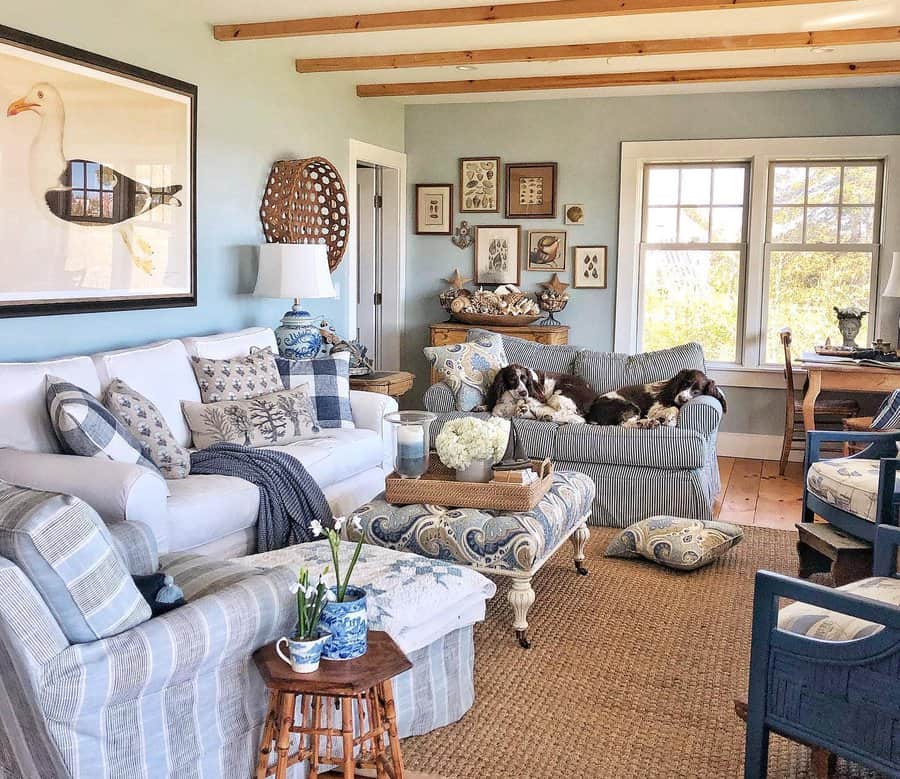
Category: Design Styles

  • How to Use Vintage Pieces for Contemporary Home Design

    How to Use Vintage Pieces for Contemporary Home Design

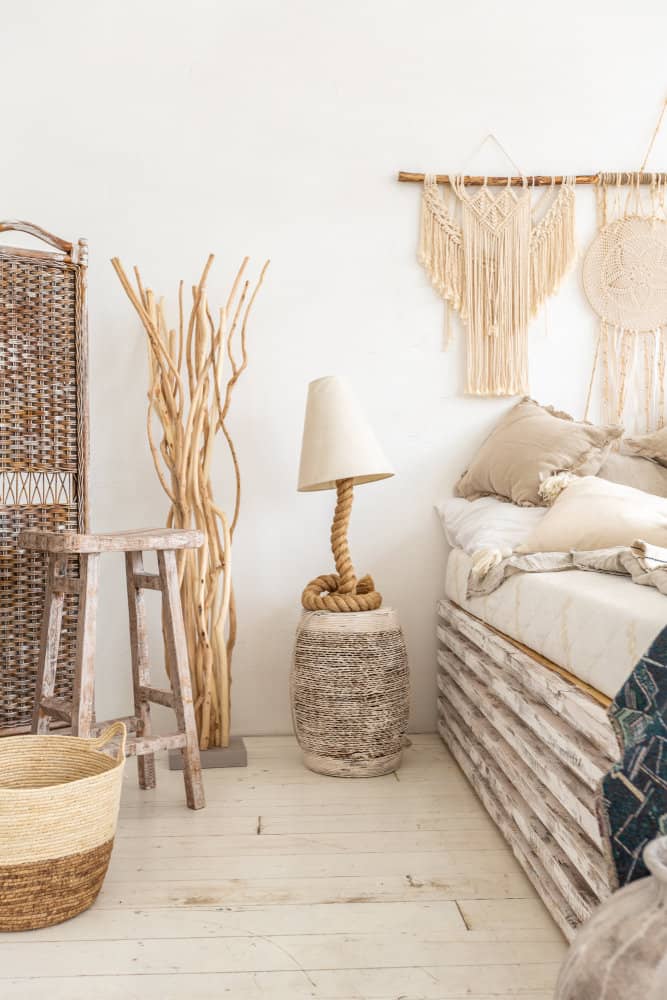
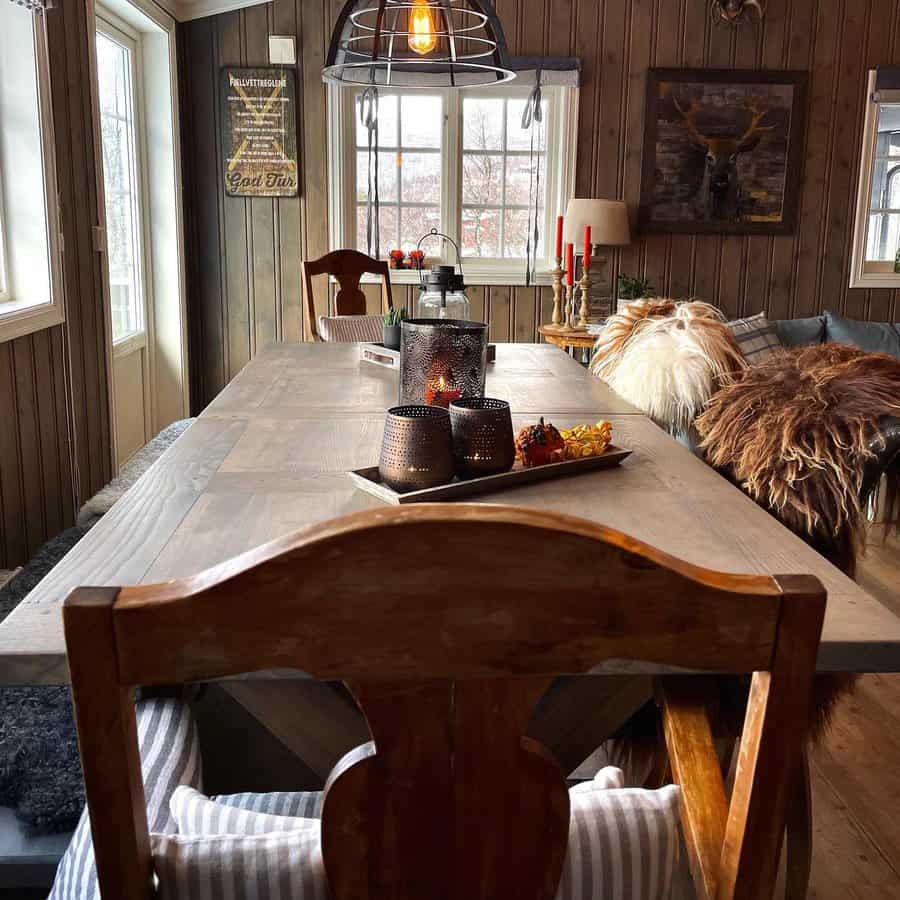
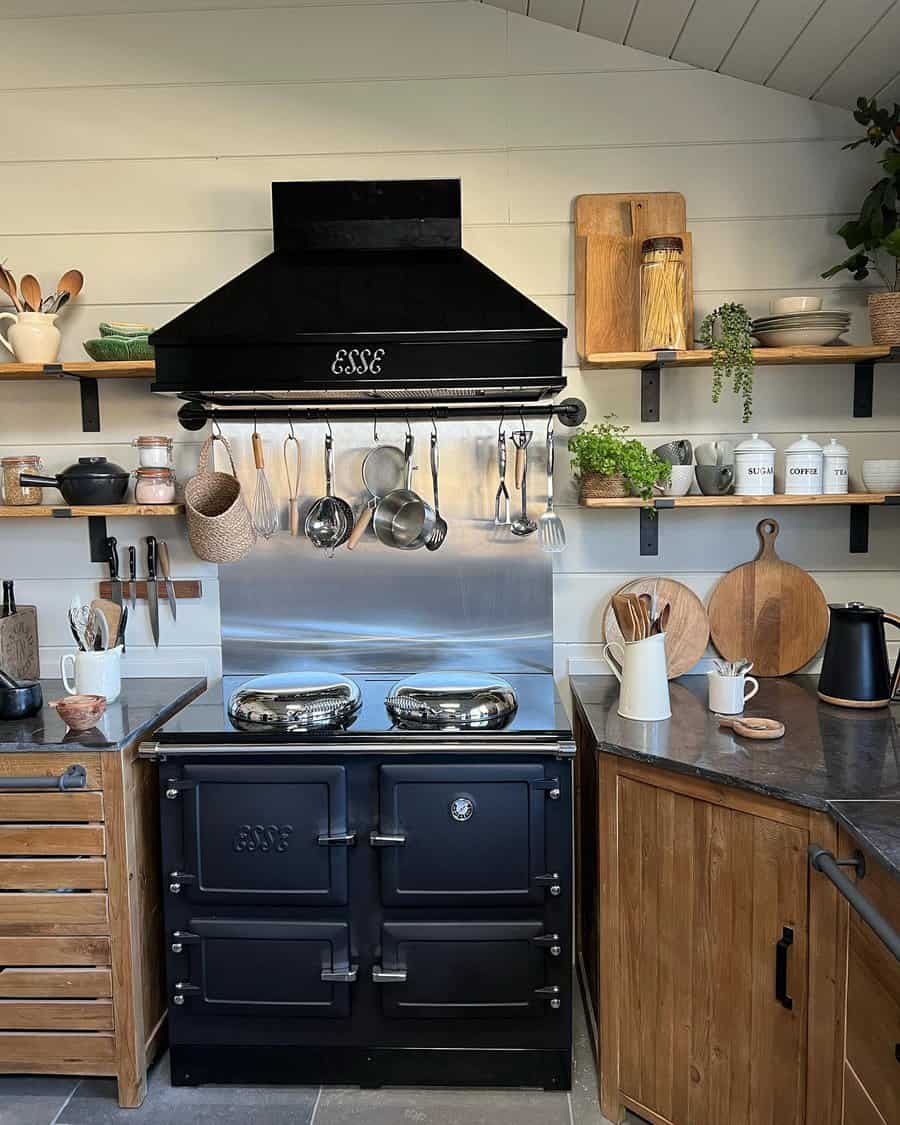
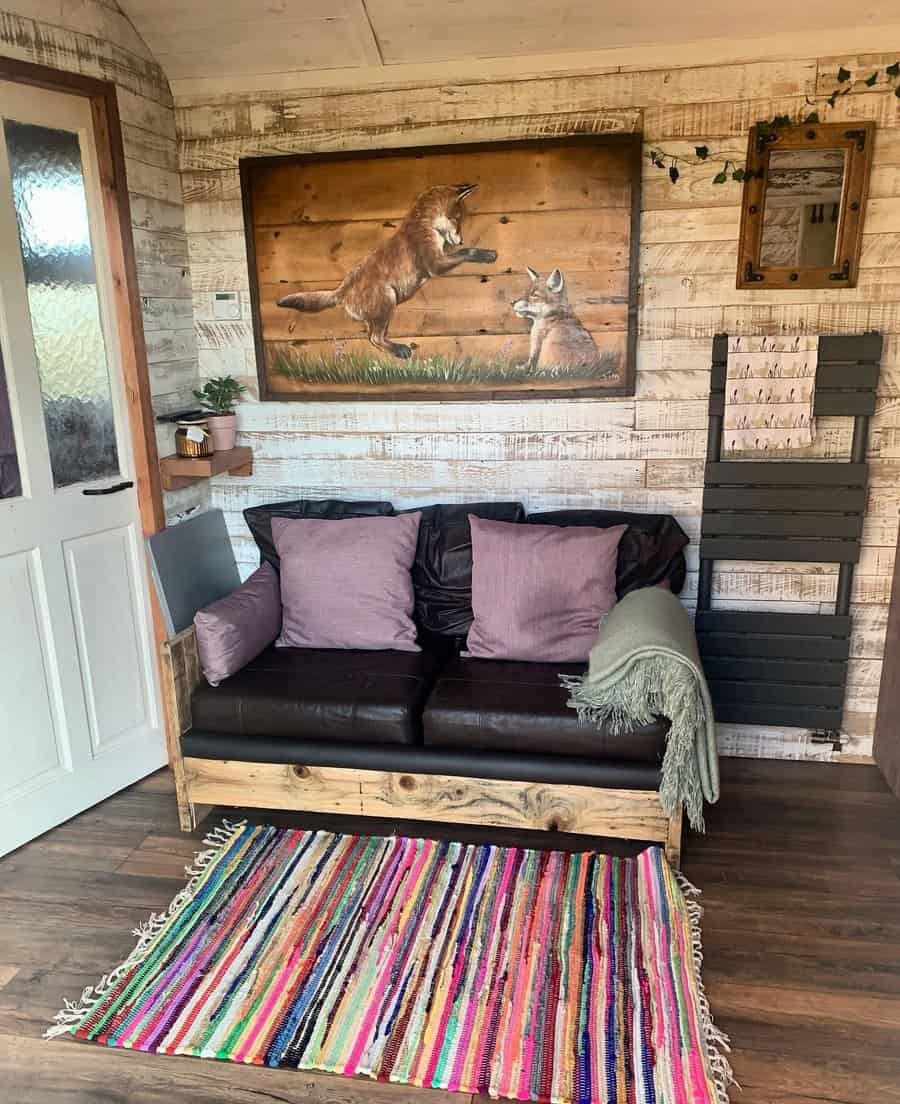
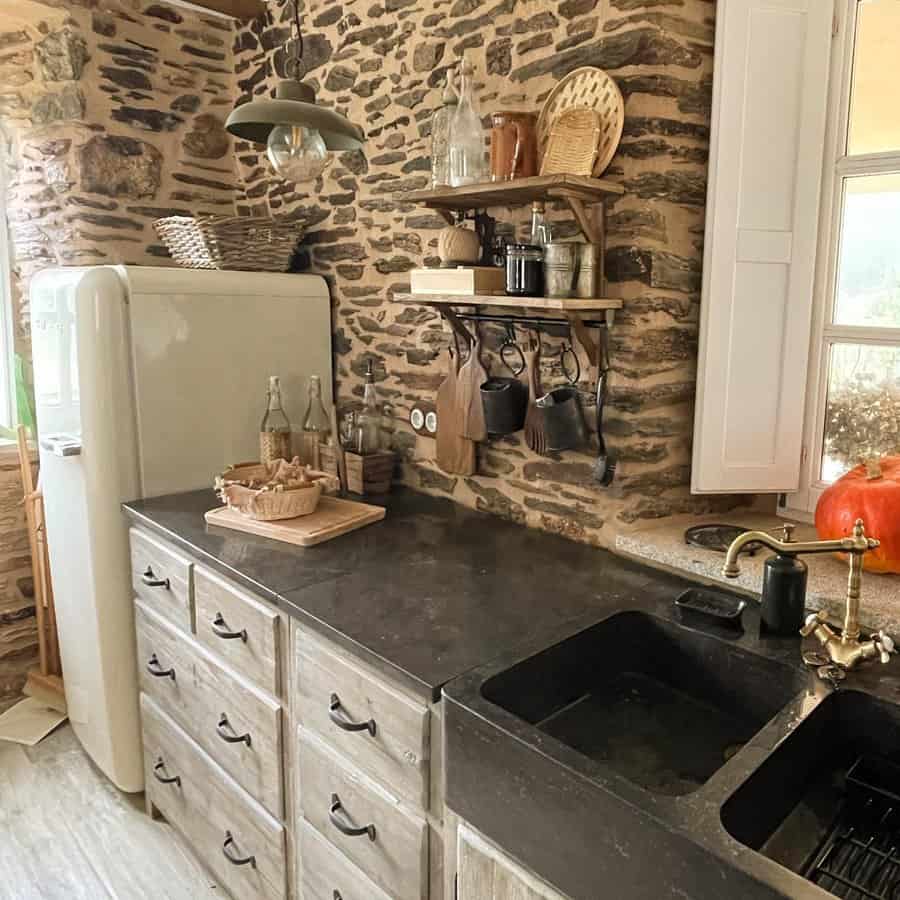
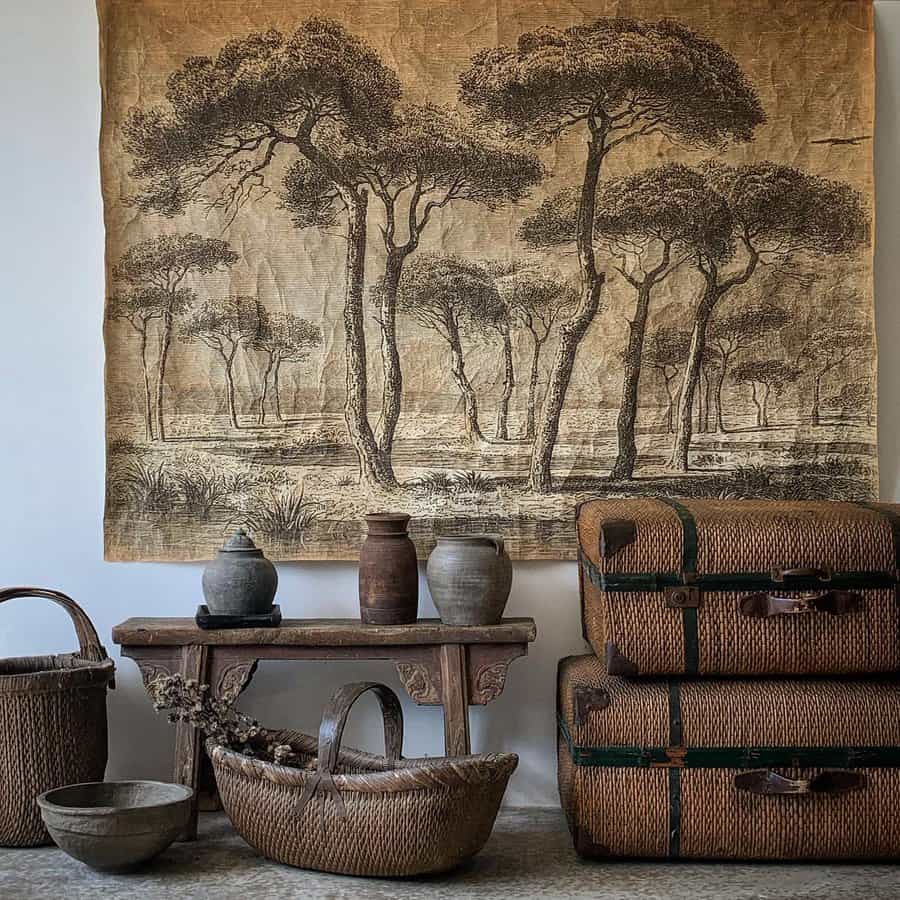
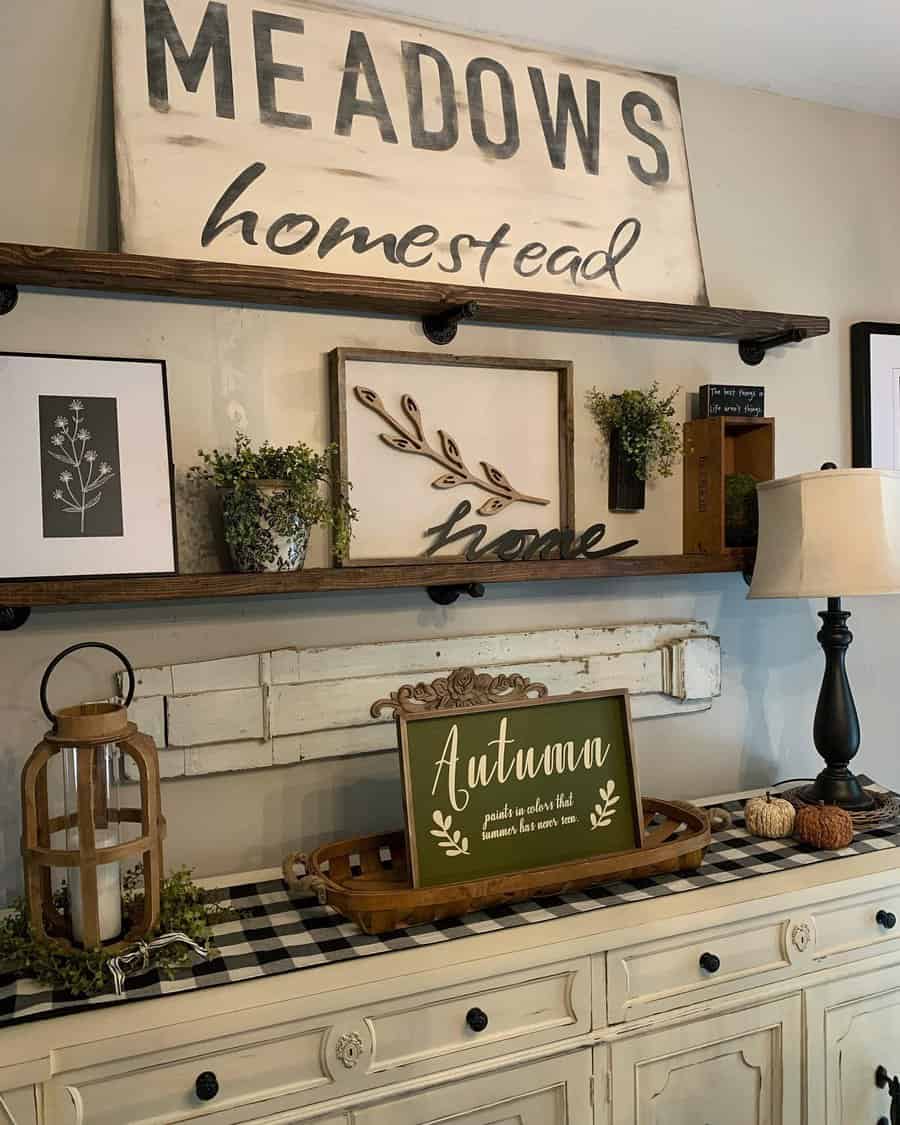
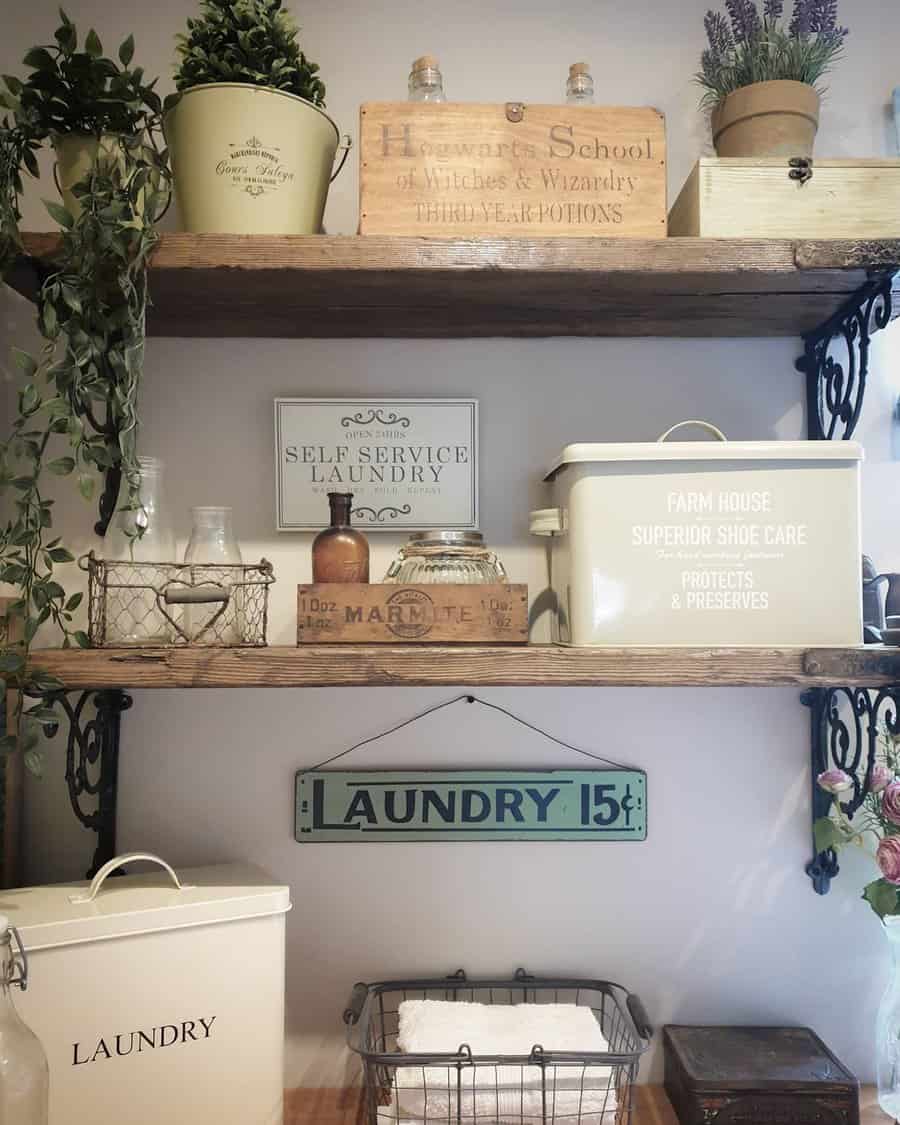
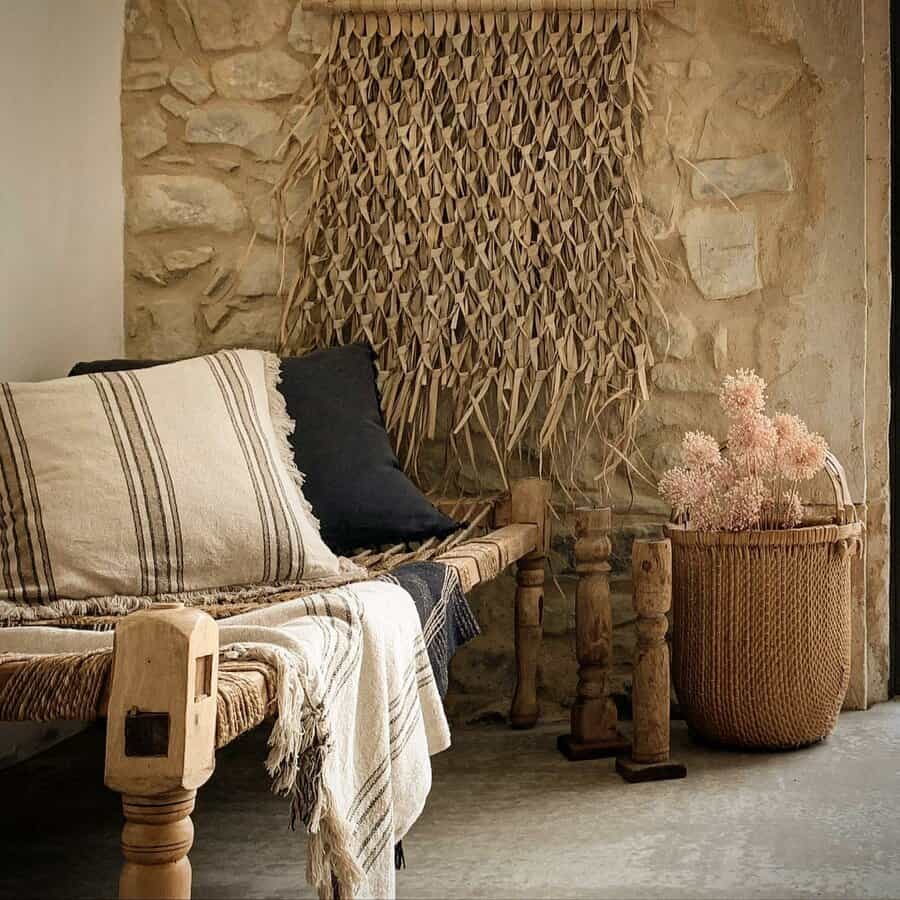
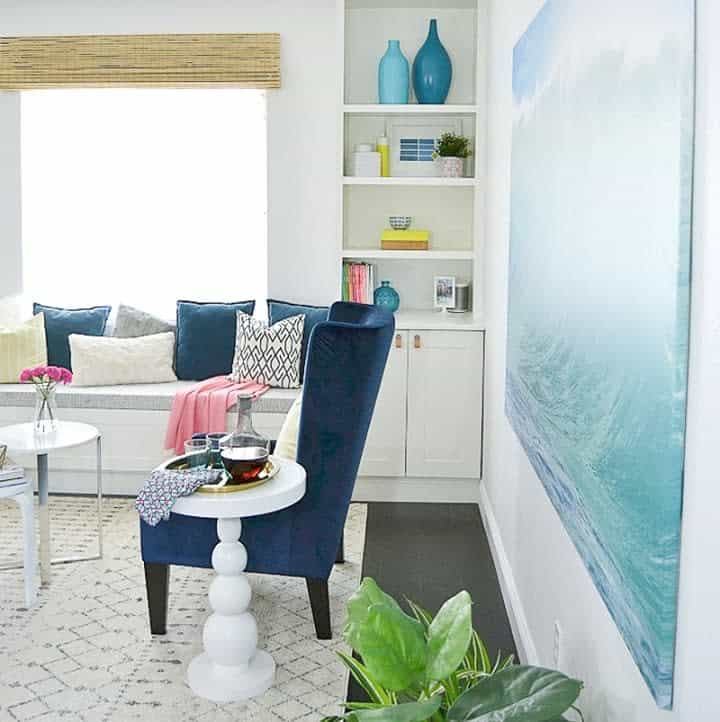
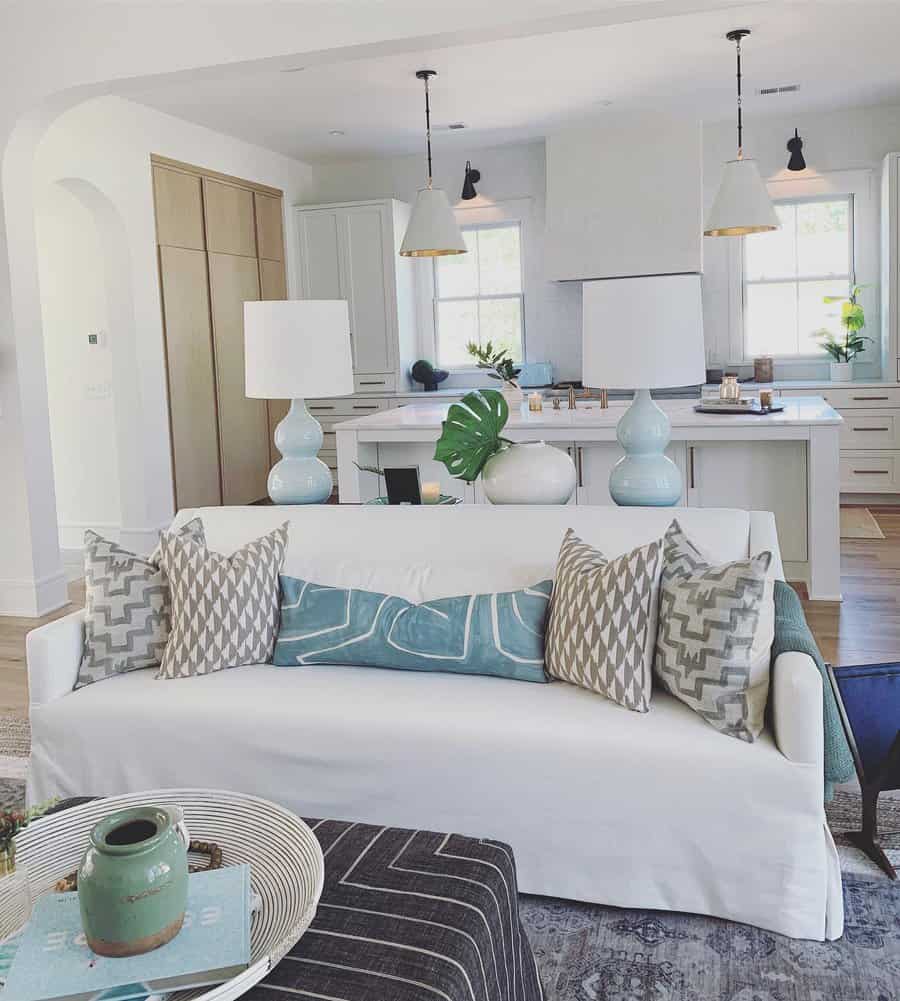
    Welcome to the beautiful intersection of past and present, where old-world charm meets modern aesthetics. It’s a place where vintage pieces do not just survive, but thrive in contemporary design settings.

    Whether it’s a rustic mirror frame from the 1930s or a mid-century modern lamp, these pieces hold the power to imbue your living space with a unique charisma that’s hard to replicate.

    This article will guide you on the art of seamlessly blending vintage items with your modern home design, creating a timeless aesthetic that exudes warmth, personality, and style.

    So, let’s step into the beautiful labyrinth of vintage and contemporary design fusion, and discover how you can bring this magic into your own home.

    [view_toc]

    1. Balance with Modern Elements

    Integrating vintage pieces into your contemporary design is all about achieving a balance. Too many antiques can overpower your space and make it feel outdated.

    Instead, aim for a stylishly eclectic look by blending vintage pieces with modern elements. This creates a harmonious contrast that keeps your space feeling fresh and visually interesting.

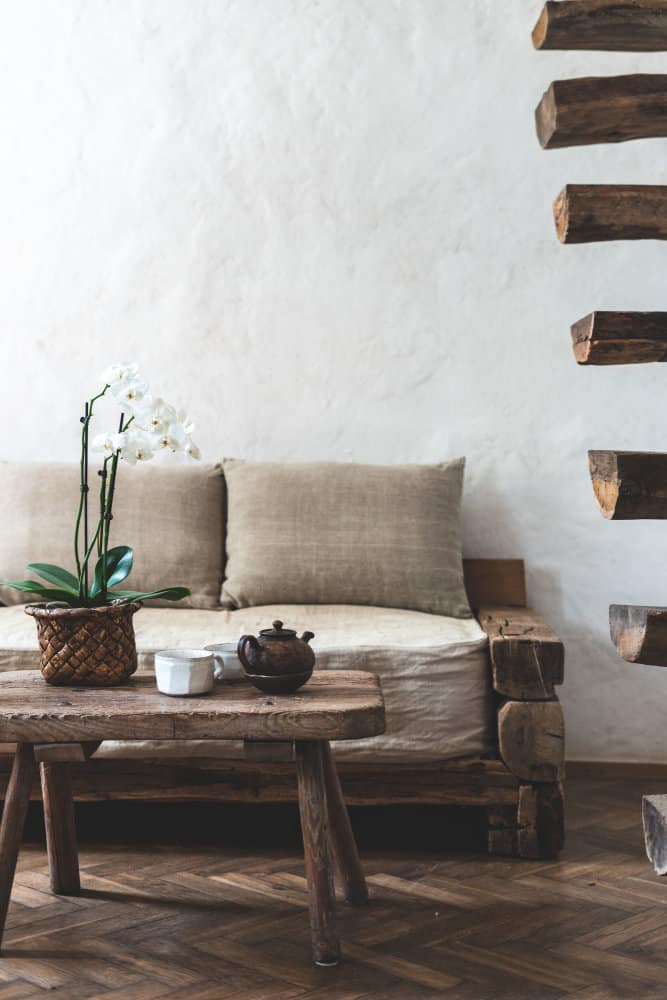
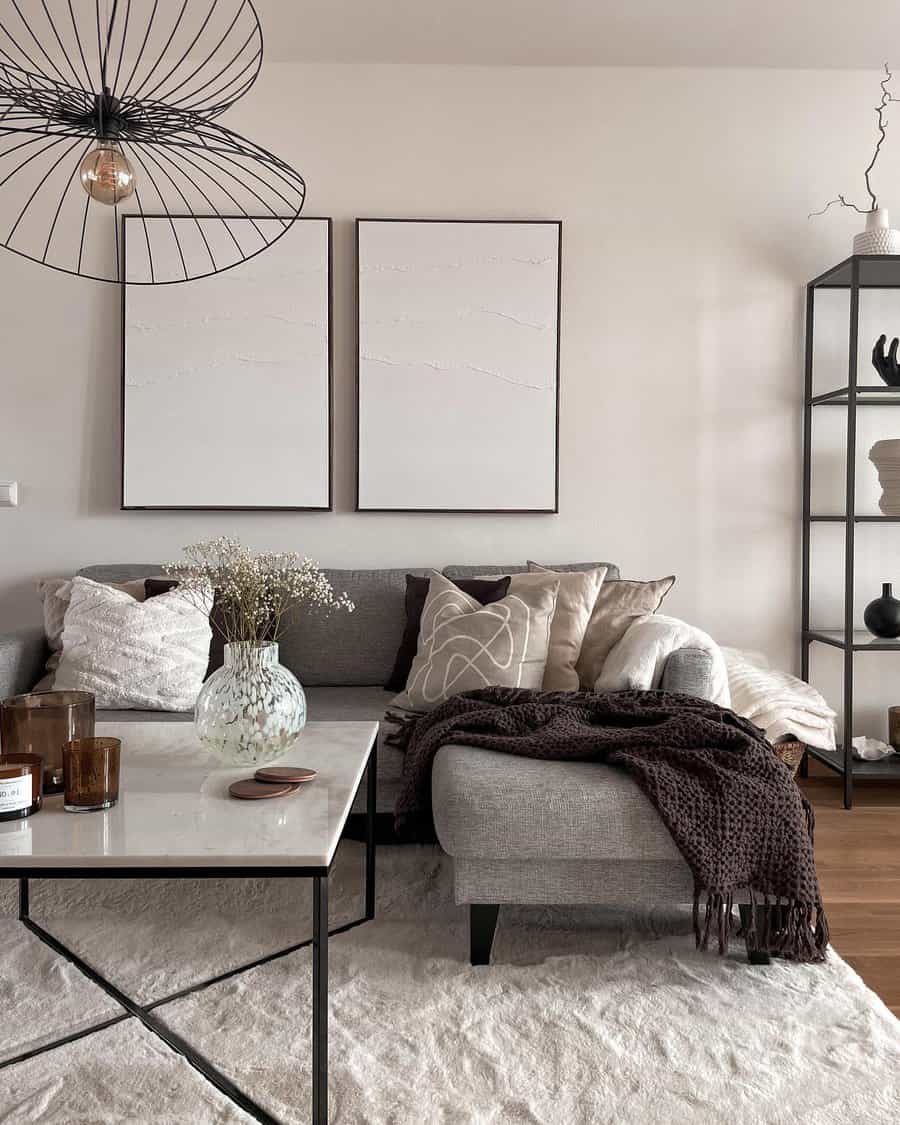
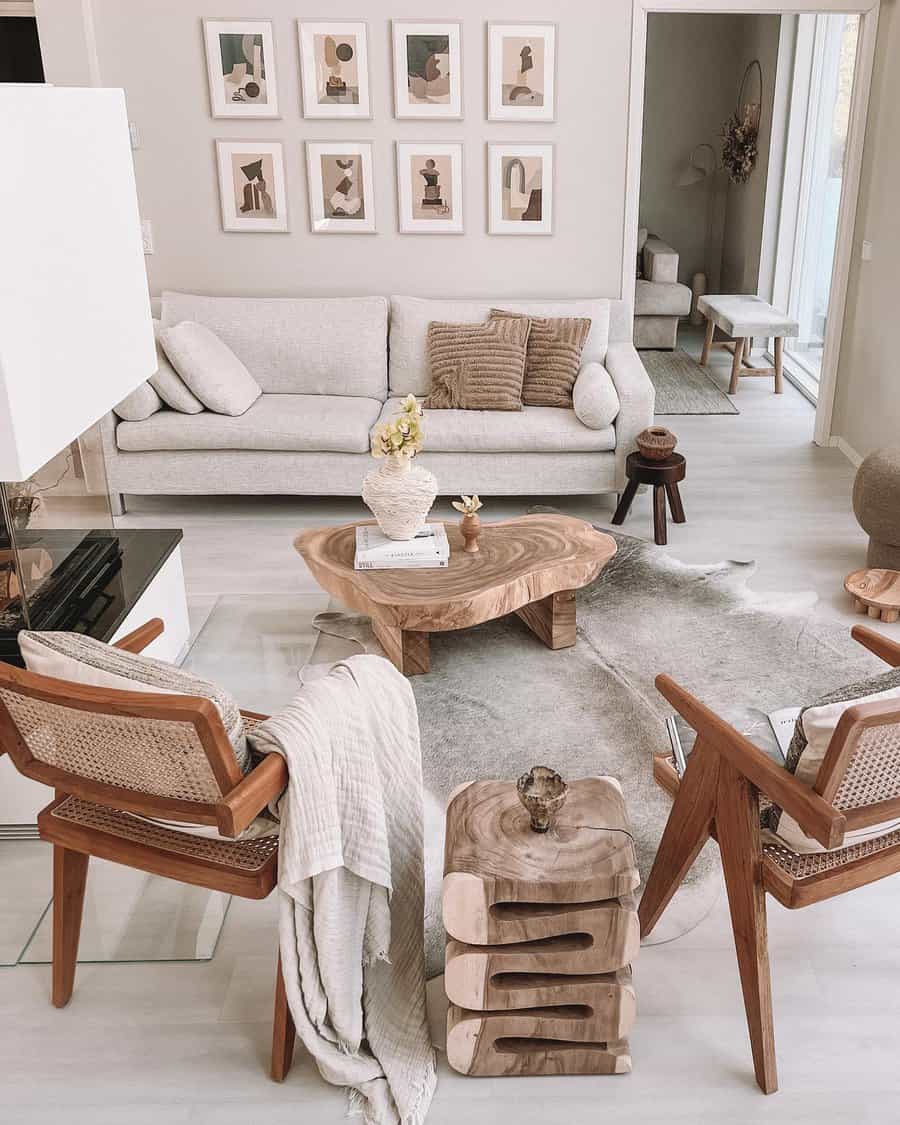
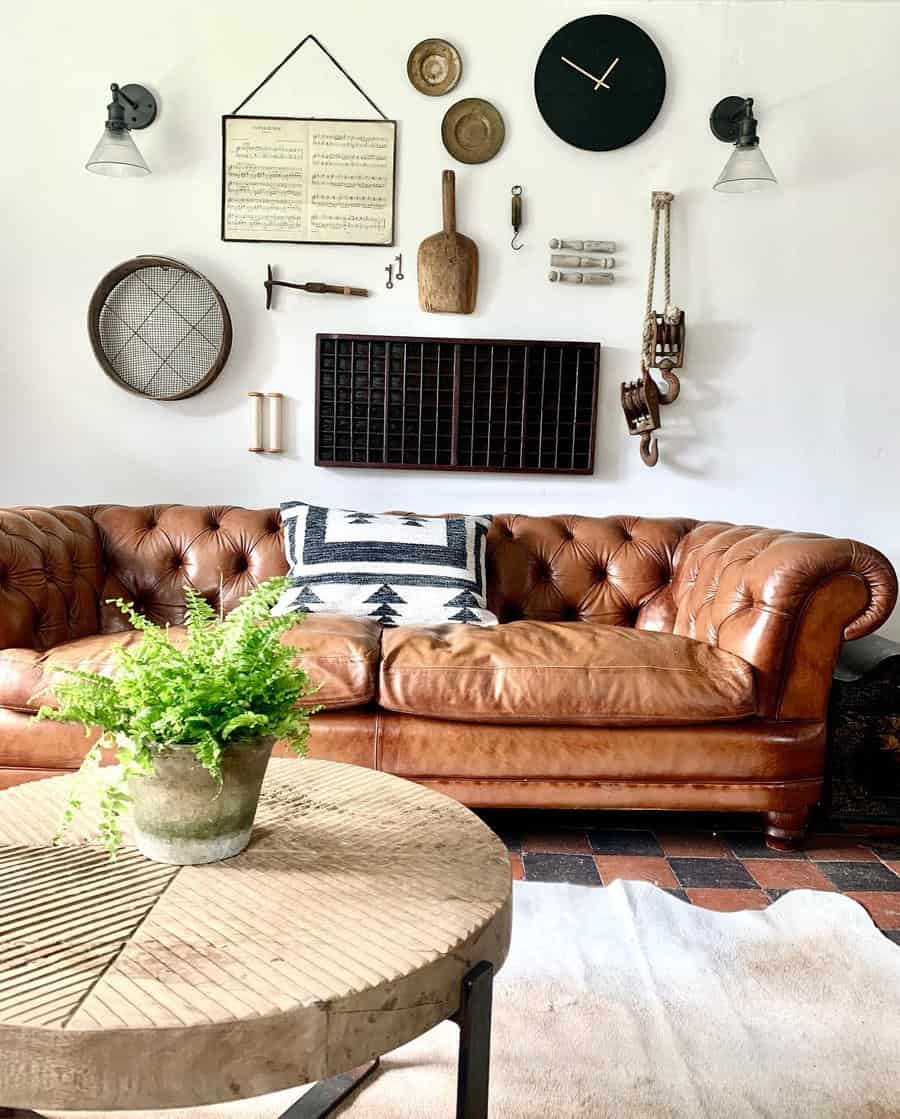
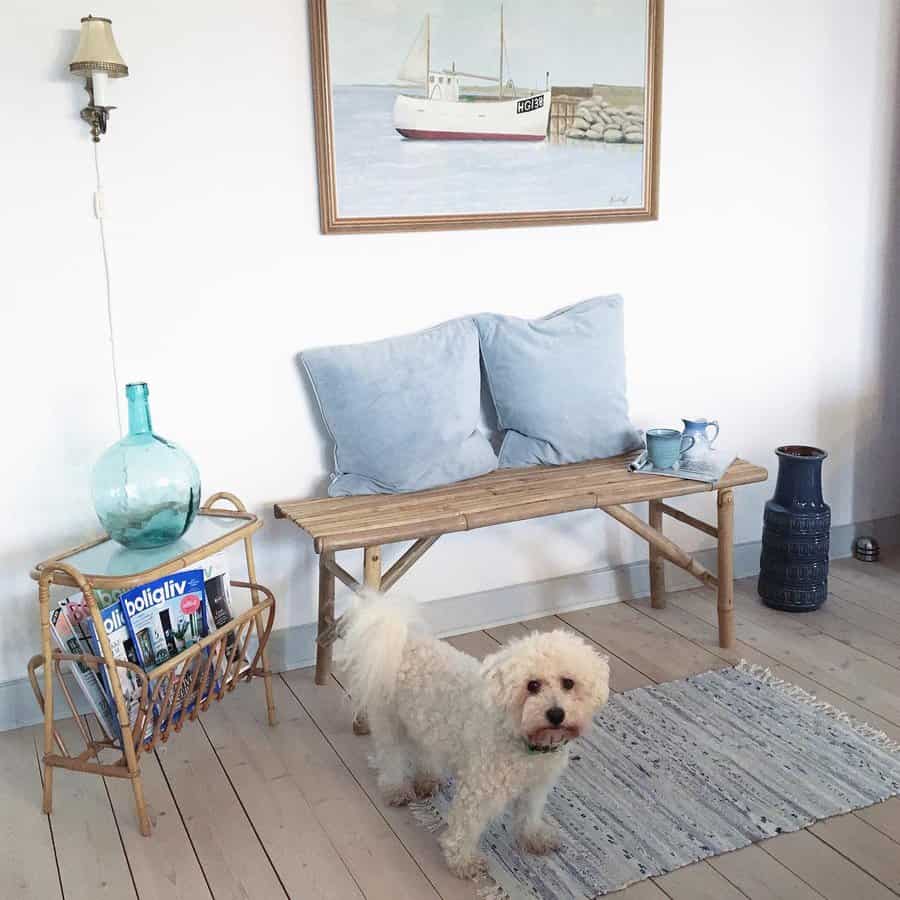
    Pair a sleek, modern sofa with a vintage coffee table or place a retro armchair alongside a contemporary bookshelf.

    The key is to strike the right balance between old and new, creating a cohesive and dynamic design aesthetic.

    2. Restore Thoughtfully

    Vintage pieces often come with signs of wear and tear, but a thoughtful restoration can breathe new life into them while preserving their charm.

    When restoring vintage items, strive to maintain their original elements and unique character whenever possible. Refinish wood surfaces to bring out their natural beauty or repair minor damages while preserving the patina that tells the piece’s story.

    However, don’t hesitate to update upholstery or finishes if it aligns with your overall aesthetic vision. Reupholstering a vintage chair with a contemporary fabric or refinishing metal hardware can modernize the piece while still honoring its vintage roots.

    By restoring vintage pieces thoughtfully, you can enhance their charm and seamlessly integrate them into your contemporary home design.

    3. Incorporate Vintage Lighting

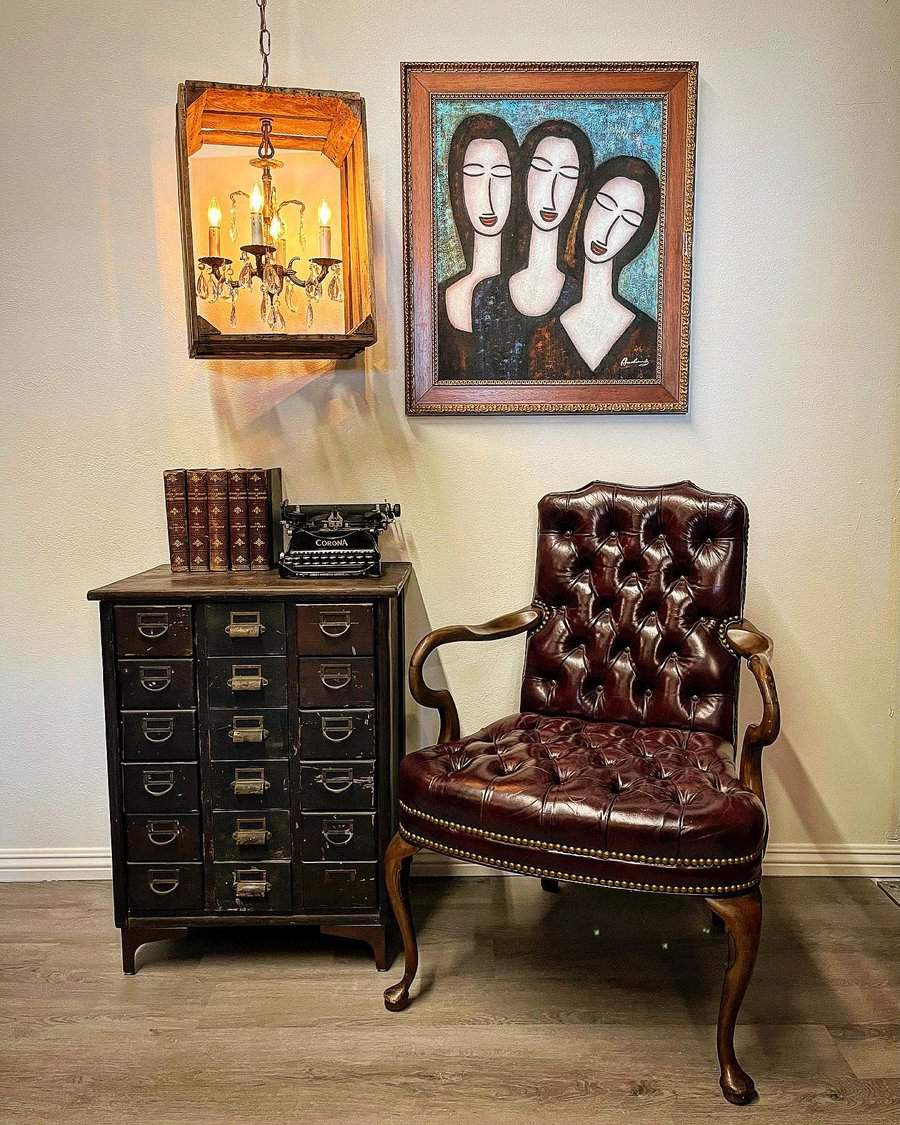
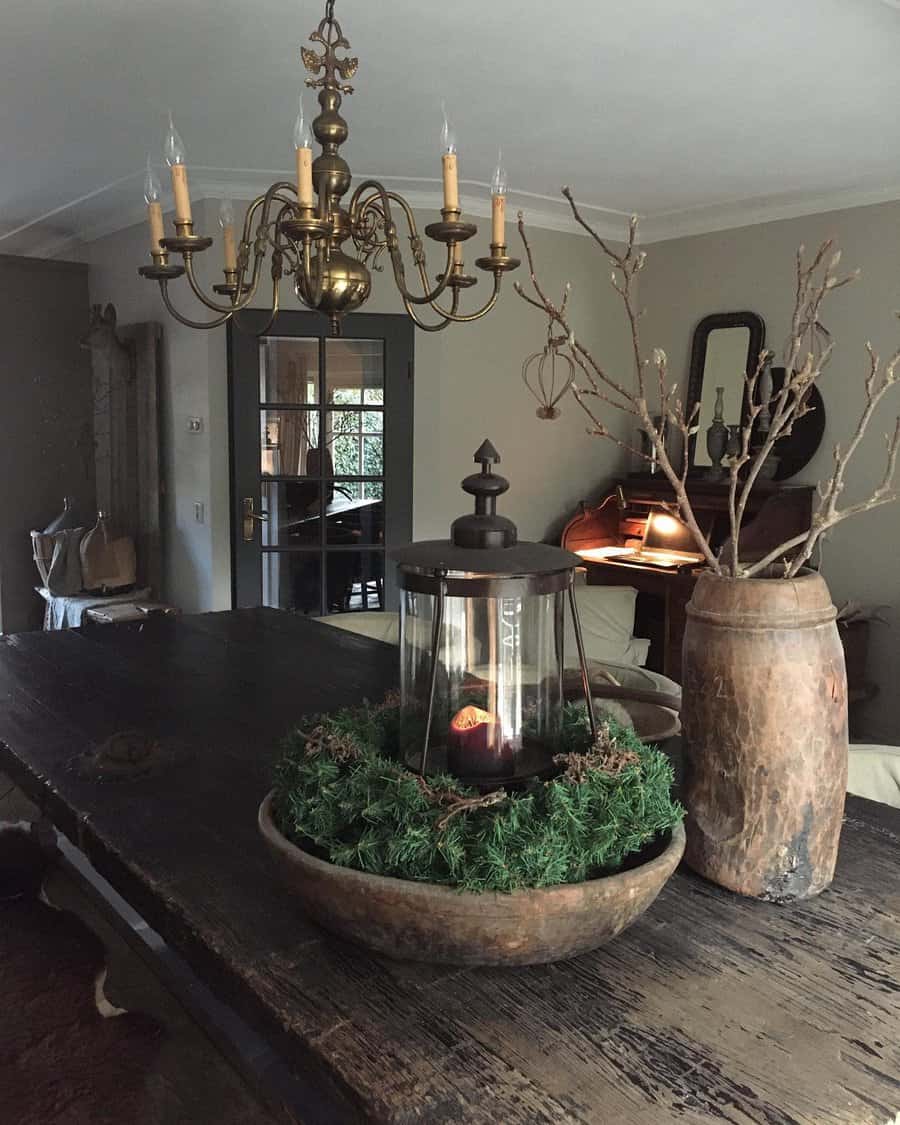
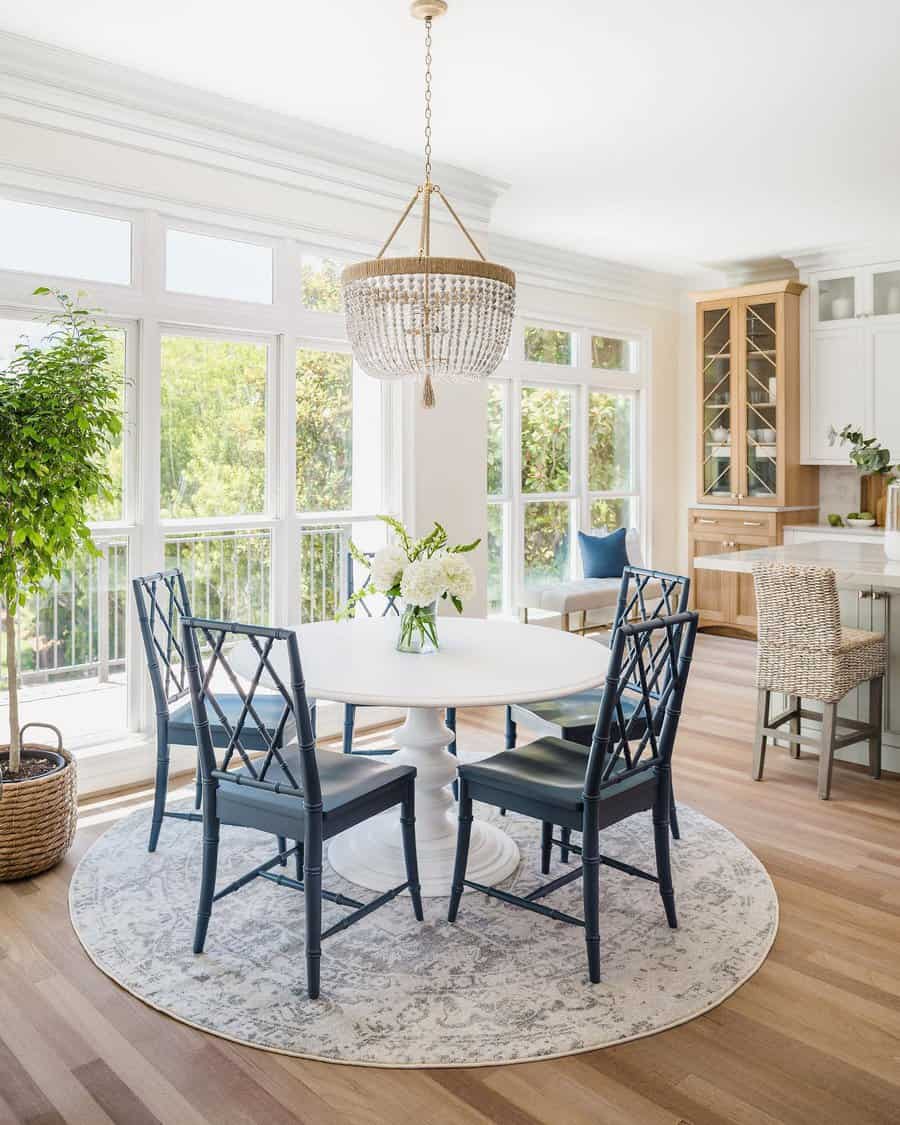
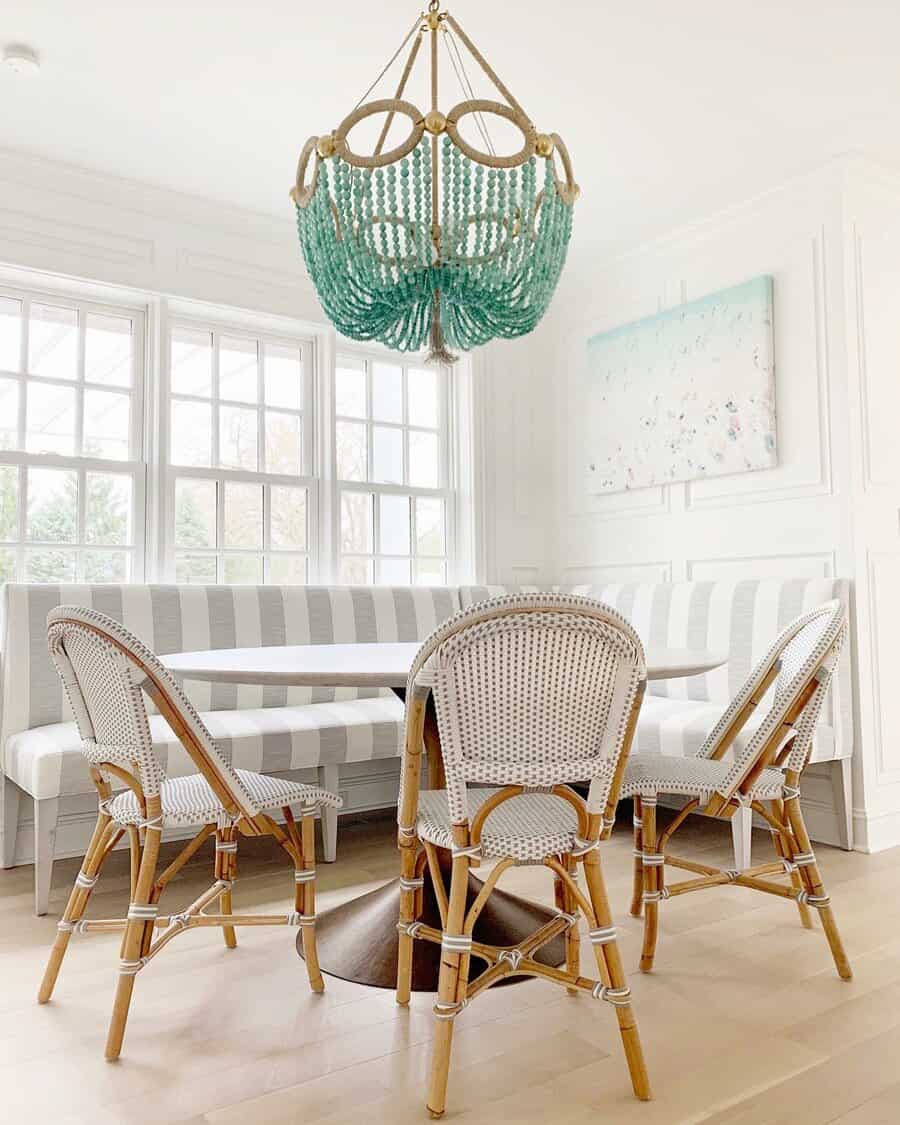
    Illuminate your contemporary space with the timeless charm of vintage lighting fixtures. Vintage sconces, chandeliers, or pendant lights can bring an elegant and warm glow to your home, creating a cozy and inviting atmosphere.

    Opt for fixtures with unique details, such as intricate metalwork or delicate glass shades, to add visual interest and a touch of nostalgia.

    Whether you place a vintage chandelier as a statement piece in your dining area or adorn your hallway with vintage sconces, these lighting elements can become focal points that blend seamlessly with your modern decor.

    The warm ambiance they create adds depth and character to your space, making it feel even more welcoming and enchanting.

    4. Use Vintage Textiles

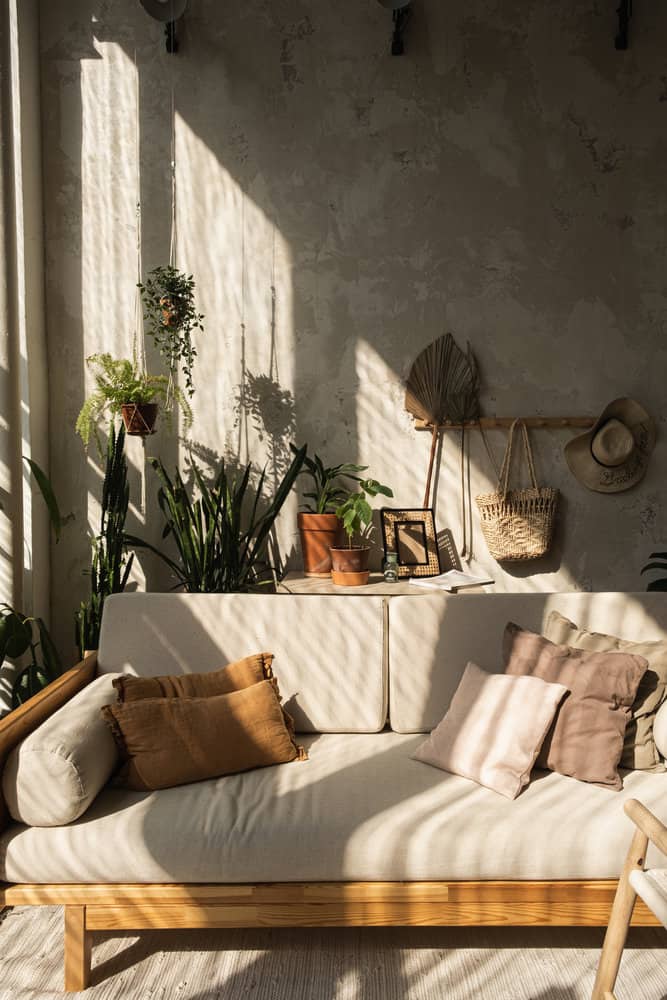
    Elevate your modern space with the rich textures and vibrant colors of vintage textiles. Incorporating vintage rugs, curtains, or throw pillows can add a layer of depth and visual interest to your decor.

    Look for rugs with intricate patterns or unique weaving techniques that tell a story of craftsmanship and tradition. Vintage curtains can bring a touch of elegance and personality to your windows, whether it’s delicate lace panels or bold, retro prints.

    Additionally, vintage throw pillows with embroidered details or unique fabric textures can serve as eye-catching accents on your sofas or chairs.

    These vintage textiles not only add warmth and coziness but also infuse your contemporary space with a sense of history and character.

    5. Use the 80/20 Rule of Decorating

    Embrace the 80/20 rule of decorating: let approximately 80% of your design consist of contemporary elements, while reserving around 20% for vintage pieces.

    This approach ensures a balanced and cohesive look, where the modern backdrop allows your carefully selected vintage treasures to shine as focal points without overwhelming the overall aesthetic. By predominantly featuring contemporary furnishings, colors, and finishes, you create a fresh canvas for your space.

    The remaining 20% of vintage items add depth, character, and a touch of history. Strive for high-quality vintage pieces that complement your design and provide contrast and visual interest, resulting in a curated, stylish, and timeless space.

    6. Mix and Match

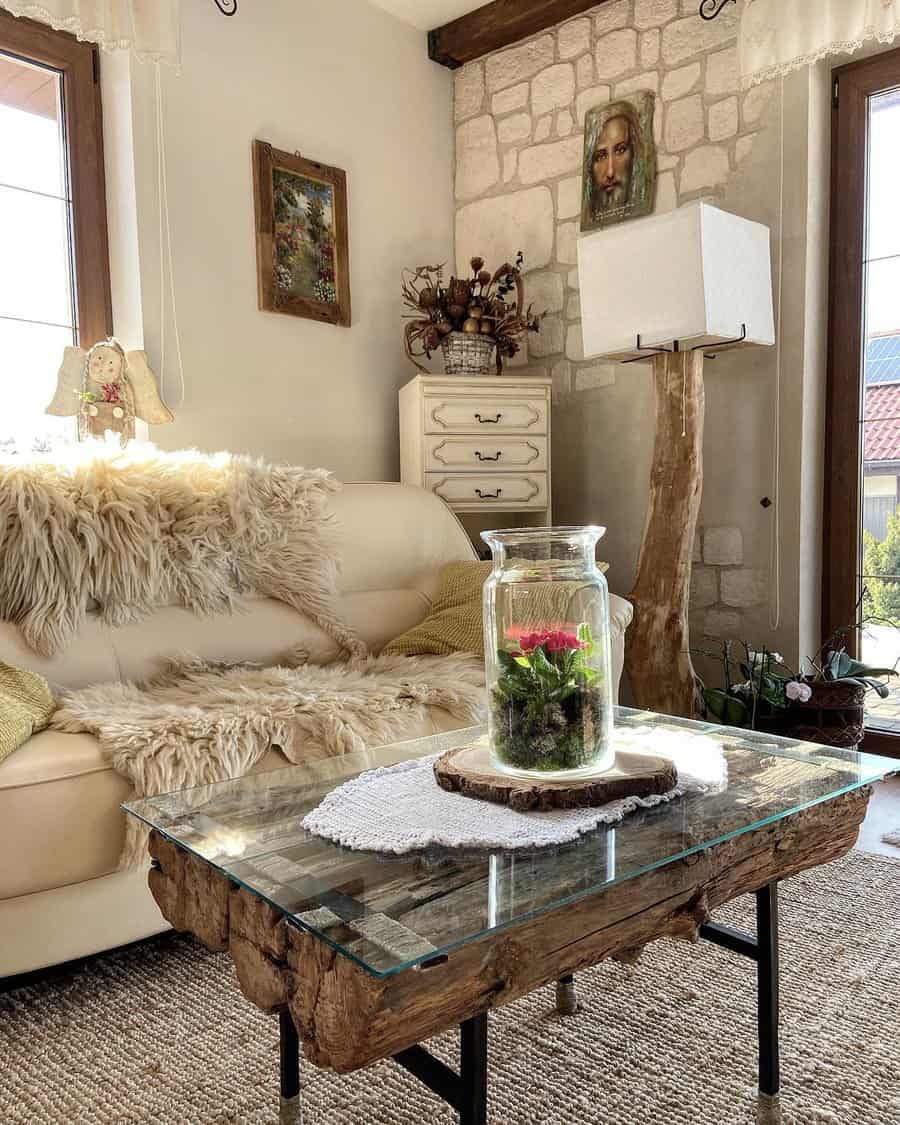
    Embrace the art of mixing styles and eras in your contemporary home design. Don’t be afraid to pair a modern couch with a vintage coffee table or mix different furniture styles to create a dynamic visual interest.

    Combining elements from different time periods adds a layer of uniqueness and personality to your space. Look for opportunities to juxtapose sleek contemporary pieces with the character and charm of vintage items. This blending of styles creates a captivating contrast that sparks intrigue and creates a visually engaging environment.

    Be adventurous with your choices, and let the mix and match approach unleash your creativity in designing a truly one-of-a-kind living room or any other space in your home.

    7. Accessorize Smartly

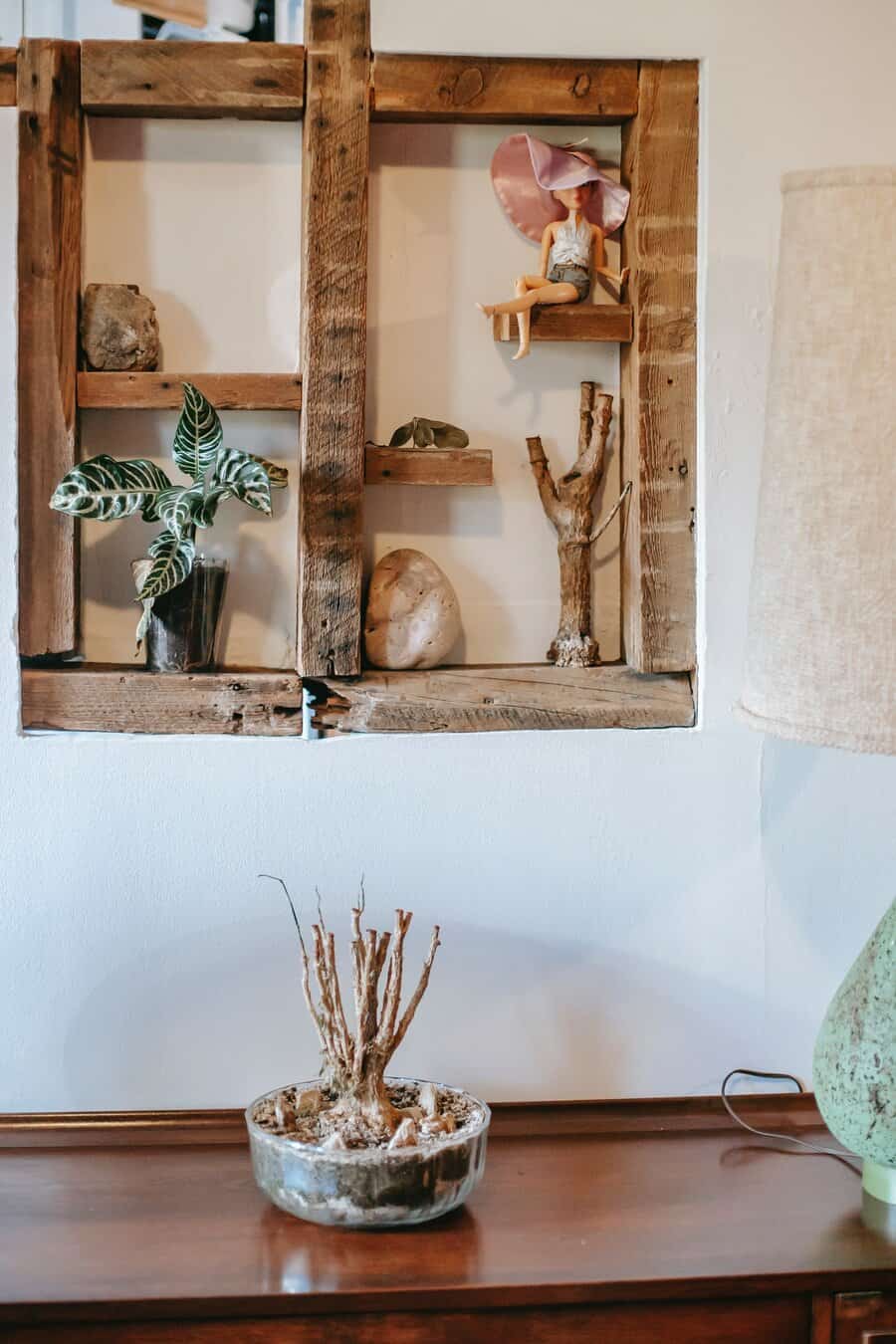
    Add a touch of vintage charm to your contemporary space through smart accessorizing. Vintage accessories such as mirrors, clocks, or vases can act as statement pieces that infuse your home with character without overwhelming the overall design.

    Opt for unique and eye-catching vintage items that reflect your personal style and complement your contemporary decor. A beautifully ornate vintage mirror can serve as a captivating focal point on a feature wall, while a vintage clock adds a nostalgic touch and functionality to your space.

    Vintage vases with intricate details or retro designs can bring a pop of color and artistic flair to your shelves or tabletops.

    The key is to choose accessories that strike a balance between vintage charm and contemporary aesthetics, enhancing the visual appeal and personality of your home.

    8. Play with Color

    Harness the power of color to harmonize vintage and modern elements seamlessly. Whether you decide to preserve the original color of your vintage piece or give it a modern makeover, it’s essential to ensure that it complements the overall color scheme of your space.

    Consider the existing palette and select colors that create a cohesive and balanced look. If your vintage piece boasts a vibrant or unique hue, let it take center stage by keeping the surrounding elements more neutral.

    On the other hand, if you choose to update the color of a vintage item, opt for shades that align with your contemporary design while still honoring its timeless appeal.

    By playing with color, you can create a visual connection between vintage and modern elements, establishing a harmonious and captivating aesthetic throughout your home.

    9. Respect the Originality

    In the pursuit of blending vintage and contemporary elements, it’s crucial to honor and respect the originality of vintage pieces. Each vintage item carries its own history, character, and unique story.

    Allow these pieces to shine in their inherent uniqueness. Avoid altering or modifying them excessively to fit a particular aesthetic. Instead, embrace the authenticity and charm they bring to your space.

    Highlight the original features and craftsmanship that make them special, whether it’s the intricate woodwork of a vintage cabinet or the patina of an antique brass fixture.

    By appreciating and preserving the originality of vintage pieces, you not only maintain their value but also celebrate their timeless appeal in a contemporary context.

    10. Experiment

    When it comes to incorporating vintage pieces into your contemporary home design, don’t be afraid to experiment. Design has no set rules, and if a vintage piece feels right in your space, even if it’s unconventional, go for it. Your home should be a reflection of your personal taste and style.

    Trust your instincts and explore creative possibilities. Mix unexpected combinations, embrace eclectic pairings, and let your imagination run wild. Incorporating a unique vintage find can bring a sense of individuality and personal expression to your space. Whether it’s an unconventional piece of furniture, an intriguing vintage artwork, or a whimsical accessory, let your intuition guide you.

    Ultimately, it’s about creating a home that resonates with you, tells your story, and sparks joy every time you walk through the door. So, dare to be different, take risks, and let your creativity flourish as you experiment with vintage pieces in your contemporary home design.
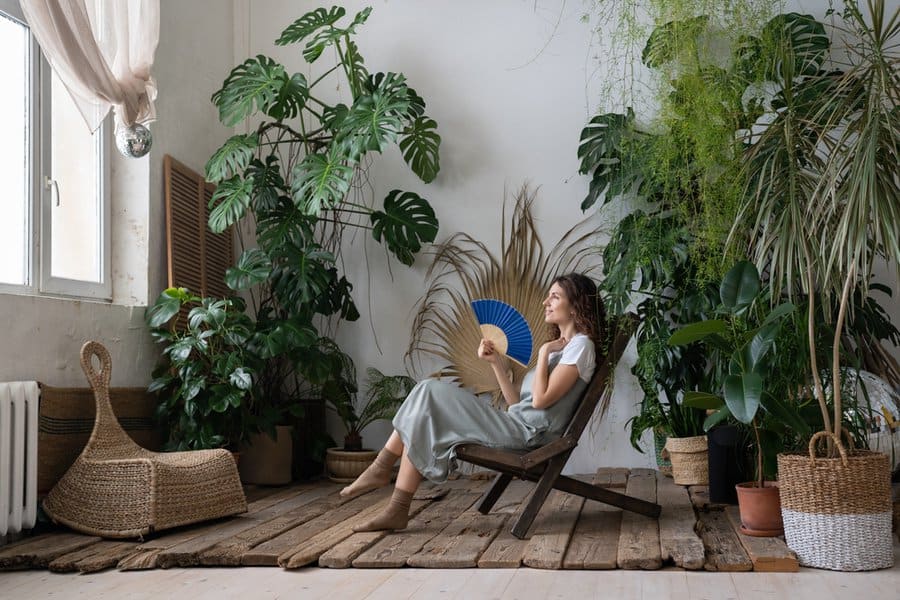
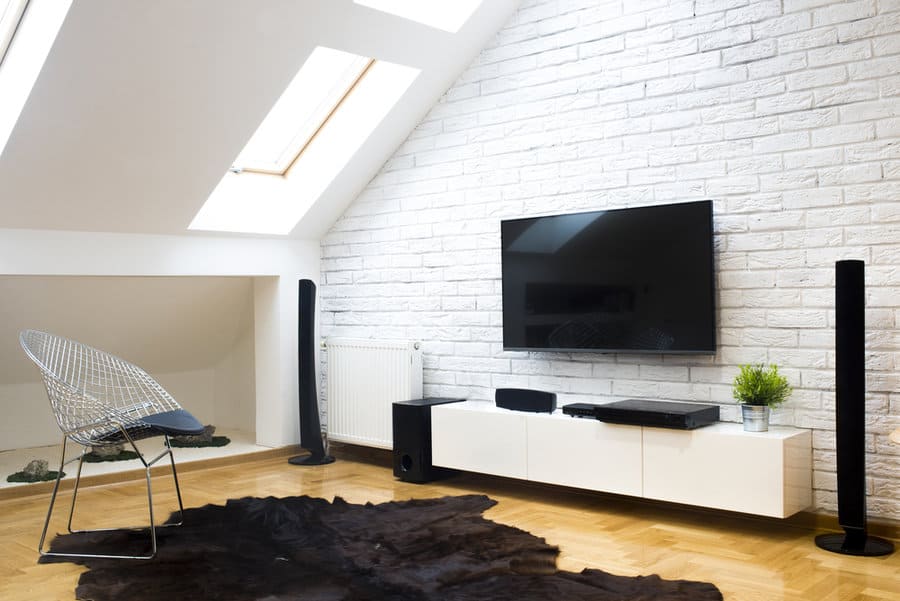
  • Transforming Your Home into a Wellness Oasis

    Transforming Your Home into a Wellness Oasis

    In an ever-evolving world where stress and anxiety have become our constant companions, it is more important than ever to cultivate a space of tranquility and wellness in our lives. Your home should not just be a dwelling place; it should be a sanctuary that promotes holistic wellbeing, a refuge that rejuvenates your mind, body, and soul. With the right tools and mindset, you can transform your home into a wellness oasis that radiates positivity and encourages healthy living.

    This article serves as your comprehensive, step-by-step guide to achieving this transformation. Whether you’re starting from scratch or seeking to enhance your existing environment, this guide will empower you to create a haven of comfort, balance, and vitality. Through a blend of mindfulness, sustainable design, and wellness-oriented practices, let’s embark on this journey towards nurturing a home that reflects your health goals and supports your wellbeing.”

    Let’s dive in, and start your home’s transformation today!

    [view_toc]

    1. Understanding the Importance of a Wellness-oriented Home

    The Impact of Environment on Wellbeing

    Our environment plays a crucial role in determining our physical and emotional wellbeing. Each aspect, from the air we breathe to the sounds we hear and the colors we see, can significantly influence our mood, stress levels, productivity, and overall health.

    Living in a cluttered, disorganized, or chaotic environment can lead to feelings of distress and anxiety. On the other hand, a serene, well-organized, and calming environment can enhance our sense of peace, comfort, and happiness. By understanding the intricate relationship between our environment and wellbeing, we can make conscious choices that uplift our physical and mental health.

    The Value of Home in Holistic Health

    Our home holds a unique value in the pursuit of holistic health. It is where we start and end our day, find solace from the world’s stresses, and cultivate deep connections with our loved ones. It serves as the backdrop of our lives, making its role in our wellness journey irreplaceable.

    A wellness-oriented home doesn’t just facilitate better physical health; it also promotes emotional balance, spiritual growth, and mental resilience. By providing a restorative environment, it nurtures us, helps us rejuvenate, and builds a strong foundation for a healthy and fulfilling lifestyle. The importance of aligning our home with our health and wellness goals cannot be overstated.

    2. Assessing Your Current Space

    Identifying Stress Triggers

    Before starting your transformation, it’s essential to identify the potential stress triggers within your current space. These could include clutter, insufficient natural light, noise pollution, or color schemes that lack calming effects.

    Take time to observe how different areas of your home affect your mood and wellbeing. Do certain spaces make you feel tense or uneasy? Are there rooms where you feel notably calm and relaxed? Recognizing these stress triggers will guide your journey to a serene and harmonious living environment.

    Evaluating the Flow of Your Home

    Assessing the flow of your home is another pivotal aspect of creating a wellness oasis. The flow refers to the ease and comfort with which you move through and interact with your space.

    Consider whether your current layout allows for adequate movement and activities promoting wellness, such as yoga or meditation. Does your furniture arrangement facilitate smooth navigation? Is there a natural progression from one area of your home to another, or does it feel disjointed?

    The flow of your home significantly impacts your comfort and relaxation. By evaluating and enhancing it, you can boost your space’s functionality and overall sense of harmony.

    3. Creating a Mindful Floor Plan

    Making Room for Movement

    Movement plays a vital role in our overall wellbeing. A wellness-focused home should accommodate this by offering enough space for exercises, stretches, or activities like yoga or dance.

    Think about how you can reconfigure your floor plan to promote movement. Could you create a dedicated workout area, or clear some space in your living room for morning stretches? Perhaps there’s room for an open area where you can engage in mindful activities such as tai chi. The aim is to make physical activity an inviting and accessible part of your daily routine.

    Designing Spaces for Relaxation

    A wellness-oriented home also needs spaces explicitly designed for relaxation. This could be a quiet reading nook, a cozy meditation corner, or a peaceful outdoor space for unwinding and connecting with nature.

    These relaxation spaces should be inviting and calming, radiating peace and tranquility. Keep in mind factors like natural light, views, noise levels, and comfort when designing these areas. By creating these dedicated spots for downtime, you encourage regular rejuvenation breaks, fostering a healthier balance between activity and rest.

    4. Incorporating Natural Elements

    The Power of Plants for Indoor Air Quality

    Incorporating indoor plants into your home goes beyond aesthetics; it’s a proactive step towards wellness. Plants can significantly improve indoor air quality by absorbing toxins, increasing humidity, and producing oxygen.

    The natural greenery of plants can also create a calming atmosphere, reduce stress, and boost mood. Consider air-purifying plants like spider plants, snake plants, or peace lilies to enhance these benefits. A home adorned with vibrant, lush plants is not just visually appealing, but also fosters a healthier, more relaxing environment.

    Leveraging Natural Light and Views

    Natural light is an essential component in transforming your home into a wellness sanctuary. Regular exposure to natural light can regulate our body’s circadian rhythm, leading to improved sleep quality and mood.

    Try to maximize the inflow of natural light by using light curtains, installing mirrors to reflect sunlight, or simply keeping your windows clean. If you have the luxury of a pleasant view, make the most of it. A window overlooking a garden, a tree, or the sky can offer calming visual stimulation, further amplifying your home’s wellness quotient.

    5. Choosing the Right Color Palette

    Colors that Promote Calm and Serenity

    The psychology of color significantly impacts our emotional and mental wellbeing. Choosing the right colors can foster calm and serenity, making them perfect for relaxation or sleep spaces.

    Blue shades, often linked with calmness, can help alleviate anxiety. Greens, reminiscent of nature, can cultivate peace and tranquility. Neutral hues like whites, beiges, and grays can create a serene, restful atmosphere. Incorporate these colors when selecting paints, furniture, or decor items.

    Colors that Stimulate Energy and Creativity

    Certain colors can also energize and stimulate creativity, suitable for workspaces, exercise areas, or places for creative pursuits. Warm colors such as reds, oranges, and yellows can invigorate and stimulate activity.

    Brighter tones can spur creativity and are excellent choices for home offices or art studios. Balance is the cornerstone of a wellness-oriented home, so ensure to mix calming shades with vibrant ones based on each room’s purpose.

    6. Harnessing the Power of Aromatherapy

    Selecting Essential Oils for Your Home

    Aromatherapy can significantly influence our wellbeing by reducing stress, promoting sleep, and uplifting mood. At the heart of aromatherapy are essential oils, and selecting the right ones can transform your home into a wellness sanctuary.

    For a relaxing atmosphere, consider calming scents like lavender, chamomile, or ylang-ylang. To stimulate focus and energy, opt for invigorating oils such as lemon, peppermint, or rosemary. Always ensure to use these oils safely, ideally in a diffuser, following the recommended dilution rates.

    Creating Your Own Signature Home Scent

    Creating a signature home scent is a personal and creative journey that enhances your home’s ambiance. By mixing and matching different essential oils, you can find a unique combination that resonates with you and reflects the atmosphere you wish to create.

    You might prefer a refreshing blend of citrus scents, a soothing mix of floral notes, or an earthy combination of woody aromas. By crafting a signature scent, you add a unique, personal touch to your wellness oasis, making it truly your own.

    7. Curating a Sound Environment

    The Effect of Noise on Wellbeing

    Noise, or the lack thereof, can have a profound impact on our wellbeing. Consistent exposure to high noise levels can lead to increased stress, hindered concentration, poor sleep quality, and even long-term health issues.

    On the other hand, a peaceful, quiet environment can promote relaxation, improve focus, and contribute to better sleep. Understanding the impact of noise on your wellbeing is the first step towards curating a sound environment that fosters wellness.

    Utilizing Soundscapes and White Noise

    Soundscapes and white noise are potent tools for creating a calming auditory environment. Soundscapes, like the soothing melodies of birds, waves, or forest ambiances, can establish a peaceful atmosphere and mask distracting external sounds, particularly useful in urban settings.

    White noise, a consistent sound containing equal intensities of all frequencies, is excellent for drowning out intermittent background noise. It can enhance sleep quality or encourage focused work sessions. Devices or apps producing white noise make it easy to incorporate this soothing backdrop into your home environment.

    8. Creating Wellness Focused Zones

    Designing a Zen Meditation Room

    A Zen meditation room is a space within your home dedicated to quiet, mindful reflection. This room should be free from distractions and decorated with elements that promote serenity and peace.

    A simple color palette, comfortable seating like floor cushions or a meditation bench, and calming elements such as a small water feature, soft lighting, or a candle could be included.

    Setting Up a Home Fitness Corner

    A home fitness corner is an area dedicated to physical activity. Depending on your fitness preferences, this might include workout equipment like weights, a yoga mat, resistance bands, or even more substantial equipment like a treadmill or exercise bike.

    A wall mirror can also be useful for checking your form during exercises. Remember to also consider factors like ventilation and natural light. The goal is to make this space inviting, encouraging you to maintain regular physical activity as part of your wellness journey.

    Crafting a Serene Sleep Environment

    Your sleeping environment significantly impacts your sleep quality, a key component of overall wellness. This space should be designed to promote deep, restful sleep. Consider a comfortable, supportive mattress and pillows, blackout curtains or shades to keep the room dark, and soothing colors like blues or neutrals.

    Reduce clutter and remove any stress-inducing items. You might also consider a white noise machine or fan to provide consistent, soothing background noise. Creating a serene sleep environment supports healthy sleep habits and contributes to your overall sense of wellbeing.

    9. Sustainable and Healthy Home Materials

    Understanding the Impact of Toxic Home Materials

    Many common materials used in homes can contain substances that are harmful to both our health and the environment. These may include volatile organic compounds (VOCs) in paint, formaldehyde in pressed-wood furniture, or phthalates in vinyl flooring.

    Over time, these substances can off-gas into our homes, impacting indoor air quality and potentially causing a range of health issues from headaches and allergies to more serious long-term effects. It’s essential to understand the impact of these toxic home materials as part of creating a wellness-focused home environment.

    Choosing Eco-Friendly and Non-Toxic Options

    Fortunately, there are an increasing number of eco-friendly and non-toxic alternatives available for home use. When selecting paints, look for those labeled low-VOC or zero-VOC. For furniture, consider options made from solid wood, certified sustainable sources, or recycled materials. Flooring can be made from natural materials like hardwood, cork, or bamboo, or from recycled or sustainable sources.

    Always check for any certifications that indicate the product is free from harmful chemicals.

    10. Maintaining Your Wellness Oasis

    Daily Wellness Practices

    Creating a wellness oasis is just the start; maintaining it involves incorporating daily wellness practices. This could include a regular meditation or yoga session in your Zen room, a workout routine in your fitness corner, or a calming bedtime ritual to enhance your sleep.

    Remember to also utilize your essential oils for aromatherapy, update your soundscapes to reflect your mood or needs, and care for your indoor plants to keep them thriving.

    Engaging in these daily practices can help to reinforce your commitment to wellness and ensure that your home continues to serve as a supportive wellness oasis.

    Regular Home Care and Maintenance

    Just like any home, a wellness-focused home requires regular care and maintenance. This might involve replacing air filters to maintain good air quality, regular cleaning to keep spaces tidy and inviting, or periodically refreshing your decor to maintain the desired ambiance.

    In a wellness-focused home, consider using natural cleaning products to reduce exposure to harsh chemicals. Regular maintenance not only keeps your home looking its best, but it also contributes to a healthier, more enjoyable living environment.

    Read also: 42 Backyard Oasis Ideas

  • How to Infuse Minimalism into Your Home Design

    How to Infuse Minimalism into Your Home Design

    Welcome to the world of minimalism in home design, where less truly is more. In this article, we will explore the principles and techniques of infusing minimalism into your living space.

    From decluttering to selecting furniture with clean lines, get ready to create a harmonious environment that promotes calmness and mindfulness.

    Let’s embark on a journey of simplicity and discover how to transform your home into a minimalist sanctuary.

    [view_toc]

    1. Decluttering: Streamline your space by removing unnecessary items

    Decluttering is the essential first step to infusing minimalism into your home design. Begin by assessing each room and identifying items that serve no purpose or hold no sentimental value. Donate or discard these belongings to create a sense of spaciousness and order.
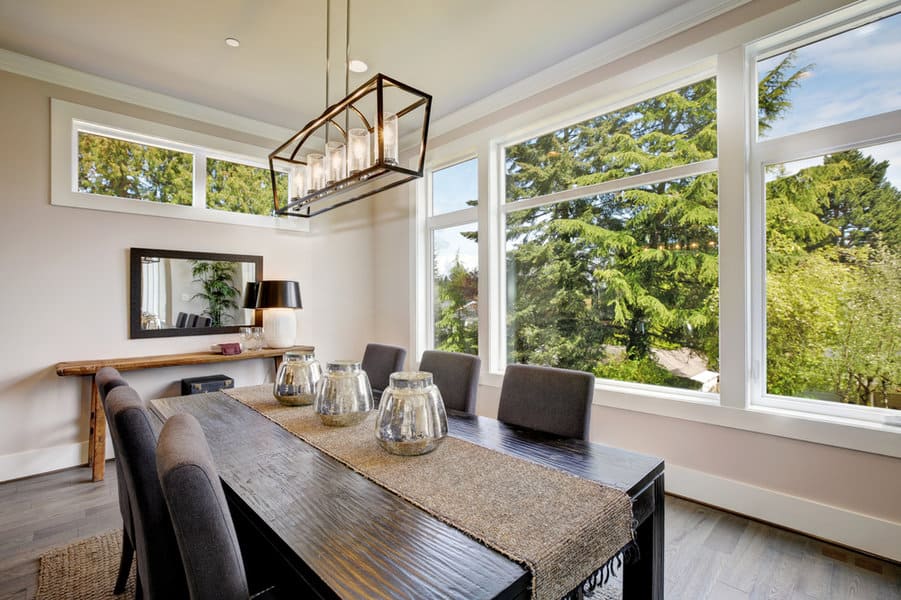
    Start with smaller areas like countertops, shelves, and tabletops. Clear away excess knick-knacks, old magazines, or unused decorative items. Store items that are rarely used or out of season, reducing visual distractions.

    In closets and drawers, take a systematic approach. Sort through clothes, accessories, and shoes, keeping only what you genuinely wear and love. Consider adopting a capsule wardrobe or rotating seasonal items to maintain simplicity.

    In the kitchen, eliminate duplicate utensils, gadgets, and mismatched dishware. Keep only the essential tools and appliances that you frequently use. Create a designated space for each item, promoting efficiency and ease of access.

    Apply the same principles to your living room, bedrooms, and home office. Simplify your furniture arrangement, removing any unnecessary pieces that clutter the space. Embrace open areas and create functional zones that cater to your specific needs.

    2. Simplify Color Palette: Opt for neutral tones and limited color schemes

    When infusing minimalism into your home design, simplifying the color palette plays a pivotal role in creating a cohesive and serene atmosphere. Opting for neutral tones and limited color schemes brings a sense of calmness and visual harmony to your space.

    Choose neutral colors such as whites, grays, beiges, or soft pastels as the foundation of your design. These shades provide a versatile backdrop that allows other elements to shine while exuding an understated elegance.

    Consider using variations of a single color or complementary hues to create depth and interest within the space. Limiting the color palette to a few key shades ensures a visually uncluttered and cohesive aesthetic.

    To add pops of color, select one or two accent shades to incorporate sparingly through artwork, pillows, or small decor items. These accents should be carefully chosen to complement the neutral tones and provide a focal point without overwhelming the overall simplicity.

    Maintain consistency in color throughout different areas of your home, creating a seamless flow and a sense of unity. This approach promotes a soothing and uncluttered visual experience.

    3. Clear Surfaces: Keep countertops and tables free from excessive objects

    Clearing surfaces is a key aspect of infusing minimalism into your home design. By keeping countertops and tables free from excessive objects, you can create a clean and uncluttered visual appeal.
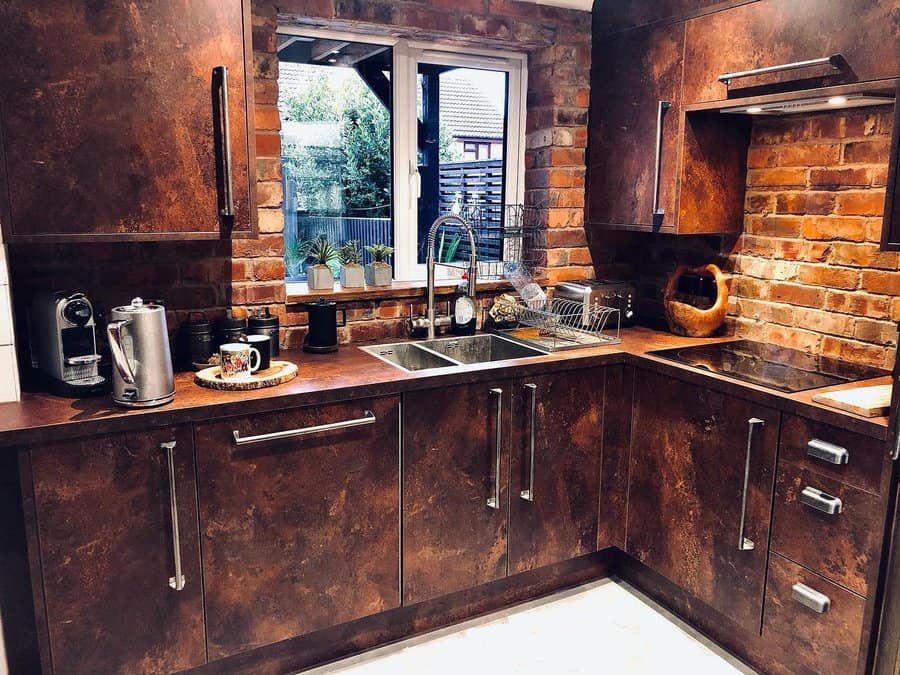
    Start by assessing each surface in your home, from kitchen countertops to coffee tables and desks. Remove items that are not essential or do not serve a specific purpose in that space.

    In the kitchen, store small appliances, cutting boards, and cooking utensils in cabinets or drawers when not in use. Keep only the essentials, such as a coffee maker or toaster, visible on the counter.

    In living areas, minimize decorative items and keep only a few carefully chosen pieces that enhance the space. Avoid overcrowding coffee tables with books, remote controls, or excessive decor. Instead, opt for a minimalist centerpiece or a single decorative element that adds character.

    Maintain a clutter-free workspace by clearing off unnecessary items from your desk. Keep only essential supplies within reach, and organize them in designated storage containers or drawers. A clean workspace promotes focus and productivity.

    Adopt a “one-in, one-out” policy for surfaces to prevent clutter from accumulating. Whenever you introduce a new item, remove or reposition something else to maintain balance.

    4. Functional Furniture: Choose pieces that serve a purpose and have clean lines

    Functional furniture is a fundamental aspect of incorporating minimalism into your home design. Opting for pieces that serve a purpose while boasting clean lines helps create a streamlined and uncluttered aesthetic.

    Consider furniture that offers practical storage solutions, such as ottomans with hidden compartments or beds with built-in drawers. These multifunctional pieces help eliminate the need for additional storage furniture, reducing visual clutter.

    Choose furniture with clean and simple lines, avoiding ornate details or excessive embellishments. Minimalist design focuses on simplicity and functionality, so opt for sleek and unadorned forms.

    Invest in versatile furniture that can adapt to different needs or spaces. Modular or convertible furniture allows you to optimize your living area while maintaining a minimalistic vibe.

    When selecting seating options, choose pieces that offer comfort without excessive bulkiness. Opt for streamlined sofas or chairs with minimalistic silhouettes, allowing for an open and airy feel.

    Consider furniture with built-in functionality, such as desks with integrated cable management or dining tables that can extend to accommodate guests. These features enhance practicality while maintaining a clean and cohesive look.

    Ensure that each piece of furniture serves a purpose and contributes to the overall functionality of the space. Avoid accumulating unnecessary furniture that clutters the room and hinders movement.

    5. Effective Storage Solutions: Utilize smart storage options to minimize visual clutter

    When incorporating minimalism into your home design, effective storage solutions are essential to minimize visual clutter and maintain an organized space.

    Consider utilizing vertical storage options, such as tall shelving units or wall-mounted cabinets, to maximize floor space and keep belongings neatly stored. These solutions prevent items from accumulating on surfaces and create a sense of openness.

    Opt for furniture pieces with built-in storage compartments, like ottomans or coffee tables with hidden storage. These multi-functional pieces help keep everyday items within reach while concealing them from view.

    Utilize storage baskets or bins to organize and contain smaller items, reducing visual clutter. Labeling them can further enhance organization and accessibility.

    Closets can be optimized with space-saving solutions like hanging organizers, shoe racks, and stackable storage containers. Group items by category and keep only what you truly need, donating or discarding the rest.

    In the kitchen, install pull-out pantry systems or use drawer dividers to maximize storage capacity and keep items easily accessible. Clear containers can help create uniformity and make it easier to see the contents.

    Take advantage of underutilized areas such as under the bed or staircases by incorporating storage solutions like sliding drawers or built-in cabinets.

    6. Embrace Open Space: Allow room to breathe by avoiding overcrowding

    Embracing open space is a key principle of minimalist home design. By avoiding overcrowding and allowing room to breathe, you can create an atmosphere of spaciousness and serenity.
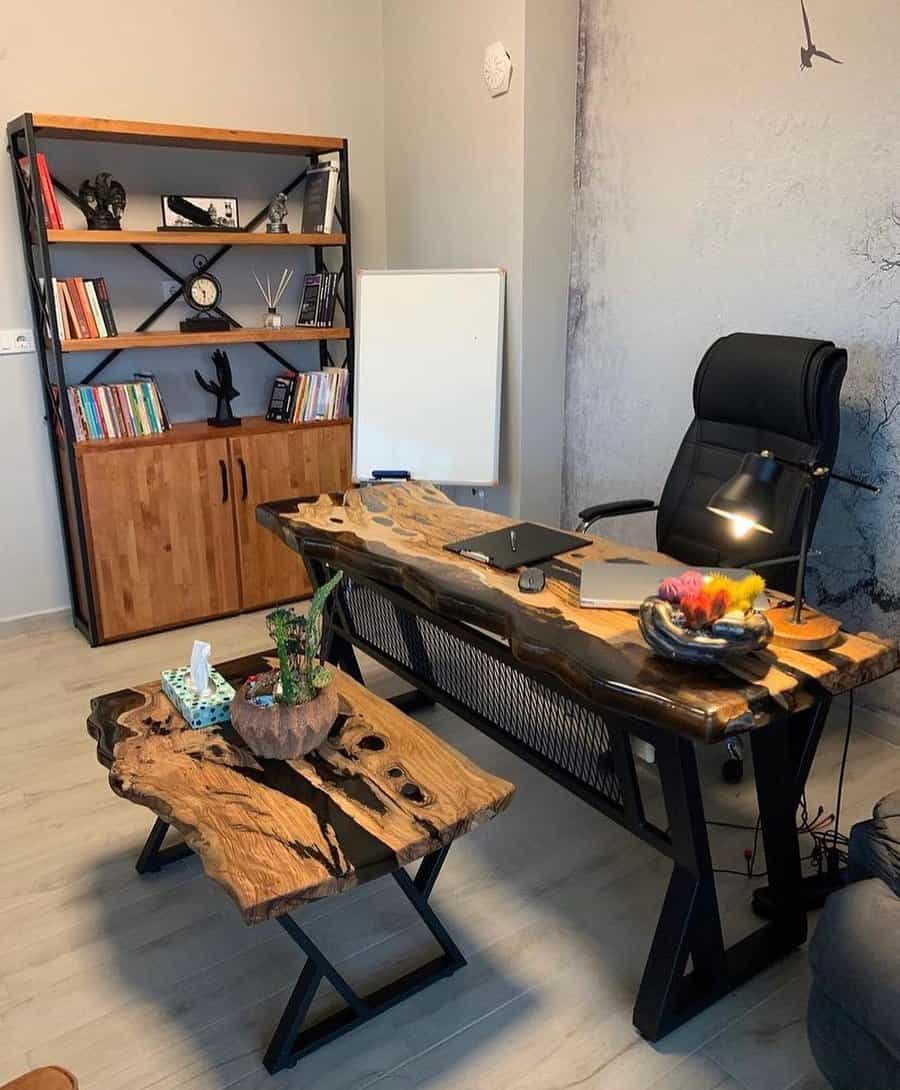
    Arrange furniture in a way that creates a sense of openness. Avoid blocking pathways or cramming furniture against walls. Instead, leave ample space between pieces to promote easy movement and an airy feel.

    Consider using fewer, well-chosen furniture items rather than filling every corner of a room. Opt for functional pieces that serve multiple purposes, such as a sofa bed or a dining table that can extend when needed. This approach prevents the space from feeling overwhelmed.

    Maximize floor space by keeping the center of rooms clear. Avoid placing furniture directly in the middle, allowing for a sense of flow and openness.

    Choose lightweight and visually unobtrusive furniture that doesn’t dominate the room. Select pieces with slender legs or transparent materials to create an illusion of openness.

    Limit the number of decorative accessories and keep surfaces uncluttered. Embrace minimalism in artwork and wall decor, opting for a few carefully selected pieces that create visual interest without overwhelming the space.

    Avoid overcrowding shelves and bookcases. Leave empty spaces to create breathing room and to showcase a few well-curated items.

    7. Mindful Decor: Select minimalistic accents that enhance the overall aesthetic

    Mindful decor is a crucial aspect of infusing minimalism into your home design. By selecting minimalistic accents, you can enhance the overall aesthetic of your space while maintaining a sense of simplicity and harmony.

    Choose decor items that have clean lines and a minimalist aesthetic. Opt for simplicity in design, avoiding excessive ornamentation or intricate details.

    Embrace the concept of “less is more” when it comes to decor. Select a few well-curated pieces that have a significant visual impact rather than filling every available surface with decorations. This approach allows each item to stand out and create a focal point.

    Incorporate natural elements like potted plants or small succulents to bring a sense of tranquility and freshness to your space. Minimalistic planters or simple vases can complement the overall aesthetic without overwhelming it.

    Consider incorporating functional decor, such as wall-mounted hooks or stylish storage baskets, that serve both a practical purpose and add a touch of minimalistic elegance.

    Choose artwork that aligns with the minimalist style, featuring simple and abstract designs or monochromatic pieces. Large, statement art can make a bold impact, while a small gallery wall can add visual interest without overpowering the space.

    Pay attention to the color palette of your decor items, ensuring they harmonize with the overall design scheme. Neutral tones or limited color schemes often work well in minimalist spaces, creating a cohesive and serene ambiance.

    Keep surfaces uncluttered by displaying only a few select decor items that have personal meaning or contribute to the overall aesthetic. Avoid excessive knick-knacks or decorative objects that can clutter the space.

    8. Quality over Quantity: Invest in well-made, timeless items rather than accumulating many

    When it comes to incorporating minimalism into your home design, prioritizing quality over quantity is key. Instead of accumulating numerous items, focus on investing in well-made, timeless pieces that will stand the test of time.

    Choose furniture and decor items that are crafted with high-quality materials and demonstrate excellent craftsmanship. Opt for durable materials like solid wood, genuine leather, or sturdy metals that can withstand the test of time.

    Consider the functionality and versatility of each item before making a purchase. Select pieces that serve multiple purposes or can adapt to different styles or room layouts. This approach allows you to maximize the utility of each item while minimizing the need for excessive belongings.

    Opt for classic designs that transcend passing trends. Timeless pieces with clean lines and minimalistic aesthetics ensure that your home design remains relevant and cohesive for years to come.

    Prioritize long-term value over short-lived trends. Investing in quality items may require a higher upfront cost, but they are likely to last longer and require fewer replacements, ultimately saving you money in the long run.

    Be selective in your choices and avoid impulsive buying. Take your time to research and compare options, ensuring that each purchase aligns with your overall vision for a minimalist and well-curated space.

    Consider second-hand or vintage items as they often possess unique character and can add a touch of history to your home. However, ensure that they are in good condition and complement your overall design scheme.

    9. Organizational Systems: Implement efficient systems to maintain order

    Implementing efficient organizational systems is vital for maintaining order and embracing minimalism in your home design.
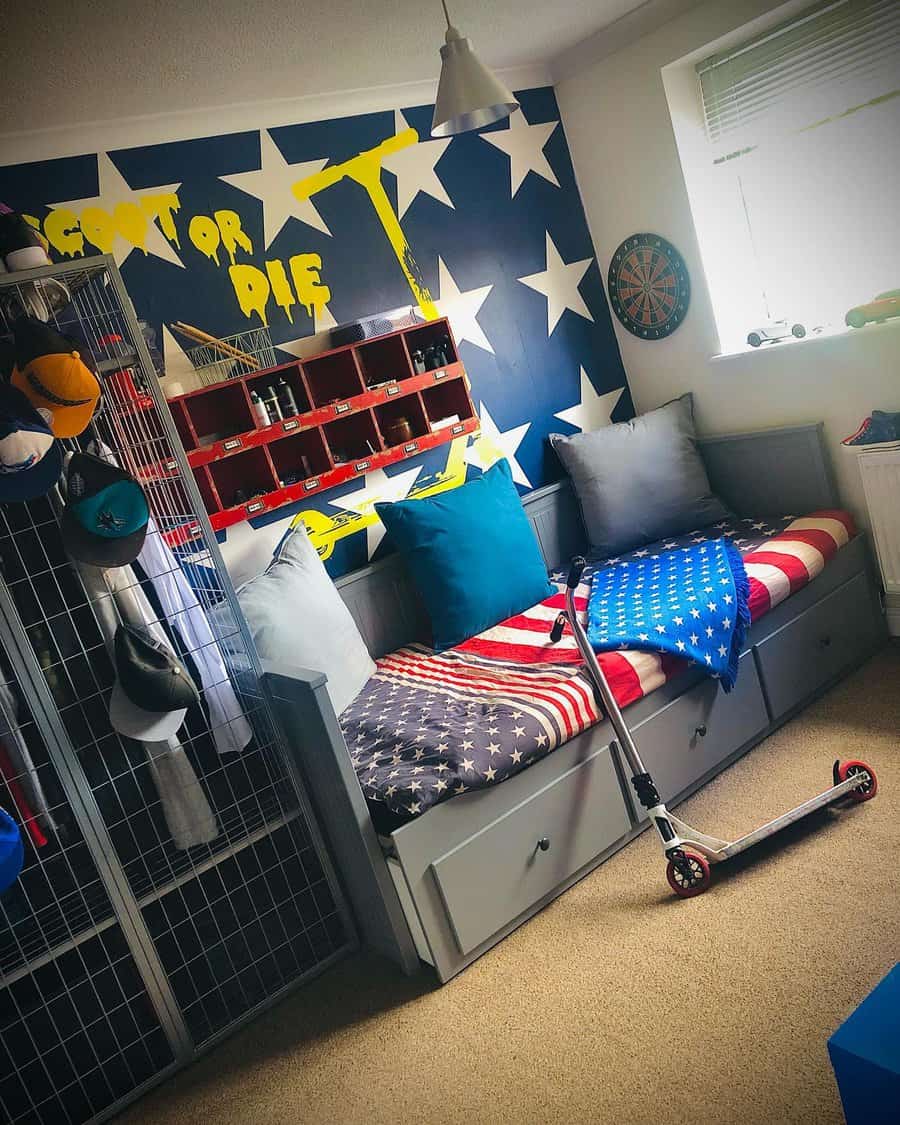
    Start by decluttering and sorting items into categories. Utilize storage containers, bins, or drawer dividers to keep similar items together and easily accessible.

    Create designated spaces for specific items to reduce visual clutter. Assign a home for everything, from clothing and accessories to kitchen utensils and office supplies.

    Consider using labels or tags to identify the contents of containers or shelves, promoting easy retrieval and ensuring everything has its place.

    Maximize vertical space by utilizing shelves, hanging organizers, or wall-mounted racks. These solutions optimize storage capacity while keeping the floor area free and uncluttered.

    Implement a regular decluttering routine to prevent accumulation of unnecessary items. Set aside time to reassess belongings and let go of things that no longer serve a purpose or bring joy.

    Digital organization is also important. Organize files on your computer or cloud storage in a systematic manner, utilizing folders and naming conventions for easy retrieval.

    Streamline paperwork by implementing a filing system with labeled folders or using digital document management tools to reduce physical clutter.

    Maintain a minimalist approach to storage furniture. Choose furniture pieces that offer hidden storage options, such as ottomans or bed frames with built-in drawers, to keep belongings out of sight and maintain a clean aesthetic.

    Regularly review and adjust your organizational systems as needed. As your needs change over time, adapt the systems to accommodate new items or lifestyle changes.

    10. Natural Light: Maximize natural light to create an airy and spacious atmosphere

    Maximizing natural light is a crucial element in creating an airy and spacious atmosphere within your home.

    Keep window treatments minimal and opt for light, sheer fabrics that allow ample sunlight to filter through while still providing privacy when needed.

    Avoid heavy drapes or dark curtains that block natural light. Instead, choose blinds or shades that can be easily adjusted to control the amount of light entering the room.

    Arrange furniture in a way that doesn’t obstruct the flow of natural light. Position pieces away from windows to prevent blocking the light source and maintain an open feel.

    Keep windows clean and unobstructed to allow for maximum light penetration. Regularly remove any objects or furniture that may be blocking the windowsill or impeding light from entering the space.

    Use reflective surfaces strategically to amplify natural light. Mirrors, glass tabletops, or shiny finishes can help bounce light around the room, creating a brighter and more spacious ambiance.

    Consider adding skylights or light tubes to areas with limited access to natural light, such as windowless bathrooms or interior rooms. These installations bring in additional sunlight, enhancing the overall brightness and openness.

    Choose light-colored paint or wall coverings that reflect natural light, making the space appear brighter and more expansive. Light shades of white, beige, or pastels can contribute to a fresh and open feel.

    Trim trees or bushes outside windows that may be obstructing sunlight from entering your home. This allows for a clearer path for light to flow into the space.

    Avoid cluttering windowsills with excessive objects or decorations. Keep them clean and free from distractions to maximize the impact of natural light.

  • How to Incorporate Biophilic Interior Design in Your Home

    How to Incorporate Biophilic Interior Design in Your Home

    Welcome to the world of biophilic interior design, where the harmony between nature and living spaces creates a transformative ambiance. In this article, we will delve into the enchanting realm of incorporating biophilia into your home.

    Uncover the secrets of bringing the outdoors inside, and learn how to infuse your living spaces with the restorative beauty of nature. From soothing greenery to natural materials, let us guide you on a journey towards creating a harmonious sanctuary that reconnects you with the natural world.

    [view_toc]

    1. Harness the Power of Natural Light

    Embracing the power of natural light is a fundamental aspect of biophilic interior design. By maximizing windows and skylights in your home, you can invite an abundance of sunlight to flood your living spaces, creating a warm and inviting atmosphere.
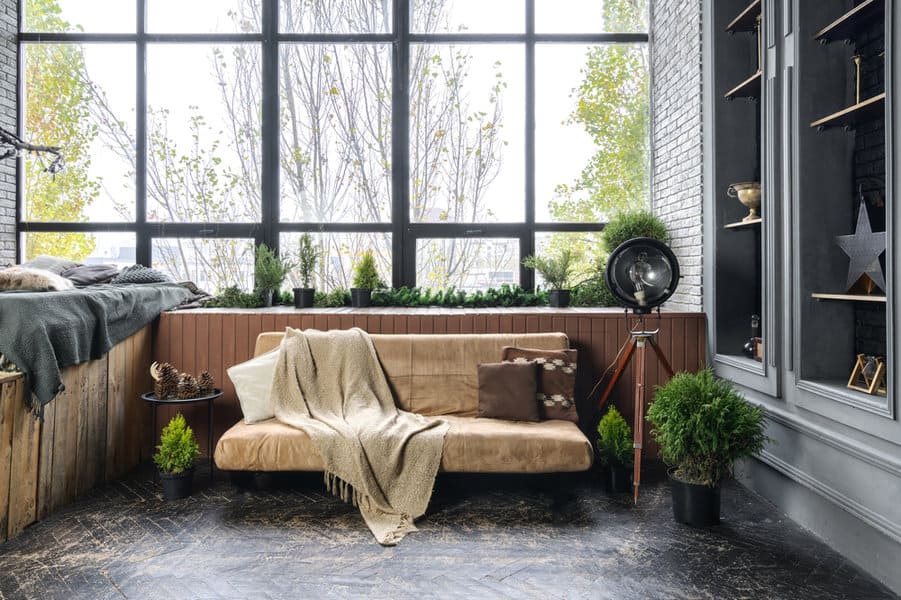
    Sunlight brings with it a myriad of benefits. It boosts our mood, enhances productivity, and regulates our circadian rhythm, promoting better sleep patterns. By incorporating ample windows and skylights, you can effectively blur the boundaries between indoors and outdoors, allowing you to bask in the beauty of natural light throughout the day.

    To optimize the effects of natural light, consider the orientation of your windows. South-facing windows tend to receive the most sunlight throughout the day, while east-facing windows welcome the morning sun, infusing your space with a fresh energy. Complement large windows with sheer or light-colored curtains to allow soft, diffused light to filter through while maintaining privacy.

    Skylights are another fantastic option, particularly in areas with limited wall space, as they bring an overhead wash of sunlight into your home.

    2. Infuse Living Greenery into Your Spaces

    Integrating living greenery is a key element of biophilic interior design, allowing you to bring the vibrancy and calming effects of nature into your home. Potted plants, hanging gardens, and living walls offer versatile options to infuse your interior spaces with the beauty of greenery.

    Potted plants bring life and freshness to any room, improving air quality and adding aesthetic appeal. From small succulents in the kitchen to large leafy plants in the living room, they create a soothing atmosphere and enhance well-being.

    Hanging gardens utilize vertical space, suspending planters or baskets to create visually captivating displays. They are ideal for maximizing greenery in areas with limited floor space.

    Another striking option is the installation of living walls, which transform entire walls into breathtaking vertical gardens. These walls offer not only a visual focal point but also provide benefits such as improved air quality and insulation.

    3. Embrace Natural Materials for Authenticity

    Incorporating natural materials like wood, stone, and bamboo in your home’s furniture, flooring, and decor adds a sense of authenticity and grounding. These materials bring forth a connection to nature, elevating the biophilic experience within your living spaces.

    Wood, with its warm and timeless beauty, can be used for hardwood floors and furniture pieces, infusing your home with a natural and inviting atmosphere. Similarly, integrating stone elements such as granite countertops or marble accents enhances the solidity and earthiness of your interior design, harmonizing the indoors with the outdoors.

    Additionally, choosing bamboo, a sustainable and rapidly renewable resource, provides a lighter and contemporary alternative. From bamboo flooring to furniture, it imparts a serene and eco-conscious touch to your home.

    4. Create a Tranquil Soundscape with Water Features

    Enhance the tranquil ambiance of your home by incorporating soothing water features, such as indoor fountains or cascading water walls. These elements not only create a visually captivating focal point but also contribute to a serene soundscape that can mask urban noise and provide a calming atmosphere.

    The gentle sound of flowing water can have a profoundly relaxing effect on our minds and bodies. Indoor fountains, whether small tabletop versions or larger freestanding structures, introduce the soothing sound of trickling water into your living spaces. The rhythmic flow can help drown out disruptive noises, promoting a peaceful environment.

    Cascading water walls, with their elegant and continuous streams of water, add a touch of elegance and provide a more immersive experience. They can be integrated into your interior design as stunning statement pieces, creating a serene and harmonious atmosphere in any room.

    5. Incorporate Organic Patterns and Textures

    Elevate the visual appeal of your living spaces by incorporating organic patterns and textures inspired by nature. Nature-inspired wallpapers, fabrics, and artwork bring depth and visual interest while establishing a strong connection to the outdoors.

    Choose wallpapers featuring botanical motifs, floral patterns, or natural landscapes to create an enchanting backdrop that evokes the tranquility of nature. These designs can be applied to a feature wall or an entire room, infusing your space with organic elegance.

    Complementing wallpapers, select fabrics with patterns reminiscent of leaves, branches, or waves to bring tactile elements inspired by nature to your upholstery, curtains, or pillows. Natural fibers like linen, cotton, or jute enhance the organic feel, contributing to a cozy and inviting atmosphere.

    Complete the transformation of your living spaces by incorporating artwork that depicts landscapes, wildlife, or abstract interpretations of natural elements.

    6. Design Outdoor-Inspired Nooks and Retreats

    Transform your home into a haven of tranquility by crafting outdoor-inspired nooks and retreats. Create a cozy reading corner by placing a comfortable chair or daybed near a window with a view, surrounded by shelves filled with books, potted plants, and soft lighting.

    For an even deeper connection to nature, dedicate a space to an indoor garden with an array of plants, flowers, and herbs, incorporating shelves, hanging planters, or a vertical garden. Add cozy seating to create a serene oasis where you can immerse yourself in the beauty of nature’s embrace.

    These carefully curated spaces provide a sanctuary within your home, allowing you to escape the stresses of everyday life and find solace in the serenity of nature.

    7. Engage the Senses with Natural Scents

    Elevate your home’s ambiance by engaging your senses with natural scents. Use aromatherapy diffusers, scented candles, or fresh herbs to create a multisensory experience that evokes the essence of the outdoors.

    Aromatherapy diffusers disperse invigorating or calming scents throughout your space, offering a soothing and refreshing ambiance. Choose essential oils like lavender for relaxation, eucalyptus for freshness, or citrus for an uplifting atmosphere.

    Scented candles, made from soy or beeswax, infuse your home with natural fragrances, such as pine, sandalwood, or floral notes, enveloping your senses in the tranquility of forests, gardens, or meadows.

    Additionally, incorporating fresh herbs like basil, rosemary, or mint adds an earthy and refreshing aroma, creating a delightful connection to nature in your kitchen or living area.

    8. Frame Your Spaces with Natural Views

    Enhance the beauty of your home by incorporating natural views and vistas. Strategically position your furniture and arrange rooms to capture glimpses of surrounding greenery or scenic landscapes, seamlessly integrating the outdoors into your living spaces.

    Take advantage of windows and doors to frame picturesque views. Orient seating areas, like sofas or chairs, to face these views and allow you to appreciate the natural surroundings while relaxing or entertaining. Place dining tables near windows for captivating backdrops during meals. By optimizing furniture placement, you can create a seamless connection between your indoor spaces and the outside world.

    Consider the layout and flow of your rooms to maximize visibility. Arrange furniture to avoid obstructing views and create open pathways. Place taller pieces along walls or in corners to maintain unobstructed sightlines. This way, you can enjoy the visual splendor of nature as you move throughout your home.

    9. Extend Biophilic Design Principles to Every Room

    Create a seamless connection with nature throughout your home by emphasizing biophilic design principles in every room. From the bedroom to the bathroom, incorporate natural elements to foster a sense of harmony and well-being.

    In the bedroom, use natural materials like wooden bed frames and organic cotton bedding. Introduce greenery with potted plants or floral arrangements, and choose soothing earthy colors for a tranquil atmosphere. In the bathroom, incorporate stone or wood accents, large mirrors, and live plants to create a spa-like experience. Enhance the sensory aspect with natural scents through soaps, bath oils, or candles.

    Extend biophilic design principles to the rest of your home by maximizing natural light, incorporating living greenery, and utilizing organic textures. Fill your living spaces with sunlight and views of the outdoors, bring in potted plants or living walls, and integrate materials like wood, stone, or bamboo. By doing so, you create a cohesive and nurturing environment that promotes a deep connection with nature in every room.

    10. Reap the Health Benefits of Biophilic Design

    Experience the numerous physical and mental health advantages of biophilic design in your home. By incorporating elements such as plants, natural light, and outdoor views, you can reduce stress, improve air quality, and enhance overall well-being.

    Biophilic design has a calming effect on the mind and body, reducing stress levels and promoting relaxation. Natural elements create a sanctuary where you can unwind and find peace amidst the demands of everyday life. Additionally, incorporating living greenery improves air quality by acting as natural air purifiers, providing a healthier living environment.

    Furthermore, biophilic design positively impacts overall well-being, enhancing productivity, cognitive function, and mood. The connection to nature through natural materials, organic textures, and living elements stimulates creativity, concentration, and mental clarity.

  • 14 Rustic Home Decor Ideas and Designs

    14 Rustic Home Decor Ideas and Designs

    Few living room interiors are more welcoming than those featuring rustic decorating ideas. Rustic style is cozy, comfortable, and casual—the perfect combination for everyone’s favorite room.

    Rustic interior design has evolved from its simple origins into modern, traditional, and farmhouse versions. We’ve compiled 72 of our favorite rustic decor ideas to illustrate how natural it is to include this friendly style in your living room and beyond.

    [view_toc]

    1. Elevate Your Bathroom with Rustic Charm

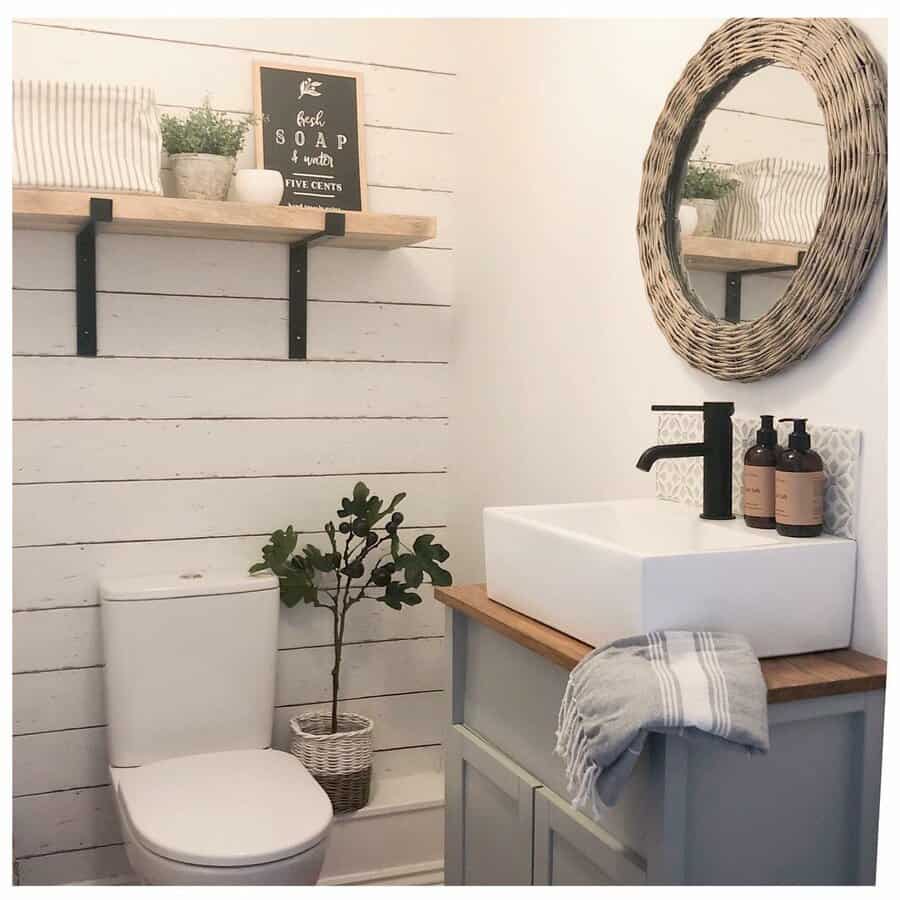
    The bathroom is a good place to try out rustic home decor since it’s such a small space. Try replacing standard doors with sliding barn doors, and put shiplap or wood paneling on an accent wall. Replace standard tile and flooring with tile that looks like stained or whitewashed hardwood.

    Source: @bushdesignco via Instagram
    Source: @grzedorinspiracje via Instagram
    Source: @halvana_forest_shed via Instagram

    Look for rugs and window treatments that have strong rustic textures, such as burlap rolling shades and chunky sweater knit rugs. Rustic wall decor like animal skulls and wrought iron candle sconces complete the look.

    See more rustic bathroom ideas here.

    2. Cozy Up Your Bedroom with Rustic Touches

    Your bedroom will instantly feel warmer when you introduce rustic style elements into your decor. Wooden beams on the ceiling add a strong dose of rustic charm. If your home doesn’t have exposed beams, you can have someone install hollow prefabricated beams that provide the same rustic look.

    Source: @ascott817 via Instagram
    Source: @atjelde via Instagram
    Source: @hyttelivifjellet via Instagram
    Source: @my_vintage_barn via Instagram

    A rustic bedroom needs a country style headboard as the room’s focal point. Look for an antique metal bed frame or a headboard made of reclaimed barn wood. Any type of reclaimed wood can be transformed into a gorgeous headboard for rustic decor, as shown in this DIY video:

    3. The Perfect Blend: Boho and Rustic Home Decor Fusion

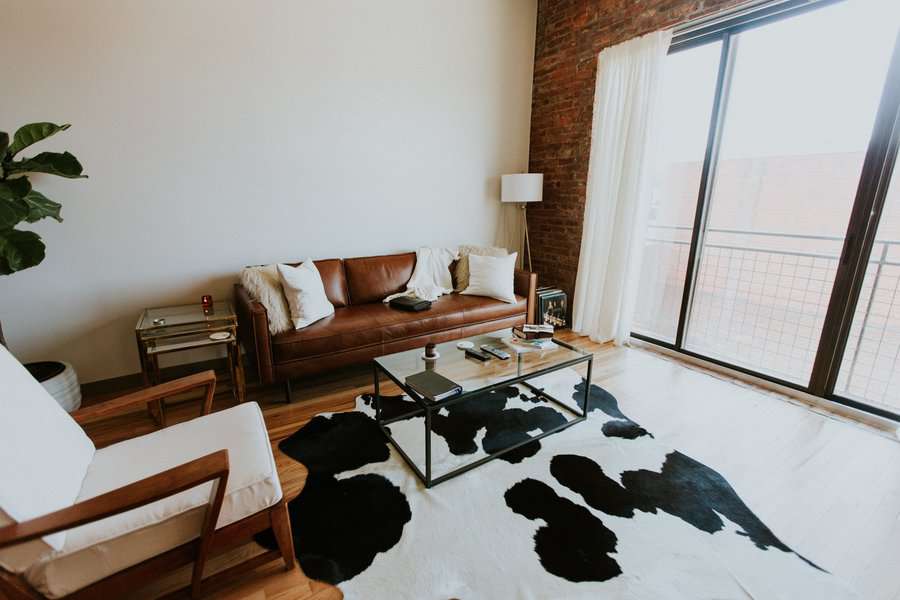
    Boho and rustic home decor share a lot of similarities. They are both warm, casual, relaxed approaches to interior design. Both rely on natural textures, warm wood finishes, and repurposed pieces.
    Source: @carinasinterior via Instagram
    Source: @sisustusunelmia_kodissa via Instagram

    Bohemian home decor includes cultural design touches, so look for global decor that has a rustic flair. This could be an antique metal globe, or a pair of carved elephant candlesticks. Macrame wall hangings are a mainstay of boho decor that also help soften the sometimes harsh edges of classic rustic design.
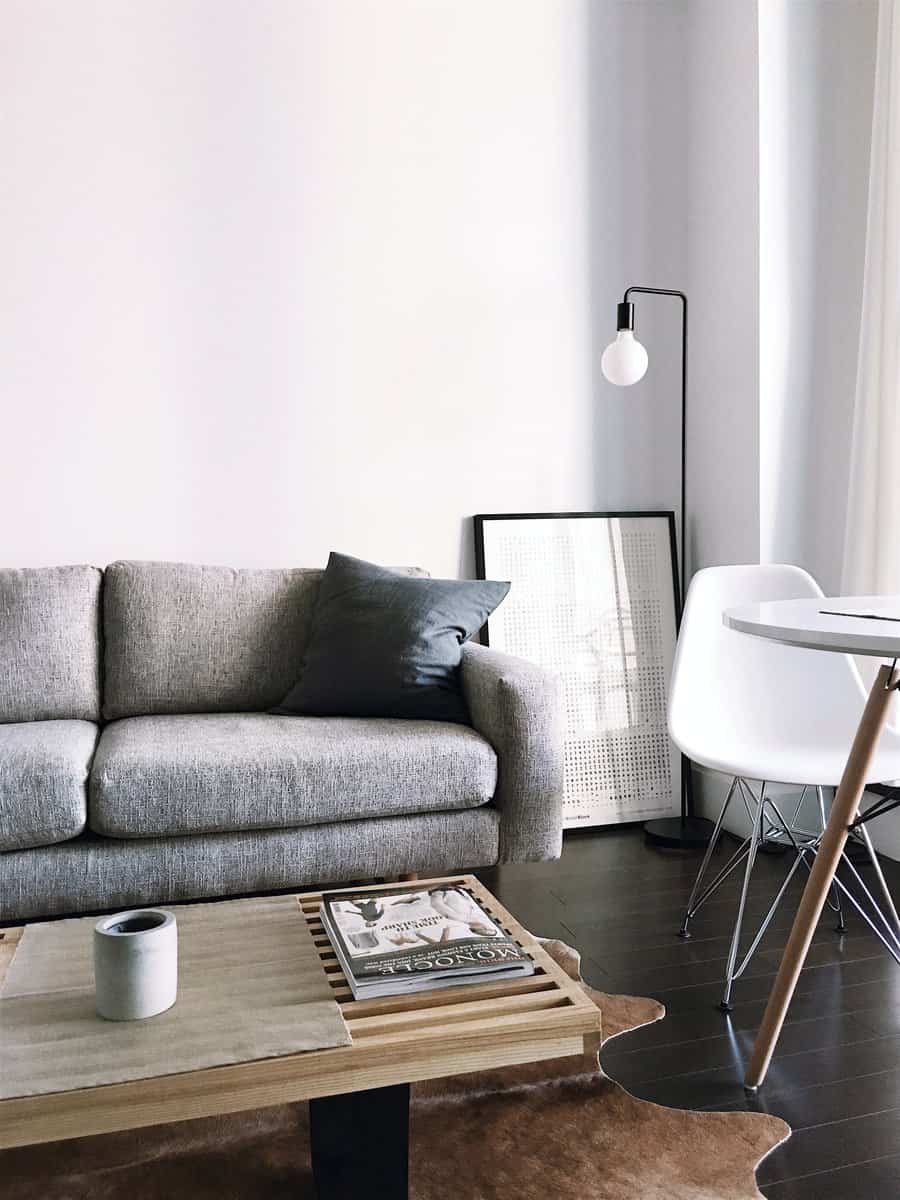
    4. Embrace the Casual Charm of Country Living

    Rustic country style doesn’t mean making your home feel like a barn’s interior. Country living is casual at its heart and rustic touches have always been part of this interior design style. Walk into any Hobby Lobby store and you’ll see plenty of decor that will work in a rustic country living space.

    Source: @num_ber79 via Instagram
    Source: @oldhouse_newbeginnings via Instagram
    Source: @olives_and_vines via Instagram

    Color is one of the main differences between rustic and country home decor. While rustic color palettes focus on earth tones, neutrals, and muted hues, a country color palette eliminates no color option. Pinks, blues, yellows, and reds frequently appear on textiles, furniture, and accessories. A lace table runner and floral or plaid fabrics work great in country-rustic decor.

    5. Rustic Decor Essentials: Lanterns, Crates, and Wood Slices

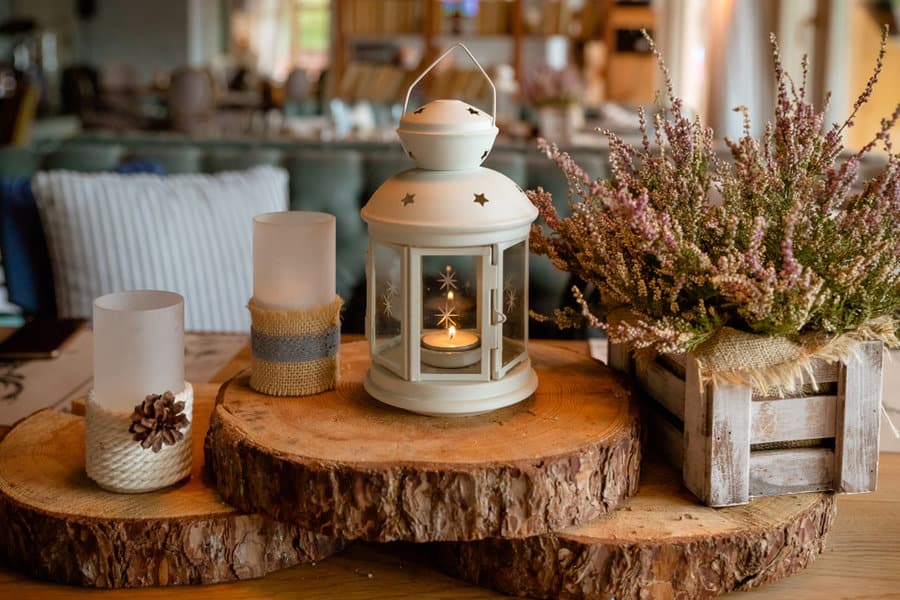
    Your table, shelf, and wall decor choices all help bring your home decor together into one cohesive voice. Rustic decor ideas include metal lanterns, wooden crates, and stacked wood slices. On the walls, metal words, chalkboard art and quotes, and framed bucolic scenes all mesh well with rustic style.

    Source: @soberstoerenmij via Instagram
    Source: @zebrauthemma via Instagram

    At the holidays, keep true to your home decor style by sticking to rustic Christmas decorating ideas. A live tree is a must. Replace glitzy garland with simple strands of wooden beads. Buy rustic Christmas ornaments, such as galvanized steel cutouts, plaid ribbons, painted wood slices, and twine balls.

    6. Reclaimed Wood and Industrial Flair in Your Dining Space

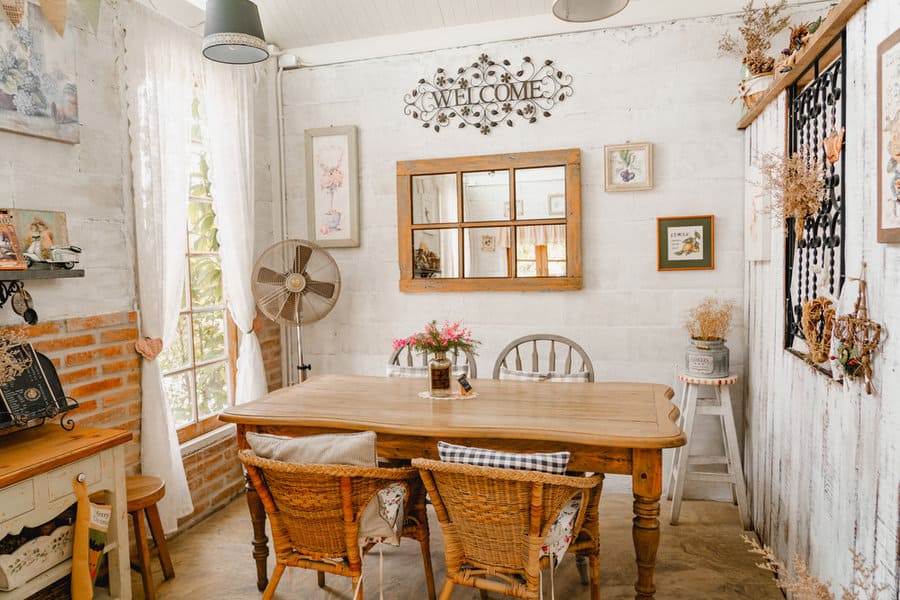
    The dining room is an excellent space to showcase rustic and farmhouse decor. A big reclaimed wood dining room table grounds the center of the space, especially when surrounded by mix-and-match dining chairs. Hang a large metal industrial chandelier over the table, but soften the look with a twig basket centerpiece overflowing with fresh lavender.

    Source: @hyttelivifjellet via Instagram

    Replace a couple of your dining room chairs with a long bench for a rustic farmhouse vibe. Use a vintage dresser in place of a traditional buffet and consider adding faux brick or shiplap to an accent wall. Merge modern and rustic decor by placing velvet midcentury modern chairs around your rustic table.

    7. Embrace the Urban Aesthetic in Rustic Decor

    Industrial style is a trend inspired by abandoned factories turned into city loft apartments. As such, it’s based heavily on giving new life to salvaged and recycled materials. Industrial decorating ideas turn mechanical and functional parts, such as gears and copper pipes, into creative decor elements.

    Source: @interior_state_of_mind_dominee via Instagram
    Source: @marrs_rustic_design via Instagram
    Source: @odunz.home.decor via Instagram
    Source: @interior_state_of_mind_dominee via Instagram
    Source: @interior_state_of_mind_dominee via Instagram

    Industrial metal light fixtures are an excellent rustic home decor idea. They provide a dash of edginess that doesn’t take anything away from your warm rustic wood or other natural element textures. Metal fixtures against exposed brick walls create an industrial foundation softened by rustic wooden furniture.

    8. Elevate Your Kitchen with Rustic Farmhouse Charm

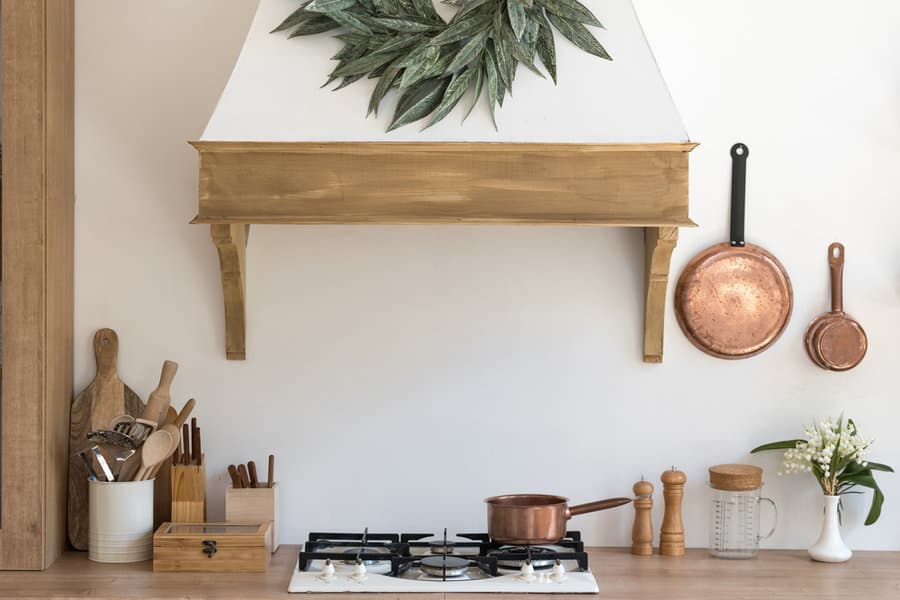
    Rustic farmhouse decor is an excellent choice for many kitchens. Combine white walls and natural wood cabinets with dark metal accents. Install textured wall decor, such as beadboard or faux brick wallpaper to add an instant rustic flavor to the kitchen.

    Source: @agnesphelps_ via Instagram
    Source: @crafterkaa via Instagram

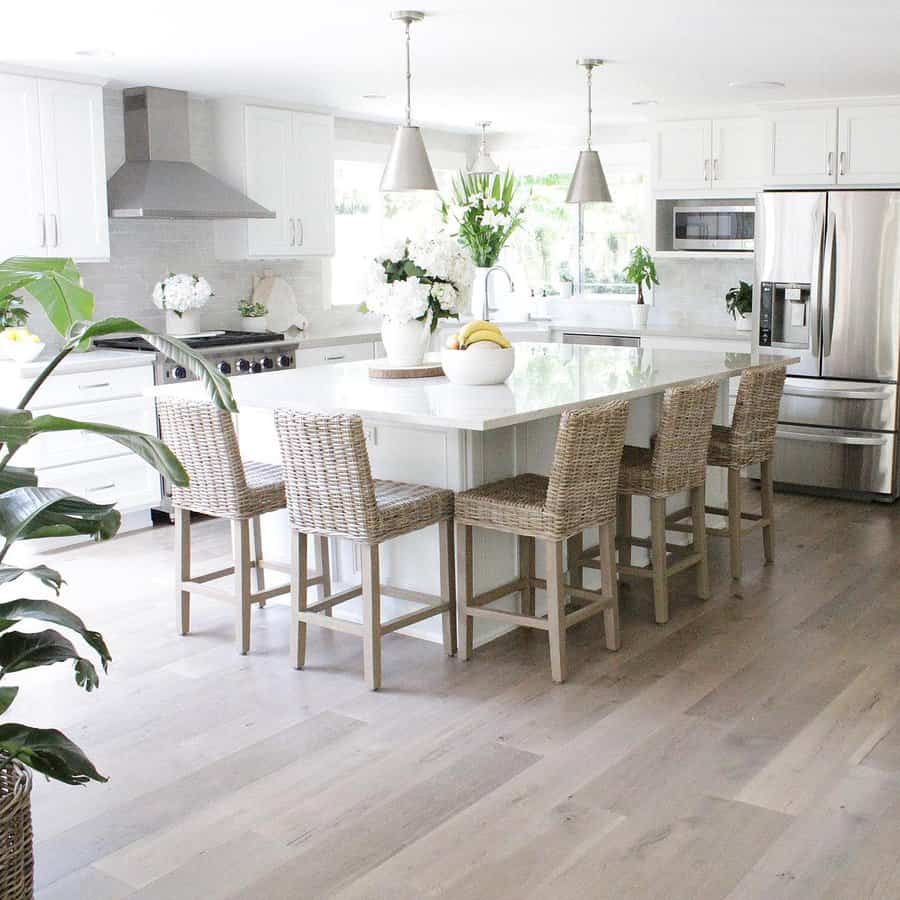
    Extend the casual rustic vibe with wicker chairs around your wooden kitchen table and top it with woven rattan placemats. Although white is the classic wall color for farmhouse style, the rustic element means you can use deeper wall color choices. Think sage green or slate blue for a cool, rustic farmhouse decor touch.

    See more rustic kitchen ideas here.

    9. Transform Your Living Room with Rustic Comfort

    A rustic living room will feature some of the most comfortable decor ideas, such as weathered leather sofas and chairs, a stone fireplace, and plenty of warm wood furniture. If you can install wooden beams on the ceiling, try to as they add so much rustic ambience to the living room.

    Source: @hyttedesigneren via Instagram
    Source: @lbkbdesign via Instagram
    Source: @madeinthemeadows via Instagram

    Wainscoting or chair rail paneling is another great architectural element that adds rustic or farmhouse charm to the living room. If your rustic living room is more industrial, consider corrugated metal for your wainscoting material. Otherwise, shiplap or beadboard are excellent living room wall additions.

    See more rustic living room ideas here.

    10. Create Rustic Ambiance with Reclaimed Barn Wood

    Anything made of reclaimed wood will fit into your rustic farmhouse decorating ideas. Whether it’s a vintage trunk turned into a living room coffee table or a distressed-finish wood window frame hung over the porch rail, these highly-textured accents are the epitome of rustic decor.

    Source: @applecratecontainer via Instagram
    Source: @grzedorinspiracje via Instagram
    Source: @leanneandthecottage via Instagram

    Reclaimed barn wood or siding makes an exceptional accent wall covering. Leave each plank its natural color or lightly whitewash the finished wall, depending on whether you want a more rustic cabin vibe or a white farmhouse feeling. Use reclaimed wood posts to build a simple console table or shelf unit—it’s  a great decorating idea for a rustic living room or office.

    11. Add a Touch of Rustic Beauty to Your Scandinavian Space

    Rustic Scandinavian decorating ideas merge the two design styles into a clean, welcoming interior. Traditional Scandinavian decor conveys a simplicity mindset through minimalism and functionality. Adding rustic design ideas means mixing old and new pieces together, opting for reclaimed wood instead of highly polished surfaces, and including natural textures such as wicker and rattan.

    Source: @elinsdesign_ via Instagram
    Source: @jerve_hiet via Instagram
    Source: @villalumeblog via Instagram

    A classic Scandinavian color palette relies heavily on light neutrals, with smaller pops of color. Pale blues and greens dominate. But when you add rustic ideas to this design style, warmer rustic hues are welcome. Try to include gold, dusty pink, or coral along with darker hues of blue and green.

    12. Infuse Vintage Charm into Your Rustic Decor

    At its heart, rustic interior design is already somewhat vintage. It focuses on comfortably worn items and reclaimed pieces that convey a welcoming vintage aesthetic. You can increase the old-fashioned vibe by displaying any antique collections you may have, such as plates, metal signs, or farm tools.

    Source: @ericleins.epicartware via Instagram
    Source: @estacasaeraunaruina via Instagram
    Source: @foundfurnishings via Instagram

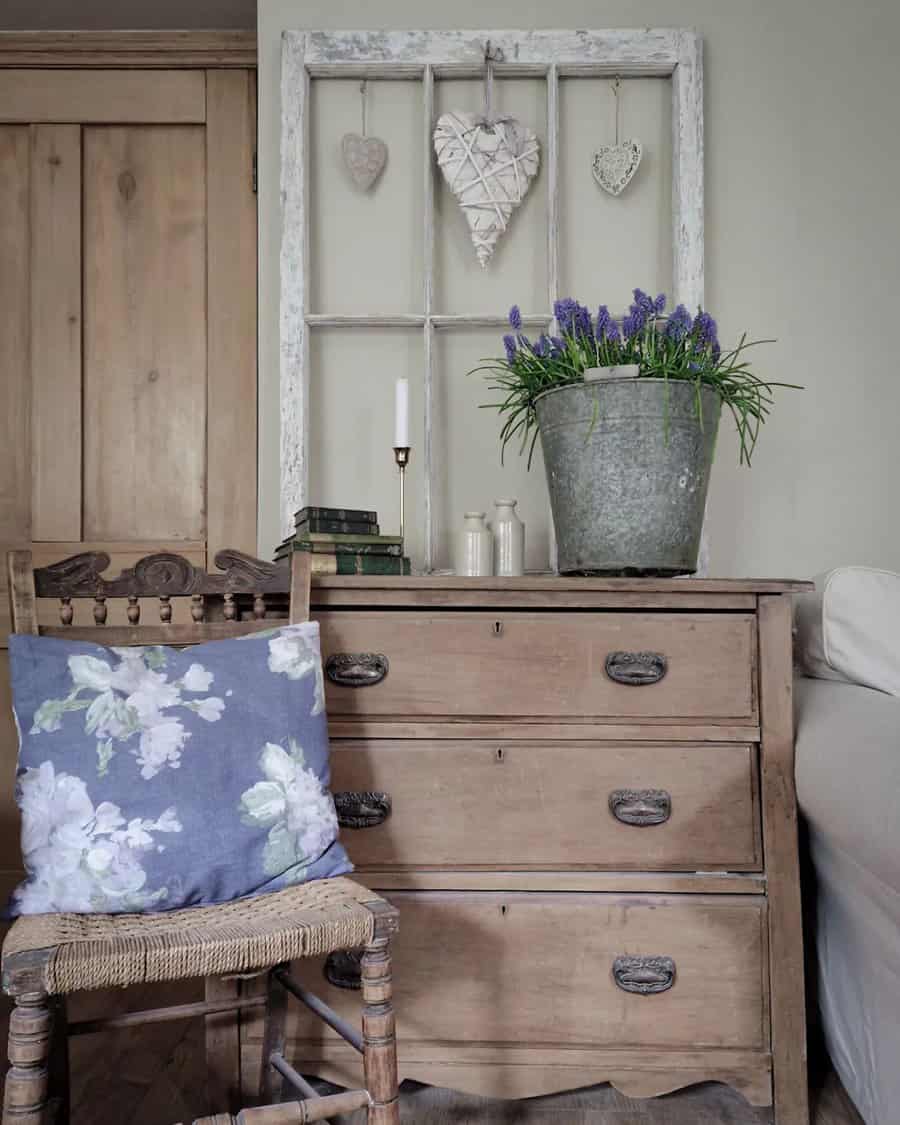
    If your rustic style has a cottage or boho flavor, vintage macrame or lace will feel at home, displayed as wall hangings, plant holders, or framed art. Old doors and windows are other great vintage pieces to incorporate where you can. For instance, an old door makes a charming headboard. Prop an antique window frame on the mantel for a dimensional background behind your favorite knickknacks.

    13. Create Intimacy and Simplicity with Wabi-Sabi Rustic Design

    Wabi-sabi decor has been around since the 15th century when the Japanese philosophy arose to contradict the dominant tendency for lavish overdecorating. “Wabi” is defined as being one with nature and living with simplicity and humility. “Sabi” refers to accepting things in life as they are—flaws included.

    Source: @homefourteen via Instagram
    Source: @soberstoerenmij via Instagram

    Wabi-sabi’s focus on finding the beauty in imperfection is one that many people embrace, and it fits in well with overall rustic design concepts. Intimacy, simplicity, and warmth are created through the use of warm wood tones, interesting textures, and natural elements.

    14. Start Decorating Your Walls in Rustic Style

    Rustic wall decor is often the finishing touch any rustic room needs. From framed photos to woven tapestries, from candle sconces to wire baskets, rustic wall decor options abound. Real mounted animal skulls—or paper mâché versions—add an instant rusticity to any space.

    Source: @backtothefutureinteriors via Instagram
    Source: @lamaisonnomade.fr via Instagram
    Source: @madeinthemeadows via Instagram
    Source: @num_ber79 via Instagram
    Source: @lamaisonnomade.fr via Instagram

    Some types of wall decor bridge the gap between traditional farmhouse and rustic style. Examples include floating shelves, antiqued wooden signs, and vintage architectural elements such as windows and doorknobs.

  • 14 Coastal Decor Ideas for All Rooms

    14 Coastal Decor Ideas for All Rooms

    Enjoy the calming colors of the ocean no matter where your home is. Decorating with coastal living in mind will give your home a relaxing yet sophisticated feel.

    Creating a coastal look is about more than just using tiki torches and Hawaiian flowers. These are tacky and cheesy.

    Instead, look for coastal decor ideas that will help your home look like an elegant yet humble beach house. Sometimes, all it takes is the right color scheme and a few well-placed decor pieces to create a coastal look.

    These coastal decor ideas will get you inspired to turn your home into a coastal getaway.

    [view_toc]

    1. Transform Your Bathroom into a Coastal Paradise

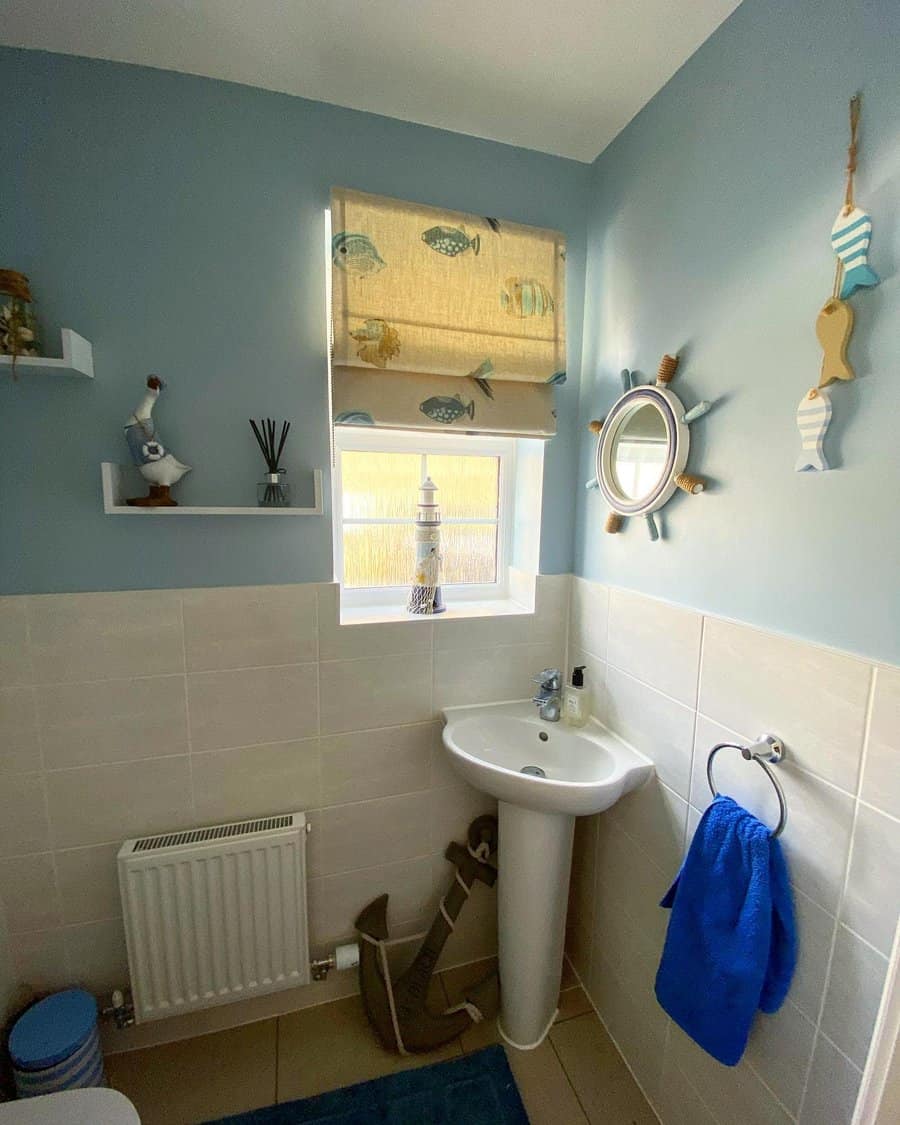
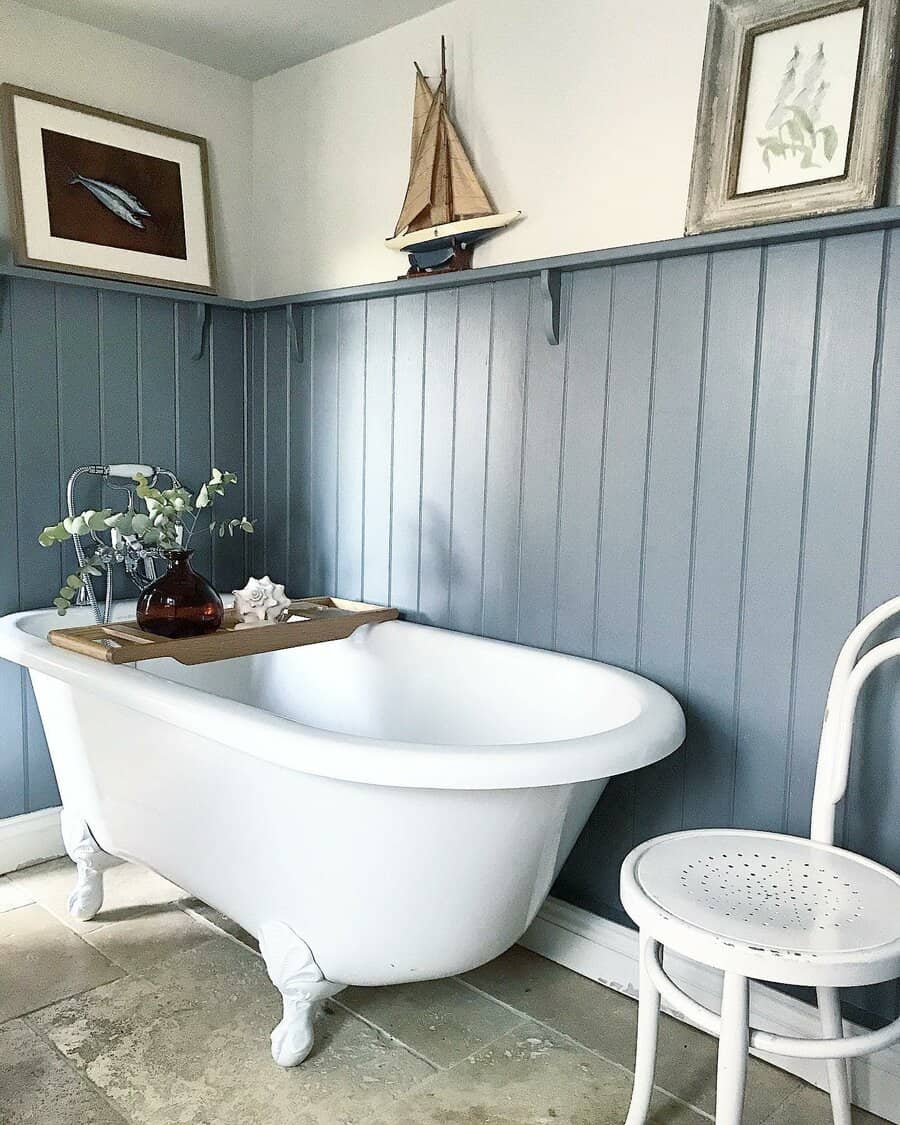
    It’s easy to create a beachy vibe into your bathroom when you’re already surrounded by water. Create a mini beach oasis in your bathroom with clean white subway tile on the walls and a deep ocean blue vanity.

    Or you could embrace the colors of the ocean and create a turquoise shower with handmade fish scale tiles.

    The colors of the tile are random and varied, just like the colors of the water. Use pebbles or stones to create a natural floor for your shower.

    Bathroom coastal decor
    Source: @bayswaterhome via Instagram
    Bathroom coastal decor
    Source: @ducksnestinteriors via Instagram
    Bathroom coastal decor
    Source: @fordhousenorfolk via Instagram
    Bathroom coastal decor
    Source: @laurenleonardinteriors via Instagram

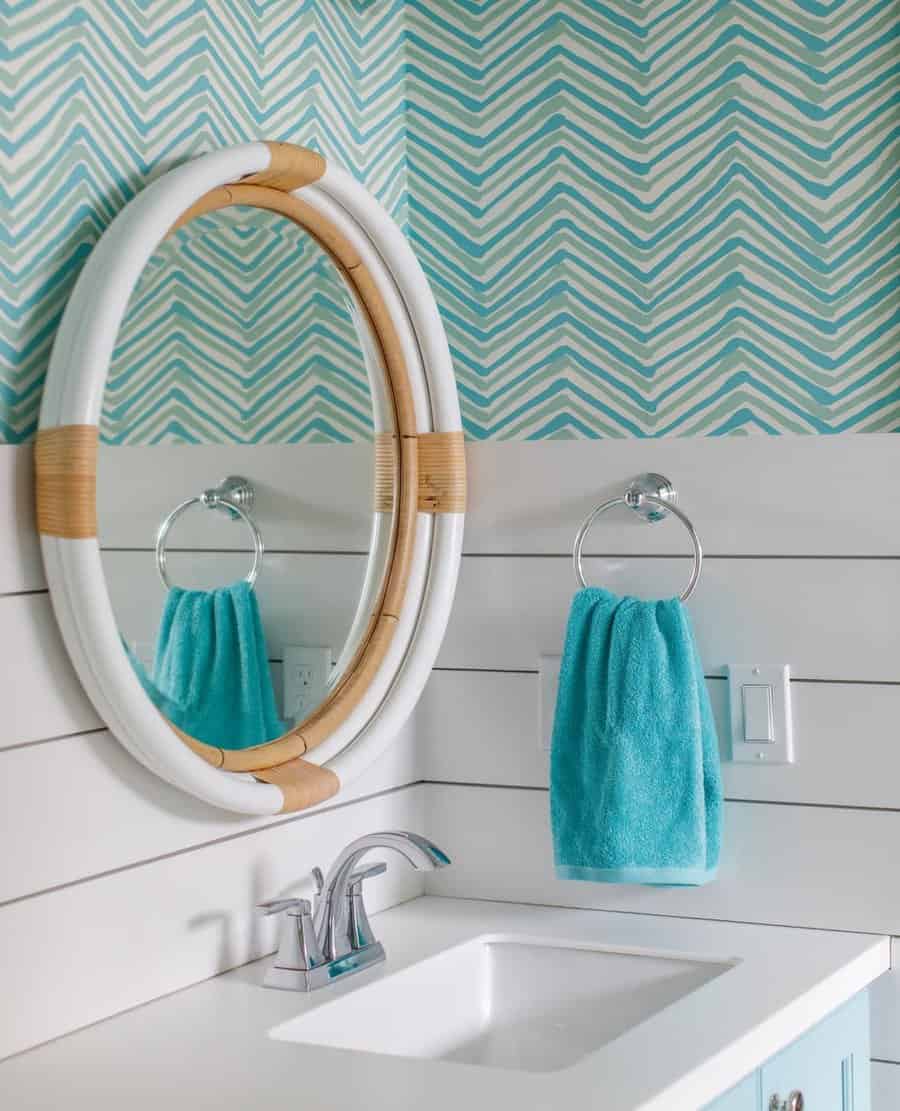
    Use beach theme decor to create a tropical feel in your bathroom. You could hang photos, paintings, or pressings of tropical flowers and leaves. Wrap nautical rope around the vanity mirror for a subtle nautical touch.

    2. Create a Coastal Bedroom Retreat

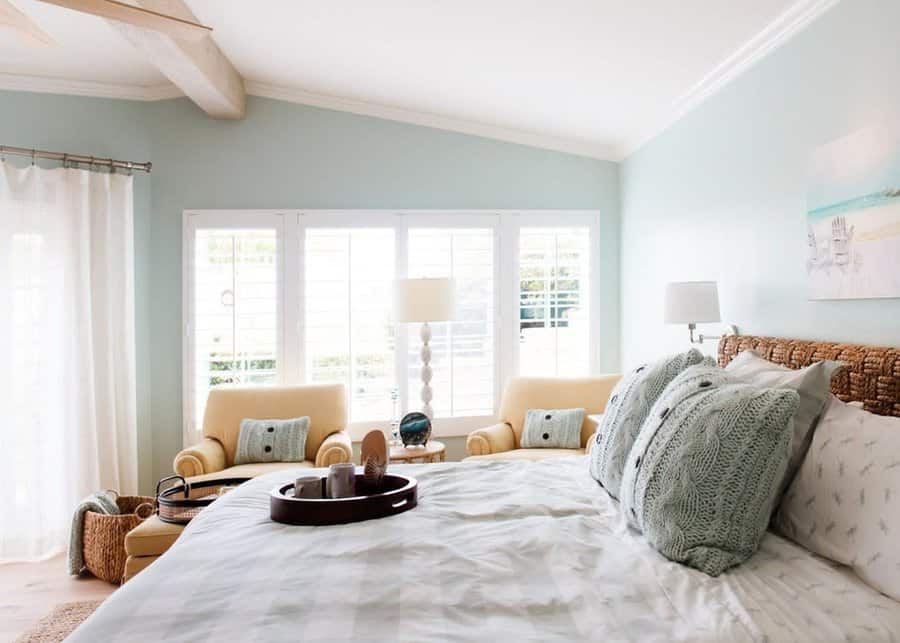
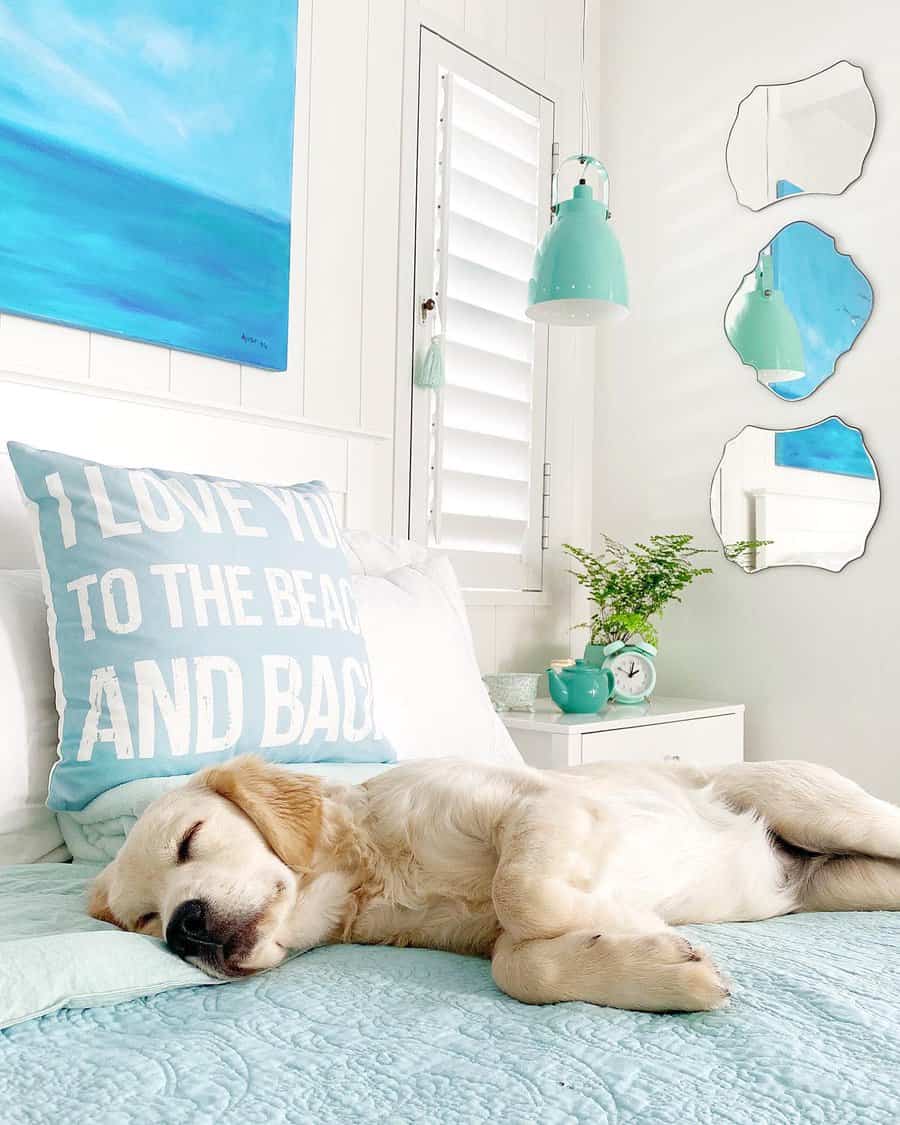
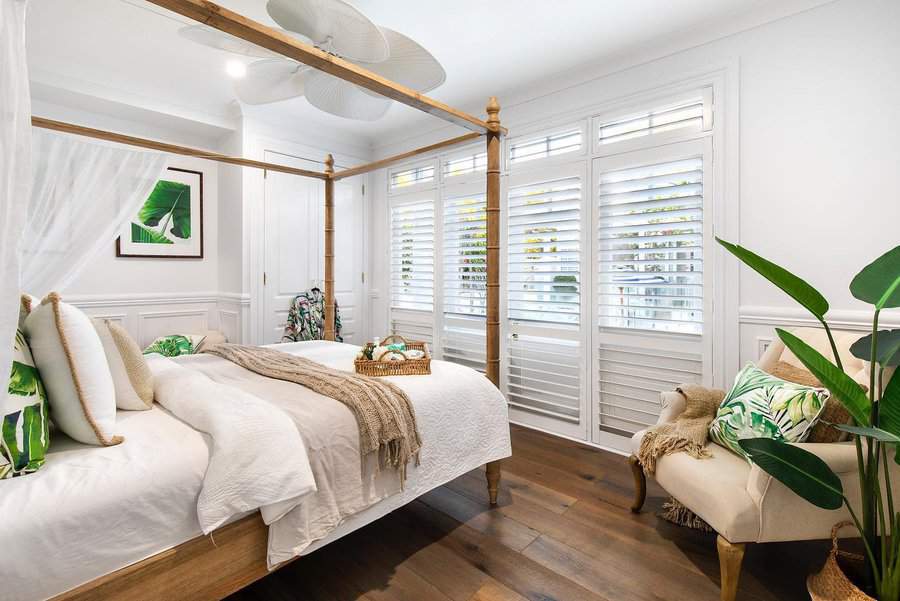
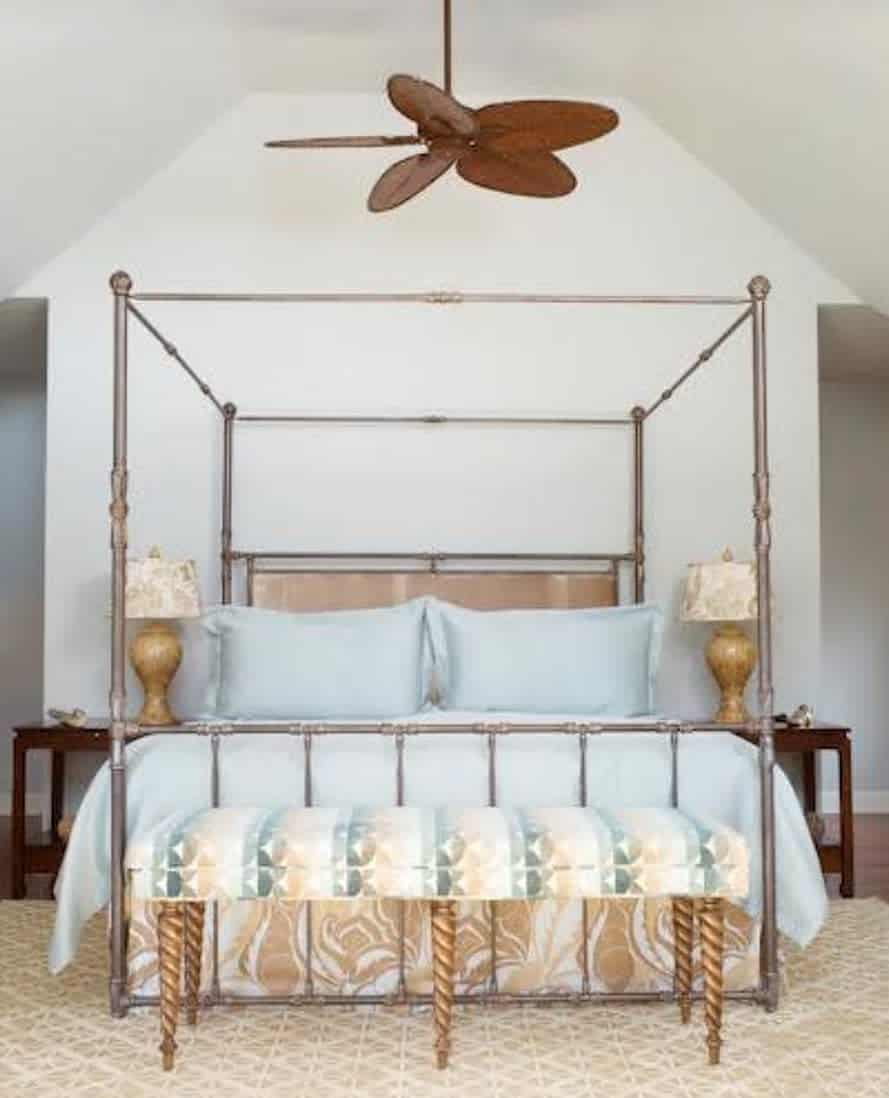
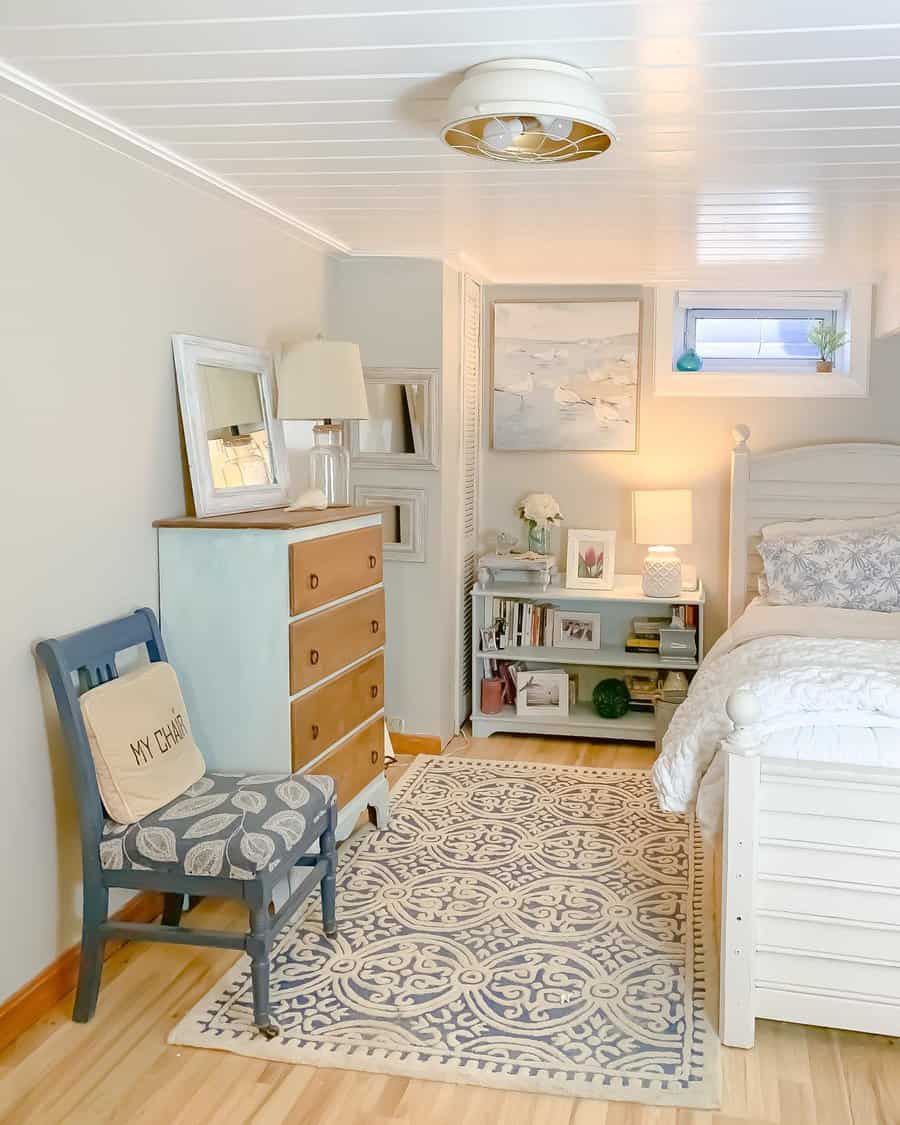
    Turn your personal space in a coastal bedroom with aged white shiplap on the wall behind your headboard. Start your beach theme with a new headboard and bed frame.

    A woven rattan, wicker, or cane headboard will create a coastal feel. These are all good for adding natural materials and texture to your bedroom.

    Bedroom coastal decor
    Source: @angie.house via Instagram
    Bedroom coastal decor
    Source: @blackdoorbytc via Instagram
    Bedroom coastal decor
    Source: @candicegreenway via Instagram
    Bedroom coastal decor
    Source: @gmellidesign via Instagram
    Bedroom coastal decor
    Source: @marielauredesign via Instagram
    Bedroom coastal decor
    Source: @mybeachyfarmhouse via Instagram

    For a classier feel, consider a beige upholstered headboard. A tufted look will elevate the feel of your coastal bedroom.

    Then dress the bed with a bold patterned comforter that’s a vibrant blue and crisp white. It doesn’t necessarily have to be a nautical pattern, but it would reinforce the theme.

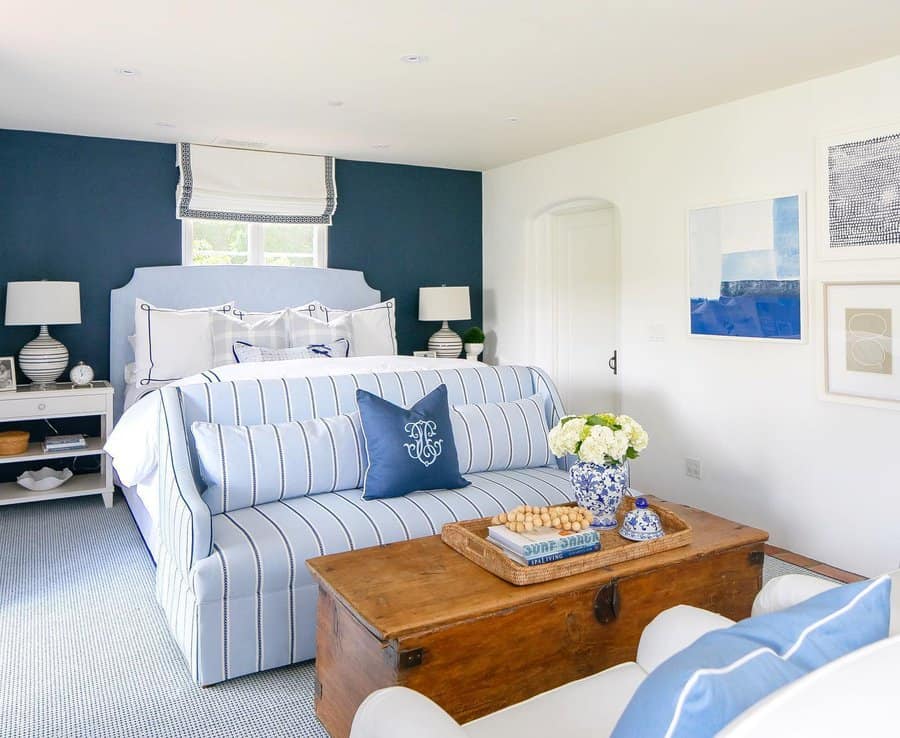
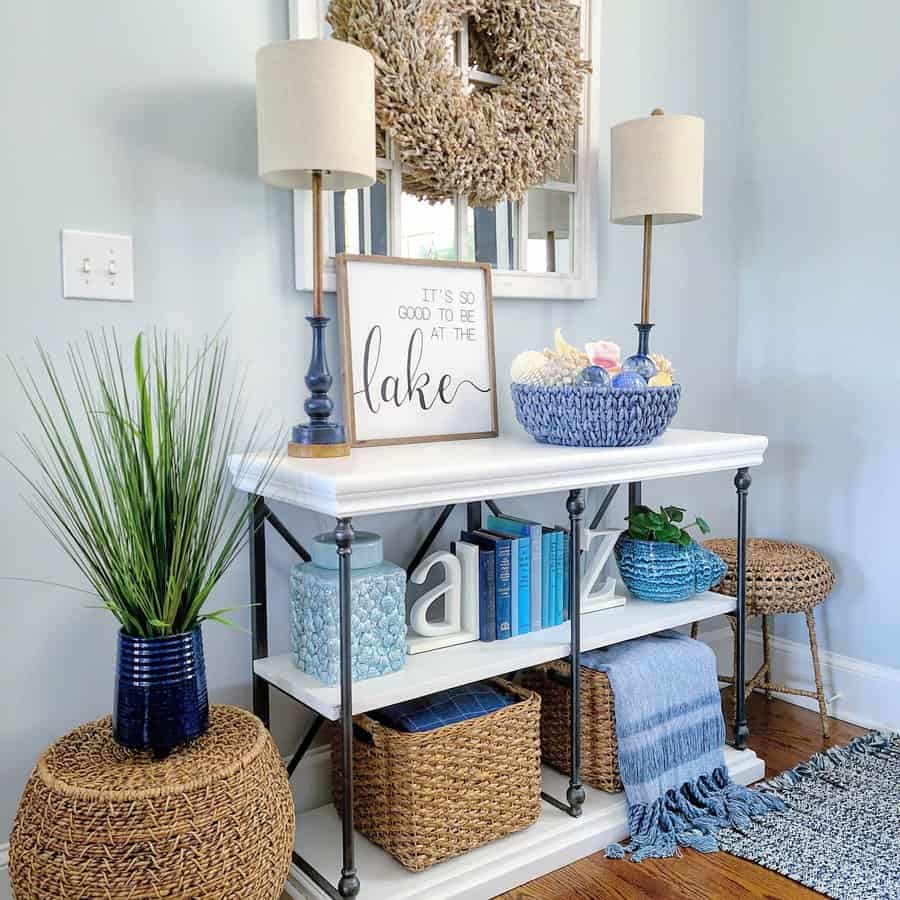
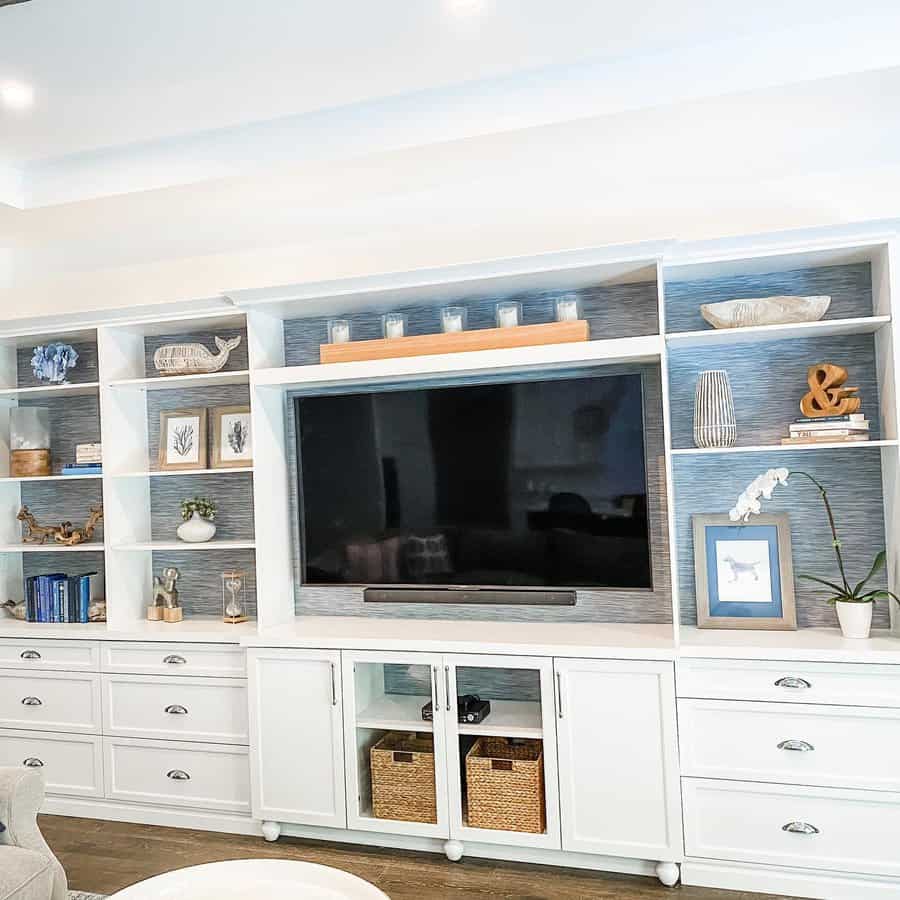
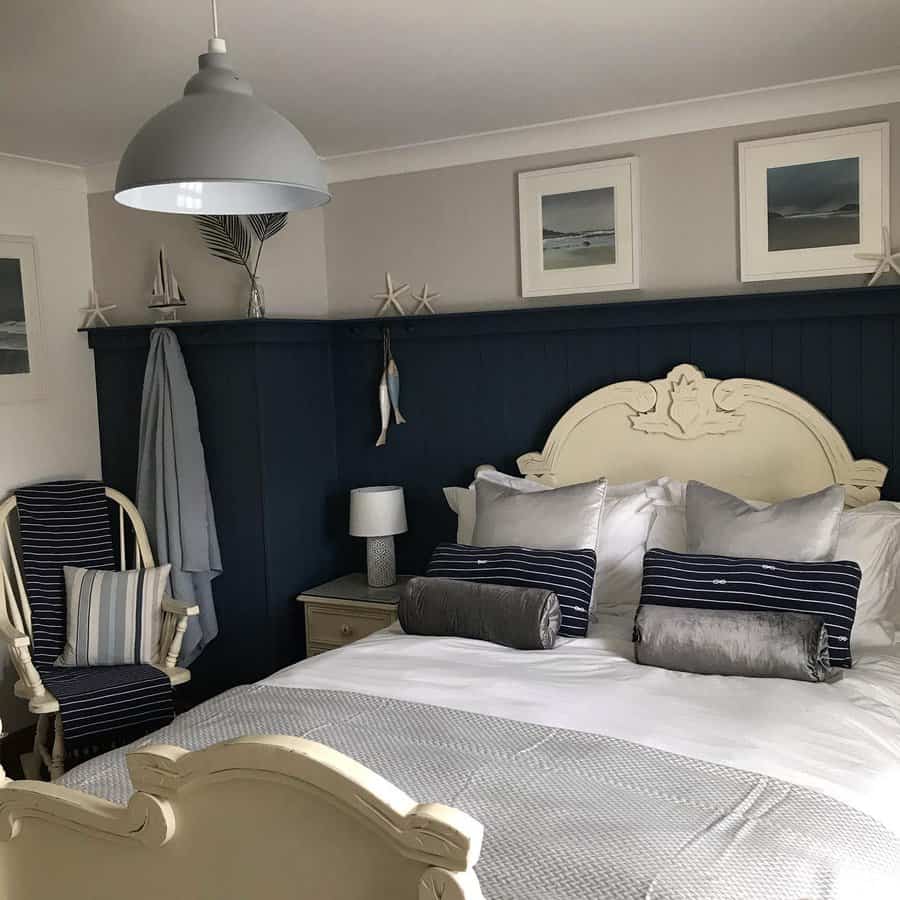
    3. Incorporate Coastal Blue Accents

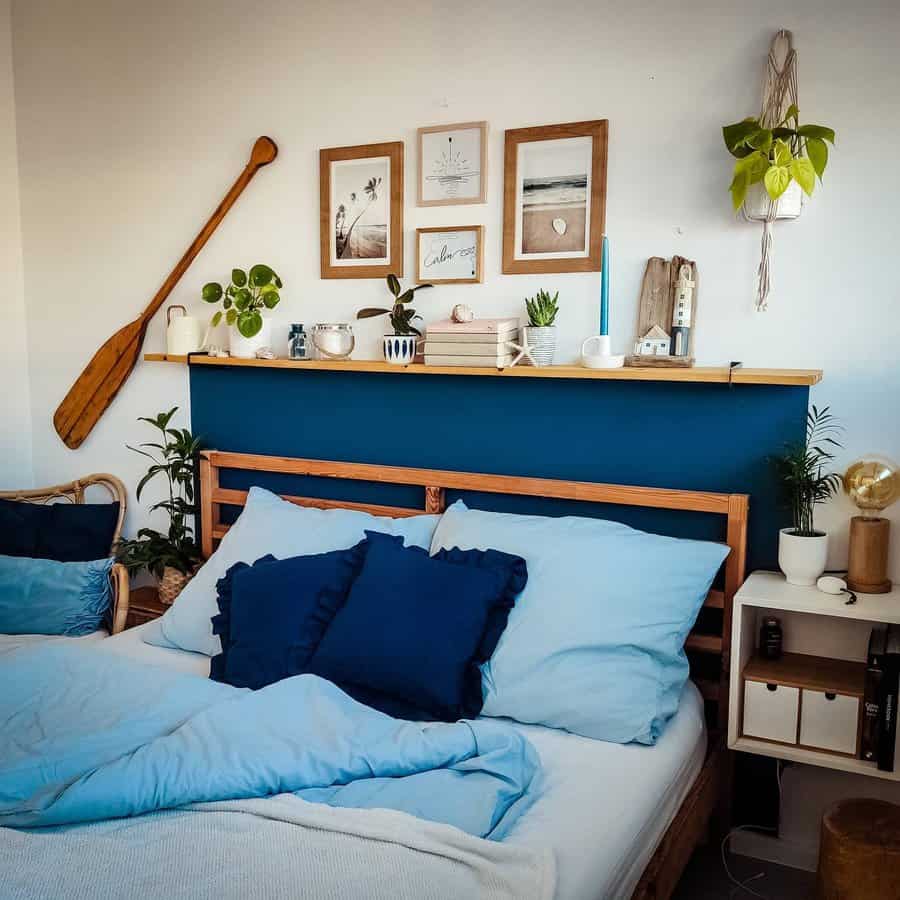
    The easiest way to add blue to your coastal is with an accent wall. However, this isn’t the only place you can add blue to the room.

    Do more than just choose a blue paint color. Use the blue in your color palette throughout the rest of the room.

    Blue accent wall decor
    Source: @agk_designstudio via Instagram
    Blue accent wall decor
    Source: @asimplystylednest via Instagram
    Blue accent wall decor
    Source: @coastaldecor.and.design via Instagram
    Blue accent wall decor
    Source: @edmorroad via Instagram
    Blue accent wall decor
    Source: @revamp.nqy via Instagram

    You could have an area rug that uses blue in the pattern. Or you could have accent pillows on the seating that feature blue. Don’t be afraid to use blue in unexpected places.

    The chandelier you choose could have blue glass. Or you could have a decorative plant with blue flowers. You could add an African Violet, Hyacinth, or Blue Glow.

    4. Blend Coastal and Bohemian Decor

    The coastal and bohemian decor blend well together. Rattan furniture that you would use in your bohemian room will also look good in your coastal room.

    You could use similar wall decor for both rooms, which makes decorating your coastal boho room easy.

    Coastal and bohemian decor
    Source: @aliwaightstylist via Instagram
    Coastal and bohemian decor
    Source: @elleandjay321 via Instagram
    Coastal and bohemian decor
    Source: @hippppieatheart via Instagram
    Coastal and bohemian decor
    Source: @tara_louise_interiors via Instagram

    Look for handmade pieces and use either a coastal color scheme or have elements that are reminiscent of the water.

    Perhaps it’s a pattern that mimics waves. Or it could be a macrame wall hanging that looks like an ocean sunset.

    5. Set Sail with Nautical Dining Room Decor

    Create a nautical theme dining room by replacing the standard fixtures and decor with coastal decorations.

    The interior design of the room could be reminiscent of a ship. Mount shiplap on the walls. Use polished brass fixtures.

    You could even use elements that are taken directly from a ship for an authentic interior design.
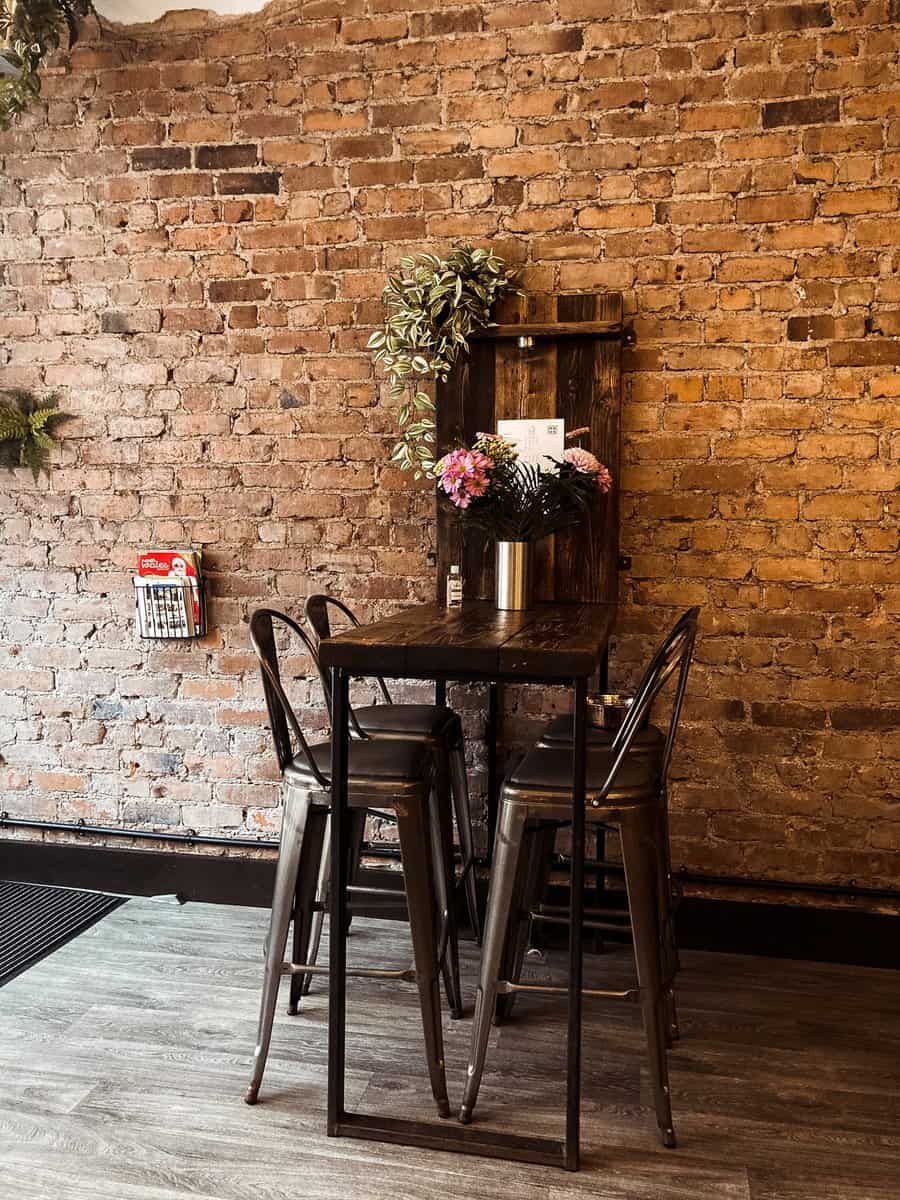
    Coastal and bohemian decor
    Source: @allywhalendesign via Instagram
    Dining room coastal decor
    Source: @glamyork via Instagram
    Dining room coastal decor
    Source: @our_build_bourne_boulavard via Instagram

    Use a ship’s wheel as the chandelier. Mount sconces that are traditionally used on boats. You could even mount a giant Swordfish or Mahi Mahi on the wall. Hang glass orbs that are encased in knotted nautical rope.

    6. Design a Playful Nautical-Inspired Kids’ Room

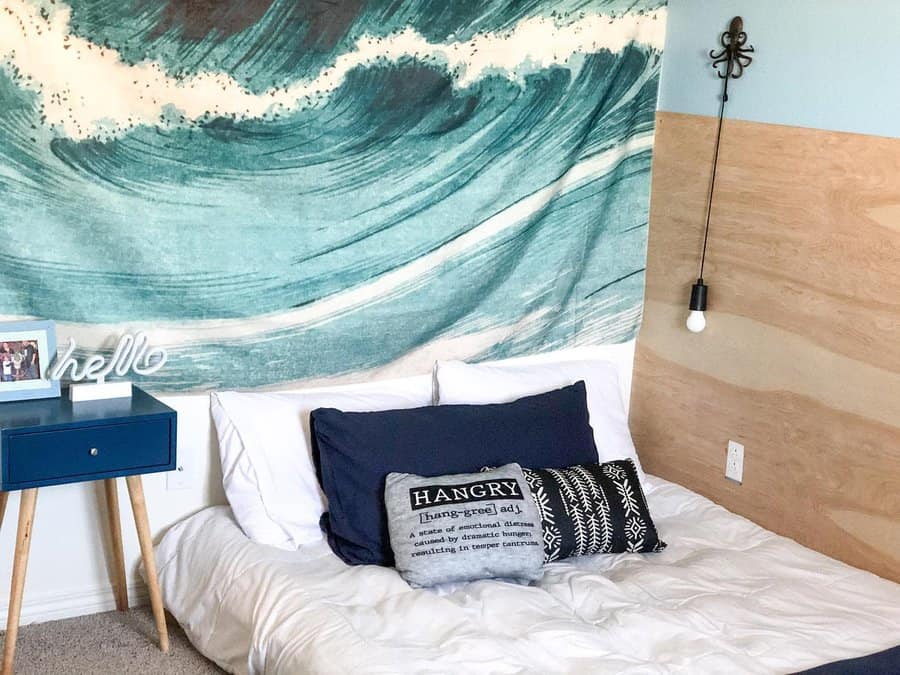
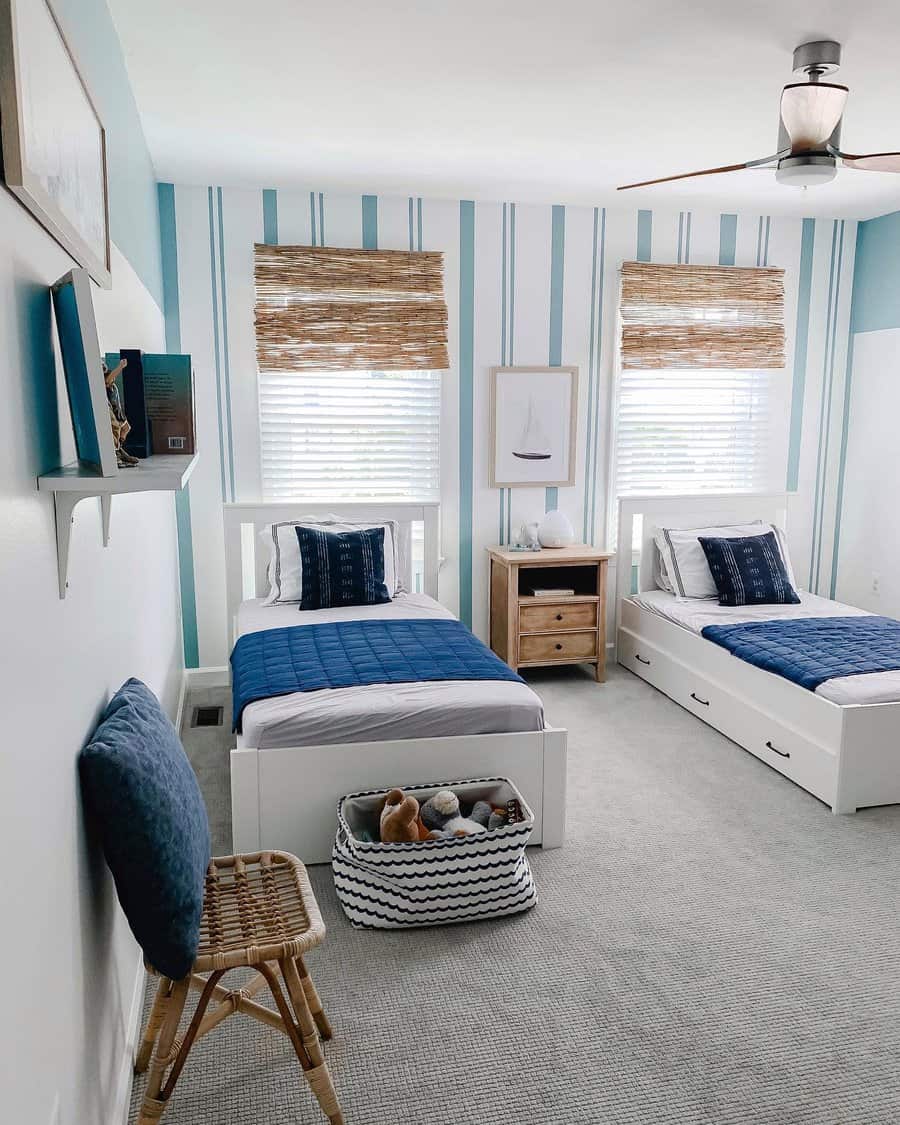
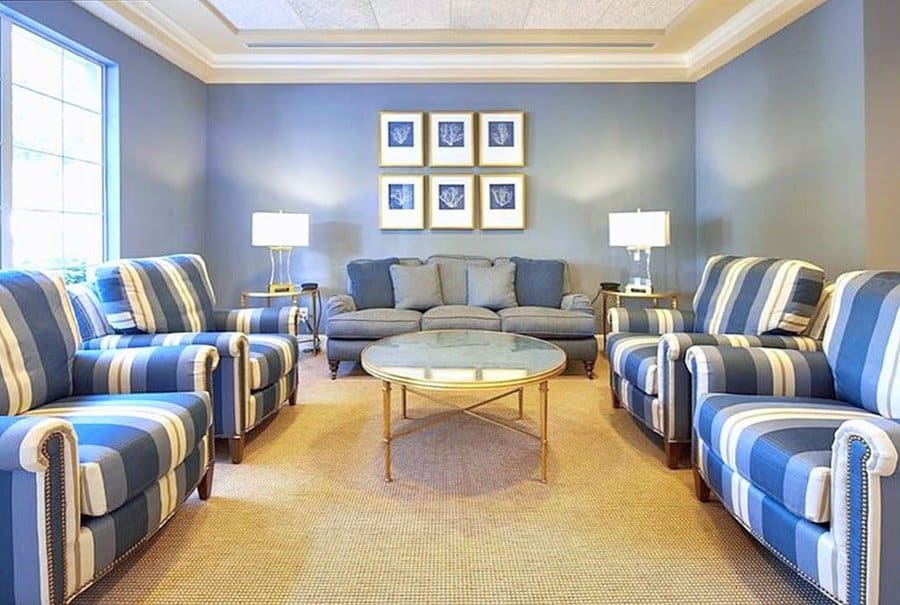
    Create a whimsical nautical-themed kid’s room. Create a beach cottage feel with bold dark blue and white stripes.

    It could be on the walls or a pattern on the fabric for the bed and curtains. Skip the standard nautical home decor and look for more whimsical designs.

    Kids room coastal decor
    Source: @arlynnjayne via Instagram
    Kids room coastal decor
    Source: @beach_bungalow_currarong via Instagram
    Kids room coastal decor
    Source: @ceci.boo via Instagram
    Kids room coastal decor
    Source: @fraicheandco via Instagram
    Kids room coastal decor
    Source: @jordanb_twins via Instagram
    Kids room coastal decor
    Source: @washashorehome via Instagram

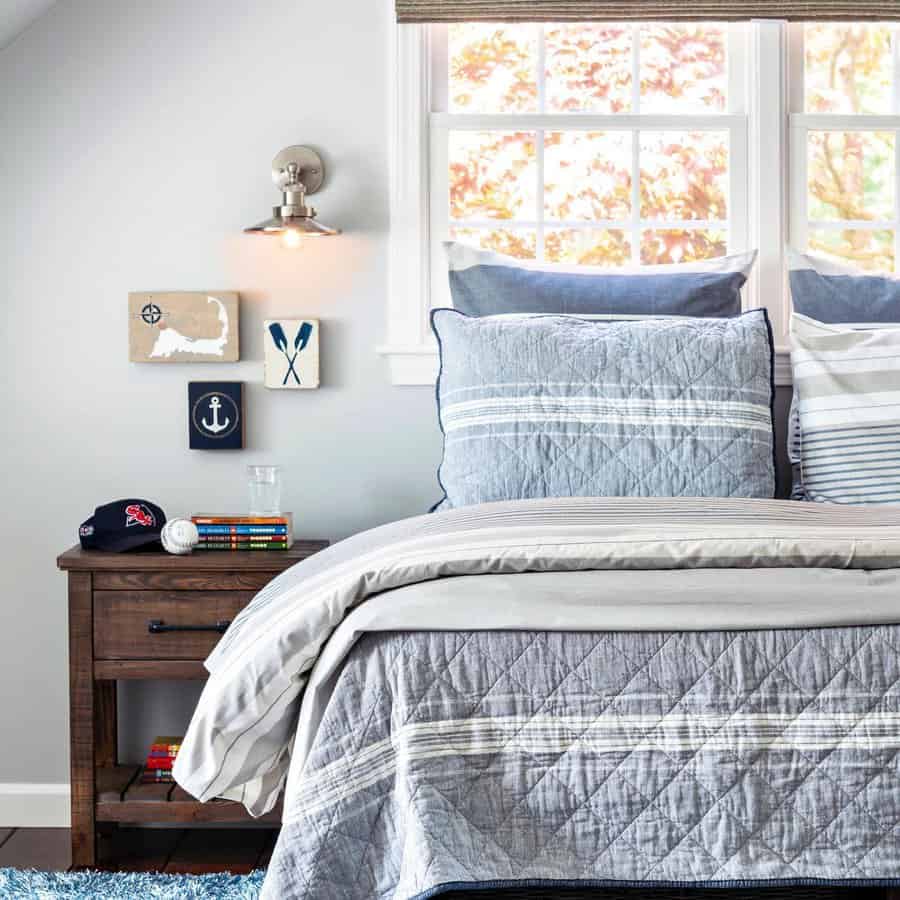
    It could be a bed frame that’s shaped like a boat. Or you could hang whale art or paddles on the wall.

    A string of nautical flags can be draped across the wall or from the ceiling. Finish the room by spreading an area rug on the floor. It could have a fish or anchor theme.

    7. Infuse Coastal Elegance into Your Kitchen Design

    Create a coastal vibe in your kitchen by using deep sea blue tiles for your backsplash. Line the other walls with beadboard.

    Place nautical decor throughout the kitchen for a beach or seafaring touch. Replace your flooring with a polished wood plank that resembles the wood used in old ships.

    Kitchen coastal decor
    Source: @heartofourhome via Instagram
    Kitchen coastal decor
    Source: @oldsilvershed via Instagram

    Some decorating ideas focus on the fixtures, such as lanterns for the pendant light over the kitchen island.

    Others create a coastal vibe with the items that are placed on the kitchen counters. It could be an octopus that holds coffee mugs. Or try a fruit bowl that’s shaped like a fish or coral.

    8. Create a Coastal Living Room with the 60/30/10 Rule

    Consider using the 60/30/10 rule when decorating your coastal living room. Your primary color could be white, with a blue for the secondary color.

    Then use either a bright sunny yellow or rich red for the accent color. This elegantly uses traditional nautical colors.

    Look for living room ideas that use this approach when arranging the throw pillows, a coffee table, and candle holders.

    Living room coastal decor
    Source: @allywhalendesign via Instagram
    Living room coastal decor
    Source: @chrissiehomeanddesign via Instagram
    Living room coastal decor
    Source: @christinestarfish via Instagram
    Living room coastal decor
    Source: @cutertudor via Instagram
    Living room coastal decor
    Source: @kimberlygriggdesigns via Instagram
    Living room coastal decor
    Source: @quietmoose via Instagram

    Don’t be afraid to go bold with your coastal decor. Perhaps you have a peak or vaulted ceiling.

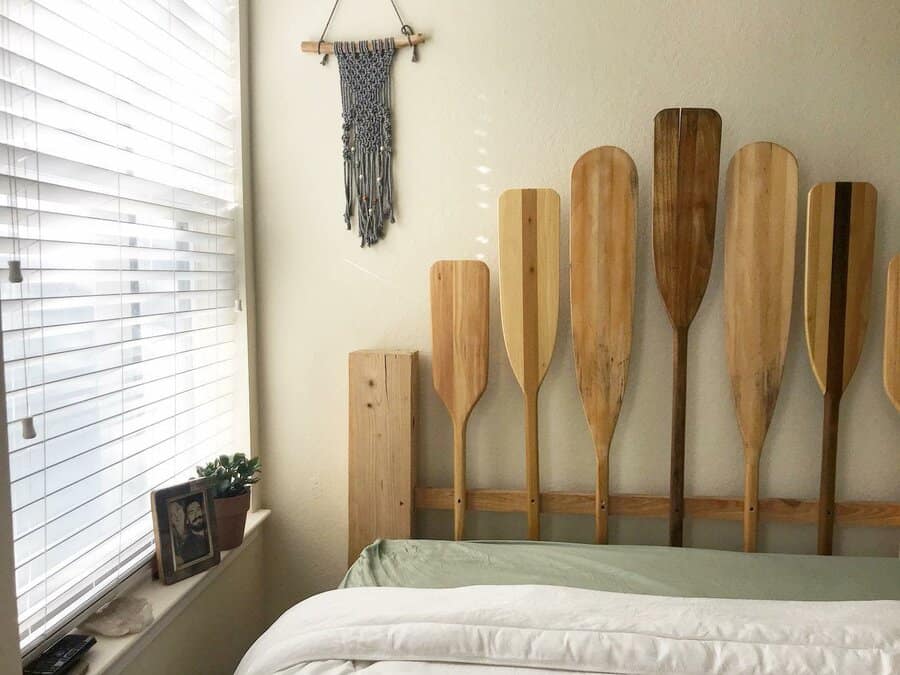
    Use this open space to hang a canoe, kayak, or even rowboat. This makes a statement, sets the tone, and doesn’t take up valuable living space. You can then continue this theme by mounting retro all wood paddles on the wall.

    9. Harmonize Coastal and Modern for a Relaxing Space

    Coastal designs and modern trends blend together beautifully. You can use primarily neutrals to create a calming place.

    Modern interior design doesn’t typically have blues and greens. Leave the walls white or white soft cream color. Then use natural materials throughout the room.

    Modern coastal room decor
    Source: @allisonkeevandesign via Instagram
    Modern coastal room decor
    Source: @hendricksoninteriors via Instagram
    Modern coastal room decor
    Source: @heytherehome via Instagram
    Modern coastal room decor
    Source: @jlv_creative via Instagram

    Wicker or rattan are good options for beach decor. Look for furniture that’s made out of these materials or teak. It should have a simple design that isn’t overly ornate to give it a modern feel.

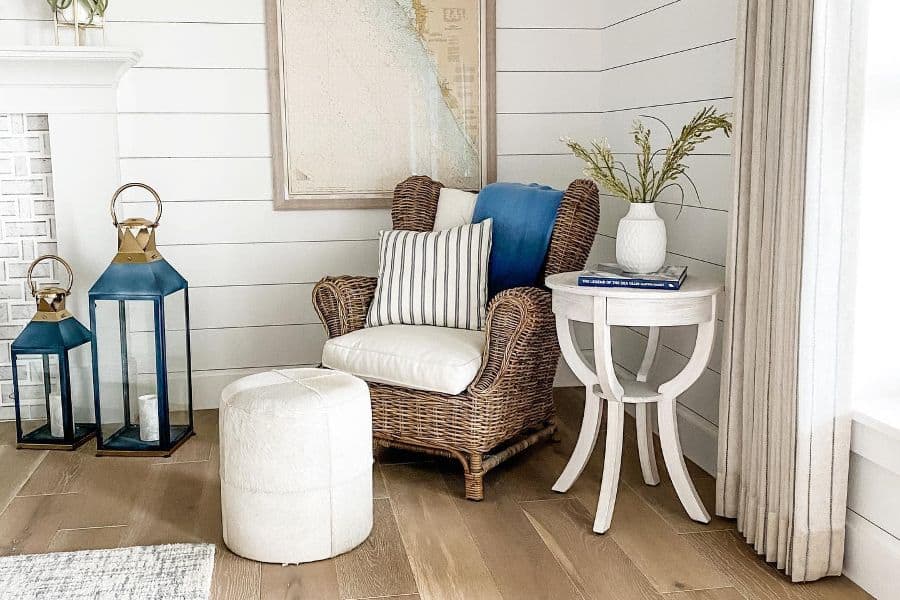
    To keep the furniture comfortable, look for furniture with deep seats that have large white upholstered cushions.

    10. Create Authentic Coastal Vibes with Natural Materials

    To give your home an authentic feel, use plenty of natural materials throughout your coastal-themed home. The best options are wicker, rattan, jute, and teak.

    Wicker is actually a style of weaving when making furniture. Rattan is a type of wood that grows as a vine. You’ll also see palm leaves and other plant materials that are woven into a wicker pattern.
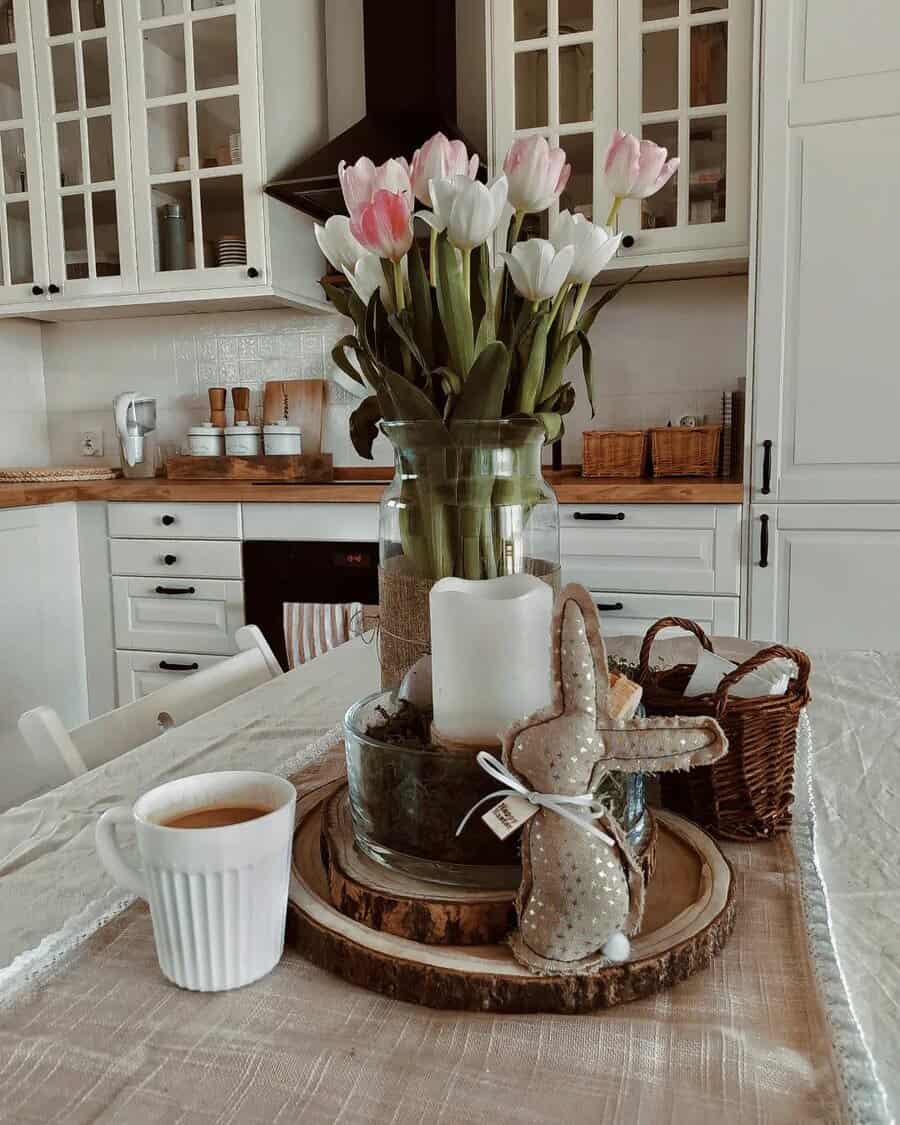
    Natural fibers decor
    Source: @ive.athome via Instagram
    Natural fibers decor
    Source: @labouroflovereno via Instagram

    A jute rug is a bit rough and looks like a flatweave of fibers. It’s incredibly durable and perfect for high-traffic areas.
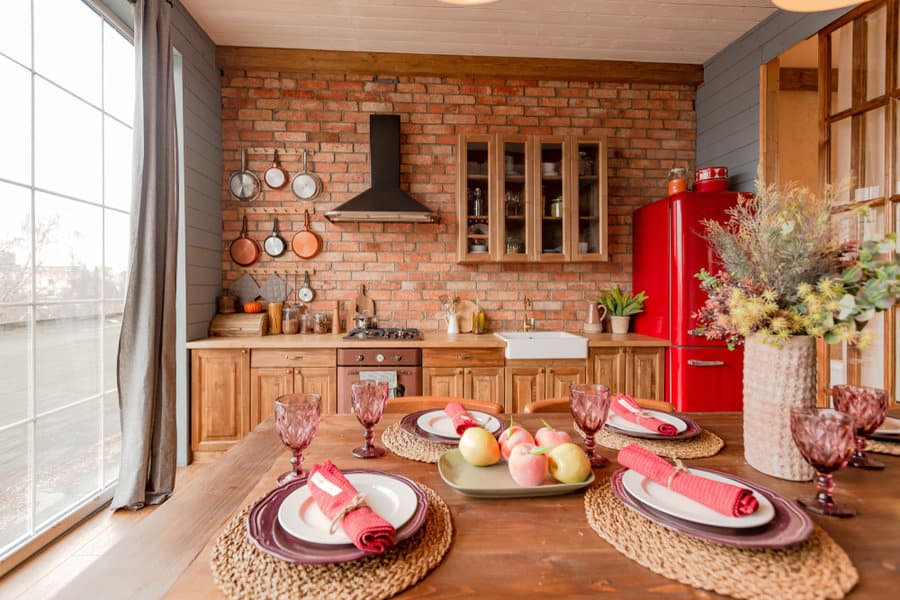
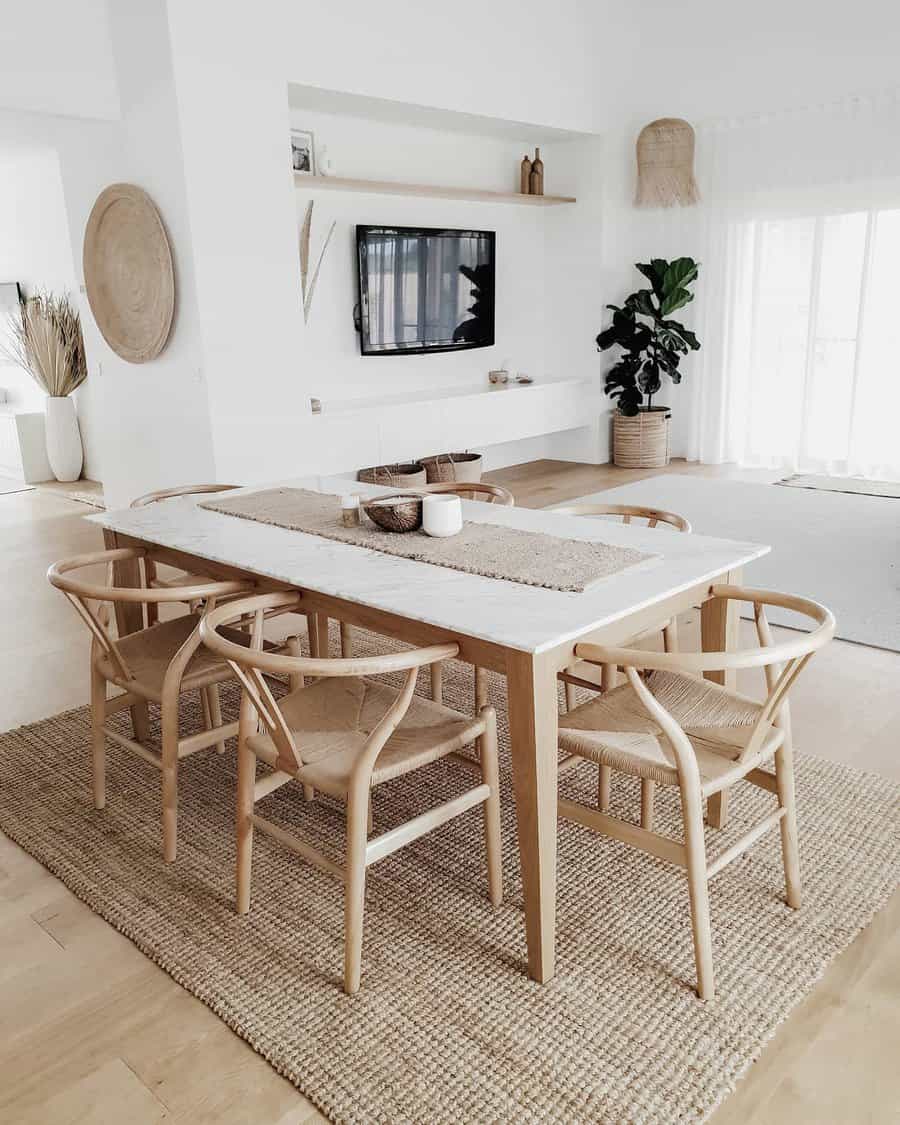
    Teak is a hardwood that’s traditionally used in high moisture areas. This makes it commonly used on ships and boats. Using it in your home will give it a coastal feel.

    11. Neutral Palette with Nautical Accents

    Many coastal decorating ideas embrace a neutral color palette. This helps the room to have a universally appealing and calming feel. Luckily, you can find many nautical elements that are naturally neutral in color.

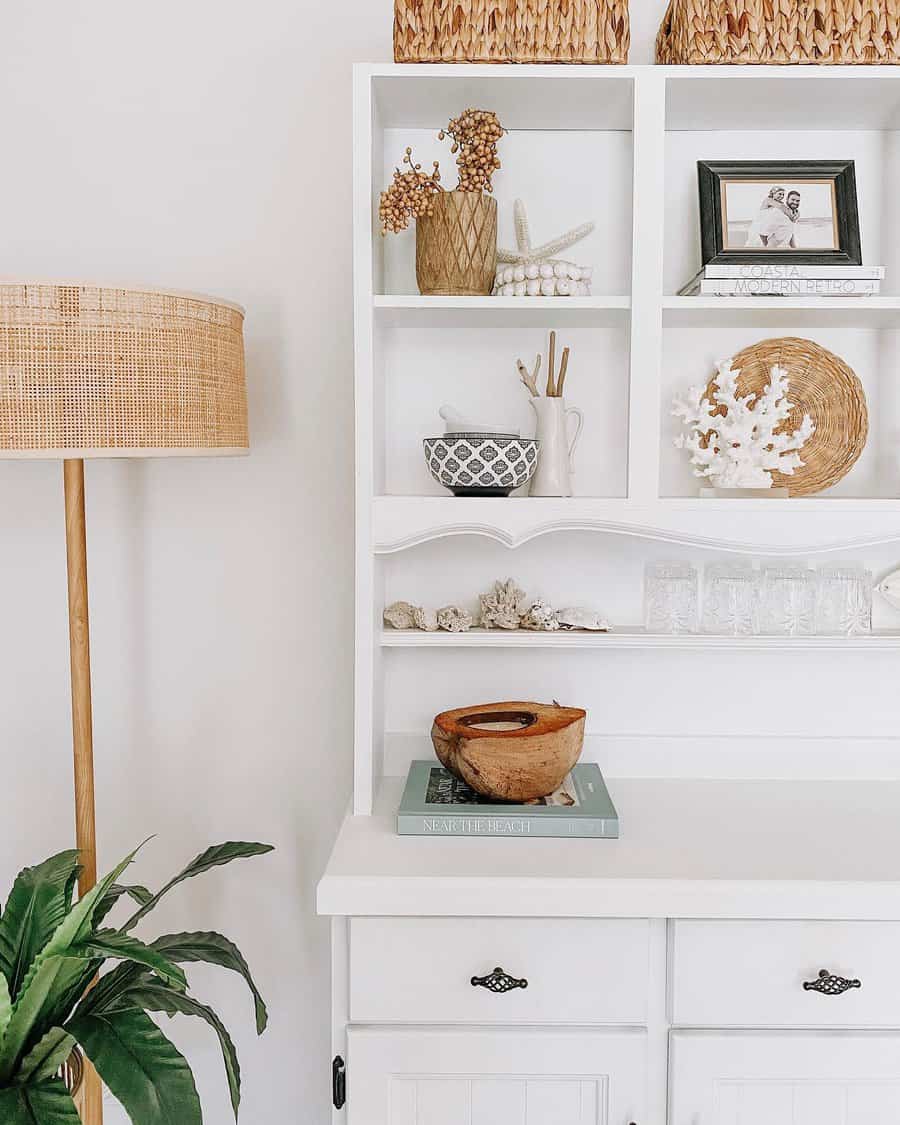
    Seashells are a perfect example of this. Linen and canvas are fabrics that look beautiful and give your home a nautical feel. You could use them to upholster the furniture and dress the windows.

    Neutral decor
    Source: @cablebeachabode via Instagram
    Neutral decor
    Source: @candacefriesdesign via Instagram
    Neutral decor
    Source: @kristyseibertdesigns via Instagram
    Neutral decor
    Source: @montgofarmhouse via Instagram
    Neutral decor
    Source: @the_bohemian_decorator via Instagram
    Neutral decor
    Source: @trishaspearsdesign via Instagram

    To keep your neutral room from looking too bland, add colorful accent pieces. This could be a brightly colored side lamp placed next to the sofa. Or it could be a bold chandelier that proudly hangs in the center of the room.

    12. Outdoor Coastal Paradise in Your Backyard

    Turn your backyard into a DIY beach spot that’s complete with a small pool and sand. Plant large palms and lush greenery around the area for your own coastal oasis.

    If water isn’t a possibility, then build a fire pit. You could have soft white sand filling a large circular area. In the center, place a firepit. Then arrange Adirondack chairs around the firepit.

    Outdoor coastal decor
    Source: @making_your_home_beautiful via Instagram
    Outdoor coastal decor
    Source: @palmcasualtampa via Instagram

    If you aren’t ready to turn your entire backyard into a mini beach, you can still celebrate the coastal style. Try a more elegant coastal design with large outdoor sofas and accent chairs arranged on a spacious hardwood deck.

    Place a coffee table in the middle. Build a pergola overhead or have large umbrellas creating shade.

    13. Elevate Your Home’s Comfort with Rustic Coastal Decor

    Give your home a comfortable, lived-in feel with rustic coastal decor. This could be reclaimed or salvaged wood.

    You could even find old ship wood to use. Perhaps you use the wood to create a decorative accent wall. Or you build a new mantel for your fireplace.

    Rustic coastal decor
    Source: @allywhalendesign via Instagram
    Rustic coastal decor
    Source: @dvharchitects via Instagram
    Rustic coastal decor
    Source: @littlebeachhousedesigns via Instagram
    Rustic coastal decor
    Source: @moodiezz_stijl via Instagram
    Rustic coastal decor
    Source: @mollyinmaine via Instagram
    Rustic coastal decor
    Source: @pomalostyle via Instagram
    Rustic coastal decor
    Source: @sommerhusliv_vesterhavet via Instagram
    Rustic coastal decor
    Source: @the_bohemian_decorator via Instagram
    Rustic coastal decor
    Source: @trianonbonita via Instagram

    Use large beams on the ceiling to give your home a coastal interior. You could place a vintage coffee table in your living room that has sea life carvings. A vintage area rug in your bedroom will add a natural, lived-in feel.

    14. All-White Room with Chic Beach Style Decor

    Creating a beach style for your all-white room is a smart approach. All-white rooms can look bland and sterile.

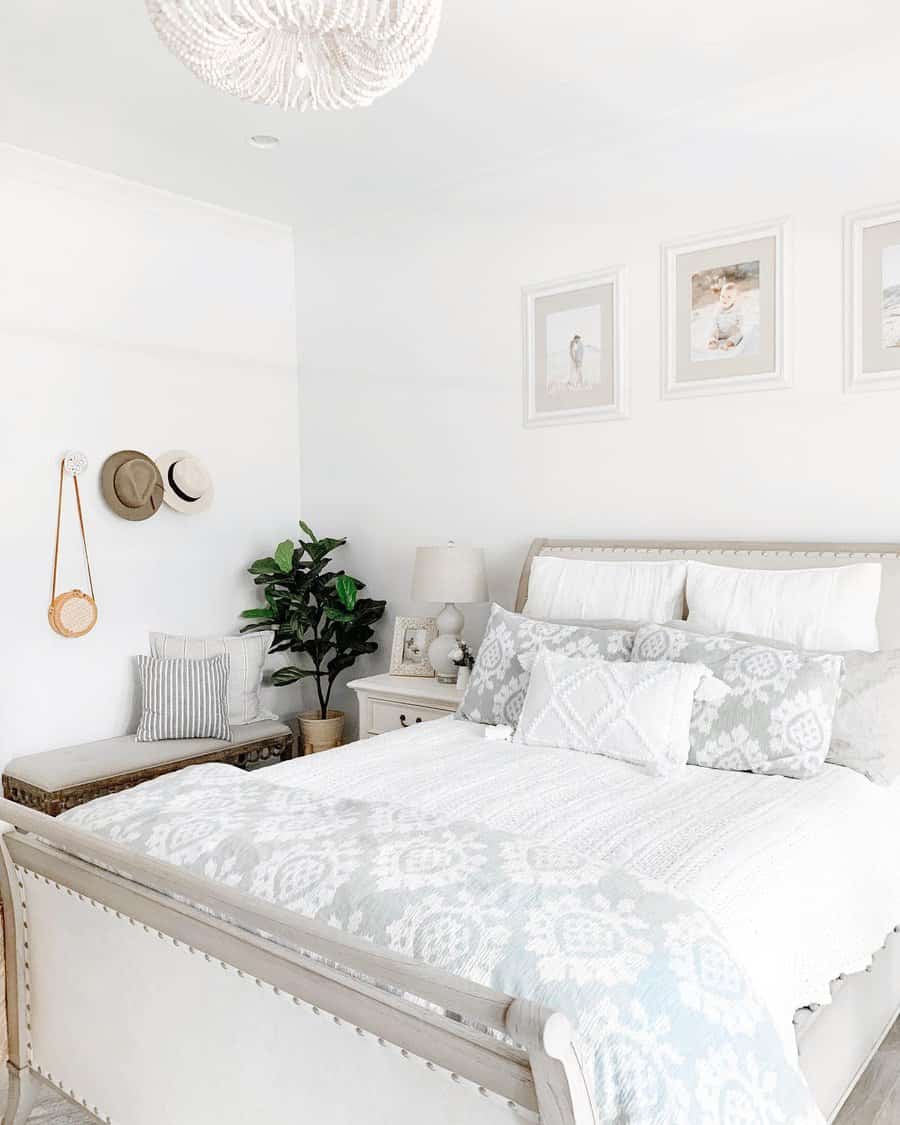
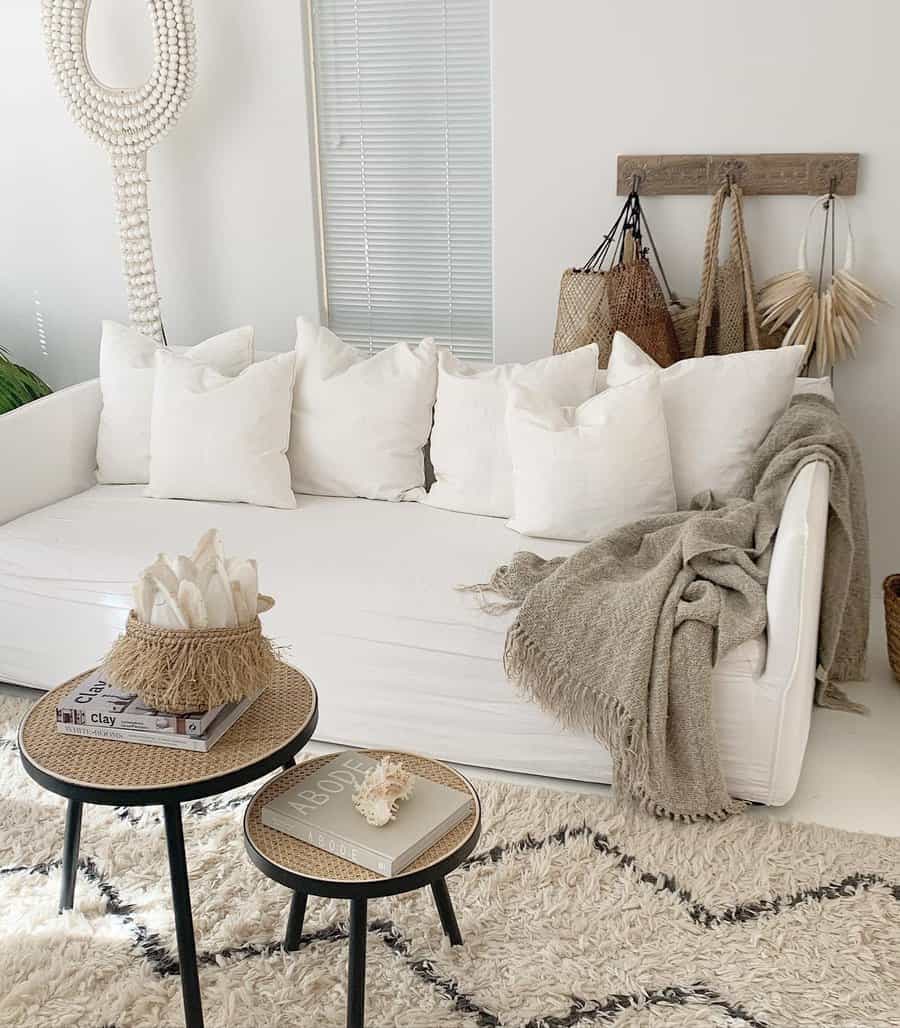
    Using beachy decor for your interior will add natural materials and texture to the room. This creates depth and visual interest without losing the all-white aesthetic.

    White coastal decor
    Source: @addisbohoattic via Instagram
    White coastal decor
    Source: @coastal_eclectic_love via Instagram
    White coastal decor
    Source: @emilydawstextiles via Instagram
    White coastal decor
    Source: @kasiacoastalliving_florida via Instagram
    White coastal decor
    Source: @thewhitepinehome via Instagram

    Try using light wood for the furniture with white upholstery. Or you could have driftwood mounted on the wall.

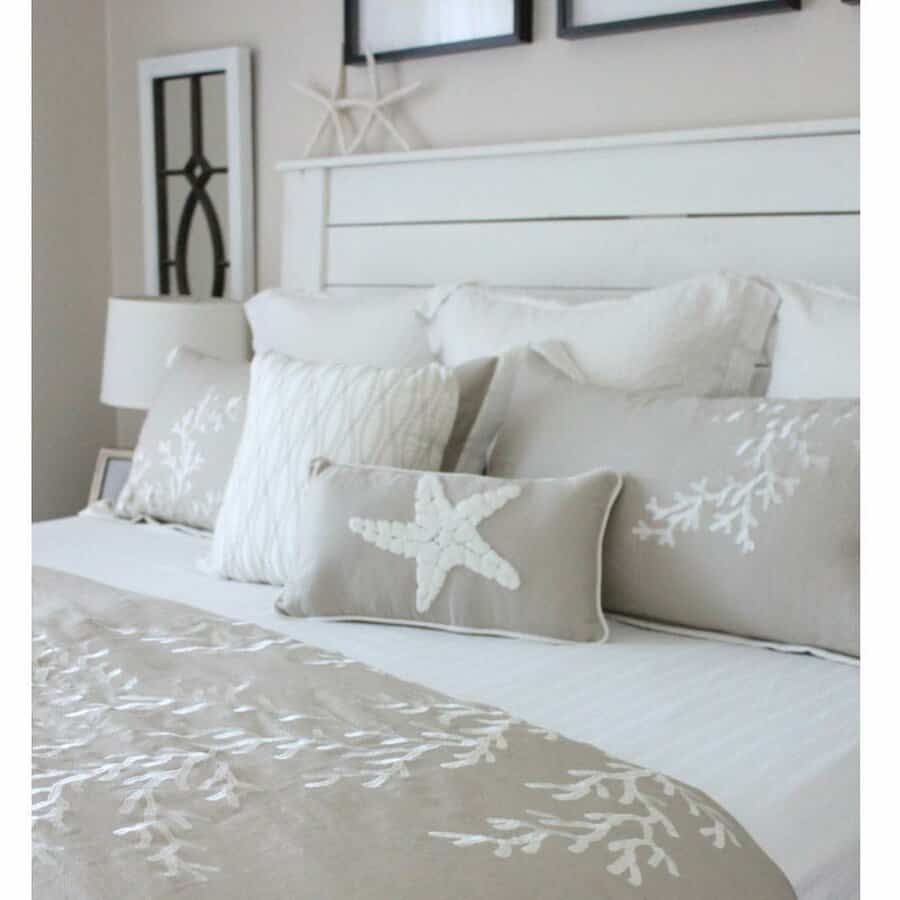
    You could have window treatments or throw pillows that are a white on white embroidery design that features sea life, shells, or coral. The embroidery creates texture, while the white on white color scheme keeps the design subtle and elegant.