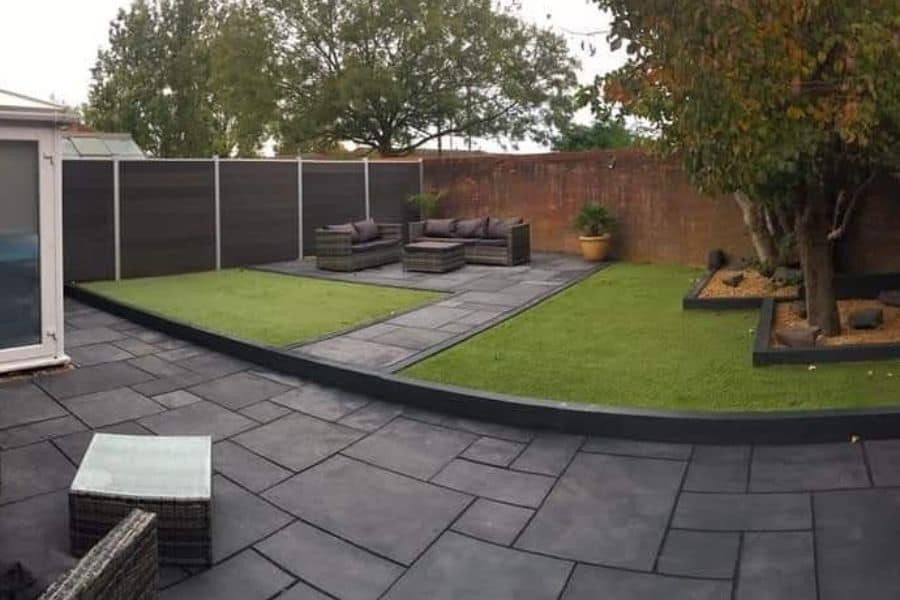
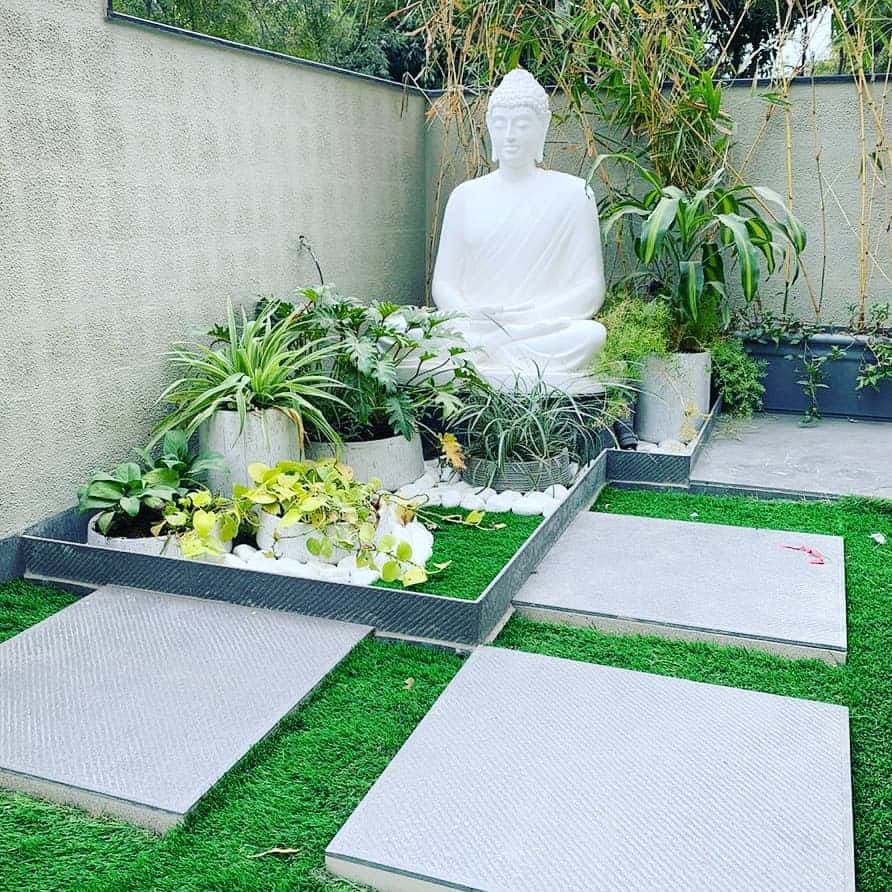
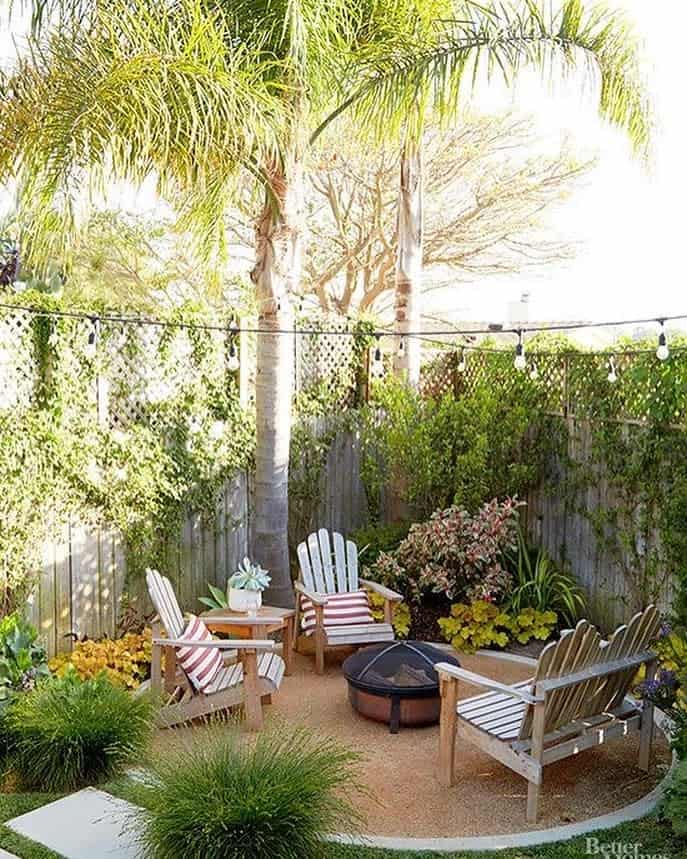
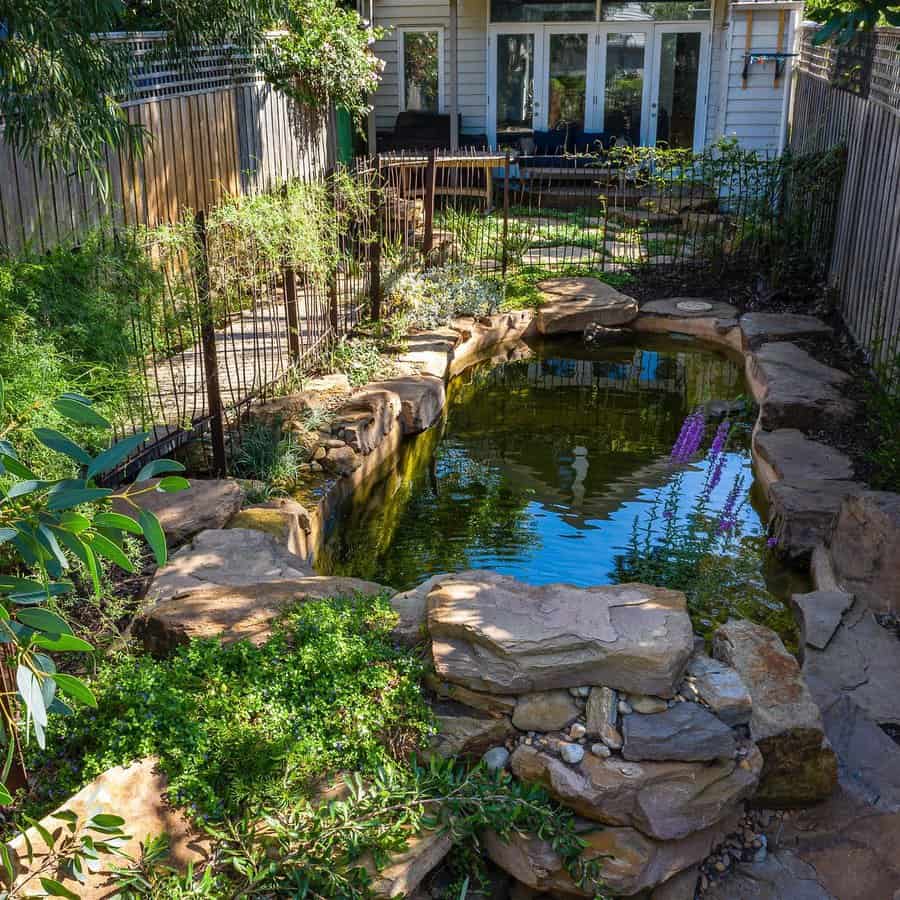
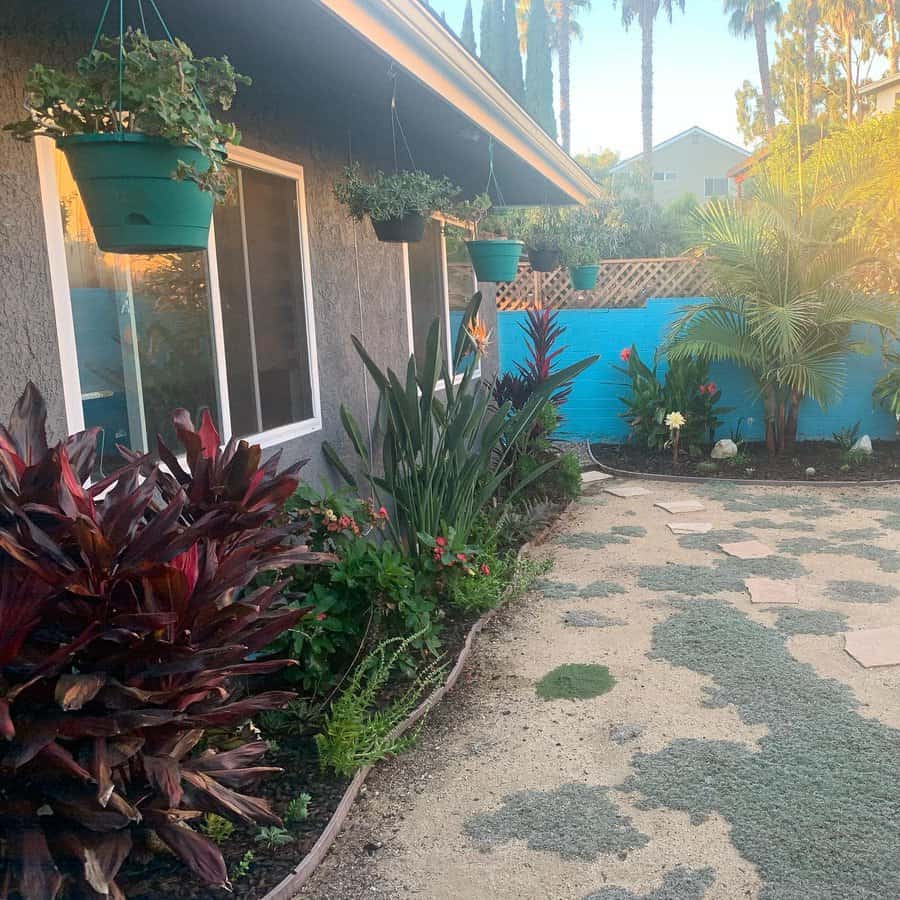
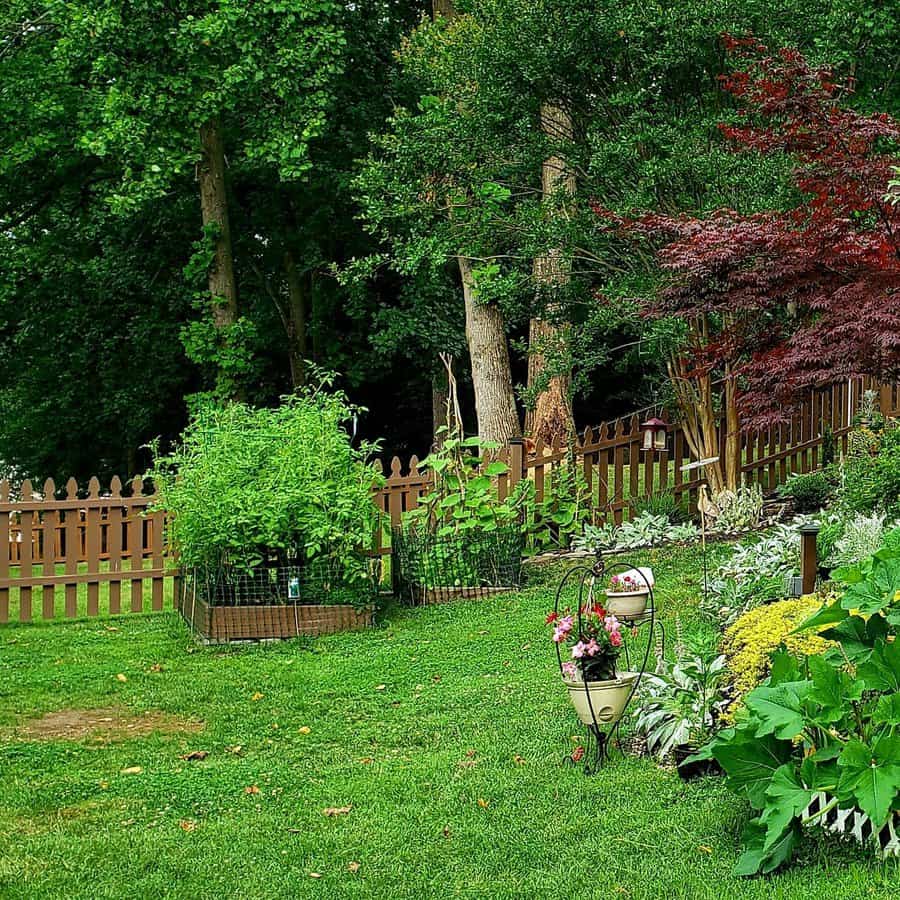
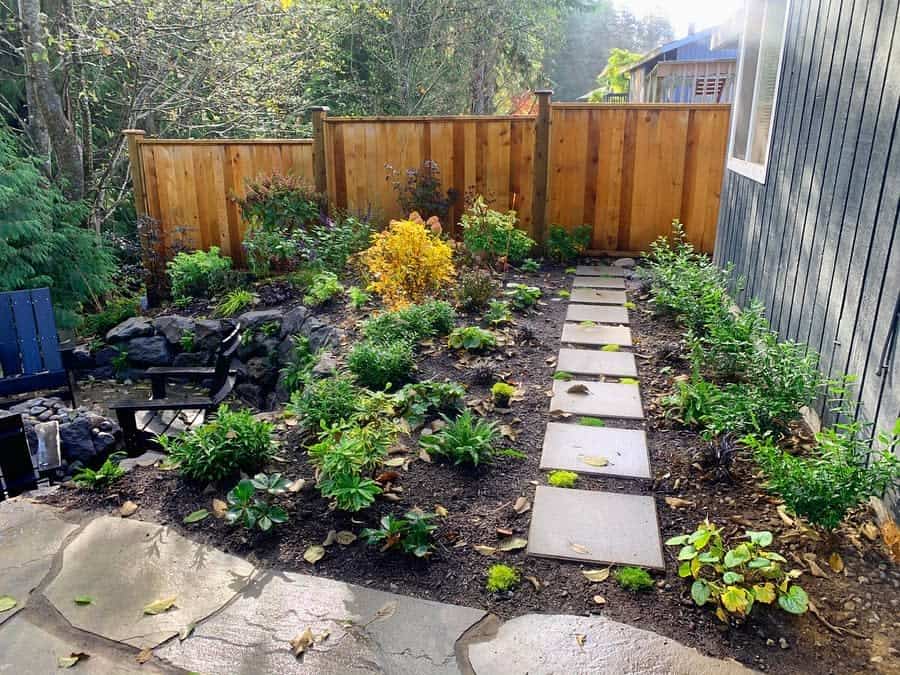
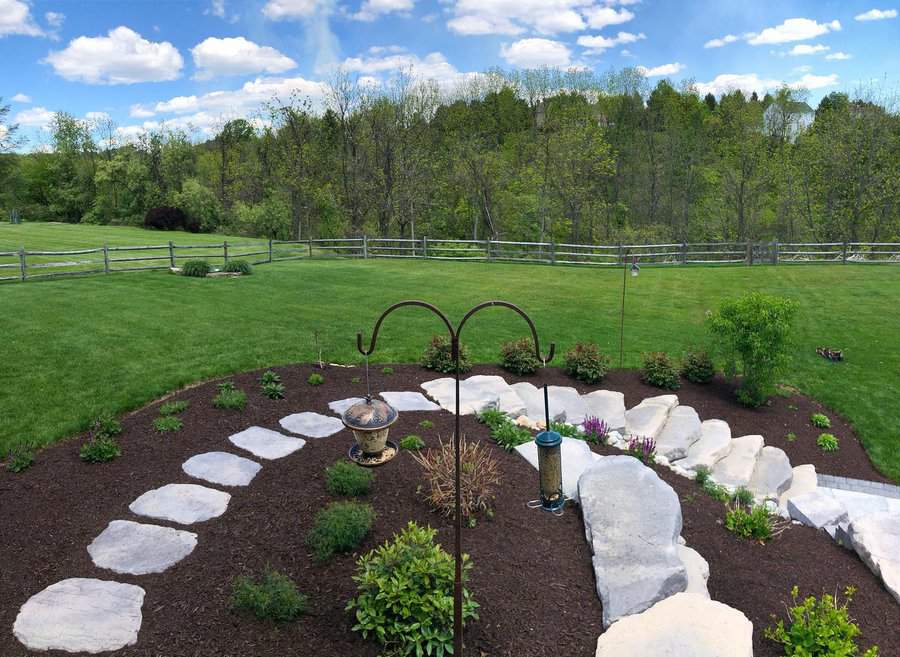
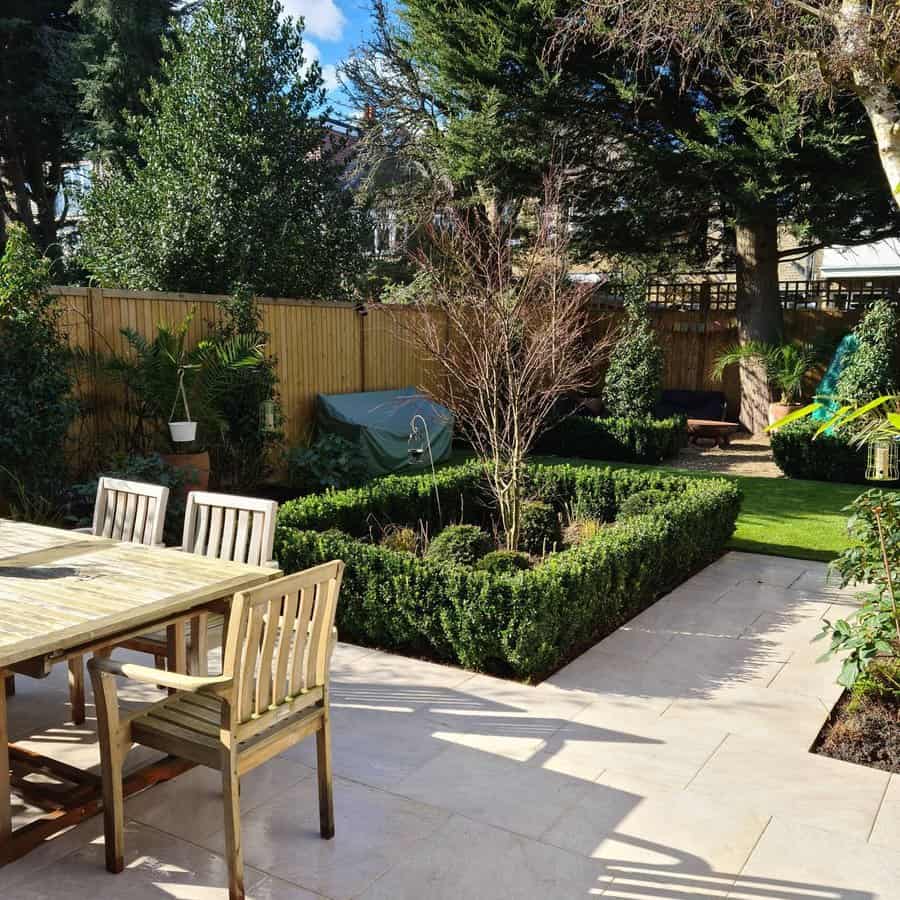
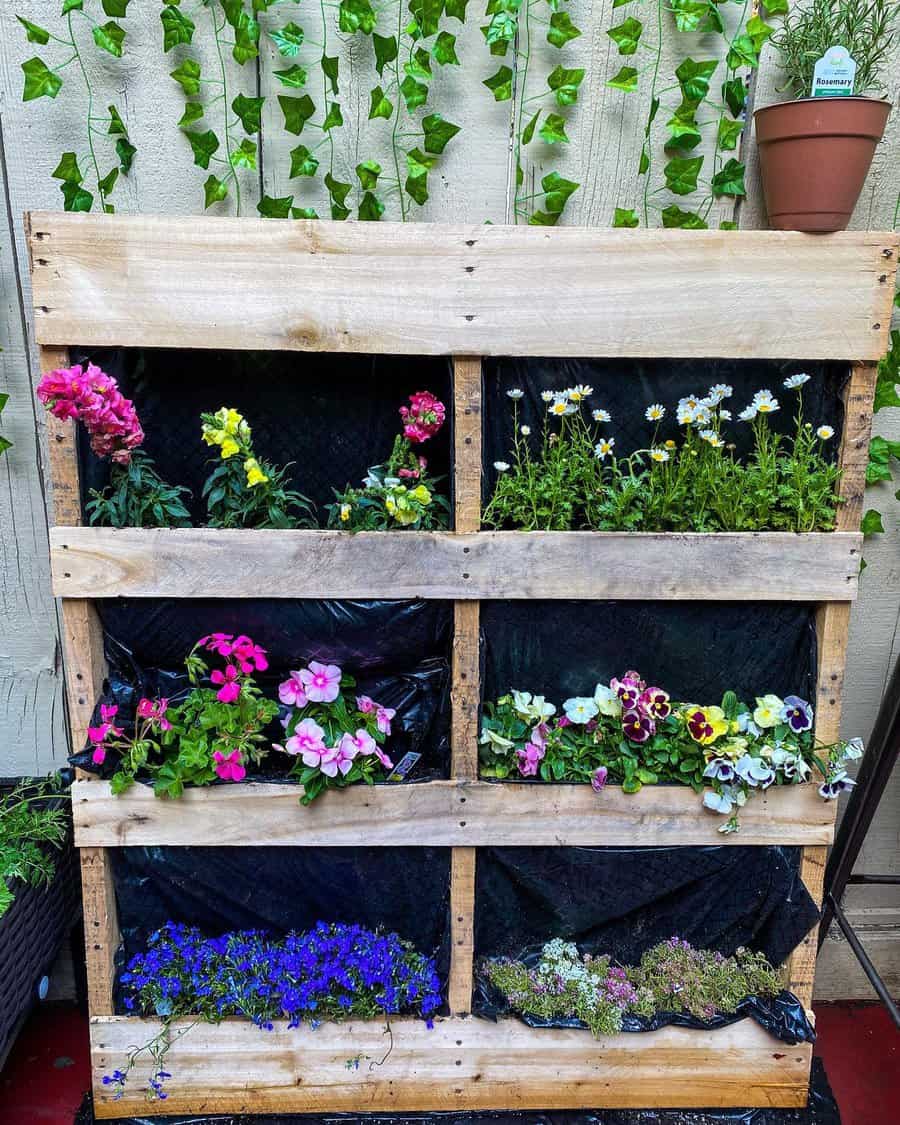
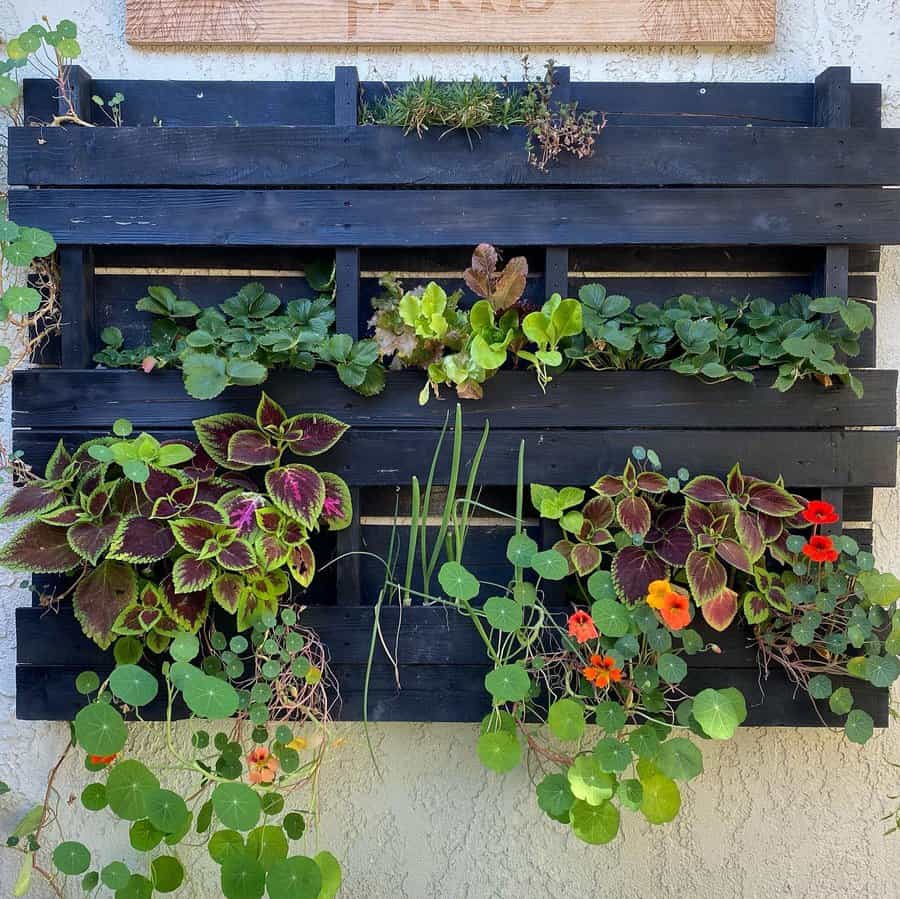
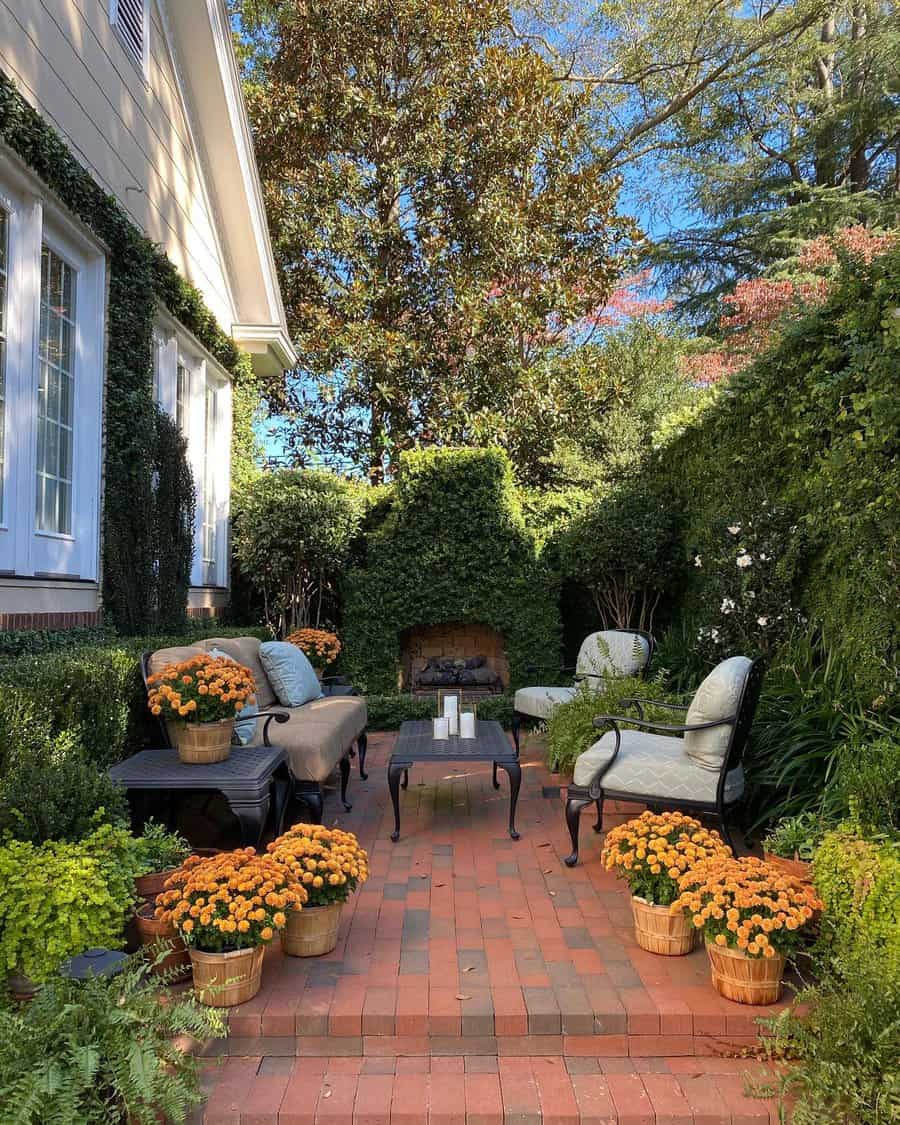
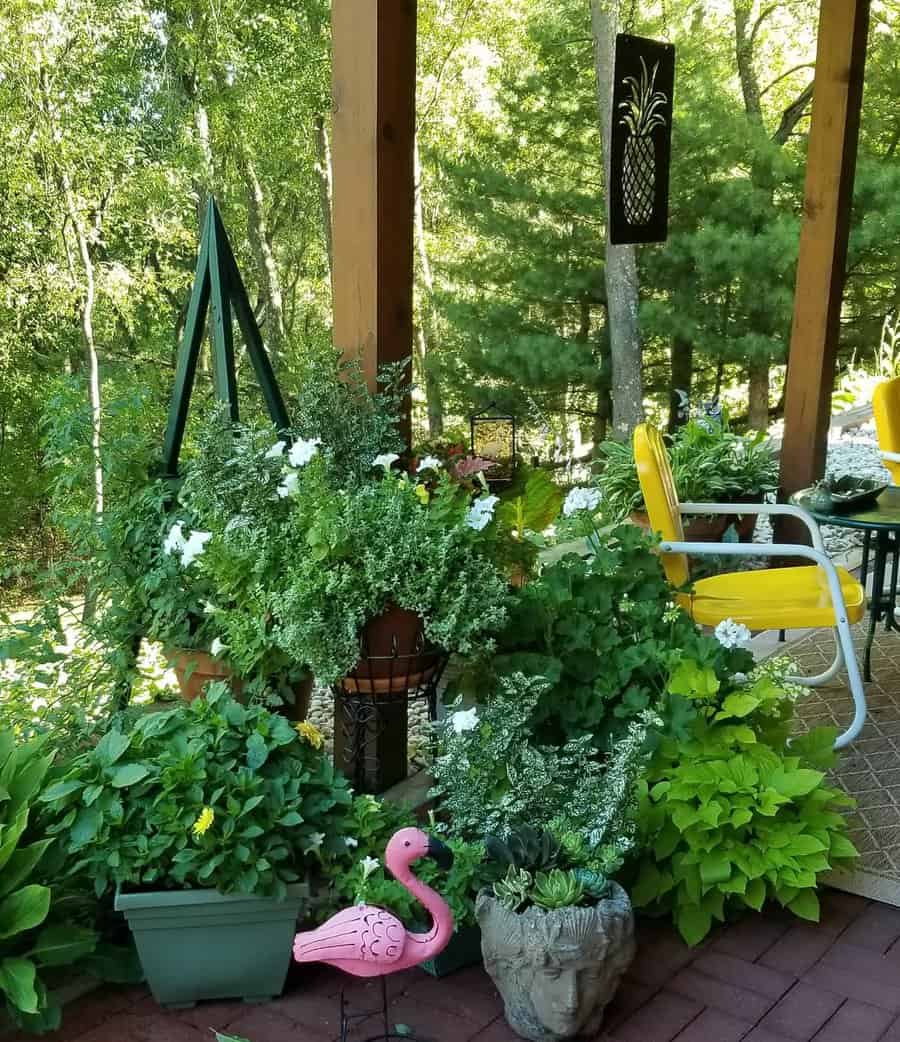
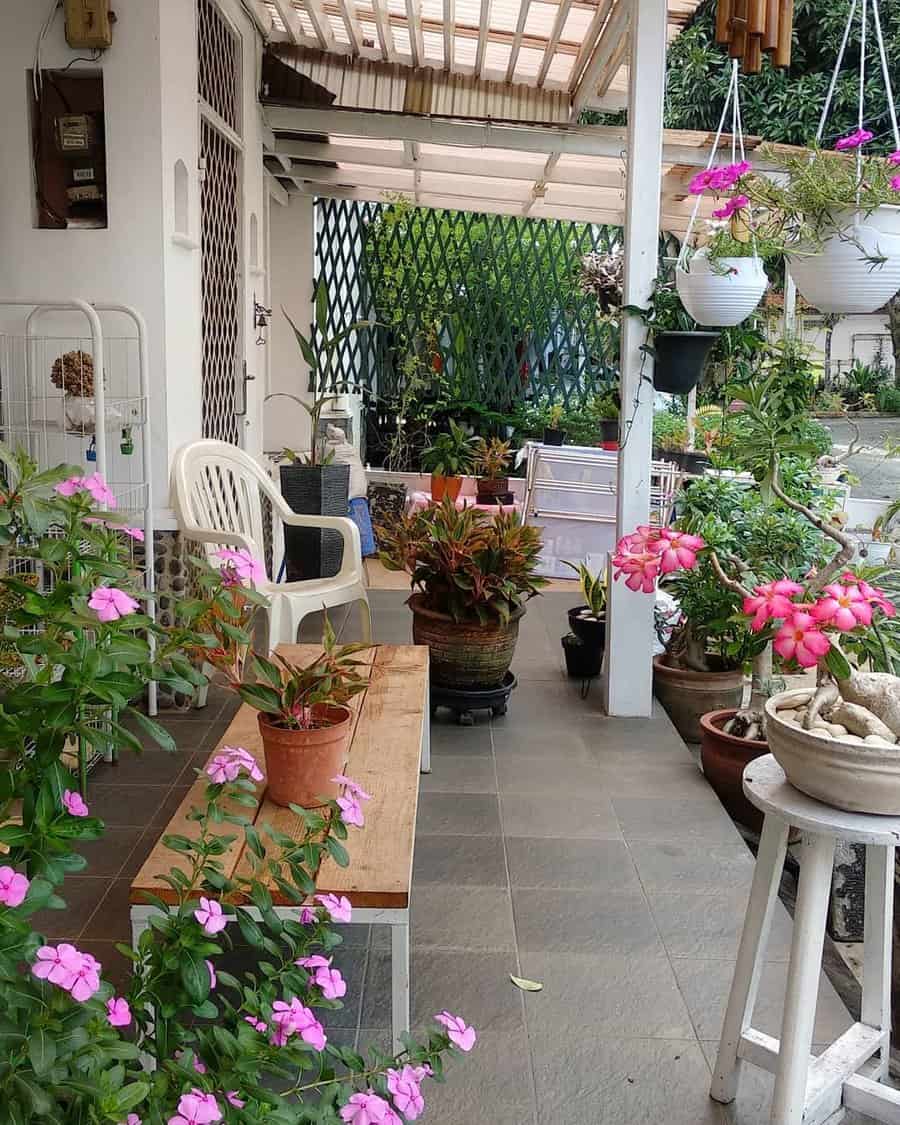
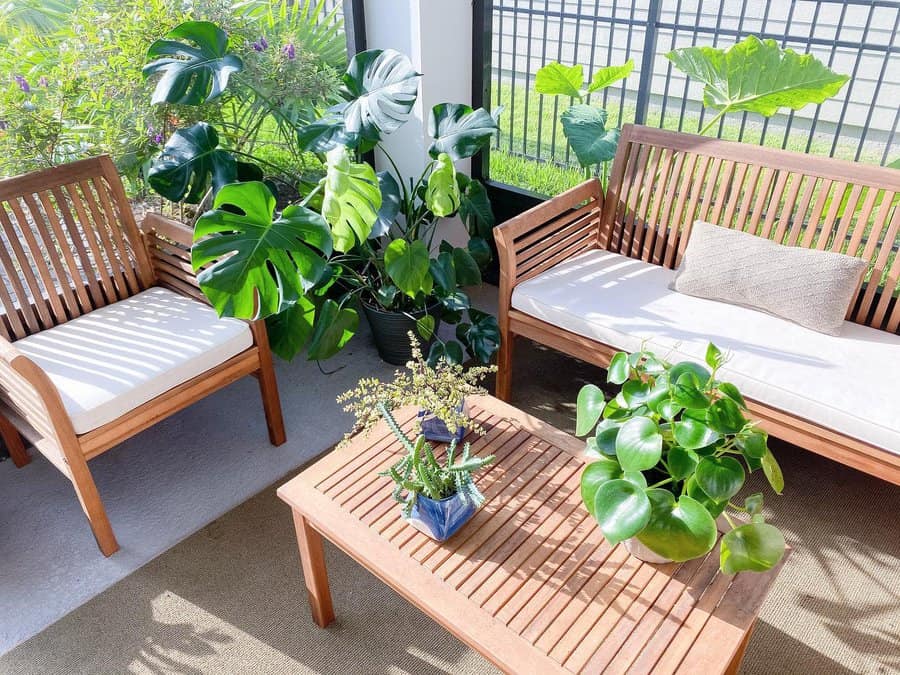
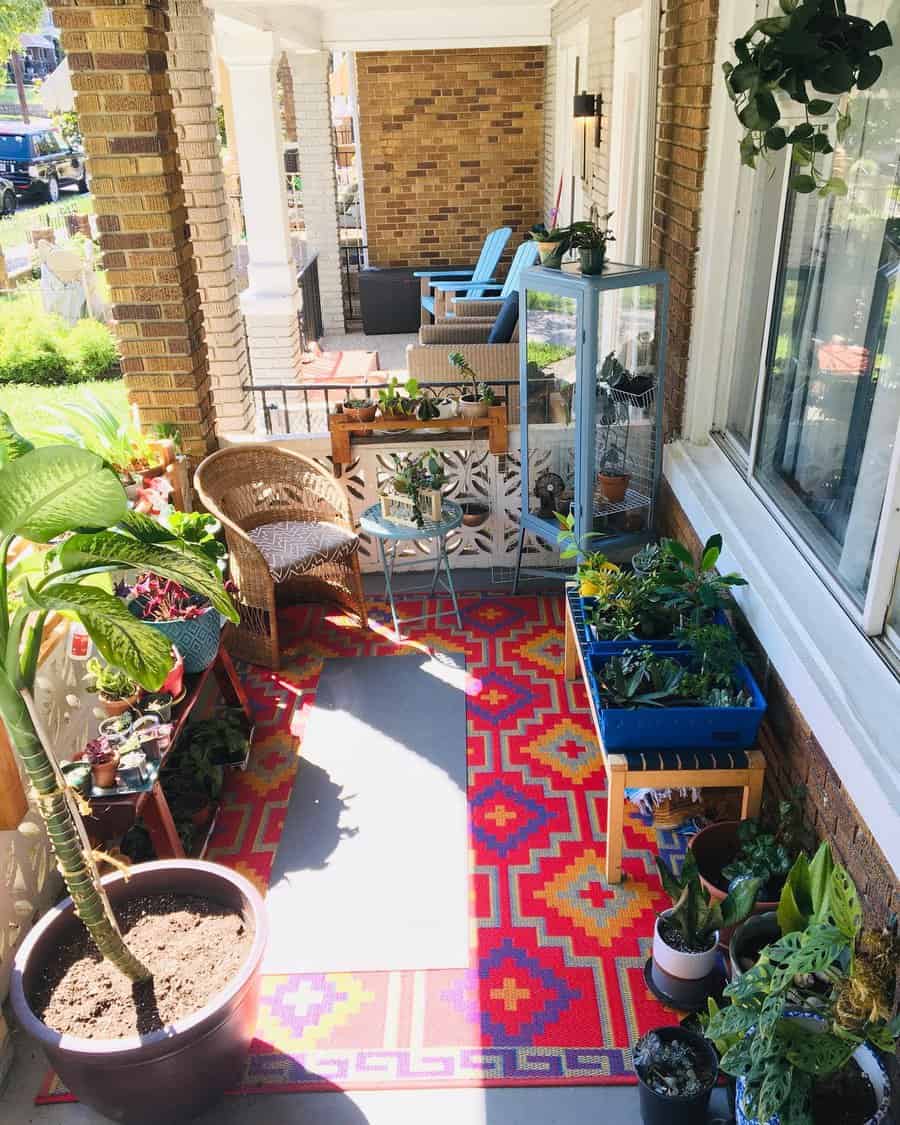
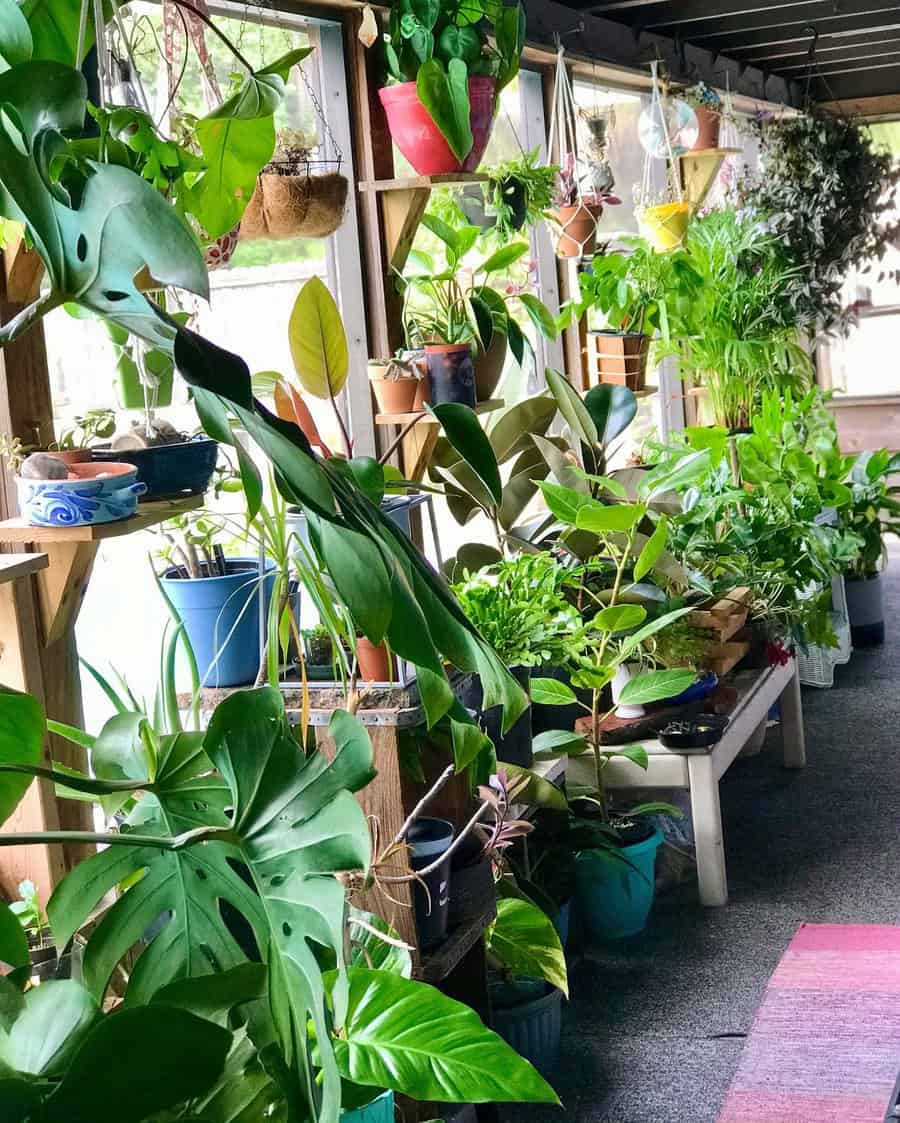
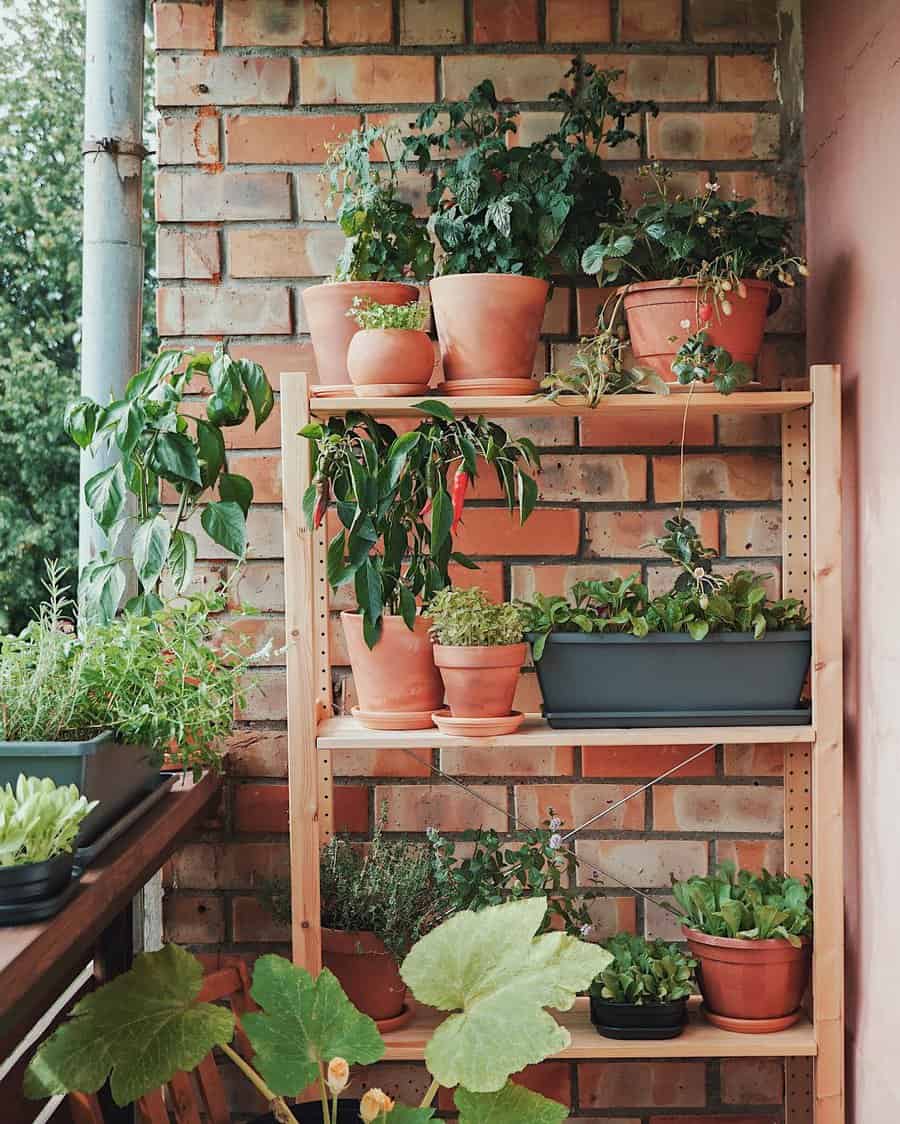
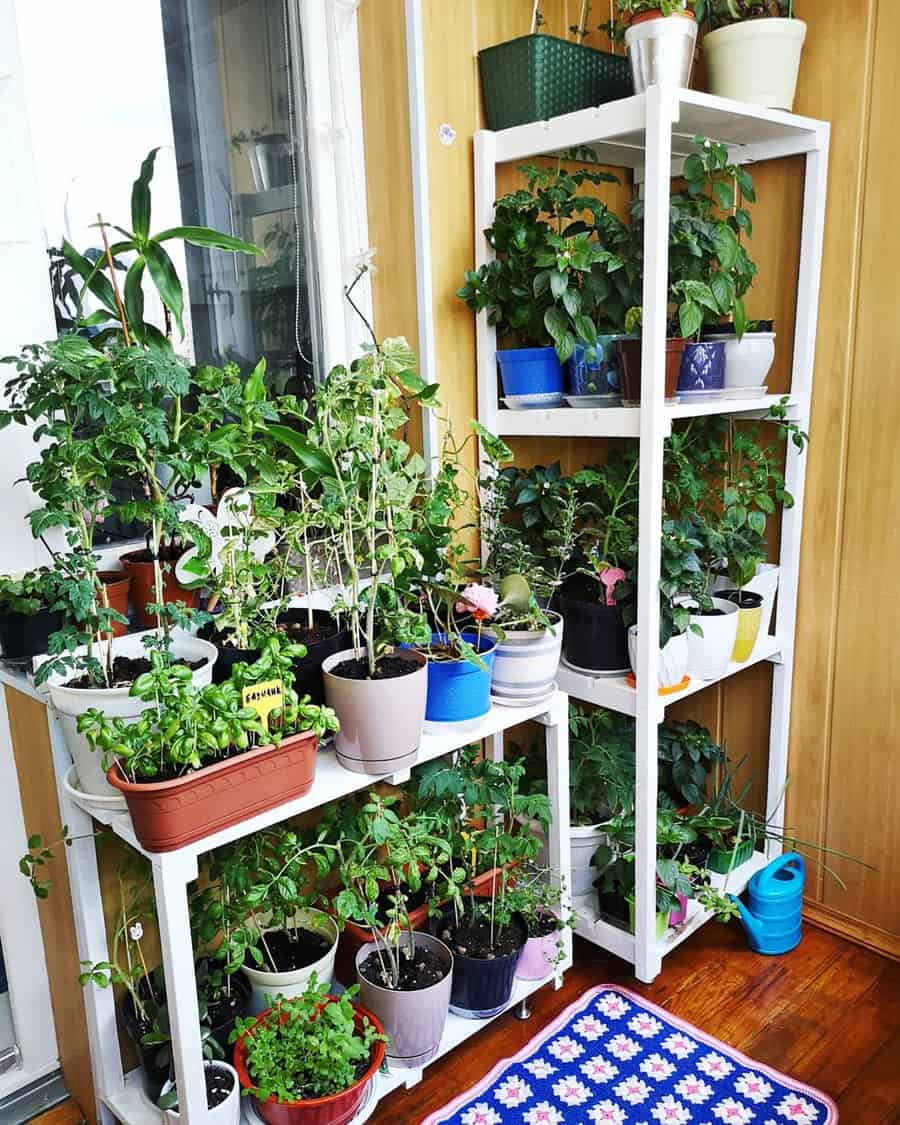
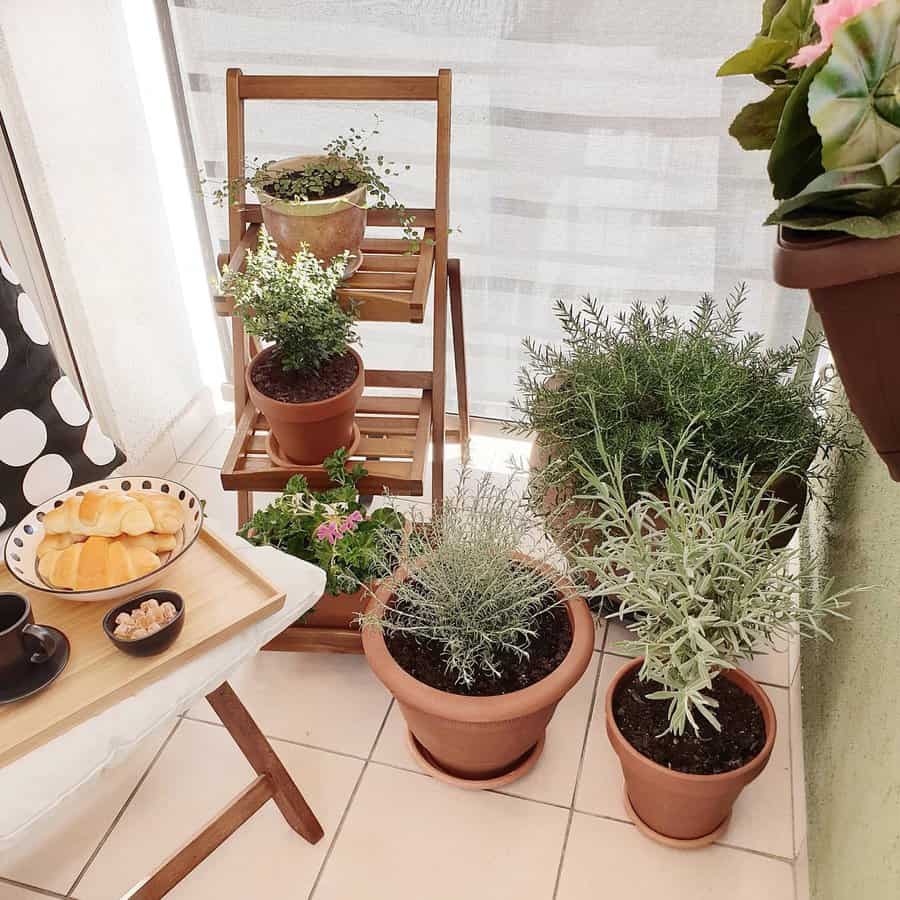
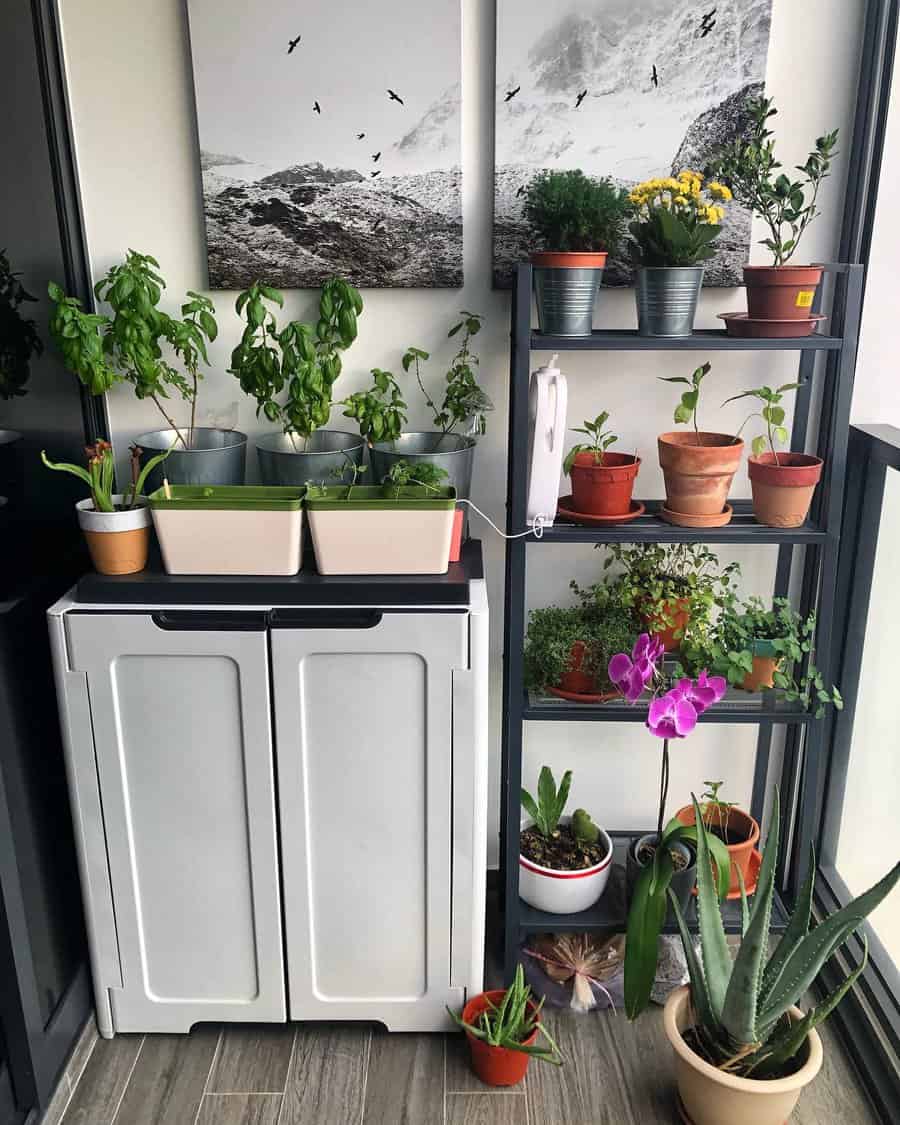
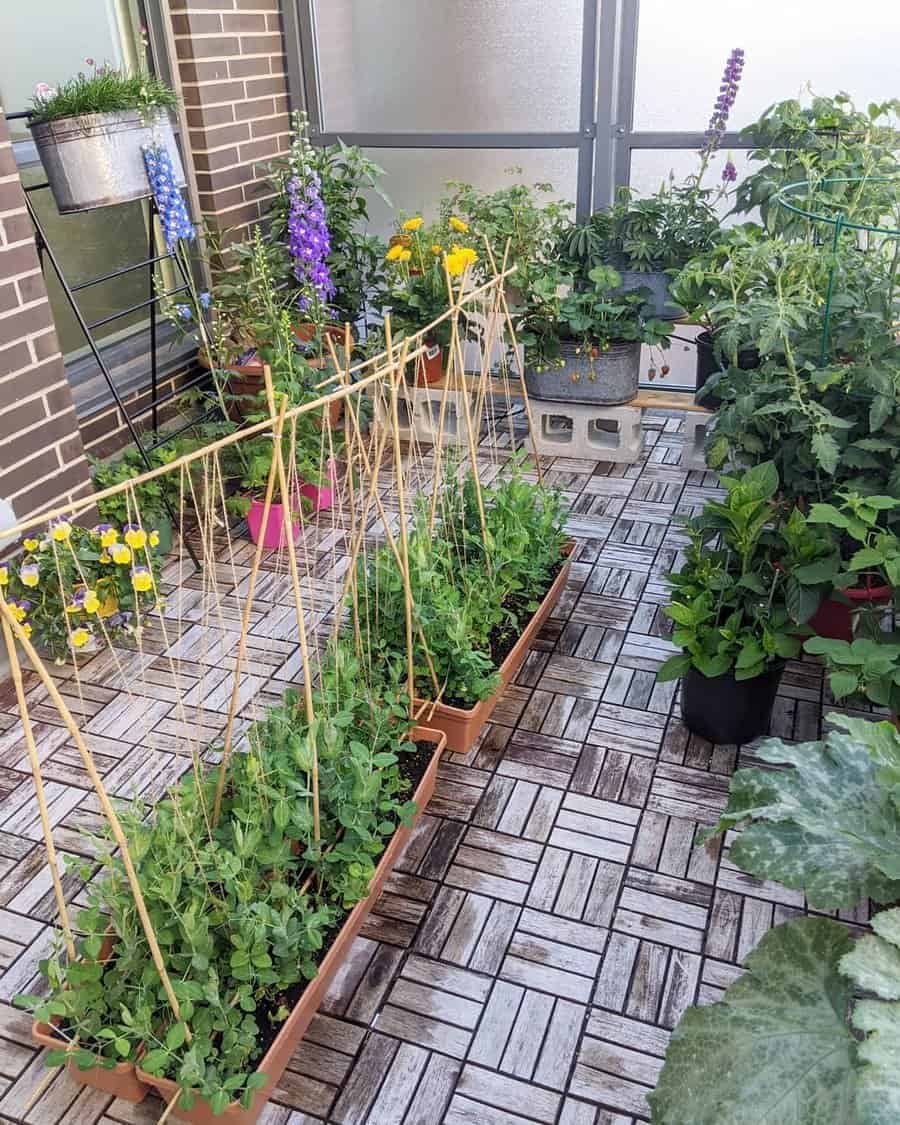
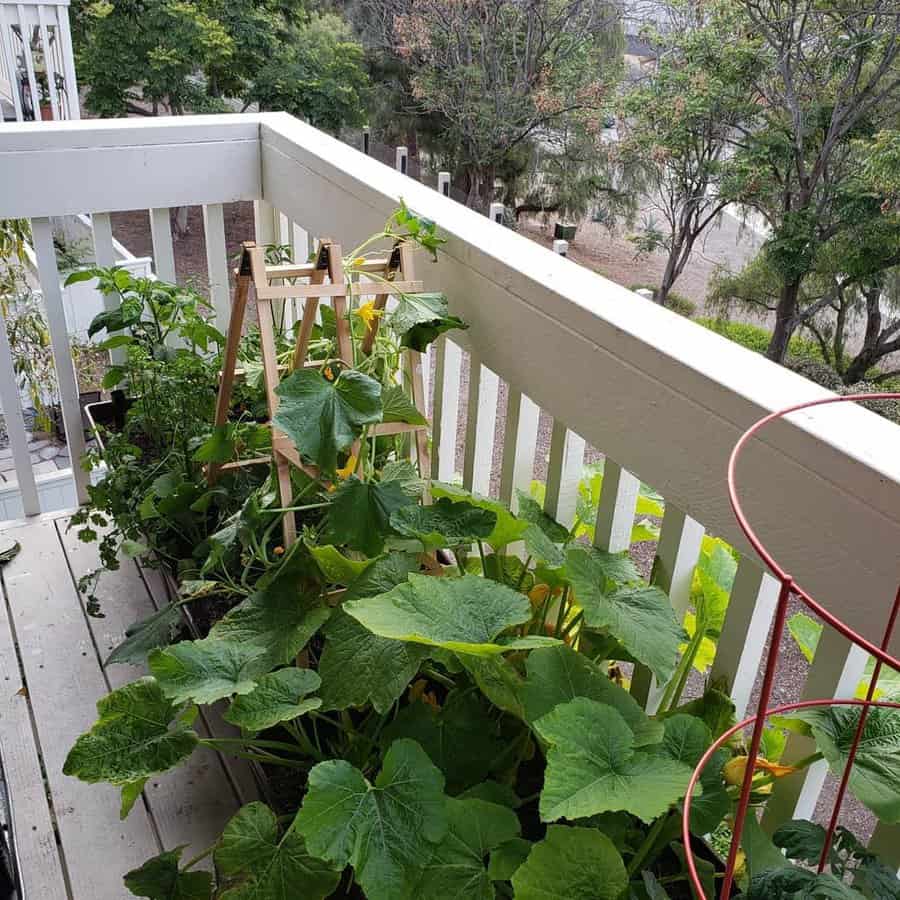
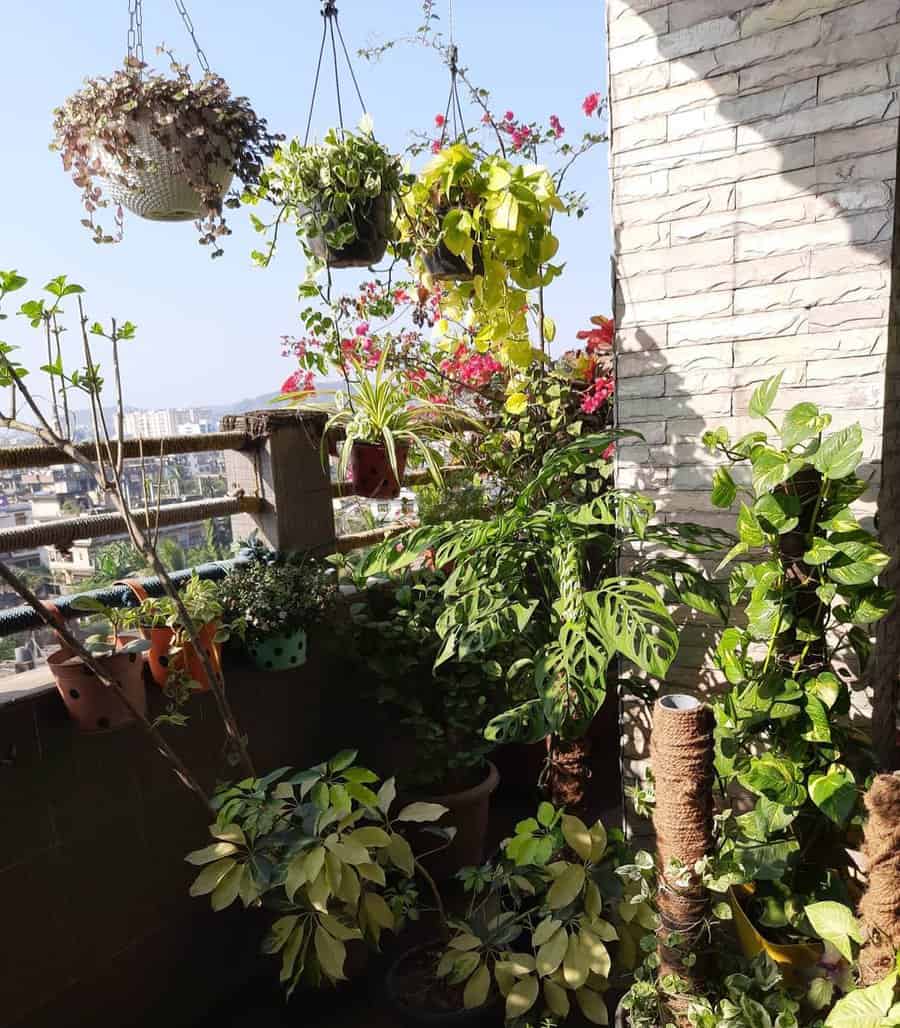
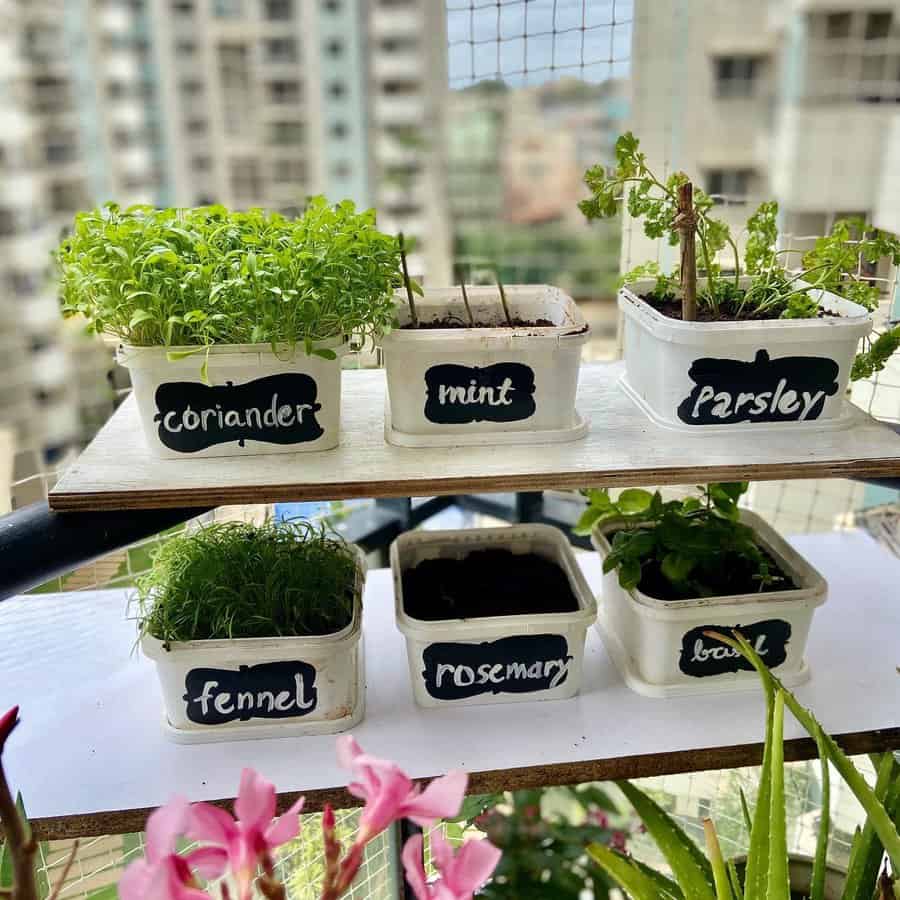
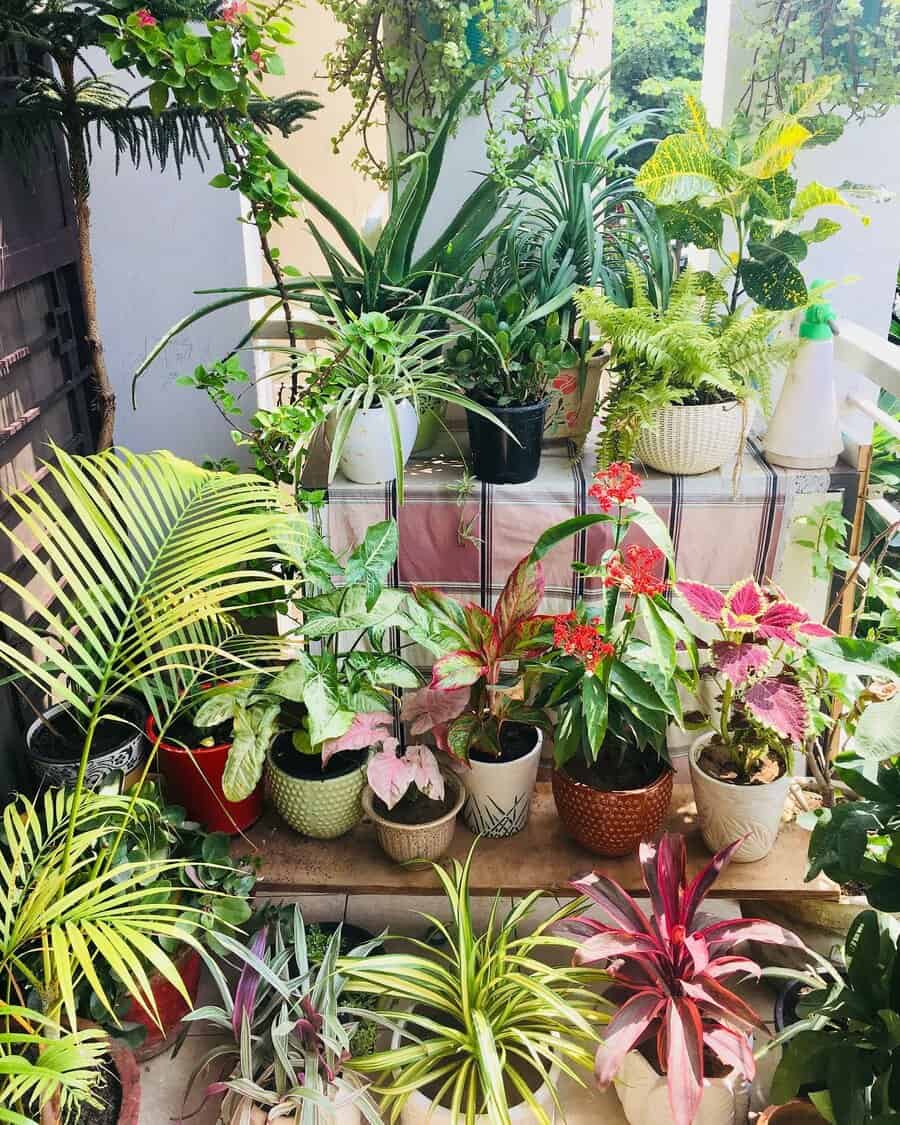
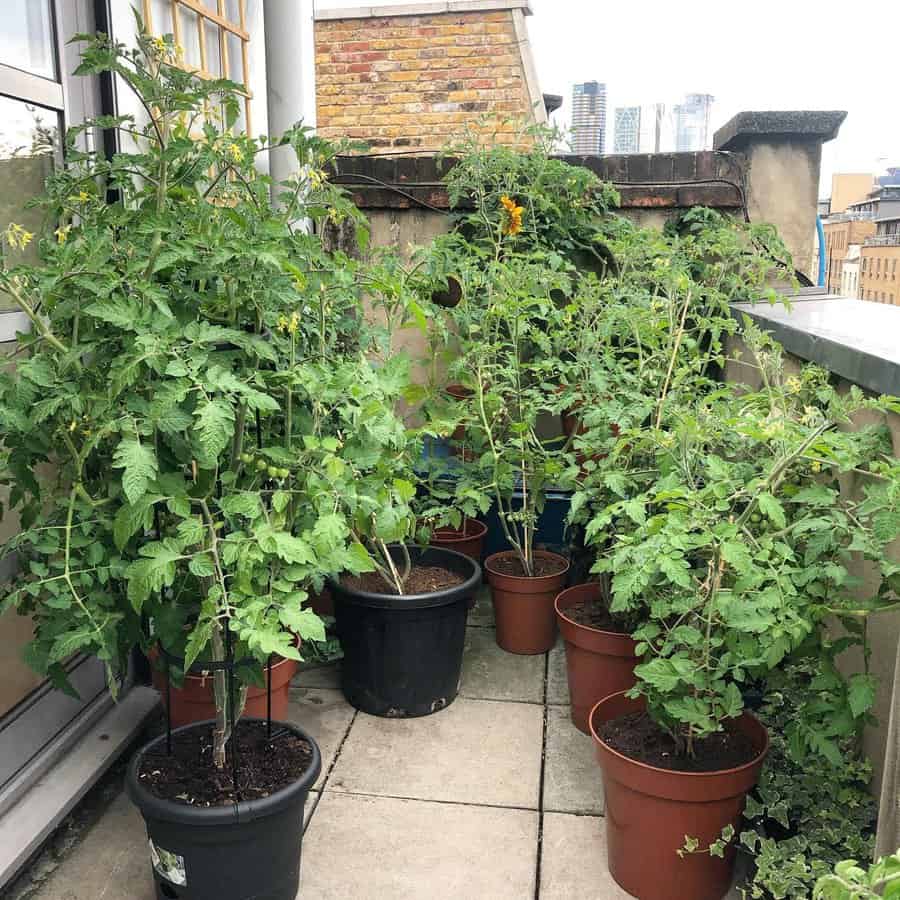
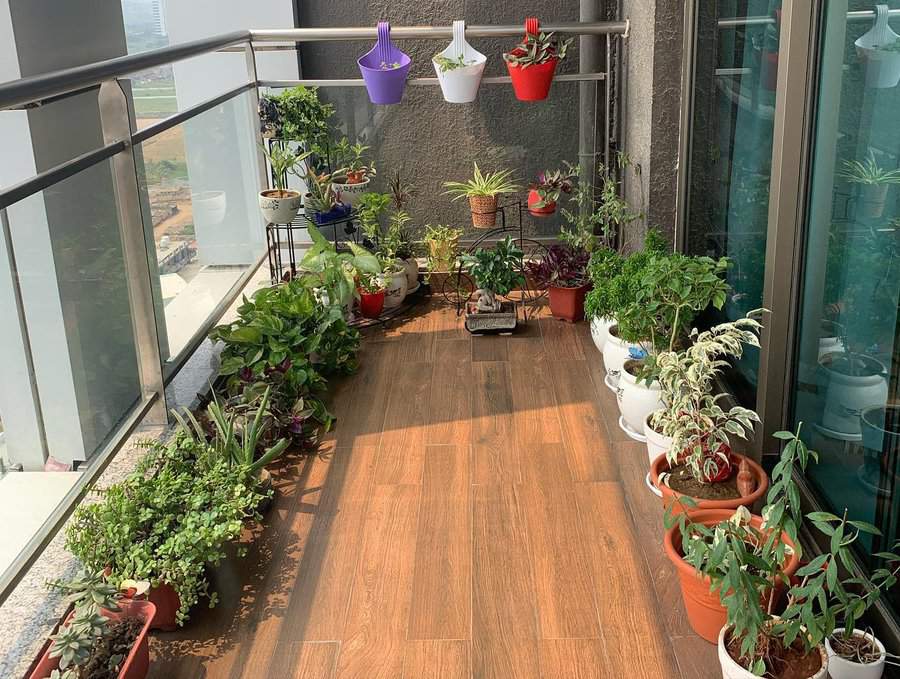
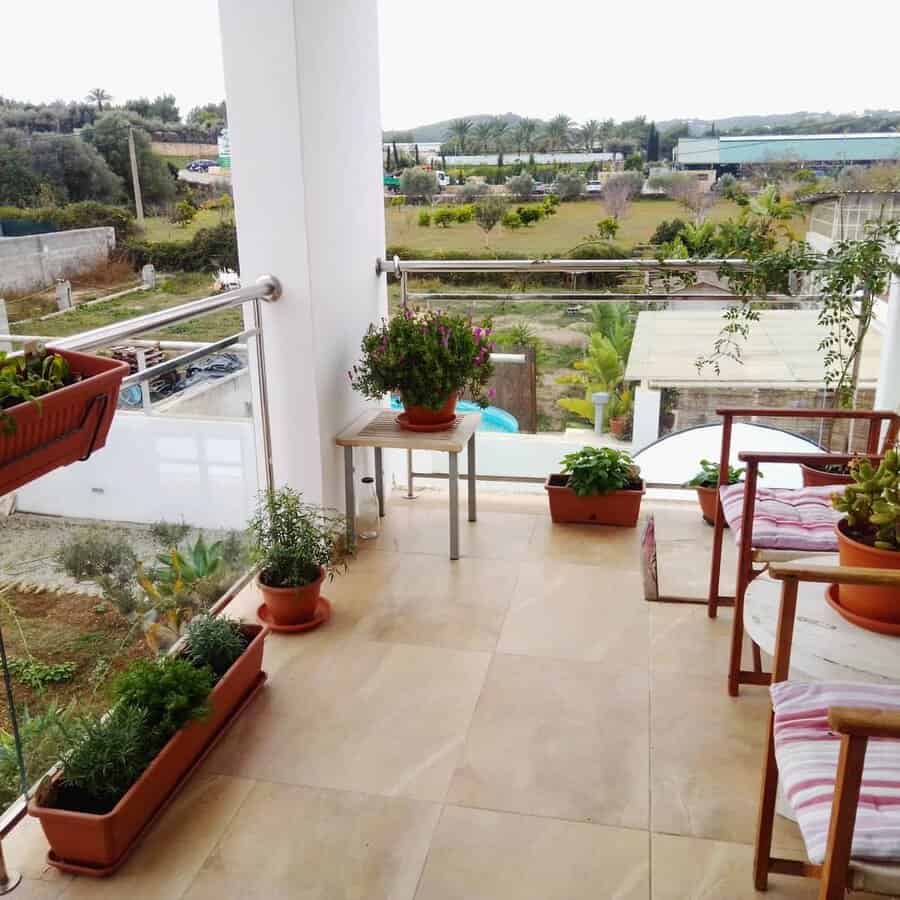
“The glory of gardening: hands in the dirt, head in the sun, heart with nature. To nurture a garden is to feed not just on the body, but the soul.” – Alfred Austin
When designing your garden, you need to think beyond the type of mulch you want to use and the plants you want to grow.
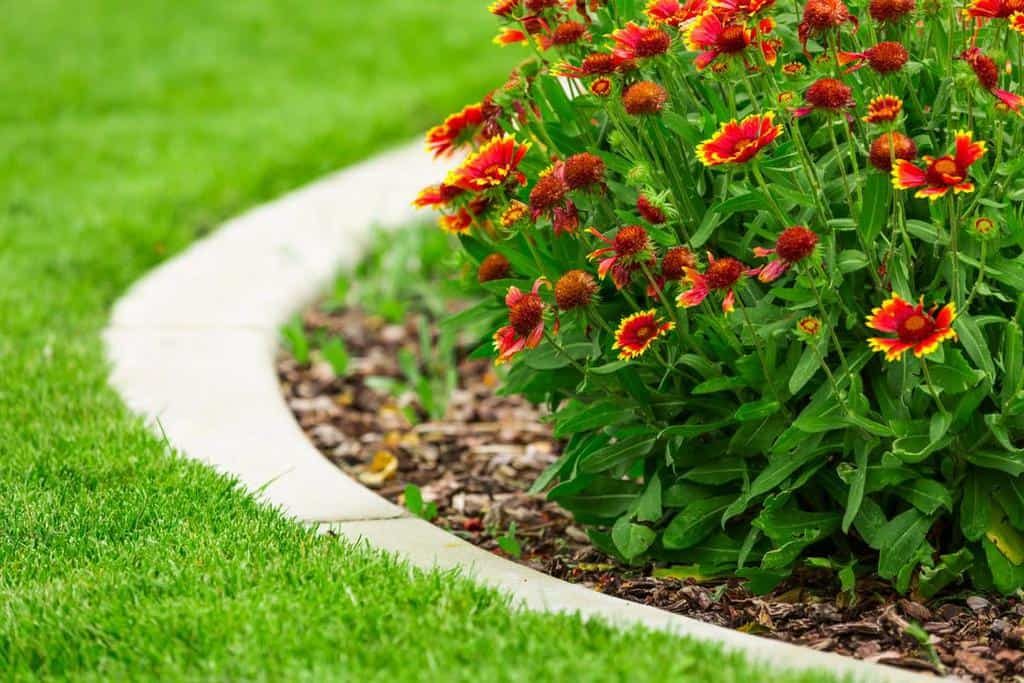
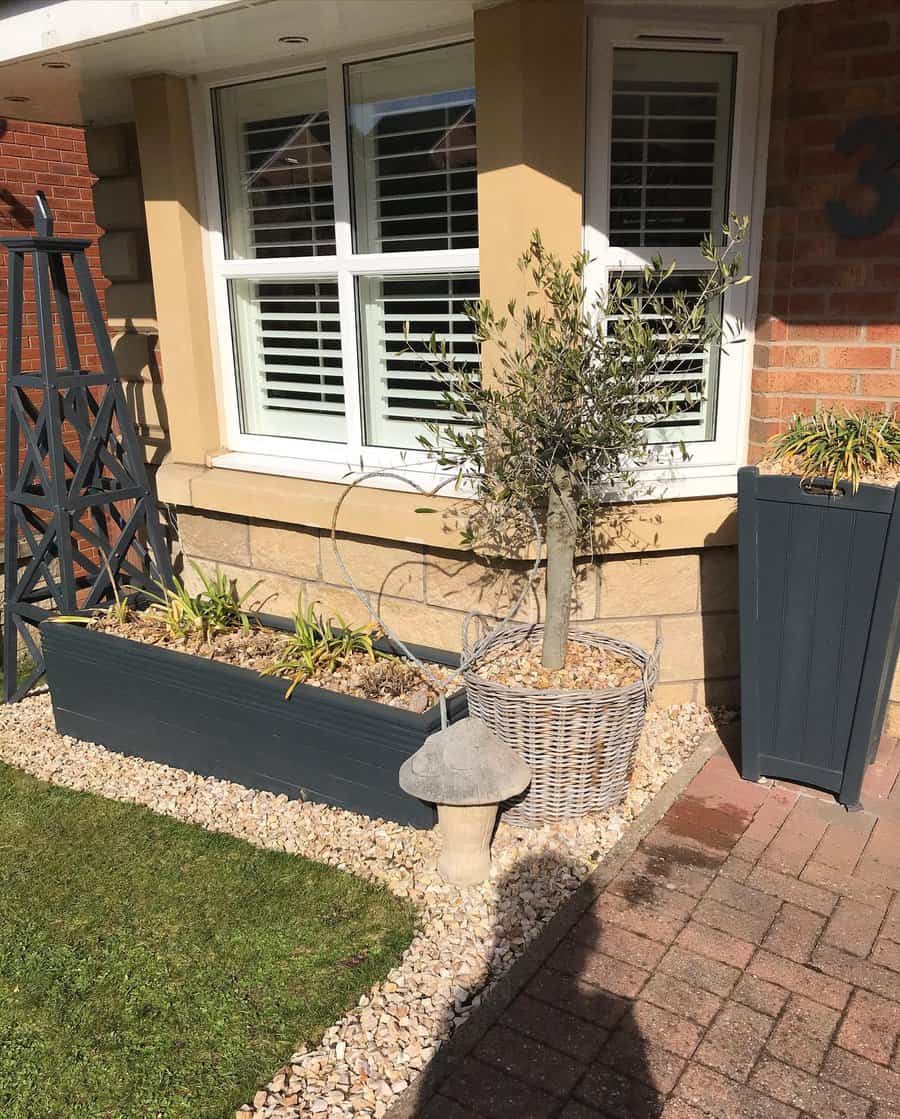
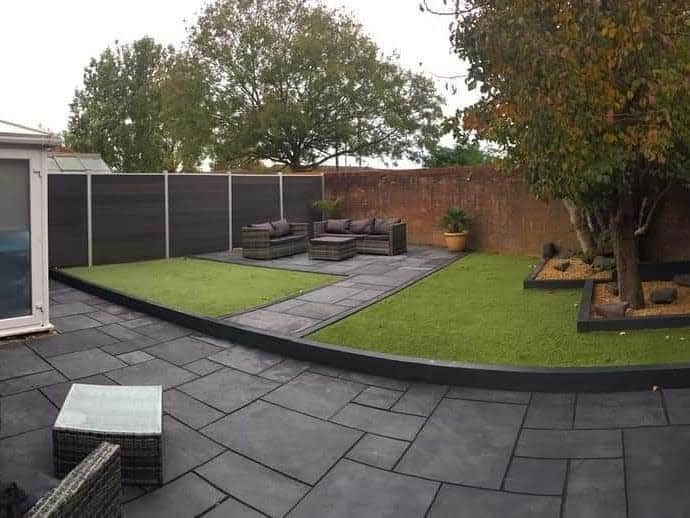
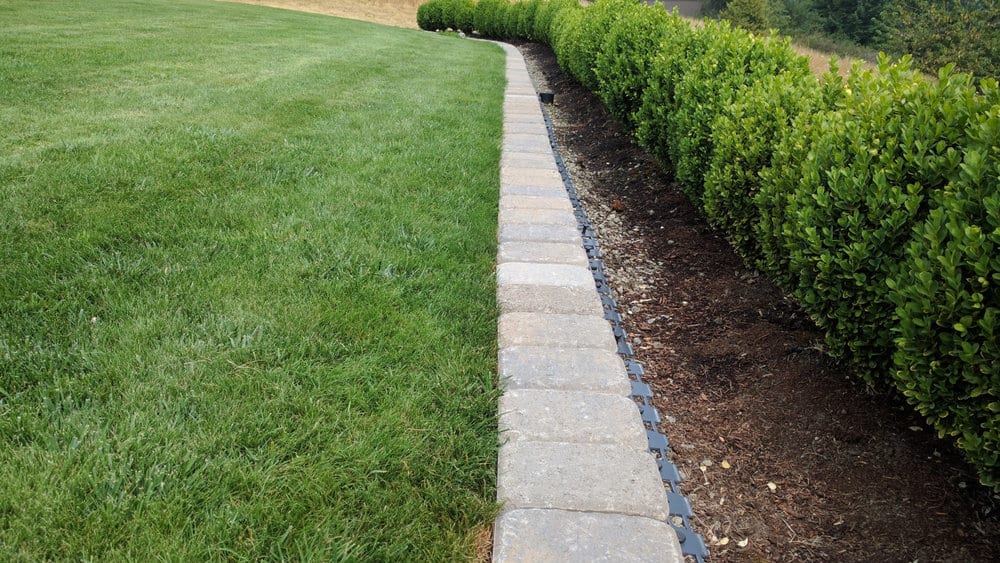
There’s one small piece of your garden that many people treat as an afterthought or don’t consider at all. This is a big mistake and, ultimately, will make your outdoor space look sloppy. Garden edging is a must to give your garden a crisp outline and make it look well cared for.
These creative garden edging ideas can help you figure out how to finish off the edge of your garden to give it a professional look.
[view_toc]
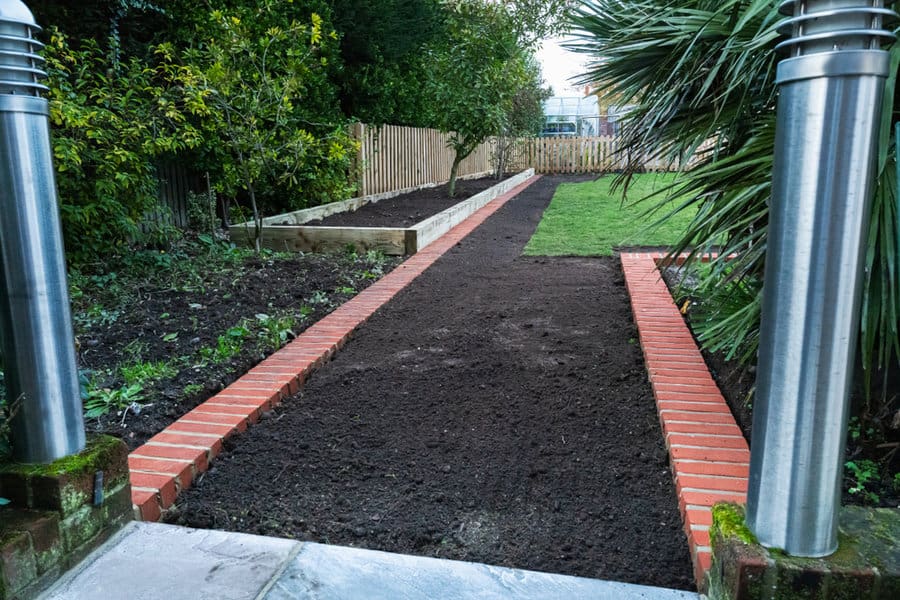
1. Red Bricks
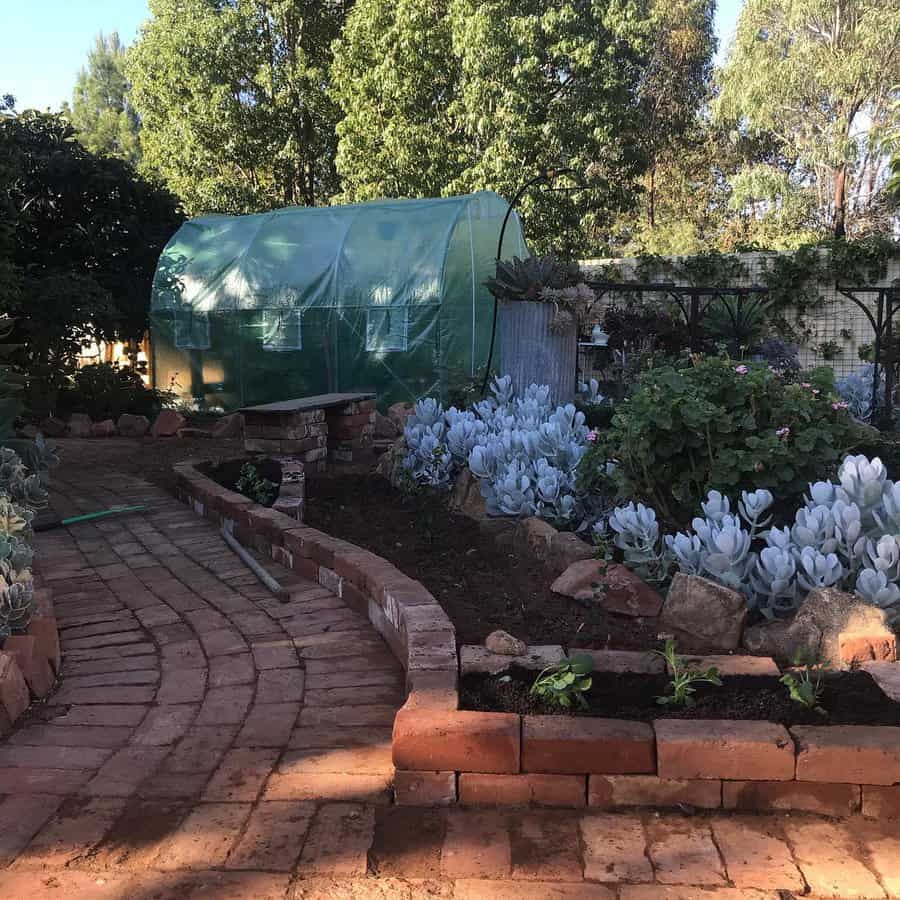
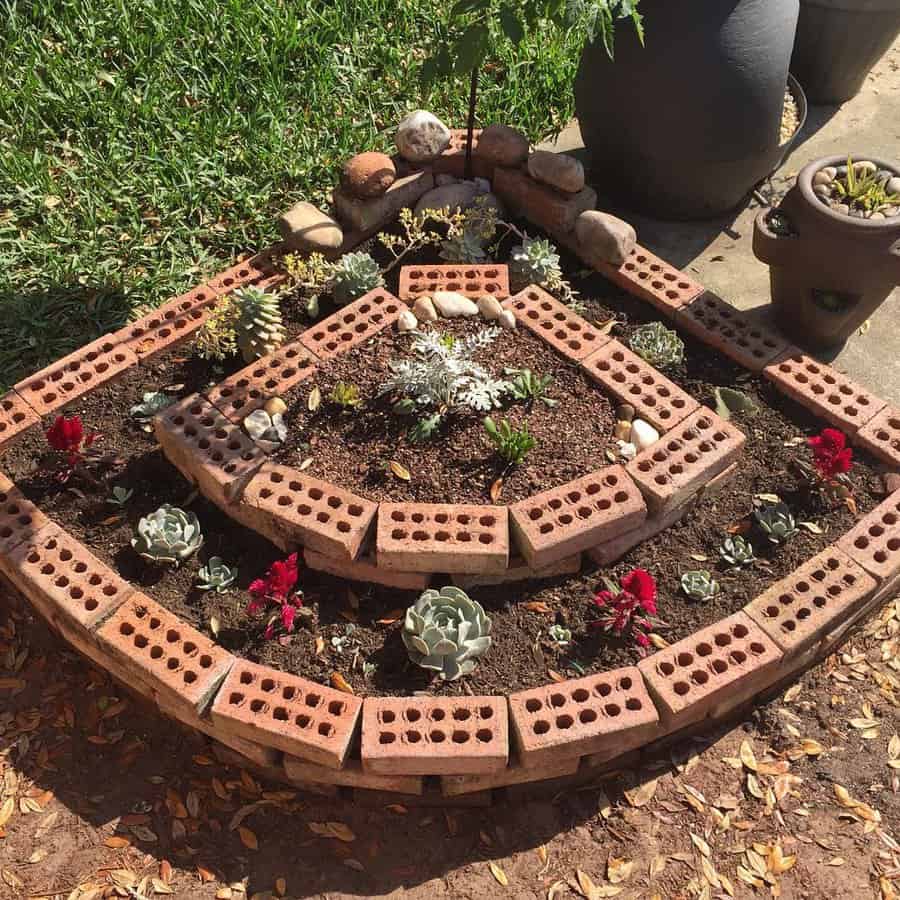
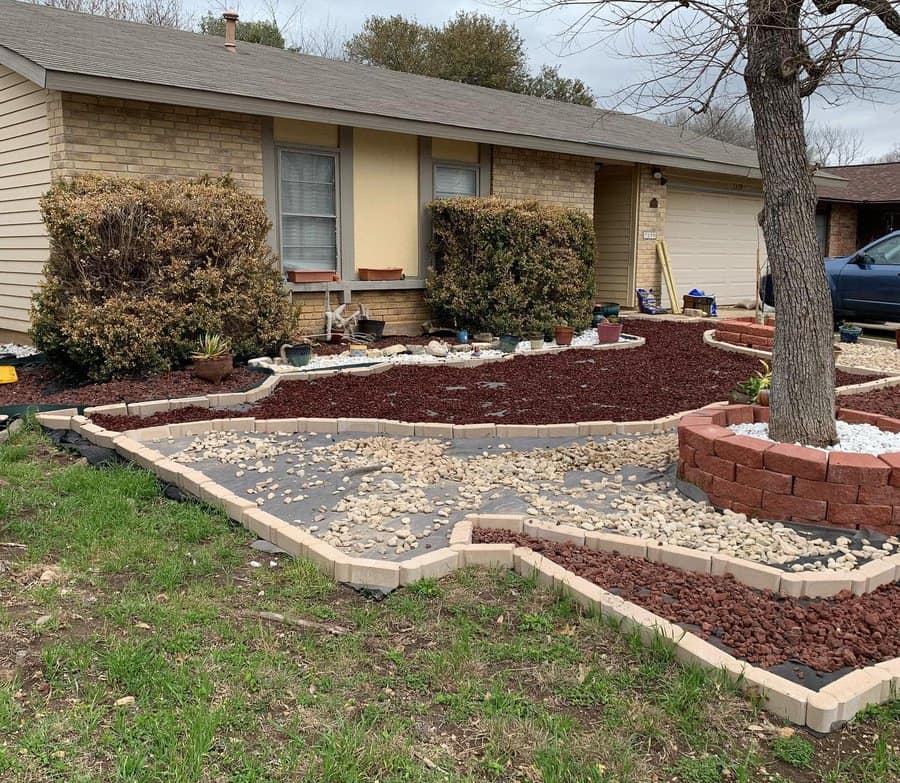
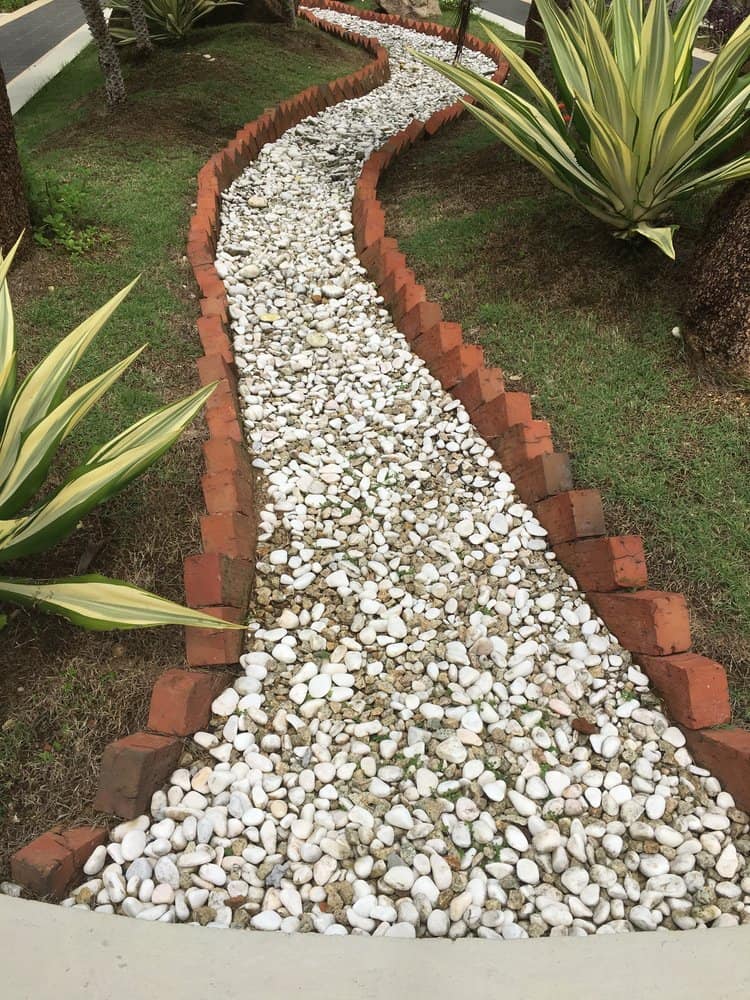
Create a classic, timeless look in your garden with red bricks. Lay them flat in a single row for a sleek border, or stand them upright in a zig-zag pattern for a more dynamic edge. This versatile material complements both traditional and modern gardens, adding a warm, inviting tone.
Source: @gardening_succulent via InstagramSource: @revivedremains via Instagram
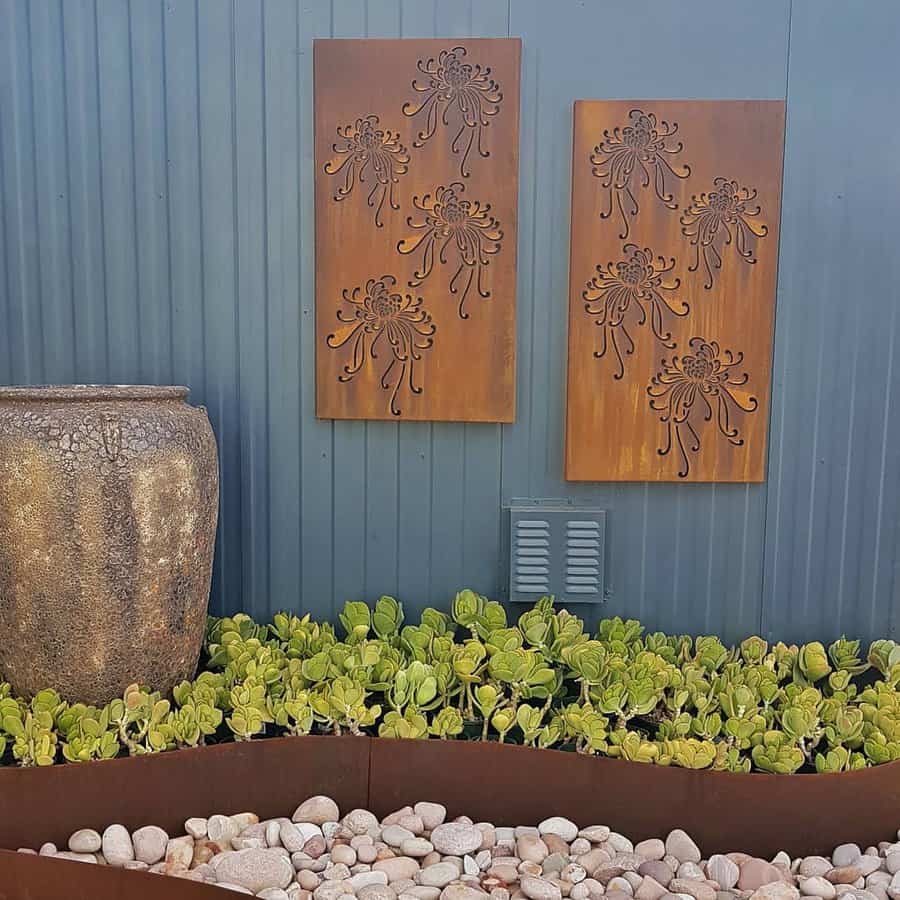
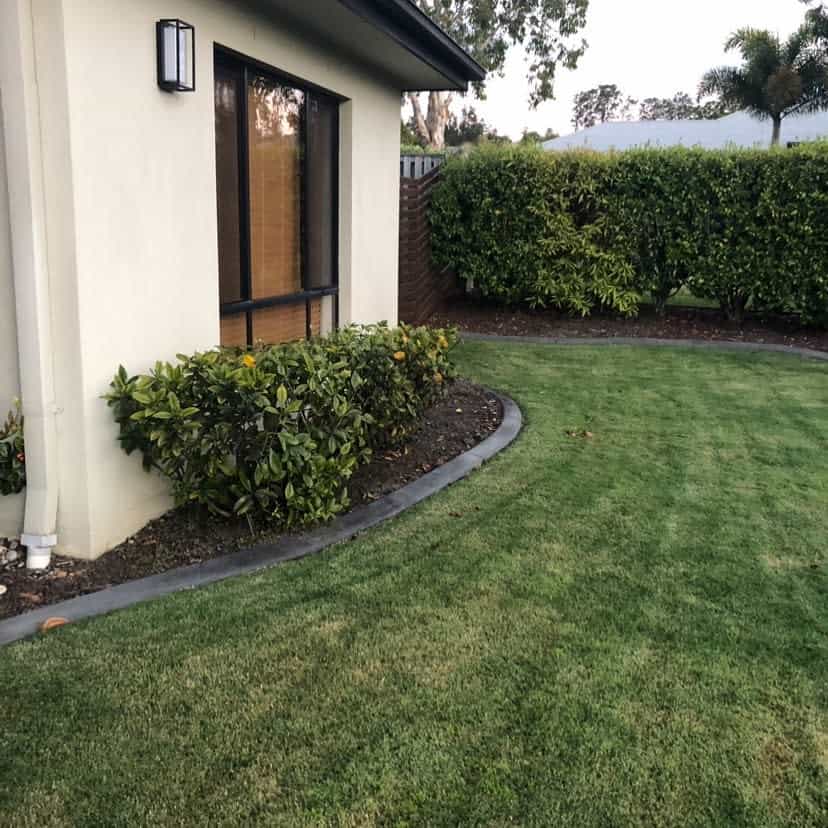
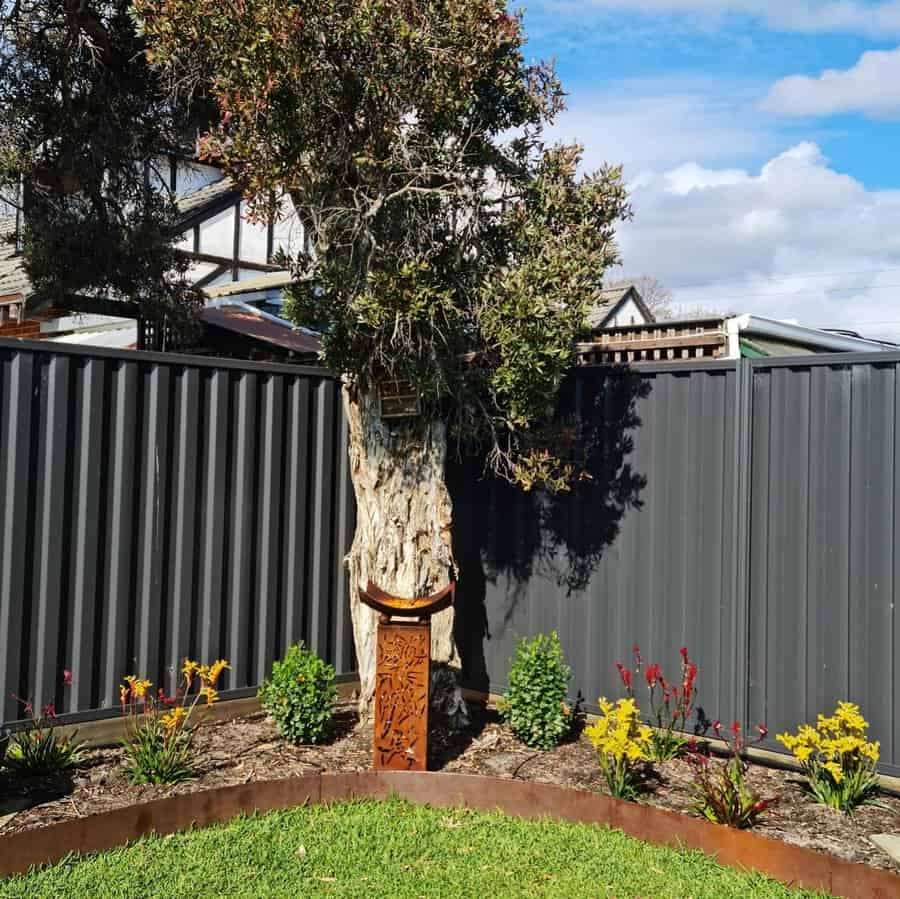
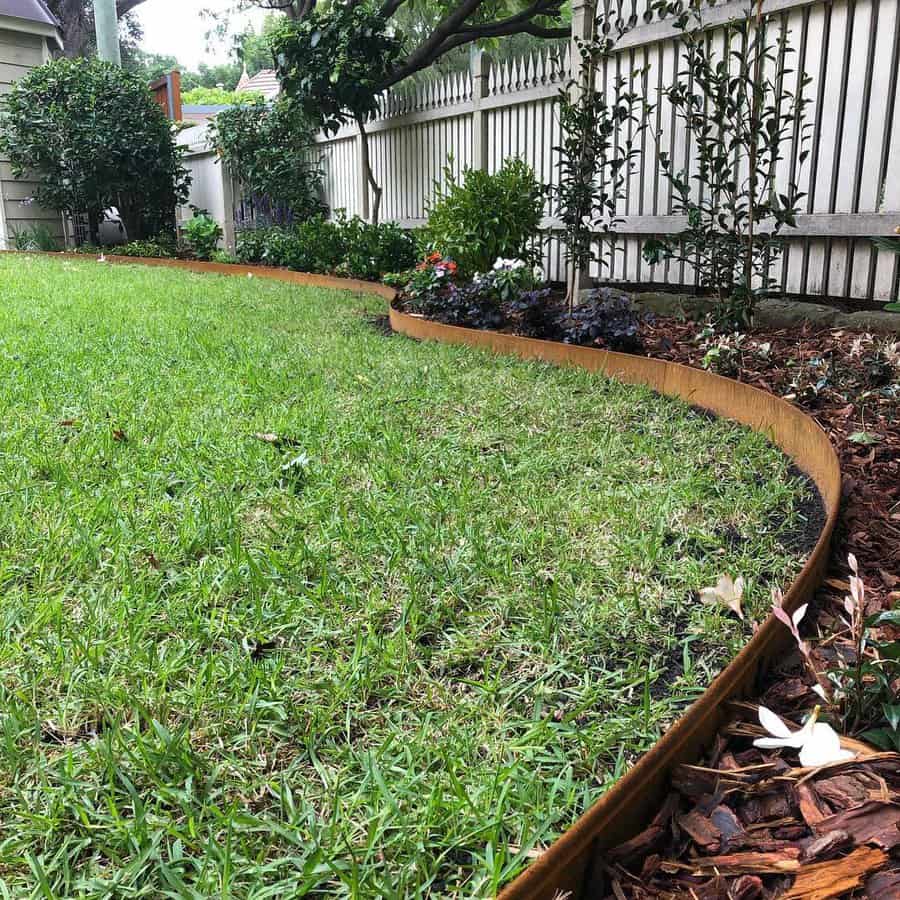
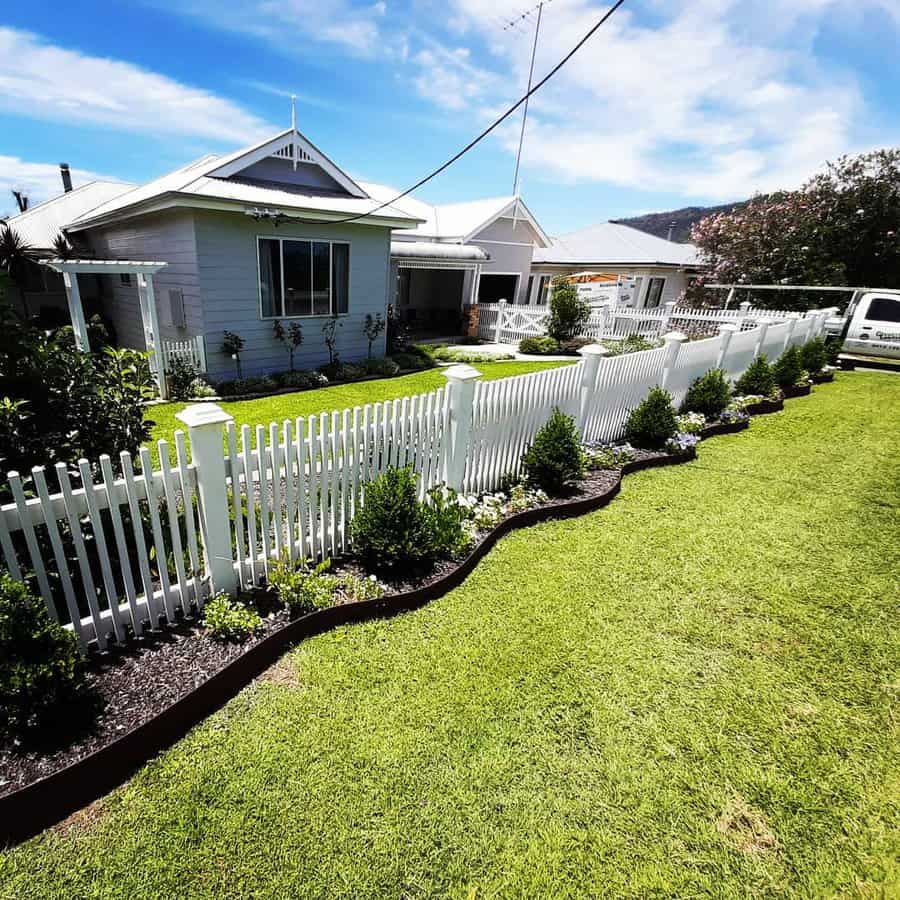
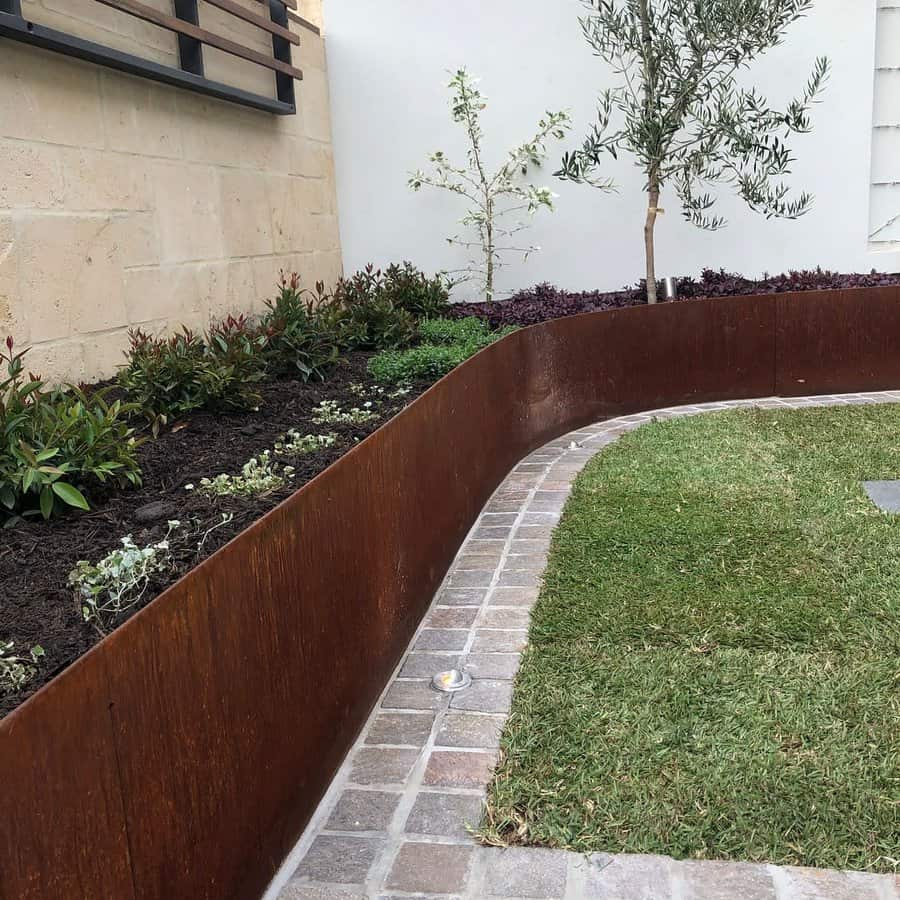
2. Curved Steel
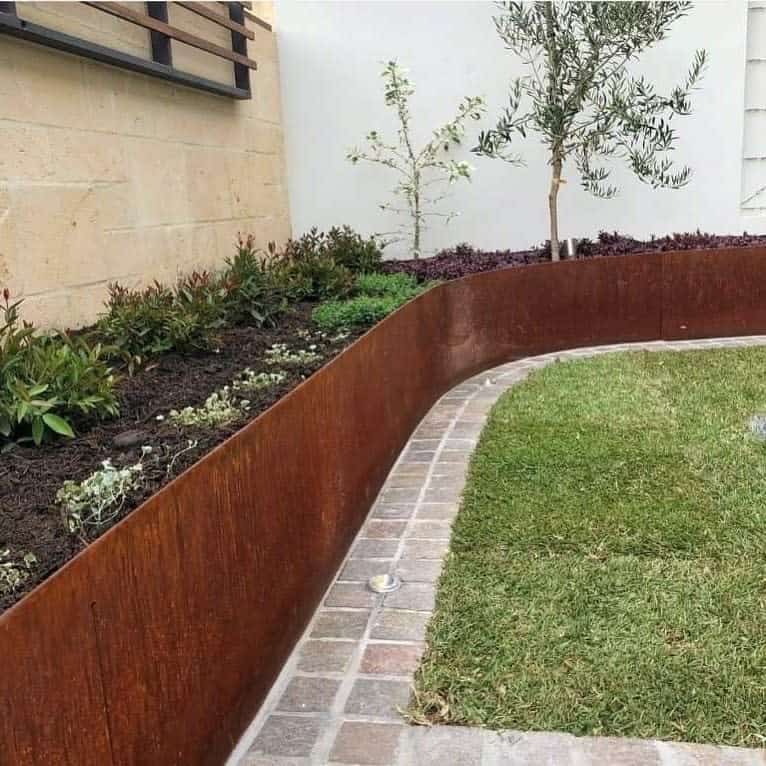
For a contemporary, minimalist edge, consider curved steel. Its sleek lines and shiny finish offer a modern twist, bending easily to follow the natural contours of your garden. It’s also durable and low maintenance, resisting rust and weather elements.
Source: @straightcurvegardenedge via InstagramSource: @designerdirtalbany via Instagram
3. Stone Edging
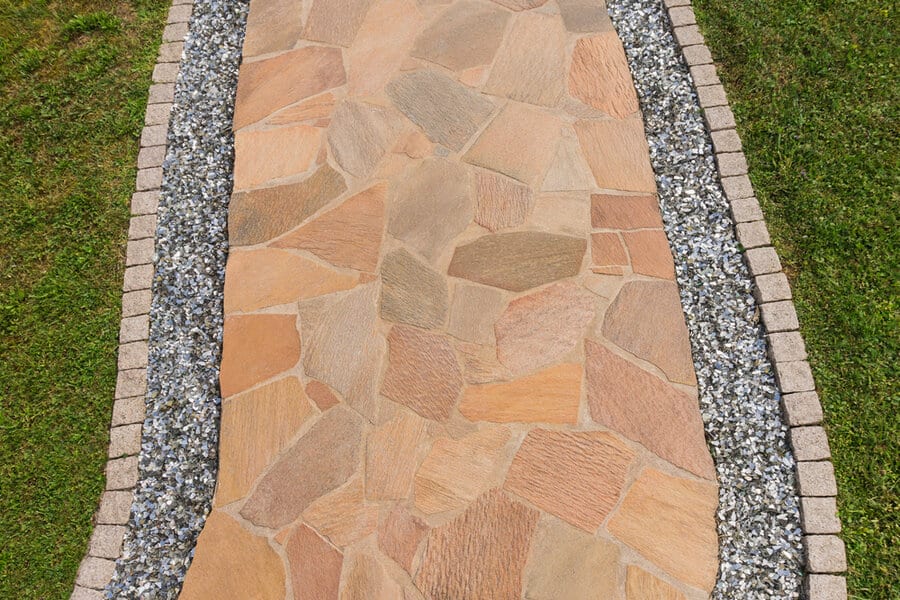
Natural stone edging brings a rustic charm to any garden. Choose from various sizes and colors to match your landscape theme. Laying them in a staggered pattern can create a more natural, organic look, while a uniform height gives a cleaner, more formal appearance.
Source: @bnb__bookandbread via Instagram
4. Wooden Pallet
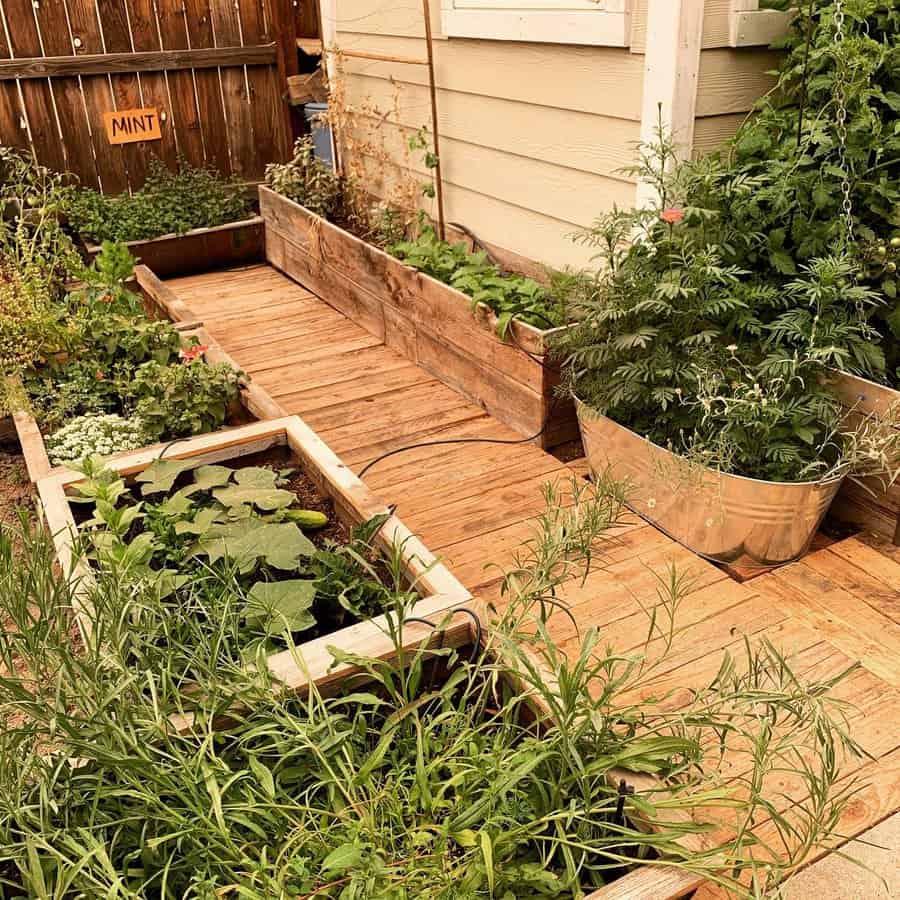
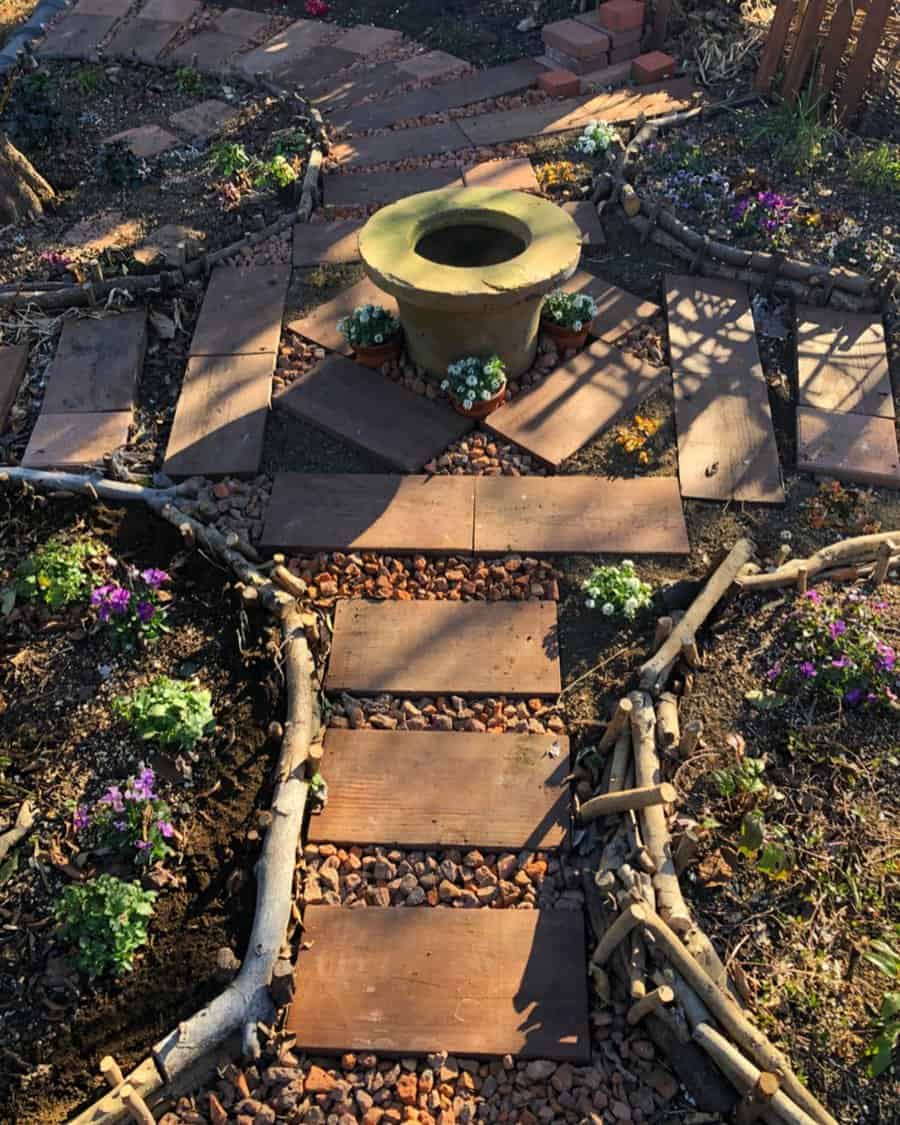
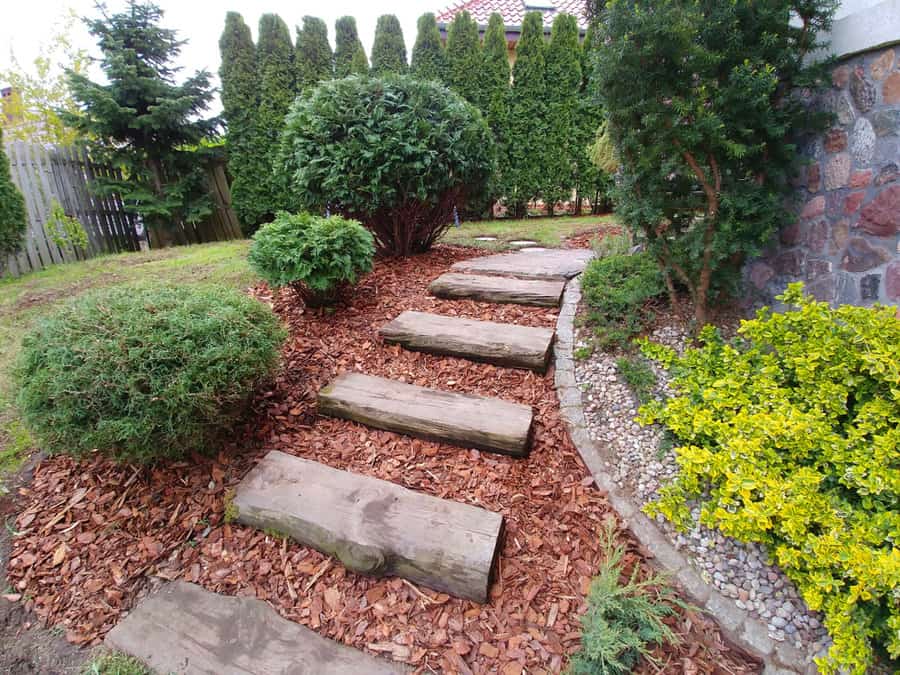
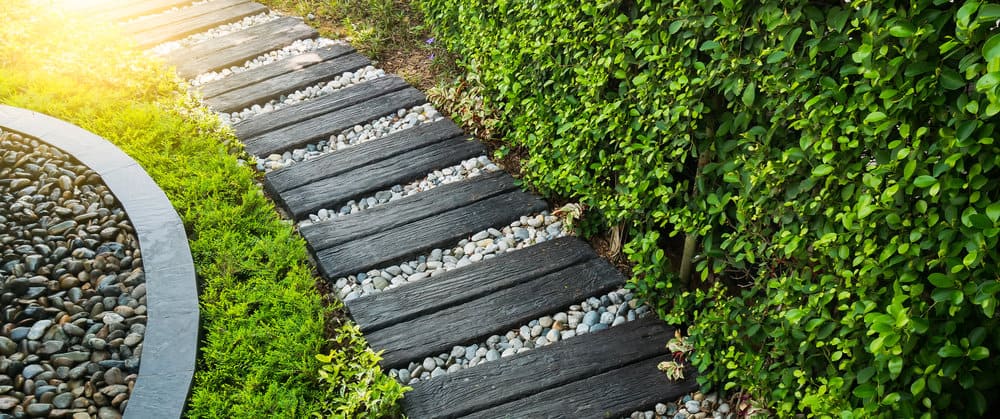
Repurpose wooden pallets for a cost-effective and eco-friendly garden edge. Dismantle them and use the slats horizontally for a country-style look or vertically for a more contemporary feel. Seal or paint the wood to enhance durability and match your garden’s aesthetic.
Source: @eco_garden_jr via InstagramSource: @ashs.backyardgarden via InstagramSource: @yuli_garden via Instagram
5. Repurposed Concrete Roofing Tile
Give old concrete roofing tiles a new life as garden edging. They offer a unique, rugged look and can be arranged in various patterns. Their weight keeps them in place, and their weathered appearance adds character to both flower beds and pathways.
Source: @wuland_is via Instagram
6. Grass Trimming
For a neat, manicured garden, precise grass trimming is key. Use a string trimmer to maintain a clean line where your lawn meets the garden beds. This simple, cost-effective method enhances the overall tidiness and definition of your garden.
Source: @dimofflandscapingllc via InstagramSource: @bellwayhometorhead via Instagram
7. Concrete Blocks
Concrete blocks are a sturdy and versatile option for garden edging. They can be laid in a simple row for a modern look or stacked for a tiered effect. Fill their holes with soil and plant small flowers or succulents for added beauty and functionality.
Source: @ezgatesngardens via InstagramSource: @jh_woodworksatx via Instagram
8. Wood Planks
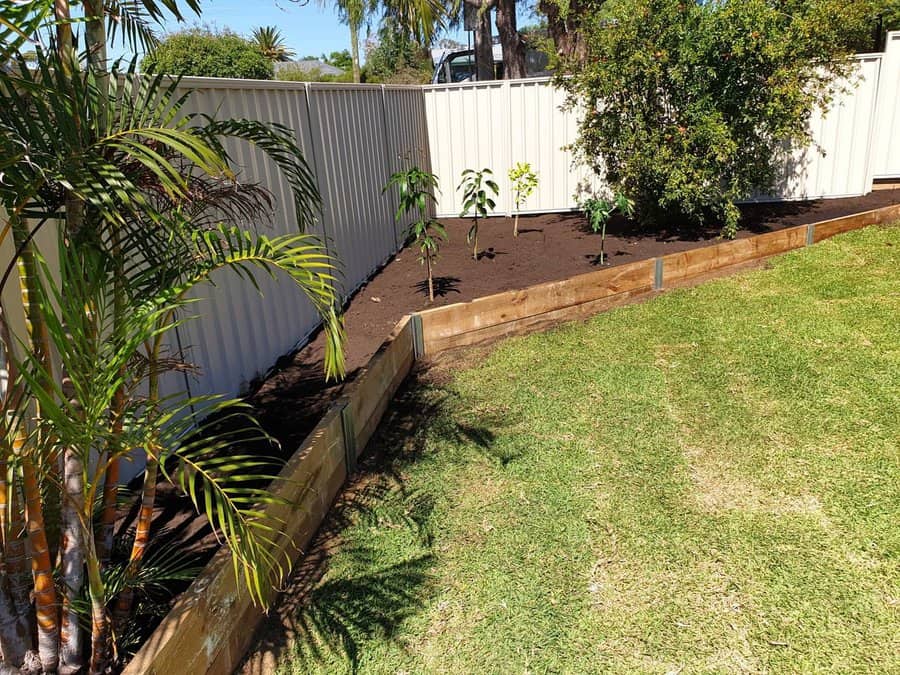
Utilize wood planks for a straight, clean edge that adds a natural, rustic charm. They can be cut to any length, making them ideal for custom-shaped gardens. Treat the wood to prevent rot and termite damage, ensuring a long-lasting border.
Source: @lpmindustriesau via Instagram
9. Rocks
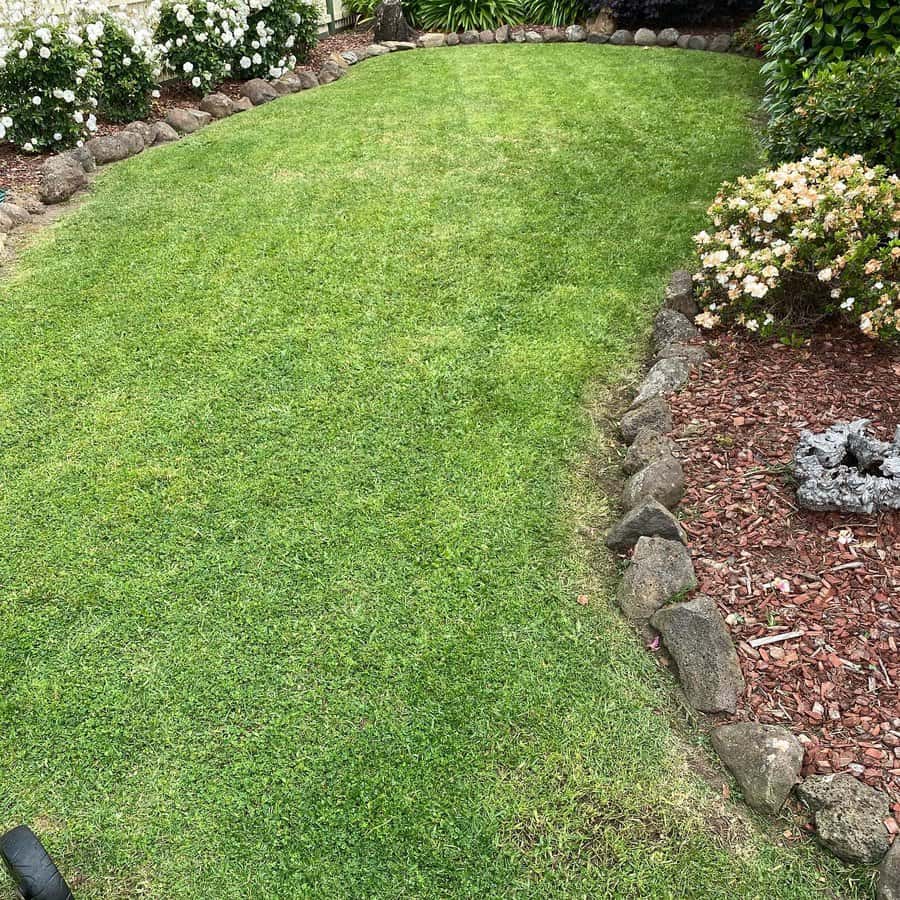
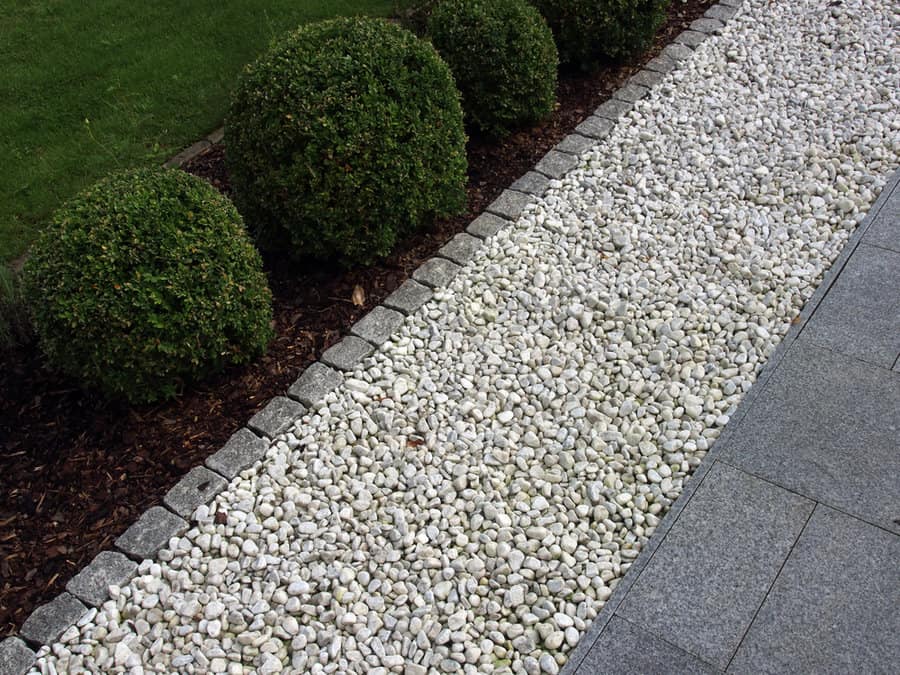
Rocks, whether large or small, add a natural element to your garden edging. They’re perfect for creating a relaxed, informal border and can be arranged in a single row or stacked for a more dramatic effect. Mixing sizes and colors can add texture and visual interest.
Source: @go_with_the_fro via Instagram
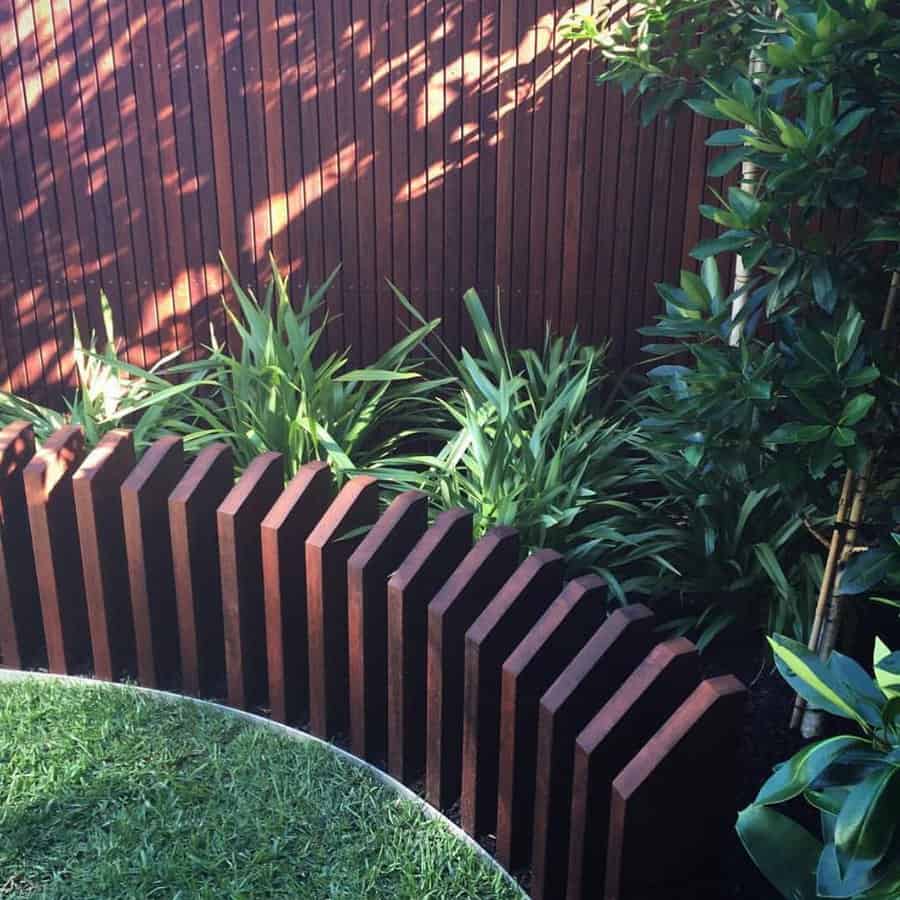
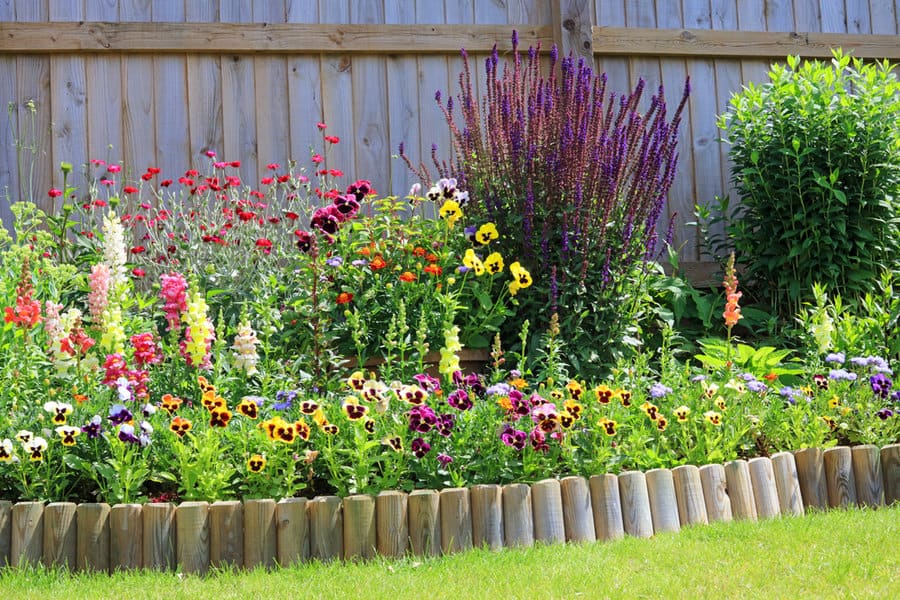
10. Wooden Fence
A low wooden fence not only serves as a garden edge but also as a decorative feature. Paint it to match your outdoor decor, or leave it natural for a more rustic look. This option is great for keeping small pets or critters out of your garden beds.
Source: @centenarylandsc via Instagram
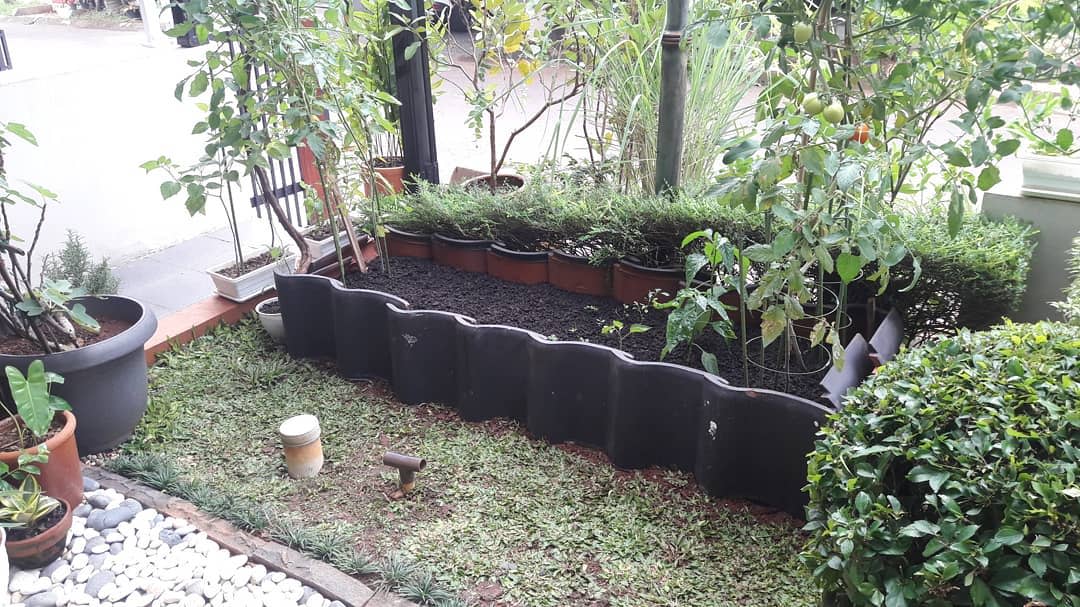
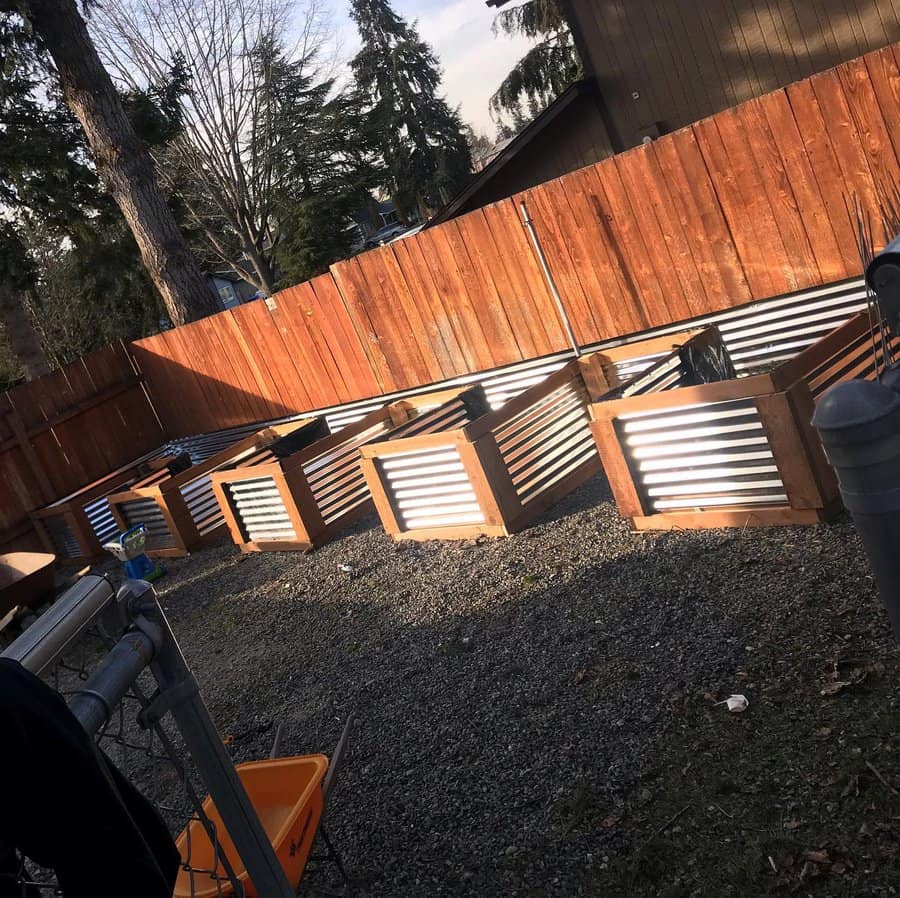
11. Corrugated Steel
Corrugated steel offers a unique, industrial look for garden edging. Its wavy pattern adds texture, and its metallic sheen catches the light beautifully. This material is particularly durable, standing up to harsh weather conditions without needing much maintenance.
Do you have grass growing around your single-family home? Then you aren’t alone. You also aren’t alone in your struggle to maintain it. Sure, most people focus on getting it to grow evenly while avoiding brown spots or dirt patches. However, there’s another unspoken struggle.
You need edging around your lawn to keep it contained. Most people resort to plastic garden edging, but this doesn’t always have the best curb appeal.
These lawn edging ideas will help you contain your lawn while also improving the look of your property.
[view_toc]
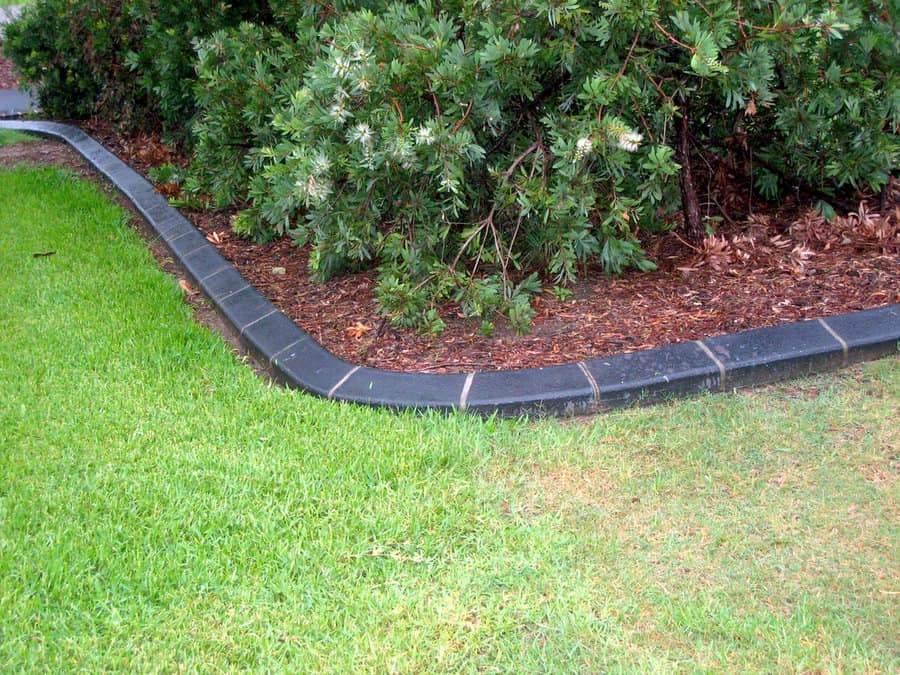
1. Brick Edging
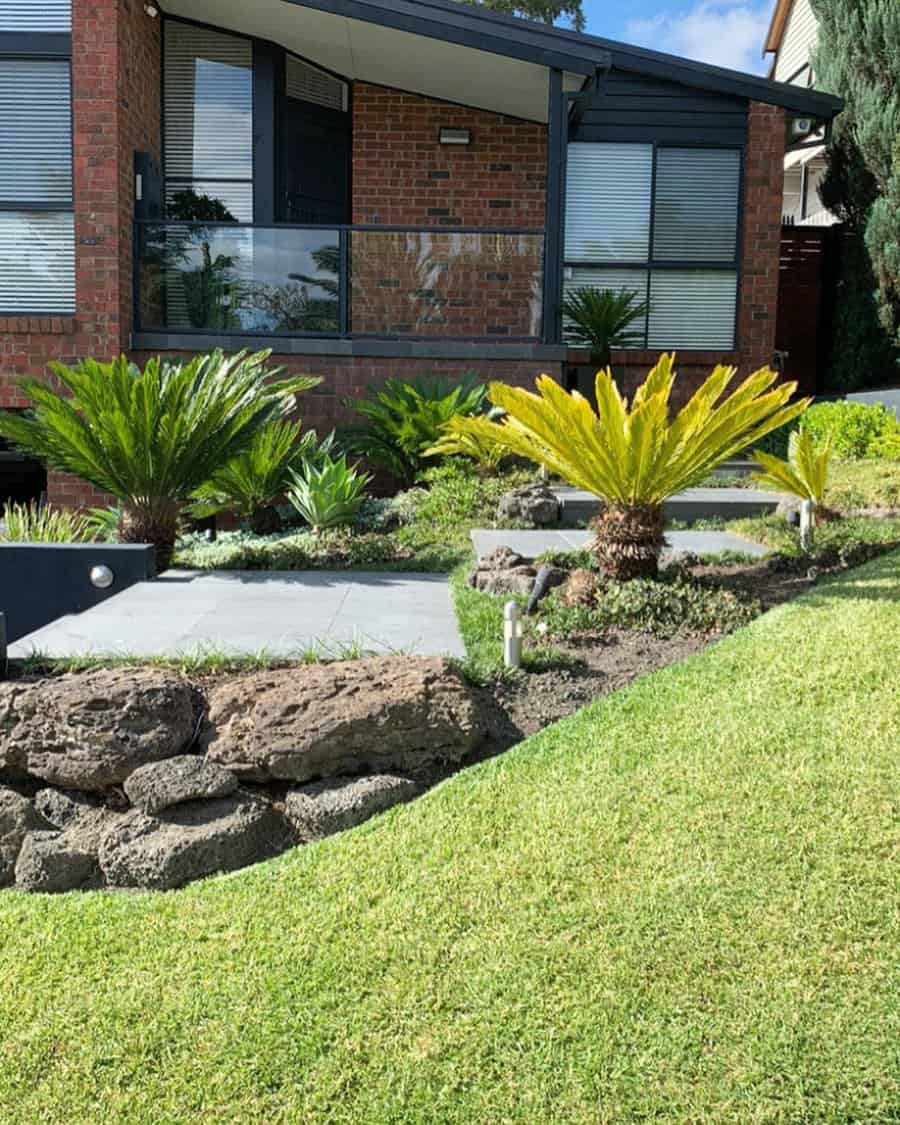
Brick edging is a classic look that will give your home a traditional feel. They have a deep red hue that will stand out among the neutral colors of nature.
If your home already has a brick facade, they will complement the house and create an intentional design.
However, if your home doesn’t already have a traditional design, then it’s best to look for brick pavers. These are similar to bricks but have a more modern and contemporary feel. While traditional bricks come in one shape, rectangle, modern pavers come in various shapes and sizes.
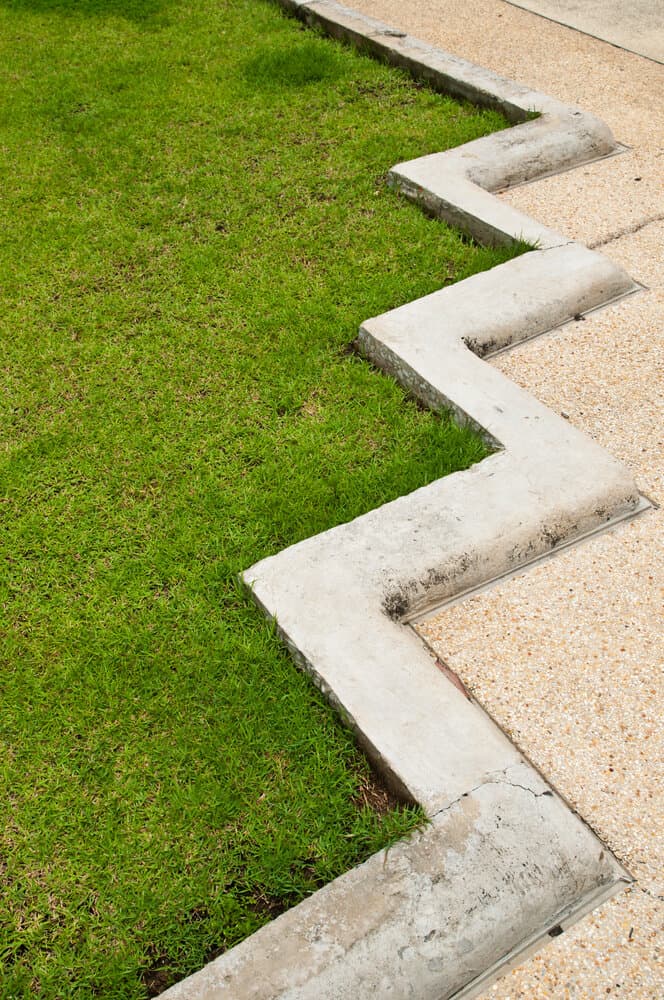
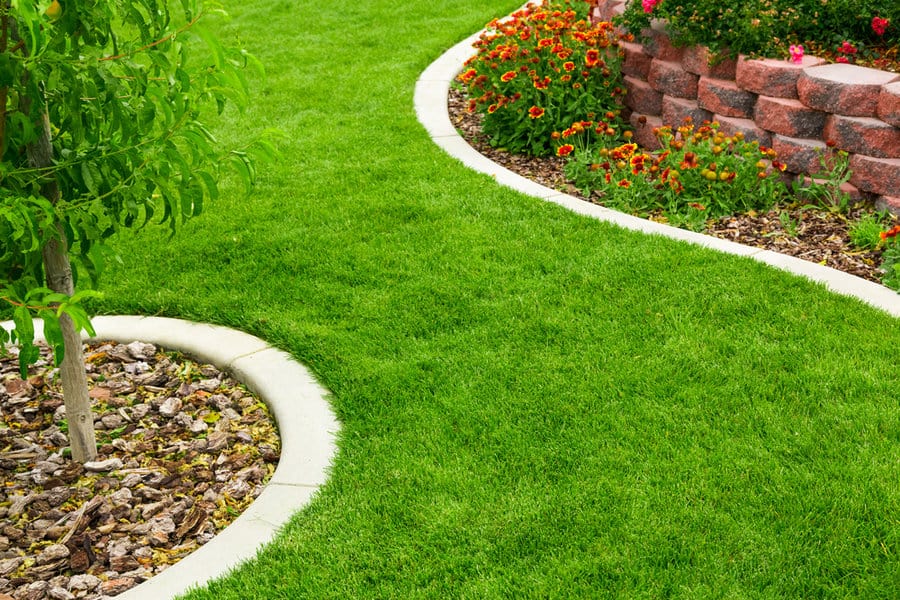
2. Concrete Edging
There’s a reason concrete is one of the most widely used commercial construction materials. It’s strong, durable, corrosion-resistant, affordable, and low maintenance. This makes it a smart choice for your edging material.
Source: @rina_wills_86 via InstagramSource: @robleslawncareservices via Instagram
While you could use cinder blocks, this isn’t the most attractive option. Instead, look for concrete edging that’s poured and formed into shapes. It could be a simple decorative scallop design or one that mimics natural stone. Either way, you can enjoy the benefits of concrete slabs without having to accept your home’s landscaping looking like a commercial site.
3. Decorative Fence
While your landscape edging is there to serve a purpose, there is so much more to it. A beautiful option is terra cotta. It has a bold orange-red color and pairs perfectly with terracotta pots. This edging idea is perfect for creating an eclectic or bohemian feel to your home’s exterior.
The natural color of the terracotta adds a natural touch of color and can boost curb appeal. If the earthy red doesn’t appeal to you, other decorative options include glass, wood shingles, stamped metal, or bamboo shoot sheeting. All of these add a stylistic appeal to your landscaping.
4. Landscaping
When adding a landscape border, look beyond your lawn. Continue the border along your flowerbeds, garden bed, or vegetable garden. This creates a cohesive look to all of your garden edging and improves the overall look of your property.
Source: @gardenologyke via InstagramSource: @lbpromedia via InstagramSource: @southerncrosslawnsandgardens via Instagram
If you add a border to your flower bed, you can then cover this area with mulch and not worry about it floating or blowing away.
Check out garden edging ideas for options that are slightly raised. This will help create a border that prevents the spread of grass while also containing your garden ground cover. For example, paver stones and concrete can both be built up to create a raised garden bed effect.
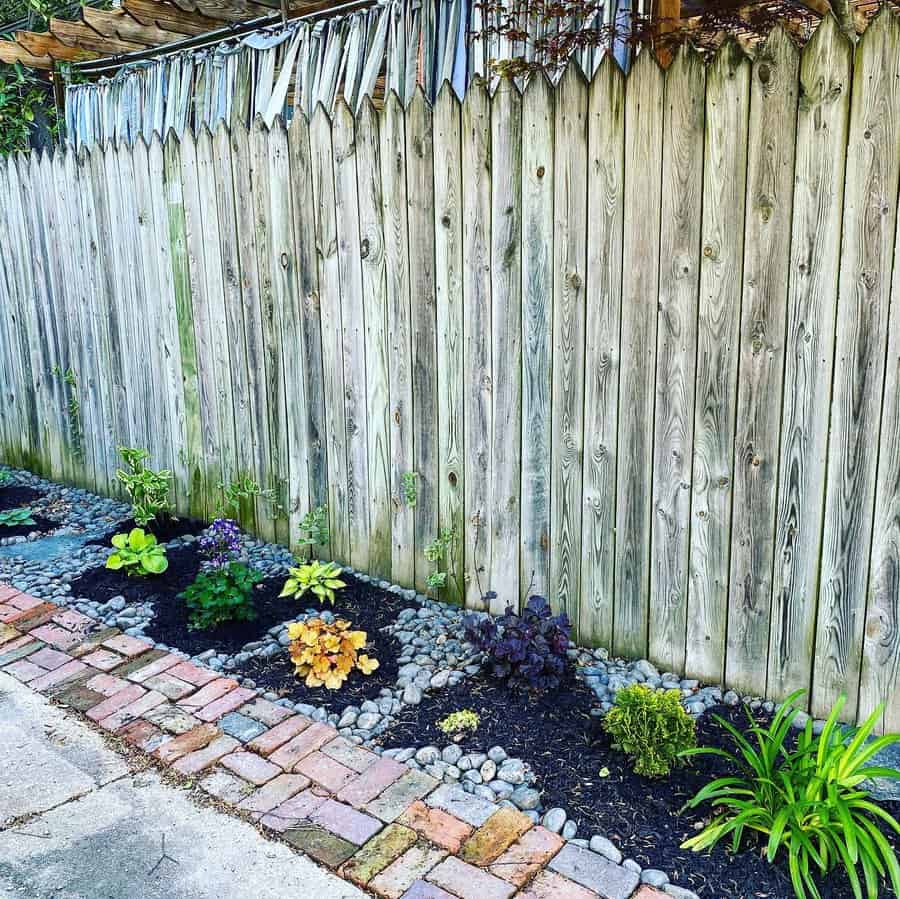
5. Rocks and Pebbles
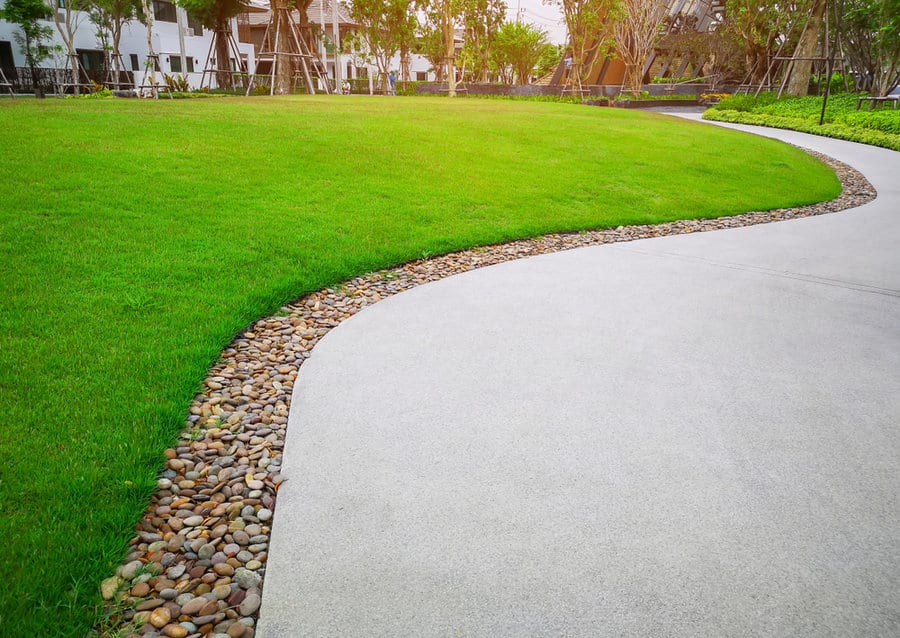
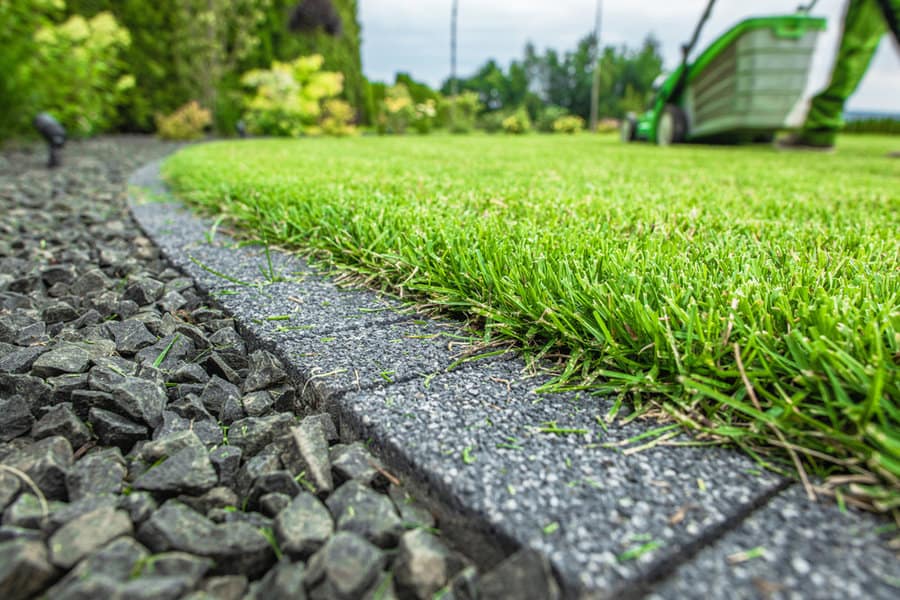
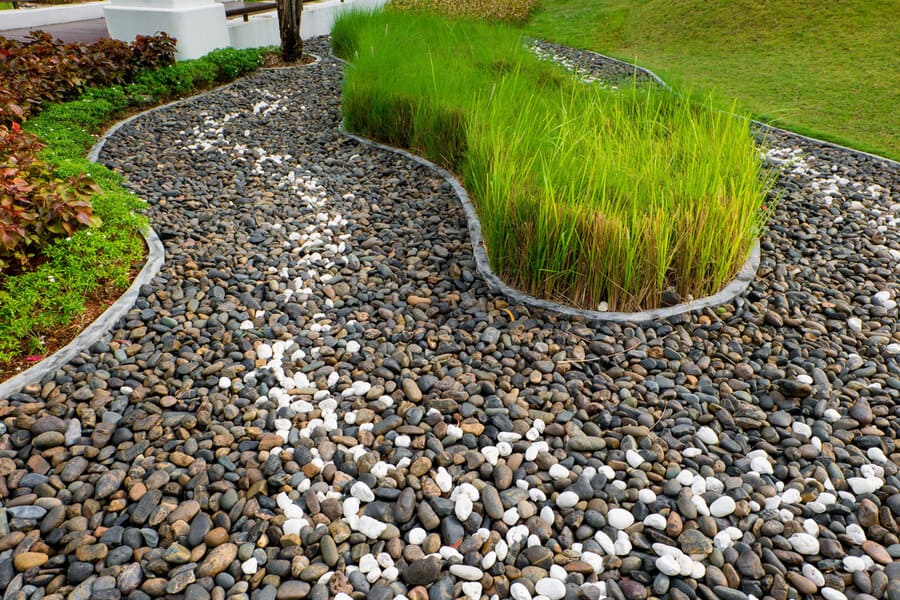
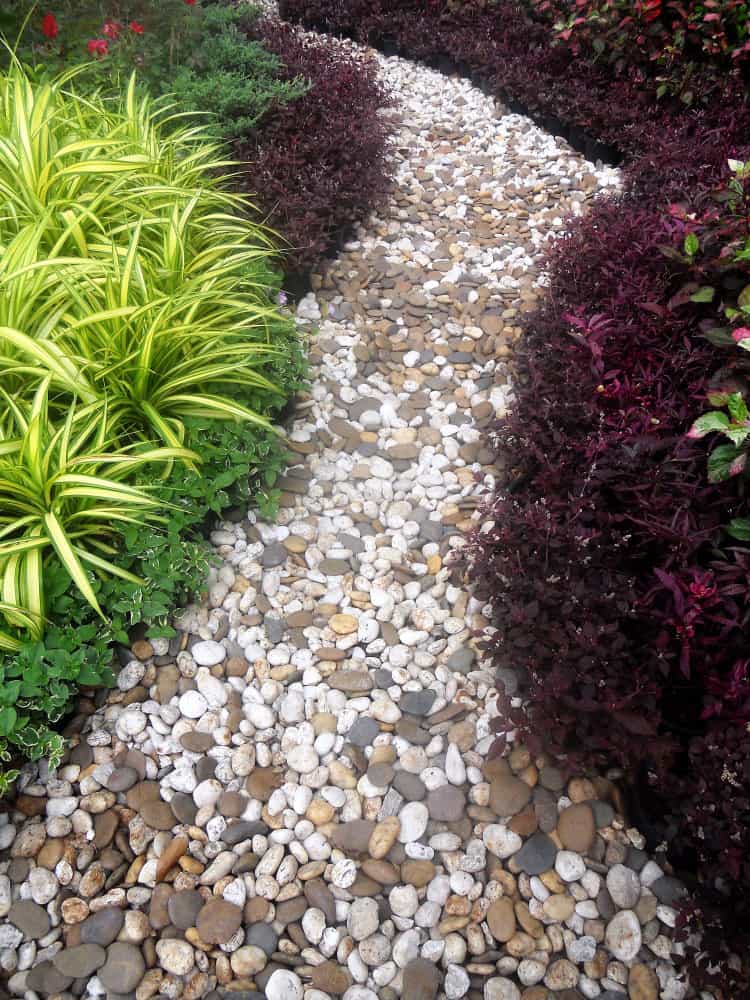
River rocks are a natural stone edging solution that gives your landscaping a unique look. The smaller stones have a smooth texture and uniform color, making them perfect for creating a border. Their smaller size makes them ideal for filling your trench edging.
What’s nice about this border is that they allow water to filter through. This helps with proper drainage and to keep your lawn adequately watered. The stones are also durable, making them low maintenance.
Source: @brandon_lawn_whisperer via InstagramSource: @athomewithaysha via InstagramSource: @showtimelawns via Instagram
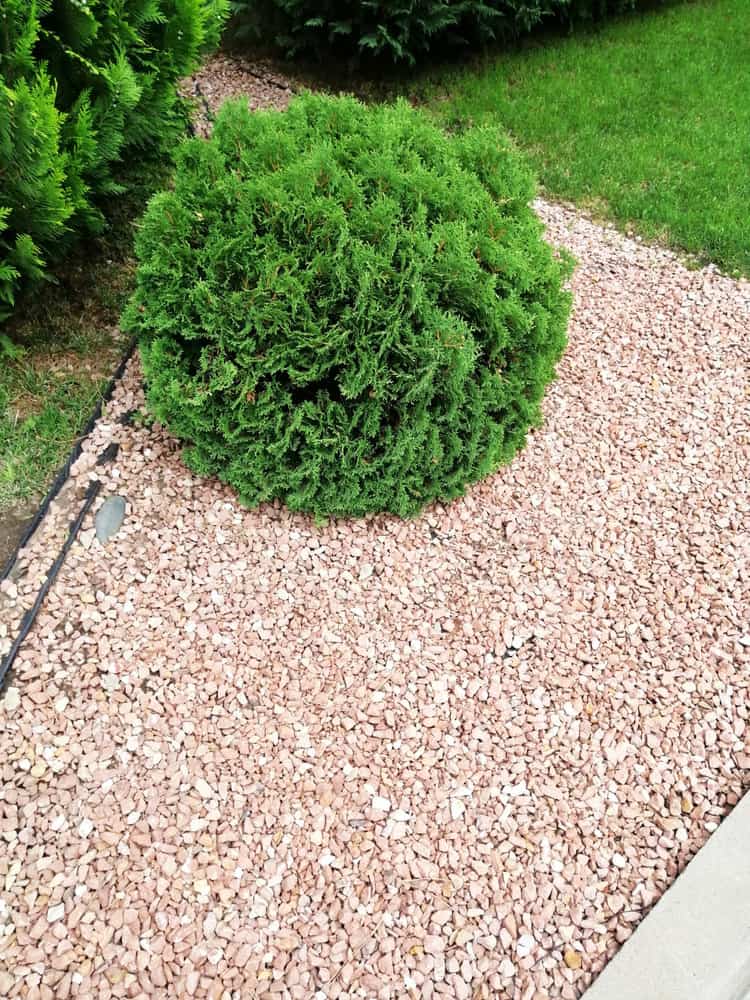
Depending on where you live, river rocks may not make sense. Crushed shells look good in a tropical climate or homes that are near the shore. Other options are lava rock, brick chips, marble chips, pea gravel, or crushed granite.
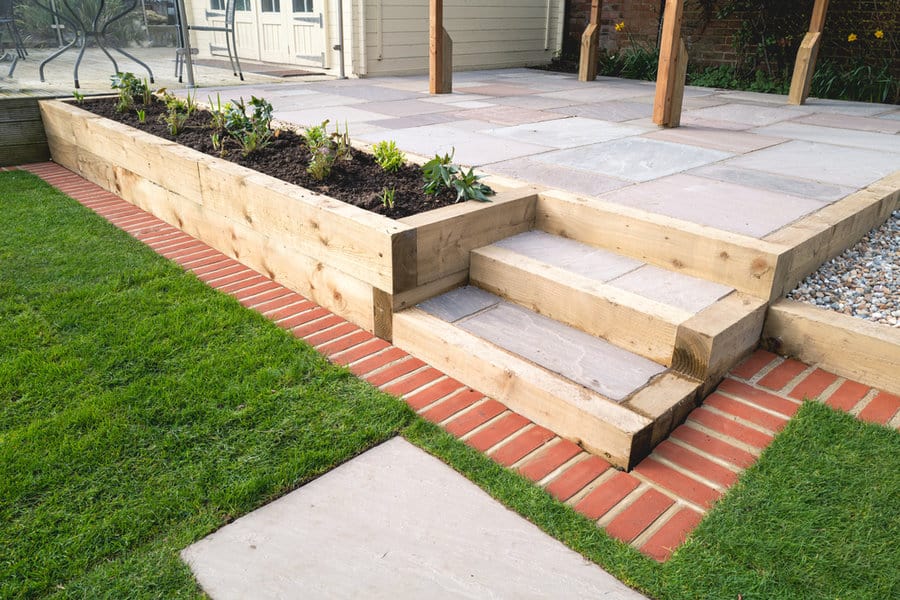
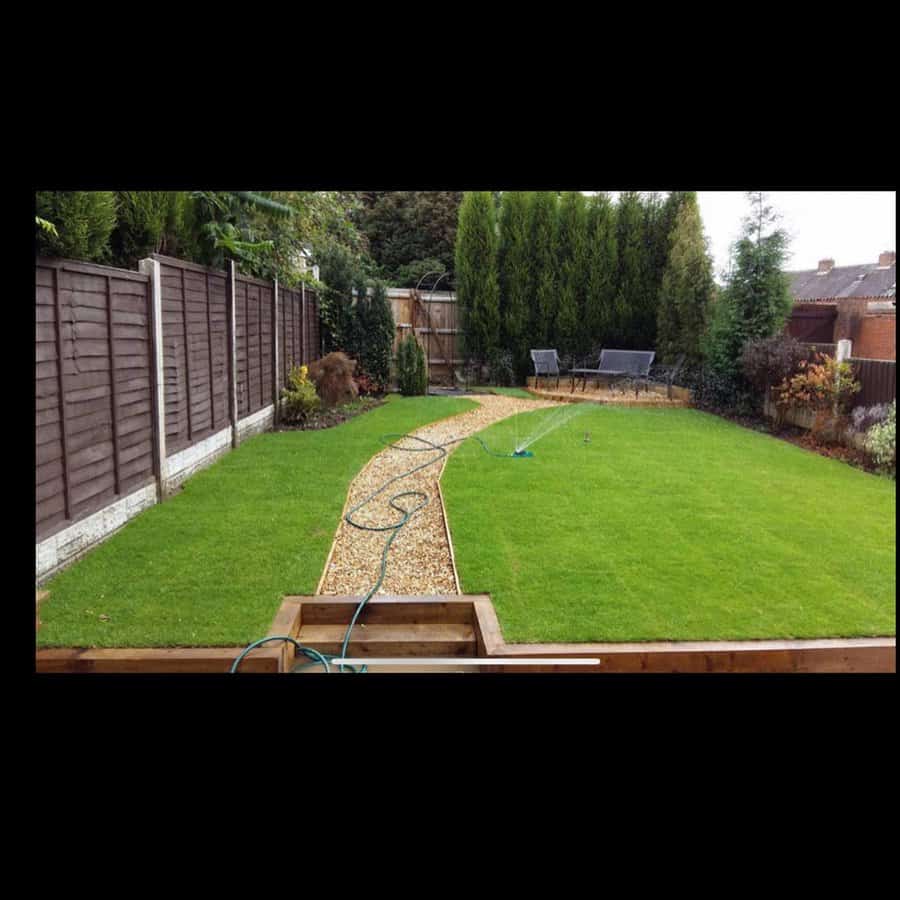
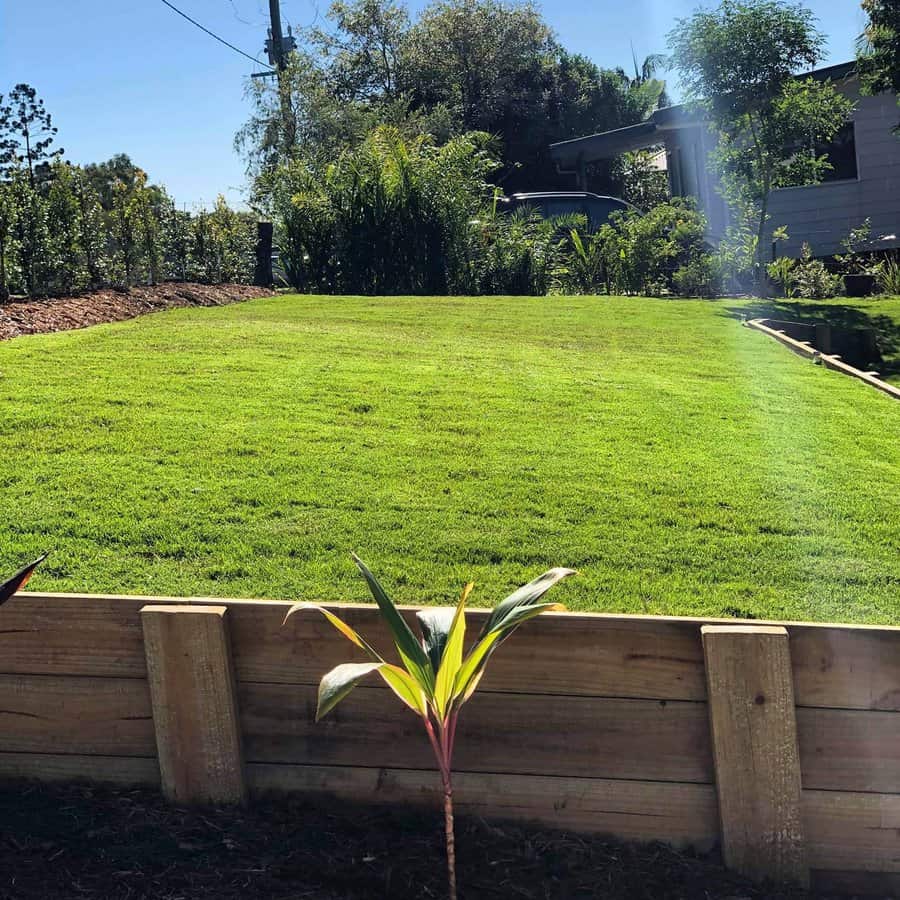
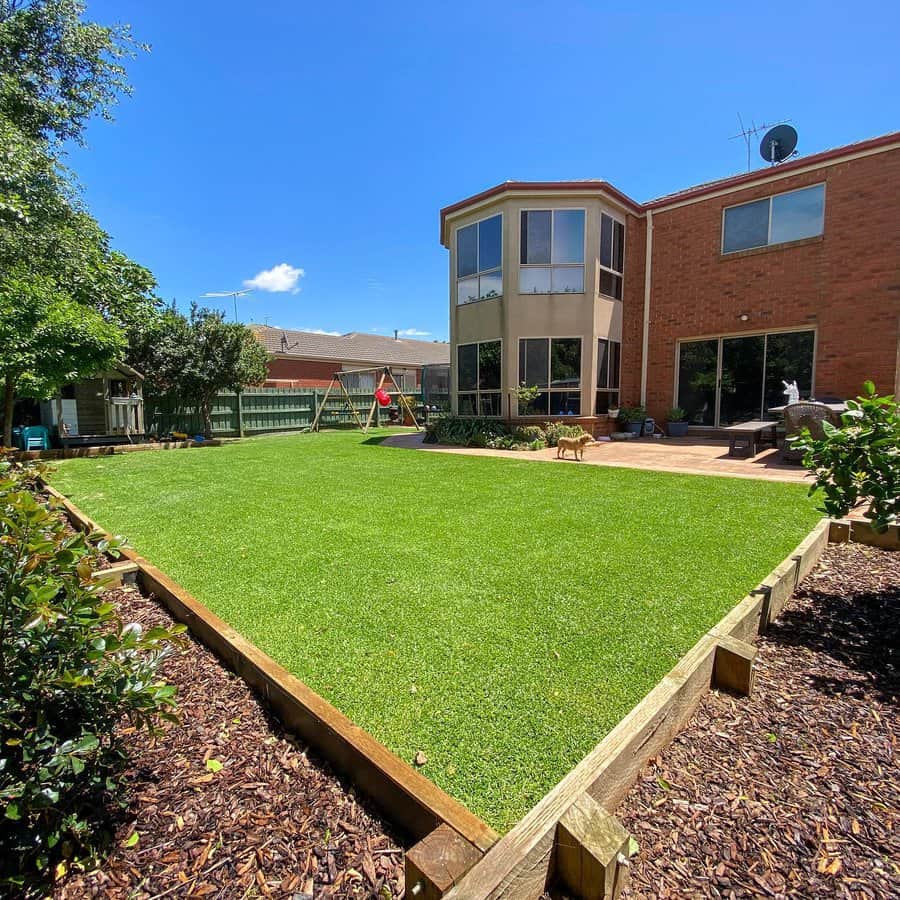
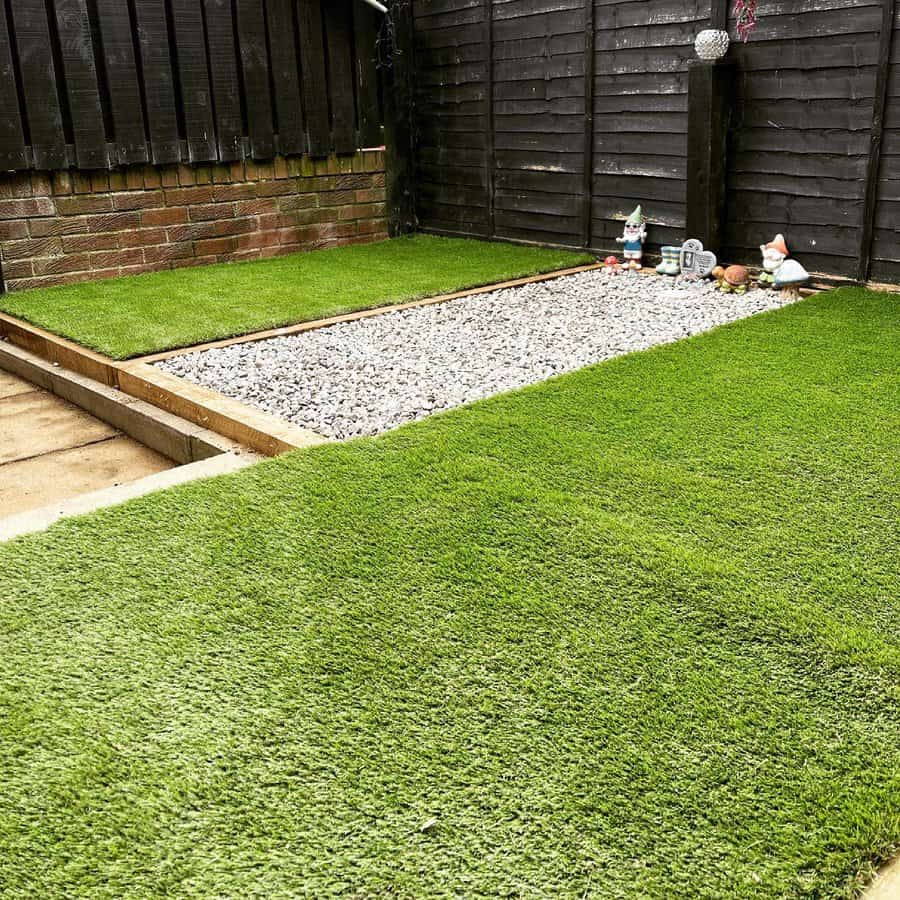
6. Railway Sleepers
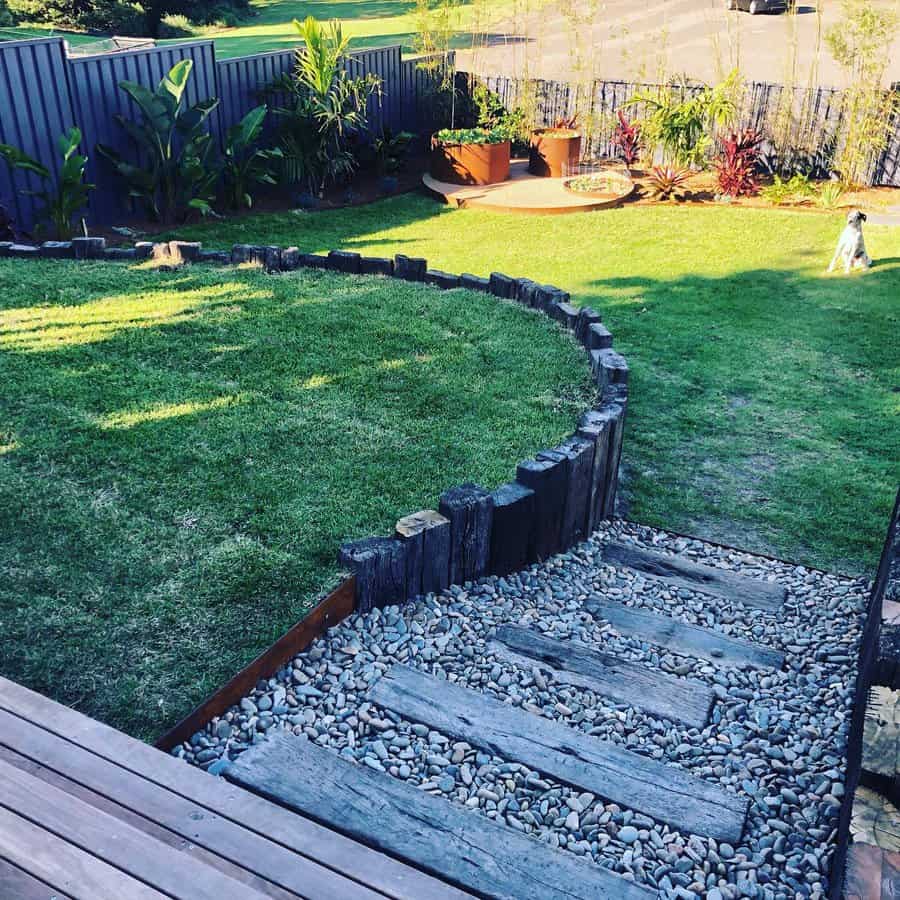
Sleepers create a garden edge that’s both functional and attractive. The hallmark of a sleeper is that it gets sunk down into the ground. This is a simple DIY project that you can do yourself over the course of a weekend.
Source: @detailedlandscapes via InstagramSource: @grassrootslandscapeshq via InstagramSource: @michaelpotter88 via InstagramSource: @rose_wood_31 via InstagramSource: @landscapehub13 via InstagramSource: @suburbanlawngeek via InstagramSource: @malcolm_hulk_cochrane via Instagram
You can construct your sleepers out of almost any material. Wood railroad ties are popular. They are wide, making a broad board for your lawn. Another perfect option is river rocks, pavers, and bricks.
The trick is digging a deep and wide enough trench. Then line the trench with landscaping fabric to prevent weeds from growing up through.
7. Metal Edging
If you’re looking for a modern touch, then consider using metal. These are long metal strips that create a thin and crisp border. Steel edging is the most popular metal garden edging because it’s strong and durable. It’s also either painted or chemically treated to prevent corrosion.
Source: @pennie90 via InstagramSource: @appleseedgardening via InstagramSource: @gloucester_landscapes via InstagramSource: @naturalcraftlandscapes via Instagram
Metal edging is a smart option to use with other types of borders. For example, add a metal edge on the grass side, and then a border of sleepers or river rocks. This makes it easier to maintain the river rocks by creating a strong border for the grass.
8. Stone Edging
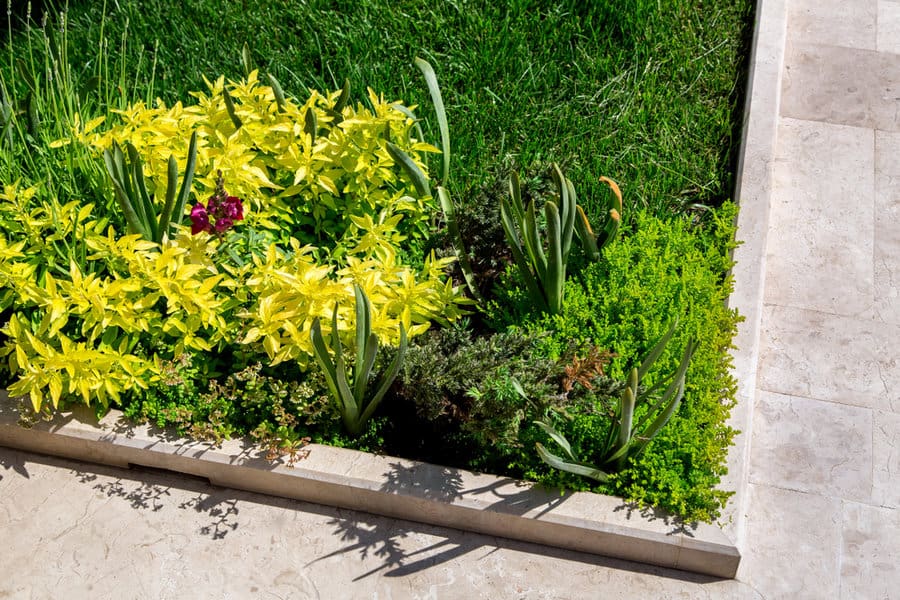
Give your landscaping a natural look by using stones. The type of natural stone you use will define how you want your home to look. For example, paving stones will give your lawn a finished and contemporary look. These uniform stones look more refined than plastic edging.
Source: @inex_pro_outdoor_living_ via InstagramSource: @jph_groundworkers via InstagramSource: @midlandshousetohome via Instagram
For a vintage, farmhouse, or country feel, use natural stones. They lack uniformity in size and shape, making for a more visually interesting border. It’s also smart to use stones naturally found in the local area. This prevents your home from looking out of place.
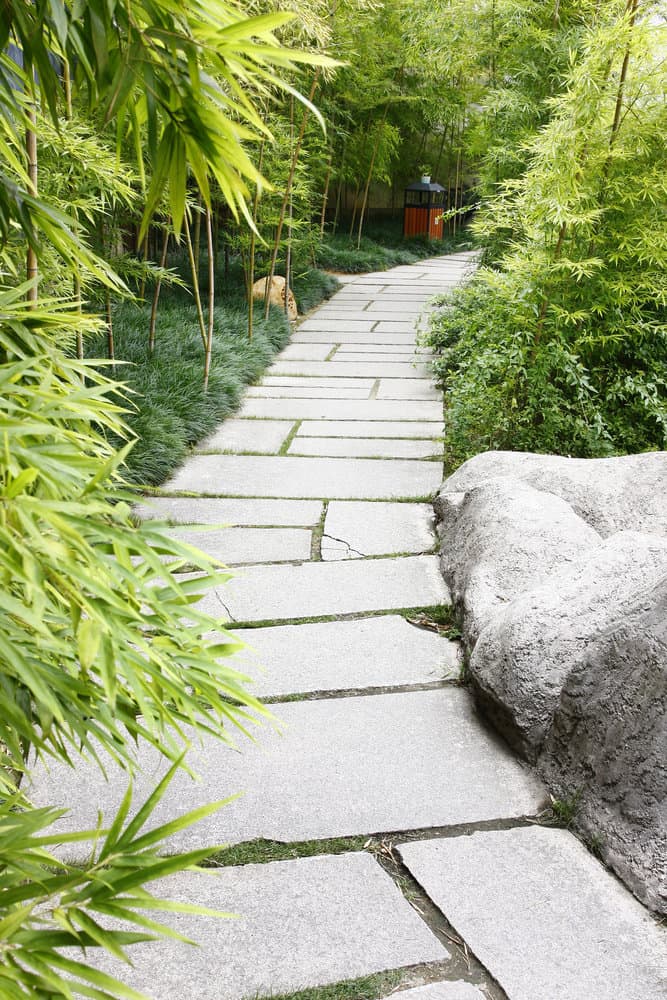
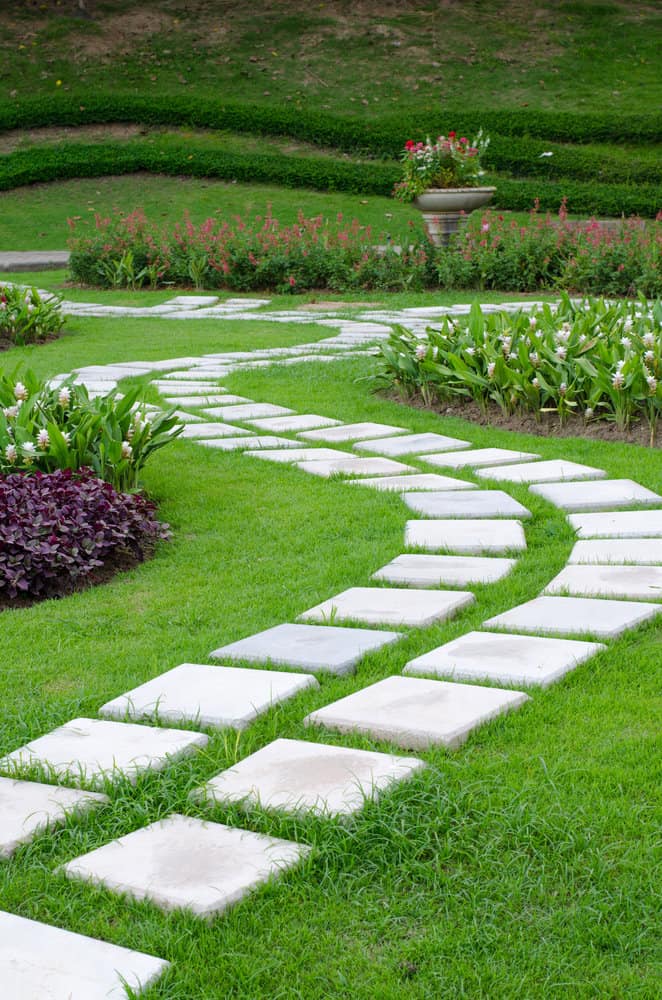
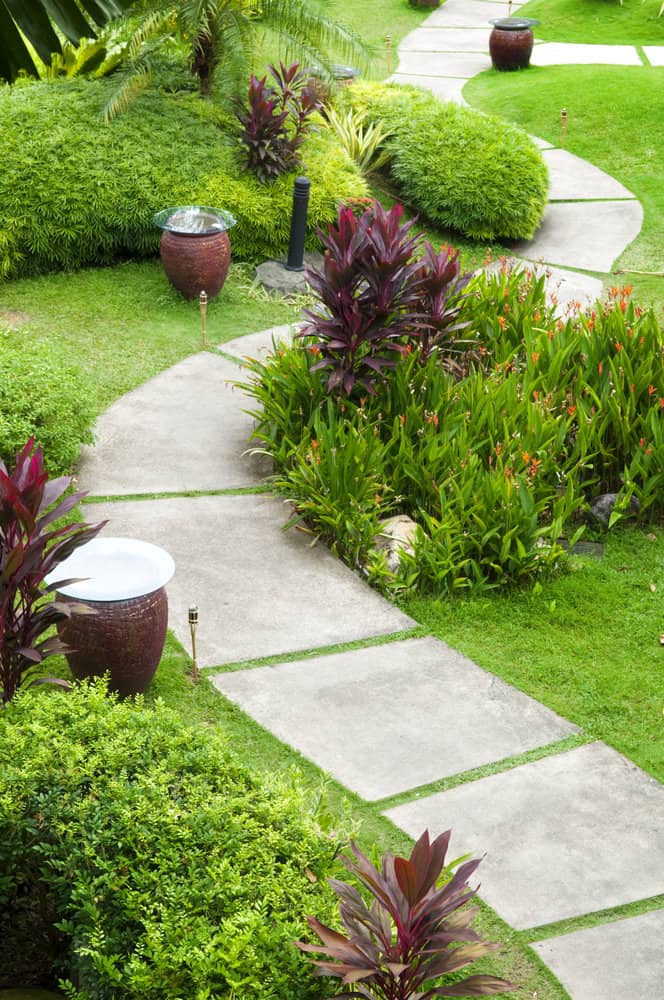
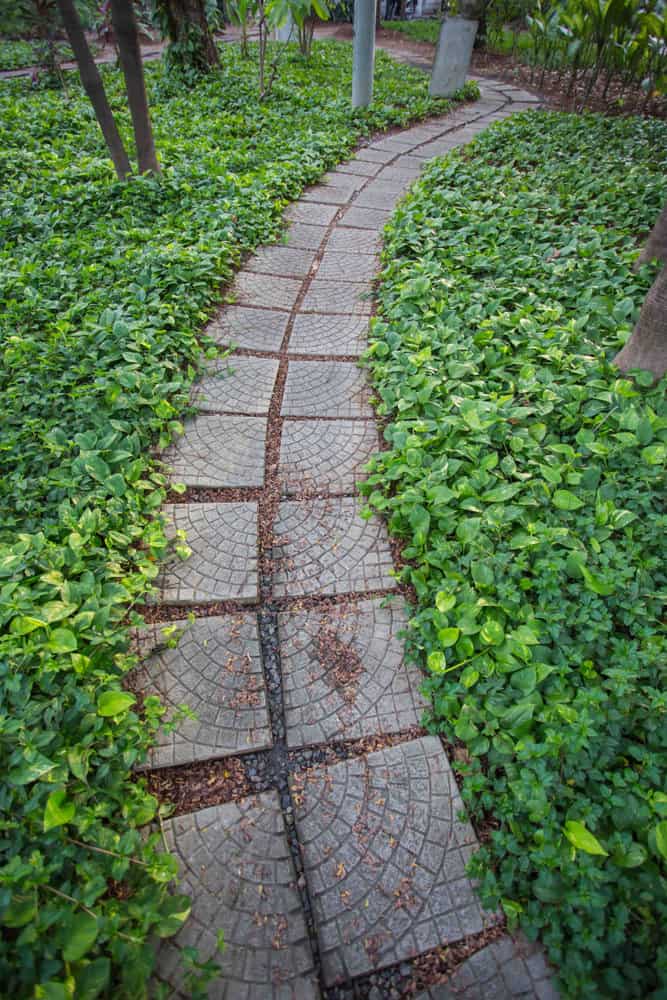
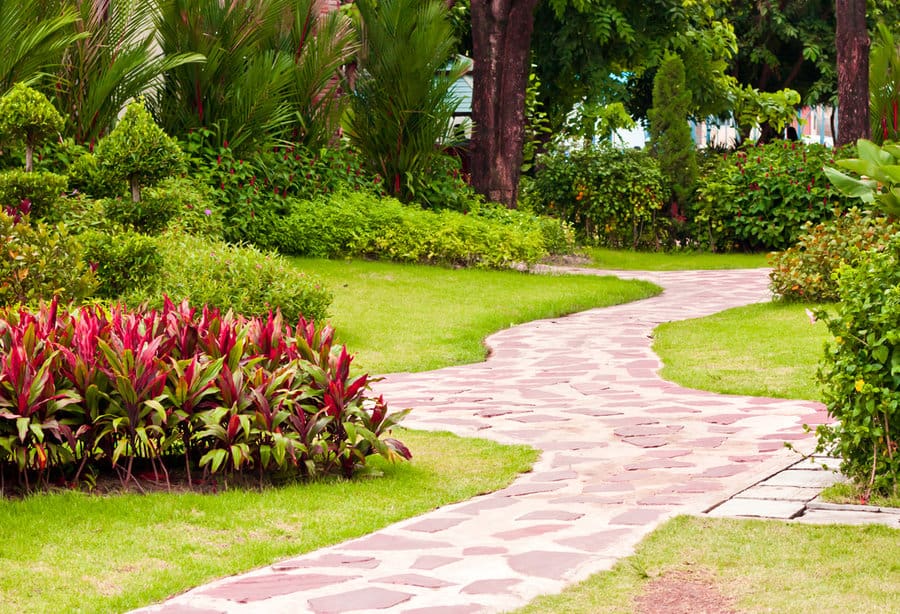
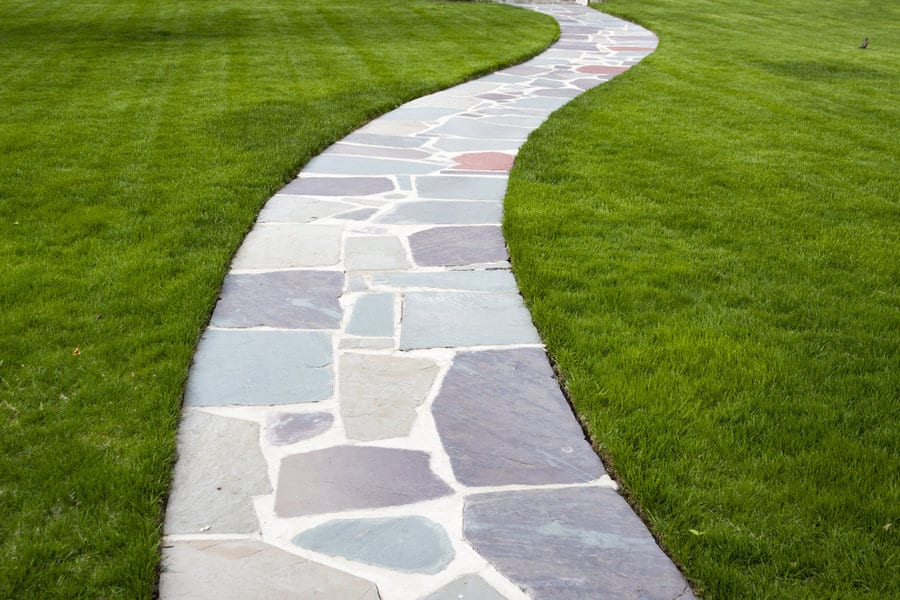
Having a beautiful garden in your backyard is pointless if you can’t walk through and appreciate it. A garden walkway makes it possible to admire your flowers, marvel at your greenery, and harvest your produce. Your garden design should include a garden path that makes it easy to get from one side of your garden to the other. From romantic winding paths to functional straight lines, a garden path keeps your feet off the plants.
These garden path ideas will help you build a walkway through your garden so you can start enjoying the fruit of your labor.
[view_toc]
1. Grass Pavers
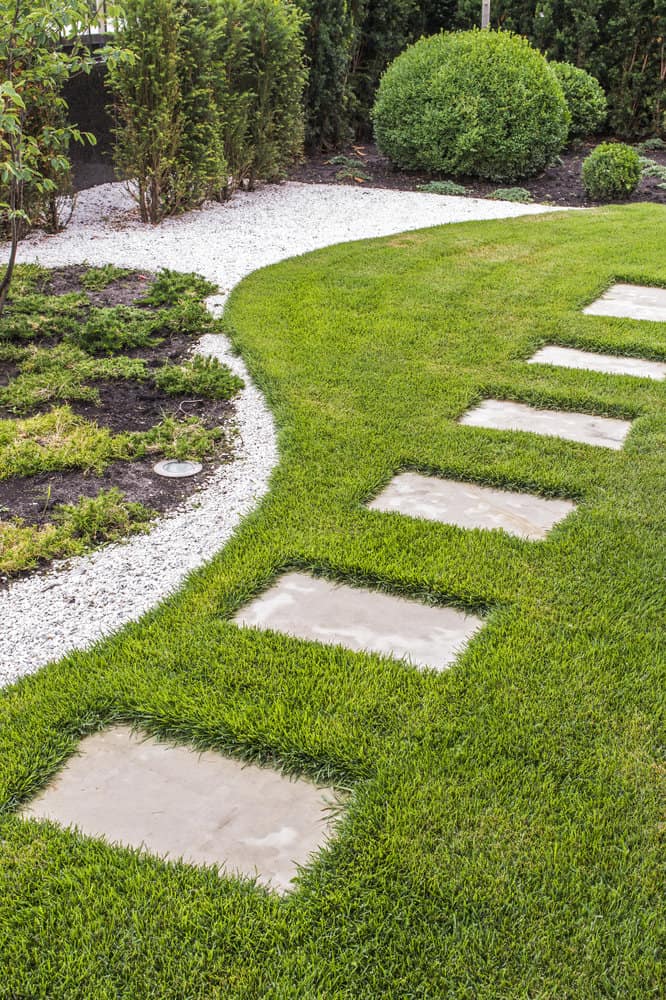
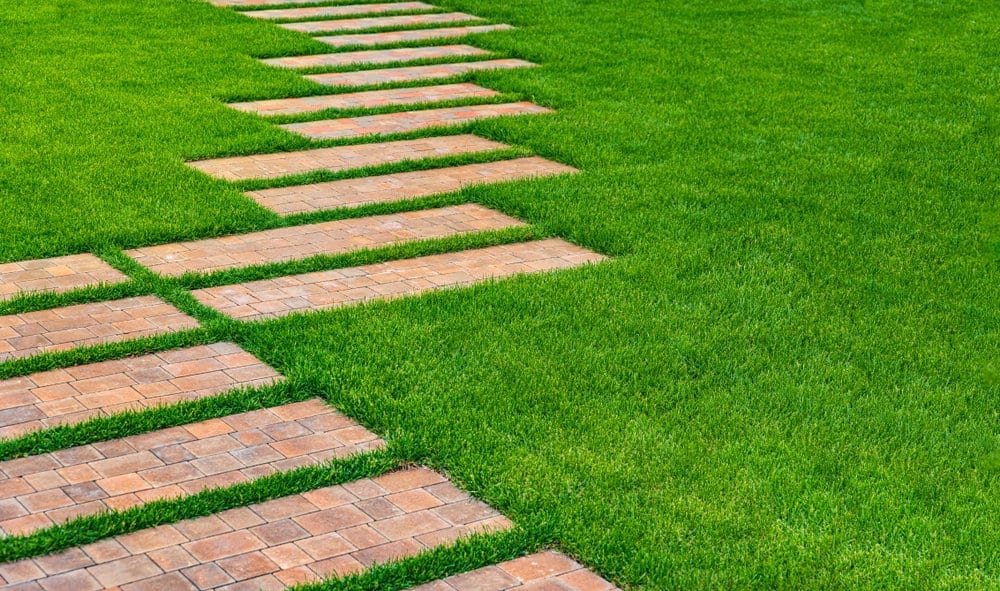
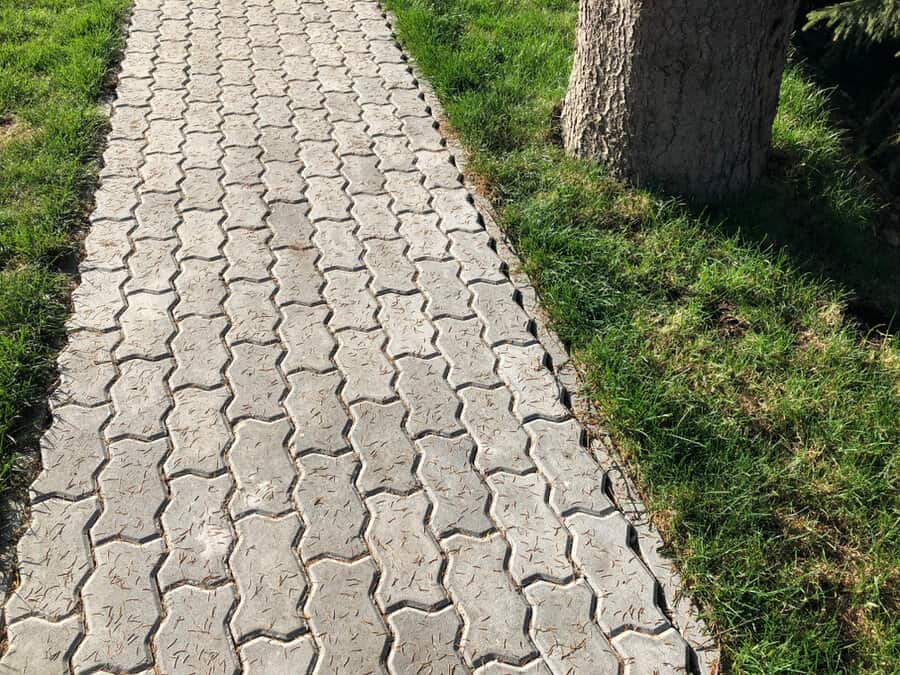
Grass pavers merge durability with eco-friendliness. Perfect for those who want a green look without sacrificing stability, these pavers allow grass to grow through them, creating a harmonious blend of natural and structured elements.
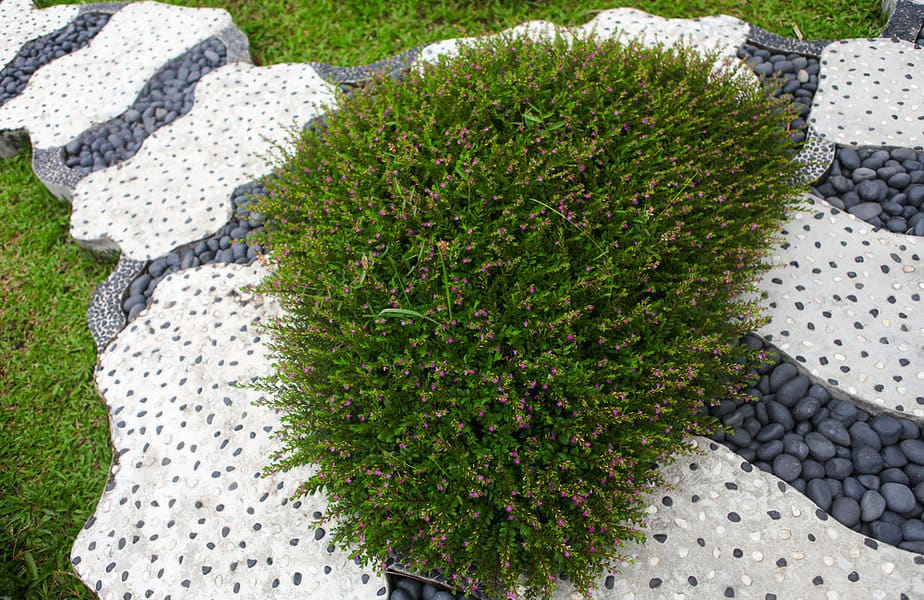
2. Pebble Pavers
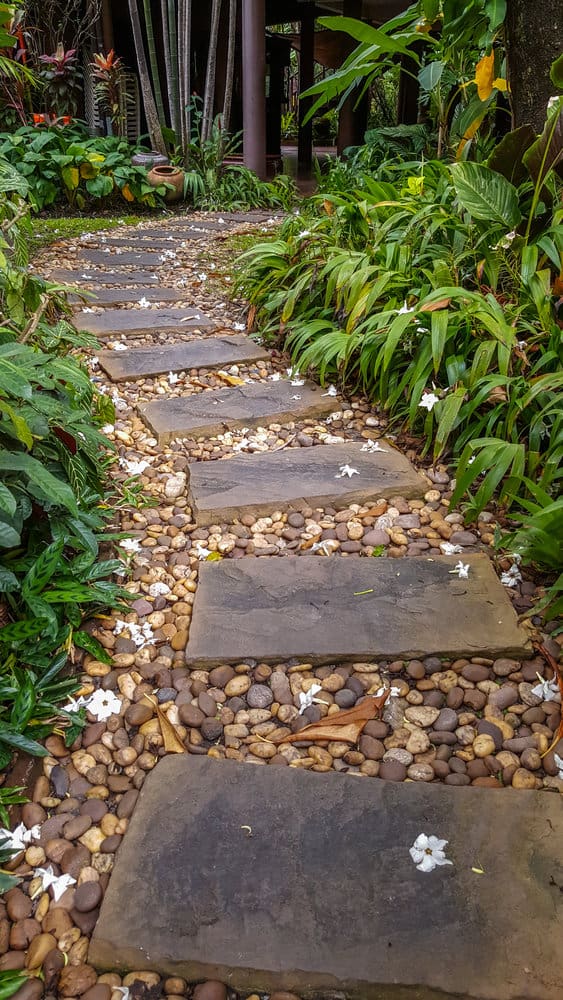
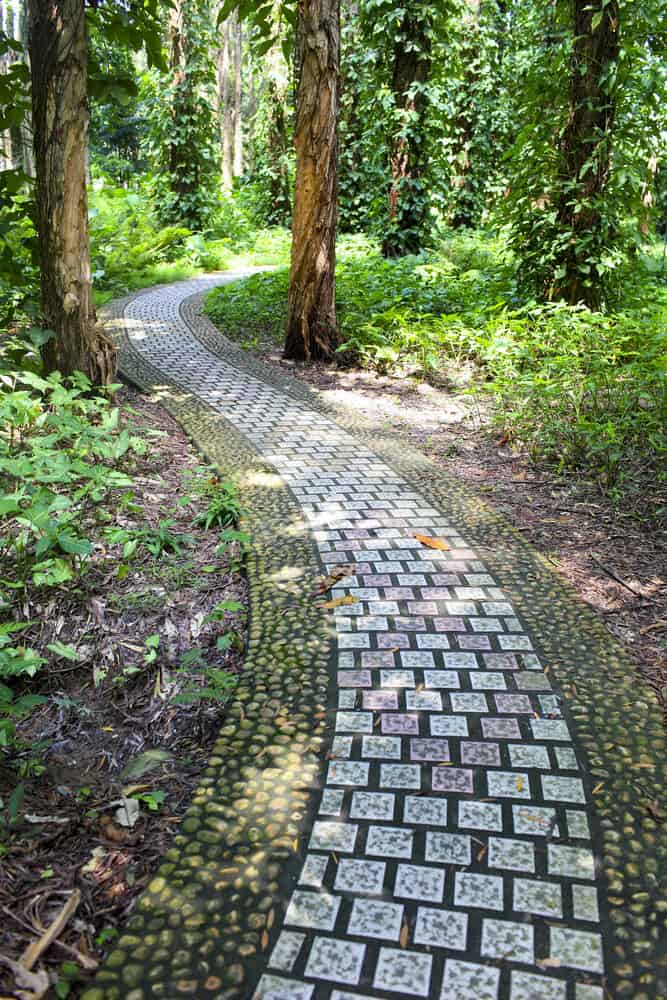
Ideal for creating a relaxed, beachy feel in your garden. Pebble pavers offer a tactile and visual texture, creating a sense of movement and fluidity that contrasts beautifully with more structured elements in your garden.
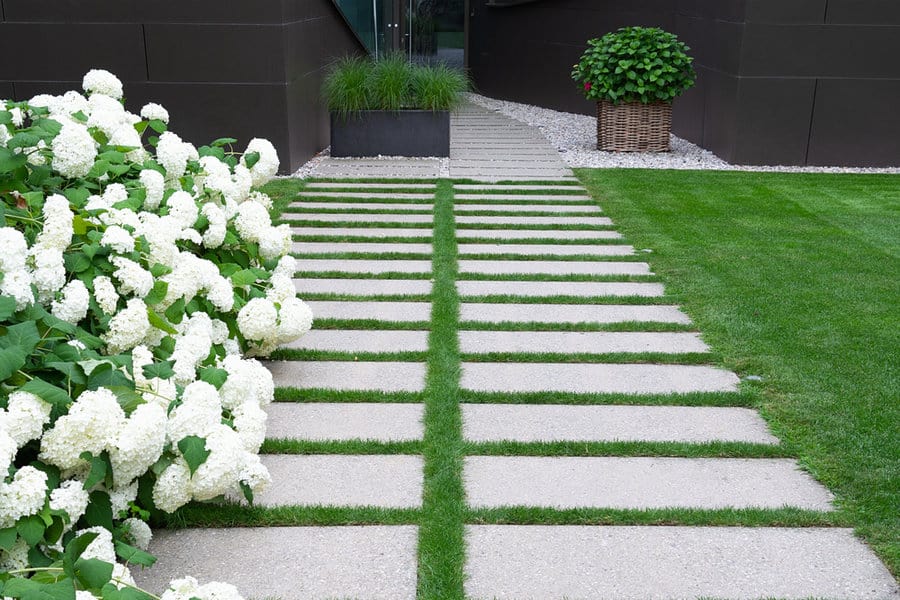
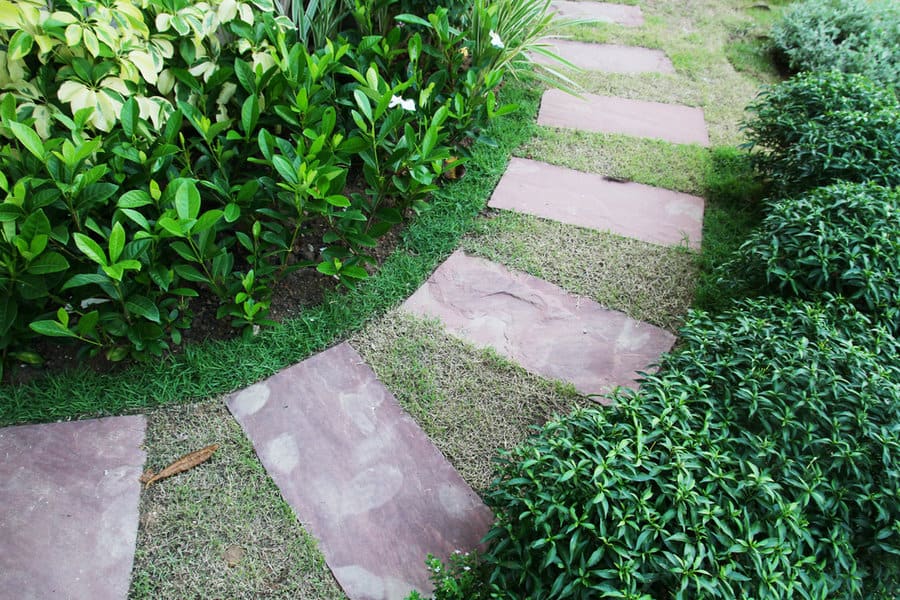
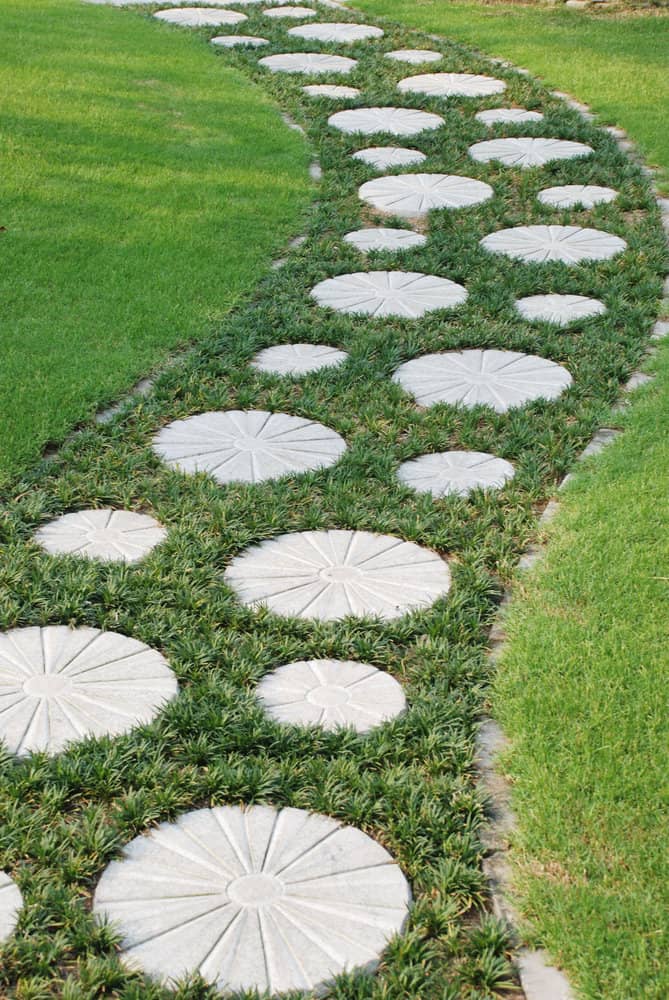
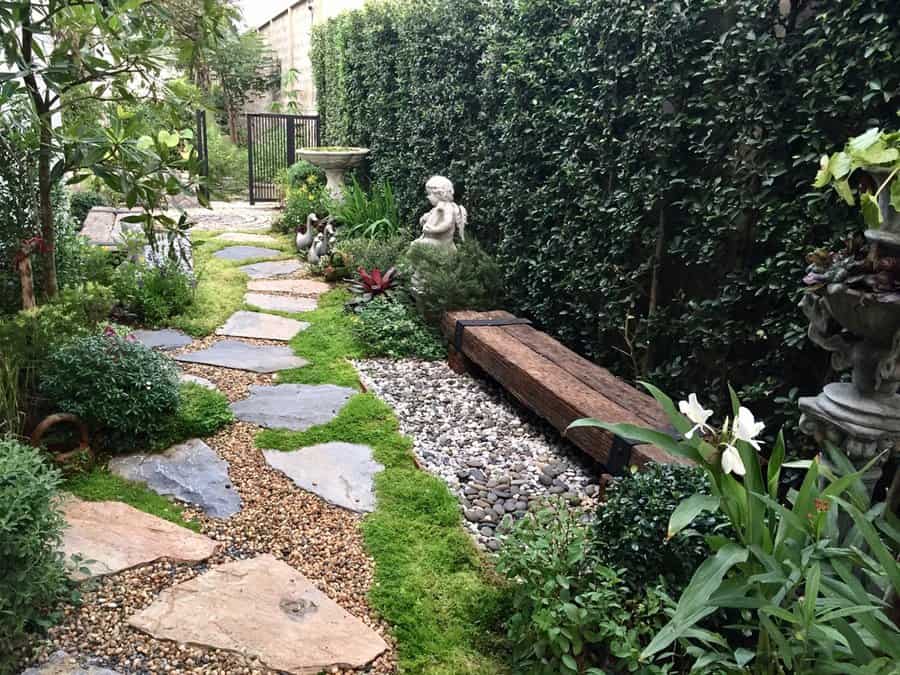
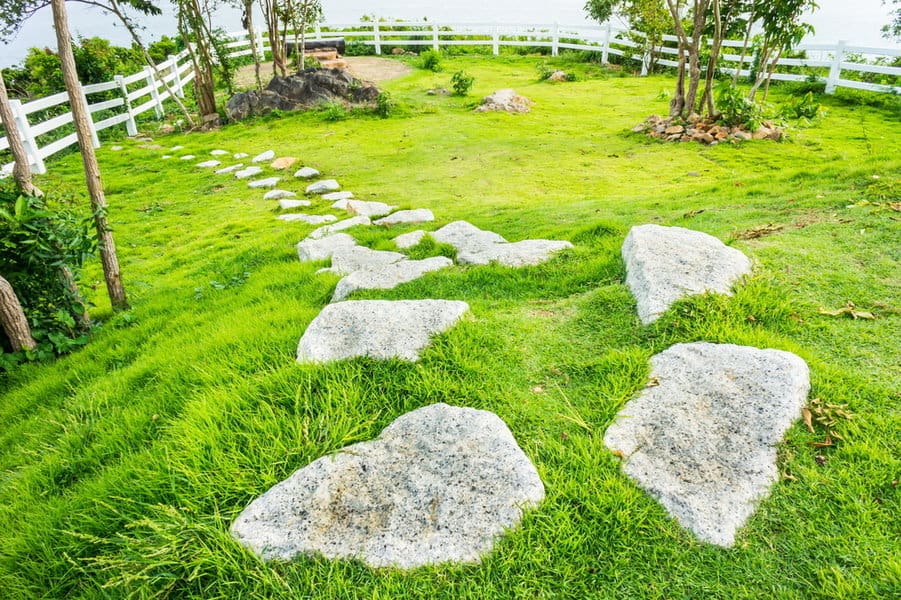
3. Alternating Stone & Grass Path
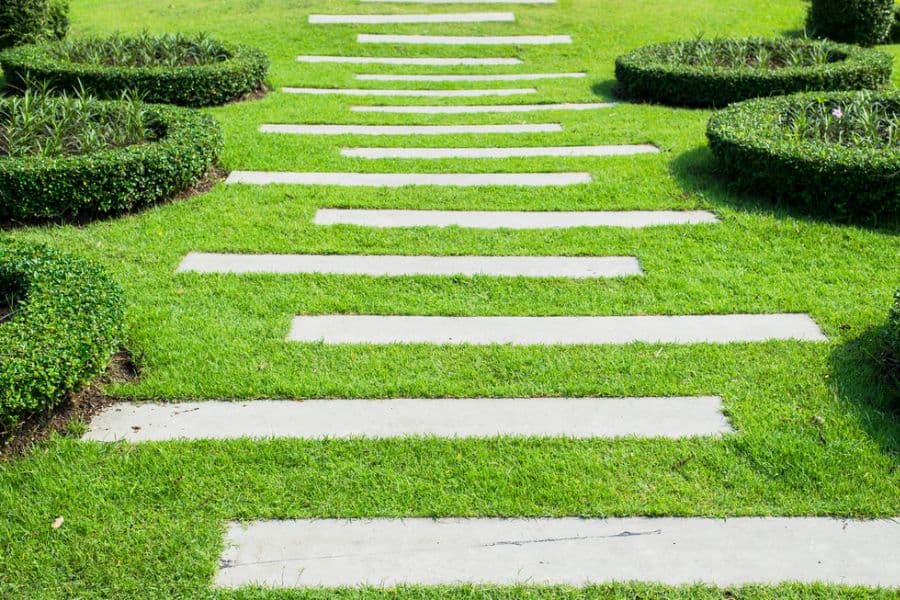
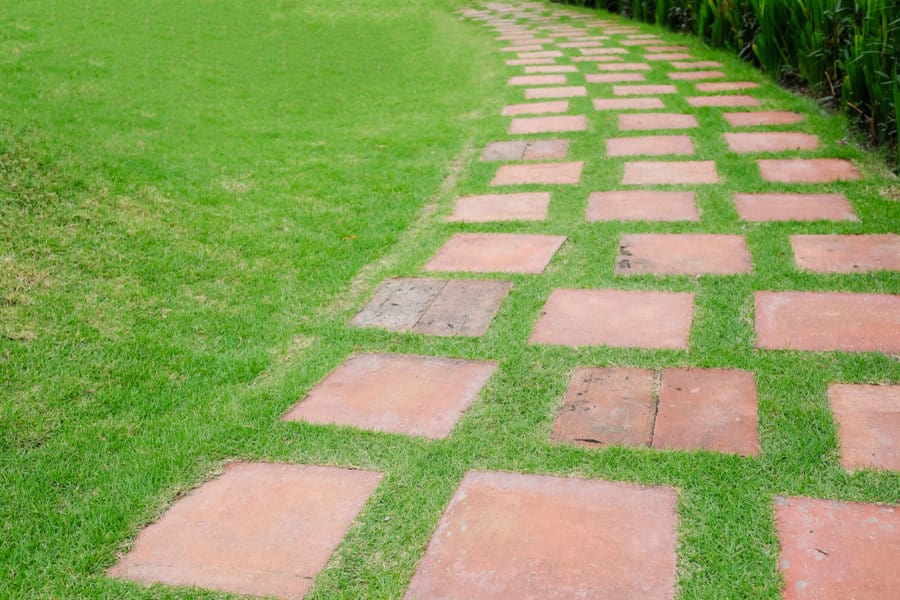
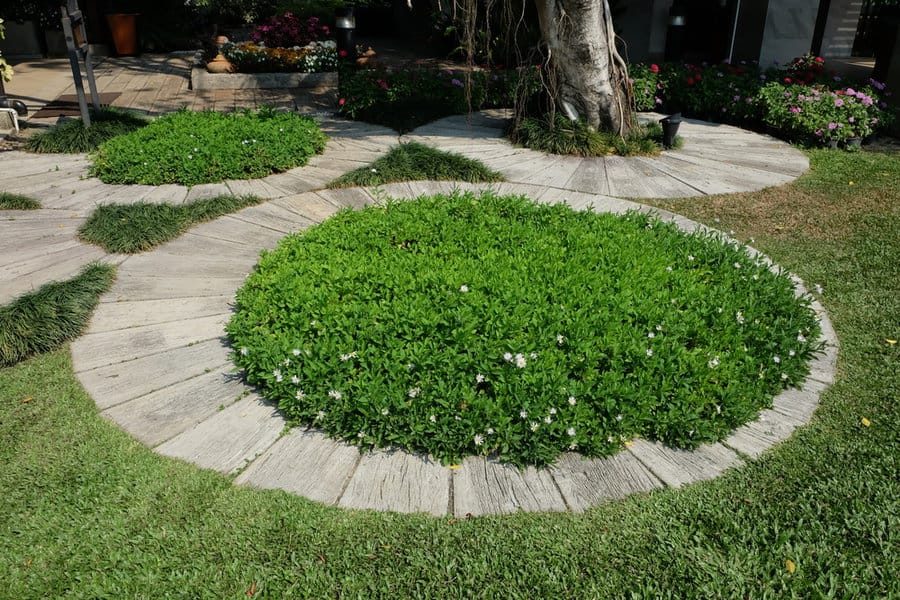
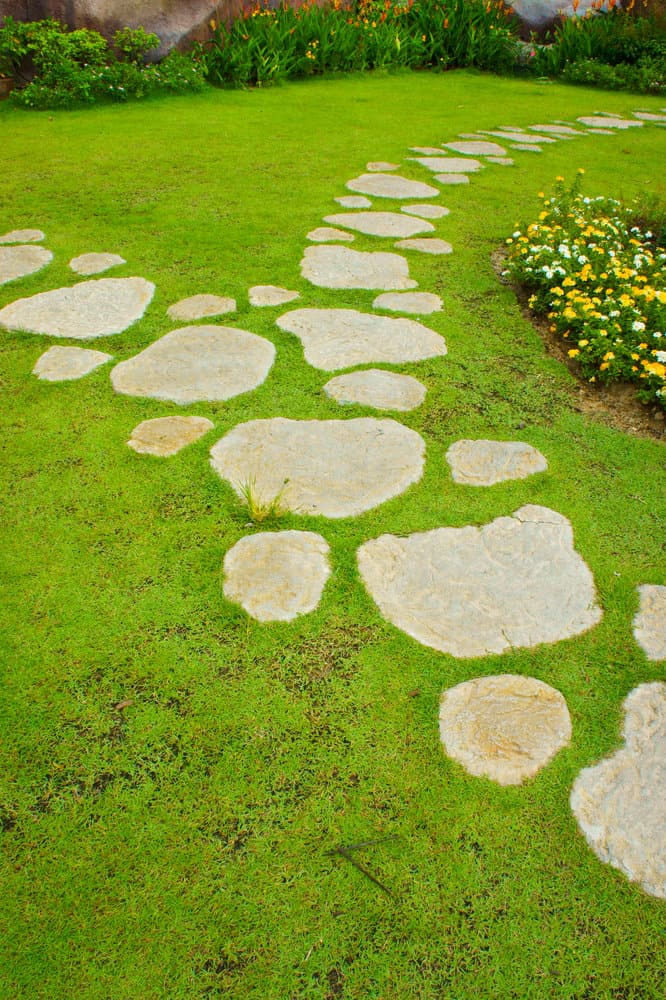
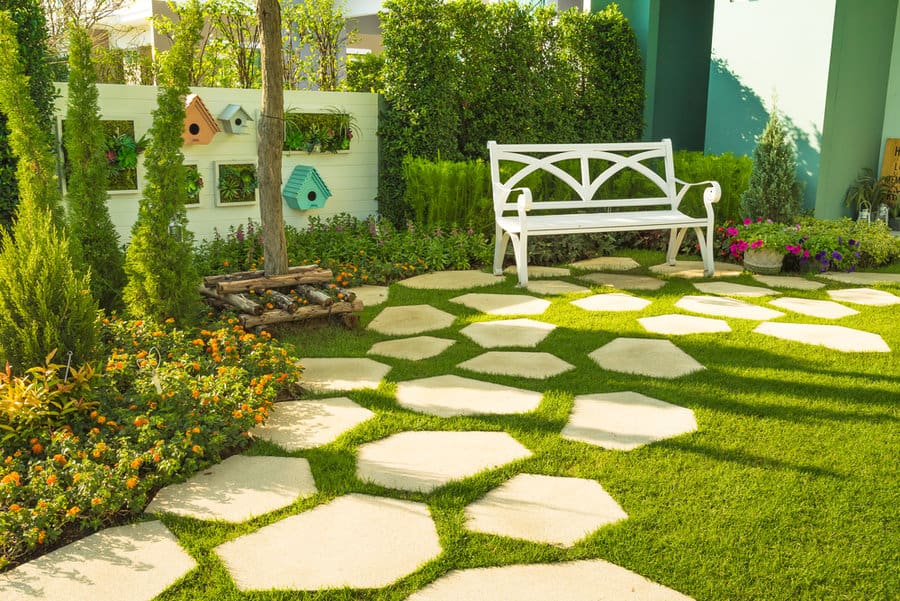
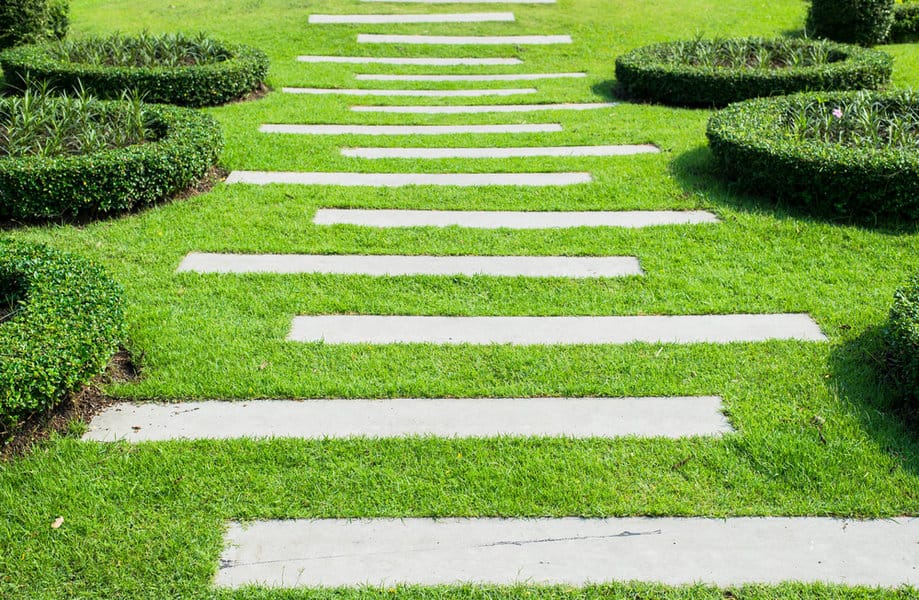
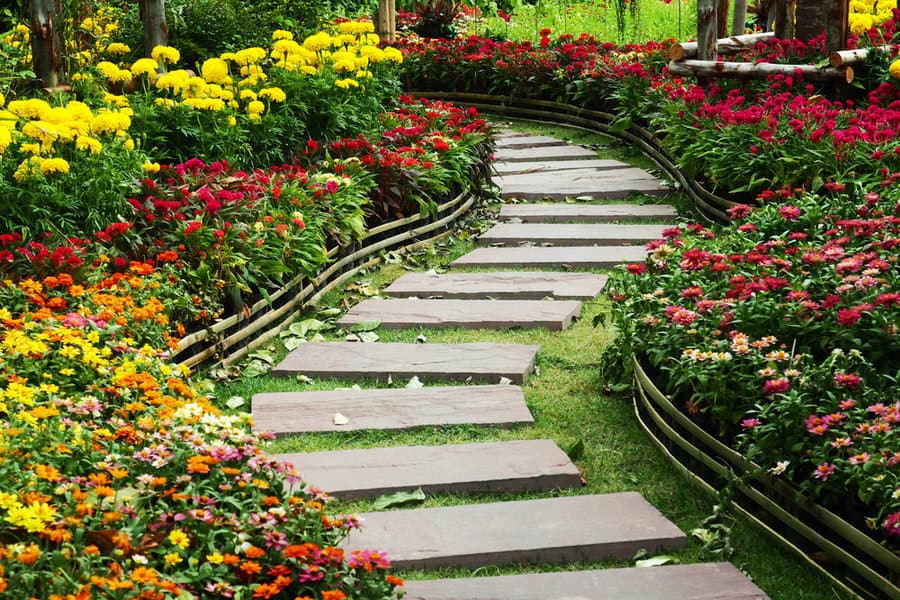
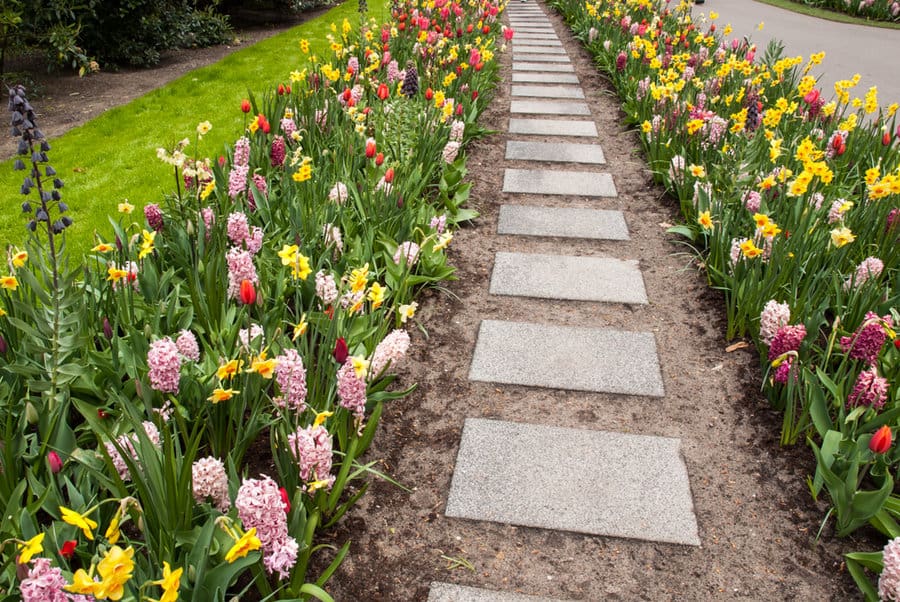
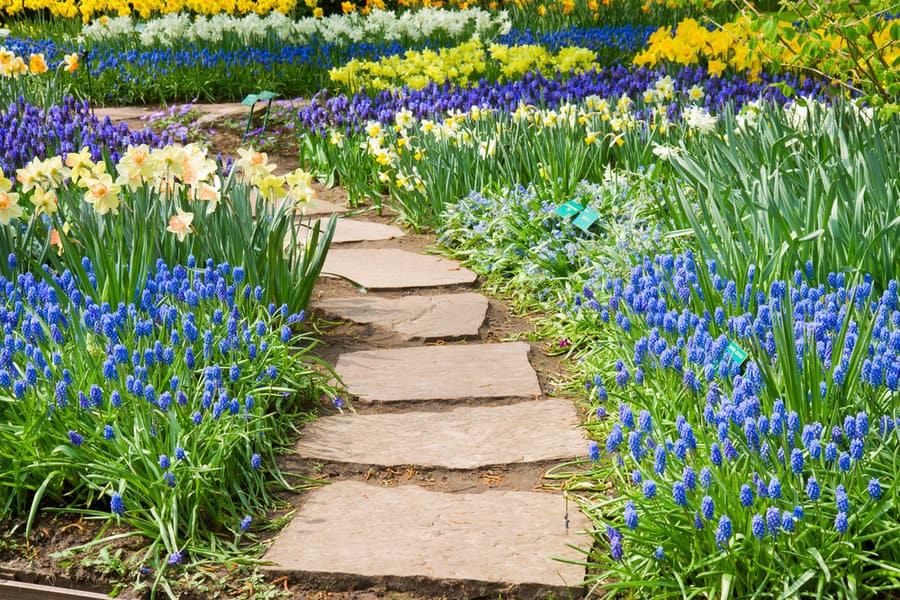
Combine the elegance of stone with the lush green of grass. This pathway alternates between stone slabs and grass, offering a rhythmic, natural aesthetic that is both visually appealing and practical underfoot.
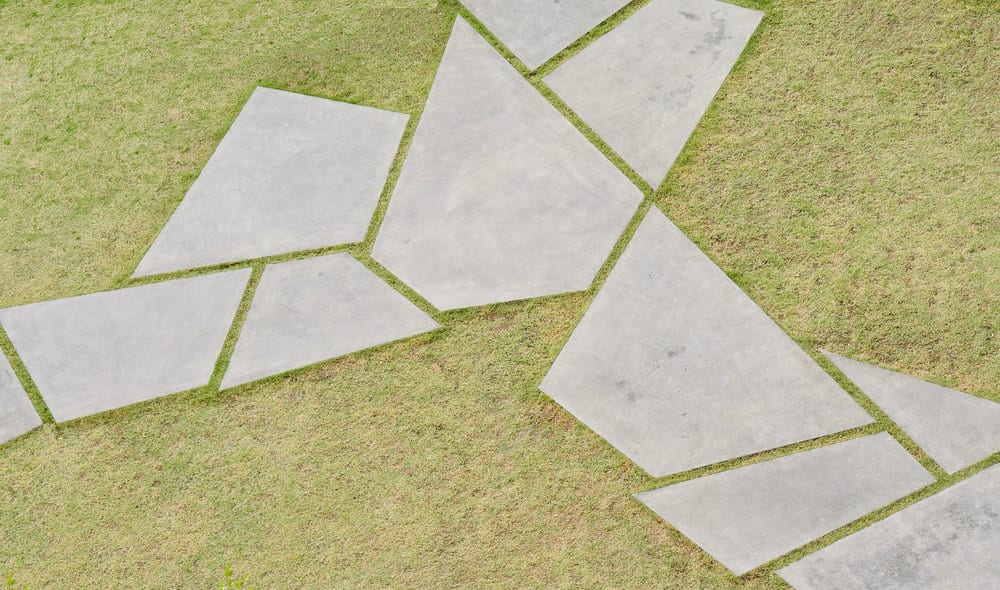
4. Patterned Stone Steps
Elevate your garden’s style with patterned stone steps. Whether in swirling designs or geometric shapes, these steps add a sophisticated touch and serve as a focal point in your landscape design.
5. Landscape Buffer Steps
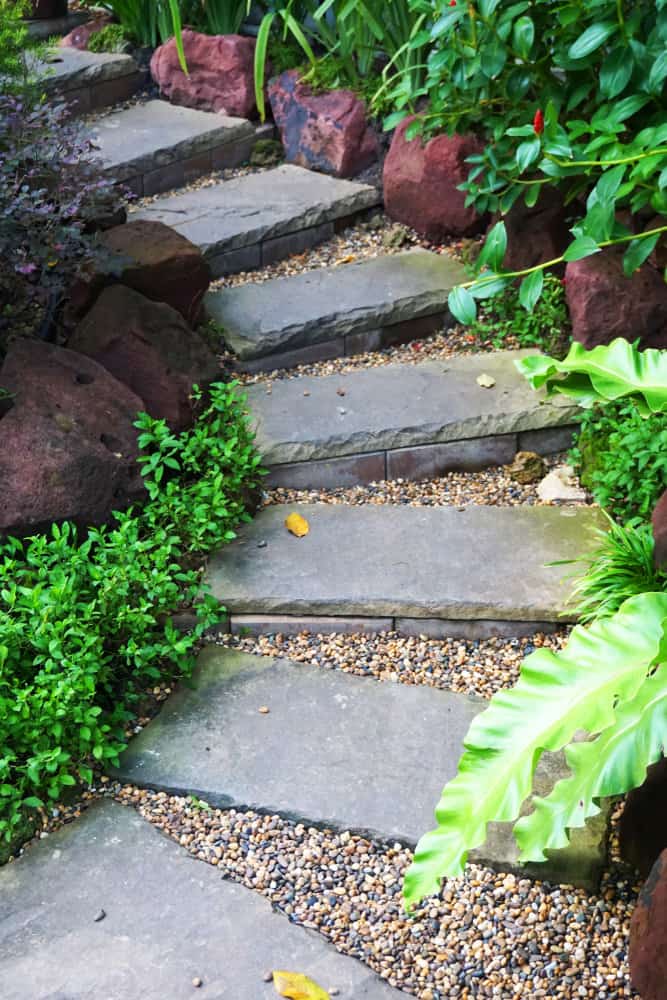
Landscape buffer steps blend seamlessly into your garden, offering both functionality and aesthetic appeal. They create a gentle transition between different levels in your garden, incorporating natural elements like stone and wood.
6. Wood Slab Steps
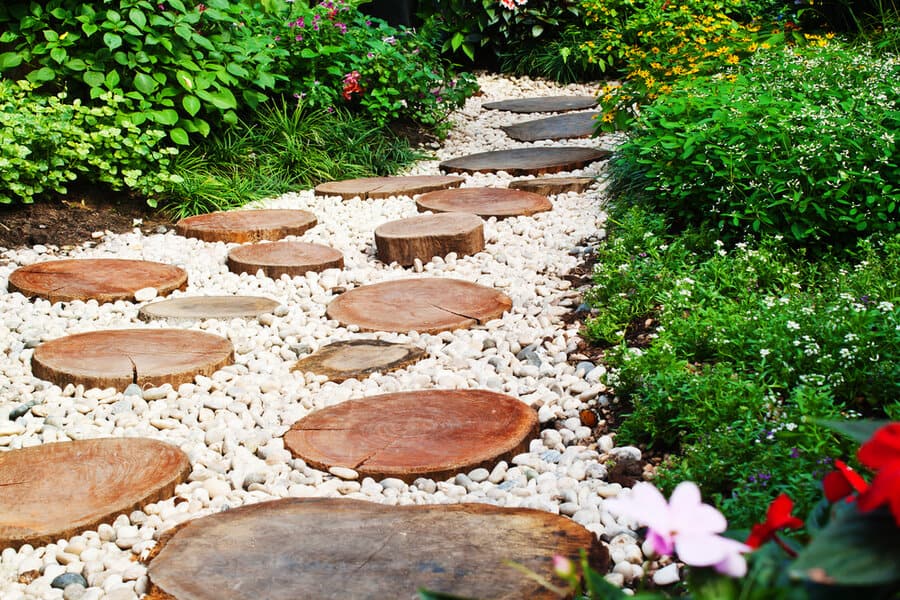
For a rustic touch, wood slab steps are a natural choice. These steps bring a warm, organic feel to your garden, beautifully aging over time and blending with the surrounding greenery.
7. Square Steps
Square steps offer a modern, clean look. Perfect for contemporary gardens, they provide a sharp, defined path and can be made from various materials like concrete or stone to suit your style.
8. Pond Concrete Walk Path
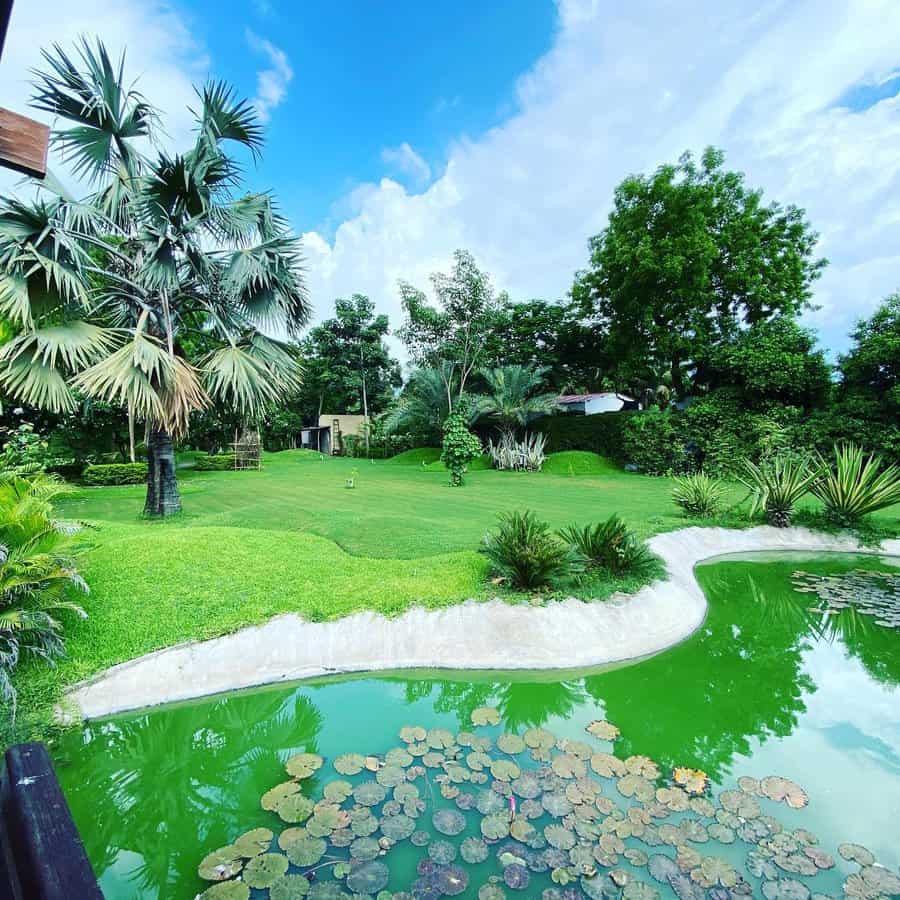
A pond concrete walk path is both functional and decorative. It curves gracefully around water features, providing a stable and visually appealing walkway that enhances the water’s tranquil beauty.
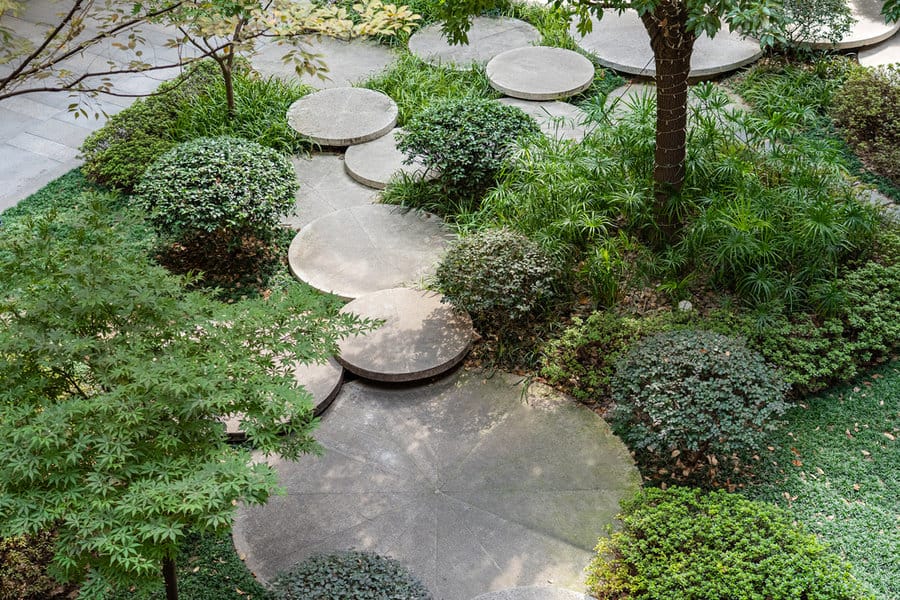
9. Scattered Freeform Steps
These steps are ideal for a whimsical, natural garden. Placed irregularly, they mimic the randomness of nature, inviting exploration and curiosity in your garden layout.
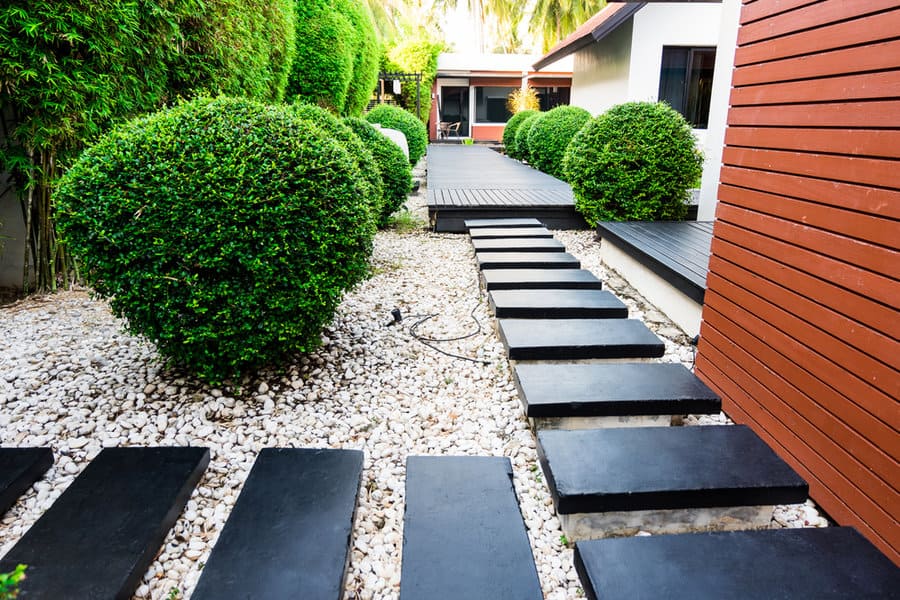
10. Black Garden Steps
Black garden steps make a bold statement. They contrast strikingly with the greenery and other elements in your garden, offering a modern twist and a touch of elegance.
11. Zen-Style Layered Steps
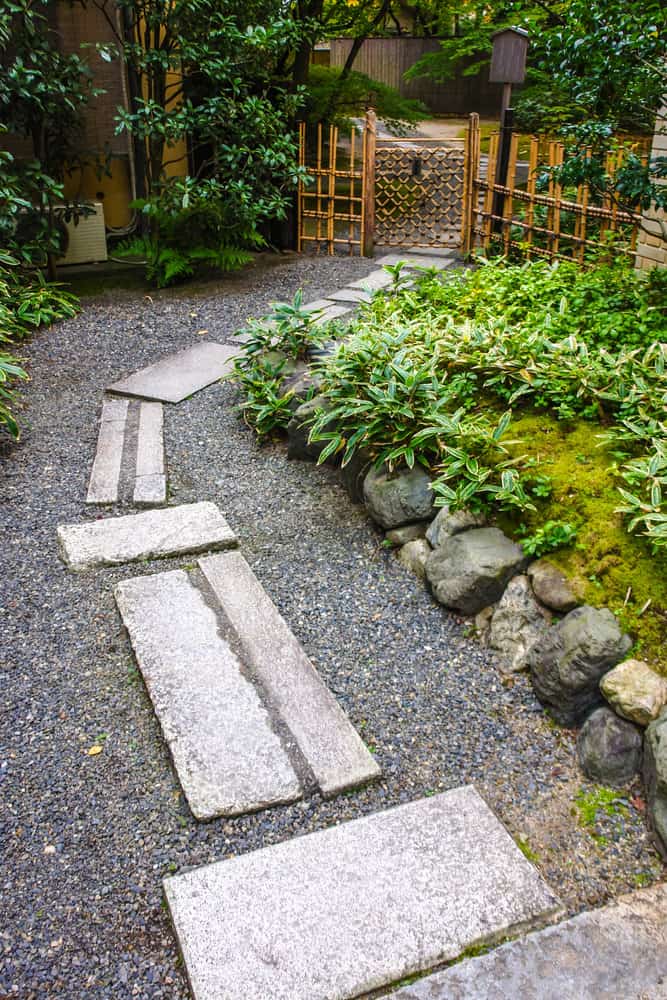
Reflecting the tranquility of Zen gardens, these layered steps are perfect for creating a peaceful retreat. Their simple, clean lines promote a sense of calm and order in your garden.
12. Geometrical Steps
Geometrical steps bring a touch of modern art to your garden. Their sharp lines and shapes create a visually stimulating path that can become a central design feature in your outdoor space.
13. Pebble & Grass Islands
This design features small islands of pebbles surrounded by grass, creating a ‘stepping stone’ effect. It’s perfect for a playful yet natural look, encouraging a light, meandering walk through your garden.
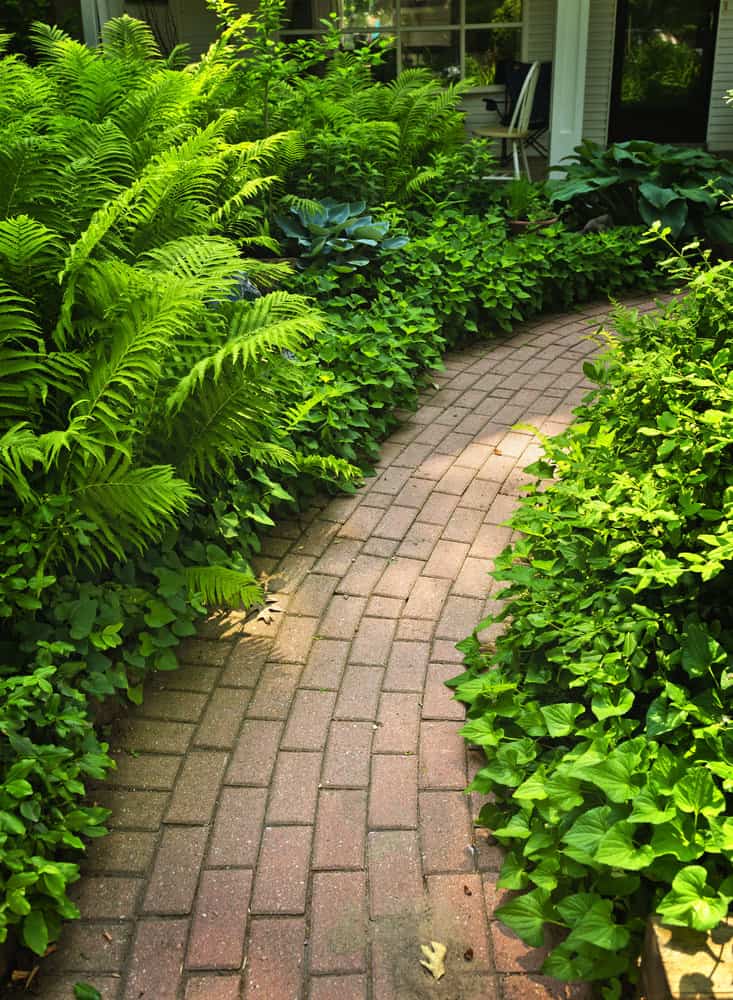
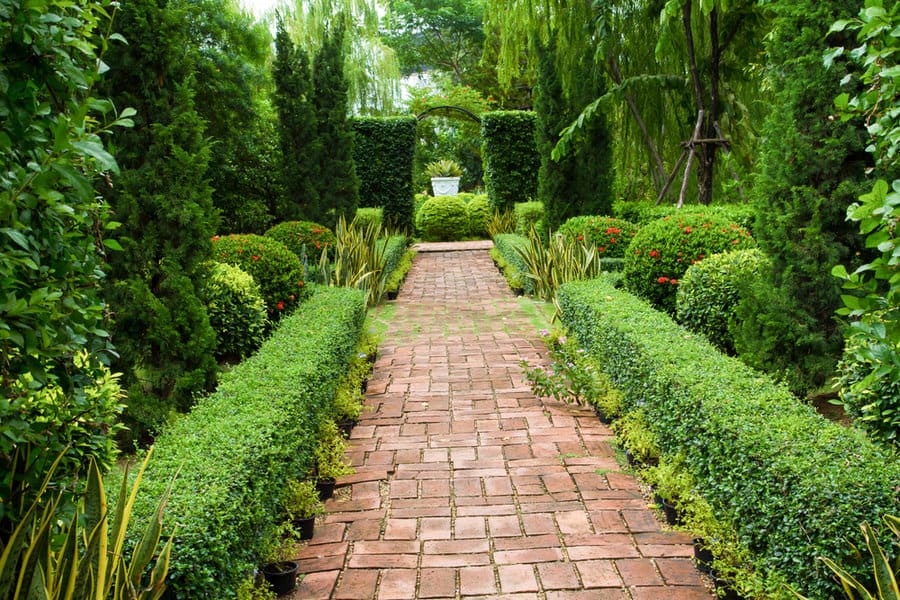
14. Red Brickstone Path
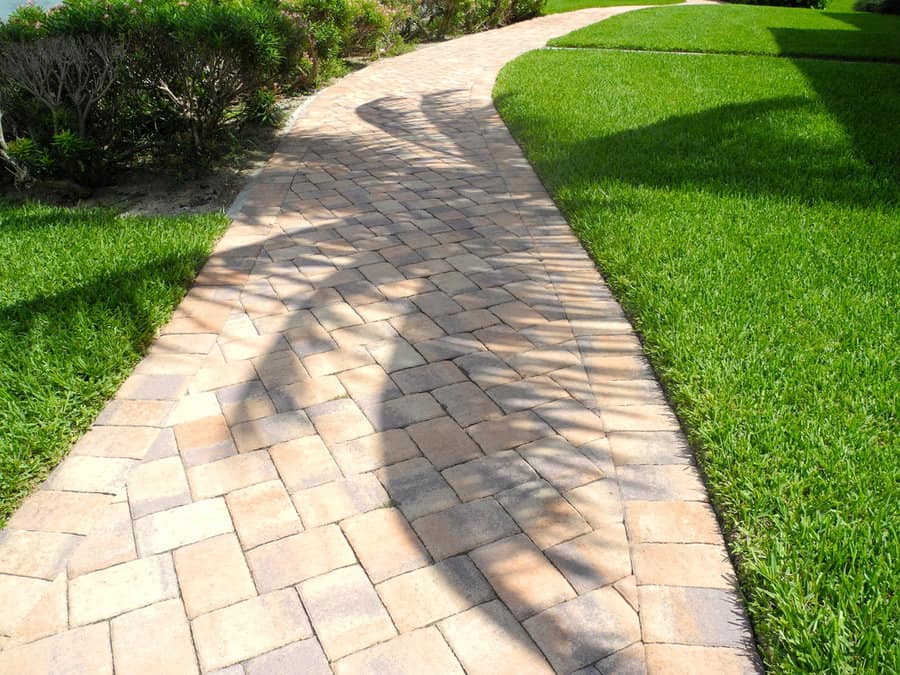
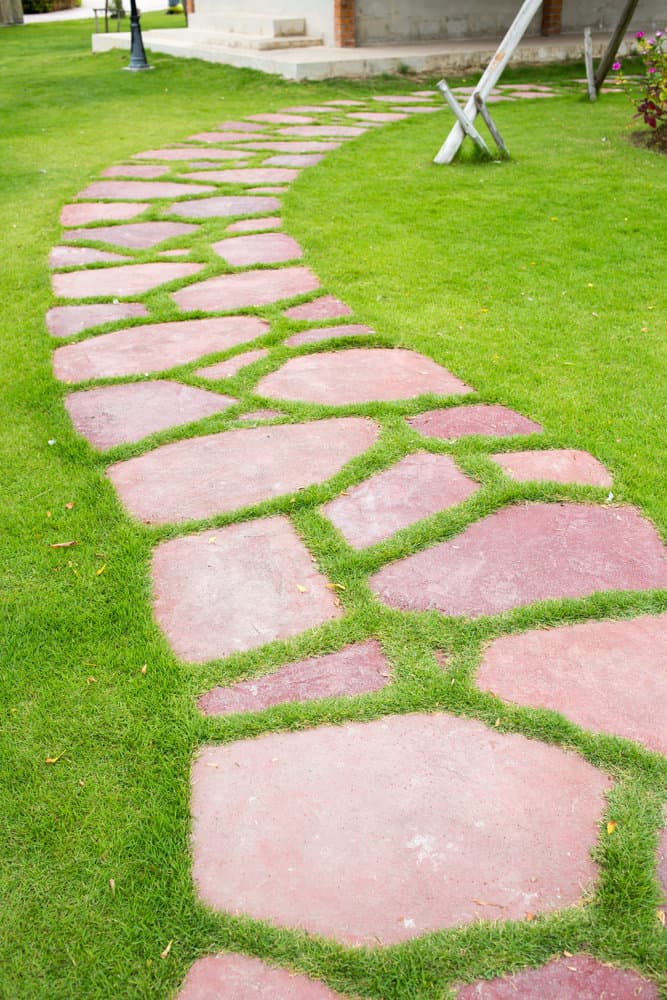
Classic and timeless, a red brickstone path adds warmth and charm. Its rich color stands out against the greenery, evoking a sense of tradition and nostalgia.
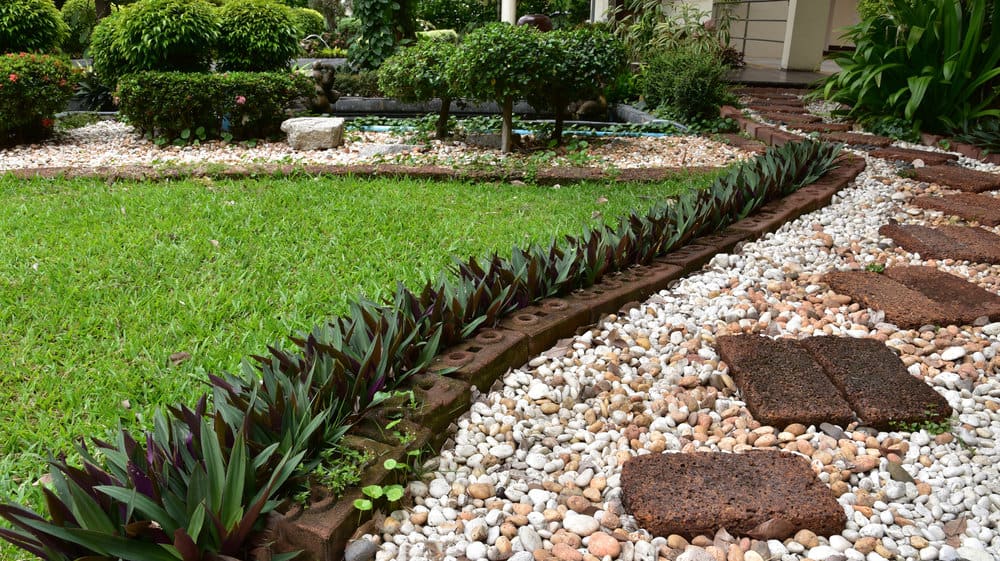
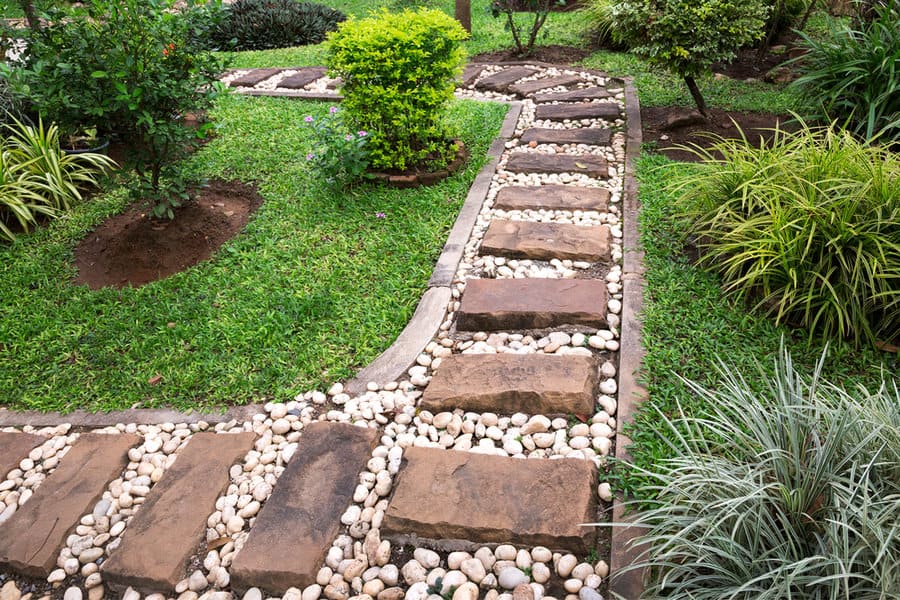
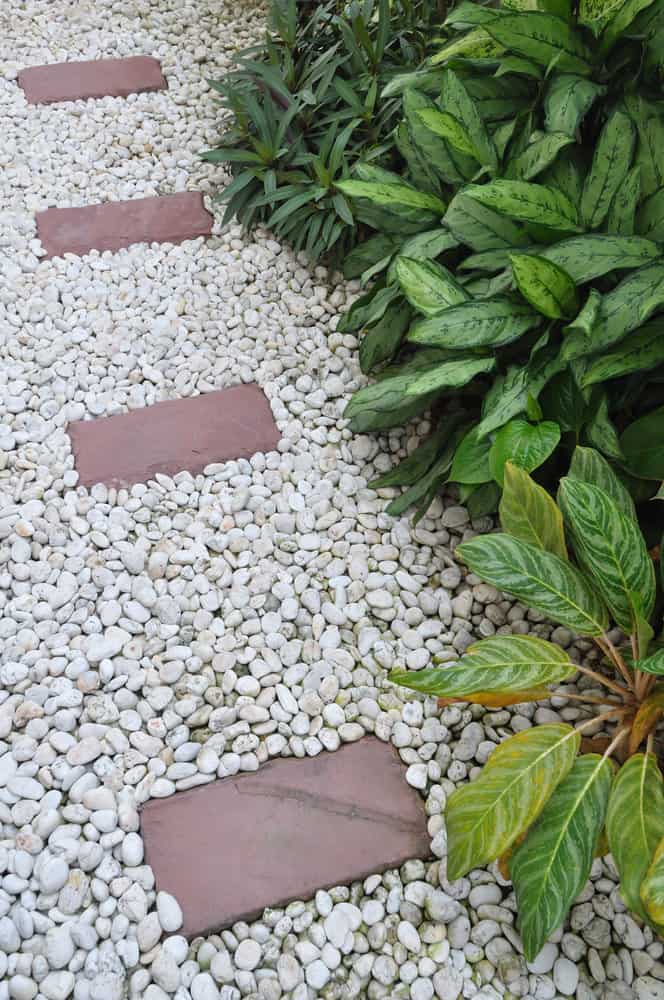
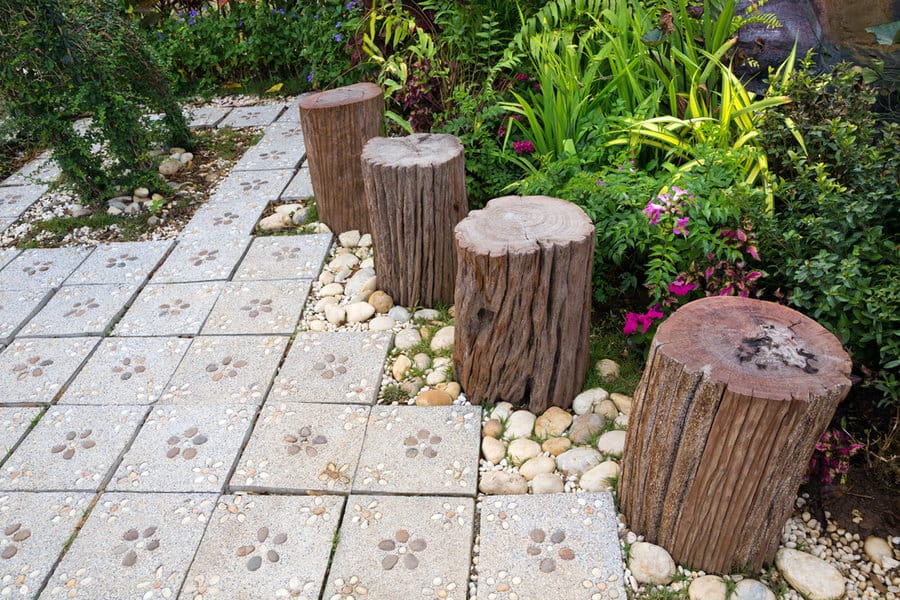
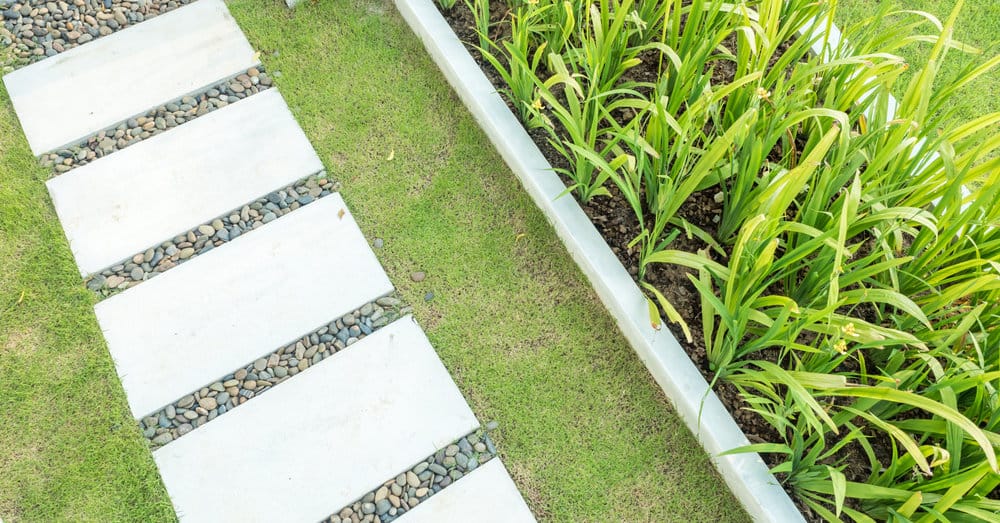
15. Pebbled Floor With Concrete Stone Path
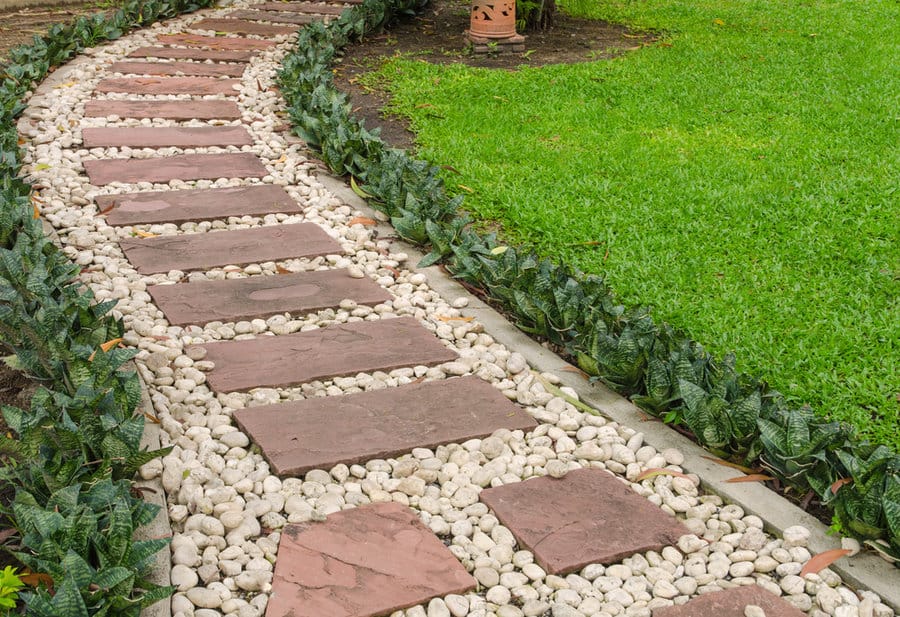
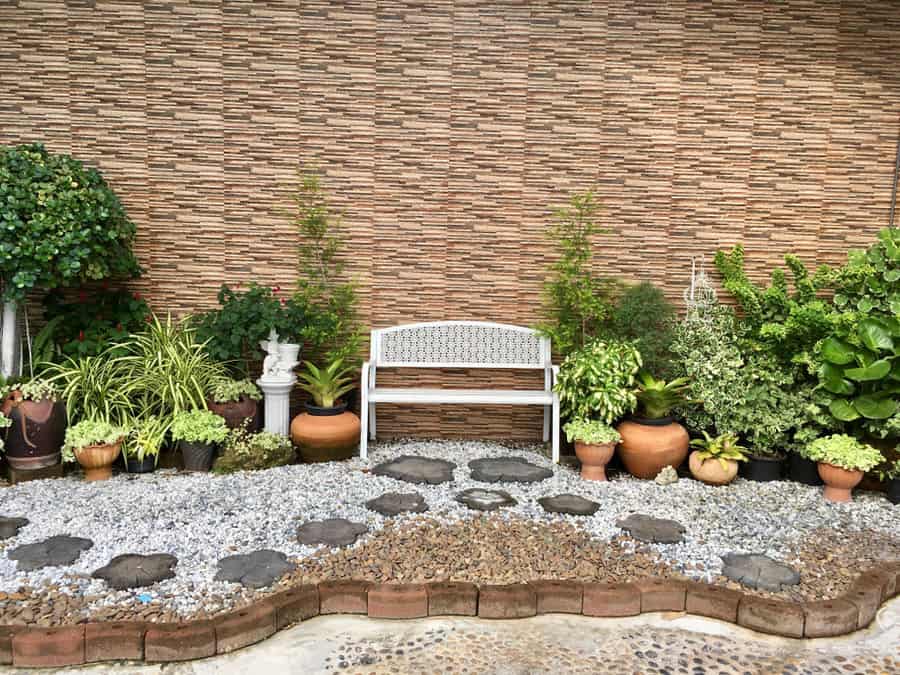
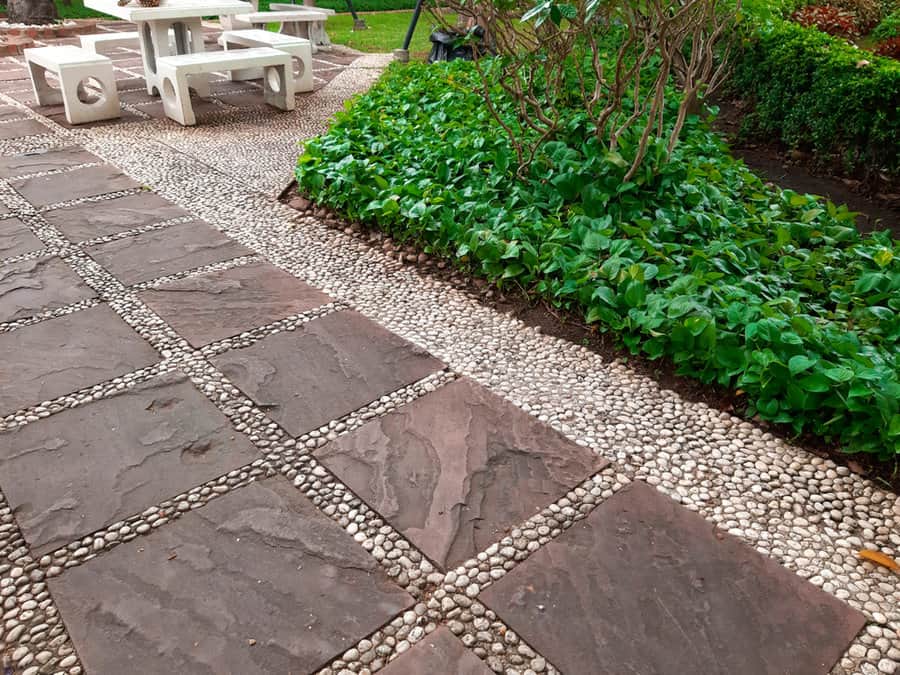
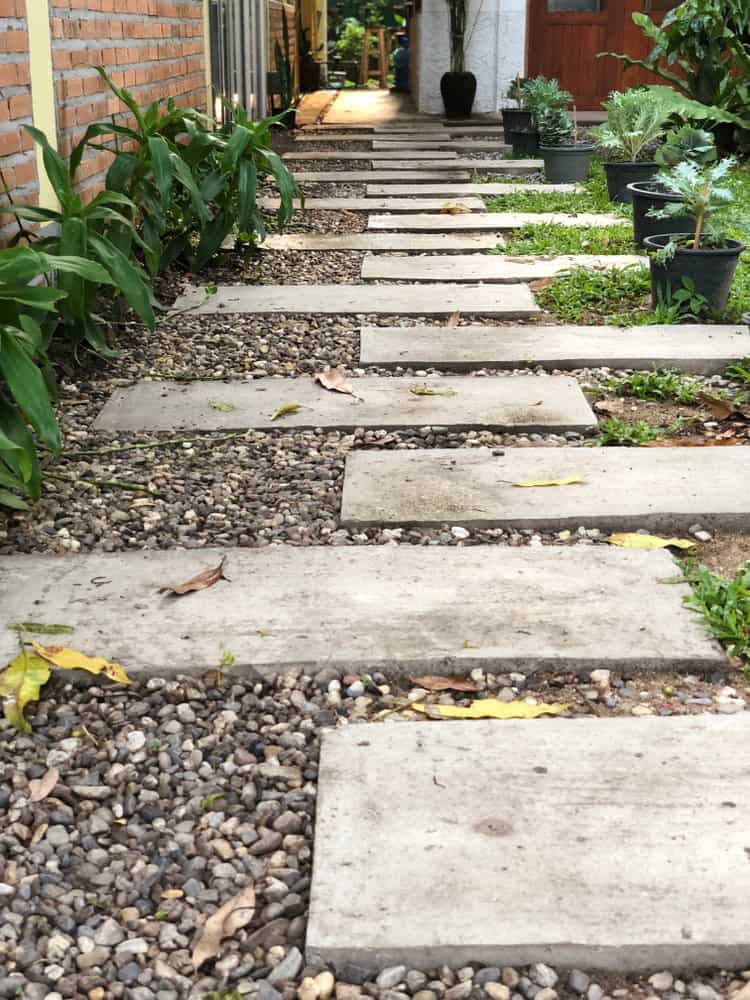
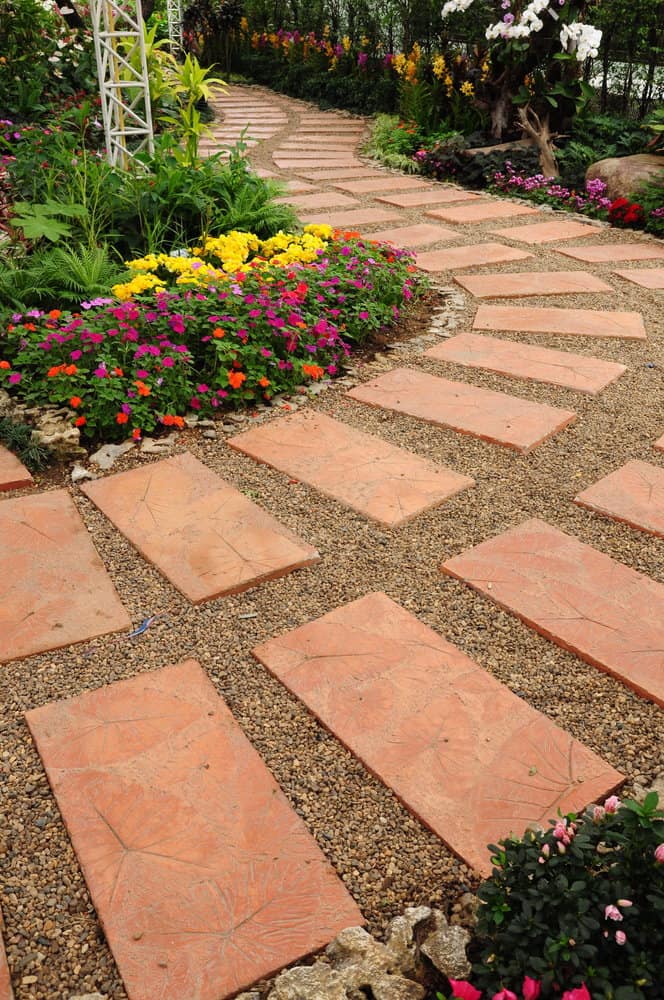
This design combines the loose texture of pebbles with the solidity of concrete stones. It’s ideal for those who appreciate a mix of textures and a balance between structured and natural elements.
16. Tiled Walk Path
Tiled walk paths bring color and pattern to your garden. They can be customized to fit any style, from Mediterranean mosaics to modern geometric designs, offering a unique and personal touch.
17. Herringbone-Patterned Walk Path
The herringbone pattern adds a classic and sophisticated touch. This intricate design is not only visually appealing but also provides a durable and stable walking surface.
18. Interlocking Paving Stone
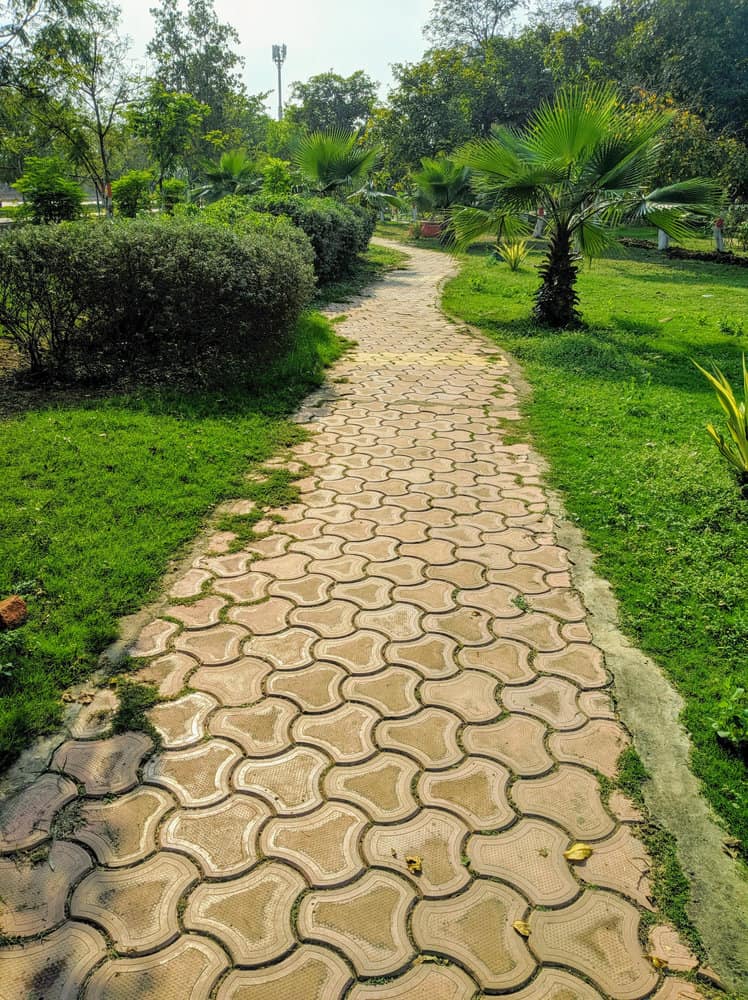
Interlocking paving stones are versatile and durable, perfect for creating a cohesive look. Their interlocking nature makes them a stable and low-maintenance choice for any garden path.
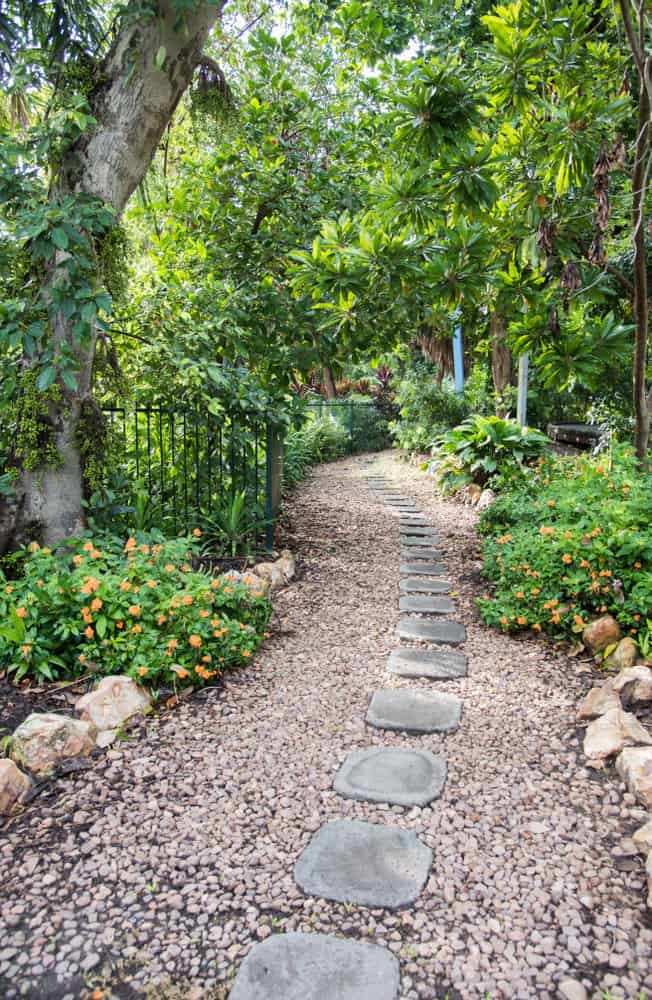
19. Pebbled Path
A pebbled path is simple yet elegant. The sound of pebbles underfoot adds a sensory experience to your garden stroll, and the natural look integrates seamlessly with any garden style.
20. Oversized Rocks
Oversized rocks can create a bold, sculptural path. They add a dramatic, natural element to your garden, ideal for those looking to make a strong visual statement.
21. In-Out Walk Path
This path design alternates between indoor and outdoor elements, perfect for gardens that connect with indoor spaces. It blurs the line between the home and the garden, creating a seamless transition.
22. Stamped Concrete
Stamped concrete offers the look of natural materials with the durability of concrete. It can be shaped and colored to mimic stone, brick, or other textures, offering a customizable and robust pathway solution.
23. Ascending Walk Path
An ascending walk path adds a dynamic element to your garden, guiding visitors through different elevations. It can be both a practical solution for sloped gardens and an opportunity to create stunning views.
24. Multi-Colored
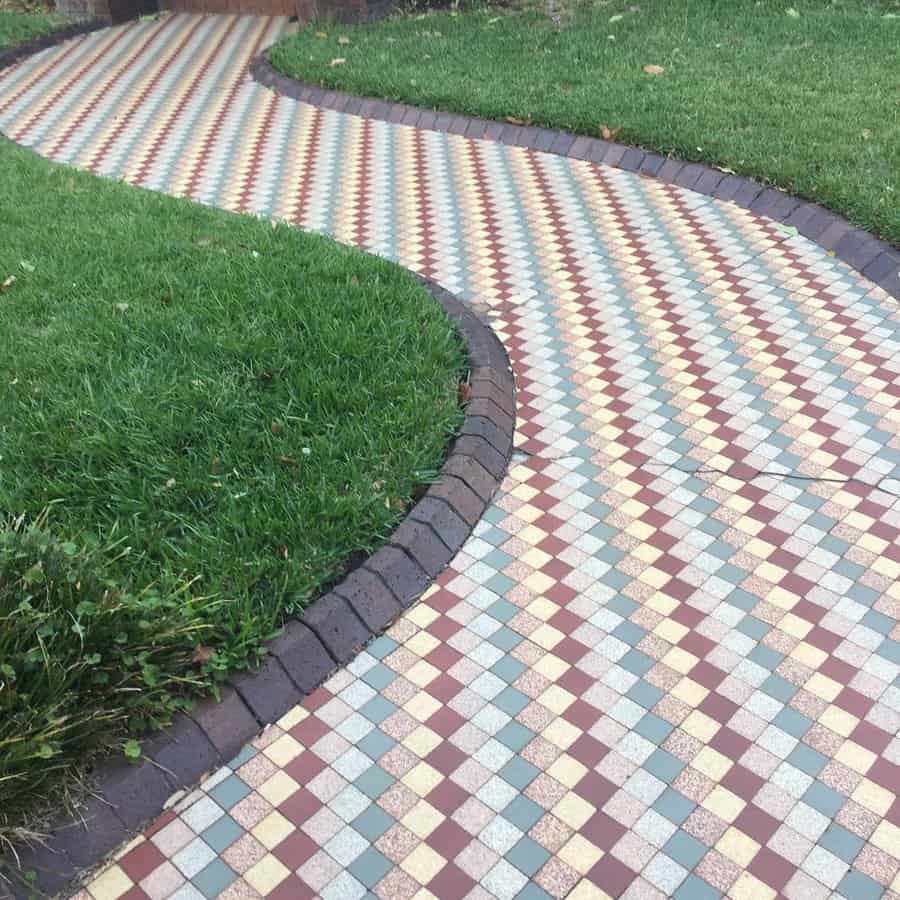
A multi-colored path can be as subtle or as bold as you like. Whether it’s a blend of natural stone hues or a vibrant mosaic of tiles, it adds a playful and artistic touch to your garden.
Source: @bee_atlarge via Instagram
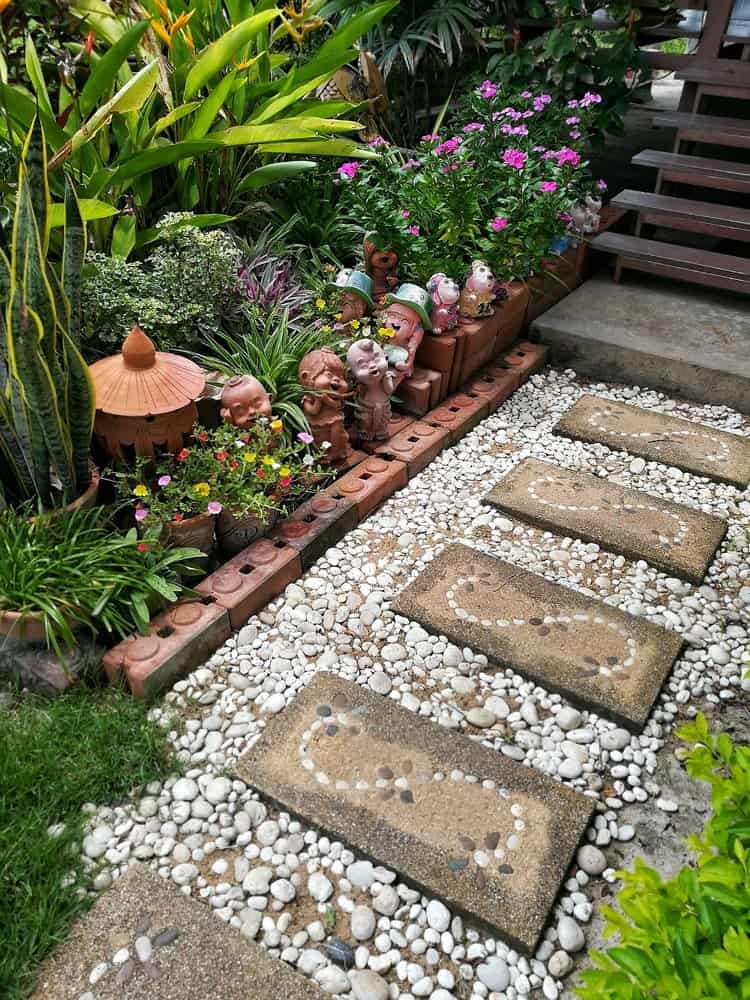
25. Creative Pebble Walk Path
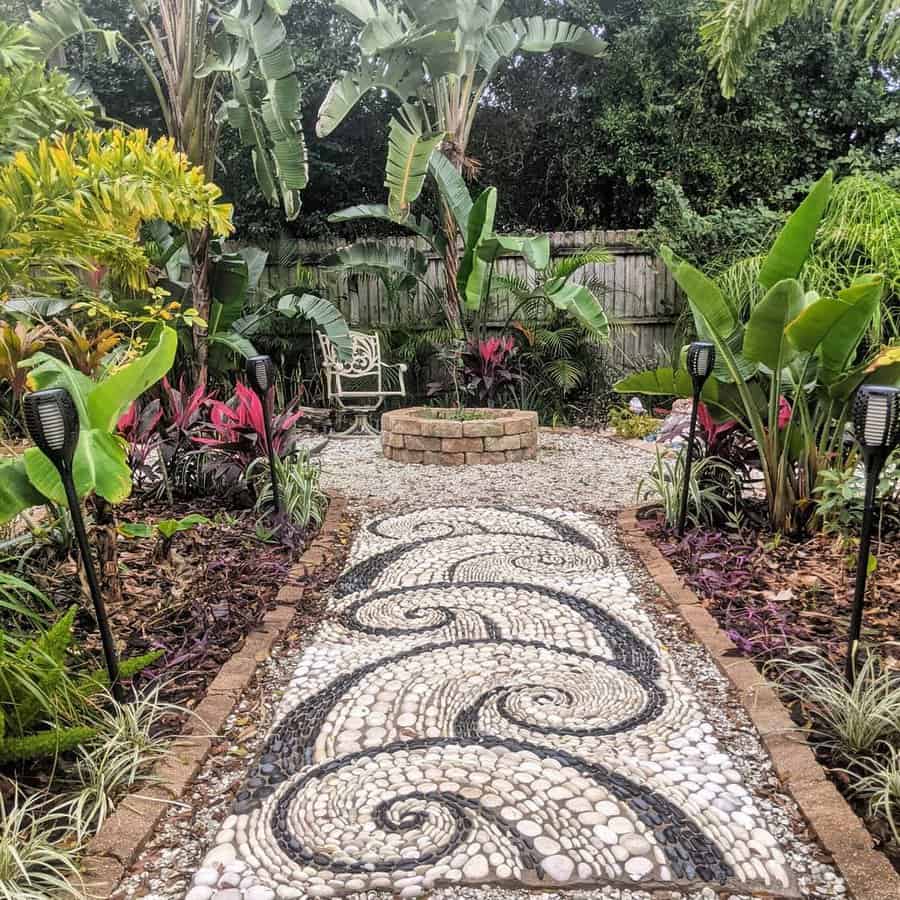
Unleash creativity with a pebble walk path that features artistic patterns or motifs. This path not only serves as a functional walkway but also as a piece of art in your garden.
Source: @kab0130 via Instagram
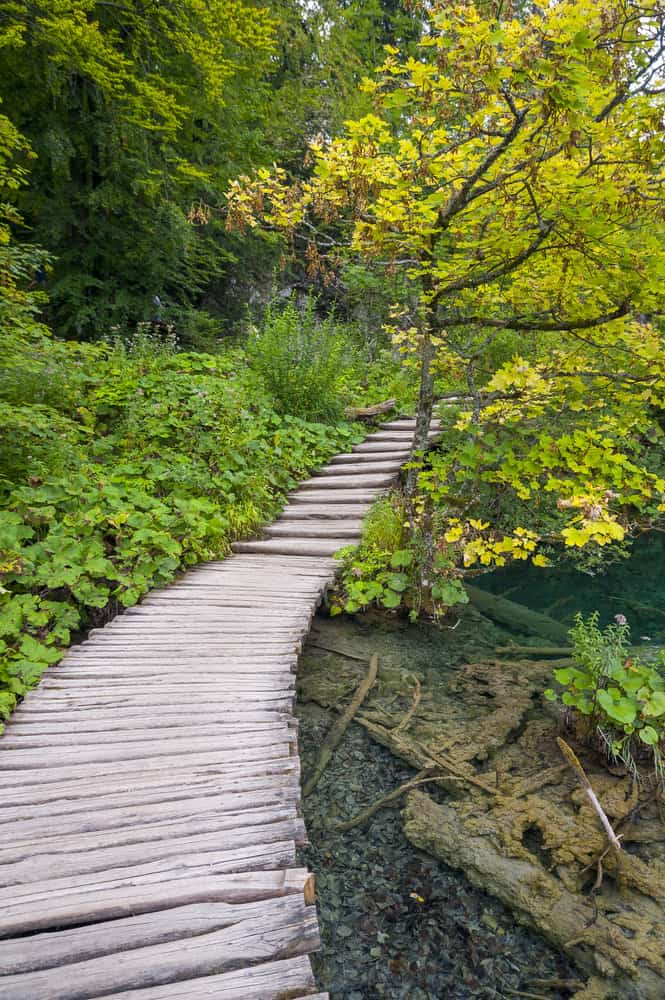
26. Wooden Walk Path
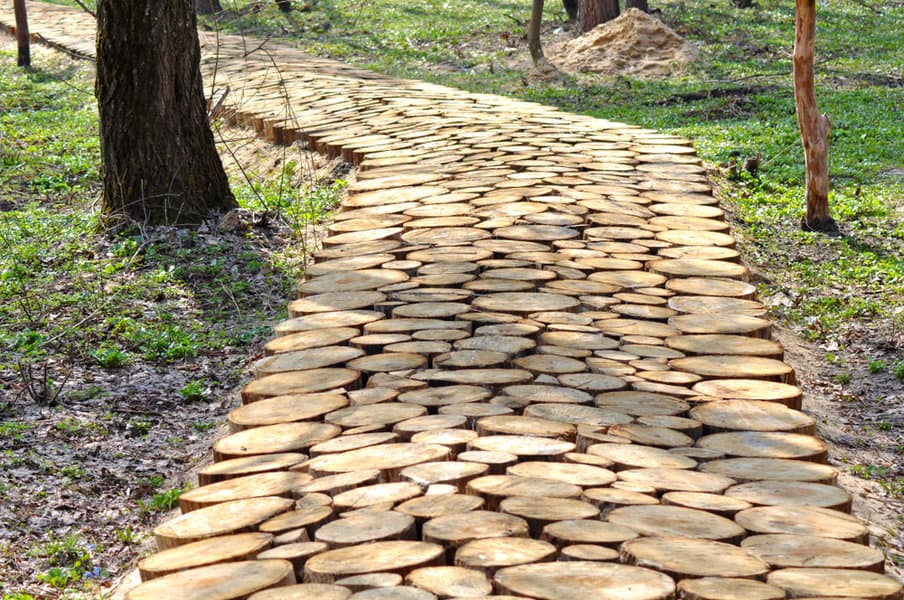
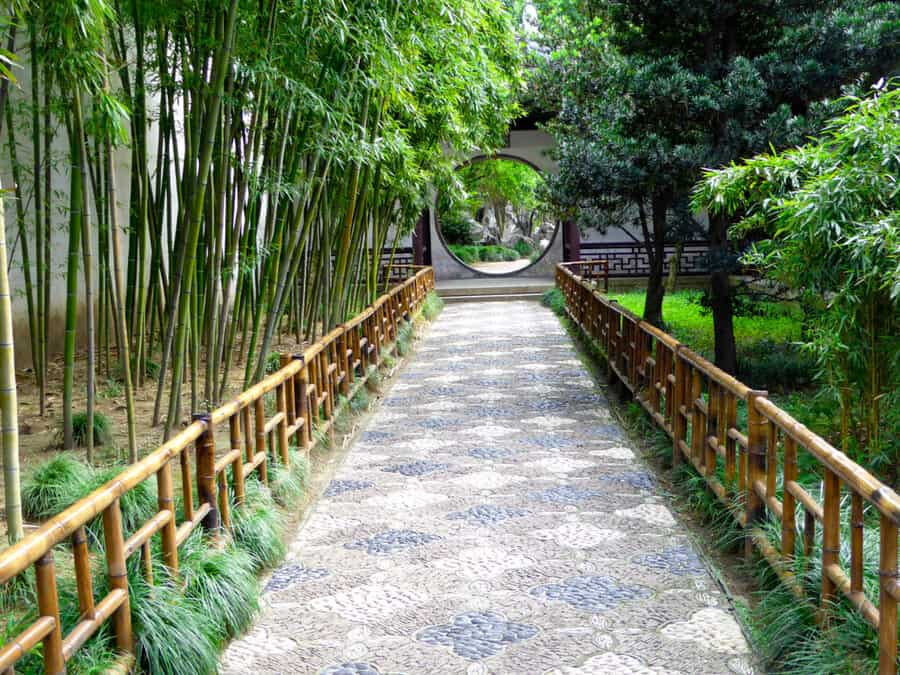
A wooden walk path adds warmth and a natural feel. It’s particularly fitting for gardens with a rustic or cottage-style theme and can be designed to meander gently through your outdoor space.
Source: @hushamami via InstagramSource: @barbarabentley_properties via InstagramSource: @dimit_kar via InstagramSource: @maricha_nara via InstagramSource: @myfairygarden79 via InstagramSource: @omnigardenjournal via Instagram
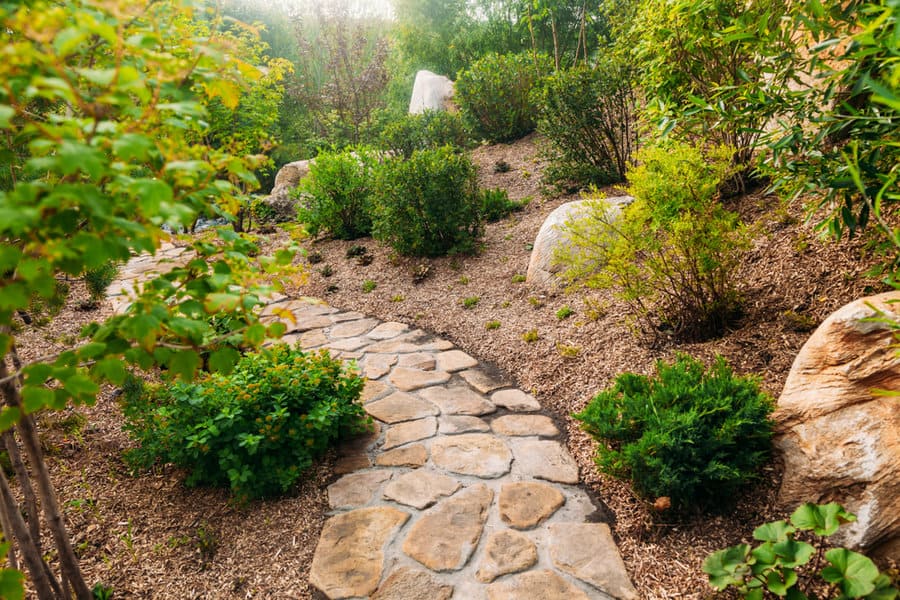
27. Cobblestone Path
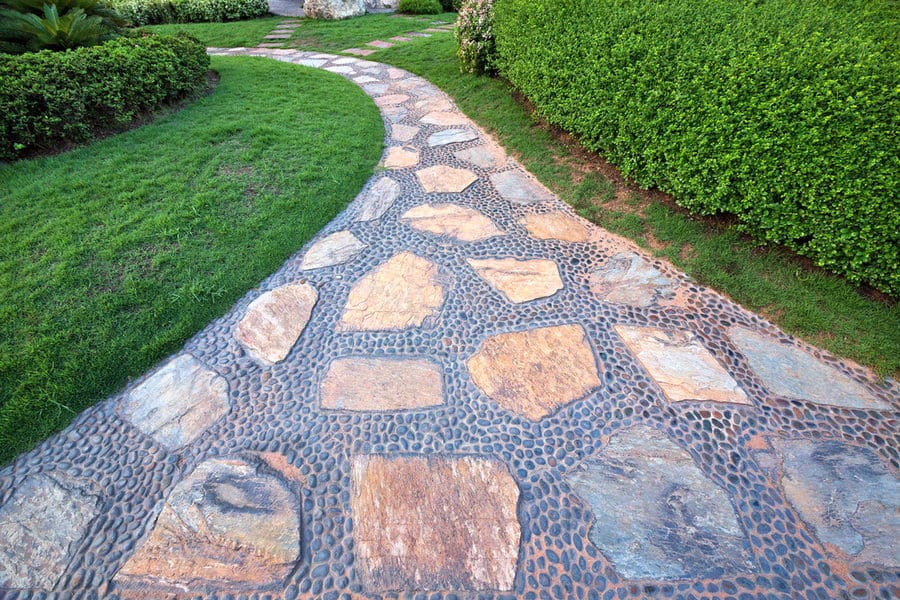
Cobblestone paths evoke a sense of old-world charm. Their uneven surface and varied shapes add character and a timeless appeal to your garden, perfect for creating a storybook look.
28. Granite Scraps
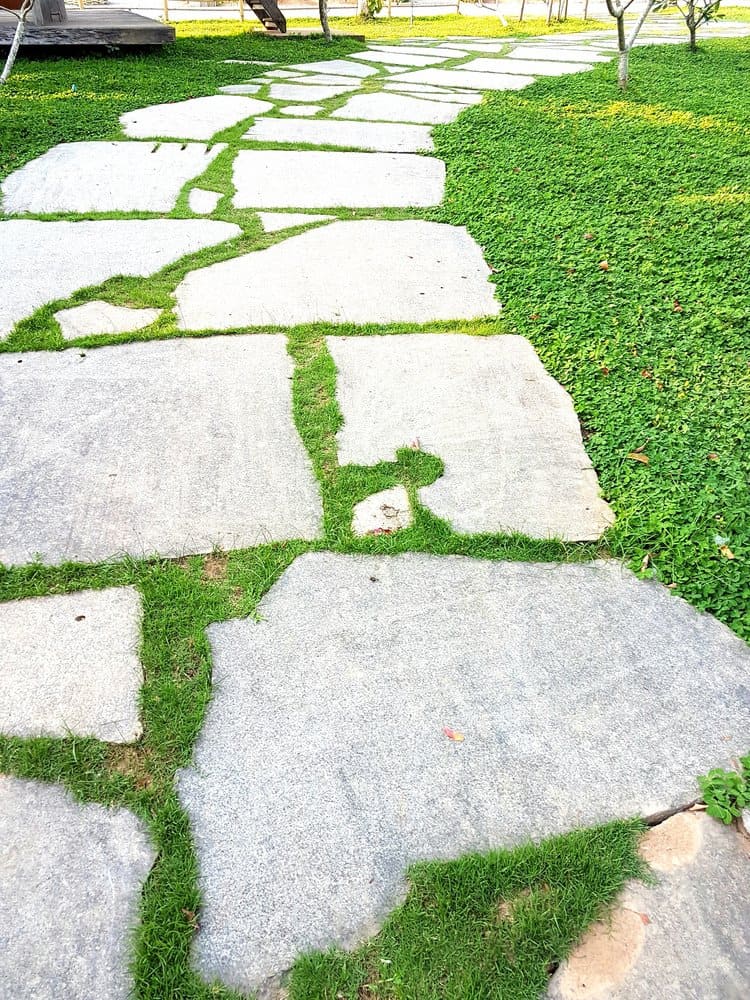
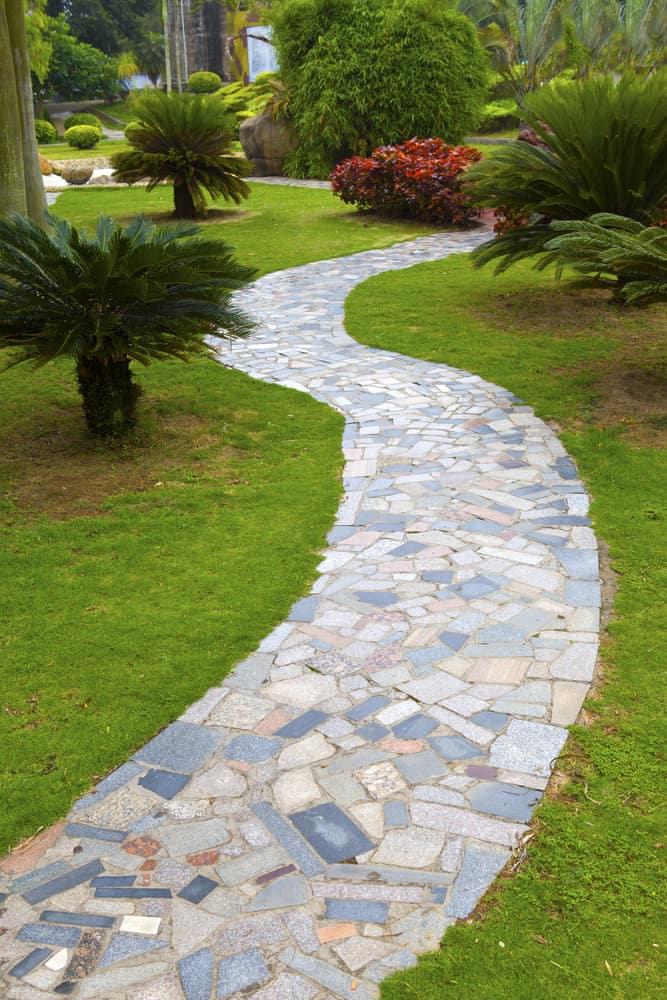
Using granite scraps is an eco-friendly and unique approach. This path will have a mosaic-like effect, each piece telling its own story, perfect for an innovative and sustainable garden design.
We all know the importance of a good first impression. But have you ever thought about what kind of impression your house gives to guests and passersby?
Some aspects of your home’s exterior can’t be easily changed. Fortunately, high-quality landscaping can do wonders for your home’s curb appeal!
From installing a simple flower bed to overhauling your entire front yard, fresh landscaping can help you see your home in a brand new light. (And, if you’re thinking about selling, could add value to the property!)
Keep reading to be inspired by our favorite landscaping ideas for the front of the house!
[view_toc]
1. Incorporate Asian-Inspired Modern Landscaping
Asian-inspired landscaping offers a sleek, modern aesthetic. While this look is best paired with angular architectural styles, the right design can work with almost any home exterior.
Source: @mrrumputmy via Instagram
Many Asian-inspired landscape designs are ideal for climates where a traditional grass yard just isn’t sustainable. Replacing your front yard with a rock garden can reduce irrigation needs without sacrificing curb appeal.
When selecting plants for your front landscape, opt for species that are structured and low-maintenance. Evergreens thrive in this type of landscaping and can be pruned into a wide variety of shapes!
2. Transform with Creative Landscape Design
Landscaping is one of the best ways to add dimension and movement to your front yard. From digging garden beds to installing a walkway, a few simple changes could make your home’s facade unrecognizable!
Source: @greenworksats via InstagramSource: @pavestoneplus via Instagram
Before making any such changes, take a step back and look at your home’s exterior from a distance. It’s important to maintain balance in your landscape design overall.
Be sure to consider long-term maintenance when selecting landscaping ideas for the front of your house. A foundation bed or gravel walkway that is not well-maintained could end up detracting from your home’s curb appeal in a year or two.
3. Enhance with Stylish Driveways and Walkways
A well-planned walkway or driveway is both functional and fashionable. And you should do everything in your power not to sacrifice one aspect for the other.
Remember to look beyond the driveway or walkway itself. Some simple plantings along the perimeter can add much-needed shape and color to the path. Exterior lighting can boost safety while improving the property’s nighttime curb appeal.
These changes can even bring new life to an existing walkway or driveway. Repaving is expensive — if the surface is still in good condition, consider changing the surrounding landscape instead.
4. Choose Drought-Resistant Plants for Sustainability
There are several reasons to install a drought-resistant landscape. Not only are drought-tolerant plantings better for the environment. Opting for this type of front landscape can also lower your monthly water bills.
Source: @lloydsgardensldn via Instagram
Those living in arid climates are likely already familiar with this type of landscaping — also known as xeriscaping. But drought-resistant plants are great options no matter where you live!
One of the best things you can do to drought-proof your yard is to swap out regular turf grass for a different ground cover. Gravel, sand, and broken shells are a few hardscaping alternatives to consider as well.
5. Beautify with Flower Beds and Blooms
Everyone can appreciate the natural beauty of a flower. Yet not everyone knows how to incorporate blooming plants in a landscape of their own.
Understanding your climate is a crucial first step. If you’re not sure where to start, consult your neighbors (or observe their gardens from a distance) to determine which species thrive in the area.
Don’t plant a flower bed independent of your home’s exterior. Think about how the colors and shapes of different blooms will complement the architecture and palette of your home’s facade.
6. Create a Vibrant Grass-Free Front Yard
There’s no rule stating that a front lawn has to include grass! And, in many regions, opting for a grass-free landscape can be both fashionable and practical.
Source: @darkleylodge via Instagram
Look for ways to include greenery — shrubs and ornamental trees are both wonderful solutions. Be sure to apply gravel, mulch, or another material to the soil to prevent erosion.
If giving up a lush green lawn is something you just can’t fathom, there are alternatives to traditional grass. Artificial turf is a popular choice in some areas. Clover and other low-maintenance ground covers work great as well.
7. Enhance with Dynamic Hardscaping Elements
Hardscaping is anything within a landscape that is not alive — furniture, retaining walls, walkways, etc. Effective hardscaping is often the difference between a bland front lawn and one that turns heads.
Source: @hometransformationwithclare via Instagram
One of the best uses of hardscaping is to add levels to an existing landscape. Different paths and platforms can make an otherwise boring front lawn unique and intriguing.
Most hardscaping starts out by solving a problem. Stone steps may be installed in a sloping yard while a fence may be built to keep out trespassers. With a keen eye, these elements can simultaneously improve your home’s curb appeal.
8. Achieve Affordable and Attractive Landscaping
Landscape design is a worthwhile investment for any front yard. However, you shouldn’t need to break your budget to enjoy a functional and beautiful outdoor space.
Source: @hometransformationwithclare via Instagram
One of the best ways to cut landscaping costs is by working with what you already have. Look for inspiration in garden and yard designs that are similar to your property’s size, layout, and existing elements.
Take a minimalist approach with your landscaping ideas as well. Invest in perennial plants that require little maintenance yet will live for many years. Embrace the look of open space.
9. Opt for Easy-Care Landscape Solutions
The secret to a low-maintenance yard is selecting plants that are naturally adapted to your local climate.
Source: @our_build via InstagramSource: @thewalmsleyhomestead via Instagram
Often, but not always, the best plants for a low-maintenance garden are native species. These plants already have all of the necessary tools to survive in your yard — all you have to do is put them in the ground.
Even a grass lawn can be relatively low-maintenance if you think strategically. Again, choose a grass species adapted to your region. Low-growing grasses are ideal. You can mix in hardy clover to cut down on mowing and irrigation needs even further!
10. Modernize with Minimalist Landscaping
A modern front landscape should be simple but never boring! (While minimalism plays a big role in modern design, you can do a lot with just a small number of details.)
Source: @dmgconcretedesign via Instagram
Look for ways to incorporate geometric shapes throughout your yard. Angular walkway pavers or a globular planter are two great examples.
Opt for landscape plants with interesting shapes and textures. Many palm tree species look right at home in a modern front yard. Evergreens are also wonderful options in less-temperate climates.
11. Landscape Sloped Yards with Flair
A hilly front yard may not be ideal for playing ball or setting up an outdoor seating area. But it’s an incredible asset when designing a head-turning landscape or garden.
With a sloped yard, there’s no need to worry about the end result looking flat or one-dimensional! This is true whether you opt to design around the natural curvature or build tiered flower beds into the hill.
While a sloped front yard offers tons of design opportunities, there are some practical considerations you’ll want to make. Invest in retaining walls to prevent unwanted erosion. A layer of mulch will prevent valuable topsoil from washing down the hill as well.
12. Add Elegance with Topiary Artistry
Low-maintenance hedge plants have taken over the world of residential landscaping. But there’s no replacing the beauty of a well-manicured topiary garden!
Source: @heritageoaks via InstagramSource: @murrayboissery via InstagramSource: @murrayboissery via Instagram
The art of topiary often brings to mind ornate animal-shaped shrubbery. In reality, topiary involves a wide range of plant species and shaping techniques (if your property has ornamental evergreens, you may already be dabbling in this practice without realizing it!).
While topiary definitely isn’t for the busiest of homeowners, most people can care for a single planter or landscape tree without issue. If your budget allows, professional hedge-trimming services are always an option!
They say that curb appeal is responsible for up to 11% of a home’s resale value. But you shouldn’t wait until it’s time to sell your home to invest in the beauty and function of the surrounding property.
The backyard is an invaluable part of any home. Big or small, the backyard is the perfect space to entertain family, visit with friends, or relax after a long day at work. And for households with children or pets, a backyard can be a welcome distraction from causing havoc around the house!
Yes, landscaping is expensive. But it doesn’t have to be. Keep reading for our favorite backyard landscaping ideas on a budget!
[view_toc]
1. Thrift a Garden Statue
Scour local thrift stores or yard sales to find an affordable garden statue, adding a touch of classical charm to your backyard. Position it as a focal point in a flower bed or at the end of a pathway for a striking visual impact.
Source: @barefoot.landscape via InstagramSource: @estatues via Instagram
2. Add a Trellis Wall
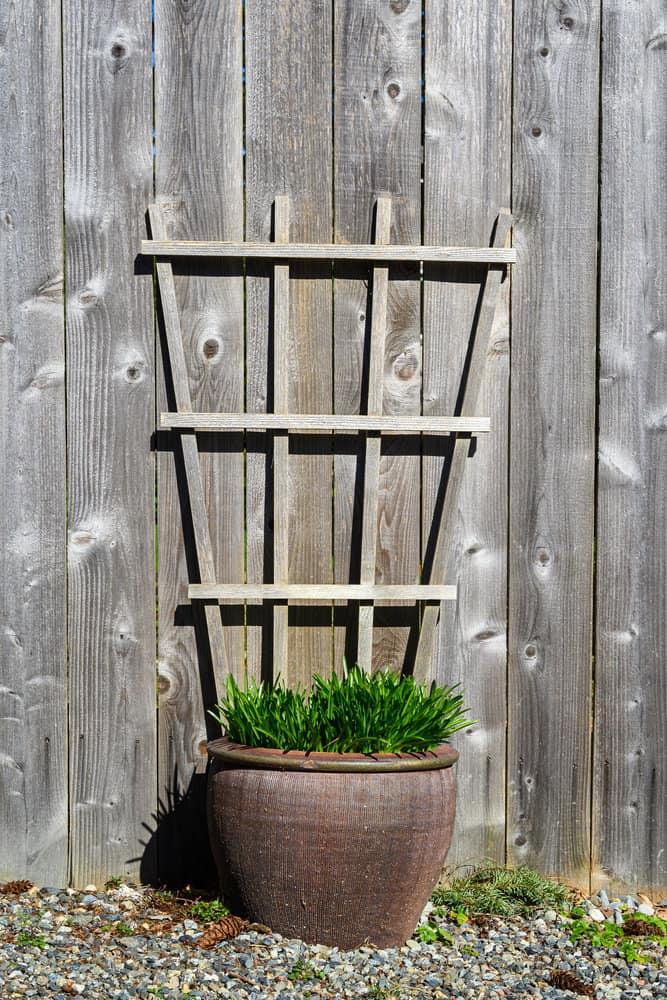
Installing a trellis against a bare wall or fence creates a vertical garden space. Train climbing plants like ivy or roses to grow up the trellis, creating a living wall that adds both privacy and beauty.
Source: @puntodereves via Instagram
3. Get a Small Pool or Pond for Movement
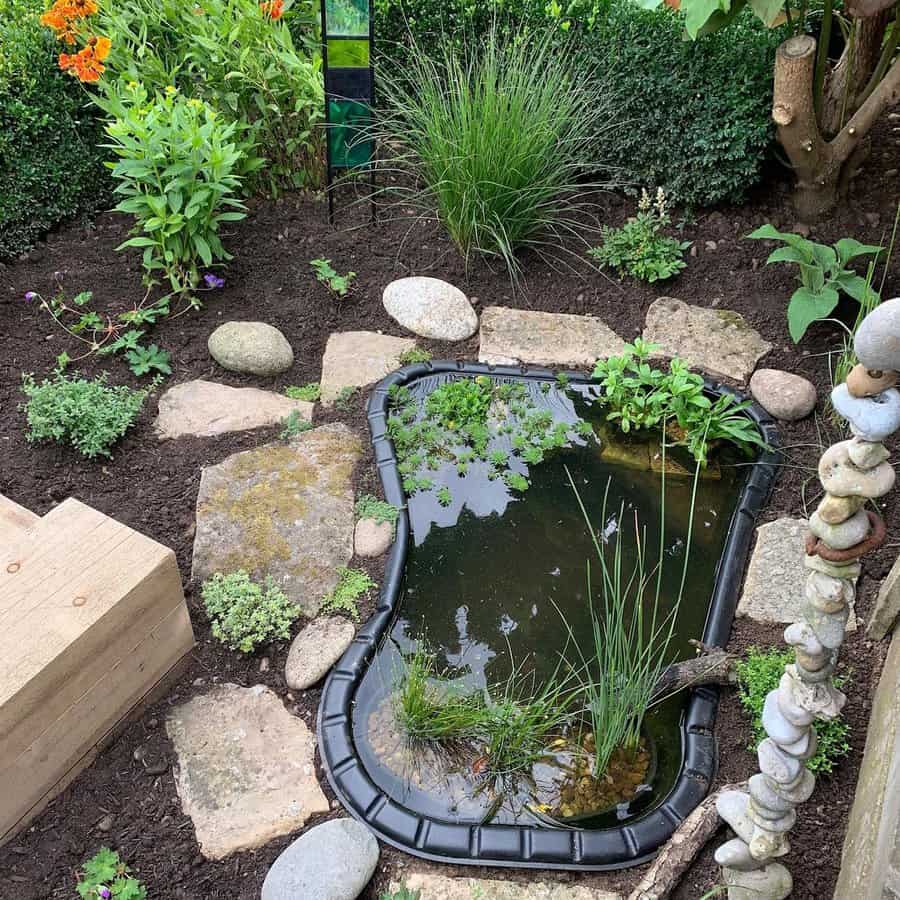
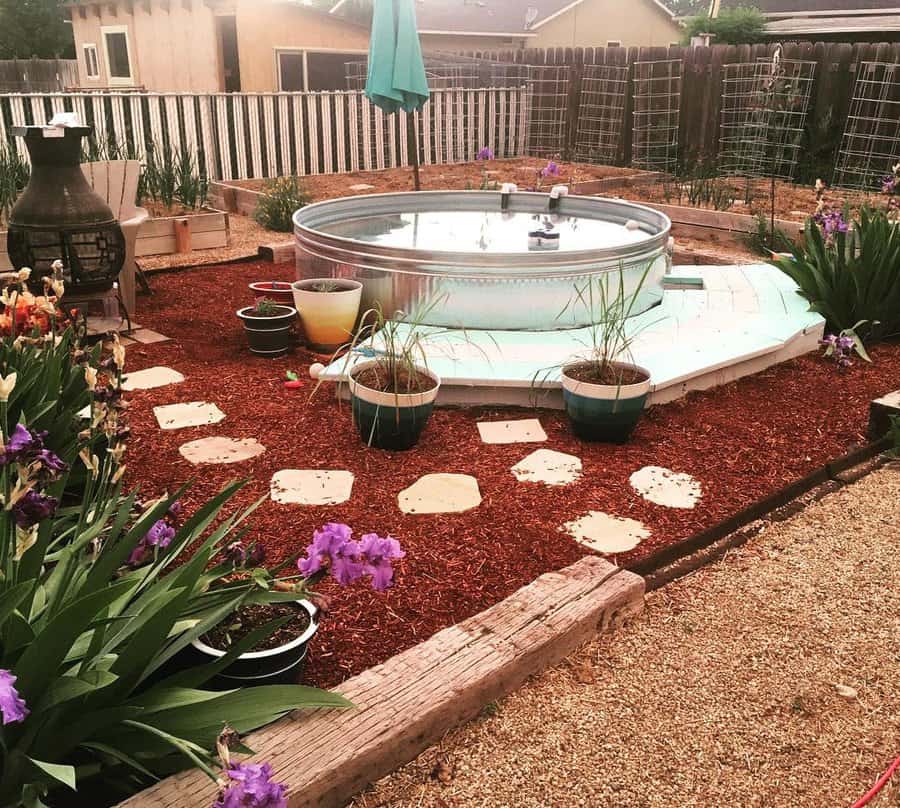
Introducing a small pond or stock tank pool brings dynamic movement to your backyard. This water feature doesn’t need to be large; even a modestly-sized pond can provide a serene focal point and attract wildlife.
Source: @phillip_johnson_landscapes via InstagramSource: @anneguygardendesigns via InstagramSource: @rootedrevivalhomestead via Instagram
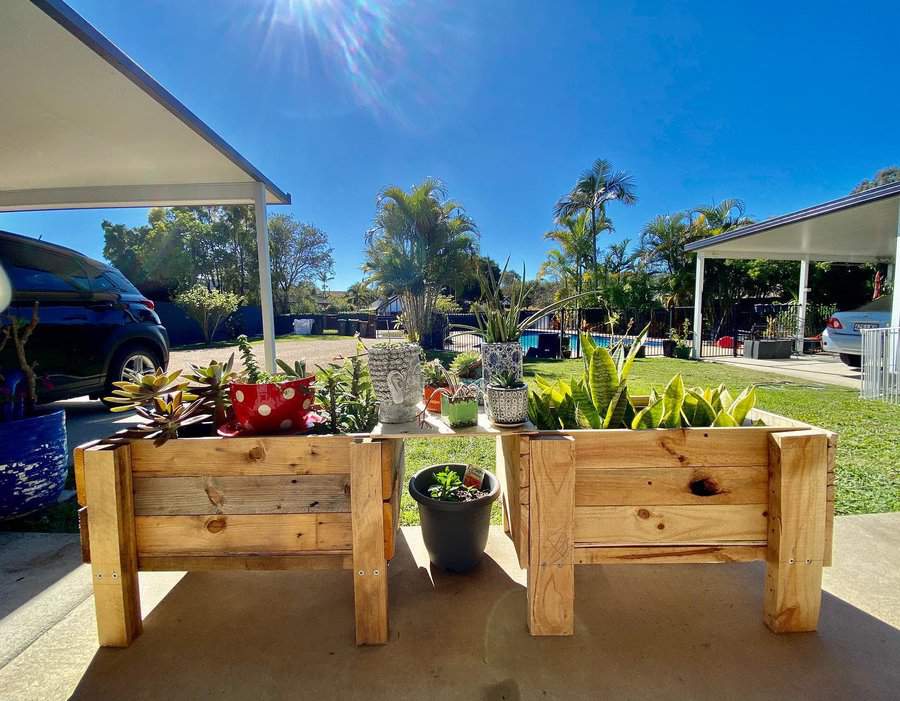
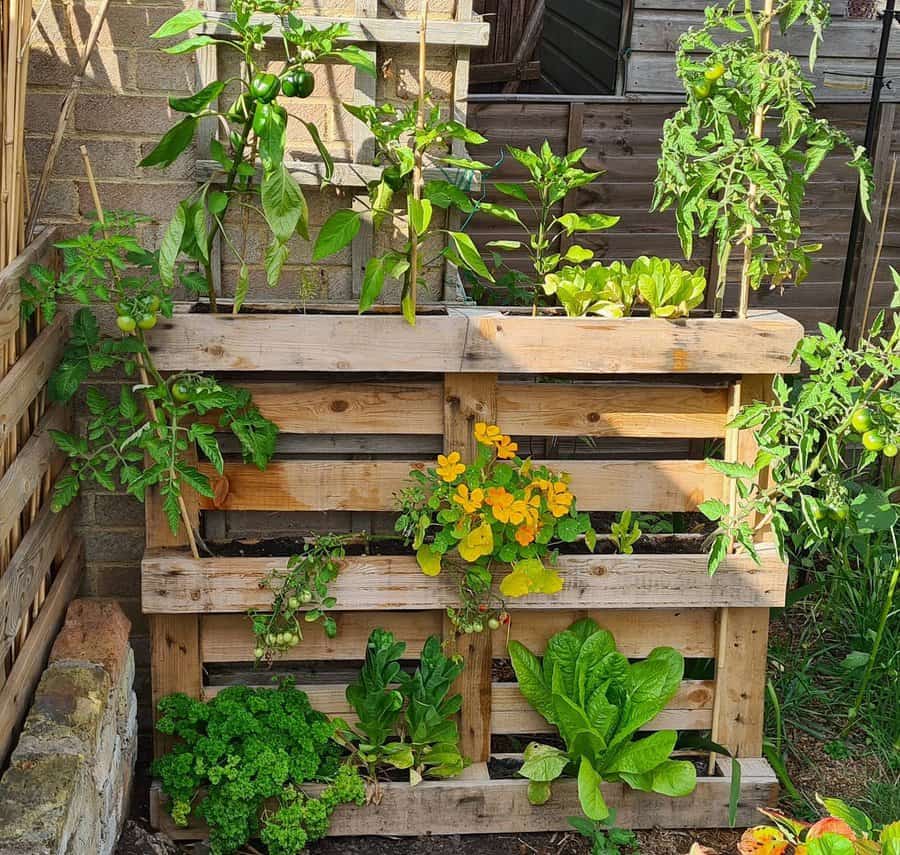
4. Wood Pallet Plant Box
Repurpose wood pallets into rustic plant boxes for a cost-effective and eco-friendly gardening solution. These boxes are ideal for growing herbs, flowers, or small vegetables and can be arranged to define spaces or create borders.
Source: @stormi.makes via InstagramSource: @teetee2gnp via InstagramSource: @culverlandscaping via InstagramSource: @culverlandscaping via Instagram
5. Install a Simple Backyard Deck
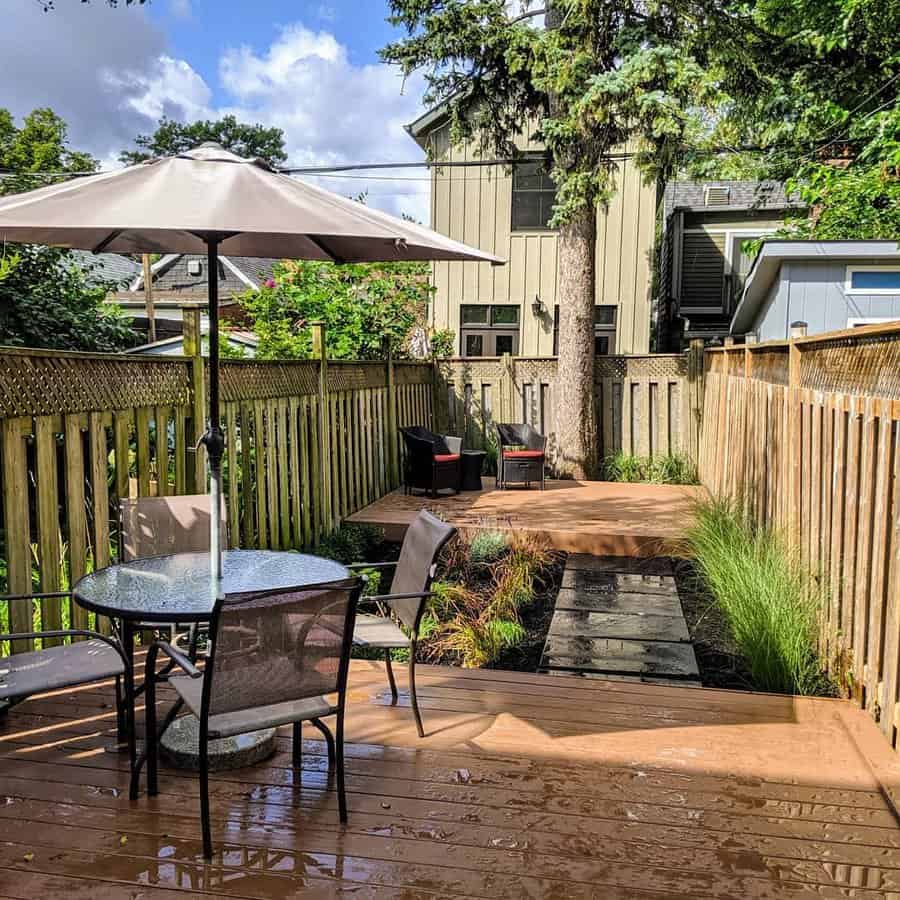
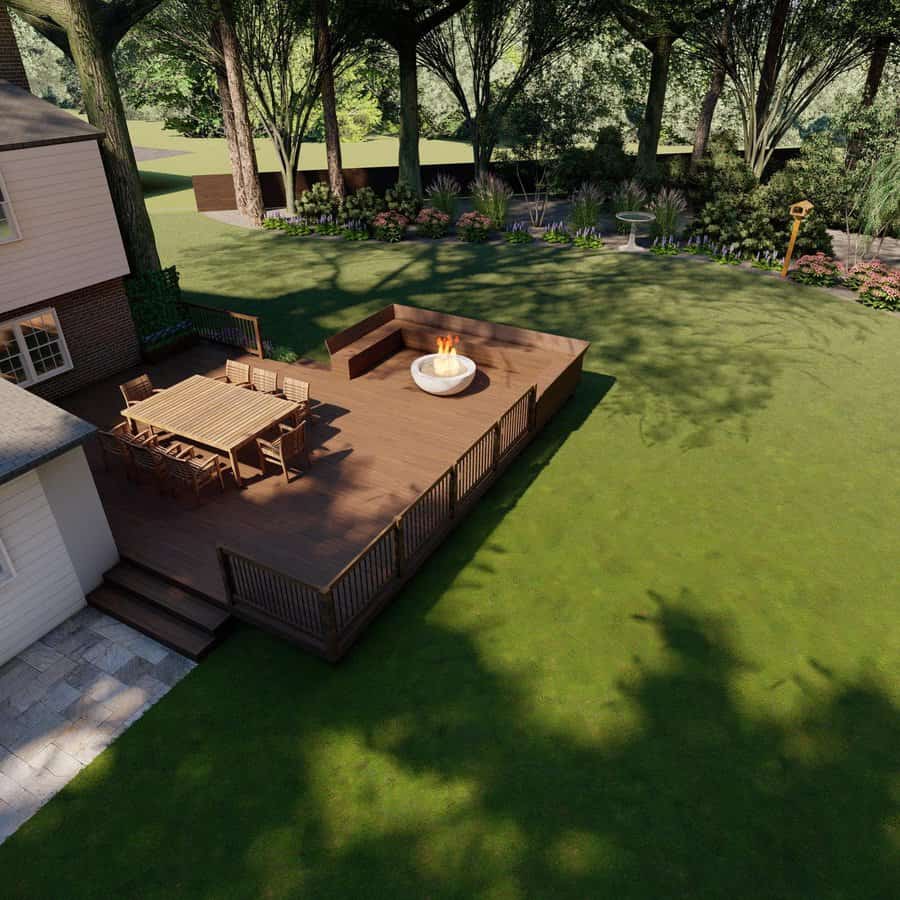
Constructing a simple wooden deck can transform your backyard into a versatile outdoor living space. Design it for dining, lounging, or as a platform for a fire pit, ensuring it complements the existing landscape.
Source: @insideout_designbuild via InstagramSource: @billingsley_home via InstagramSource: @earthandsole via InstagramSource: @earthandsole via InstagramSource: @vikys.pics via InstagramSource: @tilly_design via Instagram
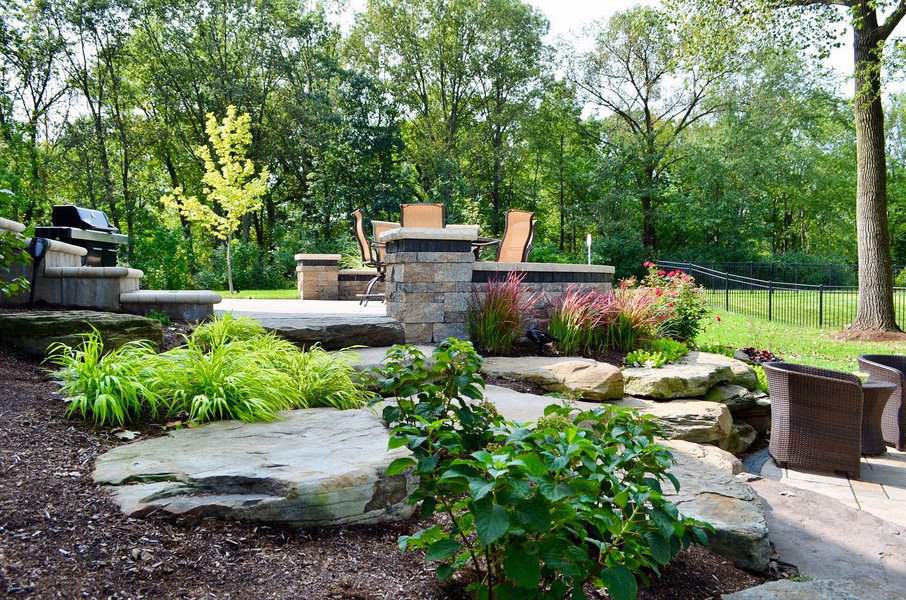
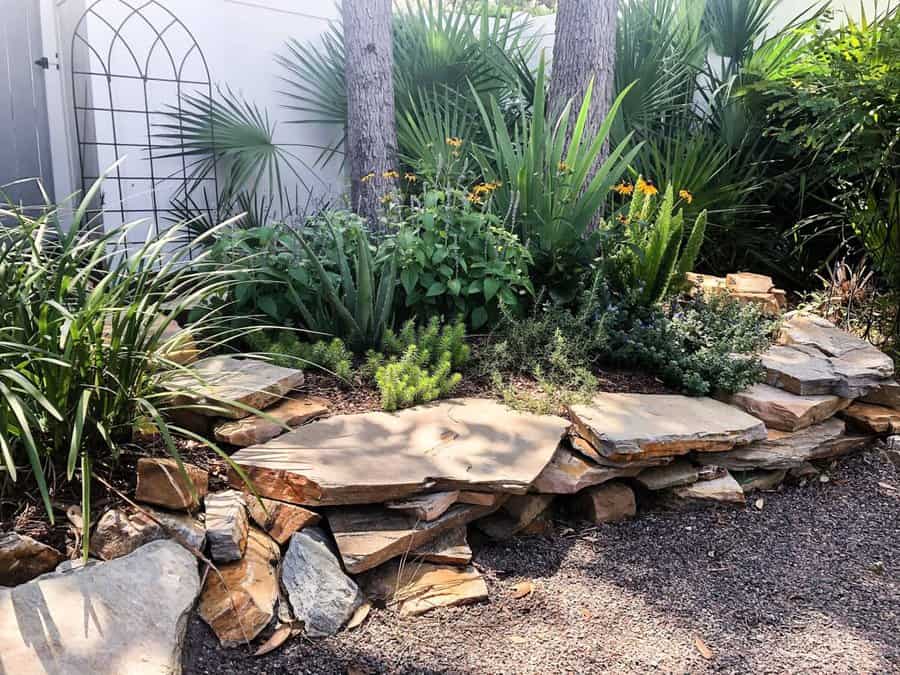
6. Landscape a Rock Garden
A rock garden is a low-maintenance and drought-resistant option. Select rocks of various sizes and shapes, and arrange them with drought-tolerant plants for a natural, zen-like environment.
Source: @landscapecreationsdupage via InstagramSource: @soulargardening via Instagram
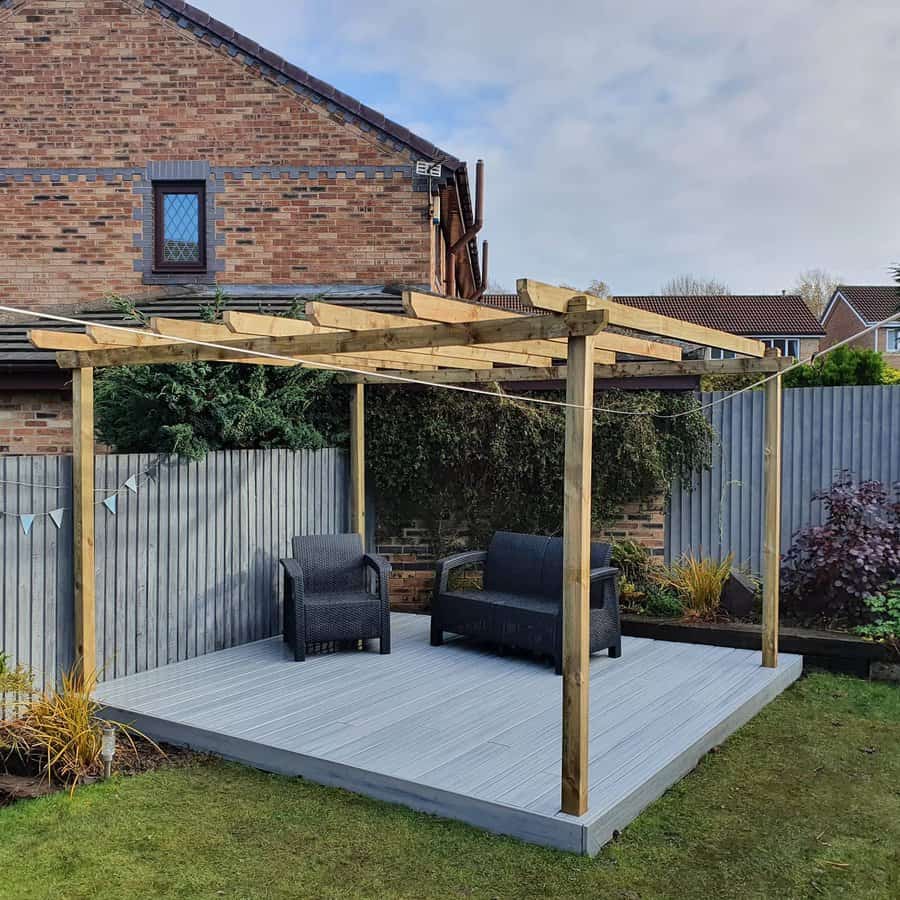
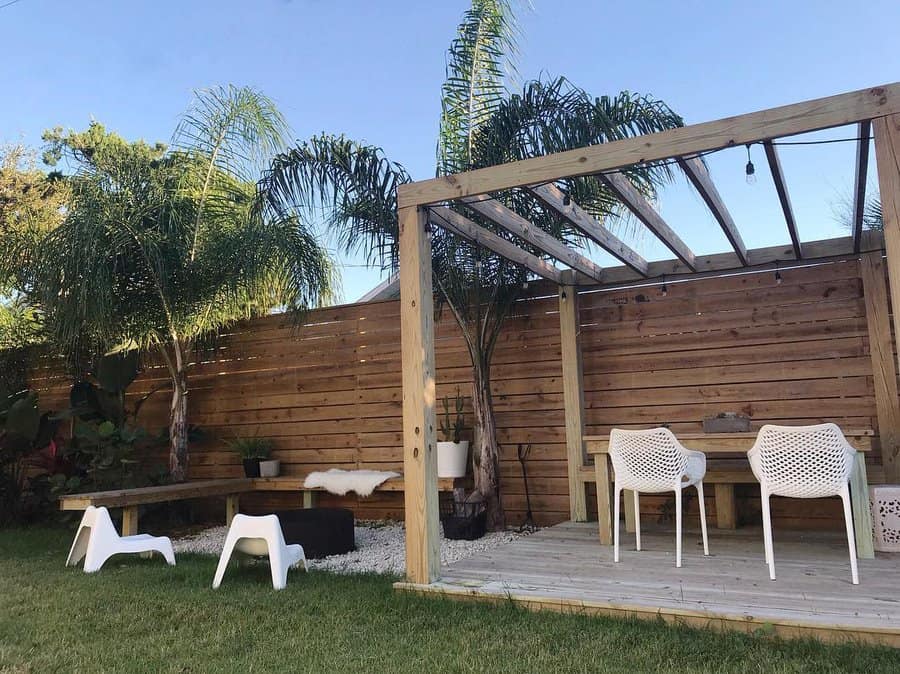
7. Add a Small Pergola
A pergola offers both shade and architectural interest. Build it over a patio or along a garden path, and consider adding climbing plants for a lush, green canopy.
Source: @macraemartin via InstagramSource: @staugustine.homes via Instagram
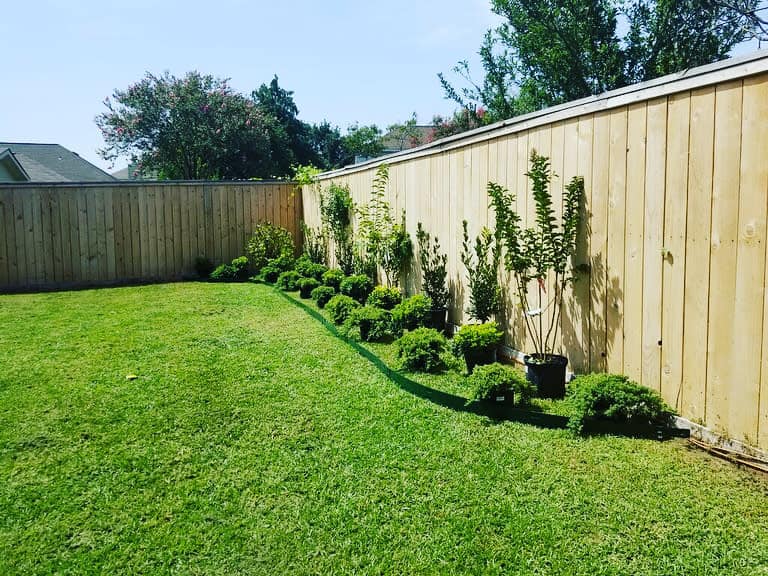
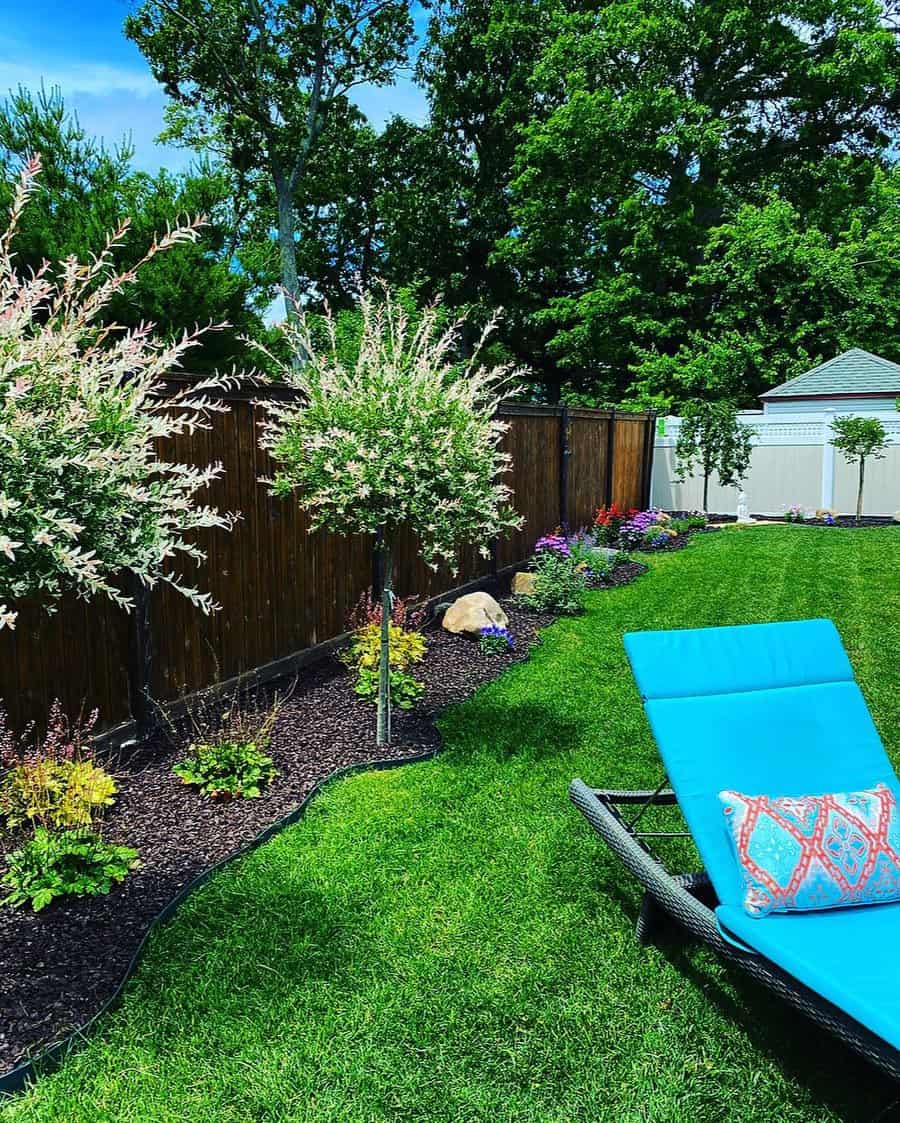
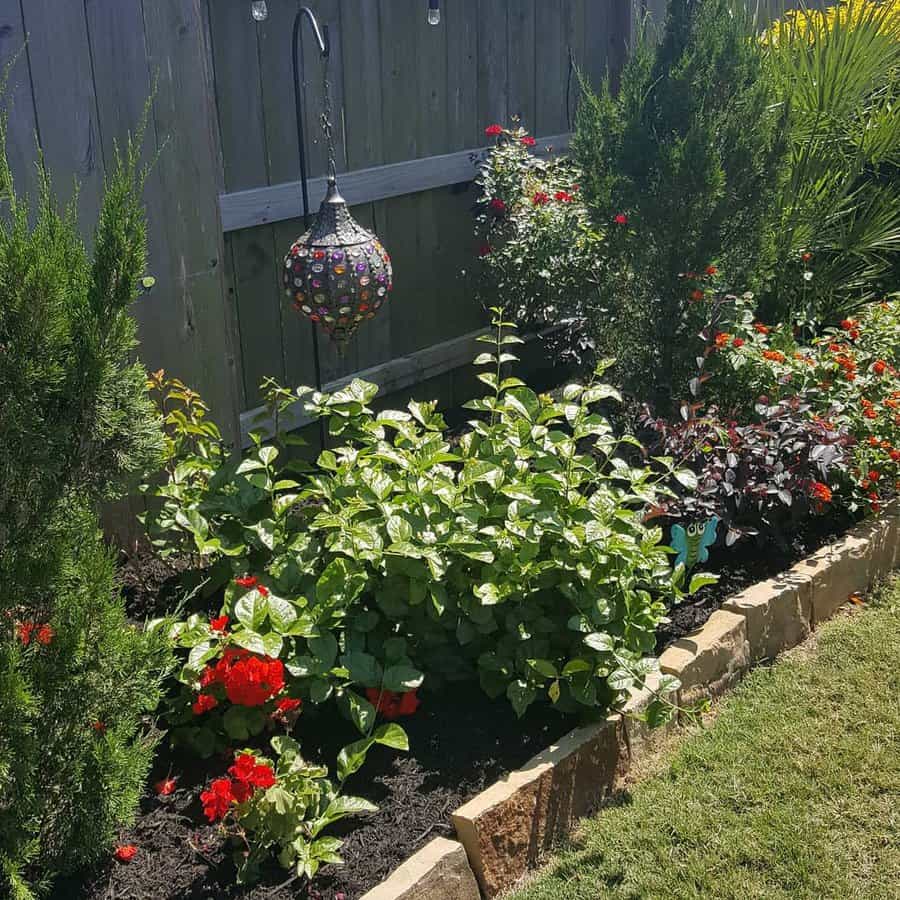
8. Landscape Along Fencing
Introduce a variety of floor plants to create a natural screen and soften the harsh look of your fence. Choose a mix of shrubs, flowers, and foliage to add color and texture.
Consider layering the plants to create a visually interesting and dynamic effect. The best part? This landscaping approach is versatile and works with different fence styles, from wood to chain-link to vinyl.
Source: @blair41790 via InstagramSource: @juhbaree via InstagramSource: @louasisliving via InstagramSource: @thesuburbangardenerhouston via Instagram
9. Install Flagstone Steps
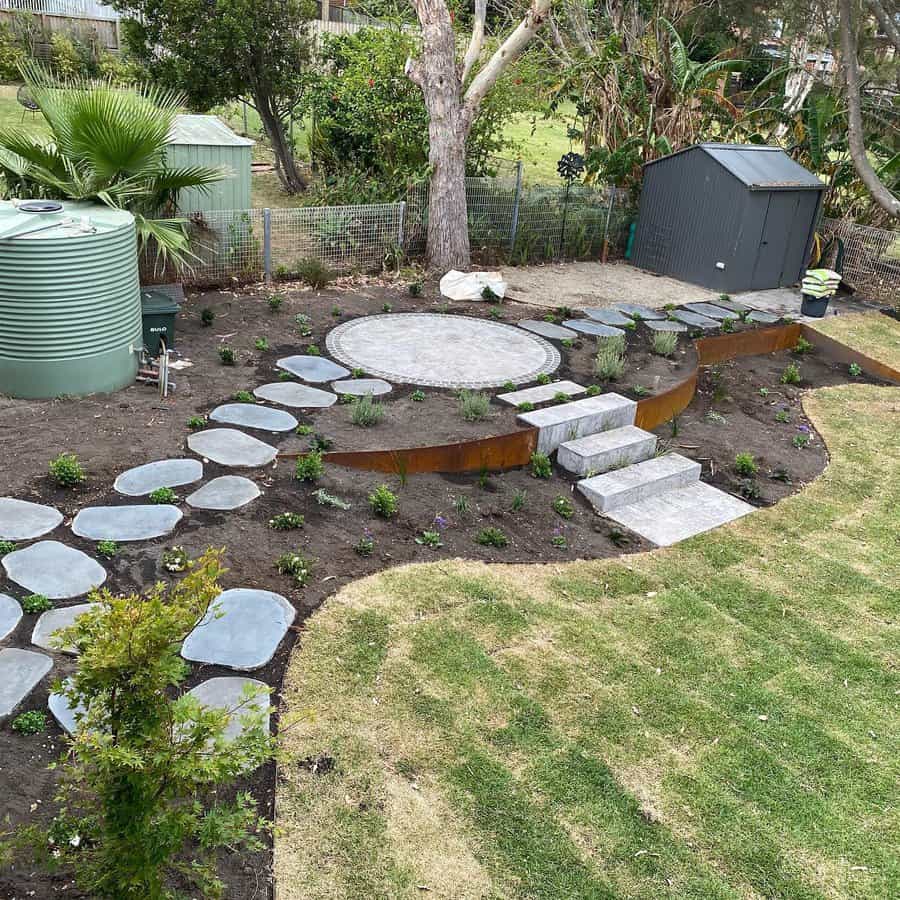
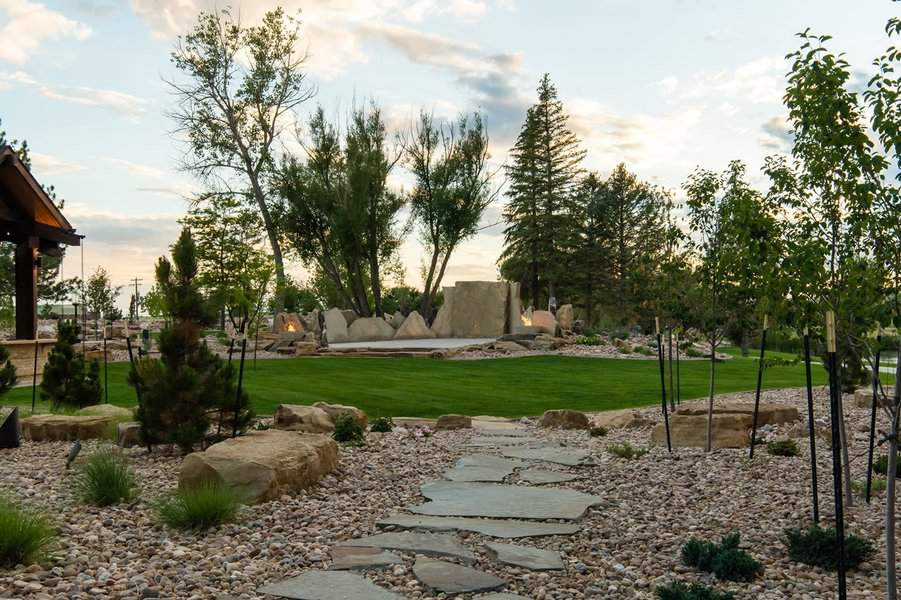
Flagstone steps are both functional and aesthetic. Use them to navigate slopes in your yard or as a charming path through your garden, complementing the natural landscape.
Source: @floral_palace via InstagramSource: @greenjaylandscaping via InstagramSource: @helena.karlanda via InstagramSource: @kare_bear_florida via Instagram
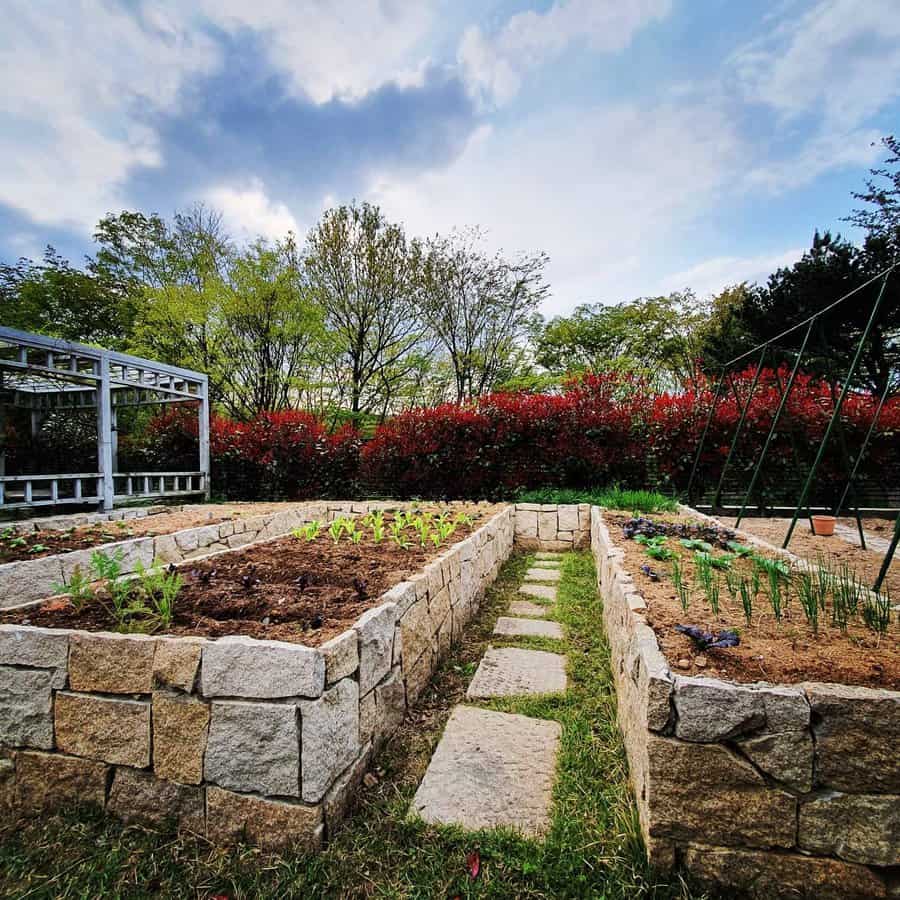
10. Brick Garden Retaining Walls
Build retaining walls with bricks to manage sloped areas and create raised garden beds. This adds structure to your landscape and can be used for both ornamental and practical planting.
Source: @jnlandmaintenance via Instagram
11. Use Adirondack Chairs for Outdoor Seating
Adirondack chairs are a classic and comfortable choice for backyard seating. Made from wood or recycled plastic, they are durable and stylish. Place them around a fire pit or in a cozy corner to create a relaxing outdoor retreat.
Source: @bluedoorbungalow_stay via Instagram
12. Cheap and Easy Landscaping
Focus on low-cost, high-impact projects like mulching, planting perennial flowers. Use native plants for a garden that thrives with minimal care, and repurpose materials like stones and bricks for pathways and borders.
Source: @marypowdesigns via Instagram
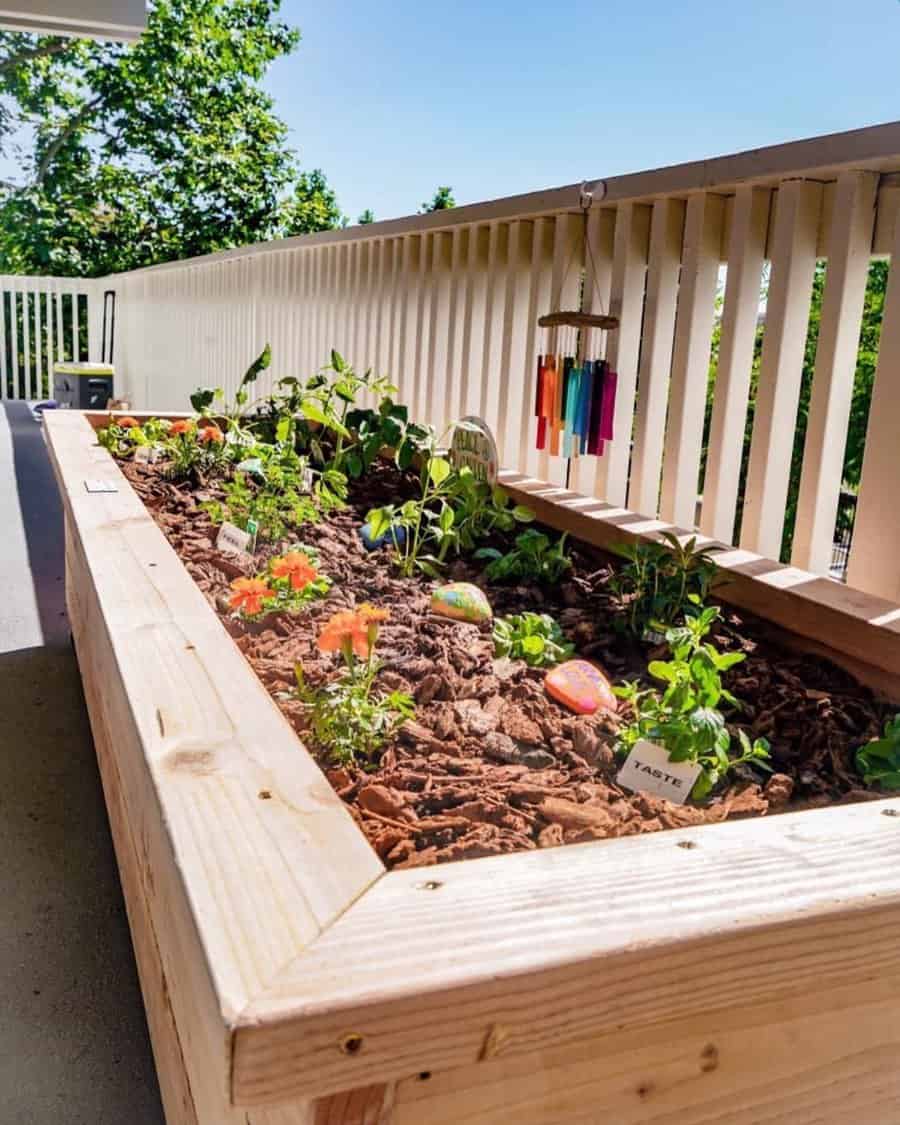
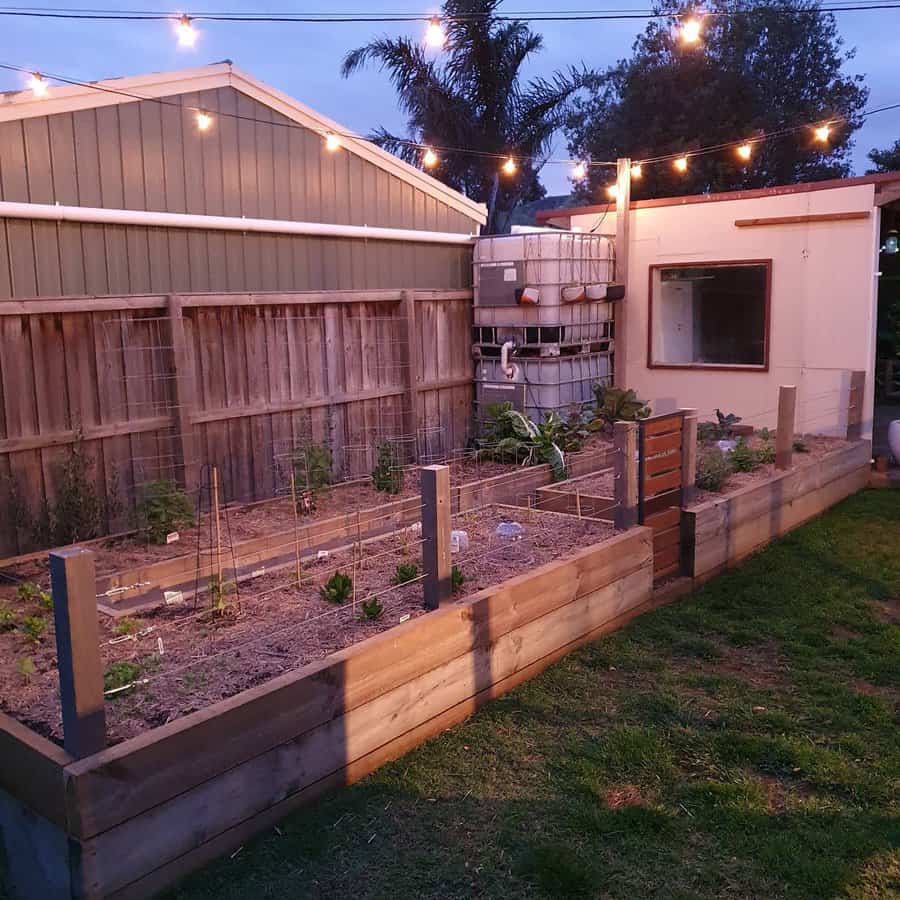
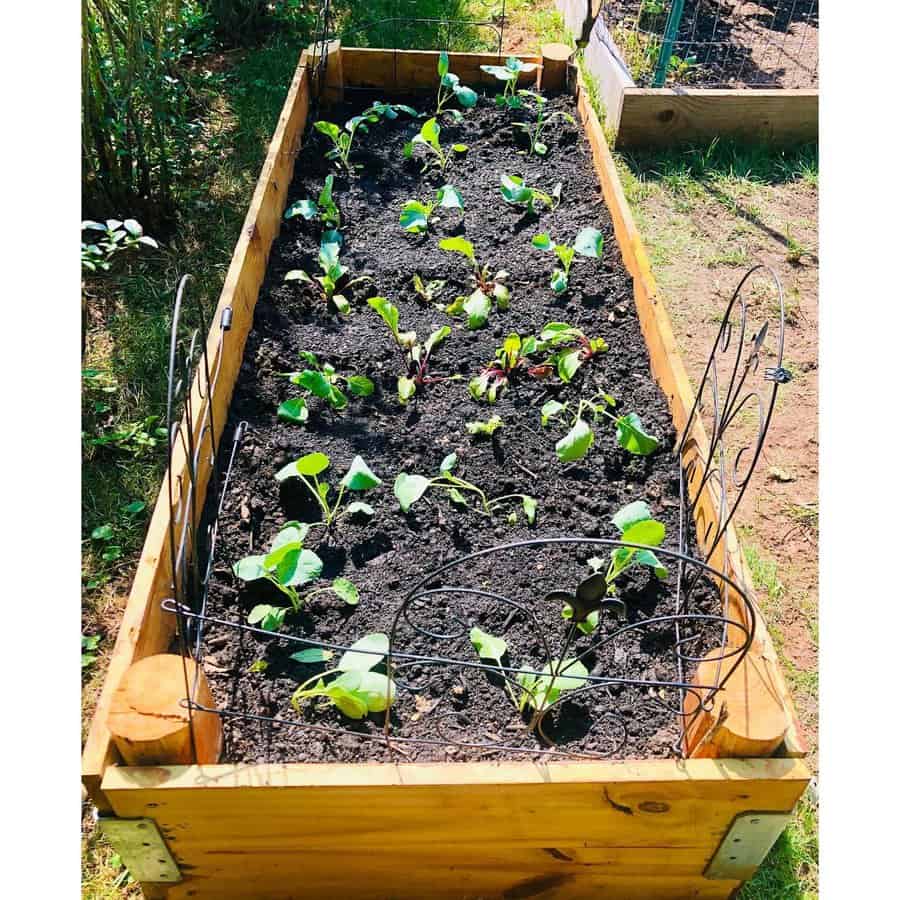
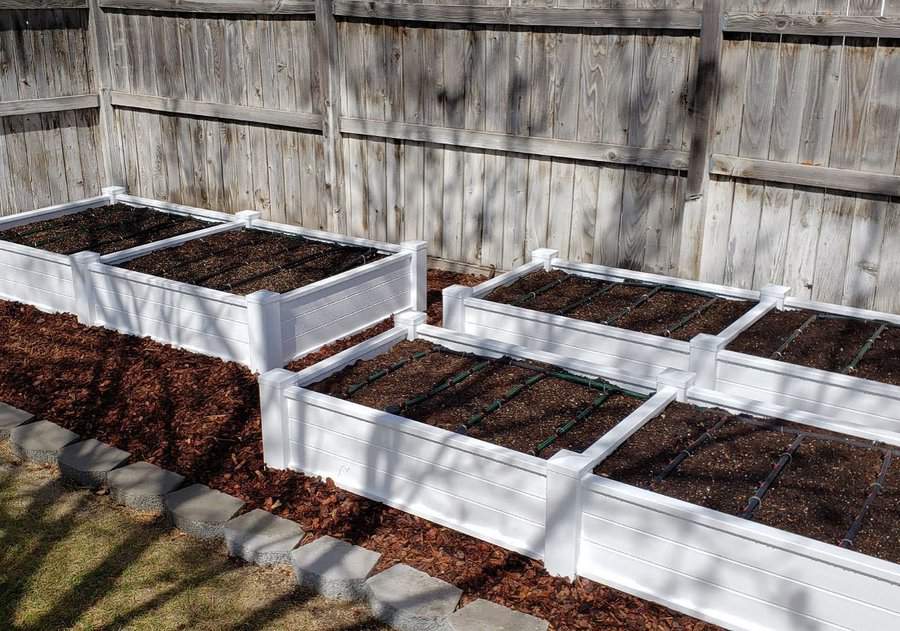
13. Build Wooden Raised Garden Beds
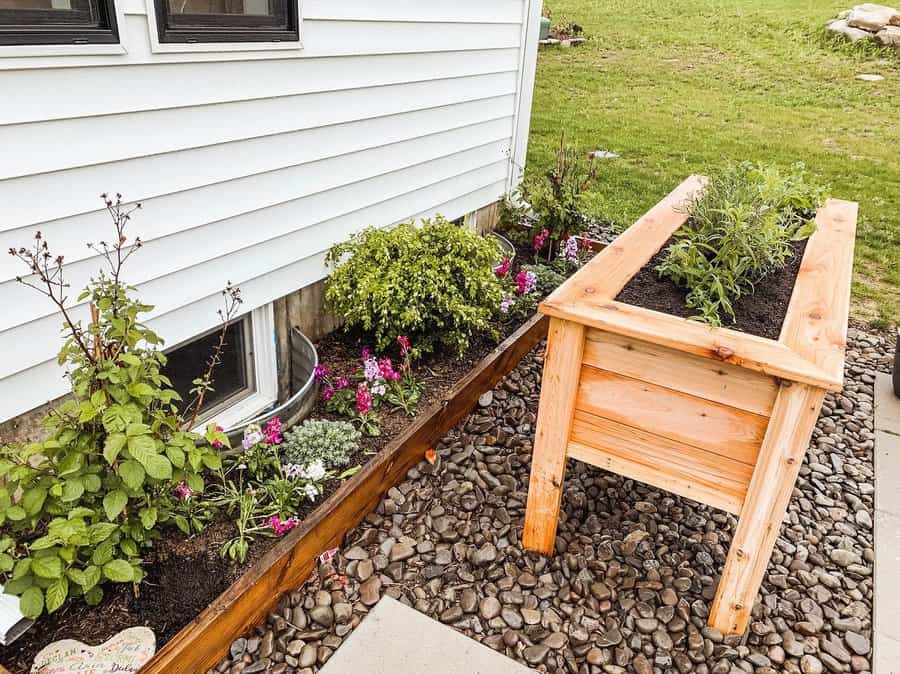
Construct raised garden beds from untreated wood to create defined spaces for vegetable or flower gardening. These beds improve drainage, reduce pest problems, and make gardening more accessible and back-friendly.
Source: @sampearsongardenprojects via Instagram
14. Landscape with Pebbles
Pebbles are an affordable ground cover that requires minimal maintenance. Use them in walkways, as mulch in garden beds, or around water features for a clean and modern look.
Source: @landscape_josh via InstagramSource: @lets.grow.for.it via Instagram
15. Hang Plants
Utilize vertical space by hanging plants in baskets from tree branches, pergolas, or along the fence. This adds layers of greenery and can be used for both decorative and edible plants.
Source: @plant_edinthecity via Instagram
16. Vegetable Garden with Mesh Screen
Protect your vegetable garden with a mesh screen to keep pests out. This practical solution ensures a bountiful harvest and can also serve as a climbing support for certain vegetables.
Source: @small_paradise_garden via Instagram
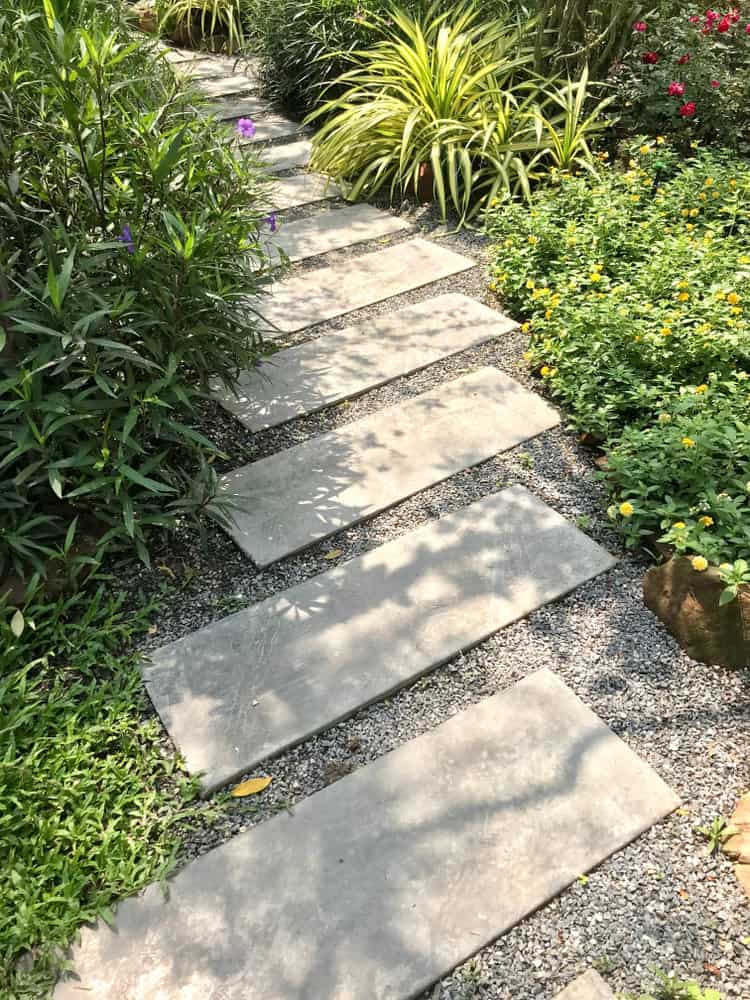
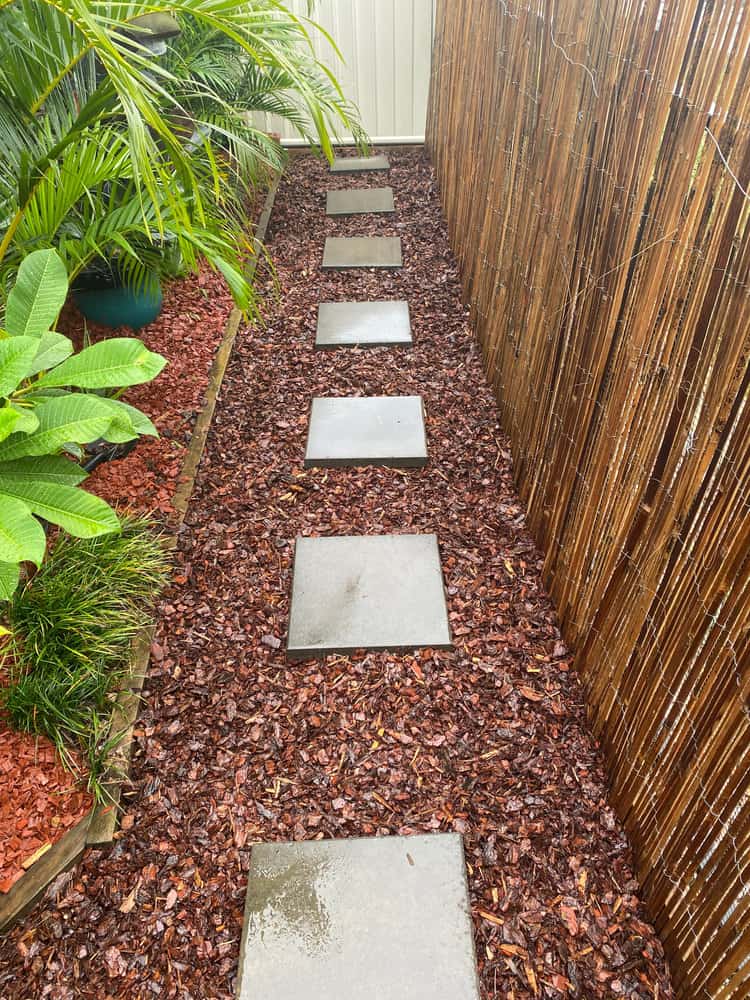
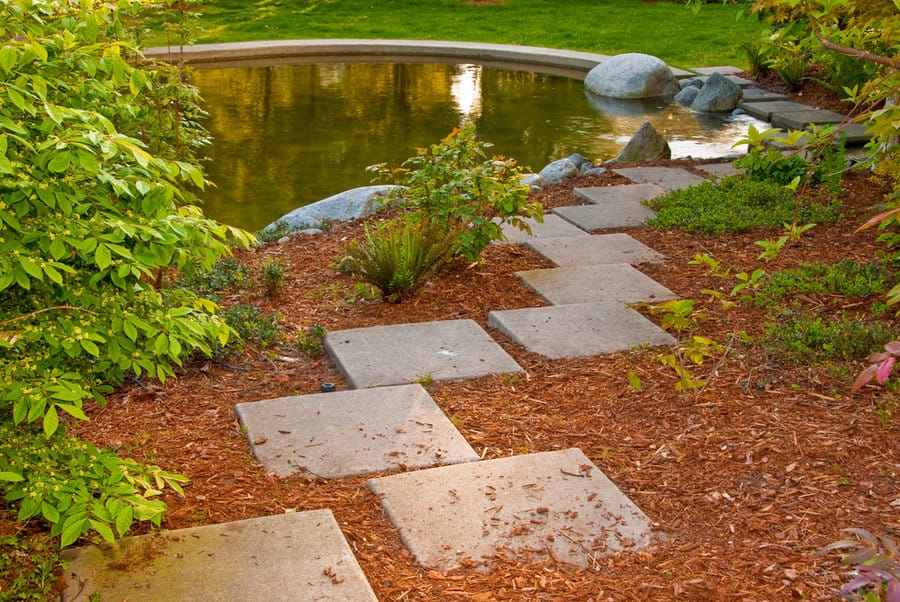
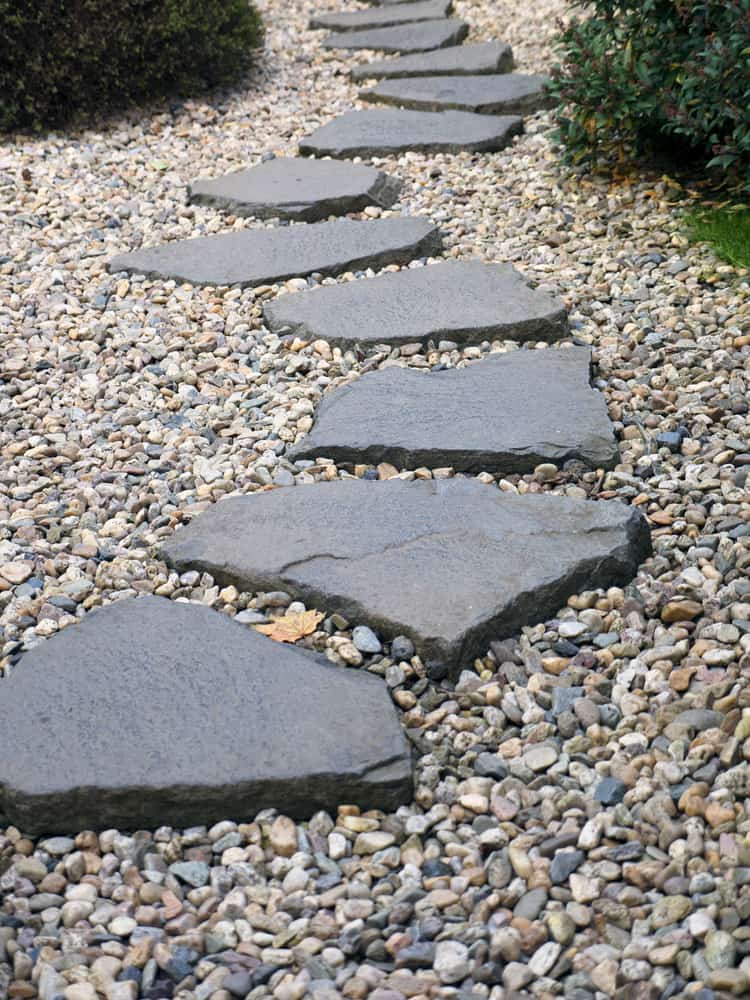
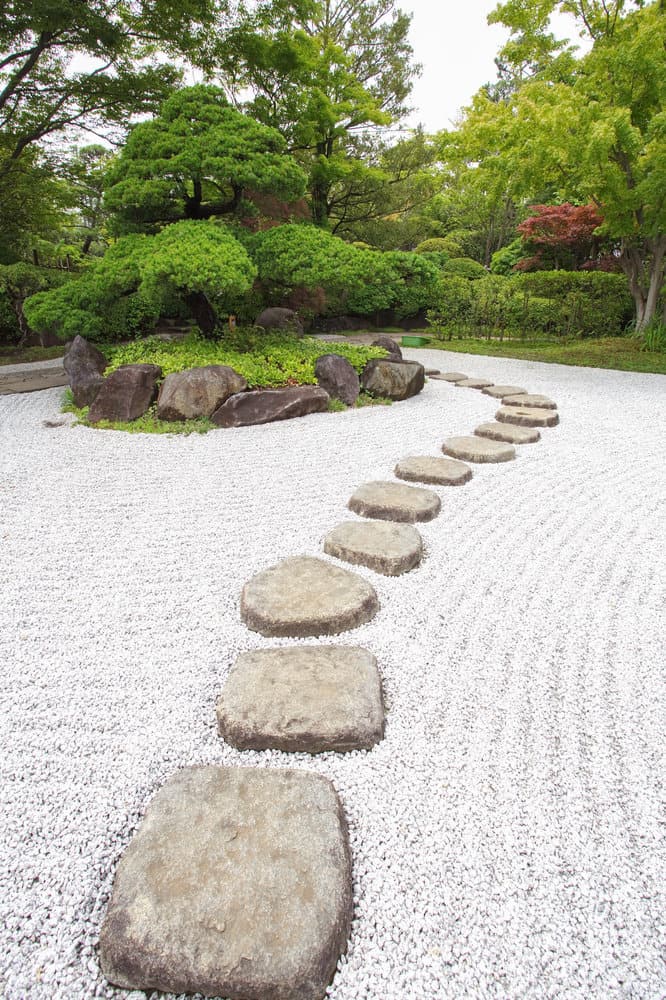
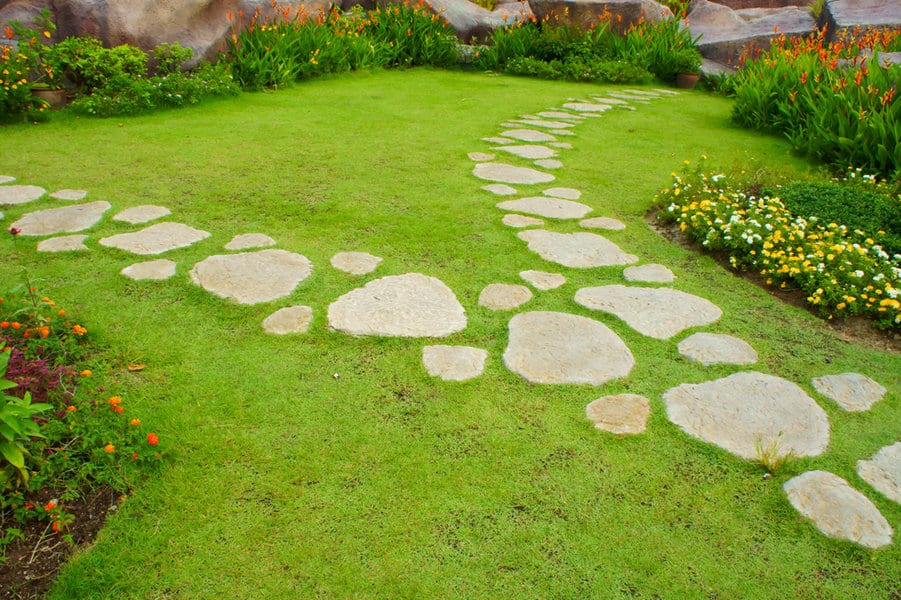
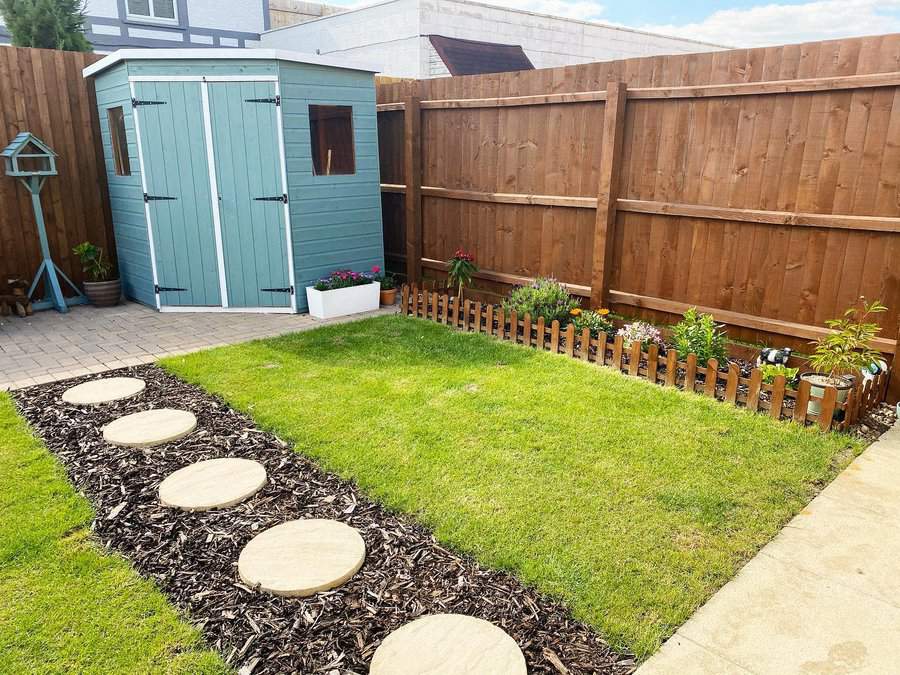
17. Add Stepping Stones
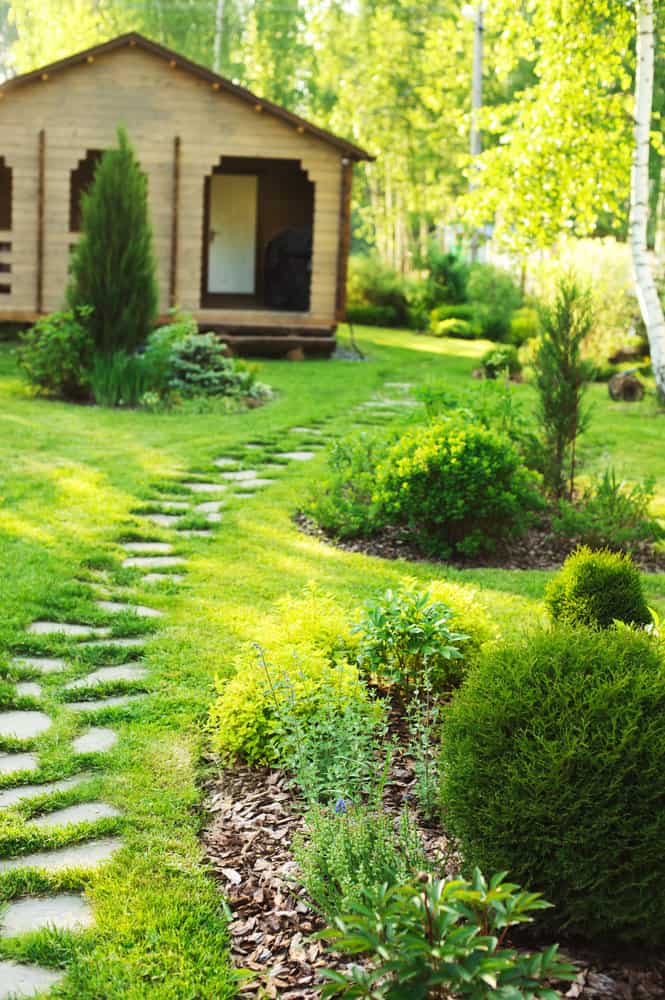
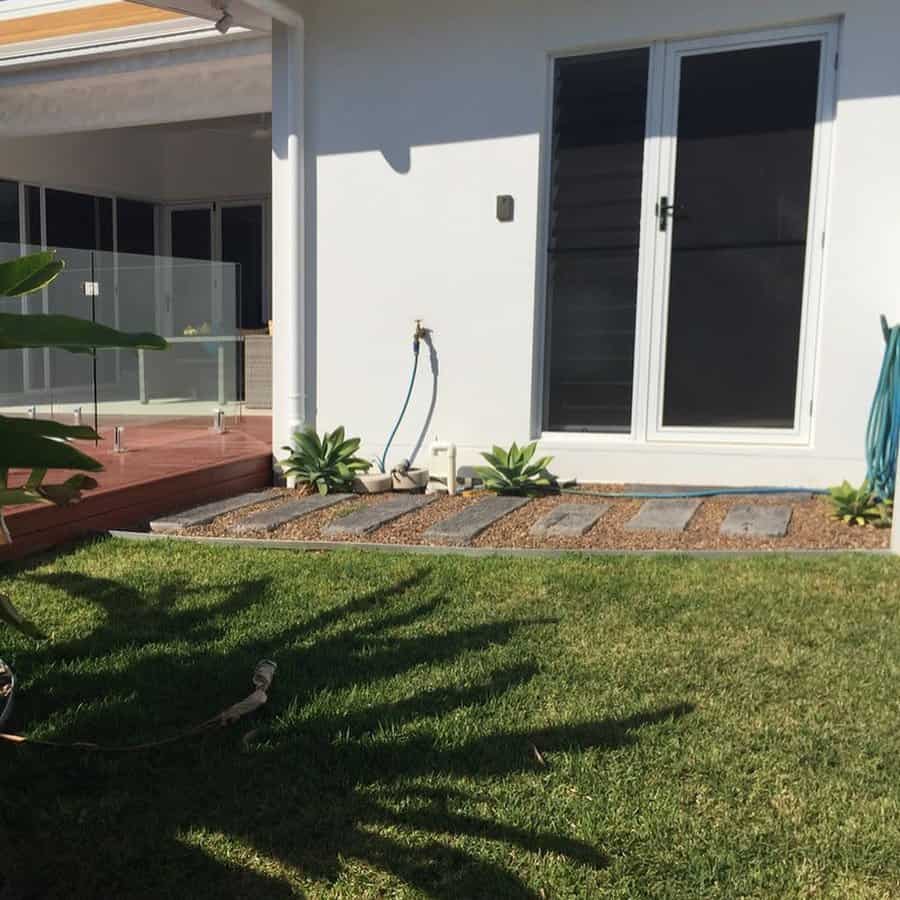
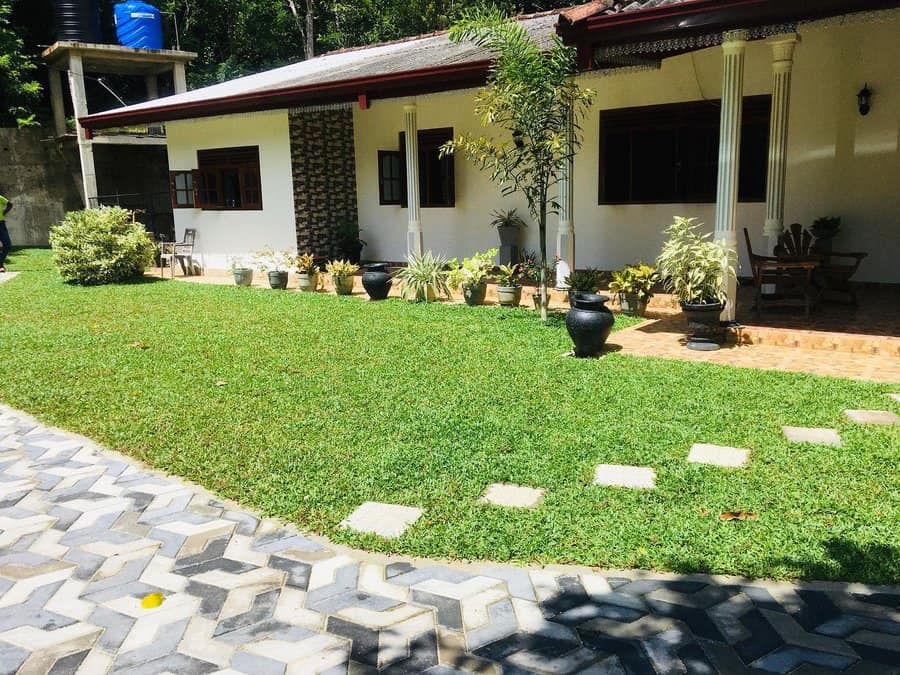
Stepping stones create a simple and natural-looking path through your yard. Arrange them through your lawn or garden for an inviting walkway that encourages exploration.
Source: @vinca_landscape via InstagramSource: @mitslandscape via InstagramSource: @tommymorrowjr via InstagramSource: @locolandscapedesign via Instagram
18. Concrete Pavers
Use concrete pavers for a durable and versatile patio or walkway. They come in various shapes and sizes, allowing for creative patterns and designs that suit your backyard’s style.
Source: @batts_building_and_decorating via InstagramSource: @earthandsole via InstagramSource: @stonearchlandscapes via InstagramSource: @toddedward via Instagram
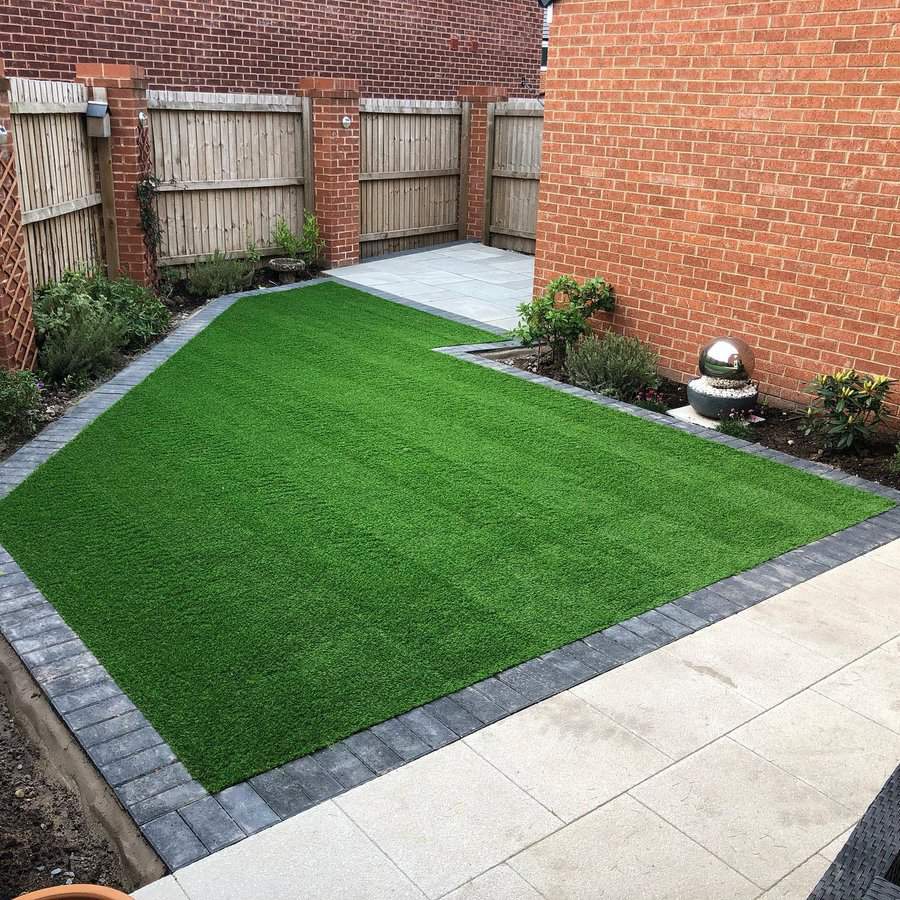
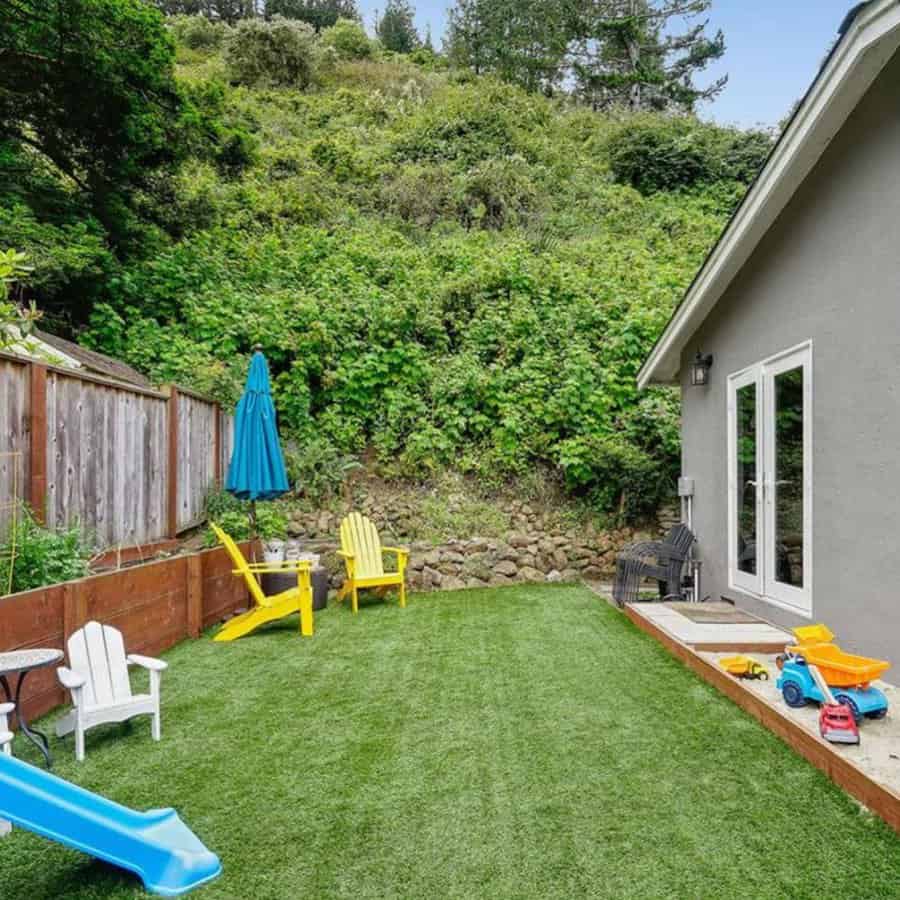
19. Install Artificial Grass
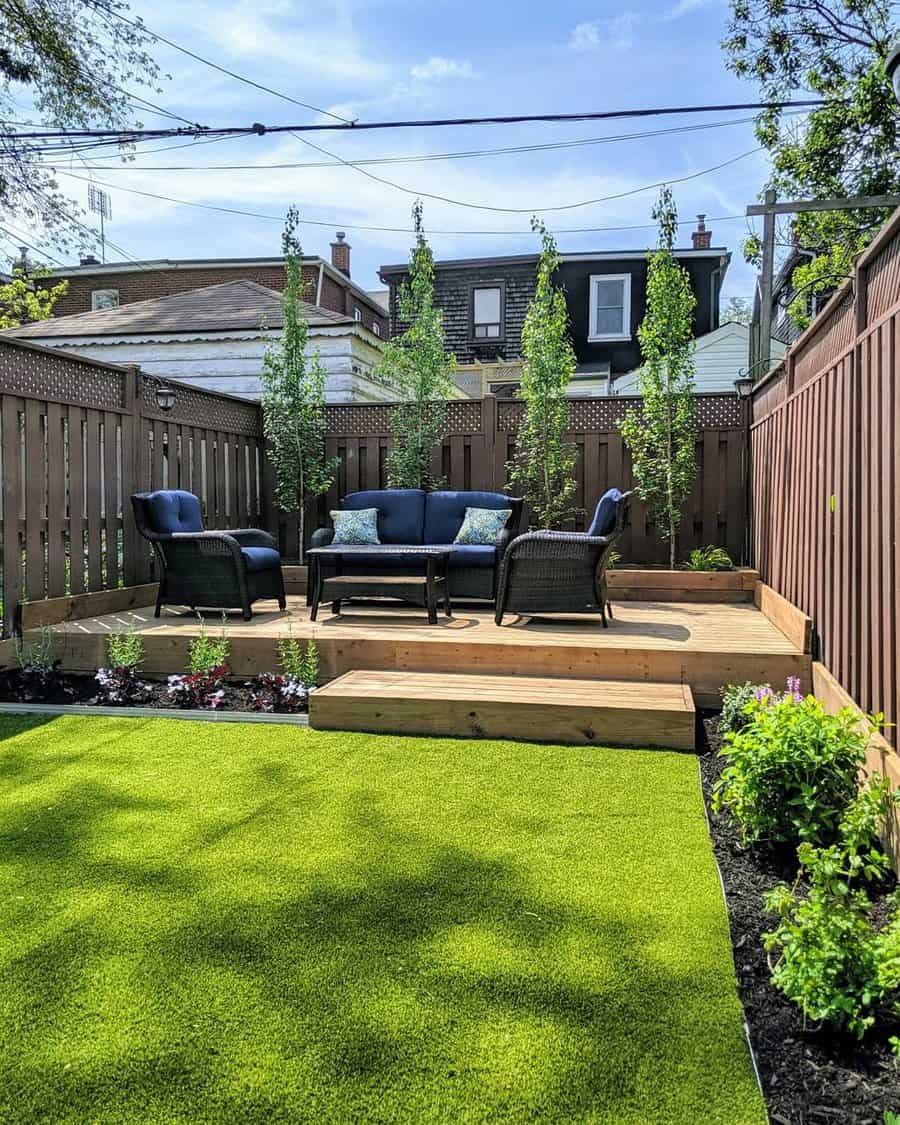
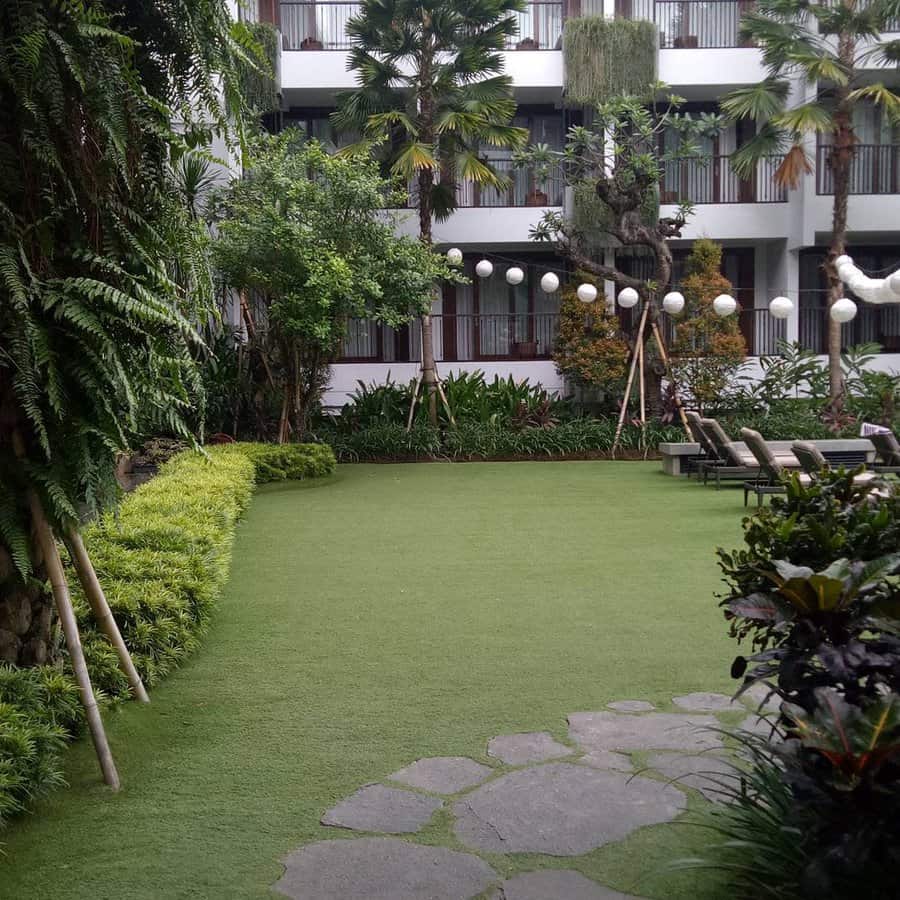
Artificial grass is a low-maintenance alternative to a traditional lawn. It’s ideal for areas with heavy foot traffic or where growing grass is challenging, offering a year-round green appearance.
Source: @blue_trogon via Instagram
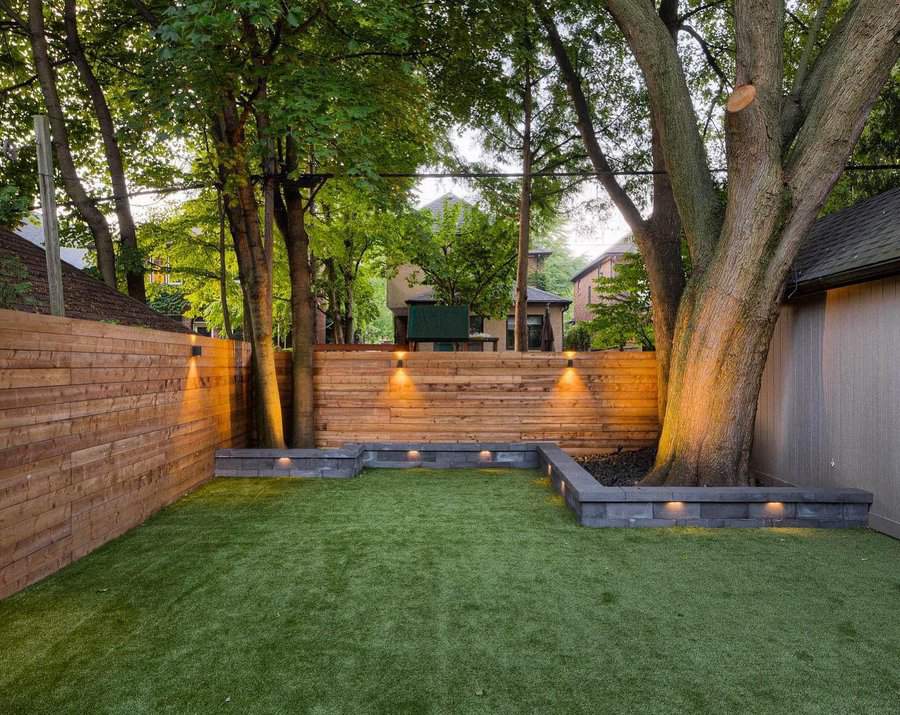
20. Use Fence Sconces
Attach sconces to your fence for ambient outdoor lighting. This not only improves the aesthetics of your fence but also adds safety and comfort for evening gatherings.
Source: @juhbaree via InstagramSource: @kerenabu.mecontracting via Instagram
21. Build an Outdoor Garden Bench
Construct a simple garden bench as a DIY project. Place it in a quiet corner for a serene retreat or in the midst of your garden to enjoy the fruits of your labor.
Source: @jhchow1 via Instagram
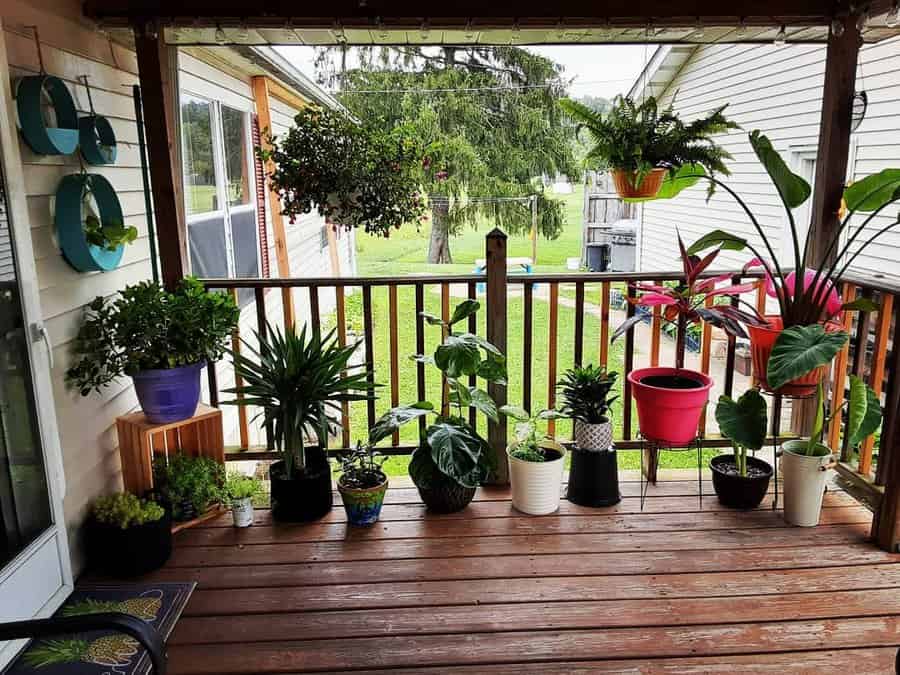
22. Arrange Container Plants Around Your Patio
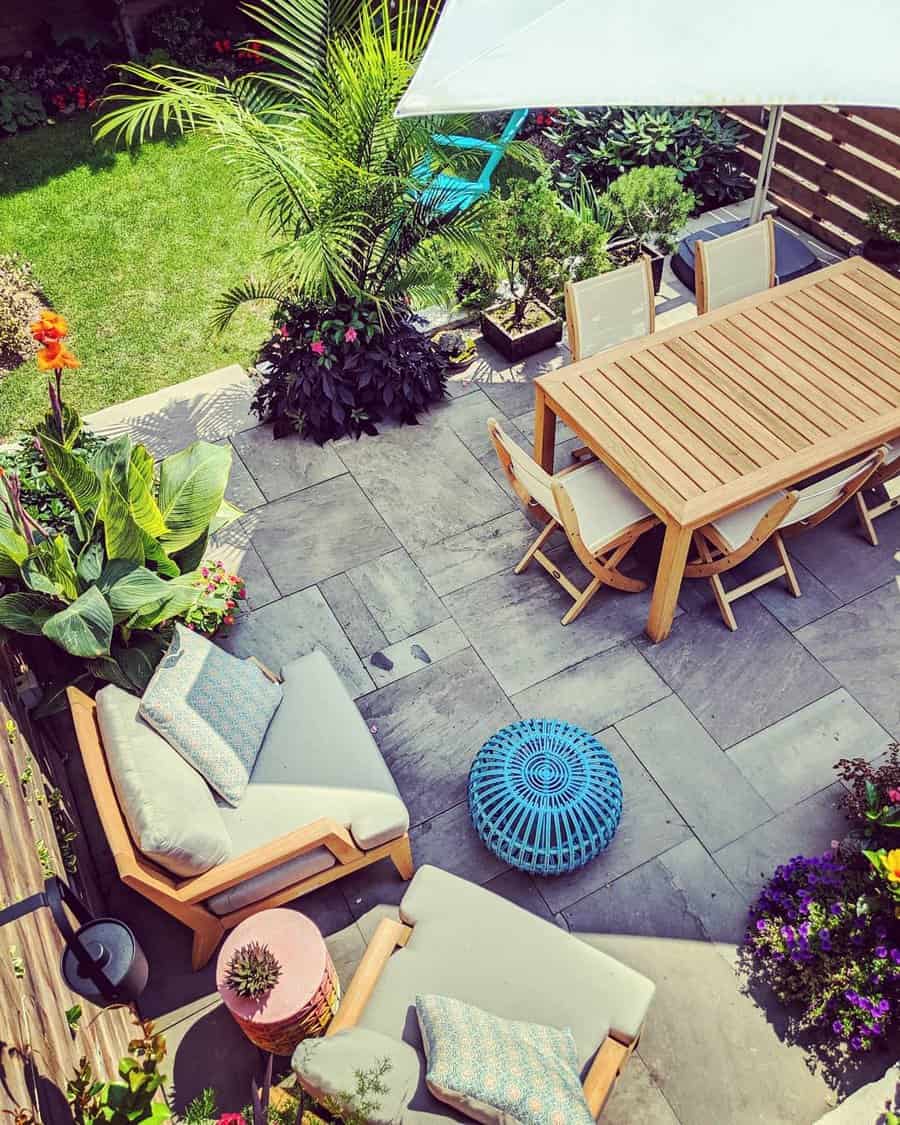
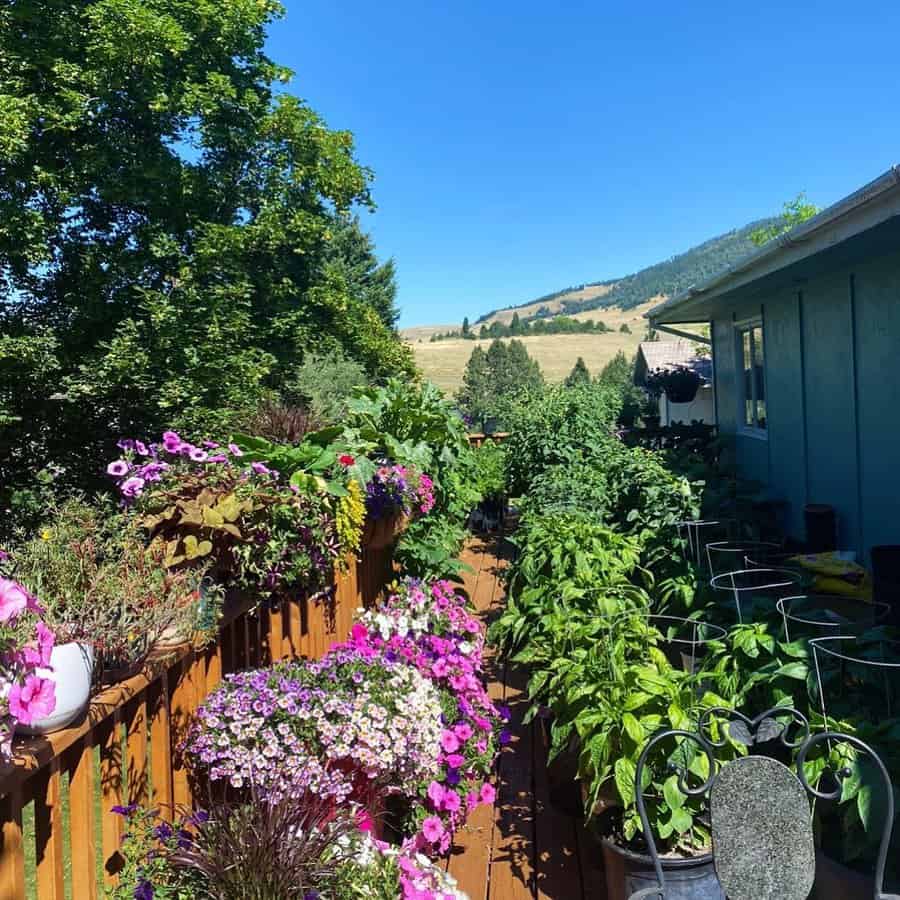
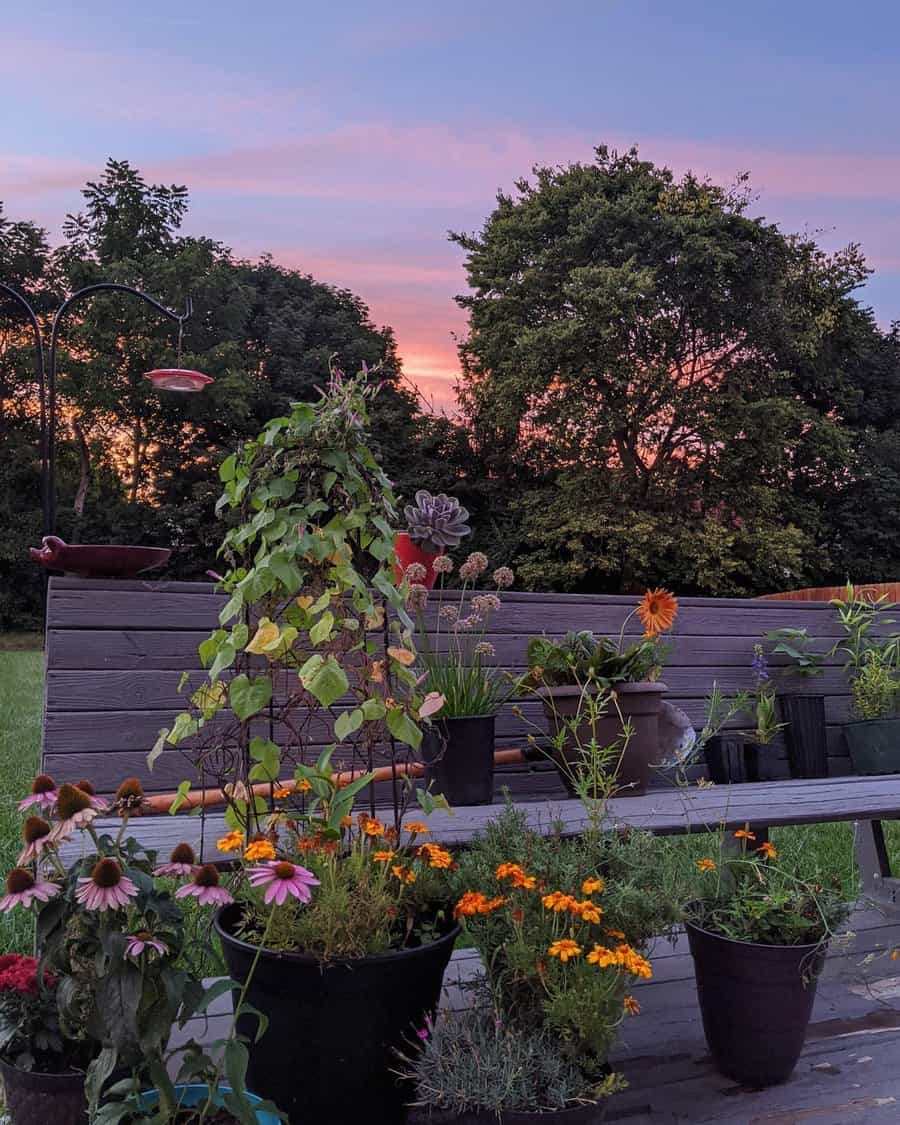
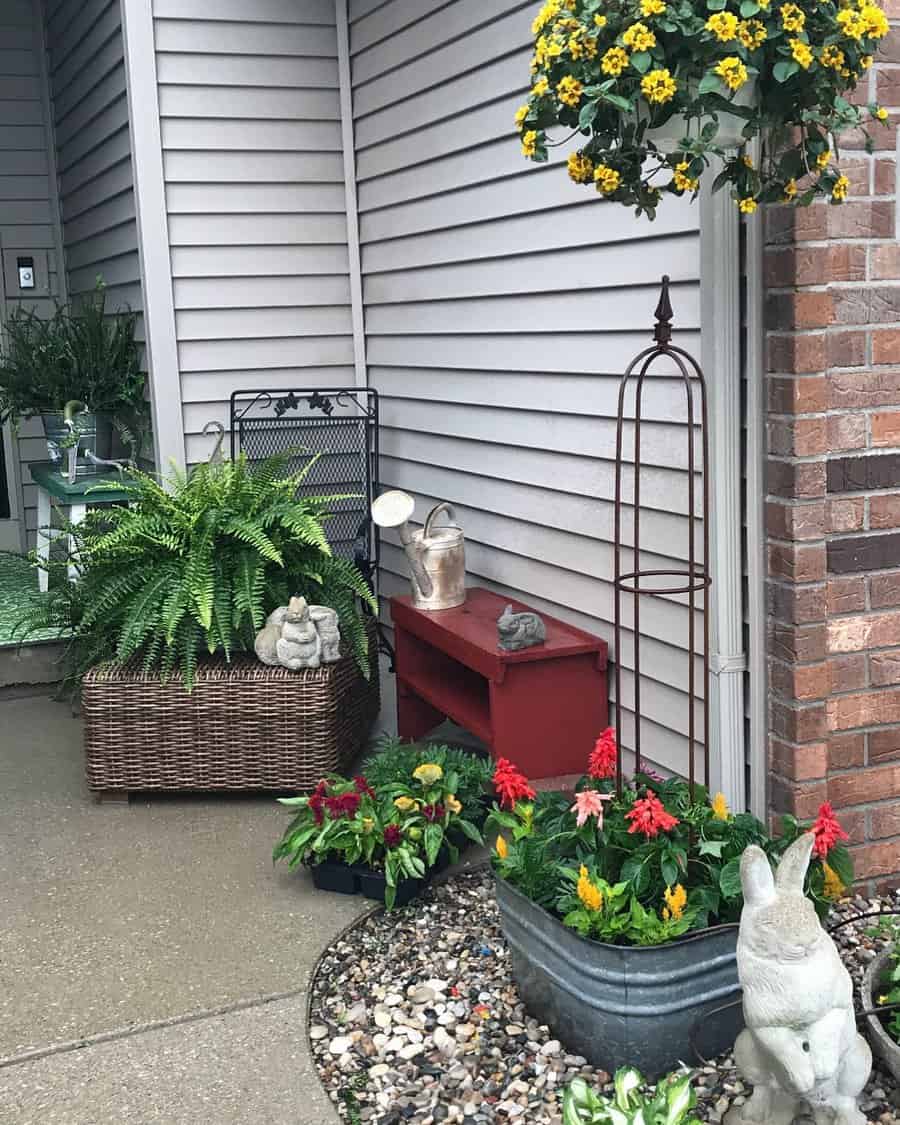
Container gardening is a flexible and easy way to beautify your patio. Mix and match pots of various sizes with a variety of plants like annuals, perennials, and small shrubs to create a dynamic and lush patio border.
Source: @ourwalkwithbuddha via Instagram
23. Design with Shrubs and Grasses
Use a mix of shrubs and ornamental grasses for a modern, low-maintenance landscape. These plants offer year-round interest, require minimal care, and can be used to create natural borders, focal points, or a privacy screen.
Great residential landscaping isn’t just about keeping up appearances. It’s also about making your property as functional and practical as possible!
There are no one-size-fits-all design solutions for a backyard or front curbside. It’s even rare for any two landscapes in a single neighborhood to look the same.
Climate, lot size, architectural style, and the level of maintenance you’re willing to invest in all play a role in landscaping. Keep reading for the best landscaping ideas to help you get started!
[view_toc]
1. Choose Concrete Pavers for Durability
For a sleek, durable walkway or patio, concrete pavers are a smart choice. They come in various shapes and colors, allowing for customization to fit your home’s aesthetic and can withstand heavy foot traffic.
Source: @kingshillpropertysolutions via InstagramSource: @thedistinctivegardener via InstagramSource: @dunsborough___landscaping via Instagram
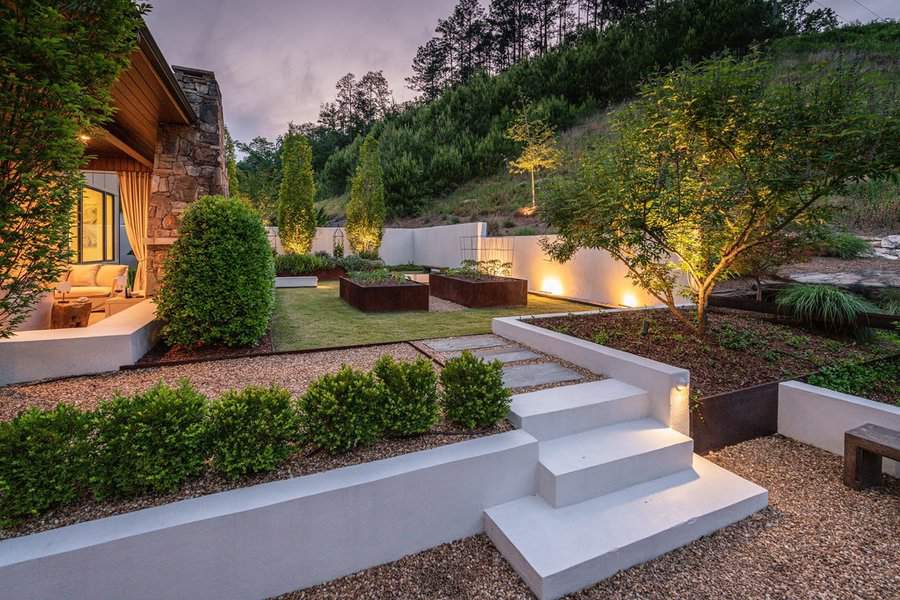
2. Build a Retaining Wall for Structure
Building a retaining wall can transform sloped areas into usable garden space. It’s a practical solution for preventing soil erosion and creating visual interest through tiered planting areas.
Source: @fathernaturebirmingham via Instagram
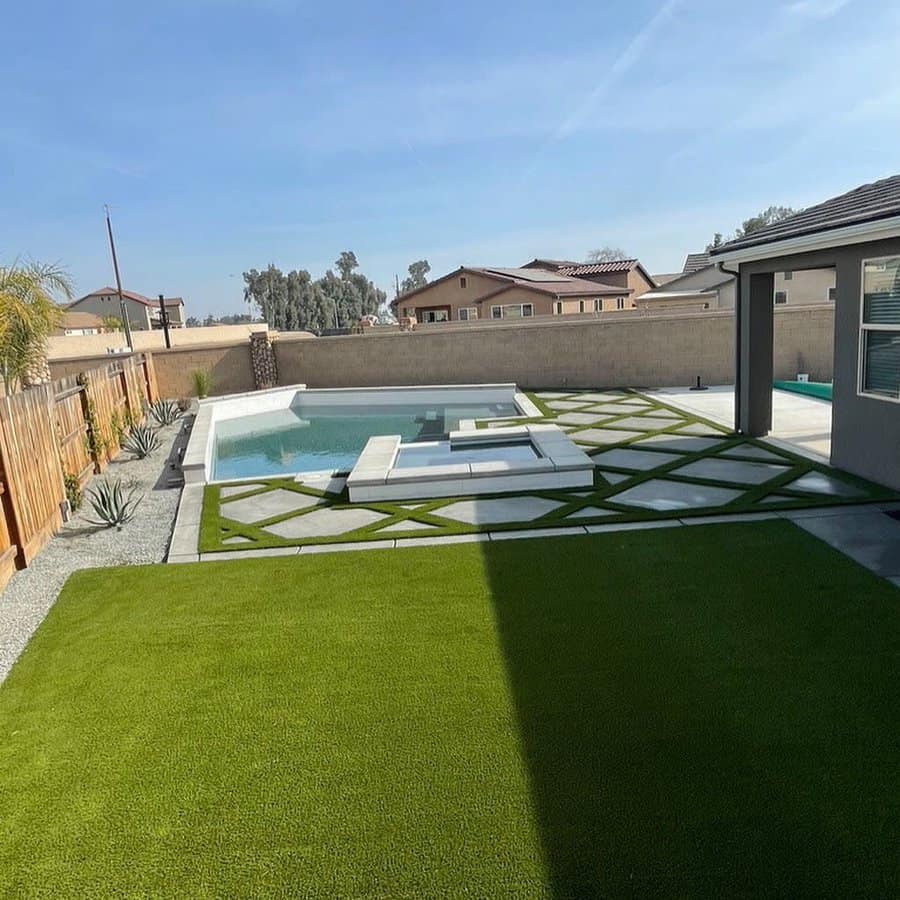
3. Transform Your Pool with Artificial Grass
Swap traditional turf for artificial grass to create a lush, green poolside without the upkeep. It’s safe, provides consistent ground cover, and drains well, keeping the pool area clean and slip-free.
Source: @synlawncentralcalifornia via Instagram
4. Embrace a Natural Garden Aesthetic
Invoke the feel of nature with a garden that features native plants and meandering pathways. This approach supports local ecosystems and reduces maintenance by working with, rather than against, the local environment.
Source: @earthcreationlandscapes via InstagramSource: @rerehabber via Instagram
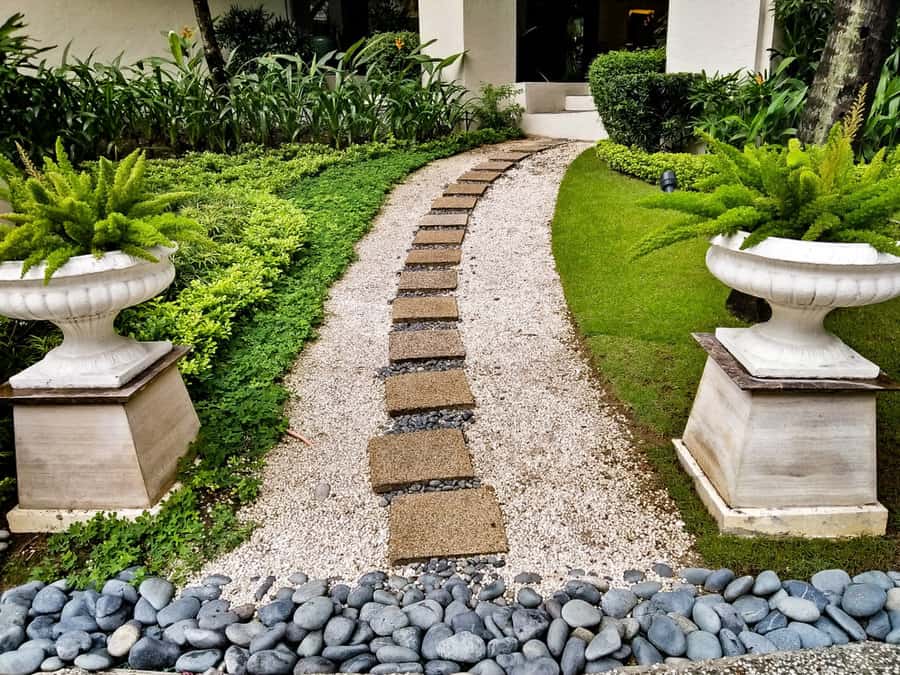
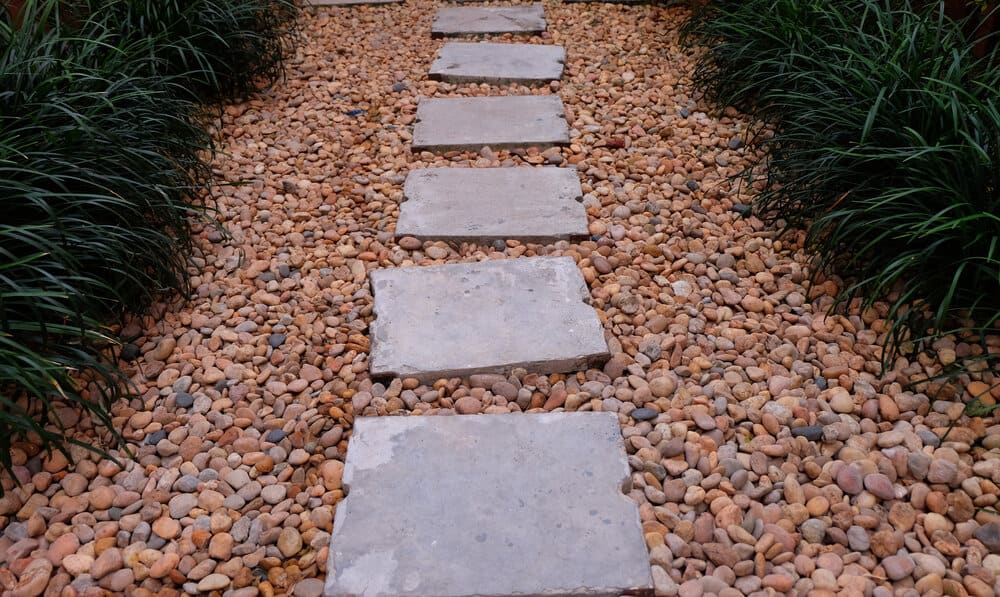
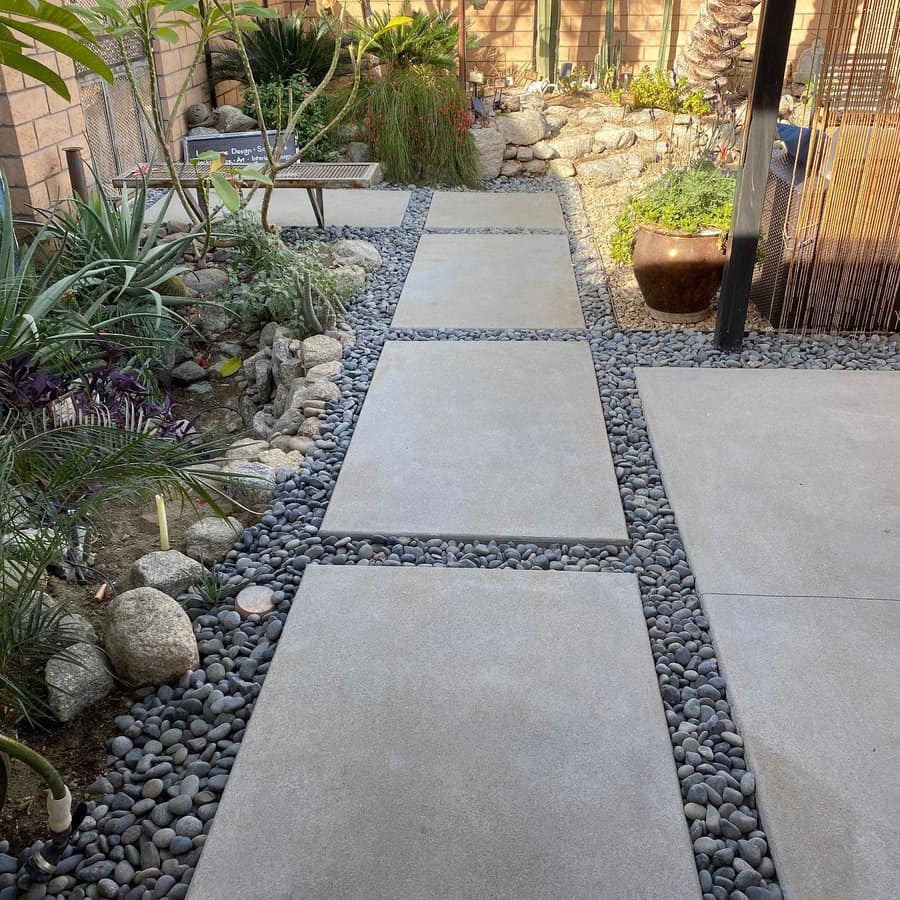
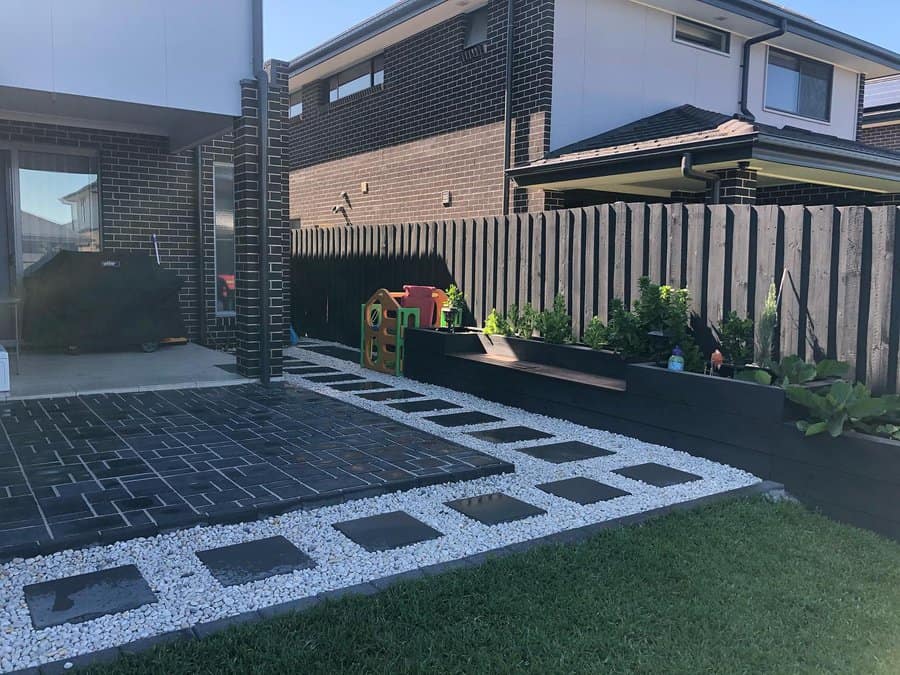
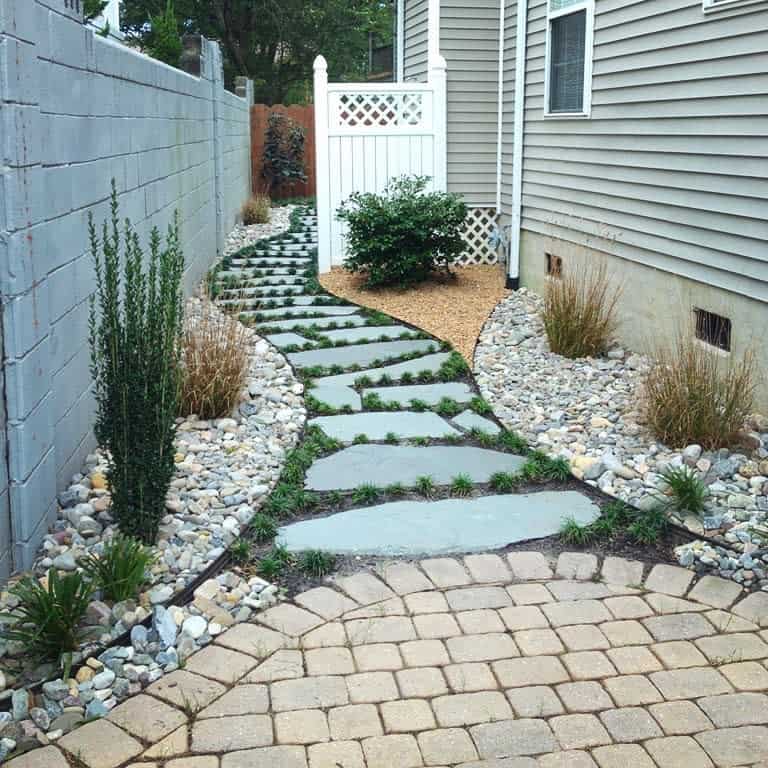
5. Mix Pebbles with Pavers for Texture
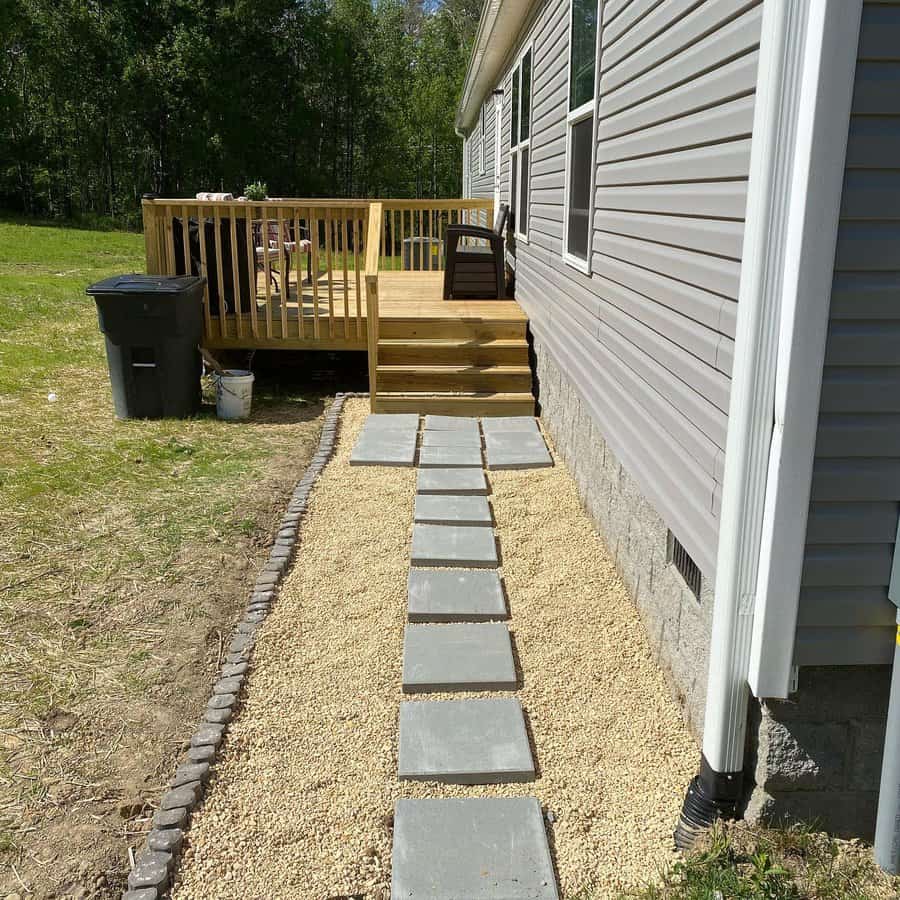
Use pebbles to fill the gaps between pavers for a modern, textured look. This combination is ideal for creating paths that are both functional and visually appealing.
Source: @cristinapacosta via InstagramSource: @derwent25_classic via Instagram
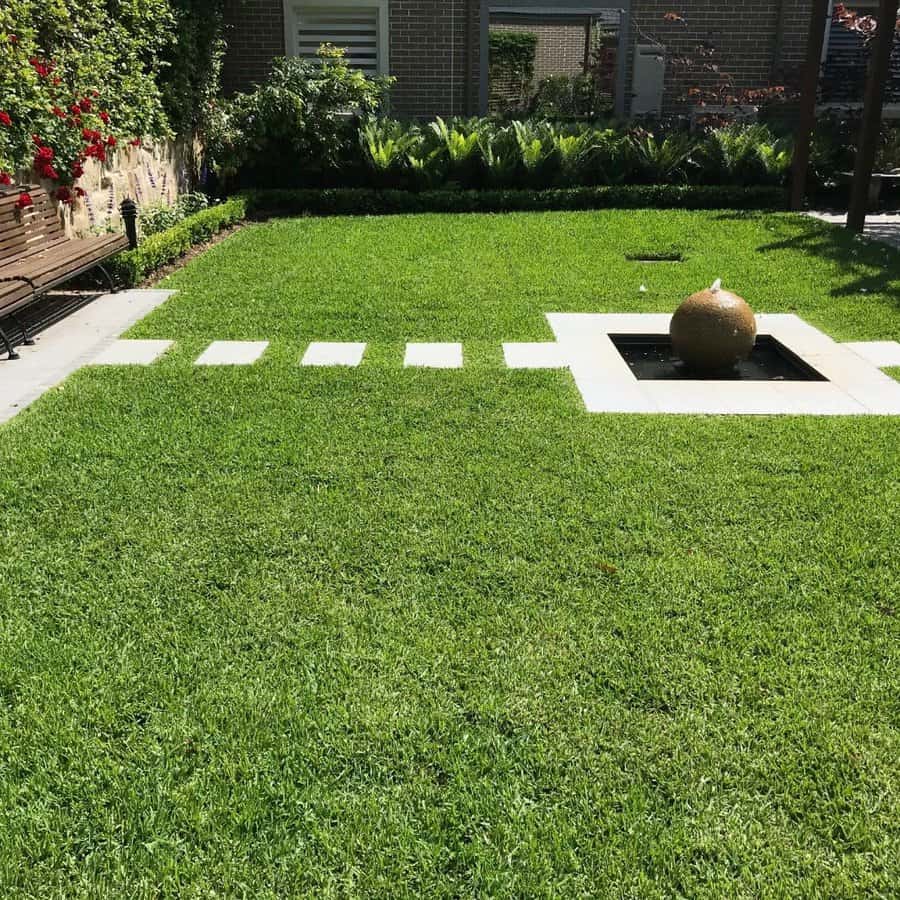
6. Elegant Garden Symmetry
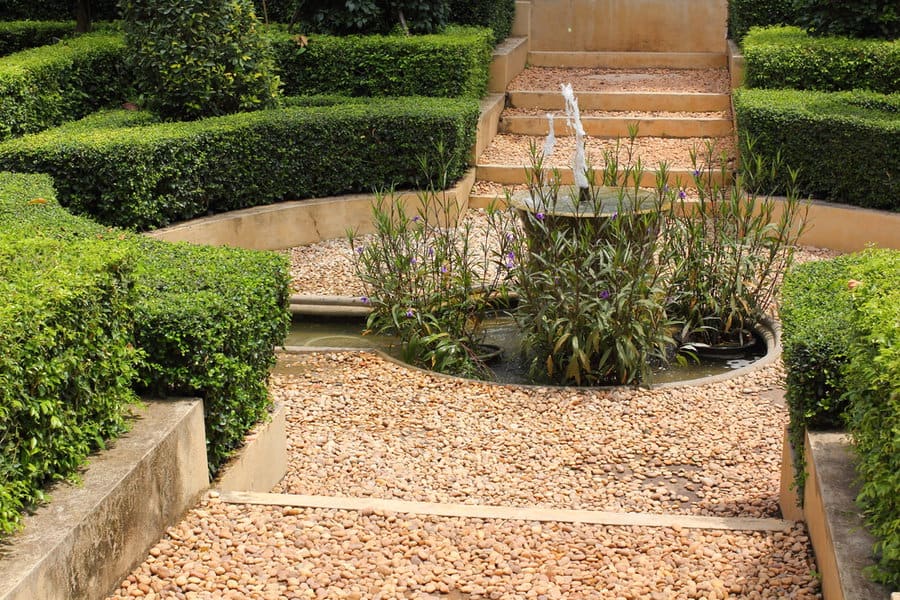
Symmetrical garden designs create a sense of balance and formality. Use ectangular stepping stones and central features like a statue or fountain to achieve this classic look.
Source: @thelawnexpert via Instagram
7. DIY Wooden Garden Fence
Constructing a wooden fence provides a natural backdrop for your plants. It’s a project that can be personalized with paint or stain to match your garden’s theme.
Source: @lifewithchelss_ via Instagram
8. Combine Gravel and Stone for Elegance
Gravel and stone are excellent for creating low-maintenance landscapes that conserve water. They’re ideal for creating paths, or as ground cover in xeriscaping.
Source: @jackfrostgardens via Instagram
9. Combine Hardscaping and Softscaping
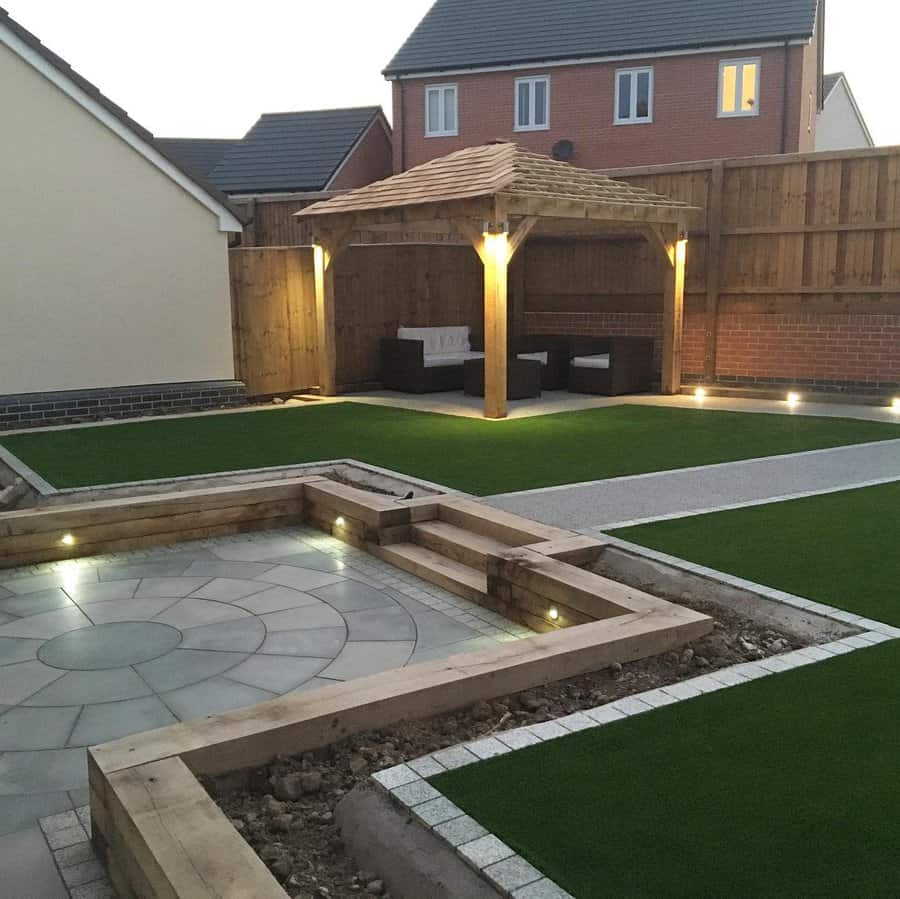
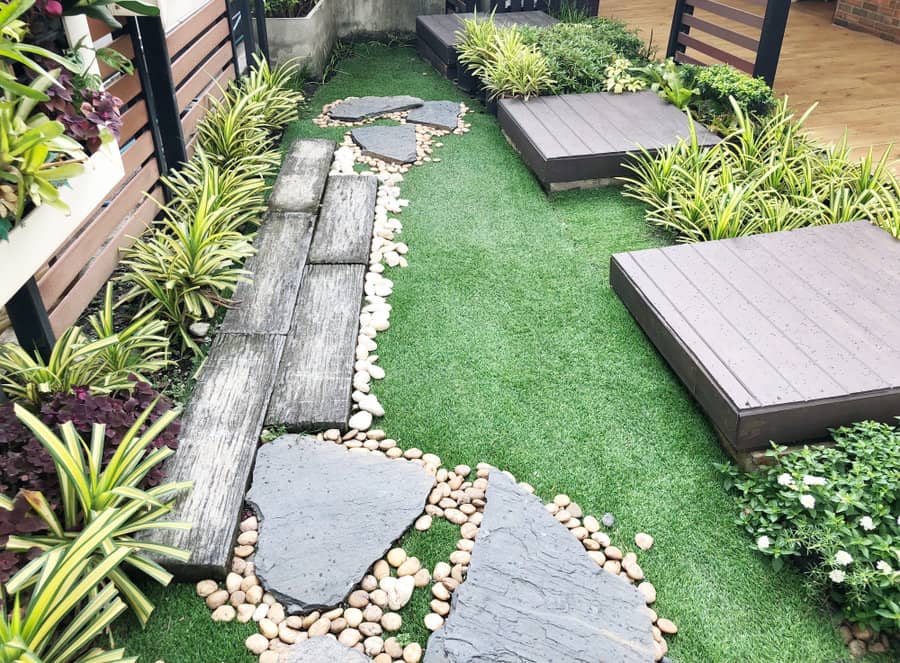
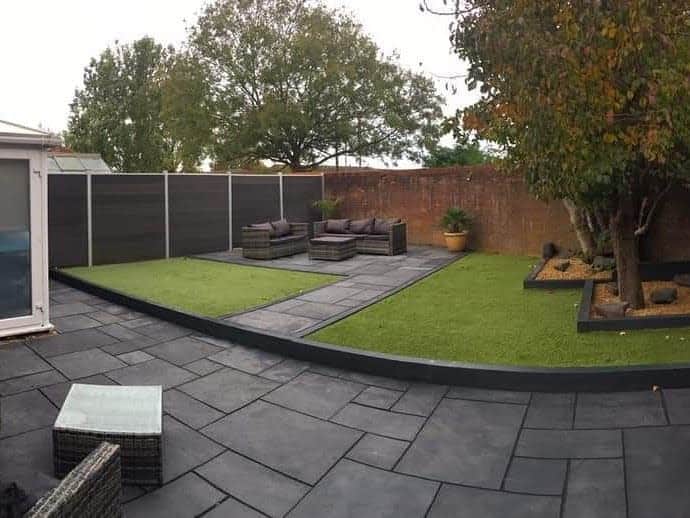
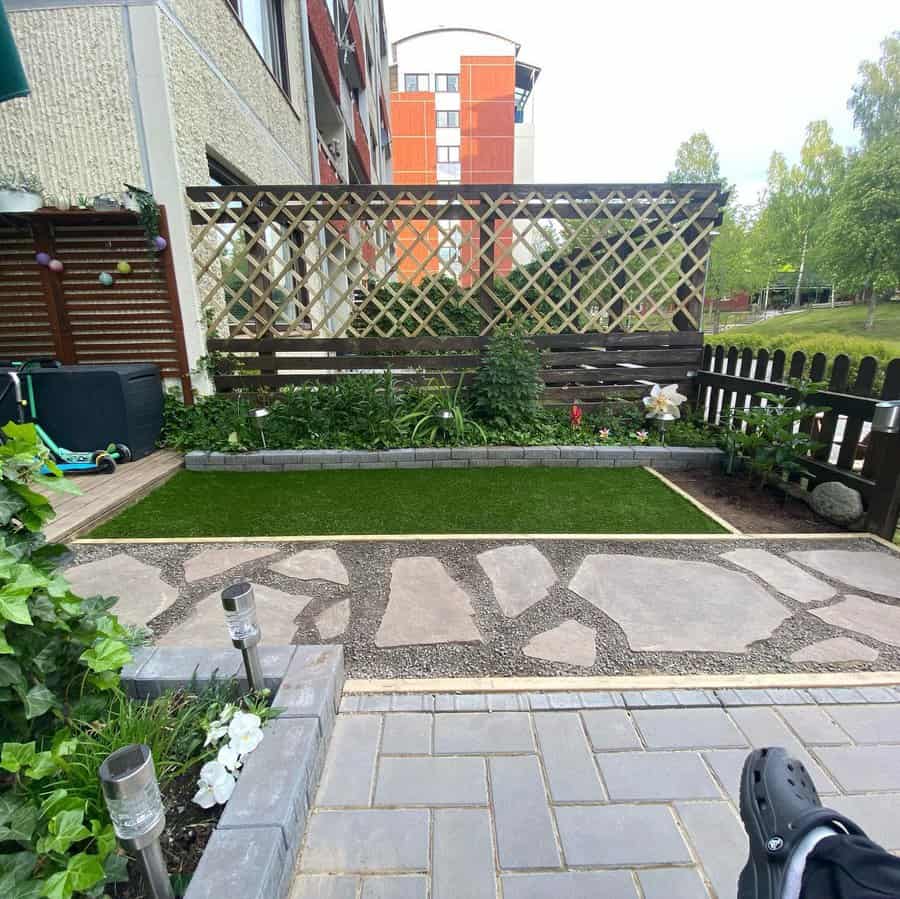
Maximize your urban outdoor area by utilizing a combination of hardscaping and softscaping. Patterned paving stones intermixed with pebbles create a distinct pathway, while a section of artificial turf provides a low-maintenance green area.
Source: @gremilyemily via Instagram
10. Gather Around a Cozy Fire Pit
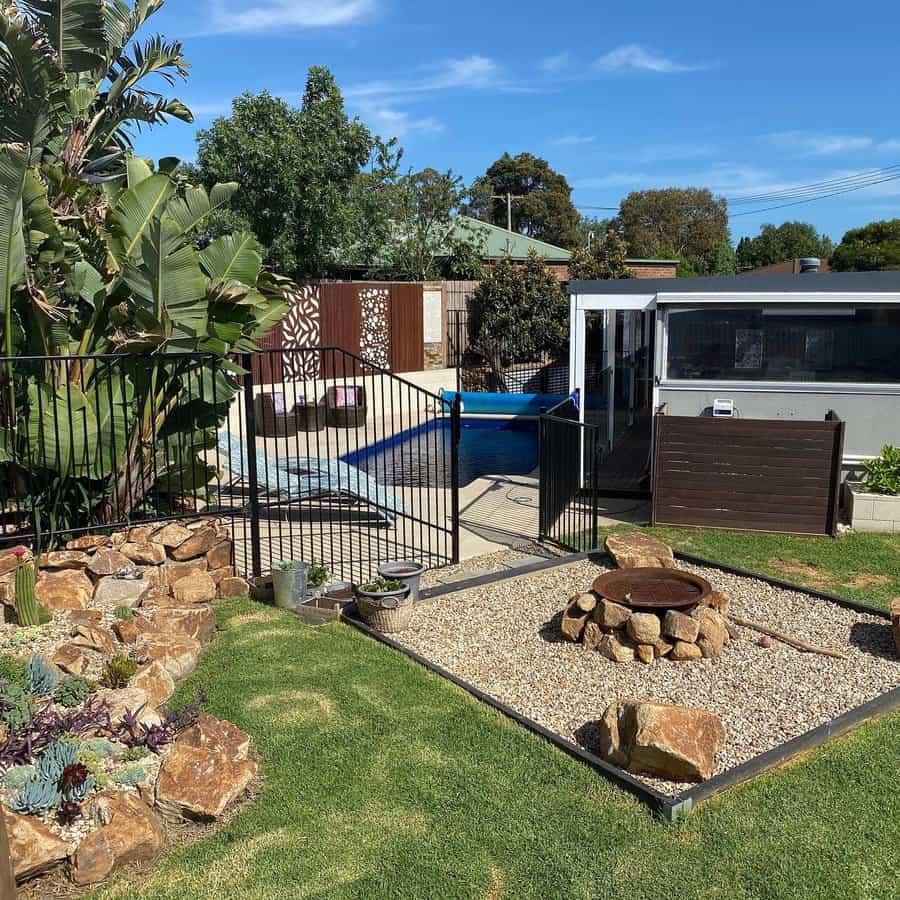
A fire pit serves as a warm centerpiece for outdoor gatherings. Place it in a dedicated area with seating and ensure it complements the overall landscape design.
Source: @getwellness101 via InstagramSource: @cooper343 via Instagram
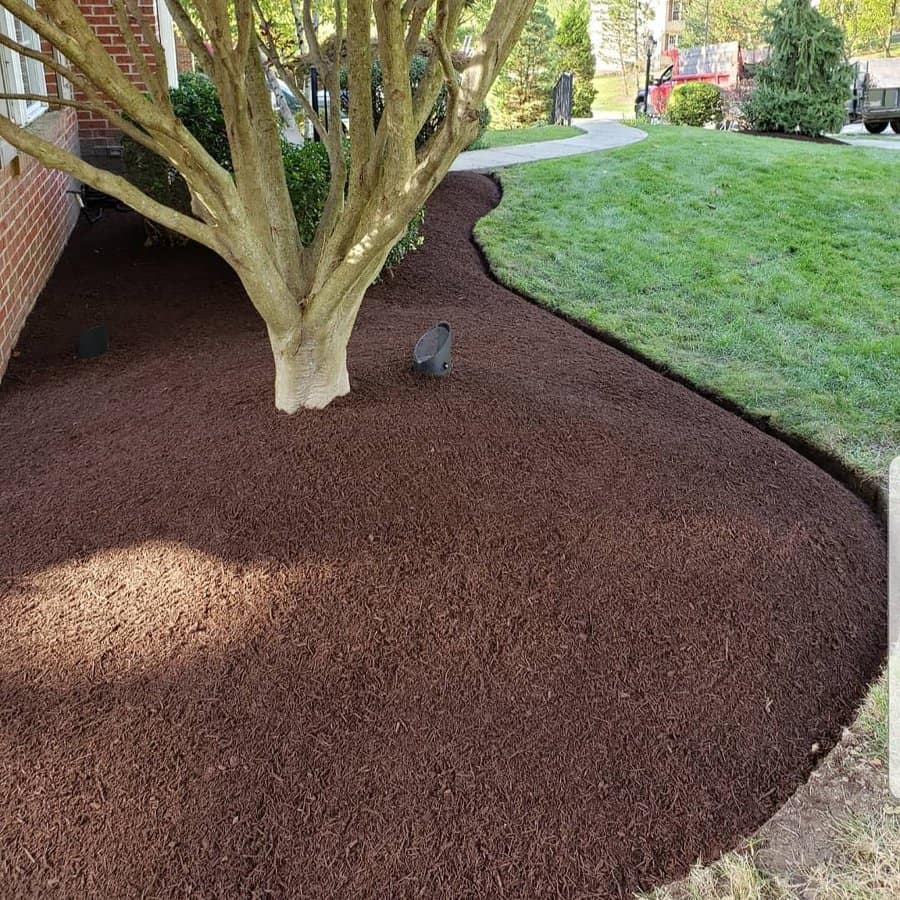
11. Simplify with Mulch Landscaping
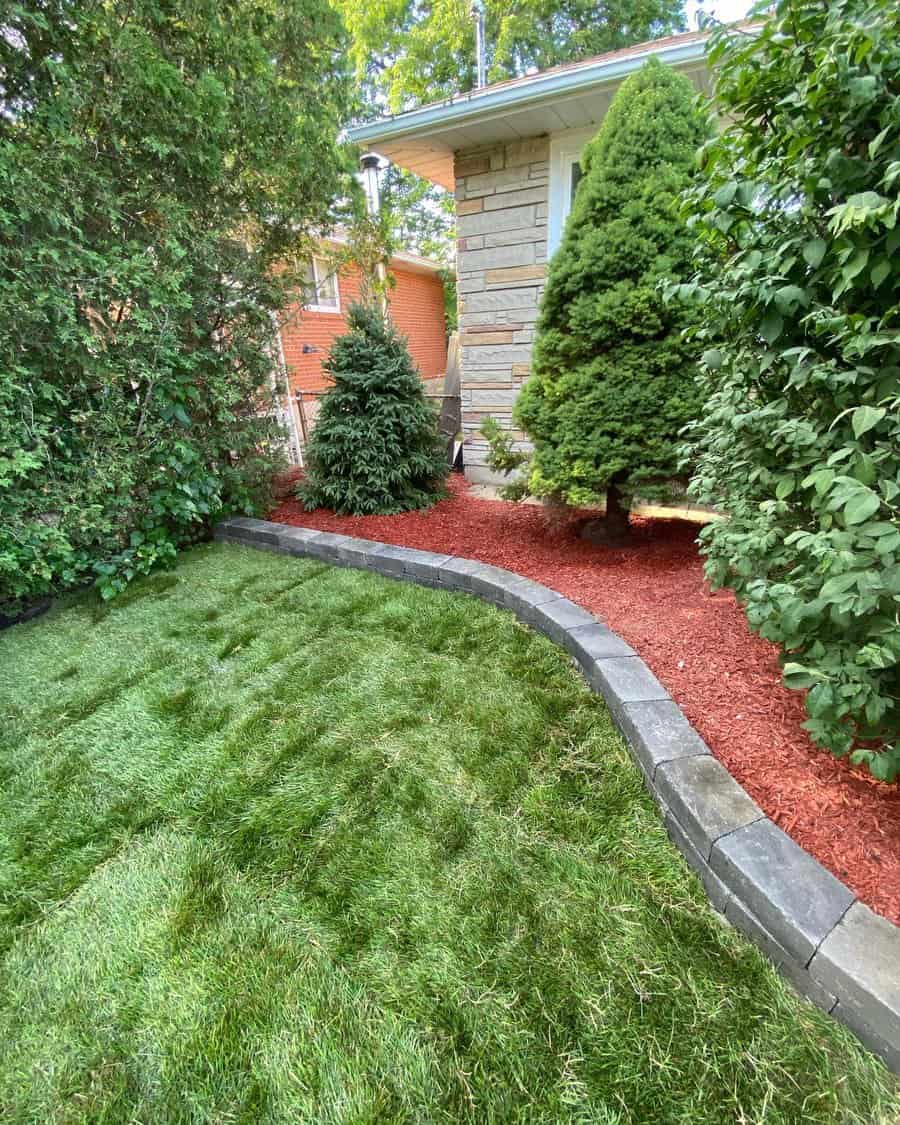
Mulch is a gardener’s ally for reducing weeds and retaining soil moisture. Select an organic type that complements your plants and garden style for a polished look.
Source: @oursixtieshouse via InstagramSource: @greatergrovesgardens via Instagram
12. Brighten Your Front Yard with White Gravel
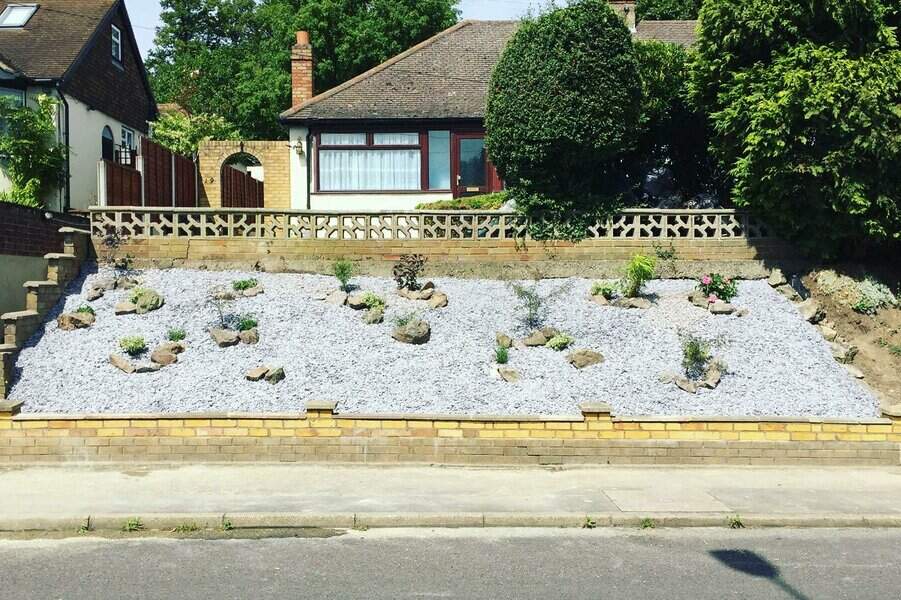
White gravel can brighten up your home’s facade while providing a neat, minimalist ground cover that requires minimal upkeep.
Source: @greenfingers6 via Instagram
13. Infuse Color with Plants and Flowers
Select a mix of perennials and annuals for year-round color. Group plants with similar water and sunlight needs together to streamline care.
Source: @home_on_a_dime via InstagramSource: @crescentcanyon via InstagramSource: @therescuedhome via InstagramSource: @modernlandscapesplus via InstagramSource: @thejuditshome via Instagram
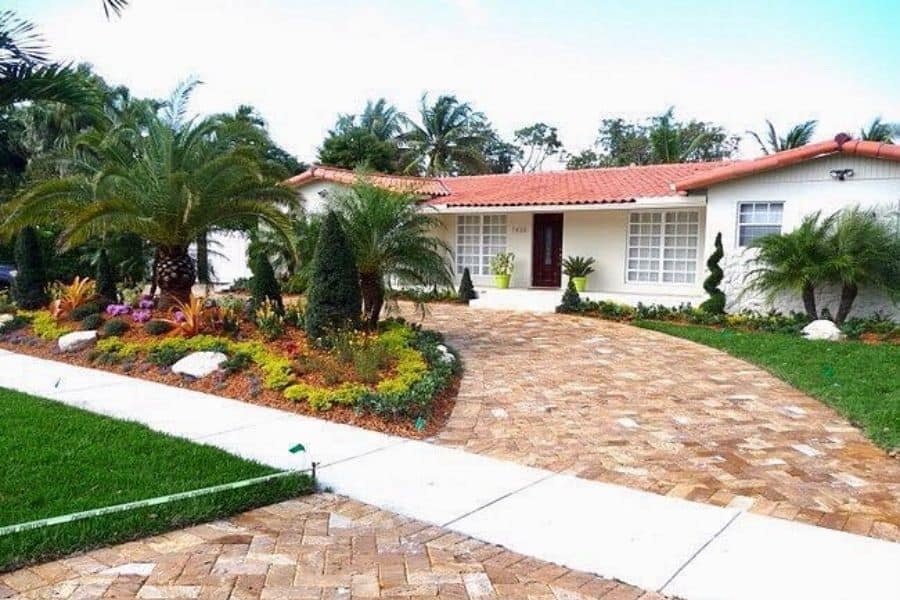
14. Make a Statement with a Palm Tree
For a tropical flair, palms are perfect. They make a statement when placed at entry points or as a focal point in the garden.
Source: @gardendistrictmiami via Instagram
15. Lay Pebbles Around Artificial Grass
Define and accent artificial grass areas with pebbles. This not only looks stylish but also aids in drainage and minimizes debris on the turf.
Source: @our_hastings_2020 via Instagram
16. Select Trees to Define Your Front Yard
Choose trees that match your climate and space. They provide shade, improve air quality, and can increase property value.
Source: @sydneygardening via Instagram
17. Utilize Every Nook with a Corner Garden
Transform a neglected corner into a vibrant garden spot with shade-loving plants. It’s a simple way to create a secluded nook.
Source: @berkshiretownhouse via Instagram
18. Enhance Your Poolside with Creative Landscaping
Use non-slip materials and drought-resistant plants for a practical yet beautiful poolside. Consider space for lounging and ensure plants won’t drop leaves into the water.
Source: @fathernaturebirmingham via Instagram
19. Introduce Tranquility with a Koi Pond
A koi pond adds tranquility and movement to your garden. Ensure it’s properly filtered and consider the local climate for year-round maintenance.
Source: @itz.siddz via Instagram
20. Master the Challenge of Slope Landscaping
Utilize a slope by creating a rock garden or planting ground-cover plants. This can turn a challenging yard feature into a beautiful focal point.
Source: @kml.interiors_ via Instagram
21. Frame Your Garden with Brick Edging
Bricks offer a classic garden edge that defines spaces clearly. Lay them flat or on their side in a trench for a traditional look.
Source: @lukeslandscapingto via Instagram
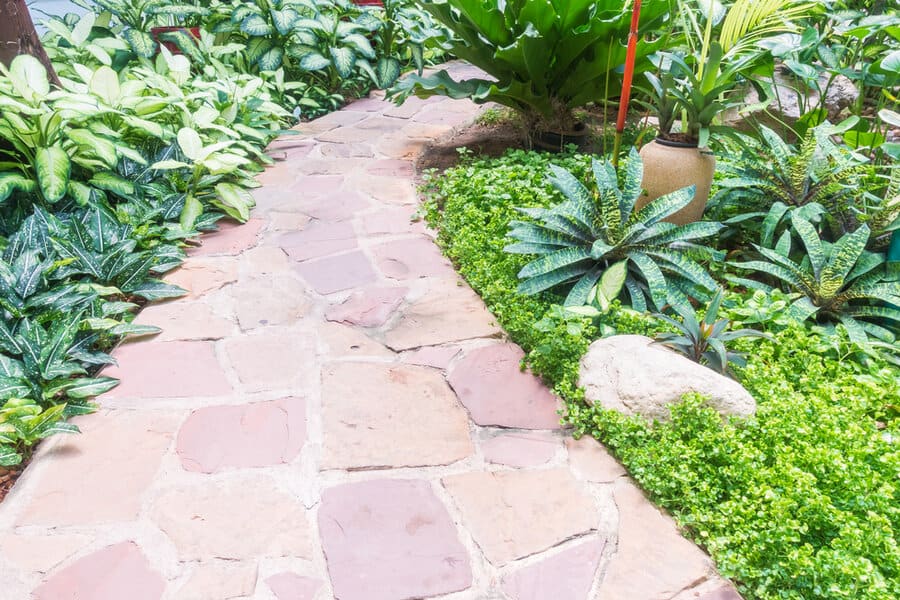
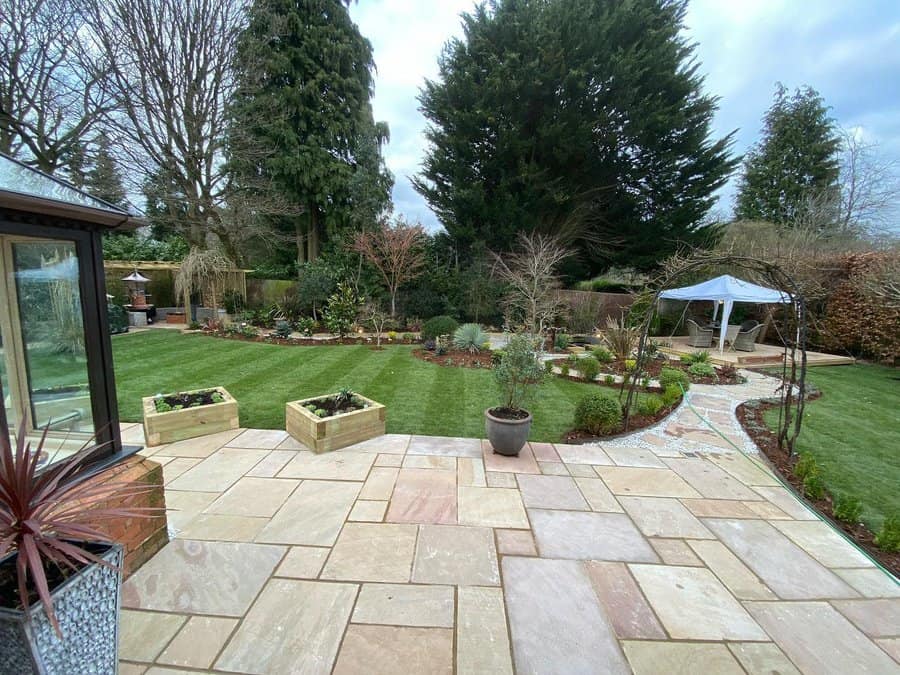
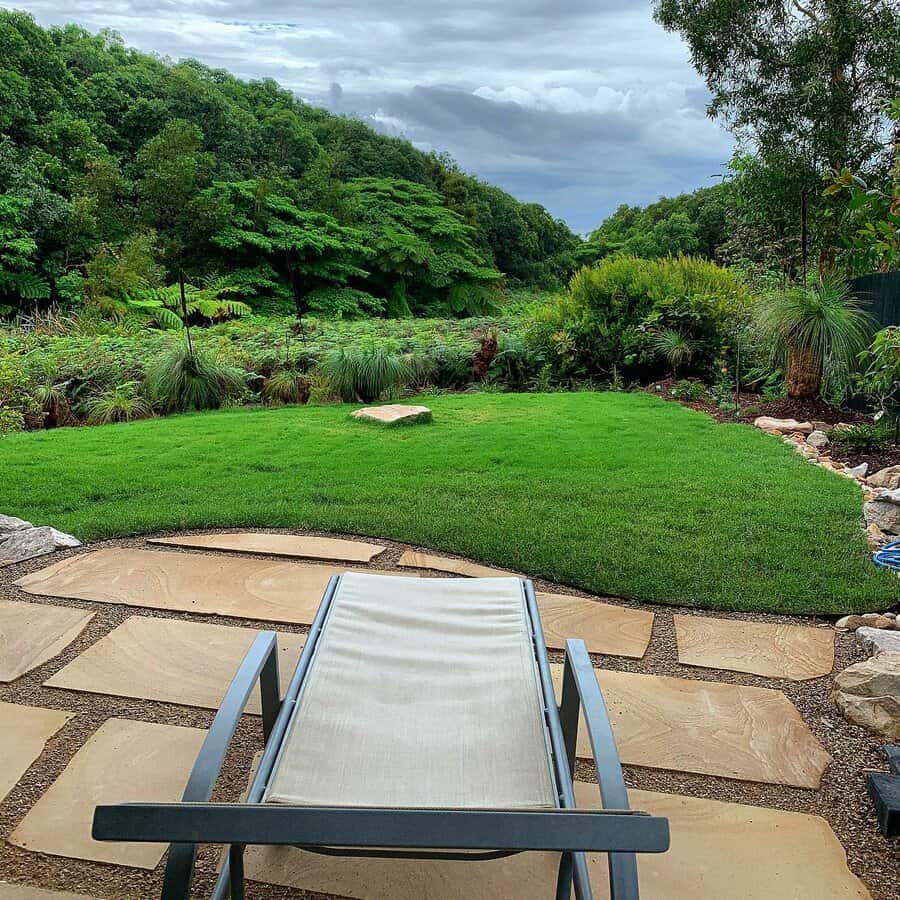
22. Create Natural Elegance with Flagstone
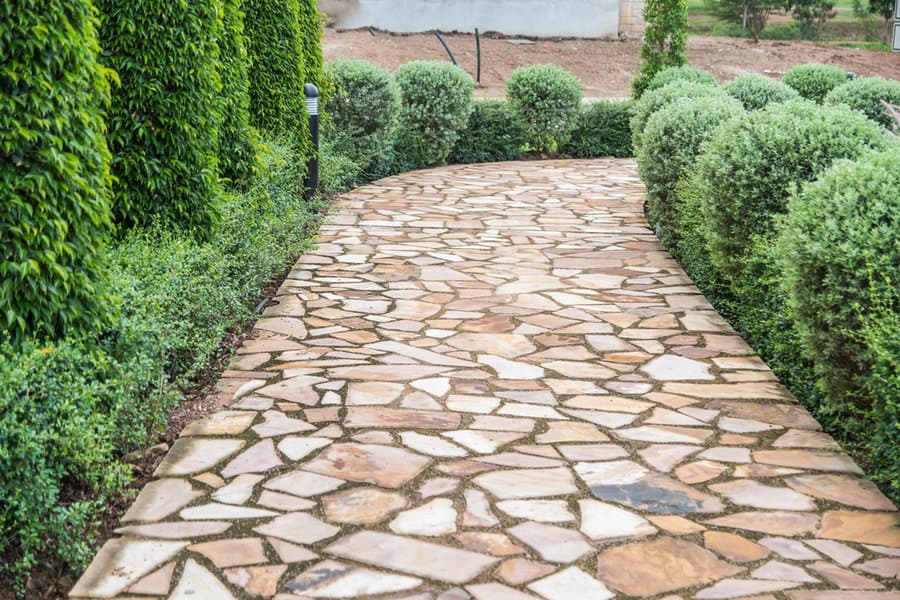
Flagstones are ideal for creating natural-looking paths and patios. Their irregular shapes and earthy tones blend seamlessly with outdoor environments.
Source: @reborn_properties via InstagramSource: @allterrainlandscaping via InstagramSource: @gardendistrictmiami via Instagram
23. Go Green with a Simple Grass Yard
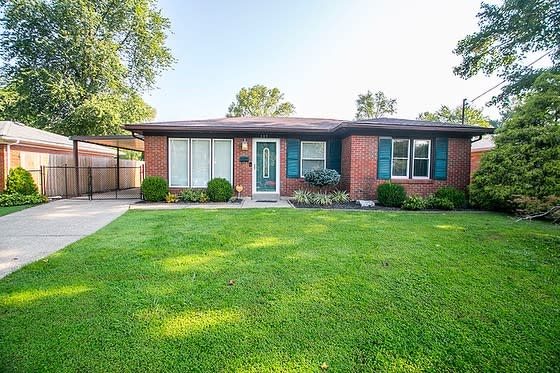
A well-kept lawn is timeless. Regular mowing and edging keep it looking its best, providing a simple yet effective landscape feature.
Source: @helenadamsrealty via InstagramSource: @suksma.garden via InstagramSource: @exitgreenteam via InstagramSource: @livinglandscapesnoosa via Instagram
24. Elevate Planting with a Raised Garden Bed
Elevate your gardening with raised beds. They’re easier on the back, improve drainage, and can be filled with quality soil for better plant health.
Source: @houseflipforum via Instagram
25. Add Versatility with Pots and Containers
For versatility in small spaces, pots and containers are the go-to. They allow you to grow a variety of plants and can be rearranged for seasonal changes.
Source: @garden_lk via Instagram
26. Create a Small Yard Sanctuary
Create a peaceful retreat by mixing flowering plants with greenery. Use colors to set a mood—cool blues for calm, bright colors for a vibrant feel.
Source: @thebambee via Instagram
27. Dress Up Your Garden with a Trellis Arch
Make a statement in your garden with a trellis arch. It’s a smart way to introduce verticality and can support climbing plants like roses or ivy, creating a living archway that adds a romantic touch to your outdoor space.
Source: @goodpathgarden via Instagram
28. Design a Pathway for Garden Exploration
Designing a walk path isn’t just about getting from point A to B; it’s about the experience. Use materials like flagstone for a natural look or colored concrete for a modern feel, and line the path with low-growing ground cover or LED lights for both beauty and functionality.
Source: @bosquedelcabo via InstagramSource: @gardendistrictmiami via Instagram
The past few years have inspired countless people to take up gardening as a personal hobby. And there’s really no better way to feel one with nature whether you’re working with several acres or a tiny garden plot!
But how do you put your green thumb to use when constructing a traditional in-ground garden isn’t an option?
These diverse container garden ideas will show you how to make the most of limited space. (Yes, you can even start your own garden without access to a yard of any kind!)
[view_toc]
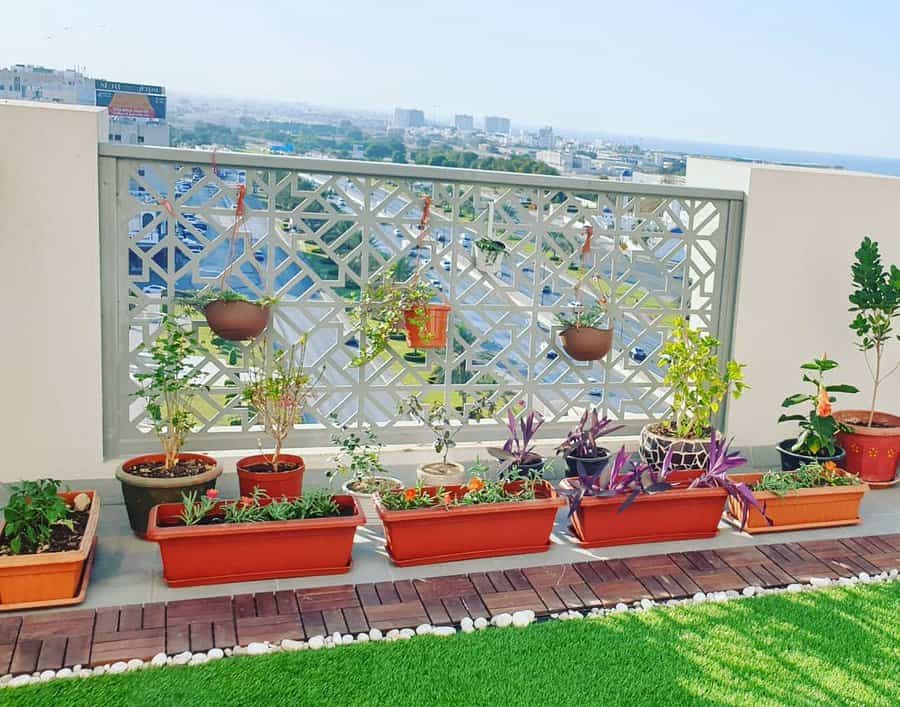
1. Rectangular Planters
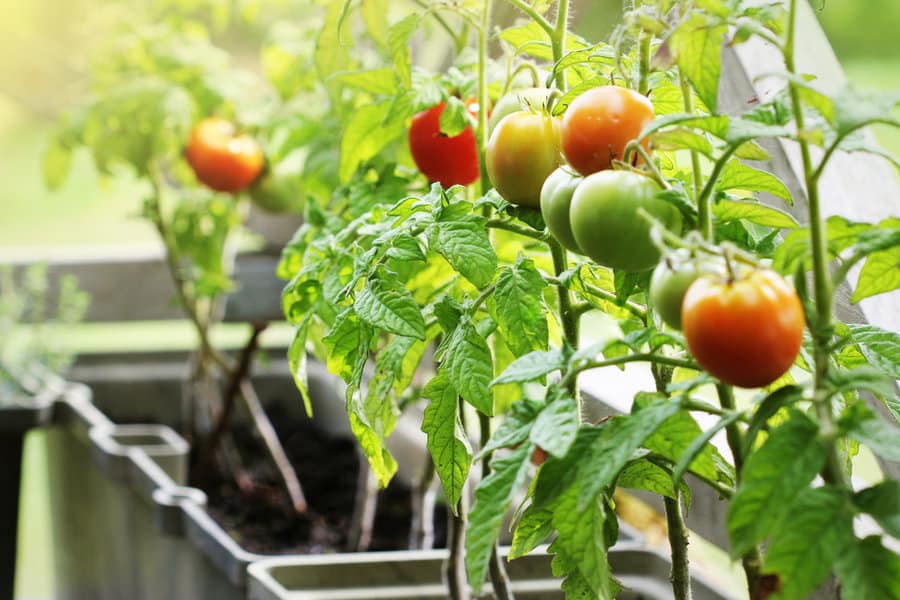
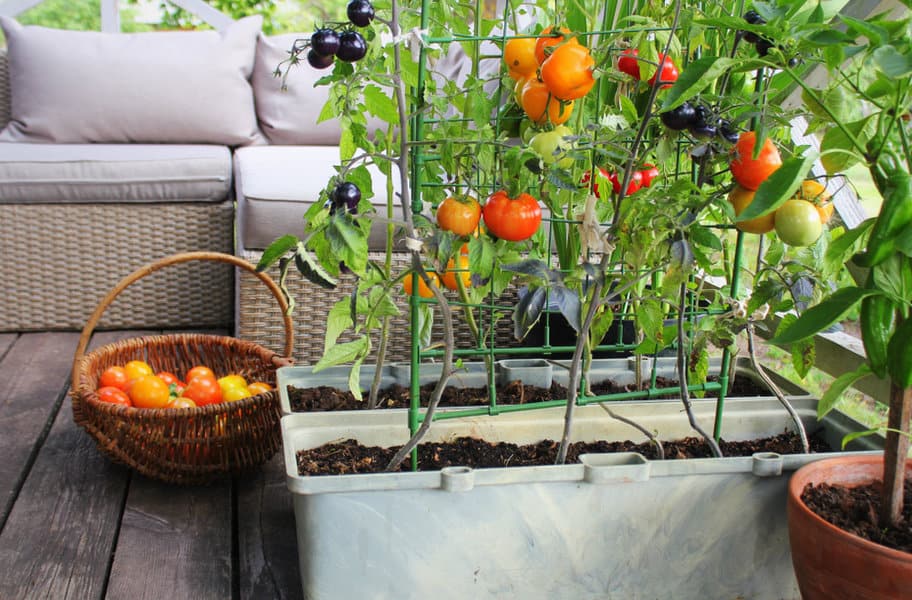
Ideal for narrow spaces or balcony edges, rectangular planters allow for planting multiple species in a single container, creating a lush, mini-garden effect. Use them for growing herbs, small vegetables, or a combination of flowering plants for visual appeal.
Source: @growandglowgardening via Instagram
2. DIY Wood Pallet Planter Box
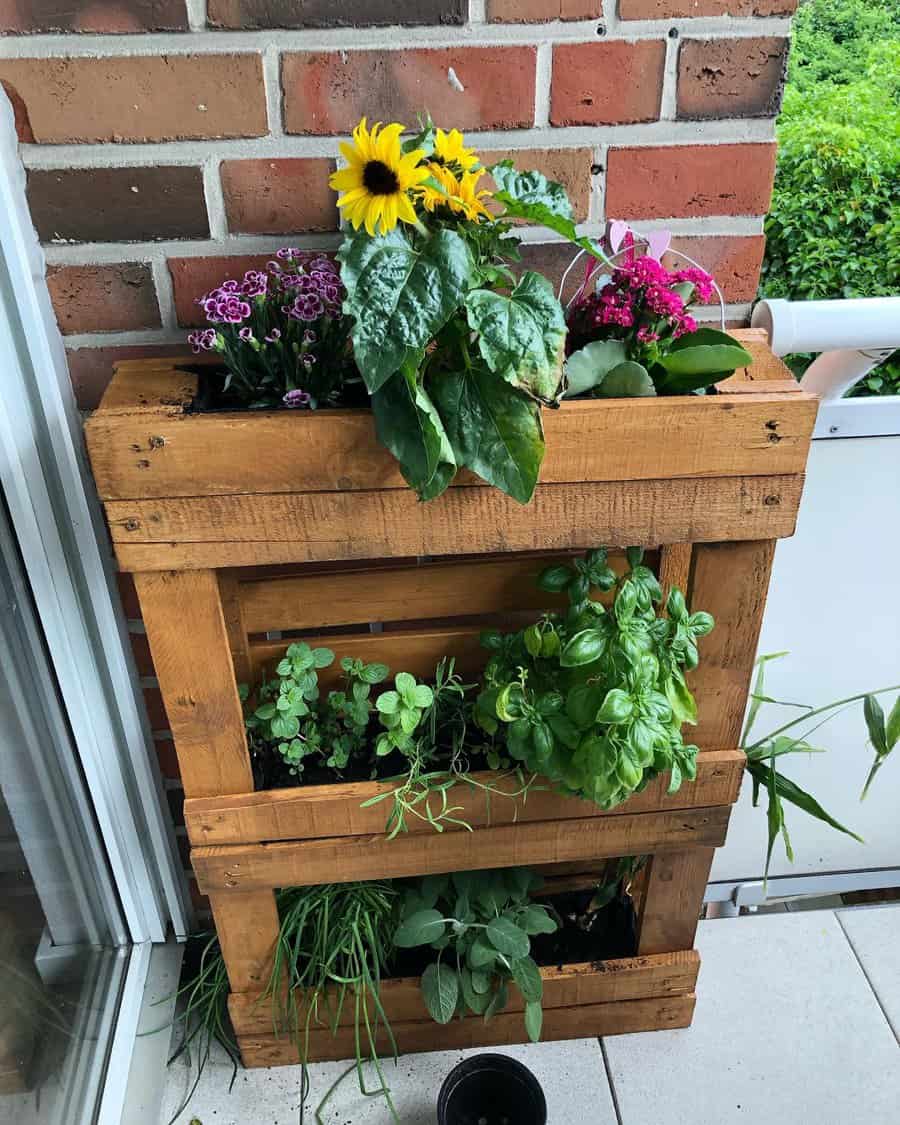
Utilize reclaimed wood pallets to build cost-effective, eco-friendly planter boxes. These can be customized in size and are perfect for growing herbs, flowers, or small vegetables. They add a rustic charm to any garden space.
Source: @rootsbloomsandyards via InstagramSource: @mariekennedy7367 via Instagram
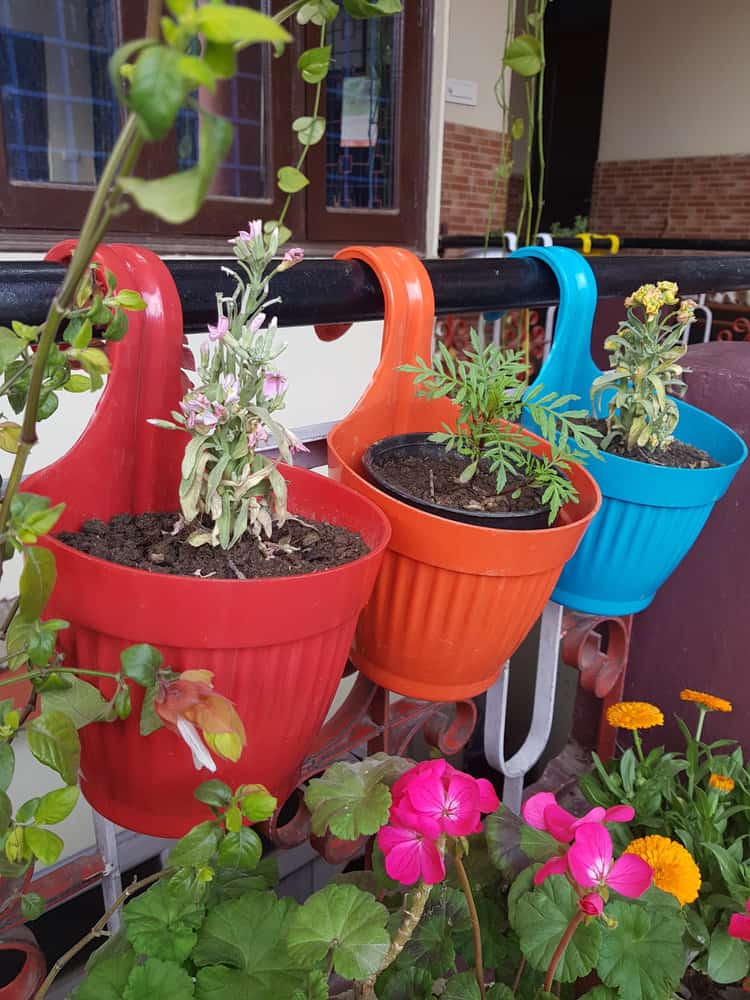
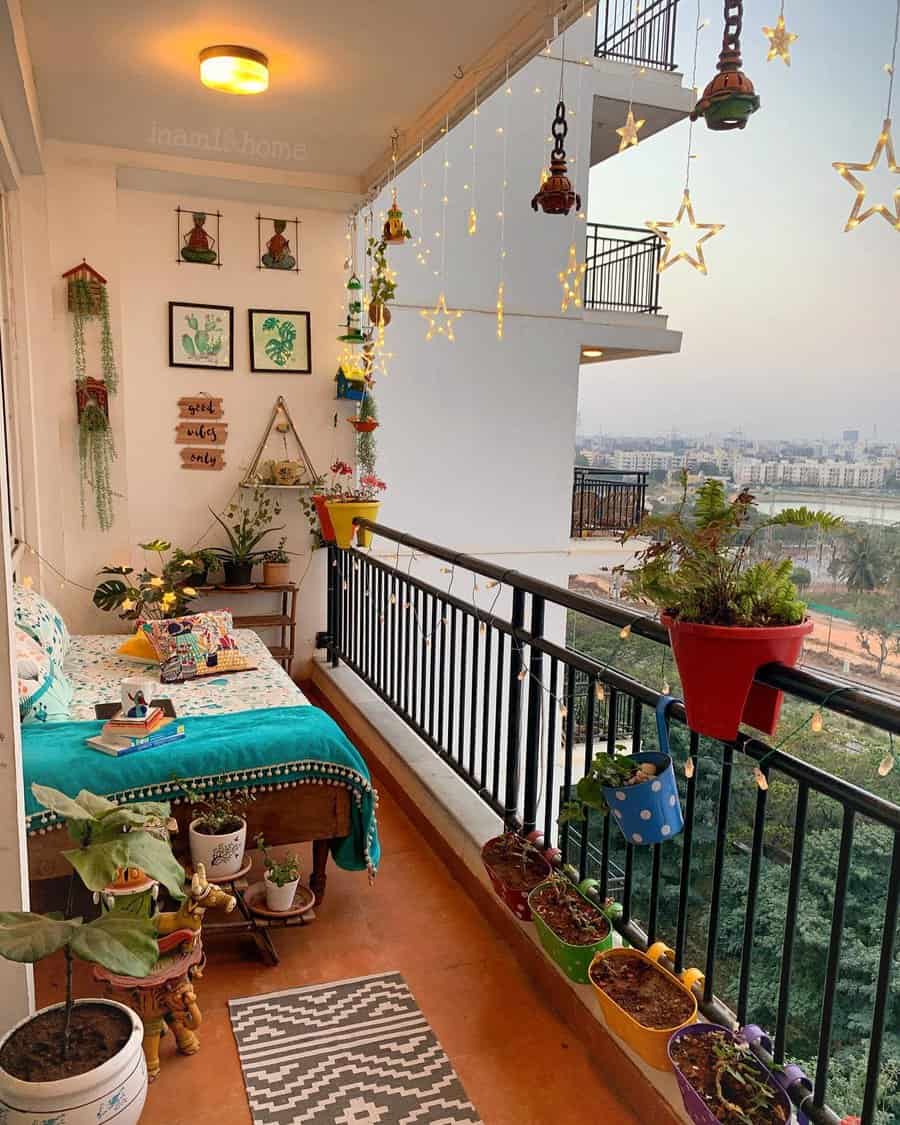
3. Railing Planters
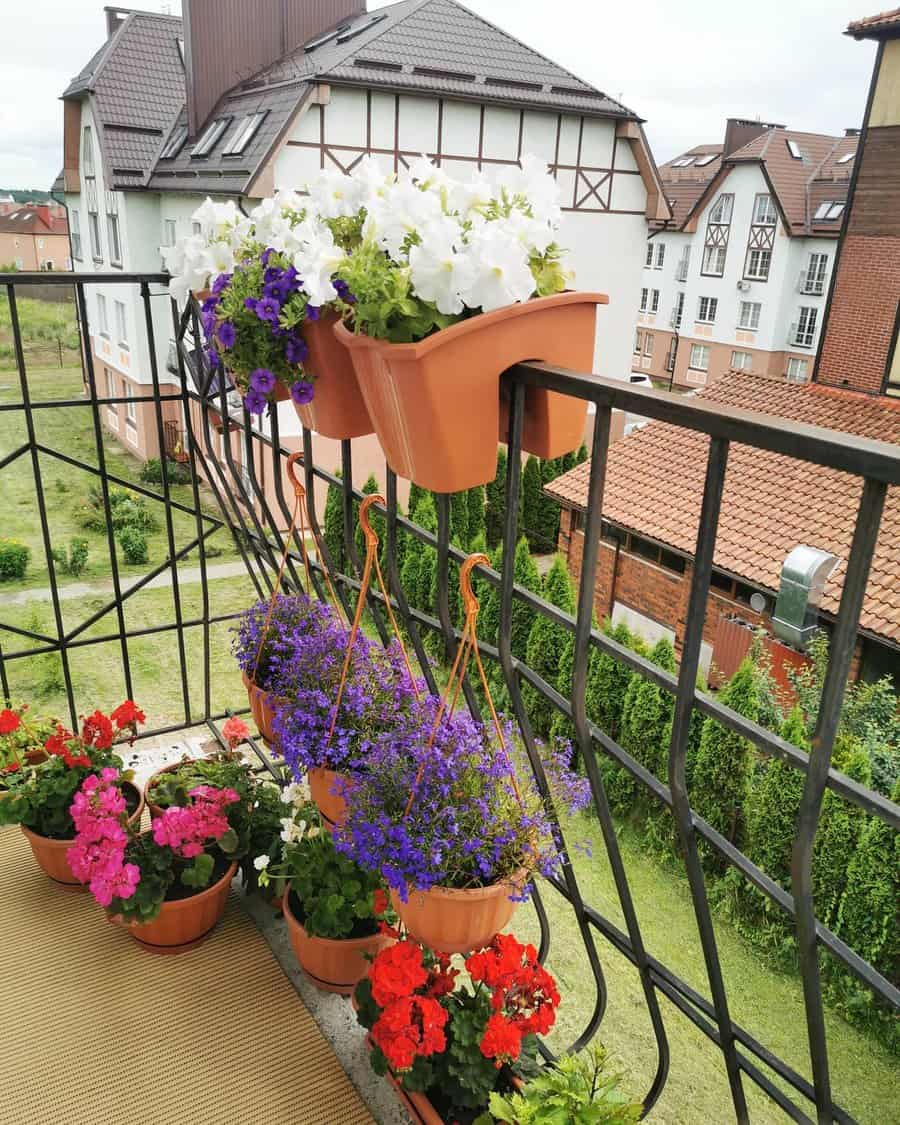
Railing planters are perfect for small balconies or decks. They securely attach to railings, maximizing space while adding greenery without clutter. Fill them with colorful flowers or herbs to create an attractive display.
Source: @inam18.home via InstagramSource: @littlethings_plantsdeco via InstagramSource: @whats.growing via Instagram
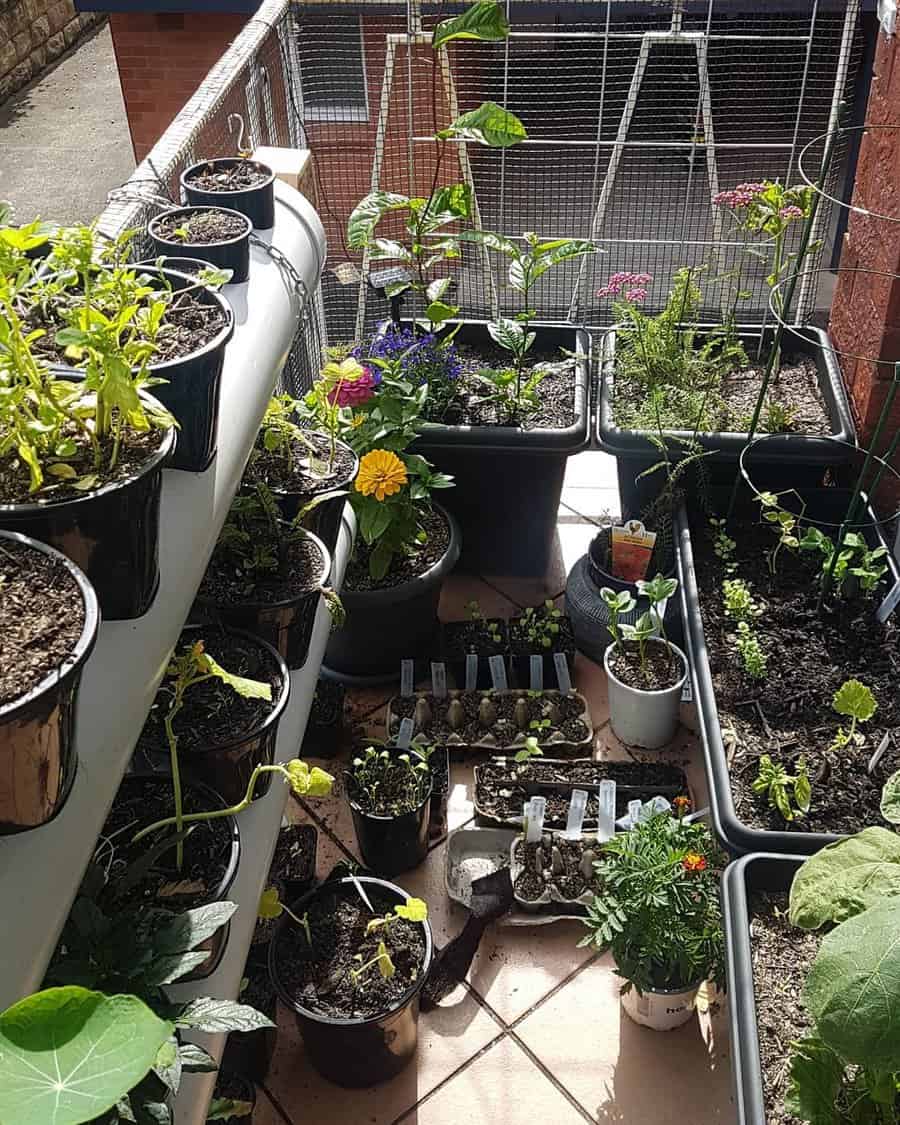
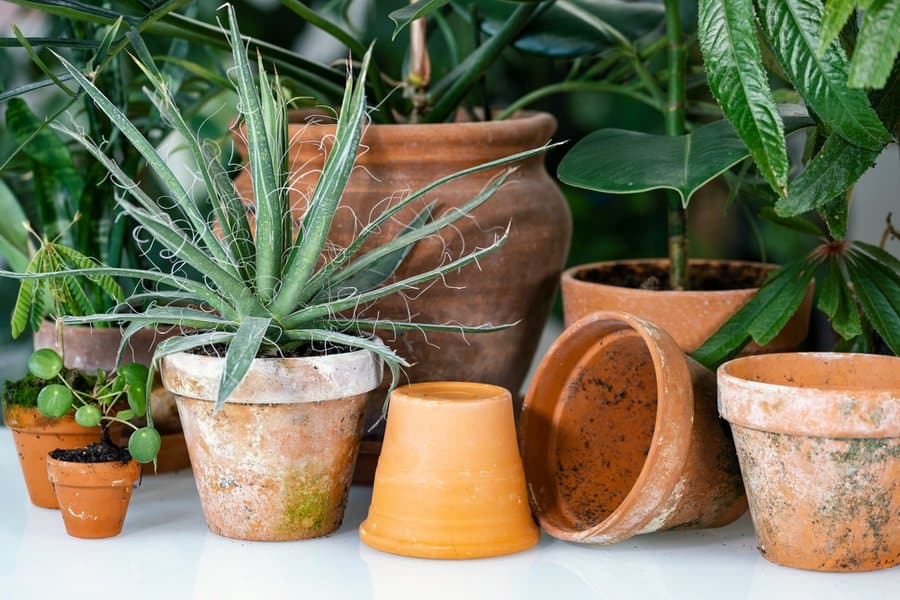
4. Terracotta Pots
A classic choice, terracotta pots are porous, promoting soil aeration and moisture regulation, which is beneficial for plant health. They’re suitable for almost any plant type and add a timeless, natural look to your garden space.
Source: @365daysgarden via Instagram
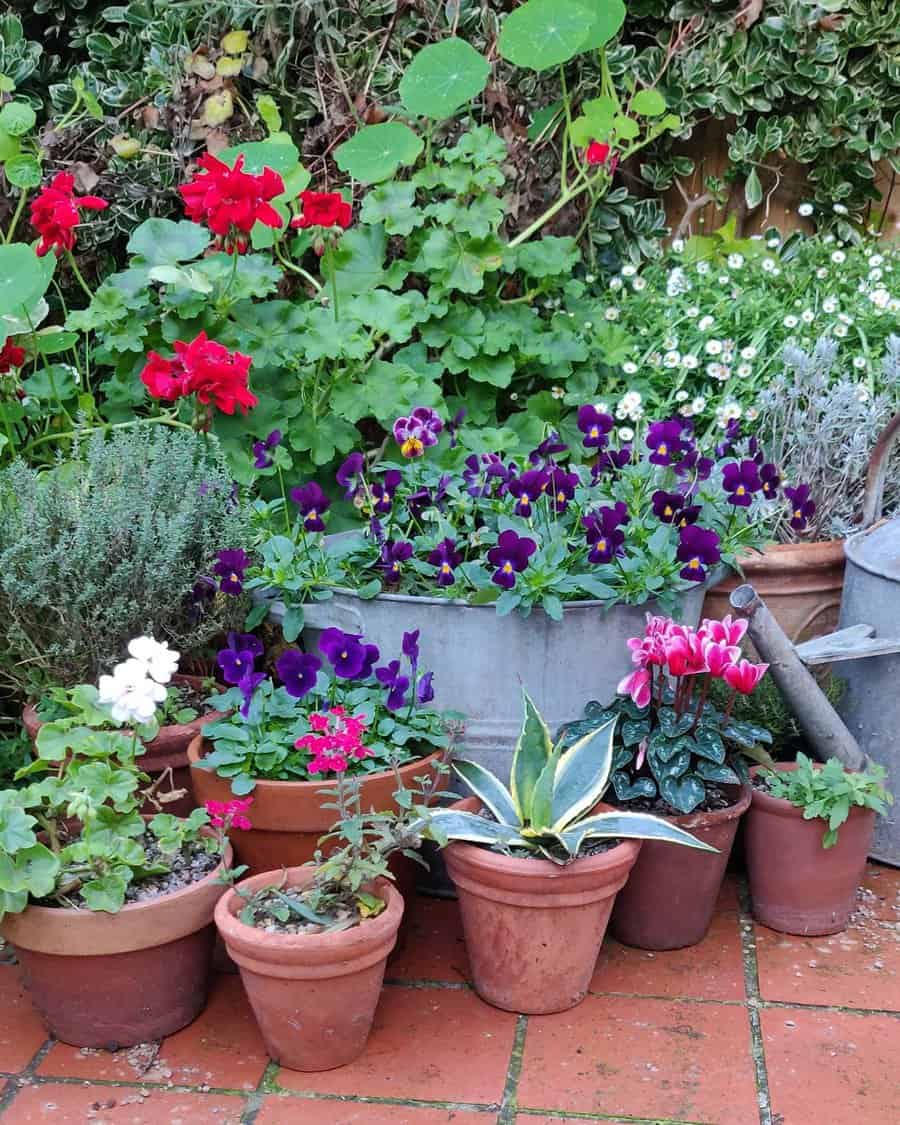
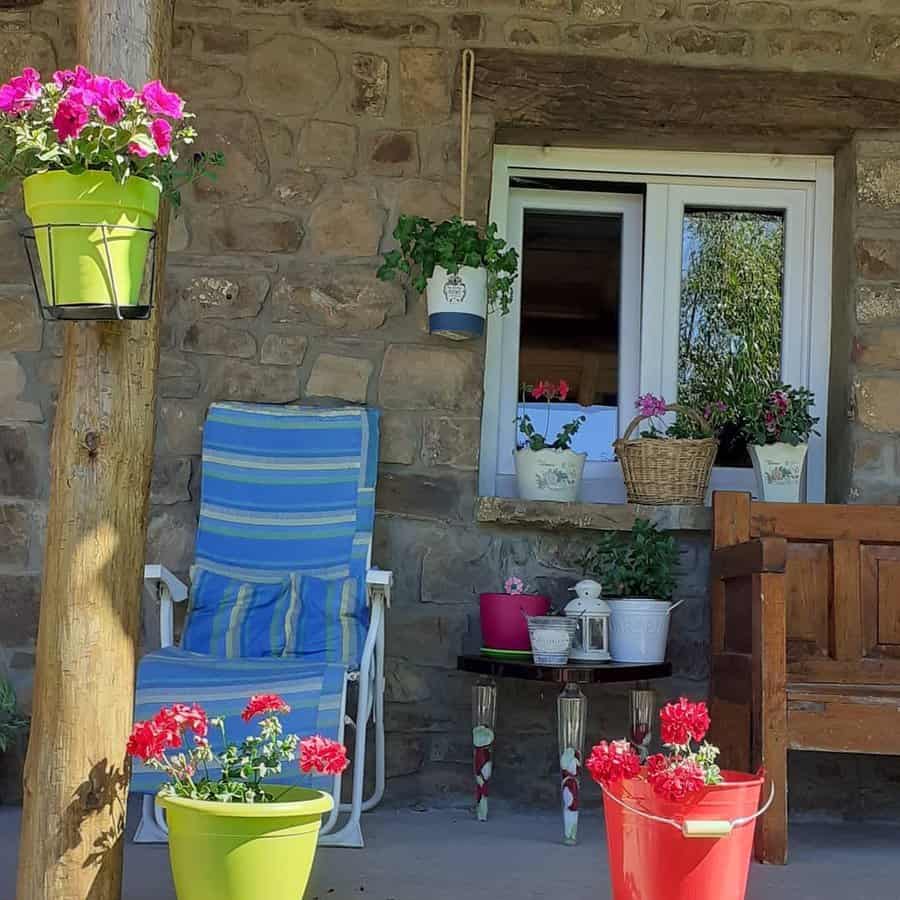
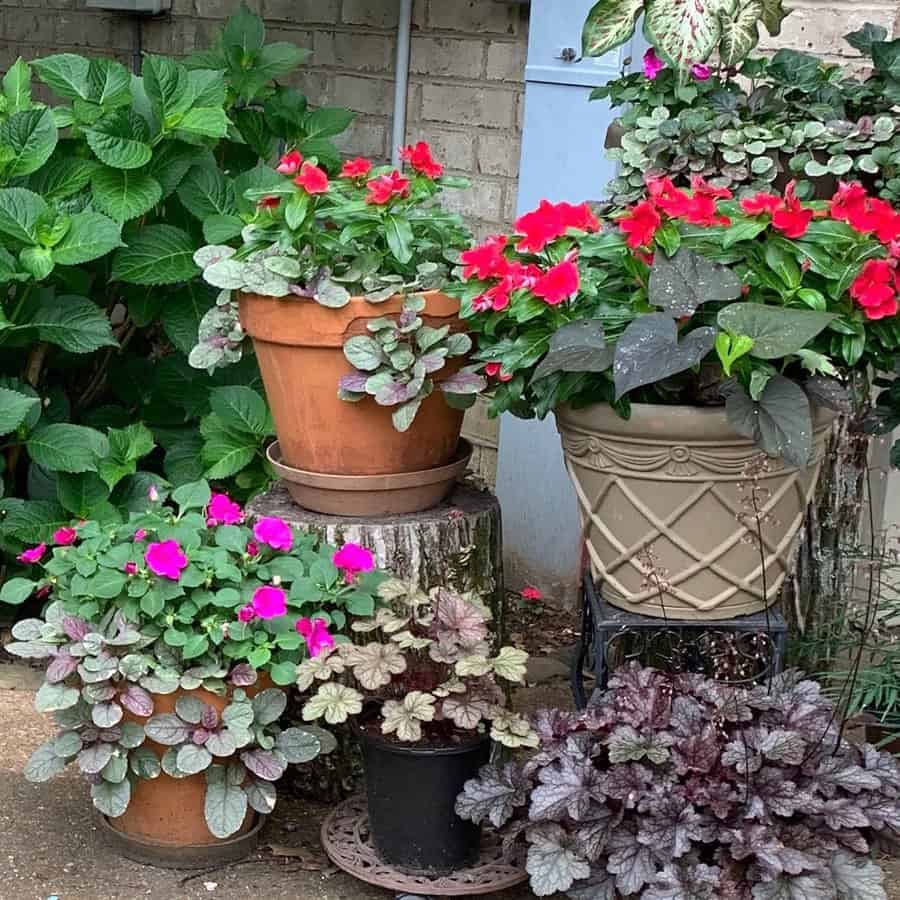
5. Mix & Match Pots
Combine pots of different sizes, colors, and materials to add depth and interest to your container garden. This approach allows for a creative display of plants, each in a pot that suits its specific growing needs.
Source: @rangeoflightgardens via InstagramSource: @abola_tere via InstagramSource: @forthe_love_ofplants via InstagramSource: @noelle.hendricks via InstagramSource: @shoko_garden via Instagram
6. Trusty Purples
Purple plants like lavender, salvia, or purple basil offer a visually striking and aromatic addition to your garden. These plants thrive in containers and can create a themed garden space focused on varied shades of purple.
Source: @simplybloom1 via InstagramSource: @prajnart via Instagram
7. Planters with Trellis
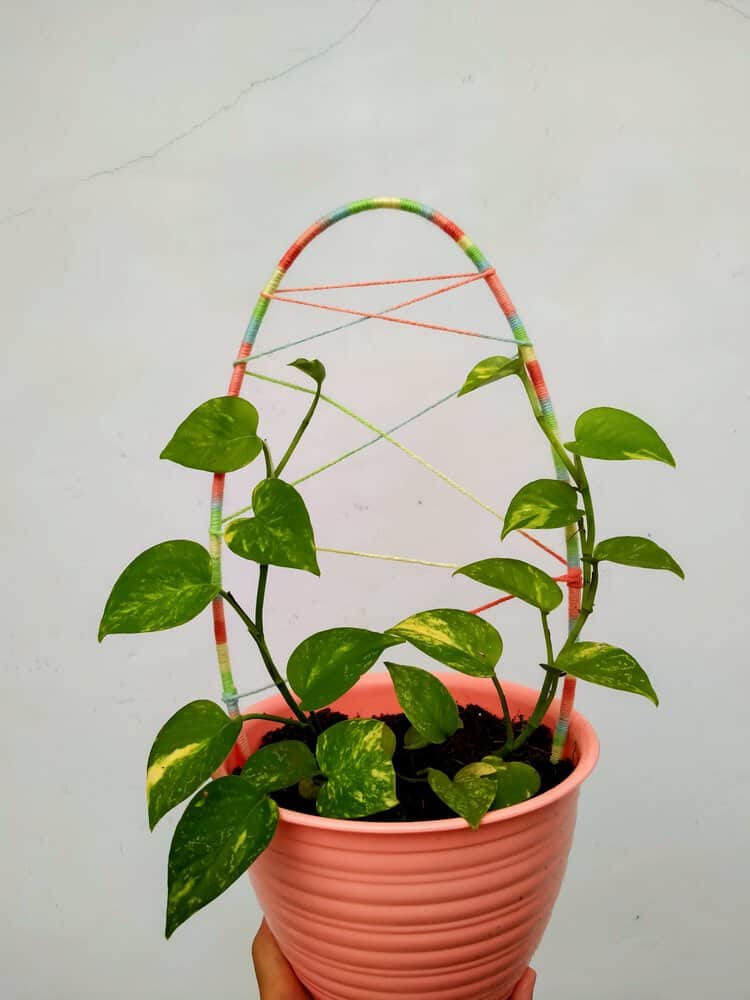
Ideal for climbing plants like ivy, clematis, or peas, planters with a built-in trellis provide support for growth while saving space. They’re perfect for adding vertical interest to your garden.
Source: @lebeth_loves_plants via InstagramSource: @lesliepeterson5 via Instagram
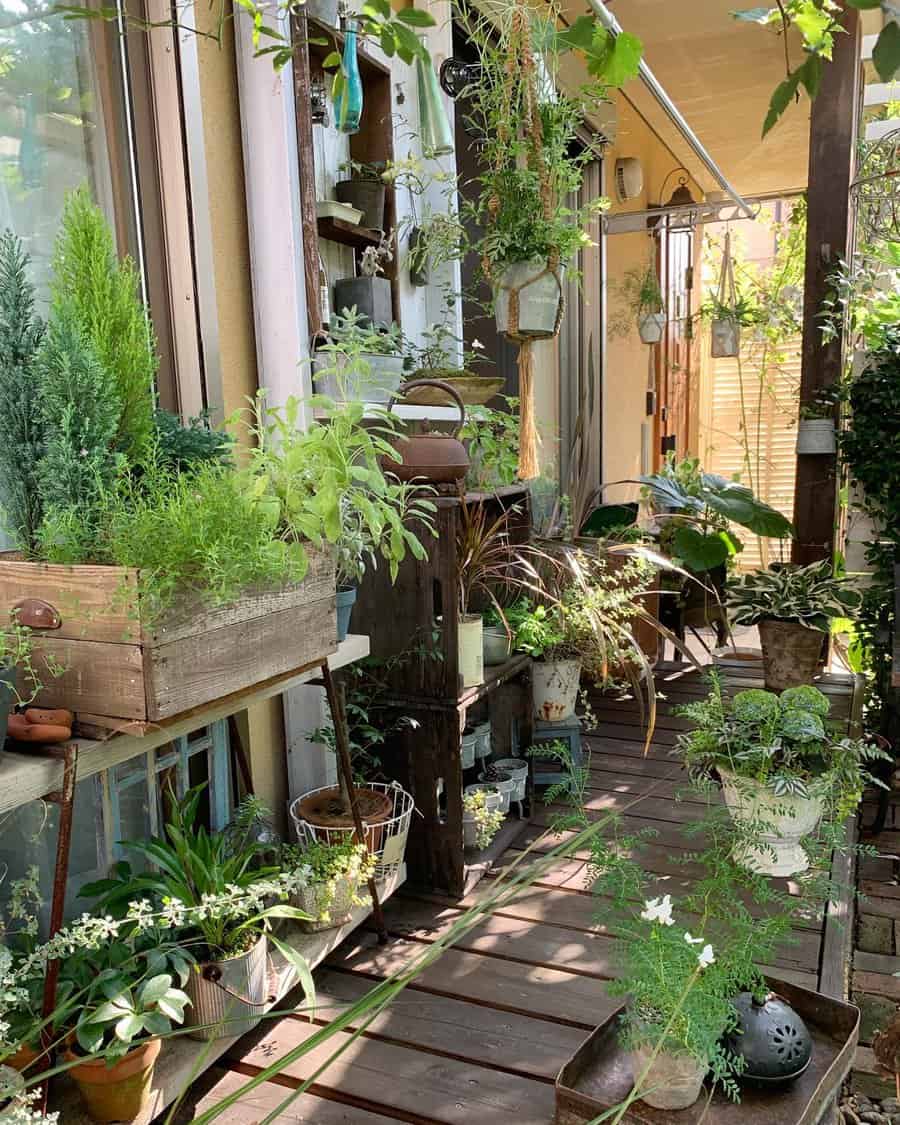
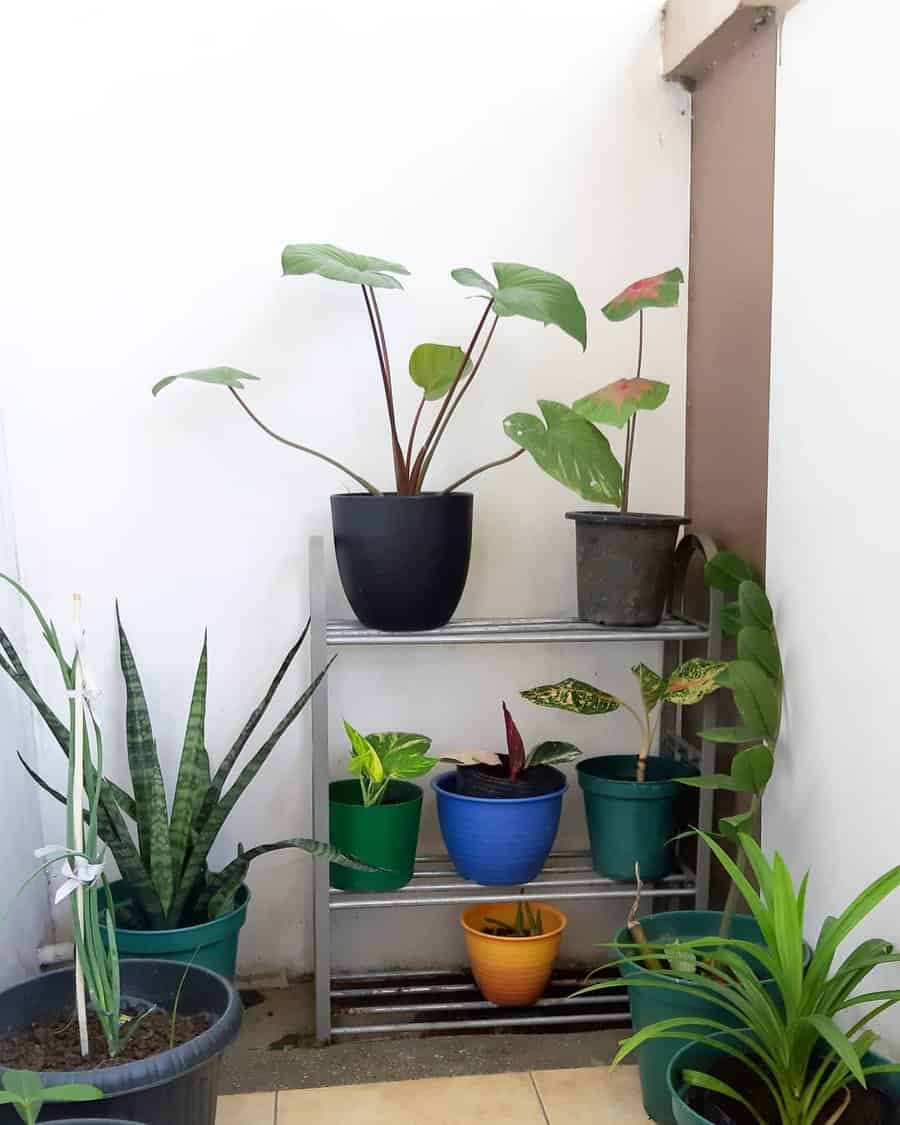
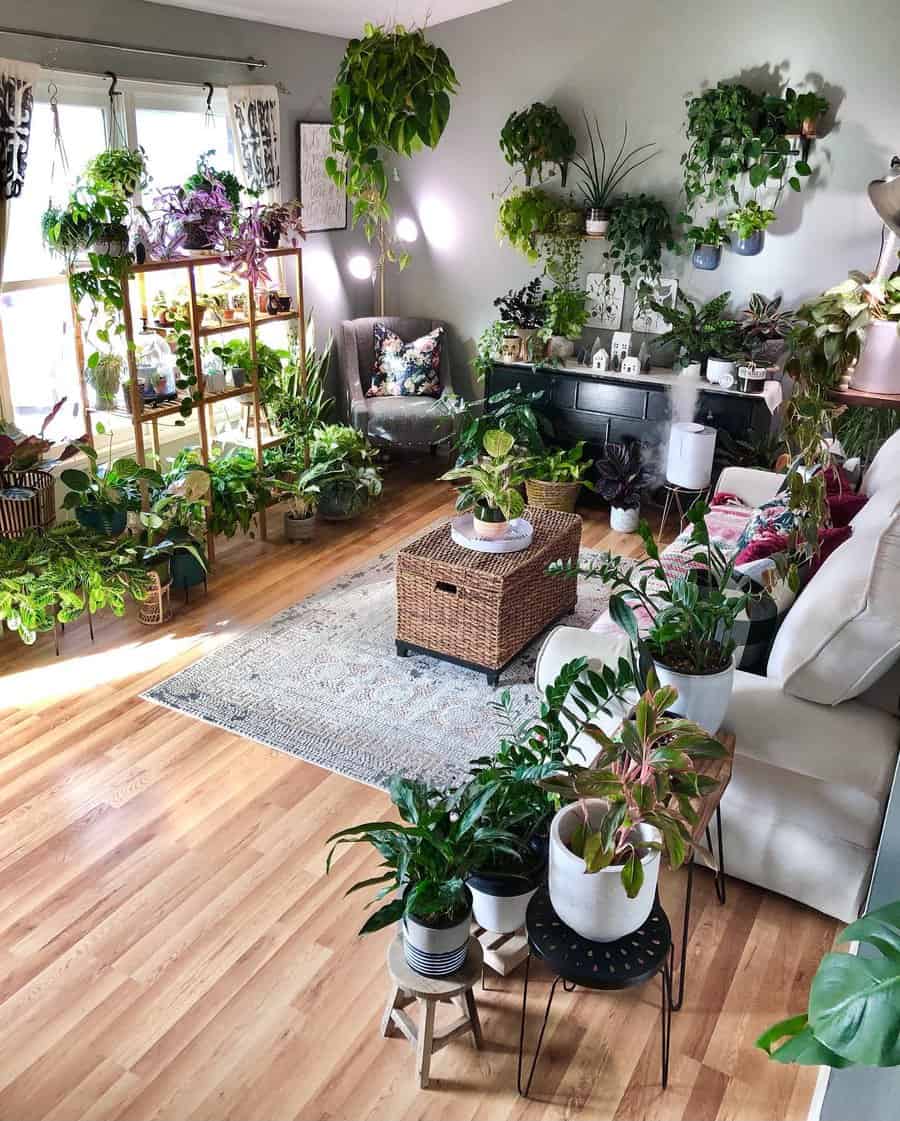
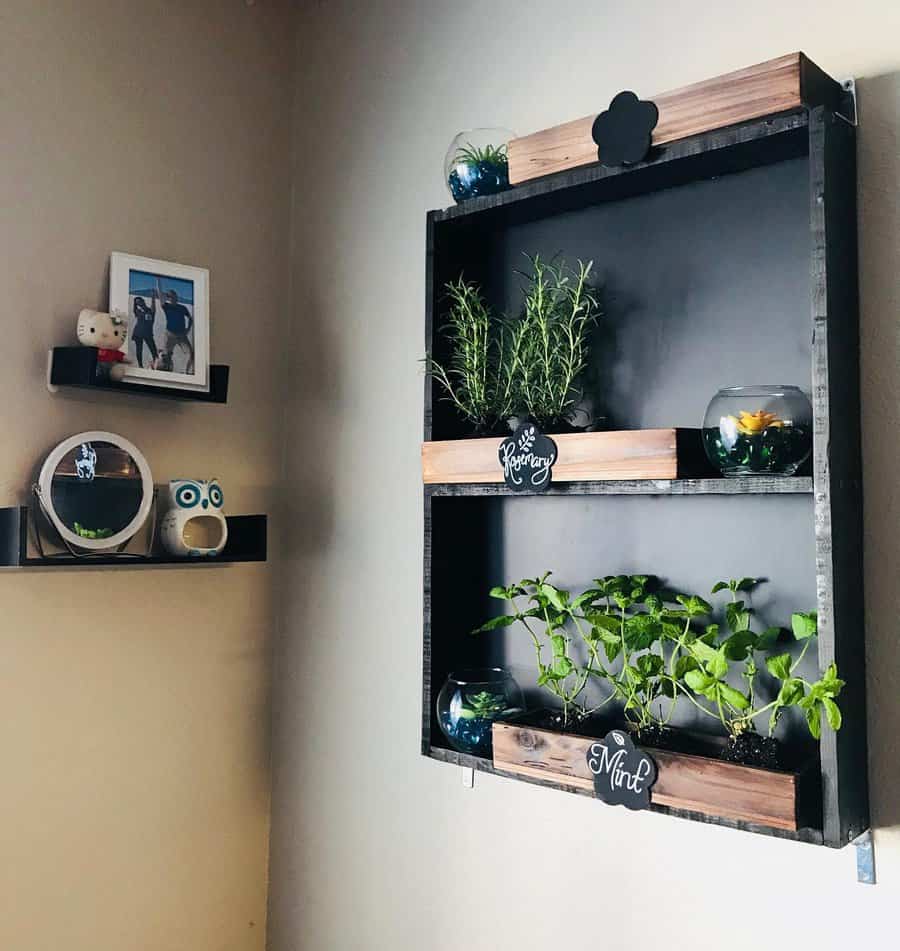
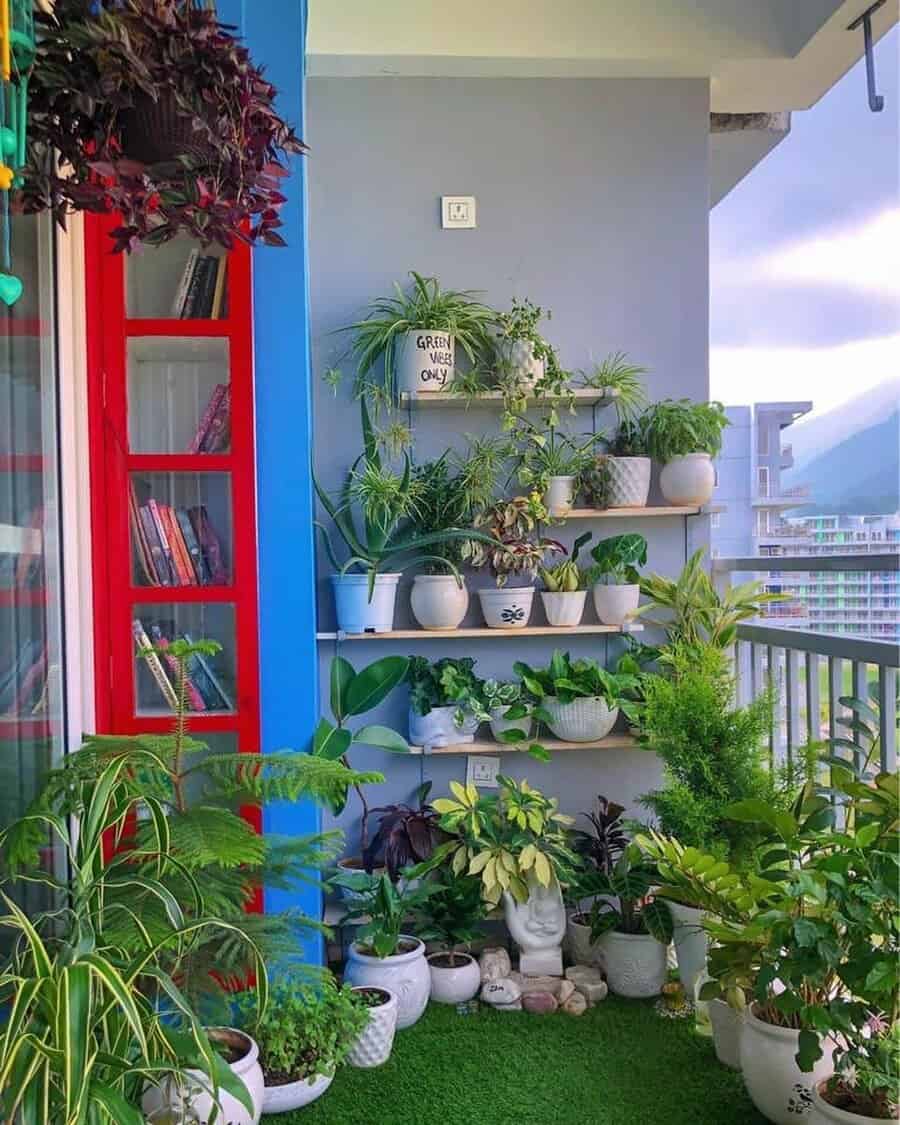
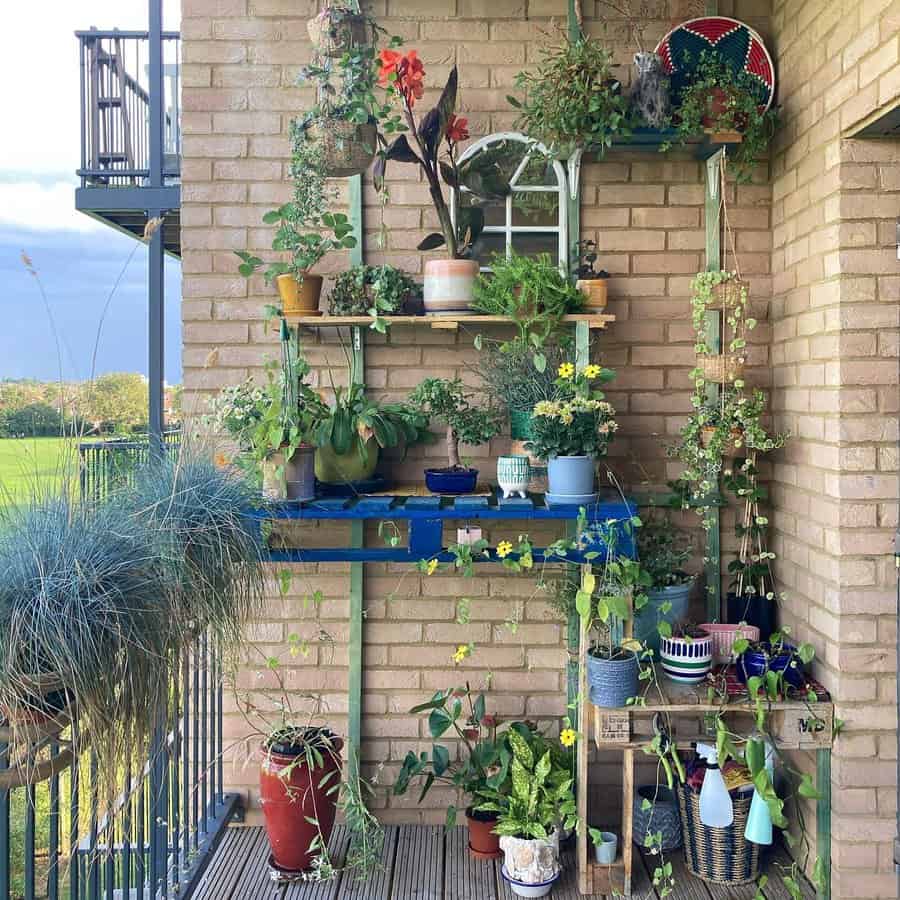
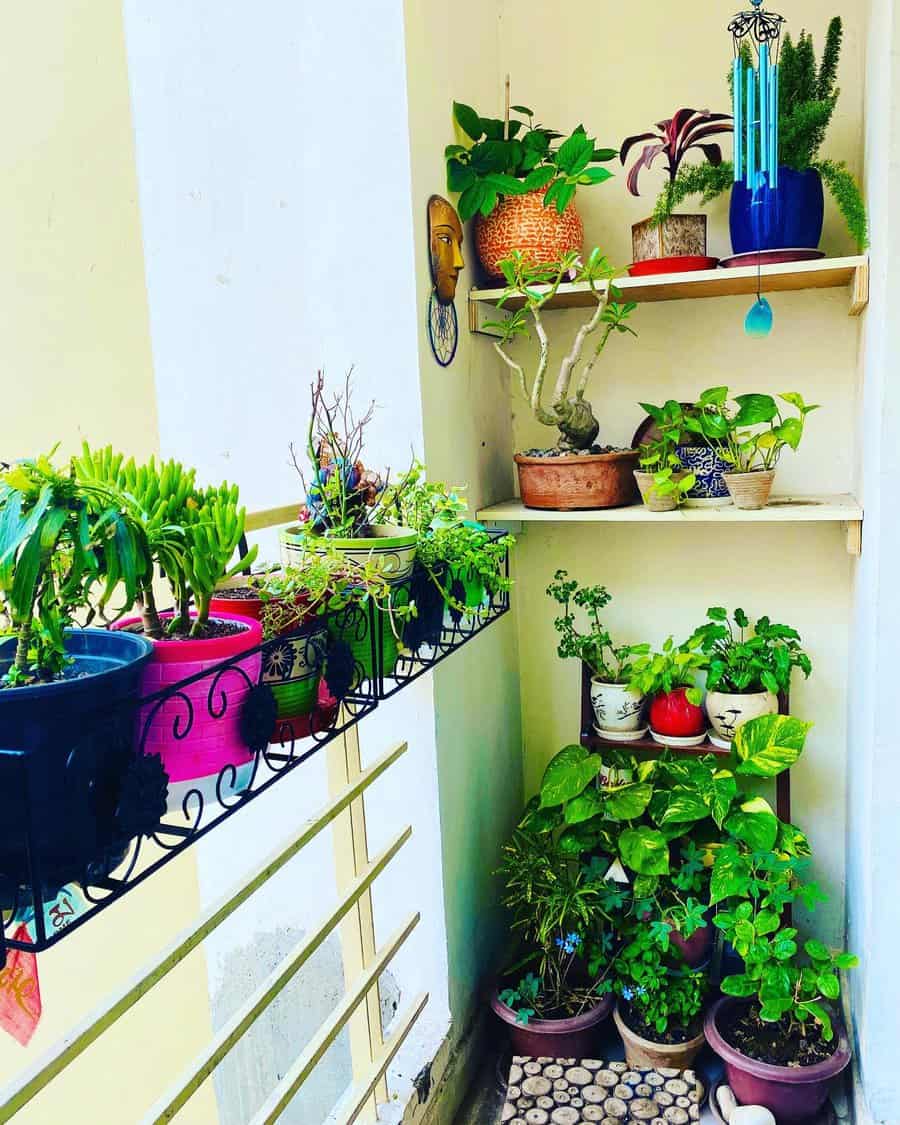
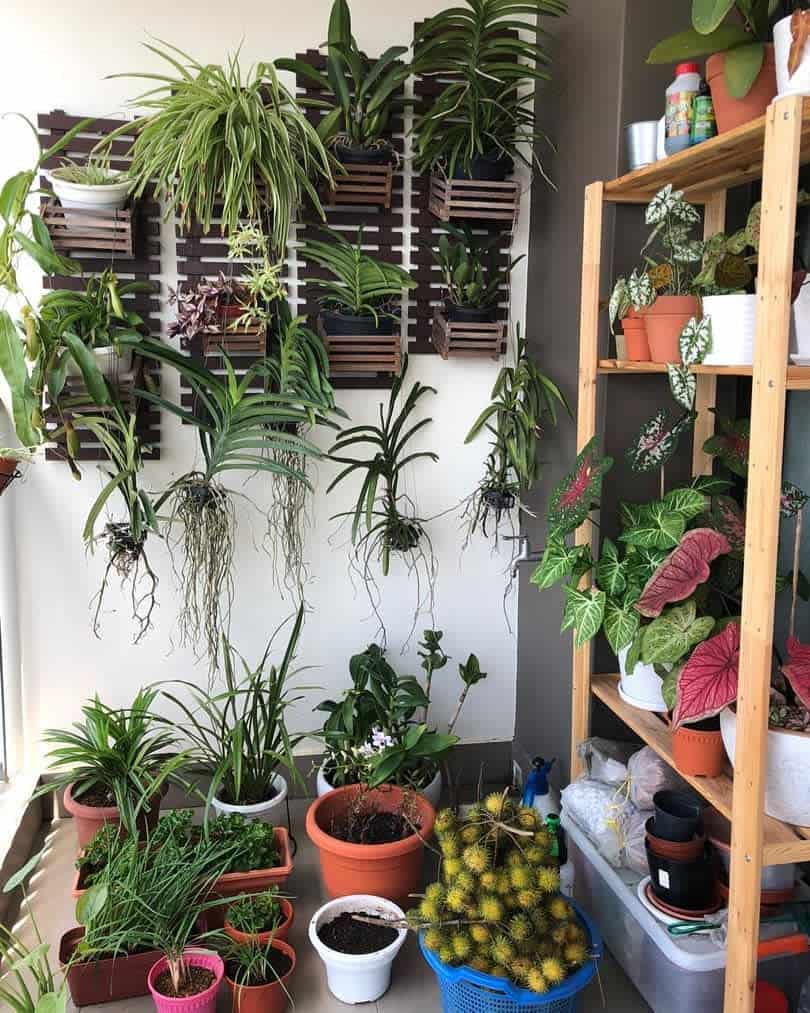
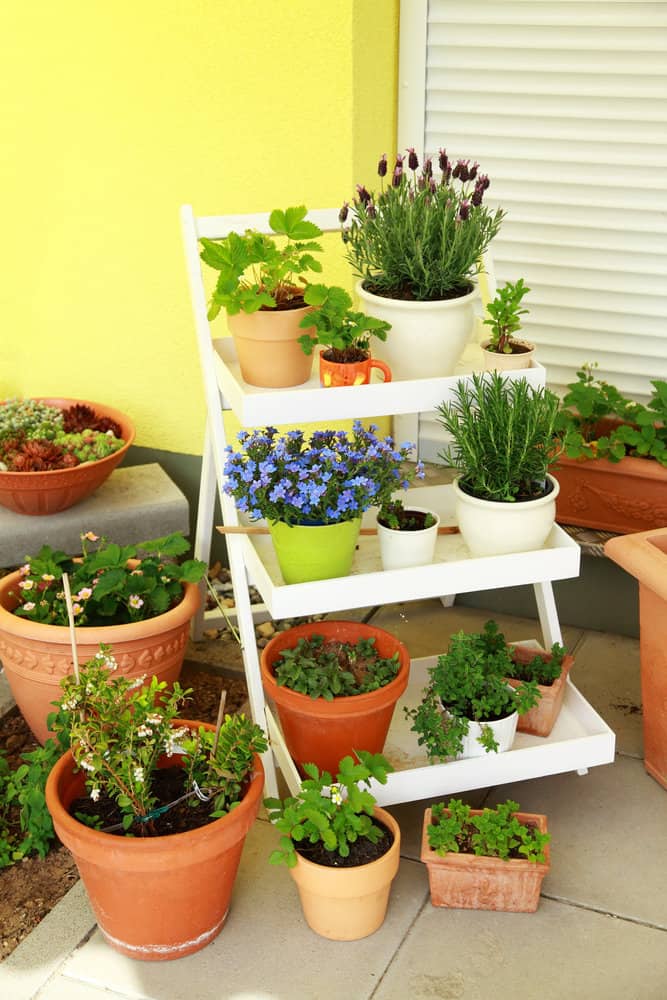
8. Plant Shelves and Garden Stand
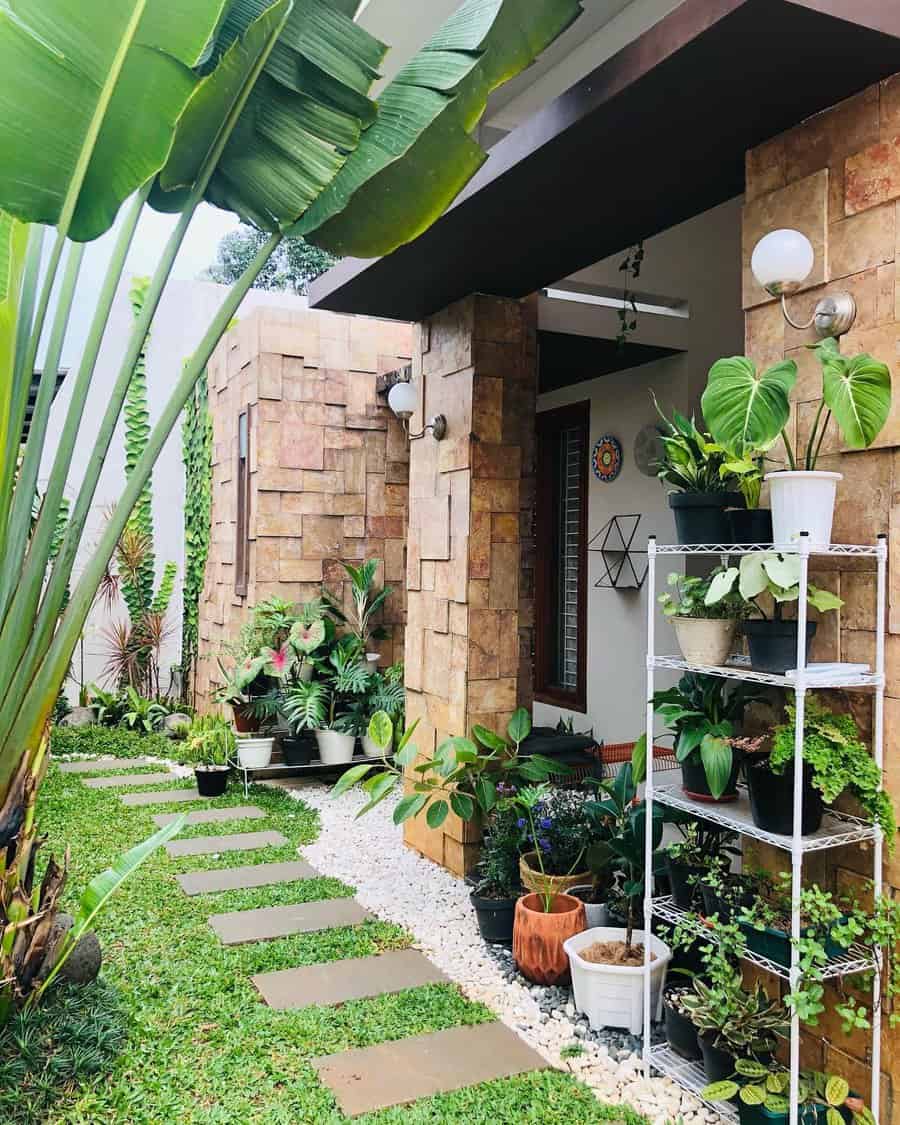
Utilize shelves and stands to create layers in your garden, making it possible to grow more plants in a limited area. This is particularly useful for small spaces or urban gardens.
Source: @keandrabarra via InstagramSource: @greenhues via InstagramSource: @greengrowermama via Instagram
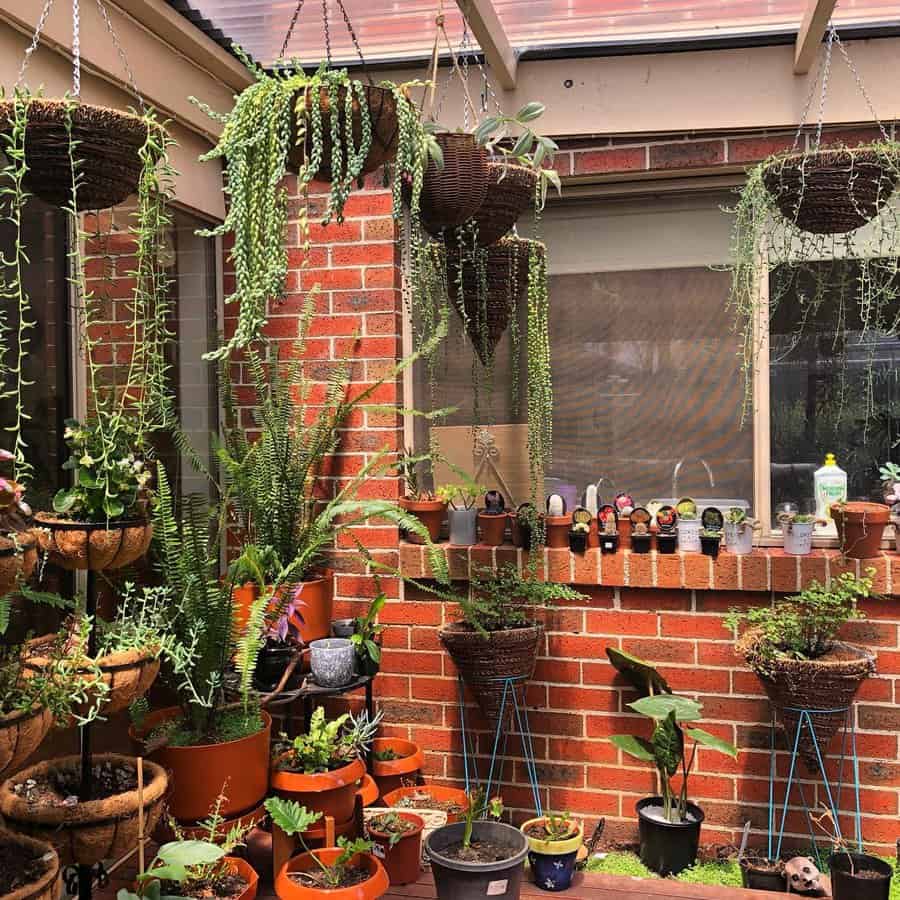
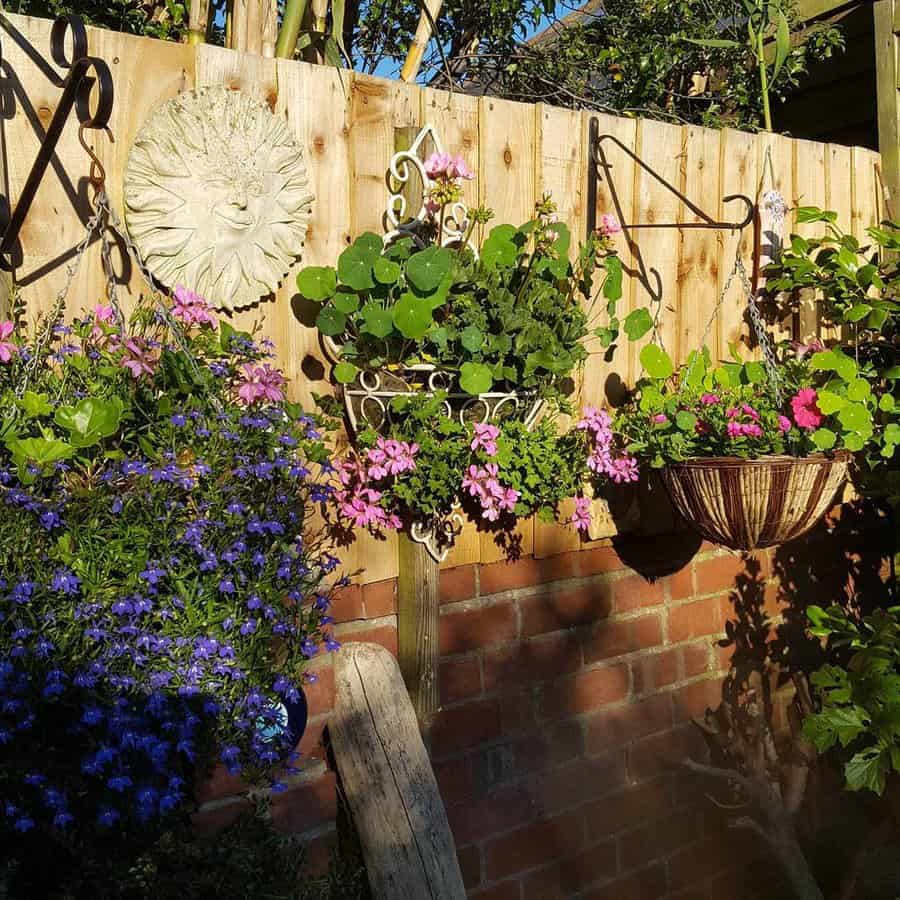
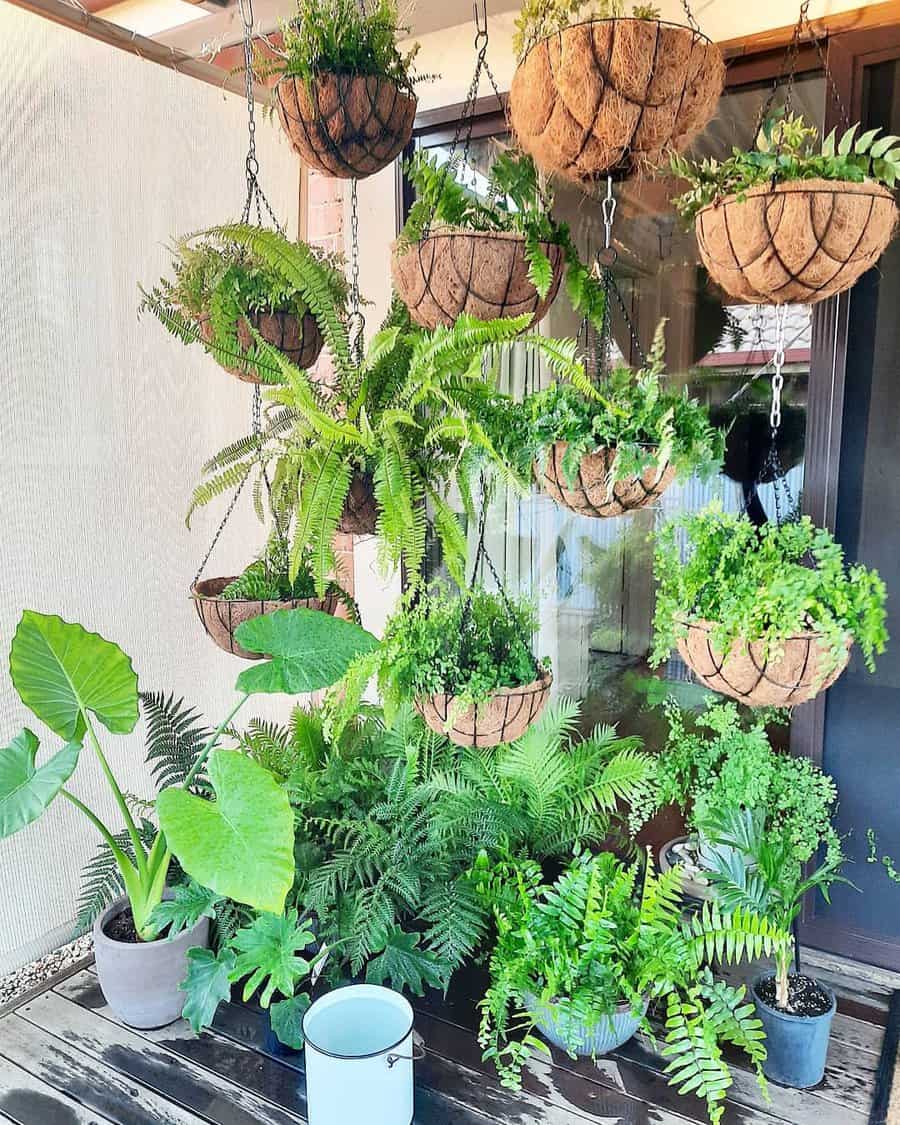
9. Hanging Basket
Perfect for adding greenery to high spaces or under-utilized areas, hanging baskets can be filled with trailing plants, like petunias or ferns, for a stunning aerial display.
Source: @abrils_plantsandgarden_ via InstagramSource: @mypolkalife via InstagramSource: @nakedjardinier via InstagramSource: @ourseabreezehome via InstagramSource: @plantmomma_gyn via InstagramSource: @sprowtplantco via InstagramSource: @aizawlgreenroom via InstagramSource: @kelsay_nd via Instagram
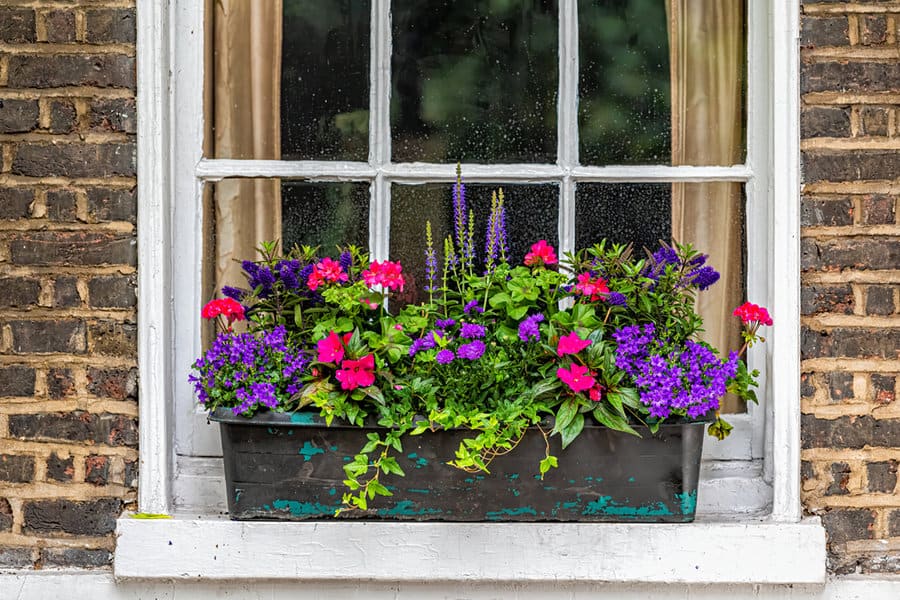
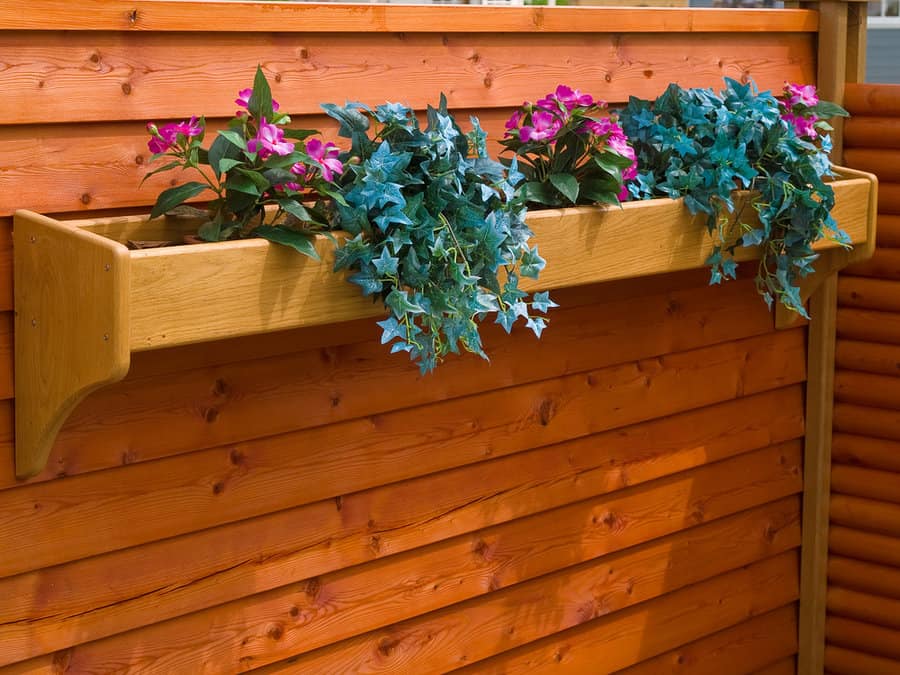
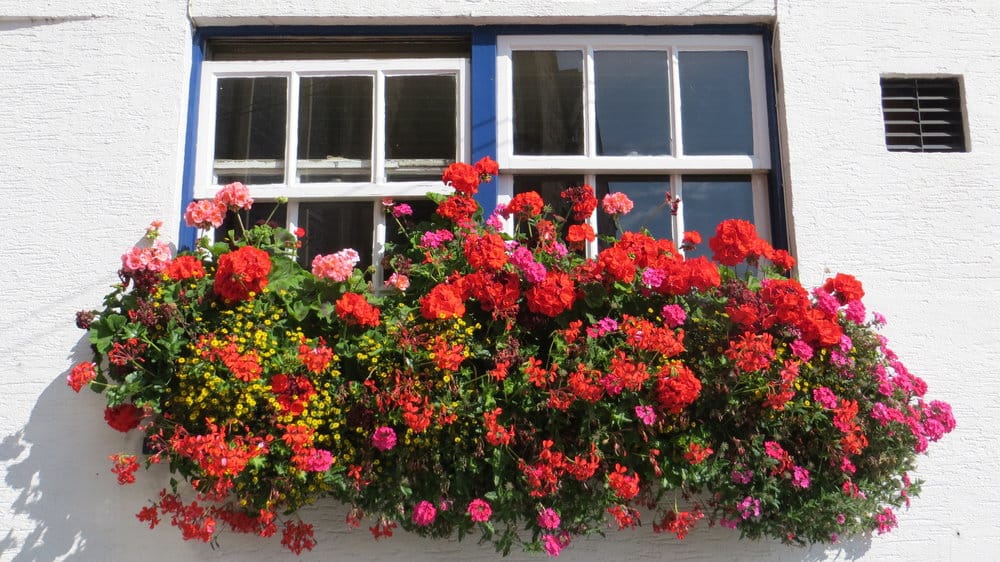
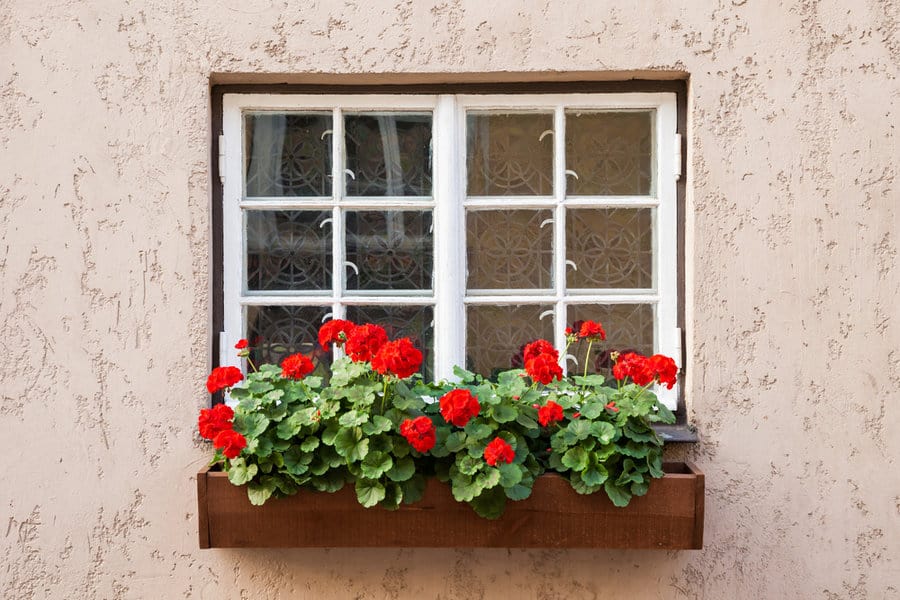
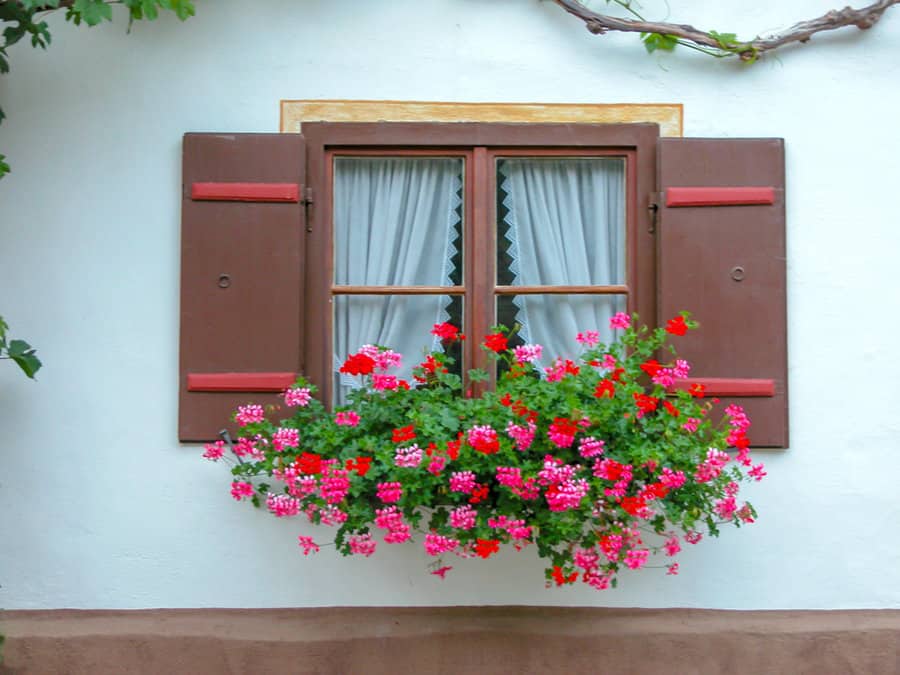
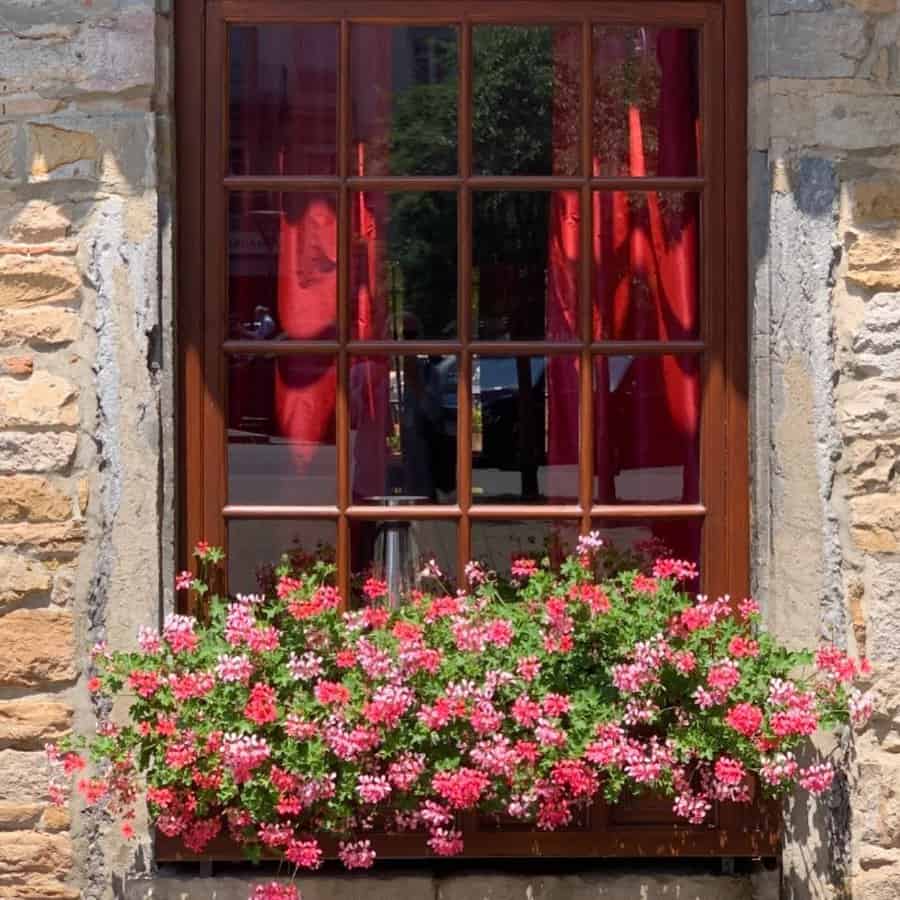
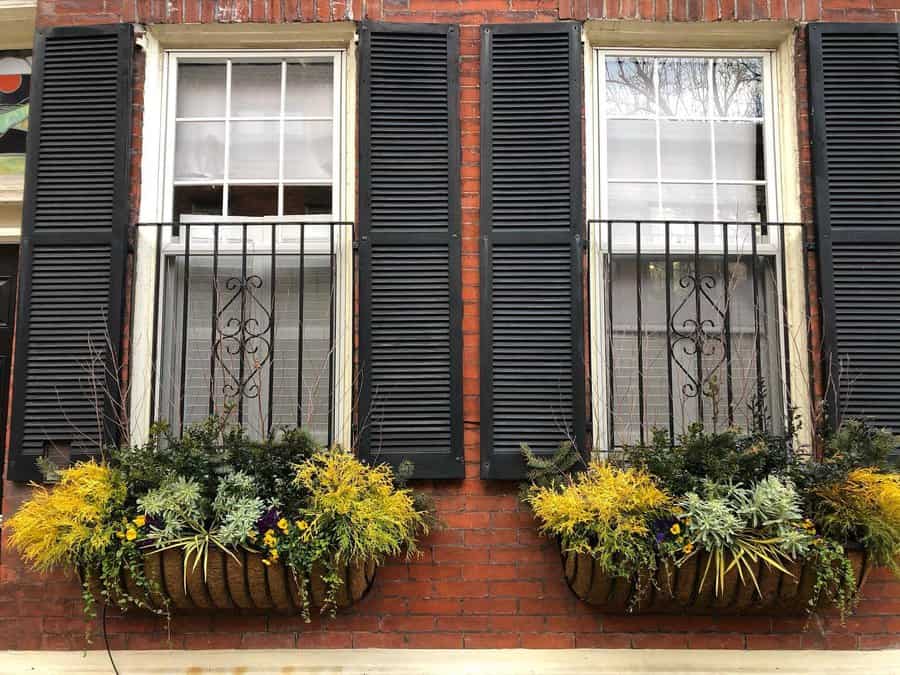
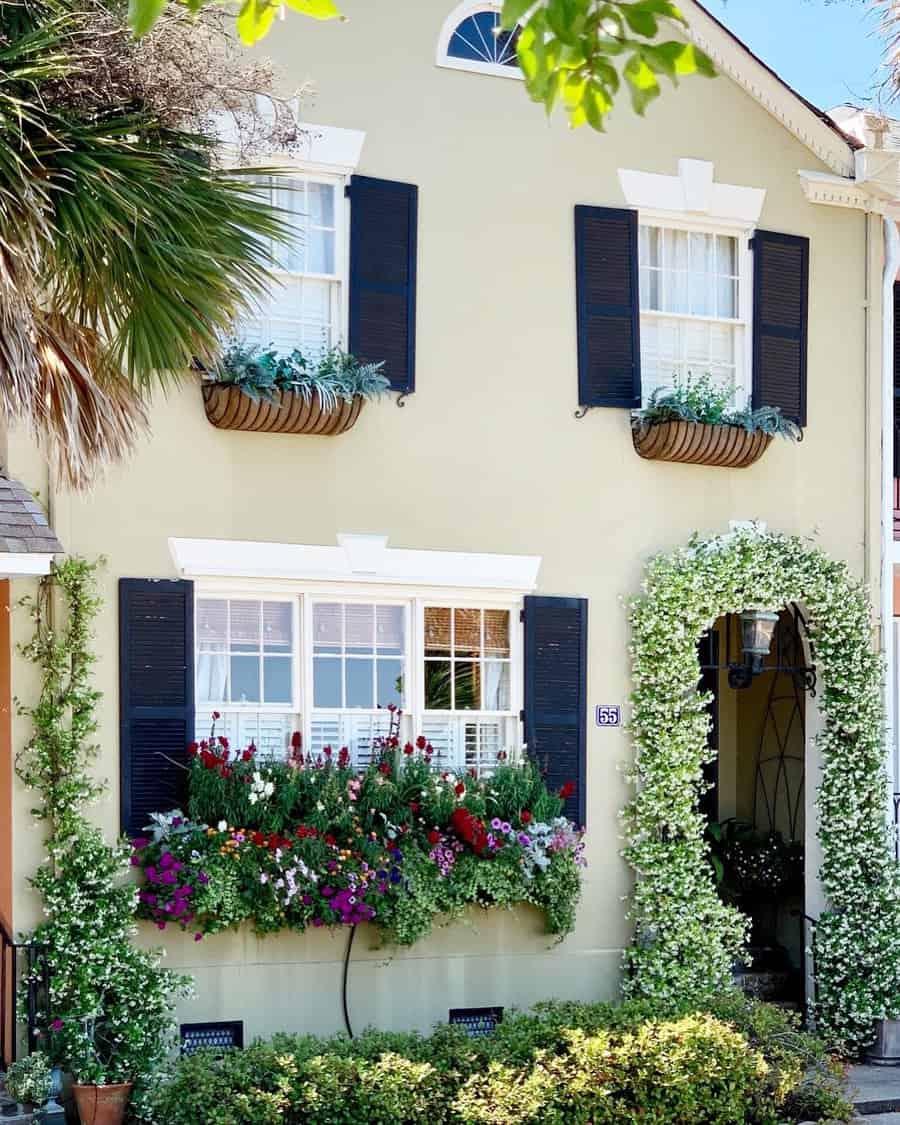
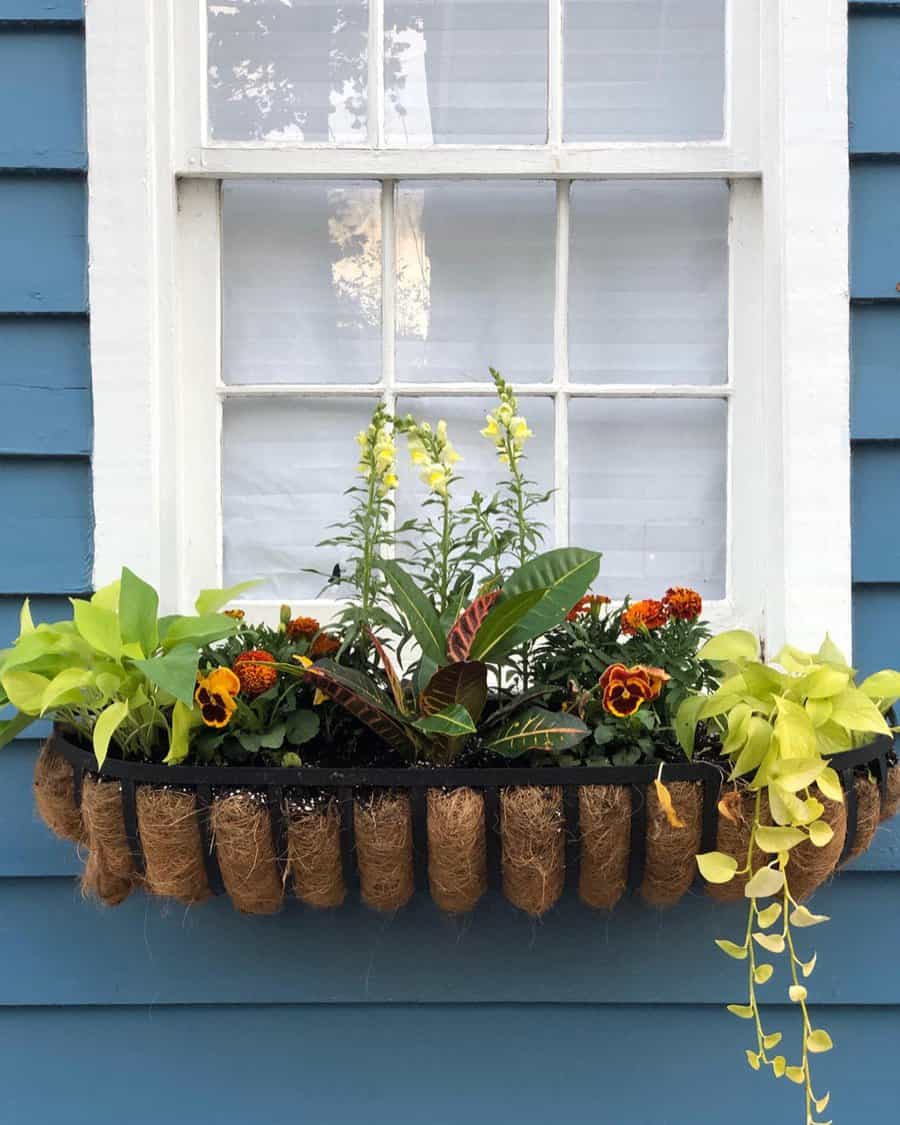
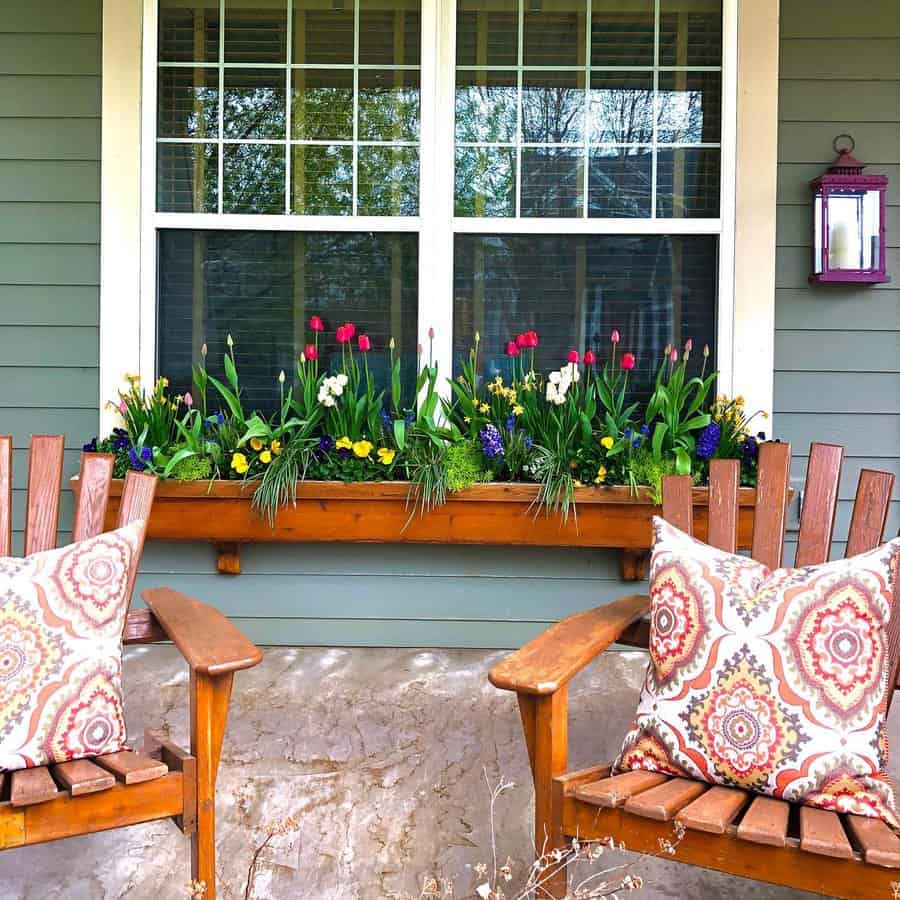
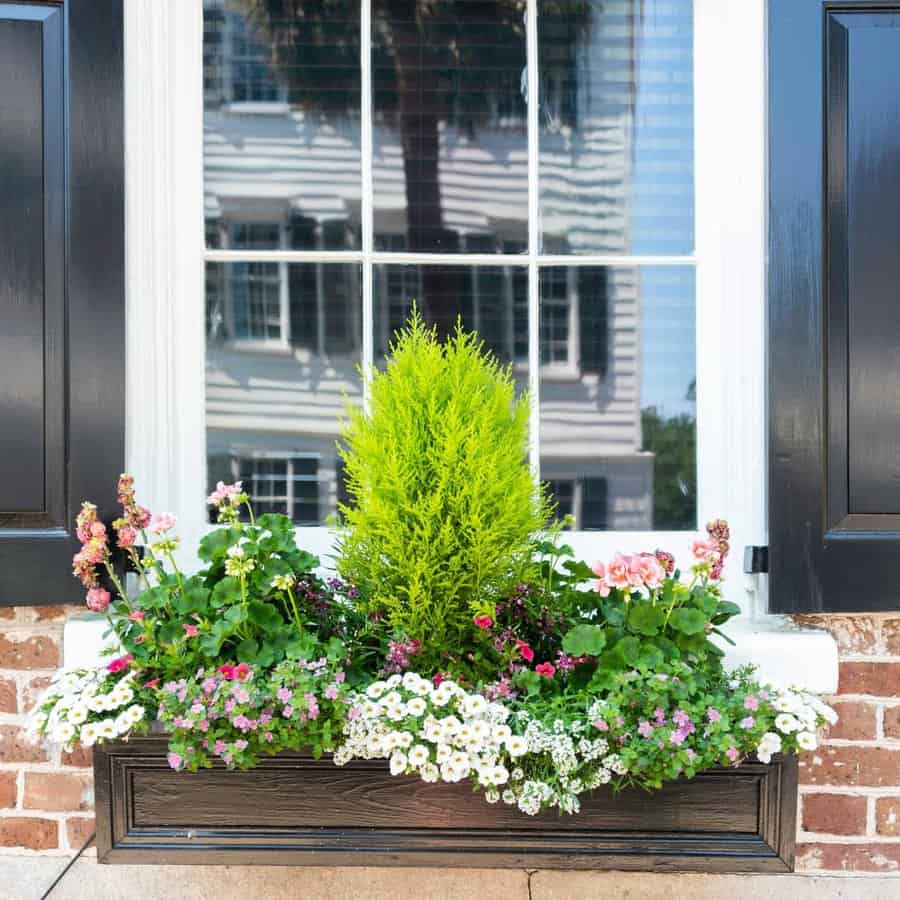
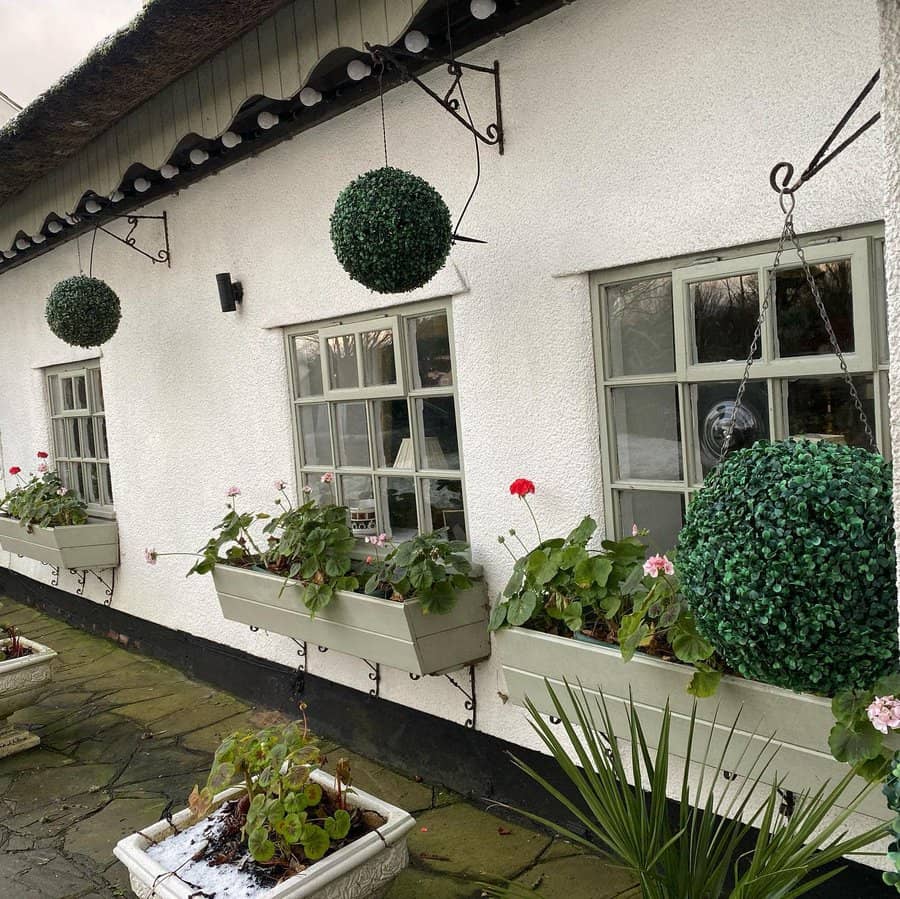
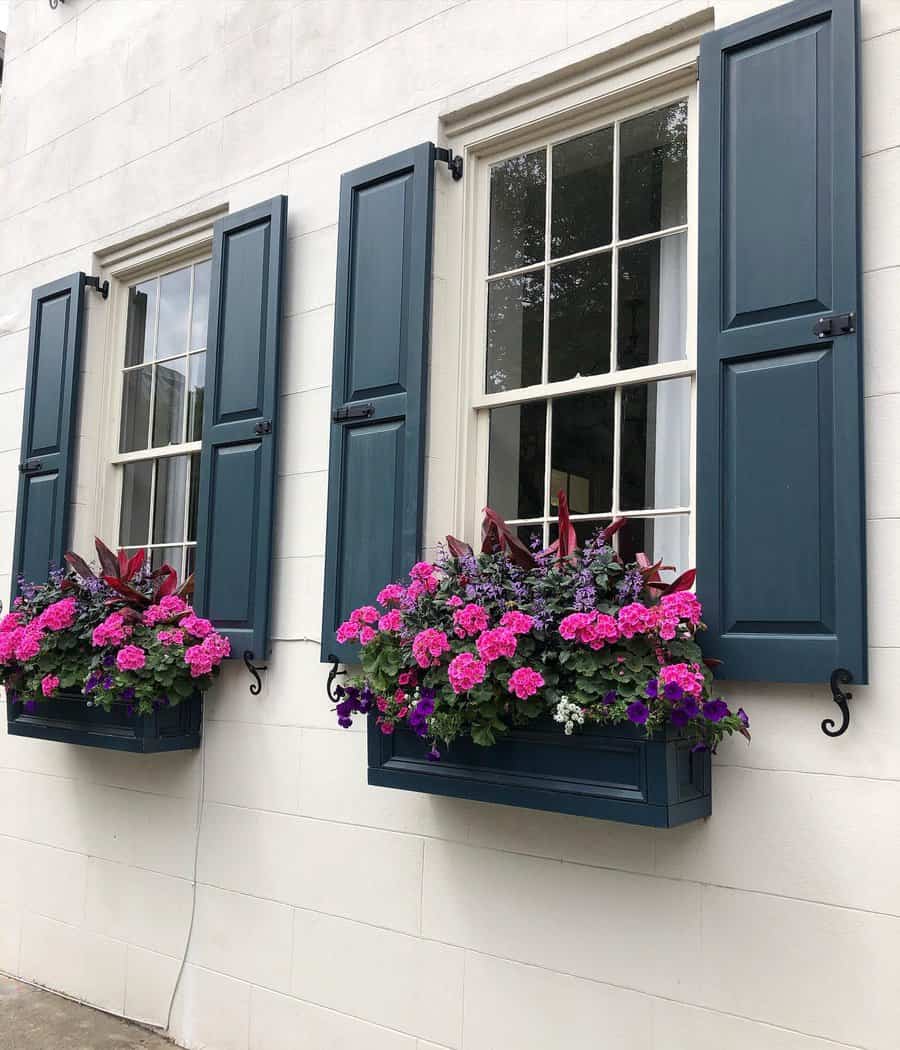
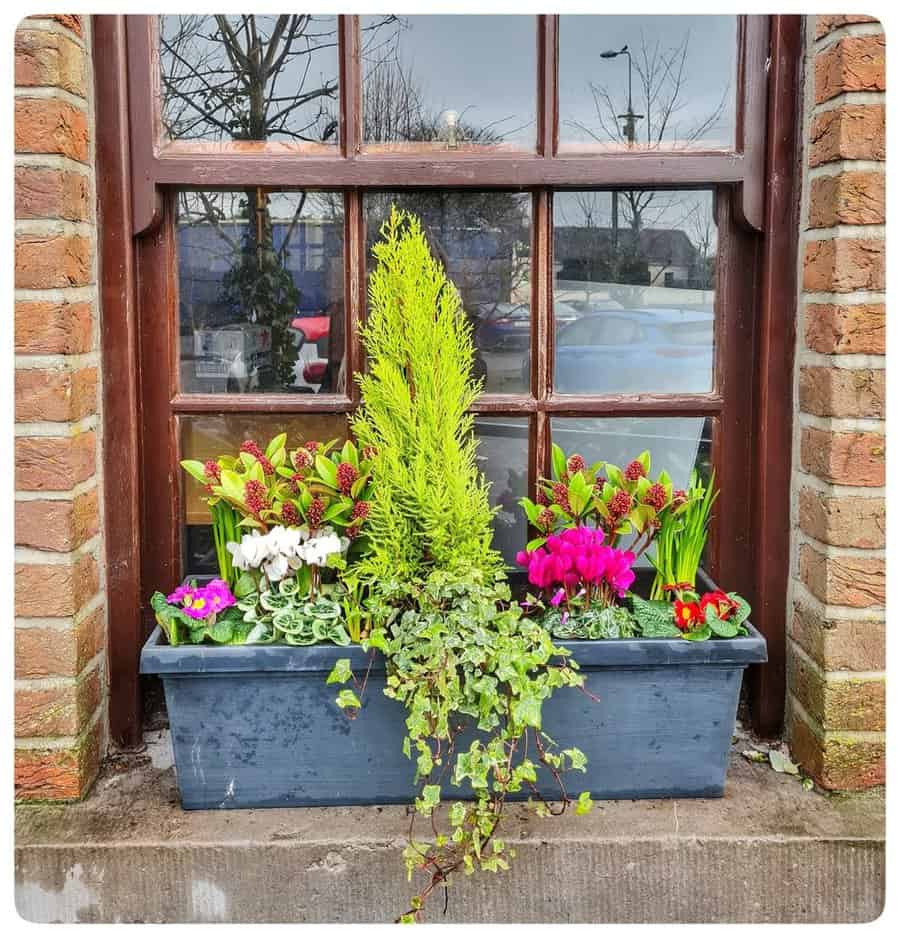
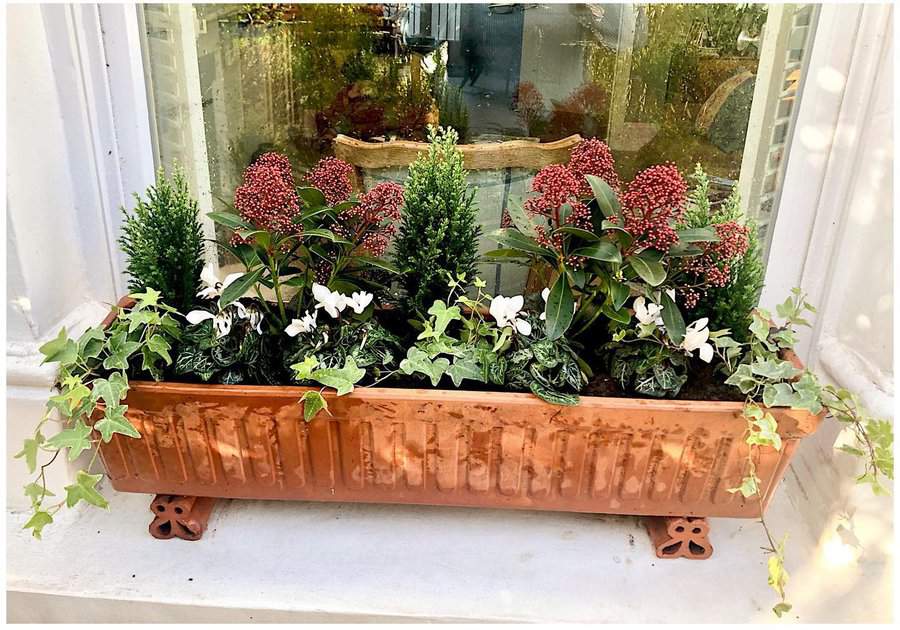
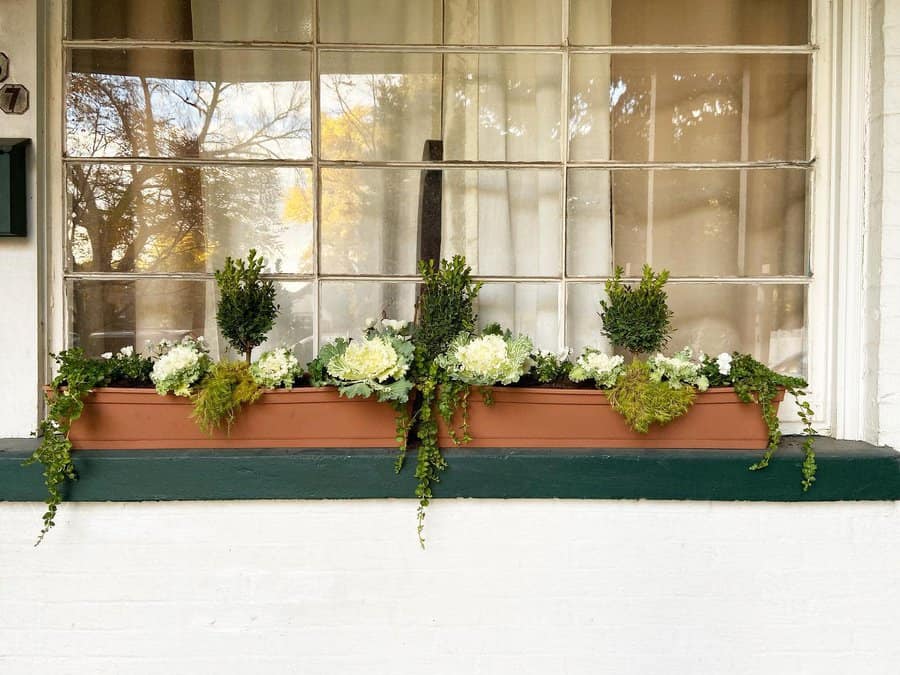
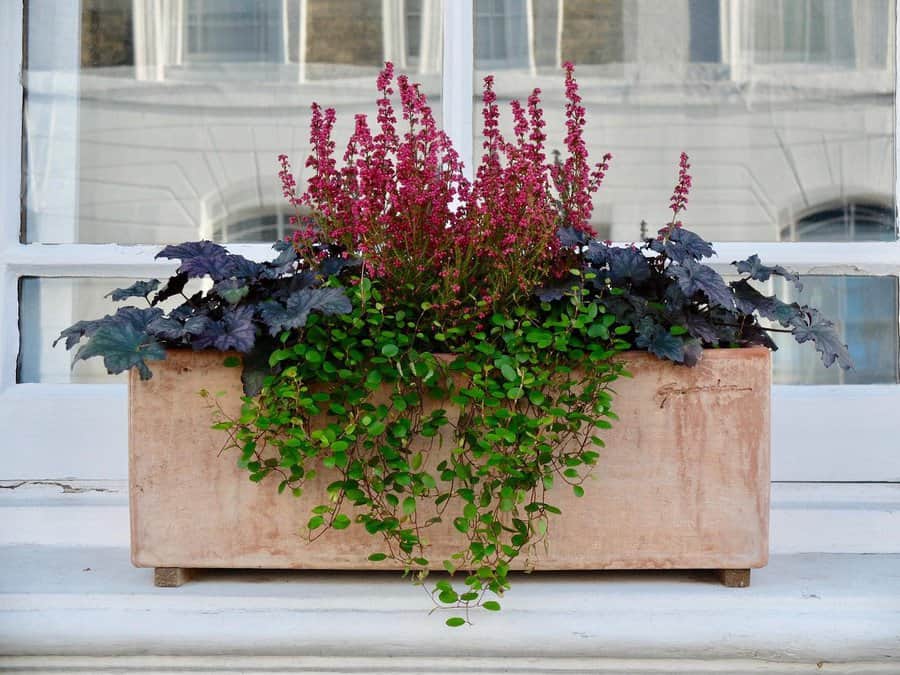
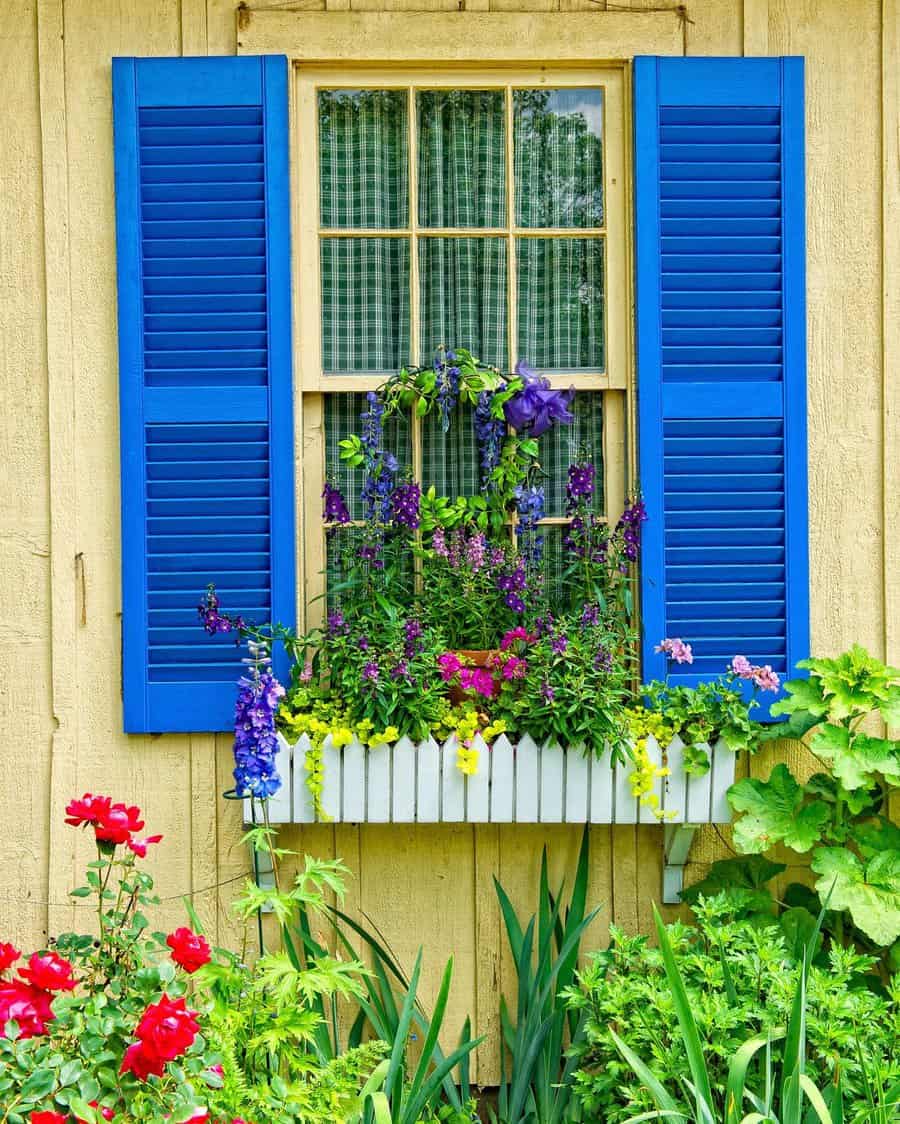
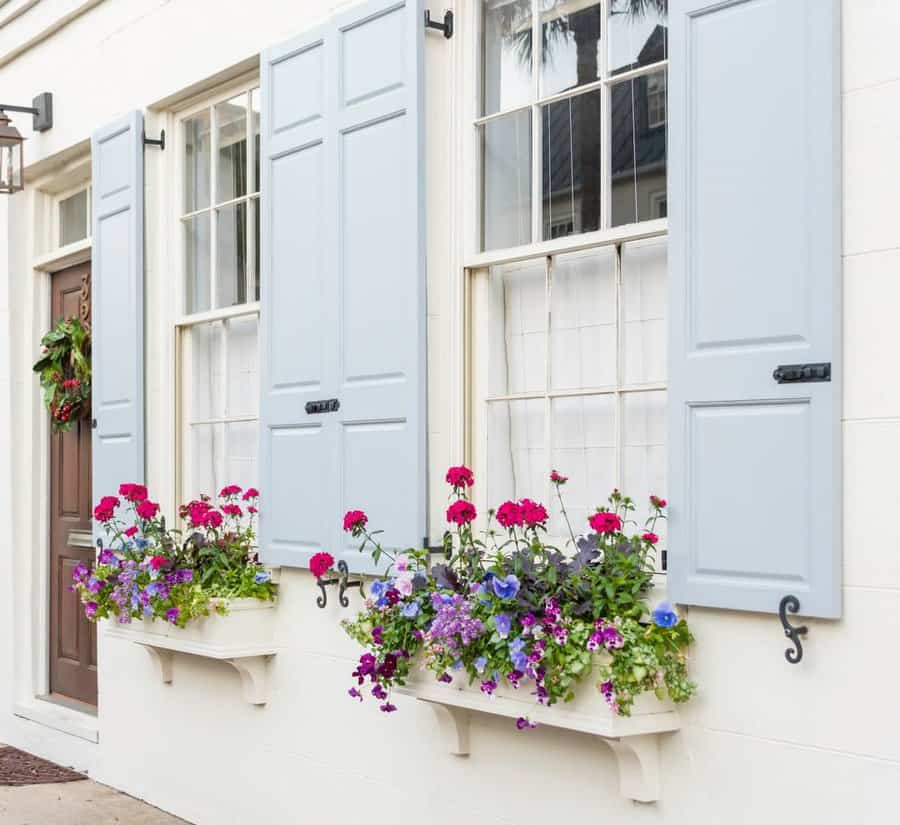
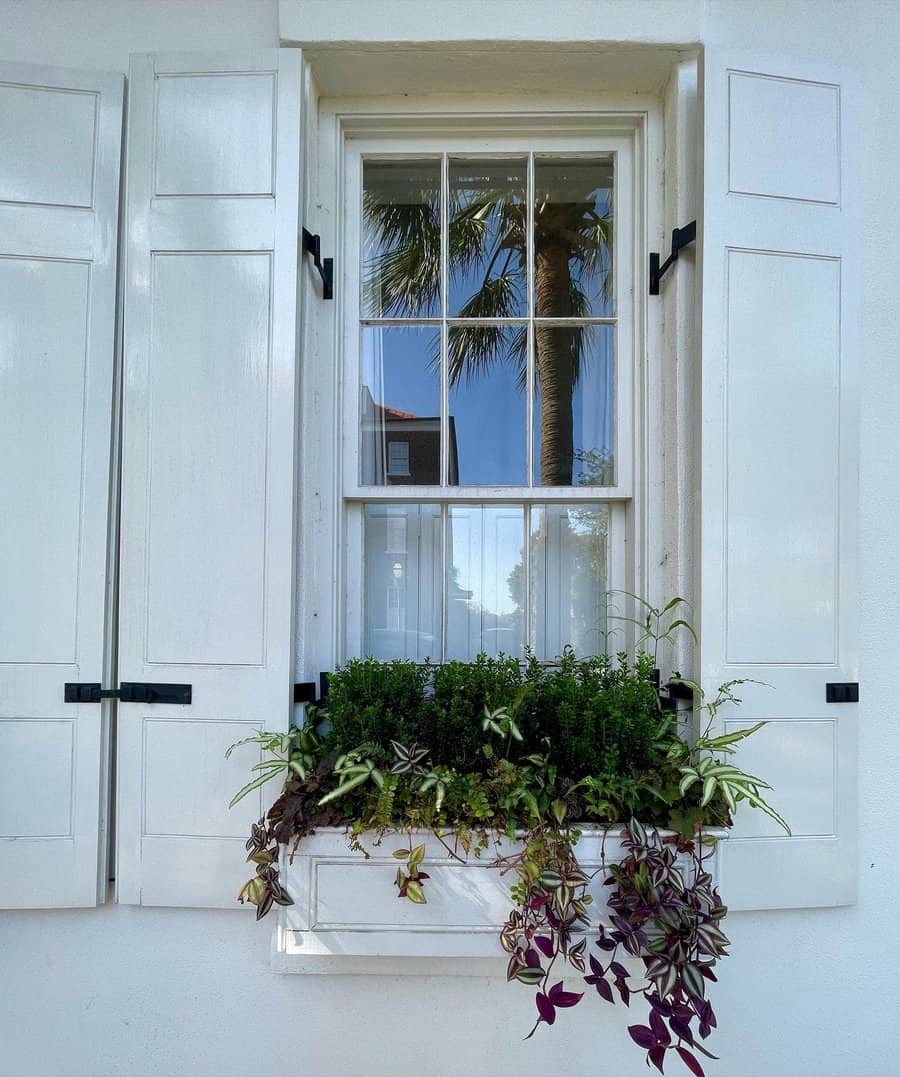
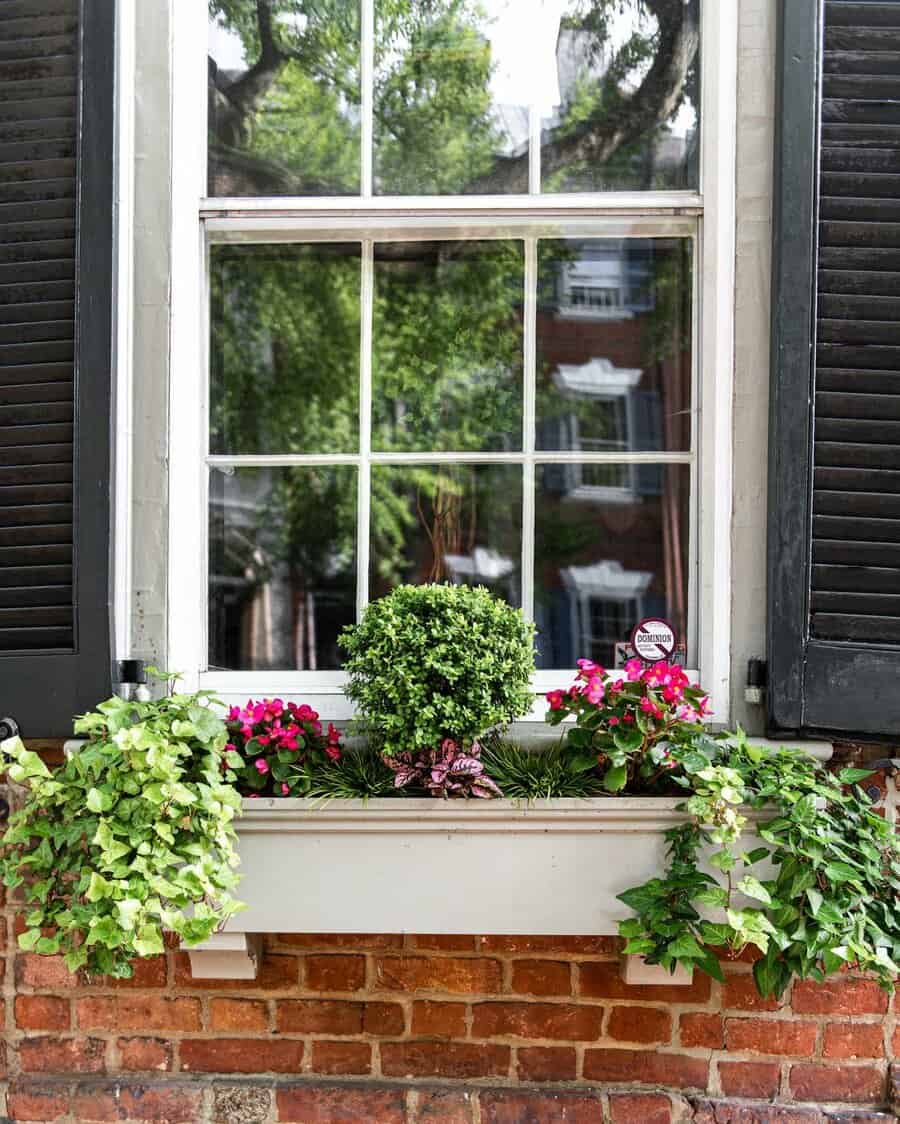
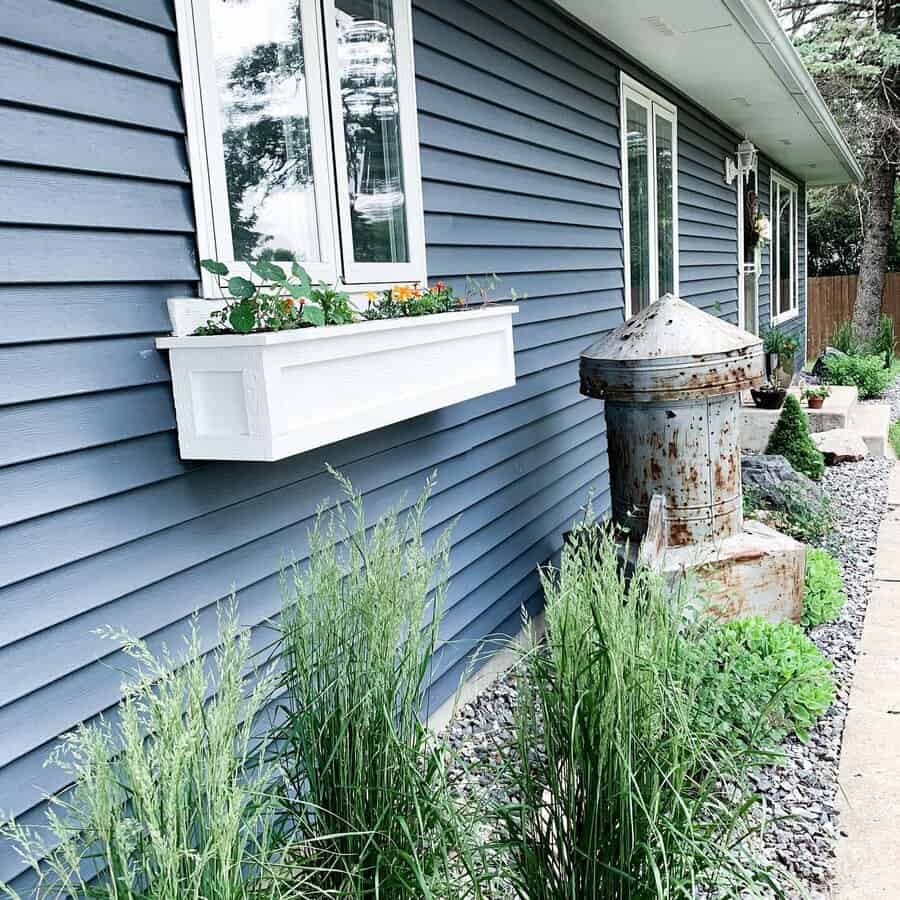
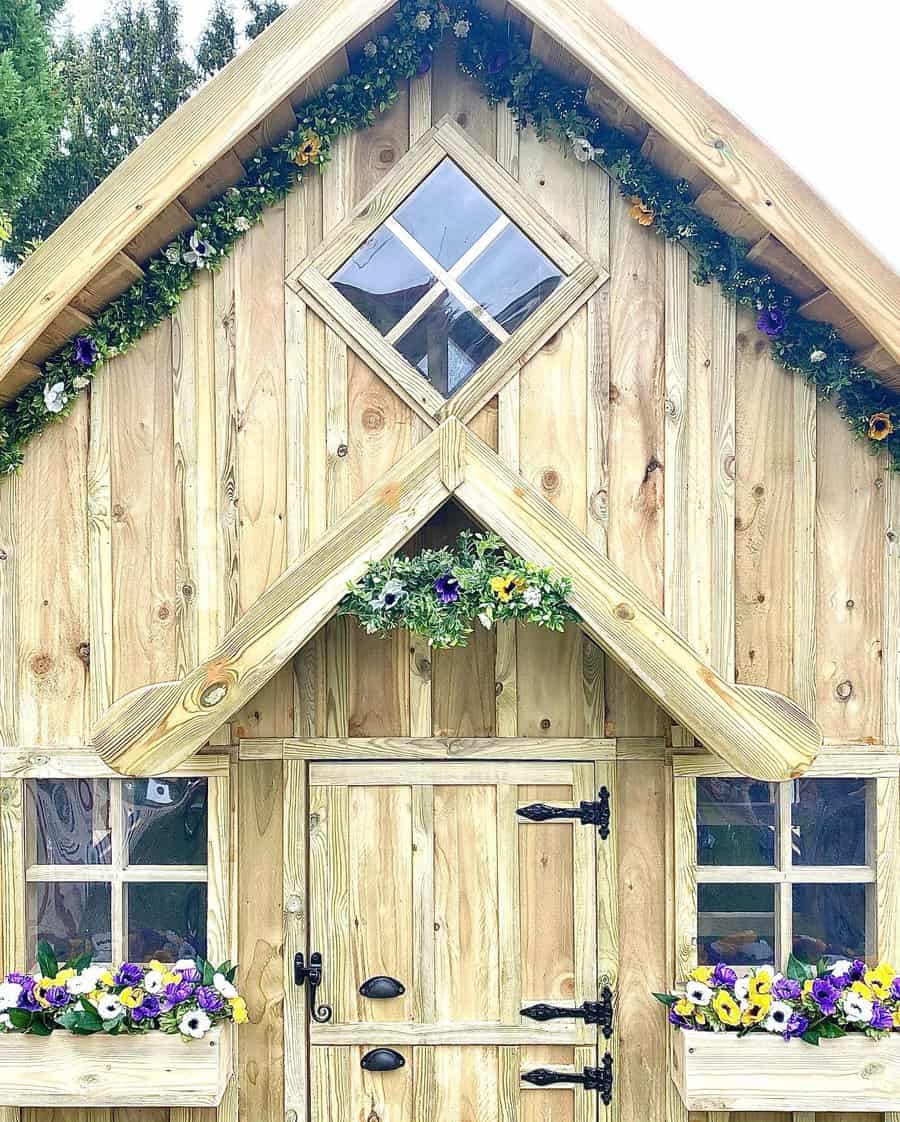
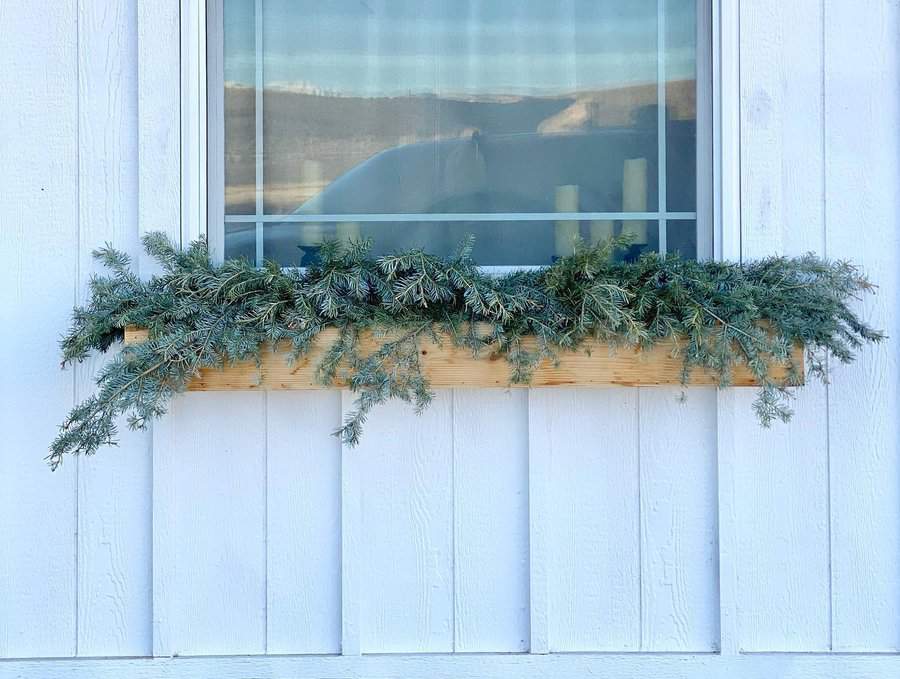
10. Window Box
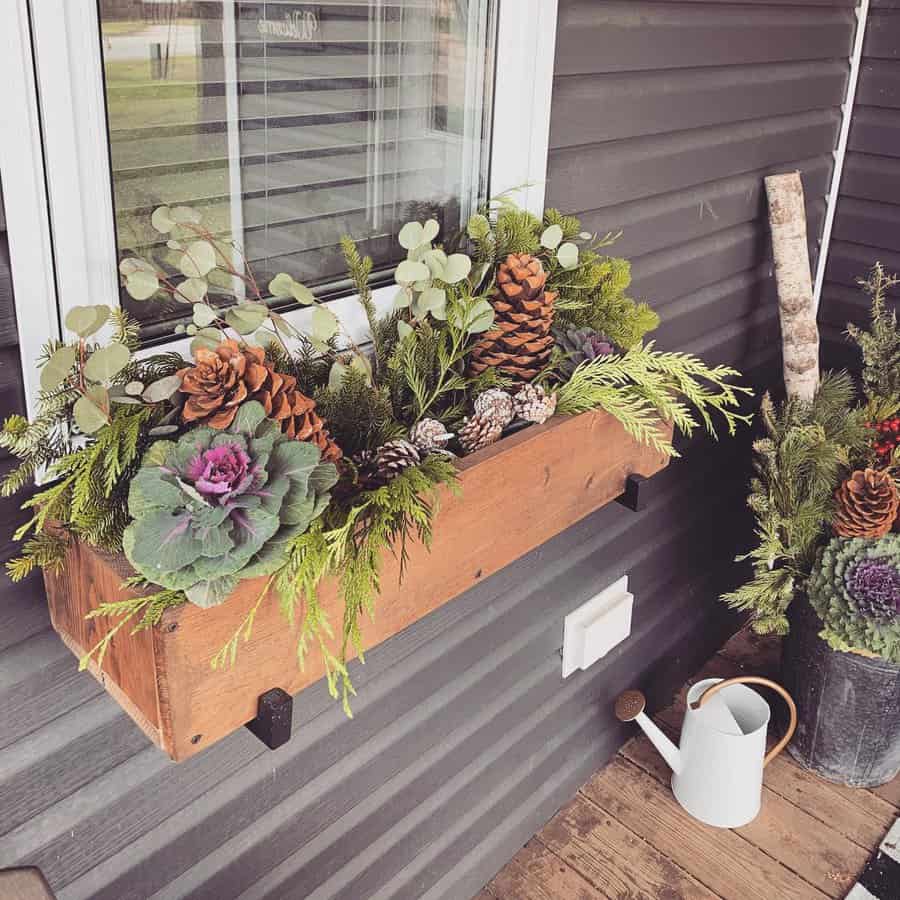
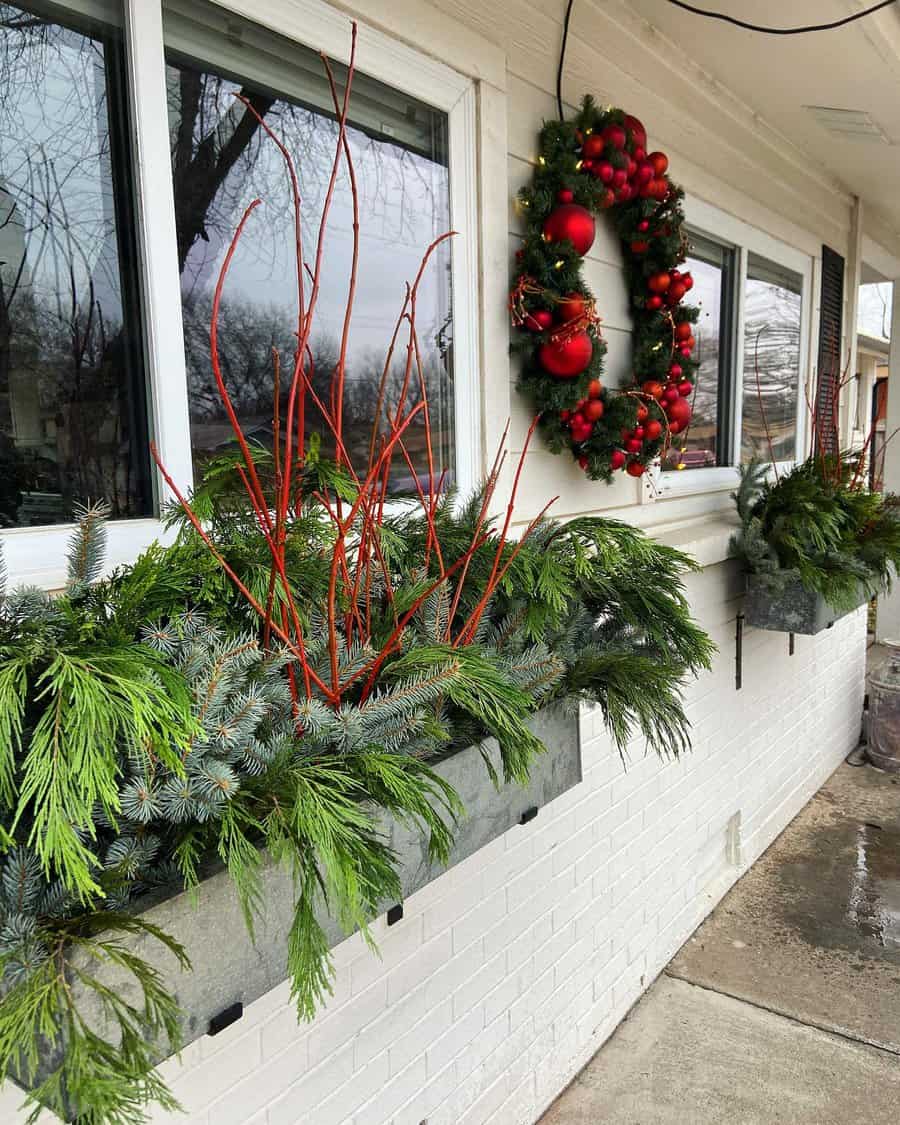
: Window boxes bring the garden to your window sill, perfect for those with limited outdoor space. They’re great for growing herbs, small flowers, or even some vegetables, and can be enjoyed both inside and outside the home.
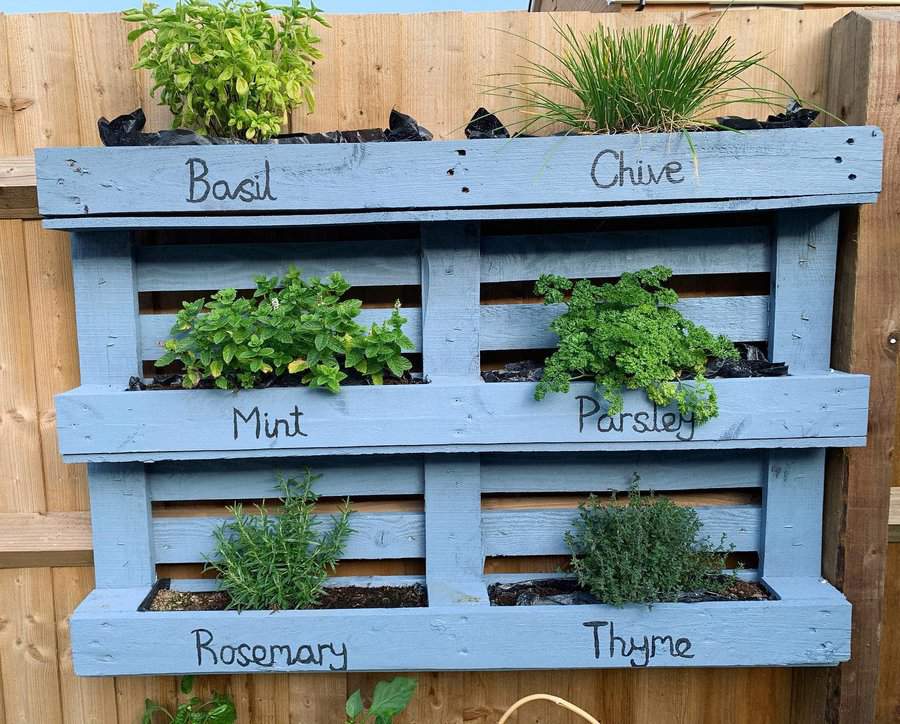
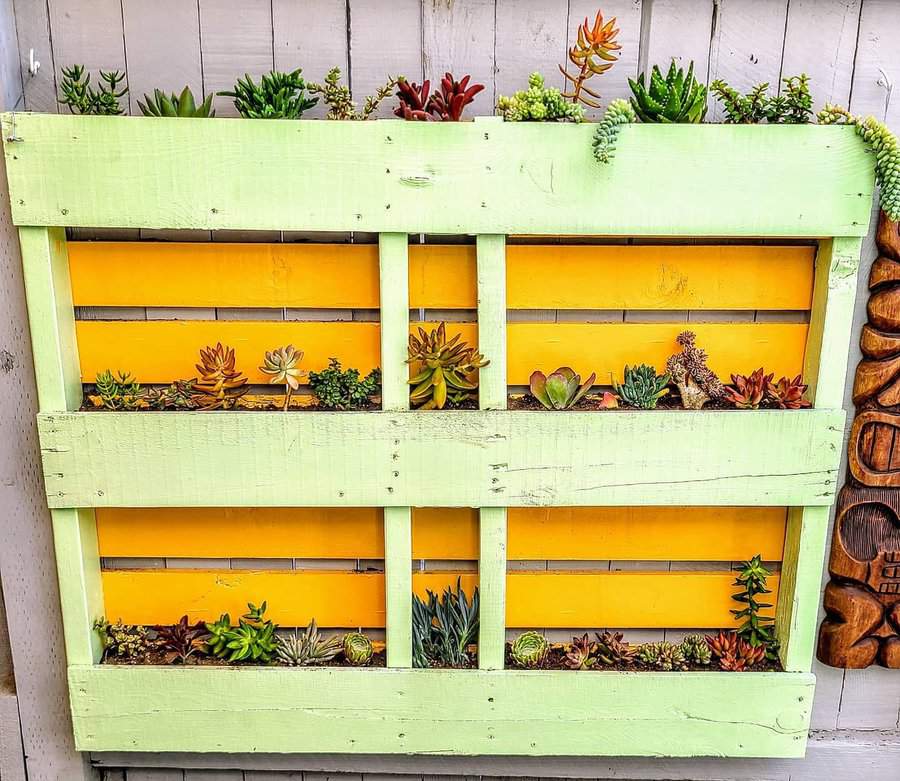
11. Wood Pallet Vertical Garden
Transform a wooden pallet into a vertical garden to save floor space. This can be an artistic and functional way to grow herbs, succulents, or small flowers in compact living areas.
Source: @_athomewiththesmiths via InstagramSource: @acraftersniche via InstagramSource: @johnnyransom via InstagramSource: @lee_russell_clark_ via InstagramSource: @ourhiddengem via InstagramSource: @simplycalmly via InstagramSource: @succulents.and.sunflowers via Instagram
12. Wooden Bucket Planters
Wooden buckets can be converted into charming planters, giving a rustic feel to your garden. They are suitable for both flowers and vegetables and can be placed in various spots around your home.
Source: @adornedsouthernhome via Instagram
13. Garden Statue Planter
Garden statue planters combine art with gardening, offering a unique focal point in your garden. These can be used to grow small plants or mosses, adding an artistic touch to your green space.
Source: @cynthiamargaretathome via Instagram
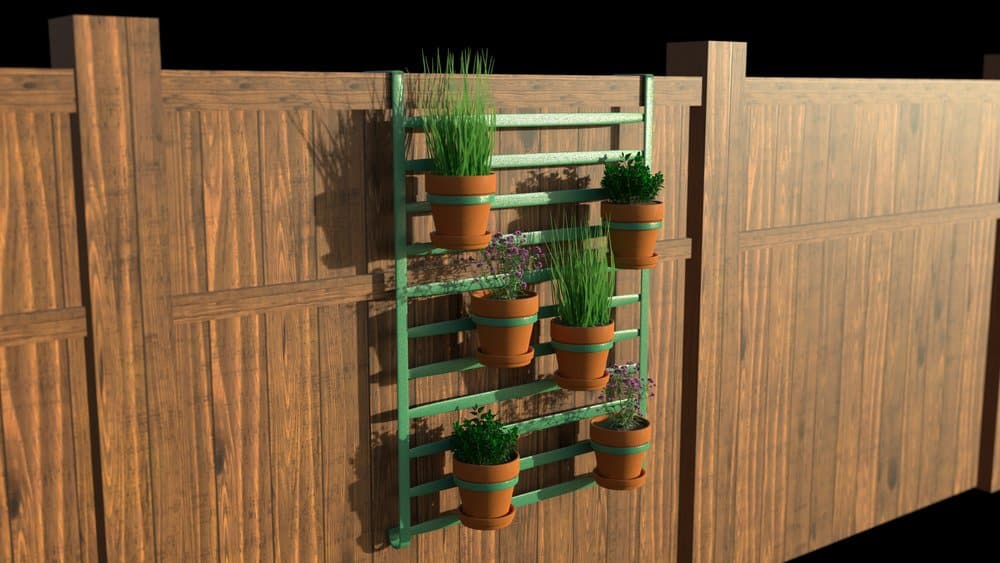
14. Fence Hanging Planters
Transform your fence into a garden space with hanging planters. This method is excellent for small yards, allowing you to grow a variety of plants without using ground space.
Source: @sarag956 via Instagram
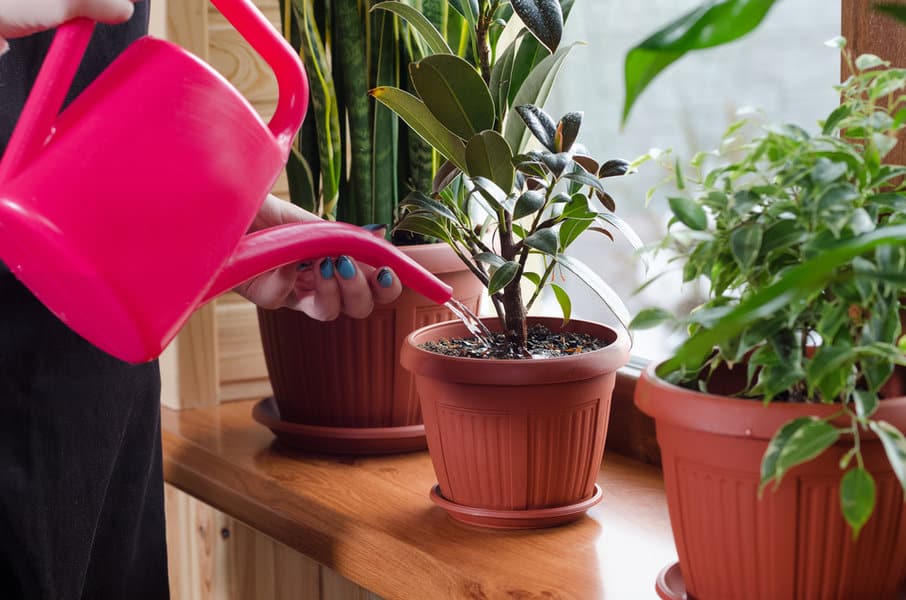
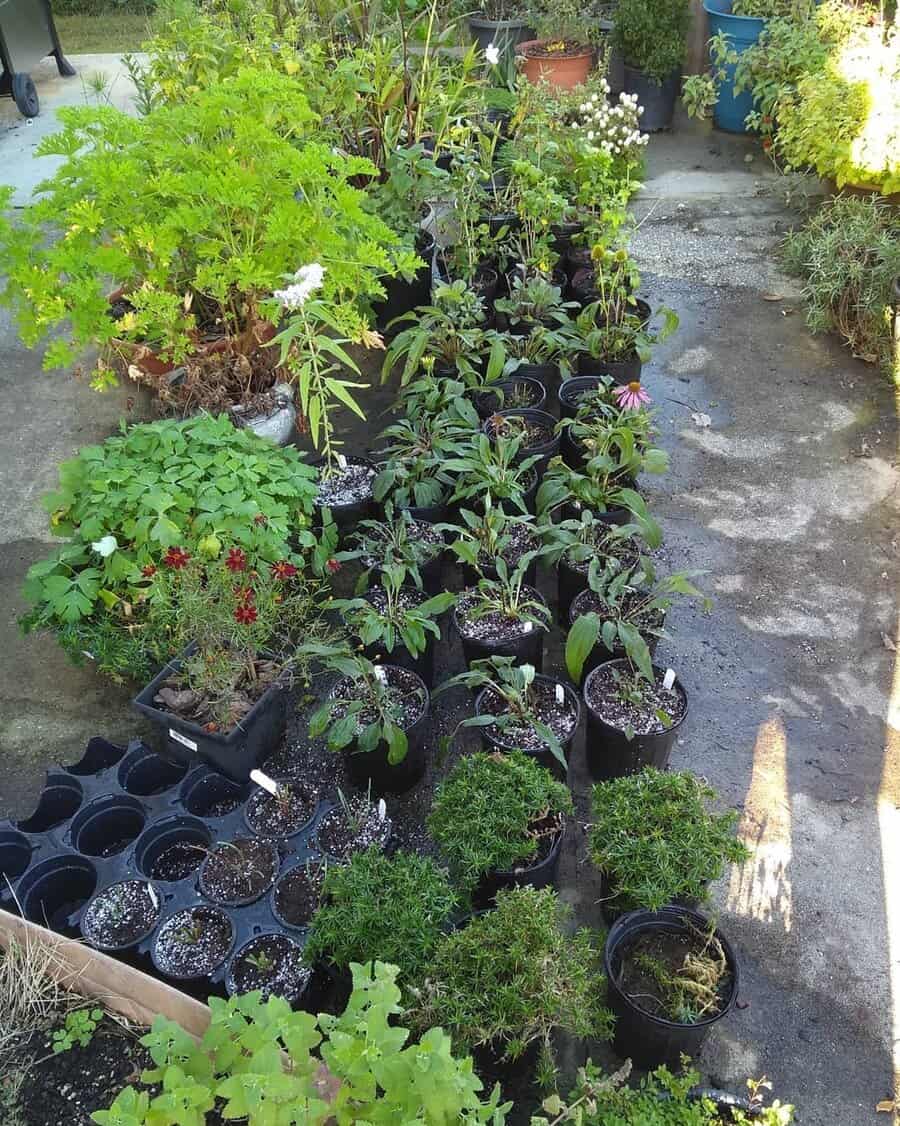
15. Plastic Potted Herb Garden
Plastic pots are lightweight, durable, and ideal for starting a small herb garden. They can be placed in sunny kitchen windows or balconies for easy access while cooking.
Source: @laceyoakesflowers via Instagram
16. Coconut Coir Pots
Eco-friendly and sustainable, coconut coir pots are great for seed starting. They encourage strong root development and can be planted directly into the soil, reducing transplant shock.
Source: @penneysplants via Instagram
17. Roman Planter
Roman planters, with their classic designs, bring elegance and grandeur to any garden. They work well with formal garden designs and are ideal for showcasing standout plants.
Source: @happilyeverafterinrosharon via Instagram
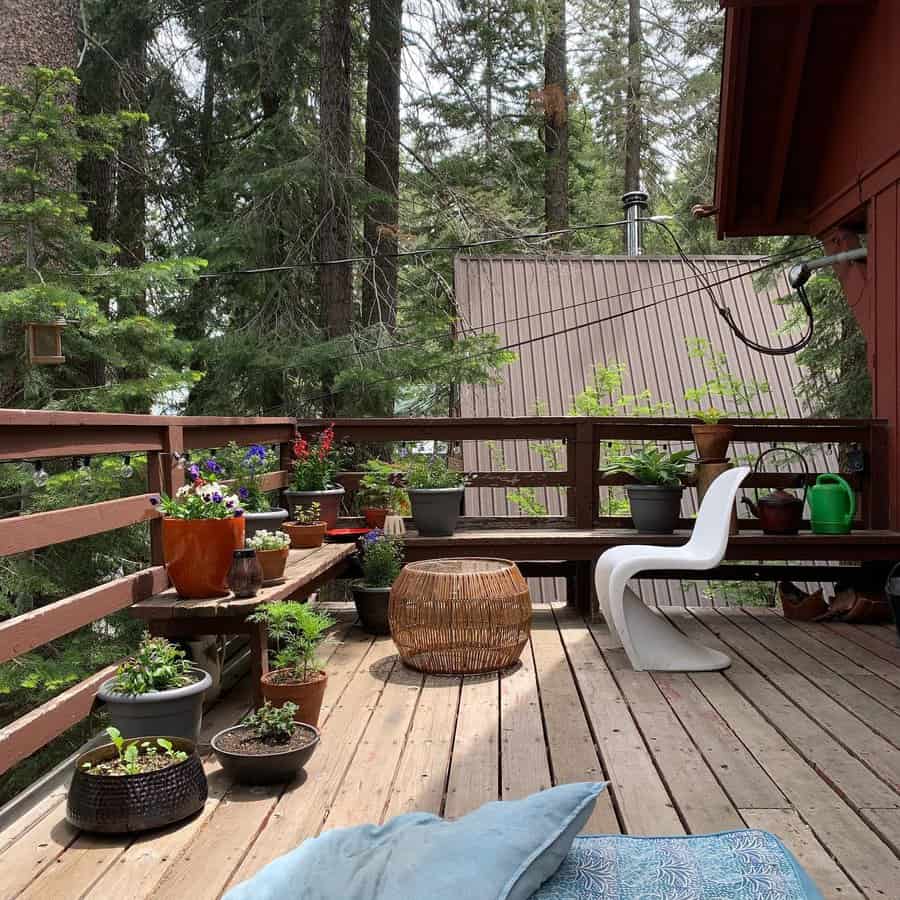
18. Patio Container Garden
A patio container garden allows you to convert your patio into a lush oasis. Using various containers, you can grow a range of plants, from ornamental to edible, adapting to the available sunlight.
Source: @reislie1611 via InstagramSource: @pvplantguy via InstagramSource: @rootin.for.putin via Instagram
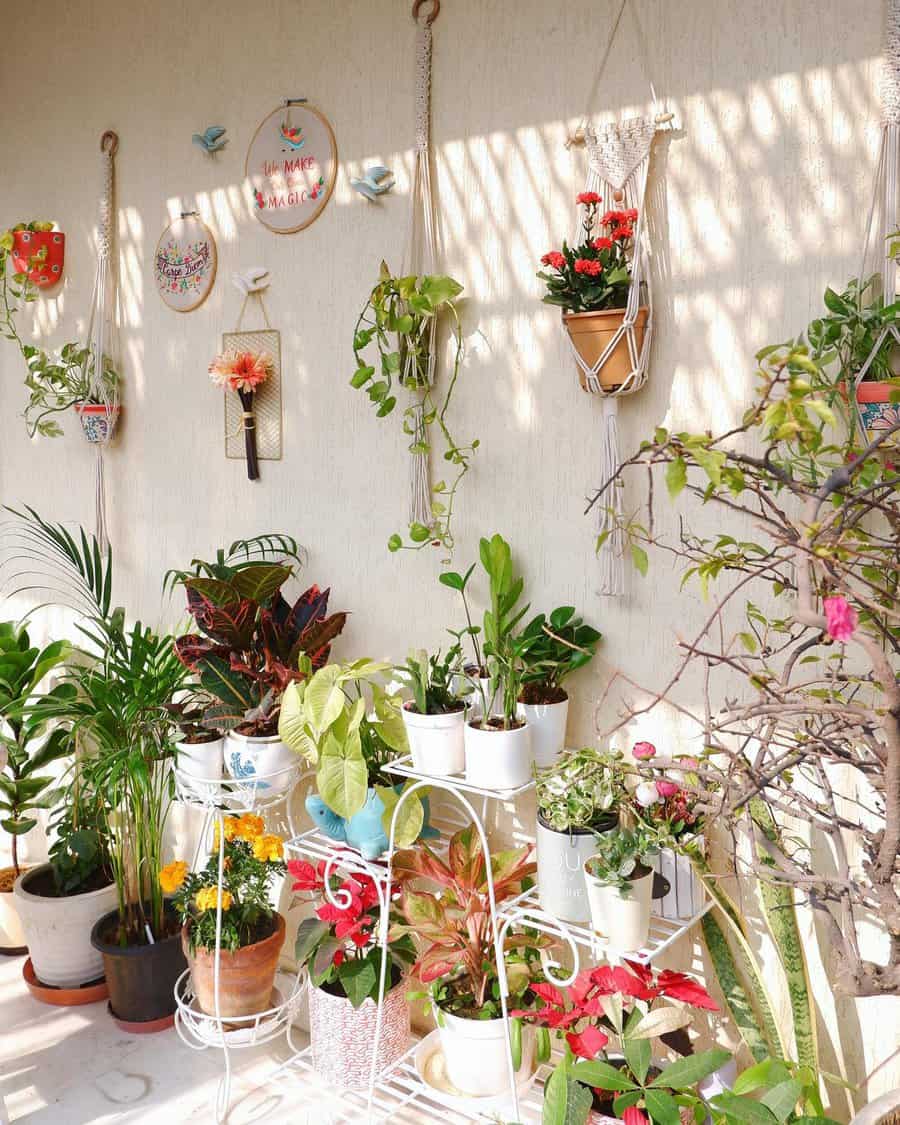
19. Place Plants on Shelves and Tables
Utilizing shelves and tables to place plants at different heights creates a dynamic, multi-level garden. This approach is visually engaging and can be used to highlight special plants.
Source: @serotoningarden via InstagramSource: @nellandgreen_botanics via Instagram
20. Raised Metal Plant Holder
Raised metal plant holders keep plants off the ground, preventing pests and facilitating maintenance. They add a modern touch and can be used to grow both decorative and edible plants.
Source: @thevintageroad via Instagram
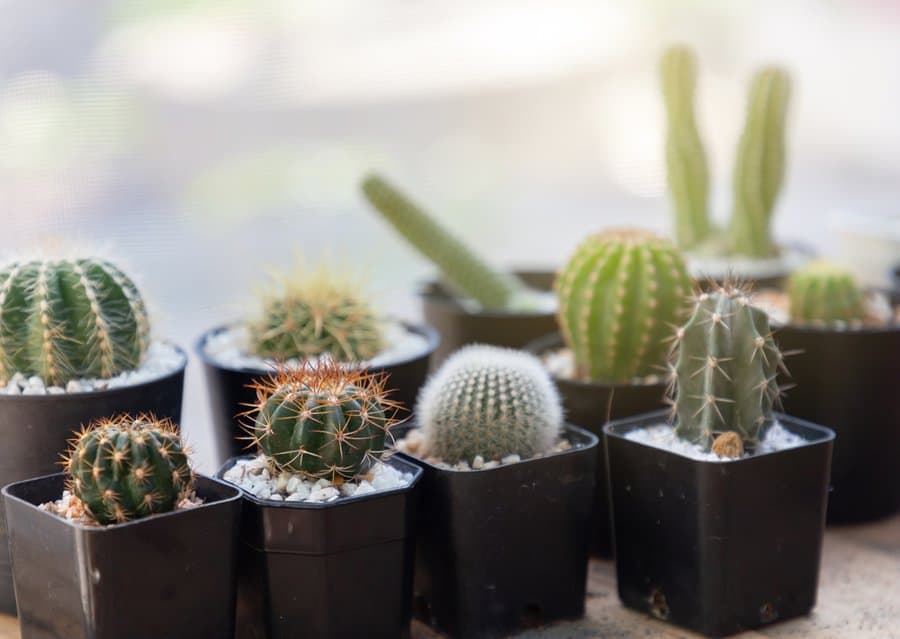
21. Mini Succulent Pots
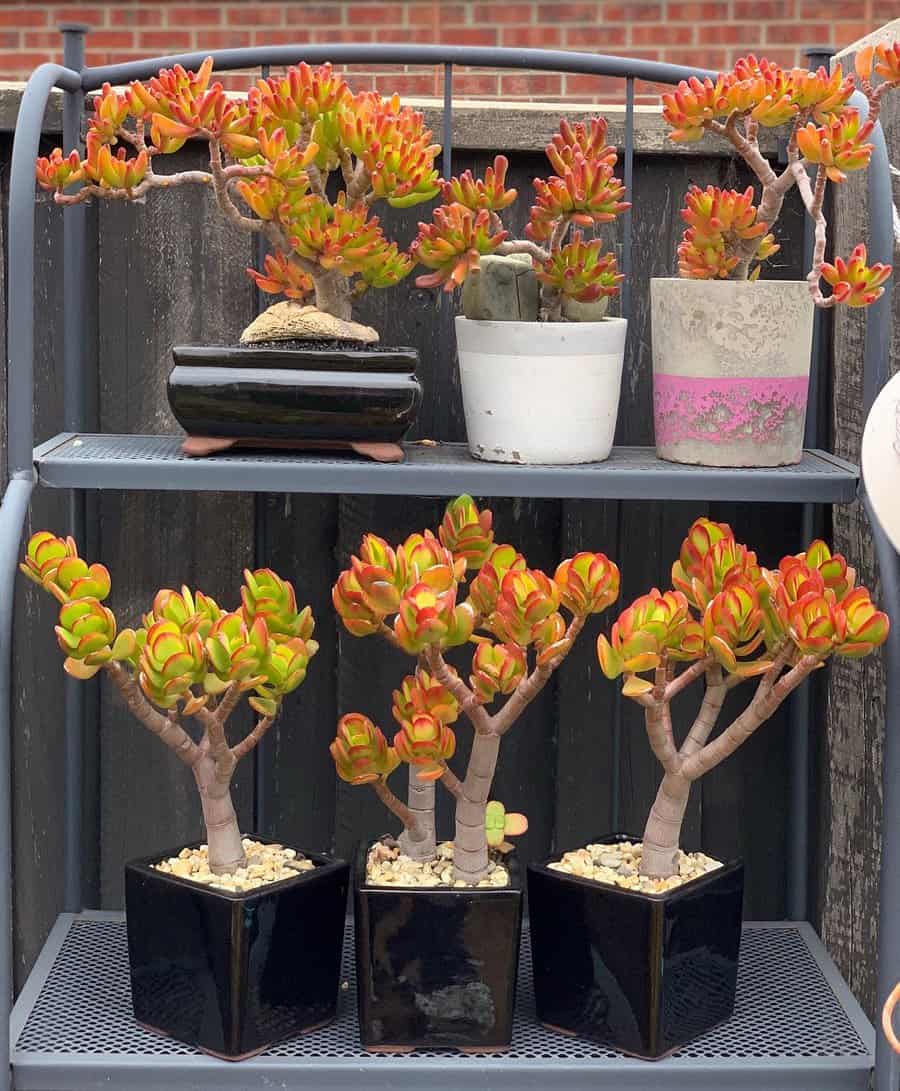
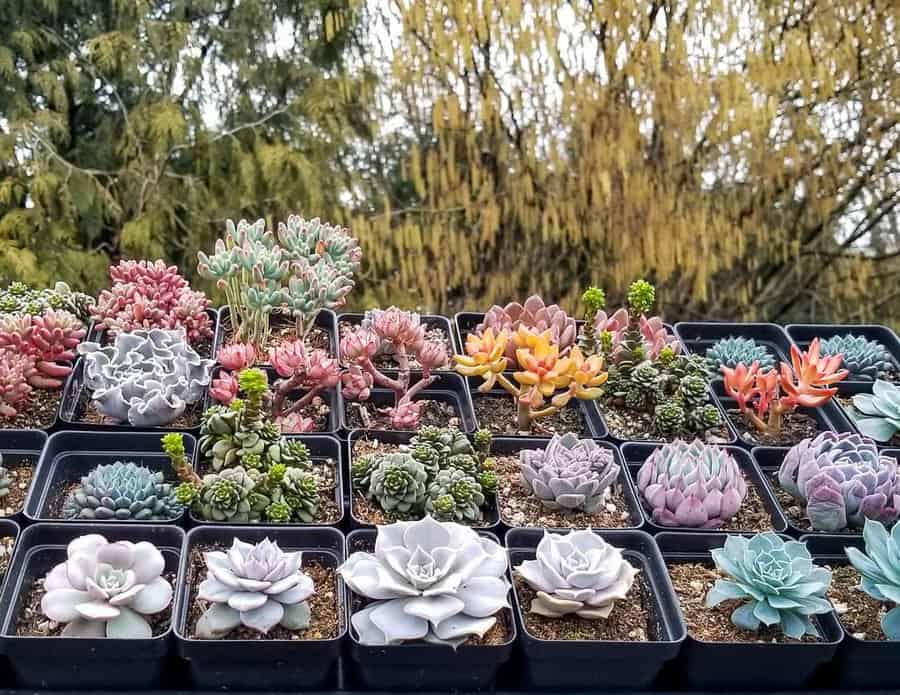
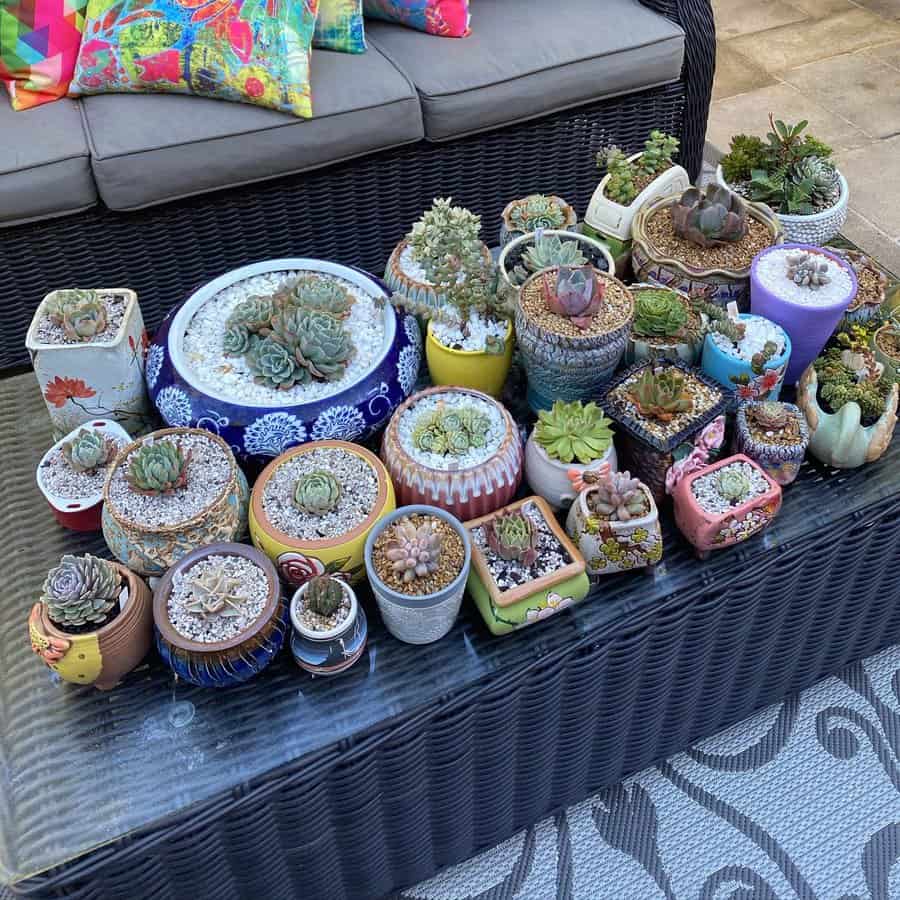
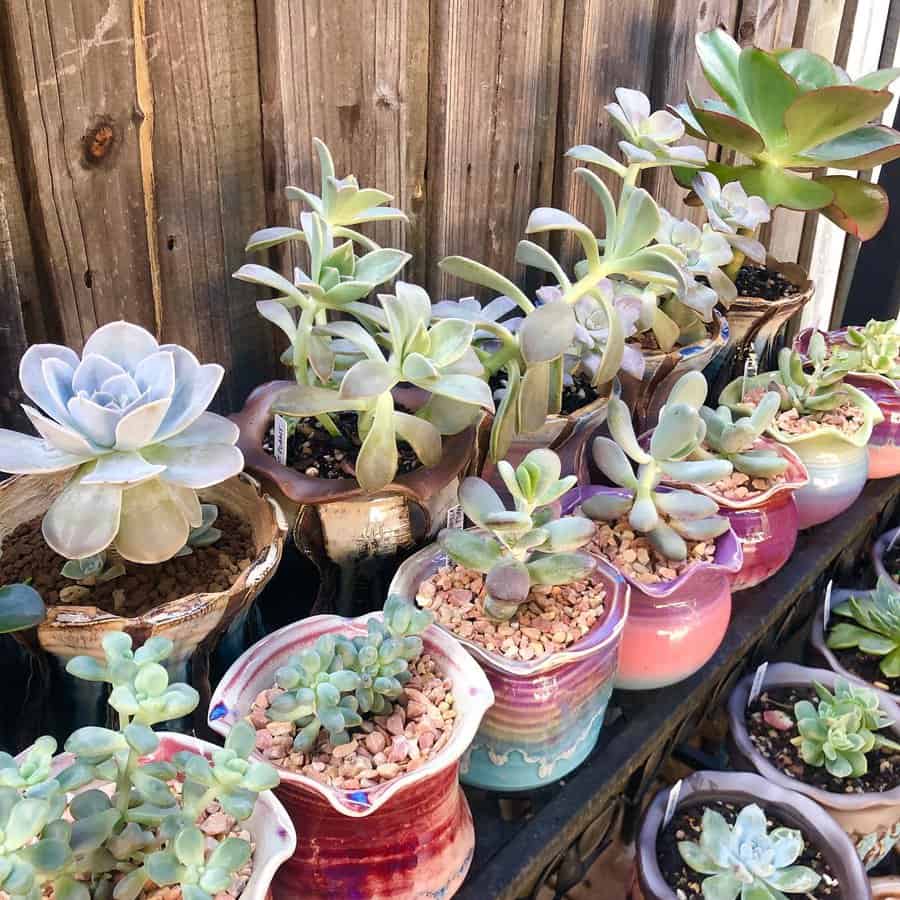
Mini succulent pots are perfect for small spaces and indoor gardening. Succulents require minimal care and can be arranged in creative, space-efficient displays.
Source: @_forestfirefly via InstagramSource: @s.is.for.succulents via InstagramSource: @vancouverlivingart via InstagramSource: @traceysfavouritethings via Instagram
22. Tiered Plant Stand
A tiered plant stand allows for growing multiple plants in a cascading fashion. This is not only space-efficient but also creates an impressive display of greenery and blooms.
Source: @mhies_succulents via Instagram
23. White Ceramic Pots
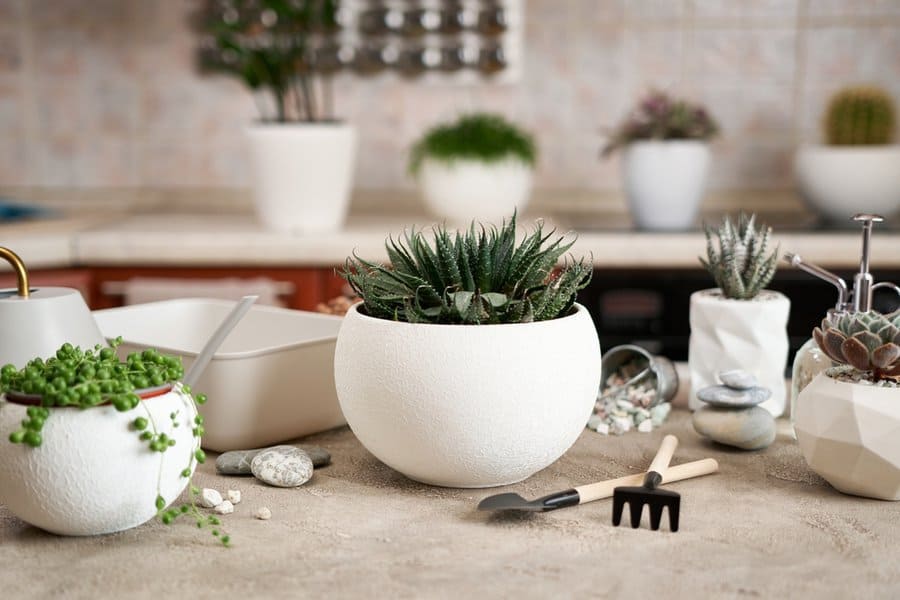
White ceramic pots offer a clean, modern look and contrast beautifully with green foliage and colorful flowers. They are suitable for indoor and outdoor use and complement any decor style.
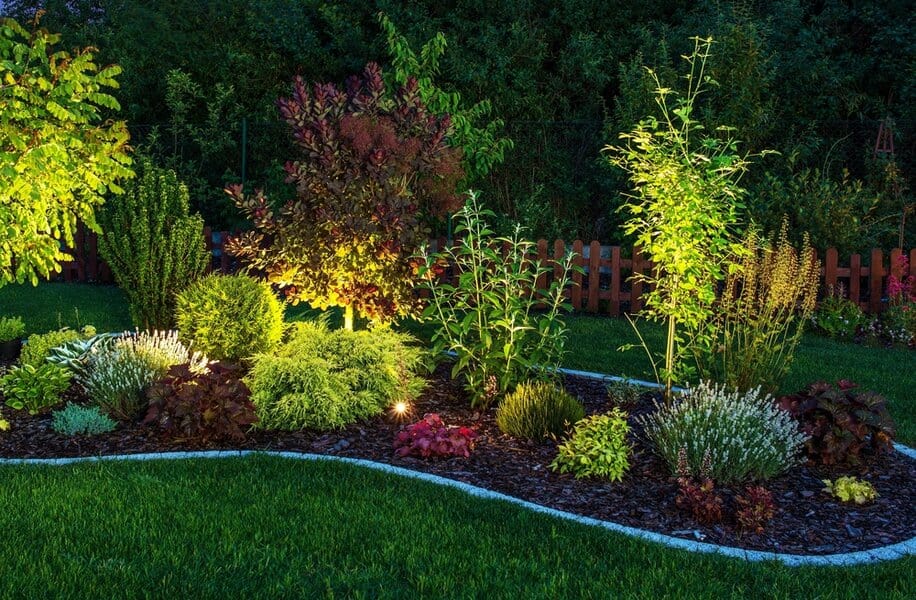
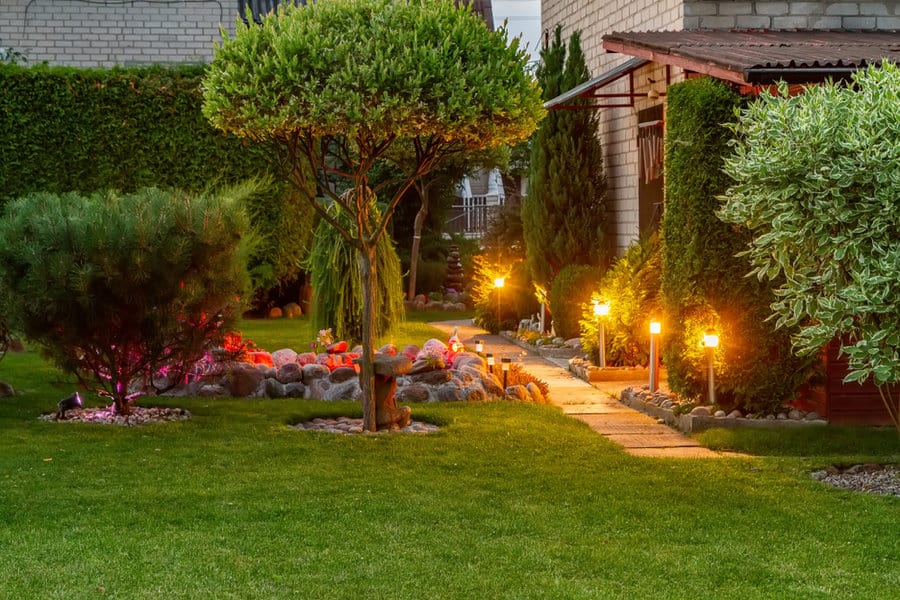
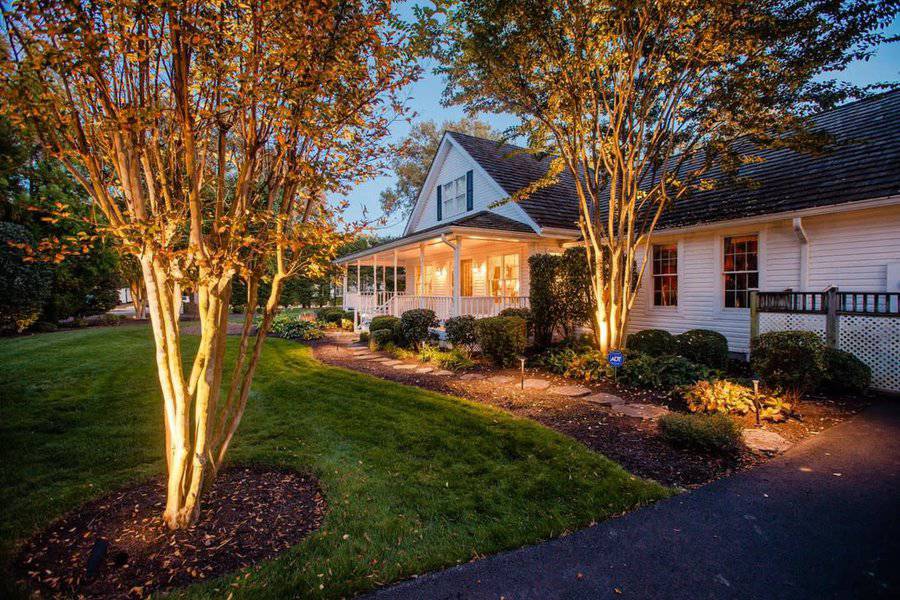
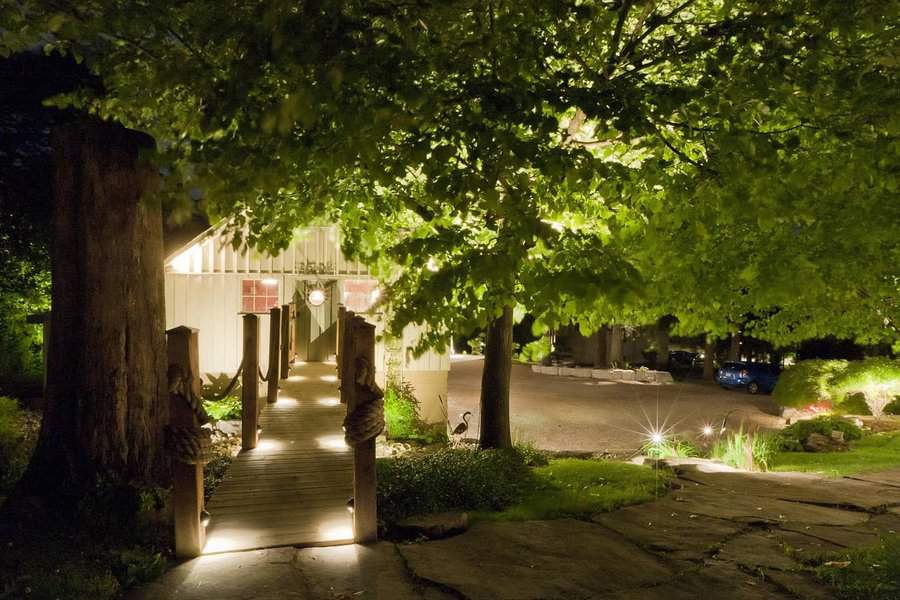
Don’t you wish you could spend more time outside? You’re enjoying your time on your patio, gazing out over your landscaping and garden. However, the sun is setting, and soon you’ll be sitting in the dark. With a few lights, you can enjoy your outdoor space more and get more use out of it.
These landscape lighting ideas will help you find the perfect solution for your backyard. You may need more than one type of light to create layers of light and serve multiple purposes.
[view_toc]
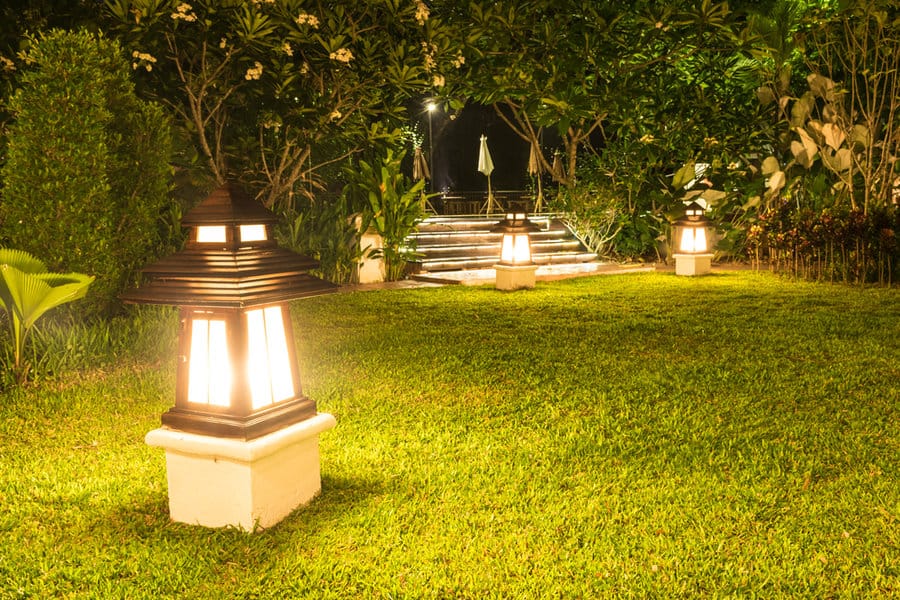
1. Bungalow Garden Lamp
Transform your bungalow garden into a magical fairyland with landscape lighting! A bungalow garden lamp is a perfect centerpiece for any backyard, bursting with warm light and casting glowing shadows.
But that’s not all – add a bit of elevation for an impressive multi-tiered look. Treat yourself to the perfect nighttime ambiance for special occasions and events, not to mention just a lovely way to end the day.
With landscape lighting, create a delightful spectacle and add character to your bungalow garden.
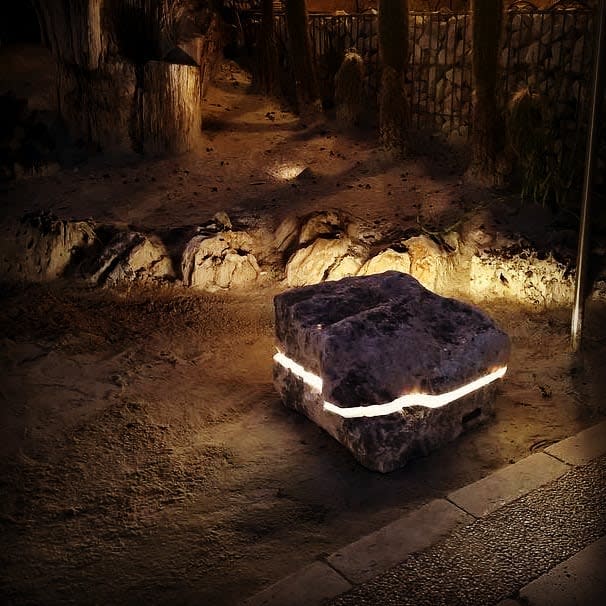
2. Camouflage Rock Garden Lighting
With the rock garden lamp with light strips, your rocky landscape is no longer a silhouette at night. This brilliant lighting strip illuminates your rock garden in a whimsical, ambiance that gives every rock formation a unique presence and transforms your landscape into an enchanting wonderland.
Enjoy being mesmerized by the natural beauty of lit-up rock formations making their own unique patterns in your outdoor space – only made possible with this unique rock garden lamp!
Source: @nitin.behl1986 via Instagram
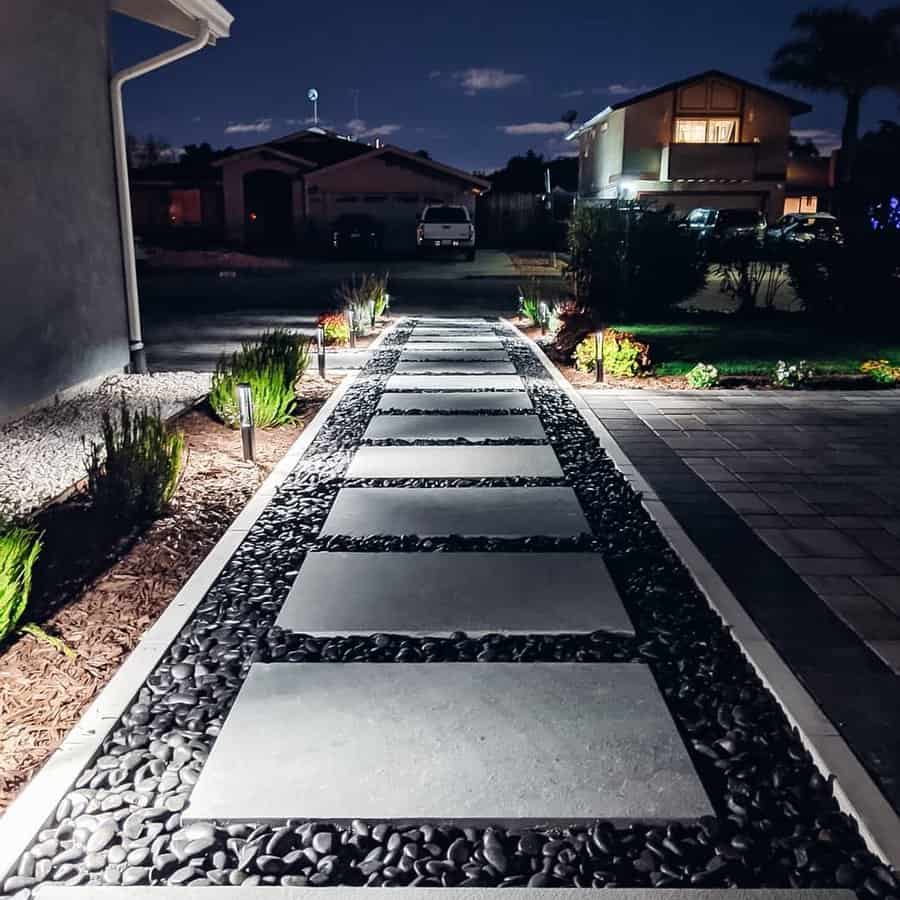
3. Minimal Path Lights
Transform your backyard into a peaceful, tranquil retreat at night by incorporating landscape lighting. A rock pathway lined with minimal outdoor lighting creates a dreamy, ethereal experience and allows for an enjoyable ambiance as you relax in the yard during the night.
With landscape lighting, you won’t have to worry about tripping over unseen objects or relying on moonlight—you can take a leisurely stroll without ever losing sight of your surroundings.
Create your own backyard oasis with rock pathways lined with subtle lighting fixtures and enjoy your outdoor space all through the night!
Source: @diywithrnb via Instagram
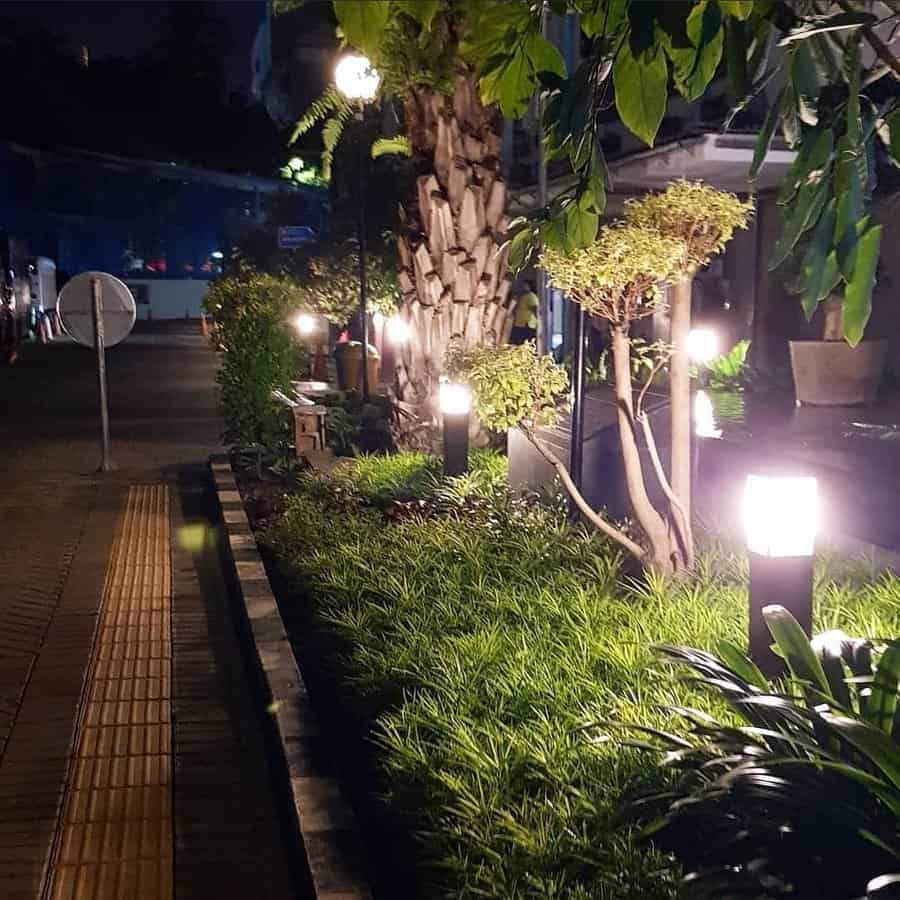
4. Garden Island Lighting
Make your garden an island paradise with landscape lamps! Create a tranquil garden atmosphere by lighting it in a soft and inviting way.
Invite your guests to bask in the warm, bright light of your garden island. Imagine finishing off the evening garden parties with the beautiful backdrop of twinkling lights illuminating the garden foliage.
Source: @hrm.mhr via Instagram
5. Small Solar Path Lights
Elevate your nighttime outdoor experience with landscape lighting. Whether you have a small garden or sprawling acreage, small solar path lights can add a touch of enchantment and elegance to any outdoor space.
For a modern edge, install warm-tinted LEDs that will curve along the exterior of your home or along a small rolling hillslope. If you want something creative, consider combining multiple small solar path lights with a multi-colored stone garden landscape for a unique dreamscape perfect for enjoying nights spent outdoors with family and friends.
Enjoy the look of landscape lighting before sundown and accentuate its beauty after dark.
Source: @living_elements_landscape via Instagram
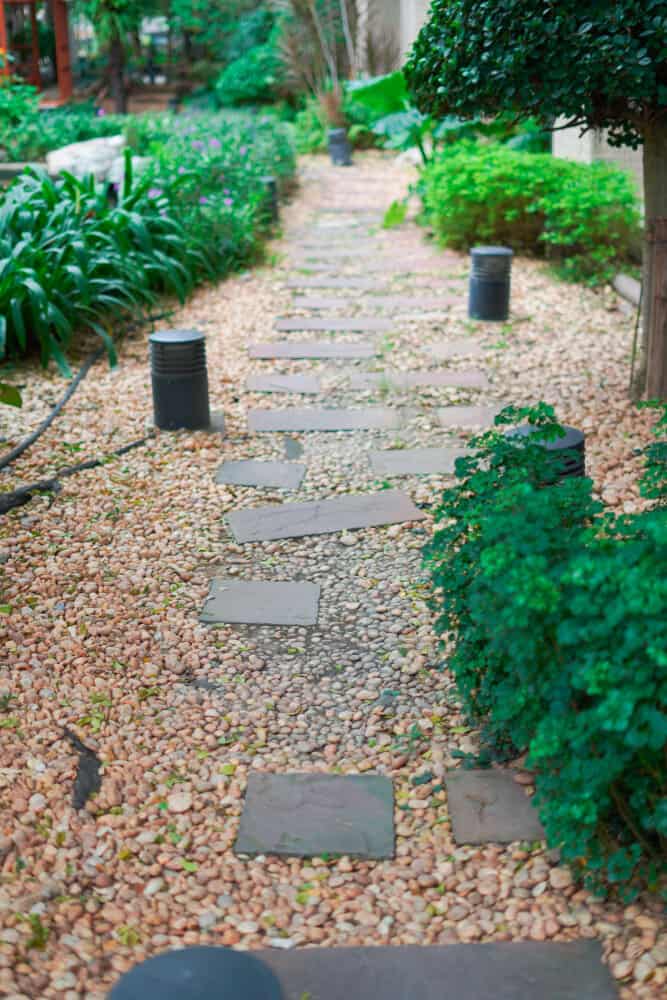
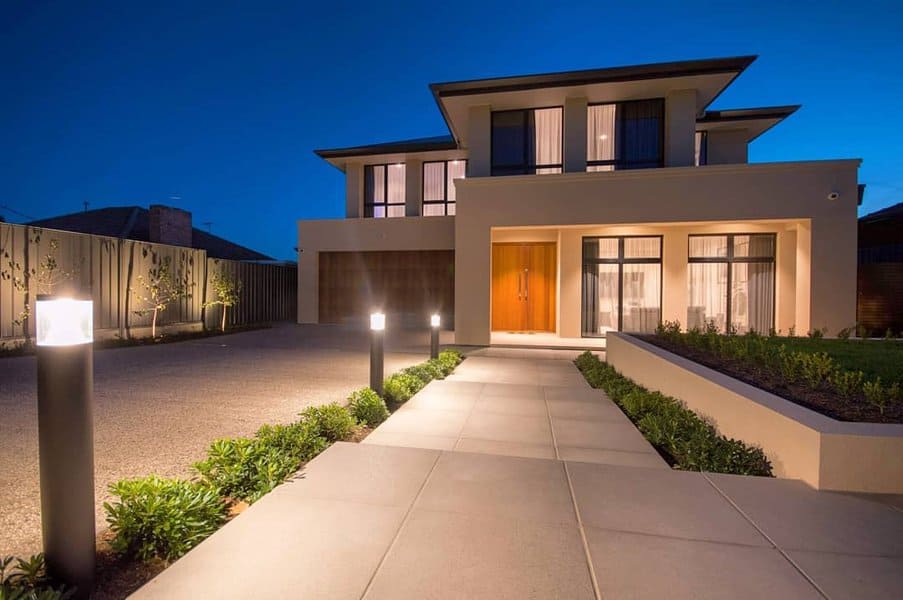
6. Outdoor Bollard Lamps
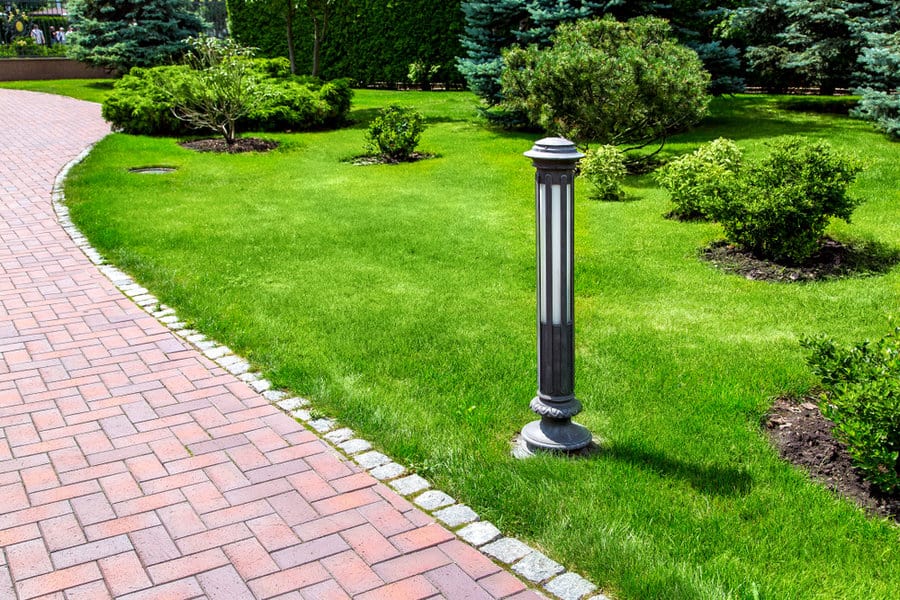
Adding bollard lights in the front or back yard of a modern minimalist home can take its landscape lighting to the next level. These bollards, situated along pathways and driveways, create an inviting atmosphere, while also providing safety benefits after dark.
Additionally, bollard lights provide an opportunity for stylish illumination through their many varieties of elegant design options – from wood bollards to metal bollards – that complement any home’s aesthetic.
With bollard lights as part of your landscape lighting plan, your home can easily become the envy of neighbors and friends alike!
Source: @outscape_constructions via Instagram
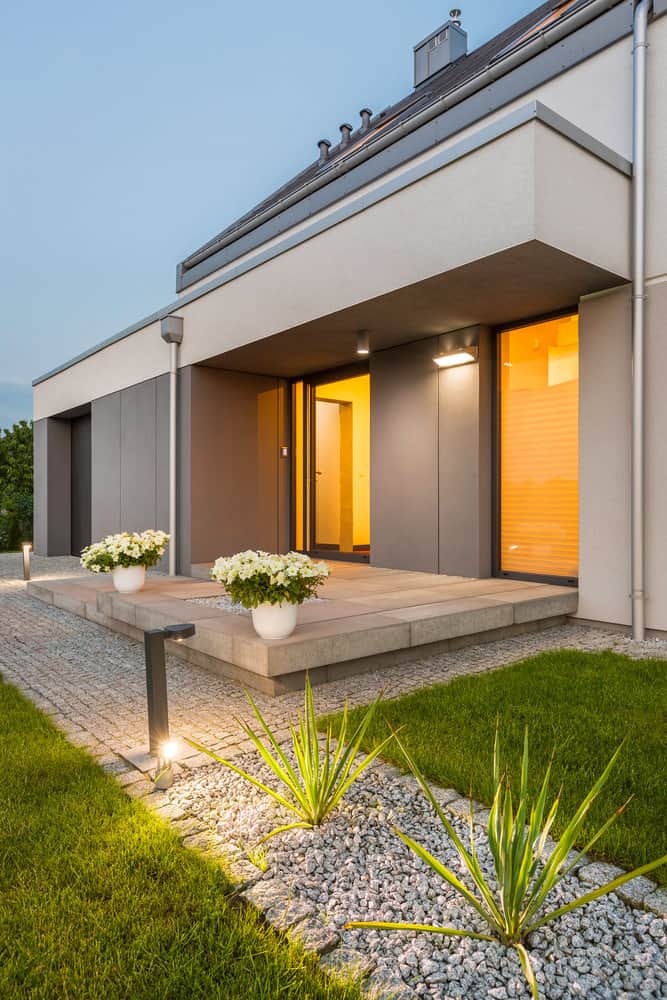
7. Modern Minimalist Bollard Lamp
A modern minimalist bollard lamp can be the perfect addition to any cobblestone and grass landscape. Instantly transform your outdoor area by transforming sunshine into moonlight with this sophisticated yet easy-to-install lighting device.
With modern enhancements, these are now more than just a light to keep your garden paths illuminated; they bring a certain charm, elegance, and unique feel to any outdoor space.
8. Garden Floor Lamp
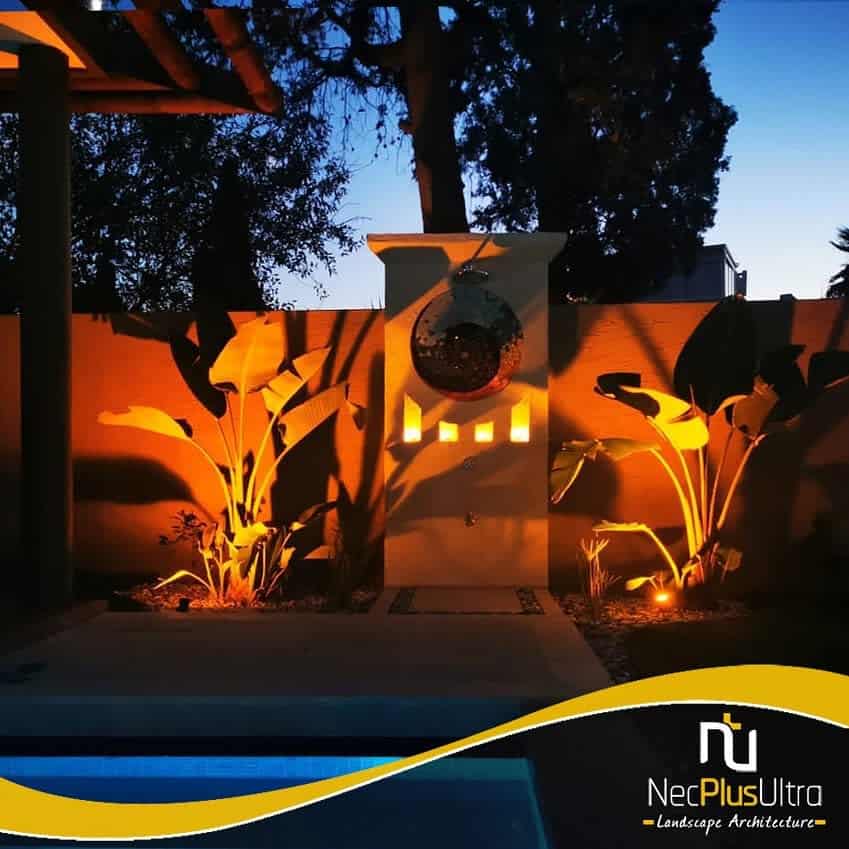
Illuminate the garden floor with garden floor lamps for a beautiful ambience and watch as shadows of trees and plants give way to mesmerizing silhouettes on walls.
For a more captivating look, string some fairy lights across shrubs to bring texture and sparkle to your garden.
From twinkling LEDs that add depth, to garden spotlights that highlight accents – landscape lighting can be used as a creative medium to bring out the best of your garden after dark!
Source: @necplusultra.tr via Instagram
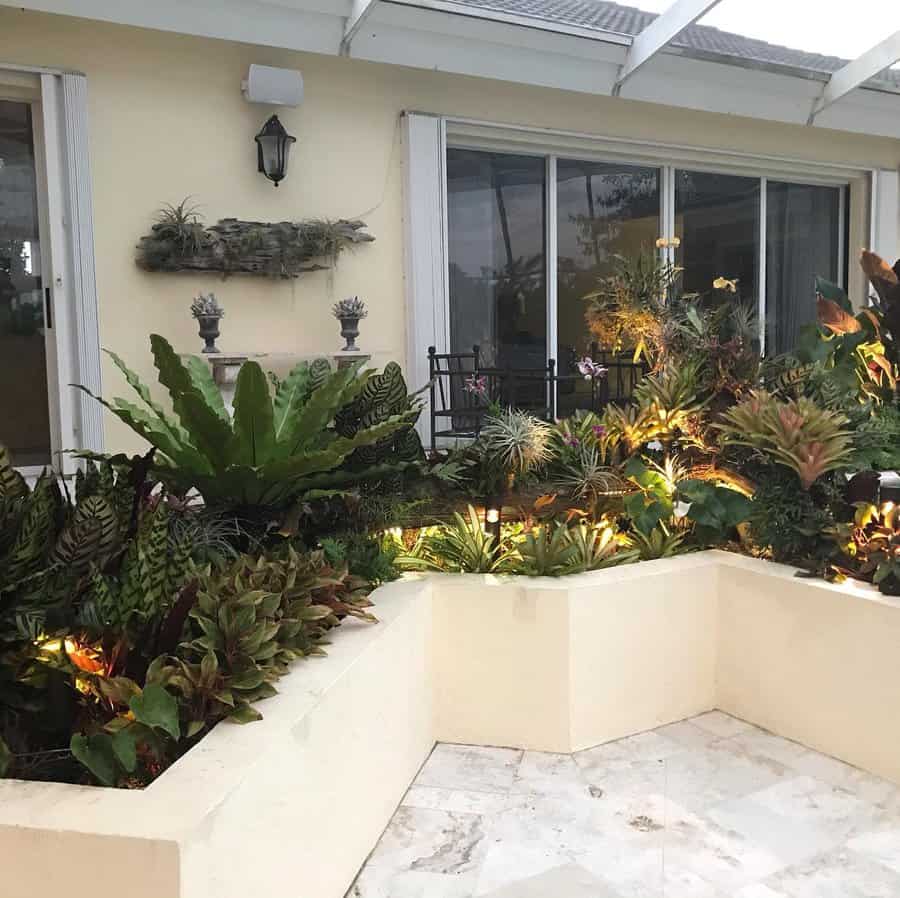
9. Hidden Elevated Garden Lamps
Landscape lighting can truly transform your outdoor living space into a hidden oasis during the night. With hidden landscape lights, you can bring plants and shrubs to life by illuminating their beauty.
Whether it’s a pathway to create a safe entrance or accenting your favourite focal point with subtle light, hidden lights are an ideal way to make the most of any garden or yard.
From bold and unique fixtures, to soft curves and hidden spots – no matter what look you’re trying to achieve, hidden lights can help create an inviting and magical atmosphere.
Source: @robsrareplants via Instagram
10. Subtle Garden Lighting
A subtle garden floor lamp can produce an ambient and minimal nightscape, perfect for turning an ordinary evening into a magical escape. Just imagine the soothing sound of flowing water highlighted by subtle glows of warm light against the earthy hues of your garden.
Whether used to accentuate pathways or simply enjoy a peaceful evening, landscape lighting has everything you need to create a relaxing atmosphere for any occasion.
11. Bright Entrance Lamps
An easy way to spruce up your outdoor area is with bright entrance lamps that can be installed near an entryway – highlighting activity even in the dead of night.
With a unique spin, small bollard lamps can be spread throughout flower beds or Gardens, making them look more aesthetically pleasing than ever before!
12. Wall Up Lights
By adding up lights on wall and entrance wall lamps to your garden or patio, you can impart a deep richness to your surroundings and create a unique nighttime ambience.
Not only does landscape lighting add warmth and enchantment, but it also provides an extra layer of security, lighting up dark pathways and unfamiliar spots.
Now everyone can enjoy the beauty of their lawns by day or night!
Source: @houstonlightscapes via Instagram
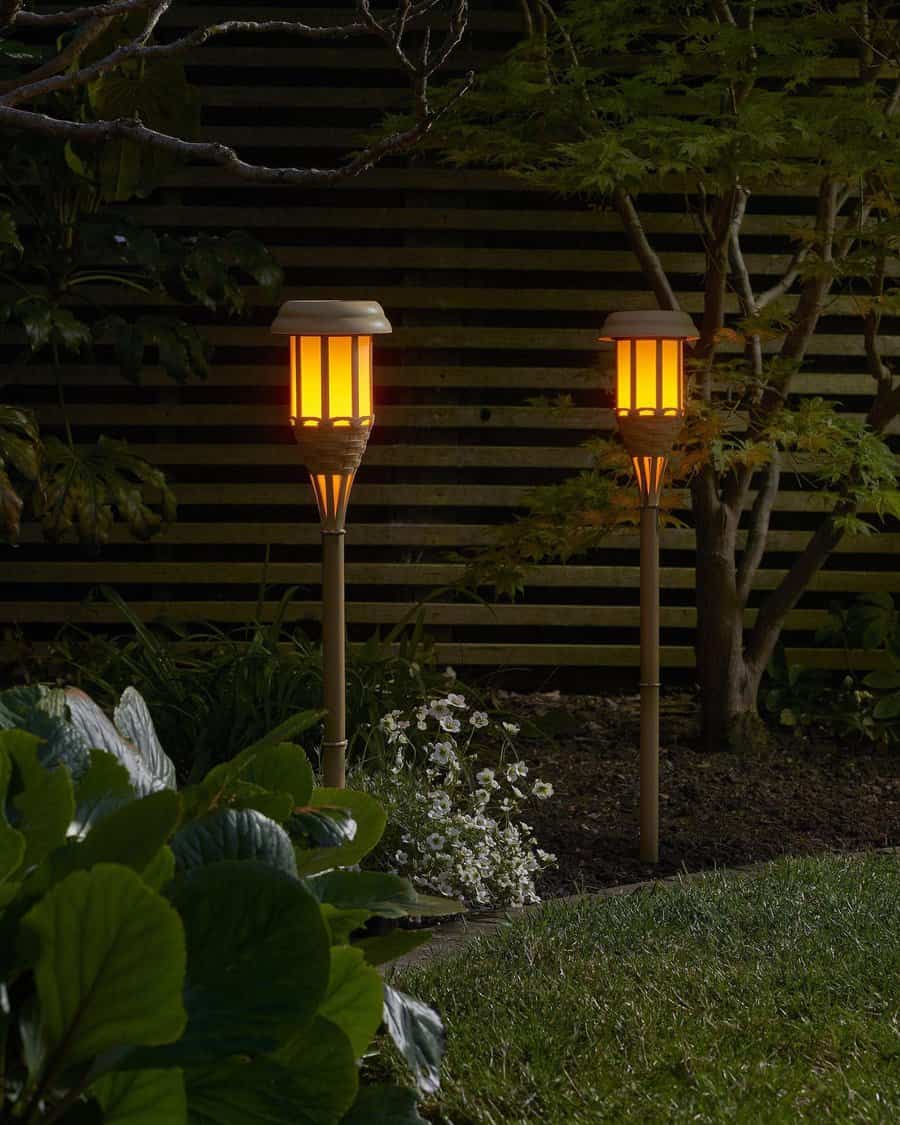
13. Tiki Torch Landscape Lamp
Light up any outdoor space with tiki torch landscape lamps! Add a touch of romance and a sense of adventure as dusk falls: tiki torches help create a tranquil, ambient atmosphere that will turn any evening into one to remember.
From bougainvillea to Japanese maples — even the most humble of flower and plant beds — tiki torches will help bring any garden, terrace, or other outdoor space to life after dark.
With tiki torches, you’ll be able to linger outside for longer periods of time peacefully, enjoying the peace of your favorite outdoor nook late into the night.
Source: @auraglow_led via Instagram
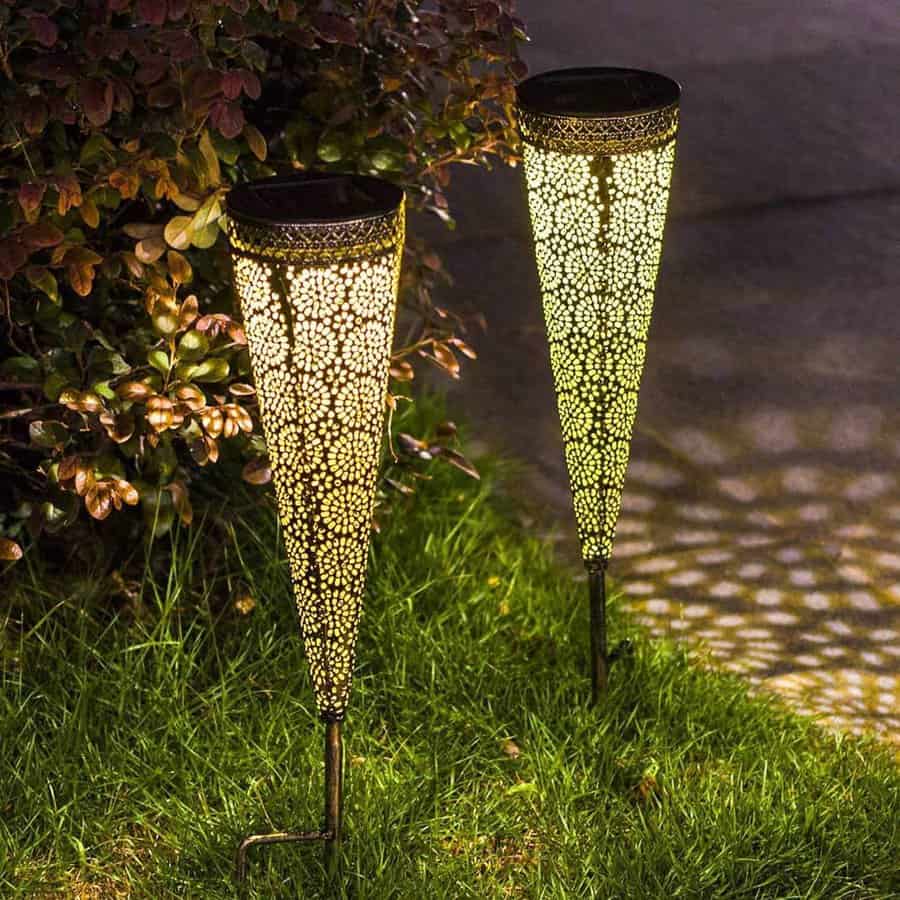
14. Decorative Solar Lamp
Landscape lighting is an easy way to add decorative charm and increased safety to your outdoor space. With decorative solar lamps, you can paint the night sky with silhouette patterns that create a magical atmosphere around the your home.
From fence posts to pathways, your garden will instantly be transformed after dark with solar-powered decorative lights that enhance even the most mundane of spaces.
Landscape lighting can also add greater security for yourself and your guests by allowing for enhanced visibility throughout the area.
Source: @bettersolarlights via Instagram
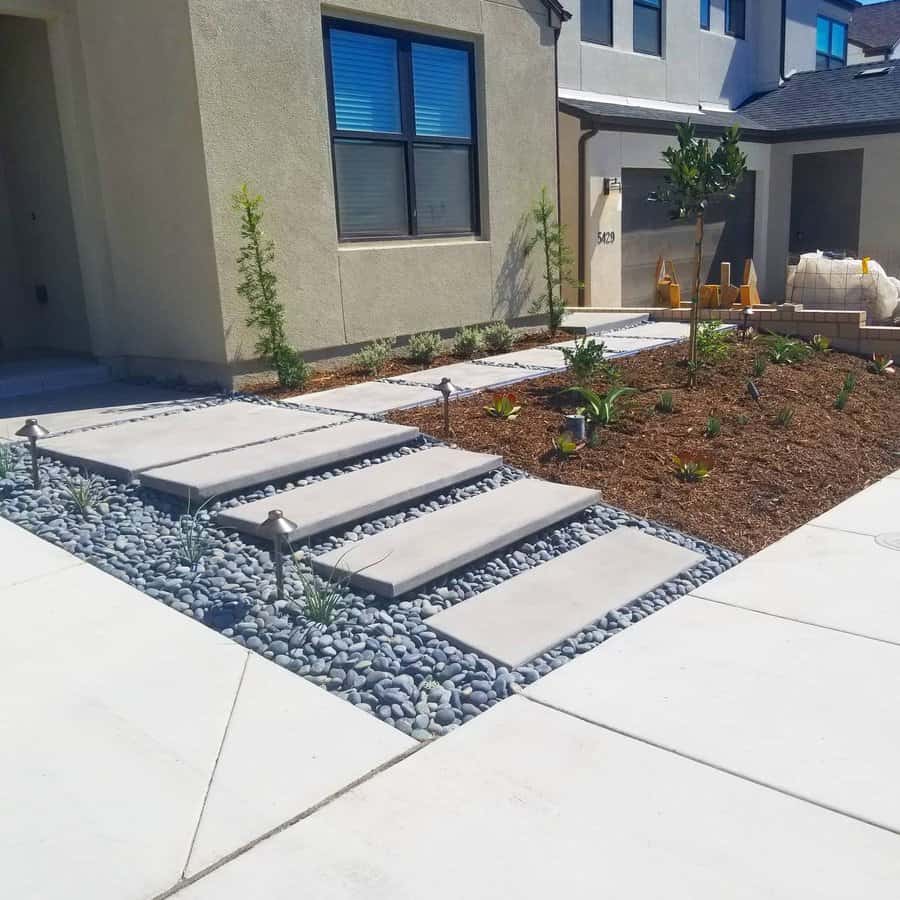
15. Silver Bollard Pathway Lamps
A silver bollard lamp casts light into a grey pebble garden, transforming it from a bare garden to a magical outdoor space.
With the perfect angle of light at night, the scene feels like something out of an enchanted fairytale. The silver lamps create subtle shadows that dance across the surface of the garden, creating an ambience that will set any nighttime gathering into a romantic mood.
The silver polish glimmers in the night sky, bringing to life even the most desolate areas and enhancing its alluring beauty.
Source: @sandiegoxscape via Instagram
16. Straightforward Solar Lantern
When it comes to landscape lighting, simple solar lanterns are the perfect solution. Affordable and attractive, they can provide an inviting atmosphere to any outdoor area.
Whether used as a decorative touch or simple illumination, their light adds a unique touch of character to the area. With the simple press of a button, these lights come to life and create a cozy ambiance that provides just enough light while allowing you to enjoy the natural beauty around you.
By choosing simple solar lanterns for your landscape lighting needs, you’re sure to love the result!
Source: @solight.sa via Instagram
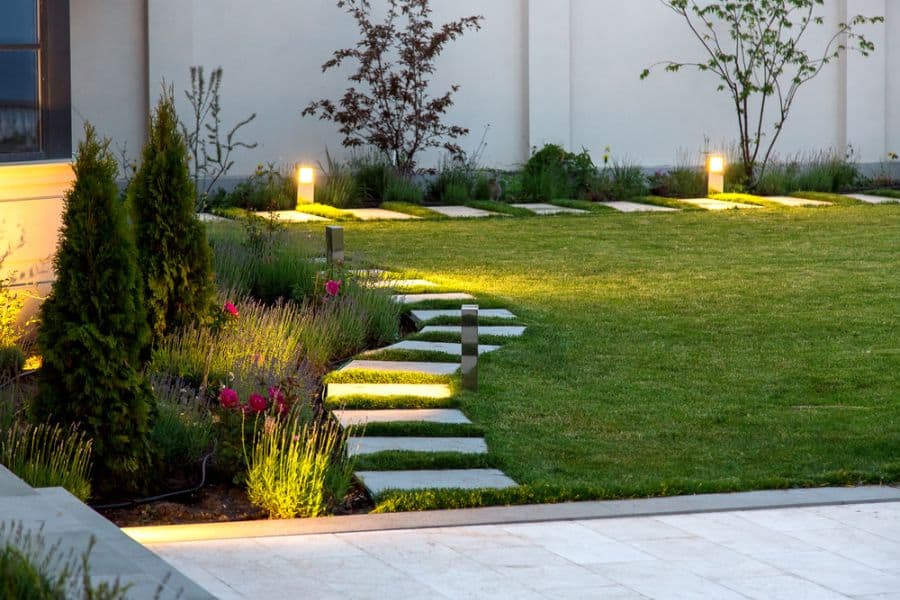
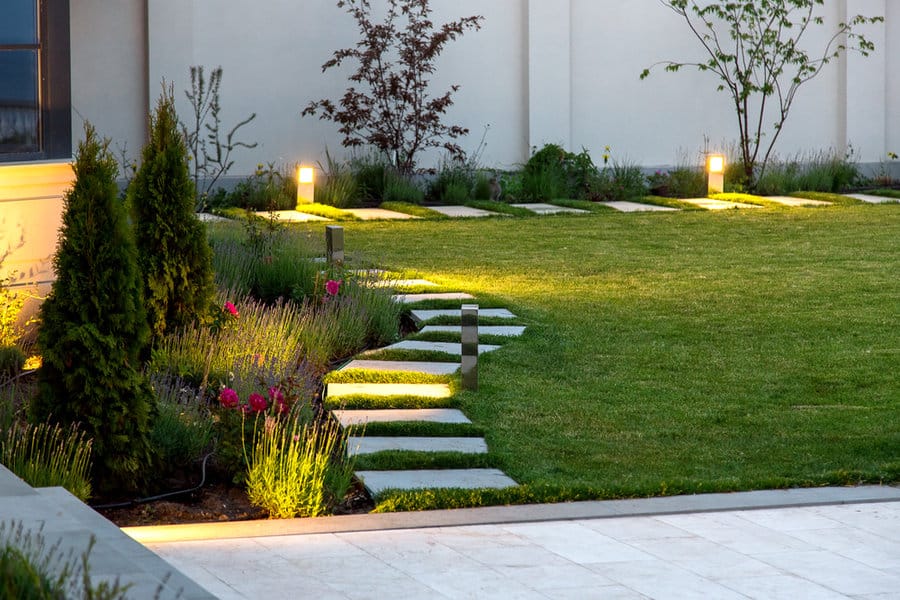
17. Alternating Path Lights
There is something truly magical about alternating path lights in a grass landscape. Whether it is the soft light that bounces off of the blades of grass, or the subtle shadows dancing around, landscape lighting can bring a unique ambience to any outdoor space.
Offering both practicality and style, alternating path lighting is a great way to provide a bit of extra illumination while adding character to your lawn.
Whether you are looking to make a grand statement or just add some subtle charm, alternating path lights give any grass landscape an eye-catching glow perfect for any evening get together.
Source: @kingstownelawn via Instagram
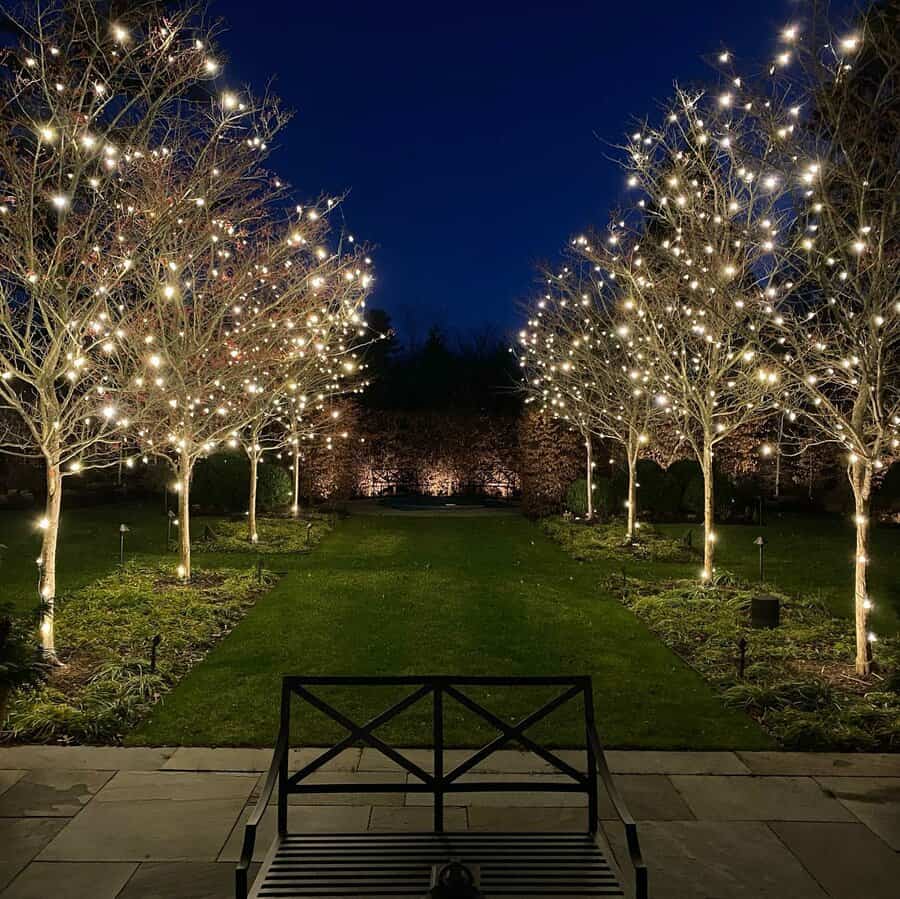
18. Patio String Lights
Add some sparkle and enchantment to your outdoor space with the beautiful ambiance of this unique landscape lighting. From string lights hung delicately on tree branches, to uplighting adding a warm glow to patios, there are countless possibilities when it comes to illuminating your home’s exterior.
Whether you’re looking for decorative path lighting for a romantic stroll in your garden or color-changing string lights for an al fresco dinner party, the options are nearly endless — let the artist inside of you create a masterpiece!
Source: @shady_tree_llc via Instagram
19. Entrance Floor Up Lights
Nothing sets the mood for your entrance better than strategic landscape lighting. Take entrance floor up lights, for example – they’ll draw attention to your entrance with a stunning light effect and simultaneously create dramatic shadows on walls that give off a mysterious vibe.
Not only do entrance floor up lights look spectacular, but they can also be beneficial by easing visitors who may be a little uncomfortable in the dark. Step up your entrance game with this gorgeous landscape lighting!
Source: @lumipro_mty via Instagram
20. Micro Garden Floor Lamps
When it comes to lighting up your outdoor landscape, micro floor lamps are an innovative and creative way to add some flair. Not only can these small fixtures highlight a specific feature in your garden, but they can also draw attention to the shadows they create among surrounding plants and pine trees.
Imagine a moonlit night with micro floor lamps gifting subtle glows amongst the columns of evergreen pines – truly a captivating experience!
Source: @platinum_living_homes via Instagram
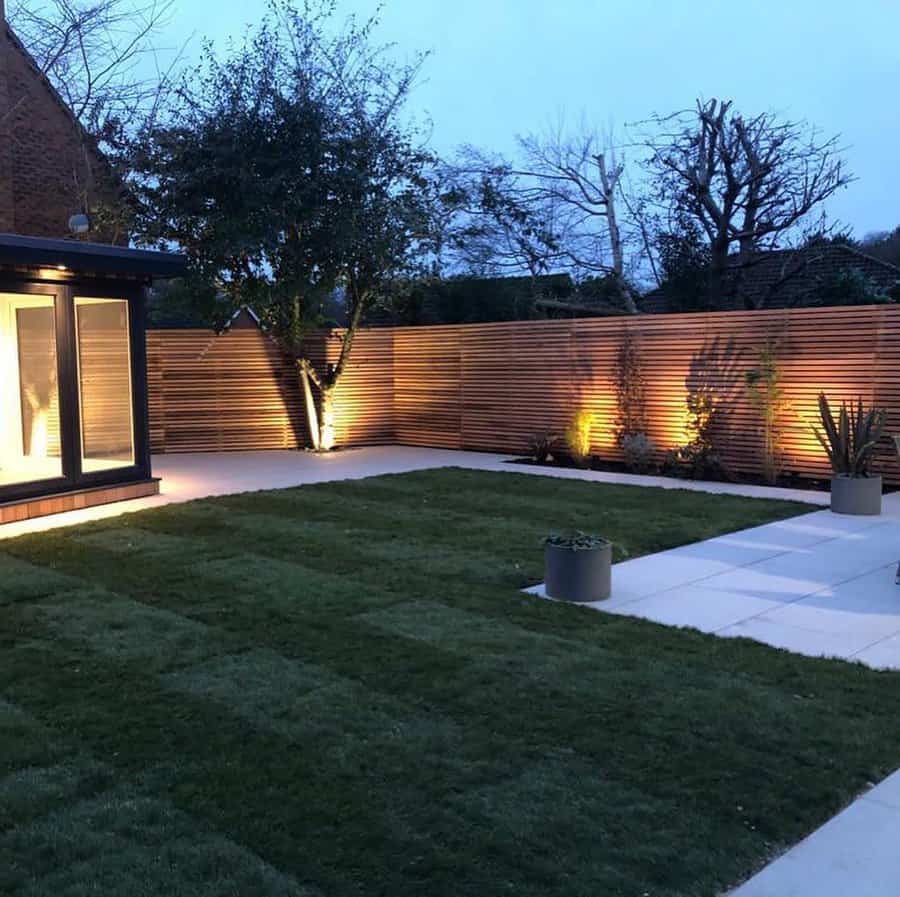
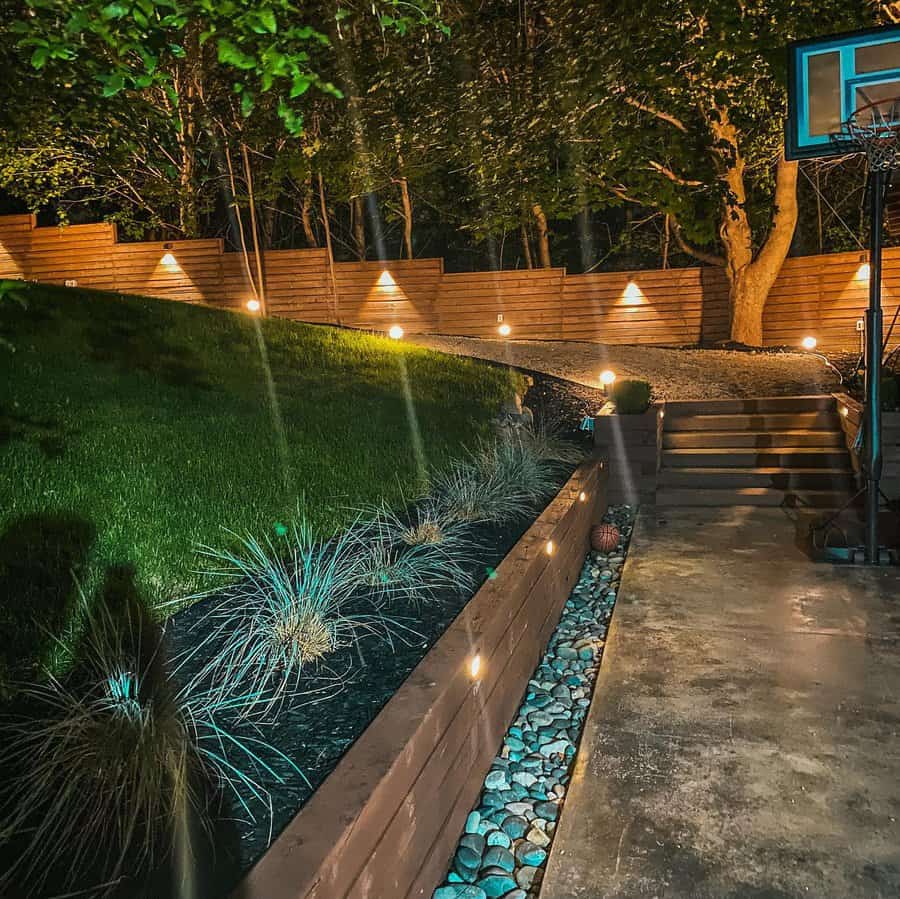
21. Up Lights On A Backyard Paneled Wall
Landscape lighting is an artful way to highlight the beauty of the stunning outdoors. The up lights placed along a wood-paneled wall give off a glow that allows your garden and lawn to become something of a masterful work of art.
By strategically placing up lights and blending them together with your minimal garden landscape, you can create an incredible atmosphere for yourself, friends and family, making every evening spent outside mesmerizingly magical.
Source: @richgreengardens via Instagram
22. Brightly Lit Front Yard
Illuminate the unique features of your home and garden and design a tranquil escape reminiscent of a romantic resort. Let soft yet vibrant glows bring out the natural beauty of your outdoor space, perfect for intimate gatherings with family and friends or relaxing under the stars after sunset.
With properly installed landscape lighting, you can create stunning scenes that will keep you captivated day in and day out.
Source: @moonglowlights via Instagram
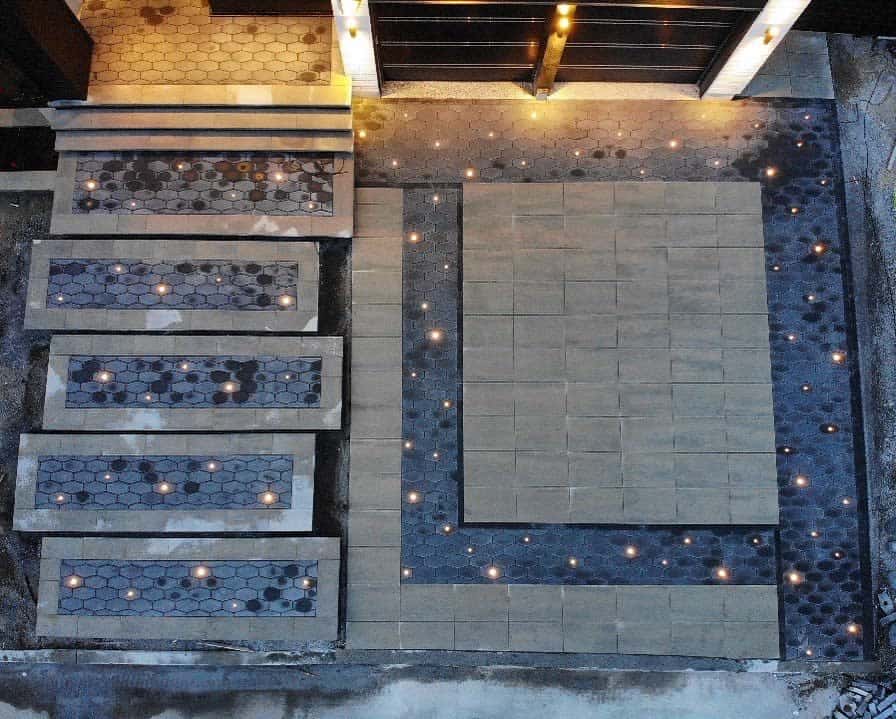
23. Pavement Lights
Illuminating your pavement doesn’t have to be drab and boring; this landscape lighting can give your pavement a creative and inviting look. Not only will pavement lights draw attention to driveways, paths, and garden walkways, but also provide gentle light that helps guide visitors without becoming intrusive or harsh.
This subtle landscape lighting is an inviting way to light up your pavement while creating atmosphere in a subtle, but captivating way. With the right eye-catching placement and some well-thought out designs, you can highlight the beauty of your outdoor exterior.
Source: @zamcogroup via Instagram
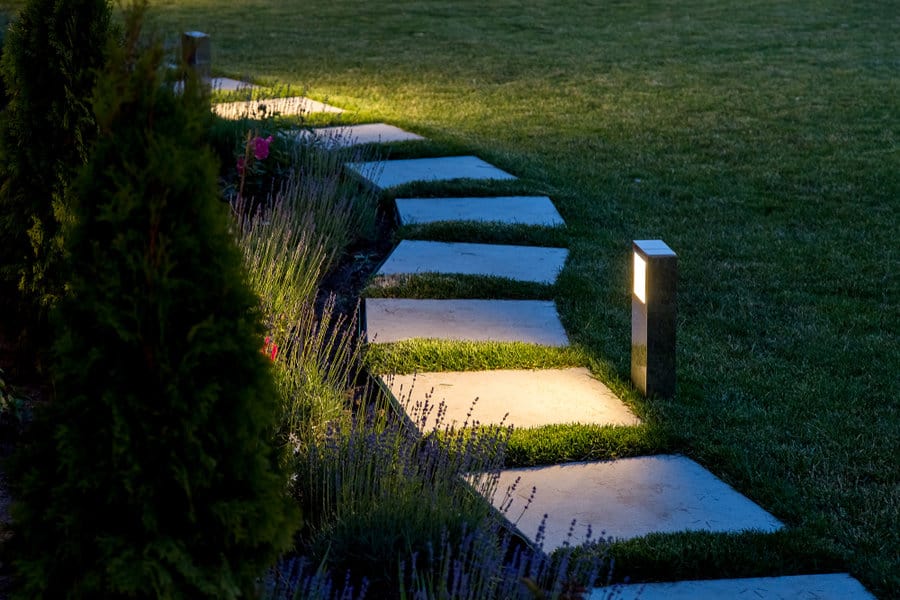
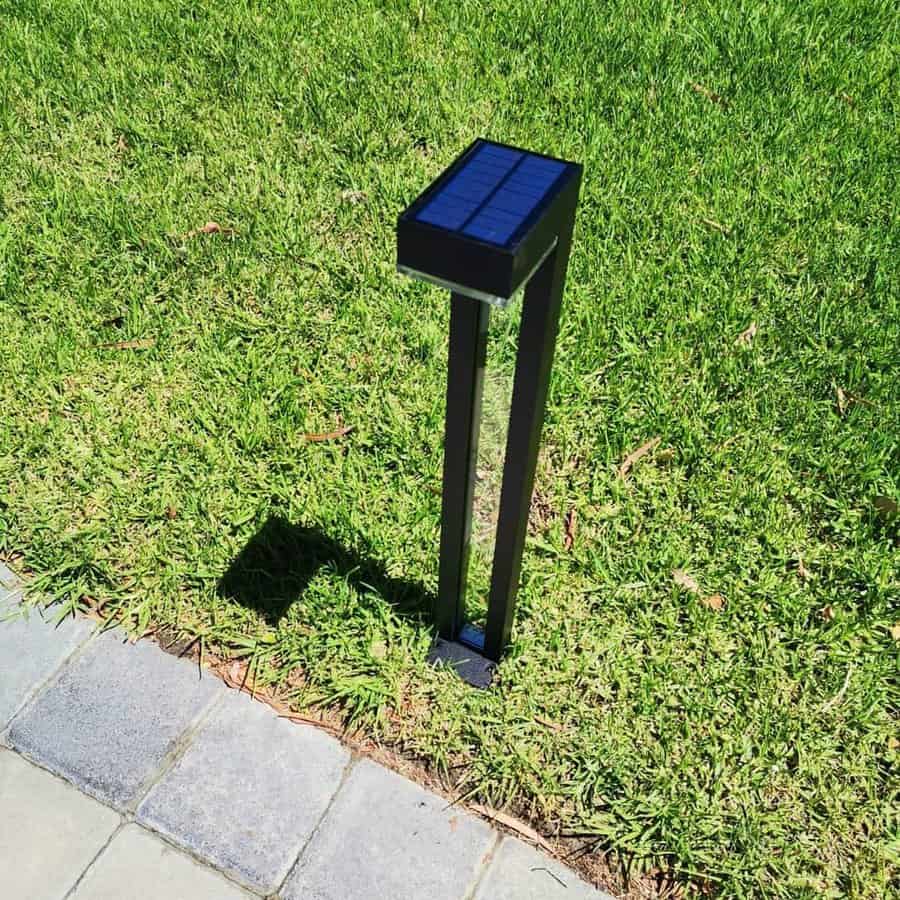
24. Box Bollard Path Lights
Nothing lights up an outdoor space quite like box bollard lights! A box bollard light adds a stylish and modern touch of landscape lighting to any garden or pathway.
Lined along a stone path at twilight, box bollard lights create an inviting atmosphere that’s perfect for backyard gatherings.
Whether you go with classic box bollards in basic black or bright and colourful box bollards, they make the perfect accessory to your outdoor decor. Start planning your outdoor landscape lighting today – box bollard lights are sure to transform your dull outdoor space into something magical!
25. Up & Down Landscape Lighting
Turn up the drama in your backyard with up and down landscape lighting. It will ensure a captivating performance as darkness falls, adding that extra layer of ambience to your gathering space.
Whether it’s a low-key BBQ or a night of friends and family around the fire pit, you can set up stunning up lights that wash the walls, shower trees in every shade of twinkle and cast romantic shadows across pathways for an experience to remember. Pop up a few up down lights here and there throughout your backyard for soft illumination without ever having to leave a light burning all night long.
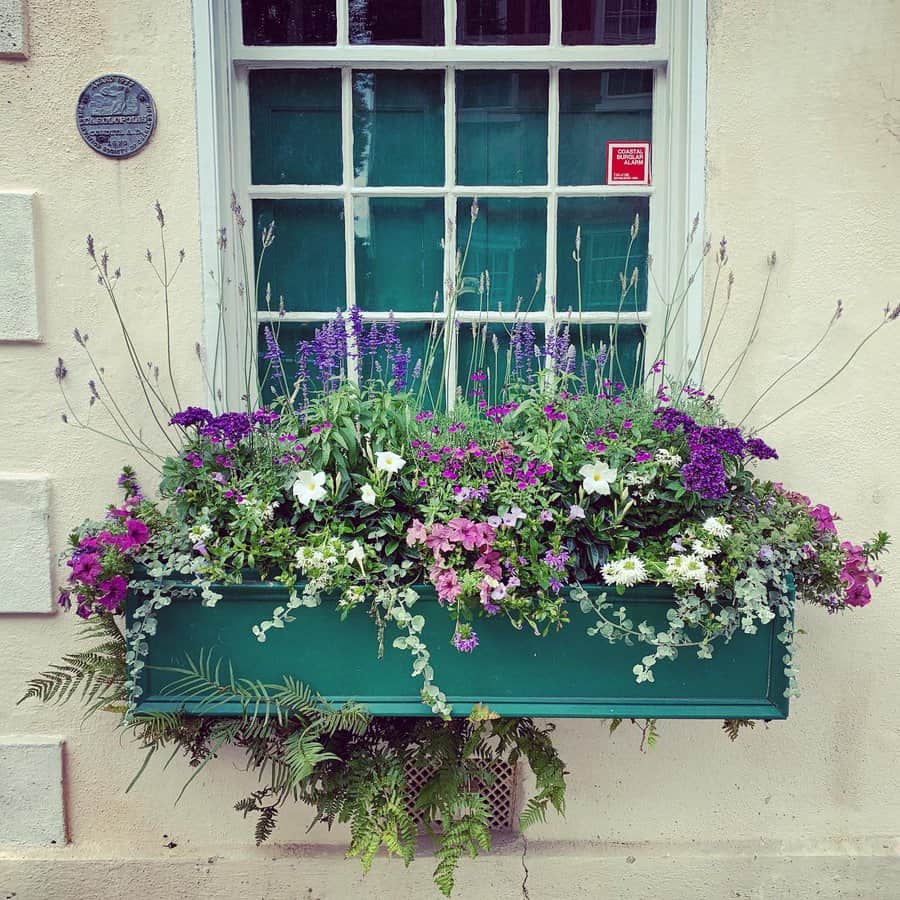
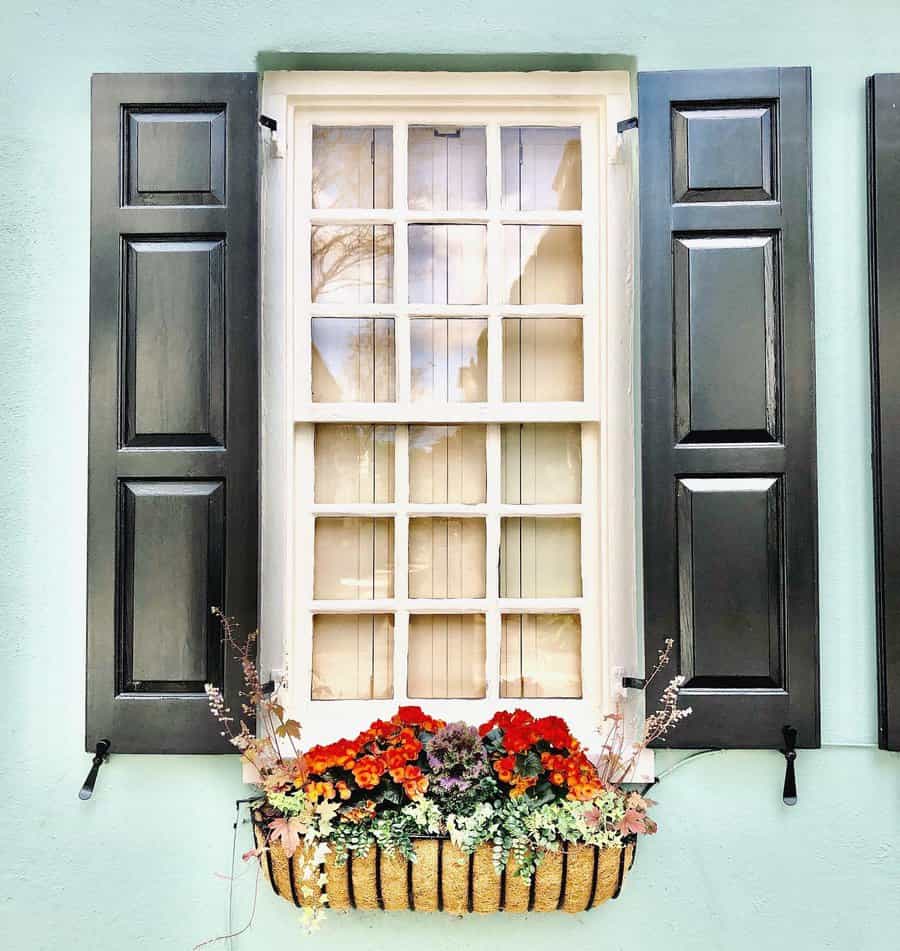
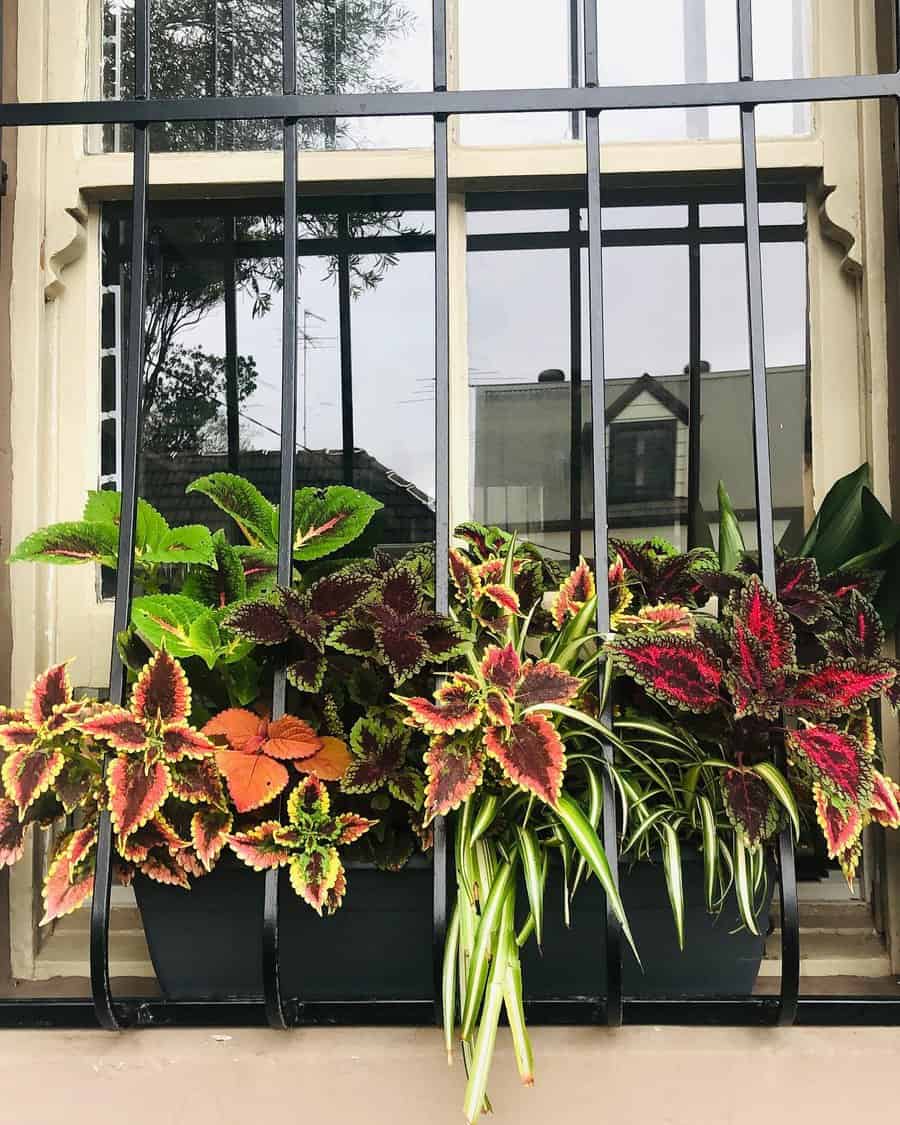
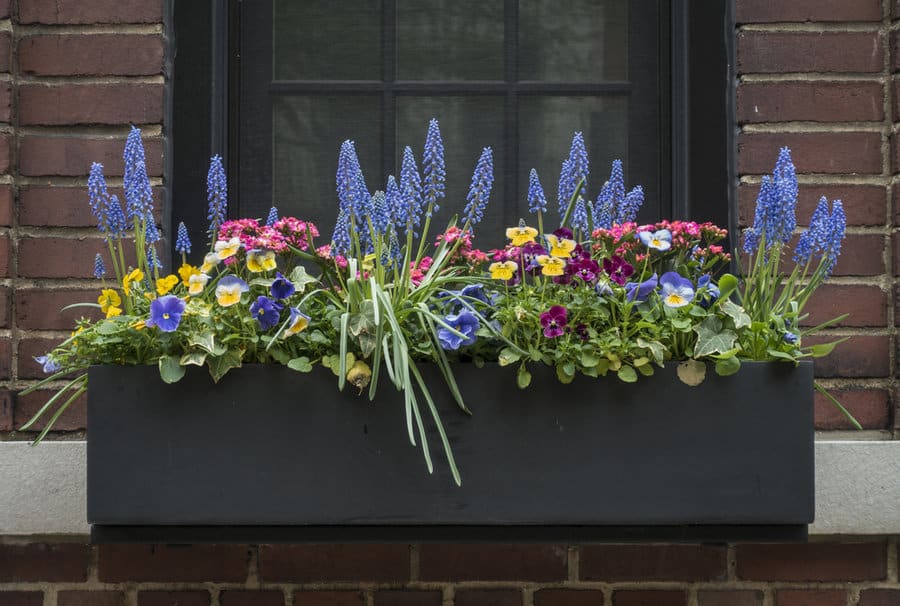
Searching for new ways to flex your green thumb? Or looking to give your home’s exterior a miniature facelift? Window boxes could be the answer!
Window boxes offer the perfect place to grow your favorite plants without taking up valuable lawn space or digging into the ground. There’s no easier way to bring a hint of life and color to your home with minimal time, money, and labor.
Keep reading for some of the best window box ideas and how to recreate them to suit your own home!
[view_toc]
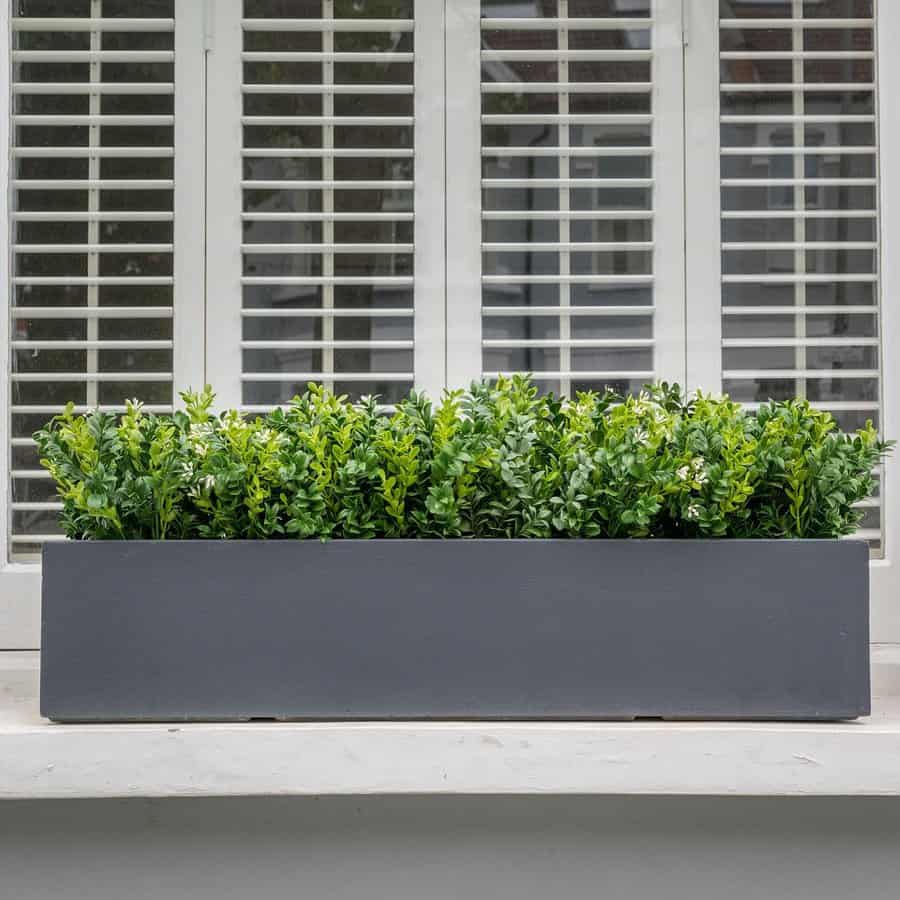
1. Choose Simple Greens for Serenity
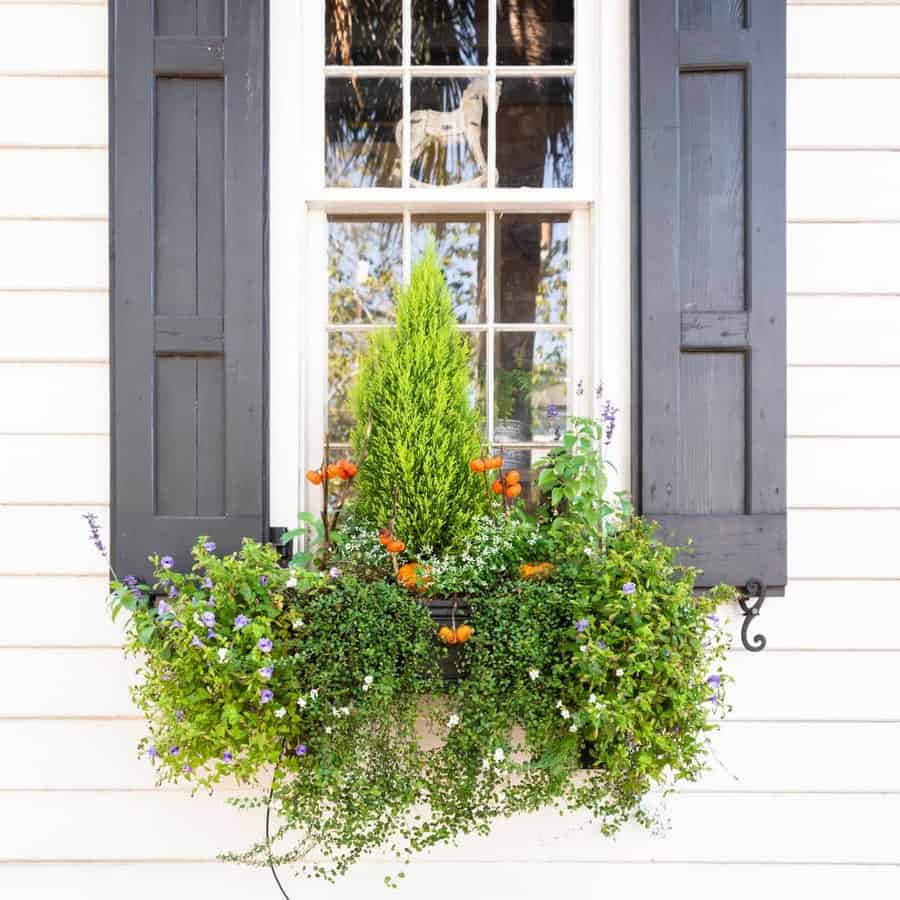
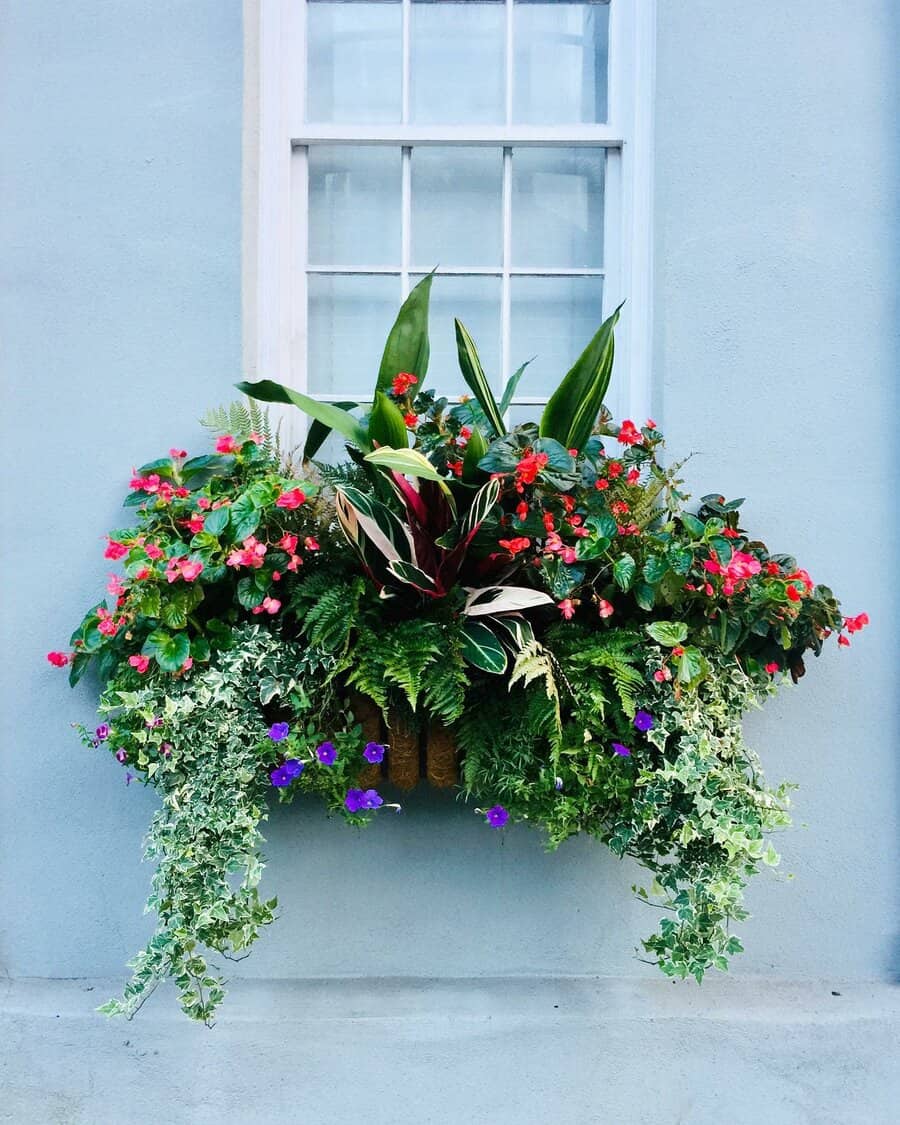
Focus on creating a lush, minimalist aesthetic by planting a variety of greenery in your window box. Select plants like boxwood, ivy, and hostas for their diverse leaf textures and shades of green, which can create a serene and cohesive look.
Source: @bayandbox via Instagram
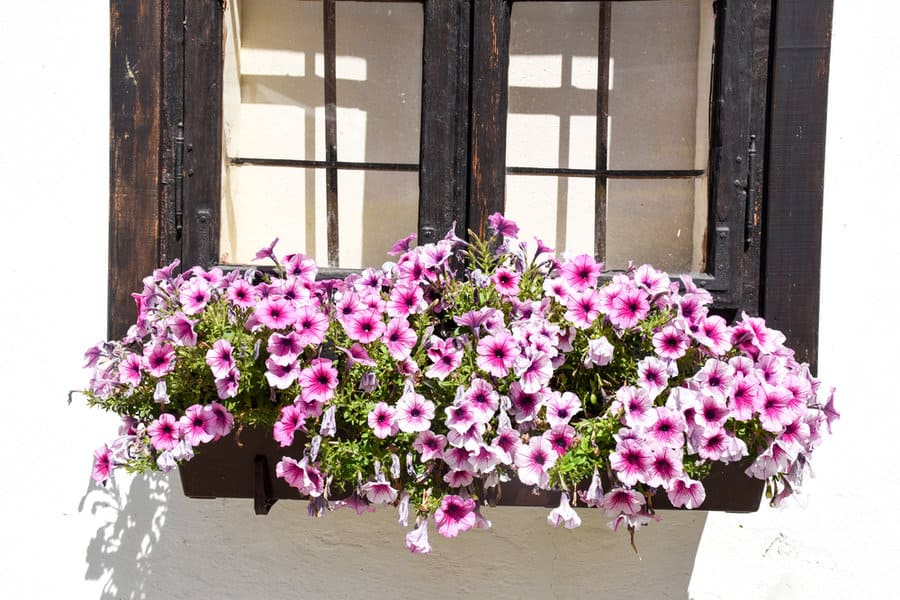
2. Plant Vibrant Petunias
Utilize the vibrant colors and full blooms of petunias to create a lively window display. These flowers thrive in window boxes, providing a cascade of color. Remember to choose a mix of trailing and upright varieties for a dynamic appearance.
Source: @bayfrontmarin via Instagram
3. Add Color with Geraniums
Geraniums offer a traditional and colorful option for window boxes. They require minimal maintenance and bloom abundantly. Group different colors for a striking contrast or stick to one shade for a monochromatic scheme.
Source: @austfranc via Instagram
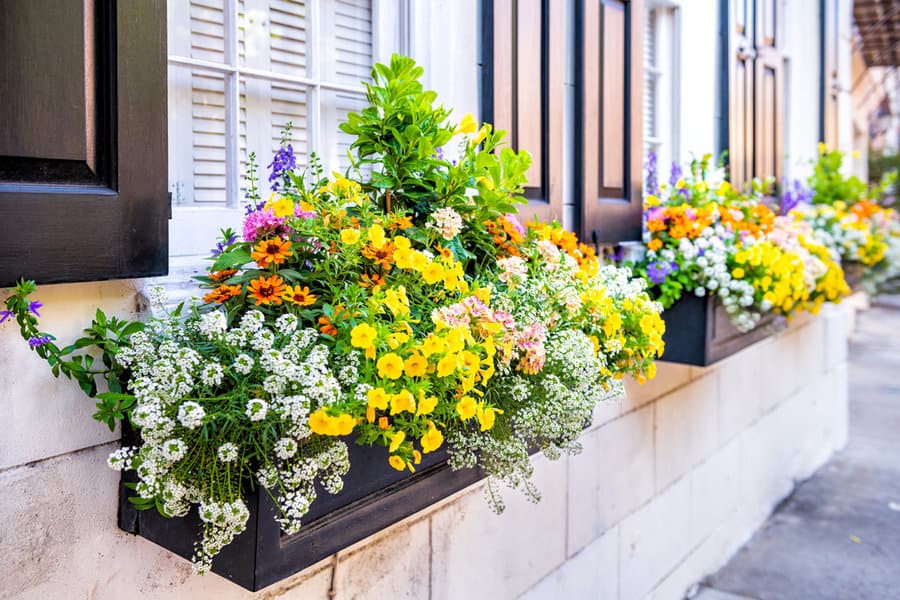
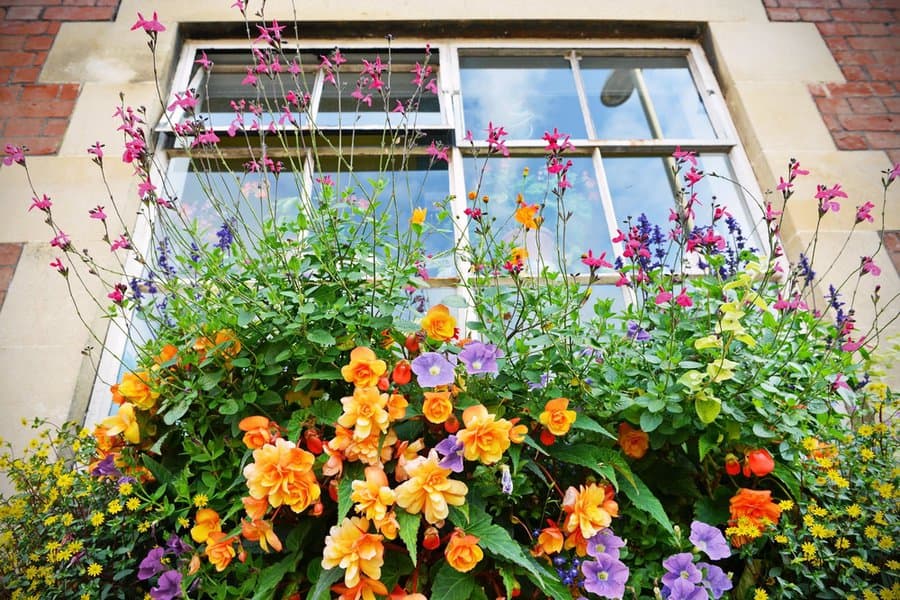
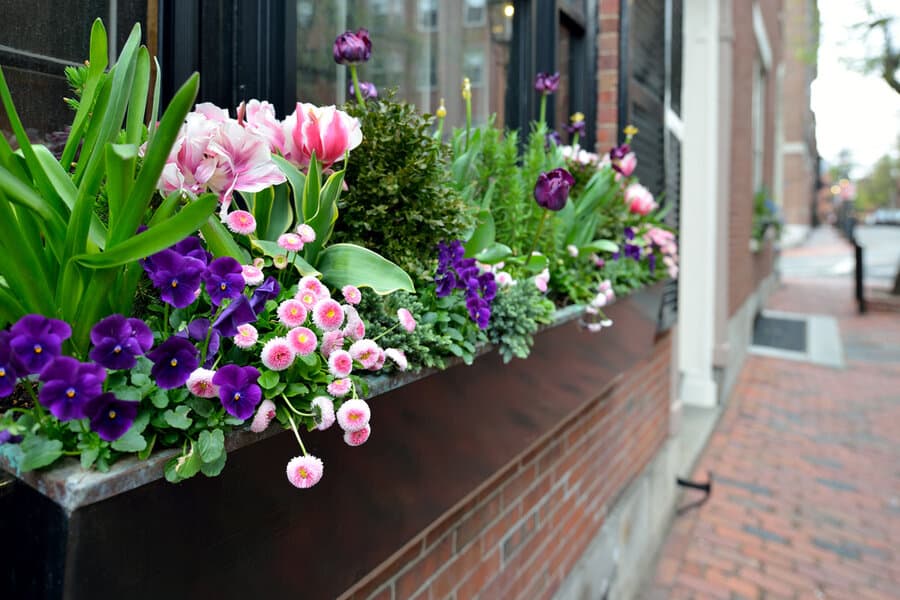
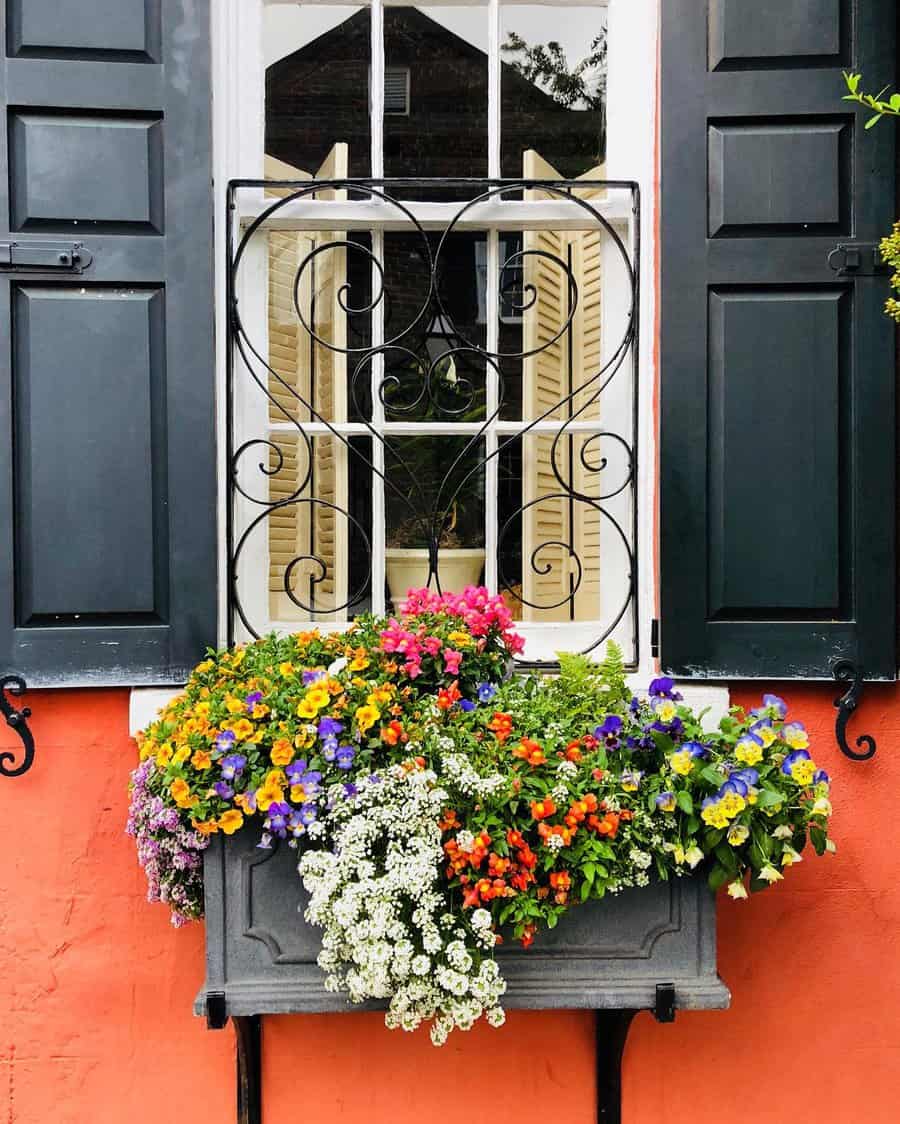
4. Mix Variety of Flowers
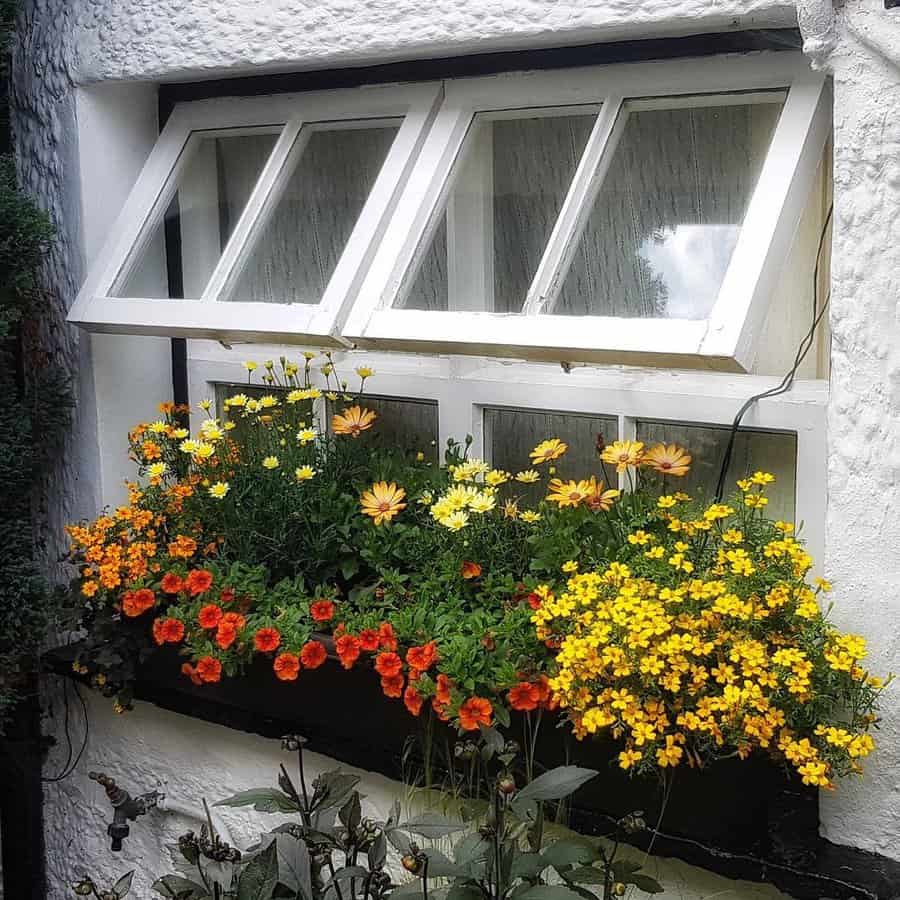
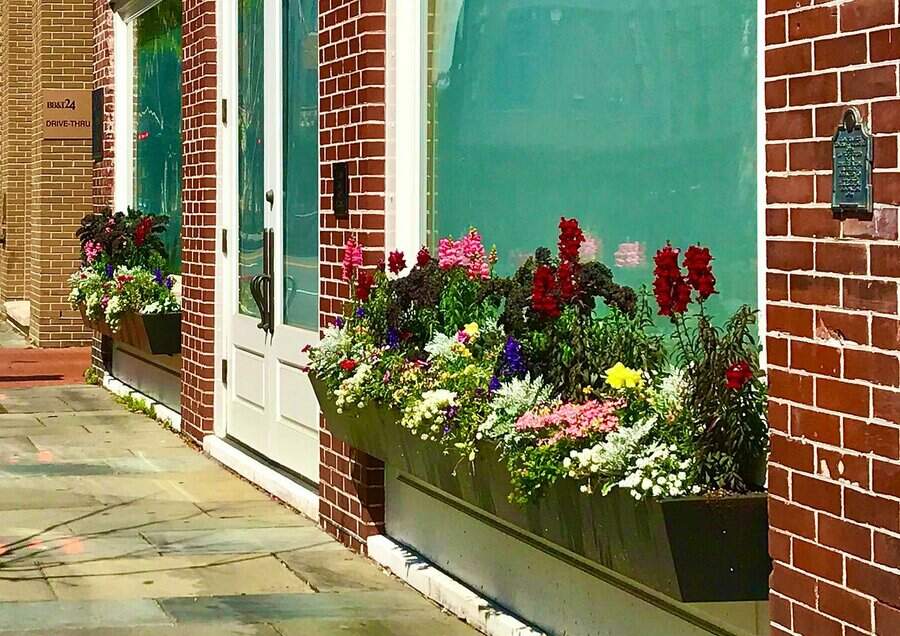
Create an eye-catching display by combining different flower types. Think about varying heights, textures, and colors. Consider seasonal blooms for year-round interest and ensure each plant has similar sunlight and watering needs.
Source: @totustourschs via InstagramSource: @charlestondaydreams via InstagramSource: @i_love_billie_ via Instagram
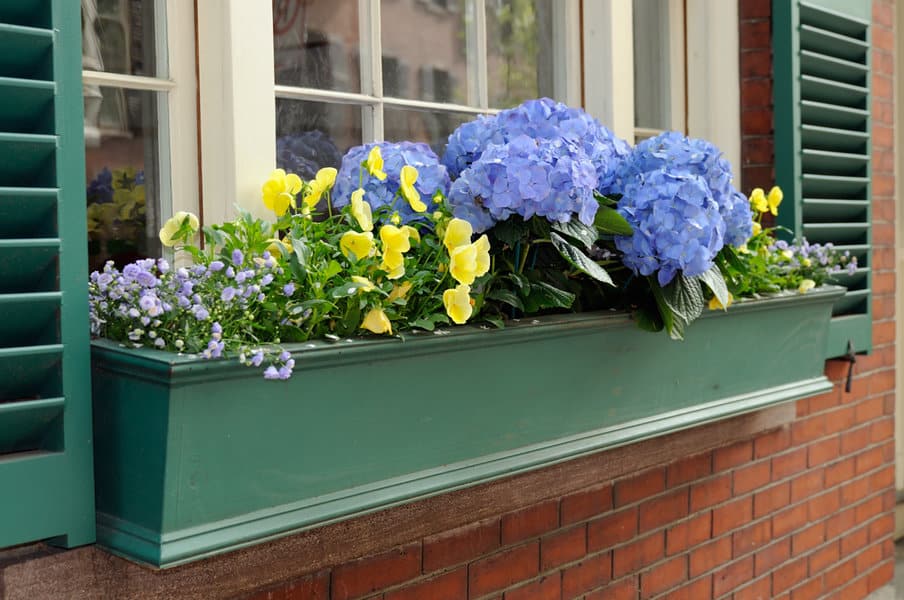
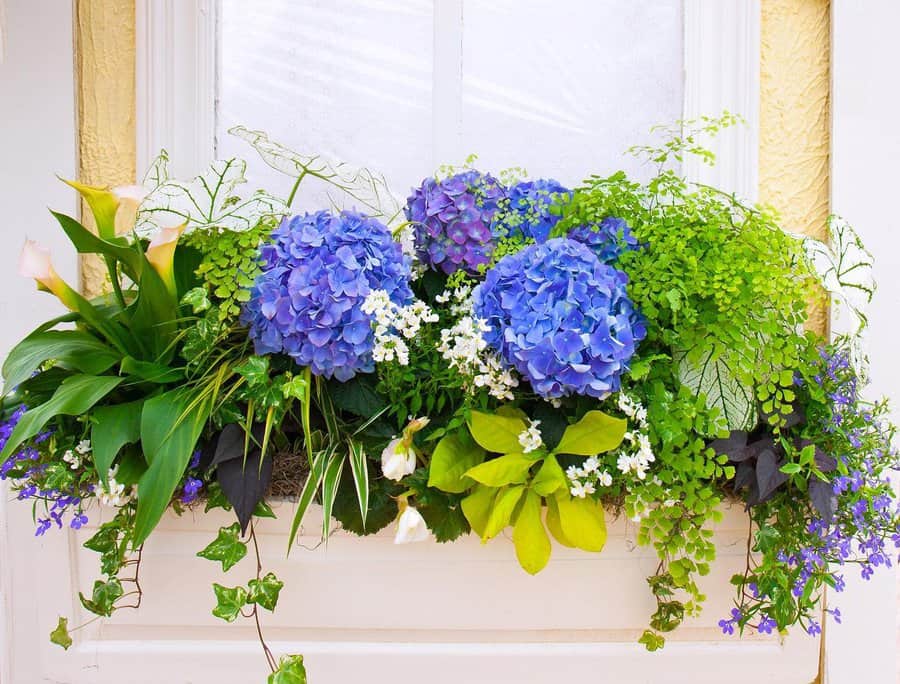
5. Make a Bold Statement with Hydrangeas
Hydrangeas make a bold statement with their large, lush blooms. Select a dwarf variety suitable for window boxes. These plants prefer morning sun and afternoon shade, so position them accordingly.
Source: @fleurishfortwayne via Instagram
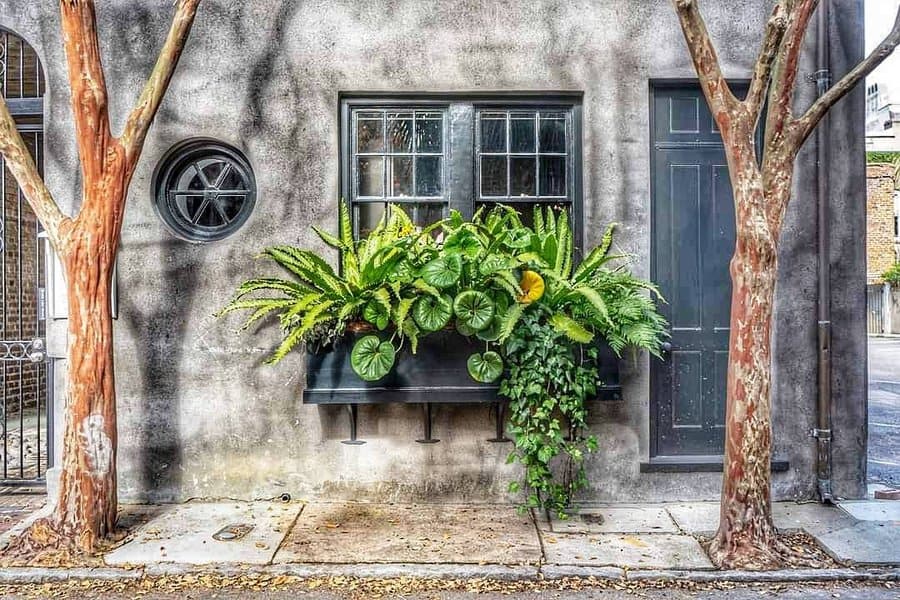
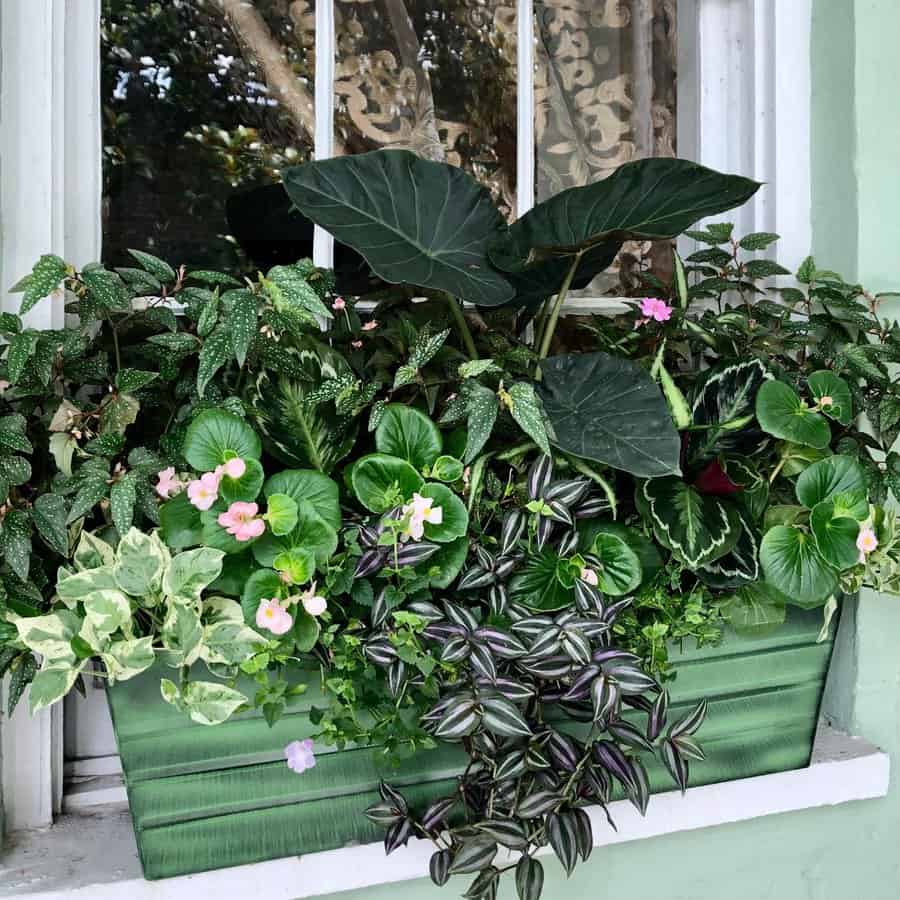
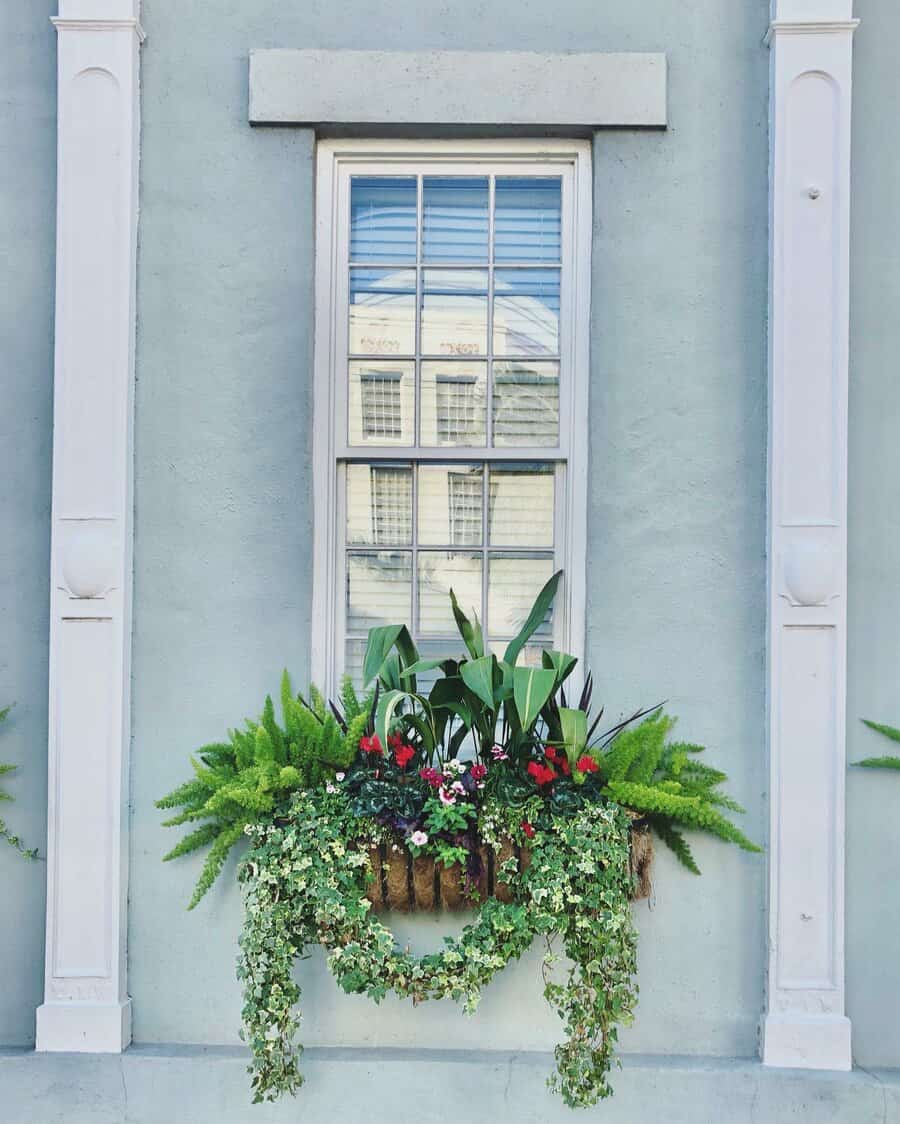
6. Fill With Rainforest Plants
Transform your window box into a mini rainforest with plants like small ferns, philodendrons, and begonias. These plants thrive in humid conditions and can create a lush, tropical feel.
Source: @charlestonbagvalet via InstagramSource: @potsofcolor via Instagram
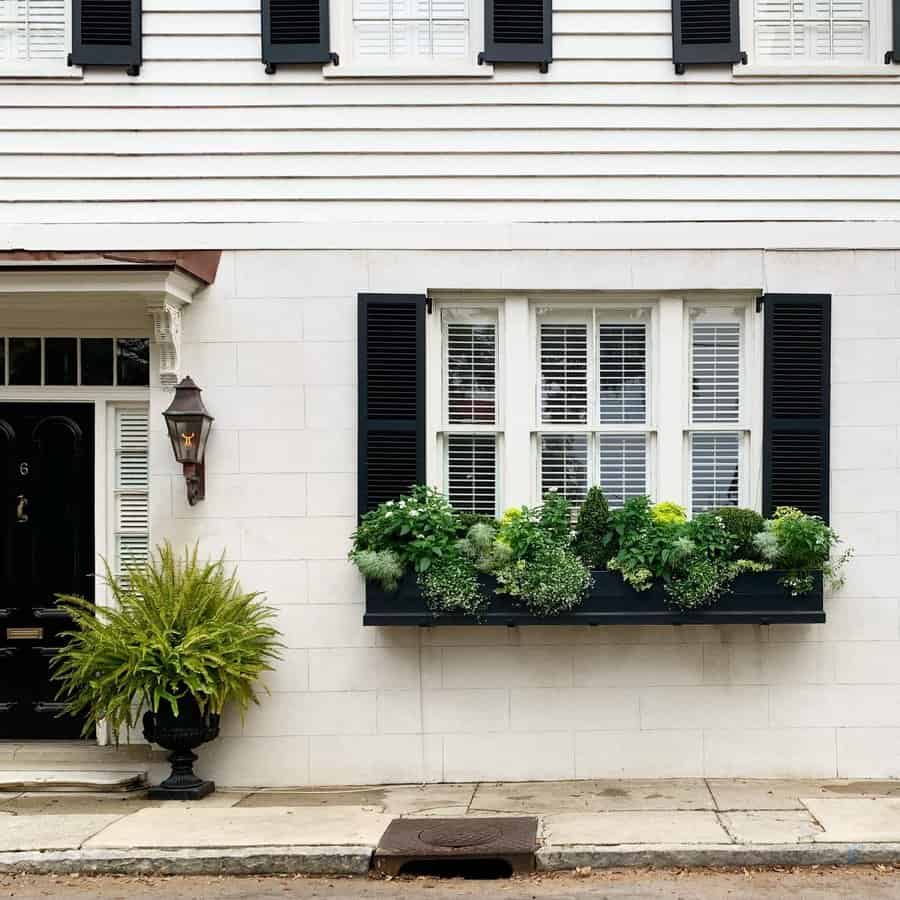
7. Opt for Bushy Types
Select plants known for their dense, bushy growth like lavender, boxwood, and dwarf junipers. These plants provide fullness and a structured look, making them ideal for a polished window box display.
Source: @charlestonscobsessed via InstagramSource: @cornerstone_kingstreet via InstagramSource: @green_roots_gardener via Instagram
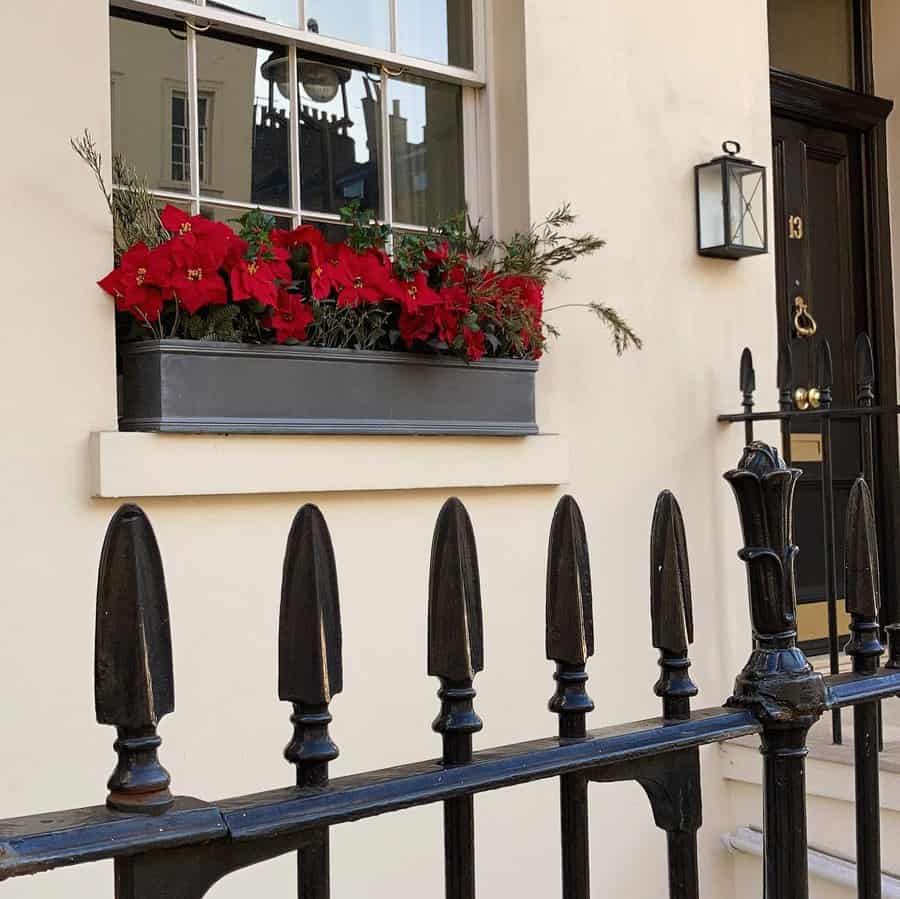
8. Poinsettia Window Box
During the holiday season, a window box filled with poinsettias can add festive cheer. These plants need protection from the cold, so consider this option for milder climates or as a temporary holiday display.
Source: @thelondonagent via Instagram
9. Mix & Match Perennial
Plant a combination of perennials for a window box that evolves throughout the seasons. Choose plants with varied blooming times for a display that changes and grows throughout the year.
Source: @annettechristian25 via InstagramSource: @charlestondaydreams via InstagramSource: @sissonlandscapes via Instagram
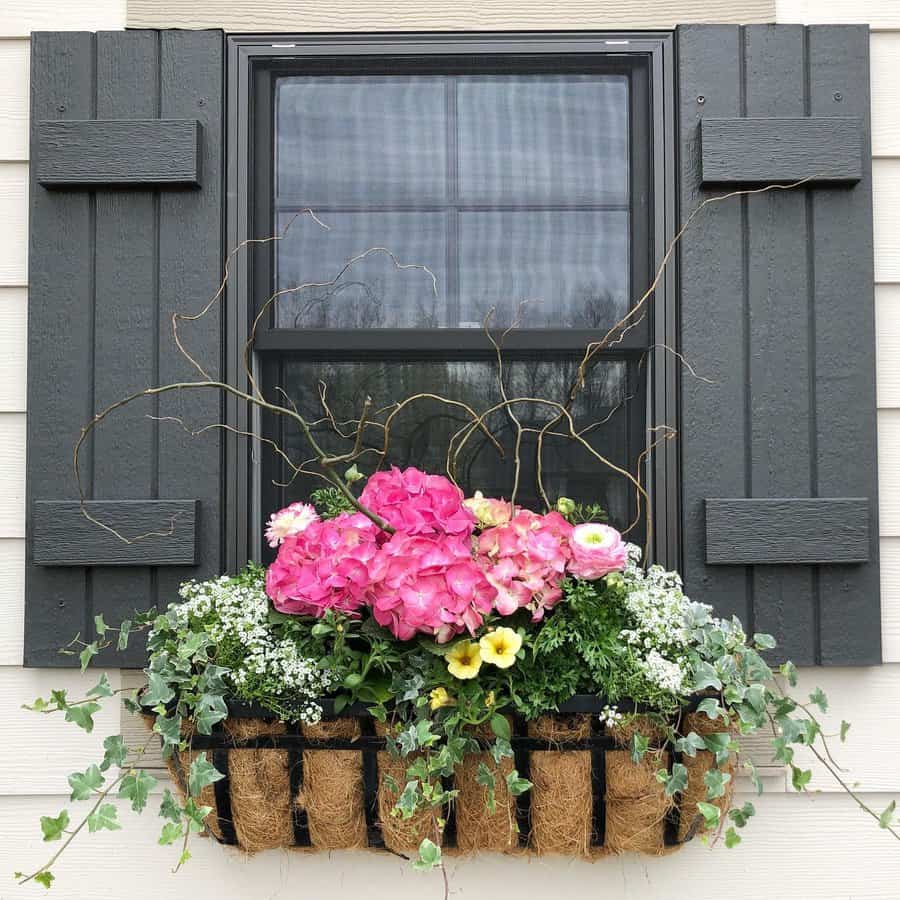
10. Mount to the Wall With Coco Fiber
Use coco fiber liners in your window boxes for a natural look and efficient drainage. These liners also help retain moisture, benefiting plants. Mounting them to the wall can add a rustic or traditional touch to your home’s exterior.
Source: @windowboxca via InstagramSource: @charlestondaydreams via InstagramSource: @earthlydelightsphilly via InstagramSource: @ccbella.t via InstagramSource: @jjw.inn via InstagramSource: @mgrab3 via InstagramSource: @bethehostess via InstagramSource: @totustourschs via Instagram
11. Set Up a Succulent Display
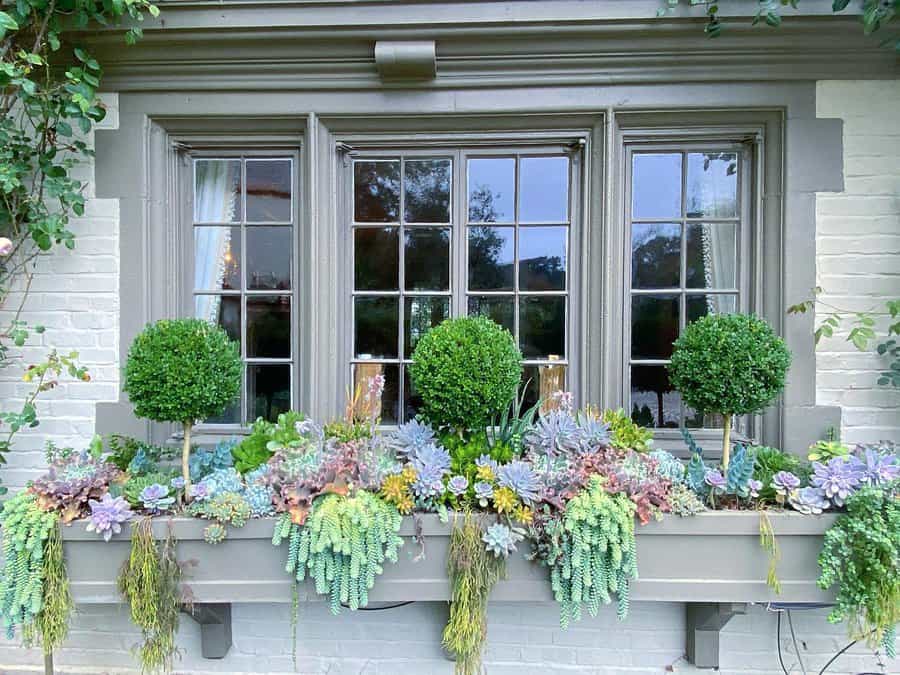
Create a low-maintenance, modern display with a variety of succulents. They thrive in well-drained conditions and can tolerate direct sunlight, making them perfect for window boxes.
Source: @i_am_the_plant_man via Instagram
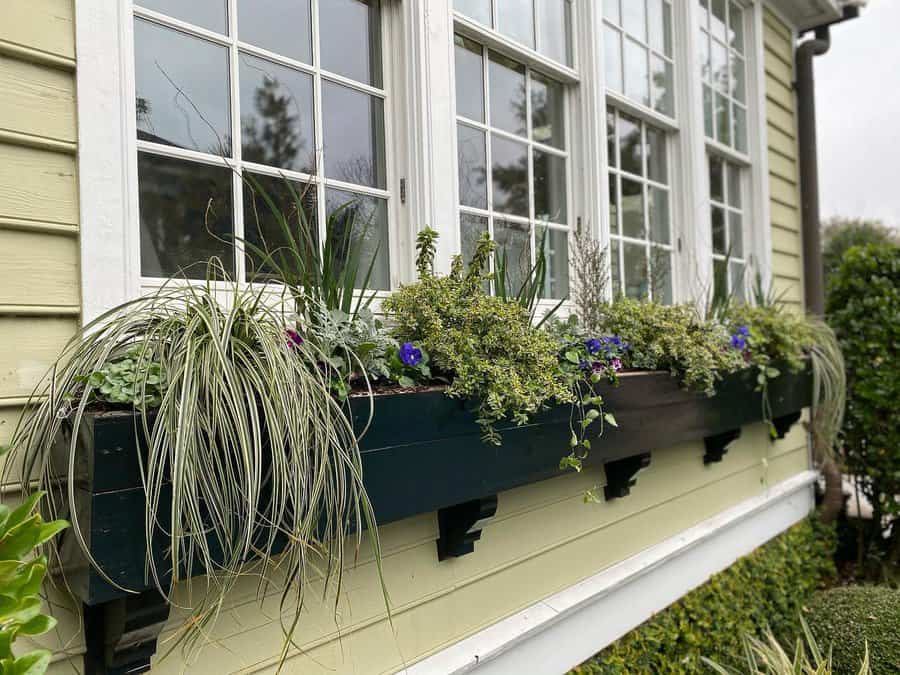
12. Install a Low Window Box
A low-profile window box is unobtrusive yet elegant. It’s ideal for growing herbs or small flowering plants and works well on windows where you don’t want to obstruct the view.
Source: @lifeofrileycharleston via InstagramSource: @divine_containers via InstagramSource: @cornerstone_kingstreet via InstagramSource: @chestnut_cottage_thatched via Instagram
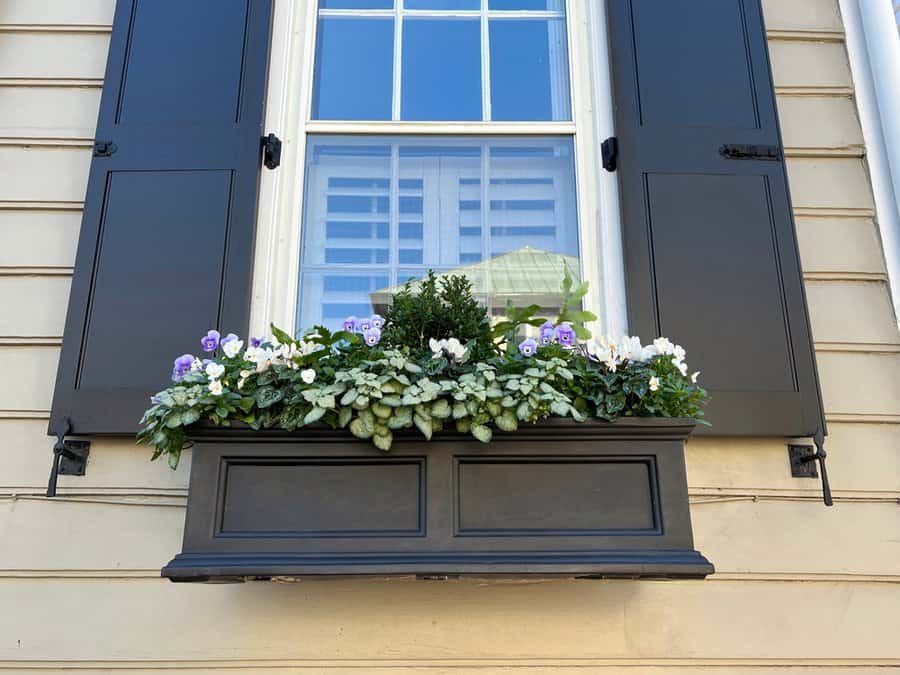
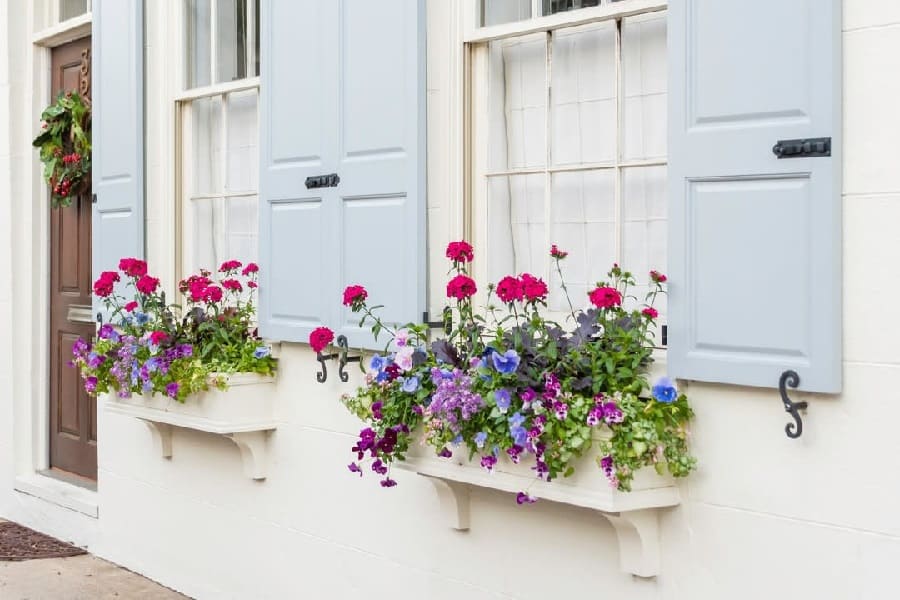
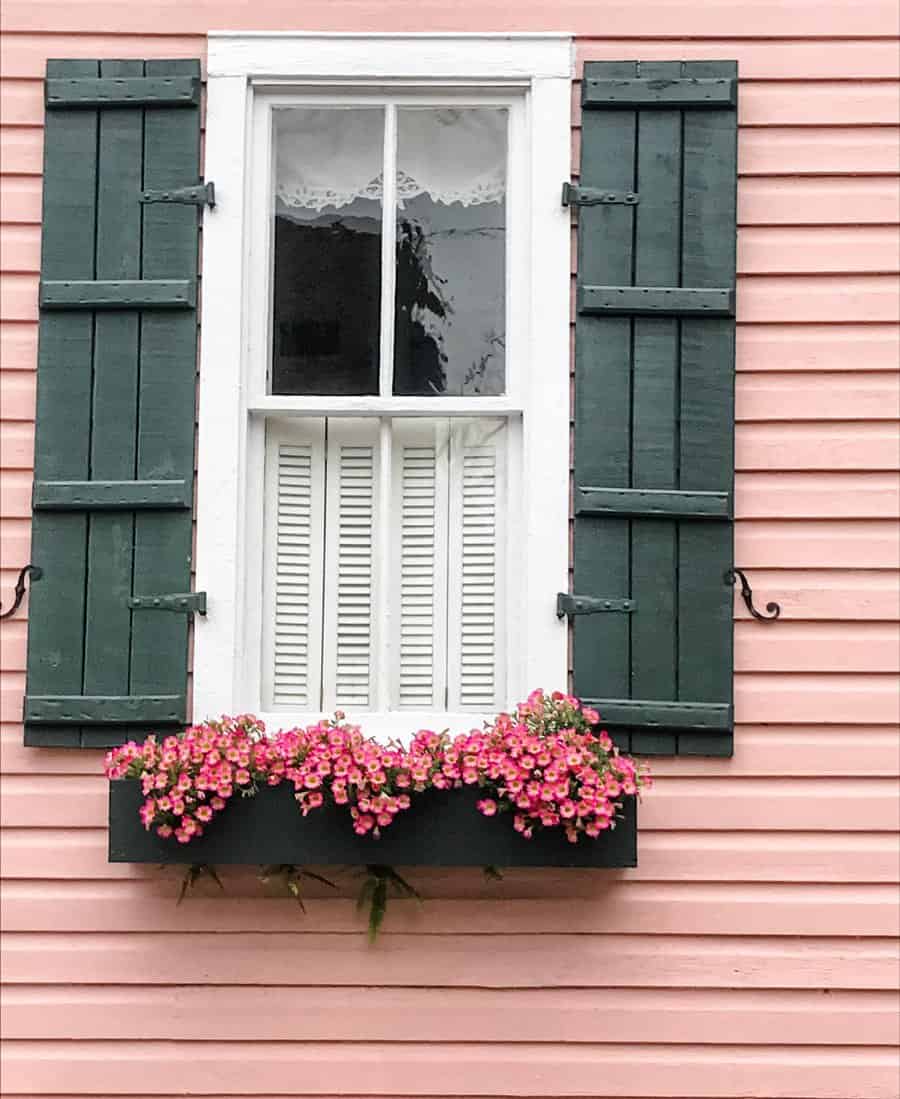
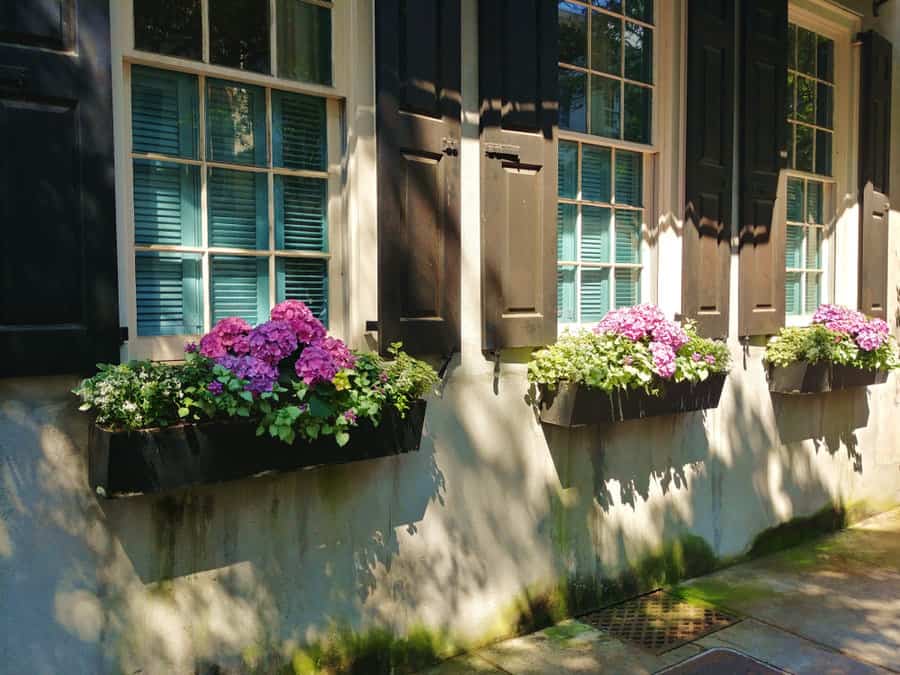
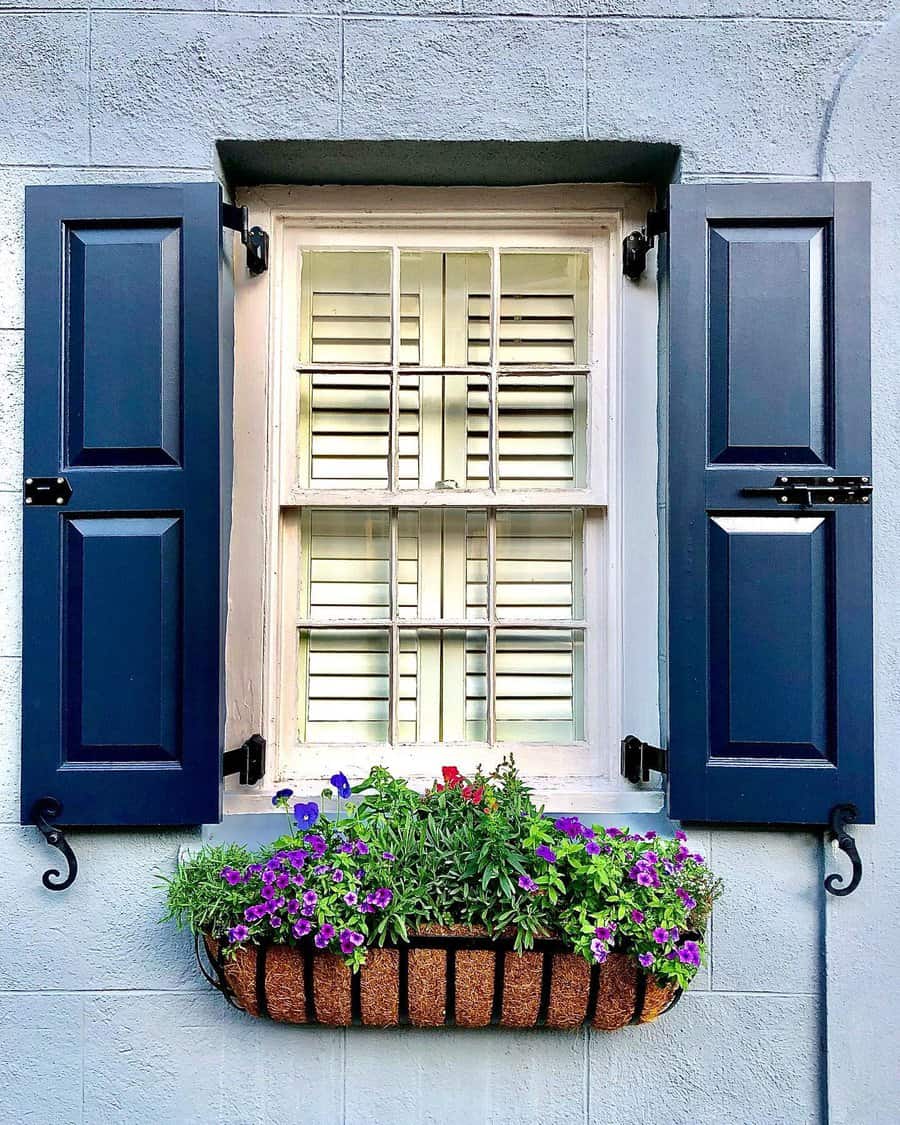
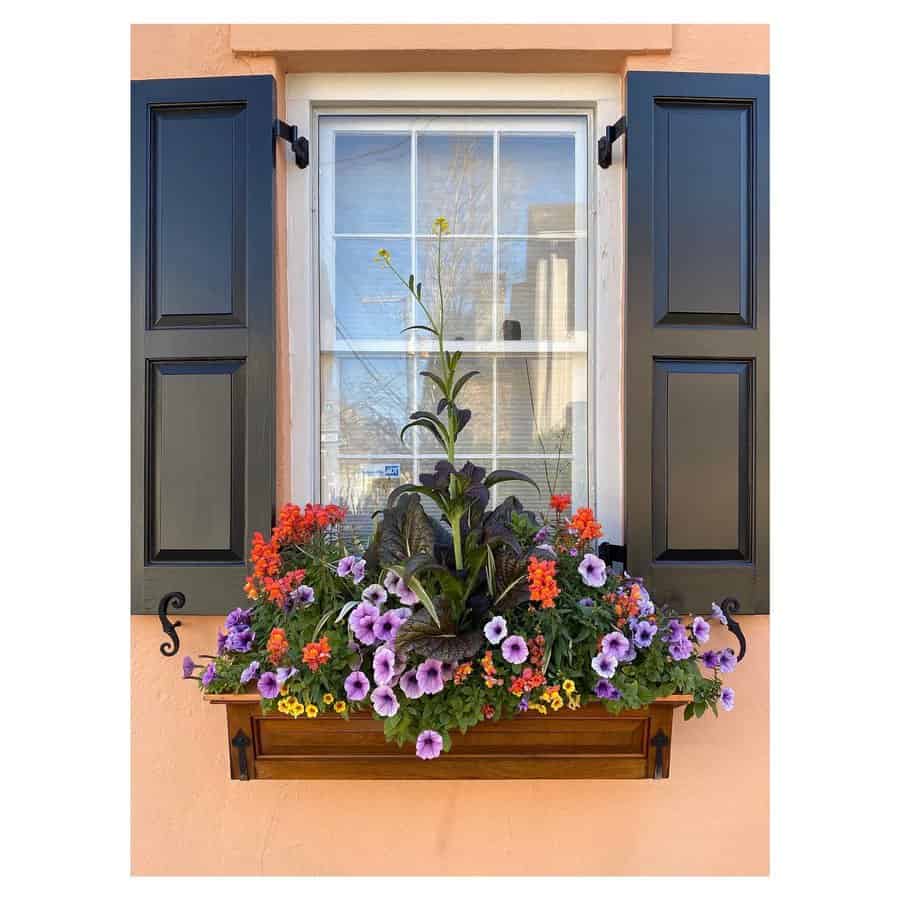
13. Match the Window Box With the Shutters
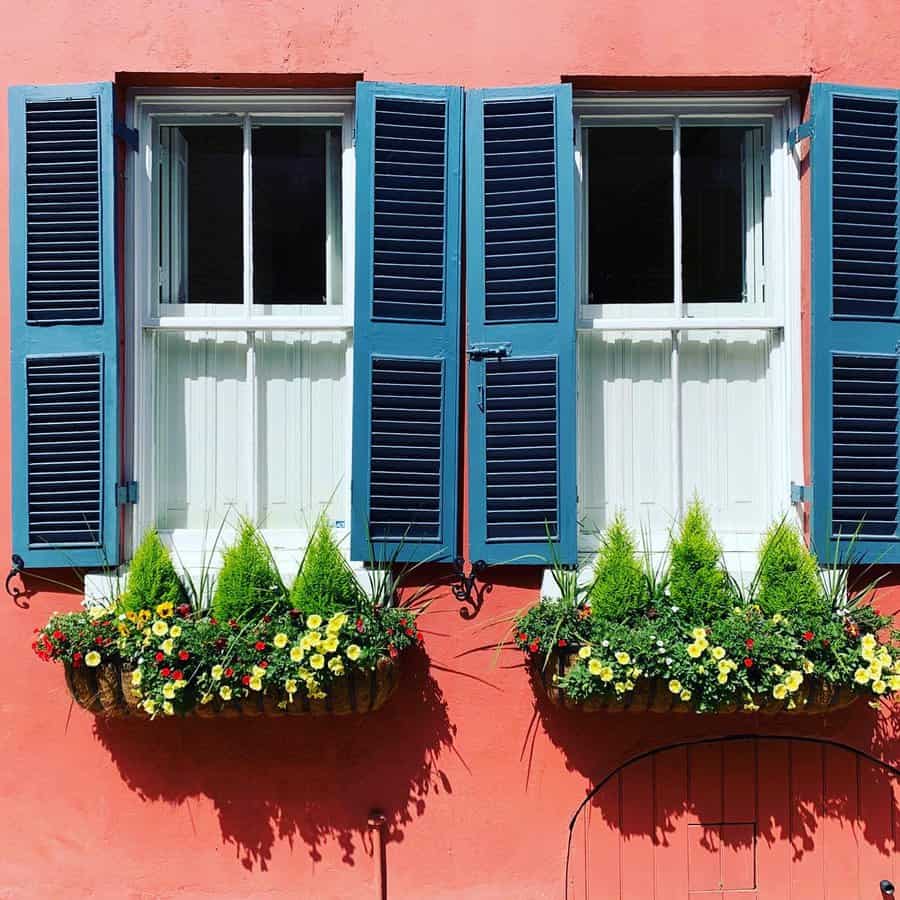
Coordinate the color and style of your window box with your shutters for a harmonious exterior. This approach ties the elements of your home’s facade together, creating a cohesive and thoughtful design.
Source: @trescarmen via Instagram
14. Standalone Window Box Planter
Consider a freestanding window box planter for flexibility in placement. This type is perfect for adding greenery to windows without ledges or for creating symmetry in your design.
Source: @thegandoninn via InstagramSource: @xavierbonechina via InstagramSource: @caitlinrosetanner via InstagramSource: @living.gardens via InstagramSource: @freerliving via InstagramSource: @lamaisondeverena via Instagram
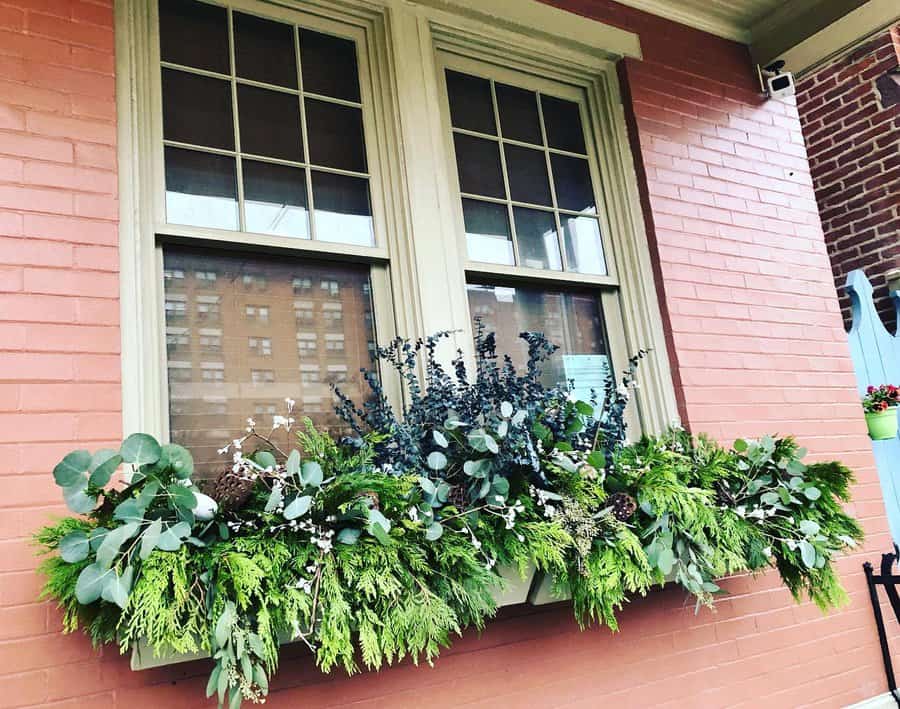
15. Eucalyptus & Fern Window Box Arrangement
Combine eucalyptus with ferns for a window box with varied textures and soothing green tones. This pairing is not only visually appealing but also fragrant, adding a sensory element to your space.
Source: @tudbinks via Instagram
16. Barn-Style Window Box
For a rustic charm, use a barn-style window box. This style typically features distressed wood and a simple design, complementing farmhouse or country-style homes.
Source: @fultonfinewoodworks via Instagram
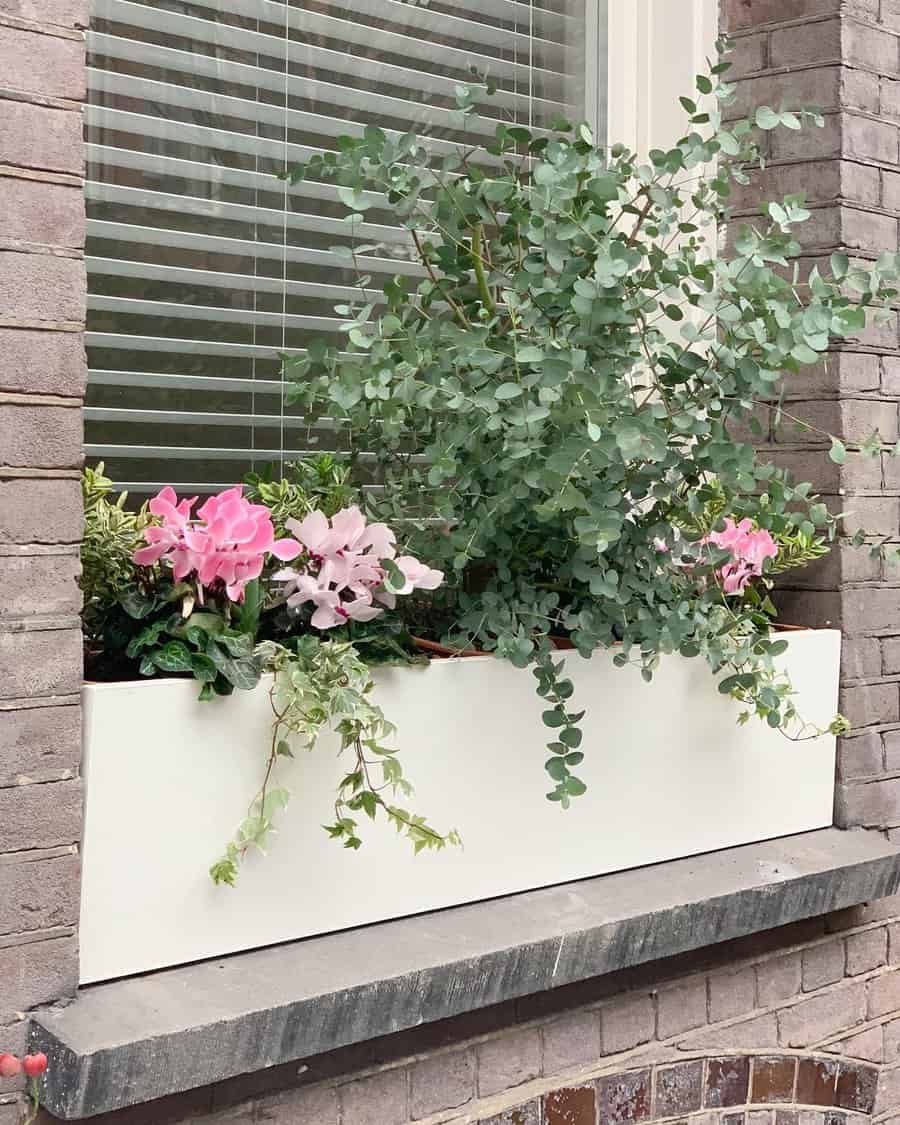
17. Classic White Window Box
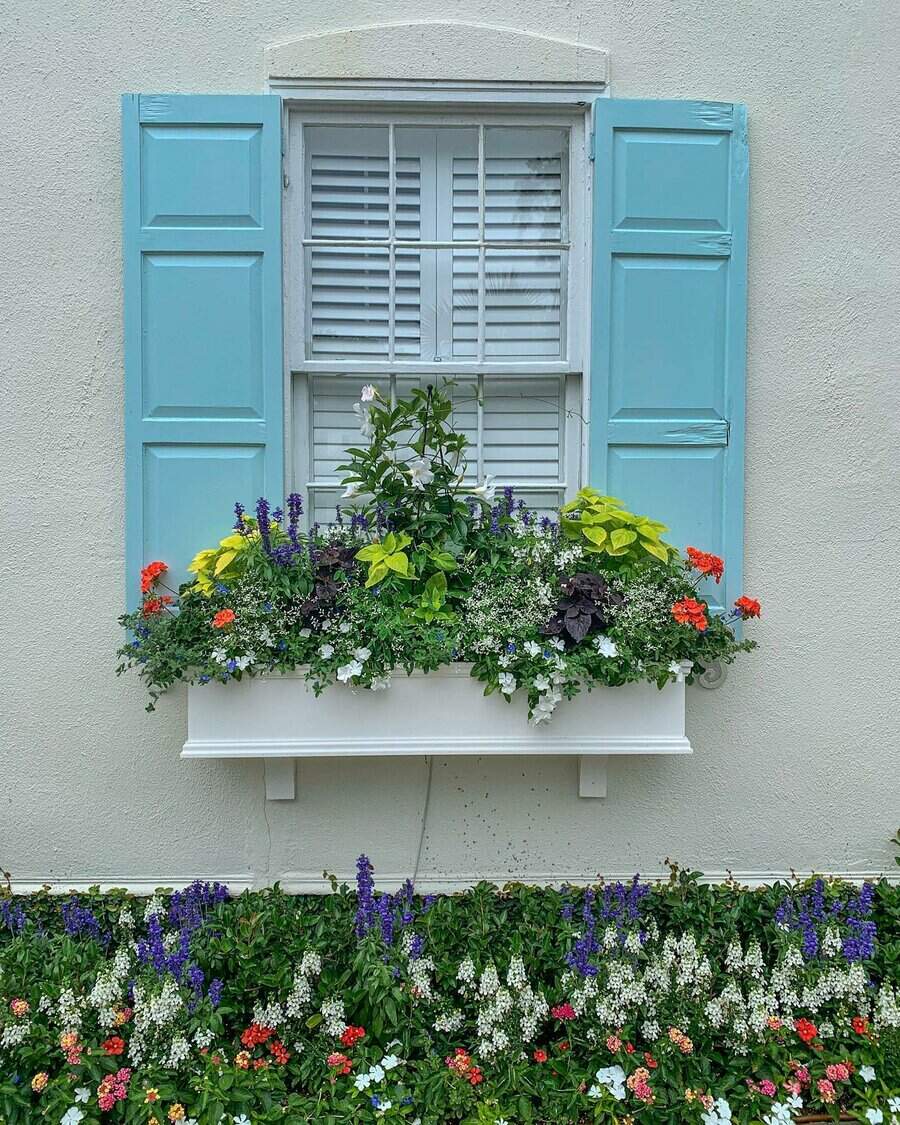
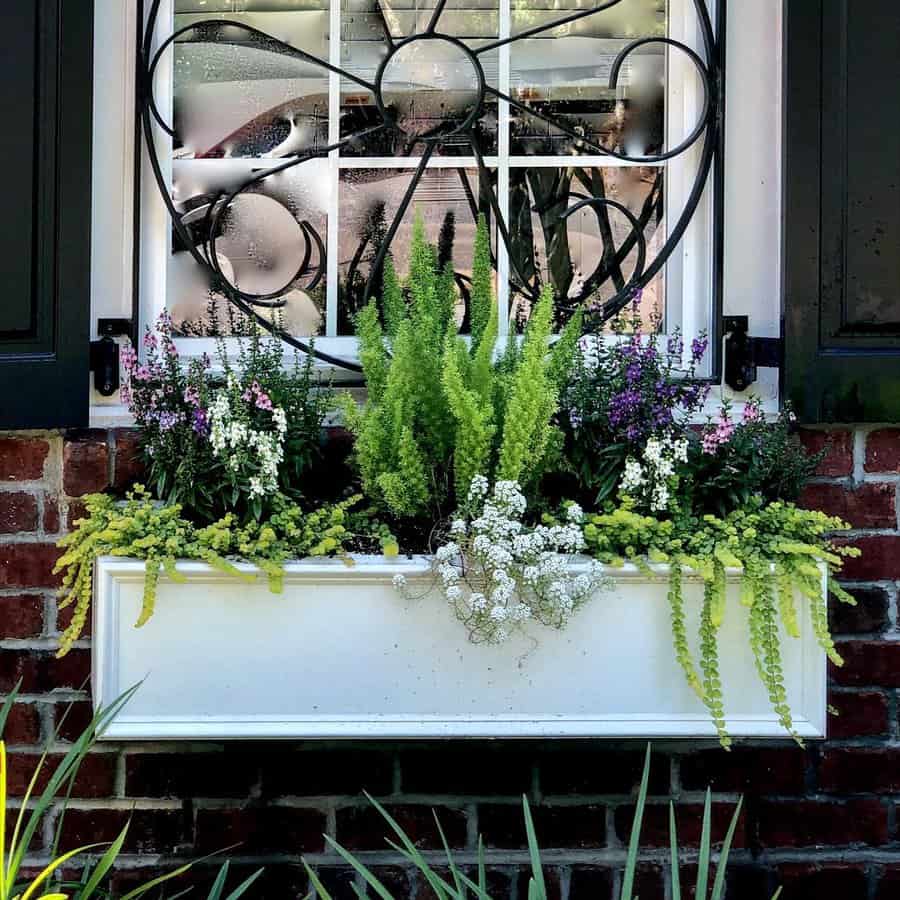
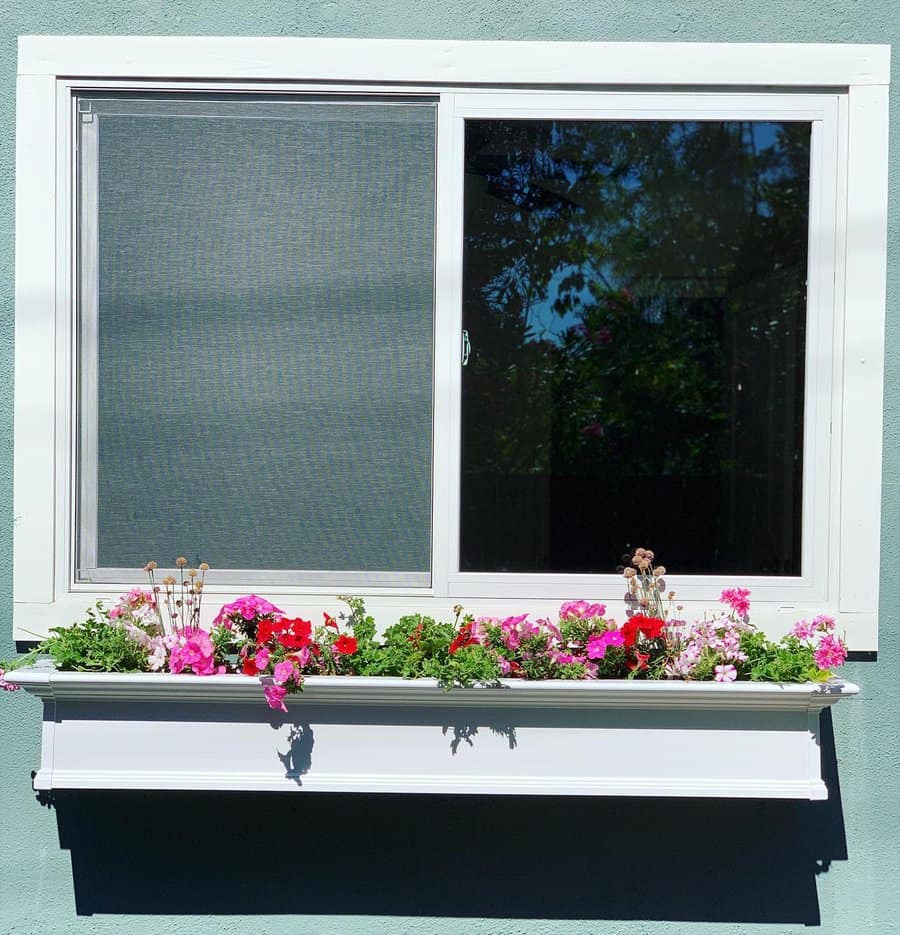
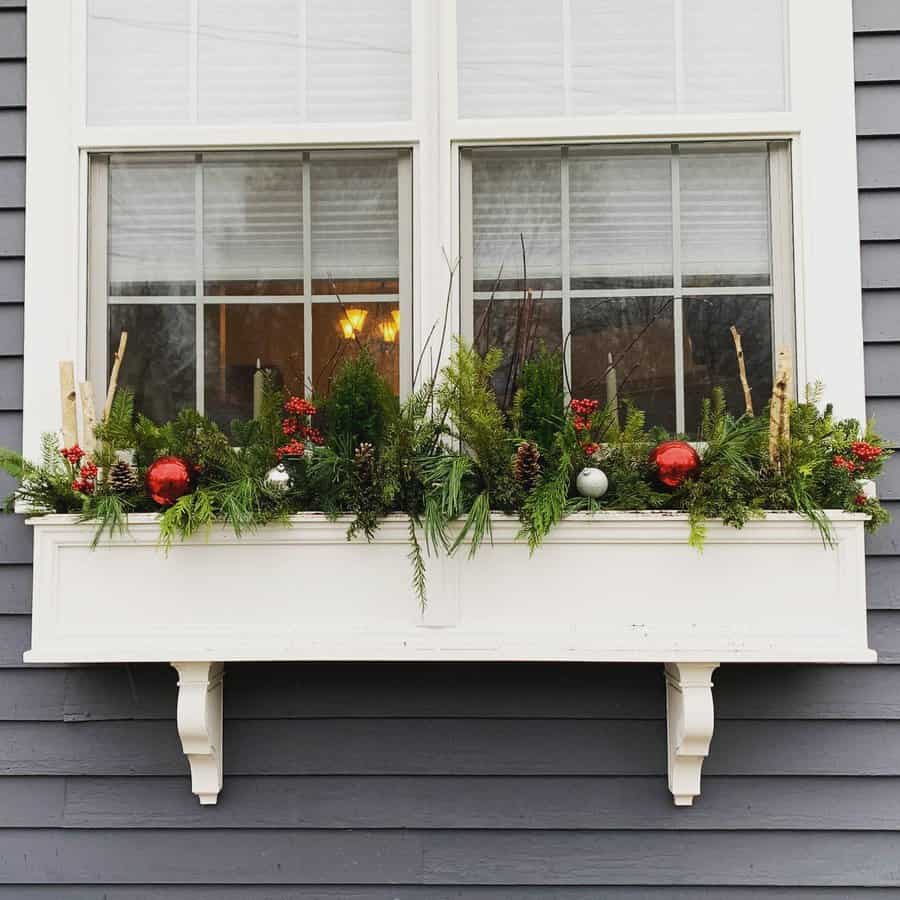
A white window box offers a classic and versatile look. It can highlight colorful plants effectively and matches well with any exterior paint color, providing a crisp, clean appearance.
Source: @hooksandlattice via InstagramSource: @cornerstone_kingstreet via InstagramSource: @daleyhsnell via InstagramSource: @greatappalachian via InstagramSource: @hellofromcharleston via InstagramSource: @jenniferbormetrealtor via InstagramSource: @mybackyardstories via InstagramSource: @thedirtempress via InstagramSource: @weinandt_acres via Instagram
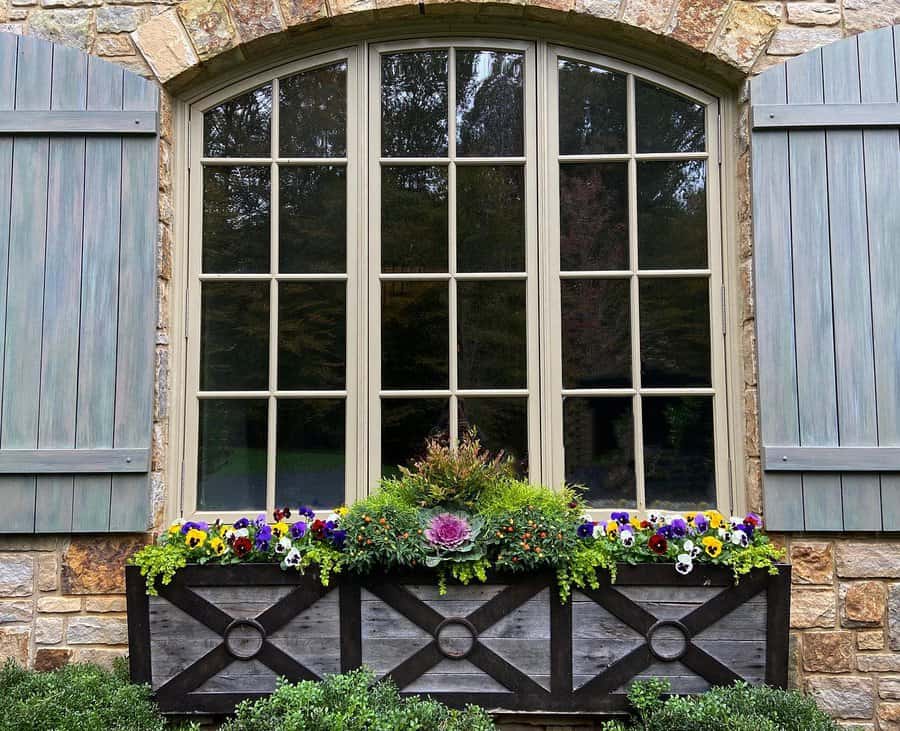
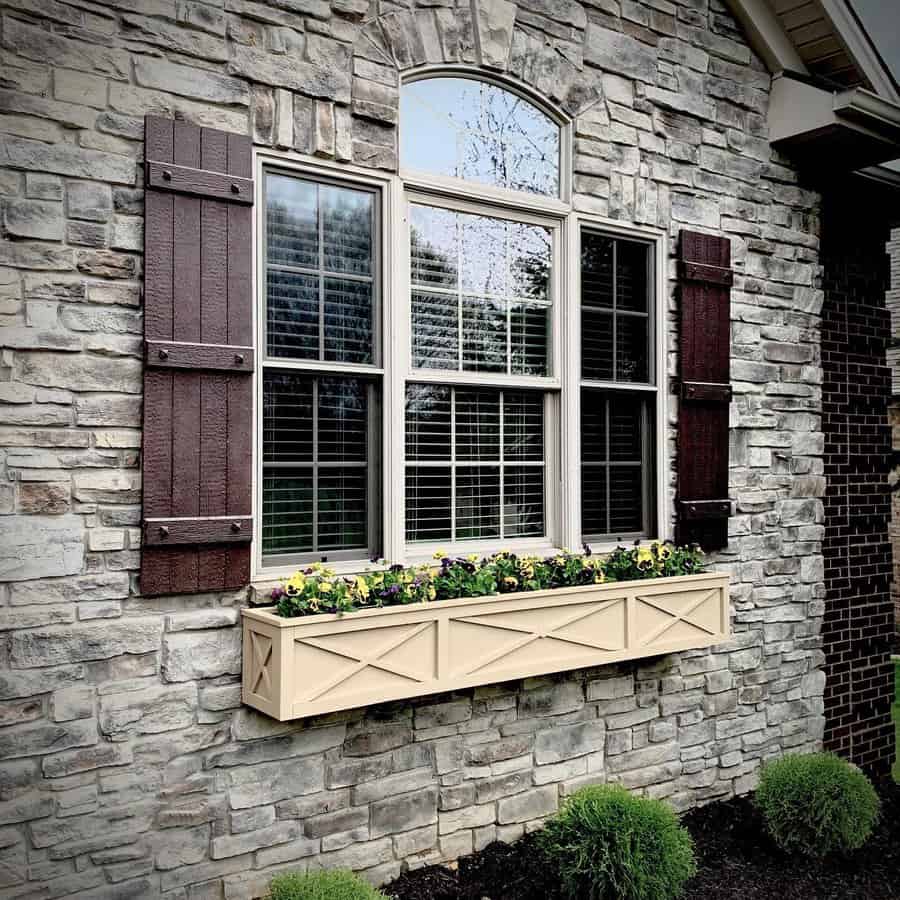
18. Wooden Window Box
Wooden window boxes add a natural, warm element to your home’s exterior. They can be painted or stained to match your home’s style and are ideal for a range of plants, from flowers to herbs.
Source: @fernandivyfloraldesign via InstagramSource: @kristimeeuwse via InstagramSource: @mrs.hhill via InstagramSource: @natsaby via Instagram
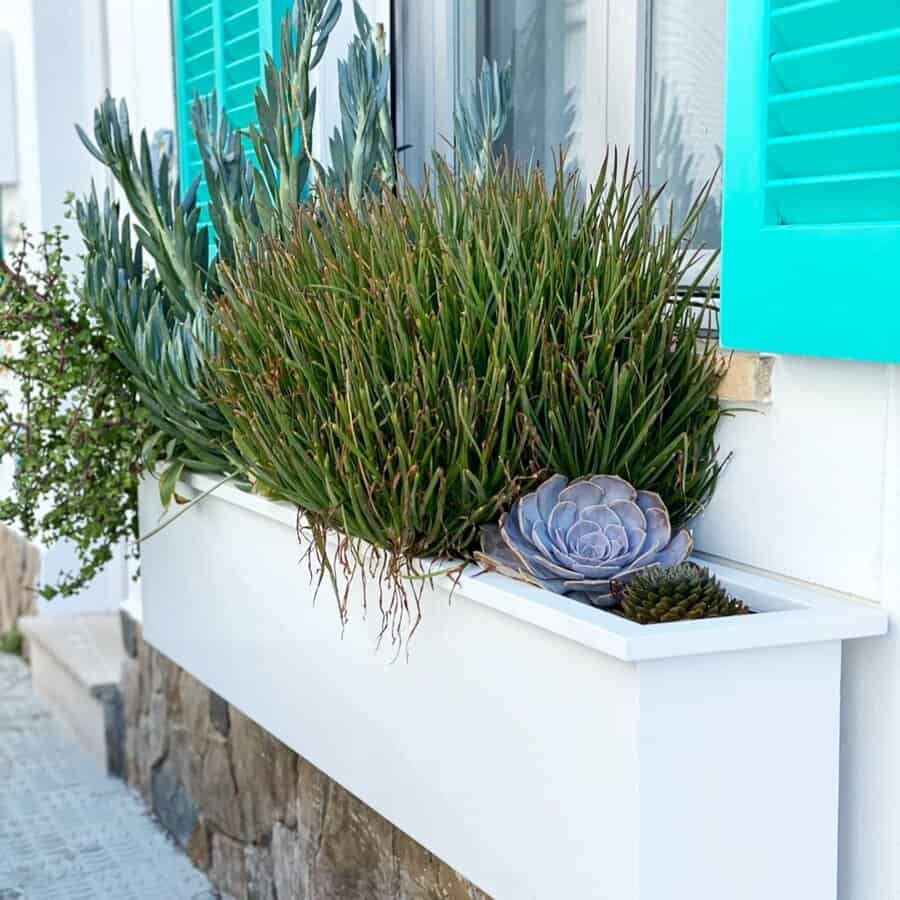
19. Concrete Window Box
A concrete window box is a durable and modern choice. Its solid construction and neutral color make it suitable for architectural plants, like succulents or ornamental grasses, and it complements contemporary home styles.
City life comes with a long list of benefits. You’re always surrounded by interesting places and people. And — if you live in an apartment or condo — you never have to deal with the hassle of lawn care.
For green-thumbed individuals, though, living in the city can be a major sacrifice. Without a backyard, cultivating a green space to call your own can feel impossible.
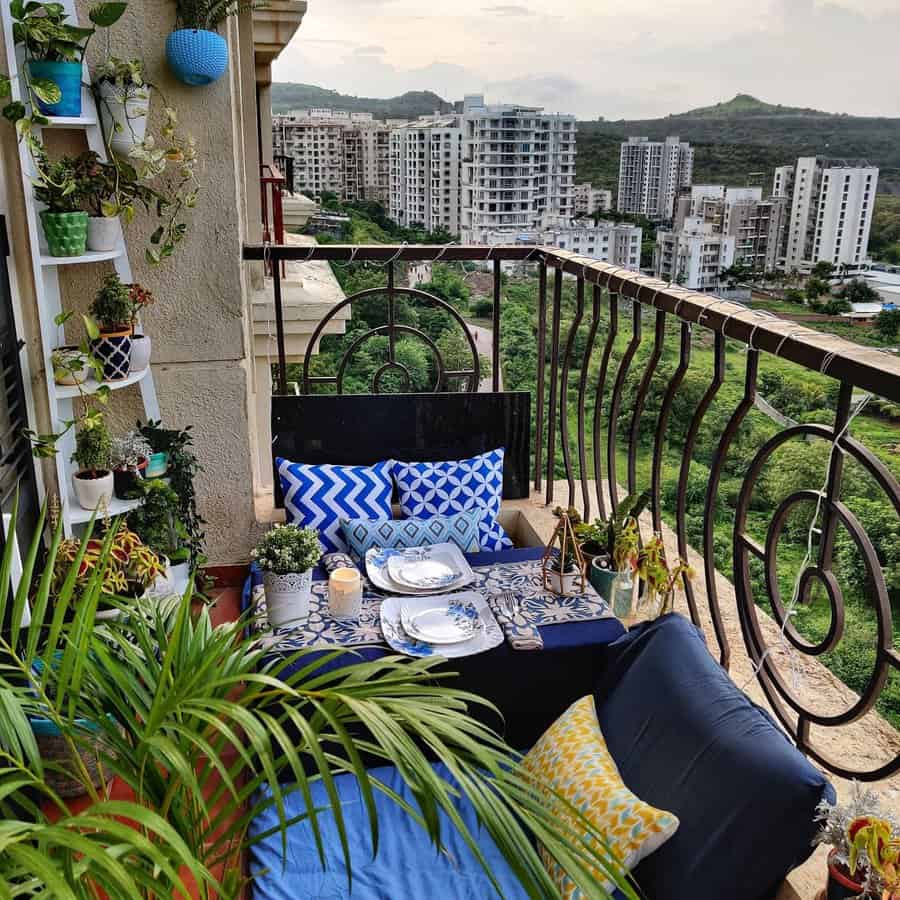
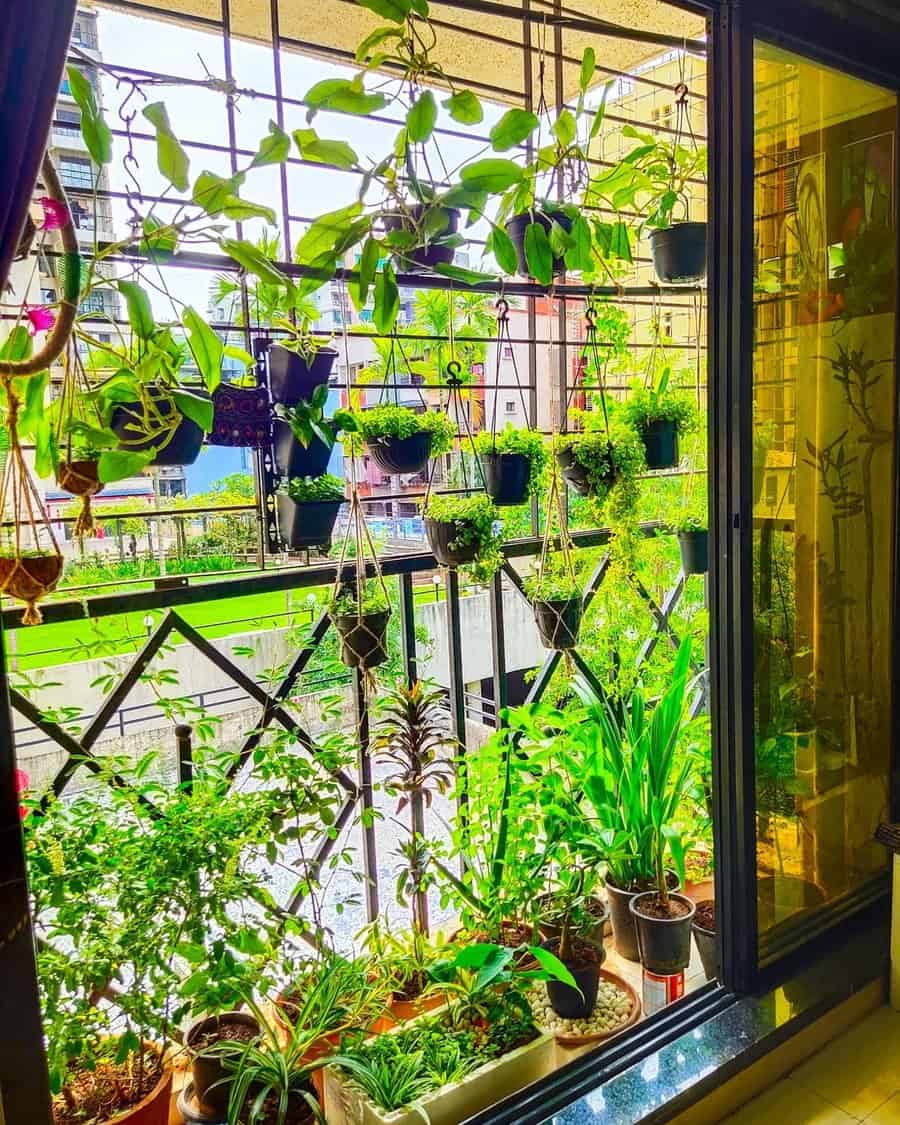
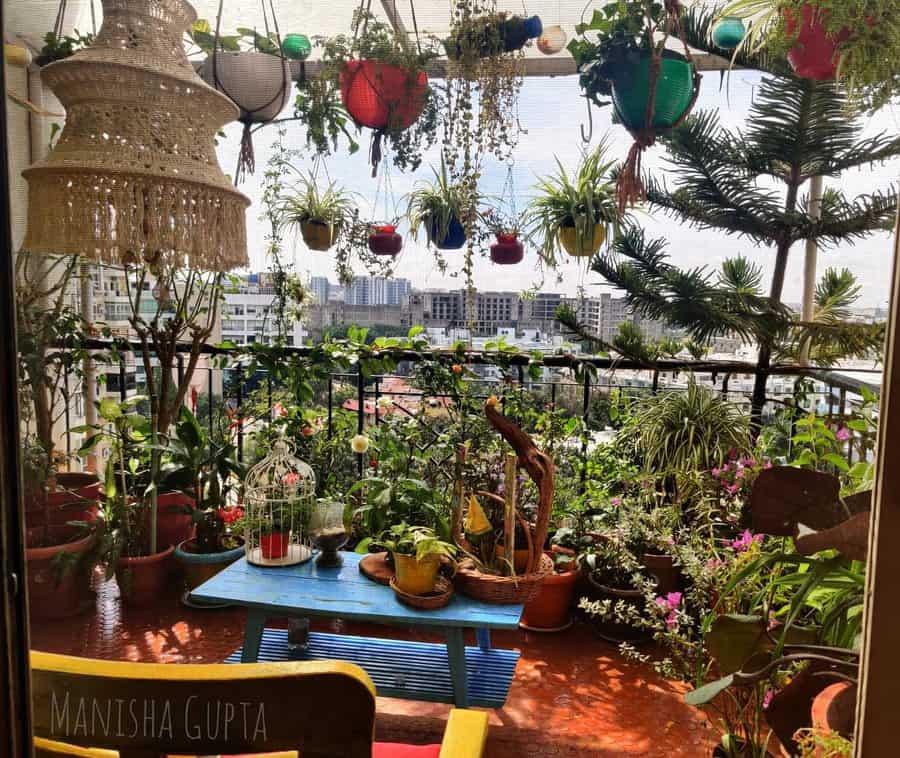
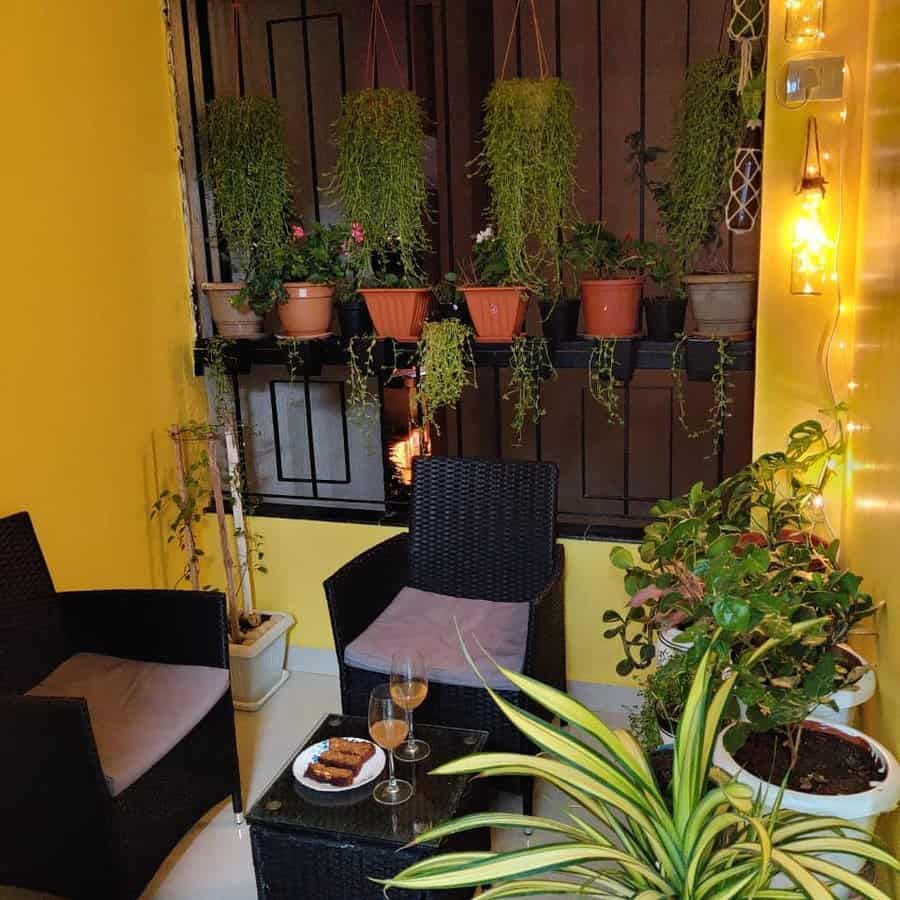
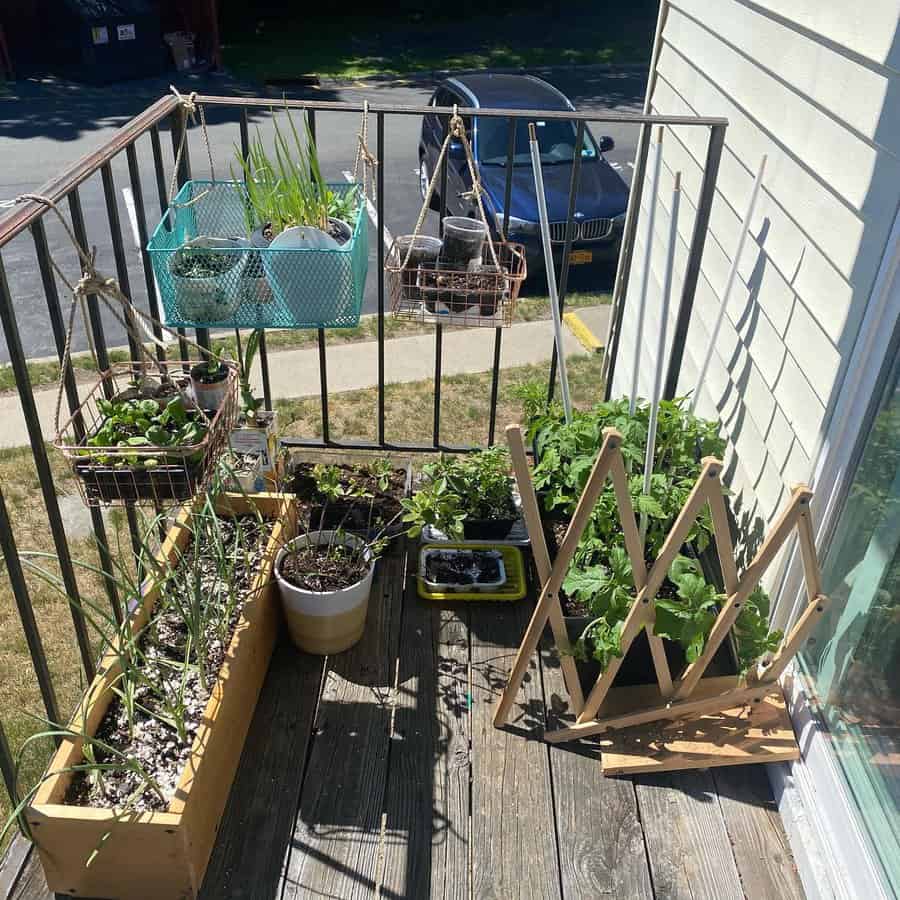
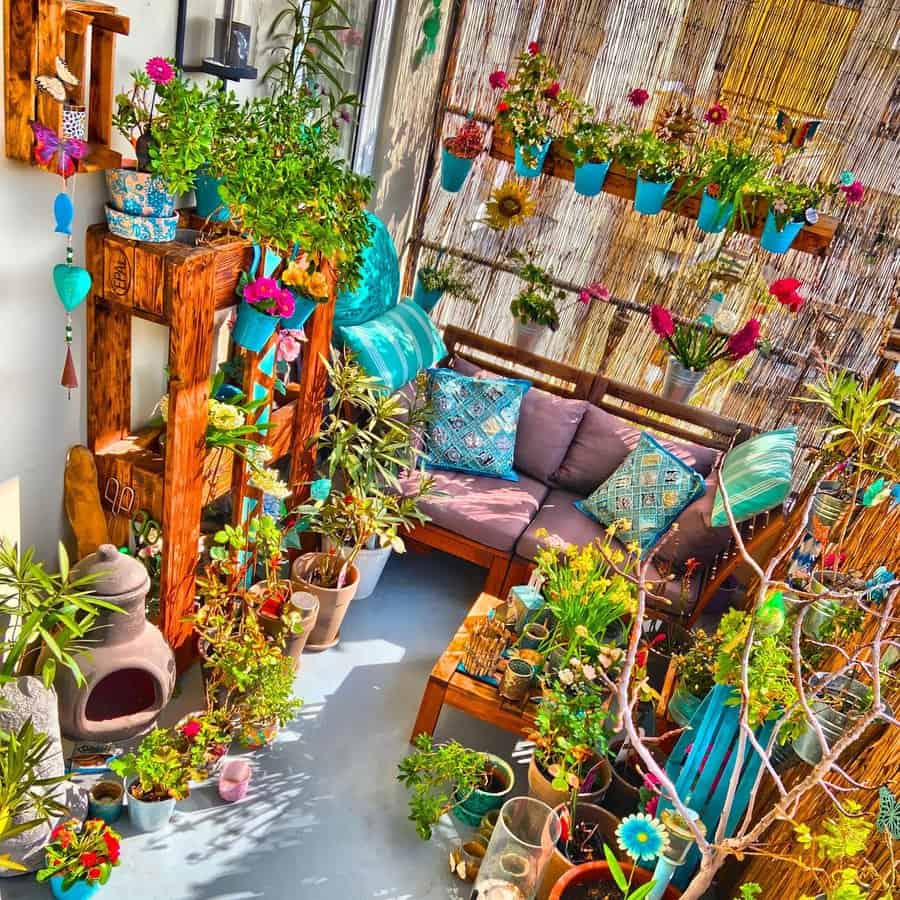
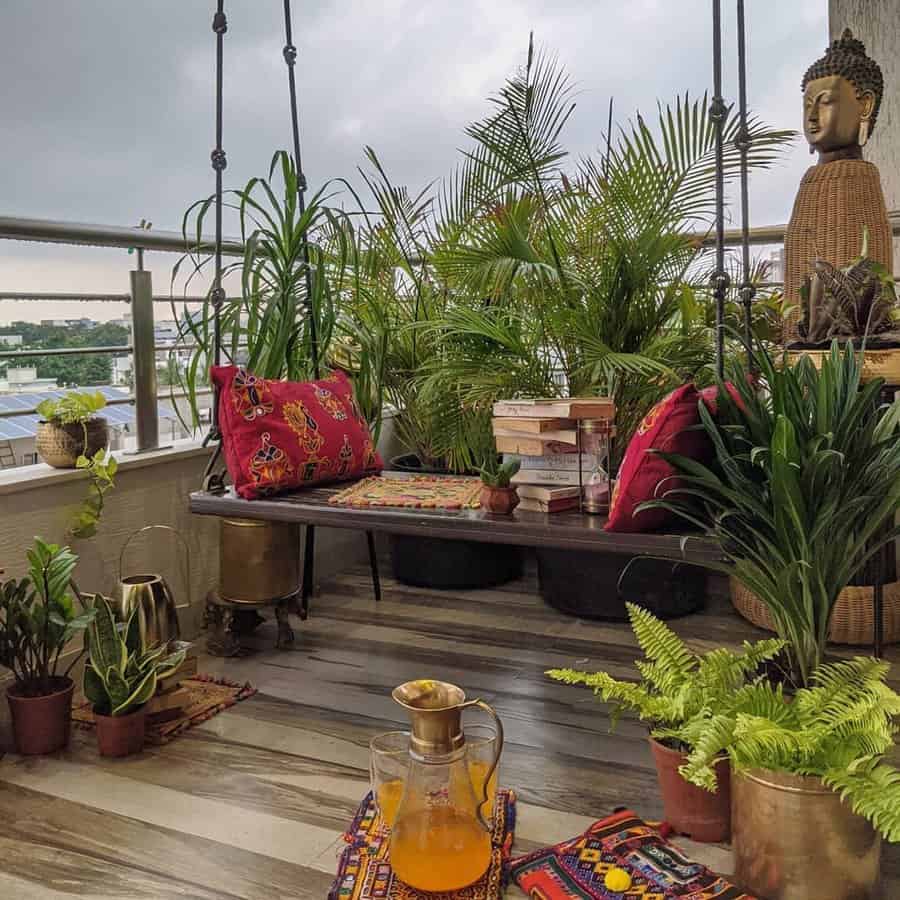
Despite what you might assume, gardening does not require access to physical land. Take balcony gardening for example, which relies exclusively on containers to grow flowers, herbs, vegetables, and more.
Keep reading for the top balcony garden ideas that will inspire how you utilize your outdoor living space this summer.
[view_toc]
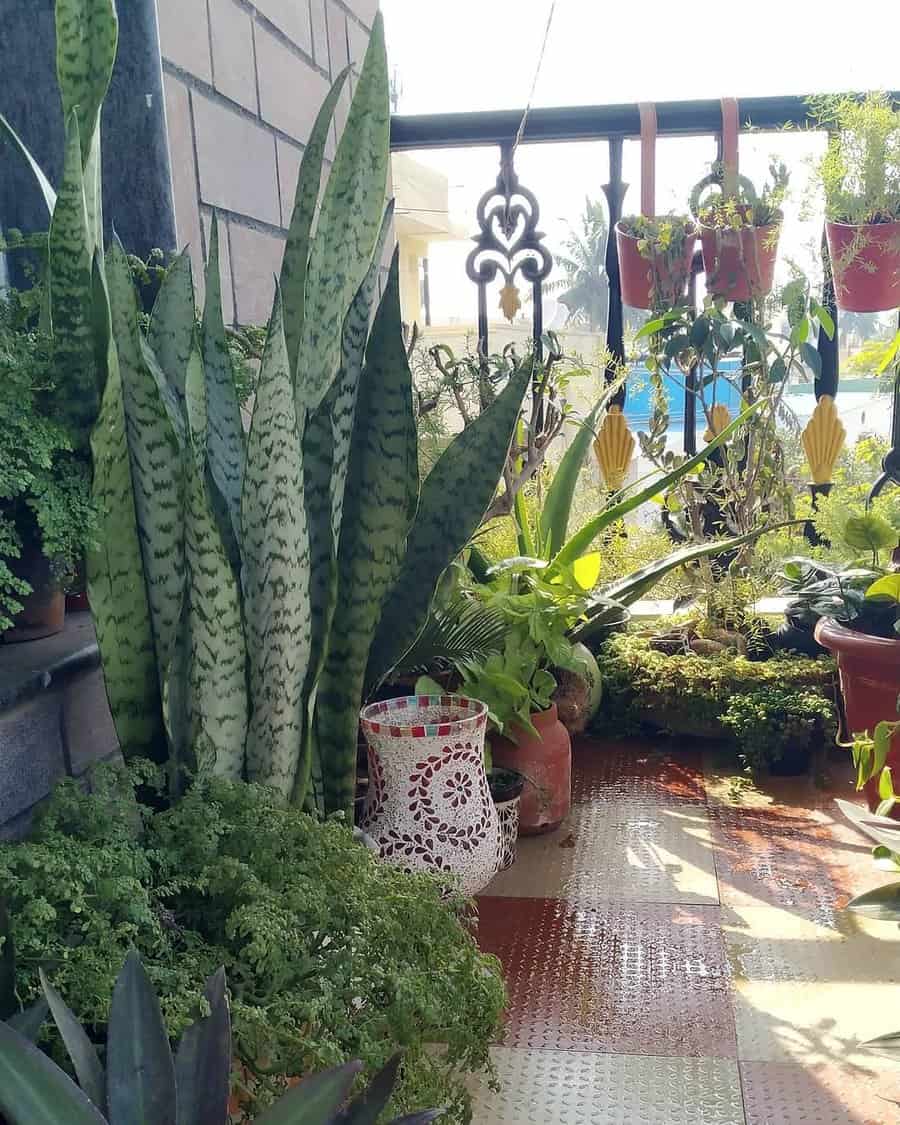
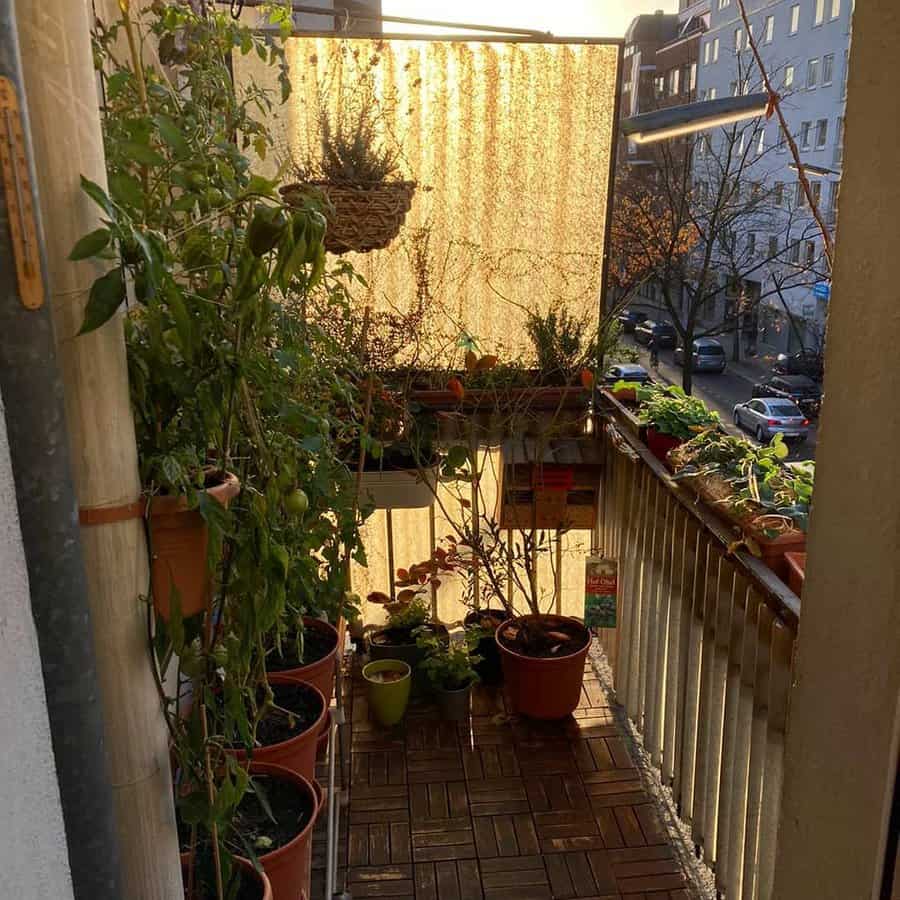
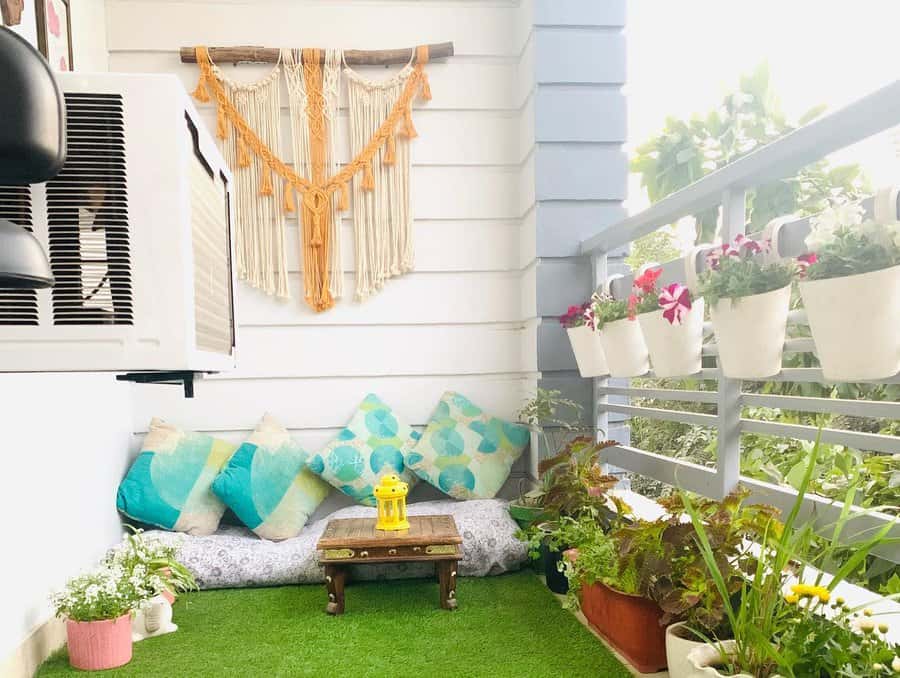
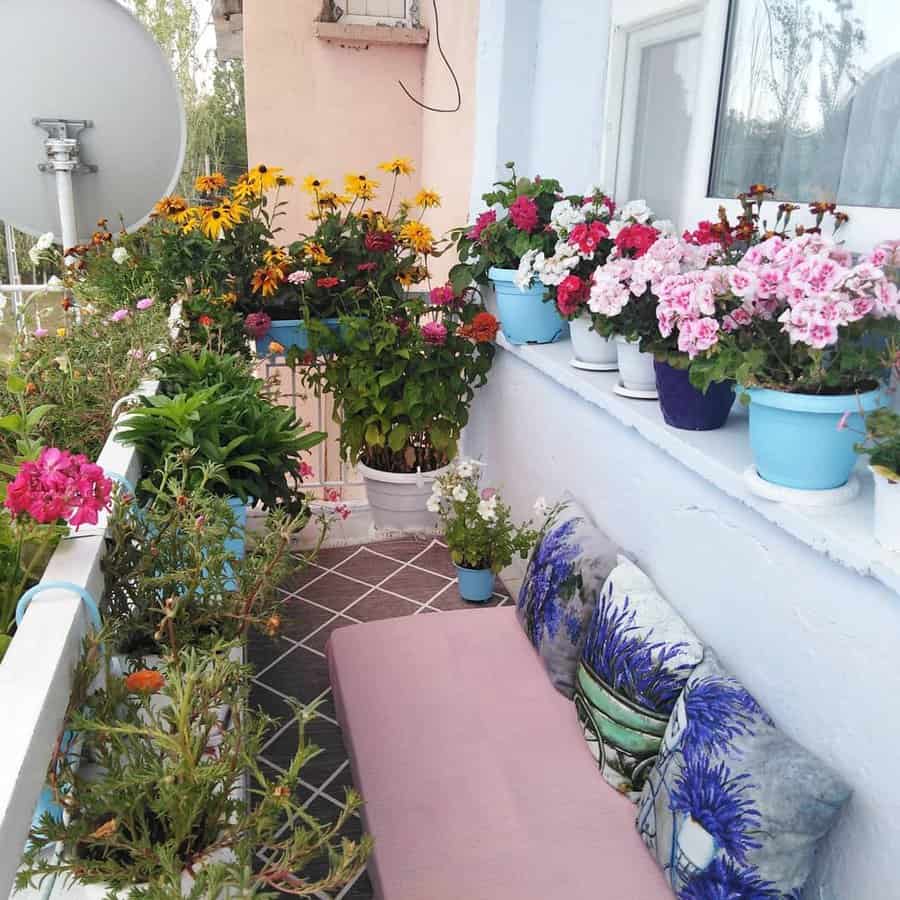
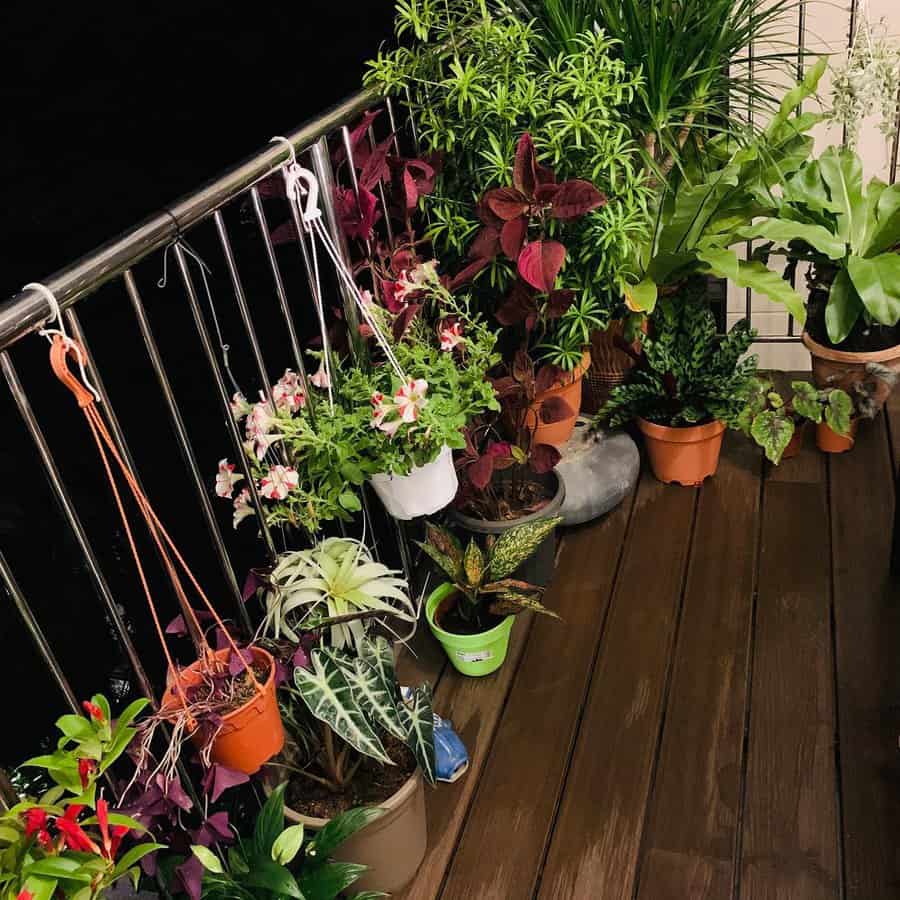
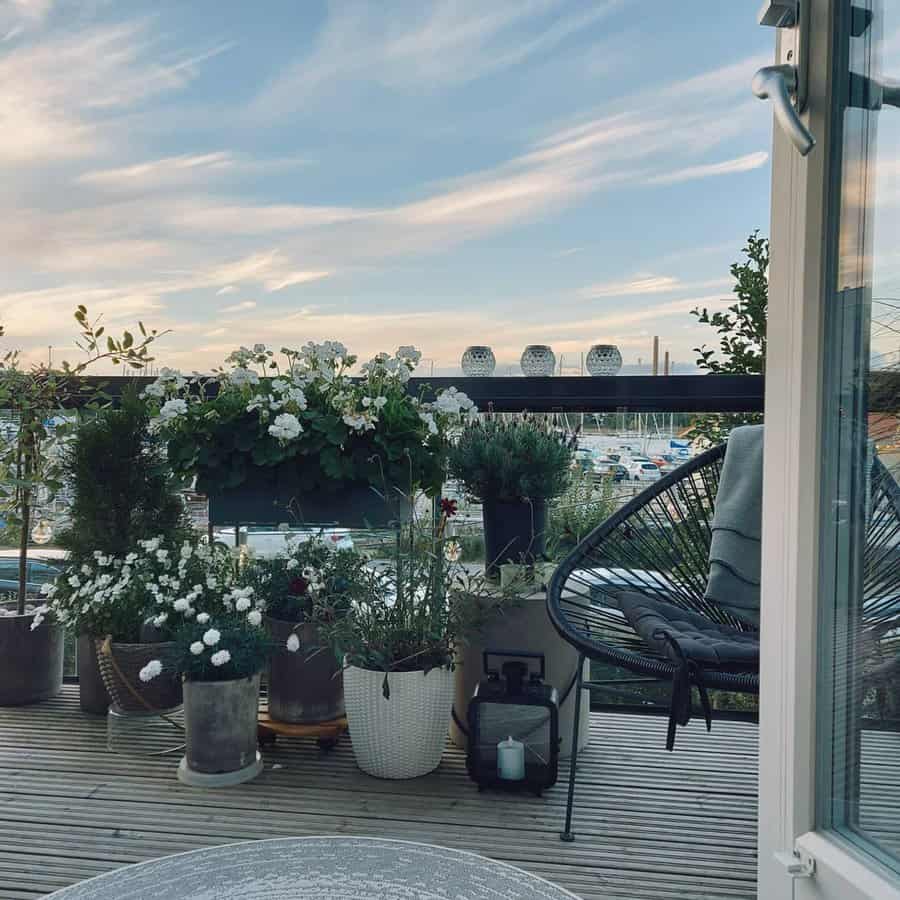
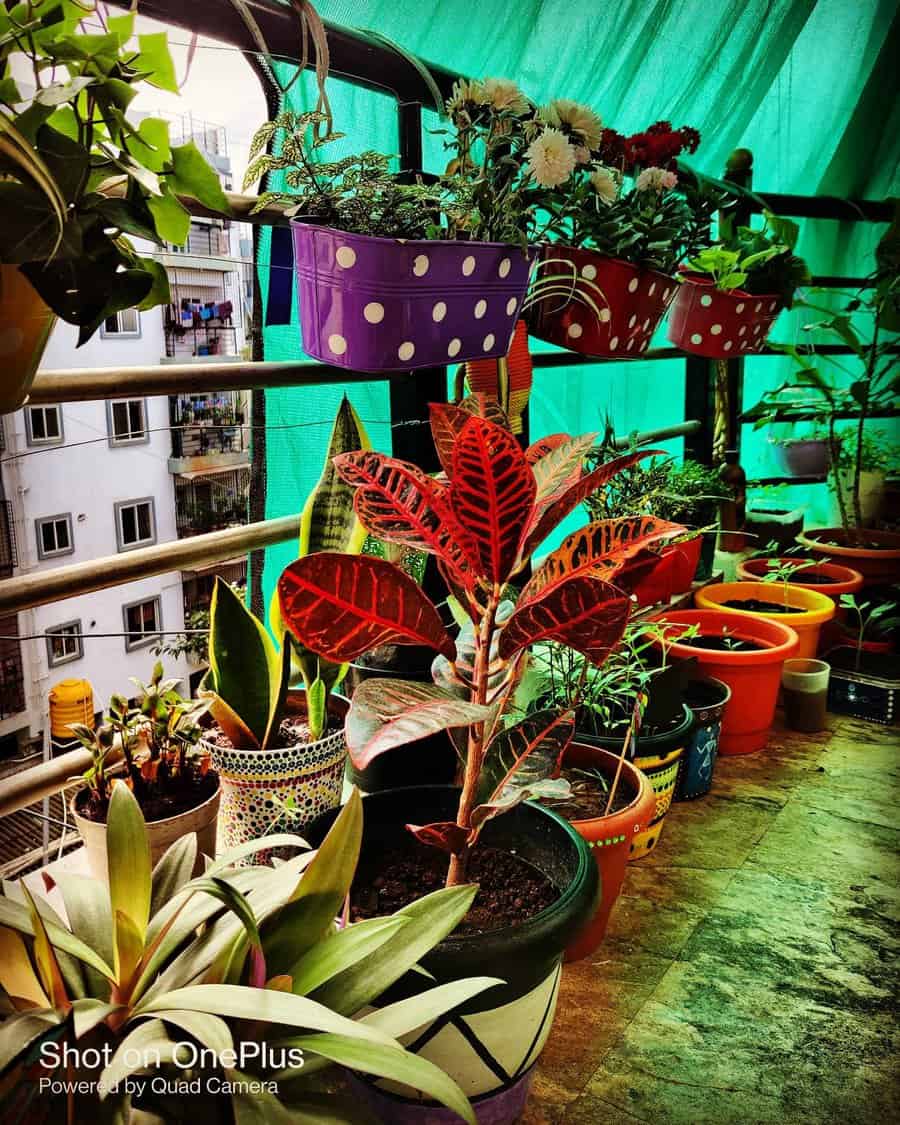
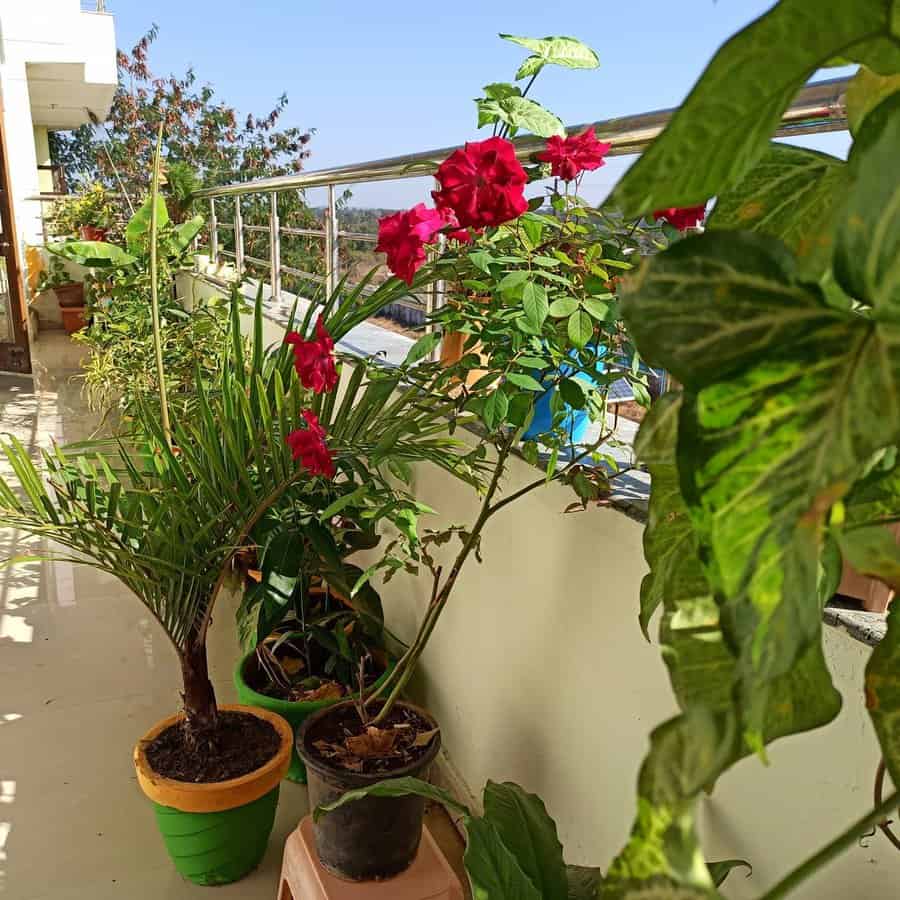
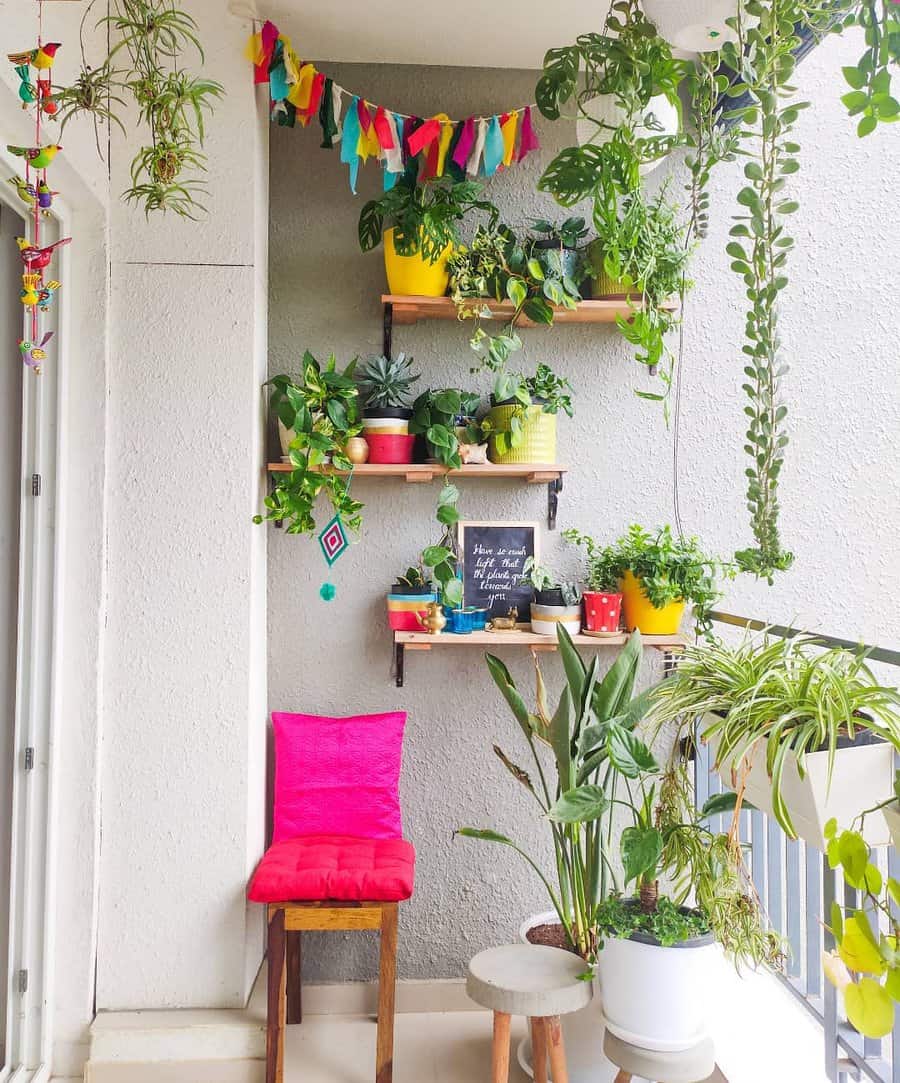
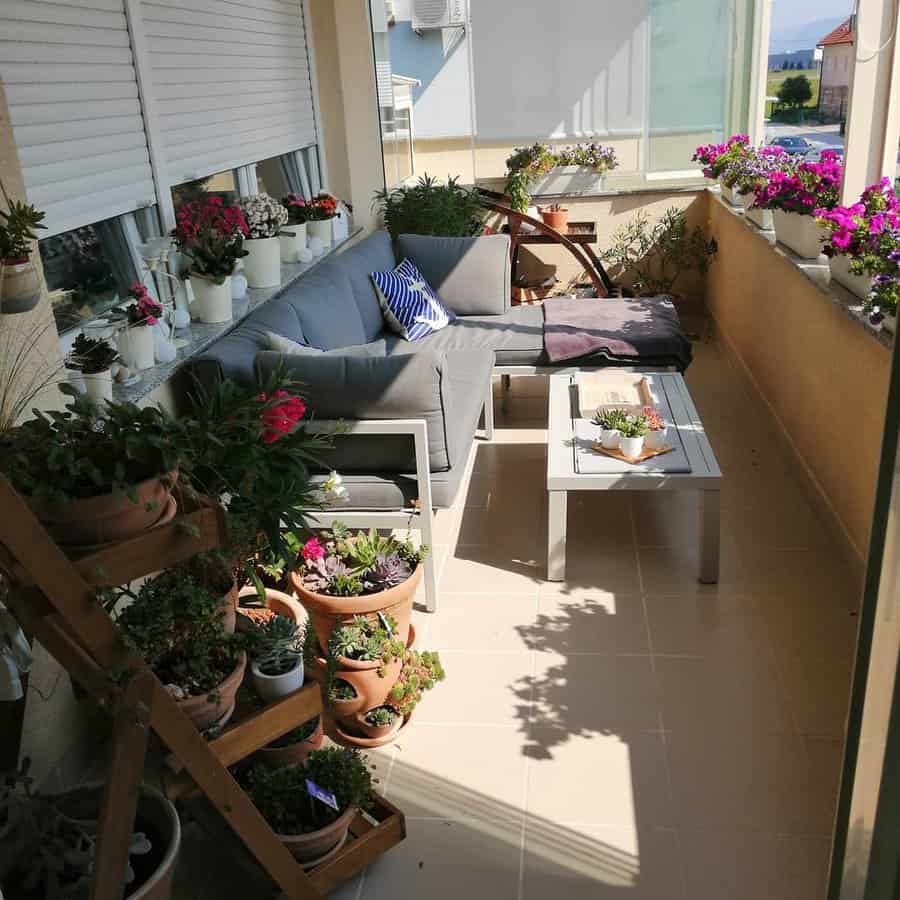
1. Mix and Match Your Pots
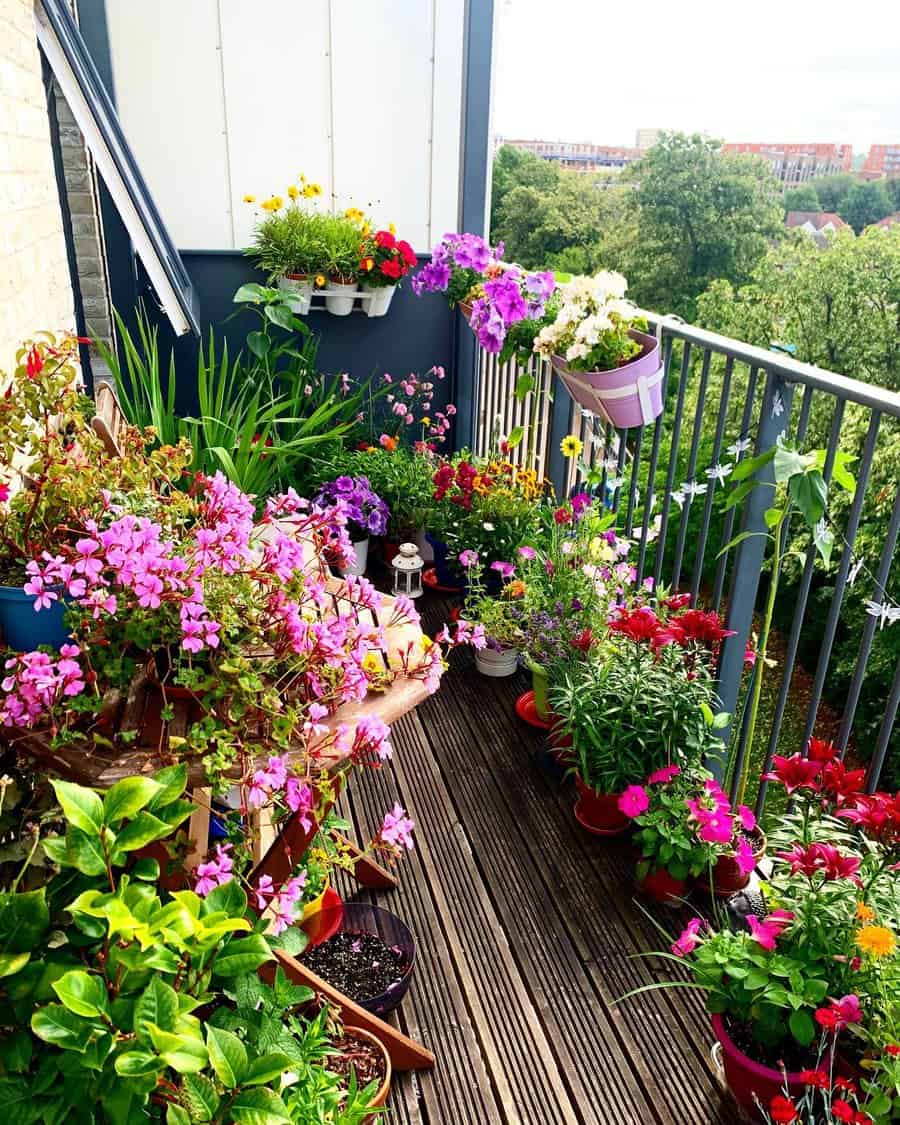
Create visual interest on your balcony by combining pots of different sizes, colors, and textures. This approach allows for a dynamic display while efficiently using space. Consider using a unifying element, like a consistent color theme or plant type, to bring cohesion to the diversity.
Source: @acciogreens via InstagramSource: @tapovan_farms via InstagramSource: @berlinbalcony via Instagram
2. Install a Vertical Garden
A vertical garden is an excellent solution for space-limited balconies. Utilize wall-mounted planters or a trellis to grow plants upwards. This not only saves floor space but also adds a lush, green backdrop. Focus on plants that thrive vertically, such as ivies or certain herbs.
Source: @indian_dream_home via InstagramSource: @inam18.home via InstagramSource: @laine.rudolfa via InstagramSource: @leobarocco via InstagramSource: @my_perfect_places_ via InstagramSource: @thegreenmisfit via InstagramSource: @diy.homestyling via Instagram
3. Hang Macrame Planters
Macrame planters offer a stylish and space-saving way to display plants. Hang them at different heights to create a tiered effect, which provides ample air and sunlight for each plant. They are perfect for small balconies, adding both greenery and artistic flair.
Source: @mygreendecore via InstagramSource: @manisha_ajmani via InstagramSource: @mylittlehappines_foodiefamily via Instagram
4. Build DIY Climbing Poles
For climbing plants, DIY poles made from bamboo or metal rods can be both functional and decorative. They support the growth of plants like jasmine or morning glory, turning your balcony into a private, fragrant oasis. Arrange them in a way that guides the plant growth without overcrowding.
Source: @mays.balcony.garden via InstagramSource: @pixelet via InstagramSource: @gardeningupbeat via Instagram
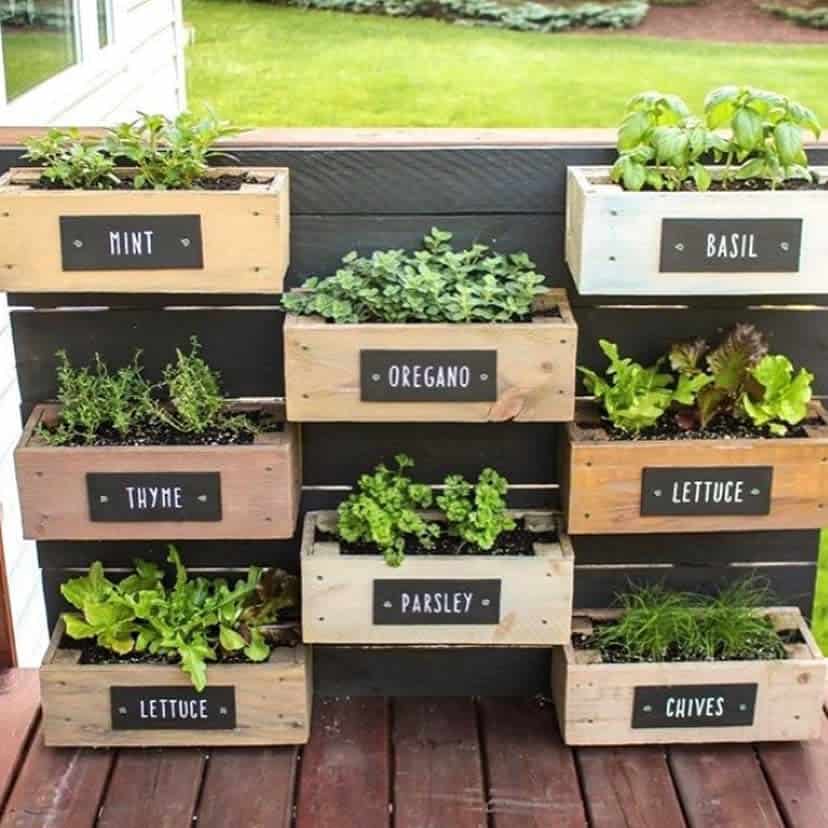
5. Label Your Herb Pots
Organize your herb garden with labeled pots. This not only aids in identification but also adds a charming aesthetic. Use chalkboard paint or stick-on labels for easy updating. Group herbs that require similar care to simplify maintenance.
Source: @mysunshinecorners via Instagram
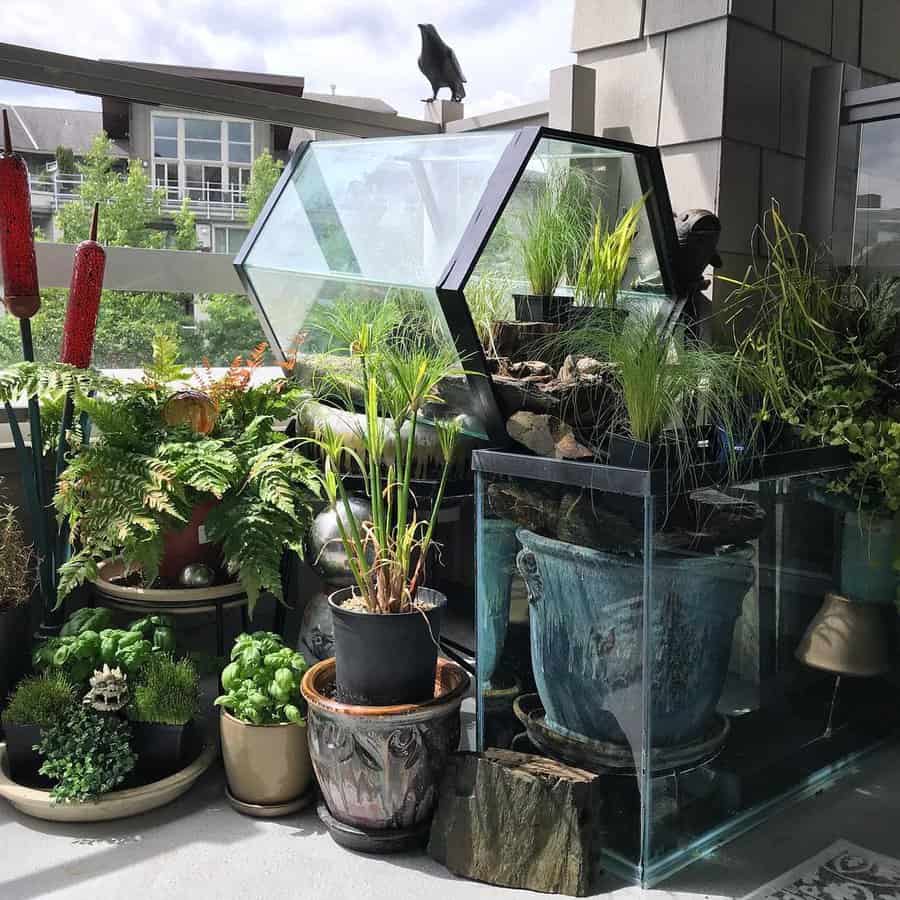
6. Repurpose Glass Aquarium
Transform old glass aquariums into miniature greenhouses for your balcony. They are ideal for growing delicate plants or creating a small ecosystem. Their transparency allows for maximum sunlight and adds a unique, modern touch to your garden setup.
Source: @iesza_lovenlife via Instagram
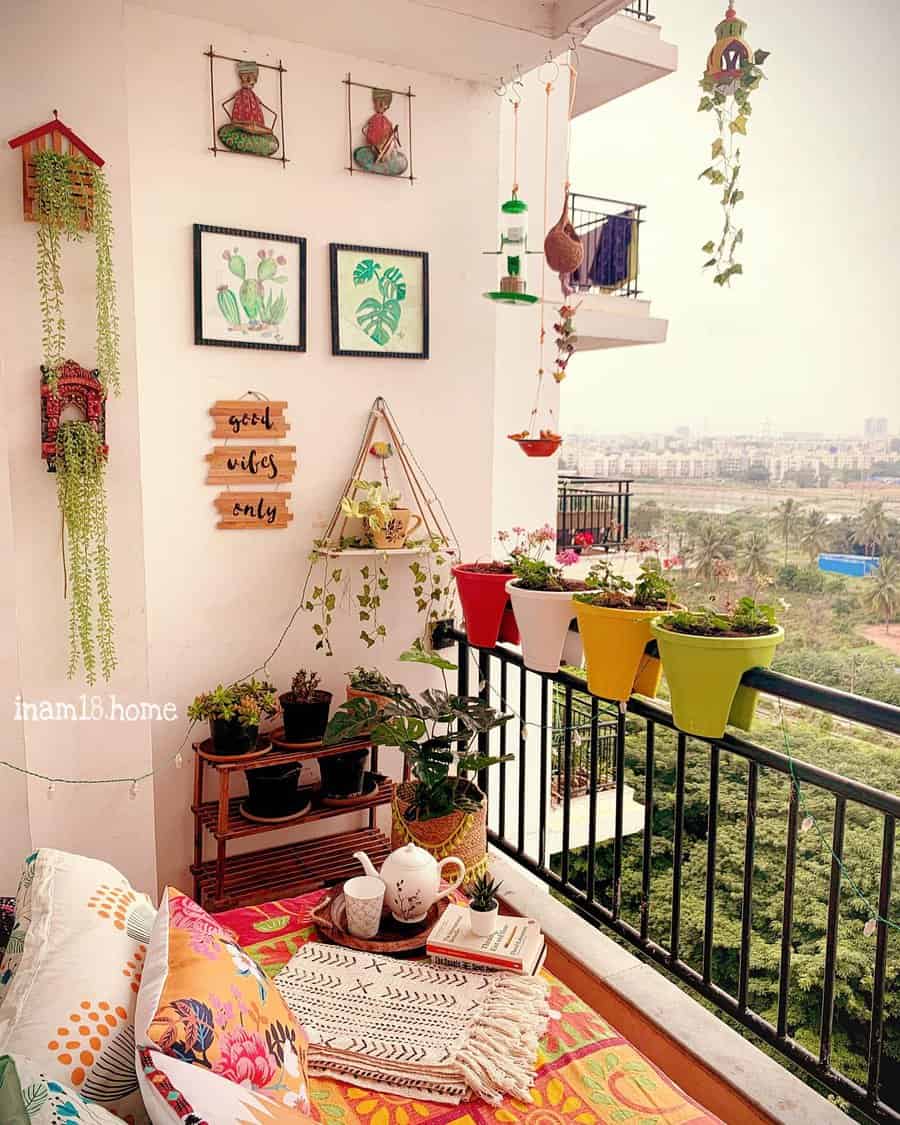
7. Hang Planters on The Railing
Utilize balcony railings to hang planters, freeing up floor space. This approach is perfect for small balconies. Select railing-compatible planters and ensure they are securely fastened to withstand weather conditions.
Source: @supriya_j.kapoor via InstagramSource: @maysa.tasarim via InstagramSource: @mangosiah via InstagramSource: @mini_balcony via InstagramSource: @serene_notserene via Instagram
8. Transform Wooden Pallets into Planters
Convert wooden pallets into rustic, space-efficient planters. They can be stood upright for a vertical garden effect or laid flat to house multiple plants. This repurposing project adds character and is an eco-friendly gardening solution.
Source: @d_l_v_k via InstagramSource: @fischermichi via Instagram
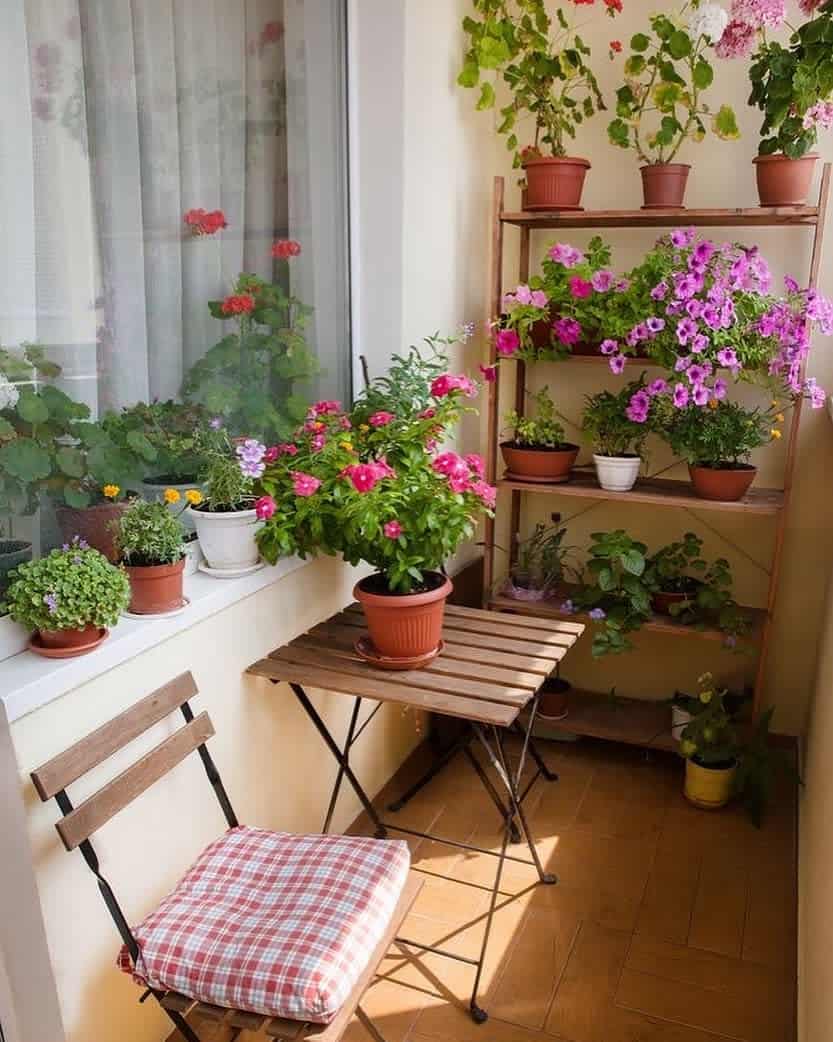
9. Layer Potted Plants With Wood Panels
Arrange wood panels or shelves to layer potted plants, creating a multi-tiered garden effect. This method allows for more plants in a smaller area and can be arranged to ensure each plant receives adequate sunlight.
Source: @crazyplantlady11 via Instagram
10. Choose Versatile Plastic Pots
Lightweight and durable, plastic pots are a practical choice for balcony gardens. They come in various designs and colors, making them easy to match with your balcony’s theme. Remember to check for adequate drainage to promote healthy plant growth.
Source: @grow_some_green via InstagramSource: @thebalancingact_in via Instagram
11. Diversify Your Plant Arrangement
Arrange plants at various heights and positions to create a dynamic, visually appealing garden. Utilize hanging planters, floor pots, and wall-mounted options. This not only maximizes space but also ensures each plant gets its required light and air circulation.
Source: @herbsforapocalypse via InstagramSource: @my.home.at.the.loft via Instagram
12. Personalize with DIY Painted Pots
Personalize your garden with DIY painted pots. This is a great way to add a splash of color and creativity. Use outdoor paints to ensure longevity and choose colors that complement both your plants and balcony decor.
Source: @lovegardening27 via InstagramSource: @anisha_food_flavours via Instagram
13. Set Up a Floating Shelf Garden
Install floating shelves to house small plants, herbs, or succulents. This sleek, modern approach saves floor space and can turn an empty wall into a vibrant garden area. Ensure shelves are securely mounted and choose plants that suit the available sunlight.
Source: @mysa_thehomedecor via InstagramSource: @sherry_kuriyal via InstagramSource: @thenorthanna via InstagramSource: @cosy_decors_on_a_budget via InstagramSource: @elle_skygarden via Instagram
14. Use a Ladder for Plant Display
A ladder plant stand provides a unique vertical gardening solution. It’s perfect for displaying a variety of plants in a compact space. Arrange plants in a way that allows each to receive adequate light and care.
Source: @sabina_1505 via Instagram
15. Grow Tomato Plants in Pots and Containers
Tomatoes are surprisingly well-suited for balcony gardens. Use large pots or containers with good drainage and place them where they’ll receive plenty of sunlight. Regular watering and staking or caging will support their growth.
16. Grow Strawberries in Planters
Strawberries thrive in balcony settings when grown in planters or hanging baskets. They require regular watering and lots of sunlight. This approach not only saves space but also adds a delightful and edible element to your garden.
17. Decorate with Garden Statues
Introduce garden statues to add a decorative touch to your balcony garden. Choose a statue that reflects your personal style and complements the size of your balcony. Position it as a focal point or tuck it amongst the plants for a whimsical effect.
Source: @innovativecraftideas via InstagramSource: @manisha_ajmani via InstagramSource: @tropics_in_paris via InstagramSource: @upliftingdepictions via Instagram