Author: Kari Apted

  • How to Use Vintage Pieces for Contemporary Home Design

    How to Use Vintage Pieces for Contemporary Home Design

    Welcome to the beautiful intersection of past and present, where old-world charm meets modern aesthetics. It’s a place where vintage pieces do not just survive, but thrive in contemporary design settings.

    Whether it’s a rustic mirror frame from the 1930s or a mid-century modern lamp, these pieces hold the power to imbue your living space with a unique charisma that’s hard to replicate.

    This article will guide you on the art of seamlessly blending vintage items with your modern home design, creating a timeless aesthetic that exudes warmth, personality, and style.

    So, let’s step into the beautiful labyrinth of vintage and contemporary design fusion, and discover how you can bring this magic into your own home.

    [view_toc]

    1. Balance with Modern Elements

    Integrating vintage pieces into your contemporary design is all about achieving a balance. Too many antiques can overpower your space and make it feel outdated.

    Instead, aim for a stylishly eclectic look by blending vintage pieces with modern elements. This creates a harmonious contrast that keeps your space feeling fresh and visually interesting.

    Pair a sleek, modern sofa with a vintage coffee table or place a retro armchair alongside a contemporary bookshelf.

    The key is to strike the right balance between old and new, creating a cohesive and dynamic design aesthetic.

    2. Restore Thoughtfully

    Vintage pieces often come with signs of wear and tear, but a thoughtful restoration can breathe new life into them while preserving their charm.

    When restoring vintage items, strive to maintain their original elements and unique character whenever possible. Refinish wood surfaces to bring out their natural beauty or repair minor damages while preserving the patina that tells the piece’s story.

    However, don’t hesitate to update upholstery or finishes if it aligns with your overall aesthetic vision. Reupholstering a vintage chair with a contemporary fabric or refinishing metal hardware can modernize the piece while still honoring its vintage roots.

    By restoring vintage pieces thoughtfully, you can enhance their charm and seamlessly integrate them into your contemporary home design.

    3. Incorporate Vintage Lighting

    Illuminate your contemporary space with the timeless charm of vintage lighting fixtures. Vintage sconces, chandeliers, or pendant lights can bring an elegant and warm glow to your home, creating a cozy and inviting atmosphere.

    Opt for fixtures with unique details, such as intricate metalwork or delicate glass shades, to add visual interest and a touch of nostalgia.

    Whether you place a vintage chandelier as a statement piece in your dining area or adorn your hallway with vintage sconces, these lighting elements can become focal points that blend seamlessly with your modern decor.

    The warm ambiance they create adds depth and character to your space, making it feel even more welcoming and enchanting.

    4. Use Vintage Textiles

    Elevate your modern space with the rich textures and vibrant colors of vintage textiles. Incorporating vintage rugs, curtains, or throw pillows can add a layer of depth and visual interest to your decor.

    Look for rugs with intricate patterns or unique weaving techniques that tell a story of craftsmanship and tradition. Vintage curtains can bring a touch of elegance and personality to your windows, whether it’s delicate lace panels or bold, retro prints.

    Additionally, vintage throw pillows with embroidered details or unique fabric textures can serve as eye-catching accents on your sofas or chairs.

    These vintage textiles not only add warmth and coziness but also infuse your contemporary space with a sense of history and character.

    5. Use the 80/20 Rule of Decorating

    Embrace the 80/20 rule of decorating: let approximately 80% of your design consist of contemporary elements, while reserving around 20% for vintage pieces.

    This approach ensures a balanced and cohesive look, where the modern backdrop allows your carefully selected vintage treasures to shine as focal points without overwhelming the overall aesthetic. By predominantly featuring contemporary furnishings, colors, and finishes, you create a fresh canvas for your space.

    The remaining 20% of vintage items add depth, character, and a touch of history. Strive for high-quality vintage pieces that complement your design and provide contrast and visual interest, resulting in a curated, stylish, and timeless space.

    6. Mix and Match

    Embrace the art of mixing styles and eras in your contemporary home design. Don’t be afraid to pair a modern couch with a vintage coffee table or mix different furniture styles to create a dynamic visual interest.

    Combining elements from different time periods adds a layer of uniqueness and personality to your space. Look for opportunities to juxtapose sleek contemporary pieces with the character and charm of vintage items. This blending of styles creates a captivating contrast that sparks intrigue and creates a visually engaging environment.

    Be adventurous with your choices, and let the mix and match approach unleash your creativity in designing a truly one-of-a-kind living room or any other space in your home.

    7. Accessorize Smartly

    Add a touch of vintage charm to your contemporary space through smart accessorizing. Vintage accessories such as mirrors, clocks, or vases can act as statement pieces that infuse your home with character without overwhelming the overall design.

    Opt for unique and eye-catching vintage items that reflect your personal style and complement your contemporary decor. A beautifully ornate vintage mirror can serve as a captivating focal point on a feature wall, while a vintage clock adds a nostalgic touch and functionality to your space.

    Vintage vases with intricate details or retro designs can bring a pop of color and artistic flair to your shelves or tabletops.

    The key is to choose accessories that strike a balance between vintage charm and contemporary aesthetics, enhancing the visual appeal and personality of your home.

    8. Play with Color

    Harness the power of color to harmonize vintage and modern elements seamlessly. Whether you decide to preserve the original color of your vintage piece or give it a modern makeover, it’s essential to ensure that it complements the overall color scheme of your space.

    Consider the existing palette and select colors that create a cohesive and balanced look. If your vintage piece boasts a vibrant or unique hue, let it take center stage by keeping the surrounding elements more neutral.

    On the other hand, if you choose to update the color of a vintage item, opt for shades that align with your contemporary design while still honoring its timeless appeal.

    By playing with color, you can create a visual connection between vintage and modern elements, establishing a harmonious and captivating aesthetic throughout your home.

    9. Respect the Originality

    In the pursuit of blending vintage and contemporary elements, it’s crucial to honor and respect the originality of vintage pieces. Each vintage item carries its own history, character, and unique story.

    Allow these pieces to shine in their inherent uniqueness. Avoid altering or modifying them excessively to fit a particular aesthetic. Instead, embrace the authenticity and charm they bring to your space.

    Highlight the original features and craftsmanship that make them special, whether it’s the intricate woodwork of a vintage cabinet or the patina of an antique brass fixture.

    By appreciating and preserving the originality of vintage pieces, you not only maintain their value but also celebrate their timeless appeal in a contemporary context.

    10. Experiment

    When it comes to incorporating vintage pieces into your contemporary home design, don’t be afraid to experiment. Design has no set rules, and if a vintage piece feels right in your space, even if it’s unconventional, go for it. Your home should be a reflection of your personal taste and style.

    Trust your instincts and explore creative possibilities. Mix unexpected combinations, embrace eclectic pairings, and let your imagination run wild. Incorporating a unique vintage find can bring a sense of individuality and personal expression to your space. Whether it’s an unconventional piece of furniture, an intriguing vintage artwork, or a whimsical accessory, let your intuition guide you.

    Ultimately, it’s about creating a home that resonates with you, tells your story, and sparks joy every time you walk through the door. So, dare to be different, take risks, and let your creativity flourish as you experiment with vintage pieces in your contemporary home design.
  • Transforming Your Home into a Wellness Oasis

    Transforming Your Home into a Wellness Oasis

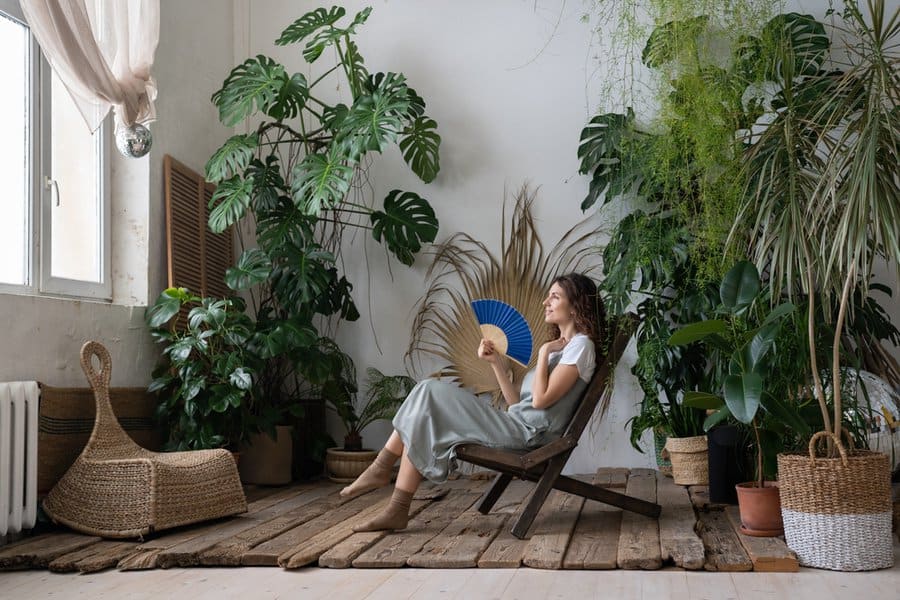
    In an ever-evolving world where stress and anxiety have become our constant companions, it is more important than ever to cultivate a space of tranquility and wellness in our lives. Your home should not just be a dwelling place; it should be a sanctuary that promotes holistic wellbeing, a refuge that rejuvenates your mind, body, and soul. With the right tools and mindset, you can transform your home into a wellness oasis that radiates positivity and encourages healthy living.

    This article serves as your comprehensive, step-by-step guide to achieving this transformation. Whether you’re starting from scratch or seeking to enhance your existing environment, this guide will empower you to create a haven of comfort, balance, and vitality. Through a blend of mindfulness, sustainable design, and wellness-oriented practices, let’s embark on this journey towards nurturing a home that reflects your health goals and supports your wellbeing.”

    Let’s dive in, and start your home’s transformation today!

    [view_toc]

    1. Understanding the Importance of a Wellness-oriented Home

    The Impact of Environment on Wellbeing

    Our environment plays a crucial role in determining our physical and emotional wellbeing. Each aspect, from the air we breathe to the sounds we hear and the colors we see, can significantly influence our mood, stress levels, productivity, and overall health.

    Living in a cluttered, disorganized, or chaotic environment can lead to feelings of distress and anxiety. On the other hand, a serene, well-organized, and calming environment can enhance our sense of peace, comfort, and happiness. By understanding the intricate relationship between our environment and wellbeing, we can make conscious choices that uplift our physical and mental health.

    The Value of Home in Holistic Health

    Our home holds a unique value in the pursuit of holistic health. It is where we start and end our day, find solace from the world’s stresses, and cultivate deep connections with our loved ones. It serves as the backdrop of our lives, making its role in our wellness journey irreplaceable.

    A wellness-oriented home doesn’t just facilitate better physical health; it also promotes emotional balance, spiritual growth, and mental resilience. By providing a restorative environment, it nurtures us, helps us rejuvenate, and builds a strong foundation for a healthy and fulfilling lifestyle. The importance of aligning our home with our health and wellness goals cannot be overstated.

    2. Assessing Your Current Space

    Identifying Stress Triggers

    Before starting your transformation, it’s essential to identify the potential stress triggers within your current space. These could include clutter, insufficient natural light, noise pollution, or color schemes that lack calming effects.

    Take time to observe how different areas of your home affect your mood and wellbeing. Do certain spaces make you feel tense or uneasy? Are there rooms where you feel notably calm and relaxed? Recognizing these stress triggers will guide your journey to a serene and harmonious living environment.

    Evaluating the Flow of Your Home

    Assessing the flow of your home is another pivotal aspect of creating a wellness oasis. The flow refers to the ease and comfort with which you move through and interact with your space.

    Consider whether your current layout allows for adequate movement and activities promoting wellness, such as yoga or meditation. Does your furniture arrangement facilitate smooth navigation? Is there a natural progression from one area of your home to another, or does it feel disjointed?

    The flow of your home significantly impacts your comfort and relaxation. By evaluating and enhancing it, you can boost your space’s functionality and overall sense of harmony.

    3. Creating a Mindful Floor Plan

    Making Room for Movement

    Movement plays a vital role in our overall wellbeing. A wellness-focused home should accommodate this by offering enough space for exercises, stretches, or activities like yoga or dance.

    Think about how you can reconfigure your floor plan to promote movement. Could you create a dedicated workout area, or clear some space in your living room for morning stretches? Perhaps there’s room for an open area where you can engage in mindful activities such as tai chi. The aim is to make physical activity an inviting and accessible part of your daily routine.

    Designing Spaces for Relaxation

    A wellness-oriented home also needs spaces explicitly designed for relaxation. This could be a quiet reading nook, a cozy meditation corner, or a peaceful outdoor space for unwinding and connecting with nature.

    These relaxation spaces should be inviting and calming, radiating peace and tranquility. Keep in mind factors like natural light, views, noise levels, and comfort when designing these areas. By creating these dedicated spots for downtime, you encourage regular rejuvenation breaks, fostering a healthier balance between activity and rest.

    4. Incorporating Natural Elements

    The Power of Plants for Indoor Air Quality

    Incorporating indoor plants into your home goes beyond aesthetics; it’s a proactive step towards wellness. Plants can significantly improve indoor air quality by absorbing toxins, increasing humidity, and producing oxygen.

    The natural greenery of plants can also create a calming atmosphere, reduce stress, and boost mood. Consider air-purifying plants like spider plants, snake plants, or peace lilies to enhance these benefits. A home adorned with vibrant, lush plants is not just visually appealing, but also fosters a healthier, more relaxing environment.

    Leveraging Natural Light and Views

    Natural light is an essential component in transforming your home into a wellness sanctuary. Regular exposure to natural light can regulate our body’s circadian rhythm, leading to improved sleep quality and mood.

    Try to maximize the inflow of natural light by using light curtains, installing mirrors to reflect sunlight, or simply keeping your windows clean. If you have the luxury of a pleasant view, make the most of it. A window overlooking a garden, a tree, or the sky can offer calming visual stimulation, further amplifying your home’s wellness quotient.

    5. Choosing the Right Color Palette

    Colors that Promote Calm and Serenity

    The psychology of color significantly impacts our emotional and mental wellbeing. Choosing the right colors can foster calm and serenity, making them perfect for relaxation or sleep spaces.

    Blue shades, often linked with calmness, can help alleviate anxiety. Greens, reminiscent of nature, can cultivate peace and tranquility. Neutral hues like whites, beiges, and grays can create a serene, restful atmosphere. Incorporate these colors when selecting paints, furniture, or decor items.

    Colors that Stimulate Energy and Creativity

    Certain colors can also energize and stimulate creativity, suitable for workspaces, exercise areas, or places for creative pursuits. Warm colors such as reds, oranges, and yellows can invigorate and stimulate activity.

    Brighter tones can spur creativity and are excellent choices for home offices or art studios. Balance is the cornerstone of a wellness-oriented home, so ensure to mix calming shades with vibrant ones based on each room’s purpose.

    6. Harnessing the Power of Aromatherapy

    Selecting Essential Oils for Your Home

    Aromatherapy can significantly influence our wellbeing by reducing stress, promoting sleep, and uplifting mood. At the heart of aromatherapy are essential oils, and selecting the right ones can transform your home into a wellness sanctuary.

    For a relaxing atmosphere, consider calming scents like lavender, chamomile, or ylang-ylang. To stimulate focus and energy, opt for invigorating oils such as lemon, peppermint, or rosemary. Always ensure to use these oils safely, ideally in a diffuser, following the recommended dilution rates.

    Creating Your Own Signature Home Scent

    Creating a signature home scent is a personal and creative journey that enhances your home’s ambiance. By mixing and matching different essential oils, you can find a unique combination that resonates with you and reflects the atmosphere you wish to create.

    You might prefer a refreshing blend of citrus scents, a soothing mix of floral notes, or an earthy combination of woody aromas. By crafting a signature scent, you add a unique, personal touch to your wellness oasis, making it truly your own.

    7. Curating a Sound Environment

    The Effect of Noise on Wellbeing

    Noise, or the lack thereof, can have a profound impact on our wellbeing. Consistent exposure to high noise levels can lead to increased stress, hindered concentration, poor sleep quality, and even long-term health issues.

    On the other hand, a peaceful, quiet environment can promote relaxation, improve focus, and contribute to better sleep. Understanding the impact of noise on your wellbeing is the first step towards curating a sound environment that fosters wellness.

    Utilizing Soundscapes and White Noise

    Soundscapes and white noise are potent tools for creating a calming auditory environment. Soundscapes, like the soothing melodies of birds, waves, or forest ambiances, can establish a peaceful atmosphere and mask distracting external sounds, particularly useful in urban settings.

    White noise, a consistent sound containing equal intensities of all frequencies, is excellent for drowning out intermittent background noise. It can enhance sleep quality or encourage focused work sessions. Devices or apps producing white noise make it easy to incorporate this soothing backdrop into your home environment.

    8. Creating Wellness Focused Zones

    Designing a Zen Meditation Room

    A Zen meditation room is a space within your home dedicated to quiet, mindful reflection. This room should be free from distractions and decorated with elements that promote serenity and peace.

    A simple color palette, comfortable seating like floor cushions or a meditation bench, and calming elements such as a small water feature, soft lighting, or a candle could be included.

    Setting Up a Home Fitness Corner

    A home fitness corner is an area dedicated to physical activity. Depending on your fitness preferences, this might include workout equipment like weights, a yoga mat, resistance bands, or even more substantial equipment like a treadmill or exercise bike.

    A wall mirror can also be useful for checking your form during exercises. Remember to also consider factors like ventilation and natural light. The goal is to make this space inviting, encouraging you to maintain regular physical activity as part of your wellness journey.

    Crafting a Serene Sleep Environment

    Your sleeping environment significantly impacts your sleep quality, a key component of overall wellness. This space should be designed to promote deep, restful sleep. Consider a comfortable, supportive mattress and pillows, blackout curtains or shades to keep the room dark, and soothing colors like blues or neutrals.

    Reduce clutter and remove any stress-inducing items. You might also consider a white noise machine or fan to provide consistent, soothing background noise. Creating a serene sleep environment supports healthy sleep habits and contributes to your overall sense of wellbeing.

    9. Sustainable and Healthy Home Materials

    Understanding the Impact of Toxic Home Materials

    Many common materials used in homes can contain substances that are harmful to both our health and the environment. These may include volatile organic compounds (VOCs) in paint, formaldehyde in pressed-wood furniture, or phthalates in vinyl flooring.

    Over time, these substances can off-gas into our homes, impacting indoor air quality and potentially causing a range of health issues from headaches and allergies to more serious long-term effects. It’s essential to understand the impact of these toxic home materials as part of creating a wellness-focused home environment.

    Choosing Eco-Friendly and Non-Toxic Options

    Fortunately, there are an increasing number of eco-friendly and non-toxic alternatives available for home use. When selecting paints, look for those labeled low-VOC or zero-VOC. For furniture, consider options made from solid wood, certified sustainable sources, or recycled materials. Flooring can be made from natural materials like hardwood, cork, or bamboo, or from recycled or sustainable sources.

    Always check for any certifications that indicate the product is free from harmful chemicals.

    10. Maintaining Your Wellness Oasis

    Daily Wellness Practices

    Creating a wellness oasis is just the start; maintaining it involves incorporating daily wellness practices. This could include a regular meditation or yoga session in your Zen room, a workout routine in your fitness corner, or a calming bedtime ritual to enhance your sleep.

    Remember to also utilize your essential oils for aromatherapy, update your soundscapes to reflect your mood or needs, and care for your indoor plants to keep them thriving.

    Engaging in these daily practices can help to reinforce your commitment to wellness and ensure that your home continues to serve as a supportive wellness oasis.

    Regular Home Care and Maintenance

    Just like any home, a wellness-focused home requires regular care and maintenance. This might involve replacing air filters to maintain good air quality, regular cleaning to keep spaces tidy and inviting, or periodically refreshing your decor to maintain the desired ambiance.

    In a wellness-focused home, consider using natural cleaning products to reduce exposure to harsh chemicals. Regular maintenance not only keeps your home looking its best, but it also contributes to a healthier, more enjoyable living environment.

    Read also: 42 Backyard Oasis Ideas

  • How to Infuse Minimalism into Your Home Design

    How to Infuse Minimalism into Your Home Design

    Welcome to the world of minimalism in home design, where less truly is more. In this article, we will explore the principles and techniques of infusing minimalism into your living space.

    From decluttering to selecting furniture with clean lines, get ready to create a harmonious environment that promotes calmness and mindfulness.

    Let’s embark on a journey of simplicity and discover how to transform your home into a minimalist sanctuary.

    [view_toc]

    1. Decluttering: Streamline your space by removing unnecessary items

    Decluttering is the essential first step to infusing minimalism into your home design. Begin by assessing each room and identifying items that serve no purpose or hold no sentimental value. Donate or discard these belongings to create a sense of spaciousness and order.

    Start with smaller areas like countertops, shelves, and tabletops. Clear away excess knick-knacks, old magazines, or unused decorative items. Store items that are rarely used or out of season, reducing visual distractions.

    In closets and drawers, take a systematic approach. Sort through clothes, accessories, and shoes, keeping only what you genuinely wear and love. Consider adopting a capsule wardrobe or rotating seasonal items to maintain simplicity.

    In the kitchen, eliminate duplicate utensils, gadgets, and mismatched dishware. Keep only the essential tools and appliances that you frequently use. Create a designated space for each item, promoting efficiency and ease of access.

    Apply the same principles to your living room, bedrooms, and home office. Simplify your furniture arrangement, removing any unnecessary pieces that clutter the space. Embrace open areas and create functional zones that cater to your specific needs.

    2. Simplify Color Palette: Opt for neutral tones and limited color schemes

    When infusing minimalism into your home design, simplifying the color palette plays a pivotal role in creating a cohesive and serene atmosphere. Opting for neutral tones and limited color schemes brings a sense of calmness and visual harmony to your space.

    Choose neutral colors such as whites, grays, beiges, or soft pastels as the foundation of your design. These shades provide a versatile backdrop that allows other elements to shine while exuding an understated elegance.

    Consider using variations of a single color or complementary hues to create depth and interest within the space. Limiting the color palette to a few key shades ensures a visually uncluttered and cohesive aesthetic.

    To add pops of color, select one or two accent shades to incorporate sparingly through artwork, pillows, or small decor items. These accents should be carefully chosen to complement the neutral tones and provide a focal point without overwhelming the overall simplicity.

    Maintain consistency in color throughout different areas of your home, creating a seamless flow and a sense of unity. This approach promotes a soothing and uncluttered visual experience.

    3. Clear Surfaces: Keep countertops and tables free from excessive objects

    Clearing surfaces is a key aspect of infusing minimalism into your home design. By keeping countertops and tables free from excessive objects, you can create a clean and uncluttered visual appeal.

    Start by assessing each surface in your home, from kitchen countertops to coffee tables and desks. Remove items that are not essential or do not serve a specific purpose in that space.

    In the kitchen, store small appliances, cutting boards, and cooking utensils in cabinets or drawers when not in use. Keep only the essentials, such as a coffee maker or toaster, visible on the counter.

    In living areas, minimize decorative items and keep only a few carefully chosen pieces that enhance the space. Avoid overcrowding coffee tables with books, remote controls, or excessive decor. Instead, opt for a minimalist centerpiece or a single decorative element that adds character.

    Maintain a clutter-free workspace by clearing off unnecessary items from your desk. Keep only essential supplies within reach, and organize them in designated storage containers or drawers. A clean workspace promotes focus and productivity.

    Adopt a “one-in, one-out” policy for surfaces to prevent clutter from accumulating. Whenever you introduce a new item, remove or reposition something else to maintain balance.

    4. Functional Furniture: Choose pieces that serve a purpose and have clean lines

    Functional furniture is a fundamental aspect of incorporating minimalism into your home design. Opting for pieces that serve a purpose while boasting clean lines helps create a streamlined and uncluttered aesthetic.

    Consider furniture that offers practical storage solutions, such as ottomans with hidden compartments or beds with built-in drawers. These multifunctional pieces help eliminate the need for additional storage furniture, reducing visual clutter.

    Choose furniture with clean and simple lines, avoiding ornate details or excessive embellishments. Minimalist design focuses on simplicity and functionality, so opt for sleek and unadorned forms.

    Invest in versatile furniture that can adapt to different needs or spaces. Modular or convertible furniture allows you to optimize your living area while maintaining a minimalistic vibe.

    When selecting seating options, choose pieces that offer comfort without excessive bulkiness. Opt for streamlined sofas or chairs with minimalistic silhouettes, allowing for an open and airy feel.

    Consider furniture with built-in functionality, such as desks with integrated cable management or dining tables that can extend to accommodate guests. These features enhance practicality while maintaining a clean and cohesive look.

    Ensure that each piece of furniture serves a purpose and contributes to the overall functionality of the space. Avoid accumulating unnecessary furniture that clutters the room and hinders movement.

    5. Effective Storage Solutions: Utilize smart storage options to minimize visual clutter

    When incorporating minimalism into your home design, effective storage solutions are essential to minimize visual clutter and maintain an organized space.

    Consider utilizing vertical storage options, such as tall shelving units or wall-mounted cabinets, to maximize floor space and keep belongings neatly stored. These solutions prevent items from accumulating on surfaces and create a sense of openness.

    Opt for furniture pieces with built-in storage compartments, like ottomans or coffee tables with hidden storage. These multi-functional pieces help keep everyday items within reach while concealing them from view.

    Utilize storage baskets or bins to organize and contain smaller items, reducing visual clutter. Labeling them can further enhance organization and accessibility.

    Closets can be optimized with space-saving solutions like hanging organizers, shoe racks, and stackable storage containers. Group items by category and keep only what you truly need, donating or discarding the rest.

    In the kitchen, install pull-out pantry systems or use drawer dividers to maximize storage capacity and keep items easily accessible. Clear containers can help create uniformity and make it easier to see the contents.

    Take advantage of underutilized areas such as under the bed or staircases by incorporating storage solutions like sliding drawers or built-in cabinets.

    6. Embrace Open Space: Allow room to breathe by avoiding overcrowding

    Embracing open space is a key principle of minimalist home design. By avoiding overcrowding and allowing room to breathe, you can create an atmosphere of spaciousness and serenity.

    Arrange furniture in a way that creates a sense of openness. Avoid blocking pathways or cramming furniture against walls. Instead, leave ample space between pieces to promote easy movement and an airy feel.

    Consider using fewer, well-chosen furniture items rather than filling every corner of a room. Opt for functional pieces that serve multiple purposes, such as a sofa bed or a dining table that can extend when needed. This approach prevents the space from feeling overwhelmed.

    Maximize floor space by keeping the center of rooms clear. Avoid placing furniture directly in the middle, allowing for a sense of flow and openness.

    Choose lightweight and visually unobtrusive furniture that doesn’t dominate the room. Select pieces with slender legs or transparent materials to create an illusion of openness.

    Limit the number of decorative accessories and keep surfaces uncluttered. Embrace minimalism in artwork and wall decor, opting for a few carefully selected pieces that create visual interest without overwhelming the space.

    Avoid overcrowding shelves and bookcases. Leave empty spaces to create breathing room and to showcase a few well-curated items.

    7. Mindful Decor: Select minimalistic accents that enhance the overall aesthetic

    Mindful decor is a crucial aspect of infusing minimalism into your home design. By selecting minimalistic accents, you can enhance the overall aesthetic of your space while maintaining a sense of simplicity and harmony.

    Choose decor items that have clean lines and a minimalist aesthetic. Opt for simplicity in design, avoiding excessive ornamentation or intricate details.

    Embrace the concept of “less is more” when it comes to decor. Select a few well-curated pieces that have a significant visual impact rather than filling every available surface with decorations. This approach allows each item to stand out and create a focal point.

    Incorporate natural elements like potted plants or small succulents to bring a sense of tranquility and freshness to your space. Minimalistic planters or simple vases can complement the overall aesthetic without overwhelming it.

    Consider incorporating functional decor, such as wall-mounted hooks or stylish storage baskets, that serve both a practical purpose and add a touch of minimalistic elegance.

    Choose artwork that aligns with the minimalist style, featuring simple and abstract designs or monochromatic pieces. Large, statement art can make a bold impact, while a small gallery wall can add visual interest without overpowering the space.

    Pay attention to the color palette of your decor items, ensuring they harmonize with the overall design scheme. Neutral tones or limited color schemes often work well in minimalist spaces, creating a cohesive and serene ambiance.

    Keep surfaces uncluttered by displaying only a few select decor items that have personal meaning or contribute to the overall aesthetic. Avoid excessive knick-knacks or decorative objects that can clutter the space.

    8. Quality over Quantity: Invest in well-made, timeless items rather than accumulating many

    When it comes to incorporating minimalism into your home design, prioritizing quality over quantity is key. Instead of accumulating numerous items, focus on investing in well-made, timeless pieces that will stand the test of time.

    Choose furniture and decor items that are crafted with high-quality materials and demonstrate excellent craftsmanship. Opt for durable materials like solid wood, genuine leather, or sturdy metals that can withstand the test of time.

    Consider the functionality and versatility of each item before making a purchase. Select pieces that serve multiple purposes or can adapt to different styles or room layouts. This approach allows you to maximize the utility of each item while minimizing the need for excessive belongings.

    Opt for classic designs that transcend passing trends. Timeless pieces with clean lines and minimalistic aesthetics ensure that your home design remains relevant and cohesive for years to come.

    Prioritize long-term value over short-lived trends. Investing in quality items may require a higher upfront cost, but they are likely to last longer and require fewer replacements, ultimately saving you money in the long run.

    Be selective in your choices and avoid impulsive buying. Take your time to research and compare options, ensuring that each purchase aligns with your overall vision for a minimalist and well-curated space.

    Consider second-hand or vintage items as they often possess unique character and can add a touch of history to your home. However, ensure that they are in good condition and complement your overall design scheme.

    9. Organizational Systems: Implement efficient systems to maintain order

    Implementing efficient organizational systems is vital for maintaining order and embracing minimalism in your home design.

    Start by decluttering and sorting items into categories. Utilize storage containers, bins, or drawer dividers to keep similar items together and easily accessible.

    Create designated spaces for specific items to reduce visual clutter. Assign a home for everything, from clothing and accessories to kitchen utensils and office supplies.

    Consider using labels or tags to identify the contents of containers or shelves, promoting easy retrieval and ensuring everything has its place.

    Maximize vertical space by utilizing shelves, hanging organizers, or wall-mounted racks. These solutions optimize storage capacity while keeping the floor area free and uncluttered.

    Implement a regular decluttering routine to prevent accumulation of unnecessary items. Set aside time to reassess belongings and let go of things that no longer serve a purpose or bring joy.

    Digital organization is also important. Organize files on your computer or cloud storage in a systematic manner, utilizing folders and naming conventions for easy retrieval.

    Streamline paperwork by implementing a filing system with labeled folders or using digital document management tools to reduce physical clutter.

    Maintain a minimalist approach to storage furniture. Choose furniture pieces that offer hidden storage options, such as ottomans or bed frames with built-in drawers, to keep belongings out of sight and maintain a clean aesthetic.

    Regularly review and adjust your organizational systems as needed. As your needs change over time, adapt the systems to accommodate new items or lifestyle changes.

    10. Natural Light: Maximize natural light to create an airy and spacious atmosphere

    Maximizing natural light is a crucial element in creating an airy and spacious atmosphere within your home.

    Keep window treatments minimal and opt for light, sheer fabrics that allow ample sunlight to filter through while still providing privacy when needed.

    Avoid heavy drapes or dark curtains that block natural light. Instead, choose blinds or shades that can be easily adjusted to control the amount of light entering the room.

    Arrange furniture in a way that doesn’t obstruct the flow of natural light. Position pieces away from windows to prevent blocking the light source and maintain an open feel.

    Keep windows clean and unobstructed to allow for maximum light penetration. Regularly remove any objects or furniture that may be blocking the windowsill or impeding light from entering the space.

    Use reflective surfaces strategically to amplify natural light. Mirrors, glass tabletops, or shiny finishes can help bounce light around the room, creating a brighter and more spacious ambiance.

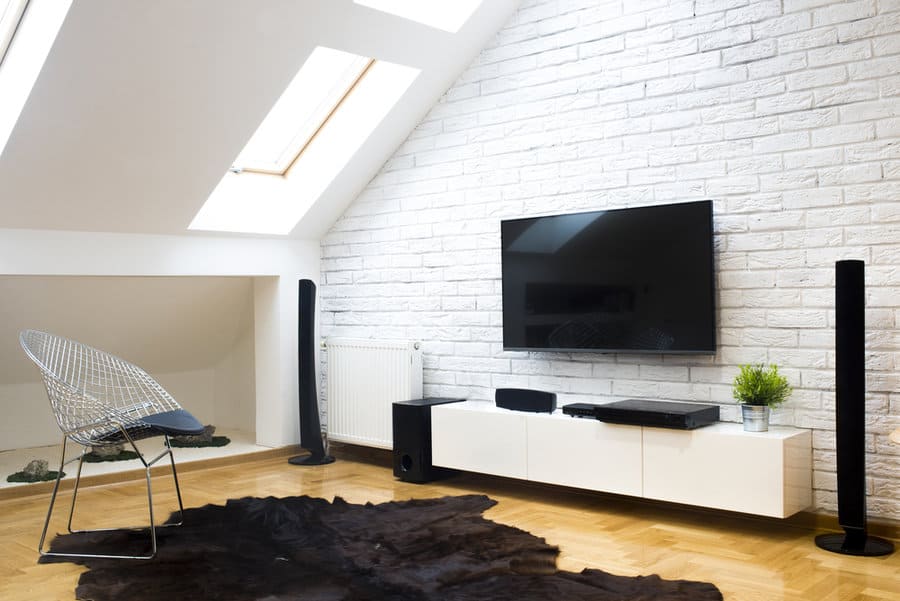
    Consider adding skylights or light tubes to areas with limited access to natural light, such as windowless bathrooms or interior rooms. These installations bring in additional sunlight, enhancing the overall brightness and openness.

    Choose light-colored paint or wall coverings that reflect natural light, making the space appear brighter and more expansive. Light shades of white, beige, or pastels can contribute to a fresh and open feel.

    Trim trees or bushes outside windows that may be obstructing sunlight from entering your home. This allows for a clearer path for light to flow into the space.

    Avoid cluttering windowsills with excessive objects or decorations. Keep them clean and free from distractions to maximize the impact of natural light.

  • How to Incorporate Biophilic Interior Design in Your Home

    How to Incorporate Biophilic Interior Design in Your Home

    Welcome to the world of biophilic interior design, where the harmony between nature and living spaces creates a transformative ambiance. In this article, we will delve into the enchanting realm of incorporating biophilia into your home.

    Uncover the secrets of bringing the outdoors inside, and learn how to infuse your living spaces with the restorative beauty of nature. From soothing greenery to natural materials, let us guide you on a journey towards creating a harmonious sanctuary that reconnects you with the natural world.

    [view_toc]

    1. Harness the Power of Natural Light

    Embracing the power of natural light is a fundamental aspect of biophilic interior design. By maximizing windows and skylights in your home, you can invite an abundance of sunlight to flood your living spaces, creating a warm and inviting atmosphere.

    Sunlight brings with it a myriad of benefits. It boosts our mood, enhances productivity, and regulates our circadian rhythm, promoting better sleep patterns. By incorporating ample windows and skylights, you can effectively blur the boundaries between indoors and outdoors, allowing you to bask in the beauty of natural light throughout the day.

    To optimize the effects of natural light, consider the orientation of your windows. South-facing windows tend to receive the most sunlight throughout the day, while east-facing windows welcome the morning sun, infusing your space with a fresh energy. Complement large windows with sheer or light-colored curtains to allow soft, diffused light to filter through while maintaining privacy.

    Skylights are another fantastic option, particularly in areas with limited wall space, as they bring an overhead wash of sunlight into your home.

    2. Infuse Living Greenery into Your Spaces

    Integrating living greenery is a key element of biophilic interior design, allowing you to bring the vibrancy and calming effects of nature into your home. Potted plants, hanging gardens, and living walls offer versatile options to infuse your interior spaces with the beauty of greenery.

    Potted plants bring life and freshness to any room, improving air quality and adding aesthetic appeal. From small succulents in the kitchen to large leafy plants in the living room, they create a soothing atmosphere and enhance well-being.

    Hanging gardens utilize vertical space, suspending planters or baskets to create visually captivating displays. They are ideal for maximizing greenery in areas with limited floor space.

    Another striking option is the installation of living walls, which transform entire walls into breathtaking vertical gardens. These walls offer not only a visual focal point but also provide benefits such as improved air quality and insulation.

    3. Embrace Natural Materials for Authenticity

    Incorporating natural materials like wood, stone, and bamboo in your home’s furniture, flooring, and decor adds a sense of authenticity and grounding. These materials bring forth a connection to nature, elevating the biophilic experience within your living spaces.

    Wood, with its warm and timeless beauty, can be used for hardwood floors and furniture pieces, infusing your home with a natural and inviting atmosphere. Similarly, integrating stone elements such as granite countertops or marble accents enhances the solidity and earthiness of your interior design, harmonizing the indoors with the outdoors.

    Additionally, choosing bamboo, a sustainable and rapidly renewable resource, provides a lighter and contemporary alternative. From bamboo flooring to furniture, it imparts a serene and eco-conscious touch to your home.

    4. Create a Tranquil Soundscape with Water Features

    Enhance the tranquil ambiance of your home by incorporating soothing water features, such as indoor fountains or cascading water walls. These elements not only create a visually captivating focal point but also contribute to a serene soundscape that can mask urban noise and provide a calming atmosphere.

    The gentle sound of flowing water can have a profoundly relaxing effect on our minds and bodies. Indoor fountains, whether small tabletop versions or larger freestanding structures, introduce the soothing sound of trickling water into your living spaces. The rhythmic flow can help drown out disruptive noises, promoting a peaceful environment.

    Cascading water walls, with their elegant and continuous streams of water, add a touch of elegance and provide a more immersive experience. They can be integrated into your interior design as stunning statement pieces, creating a serene and harmonious atmosphere in any room.

    5. Incorporate Organic Patterns and Textures

    Elevate the visual appeal of your living spaces by incorporating organic patterns and textures inspired by nature. Nature-inspired wallpapers, fabrics, and artwork bring depth and visual interest while establishing a strong connection to the outdoors.

    Choose wallpapers featuring botanical motifs, floral patterns, or natural landscapes to create an enchanting backdrop that evokes the tranquility of nature. These designs can be applied to a feature wall or an entire room, infusing your space with organic elegance.

    Complementing wallpapers, select fabrics with patterns reminiscent of leaves, branches, or waves to bring tactile elements inspired by nature to your upholstery, curtains, or pillows. Natural fibers like linen, cotton, or jute enhance the organic feel, contributing to a cozy and inviting atmosphere.

    Complete the transformation of your living spaces by incorporating artwork that depicts landscapes, wildlife, or abstract interpretations of natural elements.

    6. Design Outdoor-Inspired Nooks and Retreats

    Transform your home into a haven of tranquility by crafting outdoor-inspired nooks and retreats. Create a cozy reading corner by placing a comfortable chair or daybed near a window with a view, surrounded by shelves filled with books, potted plants, and soft lighting.

    For an even deeper connection to nature, dedicate a space to an indoor garden with an array of plants, flowers, and herbs, incorporating shelves, hanging planters, or a vertical garden. Add cozy seating to create a serene oasis where you can immerse yourself in the beauty of nature’s embrace.

    These carefully curated spaces provide a sanctuary within your home, allowing you to escape the stresses of everyday life and find solace in the serenity of nature.

    7. Engage the Senses with Natural Scents

    Elevate your home’s ambiance by engaging your senses with natural scents. Use aromatherapy diffusers, scented candles, or fresh herbs to create a multisensory experience that evokes the essence of the outdoors.

    Aromatherapy diffusers disperse invigorating or calming scents throughout your space, offering a soothing and refreshing ambiance. Choose essential oils like lavender for relaxation, eucalyptus for freshness, or citrus for an uplifting atmosphere.

    Scented candles, made from soy or beeswax, infuse your home with natural fragrances, such as pine, sandalwood, or floral notes, enveloping your senses in the tranquility of forests, gardens, or meadows.

    Additionally, incorporating fresh herbs like basil, rosemary, or mint adds an earthy and refreshing aroma, creating a delightful connection to nature in your kitchen or living area.

    8. Frame Your Spaces with Natural Views

    Enhance the beauty of your home by incorporating natural views and vistas. Strategically position your furniture and arrange rooms to capture glimpses of surrounding greenery or scenic landscapes, seamlessly integrating the outdoors into your living spaces.

    Take advantage of windows and doors to frame picturesque views. Orient seating areas, like sofas or chairs, to face these views and allow you to appreciate the natural surroundings while relaxing or entertaining. Place dining tables near windows for captivating backdrops during meals. By optimizing furniture placement, you can create a seamless connection between your indoor spaces and the outside world.

    Consider the layout and flow of your rooms to maximize visibility. Arrange furniture to avoid obstructing views and create open pathways. Place taller pieces along walls or in corners to maintain unobstructed sightlines. This way, you can enjoy the visual splendor of nature as you move throughout your home.

    9. Extend Biophilic Design Principles to Every Room

    Create a seamless connection with nature throughout your home by emphasizing biophilic design principles in every room. From the bedroom to the bathroom, incorporate natural elements to foster a sense of harmony and well-being.

    In the bedroom, use natural materials like wooden bed frames and organic cotton bedding. Introduce greenery with potted plants or floral arrangements, and choose soothing earthy colors for a tranquil atmosphere. In the bathroom, incorporate stone or wood accents, large mirrors, and live plants to create a spa-like experience. Enhance the sensory aspect with natural scents through soaps, bath oils, or candles.

    Extend biophilic design principles to the rest of your home by maximizing natural light, incorporating living greenery, and utilizing organic textures. Fill your living spaces with sunlight and views of the outdoors, bring in potted plants or living walls, and integrate materials like wood, stone, or bamboo. By doing so, you create a cohesive and nurturing environment that promotes a deep connection with nature in every room.

    10. Reap the Health Benefits of Biophilic Design

    Experience the numerous physical and mental health advantages of biophilic design in your home. By incorporating elements such as plants, natural light, and outdoor views, you can reduce stress, improve air quality, and enhance overall well-being.

    Biophilic design has a calming effect on the mind and body, reducing stress levels and promoting relaxation. Natural elements create a sanctuary where you can unwind and find peace amidst the demands of everyday life. Additionally, incorporating living greenery improves air quality by acting as natural air purifiers, providing a healthier living environment.

    Furthermore, biophilic design positively impacts overall well-being, enhancing productivity, cognitive function, and mood. The connection to nature through natural materials, organic textures, and living elements stimulates creativity, concentration, and mental clarity.

  • How to Hang Rugs on the Wall

    How to Hang Rugs on the Wall

    Rugs are not just for floors. In fact, hanging rugs on the wall is a popular trend in interior design that provides a unique way to showcase these pieces of art.

    Wall-mounted rugs can instantly transform your living spaces, lending them a touch of warmth, texture, and character. Plus, it’s a great way to protect precious or antique rugs from wear and tear.

    If you’re considering this approach, but are unsure how to hang a rug on the wall, don’t worry. We have compiled several methods, each with their own step-by-step guides, to help you securely display your rugs with style and grace.

    [view_toc]

    1. Using a Curtain Rod

    This method provides a sturdy base for your rug while making it easy to remove or replace the rug whenever you want.

    Steps:

    • Measure the width of the rug and buy a curtain rod that is slightly longer than this measurement. This allows the rod to stick out slightly on both sides of the rug.
    • Sew a casing, or a tube of fabric, along the top back edge of the rug. The casing should be large enough for the curtain rod to slide through easily. If you’re not comfortable sewing, a professional tailor can do this for you.
    • Attach the curtain rod brackets to the wall at the desired height, ensuring they are level and securely mounted into the wall studs.
    • Slide the curtain rod through the casing on the rug and rest the rod on the brackets.

    2. Using Velcro

    This method works well for lighter rugs. It provides a secure grip and makes it easy to remove the rug when needed.

    Steps:

    • Measure the width of your rug and purchase a strip of Velcro (hook and loop fastener) that is the same length.
    • Sew the loop side of the Velcro along the top back edge of the rug. Again, if you’re not comfortable sewing, a tailor can assist.
    • Attach the hook side of the Velcro to a strong piece of wood cut to the width of the rug. Use a strong adhesive or small nails to secure it.
    • Mount the wood strip to the wall, making sure it’s level and attached to wall studs. The Velcro attached to the rug will adhere to the Velcro on the wood strip, holding the rug in place.

    3. Using Carpet Tack Strips

    Carpet tack strips are a sturdy and inexpensive way to hang heavier rugs.

    Steps:

    • Purchase a carpet tack strip that matches the width of your rug.
    • Attach the strip to your wall where you want the top edge of your rug to be, ensuring it’s level and securely fastened into wall studs.
    • Place your rug on the tack strip, pushing it into the tacks. Be careful as the tacks are sharp. You might want to use a rubber mallet to help secure the rug onto the tacks.

    4. Using a Rug Hanging Kit

    These kits are readily available online or in craft stores and are designed specifically for hanging rugs.

    Steps:

    • Purchase a rug hanging kit that suits the size and weight of your rug. The kit will typically include a flat bar and clips.
    • Attach the bar to the wall at the desired height, ensuring it’s level and secured to wall studs.
    • Attach the rug to the bar using the clips provided in the kit. Space the clips evenly for the best support and visual appeal.

    Conclusion

    With these methods in your toolkit, you are ready to transform any rug into a stunning wall hanging. Not only is this a great way to change up your decor, but it’s also a brilliant way to preserve and display your favorite rugs.

  • How to Decorate Kitchen Counters

    How to Decorate Kitchen Counters

    The kitchen, often considered the heart of a home, deserves as much attention and care as any other room. A significant part of it that often gets overlooked is the kitchen counter. These broad, open surfaces are not just meant for chopping vegetables or placing your mixer; they hold potential to be an attractive focal point in your culinary space.

    In this article, we will dive into the world of kitchen decor, specifically focusing on how to adorn and style your kitchen counters. From minimalistic arrangements to bold, dramatic designs, we have got it all covered.

    We will be exploring practical tips and innovative ideas that you can implement, regardless of your counter’s size or material. So let’s dive in and transform those functional surfaces into stylish showcases, setting the perfect ambience for your cooking and dining experiences.

    [view_toc]

    1. Use of Decorative Trays

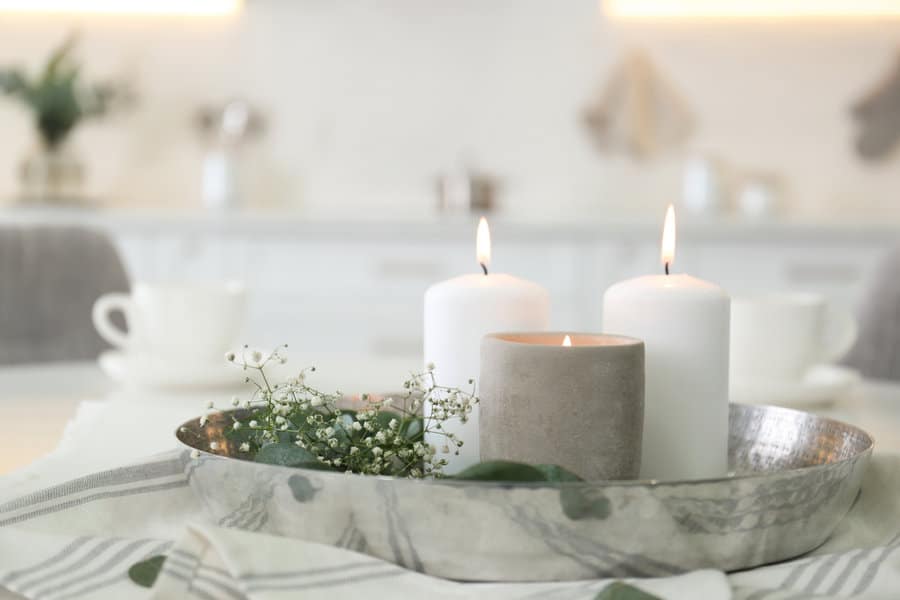
    Decorative Tray with Candles and Herbs

    Decorative trays, available in various materials such as wood, metal, ceramic, and glass, can add charm and organization to your kitchen counters. The choice of tray can reflect your kitchen’s overall style, be it rustic, modern, or traditional.

    Styling your tray with varied heights—tall items like spice grinders at the back and shorter ones like a butter dish at the front—can create a visually pleasing arrangement. Grouping similar items on a tray also reduces visual clutter, making your counter look more organized.

    Beyond aesthetics, trays provide practical benefits too. They can be quickly moved when you need extra counter space, keeping your items intact and the area tidy. With a vast array of designs, from vibrant, patterned ones adding a pop of color, to sleek, minimalist trays for a more modern look, they offer a versatile and stylish solution to kitchen counter decor.

    2. Houseplants and Fresh Flowers

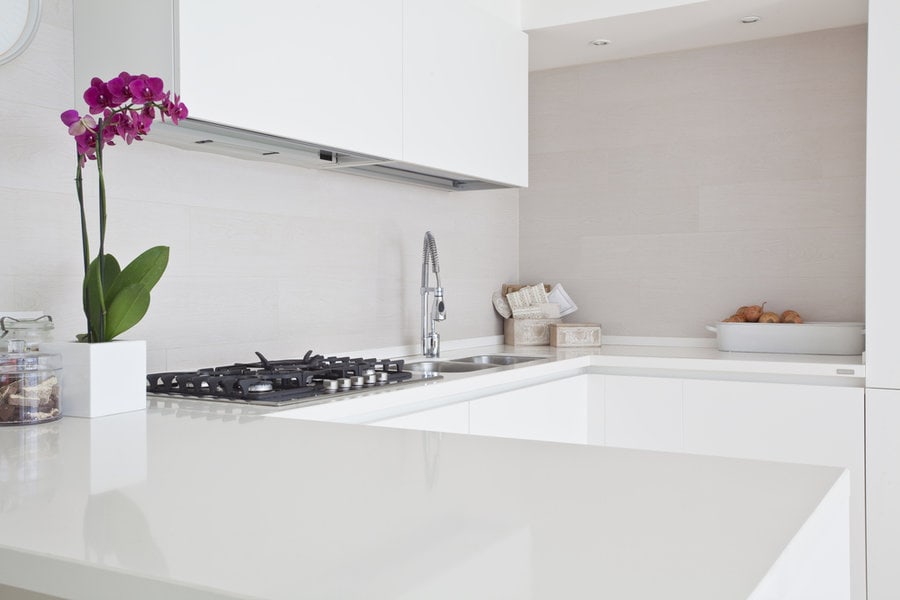
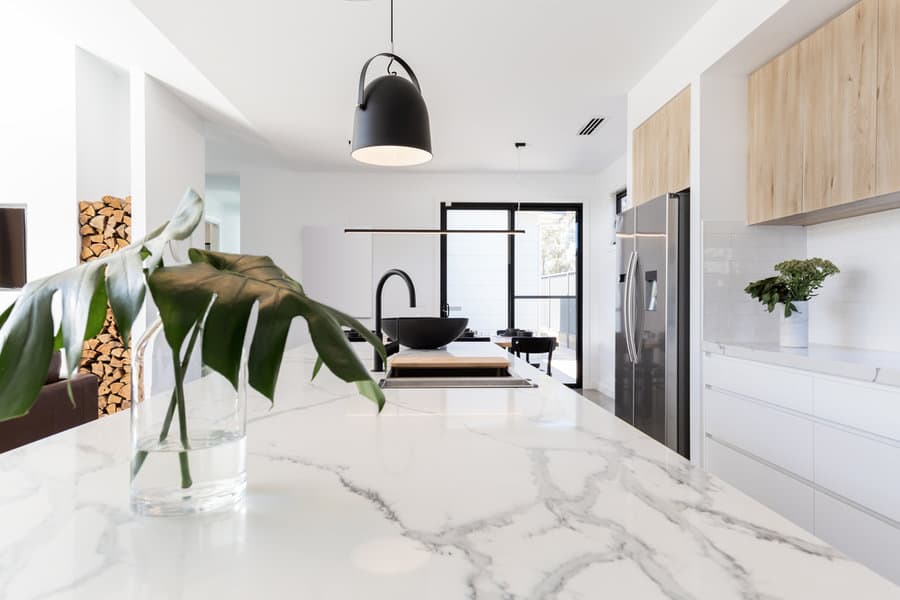
    marble kitchen counter with a vase and herb

    Incorporating houseplants or herbs into your kitchen design is a great way to add a dash of freshness and vitality. Plants like basil, rosemary, or mint not only thrive in the kitchen environment but also serve a practical purpose in cooking. Place them in stylish pots or planters that complement your kitchen aesthetics for a pleasing look.

    Fresh flowers, on the other hand, can bring an instant transformation to your kitchen counter. A carefully selected bouquet can provide a pop of color, lifting the ambiance of the whole kitchen. It’s best to choose flowers that blend well with the existing color scheme and overall design of your kitchen. Regularly changing flowers also provides an opportunity to switch up the look of your counter.

    3. Functional Decor

    Functional decor is the perfect marriage of style and utility, making everyday kitchen items double as attractive decor pieces. Objects like a set of wooden cutting boards, vintage salt and pepper shakers, or a sleek coffee machine can become focal points on your counter. These items, while being essential for your daily use, also add character and style to your kitchen.

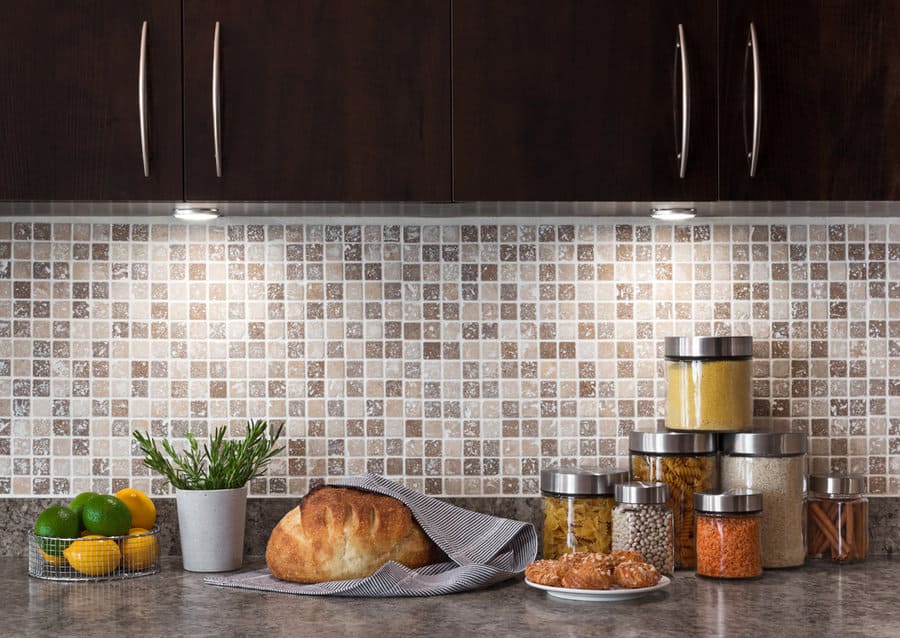
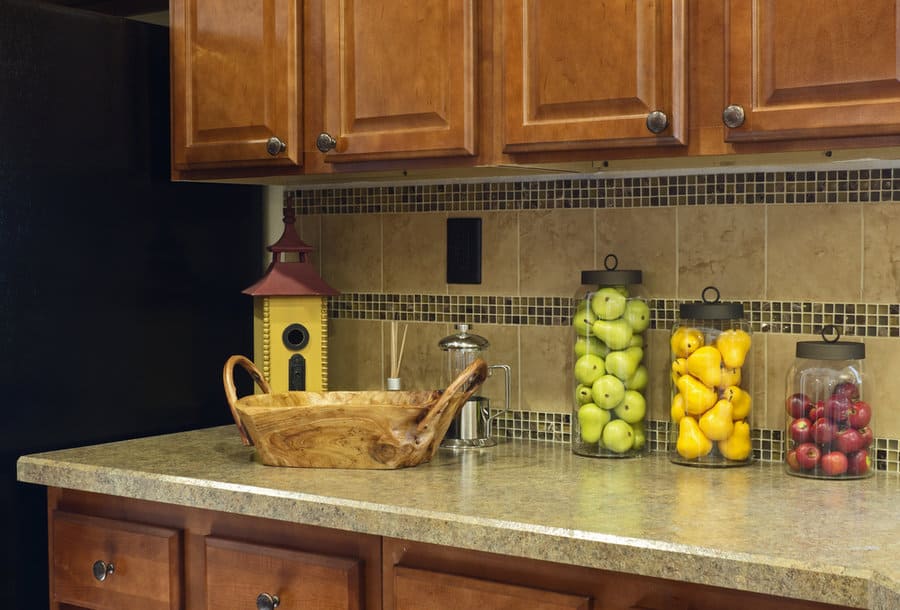
    Another great way to add functional decor is by using beautiful storage solutions. Ceramic canisters filled with pasta or rice, color-coordinated spice jars, or a decorative fruit bowl can create visual interest while keeping essentials at hand. When styling your kitchen counter, remember that less is more—a carefully curated selection of functional decor can maintain balance between practicality and aesthetics.

    4. Artwork and Personal Items

    Incorporating personal items and small pieces of artwork into your kitchen counter decor can give the space a unique and homely feel. You might choose to display a small sculpture, a family heirloom, or a piece of ceramic art. These pieces not only serve as conversation starters but also bring a touch of your personality into the kitchen, making it feel more like your own.

    Another way to personalize your kitchen counter is to display items that hold sentimental value. This could be a set of vintage spoons passed down through generations, a photo frame holding a cherished memory, or even your child’s latest craft project. However, it’s crucial to strike a balance here. While these items add a personal touch, they should not overwhelm the counter space or hinder its functionality.

    5. Lighting

    Lighting plays a crucial role in setting the mood and highlighting the decor of your kitchen. One of the most effective ways to achieve this is through under-cabinet lighting. These lights are installed beneath the cabinetry, casting a soft glow on your counters.

    Alternatively, a small, stylish table lamp can also make an excellent addition to your kitchen counter decor. This option adds a soft glow to the kitchen counter, providing enough light for casual tasks or late-night snacking while also serving as a decorative piece. When choosing a table lamp, consider one that matches your kitchen’s overall aesthetic.

    6. High-Quality Jars and Canisters

    High-quality jars and canisters serve as an ideal solution for storage that doesn’t compromise on style. Available in various materials like glass, ceramic, or metal, these containers offer a way to neatly store everyday items like pasta, rice, lentils, or even cookies and candies. When filled with colorful food items, they add visual interest and can act as vibrant focal points on your counter.

    The beauty of using jars and canisters for storage is that they keep essentials within easy reach while making a decorative statement. Selecting containers that align with your kitchen aesthetic can enhance the overall design. For instance, sleek stainless steel canisters could complement a modern kitchen, while ceramic ones with vintage designs may suit a farmhouse style kitchen.

    7. Textiles

    Textiles, such as runners and mats, are often underutilized in kitchen counter decor, yet they can significantly contribute to the overall aesthetic. A runner can add a splash of color and texture, instantly elevating the look of your counter. For instance, a bold, geometric pattern can add a contemporary vibe, while a soft, floral print may contribute to a more traditional or country-style kitchen.

    Beyond aesthetics, it’s important to consider the practicality of using textiles in the kitchen. Choose materials that are durable and easy to clean. Materials like cotton or linen are machine washable and can stand up to regular use. Some runners and mats also come with anti-slip backing, adding a safety feature.

  • How to Arrange Living Room Furniture

    How to Arrange Living Room Furniture

    Creating a harmonious, inviting and functional living space is all about the right arrangement of your furniture. Whether you’re moving into a new home, redesigning your current one, or just want to shake things up, understanding the basics of furniture arrangement can transform your living room into a place where you love to spend time.

    This article aims to guide you on how to make the most out of your living space. We’ll delve into key aspects of layout planning, aesthetic considerations, and practical functionality. From balancing visual weight to optimizing for conversation and traffic flow, we will help you unlock the potential of your living room. Let’s start this journey to create a living room that not only looks great but also suits your lifestyle and needs perfectly.

    1. Identify the Room’s Focal Point

    In every living room, there’s usually a central element or feature that draws attention, also known as the focal point. This could be a feature inherent to the room like a fireplace, a large picture window offering a stunning view, a striking piece of artwork, or even a television. The focal point sets the tone and character of the room and often dictates the arrangement of furniture.

    Identifying this element is the first crucial step in arranging your living room furniture. Once you have determined the focal point, you can start placing your furniture in a way that highlights and enhances it. For instance, if the focal point is a fireplace, you might place your main sofa facing it, with armchairs flanking either side, creating a cozy, inviting arrangement.

    Remember that the furniture doesn’t need to align perfectly with the focal point. The goal is to make it stand out while providing a logical, aesthetically pleasing setup for the furniture. Consider the focal point as the ‘anchor’ for your arrangement, bringing balance and harmony to your living room.

    2. Consider Traffic Flow

    In the process of arranging your living room furniture, it’s crucial to keep in mind how people will move through and interact with the space. The arrangement should facilitate easy and intuitive movement, not hinder it. This idea is referred to as traffic flow.

    Maintaining clear pathways around the room ensures that people can comfortably and safely navigate through the space. When you’re positioning your furniture, imagine the natural path someone might take from one doorway or entrance to another, or from a seating area to a bookshelf or entertainment center. These are your traffic lanes, and they should be kept unobstructed.

    It’s essential to make sure that no piece of furniture juts out into a walkway or blocks access to another part of the room. Similarly, try to ensure that no one has to squeeze between furniture pieces or shuffle sideways to move around. This can feel awkward and disrupt the room’s comfort and functionality.

    It’s not just about practicality; considering traffic flow also influences the feeling of openness in your living room. A room where movement is easy feels more spacious and welcoming.

    3. Balance Visual Weight

    The principle of balancing visual weight is fundamental to achieving an aesthetically pleasing and harmonious living room arrangement. Visual weight refers to how much an object draws attention in a space. This is influenced by its size, color, design, and placement in the room.

    When arranging furniture, consider the visual weight of each piece. For instance, a large, dark-colored sofa has more visual weight than a small, light-colored armchair. If all your heavy pieces are on one side of the room, the space can feel unbalanced and disjointed.

    To prevent this, aim to distribute large and small furniture pieces throughout the room. A well-balanced room might have a large sofa on one side, balanced by a pair of smaller chairs and a side table on the other. This not only helps to even out the visual weight but also creates an eclectic, engaging look.

    It’s also worth noting that visual weight doesn’t only apply to furniture; it extends to decor as well. A large piece of wall art, a bright rug, or a striking light fixture all contribute to the overall balance.

    4. Use Rugs to Define Areas

    Area rugs are more than just decorative elements; they play a significant role in defining spaces within your living room, especially in open-concept homes where different functional areas merge into one large space. The use of rugs can create distinct zones while maintaining a cohesive look throughout.

    For example, you might have a large, open living room that includes a seating area, a reading nook, and a dining area. Using different rugs in these areas can help distinguish one space from another. Each rug acts as a visual marker, signifying a separate functional area.

    In your seating area, a rug can anchor all the furniture — the sofa, armchairs, and coffee table. Ideally, the rug should be large enough to at least accommodate the front legs of your seating furniture. This helps create a unified, cozy area where people can gather and socialize.

    5. Leave Space for Conversation

    One of the primary functions of a living room is to facilitate comfortable and engaging conversation. This purpose should be central to your furniture arrangement. The way you position your seating can greatly affect how people interact in the space.

    A key principle here is proximity. If seats are too far apart, people may have to raise their voices to talk, which can disrupt the relaxed ambiance of your living room. On the other hand, seating that’s too close may make people feel cramped and uncomfortable.

    A good rule of thumb is to position chairs and sofas no more than 8 feet apart from each other. This distance allows for easy conversation without having to shout or lean forward uncomfortably. In smaller living rooms, this gap may be reduced, but there should still be enough room for people to move around.

    Consider arranging your sofas and chairs in a semi-circle or a U-shape. This type of arrangement encourages face-to-face conversation. If your living room is large enough, you might create multiple conversation areas – each providing a cozy, intimate space where small groups can chat.

    Additionally, remember to place side tables within easy reach of each seat for guests to set down their drinks or books. This small detail adds greatly to the overall comfort and convenience of your living space.

    6. Prioritize Proportion and Scale

    When arranging your living room furniture, it’s important to consider both the size of the pieces and their proportion to each other, as well as to the room itself. This concept, known as proportion and scale, can greatly affect how a room feels and functions.

    Proportion refers to the relationship between the size of one object in the room compared to another. For example, a large sofa next to a tiny coffee table may feel out of balance, while a pair of armchairs might be in perfect proportion with a modestly-sized side table.

    Scale, on the other hand, deals with the size of an object compared with the size of the room. A room feels most comfortable when the furniture is scaled to its size. Large, bulky pieces can quickly overwhelm a small room, making it feel cramped and claustrophobic. Conversely, small furniture in a large room can feel lost and insignificant.

    For instance, if you have a small living room, opt for furniture that fits the scale of the space. A loveseat or a sleek sofa may work better than a large sectional. Choose slimline armchairs over bulky ones, and consider using multipurpose furniture like a coffee table with storage or nesting side tables to maximize space without adding clutter.

    If you have a large room, on the other hand, you have more flexibility to accommodate larger pieces. However, even in a big room, the furniture should still be in proportion to ensure a balanced look.

    7. Utilize Multifunctional Furniture

    When designing your living room, maximizing space and functionality is key, especially if you have limited square footage. One effective way to achieve this is by incorporating multifunctional furniture into your arrangement.

    Multifunctional furniture serves a dual purpose, offering not only its primary function but also additional features that add convenience and versatility to your living space. These pieces are designed to save space and provide clever storage solutions.

    For example, consider a sofa or sectional with built-in storage compartments underneath the seats. This allows you to store blankets, pillows, or other items out of sight, reducing clutter in your living room. Similarly, an ottoman with a removable top can serve as both a footrest and a hidden storage space for magazines, remote controls, or extra blankets.

    Another option is a coffee table with adjustable or lift-top features. This type of table can transform into a dining surface, creating a convenient spot for eating or working from the comfort of your sofa.

    Additionally, consider a daybed or a sofa bed that can serve as a comfortable seating area during the day and convert into a sleeping space for guests at night. This eliminates the need for a separate guest room, saving valuable space.

    8. Reflect Personal Style

    Your living room is a reflection of your personal style and taste, so it’s important to arrange your furniture in a way that truly represents who you are. While considering practical aspects of furniture arrangement, don’t forget to infuse your own personality and preferences into the design.

    Start by identifying your preferred style. Are you drawn to a modern, minimalist aesthetic, or do you prefer a cozy, traditional vibe? Maybe you love eclectic, bohemian elements or sleek and contemporary designs. Understanding your style preferences will guide you in selecting furniture pieces and decor that align with your vision.

    Consider the colors, patterns, and textures that resonate with you. These elements can be incorporated through upholstery, cushions, curtains, rugs, and artwork. If you’re passionate about a particular theme or have a collection of unique items, find ways to display and integrate them into your living room design.

    Moreover, think about the activities and functions that matter most to you. If you love hosting game nights, ensure you have ample seating and a designated area for games. If you enjoy reading, create a cozy reading nook with a comfortable chair and good lighting. Your living room should be tailored to support your lifestyle and hobbies.

    9. Leave Some Breathing Room

    When arranging your living room furniture, it’s important to leave some breathing room and avoid the temptation to push all the furniture against the walls. Creating space between the furniture and the walls, even just a few inches, can make a significant difference in the overall feel of the room.

    Leaving space between the furniture and the walls helps to create an open and inviting atmosphere. It allows the room to breathe and prevents it from feeling cramped or confined. This simple adjustment can make the space feel more visually balanced and spacious.

    Instead of lining up all your furniture along the walls, try pulling some pieces away and creating conversational groupings in the center of the room. For example, position your sofa and chairs facing each other with a coffee table in the middle, forming a cozy gathering spot. This arrangement fosters a more intimate and engaging environment for conversations.

    Additionally, leaving space between furniture and walls allows for better traffic flow. It makes it easier to move around the room and access different areas without feeling obstructed. It also provides an opportunity to incorporate other elements like floor lamps, plant stands, or accent tables to enhance the visual interest and functionality of the space.

    10. Consider Lighting

    Lighting plays a crucial role in creating the right ambiance and mood in your living room. When arranging your furniture, it’s important to consider both natural light sources and artificial lighting options to ensure an optimal lighting scheme.

    First, take advantage of natural light by positioning your furniture in a way that allows the light to flow into the room. Place seating areas near windows to maximize the benefit of natural daylight. This not only enhances the overall brightness of the space but also creates a pleasant and inviting atmosphere.

    However, it’s also important to consider the potential glare or excessive sunlight that might impact certain seating areas. You can address this by incorporating window treatments like curtains or blinds that allow for light control and privacy while still maximizing the natural light.

    In addition to natural light, plan for artificial lighting to provide adequate illumination throughout the room, especially during the evening or in areas with limited natural light. Assess the different functional zones within your living room and determine the type of lighting required for each.

    Consider a combination of ambient, task, and accent lighting. Ambient lighting provides overall illumination and can be achieved through ceiling-mounted fixtures, chandeliers, or track lighting. Task lighting, such as floor lamps or table lamps, is essential for specific activities like reading or working on a task. Accent lighting, like wall sconces or spotlights, adds depth and highlights architectural features or artwork.

    Strategically position light sources near seating areas, side tables, or reading nooks to ensure optimal functionality. Additionally, use lighting fixtures to enhance the overall aesthetic of your living room, considering styles and designs that complement your decor and personal taste.

  • How to Paint a Brick Fireplace

    How to Paint a Brick Fireplace

    There’s something undeniably charming about a brick fireplace. However, as time passes, it can start to feel outdated or mismatched with the rest of your home’s aesthetic.

    Luckily, there’s a simple solution that doesn’t involve a total renovation—paint. With a bit of time, the right tools, and a touch of creativity, you can transform your old brick fireplace into a stunning focal point that can dramatically elevate your living space.

    Whether you’re a seasoned DIY expert or this is your first home improvement project, we’ll walk you through the process, step-by-step, to help you achieve a professional-looking finish. So, let’s roll up our sleeves and breathe new life into that old fireplace!

    Read also: How to Update a 1970s Stone Fireplace

    [view_toc]

    Step 1: Gather Necessary Materials and Tools

    Here’s a list of the materials, tools, and equipment you’ll need for painting a brick fireplace:

    Materials:

    1. Primer: Preferably a stain-blocking, oil-based primer to help cover any soot stains and prevent them from seeping through the paint.
    2. Paint: Latex paint or a paint specifically designed for masonry is best. Choose your desired color.
    3. Trisodium Phosphate (TSP): This is a heavy-duty cleaner you’ll use to clean the fireplace before painting.

    Tools & Equipment:

    1. Paintbrushes: A combination of angled and straight brushes will help you cover all areas.
    2. Paint roller: A roller designed for rough surfaces will help you get even coverage on the brick.
    3. Painter’s tape: You’ll use this to protect areas around the fireplace that you don’t want to get paint on.
    4. Drop cloth or plastic sheeting: To protect your flooring and any nearby furniture.
    5. Cleaning brushes: Stiff-bristle brushes will help you clean the brick before painting.
    6. Safety gear: This includes gloves, goggles, and a mask to protect you while you’re cleaning and painting.

    Remember, investing in high-quality tools and materials will pay off in the long run, as it will help you achieve a professional-looking finish. Before you begin the project, gather all your tools and materials so everything is at hand, making the process smoother and more efficient.

    Step 2: Preparation

    Begin by prepping the area around your fireplace. Use a drop cloth or plastic sheeting to cover your floors and any furniture nearby. Then, use painter’s tape to protect the walls around the fireplace and any metal or glass elements you don’t want to get paint on.

    Step 3: Safety First

    Put on your safety gear—gloves, goggles, and a mask. This will protect your skin, eyes, and respiratory system from dust and chemical exposure.

    Step 4: Clean the Fireplace

    Use a stiff-bristle brush to remove any loose debris or dust from the bricks. After that, prepare a cleaning solution with trisodium phosphate (TSP) according to the manufacturer’s instructions. Apply this solution to the bricks and scrub thoroughly. This will help the primer and paint adhere better to the surface. After cleaning, let the fireplace dry completely.

    Step 5: Apply the Primer

    Using your paintbrushes, apply a coat of your stain-blocking, oil-based primer to the entire surface of the brick fireplace. The angled brush can help you get into the deep crevices of the brick and mortar. This step might take time, but patience will pay off with a more professional-looking result. Allow the primer to dry as per the manufacturer’s instructions.

    Step 6: Paint the Fireplace

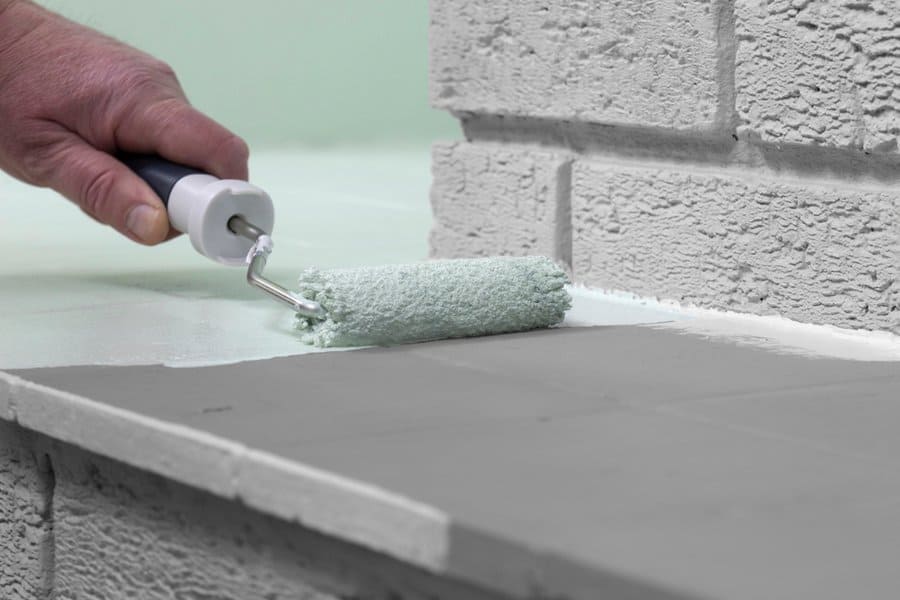
    Once the primer is completely dry, you can start painting. Use the paint roller for the larger areas and the paintbrushes for the corners and crevices. It’s best to start from the top and work your way down to prevent dripping on completed areas. You might need multiple coats to get even coverage and achieve your desired color. Make sure to let each coat dry before applying the next.

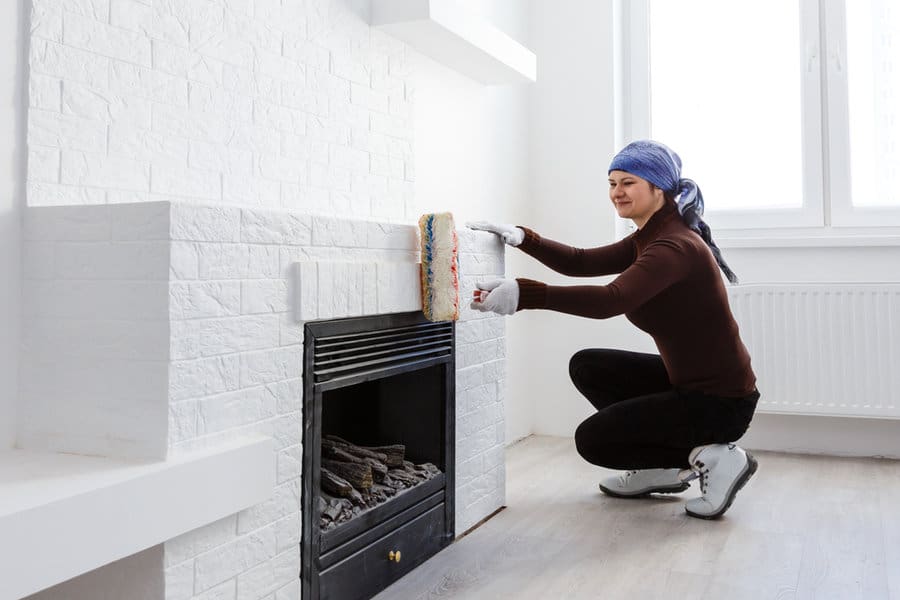
    white fireplace paint

    Step 7: Clean Up and Enjoy

    After the paint is dry, remove the painter’s tape carefully. Clean your brushes and rollers, and remove the drop cloths or plastic sheeting. Step back and enjoy your newly transformed, painted brick fireplace!

    This project might take a weekend or a few days to complete, depending on the size of your fireplace and the drying time between coats. But the result—a beautiful, updated fireplace that enhances your home’s aesthetic—is well worth the effort.

    Read also: What Color to Paint Fireplace Surround?

  • How to Choose Curtains for the Living Room

    How to Choose Curtains for the Living Room

    Choosing the right curtains for your living room can be a daunting task with the plethora of options available in terms of colors, fabrics, designs, and styles. However, the right set of curtains can instantly elevate the aesthetic appeal of your space and tie together all elements of your interior design.

    In this article, we will guide you through the process of selecting the perfect curtains for your living room. We’ll help you understand how to balance functionality with style, ensuring that your curtains not only complement your décor but also meet your practical needs for light control and privacy. Let’s transform your living space, one curtain at a time!

    [view_toc]

    1. Consider Room Functionality

    When it comes to choosing curtains for your living room, considering the functionality of the room plays a pivotal role in your decision-making process. This requires understanding how your living room is used on a day-to-day basis.

    For example, if your living room is a high-traffic area—constantly bustling with activity, with kids or pets regularly on the move—you’ll need to opt for curtains made from durable and washable fabrics. These could include materials such as cotton, linen or synthetic blends. The reason being, these fabrics can withstand regular use without showing signs of wear and tear too quickly. Additionally, they can be easily cleaned either at home or through professional cleaning services, which is a must if your curtains are likely to get dirty frequently.

    On the other hand, if your living room is more of a formal, low-traffic area used primarily for entertaining guests or special occasions, you might choose more delicate or luxurious fabrics like silk or velvet to add a touch of elegance and sophistication.

    Remember, the functionality of the room is as important as the aesthetic appeal when choosing curtains. The right balance of the two will ensure your curtains not only look good but also last longer, providing value for your investment.

    2. Light and Privacy

    The degree of privacy and light control you need in your living room is a significant factor when choosing your curtains. If your living room is exposed to a lot of outside attention, perhaps facing a busy street or neighboring buildings, it’s important to consider curtains that offer a high degree of privacy. This is where thicker fabrics, or even specialized blackout curtains, come into play.

    Thicker materials such as velvet, suede, or heavy cotton can obstruct prying eyes from the outside, providing your living room with the privacy you desire. However, it’s not just about blocking visibility. These fabrics also play a major role in controlling the amount of light that enters the room.

    For instance, if your living room gets a lot of natural light, you might need to manage its intensity, especially if it causes glare on screens or fades your furniture. Thicker curtains, or blackout curtains, which are often lined with a light-blocking layer, can effectively dim the light, creating a cozy, subdued atmosphere. They can also offer insulation, reducing outside noise and helping maintain room temperature.

    On the other hand, if your living room is a bit dark and could benefit from as much natural light as it can get, you may opt for lighter, sheer fabrics.

    3. Fabric Choice

    The way a curtain drapes or falls is directly related to the fabric from which it’s made. Heavier fabrics like velvet or heavy cotton tend to have a pronounced drape, creating a traditional, elegant look. They hang straight and are less likely to flutter with a breeze, which can provide a sense of stability and grandeur.

    Lighter fabrics such as linen, on the other hand, drape in a more casual and flowing manner, contributing to a relaxed and laid-back ambiance. They move more freely in the wind, which can create a lovely effect but might also provide less privacy or light blocking.

    Silk and faux silk curtains sit somewhere in between, offering a sophisticated, yet softer look. While they drape beautifully, be aware that real silk may fade in direct sunlight and may require a lining or a UV window film for protection.

    In terms of longevity, heavier fabrics like velvet or specially treated faux silk tend to resist wear and tear better, making them suitable for rooms where the curtains will be drawn frequently. Lighter fabrics can work well in a low-traffic area or when used purely for decoration.

    4. Color Selection

    When choosing curtain colors, one approach is to pick hues that harmonize with your existing furniture and décor. This creates a visually cohesive and soothing atmosphere. For instance, if your living room predominantly features cool, understated colors like blues, grays, or greens, you might choose curtains in similar or complementary shades to maintain this calming aesthetic.

    On the other hand, you might decide to make your curtains a standout feature by selecting a color that contrasts with your current décor. A vibrant, contrasting hue can serve as a striking focal point that draws the eye and adds an exciting pop of color. For example, ruby red curtains could offer a visually appealing contrast in a room with a primarily white and beige palette.

    However, while color is an important element of your choice, you should also be aware of practical considerations. Bright colors can fade over time, particularly if your living room receives a lot of sunlight. This doesn’t mean you should avoid bright colors altogether, but you might need to consider UV-protective window films or linings, or be prepared to replace your curtains more frequently.

    Remember, the choice of curtain color can set the mood and character of your living room. Whether you opt for a color that blends in or stands out, ensure it aligns with your personal style and the aesthetic you’re aiming to create.

    Read also: What Color Curtains go With Grey Walls?

    5. Pattern and Prints

    The choice of pattern or print on your curtains can significantly influence the overall aesthetic of your living room, either by harmonizing with existing design elements or adding a new dimension of visual interest.

    In a living room that’s already visually busy—with a variety of colors, patterns, and textures in the furnishings, carpeting, and artwork—solid curtains can provide a restful counterpoint. They offer a visual “break” and help prevent the room from feeling overwhelming or chaotic. For instance, if your living room features a patterned sofa, intricate rug, and colorful artwork, a set of solid-colored curtains can help balance out these busy elements, providing a calming influence and tying the room together.

    Conversely, if your living room’s décor is relatively simple or monochromatic—with minimalist furniture and understated colors—a patterned or printed curtain can add an exciting element of visual interest. Bold stripes, playful polka dots, or an elegant floral or damask print can liven up the space, inject personality, and serve as a focal point.

    While choosing patterns, consider the size of the room and its fixtures. Larger patterns may work better in a spacious living room, while smaller, more intricate designs may be a better fit for a smaller room.

    Ultimately, whether you choose solid, patterned, or printed curtains, aim for a design that not only complements your living room but also reflects your personal style and the atmosphere you wish to create.

    6. Size and Measurement

    Before you buy curtains, it’s crucial to take accurate measurements of your windows. Measure the width of your window including any extra space you’d like the curtains to cover. For a fuller look, the total width of your curtains should be 2 to 2.5 times the width of the window.

    The length of the curtains is equally important. Traditionally, curtains are hung about 6 inches above the window frame or even higher to create an illusion of a taller window. The length of the curtain should ideally extend from the rod down to just above the floor. This standard length gives the room a polished, elegant look.

    However, trends do change, and you might prefer a different look. For instance, if you desire a more dramatic and luxurious feel, you could opt for ‘puddling.’ In this style, curtains are extra long and pool or “puddle” on the floor, which works best with heavier fabrics like velvet.

    On the other hand, if you have radiators under the windows or the windows open inwards, you might prefer sill length or below-sill length curtains. These stop either at the windowsill or a few inches below it.

    Read also: Should Curtains Touch the Floor?

    7. Hardware Essentials

    While often overlooked, the hardware elements of your window treatments, namely the curtain rods and holders (or finials), play a critical role in enhancing the overall look and feel of your living room.

    Curtain rods are not just functional elements that hold your curtains in place; they can also be a significant aspect of your room’s décor. Consider the material and finish of your curtain rods. Brass, bronze, or matte black rods can add a touch of sophistication, while a wooden rod might lend a more rustic or traditional feel.

    Similarly, curtain holders, also known as tiebacks or holdbacks, are another aspect of the hardware that can contribute to your room’s aesthetic. They are especially important if you plan to draw your curtains back during the day. The holders should match or complement the style of the rod and the curtain fabric. They can be simple hooks or elaborate tassels, depending on your style preference.

    Finials, the decorative ends on your curtain rods, can also add a touch of elegance and complete the look. Choose a style that matches the rest of your room’s décor. If your living room has a modern minimalist style, consider sleek, simple finials. For a more classic or luxurious look, you might choose ornate, sculpted designs.

    8. Seasonal Change

    Changing your curtains with the seasons can help to refresh your living room’s look and enhance its comfort throughout the year.

    During colder months, consider switching to heavier materials like velvet, suede, or tweed. These fabrics provide excellent insulation, helping to keep the chill out and warmth in, making your living room feel cozy and inviting. Darker colors or rich, warm tones can also contribute to this comforting atmosphere, adding depth and warmth to the room’s aesthetics.

    As the weather warms up, replace the heavy curtains with lighter ones. Fabrics like cotton, linen, or sheer materials are more suitable for warmer months. They allow more natural light to filter through and promote better airflow, creating a bright, airy, and relaxed setting in your living room. Lighter colors or cool, refreshing shades can further enhance this summery feel.

    Changing your curtains seasonally doesn’t only affect the room’s temperature; it can also refresh the space visually. It’s an easy and effective way to update your living room’s look, keeping it in harmony with the changing seasons outside your window.

    9. Personal Style

    While functional considerations and design principles are important when choosing curtains, the most crucial factor should always be your personal style. After all, your living room is a space where you spend a significant amount of time, and it should reflect your tastes, preferences, and personality.

    Whether you’re drawn to minimalist aesthetics with clean lines and neutral colors, love the glamour of bold patterns and lush fabrics, or find comfort in a rustic style with earthy tones and natural textures, your curtains should align with your unique style. They should be a testament to your personality, transforming your living room into a space that feels truly ‘you.’

    Don’t hesitate to experiment until you find a combination of color, pattern, fabric, and style that speaks to you. If a certain set of curtains makes you feel comfortable and happy in your living space, they’re likely the right choice.

  • How to Make Oak Kitchen Cabinets Look Modern

    How to Make Oak Kitchen Cabinets Look Modern

    While oak kitchen cabinets have long been a staple in traditional and rustic style homes due to their durability and classic aesthetic appeal, their charm may not always align with a more contemporary and modern design aesthetic.

    However, this doesn’t mean that you have to completely tear out your old oak cabinets to align with your modern design preferences. In fact, there are plenty of ways to give your old oak kitchen cabinets a modern touch.

    This article will provide you with a step-by-step guide and creative ideas on how to transform your traditional oak kitchen cabinets into sleek and modern showpieces, without losing their inherent quality and character. By introducing contemporary colours, hardware, finishes, and layout concepts, you’ll be able to enjoy the charm of oak in a fresh, new light.

    [view_toc]

    1. Modern Paint Makeover

    Oak is renowned for its strong grain texture which gives it a distinctive, traditional charm. While some prefer to let this feature shine, you may want it to take a backseat in your modern design.

    Applying a fresh coat of paint in a modern shade can bring about a transformative change to your oak cabinets. Matte black, for instance, can add a dramatic and sophisticated edge, navy blue can bring in a rich, calm feel, and cool grey can exude a sleek, minimalist ambiance.

    When painting, remember to prepare the surfaces properly. Start by removing the cabinet doors and hardware. Clean all surfaces thoroughly and sand lightly to help the paint adhere better. Next, apply a primer, which is especially important when painting oak to prevent the tannins from bleeding through the paint. Then apply your chosen paint color.

    For a truly modern look, opt for a flat or matte finish which is currently on-trend for its ability to absorb light rather than reflect it, reducing any visual noise and helping to achieve a clean, streamlined look.

    Finally, when choosing the paint type, consider an enamel-based paint, as it tends to dry harder and will stand up to the rough-and-tumble of a busy kitchen. Remember, the key to a successful modern paint makeover lies in the meticulous preparation and choosing high-quality paint for a lasting finish.

    2. Minimalist Hardware Replacement

    Hardware plays a significant role in the overall look and feel of your kitchen cabinets. Outdated or overly ornate hardware can make even freshly painted cabinets still seem trapped in a bygone era. Conversely, sleek and minimalist handles and knobs can give your oak cabinets an instant modern refresh.

    Start by considering the finish. Brushed nickel offers a soft metallic appearance that works well in many modern kitchens. Chrome provides a shinier option for a sleek and contemporary vibe. Alternatively, matte black can be a bold and trendy choice that pairs beautifully with various modern paint colors.

    Once you’ve chosen the finish, decide on the design. In keeping with the modern aesthetic, opt for simple, streamlined handles and knobs. Bar or T-bar handles, for instance, lend themselves well to a minimalist aesthetic due to their simple, clean lines.

    Bear in mind the positioning of the hardware too. Modern design often favors a full-length style, with handles placed horizontally on pull-out drawers and vertically on doors.

    Finally, remember to measure accurately before ordering new hardware to ensure it fits well with your existing cabinets. If your new hardware doesn’t match the hole placement of the old, you’ll need to fill and paint the old holes and drill new ones. With the right choice and careful installation, your new hardware can make a dramatic impact on the modern look of your oak cabinets.

    3. Under-Cabinet LED Illumination

    One effective way to add a sleek, modern touch to your oak cabinets while also enhancing the functionality of your kitchen workspace is to install under-cabinet LED lighting. Not only does this feature cast a warm and inviting ambiance, but it also provides task lighting that can make cooking and preparation tasks easier.

    LED lighting has become a popular choice due to its energy efficiency, longevity, and the broad range of options available. Strip lights, puck lights, and light bars are all good choices for under-cabinet lighting, each offering a unique look and light spread.

    To achieve the best effect, you should install the lighting toward the front of the cabinets. This ensures the light is cast onto your workspace, rather than just highlighting the backsplash.

    As for color temperature, this will depend on the overall aesthetic of your kitchen. For a warm, inviting ambiance, choose LEDs around 2700-3000K. For a brighter, more invigorating light, opt for 4000-5000K.

    Under-cabinet lighting can either be hardwired into your electrical system by a professional, or, for a quicker and simpler installation, you can choose battery-operated or plug-in units.

    Regardless of your choice, under-cabinet LED illumination is a modern feature that can make your oak cabinets stand out, creating a stylish yet practical kitchen environment.

    4. Open Shelving Layout

    The open shelving trend has become a staple in modern kitchen design, and incorporating it into your oak cabinet layout can give your kitchen a contemporary, airy feel. Open shelves not only provide a modern aesthetic but also offer functionality by making frequently used items easily accessible.

    To reconfigure your oak cabinets to incorporate open shelving, you could consider removing the doors of some of the upper cabinets. This could work particularly well if your kitchen layout includes a corner, where open shelves can often create a lighter, more open feel.

    Alternatively, you could remove some cabinets entirely and replace them with custom or pre-made open shelves, which could either be made from matching oak or a contrasting material to create a more eclectic look.

    When you’re planning your open shelving, think about what you want to display on them. Plates, bowls, and glasses can all look great, especially if they’re a part of a matching set. Cookbooks, plant pots, and other attractive kitchenware can also provide some color and personal touch to your kitchen.

    Remember, though, open shelving will display everything, so it’s essential to keep your shelves organized and avoid clutter.

    By integrating open shelving into your oak cabinet layout, you’ll create an attractive focal point that combines modern aesthetics with practicality, all while showcasing your personal style.

    5. Glass Cabinet Door Installations

    Incorporating glass into your oak cabinet doors is another excellent way to introduce a modern and sophisticated aesthetic to your kitchen. Glass cabinet doors not only lighten the overall look of your kitchen, but they also offer an opportunity to showcase chic kitchenware or decorative items, transforming your cabinets into a display case.

    There are different styles of glass you could use for your cabinet doors, from clear to frosted, seeded, or even stained glass. Clear glass doors are a popular choice as they fully reveal the cabinet’s contents, ideal if you have coordinating dinnerware or striking pieces to display. Frosted glass, on the other hand, offers a balance between openness and concealment, adding a sleek and modern look while lightly obscuring the cabinet contents. Seeded glass has a vintage look but can be made modern when paired with minimalist hardware and design elements.

    Installing glass cabinet doors involves removing the center panel of your existing oak cabinet doors and replacing it with your chosen glass. This task requires precision and a certain level of handiness, so if you’re not a confident DIYer, it might be a task best left to professionals to avoid damaging your cabinets.

    Once the glass doors are installed, be mindful of what you display inside. Aim for a balance between functionality and aesthetics. Display items that complement each other in terms of color and shape for a harmonious look.

    With thoughtful choice and installation, glass cabinet doors can truly elevate the look of your oak cabinets, adding a touch of modern elegance to your kitchen.

    6. Modern Appliance Pairing

    Pairing your oak cabinets with modern appliances and fixtures is an effective way to harmonize the classic charm of oak with the sleek appeal of contemporary design. Stainless steel appliances have long been favored in modern kitchens due to their professional look and neutral color that matches well with a variety of color schemes.

    Choose appliances with clean lines and digital interfaces for an extra modern touch. This can include the refrigerator, stove, oven, dishwasher, and even smaller appliances like the toaster and coffee maker.

    In addition to appliances, your sink and faucet fixtures also offer an opportunity to modernize your kitchen. A deep, undermount stainless steel sink with a high-arc faucet can bring a sleek, streamlined look. Alternatively, consider matte black or brushed brass fixtures for a more on-trend, yet still modern look.

    Beyond the kitchen fixtures, you might also consider modern lighting fixtures. Pendant lights over the kitchen island or a contemporary chandelier in the dining area can further enhance the modern appeal of your kitchen.

    It’s important to remember, though, that while you’re aiming for a modern look, you should strive for a balance between aesthetics and functionality. All the appliances and fixtures you choose should not only look great but also meet your specific needs in terms of functionality and usability. With the right pairings, you can transform your oak kitchen into a space that exudes modern sophistication while maintaining practicality.

    7. Oak Stain Refinishing

    Refinishing your oak cabinets with a different stain color can completely alter their look and feel, aligning them more with a modern aesthetic. Depending on your preferred modern kitchen color scheme, you might opt for either a lighter or a darker stain.

    Lighter stains can give your kitchen a fresh, airy look and are especially suitable for smaller kitchens or those with less natural light. They’re also a great way to blend in with a Scandinavian-style or minimalist modern design.

    Darker stains, on the other hand, can add depth and drama to your space. They work well in larger kitchens and can give a striking contrast to lighter countertops or walls. A deep espresso or walnut stain can create a modern, upscale feel.

    When staining, it’s important to remember that preparation is key. Begin by removing the doors and hardware. Clean the surfaces and lightly sand them to help the stain adhere better. Apply the stain according to the manufacturer’s instructions, which usually involves brushing on the stain, letting it soak in for a few minutes, and then wiping off the excess. You may want to apply two or more coats to get the desired color.

    Once the stain has fully dried, apply a protective coat of clear finish to protect your cabinets from wear and tear. A matte or satin finish will maintain a more modern look than a glossy one.

    Refinishing your oak cabinets is a project that requires time and patience, but it can make a huge impact on your kitchen, transforming it from a traditional space into a modern one.

    8. Stylish Backsplash Integration

    The backsplash in your kitchen plays a pivotal role in shaping the overall aesthetic of your space. Incorporating a modern, stylish backsplash can dramatically elevate the look of your oak cabinets and tie together your entire kitchen design.

    Subway tiles are a classic choice that can effortlessly blend with a modern aesthetic. Traditionally white, subway tiles now come in a variety of colors and finishes, allowing you to add a touch of personal style to your kitchen. Laying them in an unconventional pattern, such as a herringbone, can also bring a unique, modern twist to your design.

    Geometric patterns, on the other hand, can add a bold and contemporary flair. Whether it’s large-format tiles with a striking pattern or smaller mosaic tiles, they can bring a splash of intrigue and modernity to your kitchen.

    Alternatively, a sleek metallic finish can deliver a striking modern look. Metals like stainless steel, copper, or even a metallic-look tile can reflect light, making your kitchen feel larger and brighter.

    When choosing a backsplash, consider the color and finish of your oak cabinets, as well as your countertop. The backsplash should tie these elements together and help create a cohesive look.

    Installation can range from simple peel-and-stick options suitable for DIY, to more complex tiling projects that might require professional help. Regardless of your choice, a stylish backsplash can serve as the perfect backdrop for your oak cabinets, encapsulating a modern aesthetic.

    9. High-Gloss Lacquer Finish

    Applying a high-gloss lacquer finish to your oak cabinets can provide a sleek, shiny appearance that screams modernity. This type of finish reflects light, which can help to make your kitchen feel brighter and more spacious. Moreover, a high-gloss finish offers a smooth surface that’s easy to clean – a practical advantage in a busy kitchen.

    To achieve a high-gloss lacquer finish, start by preparing your cabinets. Remove the doors and hardware, clean them thoroughly, and lightly sand the surfaces. Once your cabinets are prepared, apply a primer. This step is crucial, as primer helps the lacquer adhere better and last longer.

    Next, apply the lacquer. This can be done using a spray system, which typically results in the smoothest finish. Keep in mind that lacquer dries quickly, so you have to work efficiently to prevent overlapping spray marks.

    Once the first coat is dry, lightly sand the cabinets again to ensure a smooth final finish, wipe off the dust, and then apply a second coat. This process may need to be repeated several times until you achieve the desired level of glossiness.

    Remember, while a high-gloss lacquer finish adds a touch of modern luxury, it also tends to show fingerprints and smudges more easily than a matte or satin finish. Therefore, it might require more frequent cleaning to keep your cabinets looking their best.

    With a careful application process, a high-gloss lacquer finish can transform your traditional oak cabinets into a modern marvel, creating a stylish and sophisticated centerpiece in your kitchen.

    10. Modern Cabinet Insert Integration

    While the external appearance of your cabinets plays a significant role in your kitchen’s aesthetic, integrating modern cabinet inserts can combine style and functionality in a truly contemporary way. These additions enhance the usability of your oak cabinets, providing convenience while maintaining a sleek and organized look.

    Pull-out spice racks are a fantastic way to keep your spices accessible and neatly organized. Installed on the inner side of a cabinet door or in a narrow, vertical cabinet, they offer a space-saving solution that makes cooking more efficient.

    Drawer organizers can transform a cluttered utensil drawer into a neatly arranged storage space. Depending on your needs, these can be custom-made or bought ready-made to fit your drawers. They come in various materials, from wood to stainless steel, allowing you to match the interior of your cabinets to their exterior.

    Built-in trash bins are another modern cabinet insert that can streamline your kitchen activities. Usually housed in a lower cabinet, these bins can be pulled out for easy access and hidden away when not in use. Many options come with multiple bins, making it easier to sort and separate waste and recyclables.

    Adding these modern inserts to your oak cabinets can greatly improve your kitchen’s functionality. Plus, the fact that these features are neatly hidden away within your cabinets means they can provide all their practical benefits without disrupting your kitchen’s modern aesthetic. By integrating these modern touches, you can enjoy a kitchen that beautifully blends style and practicality.